The Occasional 965 - International Women's Day special issue 08 03 21
Consciousness Club leads the way this International Women’s Day
As part of Ipswich School’s celebration of International Women’s Day, we’re drawing attention to Consciousness Club, a studentled society which aims to empower and elevate all members of the school community by drawing attention to societal issues. The group was established by Sixth Formers Angie, Honor, Mia, Sophie and Jemima, who initially wanted to establish a space for female empowerment in the face of sexism in modern day Britain.
During lockdown, the group was unable to meet as frequently, but has held specific longer sessions centring around International Women’s Day and the role that both men and women can play.
How you can take part
1Please choose one of our special #ChooseToChallenge backgrounds for your Google Meets today. You can access these in the Pupil Resources or Senior Staff shared drive folders - there’s a special International Women’s Day folder that has them in.
2
Have a look at the International Women’s Day booklist at the end of this Occasional, and choose to challenge yourself with a new book to read. You can email library@ipswich. school if you’d like to borrow something.
However, they broadened the scope of the club, taking inspiration from both historical and modern day feminists such as bell hooks, Florence Given and Kimberlé Crenshaw, to include aspects of intersectionality theory (aiming to understand the unique challenges faced by different minority groups and how those unique challenges overlap) and the idea of consciousness raising.
Consciousness raising was a popular practice in the feminist movements of the 1970s, which still maintains considerable popularity to this day. Individuals discuss their experiences of society and learn from each other about injustices and inequality. Taking these two ideas into account, the group has discussed topics such as:
• Periods and period taboos
• The “I’m not like other girls,” phenomenon
• Toxic masculinity and its negative effects on young men and women
• Cancel culture and social media
• Neutrality in classrooms
• Cultural and social factors that shape our opinions
• Gendered language.
Once we return to school, the intention is for the club to continue in the Sixth Form bubble, with plans being made for an expansion into Lower and Middle School (watch this space!)
I spoke to the founding members about what they had enjoyed the most about establishing and running this unique club. All agreed that the opportunity to talk about different issues and how to respond to them in a positive and student-led environment was wonderful.
Angie told the Occasional: “The thing I have enjoyed the most about Consciousness Club is that I feel completely safe and not at all judged by people when speaking, especially when it comes down to own personal experiences, which we encourage talking about.
“I would say my favourite discussion must have been the talk on periods and taboos surrounding the topic. It was one of our first few sessions and yet everyone felt at ease to talk about their own experiences and it made me feel a little less alone, to know that other women my age understood what I was feeling. I don’t think I have ever felt so empowered, or proud, to be a part of something which helped people, including myself, overcome taboos and speak openly about something completely natural.”
3If you are in the Sixth Form, read the recommendations from Consciousness Club on books, TV shows and podcasts for some new ideas to try. You’ll find these on page 5.
4Watch the assemblies this week and take part in the scenarios there about challenging attitudes. Thanks very much to members of the Consciousness Club and Drama students who have produced some great video clips for you to watch.
As someone who regularly attends Consciousness Club, I wholeheartedly agree with the “feelings of empowerment,” that result from every meeting. The club is a tolerant space where all genders are welcome, where issues are discussed frankly and honestly, but with compassion.
This International Women’s Day, as we “Choose to Challenge,” I challenge you to come along to Consciousness Club (if you’re in Sixth Form) and to join our discussions so that we can build a more tolerant and open society for all.
Ben, Year 13, Occasional Chief Reporter. Illustration by Isabel, Year 11, Occasional Chief Illustrator
#ChooseToChallenge - our inspirational women
For our special edition of the Occasional to celebrate International Women’s Day, we asked our readers to nominate women who they felt had overcome challenge. We had an unprecedented number and variety of responses, and over the next three pages we bring you some of the results.
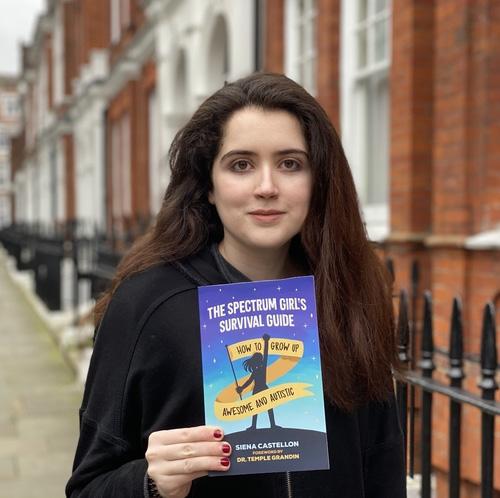
Siena Castellon
Siena Castellon is a 18-year-old neurodiversity advocate from the UK. She is a published author, with The Spectrum Girl’s Survival Guide reaching bestseller lists around the world for its detailed and eloquent presentation of autism in girls, an area that is seriously under represented, under resourced and under researched.
As someone who is autistic, dyslexic, dyspraxic and has ADHD, Siena has pushed boundaries and broken barriers for disabled women and disabled youth around the world. She has challenged traditional assumptions about women in leadership positions, as well as pushing for greater leadership and respect for disability campaigners more generally.
This year, she was appointed as a UN Youth Leader for Sustainable Development Goals, using her position to promote neurodiversity
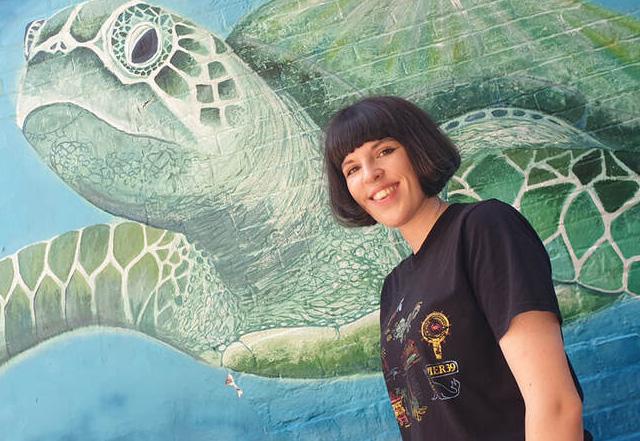
Ella Daish and Greta Thunberg
Ella Daish (pictured right) is an activist and environmentalist who has been campaigning since early 2018 to eliminate all plastic from menstrual products.
When she started to make individual changes to reduce her use of plastic, she was shocked to discover that menstrual products can be up to 90% plastic and that they are the 5th most common waste item found on UK beaches. Her award winning campaign #endperiodplastic now has over 234,000 signatures and is going from strength to strength with supermarkets and manufacturers starting to listen and make significant changes to their products. Mrs Bibko, Russian Teacher
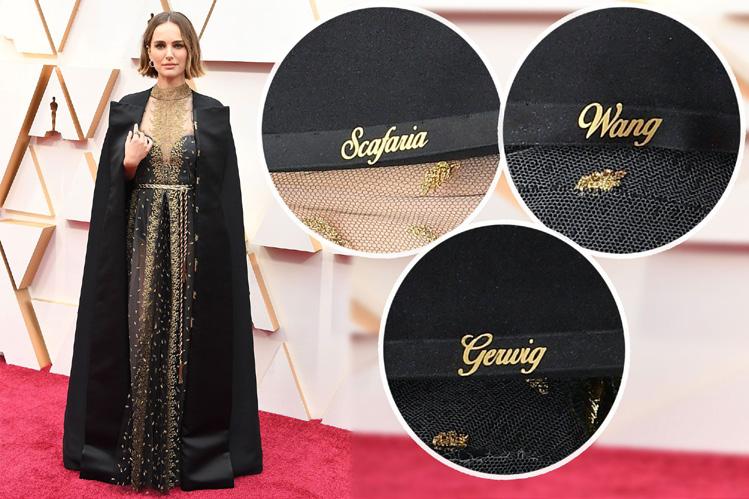
Natalie Portman
Her dress at the 2020 Oscars featured the names of female filmmakers and creatives who were snubbed by the academy in favour of a very male dominated list of nominees. Eva, Year 12
around the country by speaking at universities, conferences and schools.
Ben, Year 13
l Look out for more about Neurodiversity Week in the Occasional later this month
Greta Thunberg: “Because I feel she is making a positive impact on society and helping the environment. She has changed many people’s thoughts.” “Because she is a brave young woman and she is very inspiring to save the world environment.”
Coco Chanel pioneered changes in fashion and made it acceptable for women to wear suits and trousers.
Frida Kahlo spent her whole life defying gender stereotypes and is known for her self portraits which challenged these stereotypes.
Rachel Atherton: She is the best downhill mountain biker in the world, and is very inspiring.
Sienna Mae Gomez: For promoting body confidence and body positivity
AJ Clementine: Being herself no matter what other people think
Valentina Tereshkova: She was the first woman to go into space when at the time only men had done so.
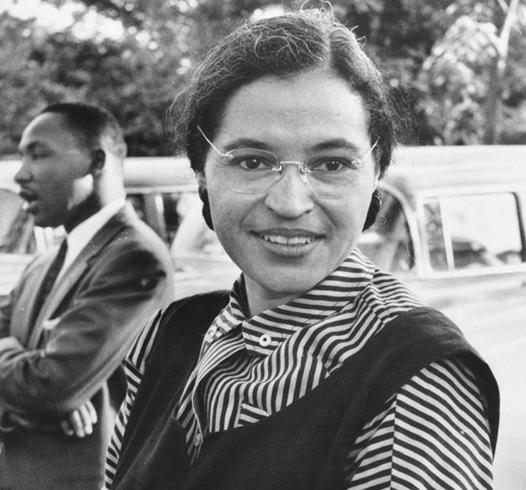
Rosa Parks
Rosa Parks was a famous black American activist of the 1950’s civil rights movement that began in Alabama. Her story started when she refused to give up her seat in the colored section of the bus, after the white-only area was filled. This incident made a major impact on the civil rights legislation of the entire United States. She became a leading character in the civil rights movement due to her peaceful activism and courage in the face of obstacles.
Frederick, Year 7
My whole life my parents have told me about all the amazing things black people have achieved, but one of the most interesting and inspiring stories was about Rosa Parks and how she stood up for what she and millions of others believed in, civil rights. Interestingly she didn’t stand up, she actually sat down! Beau, Year 7
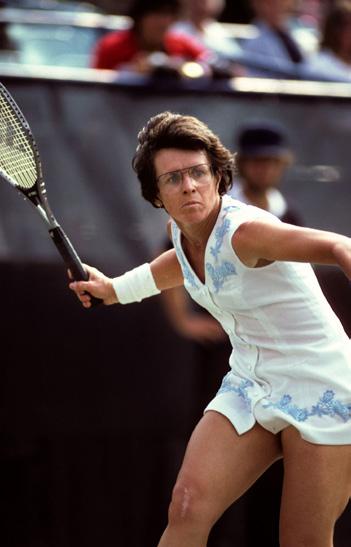
Billie Jean King
Billie Jean King challenged the idea that men are more athletic and ‘better’ at sport.
Bobby Riggs a former tennis no. 1 claimed he could beat any female. King played and won the game which was dubbed ‘Battle of the Sexes’.
Since then, she went on to be the first president of the Women’s Tennis Association and founded the Women’s Sport Foundation which aims to ‘advance the lives of girls and women through physical activity’
Mr Edis, Head of Athletic Development I find Billie Jean King inspiring because, although she was one of the best tennis players ever she also stood up for women’s rights to do sport and also to join in with the biggest sporting events.
Thomas, Year 8
Betty Tompkins created over one hundred pieces of art that are made from old photos or paintings of women who she believed were being objectified by the photographer or painter or the person who was in the image with them. She then wrote words over the top of the paintings or photos in the outline of the women’s presence in the image, to describe the women in those pictures. Megan, Year 8
Phoebe Waller-Bridge is an intelligent, witty and confident woman who has written and acted in her own shows on stage and on TV as well as writing screenplays for major TV and cinema productions. She is open and true to herself and I think that she is a fantastic role model for young women today. Dr Croft, Head of Russian
During the time of Brit Pop in the 1990s, Skin fronted Skunk Anansie. A black woman with a shaved head, bisexual and fiercely politically motivated, she broke the stereotype of what a rock band’s front ‘person’ should be. A fashion icon, actress, activist and DJ as well as a formidable singer, Skin is seen as a crucial role model for black women in the UK, and has recently been appointed as Chancellor of Leeds Arts University. Mr Orbell, Head of Holden House
The death of Ruth Bader Ginsburg, sadly, gave me reason to read about the life of this incredibly strong woman in modern American politics and law. As a Supreme Court Judge she championed the rights of women by lobbying throughout her life to change any laws that discriminate. She was renowned for her intelligence, patience and calmness, virtues I admire over styles chosen by others to challenge. Mr Cliff, Head of Sixth Form
In one of her books, Bryony Gordon wrote about how the princesses are always saved by a handsome prince and how she learnt that women don’t need to be saved by princes. She’s a strong feminist. Jessica, Year 8
Charlotte Bronte was a brilliant writer. At a time where books by women weren’t published, she still managed to become a best-selling author under the pen name, Currer Bell. Elsie, Year 7
In the 1960s and 70s Carol Kaye was a prolific session musician. In a world populated by male artists, she was unusual, but became one of the most sought after bass guitar players, performing on over 10,000 recordings, including The Beach Boys, Sonny and Cher, Simon and Garfunkel, and Stevie Wonder. Mr Weaver, Headmaster
Dorothy Hodgkin discovered the structure of penicillin and vitamin B12. She was one of the first women elected into the Royal Society and won the Nobel Prize for her discoveries, as well as being nominated several times. Mr Calver, Deputy Head of Sixth Form
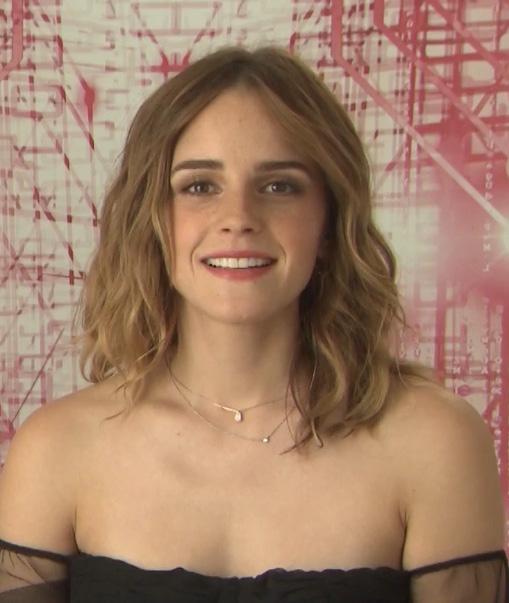
Emma Watson
Emma Watson was chosen by a number of pupils - receiving more nominations than anyone else.
I chose to nominate Emma Watson because during her UN speech she highlighted her views on feminism and gender discrimination.
“For the record, feminism by definition is: ‘The belief that men and women should have equal rights and opportunities. It is the theory of the political, economic and social equality of the sexes.” Watson then proceeded to declare that in order to eradicate stereotypes and to achieve gender equality, harmful and destructive stereotypes of masculinity and behavioural expectations for boys and men have got to change. I think this is very important since she is looking at both sides and not just one. This speech sets a pathway to what we need our world to be.
Zahra, Year 9
“Because she made a great speech about women’s rights once at the HeForShe Campaign 2014 and she’s a woman of justice. Liane, Year 8
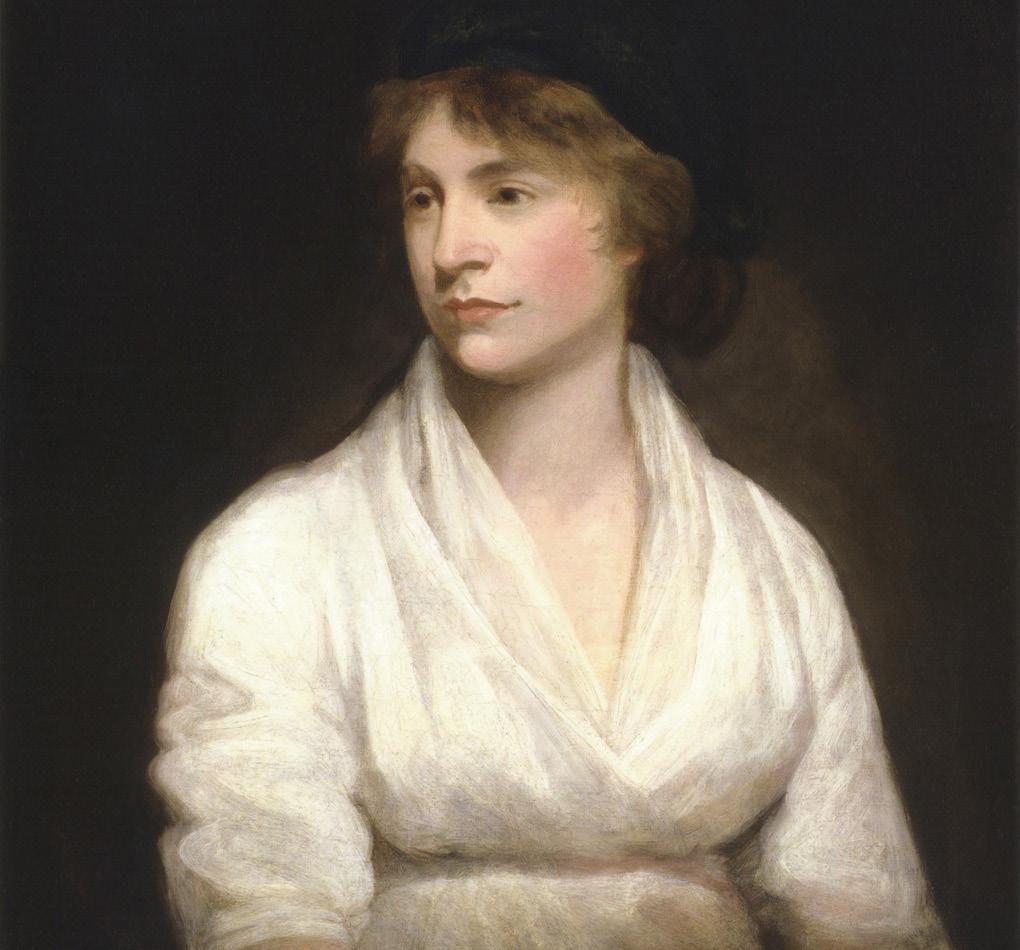
Mary Wollstonecraft
Mary Wollstonecraft is a great inspiration to me. Her fight for equality and for women’s education is truly incredible, and whilst she is recognised as Britain’s first feminist I feel that today not many people know of her and her reforms.
Only through the unveiling of her statue in London last November have more people begun to understand her story and how she helped bring about women’s education. Angie, Year 13
“Because she has done lots to combat stereotypes and sexism.” Henry, Year 8
“She was and is a huge inspiration to me when I was younger as I loved the Harry Potter films. Emma Watson is a strong advocate for feminist ideas and isn’t afraid to speak up for what she believes in.” Georgia, Year 9
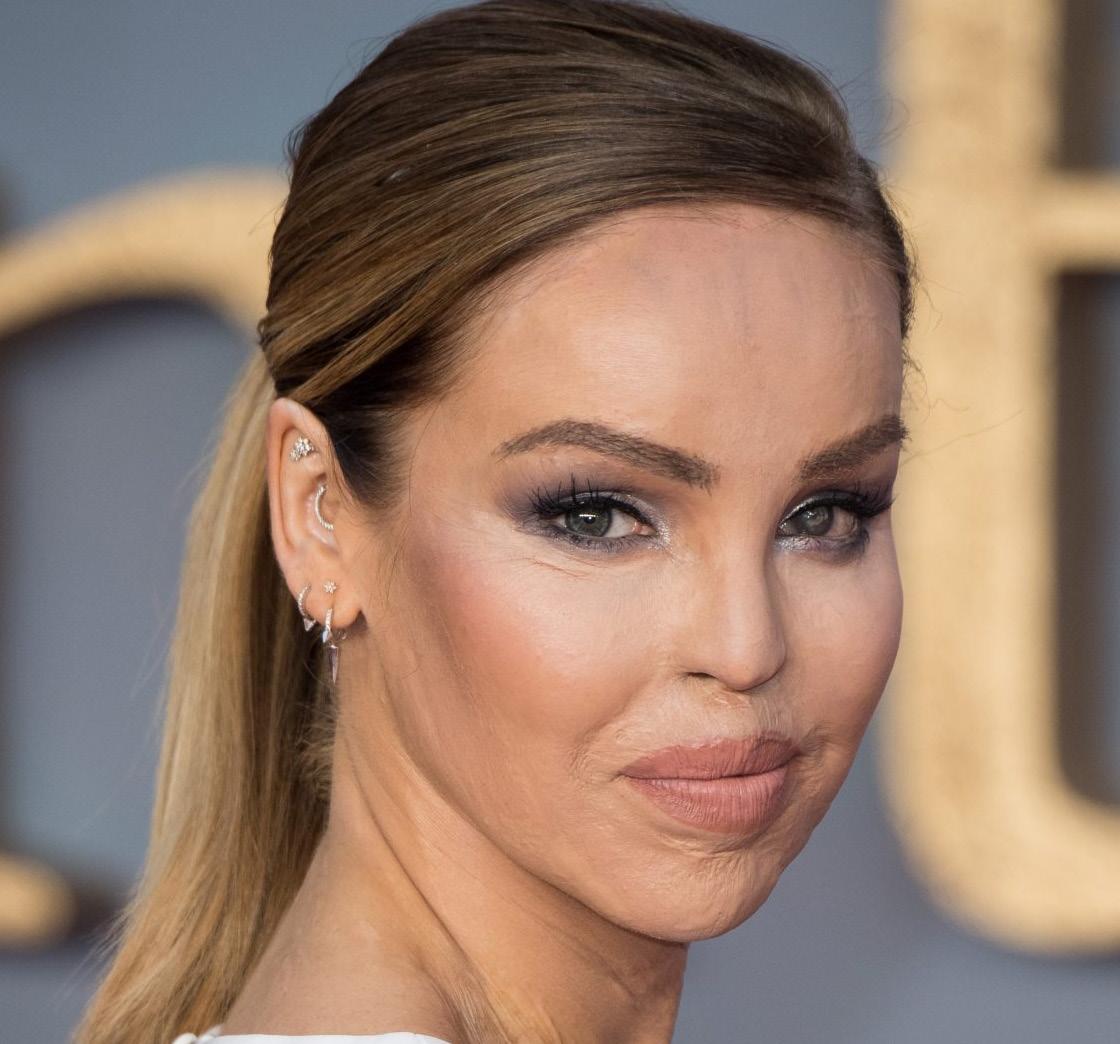
Katie Piper
After being attacked with acid in 2008, Katie Piper has demonstrated extraordinary courage and determination to recover and restore her vision and facial features. She has spoken out about the attack and raised awareness, as well as setting up The Katie Piper Foundation which aims to improve outcomes for burns survivors and support them in their recovery. She was voted Woman of the Year 2011 and more recently received a special recognition award at The Pride of Britain Awards. Mrs Calver, EAL Tutor
Jorja Smith has contributed greatly to the music industry and is a great role model to all girls. She has broken the stereotypes of rap being a man’s job and has become one of the most successful rappers in England so far.
Margaret Thatcher was the first female Prime Minister in the UK. She was not afraid to stand up for what she believed in and wouldn’t be pushed around by a sector full of men.
Megan Elphick has a very popular equestrian YouTube channel and is very inspiring to young equestrians!
Maya Angelou was a poet, singer, memoirist, and civil rights activist, whose award-winning memoir I Know Why the Caged Bird Sings made literary history as the first nonfiction best-seller by an AfricanAmerican woman.
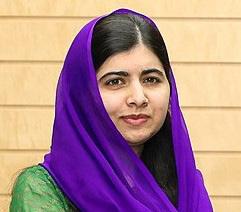
I really respect Malala for making speeches for girls to be able to go to school and learn, but mostly I am impressed at her determination, that she can be shot in the head and still stand up for what she believes. Emily, Year 8 At 14, she became the youngest person ever to win the Nobel Peace Prize. All over the world, people read her diary about how she wanted to be educated and she became well-known for fighting for her right to an education.She has gone on to win more awards, and continues to campaign for girls’ rights and inspire generations. Mr Pescott Frost, Maths Teacher
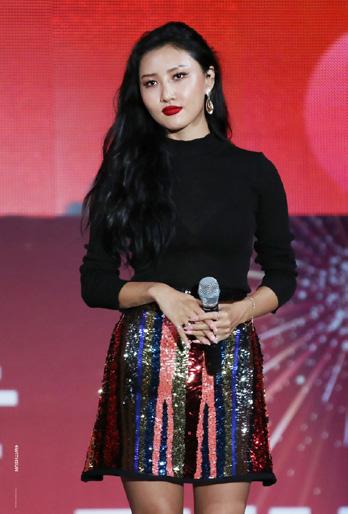
Ahn Hye-Jin (aka Hwasa)
Ahn Hye-Jin (aka Hwasa) has helped change beauty standards, especially in Asia and the kpop industry. Examples include showing a more curvy body and embracing her natural skin tone. She has made fashion statements such as wearing what she wants, rather than what other people want. Essentially she has helped change many standards that are held up to women, not just in Asia but worldwide too. Georgie, Year 9
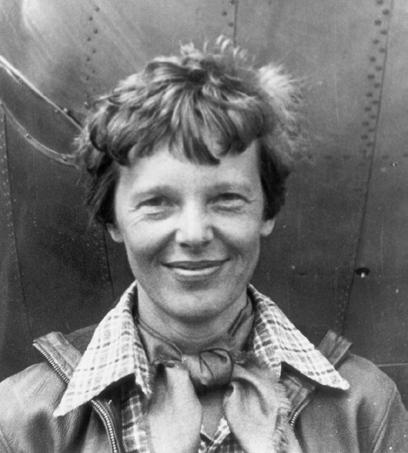
Amelia Earhart
Amelia Earhart was the first woman to attempt to fly solo around the world. She refused to be held back by anything, including her gender.
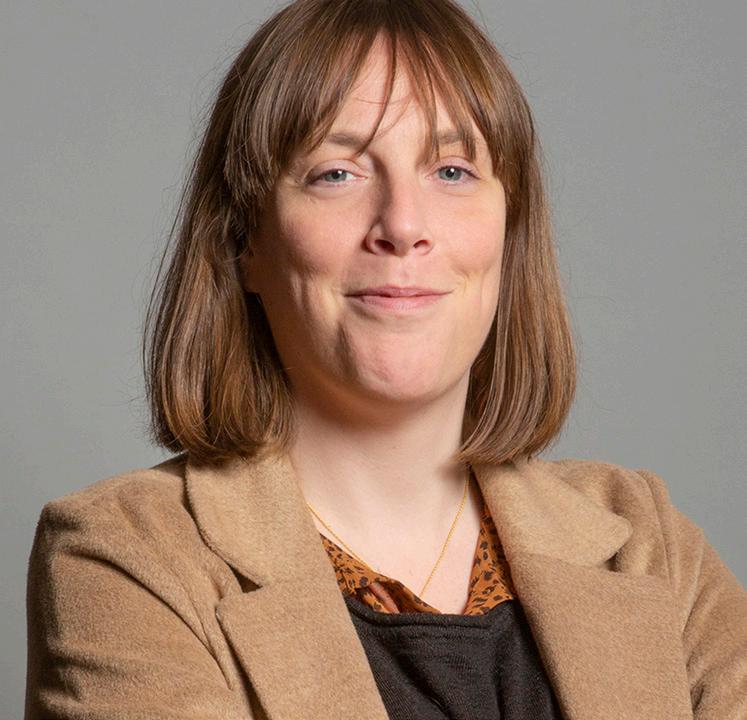
Jess Phillips MP
Jess Phillips is an inspirational politician. Moving into politics from the charities sector she has used her voice and influence to fight for the poor and marginalised and has been a voice for those whose voices are often not listened to. She has fought particularly to drive through vital bills on domestic violence. She is principled and honest and is a great role model who does not bow to political convention by changing the way that she speaks but she presents an authentic young woman, using her position to work for justice. Rev Crompton-Battersby, Chaplain and Art Teacher
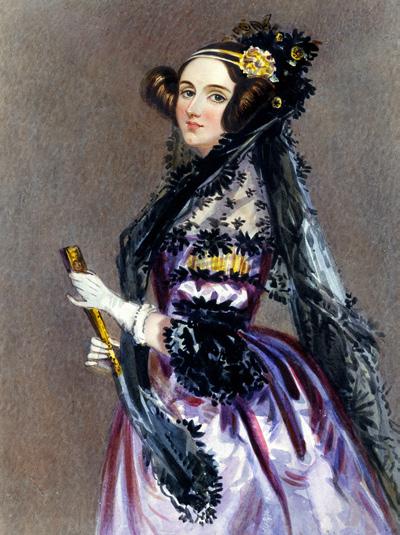
Ada Lovelace
Her determination and courage was awesome and I feel the reason that she helps to challenge stereotypes is best summed up by the words that she wrote before leaving to fly around the world: ‘Women must try to do the same things that men have tried. If they fail, their failure must be a challenge to others’. Mrs Manson, History Teacher
Denice Frohman is a performance poet, educator and youth mentor who powerfully raises awareness through her poetry, giving a bold voice to the experiences of many. From her website: ‘Her work focuses on identity, lineage, subverting traditional notions of power, and celebrating the parts of ourselves deemed unworthy. She hopes to inspire people, particularly young queer people of color, to know that their stories are worth telling.’ Her poetry slam performances are amazing! Mrs Catchpole, English Teacher
Helen Keller lost her sight and hearing as a child but went onto redefine expectations of the disabled - proving what could be achieved, and refusing to be labelled as ‘disabled’. I have always loved her life motto ..... ‘Life is either a great adventure or nothing.’
Mrs Clark, DT Teacher
Clara Schumann was a German composer and pianist of the romantic era who is widely regarded as one of the most influential musicians of her time. As a child prodigy pianist, she popularised the practice of playing music from memory which shocked audiences at the time and has become a common practice for performers today. As a composer, as well as writing her own full works from the age of 11, she substantially edited the works of her husband, Robert Schumann, and famously inspired Johannes Brahms.
Alfred, Year 11
Ada Lovelace was an amazing mathematician and had a brilliant mind for computer science. But in her day women were not thought to be able to cope with complex maths problems. However, she found flaws in Charles Babbage’s general computer machine design, and described an algorithm for it to compute Bernoulli numbers. Although she never saw the actual machine completed (and nor did Babbage) Ada was able to correct the problems; the machine can now be seen in the Science Museum in London. Ms Denby, Head of Computer Science
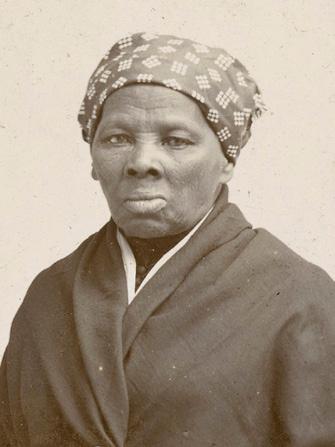
Harriet Tubman
Harriet Tubman was an American abolitionist and political activist. Not only did she courageously and selflessly return alone repeatedly to the south to lead people out of slavery along the underground railroad, she became a general in the Union Army leading a raid that liberated more than 700 enslaved people. Ms Walker, Head of PRE
Getting people to see an offensive remark for what it is, Claudia Rankine from Yale University often confronts the speaker in the hope of beginning an honest exchange. One incident that she recalls is when police came to her house in response to a burglar alarm. After she and the police officer determined that it was a false alarm, her husband, who is white, drove up and introduced himself. Despite Rankine having keys to the house, the officer turned to him, a random man to all extents and purposes who had just driven by, and asked him to validate Rankine: “She said she lives here.” Mrs Jordan, Director of Admissions, Marketing and Outreach
Miss Major Griffin-Gracy dedicated her life to trans activism and trans rights. She was also a leader in the Stonewall riots of 1969. Eleanor, Year 11
Grace Kelly stood up for Josephine Baker when a restaurant refused to seat her because she was black. Grace stood up and walked out with Josephine and never ate there again. Also she was an amazing actress with great style! Theo, Year 9
After her husband was killed in WW2, Mariya Oktyabrskaya sold all of her possessions to donate a tank to the war effort. She was allowed to drive it, and although she died in battle she was posthumously awarded the Soviet Union’s highest honour for bravery during combat. Xavie, Year 13
The definition for feminism is “the advocacy of women’s rights on the grounds of the equality of the sexes.”
I think that this day should be a day to celebrate women, rather than the equality of both male and female. I know yes this may sound selfish but we need a day for us! We should be able to talk to others without being afraid of not being liked by someone else, we are allowed to be friends with someone and we are allowed to ease into a friendship, but we can also go against the stereotype of nurturing and caring for one another and be angry.
Vir Das is an amazing Hindu comedian who I realised says some pretty awesome things in the form of comedy on feminism: “my definition of feminism is not letting a woman be whatever a man can be, but letting a woman be whatever a woman wants to be”.
Vir Das also describes women as beautiful, intelligent,layered complex creatures and… well … I can see where he is coming from. We are complex! And that’s okay.
Yes, men are complex, but like I said before, this may be selfish, but we need a day for us which is about women, and not about men. So I guess what I am really trying to say is, give us this one day and then you can have your own.
I propose that International Women’s Day celebrations should contain quotes that are inspiring for women, not just quotes for change, and pictures of famous women who inspire us positively, because women are pretty cool and we should just celebrate that! Saamya, Year 9
#ChooseToChallenge International Women’s Day 2021
Lady Murasaki Shikibu is the author of The Tale of Genji, a Japanese novel written in the 11th century and amazingly thought to be the first novel ever written. I think it’s incredible she wrote such a complex and intriguing story a thousand years ago before anybody else had written a novel at all. Albert, Year 11
Lyudmila Pavlichenko was known as ‘Lady Death’, having killed over 300 Nazis on the eastern front in WW2. She is the most successful female sniper in recorded history, and was also the first Russian citizen to be received by a US president. Joseph, Year 11
Dr Maggie Aderin-Pocock presents a TV programme called Sky at Night, she has made a big contribution to women in space and she has inspired me to become a space scientist. Beatrice, Year 8
Women in the world of gaming
The impact of video games on our perceptions of people can be huge. Having well written and diverse characters can have an impact on players and really help people to relate to the cast of an adventure, whilst having characters based on widespread stereotypes or tropes can feel insulting, and this is exactly the case with female representation in gaming. Female characters can be superbly written and break stereotypes, or conform to them and undermine the importance of fair and equal representation.
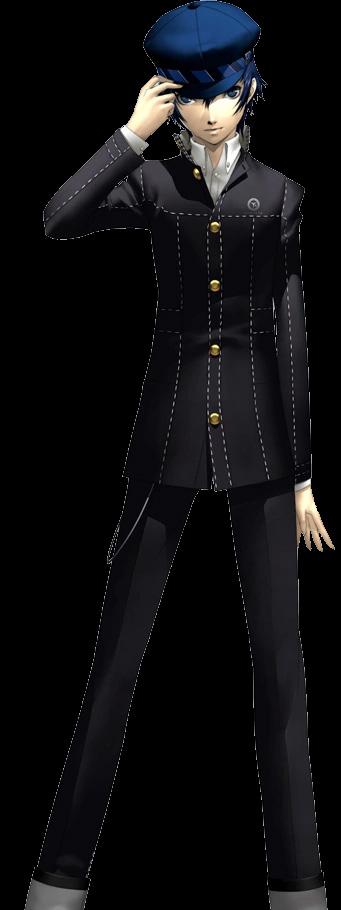
Considering studies now show that almost half of all gamers are female, it’s about time female representation in video games kicked up a notch and female protagonists became normalised. For International Women’s Day, I’ve taken a look at some of the best female representations currently featured in gaming. Firstly, I’d like to talk about Naoto Shirogane from Persona 4, a female detective trying to catch the culprit of a string of bizarre murders, whilst still being a student at a secondary school at the same time.
Although I think there are issues with her portrayal at times, Naoto is a great example of a strong female character and the underlying sexism in the world of work. Naoto becomes a detective because it runs in her family, but when she starts solving cases not everything goes smoothly. She is often ignored or patronised because of her gender, and feels she isn’t taken seriously simply because she’s not a man. So, Naoto starts pretending to be male, and is then praised for her intelligence and detective skills which before were ignored.
However, throughout the course of the game, Naoto learns that she doesn’t have to pretend to be someone else just to get recognised,
and that her gender doesn’t make her any less capable, and so towards the end of the game, announces she is in fact a woman, and takes it in her stride as she solves the case of the serial killings without the help of the police. She’s not the main character in Persona 4, in fact she’s one of the last to join your party, but her story is a great commentary on sexism in the workplace.
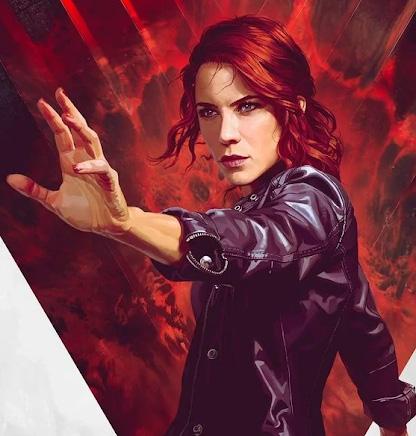
Control, a game that was released to widespread critical acclaim and a plethora of awards, has a great female protagonist called Jesse Faden.
Although I haven’t started the game myself, female writers who worked on the game’s story did a great job of directing Jesse’s portrayal and cementing her as a memorable female lead.
She’s the director of the Federal Bureau of Control, and the centre of a fantastic, if odd, narrative discovering the secrets of her past, the Bureau of Control, and a strange, threatening invasion. Plus, she has telekinesis which is always awesome.
I must also mention Samus from the Metroid series, as when the original game launched in 1986 with a strong, alien-blasting space adventurer as the main character, many at the time were shocked to find out at the end of the game that Samus was in fact a woman, showing that even nearly 40 years ago, gaming was taking steps to great female representation. Ellie from The Last of Us and Madeline from Celeste are also both great female leads, delving also into mental struggles and fear.
Although gaming still has a long way to go in terms of equality, whether that’s characters in games or the developers making them, there has been definite progress in the last few years and I hope to see this go even further in the future.
Albert, Year 11, Occasional Gaming Editor
Consciousness Club Recommends
Women Don’t Owe You Pretty is a 2020 book by the British activist and illustrator Florence Given. On the topic of intersectional feminism, Given writes about relationships, body image and self-esteem for women. It’s an accessible leap into feminism for anyone and everyone, and it certainly makes you think about the restrictions and expectations that society puts on everyone.
Mrs America, a BBC iPlayer series, is a fictional interpretation based on the true events of the feminist movement that occurred in America in the 1960s and 1970s. It discusses both sides of the debate on the Equal Rights Amendment of the US Constitution being ratified. There are
portrayals of some of the most influential women at the time, for example, Phyllis Schlafly, Gloria Steinem, Bella Abzug, Shirley Chisolm and Betty Friedan.
The Guilty Feminist, is a feminist comedy podcast hosted by Deborah Frances-White. Created by Frances-White and Sofie Hagen in 2015, the podcast features guests on a panel to discuss topics on and related to feminism, and is recorded in front of a live audience. She’s had guests such as Phoebe-Waller Bridge, Dawn French and Jameela Jamil. Angie, Year 13, and the Consciousness Club l Please note, due to the nature of the content, these recommendations are for older students only
International Women’s Day Special Feature
Our Occasional Current Affairs Editors, Jasmine and Reegan from Year 12, take a look at two of the world’s leading female politicians, Kamala Harris and Jacinda Ardern, and consider some of the challenges they have overcome.
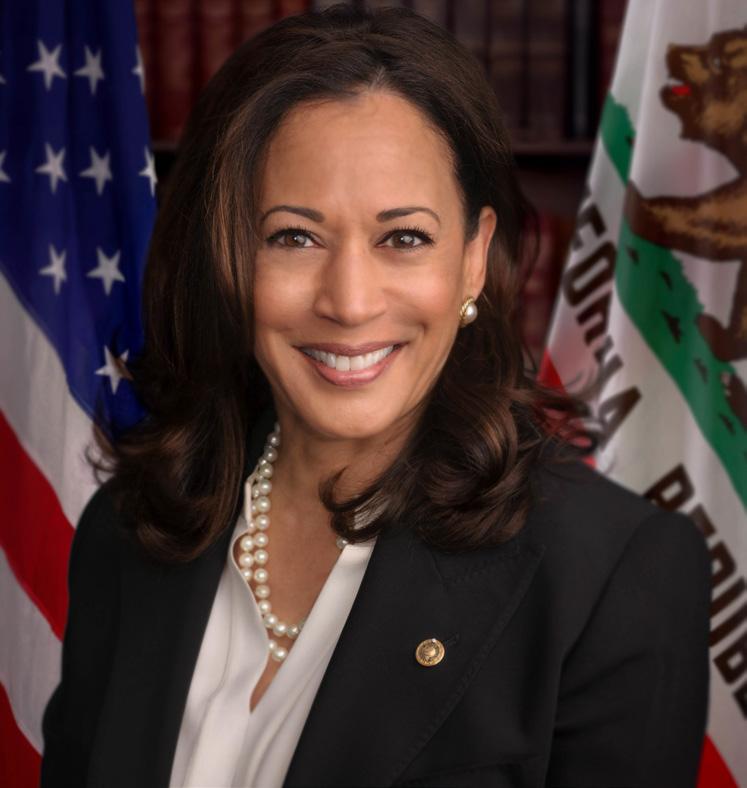
Kamala Harris
On 20 January 2021, Kamala Harris made history, becoming the first female Vice President of the United States. She is also the first African-American and first AsianAmerican Vice President.
Kamala Harris was born in California in October 1964 to two first-generation immigrants. When she started kindergarten, she was bused to a 95% white school as part of a desegregation programme. Harris then moved to Quebec with her mother after her parents divorced and attended Westmount High School, before moving to Washington DC where she attended Howard University, graduating with a degree in political science and economics.
Harris then moved back to California to study law at the University of California and was admitted to the California Bar in 1990. Her law career progressed quickly, with her becoming Assistant District Attorney of San Francisco in 1998 under Hallinan, who she later beat in 2004 to become District Attorney.
In 2010, Harris ran for California Attorney General against Steve Cooley and won, becoming the first female, the first African-American and the first Asian American to ever hold that seat. Six years later, she ran for the California senate against fellow Democrat Loretta Sanchez, winning with 60% of the vote. During her time as California Senator, she gained media attention for her questioning of Trump’s Supreme Court nominee Brett Kavanaugh.
In January 2019, Kamala Harris officially announced that she was running for US President. Initially, her polling numbers were high however, they began to fall as other candidates picked apart her “tough on crime” attitude she had held whilst California District Attorney. In December 2019, she dropped out of the race and in March 2020, she endorsed Joe Biden for President.
During her campaign, she faced a lot of sexist and racist abuse, especially by Donald Trump
who called her “angry”, “mean”, “aggressive” and “disrespectful” further pushing the ‘angry, Black woman’ stereotype faced by many strong Black women.
In August 2020, Joe Biden announced that Kamala Harris would be his Vice Presidential nominee and following the November election win she became the 49th Vice President of the United States of America. Harris was also awarded Time Person of the Year for 2020 alongside President Joe Biden.
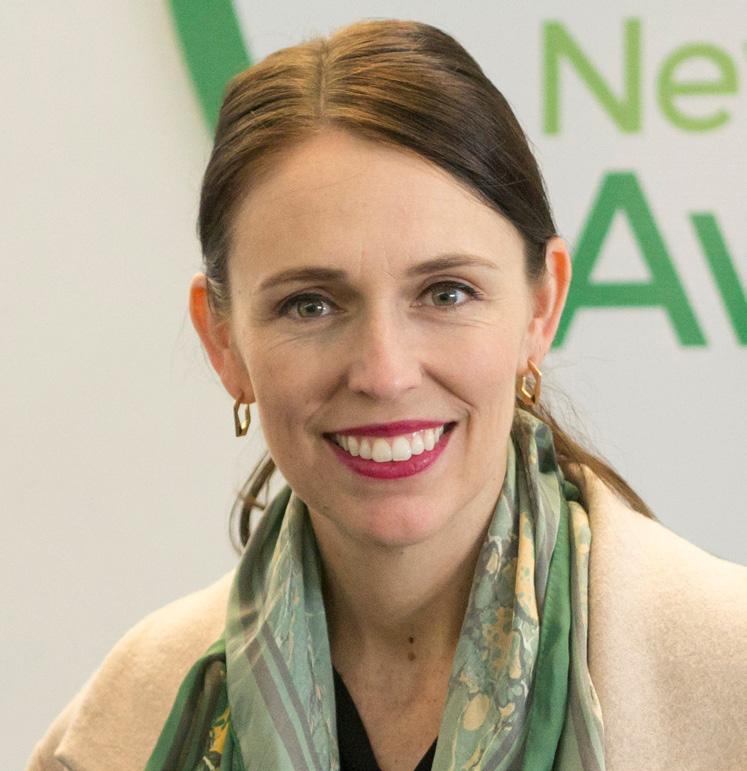
New Zealand’s Prime Minister Jacinda Ardern has been internationally praised for her handling of the challenges her term brought her, with Covid-19 serving to further demonstrate the style of leadership which has brought her such success.
Born in Hamilton, she grew up a Mormon, working in a fish-and-chip shop while in high school before attending the University of Waikato, graduating in 2001 with a Bachelor of Communication Studies in politics and public relations. She joined the Labour Party at 17 and quickly became a key figure in the Young Labour section of the party.
After graduating, she spent a period of time in New York City, where she volunteered at a soup kitchen and worked on a workers’ rights campaign before moving to London where she became a senior policy adviser in an 80-person policy unit of Tony Blair. However, she was fiercely critical of him and particularly the invasion of Iraq, accepting his characterisation as a war criminal. Speaking of her decision to work for his government, she commented “I felt this real dilemma, which was absolutely about Blair”. She never met him in London, but later in 2011 at an event held in New Zealand she questioned him about the invasion, his answer to which she described as “completely unapologetic”. She was also briefly President of the International Union of Socialist Youth, a role which saw her spend time in several countries, including Jordan, Israel, Algeria and China.
Ahead of the 2008 election, Ardern was ranked 20th on Labour’s party list. This high placement for someone who was not already a sitting MP effectively assured her of a seat in Parliament. After becoming the youngest MP in New Zealand’s parliament, she rose through the party’s ranks,
CURRENT AFFAIRS
winning elections with larger majorities and being appointed to higher cabinet positions before eventually being elected as deputy leader in early 2017. In August 2017, seven weeks before the 2017 general election, Ardern assumed the position of leader of the Labour Party, and consequently became the youngest leader of the Opposition ever, following the resignation of Andrew Little. Immediately following her appointment, the party was flooded by donations from the public, reaching NZ$700 per minute at its peak and Labour’s polling dramatically improved, managing to overtake the National Party in opinion polls for the first time in over a decade.
After no party won enough for a majority government, Ardern’s first term was with her at the head of a coalition of Labour and the centre-right and nationalist party New Zealand First, propped up by the support of the Green party in parliament. She has impressed many with her responses to a variety of challenges faced throughout her term, firstly receiving international praise for her handling of the Christchurch shooting, implementing bans on a range of weaponry which could be used in such a shooting in the future.
When Covid-19 hit, national and international media covered the government response led by Ardern, praising her leadership and swift response to the outbreak in New Zealand, often being contrasted with Britain’s by critics of the UK government, total deaths from Covid in the nation amounting to 26. During the outbreak, her regular use of interviews, press conferences and social media has been described as a “masterclass in crisis communication.”
Ardern was characterised as a “torch carrier for progressive politics as a young woman who breaks the mould in a world where the political strongman is on the rise.”
Lastly, she is one of the few world leaders to have had a baby while in office, an even rarer occurrence for a woman. The media were drawn to her having her daughter Neve with her at the UN in 2018, causing her to be characterised as a “torch carrier for progressive politics as a young woman who breaks the mould in a world where the political strongman is on the rise.”
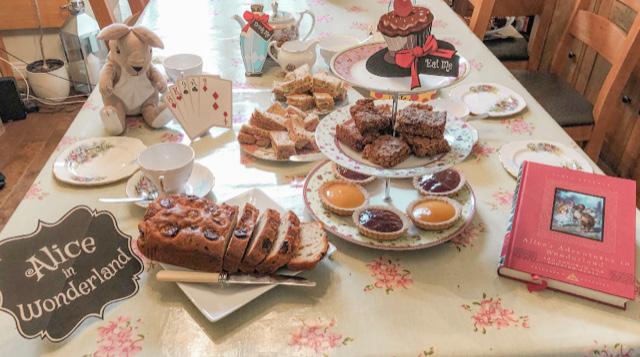
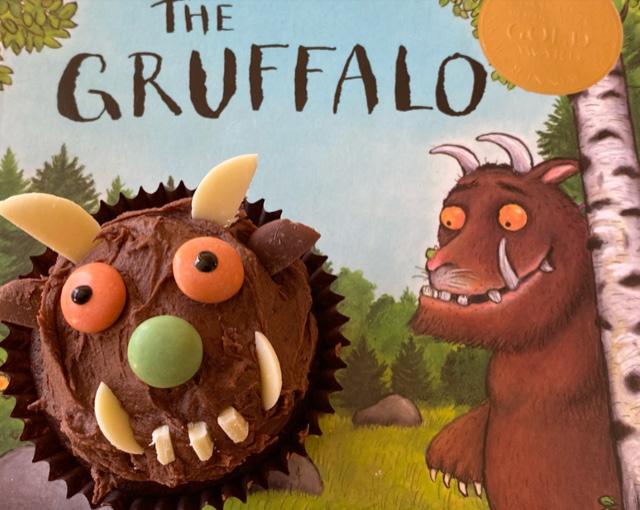
Thank you to everyone in the Lower School who entered the Virtual Book Bake competition for our World Book Day celebrations.
Mr Benn, our Head Chef, looked at all the photos of the delicious bakes that were shared and picked two winners.
The first was Mackenzie from Year 8 for his Gruffalo cupcakes, with Mr Benn commenting that he thought Mackenzie had captured the Gruffalo’s features well.
The second winner was Phoebe, also from Year 8 for her Alice in Wonderland themed tea party. Mr Benn said that he thought a lot of effort went into the presentation of the theme and was impressed that she had made three types of bakes.
There were really impressive and imaginative entries again this year; it is a pity we missed out on the tasting though!
Mrs Steward, Librarian
Arts Award Success
Congratuations to the following pupils from Year 10 who have all achieved their Silver Arts Award:
They studied for this in special after school classes, and completed units including a personal drama challenge, which was
performed to family and friends in December and a leadership challenge, which was completed during lockdown.
The award moderator particularly praised the leadership challenge, saying: “This was an imaginative and fantastic response to the pandemic. Each young person’s leadership demonstrated their independent learning and growth in leadership skills.”
Well done everyone!
Mrs Broatch. Drama Teacher
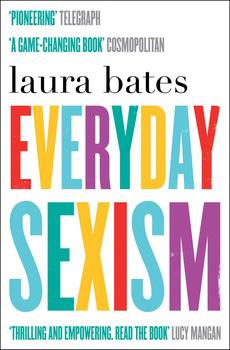
EVERYDAY SEXISM
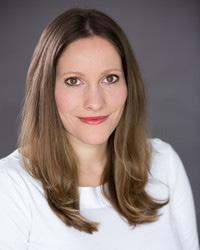
A workshop for the Sixth Form with Laura Bates, author and founder of the Everyday Sexism Project, explorong gender bias, gender stereotypes and the research that went into the Everyday Sexism project and website.
Thursday 29 April, 2.15pm, Great School
Bates says of her work: “It’s not about men against women, but people against prejudice.”
The University of Suffolk is hosting two virtual events for parents/carers offering information about higher education and the options available to students after Year 13.
Each event will consist of a series of short informative presentations covering topics including ‘Getting the most out of Open Days’ and ‘Degree Apprenticeships’.
The events are taking place on Saturday 20th March at 2pm and Wednesday 24th March at 6pm and are free to attend. You will just need to register by 15th March to secure your place. You can register online:
For further information please contact hefamilyzone@uos.ac.uk
Mrs Hayes, Careers Administrator
Explore Pi
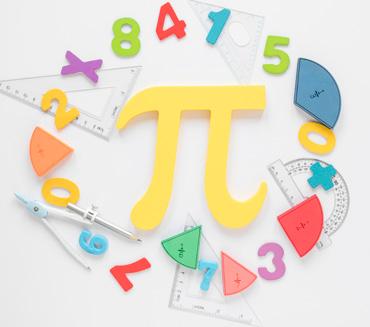
This Sunday, 14 March, is Pi Day. Not an opportunity to eat apple pie or pork pie, but a chance to find out more about the mathematical symbol, as 14 March is 03/14 if you use the American date system.
UKMT are getting involved this year to provide some inspiration by sharing daily problems involving calculation with pi on their social media, as well as historical UKMT questions to try, links to interesting Pi experiments and resources and a fantastic short video on the History of Pi.
PLUS: Online talk for parents, OIs and staff
Thursday 6 May 6pm
Please follow UK Maths Trust on Instagram, Facebook and Twitter to find out more.
Dr Sterno, Maths Teacher
Ipswich Prep in the news
Amanda Childs, Ipswich Prep Head, was quizzed by Muddy Stilettos about the benefits of a broad Upper Prep curriculum. Read the article here: https:// suffolkcambs.muddystilettos.co.uk/kids/isthere-a-best-time-to-move-schools
International Women’s Day 2021 Book Recommendations
INTERNATIONAL WOMEN’S DAY 2021
Book Recommendations from Ipswich School Library
#ChooseToChallenge your reading with these books recommended by the School Library.
There’s fiction featuring strong female characters, memoirs from inspirational women and books by women and about women to challenge your thinking.
Fiction
The Hunger Games - Suzanne Collins
A Wrinkle in Time - Madeleine L’Engle
A Muder Most Unladylike series - Robin Stevens
Wonderwoman - Leigh Bardugo
Pride and Prejudice - Jane Austen
The Handmaids Tale and The Testaments - Margaret Atwood
Little Women - Louisa May Alcott
The House of the Spirits - Isabel Allende
Girl, Woman, Other - Bernadine Evaristo
Clap When You Land - Elizabeth Acevedo
Nowhere on Earth - Nick Lake
Stargazing for Beginners - Jenny McLachlan
The Ones That Disappeared - Zana Fraillon
High Rise Mystery/Mic Drop - Sharna Jackson
Beyond the Wall/Buffalo Soldier - Tanya Landman
The Burning - Laura Bates
The Right to Vote
Girls for the Vote - Linda Newbery
My Story: Suffragette - Carol Drinkwater
Things a Bright Girl Can Do - Sally Nicholls
Star by Star - Sheena Wilkinson
Suffragette: The Battle for Equality - David Roberts
Rise Up Women: The Remarkable Lives of the Suffragettes -
Diane Atkinson
Memoirs/Autobiography
Educated - Tara Westover
Becoming - Michele Obama
I Know Why the Caged Bird Sings - Maya Angelou
I am Malala - Malala Yousafzai
My Own Words - Ruth Bader Ginsburg
Persepolis - Marjane Satrapi
The Truth We Hold - Kamala Harris
General
No One is too Small to Make a Difference - Greta Thunberg
Women in Science - Rachel Ignotofsky
Women in Sport - Rachel Ignotofsky
Rad Women Worldwide - Kate Schatz
Taking Up Space: The Black Girls Manifesto for ChangeChelsea Kwakye and Ori Ogunbiyi
She Speaks - Yvette Cooper
Women and Power - Mary Beard
We Should All Be Feminists - Chimamanda Ngozi Adichie
Invisible Women - Caroline Criado Perez
Difficult Women - Helen Lewis
The Five: The Untold Lives of the Women Killed by Jack the Ripper - Hallie Rubenhold
Everyday Sexism - Laura Bates
Feminists Don’t Wear Pink and Other Lies - Scarlett Curtis
Please note that some of the books may only be suitable for older readers due to their themes and content. For advice and book suggestions, email: library@ipswich.school