TIGER COATINGS
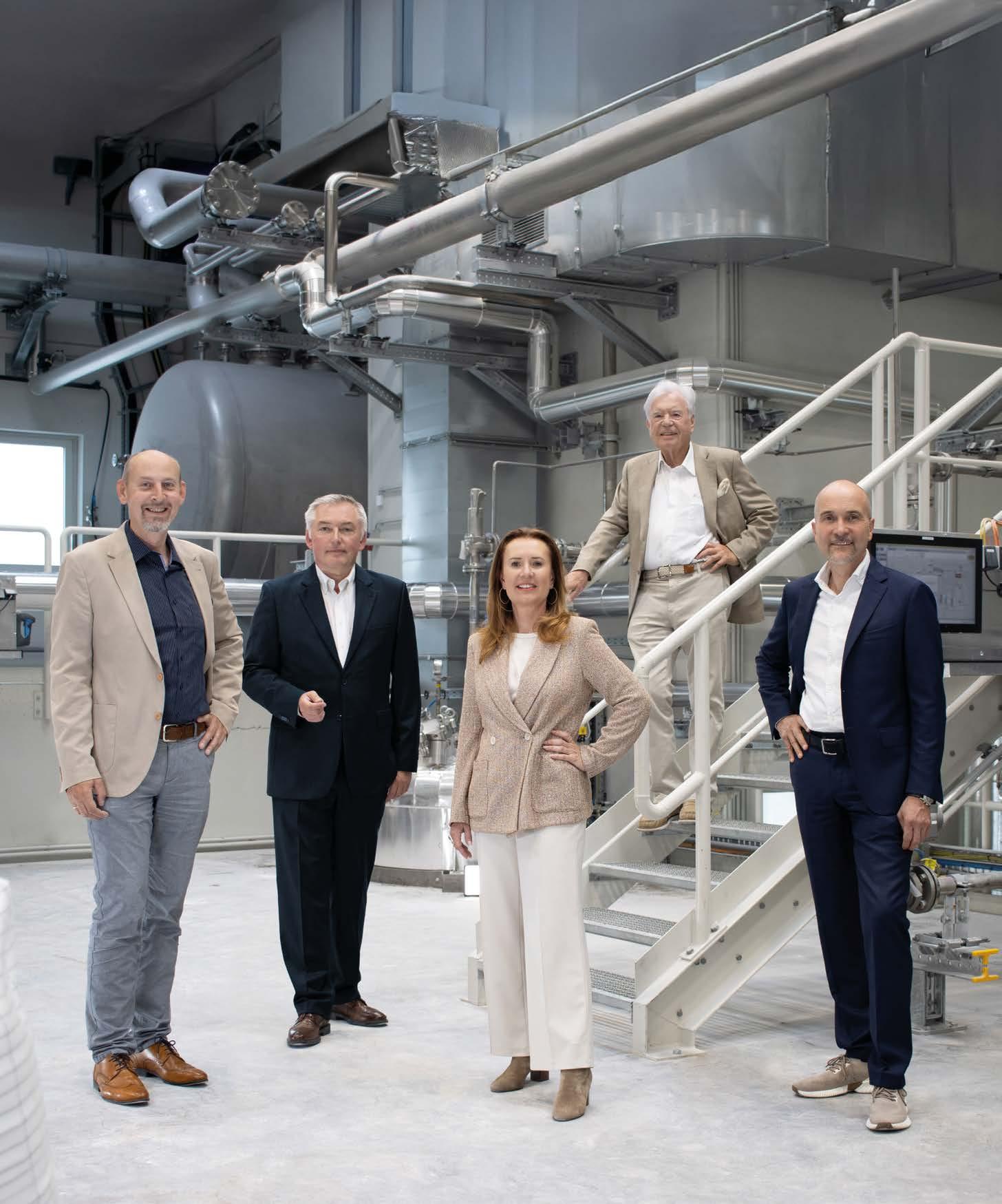
From left to right: Thomas Loibl (COO)
Reinhold Freiseisen (CFO)
Elisabeth Berghofer (Chairwoman of Supervisory Board)
Kurt Berghofer (Chairman of Advisory Council)
Clemens Steiner (CEO)
your partner industrial
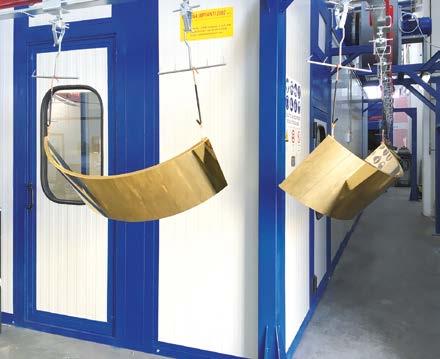
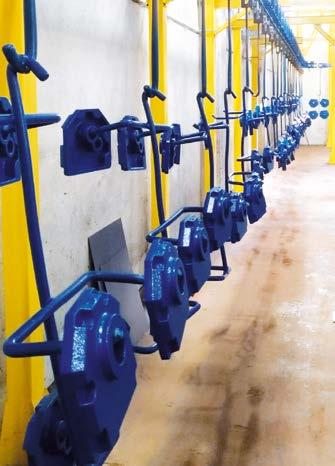
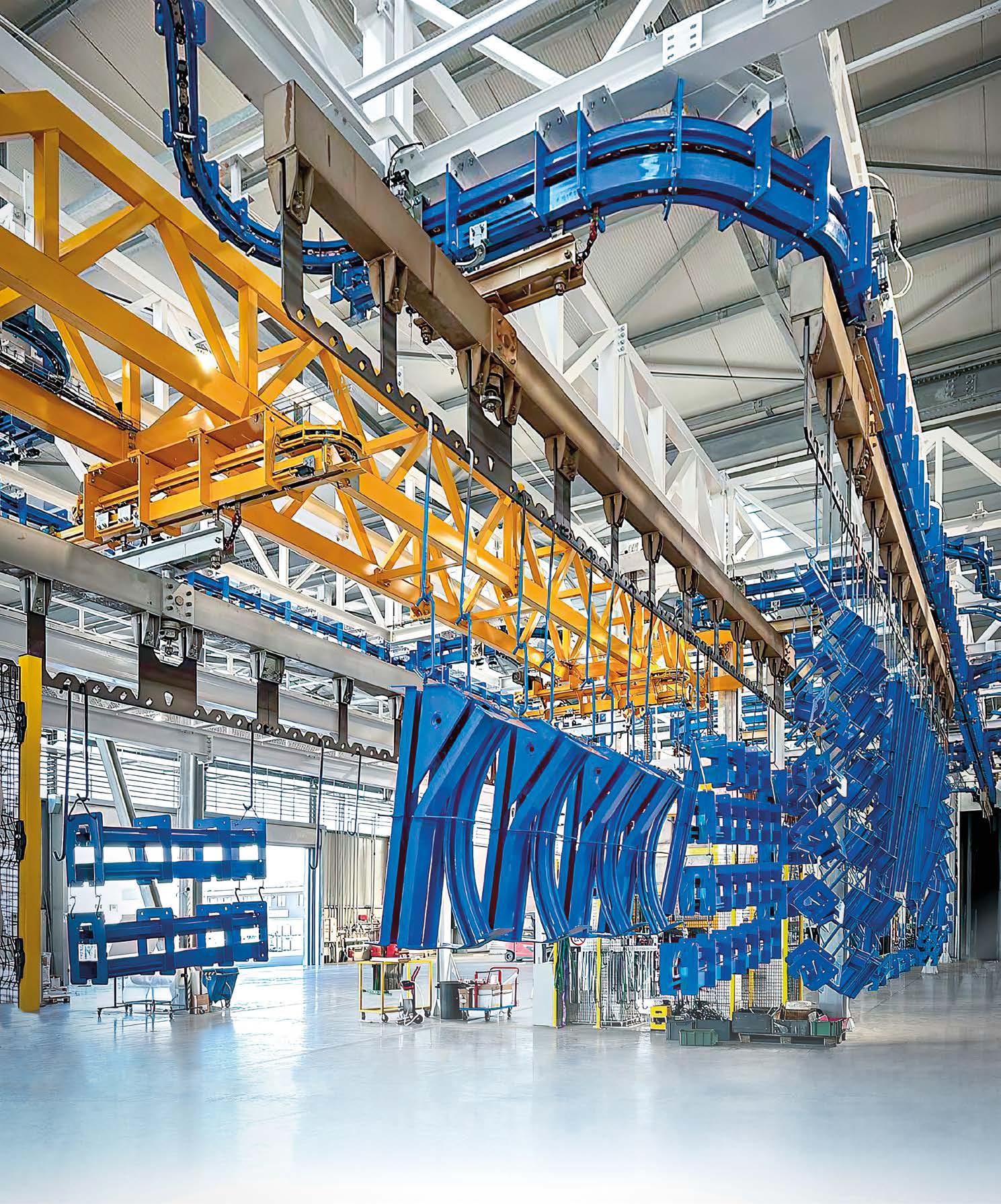
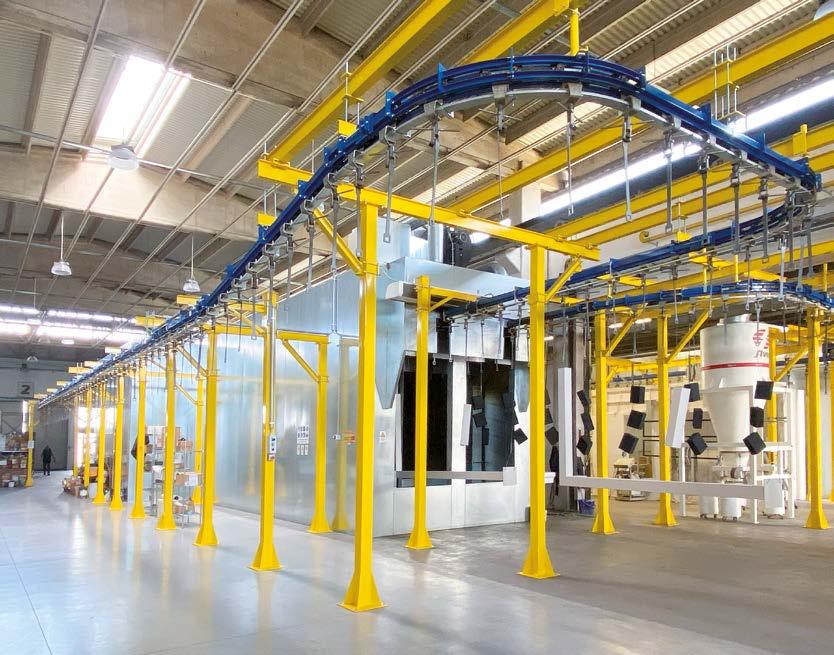
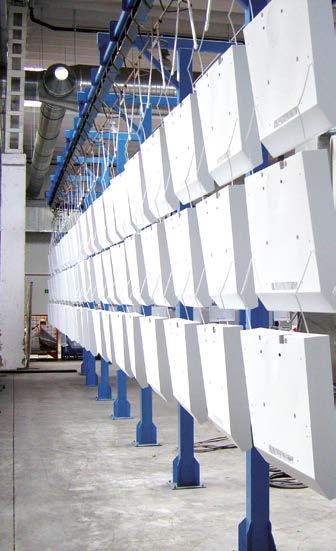
Verona Impianti designs, manufactures, and installs tailor-made coating plants, pretreatment lines, and drying systems. Reliability, competence, and experience: these are the three nouns that best describe the team of VERONA IMPIANTI 2002.
Disrupting markets by inventing the future: a new paradigm in innovation strategy
OF
Portrait of a successful company. TIGER Coatings: 95 years of innovation,vision, and family passion
Lechler Tech redefines Soft Touch: the new generation of ultra-matt, eco-friendly and high-performance clearcoats is born
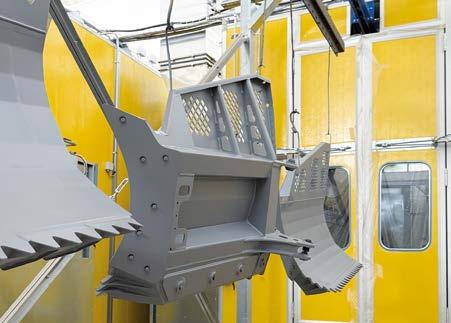
The unique plant solution chosen by Merletti to meet the high coating requirements of the aerospace industry
Deltrian Italia: air filtration solutions for clean, safe, and sustainable coating
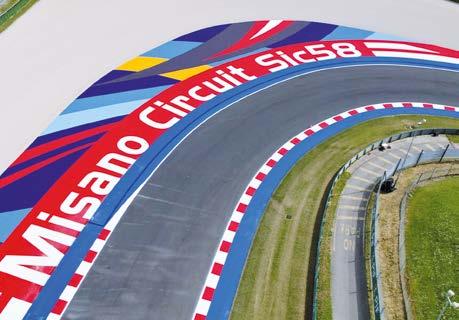
The new Mapei paints for motorsport circuit: sustainability takes to the track
OF THE
Galstaff Multiresine: innovation, sustainability, and a global vision for high-added value chemicals

The new frontier of sublimation: i.dek’s four collections
ON TECHNOLOGY
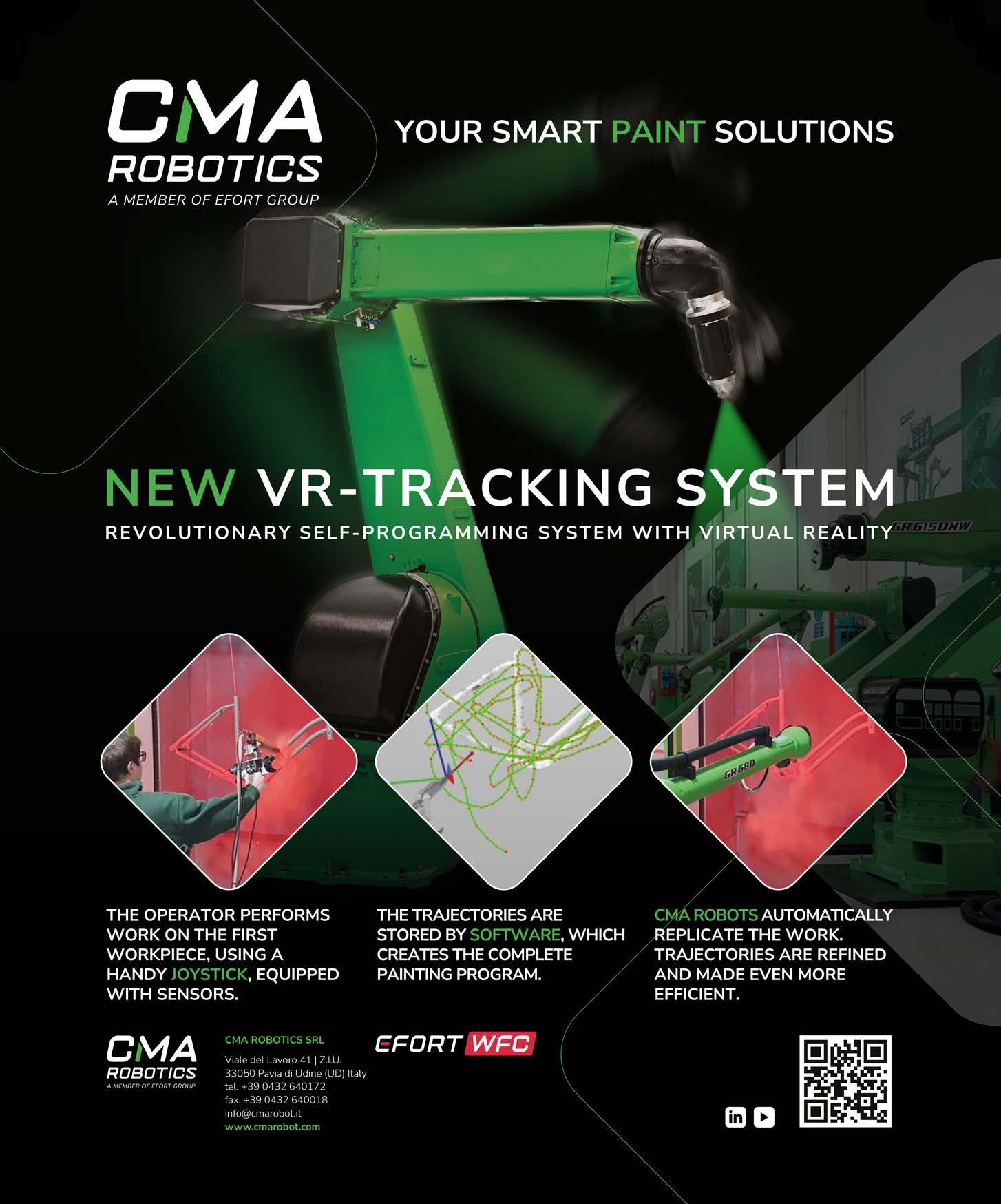
A new VR-tracking robot raises the coating standards at Quality Painting
The development of Kazakhstan’s coatings sector: an emerging hub of the chemical industry in Central Asia 68 SUCCESS STORIES
Arzuffi PVD improves multi-sector production with PECVD surface treatments 72 SUCCESS STORIES
Efficient, sustainable and ergonomic painting with edrizzi® at Liebherr Hausgeräte Lienz
Powder coatings with purpose: functional technologies for hygiene, safety, and surface protection
ON TECHNOLOGY
A new liquid + powder coating plant for maximum production flexibility and quality consistency
ON TECHNOLOGY
In just 160 m², a powder coating line with an IR RHT tunnel for sheet metal 3D products
90 ROAD TO 2050
Future-proof chemical pre-treatment process for vertical powder coating lines

An
Volvo Car Gent modernizes paint shop in record time
At Zimetal, extending the conveyor optimised the coating plant’s efficiency without increasing its footprint
Towards Qualisteelcoat approval with Dollcoat RS 103: a joint project to optimise pre-treatment
When the paint supplier’s technical support is key to the high performance of protective coatings for electrical transformers
Twenty years of innovation, quality, research, and development: the history of Decoral America
Where everything is regenerated: Magix’s virtuous production cycle thanks to a new water treatment plant
Basca is changing the rules with its automated solutions for cleaning industrial tanks and containers
LECHSYS DE-AROMATIC: the sustainable evolution of Lechler’s tintometric system
Verniciatura Vannucci’s winning choice: a semi-automatic powder coating plant and a single-phase pre-treatment product
coating line
The architecture of performance: a technical examination of a triple resin coating system
SPECIALIZED TRAINING
ipcm® Academy: a complete course for Industrial Surface Finishing Process Technologists
TRAINING
Academia and industry come together to promote innovation, research, and digitalisation
Innovating is sharing: where can the exchange on finishing take place today?
Nanobell 803 Straight
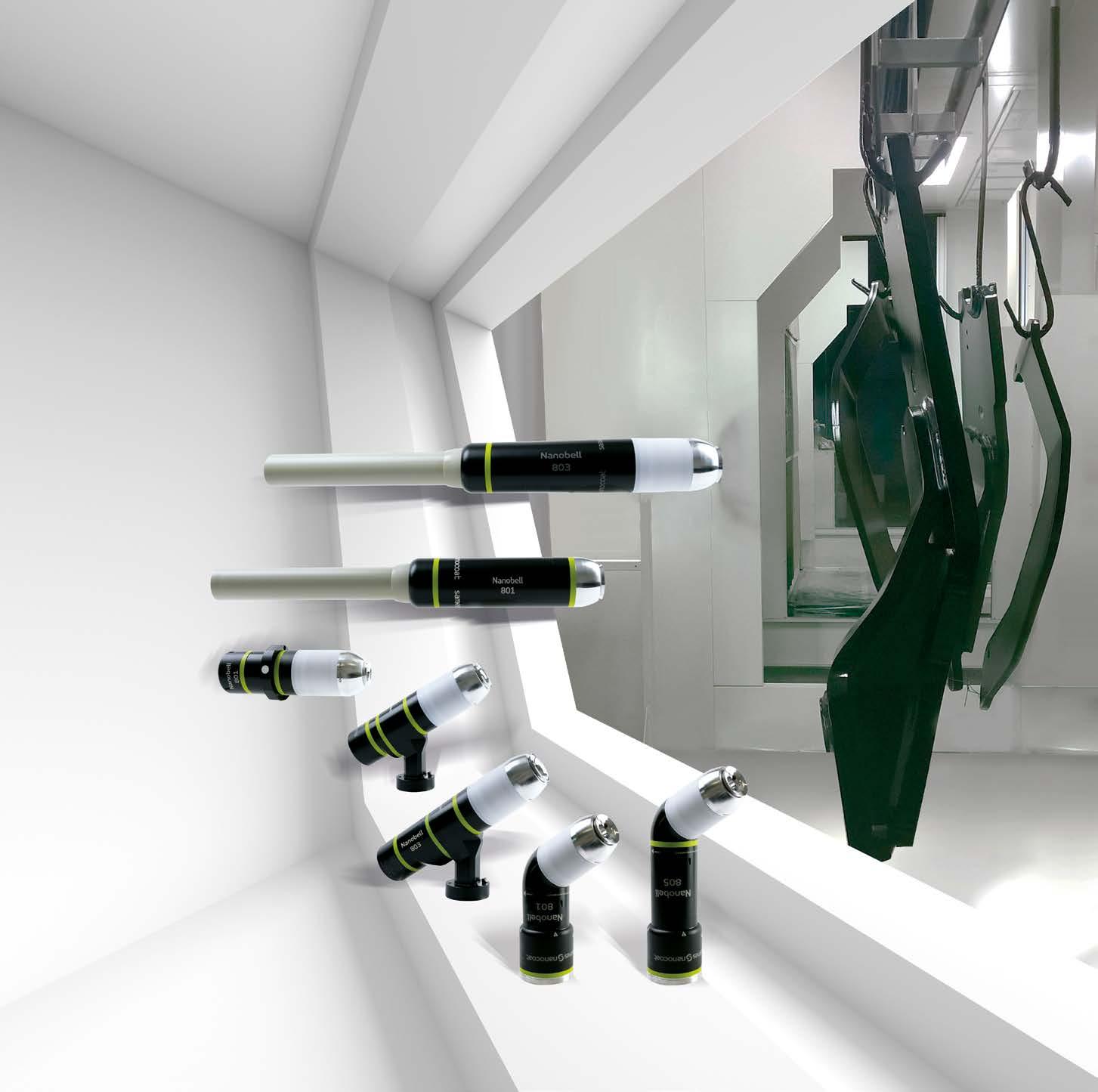
Nanobell 801 Straight
electrostatic automatic atomizer
Nanobell 801 head
Nanobell 801 Robotic (Full Wrist)
Nanobell 803 Robotic (Full Wrist)
Nanobell 801 Robotic (Hollow Wrist)
Nanobell 805 Robotic (Hollow Wrist)
EDITOR’S LETTER


Alessia Venturi Editor-in-chief Direttore Responsabile
For many entrepreneurs, a business is not just an economic activity, but a genuine extension of their identity, a project that reflects their values, their vision, and often, even their character traits. Their business represents everything they have invested in, in terms of both know-how and way of being, including their most personal and relational aspects: passion, a sense of duty, creative energy, and determination become the driving force behind a company that often starts as a person’s idea and then grows alongside them. However, a company must be able to evolve and interact with the world around it without becoming self-referential and closed in on itself. In a constantly changing economic context, entrepreneurs need to be open to new ideas, to the outside world, to diversity. This means accepting that innovation does not always come from within, that collaboration is a valuable asset, that interesting skills can also be found outside the company, and that fair competition is a healthy tool for growth.
Being open to new ideas means engaging with different cultures, distant markets, new approaches. Cross-fertilisation can become a powerful lever for transformation. Embracing diversity and exploring alternative paths means cultivating a broad and forward-looking vision, which is increasingly necessary to compete on a global scale.
By opening to new markets and different cultures and investing considerable resources in the internationalisation of information, the ipcm® magazine also offers its customers the opportunity to assess the potential of new markets and of promoting their message and technology in different economic and cultural contexts – also accepting the possibility of failure or lack of interest, aware that the professional and human experience will still bear fruit. This is the reason behind ipcm®’s missions to trade fairs in emerging countries with rapidly growing and developing economies, which offer significant potential but undoubtedly also greater risks than developed markets.
In July, we travelled to India for the 5th edition of Surface & Coating Expo, organised in Chennai (the heart of the Indian automotive industry) by the Confederation of Indian Industry (CII). India is one of the largest and most dynamic emerging markets in the world, characterised by a young and growing population, extensive investment in human capital, and a rapidly expanding technology sector. We found a high demand for technical information and a significant interest in our magazines, with over 300 copies distributed to visitors from various industries.
In May, we were in Mexico at one of three editions of Fabtech, the manufacturing exhibition dedicated to the North American market, for which this country - another emerging market, strategically located near the United States and with a strong manufacturing industry - acts as a bridge between the growing markets of Latin America and the mature markets of North America.
Richiedi la versione in italiano a info@ipcm.it
Next September, we will be back at Fabtech, this time in Chicago, a technical event aimed at a market with a strong economy and high consumer purchasing power. This edition is expected to record a significant turnout from Europe, thanks in part to the work of ipcm® as an exclusive agency for Europe. We will see the impact that the tariffs threatened by the Trump administration will have on such a high level of development potential. This ipcm® issue is particularly rich in stories of companies that started out as extensions of individuals or families and then evolved into structured, global, innovative organisations capable of making a difference on an economic, technological, and social level. In some articles, you will find the label ‘On show’ alongside the logo of one of the three events at which we are going to distribute the magazine: Fabtech (Chicago), K (Düsseldorf), and Paint & Coatings (Milan). It means that the suppliers of the surface finishing technologies presented in the articles will be exhibiting at these trade fairs. Ultimately, a company is a reflection of its leaders: if the entrepreneur has a forward-looking mindset, so will the business. And this is the real driver of growth: not size, but the ability to think big.
Disrupting markets by inventing the future: a new paradigm in innovation strategy
Victoria Scarborough, Ph.D. Vice President, Collaborative Innovation, The ChemQuest Group, Inc. Cincinnati (OH), United States vscarborough@chemquest.com
Exploring the intricate interplay between market dynamics, regulatory environments, funding ecosystems, and the commercialization of emerging technologies can provide a compelling framework for understanding how innovation can not only meet existing demands but also redefine entire markets. By critically analysing these elements, we can better understand how industry leaders might move from ideation to impact in a rapidly evolving global economy.
What does market disruption really mean?
Market disruption involves the introduction of a product, service, or innovation that fundamentally alters how an industry operates. Such changes are often driven by technological advancements or shifts in business models, and they often originate outside of established frameworks. In practical terms, disruptive innovation challenges incumbent players, opens new revenue streams, and reshapes consumer expectations. A clear example of this in the coatings industry is the evolution of cool roof coatings. These products, which reflect more
sunlight and absorb less heat than standard roofing materials, have disrupted the building materials market by offering energy savings, regulatory compliance, and environmental benefits. They exemplify how innovation, aligned with market needs and regulatory shifts, can create entirely new value propositions.
Another example is using paint performance films (e.g., car wraps) to provide protection and colour to the surface of automobiles and trucks while also providing intricate graphics and designs that are not easy to do with paint. This eliminates the traditional paint booth within a factory and reduces the hazardous air pollution and energy use in the facility.
Understanding markets: the foundation of innovation
Before any innovation can be commercialized effectively, a deep understanding of the target market is essential. The key elements in market analysis include:
Revenue and growth potential – Innovation must address markets with clear value and growth trajectories, quantified through metrics like market size and compound annual growth rate (CAGR).
Market dynamics and competition – Identifying who the players are, where growth is occurring, and what disruptions are already underway informs both strategy and investment.
Regulatory constraints – Compliance with environmental and
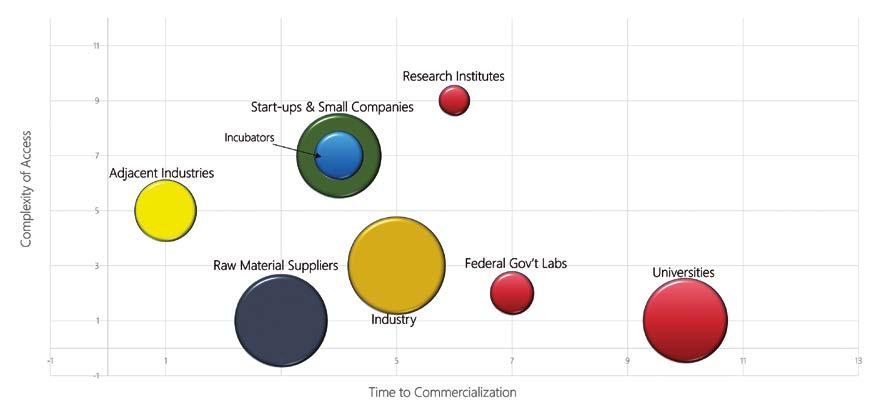
Figure 1 - The technology market pool.
safety regulations (e.g., VOC limits, PFAS bans) is increasingly critical. The antimicrobial coatings market illustrates how regulatory pressures limit available chemistries, thereby creating a gap that innovation must fill.
Investment levels – Whether an industry is mature or in a growth phase affects its openness to new technologies and solutions and shows whether the market is growing or declining.
Understanding these factors provides innovators with the insights needed to tailor technologies that address specific pain points and opportunities within a given industry.
The innovation landscape: a web of opportunity
When scouting for innovation, the ecosystem is represented by a technology market pool (Fig. 1) that includes:
Universities and research institutes
Government laboratories
Start-ups and small enterprises
Adjacent industries to your business
Raw material suppliers
Large industrial corporations. This landscape is highly fragmented, and each node brings unique capabilities and challenges. For example, universities may produce breakthrough research but lack the commercialization expertise and take longer to commercialize technology, if ever. Startups are agile but often under-resourced and need a great deal of guidance and financial assistance from
others. Government labs may support foundational R&D but struggle with market-facing applications, as they lack industrial experience. Navigating this ecosystem requires the strategic orchestration of partnerships, funding, and technical validation. Technology scouts and innovators must not only develop technology but also map the right path to market by leveraging the most appropriate resources.
The role of government funding in driving innovation
A critical enabler of market-driven innovation is government funding. Agencies like the U.S. National Science Foundation (NSF) invest in programs aimed at bridging the gap between academic discovery and commercial application. These programs aim to de-risk early-stage innovation and provide critical validation for market entry. Use-inspired research is a model that prioritizes practical relevance and application over abstract inquiry. Perhaps the most transformative initiative within the NSF is the National Innovation Corps Program (I-Corps). The program trains university research teams to explore market opportunities through direct engagement with potential customers, culminating in the development of a refined value proposition that might serve as the basis for starting a business based on NSF-funded university research. It is a rigorous program that teaches the value of customer discovery and focuses on speeding up the path from lab to market.
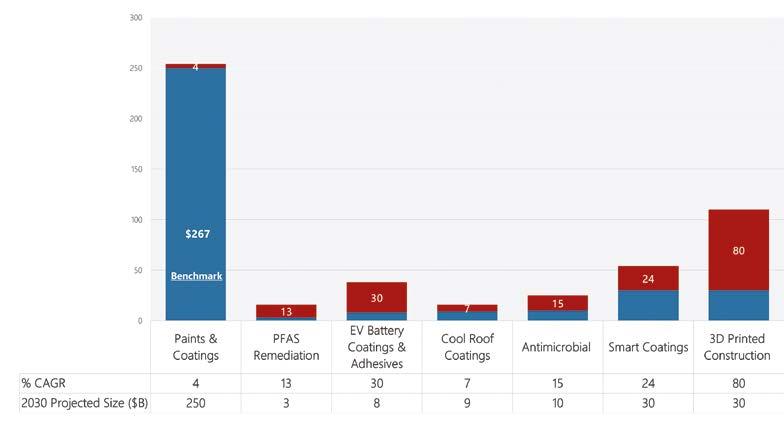

Figure 2 - Markets with large potential.
Material science and strategic focus areas
There are many areas where material science can rapidly transform markets and where innovation is most likely to yield impact. Several markets with larger % CAGRs were chosen to illustrate this point (Fig. 2).
The paints and coatings market has been growing at a steady rate for years, on an average of about 4%. Other markets within that space are projected to see much larger growth.
For instance, coatings and adhesives for electric vehicle batteries represent a burgeoning market, with a projected CAGR of 30% and an expected value of $8 billion by 2030. Similarly, 3D-printed construction materials, another high-growth segment, are poised to revolutionize the building industry by reducing labour costs, speeding up construction, and enabling more sustainable practices.
Regulatory requirements are mandating the rapid remediation of perfluoroalkyl substances (PFAS), and technologies that effectively rid the environment of PFAS are clearly in demand. Similarly, regulations are limiting the number and use of many antimicrobials (AM), and the development of AM additives that are effective but less harmful to the environment continues to be needed to fill the void.
Multifunctional coatings that provide colour and protection through smart mechanisms, like triggered on-demand release, will continue to drive interest within the coatings industry. These examples demonstrate the need to understand the market drivers within the coatings industry in order to push ahead of the competition.
From idea to impact:
building the next generation of innovation
The tendency to be enamoured of new technology is sometimes an occupational hazard. However, chasing novel technologies without a clear path to market is sometimes called ‘shiny object syndrome’ and must be avoided to save time and resources. Effective innovation must balance three pillars:
Market attractiveness – Is there a real demand? How large is the market?
Commercial viability – Can the product be competitively positioned? Is there a compelling value proposition?
Technical feasibility – Is the solution achievable with current technology? What are the development risks?
By understanding the financial and business impact of these three pillars, you can evaluate and filter opportunities using unbiased, data-driven criteria. A decision matrix, first developed by Stuart Pugh, allows for a criteria-based approach to scoring potential solutions to a problem and is a standard part of Six Sigma methodology. Adapting this method for scoring new business opportunities can help narrow the field to the best opportunities to pursue and ensure that resources are allocated to innovations with the highest potential for impact.
Ultimately, innovation is not just about having a great idea: It’s about creating real market value. This journey involves rigorous market analysis, strategic alignment, technical validation, and ecosystem orchestration (Fig. 3).
Lead the next wave
The question that all innovators must answer is: “Does your innovation create market value?” If the answer is yes, then it has the potential not only to succeed commercially but to transform entire industries. The blueprint for how companies and innovators can thrive in a rapidly evolving marketplace hinges on adopting a market-driven approach to innovation, leveraging government and institutional support, and rigorously vetting opportunities so that businesses can position themselves at the forefront of change and transformation. As the chemical and coatings industries face increasing pressure to adapt to global trends, climate change, regulatory shifts, and digitalization, those who disrupt markets by inventing the future will lead the next wave of progress.
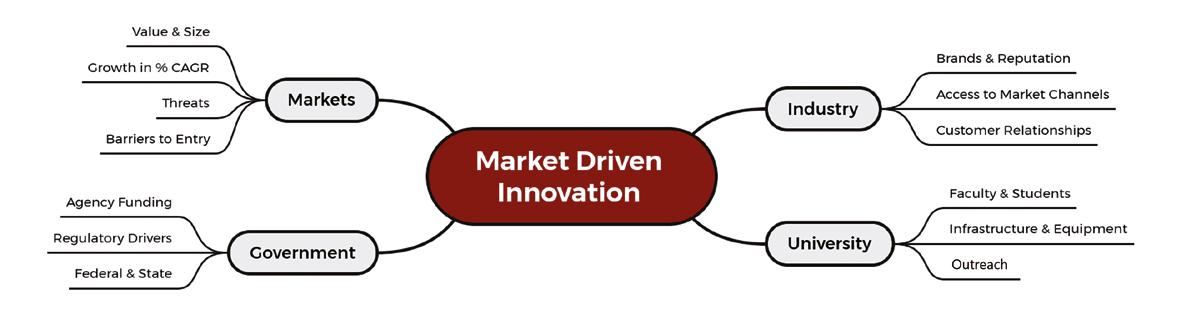
Figure 3 - The essential path to market-driven innovation.

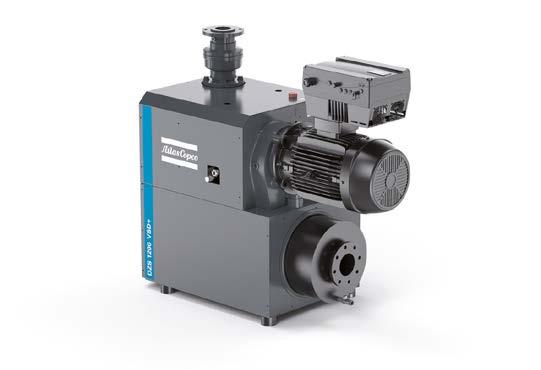
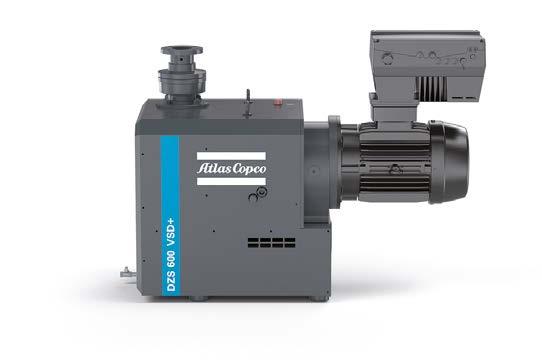
Atlas Copco introduces advanced coating technology in DZS 600 and DZS 1200 VSD+ vacuum pumps
These vacuum pumps from Atlas Copco provide reliable, oil-free operation, as well as designed with enhanced coatings to extend the lifespan of critical components.
Atlas Copco has incorporated cutting-edge coating technology in its DZS 600 VSD+ and DZS 1200 VSD+ dry claw vacuum pumps, setting a new benchmark for durability and performance in industrial applications. One of the standout features of the DZS VSD+ series is the PEEKCOAT coating. This advanced coating is applied to process-wetted parts and rotors, offering exceptional protection against wear, corrosion, and harsh environmental conditions. The PEEKCOAT technology ensures that the pumps maintain peak performance over time, even in demanding applications, reducing maintenance needs and downtime. The result is a longer operational life, making these pumps a cost-effective and sustainable solution for industries that require high reliability and minimal maintenance.
“The DZS VSD+ are simple and modular in design. They consist of the pump and gear chambers, which are separated by seals. Their energyefficient, low-wear operation is based on a special coating of the wetted parts and rotors as well as their simple operating principle. Two claws rotate contactless in opposite directions in the pump housing. This draws air into the pump chamber, compresses it and expels it again under pressure. In the gear chamber, two gear wheels synchronize the claw rotation. The non-return valve in the inlet flange prevents air from flowing back into the vacuum chamber when the pump is switched off. The pumps are driven directly by a flange-mounted motor via a coupling,” has stated Ahmed Elshaffie, the responsible product manager.
In addition to the PEEKCOAT, the DZS VSD+ models also come equipped with several other innovative features aimed at optimising performance and ease of use. The vacuum relief valve prevents overheating during prolonged operation at ultimate vacuum levels, while the inlet non-return
valve isolates the pump from the process when switched off, further enhancing reliability. The integrated VSD+ inverter drive regulates the pressure setpoint, contributing to energy-efficient operation.
These advanced coatings, combined with the pumps’ energy-efficient operation and user-friendly control features, make the DZS 600 VSD+ and DZS 1200 VSD+ vacuum pumps an excellent choice for applications where durability, performance, and sustainability are paramount.
Key coating and performance features of the DZS VSD+ models
PEEKCOAT coating: Provides superior protection for process-wetted parts and rotors, ensuring long-term durability and minimal wear.
Vacuum relief valve: Prevents overheating during extended operation at ultimate vacuum levels.
Inlet non-return valve: Isolates the pump from the process when switched off, enhancing safety and reliability.
Silencer: Reduces operational noise, ensuring a quieter working environment.
Integrated VSD+ inverter drive: Ensures efficient pressure regulation for optimal performance.
“We have been using the robust, reliable claw technology in vacuum technology and other areas for many years. With the DZS 600 VSD+ and DZS 1200 VSD+ models, Atlas Copco therefore offers a simple, reliable pump that can support customers in their processes for a long time without interruption,” has added Ahmed Elshaffie.
For further information: www.atlascopco.com
DBM Tecnologie celebrates 40 years in business
A leading Italian company in the design of painting and surface treatment systems, DBM looks to the future with the aim of strengthening its presence on international markets and expanding the applications of its technologies.
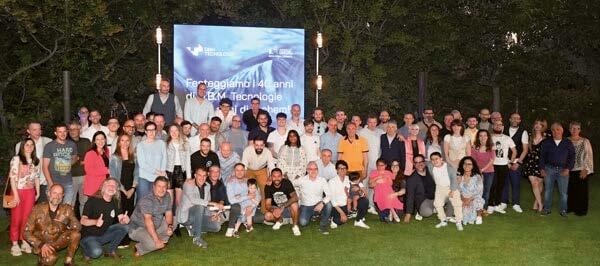
On 30 May 2025, the D.B.M. Group, an industrial company based in Casale sul Sile (TV, Italy), celebrated a double milestone: 40 years of activity for DBM Tecnologie and 25 years for E-Chem. To mark the occasion, the company organised a special day dedicated to its employees and their families.
The event began with a visit to the group’s factories, which were opened exceptionally to employees’ families, followed by a convivial evening at a tavern.
The symbolic theme of the event was the orchestra, chosen to represent the importance of collaboration between departments, the enhancement of individual skills and the team spirit that distinguishes the group.
“Our strength lies in our ability to offer customised solutions, bucking the trend of an increasingly standardised market. We support our customers as true partners, ready to tackle ambitious challenges with solid technical expertise and structured planning,” has stated Nicoletta Mattiuzzo, head of organisation and planning at DBM.
Founded in 1984, DBM Tecnologie is now a benchmark in the design and manufacture of advanced systems for industrial cleaning, coating and
surface treatment. Alongside it, E-Chem, founded in 1999, is involved in the production of detergents and equipment for industrial cleaning, as well as research, testing and analysis.
The group, now wholly owned by the Mattiuzzo family, has grown over time to include three production plants, 60 employees and a consolidated presence on international markets, with systems installed in Europe, Asia-Pacific and the Americas.
“In the coming years, we aim to grow further in foreign markets and develop complementary sectors, such as metal impregnation. We will continue to combine an efficient organisational structure with the creativity typical of Made in Italy. This is an important anniversary, therefore, which represents not a milestone but a new starting point for a company that has always believed in innovation, collaboration and quality. Because, as they say at DBM: You don’t just choose the plant, you choose the company that produces it,” has added Alessandro Mattiuzzo, head of technical and commercial development at DMB.
For further information: www.dbmtec.com







© DBM Tecnologie
Dürr expands EcoProWet pretreatment system to include cathodic electrocoating
Dürr is expanding its modular pretreatment system, EcoProWet EC, to include cathodic electrocoating. With its compact design, the wet system requires significantly less space than conventional continuous systems, making it ideal for small to medium production capacities of up to 30 units per hour.
In vehicle painting, pretreatment remains one of the most spaceintensive process steps. This is due to the large tanks required for both basic cleaning and electrocoating, which are designed to accommodate the largest car body dimensions and longest process times. Dürr developed the modular EcoProWet pretreatment system, making the process more flexible, compact, and scalable. Previously, the company introduced the EcoProWet PT pretreatment system. Now, it has expanded the system to include the EcoProWet EC cathodic electrocoating system.
Cathodic electrocoating: flexible, compact, and scalable
After pretreatment, the bodies are conveyed to the cathodic electrocoating system. This process ensures that a seamless primer coat is applied to the body’s surfaces, providing corrosion protection and serving as an adhesive base for future topcoats. In contrast to conventional PT/EC systems, EcoProWet is the only system on the market that is scalable and sets new standards in terms of space requirements, sustainability, and investment costs.
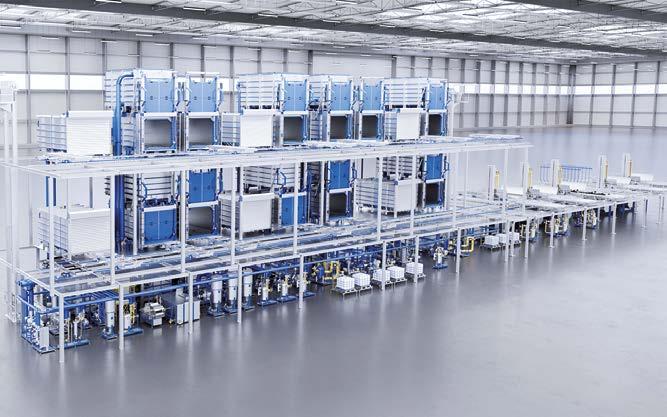
The innovative design of the EcoProWet EC system features individual compact basins instead of continuous systems filled with paint. Two independently controllable pendulum towers lift the car bodies from the roller conveyor and gently guide them into the bath. With an immersion angle of up to 60 degrees, automakers can customize the immersion process for different models. Each dip tank supports up to ten units per hour. During the three- to five-minute dip, the paint is energized, forming a thin even coating on the body surface.
The EcoProWet system is ideal for small to medium production capacities. Its modular design allows for staged expansion from 7.5 to 30 units per hour without significant operational disruptions. This enables automotive manufacturers to scale the system according to their production needs, reducing paint and operating costs compared to continuous systems. Additionally, it minimizes the space required for a paint shop while allowing for a flexible layout.
For further information: www.durr.com
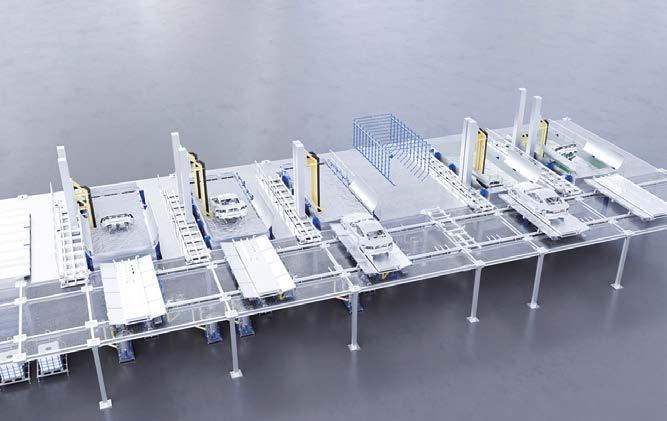
EcoProWet EC has an innovative system design. The EcoProWet PT/ED system
CHEMICAL MAKING SOLUTIONS

TRATTAMENTO ACQUE
WATER TREATMENTS
PREVERNICIATURA E NANOTECNOLOGIE
COATING PRETREATMENT AND NANOTECHNOLOGIES
SGRASSANTI INDUSTRIALI DEGREASERS
SVERNICIANTI
PAINT STRIPPERS
Artificial Intelligence drives efficiency gains at Audi with implications for paints and coatings
With AI integration accelerating, Audi is setting new standards not only for automotive production efficiency but also for the precision and quality of paints and coatings - critical elements in vehicle durability and aesthetic appeal.
Audi is harnessing the power of artificial intelligence (AI) to significantly enhance efficiency and quality across its production and logistics operations, with important knockon benefits for paints and coatings processes. The car manufacturer is fully exploiting AI and data analytics both in its internal workflows and the customer experience, aiming to set new industry benchmarks. Currently, AI’s greatest impact is in production and logistics, where it helps save both time and costs. Gerd Walker, Member of the Board of Management for Production and Logistics, describes AI as a “game changer” in automotive manufacturing. By strategically
deploying AI, Audi is creating a production environment that is more efficient, costeffective, and quality-driven, while also improving support for employees. This includes expanding AI applications wherever they are viable and beneficial.
More than 100 AI projects are underway in Audi’s production facilities, many gradually being integrated into series production. A key focus is AI-driven quality monitoring, which has direct implications for the paints and coatings stages of vehicle manufacturing. For instance, AI tools are now used to inspect the correct application and labelling of technical data on vehicles - a crucial factor for
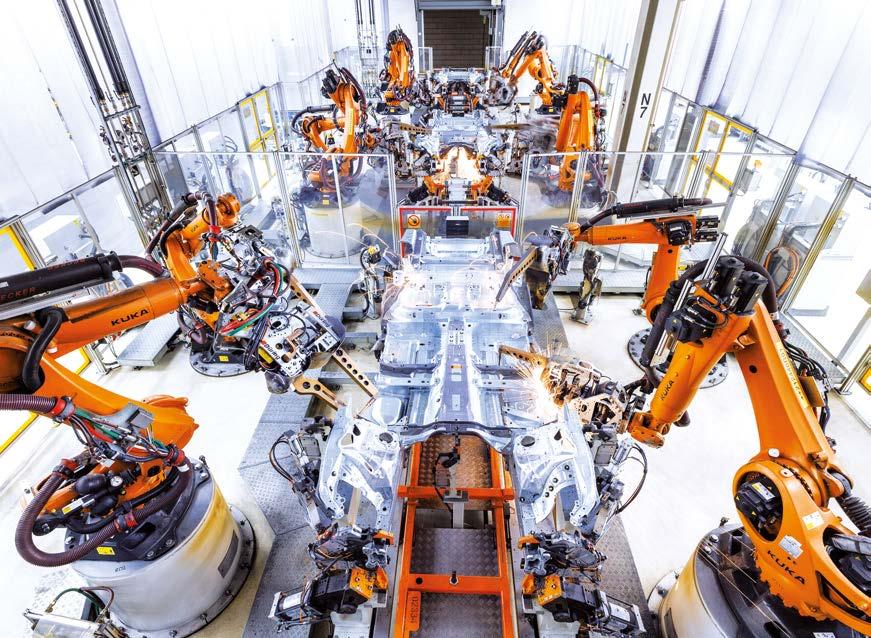
paintwork conformity and surface treatment accuracy. The “IRIS” image processing system checks label placement and content accuracy, helping to ensure that coating processes align precisely with specifications. This tool alone saves about one minute per vehicle in production time.
Audi is also advancing AI-supported inspections in the body shop, an area closely linked to paint and surface quality. In partnership with Siemens, the company has introduced the “Weld Splatter Detection” (WSD) application, which identifies weld splatter on vehicle underbodies - metal deposits that could compromise paint adhesion and cause defects. From summer 2025, a robotic arm will automatically remove such weld splatter - enhancing production efficiency while improving workplace ergonomics and safety. The company’s investment in AI is underpinned by a robust data infrastructure, with hundreds of petabytes of production data leveraged to drive its 360factory strategy - a vision for a fully connected, data-driven, and sustainable manufacturing environment.
Audi is also using AI beyond production lines, including a new tool called “Tender Toucan” that streamlines the evaluation of supplier bids by automatically analysing specifications, saving up to 30% in processing time. This efficiency will contribute to smoother sourcing of paints, coatings, and related materials.
Roudabeh Heshmatazad joins ChemQuest as a Director
The ChemQuest Group, a global consulting firm focused on tailored business strategy and optimization, technology acceleration, market intelligence, and M&A advisory services for the specialty materials industry, is pleased to announce the appointment of Roudabeh (Rudi) Heshmatazad as a director.

Heshmatazad is a strategic and forward-thinking business leader with decades of experience translating consumer insight into innovative, marketwinning products. Known for building and expanding portfolios through a deep understanding of market dynamics, data analytics, and consumer behavior, she excels in driving cross-functional collaboration across R&D, marketing, and operations to deliver impactful, scalable solutions.
Over the course of her career, Heshmatazad held several positions with BEHR Paint Co., including senior product formulation chemist, product marketing manager, and senior manager of new business development, before joining Bosch Home Appliances Corp. as senior manager of consumerdriven innovation and new business development. Most recently serving as director of new business exploration and product innovation for Delta Faucet, she is also the founder and CEO of RAIRE Chocolate, a luxury premium nutraceutical chocolate brand.
Heshmatazad holds a bachelor’s degree in chemistry from Azad Tehran University, an MBA from DeVry University, and a business strategy certification from Harvard Business School Online.
“With over 25 years in the chemical industry, I’ve had the privilege of leading innovation, product development, and business growth across categories ranging from consumer goods to coatings and specialty materials,” Heshmatazad said. “While at BEHR, I worked closely with the ChemQuest team to explore strategic opportunities beyond our core business. Together, we built a robust M&A pipeline and evaluated adjacent markets. Through that work, I also got to know Dan, whose consumer-first mindset and thoughtful, human-centered leadership made a lasting impression. I’m excited to now be part of a team that brings such depth, clarity, and impact to clients navigating technology development, market expansion, and transformative growth.”
“I am thrilled to welcome Rudi to the ChemQuest team,” said Daniel Murad, CEO. “Along with the rest of the world, are clients are seeking guidance on how best to navigate the evolving challenges of today’s economic and geopolitical climate. Through her extensive and diverse background, Rudi will lend her considerable expertise to supporting our clients in identifying and developing strategies that prioritize long-term profitable growth.”
For further information: https://chemquest.com


© The ChemQuest Group, Inc.
AkzoNobel marks 50 years of manufacturing excellence through CNH partnership
With exceptional durability, performance, and color consistency, AkzoNobel’s Interpon Powder Coatings are empowering CNH to thrive on the global stage.
The paints and coatings supplier AkzoNobel celebrates a 50+ year partnership with CNH, one of the world’s leading manufacturers of agricultural and construction equipment (ACE).
CNH was one of the pioneers in adopting powder coatings to protect its combine harvesters, balers, and forage harvesters. Twenty-five years ago, the company transitioned from AkzoNobel’s industrial paints to its advanced Interpon ACE powder coatings. AkzoNobel supported CNH in converting its existing liquid coating line to accommodate powder application—without requiring additional floor space or oven capacity.
CNH was also among the first to implement Interpon’s low-cure technology (Interpon ACE 2010 Low-E), enabling significant reductions in energy consumption and carbon emissions.
“We chose AkzoNobel because it has the global capability to develop the powder coatings we needed to adapt to new market demands, and the demands of our own production facility,” has stated Frank Verhoye, head of the Paint Central Manufacturing at CNH in Belgium.
To align with evolving regulatory and environmental standards, CNH
transitioned to a new generation of TGIC-free polyester powder coatings. This shift ensured compliance with updated health and safety regulations while reinforcing the company’s commitment to sustainability. The Interpon team played a key role in developing colors that precisely matched CNH’s specifications. Given that CNH machinery is predominantly used during the summer months, excellent UV resistance was a crucial advantage. The coatings also provide strong protection against corrosion from high humidity and exposure to substances such as diesel and oil.
“We are very much looking forward to working with CNH on developing new product solutions that will help it to further reduce its carbon footprint and increase the long-life of the machinery and the future of its brands,” has added Lösgen, Global Segment and Key Account Manager ACE and CV at AkzoNobel Powder Coatings.
For further information: www.interpon.com/it/en

© AkzoNobel
Blasting technology meets modern design: Sinto AGTOS launches new website
With this relaunch, Sinto AGTOS combines innovation with approachability, positioning itself as both a technology leader and a reliable partner in surface preparation.
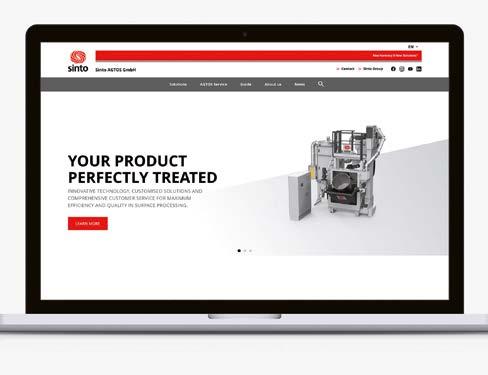
Sinto AGTOS, an internationally active manufacturer of wheel blast machines and now part of the Japanese Sinto Group, has unveiled its brand-new website — a fresh digital presence that reflects the company’s modern identity and forward-thinking approach.
The site was developed using a state-of-the-art content management system to meet high design standards while ensuring an improved user experience. Its streamlined structure and responsive design make it particularly easy to navigate, even on mobile devices.
Keen to strengthen its connection with users, Sinto AGTOS has integrated numerous contact options, offering visitors multiple ways to get in touch. Strong emphasis was placed on delivering highquality, accessible content. The website provides clear, user-friendly explanations of machines and processes, along with insights into key areas such as technology, sustainability, and the company’s workforce. A dedicated guide is also available for newcomers to blasting technology, helping them gain the essential knowledge needed to make informed investment decisions.
For further information: www.agtos.com
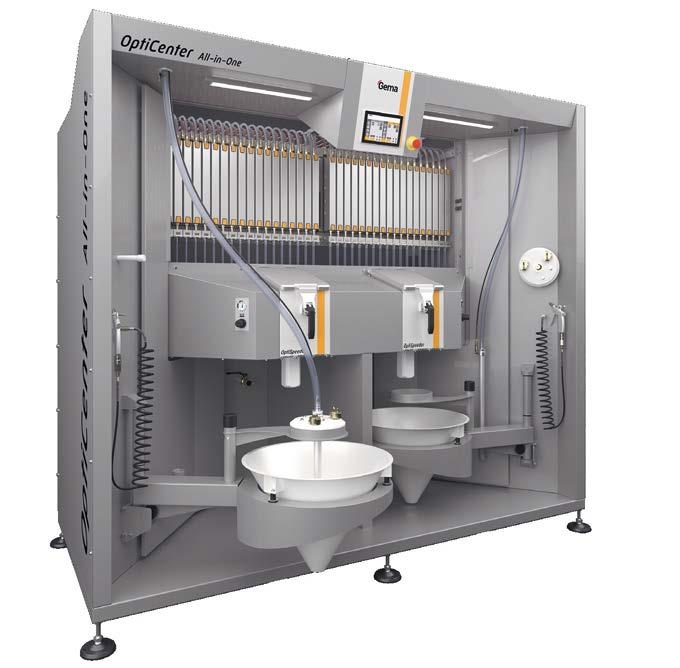
Efficient and space-saving powder management, equipped with OptiSpray All-in-One application pump technology and DualSpeeder. The OptiCenter uses MultiColor Switch technology, which enables the fastest switching between OptiSpeeder containers and the cleanest color change between alternating colors.




Portrait of a successful company. TIGER Coatings: 95 years of innovation, vision, and family passion
Interview with Kurt Berghofer, Chairman of the Advisory Council
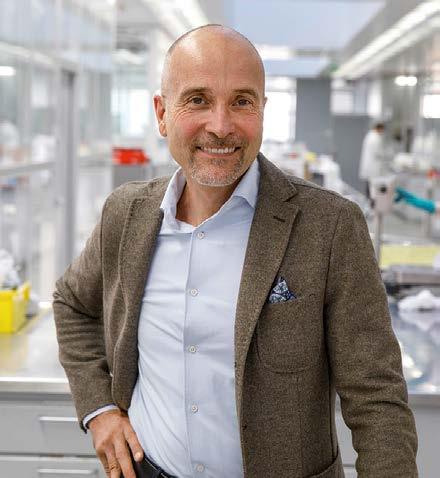
Clemens Steiner, CEO
Elisabeth Berghofer, Chairwoman of the Supervisory Board, People & Culture at TIGER Coatings
TIGER Coatings began as a small Austrian paint shop in the 1930s and has grown into a leading, independent global company—now the world’s fifth-largest in powder coatings—maintaining both professional management and strong family involvement. A shining example of a business that combines innovation and responsibility, valuing every employee as an active part of a “liberating organism” looking towards a future in which quality & service, creativity and independence remain key pillars.
The path of some families is inextricably linked to business. Entrepreneurial spirit runs through their veins and a risktaking and innovative instinct creates the perfect conditions for building a successful company destined to make history in its industry.
The Berghofers, the founders of TIGER Coatings, are one such family. The company that introduced the 2.5-kg powder coating mini-pack, the first to set foot into the US, the one that has expanded its powder coating colour and effect range to infinity, that has been focusing on metallic effects and high-added value market niches, that has made quality its vocation and batch uniformity its focus, is celebrating its 95th anniversary. To mark this milestone, it has chosen ipcm® to tell its story for the first time. What we are
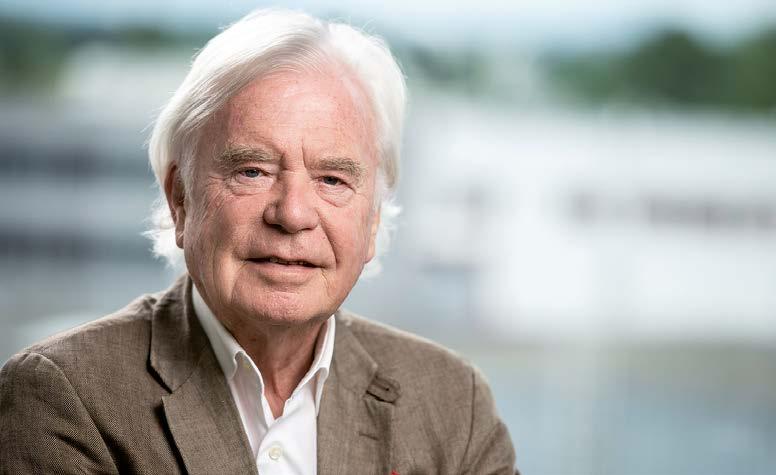
Kurt Berghofer
Clemens Steiner
sharing is a vivid portrait of a family and a company that have invested everything in a vision: the development of a technology – powder coating – in its infancy, contributing to its present-day success as the finish of choice for many industries, from niche sectors calling for excellent aesthetics and ever-more captivating colours and effects to sectors where functionality and performance are crucial.
A unique story of innovation, vision and entrepreneurial courage
The history of TIGER Coatings dates back to the 1930s, a period of political and economic instability in Europe. Three of the eleven children of the Berghofer family opened a small shop selling paints and varnishes in the centre of Wels, in the federal state of Upper Austria. A trailblazing spirit characterised the Berghofers’ business from the very beginning: at the Hanover trade fair, which was the premier technology trade fair at the time, they purchased the first equipment for producing liquid paints. In the late 1960s, TIGER’s pioneering phase in the powder coating world began with the second generation of the Berghofer family, represented by Kurt. His firm belief in the potential of powder coatings, which were then in a very early stage of development, guided the company’s strategic decisions, leading to its rapid emergence as a global player.
ipcm®: This year, TIGER is celebrating its 95th anniversary, just a few steps away from its centenary. Could you briefly tell us about the history and vision behind its foundation and growth, as well as the reasons behind its distinctive name?
Kurt Berghofer: “TIGER was founded by my father and two uncles, who started out producing liquid paints for DIY in 1930. They began with very

simple products: oil-based paints, solvents, and fillers. Then, the three brothers gradually developed a whole range of solutions based on new chemical technologies: for example, two-component sealants for floors and protective anti-rust paints for iron. They created a very interesting assortment that included a wide variety of products, from paints and dispersions to primers and finishes, and was very well received by consumers because it incorporated cutting-edge technology for the time. The name TIGER was coined with the company itself: our surname, Berghofer, was difficult to pronounce and remember, so they chose a short, memorable and striking word. It proved to be an excellent choice for the DIY market, as well as later on for the powder coating division: it was understandable in every country, recognisable and easy to pronounce in any language. I joined the company in 1962, immediately after completing my technical studies in Vienna. My uncle had passed away from a heart attack and my father also suffered from heart problems. So I was ‘dragged’ into the company without any work experience. Within 3 years, I became the managing director, as my father was forced to retire. I was a very young and inexperienced CEO, but fortunately, many employees with a wealth of experience in the sector taught me a great deal and guided me towards becoming a leader.”
When did you start considering producing powder coatings?
Kurt Berghofer: “I had stayed in touch with a fellow student in Vienna, who started working for a German manufacturer of polyester resins. He told me about a new idea that was still in its infancy stage: powder coatings. At that time, there was no real market for them – nor finished products. However, I decided to go and see him because I was intrigued and I started gathering contacts and suggestions on people I could visit throughout Europe to learn more about powders. I began travelling with a technician from my company and over the course of a year and a half, we made 16 visits to various European countries, including the Netherlands, Germany and Switzerland. We visited large paint producers, chemical companies, plant manufacturers. We gained insights from each. We also got in touch with manufacturers of extrusion and grinding systems. It was real Sherlock Holmes work! At that point, the problem of convincing my father arose: TIGER was 100% focused on DIY, with no experience in the industrial sector. Why on earth should we start producing powder coatings?
Still, I was convinced that this was a good idea, a promising technology with excellent prospects. I wanted to enter the industrial paint sector, but I knew it would take a new, cutting-edge technology to set ourselves apart from our competitors. In 1966, I suggested to my father that we initially invest only in a laboratory with equipment capable of producing small quantities. Faced with such a clear perspective, such a precise vision and such strong motivation, he agreed. It was a significant investment: to get a quick return, we did research and development
Elisabeth Berghofer
during the day and produced small batches at night and on weekends. We immediately saw some signs of interest from potential customers. There were already some application plants in what was then Yugoslavia and we managed to make our first contacts there so that, while we were developing our first product, we already had two companies ready to buy and use it.”
Powder coatings require a completely different application process to liquid products: it entails electrostatics, melting, cross-linking...in short, this was a disruptive change for the market.
Kurt Berghofer: “That’s true. In those years, many of today’s players in the powder coating sector were still in the early stages of development. We decided to test our powders abroad and found that we could truly compete with other manufacturers. We also managed to establish excellent relationships with the basic chemical industry, which was very interested in working with a smaller, more agile company than big giants requiring a lot of time to test new materials. We were able to provide quick and accurate feedback and such speed of response made TIGER an attractive partner with which to establish a profitable, dynamic and stimulating collaboration.”
So you saw the potential of this market right away: you never considered it a gamble.
Kurt Berghofer: “Yes, exactly. The advantages were so obvious that we were sure this technology had a great future ahead of it. And when you are truly convinced of something, you are much more likely to succeed.”
Well, TIGER’s history proves that it was indeed a successful choice, as we are here discussing it just a few steps away from its 100th anniversary.
Kurt Berghofer: “The 1990s saw the beginning of the aesthetic and functional evolution of powder coatings, which also offered the environmental advantage of zero VOC emissions. TIGER decided to invest in high-quality production equipment, develop the bonding technology to improve metallic effects and open new market niches. At the same time, the advent of Baumärkte, large hardware stores with their own paint brands, increasingly reduced our turnover in the paint segment. About 10 years ago, we therefore decided to discontinue the production of DIY paints and to focus solely on manufacturing powders under the name TIGER Coatings (formerly TIGERWERK). Today, we sell powder coatings worldwide and have production facilities in 6 countries. At the same time, we are also developing and growing in other areas, such as digital inks. Based on our estimates, TIGER ranks as the fifth-largest company globally in the powder coating sector, while not focusing so much on operating at large volumes. Instead, we aim at small and medium-sized production runs, complemented by excellent service and high quality, particularly in terms of batch consistency. High-quality paint covers larger surfaces more effectively and efficiently and consistency among batches ensures reliable performance at all times. The basic formulation of our products is excellent, but repeatability in production is another key to our success. Today, powder coatings are among the best solutions for high-quality applications. TIGER has played a leading role throughout their evolution and has contributed significantly to it with its innovation rate and R&D activities.”
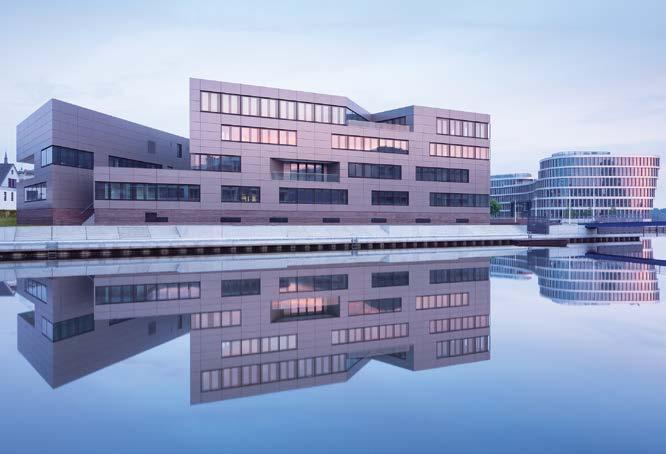
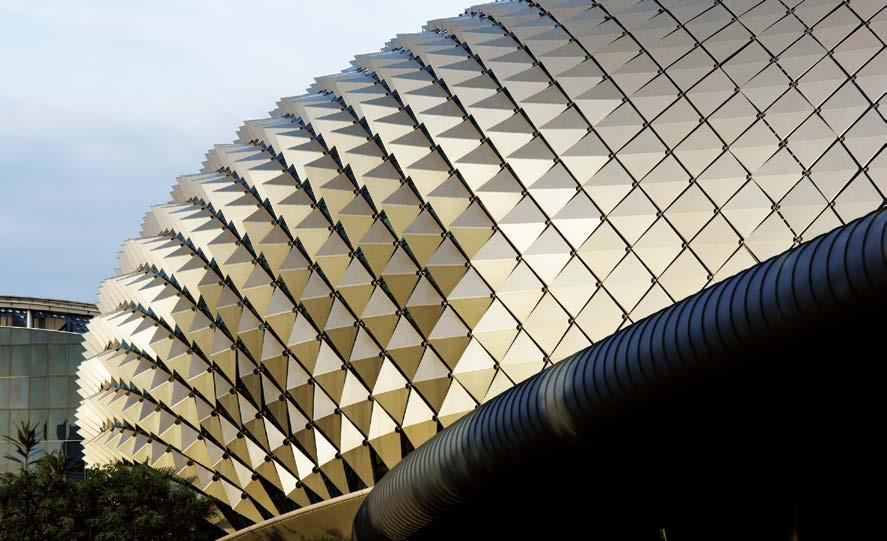
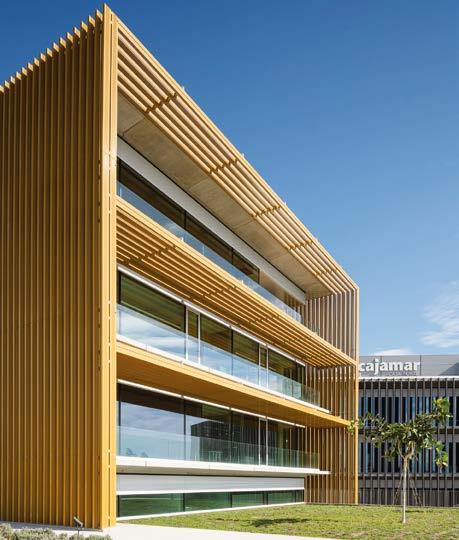
The CentoNew building in Rostock, Germany, headquarters of the biotechnology company Centogene AG.
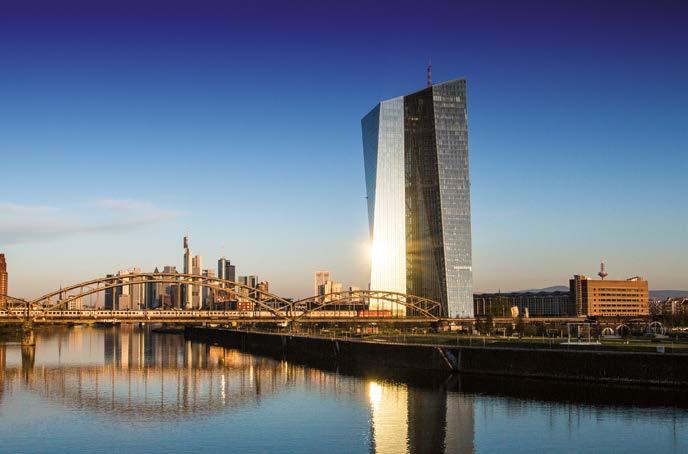
The headquarters of the European Central Bank in Frankfurt, Germany.

What were the most decisive moments in the company’s growth?
Clemens Steiner: “Without a doubt, the first was the decision to invest in a technology that was so embryonic as to be practically non-existent. At the time, it was a huge investment, accounting for 10% of the company’s annual turnover.
I still love to tell our 1,400 employees, whom we like to call TIGERs, about the pioneering spirit of that period that enabled us to enter the Austrian and German markets.
Afterwards, Kurt Berghofer took another very bold step: he invented the 2.5-kg mini-pack. Back then, the range of powder coating colours available was limited to five shades of white, a few greys and one black: to get a customised shade, the minimum quantity was 300 kg. When TIGER introduced its mini-pack, the market was stunned. No one could understand how it was possible: it looked like a pharmaceutical product. That was the turning point that enabled us to enter the American market. Indeed, in the 1980s, Kurt Berghofer took another strategic step: entering the US market, where we achieved great success thanks to the flexible supply of small quantities in the complete range of RAL colours. It was a glorious beginning, a real revolution. The next milestone came in 1995, when I joined the company full-time and began developing the Asian and South-American market. This was the era when the so-called “Four Asian Tiger States” (Singapore,
Malaysia, Taiwan and China) were emerging. Kurt and I drew up a longterm action plan for the Asian and South-American market, which led to us opening 3 production plants in China, one in Vietnam and one in Brazil, as well as our subsidiaries throughout Asia.
In 2007, we took another significant and innovative leap forward: we began designing and producing digital inks. In 2015, we used our polymer-related know-how to develop high performance plastic materials for 3D printing in additive manufacturing. We also developed a technology for digitally depositing powder particles, which we call tattoo technology and with which we can create high-resolution, highly durable decorations.
Over time, TIGER has created a veritable TIGERverse comprising all its powder finishing and digital decoration solutions. I sincerely believe that if we removed TIGER from the world today, many products would not be as beautiful as they are. Giving a ‘skin’, an interface with the world, to objects, is our purpose and reason for existing and our contribution to society.”
You have a very close relationship with the Italian market. Why is that?
Kurt Berghofer: “Because I am a huge fan of Italy! I love the people, the language, the food, the landscapes, their variety. Apart from that, Italy is the cradle of design and beauty: what other market could be more
The Art Center in Singapore.
The Banco de Crédito Cooperativo – Grupo Cajamar Financial Center in Almería, Spain.
receptive to our powders? At the same time, I must admit that we struggled to enter it, due to competition from local companies and above all, the devaluation of the lira caused us to lose quite some business.
Building a market depends largely on people and we were fortunate to find the right person in Klaus Karner. Thanks to his acumen, he managed to identify some promising market niches. Klaus and his wife, Astrid, did an excellent job in Italy, and now Alberto Zancan and Marzia Brambilla have taken up the baton, achieving a significant increase in turnover in just 2 years. For Italy we have great plans and we look forward to increasing our presence there.”
From the TIGERverse to reality: how TIGER combines creativity and performance
What distinguishes your powder coatings from those of your competitors?
Clemens Steiner: “To explain this, I often refer to the Ferrari brand and the concept of
Passion and Power, which was the secret to Enzo Ferrari’s success. Metaphorically speaking, I consider our powders to be like a Ferrari car. However, buying a Ferrari and knowing how to drive it fast are two different things. Similarly, much of our success stems from demonstrating to our customers how to maximise the benefits of our coatings and inks. For us, the job is not done once we sell a box of paint or IBC of ink, but only when we hold a profile painted with a TIGER powder in our hands and can say it has the most beautiful metallic colour we have ever seen, without any imperfections and with perfect film properties or the most amazing print resolution. That is when our job is finished. In addition to the refined chemistry of our products, we also offer an excellent customer assistance service to help each company get the most out of them. That is why we always ask our customers not to judge us on the cost per kilogram of our powders or inks but on the cost per square metre required to finish a surface.”

How important is design in your approach to products?
Clemens Steiner: “I would say that our contribution – as I mentioned earlier, what we call the ‘skin’ of objects – is essentially based on two elements. The first aspect is functional: protection against corrosion and weathering and the assurance that the product will not rust, fade or become unusable. The other element is aesthetics: our mission has always been to bring square metres of beauty to the world. Therefore, design is pivotal. This approach has become even more concrete with our investments in digital printing. It is in this area that the concept of the metaverse is best realised – a concept we have adapted to our little world by calling it TIGERverse. In this virtual ecosystem, architects and designers can access digital files of all available TIGER finishes whenever they feel inspired regardless of the time of day, integrate them into their projects, examine them virtually and thus save valuable time. The TIGERverse is always there for those who need it, providing creative freedom and reducing selection and sampling times.”
How does this significant investment in Research & Development translate into tangible results?
Clemens Steiner: “Our customer base is actually quite diverse: on the one hand, there are contractors and OEMs, who know how to ‘drive our Ferrari’; on the other hand, there are designers and architects, the ones responsible for choosing the special effects and colours to be used. Each of them speaks a different language: we use a technical (think: thicknesses, pre-treatments, etc.) and cost-related language with contractors, for example, whereas we have entirely different conversations with designers and architects. Years ago, in the United States, I spoke to an architect from New York who showed me a beautiful maple leaf that had all the shades of red, orange and brown. He asked me, ‘Can you reproduce this colour?’ I replied in a
© TIGER Coatings
From left to right: Alessia Venturi from ipcm®, Elisabeth Berghofer, Kurt Berghofer, and Marzia Brambilla, COO of TIGER Coatings Italy.
humorous way, ‘There are about 5,000 colours on this leaf. Which one in particular would you like to reproduce?’ This goes to show that to communicate effectively with architects and achieve business results, one needs to invest a significant amount of time and learn to operate in a different sphere.
I believe this is one of TIGER’s distinctive skills: transforming investment in R&D into tangible results. Our TIGERs have different abilities and we can pair the more technical ones with coaters and contractors and the more creative ones with designers and architects. The latter establish the colour code, the former ensure correct application. In the end, we all find ourselves in front of the painted building or structure, knowing that its owners will be happy for many decades to come.”
Can you share an example of innovation that has changed TIGER’s course of action?
Clemens Steiner: “Without a doubt, entering the world of digital printing technologies. With this, we launched a decoration system consisting of panels and profiles coated with powders and digital inks. Our digital technology enables the precise positioning or overlapping of every single drop of ink to create a tactile, 3D printing-like effect. The combination of both finishes thus offers great design freedom with the advantage of coming from a single supplier, a single warehouse and a single partner responsible for everything.”
How did the market react to this innovation?
Clemens Steiner: “Extremely positively. Until 20 years ago, the market was pleased with sublimation. However, in recent years, this technology has lost some of its appeal because the younger generations find the effect achieved too artificial, flat and soulless. They do not want an imitation of another material: they want real, high-resolution, tactile effects. Moreover, digital printing satisfies the desire for personalisation, exclusivity and uniqueness that pervades today’s market.”
Tradition, management, and participation: the advanced structure of TIGER
TIGER remains a family-run business, albeit with a managerial approach. How do you balance these two sides of the company?
Elisabeth Berghofer: “For all of us, this combination of approaches is a great benefit and strengthens our position in the market. Privately held companies have long-term strategies, can make decisions very quickly and put people first. At the same time, hiring managers means seeking skills and expertise outside the family and the resulting combination of different perspectives strengthens and complements us.”
Clemens Steiner: “I believe that over the last 10-15 years, this combination of family ownership and professional management, with a family behind it that really knows the business and is entrepreneurial at heart, has become a great strength. A while ago, many young people wanted to work for large companies: the bigger the name, the more
attractive the employer. Yet, with all the instability we see today and the impersonal nature of these large firms, where every employee is just a number, we have noticed a reverse trend. More and more people are approaching us because they feel the company’s leadership is present in all daily activities: our doors are always open, we regularly visit the production departments and we interact every day with both our TIGERs and our customers. This human touch, this stability built up over 95 years, is a fundamental element in the management of TIGER, together with the enthusiasm to welcome and assess any idea and to implement it quickly if it is worthwhile.
Furthermore, our Liberating Organism-centred corporate culture implies that those who join TIGER do so not only because they need a job, but also because they feel a passion and a vocation for this job. For our employees, entering this company is not a springboard to build a career elsewhere, but an opportunity for personal and professional growth. Fifteen
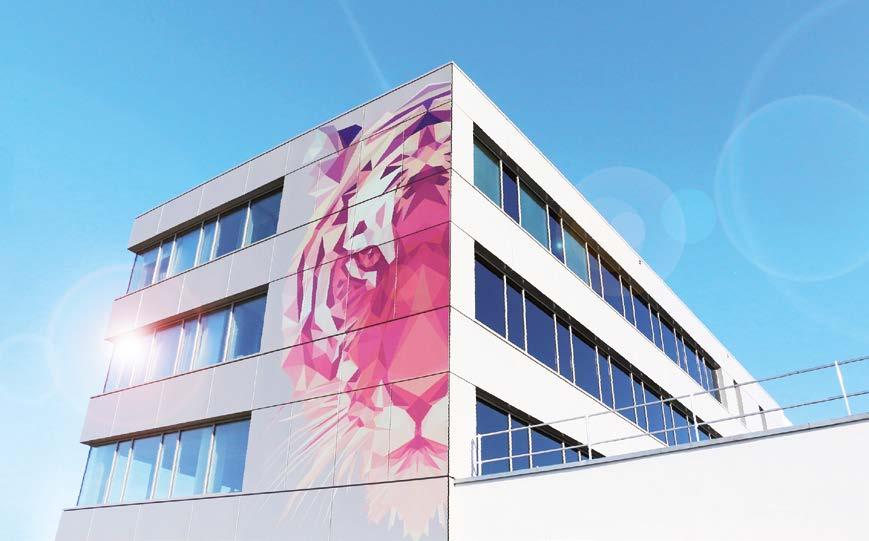
The unit of TIGER Coatings' headquarters in Wels that houses the offices. The façade has been decorated with TIGER's digital technology.
TIGER Coatings
years ago, I told our shareholders, ‘Every day, I talk to some of our 1,400 TIGERs and say I expect them to think and act like entrepreneurs. To close the circle, we should also give them a share of our profits.’ The shareholders understood this, and we quickly created TIGER’s profit-sharing system, which now means that each of the 1,400 TIGERs around the world participates in the profit the company makes.”
In your opinion, what are the strengths and potential risks of being a family-founded company?
Clemens Steiner: “Being founded by a family is something that happened 95 years ago. Today, we have an ecosystem made up of family shareholders and 1,400 employees whom we view as entrepreneurs and partners. It is essential that the most capable leaders guide the company and that the family pursues the goal of keeping it healthy. An organization
is comparable to an organism: a body can only function if the brain, heart and liver work perfectly and communicate with each other. But if the heart thinks, ‘I only care about myself, I am uninterested in the other organs,’ and maybe it is not even the smartest heart in the world, then that becomes a problem. If roles and responsibilities are clear and precise and family members agree to leave most of the profits in the company because they are needed for innovation, training and growth, stability will be guaranteed for our 1,400 TIGERs and the 6,000 dependants in their families.”
Is it difficult to preserve your strong identity as a global company?
Clemens Steiner: “I think we are good at preserving and conveying our identity because everyone feels equally involved, even those working on the other side of the globe. The first pillar is maintaining human relationships in a
digitalised world. We invest a lot of resources in getting together in person. One thing that many people fail to understand is that a virtual meeting or a video call on Teams is not the same as a physical get-together. In person, our hearts can receive and send signals from 8 metres away and there are billions of cells that can also perceive non-verbal language. Every year in September, we organise a large meeting of all TIGER leaders who meet here in Wels for 5 days and work intensively to plan the next 12 months. A second meeting is scheduled for March to review the progress of the annual plan. Additionally, we travel twice a year, in the spring and autumn, to various regions to foster mutual trust, ensuring that when we cannot meet in person but need to resolve issues quickly, phone calls are sufficient.
The second pillar is having the company run by technicians, not lawyers specialising in mergers and acquisitions who have never held a spray gun in their hands. Frankly, I do not know how you can possibly motivate thousands of people without having any idea what they are doing and what is at the core of our business and technology.”
The concept of Liberating Organism (LO): empowering employees
Can you tell us more about the corporate culture at TIGER Coatings?
Elisabeth Berghofer: "Cultivating a good company culture is crucial for a successful and sustainable company. It primarily defines how we work together, it creates identity, promotes reliability, gives orientation and makes a company more resilient especially in difficult times. In 2009 we began a journey of enhancing our company culture. We invited all our employees to develop our Vision and our Core Values jointly. I would say, this was a real milestone in our history!
The Liberating Organism (LO) is based on a simple yet powerful concept, associating with a natural organism in which all organs
© TIGER Coatings
The Wels headquarters is home to 550 of the nearly 1,400 "TIGERs" around the world.
are aware of the purpose, having the possibility to discover themselves, communicate actively with each other in a dynamic and constant manner and focus together on a common goal. Hierarchy still exists, but it is no longer based on commands, which means that we are working together on eye-level. Another principle of LO is, ensuring that decision making takes place within the team’s area of expertise. This includes taking over responsibility and asking for advice of the relevant stakeholders. Ultimately this means, the teams are manging themselves.
The philosophy of Liberating Organism is caused by the basic need of human beings to live their life self-determined. It is liberating for an individual to feel free to decide, having room for creativity and experimentation and having the freedom to contribute ideas and to join a project which one is passionate about. This approach allows developing people´s intrinsic motivation and leads to more involvement and commitment to the company."
What are your current priorities in people and culture management and what strategies are you implementing to attract young talent?
Elisabeth Berghofer: “The main priority and at the same time the biggest challenge, is attracting qualified employees for the production area. A
challenge that reaches far beyond Europe.
One of our measures to counteract this trend was the implementation of our successful apprenticeship programme. We offer several incentives and benefits while prioritizing a state-of-the-art work environment.
Ensuring that we move with modern work trends such as remote work opportunities. Additionally, we invest in conveying the values of our corporate culture through social media and our website. This not only allows us to share our core philosophy with the outside world, but means that people who want to approach us are already familiar with our culture, including the concept of Liberating Organism.
Generally, we enjoy a good reputation in Upper Austria, which helps us to attract new talents. Valuing our TIGER’s as the best representation of who we are."
Powder
coatings and green transition: technical challenges and ethical
responsibility
What are the main technological and environmental challenges for powder coatings and what role does sustainability play in TIGER’s longterm strategy?
Clemens Steiner: “The main technical challenge is to find a balance
Follow the unseen. Something is coming...
between high paint reactivity, i.e. low curing temperatures and optimal stability during transportation and storage. A powder that cures at 60 °C would be ideal, but this would require enormous energy efforts to maintain ideal conditions throughout the logistics chain. Today, we have reached a good balance between reactivity and stability in storage and during transport. TIGER has just introduced its TIGER FlexCURE technology, which marks a paradigm shift from the low-cure technology that has dominated the last 20 years. Whereas customers used to opt for low-cure paints to increase productivity, today they are looking for greater flexibility in the curing window. Our TIGER FlexCURE products meet precisely this need.
From an energy perspective, powder coatings are at a disadvantage compared to liquid paints, as they undergo 3 heating/ cooling cycles: in resin production, in powder
production and in the final melting and curing phase. Their entire life cycle is therefore highly energy-intensive.
Another major challenge is integrating sustainable or renewable raw materials. We could currently incorporate a sizeable portion of green components into our formulations, but the market is not yet prepared to bear the costs of equivalent performance. Sustainability is one of TIGER’s three strategic pillars, alongside innovation and digitalisation. In recent years, we have made the most progress in this area internally by reviewing our processes and production cycles. Personally, I also run an organic farm and agriculture has taught me a lot about the concept of circularity, which is also applicable to industry. Since the 1990s, we have been using environmental balance sheets and energy analyses, adopting groundwater cooling systems and exploiting solar energy with photovoltaic systems. For over 30 years,
we have been committed to making our business increasingly sustainable. The real challenge today is to make the market realise that the price of a product also includes global and human responsibility. Unfortunately, such awareness still struggles to spread.”
Quality, independence and vision: the values that guide TIGER into the future
What are the core values that still guide this company today?
Kurt Berghofer: “Our fundamental core value is to formulate and manufacture highquality coatings with the most accurate and consistent batch-to-batch uniformity possible. Our commercial strength also lies in having one of the largest warehouses in Europe, with over 1,500 products in stock. Obtaining the desired quality is relatively simple but maintaining it consistently over time across so many products is difficult. I believe this is one of the most significant achievements of TIGER in its nearly one-hundred-year history. To attain this, we have equipped all our factories worldwide with the best production equipment. It is an expensive choice, but it is the only one that enables us to guarantee perfect batch consistency. We can do this because we focus on small and medium-sized batches and highadded value market niches.”
Is there any particular project you are especially proud of?
Kurt Berghofer: “Our success. Simple as that!” Clemens Steiner: “I feel very proud of every project that our 1,400 TIGERs have managed to complete. Among others, I can mention the Louis Vuitton building in Shanghai, the Singapore Arts Centre and the Grand Hyatt Hotel in São Paulo.”
Elisabeth Berghofer: “I am particularly proud that our company is still independent while continuing to perform well in the powder coating industry. We are currently ranked fifth in the global powder coating market, which is a significant achievement considering that we
© TIGER Coatings
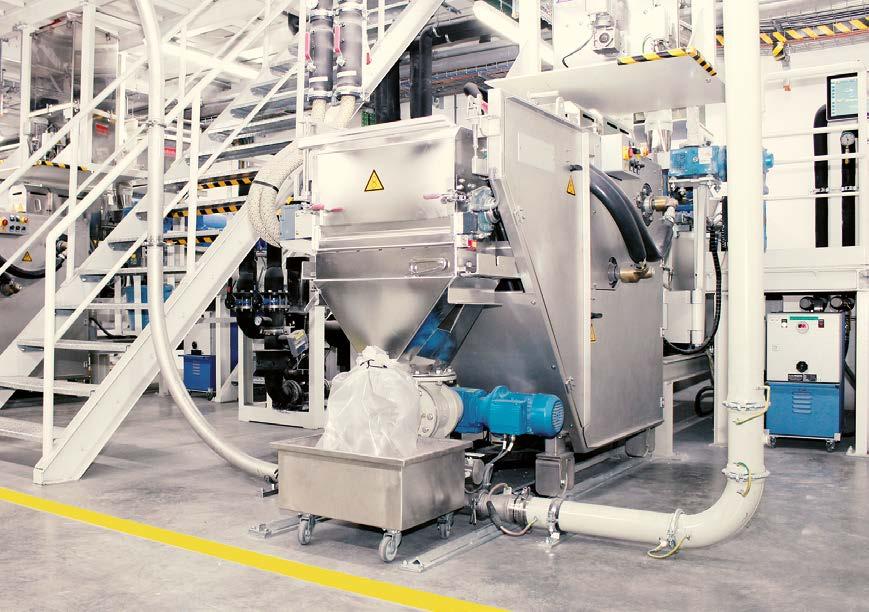
The powder coating production plant is highly automated, with automatic palletizing, conveying and dosing systems for resins.
are competing with large groups and other well-known competitors. I do hope that this will remain in the future, so that we are able to pass on a successful and resilient company to my children and my nephews. I am additionally proud of that we continue to identify and develop specific niches in increasingly complex market dynamics. In these changing environments, the role of our people is increasingly important. Their motivation, commitment and willingness to go the extra mile are essential. We acknowledge that our great TIGERs are a key pillar of our success."
Where do you see the company in the next 10 years?
Clemens Steiner: “I see a leading company in the aesthetic enhancement of industrial products and buildings through sustainable printing and coating materials. I see TIGER remaining independent. Indeed, maintaining our independence is our biggest goal.”
Kurt Berghofer: “Our policy will not change and it would be great if the next chapter of the company will be led by the family’s new generation, which is already showing great commitment and interest in the company. The most important factor is being motivated and having a clear goal. Our ambition is to continue growing – not quickly, but rather step by
step, expanding into new countries, such as Brazil and Argentina, where a quality-oriented market is emerging. Today, we are present in China, Vietnam, Mexico, Canada and the United States, while Wels is our only production facility in Europe. We have just completed a ten-year development plan that involved replacing all old machines with new ones at all our sites worldwide, ensuring the same level of quality and batch consistency across the board. We are now ready to implement our next ten-year development plan.”
Read the box on the next page


Say goodbye to masking


Overspray free paint application with EcoPaint Jet
Revolutionar y pr e cision in automatic appl ic ation br ings ef f icienc y to pr o duc t customization. Dürr’s solution EcoPaintJet applies sharp-edged paint lines on surfaces, pushing the limits for efficient and resources av ing co ating: No over spr ay, no mor e masking of your product


Year of Foundation: 1930
Affiliated Companies Worldwide: 22
Production Plants Worldwide: 8
TIGER Coatings at a glance
Employees: 1,365, of which 550 are based at the headquarters in Wels, Austria
Consolidated Revenue 2024: €306 million
The headquarters of TIGER Coatings, and the company’s European production site, is in Wels, in Upper Austria, where it was founded in 1930 by the Berghofer family. This site includes:
a dedicated polyester resin production plant;
a powder coating production plant;
a metallic bonded powder coating production plant;
a digital printing ink production unit;
the company’s executive, administrative, sales, and marketing offices;
a tower housing laboratory, the research and development area, a bistro, and a recreational space.
The powder coating production plant is highly automated, with automatic palletizing, conveying and dosing systems for resins and other raw materials. Formulation recipes for each coating are managed by an integrated ERP-system, which automatically sends the list of ingredients to the operator’s PLC.
The plant also includes:
an automated box folding, gluing and pad printing line,
an automated filling line for standard 20 kg boxes,
a filling line for 2.5 kg minipacks.
In line with its “less is more” philosophy and its commitment to resource conservation, TIGER Coatings has launched the Eco-Pack service — an environmentally friendly bridge between TIGER’s standard products and the specific batch sizes required by coaters. This is a custom refill service ranging from 1 kg to 19 kg, available for TIGER’s current standard range. Thanks to precise kilogram-level refilling, the company supplies exactly the quantity needed by the coater, eliminating disposal costs and capital commitment.The Wels warehouse offers an assortment of over 1,500 colours and effects from the entire TIGER product range.
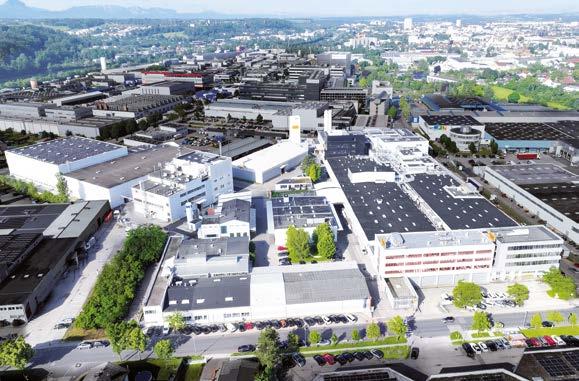
TIGER headquarters in Wels, Austria.
The trade fair duo showcases modern, future-oriented sheet metal working, presents complete process sequences and, thanks to the exhibitors in 9 exhibition halls broken down into 5 thematic areas , impressively demonstrates the industry’s performance capabilities. It attracts highest levels of interest and is accompanied by a world-class supplementary programme, including the honouring with the “best Award 2025” innovation prize.





























WHERE WE HAVE BEEN
ADVANCEMENTS
Lechler Tech redefines Soft Touch: the new generation of ultra-matt, eco-friendly and high-performance clearcoats is born
Edited by Lechler Como, Italy
Lechler Tech has launched 31555 Clear Soft Ess&re and 31556 Clear Velvet Ess&re, two new matt clearcoats marking a radical evolution that redefines the qualitative and ecological parameters of soft-touch coatings.
The painting of the future is built today, at the convergence of technological progress and environmental responsibility. In this scenario, while consolidating its experience in the sector of highperformance technical paintworks, Lechler Tech presents the new 31555 Clear Soft Ess&re and 31556 Clear Velvet Ess&re, two matt clearcoats marking a radical evolution that redefines the qualitative and ecological parameters of soft-touch coatings. Ultra-matt (3–4 gloss) with a distinctive and refined touch, they are capable of enhancing every surface both from an aesthetic and functional point of view when overapplied on matt bases, thus giving a soft-touch and velvety haptic effect. These formulations combine haptic materiality, advanced sustainability and mechanical resistance in a perfect balance between sensoriality and technology. Both solutions are part of the new ess&re line, the Lechler range dedicated to paints formulated with raw materials of renewable origin, to meet the growing demand for sustainability in design and industry.
Soft touch, bio-based heart
31555 Clear Soft Ess&re is characterised by a “rubber” soft-touch effect, that is warm and enveloping as well as perfect for surfaces that invite haptic interaction. 31556 Clear Velvet Ess&re, on the other hand, offers a silkier and more velvety sensation, that is ideal for environments and objects requiring a touch of minimalist elegance. The most revolutionary aspect of the Clearcoat Ess&re paint processes lies in the adoption of a bio-based formulation, which uses raw materials derived from renewable biomass. The entire package (finish, hardener and thinner) has percentages of modern carbon (bio-based) that exceed 50%, with the 13802 Soft Ess&re Hardener boasting a green share of over 40%, while the 01162 Soft Ess&re Thinner exceeds 25% of bio-based content.
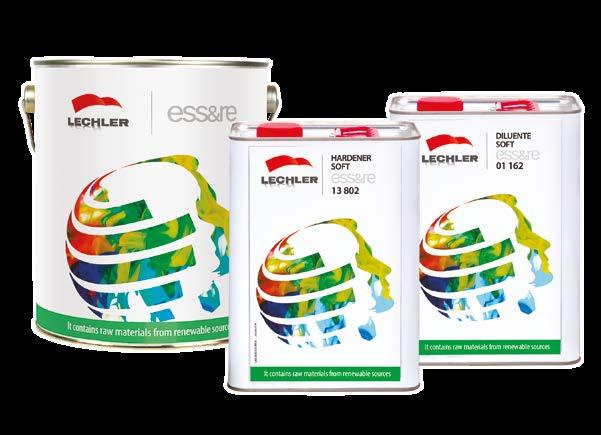
This technology allows to significantly reduce the environmental footprint: the use of the BIO version of the new clearcoats compared to the standard version boasts a reduction of CO₂ equal to 1,42 kg for each kg of product applied, all while maintaining or even improving performance.
High performance: top durability and resistance
Clear Soft Ess&re and Clear Velvet Ess&re offer exceptional performance; at the end of the paint process the products stand out for greatly improved performance:
Extremely high scratch resistance, that is ideal for surfaces subject to intensive use;
Total absence of organotin compounds (TIN-Free), which guarantees safety even for applications in direct contact with skin;
Enhanced chemical and mechanical stability, with resistance to depolymerization over three times higher than the previous version;
Thoroughly uniform matt appearance, without halos or variations even on curved or three-dimensional surfaces.
Versatility for sectors with high aesthetic and technical value
Ess&re Clearcoat paint processes are designed to offer superior performance, distinctive aesthetics and greater sustainability, making
them ideal for a wide range of industrial sectors. Thanks to excellent adhesion even on complex plastic materials such as ABS, PC and PC/ABS blends, they are positioned as a reference solution for all those contexts in which design combines with functionality and durability over time.
Sporting
Designed for the world of sport and leisure, where surfaces are subject to intense mechanical stress, they guarantee:
High resistance to scratches, which is essential for products intended for everyday use or in outdoor environments.
High tolerance to depolymerization, to maintain functional characteristics unaltered even in the presence of environmental variations (humidity, temperatures).
Uniform matt surface, which gives a technical and refined look, enhancing plastic and composite materials.
Fashion & Design
In the fashion sector, especially for accessories, cosmetic packaging and wearable devices, the aesthetic quality and safety of materials are essential:
Total absence of organotin compounds (TIN-FREE), which improves sustainability and reduces health risks.
Excellent resistance to hand cream, a crucial test for items in contact with skin and with cosmetics.
Velvety and soft-touch haptic effect, which enhances the sensory experience of the end user, thus increasing the perceived value of the product.
Interior Design & Habitat
For furnishing and interior design – both residential and contract – they represent an excellent technical and aesthetic choice:
Uniform matt effect that eliminates unwanted reflections, while enhancing geometries and volumes.
High resistance to scratches and chemical agents, which is ideal for surfaces subject to frequent cleaning such as furniture, panels, furnishing accessories.

Durability over time, even in environments exposed to prolonged artificial or natural light, thanks to the proven resistance to hydrolysis (over 2000h in WOM Test ASTM G155).
Transportation – Interior Parts
In the transport sector, in particular for automotive and railway interiors, the coating must meet specific requirements of aesthetics, safety and resistance:
Very high durability of surfaces subjected to daily wear, impacts and thermal stresses.
Soft-touch effect that adds perceived value to vehicle interiors, while improving visual and haptic ergonomics.
Excellent adhesion on critical substrates, such as black PC/ABS, with no post-test stickiness, confirmed by minimum ΔE even after 2000h of WOM.
An added-value proposal: efficiency and air quality
In addition to an obvious environmental advantage, the new finishes also bring benefits in the application phase:
Energy efficiency: less energy required for drying
Improved air quality: thanks to low emissions and the absence of hazardous substances
Long service life: higher durability that extends maintenance paint processes and reduces waste
With the new 31555 and 31556, Lechler Tech raises the concept of soft touch to a higher standard, while demonstrating that sensory innovation, sustainability and performance can coexist in a single formula, designed for professionals who want to shape the future of design through intelligent surfaces that are beautiful to look at and touch.
31555 Clear Soft Ess&re is characterised by a “rubber” soft-touch effect, that is warm and enveloping as well as perfect for surfaces that invite haptic interaction; while 31556 Clear Velvet Ess&re offers a silkier and more velvety sensation, that is ideal for environments and objects requiring a touch of minimalist elegance.

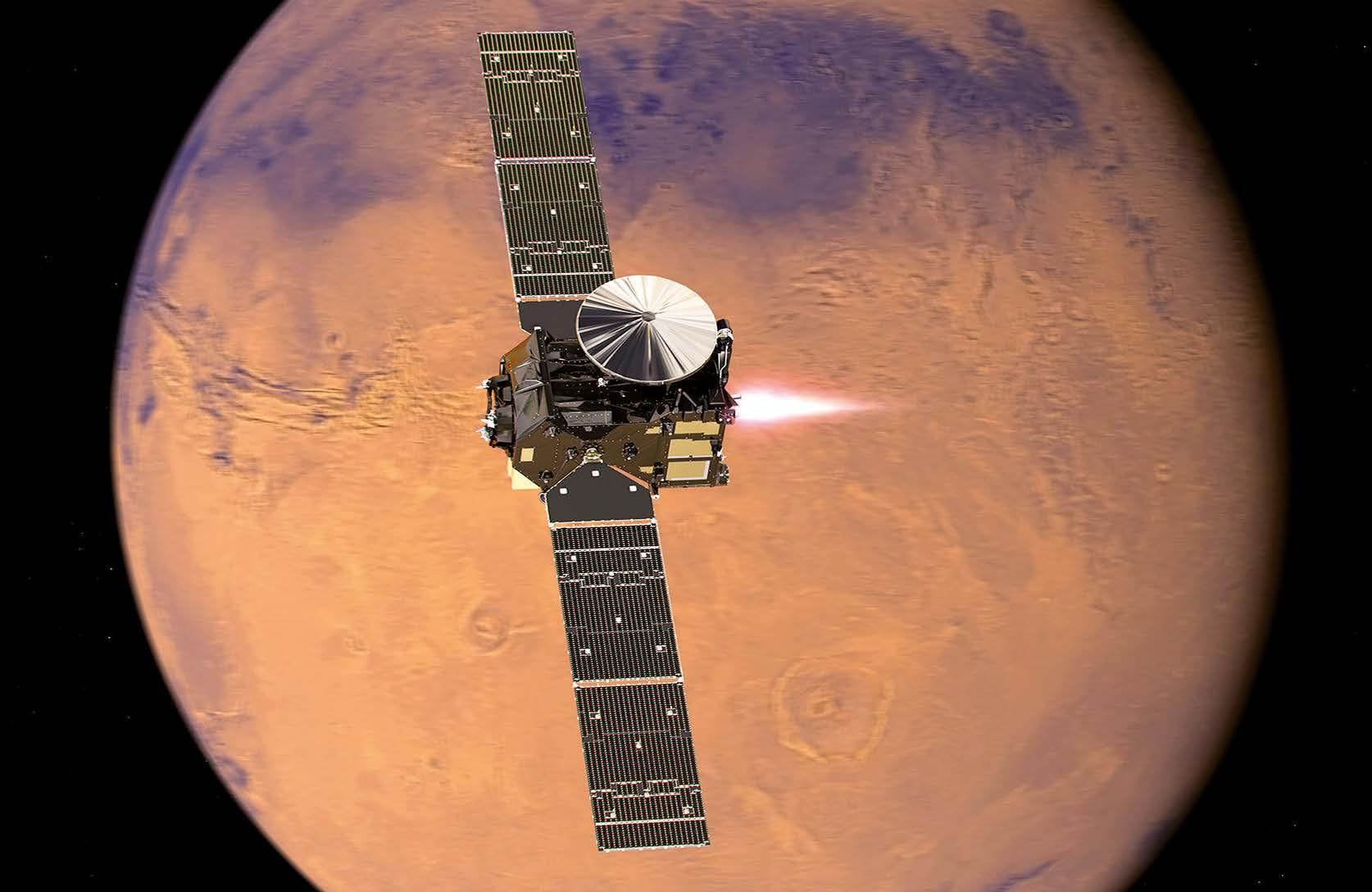
The unique plant solution chosen by Merletti to meet the high coating requirements of the aerospace industry
Monica Fumagalli, ipcm®
To meet the increasingly stringent quality and control requirements of the aerospace and aeronautical industry, long-standing supplier Merletti recently installed a painting system designed and built by Eurotherm with advanced technical solutions for climate control, filtration, and continuous monitoring of process parameters. With this strategic choice, it completed the vertical integration of its production process, further strengthening its position in a rapidly growing sector.
“
Th e only way of discovering the limits of the possible is to venture a little way past them into the impossible.”
Arthur C. Clarke in ‘Profiles of the Future’, 1962
Space exploration has always held a powerful fascination for collective imagination, fuelled by the innate human curiosity to push the boundaries of our fantasy beyond the confines of Earth. But to overcome those limits and achieve the ‘impossible’, as Arthur C. Clarke wrote in one of his famous essays, we need technologically advanced machines and devices – the result of in-depth engineering studies that precede the construction of precision mechanical components, be they small or large, certified to guarantee maximum strength and durability.
From top to bottom:
Merletti Aerospace’s technical department is responsible for production development, starting with the design of the equipment to be integrated into the machinery in order to process the parts as effectively and efficiently as possible.
In the rotary-wing sector, Merletti has achieved excellence in the machining of critical and complex parts in various alloys, as well as in the manufacture of assemblies for rotors, transmissions, and other structural part.
The degreasing system with four tanks for degreasing, rinsing, drying, and cooling.
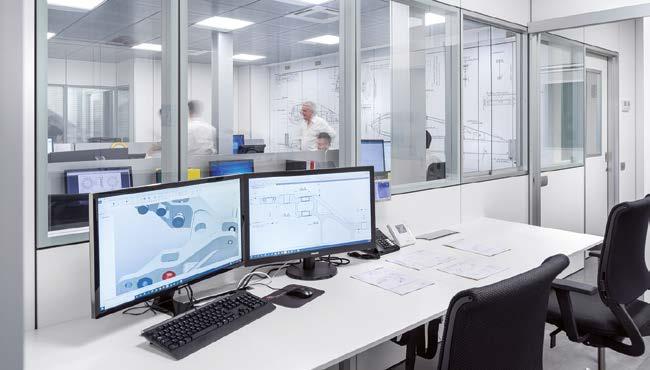
Behind every orbit traced, every observation mission, and every functioning satellite, there is a solid industrial supply chain operating on the ground to enable the (as yet few) lucky ones to venture beyond the sky: this is the aerospace industry, in which Italy is a leading player at the international level. In 2024, this sector generated a turnover of €18 billion, contributing approximately €8 billion to exports and employing almost 60,000 people1
Such steady growth reflects the ability of the aerospace and defence sector to integrate technological innovation, production specialisation, and strategic vision, factors that have led Italy to rank fourth in Europe and seventh in the world2
From design to production, from defence to Earth observation, Italy’s aerospace industry is composed of a network made up of 80% small and medium-sized enterprises, supported by large contractors such as Leonardo, Thales Alenia Space Italia, Avio Aero, and Telespazio. This cohesive ecosystem participates in all major international programmes, such as Galileo, Copernicus, and Sustainable Aviation, giving shape to complex technologies capable of operating in extreme environments.
It is in this context that the technological know-how of a company specialising in precision machining and part assembly for over fifty years comes into play: Merletti Srl (Arsago Seprio, Varese, Italy) is a firm of excellence at the heart of this supply chain, where attention to detail, continuous evolution, and the vertical integration of processes translate into solutions ready to meet any space and defence-related need.
1 https://www.italiameccatronica.it/lindustria-aerospaziale-in-italia/#:~:text=Una%20panoramica%20sul%20mercato%20italiano,50.000%20 professionisti%20a%20livello%20nazionale
2 https://www.ansa.it/sito/notizie/economia/pmi/2024/09/12/ marsiaj-confindustria-aerospazio-vale-18-miliardi-fatturato_4f189037-6da4-4320-abb9-291db8958404.html

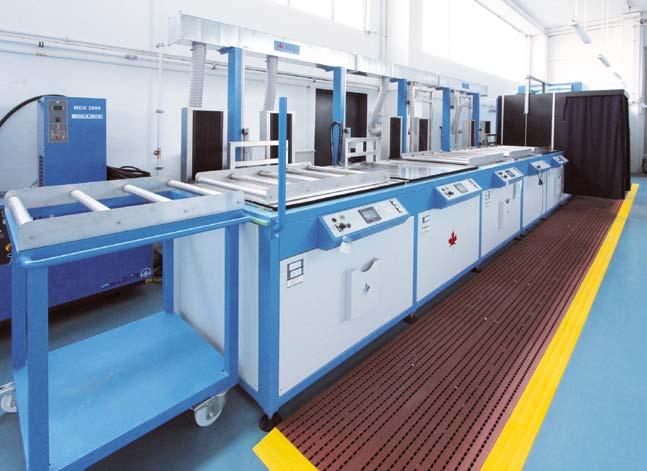
© Merletti Srl
© Leonardo Spa
ipcm
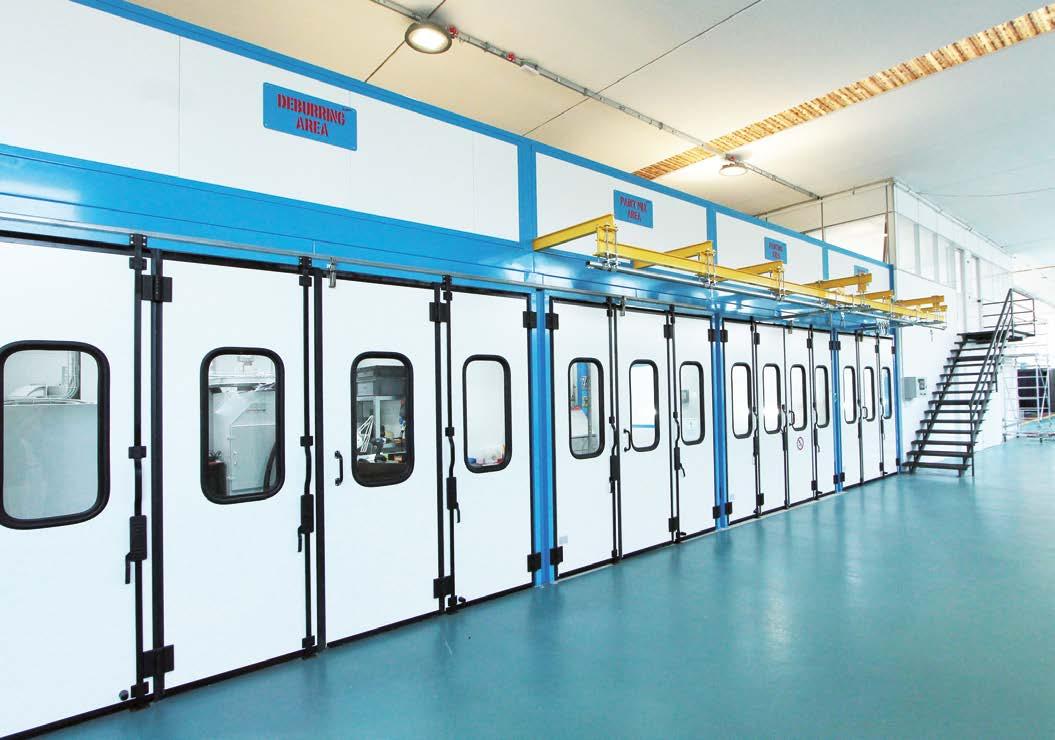

Complying with high quality standards
“Founded in 1972 by Gianluigi Merletti and his wife Narcisa as a company operating in the contract precision mechanics sector for the aeronautical, aerospace, and defence industries,” says Administration and Finance Controller Ivan Zingaro while illustrating the company’s history, “Merletti Aerospace is now run by the family’s second generation, represented by the founder’s children Sabrina and Ruggero, who serve as the company’s CEOs as well as Technical Director and Sales & Quality Director, respectively. Under their guidance, we have increasingly specialised in the aeronautical, aerospace, and defence industries, combining a policy of internationalisation with a focus on the vertical integration of our production structure, which we completed recently by installing a painting plant supplied by Eurotherm (Volpiano, Turin, Italy), a company designing and constructing plant solutions for a wide range of sectors, particularly aerospace.
“In a highly regulated industry such as ours,” adds Zingaro, “compliance with the most stringent quality and safety standards is crucial for operating and growing internationally. Merletti Aerospace embarked on this path back in 1995 by obtaining ISO 9001 certification, integrated in 2006 with the specific industry standard AS/EN 9100, which qualifies companies to supply products and services in the aeronautical, aerospace, and defence sectors. In 2018, we achieved a further milestone by obtaining approval under European regulation PART 21G, which enables us to manufacture aeronautical components with direct airworthiness, thus joining the list of Production Organisation Approvals (POA) by both EASA (European Union Aviation Safety Agency) and ENAC (Italian Civil Aviation Authority).
In addition, in Italy, we have been granted the TULPS licence under Article 28, issued by the Prefecture for the manufacture and management of material intended for armament and defence. Finally, Merletti Aerospace is a member of AIAD (Italian Companies for Aerospace, Defence, and Security) and has been an active member of the Lombardy Aerospace Cluster since its foundation in 2009, an integrated system of companies,
The painting plant designed and installed by Eurotherm.
Masking is one of the most delicate phases.
© ipcm
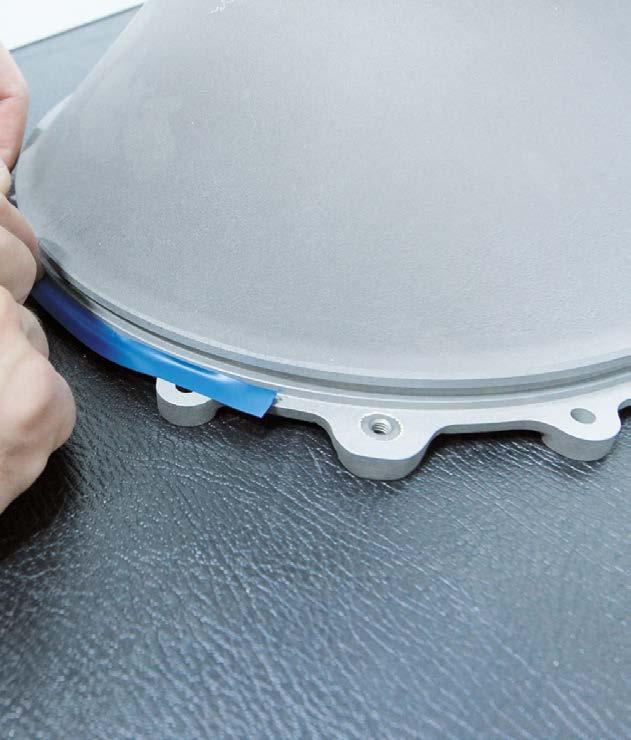
universities, and research centres that has become one of the most advanced technological hubs in the sector at the national level.”
Certifying excellence in aerospace
Merletti Aerospace’s objectives revolve around continuous quality and organisational improvement, with a focus on both internal efficiency and the consolidation of relationships with leading national and international prime contractors in the fixed and rotary-wing segments, in the civil, military, and defence sectors, and increasingly, in the underwater industry, where there is growing demand for specialised components and systems. “With this in mind,” says Zingaro, “Merletti Aerospace has gradually expanded its production capacity, developing a comprehensive vertical integration strategy that culminated in the creation of a second business unit in Somma Lombardo, just a few kilometres from the first. This new site handles our key special processes, such as nondestructive testing with penetrating liquids, magnetoscopic testing, and painting with an innovative plant designed to meet the new requirements of our target markets.”
INVISIBLE INNOVATION, TANGIBLE BENEFITS

LECHSYS DE-AROMATIC: the new tintometric system with aromatic solvent-free bases, designed to combine technical performance with environmental responsibility. www.lechler.eu
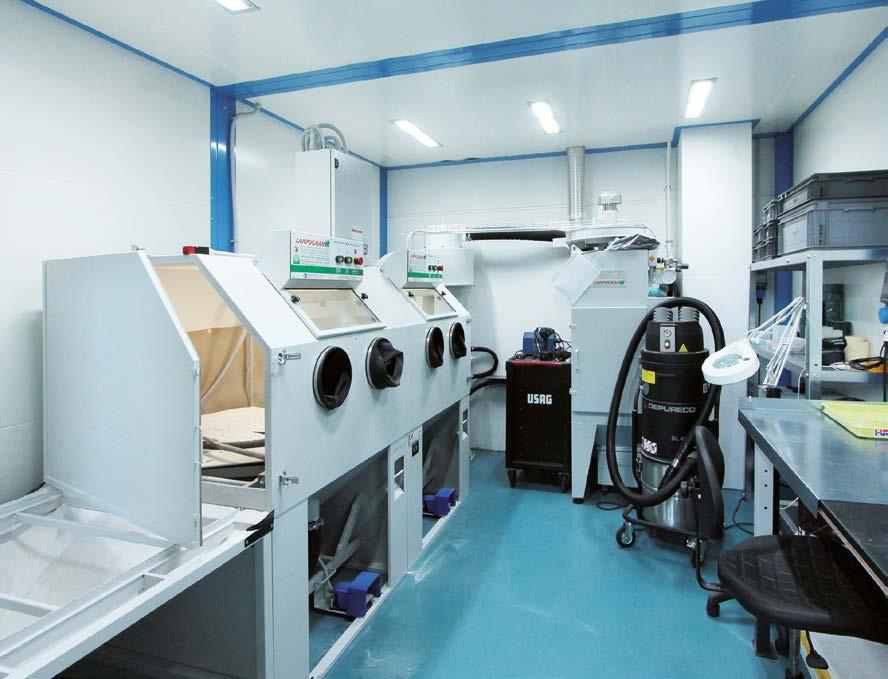
The creation of this new business unit in Somma Lombardo, and in particular the commissioning of non-destructive testing equipment, enabled the company to obtain the prestigious NADCAP certification, an international credential that certifies the compliance of special processes with the most stringent requirements of major contractors in the sector. Indeed, Merletti Aerospace has embarked on a multiyear investment programme that has led to it obtaining important recognition. Thanks to targeted actions aimed at the complete digitalisation of its processes in line with Industry 4.0, it has also become a Confindustria Showcase Factory this year, a recognition awarded to a few cutting-edge Italian companies that have integrated advanced and visible production solutions into their plants. “We are proud to be the only company in our industry to have been awarded this title,” Zingaro confirms with satisfaction.
A 100% vertically integrated production process
“Every stage of our production process takes place in-house. Design authority, i.e. the final technical responsibility for the design of a component, lies with the customer; our staff is responsible for its production development, starting with the study of the equipment we
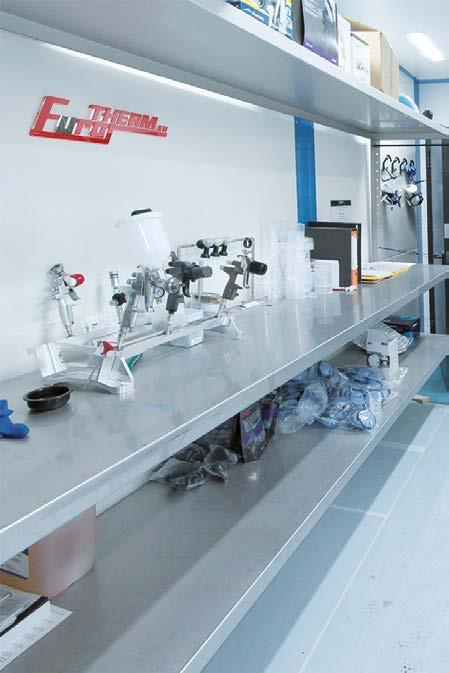
need to integrate into our machinery to process the part most effectively and efficiently, thus reducing lead times.”
The production department is equipped with machining centres capable of treating components that call for a high degree of precision and finishing quality and for materials with excellent mechanical characteristics: aluminium, high-strength steel, titanium, and Inconel.
The production flow is monitored in real time through the management software and barcode-based data collection solution, which is fully integrated into the ERP management system in accordance with Industry 4.0 interconnection parameters.
After processing in advanced machining centres, the components undergo a degreasing phase in four tanks, the required galvanic treatments, and coating with a solvent-based or water-based polyurethane or epoxy paint product, depending on the specifications.
“In our production cycle, the painting process, which usually follows galvanic treatments, is the last operation before final checks,” explains Andrea Scrosati, Painting Plant Project Manager at Merletti Aerospace. “After galvanic deposition, only specific types of material, such as precipitation hardening steels and austenitic steels, undergo chemical pre-treatment, whereas all other components are subjected to
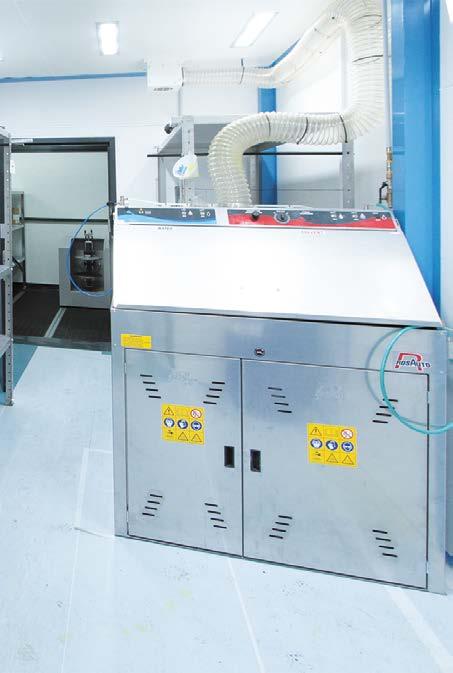
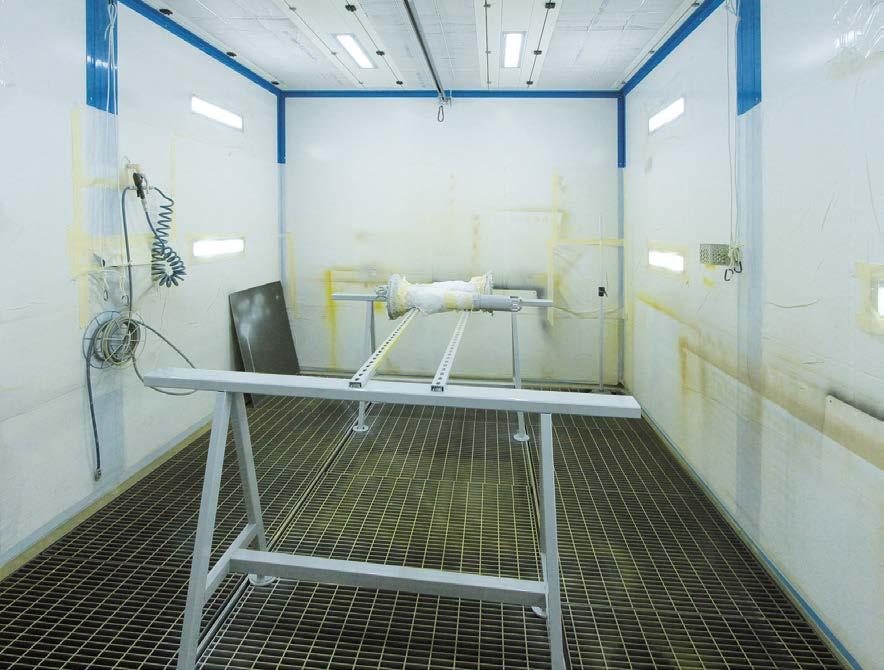
mechanical deburring. The components also undergo a masking phase to ensure further protection against corrosion and aggressive agents, as well as the best aesthetics. The painting phase follows with the application of two coats of organic film (epoxy or water-based primer + epoxy or polyurethane top coat).
“Any flaws in their application can lead to a significant increase in maintenance costs and, in the most serious cases, compromise the integrity of the part. In the aeronautical field, depending on the OEM, coating can be classified as a ‘special process’ or a ‘critical process’, proving that it is a production phase requiring careful management, as well as records and checks in accordance with the specifications. In addition to a reliable system capable of guaranteeing repeatable results, the training, education, and qualification of our personnel through theoretical and practical courses tailored to provide a thorough understanding of the coating processes and products, which vary according to the materials to be treated, have been fundamental in meeting all our requirements.”
In addition to completing its vertical integration process, insourcing the coating phase has enabled this company to achieve strategic objectives such as reducing lead times, lowering logistics costs, and gaining
greater control over operational continuity. “We carried out a careful analysis of the most advanced plant solutions on the market, aiming to equip ourselves with a system that was environmentally friendly and, at the same time, able to comply with the stringent requirements imposed by our sector,” says Scrosati. “Ultimately, we selected a supplier that could ensure full availability and flexibility in supporting the setup of the solution best suited to our needs and guarantee the use of highly advanced materials, equipment, and control systems. Another essential requirement for us was that the supplier’s entire team had solid knowhow in the aerospace field. The choice thus fell on Eurotherm, the ideal partner for this project.”
From left to right:
The first booth, devoted to deburring operations.
The booth for paint mixing.
The liquid painting booth.
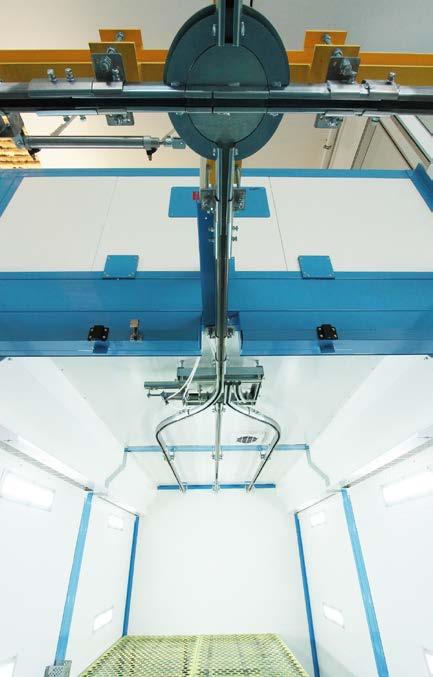
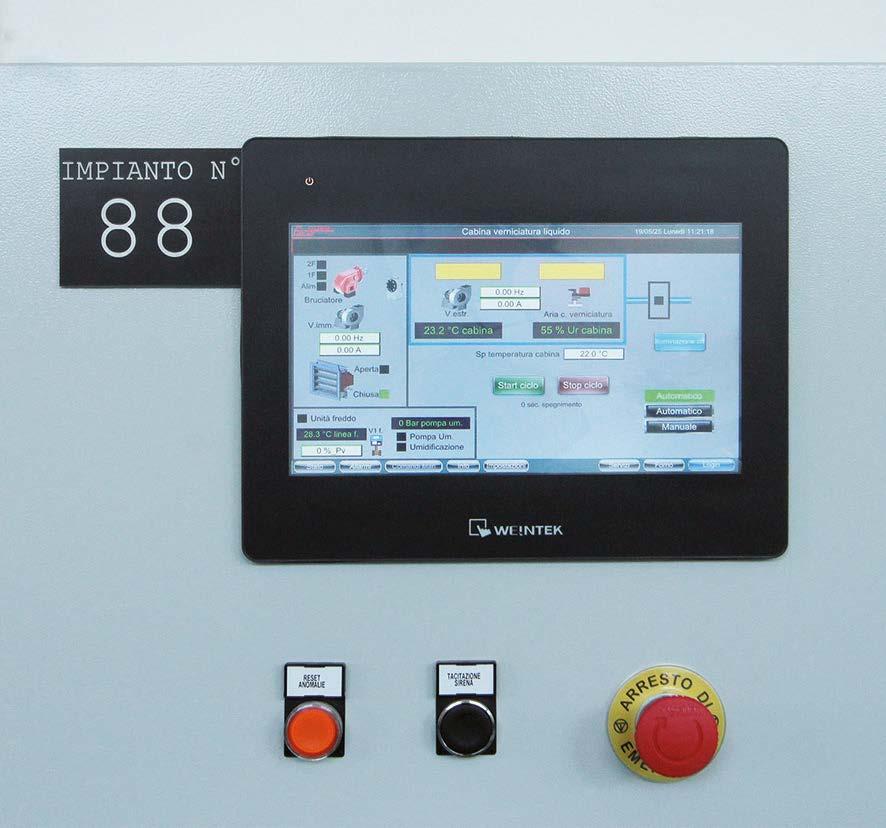
application but also contributes to the operators’ comfort by avoiding exposure to high (and therefore sub-optimal) temperatures.
A system designed specifically for the aerospace industry
The system designed and installed by Eurotherm consists of four adjacent booths for deburring, paint mixing, liquid coating, and drying. These are served by an external trolley handling system designed to prevent surface contamination during the transfer of parts among the different stations (see the Box for technical details). In addition to this, other plant solutions have been adopted at the specific request of Merletti Aerospace, including air conditioning of the coating booth with a dry filtration unit, controlled air flow, and an internal temperature of 19 to 26 °C. This configuration not only guarantees ideal conditions for paint
“The introduction of air from the ceiling, combined with floor extraction, generates a downward flow that helps precisely control the speed and direction of the air at the operator’s height, significantly reducing the risk of air pollution and part contamination,” explains Scrosati. “The air conditioning system maintains the temperature between 19 and 26 °C and the relative humidity between 35% and 75%, regardless of external conditions. This is an unusual configuration, a truly distinctive feature of our plant that provides high stability of process parameters. The same technological approach has also been adopted for the drying oven, whose temperature can reach 80 °C but is likewise kept uniform (+/- 5÷6 °C) and controlled by thermocouples.
To ensure that environmental conditions are maintained at all times, the plant is also equipped with sensors that monitor temperature and humidity values every two minutes. The data collected is managed by dedicated software that automatically sends email notifications to the operators in charge in the event of anomalies. “The investment in this sensor system was considerable, but the solution we chose guarantees that optimal operating conditions are maintained at all times, with direct
From left to right:
The booth with the oven.
The control display of the painting booth.
In the aeronautical and aerospace industry, the prime contractors’ specifications impose increasingly stringent compliance requirements.


benefits for the quality of our process and the safety of our employees.”
“If the requirements are high, we achieve the impossible”
This new plant marked a turning point for Merletti Aerospace, enabling it to make a qualitative leap forward in an extremely challenging sector, having already consolidated its ability to comply with the highest mechanical standards. Even without direct comparison with previous in-house experiences, the advantages brought by this line are already apparent. “In addition to the total absence of dust inside the booths, guaranteed by the advanced filtration system and optimised air flow management, which has eliminated the risk of contamination thus improving both product quality and the healthiness of the work environment, I would also like to highlight the ergonomic and user-friendly features of the system, which were the result of careful, user-
oriented research, as well as the completely remote monitoring of parameters,” emphasises Scrosati. Application consistency, process repeatability, and parameter stability ensure full compliance with the highest standards required by the aerospace industry. Additionally, the plant offers strategic advantages in terms of sustainability, thanks to the low energy consumption characteristics that strengthen the company’s environmental commitment.
“In the Eurotherm team, we have found the attention to detail, build quality, and care for materials that are also our core values,” concludes Zingaro. In a constantly growing industry where significant global investment is expected in the coming years and where scientific research is paving the way for a future in which space will be increasingly accessible to all, Merletti is ready to meet – and exceed –ever-more extreme requirements, raising the bar ever higher, beyond the possible... to achieve the impossible.
© Leonardo Spa
Technical characteristics of the painting plant
The liquid painting plant installed by Eurotherm at Merletti’s site consists of four adjacent booths separated by folding doors and connected by an overhead conveyor consisting of sliding guides and mechanical/pneumatic switches, which allow moving the workpiece-carrying trolleys manually along the route and positioning them in the various operating stations. The loading/unloading area also serves as a storage buffer. The system features an AHU for air conditioning and an air-conditioned module for paint storage, equipped with a containment tank following legal requirements. The four main units, described below, are arranged adjacent to each other, forming a line with a length of 10.5 m, a depth of 4 m, and a maximum height of 3 m.
Deburring booth
Formed by a self-supporting structure made of steel profiles and 50 mm-thick walls insulated with mineral wool, it is equipped with a 2000x800 mm workbench and an Atex-certified extractor fan with filtration efficiency up to 1 µm.
Technical room
Built like the previous booth, it is equipped with a mixer, a sink with a stainless steel top for cleaning the guns, an ATEX LED ceiling light, and a fan for extracting vapours.
Pressurised liquid painting booth
This booth’s body also consists of a load-bearing structure made of electro-welded steel profiles covered with pre-painted, galvanised, double-sheet panels with a high-density rock wool insulation system (80÷100 Kg/m3), with a total thickness of 50 mm. The air flow is balanced by an air intake AHU located externally and connected to the air intake plenum space through galvanised ducts. The overspray extraction pit is only 800 mm deep and is closed at the top by a pedestrian grating with a load capacity of 800 Kg/m2. The booth’s operating principle is simple and effective. The overspray is conveyed through the extraction unit to the floor filters (Table 1).
Temperature and humidity
The air conditioning system can maintain a temperature between 19 and 26 °C and a relative humidity between 35 and 75% inside the booth, regardless of the external weather conditions.
Lighting
Lighting inside the painting cell has a value of 900 lux measured at a height of 1.40 cm from the floor (or work surface) to ensure that there are no shadows during the various processing stages.
Drying oven
Built like the previous modules, the oven is protected with layers of high-density rock wool (100 kg/m3) with a thickness of 80 mm to optimise insulation and provide an effective barrier against heat loss (Table 2).
Monitoring and control system
The entire line is equipped with an advanced supervision system based on a series of sensors that continuously detect the primary process and safety parameters, including the temperature and humidity values inside the painting booth, the operating status of the oven, the efficiency of the ventilation system, and the efficiency of the filters. There are also sensors for controlling the gas burners, the humidification unit, and the electrical and mechanical safety devices. The system is configured to take readings every two minutes and send automatic email notifications to the operators in charge if the set limits are exceeded or in the event of faults.
TECHNICAL CHARACTERISTICS OF THE FILTRATION SYSTEM
Air flow rate 23,000 m3/h
Air velocity in the booth ~0.5 m/s
Air intake AHU power 15 kW (adjustable via an inverter)
Extraction unit 9.25 kW (adjustable via an inverter)
TECHNICAL CHARACTERISTICS OF THE DRYING OVEN
Voltage 3x400 V+N+E
Heat source Gas burner
Operating temperature 60 – 80 °C
Temperature uniformity +/- 5 °C
Probe accuracy +/- 1 °C
Time to reach the set temperature 30 – 40 min
Installed thermal power 65 kW
Recirculated air flow rate 5,000 m3/h
Air changes 200 per hour
Fan power 1 x 2.2 kW
Extraction fan power 1 x 0.55 kW
The external overhead conveyor consisting of sliding guides and mechanical/pneumatic switches, which allow the workpiece-carrying trolleys to be moved manually along the route (left) and the AHU installed outside the factory.















HIGHLIGHT OF THE MONTH
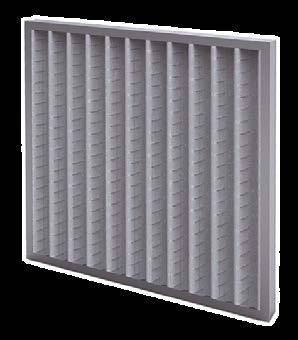
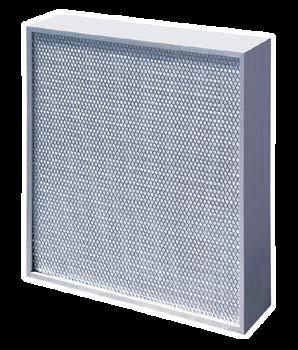
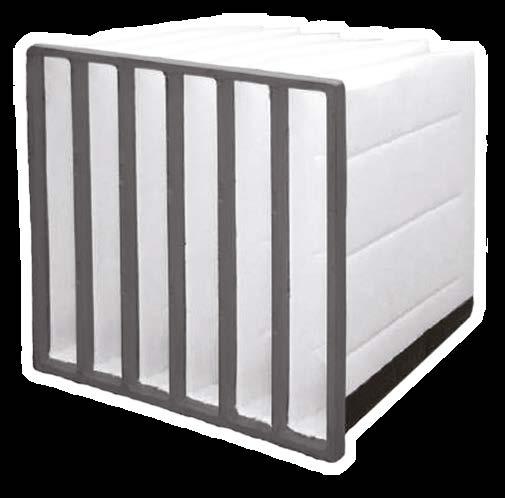
Deltrian Italia: air filtration solutions for clean, safe, and sustainable coating
Edited by Deltrian Italia
Spino d’Adda (Cremona, Italy) deltrian.italia@deltrian.com
In the industrial coating industry, air quality is crucial to ensure flawless finishes and safe processes. Deltrian Italia addresses this need with advanced filtration solutions designed to guarantee air purity, energy efficiency, and sustainability.
Air quality is a strategic factor in industrial coating processes, as even the slightest presence of suspended particles can significantly compromise the aesthetic and functional performance of finished products. This makes it essential to implement high-performance air filtration systems specifically designed for these critical environments. Deltrian Italia, a subsidiary of Belgian multinational Deltrian with offices in Spino d’Adda (Cremona, Italy), is committed to meeting the needs of companies operating precisely in the coating industry. Established in the Italian market as a benchmark partner for any business requiring reliable and technologically advanced solutions for air treatment, its consolidated know-how and constant commitment to R&D enable it to design and supply a wide range of high-performance filters specifically designed to ensure maximum air purity in booths and coating systems, improve finishing quality, and effectively protect plant components and operator health. At the same time, all its solutions are designed to optimise energy consumption and reduce the overall environmental impact of production cycles.
An integrated approach to air filtration
The filtration systems developed by Deltrian for the coating industry effectively cover all critical process stages, from pre-filtering the incoming air, which is essential to prevent contamination right from the start of the cycle, and removing the paint mist generated during application to absorbing volatile organic compounds (VOCs) and deodorising the outgoing air, in full compliance with environmental and safety regulations. Specifically, Deltrian Italia supplies as follows:
Pre-filtration filters
In the first stage of the process, the incoming air undergoes initial prefiltration, which is key to reducing the amount of particles and coarse dust that could compromise the subsequent stages. Deltrian offers various solutions in ISO Coarse, ePM10, and ePM2.5 filter classes, including:
filter media in rolls or panels (synthetic fibre);
soft-pocket filters (available in both synthetic and fibreglass versions);
space-saving, compact rigid-pocket filters.
Medium and high-efficiency filters
At the heart of the coating process, namely in the area where paint is applied, it is essential to maintain extremely clean air to avoid the risk of imperfections and defects on the treated products’ surfaces.
From left to right: the FZGA filter cell; the HE-MP HT filter; an example of a self-supporting soft-pocket filter.

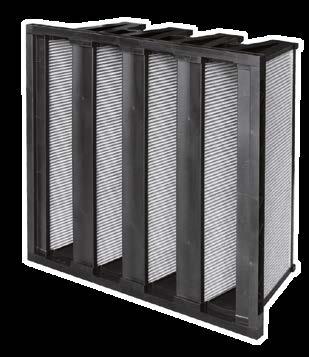
For this purpose, Deltrian offers medium and high-efficiency filters in ISO ePM1 and, on request, HEPA classes. The range includes both standard and customised products, such as:
glass microfibre panel absolute filters;
compact high-efficiency filters;
high-air flow and long-life filters.
Overspray filters
Proper management of overspray, i.e. paint particles that have been atomised but have not settled on the workpieces, is essential to protect ducts and equipment, as well as to reduce environmental impact. With this in mind, Deltrian offers:
pleated cardboard inertial filters;
fibreglass media specifically designed for overspray;
filters for paint extraction systems.
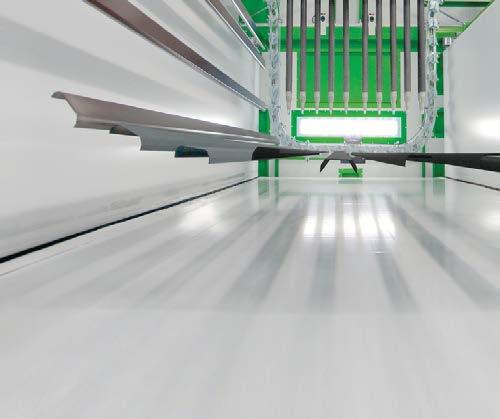
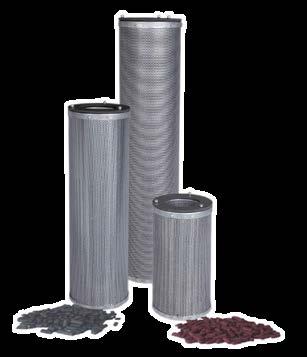
Activated carbon filters for VOC adsorption
For the treatment of outgoing air, Deltrian offers a wide range of activated carbon filters designed to adsorb1 volatile organic compounds (VOCs) and neutralise odours from solvents and paints. Its solutions include panels, cartridges, and activated carbon modules for booths or centralised systems. These products are available in both disposable and regenerable versions, with carbon bags for refilling also available.
Floor filters
Finally, Deltrian also offers floor filters and filter grids designed to be positioned on the floor of booths, which retain overspray to protect extraction ducts and extend the service life of coating lines.
1 Adsorption is the physical process by which gas molecules or vapours (such as odours or solvents in the air within a coating plant) cling to the surface of a solid material without penetrating it. Within activated carbon filters, carbon forms a very large internal surface area (rich in microscopic pores) that “traps” the molecules responsible for odours without any chemical reaction taking place.

CUSTOM BUILT Engineered
finishing systems: Blast, Pretreatment, Conveyors, Booths, applicators, robotics, and ovens.
Total Finishing Systems is a leading designer and integrator of high-quality and complex industrial finishing systems Whether you need an in-depth process analysis or require finishing equipment and components, our equipment exceeds expectations and our innovation and automation is industry leading.


From left to right: the DPA C paint collection filter; Deltricarb RPV is a rigid-pocket activated carbon filter; Deltrisorb activated carbon cartridges.
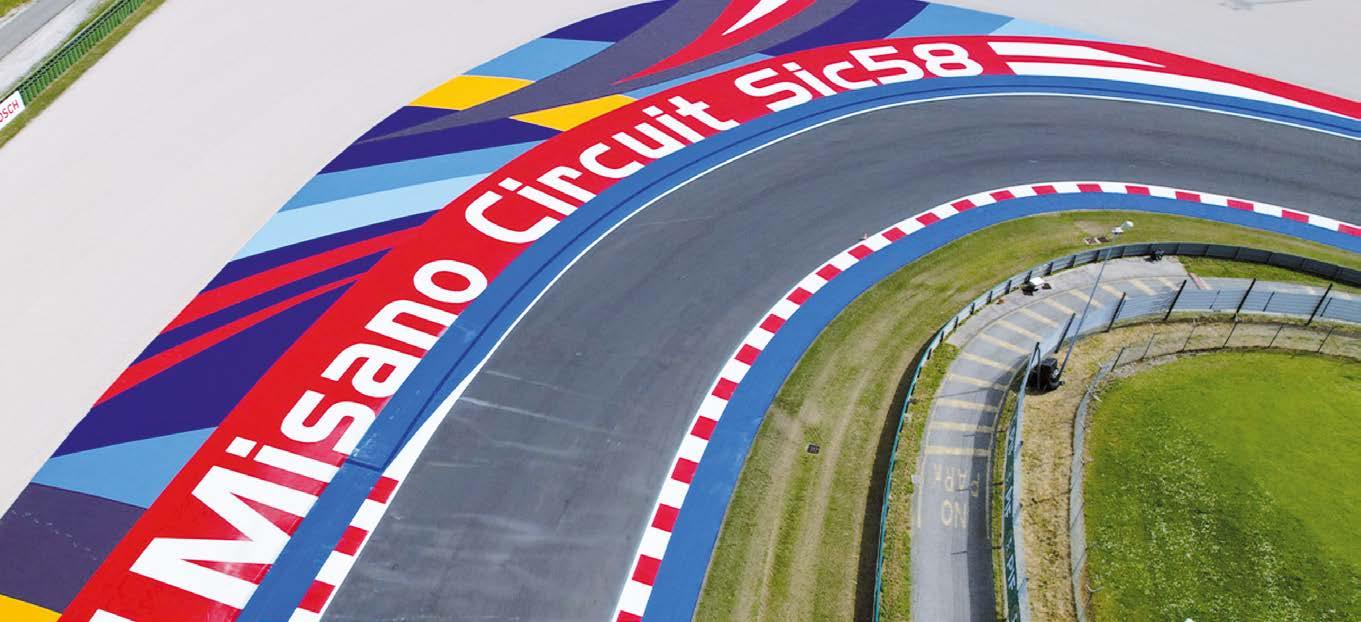
HOW IT'S COATED
The new Mapei paints for motorsport circuit: sustainability takes to the track
Two new solutions with fully offset residual CO₂ emissions were protagonists at the Misano World Circuit.
Last June 12th Mapei presented the new generation of sports paints for motorsport circuits with fully offset residual CO2₂emissions at Misano, during the weekend of the FIM Superbike World Championship - Made in Italy Emilia-Romagna Round.
Designed to combine high performance and certified quality, the two solutions Mapecoat TNS Race Track Zero and Mapecoat TNS Race VRT Zero1 took centre stage at the event «Sustainable innovation takes to the track», organised by Mapei at the Misano World Circuit Marco Simoncelli. The facility, which was awarded the prestigious FIM Environment Trophy in 2023 for its outstanding commitment to reducing the environmental impact of its activities, represents a virtuous example of one of the emerging challenges of motorsport: sustainability in motorsport circuits.
1 CO2 emissions measured throughout the life cycle of products from the Zero line in 2025 using Life Cycle Assessment (LCA) methodology, verified and certified with EPDs, have been offset through the acquisition of certified carbon credits in support of forestry protection projects. A commitment to the planet, to people and to biodiversity.
During the event, moderated by journalist Max Temporali, the technical voice of SBK, key figures discussed how the construction and motorsport sectors can join forces to reduce environmental impact without compromising on quality, safety, or entertainment value. Speakers included Andrea Albani - general manager of the Misano World Circuit, Giovanni Copioli - FIM vice-president and FMI president, Elisa Portigliatti - corporate key account manager for sport flooring at Mapei and Mikaela Decio - corporate environmental sustainability manager at Mapei,
“Over the last few years Misano World Circuit has undergone major developments that have gradually transformed it into a great motorsport park,” says Andrea Albani, general manager of the Misano World Circuit. “All the works have been carried out with sustainability in mind, a principle that has always guided the choices of the circuit’s owners. From the installation of a photovoltaic system to the interventions for the monitoring and reducing noise levels, which will soon be completed with the construction of the sound-absorbing barrier, passing through a careful management of waste separation and the collection of food surpluses for organisations supporting the homeless and people in need. All these actions have allowed us to obtain the ISO 20121 certification for sustainable event management and to receive important recognitions
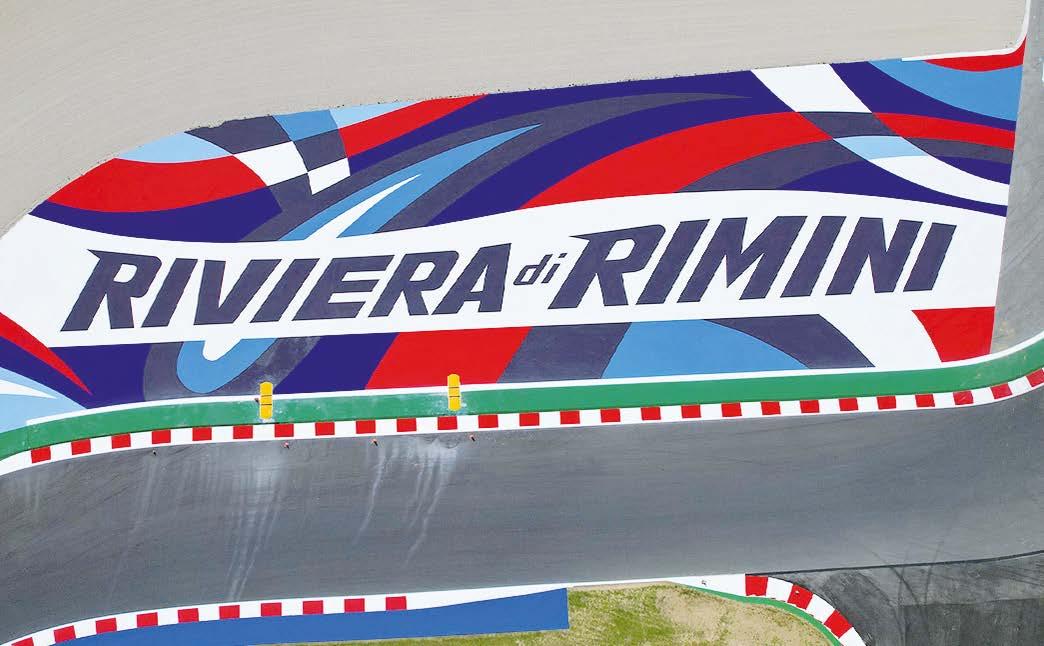
such as the 3-star FIA Environmental Accreditation Programme and the FIM Environment Award”.
“It is important to be here for the presentation of Mapei’s new products, especially in a significant context such as the World SBK Championship in Misano - adds Giovanni Copioli, FMI President -. Sustainability is a key theme in motorsport and we appreciated the presence of a company that has always been committed to this field, and is now presenting truly innovative paints. Products to which the theme of safety is also linked, consider, for instance, the critical role of track grip. Sustainability and safety are two essential priorities for the FMI, just as they are for the Misano circuit, and they can rely on the support of important players like Mapei.”
“Mapei has been active in motorsport for a long time, working all over the world, from Jerez to Portimao, from Most to Cremona, just to mention circuits related to Superbike - says Elisa Portigliatti, corporate key account manager for sports flooring at Mapei -. With these new products we bring a tangible innovation to the track: high-performance, resistant and safe paints, which respect the environment thanks to the total offsetting of CO2 residual emissions. This is a significant step for motorsport and our commitment to sustainability.
“In construction, as in motorsport, innovation must necessarily go hand in hand with environmental responsibility - adds Mikaela Decio, corporate environmental sustainability manager at Mapei -. Thanks to the total offsetting of residual CO2 emissions of the products we are presenting today, we can help racetracks meet the ESG criteria required in these structures too”.
In circuits around the world
Mapei, which recently supplied the materials for the resurfacing of the kerbs and escape areas of the Misano circuit, boasts a consolidated presence on the most prestigious international circuits. Among the main references are the Autódromo Internacional do Algarve in Portimão in Portugal, the Cremona Circuit “Angelo Bergamonti”, the Circuito de JerezÁngel Nieto in Spain, the Baku City Circuit in Azerbaijan, the Autodromo Enzo e Dino Ferrari in Imola, the Autodromo Nazionale in Monza, the
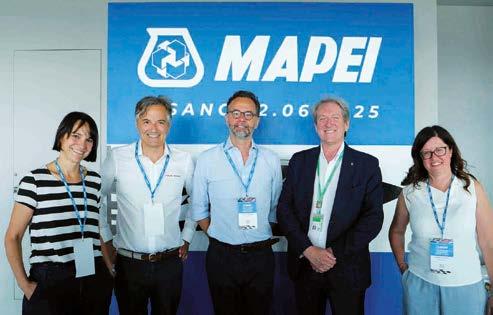
Lusail International Circuit in Qatar, the Jeddah Corniche Circuit in Saudi Arabia, and many others. For each project, Mapei has been able to adapt its solutions to the different technical and chromatic requirements of the circuits, always guaranteeing high standards of safety, durability and aesthetic customisation.
Technology, safety and respect for the environment
Mapecoat TNS Race Track Zero is a waterborne acrylic coloured paint, ideal for marking kerbs, starting grids, pits and escape routes. It provides non-slip surfaces, resistant to weathering and dynamic loads, even in wet conditions. Mapecoat TNS Race VRT Zero, on the other hand, is an acrylic paint with selected aggregates designed for vertical barriers and customised graphics: it is applied with airless technology, offers UV resistance and has a matt finish to reduce reflections during night races. Thanks to their waterborne formulation, these resins ensure durable, non-slip surfaces that retain their roughness over time while enhancing the colours and graphics that characterise the courses and enrich the sporting event. Now they also help reduce the environmental impact of competitions.
Both solutions are developed in the Mapei’s laboratories and certified according to the international FIA (Fédération Internationale de l’Automobile) and FIM (Fédération Internationale de Motocyclisme) standards, guaranteeing high performance and safety, without compromising sustainability.
The two products belong to Mapei’s Zero line: residual CO2 emissions are fully offset through the purchase of carbon credits to support forest protection projects.
The introduction of these new technologies confirms Mapei’s commitment to the world of sport, offering cutting-edge solutions that combine high performance and environmental responsibility.
In the above photo, from left to right: Mikaela Decio, Andrea Albani, Stefano Ranghieri, Giovanni Copioli and Elisa Portigliatti.
Galstaff Multiresine: innovation, sustainability, and a global vision for high-added value chemicals
Founded over fifty years ago, Galstaff Multiresine (GMR) has established itself as a leading international manufacturer of synthetic resins and auxiliary products for the most demanding industrial sectors. With a strategy of steady growth, targeted investments, and a strong commitment to sustainability, the company is preparing to present new innovative solutions at Paint & Coatings 2025, anticipating market developments.
From the very beginning, GMR has placed continuous investment at the heart of its evolution. This journey began in the 1990s with the acquisition and conversion of a plant located in Agrate Brianza (Monza e Brianza, Italy), now dedicated to internal logistics. This was followed by the acquisition in 1998 of a production site in Mornago (Varese, Italy), specialising in the synthesis of high-performance polymers.
A significant milestone was reached in 2012 with the acquisition of Garbagnate Milanese (Milan, Italy) facility, which allowed for further diversification of the company’s range of polymers and liquid thermosetting resins and increased its overall production capacity, which currently stands at approximately 60,000 tonnes/year, with a turnover of over 100 million Euros. “These results place us among the top 100 companies in the Italian chemical sector, ranking 57th1 according to the latest findings by Federchimica,” says Enrico Ancarani.
This development strategy, supported by an agile organisational structure and a qualified R&D laboratory, has allowed GMR to tackle the challenges of global markets while ensuring reliability, operational flexibility, and a rapid response to customer needs. Today, GMR operates in over sixty countries across five continents, with a sales and logistics hub in São Paulo (Brazil) to directly oversee the LATAM and NAFTA markets.
1 Companies with predominantly Italian ownership or under foreign financial control but with Italian-led strategic and operational management. The figures refer to chemical products, excluding pharmaceuticals.
From an interview with Enrico Ancarani Technical Director at Galstaff Multiresine
Product portfolio:
breadth and specialization
GMR’s offering stands out for its high technical content, quality and the wide range of solutions dedicated to numerous application areas. The company provides eight product families, which are the result of intensive research and development activities: saturated polyesters, unsaturated polyesters, alkyd resins, hydroxylated polyesters, amino resin, isocyanates, additives, and auxiliary products.
This diversification enables GMR to cater to a wide range of industrial sectors, including composites, automotive, wood, furniture, food packaging (Can & Coil), corrosion protection, and green chemistry.
“Providing such a wide and diversified range of solutions is a strategic advantage: if there is a slowdown in one sector, we can focus our efforts on other areas, thus ensuring operational continuity and a solid turnover,” says Ancarani.
Managing such a large and diversified production requires the coordination of a highly complex supply chain. This necessitates a structured logistics network and an advanced plant layout to ensure consistent quality and full traceability.
One of GMR’s key strengths is the synergy among its production sites: the industrial backup system allows for the rapid and efficient transfer of knowhow, processes, and raw materials between plants, minimising risks associated with potential disruptions. Although GMR primarily operates with a batch-based flow, it can also meet specific requirements with tailormade formulations developed in close collaboration with customers. However, as Ancarani emphasises,
these requests do not compromise its industrial efficiency, operating costs, and organisational sustainability. “We work with a large number of raw materials, and it is essential to manage them correctly, using the most appropriate technologies and equipment,” the technical director adds.
Towards more responsible chemistry
In a rapidly evolving industrial environment, where sustainability is a concrete necessity, Galstaff Multiresine has embarked on a clear and structured path towards more responsible chemistry. “We are in an intermediate position in the supply chain, halfway between those who develop molecules and those who formulate finished products,” illustrates Enrico Ancarani. “Our task is to develop polymers that guarantee high technical performance, but we are also closely linked to raw material producers. From them, we expect a progressive reduction in fossil-based materials in favour of alternatives that offer equivalent, or superior, performance and are compatible with our synthesis processes.”
“Our commitment translates into the careful selection of alternative raw materials: renewable, bio-circular, and bio-balanced. We have already integrated product lines containing a significant percentage of plant-based and renewable components into our offering, managing to maintain, and in some cases even improve, the performance level expected by the market,” Ancarani continues. These solutions meet the environmental requirements imposed by European and international regulations and offer a competitive advantage to those needing to formulate increasingly sustainable products.
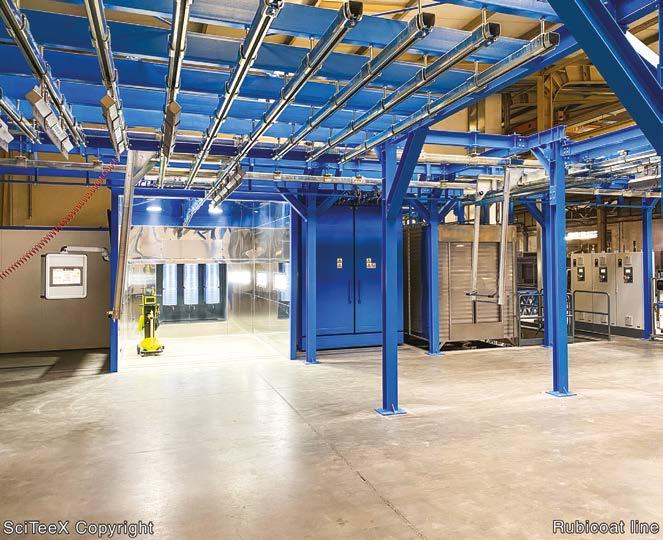
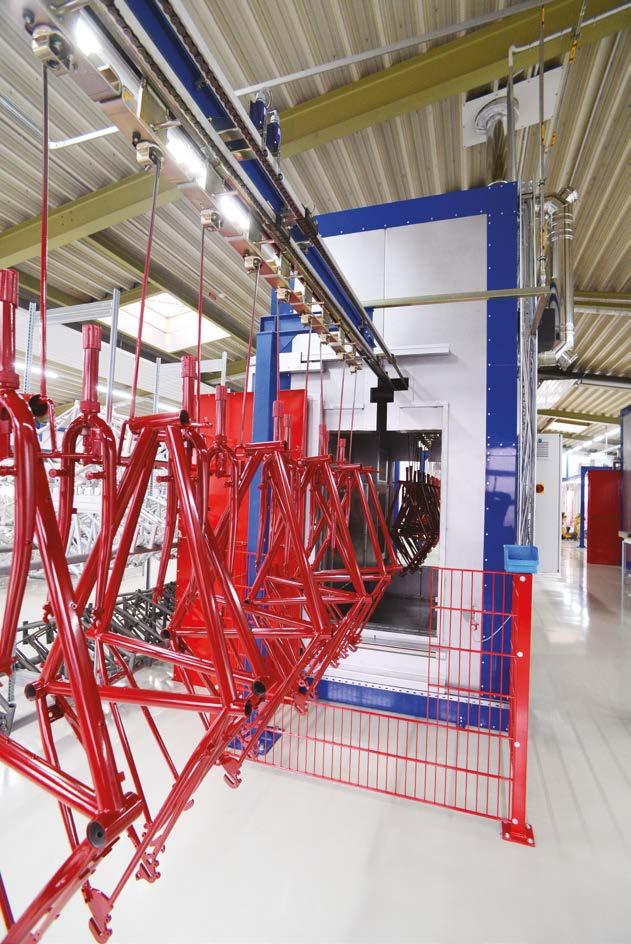
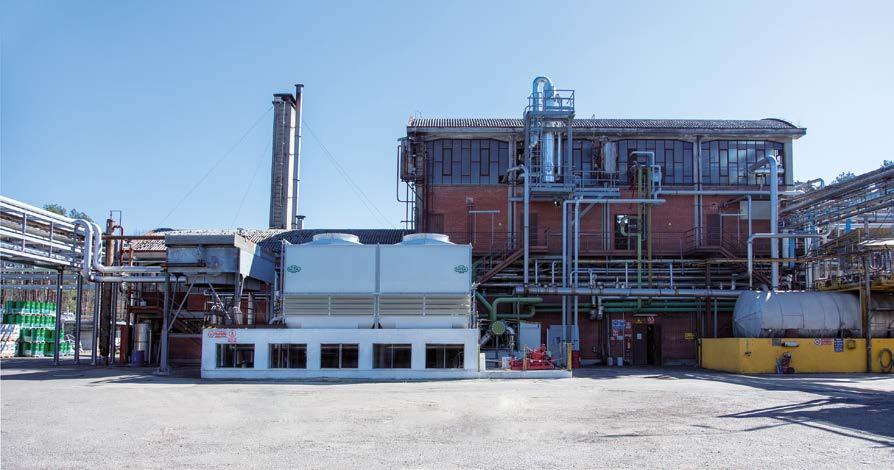

The plant in Mornago (Varese, Italy).
© Galstaff
“We have decided to embark on a concrete and measurable transition path, based on an internal ESG analysis that has enabled us to clearly set our environmental, social, and governance objectives”.
Actions already in place include investments in energy efficiency, the reduction of industrial waste, and the progressive increase in the use of plant-based and renewable raw materials. The ambitious target is to double the use of these materials by 2028, bringing them to account for 7-10% of total turnover.
“Our commitment is transversal and involves our entire portfolio. For us, sustainability is not an abstract concept: it’s made of daily choices, shared with suppliers and partners. Only through concrete collaboration across the entire supply chain can we build a more responsible industrial future,” concludes Ancarani.
GMR at Paint & Coatings 2025: a strategic appointment
On the heels of the positive feedback received at the previous edition, Galstaff Multiresine will take part for the second consecutive year in the Paint & Coatings trade fair, scheduled for 8-9 October 2025 at Superstudio Maxi in Milan. Such a dynamic and highly specialised event represents a strategic showcase for strengthening the company’s position in the Italian market, historically one of the most important for the group.
meet the requirements of Directive 2004/42/EC on the limitation of emissions of volatile organic compounds (VOCs).
These solutions respond to today’s market demands. “Meeting an increasingly diversified demand means actively monitoring and engaging with the markets, anticipating — or adapting to — trends with high value-added formulations. That value also lies in our ability to address specific challenges, while complying with ever-stricter regulations and labelling requirements,” explains Ancarani.
Communicating value and building long-term relationships
Participation in the fair is more than just a product showcase, it’s a key moment for building relationships and expressing GMR’s distinctive value: a combination of technical expertise, formulation flexibility, and attention to customer needs. GMR will present a functional and welcoming stand, designed to communicate its values: innovation, reliability, and quality.
The team, composed of both technical and commercial staff, will be available for consultative dialogue aimed at understanding visitors’ needs and offering tailor-made solutions.
Developing a chemical formulation.
Equipped with state-of-the-art instruments, Galstaff’s technical laboratory conducts rigorous analyses and daily checks on all raw materials and finished products.
“This exhibition is the ideal opportunity to meet with customers, prospects, and stakeholders and highlight our technical and industrial progress and our ability to anticipate market developments through concrete, innovative, and sustainable solutions”, says Ancarani. “We do not want to reveal all the details yet, but we are also working on innovations that fully embody our DNA and our proactive approach”. Among the upcoming innovations for the B2B market are new products for the industrial and can & coil sectors (including packaging for the food & beverage, cosmetics, and nutraceutical fields) as well as for the automotive and retail ones. Particular attention will also be paid to the DIY sector, with new developments designed to
“At our booth no. 826, visitors will have the chance to explore our latest innovations through a journey of commercial success stories and active references in the main industrial sectors — a tangible demonstration of the strength and credibility we have built over time. Every contact will be followed by a structured follow-up activity, with the goal of turning conversations into real opportunities for collaboration,” concludes Ancarani.
From top to bottom:
The external production department housing the tanks used for storing and mixing raw materials.
View of the technical walkway with pipelines where the fluids used in chemical processes are conveyed and managed.
THE BIG DIFFERENCE FOR SMALL PARTS
Small par ts coating system. Innovative, Easy to use, Ergonomic . All integrated into a
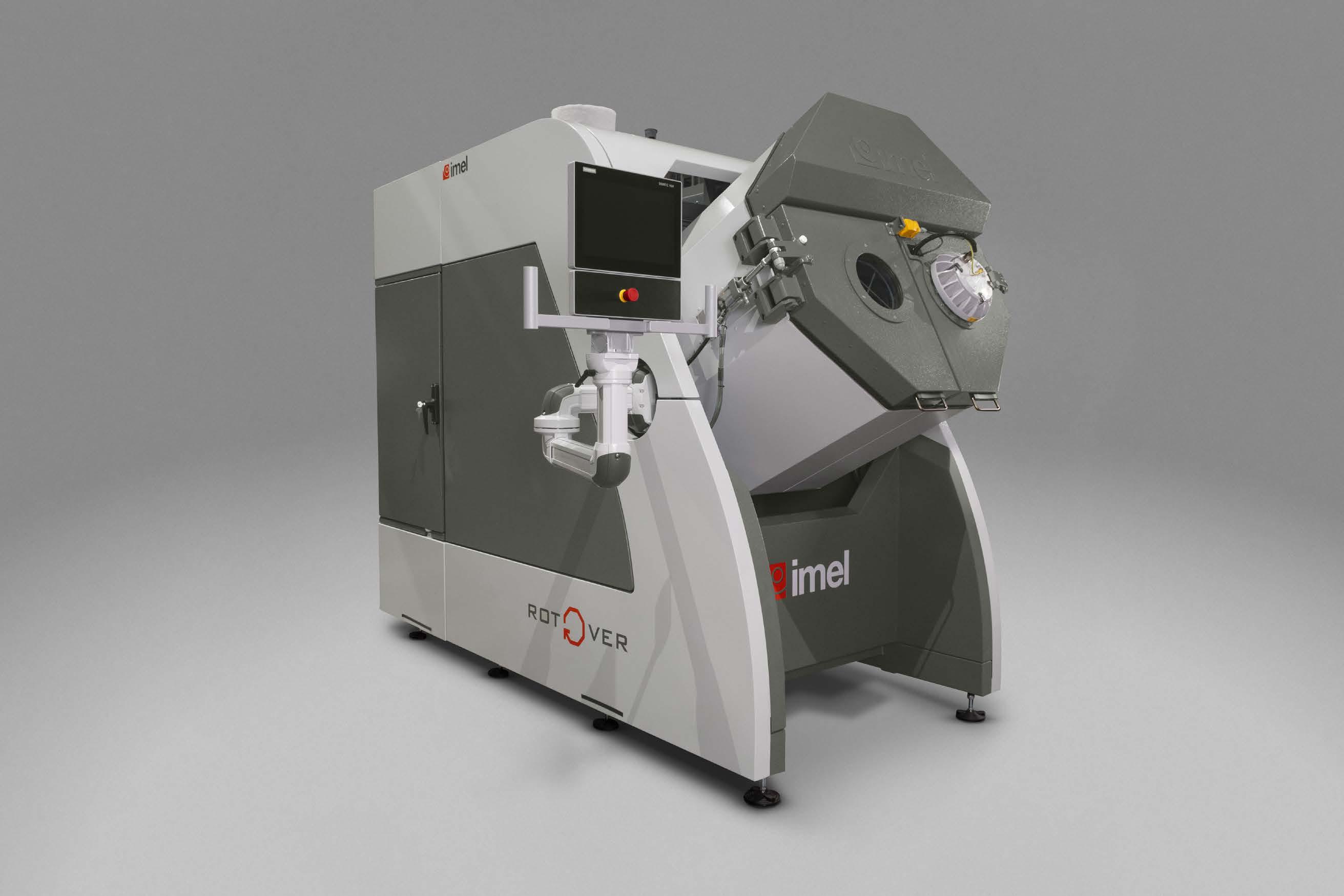

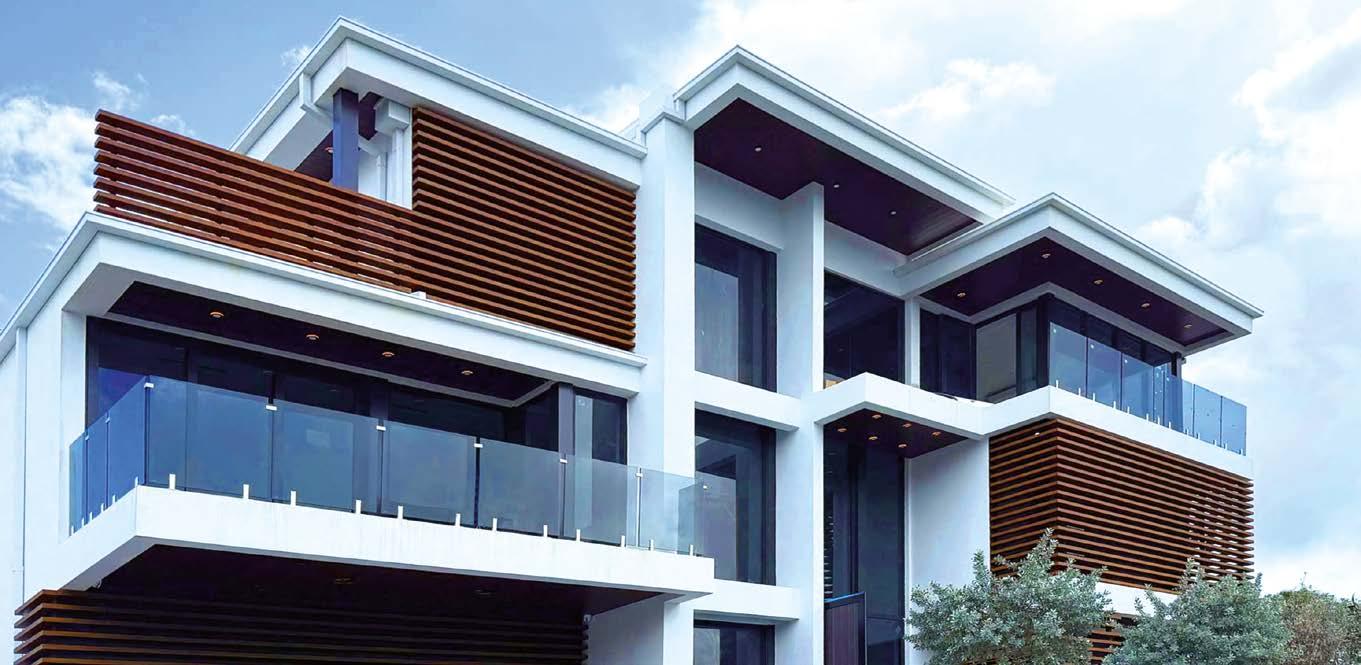
ADVANCEMENTS
The new frontier of sublimation: i.dek’s four collections
From an interview with i.dek’s owner, Ambrogio Cacia, and technical manager, Luca Albé
i.dek has launched four special collections – No Manipulation System, EM, 3D, and SD – designed to overcome the limitations of the standard sublimation process, expand its aesthetic potential, and deliver durable, high-quality finishes.
When it comes to decorating aluminium and other pre-painted metal substrates, particularly for architectural, interior design, and outdoor furniture applications, the demand for increasingly realistic, resistant, and uniform finishes has prompted the industry to seek innovative solutions capable of overcoming the technical limitations of conventional processes. One of the most widely used technologies is sublimation, which allows transferring a design (usually with a wood-like effect) onto a metal profile or part using a decorative film and a powder-
coated substrate. Although widely used on a large scale, this process still poses a few significant challenges: application is difficult, especially on complex profiles or components with unusual geometries, and small defects in the film can compromise aesthetics; in addition, the range of colours and finishes available is limited, especially for light hues and metallic effects.
This is where the innovative approach of i.dek (Legnano, Milan, Italy) comes into play. With the aim of going beyond the aesthetic and performance limitations of standard sublimation, this expert producer of sublimation films has designed four special collections – No Manipulation System, EM System, 3D, and SD – that mark a significant technical evolution in the world of metal decoration. These systems bring in new coating bases, direct pigments, realistic three-dimensional effects, and materials with extremely high colour stability, thus greatly expanding this technology’s expressive possibilities and improving the entire decorative
cycle’s performance. They are a concrete response to the current market needs and a step forward towards more versatile and durable decorations.
The four specialty series No Manipulation System series
In the conventional sublimation process, the aesthetic results depend on the transfer film applied to a uniform powder base coat, usually yellow, green, or brown. While this system allows for very realistic designs, it also has several limitations: any crease or imperfection in the applied film reveals the colour of the base underneath, creating a strong visual contrast and making the defect immediately noticeable; moreover, application on complex profiles, such as bevelled or sliding ones, is particularly challenging and prone to errors.
i.dek’s insight, which led to the creation of the No Manipulation System, was to shift the colour application from the sublimation film to the base layer applied directly onto the metal substrate. In practice, i.dek designed a speckled, “cork-like” base coat that visually mimics the look of wood. Unlike the traditional method, the film is no longer printed with full-field colour but instead features only a black grain pattern that is overlapped with the powder-coated base. This
technology results in a profile that is exceptionally resistant to ageing and free from manufacturing defects. It offers numerous concrete advantages, including a reduced need for skilled labour, doubled production capacity, uniform colour throughout the entire length of the profiles, and above all, a significant reduction in waste.
EM System series
One of the most complex technical challenges of sublimation has always been the difficulty of reproducing very light shades, such as white or pearl grey, or metallic finishes, which are particularly sought after in many markets but impossible to achieve with the pigments used in traditional films. To overcome this limitation, i.dek has developed the EM System series by integrating direct pigments into the decorative films. Unlike the conventional sublimation technology, in which the ink sublimates, i.e. passes from a solid to a gaseous state and penetrates the powder-coated substrate, direct pigments are retained on the surface, making it possible to achieve effects that were previously unattainable. Developing the EM System series also required intensive research into the powder coating used as a base coat: in collaboration with coating manufacturer
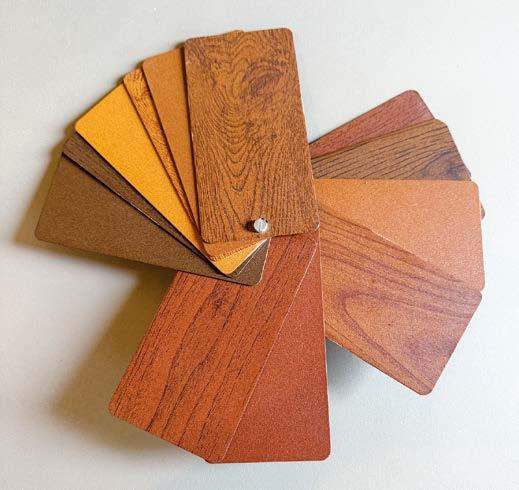
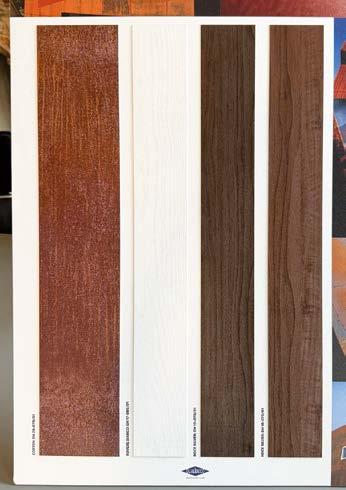
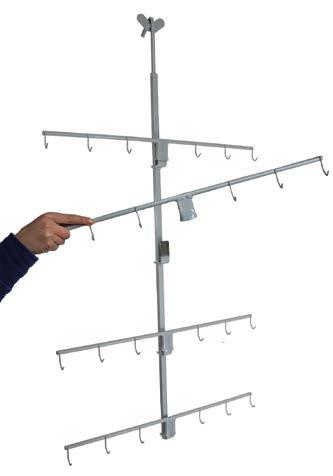
P25 column standard or customizable system to hang from the smallest parts to heavy 6-metre long bars
HANGING SYSTEMS
Left: The No Manipulation System series. Right: The EM System range of sublimation films incorporates direct pigments into the decorative layer.
Pulverit, i.dek has created specific formulations that retain the pigments on the surface while being compatible with the sublimation process. The result is an exclusive, patented decorative system that allows sophisticated, high-impact finishes to be achieved, such as the famous Corten effect, which is in high demand in Middle Eastern markets, or refined metallic effects.
3D series
In line with its commitment to aesthetic innovation, i.dek also created its 3D collection, consisting of three-dimensional designs developed to graphically recreate the tactile effect of carved wood. Through careful study of light, shadows, and perspectives, it creates a striking visual effect that simulates a physically sculpted surface. Perfectly visible even from a distance, this finish has been particularly successful in outdoor furniture, such as pergolas and outdoor structures.
SD series
In the world of sublimation, using light hues for the powder coating base on which the sublimation film is applied is one of the most complex challenges. Neutral and bleached shades are increasingly in demand in the furniture and design sectors, but they are difficult to achieve and maintain with conventional technology, especially in terms of weather resistance.
Typically, the standard films applied to light base coats do not pass UV exposure tests because their colour degradation is much more noticeable than with dark bases, where such alteration is partly masked. i.dek’s SD (superdurable) sublimation film collection was created to meet this need. Thanks to an advanced selection of pigments with extremely high colour stability, designed to degrade with tones that “match” with the base coat, the resulting decorations maintain visual consistency even after long periods of exposure.
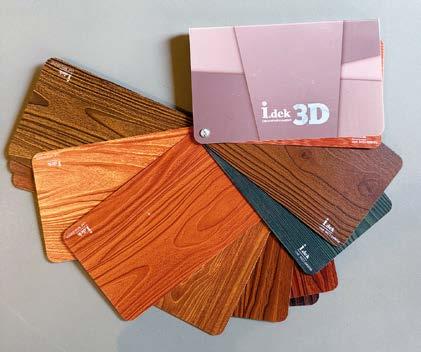
Accelerated ageing tests (over 1,000 hours of UV exposure, equivalent to approximately 3 years in the equatorial region or 5 years in Europe) have confirmed this line’s excellent degree of performance. Combined with Qualicoat Class 2-approved powders, the SD collection enables Qualideco Class 1 certification to be obtained on light-coloured bases as well.
Certifications, quality, and sustainability
The quality of i.dek’s products is confirmed by several international certifications, including Qualideco Class 1 and Class 2, and by the company’s membership in AITAL, the Italian aluminium surface treatment association. To ensure maximum reliability, i.dek has an in-house quality control laboratory that monitors both raw materials and finished products. Moreover, although it does not directly produce powder coatings, it is recognised as a certified powder supplier that offers integrated film + powder packages from a single source, thus also ensuring complete traceability throughout the supply chain.
Alongside these elements is a concrete commitment to environmental sustainability, which i.dek chose to undertake right from the beginning, distinguishing itself as one of the first companies in the sector to adopt exclusively water-based inks. Although requiring longer production times than solvent-based inks, which allow for faster application due to quicker evaporation, this conscious choice has been translating into concrete environmental benefits: no harmful emissions into the atmosphere, no fume treatment systems, and a healthier work environment. In addition, the use of water-based inks also offers performance benefits, including greater stability during processing, consistent viscosity in all seasons, and uniform colour yield over time. Finally, the most significant advantage is greater lightfastness, equal to half a point more than solvents when using the same pigment, as demonstrated by certified tests.
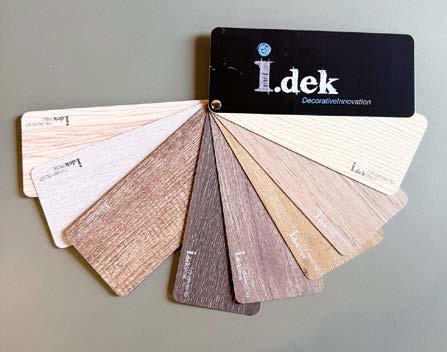
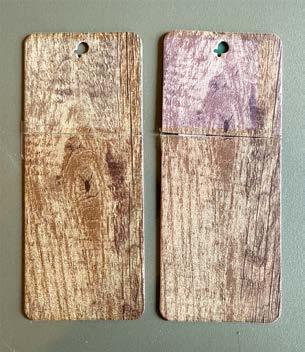
From left to right: The 3D collection consists of three-dimensional designs developed to graphically recreate the tactile effect of carved wood; Some finishes from the SD series; The plate on the left shows the behaviour of a superdurable film following accelerated ageing testing and the resulting “matching-tone” colour degradation; the plate on the right, on the other hand, shows the reaction of a standard sublimation film.
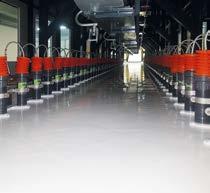
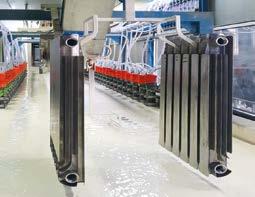
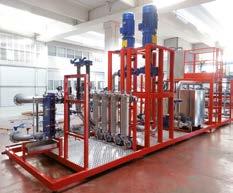
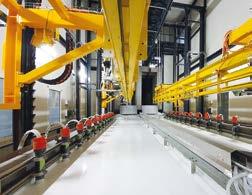
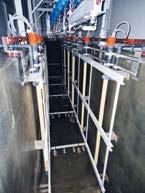
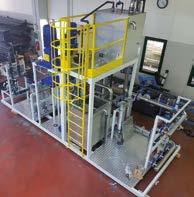
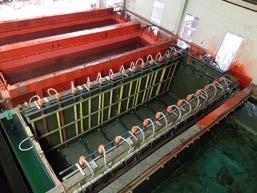
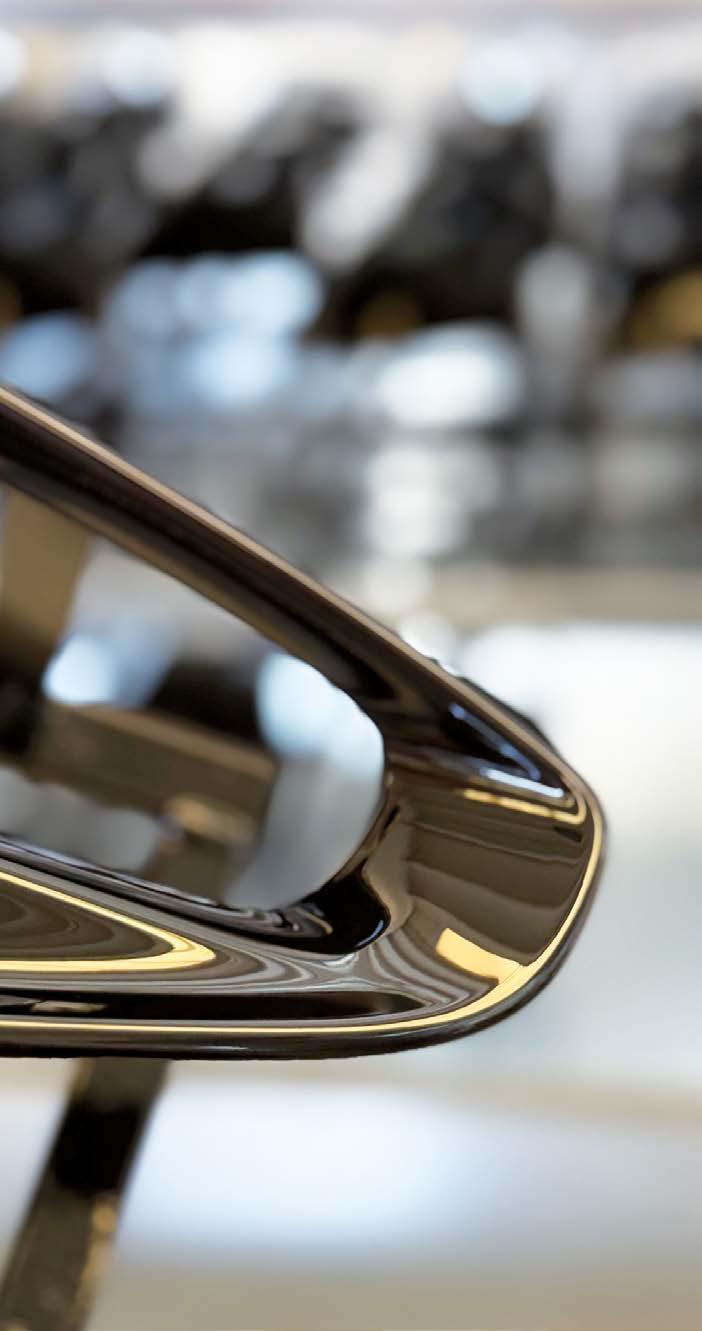
A new VR-tracking robot raises the coating standards at Quality Painting
Federico Melideo and Ilaria Paolomelo, ipcm®
Quality Painting, an Italian company specialising in the industrial painting, screen printing, and the assembly of plastic components, has taken a significant step forward by investing in a coating robot equipped with VR tracking technology. This innovative solution, developed by CMA Robotics, has optimised its production process by ensuring more precise, uniform, and repeatable finishes, while also overcoming one of the challenges that many companies in the coating sector are facing.
In an industry where precision is paramount and every finish tells a story of quality and expertise, many businesses share a common challenge: finding specialised labour. In the industrial coating market, this shortage has become a genuinely critical issue, often forcing companies to rethink their processes deeply to ensure operational continuity, efficiency, and ever-higher quality standards. “Training an expert coater can take months, if not years: an unsustainable timeframe in such a competitive and constantly evolving environment like ours,” says Filippo Di Pietro, founder and owner of Quality Painting, a company specialising in the coating, screen printing, and assembly of plastic components for industries where high quality is a key requirement, such as the automotive sector. “However, it is precisely from challenges that the most significant breakthroughs arise. To tackle this problem and, at the same time, optimise our finishing operations, we have recently decided to equip our coating department with a self-learning robot featuring VR tracking technology, supplied by CMA Robotics (Pavia di Udine, Udine, Italy).”
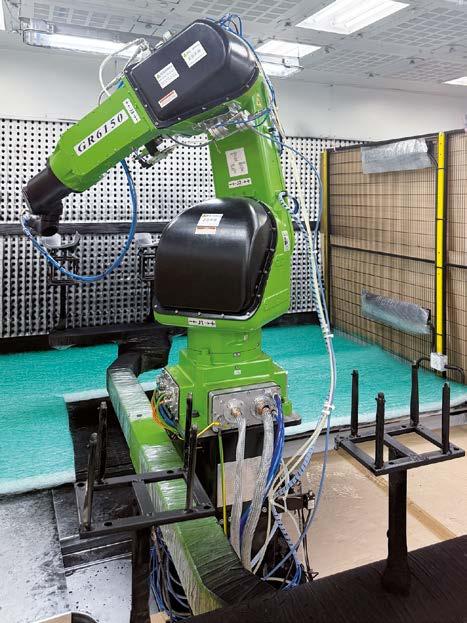
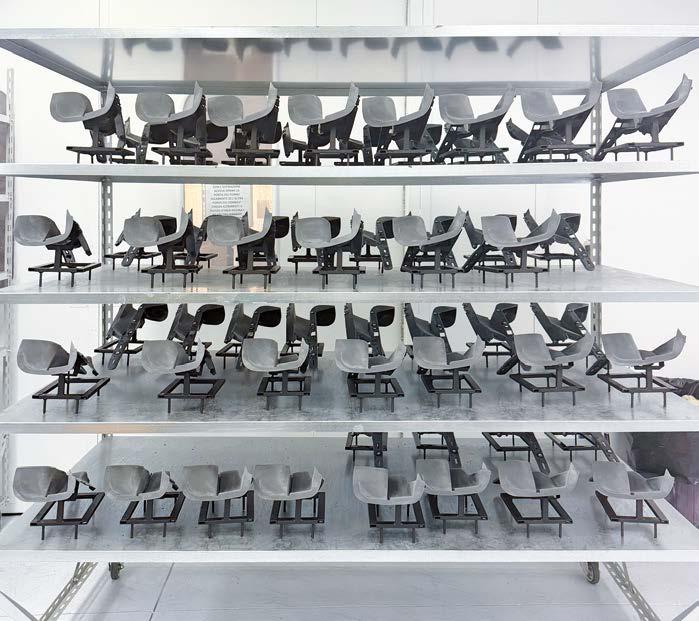
Next-generation robots, equipped with high-precision sensors, selflearning systems, and user-friendly interfaces, can replicate the movements of an experienced operator with remarkable accuracy, minimising errors and waste while ensuring greater consistency in results.
“Moreover, the automation of the most repetitive and strenuous tasks, such as paint application, enables our operators to focus on higher-value tasks: finishing cycle supervision, robot programming, and quality control. This new robot is ideal for our needs, as it guarantees speed, precision, and uniformity. And unlike humans... it never gets tired,” adds Di Pietro.
“This way, we can tackle the shortage of skilled labour with greater confidence, combining the expertise of our operators with the efficiency of automation. The result? Consistent and repeatable top-quality finishes.”
About Quality Painting
Founded in 2016 in Osimo (Ancona, Italy), Quality Painting has quickly established itself as a leading player in the coating of plastic materials for highly complex industries such as automotive, lighting, household appliances, furniture, HoReCA, footwear, and fashion. This achievement has been made possible by a rigorous technical approach, attention to aesthetic-functional details, and a well-structured internal organisation.
“The beating heart of the company is our team, composed of skilled
professionals who are passionate and deeply committed to their work. It is thanks to their daily dedication that we have earned the trust of our customers,” explains Di Pietro. “Our in-house technical department constantly researches new solutions, materials, and treatments to provide the very best in terms of innovation, reliability, and customisation. At the same time, we pay great attention to the aesthetic appeal of end products, offering a wide range of colours and finishes tailored to the characteristics of each workpiece and the customer’s specifications.”
As proof of its commitment to excellence, Quality Painting is ISO 9001:2015 certified, demonstrating the adoption of a quality management system that meets the highest regulatory requirements. In addition to industrial coating, the company also offers polishing, assembly, and packaging services to ensure comprehensive support throughout the entire production chain.
A coating department designed for every production need
Quality Painting’s plant is equipped with two liquid coating systems designed to meet different production requirements. “The first is an automatic plant with a monorail conveyor that we use for wet-on-wet coating, ideal for mass-produced parts,” explains production manager Samuele Gatto.
The self-learning coating robot supplied by CMA Robotics. Components arranged on the special racks designed by Quality Painting.
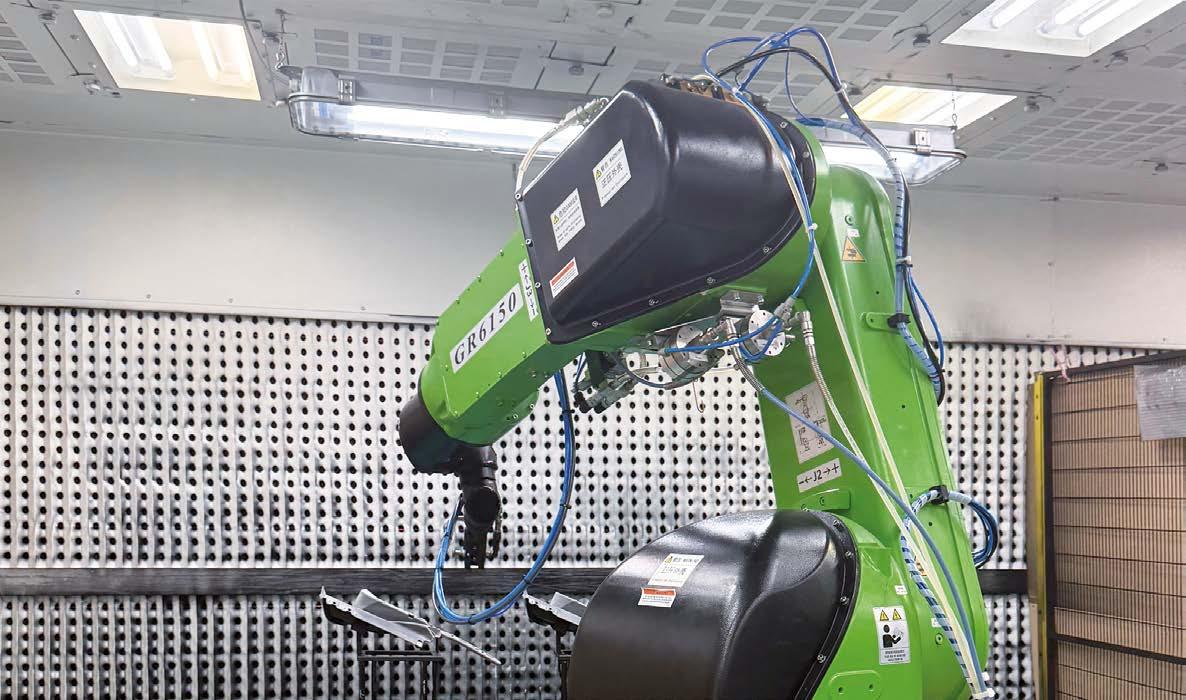
“The second was developed specifically for handling small batches and oversized parts. It is a static system consisting of a pressurised booth with a dry filtration unit, a robotic application station, and an adjacent drying oven. It is here that we have installed the new CMA Robotics robot, equipped with self-learning and VR tracking technology.”
More in detail, after being cleaned and pre-treated, the components are placed in the booth and positioned on specially designed racks, then loaded onto the robot’s carousel. By scanning the barcode on each part, the system automatically recognises the programme to be executed and starts the correct coating cycle, which generally includes primer, top coat, and clear coat application. Between one stage and the next, the racks with the workpieces are temporarily unloaded from the carousel for the flashoff time, and then reinserted to complete the cycle. Once the three coats have been applied, the components are taken to the baking oven, where they dwell for at least 1 hour at a controlled temperature. The process ends with rigorous quality controls, which are essential to meet the high standards required by customers, followed by packaging and shipping.
Technical features and functions of the new robot
Supplied by CMA Robotics and equipped with the latest generation VR tracking and self-learning technology, the new coating robot was installed in May 2025 with the aim of increasing productivity, simplifying cycle programming, and improving operational flexibility. “We opted for selflearning technology because we can leverage its potential to the fullest, thanks to our experience in the field. In just a few steps, we can configure the required movements, significantly reducing programming times and adapting the system even to complex and variable processes,” explains Samuele Gatto.
Marco Zanor, sales director at CMA Robotics, explains: “The VR tracking system is a breakthrough compared with traditional self-learning methods, which involved manual programming using a gun mounted directly on the robot’s arm: the operator physically moved the robot during the teaching phase, and the system recorded its trajectories. The new technology developed by CMA surpasses this approach by introducing a clear separation between the operator who draws the trajectory, the
The automatic mixing system integrated directly onto the robot arm, with gear pumps and valves for colour change, which conveys the paint products from the management units to the application point.
software suite, and the robot’s mechanical parts. As a result, the coater operates independently through the software interface, without having to work directly on the machine. This simplifies programming, speeds up configuration times, and improves work ergonomics.”
The system uses high-precision sensors connected to a joystick on which a gun is mounted. During the manual coating of the first workpiece, the sensors detect the gun’s position in Cartesian space in real-time and automatically generate a coating programme, also calculating the robot’s joint dimensions to replicate the cycle on all other components. A ring equipped with an infrared tracker constantly detects the position of the gun, while visual and acoustic signals alert the operator if they perform a non-replicable movement or approach the limits of the working area.
This allows for a more natural operation, eliminating the need to connect the gun to the robotic arm and to have the robot physically available during the teaching phase. The software suite, which can be used on any computer, even remotely, stores trajectories and modifications quickly and efficiently, and any adjustments can be made via simulation without interrupting production.

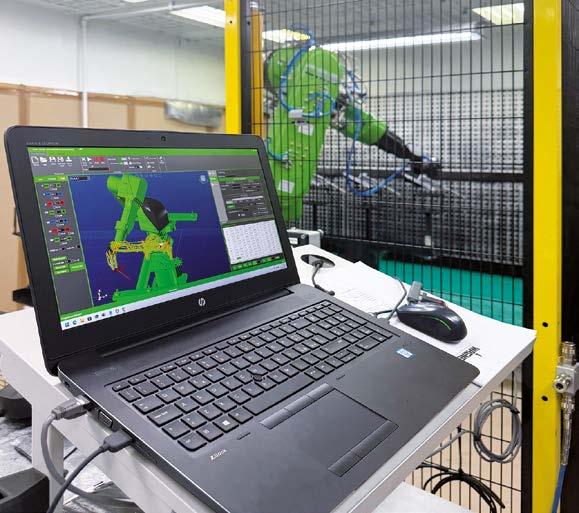
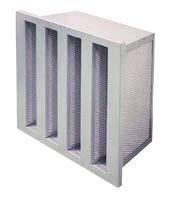
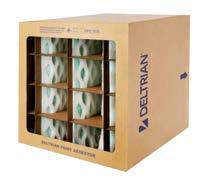
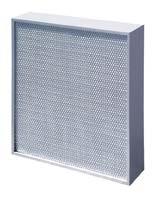
Dry spray booth
The software suite for cycle programming.
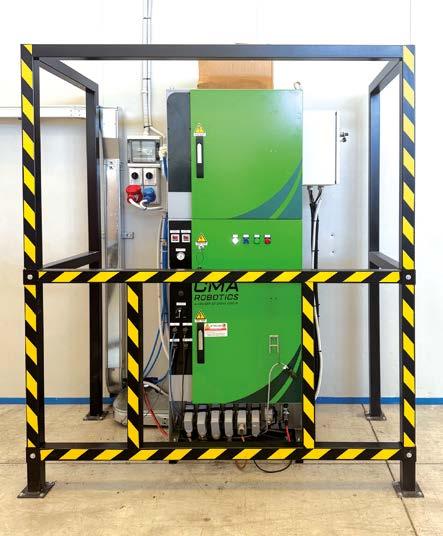
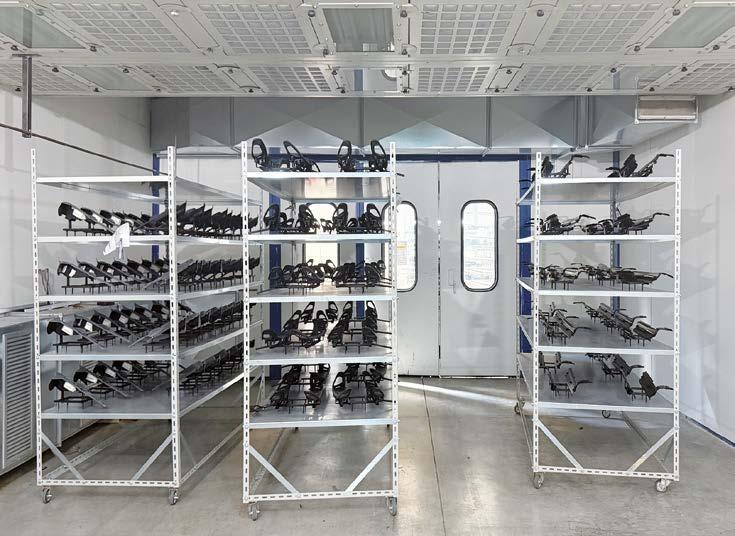
“Another innovative feature offered by CMA Robotics is the automatic mixing system integrated directly onto the robot arm, with gear pumps and valves for colour change, which conveys the paint products from the management units to the application point. Although already widespread in the automotive sector, this is a novelty for coating contractors, which typically use centralised and separate units. Finally, this system can also be integrated into other applications on customer request,” states Zanor.
Improved productivity, quality, and result repeatability through automation
Investing in this new CMA Robotics robot was a real turning point for Quality Painting: “It ensures production continuity, consistent quality, and maximum repeatability,” explains Di Pietro. “We have overcome the difficulty of finding qualified operators while maintaining a stable workforce of 16 people. In addition, automation has reduced waste and residues, with significant savings on materials and disposal operations, and has optimised polishing times and costs by eliminating the imperfections typical of manual coating.”
“The robot works with great precision thanks to the use of dedicated racks and to weekly planning that reduces downtime and increases efficiency,” notes Gatto. “One of its strengths is the automatic mixing system integrated on the robotic arm, which accurately doses the paint and catalyst by synchronising perfectly with the work cycle. The result is a uniform, flawless finish with minimal waste. The impact on our production process was immediate: thanks to the new robot, Quality Painting has consolidated its position on the domestic market, recording significant growth in turnover and attracting more important customers.”
“This positive experience with CMA Robotics encourages us to invest even more decisively in technology and innovation,” concludes Di Pietro. “We aim to strengthen our presence in a dynamic market and grow further thanks to an increasingly future-oriented approach. We are looking ahead with confidence, ready to implement further solutions to respond effectively to market and customer needs while maintaining high quality standards and maximising production efficiency – because quality is not only in our name but the heart of every process.”
The robot’s electrical panel.
After application, the components are taken to the baking oven, where they dwell for at least 1 hour at a controlled temperature.

The development of Kazakhstan’s coatings sector: an emerging hub of the chemical industry in Central Asia
Alessia Venturi, ipcm®

As part of an investigation aimed at exploring the development of the chemical industry in Kazakhstan, with a specific focus on the industrial and automotive paints and coatings sectors, the editorial team of our magazine conducted an interview with the Kazchemistry Association. In a country experiencing steady economic growth — with GDP increasing by 4.8% in 2024 and projected to reach 4.9% in 2025 according to the Asian Development Bank — the insights shared by the Association’s President, Moldakhmetov Tulegen, provide us with a comprehensive and in-depth overview of market trends, technological innovation, regulatory developments, sustainability initiatives, and the international competitiveness of these strategic sectors.
How would you characterise the current development of the industrial and automotive coatings sectors in Kazakhstan?
“In Kazakhstan, we have observed significant growth in the chemical industry over the past 5 years. The volume of chemical production increased from $1.2 billion to $2.4 billion in 2024. A large share of production is made up of basic chemical products: yellow phosphorus, chromium salts, sulfuric acid, as well as mineral fertilizers.
As for the paint and coatings sector, the total production volume has been increasing annually. The number of paint and coatings manufacturers has grown from 70 to 190.”
What are the main types of industrial and automotive coatings produced domestically?
“In 2024, the production of all types of paints and varnishes in the Republic of Kazakhstan amounted to over 97 thousand tons, which is 6.4% more than in 2023 (Table 1). Polymer-based paints and varnishes for
industrial sectors hold the dominant share of the total paint and varnish production - 83%, with production increasing by 7.1% compared to 2023. These types of coatings are used in construction and repair, industrial sector (for coating plastic, metal, wood, glass, and other materials), interior finishing, and more. A positive growth trend is observed in the production of polyester-based paints and varnishes, with a 2.7% increase compared to 2023 and a 1.6-fold increase compared to 2020, primarily used in the construction sector.”
What share of the industrial and automotive coatings market is served by local manufacturers versus imports?
“Currently, the combined market share of domestic industrial coatings manufacturers in Kazakhstan stands at 59.4%, while imports account for 40.6%. However, there are segments with a significantly higher share of imported products. For example, imports make up 95.6% in the segment of artists’ paints and lithographic ink. At the same time, there are no domestic manufacturers of paint and coating products for the automotive industry in Kazakhstan.”
Which industrial sectors (e.g., construction, machinery, oil & gas) are the largest consumers of industrial coatings in Kazakhstan?
“The main share (more than 70%) of all consumption of paint and varnish products in Kazakhstan falls on the large private sector or national companies. These include enterprises in the oil and gas sector, the mining and metallurgical sector, and the construction sector. In addition, a significant portion of paint and coatings sales is conducted through government procurement for national companies. A smaller share is attributed to direct consumer use by the general population.”
To what extent is the automotive industry (OEM and aftermarket) shaping demand for coatings, and are there any niche markets or specialized formulations that are currently gaining ground in industrial or automotive applications?
“At present, it is safe to say that the automotive industry is a key driver of growth in the manufacturing industry in Kazakhstan. Over the past
Moldakhmetov Tulegen
five years, the volume of production in the automotive industry has increased by 2.5 times, reaching $9.9 billion by the end of 2024. According to experts, about 167 vehicle models from 22 brands are produced in Kazakhstan. Given this factor, the Government of Kazakhstan is actively seeking to attract investment for the implementation of large-scale projects focused on the production of high-quality automotive coatings. To implement these large projects in Kazakhstan, the government offers special investment incentives, including tax and customs benefits, as well as a facilitated solution related to obtaining permits and connecting the necessary infrastructure. Additionally, Kazakhstan operates Special Economic Zones (SEZs) and Industrial Zones to facilitate such developments.”
How are environmental regulations influencing the formulation and application of industrial and automotive coatings, and to what extent are eco-friendly solutions (such as low-VOC, waterborne, or UVcurable coatings) being adopted or promoted? Are there any particular challenges in complying with international environmental and safety standards in these sectors?
“In 2021, Kazakhstan adopted a new Environmental Code that sets specific requirements for emissions and environmental pollution. Given that paint and coatings products fall under the chemical industry, enterprises are required to obtain a number of permits, including: a license for the operation of chemical production facilities, a certificate of state registration of the product, and test protocols. According to the Law of
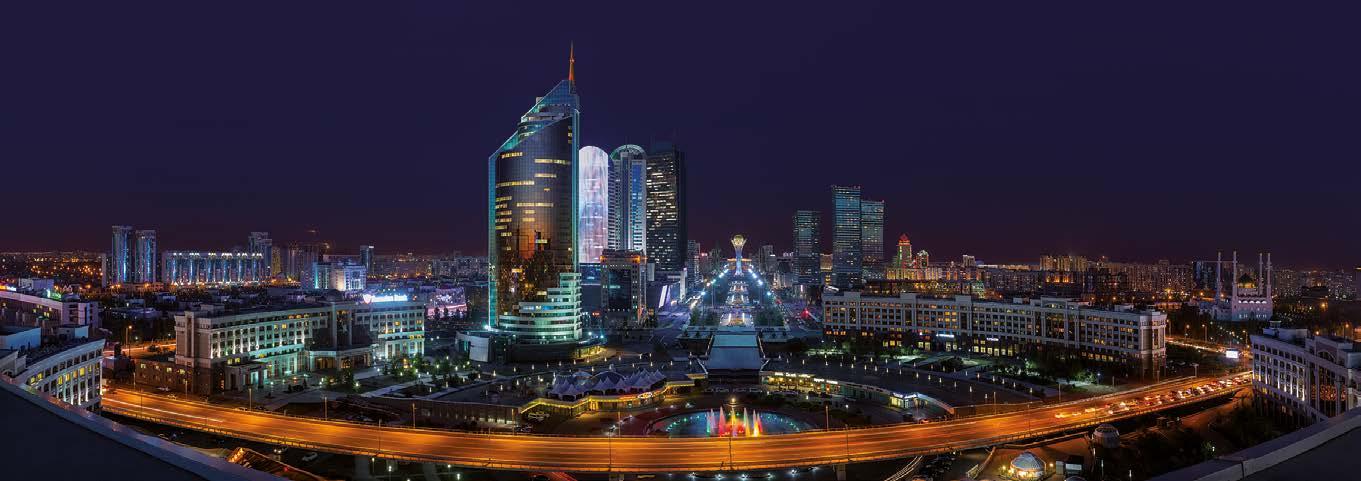
Table 1 - The main subtypes of industrial coatings in Kazakhstan*.
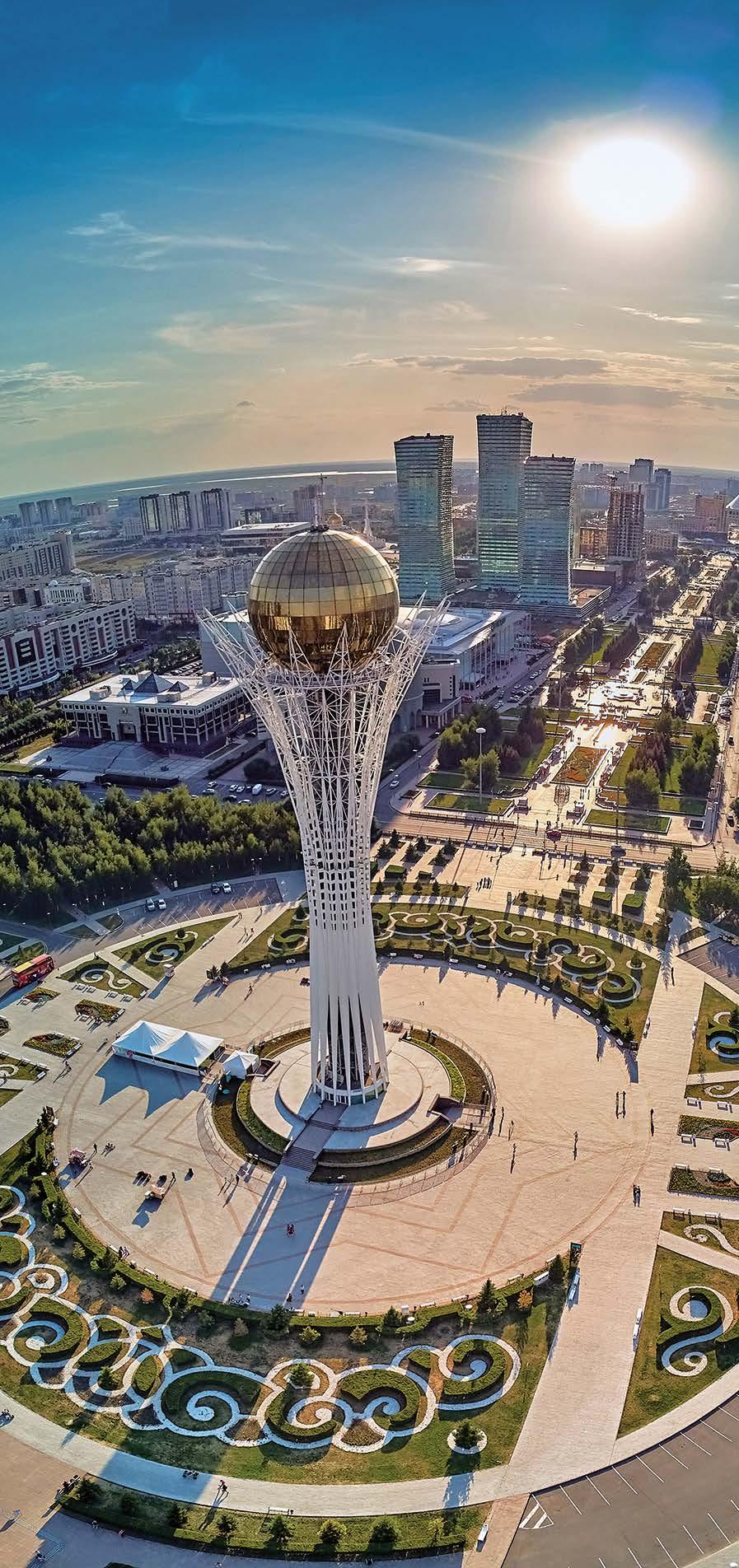
the Republic of Kazakhstan “On the Safety of Chemical Products,” chemical products that are not registered in accordance with national legislation are not allowed to be placed on the market. To register paint and coating products, a company must have a Chemical Safety Data Sheet compliant with GOST 30333-2022. This document is part of the accompanying documentation for chemical products and is intended to provide the user (purchaser) with reliable information on the safe use, storage, transportation, and disposal of the chemical product in both industrial and household settings.”
Given that over 80% of raw materials and additives used in Kazakhstan’s paint and coatings industry are imported, how reliable and developed is the local supply chain? Are there any logistical or infrastructure-related challenges that impact production or distribution within the country?
“For example, titanium dioxide is a key raw material - serving as the primary component in the production of colorants and coatings. This chemical accounts for about 60% of all colorants produced and is used in the manufacturing of various types of paints, varnishes, enamels, and other coatings. Other imported materials include pigments, emulsions, and acrylic thickeners. Kazakhstan is the 9th largest country in the world by land area. As a result, transportation costs represent a significant portion of total production costs. Most transportation is carried out by road. Currently, there is no domestic production of solvents in Kazakhstan, since solvents make up a substantial share of production costs, companies are forced to seek imported alternatives that meet quality requirements at acceptable prices. Therefore, establishing local solvent production is a critical issue for the industry.”
What are the main challenges currently faced by manufacturers and applicators of industrial coatings in Kazakhstan? In your view, how can the Kazchemistry Association contribute to overcoming these obstacles and fostering sector growth?
“Kazchemistry Association of Chemical Industry works to protect the rights and legitimate interests of business entities within government bodies of the Republic of Kazakhstan. Our Association is one of the leading industry associations in Kazakhstan, operating in the chemical sector for over 5 years. It brings together more than 50 companies engaged in chemical manufacturing. Currently, the Association is accredited with four ministries (the Ministry of Industry and Construction, the Ministry of Energy, the Ministry of National Economy, and the Ministry of Trade and Integration of the Republic of Kazakhstan), as well as the National Chamber of Entrepreneurs “Atameken”. The Association remains actively involved in the political and economic landscape. Kazchemistry collaborates with key partners in Kazakhstan, including companies such as JSC “Samruk-Kazyna” National Welfare Fund, JSC “KazMunayGas” National Company, RSE “KazStandard”, JSC “Science Fund”, JSC “QazIndustry” and others. The Association operates an Industry Competence Center, which provides certification and consulting services to industrial enterprises. These include the development of safety data sheets, obtaining permits, and quality certification. The centre also conducts sector-
specific analytics and market research. One of the primary challenges faced by companies is the high cost of accessing working capital and investment for business expansion. Nearly 90% of paint and coatings companies rely on bank financing, with interest rates reaching up to 20% per annum. In this regard, there is a strong need to develop alternative sources of capital, such as private equity funds and corporate bond instruments.”
Is there a need for greater investment in training or workforce development in industrial and automotive coating technologies?
“Another pressing issue is the shortage of qualified personnel in the paint and coatings industry. As an association, we are working together with the Ministry of Education and universities to address this by developing and implementing internship programs for students at production facilities. By gaining hands-on experience, graduates significantly improve their employment prospects. Overall, our member enterprises are highly interested in continuous training of production staff and participation in practical workshops hosted by leading international companies.”
How open is the industrial and automotive coatings sector in Kazakhstan to foreign investment and technology transfer, and what opportunities exist for expanding exports of these coatings to neighboring countries?
“In our view, the industrial coatings sector has enormous potential for prospective investors. As is known, imports of paint and coatings materials exceed $200 million. Thus, this is a huge niche for the implementation of import-substituting projects in Kazakhstan. In our opinion, to successfully carry out such projects, considering stringent environmental requirements, it is essential to adopt the most advanced technologies and equipment from leading global manufacturers. As an association, we are ready to provide full support to potential investors interested in implementing investment projects in Kazakhstan. Regarding exports, our enterprises currently export their products to Uzbekistan and Kyrgyzstan. We forecast a 15-20% increase in paint and coatings exports over the next three years. To support exporters, the Trade Policy Development Center “QazTrade” operates in Kazakhstan, aiding small and medium-sized enterprises in preparing goods for

Helios Quartz Group SA
Via Roncaglia 20 6883 Novazzano - Switzerland
Tel. +41 (0) 919233555/6 Fax +41 (0) 919233557 swiss@heliosquartz.com www.heliosquartz.com
Helios Italquartz S.r.l.
Via delle Industrie 103/A 20040 Cambiago - Milano - Italy
Tel. +39 02 95 34 93 18 Fax +39 02 95 34 50 85 italy@heliosquartz.com www.heliosquartz.com
export. The program includes consultations on export market selection, product preparation to meet the standards of the importing country, buyer search, and contract drafting. The company also helps reimburse costs related to the promotion of domestic products in foreign markets, including participation in exhibitions, advertising, maintaining branches, and obtaining international certifications. Additionally, “QazTrade” brings Kazakhstani companies onto the Alibaba e-commerce platform, helps create company profiles, and provides trade-related consultations. Furthermore, the Export Insurance Company “KazakhExport” is also actively operating. It is a state insurance agency that supports exports and offers insurance tools to protect export operations. The company promotes the growth of exports of non-commodity goods and services, contributing to the development of Kazakhstani enterprises.”
What major trends do you foresee shaping Kazakhstan’s industrial and automotive coatings market over the next 5 to 10 years? Are there any strategic initiatives or projects currently underway to modernize or scale up these sectors, and how can Kazakhstan leverage its natural resources or industrial base to become a regional hub for automotive and industrial coatings?
“In my opinion, the main trends in the paint and coatings industry will be related to the implementation of import substitution projects, such as
automotive coating and complex construction and industrial enamels. The second important area, in my view, is the implementation of investment projects with high added value. In this case, a company, aiming to enhance its own competitiveness, implements projects to produce the necessary raw materials. A portion of these raw materials will be used for the company’s own paint and coatings production needs, while another portion will be exported. All the prerequisites are in place for creating a regional hub in Central Asia to produce automotive and industrial coatings in Kazakhstan. First and foremost, this includes the raw material base (oil and gas). To achieve this, we need to develop new stages of processing. The government is providing the necessary support, and the Concept for the Development of the Manufacturing Industry of the Republic of Kazakhstan until 2029 has been adopted. Of course, the key to success is the proactive involvement of businesses in implementing large-scale projects. As a chemical association, we are ready to actively support businesses and potential investors in the implementation of these projects.”
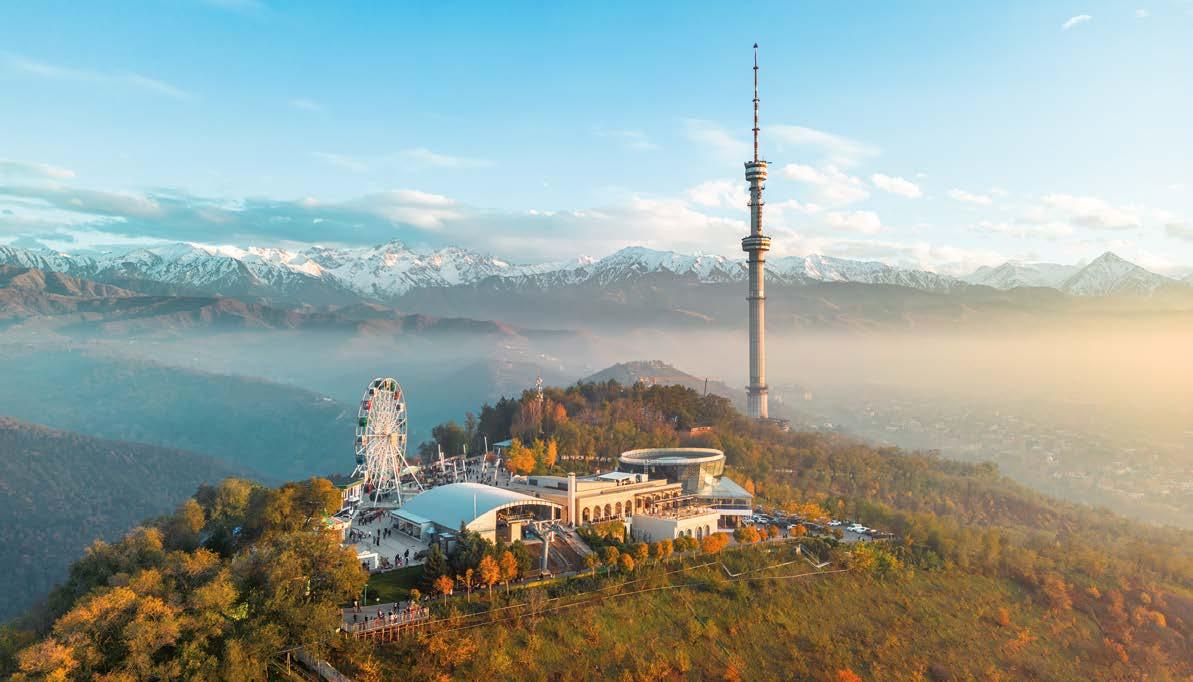

SUCCESS STORIES
Arzuffi PVD improves multi-sector production with PECVD surface treatments
For a Lombardy-based contractor specialising in vacuum coating, adopting Arzuffi’s Plasma-Cube system marked a significant advance in its multi-sector surface treatment operations. This customised PECVD solution has increased the company’s production flexibility, improved coating quality, and optimised operational efficiency.
With almost thirty years of experience, an Italian coating contractor specialising in vacuum treatments has built its success on its ability to process a wide variety of materials, from metal, glass, and plastics to textiles, ceramics, and rubber, for customers operating in various industries, including automotive, eyewear, watchmaking, crafts, textiles, and food. Its treated parts range from rubber O-rings to high-precision mechanical components, which require millesimal tolerances and technical coatings capable of withstanding intense friction. This extreme production flexibility calls for investment in state-of-the-art equipment. The last one was in a PECVD Plasma-Cube system, designed by Arzuffi PVD (Bernareggio, Monza e Brianza, Italy) to accommodate different part geometries, materials, and work volumes.
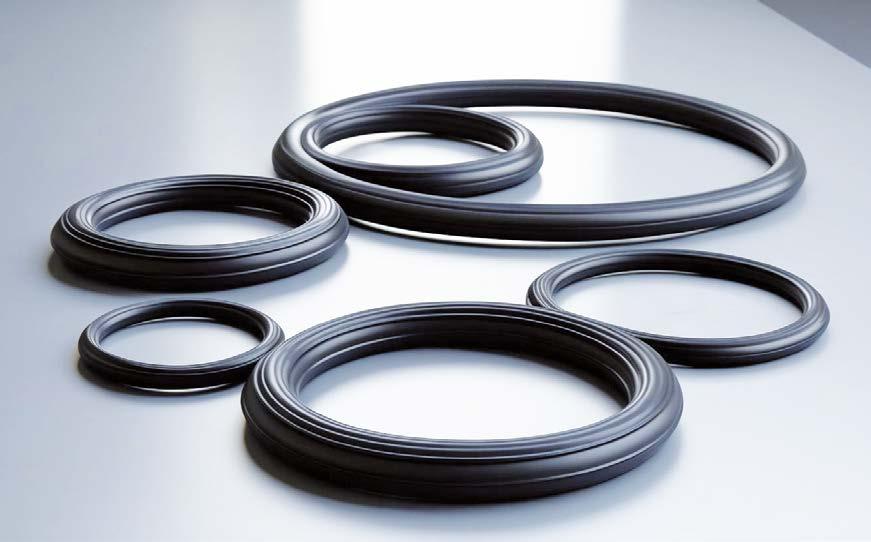
The company’s priority was to rely on a manufacturer capable of developing a tailormade solution, avoiding standardised plants. It was not looking for a simple supplier, but a real partner that could understand its operational requirements and design a versatile plasma surface treatment system capable of handling different processes without limitations.
Why Arzuffi PVD?
Arzuffi’s Plasma-Cube PECVD technology was selected based on its versatility and wide range of possible applications. The two companies’ collaboration began after careful evaluation and examination of various options. Ultimately, the choice fell on Arzuffi because of its proven expertise and ability to develop a tailor-made system perfectly in line with the requirements identified by the customer’s technicians – who, on the other hand, provided valuable guidance thanks to their in-depth knowledge of the company’s processes and actual operational needs, contributing significantly to the definition of a plant that fully met their expectations. The supplier also confirms this approach: “We consider Arzuffi a genuine customisation workshop with a strong focus on flexibility. Although we have standard systems in our catalogue, most of our solutions are the result of thoughtful, custom design to offer each customer a high-performance plant that perfectly meets their needs,” says Business Development Manager Mara Arzuffi.
What is PECVD?
PECVD (Plasma Enhanced Chemical Vapour Deposition) is a chemical vapour deposition process that, under vacuum conditions, allows thin films of a few nanometres to be formed from gaseous precursors. Chemical reactions
Arzuffi
occur efficiently due to plasma activation, resulting in a functional coating that enhances the mechanical and physical properties of the substrate.
“This technology modifies the treated surfaces by enhancing their adhesion, wettability, chemical resistance, and barrier-effect properties while adapting to specific application requirements,” explains Mara Arzuffi. “Among the most requested treatments are deep impurity removal, metal cleaning and degreasing, plastic surface activation, hydrophilicity or hydrophobicity adjustment, sterilisation, and the application of anti-adhesion and anti-fog solutions. To meet these needs, our PECVD systems are designed to generate thin, transparent, and uniform films that can also be easily integrated into coating lines, thus improving adhesion and durability.”
A flexible system for different production requirements
“Plasma-Cube is a compact plasma surface treatment system designed to improve the chemical and physical characteristics of materials and optimise their performance. Its layout and chamber structure make it extremely versatile and easily adaptable to a wide variety of industrial needs. In this specific case, the customer was provided with a personalised and highly flexible solution capable of effectively responding to a wide range of application requirements: from simple surface cleaning to activation, sanitisation, and functionalisation of materials with specific coatings. The goal was to ensure uniform, reliable, and long-lasting results on different materials and geometries, maximising the potential of plasma treatment in a versatile and user-friendly system,” emphasises Mara Arzuffi. “Thanks to its flexibility, this plant responds to the market’s continuous demands for innovative, efficient, and sustainable solutions to optimise and improve performance.”
“The system is based on a vacuum chamber that can be configured with specific antennas and supports depending on the type of treatment required. Its name comes from its shape: a compact cube with small dimensions. One of its strengths is its ability to perform both carbon- and silicon-based treatments, meeting a wide range of production needs. Additionally, its rotating carousel system ensures uniform plasma exposure, even on non-conductive parts. With conductive components, the plasma is generated around the parts, whereas for non-conductive materials, it is essential to move them within the active zone to achieve a homogeneous coating: that is why carousels are key to ensuring uniform, high-quality treatments. By combining the flexibility of Plasma-Cube with our extensive experience, we have created an adaptable system that is effective on a variety of materials and capable of guaranteeing reliable results.”
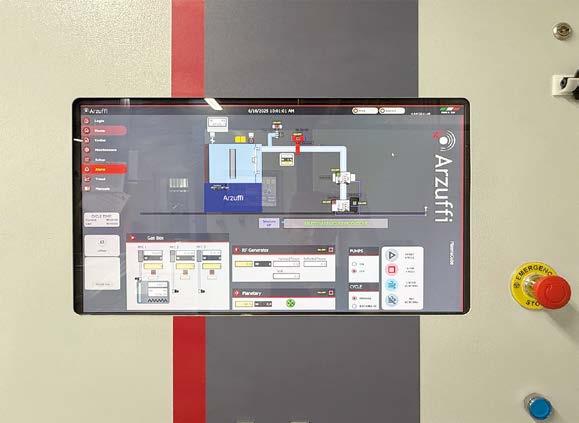

The system’s touch-screen interface.
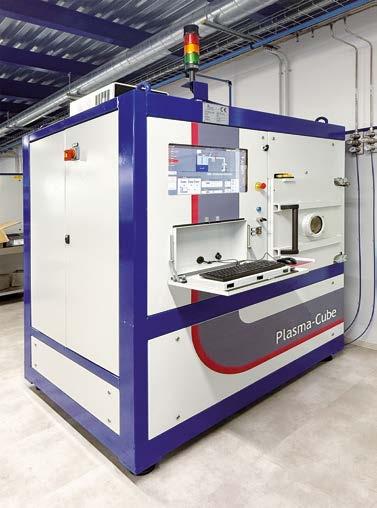
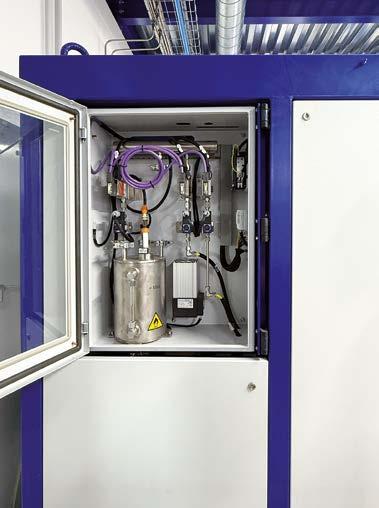
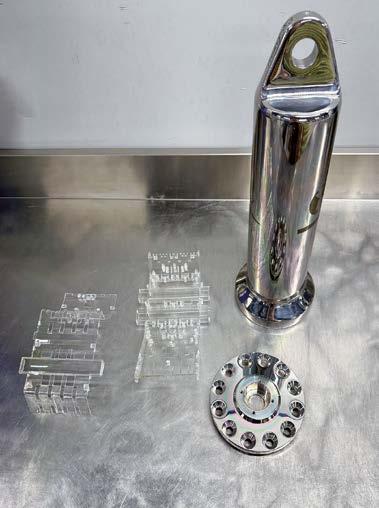
Recovering components through the decoating process
Plasma-Cube can also perform decoating processes for component regeneration. In cases of damaged or deteriorated paint, especially on expensive parts or those subject to wear and corrosion, it is possible to completely remove the existing layers and prepare the surfaces for a new PECVD treatment, thus extending the service life of the components and reducing overall costs. In many cases, even some time after the initial application, it is possible to remove the coating and polish the surfaces to restore their quality. This process can also be used as part of routine maintenance, for example to clean the working chamber, thus helping to maintain high standards of quality and functionality over time.
The advantages of Plasma-Cube
After using the system for some time, the Lombardy-based company reports significantly higher production capacity compared with other PECVD machines it has used in the past. Thanks to its compact size, versatility, precision, and functionality, Plasma-Cube has made it possible to integrate elements already present in production, also thanks to highly intuitive software that does not require complex training.
“Plasma-Cube is a technologically advanced and sustainable solution that does not use solvents or aggressive chemicals. It stands out for its flexibility of use, energy efficiency, and ease of integration into existing
production processes. Its compact design and user-friendly HMI interface enable real-time process monitoring, providing a significant advantage over competitors, which often use outdated systems. In addition, at the customer’s request, we positioned the pumps outside the machine body. This configuration facilitates maintenance and management, unlike standard solutions where these components are integrated into the frame,” says Mara Arzuffi.
Conclusions
For this coating contractor, the collaboration with Arzuffi has been a real success. Thanks to its new, highly customised PECVD system, it has been able to overcome some technical limitations and significantly expand its production capacity while maintaining high quality standards. Arzuffi’s tailored approach, combined with geographical proximity and remote assistance, ensured rapid and timely support, reducing downtime and improving operational efficiency.
“At Arzuffi, we see every customer as a partner with unique needs. This experience has confirmed that our approach, based on customisation and flexibility combined with in-depth technical expertise, can make a difference. We are proud to have contributed to enhancing the innovation rate and competitiveness of such a dynamic company,” concludes Mara Arzuffi, Business Development Manager at Arzuffi.
From left to right: The Plasma-Cube PECVD system by Arzuffi; Pumps installed outside the plant; Some components coated with PECVD technology.
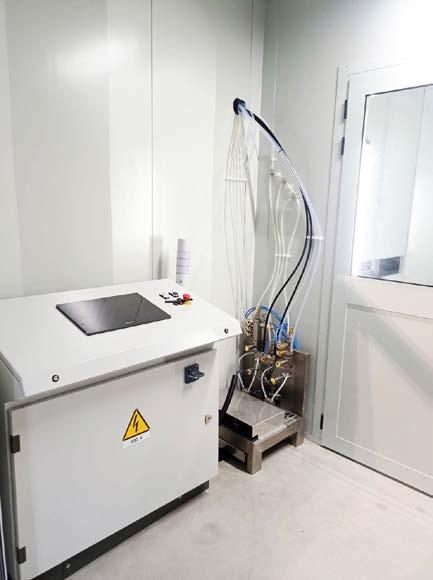
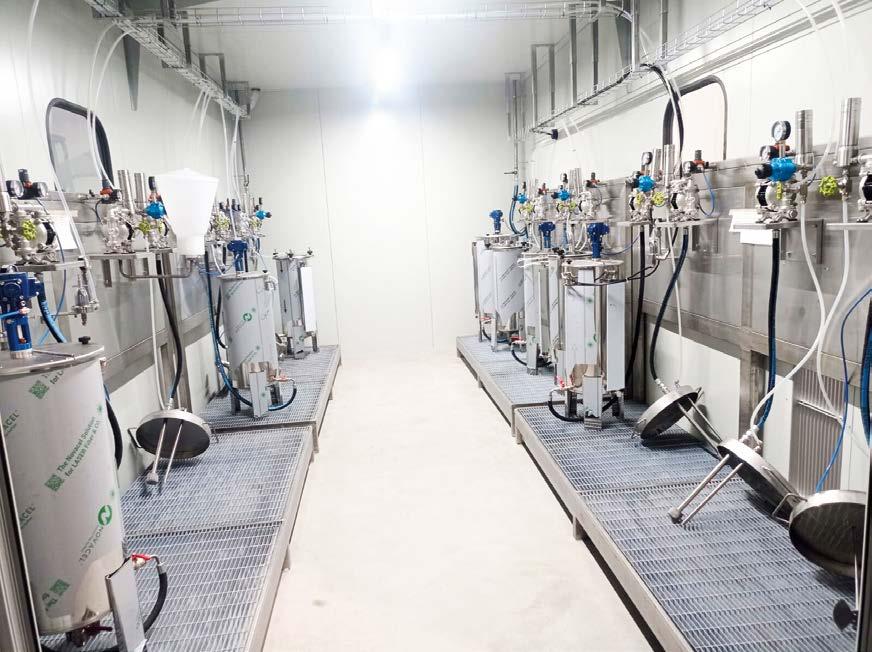
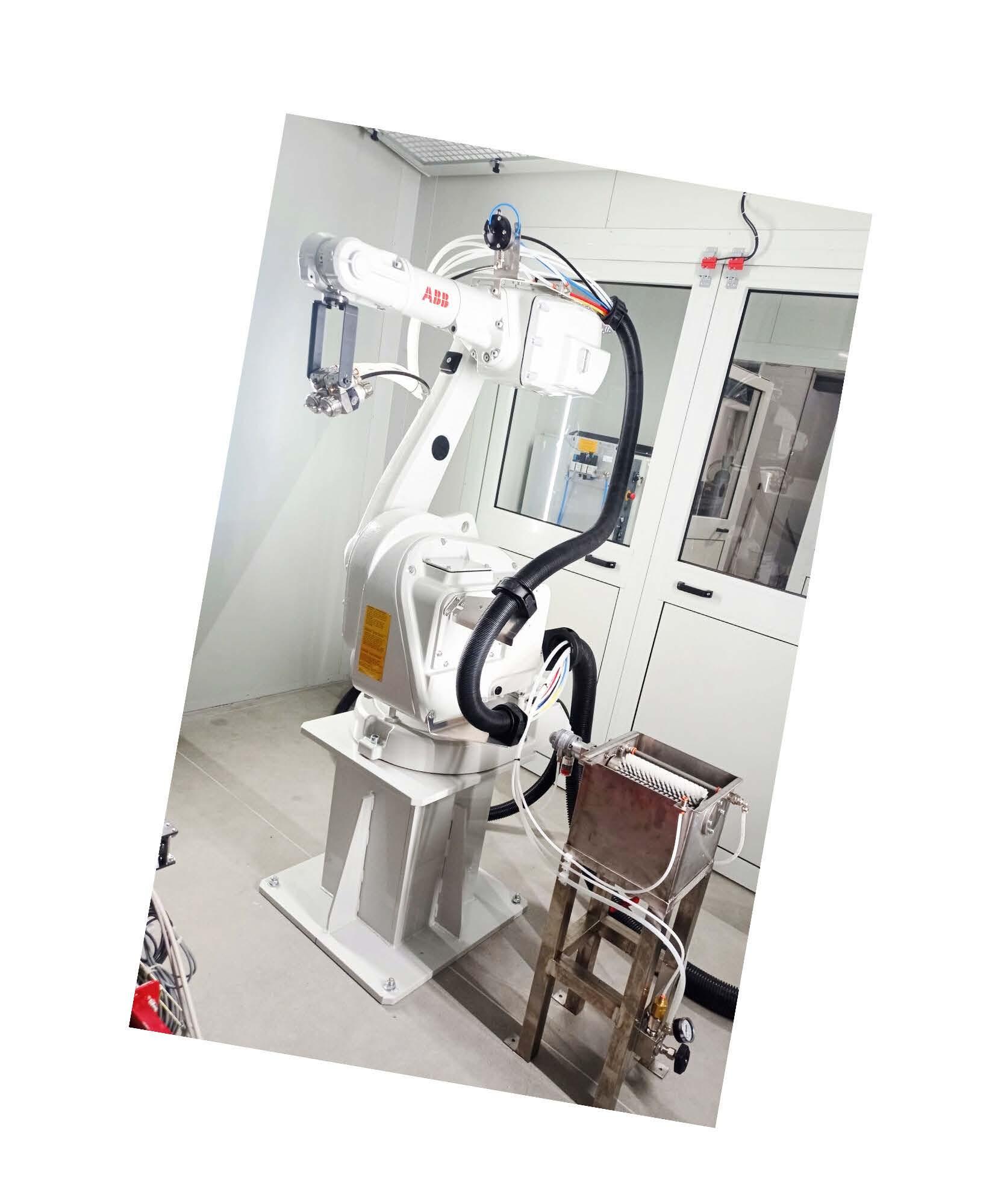

SUCCESS STORIES
Efficient, sustainable and ergonomic painting with edrizzi® at Liebherr Hausgeräte Lienz
Liebherr-Hausgeräte Lienz GmbH was able to increase the service life of its painting system six times by converting from alternative dry separators to the original edrizzi® system with paint mist separator and new NFE03 follow-up filtration element. The innovative paint mist separation technology developed by Brainflash Patententwicklungs GmbH not only optimised cost-effectiveness, but also significantly improved sustainability and ergonomics in the painting process.
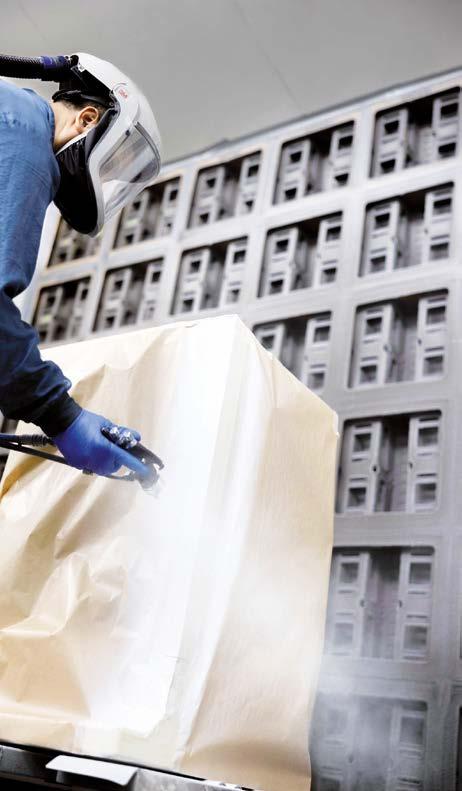
The innovative paint mist separation technology developed by Brainflash Patententwicklungs GmbH has enhanced not only cost-efficiency, but also sustainability and ergonomics throughout the painting process.
Optimised paint separation for premium quality with the edrizzi® system
Liebherr-Hausgeräte Lienz GmbH specialises in the development and production of energyefficient refrigerators and freezers for private and commercial use. Liebherr-Hausgeräte Lienz GmbH is one of Europe’s leading premium suppliers in this field. 300,000 appliances leave the factory in the Lienz district every year. The paint shop with manual spray booth was built by Beta Systems in 2005. In the b+m mixing room upstream of the booth, over 50 colour variants are produced, some of them to special requests from major customers. The air flow rate of the 4.5 x 4.5 metre system in recirculation mode is 30,000 m²/h. The edrizzi® system is located one metre away from the conveyor system. Other filter elements in the system include Viledon filter mats in the supply air ceiling and cardboard filter mats under the heavy-duty grates.
Six times service life thanks to conversion of dry separation to the original edrizzi® system at Liebherr Hausgeräte Lienz
The conversion from alternative dry separators to a multi-stage edrizzi® system from Brainflash Patententwicklungs GmbH not only optimised economic efficiency, but also significantly improved sustainability and ergonomics in the painting process. Since the conversion in
2015, the edrizzi® system with 42 paint mist separators made of cardboard and 42 followup filtration elements made of sheet steel with filter mats has ensured maximum efficiency and safety. The edrizzi® follow-up filtration elements made of sheet steel consist of the cube characteristic of the edrizzi® system, but made of galvanised sheet steel. This mounting frame contains a clamping device into which a filter medium can be clamped. When changing the filter, only the filter mat needs to be replaced, which makes the steel sheet follow-up filtration elements particularly durable and significantly reduces filter replacement costs.
The NFE02 follow-up filtration elements with a filter area of 0.77 m2 have recently been replaced by the revised NFE03 version, which has increased the filter area to over 1 m2. This has further increased the service life of the filter elements many times over. The NFE03 followup filtration element is installed and replaced from the front together with the paint mist separators.
The use of edrizzi® Vario Medium modules in combination with the NFE03 follow-up filtration achieves optimum separation efficiency for the specific paints and surface materials used at Liebherr. A follow-up filtration stage with high absorption capacity is essential for the extremely dry dust generated by the Henelit and Mankiewicz paints used by the painting team at Liebherr in Lienz.
Ergonomic, fast and economical filter replacement
The smart replacement concept of the edrizzi® system at Liebherr enables exceptionally fast replacement of saturated paint mist separators and followup filtrations.
Brainflash product innovation: sustainability and storage capacity combined with naffi® 40
The advanced NFE03 follow-up filtration has been in use at Liebherr since Q4/2024. With an enlarged filter area of 1.02 m², it ensures even higher efficiency than its predecessor, the NFE02. From 2025, all edrizzi® follow-up filtrations will also be equipped with the innovative, sustainable filter medium naffi® 40. This glass fibre-free filter fleece is made of 100% polyester and not only increases the storage capacity by up to 7-8 kg/m², but also doubles the service life of the follow-up filtration stages.
Ergonomics & sustainability of naffi® filter mats:
No protective clothing, face mask or safety goggles required
Environmentally friendly recycled material
High storage capacity for minimal maintenance costs.
With this further development, Brainflash Patententwicklungs GmbH is setting new standards in economical paint separation. The combination of durable components, fast handling and high environmental compatibility makes the edrizzi® system the first choice for paint shops worldwide.
Overview of the current painting system
Location: Liebherr Hausgeräte Lienz, Austria
Installation: 2005
System: the paint booth of Beta Systems measures 5m x 5m x 4,5m
edrizzi® system: 42 edrizzi® Vario medium paint mist separators & NFE03 follow-up filters
Service life: 21 or 28 days depending on quantity of paint work
Surface material: dust-dry paints in up to 50 colour variants: 2K acrylic top coat from Henelit and 2K top coat from Mankiewicz.
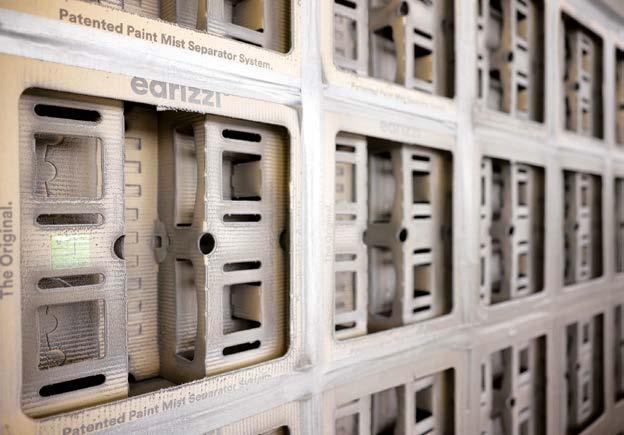
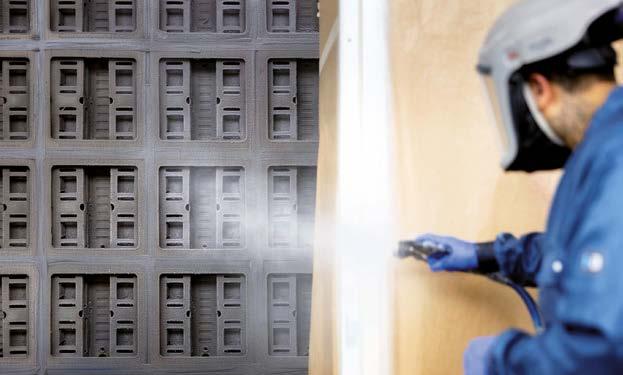
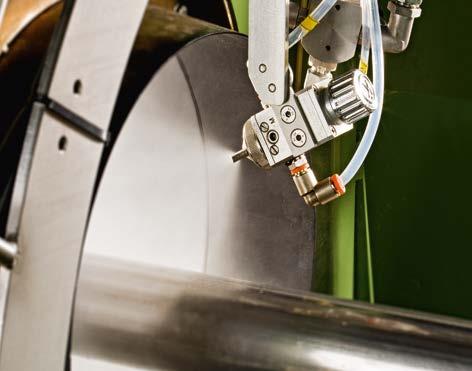
IT‘S THE PROCESS THAT BECOMES YOUR SOLUTION.

We supply you with individualized finishing lines.


The ideal solution for dry paint mist: edrizzi® Vario medium and NFE03 post-filtration.
30,000 m²/h. 2K top coats, 1 m distance to the paint mist separation and the largest possible filter area in the post-filtration stage: the setup of the edrizzi® system at Liebherr Hausgeräte Lienz.
POWDER POINTS
Powder coatings with purpose: functional technologies for hygiene, safety, and surface protection
Eric Casebolt Vice President, The ChemQuest Group, Inc.
Iecasebolt@chemquest.com
n the world of powder coatings, the term “functional coatings” has historically been used to describe fusion-bonded epoxies used in pipeline and rebar applications. However, today’s powder coatings offer specialised functionalities that would fit in with the broader definition of that term. That is, they are specifically designed to provide a function beyond aesthetics and substrate protection. Among these functionalities, three stand out for their relevance in today’s environment: antimicrobial, electrostatic dissipative (ESD), and anti-graffiti powder coatings.
Antimicrobial powder coatings
Antimicrobial powder coatings are designed to inhibit the growth of microbes such as fungi, mould, and bacteria on coated surfaces. While these coatings have been traditionally used in environments where hygiene is critical, such as hospitals and food processing plants, the COVID-19 pandemic has expanded their usage into many high-traffic areas such as fitness centres, public transit centres, and even playground equipment.
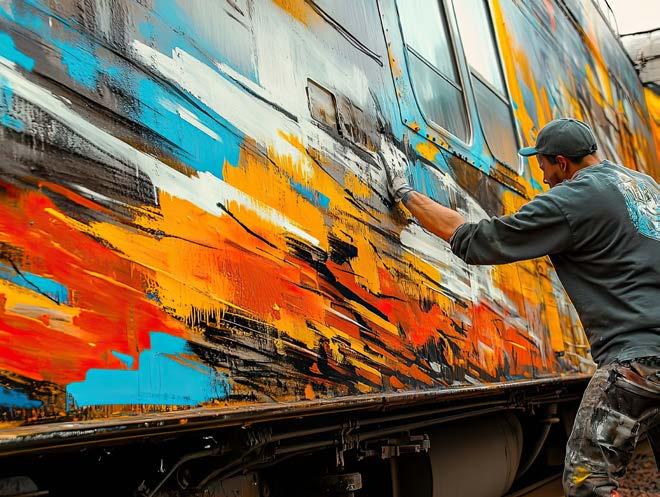
The most common method of creating the antimicrobial properties in powder coatings is through the incorporation of silver-ion additives. These additives release Ag+ ions when exposed to moisture or humidity, acting as the active antimicrobial agents by disrupting the microbes’ cell membranes and enzymatic systems. While other materials (e.g., copper, zinc, or quaternary ammonium compounds) may be used in antimicrobial coatings, silver is more common due to its broad-spectrum efficacy, long-lasting activity, and proven effectiveness against a wide range of microorganisms. Additionally, silver is compatible with various types of coatings and has a long history of safe use in medical and industrial applications. Antimicrobial coatings are important not only for reducing the spread of pathogens but also for preventing discoloration, unpleasant odours, and material degradation, all of which can be caused by microbial growth. Their passive, long-term functionality makes these coatings ideal for hightouch surfaces, and integration with the coating means the antimicrobial function does not require the frequent reapplication required for surface disinfectants, making it a reliable, low-maintenance solution.
ESD powder coatings
Electrostatic dissipative powder coatings are designed to safely dissipate static electricity from coated surfaces. These coatings are often used on components or in areas where an electrostatic discharge could damage sensitive electronic components, ignite flammable materials, or disrupt operations. Common applications include electronic enclosures, electronic assembly areas, server casings, or robotic components.
ESD functionality is achieved by incorporating conductive or semiconductive pigments into the powder coating formulation. The most common materials used in powder coatings are conductive carbon black and carbon nanotubes. Since they are most often interior coatings, the binder is typically an epoxy or hybrid powder coating, although other types of resins can be used if an exterior-durable coating is required. In any case, the binder provides the main coating properties (e.g., adhesion), and the conductive filler provides the pathway for the electrical current. The surface resistivity requirement for ESD coatings typically falls with the range of 105 and 109 ohms per square, although the specific range may vary by application.
Properly formulated ESD coatings balance electrical performance with mechanical properties, durability, and aesthetics. Achieving this balance is dependent on the ability to properly disperse the conductive pigment into the powder coating during the extrusion step, as poor dispersion can have a negative impact on both conductivity and coating properties. Coating manufacturers who offer these ESD powder coatings have invested significant resources into understanding how the conductive materials and processing conditions affect the coatings’ performance in the field.
Anti-graffiti powder coatings
Anti-graffiti powder coatings are designed to reduce the ability of spray paint, markers, and inks to absorb into the coating, thus enabling easy removal of these substances with common solvents. These coatings are often used in high-traffic areas such as public transit stations, schools, and building facades where vandalism is a concern. To achieve the anti-graffiti properties, these coatings are developed to have a combination of low surface energy and high chemical resistance. The low surface energy is achieved using additives, such as waxes or silicone-containing materials, which migrate to the surface of the coating and prevent graffiti materials from wetting out and adhering to
the coating. The high chemical resistance is gained through the use of high-crosslink-density binders, such as urethanes, which are inherently resistant to chemicals attack and prevents the degradation of the coating upon exposure to graffiti materials and cleaning solvents.
Anti-graffiti powder coatings can be formulated to offer excellent UV resistance and a variety of colours, making them suitable for both indoor and outdoor use. In addition to aesthetic preservation, these coatings reduce the maintenance costs and downtime associated with graffiti removal and repainting.
Evolving functionalities
As performance demands on coated surfaces continue to rise, powder coatings continue to evolve. Functional coatings, such as antimicrobial, ESD, and anti-graffiti coatings, are becoming increasingly common and new functionalities are being developed as market needs continue to change. By incorporating specialized functionalities into their powder coatings, manufacturers offer end users an environmentally friendly solution that doesn’t sacrifice coating performance.
• Aluminium Finishing & Anodizing
• Hot-dip Galvanizing
• General Industry (Steel)
• Coil, Tube & Wire Industry
• Pretreatment
• Passivation
• Thin Organic Coatings
• Cleaning
• Paint Stripping
• Lubrication Boosters

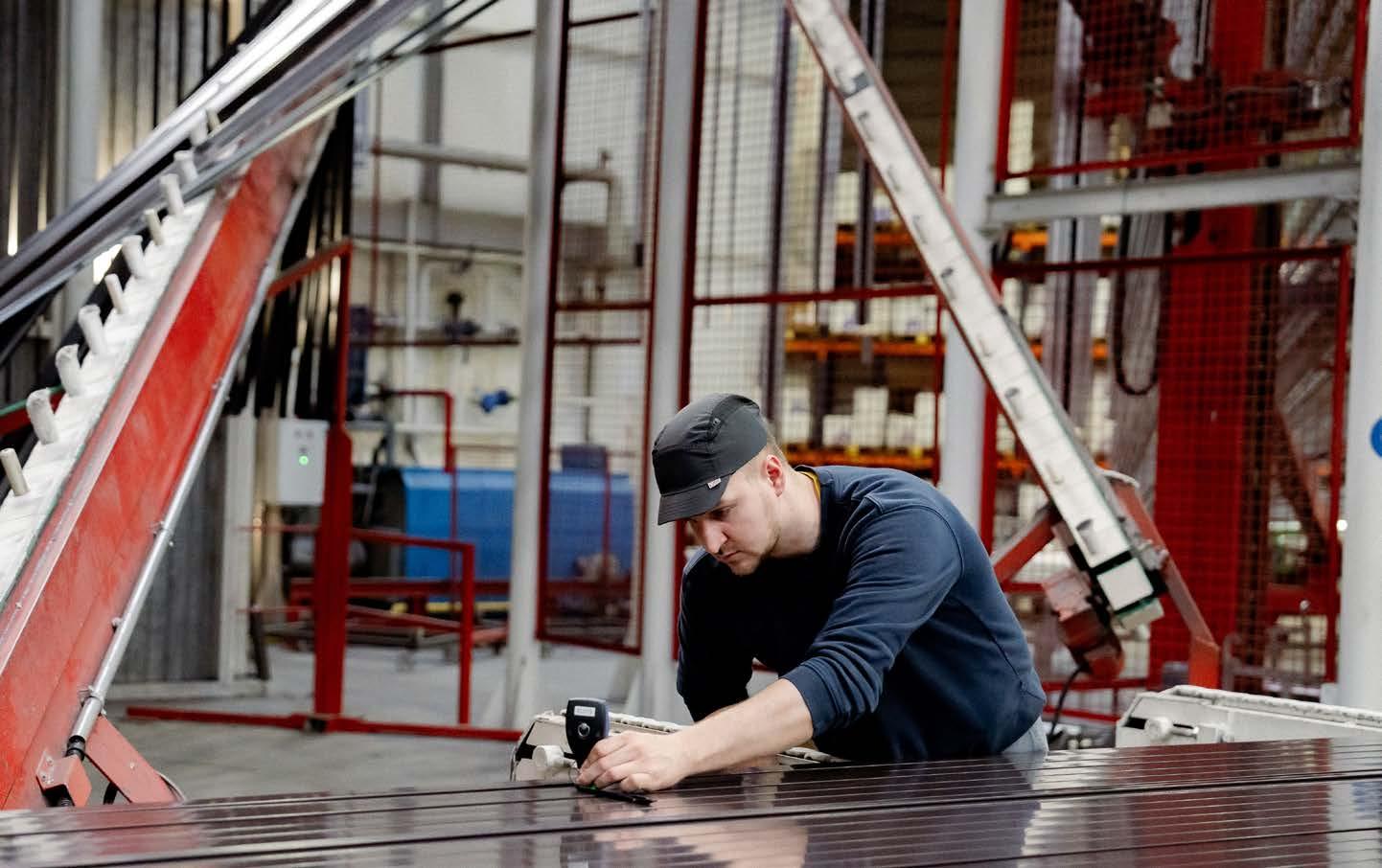
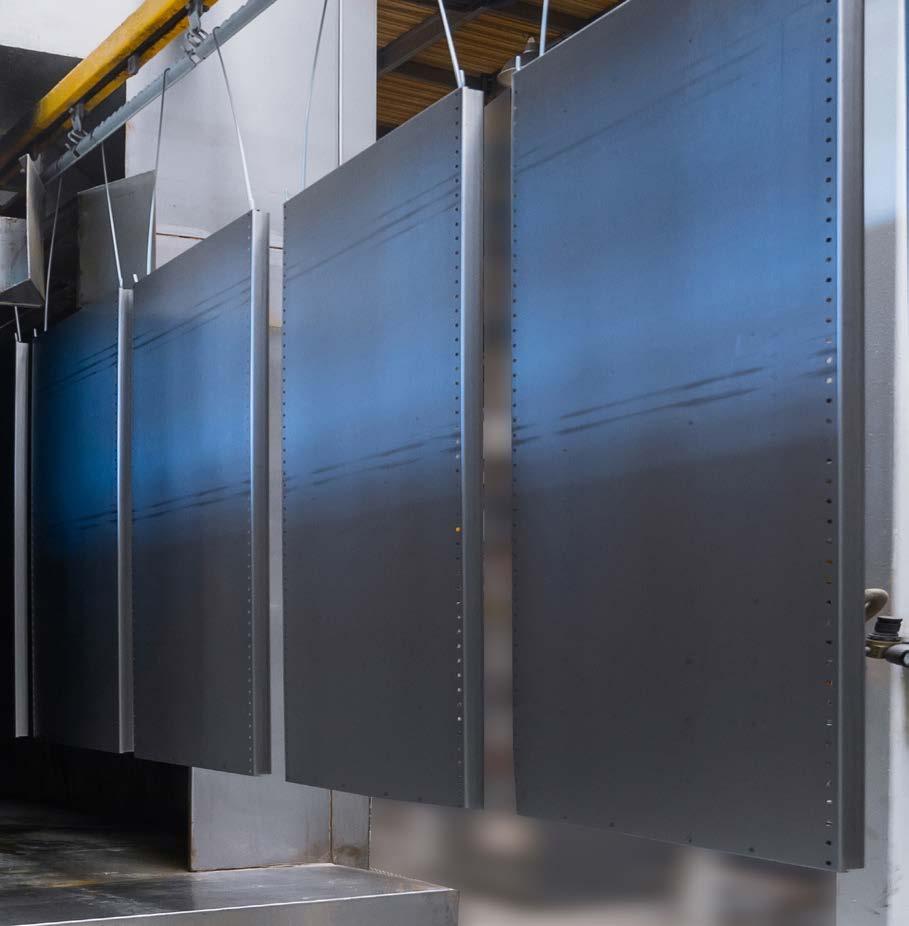
A new liquid + powder coating plant for maximum production flexibility and quality consistency
Ilaria Paolomelo, ipcm®
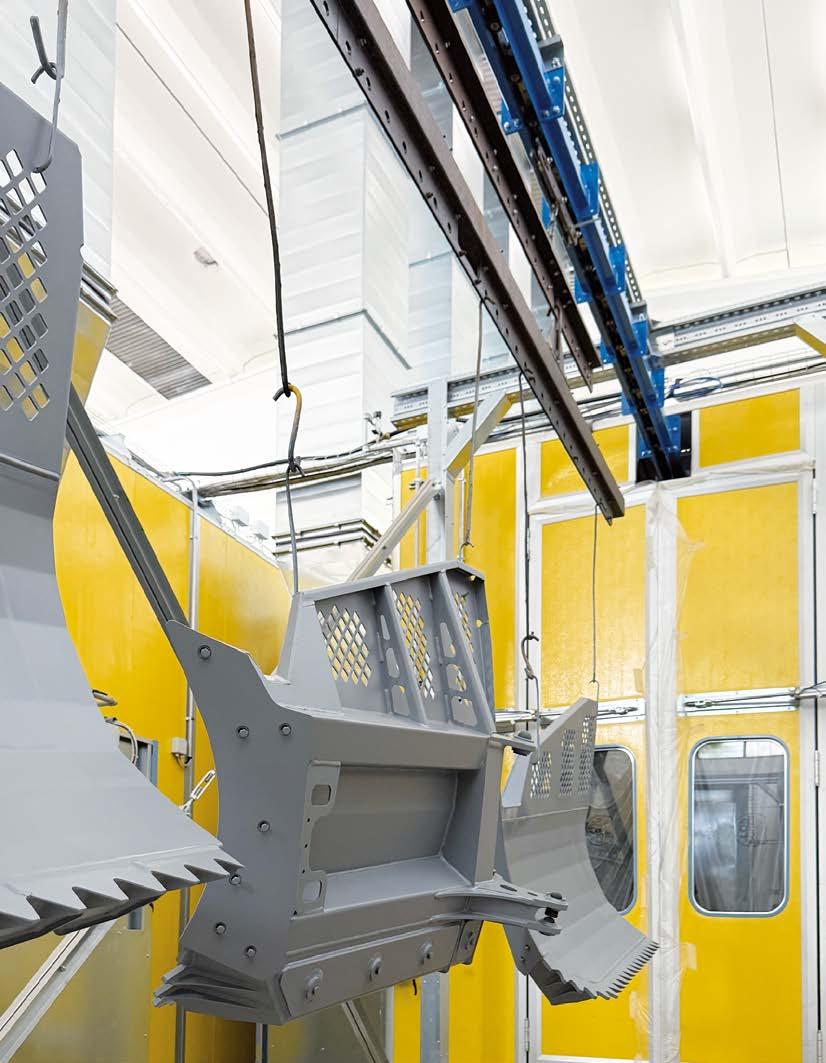
With over 25 years of experience, Abate Roberto & C. (Brescia, Italy) has established itself as a leader in contract sandblasting, industrial liquid and powder coating, and metallising. To further strengthen its competitiveness, it has recently invested in a new plant designed by Linea Eco Air, capable of efficiently and flexibly managing both painting processes.
Behind every surface treatment carried out to the highest standards lie solid expertise, efficient machinery, and a clear vision. It was on these bases that Abate Roberto & C., now a benchmark company for contract sandblasting and coating work, was founded over 25 years ago in Lonato del Garda (Brescia, Italy). Indeed, it was established in 1979 by Roberto Abate, who, after gaining extensive experience in metalworking, chose to embark on a new path by specialising in a service that was still relatively unknown at the time: contract sandblasting. “I started out as a metalworker, then I was faced with a choice: to continue providing repair services for the agricultural sector or to focus on something more innovative, like sandblasting. I chose the second option, and afterwards, adding coating services came natural and strategic,” says founder Roberto Abate.
With foresight and determination, over the years the company has progressively expanded its services: sandblasting was integrated with liquid coating and zinc metallization treatment, marked by the opening of a first dedicated facility. This initial expansion
paved the way for the purchase of a second site, which was immediately equipped with its first powder coating plant. Recently, this had been replaced by a new one supplied by Linea Eco Air (Sona, Verona, Italy), a company specialising in the design and implementation of industrial coating systems. Today, Abate Roberto & C. is run by the family’s second generation and operates in two separate sites located a few kilometres apart: one for sandblasting, metallising, and liquid painting operations and one that houses the new plant combining liquid and powder coating.
The new liquid + powder coating line
The new system, which began operating in March 2025, was designed to ensure maximum flexibility and quickly adapt to different types of processes, ranging from the industrial to the agricultural sector. “With this plant, we can coat components weighing up to 1000 kg, with dimensions of up to 5 metres in length, 1.20 metres in width, and 2.50 metres in height. For liquid painting operations, we also have a static station handling products up to 9 metres long,” explains Sandro Abate, who now runs the company together with his sister Manuela. The components, whether intended for a powder or liquid cycle, are loaded manually onto a monorail conveyor supplied by SE.PO. (Olginate, Lecco, Italy) and taken to the pre-treatment tunnel. This performs a
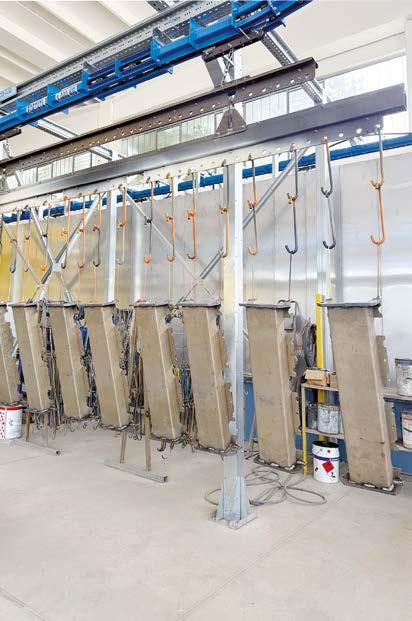
phosphating and degreasing phase and 2 rinses with mains water. “This tunnel – the same for both cycles – was designed in an innovative way,” emphasises Gianfranco Soliani, the owner of Linea Eco Air. “The last tank, which performs the second rinse, is equipped with a gate that can be opened to allow heat from the drying oven to enter early, thus activating an initial drying effect inside the tunnel itself. This configuration has enabled us to save valuable metres in the plant layout and meet Abate’s need for a compact system that takes up as little space as possible within the factory.” The components then pass through the drying oven, a compressed air blow-off station to remove any water residue that may remain on products with more complex geometries, and a special masking station dedicated to protecting parts that are not to be finished. The finishing cycles differ in the subsequent phase. The parts requiring liquid painting pass through a first booth where the operator manually applies an acrylic epoxy primer. This is followed by a flash-off phase and the application of the top coat or, depending on requirements, an additional coat of primer in a second booth. The components to be powder-coated are sent to a dedicated booth.
Finally, the parts coated with both processes converge in a single baking/ curing oven, designed to operate at different temperatures depending on the type of paint applied.
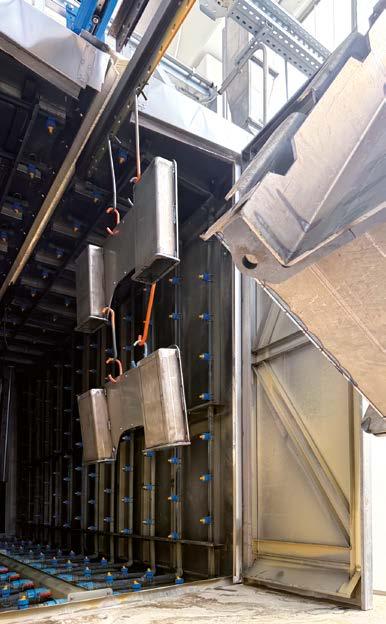
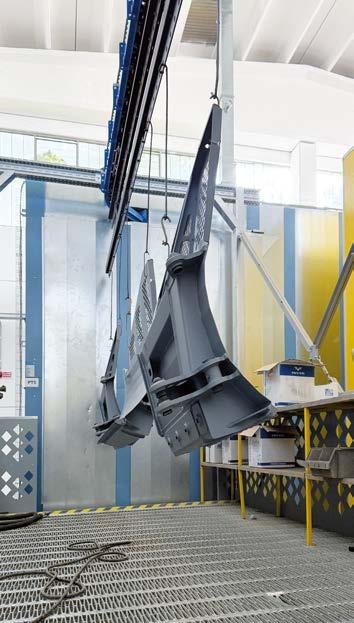
From left to right: The loading phase, components entering the pre-treatment tunnel, and the blow-off and masking area.
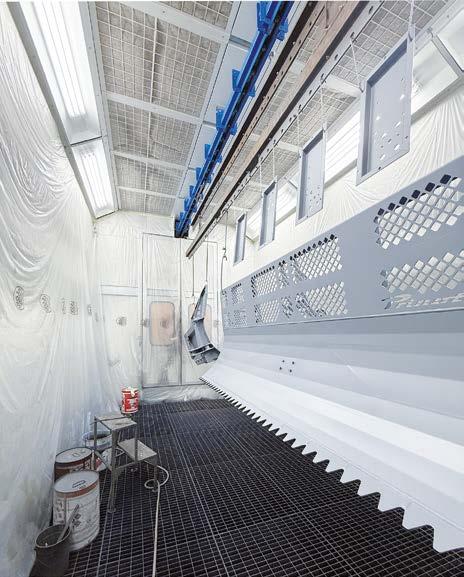
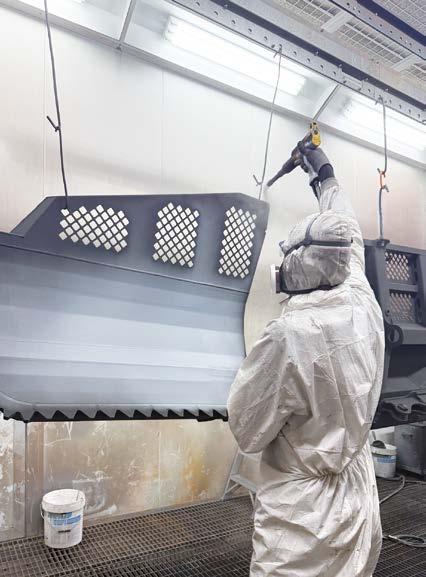
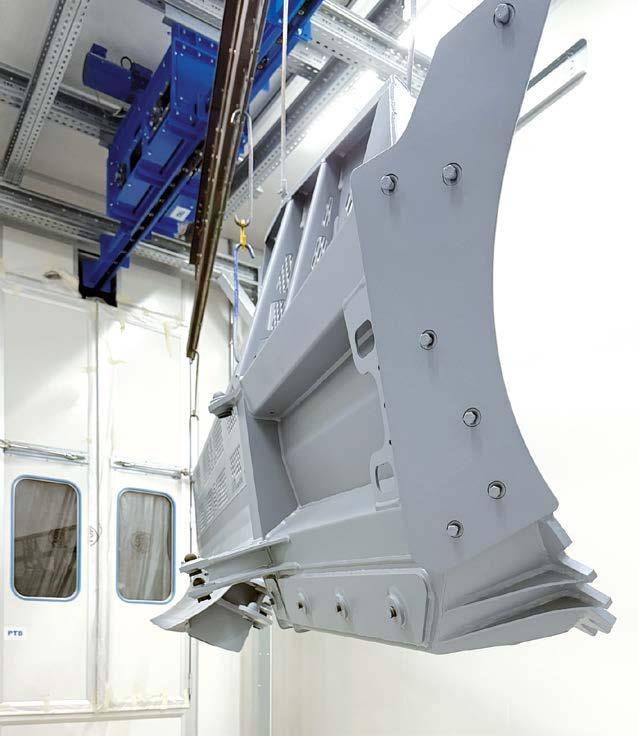
This first booth devoted to the liquid painting cycle applies the primer.
In the second booth devoted to the liquid painting cycle, the operator can apply a top coat or an additional coat of primer, depending on requirements.
The cycle concludes with the products passing through a forced cooling module, which comes into operation as needed to rapidly lower their temperature and speed up unloading.
The heart of the system: the SE.PO. conveyor
A strategic element of the entire system is the stop-and-go monorail conveyor supplied by SE.PO. The system moves forward approximately every 20 minutes (the interval can be adjusted depending on the type of component to be painted).
Two operating modes are available for part loading: the conveyor’s fixed load bars and a system based on mobile load bars supplied by Linea Eco Air, which is more efficient for large batches of very small components; these bars can be set up in advance on special trolleys and then be hooked onto the line’s fixed ones. “This solution optimises our loading times,” explains Roberto Abate.
“When working with large quantities of small metal parts, the hanging and unloading operations would take a very long time. With these off-line mobile load bars, we can prepare everything beforehand, and during the downtime between one stop-and-go step and the next, we can quickly unhook an empty load bar and replace it with one that is ready. In just a few minutes, the line is up and running again without wasting any time.”
The conveyor was also designed to enhance the efficiency of the pre-treatment process: each load bar can move longitudinally
Photo below: The storage buffer.
by 40 cm, allowing for more thorough cleaning of the parts without requiring the movement of the spray bars. As for the painting stages, the components first pass through the primer application booth, stop in the flash-off stations, and then enter the second booth for the application of the top coat or an additional coat of primer: approximately 20 minutes between each stop-and-go step translates into a total flash-off time of about 40 minutes, which is ideal for ensuring optimal adhesion between the different layers of paint. Finally, the stop-and-go operation means the components dwell for 1 hour and 20 minutes (i.e. 5 stop-and-go cycles) in the baking/curing oven. In the 4 stop-and-go cycles after exiting the oven and before being unloaded, the components have time to cool naturally. Forced cooling is only activated for particularly heavy or large parts.
A sturdy supporting structure thanks to aluminium
Like most of the systems manufactured by Linea Eco Air, this line’s supporting structure stands out for its innovative use of aluminium and the almost total absence of welds. “96-97% of the structure is made of pre-drilled, cut, and screwed components without any welding. This ensures greater resistance to corrosion, ease of assembly, and
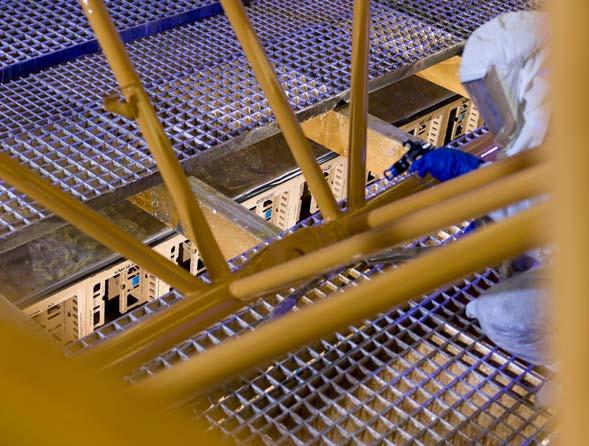
considerable lightness,” emphasises Soliani. The booths are made of aluminium panels. The ovens, which are designed to reach and maintain temperatures of up to 200 °C, have large fans positioned at the bottom to promote uniform and optimised heat distribution. Every system component was designed to minimise energy waste and reduce space requirements.
A strategic choice: why combine liquid and powder coating?
The decision to build a plant capable of integrating powder coating with liquid painting was driven by specific production requirements.
“When we requested a new line from Linea Eco Air,” says Sandro Abate, “we had a concrete need: increasing our speed of response to requests for liquid painting of agricultural axles. The plant at our first site was no longer able to guarantee competitive times. This led to the decision to install a second system to replace the obsolete powder coating machine at this site.”
The integration of the two technologies has not only made the process more agile and adaptable to production peaks but also saved space
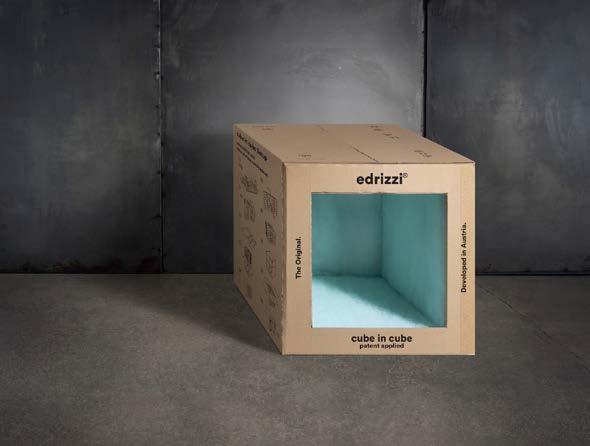
The latest development: The cube-in-cube filter was developed for quickdrying or dusty overspray. It impresses with a minimal initial pressure difference (10 PA) and is therefore particularly energy-efficient. The cube in cube integrates seamlessly into the modular edrizzi® system. The edrizzi® exclusive naffi® filter fleece out of 100% recycled polyester free of glass fibres can be handled without face masks, safety goggles or protective clothing.
The Original Paint Mist Separator System since 2003. www.edrizzi.com
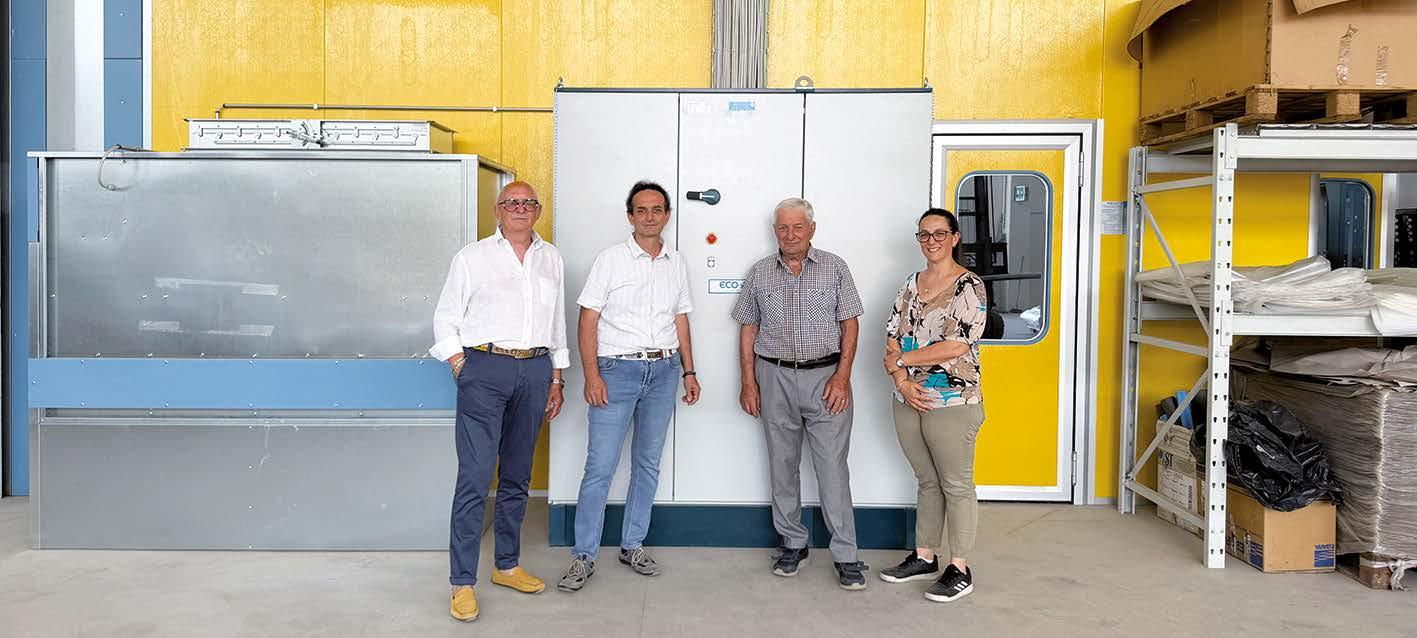
inside the factory hall. “Using the same pre-treatment tunnel and the same oven for both cycles is a significant competitive advantage. In addition, the new hall allowed us to design the plant without compromise, even leaving room for future expansion,” adds Sandro Abate.
Currently, the plant operates in ‘powder mode‘ for about 85-90% of the time, whereas liquid cycles are still managed mainly at the other site; however, the possibility to perform both treatments in the same plant gives the company considerable versatility, enabling it to meet a much wider range of market demands.
The plant’s benefits
“The decision to entrust Linea Eco Air with this task was the result of an extensive research and comparison activity during which we carefully assessed various solutions and potential partners. What made the difference was this company’s ability to meet the agreed delivery times, which was essential for us to keep our promise of reliability to our customers, who are at the heart of our business,” states Manuela Abate.
In terms of advantages, although the system has only been operational for a few months, the initial results are already beginning to emerge. “We are still monitoring consumption, but we can safely say that the energy savings achieved, especially during the baking phase, are concrete and significant.” Even more evident is the improvement in finishing quality.
“With the old machine, it was challenging to control the oven temperature precisely, and this often compromised final results: colours such as
yellows, oranges, and whites tended to change due to overheating, forcing us to repaint the components with a considerable waste of time, paint, and resources. Today, with the new system, we have overcome this problem, as temperatures are now constant and precise, and the results always meet expectations. Finally, the new extraction system and the fact that the application booths are pressurised ensure a clean and healthy work environment, which has contributed to improving the well-being of our operators.”
Gianfranco Soliani, the owner of Linea Eco Air, together with Roberto Abate and his children, Sandro and Manuela.
CUSTOMIZED SOLUTIONS
CIRCULAR ECONOMY & GREEN APPROACH
ECO-FRIENDLY CHEMICALS

CHEMTEC’S technologies are designed to have a very limited environmental impact, to reduce consumption of resources and for a greater operational simplicity.
CHEMTEC develops customized solutions that aim to maximize the customer’s satisfaction.
NANOTECHNOLOGICAL CONVERSION COATING
WATER PURIFICATION AND RECIRCULATION
ONE STEP METAL PRETREATMENT
PAINT STRIPPERS
DISCOVER MORE ON WWW.CHEMTEC.IT
In just 160 m², a powder coating line with an IR RHT tunnel for sheet metal 3D products
Alessia Venturi, ipcm®
Over the last decade, metal’s role in interior design has solidified: the sophisticated finishes (glossy, brushed, satin, and coated) that can be applied to it make it perfect for styles ranging from modern to industrial. Cassetto Srl (Lugnacco, Turin, Italy), with its Chy Metal Valley brand, has transformed this potential into applied art through an advanced production process. At the beginning of 2025, it installed a second compact coating line from LEM Impianti, featuring an IR tunnel with RHT panels from Infragas, to optimise performance, cycle times, and consumption, even in a space of just 160 m².
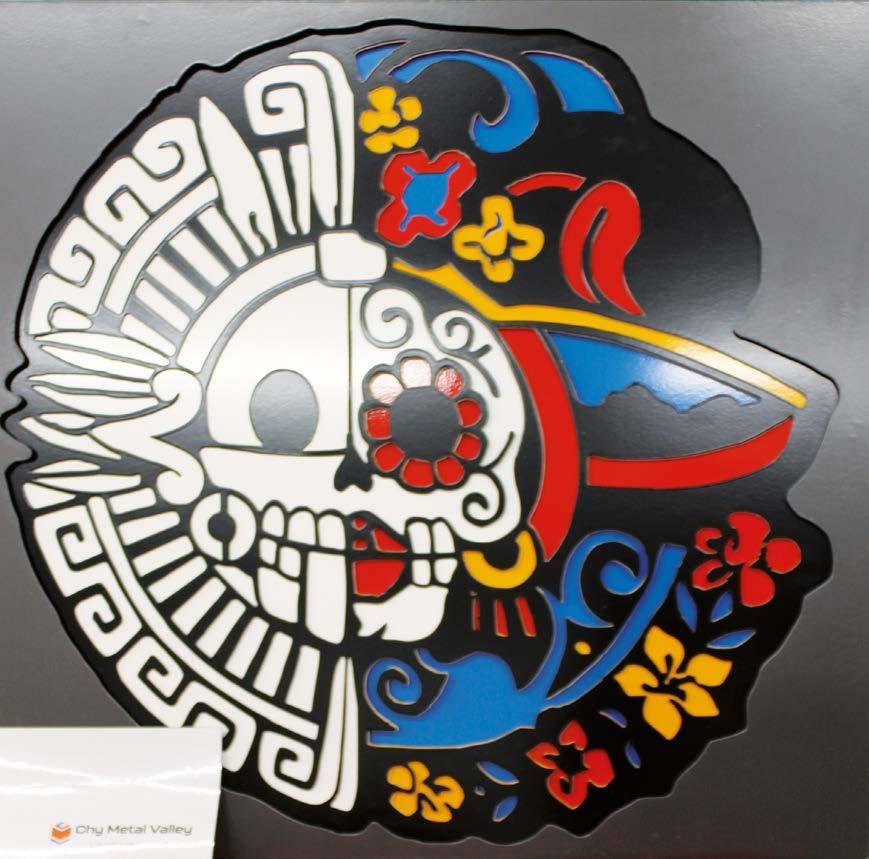
The timelessness and adaptability of metal, along with its aesthetic, functional, and sustainable advantages, have made it a standout in interior design over the last decade. Metal is a versatile element that can be used in endless different ways, adding a touch of modernity, elegance, or an industrial feel, depending on the chosen style of décor. In addition to being durable and sustainable due to its high recyclability rate, its aesthetic versatility makes it the ideal choice for a wide range of styles, even when combined with other materials such as fabrics, wood, and natural stone. Metal can be polished, brushed, satin-finished, or painted to achieve different results. And its reflective surfaces can play with light, giving rise to various effects and reflections.
For all these reasons, a generation of metal decorative products for interiors is emerging in addition to classic furnishing accessories. This includes not only traditional mirrors and vases but also paintings and works of art that can be placed in various environments, enabling the creation of unique and trendy spaces. As with industrial parts, it is the finish that elevates these commercial and furnishing products, making them unique, customisable, and giving them a decisive detail that ensures their success on the market. At the same time, it is through knowledge of finishing processes and their potential that new product ideas are
METAL ART by Chy Metal Valley reproduces original paintings onto metal with a powerful 3D effect.
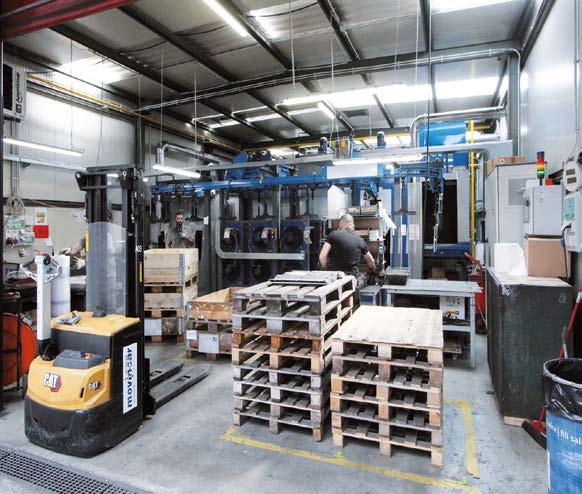
born, capable of capturing the attention of distracted or overstimulated consumers.
The idea of reproducing portraits, photographs, and works of art by engraving, superimposing, and coating metal sheets to create contemporary paintings came to Gianfranco Calabrese, Plant Director at Cassetto Srl (Lugnacco, Turin), a company that started out as a small workshop producing frames for galvanising plants and then became a specialist in metalworking and sheet metal processing for the ACE sector.
“By launching the Chy Metal Valley brand – its name recalls the territorial roots of our firm, which is located in Val di Chy, a municipality that brings together three villages in the Chiusella Valley – I wanted to give new life to metal and its processing operations,” says Calabrese. “We have already participated in several photography exhibitions with our products, and we are establishing partnerships with well-known sports personalities to promote our sheet metal portraits and 3D reproductions. It goes without saying that adding the production of these decorative items to our already demanding metalworking business, which serves some of the world’s leading brands in the ACE sector, has increased our coating requirements. That is why, at the beginning of 2025, we started up a new line as part of a broader programme to revamp and upgrade our entire department.”
Faithful to the two-coat powder system it has chosen to ensure the best performance in terms of resistance and aesthetics for its products, Cassetto once again turned to Infragas (Mappano, Turin) to install a powder gelling tunnel between the new line’s primer and top coat application booths, so that the components only need to be subjected to final curing, with significant savings in energy, costs, and cycle times.
Unlike the previous investment, already documented by ipcm® in 20211, Cassetto opted for high-temperature radiators instead of catalytic technology. The design challenge for this second coating plant, however, was space-related: the area available for installation was only 160 m2, including a 4-m loading and unloading bay. The task was taken on by LEM Impianti (Carate Brianza, Monza e Brianza, Italy), which supplied an ultracompact system, manufacturing most of the components to measure and collaborating with Infragas to create a powerful, efficient, and fast IR tunnel.”
From the Chiusella Valley to homes worldwide
No longer solely focused on industrial components, Chy Metal Valley is reinventing metal through three key factors: design, creativity, and customisation. Using cutting-edge materials and advanced transformation and finishing processes, Cassetto has created collections of furnishing accessories that reproduce works of art or photographs on sheet metal with millimetric precision.
It already has three product lines conceived to be part of consumers’ everyday lives: DESIGN, which includes everyday objects such as trays, fruit bowls, and bottle holders; METAL ART, which reproduces original paintings; and CUSTOM PORTRAIT / YOURPET, for transferring photographs of people or pets onto metal with a powerful 3D effect that gives the portraits depth and realism.
1 A. Venturi, “How to Eliminate a Bottleneck in the Two-Coat Powder Finishing of Heavy Machine Parts: Cassetto’s Experience”, in ipcm® International Paint&Coating Magazine no. 72 (November/December 2021), pp. 52-56.
The very compact powder coating line supplied by LEM Impianti. A tray of the product line DESIGN, which includes everyday objects.
ipcm
ipcm
“The production process for our decorative objects starts with graphic design, which is essential for the digital modelling of metal sheets,” explains Andrea Spinelli, Purchasing Manager at Cassetto Srl. “This is followed by laser cutting to engrave every detail with extreme precision, ensuring flawless reproduction of the image. The products then undergo coating to give the sheet metal a durable and elegant finish. Finally, we perform the composition phase, superimposing and assembling the different levels of the image to achieve a 3D effect.”
The company’s technological evolution and the doubling of coating lines
“In 2021, we upgraded Cassetto’s core production process, namely sheet metal working,” says Spinelli, “by installing another fibre laser cutting
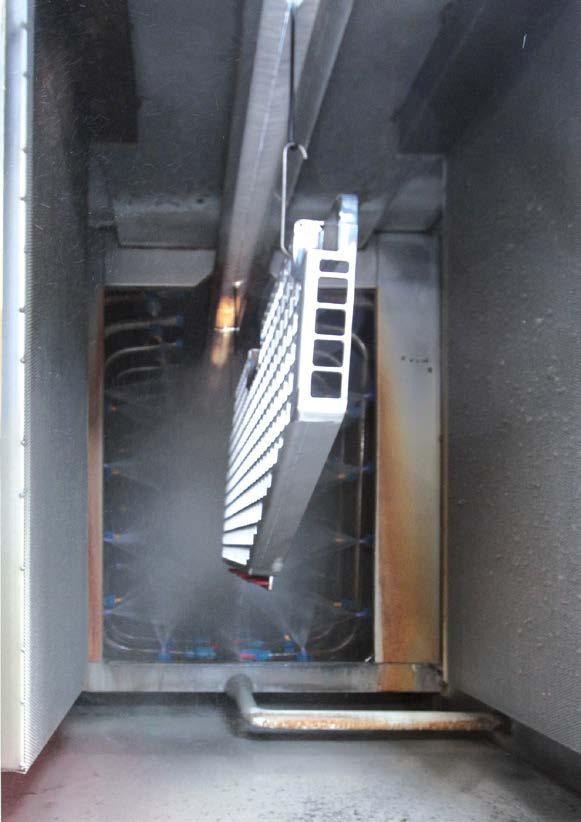
line with an automatic feeding tower, which brought the number of fibre laser systems in our metalworking department to two (a 3,000-watt one and a 6,000-watt one); both are connected to a feeding tower that allows them to work unattended for 48 to 72 hours, depending on the processed material. Between the end of 2023 and the beginning of 2024, our coating division also underwent a major transformation to cope with the increase in production volumes in the post-pandemic period. Over the last four years, this division has consistently worked in three shifts, including Saturday mornings and public holidays. Production volumes have now returned to normal, but demand for coated material remains extremely high – partly due to the launch of our Chy Metal Valley brand. Therefore, to avoid having to rely on contractors in urgent cases, Cassetto’s owners decided to invest in a second coating line,” Spinelli explains.
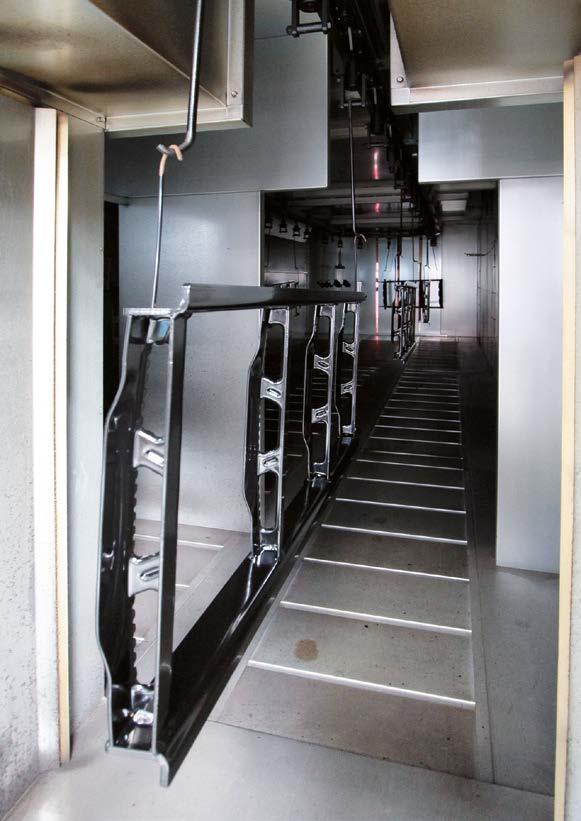
Pieces entering the 3-stages pre-treatment tunnel.
The oven has a single chamber divided into two zones, curing in the first section and drying in the second
“The existing powder coating plant, which was the subject of the previous article, was renovated by replacing the conveyor track and the electrical control cabinet. At the same time, we installed a second plant, which also applies two-coat powder systems with an intermediate gelling phase using infrared technology. Building on the experience gained with the previous plant – where Infragas, in collaboration with LEM Impianti, had designed an infrared catalytic tunnel with Infracat panels – we turned to them again for the design of the new gelling tunnel, this time incorporating radiant heat technology (RHT) burners. Besides that, the new plant’s coating process is an exact replica of the previous one, including powder primer and top coat application and final curing, all in one pass. We only had one problem: the space available to install it.”
A complete line, including an IR tunnel, in just 160 m2
The need for plant investments sometimes clashes with the reality of a company’s floor space, which is not always suitable or ready to accommodate new machines, nor can it be expanded at will. “The only way to install a new coating line was to convert an old 8x20 m receiving and shipping warehouse located in a mini single-span hall,” illustrates
Andrea Spinelli. “This space had to include a complete three-stage pretreatment line, two powder application booths, an IR tunnel, and a drying and curing oven for parts with a length of up to 1.8 m. We found the right partner in LEM Impianti, with whom we carried out an in-depth study of the space and a series of renderings to assess the actual footprint for each of the machines that would make up the line.” Another requirement, which further complicated the project, was for a loading/unloading area of at least 4 m, which reduced the actual space for the plant to 8x16 m.” “We supplied Cassetto with a three-stage tunnel with an osmosis system for the final rinse, as this solution takes up less space than a traditional demineraliser,” says Paolo Sala from LEM Impianti. “The custom-built booths are made of the latest generation of plastic material. We placed the final dust filters outside the building, one on each side, along with the exhaust pipes and the ATEX-compliant firefighting system, complete with a closing barrier. Under the filters, we positioned a silo with big bags for collecting fine paint particles. The cyclones were also built to fit the space Cassetto had available for the new line. The application booths were equipped with our powder centre, also custom-made to fit into a small space, and nozzles of our own design.”

From left to right:
All components of the powder coating line were made to measure to fit the very small space provided by Cassetto Srl for its installation.
The powerful IR gelling tunnel equipped with RHT panels by Infragas is positioned between the two application booths.
The majority of Cassetto’s production is coated with a two-layer powder system (primer + topcoat).
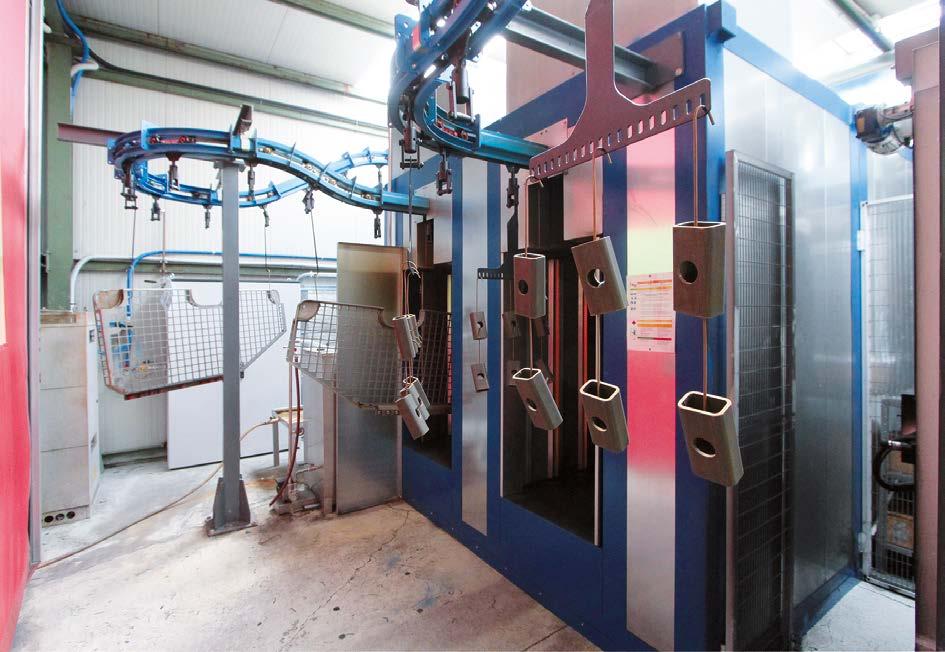
“The oven has a single chamber divided into two zones (performing curing in the first section and drying in the second); its high hot air flow rate ensures a maximum dwelling time of 15-20 minutes at 180 °C, even for workpieces that do not undergo IR gelling because they are painted with a one-coat system. Inside the curing section, the parts follow a U-shaped path keeping them in the oven for the necessary time,” continues Paolo Sala from LEM. “We have installed air curtains at both the inlet and outlet areas to contain the heat inside the oven, which is very large. Finally, the section devoted to drying after pre-treatment is closed with metal walls to retain more heat in the curing one.”
Switching from catalytic to RHT panels: the reasons behind this choice
“The requirements for the intermediate gelling phase were roughly the same as for the previous line,” comments Andrea Spinelli. “The coating products applied are the same because we only use industrial polyester powders included in specifications, and having over 80 colours in stock, we employ them for Chy Metal Valley products as well. The thicknesses applied are also essentially the same, ranging from 0.8 to 30 mm on welded and coupled mechanical parts. Although these process variables had remained unchanged, however, we decided to move from infrared
catalytic technology to high-temperature burners based on an in-depth study conducted by Infragas’ laboratory through various gelling tests at different chain speeds. The results with RHT technology have been extraordinary. Just think, we achieved complete curing on a 15-mm plate painted in CAT yellow, as tested with an adequate cross-cut test, with only infrared radiation simply by increasing the power of the radiant panels!”
“Radiant high temperature technology uses short-wave infrared to provide radiation with a power density ten times higher than mediumlong wave infrared, used in catalytic infrared technology. The great advantage of RHT units is that, having a sintered metal fibre on the front, they can reach a temperature of 1,000 °C with a power of approximately 200 kW/m2, compared with 20-30 kW for catalytic infrared,” explains Francesca Marabotti, business development & marketing manager at Infragas.
“They are the most powerful product in the Infragas infrared range, developed a dozen years ago because the industrial world lacked shortwave coverage in the infrared spectrum. RHT technology meets the needs of customers with very short cycle times, very high chain speeds, or the ability to treat large volumes with significant thicknesses, such as in the case of components for the ACE sector, which can reach up to 3
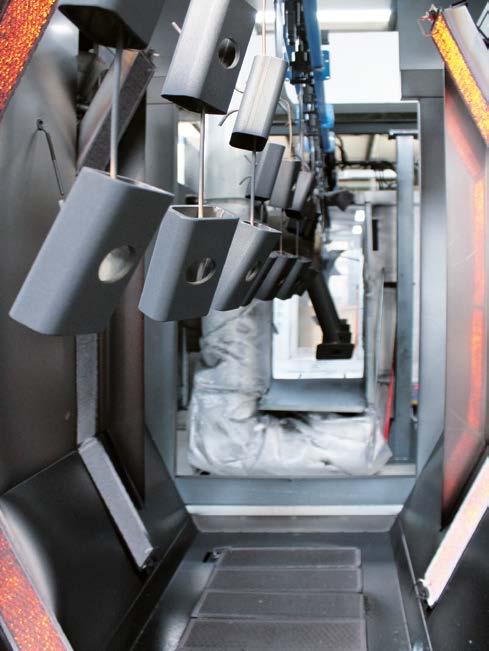
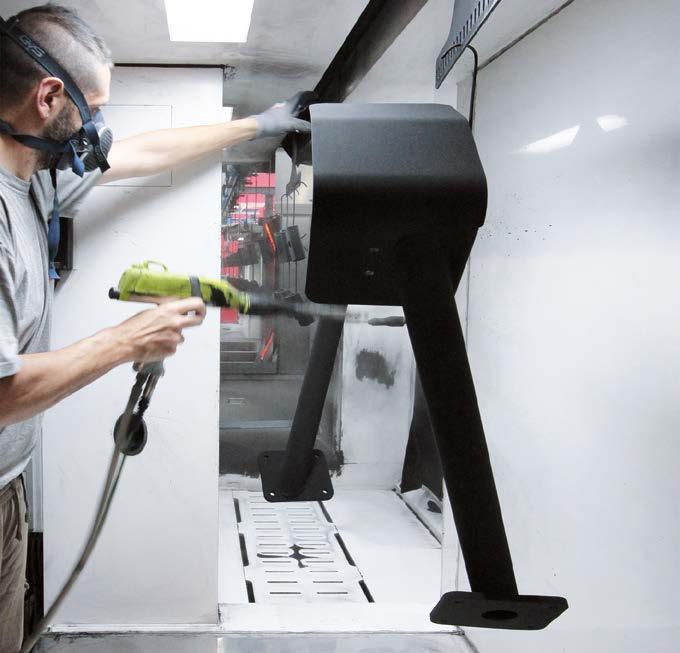
Infragas RHT - Radiant High Temperature
Pre-mixed air/gas short-wave infrared burners
Solutions selected for Cassetto: . 4 x RHT 4C and . 1 x RHT 8L
Total installed power: 240 kW max. – 120 kW min.
NG consumption with all panels on: 24.0 m3/h max. – 12.0 m3/h min.
The IR oven supplied to Cassetto is partitioned, meaning each RHT burner is independent and can be managed via a PLC for both on/off and power adjustment. The end user can choose which burner to turn on and at what power for each production batch, resulting in obvious energy savings. In the case analysed in this report, where only 2 RHT 4C burners were switched on, that corresponded to 80 kW of installed power, used at 60% of capacity, resulting in a consumption of 4.8 m³/h of natural gas.
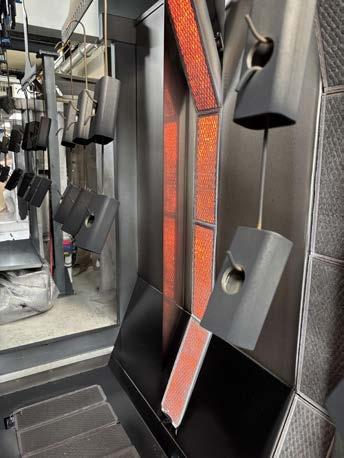
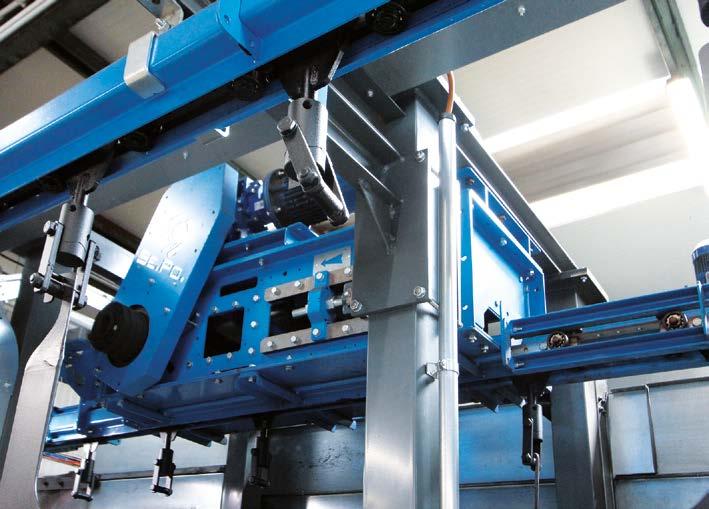
cm in thickness and have challenging aesthetic specifications in terms of film uniformity and distension. By focusing only on the organic part, i.e. the powder coating, without heating the mass of a heavy piece, RHT provides the ideal response.
“It goes without saying that RHT panels can be used in applications where gentle radiation on the components is not required, but rather a high power density, as is typically the case with super-compact and high-speed lines. At Cassetto’s premises, for example, we installed four vertical panels and one floor panel. In a two-coat application cycle for components up to 6 mm thick, the company uses only two vertical panels opposite each other at 8% of power, with a chain speed of 0,5 m/min.”
“Another significant difference between a catalytic IR panel and an RHT panel is immediate ignition,” adds Francesca Marabotti, “because the electrode produces an initial spark that causes the panels to ignite instantly. Within 20 seconds (the pre-cleaning time required by the Machinery Directive), the system is on and immediately up to speed. In the case of the system supplied to Cassetto, this operational immediacy allows us to reduce the size of the gelling tunnel: as mentioned, RHT is the ideal technology for systems with space constraints. Compared to catalytic panels, consumption does not differ too much: while it is true that RHT burners have a significant gas flow rate, we can, however, modulate it, there’s no energy waste during on/off phases, and the process times are extremely fast.”
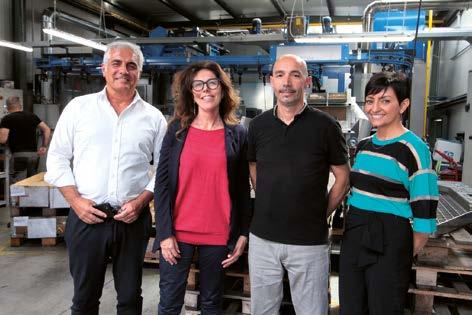
RHT is still the future
“Our initial requirement for Infragas was to provide a system that was very fast, very effective, capable of emitting heat that was well absorbed by treated parts, and unaffected by frequent stop-and-go cycles,” concludes Andrea Spinelli. “It definitely hit the target with its RHT burners, to such an extent that in the near future, I would also like to convert our first gelling tunnel’s infrared catalytic panels to RHT ones. Indeed, in the revamping we carried out on our first coating line in January 2025, we replaced the electrical control cabinet with a new generation one equipped with a touch screen and, above all, already designed to access and control RHT units.”
A detail of the monorail conveyors supplied by SEPO.
From left to right: Michele Di Mauro and Francesca Marabotti from Infragas, Andrea Spinelli from Cassetto and Alessia Venturi from ipcm®
Magnify your efficiency with our automation solutions

Since it was founded in 1988, HUBO Automation has always focused the attention to the market needs and to the technological evolution. This allowed the company to establish itself as a leader for the industrial automation and painting. Thanks to the experience of the technical staff and to the continuous investment in new technologies, HUBO is able to satisfy dynamically the requests of a wide range of industries.
HUBO core business is the painting division. The wide range of automation solutions fully meets any need of automatic painting; in addition, the combination of special systems can satisfy particular requests and can guarantee a flexible and reliable painting system from all points of view.

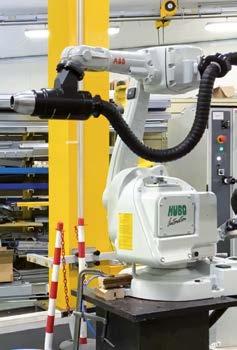
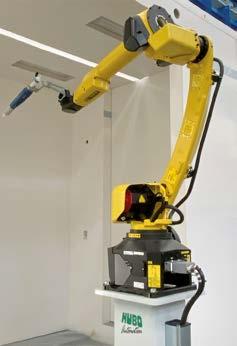
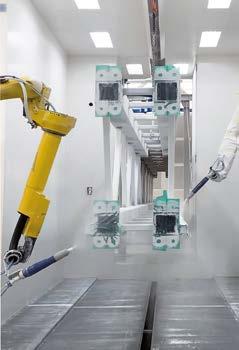
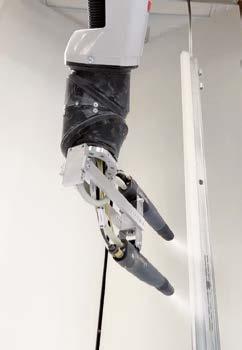
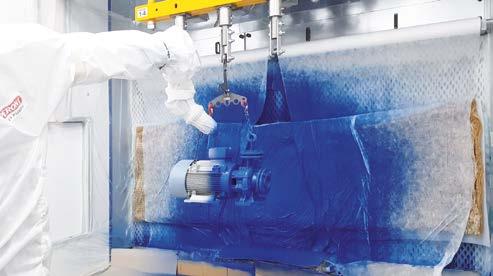
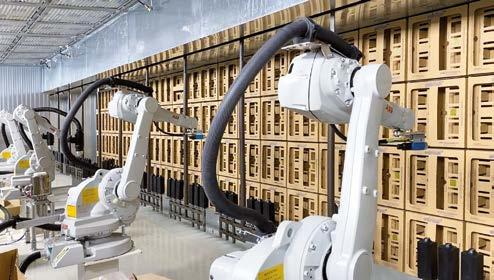
ROAD TO 2050
Future-proof chemical pre-treatment process for vertical powder coating lines
Edited by AD International Heijningen, The Netherlands contact@adinternationalbv.com
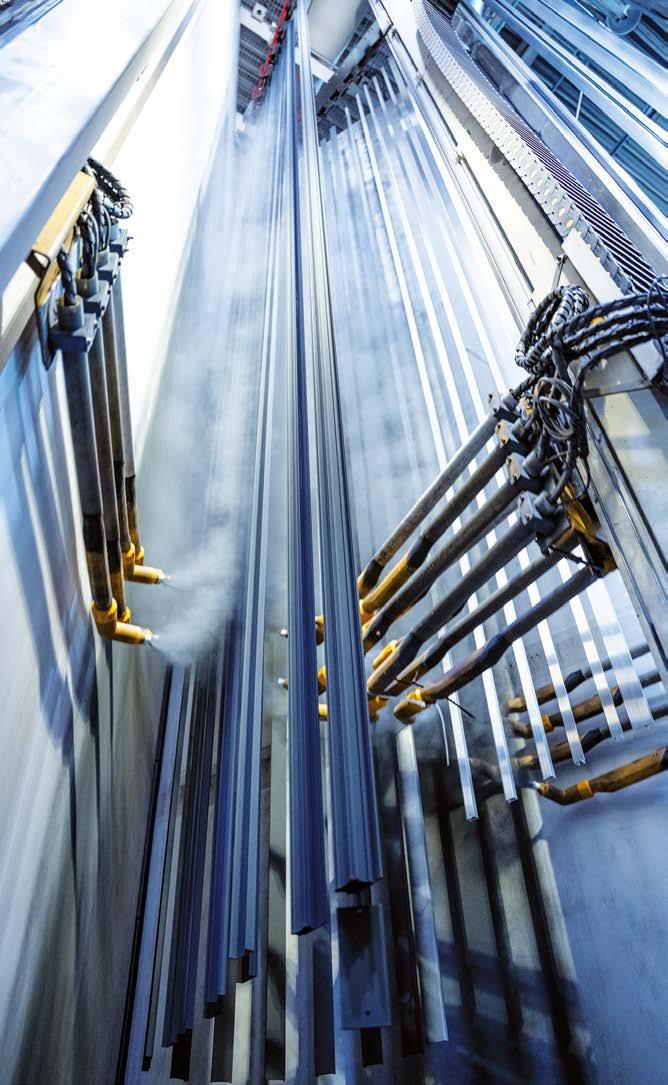
In response to the European Green Deal and the EU’s evolving construction and chemical strategies, AD International and Corialis Group partnered to reduce the environmental footprint of aluminium surface pre-treatment. Focusing on vertical powder coating lines at two certified production sites in Belgium and Portugal, the collaboration led to major savings in energy (up to 66.7%) and water (up to 87%), while maintaining top-tier coating performance. This case study demonstrates how supplier-manufacturer synergies can enable sustainable innovation and future-proof industrial processes in line with EU climate and circularity goals.
The European Green Deal and the ongoing energy crisis are having a major impact on the industry. This requires new approaches to the value chain, where each player has a role to play in reducing their environmental footprint. Collaboration and partnerships are essential to creating future-proof solutions. A key driver for change in the construction sector is the EU principle for construction and renovation towards 2030 and 2050 (climate neutral). These policies focus on energy efficiency, affordability, decarbonisation and integration of renewable energy, lifecycle analyses and circularity, the green and digital transition, high health and environmental standards, and respect for aesthetics and architectural quality.
Aluminium manufacturers are therefore looking for ways to meet these new EU standards for construction and renovation, for example by focusing on making products and production processes more sustainable. A second driver is the ‘chemical strategy of the EU’, which aims to better protect citizens and the environment and encourage innovation in safe and sustainable chemicals.
AD Chemicals is at the forefront of the market with chemical pretreatments that enable companies to reduce their carbon footprint. Key components of this strategy are energy saving, water conservation, reduction of chemical consumption and maintenance costs, while maintaining the highest quality in paint adhesion and corrosion protection.
AD joined forces with Corialis Group, a major player in the aluminium industry, to reduce the footprint of their production process. Together, they conducted an in-depth analysis of the chemical pre-treatment process of the vertical powder coating lines at two production sites (Aliplast Belgium N.V./S.A., Belgium and Lingote Alumínios S.A., Portugal). The production site in Belgium is Qualicoat Seaside certified and the site in Portugal is Qualimarine certified. This case study shows that when supplier and manufacturer intensify their collaboration, solutions are realised that significantly reduce the carbon footprint. This results in important steps being taken to future-proof the production process.
The project fits within Corialis’ sustainability strategy. Sustainability is central to Corialis’ business model, which is reflected in the product range, as well as in the procurement and production processes. Corialis’ strategy focuses on the following areas: recyclability, longevity, sustainability and good governance. This places Corialis in a strong position to meet the new EU standards for construction and renovation.
Analysis and comparison
The process analysis reveals several focus areas where the footprint can be significantly reduced compared to similar companies in the sector. The figures presented are based on actual performance within Corialis plants compared to other companies with a traditional process. Optimisations were carried out in the following areas: energy consumption and waste water usage (preparation for wastewater-free systems).
Energy saving
Many companies in industry still operate with heated process baths for their cleaning and pickling processes (around 50°C on average). Whether these process baths run on gas or electricity, they consume a lot of energy. New chemical technologies make it possible to significantly reduce the temperature of these process baths to 30–35°C. Energy savings
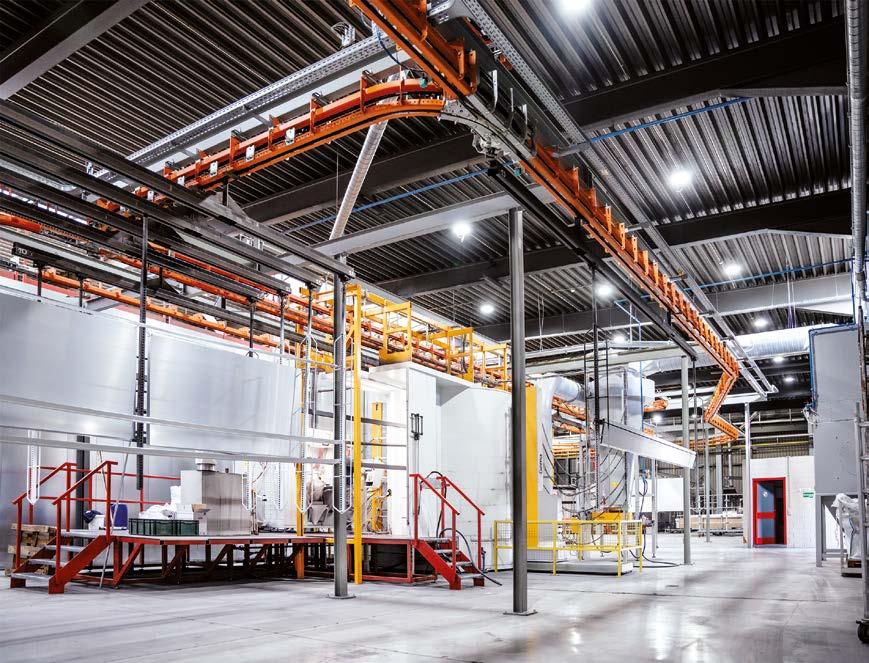
of up to approx. 66.7% can be achieved when using these lower temperatures.
Waste water saving
Due to a combination of pollution and overconsumption, droughts and water scarcity are no longer considered rare or extreme in Europe. About 20% of Europe’s land and 30% of its population are affected by water scarcity every year.
Water scarcity can be expected to be an even greater challenge in the coming years as the climate changes. Regions across Europe are seeing an increase in the frequency of droughts. Southern European areas in particular are expected to experience more water shortages over the next decade, with potentially disastrous consequences for industry1
1 EIT Food, 2023
This underlines the vital importance of water conservation. In traditional pre-treatment lines, the cleaning and pickling zones often cause negative effects, such as carry-over of chemicals to subsequent process steps and sludge formation in the baths. This leads to unnecessarily large wastewater volumes. AD’s chemical process has an optimised pickling process that significantly reduces waste water flows. At the Aliplast line in Belgium, which is Qualicoat Seaside certified, the cleaning and pickling steps are both acidic in nature, reducing the negative effects of carryover. Moreover, the entire waste water flow is more efficient, leading to additional savings on wastewater and fresh water. In Portugal, the pickling process has been optimised in line with the Qualimarine standard.
The challenge is to find the right balance between sufficient water flushing and minimal
Overview of the vertical powder coating line.
water consumption. A key element in this ‘sustainable water system’ is the recirculation of water streams in the process, a unique feature of the AD Chemicals process. An added advantage is that this process also reduces chemical consumption and enables energy and maintenance savings. How much water can be saved? As a benchmark, a cascade line with an output of 11,000 m² of aluminium per day can switch from an average water consumption of 4,000–5,000 litres per hour to 500–900 litres per hour. This results in an 87% reduction in water consumption, in turn reducing the ecological footprint and contributing to water availability in arid areas.
Quality
These optimisations represent important steps in making the pretreatment process more sustainable for vertical powder coating lines. The chemical pre-treatment process has proven to be stable through years of experience.
The improved cleaning and pickling process, followed by a chromium-free conversion layer, results in an aluminium surface ready for coating, with excellent paint adhesion and anti-corrosion properties. These properties exceed the standards of Qualicoat, GSB and Qualimarine.
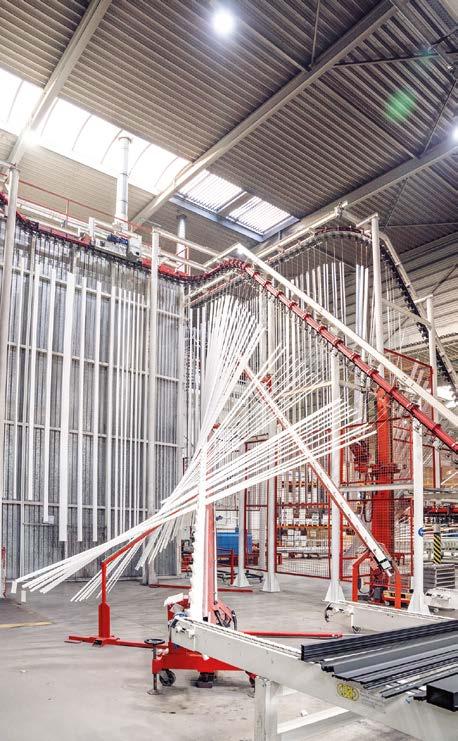
These labels require 1,008 hours of AASS, while AD and Corialis have shown that quality standards are still met even after 3,024 hours of AASS.
Next steps
In addition to the pre-treatment line optimisations discussed that reduce the carbon footprint, AD and Corialis are investigating further improvements. One theme is the possibility of recycling chemicals. This demonstrates both companies’ drive to innovate and highlights that when companies strive for continuous improvement, sustainability becomes achievable.
By reducing the footprint of the vertical pre-treatment line, AD and Corialis are contributing to a more sustainable construction value chain that meets increasingly stringent carbon requirements. This is crucial during the procurement phase, essential for maintaining competitiveness, and necessary to create long-term solutions that benefit society as a whole.
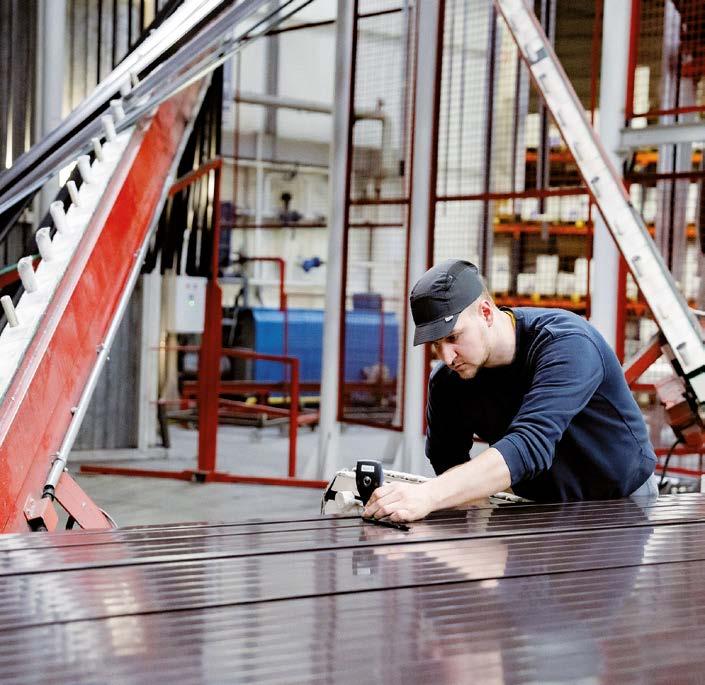

Another view of the vertical powder coating line and quality control of the powder coated aluminium profiles.
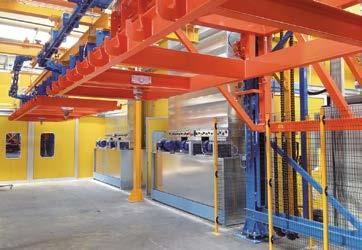
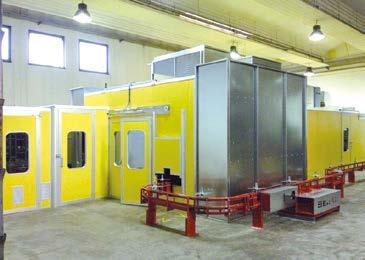
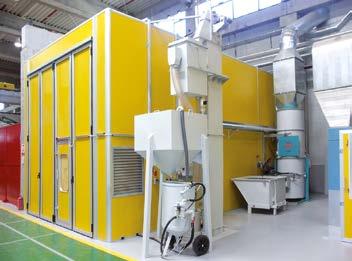
industrial coating plants impianti di verniciatura industriale
spray booths for car body shop cabine di spruzzatura per carrozzeria
sandblasting booths cabine di sabbiatura
all the load-bearing structures of our coating plants are realised in aluminium tutte le strutture portanti dei nostri impianti di verniciatura sono in alluminio
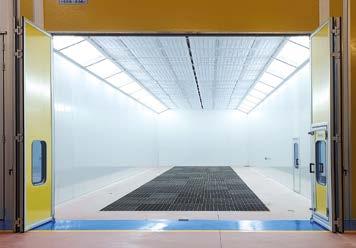
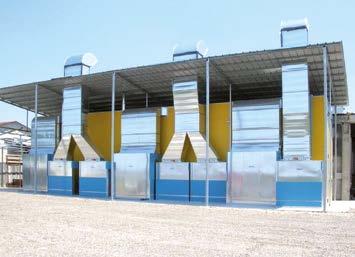
industrial coating booths cabine di verniciatura
YOU CAN SEE MORE THAN 1000 PHOTOS AND VIDEOS
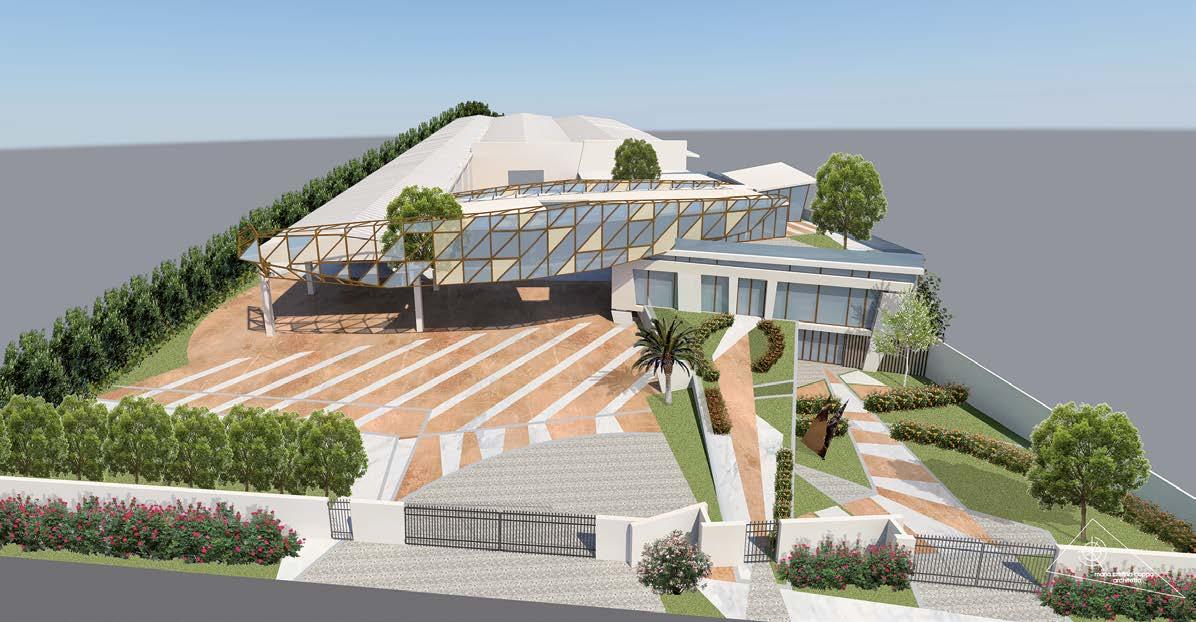
HIGHLIGHT OF THE MONTH
CONDOROIL CHEMICAL: large-scale investment to compete better in the European coil coating market
In 2024, CONDOROIL CHEMICAL made a significant industrial investment for the construction of a new production plant in Casale Litta (Varese, Italy), designed to increase significantly its coil coating paint production capacity tenfold. This strategic move was driven by the desire to strengthen its competitiveness in the European and Mediterranean markets, not only thanks to economies of scale but also through innovation, automation, and sustainability. In this interview, the company’s CEO, Marco Zavattoni, discusses its evolution, the decision to specialise in a high-potential market, and its future goals, including positioning itself as a global partner for all-round coil finishing.
Bigger does not always mean more competitive.
A company’s competitiveness, understood as its ability to offer better or more affordable products and services than its competitors, is not just a matter of low prices but also of productivity, quality, innovation, branding, and adaptability to change.
Competitiveness and economies of scale (i.e. the condition that occurs when the average cost per unit of a product decreases as the quantity produced increases) are two closely related concepts. Economies of scale increase competitiveness by lowering production costs, facilitating access to global markets, and allowing for greater investment in R&D, marketing, and digitalisation, thus further strengthening a business’s competitive advantage. However, to be truly effective and profitable, they must be balanced with agility, innovation, and the ability to respond quickly and efficiently to customer needs.
From an interview with Marco Zavattoni CONDOROIL CHEMICAL
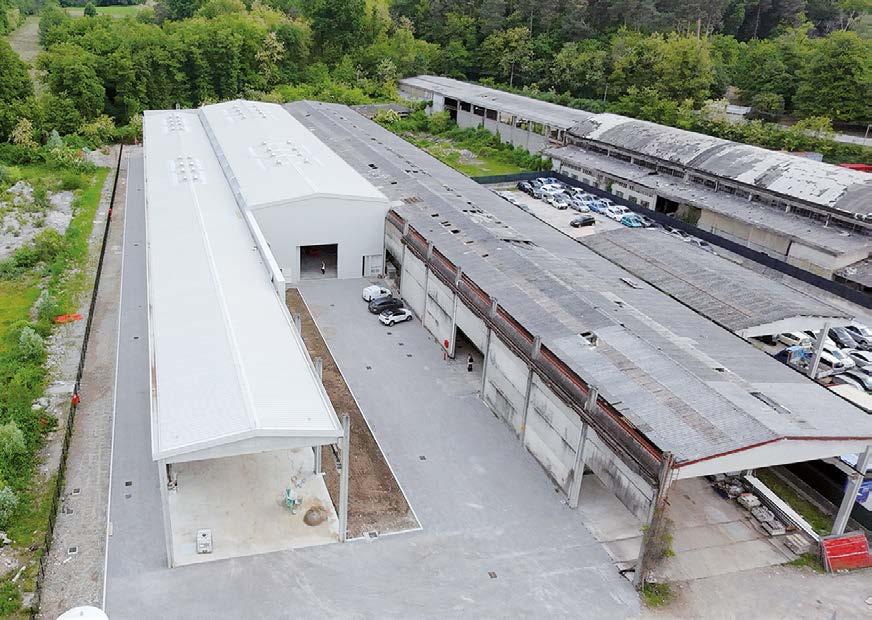
With these objectives in mind, CONDOROIL CHEMICAL (Casale Litta, Varese, Italy) decided to invest in a new site in 2024, well aware that further investment in the factory currently devoted to paint production, established in 2016, would not have led to significantly different volumes from the current ones, which stand at 2,500 tonnes. To this end, the company selected an old structure adjacent to its headquarters, which had been disused for over twenty years and was originally dedicated to the production of concrete slabs for prefabricated warehouses.
“We chose this site for several reasons, including its size (over 10,000 m2 , of which more than 6,000 are covered), its considerable internal height, its proximity to our offices, and last but not least, the fact that reclaiming a disused site is perfectly in line with CONDOROIL’s zero-overbuilding philosophy,” explains Marco Zavattoni. “During restoration works, we also began installing new machinery, some of which was purchased from a paint production plant near Venice that closed down. We now plan to
Rendering of the new CONDOROIL CHEMICAL production site in
Overview of the old facility adjacent to the company’s headquarters, chosen as the site for the new construction.
commission these new systems, continue with the relocation of those already operating at our current site, and become fully operational by the end of 2025.”
“The structure of the new production plant in its final configuration has been designed with the aim of combining production efficiency, advanced technology, and respect for the environment in line with Industry 4.0 principles. Considering that we will be producing a mix of batches with the same average size as the current ones, we expect to achieve a manufacturing capacity of 15,000 tonnes/year to serve a market that we estimate to be just over 300,000 tonnes/year, including Europe and the areas bordering the Mediterranean Sea. Of course, Italy, which alone consumes 35-40,000 tonnes/year of coil coating paints, will remain the primary market of interest for CONDOROIL CHEMICAL, as these products are highly affected by approval procedures, transport costs, and for some countries, competition from Asia.”
About CONDOROIL CHEMICAL
The CONDOROIL CHEMICAL division, devoted to the production of coil coating paints, was established in 2015 following Marco and Paola Zavattoni’s entrepreneurial decision to expand the range of solutions for the coil processing sector, where CONDOROIL was already present with its chemicals and lubricants, as well as through its subsidiary CONDOROIL STAINLESS, which specialises in recovery and regeneration technologies. Following a start-up phase that involved the construction of production facilities and laboratories, an initial period was spent defining formulations and obtaining approvals from the first customers. In 2016, CONDOROIL entered the market with its first deliveries of approximately 200 tonnes. Production has continued to increase, partly due to gradual investments made to meet demand, reaching nearly 2,500 tonnes of finished product in 2024.
From the left:
Casale Litta (Varese).
© CONDOROIL CHEMICAL
Given the size of the investment and its importance in the European coil coating market’s balance, ipcm® asked Marco Zavattoni, the CEO of CONDOROIL CHEMICAL, a few questions to learn more about the history and evolution of this company in the coil sector and discover its medium and long-term market objectives.
Can you tell us about CONDOROIL’s entry and evolution in the field of chemicals for pre-painted metal?
MZ: After many years in the field of chemical specialities for the general industry, we entered the coil market because, having become highly structured in terms of production, analysis, research, development, and quality control, we could compete with large Groups in an increasingly demanding sector in terms of regulations, certifications, and laboratory assistance. The coil industry proved to be highly rewarding, and within a few years, we became the leading supplier to two of Italy’s largest players. We therefore focused on developing all the chemical specialities required by the pre-painted metal field, where we could be much more competitive than in the general industry in terms of both response speed and the ability to create tailor-made products. For example, we began producing skin-pass detergents and coil protective agents for use after pickling, tempering, and galvanising.
We are also developing some rolling products, but this is one of the most challenging areas to address with customers: rolling systems
are the heart of a coil production factory, from which all coil treatment lines originate, so stopping one to test a new product requires several precautions to avoid causing disruptions. The first test we conducted with some recently developed CONDOROIL products went well, and we have more planned for the near future.
The idea of producing coil coatings emerged in 2015 and took shape in 2016 with the construction of a dedicated factory. The world of coil coatings was in the hands of a few large Groups, but the market needed fast response times, reliable delivery and service, and tailor-made products. In 2015, we initiated the testing and certification of our coatings, establishing a dedicated laboratory and hiring specialised staff. The rapid positive response and steady growth gave us confidence in the market’s potential and available volumes. That is why we have committed to this product line and undertook that significant investment in 2024.
Is CONDOROIL’s strategy more focused on niche products or commodities?
MZ: There are certainly some interesting market niches, but commodities are the main focus of the coil coating industry, which, let us not forget, is still strongly linked to the construction sector. To become competitive in the commodities field, however, we cannot limit our production capacity to the current 2,500 tonnes. We need to think big and, above all, achieve economies of scale, giving us margins to reinvest in R&D. This has led to
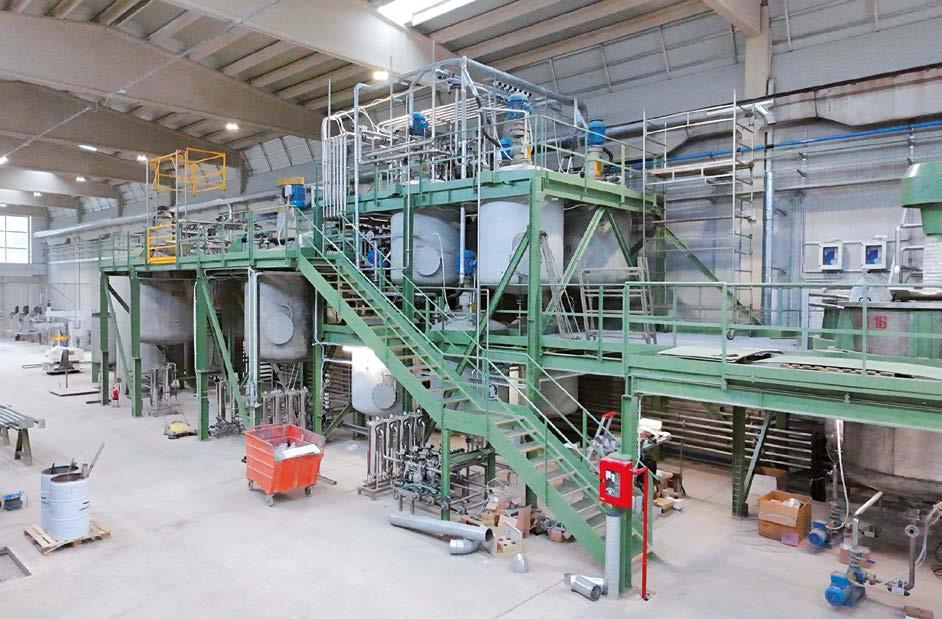
© CONDOROIL CHEMICAL
the need to increase our paint manufacturing capacity, also in order to devote adequate space to the production of lubricants and chemicals, which currently takes place at the same site. Therefore, we skipped an intermediate step and directly purchased this large, disused factory adjacent to our headquarters to ensure logistical continuity and be able to produce up to 15,000 tonnes/year once it is fully operational. This investment will allow us to move our lubricant production operations to the site currently dedicated to paint production, which we will vacate in the autumn, thereby also increasing our chemicals manufacturing capacity.
Our goal is to grow in all three sectors within the coil industry: protective lubricants, chemical products, and coatings. We can serve all the lines run by a coil factory, from production to rolling, hot-dip galvanising, electro-galvanising, tinning, aluminising, and coating of both galvanised steel and iron. For aluminium coils, we offer a more limited range of specialities, as the quantity of products used is lower, but it is also complete with rolling additives, pre-treatment products, and, of course, coatings.
In the new plant, CONDOROIL CHEMICAL aims to achieve a production capacity of 15,000 tons/year.
With the production of protective lubricants, chemical products, and coatings, the company is able to serve all the production lines run by a coil factory.

Powering the Industrial Future
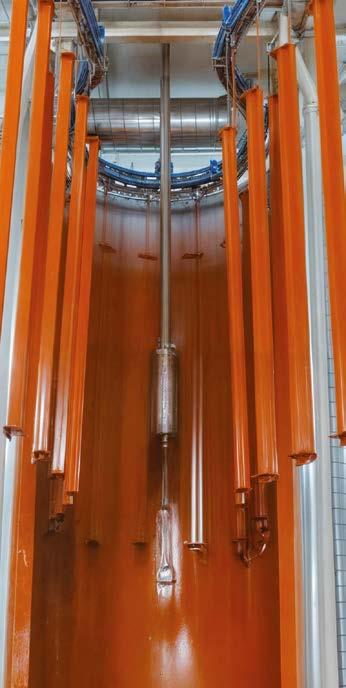


Therefore, CONDOROIL, today as in the past and even more so in the future, aims to present itself to the coil market as a partner offering a complete finishing solution.
MZ: Yes, although this does not rule out the possibility of looking at other potential markets for our coatings, given the size of our investment in paint production. The most natural evolution would be thin coils for packaging, but I would not rule out entering other sectors as well.
From a strategic standpoint, CONDOROIL has chosen to shift its focus from the general industry to the coil sector. What were the reasons behind this decision?
MZ: In addition to undoubtedly higher margins and less competition, one advantage of the coil sector is that it does not require agents, distributors, or field staff to monitor and tackle a highly fragmented market such as that of the general industry. We have never been able to create the network necessary to truly cover this market. On the other hand, the coil market is managed entirely by in-house staff both in Italy and abroad.
Where is the global coil market concentrated? In which countries is CONDOROIL most active?
MZ: Italy is definitely the largest and most attractive market, with twenty-three active steel coil lines, as well as several aluminium coil and packaging coil lines. Its players, however, want their chemical and paint suppliers to be nearby so they can quickly address any technical issues and verify product quality and specification compliance. That is why we always conduct a pre-shipment check for each order: every coil line transforms a specific colour differently, so every delivery must be tailored to particular characteristics; through geographical proximity, we understand how the paint behaves on a given line, allowing us to adjust our product during the pre-shipment phase and thus avoid subsequent steps. Large European Groups also require suppliers who produce locally, whereas other markets, such as Turkey, are more challenging to penetrate because they are not subject to REACH regulations and can therefore source products from countries where costs are significantly lower. That said, along with Italy, which is the largest producer of prepainted metal, we also serve Saudi Arabia, the United Arab Emirates, Egypt, Jordan, Eastern Europe, Ukraine, and North-East Africa. The US, on the other hand, is a complicated market for coil.
Can you briefly describe the technological features of the new production site?
MZ: It will be highly automated, with the raw material storage area directly linked to the mixing machine and primary dispersers. We have prioritised low production costs over other factors. The aim is to be competitive on a global level by reducing the number of raw materials and their costs through production volumes that are significantly
higher than our current levels and by making direct purchases from manufacturers, thus bypassing distributors, which we currently cannot do due to low volumes.
For CONDOROIL CHEMICAL, this new production facility means much more than physical expansion: it is the emblem of an industrial vision that combines scale and flexibility, automation and tailor-made service, global competitiveness and customer proximity. In an increasingly demanding market, we are positioning ourselves as an integrated and strategic supplier for the entire coil treatment cycle, while also being prepared to seize new opportunities outside our target market. We focus on a model of sustainable growth based on technical expertise, investment capacity, and a long-term vision.
Data relating to the European coil coating industry (excluding packaging)
Total surface area coated in the first quarter of 2025: approx. 350 million m2, of which 285 million m2 of steel and 65 million m2 of aluminium (i.e. approx. 1,300,000 tonnes of steel and 100,000 tonnes of aluminium)
Main applications (% in m2)
Paint produced in the first quarter of 2025: 48,550 tonnes, of which: - 70.2% polyester - 18.8% polyurethane - 8.3% plastisol - 1.6% PVDF - 1.1% other types

INNOVATION THAT STANDS THE TEST OF TIME, PRECISION BEYOND BOUNDARIES. We do not merely treat surfaces: we transform them into symbols of efficiency and beauty. For 75 years, Tecnofirma has been a global partner, enhancing your products with customized solutions and state-of-the-art technologies in the fields of washing, coating, and impregnation. From Italy to the world, we shape excellence with the meticulous craftsmanship of the past and the technological precision of the future.
“Tecnofirma: where technology meets beauty, for 75 years.”
An overview of PVD in industry
Antonio Angolemme
Kenosistec – Casarile (Milan, Italy)
PVD is a cutting-edge coating technology that enhances both the performance and appearance of countless components used in demanding sectors such as aerospace, defence, automotive, medical, and design. Operating at relatively low temperatures, it ensures excellent adhesion and durability without compromising the integrity of delicate materials.
Physical Vapour Deposition (PVD) is an advanced vacuum deposition technology that applies thin functional and/or decorative films on metals, plastics, ceramics, and glass. The process performed (e.g. sputtering, evaporation, or cathodic arc) detaches the coating material from its source (target) and then condenses it onto the surface of the treated component in a controlled
atmosphere. As a result, PVD coatings are characterised by high purity, consistent thicknesses, and excellent adhesion achieved without altering the substrates.
Compared with other standard methods, which use very high temperatures for deposition (in some cases even exceeding 1000 °C), PVD takes place at a lower temperature, preserving the properties of the base material, even with heat-sensitive substrates such as polymers. The result is the creation of films that are extremely hard, resistant, thin (ranging from a few nanometres to a few microns), and capable of significantly improving the performance of the treated surfaces.
Properties and advantages of PVD coatings
PVD coatings are a cutting-edge technological solution that offers numerous advantages over both untreated materials and other traditional coating methods. Thanks to their unique characteristics, they can be utilised in various sectors, ensuring high performance and long service life.
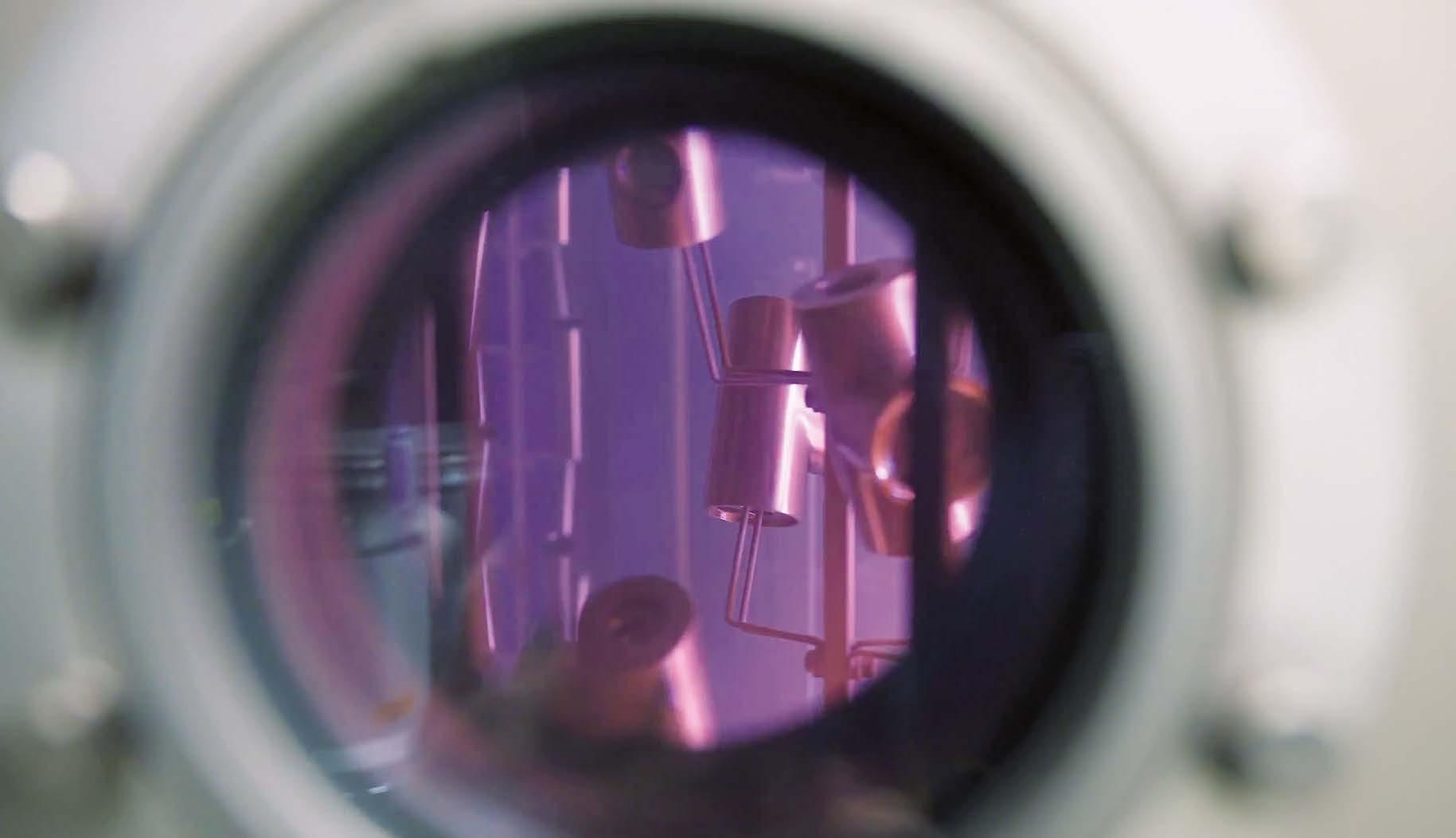
One of their main strengths is their excellent hardness and wear resistance. The films obtained with this technique are nanocrystalline and particularly hard, making them ideal for protecting surfaces from scratches, abrasion, and mechanical wear. The resulting protection is particularly useful for components subject to continuous stress, such as cutting tools, gears, bearings, and moving parts, significantly extending their service life and reducing the need for frequent replacements. Another key feature is corrosion resistance. Many PVD coatings act as chemical barriers, preventing material oxidation and degradation even in harsh environments.
This makes them ideal for applications in the marine, architectural, and medical fields, characterised by daily exposure to moisture, chemicals, and corrosive substances.
These products also stand out for their thermal stability. They can operate in a wide temperature range, from low to extremely high values, while maintaining their properties unchanged. This is particularly critical in the aerospace and automotive industries, where components such as turbine blades and engine parts are subjected to very intense thermal stresses.
In addition to its functional performance, PVD is also valued for its aesthetics. It allows obtaining decorative surfaces in a wide range of colours – from gold to bronze, black to multi-layer iridescent finishes –that remain stable and unchanged over time while resisting scratches and hue alteration. As this also makes it possible to mimic the look of precious metals using more economical materials, PVD is widely employed on items such as jewels, eyewear frames, taps, and other furnishing or fashion accessories.
Overall, at the same time, the use of PVD coatings significantly extends the life of products. In some cases, such as with cutting tools, the service life can exceed ten years of continuous use. This ensures lower maintenance costs and a reduced need for spare parts, with significant economic and operational benefits.
Lastly, the environmental sustainability aspect of this technology should be emphasised. The PVD process is clean and safe: it does not produce toxic fumes or hazardous waste, unlike techniques such as, for example, traditional chrome plating. It requires relatively low temperatures and does not use harmful chemicals, making it an environmentally friendly option. By extending the life of components and reducing the amount of industrial waste, finally, it also contributes to making production processes more sustainable in the long term.
Industrial applications of PVD
PVD coatings are now used in nearly all industrial sectors that require enhanced surface properties. Their main fields of application, however, are aerospace, automotive, medical, electronics, consumer goods, and industrial machinery. Below, we examine these key macro-sectors, providing examples of typical coatings and their specific functions.
Aerospace and defence
In the aerospace and defence industries, metal components in turbines, jet engines, valves, and structures subjected to stress are exposed to wear, corrosion, and extremely high temperatures. PVD coatings are widely used here to improve performance and durability. The PVD layer forms a thin yet very hard barrier that reduces friction, protects the


surfaces against erosion from high-speed particles, and allows using lighter alloys without compromising reliability. This translates into greater efficiency and lower maintenance costs for aerospace fleets.
Automotive and transportation
The current trend points towards replacing metal components with lighter and more flexible plastic alternatives. In the car industry, PVD coatings are used on both functional components (motor, transmission) and aesthetic components (accessories, finishes). Parts such as pistons, plungers, cams, and gears in combustion or electric motors are coated to reduce friction and wear. Benefits include lower fuel consumption and longer maintenance intervals. Corrosion-resistant coatings are used on components exposed to atmospheric agents to protect them from rust and road chemicals. At the same time, PVD also offers enhanced car aesthetics: wheel rims, grilles, and interior elements can be treated with gold, black, or chrome finishes, avoiding the use of precious metals while ensuring good scratch resistance. The growth of e-mobility is further driving the implementation of PVD in the automotive industry, as electric vehicles require ultra-lightweight, high-performance components. In addition, mass production in Asia is fuelling demand for PVD for electric motors, transmissions, and connectors.
Cutting tools and machine tools
PVD coatings are now standard in the metalworking industry. Almost all cutting tools are coated to increase their hardness and prevent premature wear. Tools such as stamping dies, moulds for plastics, and other components subject to mechanical stress benefit greatly from the ceramic films obtained through PVD, which increase cutting speed
and reduce machine downtime. To optimise their toughness, multi-layer structures (up to thousands of nanometric layers) are deposited to stop the propagation of internal cracks, ultimately extending the tool’s service life by four to ten times and reducing downtime for re-sharpening.
Medical and biomedical
In this sector, PVD is employed for both surgical instruments and prosthetic implants. Stainless steel instruments, such as scalpels, clamps, and orthopaedic drills, are coated to increase hardness and prevent the formation of organic deposits, thus facilitating sterilisation procedures. Titanium and aluminium oxide-based coatings are typically used because they are biocompatible and reduce friction during tissue cutting. As for implants, the titanium layer deposited on the metal surface promotes bone adhesion (osteointegration) and protects them against wear over time. Clinical studies have shown that PVD-coated implants can achieve double the service life compared to uncoated ones, thanks to their greater resistance to abrasion and corrosion. In addition, antibacterial and antiviral coatings can be used in the biomedical field to minimise the risk of post-operative infections.
Electronics, optics, and semiconductors
In the electronics and optical equipment sector, the PVD process is essential for depositing thin films with special functions. In the manufacture of semiconductors and integrated circuits, it is often used to deposit layers of conductive metal on silicon wafers. PVD creates uniform films with low contamination values, a crucial feature in latest-generation technologies such as chips and OLEDs. PVD coatings are also used on photovoltaic and optical devices (lenses, mirrors, cameras, eyeglasses),

© Kenosistec
© Kenosistec
as well as anti-reflective films, which improve light transmission, and gold or silver-based conductive coatings, which replace traditional plating in electronic connectors. Thanks to accurate thickness control (often in terms of fractions of a micron), PVD allows applying ultra-thin and complex deposits on delicate surfaces, ensuring high electrical and optical performance.
Consumer goods and decorative applications
PVD coatings are also widely used in consumer goods for both functional and aesthetic results. Typical examples include kitchen and bathroom accessories (taps, handles, shower columns), door hardware, jewellery, eyeglass frames, and writing instruments. On jewellery, PVD can produce metallic finishes in gold, pink, black, or deep blue hues that are resistant to scratches and wear. Titanium and steel alloy watch cases are also often treated with metallic PVD coatings for an exclusive look. In the field of furnishing accessories (lamps, table tops, locks), PVD coatings enhance the durability of finishes while preserving their gloss. In addition, sports equipment items such as golf clubs, bicycles, and firearm accessories can be treated with PVD films to extend their service life.
Nautical sector and architecture
Finally, PVD also has applications in the shipbuilding and construction industries. In the nautical field, components such as buoys, access handles, shipboard cranes, and other parts exposed to salt water can be protected with anti-corrosion PVD coatings. PVD finishes are also often used on stainless steel in pleasure boats to prevent rust and maintain aesthetics over time. In architecture and construction, PVD protects design elements (wall lights, door and window frames, high-end taps) because it guarantees high durability even in aggressive environments without deteriorating. Even street furniture components (street lamps, public door handles, metal sculptures) can benefit from PVD: the protective film withstands atmospheric agents and, at the same time, ensures a clean and neat appearance over time.
The future of PVD coatings
The world of PVD is constantly evolving, and technologies are developing and improving day by day. Innovations are not limited to improving existing processes but aim at increasingly advanced and versatile solutions.


Turn key solutions for industrial wastewater treatment - Design and manufacturing of plants and chemicals for industrial wastewater treatment Chemical-physical plants - Sludge treatment and compactor systems - Ion exchange demineralization systems and reverse osmosis systems - Oil separators - Filtering systems
Batch type systems - Flotation units - Chemicals and spare parts for water treatment - Technical service, support and maintenance of wastewater treatment plants
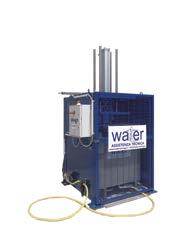

We don’t just treat water — we give it a second life. Every drop matters: our ongoing commitment to zero discharge and total water reuse drives every solution we design.
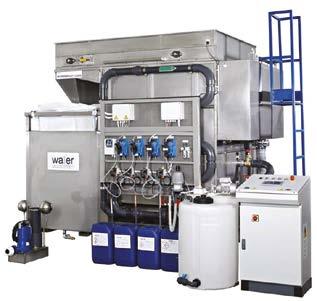


In fact, hybrid technologies are gaining ground, combining PVD with other techniques such as laser ablation or PECVD (Plasma-Enhanced Chemical Vapour Deposition). These synergies make it possible to expand the range of materials that can be deposited and to create multi-layer films with even more sophisticated properties. HiPIMS processes are a particularly interesting example of this, as they produce much denser, more homogeneous, and more adherent coatings than those obtained with conventional PVD. This translates into superior performance in terms of mechanical strength and durability.
At the same time, the materials used to formulate the coating products are also undergoing significant acceleration. Research is focusing on nanocomposites and advanced matrices, introducing innovative elements such as graphene or nanostructured coatings. These materials push the performance of PVD even further, further improving wear resistance and reducing friction, two key factors for the efficiency and durability of industrial components. Another rising trend is the development of lowtemperature processes designed to reduce overall energy consumption and make this technology accessible to heat-sensitive materials, such as specific plastics or light alloys.
In this scenario of transformation, digitalisation and Industry 4.0 are also
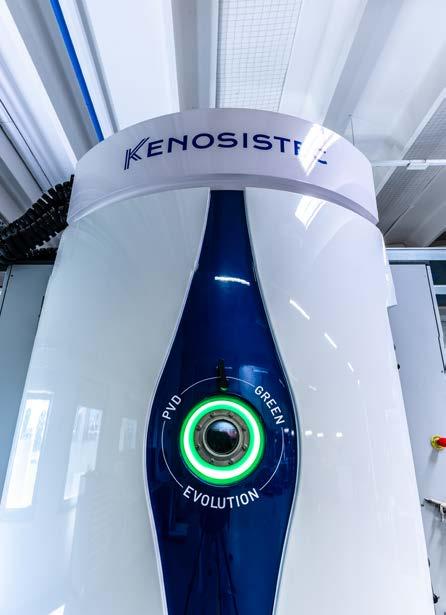
having a significant impact. PVD production lines are being enhanced with smart sensors, real-time analysis, and predictive algorithms, which allow for continuous monitoring and optimisation of the deposition parameters. This guarantees consistent end-product quality while also helping reduce processing waste. Fully automated solutions integrated with artificial intelligence are paving the way for systems capable of predicting malfunctions and maintenance needs before actual problems arise. This is a major step forward in terms of operational efficiency, minimising downtime and improving overall productivity. Finally, the growing importance of environmental sustainability cannot be overlooked. PVD has always been considered a “cleaner” technology than traditional processes, but today, the drive towards eco-compatibility is even stronger. Companies in the industry are investing in more efficient machines, new low-environmental-impact alloys, and processes designed to further reduce energy and material consumption. All this makes PVD a key technology for the future of global manufacturing. From the adoption of new materials to the digitalisation of processes, from sustainability to growing demand in strategic markets, the current trends confirm not only the versatility of PVD but also its increasingly central role in modern industry.
© Kenosistec
© Kenosistec
LIVE A NEW FUTURE

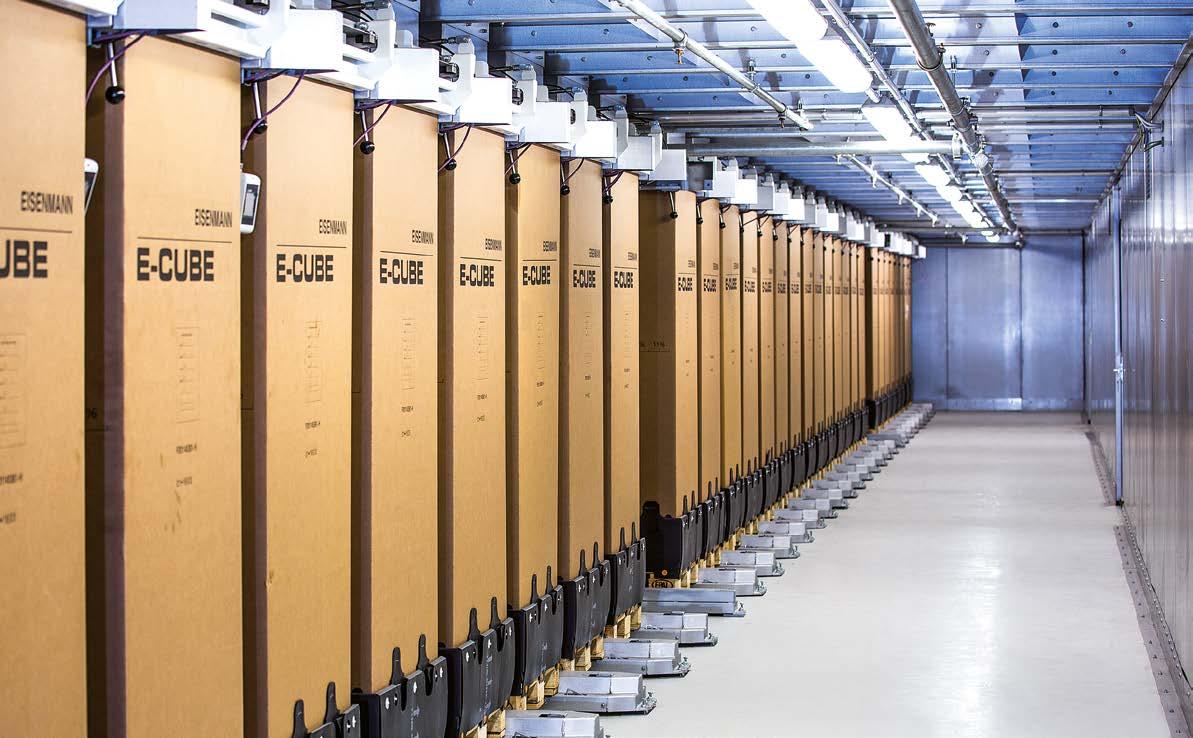
Scan the QR code to see how the E-Cube system works in Augmented Reality
SUCCESS STORIES
Volvo Car Gent modernizes paint shop in record time
Volvo Cars successfully retrofitted its Gent plant with Eisenmann’s E-Cube system, converting four spray booths from wet to dry separation in just 4.5 weeks. This advanced technology now operates at full capacity and top quality, marking a key step toward sustainability.
Car manufacturer Volvo Cars has taken an important step towards sustainability at its plant in Gent, Belgium: four spray booths with a total length of 34 m in the paint shop were converted from wet scrubbing to a dry separation system. The modernization was carried out in cooperation with the experienced system manufacturer Eisenmann. After a conversion time of only 4.5 weeks, the newly installed E-Cube system at a height of 16.3 m was producing at full capacity and at top quality.
Why the change to dry separation?
The company is committed to environmental protection and sustainability. Volvo Car Gent has been a wholly owned subsidiary of Volvo Cars since 1965. At its plant in Flanders, 6,500 employees currently produce the V60, Volvo XC40/EX40, Volvo EC40 and Volvo EX30 models with a production volume of around 186,000 vehicles (status 2024).
Spray painting produces overspray that needs to be removed as effectively as possible.
© Eisenmann
ON SHOW AT
Until now, Volvo has relied on wet scrubbing – a process that requires large amounts of water and supply and exhaust air. As a result, volatile organic compounds (VOCs) cannot be efficiently separated in this process. Stricter environmental regulations across Europe and the demand for resource-efficient production necessitated a rethink of the production process.
What was needed was a filter concept that would be sustainable in the long term and that would enable the huge volumes of air to be conditioned in an energy-saving and therefore economically attractive way. “Clear the stage” for the Eisenmann Dry Separation System E-Cube.
E-Cube system: positive energy balance, simple operation
“Thanks to advanced filter technology, the E-Cube separates paint mist from the air in recirculation mode without chemicals, water, or other additives,” stated Jörg Robbin, Head of Development at Eisenmann. “As there is no need to dehumidify the air in the dry process compared to wet scrubbing, energy consumption is significantly reduced, ensuring high operating efficiency. The cardboard filters used are made from over 80% recycled material, further reducing the environmental footprint.”
The filter system from the Swabian plant manufacturer has a modular design and has proven itself in more than 2,000 installation meters at well-known OEMs since its market launch in 2015. Its ease of use, combined with reliable electronic monitoring, allows operators to work safely with the system around the clock without any prior knowledge.
E-Cube Generation 2: Sustainable benefits and economic efficiency
Eisenmann is continuously developing its technologies and integrating experience gained along the process chain. The second generation of the E-Cube has an improved filter architecture that reduces pressure loss to an economical level while increasing its capacity.
All wet paints used, i.e. primer and topcoat, are separated with just one standard filter. Plant operators improve their CO2 footprint and save costs by using less material.
Arguments that convinced Volvo.
Planning and implementation: retrofit in record time
A retrofit of this magnitude requires detailed planning and precise implementation.

Switching from wet to dry separation meant the targeted dismantling of the existing system as well as the installation and commissioning of the new system within the precisely planned time frame.
Success factors:
Efficient teamwork between Volvo Car Gent and Eisenmann
Precise planning of logistics and processes on the construction site
Safety concept for dealing with potential fire and explosion risks
Routine construction site management
Structured commissioning of the new overall plant.
In November 2024, the time had come: after just 4.5 weeks of production interruption, Volvo Car Gent put the converted spray booths back into operation with the usual availability and quality.
The E-Cube system, featuring advanced filtration technology, can be explored in Augmented Reality via the mobile app E-Cube AR, or as a CAD application on Eisenmann’s website.
Consulting for the professional and productive world.
Germedia addresses both the professional and productive sectors. Thanks to its cross-disciplinary expertise, it collaborates not only with professionals such as architects, engineers, and law firms, but also with builders, paint manufacturers, and craftsmen.
Jörg Robbin
© Eisenmann
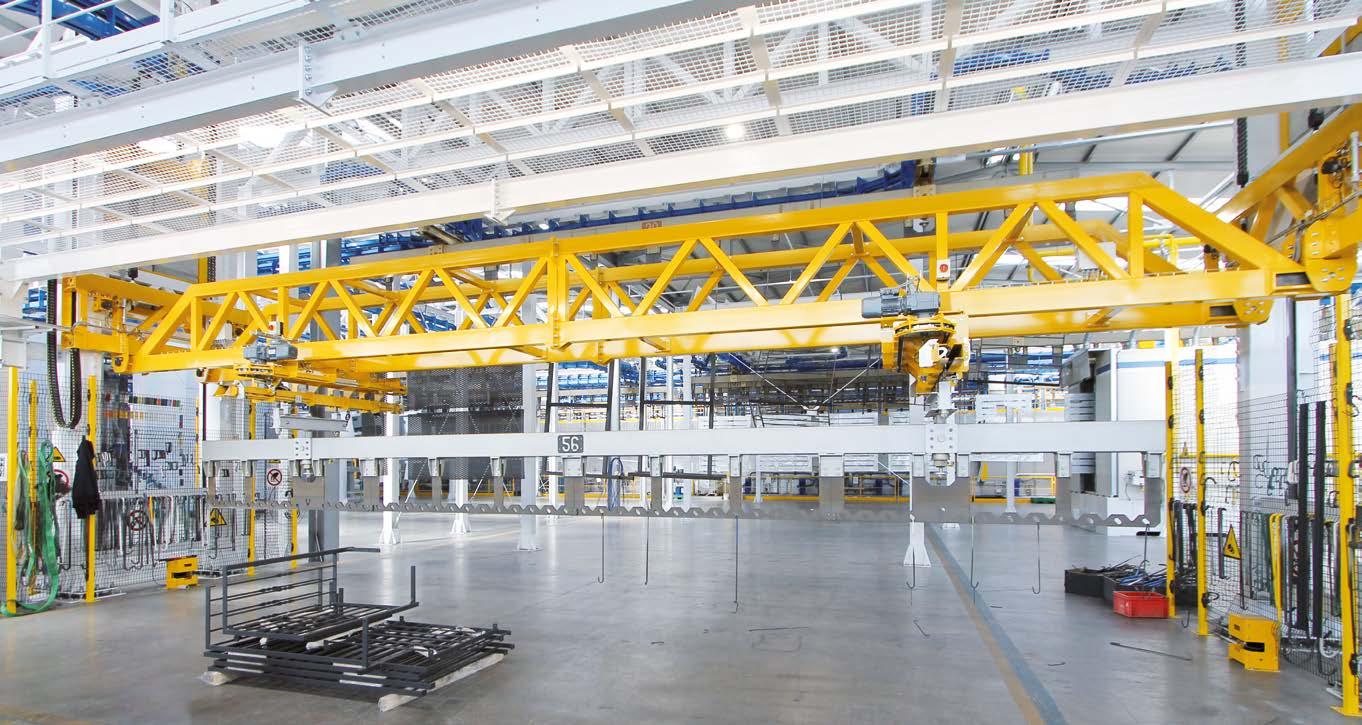
FOCUS ON TECHNOLOGY
At Zimetal, extending the conveyor optimised the coating plant’s efficiency without increasing its footprint
Monica Fumagalli, ipcm®
Four years ago, Zimetal, one of the largest companies specialising in hot-dip galvanising and powder coating for heavy metalwork structures, installed a state-of-the-art coating plant that was also optimised for future enhancements to open up new market opportunities. The article you are about to read provides details on a conveyor extension work carried out by Futura Srl, which was completed without interrupting production and without requiring additional space within the factory.
One of the most frequent problems in the management of powder coating systems equipped with a single application booth and a single curing oven is that two-coat systems require a ‘double travel’, i.e. the parts need to move along the conveyor twice to enable the application of the second layer. Although practical and often chosen due to the need for a compact coating line, this solution presents several drawbacks: increased cycle times, higher energy consumption, a risk of uneven coating due to suboptimal waiting times between coats, and reduced production capacity.
To overcome this limitation without affecting the overall footprint of the line or radically changing the existing layout, leading hot-dip galvanising and powder coating contractor Zimetal – already featured in an article in
Zimetal expanded its conveyor by doubling the number of elevators from two to four.
ON SHOW AT
our magazine when it installed its new coating plant in 20211 – adopted a targeted strategy, planned from the outset: extending its conveyor loop to make the cycle more efficient. This modification project, implemented by Futura Srl, which had designed and installed the handling system, has also made it possible to add a second booth for the application of base coats and a gelling oven, ultimately eliminating the need for a ‘double travel’ and contributing to significantly improving process continuity, operational efficiency, and coating quality.
Synergy between galvanising and coating: the growth of Zimetal
The coating line that joined the hot-dip galvanising one in 2021, making Zimetal (Solero, Alessandria, Italy) a leader in this field in Italy but also abroad, covers an area of 11,000 m2 and can treat different materials, including galvanised and stainless steel, iron, and aluminium. Zimetal had been considering adding powder coating to hot-dip galvanising for years, as confirmed by Ugo Bottanelli, a partner and the CEO of the company, during our second meeting: “We have always been aware that offering both processes to our customers, which operate in a wide range of sectors, would not only give us a competitive advantage but also guarantee greater control over both operations, resulting in faster delivery and greater customer satisfaction. The experience we have gained and consolidated in the hot-dip galvanising field over decades has allowed us to fully grasp these needs and finally build one of the most advanced powder coating facilities in Italy and Europe, without losing sight of the environmental impact of the two processes.”
Walking through the coating department, we find confirmation of Bottanelli’s statement: the line has been equipped with the most advanced solutions to ensure high quality standards and reduced processing times. “Our goal has always been to achieve high productivity in all conditions, with all materials, and without size limits for the metal structures to be treated. For this reason, we first identified the speed we wanted to reach with the power & free conveyor, and then we set the other devices’ parameters based on it.” Specifically, the conveyor, which the extension work completed in January of this year brought to a length of over 2 km, is equipped with 50 load bars, each with a capacity of 3 tonnes. It can handle parts up to 10 x 1.2 x 2.5 m, and it is connected to a sophisticated 4.0 management system.
1 https://www.ipcm.it/en/open/ipcm/2021/70/58-66.aspx
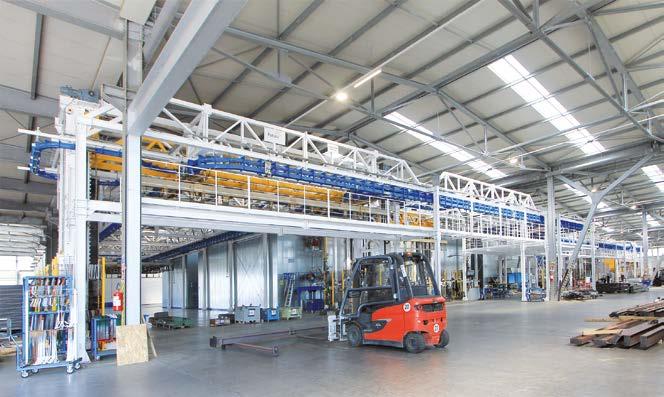
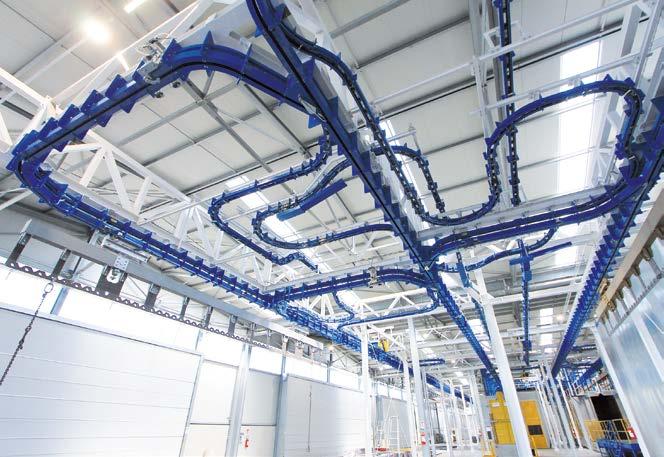
From the top:
Overview of the powder coating plant installed in 2021.
The conveyor installed by Futura is equipped with 50 load bars, each with a capacity of 3 tonnes.
The extension has brought the total length of the conveyor to over 2 km.
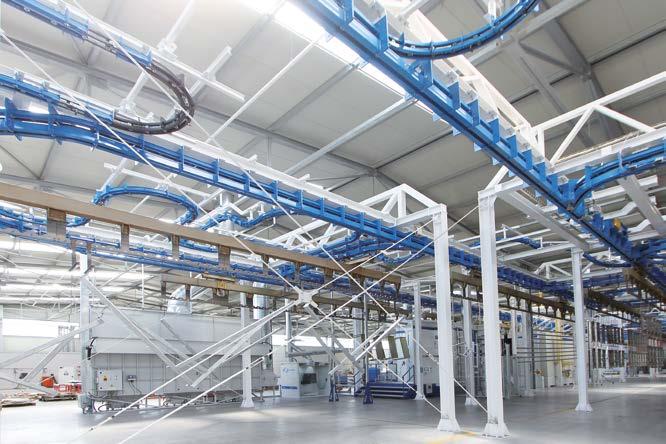
The original layout of the coating line installed in 2021 Previously, the line consisted of:
an integrated Cogeim shot blasting machine equipped with 16 opposing turbines, capable of sandblasting structures up to 15 m in length;
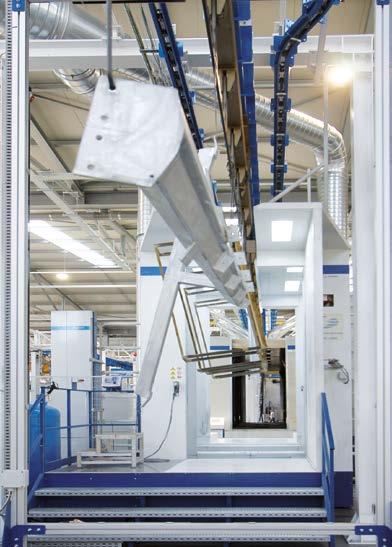
a pre-treatment tunnel from Silvi Srl (Lesmo, Monza e Brianza, Italy) with 12 stages + a final stage for the application of demineralised water with <10 µS/cm conductivity, performing a cycle designed specifically for cleaning galvanised steel, stainless steel, and iron with the best possible performance;
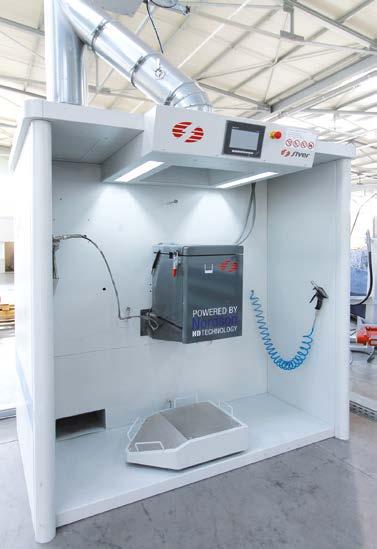
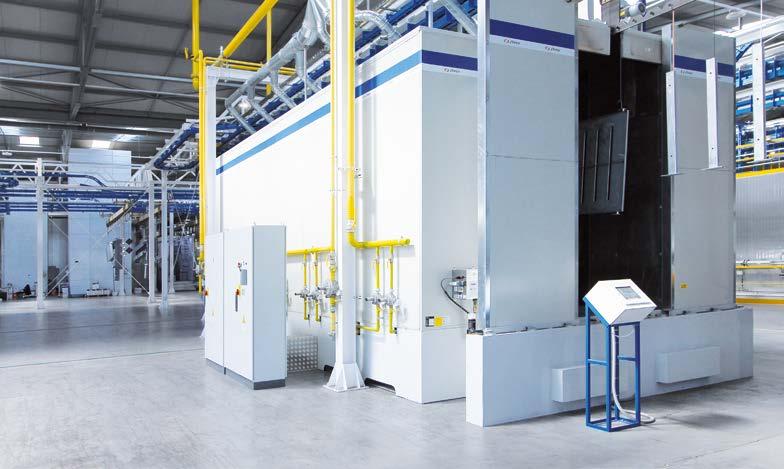
a drying oven;
a powder coating Silver Booth installed by Siver Srl and equipped with automatic powder recovery and rapid colour change systems, as well as 12 Encore HD automatic guns from Nordson and 3 manual guns for pre- and postfinishing;
a curing oven alongside the drying one, both designed and installed by Silvi.
“Four years after this significant investment, we decided to integrate a second, identical booth to apply dense-phase base coats and a gelling oven,” indicates Bottanelli. “This meant developing a project to extend the conveyor and integrate two new elevators in addition to the two existing ones, in order to better manage not only loading and unloading times but the entire production cycle. Therefore, we turned once again to the Futura team. I particularly appreciated two aspects of their second intervention: they organised the work to avoid production downtimes that would have been detrimental to our business – which is why this project took a year to complete –and they developed a conveyor specifically designed not to take up any additional space inside our factory by making good use of the space already available.”
“We are now ready to tackle the market at full capacity”
The five years since installation have been fully utilised to run in the plant. “At Zimetal, we weigh every decision carefully. We wanted to start out with skilled personnel – which, as a company with in-depth know-how in a completely different field, namely galvanising, meant seeking out new professionals and training them – and with a complete plant – which did not have the limitations associated with the ‘double travel’ on the conveyor, including loading and unloading parts with only two elevators, while meeting our requirements for maximum efficiency. As a result, today we can even carry out three-
From top left, clockwise: Large-sized parts entering the new booth for the application of base coats; The powder centre; The new gelling oven.
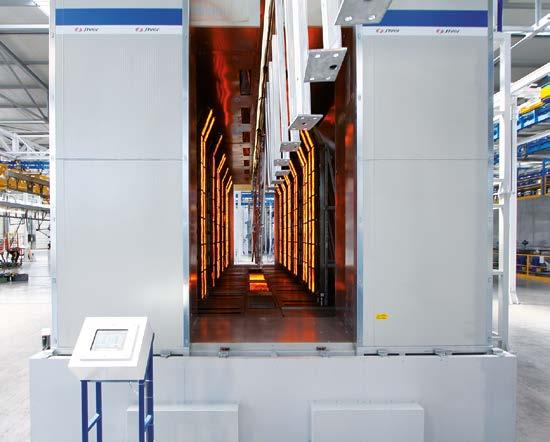
coat cycles for customers in the marine industry. Now, we can truly serve the market with a line that operates at full capacity, thanks to its state-of-the-art plant technology and its ability to coat batches of components exceeding 24 tonnes per hour, thus also saving time and energy consumption.”
After mechanical and/or chemical pre-treatment, the current standard coating cycle includes the application of a primer in the new booth, gelling in the new IR oven (which can reach 230 °C), the application of a top coat in the previously installed booth, and the curing of the final powder layer at 190 °C.
Infragas’ RHT panels have overcome initial scepticism
The powder gelling oven had already been included in the initial plant design. “However, we had not installed it right away because we were also assessing some proposals for powder-on-powder application and low-temperature curing. We did not want to risk building an oven that would not meet future process requirements, also considering the significant investment required in terms of energy supply. Moreover, the initial tests were not satisfactory, which is why I was also sceptical about the ones carried out in the IR oven that was to be installed when the line was expanded.”
Francesca Marabotti, Business Development & Marketing Manager at Infragas, confirms the customer’s initial scepticism: “During testing, the Zimetal team intentionally designed a complex component assembled by joining square and round parts with different thicknesses to verify whether Infragas’ RHT Radiant
GLOBAL SOLUTIONS FOR WATER TREATMENT
with a complete service that includes system design manufacturing, installation, technical support and chemicals


SPRAY BOOTHS WATER SLUDGE REMOVAL
RESIN DEMINERALIZATION SYSTEMS
REMEDIATION OF CONTAMINATED SITES
BIOLOGICAL SYSTEMS
BATCH TREATMENTS
PHYSICAL-CHEMICAL SYSTEMS
ADSORPTION FILTRATION
REVERSE OSMOSIS
MEMBRANE SYSTEMS
EVAPORATORS
BIOGAS BIOMASS SYSTEMS
OIL SEPARATORS
DESANDERS
DESALINATION SYSTEMS
MULTIDISC SCREW PRESS
OTHER SYSTEMS
CHEMICALS
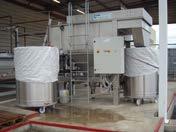
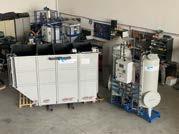
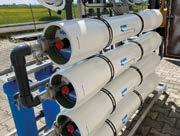
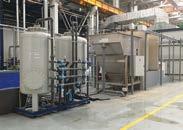

During the gelling phase, the new IR oven can reach 230 °C.
High Temperature pre-mixed air/gas burner technology could achieve their required results. The success was such that the oven ended up being implemented with more RHT burners than initially planned to allow powders to gel on heavy metal parts at a rate of up to 430 kg/minute.”
The oven, built by Siver, thus consists of 24
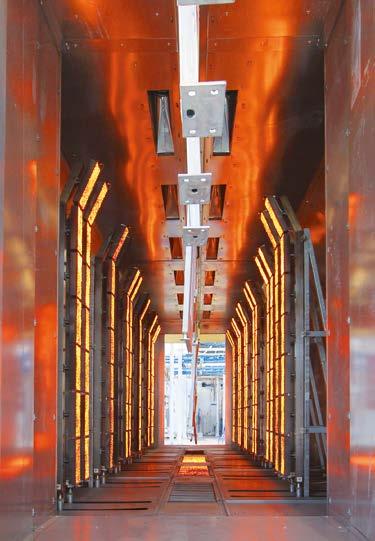
RHT 7C side panels (1 at 20°) and 4 RHT 8L floor panels, reaching a maximum power of up to 2,000 kW and natural gas consumption of up to 200 m3/h. The side panels are attached to sliding guides that enable them to be moved apart up to a distance of 1,140 mm, depending on the gelling and pre-polymerisation requirements. “This is the first time Infragas
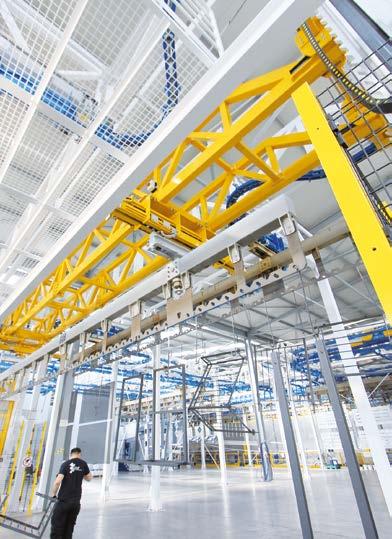
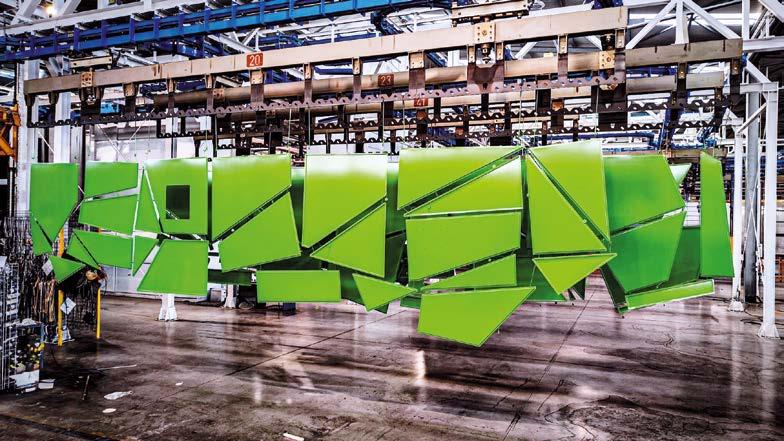
implements these types of panels with 2 MW of installed power at the premises of a coating contractor,” Bottanelli now says with satisfaction.
The conveyor does make a difference
“In our industry, it is often said that it is the conveyor that makes all the difference. It truly does. In fact, it is the beating heart of the entire line. To create the highly versatile system we had envisioned, we immediately recognised the need to base the entire project on maximum logistics efficiency. Futura proved to be the most reliable partner, and coincidentally, it also offers the added advantage of being located near us. While the conveyor makes the difference in a coating department, I am convinced that people do the same in industrial partnerships: in Futura’s team, and particularly in its owner, Walter Longo, I have found a professional who takes his work to heart and consistently delivers on his promises, a rare quality in today’s market.” With its newly structured coating plant, Zimetal is now well-positioned to face the challenges of the market. In our previous article, we concluded that this company had built a bridge to the future with its new plant – today, we can finally say that its future is already here.
From top left, clockwise: The oven consists of 24 RHT 7C side panels and 4 RHT 8L floor panels from Infragas; One of the two new elevators installed; Zimetal is one of the largest companies specialising in hot-dip galvanising and powder coating for heavy metalwork structures
Redefining Surface conversion
DOLLCOAT GP 107
A new line of nanotechnologic conversion for corrosion classes C3H – C4H – C5M


DOLLCOAT GP 107 based on graphite engineered by
Multimetal no rinse product to be used at room temperature
Compatible with any plant and applied by spraying, deep immersion or by nebulization modules
Excellent pre-cataphoresis pretreatment
SUCCESS STORIES
Towards Qualisteelcoat approval with Dollcoat RS 103: a joint project to optimise pre-treatment
As part of its journey towards Qualisteelcoat certification, Verniciatura Bianchi has started using DN Chemicals’ Dollcoat RS 103 nanotechnology passivating agent. This project has optimised its entire pre-treatment cycle while also strengthening a long-standing partnership based on mutual trust and support.
Six years ago, the ipcm® team visited Verniciatura Bianchi Pier Guido & C. to tell the story of this contract coating company, which stood out in the industrial landscape for its use of cutting-edge, sometimes even experimental, systems and its constant focus on training its staff in new technologies1. This approach, geared towards continuous innovation, has proven to be a distinctive feature of Verniciatura Bianchi’s identity over time, so much so that we are now reporting about it once again on the occasion of a further technological evolution: the implementation of a new pre-treatment product, the result of a vision revolving around improving process quality as well as seizing the opportunities offered by the latest, most advanced chemical solutions available in the field.
1 https://www.ipcm.it/en/open/ipcm/2019/55/23-29.aspx
Specialising in the powder and liquid coating of both small and large steel and aluminium products for a wide range of industries, about a year ago this company embarked on the Qualisteelcoat certification process as a strategic choice to consolidate its market presence. One of the key elements in achieving this goal is an optimised pre-treatment process. “Based on a series of preliminary tests with the team at DN Chemicals (Caleppio di Settala, Milan, Italy), our long-standing supplier of pretreatment chemicals, the Dollcoat RS 103 product proved to be the most suitable for our purpose,” emphasises Alberto Bianchi, the current owner of this company based in Montodine (Cremona), together with his father Pier Guido. “It not only improves our pre-treatment performance but also optimises our entire coating cycle thanks to its effectiveness in promoting paint adhesion – whether we use powders, which now account for about 70% of our production, or liquids – as well as enabling us to fully meet the corrosion protection requirements of Qualisteelcoat certification.”
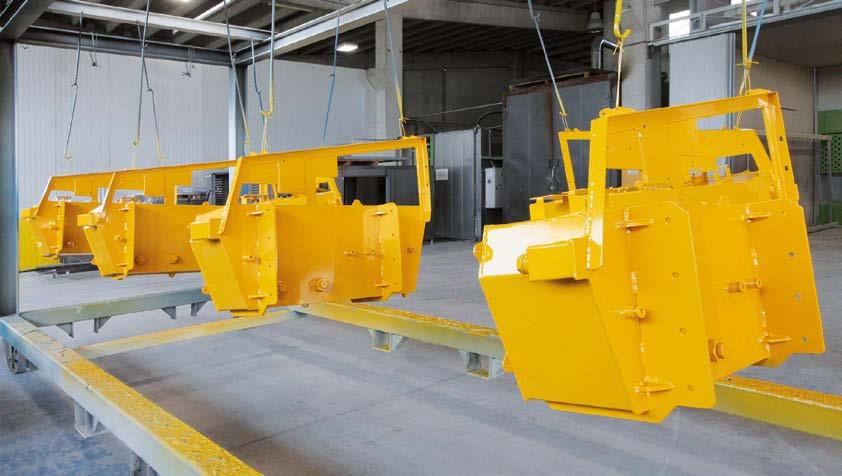
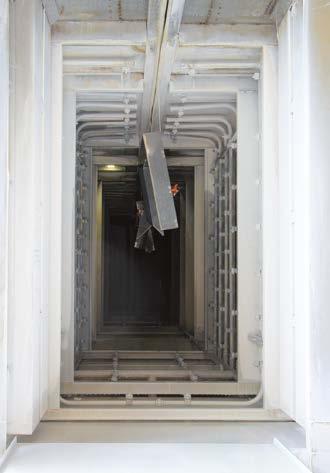
during the pre-treatment phase inside the
Verniciatura Bianchi Pier Guido & C. specialises in the powder and liquid coating of both small and large steel and aluminium products for a wide range of industries. Components
tunnel.
Why choose DOLLCOAT RS 103?
“Currently awaiting patent approval, Dollcoat RS 103 is a nanotechnology passivating agent developed to meet corrosion resistance requirements between classes C3H and C5H, achievable with a single final paint layer,” explains André Bernasconi, the General Manager of DN Chemicals. “It stands out from other solutions currently available on the market thanks to its high performance in promoting paint adhesion and protecting the pre-treated surfaces from corrosion regardless of the coating system used. This new range of products marks a significant step forward compared with previous technologies based on synthetic silane compounds, which are inherently complex. We have developed an innovative solution based on functionalised polymers enriched with high-quality anti-corrosion additives, created in collaboration with international partners with which we share the patent rights.”
Dollcoat RS 103 was introduced at Verniciatura Bianchi in November 2024, following a testing and validation phase, and has enabled it to exceed 700 hours in salt spray resistance tests with a single coat of polyester powder, in full compliance with the performance requirements for class C4H.
The start of the trial
To start testing the new product at this well-known contractor, DN Chemicals’ technical laboratory carried out a preliminary analysis of the existing plant, defining the so-called ‘zero point’ of the process. “The tunnel in use had five stages: phosphodegreasing, a rinse with mains water, a rinse with demineralised water, a nanotechnology treatment based on
nanoceramics with Dollcoat SA 117, and a final rinse with demineralised water,” illustrates Mara Pege, laboratory manager at DN Chemicals. “We implemented Dollcoat RS 103 gradually to assess its performance and to support the operators in the correct handling of the new product, which requires some specific precautions. Our team also carried out technical work on the tank to optimise the efficiency of the entire system, although maintaining the first phosphodegreasing stage unchanged.”
Another advantage of this product is its versatility: it can be used with different technologies, from atomisation or spraying through recirculation nozzles, as in this case, to immersion or direct application using a chemcoater in coil coating processes, thus adapting to the specific plant requirements of each user.
The tests carried out
An ACET analysis conducted on CRS and HDG sheets pre-treated at the Verniciatura Bianchi plant yielded the results shown in Table 1 “The decrease in the impedance value between the start and end of the analysis was less than 1%, as was water uptake, which remained very low thanks to the high quality of the paints used,” says Bernasconi. “This result can certainly be improved but is still significant, especially if we consider that it was achieved using a low-layer-weight, amorphous, multi-metal phosphating process followed by a final no-rinse conversion with DOLLCOAT RS 103. The sample sheets, coated only with Qualicoat 1 polyester powder, achieved over 504 hours in a salt spray test without any problems.”
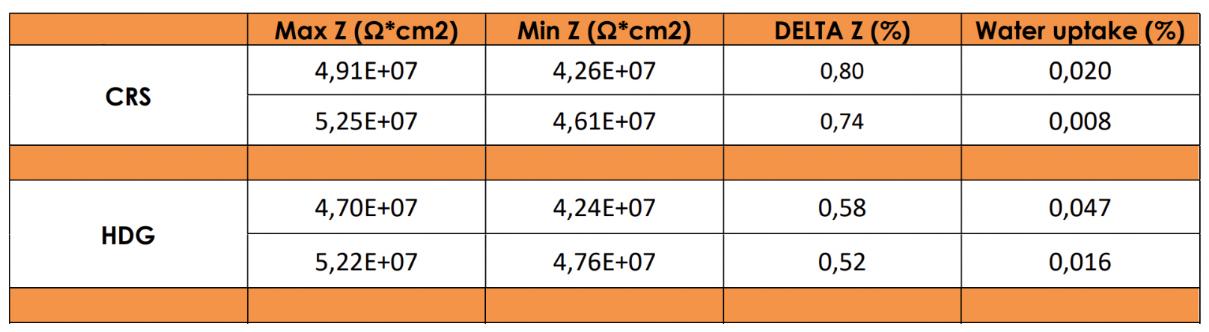
Engineering specialized in the supply of systems for surface treatment, painting and coating
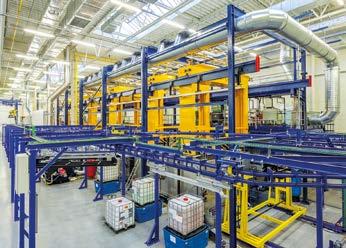
E-COAT SYSTEMS
LIQUID PAINTING SYSTEMS
POWDER COATING SYSTEMS
SELF-LEARNING ROBOTS FOR AUTOMATED PAINTING
SYSTEMS FOR THE TREATMENT OF VOCs EMISSIONS
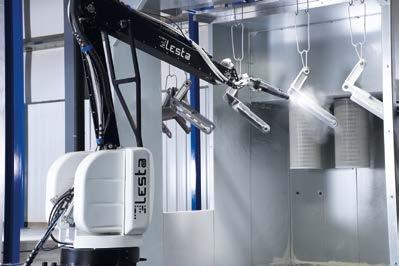
Table 1 – Performance achieved by pre-treating CRS and HDG sheets at Verniciatura Bianchi
A shared growth path
The integration of the new passivating agent followed a gradual approach, focused on consolidating results before embarking on further plant developments. “In agreement with Verniciatura Bianchi,” confirms Pege, “we preferred to stabilise the process first, before proceeding with further work on the plant (which will be completed in August), and continue with the company’s certification process, a goal that we will continue to support until its completion.” Our teams work in complete harmony and are bonded by a longstanding collaboration based on mutual trust and support, two values that are far from obvious in today’s competitive industrial environment. Verniciatura Bianchi not only enthusiastically welcomed the suggestion to introduce a new product, taking responsibility for testing it directly in its own production, but has also embarked on a growth path that is actively involving our staff. At the same time, it allows us to utilise its plant for further application tests, which is a significant advantage for the development of future projects as well. “I strongly believe that building a solid relationship with one’s suppliers ensures added value for both parties,” adds Alberto Bianchi. “As passionate promoters of innovation, we are happy to welcome to our headquarters suppliers wishing to present their potential customers with the solutions they have already installed at our premises.”
“This continuous search for new solutions,” concludes Bernasconi, “helps to progressively raise the bar in terms of quality. After consolidating the use of Dollcoat RS 103, which has been available on the market for about three years, we have leveraged its technical characteristics to formulate a new product, Dollcoat RS 107, which will offer even higher performance and will be officially launched in September.”
Technical characteristics of DOLLCOAT RS 103
DOLLCOAT RS 103 (patent pending) is the first product in a new family of surface conversion agents for high-performance processes with minimum C3H corrosion class. It has unique characteristics compared to currently available conversion products, providing pre-treated surfaces with very high protection and corrosion resistance properties, regardless of the nature of the coatings used.
DOLLCOAT RS 103’s key features include as follows:
multi-metal no-rinse product to be used at room temperature;
QUALISTEELCOAT approved up to class C4H;
applicable with atomisation modules through traditional recirculation or immersion nozzles;
no sludge formation;
compatible with any type of powder or liquid coating;
excellent pre-cataphoresis treatment;
does not cause any aesthetic defects even when used at high concentrations.
In addition to a significant improvement in performance compared with the multi-metal processes currently in use, DOLLCOAT RS 103 does not suffer any performance degradation when utilised in a standard spraying stage, employing standard nozzles with flow rates of about 10 litres/minute and recirculating the product for months thanks to its high resistance to contaminants, unlike easily degradable processes in the absence of atomisation systems. It is therefore relatively simple to convert, for example, a final rinsing stage with a no-rinse one using this product. DOLLCOAT RS 103 is ideally suited for use in industries such as household appliances, coil coating, automotive components (including aluminium and steel wheels), pre-cataphoresis/anaphoresis processes, ACE, and architectural aluminium (QUALICOAT certification is pending). Its application on various substrates shows a significant performance improvement compared with previous-generation products such as DOLLCOAT SA 118, as shown in the Table
The increase in polarisation resistance (PR) and the resulting decrease in corrosion current (JCorr) are more than evident and translate into significantly higher salt spray resistance performance.
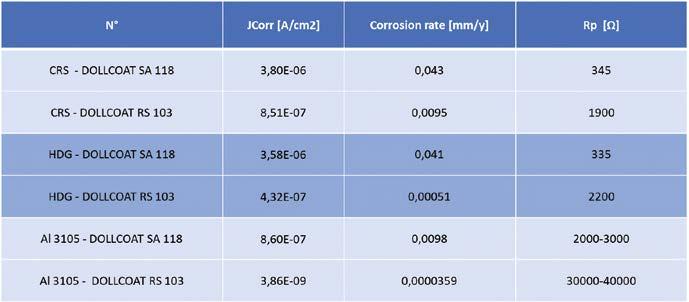
Characterisation by electrochemical impedance spectroscopy (EIS) of DOLLCOAT SA 118 compared with DOLLCOAT RS 103 on CRS, HDG, and aluminium (alloy 3105).
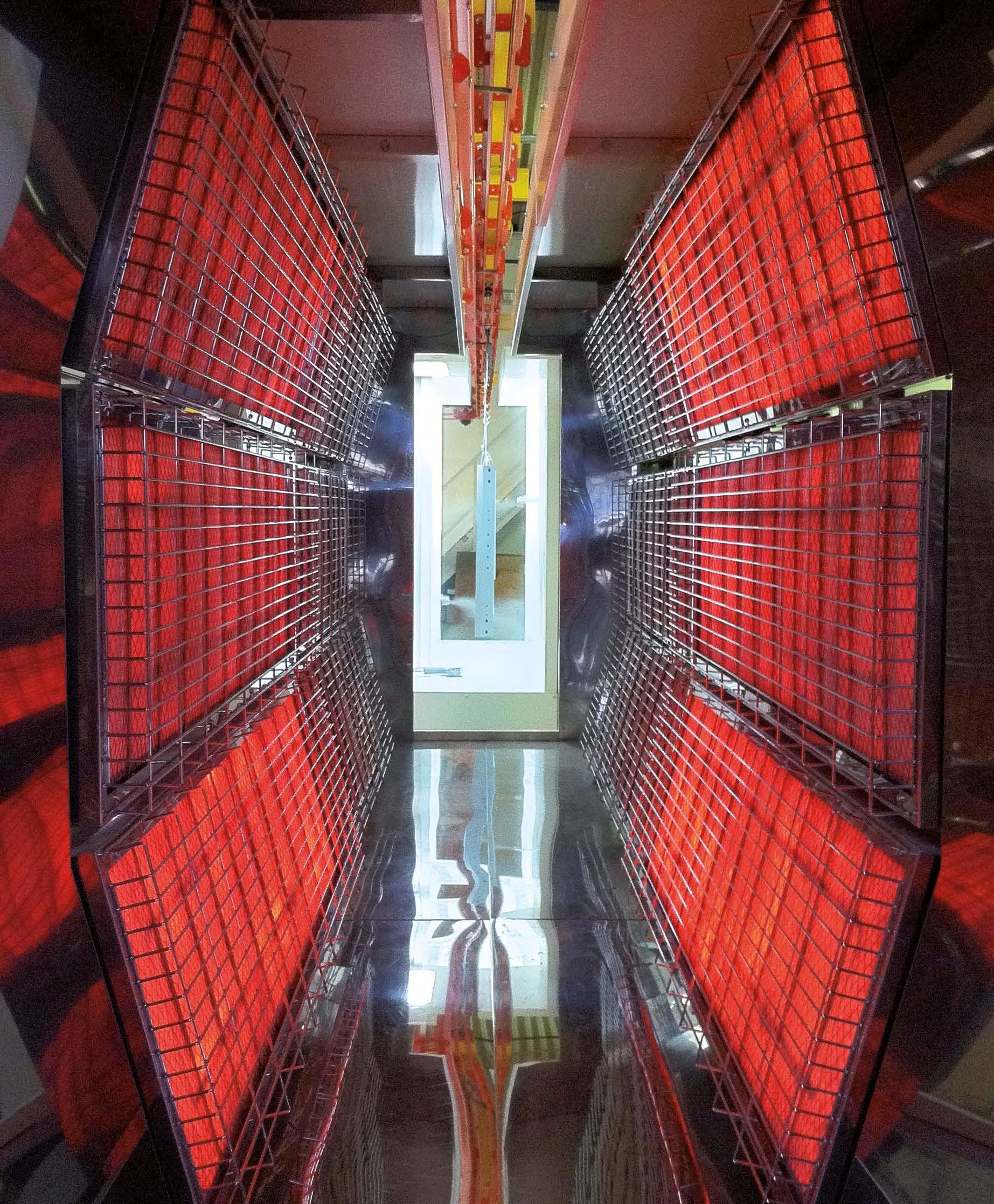
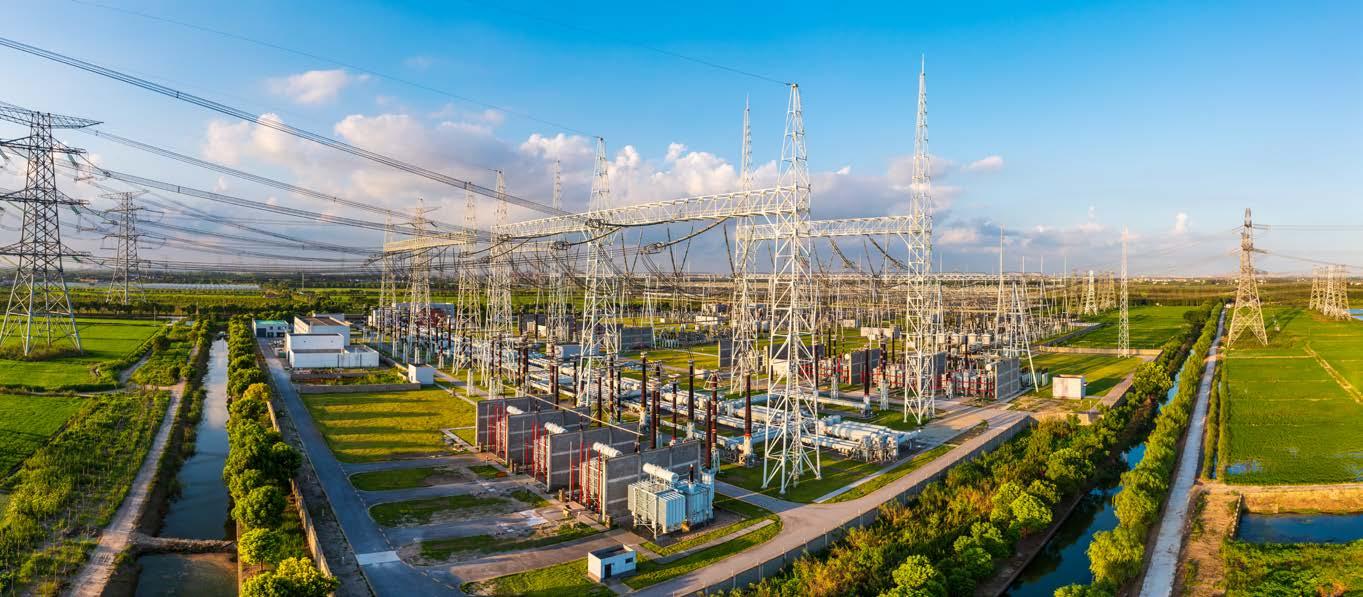
FOCUS ON TECHNOLOGY
When the paint supplier’s technical support is
key
to
the
high performance of protective coatings for electrical transformers
Monica Fumagalli, ipcm®
How much can technical advice from a partner with in-depth coating expertise influence paint performance? At Newton Trasformatori, the specialist support offered by Sherwin-Williams, the long-standing supplier of coatings to this Tuscany-based manufacturer of transformers for electrical power management, has proved strategic in optimising coating cycles and achieving the high degree of corrosion protection performance required for its devices intended for C4 and C5-M environments.
Atransformer is a static electrical device that operates on alternating current, based on the principle of electromagnetic induction. Its purpose is to transfer electrical power between two separate circuits through inductive coupling, modifying voltage and current but keeping the frequency constant. This ability to transform electrical energy makes the transformer a crucial component in any power generation, transmission, and distribution system.
Despite sharing the same operating principle, these devices come in a wide variety of sizes, from tiny signal transformers used in electronic and audio equipment to massive units weighing hundreds of tonnes, used in substations to interconnect portions of national grids or power large industrial plants.
Although the introduction of new technologies has led to a reduced use of traditional transformers in specific sectors, these devices remain vital for alternating current management, particularly in long-distance transmission, which requires high voltages. At the same time, with the ever-increasing demands related to the energy transition and widespread electrification, amplified by the requirements of rail traction, data centres, electric vehicles, and renewable energies, there is a growing need for direct
For forty years, Newton Trasformatori Spa has been manufacturing cutting-edge transformers to optimise electrical power management.
current solutions, with more compact high-frequency transformers integrated into advanced power systems.
Newton Trasformatori Spa (Poggibonsi, Siena, Italy) has been specialising in the design and manufacture of distribution and power transformers for complex applications, even in extreme conditions, for over forty years. “Our company has developed hand in hand with the evolution and expansion of the national and international electricity grid,” says Lorenzo Zoncada, Process and Plant Engineering Manager at Newton, “so much so that today our customers include leading companies such as Sonepar, ABB, Enel, Enel Romania, Endesa, Ferrovie dello Stato Italiane, ENI-Saipem, RFI, Jepco (Jordan), and Hitech (Russia), to name but a few.”
This Tuscan company designs transformers for completely exposed structures that are subject to thermal shocks, aggressive atmospheric agents, pollutants, and salt and for which surface protection plays a strategic role. To guarantee the durability of their components, it uses ISO 12944-compliant, class C4 and C5-M protective coatings that ensure outstanding performance even in highly corrosive environments. To this end, it has always relied on Sherwin-Williams water-based paint products. “Until a few years ago, for the surface coating of the casings and other components of our transformers, we only used a dip coating plant supplemented by a manual application booth. However, due to increasing demands and growing production volumes, we decided to upgrade our coating department by adding a new line that integrates the most innovative systems and devices available on the market: a plant from Savim Europe (Arbizzano, Verona, Italy), a conveyor from CM Automazione (Giussano, Monza e Brianza, Italy), two booths with articulated robots from Lesta (Dairago, Milan, Italy), and a paint management unit and application equipment from Wagner. We also reviewed and updated our entire coating process in partnership with the Sherwin-Williams team in Tuscany and Protek, a distributor of Wagner devices, to optimise our application cycle and achieve higher uniformity, greater paint adhesion, and overall better results.”
Power management with Newton’s transformers
To understand the strategic role of transformers in managing the electrical grid, an overview of the energy distribution structure itself can be helpful. “Electricity,” explains Zoncada, “is transmitted over long distances at high voltage to minimise energy losses. In Italy, for example, high-voltage lines operate at very high values. At the entrance to built-up areas, the voltage undergoes an initial transformation through large power transformers, which generally reduce it to 15,000 to 20,000 volts (medium voltage). This energy, which is not yet directly usable by consumers, is then distributed within the urban and industrial areas, where a second set of equipment comes into play: distribution transformers. These devices carry out the final stage of the process, reducing the voltage to 220 or 400 volts, i.e. values compatible with domestic and commercial use.”
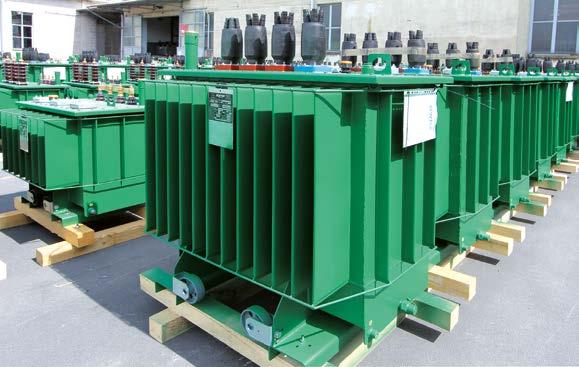
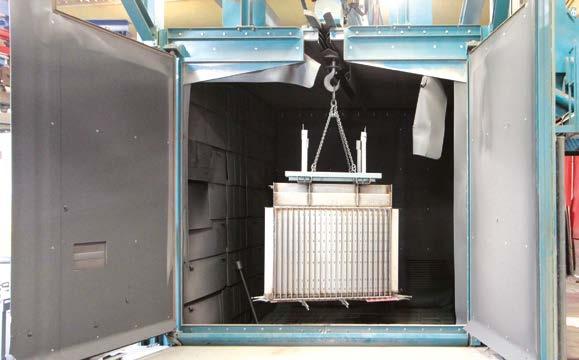
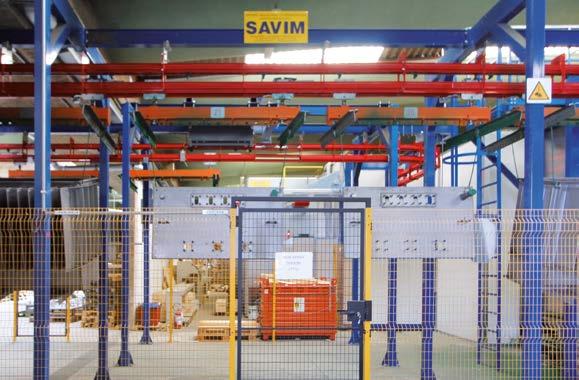
To ensure the durability of its components, Newton Trasformatori
uses class C4 and C5-M protective coatings in compliance with
A casing inside the OMSG shot blasting machine.
The Savim Europe coating plant is equipped with a CM Automazione power & free conveyor with 92 load bars, each with a maximum load capacity of 500
From top to bottom:
Spa
ISO 12944.
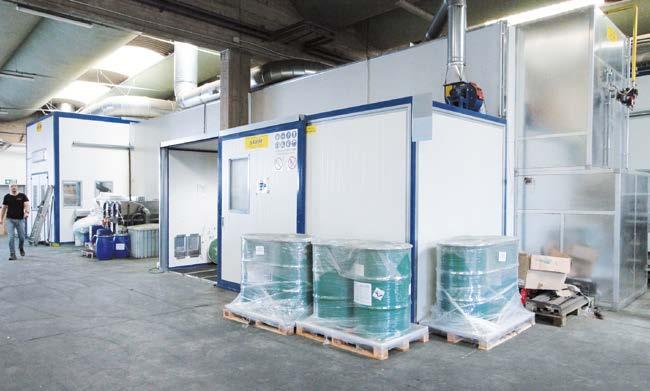
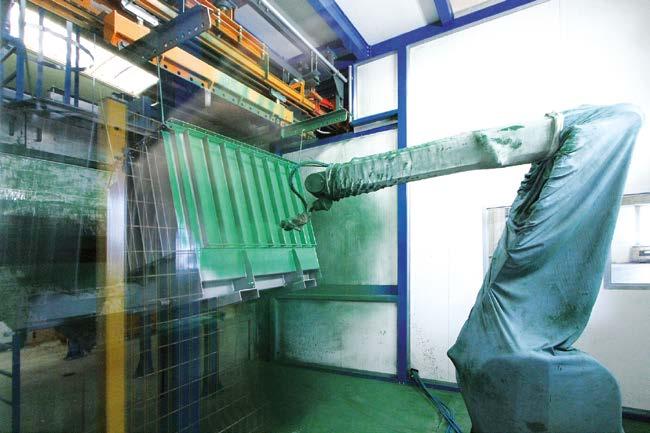
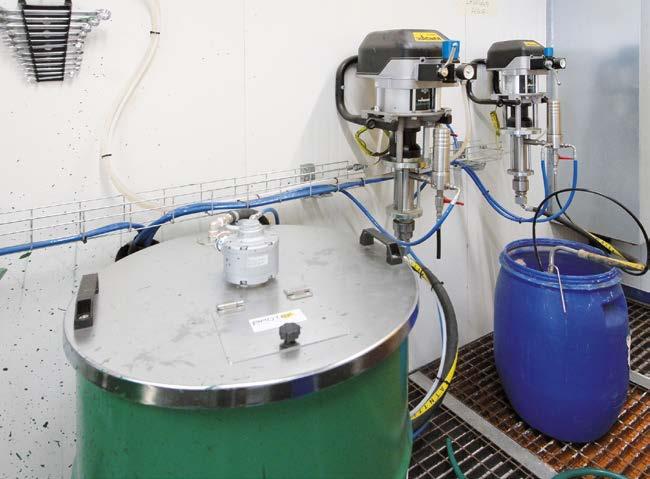
Newton Trasformatori’s entry into the mega transformer sector is the most recent and advanced milestone in an industrial journey that began over forty years ago. This segment, which is constantly growing, now accounts for approximately 5% of the company’s total production. Distribution transformers, a sector in which Newton has gained extensive experience and consolidated its market position, still account for the remaining 95%.
“This firm was founded in 1982 in a factory of just over 500 m². Thanks to the work of its highly specialised team led by our current president Guglielmo Montagnani, its professionalism, flexibility, and customer focus as well as the use of advanced design methods and dedication to meeting commitments, Newton quickly grew from a small artisan business to a major industrial enterprise covering 20,000 m², up to becoming a key player in the national and international markets.
” While remaining a family-run company, Newton has recently begun a transition process between the second and third generations, with the latter still too young to join the company, by relying on a management team composed of Stefano Moretti (CEO) and Samuele Paiusco (COO) and adopting a matrix-type organisational structure.
The build quality of Newton’s transformers
Newton designs and manufactures high-efficiency transformers aimed at optimising energy performance and meeting more sustainable distribution requirements. “We have built our identity on proven technical expertise, compliance with regulations, high-quality production processes, and a constant focus on technological innovation.
Current production stands at approximately 5,000 transformers per year, categorised by type and destined for numerous countries worldwide. A forward-looking vision guides us: new technologies and solutions are already at an advanced stage of development, enabling us to respond to a constantly evolving market. This approach also forms the basis for our new collaboration with Ferrovie dello Stato, which is set to commence in 2026 for the supply of transformers intended for Italy’s national railway infrastructure.”
From top to bottom:
The two coating booths side by side.
A Lesta articulated robot during the application of Sherwin-Williams paint.
The Wagner paint management unit.
Indeed, Newton Trasformatori demonstrates its technical expertise and production flexibility in the design of transformers for major utility companies such as Enel. “We state, verify, and document every parameter – from insulation class to coating, from the use of natural esters as a dielectric fluid to voltage regulation solutions – in accordance with extremely detailed global specifications; especially in this sector, there is no margin for unjustified deviations.”
The reliability of Newton’s transformers is guaranteed not only by their design but also by their ability to withstand particularly harsh environmental conditions, such as low Arctic temperatures (down to -60 °C) or sandstorms in desert environments. These challenges necessarily impose high standards, especially in terms of surface treatment and corrosion protection. “Since we insourced our coating operations about thirty years ago, on specific parts such as casings, we have been applying a protective layer of approximately 90 µm in one coat by immersing them in a tank filled with a SherwinWilliams grey one-component, acrylic top coat. With the subsequent introduction of a new colour, green, we have also implemented a twocoat cycle in a manual booth using airless application technology. In 2023, when we designed a new robotic system for components requiring higher thicknesses in collaboration with Savim Europe, we also transferred our coating expertise to this line.”
The coating of transformers
The production cycle of Newton’s transformers starts with metal sheets with varying thicknesses depending on the power and configuration of the equipment. Their casing design is also tailored to the specific thermal dissipation requirements: their overall dimensions can vary significantly depending on the power required, ranging from a cube measuring approximately 700x700 mm for the most compact models to a size of 1,200x1,200 mm for the largest ones. Metalworking, including laser cutting and welding, precedes the surface treatment phases, defined according to the technical specifications.
After sheet metal processing, the components are washed manually with a high-pressure jet, then shot-blasted in an automatic cluster system with four turbines from OMSG (Villa Cortese, Milan, Italy), and finally blown manually to remove any residues. “We are currently conducting tests with the OMSG team to add a specific product to the grit for further reducing dust residues and improving surface quality,” illustrates Zoncada. After pre-treatment, the parts enter the coating plant designed and installed by Savim Europe.
“Initially,” Zoncada recalls, “the results were not satisfactory: we found numerous film defects such as burn marks, scratches, and overcoating. Moreover, when working with high thicknesses, it was difficult to achieve the 200-µm value required by specifications with a single application.” To address these critical issues, the company


SHAPING TOMORROW’S CHEMISTRY: INNOVATION, RESPONSIBILITY, GLOBAL VISION
For over 50 years, Galstaff Multiresine has been a trusted partner in the development of high-performance synthetic resins for coatings, inks, composites, and industrial applications worldwide.
OUR INNOVATION PIPELINE CENTERS ON SIX CORE TECHNOLOGIES:
Alkyd resins (SINTAL)
Bio-based Alkyds for sustainable coatings for Deco & DIY market
Saturated polyesters oil-free (ITALESTER)
Excellent for industrial coatings and Can&Coil food packaging
Hydroxylated polyesters (FTALON)
For two-component (2K) PU coatings for automotive, industrial, wood & furniture
Unsaturated polyesters (SYNTEVEN & POLORAL)
For composites, industrial wood, engineered stone & marble and sanitaryware
Amino resins (ITAMIN)
For industrial sectors for “oven systems” in the automotive, machinery and beverage & food packaging sectors
Isocyanates (URONAL)
The mainly used as 2K system, which find applications in automotive, adhesives, and sealants
WE ALSO PROVIDE:
UV-curable resins (SYNCRYL)
Additives and auxiliaries (MITTEL, RASTAL)
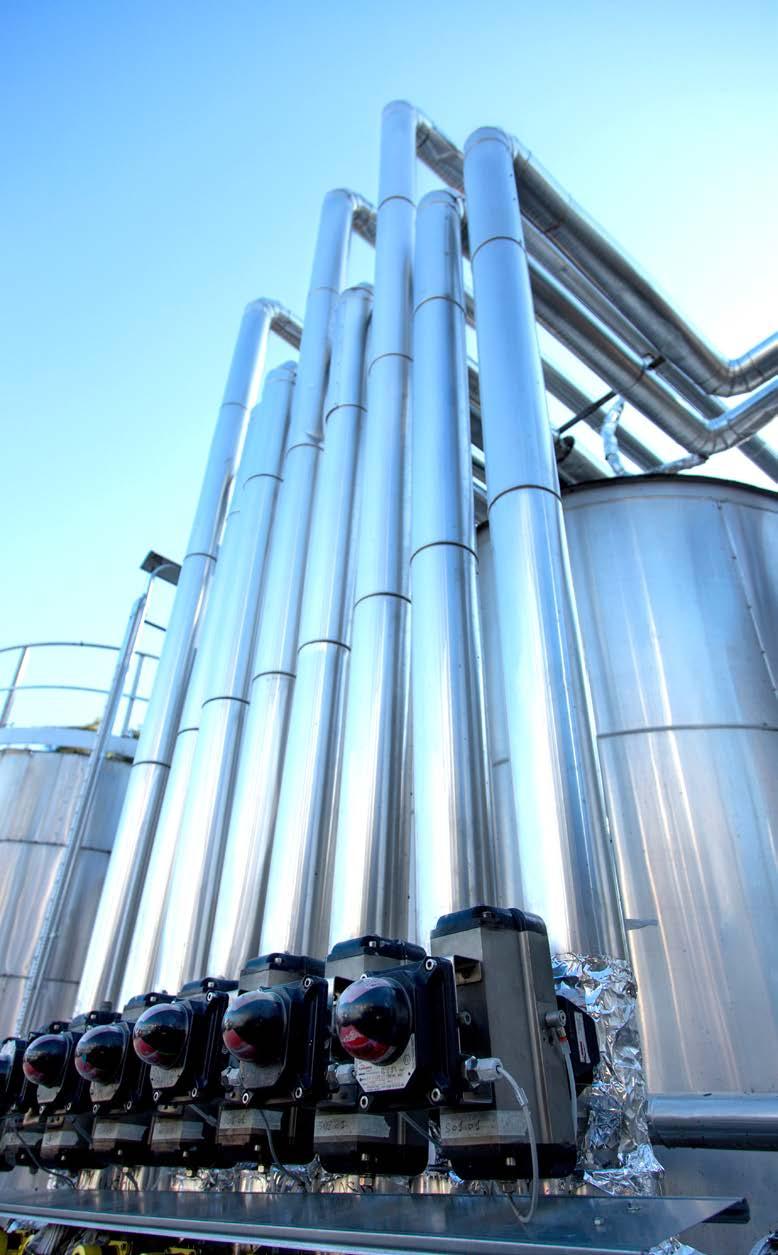

Grounded in ESG values and global standards (ISO 9001 and 14001), we invest in sustainable, tailor-made solutions for the industry of tomorrow!
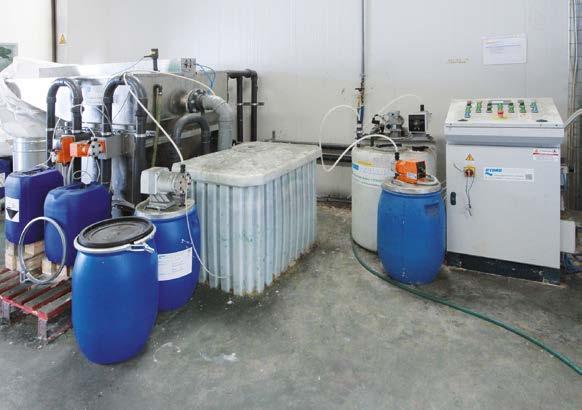
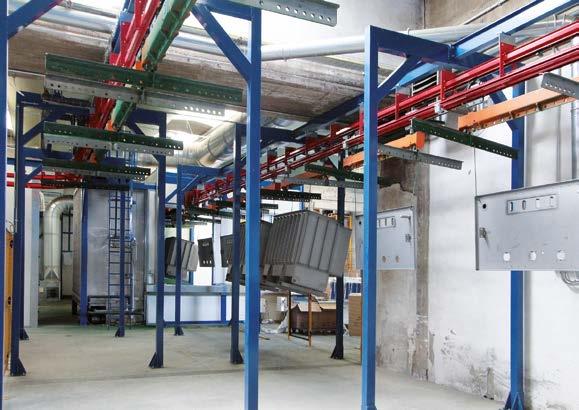
CHARACTERISTICS
Physical properties
Viscosity (D4/25 °C)(s)
–
± 2.0% VOC (theoretical) (g/l)
ADDITIONAL INFORMATION
Application recommendations
Substrate/Pre-treatment
Dilution
Film properties
The surface to be coated must be free of oil, grease, and rust. Suitable pre-treatment is recommended for optimum performance.
Depending on the application system
Gloss (60 degrees) 20 – 30
Theoretical coverage @ 1 μm DFT m²/kg 326
Version 009 00
Table 1: Data sheet of the product 42301 – F81GUI001 7593-FG AYW DTM 1K MATT GREEN 6002. ©
sought the advice of Lorenzo Mori, the Sherwin-Williams Company’s General Industrial Agent for Tuscany, Davide Aleotti, Senior Sales Manager - Central Italy GI EMEAI at Sherwin-Williams, and Roberto Martinelli from Protek Srl, a distributor of Wagner systems. “Thanks to their input,” concludes Zoncada, “we have integrated two robotic booths and replaced the airless guns with new AirCoat guns from Wagner, which combine airless technology with air support to ensure better film distension even with high thicknesses.”
“In the AirCoat system,” indicates Martinelli, “the nozzle atomises the material using the airless principle while surrounded by an air curtain, which makes the application process particularly effective. The low air consumption and the soft spray pattern generated by the air curtain allow for optimal results even at low pressures. This is the ideal solution for coating large surfaces on a high number of parts.”
The system designed by Savim thus consists of: a booth for applying the first coat, a flash-off tunnel equipped with an air burner sized for low temperatures, a booth for applying the second coat, and a final drying oven with a 6-metre pre-chamber; the line is complemented by skimmer supplied by Hydro Italia Srl (Medicina, Bologna, Italy) to treat the booths’ water curtains.
The search for the most suitable paint
“To provide the most suitable coating for these specific application requirements, Sherwin-Williams Research and Development team reformulated a previously approved product, creating a personalised solution for our long-standing customer Newton,” explains Davide Aleotti.
“This has ensured not only the highest quality but also an added value in terms of attention, reliability, and care – a concrete commitment that
ipcm
The skimmer supplied by Hydro Italia Srl to treat the booths’ water curtains.
© ipcm
The Savim plant can treat casings up to approximately 1 m3
reflects Sherwin-Williams closeness as a partner, always focused on building relationships of trust and offering tailor-made solutions (Table 1).”
The benefits achieved
“Thanks to the advice of our long-standing paint supplier SherwinWilliams,” says Zoncada, “we are now able to achieve thicknesses of 200 µm – covering approximately 90% of our required applications – without the need for touch-ups after assembly. In the past, the inability to collect large components that needed retouching in a buffer forced us to send them to the assembly department and return them to the coating department for touch-ups only once assembled, with a considerable waste of time and logistic effort.”
The new cycle, on the other hand, allows for the direct sending of the painted components to assembly and then to shipping, resulting in a significant improvement in efficiency and a substantial increase in production capacity.
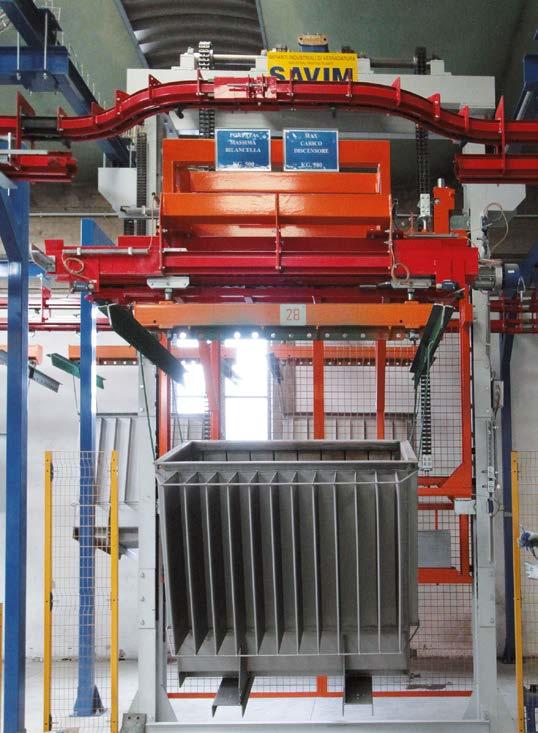

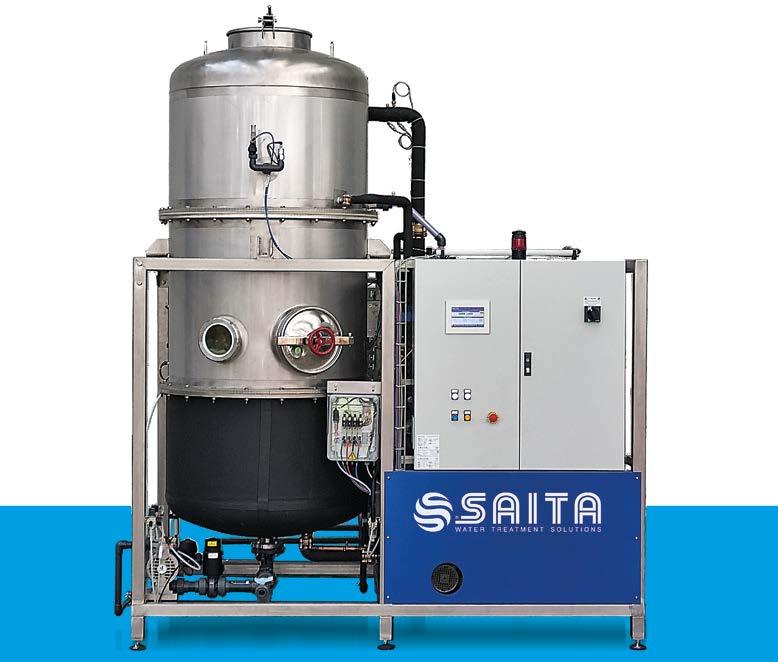
wastewater recycling VACUUM EVAPORATORS
• > 90% WATER RECYCLING
• REDUCTION OF DISPOSAL COSTS
• ZERO LIQUID DISCHARGE
• ZERO EMISSIONS
• EASY MAINTENANCE
• FULLY AUTOMATIC
The CM Automazione conveyor’s elevator in the loading and unloading station.
© ipcm
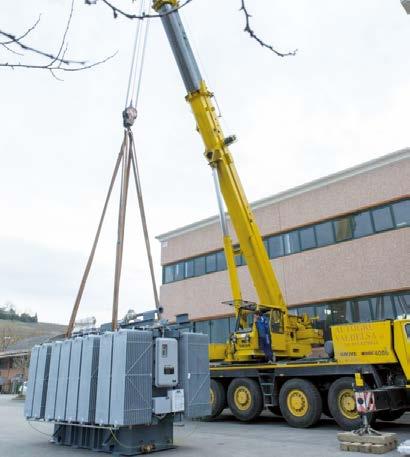
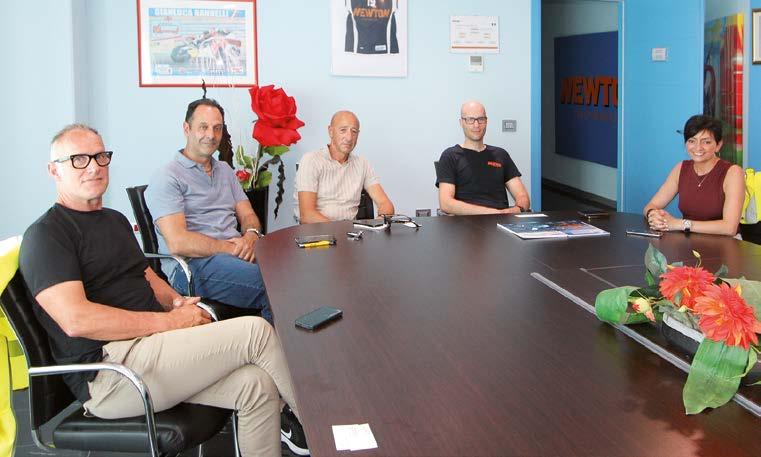
“Currently, the power & free conveyor installed by CM Automazione operates with 70 load bars, each with a maximum load capacity of 500 kg,” notes Zoncada, “but the total capacity of the system can reach 92 load bars with approximately 250 metres of chain. The power & free system allows collecting the load bars in buffers, thus compacting the space required, as clearly demonstrated in the oven area. The loading and unloading area is served by an elevator that ensures safe and ergonomic operations. Rotation systems interfaced with the robots in the two booths also contribute to simplifying plant management, allowing for control in the required positions (0°–90°–180°–270°). The result is an optimal coating process, even on complex parts such as fins, which ensures uniform thicknesses of up to 250 µm and avoids the dripping and stress cracking problems that were frequent in the past. We have also reduced the oven dwelling time: one hour at 50 °C is now sufficient to completely dry the coating film.”
Newton Trasformatori’s upcoming projects
In collaboration with Sherwin-Williams and Protek’s technicians, the Newton Trasformatori team is currently working on optimising the plant’s application parameters with particular attention to the robots’ speed, in order to define uniform settings for all fifteen types of products handled by the coating department. “The goal,” says Zoncada, “is to identify a stable configuration that allows us to paint our entire range of components, from casings to covers, while ensuring uniform results even among batches processed at different times.”
Simultaneously, Sherwin-Williams Research and Development team is developing a new grey paint formulation that has the same properties as the green one currently in use and can also be applied in the automatic line with a thickness of 90 µm. That will reduce the load on the dip coating system, increasing overall process efficiency. “This is yet another example of our partner’s ability to respond quickly to our needs,” states Zoncada, “as also demonstrated by the recent creation of a custom, twocomponent metallic paint designed to meet a specific request from one of our clients.”
The energy challenge of the future increasingly hinges on the ability to anticipate the needs of new markets, from high frequency to direct current management and the choice of cutting-edge materials. Newton has chosen to invest in these areas by combining its consolidated experience with new technologies and skills, adopting a forward-looking approach in which its partnership with Sherwin-Williams marks a further step in a strategy aimed at offering reliable and increasingly highperformance solutions.
One of the types of transformers manufactured by Newton.
From left to right: Davide Aleotti from Sherwin-Williams, Roberto Martinelli from Protek, and Lorenzo Mori from Sherwin-Williams with Lorenzo Zoncada from Newton Trasformatori Spa and Alessia Venturi from ipcm®.
© Newton Trasformatori Spa
ipcm
PAINTING
Advanced Robotic Painting Technology
Engineered for maximum flexibility, our system adapts to diverse automotive and industrial needs with unparalleled efficiency
SOLUTIONS
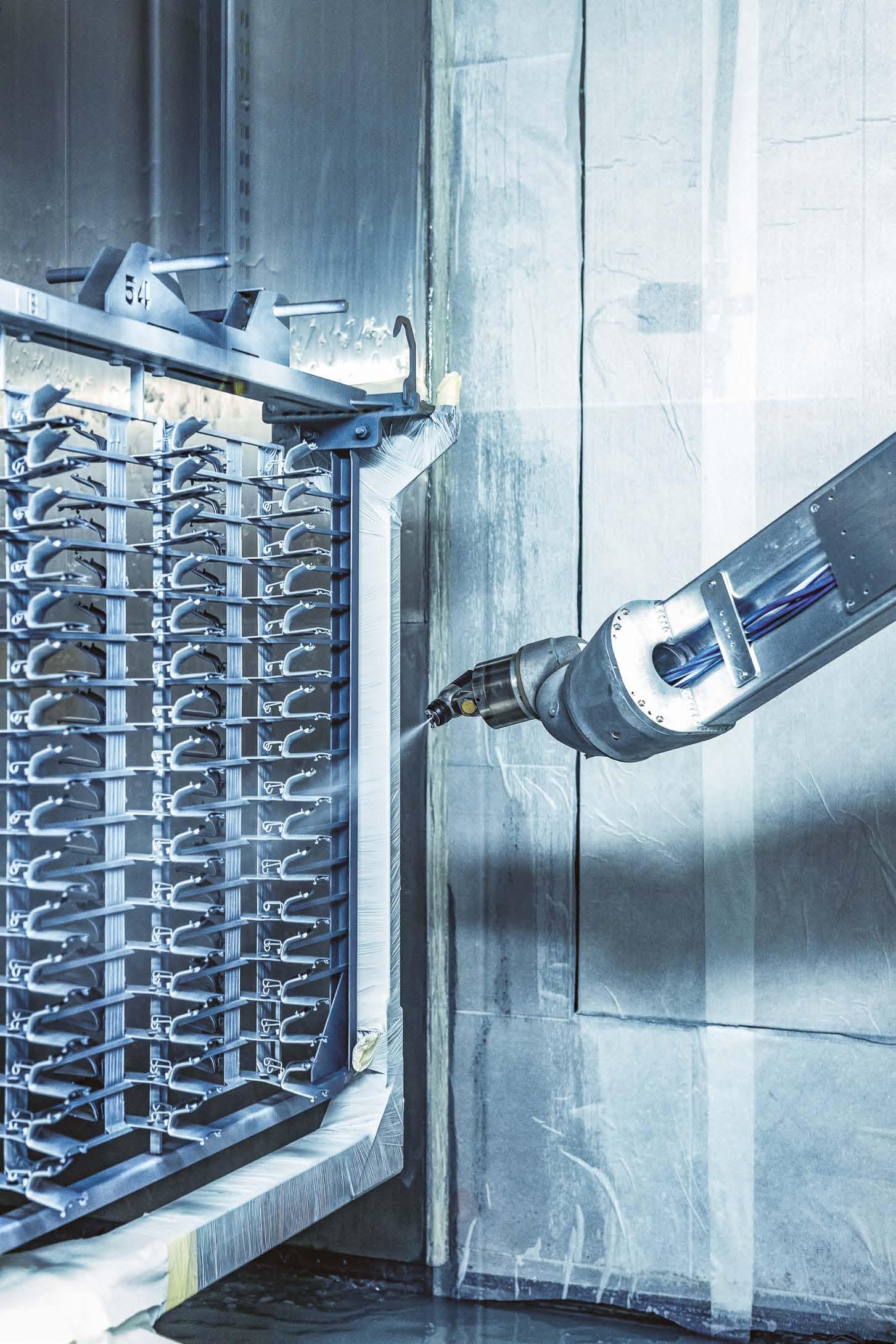
▪ State-of-the-Art Industrial Painting Line
▪ Built in 2020 and fully operational since 2021
▪ Utilizes 4 cabins equipped with Fanuc 6+1 axis painting robots, designed for handling complex 3D geometries and 2 transfer robots, providing unmatched operational flexibility
▪ Features WAGNER paint feeding system with gear pumps, ensuring high efficiency, versatility, and rapid color changes across 3 primers, 7 basecoats, and 2 clear coat circulations
▪ Designed with a large painting window and double-sided jigs to optimize maximum production output
▪ Employs RFID tracking for complete and reliable process traceability
Our robotic painting solutions deliver unmatched precision, reduced waste, and increased throughput for automotive and industrial applications
Discover our advanced solutions at motor-classic-solutions.com or we gladly invite you to visit our plant in H-2800 Tatabánya, Vigadó u. 6, HUNGARY
HIGHLIGHT OF THE MONTH
Twenty years of innovation, quality, research, and development: the history of Decoral America
From an interview with Enrico Piva CEO of Decoral Systems USA Corporation - Coral Springs, FL, United States
From its foundation in 2004 to its current well-established presence in the market, the Decoral America subsidiary is undoubtedly a leading player in the metal surface decoration and sublimation sector. Its CEO, Enrico Piva, spoke with ipcm® about the company’s history, the unique characteristics of the US market, the evolution of Decoral’s technological offering with the IR 3D system, and the importance of patents and certifications for establishing a foothold on the American continent.
Decoral’s name has stood for excellence and innovation in the industrial decoration of metal surfaces for decades.Founded in Arcole (Verona, Italy) in the early 1990s, this Group has evolved and expanded globally thanks to its forward-thinking vision and the adoption of patented technologies that now set the standard in the industry. Among its most significant projects is Decoral America – an adventure that began twenty years ago with determination, expertise, and a dash of entrepreneurial courage. We interviewed Enrico Piva, the CEO and founder of this American subsidiary, to understand how the idea originated, the dynamics of the US market, and the technologies currently transforming the way industrial decoration is conceived.
Can you tell us the story of Decoral America from its founding to the present day?
As a strategic choice, Decoral decided from the outset not to serve a specific sector but to embrace multiple fields of application, thus diversifying its offer and enhancing the versatility of its solutions.
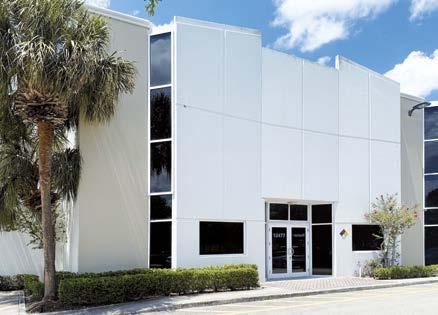
Enrico Piva: "Decoral America was founded in 2004 in Coral Springs, Florida, with the aim of bringing the sublimation decoration technology developed and consolidated by the Decoral Group in Europe to the United States. We had conceived this idea a few years earlier, after closely observing the dynamics of the American market and recognising its considerable potential for development. Internationally, our Group was already a benchmark in metal surface decoration, but the US market was still largely unexplored in this field, a fertile ground where there were no facilities, no specialised operators, and no real knowledge of the process. That meant we had to build a market from scratch in terms of both technology and culture. However, after an initial period of investment and promotion, the first customers arrived, along with the first concrete results. In the years that followed, we worked tirelessly to promote the advantages of sublimation beyond the architectural world, expanding into sectors such as design and street furniture. The 2008 crisis inevitably slowed down this process, but we never stopped. On the contrary, we invested in our US subsidiary, installing demonstration plants to welcome customers and show the efficiency and quality of our solutions first-hand. Today, Decoral America is a benchmark supplier for the North American market. We are a complete technological hub: we provide technical
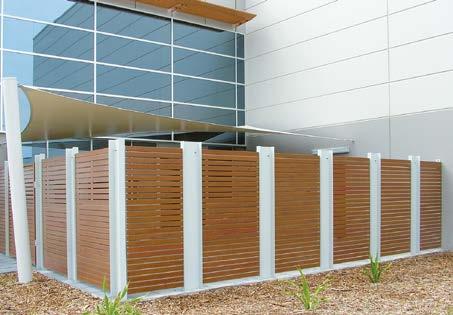

Left photo: Decoral’s subsidiary in Coral Springs, Florida.
The IR 3D technology is based on an extremely versatile infrared system designed to decorate both flat surfaces and three-dimensional objects.
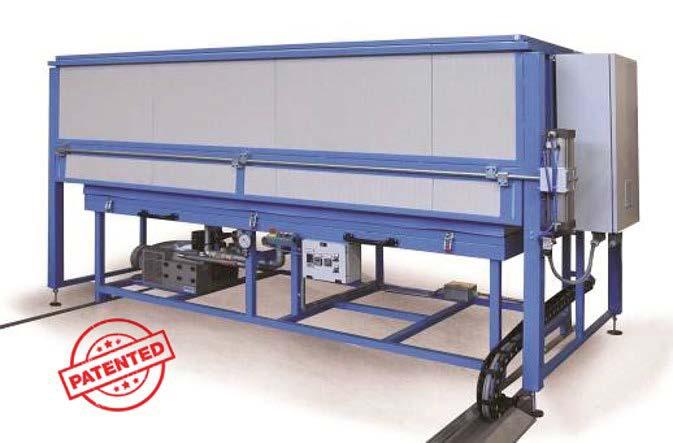
assistance, spare parts, and certified materials, from powders to sublimation films, while supporting our customers in the development of customised finishes, also in collaboration with architects and design studios".
Why did you choose the United States to open a branch?
"The United States was not a random choice but the result of careful observation and a clear strategic vision. The American mindset is profoundly different from the European one: here, more than anywhere else, presence counts. American entrepreneurs are highly pragmatic and, beyond a product’s quality, they want to ensure there is a solid, well-structured company behind it, capable of offering local, reliable, and effective technical support. In short, they only buy from those who are truly present in the region. Opening a plant in the USA was therefore a necessary, almost mandatory step if we wanted to earn the trust of this market. At the same time, it was not just about logistics or services: it was about creating a direct, human connection with customers. And in the United States, this really makes a difference in terms of loyalisation: when an American customer finds a partner who listens to them, supports them, responds quickly, and solves problems, they tend to remain loyal over time. This is precisely one of the strengths that has enabled us to achieve a leading position over the years".
What are the main sectors in which you operate today?
"From the outset, we chose not to focus on a specific sector but to extend our field of activity to different
areas of application. This approach has allowed us to adapt to the US’ highly diverse market, where aluminium is not yet as widely used in residential construction as it is in Europe. Materials such as wood, PVC, and fibreglass are often employed here, whereas aluminium is mainly used in commercial construction – particularly in southern states, for example Florida and Texas – for projects such as skyscrapers, shopping centres, and large public buildings, where standard finishes are preferred, especially white or black anodising. That is why we have diversified our offer: today, we collaborate with manufacturers of metal furniture, flooring systems, aluminium false ceilings, railings, street furniture components, lamps, and many more".
The 3D IR technology is proving very successful in the United States. What are its main features and advantages?
"The IR 3D technology is an extremely versatile infrared system designed to decorate both flat surfaces, such as metal sheets, and three-dimensional objects, including extruded profiles, handles, lamps, tables, chairs, and components for the automotive and motorcycle industries. The heart of the process lies in the deposition of a sublimation film, which can stretch up to 1000% and adapt perfectly to the workpiece’s shape without creating folds, wrinkles, or surface irregularities. In addition to being versatile, this system is highly flexible and particularly well-suited for processing small to medium batches. Various plant configurations are available, with dimensions ranging from 1 to 4 metres, depending on the type and size of the parts to be treated".
We have also recently launched a specific solution for

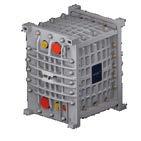
The IR 3D system can also treat MDF workpieces.
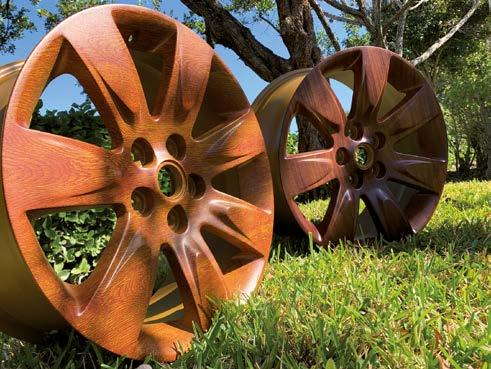
coating and decorating MDF surfaces, a material widely used in the US furniture industry. MDF, which is non-conductive, is traditionally preheated and then coated with thermosetting powders; the heat activates the surface, allowing the coating to adhere. Our team has developed an innovative primer that makes MDF electrostatically active even when cold, enabling operators to powder-coat the substrate without the need for preheating. After powder application, the MDF surface can be subjected to sublimation using the IR 3D system for high-quality, long-lasting finishes. This provides a direct alternative to laminates, which are still widely used on the American market but are prone to problems in humid or hightemperature environments, such as in kitchens".
How important are patents and certifications for operating in the American market?
"They are central elements of our strategy. The US market values and strictly protects intellectual property: patents are respected, and nondisclosure agreements (NDAs) are standard practice in both commercial and technical contexts. That means we can effectively protect our know-how, which is the result of years of research and development. We currently hold several international patents, including those relating to our IR 3D technology.
In recent years, we have also invested significantly in optimising the technical and environmental performance of our products. Our decorative finishes are all low-environmental impact, VOC-free products certified for resistance to fire, scratches, and other factors that cause surface degradation.
We have also obtained the three main certifications released by AAMA (American Architectural Manufacturers Association), which are essential for operating in the architectural space in the United States:
AAMA 2603 for residential environments;
AAMA 2604 for commercial buildings;
AAMA 2605 for high-exposure contexts, such as coastal areas or monumental architectural projects.
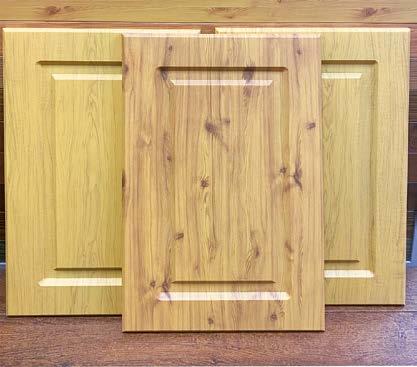
Furthermore, to certify the durability of our decorative finishes for outdoor use, we have created QualityDecoral®, a self-certification system based on natural exposure tests in Florida and accelerated ageing trials:
QualityDecoral® Silver: 1 year of exposure in Florida + 1,000 hours of accelerated testing;
QualityDecoral® Gold: 3 year of exposure + 2,500 hours of accelerated testing;
QualityDecoral® Platinum: 5 years of exposure in extreme conditions with no visible deterioration.
These tests evaluate the resistance of decorative coatings to extreme environmental conditions, including intense UV radiation, high humidity, and salt spray, allowing us to guarantee high and consistent performance even in particularly challenging climates, such as those found in Florida, Texas, or California".
What are your future prospects?
"We will continue to invest heavily in technological innovation and customer service. The industrial decoration sector is constantly evolving, driven by global trends that demand increasingly customised finishes, certified performance, and short response times. Our strategy for the future involves further consolidating our presence in the North American market by developing new, customised finishes tailored to meet the specific requirements of local architects, designers, and manufacturers. We also aim to expand the fields of application of our IR 3D technology, extending it to new industrial sectors where three-dimensional decoration can bring both aesthetic and functional advantages".
From left to right:
Wheel rims and other automotive components can be subjected to sublimation through the IR 3D technology.
© Decoral
© Decoral

SUCCESS STORIES
Where everything is regenerated: Magix’s virtuous production cycle thanks to a new water treatment plant
A company with over thirty years of experience in producing mortars, ready-to-use mixes, and water-based paints for interiors and exteriors and spatula-applied coatings for the construction industry, Magix Srl has embarked on a path of sustainable evolution, focused on reusing resources and establishing a closed-loop production process. With this goal in mind, it turned to Water Energy to design a sedimentation and filtration plant capable of efficiently managing waste water and giving new life to the water used in its cleaning operations.
Astudy published in the Journal of Cleaner Production, an international, transdisciplinary magazine focusing on cleaner production, environment, and sustainability, shows that adopting closed-loop production systems can reduce industrial waste by up to 70%1, with significant environmental and economic benefits. This is not surprising to companies like Magix Srl, which have long chosen to invest in a circular and conscious production model where every resource, from water to raw materials, is valued and waste is minimised.
1 https://www.sciencedirect.com/science/article/abs/pii/ S1755581711000460
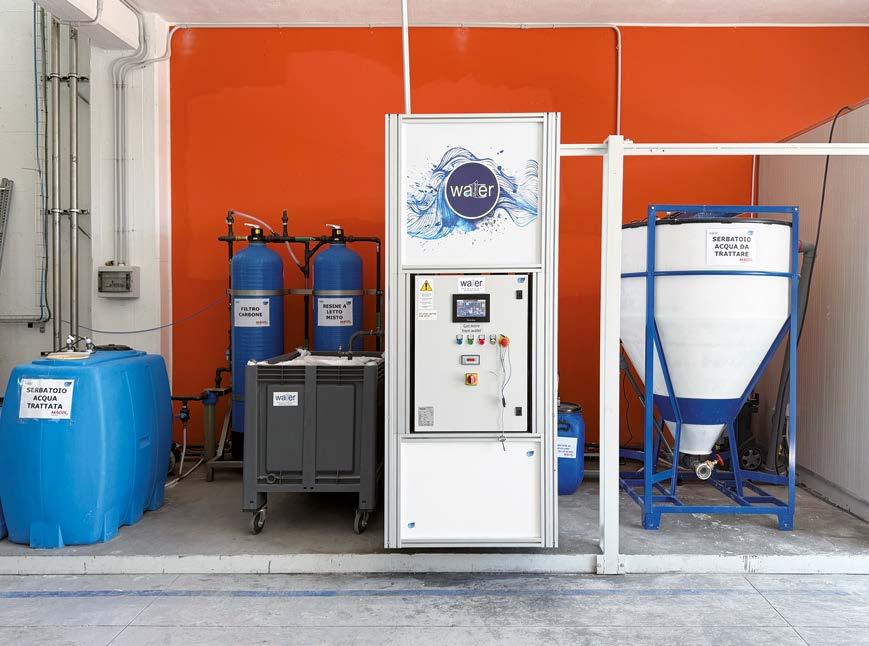
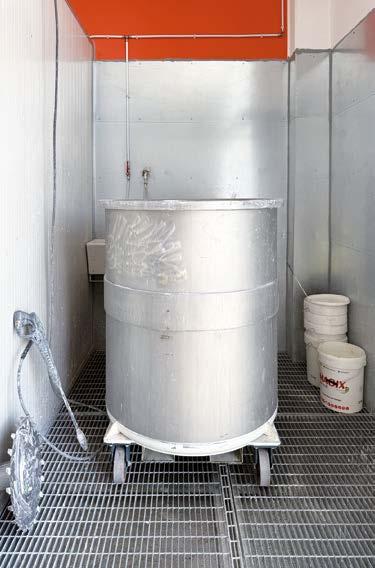
Above, the cleaning booth, where operators use a pressure washer to clean production equipment.

Founded in the early 1990s by Nicola Divincenzo in Gravina in Puglia (Bari, Italy), Magix has established itself in the building industry thanks to a clear vision: simplifying work on construction sites with ready-touse products such as mortars, mixes, water-based paints, spatulaapplied finishes, and wall coatings. What began as a small workshop manually producing just five pallets per day has thus grown into a well-organised, dynamic, and forward-looking company. Over time, it has invested in technology, research, and development, transforming its factory into a modern production hub capable of responding quickly to market demands, especially in the Apulia and Basilicata regions, where it continues to maintain a widespread presence. Alongside technical innovation, another element has gradually taken on a central role in Magix’s growth strategy: environmental sustainability. “The reuse of water, the valorisation of production waste, and the reduction of dependence on fossil fuel sources have been the three areas on which we have focused our efforts,” says Nicola Divincenzo, the owner of Magix. “To achieve the first two of them, a few years ago, we turned to Water Energy (San Pietro in Casale, Bologna, Italy) to design and install a plant for treating the water generated in our cleaning operations.”
Magix’s production cycle and requirements
Magix manufactures water-based paints for both interior and exterior use, as well as spatula-applied finishes, primarily for the construction industry. At the heart of every formulation is a careful selection of raw materials – resins, binders, and additives – intelligently dosed thanks to an automatic feed system. “Based on the recipe for the product to be formulated, the resins and the binder are automatically fed into the mixing tank. The additives and solid fillers, such as carbonates and quartz, are then added,” explains production manager Vincenzo Mandolino. After the dosing phase, the mix is blended until the desired consistency is achieved, from paste coatings and high-thickness materials to liquid paints with a final thickness of approximately 300 microns.
The packaging phase also varies depending on the type of paint: “If it is a spatula-applied product, i.e. a more compact material, the tank is positioned under a press equipped with a piston, which pushes the mixture towards the bottom so that it can be transferred to the automatic packaging system,” explains the production manager. “For liquid paints, on the other hand, a pump draws the product directly from the tank and conveys it to the packaging machine, as it flows without the need for mechanical pressure.”
After each cycle, the whole production equipment, including tanks, vessels, and so on, must be thoroughly cleaned to ensure the integrity of subsequent batches. The cleaning operations take place in a dedicated booth, where the operators use a pressure washer to
Sublimate any aluminium object with our IR system.

✔ Compact and robust design ✔ Fast preheating for immediate use ✔ Easy to operate ✔ Flexible installation ✔ Zero atmospheric emissions Looking to decorate 3D objects or small-size sheets in-house?

Decoral® System info@decoral-system.com www decoral-system com


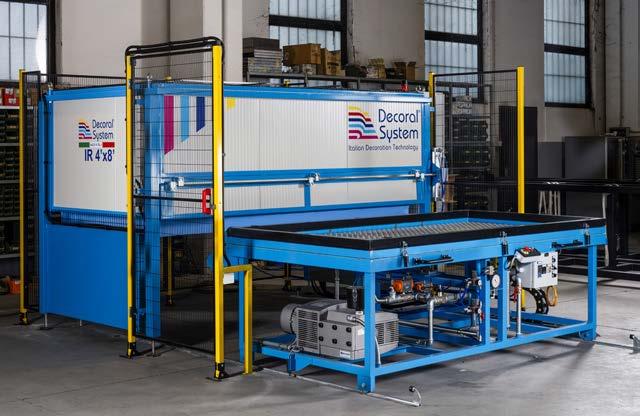

remove all residues. The water collected during this phase, which contains pigments, resins, and other contaminants, is conveyed to a drain trough and then directed to the treatment plant supplied by Water Energy.
“We turned to Water Energy because we needed to manage our process waste and the water used during cleaning operations in an intelligent and sustainable way,” continues Divincenzo, confirming that sustainability has become one of the company’s strategic pillars. “We had always paid particular attention to the conscious use of resources, especially water and energy. But we felt the need to go one step further and create a closed-loop production model where nothing is wasted and every element – be it a raw material, waste, or a resource – can be recovered and recirculated into the process.”
The technology installed: the WE series sedimentation tank and the filtration unit
“We supplied Magix with a WE 500 batch-based sedimentation plant, designed to optimise and accelerate the separation of sludge generated by the chemical-physical treatment of waste water, facilitating its deposition and thickening at the bottom,” explains Water Energy’s owner, Tommaso Ponara. “The system is fully automatic: at the end of each cycle, it restarts as soon as new water is available for treatment and there is space in the storage tank.”
The plant is used to treat the waste water generated throughout the entire manufacturing process of Magix’s water-based (and, in part, solvent-based) coatings. The cycle begins with a pre-separation phase in a truncated cone tank, which collects the residues generated during the cleaning of vessels and other equipment. As it consists exclusively of water and raw materials, the sludge formed in this phase is ‘pure’ and must be kept separate from the purification sludge, in order to be recovered and reused in the powder coating production cycle. This is particularly important because it prevents the chemicals used in the next phase, such as flocculants, from coming into contact
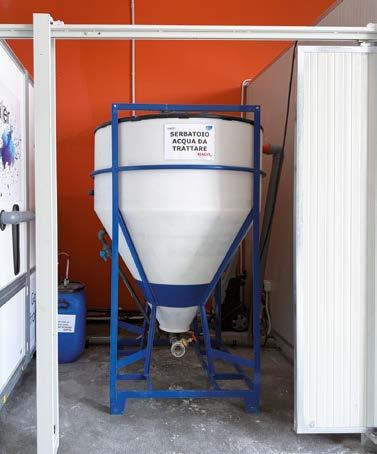
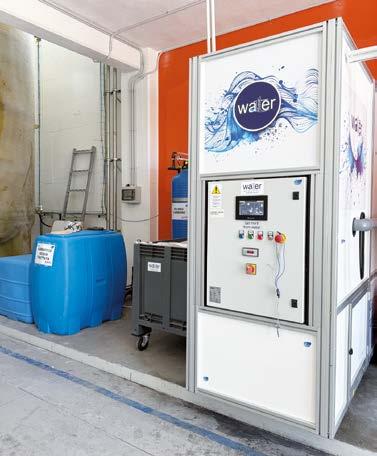
with the recoverable raw materials, with which they are often incompatible.
The water mass then proceeds to the chemicalphysical treatment phase, where the actual sedimentation process is performed through an automatic reagent dosing system calibrated according to the level of pollutants. The WE 500 sedimentation tank produces clarified water on one side and compacted sludge ready for disposal or recovery on the other. The former can then follow two paths depending on production requirements. “If a higher level of water purification is not necessary, it can be reused directly, thus avoiding filtration costs. If purer water suitable for other internal cycles is required, it is conveyed to the FCC 300 activated carbon unit, where it is further treated, stored, and sent back to the lines that require filtered and perfectly clean water,” adds Ponara. An automatic control system continuously monitors the parameters of the treated water to ensure the high quality of the entire process. If the values are not compliant before filtration, the system automatically redirects the water upstream for a new treatment cycle. “On the one hand, this plant enables us to obtain clarified or filtered water for reuse in production. On the other hand, we also recover a significant portion
of raw materials in the form of sludge, which is then reused as raw material itself for our readyto-use mixes,” notes Nicola Divincenzo.
A concrete, tailor-made solution
“Previously, this all was a problem: waste disposal was complicated, costly, and unsustainable. Now, with our new system, we work faster, cleaner, and more responsibly,” states the owner of Magix. “We have found in Water Energy a partner able to grasp our needs at best and offer a concrete solution that was suitable and perfectly in line with our values, as well as a company that fully shares our focus on sustainability.”
The tank for storing the water to be treated in Water Energy’s system and the sedimentation plant supplied by Water Energy.
COMMITTED TO INDUSTRIAL PAINTING SINCE MORE THAN 60 YEARS
The ELETTROSPRAY® manual and automatic painting equipment both for liquid and powder paints application are fully designed and made by RAVARINI CASTOLDI & C. S.r.l. and are on the market since 60 years.
ELETTROSPRAY® electrostatic generators in particular represent a “unicum” in the solvent and water based painting equipment market.
The ELETTROSPRAY® are compliant with CEI/CENELEC standards to guarantee the maximum working safety.
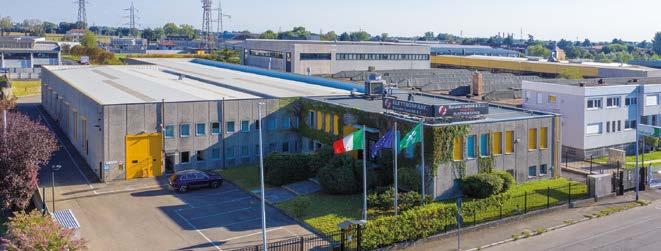
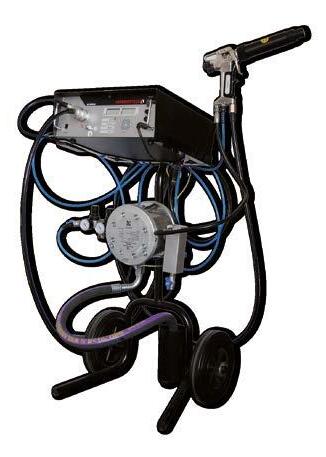
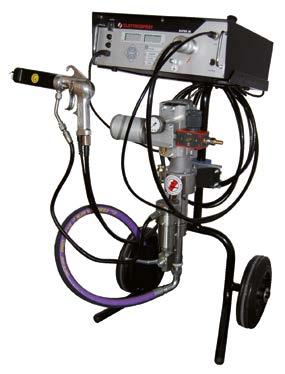
dive@ravarinicastoldi.it
www.ravarinicastoldi.it
Ravarini Castoldi & C. S.r.l. ELETTROSPRAY ®
Basca is changing the rules with its automated solutions for cleaning industrial tanks and containers
Edited by ipcm®
Cleaning tanks and containers is often considered an ancillary operation within paint and coating production processes, but it actually has a direct impact on production efficiency, product quality, and environmental sustainability. Basca offers automated and modular systems designed to optimise such cleaning cycles, minimise resource waste, and ensure safe working conditions and consistently flawless results.
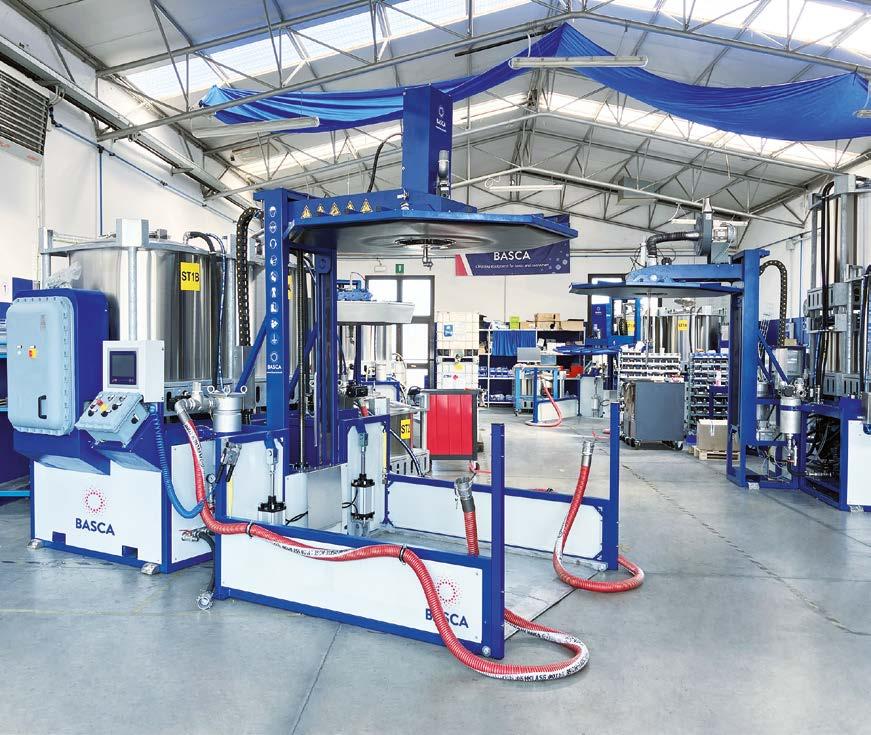
The need to optimise the cleaning of tanks, vessels, and containers used in the production of paints and coatings has become a pressing issue, especially to protect the environment and precious resources such as water. However, many companies are still using manual or semi-manual methods that require intensive labour, use vast quantities of water and chemical detergents, and generate a large amount of waste, with consequently high disposal costs and a significant environmental impact.
At first glance, manual systems may seem economical solutions. But in the medium to long term, they prove to be quite the opposite: they are costly and, above all, hazardous to both operator health and production continuity. A container that has been washed inaccurately, for example, can compromise the quality of subsequent batches, resulting in waste, rework, or even production stoppages.
Another aspect that is often underestimated is the environment in which the cleaning cycle takes place. Too many companies are still operating in spaces that are poorly equipped, disorganised, or unhygienic. However, effective results cannot be guaranteed in an unsuitable environment: dirty and inadequately equipped cleaning areas inevitably affect the quality of the process itself.
At the same time, regulatory pressure is increasing, especially at the European level, to limit workers’ exposure to aggressive solvents and strenuous operations. Companies are called upon to protect the health and wellbeing of their employees, improve production efficiency, and simultaneously reduce their environmental impact.
A change of pace is therefore needed. The solution is to adopt automatic, safer, and more sustainable cleaning plants. More specifically, however, the real added value lies in implementing modular, flexible, and customisable systems that can be adapted to both small-scale production and more complex industrial contexts. This is where the expertise of Basca (Formigine, Modena, Italy), specialising in the design of automated systems for cleaning containers, drums, tanks, and process equipment, comes into play.
From a clear idea to a fast-growing company
Basca was born from the vision of two professionals – Antonio Almenara, Head of Operations, and Alessio Bondi, Head of Sales –who have extensive experience and know-how in the field of industrial cleaning. “We identified a specific gap in the market,” says Bondi, “between the fully automated and costly plants offered by big players and the manual systems that are still too often used today. There was no intermediate solution capable of meeting the needs of all types of companies. So we decided to fill that gap by founding Basca.”
In many production contexts, cleaning is still considered an ancillary phase, especially in sectors such as the coating one, where attention is focused on mixing, formulation, and packaging. However, with the increasing customisation requirements, smaller batches, and demand for hundreds of different shades, the frequency of product changes has become significantly higher. As a result, cleaning the equipment used in paint production has also become a critical step to substantially reduce the risk of contamination among batches and ensure production efficiency and continuity. “This is the reason behind Basca’s success. We have already installed over 140 systems worldwide, spanning Italy and Europe, SouthEast Asia, the Middle East, and North and South America. We cater not only to paint manufacturers but also to producers of low and high-viscosity chemical compounds, to the
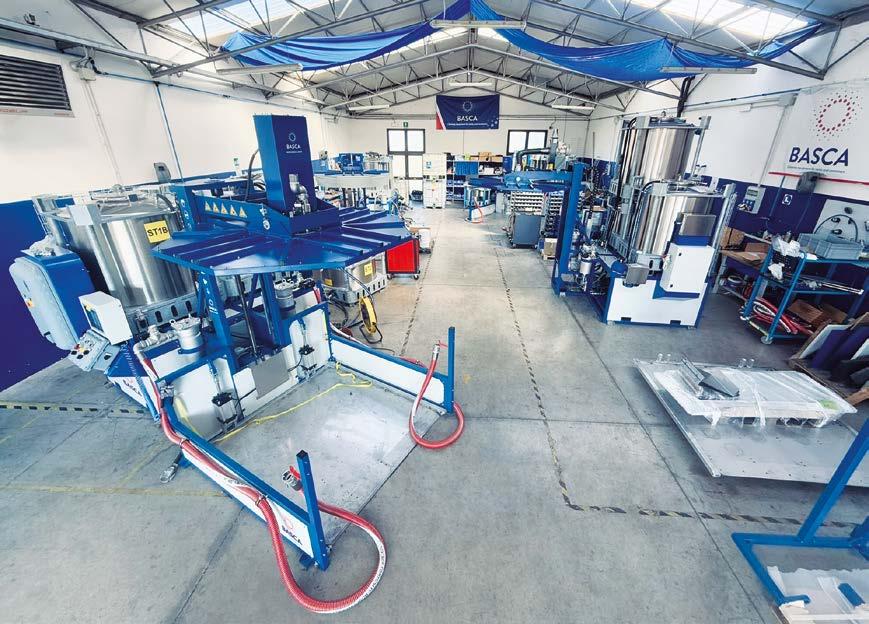
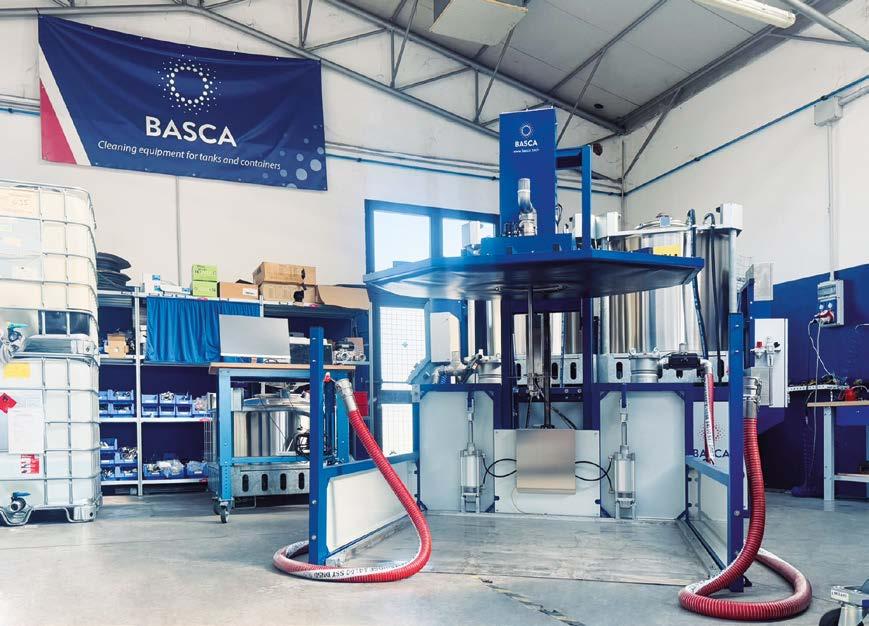
Overview of the production department and an example of a cleaning machine designed by Basca.
cosmetics and food industries, and to cleaning contractors,” adds the company’s Head of Sales.
Starting from concrete data to provide the ideal plant solution
“From the very first contact with a customer, our goal is to work together to develop a tailored solution based on actual data and a meticulous consultancy activity. Only after obtaining concrete evidence and verifiable results do we propose the plant solution best suited to its individual needs,” Bondi explains. The process, therefore, begins with a cleaning test carried out in Basca’s production department. “The customer sends us the tanks or containers it typically uses, together with the pollutants, generally chemical residues, that need to be removed. With those, we can replicate the same contamination conditions that occur in production,” he illustrates. The Basca team then experiments with different operating configurations, adjusting the fluid,
pressure, flow rate, and temperature to identify the most effective solution. “We work with the customer, even remotely, to define the optimal parameters for meeting its required degree of cleanliness. At the end of the test, we provide a detailed report showing the results achieved and what is needed to obtain them in its actual production environment.” Based on this objective data, the customer can make a sound technical and economic assessment.
As a first step, Basca offers a machine with a basic configuration, designed to guarantee optimal results under standard conditions. Thanks to the modularity of its systems, any accessories or new features (such as special filtration systems, specific dosage devices, suction or drying units, etc.) can be added at any time, or the level of automation can be increased. “Our machines are manufactured with a standard configuration, to which customisable upgrades can be added according to requirements. This way, we can respond effectively to any cost, plant layout, and
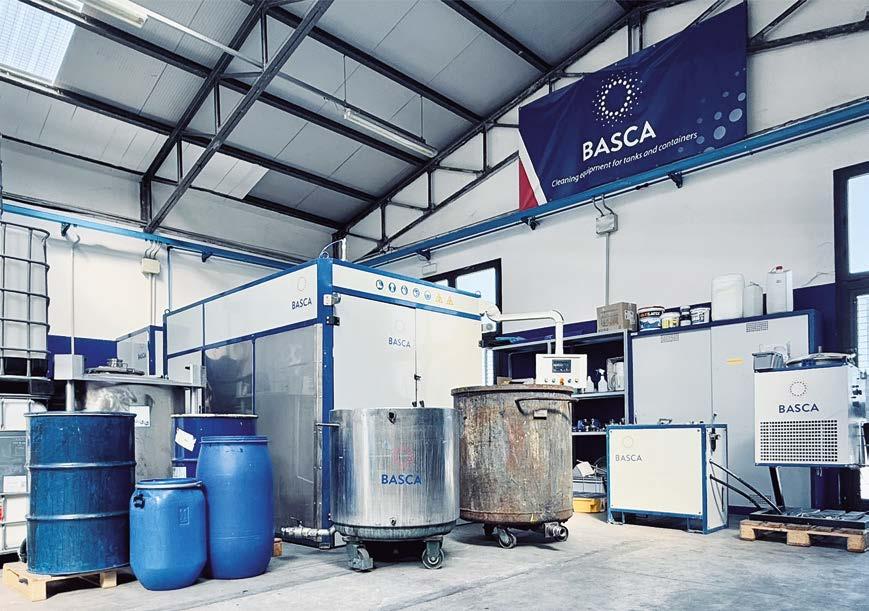
process-related request through truly tailored solutions,” explains Bondi.
In addition, to make the process even safer and more environmentally friendly, Basca can supply solvent recovery and waste water treatment plants, which can also be integrated at a later date. Finally, to complete its consultancyoriented approach, Basca also offers two innovative tools: the Cleaning Sustainability Test, which assesses the environmental, economic, and social sustainability of a cleaning process, and the Basca Value Report, a comparative analysis of the costs incurred by the customer with its current process and those estimated with the adoption of a Basca system. “The former helps a company understand where it can improve, whereas the latter provides a concrete economic analysis to make informed and measurable choices,” notes the Head of Sales.
Maximising results, minimising waste
The entire range of systems designed by Basca adapts to different types of containers and contaminants, thanks to cleaning solutions based on water, solvents, or eco-friendly detergents using high-pressure jets, brushes, or nozzles. Basca’s equipment offers numerous concrete advantages, including as follows:
The significant reduction in cleaning times optimises overall productivity, reduces downtime, and increases the efficiency of production lines.
The quality of the final results is significantly improved, ensuring uniform and repeatable operations that consistently meet the required standards.
Reduced water and solvent consumption leads to more responsible use of resources, resulting in lower procurement costs and less environmental impact.
Reduced waste production means lower disposal costs and greater sustainability.
Increased safety in the workplace results from the absence of direct exposure of operators to contaminants, which reduces
© Basca
Basca Lab area where cleaning tests are conducted with customer tanks and products.
health risks and improves overall working conditions. The return on investment is rapid thanks to the combined savings in time, consumption, and waste management costs, making the purchase of a Basca system a cost-effective choice.
“Finally, what sets us apart in the market is our efficient technical support, characterised by prompt intervention and effective solutions to guarantee production continuity in every situation,” states Alessio Bondi.
Towards the future: new developments and increasingly advanced solutions
Basca will once again participate in the next editions of the Paint&Coatings trade fair, scheduled for 8-9 October 2025 at Superstudio Maxi in Milan (Italy) and for 19-20 November at La Farga in Barcelona (Spain), with the aim of presenting its range of solutions, sharing technical know-how, and gaining a deeper understanding of visitors’ specific needs. “It is a valuable opportunity for direct contact with the market, enabling us to truly grasp our customers’ requirements, from the type of containers to be treated to the composition of the substances to be removed or the need to use water, solvents, or detergents depending on the process,” comments Alessio Bondi.
Among its most recent innovations, Basca has developed a series of solvent-based cleaning systems without electrical components, designed to operate in environments subject to ATEX regulations. The absence of electrical components streamlines certification procedures, reduces compliance costs, and ensures greater flexibility during installation without compromising cleaning performance. For electrical systems, on the other hand, Basca has launched proprietary software that enables remote technical assistance and accurate monitoring of water, solvent, and energy consumption. This is a particularly strategic solution for companies that want to maintain control over their environmental KPIs and prepare ESG reports based on constantly updated data that can be certified directly by the system.
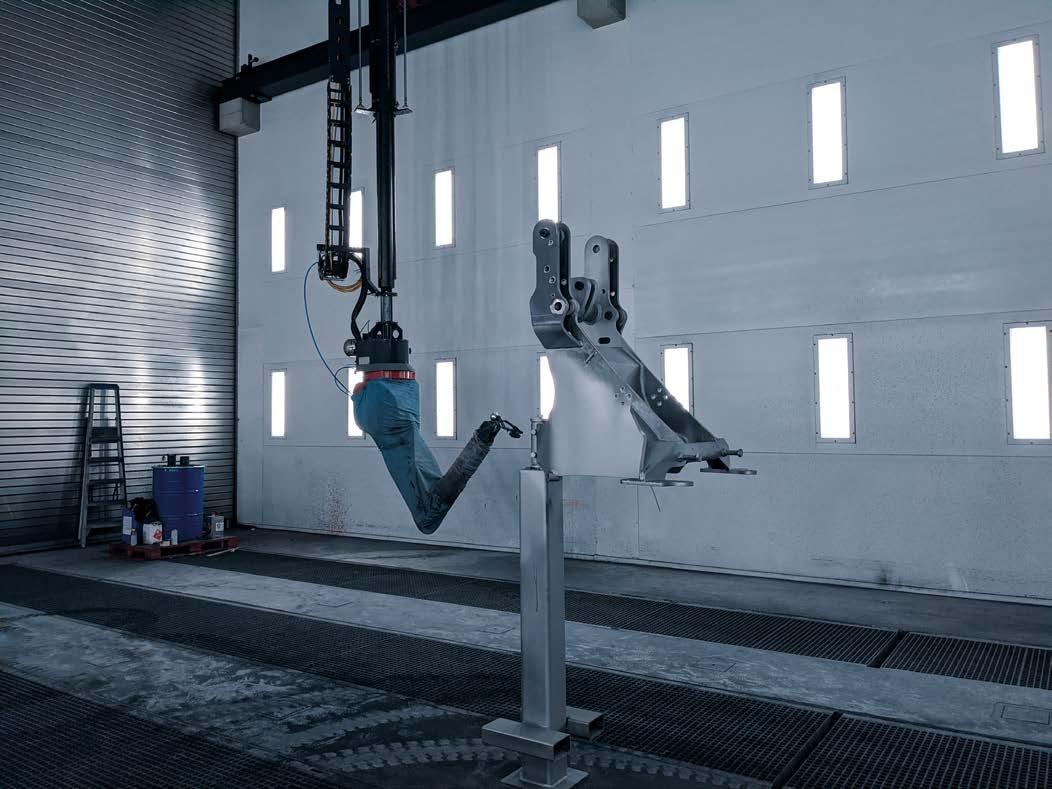
ROAD TO 2050
LECHSYS DE-AROMATIC: the sustainable evolution of Lechler’s tintometric system
Edited by Lechler Spa Como – Italy info@lechler.eu
Lechler Spa, the Como-based company specialised in the production of paints and coatings, has developed a new tintometric system with base tints (pastes) free from aromatic solvents and therefore less impactful from an environmental perspective, while maintaining the same performance levels as the well-established Lechsys system.
In today’s industrial coatings landscape, environmental sustainability and the protection of operators’ health have become essential requirements. With growing collective awareness and increasingly strict regulations on the horizon, Lechler has already embarked on a path of responsible innovation. This journey has culminated in the development of LECHSYS DE-AROMATIC: the new tintometric system whose base tints (pastes) are free from aromatic solvents, designed to combine technical performance with environmental respect.
Same quality, greater responsibility
LECHSYS DE-AROMATIC represents a technical evolution of the well-established Lechsys system, with de-aromatized base pastes that maintain all the features that
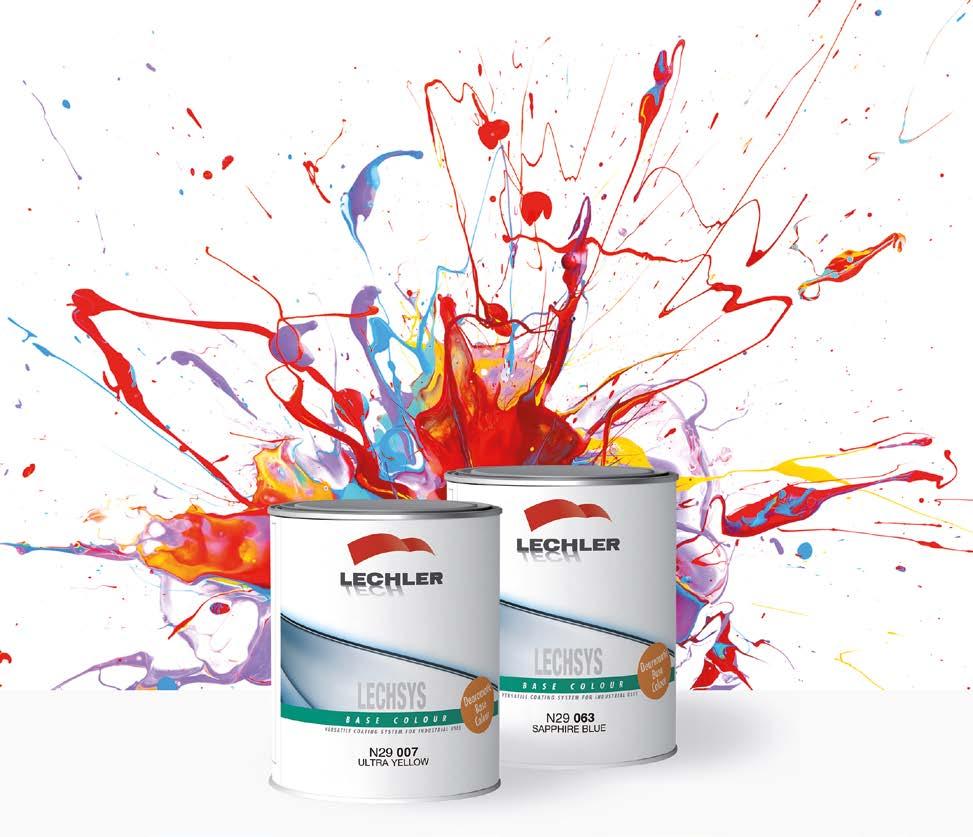
made it a benchmark: coverage, yield, colour compatibility, and ease of use. Its partially de-aromatized formulation (limited to the tinting pastes) offers a safer solution for operators and a lower environmental impact. Tests carried out between 2020 and 2023 have confirmed that the absence of aromatic solvents in the pastes does not compromise performance—an outcome that validates the rigorous, engineering-driven approach behind the development of the new system.
Invisible innovation, tangible benefits
One of the most significant innovations of LECHSYS DE-AROMATIC is the introduction of a new PFAS-free raw material, a class of substances facing growing international restrictions. The reformulation of the tinting pastes has also brought significant improvements in rheology, resulting in enhanced application flow and increased packaging stability—offering clear benefits in terms of logistics and storage.
Full compatibility and updated colour matching
The project was designed to integrate seamlessly with existing processes. The new de-aromatized base tints (pastes, TB DeA) are fully compatible with the current ones (TB), allowing users to continue operations without
IBIX SURFACE TECHNOLOGIES
interruptions or complex conversions. Completing the range is the introduction of the base tint LN290063L1 N-TB LECHSYS SAPPHIRE BLUE, now available in the Lechler MAP4 database for more precise formulation of RAL standard colours in the green and blue chromatic areas.
A simple, digital implementation
The transition to LECHSYS DE-AROMATIC has been designed to minimise operational impact. Manual and automatic tinting machines are compatible with only minor adjustments, and the MAP4 management software automatically recognises the new base tints, autonomously generating updated technical and safety data sheets. Users’ custom formulas remain unchanged, ensuring continuity and transparency.
Toward a more sustainable future
The official rollout of LECHSYS DE-AROMATIC began in July 2025, with full transition planned by the end of the year. This step is not only necessary from regulatory and environmental perspectives but also strategic: it offers companies the opportunity to position themselves innovatively and competitively in a rapidly evolving market.
Portable Blasting Systems for Maximum Efficiency
Lightweight, portable and easy to use
Ideal for metal surface treatment
Low consumption and high precision
Dry and H₂O versions available
One-operator systems
Versatile across multiple industries
IBIX systems remove rust, scale, and old coatings to reach SA 2.5 grade (ISO 8501-1). Perfect for preparing steel, aluminium, and stainless steel surfaces before painting or for restoring painted items.

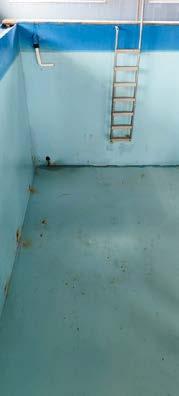
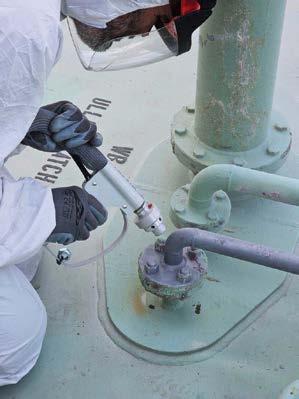
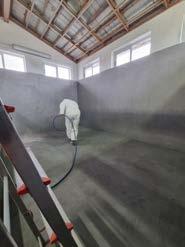
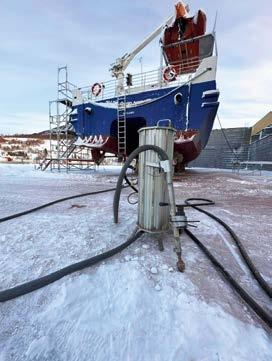
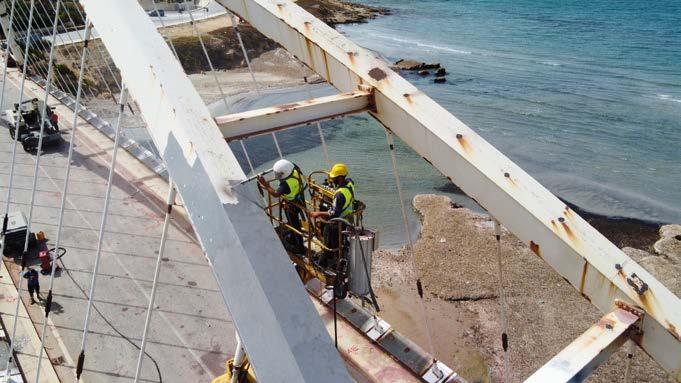

Verniciatura Vannucci’s winning choice: a semi-automatic powder coating plant and a single-phase pre-treatment product
Federico Melideo, ipcm®
Verniciatura Vannucci S.r.l., a long-established Tuscan company specialising in powder coating metal surfaces, has recently installed a semiautomatic system from Eurotherm combined with Chemtec’s TORAN 3® single-phase pre-treatment product. This advanced process configuration guarantees sustainability, energy savings, increased productivity, and high finishing quality.
In an era in which efficiency, sustainability, and quality have become the production standard for companies in all industries to remain competitive, the coating sector has also been and continues to be at the epicentre of a significant evolution. The most mature businesses have seized this opportunity for change, focusing on the adoption of smart technologies, updating their plants in line with Industry 4.0 and 5.0 principles, and investing in process sustainability as a growth factor. In particular, some contract coating companies with strong roots in their local communities stand out for their vision, focusing on innovation to meet the needs of increasingly diversified and sophisticated markets.
Verniciatura Vannucci S.r.l. (Altopascio, Lucca, Italy) distinguishes itself
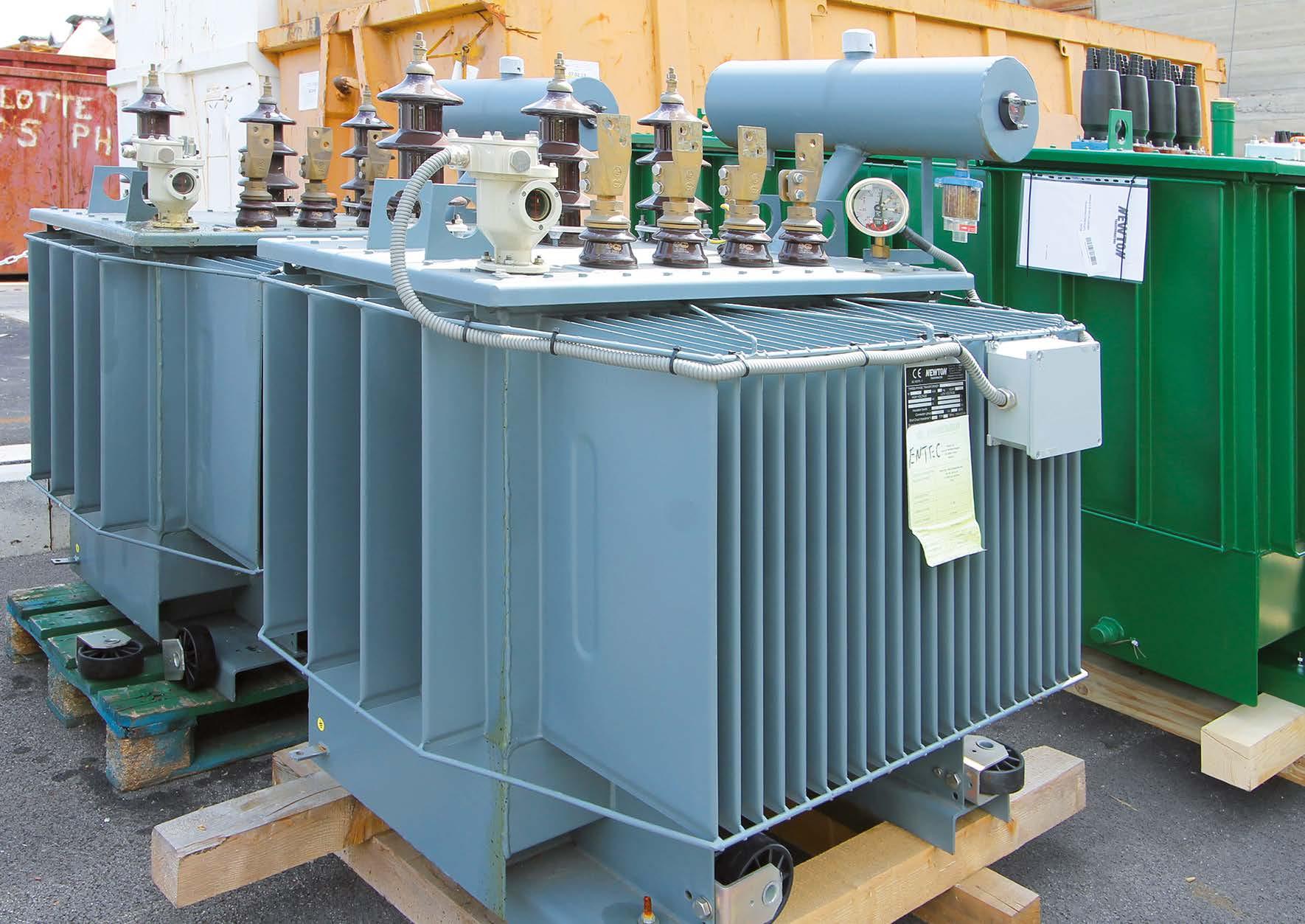
in this context. Alongside the investment in a new semi-automatic coating plant for large parts, it chose to implement a single-stage cold pre-treatment process with Chemtec’s TORAN 3® as an alternative to traditional phosphating, an innovative and environmentally friendly solution does not require rinsing or degreasing, operates at room temperature, and does not create sludge or waste to be disposed of.
A family affair
This company’s history began in 1982, although at that time it did not yet bear its current name. “Our father, Sandro Vannucci, founded it together with other partners,” says Veronica Vannucci, current co-owner. “In 2006, the others gradually left, and my father was left alone. That year, Verniciatura Vannucci was officially established as a partnership company.”
In the following years, Sandro’s two daughters, Veronica and Valentina, joined the business, taking over its management and transforming it into a limited company, which now specialises exclusively in powder coating all types of metal. “We process materials ranging from cast iron to aluminium and galvanised steel. Italy is our only target market: we do not export directly, but we work with a very diverse and cross-sectoral client base
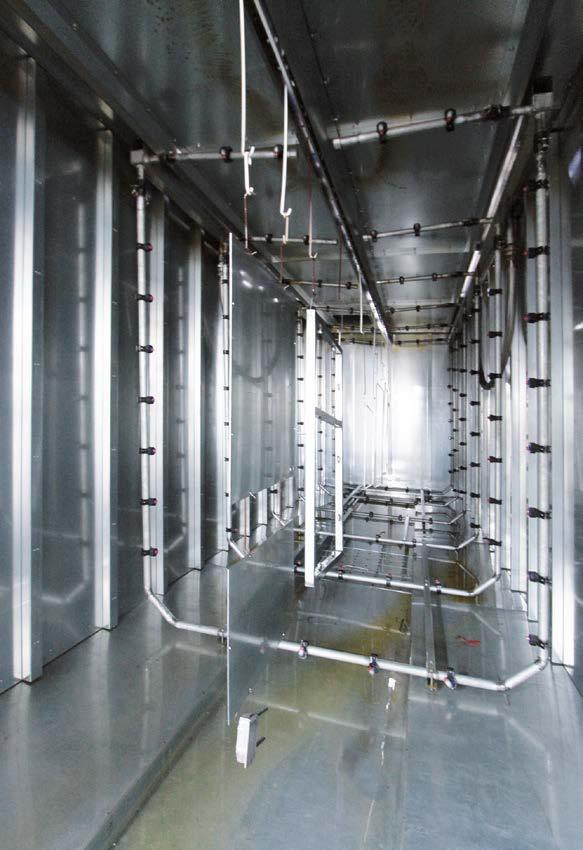
that also sells abroad. We mainly serve industries such as metalworking, shop furniture, and metal components for motorhomes and cars, as well as small businesses and local blacksmiths,” explains Veronica Vannucci.
Two automatic lines for large batches
Verniciatura Vannucci already had two automatic powder coating plants designed to handle high volumes of small to medium-sized components. These lines apply both one- and two-coat systems, with the option of including an anti-corrosion primer depending on the product’s intended use. “The choice of cycle performed depends on the conditions of use of each part. For example, electrical panels intended for installation in humid environments, a sector in which we are particularly active, require a coating that complies with corrosion class C5 and can withstand salt spray tests for up to 1,440 hours,” explains Veronica Vannucci. The chemical pre-treatment process used on these two lines is traditional: degreasing, phosphodegreasing, and rinsing with osmotic water.
A third plant to boost production capacity
“Since the beginning, we had also been using a standard manual booth for coating large components and small batches,” adds Veronica Vannucci.
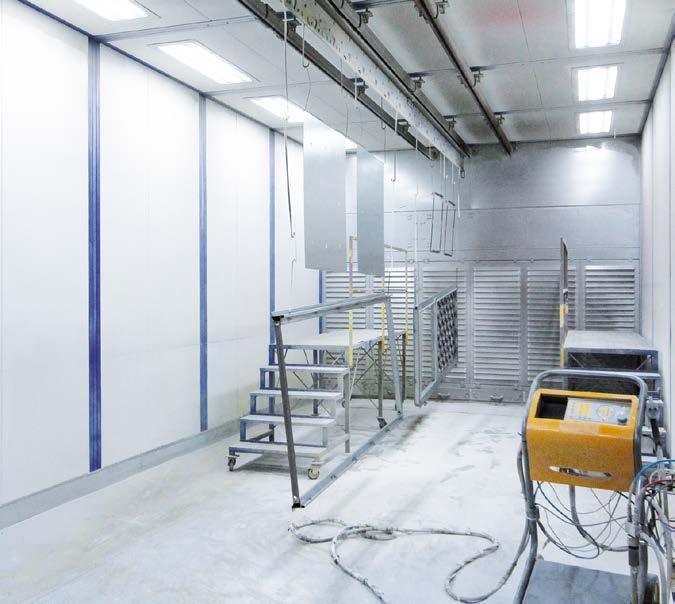
Verniciatura Vannucci Srl is an Italian company specialising in powder coating metal surfaces.
On the left: the pre-treatment tunnel.
Above: The powder coating booth.
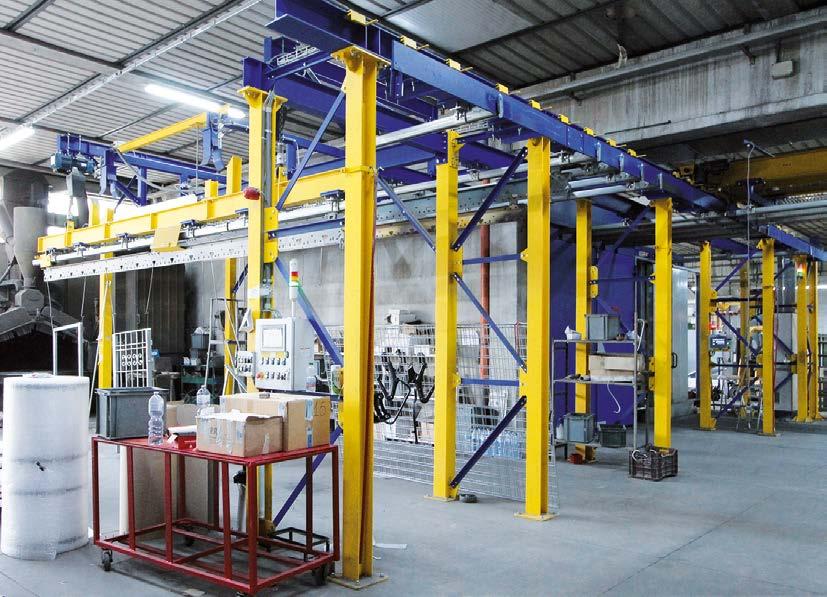
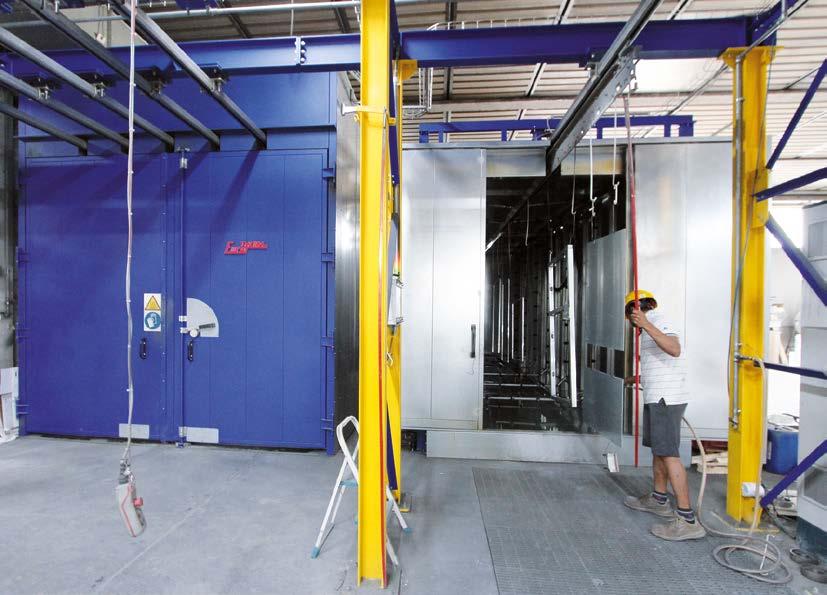
“However, we had been feeling the need to upgrade it for some time, as it did not include an automated cleaning phase: the components were cleaned manually, with results that were inevitably inferior to those guaranteed by an automatic solution.”
To improve process quality, increase efficiency, and optimise its entire production flow, the company thus recently decided to install a new, semi-automatic powder coating plant supplied by Eurotherm (Volpiano, Turin, Italy) and integrated with the TORAN 3® pre-treatment system from Chemtec (Corbetta, Milan, Italy). “Over time, we had been assessing the new technologies available on the market, focusing on semi-automatic lines equipped with a manual monorail conveyor, which had proved to be more practical and faster for treating largesized components. We completed the installation of the new plant between the end of 2022 and the beginning of 2023, and at the same time, we started using Chemtec’s chemical product,” indicates Veronica Vannucci.
Technical features of the new plant
The new system, designed to ensure maximum flexibility and high performance, handles workpieces up to 6,500 mm in length, 1,500 mm in depth, and 2,400 mm in height. The weight capacity of the loading bars is 1,000 kg, allowing the handling and treatment of particularly sturdy and heavy structures.
The line includes the following elements:
an automatic Ecojet cleaning cell;
a powder application booth;
a static curing oven with a maximum operating temperature of 200 °C;
a semi-automatic overhead conveyor with integrated transfer solutions for smooth and safe part handling throughout the various stages of the coating cycle;
a motorised lifting station for loading/unloading products with a capacity of up to 1,000 kg. The plant is also already optimised for future expansion and reconfiguration, ensuring maximum flexibility and adaptability to new production requirements.
The loading/unloading station.
© ipcm
On the left the drying and/or curing oven and on the right the pre-treatment tunnel.
© ipcm
Technical features of TORAN 3®
The investment in the new plant also included the implementation of Chemtec’s TORAN 3® pre-treatment product. The new cleaning cell uses this innovative chemical, which enables cleaning, rinsing, and passivation to be carried out in one stage without using water and, as a result, without generating waste water for disposal. “TORAN 3® is a latest-generation, single-phase product that has revolutionised the pre-treatment process, making it more efficient, sustainable, and environmentally friendly,” explains Tommaso Giovenzana, Scientific Research & Business Development expert at Chemtec S.r.l. “It gives rise to an anhydrous process based on functionalised polymers in organic fluids, capable of ensuring deep and consistent cleaning. The polymers are designed to break down, encapsulate, and neutralise the oils on the parts’ surfaces, thus preventing these contaminants from interfering with the subsequent surface treatment stages. The inactive oils are encapsulated and retained in the bath itself, keeping the liquid clean and effective over time. By incorporating the contaminant, the polymers also create an ultra-thin protective film (about 0.5 microns) on the cleaned components, which promotes paint adhesion and temporarily protects the parts from corrosion if they are not coated immediately, preventing premature oxidation.”
An innovative pre-treatment process
The new pre-treatment process takes place inside a cleaning cell equipped with spray bars designed to apply TORAN 3®. “It begins in the loading area, where the load bars are positioned manually onto the overhead conveyor. The workpieces are then transferred into the cleaning cell, which closes hermetically to start the cycle,” illustrates Tommaso Giovenzana. “The spray nozzles are mounted on a mobile gantry that moves longitudinally, ensuring that the cleaning product reaches the parts’ surfaces completely and evenly. The system is also integrated with a static oven used both for drying after pre-treatment and for paint curing.”
Operational and environmental advantages of TORAN 3®
“TORAN 3® is extremely versatile and compatible with all types of paint, including multi-metal and multi-coating ones, such as industrial polyesters and architectural products. The resulting system marks a significant technological advance thanks to its operational flexibility and increased load capacity. It guarantees consistent quality, application precision, and high productivity even with small to medium batches. At the same time, the modular configuration and the presence of operators in the most critical phases allow adapting the coating cycles to the specific protection and finishing requirements of each end customer,” says Tommaso Giovenzana. “Another important advantage of TORAN 3® is its durability over time, as the pre-treatment
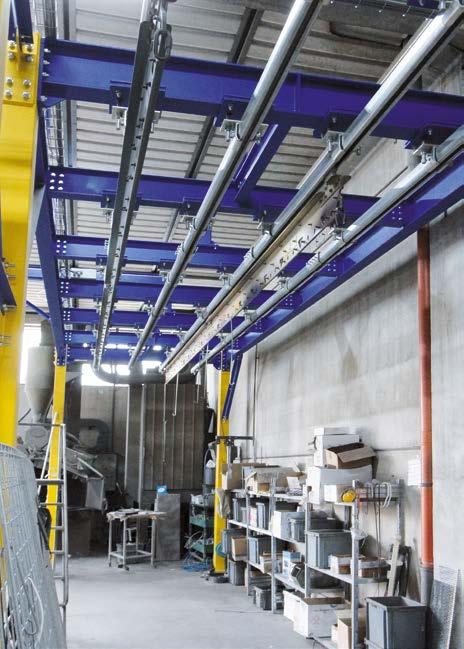
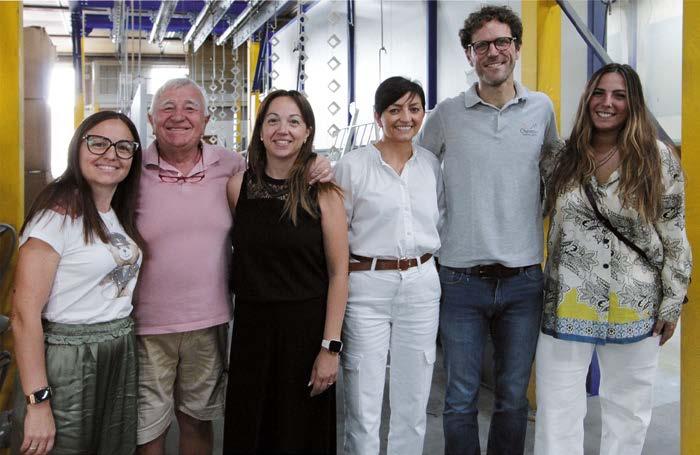
bath does not require complete replacement but is simply replenished with the amount of product consumed. Quality control is carried out quarterly by analysing samples collected directly from the plant and sent to the laboratory, where key parameters such as polymer concentration, oil content, solvent quality, and impurity levels are checked. In 99% of cases, the results confirm the effectiveness of our product; in the event of anomalies, targeted corrections or calibrated dilutions are made to ensure optimal performance at all times.”
“TORAN 3® is a simple-to-use, low-environmental-impact technology that integrates perfectly with this new coating plant. It provides a uniform and sustainable pre-treatment process, while its ability to work without having to add water or dispose of waste water reduces waste and streamlines daily process management without compromising quality. Finally, TORAN 3® is versatile and compatible with different types of paints, ensuring high and consistent performance over time,” adds Beatrice Turri from Chemtec’s sales & marketing office.
Conclusions
“We are completely satisfied with our new semi-automatic plant and the TORAN 3® pre-treatment product. This investment was essential to replace an obsolete machine that lacked automatic part cleaning and only relied on manual labour. In addition to filling a significant technological gap, our main objective was to improve our finishing quality, especially for larger components than those treated with our automatic lines. The resulting line has far exceeded expectations in terms of both quality and energy efficiency. As a cold product, TORAN 3® eliminates the need to dispose of chemical waste, does not waste water, and does not require waste water treatments. Finally, the system does not require daily checks or titrations, thus greatly streamlining management without compromising quality,” concludes Veronica Vannucci. “This translates into faster and more reliable operations, with a positive impact on our entire production process. Our customers have also confirmed the improvement in our coatings’ quality.”
The buffer of the monorail overhead conveyor.
From left to right: Veronica, Sandro, and Valentina Vannucci from Verniciatura Vannucci, Alessia Venturi from ipcm®, and Tommaso Giovenzana and Beatrice Turri from Chemtec.
The strength of Europolveri products does not derive from the sole mixture of carefully selected raw materials, but rather from the people who study, model and formulate powder coatings thanks to more than 40 years of experience, and provide customers with the best solutions on the market A clear corporate philosophy and a shared vision have allowed to supply a vast range of products for three generations With more than 1000 products available in stock and over 40,000 already formulated, Europolveri offers infinite solutions to customer requests


Kevin Biller inducted into Powder Coating Institute Hall of Fame
Kevin Biller, director of ChemQuest Powder Coating Research, was inducted into the Powder Coating Institute (PCI) Hall of Fame at the conclusion of the organization’s annual meeting on May 30.
The ChemQuest Group, Inc., a global consulting firm focused on tailored business strategy and optimization, technology acceleration, market intelligence, and M&A advisory services for the specialty materials industry, is pleased to announce that Kevin Biller, director of ChemQuest Powder Coating Research, was inducted into the Powder Coating Institute (PCI) Hall of Fame at the conclusion of the organization’s annual meeting on May 30. First issued in 2002, the PCI Hall of Fame Award is granted annually to individuals who have made significant contributions to the Powder Coating Institute and to the powder coating industry as a whole. “Kevin Biller has been a leader in the powder coating industry for nearly five decades, beginning his career in 1978 with the Glidden Paint Company,” said Kevin Coursin, PCI’s executive director, during the induction ceremony. “A holder of multiple patents, he was a pioneer in powder coatings for non-metal substrates and UV-curable technologies. Kevin has been deeply involved in industry education, serving on PCI’s Regulatory and Technical Committees, contributing to the fourth edition of the Powder Coating Handbook, and leading the PCI Scholarship Committee. As technical editor for Powder Coated Tough, he authored numerous articles”.
After leaving Glidden, Biller served in leadership positions for numerous companies over the course of his extensive career. He later established the Powder Coating Research Group, which was acquired by The ChemQuest Group in 2021. Author of the “Ask Joe Powder” column that has appeared in numerous publications around the world, as well as producer of the “Ask Joe Powder” powdcast, he has written over 300 articles on powder coatings. In 2004, he published a handbook entitled Powder Coatings: Foundation for the Novice Formulator. “I would like to thank the Powder Coating Institute and its board of directors for considering me for this honor, and quite an honor it is,” Biller said. “I learned a very important lesson during my time at Glidden, which was owned by SCM, the corporate conglomerate that also owned the Smith-Corona typewriter company, among others. The lesson was this: Innovation and commercial success was predicated on thinking outside of the box.
“There was no question that Smith-Corona made the very best typewriter in the history of typewriters, but these amazing machines were made obsolete within just a few years as everyone embraced personal computers. This helped me realize that the next generation of industrial coating technology was not going to come from some savvy iteration of a solventborne coating formulation. No, it would be a creation
of an upstart, outside-of-the-box technology known as powder coatings. And as they say, the rest is history.”
“Kevin’s dedication to the powder coating industry is second to none,” said Daniel Murad, CEO. “He has worked tirelessly his entire career to advance technologies and broaden opportunities for companies across the powder coating value chain. Thank you to the Powder Coating Institute for recognizing his achievements and commitment with this well-deserved honor.”
For further information: https://chemquest.com
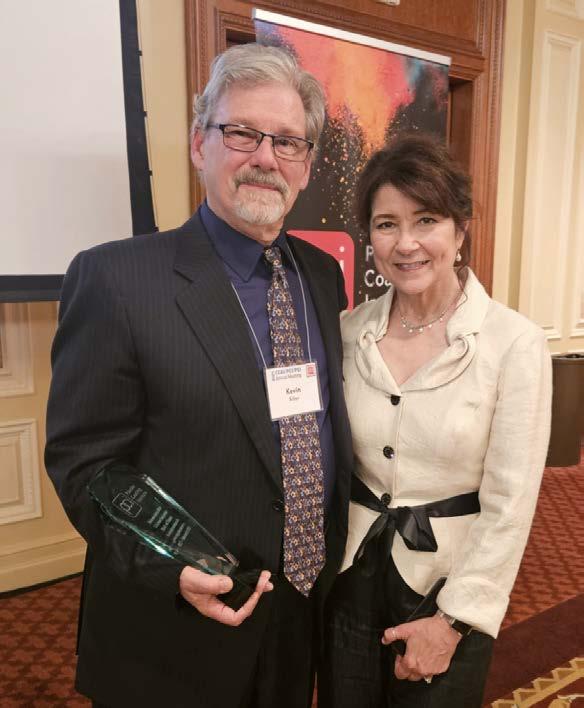
BYK-Gardner USA completes expansion and relocation of ultrasound facility
BYK-Gardner USA has opened a new, larger facility in Perinton to support the development and manufacturing of advanced ultrasound systems for quality control in automotive, semiconductor, and other industrial applications.
BYK-Gardner USA has officially relocated its ultrasound operations from Pittsford to a newly renovated facility at 320 Macedon Center Road in the town of Perinton. The site celebrated its grand opening with a ribbon-cutting ceremony on Tuesday, June 3, attended by both local and international employees. The new 25,000-square-foot building (approximately 2,350 m²) represents a significant upgrade, offering an additional 16,000 square feet (approximately 1,450 m²) compared to the previous location on Monroe Avenue in Pittsford. This expansion provides a state-of-the-art environment with ample space for production, research and development, warehousing, and modern office areas. “BYK’s investment in this new facility underscores our commitment to creating an inspiring and enjoyable workplace,” said Gabi Kigle-Böckler, VP Marketing. “With this enhanced environment, we are well-equipped to develop innovative solutions to meet today’s and tomorrow’s global challenges.” The Fairport site specialises in the development and manufacturing of
high-precision, high-performance ultrasound testing solutions for quality assurance across a wide range of industrial applications. Its innovative high-frequency ultrasound PELT™ systems set the standard in the automotive industry, offering multi-layer film thickness measurement on any substrate with exceptional precision. These systems are available in both handheld and robotic configurations. In the semiconductor sector, BYK-Gardner’s low- to mid-frequency pulsers and receivers serve as versatile tools for general flaw and defect detection. For more advanced applications, high-frequency pulsers and receivers – paired with stateof-the-art immersion transducers – are used in Scanning Acoustic Microscope (SAM) systems. These solutions deliver high-resolution ultrasonic imaging for detecting defects in wafers, microprocessor chips, bonded interfaces, and more.
For further information: www.byk-instruments.com
Strategic leadership transition at KANSAI HELIOS
KANSAI HELIOS reorganises its corporate leadership as part of a strategy to strengthen and expand its global presence, including in the coatings sector.
KANSAI HELIOS announced a change in leadership to further strengthen the Group’s strategic direction in the new phase of its development following the recent acquisitions in the areas of consolidation, integration and growth.
Bastian Krauss, a long-standing member of the KANSAI HELIOS Group in various positions, most recently as Executive Vice President and Executive Director, assumed the role of President and Executive Director of the KANSAI HELIOS Group, effective 1st July 2025.
Over the past years, KANSAI HELIOS has achieved significant milestones that have strengthened its position in the global coatings industry and set the ground for further development. The company group, which is part of Kansai Paint since 2017, successfully completed important acquisitions, which culminated in the integration of the WEILBURGER Coatings Group last year. These strategic moves have expanded the group´s product portfolio, enhanced their technological capabilities, and extended their global footprint, particularly in the industrial coatings sector. In alignment with their long-term strategic goals, including achieving top-class performance by 2030 and fostering collaboration within the Kansai Paint Group, KANSAI HELIOS is entering a new phase accelerating its focus on consolidation, integration and growth.
As part of this strategic focus, in addition to the new role of Bastian Krauss, also the Group Management Board will be restructured. The current President and Executive Director, Dietmar Jost, and the current Executive Director, Yoshihiro Tanaka, will both assume global leadership roles within the Kansai Paint Group. They will lead the Kansai Paint Group’s strategic segments ACE (Agriculture, Construction, Earthmoving Machinery) and Railway – Dietmar Jost as Global Head of the segment and Yoshihiro Tanaka as Global Business Director. Mitsuru Masunaga, Executive Vice President and Executive Director, and Frank Gläser, Executive Director, will remain in their roles and complete the new leadership team.
Bastian Krauss, new President and Executive Director of the KANSAI HELIOS Group, affirms: “This change in leadership underscores KANSAI HELIOS’ commitment to strengthening its operations and delivering sustainable value to its stakeholders to ensure strategic alignment and operational excellence going forward. The new phase we are now entering as a company group is aimed at optimizing our operating business, leveraging synergies from our acquisitions, strengthening our commitment to sustainability and innovation and at the same time further expanding our market positions.”
For further information: www.kansai-helios.eu
From the top: Bastian Krauss President and Executive Director of the KANSAI HELIOS Group, Mitsuru Masunaga, Executive Vice President and Executive Director and Frank Gläser, Executive Director.

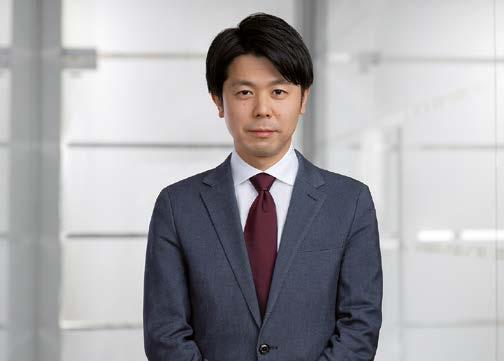
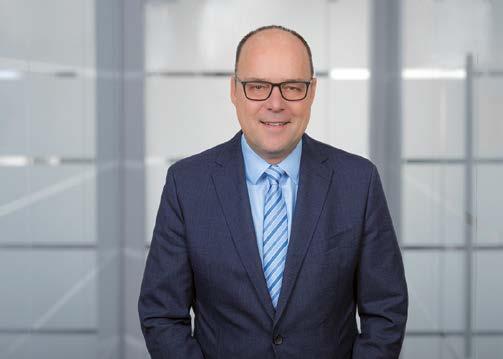
Lesta unveils the new Lesta CLEANING STATION RS: the gun cleaning system with solvent recirculation for more efficient and sustainable painting processes
Lesta, a leading company in industrial painting automation, announces the launch of the Lesta CLEANING STATION RS – the upgraded version of its cleaning station for liquid paints spray guns.
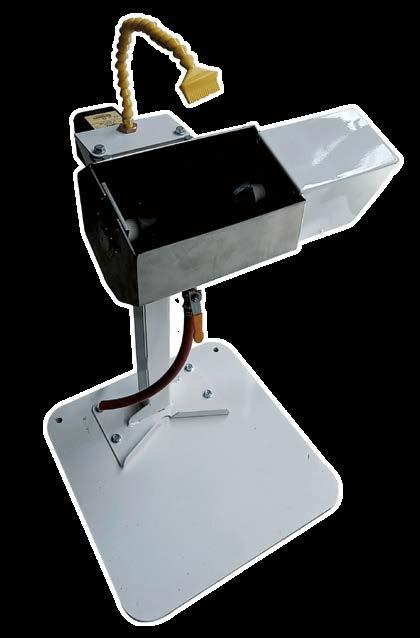
This new model features an advanced solvent recirculation system that significantly enhances efficiency, sustainability, and cleaning performance in automated painting plants.
The new system enables a more precise cleaning of the spray nozzle, reducing solvent waste and maintenance frequency. As a result, it optimises the entire process – whether used with Lesta robots or integrated into automated systems from other manufacturers.
Lesta CLEANING STATION: the foundation of Lesta’s automation for spray gun cleaning
The standard version of the Lesta CLEANING STATION is a free-standing stainless-steel structure equipped with an upper tank and a rotating brush powered by a pneumatic motor. During the production cycle, the robot automatically moves to the station after a predefined number of spray applications. A solenoid valve activates the brush, which removes paint residue through immersion in solvent. Key technical features:
Robust and durable stainless-steel structure
Modular brush with customizable sections
Available in two standard heights or in a mobile version with pneumatic actuator
Compatible with Lesta robots and as well as with robots from other manufacturers.
Lesta CLEANING STATION RS: more cleaning, less waste
The true innovation of the Lesta CLEANING STATION RS lies in its continuous solvent recirculation system: the liquid is redirected and sprayed directly onto the brush, improving the quality of the cleaning process and extending the service life of the cleaning solution. Key benefits:
More effective and consistent cleaning
Longer solvent lifespan
Reduced maintenance and manual interventions
Broad compatibility – not limited to use with Lesta robots only.
A solution for the liquid painting industry
The Lesta CLEANING STATION RS is designed for all companies operating in the industrial liquid painting sector, in particular:
Automated systems with manual or robotic spray guns
Sectors such as metal furniture, household appliances, automotive and agriculturalindustrial machinery
Manufacturing companies seeking greater efficiency, quality, and sustainability in their processes.
Why choose the Lesta CLEANING STATION RS
Investing in the new Lesta CLEANING STATION
RS means adopting a technology that delivers:
Efficiency: faster, more effective cleaning cycles
Sustainability: reduced solvent usage and waste generation
Flexibility: easy integration into any automated coating plant
Reliability: Lesta solution, synonymous with innovation and high-quality Italian engineering.
For further information: www.lesta.it
Eurotherm awarded EcoVadis bronze medal for sustainability
Eurotherm among the top 35% of companies worldwide for sustainable practices.
Eurotherm, one of the leading manufacturers of custom-made equipment for industrial coating, is proud to announce that it has been awarded the prestigious EcoVadis Bronze Medal, a globally recognised benchmark in corporate sustainability.
As global awareness around environmental, social, and ethical responsibility continues to grow, Eurotherm has long been taking proactive steps in this direction. This accolade marks an important milestone, recognising years of strategic and conscious choices aimed at reducing environmental impact, safeguarding human rights, and fostering a transparent and responsible corporate culture.
Eurotherm achieved strong results across all evaluated areas, earning a place among the top 35% of companies assessed globally. This recognition reflects the robustness of our sustainability management system and reaffirms our long-term commitment to responsible business

practices. While this recognition is a proud moment for Eurotherm, it is not an endpoint but a springboard for further action. The company is now entering a new phase that includes:
Implementing improvement plans based on EcoVadis feedback;
Making concrete investments in environmental sustainability, workplace safety, and social responsibility;
Engaging actively with customers, partners, and suppliers who share our vision of a fair, transparent, and future-ready industry.
To further reinforce these efforts, Eurotherm has appointed Cecilia Capobianco as Head of the Health, Safety & Environment department. In her role, Cecilia will oversee and coordinate all initiatives related to environmental sustainability and employee safety.
For further information: www.eurotherm.eu













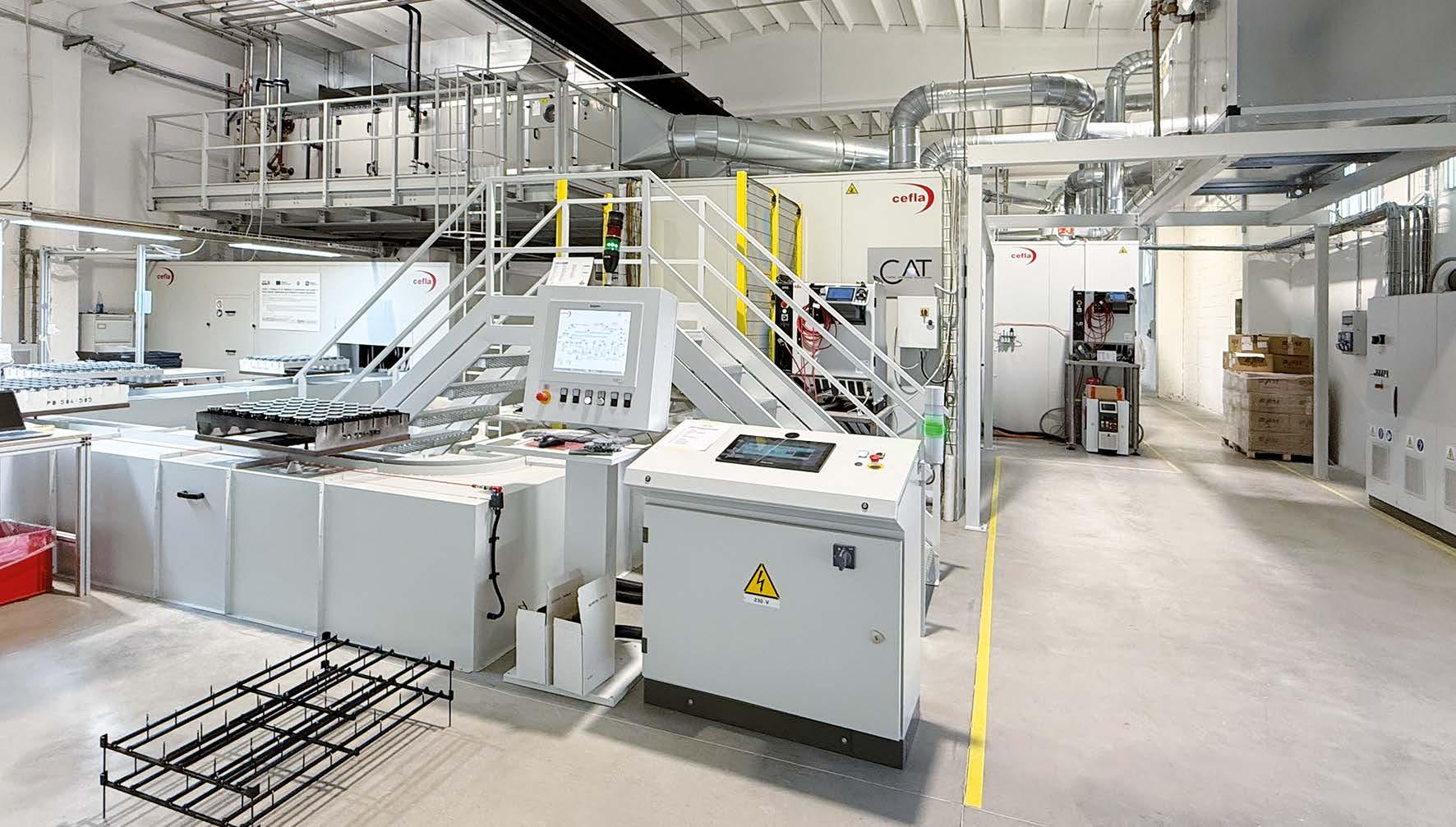
FOCUS ON TECHNOLOGY
A future-proof coating line
Ilaria Paolomelo, ipcm®
SPM SpA, a benefit corporation, has embarked on a pioneering journey in the world of automotive coating by installing a state-of-the-art plant designed to perform complete, high-performance, water-based cycles. The result of an intense R&D activity in collaboration with CAT Automation, the new automated system combines sustainability, application precision, and aesthetic-functional quality, anticipating the environmental and production needs of the future.
For years, the automotive industry has been trying to find a balance between high-performance finishes, aesthetic quality, and sustainability. This has proven to be a particularly complex goal. Unlike other industrial sectors, the use of water-based paints, known for their lower environmental impact compared with solventbased formulations, is still not widespread, although it has been growing
significantly over the past decade. This is demonstrated by numerous articles published by ipcm®_International Paint&Coating Magazine in the last few years, reporting about coating systems where at least one of the layers making up the bodywork finishes was water-soluble.
Currently, these paint products are used almost exclusively as base coats, and more rarely, as primers; top coats, whether transparent or pigmented, continue to be formulated with solvents, offering greater reactivity, faster drying times, and excellent performance in terms of adhesion, gloss, and resistance. However, they also have a significant environmental impact due to the emission of volatile organic compounds (VOCs), although these have been significantly reduced by high-solid formulations.
Water-based paints, on the other hand, require longer cross-linking times, are more sensitive to humidity, and require greater application accuracy. At the same time, research and development over the last twenty-five years have ensured a degree of aesthetic and mechanical performance comparable to that of solvent-based coatings, passing the rigorous tests required by the technical specifications of car manufacturers. While it is true that such specifications impose particularly stringent requirements for bodywork coating, they are slightly more flexible
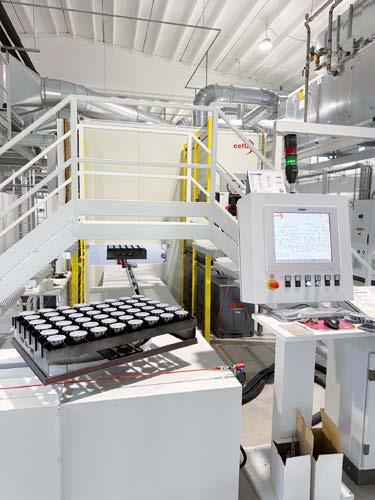
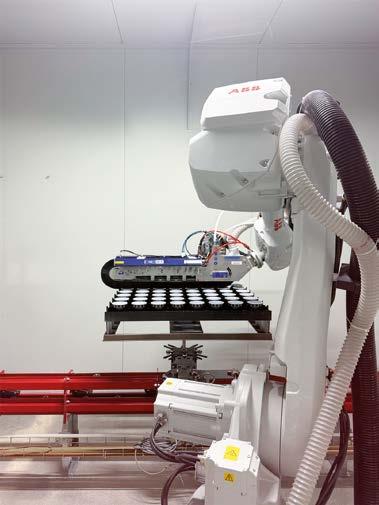
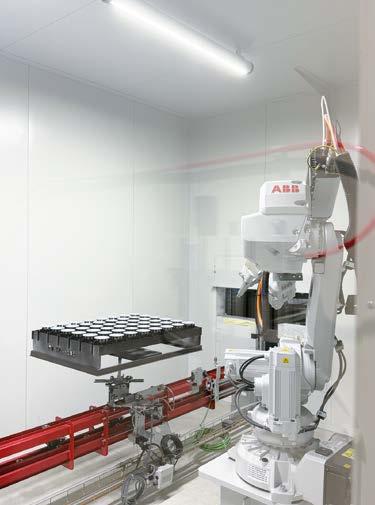
for plastic components intended for the automotive sector. This allows developers of innovative formulations to enter a market that is increasingly receptive to new ideas and sustainable approaches. Some companies are also moving in this direction by investing heavily in application technologies that can enhance the potential of water-based formulations. Among these, SPM stands out for the implementation of a complete water-based coating cycle, including primer, finish, and top coat application, thanks to the system designed by CAT Automation. Combining sustainability, aesthetic quality, and performance, this innovative solution sets the stage for a new generation of finishes in the automotive world.
SPM’s cutting-edge project
SPM SpA (Brissago-Valtravaglia, Varese, Italy), a benefit corporation specialising in the production of plastic and aluminium components for the automotive, fashion, and sports equipment industries, has recently invested in a major strategic conversion of its coating line. “When we decided to install the new system1, we aimed to build a future-proof solution capable of meeting the needs of the market over the next ten to fifteen years. And the key trend for the future is undoubtedly sustainability,” says Stefano Berutti, Head of the Automotive Division at SPM.
1 The installation of this innovative coating plant was made possible thanks to funding received from two subsidy schemes made available by the Lombardy Region, each contributing to covering specific items of expenditure in accordance with the relevant regulatory provisions: Ricerca & Innova, ERDF Programme 2021-2027, Axis 1 – Action 1.1.1; Linea Sviluppo Aziendale, ERDF Programme 2021-2027, Axis 1 – Action 1.3.3
Adopting a completely water-based cycle required extensive research and development by SPM, encompassing both chemistry, to identify the ideal coating system that could pass the stringent OEM tests, and plant engineering. “Traditional lines designed for solvent-based paints are not compatible with the specific characteristics of water-based products, as these require different drying times, ventilation systems, and differently designed ovens. In addition, until our project, no complete water-based coating cycle had ever been tested on a large scale in a real production context within the automotive sector. The first objective was precisely this: to guarantee a performance degree that could stand up to comparison with traditional cycles. The second goal was even more challenging: to design a system capable of applying these paints correctly,” adds Berutti. The project, carried out with the technical support of CAT Automation (Val della Torre, Turin, Italy), was made possible thanks to access to a funding opportunity for the design and development of low-environmental impact, water-based coating plants for the automotive industry2, promoted by the Lombardy Region and aimed at supporting innovative projects in the green and advanced manufacturing fields. The result was an automated system designed by CAT Automation and Cefla Finishing (Imola, Bologna, Italy), which not only applies water-based coatings but also high-solid, low-solvent products and 100% dry residue UV coatings.
2 https://www.regione.lombardia.it/amministrazione_aperta/281666175
From left to right: a control panel is installed at the loading station, enabling the operator to select an application cycle based on the components’ specifications and the type of coating to be used; the cleaning station, where a robot performs mechanical brushing using special bristles sprayed with isopropanol; the plasma pre-treatment booth.
Robotised cleaning and plasma pre-treatment
SPM processes components made of plastic, aluminium, or a combination of the two. For plastic parts, the production phases include moulding and a series of aesthetic and functional treatments, such as pad printing, PVD, hot lamination, and liquid coating, which was previously outsourced and now is carried out in the new plant. Aluminium components, on the other hand, are decorated with direct treatments on flat sheets. “The new plant has been designed primarily for coating plastic components, but it can also be set up to apply a final layer on aluminium products as well, in the future,” explains Berutti.
The coating cycle begins with the manual loading of parts onto racks moved by a floor conveyor. “A control panel is installed at the loading station, allowing the operator to select the ideal application cycle based on the components’ specifications and the type of coating to be used,” explains Sandro Conti, the owner of CAT Automation. The parts then enter the cleaning station, where a robot performs mechanical brushing using special bristles sprayed with isopropanol along with ionising nozzles to remove dust and other surface impurities.
This is followed by the pre-treatment phase, where a greener technology, plasma, has been preferred over the flame hardening process, which is often used to activate plastic surfaces. “Applied by robots, this is a
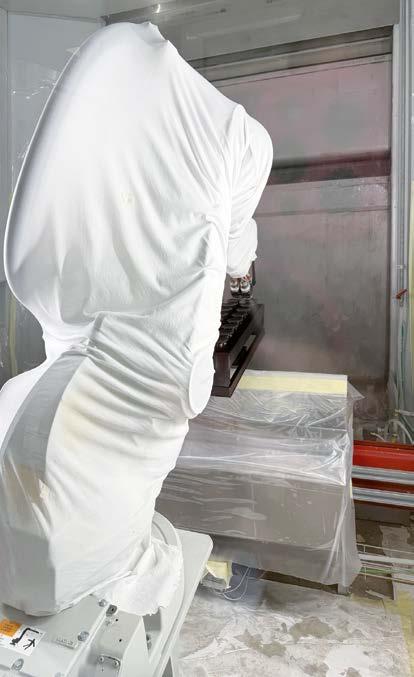
safer solution than flame hardening, which is effective but has poor parameter adjustability and therefore greater variability in results. We opted for plasma mainly to treat low-surface energy substrates such as polyolefins, in order to promote optimal paint adhesion,” says Conti. After pre-treatment, the parts move on to three booths, each equipped with an articulated robot installed by CAT, for the application of the primer, base coat, and clear coat, respectively.
Robotised application for greater precision and better overall process control
“Each booth is designed to apply both water-based and solvent-based paint thanks to a double gun and a double circuit system integrated into each of the three robots, which allow for quick and automated switching between the two cycles depending on requirements,” explains Mirko Perucchini, the coating plant’s manager.
“The robots we have supplied to SPM ensure high paint transfer efficiency: the amount of excess coating sprayed is minimal, indicating an extremely optimised application process that significantly reduces waste and maximises product consumption. This is the result of precise cycle engineering and careful adjustment of parameters based on each part’s geometry and each paint product type,” adds Conti. In addition, each
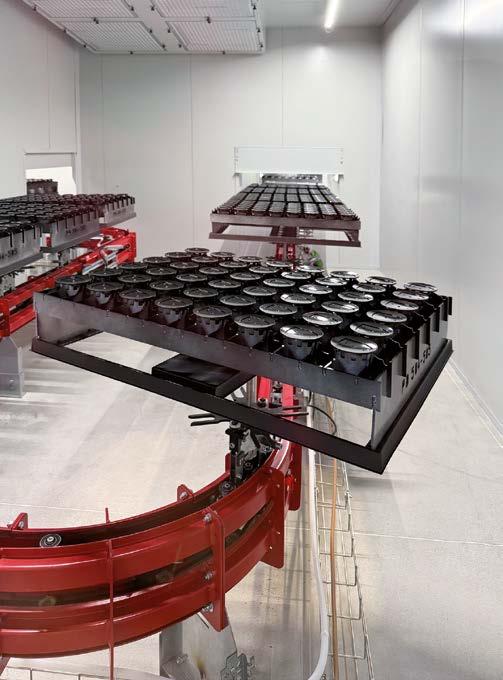
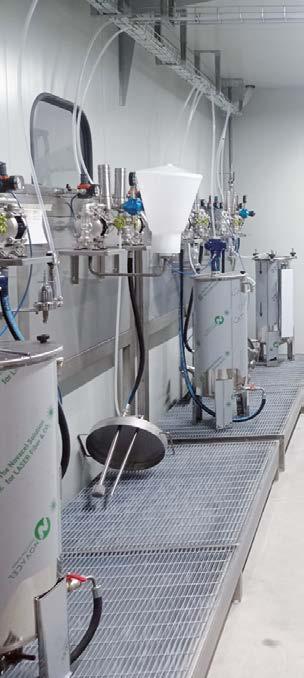
application booth is equipped with a pre-chamber featuring a robot control panel, which allows monitoring specific parameters for that booth, as well as a dedicated paint management unit. “All application systems are fed by dosing units for one-component products and dosing and proportioning units for two-component ones.” Between one booth and another, there are intermediate flash-off areas calibrated according to the type of product applied. Finally, the components reach the polymerisation oven, which generally operates at a temperature of approximately 80 °C but can be set to significantly lower values when using other types of paint. “On average, the parts dwell in the oven for 45 to 90 minutes before reaching the cooling area and, finally, the unloading one. When we use UV paints, which we only do with specific types of components, we perform a solvent evaporation stage at low temperatures and then expose the workpiece to ultraviolet lamps for a very short time for final drying,” indicates Perucchini.
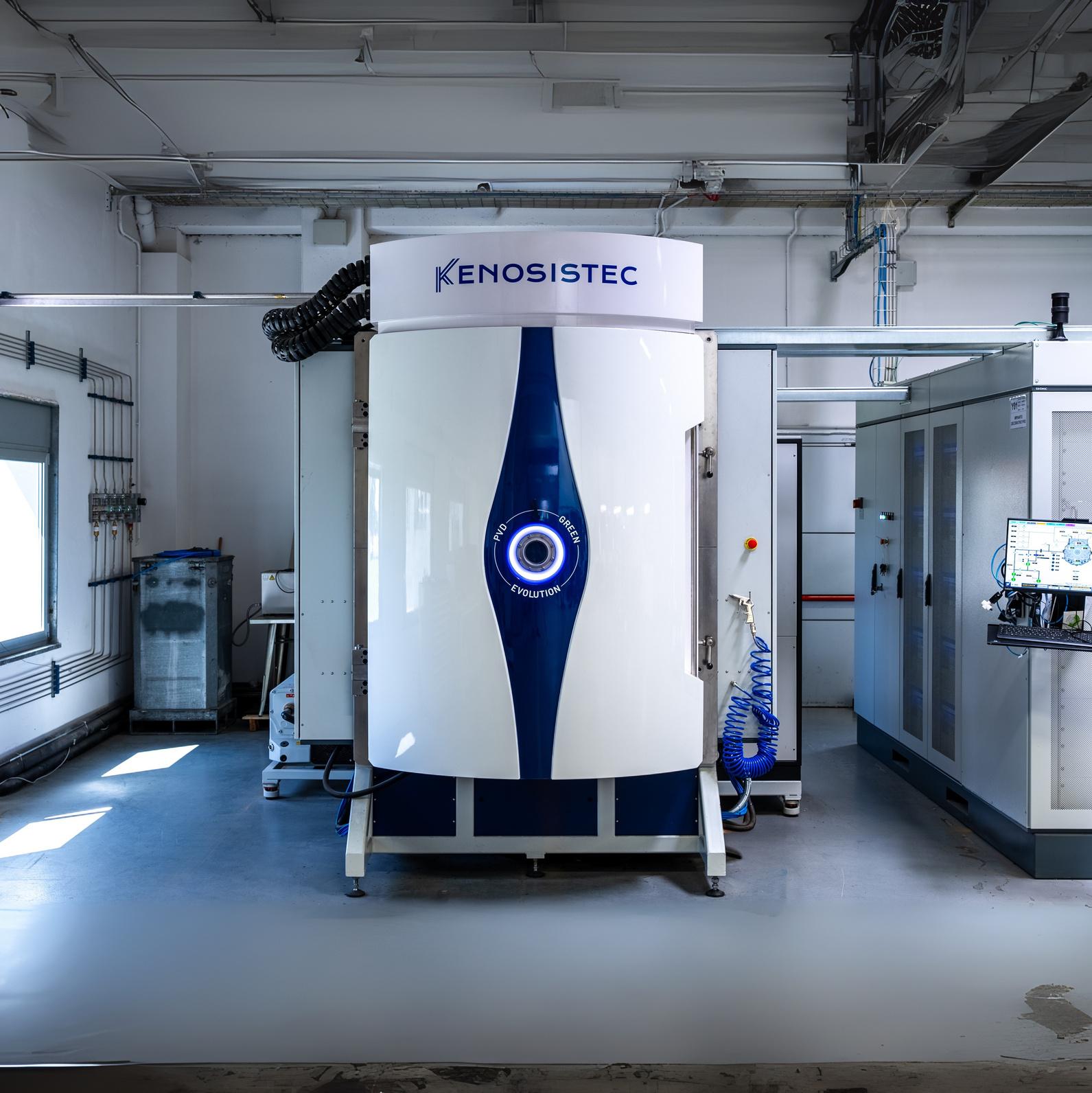
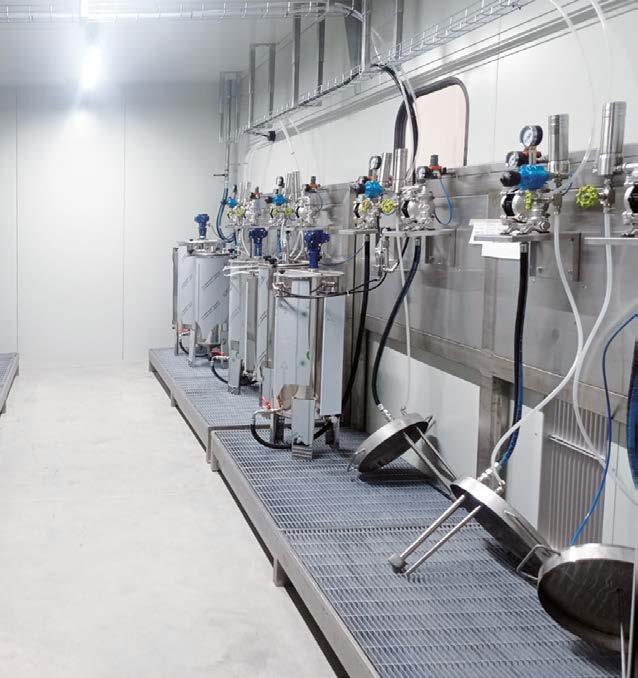









From left to right: the primer application booth, with robots supplied and installed by CAT Automation.; the flash-off area; within the paint management unit, the application systems
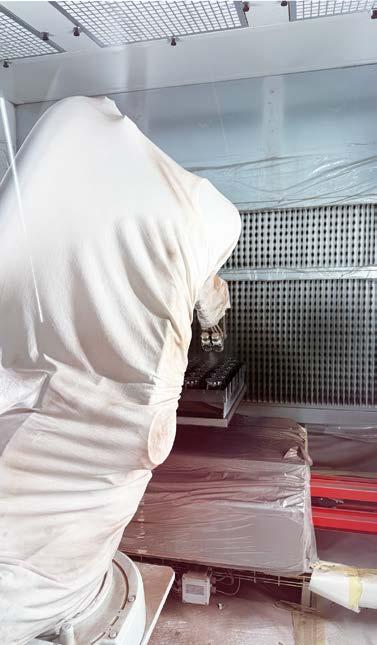
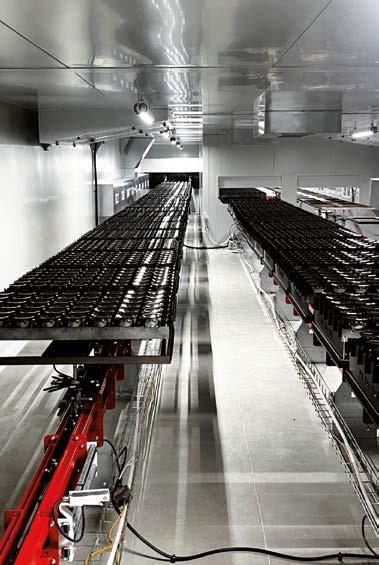
The advantages brought by the new plant and by SPM’s relationship with CAT Automation
“The decision to rely on CAT Automation for the development of our new plant was not accidental: this company is recognised as one of the most knowledgeable in the field of robotics applied to coating, particularly with regard to the integration of advanced solutions for automated paint application,” says Stefano Berutti. “In addition to its high level of technological expertise, CAT has proven to be a reliable and responsive technical partner and supported us at every stage of the project, from layout design to start-up and optimisation. When working on an innovative project like this, which requires continuous experimentation and interaction, it is essential to have a flexible partner by your side that is available and willing to share its expertise. This is the only way to turn innovation into a real strategic advantage.” The plant has been operational since the beginning of 2025 and has already brought numerous advantages. Although the economic benefits are still being assessed, given the short time since commissioning, SPM has found significant improvements in quality control and production time management. “Insourcing our coating phase has opened up new market opportunities for us, as many customers require such delicate and critical operations to be carried out directly by the manufacturer, who has greater control over the entire production process and can therefore offer guarantees of higher product quality,” explains Berutti.
Sustainability and technological innovation
From an environmental perspective, the insourcing of the coating process has significantly reduced handling, thereby cutting CO2 emissions, costs, and time associated with road transport. This has also enabled SPM to accelerate its time-to-market and enhance its ability to fulfil orders more quickly. “Sustainability has always been a
fundamental pillar for us: we were among the first companies to install solar panels in 2009, we doubled the capacity of our photovoltaic system two years ago, and since 2023, we have been using energy exclusively from renewable sources. Over the years, we have also invested in low-impact technologies, such as PVD, which replaces traditional galvanic processes containing hexavalent chromium and which we adopted some years ago, when the automotive market had not yet recognised the need for it. We have also installed electric presses with lower energy consumption, devices that use groundwater for our machining processes, adiabatic solutions to reduce energy waste, and consumption monitoring systems, demonstrating our concrete commitment to meeting environmental and ESG regulatory requirements.
“Thanks to our research and development activities and the implementation of the new coating plant, we are now in a position to offer low-environmental impact finishes that meet the high aesthetic and performance standards required by a demanding sector such as the automotive industry,” concludes Stefano Berutti.
From top to bottom:
The base coat application booth.

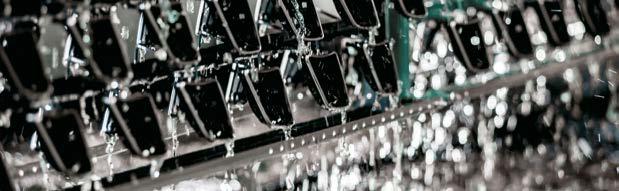
The architecture of performance: a technical examination of a triple resin coating system
Jeremy Pasatta
Advanced Polymer Coatings, Avon (OH), United States jpasatta@adv-polymer.com
Modern industrial coatings are expected to provide multi-domain performance: they must resist chemical attack, withstand UV degradation, retain mechanical integrity under stress, and offer flexibility in application. Traditionally, these expectations have been met using multi-coat systems composed of different resin chemistries, each selected for a specific performance benefit. However, these systems often come with practical drawbacks, such as extended cure times, sensitivity to environmental variables, and potential inter-coat adhesion failure.
This article introduces and evaluates a novel formulation strategy that combines three distinct resin chemistries: a cyclic polyolefinbased polymer, a cycloaliphatic polyurethane, and an aliphatic polyaspartic resin, into a single, co-reactive matrix. Rather than layering performance characteristics in separate coats, the system integrates them within a unified polymer network. The article explores the scientific rationale behind the selection of each resin, describes their individual and collective roles, and discusses the benefits of co-curing as an alternative to traditional stratified systems. This work is relevant to coating formulators, specifiers, and application professionals seeking to simplify processes while maintaining or improving performance in protective coating systems.
Introduction
The industrial coatings industry has long relied on a layered approach to address the diverse demands placed on protective films. Chemical resistance, UV durability, impact tolerance, and aesthetic stability are all essential attributes, and no single resin chemistry typically fulfills all these needs. In response, formulators have traditionally
developed multi-coat systems wherein each layer is assigned a distinct role: zinc primers for corrosion control, epoxy intermediates for barrier properties, and polyurethane topcoats for gloss and UV retention. While technically sound, this method introduces a degree of operational complexity that often proves problematic in the field. Each layer requires its own cure time, application parameters, and inspection criteria. Surface contamination, mismatched recoat windows, or environmental shifts, such as temperature and humidity fluctuations, can compromise intercoat adhesion.
When issues occur, they are not only difficult to diagnose but also costly to resolve. As project timelines tighten and demand grows for more efficient, environmentally tolerant systems, the coatings industry faces pressure to reduce complexity without compromising technical performance.
This paper examines a formulation strategy that consolidates multiple coating functions into a single applied layer. Developed as an evolution beyond traditional stratified systems, this triple resin coating system integrates three separate chemistries, each with specific functional contributions, into one chemically unified film. The result is a coating that seeks to preserve the performance advantages of multi-coat architectures while delivering a more straightforward, faster, and more robust solution for field and shop-floor applications.
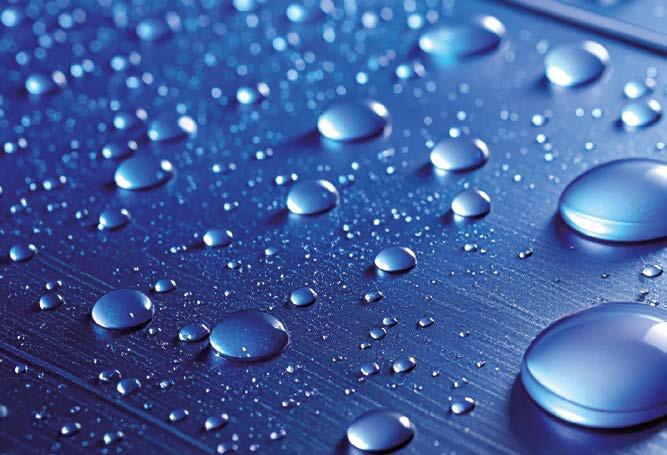
Formulation strategy and resin components
The foundation of this approach lies in the deliberate selection and chemical compatibility of three primary resins:
1. Cyclic polyolefin-based polymer
2. Cycloaliphatic polyurethane
3. An Aliphatic polyaspartic.
Each resin contributes to a specific domain of performance, and together, they co-react to form a single crosslinked polymer network during cure.
Cyclic Polyolefin-Based Polymer
Serving as the primary barrier resin, the cyclic polyolefin-based polymer provides the dense, inert matrix necessary for chemical resistance and moisture impermeability. Unlike traditional epoxies, which often embrittle over time or under cyclic loading, this polymer retains its flexibility and integrity. Its molecular structure is characterized by tightly packed chains and minimal free volume, which translates into low water vapor transmission rates and high resistance to underfilm corrosion. This resin also plays a mechanical role in the system. Its rigidity under strain provides structural stability, particularly in applications subject to dynamic stresses such as vibration or thermal cycling. As the foundational component of the formulation, the cyclic polyolefin contributes to both long-term barrier function and physical durability.
Cycloaliphatic Polyurethane
The second resin in the formulation is a cycloaliphatic polyurethane, chosen for its resistance to ultraviolet degradation and weathering. Derived from sterically hindered aliphatic isocyanates and UV-stable polyols, this polyurethane is chemically engineered to avoid the common pitfalls of aromatic variants, which degrade quickly under UV exposure. The cycloaliphatic structure provides shielding for sensitive chemical bonds, limiting photolytic and oxidative reactions. This ensures long-term color and gloss retention, even in high-sunlight environments. In addition to aesthetic performance, the resin contributes thermal stability and surface hardness, further rounding out the formulation’s physical property profile.
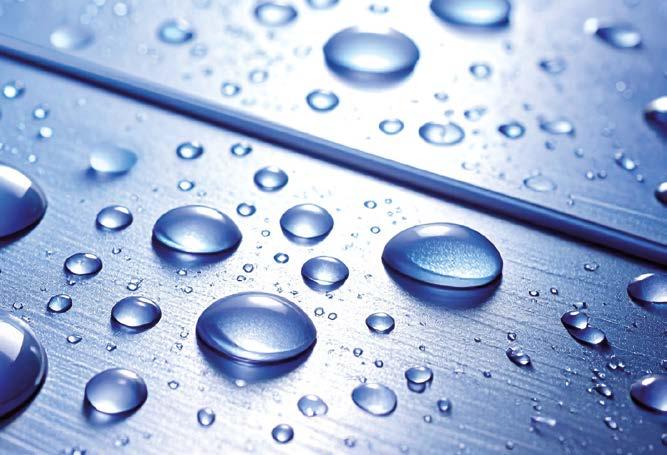
Aliphatic Polyaspartic Resin
Completing the resin triad is an aliphatic polyaspartic resin, which is formed by reacting a polyaspartic ester with an aliphatic isocyanate. This component offers several key benefits. First, it enables a rapid cure profile, reducing overall project timelines. Second, it is highly tolerant to humidity and temperature variations during application. These properties are particularly useful in real-world environments where conditions are rarely ideal.
The polyaspartic resin also contributes to film build and pot life control, helping the system maintain a workable consistency and ensuring even coverage. Its fast-reacting nature supports same-day return-to-service timelines and facilitates use in both field-applied and factory-controlled settings.
Resin integration through co-curing
While each resin in the system offers unique attributes, the formulation’s performance depends on more than just its individual properties. Central to the system’s effectiveness is its co-curing behavior. Unlike traditional multi-coat systems, where each resin is applied and cured in isolation, the triple resin formulation is designed for simultaneous chemical reactions. This co-curing strategy addresses several critical challenges. First, it prevents phase separation, a common issue when combining chemically dissimilar polymers. The resins in this system are selected not only for their function but also for their compatibility in terms of reactivity, polarity, and molecular weight distribution. Second, simultaneous cure minimizes differential shrinkage and stress accumulation within the film. These stresses, if unmitigated, can lead to cracking or delamination over time. The result is a coating with a uniform modulus profile across the film thickness. This uniformity enhances both mechanical toughness and resistance to environmental degradation.
Furthermore, the system achieves a high crosslink density, improving chemical resistance and moisture impermeability.
The balance of hardness and flexibility achieved through co-curing is especially significant, as most conventional coatings tend to favor one of these properties at the expense of the other.
Application and performance considerations
From a practical standpoint, this triple resin coating system is designed to perform in varied and unpredictable environments. Its moisture-tolerant cure behavior, primarily driven by the polyaspartic component, allows for application under high-humidity or low-temperature conditions without introducing common defects such as amine blush or incomplete film coalescence.
The barrier properties of the cyclic polyolefin base bolster the formulation’s chemical resistance. At the same time, the cycloaliphatic polyurethane ensures surface durability in the presence of UV light,
cleaning agents, and temperature fluctuations. In combination, the three resins contribute to a versatile performance profile that addresses the full range of chemical, mechanical, and aesthetic challenges commonly encountered in protective coatings. In addition, the single-coat approach simplifies logistics. It reduces labor requirements, eliminates inter-coat inspection steps, and shortens turnaround time. This streamlined process is particularly advantageous in fast-paced project environments or settings where consistent environmental control is difficult.
Conclusion and future work
The triple resin coating system discussed in this article represents a departure from traditional multi-layered coating strategies. By integrating three distinct resin chemistries into a single, co-curing matrix, the system achieves multi-domain performance without requiring multiple application steps. It offers a practical solution to the longstanding tension between high-performance and field-friendly applications.
This formulation approach demonstrates that it is possible to design coatings that meet or exceed the protective benchmarks of traditional systems while offering greater flexibility in application and reduced potential for field failure. The synergy of the resins within a co-reactive system enables balanced properties: mechanical strength, UV stability, chemical resistance, and fast cure, without relying on layering or staged reactivity.
Further validation is currently underway through comparative testing against conventional coating systems. This testing includes:
Corrosion resistance (ISO 12944-6)
Flexibility (ASTM D522)
Impact resistance (ASTM D5420)
Gloss and color retention (QUV accelerated weathering)
Adhesion performance under variable conditions (ASTM D3359, ASTM D4541).
These studies are expected to provide quantitative benchmarks for evaluating the efficacy and potential adoption of unified resin coating systems in industrial applications.
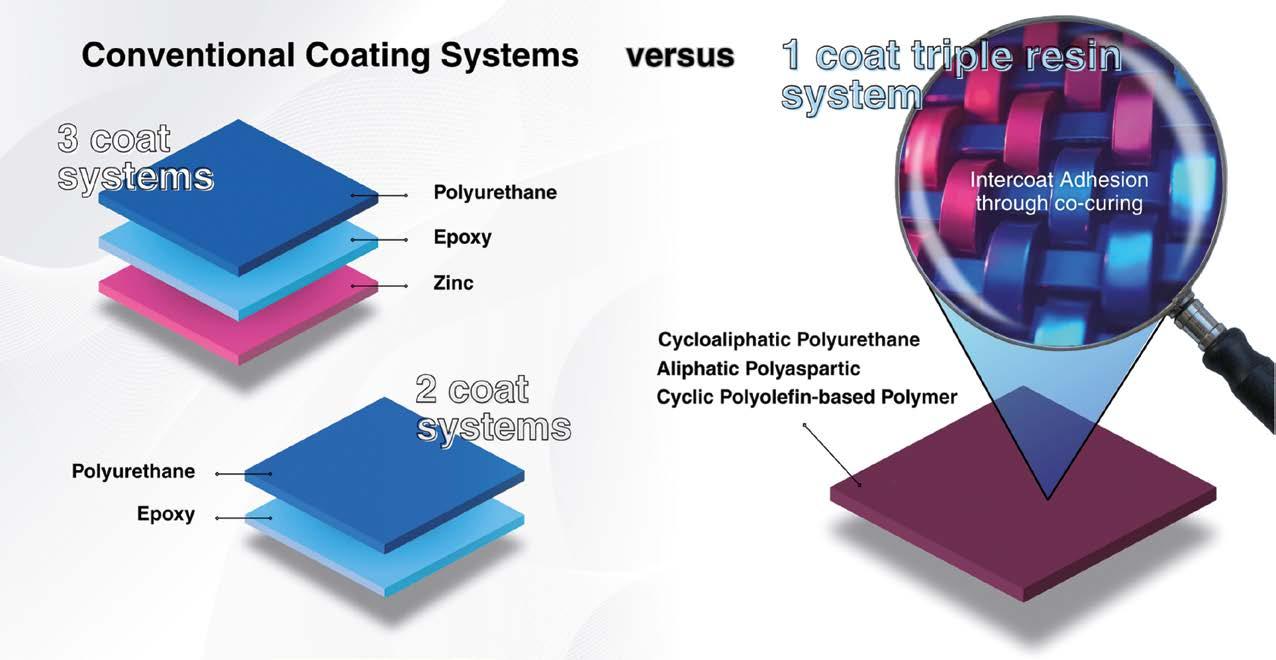

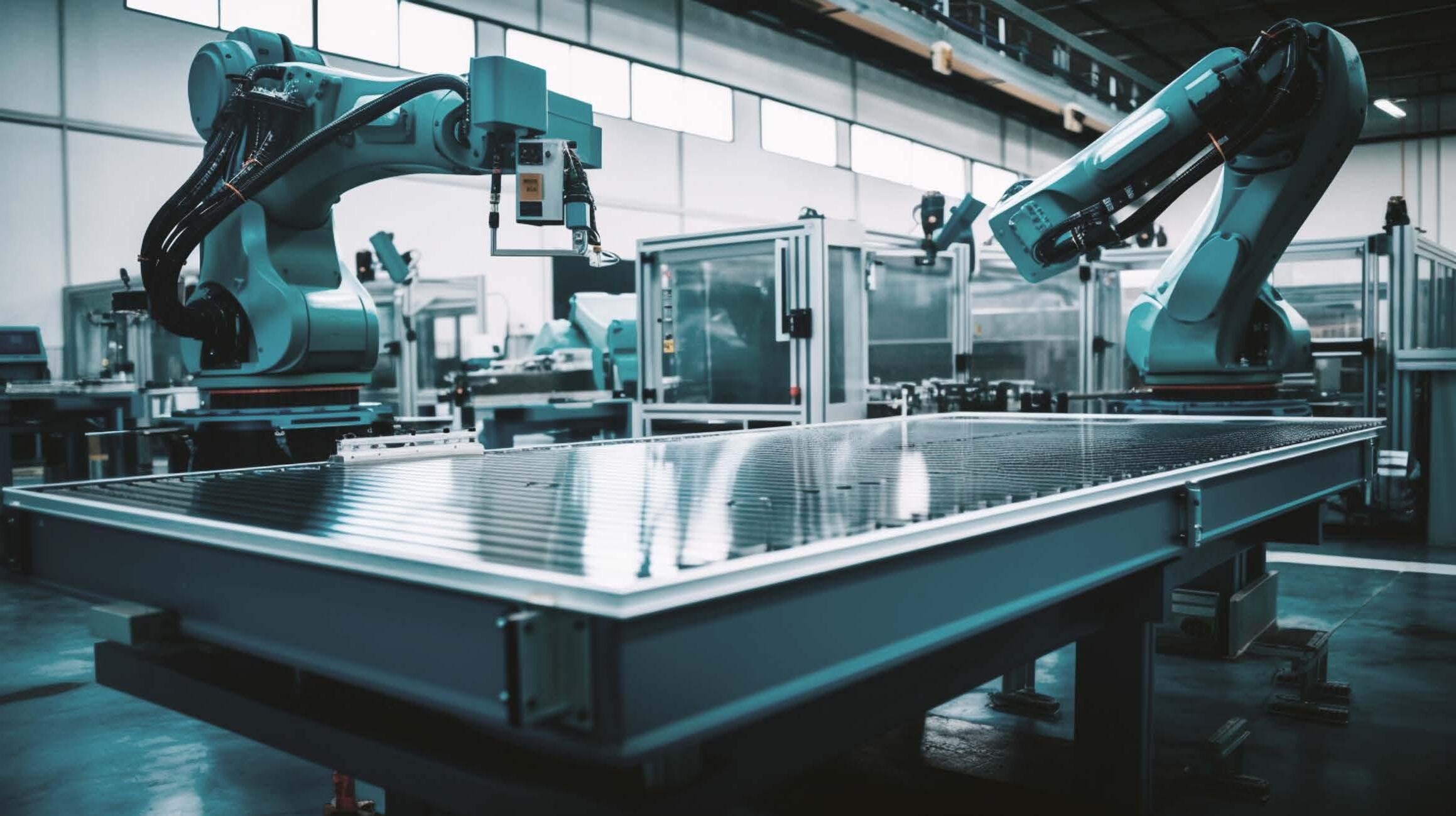


ipcm® Academy: a complete course for Industrial Surface Finishing Process Technologists
Federico Melideo, ipcm® Academy
The complete course for Industrial Surface Finishing Process Technologists offered by ipcm® Academy, the training division of ipcm® – International Paint & Coating Magazine, is a specialisation programme designed to train experts in the organisation, management, and control of industrial coating processes thanks to technical, operational, and management skills certified at the Italian and European levels.
In a rapidly evolving industrial context where aesthetics, durability, and sustainability are key requirements for any product, surface finishing is no longer an accessory process phase but a strategic operation. To meet the needs of this field, ipcm® Academy offers a complete course for Industrial Surface Finishing Process Technologists, a training programme that was included in the Framework of Professional Standards of the Lombardy Region, with national and European validity, in 2020. This comprehensive course covers all aspects of industrial coating, from corrosion phenomena to the documentation required for process control and industrial accounting. Its aim is to train and keep up-to-date technicians specialising in surface treatments, guiding them towards professional recognition and the acquisition of certified skills. Through a mix of theory and practice, participants acquire technical and operational skills that can be directly applied to their daily work, with a training programme that includes online and classroom lessons aimed at coating operators, department managers, production managers, sales engineers of paint manufacturing companies, quality control managers, and more.
The training programme
The course is divided into 12 days (100 hours in total), split between theoretical lessons and practical sessions. It ends with a final exam consisting of a written and an oral test, which must be passed to obtain this certification, valid in Italy but also throughout Europe.
Modules included:
Corrosion: corrosion management and prevention techniques in
industrial processes.
Pre-treatment: practices for treating and preparing surfaces before coating.
Water treatment and purification: technologies for treating and purifying water in industrial processes.
Powder application: operation, composition, and application techniques of powder coatings.
Liquid application: operation, composition, and application techniques of liquid coatings.
Controls: quality control methods in industrial finishing processes.
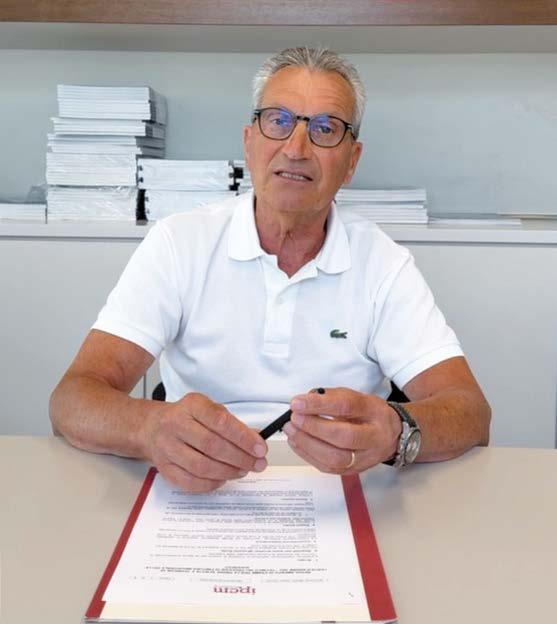
Paolo Rami, the director of ipcm® Academy.
© ipcm
Control methods, tools, and practical tests: theoretical and practical study of quality control tools for paint and coatings.
ACET testing and Innovhub’s laboratories: theoretical and practical study of the ACET test method for accelerated corrosion assessment, followed by a visit to the “Paints and Varnishes” laboratory of Innovhub (Milan, Italy).
Plants and equipment: characteristics of coating plants and equipment.
Failure analysis, maintenance, and safety: an analysis of paint degradation and prevention techniques.
Process control documentation, investment management, practical activities, and industrial accounting: management of industrial coating processes through documentation, scheduling, and time control, with the analysis of some case studies.
Job profile
Industrial Surface Finishing Process Technologists are responsible for organising and managing production activities aimed at ensuring the optimal finishing and decoration of painted components and products, ensuring their protection against corrosion and compliance with durability requirements.
Their skills include:
Organisation and management of production activities.
Definition of protective and finishing processes.
Management of process approval activities.
Requirements and technical reviews.
Production planning coordination.
Sharing of management, organisational, economic, and controlling plans.
“An Industrial Surface Finishing Process Technologist must be able to coordinate and manage production activities aimed at the corrosion protection, finishing, and decoration of components and end products, ensuring durability in their intended environment. It is therefore essential that they gain expertise in corrosion, protective cycles, premature, sporadic, and definitive failure analysis, and quality control. In addition, they must be able to read, understand, and draft technical documentation, as well as to organise, manage, and monitor all stages of the production process from product design to production planning, from technical documentation analysis to the assessment of the available plant and human resources, from the approval of protective treatments to the control of processes and mass production,” explains Paolo Rami, the director of ipcm® Academy.
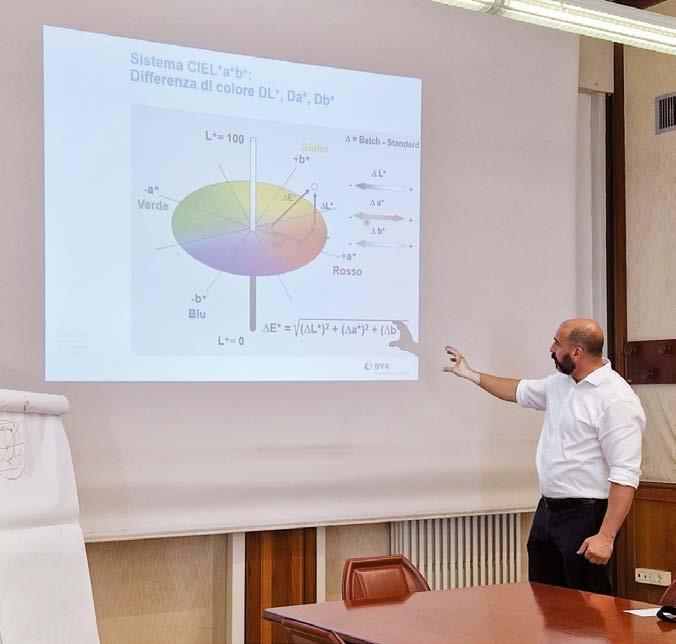
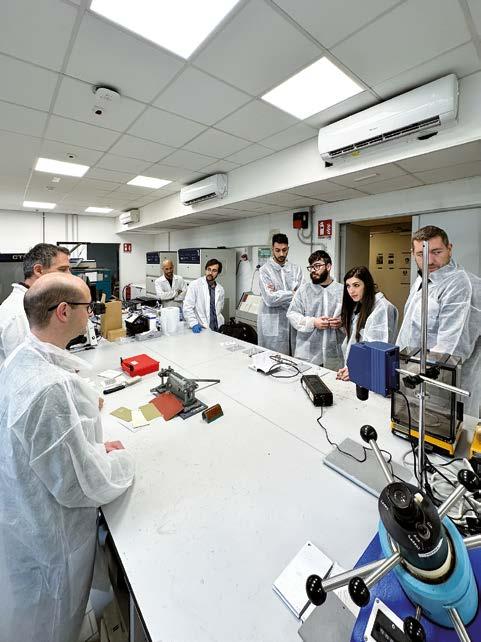
Pasquale Roberti during the lesson “Control methods, tools, and practical tests”.
Participants engaged in practical activities at the “Paints and Varnishes” laboratory of Innovhub (Milan).
© ipcm
© ipcm
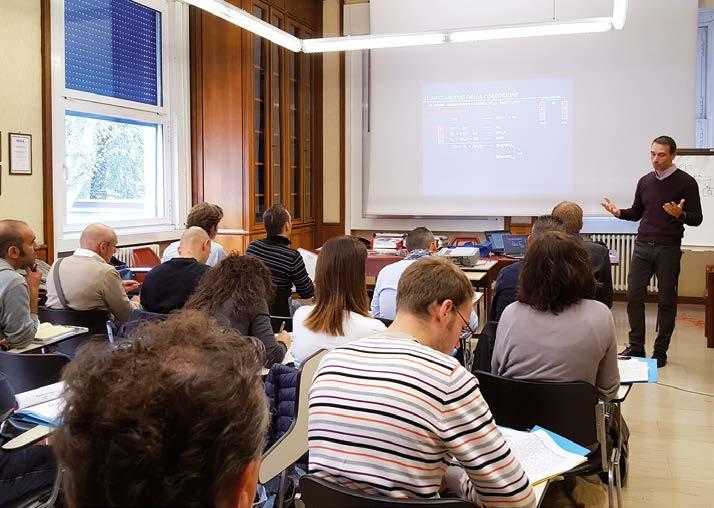
Participants in the lesson “Process control documentation, investment management, practical activities, and industrial accounting”.
These professionals can work in:
Industrial coating companies.
Companies operating in sectors such as automotive, aerospace, or railway.
Analysis and quality control laboratories.
Engineering and technical consulting firms.
Manufacturers of plants, paints, coatings, and coating equipment.
Why choose the complete course?
ipcm® Academy’s complete course offers high-level training designed for those who want to acquire certified skills that can be immediately applied in their workplace. Its integrated approach that combines theory, practice, and innovation enables standing out in any field, thanks to:
Nationally and European recognised certification, a guarantee of quality and professional employability.
Interactive and practical training, also carried out in specialised laboratories, for concrete and effective learning.
Qualified teachers and content that is constantly updated in line with the latest regulatory and technological developments.
A solid professional path designed to build real opportunities for entry or growth in the job market.
The value of skills certification
Inclusion in the Framework of Professional Standards of the Lombardy Region guarantees that the skills acquired are aligned with the standards imposed by the labour market. Moreover, as it is integrated into the European Qualifications Framework (EQF), our certification also promotes professional mobility at an international level.
In the industrial surface finishing sector, demand for qualified professionals is constantly growing: recognition by the Lombardy Region gives this training course official value at the national and European levels, and guarantees objective proof of the skills developed. Finally, in meeting such a growing need for trained workers, this certification highlights the importance of finishing processes, defines clear professional standards, and provides a recognised qualification that is useful for professionals to demonstrate their skills and for companies to find specialised and reliable employees.
For further information and to enrol, visit the official website of ipcm ® Academy: www.ipcmacademy.com
© ipcm
Gianmaria Gasperini during the lesson on ACET testing.
SPECIALIZED TRAINING
Academia and industry come together to promote innovation, research, and digitalisation
Alessandro Soba
Verind S.p.A. - Rodano (Milan, Italy) alessandro.soba@verind.it
Technological innovation, digitalisation, and research are now key issues that companies and universities are called upon to address with ever-greater commitment, integrating their respective skills with a view to sustainability and energy efficiency. The synergy between the academic and industrial worlds is therefore becoming increasingly close, as proven, for example, by the seminar held at Politecnico di Milano last May with the technical contribution of VERIND S.p.A., PPG S.p.A., and EssilorLuxottica S.p.A., as part of the university course in Advanced Organic Coatings.
May 2025 saw the end of the second semester of classes at Politecnico di Milano, Italy’s leading university for technical and scientific education and among the top twenty-five universities in the QS World University Rankings in the Engineering & Technology category1
Students of the Master’s Degree Course in Materials Engineering and Nanotechnology, which aims to train new technicians with broad-ranging knowledge in the areas of production, processing, and application of materials and the more innovative field of nanotechnology, recently had the opportunity to meet some companies from the surface finishing sector and explore manufacturing-related concepts for the automotive and industrial sectors, such as:
creation of paint products and assessment of the quality of the applied film – PPG;
paint application technologies and equipment – Verind;
high-productivity plastic eyewear coating lines from a customer’s point of view – EssilorLuxottica.
Held by Andrea Minelli and Alessandro Soba from Verind S.p.A. (Dürr Group, Milan), Francesca Di Costanzo and Mattia Gambarin from PPG S.p.A. (Quattordio plant), and Alessandro Giacetti from EssilorLuxottica S.p.A., the
1 https://www.topuniversities.com/university-subject-rankings/engineering-technology
seminar organised for the Advanced Organic Coatings class was a concrete example of possible interaction between students and companies. The students, supported by Raffaella Suriano, lecturer at the Department of Chemistry, Materials, and Chemical Engineering ‘Giulio Natta’ of Politecnico di Milano, were particularly interested and asked questions both during and at the end of the lecture.
PPG brought OEM coating and quality control challenges to the classroom
“We first presented PPG as a global leader in the production of paints, coatings, and special materials,” says Francesca di Costanzo, Colour Science & QC Manager at PPG Industries. “Through its two industrial segments Performance and Industrial Coatings, our company aims to ‘protect and beautify the world’. Three major drivers guide PPG’s business units: Innovation, Sustainability, and Colour.”
The topic explored during the session with the students was the Automotive OEM business, including all product lines for body coating and their characteristics, with a focus on the feature that truly sets them apart: colour. “Thanks to continuous interaction in the classroom, the students could work with representatives from the Quality Control Lab of the PPG plant in Quattordio (Alessandria, Italy), assessing first-hand samples with a few typical coating defects (craters, pinholing, and sagging) and analysing the critical characteristics we test during our Quality Control phase.”
Dürr’s solutions presented at Politecnico di Milano
“During our presentation,” explains Andrea Minelli, New Business & Service Manager at Verind, “we illustrated the latest application solutions developed by Dürr, such as the EcoBell electrostatic technology, the EcoDose 2k electronic dosing device with Coriolis mass flow meters for 2k and 3k paints, piggable systems EcoSupplyP, and the Robot Process Arm. All these technologies are designed to maximise savings and efficiency in the coating process. Through videos showing painting and coating lines and plants used in the automotive and general industry sectors and the classroom presentation of specific equipment for
automatic and manual coating, we addressed several topical themes related to application technologies for improved process sustainability, efficiency, and digitalisation.”
EssilorLuxottica’s perspective on the coating of plastic components
Finally, the students listened to the technical report of EssilorLuxottica, the French-Italian world leader in the eyewear industry, as an example of a company operating in the general industry that is a user of numerous coating processes.
“After illustrating the various surface treatment technologies implemented in the eyewear supply chain,” explains Alessandro Giacetti from EssilorLuxottica, “we focused on our automatic 2k coating line for glasses and plastic components. We examined in detail all process stages, from surface preparation to paint application and curing, highlighting the key peculiarity of 2k processes, namely the need for continuous-flow formulation due to the short pot life of two-component coatings. In the final part of the presentation, we placed emphasis on solutions and tools for process control, which is essential to ensure a high level of productivity and quality required in a manufacturing department.”
Afterwards, the roles and activities of engineers in today’s industry were discussed, projecting the students towards the imminent start of their careers.
Conclusions
“Such an interesting interaction between academia and industry,” concludes Raffaella Suriano, lecturer at the ‘Giulio Natta’ Department, “was made possible thanks to our collaboration with Poliefun2, the association of Politecnico di Milano committed to promoting business culture in the surface treatment sector, and with training initiatives offering flexible courses both in person and online to bring the academic world closer to the industrial one. That is also why the Advanced Organic Coatings course, with the support of the School of Industrial and Information Engineering and the Master’s Degree Course in Materials Engineering and Nanotechnology, has further strengthened its practical approach: during the 2024-25 academic year, approximately 70% of time was dedicated to laboratory and project-related activities. It is a targeted investment aimed at training engineers with solid skills that can be immediately applied in the advanced coating sector.”
2 www.poliefun.com
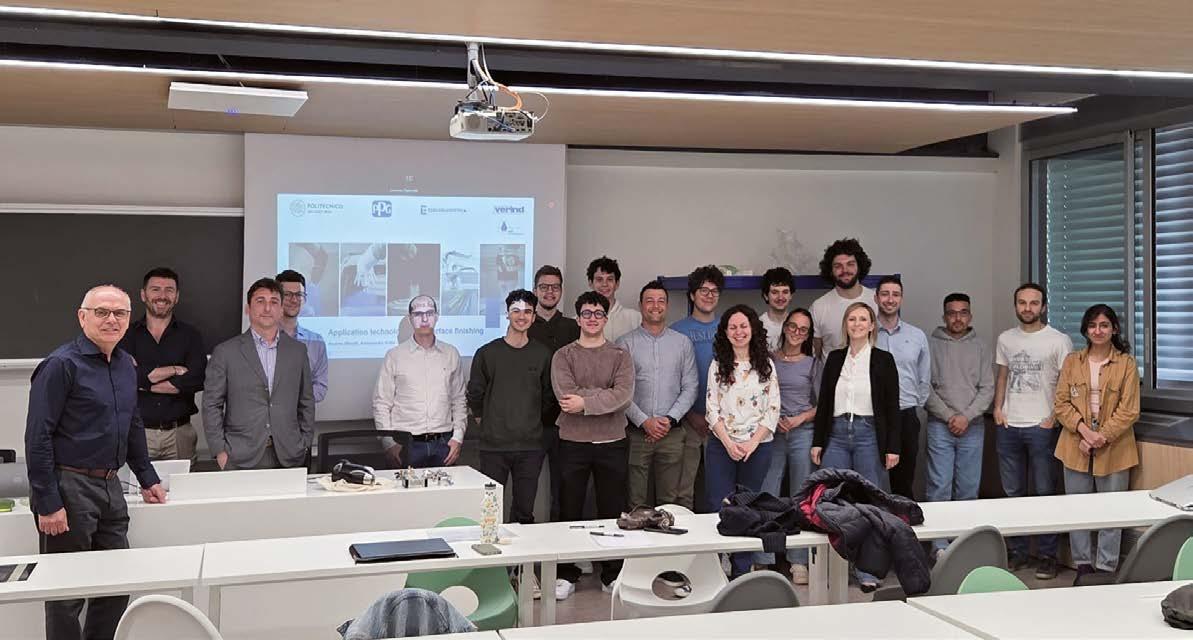
The students together with the seminar speakers.
UCIF INFORMS
Innovating is sharing: where can the exchange on finishing take place today?
Manuela Casali
UCIF – Italian Surface Treatment Equipment Manufacturers’ Association, Milan, Italy ucif@anima.it
In the world of surface finishing and treatment, innovation moves fast. New technologies, advanced processes, artificial intelligence, sustainability, and digitalisation: the key themes are multiplying and intertwining, generating a wealth of content and directions for development. Yet, while the drive to experiment continues to be steady, one question remains central: where and how is an exchange on innovation being built?
There are numerous opportunities to discuss and learn about developments in the sector. The tools have evolved and fragmented: editorial articles, open days, social media, customised technical visits, webinars, trade fairs, conferences... They are all useful but not equivalent tools. However, it is not a matter of choosing “a channel” but of understanding which form of communication can generate actual shared value.
The logic of performance, which rewards the immediacy of social media content or the conciseness of articles, has often sacrificed the possibility of building in-depth and truly multidisciplinary communication. However, it is precisely this type of exchange that makes the difference, especially in fields such as surface engineering, where interaction among academic research, industry, and applied design is crucial. In this scenario, events such as thematic conferences and trade fairs continue to maintain – and indeed, strengthen – their pivotal role. Because they not only offer the opportunity to present new products but also the chance to share experiences, activate collaborations, and bring common questions and challenges to the fore.
A recent example was RISE - Research and Innovation in Surface Engineering, the conference organised by Poliefun at the Politecnico di Milano, which brought together lecturers, technicians, companies, and students in an engaging and well-attended two-day event. Topics such as sustainable electrodeposition, functional coatings, and innovative approaches to surface treatment emerged through case studies and scientific reports. What made the initiative truly significant was the direct, informal exchange developed between the speakers and the audience, combined with the symbolic value of bringing industry and academia together under one roof.
Another event not to be missed is SMART, the biennial conference promoted by UCIF. The next edition, scheduled for 20 May 2026, is going to be even more focused on the cross-pollination of ideas and the
cross-sectoral analysis of the changes currently underway. Unveiled only recently, its title will be a real “prompt”, an invitation to generate new ideas, plan change, and question the future of finishing. The visual language of the event will also be deliberately unconventional, demonstrating how communication must evolve to keep pace with technical innovation.
Outside Italy, we cannot fail to mention Surcar Cannes, one of the most important international events for the automotive coatings industry. Its latest edition confirmed the strategic importance of creating contexts where global players can discuss the challenges of tomorrow, from sustainability to new industrial design requirements.
Although different from each other, all these events share one essential element: the value of human contact – the opportunity for direct exchange, including unspoken words, gestures, and the unexpected questions that arise spontaneously. No algorithm, however sophisticated, can ever replace such relational heritage.
Investing in moments of genuine discussion, carefully curated also in terms of content, means valuing the collective dimension of innovation. While it is true that every company develops its path independently, it is only through sharing, even if imperfect or non-linear, that a truly fertile technical and cultural ecosystem can be built.
Ultimately, today more than ever, innovation also means knowing how to communicate and share it in the right places. And these places, be they physical and symbolic, are not necessarily the loudest or most crowded ones, but rather those where it is still possible to think, listen, and engage with authenticity.
ESPOSIZIONE
CONFERENZA
TECHFOCUS
CONSTRUCTION
Esplora le più recenti tendenze e tecnologie nel mondo della pittura e dei rivestimenti, mentre stringi preziose connessioni con i leader del settore.
Paint & Coatings: il luogo dove l’ispirazione, l’apprendimento e le opportunità di networking si incontrano per trasformare il tuo business!


RISE 2025: innovation and dialogue for the future of surface engineering
Strong attendance marked the success of the conference organised by Poliefun on 19–20 June at Politecnico di Milano.
The first edition of RISE - Research and Innovation in Surface Engineering concluded successfully. Organised by Poliefun in collaboration with A.I.F.M., the Italian Association of Metal Finishing, Electroplating and New Finishes, and under the patronage of UCIF - ANIMA Confindustria, the two-day event held on 19–20 June 2025 at Politecnico di Milano brought together a qualified audience of professionals, companies, and studentsconfirming the growing interest in innovation in surface treatment technologies. The conference was opened by Poliefun President Luca Magagnin and featured more than 25 speakers from both academia and industry. Among the most appreciated contributions were Michele Navarrini (Linde),
who explored the use of catalytic and highpurity coatings in the renewable energy sector, and Massimo Innocenti (University of Florence), who presented strategies to reduce costs and metal consumption in electroplating processes. The session dedicated to vapour phase deposition coatings (PVD) also attracted great interest. Antonio Angolemme (Kenosistec) highlighted the potential of these technologies in fostering synergy between research and production, while Denis Romagnoli (STS) presented the latest advancements in DLC films for automotive applications.
The second day, focused on organic and industrial coatings, featured several engaging case studies. Alessandro Soba (Verind-Dürr) illustrated how automation and sustainability
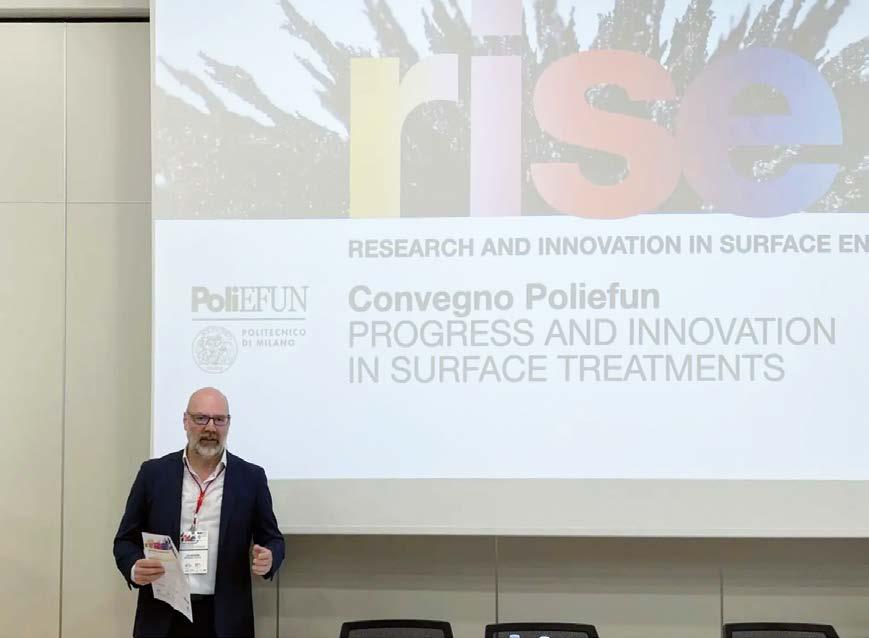
can be effectively integrated into application processes, and Loris Rossi (Alit Technologies) demonstrated how paint stripping can become a strategic lever for recovery and process optimisation.
RISE proved to be a valuable platform for dialogue between academia, industry, and institutions, reinforcing the role of universities as engines of technological and sustainable innovation.
RISE is a biennial event, with the next edition scheduled for 2027.
About Poliefun
Poliefun is an association that, under the technical and scientific guidance of Politecnico di Milano, builds a tangible bridge between academia and industry. Operating within the Departments of Chemistry, Materials and Chemical Engineering “Giulio Natta” and Mechanical Engineering, Poliefun facilitates the exchange of knowledge and expertise between universities and companies in the surface finishing sector.
For more information: www.poliefun.com
Luca Magagnin, President of Poliefun.
© Poliefun
FABTECH 2025 back in the Windy City
FABTECH is back at McCormick Place in Chicago (IL, United States) from September 8–11.
This premier event offers an unmatched opportunity to discover the latest technologies, exchange ideas, connect with industry professionals, and stay ahead of emerging trends in finishing and manufacturing. Whether the goal is to upgrade operations or gain valuable insights, all the necessary resources will be available under one roof this September.
In its 16th year as a FABTECH partner, CCAI’s FINISHING Pavilion and Conference continue to thrive and offer great innovations and educational opportunities on all aspects of industrial surface finishing. Whether a company is just getting into finishing, looking for new solutions to challenges, or upgrading their finishing lines, FABTECH provides a wealth of products and services to help companies meet their finishing needs. Ongoing education and skill development have always been central to CCAI’s mission. The CCAI FINISHING Conference Program at FABTECH offers a prime opportunity to showcase the expertise of its members, delivering valuable insights for both newcomers and seasoned professionals in the finishing industry. “We hope many attendees will allow time in their schedule to take advantage of the outstanding technical sessions CCAI has planned at FABTECH,” notes CCAI Executive Director Anne Goyer. “Industry experts always receive high marks for the finishing conference sessions. We know you’ll walk away with valuable information that will help you improve your finishing operations.”
This year’s FINISHING Conference includes 18 sessions covering a wide range of technical topics—from fundamental concepts to advanced techniques—designed to engage and inform all levels of finishing professionals.
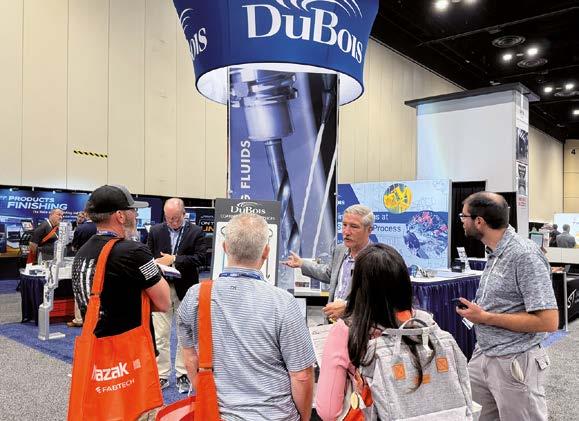
In 2017, CCAI created the FAB to FINISH Production Experience on the FABTECH show floor and it has continued every year since. This interactive program gives attendees the opportunity to take a metal part from fabrication through the finishing process. Attendees will follow a production route to participating FINISHING exhibitors’ booths to experience the part being cleaned, powder coated, cured, and tested. Each year the program grows in popularity as exhibitors and attendees alike want to participate.
FABTECH 2025 FINISHING Conference Program & FINISHING Pavilion exhibitors
The current FINISHING Conference Program and the list of FINISHING Pavilion exhibitors are available on the show website. Session descriptions and registration information can be found at www.fabtechexpo.com/ conference by scrolling down and selecting the FINISHING section. The updated list of FINISHING exhibitors is accessible at www.fabtechexpo.com by clicking the navigation button in the upper right corner, selecting the Exhibitor Directory option, and then choosing Pavilion in the left-hand menu to filter by Finishing. Both the FINISHING Pavilion and the related Conference sessions will be located in the Lakeside Building.
For further information: www.fabtechexpo.com
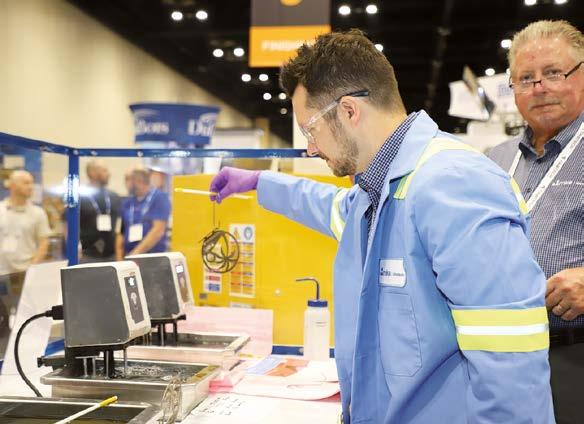
Attendees explore the industry’s largest assembly of finishing suppliers at the CCAI FINISHING Pavilion.
Attendees get to try their hand at finishing processes on the show floor as part of the FAB to FINISH Production Experience.
PaintVision Global Business Summit & Awards 2025 concludes with futuristic approach and innovative insights
The PaintVision Global Business Summit & Awards 2025 took place on 20–21 June at the Radisson Blu, Paschim Vihar, New Delhi, India.
Bringing together professionals from across the paint and coatings value chain - including raw material suppliers, manufacturers, and industry leaders - the event provided a high-level platform for strategic knowledge-sharing, networking, and setting a forward-looking agenda for a more sustainable and innovation-driven future. Over the course of two days, attendees participated in expert-led sessions, technical workshops, a live exhibition, and impactful discussions focused on finance, formulation, technology, sustainability, and industrial transformation.
Day 1 – Finance, Listings & Industry Wisdom
The first day of the event opened with a strong focus on financial strategy and business development.
During the opening session, Mr. Ankit Goel of Deep Polychem offered a compelling presentation titled “How to Manage the Funds & Expenses”. He revealed the hidden truths behind accounting profits using a real case from AMEL Paints. By addressing overlooked costs like real estate and capital opportunity loss, he highlighted the importance of cash flow, capital efficiency, and real Return on Equity (RoE). “Cash flow is reality, profit is sanity, revenue is vanity,” he concluded. The second session featured Mr. Gagandeep Singh from Co-Partners, Leela Fincare, who explored “The Untapped Potential of SME Listings in India’s Capital Market”. This session unpacked how SME platforms like NSE Emerge and BSE SME can enable funding, visibility, and credibility without loss of control. Mr. Singh encouraged MSMEs to embrace listing not just as a financial strategy, but as a long-term professional upgrade. In the third session, the spotlight shifted to a panel discussion on “New Developments in the Paint Industry”, moderated by Mr. Manish Malhotra of PaintVision. The panel brought together notable industry voices including Mrs. Pooja Sharma (Indian Aerosol), Mr. Anil Malhotra (SBL Coatings), Mr. Ranjit Singh (Balson Paints), Mr. Nitin Jain (Jwells Paint), Mr. VN Dubay (Premium Coating), and Dr. Gaurav C. Srivastav (allnex resins pvt ltd). The final session of the day was led by Mr. Manish Goel, Founder and Managing Director of JK Protomax, one of Eastern India’s leading paint companies. In his talk “Make Your Employees Work Like Owners”, he shared real-life strategies for building ownership culture, unlocking employee accountability, and sustaining long-term business growth.
Day 2 – Chemistry, Technology & Business Disruption
The day began with an insightful session titled “Be Future Ready – The Future Is Now”, presented by Dr. Guru Raj of Raj Speciality Additives. Dr. Raj emphasized the transition to water-based coatings and introduced the Chem India Portal, a multilingual tech platform to support formulators across India. In the second session, titled “From Colour to Code – How AI is Reshaping the Paint Industry”, Mr. Vikas Kumar from Vertex Paints explored how artificial intelligence is transforming operations—from automated batching systems to AI-driven shade matching technologies. The third and final session of the day took the form of a fireside chat between Mr. Ankit Goel and Mr. Manish Malhotra, focusing on “Business Growth & New Frontiers”. A candid discussion on scale, strategy, and diversification—Deep Polychem’s expansion into MHEC, RDP, PVA, epoxy grouts, and global partnerships was presented as a roadmap for modern industrial growth.
A key highlight of the event was the PaintVision Awards 2025, with over 50 prestigious recognitions celebrating excellence in innovation, sustainability, leadership, and market impact.
For further information: www.paintvisionindia.com
Paint & Coatings Italy 2025: new venue, new content, and the support of industry associations
Paint & Coatings Italy will take place at Superstudio Maxi in Milan, Italy, on October 8–9, 2025.
On October 8–9, 2025, Paint & Coatings Italy returns to Milan in a completely renewed format. The new venue at Superstudio Maxi, located at Via Moncucco 35, offers a 40% larger exhibition space, reinforcing the event’s position as a benchmark for innovation in the paint, coatings, and surface technologies sector. This expansion will allow for even more exhibitors and visitors, with leading companies showcasing the latest solutions and technologies in the field.
The value of support from AssICC and Assovernici
Once again, Paint & Coatings Italy benefits from the continued and concrete support of AssICC (Italian Chemical Trade Association) and ASSOVERNICI, the two main industry associations. Their active involvement in the event’s organisation and in developing its technical and scientific content is crucial in ensuring that all topics addressed are up to date. These range from regulatory updates (REACH and CLP) to environmental sustainability, and from bio-based products to technologies supporting the ecological transition. AssICC and ASSOVERNICI will also contribute significantly through seminars and roundtables involving key stakeholders and institutional representatives from the sector.
Academies and new thematic areas
This year’s event will dedicate great attention to new training and technical insight areas:
Construction Chemicals Academy: a brand-new feature for 2025, this Academy will offer an overview of the most advanced chemical solutions for the construction industry. Presentations will cover sustainable polymers, natural fillers, innovative resins, and technologies aimed at reducing environmental impact. Topics include bio-based polymers, sustainable water repellents, artistic floor and wall coatings, with insights from leading companies and research centers.
Additives Academy: a cutting-edge training platform focused on additives for paints and coatings, with a spotlight on PFAS reduction, circular solutions, sustainability, and VOC emission reduction. This will be a unique opportunity to learn about the latest trends and technological challenges shaping the sector.
TechFocus: innovation from all angles
The event will once again feature TechFocus presentations, delivered directly by exhibitors. These sessions will provide insights into the latest innovations and most effective technical solutions for the formulation, production, and application of paints and coatings. Covering both
technical and commercial topics, TechFocus aims to meet the real needs of industry professionals. From reducing environmental impact to new raw materials, process technologies, and quality control systems, these presentations offer practical, ready-to-use ideas and solutions.
“Cool Roof” Conference by Pitture e Vernici
Paint & Coatings Italy will also host a conference organised by Octima and Pitture e Vernici – European Coatings magazine, entirely dedicated to Cool Roof technologies. This session will explore reflective solutions for buildings that enhance energy efficiency and indoor comfort. Featuring case studies and talks from international experts, the conference will present new raw materials and product innovations for manufacturing “cool” paints and coatings aimed at reducing urban heat islands and supporting more sustainable construction practices.
For further information: www.paint-coatings.it/en/
Thessaloniki to host ESTAL Congress 2025
The ESTAL Congress will take place at the MET Hotel in Thessaloniki, Greece, from October 1st to 3rd, 2025.
The ESTAL Congress is the bi-annual rendez-vous of the European aluminium surface treatment industry, presenting new perspectives in a changing world.
The next edition will take place in Thessaloniki, the second biggest city in Greece, renowned for its dynamic innovation ecosystem, cultural richness, and Mediterranean openness, from the 1st to the 3rd of October 2025. “As our industry navigates complex environmental obligations, fastpaced technological transformation, and shifting global markets, this event offers a vital forum for collaborative dialogue and knowledge exchange,” – said Ivo Vermeeren, ESTAL Chairman. Bernard Gilmont, ESTAL Secretary General, added: "this Congress will stimulate fruitful discussions, present new ideas for aluminium anodisers and powder coaters, and provide a platform for exchanging ideas with European policy makers, market experts, suppliers, academics, scientists, and other stakeholders. Our keynote speakers will address the competitiveness of the European aluminium value chain in the current global trade context, while the European Commission and industry experts will give an overview of the EU legislative context. In particular, the new EU Industrial Emissions Directive will become the basis to obtain permits for surface treatment installations, through the future new Best Available Techniques Reference Document of the Surface Treatment of Metals and Plastics (STM BREF) that is currently under review.”
While ESTAL and European Aluminium jointly provided 99 comments on the draft new STM BREF, the European Commission will explain the next steps in the review process, and industry speakers will present solutions to improve resource efficiency and reduce emissions of surface treatment plants. An update about the Universal PFAS restriction will also be given. Then, several presentations will deal with innovative products and finishing processes, including colour innovation, nanoparticle-enhanced anodic oxide coatings, conversion treatments, artificial intelligence applied to painting lines.
Finally, several presentations and a plant visit will deal with powder coating and anodising of recycling-based aluminium alloys, which is fundamental to the decarbonisation of the aluminium value chain.
For further information: https://estalcongress.org/
Bernard Gilmont, ESTAL Secretary General, and the MET Hotel, that will host the ESTAL Congress 2025.

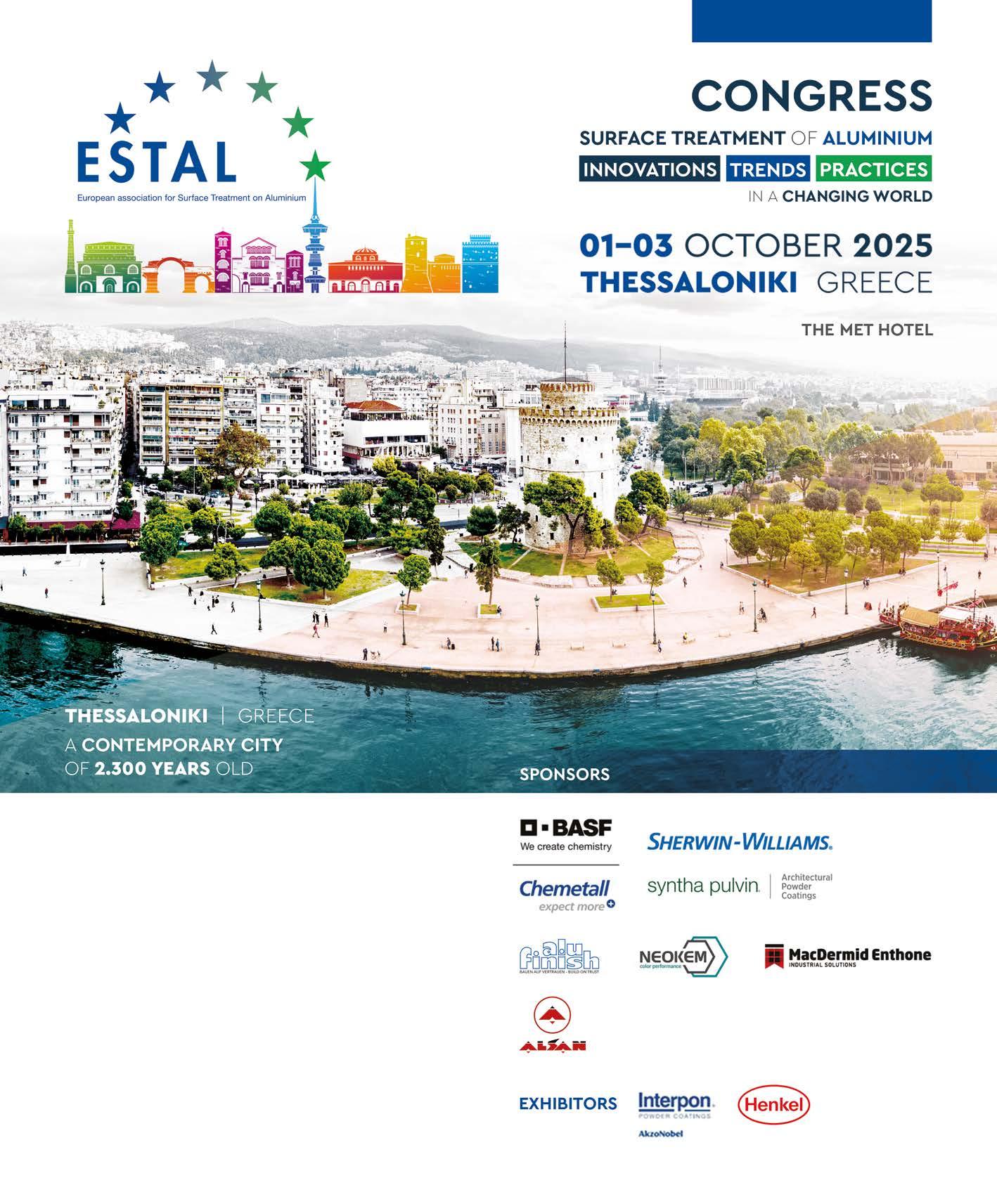
The bi-annual rendezvous of the EUROPEAN ALUMINIUM SURFACE TREATMENT INDUSTRY
Key themes:
> European competitiveness and EU legislative framework
> Innovations in resource efficiency and industrial emissions
> Innovative products and finishing processes
> Surface treatment of recycled aluminium
More information and registration: https://estalcongress.org/
EDITOR IN CHIEF
ALESSIA VENTURI venturi@ipcm.it
EDITORIAL DIRECTOR
FRANCESCO STUCCHI stucchi@ipcm.it
EDITORIAL OFFICE redazione@ipcm.it
PAOLA GIRALDO giraldo@ipcm.it
MONICA FUMAGALLI fumagalli@ipcm.it
NICOLE KRAUS kraus@ipcm.it
MATTEO SOTTI sotti@ipcm.it
ILARIA PAOLOMELO paolomelo@ipcm.it
FEDERICO MELIDEO melideo@ipcm.it
GIULIA GENTILE gentile@eosmarketing.it
MEDIA SALES
FRANCESCO STUCCHI stucchi@ipcm.it
ILARIA PAOLOMELO paolomelo@ipcm.it
NICOLE KRAUS kraus@ipcm.it
GRAPHICS
ELISABETTA VENTURI grafico@ipcm.it
TRANSLATIONS
CHIARA FOPPA PEDRETTI chiara.foppapedretti@gmail.com
SEBEGRAF SRL | info@sebegraf.eu

EDITED BY
EDITORIAL BOARD
Prof. Stefano Rossi
Material Engineering and Industrial Technologies, University of Trento - Product Design
Kevin Biller ChemQuest Powder Coating Research
Gianmaria Guidi Consultant for industrial and anticorrosive coating processes
Gianmaria Gasperini
Head of the Paint&Coatings Laboratory of Innovhub SSI Divisione Oli e Grassi
Paolo Rami
Director of ipcm®Academy, expert in anticorrosion, coating defects analysis, and process optimization


SUBSCRIPTION SERVICE / SERVIZIO ABBONAMENTI
Sale only on subscription - Vendita solo su abbonamento E-mail: info@ipcm.it
Subscription Rates 2025
Annual subscription print + digital:
EMEA €110,00 (postage included)
Rest of world €350,00 (fast airmail shipping included)
Single copy: €15,00
EMEA (postage included) - Rest of world (postage excluded)
Back issues: €30,00
EMEA (postage included) - Rest of world (postage excluded)
Subscriptions can be made via payment online at www.myipcm.com. Subscription and the sale of individual issues are exempt from VAT under Italian law: Article 74.1, letter C of DPR 633/72, DM 29/12/1989.
Tariffe Abbonamento 2025
Abbonamento annuale cartaceo + digitale:
EMEA €110,00 (spese postali incluse)
Rest of world €350,00 (spedizione via aerea inclusa)
Fascicolo singolo €15,00
EMEA (spese postali incluse) - resto del mondo (spese postali escluse)
Arretrati €30,00
EMEA (spese postali incluse) - resto del mondo (spese postali escluse)
Gli abbonamenti possono essere sottoscritti con carta di credito sul sito: www.myipcm.com. L’Iva sugli abbonamenti, nonchè sulla vendita di singole copie è assolta ai sensi dell’art.74 comma 1 lett. C DPR 633/72, DM 29/12/1989.
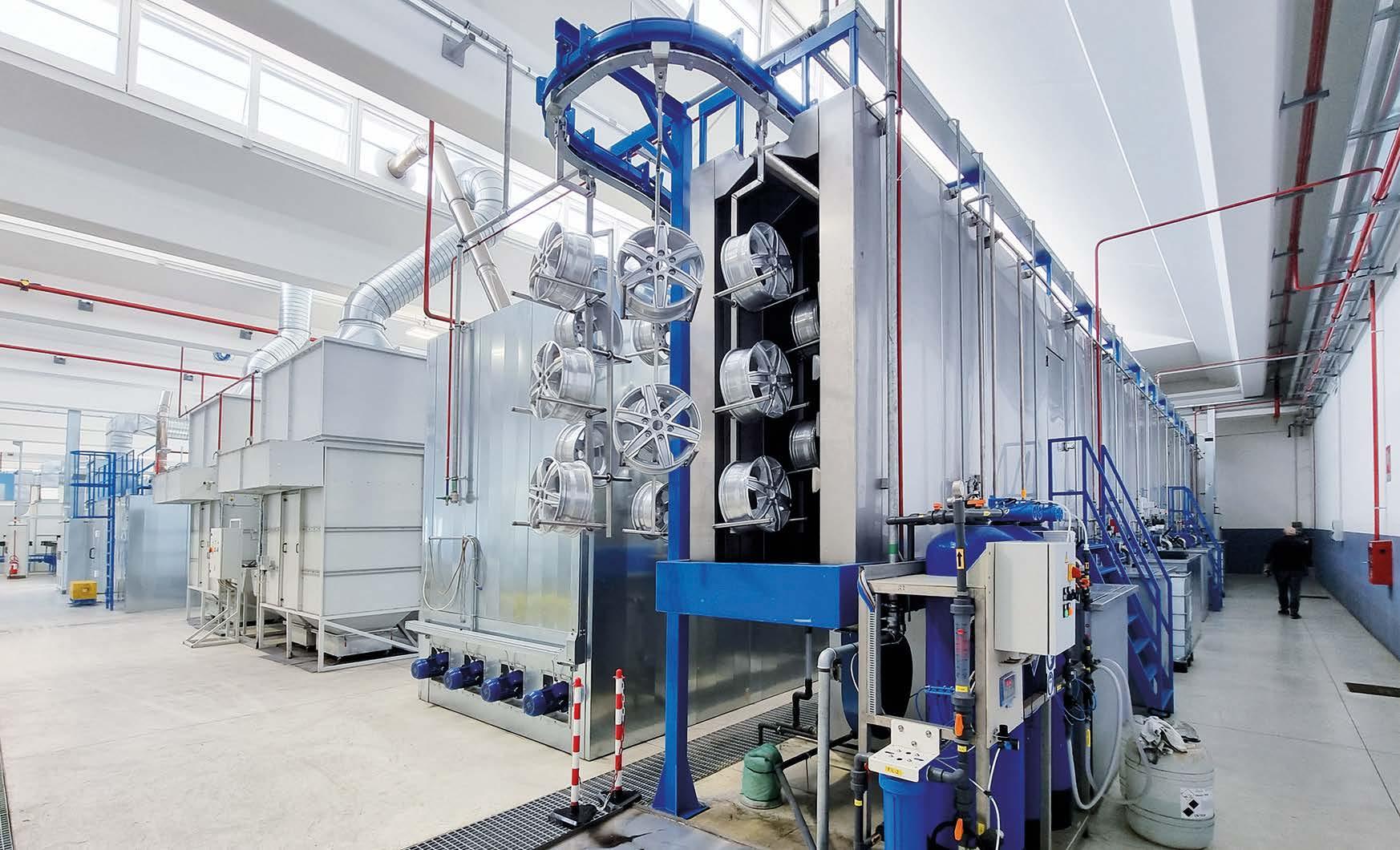
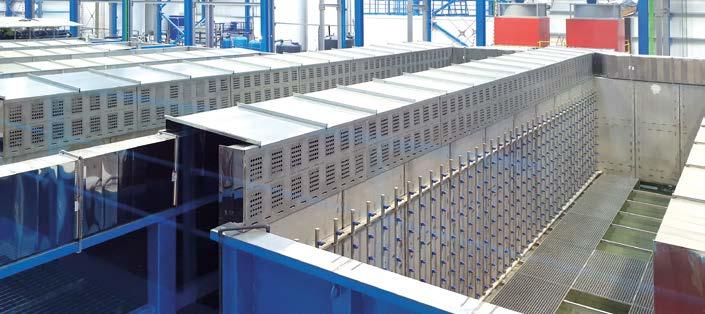

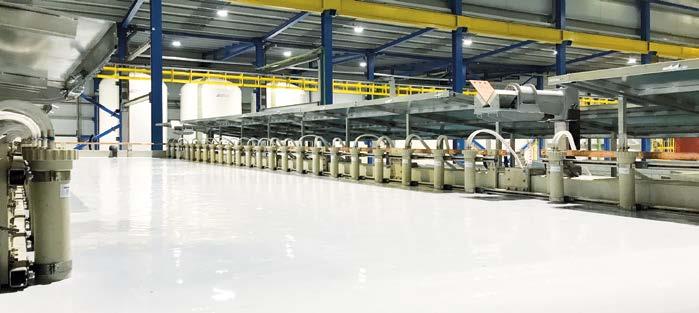

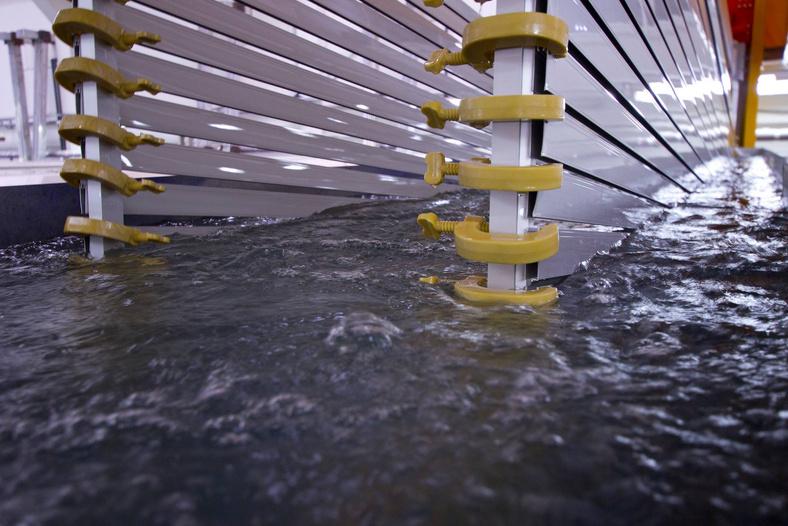


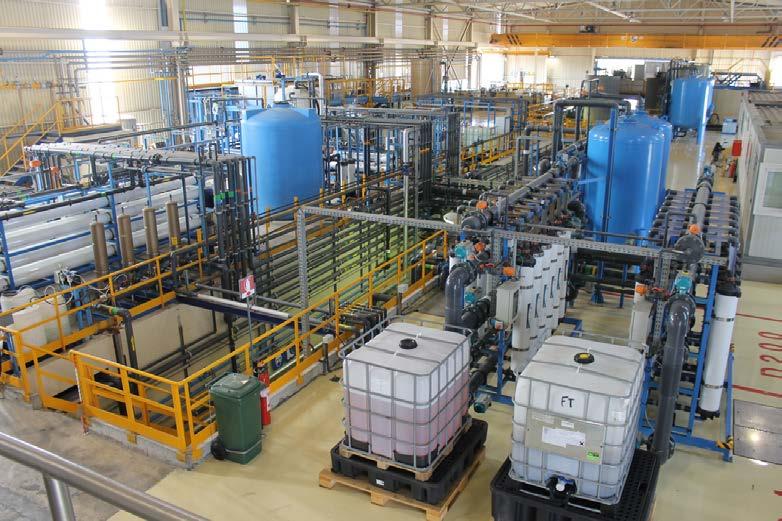

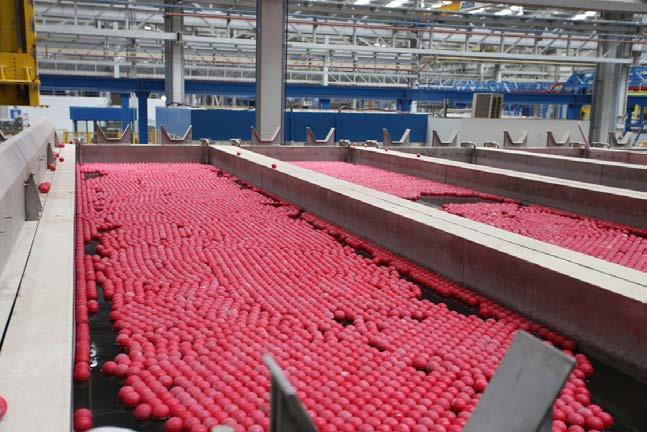
Anodizing & Powder coating plant realization Waste Water Treatment Plant Chemicals for Waste water treatment