



It’s one of the busiest times of year on the farm. Combines and grain carts are rolling, harvesting corn from the fields, day and night. Finally, farmers are reaping the toll of their months of labor. Did you know that the corn grown right here in Iowa doesn’t just go to feed livestock and power cars on the road? There are over 4,000 everyday products that corn is used in. From the cosmetics you put on in the morning, to the corn-fed protein in your fridge and the sweetener in your favorite beverage. Corn is all around us!
Thank you for subscribing to Warm Welcomes from the Farm, we hope you enjoy this edition and learn more about the amazing uses for Iowa’s #1 crop!

One of the ways we enjoy corn every day is through high fructose corn syrup (HFCS), a sweetener made from corn that’s used in many foods and drinks. Despite common misconceptions, high fructose corn syrup is nutritionally similar to table sugar and is safe to enjoy in moderation as part of a balanced diet. Learn more from Dr. Ruth MacDonald, Professor of Food Sciences and Human Nutrition at Iowa State University.


Fall is here, bringing cooler days, cozy meals, and plenty of time to gather around the table. Celebrate the season with recipes that feature corn-fed ingredients, a delicious way to enjoy harvest and the flavors of fall!



Cranberry Stuffed Pork Loin
Celebrate two of Iowa’s top commodities with this corn-fed pork recipe. This cranberry stuffed pork loin from Iowa Pork brings together juicy, corn-fed pork with a savory-sweet cranberry and apple filling. Perfect for a cozy family dinner or holiday gathering. See the full recipe here.
Crockpot Corn Chowder
Add a comforting side dish to your fall menu with this crockpot corn chowder. Featuring sweet corn, tender potatoes, smoky corn-fed bacon and creamy richness, it’s an easy slowcooker recipe perfect for cozy evenings! Get the full recipe here.
Looking for a sweet way to celebrate the flavors of fall? These pecan pie bars deliver all the rich, nutty goodness of classic pecan pie in an easyto-share bar. Made with corn syrup for that perfectly gooey texture, they’re a delicious treat to enjoy all fall! Click here for the full recipe.
Hungry for more? Visit our website to see even more corninspired recipes!

Lately, High Fructose Corn Syrup (HFCS) has been making headlines, especially as major companies like Coca-Cola announce shifts from HFCS to sugar cane. These changes can spark questions and raise concerns about what’s in the foods and beverages we enjoy every day. We’re here to separate fact from fiction and give you the real food facts about HFCS, so you can feel confident with your food choices.
What Is High Fructose Corn Syrup?
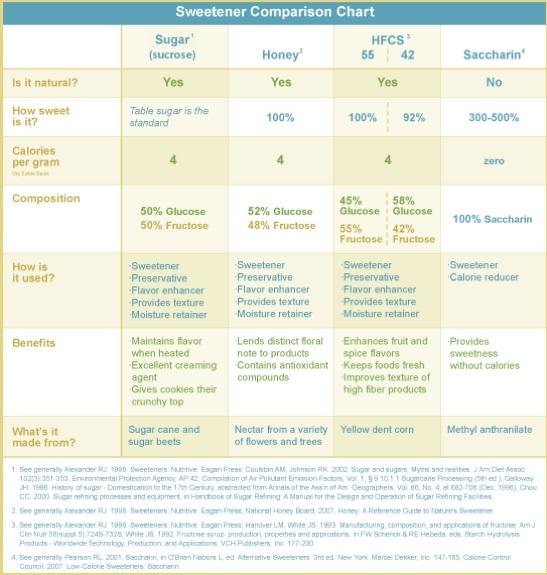
HFCS is a sweetener made from corn found in thousands of foods and beverages on grocery store shelves throughout the United States. HFCS is composed of either 42 percent or 55 percent fructose, with the remaining sugars being primarily glucose and higher sugars.
In terms of composition, HFCS is nearly identical to table sugar (sucrose), which is composed of 50 percent fructose and 50 percent glucose. Glucose is one of the simplest forms of sugar that serves as a building block for most carbohydrates. Fructose is a simple sugar commonly found in fruits and honey.
Is High Fructose Corn Syrup the same as other sweeteners?
Science tells us that there is little difference between HFCS and any other caloric sweetener. It adds calories in the same way that sugar, honey, fruit juice concentrate or agave nectar adds calories. In fact, they all contribute to the same number of calories per gram.
There is consensus in the scientific community, among people educated on sweeteners and their nutrition, that HFCS is nutritionally equivalent to sugar and other caloric sweeteners and that all sweeteners should be consumed in moderation.
Learn more about the similarities and differences between sweeteners here.
What does High Fructose Corn Syrup Mean to the Corn Industry?
HFCS plays a major role in supporting the U.S. corn industry and the broader economy. A ban on HFCS would have significant economic consequences without providing any nutritional benefits. U.S. corn refineries employ nearly 9,700 people, generating $1.5 billion in wages each year. Replacing HFCS with imported sugar would cost about $4 billion annually and worsen the nation’s trade deficit. According to a North Dakota State University study, removing HFCS from the market could cost farmers up to $5.1 billion in lost income and reduce corn prices by as much as 34 cents per bushel. Midwest states, especially Iowa, would be hit hardest facing nearly $925 million in losses.
Learn more at Best Food Facts