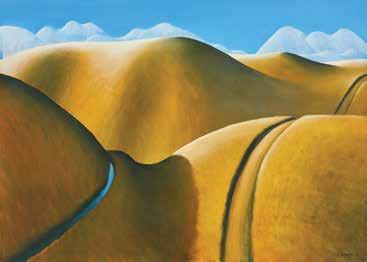
IMPORTANT & RARE ART
AUCTION 6:00pm TUESDAY 28 NOVEMBER 2023
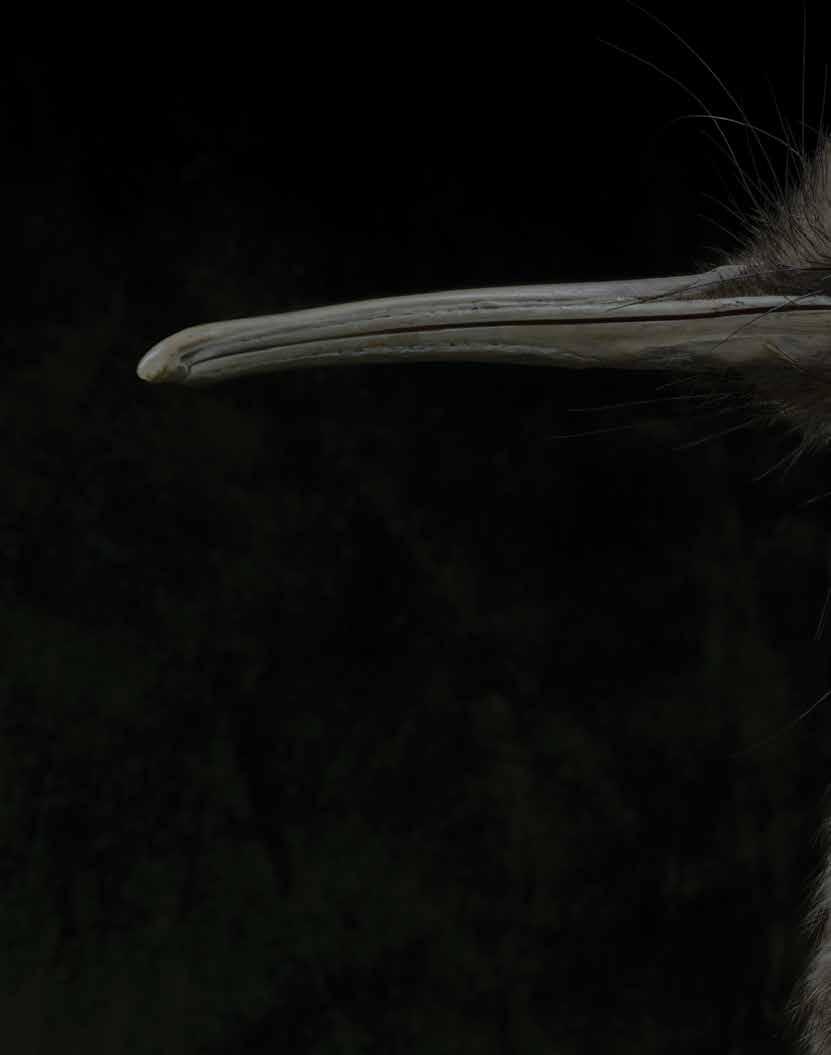
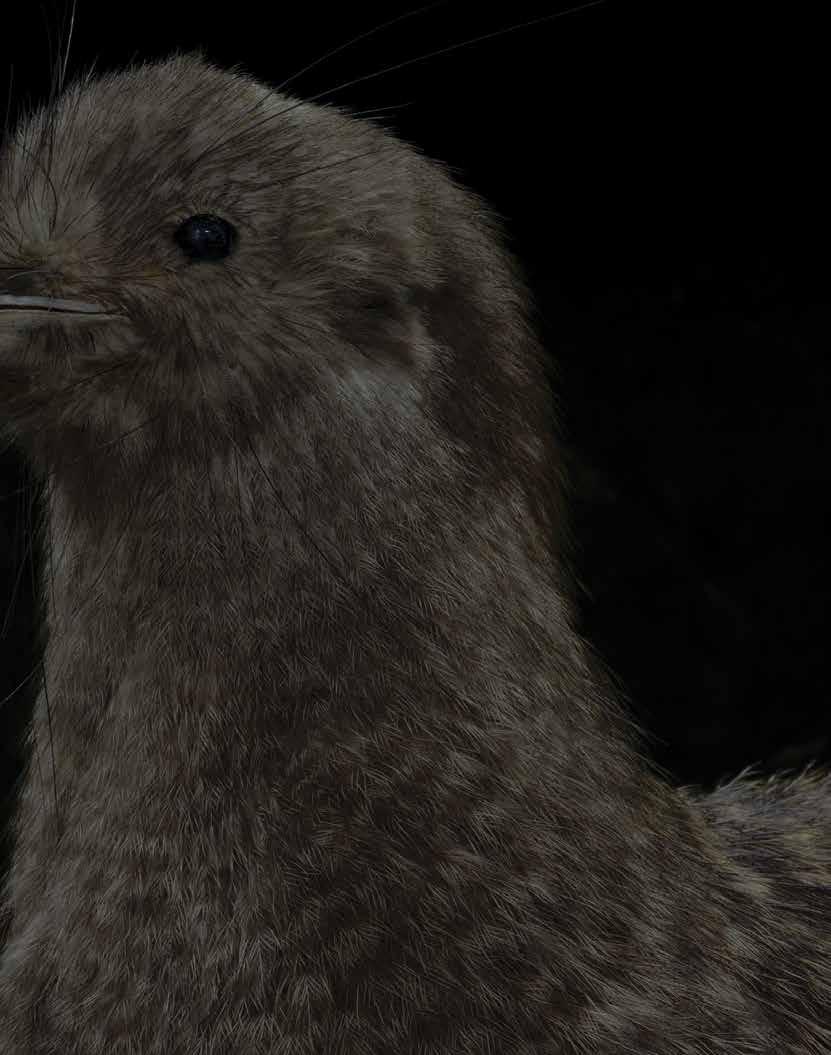
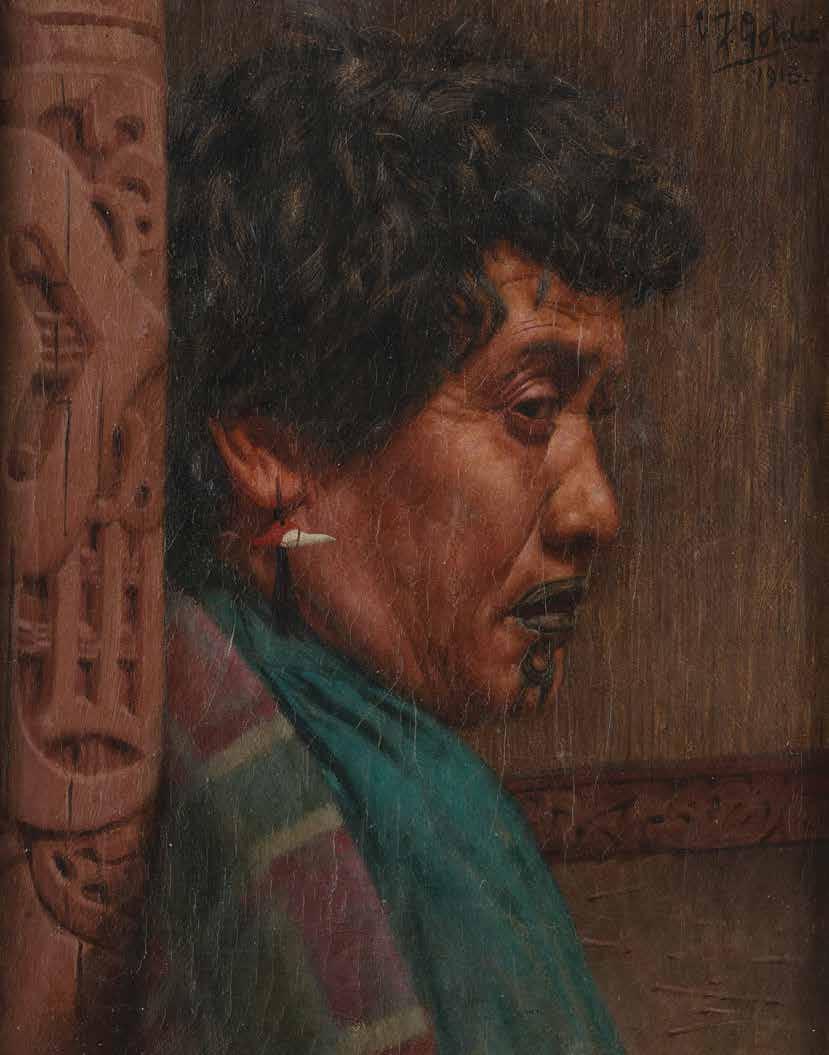
Lot 53
CHARLES FREDERICK GOLDIE
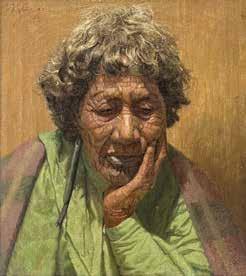
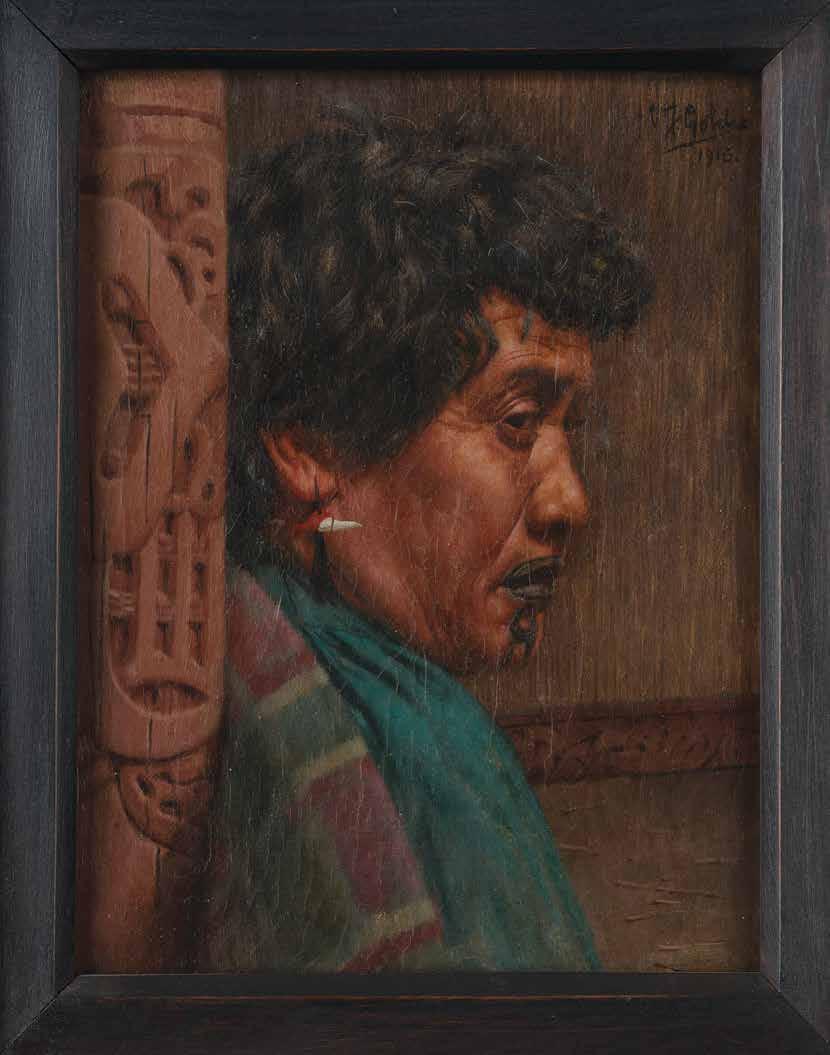
In Doubt, Ina Te Papatahi, Orakei Pah, 1913

AUCTION 6:00pm TUESDAY 28 NOVEMBER 2023
LIVE AUCTION 6:00PM TUESDAY 28 NOVEMBER
Tuesday 21 November 9:00am - 5:30pm
Wednesday 22 November 9:00am - 5:30pm
Thursday 23 November 9:00am - 5:30pm
Friday 24 November 9:00am - 5:00pm
Saturday 25 November 10:00am - 4:00pm
Sunday 26 November 11:00am - 4:00pm
Monday 27 November 9:00am - 5:30pm
Tuesday 28 November 9:00am - 5:00pm
International Art Centre 202 Parnell Road, Auckland
Allocated carparks located directly behind International Art Centre.
Upper and lower carparks are available during live auction at rear of International Art Centre. Further parking at St John’s Car Park, entry at 244 Parnell Road, 40 metres up from International Art Centre.
We offer live online as well as in room bidding. For instructions on how to bid please visit our website www.internationalartcentre.co.nz
Should you be unable to attend the auction, you may elect to register an absentee or telephone bid. Please contact us to arrange prior the sale.
MOBILE BIDDING PLATFORM
Visit https://auctions.internationalartcentre.co.nz to register on our online bidding platform.
Our bidding platform enables you to browse catalogues, enjoy auctions in real time and place bids from anywhere in the world
Each lot is subject to 17.5% + GST Buyers Premium
Directors Richard Thomson & Frances Davies
202 Parnell Road, Auckland, New Zealand
Telephone +64 9 379 4010 Toll Free 0800 800 322 www.internationalartcentre.co.nz
4.
International Art Centre has seen outstanding results achieved in all auction categories. Important & Rare Art auctions are the proven, pre-eminent sale category for major works of art offered for sale in New Zealand. These auctions take place quarterly. With an appreciative and greatly valued clientele of nationwide and international buyers and sellers we look forward to achieving record prices in 2024.
Richard Thomson richard@artcntr.co.nz
+64 274 751071
Grace Alty gracealty@artcntr.co.nz
+64 9 379 4010
Luke Davies luke@artcntr.co.nz
+64 9 379 4010
Grace Harris grace@artcntr.co.nz
+64 9 379 4010
CONDITION REPORTS auctions@artcntr.co.nz
Conditions of sale p.143
Absentee & Telephone bids p.141
202 Parnell Road
Auckland, New Zealand
Ph +64 9 379 4010
Toll Free 0800 800 322
www.internationalartcentre.co.nz
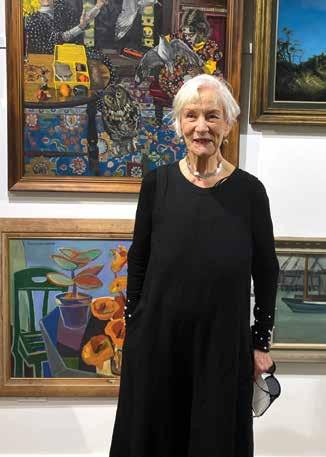
International Art Centre is delighted to host artist Jacqueline Fahey in conversation with Associate Professor Linda Tyler. For further enquiries and to reserve a seat please contact us at auctions@artcntr.co.nz. Limited spaces available.
WEDNESDAY - 22 NOVEMBER 10 - 11 am us
1
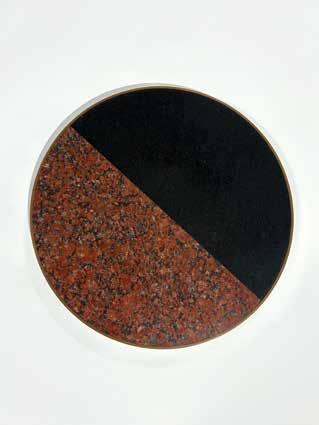
JOHN EDGAR (1950 - 2021)
Meridian Coin of the Realm
Corrennie granite (Scotland)
Black granite (Belfast) 29 x 29
$4,000 - 6,000
2
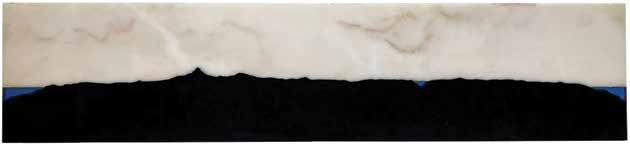
JOHN EDGAR (1950 - 2021)
Section
Marble, granite & glass 26.5 x 118
$7,000 - 10,000
EXHIBITED
Cross Country, Lopdell House Gallery, Waitakere, Hawkes Bay Exhibition Centre, Gisborne Museum and Arts Centre, Whakatane Museum and Gallery, Insignia, Dowse Art Museum, Lower Hutt, Fisher Art Gallery, Auckland, 21 June - 20 October 1996
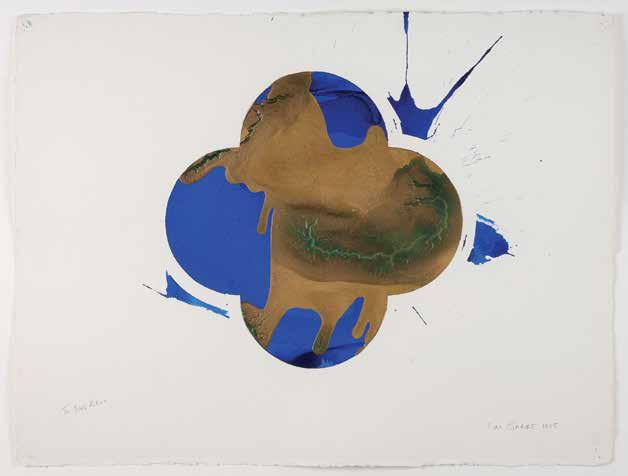
3 MAX GIMBLETT (b. 1935)
To Yves Klein, 1985
Pencil, acrylic polymer and metallic pigment on Arches Watercolour 300lb paper 56 x 76.5
Signed, inscribed & dated 1985
$8,000 - 12,000
A work from the same series was gifted by Max Gimblett and Barbara Kirshenblatt-Gimblett to the Christchurch Art Gallery Te Puna o Waiwhetū
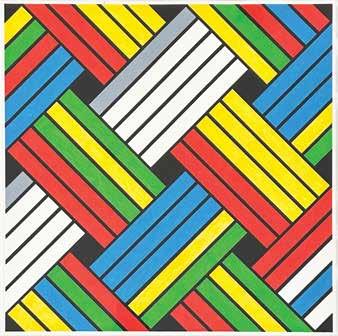
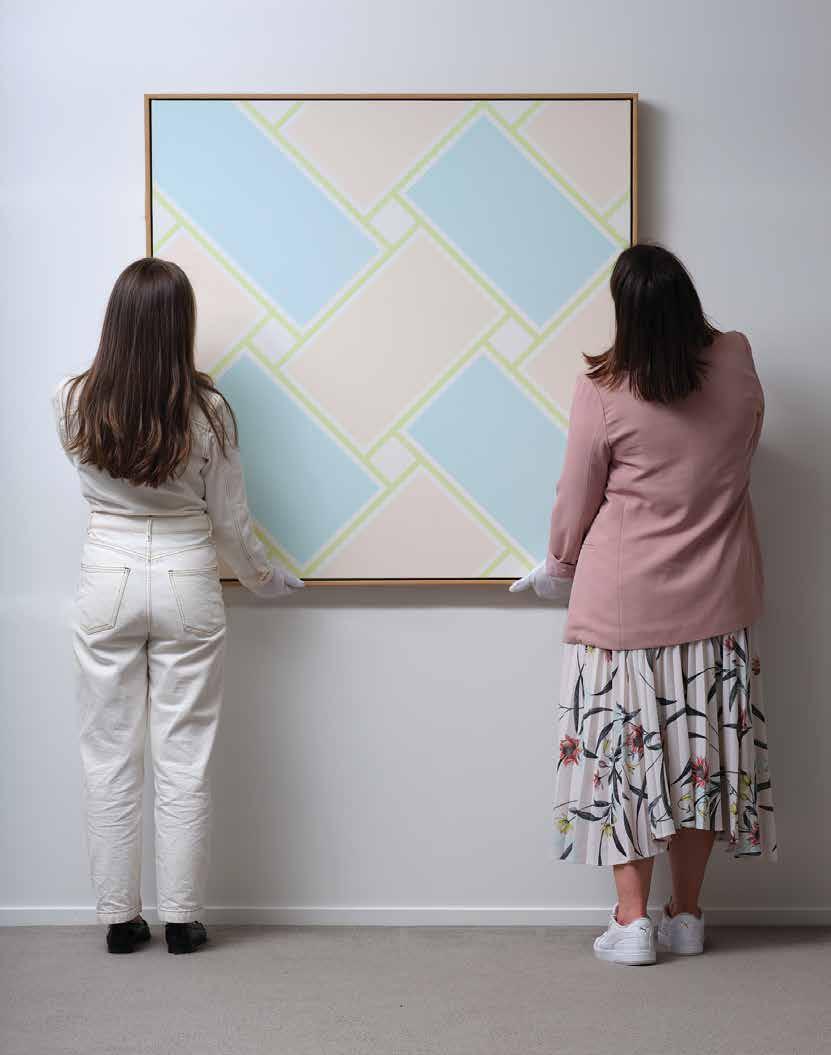
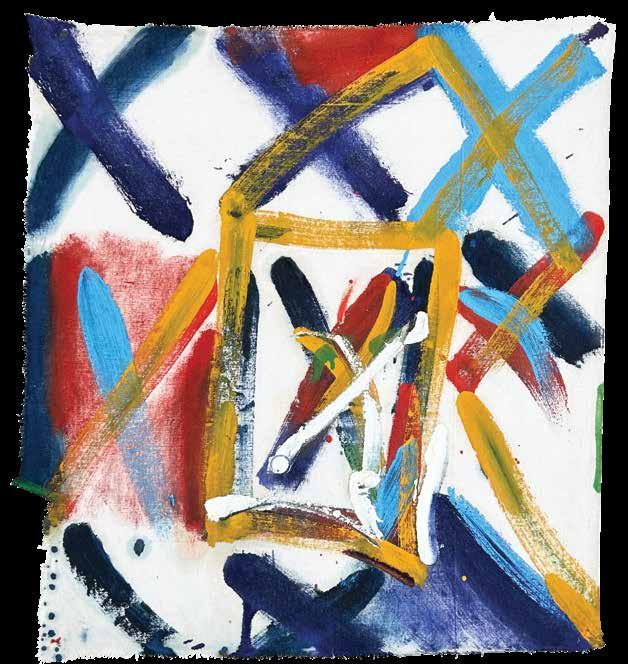
IAN SCOTT (1945 - 2013)
Lattice 1979
Watercolour 43 x 43
$4,000 - 6,000 5
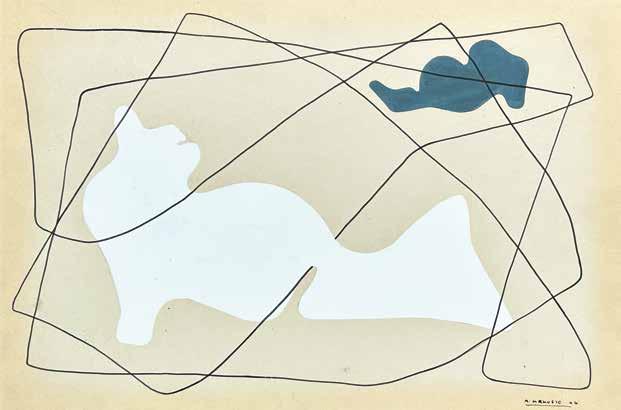
MILAN MRKUSICH (1925 - 2018)
Two Forms Under Black Line
Acrylic on paper 35 x 45
Signed M. Mrkusic & dated ‘46
$10,000 - 15,000
Teuane Ann Tibbo was a Samoan-born New Zealand artist. She started painting when she was 71 years old and her work is held in the permanent collections of Auckland Art Gallery Toi o Tāmaki, Museum of New Zealand Te Papa Tongarewa and the National Gallery of Australia.
Born in 1895 in Pago Pago, Samoa, Tibbo later lived in Fiji as an adult before moving to Auckland, New Zealand in 1945 with her husband and eight children. She began painting in the 1960s, without any formal training, when one of her daughters became interested in art.
Pat Hanly introduced Tibbo to Barry Lett, who became her dealer and showed her work at Barry Lett Galleries; her first solo exhibition was at Lett’s Uptown Gallery in 1964. According to Lett, Tibbo’s daughter aspired to be a painter and when Teuane saw her work, she said, Give me some brushes - I can do better than that. Away she went, without any training, this wonderful, intuitive, naive painter at the age of 71. We arranged an exhibition and she had her first show - it was quite an event
Within her practice, Tibbo drew on memories of her life in Samoa. The result was a body of work that was bright, vivid and full of life. The use of skewed perspectives, tilting the picture plane up towards the viewer is a distinctive hallmark of Tibbo’s practice. Her bright colour palettes and representation of everyday life combine to create evocative compositions that speak of Tibbo’s enduring legacy.
In 2002 a retrospective of her work, Keep It in the Heart: The Paintings of Teuane Tibbo was held in Auckland at the Lopdell House Gallery. In 2009 Tibbo’s daughter Audie Pennefather published a biography of Tibbo’s life, A true & strange story : the life of Teuane Ann Tibbo, artist 1895 -1984. Tibbo’s work was also featured in the 2021 exhibition Stars Start Falling, which was presented at the Govett-Brewster Art Gallery and Te Uru.
In 2002 International Art Centre was one of the first auction houses to offer Tibbo’s work on the secondary market. Since that time both admiration and demand for her work has increased considerably.
We are delighted to be presenting three works by the artist in our Important & Rare Art auction. Of note is Lot 7, School Festival, painted in 1975 which featured in Robin Morrison’s photo of the artist in her studio. The painting remained in Tibbo’s collection and is now on the market for the first time. Tibbo’s bold use of colour is evident in all three compositions. This collection offers a rare insight into the artist’s remarkable practice.
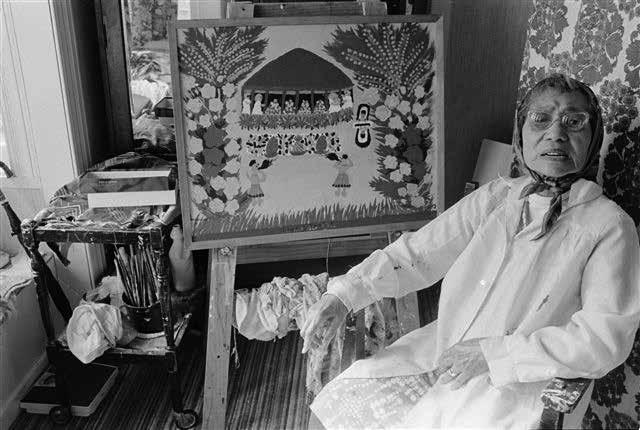
Robin Morrison, Teuane Tibbo, 1980s, silver print, Auckland War Memorial Museum Tāmaki Paenga Hira
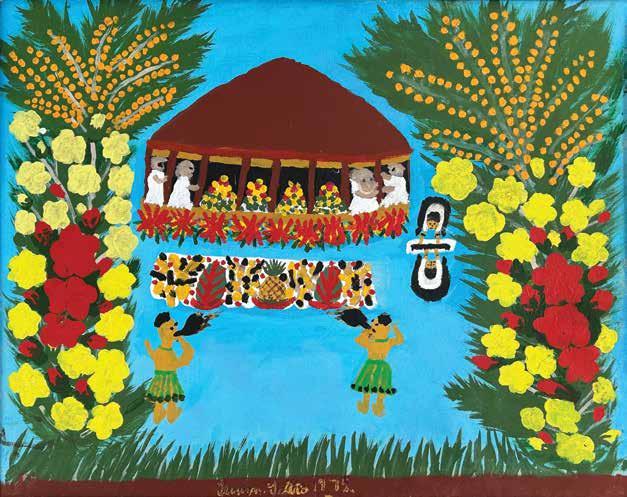
Signed & dated 1975
$15,000 - 20,000
PROVENANCE
From the Collection of the Artist, by descent
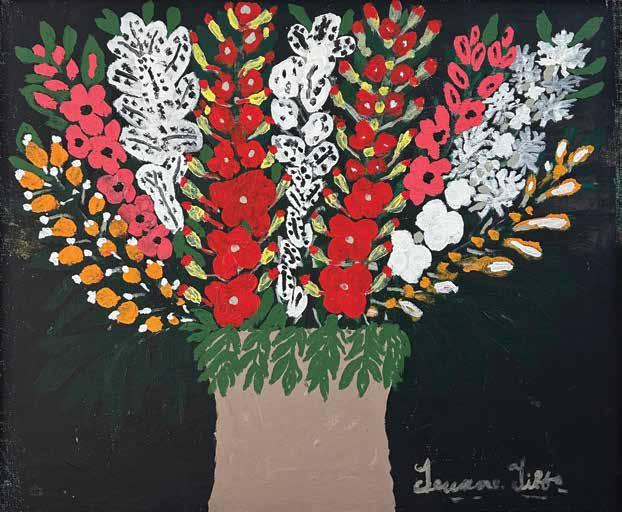
Signed $8,000 - 12,000
PROVENANCE
From the Collection of the Artist, by descent
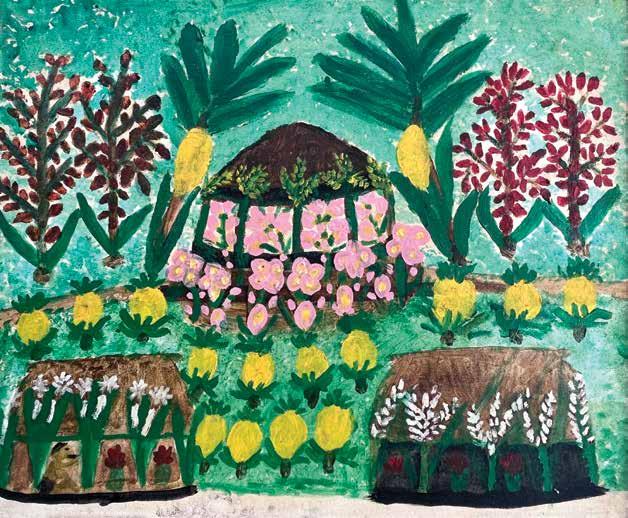
$10,000 - 15,000
PROVENANCE
From the Collection of the Artist, by descent
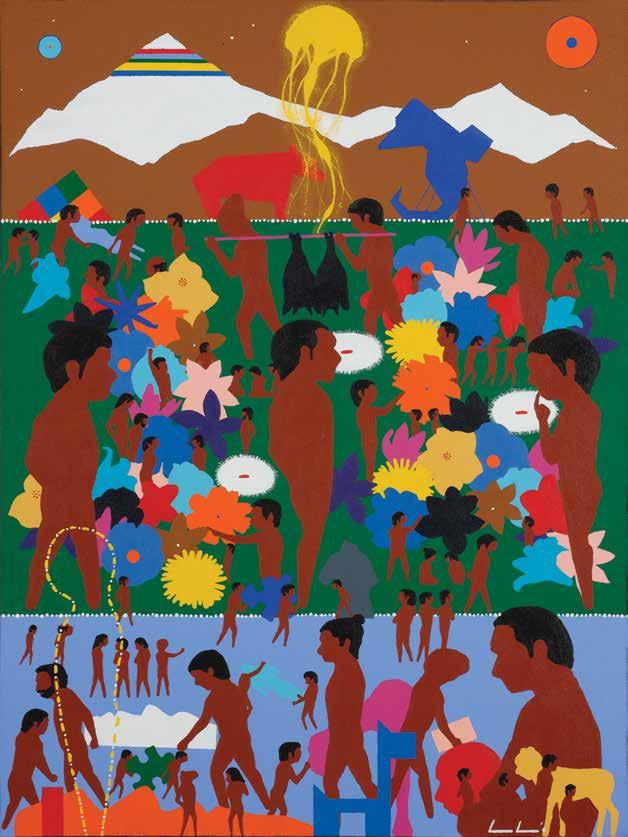
10 ANDY LELEISI’UAO (b. 1969)
Quaint Eden of Namoa, 2015
Acrylic on canvas 101.5 x 76.5
Signed
$6,000 - 9,000
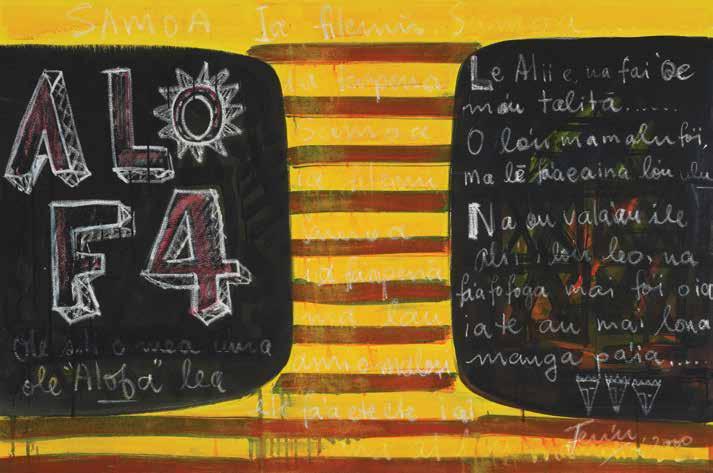
11 FATU FEU’U (b. 1946)
Le Aliie ua fai oe mou talita
Mixed media on canvas 90 x 130
Signed, inscribed & dated 2000
$8,000 - 12,000
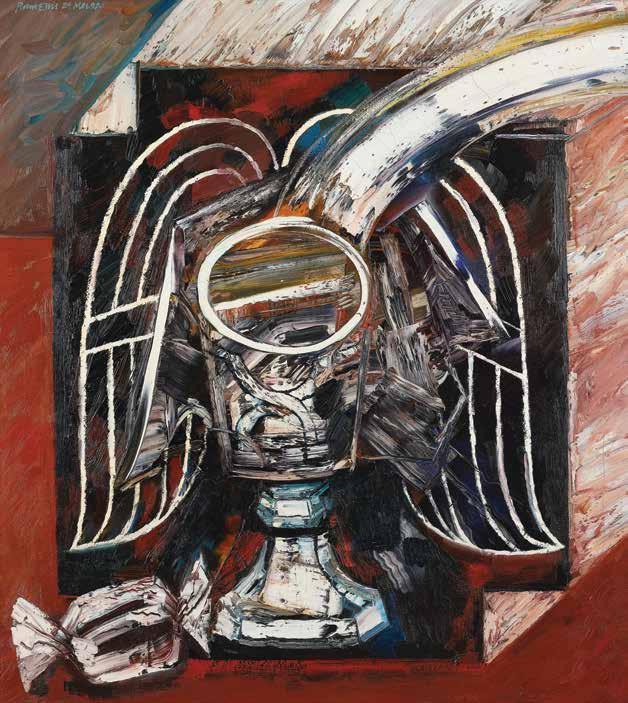
Oil on
96.5 x 86.5
Signed, inscribed & dated 24 Mei 92
$10,000 - 15,000
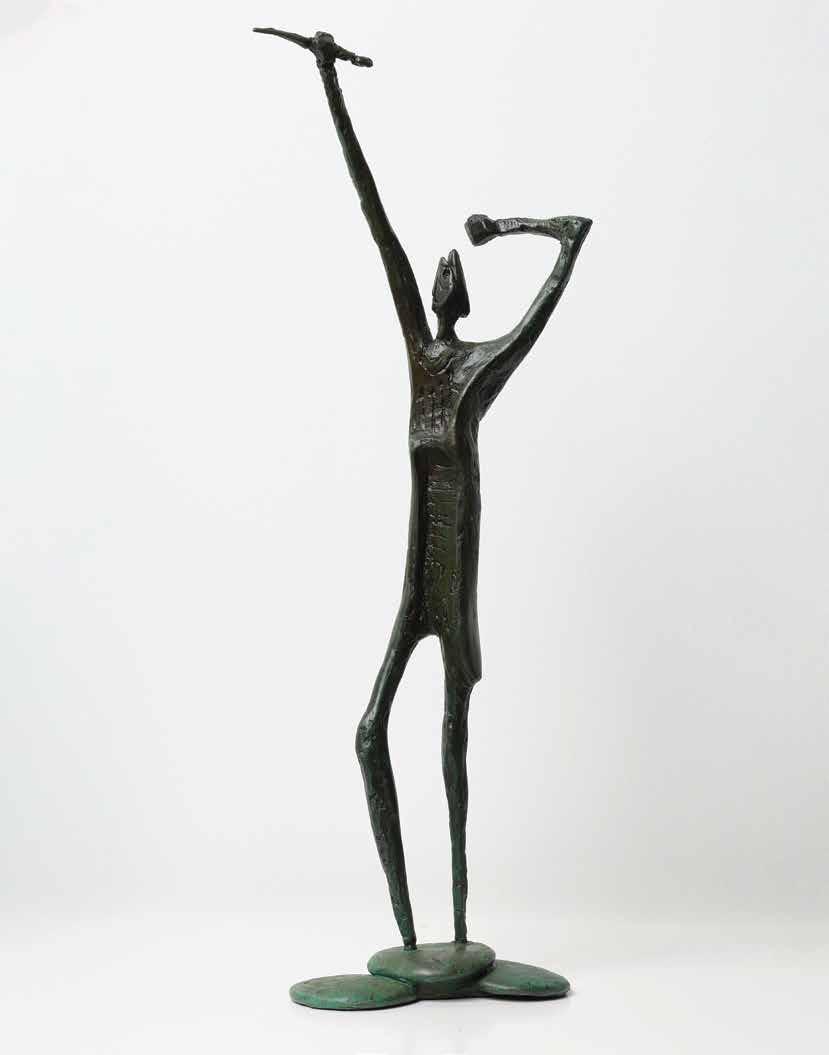
Cast bronze sculpture 47 x 18
Signed & dated 1996
$6,000 - 10,000
14
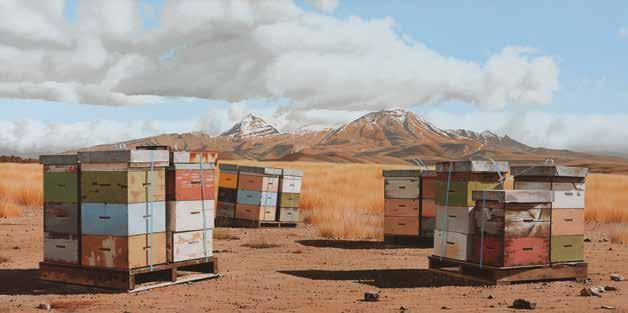
MICHAEL HIGHT (b. 1961)
Ruapehu Oil on linen 70 x 140
Signed, inscribed Ruapehu & dated 2008
$25,000 - 35,000
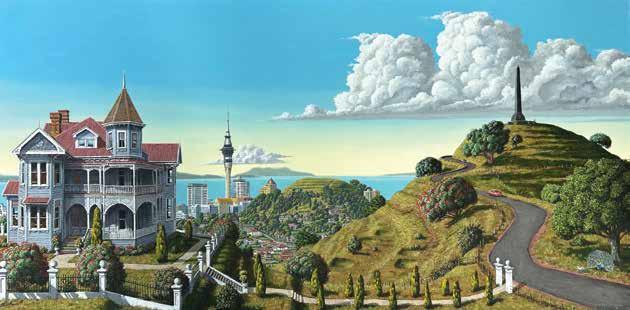
15 GEORGE BALOGHY (b.1950)
House on the Hill Oil on canvas 76 x 152
Signed & dated 2012
$12,000 - 15,000
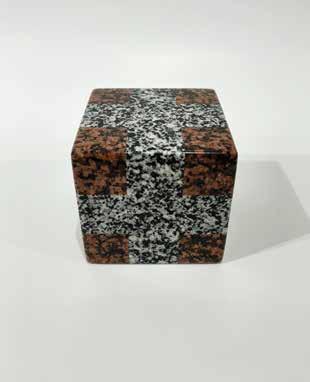
16 JOHN EDGAR (1950 - 2021)
Cube
Speckled Granite (NZ) and Tonalite Granite (Scotland) 8 x 8
$3,000 - 4,000
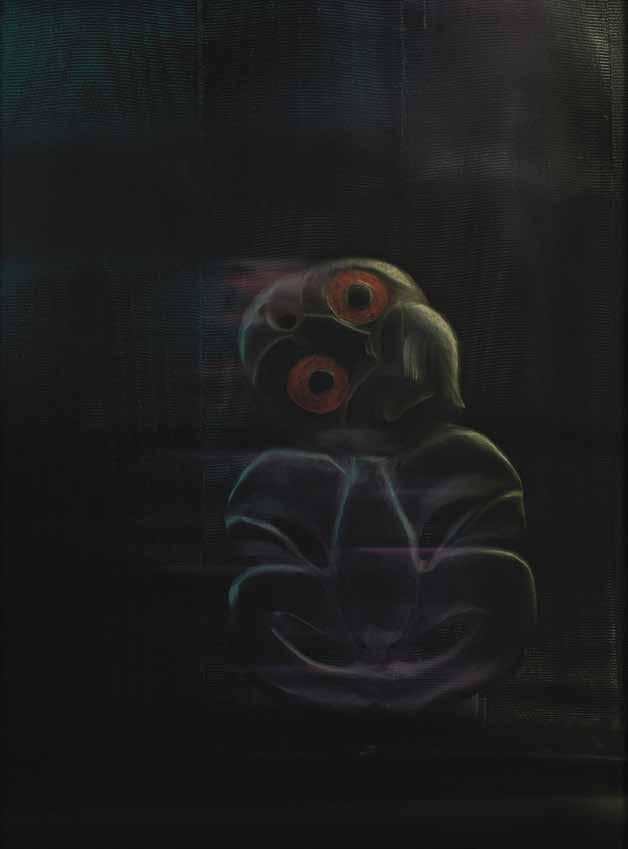
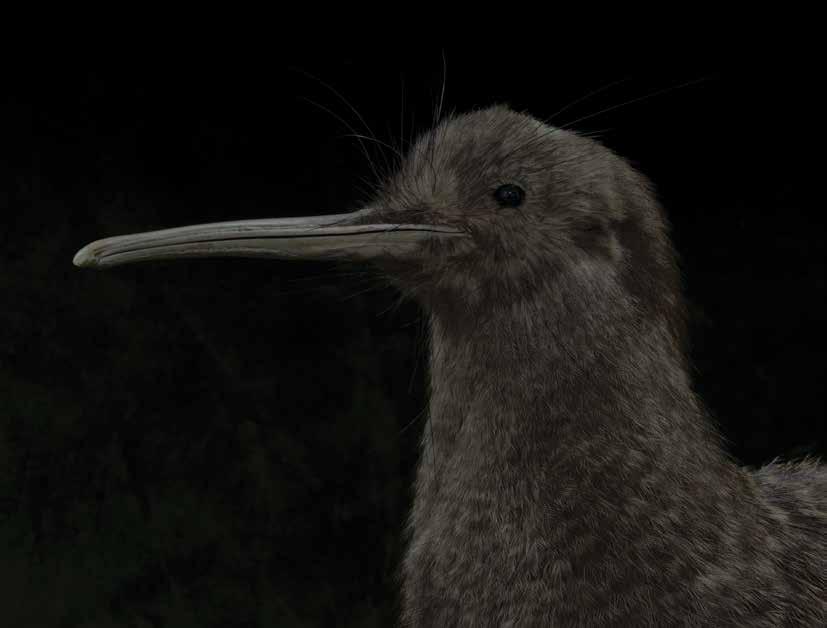
17 FIONA PARDINGTON (b. 1961)
A60924 Tiki (Orphans of Maoriland)
Pigment inks on Hahnemuhle Photo Rag,
edition 4/10 110 x 82.5
Signed & dated 2019 verso
$18,000 - 26,000
EXHIBITED
Tiki: Orphans of Maoriland, Starkwhite, June 2019
Christchurch Art Gallery, Jan - June 2020
18 FIONA PARDINGTON (b. 1961)
Toa Toa Canterbury Museum
Pigment inks on Hahnemuhle Photo Rag,
edition 8/10 109 x 145
Signed, titled and dated 2021 verso
$25,000 - 35,000
EXHIBITED
Starkwhite, Auckland
19 JOHN WALSH (b. 1954)
Tane Creates Hineahuone
Oil on canvas 139.5 x 196
Signed, dated 2002 & titled verso
$25,000 - 35,000
EXHIBITED
John Leech Gallery
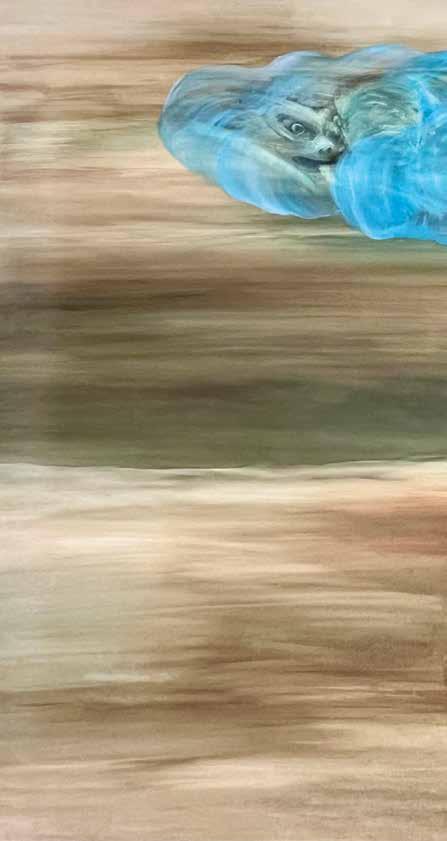
Clothesline
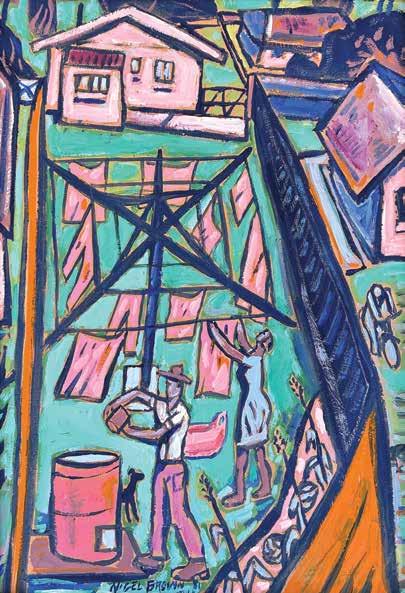
Acrylic on board 58 x 40
Signed, inscribed & dated 1981 verso
$4,500 - 8,500
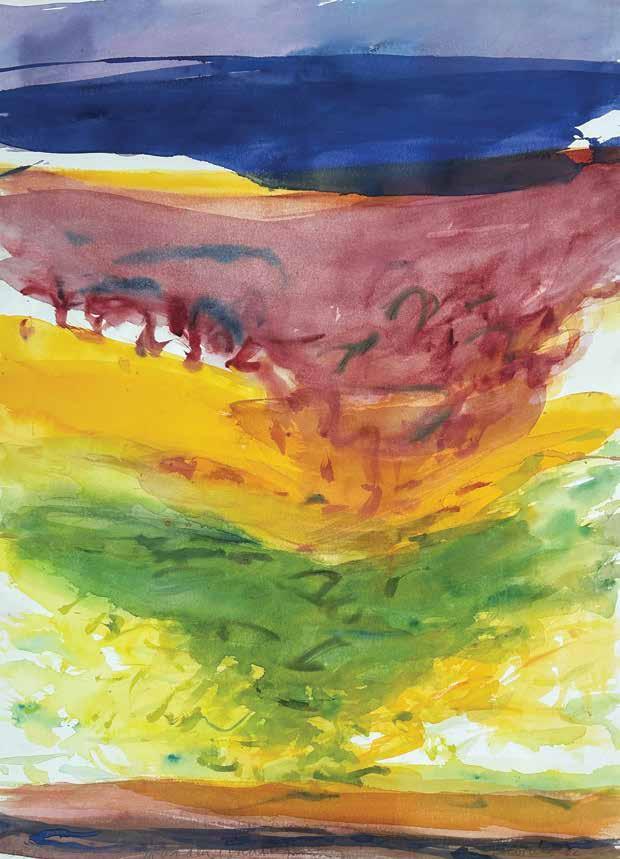
Garden Sunset
Watercolour 75 x 55
Signed & titled Garden (Sunset)
$20,000 - 30,000
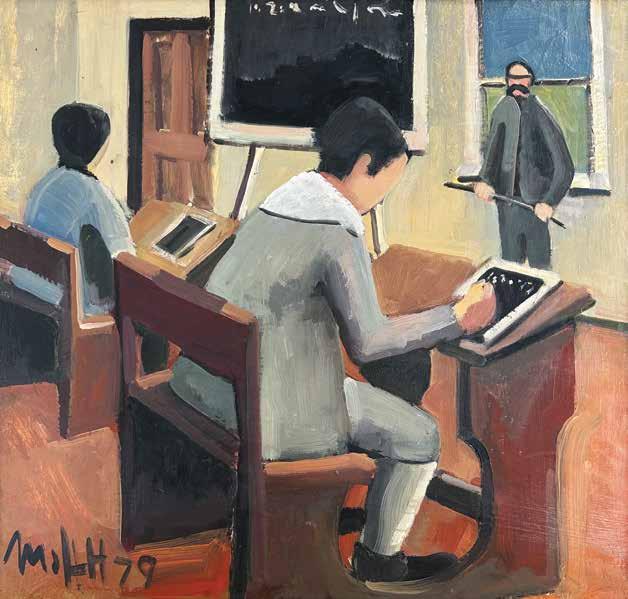
TREVOR
Being Taught by Mr Steadman Oil on board 58.5 x 62
Signed & dated ‘79
$8,000 - 12,000
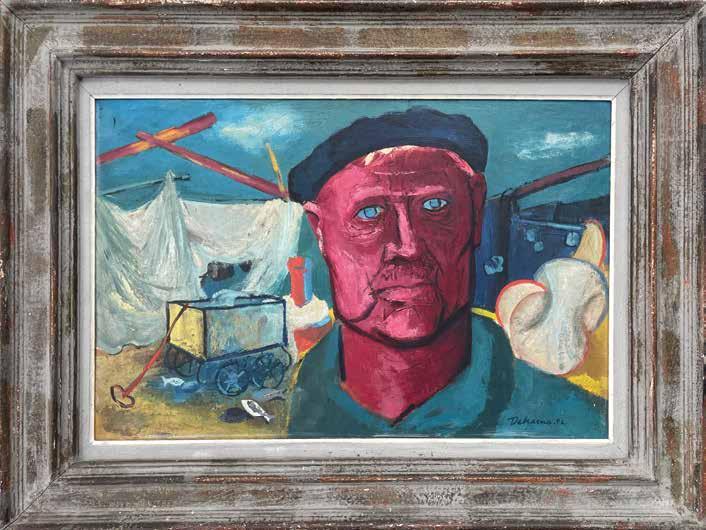
23 ROY DALGARNO (1910 - 2001)
French Fisherman Oil on board 51 x 76
Signed & dated 1952
Inscribed verso French Fisherman, Oil on Board, Painted in France 1957
$8,000 - 12,000
As a social realist painter the works of Melbourne born Dalgarno are often visual commentaries on the circumstances of the working man. In 1940 he held his first major show in Brisbane and during the war worked as a camouflage artist for the RAF. In 1945 his works featured in the important Australia at War exhibition at the NGV. From 1951-53 he lived, studied (at l’Ecole des Beaux Arts) and exhibited in Paris. After extensive travels throughout Europe and Asia, Roy lived in India for nearly 20 years before coming to Auckland in 1975. Dalgarno taught at the Auckland Society of Arts working tirelessly in his Parnell studio until his death at age 90.
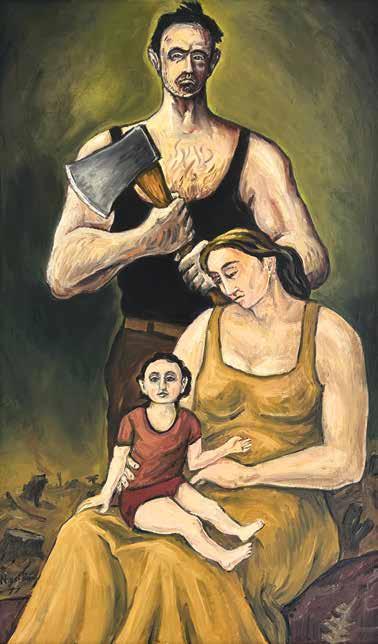
24 NIGEL BROWN (b. 1949)
Family of the Axe Man Oil on board 95 x 57
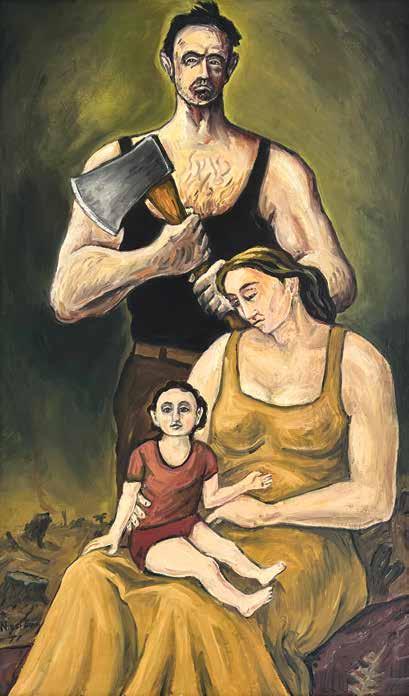
Signed, inscribed & dated 1977 verso
$14,000 - 16,000
EXHIBITED
NIGEL BROWN: Living Here Aotearoa, Touring Exhibition, cat. no. 10, Manawatu Art Gallery, Palmerston North, Aigantighe Art Gallery, Timaru, Robert McDougall Art Gallery, Christchurch
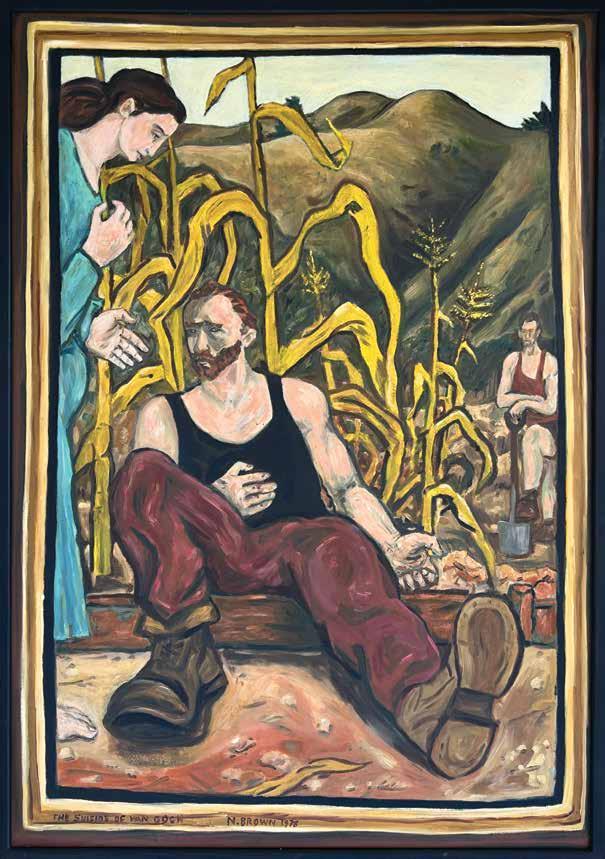
25 NIGEL BROWN (b. 1949)
The Suicide of Van Gogh Oil on board 118 x 83
Signed, inscribed & dated 1978
$15,000 - 18,000
EXHIBITED Benson & Hedges Art Award 1978
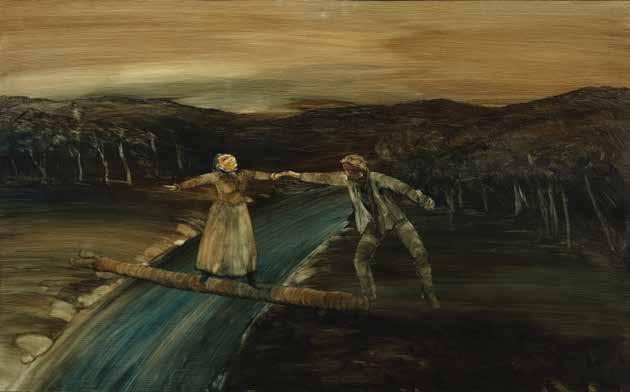
JOHN
Aroha + Mr Wright
Oil on board 74 x 120
Signed, titled & dated 2001 verso
$15,000 - 20,000
EXHIBITED
John Leech Gallery
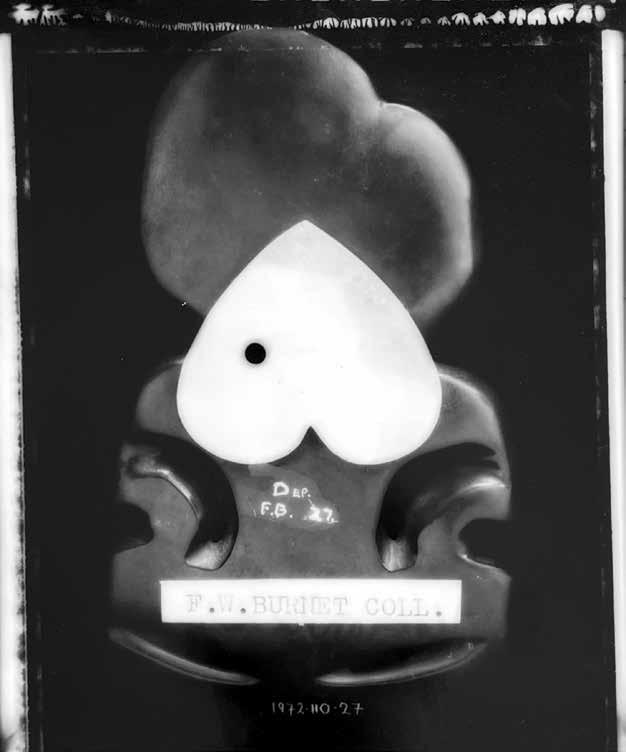
Broken Hearted Heitiki From The Burnet Collection Whanganui Museum, 2008
Toned silver bromide fibre based print edition 2/5 58 x 48.5
Signed, titled & editioned verso
$8,000 - 12,000
28 ANDRE HEMER (b. 1981)
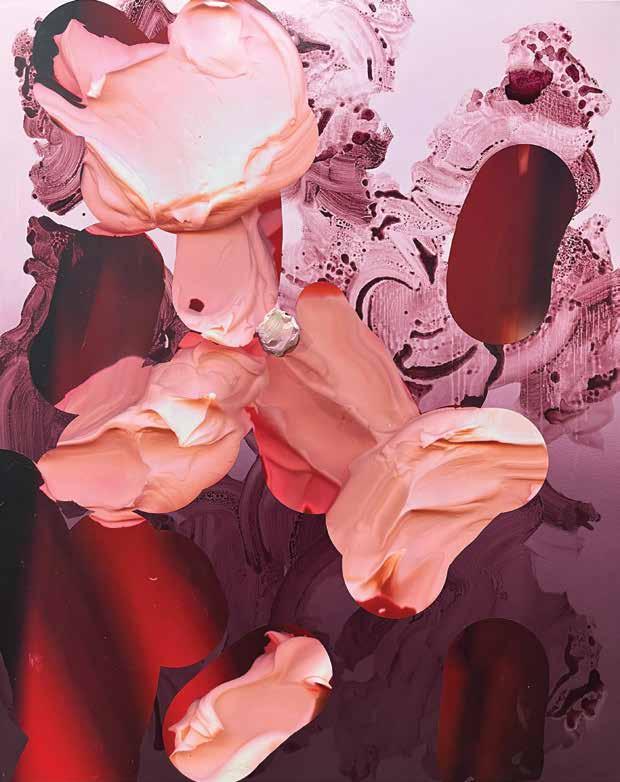
New Representation # 3, 2015
Acrylic, pigment print/canvas 152 x 122
Signed, inscribed New Representation # 3 & dated 2015 verso
$15,000 - 20,000
29 FIONA PARDINGTON (b. 1961)
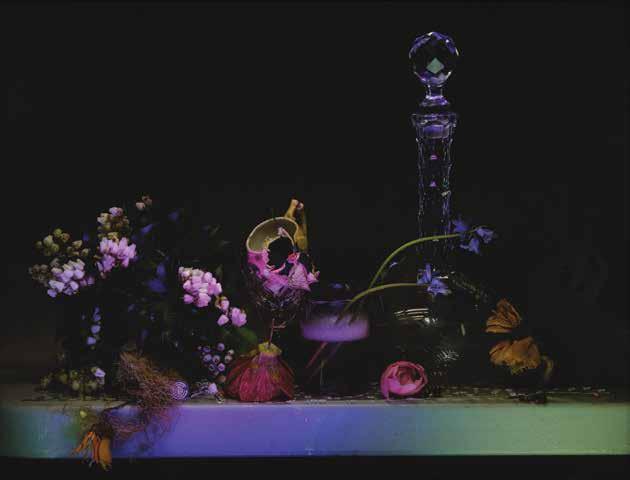
Still Life with Colin’s Flowers, Lichen and Rainwater, from the Colin McCahon Residency, 2013
Pigment ink on Hanemuhle Photo rag, edition 5/10 81.5 x 10⁹
$18,000 - 26,000
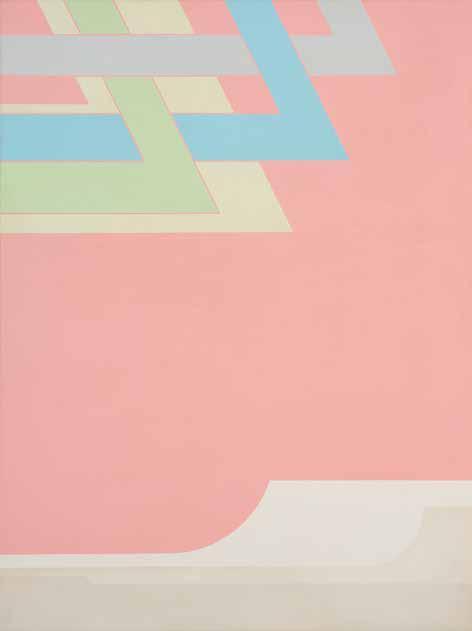
Signed, inscribed Flesh Light & dated May 1985 verso
$15,000 - 20,000
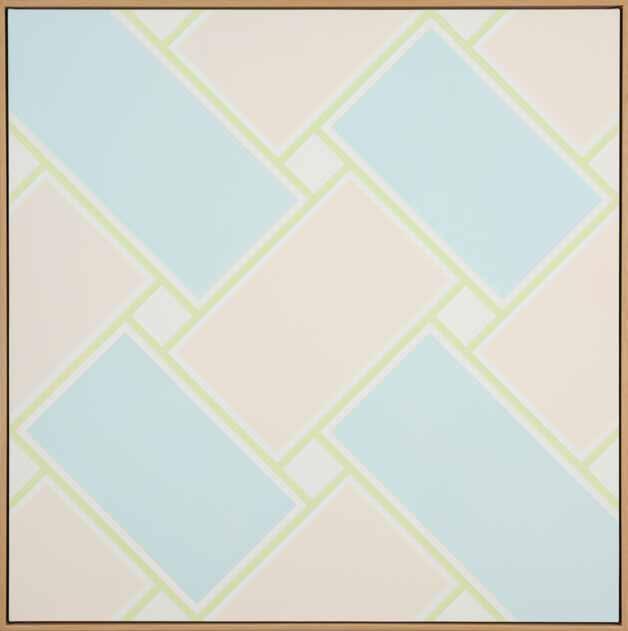
31 IAN SCOTT (1945 - 2013)
Lattice No. 122
Acrylic on canvas 114 x 114
Signed, titled Lattice No. 122 & dated March 1986 verso
$28,000 - 38,000
PROVENANCE
Private Collection, Christchurch
EXHIBITED
Minimal Lattices 1978-1988, Hamish McKay Gallery, 9–30 November 2019
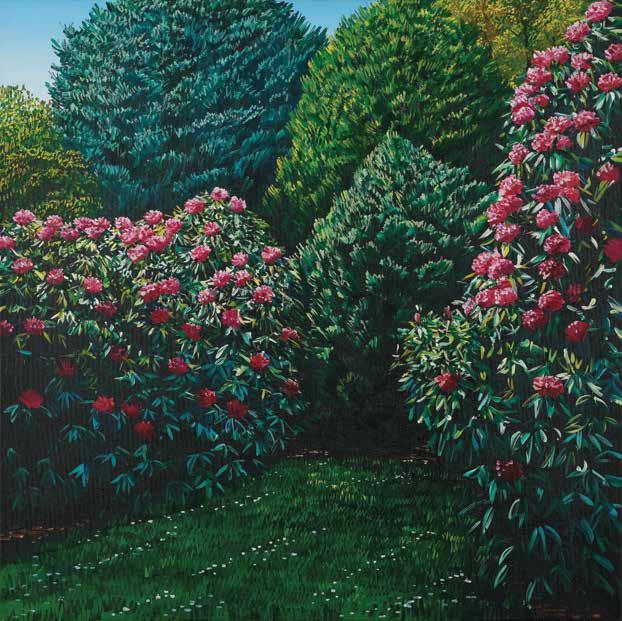
Oil on
76.5 x 76.5
Signed & dated 6/9/2002 verso
$12,000 - 18,000
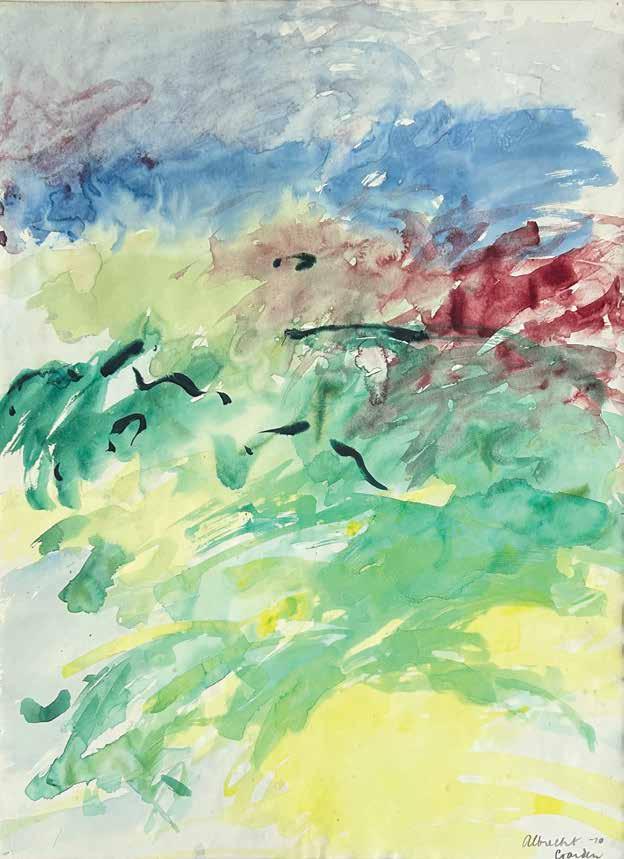
Garden
Watercolour 75 x 55
Signed, titled & dated ‘70
$8,000 - 12,000
Albert Park
Oil on canvas 200 x 160
Signed, inscribed & dated July 1990 verso
$40,000 - 60,000
PROVENANCE
Private Collection, Auckland
Purchased by current owners from Gow Langsford Gallery, 1990
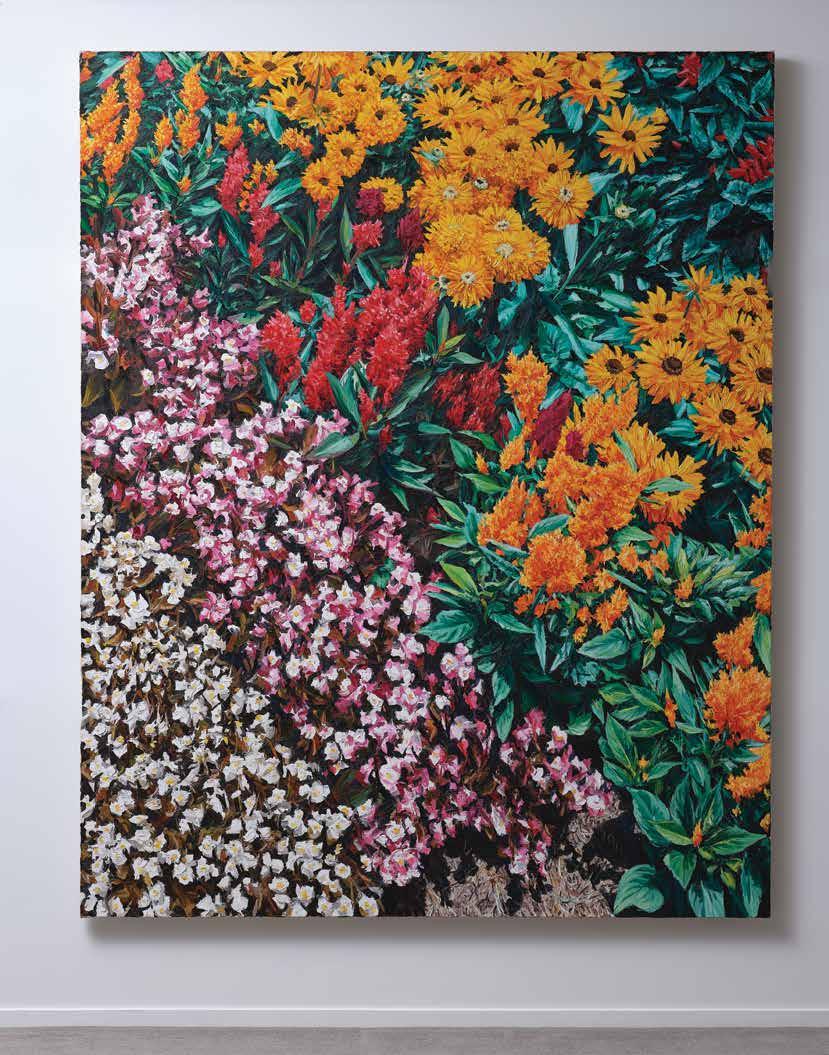
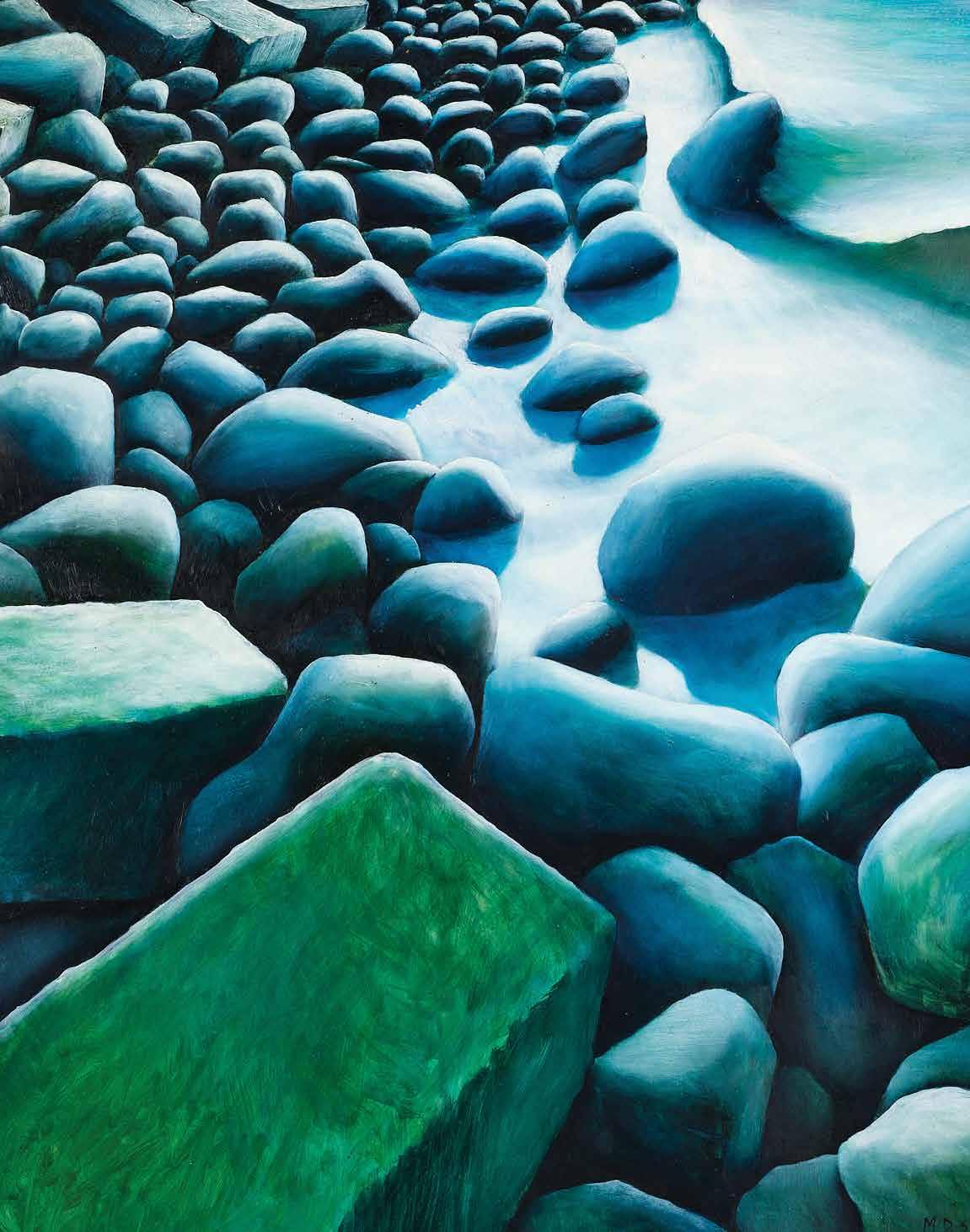
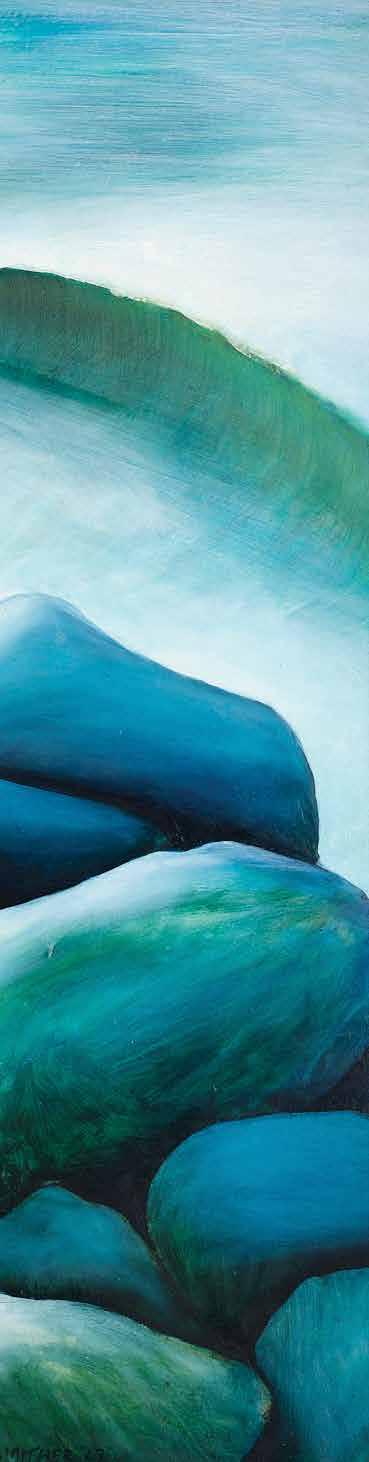
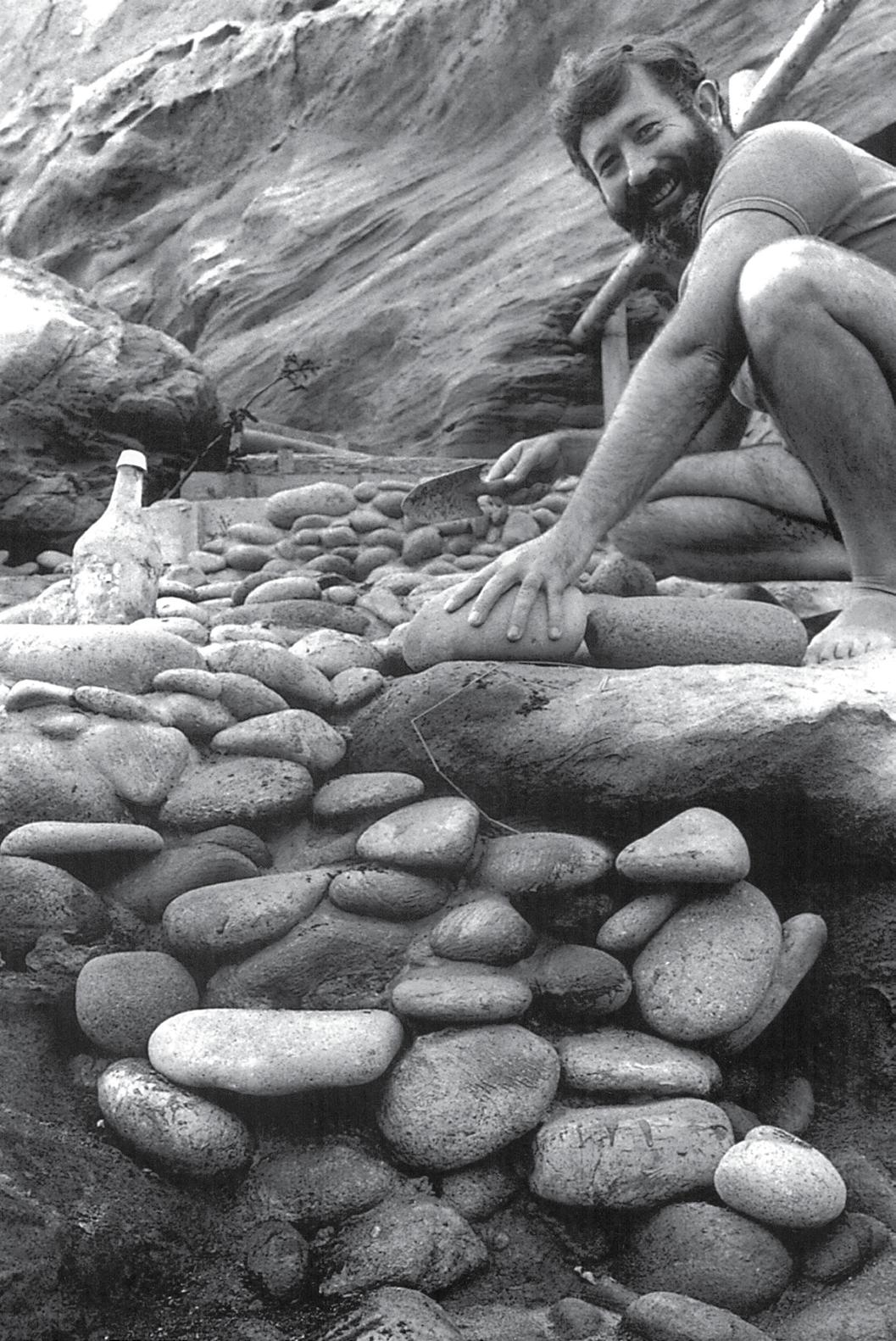
WORKS FROM A PRIVATE COLLECTION
BAY OF PLENTY LOTS 35 - 43
35
MICHAEL SMITHER (b. 1939)
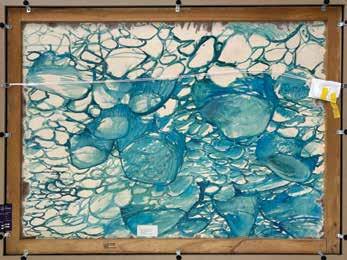
Wave Breaking on Railway Wall
Oil on board 81 x 109
Signed & dated 1967
$150,000 - 200,000
PROVENANCE
Private Collection, Bay of Plenty
Purchased from the Artist
ILLUSTRATED
p.30 Michael Smither, An Introduction,
Govett-Brewster Art Gallery, 1 November16 December 1984
EXHIBITED
Michael Smither : An Introduction
Govett-Brewster Art Gallery, 1 November16 December 1984
WORKS FROM A PRIVATE COLLECTION
BAY OF PLENTY LOTS 35 - 43
36
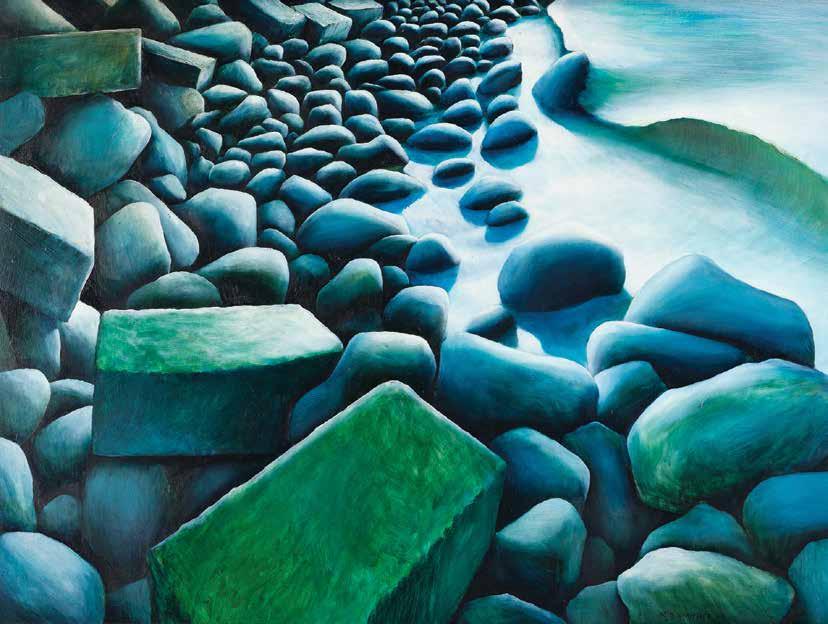
MICHAEL SMITHER (b. 1939)
Contoured Hills
Oil on board 48.7 x 69
Signed & dated 1969
$80,000 - 120,000
PROVENANCE
Private Collection, Bay of Plenty
Purchased from the Artist
Original Govett-Brewster Art Gallery label affixed verso
ILLUSTRATED
p.85 Michael Smither, An Introduction, Govett-Brewster Art Gallery, 1 November16 December 1984
EXHIBITED
Michael Smither : An Introduction Govett-Brewster Art Gallery, 1 November16 December 1984
WORKS FROM A PRIVATE COLLECTION
BAY OF PLENTY LOTS 35 - 43
37
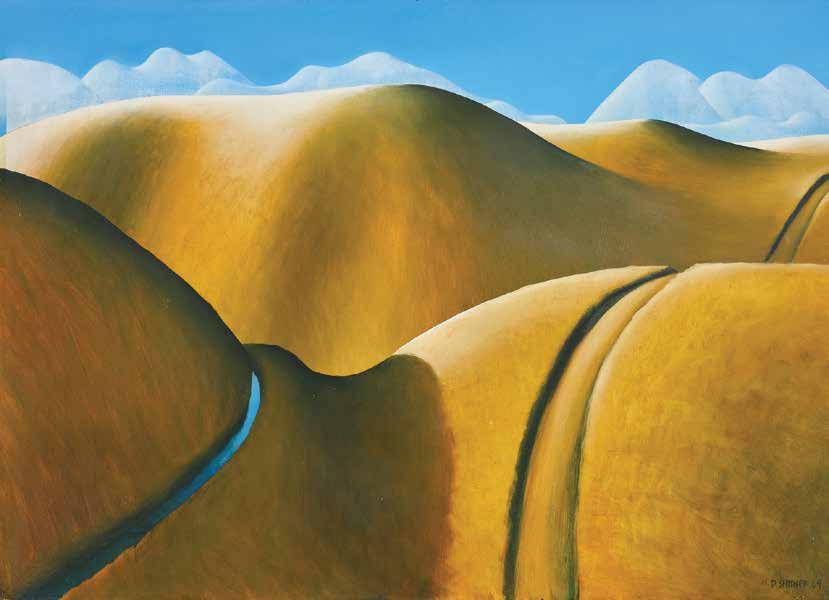
MICHAEL SMITHER (b. 1939)
Afternoon-Low Cloud, Maniototo Oil on board 15 x 68
Signed & dated 1969
$20,000 - 30,000
PROVENANCE
Private Collection, Bay of Plenty
Purchased from John Leech Gallery, original label affixed verso
38
MICHAEL SMITHER (b. 1939)
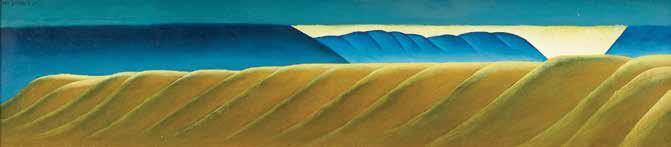
Hawkduns, From the Pig Route Oil on board 15.5 x 79
Signed & dated 1969
$22,000 - 32,000
PROVENANCE
Private Collection, Bay of Plenty
Purchased from John Leech Gallery, original label affixed verso
39
MICHAEL SMITHER (b. 1939)
Rock and Pillars, From MacRae’s Flat Oil on board 15 x 88
Signed & dated 1969
$25,000 - 35,000
PROVENANCE
Private Collection, Bay of Plenty
Purchased from John Leech Gallery, original label affixed verso
ILLUSTRATED
p.100 Michael Smither Painter, Trish Gribben, Ron Sang Publications 2004
WORKS FROM A PRIVATE COLLECTION
BAY OF PLENTY LOTS 35 - 43


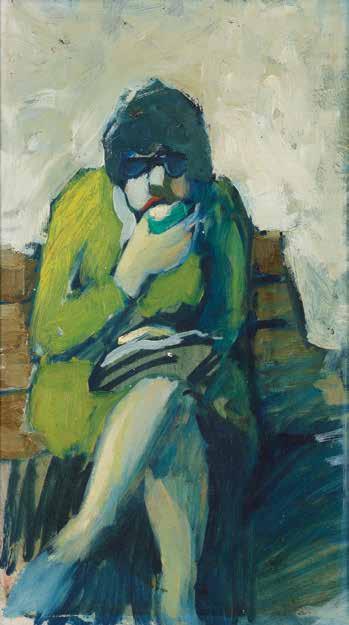
$4,000 - 6,000
PROVENANCE
Private Collection, Bay of Plenty WORKS FROM A PRIVATE COLLECTION BAY OF PLENTY LOTS 35 - 43
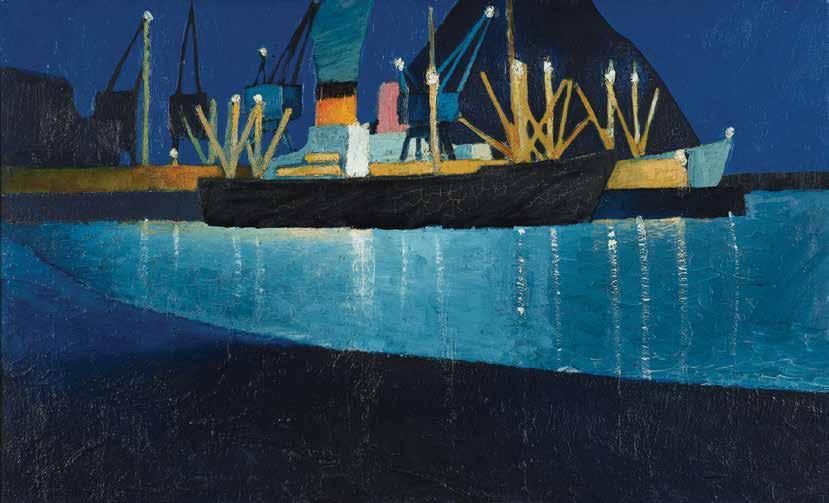
Oil on board 54.5 x 91
$30,000 - 50,000
PROVENANCE
Private Collection, Bay of Plenty
Purchased from the Artist
Original Govett-Brewster Art Gallery label affixed verso
ILLUSTRATED
p.71 Michael Smither, An Introduction, Govett-Brewster Art Gallery, 1 November16 December 1984
EXHIBITED
Michael Smither : An Introduction
Govett-Brewster Art Gallery, 1 November16 December 1984
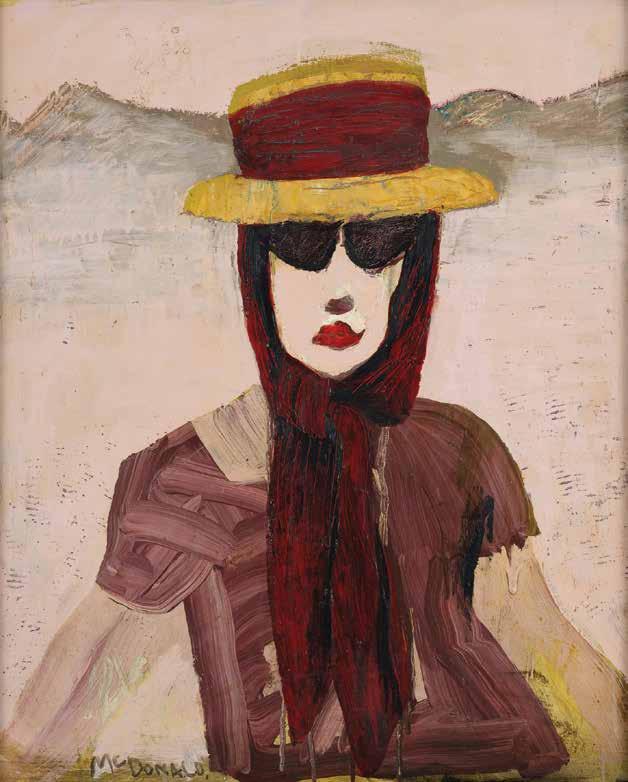
42
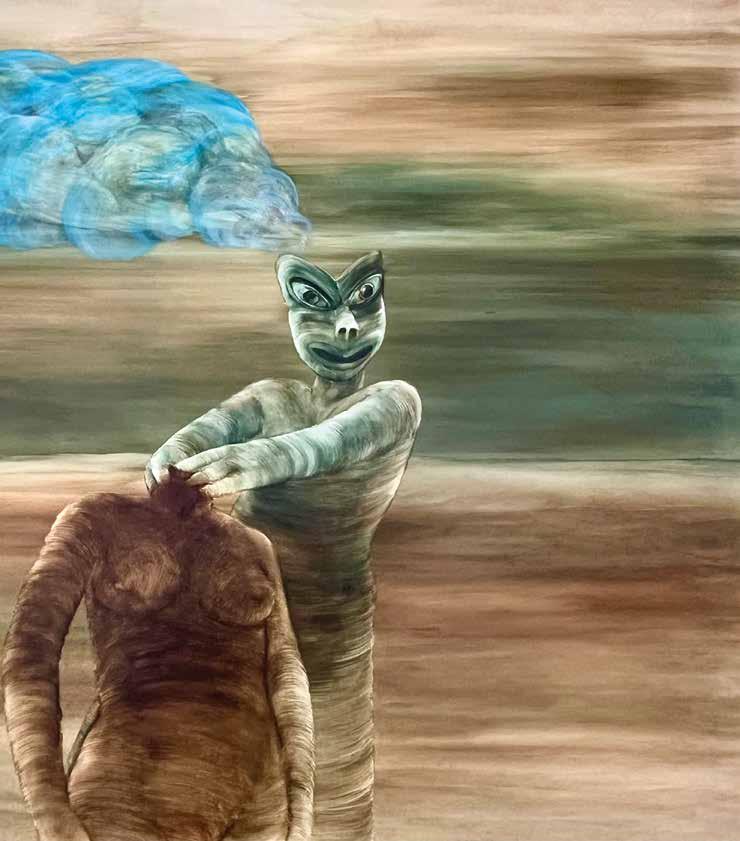
JACQUELINE FAHEY (b. 1929)
Self Portrait, 1962
Oil on board 79 x 64
Signed McDonald
$8,000 - 12,000
PROVENANCE
Private Collection, Bay of Plenty
EXHIBITED
Portrait in the Looking Glass: The World of Jacqueline Fahey. A survey of paintings 19571995, curated by Tim Renner for the Fisher Gallery, Pakuranga, 26 April – 26 May 1996
ILLUSTRATED
Elizabeth Eastmond, Jacqueline Fahey: Artist and Self-Image, Art New Zealand, 42
Showing Fahey in dark glasses and wearing a straw sun hat tied on with a maroon scarf, this expressionist selfportrait is unique in her oeuvre. It is based on a photograph of the artist sitting on the grass in the garden of her home at Porirua flanked by her two young daughters Augusta (born 1959) and Alexandra (born 1961). The painting shows the artist looking (in her own words) a bit inscrutable. She had just returned to Wellington with her family after living in Australia for a year or so, and Fahey’s husband, Fraser McDonald, would spend three years at Porirua Mental Hospital before moving to Kingseat in Auckland.
Its loose gestural brushwork and abbreviated landscape background shows the influence of Australian painters such as Arthur Boyd and Sidney Nolan whose works she had encountered in Melbourne. She showed her Australian paintings at the Centre Gallery, Wellington in 1963, before curating a group exhibition with Rita Angus which included equal numbers of male and female artists. The exhibition, which included Fahey’s own work, toured to Auckland in 1965.
Linda Tyler
FROM A PRIVATE COLLECTION
BAY OF PLENTY LOTS 35 - 43
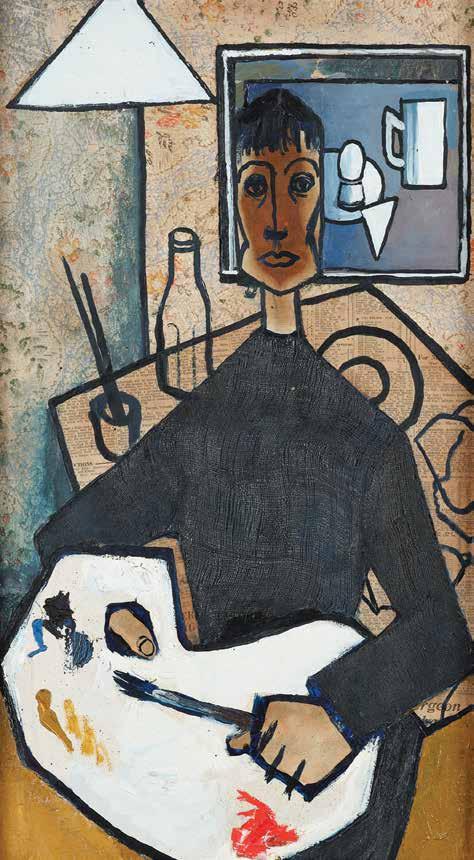
43
JACQUELINE FAHEY (b. 1929)
Artist as Warrior Oil on board 82 x 44
Signed & dated 1957
$10,000 - 15,000
PROVENANCE
Private Collection, Bay of Plenty Fisher Gallery label affixed verso
EXHIBITED
Portrait in the Looking Glass: The World of Jacqueline Fahey. A survey of paintings 19571995, curated by Tim Renner for the Fisher Gallery, Pakuranga, 26 April – 26 May 1996
ILLUSTRATED
Elizabeth Eastmond Jacqueline Fahey: Artist and Self-Image, Art New Zealand, 42 Back Cover of the artist’s memoir, Something for the Birds, (Auckland University Press, 2006)
Trained at the Canterbury College School of Art, Jacqueline Fahey’s tutors were Bill Sutton, Ivy Fife and Colin Lovell-Smith. Russell Clark was the most modern influence, but students were left to discover Cubism on their own. Here Picasso’s angularity and Georges Rouault’s heavy outlines may be an influence, with a Cubist still life on the wall in the background, and a painting table’s equipment outlined in black behind the figure.
Painted the year after she wed psychiatrist Fraser McDonald, this self-portrait bears the artist’s maiden name as signature in contravention of the accepted custom of taking the husband’s name after marriage. Just 28 years old when she painted this, Fahey was living in Wellington where artists Juliet Peter and Rita Angus were her mentors, both women who defied convention by maintaining their exhibiting careers after marriage.
BAY OF PLENTY LOTS 35 - 43
Instead of wearing one of the hourglass ballerina-style dresses of the New Look which characterised fashion in the ‘fifties, Fahey confronts the viewer defiantly wearing a black beatnik jersey, her hair chopped into a sassy fringe. She holds her palette in her right hand and her brush in her left, copying how she appears in the mirror just as Angus had done in her famous 1938 self-portrait. In this way, the tools of her trade as an artist become the shield and sword of the woman warrior, the Artist Militant, working with savage dedication as Elizabeth Eastmond described it .
Linda Tyler
44
JACQUELINE FAHEY (b. 1929)
Rob Plays the Blues
Oil on board 121 x 58
Signed Fahey lower right
$25,000 - 35,000
PROVENANCE
Barry Hopkins Art Trust Collection
EXHIBITED
Barry Lett Gallery, June 1979
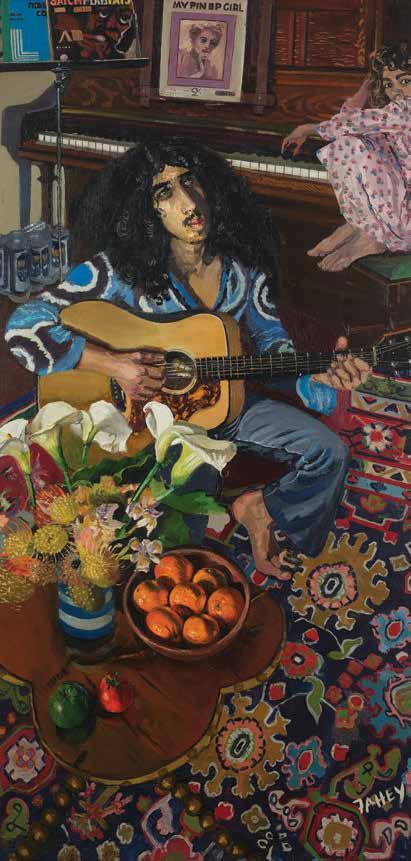
Exhibited at the artist’s solo exhibition at Barry Lett Gallery in June 1979, this painting skilfully combines figures with musical instruments in a domestic interior for a modern twist on a traditional subject from art history. The main focus is on the figure of the young musician who is playing his guitar behind the coffee table, his soulful face framed by thick black curls, but still-life objects also compete for our attention.
The mood of the painting is sombre despite its bright colouration. Rob’s youthfulness is countered by his serious expression as he gazes up to his left, seemingly searching his memory as he fingers the strings of his guitar. Clothed in classic ‘70s fashion, a tie-dyed blue shirt and denim flares, his head is turned, directing our attention to the elfin figure of Emily, the artist’s youngest daughter, who perches on the piano stool behind. Her figure is cut off by the frame like a Degas ballet dancer, but she looks directly and purposefully at the viewer, while her left hand reaches towards the black keys of the piano. Just 12 years of age when this painting was made, Emily would go on to study music and become a professional singer in later life.
A short history of American influences on post-war music is provided by the references in this painting. Emily’s pink frock, sprinkled with flowers, shares its tones with the cover of the sheet music from the 1944 American romantic comedy My Pin Up Girl, featuring the movie’s star, Betty Grable. Beside Betty on the music stand to the left is displayed the sleeve of the 1955 LP Satch Plays Fats: The Music of Fats Waller with a close-up portrait photograph of the recently deceased trumpeter Louis Armstrong (19011971) on its face. Newsprint is collaged to the surface of the image under the text which gives us the name of the record, recalling Fahey’s earlier interest in Synthetic Cubism. Like the French artists such as Georges Braque who glued newsprint to their works to emphasise the fabricated nature of the composition, she is showing how art has moved on from being a window onto the world and can now provide a commentary on it. A six pack of beer cans tucked in beside the piano leg acknowledges the
revolutionary imagery of Pop Art, where artists like Andy Warhol painted Campbell’s soup cans in a homage to the art of advertising, in recognition of how it had infiltrated everyday life in 1960s media-saturated America.
The information conveyed by the specificity of these products contrasts with the generic nature of the way in which the woodgrain veneer of the upright piano has been painted. Like the inclusion of the bobbin-legged table in the foreground, the representation of the patterns in the wood grain of the piano reveals the artist’s admiration for the craftsmanship of Victorian vintage furniture which she collected and used to create a home for her family. The light blonde ash veneer of the body of Rob’s modern guitar stands out, bracketed by two dark stained examples of colonial furnishings. Similarly, Rob’s Maori whakapapa distinguishes him in Fahey’s depiction, and so do his green eyes. He is at ease amongst the accoutrements of settler culture, playing the twelve-bar melancholic sequence of the blues, developed by black American musicians.
There is a shift in perspective between the figures in the centre ground, and the still-life components which are arranged on the clover-leaf top of the gypsy table in the foreground. This is tipped up towards the viewer so that we can enjoy the light reflecting off the glossy skins of the oranges, and admire the way this colour contrasts with the bands of electric blue characteristic of Cornishware on the jug holding a mix of arum lilies, yellow waratahs and Japanese irises. Fahey also demonstrates how the complementary colours red and green work in proximity by placing a tomato and green apple together on the table. Foreground and figures are brought together by the vibrantly patterned Persian rug, its bright colours enlivening the floor and repeating the blue theme of the work. This carpet is familiar to viewers from many of the interior scenes she re-created in paint during the decade Fahey lived in a house in the grounds of Carrington Mental Hospital where her husband, Fraser McDonald (1924-1994 ) was Medical Superintendent.
In her second volume of memoir, Fahey explains her turn to her home and family as subjects for her work: … after my father’s death I was gripped by urgent pull. I understood my immediate life was my inspiration. The mess on the table, the dishes, the unmade bed, all took on an aura of profound meaning. My mother visiting, the gardener working outside, the children eating, drinking, thinking. When these paintings were exhibited, I was called a domestic painter – but domestic painters in the past had tidied up their houses first, or, I assumed, their wives had. I was making the mess visually lovely, taking the gentility out of the genre.
Linda Tyler
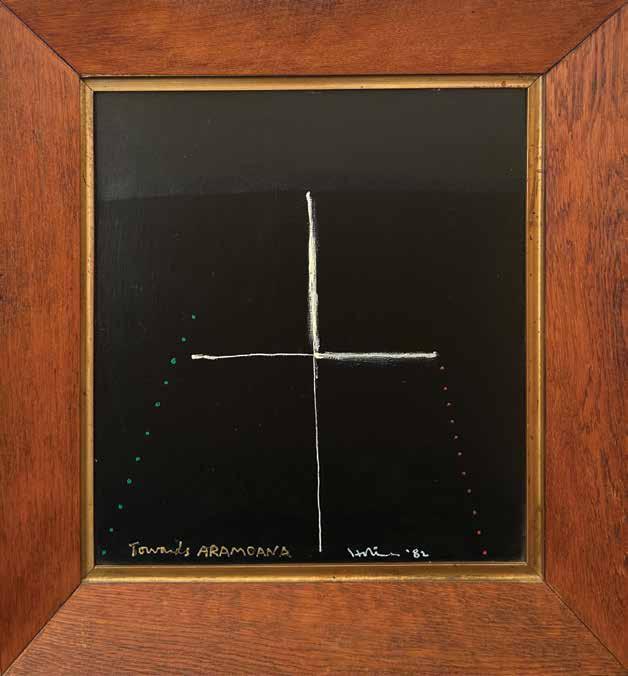
45 RALPH HOTERE (1931 - 2013)
Towards Aramoana
Acrylic on board 45 x 40
Signed, inscribed Towards Aramoana & dated 1982
$60,000 - 80,000
PROVENANCE
Collection of the late Professor Colin Durning, Dunedin by descent
Through his involvement with Dunedin’s Globe Theatre, Colin Durning and his wife Eve, became good friends with many artists and writers – amongst them Ralph Hotere, James K. Baxter, Hone Tuwhare, Marilyn Webb, Janet Frame, Peter Olds and Marti Friedlander.
In 1969 Colin Durning, then a lecturer at the Dental School, received from James K. Baxter who was living at Jerusalem on the Whanganui River, a batch of sonnets with the suggestions that they should be printed. Dr Maslen, founder of the Otakou Press and renowned historian, offered to produce Jerusalem Sonnets using the Bibliography Room imprint, and to begin with at Durning’s expense.
Initially, 500 copies were printed and sold in January 1971. Demand was so great, that within 18 months, two more undifferentiated impressions were produced totaling 2,000 copies. Ralph Hotere provided the cover art work.
The present work was purchased directly from the artist in 1982 and has remained in the Durning family collection since.
46 BILL HAMMOND (1947 - 2021)
Untitled II
Acrylic paint, pencil and ink on paper 139 x 156
Signed & dated 2000
$150,000 - 200,000
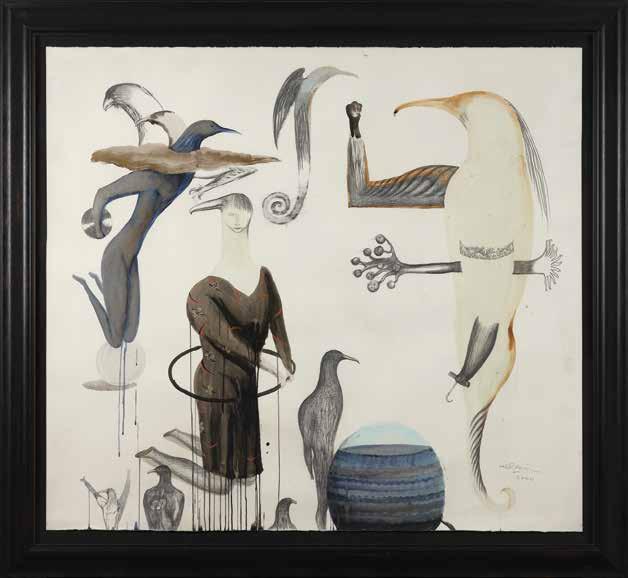
PROVENANCE
Private Collection, Auckland
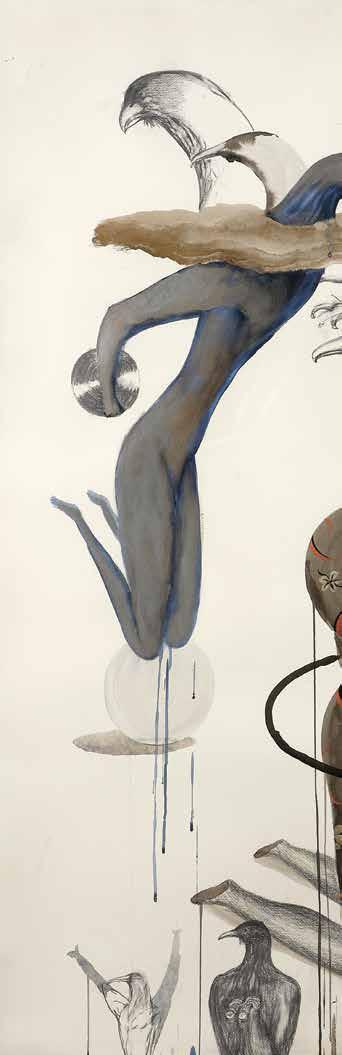
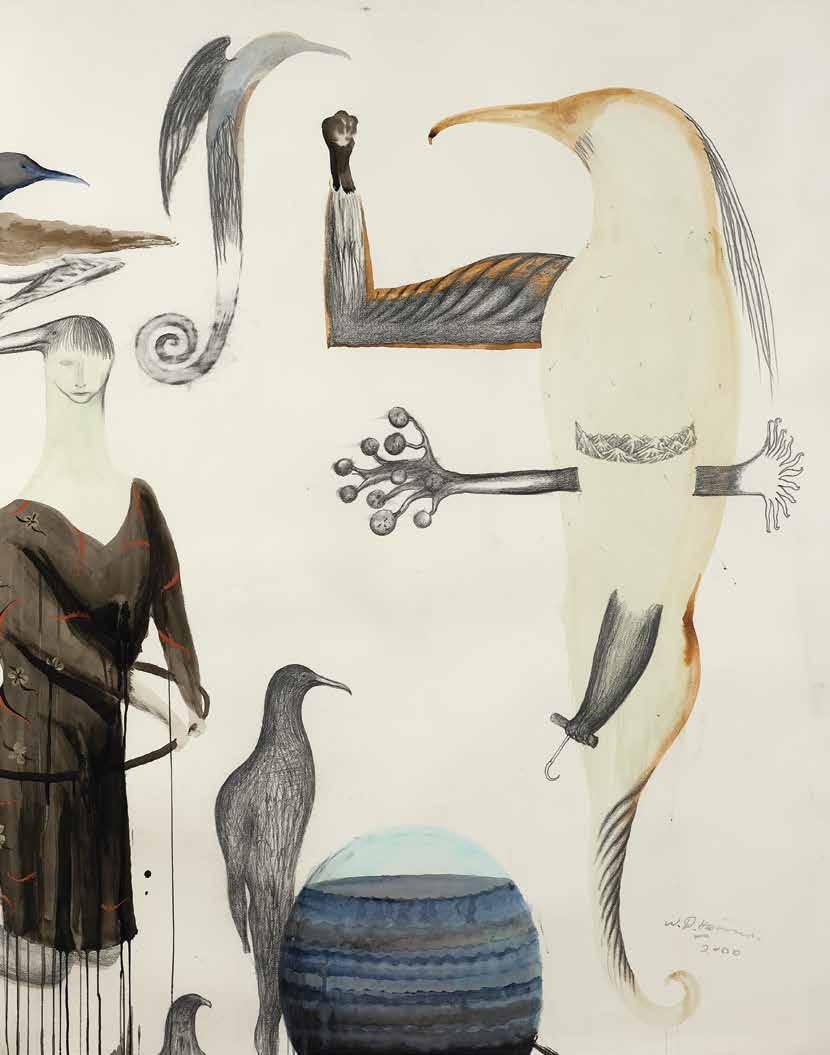
The early 2000s heralded a significant shift in Bill Hammond’s oeuvre. Overt references to the Victorian ornithologist Sir Walter Lawry Buller that dominated Hammond’s art in the 1990s were replaced by new and diverse historical motifs sourced from artists like James McNeil Whistler, literary works like Dante’s Inferno, and the music of Duke Ellington. In addition, the nondescript, airy background of Untitled II signals a shift in mood from the earlier dark and dubious underworld characterised by Buller’s historical baggage, to a place where Hammond’s creatures have transcended and adopt new and varied states of being.
Despite this transformation, the core themes and motifs that make Hammond’s body of work so compelling remained steadfast and evolved in subsequent paintings. Environmental degradation, land and domesticity are repeated throughout Hammond’s oeuvre and are reflected in the activity of the figures in this work. A burly creature holding a hook and a freshly uprooted tree under its tattooed arm symbolises the duality of nature as both adornment and spoil. Its mountain range tattoo mirrors a mountain-shaped arm ending in an angrily clenched fist. Below, sentry birds watch a globe draining of water, conveying the fragility of the environment, while familiar elements like the floral dress of the kneeling figure hold personal significance, inspired by Hammond’s family.
Depictions of birds throughout Hammond’s work have evolved over time, growing in both size and significance and reflecting the pivotal role birds play in mythologies as messengers of the gods and symbols of the spirit world. In Maori mythology the hokioi, the extinct Haast eagle, is often described as a spiritual being that could traverse between realms and was a guardian of knowledge and wisdom. Hammond skilfully draws upon culturally rich narratives like this whilst maintaining a sense of emotional restraint in his creatures. He once explained that bird heads were a perfect choice because ‘they don’t show any emotion – at least none that we can read.’ In instances where conveying emotions is essential, Hammond transforms the birds into shape-shifters, allowing human faces to manifest feelings visibly, as with the Munch-like face embedded in a bird’s neck located at the base of the painting.
Hammond’s fascination with birds can be traced back to his pivotal 1989 expedition to the Auckland Islands, alongside ten fellow artists including photographer Laurence Aberhart and ceramicist Chester Nealie. The journey was met with scepticism by the New Zealand Lands and Surveys Department, questioning whether the ‘domain of true scientists’ was to become a place ‘for
the frivolous activities of artists?’ Undeterred, Hammond and the others persevered, enduring a five-year struggle for funding and approval from the Royal New Zealand Navy to allow the women in the group to travel onboard the transporting frigate. Ultimately, they took matters into their own hands and chartered a private boat for the transformative journey southward. During their threeweek sojourn on the sub-Antarctic islands, Hammond’s perception of the avian world underwent a profound shift. The islands, with their inhospitable climate that had thwarted human settlement attempts in the nineteenthcentury, were a ‘bird land’ where large colonies of birds gazed out to sea in a ‘beautiful, trance-like state.’ The experience captivated Hammond, shaping his artistic path and fostering a profound connection with the avian realm.
In preparation for the trip Hammond studied bird books including Buller’s 1873 tome A History of the Birds of New Zealand. In many of his paintings, Hammond mimics the scientific standard employed in its illustrations which were painted by the Dutch artist Johannes Keulemans who was one of the most highly regarded ornithological artists of the nineteenth-century. By portraying birds grouped together in profile, as with the trio in the top left corner, Keulemans’ scientific influence is obvious without being overly prescriptive.
In addition to ornithological art, Hammond constantly draws on a range of art historical symbols, musical and literary references in his painting, including rock music, comic strips, Byobu (Japanese screens), Chinese ink painting, medieval art, Egyptian art, and the work of artists Hieronymous Bosch and Pieter Brugel the Elder. This magpie approach gives additional weight and familiarity to his work. The glass orbs in Untitled II for instance, are motifs drawn from Bosch’s sixteenthcentury triptych The Garden of Earthly Delights. These symbolic orbs convey the fleeting nature of life and the fragility of earthly joy, themes which permeate Hammond’s entire body of work.
In 2000 Hammond relocated to a spacious studio in Lyttelton with expansive views of the busy port and surrounding landscape. This change of space refreshed his painting style and offered ample room for painting on a bigger scale. Untitled II captures this pivotal moment, encapsulating Hammond’s sharpened visual storytelling expertise.
Alice Tyler
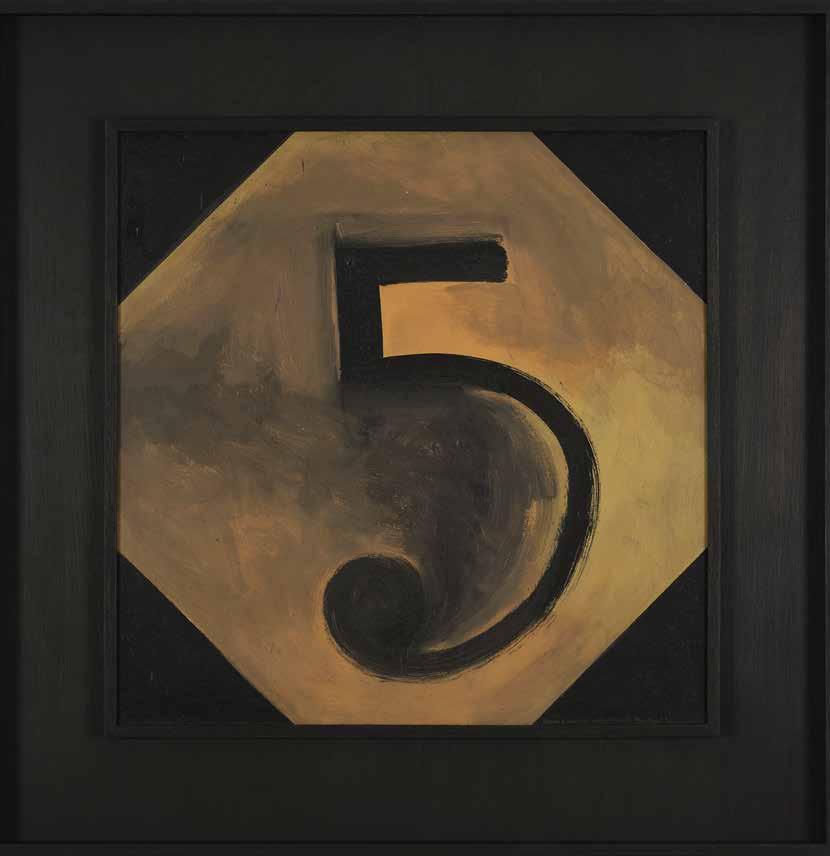
47 COLIN MCCAHON (1919 - 1987)
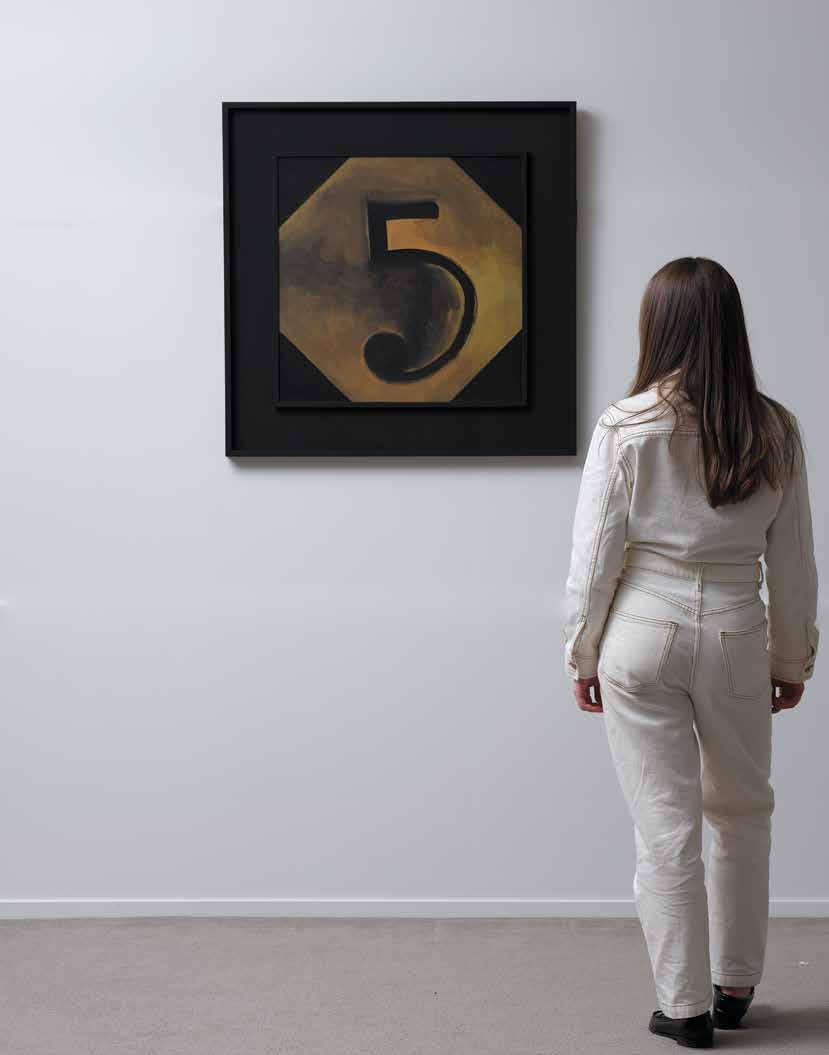
Five (Russell Finnemore & Colin McCahon)
Synthetic Polymer Paint on hardboard 60 x 59.5
Inscribed RUSSELL FINNEMORE. Colin McCahon May-August ‘65 (brushpoint, b.r.);
Five: / Russell Finnemore & / Colin McCahon / P.V.A. / 25gns N.F.S. (on reverse)
$250,000 - 350,000
PROVENANCE
Private Collection, UK
Hence by descent
Collection of Russell Finnemore
Gifted by Colin McCahon
EXHIBITED
1965 The [65] Group Show, Durham Street Art Gallery, Christchurch 30/10/1965 - 14/11/1965
Catalogue Number cm000374
Colin McCahon had quite a thing about numbers. Five is one of at least 70 paintings in which numbers figure prominently. Numbers (or numerals – he used both terms) first entered his work around 1958 and remained an important part of his practice for the next twenty years.
His initial interest in numbers came from an idea to provide designs for page numbers in the journal Landfall, edited by Charles Brasch, an important early collector and friend. The designs were never used but they led to a small series of watercolours in which his main interest seems to have been in the abstract shapes of the Arabic numbers (1, 2, 3) which he manipulated to make pictures out of. In 1958-59 McCahon made two series: Numerals One to Ten and Numerals One to Five in the medium of brushed ink on paper. In the first series the Arabic number dominates the space with the word for the number: ‘two’, ‘six’, ‘nine’, etc written in small cursive lettering beside it. In the second series a similar strategy applies but with the numbers painted more expressionistically and seemingly spontaneously. In these two series his main interest is in numbers as a sign system.
The next phase in McCahon’s use of numbers, which includes the present Five, came in 1965 with a major series of 13 panels entitled Numerals (Auckland Art Gallery) utilising the numbers 0 to 10. Three different
forms of numbering were employed – Arabic numerals, Roman numerals and some where the word for the number is spelled out in capitals letters e.g. FOUR and EIGHT. Also in the same year, 1965, several one-off works featured either groups of numbers (e.g. Koru 1, 2, 3) or single numbers (One, Two, Four and Five).
Later works involving numbers included a study for an uncompleted mural in 1966 and several one-off paintings and series between 1974 and 1976 utilising the number sequence 1 to 14 (sometimes Roman, sometimes Arabic, sometimes both) all signifying the Christian motif of the fourteen stations of the cross. These included Walk with me, The Song of the Shining Cuckoo, Clouds, Teaching aids and Rocks in the sky.
In the case of Five (1965) an unusual feature of this work is the presence of a collaborator, Russell Finnemore, a musician and family friend. The artist invited him to participate in the making of the painting, and gifted to him the finished work. The extent of Finnemore’s involvement is not known, but probably fairly minor. Clearly, the conception of the work and its structure and imagery came from McCahon.
All four corners of the hardboard square are marked off by diagonals and the triangles so formed are painted black in contrast to the rest of the ground, which is variously coloured ochre and grey. This ‘corners off’ device was common in McCahon’s work in the 1960s. Here, the Arabic number 5, centrally placed, is painted black (like the corners) with a prominent bulb at the end of the curved portion which resembles the koru shape in Maori design. The influence of Maori design on his numbers and letters was a noteworthy feature of McCahon’s work in the mid-1960s.
Is there any symbolic significance or other numerological connotations of the number ‘5’? In this period Christian symbolism was prominent in McCahon’s work due to the spill-over influence of his use of Catholic symbolism in windows painted for a chapel in Remuera. In Christian symbolism the number 5 is associated with the five wounds of Christ, a motif which McCahon explicitly explored in a later series (1978-79). The emphasis on darkness and light in Five supports the possibility of a symbolic reading, though it is not strictly necessary to the enjoyment of this bold and striking picture, so indelibly stamped as it is with the hand of its maker.
Peter Simpson
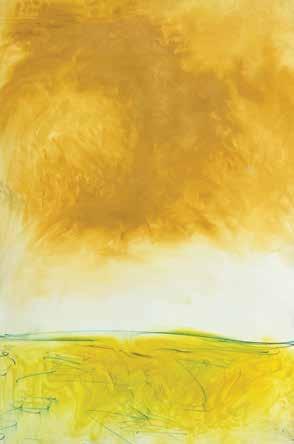
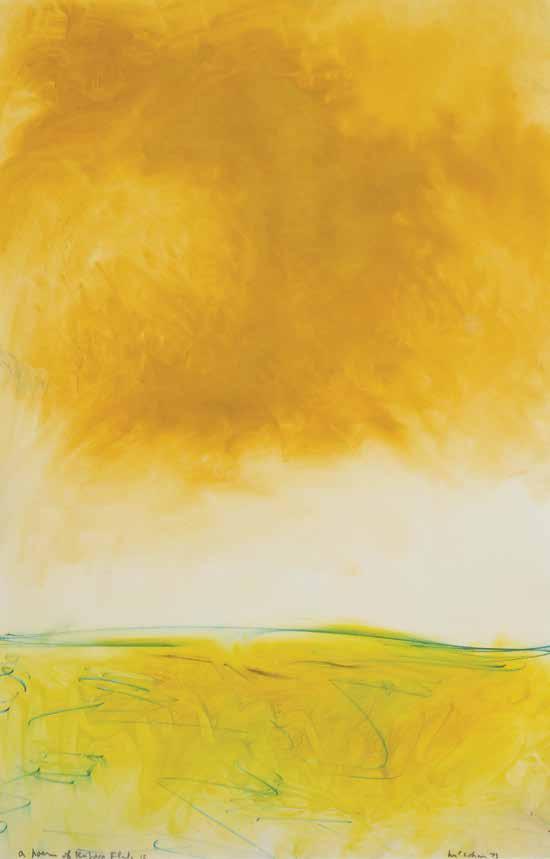
A Poem of Kaipara Flat No.15
Watercolour and pastel on paper 102 x 69
Signed & inscribed A Poem of Kaipara Flat 15 & dated 1971
$150,000 - 200,000
PROVENANCE
Private Collection, Auckland
EXHIBITED
1971 By Invitation: Opening Exhibition
Osbourne Galleries, Auckland
4/10/1971 - 10/1971
Catalogue Number cm000459
This luminous watercolour and pastel was painted in 1971, the year that, at the age of 51, McCahon left his teaching job at Elam School of Fine Art in Auckland to became a full-time painter. He told his Wellington dealer Peter McLeavey: This business of living off painting is tough. So far – so good – but I’ve got to keep it up or Anne and I starve. (Peter Simpson, Colin McCahon, Volume Two: Is This the Promised Land, AUP 2020, p. 149).
His new freedom led to an immediate outpouring of colourful watercolours – more than 50 were completed that year – mostly of scenes near Muriwai Beach (where he had a large studio) and other places such as Helensville and Kaipara Flats, both within easy driving distance. What sets these works apart is the variety, intensity and vibrancy of their colour, in startling contrast to the predominance of black and white in much of his previous work including the biblical text and Maori language paintings of 1969 and 1970. McCahon explained: All this colour & fun is a direct result of leaving the school (Ibid.). Many were gathered together in three exhibitions: View from the top of the cliff at McLeavey’s in Wellington in April, New Paintings at Dawson’s Gallery, Dunedin, in August, and the opening exhibition at Osbourne Galleries in Auckland in October.
Poems of Kaipara Flat is one of several sub-series within this body of work; others were called View from the top of the cliff, Helensville, Muriwai, Ahipara and Kaipara Flat
– Written. Kaipara Flats is a rural area on the shores of Kaipara Harbour about an hours drive north of Muriwai. In a note for the Dunedin show McCahon called it a shockingly beautiful area – I do not recommend any of this landscape as a tourist resort. It is wild and beautiful; empty and utterly beautiful … The light and sunsets here are appropriately magnificent. The flat or gently undulating land and huge skies encouraged, as in this work, lyrical colouristic outpourings sometimes reminiscent of J.M.W. Turner.
Poems of Kaipara Flat is one of the most numerous of the sub-series, including at least 18 numbered items. What McCahon meant by the title: A poem … is not entirely clear. It is obviously metaphorical rather than literal. He was an avid reader of and even an occasional writer of poetry, and once described himself as a frustrated poet His favourite poet (among many) was Gerard Manley Hopkins. His occasional appropriation of the term ‘poem’ for paintings probably simply reflects his enthusiasm for poetry and his desire to attach it to things that he loved and was moved by; perhaps, too, the recurrent horizontals in these paintings are broadly reminiscent of lines or stanzas of poetry.
This painting, No. 15, is dominated by the glorious, luminescent, golden, sun-lit cloud, manifesting wonderfully subtle variations of colour from bright yellow through to various shades of brown depicted with a rich variety of brush-strokes which occupies the top half of the painting. The same golden glow permeates the gently rolling landscape below, separated by a zone of white, and animated with linear scribbles of blue and green probably applied with a pastel crayon. McCahon demonstrates virtuoso skill with the brush and a subtle understanding of the behaviour of colour and light. Nothing is overstated or laboured; the work seems spontaneously alive with the joy of painting.
Peter Simpson
49 COLIN MCCAHON (1919 - 1987)
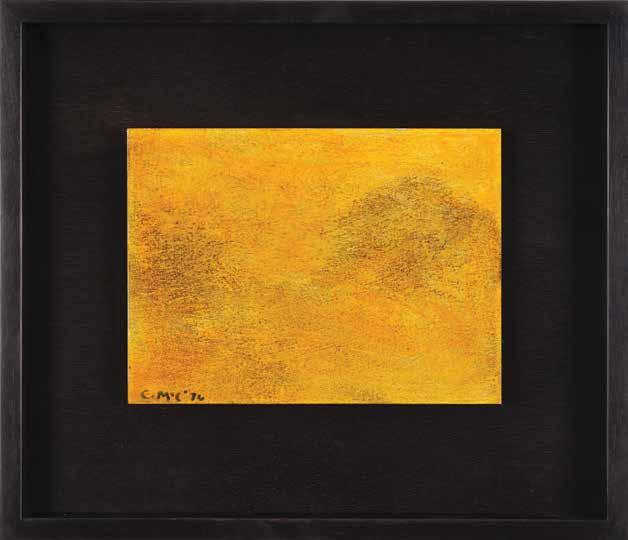
Landscape in Memory of Daisy Le Cren, 1976
Acrylic on card 15.5 x 20.7
Signed & dated 1976
$35,000 - 45,000
EXHIBITED Gow Langsford Gallery
Catalogue Number cm000048
McCahon painted the Daisy Le Cren Series in 1976 to commemorate the artist’s passing. The painting was gifted to her daughter, and McCahon’s friend, Betty Curnow.
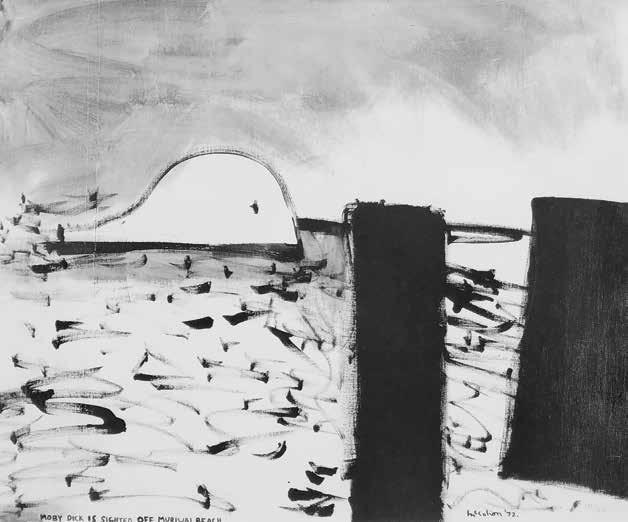
Moby
Lithograph, edition 131/200 49 x 59
Signed & dated ‘72 on the plate
$10,000 -15,000
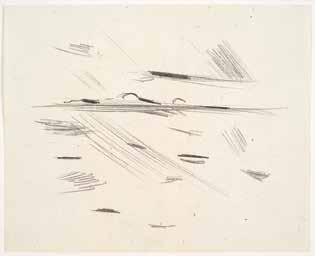
Puketutu Manukau, 1957
Lithograph 21.4 x 26.6
$3,500 - 5,000
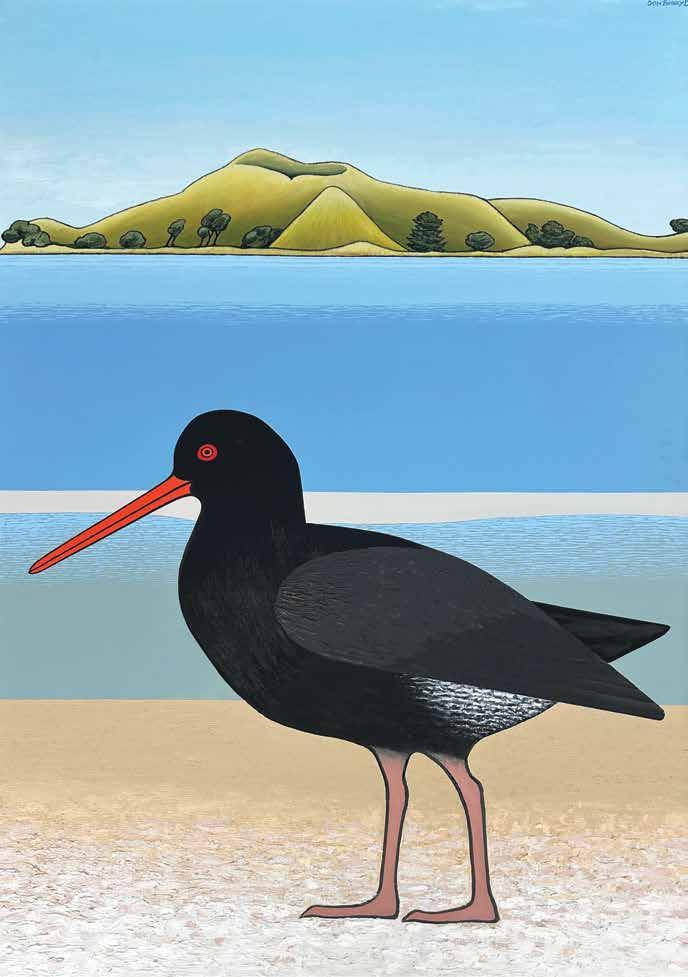
52 DON BINNEY (1940 - 2012)
Motukorea, Torea-Pango II
Oil on canvas 106.5 x 75.5
Signed & dated Don Binney MM (2000)
$450,000 - 650,000
Private Collection, Auckland by descent
Purchased from John Leech Gallery
The torea-pango, or variable oystercatcher (also known as ‘red bill’), makes an early appearance in Don Binney’s career as an artist. A pivotal painting from 1964, High Summer, Stewart Island features a stylised torea gliding above the diminutive figure of a bucket-and-spade wielding boy. That painting stands as a double selfportrait in which the artist relates himself both to the bird overhead and the boy digging in the sand. The following year he painted another torea tripping the light fantastic against a backdrop of blue water and grey sky. His attitude to the endemic bird could be playful, mischievous even, as well as respectful.
While the body of the oystercatcher in the 1964 painting was entirely black, the bird in Motukorea, Torea-Pango II, from 36 years later, has a mottled undercarriage. Binney was an ornithologist as well as a painter; he noticed such things and made a point of accurately recording them. At the same time, he was no orthodox bird-painter and in his mature avian pictures he sets about simplifying, flattening and stylising them to his heart’s content.
According to his holistic view of the natural world, the bird and the land were in a state of constant relationship and interdependence. It follows that the conservation/preservation of endangered bird species and imperilled natural places were life-long concerns, as was the painterly task he set himself, articulating the space between those two elements. In Motukorea, Torea-Pango II, the bird is almost silhouetted against the pale, atmospheric tonings of beach, sea, island and sky. Instead of the dramatic, angular treatment that characterised Binney’s bird paintings of the 1960s, here the torea is calmly rendered and lovingly painted, a study in balance and poise. The rippling water in the harbour is echoed in the bird’s plumage. Binney offers us a translucent summer’s day, without any overt human presence.
As was usually the case, Binney chose to use the Maori names of both bird and island in the work’s title. Often referred to as Browns Island at the time, Motukorea, which translates as ‘oystercatcher island’, eloquently brings together, in a single word, the two subjects of this painting. Motukorea had established itself as a subject in Binney’s art as early as 1970, when Motukorea Painting I and II were exhibited at Peter McLeavey Gallery in Wellington. Around that time and later, Binney made many drawings of Motukorea from Musick Point and other locations, aware of its status as one of the best preserved volcanoes in the Auckland region. Its geological form clearly fascinated him.
While many of Binney’s defining paintings are of birds in flight, he made it clear, in his work, as in written and spoken accounts, that ground or beach-foraging birds held equal status in his artistic scheme of things. Motukorea—Torea-Pango II is, at once, an intimate statement of his affection for his subject, and a crystallisation of a life-long concern for, and aesthetic engagement with, both birds and islands.
Gregory O’Brien
i These related paintings are reproduced in Don Binney—Flight Path, Gregory O’Brien, Auckland University Press 2023: High Summer, Stewart Island, p.27; Torea, p.364; Motukorea Painting II, p.372
ii While the Stewart Island oystercatcher is completely black, oystercatchers from regions north of there tend of have a mottled or white underbelly (as they do in most of Binney’s torea paintings).
FOUR WORKS BY C F GOLDIE
53 - 56
Through his lifetime and legacy, Charles Frederick Goldie greatly influenced our nation’s artistic and cultural consciousness. Born in Auckland on 20 October 1870, one of eight children from the marriage of Maria Partington and David Goldie, he was named after his maternal grandfather, Charles Frederick Partington, builder of the landmark Auckland windmill.
In 1883 the young Goldie was enrolled at Auckland Grammar School. His youthful artistic talents shone and it was not long before he was winning prizes at the Auckland Society of Arts. On leaving school, Louis John Steele became his mentor and tutor. Two of the young artist’s still life paintings so impressed Sir George Grey that he convinced David Goldie to allow his 22 year old son to attend the Académie Julian in Paris. Goldie spent over four years at the Académie Julian tutored by leading lights of the Paris Salon such as William-Adolphe Bouguereau.
In 1898, fully informed in the French academic style, the artist returned to New Zealand and began collaborating with his former tutor Louis John Steele. The two worked on a number of paintings including The Arrival of the Maoris in New Zealand, a large scale history painting after Gericault’s Raft of the Medusa. Before long however, the relationship deteriorated likely caused by tensions around the former student’s growing success. Goldie went on to open his own studio and establish himself as a successful portraitist of Maori.
A visit to Rotorua in 1901 was the first of several field trips during which the artist was introduced to local Maori and persuaded them to sit for portraits. Goldie’s works from this point forward strongly reflect the European tradition in which he was trained, and possess a stunning power and visual clarity. On the one hand, his remarkable dedication to realism belies an ethnographic interest. At the same time, he was also striving to capture the mana of his sitters.
Goldie formed long-standing relationships with several Maori he met and painted around this period, including Wiremu Patara Te Tuhi and Te Aho-o-te-rangi Wharepu (Ngati Mahuta), Ina te Papatahi (Nga Puhi) and Wharekauri Tahuna (Ngati Manawa).
Over the next two decades, Goldie gained national and international acclaim with a strong market for his portraits. Throughout the 1930s he exhibited at the Royal Academy of Arts in London and the Paris Salon throughout the 1930s.
In 1920 the artist moved to Sydney, where despite original plans to continue on to Paris he married Olive Cooper. Marriage in Sydney resulted in family disapproval of the relationship between Auckland’s famous artist and the milliner from Karangahape Road. After two years in Sydney, apparently disillusioned with his work at this time and suffering from health problems Charles and Olive returned to New Zealand.
Goldie’s return to Auckland in 1924 ultimately represented a moment of artistic reckoning. Goldie received encouragement to resume painting from Governor General Lord Bledisloe. Devoting himself once again to his work, he began to apply a more liberal impressionistic approach to the realisation of his portraits and repainted a number of his former subjects. Works from this later period are distinguished by their soft luminescence, offering a rhythmic departure and disconnection from the rigours of formalism to which he had so strictly adhered in the past.
Goldie died in Auckland in 1947, his exquisite, spirituallycharged, often unsettling and ever powerful portraits of Maori having made an unsurpassed contribution to the history of art in New Zealand.
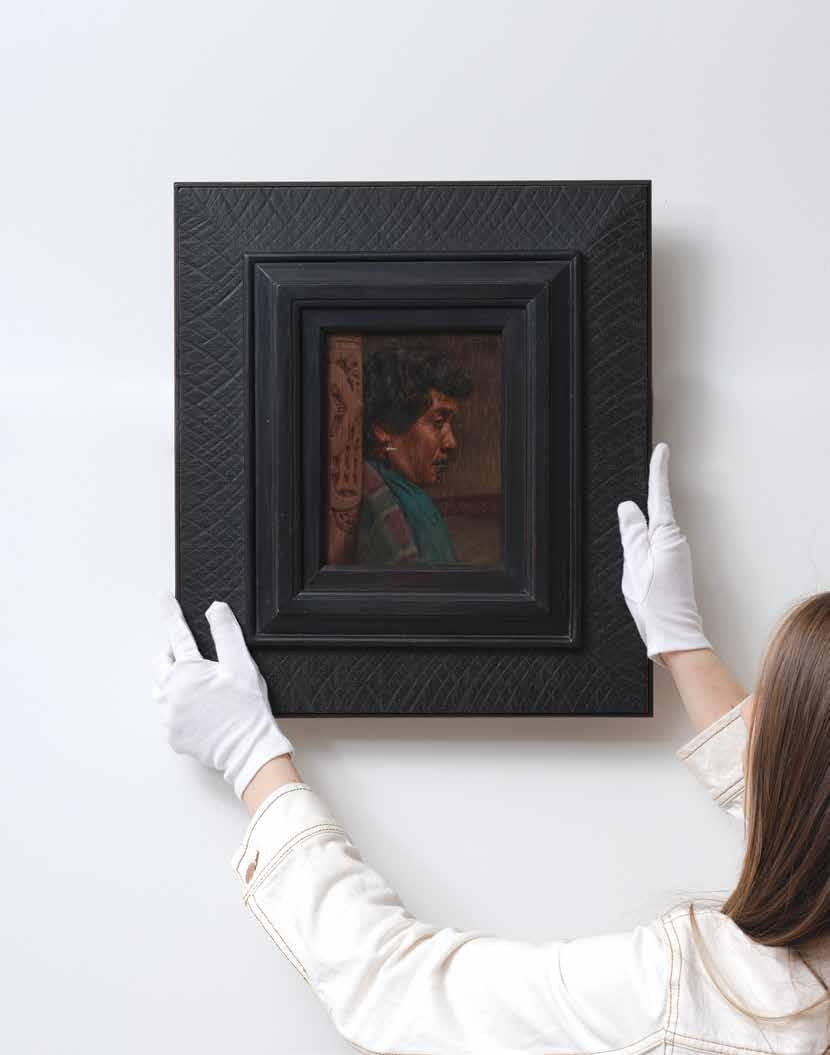
1947)
In Doubt, Ina Te Papatahi, Orakei Pah, 1913
Oil on canvas 20.5 x 15
Signed & dated 1913
$650,000 - 850,000
Private Collection, Auckland
Ina te Papatahi lived at the Waipapa Māori hostel in Mechanics Bay, Auckland, not far from Charles Goldie’s Hobson Street studio. She sat for him many times, the first time in 1902. The niece of prominent Ngāpuhi rangatira (chiefs) Eruera Maihi Patuone and Tāmati Waka Nene, both signatories of the 1840 Treaty of Waitangi, she was well-connected and introduced Goldie to many other Māori who agreed to sit for him.
Goldie’s studio, draped with Persian rugs and crammed with paintings, palms, chairs and bric-à-brac, became an important meeting place. A journalist described it as the most artistic studio south of the line. Goldie maintained a demanding painting schedule and exhibited new works every year until 1919.
54
When Evening Shadows Fall Oil on canvas 22 x 30
Signed & dated 1900
$100,000 - 150,000
PROVENANCE
Private Collection, Hawkes Bay Purchased from Webbs’, Auckland 29th and 30th June 1999 lot 1216) as The Lonely Shore
LITERATURE
Leonard Bell, A Star is Reborn, Art New Zealand 84, p. 77
Roger Blackley, Goldie (Auckland Art Gallery 1997), p. 16
EXHIBITED
Wellington, New Zealand Academy of Fine Arts, 1900 as There is rapture on the lonely shore. There is a society where non intrude (Byron), no. 48.
Goldie, Auckland City Art Gallery, 1997, cat no. 17
Goldie,Te Papa, 2 April – 18 July 1999
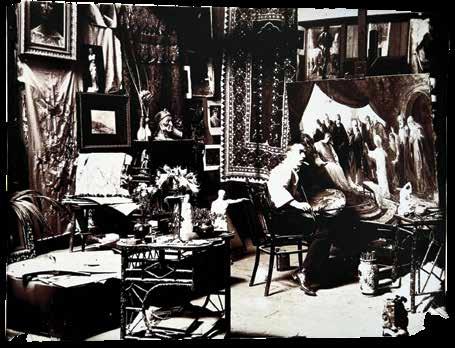
When Evening Shadows Fall features in this photograph of Goldie in His Studio, Hobson's Buildings (1900) Auckland Art Gallery Toi o Tāmaki, gift of the Goldie Family, 1995 Accession no 1995/3/6
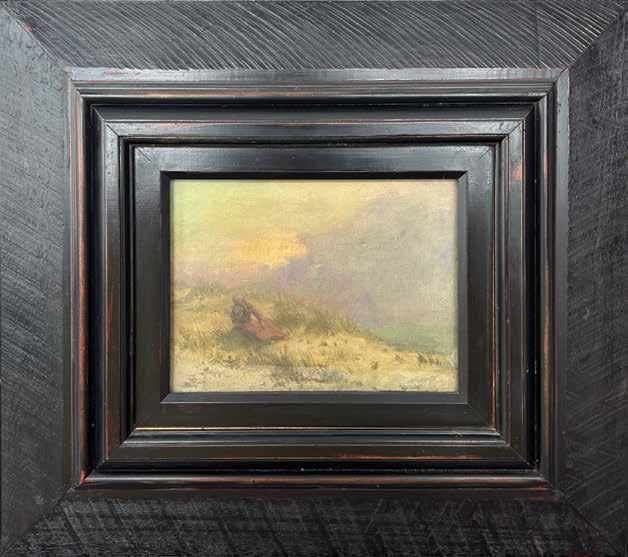
Goldie is one of the best-known and eminent New Zealand artists, both during his lifetime and now. He is most associated with his Maori subject pictures, for which in the twentieth century’s first decade he came to be regarded as one of the best, perhaps the best New Zealand artist. Goldie painted other subjects too. Two notables examples are his extraordinary, though littleseen The Christ Child in the Temple (1912, Auckland Art Gallery), on which he worked for about ten years after his return from art school and studies in France in 1898, and When Evening Shadows Fall, also little-seen since first exhibited at the New Zealand Academy of Fine Arts in Wellington in 1900. Its last public exhibition was in the 1999 Te Papa Goldie retrospective.
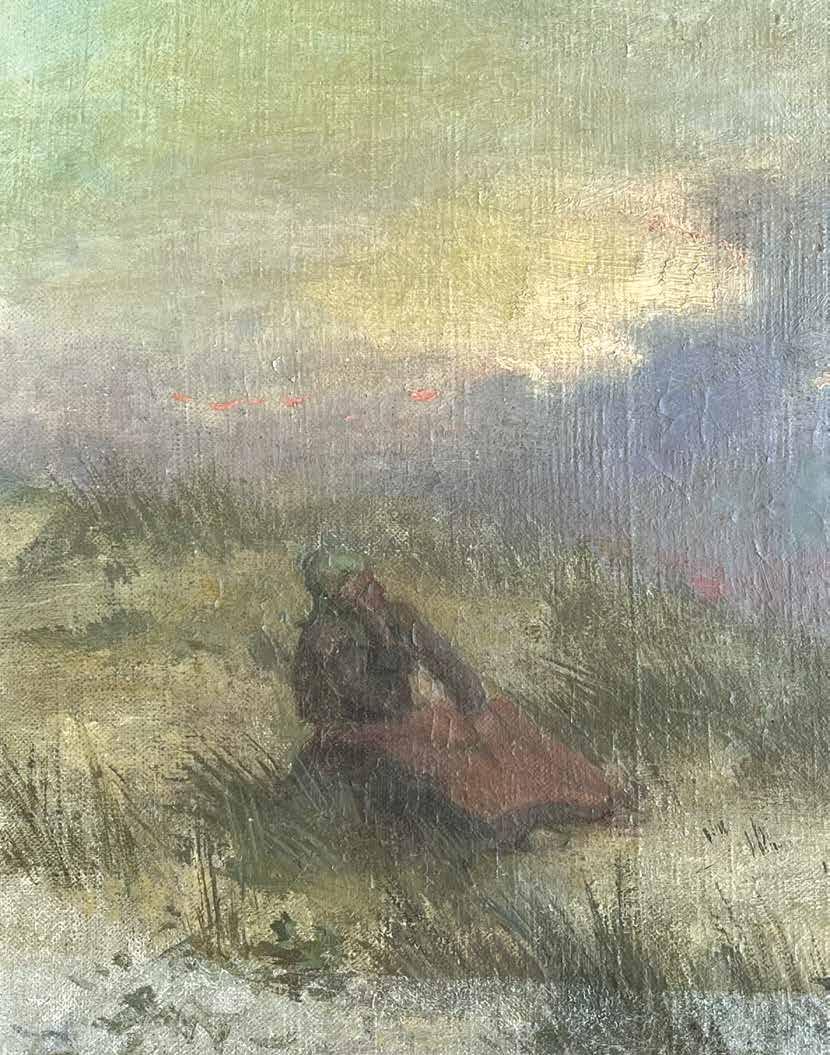
The painting’s initial title, ‘There is rapture on the lonely shore/ There is society, where none intrudes (Byron)’, signals Goldie’s European, in this instance, Angloromantic perspective. Where the shore in the painting is located geographically and who the solitary, slightly contorted and obscure figure may be are neither specified nor identifiable. Ambiguity reigns, for which the paintings rather murky atmospherics are apt. In this respect, as well as the connotations of both the first and present titles, Goldie’s painting echoes Symbolist currents in fin-de-siècle European painting. For example, the celebrated French artist Eugène Carrière (18491906), many of whose sombre, near monochrome (or monotonal) paintings were characterised by their dreamlike moods, comes to mind. When Evening Shadows Fall shares that amorphousness, even if it is not quite so minimal colouristically. Passages of red low-toned reddish brown, blue-greys and green, for instance, somewhat enliven the gloam. The Evening Post reviewer in 1900 wrote of the painting’s ‘misty-mystic atmosphere’, which was commonly found in Symbolist paintings too. In short, Goldie’s picture would not have looked out place in Europe then, though it would have in New Zealand in 1900.
It is also an anomalous work in Goldie’s oeuvre overall. This painting exemplifies too the diversity that in fact marks that oeuvre. To see Goldie’s paintings only through a Maori subject lens limits how his art can be seen and understood, since on his return to New Zealand he presented himself very much as a western Europeanoriented cosmopolite. The staged photograph of him at work in his studio published in several papers and periodicals in the early 1900s clearly demonstrates that ‘identity’. When Evening Shadows Fall is there, along with other ‘stuff’, including a Japanese silk hanging, a bust of Dante, the early Renaissance Italian poet, an ‘oriental’ carpet, plus Goldie’s own Christ Child in the Temple, a prime focal point in the photograph. To explore the title further: a hymnal published by a prominent English clergyman, Rev. J. W. Hewett (1859) included What time the evening shadows fall, while a moody landscape painting (1879) in the Russell Cotes Art Gallery in Bournemouth by the English artist, Edward Walton (1860-1922) shares the title too, almost. Walton’s shadows ‘softly’ fall. (The Van Morison song, the first line of which is When evening shadows fall, Goldie, obviously, cannot claim credit for.)
Goldie transformed, though, what could otherwise be a commonplace, even banal sentiment into a peculiar, strangely compelling picture. This painting is small with a much freer handling of paint than his larger paintings. Perhaps Goldie had planned a bigger version of When Evening Shadows Falls, which never eventuated because of the change of direction in the predominant subjects of his exhibited paintings that occurred soon after. His Maori subject paintings proved enormously popular and successful and they became his main concern. Goldie, it seems, had a keen sense of market preferences, though, now, that makes When Evening Shadows Fall a rarity indeed.
Leonard Bell
55 CHARLES FREDERICK GOLDIE (1870 - 1947)
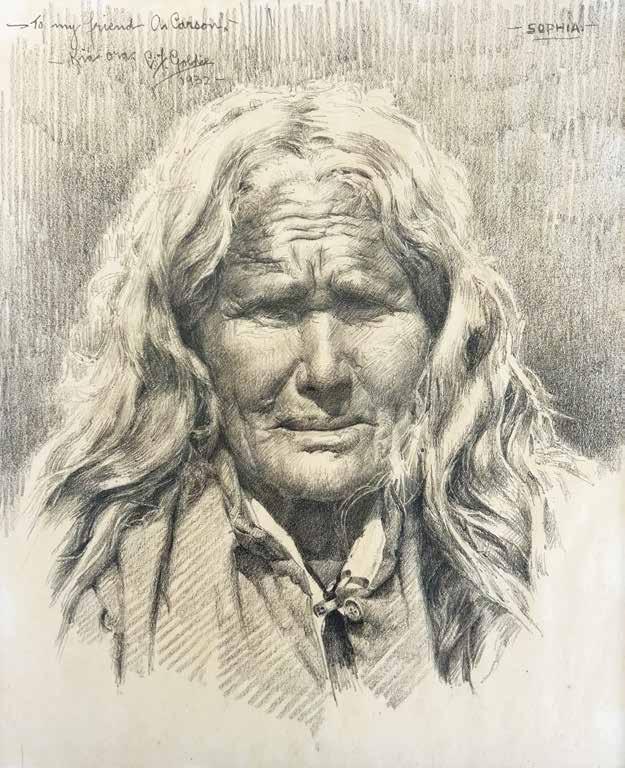
Sophia Pencil on paper 23.5 x 19
Signed & dated 1932
Inscribed To my friend An Carson - Kia Ora
$120,000 - 160,000
Private Collection, Auckland
Guide Sophia Hinerangi was the principal tourist guide of the Pink and White Terraces at Lake Rotomahana. Following their destruction during the Mt Tarawera eruption of 1886 she became a guide at nearby Whakarewarewa, Rotorua. Guide Sophie, as she was widely known, was well educated and bi-lingual. She introduced thousands of visitors to the beauty of the Terraces, acknowledged by Mark Twain as the eighth wonder of the world.
Sophia was born in Russell in the early 1830s. Her mother, Kotiro Hinerangi, was a Ngati Ruanui woman who had possibly been captured by a Nga Puhi raiding party. Kotiro married Alexander Grey (or Gray), a Scotsman who had arrived in the Bay of Islands in 1827. Mary Sophia Gray was baptised by William Williams at Kororareka in 1839. It is thought that Sophia was raised by Charlotte Kemp at the Kerikeri Mission Station before attending the Wesleyan Native Institution at Three Kings, Auckland. In 1851 Sophia married her first husband, Koroneho (Colenso) Tehakiroe, with whom she had fourteen children. Following her second marriage, to Hori Taiawhio in 1870, she had a further three children.
Tuhourangi Tohunga, interpreted the devastating Tarawera eruption as a warning and reflected that the exploitation of the terraces as a tourist attraction showed scant regard for ancestral values.
Sophia herself saw these omens as a sign that her time as a guide at Rotomahana was drawing to a close. On 10 June 1886, the night of the eruption, over sixty people took shelter in Sophia’s whare at Te Wairoa. Unlike many of the buildings in the village her home withstood the power of the eruption due to its high-pitched roof and reinforced timber walls.
Sophia continued her work as a guide when she moved to nearby Whakarewarewa. In 1895 she joined George Leitch’s Land of the Moa Dramatic Company, playing herself on a tour of Australia. In 1896 she was appointed caretaker of the Whakarewarewa Thermal Reserve.
A number of royal parties were amongst the many thousands of visitors that Guide Sophia led through Whakarewarewa. She encouraged a number of local women to become guides, helping to establish this occupation as a rewarding form of employment for Tuhourangi women.
Remembered as a leading light of her generation and a unique personality of that time, Sophia fostered friendship between Maori and Pakeha and showed great courage in adversity. She was a friend and favoured subject the artist C F Goldie. Guide Sophia died at Whakarewarewa on 4 December 1911 among the Rotorua elders.
BY C F GOLDIE LOTS 55 & 56
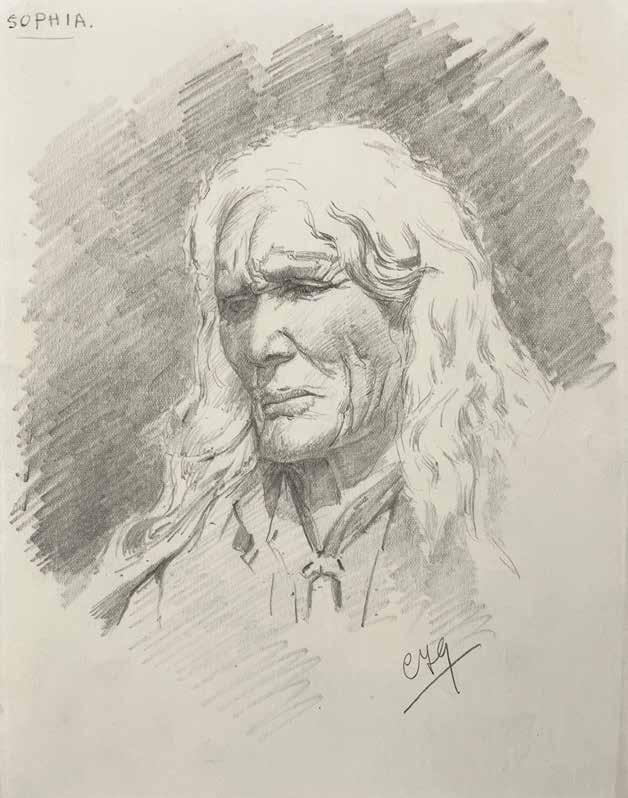
56 CHARLES FREDERICK GOLDIE (1870 - 1947)
Guide Sophia
Pencil on paper 22.5 x 17.5
Signed
$100,000 - 150,000
PROVENANCE
Private Collection, Auckland by descent
Private Collection, Paekakariki
Further details on original label affixed verso: Guide Sophia, Rotorua, by C.F. Goldie
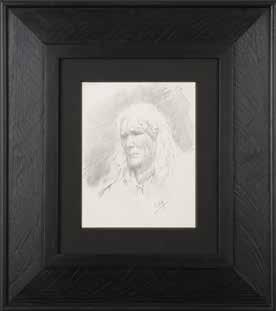
TWO DRAWINGS OF GUIDE SOPHIA
BY C F GOLDIE LOTS 55 & 56
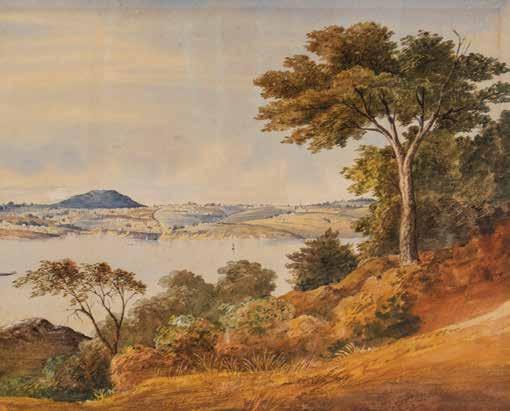
57 JOHN BARR CLARK HOYTE (1835 - 1913)
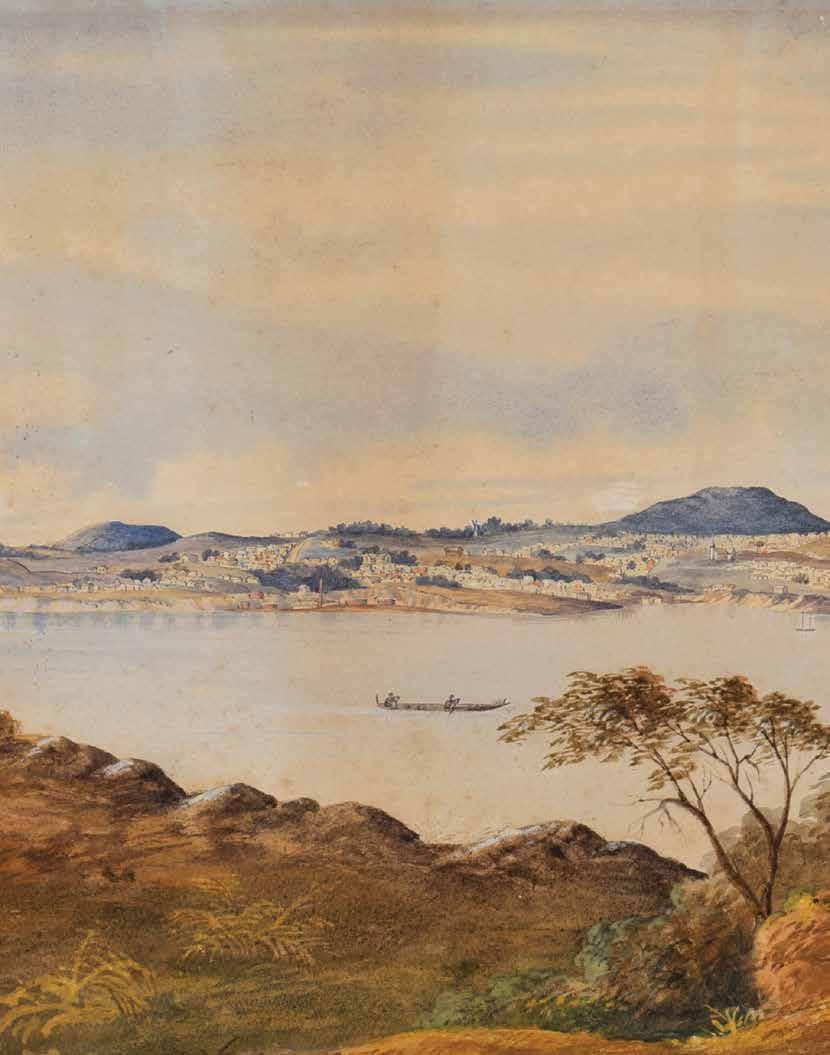
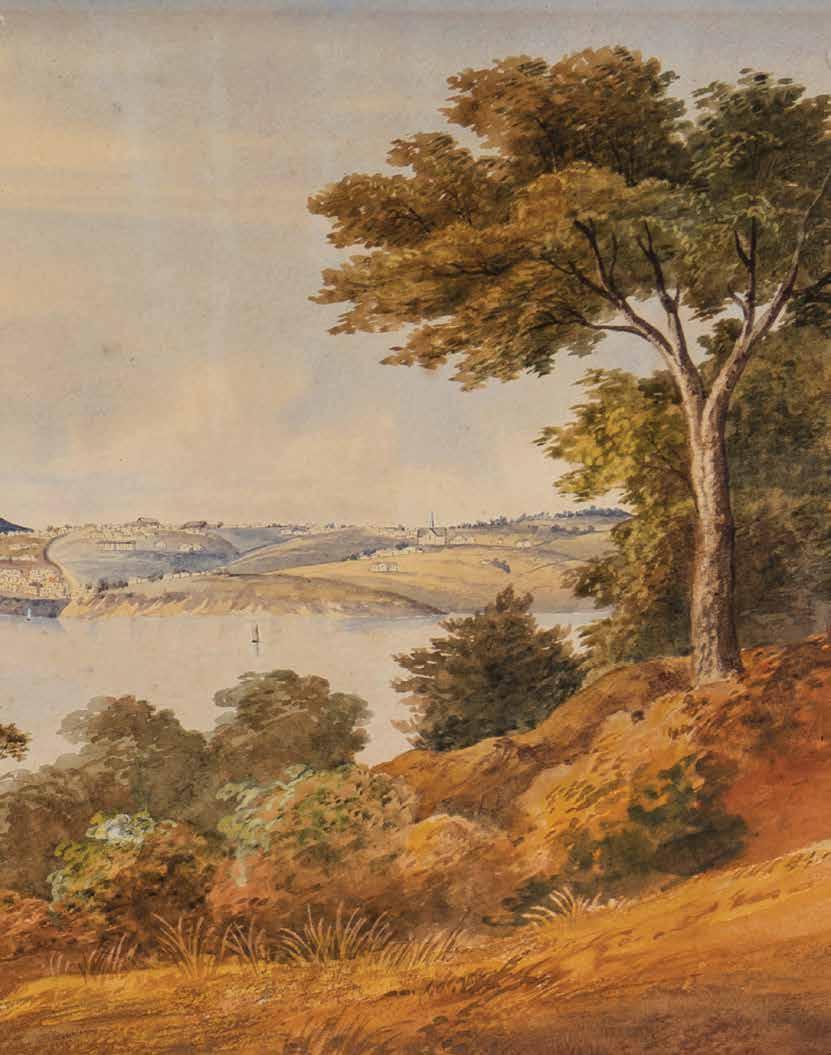
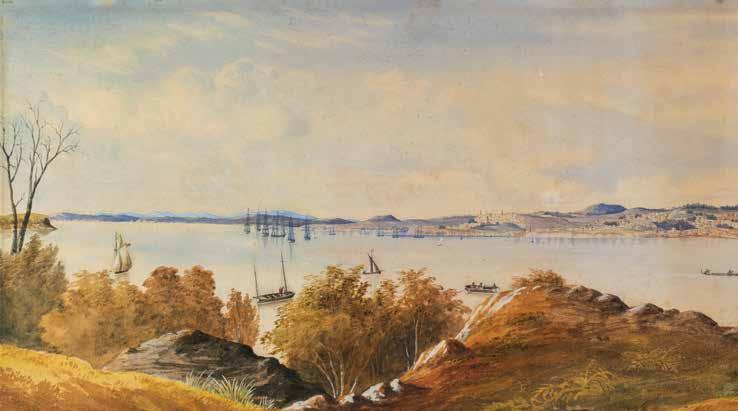
View of Auckland from Stokes Point North titled ‘View of Auckland from Stokes Point North’ on the mount (lower right)
Pencil & Watercolour heightened with white and scratching out on paper laid down on the original card mount 28.9 x 87.1
$30,000 - 40,000
PROVENANCE
Private Collection, United Kingdom
John Barr Clark Hoyte is prominent amongst landscapist of the 1860s-70s, being one of the leading watercolourist of that era. The work illustrated above is an early record of the Auckland waterfront taken, as titled, from Stokes Point North now the site of the North Shore end of the Auckland Harbour Bridge. The panorama chronicles the urban development of Auckland in great detail, providing an important record of the growing cityscape in the 1860s. In 1871 the Auckland Harbour Board was formed which would oversee dramatic changes to the original line of the foreshore. Many of Auckland’s early industries from the 19th century vanished as the reclamations spread out. Hoyte later completed
a larger watercolour painting of this scene titled, View of Auckland Harbour from Stokes Point, which was gifted by Sir Henry Brett to the Auckland Art Gallery Toi o Tāmaki in 1913. The forementioned painting was featured in Una Platts’ notable exhibition John Barr Clarke Hoyte in 1957 (catalogue entry no.15). As stated in Platts exhibition catalogue the painting was exhibited with Society of Arts, Auckland, in 1871 and described in the New Zealand Herald, March 3, 1871, as ‘taken from above Stokes Point, and embracing at a glance the entire harbour, city and surrounding islands and country’.
*Lot 57 can be viewed in further detail on the inside back cover of the catalogue
TWO HISTORIC WORKS REPATRIATED TO NEW ZEALAND FROM PRIVATE COLLECTIONS IN THE UK & AUSTRALIA
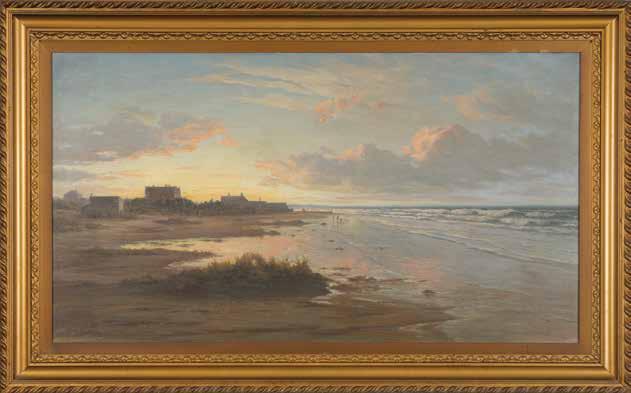
58 JOHN GIBB (1831 - 1909)
Brighton Beach, Christchurch, New Zealand
Oil on canvas 55 x 99
Signed & dated 1889
$25,000 - 35,000
PROVENANCE
Private Collection, Australia
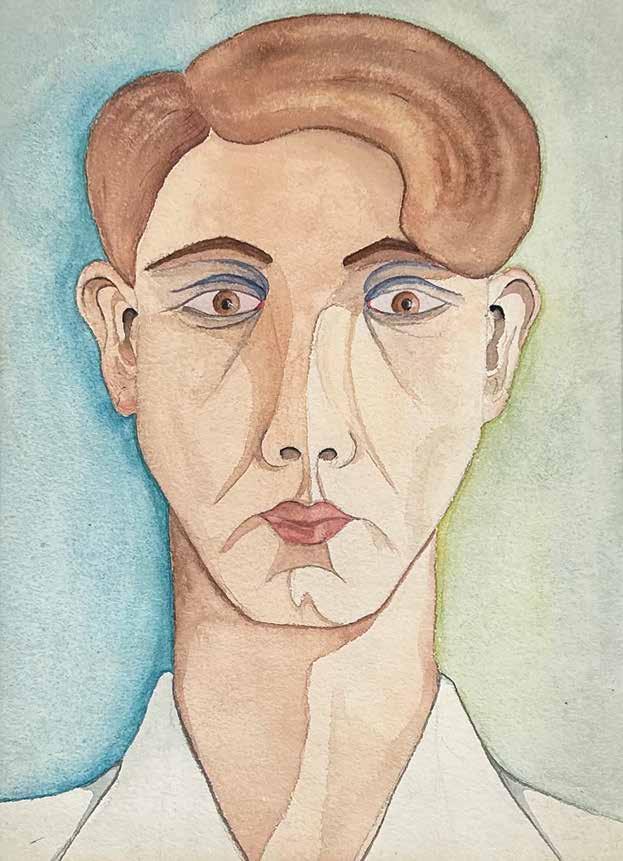
59 RITA ANGUS (1908 - 70)
Portrait of Robert Erwin, c.1953
Watercolour 33 x 23
$28,000 - 38,000
PROVENANCE
Private Collection, Auckland
Private Collection, Canterbury
Gifted by bequest, c. 2003
Collection of Lawrence Baigent and Robert Erwin, Wellington
In the late summer of 1953 whilst traveling around Central Otago Rita Angus was introduced to young university student Robert Erwin by her friend Lawrence Baigent. Bagient and Angus were friends from their time in Christchurch during the late 1930s. Robert began calling in regularly at Angus’ cottage in Clifton and a long friendship ensued with Angus painting Robert’s portrait. This work embodies the artist’s confident use of clear colour and line to capture the essence of her sitter.
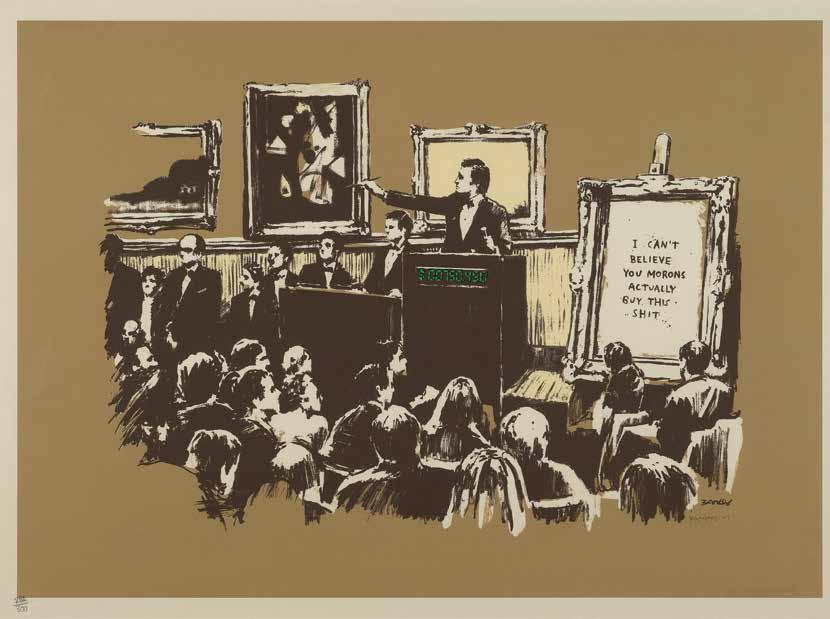
60 BANKSY (British b. 1974)
Morons
Screenprint, edition 262/300 51 x 71
Signed & dated 2007
$90,000 - 120,000
Private Collection, Wellington
Accompanied by Certificate of Authenticity
Morons portrays Christies auction room full of collectors bidding for a number of artworks, including one in an elaborate frame that reads, I can’t believe you morons actually buy this shit. Banksy uploaded the image on his then website, following a record- breaking auction result for one of his canvases. Morons is an example of Banksy’s unapologetic critiques on the extraordinarily high prices of his, and many other artists’ artworks pointing a mocking finger at their buyers.
Banksy’s relationship with the art dealers and auction houses is ironically notoriously controversial, which some believe is why he is so successful. The artist has expressed similarly critical opinions of the art world’s commercialism through public pranks such as the famous incident in 2018 at Sotheby’s auction of Girl With Balloon, ceremoniously shredded itself in front of the audience soon after the auctioneer knocked his gavel down.
It is widely thought Banksy based Morons on a famous press photograph of Christies auctioneer Charles Hindlip selling Vincent van Gogh’s Sunflowers on March 30, 1987 for £22m.
I’m Coming Henry
Oil on board 120 x 86
Signed & dated 2003
$80,000 - 100,000
Private Collection, Waikato
Purchased from the artist
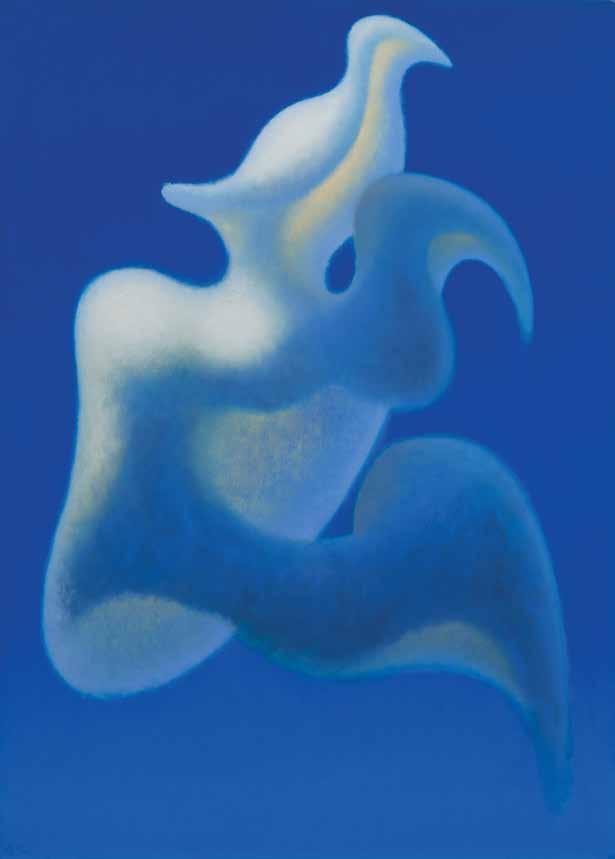
Michael Smither proceeded to work on this painting for more than 16 years, working patiently on layers and layers of paint as the cloud emerged. There is a depth of blue that moves within the composition, which speaks of Smither’s mastery of his medium.
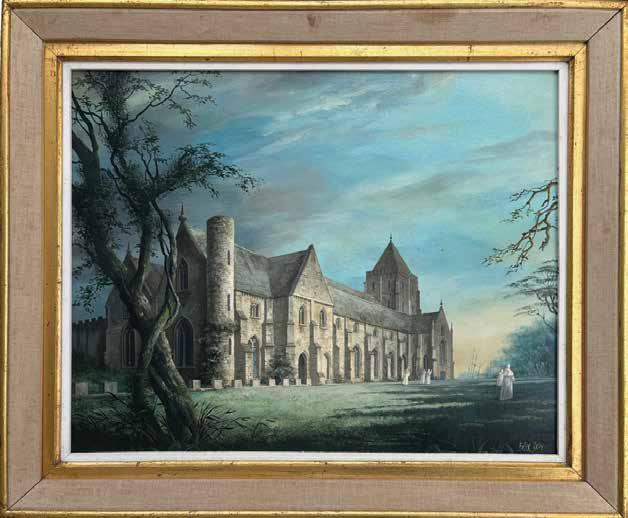
The Abbey Oil on board 57 x 72.5
Signed $10,000 - 15,000
PROVENANCE
W A Foyle: Christopher Foyle, Beeleigh Abbey, United Kingdom
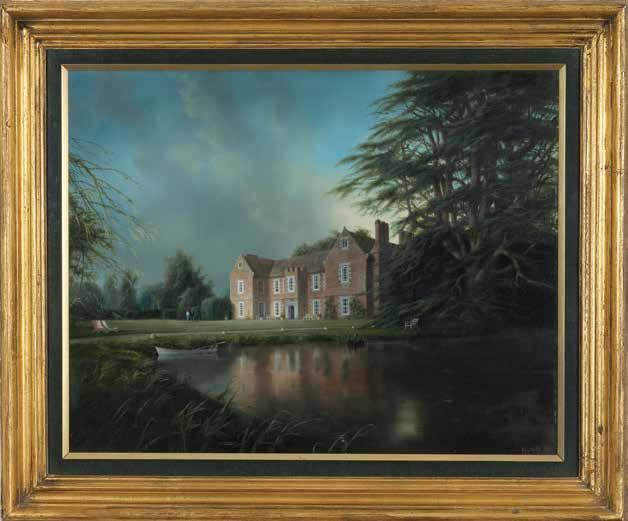
Signed & dated 1973
$10,000 - 15,000
PROVENANCE
Private Collection, United Kingdom Commissioned from the artist by Charles Farrell
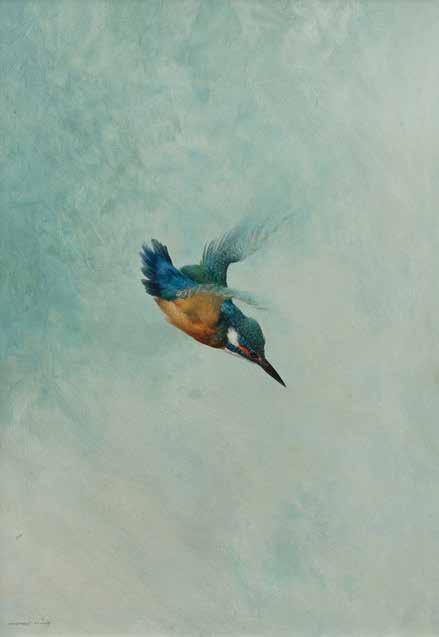
RAYMOND CHING (b. 1939)
Kingfisher Diving Oil on board 48 x 34
Signed lower left Raymond Ching
$15,000 - 20,000
PROVENANCE
Private Collection, United Kingdom
ILLUSTRATED
Peter Hansard, The Art Of Raymond Ching: Paintings & Drawings 1972-1979, Collins, London, UK: 1981, pg 53
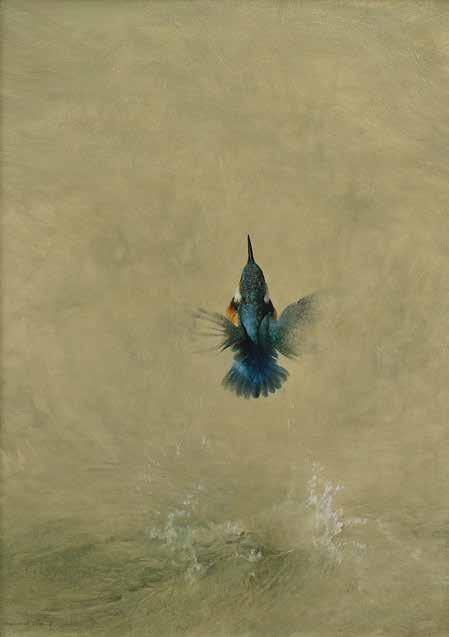
65 RAYMOND CHING (b. 1939)
Kingfisher Flying Oil on board 48 x 34
Signed lower left Raymond Ching
$15,000 - 20,000
PROVENANCE
Private Collection, United Kingdom
Raymond Ching is internationally recognised as one of the world’s greatest wildlife artists. Born in Wellington, New Zealand, he established himself as a wildlife artist in the 1960s, before moving to England where he has spent the majority of his career. Capturing the quicksilver character of a bird, the delicacy of its plumage he captures the essence of his subject. These are the aspects of his work that have attracted international acclaim.
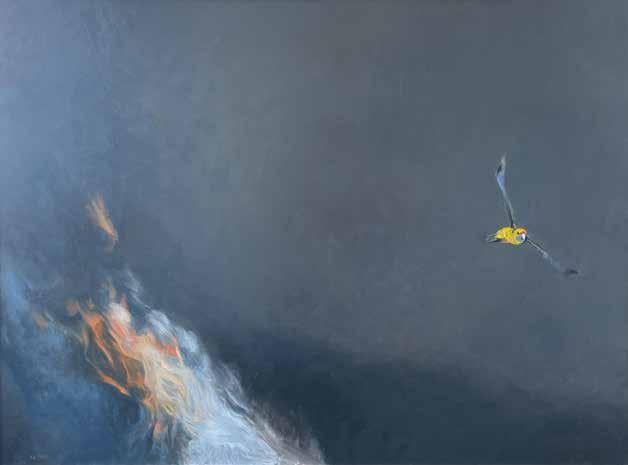
RAYMOND CHING (b. 1939)
Parrot, Smoke and Fire, The Birds of Black
Thursday, Part 7
Oil on board 90 x 120
Signed & dated 1993
$20,000 - 30,000
EXHIBITED
# 9 The Birds of Black Thursday, Rountree Tryon Gallery, London May 1998
Walking home to his studio in Melbourne one afternoon in January 1985, Raymond Ching witnessed dark clouds of smoke billowing over the city. Bush fires had been raging for some days, drawing closer to the city. The experience was new to Ching and the event influenced him greatly. In 1998 a significant exhibition titled The Birds of Black Thursday showcased ten powerful paintings from Raymond Ching’s series of the same title. Ching was inspired to create this series after viewing William Strutt’s painting Black Thursday, February 6th, 1851, in the La Trobe Collection, State Library Victoria.
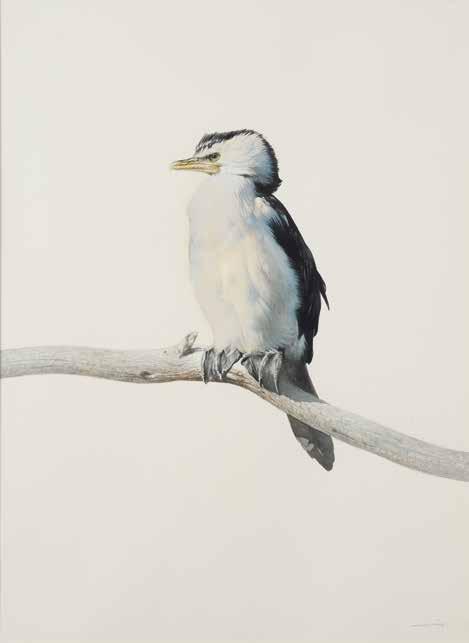
Little Shag (Phalacrocorax melanoleucos)
Watercolour 72 x 53
Signed Raymond Ching lower right
$10,000 - 15,000
ILLUSTRATED
Ray Ching, New Zealand Birds: An Artist’s Field Studies, Plate 6
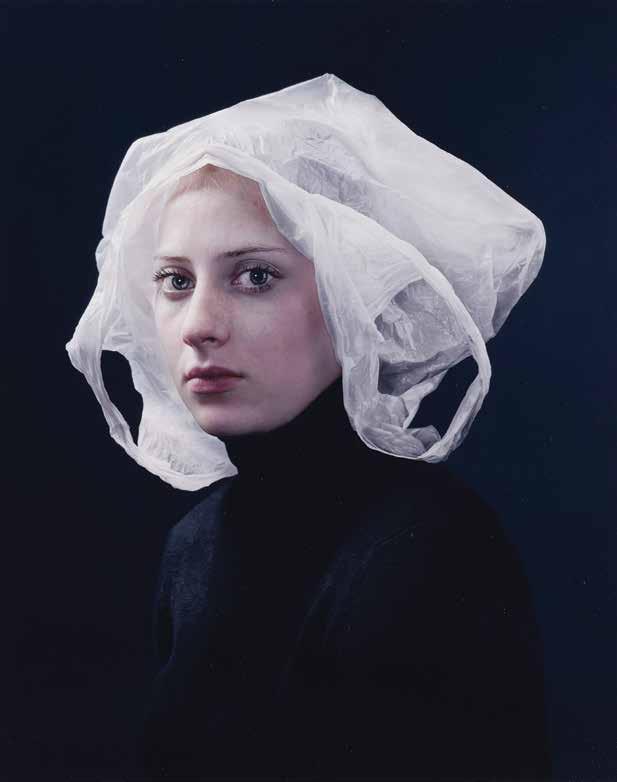
68 HENDRIK KERSTEN (Dutch b.1956)
Bag, 2007
Chromogenic print, flush-mounted to aluminum 35 x 28
Accompanied by a Certificate of Authenticity with the photographer’s signature, embossing, and fingerprint
$15,000 - 20,000
PROVENANCE
Witzenhausen Gallery, Amsterdam
Since 1995 Dutch photographer Hendrik Kerstens has photographed his daughter, Paula. A number of these portraits are inspired by the masterpieces of Johannes Vermeer.
Conceptually, Kerstens’ photographs play with the dialog between the mediums of painting and photography. As Kerstens recalls, One day Paula came back from horseback riding. She took off her cap and I was struck by the image of her hair held together by a hair-net. It reminded me of the portraits by the Dutch masters and I portrayed her in that fashion. After that I started to do more portraits in which I refer to the paintings of that era.
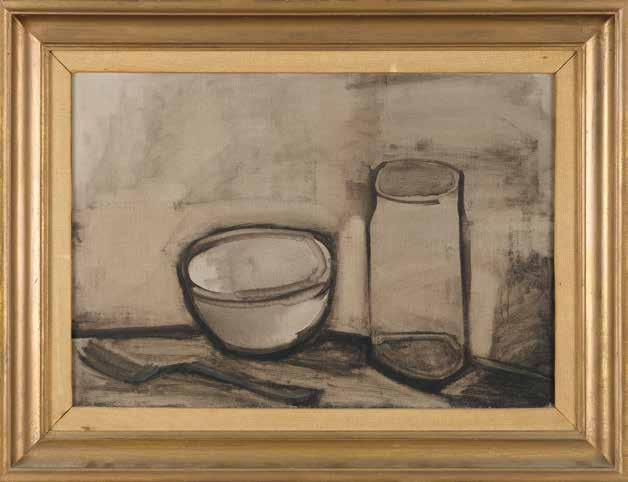
69 DORA MAAR (French 1907 -1997)
Still Life of Glass Vases
Oil on canvas 37 x 54
Signed & dated 1944 verso
$10,000 - 15,000
PROVENANCE
Estate of Nina Marguerite Leclercq
For many decades, Dora Maar was remembered primarily for her romantic relationship with Pablo Picasso, which lasted from late 1935 to the early 1940s. As a model and muse, she inspired the figure known as the Weeping Woman in studies Picasso produced in response to the devastating impact of the Spanish Civil War.
These were made in tandem with his monumental canvas, Guernica, the completion of which Maar meticulously
and invaluably documented as a kind of photographic collaborator. Picasso’s Head of a Woman No. 1, Portrait of Dora Maar, from 1939, depicts Maar with large, melancholy eyes and pursed lips, her lustrous black hair rendered in layers of azure, crimson and mustard.
After the end of their often-tumultuous relationship, Maar rejected these portrayals: All his portraits of me are lies. They’re all Picassos, not one is Dora Maar. The true Maar was not only an incisive observer of the modern city through her camera lens but also an extremely talented artist: producer of experimental collages, poet, printmaker and painter.
Nina Marguerite Leclercq met and befriended Dora Maar and Picasso in Paris in the 1930’s while she was working at Paris Vogue. Leclercq relocated to London in the 1950’s where she worked for the Queen’s dressmaker at the time, Hardy Amies.
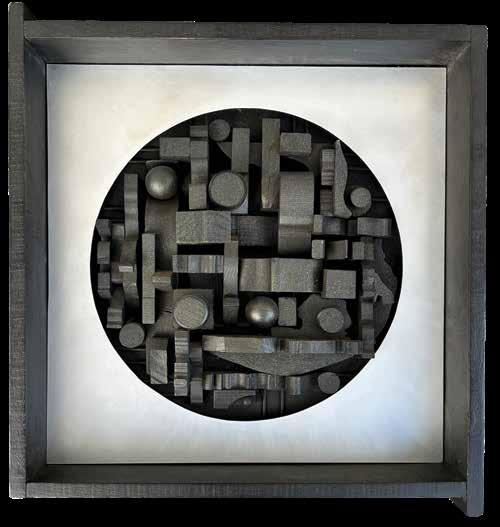
70 LOUISE NEVELSON
(Ukrainian, American 1899 - 1988)
Untitled
Painted wood sculpture 51 x 51
$15,000 - 25,000
PROVENANCE
Collection of Dr Alan G Menchor (1925 - 2021) by descent
Louise Nevelson was known as a leading sculptor of the twentieth century who pioneered site-specific and installation art with her monochromatic sculptures. Born in the Poltava Governorate of the Russian Empire (present-day Kyiv Oblast, Ukraine) she emigrated with her family to the United States in 1905. Nevelson studied with abstract painter Hans Hofmann in Munich and later New York. She participated in several group shows
throughout the 1930s, the first of which was organised by the Secession Gallery and held at the Brooklyn Museum in 1935. Her first one-person exhibition was held at the Nierendorf Gallery, New York in 1941.
Nevelson experimented with early conceptual art using found objects and dabbled in painting and printing before dedicating her lifework to sculpture. Usually created out of wood, her sculptures appear puzzle-like with multiple intricately cut pieces placed into wall sculptures or independently standing pieces. A prominent figure in the international art scene Nevelson participated in the 31st Venice Biennale. In 2018 the exhibition The Face in the Moon was mounted at the Whitney Museum of American Art, New York. Louise Nevelson remains one of the most important figures in 20th-century American sculpture.
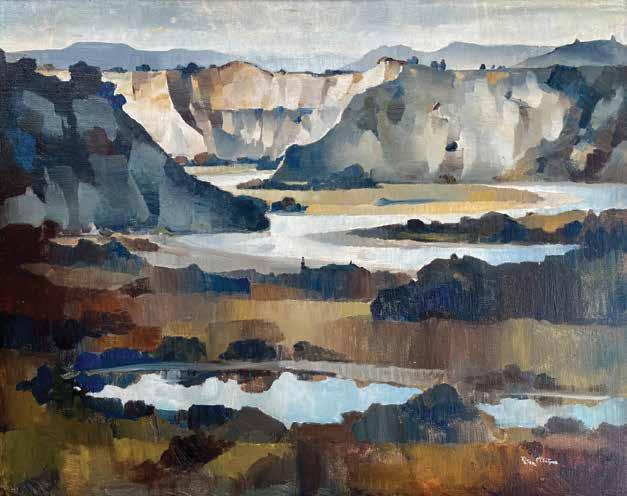
71 PETER MCINTYRE (1910 - 1995)
Rangitikei River with Ponds in Foreground Oil on board 61 x 76.2
Signed Peter McIntyre
$38,000 - 48,000
Years ago I went far up the Rangitikei beyond Taihape to visit my friend David Russell, whose farm at that time was as far as you could drive up the river into the bush. The river is so deep between high papa cliffs that down at the bottom where the river flows there is only a sort of twilight, even on a sunny day. Once I crossed the gorge at a wider place in the bush in a tray slung on a logger’s wire rope, and we sat in mid-air watching a large trout feed in the
river below where a patch of sun broke through the overhanging bush. From that time on I have painted the river up and down its length, and always there has been delight in painting those lovely cliffs that are that most paintable of all colours – white. Peter McIntyre
Peter McIntyre’s New Zealand, A H & A W Reed 1964
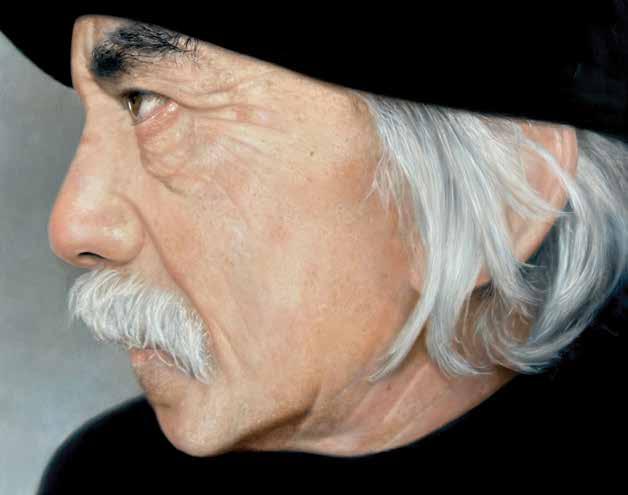
Signed, inscribed & dated 2009 verso
$15,000 - 20,000
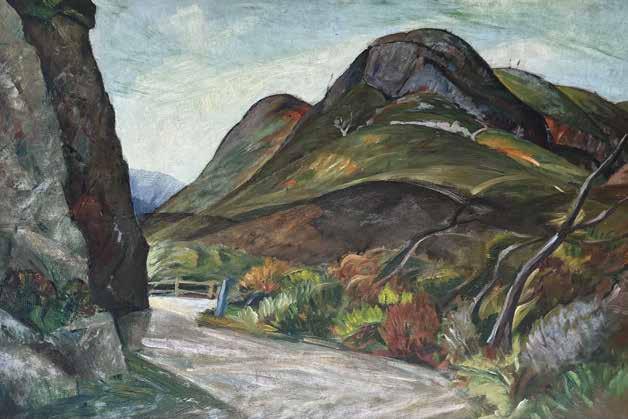
73 JOHN WEEKS (1886 - 1965)
West Coast Road Oil on board 60 x 90
Certificate of Authenticity attached verso
$10,000 - 20,000
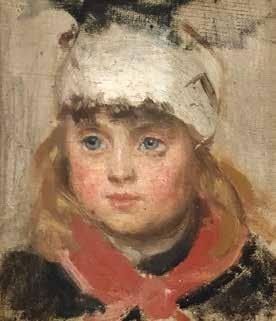
74 PETRUS VAN DER VELDEN (1837 - 1913) A Young Marken Girl Oil on board 14 x 12
$4,000 - 6,000
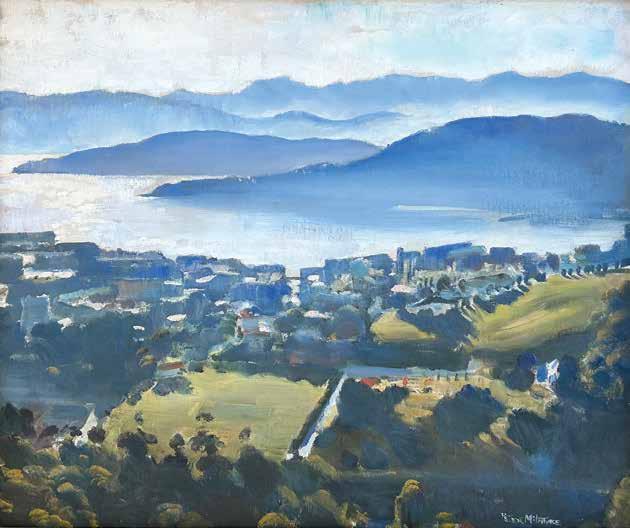
Signed
$14,000 - 18,000
PROVENANCE
Private Collection, USA Commissioned from the artist 1960
76
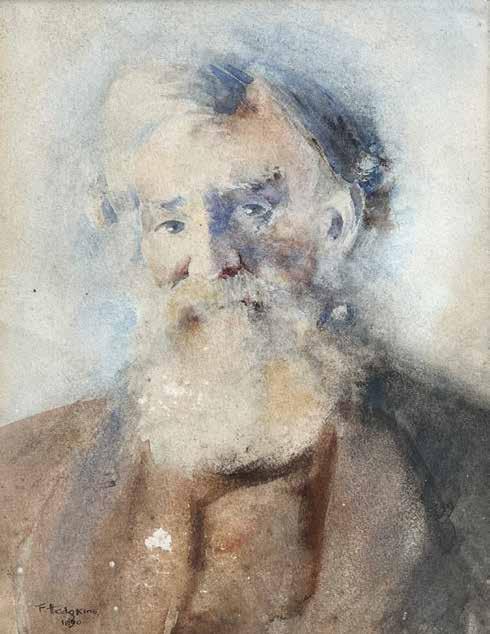
FRANCES HODGKINS (1869 - 1947)
Study of an Old Man
Watercolour 30.2 x 23.5
Signed & dated 1890
$12,000 - 18,000
PROVENANCE
Private Collection, Wanaka
Gifted by Mr P D Hodgkins to Dr E H McCormick, 1950
Mr P D Hodgkins Collection
EXHIBITED
1969; The Origins of Frances Hodgkins: An Exhibition of Paintings in the Centennial Year of her Birth, Hocken Library, Dunedin
Catalogue Number FH0130
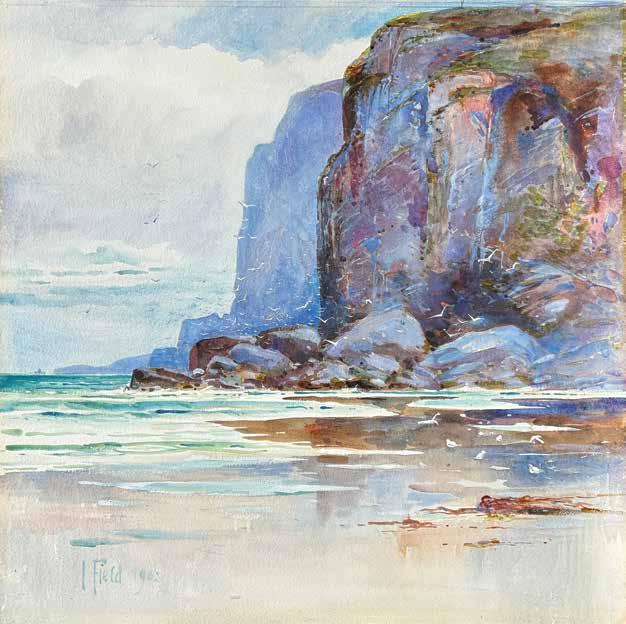
Watercolour 55 x 55
Signed & dated 1902
$7,000 - 10,000
PROVENANCE
Private Collection, Manawatu
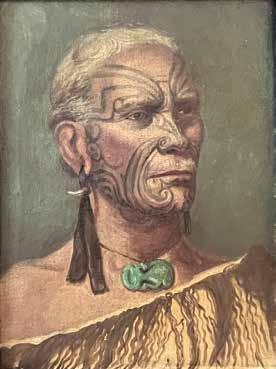
78 VERA CUMMINGS (1891- 1949)
He-Tino-toa ‘Great Warrior’
Oil on canvas 20 x 15
$8,000 - 12,000
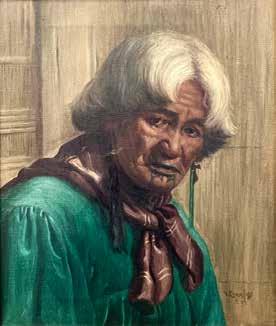
79 VERA CUMMINGS (1891- 1949)
Portrait of Harata Rewiri Tarapata Oil on canvas 29 x 24.5
Signed
$8,000 - 12,000
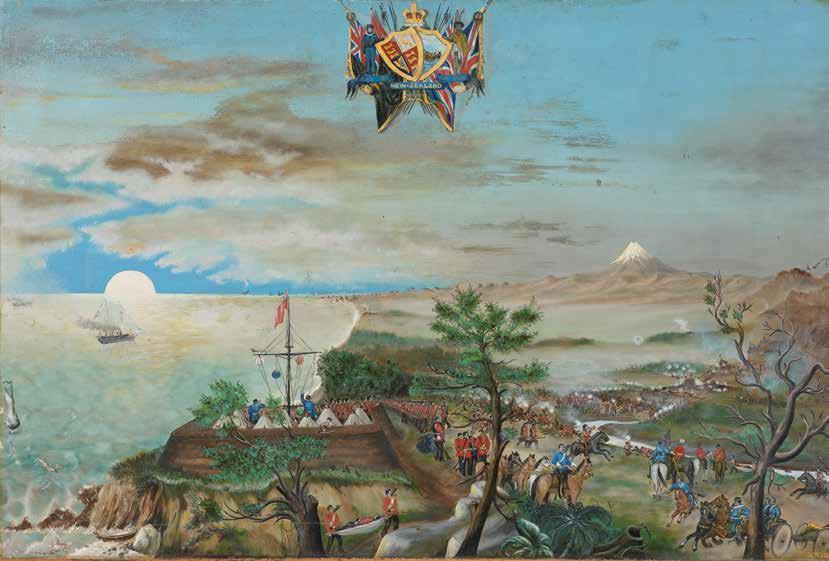
80 G W NORBURY (active 1863)
Taranaki War Scene
Oil on board 76 x 114
Signed
$15,000 - 20,000
PROVENANCE
Private Collection, Canada
A similar scene titled, The fight of Kaitake, one mile south of Tataraimaka, 4th June 1863, by G W Norbury is included in the Alexander Turnbull Library collection, Wellington.
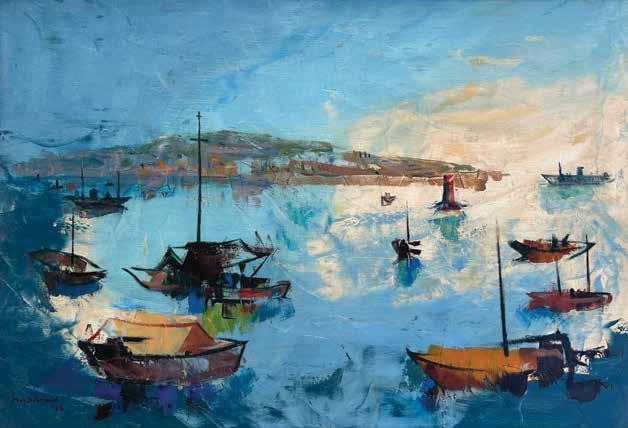
81
DOUGLAS MACDIARMID (1922 - 2020)
Harbour Scene, Dieppe
Oil on board 48.5 x 71.5
Signed & dated ‘56
$6,000 - 10,000
Douglas MacDiarmid grew up in Taihape and studied for a BA at Canterbury University College in Christchurch, where he began painting. His close friends there included artists Rita Angus, Leo Bensemann, Evelyn Page and Theo Schoon. MacDiarmid travelled to Europe in 1946, returning briefly in 1949, before leaving again to live permanently in France in 1951. He stayed there, principally in Paris, for the rest of his life, though he continued to exhibit his art (41 shows) in New Zealand. In 1961, another friend, Charles Brasch (1909-1973), the founder and editor of the country’s foremost arts periodical Landfall, wrote that MacDiarmid is ‘an individual being, conscious, proud and unafraid to be himself. I have never met a New Zealander like him’. A biography, Colours of a Life: The Life and Times of Douglas MacDiarmid by Anna Cahill was published in 2018, while Conversations from the Heart (ed. Anna Cahill), a selection of letters between MacDiarmid and
82 DOUGLAS MACDIARMID (1922 - 2020)
Ile de la Cite - Skyline Notre Dame, Conciergerie, Sainte Chapelle Oil on board 21 x 26
Signed & dated 1975
$3,000 - 6,000
the composer Douglas Lilburn, appeared in 2022. There is also a lengthy section on his art and career in Leonard Bell’s Strangers Arrive: Emigres and the Visual Arts in New Zealand, 1930-1980 (2017).
MacDiarmid’s working career – over seventy years - is one of the longest of any New Zealand artist. He is now recognised as one of the most eminent New Zealandborn artists of his generation. MacDiarmid’s art cannot be pigeonholed. He worked in several differing styles simultaneously, from abstract to figurative to abstracted semi-figurative. Living outside New Zealand for most of his life, his subjects were primarily European, Mediterranean and transnational, though he continued to paint some New Zealand topics, mainly landscapes, after his expatriation.
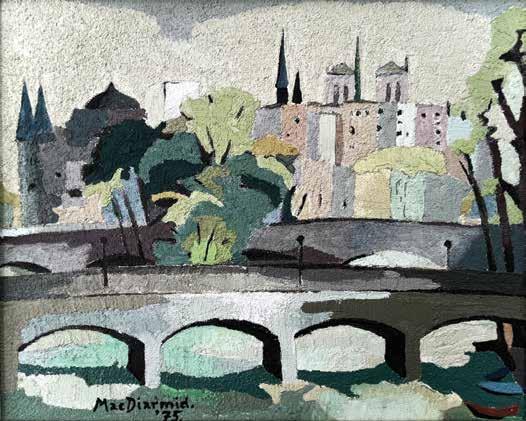
The two paintings on offer exemplify MacDiarmid’s principally European foci. His painting is formally accomplished, imaginative and conceptually sophisticated. Overall, his art is characterised by its bold use of colour a ‘Continental’ expressivity of shape and line, and compositional vibrancy that distinguishes his work from his New Zealand-born peers, who remained in the antipodes. Indeed MacDiarmid’s typical high-keyed colour contrasts markedly with the low-keyed colour that predominated in New Zealand art in the earlymid twentieth century. Colourists were rare here then, as MacDiarmid himself and another prominent New Zealand-born expatriate artist, James Boswell (19061971), observed at the time.
These two paintings are good examples of his European landscape painting. The depicted scene in the so-titled Harbour Scene, Dieppe (1956) bears little resemblance to Dieppe harbour, as this writer recalls it, and the painting’s last owner thought it represented the harbour at Dover, though that is unlikely too. Rather, it is probably a composite landscape, made of elements from different, including imagined, places. MacDiarmid could
do precisely that in his landscapes (his New Zealand ones too). That’s an artist’s prerogative going back to the seventeenth century at least – to imaginatively reshape bits of the world, rather than simply mimic the topography.
The Ile de la Cite: Skyline Notre Dame, Conciergerie, Saint Chapelle (1975), from Paris, looks somewhat askew topographically too. Could the viewpoint in this painting be found in actuality? Whatever, what MacDiarmid made is a concentrated, dynamic modernist composition, in this instance more subdued colouristically, though nonetheless vibrant in its greens, greys, ochres and whites, plus that forceful black signature and date at the bottom. The earlier youthful harbour scene is a more traditional composition, a symphony (to use James McNeill Whistler’s term for his landscape, often involving rivers and coasts, rearrangements) of blues, greys and touches of reddish-browns. Both paintings represent MacDiarmid well - Leonard Bell
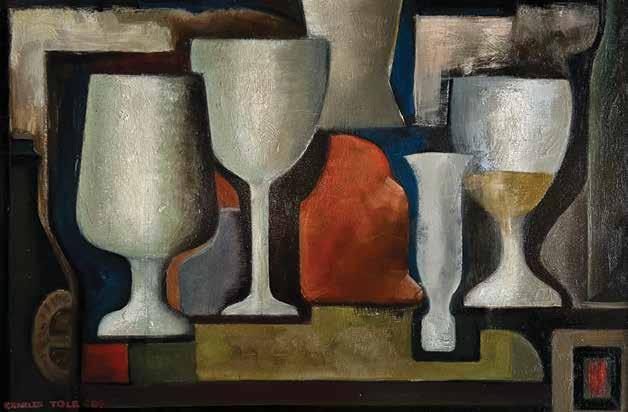
Signed & dated 1969
$5,000 - 10,000
84 JOHN TOLE (1890 - 1967)
Whakarewarewa Oil on mounted paper on hardboard 30 x 25
$3,000 - 5,000
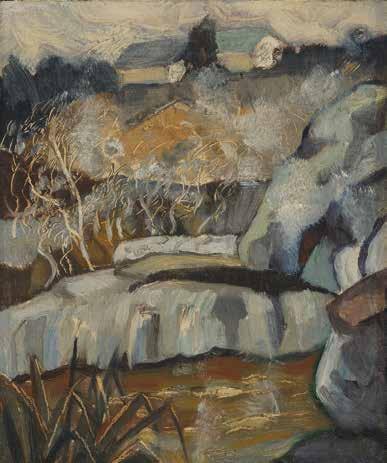
85 CHARLES TOLE (1903 - 88)
Untitled Oil on board 25 x 30
Inscribed lower left Charles Tole
$3,000 - 6,000
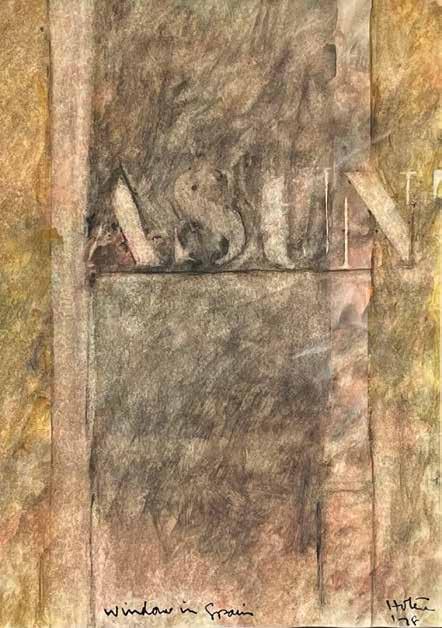
Window in Spain
Watercolour 32 x 22.5
Signed & dated 1978
$8,000 - 12,000
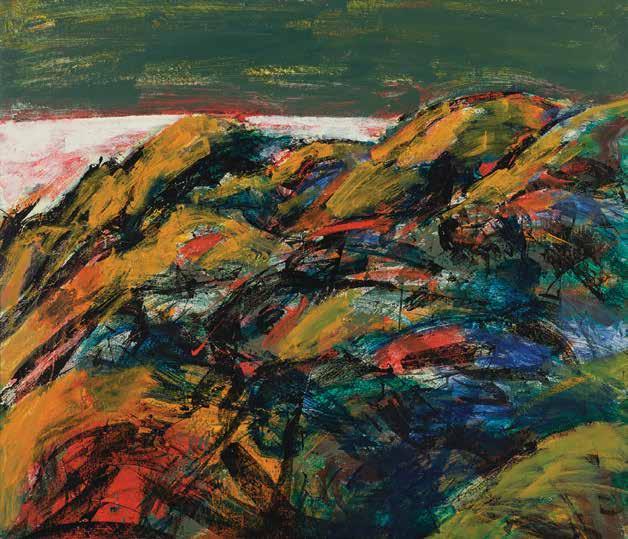
Signed & dated 1965
$6,000 - 10,000
PROVENANCE
Private Collection, Bay of Plenty
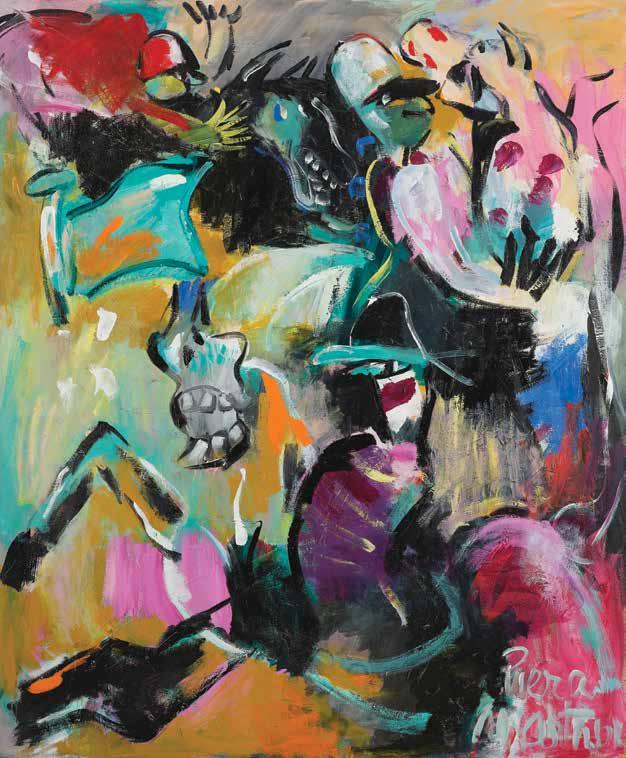
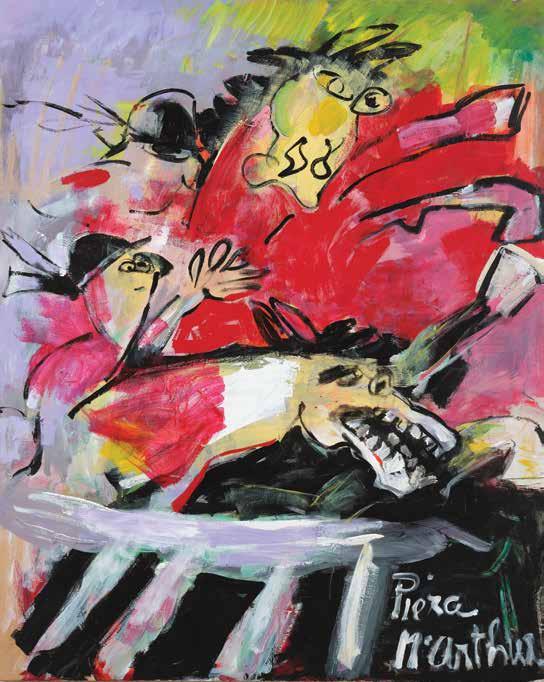
Signed
$12,000 - 16,000
Signed
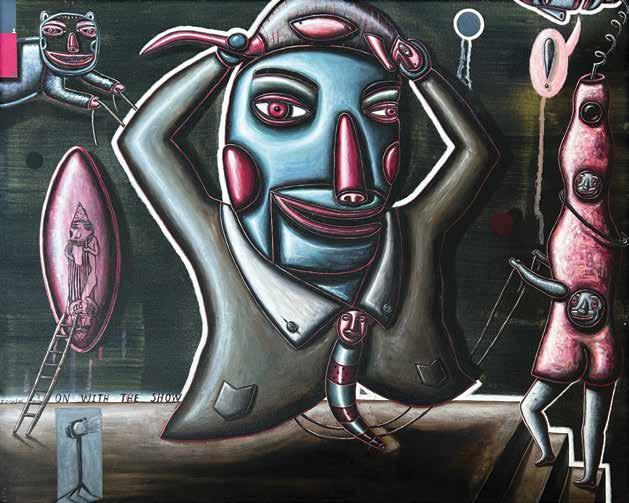
Encouraged by her artist mother Margo, Dolezel began making art when she was a toddler. Her career has been stellar: entering Elam in 1984 with the highest marks in the country and winning the Rosemary Grice award for painting while there. 1996 when this work was completed was a watershed year: she won the Paramount Award in the Wallace Art Awards as well as the Royal Overseas League’s 13th annual Open Exhibition in London. She was just 32 years old, but her life had also been marked by tragedy: the death of her artist brother in 1987, the year she graduated with her BFA.
A hint of that tragedy is in this work. Centre stage is a besuited jester, dancing across the dais, flanked by his attendants. The theme is human folly, but also resilience – keeping on with the show. She alludes to the process of going through challenges or devastating circumstances, and still being able to survive, maybe even thrive. She writes about this work: I began painting the dark background (the subtext for the action) then the central
large figure - ambiguously floating or skipping, with its arms raised - either triumphantly or willingly surrendering. As in medieval traditions the animal-hybrid form - here positioned as its hat - acts as a messenger from another world.
Unusually for this artist who usually rejoices in bright colours, this painting is a night scene, rendered on an intimate scale, and with the limited colour palette of one of her mezzotints which are admired for their intense tonal effects. Working without preparatory drawings in her paintings, her process is intuitive so that as one form dictates the next, a dynamic is created between them. Drawing on influences ranging from Tony Fomison to Hieronymus Bosch, and the narrative interactions in Giotto’s Arena Chapel frescoes, Dolezel is an artist who prefers to paint at night, free from distraction, and when the darkness brings its own magical inspiration.
Linda Tyler
90 JENNY DOLEZEL (b. 1964) On With The Show Oil on canvas 59.5 x 75
Signed & dated 1996
$15,000 - 20,000
PROVENANCE
Collection of ArtExplore
Purchased from Warwick Henderson Gallery
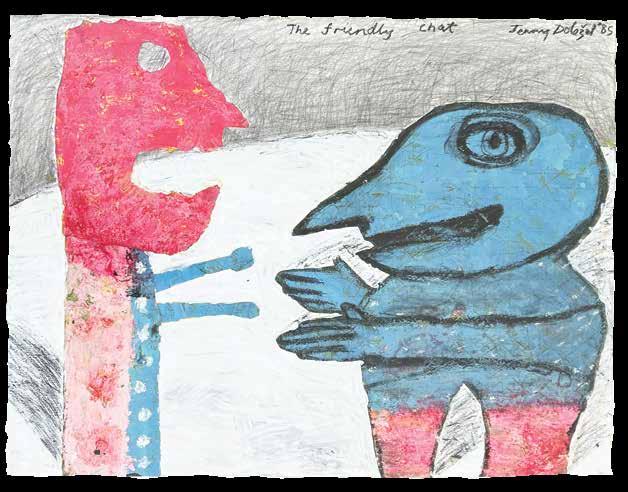
91 JENNY DOLEZEL (b. 1964) The Friendly Chat Pastel on paper 56 x 75
Signed, inscribed The Friendly Chat & dated 1983
$8,000 - 12,000
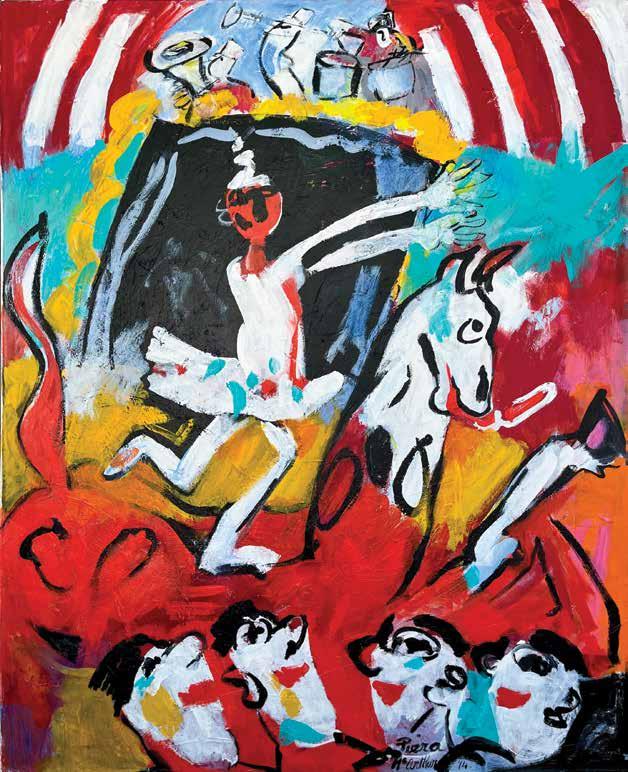
Equestrian Act, Moscow Circus
Acrylic on canvas 137 x 122
Signed & dated 2014
$10,000 - 15,000
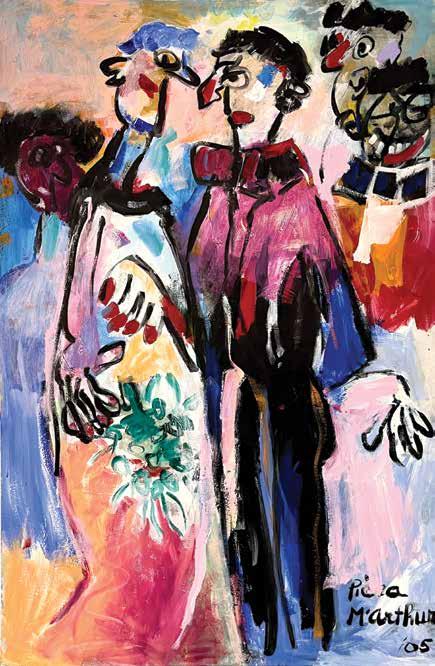
Bridal Party
Acrylic on canvas 130.5 x 91
Signed & dated 2005
$8,000 - 12,000
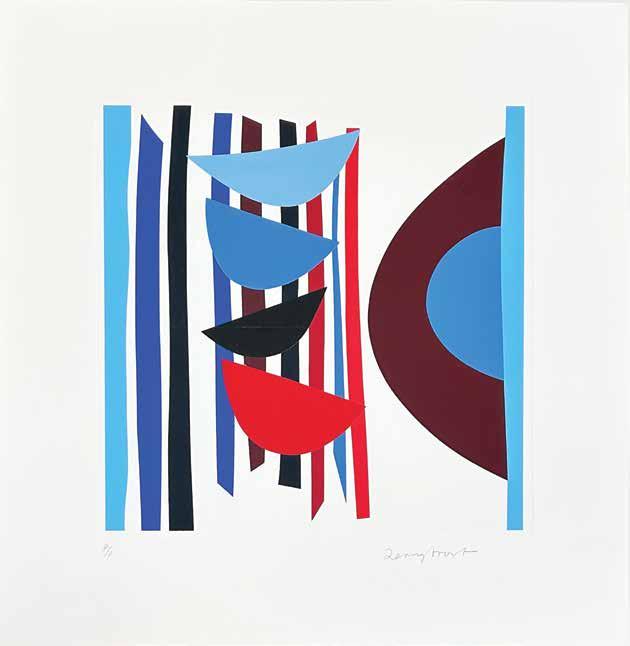
Silkscreen on paper with collage, edition P/P 37 x 36
Signed Terry Frost
$2,000 - 3,000
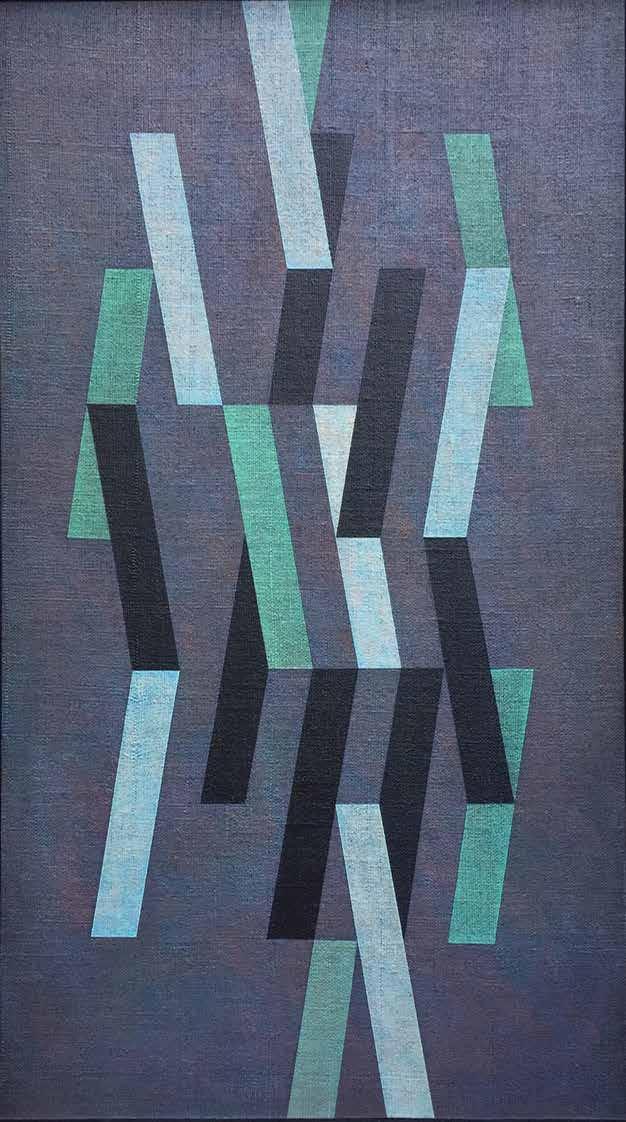
Acrylic on hessian laid on canvas 150 x 86
Signed verso & titled Oblique Series 2011 / 2012 - At Sixes & Sevens 2012
$12,000 - 15,000
96 DON DRIVER (1930 - 2011)
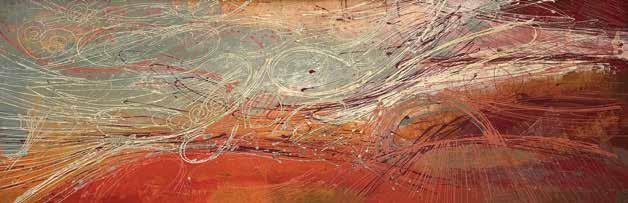
Untitled Oil on board 57 x 172
$4,000 - 6,000
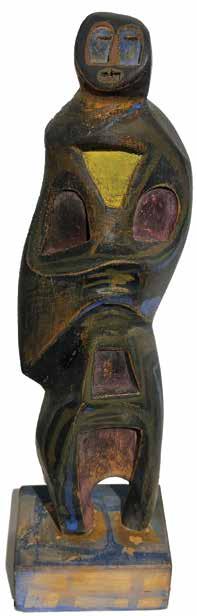
97 DON DRIVER (1930 - 2011)
Untitled Figure
Carved wooden sculpture 38 x 11
$3,000 - 5,000
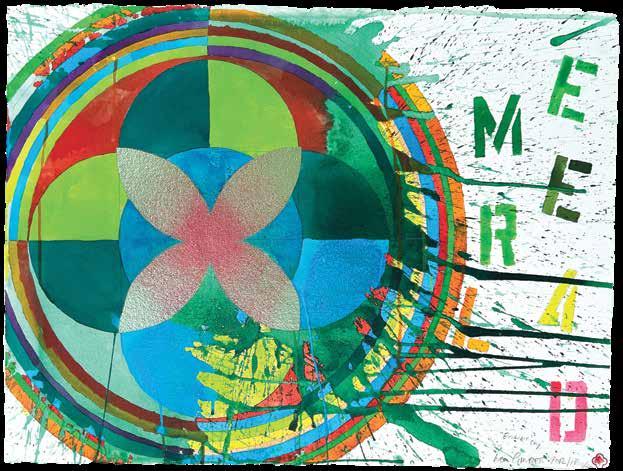
Pencil, ink, precious metal leaves/arches
aquarelle 100% cotton 400lb watercolour paper 56 x 76.5
Signed, inscribed & dated
2012/18/19/20
$8,000 - 12,000
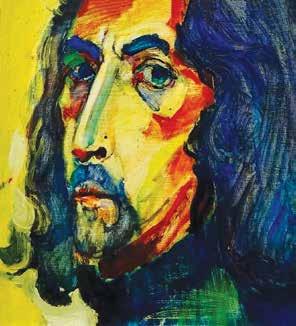
Self Portrait Oil on board 29 x 26
$4,000 - 6,000
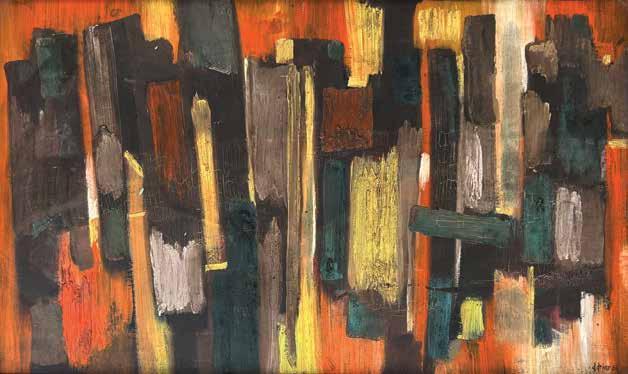
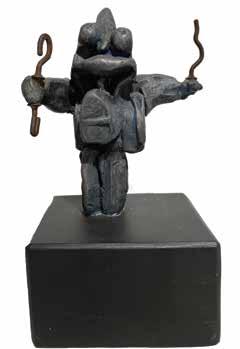
100 DON DRIVER (1930 - 2011)
Untitled
Oil on board 53 x 90
Signed & dated 1961
$4,000 - 6,000
101 DON DRIVER (1930 - 2011)
Untitled, Lead Sculpture
Lead & steal sculpture on wooden base 22 x 12
Signed
$2,000 - 3,000
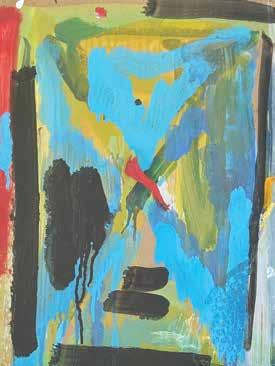
$3,500
$2,500
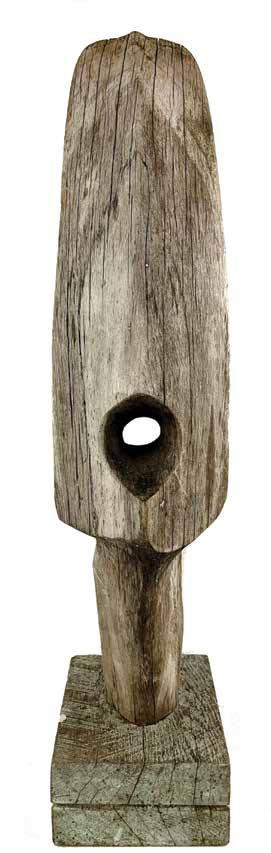
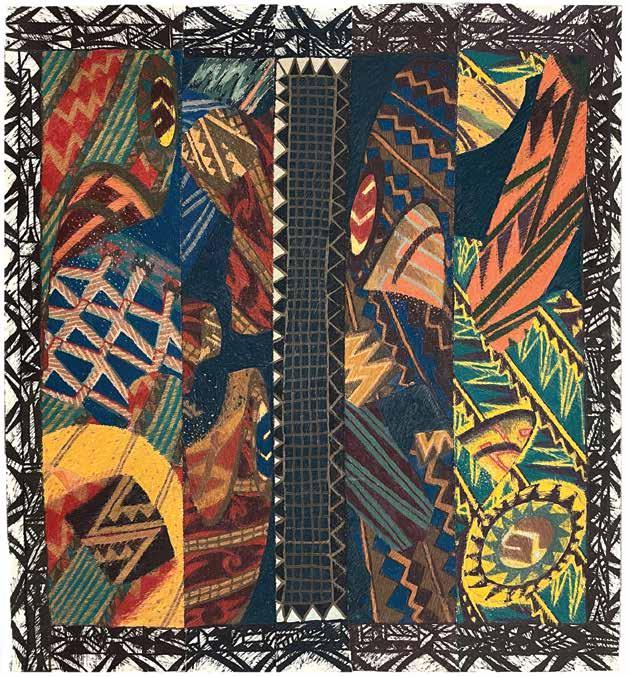
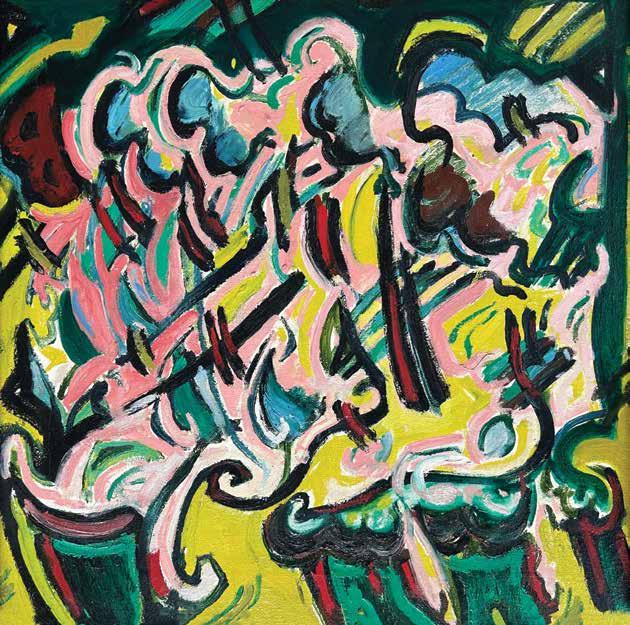
ALAN
Huia Series
Acrylic on canvas 181 x 171
Signed verso & dated 10/94
$8,000 - 12,000
(1929 - 2019)
Oil on canvas 43.5 x 43.5
Signed, inscribed & dated 1978 verso
$4,000 - 6,000
PROVENANCE
From the Collection of the Artist, by descent
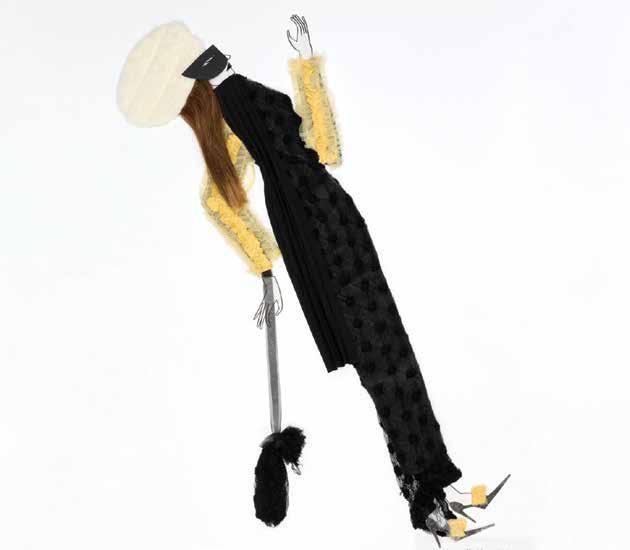
106 JACQUELINE FRASER (b. 1956)
<<KARL LAGERFELD>> Hold my hand, my Karl Lagerfelds make me go all slippy 29.02.2004
French ruffle lace, Italian bobble lace, faux fur, vylene stiffening, nylon hair, Swiss organza ribbon, polyester pleating 170 x 100
Signed & dated 2004
$15,000 - 20,000
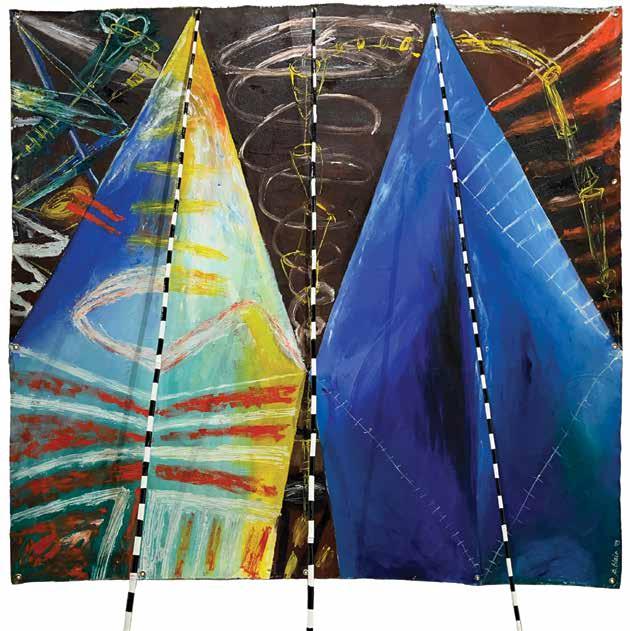
Untitled (1993)
Mixed media on loose canvas with wooden rods 171 x 176
Signed and dated ‘93 lower right
$8,000 - 12,000
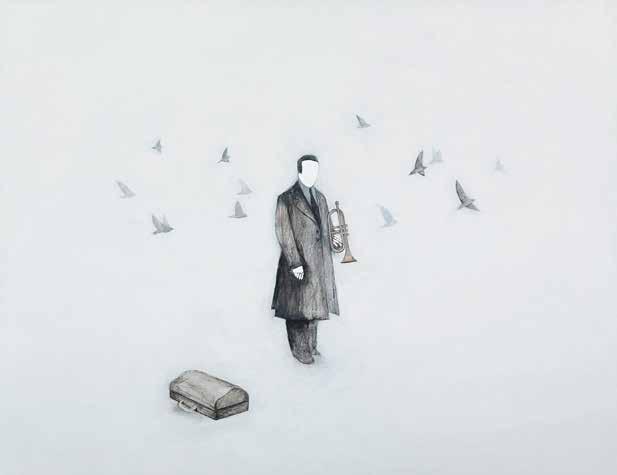
Acrylic on board 40.5 x 62
Signed, titled & dated verso
$2,000 - 4,000
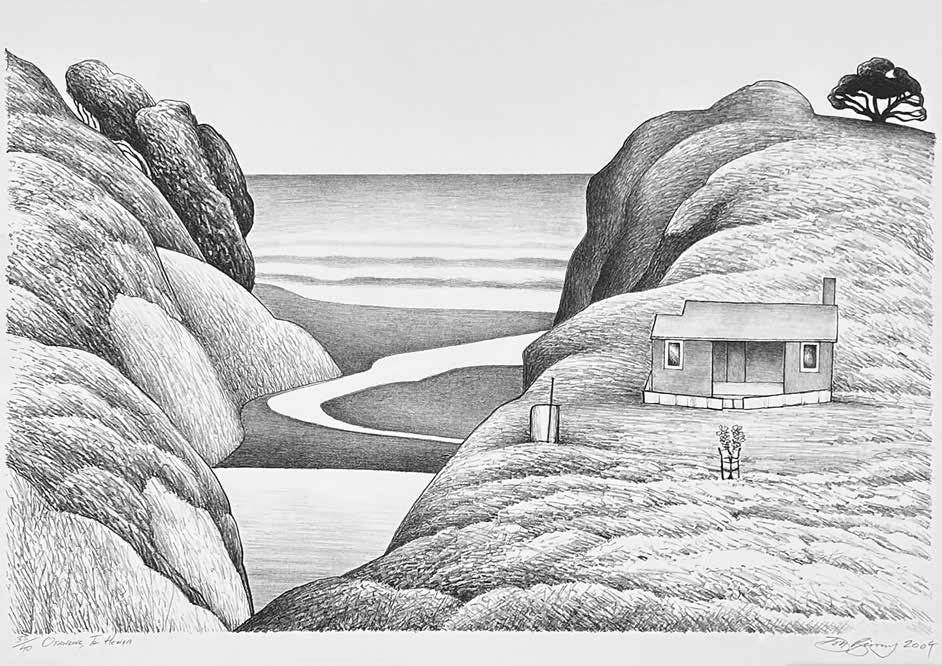
109
Otawewe, Te Henga
Lithograph, edition 33/40 50 x 61
Signed & dated 2004
$4,000 - 6,000
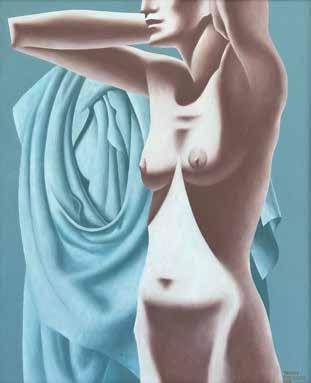
The Vortex Oil on board 55.5 x 45
Signed & dated 1979
$1,800 - 2,800
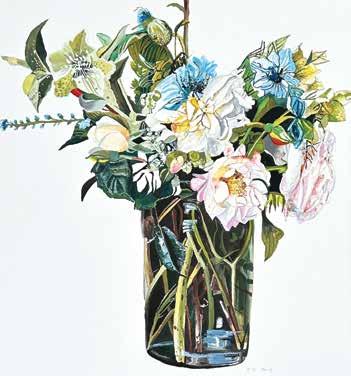
111 PAMELA WOLFE (b.1950)
Love in the Mist & Roses
Acrylic on paper 42 x 39
Signed & dated 2019
$2,500 - 4,500
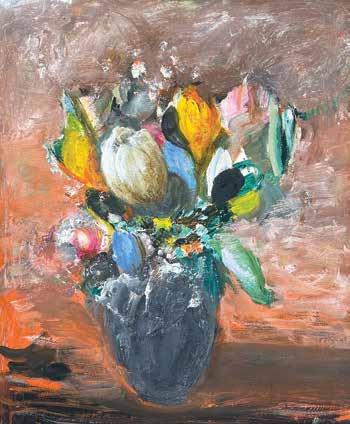
112 PATRICIA FRANCE (1911 - 95)
Flowers
Oil on board 54.5 x 45
Inscribed Flowers & dated 1988 verso
$4,000 - 6,000
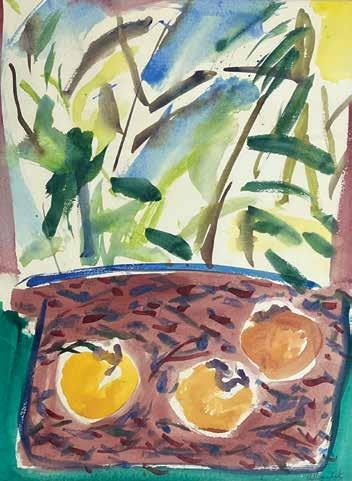
113 GRETCHEN ALBRECHT (b. 1943)
Persimmons on Cloth, 1969
Watercolour 53 x 39
Signed
$10,000 - 15,000
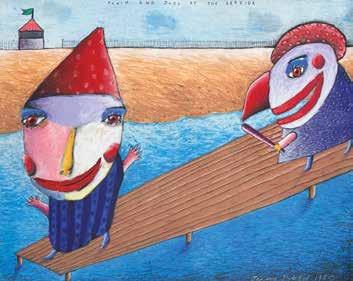
114 JENNY DOLEZEL (b. 1964)
Punch and Judy at the Seaside
Pastel on paper 42 x 52.5
Signed, inscribed Punch and Judy at the Seaside & dated 1985
$4,000 - 6,000
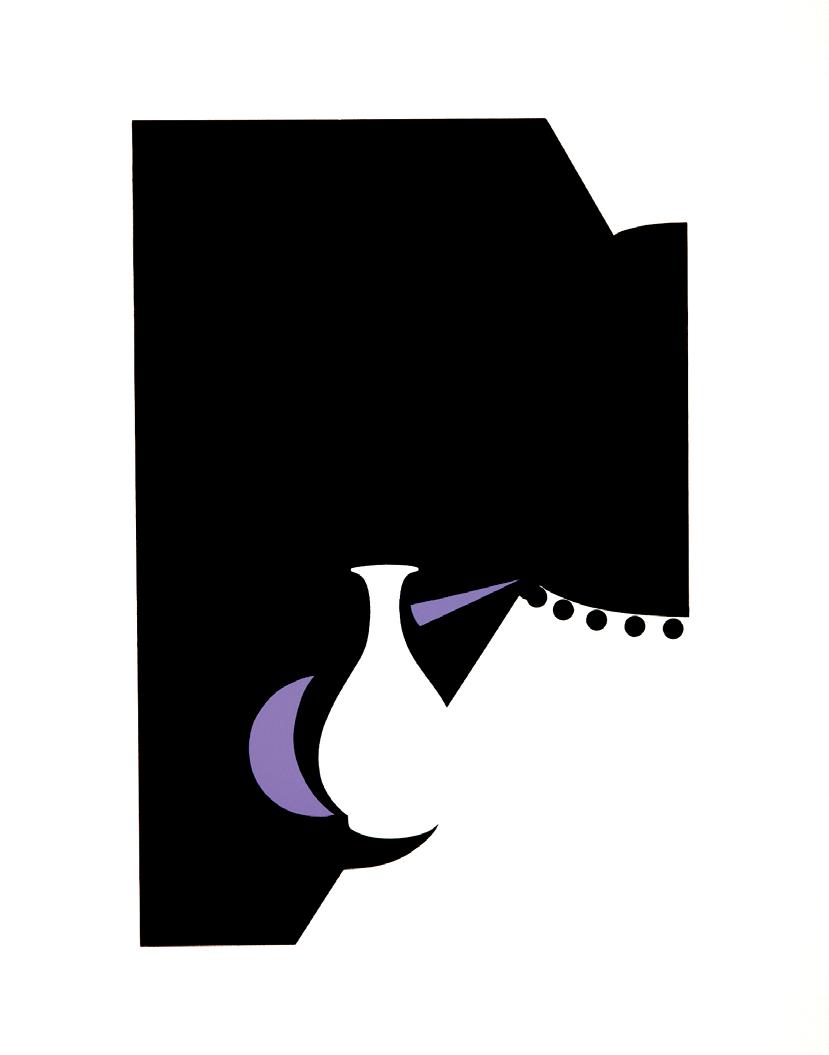
A Collection of Contemporary New Zealand Art & Modern British Prints
12 December 2023 Timed
9 Dec 2023–5 May 2024
23 Nov 2023 – 11 Feb 2024
New Zealand Portrait Gallery Te Pūkenga Whakaata

Supported by



Important & Rare Art auctions are the proven, preeminent sale category for major works of art offered for sale in New Zealand. These auctions take place three times annually. With the addition of the record $1.7 million paid for a C F Goldie in November 2021 sale, International Art Centre achieved the three highest art auction prices in New Zealand’s history. Due to an appreciative, and greatly valued clientele of nationwide and international buyers and sellers we look forward to breaking new ground.
The buzz generated by our Collectable Art auctions reflects the popularity of these sales: an event at which seasoned connoisseurs and budding collectors alike converge to appreciate one of the most eclectic and diverse offerings available to the market. Works span the vital period from mid-century modernism through to the cutting-edge of today’s Contemporary art in New Zealand. This sale category is an increasingly significant event in our auction calendar. Offering a number of lower-priced works from highly-sought after artists in print and edition form, as well as quality works from artists whose presence on the secondary market is just beginning to crystallise.
From time to time, the secondary market is fortunate enough to be exposed to one of those rare collections which transcends the value of its individual works of art, and stands to represent something iconic in its entirety. Our team is well-versed in the process of offering single-owner collections for sale, and take pride in the process of curating a single-owner sale when the opportunity arises. The strong networks we have established locally and internationally are reflected in some of the private collections which have been entrusted to us in recent years.
During the 2020 we stayed connected to our clients, keeping them close to our art. The time was spent productively, resulting in the development of our own online bidding platform and App, successfully auctioning works of art with no exhibition viewing, no printed catalogue, while using state-of-the-art technology. All transactions were contactless and we reduced our carbon footprint along the way. While the personal service, excitement and atmosphere of our famous live Parnell Road auctions remain and will continue to grow, the success of this online only platform has encouraged us to retain this as a permanent sale category.
auctions@artcntr.co.nz
+64 9 379 4010
6:00pm Tuesday 28 November 2023
I instruct International Art Centre to bid on my behalf for the following lots up to the prices indicated below. I understand my bids are to be executed at the lowest attainable price level. All bids are subject to Conditions of Sale printed in this catalogue.
REGISTRATION NUMBER
NAME
ADDRESS
TELEPHONE
We will allocate a bidding number if you don’t already have one
Signature ........................................................................................... / / 2023
I have read and understand the Conditions of Sale. International Art Centre offers this service to clients unable to attend sale and is not responsible for error or failure to execute bids.
Email to info@internationalartcentre.co.nz before 3pm day of sale
Alternatively, visit our website www.internationalartcentre.co.nz and place absentee bids online or our bidding platform to participate in the auction live and remotely https://auctions.internationalartcentre.
ALBRECHT G 21, 33, 113
ANGUS R 59
B
BANKSY 60
BALL M 2
BALOGHY G 15
BINNEY D 52, 109
BLAIR P 107
BROWN N 20, 24, 25
C
CHING R 64, 65, 66, 67
CUMMINGS V 78, 79 D
DALGARNO R 23
DOLEZEL J 90, 91, 114
DRIVER D 13, 96, 97, 100, 101, 103, E
EDGAR J 1, 2, 16
ELLIS R 2
F
FAHEY J 42, 43, 44
FEU’U F 11
FIELD I J 77
FRANCE P 112
FRASER J 106
FROST SIR T 94 G
GIBB J 58
GIMBLETT M 3, 98
GOLDIE C F 53, 54, 55, 56
GOOD R 95
HAMMOND B 46
HEMER A 28
HIGHT M 14
HODGKINS F 76
HOTERE R 45, 86
HOYTE JBC 57
IBELL A 108
KELLY F 62, 63
KERSTEN H 68
LELEISI’UAO A 10
MAAR D 69
MACDIARMID D 81, 82
MADDOX A 6, 102
MAUGHAN K 32, 34
MCARTHUR P 88, 89, 92, 93
MCCAHON C 47, 48, 49, 50, 51
MCINTYRE P 71, 75
MOFFITT T 22
MRKUSICH M 5
13 Fiona Pardington (detail)
NEVELSON L 70
NORBURY G W 80
PARDINGTON F 17, 18, 27, 29
PEARSON A 99, 105
SCOTT I 4, 30, 31
SMITHER M 35, 36, 37, 38, 39, 40, 41, 61, 87
STRINGER T 110
TIBBO T 7, 8, 9
TOLE C 83, 85
TOLE J 84
TRUSTTUM P 104
VAN DER VELDEN P 74
WALSH J 19, 26
WEEKS J 73
WOLFE P 111
The highest bidder shall be the buyer. In the event of any dispute as to the bidding in respect of any lot, that lot may be offered again at the discretion of the auctioneer whose decision shall be absolute and final.
The auctioneer has the right -
(i) to refuse any bid;
(ii) to advance the bidding at his absolute discretion;
(iii) to place a reserve on any lot;
(iv) to place a bid or bids on behalf of the seller;
(v) to withdraw any lot from sale;
(vi) to require a successful bidder to pay forthwith the whole or any part of the purchase price.
The auctioneer acts as the agent of the seller and neither he nor the seller shall be responsible for any defects or faults in any lot or for any errors of description or for genuineness or authenticity of any lot and no compensation shall be paid in respect of same.
From the time of lot being sold, such lot will be the responsibility of the buyer.
Successful bidders are required to pay for purchases immediately on completion of sale unless otherwise arranged.
All intending buyers are required to register for a bidding number prior to auction commencing. Subscribers can use their permanent bidding number. We reserve the right to ask for identification if you are a first time client of International Art Centre.
Each lot shall be paid for and removed at the buyers expense by no later than 4:00pm Friday 1 December 2023 unless otherwise arranged failing which the auctioneer and/or the seller shall have the right to forfeit any deposit paid by the buyer and to resell the lot either by public or private sale and any deficiency on costs of resale shall be borne by the defaulting buyer.
No lot may be collected whilst auction is in progress. Payment can also not be made until completion of auction.
When the auctioneer declares a lot ‘subject’ this means the bid is below the set reserve and is subject to vendor accepting, rejecting or negotiating the bid. International Art Centre will endeavour to make contact with the vendor immediately after sale or the following day. If the bid is accepted, the highest bidder is obligated to make purchase.
Estimates are provided for each entry and act as a guide only. They are prepared well in advance of sale and are subject to revision at any time. Estimates are based on hammer price and do not include buyers premium.
Absentee bidding arranged - please refer to absentee bidding in back of catalogue. Email to info@internationalartcentre. co.nz before 3pm day of sale. Please do not be offended if a member of our staff ask for your credit card details as security.
Absentee bids can also be left via our website to registered members. Our website www.internationalartcentre.co.nz acts as a useful auxiliary to the catalogue but we recommend inspection or a condition report prior to leaving a bid. Our staff will gladly supply you with a condition report on any lot.
Telephone bidding available to subscribers and registered bidders. There is no charge for this service.
PAYMENT FACILITIES
Eftpos: Available for transactions depending on your daily limit.
Bank deposits: Bank instructions on invoice if paying by direct debit. Quote the Lot number(s) purchased and surname as reference.
Credit cards: Visa and Mastercard with a 2% surcharge.
International Art Centre no longer accepts cheques.
PROTECTED OBJECTS ACT
Art objects over 50 years old made by an artist or maker born in or related to New Zealand may be protected New Zealand objects, and therefore require permission from the Ministry for Culture and Heritage in order to be exported. Applications for permission to export can be made at https://mch.govt.nz/ nz-identity-heritage/protected-objects/exporting
FREIGHT & PACKING
International Art Centre arrange door to door delivery both nationally and internationally. Please arrange insurance on your items prior to them leaving our premises. Uber deliveries within the wider Auckland area can also be arranged.
OTHER ENQUIRIES
Should you have any questions relating to the sale or if we can be of any other assistance please contact us during business hours on (09) 379 4010, Toll Free 0800 800 322 or email info@ internationalartcentre.co.nz
BUYERS PREMIUM
17.5% Buyers premium plus GST on premium applies to all lots. (Total buyers premium is 20.12% including GST)