APS Strategic Framework II.
1. 1.
The landscape character of Slovakia is shaped by a diverse structure of settlements, historical layers of urbanism and varied natural conditions. In order to preserve and support this wealth, targeted and well-thought-out spatial and strategic planning is essential, reflecting regional specifics and enabling the balanced development of settlements and the landscape with the aim of improving the quality of life and the environment, while also supporting sustainable economic growth. This goal can be achieved by establishing a clear urban development strategy that prioritises the inward development of settlements using internal spatial reserves and the protection, restoration and planning of the cultural landscape, while also meeting the needs of all social strata of the population by raising the standard of the built environment and strengthening the economic potential of the regions. A multidisciplinary approach is essential to ensure the balanced development of settlements and the landscape, combining the expertise of architects, urban planners, landscape and civil engineers, surveyors and cartographers, infrastructure experts, environmental specialists, sociologists and other disciplines. Effective planning and proposals for measures must be based on analyses that are only possible through systematic digital mapping and data management of settlement and landscape structures, enabling the monitoring and prediction of territorial development.
Landscape
The quality of the cultural landscape depends on the ability to sensitively guide its development so that it remains functionally balanced, ecologically stable and culturally legible. The development of this territory is perceived as a systematic and professionally managed process that integrates the protection of natural and cultural values into planning and decision-making.
The open countryside should primarily fulfil a productive, recreational and eco-stabilising function, and their balanced representation in land-use planning and utilisation is essential for its long-term sustainability. Preserving the natural and cultural values of the landscape – including ecological connectivity, biodiversity and water retention capacity – is key not only to maintaining the productive potential of the land, but also to minimising climate risks such as drought, flooding, torrential rainfall, wind storms and the formation of heat islands.
Natural cooling of the landscape through evapotranspiration, preservation of water retention capacity and protection of water resources
are essential factors for its long-term stability. It is equally important to prevent excessive (i.e. more than necessary) sealing of undeveloped land, which contributes to overheating of the area, loss of fertility and disruption of the natural water regime.
At the same time, it is necessary to actively support and develop the cultural landscape, which is the result of long-term natural processes and human activity. It connects settlement structures, forms of land use and landscaping, and represents an important part of our cultural heritage. Preserving its genius loci, historical context and regional specificities is essential for the sustainable development of the territory.
The diverse types of landscape are part of Slovakia’s national wealth and therefore require protection and systematic care by society as a whole. It is necessary to protect and develop the values of undeveloped land – to protect all agricultural land and all forest land in accordance with applicable legislation, with particular emphasis on the ability to adapt to climate change – not only in the interests of the current generation, but also as a basic prerequisite for the life of future generations. Measures aimed at adapting to and mitigating the effects of climate change must be assessed not only in terms of their effectiveness and innovativeness, but also in terms of the sustainable use of natural resources, especially strategic groundwater reserves. This should also be facilitated by spatial planning documentation – a landscape planning study, which should also be based on nature conservation documentation, namely management programmes, the Regional Spatial System of Ecological Stability (RSSES) and the Local Spatial System of Ecological Stability (LSSES). Effective landscape management requires the cooperation of all relevant ministries responsible for its planning, protection, mapping and management. At this level, it is crucial to involve experts – architects, urban planners, landscape architects and engineers, surveyors and cartographers, civil engineers and infrastructure experts – at both the state and local government levels. Only in this way can long-term and sustainable solutions for landscape development and protection be ensured. The Slovak Republic is also bound by international legal obligations, such as the Council of Europe’s Landscape Convention, which commits us to promoting landscape protection, management and planning and to organising European cooperation in this area.
Objective 1. 1. 1
Ensure the protection and development of the cultural landscape with the aim of preserving its genius loci, historical context, regional specificities and natural values.
Measure
1.1.1.1
Measure
1.1.1.2
Measure 1.1.1.3
Support the creation of more detailed, locally focused landscape planning studies that respect the specific identity of the territory and build on the landscape planning studies (LPS) at the regional level.
Use landscape planning studies in the decision-making processes of public administration, especially ministries responsible for the protection of natural values, cultural and historical values and the sustainable economic use of the landscape.
Support consistent coordination of processes and data between land consolidation and spatial planning in accordance with applicable legislation, with the aim of increasing their practical synergy in the effective use of the landscape.
Strengthen coordination between the process of selecting cadastral areas for land consolidation and spatial planning, with the aim of harmonising land consolidation priorities with the needs of spatial development and climate adaptation, in cooperation with the Ministry of Agriculture and Rural Development of the Slovak Republic (MoARD SR) and within the applicable legislative framework.
Objective 1. 1. 2
Implement effective adaptation and regeneration measures in the countryside to increase its resilience to climate change and ensure ecological stability.
Measure
1.1.2.1
Measure 1.1.2.2
Measure 1.1.2.3
Measure 1.1.2.4
Intensify cooperation at the institutional level between key ministries responsible for planning, protection, creation and management of the landscape, including built-up areas.
Analyse and amend legislation in the field of agriculture and forestry so that the measures set out in spatial planning documents for the implementation of adaptation and regeneration measures in the landscape are applied.
Integrate nature-based solutions into the planning, design and construction of settlement structures, transport and technical infrastructure in order to create a healthier and better quality environment for people to live in.
Support the implementation of adaptation measures in the countryside and settlements and give priority to nature-based solutions to protect the countryside from erosion, floods, landslides, drought and extreme weather events.
1. 2.
Settlements
Improving the quality of the built environment is seen as a way to create an inclusive, healthy and sustainable living environment that responds to demographic, spatial and climate challenges
Liveable settlements must be inclusive, resilient and sustainable, actively contributing to the solution of the climate crisis while providing a healthy and safe environment for their inhabitants (World Cities Report 2024, UN Habitat). Effective management of settlement development in line with landscape protection and sustainable mobility requires controlling their expansion and preventing suburbanisation and landscape fragmentation. At the same time, it is necessary to strengthen the quality of the settlement environment, its internal development potential and long-term sustainability. In the context of Slovakia’s diverse settlement structure, it is necessary to support development outside the main development axes and ensure that each type of settlement fulfils its functional role within the region. Viable settlements that are attractive to all age groups must be equipped with adequate infrastructure, including drinking water supply, sewerage, energy and communication networks, transport links and
high-quality public spaces. The spatial layout of settlements and their agglomerations has a significant impact on economic sustainability – it affects the costs of construction, operation and maintenance of transport and technical infrastructure, commuting distances and space requirements for static transport. It is therefore desirable to build compact settlements with a polycentric layout and to make effective use of existing land reserves, such as brownfields. It is also necessary to limit the construction of monofunctional structures (including suburban ones) that do not respect the spatial hierarchy, cultural and historical context, regional specifics, identity of the territory and do not have sufficient facilities.
Objective 1. 2. 1
Ensure sustainable development of settlements through the effective use of internal reserves and mitigation of the negative impacts of suburbanisation.
Measure 1.2.1.1
Measure 1.2.1.2
Measure 1.2.1.3
Measure 1.2.1.4
Measure 1.2.1.5
Develop a methodology for the sustainable expansion of settlements and their internal development, which will set detailed target values for spatial planning regulations.
Support the development of compact urban structures with access to services, job opportunities and amenities within walking or cycling distance.
Introduce systematic monitoring of built-up area development and construction in order to verify compliance with the capacity limits set out in spatial planning documentation, update the digital image of the landscape and minimise construction interventions in the open countryside.
Support the revitalisation and reuse of neglected areas in settlements (so-called brownfields, degenerated areas and areas with light environmental burdens) through the introduction of subsidy mechanisms for project preparation and infrastructure completion.
Analyse the suitability of legislative amendments to the rules for cooperation between spatial planning authorities and developers (or owners of public infrastructure) in the form of planning agreements, the content of which will define the obligations of the contracting parties aimed at fulfilling the objectives of spatial planning, as well as the rules for reviewing agreements.
Objective 1. 2. 2
Increase the viability, economic competitiveness and attractiveness of settlements outside the main development axes.
Measure 1.2.2.1
Strengthen cooperation between small settlements and micro-regions through coordinated spatial planning, infrastructure development and support for cultural and community projects.
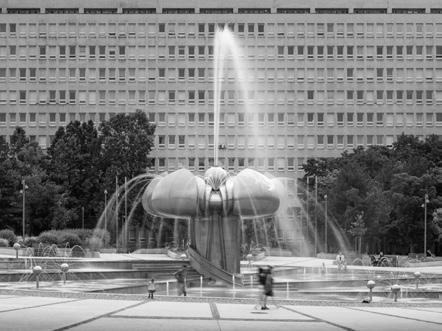
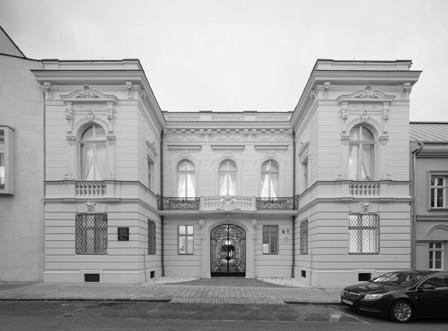
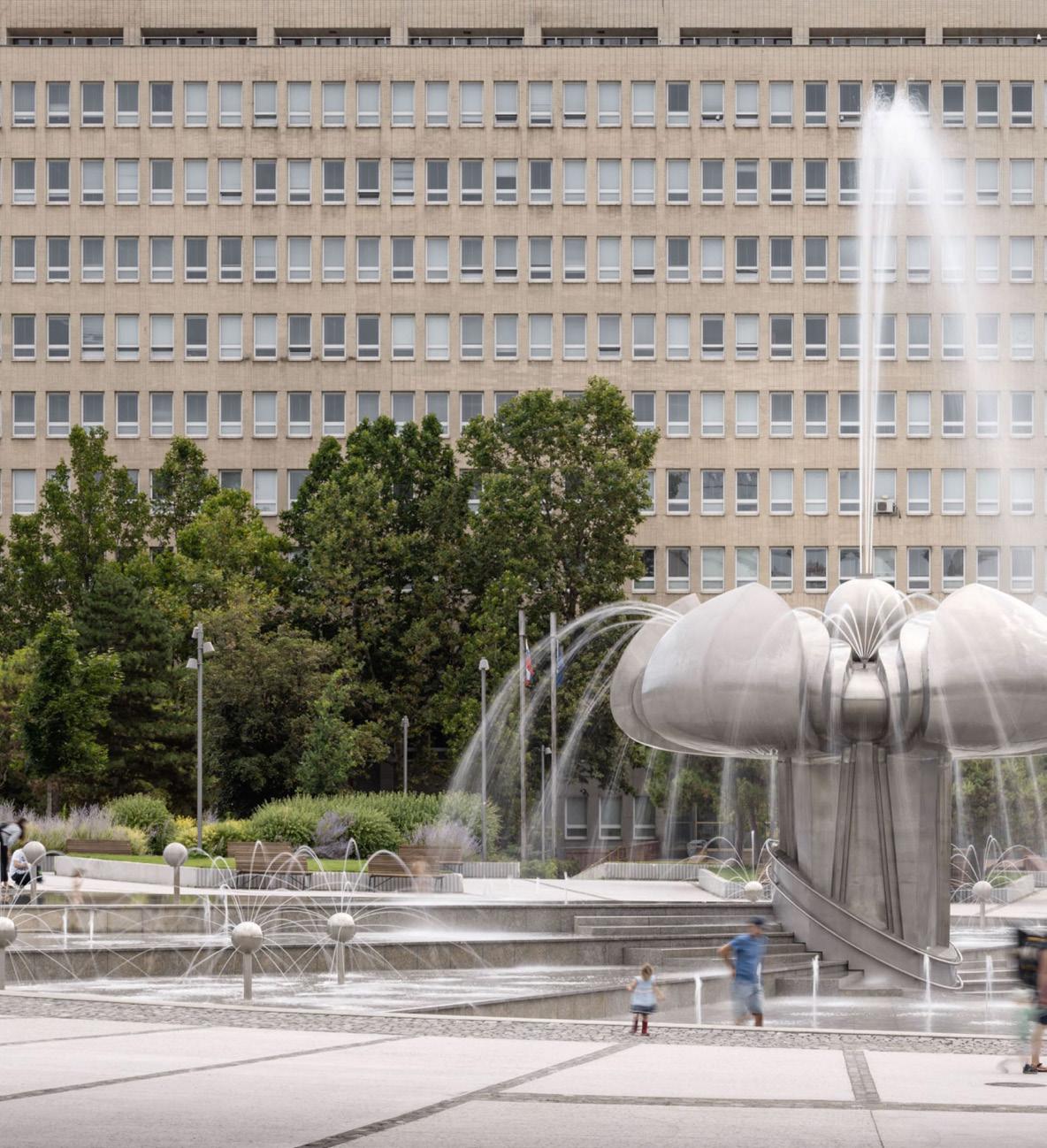
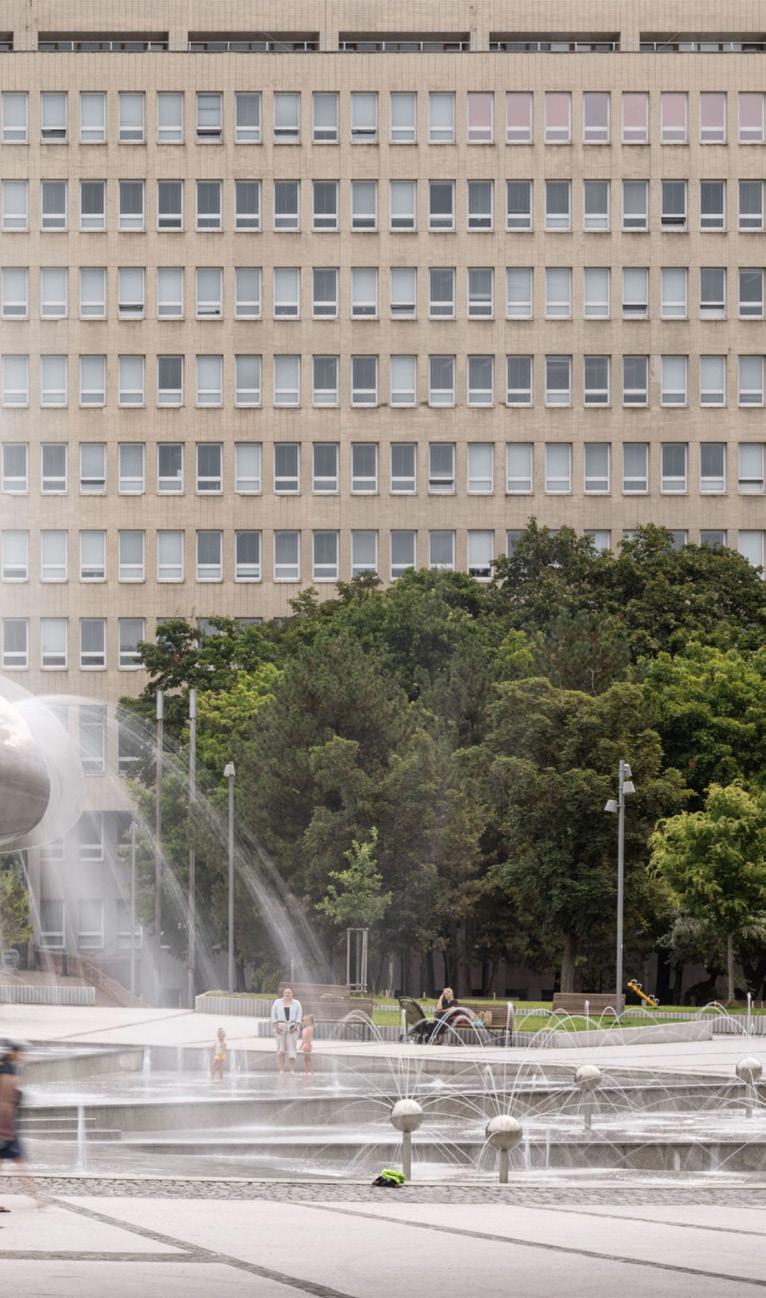
The First Phase of the Revitalization of Freedom Square in Bratislava
Location: Bratislava
The project is the result of the competition "Revitalization of Freedom Square in Bratislava" (2017) CE ZA AR 2024 nomination in the Exterior category
Completion: 2023
Photo © Matej Hakár
Studio: 2021 s.r.o., Landscape Architecture Laboratory
Architecture: Peter Lényi, Ondrej Marko, Marián Lucký, Michaela Lőrinczová, Jana Smolíková, Lenka Borecká, Dorota Volfová, Michal Marcinov, Andrej Morávek, Matúš Antolík, Miroslava Daňová, Monika Bočková, Dominika Štrbíková, Magdaléna Mikundová, Katarína Stanislavová
Others: Stanislav Režný (co-author of the fountain reconstruction and author of the technical solution), Boris Belan (metal structure designer), K. Lacko (original designer of the square and original designer of the fountain—sculptor), T. Bártfay (original designer of the square—sculptor), V. Droppa Sr. (original designer of the square and original designer of the fountain – architect), J. Hlavica (original designer of the square and original designer of the fountain – architect)
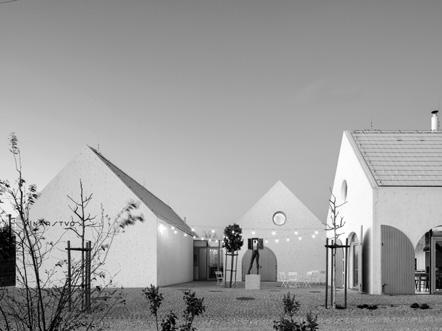
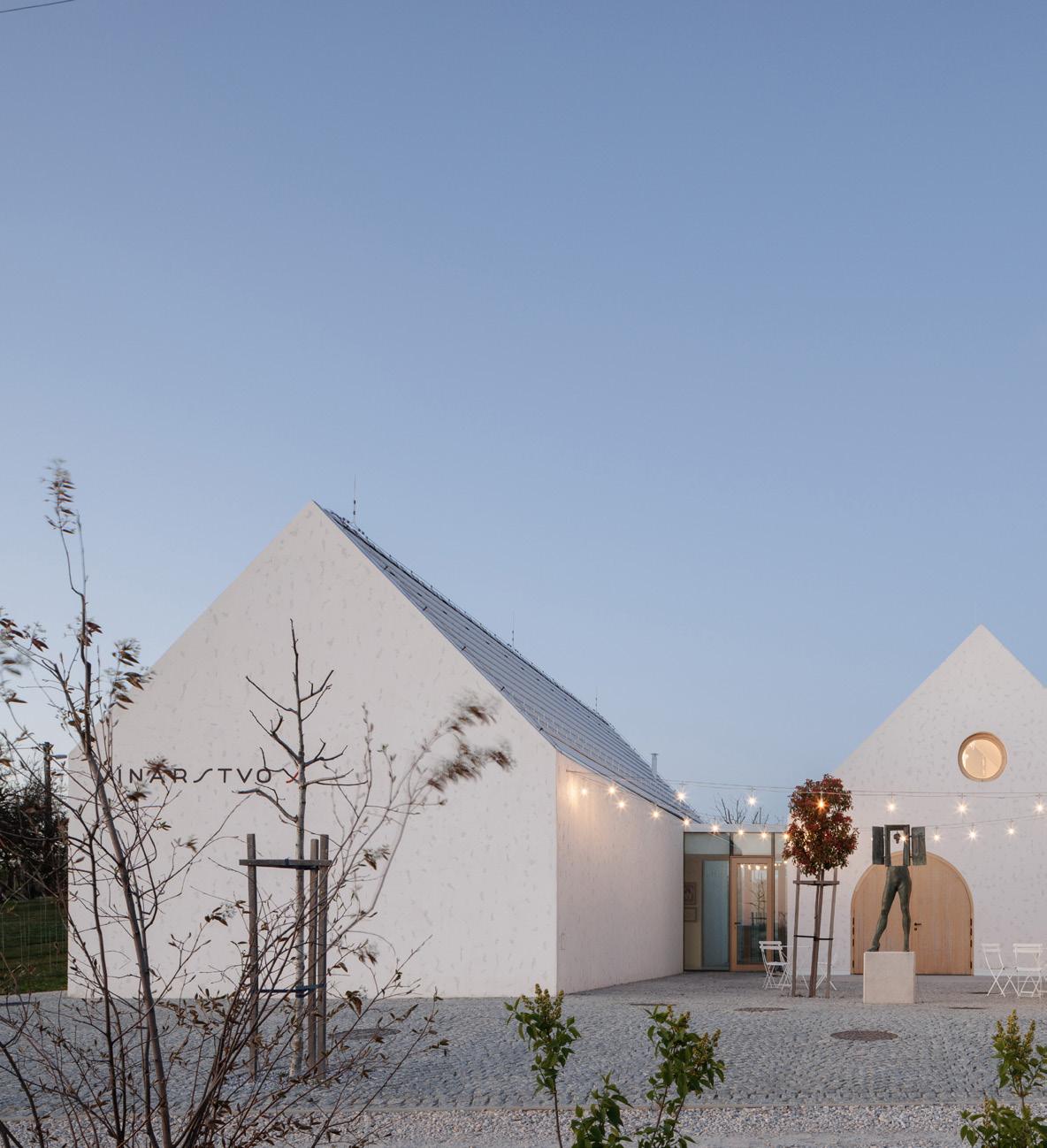
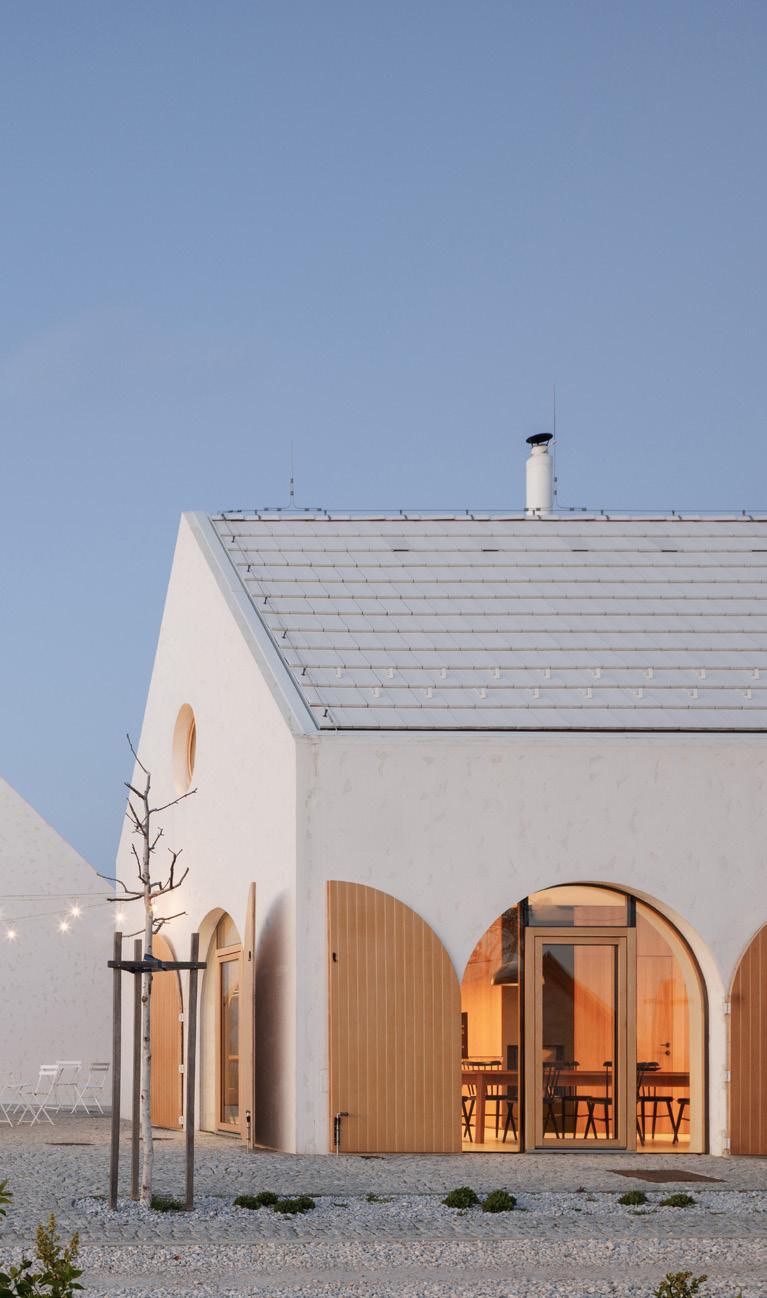
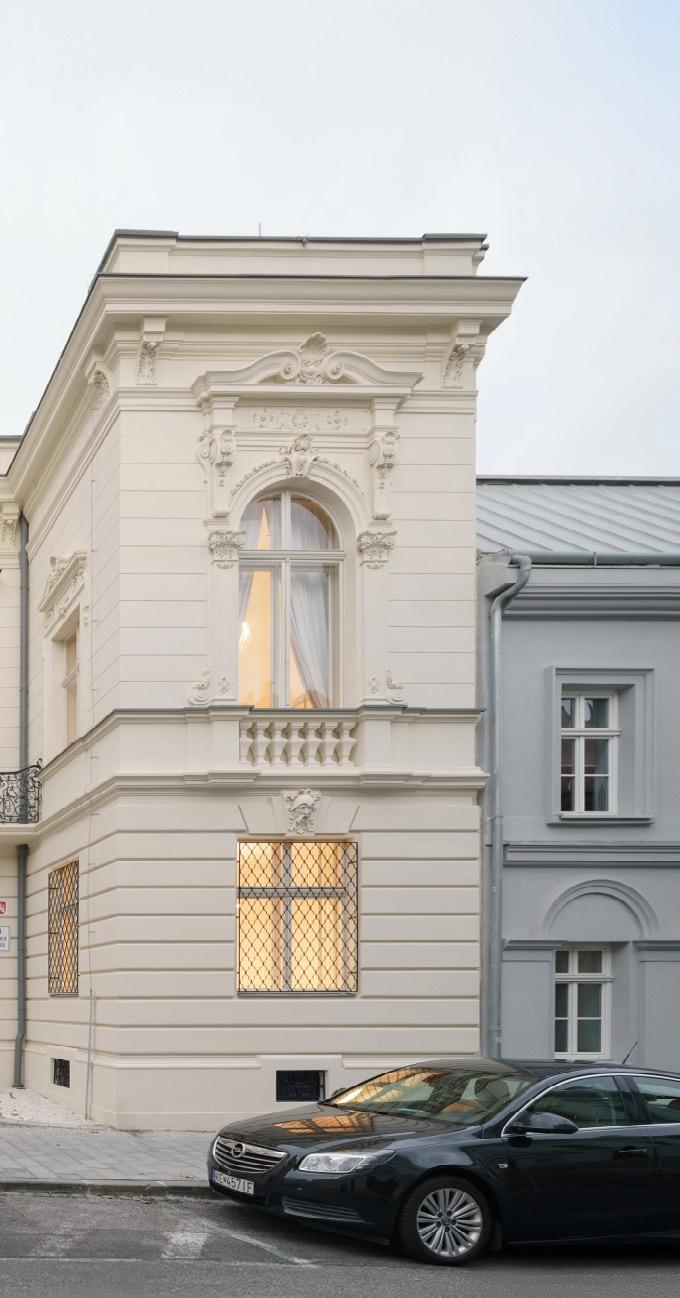
Winery S Strekov Realized through an invited design competition (competition not certified by SKA) Winner of the CE ZA AR 2025 award in the Civil and Industrial Buildings category
Location: Strekov Completion: 2024
Photo © Matej Hakár
Studio: What architects.
Architecture: Tomáš Krištek, Ondrej Kurek, Michal Krcho
1. 3. Environmental and social resilience
Resilient and inclusive settlements are created through the thoughtful interconnection of climate measures, green infrastructure and spatial planning that takes into account and balances public and private interests.
High-quality settlements must integrate social, cultural, economic and environmental aspects, while promoting social diversity and an inclusive environment. Municipalities with marginalised Roma communities face particular challenges in this regard. When planning their spatial development, it is necessary to proceed systematically and consistently, with the aim of integrating and improving the quality of life for all residents. The key is the availability of basic transport and technical infrastructure and facilities, and support for the development of adequate housing and public spaces. Urban policy must offer targeted solutions for segregated localities, prevent the emergence of new ones and strive to create decent living conditions for all social groups in both urban and rural environments. Although the built-up environment accounts for only about 5% of the territory of the Slovak Republic, the application of adaptation measures in settlements and their surroundings is of great importance given their vulnerability and limited spatial capacity. Measures to increase resilience, mitigate the negative impacts of climate change and biodiversity loss are essential, in particular passive protection against overheating, water retention solutions (so-called sponge cities), vegetation areas, green roofs and others, thereby contributing to a health-promoting environment for residents. In this way, the measures strengthen the climate resilience of settlements, which consists in their ability to reduce their vulnerability to climate risks and maintain the functionality of the environment even in extreme weather conditions. Green infrastructure and environmental regulations must become an integral part of urban planning. Sustainable settlements cannot do without measures to reduce greenhouse gas emissions and the overall carbon footprint of built-up areas, such as low-emission and energy-plus neighbourhoods, sustainable mobility with support for public transport, walking and cycling, the use of renewable energy sources, etc.
Objective 1. 3. 1
Support the implementation and monitor the effectiveness of climate change mitigation and adaptation measures in settlements.
Measure 1.3.1.1
Ensure the effective integration of green infrastructure into spatial planning and construction in order to increase the landscape and architectural quality and resilience of construction and reduce its negative impact on nature and the landscape.
Objective 1. 3. 2
Create a legislative and financial framework for targeted solutions to the negative situation of segregated localities, prevent the emergence of new ones and create decent living conditions for all social groups in both urban and rural environments.
Measure 1.3.2.1
Integrate spatial planning and regional development tools into solutions for eliminating segregation.
Measure 1.3.2.2
Measure 1.3.2.3
Measure 1.3.2.4
Measure 1.3.2.5
Prepare methodological guidelines for spatial planning documentation developers on how to leverage planning instruments to effectively reduce segregation, prevent the formation of socially excluded areas, and promote the integration of marginalized groups.
Improve the capacity of local authorities in the area of inclusive spatial planning.
Create a mediation and participation manual for municipalities with marginalised communities.
Create a system of financial support for the comprehensive revitalisation of public spaces and improving the accessibility of technical infrastructure in marginalised Roma communities.
2. Buildings and places
New construction, the creation of public spaces and the adaptation of existing buildings, including tangible cultural heritage, must be guided by the principles of high-quality Baukultur (Davos Declaration, 2018). Its main objective is to create and preserve a sustainable, aesthetically valuable environment with high user quality that meets the economic, social and psychological needs of the population.
An emphasis on high standards in architectural design and construction is key to the creation of aesthetically, functionally and technologically advanced buildings that take into account innovative solutions and principles of sustainability. However, architecture cannot be perceived merely as a collection of isolated objects, but as an integral part of a broader urban and landscape context.
2.1
Quality of buildings
The quality of buildings means their ability to fulfil their function in the long term, respect the environment and bring aesthetic and social value. Their renovation and reuse preserves cultural values and reduces the ecological burden.
Every new building should contribute to the environment into which it is inserted. It should bring new added value, while respecting the character of the place, historical layers, urban structure, scale and functional relationships in the surrounding area. It should also enrich the public space.
In order for buildings to maintain their quality and functionality throughout their life cycle, they must be designed and constructed with an emphasis on durability, energy efficiency, safety, the durability of the
materials used, innovative technologies and spatial flexibility, which will allow them to adapt to changing needs over time. The concept of economy is often mistakenly confused with minimising input costs. However, the true cost of a building is based on its life-cycle costs, including operation, maintenance, renovation and, ultimately, demolition. The adaptation and regeneration of high-quality buildings from the past should take precedence over their demolition and new construction (New European Bauhaus). This approach not only preserves our material culture, but also saves a large amount of embodied energy and material resources, thereby supporting the principles of the circular economy. Mitigation measures that reduce the negative impact of construction on the climate include the use of renewable and low-carbon materials, the preference for local sources, and the recycling of materials and structures, thereby minimising emissions from their production and transport.
Good architecture must ensure a healthy, comfortable and productive environment in both new and adapted buildings. A suitable indoor environment – including thermal, visual and acoustic comfort, adequate air exchange, clean water and the absence of harmful substances –improves quality of life, increases productivity, reduces health risks and lowers energy costs. Public buildings must comply with universal design principles and promote healthy lifestyles.
Objective 2. 1. 1
Introduce systemic measures to support high-quality architecture that reflects the physical and psychological needs of users and preserves and enhances the cultural and natural values of the environment.
Measure
2.1.1.1
Measure
2.1.1.2
Measure
2.1.1.3
When designing and constructing buildings, place greater emphasis on long-term construction quality that reflects functional diversity, adaptive capacity and harmonious spatial relationships in the area.
Include quality and sustainability parameters in public policies, public procurement and development projects through relevant methodological guidelines.
Improve the quality of construction in rural areas by creating a training system for local authorities, designers and builders focused on sustainable development, preserving the identity of rural settlements and creating architecture that respects local cultural and natural values.
Cieľ 2. 1. 2
Prioritise the regeneration, extension of the life cycle and reuse of existing buildings over demolition and new construction.
Measure
2.1.2.1
Analyse the possibilities of legislative and financial instruments to support the prioritisation of the reconstruction and adaptation of older existing buildings over new construction, including the simplification of processes for changing functional use.
Measure 2.1.2.2
Analyse and update standards and technical regulations (lighting, static transport, fire and hygiene regulations) and identify barriers to the adaptation of buildings without disproportionate costs while maintaining requirements for a healthy and safe environment.
Objective 2. 1. 3
Improve the quality of construction and renovation of buildings with an emphasis on their life cycle, energy efficiency and reduction of greenhouse gas emissions.
Measure 2.1.3.1
When designing buildings, take into account the end of life cycle in terms of the secondary use of materials and building elements. Analyse and propose a circular economy system in construction at the national level. Design new buildings with a view to possible future changes in use.
2.2 Public space
Public spaces are considered the foundation of resilient and vibrant communities. These spaces can be cultivated through the use of various forms of art and design, which increase their value and strengthen residents' relationship with their environment. The key to success is cooperation between experts from various fields and the community that actively uses the public space.
Public space is a fundamental element of a high-quality urban environment. Its main function is to provide a safe, inclusive and stimulating environment that promotes social interaction, movement and a healthy lifestyle. Attractive, barrier-free and interconnected streets, open spaces, squares and parks fulfil not only a communicative but also a cultural and social function, creating a basis for building residents’ relationship with their environment and enabling the involvement of all social and age groups. Various forms of art and high-quality design play an irreplaceable role in the process of cultivating public space and its users.
Lively public spaces are the key to vibrant and resilient communities and cities. When creating them, it is necessary to take into account the needs of their users, demographic and technological developments, the specific natural conditions of the region and adaptation to climate change. An important factor is the permeability of urban structures, the logical connection of public spaces and the provision of barrier-free movement. It is therefore essential that experts from various fields –urban planners, architects, landscape architects, transport engineers, urban ecologists, environmental planners, sociologists – and the community itself, which will use these spaces, come together in the design and implementation of public spaces. Public spaces are often the only place in settlements where green infrastructure and adaptation measures can be implemented to help mitigate the negative effects of climate change and biodiversity loss through nature-based solutions.
Objective 2. 2. 1
Improve the availability, accessibility and connectivity of public spaces with an emphasis on their aesthetics, durability, functionality and safety.
Measure 2.2.1.1
Objective 2. 2. 2
Develop local manuals for the design, adaptation and management of public spaces and public buildings to ensure their universal accessibility, aesthetic quality, climate resilience and long-term sustainability.
Measure
2.2.2.1
Measure 2.2.2.2
Measure 2.2.2.3
Cultivate public spaces through visual art, artistic interventions, and cultural projects.
Develop a methodology for assessing the social and economic benefits of artistic and cultural interventions in public construction projects.
Create a system for the protection, documentation and restoration of existing works of art in public spaces.
Enhance public spaces through works of applied art, innovative design products, art installations and multi-genre art projects in which the public is actively involved.
2.3 Housing
The quality of housing is perceived as the creation of living conditions for all population groups, with an emphasis on sustainability, aesthetics and social cohesion.
Housing is a fundamental prerequisite for a good quality of life and must therefore be affordable, safe and decent for all social groups(New Leipzig Charter). It is essential to support measures in the field of spatial planning and construction that will lead to increased housing affordability. Particular attention must be paid to vulnerable groups such as low-income households, senior citizens, young families, single-parent households, people with disabilities and others.
The quality of housing is closely linked to architecture, which plays a key role not only in designing functional, aesthetic and durable residential buildings, but also in shaping the living environment. Well-designed living spaces contribute not only to the physical and mental health of the population, but also to community development and overall sustainability. One of the main challenges is to eliminate substandard and inadequate housing conditions. It is also necessary to use spatial planning to support the provision of basic hygienic and social housing conditions for all communities and to prevent spatial segregation, thereby strengthening social cohesion and the long-term stability of settlements. When addressing housing issues, it is also important to take into account the challenges associated with the ageing housing stock, its energy efficiency and climate resilience. A large proportion of flats in Slovakia were built as part of the construction of prefabricated housing estates, which are undergoing gradual renovation, but it is also appropriate to consider their comprehensive renovation, including amenities and public spaces.
Objective 2. 3. 1
Measure 2.3.1.1
Improve the architectural quality and flexibility of affordable housing.
Develop an evaluation matrix of New European Bauhaus criteria for projects financed by European Structural and Investment Funds, which will enable their transparent implementation in public procurement and in the evaluation of these projects.
Objective 2. 3. 2
Introduce support measures to eliminate substandard and inadequate housing conditions, especially in segregated communities.
Measure
2.3.2.1
Measure 2.3.2.2
Revitalise the residential environment in disadvantaged and excluded localities with an emphasis on architectural quality and public space.
Address inadequate housing conditions in marginalised communities through architecturally high-quality and integrated new housing projects.
Objective 2. 3. 3
Identify and address challenges related to the ageing and technical wear and tear of houses and flats, especially in prefabricated housing estates.
Measure 2.3.3.1
Prepare manuals and methodological materials focused on comprehensive solutions to the challenges of prefabricated housing estates, including worn-out infrastructure, degradation of public spaces and monofunctional housing.
2.4 Cultural heritage
High-quality appreciation of cultural heritage is understood as the active integration of the architectural and urban values of the past into the creation of a sustainable and inclusive environment today. Cultural heritage ceases to be merely a preserved artefact and becomes a living part of society and a source of its economic and social prosperity.
Tangible cultural heritage – architecture, urban structures and cultural landscapes – is an irreplaceable part of national wealth and an important tool for building cultural identity. The good condition of historic buildings is not only a matter of aesthetics, but also of sustainable development of cities and regions, as well-restored and renovated historic buildings bring economic, environmental and social benefits.
One of the main challenges in the field of cultural heritage protection is insufficient funding for restoration, which leads to the deterioration of many historic buildings and the disruption of traditional settlement structures. It is necessary to support and develop the existing system of protection, financing and use of historic buildings in order to ensure that their value is preserved for future generations.
The restoration of historic buildings must be systematically linked to the urban development of towns and villages, and it is essential to sensitively integrate new buildings into
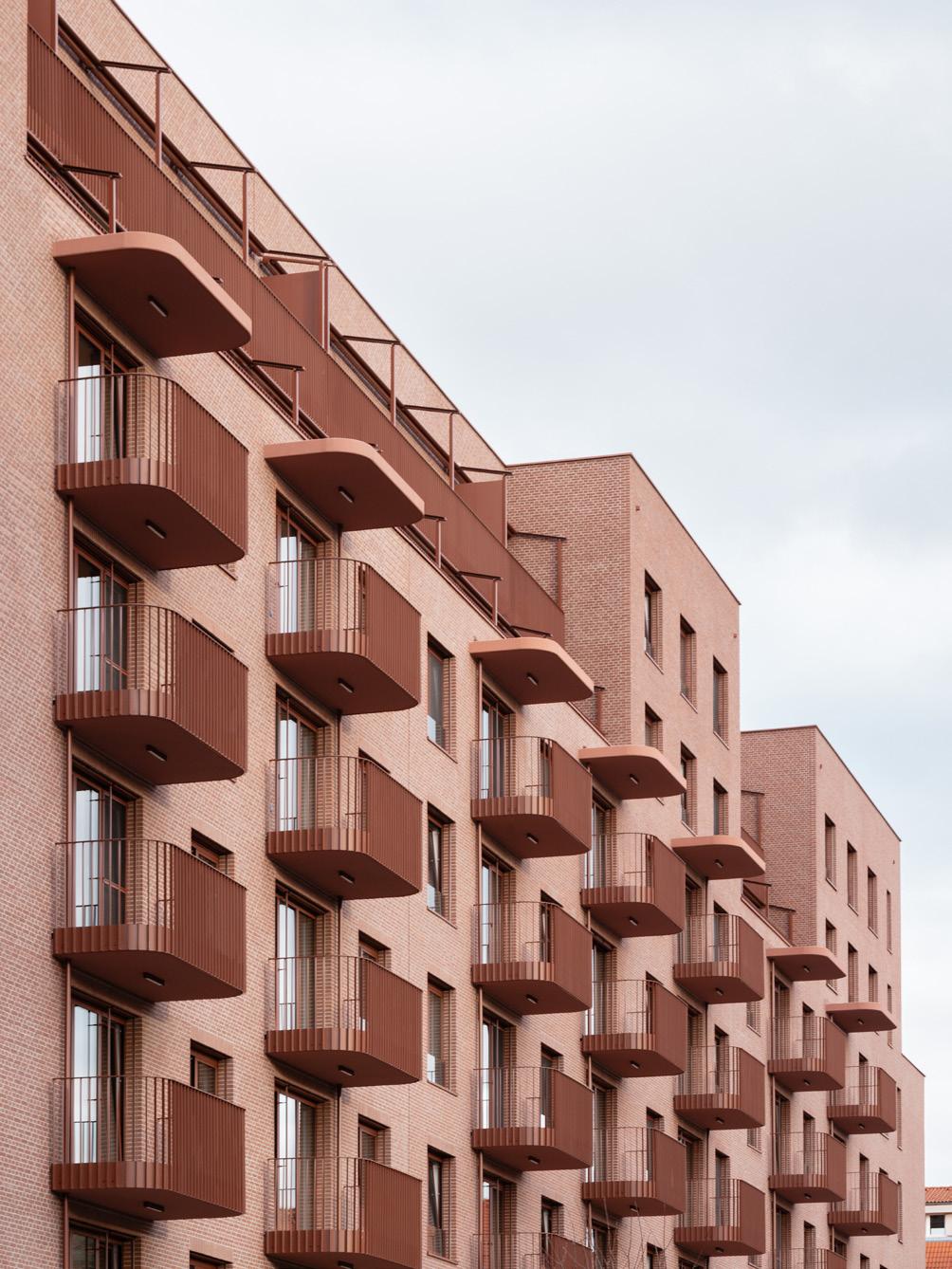
ZWIRN 1 - Urban Block
The project is the result of the "Cvernovka" invited competition (2016) CE ZA AR 2024 Nomination in the Residential Buildings Category
Location: Bratislava Completion: 2023
Photo © Matej Hakár
Studio: Compass Architekti
Architecture: Iveta Augustínová, Ján Augustín, Juraj Benetin, Matej Grébert, Daniel Bartoš, Peter
Other: Veronika Selingerová (artworks)
Dostál, Marcel Vadík, Peter Janeček
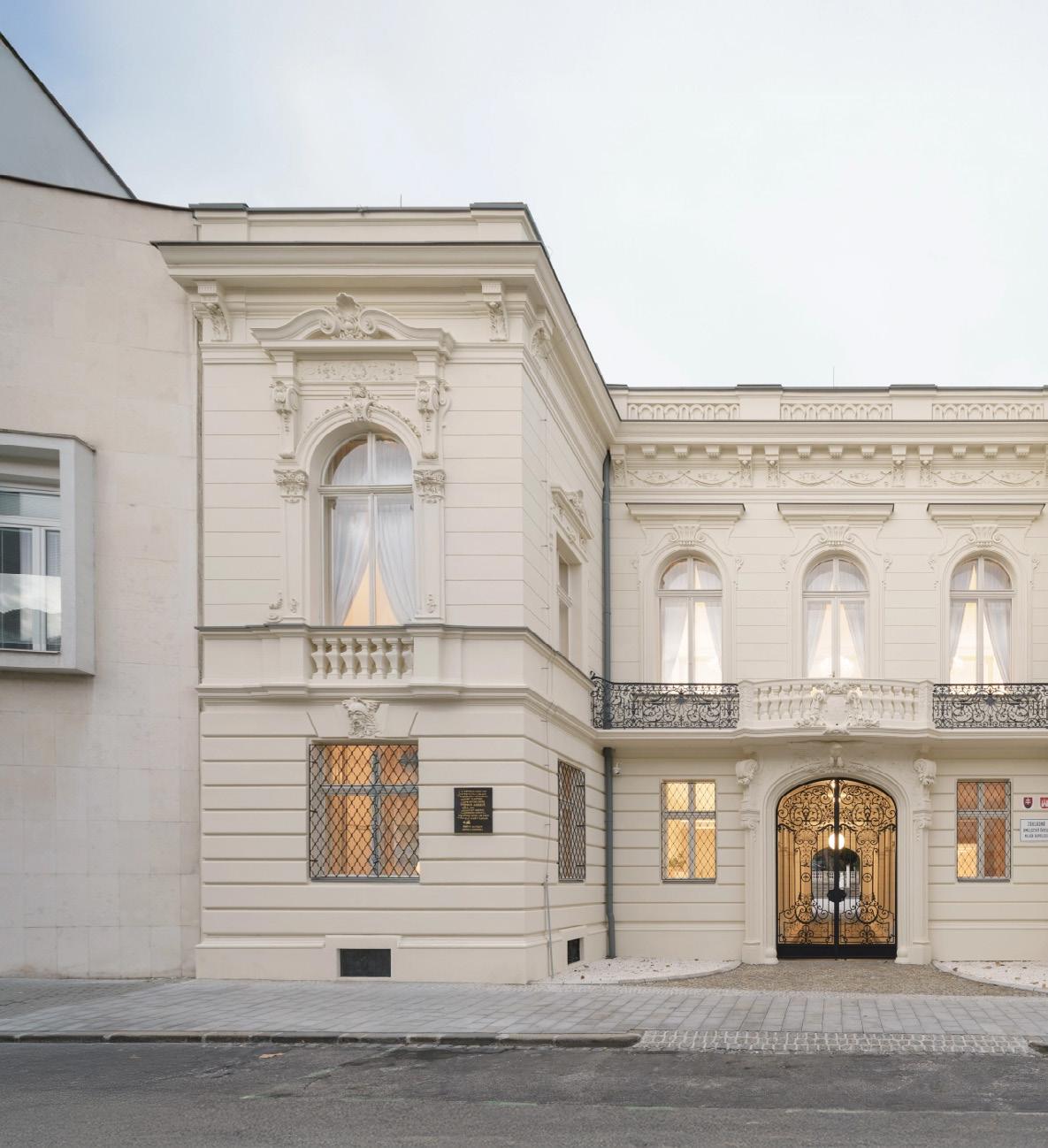
House of Music and Miloš Ruppeldt Elementary School of Art CE ZA AR 2025 entry in the Civic and Industrial Buildings category
Location: Bratislava Completion: 2024
Photo © Alexandra Timpau
Architecture: Matúš Ivanič
Others: Lukáš Rypák (interior collaboration), Peter Zaťko (spatial acoustics), Vladimír Višváder (restoration), Tomáš Duba (structural engineering)
the historical context. Unique spatial relationships and forms of development create a genius loci, and therefore the preservation of regional specificities is key to the sustainable development of the territory. Supporting the use of local building materials and architectural language, which are naturally adapted to local climatic and cultural conditions, must be one of the main priorities.
Traditional crafts and building materials such as wood, stone, clay and specific regional elements, combined with innovative technologies, are of irreplaceable importance not only in terms of sustainability, but also in strengthening regional identity and the local economy. It is also important to adapt historic buildings to current functional needs – converting them for cultural, educational, community, administrative and other functions increases their usability and long-term sustainability. Examples of building culture that are still underestimated, such as industrial architecture and modern architecture from the second half of the 20th century, deserve special attention and protection. As representatives of their time, they are part of cultural identity and offer opportunities for new uses.
Objective 2. 4. 1
Increase the efficiency of the system for the protection, funding, and use of architectural cultural heritage.
Measure
2.4.1.1
Measure 2.4.1.2
Measure
2.4.1.3
Measure
2.4.1.4
Measure
2.4.1.5
Support the system for protecting architectural cultural heritage through coordination between state, regional and local institutions and by ensuring systematic financial support.
Develop mechanisms for methodological support for monument owners through manuals and advice to help them navigate the process of restoring listed buildings.
Support education in traditional crafts and training in working with historical materials and technologies.
Support the creation and development of social enterprises, craft workshops and local initiatives that use traditional building technologies in the restoration of cultural heritage, while creating jobs and supporting the local economy.
Support education in traditional crafts and training in working with historical building materials and technologies at secondary schools and universities.
Objective 2. 4. 2
Improve conditions for adapting historic buildings to current functional needs, including industrial architecture and modern architecture from the second half of the 20th century.
Measure 2.4.2.1
Revitalise and adapt unused historic and industrial buildings for new purposes taking into account an appropriate functional mix of housing, amenities, cultural and employment opportunities.
High-quality architecture and building culture enable people to identify with their living environment, promote the development of an inclusive and cohesive society, combat discrimination and strengthen integration and civic awareness. A healthy and stimulating environment also increases the resilience of the population and contributes to reducing healthcare costs. It represents added value for the construction economy, as it creates favourable conditions for economic development, for example in the field of tourism or the creative industries.
The perception of architecture as a value and broad social awareness in this area are essential for creating demand for a high-quality living environment. At the same time, they contribute to a responsible approach to construction and spatial development, as well as to the ability of citizens to defend their own rights in construction and spatial planning processes.
3.1 The status of architecture
Improving the quality of built-up areas requires strengthening the position of architecture in society by systematically anchoring it in public policies, decision-making processes and everyday practice. The active involvement of experts, the development of participation and transparent processes are key.
Social acceptance of architecture begins with the establishment of processes that lead to high-quality design and construction. These should be based on multi-level, interdisciplinary, inter-ministerial cooperation and public participation. Responsible management requires the involvement of experts in state and local government structures, such as city and regional architects or expert advisory bodies.
The involvement of residents in decisions about the future of cities and municipalities is crucial. It is essential to create mechanisms for effective public participation in planning processes, including public consultations, participatory budgets and online platforms. A wellinformed public is better able to perceive the needs of its environment and actively contribute to its development.
For a high-quality urban and rural environment, it is essential to include parameters of quality and resilience of built-up areas in public policies and development projects. This applies not only to the construction itself, but also to high-quality architectural design. Publicly funded buildings should set an example of good practice, not only in design and implementation, but also in the transparency of procurement processes.
Design competition is an optimal tool for obtaining high-quality architectural solutions for buildings, public spaces and urban complexes. An expert jury selects the winning design based on qualitative parameters. It is essential to remove the legal and methodological
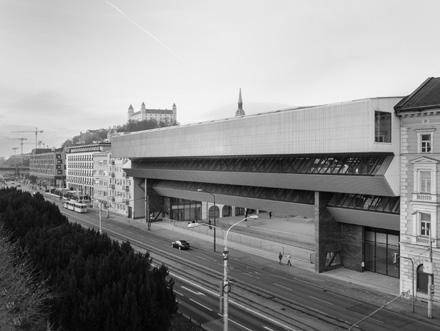
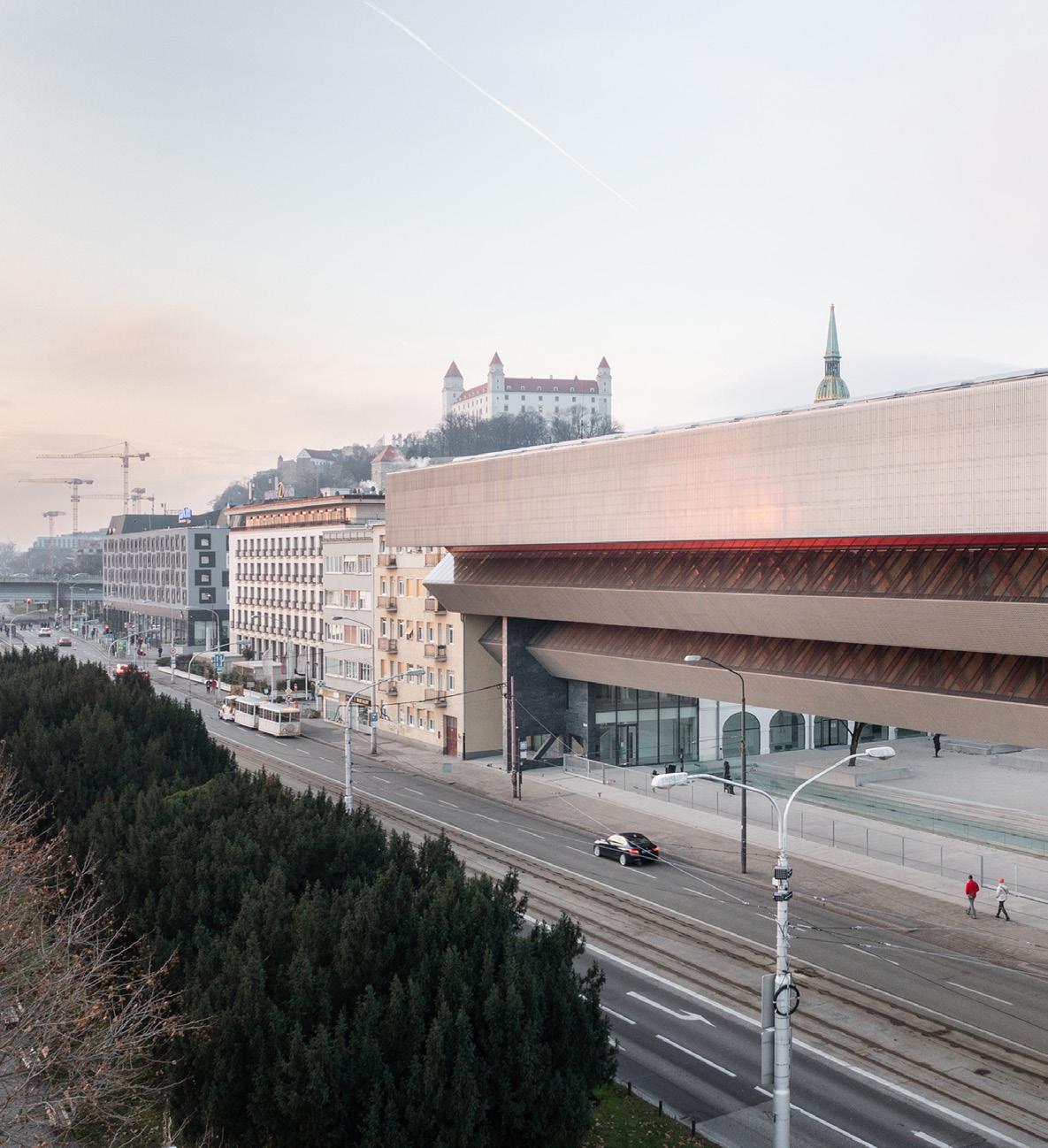
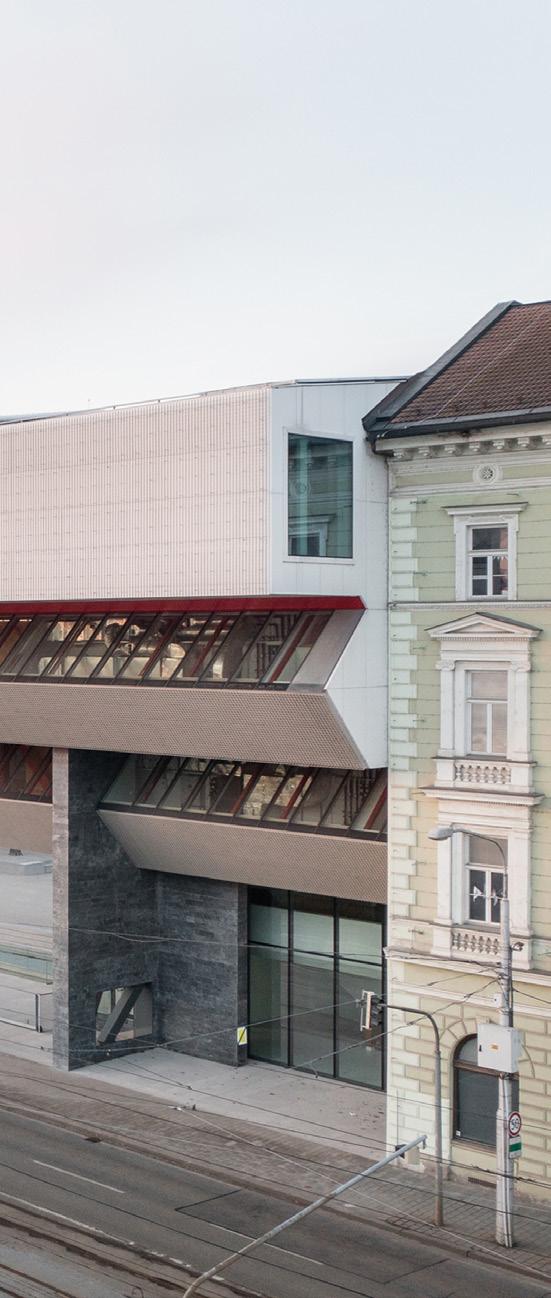
Reconstruction, Completion and Modernization of the Area of the Slovak National Gallery in Bratislava
Selected through a design competition (2005) Winner of the CE ZA AR 2023 award in the Architectural Phenomena category
Location: Bratislava Completion: 2022
Photo © Matej Hakár
Studio: Architekti BKPŠ
Architecture: Martin II. Kusý, Pavol Paňák, Martin III. Kusý, Mária Michalič-Kusá, Jana Paňáková, Vladimír Dedeček – 1960s–1970s
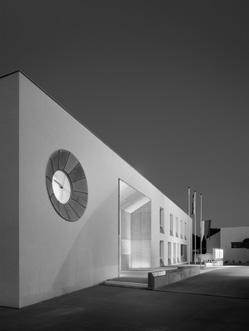
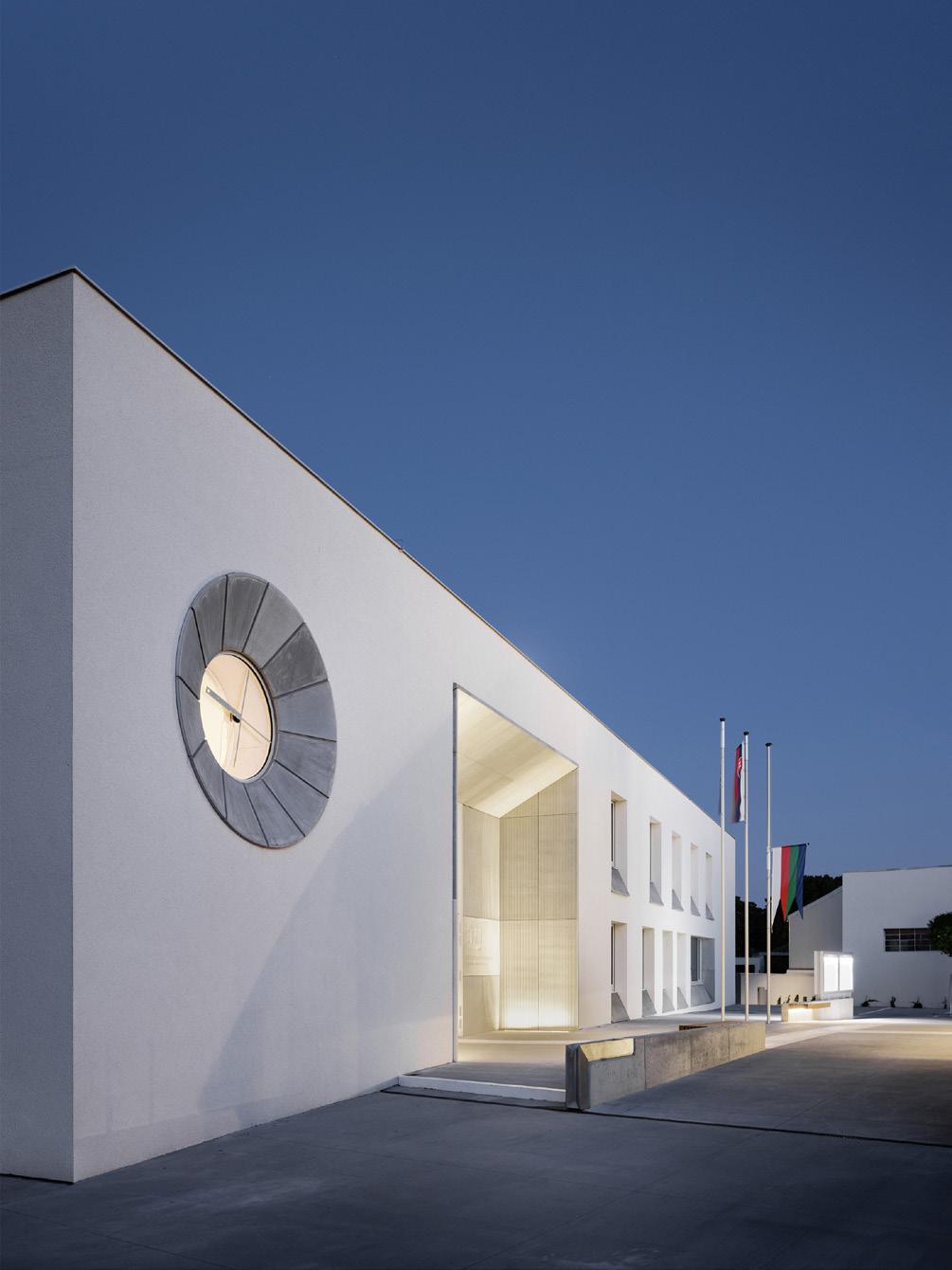
Town Hall in Leopoldov The project is the result of the “Leopoldov City Hall” competition (2014) Winner of CE ZA AR 2023 in the Civil and Industrial Buildings category
Location: Leopoldov
Completion: 2022
Photo © Matej Hakár
Studio: zerozero
Architecture: Irakli Eristavi, Pavol Šilla, Juraj Červený, Rastislav Mochnacký
Others: Martin Ratkoš (structural engineering), Vladimír Durbák (structural engineering), Viliam Hrubovčák (structural engineering), Marcel Benčík (visual communication), LightLab (lighting design)
Objective 3. 1. 1
barriers that prevent the announcement and implementation of architectural, landscape and urban design competitions, especially for investments from public sources and EU funds.
Ensure strategic management and development of architectural quality through coordination and support of professional capacities in public administration.
Measure
3.1.1.1
Measure
3.1.1.2
Coordinate architectural policy at the national level and monitor its subsequent implementation.
Systematically anchor the active participation of municipal and regional architects and advisory bodies in the processes of spatial planning, construction and public procurement.
Objective 3. 1. 2
Strengthen the importance of participatory processes in local government decision-making on spatial planning and construction.
Measure
3.1.2.1
Measure 3.1.2.2
Increase the use of participatory processes in decision-making by municipalities and higher territorial units regarding spatial planning and construction.
Create a support system for participatory departments at the local government level and strengthen the training of public administration staff in the effective use of participatory processes.
Objective 3. 1. 3
Support the wider use of design competitions in the preparation of publicly funded construction projects and ensure their effective implementation through legislative, methodological and financial measures.
Measure
3.1.3.1
Measure
3.1.3.2
Identify and remove legal and methodological barriers that prevent the announcement of architectural, urban planning and landscape design competitions.
Analyse the possibility of allocating funds from structural and development funds for calls for design competitions that will enable the effective processing and implementation of high-quality designs.
3.2 Education
The cultivation of the built environment and public space is based on education – from shaping relationships with the environment from an early age to the systematic development of professional capacities and the need for practical and interdisciplinary education.
Investing in education in the field of architecture and urbanism is an investment in the quality of life of future generations. Systematic education in architecture and building culture deepens the relationship with the environment, contributes to the cultivation of
public space, increases the demand for high-quality solutions and promotes better cooperation between professionals and the public. It is therefore desirable to start teaching architecture, urbanism, spatial planning, landscape architecture and cultural heritage protection as early as primary and secondary school.
Education in architecture and construction at secondary vocational schools and universities must emphasise interdisciplinary and flexibility of skills. It is essential to link it to practice and continuously expand it to include topics such as sustainable construction and the use of nature-based solutions, energy efficiency, the circular economy in construction, and digital- e tools (e.g. BIM, GIS, and AI). Students of architecture, urban planning and related fields should be involved in real projects in collaboration with cities, local authorities and professional organisations.
With the construction sector’s growing demand for expertise from professionals – architects, landscape architects, engineers, urban planners and spatial planners – it is essential to support the continuous deepening of education and the development of digital skills through continuing education in cooperation with the academic sector and professional organisations. This also applies to public administration employees and other responsible actors who influence planning and construction.
Objective 3. 2. 1
Support and develop education and training in the fields of architecture, urban planning, spatial planning, landscape architecture, cultural heritage protection and environmental quality at all levels of schooling.
Measure 3.2.1.1
Measure
3.2.1.2
Integrate education on architecture, urbanism, spatial planning, landscape architecture and cultural heritage protection into the curricula of primary and secondary schools in an appropriate manner, e.g. within the framework of mathematics, history, art education, civics, aesthetics, etc.
Analyse and monitor over the long term the number of applicants, students and graduates in the fields of architecture, urban planning and related disciplines and monitor their employment in design practice and public administration in order to identify barriers and propose motivational measures and tools to retain professionals in the sector and in the country.
Objective 3. 2. 2
Introduce systematic and accessible continuing education for professionals in architecture, urban planning, construction, spatial planning, landscape architecture and cultural heritage protection, as well as for public administration employees.
Measure 3.2.2.1
In cooperation with professional chambers, the academic sector and professional organisations, develop a system of lifelong learning programmes for professionals and public administration employees in key areas for architecture and spatial planning.
Measure
3.2.2.2
Measure 3.2.2.3
Support the organisation of professional conferences, workshops and seminars with an emphasis on the international exchange of knowledge and experience in key areas (architecture, urban planning, spatial planning, construction, landscape architecture, heritage protection).
Develop mentoring programmes connecting experienced experts with younger professionals in order to pass on practical experience and strengthen continuity in the field.
3.3 Public awareness
Improving the quality of the built environment requires building a positive relationship with it through awareness, open discourse and a strong institutional base. Only a society that understands the values of the environment can create spaces of lasting significance.
Raising awareness of architecture and the environment deepens residents’ relationship with their surroundings and promotes demand for high-quality solutions. At the same time, it strengthens their ability to make informed decisions in public affairs, for example in participatory processes. Transparent communication about investment plans and spatial planning processes increases public confidence and improves the quality of the resulting solutions. The media play an important role in this process and should systematically provide space for architectural topics, especially through the presentation of examples of good practice.
Slovakia, like most European countries, needs a specialised Architecture Centre that would oversee research, documentation, popularisation and presentation of architecture, urbanism and building culture. Although there are currently several independent institutions dedicated to these topics, there is a lack of systematic state support that would enable their stable development, professionalisation and international networking. The Architecture Centre could become the main venue for the popularisation, research and presentation of Slovak architecture at both the domestic and international levels, providing Slovakia with a representative platform to strengthen its position in the European architectural space.
Objective 3. 3. 1
Raise public awareness and interest in architecture, urbanism, landscape architecture, spatial planning, cultural heritage protection and the environment.
Measure
3.3.1.1
Measure
3.3.1.2
Support and develop educational campaigns, workshops and media initiatives that provide the general public with an overview of the principles of urban planning, spatial planning and the importance of architecture and cultural heritage.
Increase the representation of topics related to architecture, urbanism, landscape architecture and the environment in the media through documentary films, podcasts, public discussions and reports, with an emphasis on examples of good practice and their social significance.
Measure 3.3.1.3
Increase the prestige of the architectural profession by supporting established architectural awards at the national level, promoting them in the media and presenting their creators, thereby highlighting high-quality solutions and inspiring approaches.
Objective 3. 3. 2
Establish a specialised institution for research, documentation, popularisation and presentation of architecture, urbanism and building culture.
Measure 3.3.2.1
Analyse the possibility of establishing and systematically financing an institution focused on research, documentation and popularisation of Slovak architecture, urbanism and building culture, as well as cooperation with partner institutions abroad.
Improving the quality of built-up areas through research and innovation focuses on introducing digital tools and sustainable technologies to speed up processes, streamline urban management and strengthen research into innovative materials and technologies.
Slovakia may be a small country, but it is dynamic and, thanks to targeted support for research and innovation, is able to quickly implement new technologies in architecture and urban planning. The development of digital tools, artificial intelligence, smart materials and sustainable building solutions is essential for improving quality of life and using resources more efficiently. Innovation and digitalisation can be the driving force not only for the development of Slovak architecture and urban planning, but also for society as a whole. Investments in technology, education and innovative architecture will enable the creation of a sustainable built environment and a competitive construction sector.
Digital tools such as BIM, GIS, digital twins and algorithmic solutions using AI are fundamentally changing the approach to architecture, planning and construction. If Slovakia wants to be among the leaders in innovation, it is essential to support architectural research in areas such as new forms of housing, the circular economy, adaptation to climate change, mapping processes in the country, and the digitisation and documentation of tangible cultural heritage. The creation of a national digital platform for monitoring the settlement structure will enable more effective development management and infrastructure optimisation. Digitally connected urban systems can improve quality of life, reduce cities’ operating costs and make the use of renewable energy sources more efficient. Energy efficiency is a key aspect of innovation – smart buildings and smart solutions for cities can optimise energy consumption, water management and transport systems.
With the advent of the widespread use of generative artificial intelligence tools, the architectural profession will undergo a fundamental transformation in the coming years. A significant part of architects’ work will shift from the actual preparation of project documentation to strategic design and process coordination, or to managing human-AI collaboration. We must respond to these challenges in real time, as the development of artificial intelligence is significantly outpacing our educational processes.
Supporting research into smart and environmentally friendly building materials, together with updating legislation for the use of innovative processes such as timber construction, prefabricated structures, recycling and 3D printing in construction, can significantly reduce implementation time, lower the carbon footprint of construction and improve its quality.
Objective 4. 1. 1
Introduce digital tools and automated processes into spatial planning and construction in order to streamline planning and permitting processes, increase transparency and support sustainable urban development.
Measure 4.1.1.1
Measure 4.1.1.2
Measure 4.1.1.3
Use the digital image of the landscape currently being prepared and ensure its interconnection with other data and information system platforms (spatial planning documents, infrastructure and environmental data) in order to support the protection and qualified, transparent and efficient planning and permitting of spatial development.
Support the implementation of smart solutions in cities to connect public services with digital technologies and effective management of urban systems.
Introduce digital tools into spatial planning, construction and public procurement, and create automated tools for process analysis and evaluation.
Objective 4. 1. 2
Support innovation in architecture, urban planning and construction and ensure the effective transfer of research results into practice and legislation in order to improve the quality of construction, sustainability and efficiency of planning processes.
Measure 4.1.2.1
Measure 4.1.2.2
Measure 4.1.2.3
Support research and innovation in the field of sustainable construction.
Prepare an analysis of the use of traditional and innovative materials and construction solutions in building practice with the aim of creating a framework and supporting their application in line with the objectives of the New European Bauhaus.Measure
Create and support grant programmes and experimental zones for the implementation of prototypes of innovative solutions and case studies.
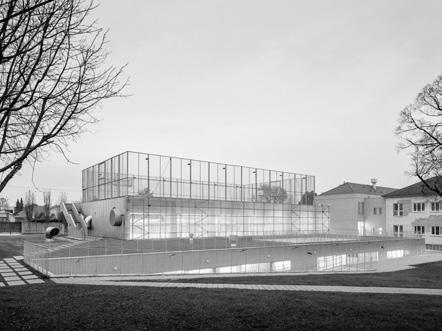
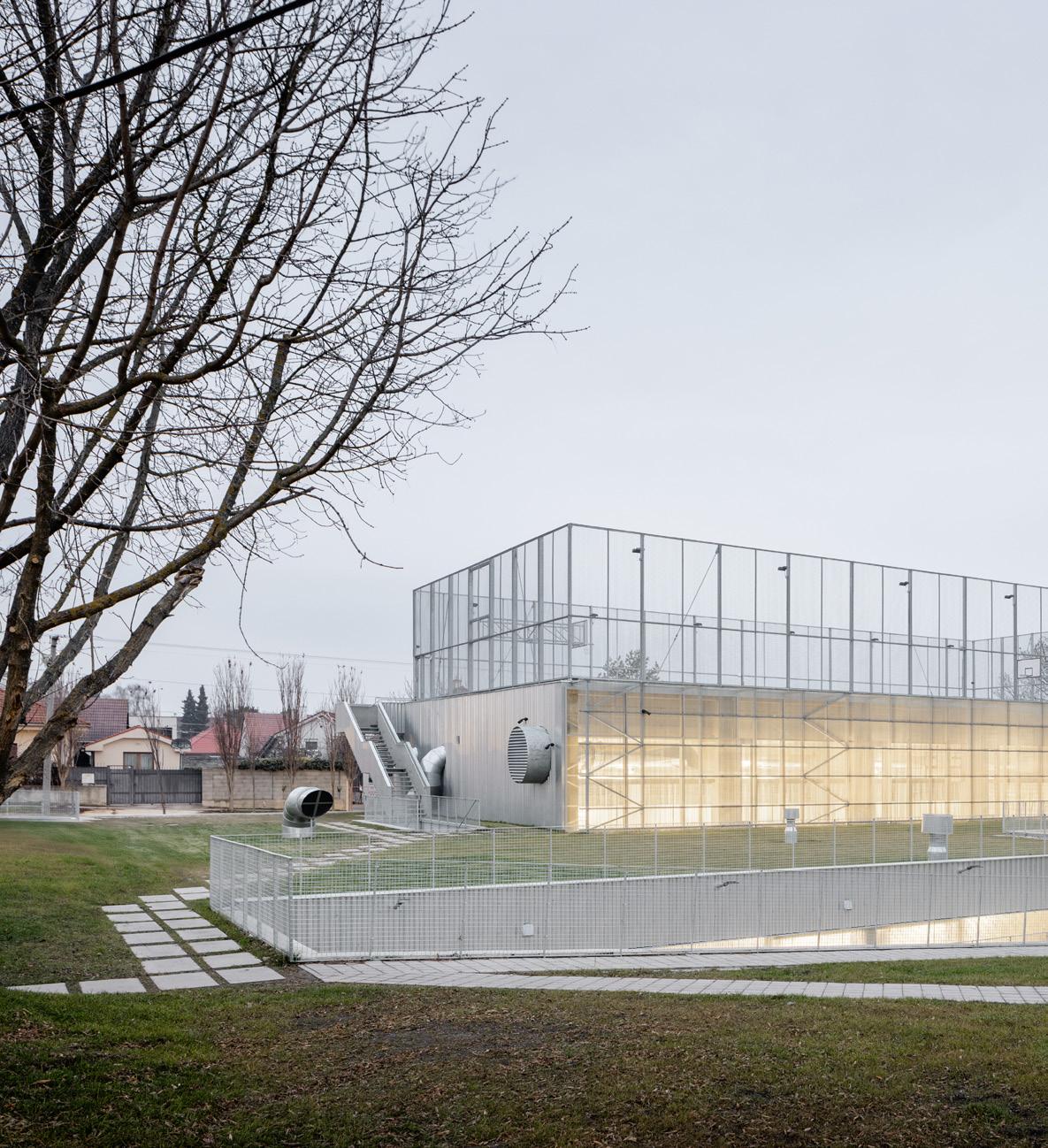
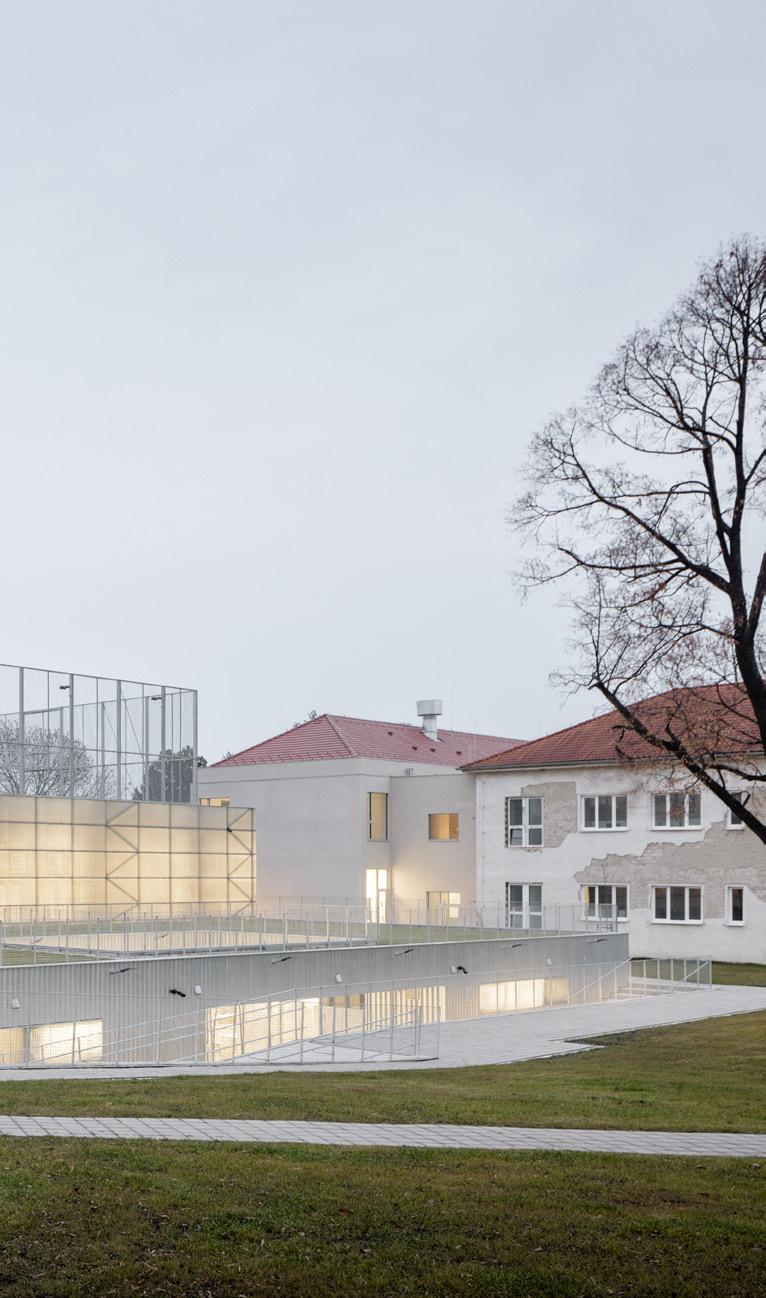
Extension of a Primary School –Phase I: New School Pavilon and II. Phase: Multipurpose Hall
Location: Bernolákovo
Nomination for the CE ZA AR 2025 Award in the Civil and Industrial Buildings category
Completion: 2024
Photo © Matej Hakár
Studio: BAKYTA ARCHITEKTI
Architecture: Róbert Bakyta, Ľubomíra Blašková
Others: Michal Pacher (building permit design), Tatiana Kuva (architectural study), Denis Zeman (metalwork, facades), Karina Humajová (interior and material design), Ján Majerník (structural engineering), Pavol Drha (structural analysis), Július Vass (architectural design of the elementary school extension facade), Jaroslav Rell (metalwork for the elementary school extension), Matúš Lelovský (graphic design)
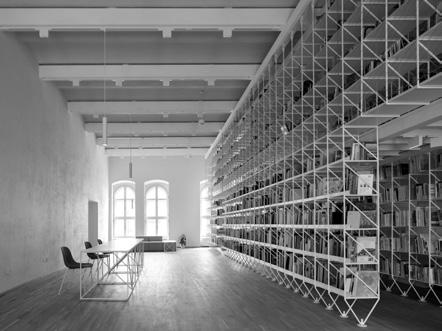
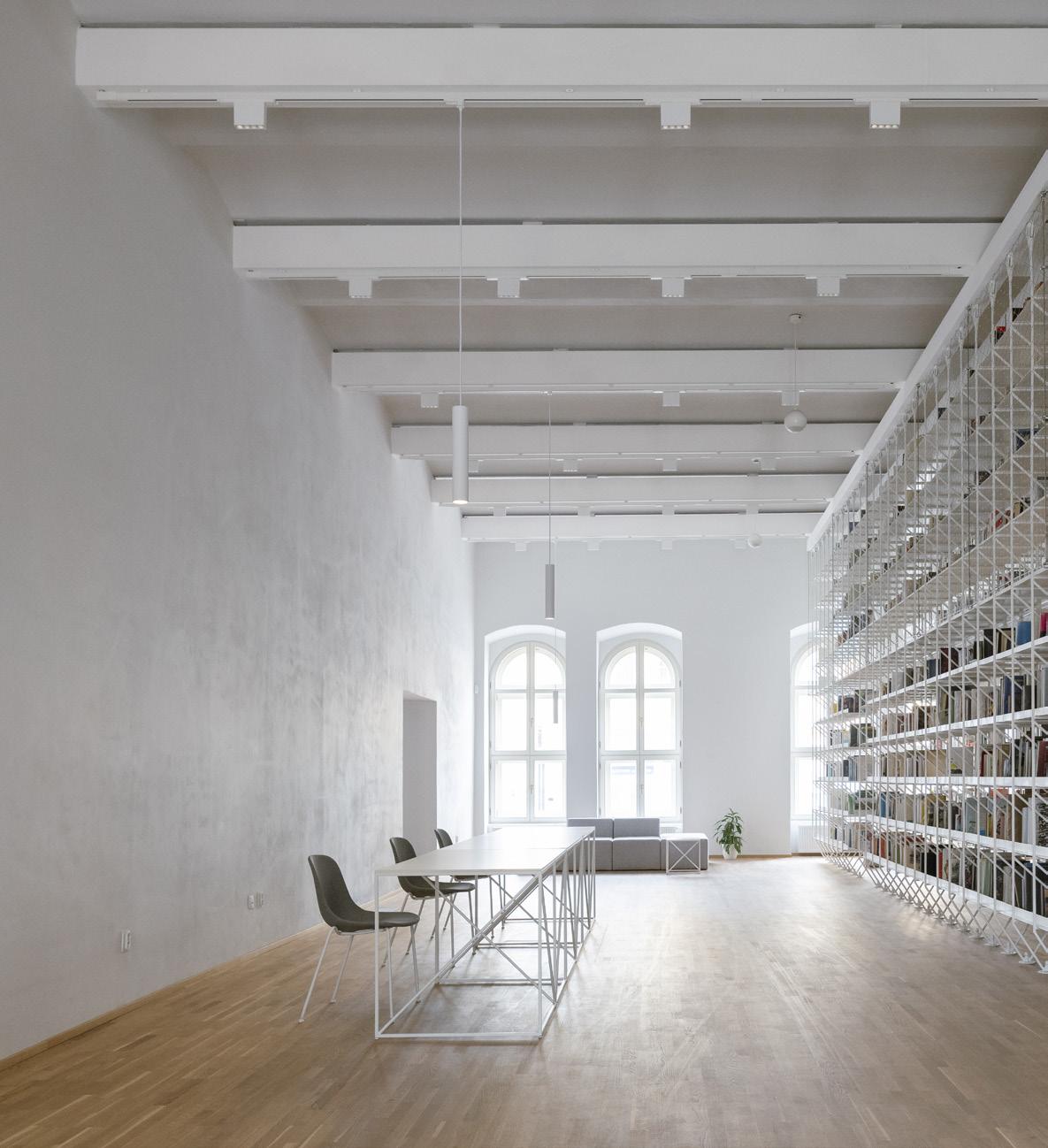
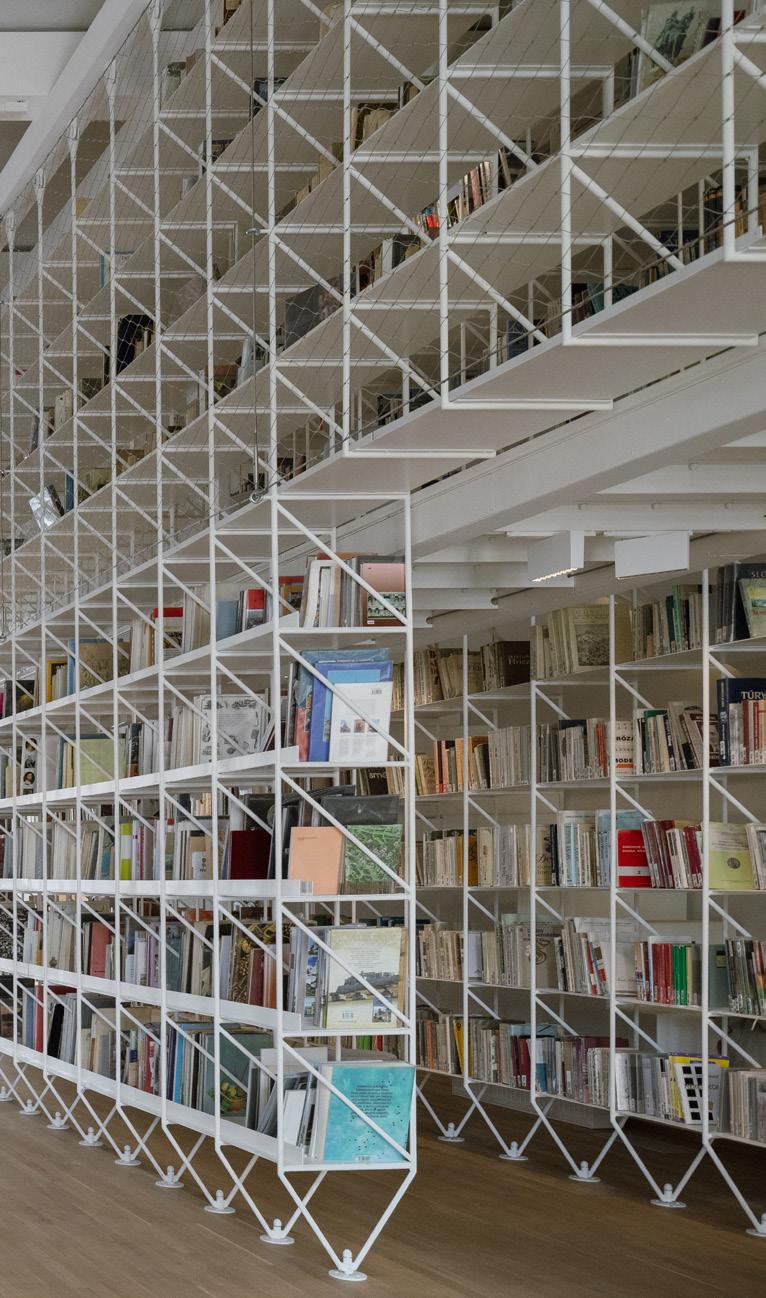
Interior of the P. O. Hviezdoslav Regional Library in Prešov
Location: Prešov
The project is the result of the competition “Architectural Design for the Interiors of the P. O. Hviezdoslav Library in Prešov” (2022) Winner of the CE ZA AR 2025 award in the Interior category
Completion: 2024
Photo © Alex Shoots Buildings
Studio: DOXA & bistan architekti
Architecture: Matúš Bišťan, Maroš Mitro, Ondrej Jurčo, Tomáš Boroš, Jakub Števanka, Pavel Bakajsa
Others: Ivan Tatala (structural engineering), Tomáš Eisner (graphic design), Iveta Hurná (client and project coordinator), Vincent Ung (collaboration on the competition proposal), Martina Hončárová (collaboration on the competition proposal), Ján Hlodák (collaboration on the competition entry)
ARCHITECTURAL COMPETITION An architectural competition is an effective tool for implementing construction projects. It brings together clients and experts who help set the conditions for selecting the best project. It allows for the transparent selection of a solution from several proposals that is high-quality, functional, aesthetic, and economically efficient. It opens up opportunities for both young and experienced architects and promotes architecture as a discipline. A professional jury, composed mainly of independent members, helps not only in selecting the winning design, but also in preparing the conditions, discussions with architects and evaluation of designs. The competition is particularly suitable for public contracts with above-threshold investments or for buildings in city centres, protected areas or public buildings such as schools, healthcare facilities, theatres or squares.
ARCHITECTURE (Latin architectura, Ancient Greek ἀρχιτέκτων [arkhitékt n] – “chief builder” < Ancient Greek ἀρχι- – “first”, “chief” and Ancient Greek τέκτων – “craftsman”, “builder”, “carpenter”) is the art and science of designing and constructing buildings, structures, monuments, various architectural accessories and their ensembles.
“Architecture is a synthetic indicator of culture and civilisation. It is predominantly a collective creation, both artistic and technical, an expression of the economic possibilities and organisational capabilities of society, reflecting the material and ideological aspects of life in its time.” (Vojtech Zamarovský)
Architecture is generally understood as the art of building, which uniquely combines artistic, humanistic and technical disciplines with the aim of creating a high-quality built environment. Its scope covers a wide range of areas – from landscape and urbanism to buildings and public spaces, to design and interior architecture. In a narrower sense, architecture focuses on the design of buildings and their surroundings, resulting in a structure that conveys artistic expression or opinion. Architecture takes into account social, cultural, economic and environmental requirements, playing a key role in improving the quality of the built environment, promoting a shared culture and identity, and emphasising the uniqueness of specific locations.
BAUKULTUR - BUILDING CULTURE
Baukultur is a complex term denoting the quality of the built environment in all its aspects – from urbanism, architecture and building culture to public spaces and infrastructure. It encompasses not only aesthetics and functionality, but also sustainability, social inclusion and historical continuity. This definition is based on the European concept of Baukultur as formulated in the Davos Declaration (2018) and the programmes of UNESCO, the OECD and ACE.
Baukultur represents the process and result of shaping the environment created by human activity in the field of architecture and construction. It includes existing buildings, including monuments and other elements of immovable cultural heritage, as well as the design and implementation of modern buildings, infrastructure, public spaces and landscaping that are connected to the natural environment. It also includes planning processes for the construction of buildings, infrastructure, towns, villages and open countryside, together with traditional and innovative building techniques and methods.
The Davos Baukultur Quality System is a set of tools for assessing and defining the quality of building culture. It takes into account the social, emotional, cultural, technical and functional aspects of the environment and is based on eight criteria: management, functionality, environment, economy, diversity, context, sense of place and beauty.
BROWNFIELD A brownfield is an area with abandoned, unused or underused buildings, structures or land that has lost its original purpose as a result of economic, technological or social changes (particularly in industry, agriculture and services). Their existence poses an environmental, economic and social challenge, but at the same time offers an opportunity for revitalisation and reuse for the benefit of sustainable development of the area.
DIGITAL IMAGE OF THE LANDSCAPE This is the main asset of the spatial planning and construction information system pursuant to Section 25 of Act No. 200/2022 Coll. on spatial planning, as amended.
(Positive Energy Districts – PED) Urban areas that produce at least as much energy as they consume during the year. Their goal is to achieve zero greenhouse gas emissions and increase climate resilience through a holistic approach to urban development, the use of renewable energy sources, active consumption management and system integration.
INVESTMENT PROJECT An investment project is defined as a publicly funded or strategically important initiative aimed at creating a high-quality and sustainable built environment. These are mainly projects with an impact on public space, urban infrastructure or civic amenities. In this context, architectural design competitions are considered a tool for ensuring quality at an early stage of the project cycle, and their integration into public financing mechanisms is key to effective and transparent planning.
CLIMATE RISK Climate risk represents the probability of adverse effects of climate change on the built environment, its infrastructure, buildings and inhabited areas. The risk arises from the interaction between a climate threat (such as extreme heat, heavy rainfall, floods or drought) and the vulnerability of the system, i.e. the extent to which a given environment or community is sensitive to these phenomena and able to adapt to them. It thus takes into account both the probability of a climate event occurring and the extent of possible damage and disruption to functions in the built environment – from buildings and public spaces to technical and social infrastructure.
LANDSCAPE Landscape, or geographical landscape, is, in non-political geography, any selected section of the geosphere (or landscape sphere). It is a material space-time system formed by natural and socio-economic elements on the Earth’s surface, where physical, chemical, biological and social processes take place.
According to the Council of Europe’s Landscape Convention (Florence, 2000), landscape is defined as an area perceived by people, whose character is the result of the action and interaction of natural and/or human factors.
LANDSCAPE ARCHITECTURE
Landscape architecture focuses on the planning, creation, protection and management of both natural and man-made environments, using aesthetic and scientific principles. Its main objective is to address issues related to ecological sustainability, health and quality of the landscape, collective memory, cultural and historical heritage, and the equitable use of space. Landscape architects coordinate various disciplines and deal with the interaction of natural and cultural ecosystems. They focus on adapting to and mitigating the effects of climate change, strengthening ecosystem stability, supporting socio-economic development, improving community health and enhancing quality of life to create an environment that contributes to achieving balance in society and the economy.
QUALITY OF THE BUILT ENVIRONMENT The quality of the built environment encompasses a complex set of spatial, social, environmental and cultural values. According to the Davos Declaration (2018), high quality is the result of a holistic approach to the creation and transformation of cities and landscapes that ensures sustainability, inclusiveness, identity and functionality of space, and resilience of the built environment (the ability to adapt to change, absorb shocks and maintain
functionality and quality in the long term). It encompasses environmental, social and economic sustainability, enabling cities and towns to respond to challenges such as climate change, demographic trends and technological innovations. It also involves creating adaptable and valuable spaces that promote community cohesion and efficient use of resources.
NATURE-BASED SOLUTIONS Measures that use natural ecosystem processes to increase climate resilience and reduce climate risks. Their aim is to mimic or restore natural mechanisms in order to increase the resilience of the built environment, reduce emissions and heat loads, and simultaneously strengthen the ecological and social functions of the area.
REGIONAL PLANNING Regional planning is a strategic approach that defines concepts, directions and specific projects to ensure balanced territorial development. It covers the national, regional and local levels, and it is essential that regional and spatial planning documents are harmonised with each other. Unlike spatial planning, which has clearly defined frameworks, processes and actors, regional planning is not defined by legislation.
SETTLEMENT A settlement is a basic unit of population characterised as a place with permanent or temporary residential facilities for people, with all the necessary conditions and facilities for the life, work and leisure of its inhabitants. A settlement is understood to be a group of residential facilities, including farm buildings and transport facilities, in a specific defined area.
SUBURBANISATION The process of population and economic growth in the immediate vicinity of a city, which is expanding and growing in area. Suburbanisation affects the peripheral parts of the city and the areas immediately surrounding the compact city. The process of population relocation from the inner city to its outskirts and to the suburban zone. Suburbanisation leads to a reduction in the concentration of population and social activities within the city.
URBANISM Urbanism, also known as urban planning, is an independent creative and scientific discipline that does not focus on the design of individual buildings, but addresses issues of settlement development at various levels – from regional to settlement and zonal. Urbanism is an area of human activity that aims to create a harmonious, diverse and attractive environment in cities, towns and the countryside. This process is based on a thorough analysis and ecologically oriented synthesis of natural, historical and cultural values, taking into account social processes, local needs, traditions, customs and the economic and technical possibilities of society. Urbanism represents a balanced combination of humanistic, natural and technical approaches, enriched by cultural aspects and an artistic perspective.
SPATIAL PLANNING Spatial planning deals with the systematic and comprehensive solution of spatial arrangement and functional use of land in accordance with the urban concept. It defines principles and coordinates activities that affect the environment, ecological stability, cultural and historical values, land development and landscape creation, while respecting the principles of sustainable development. It is a system of rules, methods and tools that enable the long-term and gradual fulfilment of objectives in the field of urban, landscape and
architectural design. Spatial planning creates the basis for construction and sustainable development through a comprehensive solution for the effective use and spatial arrangement of land.
PUBLIC PLACE Public space is a physical part of the public domain. It includes squares, courtyards, streets, embankments, marketplaces, arcades, passageways, pedestrian and cycle paths, parks, gardens and other places that are freely accessible to everyone without restriction, regardless of ownership. These spaces form a system that is hierarchically organised in terms of function and significance. The term public space is defined in Act No. 369/1990 Coll. on municipal administration, with the exception of laws that define this term themselves (e.g. the Act on Local Taxes and Local Fees). According to the law, a public space is a street, square, park, market place and other space accessible to the public without restriction, which, regardless of ownership, serves for general use.
PUBLIC SPACE It is a space accessible to the public, which serves residents for mutual communication, leisure activities and mobility, and where they stay for various reasons and purposes. Public space is any undeveloped and accessible space, which may also include places that are publicly accessible for a limited time or privately owned spaces. The interiors of public buildings are also considered public space.
BUILT ENVIRONMENT The built environment includes the interior spaces of buildings and their surroundings, which are created, maintained and regularly used by humans. This includes the buildings themselves, their land, undeveloped areas between buildings, public spaces with greenery, pavements, roads, transport structures, paved areas, gardens and landscaped areas. The built environment reflects the development of society and its material and cultural level. Its key value is its ability to endure, respond to current needs and adapt sensitively to changing requirements over time. It should provide a sense of continuity, stability and security, a sense of belonging to the community, an aesthetic experience, comfort and a quality framework for the life of each individual.
GREEN INFRASTRUCTURE Green infrastructure is a planned and mostly connected system of areas with vegetation, water, and economic features that support ecosystem services and functions. Green infrastructure also includes a territorial system of ecological stability and is part of public infrastructure.
ENVIRONMENT The environment is a complex framework of existence that arises from the interaction of the natural environment, the urban environment of settlements and various phenomena and elements created by human activity, including construction activity in its broader sense.
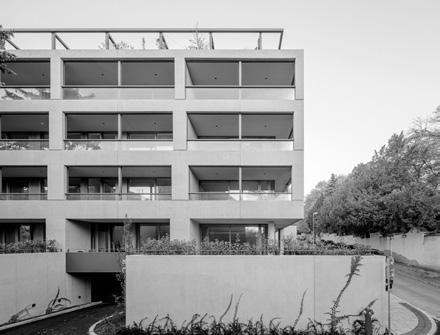
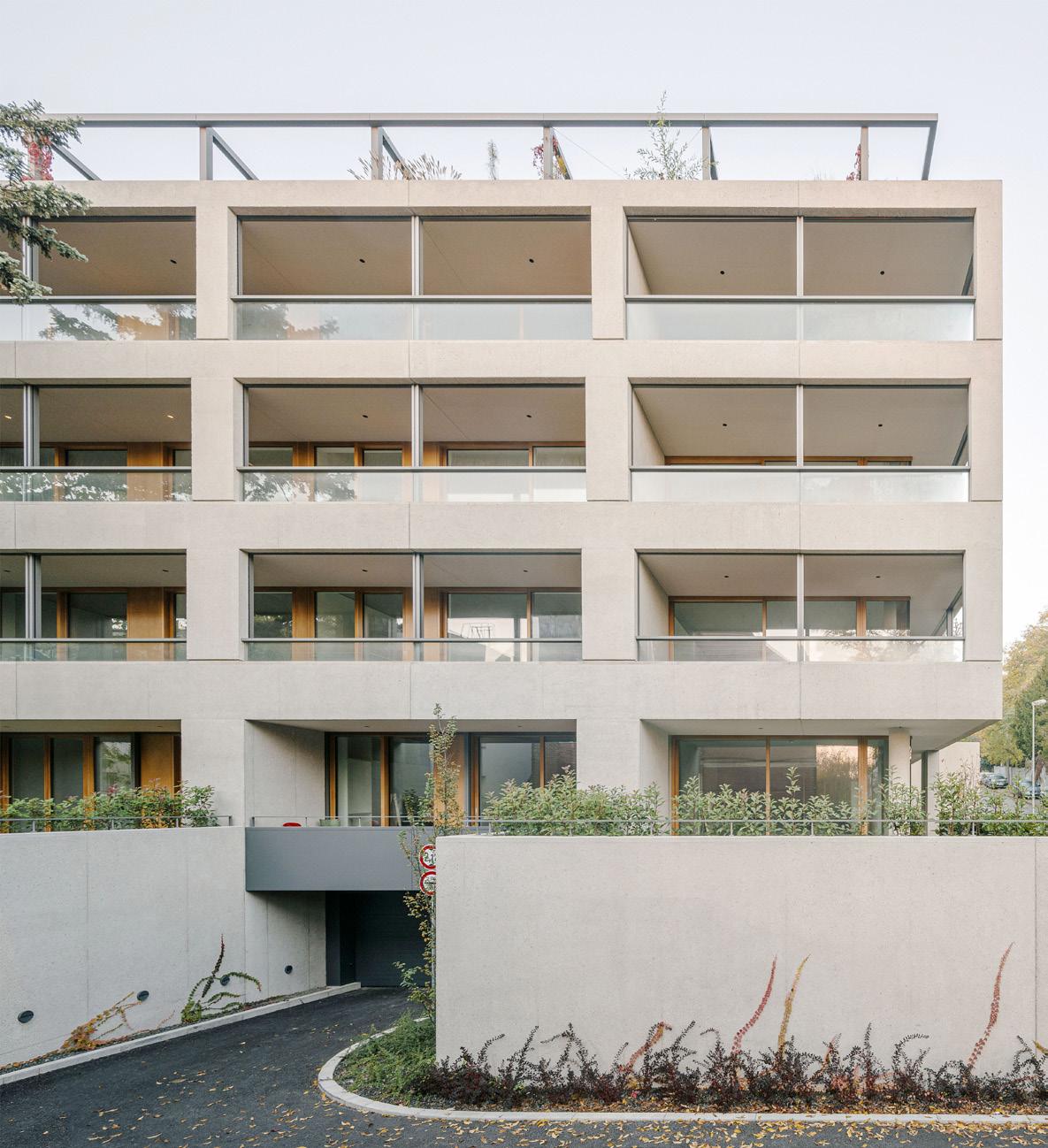
Hausberg Residence Nominated for the CE ZA AR 2025 Award in the Apartment Buildings category CE ZA AR 2025 People’s Choice Award
Location: Bratislava
Completion: 2024
Photo © Peter Jurkovič
Architecture: Iľja Skoček
Others: Danica Ščepková (collaboration), Michal Dinda (collaboration), Michal Kontšek (collaboration), Katarína Čárska (landscaping)
ACE Architectural Council of Europe
AI Artificial Intelligence
APS Architectural Policy of Slovakia
BIM Building Information Modeling
EPBD 4 Fourth revision of the Energy Performance of Buildings Directive
EÚ European Union
GIS Geographic Information System
OECD Organisation for Economic Co-operation and Development
PPP Public Private Partnership
SEA Slovak Environmental Agency
SCA Slovak Chamber of Architects
SCCE Slovak Chamber of Civil Engineers
SR Slovak Republic
SHDF State Housing Development Fund
FAD STU Faculty of Architecture and Design, Slovak University of Technology in Bratislava
UNESCO United Nations Educational, Scientific and Cultural Organisation
SPD Spatial Planning Documentation
Indicative Overview of Measures III.
Indicative
The Architectural Policy of Slovakia (APS) is a strategic framework whose implementation requires the use of a wide range of tools affecting the legal, institutional, financial, technical and educational levels. The aim of the typology of implementation tools is to identify the basic mechanisms through which strategic objectives can be translated into practical procedures and specific interventions in the territory. These tools are complementary in nature – they complement each other, are interdependent and create a comprehensive policy implementation system.
Within APS, six basic types of instruments can be distinguished: legislative, methodological, technical, financial, investment, and educational . Each type represents a specific form of intervention in spatial development management – from the creation of binding legislation, through professional standards and data systems, to direct investment and capacity building. Together, they ensure that the principles of a high-quality, sustainable and culturally sensitive environment become a systematic part of planning, construction and land management at all levels of public policy. Effective implementation of APS requires that the various types of instruments be applied in a coordinated manner – legislative measures define the framework, methodological and technical instruments enable its practical application, financial and investment mechanisms ensure its implementation in practice, and educational measures create a long-term capacity base for its sustainability. A system of tools designed in this way makes it possible to link the strategic objectives of APS with the actual performance of spatial planning and architectural practice.
Legislative measures are tools for systemic regulation of the legal environment, aimed at creating a binding framework for the application of architectural policy principles. Their essence is the implementation of requirements for environmental quality, sustainability, landscape integrity, and cultural heritage into laws, implementing regulations, and legally binding standards. They enable the harmonization of sectoral policies and processes of spatial planning, building procedures, environmental protection, and land management. At the same time, they ensure that APS principles are supported by legislation and do not remain mere recommendations. Legislative measures form the basis for the consistent and uniform application of Baukultur principles in public policy, thereby guaranteeing their sustainability over time.
Typical examples: amendment of decrees on land consolidation with links to landscape planning; integration of aspects of desegregation and inclusion into spatial planning legislation; harmonization of the Building Act with the objectives of climate adaptation and environmental stability. Methodological measures are a key non-legislative implementation tool aimed at ensuring a uniform and professional interpretation of architectural policy principles in practice. In the form of methodologies, manuals, professional guidelines and standards, they enable to transform strategic objectives into applicable procedures for local governments, the professional community and public administration. Their function is to codify good practice, improve the quality of professional outputs and promote procedural homogeneity between the various levels of spatial management. Their function is to codify good practice, improve the quality of professional outputs, and promote procedural consistency between different levels of spatial management.
Typical examples: methodology for compact and polycentric settlement development; manual for mediation and participation in spatial planning; guidelines for public procurement with the application of qualitative criteria; methodological standards for the integration of green infrastructure. Technical measures include the creation and operation of data, analytical and digital systems that serve as an operational tool for spatial planning, evaluation and monitoring. These are measures that support the implementation of APS through digitisation, integration of spatial data and the introduction of tools for direct monitoring of phenomena in the territory. Their importance lies in strengthening evidence-based public policy, increasing the transparency and efficiency of decision-making processes, and promoting interoperability between ministries and levels of government. Technical measures also enable feedback to be generated for evaluating the effectiveness of the strategies and measures adopted. Typical examples: a system for monitoring built-up areas based on digital images of the landscape; interconnected GIS tools for coordinating land consolidation and spatial planning; a national database of green infrastructure and landscape features.
Financial measures are economic instruments to support the implementation of architectural policy objectives through public funds, grant schemes, tax incentives or combined financial mechanisms. Their purpose is to motivate public administration, the private sector and civil society to implement activities that contribute to the quality of the environment but do not have an immediate market return. Financial measures also act as a multiplier, creating a financial impetus for projects with social value, supporting synergistic investments and reducing the risk of environmentally and socially undesirable interventions. In the context of APS, they are a prerequisite for the implementation of non-commercial measures aimed at landscape regeneration, the protection of cultural values and the development of public spaces.
Typical examples: subsidy schemes for the preparation of landscape planning studies; financial models to support adaptation measures in settlements; programmes for the revitalisation of brownfields and marginalised communities.
Investment measures are aimed at the direct physical implementation of projects that fulfil the objectives of architectural policy. They represent a transition from the strategic to the implementation level, combining planning, financial and project dimensions. In practice, these are investments in infrastructure, public buildings, landscape elements or adaptation measures that demonstrate the principles of quality construction, sustainability and architectural culture. Investment measures have a model and multiplier effect – they serve as proven examples for other local governments and support the dissemination of good practices. Their importance also lies in making the results of APS visible through concrete and measurable outputs in the territory.
Typical examples: implementation of nature-based adaptation measures; investments in public spaces and green infrastructure; reconstruction of public buildings according to the principles of Baukultur.
Educational measures represent a horizontal category of tools aimed at developing human resources and capacities for the implementation of architectural policy. They strengthen the professional, managerial and participatory competences of actors in public administration, academia and civil society. Their aim is to systematically increase the ability of institutions to apply the principles of a quality environment, participation, inclusion and interdisciplinary cooperation. Educational measures support cultural change in the understanding of spatial development and create the conditions for the sustainable implementation of legislative, methodological and investment tools.
Typical examples: training for local authorities in inclusive spatial planning; programmes to improve the managerial skills of directors and officials; professional training for designers and architects in nature-based solutions and climate adaptation.
Objective 1. 1. 1 Ensure the protection and development of Slovakia’s cultural landscape with the aim of preserving its genius loci, historical context, regional specificities and natural values.
Measure
1.1.1.1
Type of instrument: investment
Support the creation of more detailed, locally focused landscape planning studies that respect the specific identity of the territory and build on the landscape planning studies (LPS) at the regional level.
Main promoter:
Authority for Spatial Planning and Construction of the Slovak Republic (ASPC SR) Cooperation: municipalities and higher territorial units (HTUs)
Target group: self-governing regions in the case of micro-regions, towns and municipalities of the Slovak Republic
Analysis of financing options, including the subsidy scheme from ASPC SR, also for local LPS. The ASPC SR is preparing the Spatial Development Concept of Slovakia (SDCS) and LPS at the national level, which will be followed by the LPS of the higher territorial unit with the potential to extend LPS to the local level. The recommended basis for the landscape planning study may also include nature conservation documentation, namely Care Programmes, the Regional Territorial System of Ecological Stability (RTSES) and the Local Territorial System of Ecological Stability (LTSES). Through the landscape planning study, which is the basis for spatial planning, nature conservation documentation is reflected in spatial planning documentation.
Measure
1.1.1.2
Type of instrument: methodological
Use landscape planning studies in decision-making processes of public administration, especially ministries responsible for the protection of natural values, cultural and historical values, and sustainable economic use of the landscape.
Main promoter:
ASPC SR
Cooperation: Ministry of the Environment of the Slovak Republic (MoE SR), Ministry of Culture of the Slovak Republic (MoC SR), Ministry of Agriculture and Rural Development of the Slovak Republic (MoARD SR), State Nature Conservancy of the Slovak Republic (SNC SR), municipalities and HTUs
Target group: public administration bodies, municipalities and HTUs, experts and designers, the public, responsible institutions
Interdepartmental coordination and monitoring of activities. Ministries will be approached during the creation of the LPS – joint creation of the assignment:
(a) spatial planning documentation in the preparation of draft spatial planning documentation or amendments and supplements thereto;
(b) technical documentation in connection with land consolidation;
(c) basis for the design and implementation of specific measures in the countryside;
(d) recommended technical documentation for consideration of the proposal in the activities of public administration bodies and other entities, or municipalities and HTUs;
(e) expert documentation for the preparation of other spatial studies.
Measure
1.1.1.3
Type of instrument: organisational
Support consistent coordination of processes and data between land consolidation and spatial planning in accordance with applicable legislation, with the aim of increasing their practical synergy in the effective use of land.
Main promoter: ASPC SR
Cooperation: municipalities and HTUs, district offices, Slovak Land Fund, Geodesy, Cartography and Cadastre Authority of the Slovak Republic, MoARD SR
Target group: cities, municipalities, land consolidation designers, land owners
Use of spatial planning documentation as a binding basis for land consolidation.
Measure
1.1.1.4
Type of instrument: legislative
Strengthen coordination between the process of selecting cadastral areas for land consolidation and spatial planning, with the aim of harmonising land consolidation priorities with the needs of spatial development and climate adaptation, in cooperation with the MoARD SR and within the applicable legislative framework.
Main promoter: MoARD SR
Cooperation: ASPC SR, Geodesy, Cartography and Cadastre Authority of the Slovak Republic, MoE SR
Target group: cities, municipalities, land consolidation designers, land owners
In cooperation with MoARD SR, present the impact of land consolidation on spatial planning processes in the Commission for the Evaluation of Criteria for Determining the Urgency of Land Consolidation and the Selection of Cadastral Areas, and appoint a member of ASPC SR to this commission.
Objective 1. 1. 2 Implement effective adaptation and regeneration measures in the countryside to increase its resilience to climate change and ensure ecological stability.
Measure
1.1.2.1
Type of instrument: institutional
Intensify cooperation at the institutional level between key ministries responsible for planning, protection, creation and management of the landscape, including built-up areas.
Main promoter: ASPC SR Cooperation: MoE SR, MoARD SR, Slovak Chamber of Architects (SCA) - landscape architects
Target group: state administration employees (MoE SR, MoARD SR, Ministry of Transport of the Slovak Republic (MoT SR), Ministry of Investment, Regional Development and Informatics of the Slovak Republic (MoIRDI SR), Industrial Property Office, Ministry of Interior of the Slovak Republic (MoI SR)) and public administration employees.
Establishment of a working group under the auspices of ASPC SR composed of experts from key ministries with the aim of strengthening coordination in landscape planning, including built-up areas. The group will focus on linking climate resilience, ecological stability and architectural quality in interventions in the territory. The aim is to harmonise the strategies and instruments of individual ministries for the effective application of adaptation and regeneration measures with an impact on landscape quality.
Measure
1.1.2.2
Type of instrument: legislative
Target group: municipalities and HTUs, rural residents
Analyse and amend legislation in the field of agriculture and forestry so that the measures set out in spatial planning documents for the implementation of adaptation and regeneration measures in the countryside are applied.
Main promoter: Authority for Spatial Planning and Construction of the Slovak Republic (ASPC SR) Cooperation: MoE SR, MoARD SR, MoIRDI SR
Establishment of an inter-ministerial working group under the auspices of ASPC SR, whose activities will include analysing the state of legislation, competences and measures in approved strategies and subsidy mechanisms, identify problems and propose solutions primarily in the area of legislation, and possibly also financing, with the aim of improving the interconnection and continuity of individual legal processes.
Measure
1.1.2.3
Type of instrument: other
Integrate nature-based solutions into the planning, design and construction of settlement structures, transport and technical infrastructure with the aim of creating a healthier and better quality environment for people to live in.
Main promoter: Authority for Spatial Planning and Construction of the Slovak Republic (ASPC SR) Cooperation: MoE SR, MoT SR, Slovak Chamber of Civil Engineers (SCCI), SCA
Target group: spatial planning documentation developers, designers, owners and administrators of technical infrastructure and transport infrastructure, regions, cities and municipalities
When planning and implementing transport and technical infrastructure, it is necessary to include landscape architects and landscape planning experts in the teams. The aim is to provide professional training for designers, officials and local authorities in the field of nature-based solutions and to increase the use of these principles in the early stages of projects and in the subsequent implementation of transport and technical infrastructure and settlement structures, especially in public interest constructions, so that the ecological and aesthetic quality of the space is the starting point for the design, not just a subsequent compensation.
Measure
1.1.2.4
Type of instrument: financial
Support the implementation of adaptation measures in the countryside and settlements and give priority to nature-based solutions to protect the countryside from erosion, floods, landslides, drought and extreme weather events.
Main promoter: MoE SR, ASPC SR Cooperation: MoIRDI SR, MoARD SR, Ministry of Finance of the Slovak Republic (MoF SR), Central Government Authority, HTUs, municipalities and HTUs
Target group: cities and municipalities, natural and legal persons
An inter-ministerial working group will be set up under the auspices of the ASPC SR to propose financial and tax instruments to support the implementation of adaptation measures in the country and settlements, with a focus on nature-based solutions. The measures will be implemented exclusively on the basis of the valid spatial planning documentation as part of the public interest. At the same time, support will be provided for increasing the water retention capacity of the area, restoring and revitalising the landscape, establishing biodiversity corridors, creating floodplain areas and retention basins, monitoring landslides, and rehabilitating degraded areas.
Objective 1. 2. 1 Ensure sustainable development of settlements through the effective use of internal reserves and mitigation of the negative impacts of suburbanisation.
Measure
1.2.1.1
Type of instrument: methodological
Develop a methodology for the sustainable expansion of settlements and their internal development, which will set detailed target values for spatial planning regulations.
Main promoter: ASPC SR
Target group: spatial plan developers, cities, municipalities, HTUs, developers
The measure focuses on creating a methodology that sets out a framework of indicative target values for spatial planning regulations. This methodology should include precise criteria for building density, preservation of landscape features, limits on land use and regulation of development in areas. It will take into account the character and scale of the areas, their environmental carrying capacity, the quality of public spaces, the accessibility of infrastructure and the balance between new construction and the regeneration of existing buildings. The methodology will distinguish between different types of areas and provide tools for assessing the impact of development on infrastructure, the environment and social aspects. The capacity limits of individual areas will be taken into account in its development. The resulting methodology will serve as a recommended or binding framework for updating the spatial planning documentation of cities and municipalities in accordance with the principles of compactness, diversity and climate resilience.
Measure
1.2.1.2
Type of instrument: procedural
Support the development of compact urban structures with access to services, job opportunities and amenities within walking or cycling distance.
Main promoter: ASPC SR
Cooperation: MoIRDI SR (urban development)
Target group: spatial planning document developers, procurers (cities, municipalities, HTUs), builders
The aim of the measure is to support the creation of compact and mixed urban structures in which the daily needs of residents (housing, services, work) are accessible on foot or by bicycle, through the development of methodological guidelines that will determine the recommended values of accessibility and the scope of cultural, social, educational and health infrastructure for different sizes and functional types of settlements. The measure responds to the problems of scattered development, lack of centres and dependence on car transport.
The priority is to introduce standards for the accessibility of basic functions into spatial planning documentation, taking into account actual catchment areas, support for local amenity centres and the integration of polycentric development into planning tools. The result will be a reduction in suburbanisation and the strengthening of sustainable and inclusive settlement development.
Measure 1.2.1.3
Type of instrument: technical
Introduce systematic monitoring of built-up areas and construction in order to verify compliance with the capacity limits set out in spatial planning documentation, update the digital image of the landscape and minimise construction interventions in the open countryside.
Main promoter: Authority for Spatial Planning and Construction of the Slovak Republic (ASPC SR) Cooperation: MoE SR, district offices, municipalities and towns, Geodesy, Cartography and Cadastre Authority of the Slovak Republic (data support)
Target group: municipalities and HTUs, developers, professional public, state institutions, land owners
Monitoring will focus on the systematic monitoring of actual development. It will include the use of geospatial data (orthophoto mosaics, selected data from the real estate cadastre, Territorial Analytical Documents, Basic Database for the Geographic Information System (ZBGIS)) and a digital image of the landscape (once adopted and made available) within the framework of the construction reform, to monitor changes in land use and compare them with the valid spatial planning documentation (local spatial plans, higher territorial units). This will include regular reporting by cities and municipalities on decisions affecting land use outside built-up areas. The data outputs will be processed by a central platform under the auspices of the ASPC SR, which will provide visualisation, evaluation and control mechanisms, including feedback and alerts on limit violations.
Measure
1.2.1.4
Type of instrument: financial
Target group:
Support the revitalisation and reuse of neglected areas in settlements (brownfields, degraded areas and areas with low environmental impact) through the introduction of subsidy mechanisms for project preparation and infrastructure development.
Main promoter: ASPC SR Cooperation: MoIRDI SR, MoE SR, Slovak Environment Agency (SEA)
Cities, municipalities, developers, brownfield owners, investors
The measure focuses on the revitalisation of already identified brownfields based on MoIRDI SR mapping. Through urban planning and architectural competitions, revitalisation plans, infrastructure development and subsidies for the re-mediation of minor environmental burdens, conditions will be created for the meaningful use of these sites in accordance with the principles of quality building culture (Baukultur). The aim is to transform brownfields into compact, functionally mixed and environmentally responsible urban spaces. The measure in question will also be addressed in cooperation with the Slovak Environmental Agency, a specialized body under the MoE SR, which has been mapping brownfields since 2012. This institution has mapped all Slovak cities, developing its own method for this purpose, created a database of degraded areas/brownfields covering the entire territory of Slovakia, developed its own web application https://www.degradovaneuzemia.sk/login.aspx , and actively cooperates with all municipal authorities, has developed a tool for reporting brownfields and has prepared methodological materials.
Measure
1.2.1.5.
Type of instrument: legislative
Analyse the suitability of legislative amendments to the rules for cooperation between spatial planning authorities and developers (or owners of public infrastructure) in the form of planning contracts, the content of which will define the obligations of the contracting parties aimed at fulfilling the objectives of spatial planning, as well as the rules for reviewing contracts.
Main promoter: ASPC SR, MoT SR Cooperating parties: MoI SR, municipalities and HTUs, professional public
Target group: municipalities and HTUs, private owners and developers, residents
The measure is aimed at analysing the scope and justification of amending the legislative framework for planning contracts as a form of cooperation between municipalities and HTUs and builders or infrastructure owners. The contracts will support the harmonisation of development plans with public spatial planning objectives. Methodological support and model contracts will also be provided to help ensure the uniform and effective use of this tool in practice.
Objective 1. 2. 2
Increase the viability, economic competitiveness and attractiveness of settlements outside the main development axes.
Measure
1.2.2.1
Type of instrument: institutional
Strengthen cooperation between small settlements and micro-regions through coordinated spatial planning, infrastructure development and support for cultural and community projects.
Main promoter: ASPC SR Cooperation: MoARD SR, MoIRDI SR, HTUs
Target group: Cities and municipalities, micro-regions (associations of municipalities)
The measure unifies and systematises support for small and medium-sized settlements by creating a framework for coordinated planning and implementation of public investments in related areas:
(1) Spatial planning – introduction of mechanisms for harmonising spatial and investment plans at the micro-regional level and sharing spatial data;
(2) Infrastructure and mobility – methodological support for mobility planning with regard to connectivity and environmental quality (cycle paths, public spaces, green infrastructure);
(3) Cultural and community facilities – development of design standards and methodologies for community and cultural centres with high-quality architecture that support local identity and resident participation.
The measure aims to provide small settlements and micro-regions with the tools, data, expertise and human resources for cooperation, coordinated strategic decision-making and the implementation of public projects with high added value for the quality of life of residents.
Objective 1. 3. 1
Support the implementation and monitor the effectiveness of climate change mitigation and adaptation measures in settlements.
Measure 1.3.1.1
Type of instrument: technical
Target group:
Cities, municipalities, HTUs
Ensure the effective integration of green infrastructure into spatial planning and construction in order to increase the landscape and architectural quality and resilience of construction and reduce its negative impact on nature and the landscape.
Main promoter: ASPC SR Cooperation: MoE SR, MoIRDI SR
The measure focuses on the systematic integration of green infrastructure into spatial planning and construction as a standard component of new projects. The measure supports the proactive integration of landscaping and nature-based solutions in the early stages of design, e.g. the preservation of biodiversity corridors, adaptive use of rainwater, regenerative design and the integration of blue-green infrastructure. The aim is to reduce the environmental impact of construction, improve the quality and resilience of urban solutions, and harmonise the technical, transport and natural infrastructure of settlements. The measure will be reflected in spatial plans, permitting processes and public investments.
Objective 1. 3. 2
Create a legislative and financial framework for targeted solutions tthe negative situation of segregated localities, prevent the emergence of new ones and create decent living conditions for all social groups in both urban and rural environments.
Measure 1.3.2.1
Type of instrument: legislative
Target group:
Cities, municipalities, HTUs
Integrate spatial planning and regional development tools into solutions for eliminating segregation.
Main promoter:
Authority for Spatial Planning and Construction of the Slovak Republic (ASPC SR) Cooperation: municipalities and HTUs, Office of the Plenipotentiary of the Government of the Slovak Republic for Roma Communities (OPGRC)
Creation of a set of tools for linking spatial planning with local development policies in order to actively address segregation and prevent the emergence of segregated localities, with an emphasis on the integration of marginalised communities.
Measure
1.3.2.2
Type of instrument: methodological
Target group: spatial planning documentation developers
Develop methodological guidelines for spatial planning documentation developers on how to use spatial planning tools to effectively contribute to the elimination of segregation, the prevention of excluded localities and the integration of marginalised groups.
Main promoter: ASPC SR, OPGRC
Creation of clear methodological guidelines that will determine the tools and measures of spatial planning documentation to prevent the emergence of segregated areas and methods of spatial planning solutions with the aim of integrating and incorporating marginalised localities.
Measure
1.3.2.3
Type of instrument: educational/awareness-raising
Improve the capacity of municipalities and HTUs in the area of inclusive spatial planning.
Main promoter: ASPC SR
Cooperation: OPGRC, Ministry of Labour, Social Affairs and Family of the Slovak Republic (MoLSAF SR), MoIRDI SR, academic sector
Target group: municipal employees and employees of HTUs
Organisation of training sessions, workshops and courses for municipal employees and employees of HTUs to acquire knowledge and skills in the field of inclusive spatial planning.
Measure 1.3.2.4
Type of instrument: methodological
Create a mediation and participation manual for municipalities with marginalised communities.
Main promoter: ASPC SR, OPGRC
Cooperation: Office of the Plenipotentiary of the Government of the Slovak Republic for the Development of Civil Society
Target group: municipalities and HTUs, facilitators and mediators of participatory processes
The measure focuses on developing a manual for local governments with practical methods for involving segregated communities and the majority public in planning. The manual will include instructions for organising public meetings, participatory discussions, mediation techniques and recommendations for creating long-term forms of participation and communication.
Measure 1.3.2.5
Type of instrument: financial/investment
Target group: cities, municipalities, HTUs
Create a system of financial support for the comprehensive revitalisation of public spaces and improvement of technical infrastructure accessibility in marginalised Roma communities.
Main promoter: OPGRC
Cooperation: MoIRDI SR, ASPC SR
Proposal of a financial mechanism specific to cities and rural areas for financing a comprehensive programme for the gradual revitalisation of substandard settlements.
Objective 2. 1. 1 Introduce systemic measures to support high-quality architecture that reflects the physical and psychological needs of users and preserves and enhances the cultural and natural values of the environment.
Measure
2.1.1.1
Type of instrument: procedural
When designing and implementing buildings, place greater emphasis on long-term construction quality that reflects functional diversity, adaptive capacity and harmonious spatial relationships in the area.
Main promoter: ASPC SR Cooperation: SCA, SCCI, academic sector
Target group: building authorities, architects and engineers, investors, developers, municipalities and HTUs, the public.
The aim of the measure is to propose a suitable method for assessing the architectural quality of buildings in the Slovak Republic. The method should be designed to take into account aspects such as functional diversity, adaptive capacity and harmonious spatial relationships. The measure is primarily of a verification nature – its task is to examine which of the potential tools are most suitable and effective for systematically improving the quality of construction in the Slovak environment.
Measure
2.1.1.2
Type of instrument: methodological
Target group: public procurers, designers, the public
Include quality and resilience parameters in public policies, public procurement and development projects through relevant methodological guidelines.
Main promoter: Public Procurement Office (PPO), Cooperating parties: ASPC SR, SCA, SCCI, Monuments Board of the Slovak Republic (MB SR)
The measure includes the development and implementation of methodological guidelines defining quality and resilience criteria for architectural projects in the public sector, which will be further evaluated by experts. These guidelines will be based on the principles of high-quality Baukultur.
Measure
2.1.1.3
Type of instrument: educational/awareness-raising
Target group: Cities, municipalities, HTUs , designers
Improve the quality of construction in rural areas by creating a training system for municipalities and HTUs, designers and builders focused on sustainable development, preserving the identity of rural settlements and creating architecture that respects local cultural and natural values.
Main promoter: Authority for Spatial Planning and Construction of the Slovak Republic (ASPC SR) Cooperating parties: MoIRDI SR, municipalities and HTUs, SCA
Create a training programme and materials for municipalities and HTUs that will precede the creation of local methodologies and strategies for high-quality and sensitive construction in rural areas. The training will focus on taking into account regional specifics, preserving the character of rural settlements and integrating the principles of cultural landscape into spatial planning and development.
Objective 2. 1. 2
Prioritise the regeneration, extension of the life cycle and reuse of existing buildings over demolition and new construction.
Measure
2.1.2.1
Type of instrument: Financial measures and support
Target group:
Analyse the possibilities of legislative and financial instruments to support the prioritisation of the reconstruction and adaptation of older existing buildings over new construction, including the simplification of processes for changing functional use.
Main promoter: Authority for Spatial Planning and Construction of the Slovak Republic (ASPC SR) Cooperating parties: MoF SR, MoT SR, banking sector
Builders and building owners – public and private sector
The measure focuses on analysing financial and other instruments that give priority to the renovation of older buildings over the construction of new ones.
Measure
2.1.2.2
Type of instrument: legislative, technical and professional standards
Analyse and update standards and technical regulations (lighting, static transport, fire and hygiene regulations) and identify barriers to the adaptation of buildings without disproportionate costs while maintaining the requirements for a healthy and safe environment.
Main promoter: ASPC SR
Cooperating parties: Slovak Office of Standards, Metrology and Testing of the Slovak Republic (SOSMT SR), relevant ministries
Target group: builders and building owners – public and private sector, designers
Review and update technical regulations (standards for lighting, static transport, hygiene and fire protection) to remove barriers to building renovation and adaptation and the creation of compact settlements.
Objective 2. 1. 3 Improve the quality of building construction and renovation with an emphasis on their life cycle, energy efficiency and greenhouse gas emission reduction.
Measure
2.1.3.1
Type of instrument: methodological
When designing buildings, take into account the end of life cycle in terms of the secondary use of materials and building elements. Analyse and propose a circular economy system in construction at the national level. Design new buildings with a view to possible future changes in use.
Main sponsor:
Authority for Spatial Planning and Construction of the Slovak Republic (ASPC SR) Cooperating parties: MoT SR, MoE SR, SCA, SCCI, Ministry of Economy of the Slovak Republic (MoE SR)
Target group: designers, public procurers and building managers, municipalities, cities
The measure is linked to a unified framework for the design and renovation of public buildings, which combines: LCA (life cycle assessment) to assess the environmental impact of buildings, including CO emissions, Support for the training of designers and procurers in the field of LCA and the design of buildings with regard to their future adaptability and change of functional use.
Analysing and proposing legislative measures to promote the use of environmentally friendly materials in the construction and renovation of buildings.
Objective 2. 2. 1 Improve the availability, accessibility and connectivity of public spaces with an emphasis on their aesthetics, durability, functionality and safety.
Measure
2.2.1.1
Type of instrument: methodological
Develop local manuals for the design, adaptation and management of public spaces and public buildings to ensure their universal accessibility, aesthetic quality, climate resilience and long-term sustainability.
Main promoter:
Authority for Spatial Planning and Construction of the Slovak Republic (ASPC SR)
Cooperating parties: MoE SR, MoIRDI SR, municipalities and HTUs, SCA, SCCI, MoI SR
Target group: cities, municipalities, designers, public administrators of public spaces
The measure focuses on creating a practical methodology for local governments and designers that will help local governments in commissioning projects:
- Sets standards for general accessibility, barrier-free access and aesthetic quality;
- Integrates adaptation and mitigation measures against climate change (landscaping solutions, semi-natural elements, water retention elements, shading, biodiversity, nature-friendly materials);
- Establish principles for the uniform design of small architecture (shelters, benches, waste bins) to promote the identity of towns and villages and minimise visual pollution;
- Recommends the management and maintenance of public spaces throughout their life cycle.
Objective 2. 2. 2
Measure
2.2.2.1
Type of instrument: methodological
Cultivate public spaces through visual arts, artistic interventions and cultural projects.
Develop a methodology for assessing the social and economic benefits of artistic and cultural interventions in public construction projects.
Main promoter:
Authority for Spatial Planning and Construction of the Slovak Republic (ASPC SR) Cooperating parties: MoF SR (Value for Money Unit), MoIRDI SR, MoC SR, academic sphere
Target group: public procurers, expert evaluators, representatives of municipalities, HTUs and state administration
The aim of the measure is to develop a multidisciplinary methodology that will enable the evaluation of the contribution of visual and fine arts and cultural interventions integrated into public buildings in terms of environmental quality, aesthetics, cultural identity and multiplier socio-economic impacts (e.g. increasing the attractiveness of a place, supporting the local economy). Today, there are a number of methodologies dedicated to quantifying the economic contribution of culture to public budgets, so it is appropriate to try to create a similar methodology for the field of architecture, which explicitly works with art and culture. The methodology will be based on the eight criteria for high-quality Baukultur according to the Davos Quality Framework and will reflect approaches known from the cultural and creative industries (CCI). The contribution of art will be quantified using a qualitative-quantitative framework, including indicators of place value, degree of public engagement, sustainability and aesthetic quality.
Measure
2.2.2.2
Type of instrument: technical
Create a system for the protection, documentation and restoration of existing works of art in public spaces.
Main promoter: MoC SR
Cooperating parties: MoIRDI SR, MB SR, municipalities and HTUs, academic sphere, Chamber of Restorers, ASPC SR
Target group: cities, municipalities, HTUs , owners of works of art in public spaces
The aim of the measure is to preserve and protect works of art in public spaces. The measure includes:
- Mapping and documentation of existing works
- Systematic care of works of art
- Restoration and conservation of damaged or degraded works
- Preventive protection of works against vandalism and adverse environmental influences.
- Popularisation of public art through education and digital presentation. Implementation mechanism:
- Creation of a central database of public artworks with information on their condition and history. Identification of works in critical condition and preparation of restoration plans.
- Ensuring systematic maintenance and preventive protection of works of art. Raising public awareness through exhibitions, lectures and digital presentations.
Measure
2.2.2.3
Type of instrument: financial/investment
Target group: cities, municipalities, HTUs
Enhance public spaces through works of applied art, innovative design products, art installations and multi-genre art projects in which the public is actively involved.
Main promoter: MoC SR
Cooperating parties: MoIRDI SR, ASPC SR, PPO, Slovak Design Centre, academic sphere
The measure supports the aesthetic and functional value of public spaces through the use of high-quality design elements in street furniture, original forms of applied art and interactive art projects.
Key points:
- Integration of design and art into public spaces, possibility of applying quality parameters in public procurement processes;
- Support for temporary art installations and multi-genre projects;
- Active public participation, for example in the form of community art projects, workshops or participatory competitions. Implementation mechanism:
- Creation of grant schemes to support design and art projects;
- Announcement of regular art and design competitions for public spaces;
- Coordination with local authorities on the selection of locations for installations. Organisation of festivals and public events that promote applied arts and design.
- Involvement of the public through participatory voting and workshops.
Objective 2. 3. 1 Improve the architectural quality and flexibility of affordable housing.
Measure
2.3.1.1
Type of instrument: procedural
Develop an evaluation matrix of New European Bauhaus criteria for projects financed by European Structural and Investment Funds, which will enable their transparent implementation in public procurement and in the evaluation of these projects.
Main promoter: ASPC SR
Cooperating parties: SCA
Target group: state agencies, developers, architects, designers, municipalities and HTUs
The aim of the measure is to develop an evaluation matrix to demonstrate that the criteria of the New European Bauhaus are taken into account in projects supported by public funds in order to ensure the highest possible quality of life for residents. The implementation of aesthetic, functional and community-oriented solutions, the promotion of sustainability and environmental responsibility in projects, including the use of environmentally friendly materials, reducing the carbon footprint and increasing the energy efficiency of buildings, as well as taking cultural and local identity into account in designs, will be a prerequisite for meeting the requirements that will be placed on programmes and calls for proposals.
Objective 2. 3. 2
Introduce support measures to eliminate substandard and inadequate housing conditions, especially in segregated communities.
Measure
2.3.2.1
Type of instrument: financial/investment
Revitalise the residential environment in disadvantaged and excluded localities with an emphasis on architectural quality and public space.
Main promoter:
ASPC SR, OPGRC SR
Cooperation: MoIRDI SR, MoF SR, MoLSAF SR
Target group: municipalities and HTUs with marginalized Roma communities, providers of municipal and social services
The measure supports the revitalisation and comprehensive regeneration of existing disadvantaged and excluded localities. It focuses on improving infrastructure, hygiene standards and public spaces with a strong emphasis on architectural quality, environmental dignity and resident participation. The aim is to create a methodological and financial framework that will enable the high-quality physical transformation of neglected communities in line with the values of the New European Bauhaus (NEB).
Measure
2.3.2.2
Type of instrument: financial/investment
Address inadequate housing conditions in marginalised communities through architecturally high-quality and integrated new housing projects.
Main promoter: OPGRC
Cooperating parties: MoLSAF SR
Target group: municipalities and HTUs with marginalized Roma communities
The measure supports the creation of pilot projects in the area of housing for marginalised communities, linking affordable housing with community services, education and employment.
The aim is to create architecturally high-quality, urbanistically integrated and functionally diverse environments that contribute to social integration and destigmatisation of localities. The addition of functions is intended to prevent the emergence of monofunctional residential areas and strengthen connections with the surrounding area. Projects will be developed in collaboration with the community and experts in the form of architectural competitions, participatory planning or multidisciplinary teams, and will embody the values of the New European Bauhaus (NEB) – aesthetics, sustainability and inclusiveness.
Objective 2. 3. 3
Identify and address the challenges associated with the ageing and technical wear and tear of houses and flats, especially in prefabricated housing estates.
Measure
2.3.3.1
Type of instrument:
Methodological
Prepare manuals and methodological materials focused on comprehensive solutions to the challenges of prefabricated housing estates, including worn-out infrastructure, degradation of public spaces and monofunctional housing.
Main promoter:
Authority for Spatial Planning and Construction of the Slovak Republic (ASPC SR) Cooperating parties: MoT SR, MoE SR, SCA, SCCI, municipalities and HTUs (land owners) and infrastructure operators
Target group: municipalities and HTUs, owners and associations of apartment building owners
Identification of the biggest problems and challenges in the comprehensive renovation of prefabricated housing estates and preparation of methodological materials and manuals for local governments, owners and apartment owners' associations, which will include options for renovating houses and apartments, modernising infrastructure, adaptation measures and overall improvement of the quality of the living environment. The materials will also contain basic information on processes and financing options.
Objective 2. 4. 1
Increase the effectiveness of the system for the protection, financing and use of architectural cultural heritage.
Measure
2.4.1.1
Type of instrument: procedural
Support the system for the protection of architectural cultural heritage through coordination between state, regional and local institutions and by ensuring systematic financial support.
Main promoter: MoC SR, Cooperating parties: Monument Office of the Slovak Republic, ASPC SR, HTUs, municipalities
Target group: Municipalities and HTUs, monument owners, professional public
The aim is to strengthen the protection of architectural cultural heritage by introducing an effective multi-level coordination framework between the state, regions and municipalities, while creating a stable financing system. Coordination will be based on standardised processes and digital support. It will also include systematic support for professional capacities and the introduction of methodological and technical assistance for municipalities and HTUs.
Measure 2.4.1.2
Type of instrument: methodological
Develop mechanisms for methodological support for monument owners through manuals and advice to help them navigate the restoration process of protected historic buildings.
Main promoter: MoC SR
Cooperating parties: MB SR, ASPC SR
Target group: Municipalities and HTUs, monument owners, professional public
Key components of the measure:
1) Revision, updating and digital accessibility of methodologies and guidelines for restoration according to monument typology.
2) Establishment of a unified online portal with interactive search for topics, forms, financing options and case studies.
3) Creation of a network of regional consultation points (within Monument Offices, Regional Tourism Organisation or Local Action Groups)
4) Regular training and webinars for monument owners and designers.
Measure
2.4.1.3
Type of instrument: educational/awareness-raising
Support education in traditional crafts and training in working with historical materials and technologies.
Main promoter:
Ministry of Education, Science, Research and Sport of the Slovak Republic (MoESRS SR)
Cooperating parties: MB SR, MoLSAF SR, HTUs (secondary vocational schools), MoE SR, Association of the Construction Industry of Slovakia
Target group: students, experts, craftsmen
Introduction or strengthening of specialised fields of study, modules and courses (e.g. working with lime plasters, historic masonry, wooden structures), including practical training in the field. Development of school workshops, practical experience in public projects and cooperation with heritage authorities.
Measure 2.4.1.4
Type of instrument: financial
Support the creation and development of social enterprises, craft workshops and local initiatives that use traditional building techniques in the restoration of cultural heritage, while creating jobs and supporting the local economy.
Main promoter: MoLSAF SR
Cooperating parties: MB SR, MoE SR, Association of the Construction Industry of Slovakia, MoF SR
Target group: social enterprises, community workshops, craftsmen, disadvantaged groups
Creation of a financial support framework for the establishment and growth of social and community enterprises that renovate buildings using traditional crafts. The measure links heritage preservation with employment, inclusion and local development. It includes mentoring, microloans and priority in public procurement.
Measure
2.4.1.5
Type of instrument: technical
Target group:
Support education in traditional crafts and training in working with historical building materials and technologies in secondary schools and universities.
Main promoter:
Authority for Spatial Planning and Construction of the Slovak Republic (ASPC SR) Cooperation: Monument Office of the Slovak Republic, MoC SR, Ministry of Tourism and Sport of the Slovak Republic, SEA
Cities, municipalities, HTUs , the public, spatial planners, architects, landscape architects, actors in the field of tourism (e.g. District Tourism Organisation (DTO)/Regional Tourism Organisation (RTO))
The output will be a set of maps of characteristic types of cultural landscape, historical structures and patterns of land use, supplemented by a manual for municipalities, HTUs and planners. This will contain principles for sustainable tourism development in accordance with landscape and historical values, as well as recommendations for spatial planning, site management and further development of monument protection.
Key components of the measure:
1) Research, mapping and categorisation of typical forms of cultural landscape (e.g. vineyards, pastures, technical landscape, sacred landscape).
2) Identification of historical landscape structures (boundaries, terraces, agricultural complexes, water structures) and their interpretation.
3) Creation of an interactive GIS portal with thematic layers of the cultural landscape. Preparation of a methodological manual and catalogue of examples of good practice from Slovakia and abroad.
5) Training and workshops for spatial planners, DTO/RTO and municipalities.
Objective 2. 4. 2
Improve conditions for adapting historic buildings to current functional needs, including industrial architecture and modern architecture from the second half of the 20th century.
Measure
2.4.2.1
Type of instrument: technical
Revitalise and adapt unused historic and industrial buildings for new purposes with regard to an appropriate functional mix of housing, amenities, cultural and employment opportunities.
Main promoter:
Authority for Spatial Planning and Construction of the Slovak Republic (ASPC SR) Cooperating parties: MoIRDI SR, MoC SR, Monument Office of the Slovak Republic
Target group: municipalities and HTUs, monument owners, developers
The measure focuses on the physical restoration and adaptation of historical and industrial buildings that have lost their original function, with the aim of reviving their use and integrating them into community and public life. Identification and removal of technical and procedural barriers and analysis of financial, legislative and procedural tools to support their restoration – including the involvement of the private sector, PPP project schemes, calls for proposals from European funds, etc.
Objective 3. 1. 1
Ensure strategic management and development of architectural quality through coordination and support of professional capacities in public administration.
Measure
3.1.1.1
Type of instrument: organisational
Target group: relevant public administration entities
Coordinate architectural policy at the national level and monitor its subsequent implementation.
Main promoter:
ASPC SR
Cooperating entities: relevant public administration bodies
The aim of the measure is to pilot test the central management of the Slovak Republic’s architectural policy by creating a management unit (e.g. within the Authority for Spatial Planning and Construction of the Slovak Republic). This unit will serve as a testing platform to verify the functionality of coordination between key actors, mechanisms for monitoring the implementation of measures, support for education, the creation of platforms for sharing experiences and the effective delegation of tasks. The measure will also make it possible to examine which forms of Slovakia's involvement in international discussions and networks are most appropriate and beneficial in practice. The measure is key to the systematic, coordinated, sustainable and continuous promotion of quality architecture and public space at the national level, ensuring a unified direction and synergy between regional and local actors.
Measure
3.1.1.2
Type of instrument: legislative
Systematically anchor the active participation of municipal and regional architects and advisory bodies in the processes of spatial planning, construction and public procurement.
Main promoter:
Authority for Spatial Planning and Construction of the Slovak Republic (ASPC SR)
Cooperating parties: MoI SR, MoIRDI SR, municipalities and HTUs
Target group: municipalities and HTUs, state administration
The aim of the measure is to analyse and pilot test various approaches to institutionalising and supporting municipal and regional architects in Slovak local governments. The testing will focus on the possibilities of legislatively anchoring their position, verifying effective financing models, involving them in the management of local governments, and creating departments where they are lacking. The testing will also include an evaluation of forms of methodological support, education and networking with the professional public in order to strengthen their professional and social position.
Objective 3. 1. 2
Strengthen the importance of participatory processes in local government decision-making on spatial planning and construction.
Measure 3.1.2.1
Type of instrument: procedural
Increase the use of participatory processes in municipal and HTUs decision-making on spatial planning and construction.
Main promoter:
Authority for Spatial Planning and Construction of the Slovak Republic (ASPC SR) Cooperating entities: municipalities and HTUs, Office of the Plenipotentiary for the Development of Civil Society
Target group: cities, municipalities, HTUs , state administration
Introduce a differentiated participatory framework for spatial planning and construction projects within the remit of local authorities, with the aim of developing and testing new forms of public involvement alongside standard public consultations. The proposed measure complements existing mechanisms for discussing and commenting on plans with community-oriented and inclusive processes that reflect EU recommendations for improving the transparency and openness of planning processes. This will strengthen the level of public engagement, increase the acceptance of plans by residents and contribute to better quality and long-term sustainable decision-making. The possibility of making the use of investment funds from public sources conditional on the existence of a participatory framework in local government.
Measure
3.1.2.2
Type of instrument: financial/investment
Target group: Cities, municipalities, HTUs
Create a support system for participatory departments at the local government level and strengthen the training of public administration staff in the effective use of participatory processes.
Main promoter:
Office of the Plenipotentiary of the Government of the Slovak Republic for the Development of Civil Society Cooperating parties: MoF SR, ASPC SR, MoI SR
Create a national support system for establishing participatory departments at the local government level and training public administration employees in participatory methods.
Objective 3. 1. 3 Support the wider use of design competitions in the preparation of publicly funded construction projects and ensure their effective implementation through legislative, methodological and financial measures.
Measure 3.1.3.1
Type of instrument: legislative
Target group:
Identify and remove legal and methodological barriers that prevent the announcement of architectural, urban planning and landscape design competitions.
Main promoter: PPO
Cooperating parties: ASPC SR, MoIRDI SR, SCA
state administration, municipalities and HTUs, designers, public procurers
The measure consists of two interconnected parts:
1. Revision of procurement legislation with the aim of removing ambiguities and obstacles preventing the announcement of architectural, urban planning and landscape design competitions.
2. Inclusion of expenditure on the organisation of design competitions and expert evaluation of the quality and aesthetics of projects among eligible costs under all relevant EU-funded programmes. Methodological guidelines for reporting these costs and examples of good practice for public procurers will be developed.
Measure
3.1.3.2
Type of instrument: financial
Target group:
Analyse the possibility of allocating funds from structural and development funds for calls for design competitions that will enable the effective processing and implementation of high-quality designs.
Main promoter: ASPC SR
Cooperating parties: MoIRDI SR, SCA, Public Procurement Office
state administration, municipalities and HTUs, public procurers, architects, designers
The aim of the measure is to analyse the possibilities for setting up funds to ensure that the outcome of the design competition is a legitimate way of selecting a contractor for the project documentation. At the same time, local authorities and public procurers should be allowed to organise competitions already in the preparatory phase of projects, without the need for pre-financing from their own resources.
The measure includes analysing the possibilities for:
1) Allocating separate eligible expenditure for architectural competitions within project calls;
2) Creating methodological guidelines and examples of good practice on how to effectively include competitions in the project cycle.
Objective 3. 2. 1
Support and develop education and training in the fields of architecture, urban planning, spatial planning, landscape architecture, cultural heritage protection and environmental quality at all levels of schooling.
Measure 3.2.1.1
Type of instrument: educational/awareness-raising
Integrate education on architecture, urbanism, spatial planning, landscape architecture and cultural heritage protection into primary and secondary school curricula in an appropriate manner, e.g. within the framework of mathematics, history, art education, civics, aesthetics, etc.
Main promoter: MoESRS SR
Cooperating parties: academic sphere, HTUs
Target group: primary and secondary school pupils, teachers
Educational content will be integrated into subjects such as:
- Mathematics (spatial geometry, proportions in architecture);
- History (historical styles, development of urbanism, monument protection);
- Art (architectural composition, design);
- Civics (rights and obligations of citizens in public spaces);
- Aesthetics (beauty and function in architecture).
Measure
3.2.1.2
Type of instrument: organisational
Analyse and monitor over the long term the number of applicants, students and graduates in the fields of architecture, urban planning and related disciplines and monitor their employment in design practice and public administration in order to identify barriers and propose motivational measures and tools to retain professionals in the sector and in the country.
Main promoter:
MoESRS SR
Cooperating parties: SCA, SCCI and universities, Association of National Union of Employers of the Slovak Republic, Association of the Construction Industry of Slovakia
Target group: university graduates specialising in architecture and related fields
The aim of the measure is to conduct a comprehensive analysis of the employment of graduates in architecture, landscape architecture, urban planning and related disciplines in the Slovak Republic. This analysis will focus on:
- Identifying the actual state of existing available human resources in the sector
- Identifying current trends in graduate employment
- Revealing the main barriers preventing the effective employment of graduates
- Proposal of specific incentive measures to increase the attractiveness of work in the sector and in Slovakia
- Development of a concept for education in architecture and related fields, which would include the identification of needs and measures to achieve an optimal number of students in the medium and long term
- Proposals to deepen mutual cooperation between universities in the field of study programmes focused on architecture and related fields, for example by creating new joint study programmes
- Proposal to strengthen professional internships for students at home and abroad, for example by creating a "mobility window" within university studies and actively using existing mobility schemes (e.g. Erasmus, CEEPUS, National Scholarship Programme of the Slovak Republic (NSP) by SAIA)
Objective 3. 2. 2 Introduce systematic and accessible continuing education for professionals in architecture, urban planning, construction, spatial planning, landscape architecture and cultural heritage protection, as well as for public administration employees.
Measure
3.2.2.1
Type of instrument: educational/awareness-raising
In cooperation with professional chambers, the academic sector and professional organisations, develop a system of lifelong learning programmes for professionals and public administration employees in key areas for architecture and spatial planning.
Main promoter: ASPC SR
Cooperation: SCA, SCCI, MoESRS SR, academic sphere, MoLSAF SR
Target group: for professionals in architecture, urban planning, construction, spatial planning, landscape architecture and cultural heritage protection, as well as for public administration employees
The measure focuses on the introduction of a systematic and easily accessible system of continuing education, for example in the form of educational programmes leading to micro-certificates or short-cycle programmes. The training is to be carried out in cooperation with professional chambers, academic institutions and professional organisations and will focus on current topics such as climate resilience, sustainability, participation, legislative changes and technological innovations, while also explicitly reflecting the need for training in public procurement, legislative procedures and the functioning of local government. Expand lifelong learning opportunities with an emphasis on new technologies and digital tools (BIM, GIS, AI), energy efficiency, sustainable construction and the circular economy. Expand lifelong learning opportunities with an emphasis on new technologies and digital tools (BIM, GIS, AI), energy efficiency, sustainable construction and the circular economy.
Measure
3.2.2.2
Type of instrument: educational/awareness-raising
Support the organisation of professional conferences, workshops and seminars with an emphasis on the international exchange of knowledge and experience in key areas (architecture, urban planning, spatial planning, construction, landscape architecture, cultural heritage protection).
Main promoter: ASPC SR
Cooperating parties: professional organisations, MoESRS SR, academia, third sector, Ministry of Foreign and European Affairs of the Slovak Republic
Target group: experts, public administration and local government employees, academics and researchers, the general public, foreign experts and institutions
The measure aims to actively support the organisation of professional conferences, workshops and seminars focused on current challenges and trends. Key emphasis is placed on international knowledge exchange, interdisciplinary discussion and links between the academic, professional and public sectors.
Measure 3.2.2.3
Type of instrument: procedural
Target group: graduates, students, public administration
Develop mentoring programmes connecting experienced experts with younger professionals in order to pass on practical experience and strengthen continuity in the field.
Main promoter: ASPC SR
Cooperating parties: SCA, SCCI, private sector
The measure focuses on supporting a mentoring programme for young architects, urban planners and other professionals, which will enable:
- The transfer of practical experience and informal knowledge between generations;
- The strengthening of the value framework for shaping the built environment (ethics, sustainability, inclusiveness);
- The preservation of cultural and professional continuity in the field of high-quality architecture and urban planning.
Objective 3. 3. 1
Increase public awareness and interest in architecture, urban planning, landscape architecture, spatial planning, cultural heritage protection and the environment.
Measure
3.3.1.1
Type of instrument: educational/awareness-raising
Support and develop educational campaigns, workshops and media initiatives that provide the general public with an overview of the principles of urban planning, spatial planning and the importance of architecture and cultural heritage.
Main promoter: ASPC SR
Cooperating parties: MoC SR, academic sphere, third sector, media
Target group: Cities, municipalities, HTUs , residents, pupils, general public
The measure includes systematic support for public awareness of the principles of environmental design, urban planning and cultural heritage protection through educational formats tailored to different target groups. The aim is to increase residents' basic understanding of the processes that affect the quality of their environment and to create demand for better urban planning and architecture.
Key components of the measure:
1) Training trainers and developing methodologies for organising workshops and lectures for pupils and students.
2) Creation of educational campaigns and school modules in cooperation with professional institutions and non-governmental organisations.
3) Cooperation with public and private media on the creation of educational programmes, documents and discussions.
4) Holding public lectures, discussions and accompanying events in cities and regions.
5) Involvement of local governments and schools in local awareness programmes in the form of grants and methodological support.
Measure
3.3.1.2
Type of instrument: educational/awareness-raising
Target group: schools, residents, pupils, general public
Increase the representation of topics related to architecture, urbanism, landscape architecture and the environment in the media through documentary films, podcasts, public discussions and reports, with an emphasis on examples of good practice and their social significance.
Main promoter: MoC SR
Cooperating parties: media, Audiovisual Fund
The measure focuses on systematically increasing the media presence of architectural, urban planning and environmental topics with the aim of raising public awareness, shaping opinion culture and promoting the evaluation of environmental quality. The intention is to popularise good examples and professional approaches through accessible media.
Key components of the measure:
1) Production and broadcasting of documentary films on architecture and urbanism.
2) Creation and promotion of thematic podcasts and discussion formats.
3) Production of reports and public debates on television, radio, online and in print media.
4) Linking to current social challenges (climate, housing, mobility).
5) Presentation of projects through interviews with creators and users of the environment.
6) Support for professional and popular magazines and websites focusing on architecture.
Measure
3.3.1.3
Type of instrument: educational/awareness-raising
Increase the prestige of the architectural profession by supporting established architectural awards at national level, promoting them in the media and presenting their creators, thereby highlighting high-quality solutions and inspiring approaches.
Main promoter:
Authority for Spatial Planning and Construction of the Slovak Republic (ASPC SR)
Cooperating parties: professional organisations, media, MoC SR, MoESRS SR
Target group: architects, urban planners, the general public, students, academia
The aim is to raise the prestige of the architectural profession, motivate excellence and cultivate public taste through positive role models.
Key components of the measure:
1) Systematic support for architectural awards such as the Dušan Jurkovič Award (SAS), CE ZA AR (SCA) Award, etc.
2) Ensuring representative presentations of winning works – exhibitions, publications, films.
3) Creation of media content presenting architects and their creative process.
4) Raising the profile of the awards in the media, schools and at public events.
5) Linking with international awards and exchange of good practice.
Objective 3. 3. 2
Establish a specialised institution for research, documentation, popularisation and presentation of architecture, urbanism and building culture.
Measure
3.3.2.1
Type of instrument: analytical, research
Target group: professionals and the general public
Analysis of the possibility of establishing and systematically financing an institution focused on research, documentation and popularisation of Slovak architecture, urbanism and building culture, as well as cooperation with partner institutions abroad.
Main promoter: ASPC SR
Cooperating parties: SCA, SAV, academic sphere and others
Analysis of the possibility of allocating stable budgetary and grant mechanisms that will enable the long-term sustainability of its activities without dependence on one-off subsidies; ensuring professional personnel capacities for architecture, urban planning, landscape architecture and cultural heritage protection.
Objective 4. 1. 1
Introduce digital tools and automated processes into spatial planning and construction in order to streamline planning and permitting processes, increase transparency and support sustainable urban development.
Measure
4.1.1.1
Type of instrument: technical
Use the digital image of the landscape currently being prepared and ensure its interconnection with other data and information system platforms (spatial planning documents, infrastructure and environmental data) in order to support the protection and qualified, transparent and efficient planning and permitting of spatial development.
Main promoter:
Authority for Spatial Planning and Construction of the Slovak Republic (ASPC SR) Cooperating parties: SEA, Geodesy, Cartography and Cadastre Authority of the Slovak Republic (GCCA SR), and other actors
Target group: state and public institutions (ministries, HTUs, municipalities), spatial planning documentation developers, architects
ASPC SR is preparing to create a data model that would describe how data should be stored, including their attributes, adjustment of the coordinate system on a mathematical basis, collection of image data about the territory, and creation of new parts of the national geoportal. The introduction of this tool into practice through manuals and pilot examples of good practice will support qualified and effective planning in the context of spatial development.
Measure
4.1.1.2
Type of instrument: financial/investment
Support the implementation of smart solutions in cities to connect public services with digital technologies and effective management of urban systems.
Main promoter: MoIRDI SR
Cooperating parties: ASPC SR, MoT SR
Target group: municipalities and HTUs, public service operators
Financial and methodological support for the implementation of smart solutions that improve the quality of life and the efficiency of city management and public services
Measure 4.1.1.3
Type of instrument: technical
Introduce digital tools into spatial planning, construction and public procurement, and create automated tools for process analysis and evaluation.
Main promoter: ASPC SR
Cooperating parties: MoIRDI SR, Geodesy, GCCA SR, municipalities and HTUs
Target group: municipalities and HTUs, spatial planning authorities, spatial planning documentation developers, architects, academia
Digitisation of planning processes using GIS, BIM and AI-based tools that enable more efficient planning, shorter deadlines and greater transparency in decision-making (e.g. automatic evaluation of the availability/unavailability of facilities in individual locations using AI – with recommendations from ASPC SR methodologies)
Objective 4. 1. 2
Support innovation in architecture, urban planning and construction and ensure the effective transfer of research results into practice and legislation in order to improve the quality of construction, sustainability and efficiency of planning processes.
Measure
4.1.2.1
Type of instrument: methodological
Support for research and innovation in the field of sustainable construction.
Main promoter: Authority for Spatial Planning and Construction of the Slovak Republic (ASPC SR) Cooperating parties: MoIRDI SR, Slovak Research and Development Agency, MoT SR, MoESRS SR
Target group: research institutions and universities, architects, manufacturers of building materials
Systemic support for applied research and innovation in the field of sustainable construction – in particular, ecological materials, structures, recycling, digitisation (3D printing) and their practical application.
Measure
4.1.2.2
Type of instrument: legislative
Conduct an analysis of the use of traditional and innovative materials and construction solutions in building practice with the aim of creating a framework and supporting their application in line with the objectives of the New European Bauhaus.
Main promoter: ASPC SR
Cooperating parties: SOSMT SR, SCA, SCCI, MB SR, academia, private sector
Target group: designers, architects, engineers, heritage site managers, developers, research institutions, municipalities and HTUs
The aim of the measure is to analyse the use of traditional and innovative materials and construction solutions in current building practice in Slovakia. The analysis will focus on identifying obstacles to their wider application in line with the principles of the New European Bauhaus (NEB). The output will be a proposal for a framework to support their use, including legislative, economic and educational tools. The framework will also take into account the potential of traditional materials for sustainable construction, as well as the adaptation of innovative solutions (e.g. recycled materials, biocomposites, modular systems) in line with the goals of climate neutrality and the circular economy.
Measure
4.1.2.3
Type of instrument: financial/investment
Target group: universities and research institutions
Create and support grant programmes and experimental zones for the implementation of prototypes of innovative solutions and case studies.
Main promoter: ASPC SR
Cooperating parties: Slovak Research and Development Agency, EUI
Introduction of grant schemes to support experimental construction projects (e.g. innovative housing estates, low-emission prototypes, wooden houses), including areas specifically designated for testing progressive solutions outside the standard regulatory framework - or allocating space for such areas in the spatial planning developers under specific conditions.
Publisher: Institute of the Slovak Chamber of Architects Námestie SNP 18, 811 06 Bratislava www.iska.sk
Client: Authority for Spatial Planning and Construction of the Slovak Republic Lakeside park 2, Tomášikova 14366/64A 831 04 Bratislava Company ID (IČO): 54 669 464
Foreword: JUDr. Milan Valašík Acknowledgements: Ing. Ivan Zizič, MBA APS Project Team: Mgr. Eduard Donauer, Ing. arch. Katarína Hnidková, Mgr. Martin Horňák, Mgr. Slavomíra Salajová, Ing. Milota Sidorová, PhD., doc. Ing. arch. Katarína Smatanová, PhD., JUDr. Mgr. Miloš Svrček, PhD. LL.M., MSc., Mgr. Alexandra Szökeová, Mgr. art. Katarína Štefancová, Ing. Miroslav Štefánik, MBA, doc. Ing. Attila Tóth, PhD., Mgr. arch. Nora Vranová, Ing. Ivan Zizič, MBA
Photography: Archive ÚUPV, Alex Shoots Building, Matej Hakár, Juraj Hantabal, Peter Jurkovič, Alexandra Timpau
Run: 350 pcs
Print: DIW, s.r.o., Turbínová 1, 831 04 Bratislava
All rights reserved April 2026
ISBN 978-80-69228-00-9
A P SSlovakia’s architectural policy is an expression of society’s ambition to create an environment that is beautiful, functional and sustainable at the same time. It is based on the belief that the quality of the built environment is the foundation for a healthy, inclusive and dignified life. In line with the New European Bauhaus, the vision of Slovakia’s Architectural Policy is to link the cultural values of architecture with environmental sustainability and social cohesion. The Architectural Policy also provides an implementation framework for translating the values of the New European Bauhaus into concrete measures in the areas of planning, construction and public space.
The policy is based on four interconnected areas: settlements and landscape, buildings and public spaces, society’s relationship to architecture, and research and innovation. Together, they form a framework that aims to promote the sustainable development of towns and villages, enrich public space and strengthen citizen participation. The aim is not only to improve the quality of life today, but also to preserve the values of the past and create a cultural and resilient environment for future generations.
Construction is one of the most important sectors of the economy – it accounts for a significant share of the country’s GDP and employs tens of thousands of people in various regions. Due to its strategic importance, it requires effective modernisation and quality improvement, based not only on technical innovations but also on the cultivation of the built environment. In this context, quality represents a synergistic combination of economic efficiency, environmental sustainability and the social value of architecture and urbanism – with the aim of supporting the competitiveness of the sector and contributing to the improvement of working and living conditions.