World’s Most Transformational Leaders Changing the Face of Business, 2024

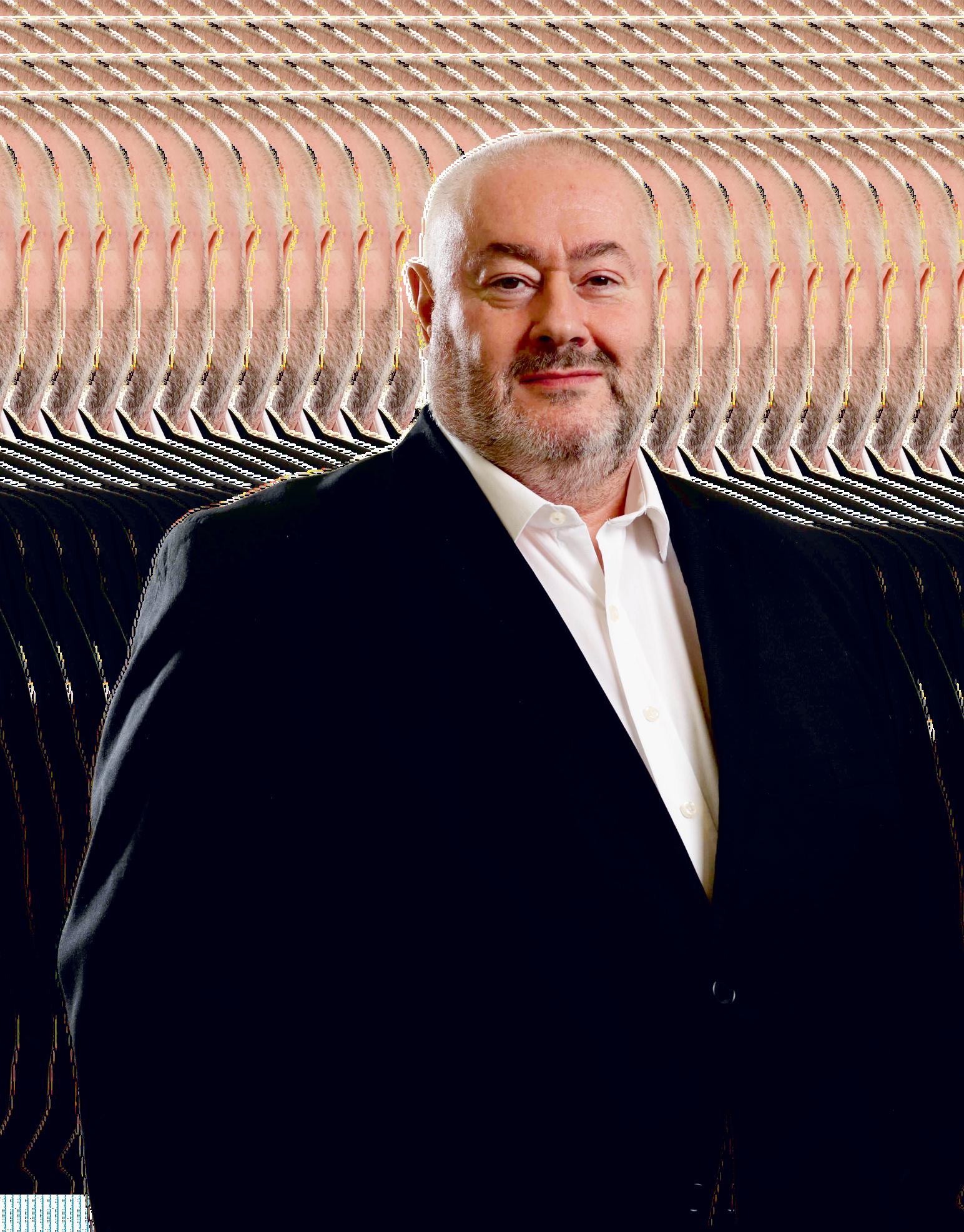
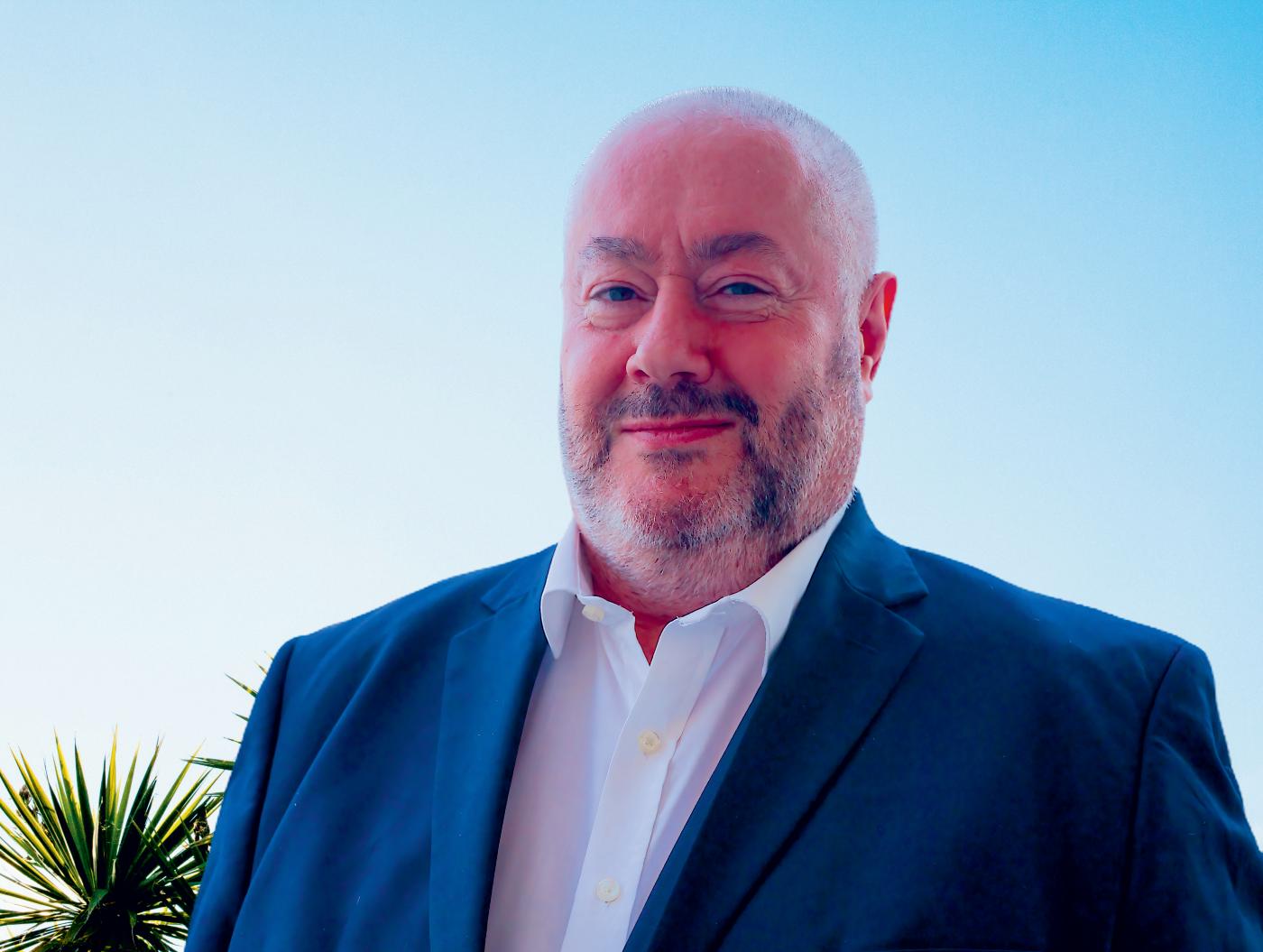
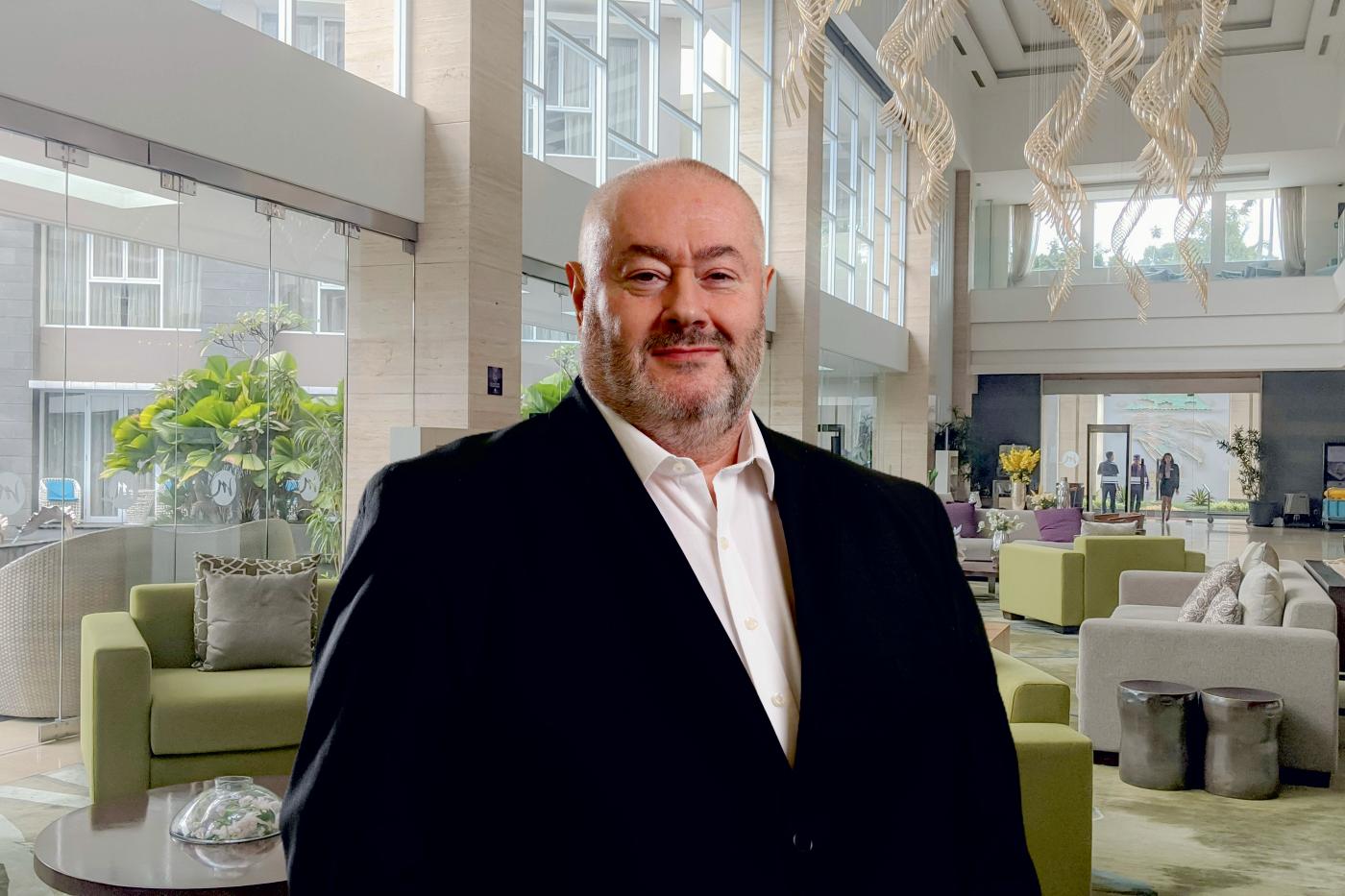
Denis
Boardmemberand President, MiddleEast AMFORHT

World’s Most Transformational Leaders Changing the Face of Business, 2024
Denis
Boardmemberand President, MiddleEast AMFORHT
Pioneering Brand Innovations Through Excellent Strategies


Leadership is the ability to guide others without force into a direction or decision that leaves them still feeling empowered and accomplished.

Acohortoftransformationalleadersisreshapingthe
landscapeofglobalbusinesswithvisionary strategiesandunparalleledinnovation.These leadersepitomizeaneweraofcorporatestewardship, wheresuccessisdefinednotonlybyprofitabilitybutalso bysocialimpactandsustainability.
Attheforefrontofthisevolutionareleaderswhoprioritize agilityandadaptabilityinnavigatingturbulentglobal markets.Theyleveragetechnologicaladvancementsand data-driveninsightstodriveoperationalefficiencyand customer-centricsolutions.Theirstrategicforesightenables themtoanticipatemarketshiftsandcapitalizeonemerging opportunities,settingnewbenchmarksforindustry resilience.
Beyondprofitability,theseleaderschampiondiversity, equity,andinclusionwithintheirorganizations.They recognizetheimportanceoffosteringaculturewhere diverseperspectivesthrive,drivinginnovationand enhancingdecision-makingprocesses.Byprioritizing ethicalleadershipandcorporateresponsibility,theyinspire trustamongstakeholdersandupholdintegrityasa
cornerstoneoftheirbusinesspractices. Inresponsetocomplexgeopoliticallandscapesand environmentalchallenges,theseleadersadvocatefor sustainablepracticesandresilienceinsupplychains.They embracecirculareconomyprinciples,investingin renewableenergysourcesandminimizingtheir environmentalfootprint.Theircommitmenttosustainability extendsbeyondcompliance,drivingsystemicchangeand influencingindustrynorms.
Thesetransformationalleadersarecatalystsfordigital transformation,revolutionizingbusinessmodelsand customerexperiences.Theyharnessthepowerofartificial intelligence,blockchaintechnology,andpredictive analyticstostreamlineoperationsandpersonalize engagement.Byembracinginnovation,theyfosteraculture ofcontinuousimprovementandpositiontheirorganizations asleadersintheFourthIndustrialRevolution.
-PrestonBannister
C O V E R S T O R Y
Pioneering Brand Innovations Through Excellent Strategies
22
P R O F I L E
Rob Whitfield Transforming Teams for High-Performance
A r t i c l e s
18 Responsibilities and Best Practices Ethical Leadership in Technology
26
Trends and Predictions The Future of Leadership



AlexisNormand CEO&Co-founder
BenoitMenardo Co-founder
DenisSorin Boardmemberand President,MiddleEast
EléonoreCrespo
Co-Founderand Co-CEO
RobWhitfield CEO
Greenly greenly.earth
Payflow payflow.es
AMFORHT amforht.org
Pigment pigment.com
RedefineWinning redefinewinning.com
AlexisistheCEO&Co-founderofGreenly,anorganization thatpartnerswithconsultanciestohelpthemscalecarbon accountingandsupportwiderclimateESGstrategies,including CSRDroll-out.
BenoitisaCo-founderofPayflow,acompanywiththemission tobringfinancialwell-beingtoallworkers,thusallowingthem toincreasetheirmotivationandproductivityatwork.
Denisisaseasonedhospitalityandtourismexecutivewithover 30yearsofglobalexperienceinleadinghotelgroups, consultingfirms,andeducationalassociations.
EléonoreisaCo-FounderandCo-CEOofPigment,abusiness planningplatformthatprovidesorganizationswiththetools neededtointuitivelyandintelligentlybuildandadaptstrategic plans.
Robisastrong,motivationalleaderwitharecordof completingprojectsontimeandwithinbudgetwhodelivers excellenceinstrategy,process,change,andtechnology environmentswhilemaintainingaflexible,adaptablestyle.

DenisSorin BoardmemberandPresident, MiddleEast AMFORHT

His philosophy that a content and motivated workforce is the key to sustainable profitability has been a driving force behind his leadership style.
Thehospitalityandtourismindustryplaysacrucial
roleinglobaleconomies,drivenbytheneedfor exceptionalserviceanduniqueguestexperiences. Thissectorisconstantlyevolving,influencedbycultural nuancesandregionalspecificities.Adaptingtothese changesisessentialforsuccess,particularlyinregionslike theMiddleEast,wherehospitalityandtourismare experiencingunprecedentedgrowth.Theregion’sunique culturalandhistoricalcontextdemandsatailoredapproach tomanagementandservicedelivery,ensuringguestsand employeesaresatisfiedandengaged.
DenisSorin,theBoardMemberandPresidentforthe MiddleEastatAMFORHTepitomizesthisadaptive leadership.Hiscareer,markedbyhands-onexperienceand acommitmenttounderstandingtheworkforce,hassethim apartasaleader.Fromsalvagingcompaniesonthebrinkof bankruptcytopioneeringnewhospitalityconcepts,Denis hasconsistentlyemphasizedtheimportanceofemployee well-beingandengagement.Hisphilosophythatacontent andmotivatedworkforceisthekeytosustainable profitabilityhasbeenadrivingforcebehindhisleadership style.
AMFORHT,underDenis'sleadershipintheMiddleEast, embodiestheseprinciples.AsaUN-backedNGO, AMFORHTisdedicatedtosupportinggovernments worldwideinimplementingsustainabletourismstrategies througheducationandtraining.Theorganizationplaysa keyroleinnurturinggrowthanddevelopmentinlocal communitiesbyaligningwithglobalstandardsof sustainabletourism.ItsworkintheMiddleEasthighlights thecommitmenttocreatinginclusiveandthriving hospitalitysectorsthatbenefitlocalpopulationsandthe globaltourismindustry
Let’sexploreDenis’svisionaryhospitalityleadership journey:
Denis’scareerpathhasbeenfarfromtraditionalandlinear Heconsidershimselffortunatetohavehadtheopportunity tobeginhiscareerbyworkingonextraordinaryprojects. Onesuchprojectwasbeingapartofthere-creationteam fortheworld-renownedVenice-SimplonOrientExpress (VSOE).
Inaddition,hegainedvaluableexperiencebysalvaging companiesonthebrinkofbankruptcy,rangingfromhotels toITfirmsandtouroperators.Althoughthesejobsmaynot havebeenasglamorous,theywereincrediblyformative.
Throughouthiscareer,Denishastakenonvariousrolesand responsibilities.Whetheritwasoverseeingapioneering hotelconceptorsuccessfullymanagingaground-handling operation,hemadeaconsciousefforttoobservebothhis colleaguesandtheclientele.
Thisallowedhimtobetterunderstandthedifferent perspectivesandchallengesthatarosewithineachrole.He willinglytookonrank-and-filepositionsforextended periodstoimmersehimselfinthelivesanddailystruggles ofthoseonthefrontlines.
Thishands-onapproachensuredthathismanagerial decisionswerenotonlyasstrategicallysoundaspossible butalsoconsiderateofthoseresponsiblefortheir implementation.
Itwasthroughtheseexperiencesthathecametorealizea fundamentaltruth:sustainableprofitabilitycomesfrom contentandengagedworkforceratherthanusualcostcuttingmanagement.
Asarank-and-fileemployee,Denisrepeatedlywitnessed colleagueswhodidtheabsoluteminimumtoavoidtrouble andwerealwaysthefirstoutthedoorattheendoftheir shift.Whilethesecompaniesexperiencedsuccess,they nevertrulyachievedgreatnessforlackofemployees’ engagement.
Unfortunately,manycompaniesstilladheretoa paternalisticmanagementstylereminiscentofthe19th century Whilethesecompaniesmaybedoingwell,their workforceoftenlacksmotivation,resultinginaninability toreachtheirfullpotential.
Whereverhefoundhimselfasanexecutive,Denismadeita prioritytoimplementandrefinethephilosophythat prioritizesthewell-beingandfulfillmentofemployees.
Hefirmlybelievedinthesaying, “Take care of your employees, and they will take care of your business.”
HeevenputthistheoryintoactionwhenheledaWest AfricanhospitalitygroupcalledInaugure.Theresultwasa teamthatwasincrediblymotivatedanddedicated,allowing
themtodevelopuniqueandhighlysuccessfulhospitality brandconcepts.
Inadditiontoprioritizingtheprofitabilityofthecompany heworkedforbasedontheprinciplethat “happy employees ensure happy customers and happy customers ensure happy shareholders—in that order” (SimonSinek),hestrongly believesthatathrivingcompanyrequiresaconducive environmentforgrowthandsuccess.
DuringhistimeintheUnitedArabEmirates,hedeveloped astrongdesiretoassistthosenationalswhoweremostin need.ThisledhimtoconceivetheEmiratizationofthe HospitalityIndustryprogram,whichquicklygainedofficial recognitionandprovedtobehighlybeneficial.
Thismindset,whichhasbeeningrainedinhimsincea youngage,ultimatelyledhimtoworkforAMFORHT,an UN-backedNGO.
“
Having lived and worked on various continents and countries, Denis has become adept at adapting to local cultures.
“
Theprimaryfocusofthisorganizationistosupport governmentsworldwideinimplementingsustainable tourismthrougheducationandtraininginthehospitality andtourismsectors.Bydoingso,theycontributetothe growthanddevelopmentofbothgovernmentsandlocal communities.
Denisbelievesthat,duetoitsrichhistory,theMiddleEast posesdistinctivechallenges.
Hehashadtheopportunitytoworkinvariousregions acrosstheglobe,excludingFarEastAsia.Whileevery regionandcountryhasitsownsetofdifficulties,inthe MiddleEast,itisessentialtoreevaluateallbeliefsto achievesuccess.
WhenDenisrelocatedtotheregionin2000,hislongstandingapproachtobusinessanditsenvironmentproved tobebeneficial.Heinvestedtimeinobservingand comprehendingtheregionalandlocalmindset,researching
beyondcommonplacestereotypes,andlearningfrom historicalcontext.
TheMiddleEast,andmoreprecisely,theGulfregion, owingtoitsuniquegeographicallocation,hashistorically attractedindividualsfromneighboringArabcountriestothe Subcontinentandbeyondinsearchofemployment opportunities.
WithrecentdevelopmentssuchasDubai’sinitialvisionand SaudiArabia’sgrand-scaleso-calledVision2030,the regionisnowdrawingworkersfromaroundtheworld.
Thehospitalityandtourismsector,especiallyinSaudi Arabia,isexperiencingsignificantgrowth,withthe constructionofover300hotelsin2024alone.
However,thisdoesnotimplythatthesectorcansimply implementmanagementtechniquesappliedelsewhere.Such anapproachwouldfailintheGulfregion.
Takingculturalspecificitiesintoconsideration,itiscrucial toadaptbrandsandmanagementstylestomeetthe
expectationsofguestsandemployees,particularlyfrom entry-leveltomiddlemanagementpositions.Additionally,it isimportanttoacknowledgethattheregionishometo Islam’stwomajorholycities,eachwithitsowndistinctive businessmodelandexclusivepolicies.
Runningabusinessintheregionpresentsuniquechallenges thatsetitapartfromanywhereelseintheworld.
Asafirmbelieverinensuringthehappinessofhisentire workforce,Denismakesitaprioritytoadapthis managementstyletoaccommodatethediverseculturesthat makeuptheirmeltingpotofemployees.
Thisincludeseverythingfromthefoodtheyserveinthe staffcafeteriatothewaytheycommunicateandinteract withoneanother.
Respectingandvaluingtheirteammembersisa fundamentalaspectofeffectiveleadership,andthisholds trueregardlessofculturalbackground.
However,intheMiddleEast,thereisanoticeableand constantculturalgapbetweenmanagementandstaffthat mustbeacknowledgedandaddressed.
Havinglivedandworkedonvariouscontinentsand countries,Denishasbecomeadeptatadaptingtolocal cultures.IntheMiddleEast,thismeansnotjustadaptingto oneortwoculturesbutpotentiallydozens.
Inadditiontothediverseexpectationsoftheirworkforce, theymustalsonavigatethelocaldominantcultureand mindset,whichextendsbeyondjusttheiremployeesto hotel-owningcompaniesaswellasbusinessestheydeal withorlocalauthorities.
“ “
Respectingandembracingthecenturies-oldtraditionsof hospitalityandwelcomeiscrucialtotheirsuccessinthis region.
Bydemonstratinggenuinerespectforthesetraditionsand thewaybusinessisconducted,theycandevelopand implementasuccessfulstrategy
Whilethestrategyitselfmaynotdiffersignificantlyfrom elsewhere(apartfromthecitiesofMakkahandMadinah),it istheirworkstyleandapproachthattrulysetsthemapart.
AMFORHTwasestablishedin1969.Shortlyafterthe UNWTO(nowknownasUNTravel)becameanintergovernmentalorganizationin1975,AMFORHTreceived itsaffiliationwiththisUNagency.In2021,AMFORHT wasgrantedspecialconsultativestatuswiththeUnited NationsEconomicandSocialCouncil(ECOSOC).
AMFORHTreceivedrecognitionfrombothUnitedNations agenciesduetoitsspecificmissionofassisting governmentsworldwideinimplementingsuccessful sustainabletourismstrategiesthroughhospitalityand tourismeducationandtraining.AccordingtoZurab Pololikashvili,theUNTourismSecretaryGeneral, “Education is a key priority for UN tourism. By equipping individuals with the necessary skills and knowledge, we can create a more resilient, sustainable sector and enhance tourism’s impact on our economies and societies.”
Heemphasizedthat “our sector gives local populations the chance to make a living. To earn not just a wage but also dignity and equality. Tourism jobs also empower people and provide a chance to have a stake in their own societies—often for the first time.”
Denis believes promoting local culture and heritage should not be necessary; it should be a given.
InDenis’sopinion,UNTravelexpectsAMFORHTto ensurethatbothgovernmentsandlocalcommunitiesbenefit fromthehospitalityandtourismindustry.Thisentails transitioningfromunsustainablemasstourismtoamore sustainableapproachthatrespectslocalpopulations,their environment,culture,andwayoflife.
AsAMFORHToperatesin80countries,workingtoalign withandimplementUNTravelpoliciesandobjectivesin therealmofhospitalityandtourismeducationandtraining makesalotofsense.Forinstance,recently,theorganization enteredintoapartnershipwiththeIvoryCoastgovernment tosupporttheimplementationofitssustainabletourism strategy,SublimeCôted’Ivoire.
Additionally,collaborationshavebeenestablishedwith countriessuchasMorocco,Canada,andChina,justto nameafew
IntheMiddleEast,AMFORHTisactivelyengagedin formingpartnershipsaimedatprovidingtrainingand educationforlocalcommunitiesinvarioushospitalityand tourismroles.
WhenDeniswaslivingintheUnitedArabEmirates(UAE), hewasabletospearheadtheestablishmentoftheinitial Emiratizationprogramevenbeforereceivingofficial backingfromtheEmiratesofDubai.Thisgroundbreaking programeventuallygainedmomentumandexpandedacross theregion.
Theideaforthisprogramfirstcametohimduringavisitto theNorthernEmiratesoftheUAE,wherehediscovereda significantportionofthelocalpopulationwasexperiencing povertyandlackedpropereducation.Itisimportanttonote thattheUAEcomprisesindependentstates(Emirates),each withitsowngoverningbody,laws,andpolicies,muchlike theUnitedStatesinstructure.
RegionslikeDubaiandAbuDhabidonotsufferfromthe samelevelsofpovertyandeducationaldisparitiesfoundin theNorthernEmiratesatthetime.Toswiftlyaddressthese challenges,alocalsupermarketadjoininghisoffice collaboratedwiththemtooffercomplimentaryEnglish classes—acrucialskillinDubai.Thiswasfollowedby essentialcashiertrainingforeventualemploymentatthe supermarket.
Simultaneously,histeamintroducedspecializedtraining sessionsforindividualsinterestedinpursuingcareersinthe hospitalityindustry.UponsuccessfulcompletionofEnglish proficiencyassessments,participantscouldtrainforroles suchasfront-deskclerks,reservationagents,bellmen,and more.Meanwhile,theycouldearnanincomebyworkingat thesupermarketwhileundergoinglongerhospitality training.
Theinitiative’ssuccesspromptedtheDubaigovernmentto assumecontroloftheprogram,ensuringitscontinuityand expansion.ThankstoalaterpartnershipwiththeDubai governmentandAccor,theirteamexperiencedsignificant growth,allowingscholarstojointhemandcollaboratewith industryprofessionalsinordertoestablishahighlyefficient programthatcanbereplicatedeffortlesslyinanylocation.
Thiscomprehensiveprogramcombinesclassroom educationwithpracticalon-the-jobtraining,enablingthem toeducateandtrainindividualsinvocationalpositionsall thewaytohotelgeneralmanagement.
Thesuccessfuloutcomeofthisprogramultimatelyledto theNorthernEmiratestransformingtheirbusinessmodels andemergingassuccessfultouristdestinationsintheirown right.
Theprogramalsogarneredinterestfromneighboring countries,extendingallthewaytoEgypt.(Accordingto Denis,itisworthnotingthatEgyptfacesdifferent challengescomparedtotheGulfcountries,astheyalready haveathrivingtourismindustrybutstrugglewithasubpar hospitalityandtourismeducationsystem).
TheKingdomofSaudiArabiawasthefirstcountryto requesttheimplementationofthisprogramoutsideofthe UAE.WiththeKingdom,theywereabletotestthe scalabilityoftheirprogrambymovingfromacountry,the UAE,whereonly1%ofthepopulationislocal,tocloseto 60%inSaudiArabia.Furthermore,theprogram’s scalabilityfacilitateditsseamlessexpansiontoother regions.
Alignedwithtoday’sSaudigovernment’sVision2030,the countryisexperiencingasignificanttransformation,aiming topositionSaudiArabiaasoneoftheworld’smain destinationsby2030,ifnotthetopdestination,withan expectedannualentryofover100+millionovernight visitors.
Toachievethisvision,agreaternumberofSaudinationals mustjointhehospitalityandtourismindustriestofulfillthe diverserangeofpositionsavailableinhotels,themeparks, historicalsites,sportsdestinations,andmore.
Thisprogramissettocontinuerunninguntil2030and beyond,servingasameansfortherealizationofSaudi Arabia’sambitiousgoals.
InDenis’sview,sustainabilitycanbeunderstoodinmany differentways.Thereisthetraditional‘savetheplanet’ approach,andthereisensuringthatpopulationsenjoya sustainablelifeasmuchaspossible.Thismeans,firstand foremost,ensuringthattheenvironmenttheyliveinisclean andpleasantandprovidesallthatisneededforawellbalancedlife(jobs,hospitals,schools,shops,etc.).
Agoodenvironmentshouldnotbepollutedbymass tourism—thinkVenice,Djerba,or,worstofall, Thailand—butshouldthriveonresponsibletourism respectfuloflocalpopulations’waysoflife,traditions, history,andculture.CostaRica,Bhutan,ortheAzores cometomindwhentalkingaboutsustainabletourism.
IntheGulfregion,thingsaredifferent,asthesecountries arenewtotheinternationaltourismscene.Untilvery recently,sustainability,underanyofitsunderstandings,was foreigntotheirleadersandpopulations.Nevertheless, thingsarechangingrapidly,withgovernmentsnow competingtobethegreenleaderwiththebestproposals andactions(cf.DubaiCOP28).
Longbeforethesenewgreenpolicies,Denisimplementeda sustainableenvironmentalschemetoimprovelocal populations’lives.Ontheotherhand,duetothegreat numberofexpatriatesoccupyinglowpositionsinthispart oftheworld,hemadeitapointofhonorforthemtoalways havedecentplacestoliveaswellasqualityfoodfromtheir countriesoforigin,asignofrespectfortheircountriesof origin,culture,andwayoflife.
WhenDeniswaspresidingoverthedestinyofAmsa Hospitality,aSaudi-grownstartup,thedecisionwasmade tocreatetheirownbrandoriginatedfromwhattheysawas anecessitytoaddressagaptheyidentifiedinthemarket:
Ÿ Allregionsaroundtheworldhavehospitalitybrands thatembodytheirrespectiveculturesandtraditions.
Ÿ BesidesthegreatnumberofEuropeanandNorth Americanbrands,therearealsonotableoneslikeNoom andSeeninAfricaandShangri-LaandGreenTreeInns inAsia,amongothers. However,theMiddleEastlacksasimilarrepresentation. EvenregionallyestablishedbrandslikeJumeirahorRotana areWestern-styledbrandswithminimallocalinfluences. Therefore,AmsaHospitalitydecidedtodevelopabrand thatcaterstoall,hencethemidscalesegment,showcasing theancientMiddleEasterntraditionofhospitalityandcare withmodernamenitiesandservicethatmeetthe expectationsoftoday’smostdiscerningguests.
Theirstrategyattractedsubstantialattentionfrom stakeholdersinthehospitalityindustry,designers,investors, andmediawellbeyondtheMiddleEast.Today,Gulf countries,notablySaudiArabia,oftendominatetourism headlines.Theirendeavorinvolvedthechallengeof
reinterpreting'traditionalArabianhospitality'inamodern context,avoidingclichéssuchasa'1,001Nights'theme. Theirinnovativeapproachswiftlygainedwidespreadmedia coverage,aimingtoauthenticallyincorporateand harmonizetheculturalandtraditionalessencesofeachGulf countryintotheiruniquebrand.
TakinginspirationfrombrandslikeShangri-La,they focusedonmaintainingoperationalefficiencywiththe latesttoolswhileprioritizingaguestexperiencethatis genuinelyuniqueandmemorable.
JustasShangri-La’sexcellenceliesintheguestexperience, AmsaHospitality’sbrandstrivestodeliveranauthenticand unparalleledtraditionalArabianguestexperienceusing innovativetoolsandtechnologiesandaqualityofservice aboveallelse.
Balancingthepromotionoflocalcultureandheritagewith thedemandsofmoderntourismisadelicateyetcrucial task.Recognizingthisbalance,Denisbelievesthat promotinglocalcultureandheritageshouldnotbeanadded effort;itshouldbeagiven.Thisisparticularlytrueinthe MiddleEast,wherecountriesandtheirlocalpopulationsare youngandtakegreatprideintheirflags,culture,and traditionswhilealsoembracingmodernity Thekeyisto providetheusualhospitalityandtourismtrainingand educationtotheselocalpopulationstoensurethattheyare well-versedintheinsandoutsofthefield.
Inlinewiththeseprinciples,theapproachgarnered significantinterestfromthehospitalityindustry,designers, investors,andthemediafarbeyondthebordersofthe MiddleEast.
Denisshares,“With a significant expatriate population, which can make up a substantial percentage of the overall population in Gulf countries (an average of 52%, ranging from 37% in Saudi Arabia to 89% in Qatar), it is natural that many expatriates are employed in the hospitality and tourism industries in these nations. On average, about 75% of workers in this sector are expatriates. These workers come from various parts of the world, with a significant number coming from neighboring Arab countries such as Egypt, Lebanon, and Syria, as well as the Philippines, Pakistan, India, and Bangladesh.”
Mostoftheseindividualsalreadyhaveabackgroundin hospitalityandtourism,requiringonlycontinuoustraining tostayup-to-datewithbestpractices.However,itis somehowimportantforthisexpatriatepopulationtoreceive traininginlocalcultureandtraditions.
“Arabsfromneighboringcountries,duetohistorical reasonsandsharedculturalties,primarilyneedtrainingon localspecificities.Thehistoricalexchangesbetweenthe SubcontinentandGulfcountrieshaveresultedinmany commonalities,fromfoodtolifestyle.Whileaminimum leveloftrainingmaybenecessary,itisimportantto recognizeandbuildupontheseexistingsimilarities.
Ontheotherhand,individualsfromthePhilippineshavea completelydifferentcultureandwayoflife.Extensive culturaltrainingandeducationareessentialforthemto betterunderstandtheirculturalenvironmentandfoster understandingamongcolleaguesandclients.
Surprisingly,itisfrequentlyadvisedtoprovidetrainingfor ArabsandcolleaguesfromtheSubcontinenton comprehendingindividualsfromthePhilippinesinorderto preventconflictsthatmayariseduetomisunderstandings regardingculturaldifferencesandevenculinarytraditions,” addsDenis.
Denisadvisesaspiringleadersinthehospitalityandtourism industrieswhowishtomakeasignificantimpactintheir careerstotransitionfrombeingmeremanagerstogenuine leaders.Leadershipisacomplexrolethatrequiresthe consistentdemonstrationofavarietyofessentialqualities.
Althoughthesetraitsmaynotberevolutionary,theyare criticalforeffectiveleadershipandarefrequently emphasizedacrossnumerousplatformsontheInternet:
Ÿ Beingapeopleperson
Ÿ Beingamasterproblemsolver
Ÿ Inspiringandmotivating
Ÿ Embracingchangeandinnovation
Ÿ Seekingguidancefrommentorsandofferingmentorship
Ÿ Prioritizingsustainability
Ÿ Advocatingfordiversityandinclusivity
Theessentialcomponentsofsuccessfulleadership encompassfoundationalskillsandknowledge,whichare criticalforexcellinginone’scareer.However,toachieve thehighestlevelsofsuccess,anadditional,more
challengingdimensionmustbeconsidered.Asthe renownedsayingimplies,“Ifyoucandreamit,youcando it,”itunderscorestheimportanceofhavingavisionand strongself-belief.Effectiveleadershiprequiresa harmoniousbalanceofpragmatism,focus,andtechnical proficiency Thisraisesanintriguingquestion:“Howcana leaderalsobeadreamer?”
Denisshares,“Theanswerliesinthepursuitofagoal,no matterhowmodestitmayseem.Toovercomeobstaclesand setbacks,onemustpossessthemotivationtopersistandtry again.
Navigatingacareerpathisburdenedwithfailuresand setbacks.Thekeyistopersevereandkeeptryinguntil successisachieved.Thisresilienceisfueledbyastrong beliefinone’sdreamsandthedeterminationtoovercome anychallengesthatmayarise.”
Hestates, “It is important to acknowledge that there will be individuals who may attempt to block one’s progress and ruin your success. Overcoming these obstacles can be overwhelming, but resolute faith in one’s dreams provides the strength needed to push back. A crucial point to remember is that once a dream is realized, a new one must be pursued.”
“This continuous pursuit of greatness is essential for personal fulfillment, keeping in mind that not everyone should wish to become Julius Caesar! Striving for greatness is akin to climbing a hill—not necessarily Mount Everest, but a challenge that fulfils our innermost desires. Additionally, “following a career-oriented path may lead to financial success, but true greatness often stems from chasing dreams. Let history show that the most impactful leaders (from heads of state to business moguls) all started with a dream,” he concludes.









Theintegrationoftechnologyintoeveryaspectof
businessanddailylifehascreatedacriticalneed forethicalleadershipwithinthetechindustry Leadersintechnologyholdthepowertoshapenotonlythe futureoftheirorganizationsbutalsothebroadersocietal environment.Thisarticleexplorestheresponsibilitiesof ethicalleadersintechnologyandoutlinesbestpracticesto ensuretheynavigatetheirroleseffectively.
Ethicalleadershipintechnologybeginswithunderstanding theprofoundimpactthattechnologycanhaveonsociety Thisresponsibilityextendsbeyondprofitmarginsand innovationtoincludeconsiderationsofsocialjustice, privacy,andenvironmentalsustainability.
• UpholdingDataPrivacyandSecurity
Oneoftheforemostresponsibilitiesoftechleadersis ensuringtheprivacyandsecurityofuserdata.As custodiansofvastamountsofsensitiveinformation,tech companiesmustimplementrobustdataprotection measures.Thisincludescompliancewithregulationssuch asGDPRandCCPA,aswellasadoptingbestpracticesfor dataencryption,accesscontrol,andincidentresponse. Leadersshouldnurtureaculturewheredataprivacyisa priority,andcontinuouseffortsaremadetoprotectuser informationfrombreachesandmisuse.
• PromotingInclusivityandDiversity
Techleadershavearesponsibilitytopromoteinclusivity anddiversitywithintheirorganizationsandtheproducts

theycreate.Diverseteamsareproventodriveinnovation andbetterdecision-making.Ethicalleadersmustimplement policiesandpracticesthatsupporttherecruitment, retention,andadvancementofunderrepresentedgroups. Furthermore,theyshouldensurethattheirproductsand servicesareaccessibleandinclusive,avoidingbiasesthat couldmarginalizecertainusergroups.
•
Transparencyiscrucialforbuildingtrustwithusers, employees,andstakeholders.Ethicaltechleadersshould committoclearandopencommunicationabouttheir practices,decisions,andthepotentialimpactsoftheir technology Thisincludesbeinghonestaboutthelimitations andrisksoftheirproducts.Additionally,accountability mechanismsshouldbeinplacetoaddressanyethical breaches,ensuringthatleadersandtheirorganizationsare heldresponsiblefortheiractions.
Thetechindustryhasasignificantenvironmentalfootprint, fromtheenergyconsumptionofdatacenterstothee-waste generatedbydiscardeddevices.Ethicalleadersmust prioritizeenvironmentalsustainabilitybyadoptinggreen practicesandtechnologies.Thiscanincludeusing renewableenergysources,optimizingenergyefficiency, andsupportingrecyclingandresponsibledisposalof electronicwaste.Byprioritizingsustainability,techleaders canmitigatetheirenvironmentalimpactandcontributetoa healthierplanet.
Whileunderstandingtheirresponsibilitiesiscritical,tech leadersmustalsoadoptspecificbestpracticestouphold ethicalstandardseffectively
• EstablishingaStrongEthicalFramework
Developingandmaintainingastrongethicalframeworkis foundationalforethicalleadership.Thisinvolvescreatinga codeofethicsthatoutlinestheorganization'svalues, principles,andexpectationsforbehavior.Leadersshould ensurethatthiscodeisintegratedintoeveryaspectofthe business,fromdecision-makingprocessestoemployee trainingprograms.Regularreviewsandupdatestothe ethicalframeworkareessentialtoaddressemerging challengesandevolvingsocietalnorms.
Anethicalframeworkisonlyeffectiveifitissupportedby aculturethatvaluesandpromotesethicalbehavior.Leaders shouldmodelethicalconductintheiractionsanddecisions, settingastandardforemployeestofollow.Creatingan environmentwhereethicalconcernscanberaisedwithout fearofretaliationisalsocrucial.Thiscanbeachieved throughopen-doorpolicies,anonymousreportingchannels, andregularethicstrainingsessions.
Engagingwithabroadrangeofstakeholdersisvitalfor ethicalleadership.Thisincludesemployees,customers, investors,regulators,andthecommunitiesimpactedbythe organization’sactivities.Leadersshouldactivelyseek stakeholderinputandfeedback,usingittoinformtheir decisionsandpractices.Transparentandproactive engagementhelpsbuildtrustandensurethatthe organization’sactionsalignwiththeexpectationsandneeds ofitsstakeholders.
Ethicalleadersmustbalancethepressuresofachieving short-termbusinessobjectiveswiththeneedforlong-term ethicalconsiderations.Thismeansprioritizingsustainable growth,investinginsociallyresponsibleinitiatives,and makingdecisionsthatbenefitnotonlythecompanybutalso societyatlarge.Byfocusingonlong-termimpact,leaders cancreatevaluethatenduresandpositivelyinfluences futuregenerations.
Ethicalleadershipintechnologyisnotjustamoral imperativebutastrategicnecessityinanerawhere technologyprofoundlyinfluenceseveryaspectoflife.By understandingtheirresponsibilitiesandimplementingbest practices,techleaderscanensurethattheirorganizations contributepositivelytosocietywhileachievingsustainable success.Ascustodiansofthefuture,ethicaltechleaders mustremainvigilant,proactive,andcommittedto upholdingthehighestethicalstandardsintheirendeavors.