
Champion challenges Walz’s funding pivot
The political landscape in St.
Paul is witnessing a rare and public rift between two of Minnesota’s most powerful allies.
Minnesota Senate President Bobby Joe Champion is standing firm against a proposal by Governor Tim Walz that could fundamentally reshape how the state supports community-led initiatives. At the heart of the dispute is the state’s response to the Feeding Our Future scandal—a massive federal fraud case involving the misappropriation of millions in pandemic-era food aid. Senator Champion notes that there are no allegations of fraud involving organizations that received direct appropriations, and argues that including the end of such funding in an anti-fraud package wrongly suggests they contributed to the crisis—likening the move to a man passing gas and blaming the dog.
While both leaders agree that fraud is intolerable, they are sharply divided on the remedy. Governor Walz has proposed ending the practice of "direct legislative grants"— funding negotiated directly by lawmakers for specific nonprof-
its—favoring a strictly competitive bidding process for all state contracts.
Senator Champion’s position: Protecting community sovereignty Senator Champion, a long-time advocate for North Minneapolis and the broader Black community, views the Governor’s proposal not as a solution, but as a structural barrier. His analysis suggests that a "one-sizefits-all" competitive bidding process will inherently favor large, well-resourced institutions while locking out the very grassroots organizations that possess the cultural competence to serve under-resourced populations.
"We cannot allow the criminal actions of a few to be used as a pretext to dismantle the infrastructure of community-led progress," Champion has signaled in his legislative analysis. "Direct grants are often the only way that smaller, culturally specific organizations—who are doing the real work on the ground—can bypass a state bureaucracy that has historically
Page Commentary
By Al McFarlane, Editor
The news coming out of St. Paul this week feels like a betrayal of the very communities that state leaders claim to protect. While Governor Tim Walz and the Trump administration engage in a high-stakes game of political chicken over "fraud prevention," grassroots organizations in Twin Cities and beyond are the ones being lined up for the firing squad. Governor Walz’s proposal to end direct legislative grants is not a strategic reform; it is a structural eviction of Black excellence from the public square. By framing this as a response to the "Feeding Our Future" scandal, the Governor is using the criminal actions of a few to justify the systemic exclusion of the many.
ignored them."
Champion argues that the Governor’s recommendation ignores the "Sovereignty of Narrative"—the idea that the community knows its own needs best. By removing the ability of legislators to direct funds to proven community partners, the state risks returning to a "trickle-down" model of social service where the Black community is treated as a passive recipient rather than an active agent of change.
The Governor’s strategy: A call for oversight Governor Walz, facing pressure from the Trump administration's Department of Justice and local critics over the oversight failures during the pandemic, frames his proposal as a necessary step toward transparency and accountability.
"Minnesotans need to know that their tax dollars are being used for their intended purpose," the Governor’s office stated regarding the proposed procurement shifts. "By moving toward a universal competitive bidding process, we ensure that
every dollar is vetted, every organization is scrutinized, and the potential for fraud is minimized."
The Governor’s plan would effectively end the "carve-outs" that legislators often secure for nonprofits in their districts during the biennial budget process.
The deep dive: Potential negative impacts on Black nonprofits
The experience-informed leadership of our community demands that we look beneath the surface of "transparency" to see who is actually at risk. For Black-led nonprofits and small businesses, the Governor’s proposal creates several highstakes hurdles:
The "Resource Gap" in Bidding: Competitive bidding processes are notoriously complex, requiring grant writers, compliance officers, and legal teams.
Larger, white-led nonprofits have this infrastructure; smaller Black-led firms often do not.
• Decoupling Results from
Relationships: Direct legislative grants rely on Relational Authority. A legislator knows which organizations are actually feeding children or training workers. A cold bidding process prioritizes "paper capacity" over "proven impact."
Institutional Memory Loss: By moving all funding to a centralized, competitive model, the state risks ignoring the historical continuity of organizations that have spent decades building trust in the African American community—trust that cannot be quantified in a bid.
Perspectives from the field
Community leaders warn that the Governor’s strategy could result in the "ethnic cleansing" of the nonprofit ecosystem.
"What the Governor is suggesting is a death sentence for grassroots innovation," says one North Minneapolis community organizer. "If every dollar has to go through a state procurement office that doesn't
know our names or our history, the money will stay with the 'Big Boxes' of the nonprofit world. We are being punished for a crime we didn't commit."
Assessment: Accountability without erasure The challenge for the Minnesota Legislature in the coming session will be to find a path that ensures accountability without ensuring erasure.
Senator Champion’s analysis suggests that the answer lies in enhanced oversight of direct grants, rather than their total elimination. This would involve stricter reporting requirements and auditing for legislative asks, ensuring that community service is protected from those who would exploit it, while keeping the door open for those who truly serve. As this debate moves through the Legislature floor, the stakes are clear: Will Minnesota’s response to fraud be to build higher walls around the State Capitol, or to build stronger, more transparent bridges to the communities that need support the most?
Senator Bobby Joe Champion is right to stand in the gap. He understands what the Governor seemingly does not: Direct appropriations are not the source of fraud—they are the source of life for under-resourced communities. There are no allegations of fraud that involve an organization who received a direct appropriation! None! To make ending direct appropriations as a part of the anti-fraud package suggests that direct appropriations contributed to the State's fraud crisis. It is analogous to a man passing gas and blaming the dog!
As Senator Champion bluntly stated this week: "I will not vote for and will actively rally support against any bill that includes an end to direct appropriations... I am not willing to blame avenues used to invest in communities across our
state... that are not the source of or a contributor to fraud."
For decades, Insight News has chronicled how Black-led nonprofits and small businesses operate on the front lines, often doing the heavy lifting that state agencies are too detached to handle. We don’t just promote the efficacy and necessity of culturally centered services, we promote sovereignty, equity and accountability. We are the trusted messengers advancing the idea that our community must follow the money, challenging and exposing institutional injustices. As I have often said, “They get the money, we get the misery.” The Governor’s "competitive bidding" pivot assumes a level playing field exists. When you require a 50page technical RFP for every dollar, you aren't selecting the best service provider; you are
selecting the best grant writer. Large, legacy institutions with multi-million dollar endowments will win every time. Grassroots leaders—those with the relational authority to stop a bullet or feed a family in a crisis—will be locked out because they don't have a compliance department. We are told this is about "transparency." But where was the transparency when federal judges had to block the Trump administration from halting Medicaid and SNAP funds earlier this year? The state is being squeezed by a "retribution" campaign from Washington, and rather than holding the line, the Governor is offering up our community’s lifelines as a peace offering. We agree that accountability is sacred. Public service
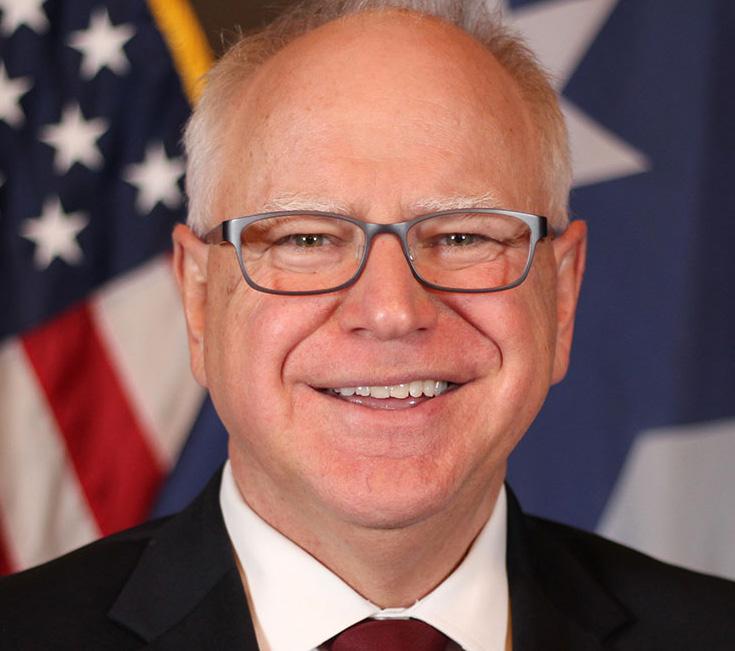
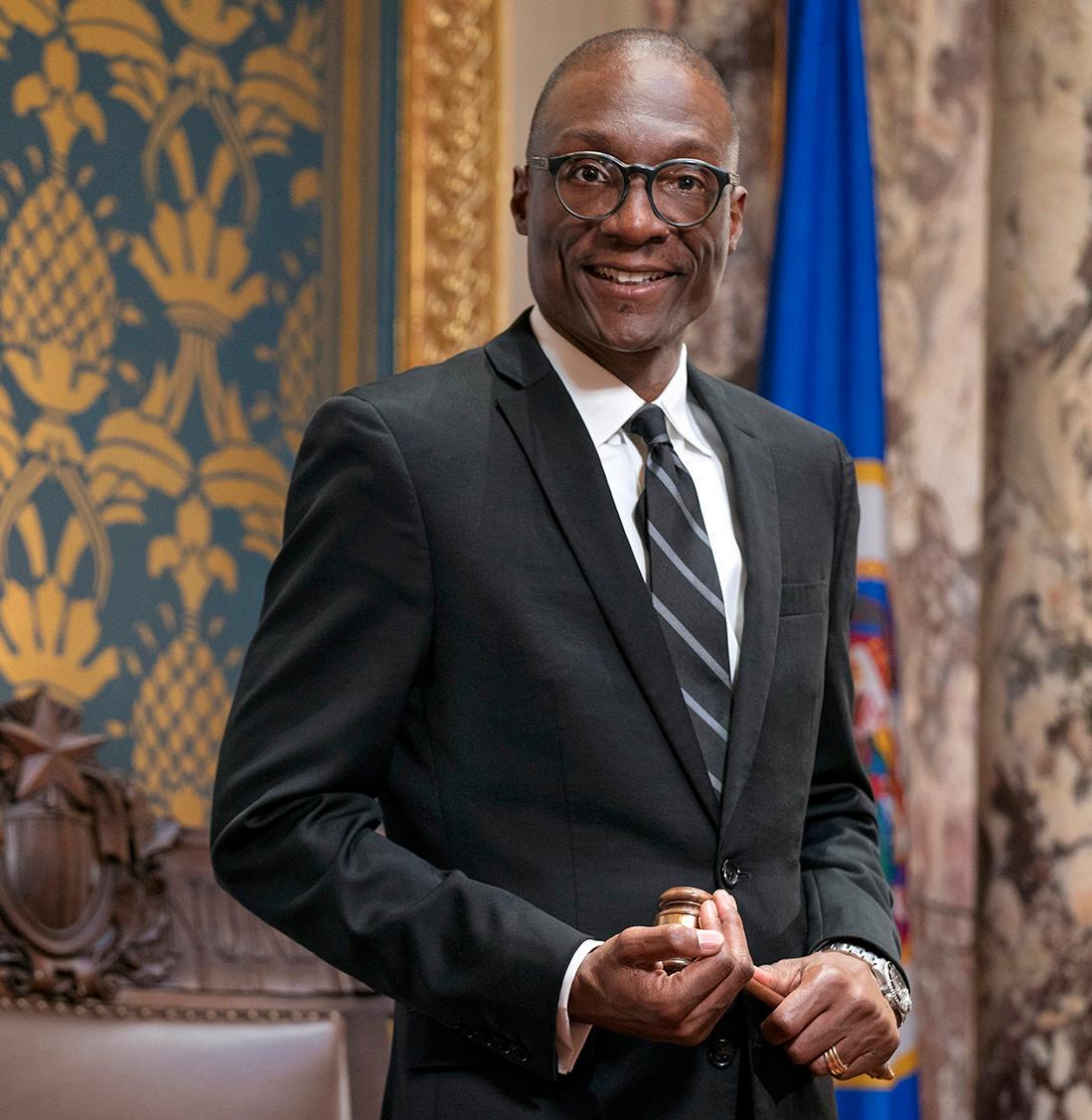
Senator Bobby Joe Champion
Governor Tim Walz


















Leaders condemn ICE 'terror crusade'
WASHINGTON, D.C. — The
2026 State of the Union address shifted from a traditional policy speech to a scene of unprecedented congressional friction as Representative Ilhan Omar (DMN) directly challenged President Trump on the House floor. The exchange, which has since ignited a firestorm of reactions from Black elected officials and international leaders, centered on the recent deaths of two U.S. citizens during federal immigration operations in Minnesota.
"You Have Killed Americans": The SOTU Flashpoint
The tension erupted when the President began a segment of his speech alleging that "Somali-American" communities were collectively responsible for localized crime. Rep. Omar, visible from her seat, challenged the President's rhetoric. The confrontation reached its peak when the Representative shouted back, “The truth is simple: You have killed innocent Americans!” In later social media posts, Omar said the “two of them were my constituents!” The outburst referred to Alex Pretti, an ICU nurse, and Renee Good, both Minne-
sota residents and U.S. citizens shot and killed by federal agents in January. Omar later stated she spoke with "fire in her heart" because the President refused to even utter their names, choosing instead to "unleash absolute chaos" in her community.
Cedrick Frazier: "None of Us Are Safe"
State Representative Cedrick Frazier (DFL-New Hope), a prominent voice in the Minnesota House, issued a blistering rebuke of the federal presence in the state. Frazier, who has been a vocal critic of the Trump
administration's "Operation Metro Surge," characterized the federal tactics as a "terror crusade."
"Every day ICE continues its terror crusade in Minnesota is another day where our communities are under direct threat of violence from these untrained and incompetent agents," Frazier stated. "None of us—regardless of citizenship status—are safe as long as ICE looms in our streets."
Frazier specifically pointed to the "gross brutality
Civil Rights TV launches in Selma as the world's first
24/7
civil rights television network
SELMA, Ala. — Civil Rights
TV, the world’s first 24-hour television network dedicated exclusively to civil rights history, education, and future equity, has officially launched on the Connect To Your City OTT platform powered by Connect2OTT.
The network debuts from Selma, Alabama — one of the most historically significant cities in the American civil rights movement — marking a new chapter in how civil rights stories are preserved, amplified, and carried forward for future generations.
Civil Rights TV operates continuously on the Connect To Your City OTT platform
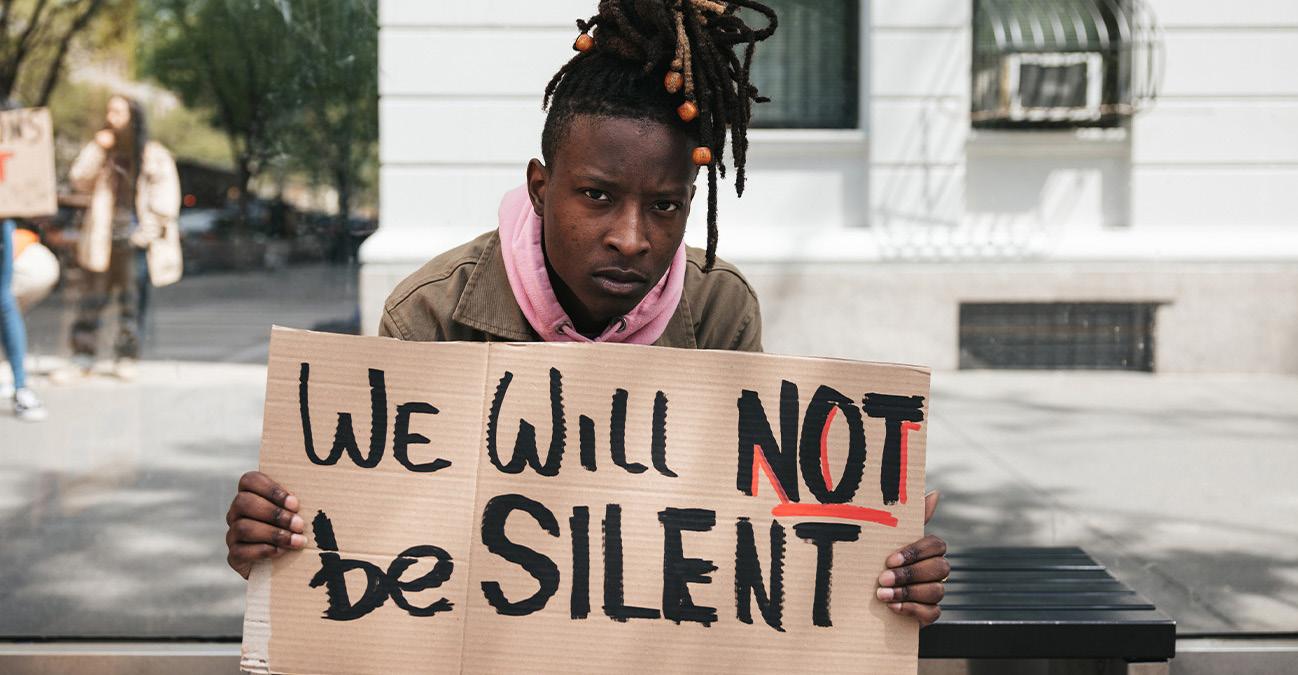
powered by Connect2OTT, offering documentaries, news analysis, live discussions, educational programming, global civil rights coverage, and cultural storytelling. The channel functions as both a historical archive and a living platform
Flags fly half-staff in Minnesota to honor
Rev. Jesse Jackson
Governor Tim Walz ordered flags across Minnesota to fly at half-staff from sunrise Feb. 25 through sunset Feb. 26 in honor of the Rev. Jesse Louis Jackson Sr., the civil rights leader and minister who died at 84 and maintained deep, enduring ties to the state throughout his life.
"He showed up at the point of challenge," Walz said, describing a man who did not wait for crises to pass before arriving but instead made it his practice to stand in the middle of them. Through his Rainbow PUSH Coalition and decades of activism rooted in his "Rainbow

Coalition" philosophy of uniting diverse communities across racial and economic lines, Jackson left a mark on Minnesota that extended far beyond any single moment or movement. Jackson's connection to the state stretched across decades and geography, carrying him from rural farm country to the streets of North Minneapolis and, in his later years of public life, to the epicenter of the nation's reckoning with police violence.
addressing contemporary civil rights challenges.
Civil Rights, Technology, and the AI Era As technology and artificial intelligence increasingly shape access to information, media,
and opportunity, Civil Rights TV launches at a moment when access to digital infrastructure itself is emerging as a civil rights issue.
Media fragmentation, misinformation, and uneven access to technology continue to reshape public discourse. While on-demand platforms have expanded individual content access, large-scale live broadcasting still faces challenges related to congestion, latency, and energy consumption.
Civil Rights TV leverages broadcast-efficient OTT architecture designed to reduce bandwidth usage and


Shireen Gandhi appointed as Minnesota’s Human Services Commissioner, pledging accountability and equity
ST. PAUL, MN — Governor Tim Walz has officially appointed Shireen Gandhi to lead the Minnesota Department of Human Services (DHS) as its permanent commissioner, effective February 23, 2026. Gandhi, who has served as the temporary commissioner for the past year, steps into the role with a commitment to safeguarding the vital programs that support over 1.2 million Minnesotans.
Since taking the helm in a temporary capacity in February 2025, Gandhi has focused heavily on program integrity and rooting out Medicaid fraud. Under her leadership, the department has expanded its use of data analytics to identify suspicious billing patterns and implemented stricter oversight for high-risk businesses, including fingerprint-based background checks for owners.
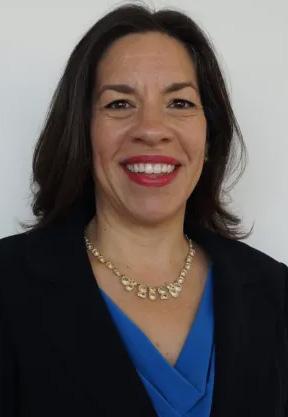
Governor Walz praised Gandhi’s "steady, decisive leadership," noting that her experience is critical for ensuring taxpayer dollars reach those who rely on them most— including children, families, older adults, and people with disabilities.
“Commissioner Gandhi understands that protecting public programs and delivering high-quality care go hand in hand,” Walz said in a statement. For Gandhi, the mission is personal and rooted in community collaboration. “We must protect the human services programs we provide to improve the lives of Minnesotans,” she stated, emphasizing her goal to make Minnesota a
CAIR-MN denounces Trump’s ‘racist’ SOTU attacks on Somali-American community
The Minnesota chapter of the Council on American-Islamic Relations (CAIR-MN) issued a blistering condemnation Wednesday following President Donald Trump’s State of the Union address, accusing the commander-in-chief of using the national stage to broadcast "racist smears" against the state's Somali-American community.

During Tuesday night’s televised address, the President targeted Minnesota’s Somali population with a series of inflammatory claims, referring to community members as “pirates” who had “ransacked Minnesota.” Without providing evidence, the President further alleged that the community was responsible for the theft of $19 billion—rhetoric that local leaders say echoes a long-standing pattern of anti-Black and anti-Muslim hostility.
‘Dangerous Scapegoating’ Jaylani Hussein, Executive Director of CAIR-MN, characterized the President’s remarks as a calculated attempt to dehumanize a specific ethnic group for political gain.
“These repeated at-
Flanagan highlights leadership of Nellie Stone Johnson in Black History Month tribute
In a recent reflection during Black History Month, Minnesota Lieutenant Governor Peggy Flanagan emphasized that "Black history is Minnesota history," honoring the profound legacy of labor activist and civil rights leader Nellie Stone Johnson. Johnson, a trailblazer who was the first Black person elected to city-wide office in Minneapolis and a founder of the Minnesota DFL, served as a pivotal mentor to Flanagan’s own grandmother. Flanagan noted that Johnson’s courage in fighting for a place in politics—long before it was considered "fashionable" for women—cleared the path for contemporary leaders. By centering working people and striving for a more inclusive party, Johnson’s efforts helped define the labor roots of the DFL.


Shireen Gandhi
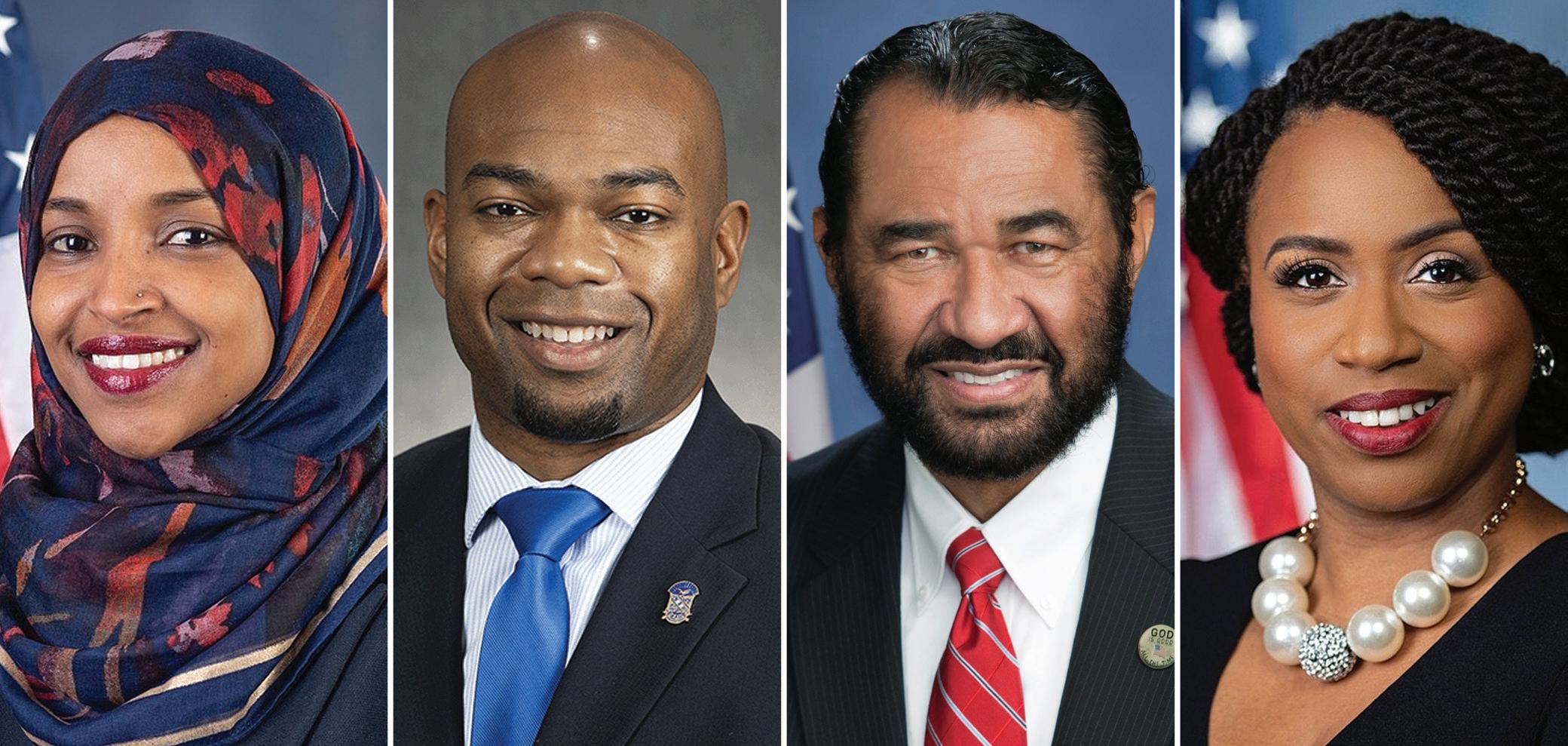
From left: Reps. Ilhan Omar, Cedrick Frazier, Al Green, and Ayanna Pressley
Credit: Sarah Whiting Lt. Gov. Peggy Flanagan
iStockphoto / NNPA
SELMA 7
JACKSON 7
Rev. Jesse Jackson
More than a mission: Paying it forward for the future of education
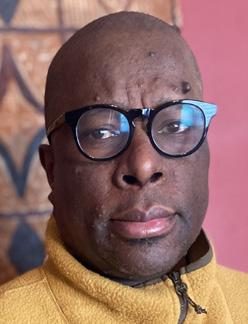

By JoMeka Gray
Growing up in a rural community, I experienced firsthand the barriers that can limit a child’s potential. The lack of broadband internet, access to high-quality instructional materials, or simply the chance to be truly seen and valued, especially when your name or culture doesn’t fit the mold. That only fueled my drive to be the educator I wish I had, to represent and remove barriers for others like me.
As an educator, my mission has always been clear: to ensure every student, regardless of background, ZIP code, or circumstance, has access to a high-quality education. Over the years, that mission has deepened into a full-scale advocacy effort for underrepresented populations. A movement that champions opportunity for students often left behind: military-connected youth, children

living in poverty, students with emotional and behavioral needs, and those students historically underrepresented in STEM fields. I see my work as an act of justice, and I know what it is like to rise anyway.
It Takes a Village To advance that mission, I founded Kennedy-Powell Elementary Stars-Helping-Stars, a campus-based initiative that unites families, staff, and community partners to pay it forward by supporting students in need. As a National Board Cer-
tified teacher, I knew the work had to go beyond my classroom. Through this program, we launched projects that addressed both academic growth and human connection:
• Students used STEM skills to create and sell recycled products, raising funds to donate holiday gift cards to their homeless peers.
• Families volunteered as tutors, stepping in where academic support at home was limited. As a result, our campus saw measurable growth in Texas Accountability scores between 2024 and 2025.
• Currently, I collaborate with other educators and community members to “pay it forward” through a monthly Breakfast Club, where students build relationships with local mentors in a safe, affirming space. These moments are giving students a sense of belonging and mentors a way to reflect on their impact. What began as a small act of support has grown into a sustainable, community-driven model that meets students where they are—academically, emotionally, and socially—both in and beyond the classroom.
Mentee to Mentor: Passing the Torch to Next Generation of Educators I believe in paying it forward, not just within the walls of my school or community, but across the profession. Over the years, I’ve mentored first-year teachers, student teachers, and National Board Certification candidates nationally. Helping educators navigate their early careers and refine their practice has been one of the most rewarding parts of my journey. I take pride in knowing that these are the teachers who will carry the torch forward. Through structured mentorship, reflective practice, and collaborative planning, I’ve watched them grow from uncertain beginners to confident educators shaping lives. I do this work because I remember what it meant to be mentored myself. The encouragement, wisdom, and accountability my mentor teachers offered shaped not only my practice but my belief in what’s possible. Their impact still echoes in my classroom today, in how I reflect, how I lead, and how I support others. By paying it forward, I’m honoring their legacy and helping ensure the cycle of
support continues for the next generation of educators.
What I Needed Then, I Advocate for Now I have faced many barriers, as both a student and a teacher, and made it my mission to pay it forward by opening doors for others. I know what it feels like to be unseen, on both sides of the classroom. Opportunity shouldn’t depend on your zip code, your income, or how others perceive your background. It is why I encourage students to connect beyond their world such as zooming with classrooms in Italy. It is why I have championed access to quality instructional materials for all Texas students that are adapted for our high population of Spanish-speaking students. It is why I have advocated for strong
Stealing students’ dreams to give billionaires tax breaks
By Satra D. Taylor
"I'm a first-generation college student. I'm worried other young people won't get the financial aid that made my education possible."
that he’s bringing costs “way down on health care and everything else.” In reality, the Trump administration is making it much harder for working families to meet their daily needs — and to fulfill their long-term dreams of higher education. The Republican tax and spending plan adopted last year — the so-called “Big Beautiful Bill” — includes huge tax giveaways to the rich, paid for with deep cuts to programs for working people. The Congressional Budget Office expects 7.5 million Americans to lose their Medicaid insurance and 4 million to lose some or all of their SNAP food aid benefits.
Slashing these public assistance programs will make it even harder for working families to save money for college. In fact, the same tax law also includes an overhaul of critical federal student aid programs that will destroy many young people’s dreams of pursuing higher education — again, all to finance tax breaks for corporations and the rich.
This problem is not abstract to me. It’s personal. I am a first-generation college student and now a doctoral student. My hard-working Black

family and my broader community poured everything they had into me because they believed — against every obstacle — that education could be my ladder up.
Federal student aid programs like Pell Grants and the Grad Plus subsidized loan program helped me as I struggled up that ladder. It still wasn’t easy. I worked two parttime jobs and still could barely make ends meet. But without that help, I wouldn’t be where I am today.
Now, the aid programs that I’ve depended on are under attack. Students are facing tighter borrowing limits and dramatically reduced repayment options, making it even more difficult to get out from under heavy debts. Under the new borrowing caps, the government plans to slash about $44 billion in aid over the next 10 years, af-




fecting roughly 25 percent to 40 percent of graduate borrowers.
Making matters worse, the Pell Grant program, which helps more than 6 million low-income students a year pay for college, is facing a potential shortfall crisis. If Congress doesn’t put in new funds, the program’s deficit will skyrocket to $11.5 billion in 2027, and those grants could very well dry up.
Across the country, families who believed education was their way forward are feeling their dreams fade away. I’ve spoken to aspiring and current graduate students who are unsure if staying in school is still an option. I’ve talked to borrowers who fear they will live the rest of their lives crushed by student debt and parents who are worried they’ll never be able to afford to send their babies to college.
President Trump didn’t even mention student aid in his State of the Union address. But this issue is central to the health of our union. It’s about whether we as a nation believe working families deserve opportunity — or just survival. It’s about whether we as a nation value the futures of our young people — or only the futures of billionaires.
Higher education was supposed to
By Hollies Winston

From 3
and blatant racial profiling" that led to the wrongful detention of local residents and the deaths of Pretti and Good. He joined the People of Color and Indigenous (POCI) Caucus in demanding the immediate arrest of the agents involved and a total freeze on ICE funding, labeling the administration's actions as "calculated acts of aggression"
From 3
energy
against Minnesotans.
Black Officials Denounce "Infrastructure of Authoritarianism" The Representative’s defiance has been met with a wave of support from the Congressional Black Caucus (CBC) and other prominent Black leaders: Rep. Ayanna Pressley (D-MA): Characterized the use of masked federal agents and chemical irritants against children and the elderly as an "infrastructure of authoritarianism"
that must be dismantled.
Rep. Al Green (DTX): Issued a statement calling the deaths of Pretti and Good "the inevitable result of a rhetoric that treats fellow Americans as collateral damage."
Senator Zaynab Mohamed (DFL-Minneapolis): Condemned the "public murder" of Renee Good, noting that civil and human rights are being violated "hundreds of times a day" by federal paramilitary forces.
a signal. The network underscores the importance of preserving civil rights history using the most accurate and comprehensive sources available. For generations, the Black press has
International Backlash:
African Leaders Push Back
The fallout has extended beyond U.S. borders, drawing sharp rebukes from leaders of Black nations resistant to the administration’s deportation strategies.
Ghanaian Resistance: Following a sweeping U.S. visa freeze on several African nations, activists and legal figures in Ghana, including Oliver Barker-Vormawor, have labeled the U.S. a "bully," arguing that African nations are being used
maintained some of the deepest and most reliable documentation of the civil rights movement, currents events, news and critical Black history, much of which remains underrepresented in modern digital media ar-
as "conveyor belts" for deportees. Nigerian Diplomacy: Nigeria’s Foreign Minister Yusuf Tuggar recently rejected U.S. overtures to accept foreign prisoners as part of a third-party relocation plan, citing concerns over sovereignty and human rights.
Somali Diaspora Reaction: In Mogadishu, leaders expressed alarm at the President’s rhetoric. Locally, Minneapolis Council Member Jamal Osman reaffirmed that "Somali
chives and inaccessible to artificial intelligence (AI) systems. As a result, Civil Rights TV will rely heavily on national Black press for news, historical archives and independent voices. Prominent dig-
Americans are here to stay," dismissing the administration's claims as "dangerous propaganda."
A Chilling Message
The night ended with further controversy as Rep. Omar’s guest—a survivor of a violent ICE detention—was forcibly removed from the gallery for a silent protest. "The heavy-handed response to a peaceful guest sends a chilling message about the state of our democracy," Omar said in a post-speech statement.
ital news platforms, podcasts, and broadcasters—will play an instrumental role in shaping continuous coverage, historical interpretation, and public discourse. Jackson
From 3
Standing with farmers
In 1985, as the American farm crisis devastated rural communities and threatened the livelihoods of families across the Midwest, Jackson traveled to Glenwood, Minnesota, to stand alongside farmers facing foreclosure. He did not frame the crisis as a rural issue alone but as a moral one, arguing that a country capable of funding foreign aid and corporate bailouts had an equal obligation to protect the family farms that fed the nation.
His visit drew attention to the struggles of agricultural communities at a time when they felt abandoned by the federal government and largely invisible to the broader public.
Registering a generation of voters
A decade later, in 1996, Jackson turned his attention to North Minneapolis, visiting high schools to register students to vote. The message he delivered was direct and practical: low voter registration was not simply a civic problem but one with real consequences for everyday life.
Jackson told students that decisions about Medicare, livable wages and public investment were made by elected

officials who answered to registered voters, and that communities without political participation would find themselves without political power. His visits to those schools reflected a central conviction of his career, that the ballot was among the most powerful tools available to people who had historically been denied a seat at the table.
A presence in times of crisis When crisis struck Minnesota's communities, Jackson showed up. After the July 2016 shooting of Philando Castile by a St. Anthony police officer, Jackson traveled to St. Paul and
“national model for program integrity”. Gandhi’s background reflects a deep connection to Minnesota’s legal and professional communities. A graduate
tacks and outright lies are despicable, racist, anti-Black, and anti-Muslim,” Hussein said in a statement. “When the President of the United States singles out an entire ethnic community and equates millions of law-abiding people with criminality, it is not political discourse. It is danger-
"Our government works best when it accurately reflects those it seeks to represent," Flanagan stated, underscoring her commitment to a future where every Minnesotan is valued.
As Flanagan transitions from her role as Lieutenant Governor to a candidate for the U.S. Senate, her campaign is built on a record of ex-
and retirees see nest eggs and college savings disappear almost overnight. These are not just financial losses, they are setbacks that can take years to recover from. I have faith in our local law enforcement agencies and the work they do to track down and hold scammers accountable. But the nature and
ous scapegoating.” Hussein argued that such rhetoric directly undermines the safety of families across the state, noting that the "pirate" trope and the $19 billion figure are weaponized versions of the "oldest tactic in the racist playbook."
“Somali-Americans are not a political punching bag,” Hussein added. “Our community is hardworking and resilient... We are part of the American story.”
ecutive accomplishments and a progressive platform aimed at working families.
Record as Lieutenant Governor During her tenure alongside Governor Tim Walz, Flanagan has focused on policies that center children, families, and historically underrepresented communities. Key accomplishments include:
• Economic Support: Helped deliver a nation-leading child tax credit aimed at
scale of these crimes make it clear that this is not something any single city or state can manage alone.
Investigations have shown that many scams targeting Americans originate from organized criminal syndicates operating in Southeast Asia. These groups run sophisticated operations from border regions beyond the practical reach of our local officers. They rely on trafficked workers in so-called “scam centers” to build relationships with victims over time before convincing them to hand
addressed protesters who had gathered outside the Governor's Residence, lending his voice and his presence to a community in mourning and demanding accountability.
Four years later, following the murder of George Floyd beneath the knee of a Minneapolis police officer, Jackson again came to the city. His arrival came as Minneapolis became the focal point of a nationwide uprising over police violence and racial injustice.
He returned to Minnesota in 2021, this time to Brooklyn Center, after Daunte Wright was shot and killed by
of the University of Minnesota and Hamline University School of Law, she is a member of the Minnesota Asian Pacific American Bar Association and a past chair of the Minnesota State
The Economic Reality The fallout from the speech comes at a time when community advocates are working to highlight the significant contributions Somali Minnesotans make to the state’s infrastructure. CAIR-MN emphasized that the community is comprised overwhelmingly of U.S. citizens and lawful residents who serve as healthcare workers, educators, entrepreneurs, and public servants. Data suggests that So-
cutting child poverty by one-third and successfully advocated for Paid Family and Medical Leave.
• Education and Basic Needs: Oversaw the implementation of universal free school meals for Minnesota students and historic investments in public education.
Indigenous Rights: Established the nation's first Missing and Murdered Indigenous Relatives Office and mandated tribal consultation in state affairs.
over their savings. Most Minnesotans have likely received the text messages, a notice from the DMV claiming an outstanding toll balance, or a message from UPS about a fee for an unclaimed package. Many of these scams can be traced back to coordinated international networks. In recent years, Americans have lost more than $1 billion to these schemes. State and local officials can educate residents about warning signs and prevention. We can raise awareness. But we
a police officer during a traffic stop, meeting with protesters who were once again demanding answers and reform.
At George Floyd Square
During the trial of former Minneapolis police officer Derek Chauvin in 2021, Jackson visited George Floyd Square, the memorial that had grown up at the intersection where Floyd was killed. He led a solemn moment at the site, his call of "I can't breathe," the words Floyd repeated as he died, ringing out over the crowd.
The moment under-
Bar Association’s Health Law Section. She first joined DHS in 2017, bringing two decades of health care leadership to the agency.
The DHS oversees
mali-led businesses and workers generate hundreds of millions of dollars in annual income and contribute billions to the regional economy through taxes and commerce. Advocates argue that the President’s narrative ignores these contributions in favor of a "fear-based" agenda.
Fears of Real-World Violence The organization warned that dehumanizing language from the Oval Office
Public Health and Housing: Chaired the Minnesota Interagency Council on Homelessness, securing historic investments in affordable housing, and worked to lower prescription drug costs.
Senate Platform Priorities
Running for the seat currently held by Senator Tina Smith, Flanagan’s Senate platform emphasizes "Kitchen Table Conversations" and a rejection of corporate PAC money. Her
cannot dismantle international criminal networks or coordinate multi-agency federal responses. That level of sophistication demands federal leadership. To better protect Minnesotans, Congress should consider legislation establishing a coordinated task force that brings together relevant federal agencies and private sector partners to develop a comprehensive response plan. We need stronger investigative resources, enhanced coordination, and sustained international pressure
scored the weight of what was unfolding in the nearby courthouse and connected Jackson's decades of civil rights work to a new generation confronting familiar injustices.
Shaping Minnesota's political future Jackson's influence on Minnesota extended into its political landscape as well. His 1988 presidential campaign, which mounted a serious challenge in the Democratic primary on a platform of economic justice and expanded civil rights, helped launch the career of Paul Wellstone.
a vast network of services that are essential to the department’s vision: ensuring all Minnesotans have what they need to thrive with no disparities. As Gandhi assumes the permanent
often serves as a green light for harassment on the ground.
CAIR-MN reported concerns regarding a potential uptick in threats against Somali-owned businesses, mosques, and daycare centers in the wake of the address.
“History teaches us that when leaders traffic in fear and division, communities suffer,” Hussein noted.
CAIR-MN is calling on local and state officials from both sides of the aisle to un-
top priorities include: Affordable Healthcare: Advocating for Medicare for All and ensuring healthcare is treated as a human right, including parity for mental health coverage. Economic Justice: Supporting a $17 federal minimum wage tied to inflation and national paid family and medical leave.
Ending Corruption: Prioritizing the reversal of Citizens United, banning stock trading for members of
to shut down foreign scam centers and hold syndicates accountable. At the same time, we should be cautious about policies that unintentionally shift responsibility away from criminals. In recent years, some proposals have suggested requiring peer-to-peer platforms to cover losses tied to crimes committed on their services. That approach may sound simple, but it does not address the root problem. In some cases, it could even incentivize additional fraud by
Wellstone served as a co-chair of Jackson's Minnesota campaign before going on to win his own historic election to the U.S. Senate in 1990, defeating an incumbent in one of the most surprising upsets in the state's political history. The organizing infrastructure and political energy generated by the Jackson campaign played a meaningful role in making that victory possible.
Jackson also campaigned for Keith Ellison, who in 2006 became the first Muslim elected to Congress and later became Minnesota's attorney general, reinforcing Jackson's long practice of investing in local leadership and helping to build a deeper bench of progressive politicians across the state.
A legacy of bridges Through his Rainbow PUSH Coalition, Jackson spent his career working to bridge divides that others accepted as fixed, between Black and white, urban and rural, wealthy and working class. In Minnesota, that work took on particular texture, touching communities that might not have otherwise found common cause.
Governor Walz described Jackson's life as a lifelong pursuit of America's highest ideals, a pursuit carried out not from a distance but up close, in the places where the gap between those ideals and the reality of American life was most plainly visible.
commissioner role, her focus remains on building a system the community can trust while fostering partnerships with counties, Tribes, and nonprofits
equivocally condemn the President's rhetoric. They are also urging community members to remain vigilant and report any incidents of harassment or bias-motivated threats to local law enforcement and civil rights advocates.
As the state's leading Muslim civil rights organization, CAIR-MN reaffirmed its mission to protect the safety and dignity of all Minnesotans, stating that "an attack on one of us is an attack on all of us."
Congress, and tightening ethics rules to "unrig the system."
Protecting Rights: Passing the Women’s Health Protection Act to codify reproductive rights, the John Lewis Voting Rights Act, and the Equality Act. Flanagan’s bid for the Senate has already garnered high-profile endorsements from progressive leaders such as Senators Bernie Sanders and Elizabeth Warren, positioning her as a formidable voice for systemic change in Washington.
signaling that someone else will absorb the loss.
To stop scams, our leaders need to think comprehensively. Fraudsters exploit every available financial channel — from cryptocurrency and wire transfers to gift cards and retirement accounts. Some even impersonate government agencies or elected officials. Our response must match the complexity and scale of the threat. Minnesotans deserve nothing less.
Credit: Charles Kelly/AP Photo
At The Legislature
Held over bill aims to help treatment of opioid use disorder
By Winter Keefer
Jason Urbanczyk twice “survived the wait” for drugs to treat his addiction to opioids. This first-hand experience drew him to advocate for a bill that would prohibit prior authorization and step therapy for any drug used in the treatment of opioid use disorder.
Sponsored by Rep. Anquam Mahamoud (DFLMpls), HF3444 was laid over Monday by the House Health
By Mike Cook
Current statute permits the Human Services and Children, Youth, and Families departments to disclose an investigation into “possible overpayments of public funds to a service provider or recipient or the reduction or withholding of payments … if the commissioner determines that it will not compromise the investigation.”
Rep. Walter Hudson (R-Albertville) sponsors HF3542 to require disclosure of such an investigation with-
By Winter Keefer
Across party lines, House members agree that those responsible for mass fraud in the state must be held accountable.
For many, this includes the Department of Human Services for any lapse in oversight.
The House Human Services Finance and Policy Committee heard an update on the department’s program integrity Thursday from Kristy Graume, its director of state government relations.
As the 2026 legislative session gains momentum, Rep. Aisha Gomez (DFL-Mpls) is leading a charge to fortify Minnesota against federal shifts while championing a "people-focused" agenda. With the backdrop of a changing national landscape, Gomez and her DFL colleagues are prioritizing public safety, immigrant rights, and economic equity.
Protecting the Vulnerable In response to federal actions, Gomez has introduced a proactive tax proposal, HF2591,
Finance and Policy Committee.
Prior authorization is when health care providers must obtain advance approval from an insurer to cover certain medications or services. Step therapy is a type of prior authorization. It requires that a patient try a lower cost prescription drug before stepping up to a similar but more expensive drug.
Under state law, at least one version of liquid methadone, a drug used for the treatment of opioid use disorder, must be available under Medi-
in 30 days of a request, and, per an oral amendment, “if the commissioner has taken action to reduce, suspend, or withhold payments to the subject of the investigation.”
The House Fraud Prevention and State Agency Oversight Policy Committee approved the bill Monday via voice vote and sent it to the House Children and Families Finance and Policy Committee. Hudson said the change is about transparency.
“The intent of the bill is to remove that discretion so that we know … that the intentions provide objective circumstances
cal Assistance and MinnesotaCare. The bill would expand this to prohibit prior authorization and step therapy for any class of drugs approved for the treatment of opioid use disorder.
The time many patients grappling with addiction must wait for prior authorization of a medication “looks like a death sentence disguised as paperwork,” said Urbanczyk, who now serves on the executive committee for Impact Minnesota.
“They write a pre-
where the existence of an investigation must be disclosed. We like open and shut, no discretion from the agency, but at the same time not compromising an investigation the subject is unaware of.”
“We want to get to the point where we don’t tip off fraudsters that an investigation is going, but once the people under investigation are aware of the investigation, who’s under investigation should be reported to us as legislators or other people who make a request,” said Rep. Kristin Robbins (R-Maple Grove), the committee chair. Rep. Dave Pinto
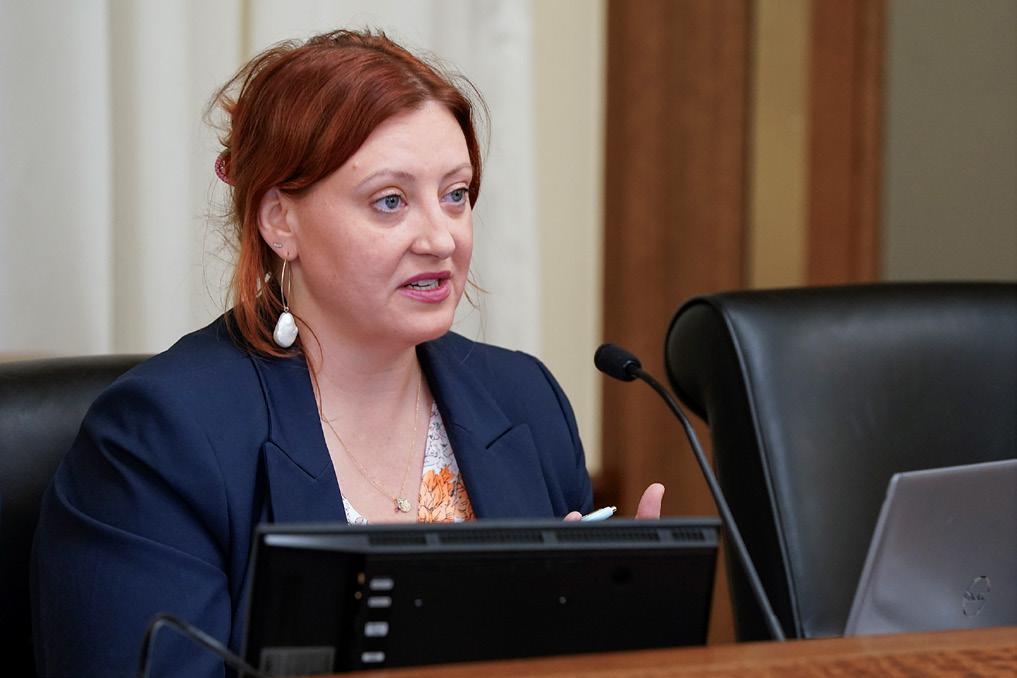
aimed at shielding critical services from potential budget cuts. The bill suggests a fifth income tax tier for the state’s highest earners—those with taxable income exceeding $1.67 million for joint returns—to offset any loss in federal Medicaid funding.
"We need to be proactive," Gomez indicated, emphasizing that maintaining the integrity of Minnesota's healthcare and social safety nets is paramount as federal funding faces uncertainty.
A Stance on Safety and Rights Gomez’s legislative push also extends to public safety and human rights. Following the House's passage of the Public Safety and Judiciary budget bill, Gomez highlighted wins in victim services for survivors of domestic violence and sexual assault.
A central pillar of her platform remains "Standing up to ICE". Gomez has been vocal about countering what she describes as "unconstitutional actions" by federal agents, advocating for bills that would deliver rental assistance to fam-
scription for a medication that can save your life and then you hear the words that kill your hope: ‘Your insurance company needs more proof. It’ll be a few days. Hang in there,’” he said. “Hang in there when your bones feel like they’re breaking from the inside, your skin feels like it’s going to crawl off your body, your brain is screaming for relief louder than any rational thought. Every second feels like punishment for trying to live.”
(DFL-St. Paul) supports more transparency and disclosure; however, he expressed concern about deleting language to not compromise an investigation. He unsuccessfully offered an amendment — falling on a splitvoice vote — that would keep the 30-day timeframe, but only if it would not compromise an investigation.
“That achieves the goal of transparency, it also achieves the goal we all share which is to make sure we get fraudulent payments stopped and hold accountable people who are doing it,” Pinto said. Department of Hu-
Medicaid, called Medical Assistance in Minnesota, is the largest single source of health insurance in Minnesota, serving over 1 million Minnesotans and covers 40% of the state’s children.
Graume’s presentation focused on transparency, prevention, detection and enforcement around fraud, saying these are necessary steps to help people who rely on Medicaid the most. It also detailed how laws passed in 2025 will allow the department to further identify, track and report fraud within systems.
One law included


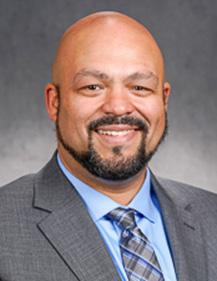
man Services officials also expressed fear that such a disclosure could tip off those commit-
policies like the establishment of the “midpoint rule,” which clarifies federal reimbursement guidelines for substance use disorder programs. New laws also require new training for owners and managers of service programs and prohibit kickbacks for Medical Assistance.
There are only a few bad actors within programs identified to be susceptible to fraud, Graume said, but they ultimately hurt honest providers and patients alike. “It’s even challenging to talk about it because we don’t want to cast shade over those good providers who comprise most of the Med-
ilies impacted by raids and ban federal agents from entering schools without judicial warrants.
Feeding the Future
On the agricultural front, the 2025 Agriculture Budget reflects a commitment to smallscale farmers and student nutrition. Key DFL-backed initiatives include:
Farm to School Programs: Increased funding to provide local, fresh food to students while supporting regional producers.
ting fraud and potentially allow them to do things like falsify or destroy records, hide information or coordinate stories that could thwart the completion of an investigation.
“Disclosure does oftentimes lead to compromising investigations,” said James Clark, the department’s inspector general. “… We oftentimes see, unfortunately, unscrupulous providers when they get wind that we’re investigating them for fraud they start to threaten or try to influence vulnerable adults, recipients in those programs to get them to try to change their tune.”
icaid system.”
Rep. Tom Murphy (R-Underwood) and Rep. Brion Curran (DFL-White Bear Lake) both asked why no one with the department was fired as continued instances of fraud were uncovered over the past year. “I think what Minnesotans are asking for is a little bit of acknowledgment of accountability on the state’s part in all of this,” Curran said. Co-Chair Rep. Mohamud Noor (DFL-Mpls) said more department leaders will be available to answer committee member questions at a future date.
• Worker Protections: Enhanced safety measures for meat and poultry workers.
• Emerging Farmers: Expanded down-payment assistance to help the next generation of farmers enter an industry often dominated by large corporations. As the session progresses, Rep. Gomez continues to urge community involvement, hosting town halls and local events like the upcoming Whittier Neighborhood Day on May 3rd to ensure constituents remain "partners in progress".
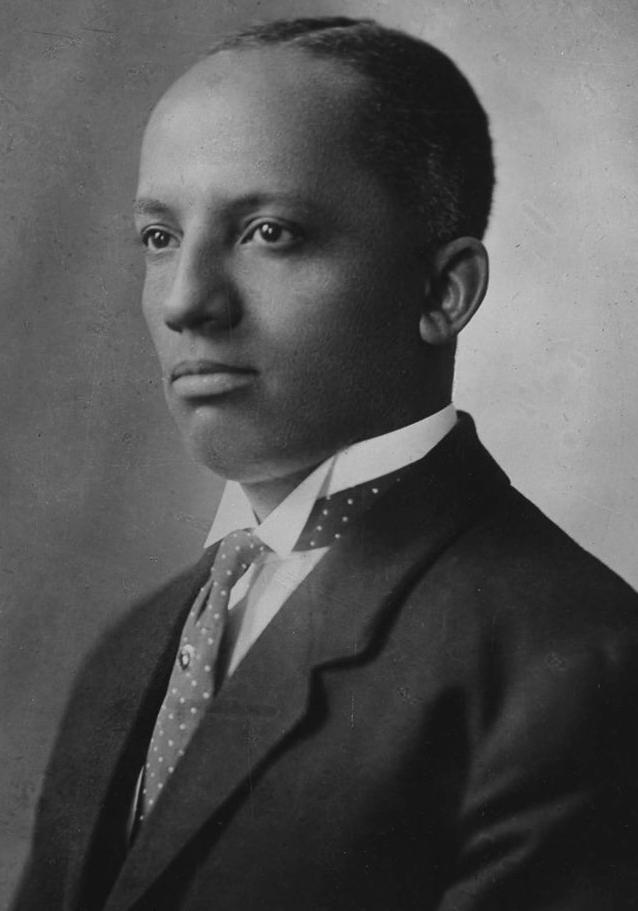
As the 100th anniversary of Black History Month drew to a close, the air at the Minnesota State Capitol is thick with both the weight of history and the urgency of the present.
In a powerful dispatch issued this week, the Council for Minnesotans of African Heritage (CMAH) invoked the spirit of two giants: Carter G. Woodson, the "Father of Black History" who launched Negro History Week in 1926, and the Reverend Jesse Jackson, whose lifelong crusade for the "Rainbow Coalition" continues to serve as a North Star for local advocates.
"We celebrate the progress Rev. Jackson helped push, while also reflecting on how much work remains to be done," the Council stated, echoing Jackson’s iconic 1988 rallying cry: "Keep hope alive."
The call for resilience comes at a somber moment for
the Minnesota Legislature. As lawmakers reconvened on February 17 for the second year of the biennium, the halls were filled with tributes to the late Speaker Emerita Melissa Hortman and her husband, Mark, who were tragically assassinated in June of last year.
The tragedy has cast a long shadow over a session already tightened by a "task of bipartisanship." While Minnesota Management and Budget (MMB) recently projected a $3.7 billion surplus for the FY26-27 cycle—a $1.3 billion increase over previous estimates—officials are urging "caution" due to shifting federal policies and economic volatility.
For CMAH, the budget surplus represents an opportunity to address what they describe as three intersecting crises: affordability, democracy, and immigration. The Coun-
cil’s 2026 legislative agenda is a roadmap for "reparative justice," featuring several highstakes bills: The Minnesota Great Migration Act: A push to scale up measures aimed at addressing historical inequities.
• The MinneKIDS Act: A proposal to establish statewide Children’s Savings Accounts to build longterm educational assets for African Heritage students.
• Housing Stability: Advocacy for "Just Cause Eviction" protections and emergency rental assistance to stem the tide of homelessness. Justice Reform: A renewed drive to end forced prison labor and ensure the implementation of the Minnesota African American Family Preservation Act. Amidst the policy
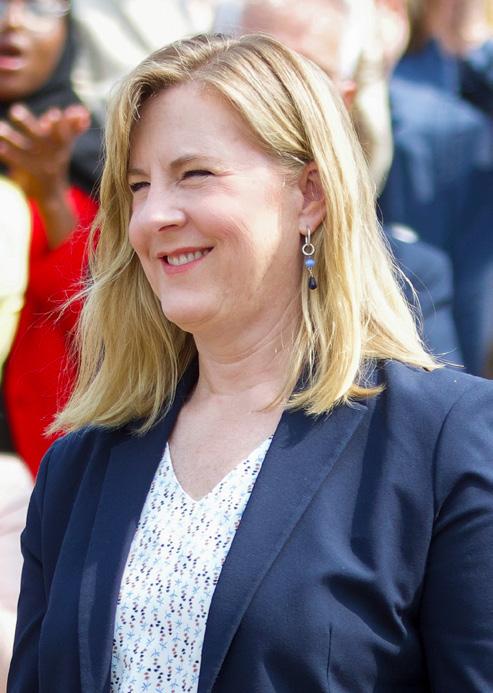
battles, CMAH is looking to the future by welcoming two new Capitol Pathways Interns: Karen G., a University of Minnesota senior with a background in the Minnesota Youth Council, and Leah M., a University of St. Thomas student focused on the "Theology for the Common Good." Their arrival signals a bridge between the Civil Rights veterans of Jackson’s era and the digital-age advocates of today. As federal immigration activities continue to impact local neighborhoods, CMAH is pointing constituents
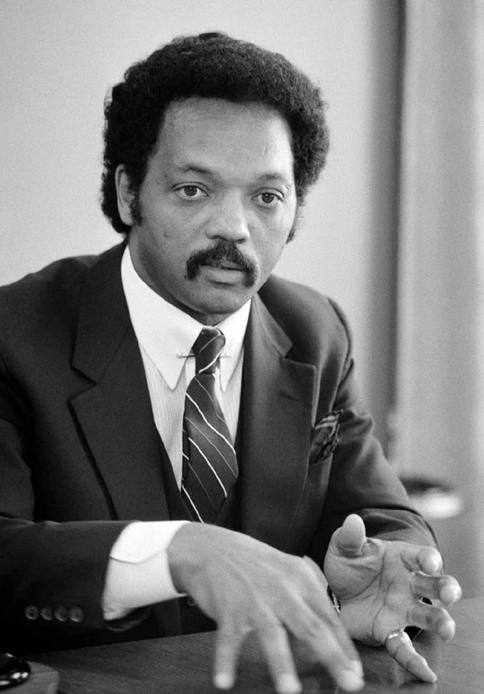
toward immediate lifelines. The Emergency Small Business Fund provides grants between $2,500 and $10,000 on a rolling basis. Beginning Farmer Grants offer support for infrastructure and equipment needs, with a deadline of March 26, 2026. Culturally Specific SUD Grants make available $4 million in total funding for substance use disorder programs, with applications due by March 12, 2026. Additionally, the Child Tax Credit (CTC) offers income-boosting tax relief during the 2026 filing season.
In the face of what the Council describes as "collective
crisis" and "secondary trauma" from traumatic news cycles, the focus remains on mental wellbeing. Upcoming ABUSUA Healing Circles and suicide prevention focus groups for Black Minnesotans aim to provide culturally specific spaces for healing.
"We are not approaching the end of our march toward justice," the Council reminded the community. For the African Heritage constituents of Minnesota, the message is clear: the history celebrated in February is merely the fuel for the work required in March and beyond.
Credit: Michele Jokinen and Policy Committee in support of HF3444 that would prohibit prior authorization for opioid use disorder treatment. The bill is sponsored by Rep. Anquam Mahamoud
Credit: Michele Jokinen
Kristy Graume, director of state government relations at the Department of Human Services, shares the department’s program integrity efforts with the House Human Services Finance and Policy Committee Feb. 19.
Rep. Walter Hudson
Rep. Aisha Gomez
Carter G. Woodson
Rev. Jesse Jackson
Melissa Hortman
A session marked by grief and grit: Rep. Vang rallies community amid "hostile" occupation and leadership shifts
The Minnesota House of Representatives convenes into session on Feb. 17, but the atmosphere under the gold dome felt fundamentally altered. For the first time in two decades, the chamber convened without the presence of Melissa Hortman, marking a poignant shift in legislative leadership during a period of unprecedented domestic turmoil.
State Representative Samantha Vang (DFL-Brooklyn Center) signaled that while the legislative body carries a heavy mantle of grief, the focus remains squarely on community resilience and "real solutions" for families caught in the crosshairs of recent violence and federal intervention.
Panel
By Rob Hubbard
How much subsidy is too much subsidy?
The Legislature set to figure that out when it commissioned a Metropolitan Council report last session. It sought to determine the actual cost of transporting a Twin Cities-area transit user on a given route and see if high subsidies could be addressed by eliminating or combining routes.
On Wednesday, the House Transportation Finance and Policy Committee heard a presentation on the completed report, which identified 28 transit routes as being “high-subsidy.” Among those in operation throughout 2024 that are still running, per-passenger sub-
Navigating a Season of Trauma
The legislative restart comes as Minnesota reels from a series of staggering blows. In an emotional update to her constituents, Rep. Vang reflected on a year defined by the loss of community pillars—Mark, Melissa, and Gilbert—and the "horrific" shooting at Annunciation School in August that claimed the lives of two children. However, Vang’s most searing critique was reserved for the federal government. Since November, Vang alleges a "hostile occupation" of Minnesota by federal forces, claiming the intervention has resulted in multiple deaths and left entire neighborhoods terror-
sidies ranged from $23.83 to $110.30. The report concluded that discontinuing those routes could save $23 million annually and $72 million in capital expenses.
So how do you define a “subsidy” in this context?
You take the operating costs of running a particular bus or train route and subtract the fare revenue generated on them. Divide by the number of passengers served by that route and you have a per-passenger operating subsidy.
Charles Carlson, the council’s executive director of Metropolitan Transportation Services, outlined strategies designed to reduce per-passenger subsidies, including: increasing ridership; changing providers;
ized. "Nobody should have to face this fear in their dayto-day lives," Vang stated, emphasizing that the trauma has permeated homes, schools, and places of worship.
Legacy in Action: Funding for Ethnic Media
Despite the somber backdrop, Vang is pivoting toward systemic support through her role as Co-Chair of the House Legacy Committee. Central to this year’s agenda is the protection of Minnesota’s cultural and environmental heritage.
A key highlight for the Insight News community is a $472,500 grant program administered by the Minneso-
ta Humanities Center (MHC). These funds are specifically earmarked for ethnic media organizations—the vital lifelines that inform cultural communities and non-English speakers about local and mainstream issues. Grant Alert: Applications for ethnic media grants are open until March 16. Organizations serving diverse communities are encouraged to apply through the Minnesota Humanities Center.
Direct Aid for Brooklyn Center Families
Recognizing that many families are on the brink of financial collapse due to the recent instability, Vang highlighted several immediate lifelines:
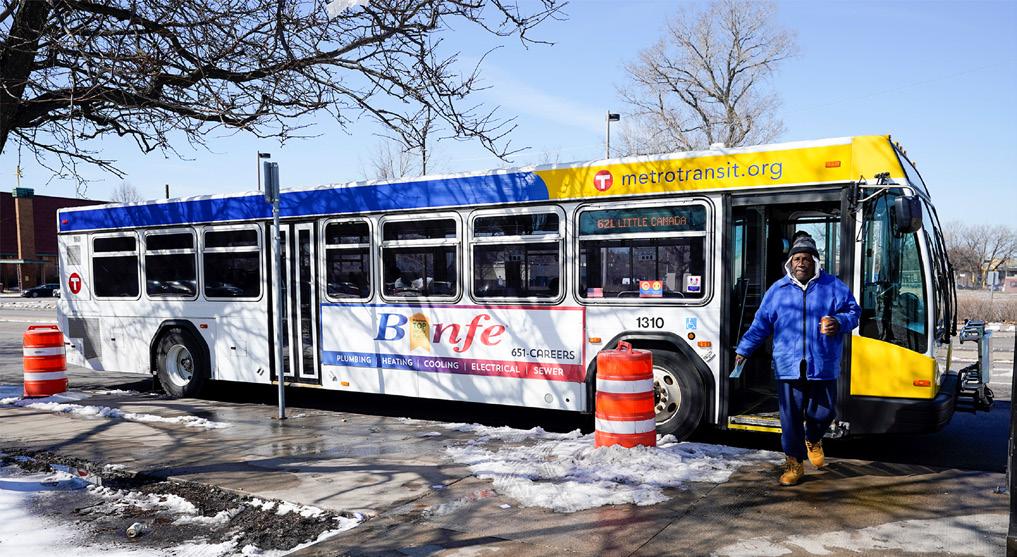
reducing cost drivers; reducing service; changing service type; and eliminating routes.
Of the 28 transit routes recommended for restructuring or elimination based on 2024 ridership figures, 18 are part of the Minnesota Valley Transit Authority system, which serves seven cities in the
south metropolitan area. Among routes currently in operation, the highest 2024 per-passenger subsidies on that system were for the 499 Route — both on Sunday ($110.30 per passenger) and weekdays ($105.05) — and the weekday 489 Route ($102.20).
Other routes on that system recommended for re-
• Emergency Cash Grants: Families facing evictions, foreclosures, or utility shutoffs can apply for emergency assistance at MNbenefits.mn.gov.
• CAPI Rental Assistance: A newly launched program through CAPI offers up to $1,500 in one-time rental assistance for eligible households in Brooklyn Center. Interested residents can call 612-721-0122.
A Coalition for Healing In a move toward "real leadership," Vang recently hosted a community forum at the House DFL Caucus office, bringing together families impacted by the federal occupation. The meet-
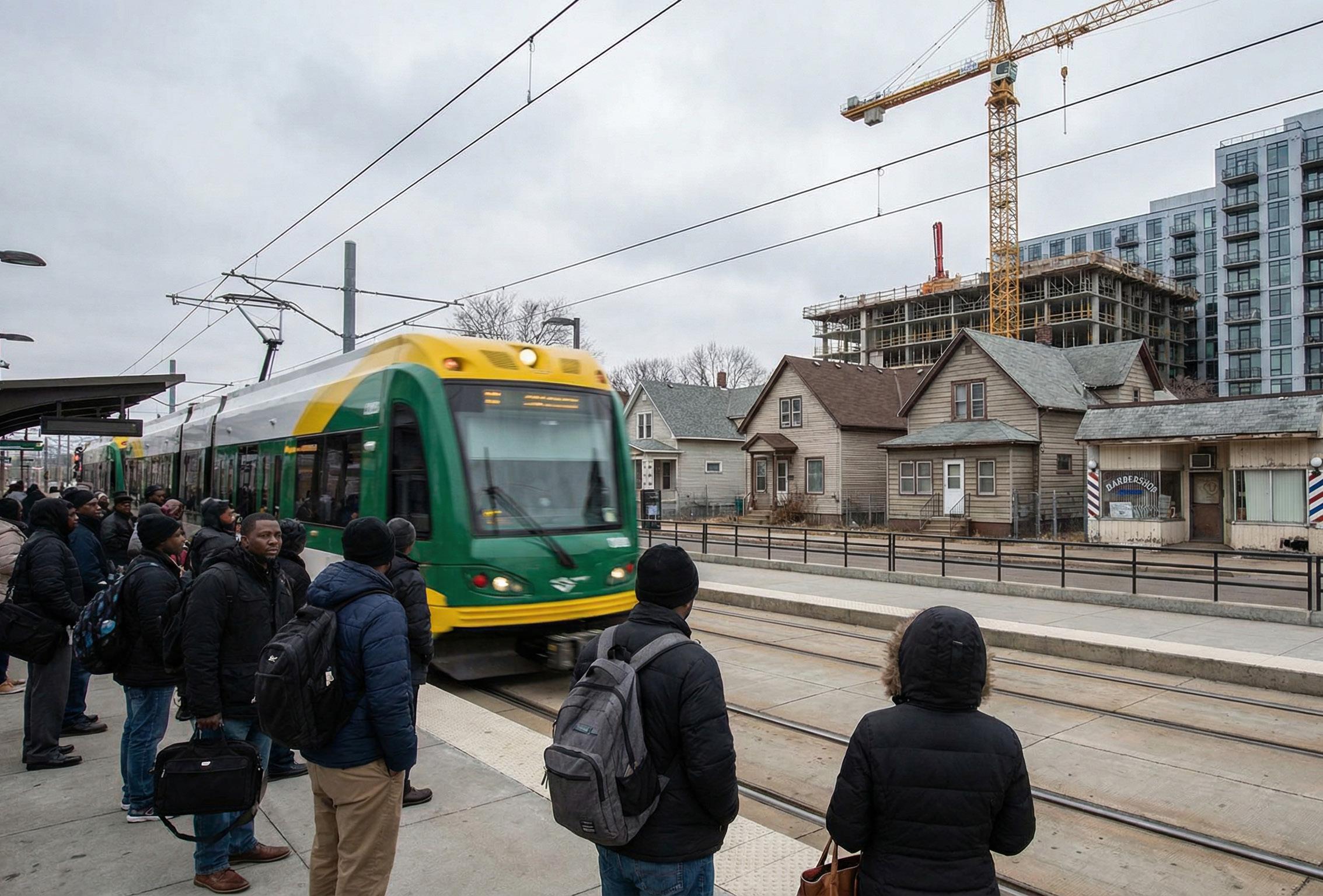
structuring or elimination ranged in per-passenger subsidies between $50.25 and $98.96. As for the most cost-effective transit routes in the Twin Cities area, honors go to Metro Transit’s Route 539 weekday bus ($4.44 subsidy per passenger), its Green Line train on weekdays ($4.40) and Saturdays ($5.21), and its D Line arterial bus rapid transit route on weekdays ($5.14) and Saturdays ($5.83).
ing served as a bridge between grieving residents and legal/ mental health resources.
The forum featured heavy hitters including local attorney Winona Yang, representatives from Attorney General Keith Ellison’s office, and community staples such as the United Hmong Family and Hmong American Partnership. "The courage of these families reminds us why this work matters," Vang said. "We stand with you."
As the session progresses, Vang is urging constituents to stay engaged. Residents can reach her office directly at rep.samantha.vang@house. mn.gov to share their stories or seek assistance with state agencies.
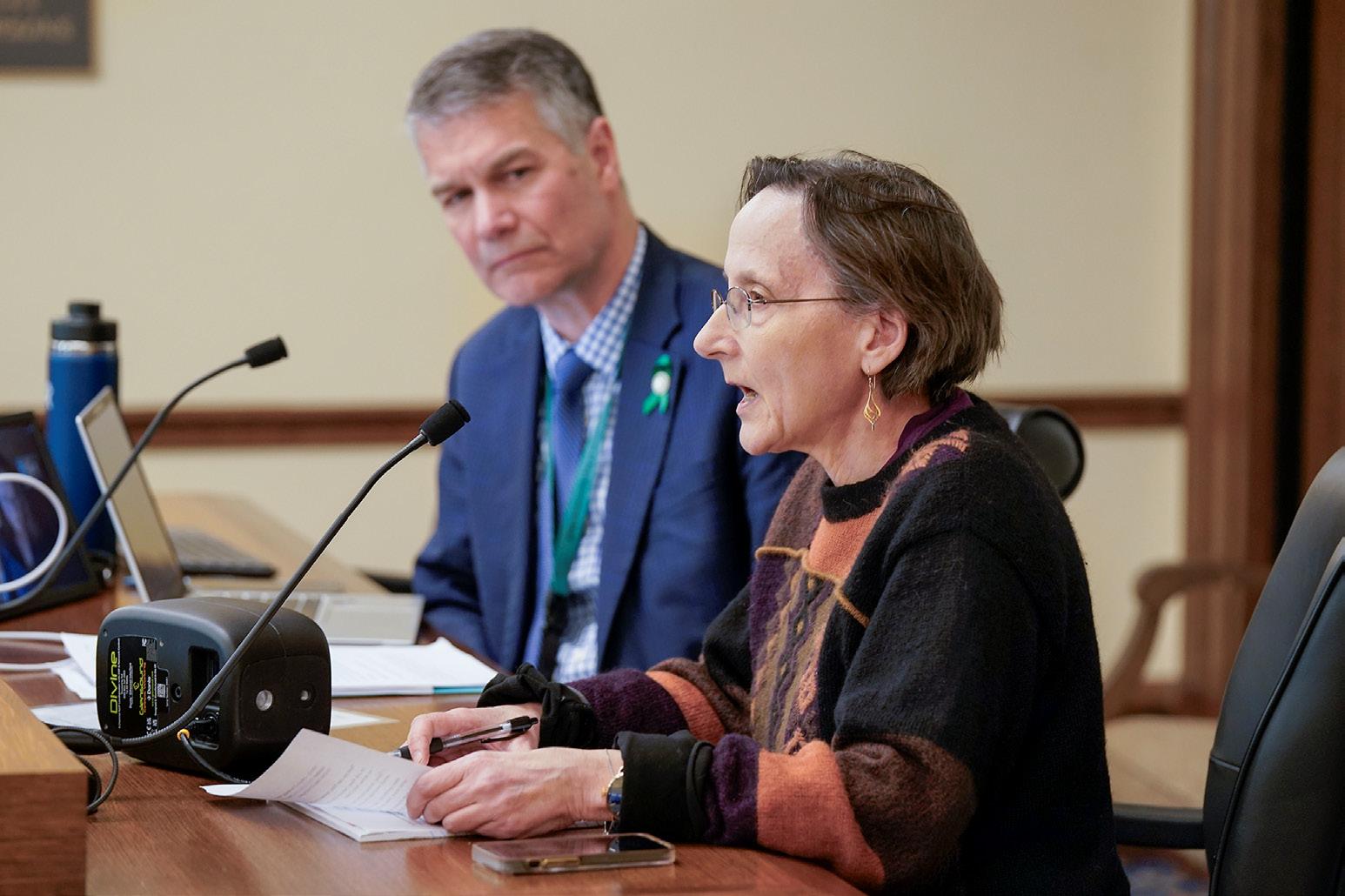
“We’ll be working on some draft legislation,” said Rep. Jon Koznick (R-Lakeville), the committee’s co-chair. “How can we more effectively deliver transit systems and rides that people need to use in a more respectful and effective taxpayer form?”
The report also examined the costs of Metro Mobility services for rides that are near high-subsidy routes, and concluded that such trips cost $6.1 million in 2024, or 5.9% of the Metro Mobility program’s total costs. The program serves riders with a disability or health condition.
Rep. Erin Koegel (DFL-Spring Lake Park) asked if the infrastructure costs of developing light rail and bus rapid transit lines were figured into the calculations. Carlson responded that only current operating costs were included. Koegel compared subsidy levels for some of the MVTA routes to those of the discontinued North Star commuter rail line, which she said ranged between $116 and $119 per passenger.
New technology could force speeders to slow down
By Rob Hubbard
Last year, the state expanded its ignition interlock system, which allows people convicted of driving while impaired to get back on the road if they pass a breathalyzer test each time they get behind the wheel.
A law sponsor is Rep. Larry Kraft (DFL-St. Louis Park), who was inspired to consider if a similar program could be created to put the brakes on habitual speeders. What if those drivers’ vehicles were equipped with technology that made it impossible to exceed the speed limit?
There is such technology. It’s called an intelligence speed assistance device, and it can either warn a driver when they’ve exceeded the speed limit or physically prevent the vehicle from reaching such speeds. Kraft would like to see the state initiate a program that would allow repeat offenders who have lost their licenses due to speed-
ing violations to get back on the road if they have such devices on their vehicles.
HF3429 would create such a program. On Monday, the House Transportation Finance and Policy Committee approved the bill, as amended, and sent it
to the House Judiciary Finance and Civil Law Committee.
“This bill is about saving lives,” Kraft said. “And it comes from the very simple premise that too much speed causes too much death on our roads. About 30% of the deaths
on our roads are primarily caused by speed. … From a risk perspective, roughly for every 10 miles per hour increase in speed, the risk of dying in a crash doubles.”
The bill would create a mandatory intelligence speed
assistance program for offenders who have lost their license for a “qualifying speed violation,” which can range from a single instance of driving in excess of 100 mph to three or more instances of lower-level speeding — such as driving 10 mph over the speed limit — over a 12-month period.
Such programs have been put in place in the District of Columbia, Virginia and Washington.
“Research has shown that a small group of high-risk repeat offenders are the greatest danger,” Kraft said.
Mike Hanson, director of the Department of Public Safety’s Office of Traffic Safety, said speeding has become an increasingly common problem on the state’s roads.
“Speaking with the State Patrol, pre-COVID, they would issue between 400 and 450 tickets a year to drivers exceeding 100 mph,” he said. “Post-COVID, that number doubled and then some, to well over 1,000 violations a year.”
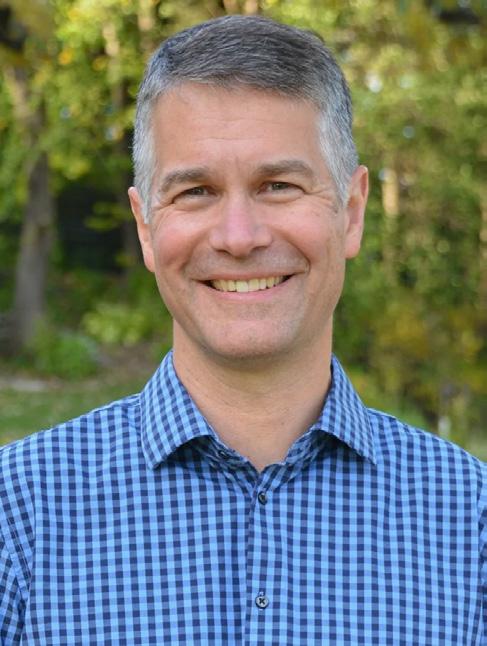
A fiscal note estimates that the program would cost $423,000 in the current biennium and $1.04 million in the next.
While the committee’s co-chair, Rep. Jon Koznick (R-Lakeville), has reservations about the potential costs, Rep. Bjorn Olson (R-Fairmont) praised the bill.
“We are getting to the root cause of the problem,” he said. “I think the concept is stellar: Holding people accountable for their own personal actions. … And I think the data will prove that this will save people’s lives.”
Credit: Michele Jokinen
Julie Risser, who lost her nephew to a crash involving a high-speed driver, testifies in support of HF3429 before the House Transportation Finance and Policy Committee Feb. 23. Rep. Larry Kraft sponsors the bill.
Rep. Larry Kraft
to how the system is enforced.
Economic Impact
For Black households, who are statistically less likely to own a vehicle, transit access is an economic necessity. While high-subsidy suburban routes serve many who may have personal vehicles as an alternative, the urban core routes are the primary mode of transportation for the 38% of riders who do not own a vehicle. Proposed cuts to "high-subsidy" routes could save the region $23 million annually, but the report notes that current legislation is being drafted to rethink how to deliver these rides more "respectfully" to taxpayers.
Minneapolis, MN, USA
The impact of light rail transit (LRT) development on Black Twin Cities residents is a "double-edged sword" of improved mobility versus the risk of physical and economic displacement. While LRT provides essential, low-subsidy access for the 44% of riders who are people of color, it simultaneously triggers market forces that threaten the stability of historically Black neighborhoods like Frogtown-Rondo and North Minneapolis.
The Equity Paradox: Access vs. Displacement Light rail development in the Twin Cities represents a clash between providing high-quality infrastructure and maintaining the communities it is intended to serve.
Improved Regional Access: The Green Line and Blue Line are among the most cost-effective routes in the region, with subsidies as low as $4.40 per passenger compared to over $100 for some suburban routes. For the 38% of transit riders who do not own a vehicle, these lines provide critical, frequent access to millions of jobs, healthcare, and education.
• Economic Displacement & Gentrification: Property values and rents often spike following the official selection of an LRT route.
In the Frogtown-Rondo corridor, 70% of Black residents are renters, making them highly vulnerable to the "displacement tsunami" caused by rising housing costs and upscaling by developers.
• Cultural Loss: Beyond finances, gentrification often leads to a "loss of cultural identity and social cohesiveness". In majority-Black neighborhoods, this shift often includes an intensified focus on public safety that newcomers may favor but longtime residents experience as negative or exclusionary.
The Blue Line Extension: A New Test Case
The planned Blue Line Extension (BLE) into North Minneapolis is currently the focal point of these equity concerns. Historical Trauma: Residents cite the construction of I-94 and Olson Memorial Highway—which destroyed thriving Black business districts—as a reason for deep skepticism regarding new large-scale infrastructure projects.
Anti-Displacement Demands: Community leaders have demanded the immediate release of $10 million in anti-displacement funding. They argue that the success of the project should be measured by whether it benefits existing residents rather than those who would move in to replace them.
Systemic Barriers: Despite promises, community advocates report "unnecessary bureaucratic barriers" and the removal of key environmental justice language from impact studies,
which they believe undermines trust in local government.
To address the "disparate investment" the Blue Line Extension (BLE) project is attempting a first-of-its-kind model in Minnesota to ensure that light rail serves existing Black residents rather than displacing them.
As of early 2026, the project has moved into a critical implementation phase where community-led anti-displacement strategies are being operationalized.
1. Targeted Anti-Displacement Funding
The project has established the Anti-Displacement Community Prosperity Program (ACPP) to distribute specific funds aimed at preserving neighborhood stability:
• $5 Million Business Support: Aimed at BIPOC-owned businesses along the corridor, offering up to $30,000 each in rent assistance to survive the multi-year construction period.
• $5 Million Community Investment Fund: Designed to provide direct assistance for rent and housing costs specifically for existing residents.
• Legislative Mandate: The ACPP was created by the Minnesota Legislature to ensure that leadership from impacted communities has a direct say in how these funds are allocated.
2. 2026 Policy & Planning Milestones
• In 2026, the City of Minneapolis is launching Station Area Planning, which integrates transit development with broader social goals: Community Ownership: Recommendations include creating opportunities for community land trusts and measuring levels of community ownership to counter speculative real estate pressure.
Job Requirements: Activists and city planners are pushing for a target where 50% of the jobs generated by the light rail development are held by North Minneapolis residents. Accountability: The project office is implementing "structures of accountability" to ensure government agencies remain transparent to the Blue Line Community Advisory Committee (CAC).
3. Remaining Friction Points
Despite these measures, significant tensions remain regarding the real-world execution of these equity goals:
• The "Reparations" Demand: In Minneapolis, there is an official recommendation to grant reparations to the Harrison neighborhood to account for the harm caused by previous iterations of the light rail alignment.
Funding Delays: As recently as late 2025, community leaders held protests demanding the immediate release of the $10 million in state funds, citing "unnecessary bureaucratic barriers" that prevented the money from reaching the community.
Environmental Justice: Concerns persist over the removal of specific environmental justice language from earlier impact studies, which residents fear weakens their legal standing to challenge negative outcomes.
In 2026, the Tenant Opportunity to Purchase Act (TOPA) remains a centerpiece of the Minneapolis City Council’s strategy to prevent the displacement of Black residents along the Blue Line Extension (BLE) corridor.
However, its implementation has faced persistent legislative hurdles and deep-seated opposition from the real estate industry, leading to a pivot toward alternative community ownership models.
1. The Status of TOPA (Feb 2026) The core of the TOPA proposal is to grant renters a "right of first refusal" to purchase their apartment buildings when a landlord decides to sell, effectively allowing tenants to compete with corporate speculators.
Legislative Gridlock: Despite a renewed push from the Housing Justice League in late 2025, the Minneapolis City Council has struggled to find the votes for a full TOPA ordinance. Opponents, led by the Minnesota Multi Housing Association, argue the policy is "infeasible" and could destabilize the real estate market.
• The COPA Alternative: As a middle ground, Council Member Jeremiah Ellison has championed the Community Opportunity to Purchase Act (COPA). Unlike TOPA, which focuses on individual tenants, COPA gives non-profit affordable housing developers the first chance to buy properties, keeping them in the affordable market.
2. 2026 Housing
Preservation Strategies Beyond TOPA, Hennepin County and the City of Minneapolis have launched specific 2026 initiatives to "anchor" Black residents in the BLE corridor:
• Station Area Planning (Starting 2026): The city is officially beginning Station Area Planning for the corridor, which includes creating Community Land Trusts—non-profits that own land to keep home prices permanently low for residents.
Affordable Rental Preservation: Hennepin County’s 2026 Affordable Rental Housing RFP is awarding approximately $14 million to create or preserve housing for households at or below 30%–50% of the Area Median Income (AMI), directly targeting the income bracket of many transit-reliant Black families in North Minneapolis.
• The Harrison "Reparations" Proposal: A significant 2026 policy recommendation includes granting "reparations"
specifically to the Harrison neighborhood for historical harms caused by previous transit and highway alignments.
3. Strategic Funding & Oversight
To ensure these policies are not just theoretical, the project has established the Anti-Displacement Community Prosperity Program (ACPP): Long-term Funding: The state has committed a $10 million annual base starting in 2026 to support these anti-displacement efforts.
Community Oversight: The ACPP Board is now operational, consisting of residents and small business owners with "lived experience of displacement" to ensure the money is used to protect current residents.
Station Area Plan draft for
North Minneapolis In 2026, the Station Area Planning for the Blue Line Extension is prioritizing a "coordinated action plan" to anchor Black residents and businesses before the trains even begin to run. These plans are designed to prevent the "green gentrification" that often follows transit investments.
Key Components of the 2026
Station Area Plans
The City of Minneapolis and the Metropolitan Council are focusing on three primary land-use strategies for the North Minneapolis corridor: Land Trust Dedication: The city is earmarking specific plots near the Plymouth Ave and Lowry Ave stations for Community Land Trusts. These trusts own the land while residents own the homes, ensuring that even if property values soar due to the light rail, the housing remains affordable for the long term.
Commercial Stabilization Zones: To protect Blackowned businesses, planners are creating "small business preservation zones" with zoning that restricts large-scale corporate retail in favor of local, smaller footprints. This is supported by the $5 million Business Support fund
within the Anti-Displacement Community Prosperity Program. Transit-Oriented Development (TOD) Requirements: New developments within a quarter-mile of stations must now meet strict "Deep Affordability" standards. In some cases, developers are being asked to provide units at 30% Area Median Income (AMI)—the level most needed by the current transit-reliant population—in exchange for building permits.
The "Harrison Neighborhood" Model
The Harrison neighborhood has become a focal point for a specialized planning approach. Because this community was disproportionately harmed by historical highway construction, the 2026 draft plans include:
• Infrastructure Reparations: Proposals to reconnect streets severed by the original highway layout.
Legacy Resident Protections: Tax-deferral programs for long-term homeowners to ensure that rising property taxes (driven by light rail proximity) do not force them out.
The Metropolitan Council's report highlights that while urban routes like the Green Line and D Line are highly cost-effective ($4.40 - $5.14 subsidy per rider), the real challenge isn't the cost of the ride— it's the cost of staying in the neighborhood once the service improves.
In 2026, the $10 million annual state fund—officially the Anti-Displacement Community Prosperity Program (ACPP)—is being transitioned from a "pilot" phase into a permanent, community-governed funding stream.
The primary shift in 2026 is the empowerment of a community-led board to oversee the distribution, ensuring that decisions are made by those with "lived experience of displacement" rather than solely by government agencies.
1. 2026 Funding Pillars
The ACPP Board is currently finalizing the "fund distribution approach" for 2026, centering on four legislative mandates:
• Housing Stability: Grants to preserve affordable housing and provide direct rental/housing cost assistance for residents at risk of being priced out.
• Small Business Support:
Up to $30,000 in rent assistance per business to help local, BIPOC-owned shops survive construction and rising commercial rents.
• Community Ownership: Funding for community institutions and residents to acquire and own property along the corridor, effectively removing it from the speculative real estate market.
• Job Training & Wealth Building: Dedicated funds to ensure corridor residents are the primary workforce for the light rail project itself.
2. Governance & Distribution Model
The 2026 model is designed to prevent "bureaucratic barriers" by using a decentralized board: Board Composition: The ACPP Board consists of residents, business owners, and local officials from Minneapolis, Robbinsdale, Crystal, and Brooklyn Park. New members were officially approved on February 4, 2026. Distribution Process: A specialized "Program and Funding Committee" is currently developing the grant application materials. Their goal is to create a "transformational" approach that centers those most impacted by historical underinvestment.
• Matching Requirements: Some 2026 grants will require a "local match" from philanthropic or non-state sources to amplify the $10 million state base.
Potential Friction While the $10 million is a "base" for 2026 and beyond, project leaders acknowledge that this amount is relatively small compared to the $3.2 billion total project cost. There is ongoing pressure from community groups to ensure these funds are distributed quickly to counteract the speculative rent hikes already occurring near planned station sites.

At City Hall
Presence and Policy: Council Member Pearll
Warren deepens roots in Ward 5 amid city hardship
In a week defined by both the quiet labor of community building and the heavy toll of citywide violence, Ward 5 Council Member Pearll Warren is making one thing clear: policy is hollow without presence.
Warren spent the past several days traversing the Northside, moving between youth mentorship circles, food distribution hubs, and the complex frontlines of the city’s housing crisis. For Warren, these aren’t just photo opportunities; they are the data points that inform her advocacy at City Hall.
From Mentorship to Food Justice
The Council Member’s week highlighted the ecosystem of support currently sustaining Ward 5. At V3 Sports, Warren was named a "Victory Leader," spending time mentoring youth who are navigating the high-pressure realities of
being a young person in Minneapolis today.
"These young people are bright, motivated, and deeply honest about the pressures they’re navigating," Warren noted, emphasizing that safe, structured after-school spaces are a necessity, not a luxury.
The tour continued with a focus on foundational needs:
• Steps to Strategies: Warren met with staff dedicated to helping families stabilize housing and restore a sense of agency.
• GoldStar Foods: A visit to this local distributor underscored the importance of food security. Warren reaffirmed her commitment to ensuring local food systems remain robust enough to supply schools and community partners. Direct Outreach: Warren also spent time on the ground delivering food and connecting with the Ward’s
Member
After two months of what local leaders have described as an "occupation," Ward 11 Council Member Jamison Whiting is expressing cautious optimism as federal immigration agents begin to pull back from the streets of Minneapolis.
In a newsletter addressed to his constituents on Friday, Feb. 27, Whiting highlighted recent court filings indicating that the surge of federal ICE agents—which peaked at over 4,000—is finally subsiding. Approximately 1,000 agents remain in the city, with that number expected to drop to between 400 and 500 by March.
"We are finally seeing those agents begin to leave,"
Council Member Robin Wonsley of Ward 2 recently this week issued a comprehensive community update detailing the Minneapolis City Council's legislative efforts to navigate the economic and social fallout following "Operation Metro Surge."
Whiting stated. "While we will not trust a drawdown until we see it, we are cautiously optimistic that we are seeing the light at the end of the tunnel." The withdrawal comes at a heavy cost. Whiting noted that a preliminary city assessment found Operation Metro Surge resulted in at least $203.1 million in economic damage in January alone. Immigrant-owned businesses were hit particularly hard as residents stayed home in fear of detentions and racial profiling. According to city data, approximately 76,000 people—largely from immigrant, refugee, Black, and Indigenous communities— are currently in need of urgent
Wonsley, the Minority Leader of the democratic socialist caucus on the Council, used the newsletter to advocate for an "equitable recovery" over a path of austerity. She expressed concern regarding Mayor Jacob Frey’s approach, warning that cutting social services would further destabilize working-class communities and exacerbate racial inequities.
Economic Relief and Resiliency
A primary focus of the update was the creation of a $7 million Small Business Resiliency Fund. Authored by Council Member Chavez and co-authored by Wonsley, the fund aims to support local businesses that have faced catastrophic revenue losses—estimated at over $81 million—due to the federal occupation. The Council also passed a resolution urging Governor Tim Walz to implement a utility shutoff moratorium, similar to protections enacted during the COVID-19 pandemic, to
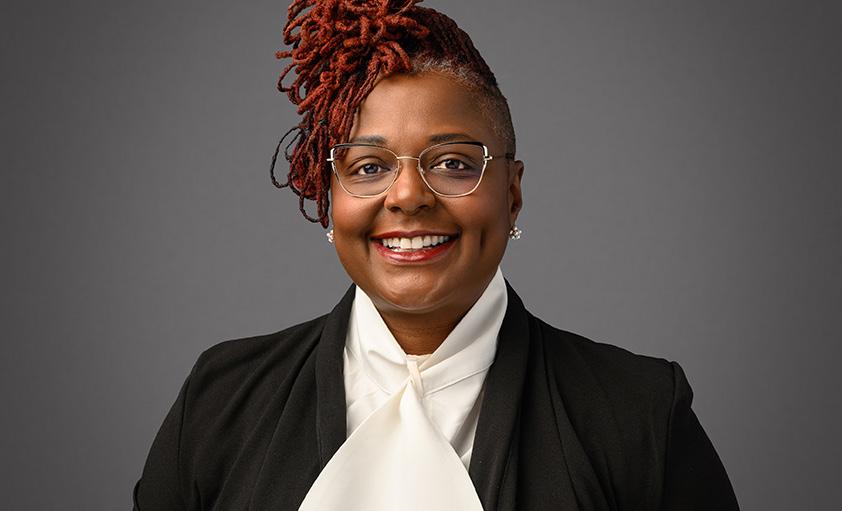
immigrant families.
Tackling "Problem Properties" and Public Safety While the visits were centered on growth, Warren’s office is also zeroed in on neighborhood stability. A primary focus of her current legislative work involves addressing "problem properties"—vacant buildings that have become targets for vandalism and criminal activity.
Working alongside the 4th Precinct’s Crime Prevention Specialists, Warren is pushing for swifter action on condemnations and repairs. Her office is currently urging residents to report properties that are causing disturbances to ensure the neighborhood remains livable for long-term residents. On the legislative front, Warren’s stance on gun violence remains firm. Following the tragic shooting at
Annunciation School last fall, she recently joined a collective call to the House Public Safety Committee urging a ban on assault rifles.
A Community in Mourning
The backdrop of this week’s work has been a somber one, as North Minneapolis continues to reel from recent shootings. Addressing the trauma felt by families and neighbors, Warren offered a message of solidarity.
"North Minneapolis is resilient not because we endure pain quietly, but because we hold one another through it," Warren said. She acknowledged that while no policy vote can fill the void left by loss, she remains committed to funding violence prevention and mental health access to address the root causes of trauma and isolation.
Resources and Opportunities In a push to empow-
er residents, Warren’s office is highlighting several pathways for support and leadership: • Systemic Change: Fathers with lived experience in the child welfare system are encouraged to apply for the African American Child & Family Well-Being Advisory Council to help shape Department of Children, Youth, and Families policies. Immediate Aid: Resources for rental assistance (Hennepin County EA), utility support (Energy Assistance Program), and mental health (988 Crisis Line) are being widely distribut
relief assistance.
Whiting’s report follows an emotional town hall held at Washburn High School on Wednesday night, where neighbors gathered to process the trauma of the past two months. The Council Member described a community that is "grieving" and "exhausted" but remains unified in demanding justice.
"The withdrawal of federal agents does not mean we stop demanding justice," Whiting said. "The City is going to continue its relentless, unified push... to force an investigation into the agents responsible for the deaths of Renee and Alex. True accountability doesn't get
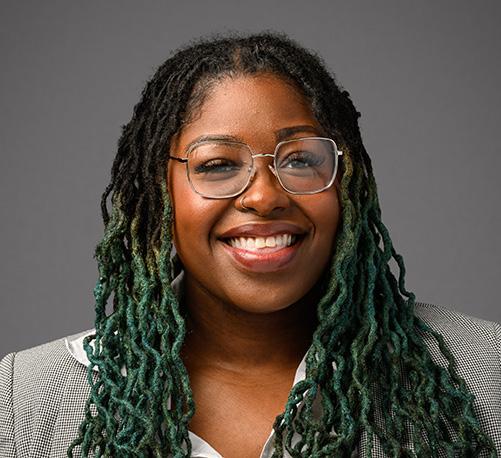
ensure residents do not lose essential services like heat and electricity during the crisis.
Housing Protections
To combat a looming eviction crisis, Wonsley is championing the "Pause Evictions, Save Lives" ordinance. This policy
to just pack up and leave town with the convoys."
As the city shifts toward recovery, Whiting is calling on residents to lead with their wallets and their presence. He urged those with means to frequent local immigrant-owned eateries and retail stores to help jumpstart the Southside’s economy.
Beyond the immediate crisis, the Ward 11 office remains focused on transparency and long-term community investments. Whiting highlighted the release of "scorecards" to track his voting record and encouraged residents to apply for city boards and commissions, including the Minneapolis Arts
would temporarily extend the required notice period for evictions from 30 to 60 days, providing families more time to access rental assistance. A public hearing for this ordinance is scheduled for March 3rd at 9:30 a.m. at Minneapolis City Hall.
Accountability and Oversight
The Council Member also highlighted successful efforts to maintain oversight of city operations:
• Data Retention: Wonsley authored a legislative directive requiring the Mayor’s administration to report on how it is preserving city camera footage, which could serve as evidence of
Commission and the Community Commission on Police Oversight. The Council Member also addressed several neighborhood-specific initiatives, including a proposed $38 million Community Safety Training and Wellness Center at 146 W. 60th St. and the redevelopment of the former Kmart site at Nicollet and Lake, which is currently seeking community feedback on two separate Phase 1 proposals.
In a final note of defiance and hope, Whiting praised the resilience of his neighbors who organized mutual aid and monitored enforcement activity during the surge.
potential illegal actions by federal agents.
Procurement Oversight:
The Council voted 7-6 to deny a request to suspend normal procurement requirements, with Wonsley arguing against waiving transparency and oversight during the recovery period.
Business Accountability:
Wonsley led the Council in denying an advisory board appointment for the General Manager of the Graduate Hotel, citing the hotel's "criminalization" of nonviolent protestors during the occupation.
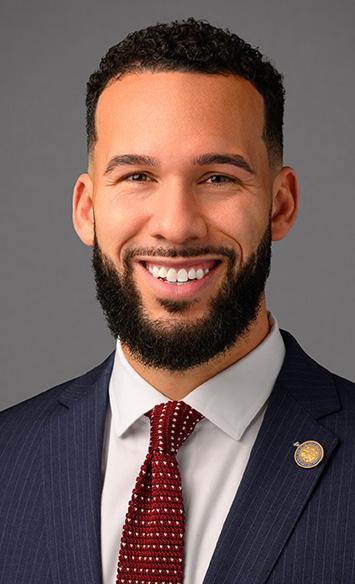
"Minneapolis has been tested before, and every single time, this community refuses to break," Whiting said. "Now is the time to rebuild and heal, and we are going to do it the way the Southside always does: together."
Community Solidarity Beyond City Hall, Wonsley highlighted several mutual aid initiatives, including the "Lights On, Homes Warm" fund and a "Keep Us Housed" bar crawl in Northeast and Southeast Minneapolis scheduled for February 28. She also shared moments of solidarity from Representative Ilhan Omar’s Black Leaders Happy Hour and a meeting with the New Justice Project, emphasizing a shared focus on Black and collective liberation. Wonsley concluded by urging residents to remain engaged in the budget process and to participate in upcoming public hearings as the city works toward recovery.
The City of Brooklyn Park is set to host its 34th Annual Real Estate Forum on Thursday, March 5, 2026, from 8:00 a.m. to 12:00 p.m. at the Edinburgh USA Clubhouse. This year’s theme, "Opportunities in Brooklyn Park: Unlocking Value in a Growing Market!", aims to highlight the city’s potential for investment and community growth.
In a direct response to mounting economic pressures and the fallout from recent federal enforcement actions, the Saint Paul City Council and the Mayor’s Office have moved to fortify the city’s housing safety net. Local leaders announced last week the redirection of $1,426,220 to the Emergency Rental Assistance (ERA) program, a move designed to prevent a wave of displacements across the capital city.
The Saint Paul Hous-
Mayor Hollies Winston will open the program, welcoming real estate professionals and brokers from across the Twin Cities. The forum serves as a critical touchpoint for in-
ing & Redevelopment Authority (HRA) and City Council approved an amendment to the Planning and Economic Development (PED) department's operations budget, shifting $926,220 in unused Housing Trust Fund dollars toward ERA staffing. This is bolstered by an additional $500,000 in Local Affordable Housing Aid (LAHA) allocated via administrative order by Mayor Kaohly Her.
This latest infusion
dustry leaders to explore one of the region’s fastest-growing markets. Featured speaker David Arbit of Minnesota Realtors will provide attendees with key insights into regional housing market trends. The program
brings the program's total funding to $3,806,220, reflecting a localized "all-hands-on-deck" approach to a growing residency crisis.
Strengthening the Infrastructure of Stability Of the redirected funds, $152,249 is earmarked for the immediate hire of two additional staff members this year, with the remaining balance set aside to sustain staffing levels in the coming years. The goal
will also delve into several vital topics for the community, including: Current and upcoming development projects
• Public safety initiatives Housing and financial resources
is to eliminate administrative bottlenecks, ensuring that the $500,000 in direct relief reaches residents before an eviction notice hits their door. The ERA program, originally born in 2020 as a pandemic-era lifeline, was revived in 2025 under the leadership of HRA Chair and Ward 7 Councilmember Cheniqua Johnson. The revamped program features expanded guidelines aimed at reaching vulnerable households—particularly
In addition to networking and market updates, participants are eligible to earn four (4) Minnesota Department of Commerce continuing education credits. Community members and professionals interested in
attending can register online. For more information, contact Josephine Thao, Project Facilitator, at 763-493-8145 or via email at josephine.thao@brooklynpark.org. Additional details are available on the city's official website.
those in communities of color and low-income brackets—that have historically been overlooked by traditional aid structures.
Local Leaders Target "Economic Disruption" The funding shift comes at a tense moment for Saint Paul. Following "Operation Metro Surge," city officials noted that many residents are facing unprecedented barriers to housing stability.
cilmember Cheniqua Johnson. “Adding $1.42 million more for staffing and support is a
Council Member Pearll Warren
Council Member Jamison Whiting
Council Member Robin Wonsley
How cancer care
From earlier detection to more precise treatments, cancer care has changed by leaps and bounds over the decades. Cancer care has also become more patient-focused, leading to more personalized approaches.
There are over 18 million cancer survivors in the United States alone, according to information provided by the NIH. A cancer diagnosis nowadays comes with a higher degree of hope than it once did.
What makes the difference is how cancer treatment innovations have evolved over time. By taking a look at the progress, it’s clear that a great number of people can enjoy better care.
In What Ways Has Cancer Treatment Changed Alongside Modern Medicine?
In the past, cancer treatment was often a one-size-fits-all solution. While traditional chemotherapy is still an option, it’s far from the only one. Instead, doctors can assess the type of cancer, determine its prognosis, and come up with a customized treatment plan.
Rather than attacking the whole body of the patient, for instance, professionals can come up with a refined, targeted strategy that also comes with a better success rate. Some breakthrough cancer treatment innovations include the following:
• Advanced cancer therapies guided by genetic testing
• Precision medicine
• Shorter hospital stays cou-
Chronic back problems affect Black communities differently through factors like elevated prevalence rates of high-impact chronic pain and increased severity. Black people also appear to have worse functional outcomes than their White counterparts.
A study on chronic low back pain published in ScienceDirect, for instance, noted that Black participants had higher pain intensity than White participants.
Several variables drive such musculoskeletal problems and back pain disparities, from healthcare access inequality to higher prevalence of occupational risks. There’s also the ongoing issue of Black patients reportedly receiving lower-quality treatment and healthcare services.
What Are Common Back Problems?
Some of the most common back problems that affect U.S. adults include: Muscle strains and sprains
• Disc herniation
• Degenerative disc disease
• Arthritis Spinal stenosis
Back pain is highly prevalent. According to the National Council on Aging NCOA, 16 million U.S. adults experience chronic back pain (CBP).
CBP is back pain that persists for at least three months.
What Are the Warning Signs of a Serious Back Problem?
The symptoms and severity of back pain can vary significantly from one person to another, as some people may tolerate pain better than others. Still, several signs could indicate you have more than just a pulled muscle.
Severe or persistent pain that doesn’t improve after a few days of self-care and rest
• Pain, numbness, or a pinsand-needles sensation that radiates down the legs
Loss of coordination or weakness (difficulty standing, walking, or controlling the legs)
Sudden loss of bladder or bowel control
If you experience any of the symptoms above, please don’t delay seeking professional help, as you may need neurosurgical care. Expert neurosurgical care can help relieve pain in the back, arm, leg, and neck
pled with outpatient solutions
Genetic testing makes it possible to figure out what may be driving a tumor’s growth. From there, the doctor can devise a more practical plan for shrinking the tumor before removing it altogether. Before, professionals also used general drugs that didn’t always offer a clear benefit to patients. With more precise medication, patients can reduce their symptoms while the medicine also targets the cause.
Evolving cancer care strategies now take into consideration the emotional and mental needs of the patient, rather than just the physical aspects. This is one reason professionals work to shorten hospital stays. It allows patients to recover in the comfort of their familiar surroundings.
By having a holistic mindset, recovery and healing can have a better chance of improving across the board.
What Kinds of New Technologies Are Driving Modern Patient Care?
Without cutting-edge technology, modern cancer care wouldn’t be what it is today. One of the most beneficial aspects of tech involves the ability to catch tumors earlier. Oftentimes, a patient’s prognosis depends on when the tumor is discovered.
If a tumor has grown too much, then the options for treatment dwindle. Artificial intelligence can now help both
radiologists and pathologists diagnose tumors and also keep track of the tumor’s response to treatment. This alone has revolutionized care for various cancer types.
There’s also a range of modern cancer therapies that have helped patients worldwide, including the following:
Immunotherapy
CAR T-cell therapy
Proton radiation
Immunotherapy is a practice that involves strengthening a patient’s immune response to the cancer, thereby reinforcing natural healing. Unlike traditional chemo, proton radiation can target tumors with amazing precision, which can reduce surrounding tissue damage.
Modern tech has also given professionals far more data than ever before. Analyzing this data has made it easier to home in on decisions that ultimately save more lives.
How Do Modern Cancer Care Strategies Affect Patient Outcomes?
With a whole-person emphasis, modern oncology practices have never been more targeted and customized to the individual. You can now expect a whole team of coordinated professionals working together to help cure the cancer, including:
• Oncologists
• Nurses
• Surgeons
• Mental health professionals

caused by spine conditions, as explained by the experts at this spine center in Denver, CO. It’s even more crucial to get immediate assistance if you’re having trouble with coordination and bladder/bowel function. It could indicate cauda equina syndrome (CES). CES is a rare medical emergency resulting from severe nerve root compression that requires immediate medical intervention.
How Do Chronic Back Problems Affect Black Communities Differently?
As some of the most common Black community health issues, back problems affect Black people differently in that they’re more likely to report high-impact chronic pain and more severe pain. They also tend to have worse functional outcomes.
Key contributors to these differences are various racial health inequities, from bias to systemic, socioeconomic, structural, and psychosocial factors.
Racial Bias
Racial bias can stem from various factors, including inaccurate beliefs regarding biological differences between White and Black people.
An article published in Behavioral Health News cited an earlier study that found 50% of White medical students and residents have endorsed at least one of these misconceptions. Due to these biased beliefs, they rated Black patients’ pain as lower compared to White patients’.
As a result, the medical students’ treatment recommendations were less accurate than those for White patients.
Nutrition experts As such, the potential for oversight has reduced by a significant degree. Patients can also receive care that addresses their fatigue, pain, emotional distress, and other factors that come from cancer. It’s easy to see how this can work in sync to improve survival rate and cancer patient outcomes as a whole.
Nutrition experts and others have honed their treatments so that remission and prevention are likelier. From identifying predispositions to eating superfoods, there are many ways that patient outcomes can turn out well and stay that way. Even after treatment is done, you can return home with new lifestyle tips and strategies that support long-term health and reduce future cancer risks. Some recommendations from experts include the following:
Quitting smoking
Avoiding processed foods
Paying attention to indoor air quality
• Reducing daily stress
Frequently Asked Questions Are Newer Cancer Treatments Safer Than Older Methods?
While a part of safety depends on individual situations and risks, there are objective advantages to modern treatments. The fact that radiation therapy is more precise means that a patient doesn’t have to put their entire body’s tissues on the line, for instance.
Of course, there are

still side effects to treatment, but they tend to be far more manageable than older methods. What matters is that the treatment has been recommended based on your specific needs. Professionals should monitor the treatment’s progress and make adjustments whenever necessary.
What Does the Future Hold for Cancer Treatment?
While cancer treatment has come a long way, there are other aspects that professionals are fine-tuning. Prevention is one of the biggest avenues because it’s almost always easier to prevent the formation of cancer than it is to fight it afterward.
There’s also the matter of long-term survival. Once cancer goes into remission due to successful treatment, there’s still the possibility of it coming back at a later date. In fact, some people have had to fight the same type of cancer multi-
Addressing racial disparities in Black communities matters because it’s key to breaking the long-standing cycle of socioeconomic inequality. Chronic pain has a strong association
ple times over decades before succumbing to it.
Future cancer treatments should develop techniques to reduce the risk of cancer recurrence. From treatment burden to accessibility, there are plenty of other things professionals are currently working on for a better future.
Cancer Care Now
Puts the Focus on the Patient Above
and
where. You can stay on top of this news and plenty else when you visit our website. There’s always more content in the works, so be sure to come back after browsing our evergreen articles.
Systemic and Socioeconomic Factors
Systemic and socioeconomic factors that contribute to back problems affecting Black communities differently include disparities in health insurance and reduced access to quality healthcare facilities.
Such barriers limit Black patients’ treatment options. They contribute to the progression or worsening of their condition.
Structural Racism and Stress
Historical and ongoing structural racism, including in healthcare, can contribute to higher levels of anxiety and stress among Black people. Unfortunately, these factors have direct adverse effects on physical health and chronic pain management.
According to KFF, for instance, experiences of discrimination and racism can increase the risk for poor health outcomes. It can lead to adverse physical and mental health effects, such as hypertension, anxiety, and depression.
Psychosocial Factors
Negative experiences and cultural factors can lead to Black people’s increased level of distrust in the medical community. Indeed, a study published in the National Library of Medicine states that Black and African Americans report higher levels of mistrust of healthcare providers, services, and systems. It also notes a strong association between medical mistrust, lower use of preventive care services, and poor health outcomes.
Why Does Addressing Health Disparities Matter?


Problems
From 12
as it can contribute to more days of missed work and lost wages.
Another reason is that structural and systemic inequalities, combined with higher pain severity, make Black people experiencing chronic pain more likely to develop mental health problems. They have a higher
risk of experiencing anxiety, depression, or post-traumatic stress disorder (PTSD). By addressing racial disparities, Black communities can receive the equitable, high-quality healthcare and treatment they deserve.
Frequently Asked Questions Are There Ways to Prevent Back Problems? Yes, there are many ways to prevent back problems, including maintaining a healthy
weight and practicing good posture. Using correct lifting techniques (e.g., bending at the knees while keeping the back straight and holding loads close to the waist) can also help.
Engaging in regular low-impact exercise can be just as beneficial to back health. Walking, swimming, cycling, yoga, and water aerobics are some examples.
If you work in the office and your job entails sitting for long hours in front of a com-
puter, ergonomic adjustments can do wonders for your back. Adjust your chair height so that your feet stay flat on the ground, and ensure your computer monitor is at or just slightly below your eye level. Make it a habit to stand and stretch your arms and legs once or twice every hour, too. How Do You Fix Back Pain? Fixing back pain de-
pends on the underlying problem, although first aid includes cold and hot therapy (applying ice or heat). You should also stay active with light activities rather than resting for hours in bed.
Gentle stretching can also help. If necessary, take anti-inflammatory medications like naproxen or ibuprofen. If the pain persists, worsens, or is severe, seek professional help ASAP.
Black Patients Deserve Quality Care for Back Problems
Since chronic back problems affect Black communities differently in terms of pain severity and functional outcomes, it’s time to address and eradicate systemic and racial biases that contribute to these differences. Find more informative guides and the latest news by exploring the rest of our website for other related reads like this.
The Black community and the stroke belt: Breaking down the numbers
Stroke continues to pose a major health danger for numerous Black families who reside in the southern part of the United States. The stroke belt experiences worse health outcomes because of its high disease prevalence, limited healthcare access, and various social barriers.
The process of data understanding enables organizations to create improved prevention methods and medical treatments.
Research shows that black adults face higher stroke risks than all other population groups. The PubMed database shows that stroke diagnosis appeared 1.40 times more often in African American patients than in whites. People tend to develop this condition because many do not put prevention measures into place and don’t receive adequate care.
The study of stroke effects on Black Americans needs both statistical evaluation of data and public health infrastructure systems.
Why Is the Stroke Belt
So Dangerous for Black Americans?
The stroke belt refers to a group of southern states with consistently high stroke rates. These states include:
• Mississippi
• Alabama
Georgia
Louisiana
South Carolina
Many Black communities live within these regions. Several risk factors converge in these areas:
High rates of hypertension and diabetes
• Limited access to preventive healthcare
Lower household income
levels
Fewer specialized stroke treatment centers
• Transportation and insurance barriers
Environmental and social conditions also shape health behaviors. Neighborhoods may lack safe spaces for exercise. Access to fresh food remains limited in many rural and urban areas.
Geography continues
to influence who receives timely stroke care and who does not.
How Do Health Disparities Affect Stroke Outcomes?
Health disparities refer to preventable differences in health outcomes between groups. In the stroke belt, these gaps remain wide.
Black Americans are more likely to experience:
• Delayed diagnosis
• Lower rates of specialist care
• Reduced access to rehabilitation
• Higher rates of untreated chronic illness
Unequal insurance coverage and provider shortages worsen these outcomes. Hospitals serving low-income areas often operate with limited resources.
Cultural mistrust and communication barriers also affect care. Some patients delay treatment due to past negative experiences. Others lack clear information about warning signs.
Closing health gaps requires sustained investment in trust, education, and infrastructure.
Understanding Stroke Statistics in the Southern United States Studies from the American Heart Association show persistent elevation in stroke rates across southern counties. Accurate stroke statistics reveal how deeply regional patterns affect health.
Key trends include:
• Higher emergency stroke admissions in rural areas
• Lower use of clot-busting medications
• Increased rates of disability after stroke
• Longer recovery times In 2019, research from ScienceDirect found that Black adults ages 35 to 64 experienced stroke-related death rates more than twice as high as White adults of the same age group. These figures highlight how early and severe stroke can be in Black communities.

The Impact on Black Americans and Family Health
The impact on Black Americans extends beyond medical outcomes. Stroke affects:
• Employment
• Education
Family stability
Many survivors experience:
Long-term mobility limitations
• Speech and memory challenges
Emotional distress
Reduced earning capacity Caregiving responsibilities often fall on relatives.
Families may struggle to balance work, medical appointments, and financial strain. Stroke not only affects individuals. It reshapes entire households.
Southern Stroke Prevalence and Regional Risk Factors
High southern stroke prevalence reflects a combination of medical and social factors. Rates remain elevated even when adjusting for age.
Contributing elements include: Higher smoking rates
Poor blood pressure control
• Limited nutrition education
Reduced access to preventive screenings
Structural barriers in healthcare systems
Climate and labor patterns also play roles. Outdoor work in extreme heat increases cardiovascular strain. Long commutes reduce time for medical visits.
Local reports on vascular disease in Mississippi highlight how it remains closely tied to stroke risk. Regional education programs attempt to address these challenges through targeted outreach.
Community Health Initiatives
Making a Difference
Strong community health initiatives help reduce stroke risk when properly funded and supported. Successful programs focus on:
Prevention
Screening
Education Effective initiatives often include:
Free blood pressure screenings
• Mobile health clinics
• Faith-based wellness programs
• Nutrition workshops Community health workers Neighborhood-based interventions improve medication adherence and follow-up care. Trusted local leaders play a key role in participation.
Partnerships between universities, hospitals, and nonprofit organizations strengthen outreach. Data-sharing platforms improve early detection efforts.
The Role of Policy and Healthcare Access
Public policy shapes who receives timely stroke care. Medicaid expansion, transportation funding, and hospital investment directly influence outcomes.
Policy priorities should include:
• Expanding primary care
access
Supporting rural hospitals Increasing stroke unit availability
Improving telemedicine services
Strengthening workforce development
System-wide reform remains necessary to address persistent health disparities.
Frequently Asked Questions
How Can Families Reduce Stroke Risk at Home?
Families can reduce stroke risk by prioritizing routine health monitoring and lifestyle changes. Regular blood pressure checks help detect early warning signs.
Balanced diets low in sodium and processed foods support heart health. Physical activity improves circulation and weight control.
Medication adherence remains critical for individuals with chronic conditions. Community screening programs can provide affordable access to preventive services.
Establishing consis-
Diabetes disparity: Understanding Type 2 risks for
Black Americans have a higher risk of getting diagnosed with type 2 diabetes (T2D) than White Americans. The disease is also more likely to be fatal in Black people than in White individuals. Indeed, Verywell Health says Black Americans are 60% more likely to get diagnosed with T2D. It also noted that Black (and Brown) people are twice as likely to die from diabetes as White individuals.
Given those statistics, type 2 diabetes awareness has become more crucial than ever for Black American health. Proper knowledge can help empower individuals to adopt healthy lifestyle habits that can help cut their risks for this condition and navigate racial disparities in care.
What Happens if You Are Type 2 Diabetic? If you have type 2 diabetes, it means your body has difficulty using insulin properly.
Insulin, a hormone that the pancreas produces, is vital to blood glucose (sugar) regulation. It helps cells take in glucose and use it for energy. Because T2D leads to the improper use of insulin, it can make you experience the following:
• Increased thirst and hunger
• Weakness or extreme fa-
tigue Vision blurriness
Frequent urination
Cuts or bruises that heal slowly
Numbness, pain, or tingling in the hands and feet
Without adequate type 2 diabetes health management, you may experience longterm complications. It can damage the heart and blood vessels, feet, skin, eyes, and kidneys.
There’s also diabetic neuropathy (nerve damage). According to the American Diabetes Association, it affects half of individuals with diabetes.
What Is the Main Cause of Type 2 Diabetes?
Insulin resistance is the primary cause of type 2 diabetes. It occurs when specific cells in the body (e.g., adipose tissue or fat, skeletal muscle, and liver cells) fail to respond to insulin as they should.
Due to this “failed” response, the pancreas gets forced to make more insulin. It does so to overcome the increasing levels of glucose in the bloodstream.
Various factors can lead or contribute to insulin resistance, such as:
• Genetics Physical inactivity
Excess body fat, particularly visceral fat (fat in the belly and around the organs)
• Hormonal disorders
Excessive consumption of
high-carbohydrate, highly processed foods and saturated fats
Chronic stress
A lack of good-quality sleep
What Are Black Americans’ Risks for Type 2 Diabetes?
The higher risk of developing or dying from type 2 diabetes that Black Americans face is not just due to biological and genetic factors. It also stems from a complex combination of these variables and social and systemic factors.
Biological and Genetic Factors
According to a 2022 study published by researchers from the University of Alabama at Birmingham, research indicates that specific genetic variations in people with higher African ancestry make them predisposed to diabetes. Type 2 diabetes also tends to run in the family. If you have a close relative (e.g., a parent or sibling) with T2D, your odds of getting diagnosed with this condition are higher than in people who don’t have close relatives with T2D.
Social and System Factors
Social factors that make Black Americans more likely to get diagnosed with type 2 diabetes have roots in systemic inequal-
ities. Poverty is one, and so is having limited access to affordable, healthy food. Black individuals also tend to have fewer safe spaces to exercise. Exposure to discrimination is another social determinant that puts Black Americans at a higher risk for T2D. As the U.S. CDC explains, there’s an association between discrimination and increased T2D, hypertension (high blood pressure), depression, and death risk.
How Do You Control Type 2 Diabetes?
Given that Black Americans already face higher risks and health disparities in diabetes, knowing how to control it is even more crucial, as proper management can help reduce the odds of the disease’s progression. It can also help prevent life-threatening events and improve overall quality of life. One of the key steps to control type 2 diabetes is to make healthy lifestyle modifications. Examples include: Engaging in regular physical activity (i.e., 150 minutes of exercise per week)
• Managing weight
• Adopting a healthy diet that’s low in sugar and limits processed foods Black Americans with T2D should also regularly monitor their blood sugar levels. Taking prescription medications (e.g., Metformin, Januvia, or
Farxiga) as instructed is just as crucial. Never skip any dose, and ensure you take the proper dosage as directed. If you want to save on your prescription diabetes medications, ask your doctor if you can switch to generic versions. Don’t forget to explore available discount coupons, such as when you order Metformin from a digital pharmacy or buy Farxiga online.
Frequently Asked Questions Can You Reverse Type 2 Diabetes?
Yes, it’s possible to reverse type 2 diabetes, particularly if it’s still in the “prediabetes” stage. If you have prediabetes, it means your blood sugar level is higher (vs. normal) but not high enough for your doctor to diagnose you with T2D. According to the U.S. CDC, prediabetes affects around 115 million adults. However, eight in ten aren’t aware they have it. The health organization also notes that it’s reversible at this stage, such as through healthy lifestyle changes. From being more physically active to making healthier dietary choices and losing even just a small amount of weight, these can all help you reverse prediabetes.
Is Type 2 Diabetes Prevention Possible?
Not all cases of type 2 diabetes are preventable, but
tent medical routines helps families recognize changes before serious complications develop. Open communication with healthcare providers also improves long-term prevention planning.
Scheduling regular wellness checkups helps detect hidden risk factors before symptoms appear. Involving all household members in healthy routines strengthens accountability and long-term prevention efforts.
What Role Do Community Programs Play in Stroke Prevention?
Community programs provide trusted access to education and screening services. Many residents rely on local churches, schools, and nonprofit centers for health information. These programs help identify high-risk individuals early.
They also connect patients with affordable treatment options. Culturally responsive outreach improves participation and long-term engagement. Strong partnerships with local leaders increase program credibility and reach. Ongoing funding ensures these services remain available to underserved populations. Consistent evaluation helps programs adapt to changing community health needs. Data-driven improvements strengthen long-term prevention outcomes.
Taking Action in the Stroke Belt: Moving Toward Health Equity
Addressing the challenges of the stroke belt requires coordinated effort from individuals, communities, and policymakers. Data shows that prevention, education, and access save lives. Strong partnerships can transform local health systems. People are encouraged to stay informed, participate in community programs, and support evidence-based policies. Continue exploring our website for more helpful guides and the latest news updates.
a significant majority are. Even for people with genetic risks (including Black Americans), preventing T2D is possible through sustainable, healthy lifestyle choices.
What Foods Should You Avoid if You Have T2D?
Whether you have type 2 diabetes, have a predisposition to it, or are generally healthy, you should avoid excess high-sugar drinks, such as sodas. Limit intake of refined carbohydrates, too, like white pasta, rice, and bread. Steer clear of highly processed meats like bacon and sausages. Avoid fatty foods and fried options, too. Instead of such unhealthy choices, build your meals around whole foods, lean proteins, and fiber.
Take Control of Type 2 Diabetes
While Black Americans face higher risks for type 2 diabetes, it doesn’t mean they can no longer prevent or manage it. With healthy lifestyle choices, from focusing on nutritious foods to exercising regularly and maintaining a healthy weight, Black folks can get T2D under control.
Browse the rest of our news platform for the latest health guides and news headlines.
A prescription for lasting change: A review of Dr. Grace Totoe’s "From Obesity to Wellness"
In a saturated market of "quickfix" diets and fleeting fitness trends, Dr. Grace Totoe offers a refreshing, evidence-based alternative with her latest release, From Obesity to Wellness: The Ultimate Guide to Lifestyle Medicine for Obesity Management. As the Medical Director of the Minneapolis Health Clinic, Dr. Totoe leverages over a decade of clinical experience to move the conversation beyond the scale, focusing instead on the holistic pillars of health.
The book distinguishes itself by refusing to treat obesity as a simple matter of "calories in versus calories out." Instead, Dr. Totoe explores the intricate web of factors—ranging from stress management and sleep hygiene to nutritional optimization—that influence a
person's metabolic health. Her prose is described as a blend of rigorous science and deep compassion, a reflection of her ongoing commitment to health equity.
Key Questions Addressed The guide serves as a practical roadmap, prompting readers to engage with their health through a series of criti


without re-
advocates for a balanced approach that celebrates the body’s potential rather than punishing it.
A Resource for the Modern Reader
agement? The author high
lights these often-over
At 156 pages, the Kindle Edition provides a concise yet comprehensive resource for those navigating the complexities of obesity or simply seeking to enhance their overall wellbeing. By focusing on sustainable shifts rather than temporary "hacks," Dr. Totoe provides the tools necessary for readers to take informed control of their health journeys. For individuals looking to transition from a cycle of frustration to a state of wellness, this guide offers a grounded, empathetic, and scientifically backed starting point.
book
Too few geriatricians, rising need: how seniors are finding support
By Jerry Gurwitz Professor of Geriatrics, UMass Chan Medical School
More than 70 million baby boomers – those born between 1946 and 1964 – are alive today. In 2026, the oldest of them are turning 80. With longer lives often comes more complicated health needs: multiple chronic conditions, long lists of medications, balance problems that can increase the risk of falls, and changes in memory. Many older adults also begin relying more on spouses, children or other family members to help manage medical decisions.
Ideally, health care in later life should go beyond just treating individual diseases and medical conditions. It should aim to help older people maintain health, independence and optimal quality of life for as long as possible.
Doctors and nurse practitioners trained in geriatrics specialize in doing exactly that. As a geriatrician for nearly four decades, I’ve seen how the right care for older people can prevent falls, reduce risk of medication side effects and help patients make medical decisions that reflect their goals and wishes. The problem? There just aren’t enough of us. Finding a health care provider with expertise in geriatrics can be
By Ana Santos Rutschman Professor of Law, Villanova University
The Food and Drug Administration’s decision, made public on Feb. 10, 2026, to not review an application to approve Moderna’s proposed mRNA-based flu vaccine set off a firestorm of criticism from public health experts.
But just a week later, on Feb. 18, the FDA backtracked on its decision, saying that it will indeed review the vaccine, potentially in time for its approval for the 2025-26 flu season. The decision sent Moderna’s stocks soaring in a rebound from the earlier decision. Even before the
extraordinarily difficult. But there’s good news: You can use a few simple strategies that geriatricians rely on to have more productive conversations with your or your family member’s doctor.
A whole-person approach to aging
Geriatricians are trained to see the bigger picture of aging. They don’t just treat individual diseases – they also focus on preserving independence, function and safety. That includes addressing memory changes, balance problems, complex medication regimens and the difficult trade-offs that often come with complicated medical decisions.
A geriatrician can help patients and their families weigh whether a test or procedure will truly improve their patient’s life. Specialists in geriatrics know that most falls have multiple causes – and that practical steps like reviewing medications or improving home safety can prevent the next one. They also recognize that in older adults, new symptoms should not be blamed simply on aging. Sometimes they can be due to drug side effects. For example, stopping certain sleep medications can reduce confusion and daytime drowsiness, and limiting or avoiding use of opioids for pain relief can prevent debilitating constipation.
Unfortunately, geriatrics is a specialty with a dearth
FDA’s decision to reject the application, Moderna and other drugmakers were beginning to pare back investments in vaccines due to concerns about the approval process. As a law professor who studies vaccine policy, I believe the FDA’s abrupt shift is unlikely to assuage those concerns.
What happens now that the FDA is willing to review the application?
The FDA said it will review the vaccine for use by people age 50 to 64 under the standard review pathway, which is how it evaluates most drugs. In declining the application originally, the FDA claimed that Moderna did not conduct an “adequate and well-controlled” study because it had not compared patients

of providers. Nationally, there are fewer than 12 geriatric physicians and 10 geriatric nurse practitioners per 100,000 older Americans. In many rural areas, there are none. And the shortage is unlikely to improve anytime soon. That’s because medical students and advanced practice nurses rarely choose to specialize in geriatrics, and many medical schools provide no formal training in the care of older adults.
This means most older adults will be cared for by clinicians without specialized geriatric training. But older patients and families can still steer care in the right direction by using a straightforward framework geriatricians follow called the “5Ms.”
A geriatrician’s framework
This mnemonic captures the core principles of optimal geriatric care. The letters stand for mind, mobility, medications, multicomplexity and matters most. The importance of each of these essentials of
receiving its vaccine with patients receiving what the agency claimed to be “the best-available standard of care.” The agency’s decision to review it now is effectively a reversal of that position, which was not based on any legal standard.
For people age 65 and older, the FDA said it will now review the vaccine through a long-standing program called “accelerated approval,” which is used to more quickly review drugs that “treat serious conditions” and “fill an unmet medical need,” and that show promise.
Under this faster process, the law allows the FDA to consider different data than under a standard approval. Instead of looking at final results, a company can submit results that use a proxy measurement to reflect that a drug is likely to
care for older adults may seem obvious, but it’s amazing how often they are overlooked when doctors without training in geriatrics take care of their older patients. Here’s how you can think about them in speaking with your doctor:
Mind: About 10% of adults age 65 and older have dementia, and another 22% have mild cognitive impairment. If you’ve noticed changes in your memory – forgetting appointments or conversations, forgetting to take medications, struggling with bills or relying more on family for help with tasks you once handled easily – bring it to your doctor’s attention. These concerns don’t always surface unless you mention them. When doctors know about memory problems, they can check for treatable causes, adjust medications or recommend further evaluation and lifestyle changes that may be of benefit.
Mobility: Each year, about a third of older adults report at least one fall, and 1 in
achieve its clinical goal. This means that if the FDA approves Moderna’s vaccine for this older age group, the company will have to conduct additional studies on it afterward. What’s unusual, though, is that the agency typically suggests the use of the accelerated approval pathway much earlier in the process, not after a company submits its application.
Is the agency’s reversal likely to calm vaccine manufacturers?
Federal health officials under Health and Human Services
Secretary Robert F. Kennedy Jr., including at the FDA, have taken many steps over the past year that disrupt long-standing public health practices relating to vaccine access and approval. They have expressed
Breaking the 'North Star' Disparity
By Insight News Staff
While the national conversation often centers on the "Stroke Belt" in the South, Black Minnesotans are living in a regional reality that is just as urgent. In a state that consistently ranks among the healthiest in the nation, the data reveals a "tale of two Minnesotas" when it comes to cardiovascular health.
The Minnesota Numbers According to the Minnesota Department of Health, stroke remains a leading cause of death in the state. However, the bur-
den is not shared equally. Data indicates that the stroke death rate remains significantly higher for African Americans in Minnesota compared to whites.
Beyond Geography: The Access Gap If the "Stroke Belt" is defined by geography, Minnesota’s disparities are defined by structural barriers.
EMS Utilization: National research shows Black patients are less likely to use emergency medical services during a stroke, often due to a lack of trust in the system or cost concerns.
• Treatment Timelines: Delayed arrivals at hospitals often mean missing the critical window for life-saving "clot-busting" treatments.
Minnesota 2035: A Road Map for Change The MN 2035 Plan is a collaborative effort involving organizations like the Minnesota Black Nurses Association and the Center for African Immigrant Refugees Organization (CAIRO). This initiative aims to eliminate racial inequities in stroke care by 2035 through culturally tailored prevention and
addressing social determinants like housing and food access.
KNOW YOUR NUMBERS: Local Resources & 2026 Screenings
Stroke is 80% preventable, and managing blood pressure is the first line of defense. The following Twin Cities organizations offer free or low-cost screenings and support: Hallie Q. Brown Community Center (St. Paul): Host of the Partners in Prevention Health Clinic in the Rondo community. Public health nurses from St. Paul-Ramsey County Pub-
10 suffer a fall-related injury.
Make sure to tell your health care provider if you have fallen, feel unsteady when standing or walking, or if you worry about falling. Request advice about how you can improve strength, flexibility and balance to reduce the risk of falls and serious injury.
Medications: Four out of every 10 Americans age 65 and older take five or more different medications every day, and 1 in 10 take 10 or more. Any new symptom in an older person could be due to a drug side effect of their medication. So don’t be afraid to ask whether every medication you are taking is absolutely necessary, or whether a new symptom you are experiencing might be a side effect. If you see multiple health care providers who each prescribe medications to you, ask for a comprehensive review of your medications to make certain that nothing is being missed and all your drugs and dosages are appropriate.
Multicomplexity:
About 75% of older adults live with two or more chronic medical conditions. When you are followed by several specialists – who limit their focus to a single disease – your care can become fragmented. That often means long medication lists, frequent tests and recommendations that don’t always fit together. A whole-person approach looks at how everything connects. You and your family can help by asking your primary health care provider to step back
particular skepticism toward mRNA-based vaccines, which were developed during the COVID-19 pandemic. Kennedy and other health officials have raised concerns about safety while providing no credible data on health risks, and have defunded research on their development.
With so many areas in vaccine law and policy in turmoil, incentives for vaccine manufacturers to bring vaccines to market are shrinking. Recent changes in the FDA’s approach, including proposals on new standards for testing vaccines that many vaccine experts have called impossible to achieve, have raised major concerns.
Already, multiple vaccine manufacturers, including Moderna, have announced plans to scale back their invest-
lic Health are available for screenings and referrals.
• When: Thursdays, 10 a.m. – 12 p.m. (at the Rondo Community Library location).
Open Cities Health Center (St. Paul): Provides comprehensive primary care and chronic disease management. They offer sliding-fee scales for uninsured residents at both their Dunlap and North End locations.
NorthPoint Health & Wellness Center (Minneapolis): Hosting the Healthy Hearts Social Group throughout 2026. This group meets in 6-week blocks to discuss
and review the full picture – all medications, all specialists and any upcoming tests – and help coordinate a clear, organized plan that is best for you. Matters most: Asking yourself to pin down what matters most to you is a simple but powerful way to help your doctors understand what to prioritize in thinking through your care. With that information, your doctor can look beyond focusing on any one disease or condition and instead work with you to support your personal goals for a good old age. Maybe it’s being able to walk to the mailbox without falling. Or staying in your own home for as long as possible. Or avoiding medications that make you sleepy or confused. Or staying out of hospitals and emergency rooms. Whatever it is, it’s important to have your health care provider focus on your own priorities.
Aging well is not about having more doctor’s appointments or medical tests, nor is it about taking more medications. It’s about getting the kind of health care that will maintain function, independence and quality of life into old age. You may not be able to find a geriatrician, but you can definitely help your doctor better understand the care that’s right for you or your loved one.
Disclosure statement Jerry Gurwitz receives funding from the National Institute on Aging. He serves as a paid consultant to United Healthcare.
ment in vaccine research and cut jobs.
By agreeing to review Moderna’s application for people age 50 to 64, the FDA is seemingly softening its stance on vaccines. But the agency’s unpredictable decisions – including the highly unusual way it invoked accelerated approval for Moderna’s vaccine – might not be enough to assuage manufacturers’ worries about the current state of regulatory uncertainty.
Disclosure statement Ana Santos Rutschman does not work for, consult, own shares in or receive funding from any company or organization that would benefit from this article, and has disclosed no relevant affiliations beyond their academic appointment.
blood pressure care and stress management.
• Next Sessions: May 7 –June 11, 2026; July 23 –August 27, 2026. Sabathani Community Center (Minneapolis): Offers free health services, including blood pressure checks and pre-diabetes screenings.
• When: Thursdays, 11 a.m. – 2 p.m. in the UnitedHealthcare Suite. SagePlus Heart Health Program: A free program for uninsured or underinsured residents (ages 35–64) that provides full heart health screenings. Call 1-888-643-2584 to check eligibility.
Summers’ post-Epstein rebound raises questions about accountability in economics
By Yana van der Meulen Rodgers Professor of Labor Studies, Rutgers University
Economist Larry Summers will resign from his tenured job as a professor at Harvard University, the school announced on Feb. 25, 2026, following heightened scrutiny of his ties with the late convicted sex offender Jeffrey Epstein. Summers will leave at the end of the 2025-26 academic year, with a new title: president emeritus.
It’s a soft landing for his fall from grace.
In November 2025, Harvard launched an investigation of Summers, a former U.S. treasury secretary who previously served as Harvard’s president.
The probe looked into whether Summers and other members of Harvard’s faculty and administration had interactions with Epstein that violated its guidelines on accepting gifts and should be subject to disciplinary action. Summers’ resignation is connected with this ongoing investigation, a Harvard spokesperson told The Hill.
Despite repeated calls by students for Harvard to revoke Summers’ tenure, he held onto his teaching and academic appointments at Harvard until he chose to retire. Students and staff also called for his resignation in 2005 following his disparaging comments about women in science.
“Free of formal responsibility, as President Emeritus and a retired professor, I look forward in time to engaging in research, analysis, and commentary on a range of global economic issues,” Summers said in a statement released on Feb. 25.
Not surprised
As a female economist and a board member of the Committee on the Status of Women in the Economics Profession
– a standing committee of the American Economic Association – I wasn’t surprised by the revelations of Summers’ apparent chumminess with Epstein, shocking as they may appear. After all, it was Summers’ disparaging remarks about what he said was women’s relative inability to do math that led him to agree to relinquish the Harvard presidency in 2006.
And for years, researchers have documented the gender bias that pervades the field of economics.
The title of president emeritus is honorary. It brings with it symbolic recognition and the opportunity to maintain a formal connection to the university. Emeritus status is selective and requires approval at most universities. It’s usually bestowed on retiring professors.
In my view, by conferring this title on Summers, Harvard is signaling that powerful men can outlast gross misconduct with their honorifics intact.
Summers’ ties to Epstein Summers, until his entanglement in the Epstein scandal came to light, was among the nation’s most influential economists.
But his history of public controversy stretches back to at least 1991, when a memo he wrote while serving as the World Bank’s chief economist appeared to justify sending toxic waste to poorer countries.
Criticism of Summers surged after the House of Representatives released damning messages between Summers and Epstein as part of a dump of more than 20,000 public documents from Epstein’s estate in November 2025.
A series of emails and texts documented how Summers repeatedly sought Epstein’s advice while pursuing an intimate relationship with a woman he was mentoring –while the economist was married to someone else. Summers was close
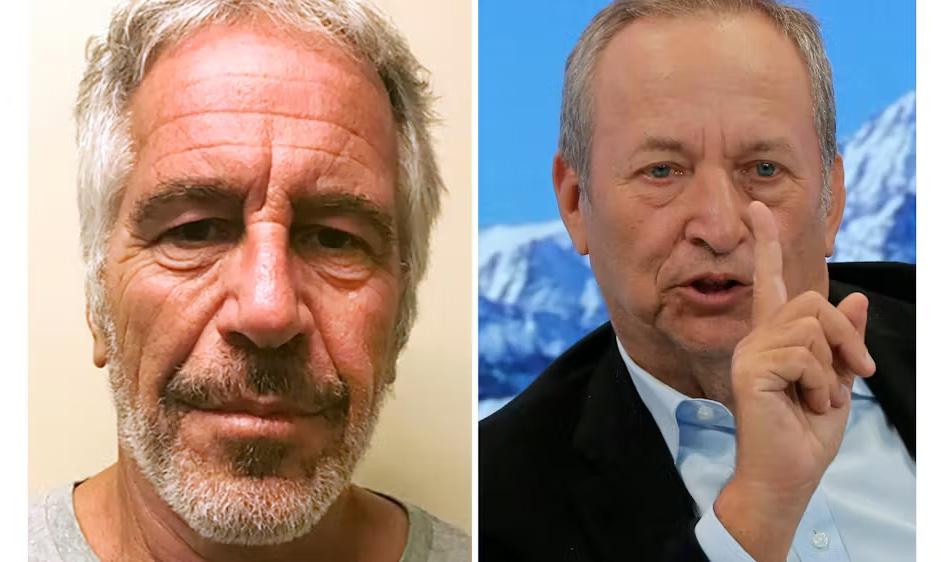
Credit: AP/Michel Euler
Documents released in 2025 pointed to close ties between Jeffrey Epstein and Larry Summers. New York State Sex Offender Registry
enough to Epstein that in 2014, the sex offender named the economist as a backup executor for his estate.
The Department of Justice released a much larger tranche of documents in January 2026 in compliance with a law passed by Congress. So far, no major media outlet has reported on any new Summers materials discovered as a result.
Harvard’s slow response
The Summers-Epstein exchanges released in November ignited a new round of scrutiny and led to the unraveling of Summers’ prestigious career.
Summers went on leave from teaching at Harvard on Nov. 19 and stepped down from several high-profile boards.
But beyond launching the investigation, Harvard took no decisive action to discipline or sanction Summers. This calculated hesitation, which reflects the institution’s efforts to court funding, power and influence among top donors, appears to have put donor politics above basic accountability.
By contrast, the American Economic Association, the primary professional association for economists, did take swift and harsh action. In an unprecedented move, on Dec. 2,
2025, the AEA announced that it had placed a lifetime ban on Summers from all its conferences and other activities.
Having lots of company
To be sure, Harvard is not the only prestigious university dealing with the aftermath of the Epstein revelations.
The Epstein documents include evidence that administrators and professors at other prestigious colleges and universities like Duke, Yale, Bard, Princeton and Columbia also exchanged messages with Epstein.
As public funding for higher education has eroded, universities have increasingly turned to wealthy donors to underwrite major projects and supplement budgets by endowing professorships and research centers. Epstein appears to have taken advantage of this dependence on rich supporters by presenting himself as someone who could deliver both his own money and access to other affluent donors.
The Epstein files uncovered many email exchanges, meetings and discussions with the sex offender about research and funding opportunities, and they demonstrated how thoroughly the man had embedded himself in academic circles.
Disturbingly, Summers was hardly the only scholar to solicit Epstein’s help in pursuing women.
Among others, Duke University economist Dan Ariely asked him for the contact information of a “redhead” he had met, and Yale computer scientist David Gelernter told Epstein about a woman he called a “v small goodlooking blonde.”
An economics problem
While Summers’ behavior and the reported dynamics between him and a woman he mentored may appear shocking, they are all too common in economics.
For years, researchers have been documenting the gender bias that pervades the profession.
The data shows that abuse of power is common among male economists. A 2019 survey by the AEA documented widespread sexual discrimination and harassment. Almost half of the women surveyed said that they had experienced sexual discrimination, and 43% reported having experienced offensive sexual behavior from another economist – almost always men.
In 2024, according to the National Science Foundation, about 1 in 3 newly minted economics Ph.D.s in the U.S. were women, a considerably lower share than in other social sciences, business, the humanities and scientific disciplines. This ratio has changed very little since 1995.
After earning doctoral degrees in economics, women face a leaky pipeline in the tenure track, which represents the highest-paid, most secure and prestigious academic jobs. The higher the rank, the lower the representation of women.
The gender gap is wider in influential positions, such as economics department chairs and the editorial board members of economics journals. Women are also substantially underrepresented as authors in the top economics journals. This bias not only hurts women who are economists; it can also hamper policymaking by limiting the range of perspectives that inform economic decisions.
Allowing a soft landing Allowing Summers to commence a dignified retirement while continuing to hold honorifics risks signaling that there are ultimately few consequences at the very top in higher education.
I believe that if colleges and universities want to prove that they are serious about confronting abuses of power within their ranks, they must show that prestige does not entitle anyone, however accomplished, to a soft landing.
Portions of this article appeared in a related article published on Dec. 2, 2025. Disclosure statement Yana van der Meulen Rodgers is a board member of the Committee on the Status of Women in the Economics Association.
Also, a 2021 study published by the National Bureau of Economic Research documented hostile environments in economics seminars, with female presenters experiencing more interruptions and encountering more patronizing behavior.
The Supreme Court’s ruling leaves Trumponomics facing major challenges
By Steve Schifferes
Research Fellow,
Honorary
City Political Economy Research Centre, City St George's, University of London
The decision by the US Supreme Court to rule most of Donald Trump’s “liberation day” tariffs illegal will have far-ranging consequences for the president’s economic agenda. Although the administration will find other ways to increase tariffs, their usefulness as a weapon of economic warfare will be diminished. And the issue – among the most unpopular of the president’s economic policies – will cause him serious political damage.
Trump’s first move following the ruling has been to impose a 15% tariff on all imports. Imposed under a little-used law, the tariff rate is fixed and time-limited to 150 days before needing congressional approval. It would take only a few Republicans to block its extension. And the midterm elections are looming.
Using a flat-rate tariff means that some countries that settled earlier and got a better deal – including the UK – are now worse off, while others that had a higher tariff rate imposed on them have, at least for now, benefited. It also could mean that those that pledged to invest hundreds of billions in the US economy – including Japan and the EU – may now question whether their commitment still stands.
Trump’s ability to
threaten instant retaliation to any country that crosses him will also be constrained by the other two legal routes he can use to raise tariffs. Both provisions would require time-consuming, detailed investigations into specific industries or countries, and rates once fixed cannot as easily be changed.
The domestic political fallout from the Supreme Court decision is also substantial. Two thirds of the US public disapprove of Trump’s tariff policy, with large sections believing that his tariffs are inflationary.
Democrats are already calling for the money raised to be returned to consumers. And businesses, including small firms hit hard by the tariffs, are suing the government. If the US government can no longer rely on the income from tariffs – which rocketed to US$287 billion (£211 billion) this year – it would put further pressure on the fast-growing federal budget deficit. This is already US$2 trillion and projected to rise to US$3 trillion by the 2030s, as a result of Trump’s large tax cuts.
Nor have Trump’s tariffs achieved their objectives. The trade deficit was slightly larger in 2025 than the year before, with US$1 trillion more goods being imported than exported. Tariffs have not boosted jobs: manufacturing employment fell by 80,000 and unemployment is up to 4.3% compared to 4% in January 2025.
The bigger problem for the president is the overall performance of the economy. The Republicans have only a narrow majority in the House of Representatives, and most observers are predicting that the
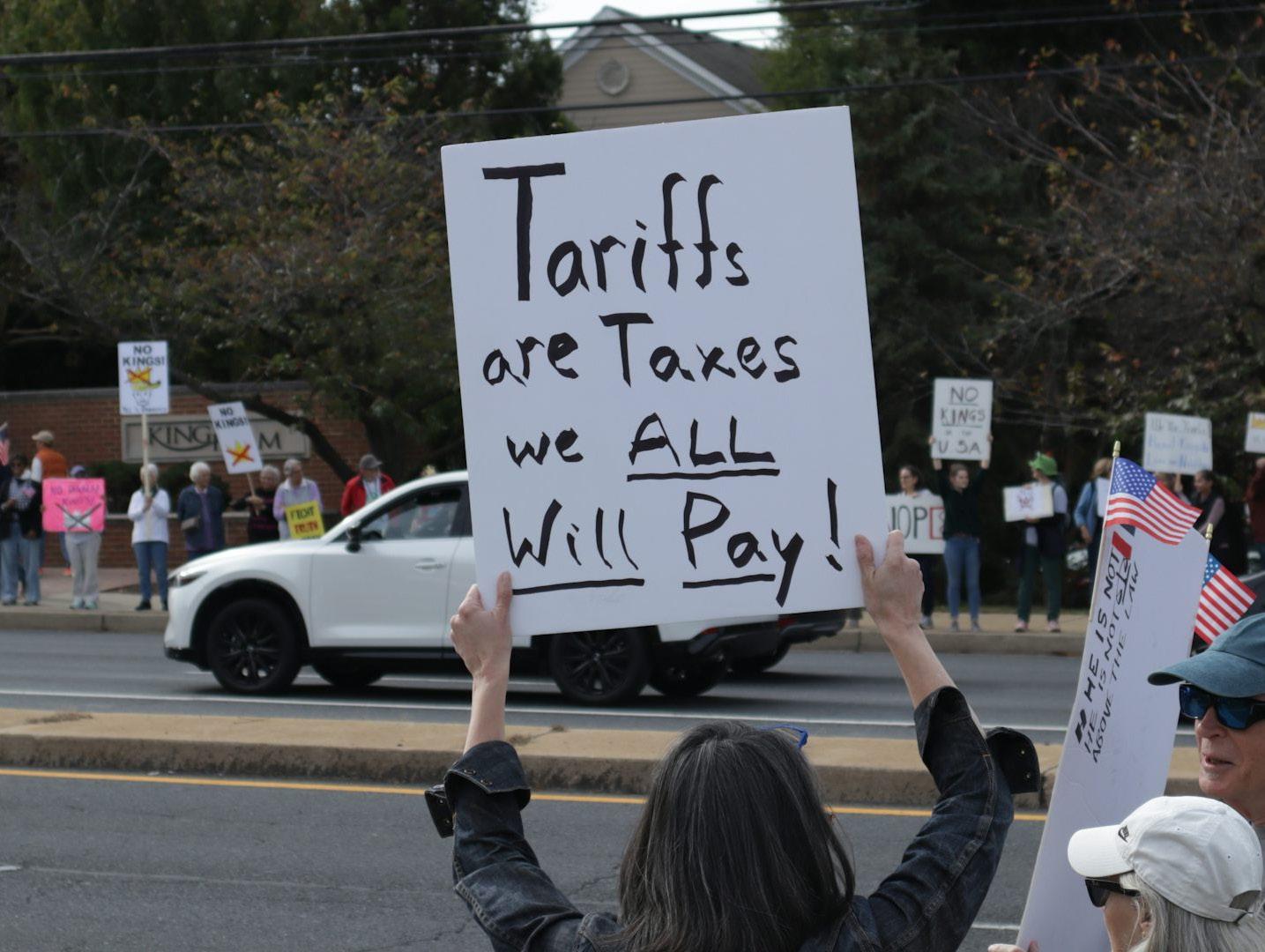
Democrats will gain control in November. Trump’s ratings on his performance on the economy have been slipping, with 55% now disapproving. And 65% disapprove of his handling of inflation.
He now faces an uphill struggle in the State of the Union address to convince the public that the economy is back on track under his leadership.
Weak growth and high inflation
There is still debate over how much the tariffs have contributed to inflation, but the US economy is only growing at 2.2% a year, its slowest rate since 2020. Inflation is the main concern of US voters, with figures putting the rate at 2.9%
– well above the Federal Reserve target of 2%. Estimates by economists suggest that companies are increasingly passing on the cost of tariffs to consumers, which may well be driving inflation. Recent job figures may have provided some more positive news, but voter worries about high prices may be hard to shift.
Trump’s next battle is for control of the US Federal Reserve. This independent agency sets short-term interest rates and manages the US currency – Trump wants it to sharply cut interest rates to boost the economy. But Fed chair Jerome Powell is reluctant to cut rates too quickly when inflation is not yet contained.
Powell’s term is due
to end in May, and the president has nominated a new chair, Kevin Walsh, who backs his policy of more interest rate cuts. But he will need to convince a majority of the other 11 members of the Fed’s Open Market Committee to go along with these.
Trump, as well as being openly critical of Powell, also fired (in an unprecedented act) Fed governor Lisa Cook, a supporter of Powell who was appointed by President Joe Biden. This decision is being challenged in the Supreme Court, and in a preliminary hearing several judges appeared to be sceptical of its legality –including Brett Kavanaugh, a conservative who voted in favour of Trump in the tariff case. Financial markets
could wobble if Trump succeeds in taking political control of the Fed. Its independence is seen as vital for ensuring non-partisan and credible management of interest rates and inflation. But if Trump does force the Fed to cut rates further, this could add to the inflationary pressures and damage the Republicans’ path to retaining power in the midterms.
After one year back in power, Trump’s failure to deliver his promised transformation of the US economy (and especially to tackle inflation) is having serious political consequences that could damage his freedom of action. The Supreme Court’s ruling has thrown US tariff policy into turmoil and weakened the president’s ability to dictate to other countries on both economic and political issues.
If the Supreme Court also backs the independence of the Federal Reserve, Trump’s bid for complete control of US economic policy will face another major setback. But the most important limit on the president’s powers would be a defeat for the Republicans in the midterm congressional elections in the House of Representatives, leading to a divided Congress that will no longer rubber-stamp Trump’s policies.
Disclosure statement Steve Schifferes does not work for, consult, own shares in or receive funding from any company or organization that would benefit from this article, and has disclosed no relevant affiliations beyond their academic appointment.
Are women board members risk averse or agents of innovation? It’s complicated, new research shows
By Stephen J. Smulowitz Assistant Professor of Strategic Management, Wake Forest University
Do women board members make a company more innovative or risk averse? The answer is both, according to our recent study. It all depends on how the company performs relative to its goals.
Professors Małgorzata Smulowitz, Didier Cossin and I examined 524 S&P 1500 companies from 1999 to 2016, measuring innovation through patent activity. Patents reflect both creative output and risk-taking. They require significant investment in novel ideas that might fail, disclosure of proprietary information and substantial legal costs. In short, patents represent genuine bets on the future.
Our findings revealed a striking pattern. When companies performed poorly in relation to their goals, they produced fewer patents after more women joined their boards.

performing companies can expect boards with more women to focus on stability over risky innovation. This isn’t necessarily negative.
Research shows that banks led by women were less likely to fail during the financial crisis, and companies with more women directors experience less financial distress. Reduced innovation during tough times may reflect prudent risk management rather than risk aversion.
The situation changed when we examined radical innovations, those patents in the top 10% of citations. For these high-risk, high-reward innovations, the risk-averse effect of women board members dominated.
When a company’s performance fell below aspirations, there were fewer radical innovations as its board gained female members. We found no corresponding increase in radical innovations when performance exceeded goals.
One finding surprised us. We predicted that boards
However, companies exceeding their performance targets saw increased patent output as their number of women directors grew. Similarly, when companies were financially flush, there were more patents generated when their boards had more women.
with more women would reduce innovation when companies approached bankruptcy. Instead, it was the opposite: Boards with more women actually increased patent output as bankruptcy loomed. This suggests that women directors may fight harder for a company’s survival through innovation when facing existential threats.
Why it matters
Between 2000 and 2024, the number of women on S&P 500 boards increased from 27% to 34%. But previous research has painted conflicting pictures on the effect that women board members may have. Some stud-
ies showed that women reduce corporate risk-taking, while others demonstrated they increase innovation and creativity. Our work suggests both perspectives are correct under different circumstances.
For companies and regulators pushing for greater board gender diversity, this research provides practical guidance. Companies performing well can expect increased innovation by adding women to their boards. These directors can bring diverse perspectives, improved decision-making and better resource allocation that translate into more patents. Conversely, poorly
Traditional theories predict that poor performance triggers risky searches for solutions. But boards with more women appear to prioritize organizational survival over uncertain innovation when performance suffers. They may assess that failed innovation attempts could worsen an already precarious situation.
This research also speaks to the “glass cliff” phenomenon, where women often join boards during crisis periods. Our findings suggest these directors may bring exactly what struggling companies need: careful risk assessment and focus on survival rather than potentially wasteful innovation spending.
What still isn’t known
We measured innovation through patents, but many inno-
vations never become patents. How women directors affect other forms of innovation –such as copyrights, trade secrets and first-mover advantage – remains unclear. What are the mechanisms driving the differences? Do women directors actively advocate for different innovation strategies? Do they change board discussion dynamics? Do they influence CEO and management team decisions indirectly? Future research needs to open the “black box” of boardroom decision-making. Finally, the long-term consequences need examination. We measured patent output, but not whether the patents translated into commercial success or competitive advantage. Understanding whether the innovation patterns we documented ultimately benefit company performance would provide crucial insights for decision-makers.
The Research Brief is a short take on interesting academic work.
Disclosure statement
Stephen J. Smulowitz does not work for, consult, own shares in or receive funding from any company or organization that would benefit from this article, and has disclosed no relevant affiliations beyond their academic appointment.
Why corporate America is mostly staying quiet as federal immigration agents show up at its doors
By Alessandro Piazza Assistant Professor of Strategic Management, Rice University
When U.S. Border Patrol agents entered a Target store in Richfield, Minnesota, in early January, detaining two employees, it marked a new chapter in the relationship between corporate America and the federal government.
Across the Twin Cities, federal immigration enforcement operations have turned businesses into sites of confrontation — with agents in store parking lots rounding up day laborers, armed raids on restaurants and work authorization inspections conducted in tactical gear.
Some retailers report revenue drops of 50% to 80% as customers stay home out of fear. Along Lake Street and in East St. Paul, areas within the Twin Cities, an estimated 80% of businesses have closed their doors at some point since the operations began.
Then came the killing of U.S. citizens Renee Good and Alex Pretti, the latter of which came a day after widespread protests and a one-day business blackout involving over 700 establishments.
The response of corporate America to those killings was instructive — both for what was said and left unsaid. After the Pretti killing, more than 60 CEOs from Minnesota’s largest companies — Target, 3M, UnitedHealth Group, U.S. Bancorp, General Mills, Best Buy and others — signed a public letter organized by the Minnesota Chamber of Commerce. The letter called for “peace,” “focused cooperation” among local, state and federal officials, and a “swift and durable solution” so that families, workers and businesses could return to normal.
What it didn’t do was name Pretti, mention federal immigration enforcement or criticize any specific policy or official. It read less like moral leadership and more like corporate risk management.
As a researcher who studies corporate political engagement, I think the Minnesota CEO letter is a window into a broader shift. For years, companies could take progressive stances with limited risk — activists would punish them if they remained silent on an
issue, but conservatives rarely retaliated when they spoke up. That asymmetry has collapsed. Minneapolis shows what corporate activism looks like when the risks cut both ways: hedged language, no names named and calls for calm.
A shifting pattern In 2022, after the Supreme Court overturned Roe v. Wade, corporate America was remarkably quiet compared with its vocal stances on LGBTQ+ rights or the war in Ukraine. The explanation: Companies tend to hedge on issues that are contested and polarizing. In my research with colleagues on companies taking stances on LGBTQ+ rights in the United States, I’ve found that businesses frame their stances narrowly when issues are unsettled — focusing on workplace concerns and internal constituencies like employees rather than broader advocacy. Only after issues are legally or socially settled do some companies shift to clearer activism, adopting the language of social movements: injustice, moral obligation, calls to action.
By that logic, the Minnesota CEOs’ caution makes sense. The Trump administration’s federal immigration enforcement policy is deeply contested. There’s no clear legal or social settlement in sight. But something else has changed since 2022 — something that goes beyond any particular issue.
For years, corporate activism operated under a fa-
vorable asymmetry that allowed them to stake out public positions on controversial topics without much negative consequence.
That is, activists and employees pressured companies to speak out on progressive causes, and silence carried real costs. Meanwhile, conservatives largely subscribed to free-market economist Milton Friedman’s view that the only social responsibility of business is to increase its profits. They generally didn’t demand corporate stances on their issues, and they didn’t organize sustained punishment for progressive corporate speech.
That asymmetry has collapsed During the Black Lives Matter protests of 2020, corporations rushed to declare their commitments to racial justice, diversity and social responsibility. Many of those same companies have since quietly dismantled diversity, equity and inclusion programs, walked back public commitments and gone silent on issues they once called moral imperatives. It appears that their allegedly deeply held values were contingent on a favorable political environment. When the risks shifted, the values evaporated.
The turning point may have been Disney’s opposition to Florida’s “Don’t Say Gay” law in 2022. The company faced criticism from employees and activists for not doing enough – and then fierce retaliation from Florida’s government, which stripped Disney of
self-governing privileges it had held for 55 years. In other high-profile examples, Delta lost tax breaks in Georgia after ending discounts for National Rifle Association members following the Parkland shooting. And Bud Light lost billions in market value after a single social media promotion that featured Dylan Mulvaney, a transgender influencer. Conservatives learned to play the game that progressive activists invented. And unlike consumer boycotts, government retaliation carries a different kind of weight.
Minneapolis reveals the new calculus
What makes Minneapolis distinctive is that the federal government isn’t a distant policy actor debating legislation in Washington. It’s a physical presence in companies’ daily operations. When federal agents can show up at your store, detain your employees, raid your parking lot and audit your hiring records, the calculation about whether to criticize federal policy looks very different than when the worst-case scenario is an angry tweet from a politician. Research finds that politicians are less willing to engage with CEOs who take controversial stances – even in private meetings – regardless of local economic conditions or the politicians’ own views on business. The chilling effect is real.
As one observer noted, Minnesota companies communicated through industry associations
specifically “to avoid direct exposure to possible retaliation.”
“De-escalation,” then, has become the corporate buzzword of choice because, as one news report in The Wall Street Journal noted, it “sounds humane while remaining politically noncommittal.” It points to a process goal – reduce conflict, restore order – rather than a contested diagnosis of responsibility.
This is the triple bind facing businesses in Minneapolis: pressure from the federal government on one side, pressure from activists and employees on the other, and the economic devastation from enforcement itself — comparable in some areas to the COVID-19 pandemic — crushing them in the middle. It’s a situation that rewards silence and punishes principle, and most companies are making the predictable choice.
And yet the situation within companies is also full of internal tensions, whether they’re companies headquartered in Minnesota or not. At tech company Palantir, which holds contracts with U.S. Immigration and Customs Enforcement, employees took to internal Slack channels after Pretti’s death to express that they felt “not proud” to work for a company tied to what they described as “the bad guys.” Similar sentiments could be seen at elsewhere, where rank-and-file employees expressed far more vocal outrage than their bosses. What comes next
The Minnesota CEO letter is what corporate political engagement looks like when the risks run in every direction: no injustice framing, no attribution of blame, no names named — just calls for stability and cooperation.
As a local Minneapolis writer put it in an op-ed: “Stand up, or sit down … because the Minnesotans who are standing up? We don’t recognize you.”
It’s not cowardice, exactly. It’s what the research predicts when an issue is contested and the costs of speaking cut both ways.
But it does mean Americans shouldn’t expect corporations to lead when government power is directly at stake. The conditions that enabled corporate activism on LGBTQ+ rights — an asymmetry where speaking out was relatively low-risk — don’t exist here.
Until the political landscape shifts, the hedged statement and the cautious coalition letter are the new normal. Corporate activism, it turns out, might always have been more about positioning than principle.
Disclosure statement Alessandro Piazza does not work for, consult, own shares in or receive funding from any company or organization that would benefit from this article, and has disclosed no relevant affiliations beyond their academic appointment.
Credit: AP Photo / Julia Demaree Nikhinson
People protest U.S. Immigration and Customs Enforcement inside a Target store in Minneapolis
Reimagining a Camden food hub
The lights have dimmed on the current iteration of North Market, but community leaders say this is a "pause for progress" rather than a permanent closure.
As of February 1, 2026, North Market has officially entered a planned operational transition. The Humboldt Avenue site is temporarily closed to the public as Pillsbury United Communities (PUC) begins a comprehensive redevelopment aimed at launching North Market 2.0 in the second half of 2026.
Why the Transition?
Since its high-profile opening in 2017, the market has served roughly 2,500 customers weekly. However, public records and statements from PUC reveal that the standalone nonprofit grocery model became unsus-

that necessitated a model change.
What is North Market 2.0?
The goal of the reimagined space is to move away from a traditional grocery store toward a "community-powered food hub." Key features of the new model include: BIPOC Business Incubator: Accelerating food businesses owned by Black, Indigenous, and entrepreneurs of color.
Youth Leadership: Creating employment pathways and internships for Northside young people.
Collaborative Space: Partnering with Second Harvest Heartland, Youthprise, and local entrepreneurs like Houston White and
Wendy Puckett (Wendy’s House of SOUL).
Community Engagement
Pillsbury United Communities is hosting ongoing "Community Conversations" and recurring office hours (Tuesdays and Thursdays) to gather resident input during this dark period. "Pausing now gives us the space to plan carefully... and build a model that can last," the organization stated.
While the closure creates a temporary gap in fresh food access for the Camden neighborhood, advocates are hopeful that the 2.0 relaunch will prove that community-centered food access can be both equitable and economically resilient.
Digital currencies emerge as tool for evading financial restrictions
Experts warn weak oversight can enable illicit procurement networks
Nolan Fahrenkopf Research Fellow at Project on International Security, Commerce and Economic Statecraft, University at Albany, State University of New York
Two years after Hamas attacked Israel on Oct. 7, 2023, families of the victims filed suit against Binance, a major cryptocurrency platform that has been plagued by scandals. In a Nov. 24, 2025, filing by representatives of more than 300 victims and
family members, Binance and its former CEO – recently pardoned Changpeng Zhao – were accused of willfully ignoring anti-money-laundering and socalled “know your customer” controls that require financial institutions to identify who is engaging in transactions. In so doing, the suit alleged that Binance and Zhao – who in 2023 pleaded guilty to money laundering violations – allowed U.S.-designated terrorist entities such as Hamas and Hezbollah to launder US$1 billion. Binance has declined to comment on the case but issued a statement saying it complies “fully with internationally recognized sanctions laws.”
The problem the Binance lawsuit touches upon goes beyond U.S.-designated terrorist groups.
As an expert in countering the proliferation of weapons technology, I believe the Binance-Hamas allegations could represent the tip of the iceberg in how cryptocurrency is being leveraged to undermine global security and, in some instances, U.S. national security.
Cryptocurrency is aiding countries such as North Korea, Iran and Russia, and various terror- and drug-related groups in funding and purchasing billions of dollars worth of technology for illicit weapons

programs. Though some enforcement actions continue, I believe the Trump administration’s embrace of cryptocurrency might compromise the U.S.’s ability to counter the illicit financing of military technology.
In fact, experts such as professor Yesha Yadav, professor Hilary J. Allen and Graham Steele, anti-corruption advocacy group Transparency International and even the U.S. Treasury itself warn it and other legislative loopholes could further risk American national security.
A tool to evade sanctions
For the past 13 years, the Project on International Security, Commerce, and Economic Statecraft, where I serve as a research fellow, has conducted research and led industry and government outreach to help countries counter the proliferation of dangerous weapons technology, including the use of cryptocurrency in weapons fundraising and money laundering.
Over that time, we have seen an increase in cryptocurrency being used to launder and raise funds for weapons programs and as an innovative tool to evade sanctions.
Efforts by state actors in Iran, North Korea and Russia rely on enforcement gaps, loopholes and the nebulous nature of cryptocurrency to launder and raise money for purchasing weapons technology. For example, in 2024 it was thought that around 50% of North Korea’s foreign currency came from crypto raised in cyberattacks.
A digital bank heist
In February 2025, North Korea stole over $1.5 billion worth of cryptocurrency from Bybit, a cryptocurrency exchange based in the United Arab Emirates. Such attacks can be thought of as a form of digital bank heist. Bybit was executing regular transfers of cryptocurrency from cold offline wallets – like a safe in your home – to “warm wallets” that are online but require human verification for transactions.
North Korean agents duped a developer working at a service used by Bybit to install malware that granted them access to bypass the multifactor authentication. This allowed North Korea to reroute the crypto transfers to itself. The funds were moved to North Korean-controlled wallets but then washed repeatedly through mixers and multiple other crypto currencies and wallets that serve to hide the origin and end location of the funds.
While some funds have been recovered, many have disappeared. The FBI eventually linked the attack to the North Korean cyber group TraderTraitor, one of many intelligence and cyber units engaging in cyberattacks.
Lagging behind on security Cryptocurrency is attractive because of the ease with which it
can be acquired and transferred between accounts and various digital and government-issued currencies, with little to no requirements to identify oneself.
And as countries such as Russia, Iran and North Korea have become constricted by international sanctions, they have turned to cryptocurrency to both raise funds and purchase materials for weapons programs.
Even stablecoins, promoted by the Trump administration as safer and backed by hard currency such as the U.S. dollar, suffer from extensive misuse linked to funding illicit weapons programs and other activities.
Traditional financial networks, while not immune from money laundering, have well-established safeguards to help prevent money being used to fund illicit weapons programs.
But recent analysis shows that despite enforcement efforts, the cryptocurrency industry continues to lag behind when it comes to enforcing anti-money-laundering safeguards. In at least some cases this is willful, as some crypto firms may attempt to circumvent controls for profit motives, ideological reasons or policy disputes over whether platforms can be held accountable for the actions of individual users.
It isn’t only the raising of these funds by rogue nations and terrorist groups that poses a threat, though that is often what makes headlines.
A more pressing concern is the ability to quietly launder funds between front companies. This helps actors avoid the scrutiny of traditional financial networks as they seek to move funds from other fundraising efforts or firms they use to purchase equipment and technology.
The incredible number of crypto transactions, the large number of centralized and decentralized exchanges and brokers, and limited regulatory efforts have made crypto incredibly useful for laundering funds for weapons programs.
This process benefits from a lack of safeguards and “know your customer” controls that banks are required to follow to prevent financial crimes. These should, I believe, and often do apply to entities large and small that help move, store or transfer cryptocurrency known as virtual asset service providers, or VASPs. However, enforcement has proven difficult as there are an incredibly large number of VASPs across numerous jurisdictions. And jurisdictions have fluctuating capacity or willingness to implement controls.
The cryptocurrency industry, though supposedly subject to many of these safeguards, often fails to implement the rules, or it evades detection due to its decentralized nature.
Digital funds, real risk
The rewards for rogue nations and organizations such as North Korea can be great.
Ever the savvy sanc-
tions evader, North Korea has benefited the most from its early vision on the promise of crypto. The reclusive country has established an extensive cyber program to evade sanctions that relies heavily on cryptocurrency. It is not known how much money North Korea has raised or laundered in total for its weapons program using crypto, but in the past 21 months it has stolen at least $2.8 billion in crypto.
Iran has also begun relying on cryptocurrency to aid in the sale of oil linked to weapons programs – both for itself and proxy forces such as the Houthis and Hezbollah. These efforts are fueled in part by Iran’s own crypto exchange, Nobitex.
Russia has been documented going beyond the use of crypto as a fundraising and laundering tool and has begun using its own crypto to purchase weapons material and technology that fuel its war against Ukraine.
A threat to national security
Despite these serious and escalating risks, the U.S. government is pulling back enforcement.
The controversial pardon of Binance founder Changpeng Zhao raised eyebrows for the signal it sends regarding U.S. commitment to enforcing sanctions related to the cryptocurrency industry. Other actions such as deregulating the banking industry’s use of crypto and shuttering the Department of Justice’s crypto fraud unit have done serious damage to the U.S.’s ability to interdict and prevent efforts to utilize cryptocurrencies to fund weapons programs.
The U.S. has also committed to ending “regulation by prosecution” and has withdrawn numerous investigations related to failing to enforce regulations meant to prevent tactics used by entities such as North Korea. This includes abandoning an admittedly complicated legal case regarding sanctions against a “mixer” allegedly used by North Korea.
These actions, I believe, send the wrong message. At this very moment, cryptocurrency is being illicitly used to fund weapons programs that threaten American security. It’s a real problem that deserves to be taken seriously.
And while some enforcement actions do continue, failing to implement and enforce safeguards up front means that crypto will continue to be used to fund weapons programs. Cryptocurrency has legitimate uses, but ignoring the laundering and sanctions-evasion risks will damage American national interests and global security.
Disclosure statement
Nolan Fahrenkopf is a research fellow at the Center for Policy Research at the University at Albany, which receives grants related to nonproliferation from the U.S. Department of State and Department of Energy.
Global Lynx: Minnesota’s stars shine across the offseason map
As the Minnesota Lynx prepare for their upcoming WNBA campaign, the team’s roster continues to make waves on the international stage and in domestic offseason leagues. From the high-stakes EuroLeague playoffs to the innovative Unrivaled and Athletes Unlimited platforms, Lynx players have been showcasing the depth and talent that fans in the Twin Cities have come to expect.
McBride Leads the Charge in Turkey Kayla McBride has been a dominant force for Fenerbahçe in Istanbul. In a critical EuroLeague SFPI Game 1 on Feb. 18, she notched 18
points, three rebounds, and four assists in a convincing 8759 victory over Spar Girona. McBride followed that performance with a stellar 24-point outing on Feb. 21, shooting 5-of-8 from beyond the arc to lead her squad to a 94-70 win over Çukurova Mersin. European Playoff Intensity In Italy, Jessica Shepard has been a pillar for Beretta Famila Schio. She delivered 16 points and seven rebounds in a narrow 68-66 EuroLeague QFPI win over Reyer Venezia on Feb. 18, and later dominated with a double-double of 22 points and 14 rebounds in a 65-57 victory
against Autosped Derthona on Feb. 21. Meanwhile, in the Czech Republic, Bridget Carleton showed her versatility for ZVVZ USK Praha. Despite a tough loss to Casademont Zaragoza where she scored 12 points, she bounced back on Feb. 21 with a 17-point, 12-rebound double-double in a win over SBŠ Ostrava. In Turkey, Dorka Juhász powered Galatasaray with 21 points and 10 rebounds in an overtime EuroLeague victory against Landes on Feb. 19. Unrivaled and Athletes Unlimited Action On the domestic front, Courtney Wil-

has been a consistent playmaker for the Breeze in
Twins strategy focuses on depth and long-term stability
Twins Overhaul Behind the Plate for 2026 The Minnesota Twins are entering a new chapter this spring, signaling a significant shift in the team's defensive backbone. As the organization begins its annual position-by-position roster assessment, all eyes are on the catcher's box. The 2026 outlook reveals an overhauled unit where the steady veteran presence of a passing era meets a surge of fresh talent. Team analysts suggest this "new blood" will be vital for the club's depth and long-term stability.
Matthews Emerges as Potential Twins Ace Discussions surrounding the Twins' future rotation are reaching a fever pitch as right-hander Zebby Matthews showcases elite potential. New video analysis

of Matthews’ repertoire has fans and scouts asking if he possesses the necessary "stuff" to lead the staff. With a focus on his command and evolving secondary pitches, Matthews is quickly becoming the frontrunner to serve as the franchise’s next
dominant ace. Cooperstown Lens
Shifts for Santana and Hernández The Hall of Fame debate is heating up with a renewed focus on two of the era's most dominant arms: Johan Santana and Felix Hernández. As Hernández
sees a notable surge in ballot support, baseball historians suggest a shift in how Cooperstown evaluates modern pitching. This "new lens" could finally open the doors for Twins legend Johan Santana, whose peak dominance is being reconsidered in light of today’s pitching standards.
Rojas Takes First Step Toward Rotation Role Kendry Rojas made a statement Sunday afternoon with a strong spring debut, but the journey to the "developmental finish line" continues. The talented left-hander is under the microscope as the Twins determine what adjustments are needed to transition him into a long-term, effective starter. Consistency and stamina remain the primary focal points for Rojas as he aims to secure
a permanent spot in the bigleague rotation.
MLB Reimagines the Prospect Development Curve
The traditional path to the Major Leagues is being rewritten as teams adopt a new philosophy regarding player growth. From the rise of "late bloomers" to the trend of aggressive promotions, the Twins and the rest of MLB are rethinking what development actually looks like. This shift suggests that the timeline for prospects is becoming more fluid, prioritizing performance and physical maturity over age.
Houston Working to Add Power to Arsenal Infielder Marek Houston is looking to prove he is more than just a contact specialist this season. While his ability to find gaps has been a staple of his game, scouts
emphasize that Houston must learn to hit the ball with more authority to thrive at the highest level. The focus this spring is on refined mechanics that could transform the young hitter from a singles threat into a complete offensive force.
Rodriguez Primed for Big League Leap Emmanuel Rodriguez, one of the crown jewels of the Twins' farm system, is entering the 2026 season with a narrowed focus on health and physical strength. As the big leagues draw closer, Rodriguez has been refining his approach at the plate and conditioning his body for the rigors of a full season. For the top prospect, this spring represents the final step in a meticulously planned journey to Minnesota.
How sports betting is changing the way people watch sports
By Liam Cole Young
Associate Professor of Communication and Media Studies and Co-Director of the School of Journalism and Communication, Carleton University
The Seattle Seahawks may have easily dispatched the New England Patriots on Super Bowl Sunday, but a more consequential battle unfolded off the field. Sports betting companies vied with each other for fan attention, engagement and market share by flooding the broadcast with ads and promotions.
These will continue to crowd our social feeds and commercial breaks throughout the Winter Olympics. Want to wager on a curling match between Italy and Switzerland? Think someone will score in the first 10 minutes of a hockey game?
In most parts of Canada, you can tap a wager into your phone from your couch in seconds.
Gamblers have already set their sights on the Olympics, but for many fans, the sudden proliferation of betting has felt disorienting. How did something once considered taboo become commonplace so quickly?
As a researcher working on a long-term project on sports gambling, I see these shifts as part of a broader transformation. Much like the forces shaping professional sport franchise sales and ownership battles, the proliferation of sports betting reflects deeper changes in the business, culture and technology of contemporary sport.
Sports betting in Canada
The sports betting floodgates opened in Canada with Parliament’s passing of Bill C-218 in 2021. This legislation allowed provinces to introduce wagering on single events, including in-game live bets. Previously, only multi-game wagers, tightly controlled by public gaming and lottery corporations through Sports Select, were legal.
Parliament was reacting to pressure from industry and consumers that had ratcheted up after the United States Supreme Court struck down the Professional and Amateur Sports Protection Act in 2018, which opened the door to legalized gambling outside of Nevada.
Today, the landscape varies across Canada. Ontario has a regulated iGaming market that allows private operators like FanDuel and DraftKings. Alberta is set to adopt a similar approach in 2026.
Other provinces maintain tighter controls, offering online gambling through provincially run platforms such as PlayNow in British Columbia, Manitoba and Saskatchewan. Québec operates its own platform through Loto-Québec’s EspaceJeux.
The COVID-19 moment
The timing of legalization also coincided with another seismic disruption: the COVID-19 pandemic. In 2020, COVID-19 shut down stadiums and arenas.
Professional sports leagues suddenly found themselves without ticket revenue, concessions or live event in-
come. Games played in empty arenas upended our assumptions about the resilience of professional sport business models.
As financial losses mounted, leagues and teams needed cash.
Sports betting companies, buoyed by private investment, were waiting with open arms and open wallets. Companies like FanDuel and DraftKings were eager to push further into mainstream sports markets and willing to spend heavily to do it.
Partnerships were signed in rapid succession that once would have been ethically unthinkable due to potential conflicts of interest. Leagues aligned themselves with betting platforms, franchises inked sponsorship deals and star athletes fronted ad campaigns.
This reflected a longer economic trajectory. Franchise valuations have soared over the last 25 years. The US$10 billion sale of the Los Angeles Lakers in fall 2025 is the latest signal that global finance, private equity and non-traditional ownership groups have transformed sports into highly financialized assets.
The new stakeholders expect steady and substantial
returns. With broadcast landscapes and consumer media habits changing, owners are increasingly hedging their bets. Partnerships with gambling companies are central to that diversification strategy.
Changing fandom, changing technology
Technology has fundamentally transformed how we observe, measure, track and analyze sport. Much has been written on the analytics revolution in sports management, sometimes called the “Moneyball” effect, which has seen teams increasingly apply quantitative methods borrowed from finance in their approach to franchise operations and roster construction. Fantasy sports and video game “franchise mode” — gameplay formats that allow users to manage teams over multiple seasons — invite people to think in terms of analytics, probability and predictive modelling. These platforms train users to break traditional “units” such as games and teams into ever smaller, quantifiable components that can be studied, compared and reconfigured. In fantasy sports, for instance, the
performance of an individual athlete may matter more than the outcome of a game.
These behaviours align neatly with sports betting, and gambling apps are designed to capture and monetize them. They transform matches into a series of discrete events and outcomes that can be wagered upon, mirroring the logic of “derivatives” in the financial sector. Users are prompted to interact, analyze, predict and react to events in real time.
As TV increasingly becomes a “second screen,” betting apps keep people tethered to broadcasts through their phones, benefiting leagues, broadcasters and gambling companies alike.
Promises and perils of datafication
Modern sports generate enormous volumes of data. Tracking technologies measure ball trajectories, player movement, speed, force and spatial positioning with extraordinary granularity. Originally developed for performance analysis and officiating, this data now fuels an ever-expanding menu of betting options.
Betting platforms analyze data provided to them through league partnerships or via third-party data brokers in real time. These data operations are proprietary and not accessible to bettors.
Fans can now wager on everything from the outcome of the next pitch to the number of yards gained on a single drive or even the length of a national anthem. This real-time micro-wagering keeps fans engaged, but it also heightens the ethical stakes. As data flows expand, so do opportunities for misuse.
In recent years, several athletes and coaches have been disciplined for violating gambling rules — betting on games, sharing inside information or associating with third-party bettors.
These cases highlight
larger systemic issues: that the rules governing these partnerships were assembled reactively, often hastily, and without a clear sense of how such relationships would affect competitive integrity.
The landscape is defined by uncertainty: unclear rules, inconsistent enforcement and ongoing debates about whether all of this is healthy — not just for the culture of sport, but society as a whole.
What kind of sports culture lies ahead?
The proliferation of sports betting ads signals a deeper realignment in how sports are financed, experienced and governed.
The forces driving this shift — changes in policy, economics and fan practices; technological innovation; data and financialization; emerging ethical considerations — are the same forces reshaping professional sport more broadly.
Leagues and teams are now more directly tied to gambling revenues than ever before, raising questions about their responsibility to protect players, preserve competitive integrity and support fans vulnerable to harm.
Governments and regulators, meanwhile, face mounting pressure to balance economic opportunity with meaningful consumer protections, including limits on advertising and stronger responsible gambling frameworks.
Sports betting isn’t going anywhere anytime soon. Understanding how we got here, who the players are and what’s at stake are necessary steps toward ensuring a future of sport that’s about more than the next wager.
Disclosure statement Liam Cole Young does not work for, consult, own shares in or receive funding from any company or organization that would benefit from this article, and has disclosed no relevant affiliations beyond their academic appointment.
Technology
The AI revolution isn't coming: it already happened
From enterprise agents to smart glasses to robotaxis, the technology has embedded itself into daily routines faster than most organizations or individuals have reckoned with.
By Syed Fahad Fayyaz Contributing Writer
Lisa Su had barely finished her sentence before the applause started. Standing on the CES 2026 keynote stage in Las Vegas, the AMD chief executive surveyed a convention floor that stretched across 13 venues and told the crowd what most of them already suspected. “We’re just starting to realize the power of AI,” she said. “And you ain’t seen nothing yet.” What made her words land was not the prediction. It was the atmosphere. For the first time in the show’s history, not a single exhibitor among the 4,100 present felt the need to explain that its product used artificial intelligence. It was simply taken for granted, like electricity or Wi-Fi. Roland Busch, the CEO of Siemens, captured the mood with a quieter observation. The world, he said, was heading toward a reality “so defined by AI that you will no longer notice it anymore.”
That reality has arrived faster than most people think. According to the Pew Research Center, 79 percent of AI experts believe Americans now interact with artificial intelligence almost constantly or several times a day. But only 27 percent of ordinary Americans believe the same thing about themselves. The technology has become so thoroughly embedded in daily routines, from the navigation app that reroutes your commute to the spam filter that scrubs your inbox, that most people cannot see it even as it surrounds them.
This gap between reality and perception may be the most telling feature of the current moment. We are living inside a technology most of us have not fully recognized.
Agents at the gate For years, AI tools waited for instructions. You typed a question, the chatbot answered, and the conversation ended. That dynamic is changing in ways that matter.
The new paradigm is the AI “agent,” a piece of software that does not merely respond but plans, decides, and executes tasks with minimal hand-holding. A sales agent identifies leads and schedules meetings. A research agent digs through thousands of documents and returns a summary. A security agent spots threats and freezes suspicious accounts without a human ever seeing a dashboard.
The scale of this shift is hard to overstate. Gartner projects that 40 percent of enterprise applications will embed AI agents by the end of this year, up from less than five percent in 2025. The International Data Corporation expects AI copilots to appear in 80 percent of workplace software. A PwC survey last May found that 35 percent of organizations had already adopted agents broadly, with another 17 percent rolling them out company-wide.
“We’ve moved past the era of single-purpose agents,” Chris Hay, a distinguished engineer at IBM, said during a recent episode of the company’s podcast. In 2026, he expects control planes and multi-agent dashboards to become standard. “You’ll kick off tasks from one place, and those agents will operate across environments: your browser, your editor, your inbox.”
Microsoft is already making that vision concrete. In February, the company demonstrated AI agents running directly inside Windows 11. A new taskbar feature called “Ask Copilot” lets users summon specialist agents by typing the “@” symbol. Need deep research on a competitor? Tag the Researcher agent. Want a summary of a synced file? Click the Microsoft
generational. A Pew Research Center survey of 1,458 American teenagers, conducted last fall, found that roughly twothirds of those aged 13 to 17 had used an AI chatbot. About


365 icon in File Explorer. The agents run in the background, post progress indicators on the taskbar like a download bar, and deliver a summary when they are finished.
“AI is right there where you already work,” said Jeremy Chapman, Microsoft 365 director, in a walkthrough video. “You can move faster, stay in your flow, and make better decisions without switching context.”
Vasu Jakkal, Microsoft’s corporate vice president of security, added a caveat worth noting. As agents multiply, she argued, each one needs the same identity controls and access limits that a human employee would get. “Every agent should have similar security protections as humans,” she said, “to ensure agents don’t turn into ‘double agents’ carrying unchecked risk.”
On your face, your wrist, your finger If agents are the software revolution, wearables are the hardware one. CES 2026 looked less like a technology convention and more like a high-end optician’s shop. Smart eyewear dominated the floor. LLVision, a Chinese startup, launched the Leion Hey 2, AR glasses built for real-time translation across more than 100 languages. Inmo unveiled the Air 3, which it called the world’s first all-in-one full-color waveguide display with a builtin touchpad. Vuzix showed off prescription-ready AR glasses aimed at factory floors and operating rooms. These sat alongside offerings from established players like Ray-Ban Meta and XReal, all competing for a category that barely existed three years ago.
Below the neckline, the innovations got stranger and more personal. Naqi’s Neutral Earbuds let users control devices through subtle head tilts and blinks. The company calls the product a “non-invasive alternative to a brain implant,” which is the kind of phrase that would have read as satire in 2022 and now reads as a product description. Vocci’s AI ring records, transcribes, and sum-
marizes conversations from a band no larger than a wedding ring. Neuranics’ MiMiG wristband reads forearm signals to translate hand gestures into commands.
Qualcomm’s CEO, Cristiano Amon, placed the trend in surprisingly cultural terms. “Humans have already decided what they’re going to wear,” he told the CES audience. “Glasses, jewelry, pendants, rings, bracelets, pins. The opportunity is for the tech industry to merge with the fashion industry.” Five years ago that would have sounded absurd. Now it just sounds ambitious.
Lenovo pulled the threads together with Qira, an AI platform designed to follow users across every device they own: PCs, tablets, phones, wearables. Dan Dery, vice president of AI ecosystem at Lenovo, was blunt about the goal. “Qira is not another assistant,” he said. “It’s a new way intelligence shows up across your devices.” The product is expected to roll out this quarter.
The Taxi That Drives Itself Chatbots get the headlines. Self-driving cars are quietly rewriting the geography of daily life.
Waymo, Alphabet’s autonomous driving arm, now operates commercial robotaxi service in the Bay Area, Los Angeles, Atlanta, Austin, and Phoenix. Expansion to Dallas, Las Vegas, Denver, Miami, Nashville, London, and Tokyo is on the near-term roadmap. Tesla launched its own ride-hailing service in Austin and San Francisco last year and has announced plans for a purpose-built autonomous vehicle it calls the Cybercab. Hyundai, meanwhile, laid out an expansive “AI+Robotics” strategy at CES. Its pitch went beyond cars. The company wants to build mobile robots for logistics and personal assistance, powered by large language models, that it describes as “intelligent companions” capable of navigating complex social settings. Think less Roomba, more concierge.
Your doctor’s newest colleague
Ask people in the technology industry where AI will matter most and the answer comes back with unusual consistency: medicine. The evidence is already striking. Microsoft’s Diagnostic Orchestrator, known as MAI-DxO, solved complex medical cases last year with 85.5 percent accuracy. The average for experienced physicians working the same cases was about 20 percent. Microsoft’s Copilot and Bing now field more than 50 million health-related questions every day. Peter Lee, president of Microsoft Research, said he expects AI in 2026 to move beyond answering questions and begin actively generating hypotheses, designing experiments, and collaborating with human scientists. In biotech, several drug candidates that were discovered and refined by AI systems are reaching mid-tolate-stage clinical trials this year, with a focus on oncology and rare diseases. Sam Altman, chief executive of OpenAI, told Fortune last December that AI-driven models could help eliminate most cancers and deliver breakthrough treatments within five years. Bill Gates made a similar prediction. “Five years is a long time,” Altman said. Even by his own restless standards, that timeline would represent an astonishing acceleration.
And then there are the smaller, more personal breakthroughs. In December, Meta announced a software update for its smart glasses that introduced a feature called “Hear Better.” Using directional audio processing and AI noise suppression, the glasses isolate the voice of whomever the wearer is looking at and filter out background chatter. It is a consumer gadget that doubles, without fanfare, as a hearing aid. For the hundreds of millions of people worldwide living with hearing loss, the implications are significant and largely unnoticed.
Growing up with AI
The clearest sign of AI’s integration into daily life may be
During a group photograph, Indian Prime Minister Narendra Modi asked the delegates on stage to hold hands. Altman and Dario Amodei, the CEO of Anthropic, appeared confused by the instruction and fumbled the moment. The image went viral almost immediately. Days earlier, Anthropic had aired a Super Bowl advertisement taking pointed digs at OpenAI’s decision to test ads inside ChatGPT. The awkward handshake, in miniature, was the whole story: an industry that is cooperating on global governance and competing ferociously for market share, all at the same time, and not always sure which it is doing at any given moment.
three in ten used one every day. ChatGPT was the runaway favorite, used by 59 percent of teens, more than twice the rate of the next most popular tools. Among adults, the picture is more complicated. Half of Americans now say they are more concerned than excited about AI’s growing presence in daily life, according to a separate Pew study of more than 5,000 adults. That figure has climbed steadily from 37 percent in 2021. Globally, a median of 34 percent of adults in 25 countries told Pew they were mainly worried. Just 16 percent said they were mainly excited.
Some of that anxiety plays out in online communities. Researchers at Cornell University, presenting at the ACM SIGCHI conference last year, found that Reddit moderators viewed AI-generated content as a threat on three fronts: it degraded the quality of posts, it hollowed out authentic human interaction, and it was nearly impossible to detect and govern. One moderator described AI-written posts as “very general” and prone to hedging. The text looked fine at a glance but felt, as the researchers put it, “plausibly correct but ultimately hollow.”
Some estimates suggest that as much as 90 percent of internet content could be synthetically generated by the end of this year. Whether or not that figure proves accurate, the underlying concern is real. When people can no longer tell what was written by a person and what was assembled by a machine, something fundamental about online life shifts beneath their feet.
A summit, a handshake, a viral photo
The geopolitics of AI’s domestic revolution were on full display this past week at the India AI Impact Summit 2026, held at New Delhi’s Bharat Mandapam. It was, by any measure, a spectacle. French President Emmanuel Macron attended. So did Brazilian President Luiz Inácio Lula da Silva. Every major American technology chief executive showed up.
Sundar Pichai, who runs Google and its parent company Alphabet, called AI “the biggest platform shift of our lifetimes” and announced largescale infrastructure investments in India. He urged global leaders to ensure that the digital divide does not harden into a permanent “AI divide.” OpenAI’s Altman told CNBC that India is “not just participating in the AI revolution but leading it.” Adobe’s chairman and CEO, Shantanu Narayen, argued that AI’s impact would be more significant in India than anywhere else, given its population and the scale of its digital infrastructure.
But the moment that captured the most attention had nothing to do with policy.
What We Risk Along the Way For all its momentum, the AI revolution carries genuine risk. McKinsey research shows that fewer than one in four organizations have managed to scale AI agents from pilot to production. IDC warns that 90 percent of enterprises will face critical AI skills shortages this year. Enterprises transferred 18 terabytes of data to AI applications in 2025, and ChatGPT alone triggered 410 million data loss prevention violations, according to industry tracking.
Researchers caution about subtler dangers, too. Overreliance on AI recommendation loops, according to a widely cited PrometAI analysis, risks producing what the authors call “a quiet loss of agency.” When algorithms suggest what to read, what to buy, whom to trust, and what to think, people gradually grow less confident in their own judgment. Social platforms powered by AI amplify this effect, reinforcing echo chambers, sharpening polarization, and eroding the face-to-face interactions that build empathy. Even the people building these systems acknowledge that the pace of change is unsettling. Altman, in a candid interview with Fortune, admitted to being worried. “The rate of change that’s happening in the world right now” was how he put it, before steering the conversation back to optimism. It was a rare moment of public unease from a man whose company sits at the center of the transformation.
What Happens Next By 2027, AI is projected to contribute $15.7 trillion to the global economy. Autonomous vehicles are expanding into new cities each quarter. AI-discovered medicines are entering advanced human trials. The ability of a single individual to accomplish meaningful work is poised to increase dramatically before the decade is out.
Altman, in a blog post titled “The Gentle Singularity,” offered a timeline that reads like a controlled countdown. Agents that do real cognitive work arrived in 2025. Systems that figure out novel insights are expected in 2026. Robots that perform tasks in the physical world may follow in 2027. By 2030, he wrote, the amount any one person can accomplish will represent “a striking change.” But he also offered what may be the most grounding observation anyone in the industry has made this year.
“In the most important ways,” he wrote, “the 2030s may not be wildly different. People will still love their families, express their creativity, play games, and swim in lakes.” That sentence deserves to sit alongside the breathless forecasts and the grim warnings. It is a reminder that technology, no matter how powerful, operates within a human life, not the other way around. The AI revolution will not be defined by the machines we build. It will be defined by whether we remain, stubbornly and unmistakably, ourselves while we use them. The invisible roommate has moved in. The lease is long. The terms are still being written.
Credit: Indian Prime Minister’s Office via AP India’s Prime Minister Narendra Modi, seventh left, poses for photographs, with AI company leaders including OpenAI CEO Sam Altman, center, and Anthropic CEO Dario Amodei, right, at the AI Impact Summit in New Delhi. The rival AI leaders notably refused to hold hands.
Is a bot deciding your future?
AI systems now decide which job applicants get seen and which get discarded, often in milliseconds. Research shows those decisions are shaped by race, gender, and disability.

By Syed Fahad Fayyaz Contributing Writer
Derek Mobley holds a bachelor’s degree in finance from Morehouse College and an honors graduate degree. He is African American, over the age of 40, and has a disability. Between 2017 and 2023, he applied to more than 100 jobs through companies that used Workday’s hiring platform. He was rejected every single time. Many of the rejections arrived within minutes. Some came in the middle of the night, long before any human being had reason to be sitting at a desk reviewing applications.
Mobley did not know, at least not at first, that his applications were being scored and sorted by an artificial intelligence system that decided whether a human recruiter would ever see them. When he learned what was happening, he filed a lawsuit. The case, Mobley v. Workday, Inc., filed in the U.S. District Court for the Northern District of California, has since become the most closely watched AI hiring discrimination case in the country.
In May 2025, Judge Rita Lin granted the case preliminary certification as a nationwide collective action under the Age Discrimination in Employment Act. Four additional plaintiffs, all over 40 and all describing near-identical patterns of instant rejection, joined Mobley. The collective, which covers every applicant aged 40 and older who was denied an employment recommendation through Workday’s platform since September 2020, could eventually include millions of people. Workday itself has acknowledged the number might reach into the hundreds of millions. Applicants in the class have until March 7, 2026, to opt in.
The judge’s reasoning was pointed. Drawing a distinction between software decision-makers and human decision-makers, she wrote, would “potentially gut anti-discrimination laws in the modern era.” It was, in a single sentence, a declaration that the legal system would not let technology become a loophole around civil rights law.
The scale of automated hiring is staggering
An estimated 99 percent of Fortune 500 companies now use applicant tracking systems to filter resumes, according to industry data compiled by Jobscan and other hiring analytics firms. The World Economic Forum
From 11
our communities.”
The rhetoric from City Hall has been pointed, with several leaders linking the local housing crunch to federal poli-
reported in 2025 that roughly 88 percent of all companies use some form of artificial intelligence in their candidate screening process. By the end of last year, 83 percent of companies were expected to be using AI specifically for resume review. Twenty-four percent had adopted AI tools to manage the entire interview process from start to finish.
These systems do not deliberate. They scan, score, and sort in milliseconds. A resume can be rejected in less time than it takes to read the applicant’s name. The person who sent it receives no explanation, no feedback, and often no acknowledgment that their application was processed at all. Industry surveys suggest that roughly 40 percent of all job applications are eliminated before a human being ever sees them.
And yet 67 percent of companies that use these tools openly acknowledge they could introduce bias. That contradiction, rapid adoption paired with admitted risk, is the foundation of this story.
The racial bias is not theoretical
At the University of Washington, a research team led by doctoral student Kyra Wilson tested three state-of-the-art open-source large language models against more than 500 real job listings. They swapped 120 first names associated with white and Black men and women across otherwise identical resumes, generating over three million individual comparisons. The study was presented at the AAAI/ACM Conference on Artificial Intelligence, Ethics, and Society in October 2024.
The results were unambiguous. The AI systems favored white-associated names 85 percent of the time. Black-associated names were favored just nine percent of the time. And in no test condition, across any of the three models or any of the nine occupations studied, did the systems prefer a Black male name over a white male name.
“The use of AI tools for hiring procedures is already widespread, and it’s proliferating faster than we can regulate it,” Wilson told the University of Washington newsroom.
“Currently, outside of a New York City law, there’s no regulatory, independent audit of these systems.”
A follow-up experiment, published in November 2025, made the findings more alarming. The same research team recruited 528 participants through the survey platform
cy. Mayor Kaohly Her characterized the move as a "no-brainer" in the face of what she described as a crisis brought to the city’s doorstep by the Trump administration.
Prolific and asked them to screen job applicants while receiving AI recommendations.
The humans followed the biased AI picks around 90 percent of the time. Even when participants appeared to recognize the bias, that awareness was not strong enough to override it. The algorithm’s prejudice became the human’s prejudice.
“Small companies could attempt to use these systems to make their hiring processes more efficient,” said Aylin Caliskan, an associate professor at the University of Washington’s Information School and the study’s senior author, “but it comes with great risks.”
A separate large-scale study published in May 2025 in the journal PNAS Nexus by researchers at the University of Hong Kong and the Chinese Academy of Sciences tested five leading language models, including GPT-4o, Gemini 1.5 Flash, Claude 3.5 Sonnet, and Llama 3. Using roughly 361,000 fictitious resumes with randomly assigned qualifications, they found that all five models systematically scored Black male candidates lower than white males with identical credentials. The researchers noted that anti-Black male biases were deeply embedded in how current AI systems evaluate candidates.
The Brookings Institution confirmed and expanded on these findings in an August 2025 analysis. Brookings noted that intersectional identities, the overlap of race and gender, for example, can compound disadvantage in ways that neither factor alone would predict. A Black woman may face discrimination that neither a white woman nor a Black man would encounter separately. The institution called on policymakers, hiring managers, and judges to develop a sharper awareness of how these overlapping identities are inferred and exploited by AI models.
Proxy discrimination is the quieter danger In one of the most illustrative cases, reporters examining a widely used hiring tool discovered that the algorithm had identified two traits as highly correlated with being a successful employee: being named Jared and having played high school lacrosse. The system had learned this from historical hiring data at the companies using it. But what it had actually learned to detect, the investigation concluded, was socioeconomic and racial privilege. This is how proxy discrimination operates. The
require companies to inform applicants about their candidacy status in a timely fashion, effectively banning the practice of ghosting candidates entirely.
The AI video interview is another layer of screening
A growing number of companies now use one-way video interview platforms that claim to evaluate candidates based not only on what they say but how they say it, analyzing facial expressions, vocal tone, word choice, and micro-expressions. Sixty-three percent of companies now collect facial recognition data during video interviews, according to industry surveys. Forty-seven percent scan applicants’ social media profiles using AI as part of the evaluation process.
applications for positions that were never real, while simultaneously being screened out by bots on the applications that are genuine.
Applicants are now fighting bots with bots Seventy percent of job seekers now report using generative AI for tasks like researching companies, drafting cover letters, and practicing interview responses. On Reddit’s r/jobs forum, one user documented building an AI bot that applied to 1,000 positions overnight, generating customized resumes and cover letters for each one. The bot secured 50 interviews in a single month, operating while the user slept.
algorithm does not say “do not hire Black applicants.” It says “hire people who attended certain schools, live in certain neighborhoods, and use certain vocabulary.” The outcome is identical. The mechanism is invisible and, until recently, largely unquestioned.
The legal landscape is shifting fast
The Workday case is the most prominent example, but it is far from the only one. The American Civil Liberties Union filed a formal complaint in March 2025 on behalf of an Indigenous and deaf job applicant who was rejected following a video interview conducted through HireVue, a widely used AI interview platform. The feedback the system generated told her she needed to “practice active listening.” The ACLU alleged that the tool was inaccessible to deaf applicants and was also likely to perform worse when evaluating non-white candidates, including those who spoke Native American English dialects with different speech patterns and accents.
In a separate case, Arshon Harper, an African American applicant, filed suit against Sirius XM Radio in 2025, alleging that the company’s AI hiring tool rejected 149 of his applications for positions where his qualifications met or exceeded every listed requirement.
Four federal agencies joined forces to make their position clear. The Equal Employment Opportunity Commission, the Department of Justice, the Consumer Financial Protection Bureau, and the Federal Trade Commission released a joint statement declaring that there is no AI exemption to anti-discrimination law. Employers and AI vendors are responsible for the outcomes their tools produce.
Legislation is following. New York City now requires companies to conduct annual third-party bias audits on any AI tool used in hiring decisions. The Colorado AI Act, set to take effect in June 2026, will require developers and users of AI hiring tools to exercise reasonable care to prevent algorithmic discrimination. California passed legislation in March 2025 requiring employers to disclose whether a posting is for a genuine vacancy. At the federal level, the proposed Truth in Job Advertising and Accountability Act would require employers to disclose their intent to hire and grant enforcement power to the Department of Labor and the FTC. In Ontario, Canada, legislation scheduled to take effect in January 2026 will
“Our residents need support, and freeing up some money to help people stay in their homes is a no-brainer,” Her stated. “Now, we need more buy-in from the state and federal government to help our communities bounce back.” A Community Under Pressure The impact of housing instability in Saint Paul is not felt equally. According to city data, the East Side and North End—areas with higher concentrations of Black, Indigenous, and People of Color (BIPOC) residents—continue to see disproportionate eviction filings.
One journalist tested the reliability of these tools by answering every question in a one-way video interview with a single phrase: “I love teamwork.” She scored reasonably well. In a separate test, she spoke only German throughout an English-language job interview. The system rated her 73 percent qualified for the position. These results raise an uncomfortable question. If a system cannot distinguish between a thoughtful answer and a repeated phrase, or between English and German, what exactly is it measuring?
Researchers say the answer is proxies. The systems are evaluating patterns in facial movement, tone, and rhythm that correlate with the demographic profiles of previously successful candidates. Anyone whose face, voice, or speech pattern falls outside that profile is at a disadvantage that has nothing to do with their qualifications.
The human toll is mounting. Seventy-two percent of job seekers report that the search process has negatively affected their mental health. For young people attempting to enter the workforce, the toll is especially sharp. Recent college graduates accounted for just seven percent of new hires in 2024, down from 11 percent two years earlier, as companies increasingly automate entry-level tasks that once served as on-ramps into careers.
One University of Washington graduate, whose experience was covered in reporting on the crisis, sent out 150 applications, had multiple offers rescinded, and attributed much of her ordeal to AI systems replacing the junior positions she was qualified for.
Ghost job postings are making it worse
According to a 2025 study by Greenhouse, a major hiring platform, between 18 and 22 percent of all online job listings are positions that companies have no intention of filling. A separate analysis by the career site ResumeUp.AI found that 27.4 percent of all U.S. job listings on LinkedIn are likely ghost jobs. Bureau of Labor Statistics data shows that since the beginning of 2024, job openings have outnumbered actual hires by more than 2.2 million per month, a gap that MyPerfectResume has called the “phantom economy.”
A LiveCareer survey of 918 human resources professionals, published in March 2025, found that 45 percent admitted to posting ghost jobs regularly. Another 48 percent said they did so occasionally. Only two percent said they never engage in the practice. Nearly one in three employers in a separate Clarify Capital study admitted to posting listings with no intention of hiring at all. Job seekers are spending hours tailoring
Council President Rebecca Noecker emphasized that the ERA program is a tool for equity. “When families face eviction, the impacts ripple far beyond a missed rent payment — they deepen racial and economic disparities,” Noecker said. For Ward 6 Councilmember Nelsie Yang, the funding is also a matter of safety for immigrant communities.
The community reaction was split but telling. Some questioned the ethics. Others pointed out that if companies are using bots to screen resumes, then applicants using bots to reach those screeners amounts to machines talking to machines with a human caught in the middle.
The data suggests the system is breaking for everyone. Ninety percent of hiring managers report a surge in low-effort or spammy applications. Sixty-two percent say they reject resumes that lack a personal touch, even while relying on AI to sort those same resumes. Eighty-eight percent of hiring managers claim they can spot when a candidate has used AI, yet 98 percent of those same companies say AI has significantly improved their own hiring efficiency. According to the 2025 SHRM Benchmarking Survey, both cost-per-hire and time-to-hire have risen over the past three years, the exact period in which generative AI became central to recruiting. As one SHRM executive summarized: the AI arms race is not benefiting either side. The question is bigger than any single lawsuit If machines are making life-altering decisions about millions of people every day, and those decisions carry biases that have been measured and replicated by peer-reviewed research, who is responsible for holding them accountable?
Judge Lin’s ruling in the Workday case offers a partial answer. An algorithm, the court has said, is not a shield from legal liability. Four federal agencies have said the same. Legislatures in New York, Colorado, California, and potentially at the national level are writing new rules. But regulation moves slowly, and the technology does not.
The same algorithmic logic shaping who gets a job interview is also shaping who gets approved for a mortgage, who gets offered housing, and who gets flagged by law enforcement. AI governance, as a growing number of legal scholars and civil rights groups now argue, is not a niche technology debate. It is the defining civil rights question of the 21st century. And Black communities, who are statistically most harmed by these systems and least represented in the rooms where they are designed, have the most at stake in demanding accountability.
Derek Mobley is still looking for work. His lawsuit, if it succeeds, could reshape the rules for every company that uses AI to screen applicants. The opt-in deadline is two weeks away. And somewhere right now, an algorithm is reading a resume. It will make its decision in milliseconds. The person who submitted it may never find out what happened, or why.
“Families in our community have been living in fear... as they stay home to protect themselves from lawless and rogue federal immigration agents,” Yang said, noting that the investment helps protect both tenants and small landlords from the domino effect of a housing collapse. As the city moves to get the money "out the door," the message from the Council is clear: in the absence of federal stability, the city will prioritize keeping its neighbors under a roof.
Books, Arts & Culture
J.D. Steele honored as "Community Music Educator of the Year" by MMEA
Celebrating both artistic excellence and grassroots empowerment, the Minnesota Music Educators Association (MMEA) has named local legend J.D. Steele as the "Community Music Educator of the Year". The prestigious award recognizes Steele’s transformative 15-year tenure leading the MacPhail Community Youth Choir (MCYC) and his role in founding the Mill City Singers—two ensembles that have become cornerstones of the Twin Cities' musical and social fabric.
Steele’s impact is most deeply felt in North Minneapolis, where he directs the MCYC, a tuition-free program based at the Capri Theater.
Since its inception in 2010, the choir has evolved from a vision of accessible arts education into a powerhouse ensemble that has graced gubernatorial inaugurations and the Minnesota State Fair.
For Steele, however, the music is often a vehicle for a higher purpose. "I tell the kids every Saturday morning that as much as I love singing and dancing with you, that’s secondary to the fact that I want them to be
really great human beings, good citizens, and astute academically," Steele said. This philosophy is reflected in his unique "audition" process, which focuses on mentorship and advocacy rather than exclusion.
Paul Babcock, CEO of MacPhail Center for Music, echoed these sentiments in his nomination, describing Steele as a "mentor, a leader, and a consummate humanitarian" who acts as the number one cheerleader for his students.
Beyond his leadership in Minnesota, J.D. Steele’s legacy is deeply tied to his family’s musical dynasty and his humanitarian work in Kenya.
The Steeles: A Family Legacy Steele is globally recognized for his work with The Steeles and collaborations with icons like Prince and Mavis Staples, The Steeles are a powerhouse vocal ensemble consisting of five siblings—J.D., Fred, Jearlyn, Jevetta, and Billy—originally from Gary, Indiana. Often referred to as the "First Family of Twin Cities Music," their style is considered a cornerstone of
the "Minnesota Sound."
• Musical Roots: Their musical heritage spans generations; both their father and grandfather were part of family singing groups.
Major Collaborations: The family has also recorded and performed with legendary artists, most notably Prince, but also Mavis Staples, George Clinton, The Sounds of Blackness, and Donald Fagen.
Broadway and Beyond: The family gained international acclaim starring in the hit musical The Gospel at Colonus, which toured globally and had a successful Broadway run in 1988.
Individual Success: Each sibling maintains a prominent solo career—for example, Jevetta Steele received an Academy Award nomination for her performance of "Calling You" from the film Baghdad Café, and Jearlyn Steele is a well-known media personality on WCCO Radio.
Work in East Africa:
The Shangilia Youth Choir
J.D. Steele’s work

in East Africa is defined by his long-term commitment to Shangilia, an orphanage and school for street children in the slums of Nairobi, Kenya. Development of the Choir:
Since the mid-1990s, Steele has helped develop the Shangilia Youth Choir, a group of roughly 200 children. He uses music, dance, and acrobatics as tools for rehabilitation, building self-confidence and teamwork among children who have faced extreme hardship.
International Performances: Under his direction, the choir has performed at prestigious venues such as the Kennedy Center and the Zanzibar International Film Festival.
Cultural Exchange: Steele has facilitated several tours for the choir in Europe and the United States. In 2010, they were featured at the Flint Hills International Children's Festival in St. Paul, where they performed alongside his MacPhail Community Youth Choir.
Benefit Efforts: He continues to lead benefit concerts to support the Shangilia Foundation, aiming to build permanent residences and arts training centers for homeless children in Nairobi.
Guthrie, Public Theater document human toll of ICE raids in Minnesota
Establishing a vital record of current events, the Guthrie Theater and The Public Theater have joined forces to develop a documentary theater piece centered on the human stories behind the ICE presence in Minnesota.
The collaboration features acclaimed documentary artists Jessica Blank and Erik Jensen, who are currently in the Twin Cities conducting interviews and research to capture the community’s response to "Operation Metro Surge". This federal operation involves an estimated 3,000 ICE agents and has significantly impacted local

lives, including the reported deaths of Renee Good and Alex Pretti.
"In this moment, when so many in our state are grappling with uncertainty, theater remains one of the most powerful forms of community-building we have," stated Joseph Haj, Artistic Director of the Guthrie.
The project aims to uplift the voices of those directly affected, utilizing firsthand interviews to create an emotionally resonant and journalistically accurate work of art. Blank and Jensen, who both have deep Minnesota roots, described their
work as an "act of service" to the communities they interview, focusing on themes of mutual aid, protection, and love amidst crisis.
Oskar Eustis, Artistic Director of The Public Theater and a Minnesota native, emphasized the urgency of the project, noting that "Minneapolis and its extraordinary citizens are making history in the eyes of the world".
As development continues, the final form of this documentary piece will evolve, serving as a platform for Minnesotans to tell their stories in their own words.
One hundred years of Black workers telling the truth
By Fred Redmond, Secretary Treasurer AFL-CIO
In 1917, A. Philip Randolph and Chandler Owen launched The Messenger, a pro-labor, anti-war magazine that connected racism to exploitation and demanded justice for Black workers. Two years later, the federal government responded with tactics of targeted censorship—surveillance, harassment and threats of prosecution—and branded a small Black labor magazine “the most dangerous” publication in the country simply for encouraging Black workers to organize.
More than a century later, two highly respected Black journalists—Don Lemon and Georgia Fort—are handcuffed and indicted for filming a protest inside a church. The tools have changed, but the oppressive government playbook has not.
That continuity matters as we mark 100 years since the launch of Negro History Week, founded in February 1926 by Carter G. Woodson. Negro History Week rejected the lie that Black people had no history worth teaching and no role worth remembering. It challenged an education system that erased Black achievement and a public narrative that treated Black people as a problem, not a people. What later became Black History Month grew from that project of memory and resistance. From its earliest days, Black history celebrations were about more than remembrance. They also were acts of resistance, challenging the ongoing use of law, fear and surveillance

to silence Black workers and suppress the truth about power in this country.
That pairing matters: The birth of Negro History Week alongside the rise of an apparatus built to monitor and suppress Black labor dissent. The same government that denied Black people their history also treated them as a threat when they spoke collectively as workers. When Black workers asserted their right to organize and be heard, they faced not just employer retaliation, but state repression.
Randolph went on to organize the Brotherhood of Sleeping Car Porters, the first major Black-led union, and was under constant federal surveillance. As Black workers orga-
nized in factories, on farms and in service jobs across the country, local police and FBI “Red Squads” and federal counterintelligence programs infiltrated meetings, built massive files, and worked to neutralize leaders who linked racial justice to workplace democracy.
That history provides a framework for understanding what happened in Minnesota this January, when Black journalists Don Lemon and Georgia Fort were arrested after covering a protest inside a church opposing U.S. Immigration and Customs Enforcement activity in the area. The message was unmistakable: documenting dissent can itself be treated as a crime.
At the same time, ma-
jor media outlets are shrinking their newsrooms and walking away from race coverage. The Washington Post recently laid off some 300 journalists, including race and ethnicity reporters.
In late 2025, NBC News shuttered entire teams dedicated to covering Black, Latino and Asian American, Native Hawaiian and Pacific Islander stories.
In Pittsburgh, the 240-year-old Post-Gazette is being shut down by its owners, who responded to a court order requiring them to honor The NewsGuild-CWA (TNG-CWA) journalists’ contract after years of striking. When powerful newsrooms dismantle the very beats created after 2020 to cover racism and
Credit: iStockphoto / NNPA.
inequality, they send a different version of the same message: some truths about power are no longer welcome.
The National Writers Union said the arrests “set a disastrous precedent for press freedom in the United States,” and the National Association of Black Journalists called on the government to “halt all retaliatory posture toward journalists.” SAG-AFTRA has condemned the arrests of Fort and Lemon, a member, and unions like TNG-CWA are warning that union-busting, mass layoffs, and criminal charges against journalists are part of the same effort to make it dangerous for workers to tell the truth.
This Black History
Month, the labor movement must be clear: the right to organize and the right to dissent stand or fall together. There is no freedom of association if workers cannot gather, speak and be heard. When Black journalists are criminalized for documenting protest, the real target is the possibility of multiracial worker power. If true worker power and economic dignity are to have a future, it will be because the labor movement continues to refuse that silence. The AFL-CIO recognizes that the same tactics used to quash Black voices are used to suppress all our voices—on shop floors, in independent media, in the streets, on picket lines and in places of worship. We stand with our union brothers, sisters and siblings in insisting that the First Amendment is a right and a core worker protection, not a luxury.
A century ago, Woodson insisted that Black people had a history worth telling and Randolph told Black workers they deserved more than exploitation. The government tried to silence them. This Black History Month, the question remains the same: Will Black truth tellers be honored or handcuffed?
The labor movement’s answer must be clear. We stand with Black workers and Black journalists in their right to dissent, to document, and to demand a better future.
Fred Redmond, the highest-ranking African American labor official in history, is the secretary-treasurer of the AFL-CIO, the nation’s largest labor federation, representing 64 unions and nearly 15 million workers.
J.D. Steele
Jessica Blank and Erik Jensen
Vernon AME Church absorbed the terror of the Tulsa Race Massacre.
More than a century after the 1921 Tulsa Race Massacre, members of Greenwood’s Vernon AME Church are determined to tell their own stories.
Archivists, archeologists and elected officials lined the pews of the church Thursday for the unveiling of The Vernon Witness, a multi-year project to preserve the church’s basement and turn it into a museum and cultural center.
Survivors found refuge by hiding in the basement as the upper floors of the church were destroyed.
Church officials say Vernon is the last remaining Black-owned structure still standing in the area after it was rebuilt in 1925.
“Vernon absorbed the trauma, the terror, the smoke and the fear and stood as a witness. Now, the church that absorbed trauma will teach truth,” Kristi Williams, a member and massacre descendant, said Thursday.
Williams, who founded community education program Black History Saturdays, spearheaded the preservation initiative. She sees the space as “not just history but inheritance.”
The initial phase of the preservation project is expected to take about 18 months. It is made possible, in part, due to $1.5 million in funding from The Mellon Foundation.
Alicia Odewale, a Tulsa native and one of the archeologists working on the project, said at its completion, visitors will see over 5,000 artifacts from the church and Greenwood.



to
She sees the
as a
vation of the
“to bring our
and bring our
Odewale and others on the team of preservationists said one of their primary concerns is ensuring artifacts are properly preserved — something they say has not always happened in the past. “I was angry about how some artifacts were, frankly, thrown away,” Odewale told The Eagle following the ceremony. “It’s crazy how our history keeps being literally thrown



By Shaunicy Muhammad, The Oklahoma Eagle
Credit: Tim Landes/ Tulsa Flyer
Kristi Williams, Rev. Keith Mayes Sr. and Bishop Silvester Scott Beaman during The Vernon Witness interpretive center groundbreaking at Vernon AME on Feb. 12, 2026.
Kristi Williams speaks during The Vernon Witness interpretive center groundbreaking at Vernon AME on Feb. 12, 2026.
A scene from The Vernon Witness interpretive center groundbreaking at Vernon AME on Feb. 12, 2026.
Iran has been attacked by US and Israel when peace was within reach
By Bamo Nouri Honorary Research
US and Iranian negotiators met in Geneva earlier this week in what mediators described as the most serious and constructive talks in years. Oman’s foreign minister, Badr Albusaidi, spoke publicly of “unprecedented openness,” signalling that both sides were exploring creative formulations rather than repeating entrenched positions. Discussions showed flexibility on nuclear limits and sanctions relief, and mediators indicated that a principles agreement could have been reached within days, with detailed verification mechanisms to follow within months.
These were not hollow gestures. Real diplomatic capital was being spent. Iranian officials floated proposals designed to meet US political realities – including potential access to energy sectors and economic cooperation. These were gestures calibrated to allow Donald Trump to present any deal as tougher and more advantageous than the 2015 agreement he withdrew the US from in May 2018. Tehran appeared to understand the optics Washington required, even if contentious issues such as ballistic missiles and regional proxy networks remained outside the immediate framework. Then, in the middle of these talks, the bridge was shattered.
Sensing how close the negotiations were — and how imminent military escalation had become — Oman’s foreign minister, Badr Albusaidi, made an emergency dash to Washington in a last-ditch effort to preserve the diplomatic track.
In an unusually public move for a mediator, he appeared on CBS to outline just how far the talks had progressed. He described a deal that would eliminate Iranian stockpiles of highly enriched uranium, down-blend existing material inside Iran, and allow full verification by the International Atomic Energy Agency (IAEA) — with the possibility of US inspectors participating alongside them. Iran, he suggested, would enrich only for civilian purposes. A principles agreement, he indicated, could be signed within days. It was a remarkable disclosure — effectively revealing the contours of a near-breakthrough in an attempt to prevent imminent war.
But rather than allowing diplomacy to conclude, the US and Israel have launched coordinated strikes across Iran. Explosions were reported in Tehran and other cities. Trump announced “major combat operations,”, framing them as necessary to eliminate nuclear


and missile threats while urging Iranians to seize the moment and overthrow their leadership. Iran responded with missile and drone attacks targeting US bases and allied states across the region.
What is most striking is not merely that diplomacy failed, but that it failed amid visible progress. Mediators were openly discussing a viable framework; both sides had demonstrated flexibility – a pathway to constrain nuclear escalation appeared tangible.
Choosing military escalation at that moment undermines the premise that negotiation is a genuine alternative to war. It signals that even active diplomacy offers no guarantee of restraint. Peace was not naïve. It was plausible.
Iran’s approach in Geneva was strategic, not submissive. Proposals involving economic incentives – including energy cooperation – were not unilateral concessions but calculated compromises designed to structure a politically survivable agreement in Washington. The core objective was clear: constrain Iran’s nuclear programme through enforceable limits and intrusive verification, thereby addressing the very proliferation risks that sanctions and threats of force were meant to prevent.
Talks had moved beyond rhetorical posturing toward concrete proposals. For the first time in years, there was credible movement toward sta-
bilising the nuclear issue. By attacking during that negotiation window, Washington and its allies have not only derailed a diplomatic opening but have cast doubt on the durability of American commitments to negotiated solutions. The message to Tehran - and to other adversaries weighing diplomacy - is stark: even when talks appear to work, they can be overtaken by force.
Iran is not Iraq or Libya Advocates of escalation often invoke Iraq in 2003 or Libya in 2011 as precedents for rapid regime collapse under pressure. Those analogies are misleading. Iraq and Libya were highly personalised systems, overly dependent on narrow patronage networks and individual rulers. Remove the centre, and the structure imploded. Iran is structurally different. It is not a dynastic dictatorship but an ideologically entrenched state with layered institutions, doctrinal legitimacy and a deeply embedded security apparatus, including the Islamic Revolutionary Guard Corps. Its authority is intertwined with religious, political and strategic narratives cultivated over decades. It has endured sanctions, regional isolation and sustained external pressure without fracturing.
Even a previous US-Israeli campaign in 2025 that lasted 12 days failed to eliminate Tehran’s retaliatory capacity. Far from collapsing, the state absorbed pressure and

responded. Hitting such a system with maximum force does not guarantee implosion; it may instead consolidate internal cohesion and reinforce narratives of external aggression that the leadership has long leveraged.
The mirage of regime change Rhetoric surrounding the strikes has already shifted from tactical objectives to the language of regime change. US and Israeli leaders framed military action not solely as neutralising missile or nuclear capabilities, but as an opportunity for Iranians to overthrow their government. That calculus – regime change by force – is historically fraught with risk.
The Iraq invasion should be a cautionary tale. The US spent more than a decade cultivating multiple Iraqi opposition groups – yet dismantling the centralised state apparatus still produced chaos, insurgency and fragmentation. The vacuum gave rise to extremist organisations such as IS, drawing the US into years of renewed conflict.
Approaching Iran with similar assumptions ignores both its institutional resilience and the complexity of regional geopolitics. Sectarian divisions, entrenched alliances and proxy networks mean that destabilisation in Tehran would not remain contained. It could rapidly spill across borders and harden into prolonged confrontation.
A region wired for escalation
Iran has invested heavily in asymmetric capabilities precisely to deter and complicate external intervention. Its missile, drone and naval systems are embedded along the Strait of Hormuz — a chokepoint for global energy — and linked into a network of regional allies and militias.
In the current escalation, Tehran has already launched retaliatory missile and drone strikes against US military bases and allied territories in the Gulf, hitting locations in Iraq, Bahrain, the United Arab Emirates (including Abu Dhabi), Kuwait and Qatar in direct response to US and Israeli strikes on Iran’s cities, including Tehran, Qom and Isfahan. Explosions have been reported in Bahrain and the UAE, with at least one confirmed fatality in Abu Dhabi, and several bases housing US personnel have been struck or targeted, underscoring how the conflict has already spread beyond Iran’s borders
A full-scale regional war is now more likely than it was a week ago. Miscalculation could draw multiple states into conflict, inflame sectarian fault lines and disrupt global energy markets. What might have remained a contained nuclear dispute now risks expanding into a wider geopolitical confrontation.
What about Trump’s promise of no more forever wars? Trump built his political brand
opposing “endless wars” and criticising the Iraq invasion.
“America First” promised strategic restraint, hard bargaining and an aversion to open-ended intervention. Escalating militarily at the very moment diplomacy was advancing sits uneasily with that doctrine and revives questions about the true objectives of US strategy in the Middle East.
If a workable nuclear framework was genuinely emerging, abandoning it in favour of escalation invites a deeper question: does sustained tension serve certain strategic preferences more comfortably than durable peace?
Trump’s Mar-a-Lago address announcing the strikes carried unmistakable echoes of George W. Bush before the 2003 invasion of Iraq. Military action was framed as reluctant yet necessary – a pre-emptive move to eliminate gathering threats and secure peace through strength. The rhetoric of patience exhausted and danger confronted before it fully materialises closely mirrors the language Bush used to justify the march into Baghdad. The parallel extends beyond tone. Bush cast the Iraq war as liberation as well as disarmament, promising Iraqis freedom from dictatorship. Trump similarly urged Iranians to reclaim their country, implicitly linking force to regime change. In Iraq, that fusion of shock and salvation produced not swift democratic renewal but prolonged instability. The assumption that military force can reorder political systems from the outside has already been tested – and its costs remain visible.
The central challenge now facing the US is not simply Iran’s military capability. It is credibility. Abandoning negotiations mid-course signals that diplomacy can be overridden by force even when progress is visible. That perception will resonate far beyond Tehran. Peace was never guaranteed. It was limited and imperfect, focused primarily on nuclear constraints rather than human rights or regional proxy networks. But it was plausible - and closer than many assumed. Breaking the bridge while building it does more than halt a single agreement – it risks convincing both sides that negotiation itself is futile.
In that world, trust erodes, deterrence hardens and aggression – not agreement –becomes the default language of international power. What we are witnessing is yet another clear indication that the rulesbased order has been consigned to the history books.
Disclosure statement
Bamo Nouri does not work for, consult, own shares in or receive funding from any company or organisation that would benefit from this article, and has disclosed no relevant affiliations beyond their academic appointment.

By Amin Saikal
Credit: @realDonaldTrump via CNP
Credit: AP Photo Tehran and other Iranian cities have come under heavy bombardment from Israel and the US.
Credit: Sepah News handout/EPA
The IRGC conducting a military drill in the Strait of Hormuz on February 16, nearly two weeks before the US-Israel attacks.
Credit: AP Photo/Leo Correa
An incoming missile crashes into the sea off the port of Haifa in Israel as Iran retaliates.
Muslims across the wider region. His assassination will spur some of them to seek revenge, potentially sparking a wave of extremist violent actions in the region and beyond.
A regime built for survival
Under a constitutional provision of the Islamic Republic, the Assembly of Experts – the body responsible for appointing and dismissing a supreme leader – will now meet and appoint an interim or long-term leader, either from among their own ranks or outside.
There are three likely candidates to be his successor:
Gholam-Hossein Mohseni-Eje’i, the head of the judiciary Ali Asghar Hejazi, Khamenei’s chief-of-staff Hassan Khomeini, the grandson of the founder of the Islamic Republic, Ayatollah Rohullah Khomeini.
The regime has every incentive to do what it must to ensure its survival. There are many regime enforcers and defenders, led by the Islamic Revolutionary Guard Corps (IRGC) and its subordinate paramilitary Basij group, across the country to suppress any domestic uprisings and fight for the endurance of the regime.
Their fortunes are intimately tied to the regime. So are a range of administrators and bureaucrats in the Iranian government, as well as regime sympathisers among ordinary Iranians. They are motivated by
a blend of Shi’ism and fierce nationalism to remain loyal to the regime.
Trump and Netanyahu have called on the Iranian people – some 60% of whom are below the age of 30 – to topple the regime once the US-Israeli operations have crippled it.
Many are deeply aggrieved by the regime’s theocratic impositions and dire economic situation and took to the streets in protests in late 2025 and early 2026. The regime cracked down harshly then, killing thousands.
Could a public uprising happen now? So far, the coercive and administrative state apparatus seems to be solidly backing the regime. Without serious cracks appearing among these figures – particularly the IRGC – the regime can be expected to survive this crisis.
Global economic pain
The regime has also been able to respond very quickly to outside aggression. It has already hit back at Israel and US military bases across the Persian Gulf, using short-range and longrange advanced ballistic missiles and drones.
While many of the projectiles have been repelled, some have hit their targets, causing serious damage.
The IRGC has also set out to choke the Strait of Hormuz – the narrow strategic waterway that connects the Persian Gulf to the Gulf of Oman and Indian Ocean. Some 20% of the world’s oil and 25% of its liquefied gas flows through the strait every day.
The United States has vowed to keep the strait open, but the IRGC is potentially
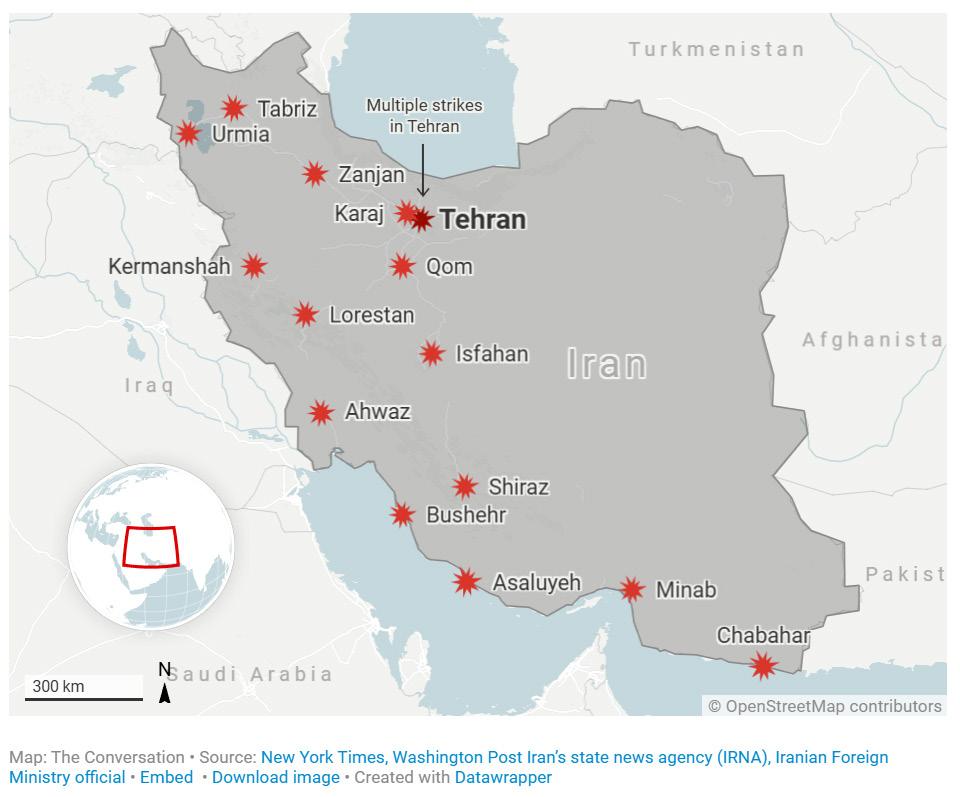

well-placed to block traffic from going through. There could be serious implications for the global energy supply and broader economy.
Both sides in this conflict have trespassed all of the previous red lines. They are now in open warfare, which is engulfing the entire region.
A prolonged war looks likely If there was any pretence on the part of Washington and Jerusalem that their attacks would not lead to a regional war, they were wrong. This is already happening.
Many countries that have close cooperation agreements with Iran, including China and Russia, have condemned the US-Israeli actions. The United Nations secretary-general António Guterres has also urgently called for de-escalation and a return to diplomatic negotiations, as have many others.
But the chances for this look very slim. The US and Iran were in the middle of a second round of talks over Tehran’s nuclear program when the attacks happened. The Omani
foreign minister, who mediated between the two sides, publicly said just days ago that “peace was within reach”.
But this was not enough to convince Trump and Netanyahu to let the negotiations continue. They sensed now was the best time to strike the Islamic Republic to destroy not just its nuclear program but also its military capability after Israel degraded some of Tehran’s regional affiliates, such as Hamas and Hezbollah, and expanded its footprint in Lebanon and Syria over the last two and a half years.
While it is difficult to be definitive about where the war is likely to lead, the scene is set for a long conflict. It may not last days, but rather weeks. The US and Israel do not want anything short of regime change, and the regime is determined to survive.
With this war, the Trump leadership is also signalling to its adversaries – China, in particular – that the US remains the preeminent global power, while Netanyahu is seeking to cement Israel’s position as the dominant regional actor.
Pity the Iranian people, the region and the world that have to endure the consequences of another war of choice in the Middle East for geopolitical gains in an already deeply troubled world.
Disclosure statement
Amin Saikal does not work for, consult, own shares in or receive funding from any company or organisation that would benefit from this article, and has disclosed no relevant affiliations beyond their academic appointment.
Africa's militaries look inward as homegrown defense takes hold
Decades of dependence on foreign arms are giving way to a push for domestic weapons production across the continent
By Nate Allen Associate Professor of Security Studies, National Defense University
Joel Amegboh
Assistant Professor of Security Studies, National Defense University
Africa’s militaries are built on imported power. Foreign countries such as China, Russia, the United States, Turkey and France dominate Africa’s weapons market. Between them they supply everything from small arms to attack helicopters, unmanned systems and communications equipment.
The results are often quite poor. From the Sahel to Somalia, weapons and equipment supplied from abroad breaks down quickly, sits idle for lack of maintenance, or requires expertise that local forces are not trained to sustain.
At the same time, insurgents on motorbikes equipped with AK-47s and improvised explosives gain the upper hand. These issues are quite often due to corruption or mismanagement by African militaries, a problem that has been extensively documented by scholars.
Now, a quiet revolution is underway. Having spent collectively decades researching and working with African militaries, we have noticed a growing trend of discontent with reliance on external actors to build their security forces. As a result, African governments are becoming more determined to reduce dependence on foreign suppliers and build capabilities they can control, maintain and adapt.
Numerous African countries, from Nigeria to Kenya to Morocco, are embracing a combination of disruptive new technologies and partnerships to localise defence supply chains and build local military capabilities. Morocco, the country which has pursued this strategy most successfully, has managed to triple its arms exports over the last few years, and is on its way to becoming a defence

manufacturing hub.
Lowered barriers to innovation are offering African countries an opportunity to shift from being security consumers to being producers and even exporters of military equipment and technology. This shift could enable African militaries to more sustainably project and maintain force and capture value from a growing global arms market.
Dependency’s challenges On paper, imported military equipment promises cutting-edge capabilities. In practice, it often delivers frustration. Nowhere is this clearer than in Mali. Beginning in 2021, Russia supplied Bamako with a “small air force” of dozens of attack helicopters, transport planes and other combat aircraft as part of its expanding security role in the Sahel. This air force no longer exists. The two Sukhoi-25 fighter jets Mali received were lost within months. Of eight Mi-35M and Mi-171 attack helicopters, only one remained serviceable within a year of delivery. Mali’s army was unable to maintain them. Meanwhile, rebel groups using stolen rifles, lightweight anti-aircraft guns and homemade artillery overran military outposts and encircled Bamako.
Even Africa’s better-resourced militaries struggle. South Africa operates one of the continent’s most advanced fleets of fighter aircraft, yet only half of its Swedish-built JAS Gripen aircraft and seven of its 39 Oryx helicopters were serviceable as of mid-2024 because of parts shortages and maintenance gaps. South Africa’s state-owned arms manufacturer Denel, once a world-class
defence and aerospace producer, has declined over the past decade amid financial distress, governance failures and state capture, leading to liquidity shortages, unpaid suppliers and a loss of skilled personnel.
Ghana has one of the region’s most capable fleets. But many of its ships remain unserviceable. Ambitious plans to expand the fleet have been delayed owing to prohibitive costs: one modern corvette costs US$200 million, or half of Ghana’s 2024 military budget.
Homegrown solutions
The growing appeal of homegrown solutions was on display in August 2025, when Nigeria convened 37 African defence chiefs to discuss how to develop local security solutions. Nigeria’s chief of defence at the time, General Christopher Musa, urged his counterparts to innovate on their own terms by investing in “cyber defence, artificial intelligence and indigenous military technology.”
Nigeria has already begun to do so. It is one of the few but growing number of African countries with a cyber warfare command. The country is expanding local production of small arms and ammunition. For example, it is developing rocket systems, and designing AI-enabled wearable devices for a future “smart soldier”.
Nigeria has also become a continental leader in the production of unmanned aerial systems (UAVs). These include lightweight FPV drones, oneway kamikaze drones, and long endurance combat drones. A drone factory in Abuja is now capable of churning out 10,000 drones annually.
Nigeria is not alone.
Nine African countries now produce drones, supplying an increasing share of the African market. Twenty-one have launched and own satellites. South Africa, Kenya and Senegal are experimenting with 3D printing (making 3D objects from a digital file by adding successive layers of material) for critical spare parts, drone swarms for border security, and satellite-based communications to reduce dependency on external signals intelligence.
These affordable, adaptable and dual-use technologies allow African armed forces to respond to asymmetric threats from terrorist organisations and criminal networks without bloating defence budgets or waiting for international suppliers.
When domestic production is not immediately possible, African governments are pursuing opportunities for technology transfer and co-production. Sudan’s locally manufactured Zajil-3 multi-role attack drone is a copy of the Ababil-3 drone made by Iran, one of the country’s top external drone suppliers. Morocco is positioning itself as a defence manufacturing hub by partnering with India’s Tata Motors to locally manufacture armoured vehicles. It is also partnering Israel’s Bluebird Aero systems to produce military drones, and is attempting to woo US firms such as Lockheed Martin to invest in local production and maintenance lines.
Next steps
These trends reflect a broader realisation: in an era of intensifying great-power competition and shifting global alliances, the capacity to make independent defence and security decisions, free from external influence, is a core national security concern.
The cultivation of local supply chains is necessary but not sufficient for Africa’s militaries to overcome the challenges of relying on externally supplied military equipment and technology. Institutional capacity, regulatory frameworks and human capital must be developed in tandem to translate innovation into meaningful outcomes. Cybersecurity, data governance and ethics must also be taken into consideration, en-
suring that technological sovereignty does not become a liability. The embrace of technology will do little to make African citizens safer if it is used to entrench corrupt elites or abuse human rights.
Finally, while greater independence in the production of defence platforms and technology is a worthy goal, total autonomy is a fantasy. For higher-end military systems such as advanced missiles, frontier AI, manned combat aircraft, and key components such as chips and semiconductors, African governments will maintain some degree of dependency on external actors for a long time to come.
The next phase of Africa’s defence transformation needs to move beyond acquiring advanced technology and equipment. It needs to ensure they are suited to the continent’s unique threats, and that they are locally managed and maintained. The views expressed are those of the authors and do not reflect the official position of the Africa Center for Strategic Studies, National Defense University or the Department of Defense.
Disclosure statement
The authors do not work for, consult, own shares in or receive funding from any company or organisation that would benefit from this article, and have disclosed no relevant affiliations beyond their academic appointment.