

ICBA Logo and Letterhead Policy

Founded in 1895, the Ingham County Bar Association continues its longstanding tradition of service to the legal profession and the greater Lansing community, bringing lawyers together to join in a strong organization that works to achieve objectives that transcend the individual.
INGHAM COUNTY
BAR ASSOCIATION
P.O. Box 66
Grand Ledge, MI 48837 www.inghambar.org
BOARD OF DIRECTORS
President
Alexander Rusek
Foster Swift Collins & Smith PC
President Elect
Jessica Zimbelman State Appellate Defender Office
Vice President
Mary Bowen Michigan Attorney Grievance Commission
Treasurer Nolan Erickson Grewal Law PLLCn
Secretary Catherine Tucker Sinas, Dramis, Larkin, Graves & Waldman, P.C.
Immediate Past President
Lindsay Dangl Murphy & Spagnuolo PC
Jordan Ahlers-Smith Speaker Law
Tiffany DeBruin DeBruin Law PLLC
Logan Byrne Byrne Law, PLLC
Theodore Seitz
Dykema Gossett PLLC
Chris Wickman Nichols Law Firm
Kristina Bilowus
MSU College of Law
John Dewane Ingham County Prosecutor
Alternative Dispute Resolution (ADR)
Jenna Ribbons
Signature Solutions
Gabrielle Lawrence
Foster Swift
Criminal Defense Law
Marisa Vinsky
Chartier & Nyamfukudza, PLC
Chris Wickman
Nichols Law Firm, PLLC
Employment & Labor Law
Kelly McClintock
Blanchard & Walker PLLC
Family Law
Jessica Larson
Mallory, Lapka Scott & Selin PLLC
Nicole Samuel
Samuel Law, PC
Paralegal/Legal Assistant
Megan L. Cochrane
Foster Swift Collins & Smith PC
Emily Erbisch
O’Keefe Law, PLLC
Probate & Trust Law
Ernscie Augustin
Augustin Law Offices
Real Estate Law
William D. Tomblin
William D. Tomblin & Associates
Ellen E. Ward
Oade Stroud & Kleiman PC
Mitchell Zolton
Fahey Schultz Burzych Rhodes PLC
Young Lawyers
Logan Byrne
Byrne Law, PLLC
Annual Dinner
Theodore Seitz / Jessica Zimbelman
Annual Meeting
Alex Rusek / Michael Van Huysse / John Fraser
Ask A Lawyer Committee
Raymond Harris / Brandon Schumacher
Awards
Kristina Bilowus / John Dewane / Jackie Dupler
DEI
Kristina Bilowus / Jackie Dupler
Education
Chris Wickman / Catherine Tucker
Meet the Judges
Nolan Erickson / Tiffany DeBruin
Membership
Mary Bowen / Catherine Tucker
Nominating Committee
Lindsay Dangl / John Dewane
Past Presidents’
Lindsay Dangl
Section Chair Liason
Jessica Zimbelman / Chris Wickman
Shrimp Dinner
Alex Rusek / Michael Van Huysse / John Fraser
Social Deliberations
Kristina Bilowus / Tiffany DeBruin
Social Media
Tiffany DeBruin / Jackie Dupler
Sponsors
Katie Tucker / Alex Rusek
Wellness Committee
Chris Wickman / Jackie Dupler
EXECUTIVE DIRECTOR
Madelyne Lawry 517-627-3938
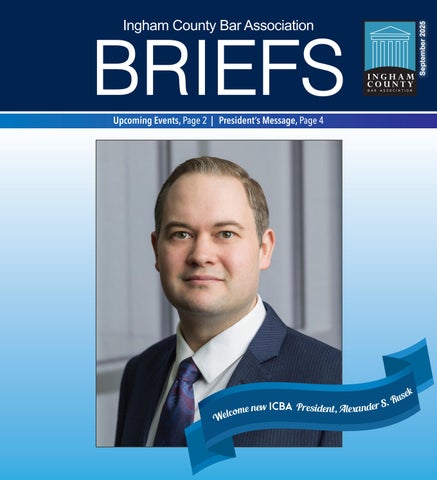
As I step into the role of President of the Ingham County Bar Association, I am deeply honored to follow in the footsteps of my predecessors and grateful for this opportunity to serve our legal community. My path to this privilege has been rooted in my commitment to justice and underscored by firsthand recognition of the well-being challenges faced by attorneys in today’s demanding and continuously evolving practice of law.
This year, I pledge to shepherd the Ingham County Bar Association forward by focusing on three primary areas: (1) Attorney wellness; (2) Community service; and (3) The long-term viability and stability of the Ingham County Bar Association.
We know that attorneys experience heightened stress, burnout, and mental health challenges. Studies have also shown that one out of every three attorneys in the United States abuse alcohol;1 that alcohol addiction affected close to half of all attorneys while in law school or the early years of their careers,2 that 21% of working lawyers are considered “problem drinkers;3 that nearly one in ten attorneys abuse prescription drugs; that 35% of attorneys have suffered from depression;4 that attorneys are 3.6 times more likely to have an incident of depression than the general population;5 that attorneys rank
5th in occupational suicide rates in the United States; and that, according to a 1997 study, suicide accounted for over 10% of all attorney deaths.6
Not addressing these issues is not a luxury, but a professional imperative.
National initiatives such as Well-Being Week in Law (celebrated May 4-8, 2026) have highlighted the importance of a holistic approach to wellness— covering physical, emotional, social, and spiritual health. As such, the Ingham County Bar Association will be expanding our resources available for attorneys that may be experiencing or assisting others with mental health issues, physical health issues, substance abuse, burnout, discrimination, imposter syndrome, and other areas of wellness. Our wellness initiatives this year will be informed and cognizant of our commitment to our diverse membership and community. Additionally, I hope to foster relationships and offer these resources to local affinity bar associations and law schools. These efforts align with the broader legal profession’s move toward sustainable, humane practice. Former Missouri Bar President Shelly Dreyer has written that “We can’t take care of our clients if we don’t take care of ourselves.” I believe the same holds true in Ingham County.7

arusek@fosterswift.com
Law practice is most meaningful when we extend beyond our offices. Continuing the Ingham County Bar Association’s tradition of service to the community at-large, the Ingham County Bar Association will be partnering with the Capital Area Humane Society this year. We are looking forward to a synergistic philanthropic relationship with the humane society that will allow both organizations to expand their reach in our community. In addition to this partnership, the Ingham County Bar Association will once again host its annual Ask a Lawyer events directly benefiting members of our community.
Finally, the long-term stability of the organization will be a major focus of our efforts this year. I recognize that none of these ambitions will come to fruition without the collective energy and support of our membership. You, our members, are the source of our vitality, ingenuity, and moral center. I invite your ideas, your passion, and your participation in this shared journey. This year, let us redefine success, not just by docket or verdict, but in measurable improvements in wellbeing, community connection, and access to justice. If you are moved to help shape these efforts, whether through planning committees, community partnerships, event hosting, or mentorship, I warmly welcome you to reach out.
We look forward to seeing you at our upcoming signature events:
Annual Dinner: November 12, 2025 at 6:00 pm
Top 5 Under 35: Presented at the 17th Annual Barristers on March 12, 2026
Bench Bar: February 28, 2026 at 12:30 pm
Meet the Judges: January 8, 2026 at 6:00 pm Annual Meeting and Shrimp Dinner: May 20, 2026 at 5:00 pm
1 See https://www.addictions.com/blog/silentsuffering-in-the-courtroom-lawyers-substanceabuse/ (last accessed August 14, 2025).
2 Id
3 See https://pmc.ncbi.nlm.nih.gov/articles/ PMC4736291/ (last accessed August 14, 2025).
4 See https://www.onelegal.com/blog/lawyerdepression-in-the-legal-profession-knowwhen-to-seek-help/#:~:text=Impact%20 of%20lawyer%20depression%20 on,productivity%2C%20and%20healthcare%20expenses%E2%80%8B (last accessed August 14, 2025).
5 Id.
6 See https://www.moorecountync.gov/ DocumentCenter/View/437/How-I-AlmostBecame-Another-Lawyer-Who-KilledHimself-PDF?bidId= (last accessed August 14, 2025).
7 Dreyer, S. President’s page: From stigma to support-building a healthier legal profession. Missouri Bar Journal, Vol. 81, No. 2 / MarchApril 2025; available at https://news.mobar. org/presidents-page-from-stigma-to-support--building-a-healthier-legal-profession/ (last accessed August 14, 2025).
Bio
Alexander S. Rusek is a Shareholder with Foster, Swift, Collins & Smith, P.C. in Lansing, Michigan and an adjunct professor of law with the Michigan State University College of Law where he teaches trial advocacy courses in the college’s Trial Practice Institute. Mr. Rusek’s practice focuses on complex mass action and class action civil litigation, business law & litigation, criminal law, government relations, and appellate law. Read more about Alex here.
August 2025: National Black Business Month
August 26, 2025: Women’s Equality Day
September 2025: National Recovery Month
September 7-13, 2025: National Suicide Prevention Week
September: National Suicide Prevention Month
September 6-12, 2025: National Suicide Prevention Week
September 10, 2025: World Suicide Prevention Day
September 15, 2025-October 15, 2025: National Hispanic Heritage Month
October 2025: Global Diversity Awareness Month
October 2025: LGBTQ+ History Month
October 2025: National Disability Employment Awareness Month
October 2025: National Substance Abuse Prevention Month
October 2025: National Depression and Mental Health Screening Month
October 4-10, 2025: Mental Illness Awareness Week
October 8, 2025: National Depression Screening Day
October 10, 2025: World Mental Health Day
October 13, 2025: Indigenous People’s Day
November 2025: National Native American Heritage Month
November 6, 2025: International Stress Awareness Day
November 13, 2025: World Kindness Day
November 16, 2025: International Day of Tolerance
December 2025: Human Rights Day
December 3, 2025: International Day of Persons with Disabilities
December 10, 2025: International Humans Rights Day
January 19, 2026: MLK, Jr. Day
January 27, 2026: International Holocaust Remembrance Day
February 2026: Black History Month
February 16-23, 2026: Random Acts of Kindness Week
March 2026: Self-Injury Awareness Month
March 2026: International Women’s History Month
March 2026: Developmental Disabilities Awareness Month
March 8, 2026: International Women’s Day
March 21, 2026: International Day for the Elimination of Racial Discrimination:
April 2026: Alcohol Awareness Month
April 2026: National Counseling Awareness Month
April 2026: National Minority Health Month
April 9, 2026: National Alcohol Screening Day
April 22, 2026: Earth Day
May 2026: Asian American and Pacific Islander Heritage Month
May 2026: Mental Health Awareness Month
May 6-12, 2026: National Mental Health Counseling Week
May 11-17, 2026: National Prevention Week
May 17, 2026: International Day Against Homophobia, Biphobia, and Transphobia (“IDAHOBIT”)
June 2026: Pride Month
June 19, 2026: Juneteenth
June 27, 2026: PTSD Awareness Day
July 2026: Minority Mental Health Awareness Month
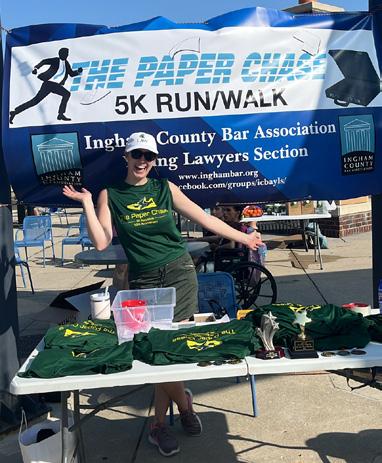
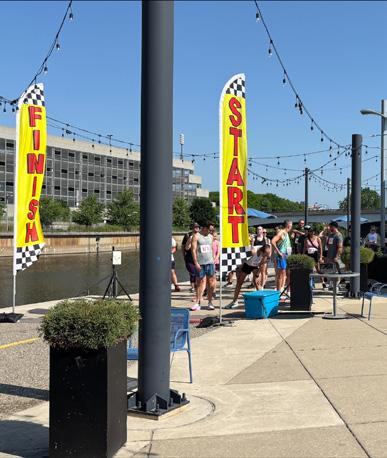
The Ingham County Bar Association Young Lawyers Section hosted its 10th Annual Paper Chase 5K on June 22, 2025. The race is a great opportunity for members of the legal community to connect outside of work and build lasting friendships. Everyone who attended enjoyed spending time with colleagues and others in the community.
This year’s 5K was held at Lansing Shuffle. Participants received a gift card to enjoy food or drinks there after the race. Additionally, medals were awarded to the top three men and the top three women with the fastest times.
Although the day of the race was hot, sunny, and humid, there was a strong turnout. Not only did the event raise funds for the Young Lawyers Section to host future activities, but a portion of the proceeds also benefited Big Brothers Big Sisters Michigan Capital Region.
We could not have achieved such success without our generous sponsors, thank you!
We look forward to making next year’s race bigger and better than ever. See you there!
ICBA may offer scholarships to prospective members who may be experiencing a hardship and cannot pay the standard rates to be an active member of the Bar.
Recipients will remain anonymous. It is up to the discretion of the ICBA President to grant scholarships, but it can only be approved on an annual basis (i.e. this is not a benefit that automatically renews year-to-year).
The scholarship application can be accessed here.
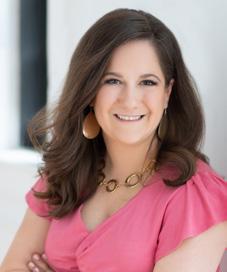
Kristina Bilowus Board Member bilowusk@msu.edu
What was the name of your first pet? Che-che
What type of pet was it, and what was their personality like?
She was a poodle mix and she was playful, loving, and my first friend!
Did your pet have any funny habits or tricks?
So the story goes, she was very protective of me as a baby and often would try to encourage me to walk around the living room with her.
What’s one lesson your pet taught you that you still carry today?
That pets are part of the family and never underestimate their love and loyalty.
If your pet could have given you a piece of advice, what would it have been?
Small can be mighty!
What would be your pet’s job title if they worked in your organization?
The CEO :)
Are you currently a pet owner? Tell us about them!
Yes! Two adorable kitties - Penny and Nickel.
If you could be any animal for a day, what would you choose?
Cheetah - I would be so fast and active!
Favorite memory involving a pet?
Bringing Nickel home from the animal shelter - I may have bought too many items at the pet shop. One word to describe your bond with your pet.
One word to describe your bond with your pet.
Love
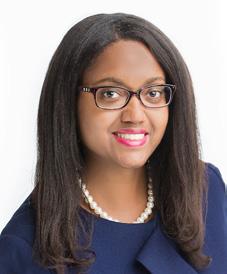
Mary
A. Bowen
Vice President marybowenesq@att.net
What was the name of your first pet? Fuzzball
What type of pet was it, and what was their personality like?
Fuzzball was a black cat. He was smart, mischievous and curious.
If your pet could have given you a piece of advice, what would it have been?
Take naps often. Rest is a necessity, not an option.
One word to describe your bond with your pet. Loveable

Logan Byrne Board Member
info@byrnelaw.org
What was the name of your first pet? Lizzy
What type of pet was it, and what was their personality like?
Lizzy was a Shetland Sheepdog. She was very high energy.
Did your pet have any funny habits or tricks?
Lizzy was trained to do agility. She was also a very nervous dog and would bark at her own reflection.
What’s one lesson your pet taught you that you still carry today?
Patience
If your pet could have given you a piece of advice, what would it have been?
Lizzy was high energy and loved to play fetch, so she would probably remind me to have fun and not work so much.
What would be your pet’s job title if they worked in your organization?
Receptionist
Are you currently a pet owner? Tell us about them!
Yes, I have another dog named Oliver. He is Black Lab/German Shepard mix.
If you could be any animal for a day, what would you choose?
A dog because they have a stress-free life.
Favorite memory involving a pet?
Not sure, I grew up on a farm and the family always had dogs, so there are a lot of fond memories with pets.
One word to describe your bond with your pet. Unconditional

Tiffany DeBruin Board Member
tdebruin@debruinlegal.com
What was the name of your first pet? Mittens
What type of pet was it, and what was their personality like?
Cat, and it depended on her mood. She could be extremely lovey or want nothing to do with anyone.
What’s one lesson your pet taught you that you still carry today?
To love unconditionally, when she felt like it.
What would be your pet’s job title if they worked in your organization?
VP of passive-aggressive oversight - judging everyone silently from the top of the filing cabinet.

Alexander S. Rusek President alexrusek@gmail.com
What was the name of your first pet?
As best as I remember, Bogey was my first pet as a kid.
What type of pet was it, and what was their personality like?
Bogey was a black cat with a mean streak with anyone else but me!
What’s one lesson your pet taught you that you still carry today?
Take more naps!
"A good leader is a person who takes a little more than his share of the blame and a little less than his share of the credit." – John Maxwell

Ted Seitz Board Member
tseitz@dykema.com
What was the name of your first pet?
Hubba Bubba
What would be your pet’s job title if they worked in your organization?
Sunshine Committee Chair
Are you currently a pet owner? Tell us about them!
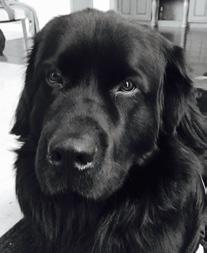
Yes. I currently have a 8 year old Newfoundland Dog named Gus. He loves to sleep, go for walks, and eat cele
If you could be any animal for a day, what would you choose?
A dog because they have a stress-free life.
One word to describe your bond with your pet. He is a member the family, who is always there for love and support

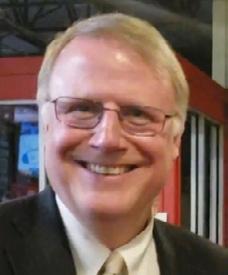
Bill Tomblin Co-Chairperson of the Real Estate Law Section wdtomblaw@aol.com
What would be your pet’s job title if they worked in your organization? They who rule my life!
Are you currently a pet owner? Tell us about them! No
If you could be any animal for a day, what would you choose?
Eagle
Favorite memory involving a pet?
I dated a woman who had an English Bulldog. It was literally the funniest dog, ever! It would always greet me at the door with what was almost like a dance, jumping around on its back legs.
One word to describe your bond with your pet. Unconditional
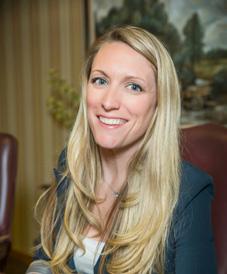
Ellen Ward Co-Chair of
the
Real Estate Section eward@osklaw.com
What was the name of your first pet? Molly
Did your pet have any funny habits or tricks? She was incredibly fast and like to race boats and cars.
What’s one lesson your pet taught you that you still carry today?
There is nothing like a great run!
What would be your pet’s job title if they worked in your organization?
Race Pacer
"If your actions create a legacy that inspires others to dream more, learn more, do more and become more, then, you are an excellent leader." - Dolly Parton
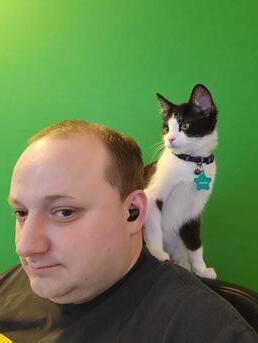
Chris Wickman Director and Criminal Defense Law Section Co
cwickman@nicholslaw.net
What was the name of your first pet?
I've had cats all my life, but I've also had a few dogs. I currently have two cats and one part-time dog that I watch whenever my ex is going out of town.
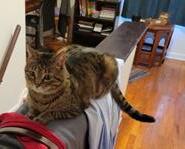
Are you currently a pet owner?
Tell us about them!
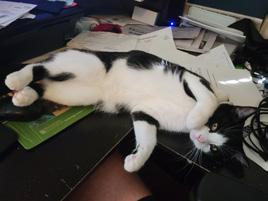
My wife and I currently have two cats. Penelope (Penny) is 7 and Nickel is 5. Penny is very affectionate, but only with us and generally avoid strangers. Nickel has never met a lap that wasn't made for him. When we work from home, the best you can do is hope he's only on the desk with you, but more often he will attach to our chest and dead drop so we have to hold him up in our arms. Zoom is also fun - because why would we talk to other people instead of him. He needs to be seen and heard. Penny is happy to have Nickel around only so that she can be sly about causing mischief and we just blame him. She loves bedtime so she can cuddle us and get hours of pets.
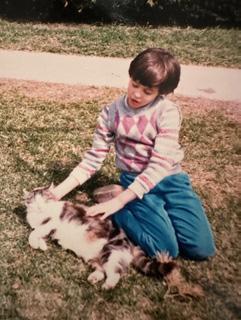
Jessica Zimbelman President-Elect jzimbelman@sado.org
What was the name of your first pet?
This wasn't my first pet, but one of the most memorable pets from my childhood was Rudy the cat.
What type of pet was it, and what was their personality like?
Rudy was a tomcat, and truly seemed to live into the legend that cats have 9 lives. We lived in the country and Rudy would often disappear for days at a time, but he would always come home. Sometimes we'd see him prowling around town - I pictured him as the mayor, and he was going doorto-door to check in on his cat constituents. He was adventurous and independent, but at his heart, a homebody.
If you could be any animal for a day, what would you choose?
I would be a turtle. Specifically, I would be a turtle that lives in the pond of my childhood home in the country. It seems like a great life, to live slowly and sit on a rock in the sun. It's also a good lesson for me if I start to move too fast at work - take a beat, slow down, and live like a turtle. (Which to me means find a good book and head to Lake Michigan to read in the sun!)
"True leadership lies in guiding others to success. In ensuring that everyone is performing at their best, doing the work they are pledged to do and doing it well." – Bill Owens
"If your actions inspire others to dream more, learn more, do more and become more, you are a leader." – John Quincy Adams
If you could be any animal for a day, what would you choose?
Monkey. Agile and strong swinging and jumping through the air, playful, and silly.
Favorite memory involving a pet?
My favorite memory of a pet is when our beloved beagle Tookie had several litters of "lemon" beagles. They were so adorable, and surprising! Looked just like a beagle, but their coats were yellow and white.

"You have to be burning with an idea, or a problem, or a wrong that you want to right. If you're not passionate enough from the start, you'll never stick it out." – Steve Jobs
By Kristina Bilowus
The views expressed in this article are written as the author's personal opinion and do not necessarily reflect the views of the ICBA, nor are they tied to any of the author's professional affiliations.
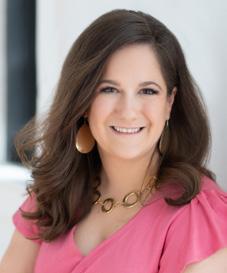
Kristina Bilowus bilowusk@msu.edu
I write this article in my personal capacity and this article expresses solely my personal opinion and does not necessarily reflect the views of the ICBA, or any other professional organization that I am affiliated with.
As the proud granddaughter of four immigrants, I grew up with a lot of stories about “the old country” as well as trying to find the “American dream.” As my generation was one caught between old and new ways, I saw the give and take between stories that alternated between fabled lessons, mixed metaphors, and sayings as a way that my family used to navigate being caught in two different worlds. There was the general idea that if you worked hard enough, your efforts would be seen and rewarded.
Like so many others, the American dream was what propelled them to immigrate to the United States. Seen
like its own version of the promised land, the American dream has become akin to fabled stories, almost mythical. Not uncommon for immigrants of my grandparents’ generation, their last names became simplified upon crossing into Ellis Island, even to the extent their last names became unrecognizable from their former selves. As English was not the primary language spoken in any of their households, education was a burden and a gift.
Given westernized first names, modified last names, and a new language, education was seen as the gateway to a new life in the US. However, the majority of my maternal side dropped out of school before or at the eighthgrade level to pursue employment specifically in the coal mines of Pennsylvania (the boys) and the girls became housekeepers and nannies. On that side of the family, education was no longer the gateway, but rather a luxury that could no longer be afforded. My paternal side was luckier. Escaping war-torn Europe in the 1940’s, both my grandparents had formal education, prior to immigrating. While my grandfather’s legal skills were no longer transferrable in the new country, he found work as a bookkeeper. And my grandmother found work in a women’s clothing store.
Both sets of grandparents instilled in my parents a priority in learning and the importance of education. In return, my parents handed that lesson down to me,
which instilled a passion for learning and school. Moreover, they taught me to work hard, never expect a handout, and be grateful for what you do have. I acknowledge that my storyline is one of privilege. I benefited from the burden and hard work that my family undertook. All in all, I grew up with much comfort and consider myself lucky.
For many others, their narrative encompasses challenges I never dreamed of, let alone faced. Even looking to the trials of my immigrant grandparents and relatives, they were fortunate. Primarily European, Caucasian, and Christian, they were untouched by many forms of severe bigotry. Economically and educationally speaking, they faced less privilege but still escaped many forms of oppression. And ultimately, I am the product of their sacrifices and burdens carried.
Recently, I have been thinking about my family, those that sacrificed and are no longer in this world. As an individual who does not have children (though I do have my fur babies), I have wondered how to honor their legacy. And more importantly, how can I repay them for their challenges that I ultimately benefited from?
The answer is both simple and complex. Being pragmatic and realistic, there is nothing I can do to alter the past of my ancestors. Their sacrifice became my gain. Their challenges were something I
never had to face. And yet, I owe them so much. I have experienced education, privilege, community, and so much more. How do I pay that forward?
For me, I can honor their legacy in making a choice every day to be inclusive. This can take form in various ways, but starts with the following:
• I believe, more than ever, this is the time to be vigilantly intentional to make sure others have seats at the proverbial table.
• I will look for opportunities to uplift others.
• I can be creative with solutions to better address the concerns and needs of my students.
• Speak inclusively.
• Be engaged in my communities outside the legal field – where are resources needed?
Moreover, while this article enabled me to share part of my narrative, it is not my story
alone. For many of us, we are the children, grandchildren, or even further generations, of immigrants. For other members of our audience, we may have directly immigrated and forged our own paths, without the benefit of others coming beforehand.
Immigration, as a topic, has been politicized and weaponized. My intention is for neither; rather, I offer this brief piece as one for reflection. How you choose to perceive immigration is your choice. However, I know that others and I would not be thriving in the US, but for our ancestors. Unless, we are Indigenous American, we most likely immigrated from elsewhere.1 Every journey is unique, every story

is different. I encourage us to reflect on our own narratives – the challenges and successes. And in so doing, we acknowledge those who helped us on our way, and those who hindered. And perhaps through this self-reflection we can strive to pose this question to ourselves:
“What can I do to be more inclusive toward others?”
If I keep this in mind, I believe I can honor my grandparents’ memory a little bit, every day.
Endnotes
1 Teaching & Learning About Native Americans, https://americanindian.si.edu/nk360/faq/didyou-know, last accessed Aug. 25, 2025. When possible, refer with specificity to a tribe, or ask for personal preference. Generally speaking, “American Indian or Indigenous American are preferred by many Native people,” rather than using the term “Native American.”



2025 – Tiffany DeBruin, DeBruin Law PLLC
2016 – Jessica S. Fox, Nolan Thomsen & Villas, PC
2017 – James L. Dalton, Willingham Cote`
2018 – Sandra J. Lake, Hall Matson, PLC
2019 – Madelyne C. Lawry, ICBA, Executive Director
2020 – Pamela Amato, Mallory Lapka Scott & Selin, PLLC
2021 – Charles E. Barbieri Foster Swift Collins & Smith PC
2022 – Lindsay N. Dangl, Murphy & Spagnuolo PC
2023 – Ernscie Augustin, Augustin Law Offices, PLLC
Alexander Rusek, Foster Swift Collins & Smith PC
2024 – Christopher Wickman, Nichols Law Firm, PLLC
Firm at the time of receiving the award
Please take note that the Ingham County Bar Association does not do Lawyer Referrals. If you need to use this service provided by the State Bar of Michigan, please call them at (800) 968-0738 between the hours of 9:00 a.m. and 5:00 p.m., Monday through Friday, to speak with a lawyer referral representative or you can use the links below.
• Lawyer Referral and Information Service Registration Form
• LRIS Quick Reference Guide
• Become a Lawyer Referral Service Panel Member
By Chris Wickman
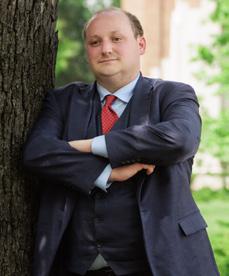
Chris Wickman cwickman@nicholslaw.net
“Law would be so easy without all the people.” It’s an adage I’ve heard too often – because I’m usually the one saying it. It’s true though – clients, witnesses, opposing parties and counsel, judges, and even I – we all often make my practice more difficult – and I’d imagine it’s true for you too if you’re being honest with yourself. It’s true because we are all human. We all have our own motivations and our own trauma. Our own pressure points and our own triggers. The ups and downs of life are happening to all of us while we are bumping into each other just trying to make our way through our days.
For clients, witnesses, and opposing parties, talking to lawyers are among the worst days of their lives – possibly only made worse by the potential of having to go to court. I often ask them how they’re doing and the most honest answers are, “Could be better.” My response is usually, “I understand.” No one ever calls lawyers to say, “I’m having a good
day, and I figured you have a stressful job and would just appreciate hearing that someone’s doing well.” I do not take it lightly that when I call clients (or opposing counsel), I may ruin their day. I’m a reminder of all that they’re going through and the stressors that come with it.
For opposing counsel and myself, we both have clients or interested parties pulling us in opposite directions. They’re upset. They’re emotional. They feel wronged. We are oftentimes the only people that they can really ever fully open up to who (close to) fully understand what they’re going through. Their trauma and their experiences become ours and smiling, laughing, joking, or showing courtesy to others sometimes feels wrong when we’re going through what they are.
Good judges – including the best judges – want to do the right thing. Sometimes they cannot under the law and that’s frustrating. The very thing that they are oftentimes the face of – the law – is sometimes unfair or broken – and people suffer as a result. Even when the law does favor the right thing, someone is generally upset. That person got their day in court, but the law or facts do not favor them, and it feels unfair. They’re upset and that is directed at the judge. Judges may wish more than anything that they can snap their fingers and undo what has been done – but they cannot. Judges oftentimes can also be isolated from others in the
legal profession because they have to maintain proper ethical boundaries from those who may appear in front of them – mentees, mentors, and even friends in the profession – who they previously embraced. Being in public is oftentimes a risk to being confronted by someone just feeling their emotions – whether it’s at an event or a grocery store. All of this may add to the isolation. All for doing their job – and it often comes without a “Thank you” that does not upset someone else.
My answer to all the people in the practice of law is to try to extend compassion to all to the best of my ability. Compassion turns down the heat and turns up the warmth. Everyone has the right to feel their feelings – even if I disagree with them, they aren’t rational, or are self-inflicted. Recognize they are bringing such to the table and have compassion. That does not mean pulling punches – just understand that it does not need to be worse than it is. I will question an adverse witness strategically (and often aggressively) every time, but I do not need to add extra pain to what they are going through. My compassion for the person and the process shows to a jury, to the judge, to opposing counsel, and oftentimes to the person being extended compassion. They may be lying (or telling the truth), but they also likely have been through a lot. Life too, may have treated them unfairly, same as my client or me.
Turning down the heat works just as well on my client – who like the opposing party is human and has made mistakes in life. Do not demonize the other person – a fellow human who has made mistakes. I oftentimes find opposing counsel errs when they demonize my client – as if my client and their client or other interested party aren’t cut from the same human tapestry and, until recently, were oftentimes good friends, family, or lovers. When you preach hatred, it’s easy to become hatred and you ruin your own day (and possibly all your days). It makes it easier to resolve matters and reach agreement when you have not inflamed your client or yourself unnecessarily against the other side and vice versa. Don’t make your job harder on yourself. It also helps you pick and choose your battles more wisely and avoid charging emotionally in on something that doesn’t matter. If anything, being compassionate helps you fight harder for your client. Fighting hard in court is not viewed by others as just being a rectum like always –because you’re otherwise compassionate and personable. Your passion shows you do your job well and that this is important. If you need to be a rectum to get your way in court or make your point, you’re not very good at your job. You probably make the results worse for your clients than better.
Being compassionate also helps when you need a bit of grace yourself. You too are human and make mistakes, life happens to you, and you sometimes let emotions affect you and you sometimes have bad days. When you need an adjournment or an extension or when you are inadvertently rude or overly passionate (or when your email is
attached to the opposing side’s motions or in a police report), your ordinary compassion oftentimes will win the day. Life is hard and we don’t need to make it harder on each other. Be the example and you’re more likely to receive it in kind.
Some call what I describe as making the practice easier for one another as “civility” and maybe compassion is simply my approach to civility in the profession. I jokingly refer to civility as, “Why can’t we be friends?” (with varying degrees of off-pitch and offrhythm associated), but even if you cannot be friends (oftentimes because you don’t want to be) with someone, show some compassion towards them. We may not be friends, but we are humans – and life is hard enough without us making it harder on each other. Your practice will benefit. Your clients will benefit. And you will benefit. People oftentimes make the practice of law harder, but they also are oftentimes why it is all worthwhile. And after all –nothing worth doing is easy. You will be remembered for the kind of person you are and the compassion you show for others. Make it a positive memory.
Bio for this Article:
Chris Wickman is a criminal defense attorney oftentimes representing humans accused of horrible things. He is too an imperfect human always working on employing as much zealous aggressive advocacy as compassion in his daily life. On the day he wrote this, he was returning from a client’s remembrance of life. The client was human and lost too early in his mid-40s. The client was human and made mistakes, but at his remembrance, he was remembered for his positives and not his flaws – as we all hope for ourselves and our loved ones. He’s also co-chair of the ICBA Wellness Committee with his partner Kristina Bilowus who helps him try to be a more compassionate person, by example, every day.

Apply Now for an ICBF Grant!
The Ingham County Bar Foundation is proud to support programs that promote access to justice, legal education, and community well-being. If your organization makes a difference in these areas, we encourage you to apply for an ICBF grant. Let us help bring your vision to life!
https://www.inghambar.org/ wp-content/uploads/2023/12/ ICBF-Grant-Generic.pdf
Deadline December 31, 2025
Have Questions – email janderton@fosterswift.com
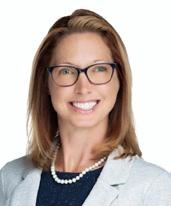
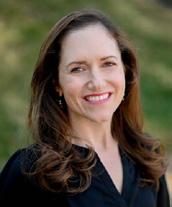
ADR Section
Jenna Ribbons/Gabrielle Lawrence
Employment/Labor Law
Kelly McClintock

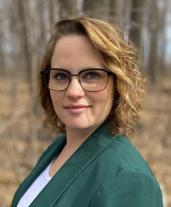
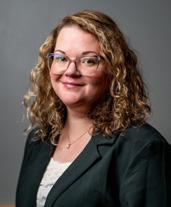
Paralegal/Legal Assistant
Megan Cochrane / Emily A. Erbisch
Criminal Defense Law
Marisa Vinsky / Chris Wickman
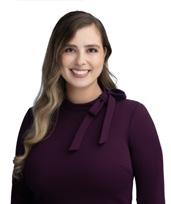

Family Law
Jessica Larson/Nicole Samuel
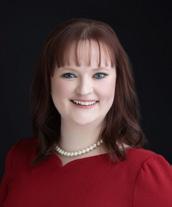

Probate & Trust Ernscie Augustin
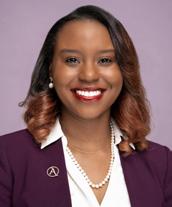
Real Estate
Bill Tomblin / Ellen E. Ward / Mitchell Zolton
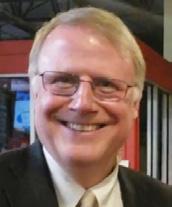
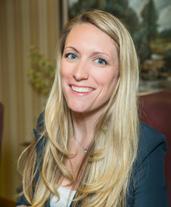

By Alexander S. Rusek

Alexander S. Rusek arusek@fosterswift.com
Alexander S. Rusek is a Shareholder with Foster, Swift, Collins & Smith, P.C. in Lansing, Michigan and an adjunct professor of law with the Michigan State University College of Law where he teaches trial advocacy courses in the college’s Trial Practice Institute. Mr. Rusek’s practice focuses on complex mass action and class action civil litigation, business law & litigation, criminal law, government relations, and appellate law. Mr. Rusek has represented established businesses, new businesses, non-profits, professionals, and individuals involved in multi-party, mass action, and class action litigation, notably representing over 100 survivors of sexual assault in the Michigan State University/Larry Nassar and University of Michigan/Robert Anderson litigations and a defendant in the Flint Water Crisis related civil and criminal litigations (all charges dismissed). Mr. Rusek is a graduate of Oakland University and the Michigan State University College of Law, cum laude.
In addition to his robust legal practice, Mr. Rusek is also a founder and board member of The Army of Survivors, Inc., board member of Highfields, Inc., board member of Downtown Lansing, Inc., board member of Downtown Lansing Partnership, Inc., board member of the Capital Area Humane Society, board member and President of the Ingham County Bar Association, board member of the State Bar of Michigan Civil Procedure & Courts Committee, board member of the State Bar of Michigan Litigation Section Governing Council, board member of the State Bar of Michigan Criminal Law Section Council, member of the WDMI Hillman Advocacy Program steering committee, Past-President of the Ingham County Bar Association Young Lawyers Section, Past-Chairperson of the Ingham County Board of Commissioners Equal Opportunity Committee, former Democratic Precinct Delegate for Lansing’s Ward 1, Precinct 6, and a member of multiple local and national bar associations.
Mr. Rusek was recognized as a fellow with the Ingham County Bar Foundation in 2024 and is the recipient of the 2024 Shared Resources Super Volunteer Award, the 2023 Ingham County Bar Association’s President’s Special Recognition Award, a 2018 recipient of the Lansing Regional Chamber of Commerce 10 Over the Next 10 Award, a 2018 recipient of Oakland University’s Young Alumni 10 Within 10 Award,
and a 2016 recipient of the Ingham County Bar Association Top 5 Under 35 Award. He has authored multiple articles that have appeared in the State Bar of Michigan Journal and other State Bar of Michigan publications, American Bar Association publications, the Detroit Bar Association’s Detroit Lawyer, the Ingham County Bar Association’s BRIEFS, and others. Mr. Rusek was Mental Health First Aid USA certified in 2019 and seeks to incorporate traumainformed principles into his practice every day.
Artificial intelligence: Is my AI racist, misogynistic, homophobic, and otherwise discriminatory?
As artificial intelligence (“AI”) gains widespread adoption and use in the legal community, practitioners need to be aware of, and conscious of, the biases that may be lurking below the surface in the AI programs they use. This bias can surface in many ways, including instances of racism, misogyny, religious bias (such as islamophobia and antisemitism), and homophobia in the AI program’s output. “As the stakes of the decisions entrusted to [AI] language models rise, so does the concern that they mirror or even amplify human biases encoded in the data they were trained on, thereby perpetuating discrimination against racialized, gendered and other minoritized social groups.”1
Broadly, the AI tools that practitioners are most familiar with can be described as large language models (“LLM”). “A large language model is a type of foundation model that is trained on massive quantities of text, and that can understand and generate naturalsounding language.1 LLMs also can be trained to perform other tasks. To generate content, LLMs use contextual clues to calculate probabilities and predict the most likely next word in a sentence.”2
A recent opinion out of the Southern District of New York explains at a very high level how LLMs, like ChatGPT, are trained. “At the training stage, [the AI’s creators] first collect data, including [the New York Times’] works, and then they train their LLMs on that data through a process that feeds the data through the model. In particular, the collection stage (also known as the pretraining stage) involves collecting and storing a vast amount of content scraped from the internet, including content scraped from [the New York Times’] websites, and creating datasets from that content which are later used to train the LLMs. Examples of these training datasets include (1) WebText and WebText2—developed using millions of links posted by “users of the ‘Reddit’ social network”—which OpenAI built and used to train GPT-2 and GPT-3 according to [the New York Times]; and (2) Common Crawl, which is a “copy of the Internet” created by a third party. Plaintiffs allege that these datasets, among others used to train defendants’ GPT models, contain a “staggering” amount of scraped content from the [New York Times’] works, and that [the AI’s creators] have used and continue to use these and other training datasets
to train their GPT models.”3 The New York Times Court further explained that “The data that defendants collect at the pre-training stage and defendants’ LLMs train on at the training stage inform the responses of the LLMs to user queries at the output stage.”4 When an LLM is trained on discriminatory content, which there is no lack of on the internet, those biases in the underlying data can and will emerge in the AI’s output.
In recognition of this potential for bias, the American Bar Association’s Standing Committee on Ethics and Professional Responsibility recently released Formal Opinion 517, titled “Discrimination in the Jury Selection Process,” on July 9, 2025. This opinion offers crucial clarification on the application of Model Rule 8.4(g) to the exercise of peremptory challenges, a topic of significant importance in our daily practice.
At its core, Formal Opinion 517 reinforces that a lawyer who “knows or reasonably should know” that their use of peremptory challenges constitutes unlawful discrimination in jury selection violates Model Rule 8.4(g). This opinion is a direct response to the evolving legal landscape surrounding jury selection, particularly in light of the Supreme Court’s decisions, beginning with Batson,5 which prohibit discriminatory peremptory challenges based on race or gender.
Formal Opinion 517 sets forth that a “lawyer’s culpability may be raised when the lawyer relies on software in making decisions about jury selection. Suppose, for example, that a lawyer uses an artificial intelligence-assisted
program to rank prospective jurors and, unbeknownst to the lawyer, the program applies rankings in a manner that would constitute unlawful discrimination (e.g., based on the prospective jurors’ race or gender). It is conceivable that the lawyer could strike jurors for unlawfully discriminatory reasons, constituting purposeful discrimination in violation of Batson, even if the lawyer had no intention of doing so (for example, if the AI-assisted program also provided seemingly neutral reasons for rankings). Whether a lawyer “reasonably should know” that the peremptory challenges were impermissibly discriminatory will depend on the circumstances. In the context of an AI-assisted program, lawyers should conduct sufficient due diligence to acquire a general understanding of the methodology employed by the juror selection program. See ABA Formal Op. 512 (2024) (“lawyers should either acquire a reasonable understanding of the benefits and risks of the GAI tools that they employ in their practices or draw on the expertise of others who can provide guidance about the relevant GAI tool’s capabilities and limitations”).”
Model Rule 8.4(g) broadly prohibits lawyers from engaging in “harassment or discrimination on the basis of race, sex, religion, national origin, ethnicity, disability, age, sexual orientation, gender identity, marital status or socioeconomic status in conduct related to the practice of law.” However, it also contains important caveats, stating that it “does not limit the ability of a lawyer to accept, decline or withdraw from a representation in accordance with Rule 1.16,” and “does not preclude legitimate advice or advocacy consistent with these Rules.”
One of the primary questions addressed by Formal Opinion 517 is how to interpret “legitimate advocacy” in the context of peremptory challenges. The opinion unequivocally states that striking prospective jurors on discriminatory bases in violation of substantive law governing jury selection is not legitimate advocacy. If a lawyer’s conduct has been declared illegal by the courts or a legislature, it cannot be considered “legitimate.” This means that a Batson violation, for instance, is by definition unlawful discrimination and therefore not “legitimate” conduct under Rule 8.4(g).
The opinion also delves into the “knows or reasonably should know” standard. This is a critical element, as a lawyer’s unlawful exercise of peremptory challenges only violates Rule 8.4(g) if this knowledge standard is met. “Knows” refers to actual knowledge, while “reasonably should know” means that “a lawyer of reasonable prudence and competence would ascertain the matter in question.” This places a significant duty on us as attorneys to be diligent in our understanding of the law and the implications of our actions during jury selection.
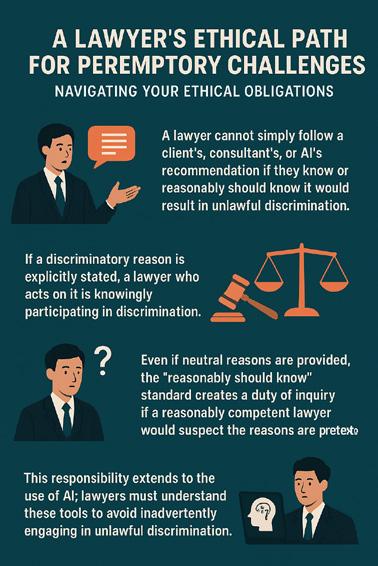
A particularly insightful section of the opinion addresses situations where a lawyer might defer to others’ judgment, such as a client’s directive or a jury consultant’s advice, or even guidance from AI programs. The opinion makes it clear that a lawyer cannot simply follow a client’s instruction or a consultant’s suggestion if they know or reasonably should know that doing so would result in unlawful juror discrimination. If a client or consultant explicitly states a discriminatory reason, the lawyer who acts on that
would be knowingly discriminating. Even if non-discriminatory reasons are offered, the “reasonably should know” standard imposes a duty of inquiry. If a reasonably competent and prudent lawyer would know that the stated reasons are pretextual and the proposed challenges are unlawful, then the lawyer must refrain from relying on that advice. This extends to the use of AI-assisted jury selection programs. Lawyers must conduct sufficient due diligence to understand the methodology of such programs to ensure they are not inadvertently engaging in unlawful discrimination.
In essence, Formal Opinion 517 serves as a vital reminder that our role as zealous advocates is always bounded by the law and ethical considerations. While we are tasked with representing
our clients’ interests vigorously, we must never cross the line into unlawful discrimination. This opinion underscores the importance of our professional judgment, our duty of inquiry, and our commitment to upholding the integrity of the justice system in Michigan and beyond.
Formal Opinion 517 is available at: https://www.americanbar.org/content/ dam/aba/administrative/professional_ responsibility/ethics-opinions/abaformal-opinion-517.pdf
Endnotes
1 Hofmann, V., Kalluri, P.R., Jurafsky, D. et al., AI generates covertly racist decisions about people based on their dialect. Nature 633, 147–154 (2024); available at https://doi. org/10.1038/s41586-024-07856-5 (last accessed August 14, 2025).
2 § 24:10. Terminology—Large Language Model (“LLM”), 3 Entertainment Law 3d: Legal Concepts and Business Practices § 24:10
3 New York Times Co v Microsoft Corp., 777 F Supp 3d 283, 300 (SDNY 2025) (internal citations omitted).
4 Id. at 300-301.
5 Batson v Kentucky, 476 US 79 (1986).
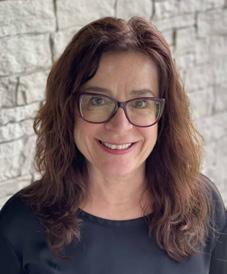
Madelyne C. Lawry Executive Director
Mlawry@inghambar.org
What was the name of your first pet?
Richard Hawkins
What type of pet was it, and what was their personality like?
Bichon Frise
Did your pet have any funny habits or tricks?
Richard had a job at the office - moral support and entertainment. He also had a bad habbit of eating staff lunches and treats.
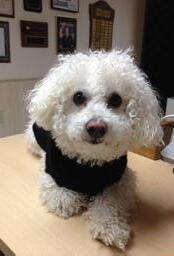
What’s one lesson your pet taught you that you still carry today?
Slow down and have more fun. Don't take things to seriously If your pet could have given you a piece of advice, what would it have been?
If your pet could have given you a piece of advice, what would it have been?
Same as above
What would be your pet’s job title if they worked in your organization?
Moral Support
Are you currently a pet owner? Tell us about them!
No. I lost Richard Hawkins in 2023 - he was 13.
Favorite memory involving a pet?
Always happy to see me
One word to describe your bond with your pet. Joy
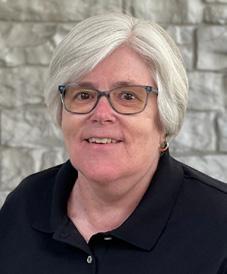
Barb Campbell Administrative Assistant barb@sharedresources.us

Ellery Curtis Social Media Content Coordinator support7@sharedresources.us
What was the name of your first pet?
Mr. Kitty
What type of pet was it, and what was their personality like?
He was an old orange cat with a big attitude. He had a soft spot for my dog, Roxie, but only gave love to whoever last fed him Friskies.
What’s one lesson your pet taught you that you still carry today?
Love should be unconditional. I didn't love Mr. Kitty so that he would love me back. I just loved him because I should and to my 4 year-old self he was a funny grumpy cat.
If your pet could have given you a piece of advice, what would it have been?
Mr. Kitty's advice would be to take a nap.

Owen Curtis
Project
Manager
support6@sharedresources.us
What was the name of your first pet?
Roxie
What type of pet was it, and what was their personality like?
She was a dog and was super chill. She would let me climb all over her as a kid and draw on her with pens. Poor dog...
What’s one lesson your pet taught you that you still carry today?
Being kind to people may make them like you more
What would be your pet’s job title if they worked in your organization?
Emotional Support maybe

Matt
Hinkle
Technology
Supervisor
support4@sharedresources.us
What was the name of your first pet?
The first one I really remember is Onyx.
What type of pet was it, and what was their personality like?
He was a black lab, who was very energetic and playful. He made friends with everyone and loved attention and pets.
What’s one lesson your pet taught you that you still carry today?
To love everyone - the world can be a dark place, and knowing at least one person loves you can make a huge difference.
If you could be any animal for a day, what would you choose?
An eagle. I really want to see the world from the sky.
One word to describe your bond with your pet.
Love
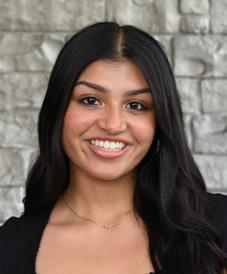
Gurleen Kaur Graphic Designer ggkaur21@gmail.com
Are you currently a pet owner? Tell us about them! No
If you could be any animal for a day, what would you choose?
Cheetah
Favorite memory involving a pet?
My favorite memory involving a pet would be my cousin's dog. When we were younger, he would always follow us even if we tried to hide from him and would ruin our games. Now looking back at it, I think it is really funny.
One word to describe your bond with your pet. Joy
"The pessimist sees difficulty in every opportunity. The optimist sees the opportunity in every difficulty." – Winston Churchill
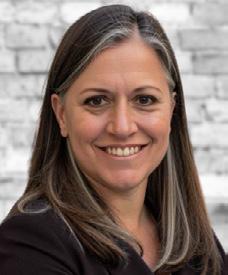
Kate Pojeta
Account Executive
kate@inghambar.org
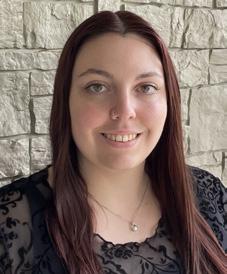
Elli Wonch
Administrative
Assistant
support2@sharedresources.us
What’s one lesson your pet taught you that you still carry today?
I had a guinea pig named Georgie. She taught me that emotional support animals can come in any size!

Are you currently a pet owner? Tell us about them!
I have two cats. Brooke is nine, and Miss Penelope Whiskers (aka Penny) is two.
If you could be any animal for a day, what would you choose? A giraffe!


Maximum charitable tax strategies
Donor-advised funds are superior to commercial DAFs
Endowment funds to suit your client’s charitable intent, forever
Legacy funds require no up-front gift
Professional staff provide personalized service and community knowledge
Contact us to add Community Foundation experts to your team!
Laurie Strauss Baumer President & CEO
lbaumer@ourcommunity.org 517-281-9054


By Chris Wickman
Chris Wickman cwickman@nicholslaw.net
On behalf of the ICBA Wellness Committee, we are happy to continue our regular “Park Profiles” column showcasing one of Ingham County’s greatest resources – our public parks! Parks are great places to maintain or find your wellness whether it’s exercising, playing, socializing, or simply enjoying some quiet time. You can enjoy them with a partner, friends, children, a dog, or even find peace for yourself!
Our next “park” profiled will be one of my favorite places to enjoy a piece of nature in Ingham County – the campus of Michigan State University (MSU). Unlike many larger universities, MSU’s campus is largely self-contained. You enter campus and everything is largely campus until you’re back off campus again – from Hagadorn Road in the East to Harrison Road (plus Brody Complex) in the West and Grand River in the North to Mt. Hope Road (and actually much further!) in the South.
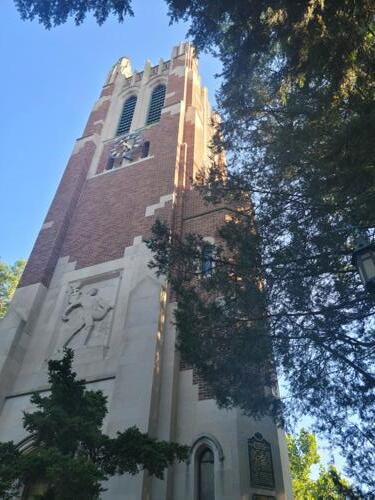
It has beautiful green spaces to toss a frisbee or picnic, courts to play sports, beautiful horticultural and botanical gardens, and varied architecture from the older West Circle to the more modern buildings like the Broad Art Museum (also known as Lex Luthor’s house in Batman v Superman) or the impressive Brody Cafeteria or newer residence halls. Additionally, the new multicultural center is a wonderful gathering and meeting space. It’s a great place to walk a friendly dog (especially around Finals when the students would love some canine affection) or enjoy a peaceful walk (barring tailgates, big athletic competitions, etc.) Of course, MSU is also known for its athletics which is also a wonderful time to be on campus.
My personal favorite MSU experiences are seeing Beaumont Tower in action. While itself beautiful, it is one of my best memories to be in Beaumont Tower while the carillon is being played. Those bells you hear on campus is a carillon – or a set of bells played via a modified keyboard/piano setup played by striking wooden pegs with your fists. The automated bells play the fight song or tones for regular intervals, but it is also a playable instrument that sometimes is played for concerts and may be toured during regular times. Throughout the summer, there are regular concerts, but there are also regular lunchtime concerts that you can enter and watch the bells being played. The first floor of the tour is the practice carillon and the stairs leading to the second floor (a lounge with couches) and third floor (where the magic happens with the actual instrument.) Depending on availability, you may able to climb a final ladder and open the trap door to watch the actual bells being struck. It is undoubtedly one of the coolest experiences I’ve ever had to see the bells being played by real musicians. For community musicians, you can also take lessons and learn to play the carillon yourself (even if you only really played the coronet/ trumpet and have to re-learn to read the bass clef). The next concert after this is released is the October 30, 2025 “Halloween, Spooky Tunes for Carillon” concert at 9:00PM outside Beaumont Tower. It should be a great event for adults and the family alike! I’d
also be remiss to not mention another favorite location of mine – the MSU Dairy Store. It recently won “Grand Champion” of the American Dairy Science Association’s 2025 Ice Cream Competition and really earns the title
with its homemade ice cream and other wares. – Chris.
More information about MSU’s campus can be found at https://virtualtour.msu. edu/tour/campus-highlights-tour/. If
you want your favorite Ingham County park featured (or would like to write a feature of your favorite park) contact co-chairs Chris Wickman (cwickman@ nicholslaw.net) or Kristina Bilowus (bilowuskristina@law.msu.edu).
Copy Deadline
BRIEFS Committee Meetings
Author and Article Pictures
Article Length and Format
• Raising the Bar announcements:100-200 words
• Local legal events notices:100-150 words
• Columns: 300-500 words
• Articles: 700-1,000 words
• Submit articles in a Word .doc/.docx
ISSUES
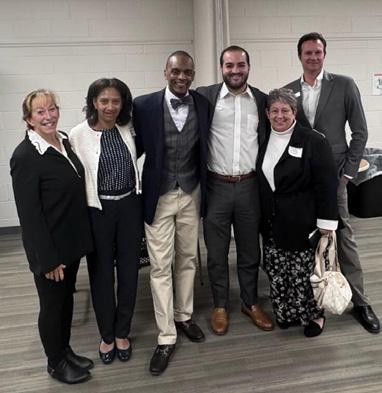
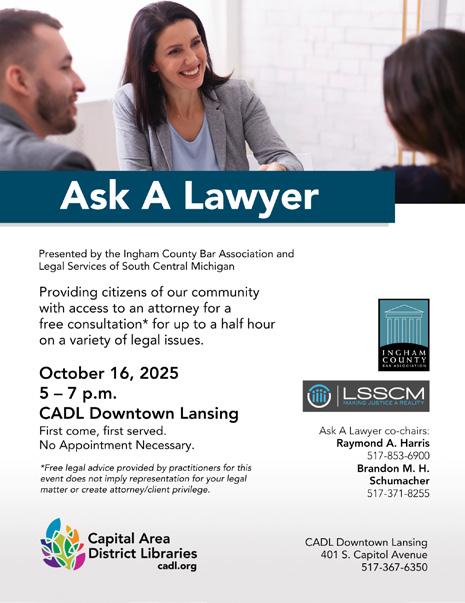
A huge thank you to Raymond A. Harris for coordinating such a wonderful and impactful Ask A Lawyer event at CADL Downtown Lansing!
This event, hosted in collaboration with the Ingham County Bar Association and Legal Services of South Central Michigan, provided free legal consultations to members of our community — helping connect people with valuable legal guidance and resources.
We’re so grateful for everyone who participated and helped make this event a success, continuing to make justice accessible for all.
Denise LaFave Smith
Pam Amato
Lauren Spencer
Logan Byrne
Stu Shafer
Alex Rusek
Josh Goodrich
Marty Neumann
Patrick Quinn
Michelle Lane
Tiffany DeBruin
Rebecca Stewart
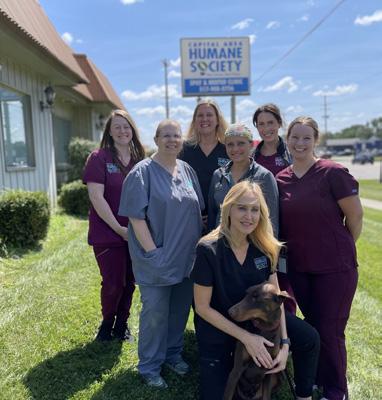
At the Capital Area Humane Society (CAHS), we envision a community that values the human-animal bond and where all animals are healthy and safe. Since 1936, we’ve been a safe haven and voice for animals in need, serving the Greater Lansing area and beyond with compassion, integrity, and care.
Each year, thousands of pets and people rely on CAHS for life-changing services from adoptions and medical care to affordable spay and neuter surgeries and community education. What truly defines our organization isn’t the number of animals we help, it’s the stories of transformation, healing, and hope behind each one.
We’re more than an animal shelter. We are where second chances begin.
The Capital Area Humane Society is an independent nonprofit organization that exists to protect and care for homeless, neglected, and vulnerable animals, while also supporting the people who love them. Our work centers around our mission to promote the humane treatment of companion animals through protection, placement, education, and example.
At the heart of our mission is the effort to find loving homes for animals in need. Our shelter is open six days a
week, welcoming dogs, cats, rabbits, guinea pigs, and other small animals who are waiting for a second chance at a beautiful life. Each pet receives medical care, enrichment, and plenty of love from our volunteers and staff while they wait for their match. Our experienced adoption counselors work closely with every visitor to ensure each adoption is a thoughtful fit.
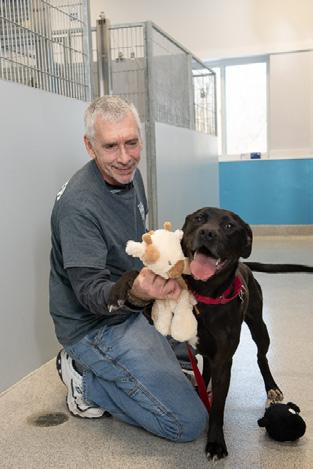
In 2024, over 3,500 animals found new homes through CAHS. Some had been surrendered by families in crisis, while others were transferred to us from overcrowded or under-resourced shelters where they faced euthanasia. Many arrived scared, injured, or overlooked, until they met the right person.
Behind every adoption is a meaningful connection. It’s a child meeting their first best friend, a senior finding companionship in a quiet lap cat, and a rescued dog discovering, for the first time, what love feels like.
While adoption is a critical part of our work, the long-term solution to pet overpopulation is prevention.
Our off-site, public Spay & Neuter Clinic provides low-cost surgeries to pet owners who may not otherwise be able to afford them. These services are not just essential to the health and behavior of individual pets, they help reduce the number of animals entering shelters, suffering on the streets, or being euthanized in overcrowded shelters.
In the past year alone, the clinic performed just under 6,000 spay and neuter surgeries. That is thousands of litters prevented. We also offer vaccines, microchips, and other vital services, helping families keep their pets safe and healthy.
We believe change begins with understanding. Through school visits, summer camps, and community events, we provide humane education programs that teach children and adults about compassion, responsible pet ownership, and the importance of animal welfare.
We also offer free support to struggling pet owners, including behavior advice, food assistance, and guidance for those considering surrendering their pet to the shelter.
At the Capital Area Humane Society, volunteers are at the heart of everything we do. From walking dogs and socializing cats to helping at events and supporting adoptions, our volunteers make it possible to care for thousands of animals each year.
Whether you can give a few hours a week or help at special events, there’s a role for every animal lover. When you volunteer, you’re not just giving your time, you’re giving pets their second chances.
As an independent nonprofit, CAHS receives no government funding or support from national humane organizations. Everything we do is made possible by local individuals, businesses, and foundations who believe animals deserve safety, love, and second chances.
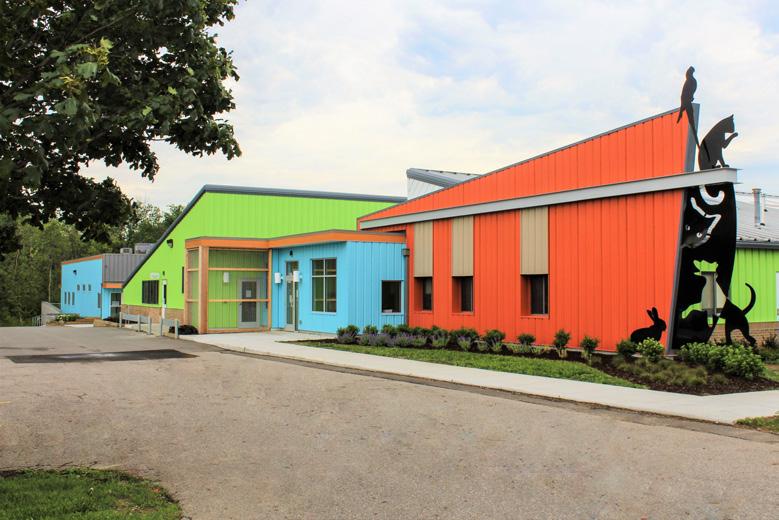
When you support the Capital Area Humane Society, you’re not just helping one animal, you’re helping us:
• Rescue and rehabilitate animals with nowhere else to go
• Provide affordable, lifesaving services to families in need
• Teach the next generation how to treat animals with kindness
• Prevent suffering before it begins
Whether you give a one-time donation, sign up to volunteer, sponsor an event, or share your voice as an advocate, you are part of something truly meaningful. You are saving lives!
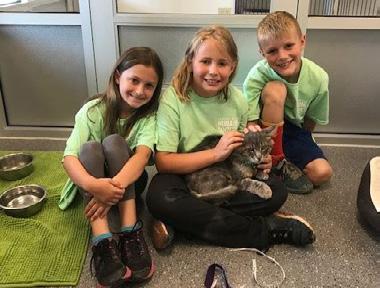
We invite you to learn more about our work, tour our shelter, and become part of the future we’re building. A future where no animal is left behind and every family has access to the care they need.
Together, we can create a community where compassion leads the way and where every animal has the chance they deserve.
To learn more about CAHS, sign up to volunteer, or to make a donation, please visit www.AdoptLansing.org.
1909 Unknown
1910 S.L. Kilbourne*
1911 Edward Cahill*
1912 Rollin H. Person*
1913 Charles F. Hammond*
1914 Jason Nichols*
1915 Unknown
1916 Frank Dodge*
1917 Alva Cummins*
1918 Unknown
1919 Unknown
1920 Seymour H. Person*
1921 D.G.F. Warner*
1922 Charles W. Foster*
1923 Charles H. Hayden*
1924 Seymour H. Person*
1925 Joseph E. Dunnebacke*
1926 Dean W. Kelley*
1927 Harry A. Silsbee*
1928 John Brooks*
1929 William C. Brown*
1930 Edmund C. Shields*
1931 Eugene F. Hammond*
1932 Spencer D. Kelly*
1933 Walter S. Foster*
1934 Ernest C. Smith*
1935 Carl H. McLean*
1936 Charles Collingwood*
1937 Charles E. Ecker*
1938 Joseph W. Planck*
1939 Leland W. Carr*
1940 Paul G. Eger*
1941 Wilbur M. Seelye*
1942 William S. Cameron*
1943 Byron L. Ballard*
1944 Harry Hubbard*
1945 Charles P. Van Note*
1946 S. DeWitt Rathbunn*
1947 Benjamin F. Watson*
1948 Lewis J. Gregg*
1949 Barnard Pierce*
1950 Claude J. Marshall*
1951 Louis Coash*
1952 William H. Wise*
1953 Harold W. Glassen*
1954 Richard B. Foster*
1955 Sam Street Hughes*
1956 Clayton F. Jennings*
1957 Roy T. Conley*
1958 Marvin J. Salmon*
1959 H. Clay Campbell*
1960 William J. Sessions*
1961 Fred C. Newman*
1962 H.H. Warner*
1963 Charles R. MacLean*
1964 Archie C. Fraser*
1965 Leo A. Farhat*
1966 Raymond R. Campbell*
1967 Allison K. Thomas*
1968 George J. Hutter*
1969 Roland R. Rhead*
1970 Thomas G. Sinas*
1971 C. Bruce Kelley*
1972 John N. Seaman*
1973 Jack W. Warren*
1974 John L. Coté*
1975 Peter J. Treleaven*
1976 William L. Mackey*
1977 James A. Timmer*
1978 James E. Burns*
1979 Joseph Lavey*
1980 Jack D. Born*
1981 Theodore W. Swift*
1982 James Burren Brown
1983 Judson M. Werbelow*
1984 Thomas R. Roberts*
1985 Jules I. Hanslovsky*
1986 David E.S. Marvin
1987 Webb A. Smith
1988 Peter S. Sheldon
1989 Elaine H. Charney
1990 Allan J. Claypool
1991 Rose A. Houk
1992 Stuart J. Dunnings, Jr.
1993 Pamela J. McCabe
1994 Michael E. Cavanaugh
1995 Nancy A. Wonch
1996 Max R. Hoffman, Jr.
1997 Beverley Nettles-Nickerson
1998 Frank A. Fleischmann
1999 Susan L. LeDuc
2000 David L. Jordon
2001 James F. Graves
2002 Lee B. Reimann
2003 Shauna L. Dunnings
2004 Lawrence P. Nolan
2005 George Zulakis
2006 Deborah G. Adams
2007 David R. Brake
2008 Richard D. Ball
2009 Patrick D. Hanes
2010 David M. Lick
2011 Byron P. Gallagher
2012 Scott L. Mandel
2013 Stacia J. Buchanan
2014 W. Josh Ard
2015 Liisa R. Speaker
2016 Jason Hanselman
2017 Mark E. Kellogg
2018 Jessica Fox
2019 Mary Chartier
2020 Charles E. Barbieri
2021 Charles Lawler
2022 Pamela Amato
2023 Stephen Sinas
2024 Lindsay Dangl
*Deceased
Contact: Callie Spencer
NALA Communications Specialist cspencer@nala.org (918) 587-6828 ext. 501 NEWS RELEASE FOR IMMEDIATE RELEASE
TULSA, Okla. (August 7, 2025) – Attendees celebrated NALA’s 50th anniversary at the 2025 NALA Conference & Expo in Atlantic City, New Jersey, from July 10-12, 2025. Michigan past, present, and future NALA members, from left to right:
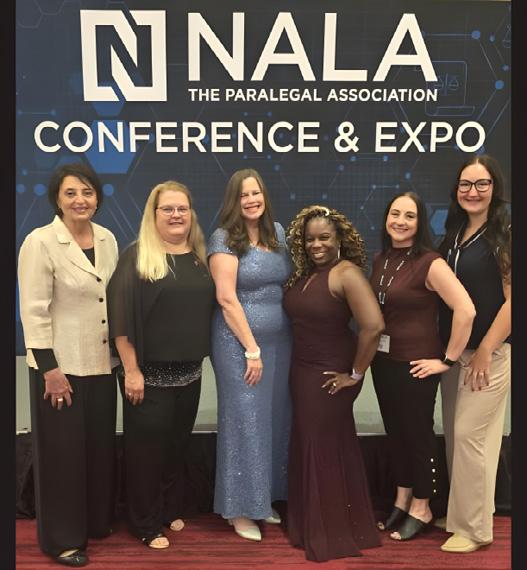
Farhat, ACP,
Kelly A. LaGrave, ACP, NALA Past President, Lansing
Cheryl A. Nodarse, ACP, NALA President, Largo, Florida (formerly of East Lansing)
Peonca Grier, CP, FRP, NALA Vice President, Orlando, Florida (formerly of Flint)
Amber Wendel, First Time NALA Conference Attendee, Lansing
Katelynn Dye, First Time NALA Conference Attendee, Lansing
There were several other attendees from Michigan, including two first-time attendees from Suttons Bay, Vicki Parzych and Rachel Ribeiro.
NALA is proud of its Michigan members who have served NALA in their respective leadership roles. NALA President Cheryl Nodarse, ACP, has also served as Chair of the State Bar of Michigan Paralegal Section.
Kelly A. LaGrave, ACP, and Vicki Voisin, ACP, of Charlevoix (not pictured) both served as NALA Presidents. Kelly served as Past Chair of the Certifying Board and the Advanced Certified Paralegal (ACP®) Board.
Ida Farhat, ACP, is a charter member of NALA and served on the Certifying Board when NALA received its National Commission for Certifying Agencies (NCCA) accreditation for the Certified Paralegal (CP®) Exam in 2014.
Since 1975, NALA has been trusted to equip paralegals for the challenges of the future through certification, professional development, and advocacy. NALA continues to ensure that paralegals are known and valued as an integral part of the legal ecosystem.
All section meetings will be held at Signature Solutions Group’s Office (Anchor Room) at 741 N. Cedar St, Set 101-A, Lansing 48906 (south side of the building, there is a separate conference space entrance).
There will be no Meetings for the ADR Section for the months of November and December. We look forward to resuming our usual from Noon-1pm second the Thursday of each month meetings beginning on January 9, 2026.
**Please let us know if you/your organization would like to sponsor the event by providing lunch.
January 9, 2026: Divorce Arbitration — What is it? How does it work? What are the Pros and Cons? Please RSVP , to Jenna Ribbons (Co-Chair) at either jenna@otisraylaw.com or at hello@sigsolutionsgroup.com
The Employment and Labor Law Section holds its meetings from noon to 1 p.m. each month at WMU-Cooley Law School, 300 S. Capitol Ave., Room 911, in downtown Lansing.
Section Chair is Kelly McClintock. Contact Kelly if you have ideas for topics and speakers.
Upcoming Meetings: 4th Tuesday of the month – Noon, Location: TBA
If you have questions about Section meetings, please email Kelly at mcclintock@bwlawonline.com
The Family Law Section meets on the 2nd Wednesday of the month from noon to 1 p.m. Location TBD. Lunch is provided.
Section Co-Chairs are Jessica Larson and Nicole Samuel
Upcoming Meetings: 2nd Wednesday of the month (no meetings June, July, August) at Noon, Location – Zoom
If you have suggestions for meeting topics, want to sponsor a lunch or just have general questions, please email Nicole Samuel nicole@newburglaw.com or Jessica Larson jlarson@mclpc.com
All section meetings will be held at Chalgian & Tripp Law Offices, 1019 Trowbridge Road, East Lansing, MI 48823
Section Meetings: 12:00 - 1:00 p.m. (in person with Zoom option)
• Wednesday, November 19, 2025 - Judge Amanda Pollard - Eaton County Probate Court Updates
• Wednesday, January 14, 2026 - Jenna Ribbons - Probate Mediation Trainer
• Wednesday, February 11, 2026 - Kevin Gebhard - ABC's of Medicare
• Wednesday, March 11, 2026 - Judge Shauna Dunnings and Probate Register, Ryan Buck - Ingham County Probate Court Updates
**Please let us know if you/your organization would like to sponsor the event by providing lunch
The Paralegal/Legal Assistant Section offers free networking and educational events for legal staff in Ingham County. Meetings are held the third Wednesday of each month, virtual.
Section Co-Chairs are Megan Cochrane and Emily A. Erbisch
If you have questions or would like to learn more about the Section, contact Megan Cochrane mcochrane@fosterswift.com or Emily Erbisch emily@okeefelaw.net.
The Real Estate Section holds its meetings at noon on the fourth Thursday of each month. Location TBD. Section Co-Chairs are Bill Tomblin, Ellen E. Ward, and Mitchell Zolton.
Upcoming Meetings: 4th Friday of the month unless specified otherwise via Listserv (No meetings June, July, August, and December) — Noon
Location: TBA Lunch is served at meetings. Upcoming speakers and topics will be announced. Member input is always appreciated.
If you plan to attend a meeting, please RSVP to Bill Tomblin at Wdtomblaw@aol.com