






Understanding the market a manufacturer plans to enter is one of the most critical factors for building a successful business. Market knowledge often determines whether a company succeeds or fails. As Benjamin Franklin stated, “By failing to prepare you are preparing to fail.” Having strong industry insight and understanding the market connected to a specific product or service puts a business in the best position to make informed decisions, reach customers, and retain market share.
Manufacturing excellence—advanced technology, efficient processes, or high-quality products—is not enough if a company lacks understanding of customer needs, competition, and market dynamics. Market knowledge increases strategic clarity, reduces risk, and ensures products address real demand.
First, learning about the market helps manufacturers identify customer needs and preferences. Markets differ widely in consumer expectations, purchasing power, cultural factors, and usage habits. A product that succeeds in one country or customer segment may fail in another if it does not meet local needs. Conducting market research reveals what features customers value, acceptable price levels, and how purchasing decisions are made. This allows companies to design products that solve real problems rather than relying on assumptions, ultimately increasing satisfaction and loyalty.
Second, understanding the market supports effective pricing and positioning. If pricing is too high, customers turn to competitors; if too low, profits and brand credibility suffer. Studying market conditions helps manufacturers analyze competitor prices, cost structures, and value propositions. This insight enables clear product positioning—premium, mid-range, or cost-effective— and communicates value effectively. Strong positioning helps customers understand why one product stands out in a crowded marketplace.
Third, market insight helps manufacturers anticipate and manage competition. Every market contains established players, substitutes, and potential new entrants. Without analyzing competitor strengths, weaknesses,

and strategies, a company may underestimate threats or fail to differentiate. Market analysis identifies unmet customer needs and opportunities for innovation. It also prepares firms for competitive reactions such as price cuts or aggressive new product launches.
In addition, understanding regulatory and legal requirements is essential. Many manufacturing sectors face strict rules on safety, environmental impact, and labor practices, which vary by region. Entering a market without knowledge of its regulations risks fines, product recalls, or even business closure. Preparing early helps companies design compliant operations and avoid costly missteps.
Market knowledge also supports effective supply chain and distribution planning. Markets differ in infrastructure, raw material availability, logistics, and sales channels. Understanding these conditions helps manufacturers choose the right suppliers, transportation options, and distribution partners, improving reliability and reducing costs.
Finally, learning about the market strengthens longterm strategy. Markets evolve constantly—consumer preferences, technologies, and economic trends shift. Companies that continuously study the market can identify changes early and adapt. This agility is vital for longterm survival.
In conclusion, understanding a target market is essential to business success. It shapes product development, pricing, competition management, regulatory compliance, supply chain planning, and long-term growth— while strengthening credibility with investors.
In continuously evolving markets, Infomedix International with its new column, “Market Insight ”, will help business owners, company executives scale up their business. Manufacturers that invest in market research and analysis for sure will reduce uncertainty and increase the chances of building profitable, resilient, and customer-focused businesses. As Benjamin Franklin says: “an investment in knowledge always pays the best interest.” b
For over 40 years, POINTE brand has delivered reliable, scalable clinical chemistry reagents. Flexible product and packaging configurations. Dependable supply chain backed by strict quality standards and trusted application and regulatory support. POINTE helps you expand your portfolio with confidence.


W J.D. Honigberg International

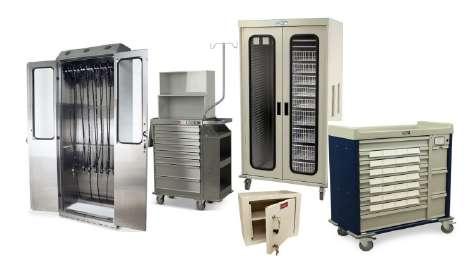
Harloff offers a very wide range of Medical Trolleys / Carts, Scope drying Cabinets and Storage Cabinets in painted steel or stainless steel with a choice of optional accessories which are easy to install and require very little set up time. Choice of key locks or digital locking systems are offered. The carts and cabinets are made in USA and follow the FDA standards.
• Medication trolleys
• Cast and splinting trolleys
• MRI compatible trolleys
• Treatment and Procedure trolleys
• Phlebotomy trolleys
• Isolation / infection control trolleys
• Difficult Airway trolleys
F www.jdhmedical.com
B medical@jdhintl.com
S Visit us at WHX Dubai 2026 Booth S11.E11
W J.D. Honigberg International
Hospital use
• Vaccination trolleys
• Scope drying cabinets
• Storage cabinets for PPE
• Storage cabinets for consumables
• Narcotic cabinets
• Medication storage cabinets
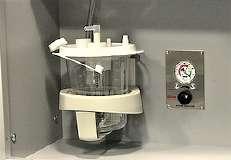
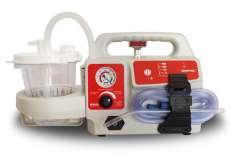
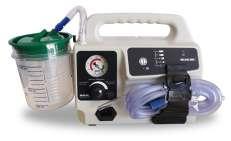
The SSCOR Duet is perfect for hospital crash carts, patient transport, surgi-center backup, long term care facilities...
• The Duet suction device, with battery back-up, provides instant, powerful suction with or without AC power. When fully charged, the sealed lead acid battery provides 45 minutes of suctioning power giving the needed suction for emergency care procedures.
Pre-Hospital use
• The SSCOR VX-2 is a lightweight, portable, powerful and tough, battery powered suction unit (>30 lpm airflow and >525mmHg negative pressure). The control panel indicates vacuum level, battery condition, connection to power and lets the user know the pump is running. Charging is controlled for maximum battery life. The PC board protects the battery from deep discharge.
• SSCOR on-board vacuum systems include options and materials for different ambulance/vehicle configurations. SSCOR on-board Wall-Mount components are available in stainless steel or injection molded plastic. SSCOR can customize a Vacuum System to better fit your ambulances manufacturing practices.
F www.jdhmedical.com
B medical@jdhintl.com
S Visit us at WHX Dubai 2026 Booth S11.E11
W General Medical Merate
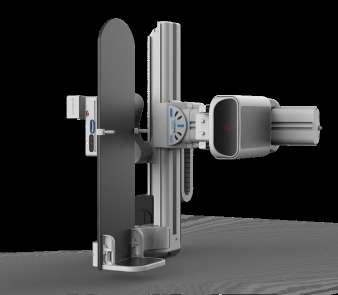
Swing Revo is a revolutionary all-in-one remote-controlled RF system featuring innovative, synchronized movements designed to maximize flexibility, speed, and patient comfort. It supports both standard radiography and specialized clinical applications, with advanced console functionality and significant dose reduction, making it ideal for routine, emergency, and stretcher-based exams. Total accessibility is ensured by a cantilevered adjustable tabletop, an unconstrained detector for efficient positioning, and a fully integrated imaging system delivering high-quality images with an intuitive workflow and advanced tools such as stitching and to -
S Visit us at WHX Dubai 2026 Booth No. N21.F119
mosynthesis. Pre-programmed automatic positioning guides the system to optimal imaging projections with a single command, reducing setup time and overall system preparation. With smooth operation available remotely and at the patient’s side, Swing Revo transforms the radiology room into a highly agile imaging environment capable of advanced projections through unique table positioning, without the need for additional X-ray sources or wireless detectors.
F www.gmmspa.com
B info@gmmspa.com
S Visit us at ECR 2026 Booth 228/229

www.gmmspa.com

W IMS Giotto
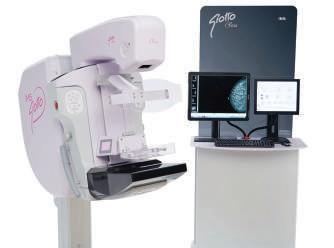
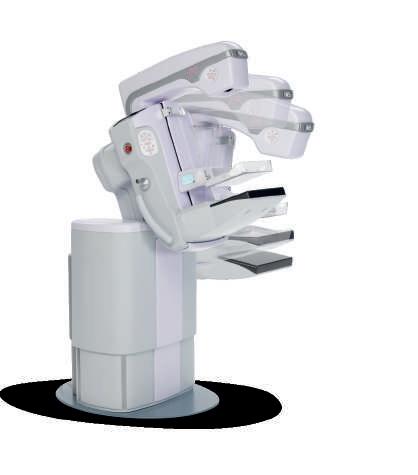
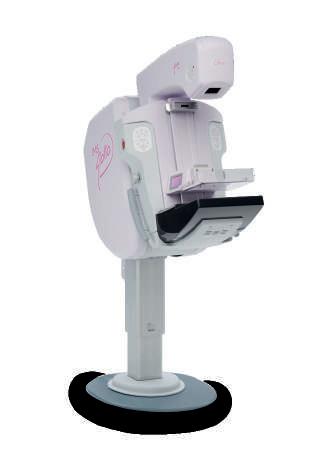
Giotto Class S is a versatile system that can be be configured for 2D or/ and 3D breast tomosynthesis imaging choosing between different options, accessories and advanced interventional applications like high-precision tomo-guided biopsy or contrast enhanced spectral mammography.
It features a unique, particularly ergonomic design which ensures patient comfort and user-friendliness for the operator.
The C-arm stand enables a wide freedom of inclination: it can be tilted downwards and upwards to maximize patient comfort and breast positioning.
The system can be equipped with the new software application “Tiziano” based on AI algorithms for estimating the volumetric breast density according to the 5th edition of ACR BI-RADS Atlas.
IMS Giotto is a company of GMM Group. F www.imsgiotto.com B imscomm@imsgiotto.com
S Visit us at WHX Dubai 2026 Booth No. N21.F119
S Visit us at ECR 2026 Booth 228/229
TOMOSYNTHESIS
SYNTHETIC VIEW

2D MAMMOGRAPHY
TOMO-BIOPSY in PRONE or UPRIGHT POSITION
DUAL-ENERGY
Giotto Class The new dimension in Tomosynthesis and Breast Biopsy IMS Giotto S.p.A. www.imsgiotto.com imscomm@imsgiotto.com
W IAE
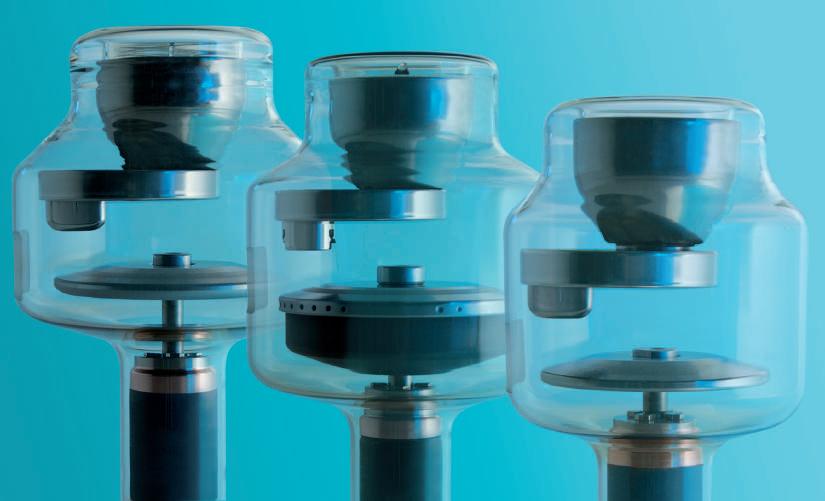
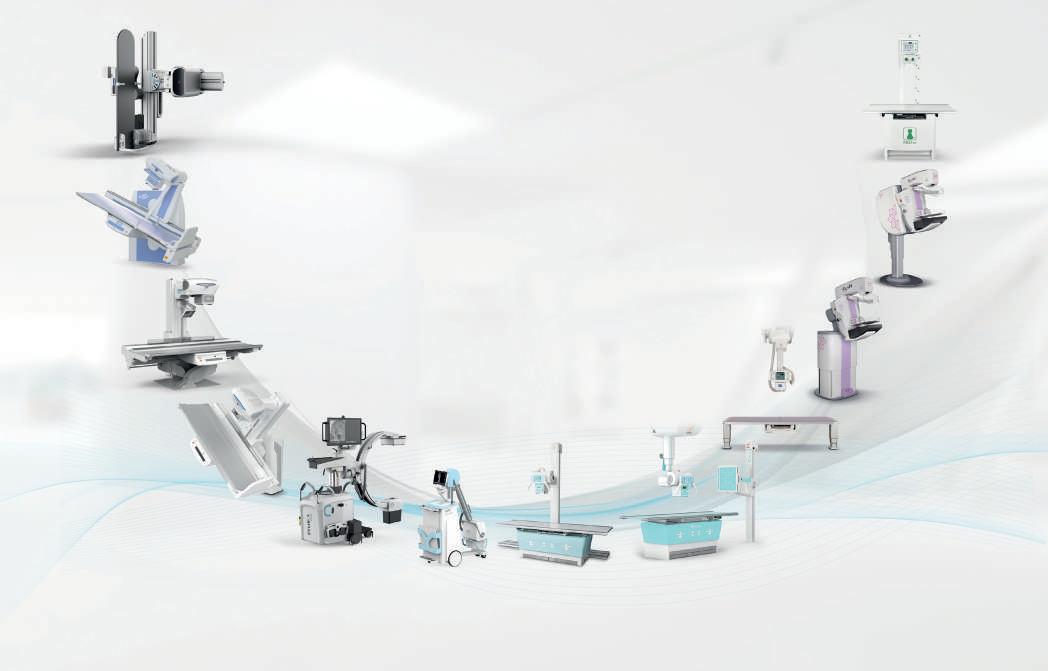
IAE is a major role player in the international x-ray market as the only independent manufacturer in Europa of rotating anode tubes.
With its wide product line of more than 100 insert/housing combinations, IAE is a strategic and reliable partner to the most important equipment manufacturers globally.
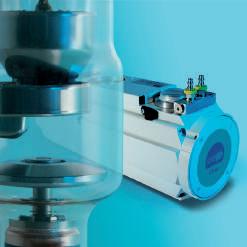
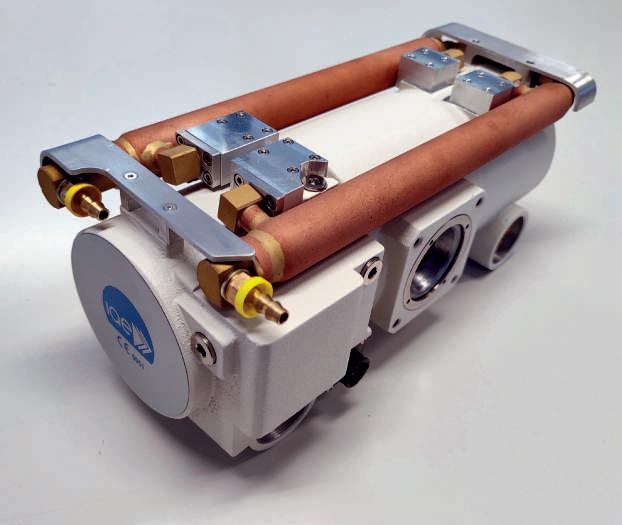
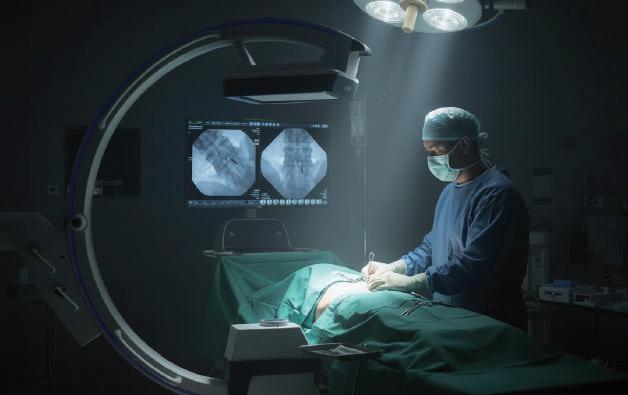
A recently developed product is a rotating anode x-ray unit, suitable for C-arms; it features a compact design with miniature high voltage connectors and a single-piece cast aluminium body.
A combination of 2 tubular oil-water heat exchangers on the housing body and a remote air-water heat exchanger ensures amazing heat dissipation.
F www.iae.it
B iaexray@iae.it
S Visit us at WHX 2026, Dubai Booth n° N21.E112
ECR 2026, Vienna Hall X2, Booth n° 243
KIMES 2026, Seoul Booth n° C353

W DRTECH
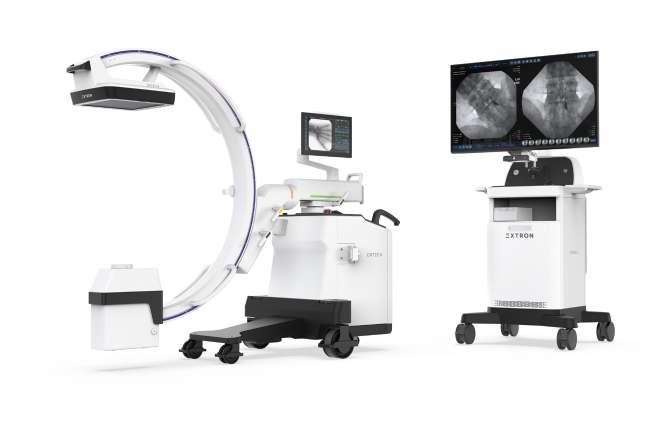
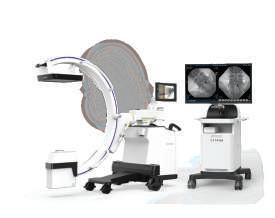
DRTECH EXTRON is a premium low-dose mobile C-arm series designed to deliver exceptional image quality, clinical confidence, and efficient workflows across a wide range of surgical environments. Built on DRTECH’s advanced TruDigital imaging architecture, EXTRON provides clear, stable, and high-contrast images while minimizing radiation exposure for both patients and clinicians.
Equipped with advanced technologies including Real-time Noise Reduction (RNR) and AI-based Object Detection (AOD), the EXTRON series enhances image clarity, reduces artifacts, and ensures reliable visualization even during complex procedures. Its ergonomic design, intuitive touch-based control, and optimized workflow support seamless operation in daily clinical practice.
From compact models optimized for space-limited operating rooms to high-performance configurations for demanding procedures, the EXTRON lineup offers flexibility, reliability, and cost-effective performance—making it a future-ready solution for modern hospitals and surgical centers.
F www.drtech.com
B marketing@drtech.com
S Visit us at WHX 2026, Dubai N° N25.A70






From 5–7 May 2026 , MedtecLIVE returns to Stuttgart as Europe’s leading platform for the medical technology supply chain — bringing together OEMs, device manufacturers and notified professionals with suppliers specialising in critical components, materials, process engineering and digital manufacturing systems. The event presents the full development and production cycle: from industrial design, advanced polymers and metal processing, micromanufacturing and automation technologies to embedded software, AIsupported quality control and MDRcompliant documentation workflows.
Digitalisation plays a decisive role in current product strategies. Exhibitors showcase integrated data chains, modelbased development approaches, smart manufacturing concepts and systems that support realtime quality assurance. Equally important are sustainable materials , lifecycle engineering and greener production environments — all of which become essential as OEMs face growing regulatory and ESG requirements.
Building Resilient, Connected and Compliant Supply Networks
At a time when medical technology companies must meet strict regulatory expectations, shorter development cycles and rising cost pressures, MedtecLIVE provides direct access to partners who strengthen the reliability and scalability of global supply networks.
The exhibition brings together experts in MDR/IVDR conformity, risk and usability engineering, sterilisation processes, biocompatibility testing, cleanroom manufacturing and downstream logistics. This concentrated expertise helps decision-makers reduce development risks, shorten timetomarket and secure compliance across the entire product lifecycle.
In addition to the exhibition, focused knowledge formats such as technical forums, guided expert tours and crossindustry networking sessions provide highvalue insights for R&D leaders, production engineers, regulatory specialists and procurement teams.
For companies shaping the next generation of medical devices, MedtecLIVE 2026 offers a uniquely efficient environment to identify technological advances, evaluate strategic suppliers and design
robust supply chains capable of meeting future clinical and regulatory demands.
Conclusion: A Strategic Catalyst for Europe’s Medtech Ecosystem
MedtecLIVE 2026 positions itself not merely as an exhibition, but as a strategic catalyst for the European medtech ecosystem. By uniting engineering expertise, regulatory competence, and nextgeneration manufacturing technologies, the event equips OEMs and suppliers with the insights needed to strengthen product reliability and accelerate market access. In a sector defined by precision, compliance and continuous innovation, MedtecLIVE offers a compact, highly focused environment where decisionmakers can evaluate new solutions, mitigate technical and regulatory risks, and build the resilient, interconnected supply networks required for the medical devices of tomorrow.

Second most populous country in the EU after Germany. Close to half of the population live in just over 15% of its territory, while large areas remain sparsely populated.

The country has a collection of overseas islands and territories, including five overseas regions/departments that are integral parts of France: French Guiana, Guadeloupe, Martinique, Mayotte, and Réunion. Other territories include New Caledonia, French Polynesia, Saint Barthélemy, Saint-Martin, Saint-Pierre and Miquelon, Clipperton Islands, French Southern and Antarctic Lands, and Wallis and Futuna, but they have differing legal status.
France has 68.8 million inhabitants, including 2.6 million in the five overseas departments and regions.
Highest fertility rate in Europe (1.87 births per woman), stable since 1995. Although the population is ageing and the postSecond World War baby boom effect will exacerbate this trend in the medium term: people aged over 75 years are expected to constitute 16.3% of the population by 2050, compared to 9.6% today.
GDP per capita (PPP) at EUR 35,769 - seventh largest economy in the world, the second largest in Europe.

Eurostat Database
France has a Statutory Health Insurance System (SHI) that, under various schemes, currently covers all individuals legally residing in the country. Universal coverage was achieved over seven decades by extending SHI to all employees and retirees (in 1945), the self-employed (in 1966), and the unemployed in 2000 with the Couverture maladie universelle – CMU (Universal Health Coverage). After the implementation of CMU, fewer than 1% of residents were left without baseline coverage. In January 2016, SHI eligibility was universally granted under the Protection Universelle Maladie (Universal Health Protection law, or PUMa), to fill in the few remaining coverage gaps (for example, those who had never worked). This law replaced and simplified the existing system by providing systematic coverage to all French residents.
The SHI scheme in which workers enroll is mandatory and based upon the type of employment. Individuals cannot choose their scheme or insurer, nor can they opt out, thus there are no competing health insurance markets for SHI. Parliament determines annual contributions. Unemployed are covered for one year after job termination by the SHI scheme of their employer and then by the universal health coverage law (PUMa). Pensioners, students, and people with a taxable income of less than €8,200 per year (unless they have capital and assets over a certain value) are exempt from paying contributions (Code of Social Security on 22 December 2018). Undocumented migrants and foreigners who do not regularly reside in France are covered by a separate, fully state-funded medical aid scheme (Aide médicale de l’Etat, AME), which provides access to a more limited benefits basket. In addition, the State contributes to funding prevention (a third of the government expenditure on health) through the national public health agency, which can organize national and local health promotion and prevention activities. Funding for medical research and training of medical professionals represents almost half of the State budget.
Jurisdiction over health policy and regulation of the healthcare system is divided among the State (parliament and government, specifically the Ministry of Health), Social Health Insurance (SHI) and, to a lesser extent, local authorities (départements). The system is centralized, with some responsibilities devolved to regions. Although reforms, in the past decade, both at the regional and the national levels have challenged its traditional role, a general philosophy underlying decentralization reflects a marked reluctance to reduce central control over policy and finance . The French government has in fact substantial control over the health system; the Ministry of Health sets and implements the national health strategy for public health as well as the organization and financing of the healthcare system and allocates budgeted
Individuals cannot choose their scheme or insurer, nor can they opt out, thus there are no competing health insurance markets for SHI
Over the past two decades the state has also been increasingly involved in controlling health expenditures funded by SHI, introducing, among the measures, spending targets and monitoring mechanisms for health insurance, thus reducing the initial independence of the SHI in controlling health expenditure.

- The general scheme (Régime général ) is managed by the CNAM (National Health Insurance Fund -the statutory schemeCaisse nationale d’assurance maladie) and its local representatives (Caisses primaires d’assurance maladie, CPAM) and covers all salaried workers and their dependents, as well as all persons who have lived legally in France for more than three months.
- Since 2018 self-employed professionals who used to have a specific health insurance fund (Régime social des indépendants, RSI) have been managed by the general scheme (Decree no. 2018-174 of 9 March 2018) but with some pre-existing differences in terms of coverage, namely lower allowances for sick leave. In total, in 2021 the general scheme covered about 88% of the French population.
- The agricultural scheme (Régime agricole) covers all farmers and agricultural employees (about 5% of the population) and is managed by a dedicated fund (Mutualité sociale agricole); and special schemes (Régimes spéciaux). These include a variety of small schemes that cover specific professions such as the national railway company (SNCF), civil servants (including the military), or notaries. They cover 7% of the population but technically manage claims and benefits for hardly 3% (some special schemes are operated by the general scheme for management costs reasons).
expenditures to Regional Health Agencies (Agence régionale de santé, ARS).
Over the past two decades the state has also been increasingly involved in controlling health expenditures funded by SHI, introducing, among the measures, spending targets and monitoring mechanisms for health insurance, thus reducing the initial independence of the SHI in controlling health expenditure. It regulates roughly 75% of healthcare expenditure on the basis of the overall framework established by Parliament. The central government allocates budgeted expenditures among different sectors (hospitals, ambulatory care, mental health, and services for disabled residents) and regions . The 18 Regional Health Agencieis -ARS- (13 for mainland France and 5 for overseas departments) are responsible for planning and service delivery, including prevention, public health, and social care, while respecting national objectives for SHI spending. Each ARS covers several local authorities (départements) that are responsible for implementing the ARS’ regional policies and supporting local actors.
While the implementation of spending targets has been successful in containing overall health expenditure in the past decade, the division of budgets (spending targets) between different care sectors (ambulatory, hospital and social care) reinforces the segmented approach to healthcare, and hinders integration, effective preventive services and allocative efficiency.
Although the SHI system provides a broad benefits basket and funds about 80% of health consumption expenditure, cost-sharing is required for all essential services and most citizens have supplemental insurance to help with the co-payments costs, as well as dental, hearing, and vision care. The reliance of the population on Private Complementary Health Insurance (CHI) to cover these out-of-pocket costs leads to very low average outof-pocket payments, but raises concerns about solidarity, financial redistribution, and efficiency in the health system . Based on this, the French healthcare has a two-tier health insurance system; a mandatory public health insurance (Assurance Maladie), providing universal coverage. The French National Health Insurance Fund, or Caisse Nationale dell’Assurance Maladie (CNAM), oversees 101 local health insurance
funds (CPAM) that cover the majority of the French population. Beyond the public system (second tier), voluntary complementary health insurance (mutuelle) supplements the public coverage. There are over 600, mostly non-profit complementary insurers (mutuelles) that provide supplementary coverage for out-of-pocket expenses and additional benefits not covered by the public system.
In 2019 around 96% of the French population had CHI, which financed approximately 14% of the total health expenditure. The private CHI market is highly regulated in terms of premium rates, with conditions limiting patient selection and dumping, and guarantees offered . Historically, CHI providers reimburse mostly the same benefits basket as the SHI, and cover the co-payments left to patients. However, most plans offer added coverage for medical goods and services above the prices set by the public scheme for dental and optical devices. Some CHI plans also cover a part, or the totality, of extra-billing charges asked by some professionals, and some may also offer extended benefits coverage for goods and services not included in the SHI benefits basket (such as surgery for myopia) and/ or provide access to extra amenities (such as individual hospital rooms). CHI contracts can be purchased either through an employer (collective contracts), for private-sector employees and their dependents, or individually (individual contracts) for public-sector employees, self-employed individuals and those unemployed. CHI contracts obtained through the employer have been subsidized via tax and social contribution exemptions since 1979. Since January 2016, all employers are required by law to offer CHI contracts to their employees and pay at least 50% of their premiums . Collective contracts are usually more advantageous. In 2019 about 45% of CHI owners were covered by a collective contract.
While there is no restriction on what insurers can cover, to benefit from tax advantages and social contributions, CHI contracts must respect certain conditions. The CHI contracts, called ‘contrats solidaires et responsables,’ are designed to encourage responsible healthcare consumption and promote good medical practice aligned with efficiency objectives set by the SHI. For example, they are not permitted to reimburse out-of-pocket payments imposed when patients visit
The French healthcare system is structurally based on a Bismarckian (Social Health Insurance) approach, with goals of universality and solidarity that have led to an increasingly Beveridgian-type (National Health System) system.
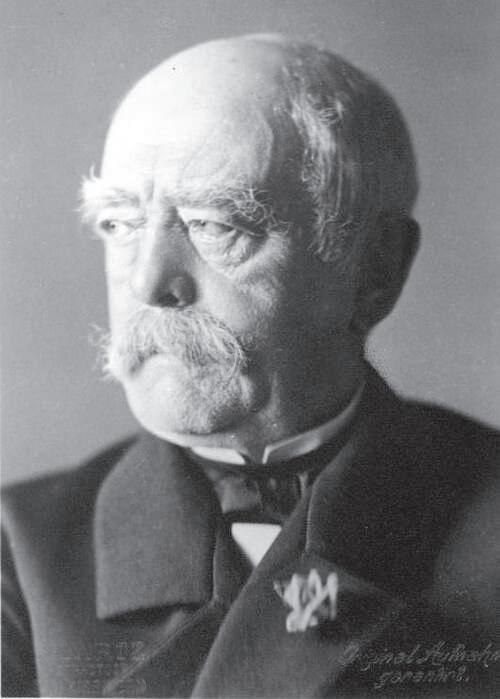
The Bismarck model (also referred as “Social Health Insurance Model”) is a healthcare system in which people pay a fee to a fund that in turn pays healthcare activities, that can be provided by State-owned institutions, other Government body-owned institutions, or a private institution. The first Bismarck model was instituted by Otto von Bismarck in 1883 and focused its effort in providing cures to the workers and their family. Since the establishment of the first Beveridge model in 1948, where the focus was into providing healthcare as a human right to everyone with funding through taxation, nearly every Bismarck system became universal and the State started providing insurance or contributions to those unable to pay.
an outpatient specialist directly (instead of using a referring physician as a gatekeeper), to support the gatekeeping reform introduced in 2004. Also, they cannot refund deductibles introduced in 2005 for controlling drug consumption, visits to health professionals and transportation. In 2016 new constraints were introduced to limit differences in coverage levels between individual and collective contracts to reduce the impact of generous collective contracts on healthcare prices. These contracts must now respect reimbursement ceilings for optical devices (to contain their prices which are poorly regulated by the SHI) as well as extra billings (to cap excess fees). Today, almost all CHI contracts are defined as “ solidaires et responsables .” However, despite the existence of protective schemes for people with chronic conditions and those with very low incomes, individuals with the highest care needs (particularly, older individuals and those with multiple chronic conditions) have higher out-of-pocket payments . The poorest and sickest populations are likely to have less advantageous contracts and have a higher share of their income spent on healthcare. Moreover, populations with very low revenues are less likely to have CHI. To improve equita -
ble access to care, the solution proposed by successive governments has been to increase private CHI coverage for a wider share of the population, such as through public subsidies for people with low income. However, the multiplication of schemes and support mechanisms makes the system complex and results in difficulties in navigating it . A simplified scheme (Complémentaire santé solidaire, C2S) was set up in 2019 with the objective of reducing the administrative burden for patients and facilitate access. In 2020 the reform “100% Health” was introduced to reduce out-ofpocket payments for dental care, optical and auditive equipment. A selection of basic dental care, dentures, eyeglasses, and hearing aids are now fully reimbursed by the SHI and all CHI, based on regulated prices (MoH, 2021). However, persisting – and even increasing – unequal CHI coverage (with costs increasing with age, unrelated to income) led the government to launch, in 2021, a high-level consultation on the role of CHI in health funding. Proposals being debated include abolishing cost-sharing for essential services (100% reimbursement by the SHI), but currently there is no agreement on the definition of this new benefits package (i.e., essential services).
France has among the highest health expenditure in Europe, averaging 12.2% of its GDP, with a per capita (PPP) spending of EUR 4,200, above the EU average of EUR 4,030 (both adjusted for differences in purchasing power). Spending on health as a share of GDP has been persistently higher in France than the EU average in the past 20 years. Nevertheless, the growth rate, in real terms, has slowed down significantly since 2010, to under 1% on average. Overall, about 77% of the current health expenditure is funded by public resources, mainly the SHI (71%) and the State (6%).Unlike most European countries, France spends more on the inpatient sector than on ambulatory care, 32% of all health spending is devoted to acute and post-acute inpatient services, which is 4 percentage points higher than the OECD average (OECD, 2021). By contrast, outpatient care, covering generalist and specialist outpatient services and dental care, but also home care and ancillary services, accounted for 28% of all health spending, compared to 33% on average in the OECD area (OECD, 2021).
Historically, the SHI system was almost entirely funded from wage-based contributions from employers (two thirds of the contributions) and employees (one third). To ensure financial sustainability, also in consideration of the high rate of unemployment and the rapid ageing of the population, in the past decades, sources of health funding have been extended beyond payroll contributions to include a broader range of sources of tax-based revenue. The most profound change was the introduction of a revenue-based tax contribution, the general social contribution (Contribution sociale généralisée, CSG), in the 1990s . The CSG introduced a basket of taxes applied to a broader range of income than just wages (for example, income from financial assets and investments, pensions, unemployment and disability benefits,
Note: SHI= Social Health Insurance; CHI = Complementary Health Insurance;
gambling/gaming, etc.). In 2018 employee contributions were totally suppressed, and since 2019 employers’ payroll contributions have been significantly reduced, compensated by tax revenues (Crédit d’impôt pour la compétitivité et l’emploi, CICE). The value-added taxes are now allocated to health since a portion of the CSG

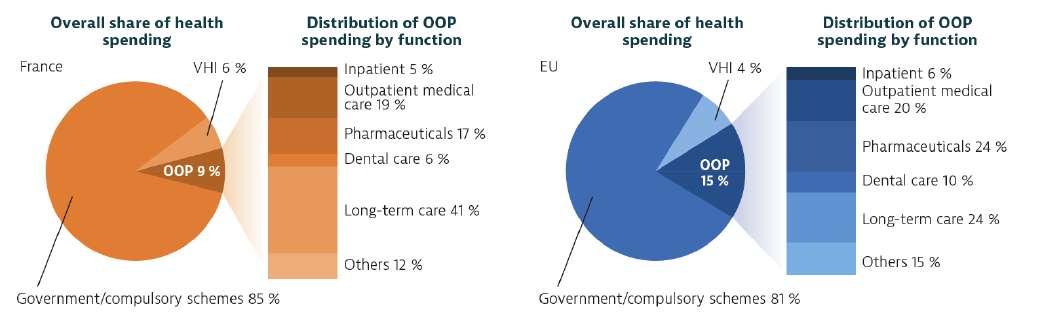
Notes: The EU average is weighted. The share of voluntary health insurance (VHI) is lower than the figures reported by the Ministry of Health because it only includes the part of private health insurance that is voluntary.
Sources: OECD Health Statistics 2023; Eurostat Database (data refer to 2021).
has been assigned to the fifth branch (autonomy) for long-term care since 2020. Over the years several earmarked taxes, such as alcohol and tobacco taxes, and taxes on sales for commercial pharmaceutical companies, have also contributed to health financing needs.
A specific solidarity tax (Taxe de solidarité additionnelle, TSA) is applied to complementary health insurance providers to help finance solidarity insurance for the lower income groups. Overall, the share of social security contributions has significantly dropped
in the years, while the share of tax revenues has more than doubled. By 2021 only about 33% of revenues for the SHI came from payroll contributions (against 39% in 2017), while 24% came from the CSG (35% in 2017) and 33% from other taxes, of which 20% came from VAT
SHI offers a wide range of medical services and goods, covering most costs for hospital, physician, and long-term care, as well as prescription drugs. Public

coverage, however, varies according to services, ranging from 90% for standard care in the community or in hospital to less than 70% for institutional prevention. SHI covers the following:
• hospital care in public or private hospitals, including post-acute care, psychiatric hospitals, and hospitalization at home.
• treatment in public or private rehabilitation or physiotherapy institutions
• outpatient care provided by general practitioners, specialists, physical therapists, and midwives.
• basic dental care (including annual check-ups and cleaning, fillings, extractions, root canal work and orthodontal treatments for children aged under 16 years)
• care provided by allied health professionals (nurses, physiotherapists, speech therapists, podiatrists, and orthoptists) if prescribed by a physician.
• all maternity care services, from the 12th week of pregnancy through six months after delivery, including infertility treatments and contraception for women (free of charge for women aged under 25 years), and terminations of pregnancy.
• newborn care and children’s preventive health care up to age 4.
• diagnostic services prescribed by doctors and conducted by laboratories and paramedical professionals.
• prescription drugs
• medical appliances, including durable equipment such as wheelchairs and prostheses, eligible for reimbursement, such as glasses, hearing aids, orthopedic appliances, prostheses, and wheelchairs.
• prescribed health care–related transportation and home care.
• Therapeutic thermal treatments
SHI also partially covers long-term hospice and mental health care. In general, there is limited coverage of preventive care; however, there is full reimbursement for priority services — immunizations, mammograms, colon, cervical and colorectal cancer screenings, for example — as well as for preventive care for children and low-income populations. Historically, eyeglasses, contact lenses, dental crowns, bridges, dentures, and orthodontic treatments for adults have been poorly reimbursed by the SHI. In 2020 the reform “100% Health” (100% Santé ) introduced a new benefits basket for these services, regulating the prices of basic dental care, including basic crowns, bridges, and dentures, as well as eyeglasses and hearing aids to improve equity in access . Co-payments are fixed rates defined by the SHI ( Ticket modérateur) based on the regulated prices. The same rates apply regardless of the scheme and the patient’s income level. Given the importance of co-payments, from the very inception of the French health system protective mechanisms were introduced to reduce the financial burden for patients suffering from chronic illnesses and those with very low income. Irrespective of their income, these patients are exempt from co-payments for treatments associated with their chronic disease. To reduce the burden of co-payments for the lowest income groups (individuals living 20% under the poverty limit), a state-funded complementary health insurance scheme allows
100% coverage of the costs of services and drugs included in the benefits basket (with no cost-sharing). It also has better coverage of dental care and optics, which are poorly reimbursed by the basic SHI package.
France is Europe’s fourth largest pharmaceutical manufacturer, accounting for 3% of the global pharmaceutical market. Accessibility of pharmaceuticals is high due to an extensive public benefits basket and a well distributed network of pharmacies . The SHI covers around 80% of pharmaceutical expenditure, which pays for prescription medicines based on their effectiveness. However, France has high volumes of pharmaceutical consumption, with an overuse of certain medicines such as antibiotics, and low generics utilization rates despite multiple policies aimed at encouraging it.
Primary and specialized ambulatory services are mostly provided by self-employed (56%) health professionals working in solo or group practices or combining their work with shifts or part-time employment in hospitals. Self-employment is more common among GPs (57%) than specialists (34%). Self-employed physicians and allied health professionals working in the ambulatory sector contract with the SHI fund and are mostly paid by fee-for-service. The prices of the consultations, procedures and services they provide are set at the national level through formal negotiations between the union of statutory health insurance funds (UNCAM), the government, the union of complementary health insurance schemes (UNOCAM) and the unions of health professionals, which leads to a national collective agreement every five years (although amendments are possible in between). Training of medical professionals is conducted in 34 medical faculties, 24 pharmaceutical faculties, 15 faculties of dentistry and 34 midwifery schools
Unmet healthcare needs in spring 2021 and spring 2022 were below the EU averages
Type of Health
Ambulatory primary and specialist care
Outpatient prescription drugs
Inpatient care
Dental care
Psychologists
Transportation
Type of Users Charges before CHI
30% of conventional tariffs within standard care pathways or 70% outside of standard care pathways + potential extra-billing + €1 per consultation
Between 0% and 85% based on the assessed drug’s medical efficiency (reference pricing) + €0.5 per box
20% of conventional tariffs + potential extra-billing + daily catering fees of €15 to €20/day + potential comfort costs (single room, etc.)
30% of conventional tariffs for basic dental care; 0% for basic crowns, bridges and dentures (part of the “100% Health” reform)
40% of conventional tariffs when prescribed by a physician since 2022 (for a maximum of eight visits per year), no extra-billing allowed
25% of flat rates in medical situations requiring specific transport + €2 per transport
Type of Users Charges after CHI Exemptions
0% within standard care pathways; 70% of conventional tariffs outside of standard care pathways; possible extra-billing depending on CHI contract; + €1 (flat rate)
0% of base price + €0.5 per box (depending on the contract)
0% of conventional tariffs + potential coverage of other fees by the CHI depending on contracts
0% of conventional tariffs for basic dental care; depends on the CHI contract for other care not included in the “100% Health” reform
0% user charges for conventional tariffs within standard care pathways
0% user charges + €2 per transport
Patients in the ALD*, C2S or AME schemes
Patients in the ALD*, C2S and AME schemes
Patients in the ALD*, C2S and AME schemes. 100% of conventional tariffs are covered by the SHI for hospitalization after 30 days
Patients in the C2S and AME schemes (except for a fixed fee)
Patients in the C2S or AME schemes
Patients in the ALD, C2S and AME schemes, with work-related injuries or at the end of pregnancy
Note: CHI= Complementary Health Insurance / ALD= Long-term illness scheme / C2S= Publicly subsidized complementary insurance scheme which integrated CMU-C and ACS in 2019 / AME= State Medical Aid * Only exempt from co-payments for consultations related to the illness which allowed inclusion in the ALD scheme. They must pay co-payments for other services and any extra billing fees. Sources: CNAM, 2021l, 2021c; MoH, 2021i Taken from: Or Z, Gandré C, Seppänen AV, Hernández-Quevedo C, Webb E, Michel M, Chevreul K. France: Health system review. Health Systems in Transition, 2023; 25(3): i–241.
No. of Hospitals
No. of Physicians (active, 2021)
Ratio physicians: population (2000)
No. of practicing dentists (2021)
Ratio dentist : population (2020)
3,008 [45% Public, 33% Private for-profit, 22% private non-profit]
227,946 [44% GPs and 56% other medical specialists]
302:100 000 [EU average 297:100 000]
42,000 – 43,333
0.7 : 1000
Among main sources: -Extract taken form Health Systems in Transition, 2023, for full report: Or Z, Gandré C, Seppänen AV, Hernández-Quevedo C, Webb E, Michel M, Chevreul K. France: Health system review. Health Systems in Transition, 2023; 25(3): i–241. - The Commonwealth Fund - https://www.commonwealthfund.org/international-health-policycenter/countries/france - Oral Health Country Profile –WHO/UCN/NCD/MND/FRA/2022.1 – © WHO 2022 -OECD/European Observatory on Health Systems and Policies (2023), France: Country Health Profile 2023, State of Health in the EU, OECD Publishing, Paris/European Observatory on Health Systems and Policies, Brussels. ISBN 9789264934559 (PDF), Series: State of Health in the EU, SSN 25227041 (online) -Or Z, Gandré C, Seppänen AV, Hernández-Quevedo C, Michel M, Chevreul K. France: Health, System Summary, 2024 (updated). Copenhagen: European Observatory on Health Systems and Policies, WHO Regional Office, for Europe; 2025. Licence: CC BY-NC-SA 3.0 IGO.



The article examines the opportunities and challenges that European companies— particularly Italian ones—face when exporting medical devices to Latin American markets. In a global context characterized by geopolitical instability and new trade restrictions, the LATAM region is emerging as a strategic area, especially in light of the forthcoming EU–MERCOSUR free trade agreement. The article explores linguistic, cultural, regulatory, and financial aspects, highlighting the complexity of device registration processes and the importance of reliable local operators. It also analyzes major medical trade fairs and insurance tools useful for exporting companies. Overall, the article provides a practical guide to preparing for and successfully operating in high-potential markets. Marcela
Exporting— defined as the set of activities aimed at bringing a product beyond national borders— represents one of the most complex yet strategically significant operations for medical device manufacturers. On the one hand, it represents international recognition of a company’s know-how; on the other, it reflects the awareness of contributing to access to healthcare technologies in countries that often lack equivalent local production.
In Europe, there are more than 30,000 companies operating in the medical device sector. In Italy, according to data from Confindustria Dispositivi Medici, there are currently 4,648 companies in the sector, with export values reaching €6 billion in 2024 and over 130,000 workers involved. The United States remains the main destination for Italian exports, despite the threat posed by trade restrictions already in force on medical devices produced in Italy and Europe.
The year 2025 has been characterized by particularly high geopolitical instability, driven by ongoing conflicts and uncertainty surrounding international trade policies. In a context lacking stable reference points, many companies feel the need to identify new markets and opportunities to ensure continuity and growth in their export activities.
Due to cultural proximity and historically positive political relations, the Latin American region is one
of the areas most frequently considered, although it is sometimes underestimated in terms of its true potential. In fact, it is worth noting that one of the most significant economic agreements of the past century between Europe and Latin America is nearing completion. The conclusion of the EU–MERCOSUR free trade agreement now appears imminent, making it strategically important for companies to prepare in advance for entry into the region
Despite the elevated level of expertise European companies have in exporting, operating in the biomedical sector in complex markets such as those in Latin America requires highly specialized professional profiles. Experts in this niche market remain scarce, even though the role of export manager has been formally recognized—also through a specific regulation (UNI 11823:2021 in Italy)—and despite the availability of EXIM professional registers (Expert Manager in Import/Export and Internationalization) and international certifications such as the Certified International Trade Professional (CITP). The presence of professionals with this dual specialization remains extremely limited. Without these specific skills, it becomes more difficult to identify and build effective partnerships with local operators, which are essential for secure market entry in Latin America.
The key to successful exporting is finding an experienced and well-structured importer on the oth -

er side—one capable of guaranteeing fast, effective, and certified after-sales service. Industry trade fairs are a privileged channel for identifying reliable companies, particularly Hospitalar in São Paulo, Brazil (generally held in May), and WHX in Miami, United States, in July. The former is more oriented toward neighboring countries, while the latter is especially interesting for reaching contacts from Central America, Venezuela, Colombia, and Ecuador. These fairs are attended by well-organized importers and hospital groups with specialized staff who are highly attentive to supplier selection.
Except Brazil, a distinctive feature of the region is the significant linguistic diversity within the Spanish language, which includes different macro-regional variants and lexical specificities. For this reason, those responsible for export activities must have in-depth knowledge of the language and its local nuances to ensure effective and accurate communication with clients. Technical documentation, of course, must be translated and adapted with particular care.
Once linguistic and cultural aspects have been addressed, technical barriers emerge, varying from country to country depending on the risk class of the medical device being exported. Each state has its own rules . Some countries have relatively lenient health registries, such as Ecuador and El Salvador, where the Ministry of Health agencies require only ISO 13485 certification, a Free Sale Certificate, labeling, and user manuals. Other countries, however, have extraordinarily complex regulatory pathways that are difficult to navigate due to excessive costs and extremely long timelines. These include Mexico with COFEPRIS, Colombia with INVIMA, Peru with DIGIMED, and Brazil with its rigorous ANVISA agency.
To effectively overcome a strong entry barrier such as the regulatory process, it is essential to rely on a fast, flexible regulatory affairs team capable of adapting dossiers to different agencies while maintaining consistency with the original documentation. Except Cuba, Bolivia, Guatemala, and Nicaragua, all other Latin American countries are signatories to The Hague Convention, which significantly simplifies and accelerates the preparation and submission of legalized dossiers, without the need for costly consular procedures.
Once authorizations have been obtained, what are the next operational steps? These include training on product use, visits, and demonstrations with end customers, as well as hospitals and clinics.
It should also be considered that the continent hosts a significant number of industry trade fairs: Medical Expo in Mexico every October (around 30,000 visitors); Expomed in Honduras, now in its third edition (1,500 visitors); Medicon in Ecuador (approximately 7,000 visitors) in September; Tecnosalud in Lima, Peru, active for over twenty years (10,000 visitors) in September; Meditech in Colombia (11,000 visitors) in July; Expo Salud in Chile (5,000 visitors) in December; and ExpoMedical in Argentina (10,000 visitors) in September. Not to mention the previously mentioned fairs: Hospitalar in São Paulo, Brazil (80,000 visitors) in May, and WHX—known as FIME until 2024—in Miami (14,000 visitors) in July.
A correct approach to Latin American markets also requires solid management of financial and insurance instruments . This is because clients in this region are highly inclined to request credit terms. Companies must rely on specialized export credit partners capable of offering solutions that ensure optimal management of commercial risk, providing customers with flexible payment options while protecting manufacturers from insolvency or order cancellations.
Insurance agencies generally also allow deferred payments over time and, most importantly, enable payments to begin several months after receipt of the goods, allowing clients to maintain smooth cash flow. These tools are advantageous for both parties and should be thoroughly understood by export and administrative teams.
Although obstacles are numerous and the geographical area may appear homogeneous at first glance, each country has its own characteristics, rules, customs, and even its own “dialect.” Companies must be prepared to wait approximately 18–24 months before seeing the first results. These timelines are often due to regulatory procedures, which can be significantly extended beyond initial expectations because of bureaucratic complexities and additional reviews
Once authorization procedures have been completed and the regulatory “passport” has been obtained, the region offers substantial opportunities. Price lists generally require downward adjustment. However, European prices are still far more accessible than those of U.S. competitors, representing an ideal balance between quality and price for Latin American customers. Moreover, the human factor and the strong cultural proximity between Latin American and European peoples—historically, linked by friendly relations—should not be underestimated. Over time, the two regions have served as mutual reference points in various historical phases.
Working with the LATAM region translates into concrete figures: a market of approximately 670 million inhabitants, with nations experiencing strong economic development and featuring advanced hospital infrastructures
Entering Latin American markets requires careful attention to the regulatory, cultural, and operational differences that characterize each country, but this complexity also represents the region’s greatest strength. Once the technical timelines of registration procedures have been overcome and a reliable local network has been established, European companies encounter a highly receptive environment for quality technologies and solutions offering strong value for money.
European manufacturing, in particular, benefits from a competitive position and a reputation built over time, reinforced by cultural ties that facilitate commercial relationships. In a vast and growing demographic basin, with healthcare systems undergoing modernization, Latin America offers concrete and long-term opportunities. For companies that plan strategically, the region can represent a stable and strategic market in the medium to long term.
Saudi Arabia’s Minister of Industry, Bandar Ibrahim AlKhorayef, explains that the Kingdom is accelerating the economic diversification outlined in Vision 2030. The country aims to move beyond oil and gas by leveraging its competitive advantages, including natural resources, low-cost energy, strategic geographic position, political stability, and a very young population.

Despite regional instability, the government claims that domestic growth and stability have not been affected, and that a future stabilization of the area would further expand economic opportunities. To attract foreign companies, the government has introduced incentive programs focused on training, technology transfer, financing through the Industrial Development Fund, and the availability of infrastructure and ready-to-use industrial facilities.

The fundamental difference between the U.A.E. and Saudi Arabia lies in their economic development models. While the U.A.E. continues to position itself as a major distribution and logistics hub for the entire Middle East, extending its network toward China, India, Pakistan, and, in the opposite direction, Africa, its role remains centered on connectivity, international trade, and services. Saudi Arabia, on the other hand, aims to diversify its economy and to transform itself into an industrial hub, as part of its Vision 2030 project. The country is investing in building advanced manufacturing and productive capacity, with the goal of reducing its dependence on the oil sector. Within this context, a strong dualism is emerging in the region: the U.A.E. as a logistics and services platform, and Saudi Arabia as a rapidly expanding industrial powerhouse.
By placing the Middle East—particularly the Gulf region—within a global economic context, it becomes clear that, despite the economic shocks of the past twelve months and beyond (the trade war, the Russia-Ukraine conflict, the crisis in Gaza, and the underlying tensions between China and the United States), the global economy continues to grow at an average annual rate of around 3%. For decades, global growth has remained close to this threshold: it reached 3.3% in 2024 , while preliminary estimates for 2025 indicate real growth of 3.2%. The International Monetary Fund (IMF) forecasts a global expansion of 3.1% for 2026.
Naturally, major differences persist among emerging economies: China continues to resist deceleration and is again expected to grow by about 5%. India remains consistently above 6%. The United States slowed in the first part of the year 2025, but the second quarter was very strong, and once the delayed third-quarter data are released (due to the government shutdown), they may also show robust performance (US average economic growth rate varies, but recent figures show around 2-3% annually). Europe is growing at a more modest pace: the latest data indicate a 0.3% quarter-on-quarter increase in Q3 2025, with annual projections between 1.1% and 1.4% for 2025–2026.
The Middle East continues to expand, with the IMF revising upward its growth forecasts for both this year and the next. Within the region, the Gulf countries show the strongest performance: after slowing to 2.2% in 2024, the GCC, as a whole, is expected to grow by 3.9% in 2025, with a projection of 4.3% for 2026. Growth is driven mainly by construction, “hospitality”, tourism and domestic consumption.
Focusing on Saudi Arabia, despite a 2% growth rate in 2024, the country is expected to reach 4% in 2025, with momentum building throughout the year. The strongest growth in the region is recorded in the U.A.E., with rates
close to 5% (4% in 2024, 4.8% in 2025, and a projected 5% for 2026). Unlike last year, when Saudi Arabia experienced a slowdown in investment, this year growth is supported by the recovery in investment and strong domestic demand. Inflation remains low, at around 2.2%. There is a deficit in the trade balance—imports exceed exports—yet this also reflects strong internal economic activity. The stereotype of a weak Saudi non-oil sector is therefore long outdated. In 2024, imports exceeded exports by 0.5% of GDP; this gap is expected to widen slightly in 2025, though remaining moderate. Saudi Arabia’s net external position remains very strong, as does its well-capitalized banking sector.
Looking ahead, one area of concern is the rapid growth of domestic credit, both in the real-estate sector and in the giga-projects (part of Vision 2030), aimed at economic diversification and modernization.
These otherwise positive results must be viewed in the context of the trade war, which has had limited impact on the Gulf region. Petroleum products are exempt from tariffs, and although non-oil exports are growing, exposure to U.S. tariffs remains moderate. Saudi Arabia exports not only crude oil but also an increasing range of non-oil products to the United States—such as petrochemicals, fertilizers, aluminum and chemicals—while the U.S. remains a key energy market. U.S. tariffs on Saudi goods have increased but remain around 15%, similar to European levels. Meanwhile, Saudi tariffs on imports remain very low. Non-oil exports are more relevant for Europe and China than for the United States.
On the geopolitical side, the Iran-Israel conflict was brief and had limited effects. However, traffic through the Suez Canal has not yet recovered from the 2024 collapse. Oil production is rising due to the early removal of OPEC production cuts in 2025, while oil prices remain lower than

2024, around USD 60–70 per barrel. The IMF expects prices to remain below 2024 levels for the next three years.
There has been an increase in international bond issuance across the region. Saudi Arabia has become the largest issuer of dollar-denominated bonds among emerging markets after China, reflecting deeper financial internationalization.
According to recent IMF reports—both regional and country-specific for Saudi Arabia and the U.A.E.—the outlook is broadly optimistic. The structural reforms introduced by the Saudi government are recognized and positively evaluated. Macroeconomic conditions remain stable and favorable, aside from concerns about strong credit growth. The non-oil sector, the most relevant for foreign companies, is expected to continue expanding at a particularly rapid pace. The implementation of Vision 2030 is progressing well, with advances in structural reforms and diversification.
However, some challenges remain. Despite a record number of foreign investment licenses in 2024–2025, actual foreign direct investment (FDI) flows remain low at 1.6% of GDP, far below the Vision 2030 target of 5.7%. The IMF attributes this gap to “legacy perception issues”—persistent concerns among investors about the ease of doing business in Saudi Arabia. Regulatory constraints also persist, though reforms are ongoing: between 2024 and 2025, the investment law, the commercial registration law and the labor law were revised to facilitate foreign investment and support the development of economic sectors beyond oil.
Risks.
The main risks include global uncertainty, which heavily influences hydrocarbon prices, and vulnerabilities in the real-estate sector, where high prices are being driven in part by strong credit expansion. For some Gulf countries (Bahrain, Kuwait and Qatar), uncertainty is compounded by limited availability of reliable real-estate data. Another risk stems from the appreciation of the U.S. dollar: most Gulf countries peg their currencies to the dollar and therefore follow its movements. About 80% of Saudi exports are invoiced in dollars, and the local exchange rate is tightly pegged to the U.S. currency; the only exception in the region is Kuwait, which operates under a different exchange-rate regime.
Structural reforms have been underway for several years—including the revision of the investment code—but Saudi Arabia must continue reducing the barriers perceived by foreign private investors. As in other Gulf countries, the public sector and state-owned enterprises still play a dominant role. The IMF stresses the need for further simplification and streamlining of government regulation. This is essential if the country is to reach the FDI target of 5.7% of GDP in the coming years.
More broadly, although the MENA region faces challenges in adopting artificial-intelligence technologies, the Gulf countries stand out for their advanced use of AI tools. As for modernization, there is still a certain degree of skepticism about the actual completion of Saudi Arabia’s giga-projects, as part of Vision 2030 —massive developments that many believe may not be fully realized until the end of the century. A clear example is NEOM, particularly The Line: a 170-kilometer linear city designed to accommodate 9 million people within a footprint of just 34 square kilometers, or the Mukaab, a massive cube-shaped skyscraper planned for Riyadh, designed as a futuristic urban hub, it will feature mixed-use spaces (hotels, apartments, offices, shops, museums, and entertainment venues) and advanced tech-
nologies, serving as a global landmark and supporting Saudi Arabia’s economic diversification. That said, it must be acknowledged that in these countries, when something is announced, it often does get built. Supporting this view are several medium-term initiatives already progressing steadily—such as the 2029 Asian Winter Games and major football competitions. These intermediate milestones show not only concrete commitment but also a strong focus and significant investment, laying the groundwork for the broader long-term vision.
Finally, labor-market and education-system reforms remain crucial from a long-term perspective. These sectors are essential not only for sustainable development but also for attracting foreign direct investment.
An important factor to consider is the demographic composition. Saudi Arabia has a population of about 35 million, while Emirati citizens represent only around 10% of the total population in the U.A.E.. This difference leads to fundamentally different migration and labor policies. In the U.A.E., entry and residency policies are very open because the country relies heavily on foreign labor. Emirati nationals generally hold managerial and administrative positions and participate less in the labor market compared to expatriates. Saudi Arabia, on the other hand, prioritizes increasing the participation of its national population in the workforce, promoting greater professional inclusion and empowerment of Saudi citizens. For this purpose, several regulations have been introduced, including the “Saudization” policies, which require companies to hire a certain quota of Saudi workers, with percentages varying across sectors.
Market analysis suggests the government is now focusing spending on a few key areas:
1. Asian Football Championships 2027 and FIFA World Cup 2034
2. Rijadh Universal Expo 2030
3. Trojena 2029 Asian Winter Games
4. Diriyah - objective: complete most of the giga project by 2030, in time for the Expo
5. ROSHN and public housingstrong housing demand and less dependence on financing thanks to revenues from project sales (offplan)
6. Energy and water - growing demand for new generation projects (especially solar), transmission and distribution systems, as well as water infrastructure (desalination, purification, storage, dams and distribution networks)
7. Railways and subways - extension of Line 2, Q-Express, Saudi Landbridge, and potentially new subways in Jeddah and Mecca
8. King Salman International Airport - new terminals and runway ready in time for the Expo
9. Basic transport infrastructure - especially roads in and around Riyadh
The next frontier lies in building systems that are predictive, personalised, and preventive.
Over the past decades, the GCC has achieved extraordinary progress in healthcare. Life expectancy has increased significantly, from 60.5 years in 1978 to 73 years by 2004, while infant mortality rates have dropped sharply, from 69 deaths per 1,000 live births to just 18 during the same period. Healthcare spending has been growing steadily from US$66.3 billion in 2015 to US$97 billion in 2020 and is projected to reach US$124 billion in 2028. Yet, as populations grow, non-communicable diseases rise, and technology evolves faster than ever, it is important for the GCC governments to future-proof the healthcare system rather than just keep on expanding it. And we believe this transformation hinges on three key priorities.
1. Investing in digital health infrastructure
Digital transformation is the backbone of modern healthcare. The GCC has already
made significant strides. Saudi Arabia’s Sehhaty, which is the Ministry of Health’s app that provides citizens and residents with comprehensive digital healthcare services, and the UAE’s Riayati platforms, centralise medical records and create an integrated digital healthcare system that enhances service quality and improves citizens’ quality of life, are clear examples of how digital systems can unify data and streamline patient experiences. But the real opportunity lies in building a connected, regional ecosystem of care.
Imagine a patient record that follows an individual across hospitals, cities, and even borders, secure, comprehensive, and instantly accessible to authorised clinicians. This is the promise of interoperable data systems powered by secure, cloud-native technologies. With such infrastructure in place, governments can harness the full potential of artificial intelligence, predic-
tive analytics, and precision medicine to identify risks early, optimise resource allocation, and improve outcomes.
To achieve this vision, governments must develop robust data governance frameworks, interoperability standards, and cross-border collaboration. It also means treating health data not just as an administrative necessity but as a strategic national asset. Ultimately, investing in digital health infrastructure will be an enabler of efficiency, equity, and resilience. It allows systems to respond faster to crises, deliver more personalised care, and measure performance with precision.
2. Fostering healthcare talent development and retention
Behind every great healthcare system is a strong, skilled, and motivated workforce, especially that long-term sustainability depends on developing and retaining local talent. The region continues to strug -

gle with attracting and retaining qualified medical professionals, as reflected in low nurse-to-population ratios, just 3.1 per 1,000 people in the UAE and 5.2 in Saudi Arabia, compared to 8.4 in the UK and 9.9 in the US
The healthcare workforce of the future must be not only clinically competent but also digitally fluent. The integration of AI, robotics, and data analytics into everyday medical practice means that doctors, nurses, and administrators will need new kinds of skills. Governments can lead this transformation by establishing national centers of excellence focused on digital health and by embedding informatics, data science, and innovation into medical and nursing education.
Retention is equally critical. High turnover rates can disrupt patient care and drive costs high. By creating clear career pathways, recognising innovation in clinical practice, and investing in continuous learning, GCC healthcare systems can strengthen loyalty and institutional knowledge.
Moreover, enabling regional and international collaboration through exchange
programs and joint research can broaden expertise and ensure that healthcare professionals remain globally competitive.
3. Promoting public-private partnerships and investment in healthtech
Public-private partnerships (PPPs) have already transformed sectors like infrastructure across the GCC. Applying the same model to healthcare could unlock even greater value. Many countries have already started this initiative in the healthcare sector. Governments and private innovators can co-create solutions tailored to local needs, whether for population health analytics, remote patient monitoring, or hospital workflow optimisation. For example, partnerships between ministries of health, academic institutions, and technology firms can accelerate the adoption of AI-powered diagnostics or cloud-based health data platforms. At the same time, fostering innovation clusters and health tech accelerators can help nurture local startups, attract venture capital, and localise advanced manufacturing for medical devices. Such initiatives not only advance healthcare innovation but also contribute to economic diversification, aligning per-
fectly with national visions such as Saudi Arabia’s Vision 2030 and the UAE’s Centennial 2071. When governments act as facilitators rather than sole providers, they unlock a dynamic ecosystem where innovation can thrive.
The path forward
The GCC has already proven its ability to achieve rapid healthcare advancement. The next frontier is building systems that are predictive, personalised, and preventive. These systems use data to anticipate needs, empower citizens to manage their own wellness, and deliver care that is both accessible and sustainable. By investing in digital infrastructure, cultivating a digitally skilled workforce, and deepening collaboration with the private sector, GCC governments can transform healthcare from a service into a strategic advantage, and a source of national resilience and global leadership.
By Dr. Walid Abbas Zaher & Akhter Hemayoun Mubarki
Taken from: www.worldhealthexpo.com/insights
FemTech is evolving from wellness and cycle-tracking apps into data-driven healthcare sector delivering meaningful clinical impact.
FemTech, or women’s health technology, is no longer a segment of healthcare that can be overlooked. It has become one of the fastest-growing areas of health innovation worldwide. From fertility and maternal care to menopause and digital therapeutics, FemTech is moving away from generic wellness tools towards precision and personalisation.
The term FemTech was coined by Ida Tin, co-founder and CEO of Clue, in 2016. However, the momentum behind today’s growth was set in motion long before that, as women pushed back against decades of under-researched and under-funded care. The market is currently expected to reach US$130.8 billion by 2034. Yet, women around the world continue to suffer disproportionately from menstrual, reproductive, maternal, and gynaecological health conditions.
While innovation is accelerating, it is not evenly distributed.
Let’s look where the next breakthroughs are emerging.
tracking to prediction
For a long time, women’s health apps focused primarily on symptom tracking. Today, artificial intelligence (AI) is transforming the sector from passive monitoring to predictive, proactive care. Machine learning models that draw on data from wearables can now anticipate health outcomes before symptoms appear.
For example, Natural Cycles, the first birth control app to receive FDA approval, processes more than 20 million temperature readings every day and is reportedly 98 per cent effective when used correctly. Flo Health, on the other
hand, uses AI models to analyse more than 70 symptoms and life events. Clue’s algorithms help users predict fertility windows, PMS, cycles irregularities. Predictive analytics are also reshaping pregnancy care beyond fertility alone. A 2024 study using the Oura Ring to track 120 pregnancies found that continuous monitoring of heart rate, heart-rate variability and body temperature could reveal patterns linked to early pregnancy loss and trimester-specific complications.
As AI gets better, more and more women expect their devices to provide insights they can trust and share with doctors.
Focus on menopause and maternal health
By 2030, more than one billion women will be in perimenopause or menopause.


Menopause care may be the best example of how FemTech has matured over time. What began as simple symptom-logging apps has evolved into full-fledged platforms that offer telehealth, AI-based flare-up prediction and non-hormonal therapies, among other new features.
Remote monitoring technologies that track blood pressure, glucose levels, and stress biomarkers during pregnancy and postnatal period are also improving maternal outcomes. These tools can help identify conditions such as gestational diabetes at an earlier stage.
Also, innovations such as AI-powered ultrasound analysis for early suspicion of endometriosis and sensor-enabled pelvic floor trainers are bringing scientific rigour to conditions that were once dismissed as “normal”.
Overcoming challenges
Despite these advancements, women’s health data remains fragmented. Sleep is often tracked on one wearable device, menstrual cycles in another app, lab results in clinic portals, and symptoms in personal notes. What is urgently needed are unified platforms that integrate wearable data, laboratory results, and clinical records into a single long-term health timeline. Such systems could significantly improve care coordination and enable faster, more informed decision-making.
Looking forward, AI-powered health assistants could act less than digital diaries and more like smart coaches, placing insights in context. For instance, they could link shorter luteal phases to stress and poor sleep, or identify emerging patterns of iron depletion.
Case study: UAE as a FemTech hub
While FemTech innovation has largely been concentrated in North America and Europe, emerging markets are becoming increasingly important for the next wave of growth. The Middle East and North Africa (MENA) FemTech market is expected to grow at an annual rate of 15 per cent per year and reach US$3.8 million by 2031.
The UAE is at the forefront of this shift. According to reports, about onethird of women’s health tech innovation in MENA is based in the country, driven by progressive healthcare reforms, strong public-private partnerships, and a growing demand for digital-first, preventative care.
A good example is Ovasave, a Abu Dhabi-based startup launched in 2023 and supported by Hub71. The company recently secured US$1.2 million in preseed funding to build a digital-first platform focused on hormone management, egg freezing, fertility testing, and menopause care.
“Abu Dhabi’s focus on innovation, healthcare and entrepreneurship has made it possible to start and grow busi -
nesses that have a big impact,” said Majd Abu Zant, co-founder of Ovasave. “From here, we are growing into Saudi Arabia and the rest of the MENA.”
Furthermore, national policy is also reinforcing this momentum. The UAE’s new National Policy for Improving Women’s Health aims to reduce cancer-related mortality, address lifestyle-related conditions and strengthen preventive care, creating fertile ground for FemTech innovation.
Support from grassroots institutions is also growing. The first FemTech Hackathon took place in April 2025 at the Women’s Pavilion in Expo City Dubai, bringing together developers, clinicians, and students to design solutions for issues related to fertility, menopause, and mental health.
Three forces are set to define the future of FemTech in 2026: AI-powered diagnostics, clinical-grade wearables, and unified data platforms that connect consumer tools and clinical care. With innovative care models and sustained investment in research and development, FemTech is poised to move beyond promise and deliver lasting impact. b
By WHX Insights Editorial Team
Looking for Products Infodent International advertizers
Looking for distributors?
Interested in dealing new products and improve your business? These pages are for you: announcements of companies and distributors searching for each other. Your next partner is already waiting for you. Write us to be in the next issue*: B classified@infodent.com
DRTECH is a global provider of industry-leading diagnostic imaging solutions since 2000. We provide both indirect and direct types of flat panel detectors with definitive differentiation technology that will surely help our customers to stay a step ahead. Also, our extensive product line-up supports various applications General Radiography, Mammo, Dental, Veterinary, Dynamic, and Industrial
Our mission is to provide solutions that are both innovative and practical helping healthcare providers to increase their standard of care.
F www.drtech.com
B marketing@drtech.com
We are a company operating in the field of rehabilitation equipment and soft goods. We are looking to distribute physiotherapy equipment.
MARS co Lebanon
B marsco@inco.com.lb
We are a Brazilian distributor seeking to represent and distribute digital health devices. Macrosul Brazil
B jrtulio@macrosul.com F www.macrosul.com
We manufacture lead aprons and related items, certified and of premium quality for X-ray departments.
We are interested in distributing lead aprons, home-care oxygen concentrators, and medical-grade monitors and recorders. Glomed Systems Brazil
B glomedsystems@yahoo.com
Miscellaneous Infodent International advertizers
Looking for Products Looking for Distributors Infodent International advertizers
Looking for Distributors
Miscellaneous
*Always free for distributors
All classifieds we receive will be verified. Any fraud or incorrect behaviour will be reported to competent international authorities.
As a consulting agency we can only guarantee the reliability of classifieds carrying our infodent world logo, since they are our customers and we are aware of their proven seriousness
Distribution Opportunity: SUCTION DEVICES for Hospitals & Ambulances
Many hospitals and ambulances are equipped with SSCOR suction devices
SSCOR portable suction devices are used in hospitals for crash carts, patient transport, surgi-center backup, long term care facilities...
For ambulances, SSCOR offers a lightweight, portable, powerful and tough, battery powered suction unit or fixed On-Board suction equipment available in different configurations.
www.jdhmedical.com/
Contact: medical@jdhintl.com
Distribution Opportunity: TROLLEYS, SCOPE DRYING AND STORAGE CABINETS
Harloff produces in USA a very wide range of medical trolleys / carts, Scope Drying cabinets and storage cabinets in painted steel or stainless steel with a choice of optional accessories which are easy to install and require very little set up time. Choice of key locks or digital locking systems are offered.
www.jdhmedical.com/
Contact: medical@jdhintl.com
We are a medical company in Saudi Arabia.
We have performed many projects around Saudi Arabia and we are looking for companies who want agents or distributors in KSA (Kingdom of Saudi Arabia).
Medical Engineering Company
Saudi Arabia
B khattaby@medeng-sa.com



27th International Congress of Aesthetic Medicine and Surgery European Congress of Radiology
S bologna, italy
Organized by: SIES - Società Italiana di Medicina e Chirurgia Estetica
Sede di Firenze Via Francesco Baracca, 2 50100 Firenze Italy
Phone: +39 055 362397
Email: : informazioni@sies.net Website: https://sies.net/
Venue: Palazzo della Cultura e dei Congressi Bologna Italy
F www.siescongress.eu
S vienna, austria
ESR OFFICE
Neutorgasse 9 1010 Vienna, Austria
Phone: +43 1 533 40 64 - 0
Fax: +43 1 533 40 64 - 448 Email: communications@myesr.org Website: www.myesr.org
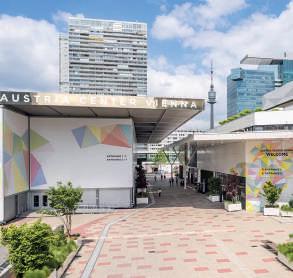
Venue: Austria Center Vienna Bruno-Kreisky-Platz 1 1220 Vienna Austria
F www.myesr.org/congress
S osaka, japan
Organized by: RX Japan Ltd. Phone: +81 3 3349 8586
For Exhibiting:
Email: medical-japan.jp@rxglobal.com
For Visiting: Email: visitor-eng.mj.jp@rxglobal.com
Venue: INTEX Osaka Japan
F www.medical-jpn.jp/hub/en-gb.html






01/01 - 31/12 - Smart Medical Fair
The international virtual medical trade fair
F www.smartmedicalfair.com
Organized by Infodent & Infomedix International
The platform virtually connects manufacturers with a global audience. For further information, visit Infodent & Infomedix International booth! F www.smartmedicalfair.com/stand/h5p1b0z2218
25 th Dubai World Dermatology and Laser Conference & Exhibition
S dubai, uae
Organised by: INDEX Conferences & Exhibitions
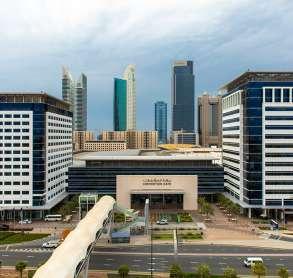
Road D-62, Opposite to Nad Al Hamar P.O. Box: 13636, Dubai - UAE Phone: +971 4 3624 717 Fax: +971 4 3624 718 Email: derma@index.ae Website: www.dubaiderma.com // www.index.ae
Contact person: Dr. Matios Tcholakian Sr. Business Development Manager Email: exhibit@dubaiderma.com Phone: +971 4 520 8888 (Ext. 604) Mobile: +971 50 785 1076
Venue: Dubai World Trade Centre (DWTC) Dubai - UAE
F www.dubaiderma.com



Organised by: ATELIER VITA Agency under the aegis of the Ministry of Health
Address: 64, Rue Ennoussour Mers Sultan Casablanca, Maroc Webiste: www.ateliervita.net
Contact info: Imane AKESBI Email: imaneak@ateliervita.ma Phone: 00212 522 260 200 // 00212 522 260 600
Venue: ICEC Casablanca Morocco F www.mmedicalexpo.ma
Organizer: Reed Sinopharm Exhibitions Co., Ltd.
Address: 15th Floor Tower B, Ping an International Finance Centre 1-3, Xinyuan South Road Chaoyang District, Beijing, China, 100027
General Sales: Ivy Wu
Phone: +86 010 84556554 Emai: haoting.wu@reedsinopharm.com
Visitor & Marketing
Jessica Zheng
Phone: +86 010 84556582 yonghao.zheng@reedsinopharm.com
Venue: National Exhibition and Convention Center
Shanghai China
F www.cmef.com.cn/en




25 Dubai World Dermatology and Laser Conference & Exhibition th in conjunction with Asian Dermatological Association’s 14 Asian Dermatology Congress th
31 March - 2 Apr il 2026
Dubai World Trade Centre
Scan To REGISTER
SHAPING THE FUTURE OF DERMATOLOGY AND AESTHETICS dubaiderma.com

you
A letter of appreciation from those we serve in Honduras through Food for the Poor and CEPUDO Honduras.
Honduras is a Central American country bordered to the west by Guatemala, to the south by El Salvador, to the east by Nicaragua and to the north by the Caribbean Sea. Poverty is a widespread and persistent problem that affects almost half of the population. This is mainly due to factors such as limited access to education, health care and basic services, especially in rural areas. Political instability, violence and natural disasters further exacerbate the cycle of poverty, making it a persistent challenge for the country.
Thank you to MedShare for the difference you continue to make by partnering with Food For The Poor and CEPUDO in Honduras.
Your kindness delivered donations such as hygiene kits, walkers, manual transportation carts among other medical supplies to many underserved areas of the region, including: At-
lántida, Choluteca, Colón, Comayagua, Copan, Cortes, Francisco Morazán, La Paz, Olancho, Santa Barbara, Yoro.
• 1,080 personal care kits distributed to people in vulnerable situations, contributing to their well-being and basic care.
• 2 hospitals and central health centers benefited: Mario Catarino Rivas Hospital (San Pedro Sula) and El Progreso Hospital.
• Strengthening of medical care in Catarino and El Progreso: between 1,400 and 1,800 patients per week are treated in the emergency room alone.
• Territorial coverage.
• Support for low-income communities, where the inputs distributed represented economic relief and a direct improvement in the quality of life.
• Efficient and targeted delivery, ensuring that
supplies reached the centers and people with the greatest need.
In the heart of Villa Guadalupe, Macuelizo, Santa Bárbara, a simple but powerful initiative brought lasting impact. As part of the hygiene kit distribution campaign, 72 community members came together for an empowerment workshop designed to strengthen their knowledge, skills, and confidence. The goal: to enable individuals to take greater ownership of their health and well-being.
For many families in this rural community, access to basic hygiene products is a daily struggle. The distribution of 1,080 hygiene kits, each filled with essential personal care items, offered practical relief and also restored a
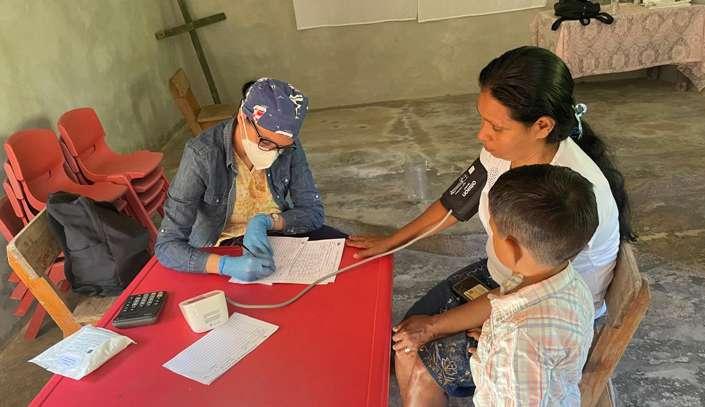
sense of dignity and support. These kits help prevent illness, promote self-care, and reduce the burden on vulnerable households.
One of the grateful community members told our staff: “Your solidarity has left a significant mark on this community and inspires us to continue working together for a more just and humane future.”
Thanks to this initiative, the people of Villa Guadalupe feel seen, supported, and empowered. Together, we are building healthier communities one act of care at a time.
In the bustling emergency room of Mario Catarino Rivas Hospital, medical teams face overwhelming demand every day, treating between 200 and 400 patients daily. That adds up to more than 1,800 emergency consultations each week. As one of the country’s main referral hospitals, along with El Progreso Hospital, the pressure is relentless, and resources are often stretched thin.
Amid this challenging context, the delivery of critical medical supplies brought timely and much-needed relief. These supplies, facilitated by the generosity of Medshare International, not only strengthened the hospitals’ capacity to respond but also improved the quality and continuity of care for thousands of patients.
“These supplies arrived at the right time. Thanks to this support, today we can provide more dignified and safer care for our patients,” shared Karla Maldonado, a frontline nurse at Mario Catarino Rivas Hospital.
MedShare’s support has had a ripple effect, easing the burden on exhausted healthcare workers and making sure that patients who walk through the hospital doors in urgent need are met with better-equipped care, delivered with dignity and compassion.
Juan de Dios Varela is a hard-working and deeply respected member of his community in Chamelecón, a neighborhood of San Pedro Sula. For years, he relied on a manual, handmade cart to move around and earn an honest
living. But over time, his cart became worn out and unreliable. Its rusty wheels and unstable frame made every journey a struggle, turning daily tasks into exhausting challenges.
Despite these hardships, Juan de Dios remained a grateful and hopeful soul. Known for his warm spirit and unwavering faith, he is someone who always gives thanks to God and finds strength in the love and support of those around him.
When we learned about his story, we knew we had to help. We provided Juan de Dios with a brand-new manual cart lighter, stronger, and far more functional. The delivery moment was deeply emotional. His eyes lit up with joy as he saw the new cart, and with a heartfelt smile, he said, “This is life-changing for me. Now I can move around without so much effort and with more security.”
For Juan de Dios, this wasn’t just a cart, it was a symbol of renewed dignity, independence, and hope.
Thank you, MedShare, for helping to transform lives.
MedShare strengthens healthcare access around the world by redirecting high-quality surplus medical supplies and equipment to communities in need and providing programs which build local capacity and resilience. We envision a healthy planet – where every community has access to quality and compassionate healthcare. MedShare has served nearly 34 million people and equipped 991,543 medical professionals in marginalized communities throughout the US and 120 other countries. F www.medshare.org


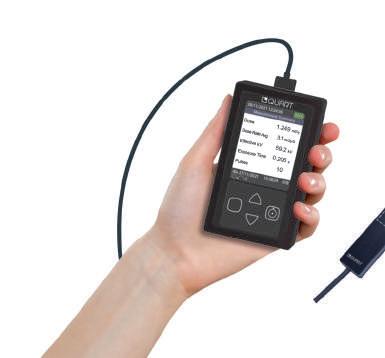





www.infomedixinternational.com | infomedix@infomedix.it | +39 0761 352198
Marketing & Consulting
Riccardo Bonati - riccardo.bonati@infodent.com
Infomedix International 1 / 2026
Quadrimestrale di informazione tecnico-scientifica Anno XXII - numero 63 - gennaio / aprile 2026
Registrazione al Tribunale di Viterbo VG616/03 aut. trib. VT n°528 del 21/07/2004
Editorial Director
Luca Maria Pipitone
Newsroom
Silvia Borriello, Nadia Coletta, Manuela Ghirardi, Claudia Proietti Ragonesi
cover page IAE S.p.A
Via Fabio Filzi, 53 20032 Cormano (MI), Italy +39 02 66303255
iaexray@iae.it www.iae.it
Infodent s.r.l.
VAT 01612570562
Headquarters Via dell’Industria, 65 01100 Viterb0 - Italy
Registered Office C.ne Gianicolese, 68 00152 Rome - Italy
CEO - Publisher
Baldassare Pipitone - baldo.pipitone@infodent.com
3D Graphics & Web Developer
Luca Maria Pipitone - luca.pipitone@infodent.com
Press Officer
Claudia Proietti Ragonesi - pressoffice@infodent.com
Graphic Department
Antonio Maggini - artwork@infodent.com
Account Department
Fausta Riscaldati - fausta.riscaldati@infodent.com
Printer
Graffietti Stampati s.n.c. Strada Umbro Casentinese Km 4,500 01027 Montefiascone (VT)
Spedizione in Italia
Poste Italiane s.p.a
PP Economy - DCO/DCVT/N° 5 fb del 24/05/2002
Spedizione in A. P. - art.1 D.L.353/2003 Conv. In L. n.46/04-CDSUVT G.C.
Spedizione all’estero IFS Italy s.r.l.
Viale dell’Industria, 58/A 20037 Paderno Dugnano (MI) P.IVA: IT08577970968
Licenza Postale Generale n.3502/2014 rilasciata dal Ministero dello Sviluppo Economico
Questo numero è stato chiuso in tipografia il: 22/01/2026
Costo copia 0.77€
back cover ECS s.r.l. Via Como, 71 23883 Brivio (LC) - Italy +39 0341 681602
info@ecssrl.com www.ecssrl.com
General Medical Merate Horiba Instruments Incorporated Hospimek
IMS Giotto J.D. Honigberg International
Quart
All of our advertisers are looking for distributors worldwide. Check here for more information.