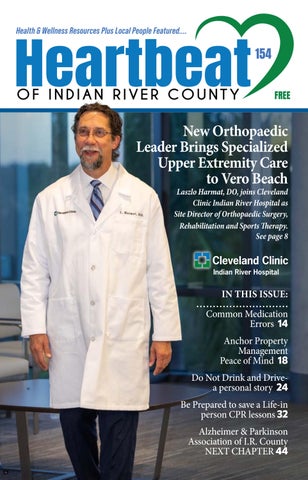
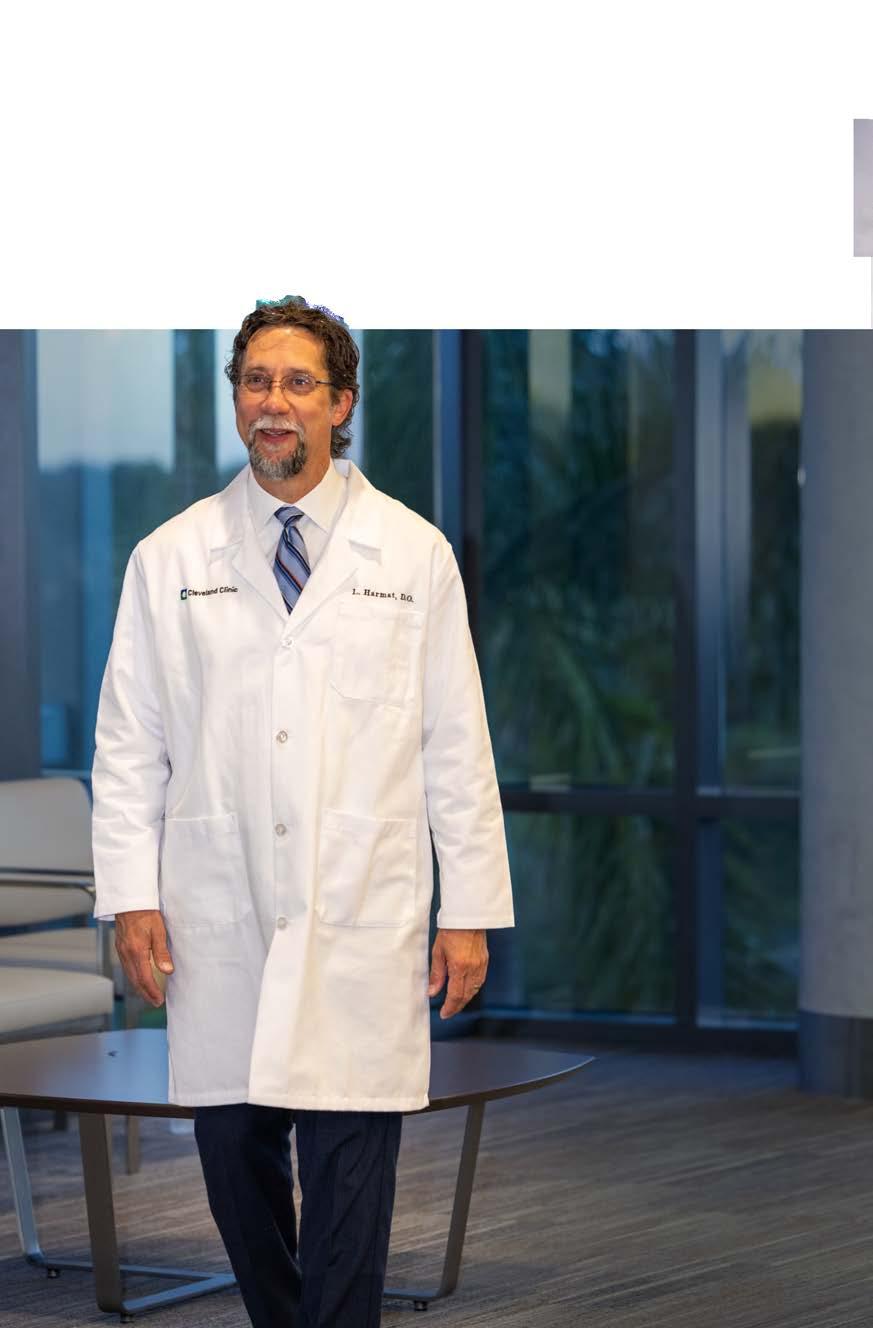
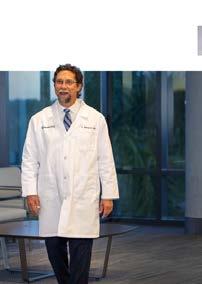
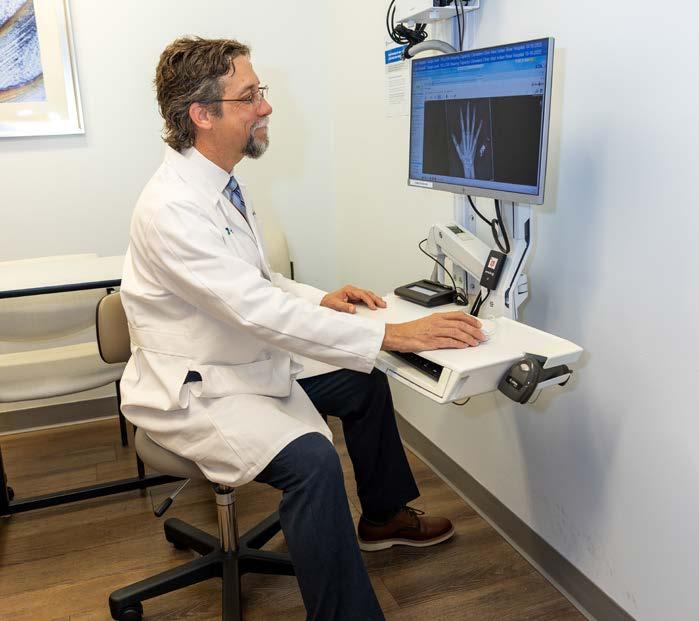
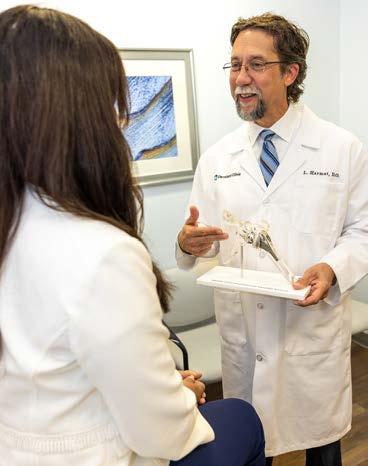
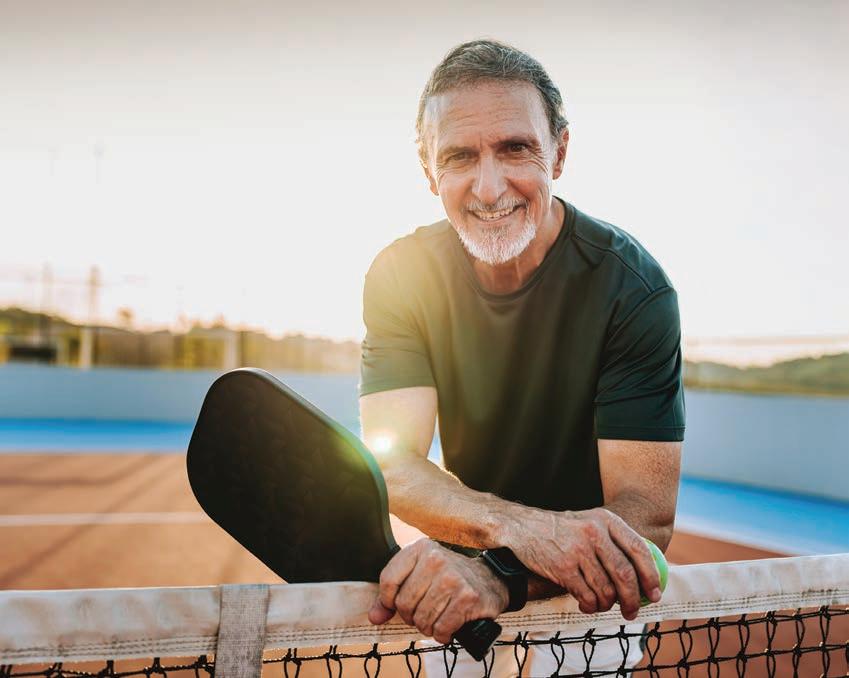
Laszlo Harmat, DO, joins Cleveland Clinic Indian River Hospital as Site Director of Orthopaedic Surgery, Rehabilitation and Sports Therapy. See page 8
Heartbeat of the Treasure Coast is published by Indian River Publishers, Inc. (772) 473-6107, FAX (772) 242-9969. Every effort is made to provide dependable data; however, the publisher does not warrant that the data herein is complete or accurate. Any rates, special offers, etc. are subject to change by the individual advertisers and are not guaranteed by Indian River Publishers, Inc. The information contained in Heartbeat of the Treasure Coast is believed to be accurate, but in some instances, may represent opinion or judgment. The digest providers do not guarantee the accuracy or completeness of any of the information and shall not be liable for any loss or damage caused, directly or indirectly, by or from the information. All information should be considered a supplement to and not a substitute for the care provided by a licensed health care provider or any other appropriate expert. The appearance of advertising in this digest should in no way be interpreted as
by
or publisher.
of Indian River County
VOLUME
Heartbeat of Indian River County is a locally-owned publication.
OWNER/PUBLISHER
Cindy Bryant
DESIGN
Mike Renfro
EDITOR
Colleen D. Symanski, RN, CDCES
SPECIAL FEATURE WRITERS
Theresa Tolle, R.PH
Peggy Cunnigham, CEO
Alzheimers & Parkinsons Assoc. of I.R. Co.
Bobbi Kleinschmidt, CYT
For sponsor rates and information, Call (772) 473-6107 or Fax (772) 242-9969
Seek. Find. Win.
Find these 5 symbols hidden in this issue and 3 LUCKY random drawing winners will receive $10 GAS GIFT CARDS.
Email your results to cindy@indianriverpublishers.com
There is a lot happening in our community. New healthcare services, people making a difference, and non- profits helping others. This issue features what we can look forward to. We have information on common med errors and diabetes myths.
Whole Family Health received an award for their Cancer Awareness, Response and Early Screening Program. A new Complete Women’s Health is rolled out in Vero Beach. Learn the value of in-person CPR training at Florida Heart CPR versus on-line learning.
Read about Patti. A beautiful, optimistic woman who shares her story about getting in a car with someone who has been drinking. ‘A Healthier Me’ describes the benefits of yoga.
Leaving your home for months at a time requires more than a neighbor’s glance or a monthly walkthrough. Have peace of mind with Anchor Property Management & Concierge Services. Read about the services they offer.
From Cleveland to the Treasure Coast New Orthopaedic
Leader Brings Specialized Upper Extremity Care to Vero Beach
Laszlo Harmat, DO, joins the team as Site Director of Orthopaedic Surgery, Rehabilitation and Sports Therapy. A highly skilled orthopaedic surgeon with over 20 years of experience, Dr. Harmat brings a deep specialization in hand, wrist, elbow and shoulder care to the Vero Beach community.
That expertise has its foundation in the fellowship training in hand and upper extremity surgery Dr. Harmat completed at Cleveland Clinic’s main campus in Ohio. Fast forward two decades, and he is leading an expert team of orthopaedic specialists at Indian River Hospital, with a mission to expand subspecialty services and elevate access to world-class musculoskeletal care on the Treasure Coast.
His colleagues include Clay Greeson, MD, a board-certified orthopaedic surgeon and sports medicine specialist; Peter Brooks, MD, a specialist in knee and hip replacements, as well as a leader in hip resurfacing; and George Nichols, MD, a specialist in non-operative general orthopaedics.
Hardworking hands, a passion for healing
Dr. Harmat’s Cleveland Clinic roots, however, go even deeper.
“When I was 14, I tore my ACL, a ligament in my knee, during a high school soccer game,” recalls the Cleveland native. “The surgeons at Cleveland Clinic repaired my knee and were able to get me back on the playing field in nine months instead of the usual 12.”
That experience had a big impact on Dr. Harmat. “I saw how they changed my life and allowed me to get back to what I enjoyed. I wanted to be able to do that for others,” he says.
Combined with a childhood spent building forts and working on home remodeling projects with his dad, it would ultimately lead to Dr. Harmat’s career in orthopaedic surgery – a field that lets him use problem-solving, precision and hands-on skill to change lives.
“I’ve always loved working with my hands and using tools to fix things,” observes Dr. Harmat. “Now the tools are often much smaller and more refined.”
Upper extremity expertise
Dr. Harmat’s expertise spans a wide range of conditions affecting the shoulder, arm, elbow, wrist and hand. These include nerve injuries of the wrist and elbow, trigger finger, bone fractures, and joint arthritis.
He also brings advanced training in shoulder arthroscopy, rotator cuff repair, and both anatomic and reverse shoulder joint replacement – procedures that help patients return to their daily activities with less pain and downtime.
“There are more options than ever before to care for patients with painful shoulder conditions,” Dr. Harmat notes. “Newer stemless implants, for example, help preserve bone, allow for a more active lifestyle, and provide more long-term flexibility for future treatment, if needed.”
For patients with rotator cuff damage, reverse shoulder replacement has been a game changer. It is a surgical procedure that uses a unique implant to switch the usual ball and socket joint.
“We reverse the natural joint alignment so that the patient’s deltoid muscle, at the top of the arm, is used to lift the arm instead of the rotator cuff,” explains Dr. Harmat. “This helps create greater stability and mobility of the joint, and it allows people to regain function and get back to the activities they enjoy.” continued on page 36
Newer technology helps patients recover from fractures faster than ever before.
2300 5th Avenue
Suite 150 Vero Beach, FL 32960
772.563.0505
Peggy Cunningham, Executive Director
Caring for the Caregiver: From the Inside Out
Caregivers give. As your loved ones’ memory or movement disorder progresses, the nuanced change in your role from spouse/child/friend to full-on caregiver can take over your life. And then, suddenly one day, you feel that your “hair is on fire”.
Caregivers are the unwavering foundation for their loved ones—steady, strong, and selfless. The role is vital. But to be sustainable, self-care must be built into this new paradigm. Self-care isn’t indulgence; it’s necessity. We tell caregivers to think from the inside out.
Spirit: What feeds your soul? Caring for your spirit might mean art, music, meditation, nature walks, or connecting with a supportive friend. Mind: What feeds your brain? Mental clarity begins with rest, boundaries, and moments of quiet. Learning something new, utilizing therapy, or simply saying “no” can restore balance. Mindfully avoid thoughts of guilt; think of your mind as your best possession…keep it sharp. Body: What feeds your body? Physical health is the vessel for caregiving. Nutritious meals, movement, and sleep are non-negotiable. A favorite sport, going to the gym, simple daily walks can help. This is the time, if friends ask if they can help, to suggest dropping off a nutritious meal. You may find that your favorite meal is one that you don’t have to prepare!
You have been given this one life, this one body, and it is your prime responsibility. Then comes that person you are caring for so lovingly.
When caregivers honor their own needs, they reinforce the strength they offer others. Like oxygen masks on airplanes— care must begin with self. Only then can they continue being the rock their loved ones rely on.
Care for yourself. You are essential.
Smart Medication Use –Avoiding Common Errors for Better Health
by Theresa Tolle, R.PH, Owner Bay Street Pharmacy
Our country is facing an epidemic, and perhaps not the type you commonly think of when you hear that word. This epidemic is one of medication errors! Unfortunately, even with all the technological advances we have experienced in healthcare in the past few decades, medication errors continue to grow in the US. The Centers for Disease Control (CDC) publishes medication safety data and some recent data showed that more than 1.5 million people visit emergency departments annually for medication-related errors and about one-third of those are hospitalized. The data also shows that these errors do disproportionately affect our older adults because they take more medications. Classes of medications that often lead to errors are blood thinners, diabetes medications, and antibiotics.
There are many patient safety organizations in the United States that collect data and compile this data to find solutions to prevent future errors. In particular, the Institute for Safe Medication Practices (ISMP) is a non-profit organization with the goal of preventing medication errors and reducing adverse drug reactions. While it is important to have organizations working together to make a difference, each of us can play a role by preventing errors. I have listed below some of the more common mistakes and what can be done to avoid them.
1. Misunderstanding prescription instructions. Prescription instructions are not always completely clear. For example, depending on the type of medication, instructions to take twice daily might be 6 to 8 hours apart or it could be exactly 12 hours apart. Another example is that “empty stomach” means 30 minutes prior to or more than 2 hours after a meal. When you receive a new prescription, you should always examine the directions prior to starting the prescription and seek clarification if the directions are unclear or not as expected.
2. Missing critical doses of medications. Blood thinner medications must be taken daily to work properly and prevent blood clotting. When doses are missed, this can lead to clot formation which could cause a stroke risk. For patients who are diabetic a few types of errors can occur. The first is missing doses which could cause blood sugar levels to climb; however, another is taking medication without eating properly, which might cause blood glucose
levels to become dangerously low. Another thing to consider are drug/drug or drug/food interactions that might cause medications to not work properly. It is important to disclose all prescriptions or even over the counter supplements to your prescriber or pharmacist so they can properly advise you. When in doubt, ask!
3. Not completing the full course of antibiotics. This is something that I hear often. Patients will say that they had a few of their cephalexin “left over” so they started it when “xxx” happened. A few thoughts about this type of practice:
a. antibiotics are prescribed for a particular length of time and there should not be any leftovers.
b. antibiotics are prescribed for specific infections and just because one works for a urinary tract infection does not mean that it will be correct for a dental infection months later.
The take home message is that it is important to complete the course to ensure that the infection is all cleared up. Stopping early can allow bacteria to survive and become resistant which can make future infections harder to treat.
4. Stopping medications without consulting with your prescriber –Sometimes there are legitimate reasons to stop a medication – experiencing side effects that are not tolerable, experiencing an allergic reaction, or even having outcomes that are very different than expected. However, unless you are experiencing life threatening effects from the medication, it is typically not advised to suddenly stop a medication. In fact, certain medications such as antidepressants, proton pump inhibitors and pain medications can lead to rebound or withdrawal symptoms. It is always a good idea to consult with a healthcare provider prior to discontinuing medications to ensure you know what to expect and ensure that it is safe to do so.
5. Experiencing interactions with other prescription medications or even over the counter products or supplements. In today’s healthcare environment patients often receive medications from multiple sources such as a community pharmacy, samples from their prescriber, specialty medications delivered directly to the home or mail order medications. Additionally, many patients have a primary care prescriber, but also have numerous specialists
Continued on page 46
MYTH OR FACT?
by Colleen D. Symanski, RN, Certified Diabetes Care and Education Specialist
People with Diabetes Cannot Eat Sugar
Myth. People with diabetes can have foods that have sugar in them. In fact all of us can have sugar. We do not need a lot of sugar though. Pay attention to the portion sizes you have. That restaurant piece of cake is often two servings. Limit or avoid sweet drinks and highly sweetened foods. Many sweet drinks have more than 11 teaspoons of sugar in them. Opt for a piece of fruit instead of a glass of juice.
You Can Eat Carbs if You Have Diabetes
True. People who have diabetes should have carbs but the healthy ones. Carbohydrates are the main source of energy for our body. Healthy carbs come from whole grains, fruits, and vegetables. Include high fiber sources such as those found in avocados. Have a protein with your carbs to help prevent blood sugar spikes. Limit eating refined carbs found in many breads and cereals, as well as sugary snacks.
Exercise Won’t Help My Diabetes.
Myth. Exercising it’s a great way to improve blood sugars. Muscles in use love to use up glucose! Do activities you enjoy and that you will be consistent doing. Get in a pool. Go for a walk or run. Do chair exercises. Find a personal trainer or physical therapist to get you started on a good path safely. Strength training and functional movement are great options. Always use caution before and after exercising especially if you take insulin. You want to know what your blood sugar is before and after exercising. If your blood sugar is high, a walk could be the best option; you want to avoid strenuous activity unwanted side-effects. Moving your body is as important as the foods you eat and the medications you take.
Peace of Mind While You are Away
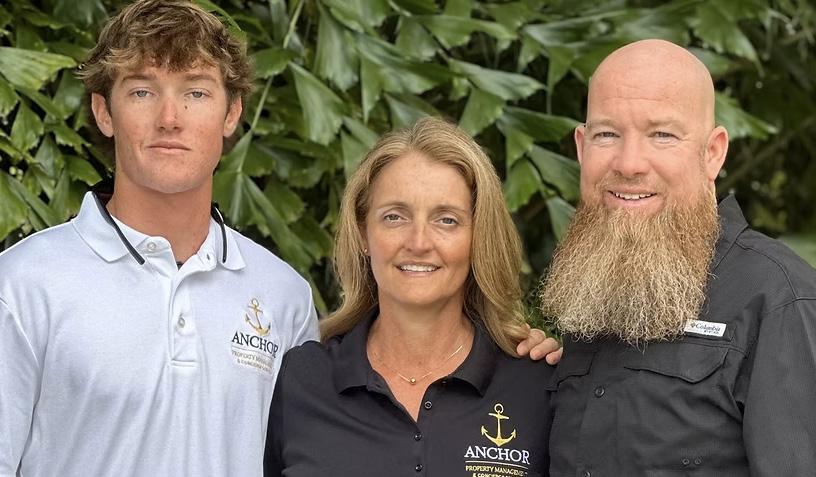
LeFebrue, Michele LeFebrue and Justin LeFebrue
Are you going out of town for 4 months or perhaps more? Leaving your home for months at a time requires more than a neighbor’s glance or a monthly walkthrough. Have peace of mind with Anchor Property Management & Concierge Services. Your property is in the hands of professionals who treat your home like their own.
They pledge to visit your property consistently while you are away. This includes the 30 Point Checklist and additional services you arranged for. Anchor keeps you informed of each visit via email along with a detailed digital report. They’ll send you pictures and personalized notes that are time stamped with GPS so you know they have been to your home.
Clients can request weekly or bi-weekly visits. They also offer:
• Contractor coordination services for clients when you are away
• Concierge services such as mail collection, storm preparation, keyholder services
• Opening/closing home for seasonal residences
• Grocery stocking for when clients return home
The Lefebure Family started Anchor Property Management; they combined their local roots and passion for service into a business; dedicated to caring for homes in our community. They are certificated Home Watch Professionals. Visit them at AnchorVB.com. Call them at 772-473-3181 or 772-205-7071 or send an email to: Michele@anchorvb.com or Levi@anchorvb.com.
Levi
ANCHOR HOME WATCH SERVICE PACKAGE
30 POINT INSPECTION
Interior
• Check/adjust thermostats for proper settings and operation
• Examine all doors, windows and sliders to ensure they are locked and secure
• Check refrigerator (adjust temp, keep opened/closed per owner instructions)
• Operate a rinse cycle on the dishwasher to prevent seals from drying (per case basis)
• Operate a rinse cycle on the washing machine to prevent seals from drying (per case basis)
• Operate the garbage disposal and flush with water
• Operate all faucets and flush toilets
• Visual check for leaks/stains around windows, ceilings, walks, water heaters, under sinks and around toilets
• Check water softener/water filter for leaks
• Operate garage door opener to check drive chain mechanism
• Check irrigation controller is functioning
• Investigate any noises, alarms, beeps or odors
• Check lights and fans throughout house
• Bulbs on timer lights checked to make sure they are working properly
• Remove any garbage
• Check for visual pest infestations
Exterior
• Examine property for any broken windows, forced entry or vandalism
• Check screens or porch enclosures for signs of damage
• Remove newspapers, flyers, packages and debris from front walkway (sweep if necessary)
• Check if landscape maintenance has been performed
• Check property for erosion or drainage problems
• Check for damage caused by fallen trees limbs
• Check property to ensure all yard access is secure
• Check breaker panel
• Check for visual pest infestations
• Check outdoor faucets for leakage
• Check pool for algae growth
• Check pool equipment for leakage
• Check pool pump
• Clear mailbox and remove solicitations
Senior Resource Association Reduces Hunger and Improves the Health of Thousands of Seniors Every Year
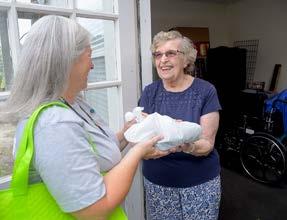
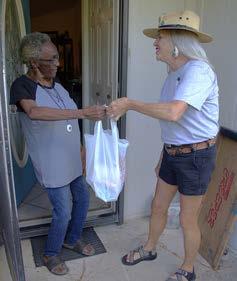
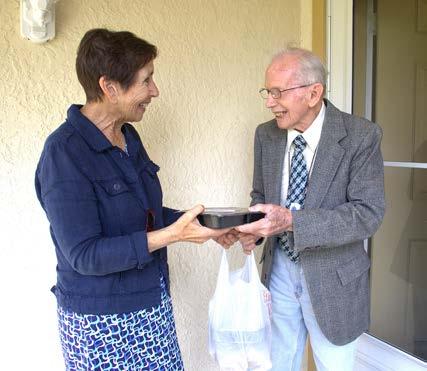
Senior Resource Association’s (SRA) Meals on Wheels program urgently needs volunteer drivers to help deliver nutritious meals to local seniors.
During summer months, when many seasonal volunteers leave town, the program faces a critical shortage of drivers.
“Every day, hundreds of seniors in our community are waiting for the nourishment and reassurance that a meal delivery brings,” says Karen Deigl, SRA President and CEO. “We have the meals—we just need more helping hands to get them to the people who rely on them.”
Meals on Wheels routes take less than two hours to complete between 10 a.m. and 2 p.m., Monday through Friday. Volunteers can choose their day and frequency, delivering once a week, once a month, or multiple days per week.
Deliveries are mapped for efficiency, and a user-friendly smartphone app provides directions and delivery details. Volunteers receive hot and cold food storage bags, identification materials, and vehicle magnets to ensure smooth delivery. Background screenings are required.
“The need for meal support among seniors has never been greater,” says Deigl. “We’re grateful for our supporters, and now we need volunteers to help us get more meals to those who depend on them.”
To become a Meals on Wheels volunteer or to support SRA in another capacity, please call 772.569.0760 or email info@sramail.org.
772.569.0760
VERO BEACH: 694 14th Street
SEBASTIAN: 815 Davis Street
SeniorResourceAssociation.org
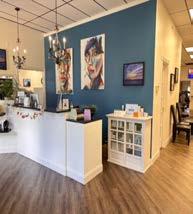
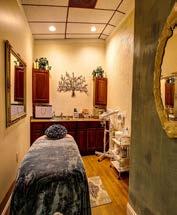
•Tier system of stylists - a stylist for every guests schedule and/or budget.
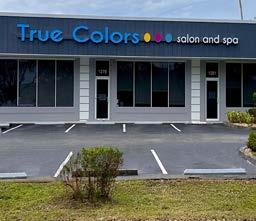
•6000 sq ft facility hosting the most talented stylists in the Treasure Coast.
•All stylists are advance color and cutting specialists.
•Haircut, blow dry, and style starting at $5800
•Manicures, Gel Manicures, and Pedicures!
•Massage: Swedish, Therapeutic, Deep, Sport, Hot stone and more!
•Electrology! Permanent hair removal for all hair types.
•100% Guaranteed experience.
•Voted Florida’s Best Salon 2023 and 2024
•Voted Best Salon of the Treasure Coast for 2024/2025
by Colleen Symanski, RN, Certified Diabetes Care and Education Specialist
Do Not Drink and Drive
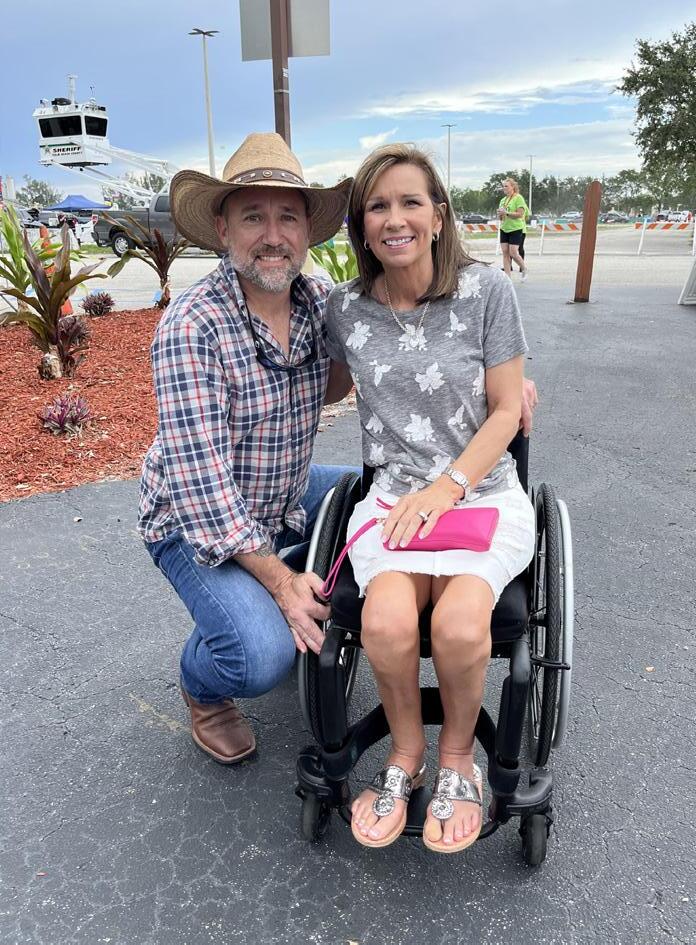
I met with Patti Warren McIntyre at her home recently. We’ve known each other for many years. Patti was receptive to sharing more about the car accident that resulted in her becoming a paraplegic. 36 years have passed since then, but her story has not aged.
Patti Warren McIntyre
It was a rainy evening. She was headed to the Patio restaurant for dinner with a co-worker. She dropped her car at his home so they could take one car. Her friend lost control of the car and overcorrected. The car went into a spin and collided with another vehicle. She was tossed through the passenger window. She landed against a tree and one of the vehicles pinning her. The crash destroyed her middle vertebra and damaged her spinal cord, paralyzing her from the waist down a week before her 20th birthday.
Todd and Patti
Patti does not remember the accident, which is a good thing. She was in a coma for several days. The details are from others at the scene of the accident, medical personnel and her family. She told me that she was lucky to be found as it was dark and she was hidden between the car and tree. It was a faint whimper from her that alerted paramedics to her whereabouts.
Patti had not been drinking that evening and does not recall if she wore her seat belt, which she usually did. Her coworker had alcohol prior to getting behind the wheel which she learned about after the accident. The journey from hospital beds to a wheelchair took many months. Her faith never left her. She shared with me she often referred to herself as a person in a wheelchair. It was at a group meeting, months later, that she was able to say she was a paraplegic. She recalls “breaking down and crying over that reality.”
Patti’s life will never be the same since the accident. She is beautifully optimistic and is
grateful that she is able to share her story with others. For many years Patti participated in the mock DUI nights for the High schools prior to prom. Her message was consistent- “Don’t drink and drive and don’t get into a car with someone who has been drinking; and wear your seat belt!” These events were stopped during COVID.
Sadly, people are still drinking and driving. This is a source of frustration for Patti. “There are so many options available today. Such as designated drivers and car services. Use them as there’s no excuse not to. Call your parents or a friend to pick you up. You’re not that far off, she said. I don’t want this to happen to you.”
Repeat DUI offenders can voluntarily have breathalyzer tests installed in their vehicle. State laws requiring ignition interlock devices vary state to state and impacts installation decisions.
Patti can’t go back and change anything. She still has hopes for a treatment that will enable her to walk again and do every day activities without modification. She is grateful for a loving spouse and home that helps make her life easier. “I would not be able to have this if not for them” shares Patti.
People sometimes ask her “What’s wrong with you?” She answers “nothing is wrong with me. I can tell you why you I am in a wheelchair though.”
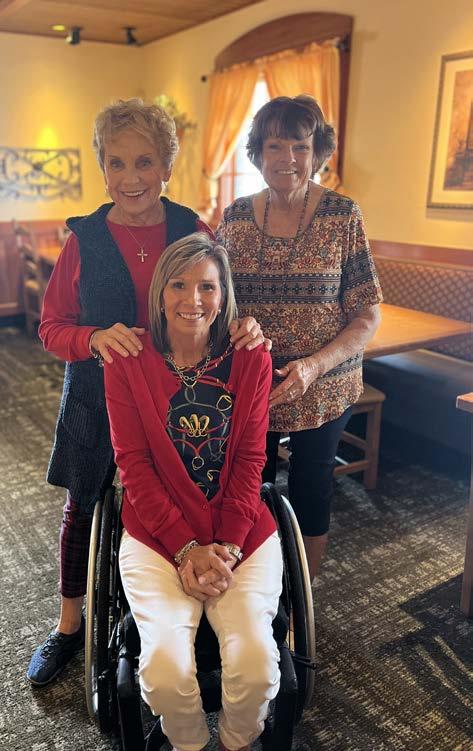
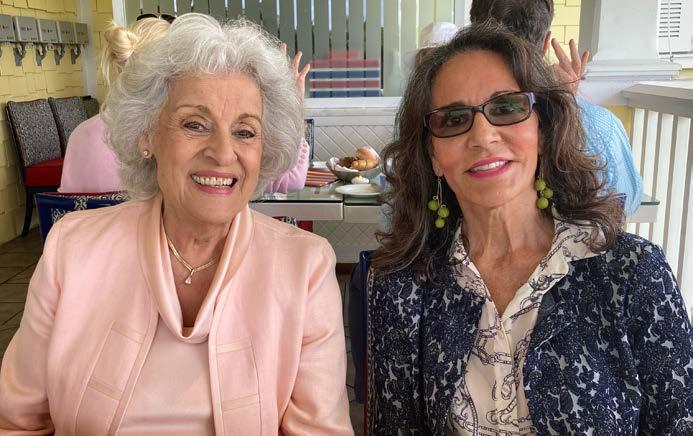
Barbara Kalix and Brenda Wells with Patti
by Bobbi Kleinschmidt, CYT
Yoga for Stress, Pain, and Overall Health
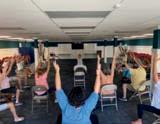
When people think of yoga, they often picture graceful postures with arms outstretched, legs rooted, body balanced. But yoga is more than shapes on a mat. At its heart, yoga is the union of body, breath, and mind. It is the practice of presence, courage to explore your limits, and patience to grow beyond boundaries.
Why Yoga is Different
Unlike many fitness routines, yoga weaves together three powerful elements:
• Breath: Your anchor in every pose, calming the mind and energizing the body.
• Focus: Guiding your attention inward, cultivating clarity and concentration.
• Challenge: Encouraging you to step outside your comfort zone with compassion.
Together, these create a pathway not only to better physical health, but also to resilience and inner calm.
The Benefits of Yoga
Yoga offers benefits that reach beyond flexibility:
• Physical Strength & Balance
- Builds strong, steady muscles
- Improves mobility in joints and spine
- Enhances posture and stability
• Mental Clarity & Calm
- Reduces stress and mental clutter
- Sharpens focus and concentration
- Brings patience and presence into daily life
• Emotional Confidence
- Helps you meet challenges with steadiness
- Encourages self-compassion when progress feels slow
- Boosts confidence as you achieve new postures
Yoga as a Journey
Yoga isn’t about perfect poses. It’s about showing up and trying. Each class offers the chance to:
• Hold postures longer than you thought possible
• Try new shapes with curiosity instead of fear
• Push your boundaries safely and with support
• Discover strength in both body and spirit
At first, the practice may feel difficult. Your muscles may tremble, your balance may wobble, and your mind may wander. But with patience, something shifts. Breath steadies, strength grows, and what once felt impossible becomes part of your practice.
The Reward
Every yoga class blends effort with ease. You may challenge yourself in warrior poses or balance work, then soften into restorative stretches and stillness. That rhythm, the courage to try and the grace to rest, creates satisfaction. You leave class not only stronger but also restored, lighter in body and mind. Each practice builds quiet confidence you carry into everyday life.
An Invitation
Whether you are beginning, returning, or continuing your practice, yoga asks for your breath, focus, and willingness to keep going. At times the practice may feel hard, but it becomes easier and more rewarding the longer you show up. Come as you are, try something new, and let yoga remind you of your resilience and capacity to grow.
A Healthier Me Small Group Yoga
Tuesdays at 5:30 PM • 2855 Ocean Drive, Suite C-5
Supportive, peaceful space • Small group classes
Contact Colleen for yoga package promotions or to learn more call her at 772-501-0598 or colleenforahealthierme@gmail.com
2855 Ocean Drive, Suite C-5, Vero Beach www.ahealthiermeverobeach.com
Strengthening the Mission: SRA Unveils Foundation to Secure Lifelong Support for Seniors
Senior Resource Association (SRA) proudly announces the formation of the Senior Resource Association Foundation (SRAF), a new fundraising entity committed to securing the long-term sustainability of essential senior services.
For more than five decades, SRA has served as a lifeline to older adults and their families, offering nourishment, transportation, enrichment, and peace of mind. With the launch of SRAF, the organization deepens its mission— building resilience, expanding engagement, and investing in a lasting future for seniors across Indian River County.
Established as a separate 501(c)(3), the Foundation is dedicated to:
• Building lasting philanthropic partnerships
• Expanding legacy and planned giving opportunities
• Driving innovation to meet evolving community needs
“SRAF empowers us to enhance the impact we’ve made for generations,” said Karen Deigl, SRA President/CEO. “With the support of this Foundation, we’ll continue to provide the dignity, compassion, and resources seniors deserve— today and well into the future.”
At the heart of SRAF’s mission is the belief that every senior deserves to age with dignity, regardless of economic shifts or personal circumstances. The Foundation offers a variety of giving options—from IRA charitable distributions and gifts of stock to tribute donations and bequests— making it easy for donors to support the programs closest to their hearts. Whether funding hot meals, in-home care, or respite services, every gift helps sustain a lifeline of support.
Leading SRAF is Executive Director Robyn Orzel, alongside a committed board of directors: Chair Dawn Michael, Vice Chair Pud Lawrence, and Secretary/
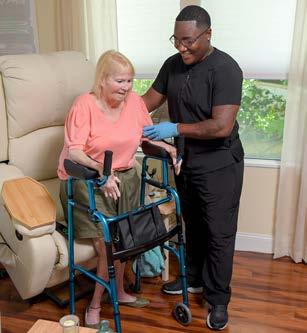
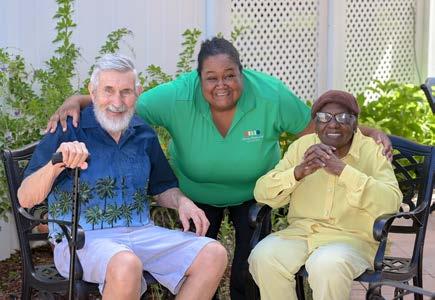
With a helping hand and a caring heart, in-home services empower seniors to live safely and confidently in the comfort of their own homes.
Joy in every moment thanks to programs like DayAway, seniors find connection, care, and community.
Robyn Orzel, SRAF Executive Director
Joy in every moment thanks to programs like DayAway, seniors find connection, care, and community.
Treasurer Susan Oglesby—each of whom brings deep dedication to advancing SRA’s mission and ensuring its continued impact in the community. Together, they will collaborate with SRA leadership to guide strategic fundraising efforts and ensure the continued vitality of the organization’s services. To learn more about SRAF or explore ways to give, call Robyn Orzel at 772.469.3144 or visit SeniorResourceAssociation.org/giving-matters.
772.569.0760
VERO BEACH: 694 14th Street
SEBASTIAN: 815 Davis Street
LOCAL PEOPLE Making a Difference!
Whole Family Health Center Community Impact Award
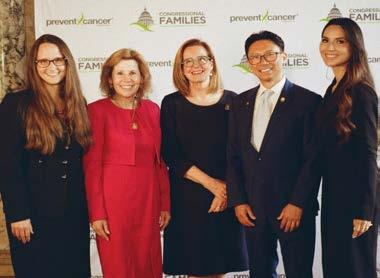
Congratulations to Whole Family Health for receiving the Prevent Cancer Foundation Congressional Families Community Impact Award in Washington D.C.
The Prevent Cancer Foundation Congressional Families Program is a bipartisan award that honors the contributions of those using their platforms to educate the public about cancer prevention and early detection through education and outreach. The theme of this year’s event was “Shining a Light on Prevention.”
From L to R: Tiffany Poisson, PA-C representing Whole Family Health Center; Marcia Latta, Ed.D.; Lisa McGovern; Wayne Kye, DDS, M.S.; and Olivia Munn, actress and cancer advocate.
Photo: Emma Beiles Howie
Whole Family Health Center (WHFC) is a nonprofit community health care organization serving the Treasure Coast of Florida. WFHC’s Cancer Awareness, Response, and Early Screening (CARES) program aims to improve cancer prevention and early detection for underserved communities in Indian River and St. Lucie counties, Florida. Utilizing enhanced patient outreach and navigation, CARES is designed to expand access to screenings for breast, cervical, colorectal and lung cancers through education and awareness efforts.
The CARES provide low- or no-cost screenings and follow-up care for uninsured or underinsured patients. CARES aspires to establish a sustainable model for cancer prevention and early detection in historically underserved communities. The program is funded by the Cinotti Grant Program, Exact Sciences, and the Prevent Cancer Foundation.
The CARES program at Whole Family Health Center is designed to improve cancer prevention and early detection for underserved communities in Indian River and St. Lucie Counties. Utilizing patient navigation, CARES aims to provide up to 1,200 screenings for breast, cervical, colorectal and lung cancers and reach more than 2,000 WFHC patients through education and awareness efforts.
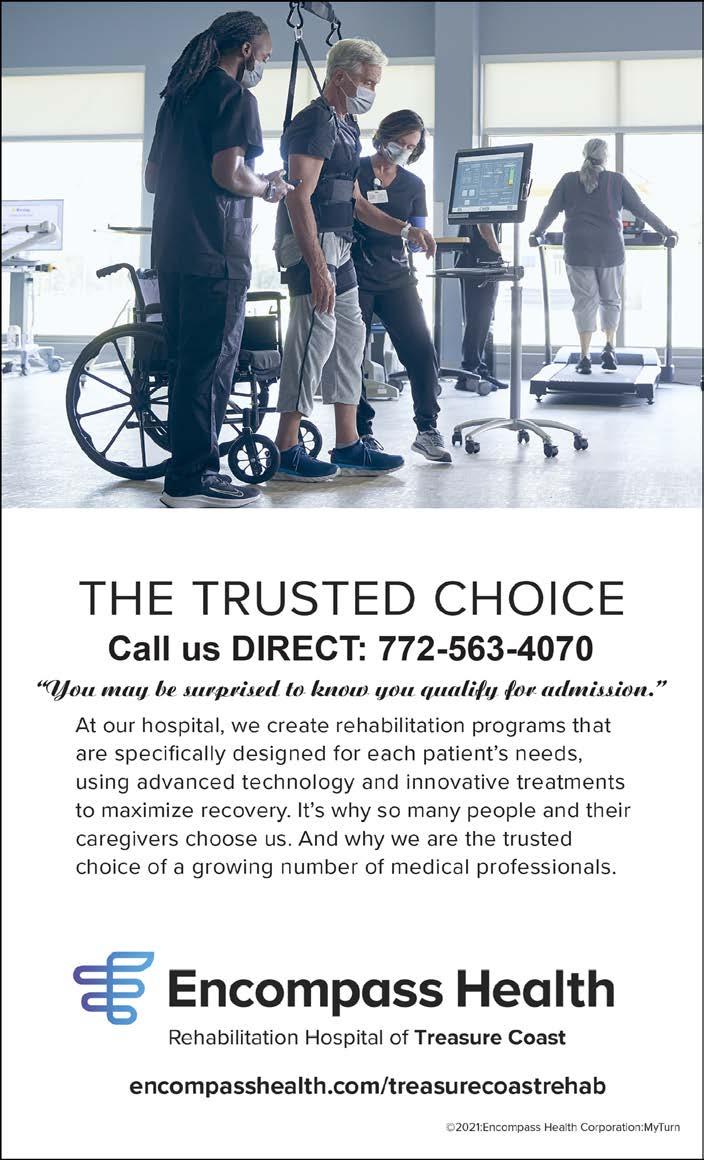
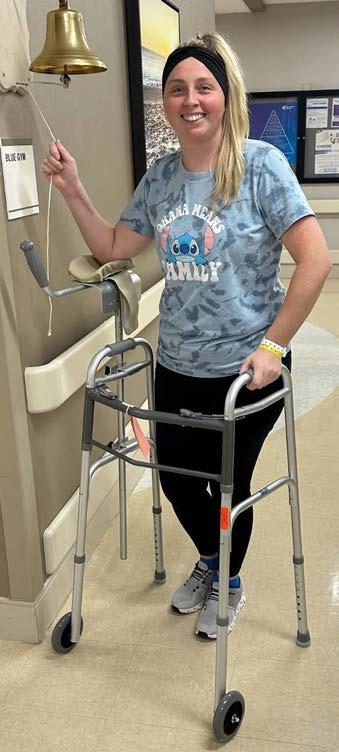
Dominiqe Struzinski, a former physical therapist at Encompass Health Rehabilitation Hospital of Treasure Coast, recently found herself on the other side of care. After a motorcycle accident, Struzinski faced immense challenges. Her legs could barely bend or lift, as they were both in braces. Her pain levels were high and difficult to manage, and light sensitivity forced her to wear sunglasses constantly. Struzinski required a substantial amount of assistance.
Despite these hurdles, Struzinski’s goal was clear: to reduce the burden of care on her family and regain her independence. Through determination and the focused care of the Encompass Health Treasure Coast team, Struzinski became independent with self-care tasks, plus transferring and moving around her wheelchair. Today, she is walking with an assistive device. She has returned to work as a physical therapist and desires to help people recover the way the Encompass Health Treasure Coast staff assisted in her recovery.
Rehabilitation Hospital of the Treasure Coast
Dominiqe Struzinski
by Colleen Symanski, RN, Certified Diabetes Care and Education Specialist
In-Person CPR Classes
I was heading home in the late afternoon after running many errands. It was a typical Florida rainy day. I stopped at a traffic light when I noticed a car making a left hand turn and didn’t notice a motorcyclist. It really happened in a split second. I am a healthcare provider so the thought of not stopping to help was not an option.
0ther people quickly stopped to help. They were all wonderful. We each filled a role. Shortly thereafter the police and paramedics arrived. My confidence on the scene is owed to attending in- person CPR classes.
When employers started accepting online CPR renewals I thought why not? I was able to renew my requirement from home versus attending in person. I thought what’s the difference. CPR training should be the same no matter what the format. It is not the same. When I stopped to help that person there is not a single thing from an online course that made me a better responder. It was my in person CPR training
I reached out to my CPR trainer for the last 20 years and thanked her. The in- person instruction made a difference. I am speaking of Gayl Nye, owner of Florida Heart CPR. We want to share with you the benefits of in-
This is what Gayl shared.
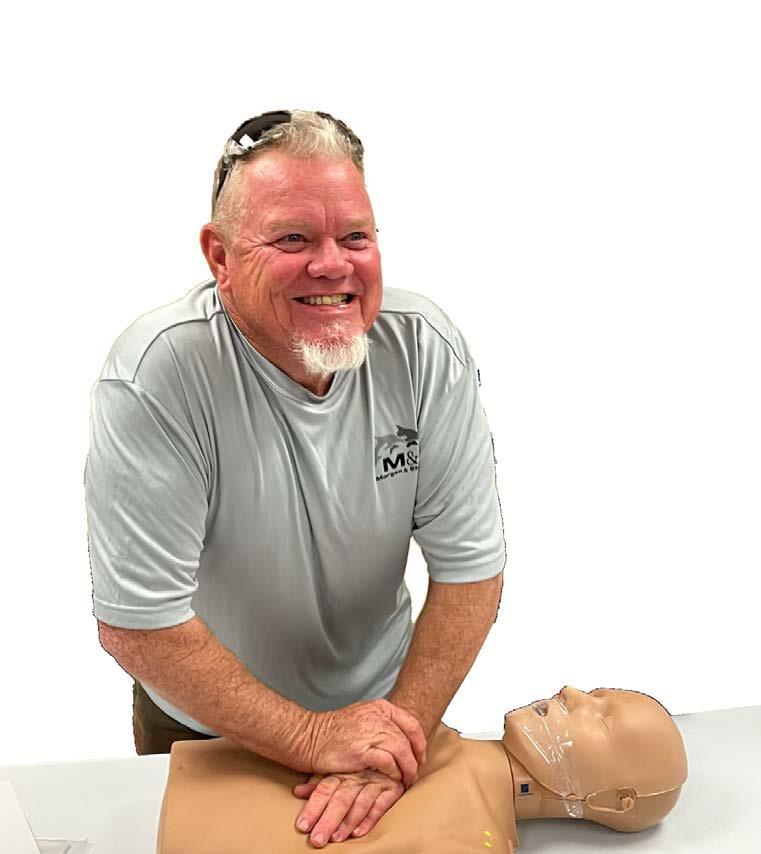
“Thank you, Colleen, for the opportunity to explain the difference between CPR class done in person and CPR done on the computer. Let me try to explain it this way. If I bought a horse and never got on it until the day I was going to be in a huge race I would
probably fail miserably. Why is practice important? Muscle memory is one thing. Another is removing the mental barrier that you may have if you have never done hands-on CPR.
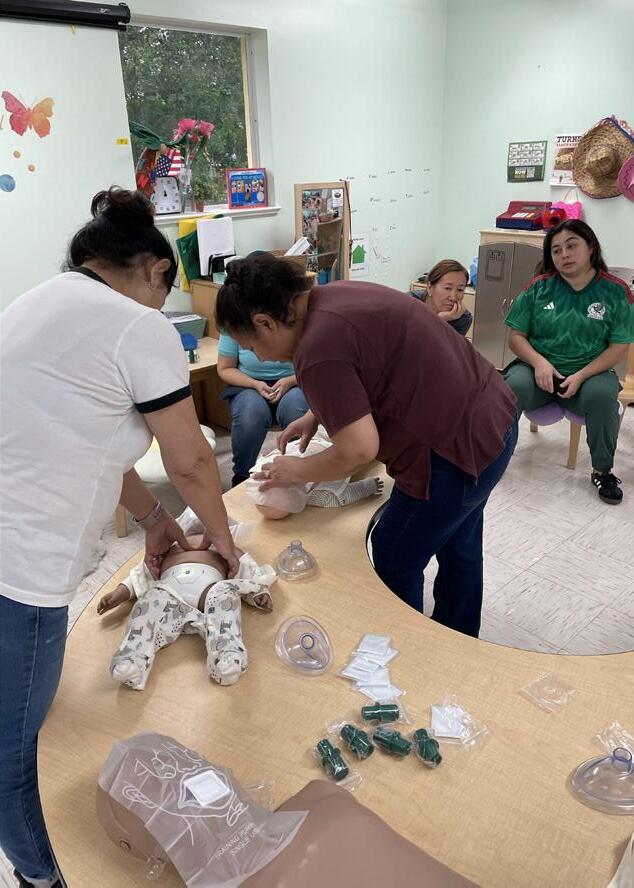
Hands on skills are not only important for people who ride horses or save lives, but for doctors who perform surgeries and firefighters who fight fires. Practice does not make perfect. There’s so much about the act of practicing CPR that you don’t think about. Such as your stance, your body position, how to distribute your weight and how deep and fast you should actually be going.
I am not aware of studies that show success rates between those who practice and those who don’t, but I have to assume there is a significant gap with people who have never practiced CPR. Over the course of my career I have trained many people. I have also worked with many people in the field as a paramedic and in the hospital emergency department. My experience shows that those who have taken online classes freeze up during the actual event; whereas people who practice CPR regularly are so much better at it. They are not afraid to jump in because that mental barrier has been crossed with practice. Equally as important as practicing CPR on a child and an infant. There is just no way to anticipate what that is going to feel like until you do it yourself and practice or actual situation. Doing CPR on a child or infant is already so mind bending that it’s difficult to comprehend; but to practice it and be proficient at it could save a child from a lifetime of death or brain death.
I just have no idea how people think they can become proficient in CPR by just watching it on the computer. Studies show that you remember some of what you hear and some of what you see it’s something that you see here and physically perform results in a much higher retention rate. Let’s not forget the confidence that is instilled in a person when they can competently perform the skill of CPR.”
Florida Heart CPR is located at 3455 Airport West Drive, Vero Beach and the telephone number is (772) 388-5252. Visit their website at floridaheartcpr.com. They have so many different classes. Sign-up for one today!
LOCAL PEOPLE
Alzheimer & Parkinson Association
Supporting the Community - Janet
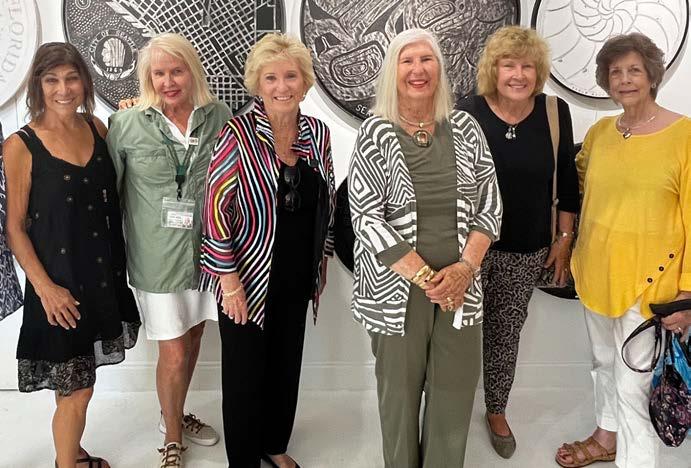
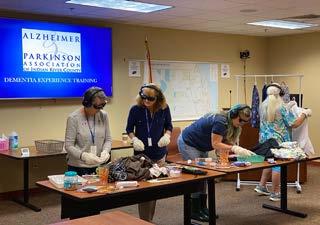
Music Therapy - Lauren Schaust from Music Matters. Dementia experience – The master gardener group: Beth Garber, Jayne Reed, Karen Vatland, Qwynn Campbell
Sierzant, Laura Moss, Peggy Cunningham, Jane Howard, Nancy Briedmeir, Mary Orticelli
Making a Difference!
of Indian River County Programs
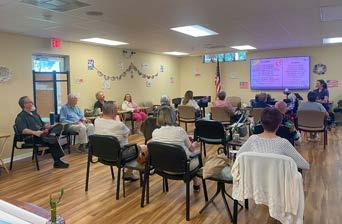
The Grief Support Group: Michelle Willis, Pat Nasci, BJ Fike, Vicki Drumheller, Myra Greenfield, Nancy Morgan, Carlos Castro
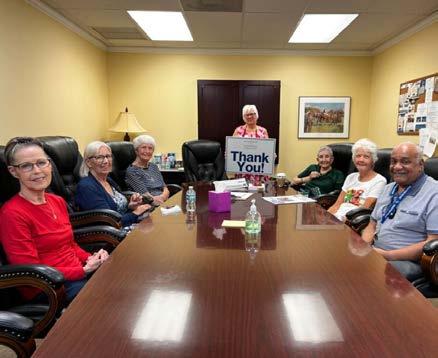
Volunteers - The Pilot Club of the Treasure Coast: Sue Schadt, Betsy Root, Tammy Bursick, Linda Gust, Ester Rymer
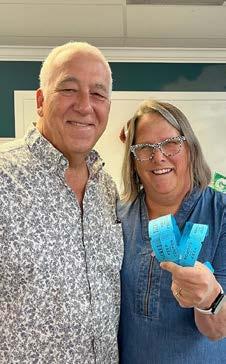
David LoPresti and Leah Blythe LoPresti
Upper Extremity Care
continued from page 9
A new era of fracture care
Dr. Harmat credits newer technology with also helping patients recover from fractures faster than ever before. Fixed-angle plates provide greater stability, especially for patients with weakened bones, while pre-contoured plates – shaped to the normal curvature of a specific bone – allow for smaller incisional surgeries.
“Fracture care has changed dramatically since my training,” comments Dr. Harmat. “Now, patients can start therapy within a week instead of immobilizing the injured bone for up to six weeks. That means they get back to their lives and activities much sooner.”
This modern approach to fracture repair has been especially beneficial for one group of patients – the many pickleball players who have sustained wrist injuries playing the very popular sport. “The rise of pickleball in popularity has definitely increased my workload,” he jokes.
Smaller surgery, bigger impact
Carpal tunnel and cubital tunnel – nerve compression syndromes of the wrist and elbow – are other common conditions that Dr. Harmat has treated throughout his career. “What often surprises patients are the many activities that can cause these syndromes,” he says.
Dr. Harmat uses minimally invasive surgical techniques, which can make a big difference in recovery time and patient comfort.
It’s not just office workers who spend their days at a computer who are at risk. People who work with vibrating equipment, like power tools or lawnmowers, can develop these conditions, as well as those who perform repetitive tasks like golfers and tennis players.
“In Ohio, I would often have motorcycle enthusiasts come in for carpal tunnel surgery early in the year, so that they were ready to ride during the spring season,” he recalls.
Dr. Harmat uses minimally invasive surgical techniques, which can make a big difference in recovery time and patient comfort.
“Smaller incisions mean less disruption of healthy tissue, less pain and faster healing,” he adds.
Nonsurgical and regenerative options
But not every injury needs surgery. Dr. Harmat helps patients avoid the operating room when possible, thanks to nonsurgical therapies like bracing, cortisone injections and platelet-rich plasma (PRP) treatments.
PRP therapy, which uses a patient’s own blood to promote tissue healing, is a promising option for tendon injuries, rotator cuff problems and elbow conditions like tennis or golfer’s elbow.
“We use PRP on its own and alongside surgery to promote healing,” he says. “For many patients, it helps delay or even avoid surgery altogether.”
Dr. Harmat also offers nonsurgical treatments for Dupuytren’s contracture, a genetic condition that can cause nodule and cord formation in the palm, which may lead to pain and finger curling. Needle aponeurotomy and/or enzymatic injections (collagenase) can break down the thickened tissue and restore motion without surgery in some cases. Both are office-based procedures.
Coming full circle
Before joining Cleveland Clinic in Florida, Dr. Harmat spent two decades in private practice in Cleveland, and also served as Chief of Staff at University Hospitals Geauga Medical Center. He says returning to Cleveland Clinic, where he completed his fellowship under renowned hand surgeon Peter Evans, MD, felt like a natural next step.
His former mentor serves as Division Chair of Orthopaedic Surgery, Rehabilitation and Sports Therapy for Cleveland Clinic in Florida and also specializes in hand and upper extremity surgery. “Dr. Evans asked me to come visit, and when I was offered the position, I didn’t hesitate,” says Dr. Harmat.
He and his wife relocated to Vero Beach in July. The couple has four adult children, one working as a petroleum engineer and three currently in college.
Born and raised in Cleveland, this is the first time Dr. Harmat has lived outside of Ohio. As he settles into his new role, Dr. Harmat is focused on what drew him to medicine in the first place: helping patients heal and return to the lives they love.
“I’m just happy to be here and to provide the help that patients need,” he says. “It’s an honor and a privilege.”
Ortho Express Care at Cleveland Clinic Indian River Hospital
When you need care right away for orthopaedic and sports injuries, visit Cleveland Clinic’s Ortho Express Care™ clinics. Our experts are here for you.
Scan to learn more or call 772.732.9738 to schedule a same-day appointment with an orthopaedic specialist.
Letting Her Soul Go: A Daughter’s Journey of Love and Peace with VNA Hospice
When Lisa McClung’s mother entered hospice care with the VNA in March 2025, she couldn’t have imagined how deeply the experience would transform her understanding of care, love, and letting go.
For 20 years, Lisa’s mother, Marie Barile, lived independently in her Palm Beach Gardens home—a symbol of her strength and spirit. When Lisa and her husband, residents of Hutchinson Island, built their home in Vero Beach, they did so with Marie’s comfort and safety at heart. “We built it for her end-of-life care,” Lisa said. “Now I realize that Vero—and the VNA Hospice—were always meant to be part of her story.”
Her mother’s decline had been gradual and heartbreaking. Diagnosed with vascular dementia, she often seemed more alert than she truly was. “It’s such a deceptive disease,” Lisa explained. “She would look fine for moments, but she wasn’t. I was so frustrated because I didn’t know what to do. She was restless all the time. I just needed help.”
That help arrived with VNA Hospice. One of the first caregivers to visit was Michaela. “We talked for quite a while,” Lisa recalled. “She showed me how to give my mom her medications and how to keep her calm. We were trying different combinations daily. It was such a blessing because I just wanted her to sleep peacefully.”
Within days, the VNA team provided everything Marie needed to remain comfortable at home: a hospital bed, a wheelchair, and a portable toilet. “It was a Godsend,” Lisa said. “Before that, my husband and I were lifting her every ten minutes because she thought she had to use the bathroom. Once we found the right medication, she finally became calm. It was such a relief.”
Lisa spoke lovingly of the caregivers who came through their door. “Candace was the first to see her and the last one to see her,” she said. “That last Sunday, Candace looked at her and said, ‘What happened to your mother?’ I knew inside that she didn’t have long, but I couldn’t bring myself to say it. Candace was shocked because not long before, my mom had been so bubbly and chatty.”
During her mother’s final week, another visit left a deep impression on Lisa’s heart. “One of the VNA caregivers came to see us that Saturday before she passed,” Lisa remembered softly. “He sat with us, holding my mother’s hand the whole time. It may have been a couple of hours. He was so comforting. We talked about New York, where we’re both from, and his family, and all the great food in New York. Then he told me that when my mother passed away, I should open the window and let her soul out. That meant so much to me—and I did it.”
When the moment came two days later, Lisa remembered his words. “I opened the window and let her soul go,” she said. “One of my neighbors was walking by and asked what I was doing. I said, ‘I’m letting my mom’s soul go.’ It was peaceful—completely peaceful.”
Throughout those three weeks, VNA Hospice surrounded Lisa and her mother with care, compassion, and dignity. “They helped me understand everything,” Lisa said. “They helped me get through every single day. They answered all my questions, sent supplies to the house, and just listened when I continued on page 42
Marie Barile and daughter Lisa McClung
Online Medical Directory for Vero Beach and Sebastian
Visit from anywhere at anytime.
Lisa was also deeply moved by the community that had embraced her mother in life. “My mom loved to walk every day, and everyone in the neighborhood knew her. When she couldn’t walk anymore, people sent cards, texts, and notes.
VeroBeach.com is a proud digital partner of Indian River Publishers, Inc.
Even the VNA doctor held a special place in Lisa’s heart. “He was wonderful,” she said. “His grandmother had vascular dementia too, so he really understood
Looking back, Lisa feels profound gratitude for every person who touched her mother’s final days. “Every single caregiver was amazing,” she said. “Candace, Michaela, Rene, Veronica, Jill—they were all wonderful. My heart goes out to each and every one of them.”
Marie passed away peacefully on a Monday morning in March, surrounded by love and light. “It was such a beautiful ending,” Lisa said. “Truly beautiful. VNA Hospice did an outstanding job. They gave my mother peace, and they gave me strength. I didn’t even know what hospice was before—but now, I can’t imagine going through something like that without them.”
Senior Bulletin Board
Senior Bulletin Board is a community oriented monthly newsletter published nine times a year, October through June.
Each month the publication contains listings of activities available to Seniors throughout Indian River County. Copies are available the first of the month at over 90 locations.
2300 5th Ave., Ste 150 Vero Beach, FL 32960
772.563.0505
alzpark.org
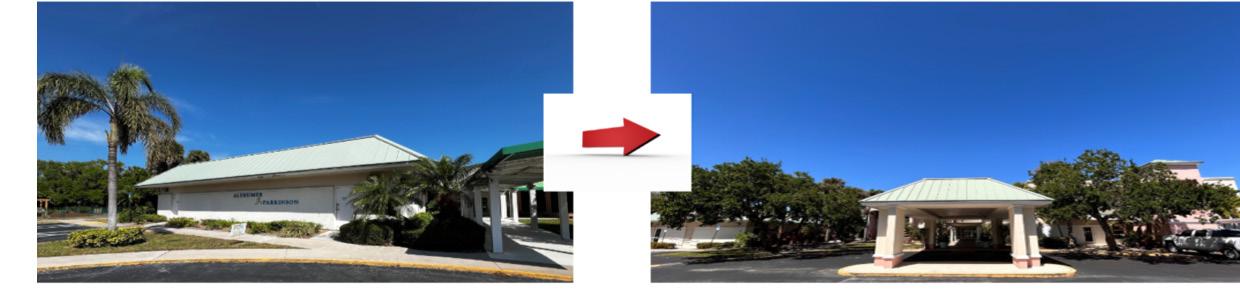
We are moving… but not very far! New space, same great mission!
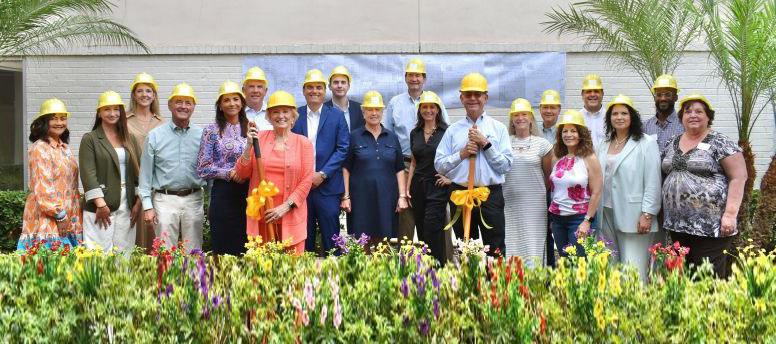
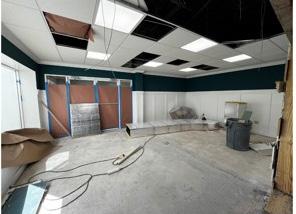
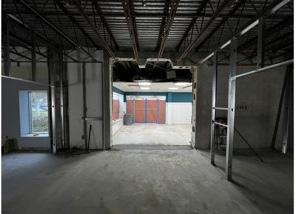
We are thrilled to share an update on the Next Chapter Campaign — construction is moving along beautifully, and the transformation is truly taking shape! Thanks to generous supporters, the vision for our new space is becoming a reality. Wall frames are now up, and the energy on site is inspiring. With each milestone, we move closer to opening doors that will serve our community for years to come.
Be sure to check out the latest photos to see the remarkable progress firsthand. It’s amazing to reflect on how far we’ve come — and it’s all possible because of the commitment and compassion of our community.
If you’d like to learn more about the project, we invite you to schedule a private tour of the new space. You’ll get an inside look at the construction progress, learn about the next phases of the project, and see how your contribution is already making a difference.
To arrange a tour, contact Julia Keenan, Director of Development at 772.563.0505 – we’d be delighted to host you.
Thank you once again for being an essential part of this journey. Together, we’re building a stronger, brighter future for the individuals and families we serve.
Next Chapter Campaign – www.alzpark.org/capital-campaign
continued from page 15
(cardiologist, endocrinologist, nephrologist, and the list goes on). Seeing numerous prescribers and getting medications from many locations can create a situation where no one provider is overseeing all the different sources. It is important to always keep an updated list of all medications and supplements to ensure that each prescriber and pharmacist is reviewing to avoid medication duplications or those that do not work together. This includes over the counter (OTC) medications. Some examples of OTC medications that can be problematic are fish oil products that can cause additive blood thinning with prescription blood thinners. Some prescription medications contain acetaminophen which is the same ingredient as over the counter Tylenol and taking too much could cause harm to the liver over time.
6. Not disposing of medications that are no longer being used. It is highly recommended to remove prescription and over the counter medications from the home when they have been discontinued. This will help prevent some of the errors we have already referenced. Many pharmacies in our area, including Bay Street Pharmacy, and our Indian River County sheriff’s department have disposal kiosks that will allow you to drop off medications for destruction. Visit Indian River County Medicine Disposal link below for more information.
As we wrap up it is important to think about other tips and tools that might help with error prevention in addition to what is listed above:
• Use a pill organizer or medication app
• Consider trying to get all medications from one source if possible
• Involve a caregiver or family member if needed.
Taking medications correctly is not just about following rules, it is about protecting your health, your future, and your peace of mind. If you are ever unsure, reach out. Your pharmacist and prescriber are always here to help.