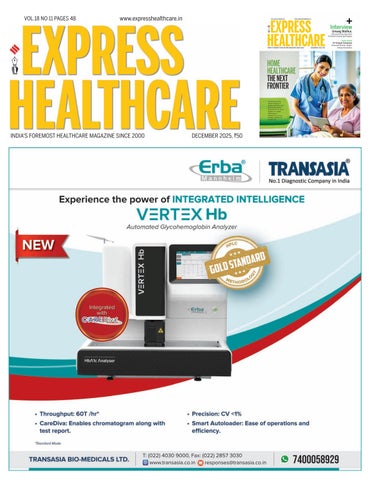
Express Healthcare (Vol. 18, No. 11) December 2025
INDIA'S
Chairman of the Board
ViveckGoenka
Sr.Vice President-BPD
Neil Viegas
Vice President-BPD
Harit Mohanty
Editor Viveka Roychowdhury*
Editorial Team
Lakshmipriya Nair
Kalyani Sharma
Neha Aathavale
Swati Rana
DESIGN
Art Director
Pravin Temble
Chief Designer
Rekha Bisht
Senior Artist
Rakesh Sharma
Marketing Team
Rajesh Bhatkal
Douglas Menezes
Ashish Rampure
Production Co-ordinator
DhananjayNidre
Scheduling & Coordination
Pushkar Waralikar
CIRCULATION
Mohan Varadkar
CONTENTS
INTERVIEW
P10
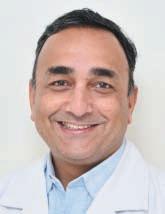
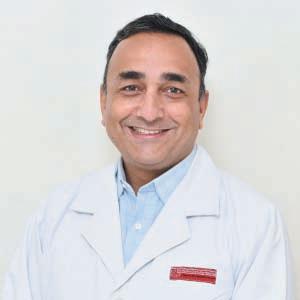
DR UMANG MATHUR CEO AND CORNEA SPECIALIST,DR SHROFF’S CHARITYEYE HOSPITAL
CARDIAC CARE
12 CORDIS UNVEILED POSITIVE RESULTS FOR TWO SELUTION SLR DEB TRIALS
Express Healthcare®
STRATEGY
P19: INTERVIEW
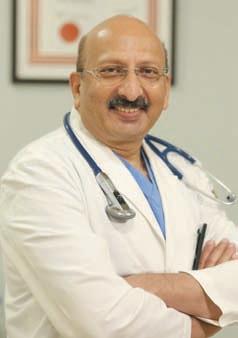
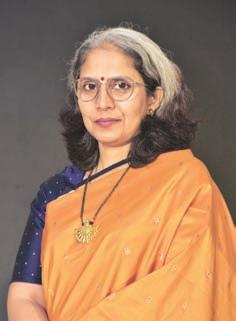
DR JOTHI NEERAJA FOUNDER, MAARGAMIND CARE
P20: INTERVIEW
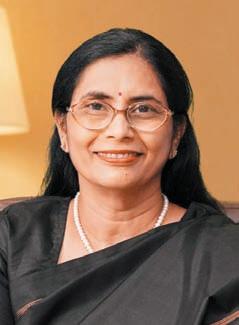
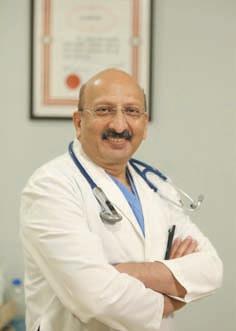
DR VANITANORONHA RENOWNED ONCOLOGIST ATTATA MEMORIAL HOSPITAL(TMH) CANCER CARE
21 FROM AWARENESS TO ACTION: HOW RURALINDIACAN WIN AGAINST DIABETES PUBLIC HEALTH
22 HOWMEITY–NASSCOM COE FUELS EASIOFY’S AIIMAGING LEAP HEALTHCARE IT
24 THE JIOFICATION OFGENOMIC DIAGNOSTICS DIAGNOSTICS
27 INDIA’S MEDTECH LEAP: PREPARING TO LEAD THE GLOBALHEALTHCARE SUPPLY CHAIN MEDTECH
Regd.With RNI No.MAHENG/2007/22045.Postal Regd.No.MCS/162/2025 - 27.Printed and Published byVaidehi Thakar on behalf of The Indian Express (P) Limited and Printed at The Indian Express Press,Plot No.EL-208,TTC Industrial Area,Mahape,Navi Mumbai-400710 and Published at Mafatlal Centre,7th floor,Ramnath Goenka Marg,Nariman Point,Mumbai 400021.
Reproduction in anymanner,electronic or otherwise,in whole or in part,without prior written permission is prohibited.
Pg14
How opportunities could turn into threats
India’s healthcare sector offers multiple opportunities, both at the individual, organisation and country level. But these opportunities could soon be subverted into threats.
For instance, India’s doctors and nurses continue to be in global demand but this deepens the shortage of talent at home. The latest OECD International Migration Outlook 2025 report reveals that India tops the list of 25 main countries of origin for migrant doctors in the OECD, circa 2020/21, with a 76% growth since 2000/01. India is in the second spot when it comes to migrant nurses in the OECD circa 2020/21, with a whopping 435% growth since 2000/01. These percentage increases over two decades are concerning, given the huge doctor/nurse shortage in India.
The report recommends that one way to address this challenge is to combine bilateral agreements and training programmes to foster skills development in countries of origin while addressing skills shortages in destination countries. For instance, the UK has established government-to-government agreements with six countries, including India since July 2022, for health and social care workforce recruitment. In February 2024, Denmark and India signed a Mobility and Migration Partnership Agreement, which, among other things, explored the potential for recruiting qualified Indian professionals for employment in the Danish healthcare and medical services sector. The report also cites the Aurora project in Belgium, initiated by private stakeholders in 2021, which focuses on the recruitment and training of Indian nurses for the Flemish healthcare system. While these capacity building measures are welcome, will they actually promote the permanent migration of doctors and nurses?
Policy makers do seem to be aware of the implications. In a written reply to a query during the ongoing winter session of parliament, Union Health Minister J P Nadda informed the House that the union government had set up 118 medical colleges in the country in the last two years, 74 medical colleges were approved in AY 2024–25 and 44 in AY 2025–26. Uttar Pradesh saw the highest number of new colleges across the two years, followed by Maharashtra and Rajasthan. India’s doctor-population ratio is currently estimated at 1:811, as per the minister’s reply. Nadda added that the number of medical colleges has risen from 387 to 818 since 2014, while UG seats have increased from 51,348 to 1,28,875 and PG seats from 31,185 to 82,059.
In addition, the Union Cabinet has approved Phase-III of the Centrally Sponsored Scheme for strengthening and upgrading state and central government medical colleges and standalone PG institutes. This phase, which will run from 2025-26 to 2028-29, aims to add 5,000 PG seats and 5,023 MBBS seats, with an enhanced cost ceiling of Rs 1.50 crore per seat.
Creating medical colleges and increasing the number of seats and students will increase the talent pipeline but how many of these students will stay back? The real policy changes need to be done within India, to train, retain and bring back doctors and nurses, so that they see a clear path of career progression, with commensurate returns.
Another opportunity that could be subverted into a threat
While bilateral agreements and training programmes are welcome,will they actually promote the permanent migration of doctors and nurses? Similarly the deliberate misrepresentation of imported medical devices as ‘Made in India’ could subvert India's 'Atmanirbhar Bharat' vision
concerns the push to make India self-sufficient in medical devices. The December edition of The Aware Consumer (TAC), highlights a serious concern that medical devices manufactured in other countries, most notably China as per Prof Bejon Misra, Publisher and Editor, TAC, are being imported and deliberately misrepresented as designed and manufactured by an Indian company, while they are actually just repackaged and relabelled as 'Made in India.' In his editorial, Prof Misra recommends that instead of importing components or products and simply assembling or rebranding them as 'Made in India', the focus should be on bringing in technology, leveraging domestic raw materials and producing truly indigenous products. Otherwise, he warns that “India risks becoming nothing more than a dumping ground for outdated, expired - and even banned - products from around the world.”
Prof Prafull D Sheth cautions that such practices undermine the credibility of India's 'Make in India' and 'Atmanirbhar Bharat' vision and weakens the trust of doctors and patients who rely on authenticity and safety. There are also examples of regulatory directives that set out to do good but end up reinforcing the status quo. For instance, Rajiv Nath, Joint Managing Director of Hindustan Syringes & Medical Devices Ltd (HMD) and Forum Coordinator, Association of Indian Medical Device Industry (AiMeD), points out that while the CDSCO circular dated November 17, 2025, asserts that the basis of procurement of medical devices in public health tenders needs to be the CDSCO licensing criteria and buyers should not be seek manufacturers having overseas regulatory approvals of USFDA and CE. As he puts it, “We do not need to be seeking an international driving license from Indians to drive in India.”
However, while the November 17 circular makes CDSCO licensing mandatory, he points out that the last sentence in the November 17 circular, (‘any other certifications which is required by the procurement agency should be over and above of CDSCO or SLA) means that the circular still allows hospital and big buyers to specify CE/USFDA certification as a requirement along with the Indian license. He believes that it does not change the situation for Indian manufacturers as it allows a “weeding out” of Indian manufacturers during technical bids. In his opinion, Indian manufacturers remain in an unfair spot on this count and therefore the last line needs to be expunged/ edited.
India’s medical device sector is heavily (65%) import dependent hence there is ample space for a good balance between domestic and imported medical devices and technology.
Let us hope that 2026 will bring a better balance in healthcare policy making and execution priorities.
We are building a rural eye-care workforce that can address avoidable blindness at scale
Dr Umang Mathur, CEO and Cornea Specialist,Dr Shroff’s Charity Eye Hospital highlights the role of structured training,CSR collaboration,and workforce development in rural eye care in conversation with Neha Aathavale
India faces a significant shortage of trained ophthalmologists and paramedics in rural regions. How will Phase II of the Standard Chartered–Shroff’s Eye Care Education Academy help bridge this manpower gap over the next few years?
Phase II of the Standard Chartered–Shroff’s Eye Care Education Academy will build a stronger rural eyecare workforce by expanding structured training for medical officers, ophthalmic fellows, and paramedical staff. With the new wet lab, A–V training room, and strengthened curricula, the Academy will enhance surgical skills, standardise learning, and increase the number of job-ready professionals. Over the next 3 years, this will enable SCEH to deploy more skilled manpower to secondary and vision centres, directly addressing the shortage of trained eye-care providers in underserved regions.
One of the core goals of the Vrindavan rural academy is to empower women through skill-building and employment. What specific roles and opportunities will this initiative create for women in the eye care sector?
The Vrindavan rural academy will create dedicated pathways for women to enter and grow within the eye-care sector. Through structured training in roles such as Ophthalmic Assistants, Vision Technicians, Counselors, and Operating Theatre Technicians, the academy
As SCEH expands its training and service footprint,the longterm impact will be a stronger rural eye-care ecosystem capable of addressing avoidable blindness at scale
surgeries annually by 2027, the Academy will implement a standardised, competencybased training model supported by robust and structured curriculum . Hands-on learning through the wet lab and mentored surgical exposure will ensure uniform quality across all cadres. A strong hub-andspoke framework, with Vrindavan as the training hub and secondary centres as practical learning sites, will enable continuous skill reinforcement. Regular assessments, digital learning modules, and monitored logbooks will ensure consistency, while ongoing faculty development like train the trainers data driven quality reviews will sustain performance across all centres.
Corporate - Healthcare partnerships are becoming integral to healthcare expansion. How does the collaboration with Standard Chartered Bank reflect broader trends in CSR-led capacity building within India’s healthcare sector?
corporates are helping expand access to quality care, bridge workforce shortages, and create sustainable models that benefit underserved communities well beyond the project period.
will equip women with employable clinical and technical skills. With handson exposure in the mock clinics and patient-care areas, the initiative will enable women from rural communities to secure stable jobs, advance professionally, and become key contributors to strengthened rural eyecare services.
Training 2,000 professionals and supporting 100,000 surgeries annually by 2027 is a large-scale goal. What training methodologies and operational frameworks will ensure quality and sustainability across the hub-and-spoke model?
To train 2,000 professionals and support 100,000
The collaboration with Standard Chartered Bank reflects a broader shift in India’s CSR landscape, where corporate partners are increasingly investing in capacity building rather than episodic aid. In the eye-care and wider healthcare sector, this means supporting structured training programs, strengthening rural delivery systems, and developing skilled human resources that create longterm impact. By partnering with institutions like SCEH to build training academies,
As SCEH expands its training and service footprint, what long-term impact do you envision on addressing the rural blindness burden, and how does this initiative align with SCEH’s larger mission for universal eye health? As SCEH expands its training and service footprint, the long-term impact will be a stronger rural eye-care ecosystem capable of addressing avoidable blindness at scale. By developing a steady pipeline of skilled ophthalmologists, optometrists, and allied paramedics, the initiative will enhance early detection, timely surgeries, and continuous care in underserved areas. SCEH has already helped make many villages blindness-free through its trained ophthalmologists and paramedical teams, and this initiative will further accelerate that impact. Aligned with SCEH’s mission of universal eye health, the expanded training and service model will reduce the rural blindness burden, improve access to sightrestoring care, and build a sustainable system where skilled professionals continue to serve and uplift rural communities.
Cordis unveiled positive results for two SELUTION SLR DEB trials
Cordis unveiled breakthrough results from SELUTION DeNovo and SELUTION4ISR randomised trials at TCT2025,transforming Coronary Artery Disease (CAD) treatment beyond stenting
Cordis, a global leader in interventional cardiovascular technology, announced the groundbreaking results from theSELUTION DeNovoandSELUTION4ISR trials at Transcatheter Cardiovascular Therapeutics®(TCT®) 2025, the annual scientific symposium of the Cardiovascular Research Foundation®(CRF®). Both randomised clinical trials demonstrated positive outcomes that met primary endpoints for the SELUTION SLR™ Drug-Eluting Balloon (DEB) compared to the current standard of care in treating de novo and ISR coronary lesions. These results highlight SELUTION SLR™ DEB as a com-
pelling alternative to drug-eluting stents (DES), offering physicians the ability to minimise the need for stents.
SELUTION DeNovo Trial: Randomised with 3,323 patients across 62 sites and demonstrated non-inferiorityto a DES strategy
In the highly anticipated SELUTION DeNovo trial, a SELUTION SLR™ DEB treatment strategy in real-world coronary de novo lesions was compared to the current standard of care, a systematic DES treatment strategy. With 3,323 patients enrolled across 62 international sites, it is the largest randomised coronary DEB trial to date. The SELUTION SLR™ DEB treatment strategy demonstrated non-inferiority to a DES treatment strategy with target vessel failure (TVF) at 12-months of 5.3 per cent as compared to the DES arm with 4.4 per cent. Evidence from this study supports a SELUTION SLR™ DEB treatment strategy of de novo lesions as an alternative to traditional DES treatment.
Dr. Praveen Chandra, Chairman of Interventional Cardiology at Medanta – The Medicity,
CONTRIBUTOR’S CHECKLIST
● Express Healthcare accepts editorial material for the regular columns and from pre-approved contributors/columnists.
● Express Healthcare has a strict non-tolerance policy towards plagiarism and will blacklist all authors found to have used/referred to previously published material in any form, without giving due credit in the industryaccepted format.
● As per our organisation’s guidelines,we need to keep on record a signed and dated declaration from the author that the article is authored by him/her/them, that it is his/her/their original work,and that all references have been quoted in full where necessary or due acknowledgement has been given.The declaration also needs to state that the article has not been published before and there exist no impediment to our publication.Without this declaration we cannot proceed.
● If the article/column is not an original piece of work, the author/s will bear the onus of taking permission for re-publishing in Express Healthcare.The final decision to carry such republished articles rests with the Editor.
● Express Healthcare’s prime audience is senior management and professionals in the hospital industry. Editorial material addressing this audience would be given preference.
Gurugram, India said, “Since serving as a co-primary investigator in the first-in-human SELUTION study in India, I have followed its progress with great enthusiasm,” These new results reaffirm what we saw early on— that the sirolimus drug-eluting balloon may offer an alternative to drug-eluting stents, reducing the need for permanent implants. It marks an important step forward in vessel-preserving coronary intervention.”
SELUTION4ISR trial:
Enrolled patients across diverse global sites and confirms non-inferiority to standard of care
The SELUTION4ISR trial, a
● The articles should cover technology and policy trends and business related discussions.
prospective, multicenter, randomised controlled study evaluating SELUTION™ SLR DEB in patients with coronary instent restenosis, demonstrated non-inferior performance against ISR standard-of-care treatment. Target lesion failure (TLF) at 12-months was 15.2 per cent with SELUTION SLR™ DEB vs. 13.5 per cent in standard of care control which was comprised of 80 per cent DES.
The evidence from these two groundbreaking trials presented at TCT®on the SELUTION SLR™ DEB represents Cordis’ enduring commitment to innovation in cardiovascular intervention. By meeting the
● Articles by columnists should talk about concepts or trends without being too company or product specific.
● Article length for regular columns: Between 13001500 words.These should be accompanied by diagrams,illustrations,tables and photographs,wherever relevant.
● We welcome information on new products and services introduced by your organisation for our Products sections.Related photographs and brochures must accompany the information.
● Besides the regular columns,each issue will have a special focus on a specific topic of relevance to the Indian market.You may write to the Editor for more details of the schedule.
● In e-mail communications,avoid large document attachments (above 1MB) as far as possible.
● Articles may be edited for brevity,style, relevance.
● Do specify name,designation,company name,department and e-mail address for feedback,in the article.
● We encourage authors to send a short profile of professional achievements and a recent pho-
primary endpoints in both the SELUTION4ISR and SELUTION DeNovo trials, Cordis is poised to lead the expansion of drug-eluting balloon use within Percutaneous Coronary Intervention (PCI) treatment strategies.
Cordis looks forward to continuing clinical investigations to elevate the standard of care and deliver meaningful innovations for patients. With the SELUTION SLR™ DEB clinical portfolio that includes more than 17,000 patients, Cordis remains committed to advancing science and innovation through collaboration—transforming the way physicians treat patients.
Dr George Adams, Chief Medical Officer, Cordis said, “We have been excited to share the SELUTION DeNovo and SELUTION4ISR clinical trial results with the medical community. These studies will not only help clinicians evaluate the clinical value and safety of the SELUTION SLR DEB compared with the current therapy but will also guide cardiologists in understanding the role of drug-eluting balloons within the coronary treatment algorithm.”
tograph,preferably in colour,high resolution with a good contrast.
Email your contribution to: viveka.r@expressindia.com viveka.roy3@gmail.com
Editor, Express Healthcare
As India faces rising chronic diseases,an ageing population,and growing demand for continuity of care,home healthcare is rapidly shifting from a peripheral service to a strategic extension of hospital care
By Kalyani Sharma
As India navigates a rising chronic disease burden, an ageing population, and growing demand for continuity of care, hospitals are confronting the limits of infrastructure-dependent, facility-centric healthcare. A silent but powerful shift is underway—one that is moving care from hospital beds to patient bedrooms, from overcrowded OPDs to digital platforms, and from episodic visits to continuous monitoring. Home healthcare, once considered an add-on service, is rapidly becoming an inseprable component of the country’s healthcare transformation.
Vishal Lathwal, CEO, Apollo Home Healthcare says, “India’s healthcare system is at a crucial juncture with noncommunicable diseases accounting for >60 per cent of the entire burden & elderly population is projected to cross 190 million in the next 10 years. Therefore, the next phase of healthcare expansion will not only be driven by hospital expansion but also at home – where care can be delivered.”
Whyhome healthcare now?
The strongest justification for home healthcare comes from clinical outcomes. Across hospitals, experts agree that the model works best for post-operative patients, elderly individuals, and those with chronic conditions such as COPD, heart failure, diabetes and hypertension.
Dr (Prof) Ranjan Shetty, Lead Consultant – Cardiologist, Infantry Road, Medical Director - SPARSH Group of Hospitals points out that home Healthcare is best for those patients who are recovering from surgery, elderly individuals who face the challenge related to mobility, some chronic illness problems such as COPD, heart failure, diabetes, dementia, stroke rehabilitation, and individuals who require care related to wound, palliative support or physiotherapy as well.
The next phase of healthcare expansion will not only be driven by hospital expansion but also at home – where care can be delivered
Vishal Lathwal CEO,Apollo Home Healthcare
Providing well-structured care at home reduces exposure to infections a patient acquires from hospitals,improve comfort related to emotions and helps stabilise chronic conditions as well
Dr (Prof) Ranjan Shetty
Lead Consultant – Cardiologist, Infantry Road, Medical Director - SPARSH Group of Hospitals
Hospitals must reclaim the space by building dedicated teams,integrating insurance,and using their brand credibility and clinical depth to organise this fragmented sector
Dr Ravi Pratap
Consultant and Head of Emergency Medicine, Jupiter Hospital Pune
Home healthcare integrated with teleconsultation can greatly improve access to care in Tier-2 and Tier-3 regions by reducing the need for patients to travel to larger cities
Dr Sanjeev Gupta
Medical Director, Sri Balaji Action Medical Institute and Action Cancer Hospital,Delhi
He notes that providing well-structured care at home reduces exposure to infections a patient acquires from hospitals, improve comfort related to emotions and helps stabilise chronic conditions as well.
Echoing this, Dr Sanjeev Gupta, Medical Director, Sri Balaji Action Medical Institute and Action Cancer Hospital, Delhi shares, “Research also shows that care which is provided to patients in familiar surroundings reduces the chanced of infections acquired from hospitals, improve the psychological comfort and support the quick recovery.”
Patients recover better at home because they are mentally and physically more at ease.
Dr Madan S. Gaekwad, COO, Ramaiah Memorial Hospital adds a deeper clinical view and adds, “Re-admissions are notably reduced by at least 30 days with coordinated home-based follow-up, medication reconciliation, and continuous patient education.” He emphasises that home settings allow clinicians to better assess environmental triggers, mobility challenges, and lifestyle gaps that impact recovery.
Homecare’s impact goes beyond clinical metrics. Family support becomes an active part of recovery, improving treatment adherence.
As Dr Vishal Beri, Facility Director, Fortis Hospital Mulund explains, “Family involvement in care planning increases medication adherence by 22 per cent and reduces readmissions by 20 per cent.”
The operational challenge: Hospitals knowit works but can they deliver?
Even as clinical outcomes strongly favour homecare, hospitals face challenges integrating it into their existing systems.
Skilled workforce shortages, maintaining clinical standards outside the hospital and coordination across distributed teams are some of
the issues.
Homecare requires nurses, therapists, and clinicians who can work autonomously in unpredictable environments. There is a shortage of nurses and therapists experienced in managing complex cases in home settings.
Deepak Sharma, CEO, MedLern highlights that, “The biggest challenge hospitals face is equipping staff to deliver care independently in unpredictable home environments. Unlike controlled hospital settings, homecare requires strong clinical judgement, autonomy, and adaptability skills that need specific training for nurses or allied professionals.”
Dr Gupta outlines the difficulty of maintaining consistent clinical standards in varied home environments, from infection control to documentation.
Dr Gaekwad adds that, “To ensure safety and quality, hospitals need standardised protocols that guide assessment, triage, and escalation. Comprehensive admission criteria help determine which patients are appropriate for home care based on clinical stability, home environment suitability, and caregiver availability. Evidence-based care pathways ensure consistency across clinicians and patient populations.”
Lathwal echoes this, noting that homecare “demands better operational planning than a hospital,” including SOPs, credentialed providers, 24/7 command centres, integrated EMR systems and quality monitoring programs.
Homecare also depends on seamless communication between hospital units, homecare teams, specialists, and digital platforms. Any gap can lead to delays, errors or safety risks—making communication infrastructure vital.
What’s holding home healthcare back?
Despite clear advantages, adoption in India remains uneven. Experts highlight four
friction points:
◆ Clinical: Hospitals hesitate due to concerns about monitoring, emergencies and variation in quality
◆ Logistical: Coordinating staff, medical equipment and travel across large geographies remains complex especially outside major metros
◆ Financial: Less than 10 per cent of private insurance plans reimburse structured homecare. Out-of-pocket costs deter many families
The biggest challenge hospitals face is equipping staff to deliver care independently in unpredictable home environments.Unlike controlled hospital settings,homecare requires strong clinical judgement
Deepak Sharma CEO, MedLern
Re-admissions are notably reduced by at least 30 days with coordinated home-based follow-up,medication reconciliation,and continuous patient education
Dr Madan S.Gaekwad
COO, Ramaiah Memorial
Hospital
When people feel cared for throughout their recovery,they tend to trust their healthcare partners more and stay with them longer
Dr Vishal Beri
Facility Director, Fortis Hospital Mulund
◆ Technological: Fragmented platforms, low interoperability, patchy connectivity and varied digital literacy slow scaling
Technologyas an
enabler
Whether it’s Tier 1 cities or remote districts, experts agree that technology is the force making homecare reliable and scalable.
Remote monitoring devices track vitals such as BP, ECG, SpO2 and glucose in real time.
Teleconsultations enable specialist oversight regardless of distance. Portable diagnostics bring X-rays, ECGs and blood tests to the patient’s doorstep.
Lathwal highlights that “Automation of alerts and clinical dashboards help in early detection of complications and improved emergency response.”
Dr Beri calls Remote patient monitoring (RPM) “transformative,” noting that it reduces ED visits and
admissions significantly.
But technology alone is not enough.
Sharma says, “Technology adoption also varies, particularly when staff are unfamiliar with using remote monitoring tools or digital documentation systems.”
Tier 2 & Tier 3 India:
Where homecare becomes a healthcare equaliser
While metro cities are driving early adoption, the greatest long-term impact of homecare will likely be felt in Tier 2 and Tier 3 regions.
Dr Gupta explains, “Home healthcare integrated with teleconsultation can greatly improve access to care in Tier2 and Tier-3 regions by reducing the need for patients to travel to larger cities. Teleconsultation enables early triage, specialist follow-ups, chronic disease management, and oncology reviews while homebased diagnostics (ECG, blood tests, dressings, IV therapy) are supervised remotely.”
Healing,comfort,and familysupport
Home-based care improves the patient experience in ways hospitals cannot replicate.
“Care which is provided in familiar surroundings helps to reduce the level of anxiety, enhances comfort, and encourage the participation from family as well. Medication and therapy adherence can also be improved by daily oversight. Acceptance of the same has grown very significantly especially after the covid as the family values care that avoid frequent visit to hospital”, says Dr Shetty.
Patients sleep better, adhere more consistently to treatments, and experience lower stress.Family involvement naturally increases enhancing emotional support and improving health literacy.
The strategic advantage: Anewgrowth engine for hospitals
For hospitals, homecare is not
merely a service line but a strategic necessity.
Hospitals can expand into chronic care packages, stepdown ICU, oncology aftercare, palliative care, home dialysis, rehab programs and home diagnostics. Moving stable patients home frees up beds, reduces ALOS, and increases ICU availability.
Homecare strengthens long-term patient relationships. As Dr Beri says, “When people feel cared for throughout their recovery, they tend to trust their healthcare partners more and stay with them longer.”
The strongest justification for home healthcare comes from clinical outcomes.Across hospitals, experts agree that the model works best for postoperative patients,elderly individuals,and those with chronic conditions such as COPD,heart failure, diabetes and hypertension.
The warning and the opportunity
Dr Ravi Pratap, Consultant and Head of Emergency Medicine, Jupiter Hospital Pune
points out that hospitals ignored homecare for years, allowing unorganised players to mushroom. He believes hospitals must reclaim the space by
building dedicated teams, integrating insurance, and using their brand credibility and clinical depth to organise this fragmented sector.
His reminder is timely: “When the winds of change blow, some build walls and others build windmills.”
Wayforward
Homecare is no longer an optional service. It is the next chapter in India’s healthcare evolution-one built on convenience, digital integration, and patient empowerment.
Hospitals that embrace homecare today will define the healthcare landscape of tomorrow.
Mental healthcare should be considered a mainstream healthcare rather than a parallel system
Dr Jothi Neeraja, Founder,Maarga Mind Care,in an interaction with Kalyani Sharma, discusses why India must reimagine mental health as an integral part of primary healthcare, outlining how early screening,community integration,technology-led continuity of care,and stigma reduction are essential to bridge the country’s vast treatment gap and build a truly inclusive mental health ecosystem
Despite growing awareness, India still faces one of the world’s widest mental health treatment gaps. In your view, what structural or systemic changes are most critical to improve accessibility and continuity of care?
In my opinion, this is the greatest change that India requires since mental healthcare should be considered a mainstream healthcare rather than a parallel system. Our present practice is still disjointed. Patients usually come to us when the symptoms are already complex and becomes a crisis situation. If we introduce mental health screening and counselling into all primary healthcare facilities, we will be able to manage early prevention as opposed to reactive treatment.
The next important action is the establishment of a smooth continuum of care that starts with crisis intervention and recovery in the long term. This entails digital systems, telepsychiatry and structured follow-ups that will see that patients don't fall through the cracks once discharge. This philosophy was precisely what our C2R+ model Crisis to Recovery and Beyond was created for at Maarga.
Lastly, it is necessary to address stigma particularly on the family level and the community level. Awareness should be transformed into acceptance and empathy. As societies start to see mental health as a component of health and wellness, access naturally increases.
How can India’s healthcare system integrate mental
health more effectively into primary and community healthcare, especially in rural and semi-urban settings?
Mental health should be a collective responsibility in my experience. Doctors, nurses, community workers, families and the society should be able to act together in order to achieve the beneficial integration. We need to empower primary care physicians and community health workers with the ability to detect instances of emotional distress, provide simple counselling, and send patients to specialists when necessary.
Technology can bridge many gaps here. Screening tools and tele-consults powered with AI will enable us to access individuals in the rural and semi-urban areas of India, who have no access to psychiatrists. With the ability to scale such public-private partnerships, India will be able to create a community-based, decentralised, mental health ecosystem that is inclusive and sustainable.
As holistic and complementary therapies gain traction globally, how can healthcare providers ensure these approaches are evidence-based and ethically implemented alongside conventional psychiatric treatment?
Holistic therapies can be deeply healing. Yoga, music, dance, art can add value to the recovery, in adjunct to conventional psychiatric care, therapies and other modalities of treatment.
These treatments are an additive along with other treatment modalities as part of a multidisciplinary treatment. When applied conscientiously with clinical supervision, this may improve outcomes like resiliency in emotions and be associated with long-term health. Our experience has shown that patients respond best when science meets sensitivity, within the same care framework.
What role do you see technology particularly AI, telepsychiatry, and digital therapy platforms playing in transforming early diagnosis and personalised care in mental health?
Technology has been redefining mental healthcare in terms of its understanding and the way it is provided. The concepts of AI allow us to discover patterns, such as behaviour, speech, mood changes, which can be used to predict a disorder, such as depression or anxiety, much earlier than before.
Telepsychiatry has eliminated
geographical boundaries and now one can access a specialist within minutes regardless of their location.
I personally view technology as a leveller and facilitator. Having the appropriate ratio of human touch and digital intelligence, we will be able to transform mental healthcare to be accessible, affordable and customised to each and every person.
Maarga Mind Care was among the first psychiatric hospitals in India. What were some of the early challenges in setting up such a model, and how has the landscape evolved since then?
When we launched Maarga in 2016, infrastructure was not the main problem, our biggest problem was the mindset. Fear, stigma and isolation were the common association with psychiatric hospitals. Individuals were unwilling to seek assistance or even admit emotional pain. To transform that narrative it was a great matter of patience and perseverance on our part. We put our focus on building a healer environment, not an institution. Since inception, we have stressed on dignity, confidentiality and evidencebased treatment. It was also important to create a multidisciplinary team of psychiatrists, psychologists, therapists, and social workers as they must collaborate in providing comprehensive care to the patients.
Today, I see a profound shift. Mental health is being discussed at home, school and the workplace. We have a long
way to go but at least we are moving out of silence and engaging dialogue. I see that as a win.
You’ve moved from practicing obstetrics and gynaecology to leading multi-specialty and mental health institutions. How has this diverse clinical experience shaped your understanding of holistic patient care and wellbeing? My experience in diverse fields has supported my viewpoint that health is a continuum, the body and the mind are not separate. In obstetrics, I have seen and worked with the emotional aspect of the patient & the family and I have realised the extent to which the mind is a crucial part of the healing journey and overall well-being. This understanding made me realise the need for mental healthcare hospitals. This perspective has shaped how we built Maarga— it does not matter whether we are working with a new mother struggling with postpartum depression or a young adult struggling with burnout, or an addiction problem - across all age groups from child, adult to geriatric, we work with the person and the family or caregivers. To me, holistic well-being implies empowering individuals toward rediscovering harmony emotionally, physically, and socially. That is what we have as our philosophy, to walk with our patients from crisis to recovery, and beyond- C2R+ !
The 2026 ASCO Breakthrough meeting unites Asia-Pacific oncologists to advance cuttingedge research and collaboration. Dr Vanita Noronha, renowned oncologist at Tata Memorial Hospital (TMH),discusses innovations in cancer care and the importance of clinicians submitting research and participating in discussions at the event.Dr Noronha is also part of the ASCO Breakthrough Program Committee
As a cancer survivor and oncologist at TMH, Mumbai, how has your work and personal experience shaped your cancer research and treatment approach in India?
As an oncologist and a breast cancer survivor in a low- and middle-income country (LMIC), my personal journey has deeply shaped how I approach cancer research and care.
At TMH, we care for thousands of patients annually, with many having severe financial constraints for even basic medical care. My experience in battling cancer has made me even more committed to driving innovations in oncology that are effective and accessible.
At TMH, our research mostly focuses on costeffective, pragmatic solutions suited to patients and healthcare systems, like lowcost immunotherapy regimens. I strongly believe that patient-centred research grounded in clinical evidence and socioeconomic reality can maximise patient impact. My journey has reinforced that science must serve people, not just publications.
What key trends and shifts have you observed in India’s cancer research towards molecular profiling, immunotherapy, and personalized medicine?
Indian oncology has evolved from a one-sized-fits-all approach to one based on personalised, precisionoriented, and pragmatic care. Innovation is now rooted in local realities.
Molecular profiling is
Indian oncology has evolved from a one-sized-fits-all approach to one based on personalised, precision-oriented,and pragmatic care.Innovation is now rooted in local realities
increasingly integrated into managing lung, breast, and gastrointestinal cancers. Immunotherapy is gaining traction, but the expensive, high-immune checkpoint inhibitors are affordable to less than 3 per cent of patients. Therefore, our focus is on developing low-dose,
cost-effective, and rational combinations, as seen in ongoing trials at TMH.
We are also seeing more Indian-led studies in realworld data, geriatric oncology, and supportive care, which are highly relevant but often underrepresented globally.
What shapes research and cancer care priorities in India and globally?
It is driven by a complex interplay of disease burden, biology, affordability, and access.
In India, affordability and equity are central considerations.
Globally, innovation and new technologies often drive research. In India, impact and scalability must lead the change to address challenges like late-stage presentation, limited screening, and infrastructure gaps.
There is now greater collaboration between academic centres, industry, and government bodies to align priorities. Global consortia participation positions India’s data for international understanding and generates context-specific evidence for practitioners.
How can global recognition for Indian oncologists elevate the visibility of region-specific studies, and bridge the gap between western research and local needs?
Global recognition on an ASCO stage validates and amplifies India’s high-quality oncology research. The unique challenges faced by LMICs are elevated to the global conversation.
Our studies have challenged the thought that innovation must be expensive.
ASCO Breakthrough offers invaluable opportunities for networking, collaboration, and mentorship, where Indian studies are seen, critiqued, and cited, worldwide.
It adapts Western
advances like molecular testing and immunotherapy into locally feasible frameworks through resource-stratified guidance, which are particularly valuable in countries like India. ASCO is bridging different realities and strengthening oncology as a global discipline.
From your work in gefitinib trials and geriatric oncology advocacy, what advice do you have for aspiring researchers seeking ASCOlevel recognition?
Address real needs in patient population with scientific rigour, persistence, and clarity of purpose.
ASCO-level recognition goes beyond geography; it’s about integrity, relevance, and impact, which are core to Indian oncology.
To those aiming for recognition at platforms like 2026 ASCO Breakthrough in Singapore:
◆ Plan early. The abstract submission window is from December 3, 2025, to February 24, 2026 (11:59 p.m. ET).
◆ Prioritise real, costeffective, and patient-centred studies.
◆ Seek mentorship and collaboration. Science thrives in peer discussions.
◆ ASCO offers abstract submission fee waivers for authors residing in LMICs.
◆ 2026 ASCO Breakthrough will be held in Singapore from June 25-27 2026 at the Raffles City Convention Centre.
Registration opens early December 2025. Find out more on breakthrough.asco.org
PUBLIC HEALTH
From awareness to action: Howrural India can win against diabetes
Dr Vinayak Sonawane, Associate Director–Health,Ambuja Foundation,highlights how the rising burden of diabetes in rural India demands a community-led response
Afew years ago, the women of Mehma
Sawai village in Punjab were struggling with their health. The Primary Health Centre was four kilometres away, transport was scarce, and conditions like diabetes, hypertension, and heart disease — combined with a traditional Punjabi calorie rich diet — were quietly taking a toll.
Today, however, Mehma Sawai tells a different story. Local community health volunteers have transformed the village’s health landscape. Through home visits, a new nutrition centre, the promotion of kitchen gardening, and the formation of a morning walking group, they have sparked layers of awareness — about lifestyle factors, preventive health, and the belief that small changes can lead to big outcomes. Their message is simple but powerful: prevention is better than cure.
Diabetes in India’s heartlands
Diabetes is one of the fastestgrowing health challenges in the world and India sits squarely at its epicentre. More than 100 million Indians live with diabetes today, many in their most productive years. Globally, nearly 430 million people with diabetes are of working age, facing silent yet significant challenges in both urban and rural workplaces — from stigma and exclusion to the lack of access to screening, care, and support for their well-being.
In rural India, where healthcare access and awareness remain limited, the problem is especially pressing. Once considered a disease of the cities, diabetes has now spread deep into the country’s heartlands. The reasons are complex but increasingly fa-
miliar: sedentary lifestyles, rising stress, and changing food habits — trends once confined to urban centres — are now common in villages too. Agricultural mechanisation has reduced physical labour, migration for work has disrupted traditional diets, and processed foods high in sugar and refined carbohydrates have become part of everyday life.
These shifts have led to a surge in Type 2 diabetes, even among younger adults. Yet, diagnosis and consistent care remain limited. Many farmers, factory workers, and informal labourers live for years with undetected diabetes. By the time symptoms surface, complications such as heart disease, kidney damage, and nerve problems have already taken hold.
Still, this crisis is not irreversible. Across India, community health workers and local systems are proving that informed, collective action can make a real difference. With awareness, screening, and lifestyle change, rural communities can begin to turn the tide against diabetes. But to scale these successes, sustained investment is crucial — from CSR bodies, government programs, and civil society alike. Empowering community health workers and local institutions to lead prevention campaigns, strengthen screening systems, and promote healthier lifestyles can transform awareness into action and make diabetes p reve ntion a community movement rather than an individual struggle.
Turning the tide: Six ways rural India can win against diabetes
Education and awarenessAwareness is the first and
most powerful defence against diabetes. Many in rural areas still see it as inevitable or untreatable. Regular community sessions, school programmes, and village health days can help people understand what causes diabetes and how it can be managed. When individuals recognise that prevention and early treatment are possible, fear gives way to action
Promoting physical activityPhysical inactivity is one of the leading risk factors for diabetes. Mechanisation has replaced much of the manual effort once typical in farming life. Encouraging communitylevel activity — morning walks, open-air gyms, group exercise sessions, or yoga gatherings can help reintroduce movement into daily routines. When these activities become social, not solitary, habits begin to stick.
Encouraging nutritional change
Dietary change lies at the heart of p rev ention. Traditional diets rich in coarse grains, pulses, and vegetables are increasingly being replaced by refined and processed foods. Reviving diversity in local diets is there-
fore essential and kitchen gardening has emerged as a practical solution. When households grow their own vegetables and greens, they gain access to fresh, chemicalfree produce, diversify their meals, and reduce dependence on store-bought foods. Combined with awareness about portion control, the risks of high-fat, high-salt, and high-sugar diets, and the importance of lifestyle modification, kitchen gardening can be a game-changer for improving household nutrition.
Screening and early detection
Early detection can prevent lifelong complications. Training community health workers to conduct blood sugar tests during village health camps or via home visits helps identify high-risk individuals early particularly those over 30, overweight, or with a family history of diabetes. Regular follow-ups, counselling, and community tracking systems ensure that people continue managing their condition effectively.
Strengthening primary healthcare
Effective diabetes management depends on strong local health systems. Primary Health Centres and Sub-Centres — revamped as Ayushman Arogya Mandirs to focus on NCD care must be equipped to provide regular medicines, monitor patients, and integrate diabetes management with other essential services such as maternal health and immunisation. Consistent local healthcare delivery encourages early care-seeking and ensures continuity of treatment through a reliable supply of medicines. Tackling tobacco and alco-
hol useTobacco and alcohol both amplify the risks of diabetes and its complications, yet they remain widely used in many communities. Local campaigns, school-based awareness, and the leadership of village elders can help shift perceptions. When communities begin linking these habits to poor health outcomes, behavioural change becomes easier and more sustained.
The power of local action India’s rural healthcare system faces many constraints, but its strongest asset lies in its people. Villages have long demonstrated the power of collective effort — whether managing water, building infrastructure, or addressing social issues. The same spirit of collaboration can drive better health outcomes.
Empowered health workers can bridge the gap between awareness and access. Regular screening camps, door-to-door counselling, school engagement, and home-based nutrition interventions like kitchen gardens can all reinforce one another. The key is persistence — small, steady actions that build healthier communities over time.
The women of Mehma Sawai stand as proof that such grassroots change works. Blood sugar levels in the community have dropped, and the focus on health has rippled through families and the entire community. A sense of shared responsibility — for diet, exercise, and preventive care — is taking root. With awareness, early action, and community-driven change, rural India can write a different story — one where health, livelihood, and potential are no longer limited by a preventable disease.
Easiofy,an AI-powered imaging platform,built by three women founders—Meenal Gupta,Noor Fatma and Sheetal Tarkas – and now deployed across resource- and radiologist-scare areas in India,is proof that deep-tech startups can solve real-world healthcare challenges,at scale,with ecosystem enablers like the MeitY-NASSCOM Centre of Excellence.From automated radiology workflows to neurosurgical triage tools,Easiofy’s journey shows how CoE-supported innovation, steered by stalwarts like Sudhanshu Mittal,Head & Director,Technical Solutions,MeitY-NASSCOM CoE,is quietly reshaping India’s healthcare infrastructure
Viveka Roychowdhury
At the newly opened Jan Swastha Kendra in Mohaba, an elderly man walked in, asking how long the clinic would remain open, before hurrying back home to bring his daughter-in-law. Hours later, he returned with her, worried about her persistent cough.
The teleconsultant doctor advised a chest X-ray, and within seconds of the scan, healthtech start-up Easiofy's AI-powered platform processed the image and confirmed that her lungs were clear — it was only an allergy.
Medicines were prescribed, the old man was relieved to know it wasn’t something serious. He had no idea that behind the seamless care stood an algorithm assisting thedoctor.
This is just one case study cited by the Easiofy team, of how their AI-powered platform takes
imaging expertise deep into India’s hinterland, bridging the gap between the lack of radiologists and the growing need for imaging diagnosis.
Impressed by the impact of their work, Prime Minister Narendra Modi called the three co-founders the “Teen Deviyan”— because as goddesses, their AI platform has granted good health to patients and strengthened rural health systems.
Today, Easiofy’s “Teen Deviyan” - Meenal Gupta, founder and CEO, Noor Fatma, cofounder & CTO, and Sheetal Tarkas, co-founder and COO, are an example of how deep-tech is solving real world on-the-ground challenges in India's healthcare ecosystem.
Tarkas narrates how Easiofy was born out of a painful personal experience, when Fatma's father was diagnosed with cancer during COVID. As sharing
data was not feasible, diagnosis and treatment were delayed. The founders, who knew each other for more than two decades, (Gupta and Fatma were colleagues in HCLTech, while Gupta was Tarkas’ senior in college) decided to find a solution, combining their skills in AIML (Gupta and Fatma) and data analysis (Tarkas) to build a platform where they could share data, and use AI to diagnose diseases.
The solution today helps radiation oncologists to automate the auto segmentation process, which is traditionally done manually. As Tarkas explains, “It takes almost one and a half hour to hour to manually contour the scans. We have reduced the time so it's done automatically, under five minutes.”
Highlighting the need gap, Fatma says, “There are around 15,000 radiologists available in the country, and there are
We work with both the enterprise side and the startup community.Among startups,it's mostly the mid-level ones who have demonstrated the capability and maturity of their product and are ready to work with enterprise partners.We ask enterprises to give us their problem statements,explaining where they are facing challenges and then invite applications from start ups to solve these challenges/problem statements.We curate these applications and ultimately find two or three players which can address the specific requirements of a particular partner
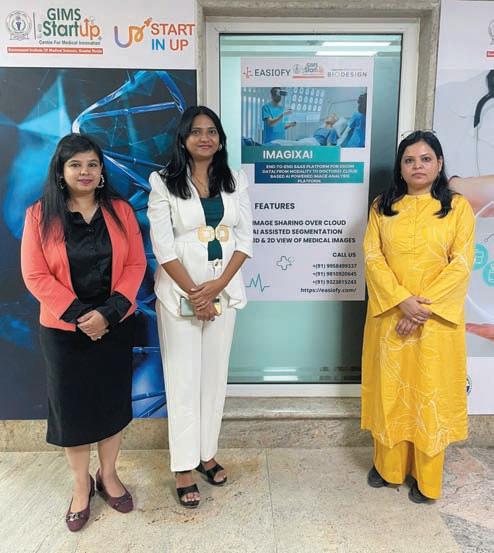
TheTeenDeviyaanofEasiofy:(LtoR)CEOMeenalGupta,COOSheetal Tarkas and CTO Noor Fatma
around one lakh scans being done. This is the volume mismatch There are entire districts in India where there is not a single radiologist available to report.”
Walking us through the process Fatma explains that once a person gets an X ray, it goes into the Easiofy system, and an AI generated report is available within seconds. The AI report will mention what the problem could be, where it could be, and highlight the region as well, so that it becomes easy for a GP to provide medicines.
As a start up, the founders have made it a point to maintain a frugal mindset. Talking about their funding strategy to stay financially sustainable, Fatma says, “Our solution is a software platform, hence the operational cost is low. The main cost is salaries of people, and cloud charges. That is one way the margins are higher and why we are able to stay afloat.”
Easiofy’s major source of funding is government grants, and secondly, getting organisations to sponsor their screening camps as part of their CSR activities. Easiofy’s AI based X ray software platform currently screens for various pulmonary diseases like TB, COPD, etc.
An enabling bridge
Tarkas credits the team at the MeitY-NASSCOM Centre of Excellence (CoE) for helping Easiofy focus on a niche. She narrates how the three founders were associated with NASSCOM way before they registered their company in September 2022. The CoE team mentored
While MeitY-NASSCOM CoE has an annual fee model for medtech enterprises who submit their problem statements,healthcare providers are not charged as of now,as many projects hit implementation challenges.While a CIO might want to implement a solution for a challenge,there are road blocks when it comes to deploying the solutions
the start up, connecting them to networks, guided them through various pivots and then helped them choose and focus on the present niche in radiology.
Sudhanshu Mittal, Head & Director, Technical Solutions, MeitY-NASSCOM CoE talks about how the organisation is bridging the gap between startups, enterprises (ranging from medtech companies to health care service providers like hospitals, clinics, diagnostic chains), academia, and government. The overarching aim is to solve realworld healthcare challenges, leveraging deep tech like IoT, AI, Big Data, AR/VR, and robotics. Delving into the process, he says, “We work with both the enterprise side and the startup community. Among startups, it's mostly the mid-level ones who have demonstrated the capability and maturity of their product and are ready to work with enterprise partners. We ask enterprises to give us their problem statements, explaining where they are facing challenges and then invite applications from start ups to solve these challenges/problem statements. We
curate these applications and ultimately find two or three players which can address the specific requirements of a particular partner.”
As an example, Mittal talks about the JanCARE project (also called the Amrit Grand Challenge), which focused on Primary Health Centres (PHCs) and government hospitals in low resource areas, like tier-2, 3 cities and rural areas. Funded by DBT/BIRAC, MeitY, and NASSCOM, in collaboration with Grand Challenges India (GCI) and several other partners, the project helped them with the deployment of digital healthtech solutions.
Mittal also mentions another programme called the Healthcare Innovation Challenge. In the six editions so far, he estimates that they have worked with 30 plus enterprise partners and enabled 25 plus proof of concepts (PoCs).
Some of the key problemsolving areas that the MeitYNASSCOM CoE in Healthtech focuses on are enabling predictive healthcare with AI-led post-surgery admission
models, transforming claim management through AI-powered rejection prediction, early detection of chemotherapy toxicities using AI risk profiling, democratising eye care diagnostics via mobile AI-driven fundus imaging, enhancing rural patient counseling with LLM-based healthcare chatbots, streamlining hospital workflows with AI-automated discharge summaries, empowering paramedics through AI-driven clinical decision support in pre-hospital care from innovation at scale via CoE-IoT’s #FAME incubator model (funding, mentorship, enterprise connect).
While MeitY-NASSCOM CoE has an annual fee model for medtech enterprises who submit their problem statements, healthcare providers are not charged as of now, as many projects hit implementation challenges. While a CIO might want to implement a solution for a challenge, there are road blocks when it comes to deploying the solutions.
Mittal opines that the solution is to build awareness by
showing them success stories with other players in the ecosystem and letting them see that the adoption is ultimately going to be useful.
Circling back to Easiofy, MeitY-NASSCOM CoE’s mentorship has resulted in AI powered assist tools tailored for radiology departments and hospitals, which allow real time collaborations between doctors, radiologists and care teams in remote resource scarce areas.
Their AI powered automatic segmentations help automatic contouring of organs at risk (OAR) which helps radiologists to minimise radiation to healthy organs. It has also collaborated with a neurosurgeon to develop a neuro AI system which scans for intracranial hemorrhages (ICH) and shows up even small bleeds, which might be missed initially.It is important to catch even minor bleeds as early as possible. Early interventions could prevent problems later by minor bleeds which might be missed due to lack of trained staff or in the general chaos of accident cases.
MeitY-NASSCOM CoE’s role in the success of start ups like Easiofy needs to be scaled up manyfold to solve the myriad gaps in India’s healthcare ecosystem. One hopes that more struggling start ups are inspired by such examples to approach deep tech ecosystem enablers likeMeitY-NASSCOM CoE to make healthcare services more affordable and accessible in India.
viveka.r@expressindia.com viveka.roy3@gmail.com
DIAGNOSTICS
The Jiofication of genomic diagnostics
As the Strand Lifesciences’team savours its silver jubilee year,the senior leadership team decodes the vision and strategy for the mainstreaming of genomic diagnostics in India
In 2000, four scientists from Bangalore’s Indian Institute of Sciences set up Strand Lifesciences. Combining bioinformatics with genomics, their mission was to take genomic insights from the lab to researchers and ultimately patients.
Their initial suite of products and services, using AI to decipher omics data, included providing bioinformatics services to improve success rate in drug discovery and diagnostics genomics.
Besides being India’s first academic spin-off, Strand was the first bioinformatics genomics company in India. The company created the first Indian made genomic analysis software to receive over 20,000 citations in peer reviewed literature.
Co-founder Dr Vijay Chandru (far left in the founders’ photo), recalls the many firsts for Strand, calling it India’s first AI company. “Back in 2000, it was actually the first use of machine learning and AI in a substantive way in the country. In those days, people never talked about AI, we called it data science and data analytics,” he reminisces.
The team built machine learning tools and NLP systems as early as 2000, including an engine that parsed 20 million PubMed articles to form the knowledge graphs still used in its interpretation stack.Strand reportedly conducted and published India’s first large scale studies of inherited cancer risk and diagnosing neurological disorders. It was also the first in India to introduce an non-invasive early cancer detection test based on epigenetics. Its 32,000 sq. ft genomics centre was India’s first College of American Pathologists (CAP)-accredited laboratory for genome sequencing.
The Jiofication of genomics 25 years later, Strand is driven
by the same mission, but at a significantly higher scale.
Turbo-charged by investor Reliance Industries Limited (RIL) in 2021 and now an RIL subsidiary, the management team, led by CEO Dr Ramesh Hariharan, (second from right in the founders’ photo, the
youngest of the four cofounders) , is now working to mainstream genomics testing, by making it even more accessible and affordable.
Though the team has managed to bring down the costs of genomic tests, Dr Hariharan chuckles and mentions
that they are still a long way from RIL Chairman Mukesh Ambani’s directive to bring it down to Rs 999.
Predictably, Nilesh Modi, Director, Strand Lifesciences, an RIL veteran, calls the Chairman’s brief “a Jiofication of genomics”, harking back to
the RIL group’s business strategy of aggressively disrupting every sector they choose to enter: from textiles to retail to telecom.
Modi refers to the various parts of RIL’s plan to build an overall healthcare ecosystem, saying, “Our chairman's vision
The four scientists from Bangalore’s Indian Institute of Sciences who set up Strand Lifesciences in 2000
is that we really need to create impact with AI, leverage the power of AI and bring it to the common man.”
Key components are the patient-facing health app, JioHealthHub, the Jio Clinic platform for clinicians with over 22,000 doctors, and the CareXpert hospital information system—now deployed across more than 500 hospitals in India, the Middle East, and Nepal. RIL’s acquisition of Karkinos Healthcare in December 2024, to boost affordable cancer care, is another part of the RIL healthcare ecosystem.
But can the same playbook apply to genomic diagnostics?
While AI-driven bioinformatics can cut short turnaround time time and increase throughput, running many samples at the same time, will customers trust that the results are accurate? Will patients believe Dr Hariharan’s assurance that the ‘human in the loop’ protocol ensures accuracy and continuous oversight?
Trust at scale
Over the years, Strand seems to have built trust and addressed these concerns, with referrals from approximately 2500 clinicians and hospitals across India and ~10 other countries. The company counts several global genomics companies as clients, ranging from Abbvie, Sanofi, Takeda, etc, with more than 500 completed projects. Their early cancer detection programme and tests were built in collaboration with global leaders like University of Chicago and Johns Hopkins University.
One major expertise area is deploying precision medicine to help oncologists modify treatment throughout a patient’s journey. Giving more details, Dr Hariharan pinpoints a growing area of clinical research: monitoring cancer patients post surgery, when Strand’s tests can detect residual tumour DNA fragments. This helps clinicians decide if the cancer has truly been eradicated and then take calls on escalating or de-escalating therapy.
In reproductive health, Strand’s non-invasive prenatal screening tests detect and prevent genetic disorders like Down’s Syndrome. On the preve ntive health and wellness side, Strand’s products offer patients precision nutrition, with microbiome-informed precision pre & probiotics for skin and gut issues as well as aging/organ health monitoring. The strategy seems to be to position these tests as a part of annual health check ups, once they are more afforadble and more awareness.
Health economic analysis and modelling shows that screening and catching cancers early is viable and is both life-saving and costsaving
Dr Ramesh Hariharan CEO,Strand Lifesciences
Strand LIfesciences was India’s first AI company.Back in 2000,it was actually the first use of machine learning and AI in a substantive way in the country.In those days,people never talked about AI,we called it data science and data analytics
Dr Vijay Chandru Academic-entrepreneur and co-founder,Strand Lifesciences
Our chairman's vision is that we really need to create impact with AI, leverage the power of AI and bring it to the common man
Nilesh Modi Director,Strand Lifesciences
The case for blood-based non-invasive screening Quoting studies that show that 750,000 cases of cancer can be averted and 250,000 deaths prev ented by assessing all adult women for inherited risk of breast and ovarian cancer, Dr Hariharan points out that health economic analysis and modelling shows that screening and catching cancers early is viable and is both life-saving and cost-saving. But he also highlights the drawbacks of current screening methods, especially radi-
ation-based tests. Repeated radiation-based screening tests like mammograms for breast cancer, colonoscopies for colorectal cancer, or lowdose CT scans for lung cancer expose patients to too much radiation and this may be more harmful over a period of time.
He thus makes the case for a shift to blood-based non-invasive screening methods that can look for multiple cancer types simultaneously and reduce the number of people undergoing radiation basedtests to the minimum.
The leadership team revealed that Strand is conducting multiple clinical studies—including a national, multicentre blinded study currently underway, based on samples from hospitals across the country —to validate that its test helps more than it harms. Results are expected mid-next year, alongside additional trials across different risk categories.
Revving up for the next pivot
Four years after becoming part of the RIL group, Strand seems ready for the next pivot: scaling up its genomics testing presence, leveraging RIL’s scale to bring down prices and penetrate the market beyond metro towns. Strand’s genomics centre today performs 40,000–50,000 tests annually, with capacity for several hundred thousand.
The leadership disclosed three new releases. Firstly, Strandomics v2, will use AI and speed up, by four times, the process of reading complex clinical descriptions in prescriptions and map them to the appropriate genes described in the medical literature.
The second release, CytoRx AI, will help Strand answer questions raised by pharma partners faster and better, reducing the cost of drug development by three times. This tool works by assembling the relevant single cell datasets to answer a given drug response question, using LLMs.
And lastly, but possibly the most ambitious launch, CancerSpot v2, is a multi-cancer early detection blood test. This version expands from the previous version’s 10 to 14 cancer types, using evidence from approximately 1700 samples.
Prioritising high sensitivity and specificity, the test aims to reduce the number of invasive tests needed for guideline adherence (reduces colonoscopies 10-fold, reduces low-dose CT exposure for heavy smokers 20-fold) and as per Strand’s leadership team, provides the first viable option for screening non-smokers for lung cancer.
DIAGNOSTICS
The genomics testing opportunity
Strand is part of India’s competitive and expanding genomic testing market. A Grand View Research report estimates the global genetic testing market size at USD 14.25 billion in 2025, anticipated to reach USD 39.25 billion by 2030, growing at a CAGR of 22.5 per cent from 2025 to 2030. While North America was the largest market in 2024, Asia Pacific is pegged as the fastest growing market.
The big names in global genomics are Natera and Illumina, whereas within India, Strand/RIL competes with genomic-focused players like MedGenome and MapmyGenome as well as players like Agilus Diagnostics, Metropolis Healthcare, Dr Lal PathLabs, Mahajan Imaging & Labs, and Redcliffe Labs, which have seen their genomic testing revenues rise over time.
As per the Grand View Research report, the genetic testing market in Asia Pacific is expected to experience the fastest CAGR of 25.7 per cent during the forecast period. Based on technology, the next generation sequencing segment led the market with the largest revenue share of 49.3 per cent in 2024. Based on application, the health and wellness-predisposition/risk/tendency segment led the market with the largest revenue share at 52.3 per cent in 2024.
The report posits that the growing prevalence of chronic
and genetic diseases, along with the rising demand for personalised medicine, is fueling the need for genetic testing services. Governments in several countries are also supporting the market by funding genomics research and integrating genetic testing into public health programmes. Furthermore, the increasing adoption of direct-to-consumer genetic testing and the expansion of healthcare access in emerging economies are contributing to the overall market growth in the Asia Pacific region.
A Nexdigm report values India’s genomic testing market at USD 550 million, based on 2024 data, as per industry projections. This report estimates a CAGR of 18 per cent through 2030, potentially elevating market size to approximately USD 2,066 million.
In terms of market potential, the Strand leadership believes that genomic testing could apply to every Indian above age 45–50. While market size is not the constraint, they caution that building infrastructure and a supportive ecosystem takes time, patient capital and supportive government initiatives.
While global genomic testing companies offer single high-value tests costing Rs 2.5–3 lakh, the RIL-Strand leadership stresses the need for affordability and scale in India. With RIL as a partner, the aim seems to be to ensure advanced genomic testing reaches far beyond the top 2–5
per cent of the population, presently concentrated in major metros.
Adouble edge sword?
While genomic testing could reduce healthcare costs by early detection, it raises other concerns. Health data privacy and the implications of genomic testing on health and life insurance need further clarity, as insurers could misuse test results to refuse insurance cover.
The Strand leadership team strongly recommends that India should evolve towards developing its own version of the US GINA Act, referring to the Genetic Information Nondiscrimination Act (GINA) of 2008.
The GINA Act prohibits genetic discrimination in health insurance and employment. It prevents health insurers from using genetic information to determine eligibility or premiums and prohibits employers from using it in hiring, firing, or other employment-related decisions.
In contrast, the Insurance Regulatory and Development Authority of India (IRDA) had a clause excluding genetic disorders. It was only in March 2018 that the Delhi High Court took this up, while examining the case of a patient whose insurance claim was denied as he had been diagnosed with hypertrophic obstructive cardiomyopathy, a disease that could be classified as a genetic disorder.
As per media reports, the Delhi High Court rejected the
claim that insurance was not payable because it was a genetic disease, holding that the term genetic disorder is vague and should not be used as the ground for exclusion of insurance claims.
Thus as of April 2025, health insurance policies in India are required to cover genetic disorders. However, while genetic disorders can no longer be universally excluded, analysts are concerned that the implementation and vague wording will allow insurance companies to deny payment. In the US too, the GINA Act has a major loophole: GINA’s protections are limited to health insurance, but does not cover life, disability, or long-term care insurance.
As awareness about the advantages of genomic tests rises, insurance coverage will be a major driver to spur greater acceptance. The Strand leadership suggests that instead of excluding genomic testing, insurers should reimburse the costs of the tests. Their argument is persuasive: genetic tests enable early detection, thereby significantly reducing long term healthcare costs and improving outcomes, allowing patients and clinicians to “manage the disease rather than treat it."
Correcting the genetic spelling errors
While AI is the engine driving genomic testing, the Strand leadership ensures that a human is in the driver’s seat.
The ‘human-in-the-loop’ model both in the lab as well as in clinical settings would be essential to build customer trust. As genomic tests become more mainstream, companies like Strand will need to ensure that sufficient trained counsellors are also in the loop, to explain the results and implications of genomic tests.
Giving examples from his own life, Dr Hariharan discovered he was color blind after a genetic test. In his book, Genomic Quirks: The Search for Spelling Errors, he starts with his relatively less serious genetic condition, and goes on to analyse more serious consequences of spelling errors in genes: a baby detected with eye cancer, infants suddenly dying, misplaced organs, a family coping with sudden vision loss. The book brings out how genomic scientists hunt for clues to correlate such clinical observations with genetic spelling errors, all in the hope that these correlations will one day result in better treaments and maybe a cure for such conditions.
Will the scientific credentials Strand of Lifesciences, backed by RIL’s reach and expertise in price compression, succeed in taking genomic diagnostics to the masses? And will India’s laws on health insurance protect patients’ genomic data, while reaping the benefits of better health outcomes? Only time will tell.
viveka.r@expressindia.com viveka.roy3@gmail.com
MEDTECH
India’s MedTech leap: Preparing to lead the global healthcare supplychain
Himanshu Baid, Managing Director,Poly Medicure,outlines how India’s MedTech industry has reached a pivotal moment evolving from an import-dependent sector into a fast-growing, innovation-driven manufacturing powerhouse poised for global leadership
India’s medical devices industry stands at a defining inflection point. Less than two decades ago, the sector was heavily import dependent; today, it has evolved into a globally competitive manufacturing hub with exports rising steadily year after year. Valued at nearly USD 15 billion and growing at a CAGR of 15-16 per cent, India’s MedTech industry is firmly on the path to touching USD 50 billion over the next decade. With a powerful combination of government support, industry-led innovation and the emergence of MedTech clusters, India is steadily positioning itself as the global export capital for medical devices.
Much of this progress has been driven by proactive policy action. Over the past few years, the Government of India has taken decisive steps to strengthen the ecosystem -from the Promotion of Research & Innovation in Pharma-MedTech (PRIP) scheme to the new medical devices scheme and the establishment of dedicated device parks across the country. These initiatives are enabling manufacturers to scale production, adopt advanced technologies and reduce dependence on imports. Regulatory reforms have further improved ease of doing business by aligning India with global standards and streamlining approval pathways.
Tax rationalisation has also played a crucial role, with GST on medical devices being reduced to 5 per cent, improving affordability and encouraging domestic production. However, this welcomed rate rationalisation has inadvertently resulted in a challenge for manufacturers: the inverted duty structure. Many essential medical devices now attract a 5 per cent GST rate, while key raw materials, input services, and job work are
taxed at 18 per cent. Additionally, the GST rate for job work in our sector has increased from 12 per cent to 18 per cent. This disparity has led to accumulation of Input Tax Credit (ITC), thereby blocking working capital and increasing financial strain across the industry.
To address this, a revision of the inverted duty refund formula is essential. The current formula excludes input services and capital goods from refunds, despite their critical role in the value chain. Including these components in the refund mechanism would significantly ease working capital pressures, enhance cash flow efficiency, and empower manufacturers to align with national priorities such as Make in India, Atmanirbhar Bharat and ease of doing business. A holistic approach to credit utilisation will strengthen domestic competitiveness and support higher-
scale production.
Technological disruption is also redefining the MedTech landscape. AI-powered diagnostics, robotics-assisted surgery, 3D printing, IoT-enabled monitoring and data-driven healthcare solutions are transforming how devices are developed, manufactured and used. These emerging technologies are improving precision and patient outcomes, accelerating time-tomarket and lowering costs, making advanced healthcare accessible not only in India but in markets worldwide.
Importantly, India is moving beyond its earlier perception as a low-cost manufacturing destination. The shift from “Manufacture in India” to “Design, Develop and Make in India” is becoming more pronounced. Companies are increasingly investing in proprietary designs, process innovation, and automa-
tion. Clinical validation is emerging as a key differentiator, ensuring that Indian products meet global expectations of quality, safety, and usability. Building specialised infrastructure particularly animal testing facilities, will further strengthen India’s ability to conduct credible clinical trials and validations within the country.
Yet, for India to truly become the MedTech capital of the world, it must close the gap in components and raw materials. A large portion of critical inputsmedical-grade steel, polymers, precision metals and specialised electronics continues to be imported. This not only increases costs but exposes manufacturers to global supply disruptions. The automobile industry offers valuable lessons: its success stems from a strong ancillary ecosystem. MedTech, with its equally sophisticated supply chain, needs a similar approach.
Medical device parks present a unique opportunity to build this ecosystem. By developing dedicated component clusters within these parks, India can foster a robust, exportready supply chain that serves both domestic manufacturers and global markets. This would not only reduce import dependence but also strengthen India’s integration into global value chains.
R&D will be the driving force behind this next phase of transformation. Schemes like PRIP are important enablers, but the industry must push beyond incremental improvements. There is tremendous scope for developing affordable, portable and user-friendly devices suited to diverse healthcare environments, particularly in developing nations. Stronger industryacademia collaboration will be essential. With India’s deep engineering talent, vibrant startup
ecosystem and growing biomedical research base, the country is uniquely positioned to become a global MedTech innovation hub.
Building “Brand India” in MedTech is equally important. Global leadership demands not just manufacturing excellence but trust, visibility and credibility. International certifications, consistent quality and strategic marketing are key. The dedicated Export Promotion Council for Medical Devices (EPCMD) is a timely and important step that will help position India as a trusted global partner. Beyond serving 1.4 billion people domestically, India is strategically placed to cater to nearly 4 billion people across South Asia, Africa, and Southeast Asia.
The decade ahead presents an extraordinary opportunity. If the last three decades belonged to electronics, telecom and pharmaceuticals, the next belongs to MedTech. With a strong manufacturing foundation, rising innovation investments, supportive policy environment and growing global demand, India is poised to claim leadership in the global MedTech arena. But for this to be realised, industry must commit to bold innovation, the government must continue its reform momentum, and academia must partner meaningfully to build a holistic ecosystem from raw materials to finished goods, from design to global delivery.
India’s MedTech journey is not just a story of growth; it is a story of transformation marked by resilience, ingenuity and national aspiration. With the right blend of policy support, innovation and collaboration, India is not merely preparing to compete; it is preparing to lead. As the world seeks accessible, highquality and innovative healthcare solutions, India’s MedTech sector is ready to deliver.
MEDTECH
Reimagining Indian MedTech: HowTruevis is redefining imaging,innovation and self-reliance
Milind Deshpande, Joint Managing Director,Truevis Technologies,highlights how the company is driving a new era of India’s diagnostic transformation through indigenous imaging systems, strategic global collaborations and a strong focus on accessibility and service reliability
Anewera for India’s diagnostic landscape
India’s healthcare sector is undergoing a pivotal transformation driven by rising demand for advanced diagnostics, national initiatives for self-reliance and the urgent need to expand medical infrastructure beyond major metropolitan centres. In this evolving environment, Truevis Technologies based in the Andhra Pradesh MedTech Zone (AMTZ) in Visakhapatnam is emerging as a catalyst for accessible, reliable and locally manufactured medical imaging solutions. With a dedicated focus on CT, PET-CT and upcoming MRI and radiation therapy systems, the company is reshaping how high-end imaging is built, delivered and sustained in India.
Democratising access to advanced imaging
A major challenge in India has long been the limited availability of advanced imaging technologies such as PET-CT, traditionally concentrated in large hospitals due to high purchase costs and service complexity. Truevis is addressing this gap with a localised manufacturing model that delivers world-class performance at significantly lower lifecycle costs. By building and servicing PET-CT systems entirely within India, the company is enabling Tier-2 and Tier-3 hospitals to offer diagnostic capabilities once restricted to leading cancer centres, supporting national programs like Ayushman Bharat and promoting healthcare equity.
Powered bypeople and strategic partnerships
Truevis’s strength lies deeply in its people and the global partnerships that augment its ca-
Truevis’s strength lies deeply in its people and the global partnerships that augment its capabilities.Its engineering and clinical teams include professionals with decades of experience in international imaging companies,forming a strong base for innovation
pabilities. Its engineering and clinical teams include professionals with decades of experience in international imaging companies, forming a strong
base for innovation. Through a strategic collaboration with Neusoft Medical Systems, the company benefits from structured technology transfer, de-
sign expertise and advanced training programs. This enables Truevis to localise proven global technologies and adapt them to the practical needs of Indian hospitals, ensuring performance, reliability and ease of maintenance.
Training and empowerment at the AMTZexperience centre
Complementing its technical foundation, Truevis operates a dedicated Experience and Training Centre at AMTZ. This facility offers clinicians, radiologists and biomedical engineers hands-on exposure to imaging systems, software interfaces and data-analysis tools. By fostering confidence and increasing familiarity with high-end systems, the centre supports informed decisionmaking and accelerates the adoption of advanced imaging across India.
Service innovation that guarantees uptime
Recognising that uptime is the defining metric in diagnostic imaging, Truevis has developed a national service architecture designed for reliability. With a 24×7 Command and Control Centre, AI-enabled predictive maintenance tools, remote diagnostics and fast-response field teams, the company ensures minimal downtime and operational continuity for hospitals. This service model provides healthcare providers with confidence that their imaging systems will perform consistently, even in high-volume settings.
Advancing imaging through digital precision
Among Truevis’s early flagship offerings is a next-generation PET-CT platform engineered
for digital precision, faster scan times and reduced operational costs. Unlike conventional analogue systems that remain common in the Indian market, this advanced digital architecture offers improved image clarity, efficiency and long-term serviceability. Its design principles emphasise robustness, ease of use and affordability, making it suitable for major oncology centres as well as emerging regional hospitals seeking to expand their diagnostic capabilities.
Building the future of Indian MedTech
Truevis is shaping a long-term innovation roadmap that integrates AI-driven imaging analytics, cloud-connected diagnostic platforms and predictive maintenance technologies. Future product lines include MRI systems and radiation therapy linear accelerators, positioning the company as a comprehensive imaging and therapy solutions provider. With plans to export to emerging global markets, the company is contributing to India’s ambition to become a competitive global hub for MedTech manufacturing.
Avision moving India forward
Truevis Technologies represents a new era in Indian MedTech—one defined by indigenous manufacturing strength, global collaboration, service excellence and a commitment to accessible healthcare. As India moves from import dependence to technological leadership, Truevis stands at the forefront of this transformation, building the future of imaging one innovation, one system and one hospital at a time.
POST EVNTS
Welcome address
Express Healthcare organised the GenNext Hospital Summit 2025 –Pune Edition on 21 November 2026 in Pune. This flagship series aims to facilitate the development of next-generation hospitals equipped to navigate the rapidly evolving healthcare landscape and meet changing patient expectations.
The overarching theme for this year was “Building a Future-Ready Healthcare Ecosystem.”
The summit brought together leaders, experts, and key decision-makers to explore emerging trends, address pressing challenges, and discuss opportunities shaping new-age hospitals. The event was sup-
ported by Gold partners – Equitron and ZOTA Healthcare, and Silver partners – Altus Airflow and Konica Minolta.
GenNext Hospital Summit Pune featured distinguished speakers who shared valuable insights on digital acceleration in hospitals, the future of healthcare delivery, and the dynamic expectations of the next generation.
The event commenced with a welcome address by Express Healthcare, setting the tone for the day by outlining the vision of the GenNext Hospital Summit 2025 Pune series. This was followed by a traditional lamplighting ceremony, marking an auspicious beginning to the proceedings.
Leadership roundtable: Building a future-readyhealthcare ecosystem
The healthcare landscape is undergoing rapid transformation, shaped by technological advancements, shifting demographics, and evolving patient expectations.
Against this backdrop, the leadership roundtable centred on the highly relevant theme, “Building a FutureReady Healthcare Ecosystem.”
The esteemed panel comprised Vinod Sawantwadkar, CEO, Jehangir Hospital (Moderator); Dr Sunil Rao, Group COO and Medical Director, Sahyadri Hospital and Behram Khodaiji, CEO, Ruby Hall Clinic.
During the leadership roundtable, the panel underscored that future-ready hospitals must anchor themselves in patient-centricity while embracing technology that is both advanced and cost-effective.
KEYHIGHLIGHTS
◆ Future-readyhospitals must be patient-centric, technologicallyadvanced,and adaptable,especiallyin infrastructure and workforce scalability.
◆ Sustainabilityrequires balancing qualityand affordabilitythrough cost optimisation,utilisation review, and ecosystem-wide collaboration with insurers and suppliers.
◆ Workforce development and retention depend on structured training,burnout prevention, and strong clinical-plushospitalitysystems,particularly for nurses and clinical assistants.
◆ Technologyis here to stay,but it must become cost-effective and must integrate smoothly with existing hospital systems.
The leaders further stressed that workforce development—through struc-
They emphasised the need for adaptable infrastructure and scalable workforce models to meet the demands of a rapidly changing healthcare environment. Sustaining quality without compromising affordability emerged as a key priority, calling for ecosystem-wide collaboration, including insurers and suppliers.
tured training, burnout mitigation, and stronger clinicalplus-hospitality systems—is essential for long-term resilience. As hospitals continue to generate vast volumes of
data, the focus must now shift from mere collection to meaningful utilisation, enabling improved patient outcomes and operational excellence.
◆ Hospitals generate enormous volumes of data,and the focus must nowshift to using this data effectivelyto improve patient care and operational processes
Lamp lighting ceremony: Mr Vinod Sawantwadkar; Dr Sunil Rao; Mr Behram Khodaiji and Dr Kishore Kumar
L-R: Behram Khodaiji,CEO,RubyHall Clinic; Vinod Sawantwadkar,CEO,Jehangir Hospital (Moderator); Dr Sunil Rao,Group COO and Medical Director,Sahyadri Hospital
POST EVNTS
Digital acceleration in hospitals
Dr Kishore Kumar, Founder Chairman and Executive Director of Cloudnine Hospital, presented his insights on how digital acceleration (DA) is redefining modern healthcare, especially in obstetrics and paediatrics.
He highlighted that DA is here to stay and holds immense potential to enhance diagnostics, enable personalised care, and significantly improve patient outcomes. However, he emphasised that its successful adoption requires addressing ethical, technical, and regulatory challenges to ensure that AI complements— rather than replaces—the expertise of healthcare professionals.
Looking ahead, he noted that DA-enabled wearables, predictive analytics, telemedicine integration, and collabora-
Dr Kishore Kumar,Founder Chairman and Executive Director of Cloudnine Hospital
tive digital ecosystems will steer the next phase of healthcare transformation.
Cybersecurityin healthcare
In his session on 'Cybersecurity in Healthcare', Dr Chandermani, Unit Head-Medical Services, Jupiter Hospital Pune, highlighted that cybersecurity is now intrinsically linked to patient safety.
He emphasised that prev ention is far easier and more cost-effective than dealing with the aftermath of an actual attack. He stressed the importance of building a strong cybersecurity culture that protects both people and data.
According to him, hospitals must treat cybersecurity with the same discipline as infection control—proactive, rigorous, and embedded into routine operations to minimise vulnerabilities and ensure safe, uninterrupted care.
Home healthcare-Whyshould hospitals thinkabout it?
Dr Ravi Pratap, Consultant and Head of Emergency Medicine, Jupiter Hospital Pune presented on 'Home Healthcare-Why Should Hospitals Think About It?' He outlined why home-based care is becoming an indispensable extension of hospital services in India. He explained that the sector initially witnessed rapid growth due to rising patient needs and conveniencedriven expectations, but this boom also led to the mushrooming of unorganised bureaus, thin operating margins, and widespread misconceptions about home healthcare being an unprofitable venture.
Dr Pratap stressed that hospitals missed an opportunity by staying away
Dr Ravi Pratap,Consultant and Head of EmergencyMedicine,Jupiter Hospital Pune
from the space, even though home healthcare directly extends the continuum of care, builds patient trust, and reduces logistical and financial burdens for families.
To tap into this potential, he emphasised the need for hospitals to form dedicated teams instead of diverting existing staff, integrate insurance partners for sustainable models, and leverage their inherent strengths—established brand credibility, in-house diagnostics, trained clinicians, and the ability to organise this fragmented sector. He concluded by urging hospitals to adapt proactively, noting that “when the winds of change blow, some build walls and others build windmills.”
Transforming X-Rayservices with Dynamic Digital
Radiography(DDR)
In his session on Transforming XRay Services with Dynamic Digital Radiography (DDR), Manan Sanghvi, Project Leader – Business Strategy and Planning, Konica Minolta Healthcare India Pvt Ltd, highlighted how Konica Minolta’s DDR technology is redefining diagnostic imaging.
He explained that Konica Minolta offers the only solution capable of capturing both anatomical and functional motion on a large field of view—while maintaining a low radiation dose.
This motion-based diagnostic capa-
Manan Sanghvi,Project Leader – Business Strategyand Planning,Konica Minolta Healthcare India Pvt Ltd
bility, he noted, enables clinicians to advance beyond static X-rays and contrast-dependent tools, supporting applications ranging from pulmonary embolism detection to musculoskeletal instability assessments.
He emphasised that DDR transforms traditional X-ray departments into future-ready diagnostic hubs by enhancing speed, reducing operational costs, and integrating seamlessly with AI-driven workflows, ultimately strengthening hospital ROI and improving clinical decision-making.
Dr Chandermani,Unit Head-Medical Services,Jupiter Hospital Pune
From washing to sterilisation: Hidden design choices that shape dailyCSSD realities
Presenting on 'From Washing to Sterilisation: Hidden Design Choices That Shape Daily CSSD Realities', Stinita Dsouza, Senior Marketing Specialist, Equitron Medica Private Limited, explained how smart, practical design decisions can significantly improve the day-to-day functioning of hospital CSSDs.
She shared that Equitron’s systems are engineered for compact, disruptionfree installation, allowing them to fit smoothly into new or existing setups and move through standard hospital lifts without requiring on-site assembly.
She further noted that the equipment delivers substantial efficiency gains by using just 12 to 15 litres of water per phase— reducing detergent usage, shortening heating time, and lowering the total cost per cycle. She also added that Equitron’s heat-exchanger-based design ensures cooler, more consistent pump performance, which enhances operational stability and keeps noise levels low for longterm, reliable sterilisation workflows.
In the fireside chat on radiology, Dr (Lt Col) Priscilla Joshi, Professor and Head – Department of Radiodiagnosis and Vice Principal (PG), Bharati Vidyapeeth (DTU) Medical College and Vinay Chutake, Consultant – Medical Technology, Deenanath Mangeshkar Hospital, discussed what it truly means to build future-ready radiology services. The conversation highlighted that the radiology of tomorrow depends not only on advanced hardware but equally on agile workflows, strong digital integration, and operational resilience. Both experts agreed that the biggest barrier to adopting new technologies is not cost or capability—but change management within institutions.
Technology,Deenanath Mangeshkar Hospital
Futuristic healthcare establishments: What to expect?
Speaking on 'Futuristic Healthcare Establishments: What to Expect?', Dr Meenakshi Deshpande, Senior Consulting Obstetrician, Gynaecologist, Medicolegal Expert and Vice President, IMA Maharashtra, outlined the major shifts shaping tomorrow’s healthcare ecosystem. She emphasised that the future will move decisively from traditional, hospital-centric “sick care” to proactive, personalised, and technology-enabled wellness management. Dr Deshpande highlighted key drivers including rising healthcare costs, increasing chronic diseases, ageing populations, digital health
Dr Meenakshi Deshpande,Senior Consulting Obstetrician,Gynaecologist,Medicolegal Expert and Vice President,IMAMaharashtra
adoption, and growing consumer expectations. She pointed to transformative trends such as AI-driven diagnostics, telemedicine, remote monitoring, wearable devices, precision medicine, robotics, automation, and big data analytics—all of which will redefine how care is delivered, accessed, and experienced. She noted that these advancements will empower patients, shift care delivery closer to homes and communities, improve clinical outcomes, and create new workforce roles focused on technologyenabled care. However, she also cautioned that challenges such as data privacy, ethi-
SNAPSHOTS FROM THE EVENTS
They noted that AI will deliver real value in healthcare only when it drives meaningful clinical outcomes: saving time, reducing errors, or directly improving patient survival. Tools built on hype without measurable impact will inevitably fade. The discussion also underscored the importance of effective procurement, where clinicians must appreciate financial considerations, and finance teams must understand clinical needs to arrive at balanced, rational decisions. The speakers concluded that no single vendor can offer best-in-class HIS, RIS, PACS, and modality systems, making multi-vendor integration with strong IT support the most practical and future-proof approach for hospitals.
cal considerations, unequal access, and workforce shortages must be addressed to ensure equitable progress. Dr Deshpande stressed the need for stronger emergency departments, robust triaging systems, wider telemedicine utilisation, and nation-wide organ donation implementation. Ultimately, she envisioned a future-ready healthcare ecosystem that prioritises patient satisfaction, good clinical outcomes, affordability, and sustainable wellness—supported by digital health cards, fair pricing policies, expanded insurance penetration, and strengthened medico-legal safeguards.
Dr (Lt Col) Priscilla Joshi,Professor and Head – Department of Radiodiagnosis and Vice Principal (PG),Bharati Vidyapeeth (DTU) Medical College and VinayChutake,Consultant –Medical
Panel discussion: Evolving landscape of healthcare financing in India
In the panel discussion on 'Evolving Landscape of Healthcare Financing in India', Jyoti Prakash Mahapatra, CFO, Ruby Hall Clinic; Dr Rakesh Shah, COO, KEM Hospital; Kishore Chavan, Head – Central Purchase Department, Dr D.Y. Patil Medical College, Hospital and Research Centre; and Lt Col (Dr) Kushagra Patel (Retd), CEO, Raigad Hospital and Research Centre (Moderator) examined the financial realities shaping hospitals today. The panel emphasised that self-sustainability in healthcare increasingly relies on data-driven decision-making, strict cost containment, and improving operational efficiency across every department. They discussed how hospital margins continue to shrink due to government schemes, insurance-driven pricing pressures, and rising input costs—making operational optimisation a survival imperative rather than a choice.
The speakers highlighted that while private equity investment in Indian healthcare has grown nearly tenfold in the last five years, investors remain sharply focused on
KEYHIGHLIGHTS
◆ Self-sustainabilityin healthcare depends on datadriven decision-making,cost containment,and operational efficiencyacross all departments.
◆ Healthcare margins are shrinking due to government schemes,insurance reforms, and rising costs,forcing hospitals to optimise operations.
◆ Private equityinvestment has grown nearly10× in five years,but investors prioritise profitability—making cost optimisation critical.
◆ India undervalues healthcare,paying disproportionatelylowfees for essential care compared to other countries,reflecting poor investment perception.
profitability and sustainable returns, further pushing hospitals to streamline operations. They noted that India continues to undervalue healthcare, with disproportionately low reimbursement rates for essential medical services compared to global
standards—reflecting a systemic undervaluation of care delivery. The panellists also pointed out that the escalating costs of medical infrastructure, rapid technology obsolescence, and increasing capital expenditure burdens demand inn ovative financing
models. These include CSRlinked funding channels, consumable-based vendor partnerships, and volume-based operational strategies aimed at balancing affordability, quality, and financial viability within India’s evolving healthcare ecosystem.
SNAPSHOTS FROM THE EVENTS
◆ Rising medical infrastructure costs and technology obsolescence require new funding models,including CSRlinked platforms,consumablebased vendor partnerships,and volume-based operational strategies.
L-R: Lt Col (Dr) Kushagra Patel (Retd),CEO,Raigad Hospital and Research Centre (Moderator); Jyoti Prakash Mahapatra,CFO,RubyHall Clinic; Dr Rakesh Shah,COO,KEM Hospital; Kishore Chavan,Head – Central Purchase Department,Dr D.Y.Patil Medical College,Hospital and Research Centre
HEALTHCARE TRACKER
Sysmexcoagulation market in India
Srinivas Naidu, Senior Product Manager-Coagulation Marketing,Sysmex India Pvt Ltd talks about the growing importance of coagulation testing
India’s diagnostic landscape is undergoing one of the fastest transformations in the world, and coagulation testing sits at the center of this evolution. Rising clinical awareness, expanded hospital infrastructure, a growing insured population, and a shift toward qualitydriven laboratory practices are reshaping how coagulation diagnostics are delivered. Amid this transition, Sysmex—already a respected name in hematology—has positioned itself as an increasingly influential player in India’s coagulation market. The company’s portfolio of automated systems, supported by strong service capabilities and a growing reagent ecosystem, is aligning well with India’s longterm diagnostic needs.
Growing importance of coagulation testing
Coagulation diagnostics in India has moved from being a niche area to becoming a routine and essential component of patient management. Conditions such as cardiovascular disease, thrombotic disorders, liver disease, trauma, and perioperative challenges require rapid and reliable coagulation analysis. The increasing use of anticoagulant therapies—both warfarin and newer direct oral anticoagulants—has also pushed PT/INR and aPTT testing volumes dramatically higher across hospitals and independent labs.
With these changing clinical patterns, the demand is shifting away from manual, techniciandependent methods toward faster, more automated systems with standardized outputs. This is where Sysmex’s global expertise provides a strategic advantage.
Sysmex’s positioning and technologydirection
Sysmex has steadily expanded its coagulation portfolio worldwide, and its strategy in India mirrors its global philosophy: automation, quality standardisation, and scalable solutions.
The company’s automated
coagulation analyzers are designed to cover routine assays while also supporting advanced testing panels. For India, this is particularly relevant because many hospitals and reference labs are consolidating workflows. Instead of relying on multiple semi-automated systems, labs now prefer consolidated analyzers capable of delivering high throughput, consistent accuracy, and predictable reagent performance.
Sysmex’s systems emphasise ease of use, minimal manual intervention, and strong quality control. In a diverse market like India—where laboratory staffing levels, training, and workloads vary widely—these features are not just differentiators; they are enablers of consistent clinical care.
Whyautomation matters in India
Laboratory automation in India is accelerating, not only in large metro-based hospitals but also across growing Tier-2 and Tier-3 cities. The push for accreditation, digitisation, and standardised laboratory medicine has made automation almost a requirement for competitive healthcare providers. For coagulation testing, automation brings several advantages:
◆ Standardised results across multiple sites
◆ Lower dependence on operator skill
◆ Improved turnaround time, essential for emergency and perioperative care
◆ Better reagent stability and traceability
◆ Reduced pre-analytical and manual errors
Sysmex’s design philosophy aligns closely with these needs. Its systems integrate automated sample integrity checks, intelligent reagent management, and connectivity with lab information systems. In India—where labs often manage heavy sample loads—such features translate directly into smoother operations and more reliable patient outcomes.
The
expanding midvolume market
One of the most promising growth segments for Sysmex is the rapidly expanding mid-volume lab market. Many mediumsized hospitals and local diagnostic chains are upgrading from manual or semi-automated coagulation analyzers. They seek compact yet fully automated systems that balance cost efficiency with reliability.
Sysmex’s solutions for this segment are particularly well suited. These instruments offer a combination of affordability, ease of maintenance, and the ability to scale testing volumes as laboratories grow. With India’s secondary healthcare sector expanding quickly, this market will likely remain a sustained growth engine.
For India, the future is likely a hybrid ecosystem: robust central laboratory analyzers complemented by decentralised, rapid-response coagulation devices. Sysmex is well positioned
to operate across both layers as long as it continues adapting its portfolio to local needs such as cost sensitivity, portability, and service accessibility.
Service,reliabilityand the importance of support
A key requirement for success in the Indian diagnostics market— often more important than technology itself—is after-sales service. India’s geographic diversity and uneven distribution of skilled engineers make service responsiveness a competitive differentiator.
Sysmex already enjoys a strong reputation in India for hematology support. Extending this same service quality to coagulation customers is one of its most powerful competitive tools. Laboratories increasingly expect preventive maintenance, guaranteed reagents, remote support, and minimal downtime. Sysmex’s structured service model and regional presence allow it to meet these expectations effectively.
Emerging opportunities in India
As the market matures, several structural opportunities are emerging:
1. Rise of national laboratory networks
India’s diagnostic chains are consolidating, creating nationwide networks needing uniform testing platforms. Sysmex can benefit by aligning its solutions with these networks’ expansion strategies.
2. Growth of corporate hospitals
Large hospital chains are investing in high-end diagnostics and automation. These institutions value reliability and scalability—areas where Sysmex’s automated systems excel.
3. Standardisation through accreditation
More laboratories are pursuing NABL accreditation, which increases demand for analyzers with robust QC and documentation features.
4. Expansion into smaller
cities
Tier-2 and Tier-3 cities are becoming healthcare investment hotspots. These regions need mid-range automated coagulation systems that offer performance without high complexity.
5. Increasing clinical awareness
As clinicians adopt more evidence-based practices, coagulation tests are becoming integral to treatment pathways in surgery, trauma care, neurology, cardiology, and oncology. This rising awareness directly boosts test volumes.
Challenges of Indian coagulation market
Despite the strong opportunity landscape, India presents challenges:
◆ Need for continuous reagent availability across remote locations
◆ Pressure for faster installation and service turnaround times
Looking ahead: The next five years
India’s coagulation testing market is set for sustained expansion. Automation will continue spreading to mid-sized labs, quality requirements will grow stricter, and clinicians will increasingly expect quick, reliable results. As hospitals and diagnostic chains consolidate their technologies, the ability to deliver standardised performance across networks will become a competitive necessity.
Sysmex, with its global expertise and strong Indian presence, is well positioned to lead this evolution. The company’s focus on reliability, automation, and scalable solutions aligns precisely with India’s diagnostic needs for the next decade. As long as it remains agile—adapting its product mix, pricing strategies, and service infrastructure to the realities of the Indian market—Sysmex is poised to emerge as one of the most influential coagulation technology providers in the country.
Hytrel Film: The Next Frontier in Medical Polymer Innovation
The Shift from Conventional Polymers to Smart Elastomers
For years, industries have relied on films made from rubber, PVC, or TPU. Each of these materials has benefits, but none could deliver the perfect balance of flexibility, toughness, chemical resistance, and recyclability. This challenge gave rise to Hytrel® films, made from thermoplastic polyester elastomers (TPEE).
In today's rapidly evolving polymeric landscape, industries are moving beyond traditional commodity materials like PP,
The Science behind Hytrel:
Molecular Engineering for Performance
At the molecular level, Hytrel is composed of alternating hard and soft segments. The hard segments (polybutylene terephthalate) impart mechan-
tive packaging.
Conclusion: Hytrel
FilmRedefining Possibilities in Medical Innovation
als that combine biocompatibility, sterilization stability, and process efficiency. Hytrel films address all three.
PE, and PVC. The demand for materials that blend flexibility, strength, and chemical stability has led to the rise of advanced thermoplastic elastomers (TPEs). Among them, Hytrel®, a thermoplastic polyester elastomer, stands out as a versatile engineering material that bridges the gap between rubber and plastic.
Unlike typical films that offer either rigidity or elasticity, Hytrel film brings both-combining the process ability of thermoplastics with the resilience of elastomers. This unique balance opens immense potential for medical, automotive, and industrial applications where reliability and performance are critical.
ical strength, while the soft segments (polyether) provide flexibility and elasticity. This block copolymer structure allows it to maintain mechanical integrity even under dynamic stress, high temperature, and repeated flexing.
These properties make Hytrel films exceptionally fatigue-resistant, chemically stable, and dimensionally consistent-features that make it suitable for precision medical components and critical sealing applications.
Game Changer for the Medical Industry
Medical device manufacturers are constantly seeking materi-
◆ Biocompatibility: Hytrel films meet ISO 10993 standards, making them suitable for direct and indirect body contact.
◆ Sterilization Resistance: Unlike PVC or PP, Hytrel retains its mechanical strength and flexibility after multiple sterilization cycles-whether by steam, gamma, or EtO.
◆ Precision and Flexibility: The film's high tear resistance
and consistent thickness make it ideal for catheter balloons, medical bladders, tubing covers, diagnostic pouches, and flexible seals.
In comparison to conventional PP or TPU films, Hytrel offers superior flex fatigue life and chemical resistance, ensuring long service life even in aggressive environments like drug delivery systems or wearable medical devices.
Beyond Medicine - A Multi-IndustryRevolution
While the medical sector will be the largest beneficiary, Hytrel films are also redefining applications in:
◆ Automotive: Airbag covers,
Hytrel film is not just a material; it is a platform for innovation. Its unique combination of flexibility, strength, chemical stability, and biocompatibility positions it to transform medical device design, enabling devices that are safer, more reliable, and longer lasting.
By integrating Hytrel film into medical applicationscatheters, tubing, pouches, and flexible components-manufacturers can push the boundaries of precision, performance, and patient safety.
For companies like ours, already proficient in silicone, rubber, and plastic solutions, Hytrel film represents a strategic leap-from supplying components to enabling next-generation medical devices.
As the industry moves toward smarter, more resilient materials, Hytrel film emerges
flexible bellows, and wire harness protection.
◆ Industrial: Diaphragms, membranes, and protective films in harsh chemical environments.
◆ Consumer Goods: Sportswear membranes and protec-
as a game-changer, bridging the gap between engineering excellence and healthcare innovation.
uAI: Transforming medical imaging through intelligent innovation
From scanning to diagnosis,uAI helps clinicians work with greater speed and confidence
Intoday’s fast-moving world of healthcare, hospitals are looking for smarter, faster, and more reliable ways to diagnose diseases. uAI, the intelligent imaging platform from United Imaging Healthcare, is redefining how clinicians work and how patients experience care.
Smarter imaging starts here
uAI brings together advanced artificial intelligence and powerful computing to simplify one of the most complex parts of healthcare—medical imaging. From scanning to diagnosis, uAI helps clinicians work with greater speed and confidence. Whether it’s reading CT scans, analysing MR images, or supporting large-scale screening, uAI delivers precise, consistent results in just seconds.
Whyhospitals love uAI
1. Lightning-fast results: uAI automates routine tasks like
With uAI,hospitals gain more than technology—they gain a partner committed to continuous innovation and long-term collaboration.United Imaging works closely with clinical teams to customise workflows, refine models,and co-develop new solutions
lesion detection, organ segmentation, and measurement—giving radiologists more time for what matters most: patient care.
2. Greater accuracy, fewer errors: Its highly trained algorithms act as a second pair of eyes, supporting early detection and reducing variability in reporting.
3. Seamless integration: uAI fits naturally into existing workflows, connecting with PACS, HIS, RIS, and hospital cloud platforms without disruption.
4. Scalable for every hospital: From a single department to a multi-hospital network, uAI grows with your needs— ideal for national screening programs and smart hospital initiatives.
Solutions that make a difference
● uAI offers a wide range of ready-to-use clinical solutions:
● uAI coronary analysis for fast heart-risk evaluation
● uAI lung screening to support early detection of
nodules
● uAI stroke suite for rapid emergency decision-making
● uAI oncology tools to track tumors and guide treatment Each solution is clinically validated and built to enhance real-world outcomes.
Designed for the smart hospital era
As hospitals move toward digital transformation, uAI stands out as a future-proof platform that supports:
● Centralised AI processing
● Multi-site deployment
● Flexible cloud and on-premises setup
● Real-time data insights It’s not just an upgrade— it’s a pathway to smarter, more connected healthcare.
Apartner in progress
With uAI, hospitals gain more than technology—they gain a partner committed to continuous inn ovation and long-term collaboration. United Imaging works closely with clinical teams to customise workflows, refine models, and codevelop new solutions.
The future is intelligent uAI is accelerating a new era of AI-powered healthcare where efficiency meets accuracy, and where patients receive care that’s faster, smarter, and more personalised. For hospitals aiming to lead in quality and innovation, uAI is the engine that powers the journey.
REGD.WITH RNI NO.MAHENG/2007/22045,POSTAL REGD.NO.MCS/162/2025 – 27,PUBLISHED ON 8TH EVERY MONTH, POSTED ON 14TH,15TH,16TH EVERY MONTH,POSTED AT MUMBAI PATRIKA CHANNEL SORTING OFFICE,MUMBAI – 400001