REWIRING THE STATE: BUILDING INSTITUTIONS FOR A MULTIPOLAR AGE TEN YEARS ON: THE NDB’S GROWING ROLE IN THE GLOBAL SOUTH
A 2025 REFLECTION AND THE ROAD TO 2030
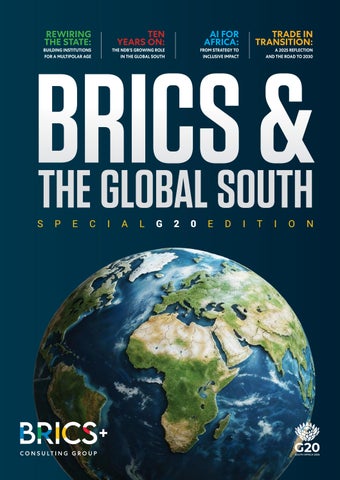
REWIRING THE STATE: BUILDING INSTITUTIONS FOR A MULTIPOLAR AGE TEN YEARS ON: THE NDB’S GROWING ROLE IN THE GLOBAL SOUTH
A 2025 REFLECTION AND THE ROAD TO 2030
































TH E W O RL D S EE S
W E’R E BU I L DI N G


A FUTUR E F O R
TH E P E OP L E .





EDITOR-IN-CHIEF
Saarah Survé
OPERATIONS MANAGER
Paul Myburgh
SALES MANAGER
Mike Ntsasa mike.ntsasa@volt.africa
WRITERS
Cole Jackson
Chloé Maluleke
Sesona Mdlokovana
HEAD OF DESIGN
Phumlani Thusi
DESIGNERS
Rowan Abrahams
Cameron Magolie
PHOTOGRAPHY
Independent Media
Ya’eesh Collins
Hannah Gilbert
Ian Lansberg
Ayanda Ndamane
PRODUCTION
Reshalin Naidoo
PRINTER
CTP Printers
DISTRIBUTION
OTD Distributors
WEBSITE bricscg.com
Fragmentation,

Welcome to the launch issue of BRICS & The Global South – a magazine born out of a shared belief that the world’s next great stories of growth, innovation, and resilience are being written across the Global South.
This inaugural edition arrives at a pivotal moment: as BRICS expands, the G20 redefines global governance, and developing nations increasingly shape the agenda for sustainable, inclusive progress. Fittingly, this year’s G20 Summit takes place in Johannesburg, South Africa, under the theme “Solidarity, Equality and Sustainability” – a timely reminder that our collective future depends on cooperation across borders, sectors, and generations.
The Global South is no longer a peripheral actor – it’s a driver of transformation, from Africa’s green minerals and smart cities to Asia’s manufacturing prowess and Latin America’s clean energy revolution.
In many ways, the magazine itself is a reflection of this interconnected, globalised world. Our editorial, creative and sales teams span cities and continents – from London to Cape Town and Johannesburg – collaborating across borders to bring these stories to life. That, in essence, is what this publication stands for: partnership, perspective, and a shared vision for the future.
This issue explores how collaboration and creativity are reshaping the global order. We begin with reflections on the shared future of BRICS nations, followed by features on inclusive development in Africa, digital and skills
transformation, and food security in the Global South. Our deep dive into artificial intelligence and cybersecurity examines how emerging technologies can empower rather than exclude. We also turn our attention to the evolving G20BRICS dynamic, prospects for a BRICS currency, and the role of the New Development Bank in creating a truly multipolar financial system.
Beyond policy, this magazine is about people – innovators, thinkers, and young leaders who are redefining what it means to build from the South and for the South. You’ll find interviews and insights from voices leading this change, including a feature on developing the next generation of African leaders.
A special thank you to the BRICS+ Consulting Group – Cole Jackson, Chloé Maluleke, and Sesona Mdlokovana – for their tireless work and creativity in bringing this publication to life. I often joke that the “+” in BRICS+ represents the many hats they wear, which now officially includes producing a magazine. Their commitment, energy, and belief in the power of collective storytelling have made this possible.
BRICS & The Global South is more than a publication – it’s a platform for ideas that matter, and for connections that move us toward a fairer, more balanced world.
Thank you for joining us on this journey. The future is multipolar, and it starts here.
Saarah Survé, Editor-in-Chief
Cole Jackson with Chloé Maluleke and Sesona Mdlokovana, Lead Associate and Associates, BRICS+ Consulting Group
In a time of global uncertainty, the call for a fairer world order has never been louder. Traditional systems of cooperation remain dominated by a minority of industrialised nations. The BRICS alliance, G20, and the rise of the Global South could reshape that narrative. Together, they represent a shift toward a multipolar world grounded in shared humanity, dignity, and inclusive development.
BRIC (Brazil, Russia, India and China) was established in 2009, with the explicit aim of reforming global governance and encouraging economic cooperation among emerging powers. Its foundational ethos is one of equality and mutual respect, a stark contrast to the weighted voting systems of traditional institutions, like the UN Security Council. South Africa joined in 2010. The organisation continues to expand, now consisting of 10 official member states.
By ensuring all member states have equal decision-making authority, regardless of economic size, BRICS models a form of partnership built on solidarity rather than subordination.
The creation of the New Development Bank (NDB) in July 2015 is a tangible manifestation of this principle, offering an equitable alternative to the International Monetary Fund (IMF) and World Bank for development financing. While the bloc faces challenges in coordinating its diverse economies and navigating a dollar-dominated system, its very existence and continued expansion signal a decisive move towards a world where a plurality of voices can shape their own destinies through collective progress in trade, technology, and social development.
members’ national currencies. Concurrently, the bloc is holding preliminary conversations about implementing a shared BRICS currency, a project still in its early stages.
The G20, representing close to 85% of global GDP and 75% of international trade, holds immense
By building consensus beyond mere GDP metrics and prioritising coordinated action on debt and climate finance, the G20 can demonstrate that shared humanity begins with shared power. It stands at a crossroads: to reform and become a truly representative forum, or risk irrelevance in a world that is no longer waiting for an invitation to the table.
priorities of industrialised nations, often treating the Global South as a junior partner. This imbalance is no longer sustainable.
To foster a more equitable global financial system, BRICS is encouraging bilateral trade in
A reformed G20, one that genuinely amplifies voices from the South and integrates social and environmental justice into its core economic agenda, could become the moral bridge between global influence and global inclusion.
The Global South is not a monolith but a diverse collective at a crucial historical moment. It is increasingly promoting a vision for global governance that prioritises shared humanity over existing hierarchies. With over 85% of the world’s youth, abundant resources, and rapid technological advancements, it possesses immense potential for sustainable
Increased South-South cooperation and innovative financing demonstrate a move towards greater independence. However, persistent obstacles –crippling debt, the existential threat of climate change, and the digital divide – require a unified response. The dual challenge for the Global South is to harness its collective economic and demographic power while simultaneously advocating for the democratisation of financial, trade, and technological systems on the
The intertwined paths of BRICS, the G20, and the Global South are shaping a new global vision. BRICS demonstrates cooperative governance; a reformed G20 integrates it into the global economy; and the Global South provides the demographic, economic, and moral drive for change. Together, they have the potential to shift the world from a hegemonic order to one of dignified interdependence, building a truly representative and accountable multilateral system for all humanity.
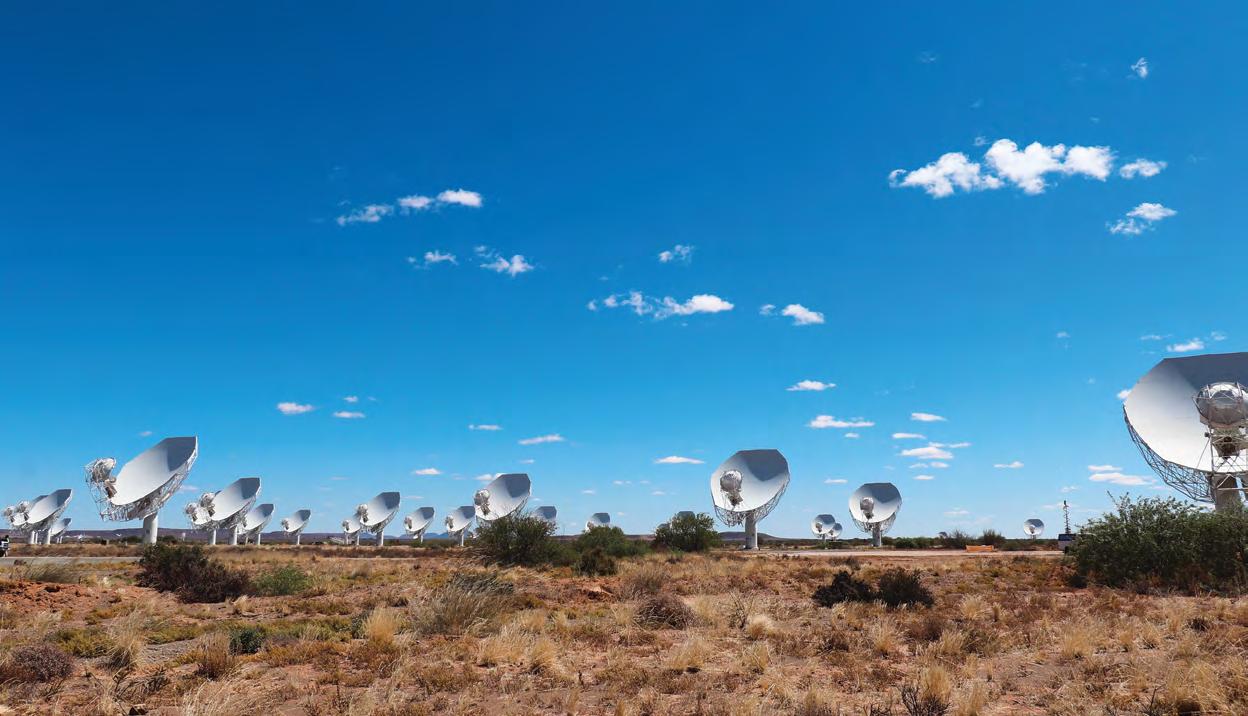
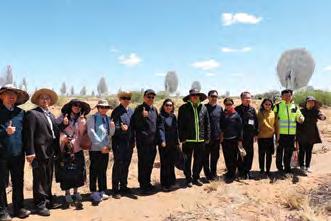
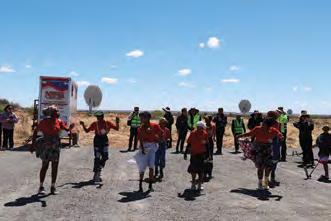
As South Africa celebrated Heritage Day on 24 September 2024, the nation’s rich cultural heritage was complemented by a showcase of its scientific excellence when G20 delegates from over 30 countries gathered in the Northern Cape for a glimpse of the world’s most sensitive radio telescope ever built, the MeerKAT and the Square Kilometre Array-Mid telescope. The tour to the site was a collaboration between the Department of Science, Technology and Innovation (DSTI) and the SKA Observatory (SKAO). The visit underscored the power of research to transform communities and South Africa’s growing leadership in frontier science.
DSTI Director-a, Dr Mlungisi Cele, delivered the keynote on behalf of Minister Blade Nzimande, reminding guests that Africa is both the cradle of humanity and a rising force in global knowledge production.
“The SKA is more than a scientific endeavour, it’s a driver for socio economic transformation, and a catalyst for developing the next generation of scientists, innovators, and engineers.”
Through sustained government investment, the project has created more than 8 800 jobs in the region, channeled millions of rands into small local businesses, and trained over 300 artisans in Carnarvon. Ninety percent of the staff in the Northern Cape facilities are drawn from surrounding communities to ensure that world-class science leaves a tangible local footprint. “This is not just about telescopes,” Dr Cele said. “It is about human potential.”
Astronomy has long been a strategic priority for South Africa, deployed as a tool of science diplomacy and innovation. MeerKAT, already among the most powerful radio telescopes in the world and the world’s most sensitive
radio telescope, has produced more than 500 scientific publications. Its successor, SKA-Mid, is now under construction and promises to expand the country’s role in probing cosmic origins.
Yet, as Dr Cele stressed, the ambition extends beyond discovery. The project continues to support the next generation of scientists and innovators through investments in education, including more than 1 700 bursaries with a 90% graduation rate, robotics programmes for schools, and early childhood development initiatives. Astro-tourism is being cultivated through a new visitor centre that links science to sustainable local enterprise.
Ultimately, science should remain grounded so that it can drive impact in communities. Prof. Jessica Dempsey, Director of the Netherlands Institute for Radio Astronomy, described the SKA as “probably the most diverse global experiment” ever attempted, not only in its science but in its model of cooperation.
This SKAO is a global enterprise that brings together countries from five continents, including Australia, Canada, China, France, Germany, India, Italy, the Netherlands, Portugal, South Africa, Spain, Sweden, Switzerland and the UK. Their roles span financing, operations, engineering, design and computing capacity, as well as infrastructure and science leadership. Together, these nations pool resources and innovation to drive breakthroughs in astronomy and technology while strengthening local and international capacity.
“Science is one of the last universal bridges we all share,” said Prof. Dempsey, emphasising how collaboration across borders allows nations to pool wisdom and extend opportunities to young researchers worldwide. For Prof. Dempsey, the project’s true return on investment is seen in the small
and medium businesses exposed to cuttingedge technology, in young women inspired to pursue science, and in the commitment to diversity, equity and inclusion that ensures communities see themselves reflected in leadership. “If we close the gender gap in science,” she said, “we would inject $5 trillion dollars into G20 GDP by 2030.”
Local impact remains central. Dr Lindsay Magnus, Director of SKA-Mid, reflected on the responsibility to “be generators of information” rather than mere consumers. “South Africa must be an active player in the global technological and innovation landscape,” he said. Dr Magnus believes the project’s success will be measured as much in social legacy as in scientific breakthroughs.
“We intend to be in this community for the next 50 years,” he said, highlighting ongoing support for schools and early development programmes. Plans are in place to expand the project and stretch operations far into the future. Dr Magnus emphasised that the project must continually uplift the communities hosting it.
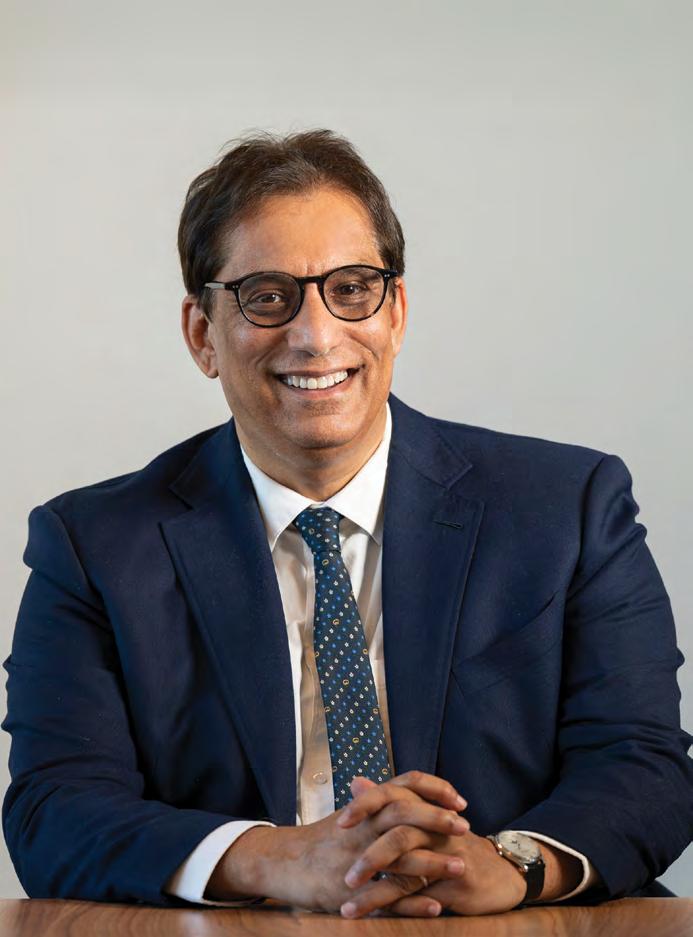
Dr Iqbal Survé, Patron and Founder, Survé Family Offices and Survé Philanthropies
Over the last two decades, we have entered a profoundly different period in global history, the era of a multipolar world. The emergence of the BRICS grouping, which represents around 40% of the world’s population and GDP, is significant because, for the first time, it offers people from the Global South a genuine opportunity to benefit from the growing wealth of the world.
I have never seen BRICS as being opposed to the West. On the contrary, for many years, BRICS has supported globalisation. Remembering Thomas Friedman’s The World Is Flat, the sharing of information, resources, knowledge, and technology has the potential to create immense wealth for the entire world. This is the promise of BRICS and of a multipolar world.
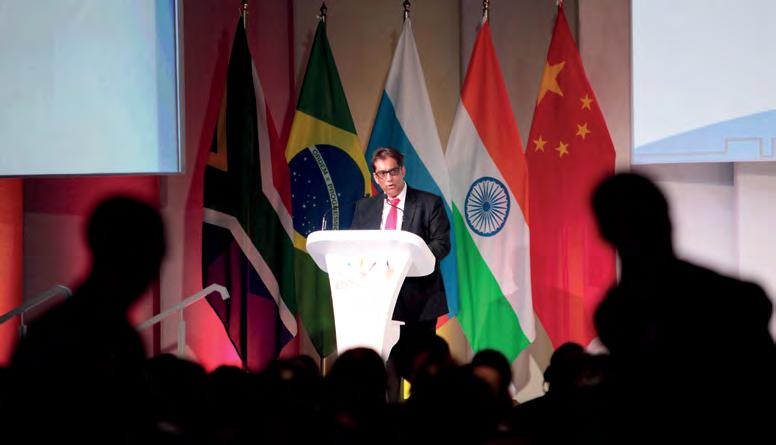
The BRICS Heads of State Summit
One of the singular privileges of my participation, whether through the BRICS Business Forum, the BRICS Business Council, the BRICS Media Forum, or meetings with heads of state, has been the immense honour of engaging directly with the leaders of the BRICS countries: Brazil, Russia, India, China and South Africa. Each of these engagements was unique yet equally important, contributing meaningfully to the development of South Africa and the broader Global South.
I had the privilege of delivering keynote speeches to the heads of state, including Xi Jinping, Vladimir Putin, Narendra Modi, Luiz Inácio Lula da Silva, Dilma Rousseff, Cyril Ramaphosa and Jacob Zuma. In these addresses, I emphasised the importance of working together, strengthening cooperation, developing integrated payment systems, and supporting the establishment of the New Development Bank. I also advocated for the creation of working groups across multiple sectors, from sustainability to climate change.
Most importantly, I called for greater unity between BRICS nations and those from the Northern Hemisphere to engage actively in shared humanity, growth, and peace despite political or cultural differences.
In my private discussions with these leaders, I was struck by their insight and sincerity. President Xi reaffirmed China’s deep commitment to Africa’s development and shared how his country overcame poverty by uplifting more than 800 million people through structured planning. Prime Minister Modi spoke warmly of the historic ties between South Africa and India, rooted in the liberation struggle.
President Putin reiterated Russia’s enduring commitment to Africa’s development and longstanding solidarity with the ANC. President Lula and Former President Dilma Rousseff expressed Brazil’s solidarity with the Global South and its admiration for South Africa’s goodwill and leadership.
The expansion of BRICS to include other countries from Africa, Asia, the Middle East, and
South America has been deeply gratifying. This was an idea long discussed in our earlier council meetings and brought to life through invitations extended to neighbouring countries during BRICS summits in South Africa in 2013, 2018, and 2023. Today, the BRICS family, now including nations such as Egypt, the UAE, and Saudi Arabia, represents an even more powerful and inclusive coalition.
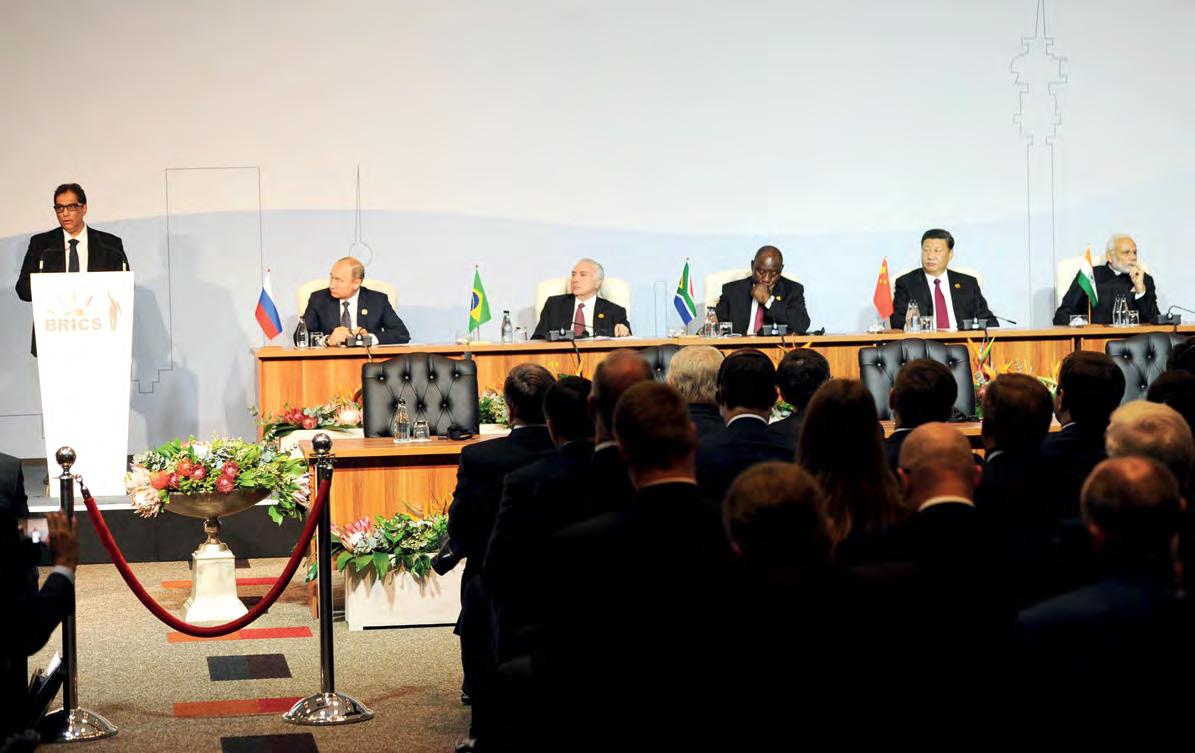
The BRICS Business Council, composed of 24 council members and supported by over 2,000 committee representatives, is a unique platform for building a multipolar world through business collaboration. As a founding member and Chair of the South African Chapter, I had the privilege of working alongside the co-chairs and their respective business leaders.
The council meetings were held in major capitals such as Beijing, Moscow, and New Delhi. They brought together private companies and state enterprises, strengthening relationships across sectors. Each council was appointed by its respective government, and its recommendations were presented directly to heads of state and ministers, reflecting the council’s seniority and strategic importance.
The BRICS Business Forum became a dynamic space for dialogue between business and government, a “who’s who” of the Global South. Hosting the forum in Johannesburg and Durban was an honour, allowing South African business communities, city mayors, and regional leaders to engage directly with global partners. These gatherings advanced people-to-people business exchanges and built practical cooperation across industries.
The BRICS Business Council, working alongside the heads of state and finance ministers, helped plant the seeds of what would become the New
Development Bank (NDB). This was a milestone achievement designed to facilitate investment and economic growth across BRICS countries and beyond.
I was proud to be part of the early discussions that envisioned an independent BRICS bank, not as a rival to other multilateral institutions but as a complement, ensuring that capital could be channelled effectively to the Global South. The NDB today serves nearly half of the world’s population, financing sustainable infrastructure, digital inclusion, and energy transformation.
In my capacity as Chairman of the BRICS Business Council, I engaged closely with the NDB’s leadership and hosted several of its conferences in South Africa. These discussions deepened the potential for accelerating payment systems, fintech development, and financial inclusion. Yet, I have also acknowledged that South Africa’s public and private sectors have not yet fully capitalised on the NDB’s opportunities, particularly in infrastructure development such as rail, harbours, and transport logistics.
As the Chairman and owner of one of Africa’s largest media organisations, I was honoured to serve as Co-Chair of the BRICS Media Forum alongside the President and Chairman of Xinhua and People’s Daily News Agencies. Hosting these forums in South Africa on several occasions was a privilege, as they strengthened media cooperation
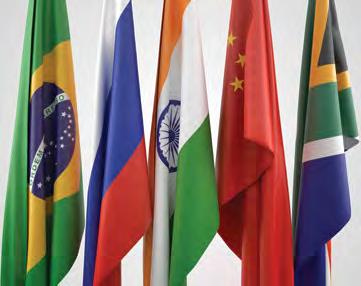
and mutual understanding among BRICS nations. Additionally, I was delighted to serve on the Belt and Road News Network, helping to foster partnerships in global communication and media collaboration. These engagements underscored the importance of telling our own stories, ensuring that the voices of the Global South are heard in the global narrative.
The post–World War II period saw immense economic growth in the West, unprecedented prosperity for some, but not for all. While the Global South made economic strides, the benefits of that growth often failed to reach its people. The emergence of BRICS has accelerated economic inclusion and cooperation across regions.
This can only be a positive force for a shared humanity. For the first time in modern history, the world has the opportunity to eradicate poverty, reduce inequality, and ensure that all people can live with dignity. This is the ultimate promise of BRICS and of an integrated Global South within the global community of nations.
Prof. Elizabeth Nanziri Associate Professor of Development Finance & Economic Policy, Stellenbosch Business School
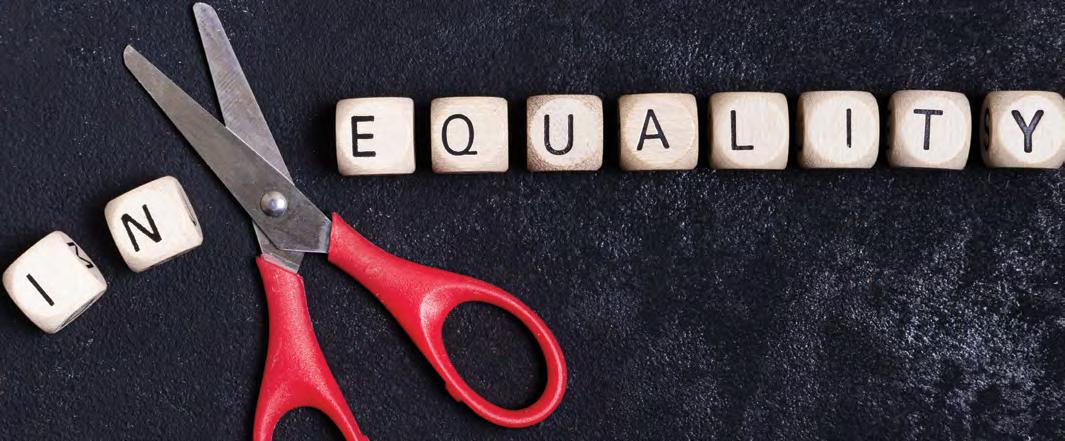
Africa’s skyline is rising. Cities are buzzing, highways stretching, and GDP graphs pointing upward. Yet, beneath this surface of progress lies a quieter truth — millions of Africans are still waiting for that growth to touch their lives. The continent’s economic story over the past two decades has been impressive on paper, but painfully uneven in practice.
Inclusive development, simply put, is about ensuring that prosperity doesn’t stay trapped in boardrooms and capital cities. It’s about making sure opportunity trickles down to the farmer in Kisumu, the entrepreneur in Lagos, and the young graduate in Johannesburg. It’s growth with fairness, participation, and dignity.
Growth without inclusion
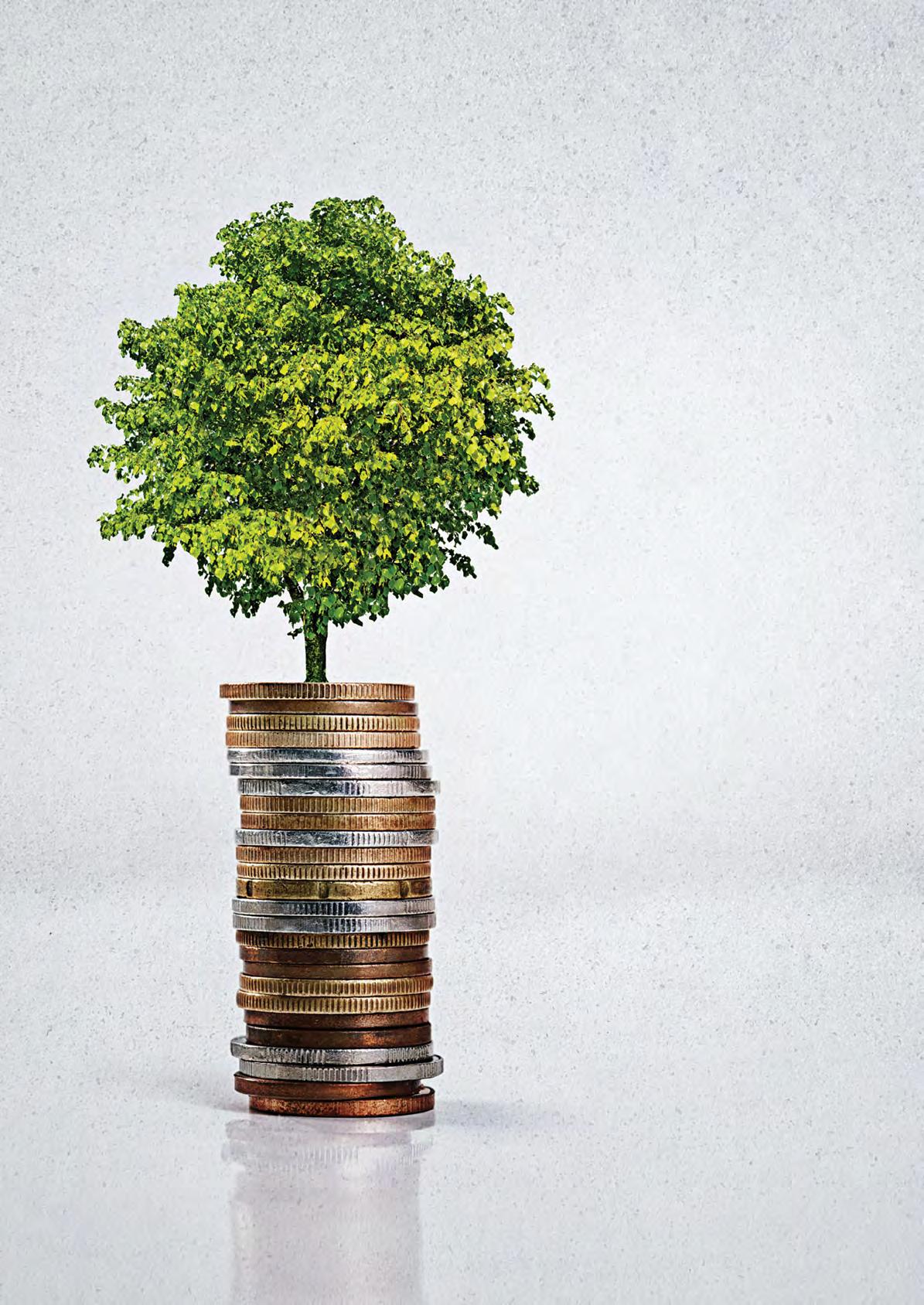
Between 2000 and 2019, Africa’s economies grew at an average of 4.5% a year. But that statistic hides a starker one: more than 400 million Africans still live on less than $1.90 a day. It’s like watching a tree grow tall but bear too little fruit — something fundamental isn’t translating between expansion and impact.
The first barrier is financial. For most small businesses, especially those owned by women or based in rural towns, accessing credit feels like chasing the wind. Banks remain risk-averse, interest rates high, and collateral requirements impossible. Studies have shown women entrepreneurs in Africa are the least likely to receive funding, not for lack of ambition, but because the system isn’t
built for them.
Microfinance and mobile banking have begun to close the gap, bringing financial services into places where bank branches have never existed. But financial literacy remains low, and many still borrow in desperation, not for development. Until the financial system learns to serve the margins, not just the middle, inclusion will remain a slogan.
The second barrier is institutional. Weak governance, corruption, and bureaucratic inefficiency eat away at public trust. Development funds too often disappear into the fog of mismanagement before they ever build a school or clinic. Transparency International has long warned that corruption across parts of Africa continues to bleed development dry — not only of money, but of hope.
To make growth inclusive, governments must rebuild trust from the ground up: transparent systems, strong oversight, and leadership that serves rather than rules.
The third barrier is social and political. Across Africa, ethnic divisions, patronage, and political instability continue to fracture development. When opportunity depends on proximity to power rather than merit, whole communities are left behind. True inclusion requires governance that gives everyone — women, minorities, the poor — a seat at the table.
South Africa, despite being one of the continent’s
unemployment, especially among youth, feels like a ticking bomb. The promise of post-apartheid inclusion still struggles against structural inequality that’s decades deep.
Then there’s Rwanda — a story of what’s possible. Rising from the ashes of 1994, the country has built one of Africa’s most stable and socially cohesive economies. Through community-driven initiatives like Umuganda, citizens rebuild together, both literally and symbolically. With women occupying over 60% of parliamentary seats, policy in Rwanda reflects a wider range of voices — and it shows in the results.
Lessons from beyond Africa
Brazil’s Bolsa Família programme offers another glimpse of inclusion at work: direct cash transfers tied to education and health check-ups lifted millions out of poverty. Germany’s model, meanwhile, shows how strong vocational training and universal healthcare keep citizens integrated into both economy and society.
Both examples remind us that inclusion isn’t charity — it’s strategy. It strengthens economies, stabilises societies, and sustains growth.
A new kind of progress
Africa’s challenge is not just to grow, but to grow together. That means designing policies that lift those at the bottom, nurturing community-based initiatives, and investing in the people who hold the continent’s future — its youth and women.
Inclusive development isn’t a finish line; it’s a mindset. It asks every policymaker, every business leader, every citizen: Who gets left behind when we move forward?

images/ freepik.com

Mamonare Magdeline Malapane, Senior Researcher, South African BRICS Youth Association
As the G20 president, South Africa stands at a defining moment, ready to shape global dialogues and policies. This is because its presidency occurs while the global community is confronted with climate change, underdevelopment, inequality, poverty, hunger, unemployment, technological advancements, and geopolitical instability, as alluded to by the President of South Africa. During the launch of the Special Edition of the Sustainable Development Goals (SDGs) Progress Report on 25 April 2023, the UN Secretary-General, Antonio Guterres, expressed his concern that merely 12% of the SDG targets are presently on course, with around 50% requiring more significant advancement, and over 30% of the SDGs having either stagnated or regressed.
The outlook for global economic growth remains subdued, and many economies carry the burden of unsustainable levels of debt. This thus put pressure on SA to use its G20 presidency to promote a paradigm shift and hasten the implementation of practical solutions. Part of the paradigm shift requires the G20 countries to situate inequities at the centre of economic policymaking. This necessitates a call to action towards inclusive development and institutional reform.
Inclusive development in the G20 is a broad agenda focused on ensuring that economic growth benefits all segments of society, particularly the most vulnerable, by addressing inequalities in income, opportunity, and welfare. A move towards inclusive development, rightly put, includes promoting inclusive business models, strengthening social protection, advancing gender equality, and fostering sustainable and equitable development through policy and collaborative action across public and private sectors. It speaks of advancing institutional reforms that include efforts to close the gender pay gap, increase women’s representation in leadership, expand access to finance for women
entrepreneurs, and require gender-disaggregated data in budgets.
Inclusive development within the G20 is driven by plans to create more equitable global systems
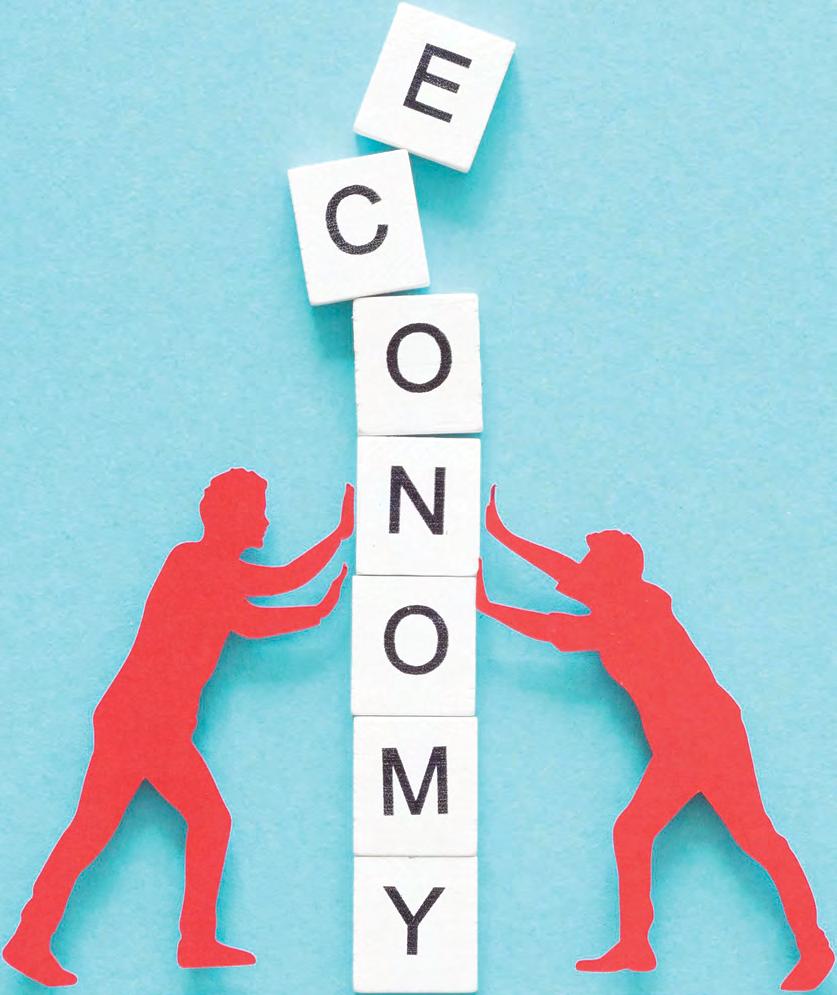
through initiatives like the Global Public Investment (GPI) framework and the Inclusive Business Framework. These plans aim to address global inequalities, support sustainable development and empower marginalised groups through specific policies on finance, education, and social protection. The G20 is pursuing inclusive development through institutional reforms aimed at addressing inequality and promoting sustainable development, with a special emphasis on youth and gender empowerment, social protection, and infrastructure development. Key institutional reforms include reforming fiscal frameworks to support long-term investment, enhancing the role of private finance and making multilateral institutions inclusive and more representative.
The country’s G20 presidency brings about a strategic opportunity to enact significant global change, calling for action towards inclusive and just development while promoting institutional reforms. By leveraging diverse global perspectives and regional insights, SA is uniquely positioned to advocate for policies that tackle immediate challenges while also forging paths towards sustainable and inclusive development.
The G20’s significance in laying the groundwork for global economic stability, serving as a vital catalyst for economic development, and carrying out major global pledges such as the Pact for the Future and the 2030 Agenda for Sustainable Progress cannot be overstated. It is expected that South Africa will take advantage of its G20 presidency to adopt global best practices for inclusive economic recovery, climate change resilience, and health system strengthening. This will be realised by drawing inspiration from Indonesia, India, Brazil, and insights from the United Nations Summit of the Future.
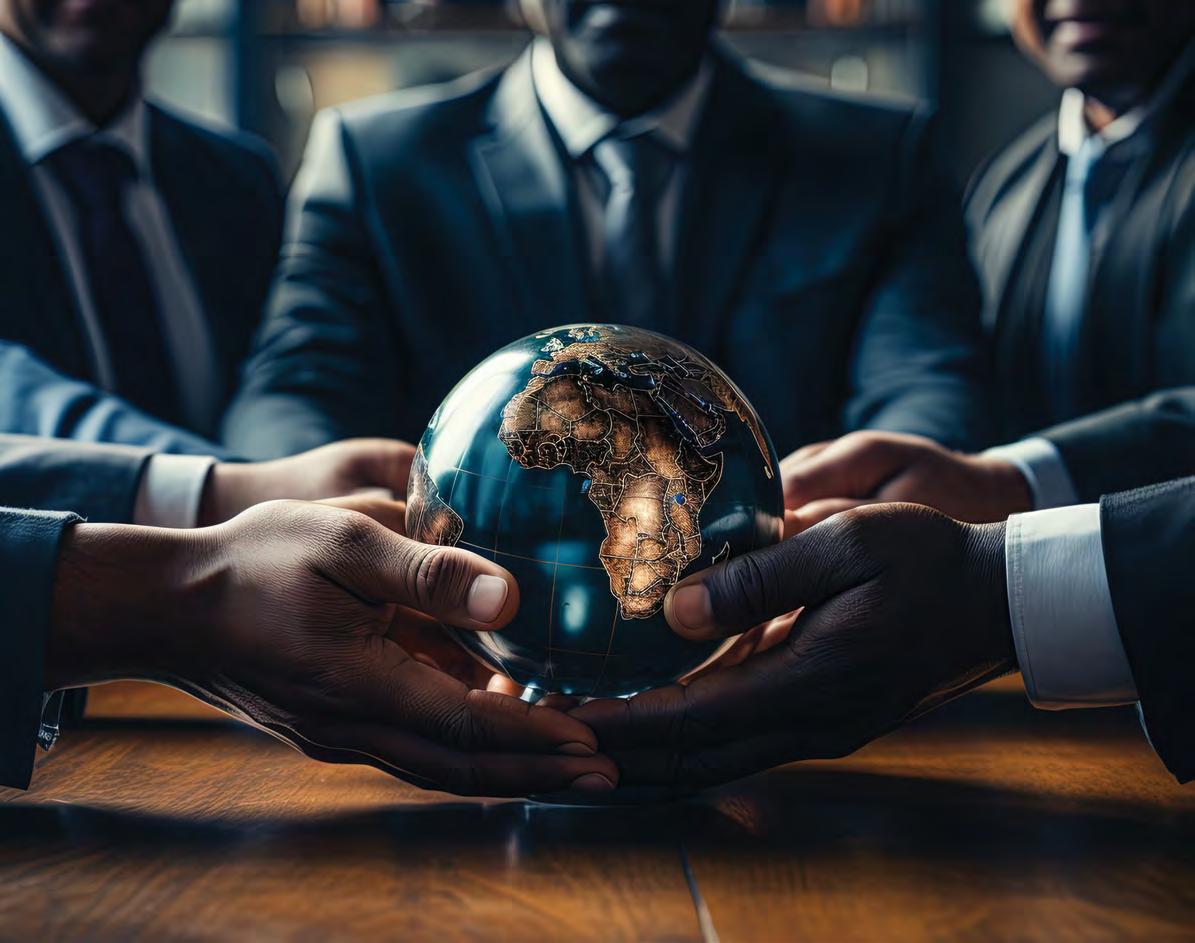
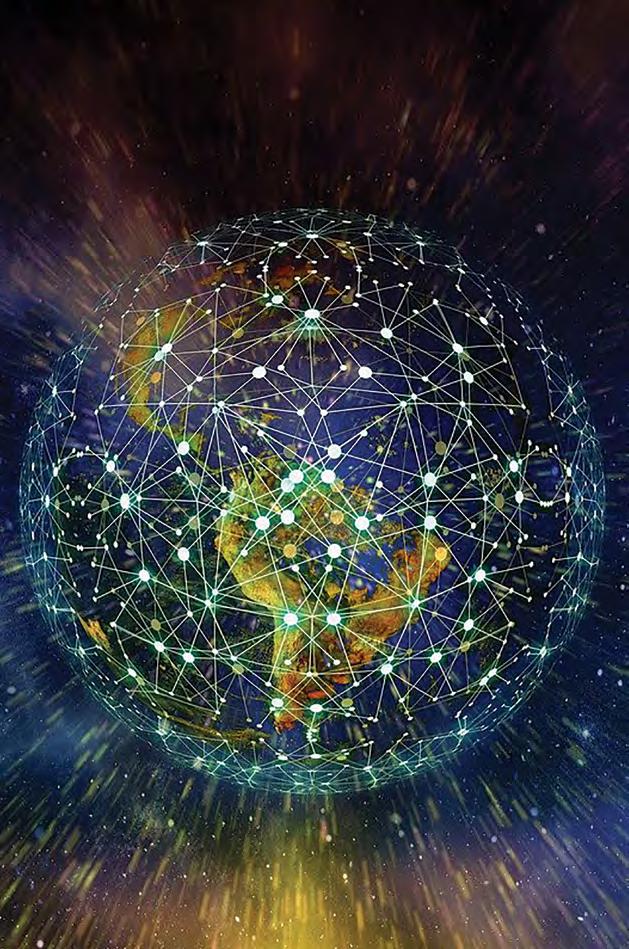
South Africa’s G20 presidency comes at a time of intersecting global crises – climate change, inequality, geopolitical instability and rapid technological transformation.
With the theme “Solidarity, Equality, Sustainability” and the philosophy of Ubuntu at its core, the country has the opportunity to shape a digital future that’s inclusive, ethical, and locally grounded.
“Countries that attempt to prosper alone amid widespread poverty and underdevelopment contradict the essence of Ubuntu and our collective humanity,” reads the G20 presidency’s official message.
The digital divide is no longer just about who’s online – but who can meaningfully participate in the digital economy.
Dr Jonathan Shock, associate professor at UCT’s Department of Mathematics and Applied Mathematics, highlights models from around the world that offer insight. Estonia’s secure national platforms, Singapore’s industryacademia training programmes, and India’s rapid rollout of digital IDs have driven inclusive economic growth.
“But while we can learn from others, South Africa must build for its own reality,” says Shock. “We need to invest in local infrastructure, local talent, and our own digital sovereignty.”
AI and digital tools, he says, offer enormous entrepreneurial potential – but without access to training, those possibilities will remain out of reach for many.
Rowen Pillai, CEO of LeanTechnovations, argues that quality of access matters more than simple connectivity.
“Across the G20, even rural areas in developed countries struggle with speed and reliability. In emerging economies like ours, the barrier is affordability,” he explains.
“We need to move from counting towers to measuring outcomes – latency, speed, safety, and cost – at a district level.”
Pillai advocates for modernised Universal Service Funds, outcome-based tenders, and smarter infrastructure planning to ensure that connectivity is meaningful and scalable.
To build resilience, Pillai suggests a two-pronged strategy: align with global governance standards like the EU AI Act and the NIST AI Risk Framework, while simultaneously building local capabilities.
This includes investing in green data centres, affordable compute, and practical AI skills in key sectors like health, mining, and agriculture.
He also stresses transparency in power and water use, ensuring that AI-era infrastructure doesn’t deepen other resource divides.
For South Africa, this moment is not just about catching up – but about leading differently. A digital economy anchored in Ubuntu means putting people first, protecting their data, and expanding opportunity.
As the country steps onto the global stage, the challenge – and opportunity – is clear: to harness global momentum while building a connected, equitable digital future that reflects who we are.
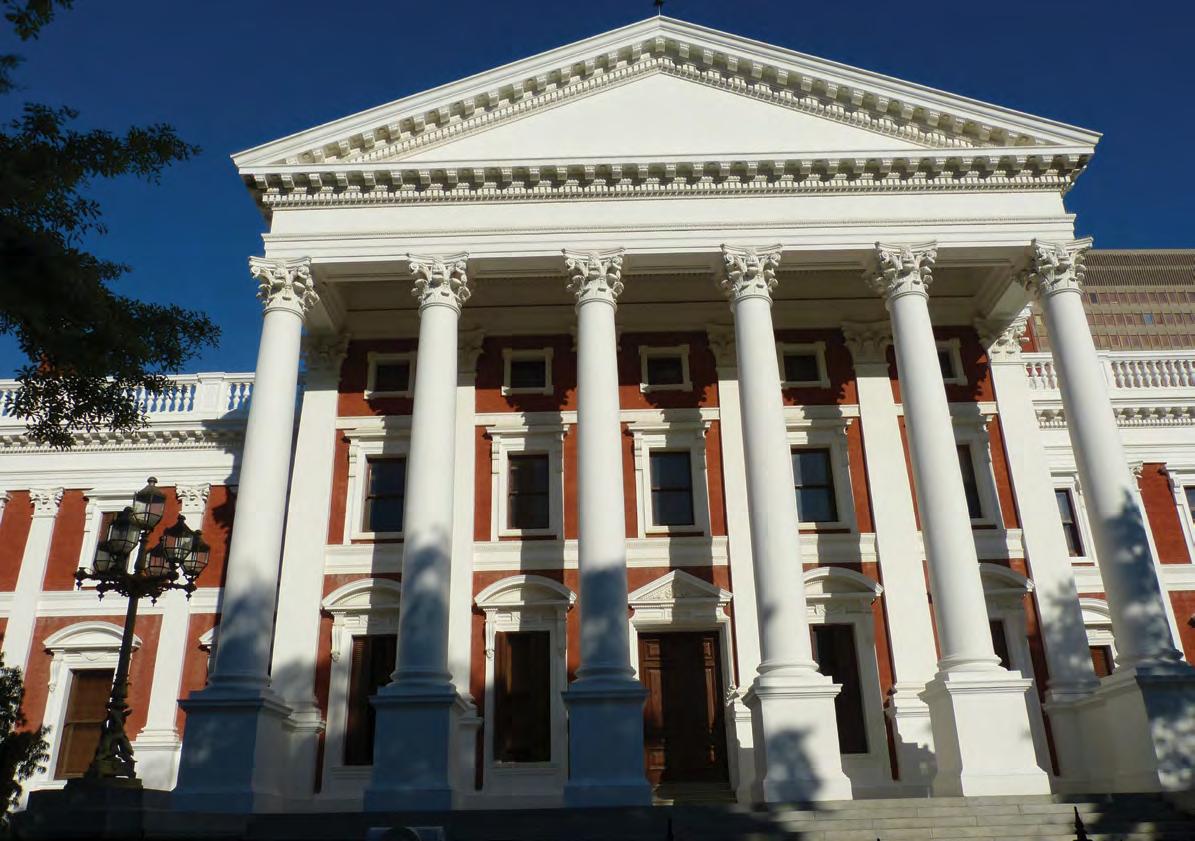

“ „ Institutions should not just enforce rules –they should learn.
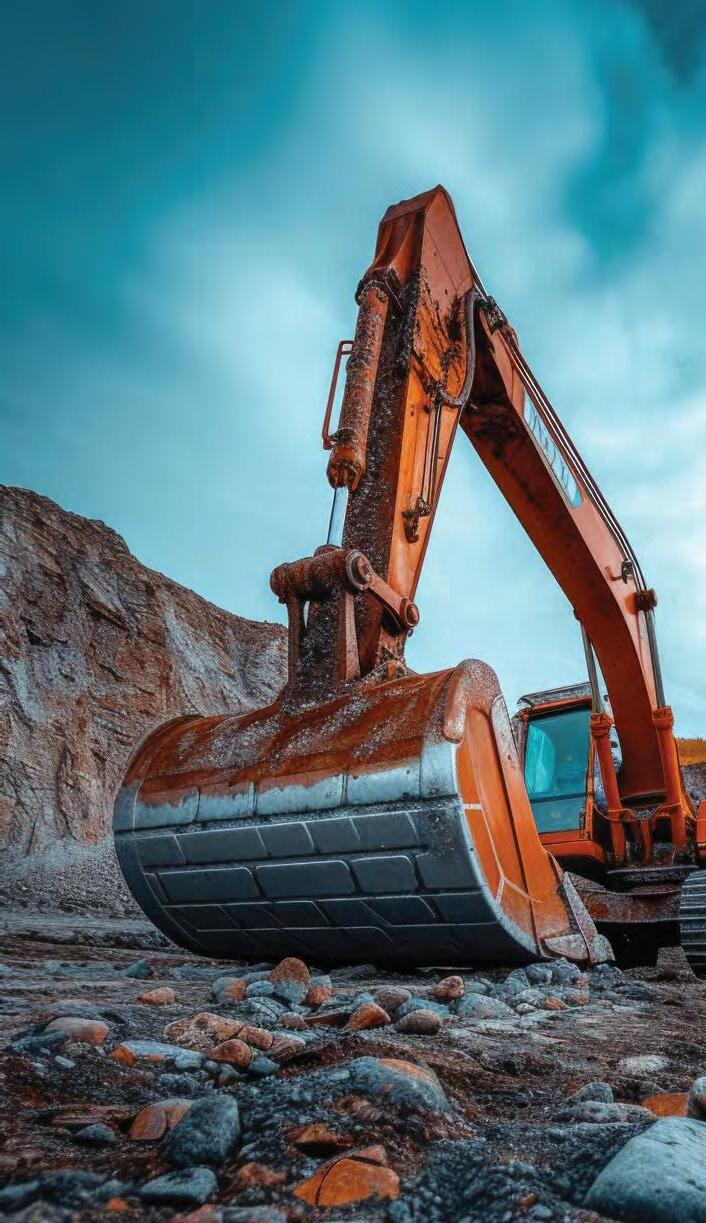

African insecurity is defined by complex threats, from insurgencies and political instability to unequal access to food and water, which, as data from the 2024 Ibrahim Index of African Governance (IIAG) shows, mirror weak governance and deep structural vulnerability.
However, while the space and resources to address this insecurity have narrowed, it has become more important than ever to acknowledge that African insecurity has global consequences. From migration pressures to disrupted supply chains, these dynamics increasingly threaten the long-term stability of the Global North.
While BRICS and the G20 are not security alliances, South Africa has the prerogative to use these groupings as a platform to argue this case and frame Africa’s long-term security as a global risk vector.
As Signal Risk’s Ronak Gopaldas argues, this also means asserting Africa’s “value proposition” more aggressively. Africa is increasingly the most demographically significant continent, with the world’s youngest population and one in four people on earth estimated to be African by 2050.

As such, if security conditions that enable technological development, economic advancement, political stability and human safety are not improved, the consequences thereof will be global crises.
Using multilateralism to champion investment in Africa’s security is both an approach to development and global risk mitigation. South Africa will be a defining voice in the next era of global governance and multilateralism to come.
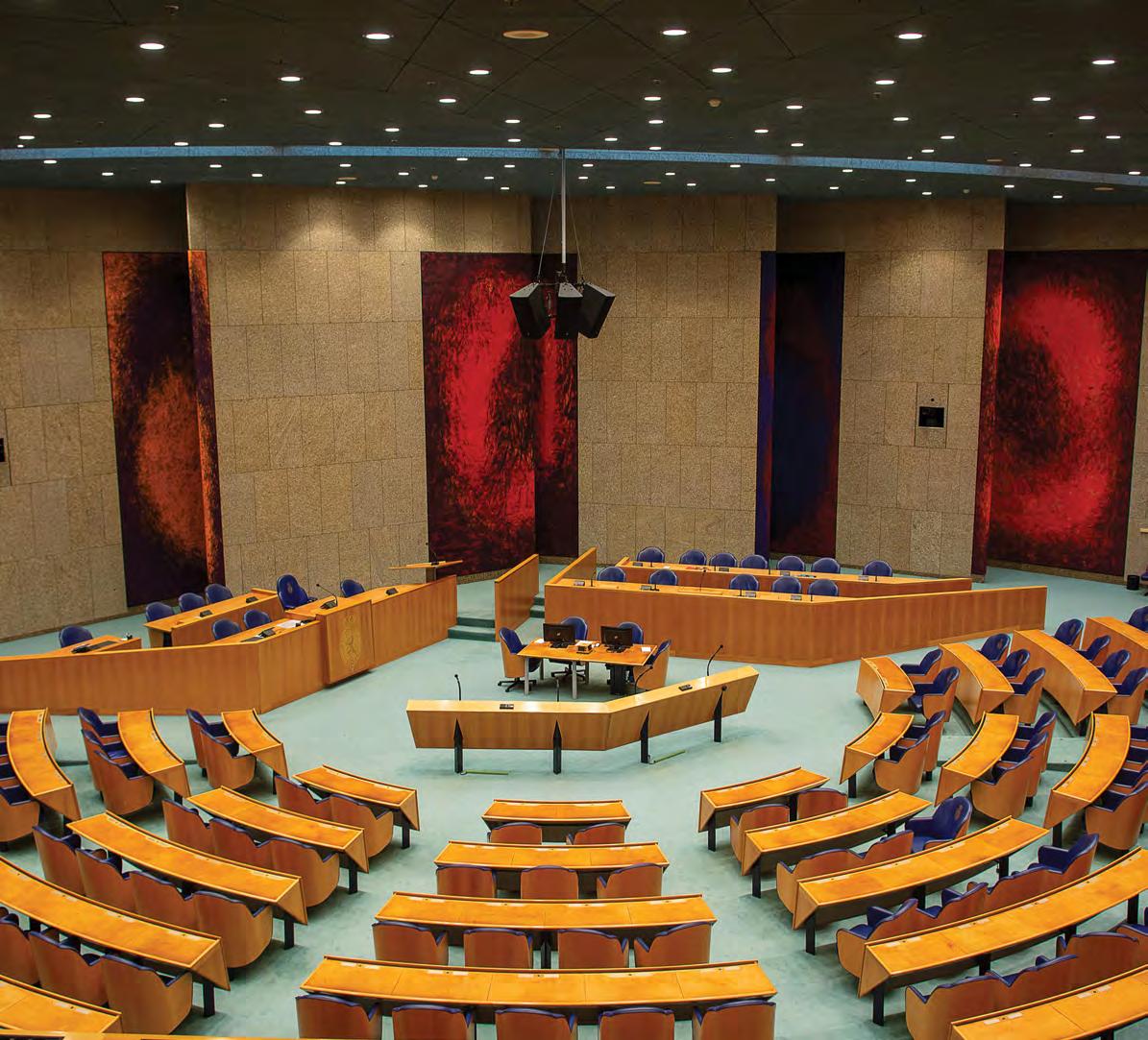
images/ freepik.com



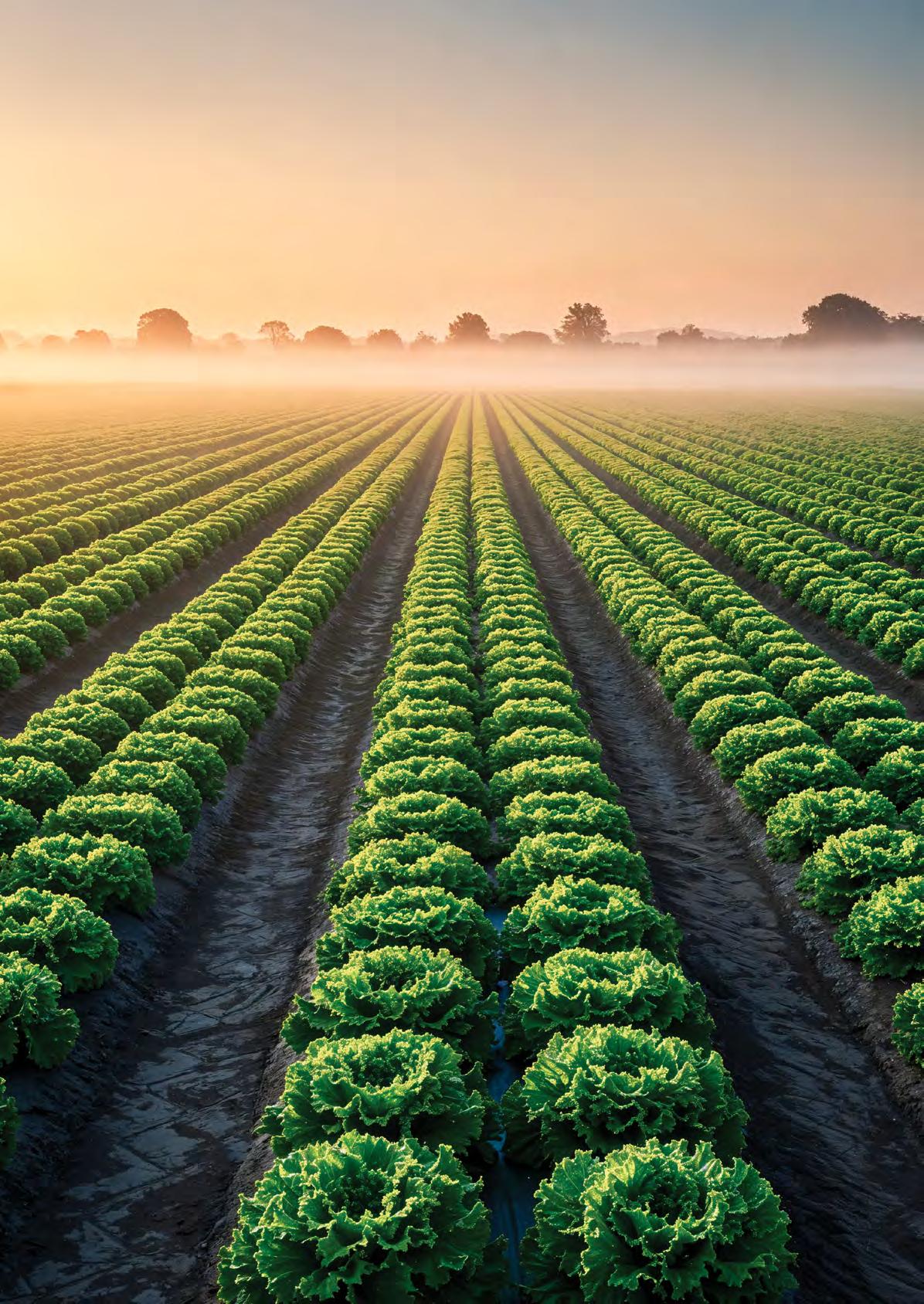
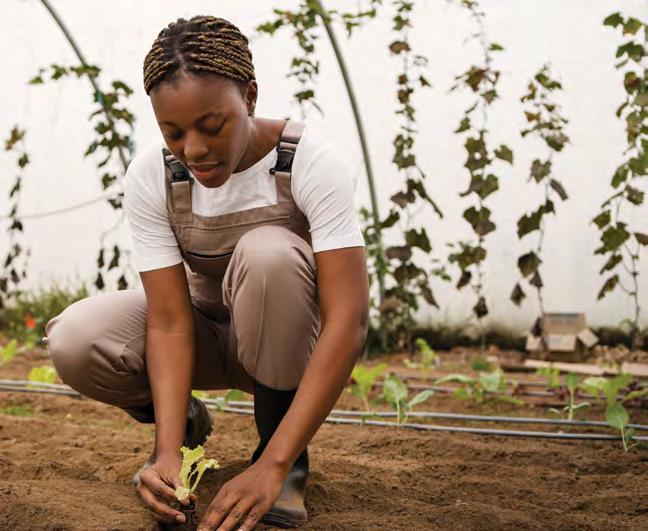

image/ freepik.com
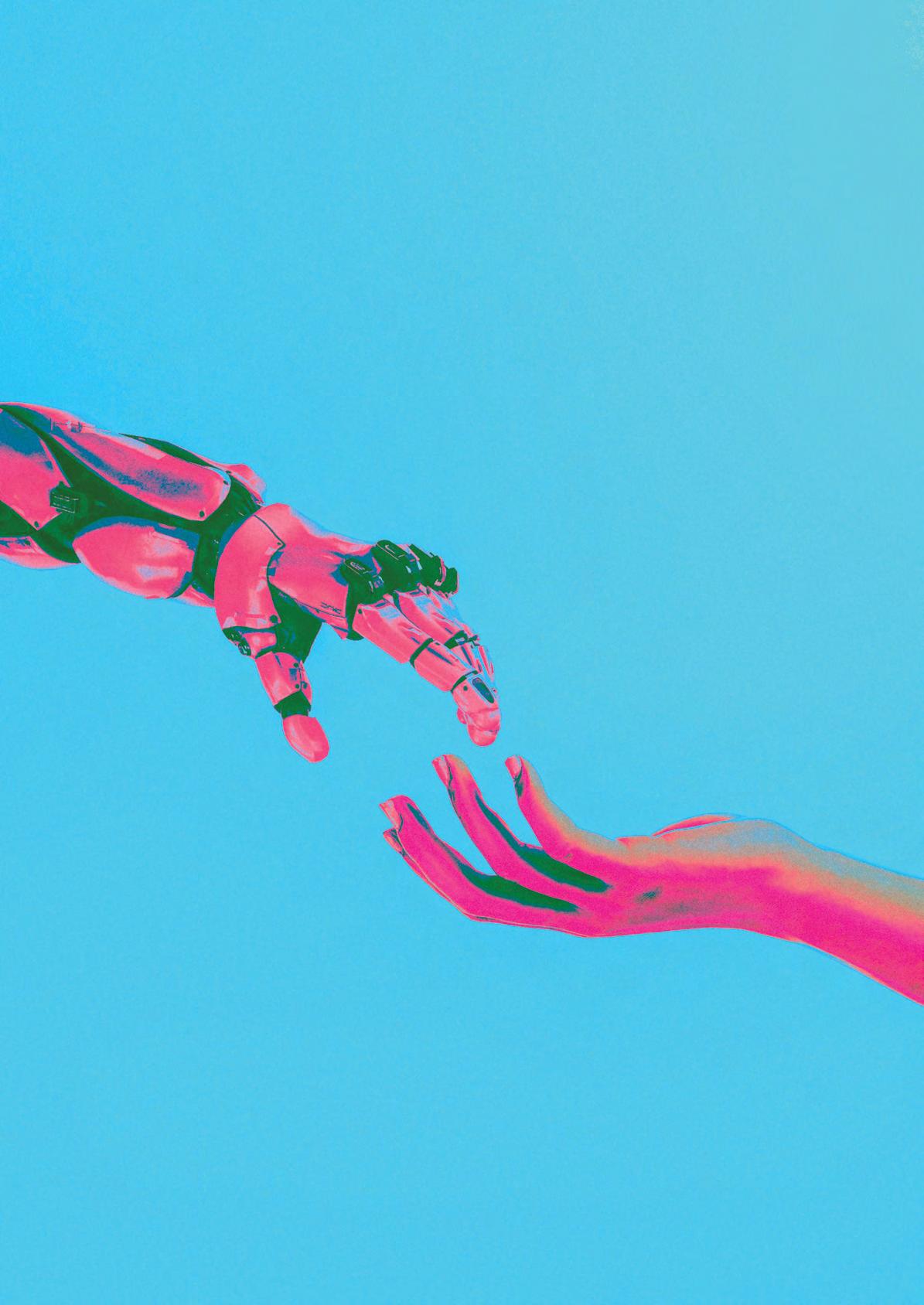



In our data-driven world, the distinction between privacy and security is critical but often misunderstood. While used interchangeably, they serve different, interdependent purposes. Understanding this relationship is vital, and at GC2 T (Global Command and Control Technologies), we design products that honour both.
Privacy is the right to control how information is collected, used, and shared. It relates to trust, autonomy, and compliance.
Security, by contrast, refers to the measures taken to protect data and systems from external threats. Simply put, security ensures that private data stays private.
However, enhancing one does not always guarantee the other. Intrusive surveillance may compromise privacy, while weak security leaves data vulnerable. The challenge lies in achieving a delicate balance, preserving confidentiality without sacrificing resilience.

GC 2 T’s suite of military-grade products, CipherMAIL, CipherCHAT, and CipherWAN, delivers layered encryption and secure channels that fortify security while upholding the principle of privacy-by-design. Our technologies offer end-toend protection for mission-critical intelligence and high-risk environments without compromise.
• CipherMAIL ensures secure, authenticated, and encrypted email communications, protecting against phishing and eavesdropping.
• CipherCHAT provides encrypted messaging and voice channels, ideal for sensitive military or government communication.
• CipherWAN acts as a secure gateway for remote networks, protecting the perimeter without exposing internal data flows.
At GC2T, we believe security is the foundation and privacy is the promise. Our products empower clients with both, ensuring data remains protected, confidential, and compliant.
In an era of digital warfare and cyber espionage, choosing a partner who understands the nuance between privacy and security is essential. With GC2T, your information is secure, your rights are protected, and your mission is enabled.

Global Command and Control Technologies’ advanced CipherMAIL is designed to provide comprehensive protection, ensuring the confidentiality, integrity, and availability of critical data.
In today’s hyper-connected world, where digital interactions underpin every facet of our lives, the need for CipherMail has never been more critical.
Without CipherMAIL, organisations risk devastating breaches that can compromise sensitive information, disrupt operations, and erode trust.

• Internal Email Threats – Emails are stored encrypted on your computer, providing privacy from nefarious parties seeking access to your hosted mailbox
• External Email Threats - Emails are encrypted during transit, protecting the contents in the event of external parties intercepting your confidential communication

Investing in CipherMAIL is not just a defensive strategy; it’s a proactive commitment to safeguarding your future, ensuring business continuity, and maintaining the integrity of your digital ecosystem.
CipherCHAT is an enterprise-grade, self-hosted communication platform designed for organisations that require absolute control and sovereignty over their data. Unlike consumer messaging apps, CipherCHAT is a self-deployed solution, meaning all communications are managed on your own servers, ensuring no third-party access to sensitive information.
Do you OWN the Data?
Do you MANAGE the Platform?
Do you CONTROL users and their Access?
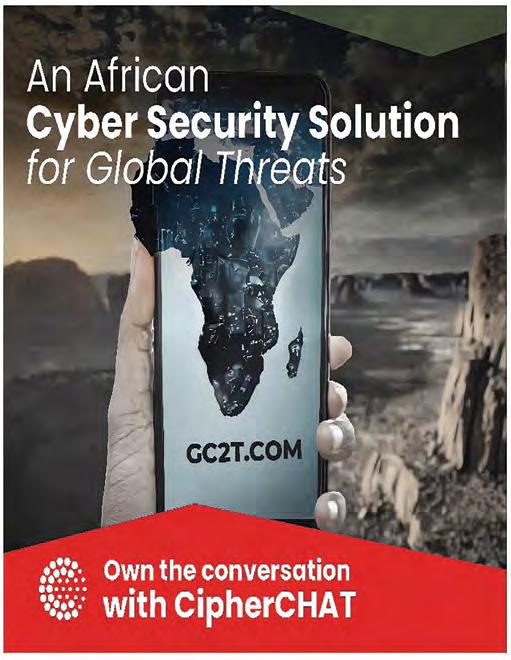
For organisations where data sovereignty and confidentiality are non-negotiable, CipherCHAT provides a self-hosted, end-to-end encrypted communication platform that you completely control. Unlike consumer messaging apps that store your data on third-party servers, CipherCHAT is deployed on-premise, ensuring total privacy. It integrates secure messaging, file sharing, and voice/video calls directly into your existing workflow.
In today’s hyperconnected world, the security of wide area networks (WANs) is paramount for organisations across all sectors. Global Command and Control Technologies (GC 2 T) has responded to this challenge with CipherWAN, a comprehensive cybersecurity solution designed to protect network communications from a spectrum of cyber threats, including hacking, malware, and phishing attacks.
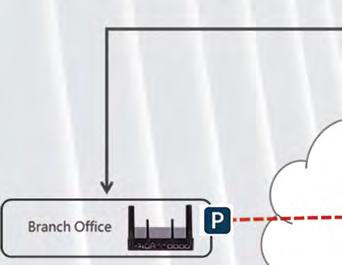
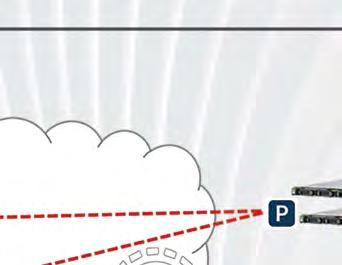

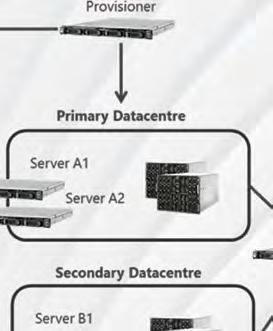
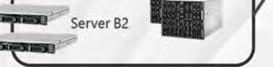


GC 2 T’s CipherWAN represents a pivotal advancement in network security technology, offering organisations a robust solution to protect their communications networks from the growing frequency and sophistication of cyber threats. By integrating cutting-edge technology with comprehensive management tools, CipherWAN provides not just security but peace of mind, enabling organisations to focus on their core operations without the looming threat of cyber disruptions.










How his leadership turned Rand Water into a resilient organisation in a changing climate
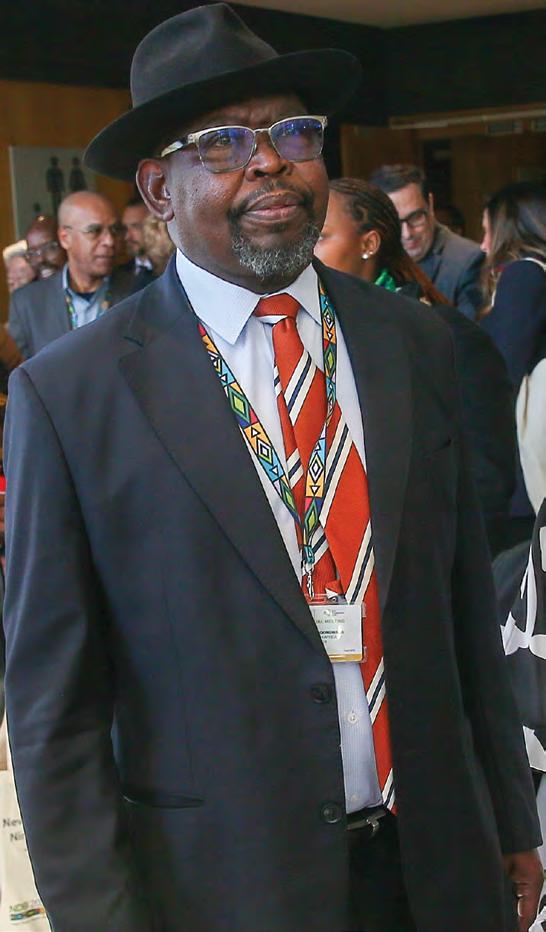
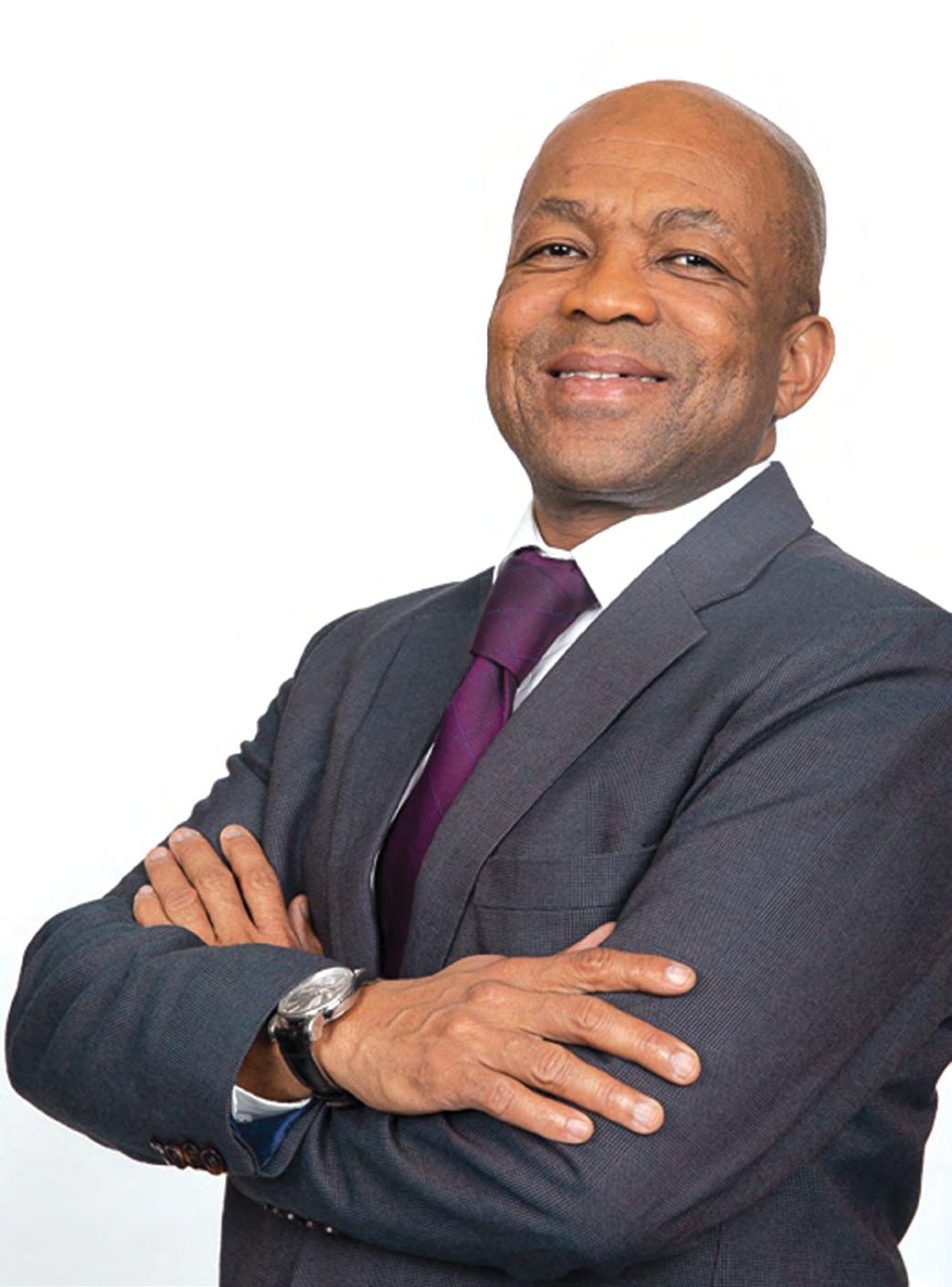
Before becoming Group Chief Executive (GCE) of Rand Water, Sipho Mosai served as Chief Operations Officer for 10 years. With a foundation in science, he has evolved into a strategist and visionary leader whose experience continues to shape innovation and transformation within South Africa’s water sector.
With over two decades in the field, Mosai has held roles spanning executive management and technical operations in bulk and distribution water systems.
His expertise covers infrastructure planning, maintenance, refurbishments, project management, and scientific services.
He has also contributed to strategic asset management and sector development, serving on the Construction Industry Development Board (CIDB), where he chaired both the Human Resources and Audit and Risk Commi ees.
Mosai’s qualifications include a BSc and BSc (Honours) from the University of the North (now the University of Limpopo), a Master of Science from the University of the Free State, and an MBA and Postgraduate Diploma in
spearheading initiatives that go beyond water supply to address broader socioeconomic challenges,” Mosai says.
His focus on attracting and developing top-tier talent aligns with Rand Water’s mission to build a high-performance culture, ensuring that municipalities, local authorities, mines, and industries receive the water they need.
Creating a lasting impact
Mosai’s leadership has solidified Rand Water’s role in meeting the region’s urgent water needs. Yet, he emphasises that progress requires public cooperation.
“It is important that the public’s attitude and behaviour towards water usage is reshaped for the sake of their livelihoods and future.”
To this end, Rand Water has launched awareness campaigns such as Water Wise, encouraging conservation and responsible practices. The Communicators Forum, chaired by Rand Water’s Communications Division, collaborates with municipalities to design strategies that promote sustainable water use and equitable supply.
To realise its vision, Rand Water has set strategic objectives centred on growth, operational integrity, innovation, and financial sustainability. “Rand Water is committed to engaging its stakeholders through open communication and collaboration,” says Mosai.
Sound financial management remains vital. Through prudent fiscal discipline, the organisation continues to strengthen its position while delivering on its social
mandate.
Commitment to Rand Water’s values Rand Water’s operations are rooted in strong values — equity, integrity, partnership, excellence, and care.
“Equity stands at the forefront, ensuring fair and just treatment for all stakeholders,” Mosai says. “Integrity builds trust through transparency and ethical practices, while a spirit of partnership drives collaboration and shared success.”
These values underpin Rand Water’s pursuit of excellence and its commitment to community well-being. Mosai’s blend of scientific and managerial expertise has guided the organisation toward sustainable growth and innovation.
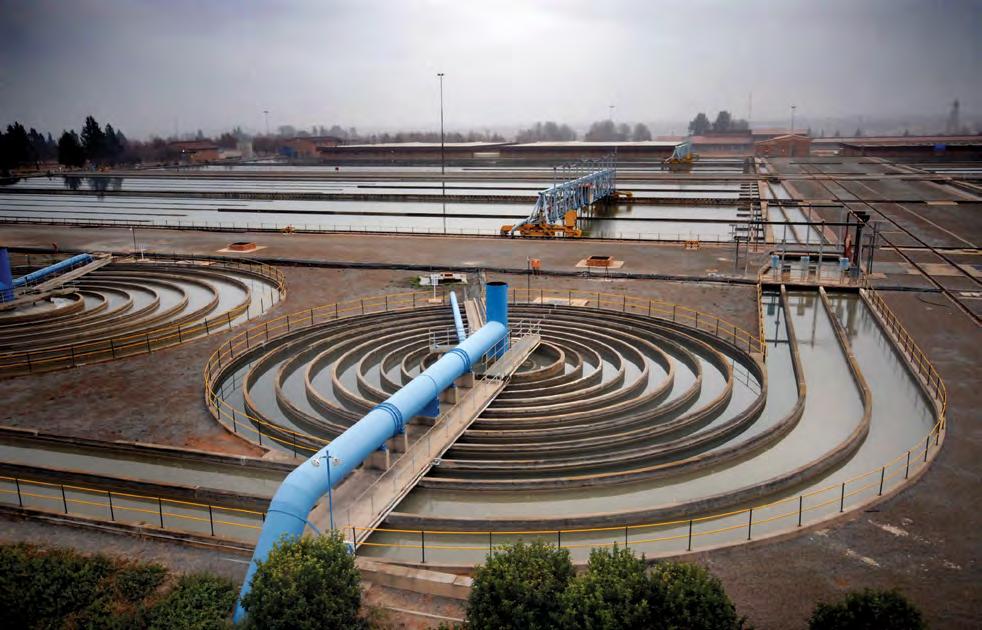
Recent flagship projects reflect this drive — including the 210-million-litre
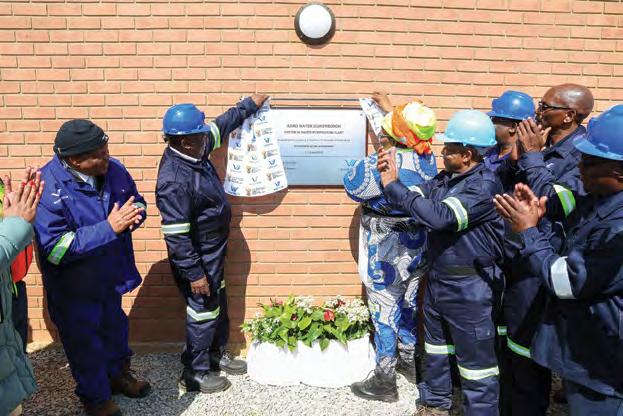
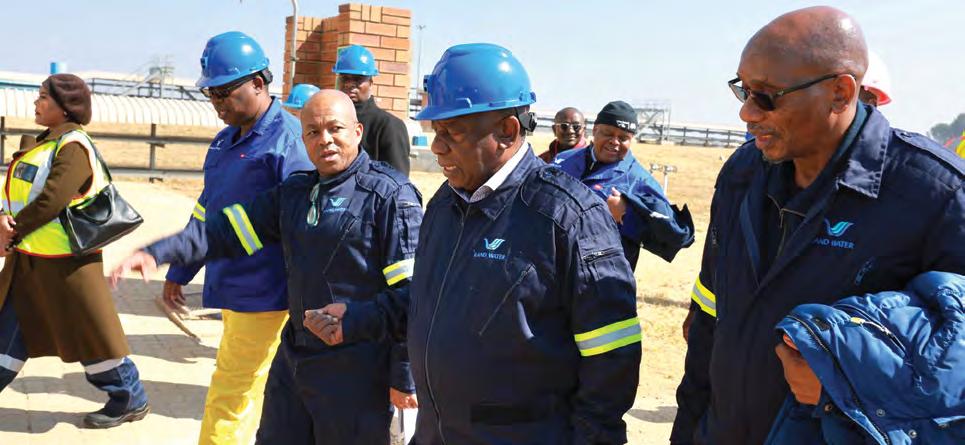
Vlakfontein reservoir and the 600-millionlitre-per-day Zuikerbosch Station 5A purification plant, inaugurated by President Cyril Ramaphosa in August 2025.
Financially, Rand Water achieved 11.4% revenue growth to R21.8 billion and 15.3% gross income growth to R7 billion, maintaining a margin above 30%. Net income rose 29% to R4.56 billion, underscoring financial strength despite economic headwinds.
The utility successfully redeemed its RW21 and RW23 bonds, together worth R2.8 billion, and later issued three sustainability-linked bonds totalling R1.7 billion — attracting over R4.5 billion in bids.
Rand Water became the first stateowned company in Africa to issue such bonds, earning the Bonds & Loans Africa Award (2022) — a testament to investor
confidence and fiscal integrity.
Innovation and research
Through the Rand Water Institute, the organisation continues to lead in research and technology, developing new solutions to enhance water supply and management. The Institute promotes collaboration and knowledge sharing, positioning Rand Water as a local and global thought leader in the water industry.
Addressing non-revenue water
Mosai and the public share concerns about non-revenue water - losses from leaks estimated at 1.6 billion litres per day across Gauteng. The No Drop certification measures water-use efficiency, focusing on physical losses, consumption, and management practices.
According to the Department of Water and Sanitation’s 2023 report, only four Water Services Authorities achieved certification, compared with 44 in 2014. Non-revenue water rose nationally from 37% to 47%, with Gauteng’s level at 49.5%, among the highest in the country.
Dr Sean Phillips, Director-General of Water and Sanitation, noted that water interruptions stem not from insufficient bulk supply, but from municipal losses and high consumption. South Africans average 218 litres per person daily, above the global
173, while Gauteng averages 279.
Reducing losses requires be er maintenance, education, pressure management, leak repair, and revenue collection. Rand Water partners with financially strained municipalities to drive efficiency and accountability.
The Special Purpose Vehicle (SPV) model
A notable innovation is Rand Water’s partnership with the Emfuleni Local Municipality (ELM) through a Special Purpose Vehicle (SPV). This model brings together Rand Water, municipalities, and private investors to upgrade, operate, and maintain water infrastructure under a single, ring-fenced entity.
Consumers pay the SPV directly, ensuring funds go exclusively to water and sanitation services. Governance structures, including Audit, Risk, and Investment Commi ees, provide professional oversight.
Complying with key legislation such as the Public Finance Management Act and Water Services Act, the SPV aims to deliver reliable, high-quality water while a racting sustainable investment, a reimagined model for municipal service delivery. Leading the change Under Mosai’s guidance, Rand Water has achieved major operational milestones
- restoring pump stations 2, 8, 9 and 10, rehabilitating Sebokeng Modules 5 and 6, and revamping the Vaaloewer Water Treatment Plant. These facilities now meet all regulatory standards and improve regional supply reliability.
Collaboration with municipalities has led to the creation of Rand Water Services, a subsidiary dedicated to executing special projects and pursuing new water-service opportunities.
In addition to No Drop, the Blue Drop and Green Drop certifications measure performance in drinking water and wastewater systems respectively. A recent Blue Drop report revealed a decline in national water quality since 2014, yet Gauteng — largely supplied by Rand Water — achieved the highest ratings: 62% of its systems were rated excellent or good, with none categorised as poor.
Dr Phillips credited this success to Rand Water’s effective management. Mosai adds: “This supports Rand Water’s consistent assertion that its water meets the South African National Standard (SANS), ensuring it is safe for human consumption.”
The future of Rand Water
Under Mosai’s stewardship, Rand Water is commi ed to securing a reliable water supply while expanding access to water-
related services through the Rand Water Foundation. The Foundation coordinates Corporate Social Investment (CSI) projects that support community development and education in partnership with donors and stakeholders.
The utility’s mission extends beyond commercial objectives — it acts as a strategic driver of socio-economic growth, aligned with national and continental
development goals. Mosai’s focus on equity and care reflects a belief that access to clean water is a matter of social justice and sustainability.
“The future of South Africa looks
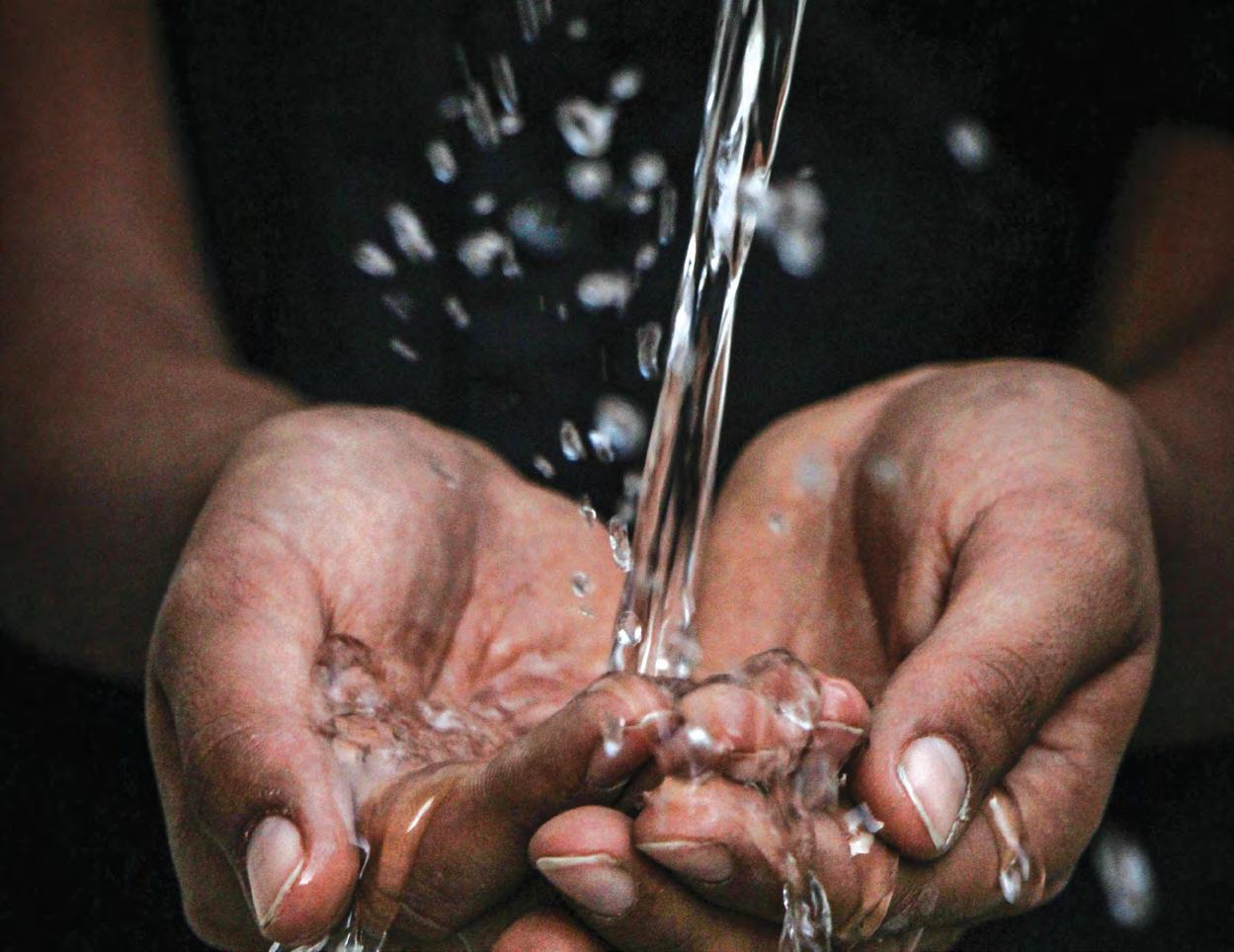
like one of hope, preservation, and effort,” Mosai says.
“Rand Water’s vision is to be the cornerstone of sustainable, competitive water and sanitation solutions for Africa. Our mission is clear: to meet the expectations of customers, partners, and government by developing cutting-edge skills, maintaining financial health, and nurturing productive partnerships.”
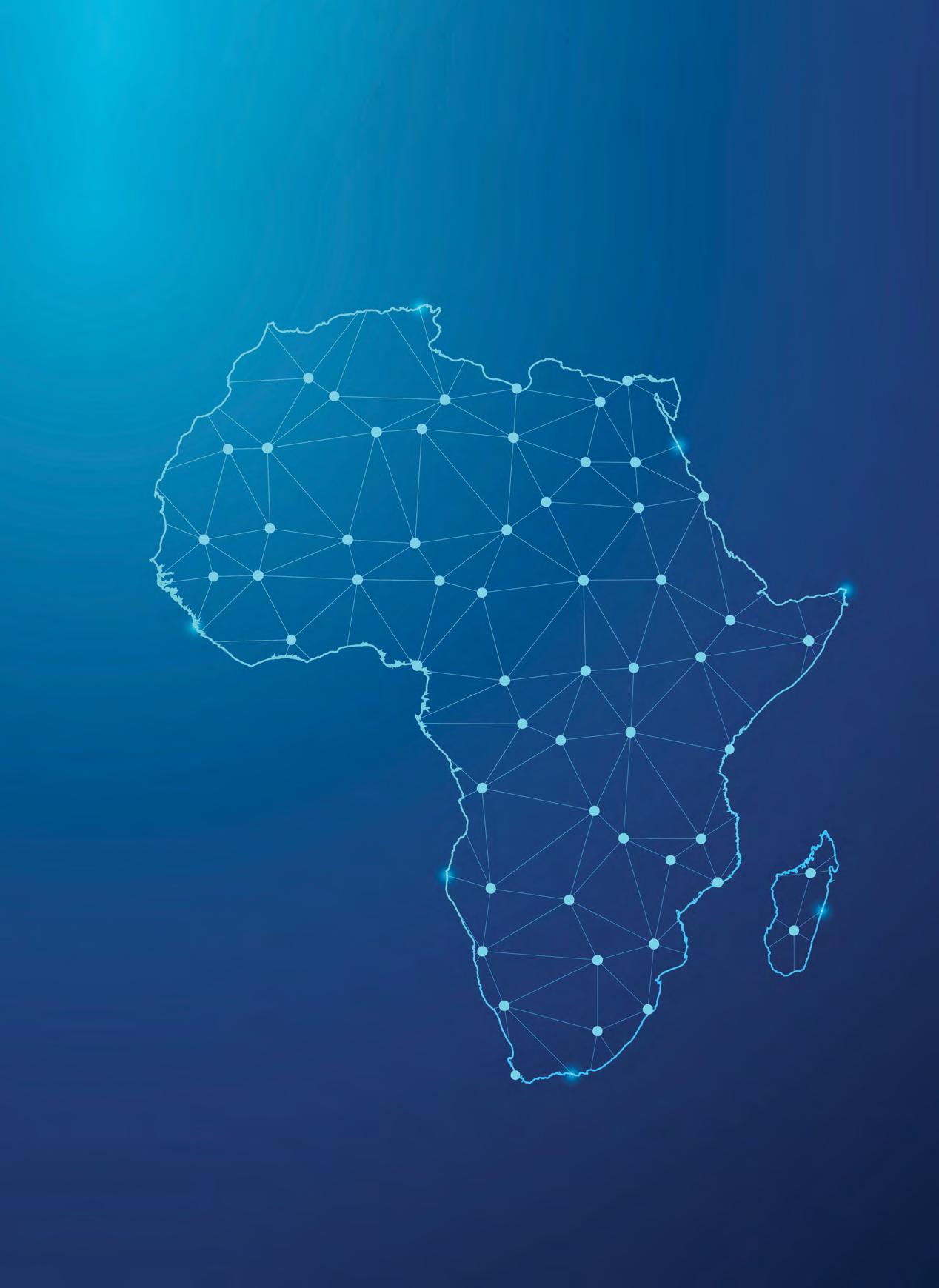

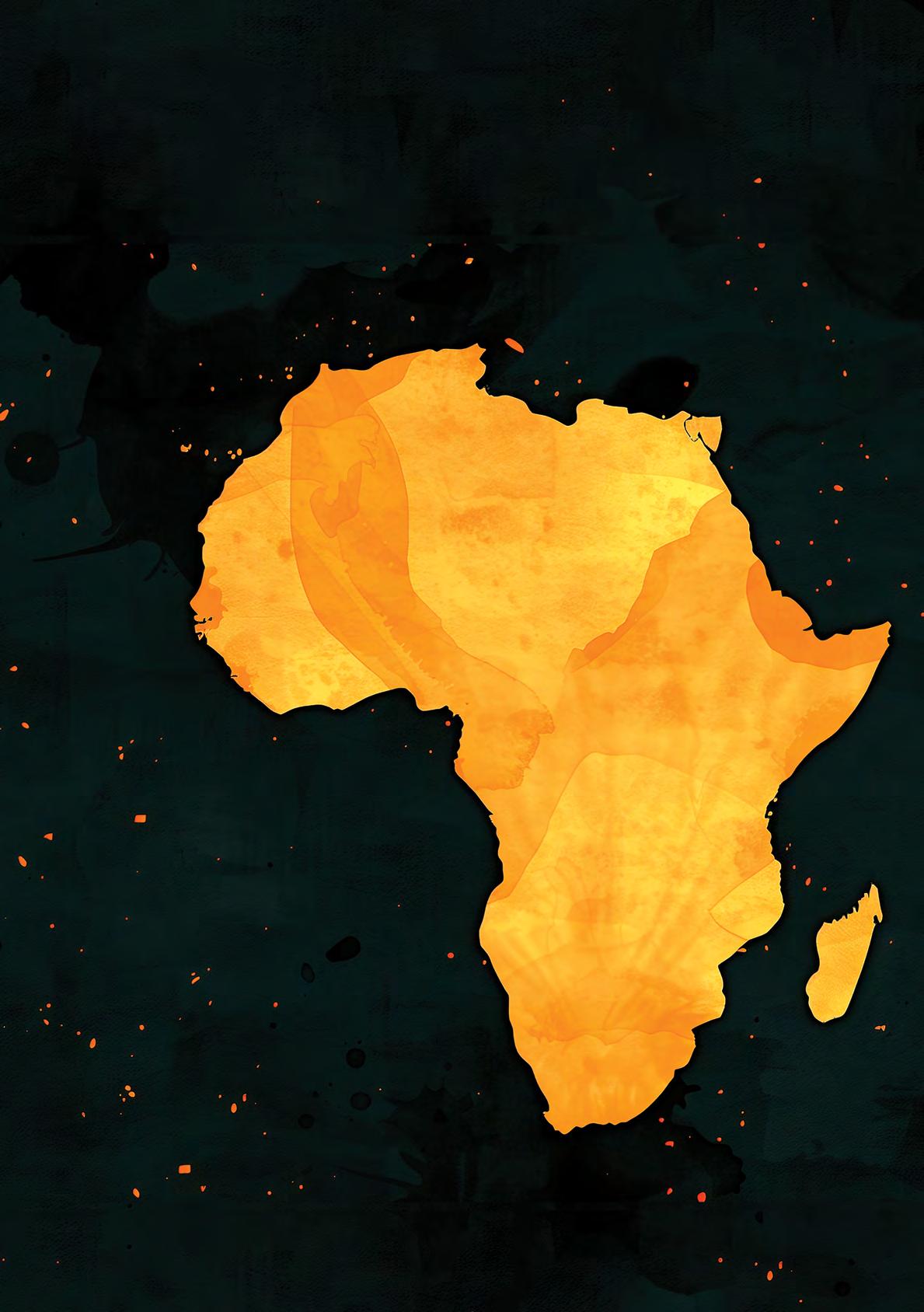
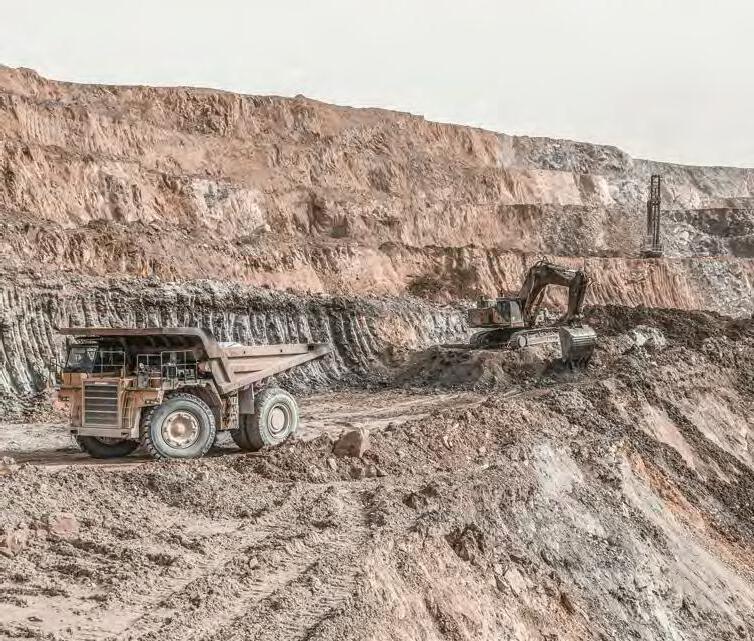
Africa’s mineral advantage Africa’s resource endowment is staggering. The continent holds approximately 30% of the world’s critical mineral reserves, including cobalt, lithium, manganese, bauxite, and platinum group metals (PGMs).
According to the Africa Policy Research Institute, between 2019 and 2023, African nations signed more than 100 bilateral and multilateral agreements related to critical
The Democratic Republic of the Congo supplies around 70% of the world’s cobalt.

leads global output and platinum and rare earth resources.
East Africa is emerging as a new frontier for REE exploration.
Zimbabwe ranks among the top five nations for lithium deposits.








































































































































































































































27-28 MARCH 2026