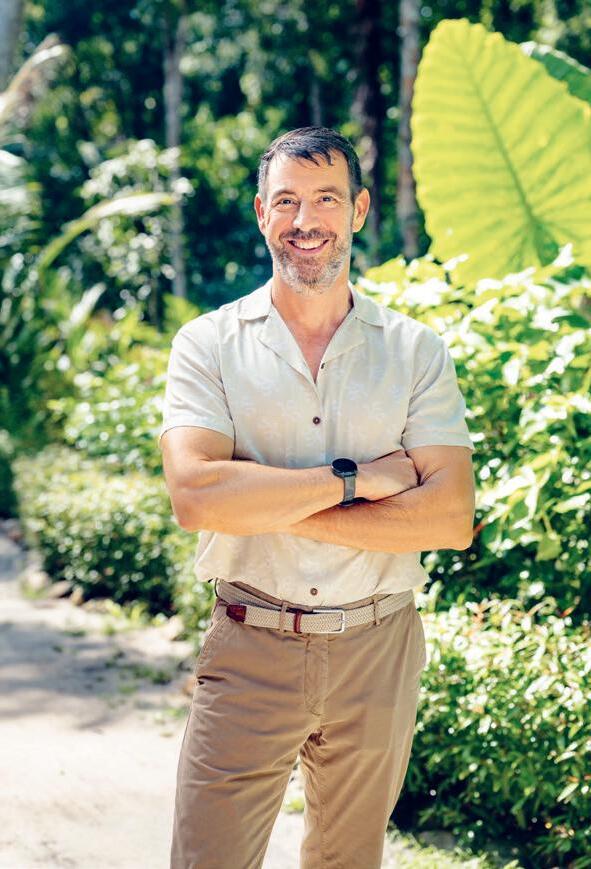
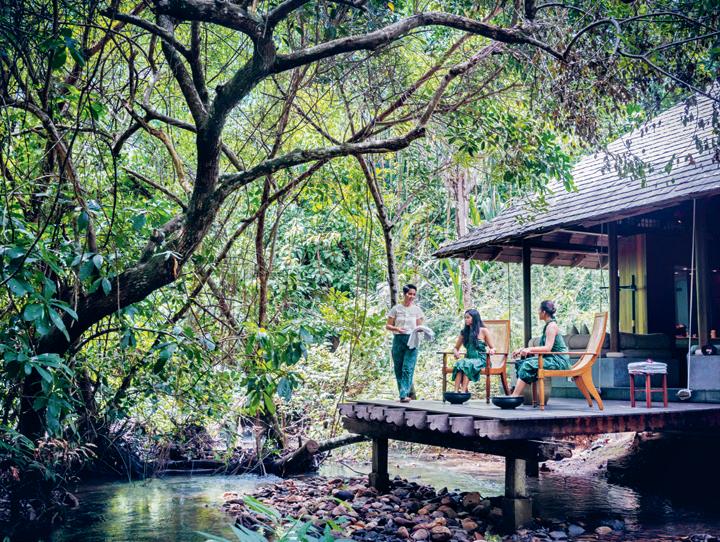
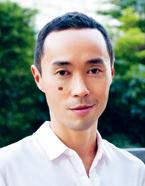
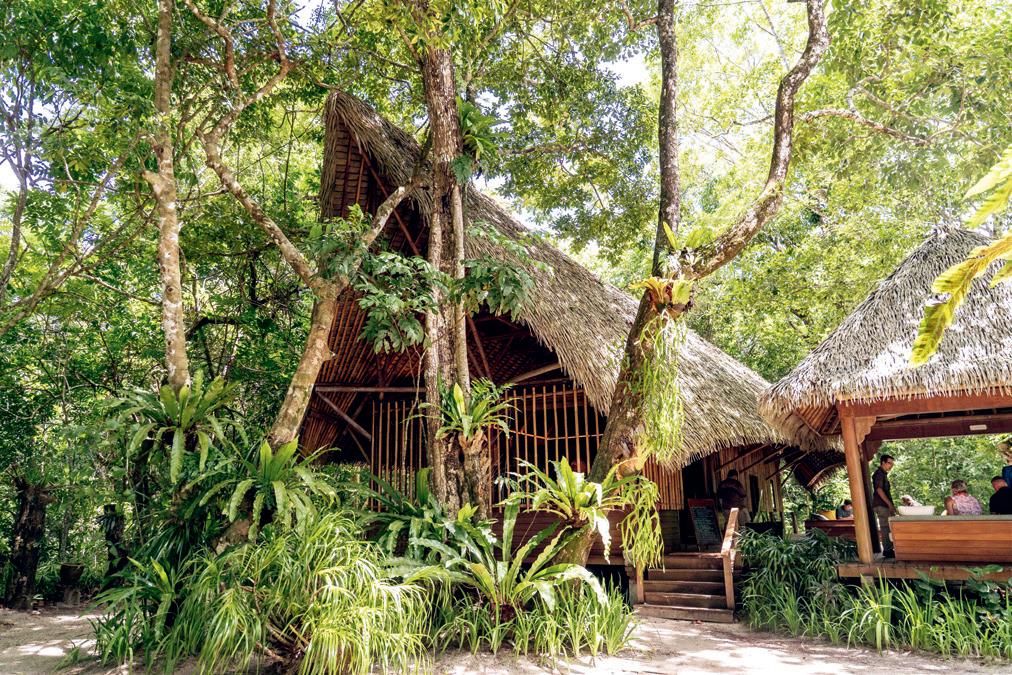
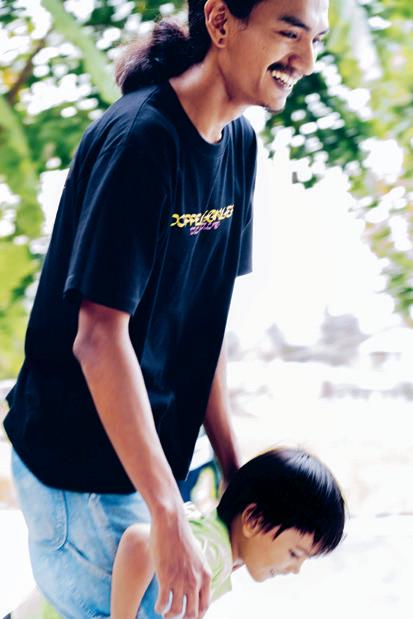
Human Edition’s Shi Han shares Langkawi’s hidden beauty
ETERNAL BEAUTY
The Datai Pledge festival celebrates half a billion years of nature’s magic
One Of A Kind
Going offstage with the world’s first female sape’ performer Alena Murang
DATAI HOTELS AND RESORTS
Chief Executive Officer
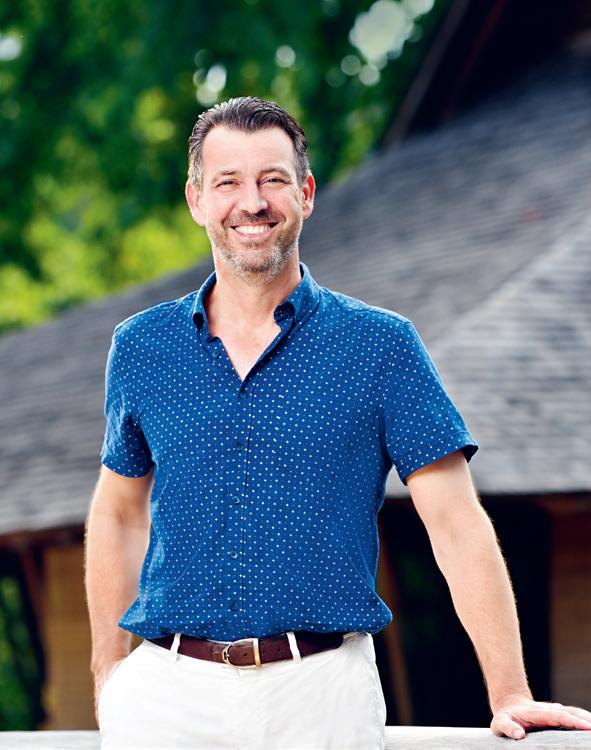
Arnaud Girodon
Director of Marketing
Tina Dotzauer
Public Relations and Marketing Consultant
Michelle Gomez
Marketing Executive
Michelle Heidi
THE DATAI LANGKAWI
General Manager
Stephane Duvacher
Director of Marketing
Maria Sadipun
Branding and Partnerships Manager
Fatin Atiqah
INDOCHINE MEDIA VENTURES
Editorial Director
Kenneth Tan
Managing Editor
Lim Chee Wah
Chief Sub-editor
Jacqueline Danam
Art Director
Penn Ey, Chee
MARKETING AND ADVERTISING sales@dataihotels.com
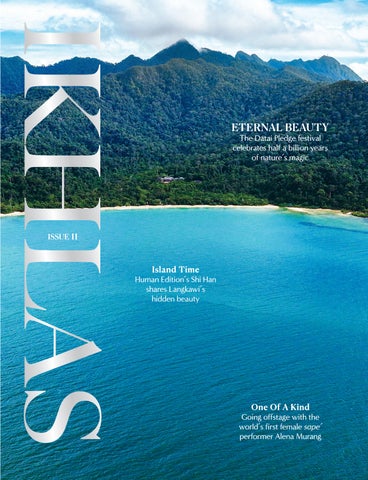
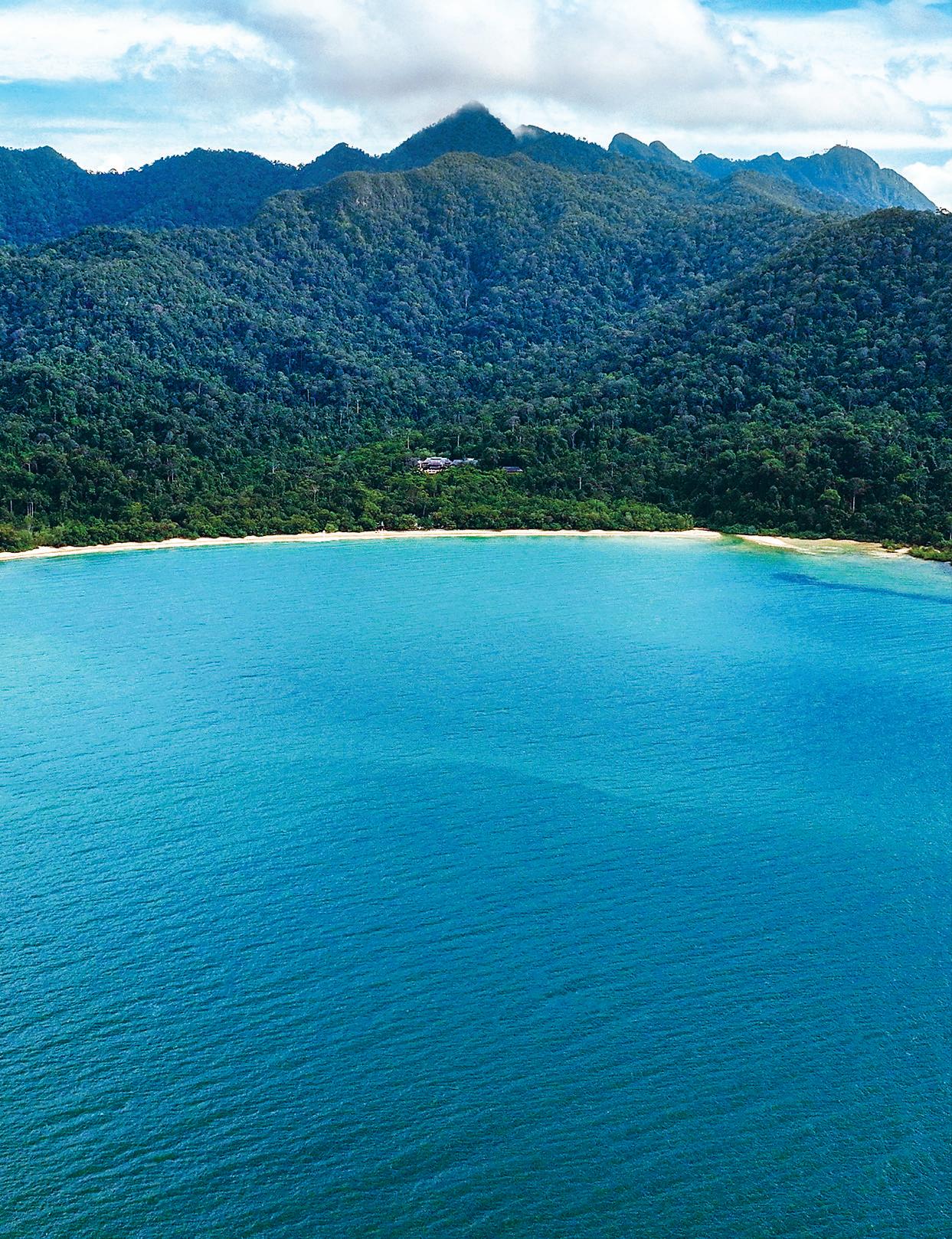
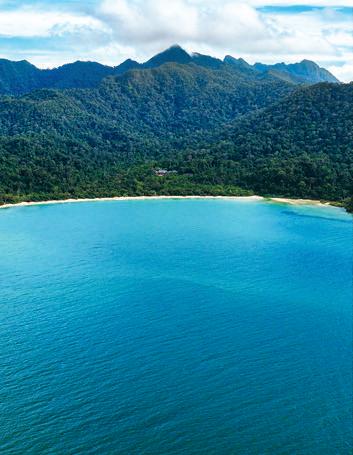
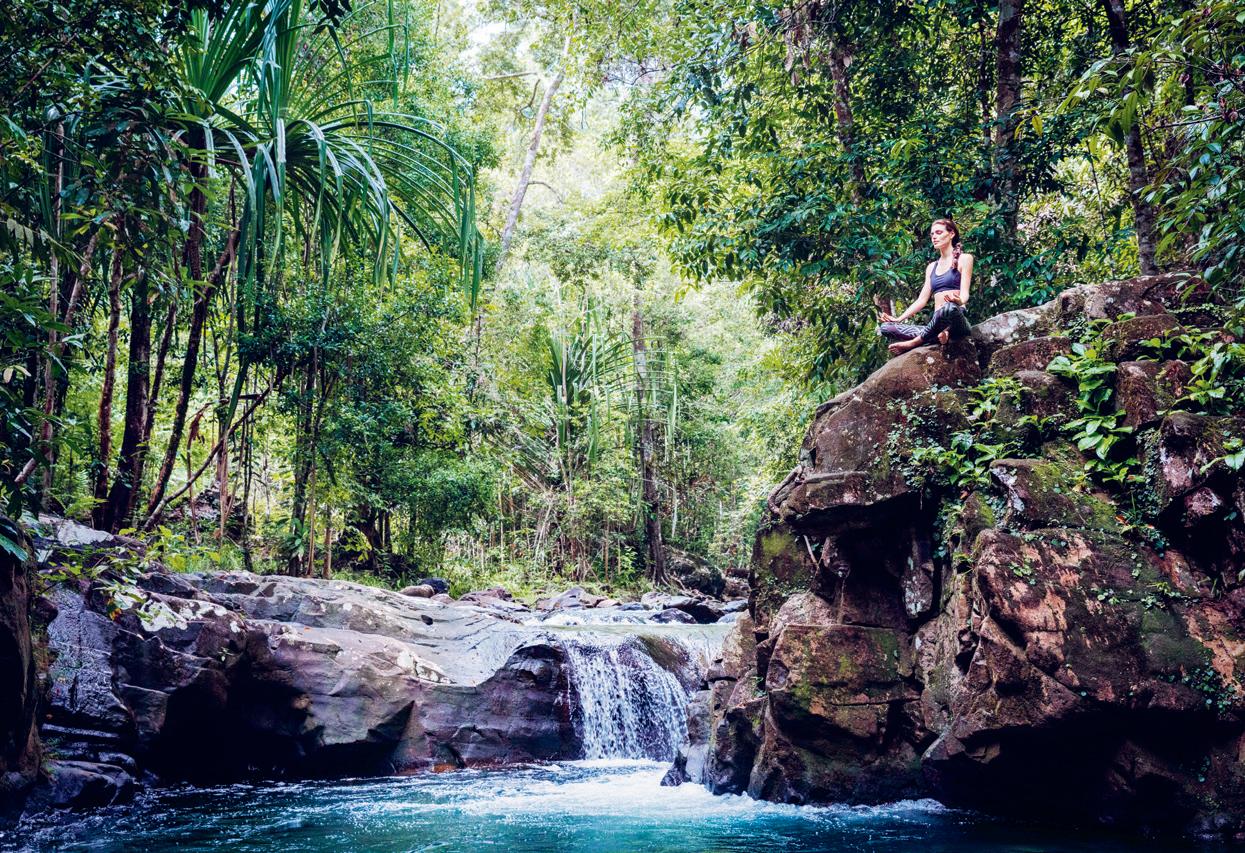
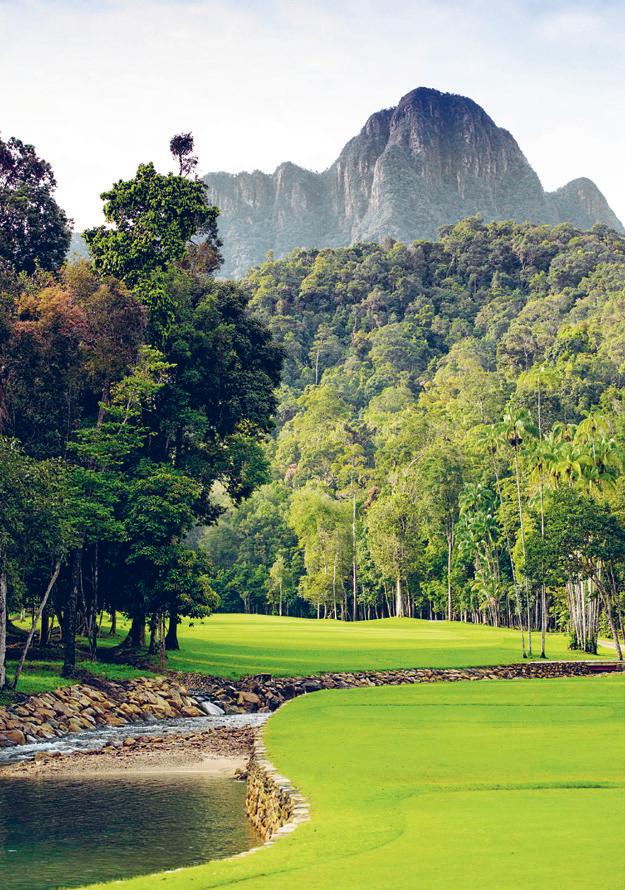
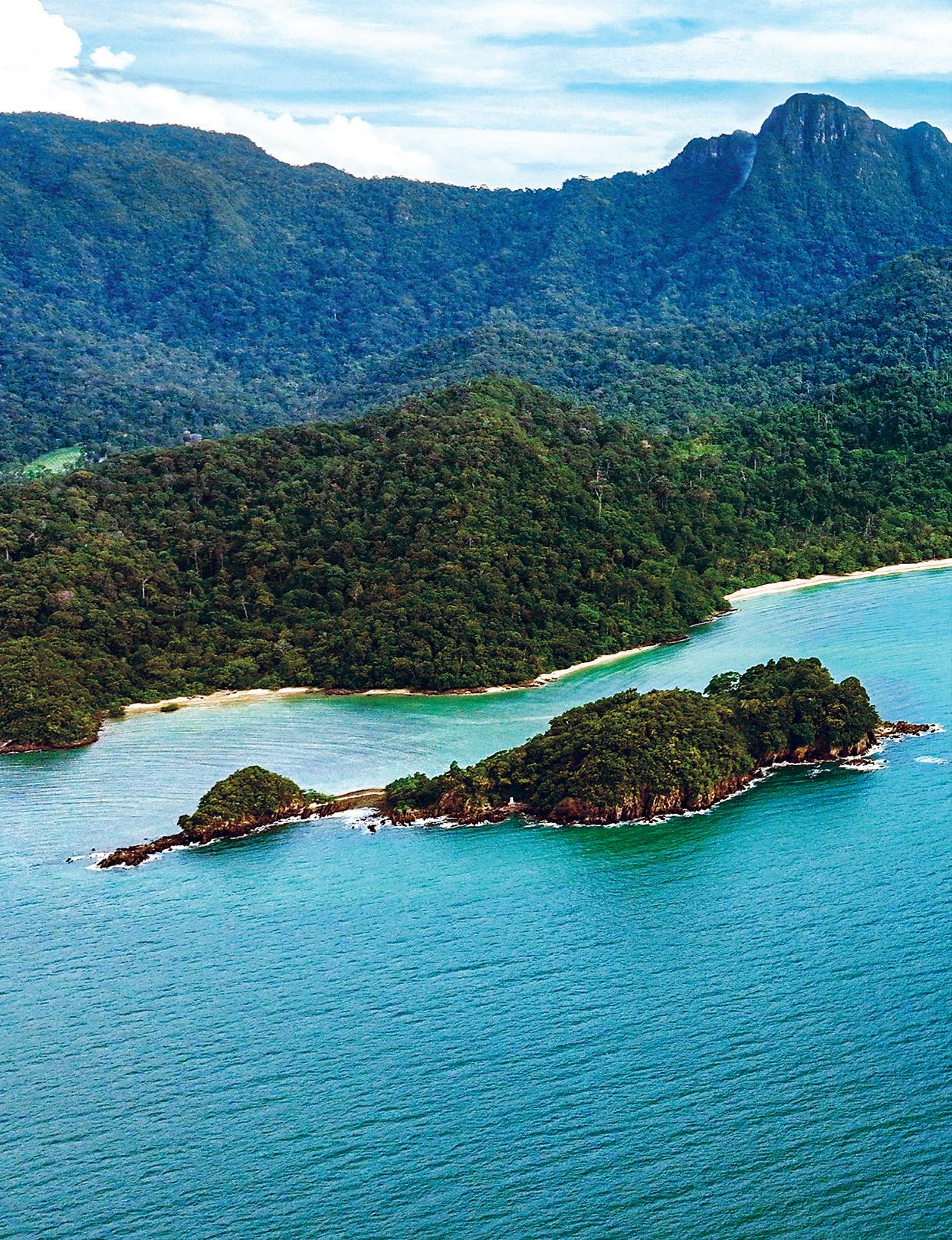
The Datai Langkawi is set within Datai Bay, a crescent-shaped stretch of unspoilt coastline that is home to a 10-million-year-old rainforest.
The forest-based material in this product is recycled.
IKHLAS, The Datai Magazine, is owned and published by Datai Hotels and Resorts (DHR), Level 9, Surian Tower, 1 Jalan PJU 7/3, Mutiara Damansara, 47810 Petaling Jaya, Selangor, Malaysia. Company registration number: 892213-V T: +60 3 7688 6680 W: www.thedatai.com
Salam sejahtera and selamat datang. Welcome to Issue 11 of Ikhlas, the in-house magazine of Datai Hotels and Resorts.
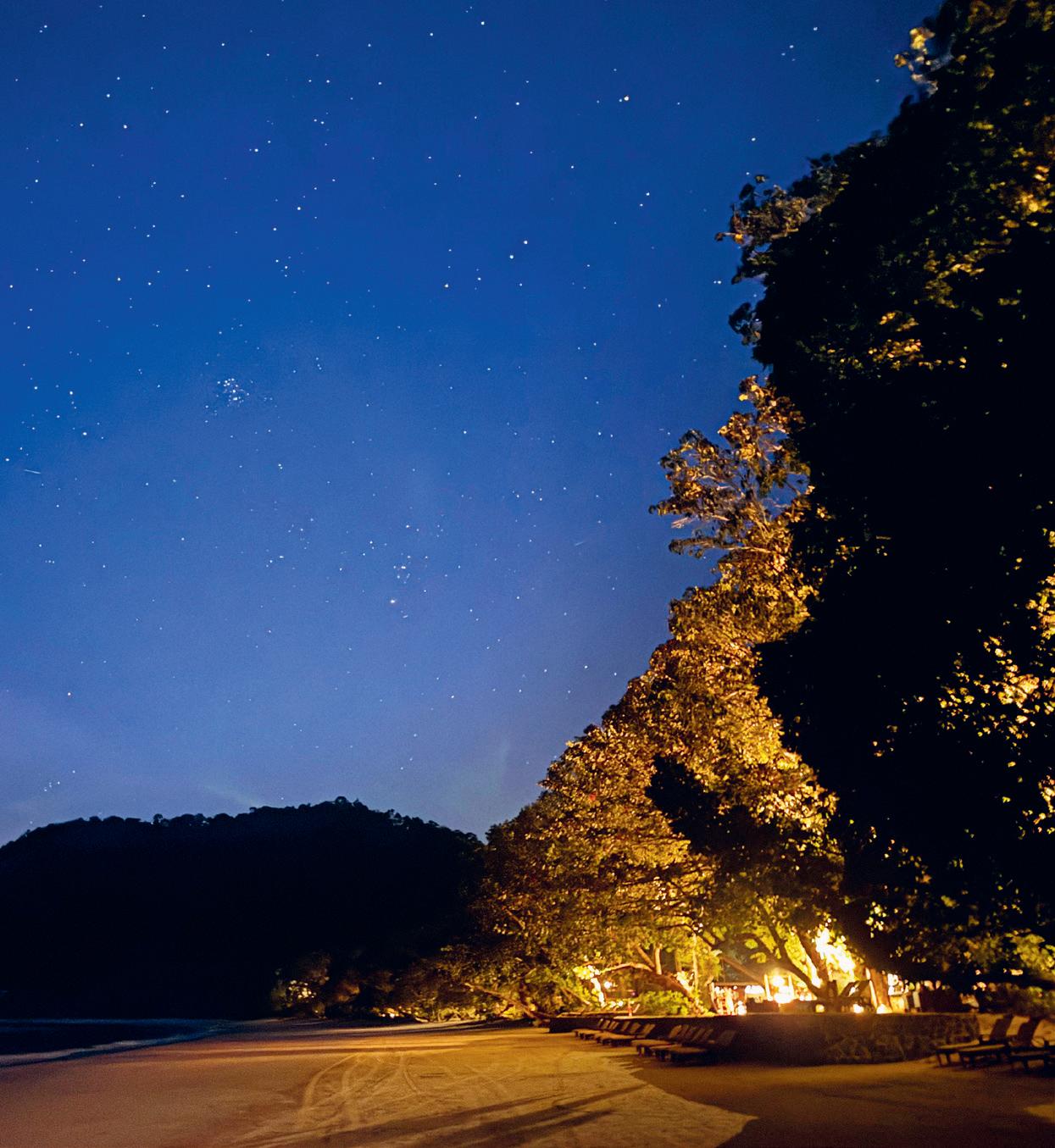
In these pages, we invite you to rediscover Langkawi through fresh eyes. From its star-studded night skies to the emerald waters sheltering ancient rock formations and thriving wildlife, this island never ceases to amaze. Inspired by its beauty –and the many thought-provoking, captivating stories of those who have made Langkawi their home –the resort partnered with first-time author Shi Han on her publication of ‘Human Langkawi’. The book unveils the island’s hidden treasures while introducing the individuals whose passions and perspectives continue to shape its identity.
An extraordinary place like this naturally requires our protection. Here at The Datai Langkawi, we are proud to launch our new Native Tree Nursery to help preserve the island’s diverse 10-million-year-old flora. Similarly, through The Datai Pledge, we have wholeheartedly supported the Eco-Schools Programme since its inception on the island, culminating in one of the schools receiving the Green Flag award last year, all to nurture the next generation in becoming custodians of the environment.
To coincide with Visit Malaysia Year 2026, we are taking this opportunity to explore and celebrate the country’s rich cultural heritage through the eyes
and words of local inspiring authors. We are especially delighted to also feature Alena Murang as another creative voice. She is a distinguished singer-songwriter dedicated to preserving the sape’ – the traditional lute of Borneo, closely associated with indigenous tribes in East Malaysia. She will headline the Finale Night of The Datai Pledge Festival this April, a celebration of our five-year-plus journey in sustainability.
This festival is just one of the many experiences we have curated to make your stay truly special. In the months ahead, you can also
indulge in exquisite dining through our Chef Series and restore your wellbeing with our Serenity Series.
To our cherished friends and guests, we hope you enjoy every moment on this enchanting island amid the verdant rainforest. My team at the resort and I look forward to creating unforgettable moments with you at The Datai Langkawi.
Arnaud Girodon Chief Executive Officer Datai Hotels and Resorts
VISION
The New Soul of Luxury 8 – 9
Arnaud Girodon, Chief Executive Officer of Datai Hotels and Resorts, reveals why sustainability is the new hallmark of modern luxury.
CULTURE
The Thread That Binds Us 10 – 13 Award-winning Langkawi-based author Karina Robles Bahrin reflects on how Malaysia’s melting pot culture runs deeper than demographics.
COMMUNITY
Little Ripples, Big Waves 14 – 17
Through eco-education partnerships, The Datai Langkawi is cultivating a generation of young environmentalists.
THE ATELIER
Chasing Blue
18 – 19
Malaysian textile artist Kam Woei Yann produces hand-dyed indigo clothing and homeware through an artisanal process that refuses to be rushed.
INSPIRATIONAL VOICES
Sape’s New Guardian 20 – 23
Once restricted to male shamans, the sacred Bornean lute finds new life – and a global audience – in Alena Murang’s hands.
NATURE
Written in the Stars 24 – 27
In the still of the night in Langkawi, look up at the wide-open sky and peer into aeons of cosmic history.
RAINFOREST
Planting the Future 28 – 31
Inside the Native Tree Nursery, a living library of Langkawi’s thriving rainforest.
THE DATAI PLEDGE
We Are Nature 32 – 37
The Datai Pledge Festival arrives this April with a simple yet powerful truth: we are not separate from nature.
Green is Gold 38 – 41 Behind the scenes at
The Datai Langkawi, a dedicated team is proving that luxury and sustainability can share the same ground.
OUR PEOPLE
Seeing Life 42 – 43 Through Nature
How Arborist Izzati Noh is playing her role within The Datai Langkawi rainforest.
IN HOUSE
The Datai Pledge 44 – 47 Ambassador Juliet Kinsman reveals what her role has taught her about the power of storytelling.
OUR ISLAND
The Bigger Picture 48 – 51 There’s much to discover in Langkawi, but at sea, the islands reveal an entirely unique angle.
TRAVEL
The Langkawi Insider 52 – 59
Pang Shi Han, author of ‘Human Langkawi’, uncovers the island’s lesser-known side through its vibrant community and hidden gems.
THE DISH
Breaking Bread 60 – 61
Why Malaysia’s humble roti canai is a culinary gift to global gourmands.
ENTS
IN THE KITCHEN
Divine Dining
62 – 63
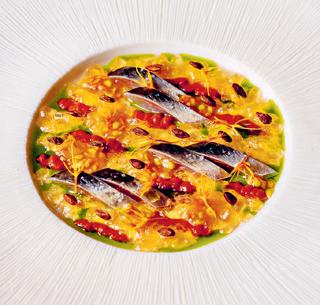
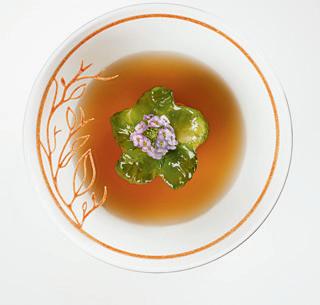
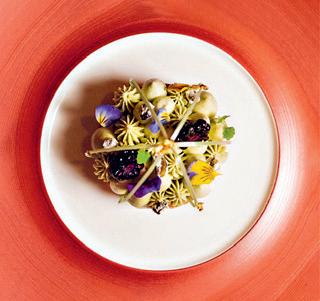
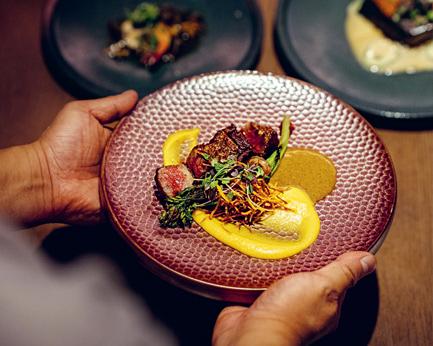
Featuring exquisite flavours crafted by award-winning chefs, The Chef Series 2026 celebrates ‘The Art Of The Distinctive’ amid Langkawi’s rainforest setting.
Spice and Sizzle 64 – 67
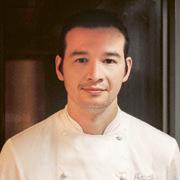
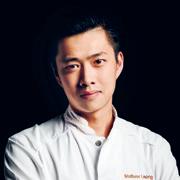
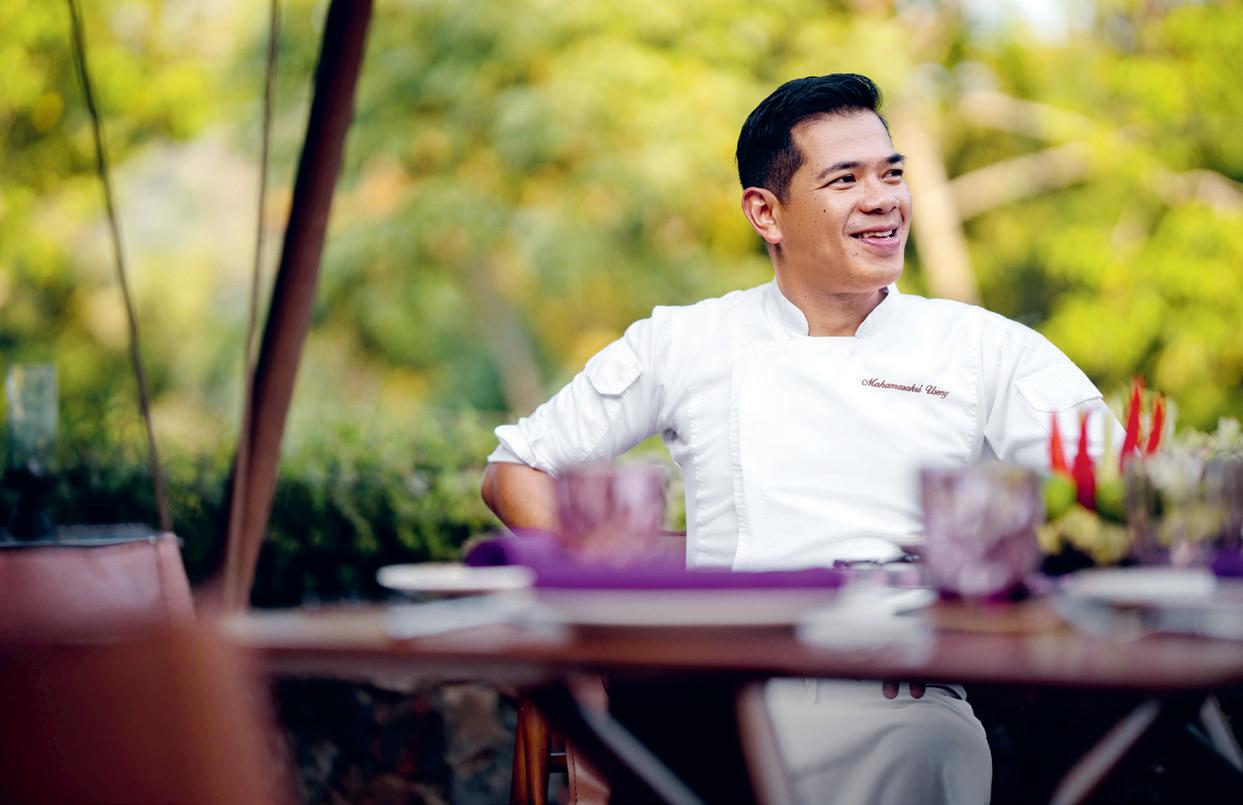
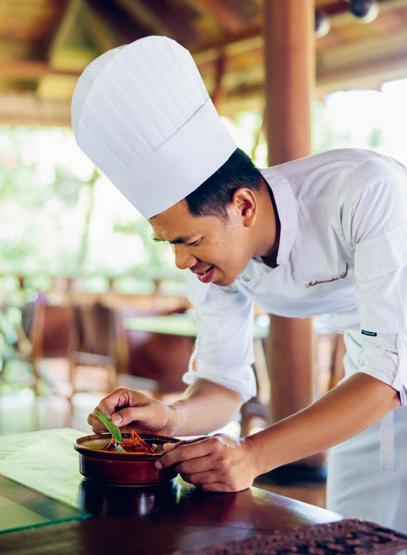
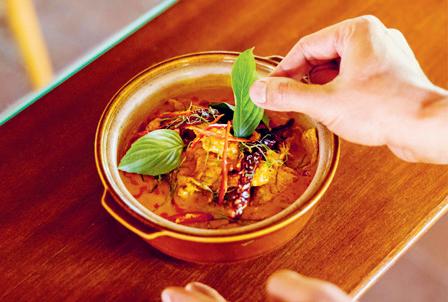
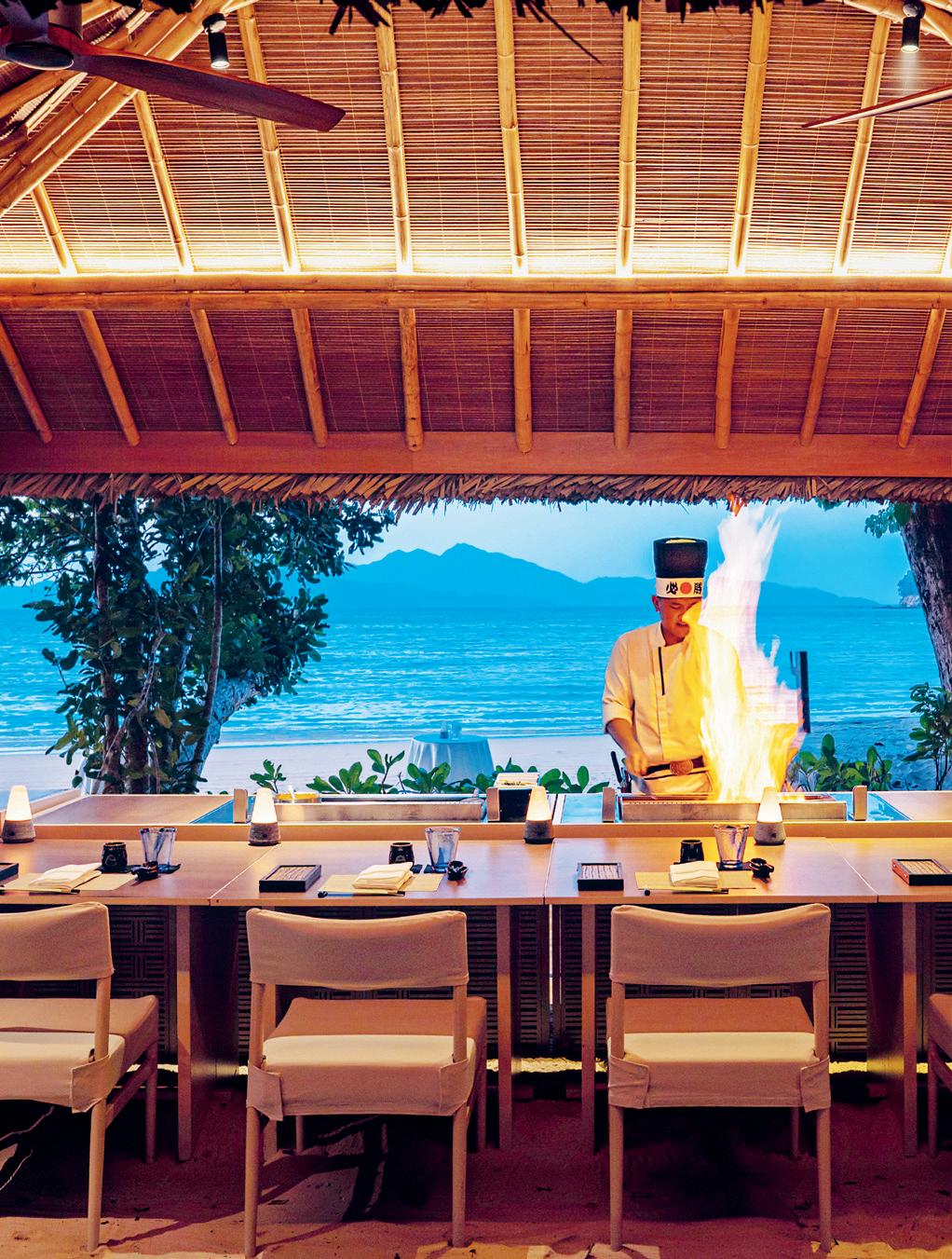
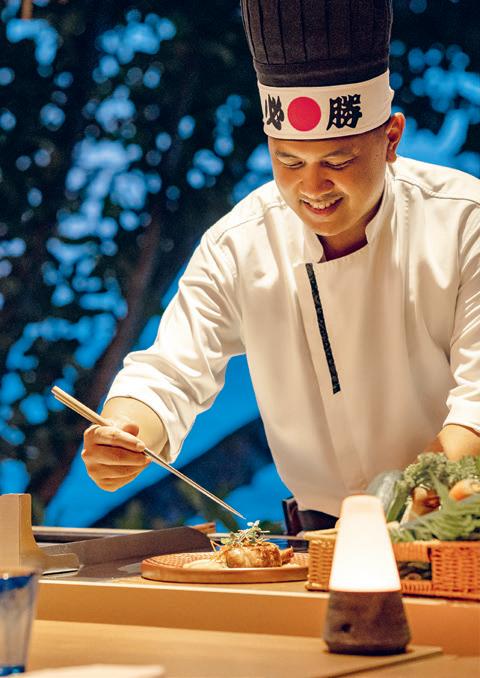
Two new chefs bring fresh flavours to the table: one is an expert in Thailand’s vibrant cuisine, while the other adds dramatic flair to beachside teppanyaki.
SPIRITS
Gin-spired Creations
68 – 69
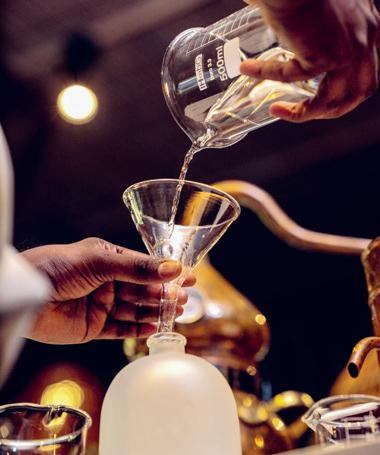
The Datai Langkawi’s pristine rainforest provides the perfect setting to explore the world-famous botanical spirit: gin.
WELLNESS
And Breathe…
72 – 73
In a verdant rainforest, Serenity –The Datai Well-being Series guides guests towards physical renewal and mental clarity.
TEE OFF
Padel Pursuits 74 – 75
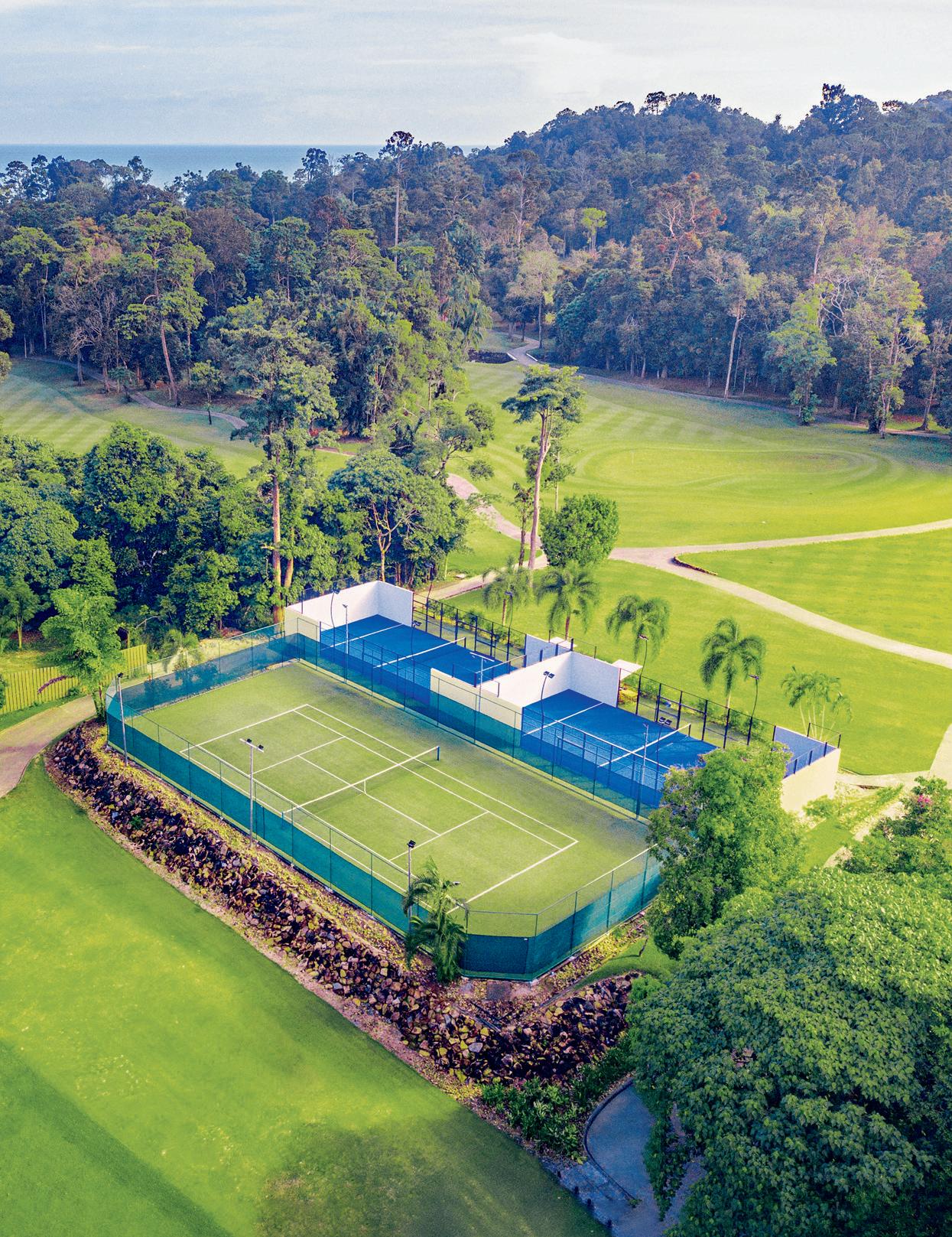
The Datai Langkawi ushers in a new era of sporting excellence by unveiling the island’s first padel facility and coaching programme.
INSIDE OUT
All The Small Things
76 – 78
At The Datai Langkawi, the in-room amenities are chosen for their origins and designed with sustainability at their core.
PAGE TURNER
The Island Revealed 80
‘Human Langkawi’ serves as a cultural archive celebrating the lives and loves of Langkawians who have made the island a gem of Malaysia.
THE NEW SOUL OF LUXURY
As The Datai Langkawi deepens its commitment to the environment, community and guests, Arnaud Girodon, Chief Executive Officer of Datai Hotels and Resorts, reveals why sustainability is the new hallmark of modern luxury.
“At The Datai Langkawi, sustainability and luxury are not parallel ambitions – they are deliberately designed to reinforce one another,” says Arnaud Girodon, Chief Executive Officer of Datai Hotels and Resorts.
Under Arnaud’s vision, The Datai brand is no longer just a legendary hideaway in one of the world’s most pristine environments; it has evolved to represent a pioneering philosophy in luxury hospitality.
The Datai Langkawi’s allencompassing approach treats sustainability as a holistic undertaking that benefits not just the environment but also the local community.
“Through The Datai Pledge –the resort’s overarching sustainability framework – we invest in local community partnerships, artisan support, conservation education and responsible sourcing initiatives that channel tourism revenue directly into Langkawi’s ecosystem and economy”, Arnaud explains.
Rest assured, these were never self-declared virtues. Every initiative by The Datai Langkawi is audited and validated against global scientific standards and stringent benchmarking. In 2025, The Datai Langkawi was awarded the Gold Certification under EarthCheck’s Eco-Terrestrial Standard, making it the only resort in the world to hold this remarkable distinction.
Roots of Change
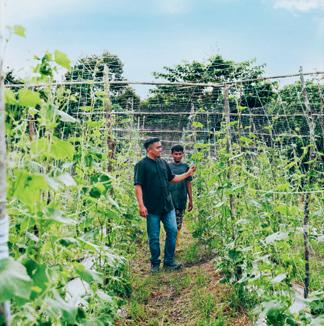
Food security and provenance often get sidelined for flashier projects like wildlife conservation, but The Datai Langkawi recognises their profound impact on the environment and society at large. Developed under the Pure For The Future pillar of The Datai Pledge, the resort’s new Community Farming Initiative was conceived to build a resilient, traceable and local food supply chain on Langkawi.
“By working directly with smallholder farmers on the island, the resort reduces reliance on imported produce while supporting the local economy and lowering emissions linked to transportation,” explains
“TOURISM CAN ACTIVELY CONTRIBUTE TO THE WELLBEING OF BOTH PEOPLE AND THE PLANET.”
– Arnaud Girodon, Chief Executive Officer, Datai Hotels and Resorts
Arnaud. This further proves that The Datai Langkawi’s sustainability blueprint is truly holistic.
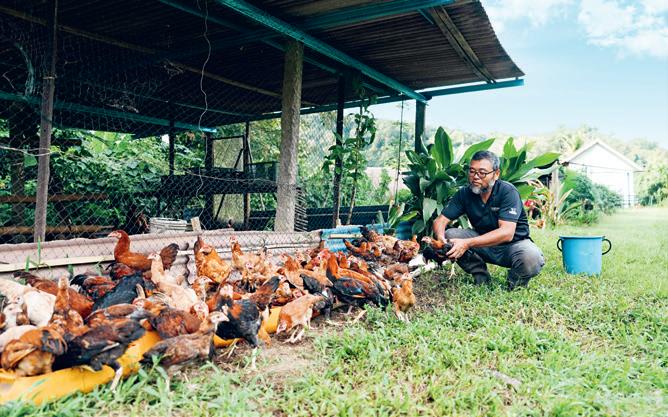
The pilot phase began with three independent farmers receiving technical mentorship through Very Green Ventures, a sustainable agriculture consultancy. In turn, the farmers supply the resort with everything from ethically grown vegetables to free-range chicken. However, this isn’t just a simple purchase agreement.
The collaboration creates a thriving ecosystem: farmers benefit from stable market access, fair pricing and dependable income streams; the environment thrives under responsible cultivation methods; and guests enjoy exceptional dining while learning about regenerative agriculture.
To Arnaud, this circular economy “demonstrates how tourism can actively contribute to the well-being of both people and the planet”.
Vision 2026
With Visit Malaysia Year 2026, the country is ready to shine on the global tourism stage. Arnaud is a firm believer in Malaysia’s immense potential. “The country has an extraordinary range of assets, from its natural landscapes and biodiversity to its cultural heritage, crafts and deeply rooted traditions of artisanship. With a clear commitment to what sets the country apart – its strong sense of place, genuine warmth and rich diversity – Malaysia is well positioned not only to stand alongside the region’s leading luxury destinations, but also to shape a distinctive identity of its own on the global stage,” Arnaud concludes.
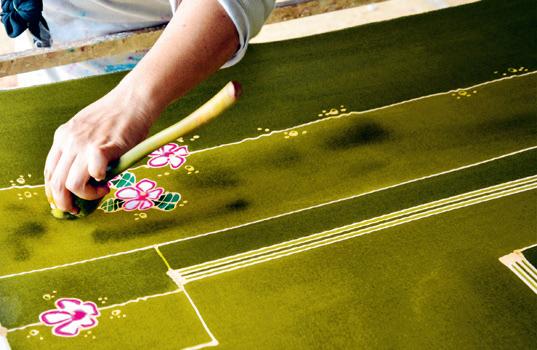
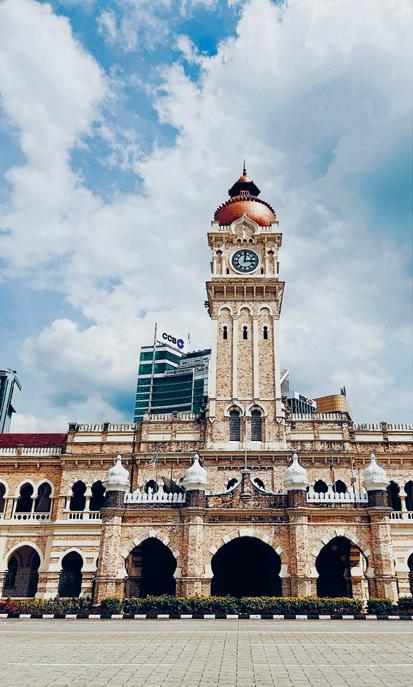
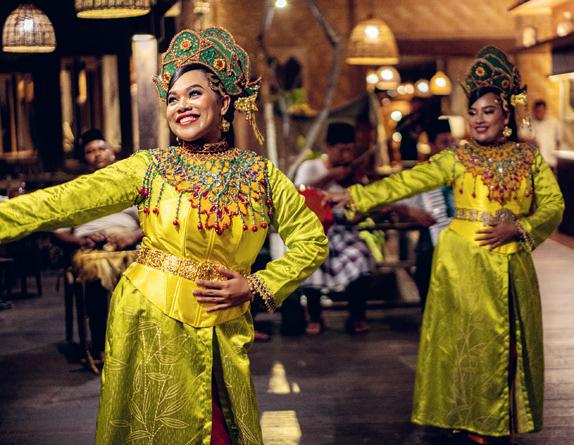
Malaysians come together in many ways, from celebrating their nation’s independence on Merdeka Day to embracing traditions such as batik painting and dance, as well as through architectural landmarks such as the Sultan Abdul Samad Building in Kuala Lumpur.
THE THREAD THAT BINDS US
Award-winning Langkawi-based author Karina Robles Bahrin reflects on how Malaysia’s melting pot culture runs deeper than demographics.
Many of us now live in multicultural communities thanks to global migration and the capitalist push for greater cross-border movement of labour. But often this translates into people from different ethnic backgrounds living alongside one another in separate bubbles, neither fully integrating nor interacting meaningfully. Even in the world’s largest cities, silos exist, creating friction and discomfort at the notion of the unknowable neighbour.
As a country made up of at least three major races and a spectrum of native ethnicities, Malaysians are perhaps built a little differently from the inside out. We don’t blink when the persons chattering next to us in the bus or train speak in a different tongue. Or perhaps we even understand a smattering of it, having been exposed to its sounds all our lives.
Watching a movie with subtitles is normal. And our biggest problem with travelling to countries with dominant mono-cultures is the lack of diversity in their cuisine. A Malaysian is used to a day filled with multicultural culinary treats. An Indian breakfast, a Malay lunch, a Chinese dinner. Few of us eat within our ethnic spectrums without including dishes from other communities, even during our cultural celebrations.
The Story of Malaysia
A quartet of contemporary Malaysian authors offering unique perspectives of the country.
Karina Robles Bahrin
In ‘The Accidental Malay’, Karina Robles Bahrin explores the unsaid social mores and conventions that describe the Malaysian experience. The protagonist, who belatedly realises that she is of partial Malay descent, as opposed to her longheld belief of being Malaysian Chinese, becomes the lens through which the author examines the taboos, frustrations and sometimes quixotic nature of being a Malaysian, as defined by the expectations of ethnic groups.
Tash Aw
This London-based Malaysian author’s debut novel, ‘The Harmony Silk Factory’ (2005), set in colonial-era Malaya, was longlisted for the 2005 Man Booker Prize and won the 2005 First Novel accolade at the 2005 Whitbread Book Awards. The book has been translated into 20 languages. Tash Aw’s follow-up novels continue to describe the postcolonial and immigrant experience in Malaysia.
Yangsze Choo
A Harvard University graduate, Yangsze Choo’s freshman effort ‘The Ghost Bride’ (2013) is a fantasy novel based on the real practice of ghost marriages, a custom among the Chinese diaspora to appease the spirits of the departed. It became a ‘New York Times’ bestseller and was selected as a Best Book on Oprah.com. It also inspired a Netflixoriginal series, ‘The Ghost Bride’. Choo’s sophomore work ‘The Night Tiger’ (2019) was selected as one of 70 works in the Big Jubilee Read, a campaign to celebrate Queen Elizabeth II’s Platinum Jubilee.
Dina Zaman
Across Dina Zaman’s three non-fiction novels, the recurring themes of religion and society are cleverly examined with a sense of humour shaped by an itinerant childhood spent in various countries that included Japan and Russia. Through her regular contributions to various media channels, her voice is distinctly resonant, as is her advocacy of sociopolitical topics. As co-founder of IMAN Research – a think tank for bridging the divide between public reporting and on-the-ground reality – Dina has brought to light the educational struggles of the underprivileged during the COVID-19 pandemic, irregular migration in Sabah and youth displacement in northern Malaysia.
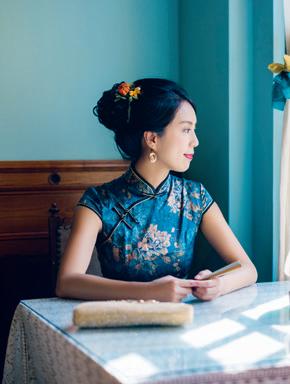
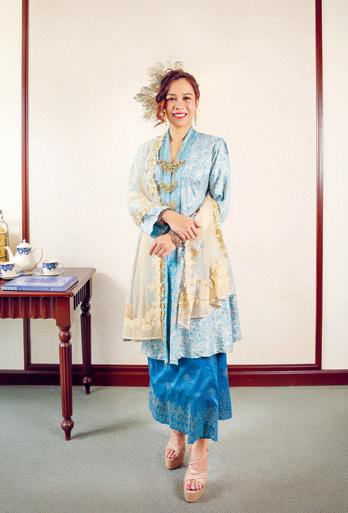
And the clothes! I once had to explain to an American friend working in Kuala Lumpur that it was perfectly acceptable for him to don a Baju Melayu to a Malay wedding. That it is not viewed here as appropriation but instead the opposite – an honourable gesture indicating a desire to acknowledge the other’s culture. In fact, many Malaysians own traditional clothing from other ethnicities and wear them in their daily lives – to the office, at leisure and special occasions.
Yes, the politics are different here than in the West. To the thinking person, some of our seemingly blasé attitudes towards cross-cultural appropriation will not translate without backlash.
But the reality of our day-to-day lives and the way we navigate our society may perhaps point to a lesson for consideration when grappling with an increasingly globalised world. While politics can and do oftentimes divide, their long shadows do not need to define the way we live, eat and play.
This is perhaps the thing that binds us in our relatively young nation that still struggles to define a national identity which could encompass all our differences. We can’t agree on what being Malaysian is beyond perhaps the national language. We are also our
IN FACT, MANY MALAYSIANS OWN TRADITIONAL CLOTHING FROM OTHER ETHNICITIES AND WEAR THEM IN THEIR DAILY LIVES.
own worst enemies. Anything that is made in Malaysia is typically seen as inferior to things from elsewhere. We still rely on international recognition to validate our homegrown artists’ talent.
Yet, if you look around you, particularly in urban and suburban settings, you will notice a uniqueness that is hard to find elsewhere.
A collective that despite our differences often unconsciously embraces the very thread from which our colourful national fabric is woven. A thread that is dyed in various colours at intervals, one bleeding into the other at junctures. It is in what we eat, wear and even how we co-opt words from one another’s mother tongues into our sentences.
If only we all took a step back to take in the whole picture. Perhaps then, we would realise what actually makes Malaysia special.
Karina Robles Bahrin’s debut novel, ‘The Accidental Malay’ (Epigram and Picador), won the Epigram Books Fiction Prize and was longlisted for the Chommanard International Women’s Literary Award. She lives in Langkawi, Malaysia.
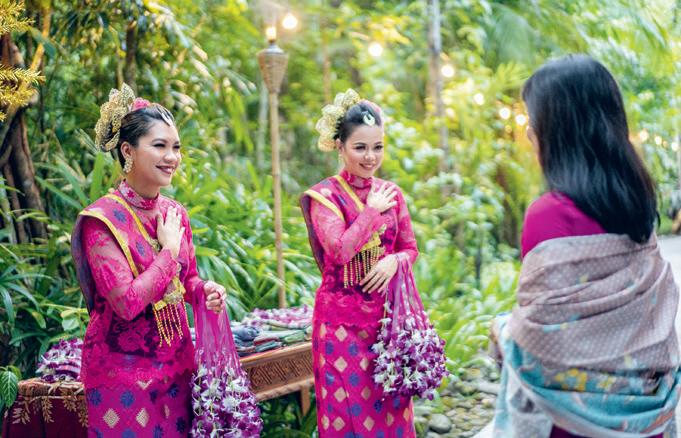
Traditional attire in Malaysia reflects its multicultural society, with signature garments including the Malay Kebaya Labuh, the Chinese Cheongsam and the Indian Saree
LITTLE RIPPLES, BIG WAVES
Through eco-education partnerships, The Datai Langkawi is cultivating a generation of young environmentalists who are reshaping how their island thinks about conservation.
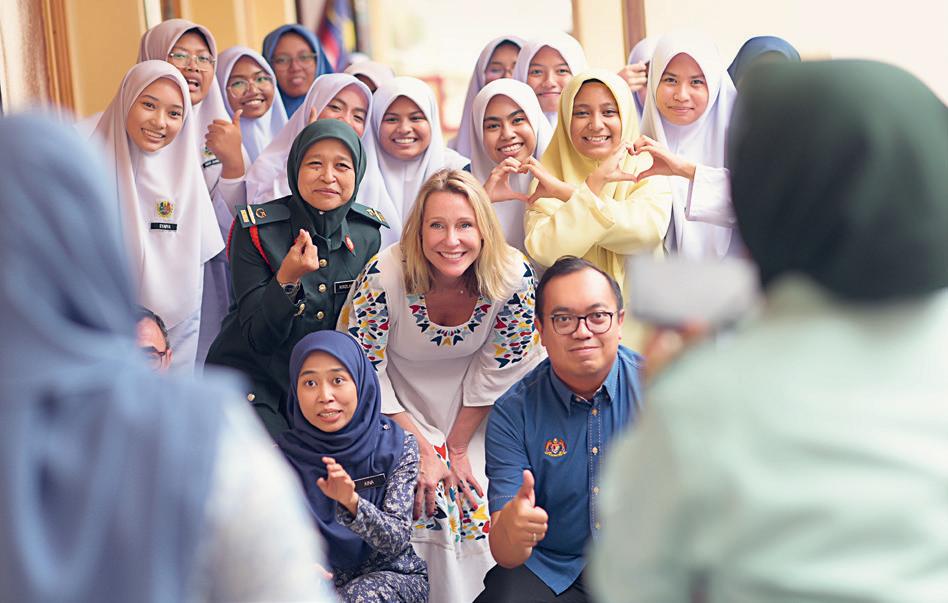
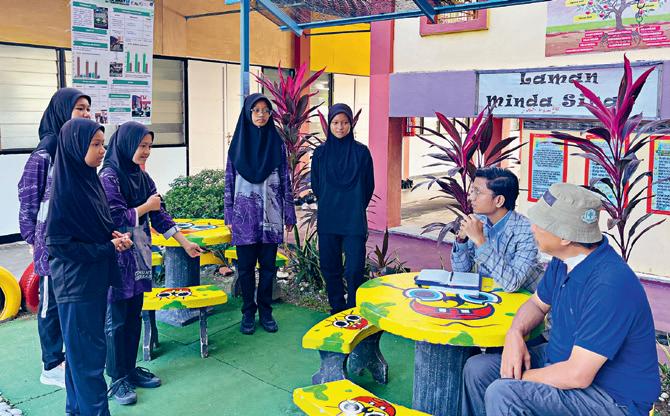
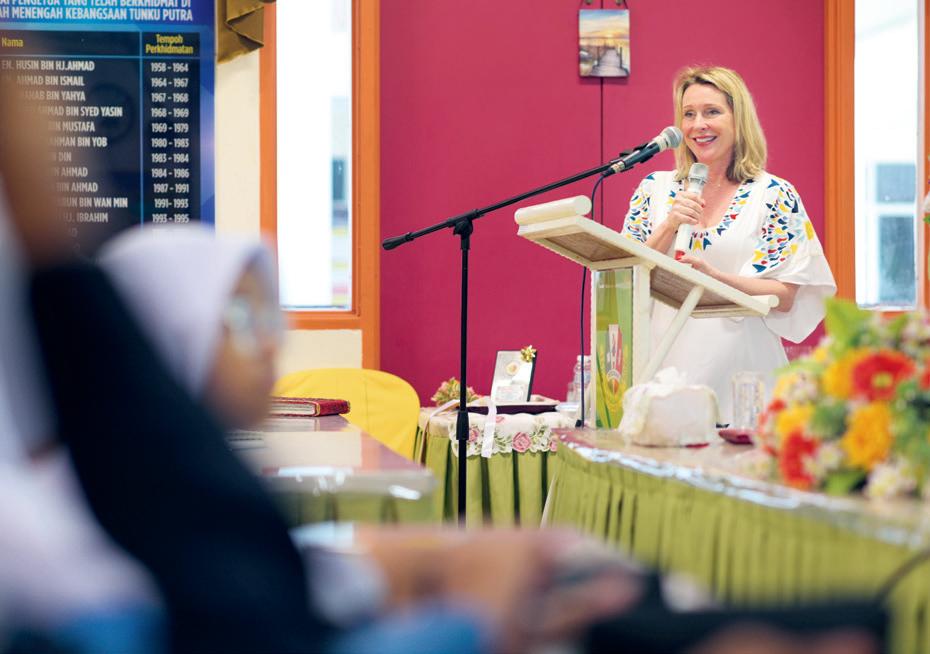
Juliet Kinsman, Ambassador of The Datai Pledge, with students from SMK Tunku Putra, Langkawi.
“THE
TEACHERS ARE THERE JUST TO SUPERVISE. THE
STUDENTS ARE COMPLETELY
RUNNING THE SHOW.”
– Shakira Mobarak, Youth For The Future Pillar Leader and The Datai Pledge Coordinator
There’s an old Malay proverb, ‘Melentur buluh biar dari rebungnya’. It takes its inspiration from nature and literally means ‘the bending of bamboo should happen when the plant is still a shoot’. It infers that the gentle shaping of minds and hearts is best when children are young.
This maxim resonates with The Datai Pledge’s former Youth For The Future pillar leader, Johan Abdullah, and underpins the pillar’s actions. It’s one of the main reasons why, in Kampung Temoyong in the south of Langkawi Island, 12-year-olds can animatedly explain why bees matter to fruit yields, run the recycling station at their school, and at the same time, sell you handmade soaps to fund their school’s next project.
A system of empowerment
The Datai Pledge is a sustainability and conservation programme established by The Datai Langkawi to integrate conservation and sustainability throughout the fabric of the resort, from operations to ethos. It works through four pillars, with Youth For The Future focusing on empowering Malaysia’s next generation of environmental stewards.
Since 2020, this pillar has partnered with Green Growth Asia Foundation – a Malaysia-based civil society organisation dedicated to driving sustainability through individual climate action – to bring the EcoSchools Programme (the largest global sustainable schools programme) to four public schools in Langkawi. That number may sound modest, but the approach is not.
“It is a fully student-run programme,” says Shakira Mobarak, The Datai Pledge Coordinator, who also leads the Youth For The Future pillar. “The teachers are there just to supervise. The students are completely running the show.”
Waving the flag
As part of the Foundation for Environmental Education (FEE), Eco-Schools supports over 54,000 learning institutions in 107 countries worldwide. To earn a Green Flag – the programme’s highest recognition – students must do more than plant a garden or sort rubbish. They must form an eco-committee, conduct environmental audits, develop action plans, monitor progress, engage parents and the wider community, and demonstrate that sustainability is not just an extracurricular activity but a way of operating.
It’s demanding and intense. But in 2025, Langkawi’s Sekolah Kebangsaan Temonyong successfully retained its Green Flag, first earned in 2024. Students had implemented systematic waste segregation, established a biodiversity garden, triumphantly campaigned against single-use plastics in their school canteen, and run water-saving initiatives.
Sri Themudu, Chief Programme Officer at Green Growth Asia Foundation, witnessed the transformation firsthand. “We deliberately put students in the driver’s seat,” he says. “Through that experience, they stop seeing themselves as ‘just students’ and start recognising that they can influence decisions in their school, their family and their community.”
The programme’s impact reveals itself in other unexpected ways, where children who had struggled academically stepped up to manage projects, while quiet kids broke out of their shells to ask probing questions as their confidence and curiosity grew.
Educators redesigned lessons around real-world problems, such as using water audits for mathematics or waste data for science.
The programme runs for three years at each school, long enough to encourage continuity between cohorts
Sustainability in Numbers
Eco-Schools worldwide
1994: Launched in the United Kingdom and parts of Europe
107 countries implementing 54,687 schools
12,822,658 students
476,743 teachers
21,034 Green-Flag schools
1,628,826 partners and stakeholders
* Info from Eco-Schools Global website
Eco-Schools in Malaysia
2011: Introduced to Malaysia by WWF Malaysia
2021: Green Growth Asia Foundation becomes national operator of Eco-Schools programme in Malaysia
12,268 students
6,018 teachers
897 schools
* Info from Green Growth Asia Foundation website
Eco-Schools Langkawi 2024-2026
3,440 students
170 teachers
6 projects
8 Eco-Schools
3 Green-Flag schools
* Info from Green Growth Asia Foundation website
Scan to view The Datai Pledge film on the resort’s work with the Eco-Schools Programme in Langkawi.
Left: Auditors engage with students from SK Temonyong Langkawi as they share their environmental projects and learning journey during the Eco-Schools Programme audit.
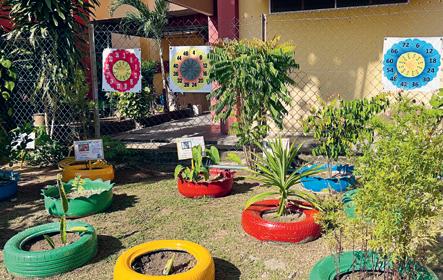
Below: The herb and fruit garden at SK Temonyong Langkawi showcases how students transform recycled materials into vibrant planting spaces. This living garden serves as an outdoor classroom, where learners nurture herbs and fruit plants while developing a deeper understanding of sustainability and environmental stewardship.
when students graduate. Nevertheless, changes in school leadership and an exam-focused culture present a challenge to sustaining momentum.
Beyond the classroom
Schools that persevere develop their own focus. One emphasises rainwater harvesting. Another cultivates a fruit and vegetable garden with guidance and starter plants supplied by The Datai Langkawi’s permaculture team.
Students, some of whom are children of The Datai Langkawi team members, have visited the resort. Through MareCet, The Datai Pledge’s marine mammal research partner under the Fish For The Future pillar, and the Sea Science School initiative, students went on intertidal walks and dolphin surveys, and came away with a deeper appreciation of local marine ecology.
“Over 30 students participated from each school,” Shakira beams, excited by the collaborative nature The Datai Pledge engenders. Other students participated in eco-entrepreneurship programmes, learning how environmental decisions intersect with tourism and
business. Such practical, hands-on lessons help make abstract environmental concepts tangible and relatable.
“Langkawi children are in a very unique position,” Shakira shares. “They get to witness firsthand the positive and negative effects of tourism. Hopefully, the programme motivates them and changes their mindset from ‘it’s just a piece of plastic’ to ‘I want to save that animal’.”
The ripple effect Shakira describes is demonstrable. EcoSchools children have initiated community clean-ups and tree plantings, activities that extend beyond school grounds and demand commitment from their families and communities.
“When a child in Langkawi realises they can protect a river, reduce plastic use or restore a small habitat around their school,” Sri explains, “that identity as a steward of the island tends to stay with them for life.” It’s one of his favourite aspects of the partnership. “Those are the moments when you feel the partnership is changing lives, not just delivering a project.”
Plans for the future
In 2026, The Datai Pledge and Green Growth Asia Foundation’s partnership enters its sixth year. Sri describes a
relationship built on trust. “The Datai Pledge team genuinely listens to teachers, respects local context and gives us the flexibility to design what works for Langkawi’s schools.”
Future plans will focus on consolidation and scale. Existing schools will receive ongoing support to maintain or achieve Green Flag status, and more educators will join a professional learning community centred on climate education.
A separate initiative, designed by therapists, teachers and parents, is also taking shape for differently abled and neurodivergent children. In this programme, teachers are being trained to deliver nature-based therapies and structured outdoor activities in sensory and quiet spaces.
“Our hope is for Langkawi to become a pioneer,” Sri says, “in showing how tourism, conservation and inclusive education can come together to support some of the most vulnerable children in our school system.”
Shakira frames the work simply. “Education is so important in teaching the younger generation. They are the future change makers. They are the ones who will inherit the island’s problems. But they are also the ones who have the most hope.”
Left: A student from SMK Tunku Putra shares his thoughts during an interactive session with Juliet Kinsman, Ambassador of The Datai Pledge.
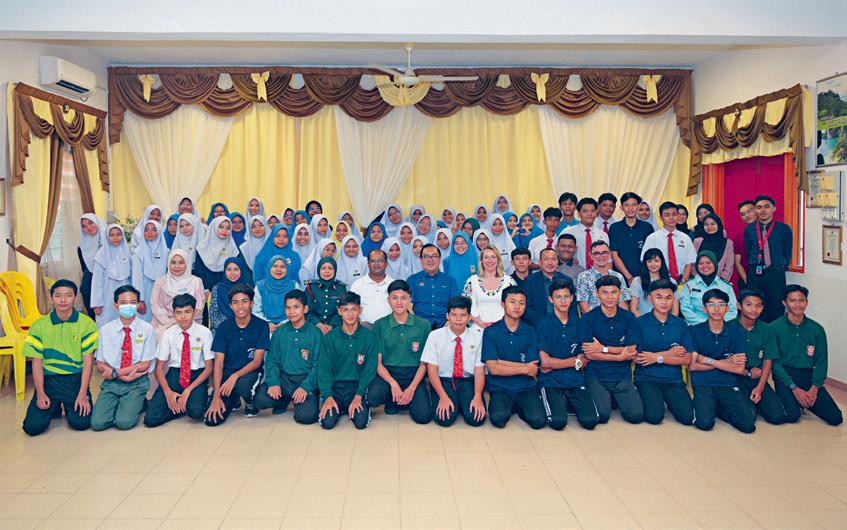
Below: Sri Themudu, Chief Programme Officer at Green Growth Asia Foundation, Juliet Kinsman, Ambassador of The Datai Pledge, and The Datai Pledge team at SMK Tunku Putra, Langkawi.
CHASING BLUE
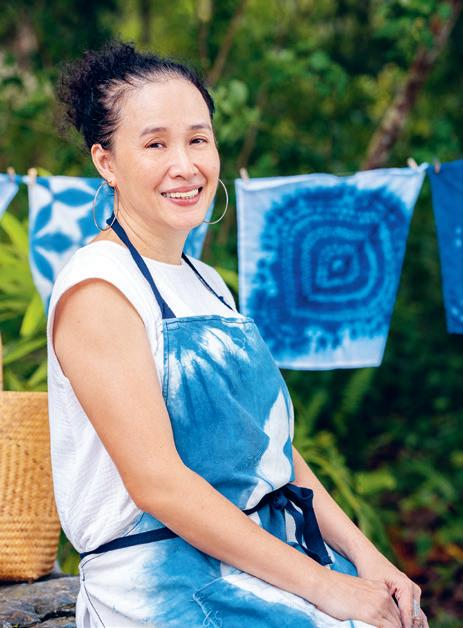
Malaysian textile artist Kam Woei Yann champions slow fashion, producing hand-dyed indigo clothing and homeware through an artisanal process that refuses to be rushed.
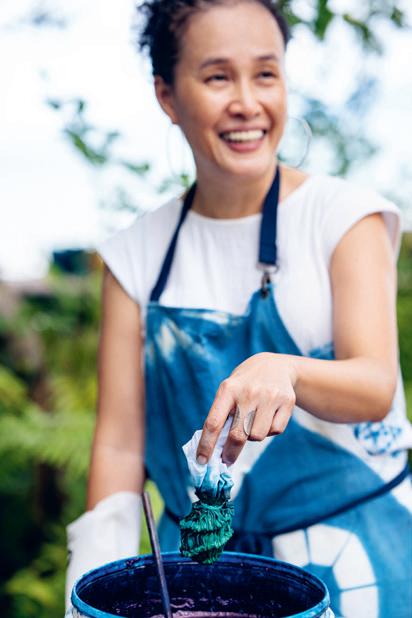
Indigo is ancient. Extracted from the leaves of the Indigofera plant and transformed through fermentation, this natural pigment has coloured cloth from Egypt to Peru for millennia. For Kam Woei Yann, ‘Yann’ to most, it became an obsession, something she affectionately calls “chasing blue”.
A former graphic designer and fine art painter, Yann spent her 30s
backpacking through Asia’s Golden Triangle and was drawn to the region’s hill tribes and their rich cultures.
“A lot of them dye their textile with indigo,” she remembers, the revelation sparking an idea that would transform her practice.
From her Kuala Lumpur studio, ‘Yann Indigo Dye Room’ was born. Yann’s wearable art and soft
The Atelier
The Atelier, situated on the lobby level of the main building, welcomes guests during Artist Residencies from 10:00 to 17:00 hours. To learn more about The Atelier and our Artist-in-Residence programme, visit thedatai.com or our Datai app.
furnishings are made using 100% natural indigo mud. Most of this core ingredient for her works is sourced from farms in Guizhou, China and supplied by a small Buyi producer. The Buyi are an ethnic minority group in Southwest China, known for their batik (wax printing) techniques, often producing intricate, indigodyed fabrics.
Using various resist-dye methods, particularly of the Japanese Shibori traditions – such as pole-wrapping for Arashi’s stripe effects, stitching for Nui’s detailed patterning, and clamping for Sekka’s snowflake forms – Yann’s work is labour-intensive. Each garment requires multiple dips, hours of drying between immersions and
patient repetition, all of which are the antithesis of fast fashion. While other natural dyes exist, Yann is resolute in her passion. “There’s so much to learn with indigo and the Shibori technique alone,” she concedes. “It takes decades to master.”
The result is one-of-a-kind, shaped by meticulous planning and the imperfect beauty of handmade pieces. The fabrics – Indian voile, handwoven cotton, linen – are cut and sewn by refugee-supporting social enterprises, in addition to being manufactured in traditional local garment factories. This means many of the items produced by Yann have a traceable chain of custody, created by hands you can name.
During the Artist-In-Residence programme at The Datai Langkawi, Yann showcased her work at The Atelier and led workshops and demonstrations, distilling the artform for guests to experience this unhurried
craft first-hand. Held at The Beach Club, each workshop allowed participants to walk away with a Sekka Shibori kimono and scarf, the perfect handmade, personalised memento.
Visit The Atelier during The Datai Pledge Festival in April 2026 to peruse pieces from Yann Indigo Dye Room. The collection’s clothing and home decor convey a story of tradition, craftsmanship and sustainability, expressed through Yann’s contemporary artistic eye.
In the meantime, check out Yann’s work on Instagram via the QR code below.
SAPE ’S NEW GUARDIAN
Once restricted to male shamans, the sacred Bornean lute finds new life – and a global audience – in the hands of Alena Murang.
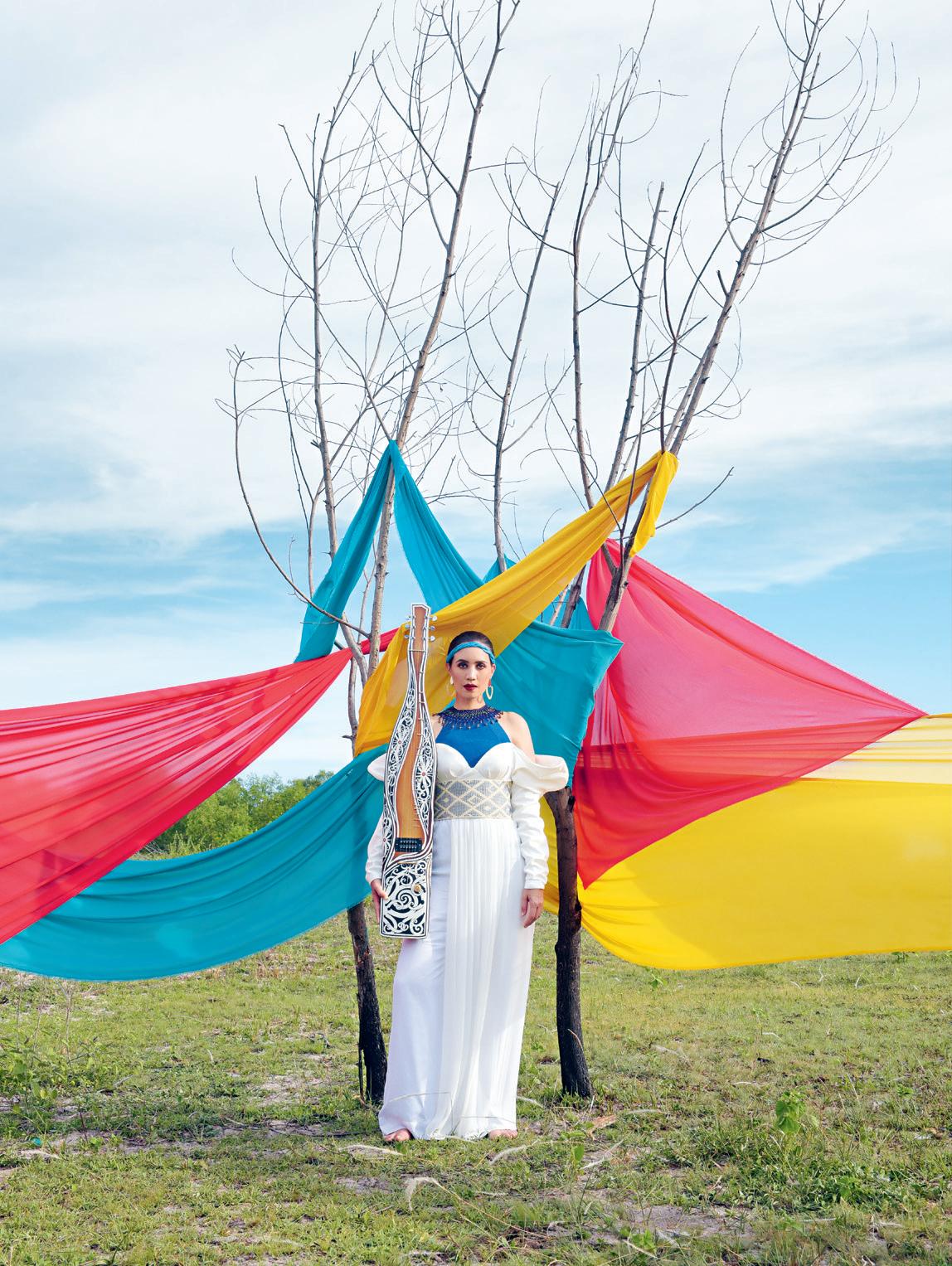
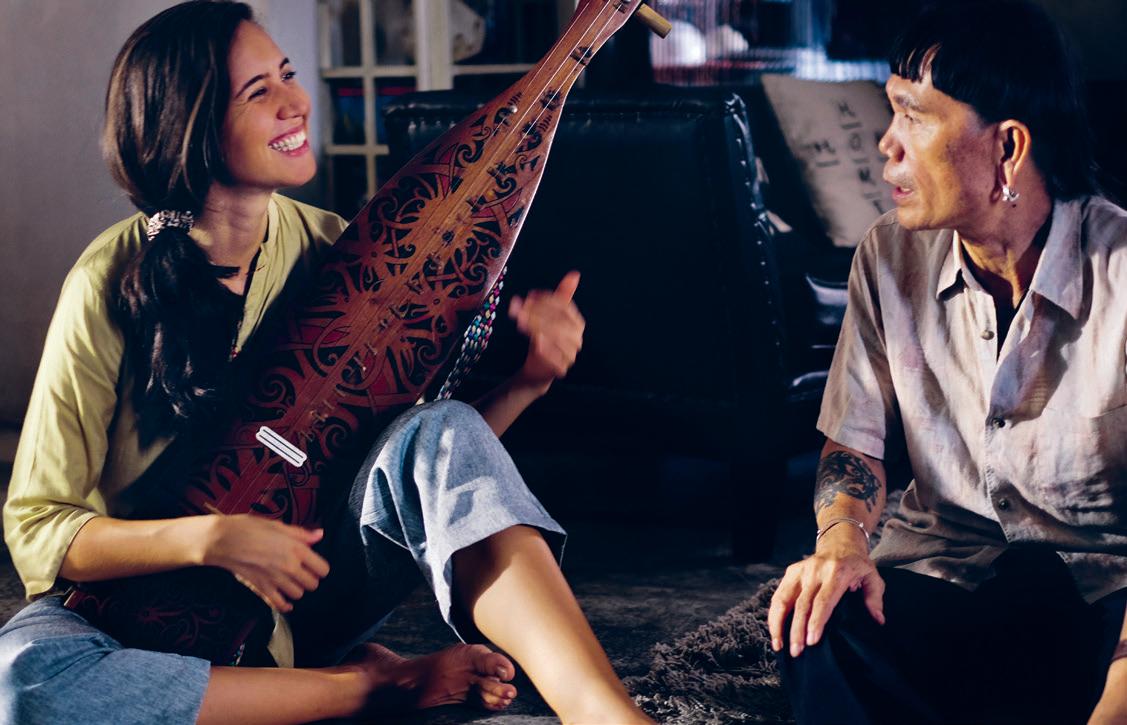
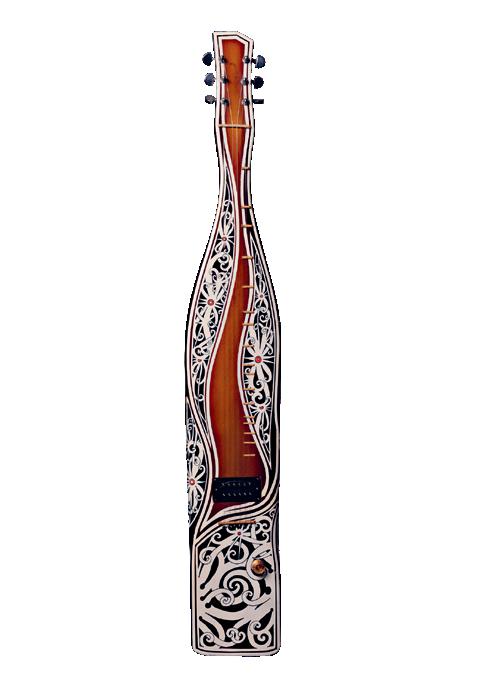
The sape’ was never meant for Alena Murang’s hands. The oblong-shaped lute from Borneo’s highlands – plucked to emit a meditative, resonant sound –was traditionally reserved for male shamans to heal the sick. It was considered taboo for women to touch the sape’ Yet as a young girl, Murang and six cousins approached master musician Matthew Ngau Jau with a simple request to learn – a decision that marked a turning point not just for Murang, but for an art form seeking new life.
“Challenging conventions doesn’t have to be loud or confrontational,” Murang reflects. “It can be about silently showing up consistently, and honouring our teachers and elders with a humble heart.”
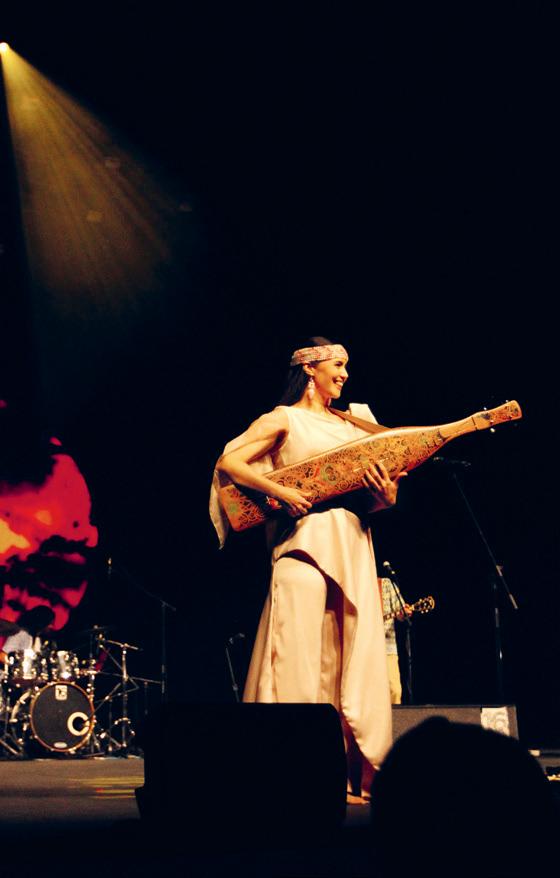
That quiet persistence has carried her far. Today, she’s the first woman in the world to play the sape’ professionally, her songs championing the survival of the endangered Kelabit and Kenyah languages across 50 cities, including at the 47th ASEAN Summit 2025 in Kuala Lumpur, Paris Fashion Week, and the South by Southwest festival in Austin.
Recently appointed Sarawak’s Biodiversity Ambassador and featured at World Expo 2025’s Malaysia Hall of Fame alongside her mentor, Murang’s story demonstrates how
Alena Murang is a Borneo-born singer-songwriter and sape’ musician whose work draws on indigenous traditions, blending traditional instrumentation with elements of rock and folk.
Essential Listening
‘Warrior Spirit’
The accompanying award-winning music video features indigenous Bornean creatives depicting the semangat’ (spirit) of the warrior.
Jaga Alam’
Murang described the single, released in May 2025, as “a heartfelt call to protect the Earth’s forests and all forms of life calling it home”.
Gitu’an’ ’, meaning ‘stars’, was written as a reflection of old Kelabit beliefs in the cosmos.
Scan the QR code to enjoy Alena Murang’s music videos on YouTube.
traditions survive “not by being guarded through exclusion, but by being carried forward by those willing to listen deeply and to carry it forward with good intentions”, she shares.
Born in Kuching to a Kelabit father and English-Italian mother, Murang’s formative years meant long hikes to waterfalls, nights in villages, and ceremonies where she learnt that every rock, tree, mountain, bird, rhythm and melody had a name. This world view – the interweaving of nature and culture – shapes her work in wielding art and music as a medium for positive change.
Her albums chart this journey. ‘Flight’ (2016) created vital recordings of traditional Kelabit and Kenyah songs. ‘Sky Songs’ (2021) merged ancestral melodies with contemporary folk-rock inspired by cosmic elements.
As ‘Gitu’an’, the first single from ‘Sky Songs’, affirms: “tauh pupuh luun merar ma’on” (we are our ancestors).
“I hope my journey shows young indigenous artists, especially women, that they don’t have to choose between tradition and a contemporary life,” she says. “That you can be rooted and still evolving.”
Alena Murang is the headline act at The Datai Pledge Festival’s finale night in April 2026.
WRITTEN IN THE STARS
In the still of the night in Langkawi, look up at the wide open sky, and peer into aeons of cosmic history.
The sky is a time machine and every star a piece of history. Light from Proxima Centauri, Earth’s nearest stellar neighbour, takes four years to reach us. The Andromeda Galaxy, which is visible to the naked eye on a clear night, appears as it did 2.5 million years ago, predating human existence. To stand beneath an open sky is to peer into the distant past.
This is what draws Professor Emeritus Tan Sri Dr Mazlan Othman back to Langkawi. Malaysia’s first astrophysicist and first woman to serve as Director of the United
Nations Office for Outer Space Affairs, Dr Mazlan has spent her career making the cosmos legible.
A visionary and a pioneering force in Malaysia’s space programme, she helped launch Malaysia’s first microsatellite, played a key role in sending the country’s first astronaut into space, and founded both the National Planetarium and the Langkawi National Observatory. “As a child, I fell in love with Langkawi,” she says. She found the island an obvious site for an observatory. “Clouds drift more quickly here and it helps keep the skies clear.”
The science, for Dr Mazlan, is inseparable from the personal. “We are materially connected with the universe,” she explains. “Our bodies and all life are made up of elements: phosphorus, carbon and hydrogen. Only nuclear fusion could have created the enormous level of energy needed to create them and it came from the stars.” Essentially, we are made of stardust. Perhaps this fundamental truth is why stargazing is so compelling: we’re not merely
Humans are forged from stellar elements, so gazing skyward reveals not just distant stars, but also our cosmic origins.
PHOTOGRAPHY: NURUL FATINI JAAFAR (STARGAZING).
Datai After Dark
Blending science, storytelling and the quiet thrill of discovery, The Datai Langkawi’s new stargazing experience invites guests to look up and be starstruck. These illuminating sessions conducted by the resort’s Nature Centre team and visiting experts are available on request, depending on weather conditions, atmospheric clarity and the lunar cycle.
Through a Celestron catadioptric telescope – a compact hybrid design combining lenses and mirrors –guests can observe lunar eclipses, Saturn’s rings, Jupiter’s moons or simply gaze at the heavens.
For photography enthusiasts, the team assists with astrophotography set-up, positioning equipment to capture the Milky Way’s dusty arc or create timelapse sequences of stellar rotation.
observing distant suns, but examining our cosmic ancestry.
To that end, the heavens have served as a calendar, a compass and a creation story. Ancient Egyptians tracked the star Sirius to predict when the Nile would flood and plan the farming season. Polynesian sailors crossed the Pacific using the sky as their chart.
In stark contrast to the Greek mythology that is often used to explain the constellations, Assistant Manager of The Nature Centre and the resort’s Resident Astronomer, Abdul Fuad Ahmad, draws on local traditions. Malaysia’s indigenous Kadazan-Dusun tribe, for instance, see Scorpio as a coconut tree and a signal for harvest time, while the Bugis seafarers from the Malay Archipelago interpret Scorpio as a Stingray. “In Kedah, the state where Langkawi is located, we have our own calendar based on the zodiac,” Fuad explains, referring to the piama calendar that is used to plan agrarian activities.
Dr Mazlan captures this and humanity’s continued fascination with the night sky in her book, ‘Cosmic
Connections: Langkawi’. Co-authored with Malaysia’s poet laureate, Professor Emeritus Dr Muhammad Haji Salleh and featuring galactic-themed sketches by Associate Professor Dr Jalaini Abu Hassan, it represents her effort to marry art and science. An updated version is forthcoming. While light pollution and the pace of modern life threaten to erase the use of astronomy in daily life, Nurul Fatini Jaafar, a trailblazer in the study of Malay constellations and celestial navigation, is spreading astronomy education and promoting astrotourism across Malaysia. Working collaboratively with her, The Datai Langkawi’s Nature Centre team is drafting plans to establish a dark sky community on the island. Malaysia hasn’t traditionally been a stargazing destination, Fuad adds wistfully: “It’s my hope that astronomical knowledge can continue to be passed on to the next generation.” That passing-on happens one clear night at a time, under skies that connect anyone who has ever looked up in wonder to the farthest reaches of the universe.
Malaysia’s strategic equatorial position (Langkawi sits just six degrees north of the equator) offers an advantage. “Sky watchers have the potential to observe stars and constellations of both the northern and southern hemispheres,” notes Abdul Fuad Ahmad, The Nature Centre’s Assistant Manager.
Here’s what to expect in the months ahead:
August 2026: Perseids meteor shower
December 2026: Geminids meteor shower
3–4 January 2027: the Quadrantids will light up the sky with a stream of meteors
22 January and 20 February 2027: supermoons are expected to rise February 2027: Mars and Jupiter will reach opposition, and will appear exceptionally bright and visible in the dark sky
Supermoons, a phenomenon that makes a full moon look larger and brighter, can be viewed from open areas around Langkawi.
WORDS: ALICIA CHOO.
ikhlas
PLANTING THE FUTURE
Inside the Native Tree Nursery, a living library of Langkawi’s thriving rainforest.
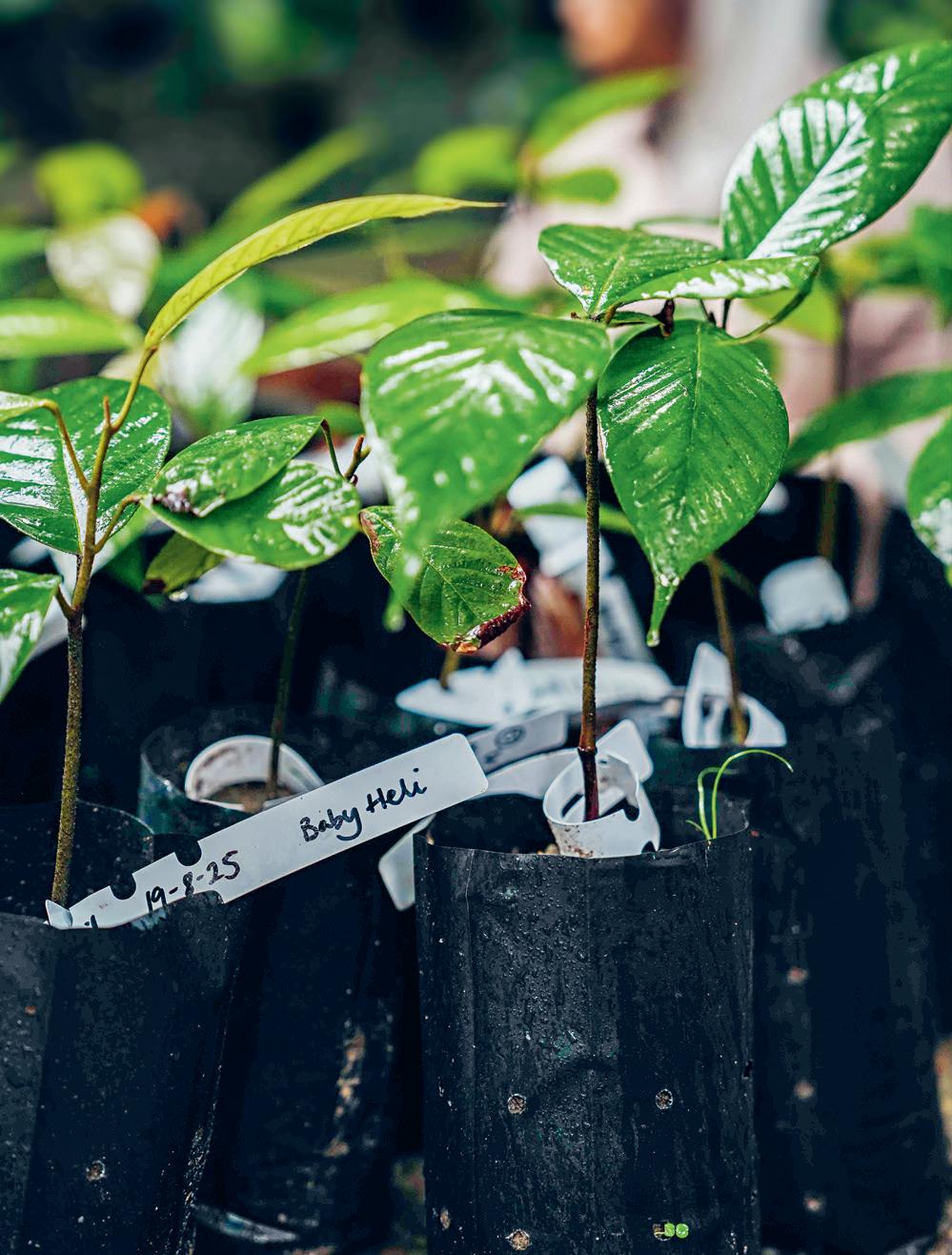
With global biodiversity under increasing threat, real conservation doesn’t always begin with grand gestures, but with careful attention to what takes root. At The Datai Langkawi, it starts in the Native Tree Nursery, which serves as a living bridge between conservation intent and on-theground impact under The Datai Pledge’s Wildlife For The Future pillar.
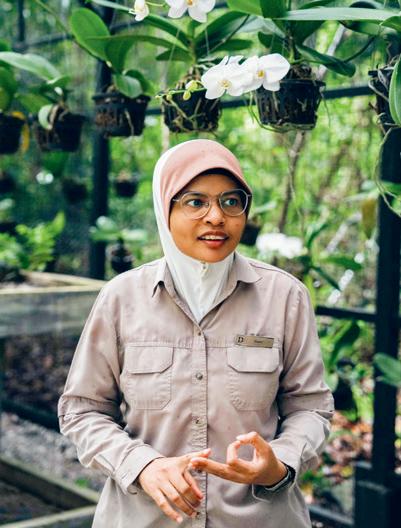
The establishment of this specialised agricultural facility was driven by a fundamental conservation principle: right tree, right place. “The Native Tree Nursery is extremely important. The initial idea was from Irshad (Mobarak), the resort’s first naturalist,” says Dev Abdullah, Nature Centre Manager. “That’s one of the reasons I brought Izzati on board”, crediting Izzati Noh’s natural curiosity as central to her appointment as the resort’s first Arborist. Together with Muhammad Ridzuan Wagiman (Ritz), one of the resort’s naturalists, Izzati takes care of daily operations at the Native Tree Nursery.
Working closely with the Forestry Department of Malaysia, the resort is cultivating and planting more than 1,000 native trees across Langkawi to restore areas of the rainforest where tree density has declined due to fallen trees or natural disturbances. This includes dipterocarp giants like Meranti and Keruing, alongside fruit and nectar-bearing plants that nurture birds, butterflies and other wildlife.
Rather than viewing these gaps as losses, they are seen as opportunities for regeneration. “Instead of just leaving the area as it is, we assist by planting trees. Saplings are sourced locally, as those from other regions behave differently,” Dev explains. Hence, the nursery ensures a steady supply
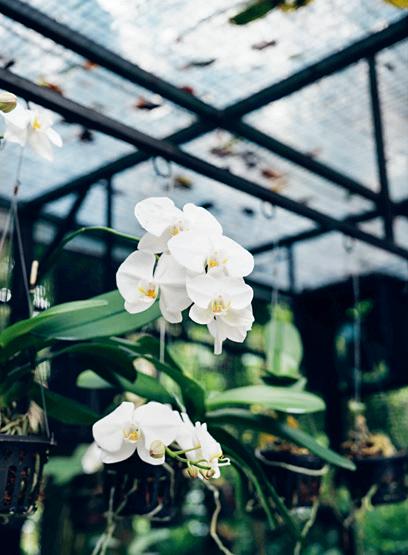
After their flowering cycle, orchids from the guest villas are sent to the Orchid Nursery to be nurtured again.
of local saplings that are specifically adapted to the island’s fluctuating climate, characterised by intense rainfall and prolonged dry spells.
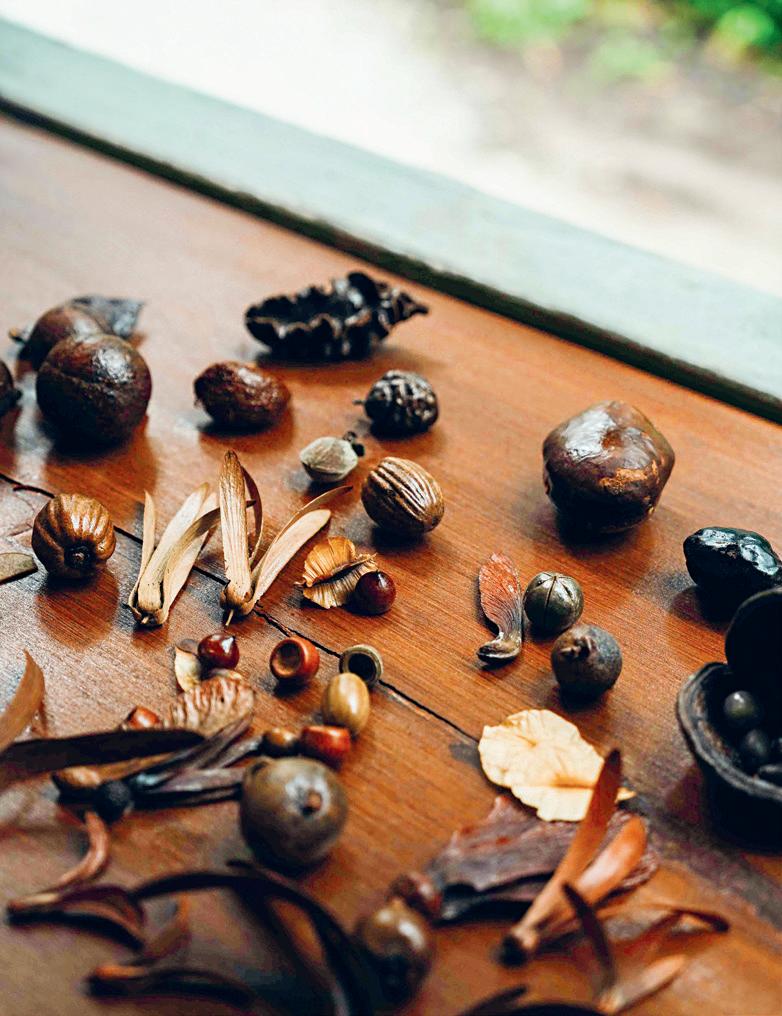
The seed bank is a vital part of the nursery, serving as a living library of the rainforest. Every seed collected is catalogued, stored and nurtured until it can be planted in areas where the forest has thinned. This attentive approach not only supports local biodiversity and wildlife corridors but also contributes to global conservation efforts, helping forests continue to act as carbon sinks and resilient ecosystems in the face of climate change.
To date, 24,792 seeds have been collected by the team at The Datai Langkawi, each representing a small but crucial step in building a reservoir of native species.
“To help produce more seedlings every year in the nursery, we take all the help we can get, from gardeners to friends, volunteers and interns,” says Izzati, highlighting the community effort behind this initiative.
Small Seeds, Big Impact
Behind the resort’s conservation work lies a growing body of tangible results in restoring and protecting Langkawi’s rainforest ecosystem. These key figures, compiled as of 2025, offer a snapshot of the progress made so far.
• 24,792 total seeds collected
• 6,545 saplings cultivated in the Native Tree Nursery
• 188 Tree Guardian programme participants
• 68 orchids rehabilitated from guest rooms
• 50 orchids conserved in the Native Tree Nursery
The Native Tree Nursery plays an important role in The Datai Langkawi’s reforestation efforts.
THE SEED BANK IS A VITAL PART OF THE NURSERY, SERVING AS A LIVING LIBRARY OF THE RAINFOREST.
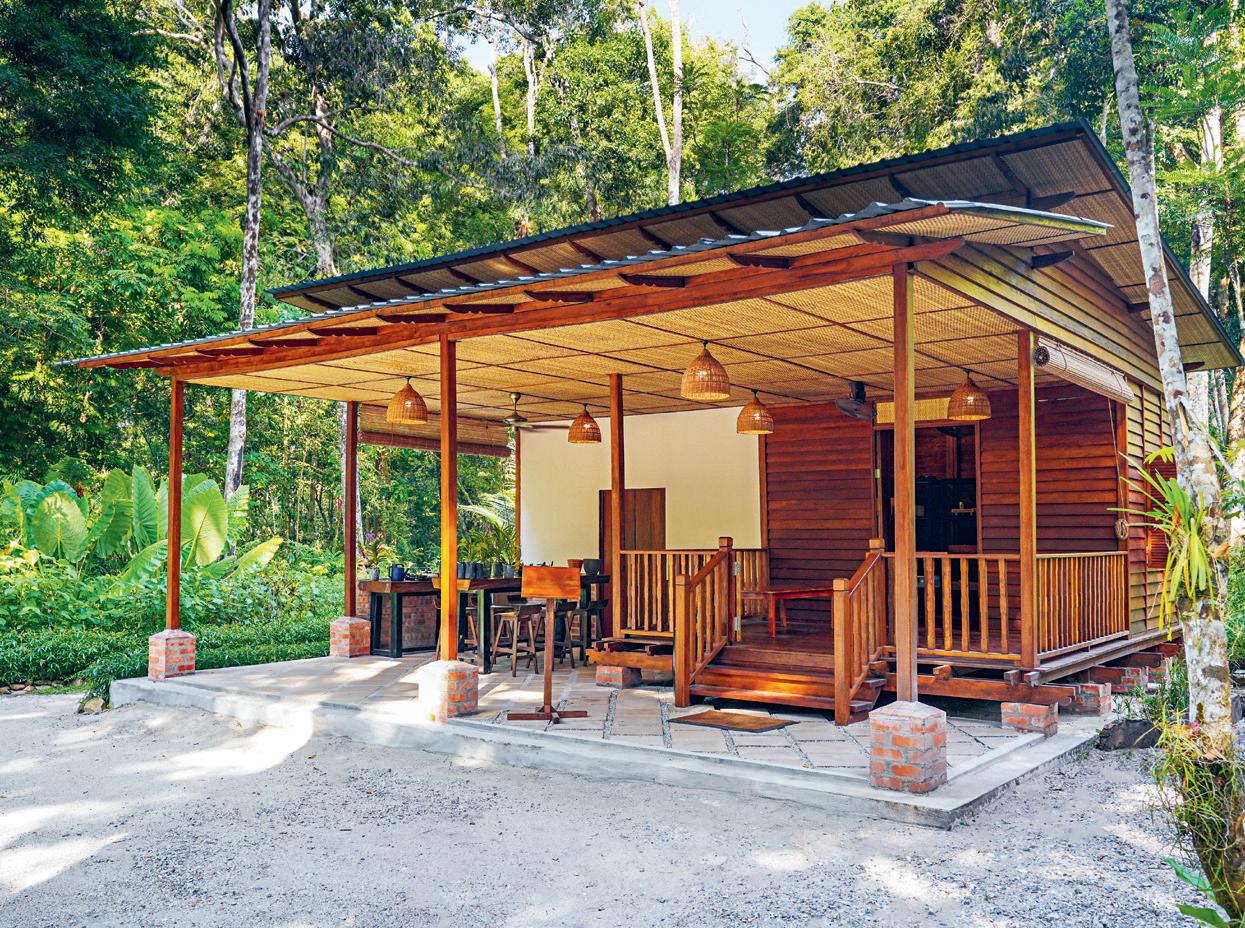
Another specialised section is the Orchid Nursery which houses 50 different species, a temporary structure until the dedicated repository is completed. Here, the team practises orchid propagation, moving Phalaenopsis blooms from the resort’s villas after their flowering cycle. Even before a fully conducive environment was built, the team recovered 32 orchids in a single month, ensuring these delicate plants continue to thrive.
On the experiential front, guests don’t just observe the rainforest; they actively participate in its protection. Nature walks, canopy trips and excursions to Crystal Creek offer educational experiences that foster a deeper connection to the landscape.
For those looking to roll up their sleeves, Izzati and Ritz take them on a Tree Guardian activity that invites them to contribute directly to reforestation by planting one tree per room. “The Tree Guardian activity was created to share our experience with our guests and we have welcomed 188 participants up until the end of 2025. From our germination area, saplings are collected and transferred into polybags. After a few years, we will update the guests through email when their tree is ready to be planted outside,” Izzati shares. Beyond individual participation, the resort also runs largescale tree planting programmes, often in collaboration with local forestry and environmental ministries.
“Langkawi is simply beautiful. When I first visited in 1988, I fell in love with the island. To work alongside such a passionate team of naturalists, marine biologists and zoologists is truly rare and special,” Dev says.
To read more about botanist Izzati Noh and her passion, turn to ‘Our People’ on p42.
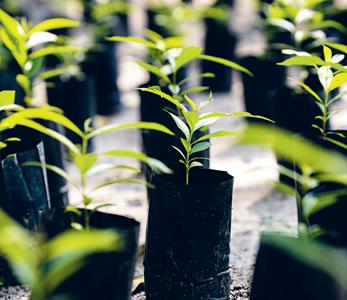
At the Native Tree Nursery, seedlings are nurtured for replanting around strategic areas of Langkawi’s rainforests.
WE ARE NATURE – CELEBRATING FIVE YEARS OF
THE DATAI PLEDGE
The Datai Pledge Festival arrives this April with a simple yet powerful truth: we are not separate from nature. By Juliet Kinsman
There’s a concept in hospitality I’ve always found quietly poetic: the swan analogy. A great hotel knows how to glide serenely on the surface while beneath, its feet paddle furiously to make the magic happen. The Datai Langkawi is different. There’s all the serene gliding – it’s just that here, the team invites you not just to look beneath the surface but to immerse yourself in it, too.
Human/Nature – that is the theme of The Datai Pledge Festival in April 2026 – a week-long celebration of everything that makes the Pledge’s extraordinary positive impact endeavours tick. The theme is poignant. Human/ Nature is not simply a charming pairing – it’s a philosophical reminder of our interconnection as people and planet. As a culture, we have become skilled at ‘othering’: treating
nature as a backdrop, a resource, a view from the window rather than something we are part of. We do the same to communities that don’t look or live like ours. We admire from a distance – and The Datai Pledge Festival joyfully closes that distance.
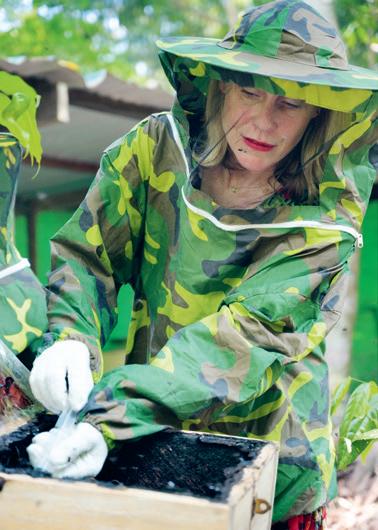
As the resort marks a milestone in its commitment to rainforest conservation, community support, and the preservation of Langkawi’s natural and cultural heritage, we are reminded – through immersive experience – that we are not separate from nature. We are nature. And when we grasp that, something shifts. I know it from standing dwarfed by huge fig trees, looking up at a hornbill; from soft white sand beneath my feet and an uninterrupted bay ahead; from getting up close to a beehive in the Permaculture Garden.
The naturalists who change more than perspectives
Ask anyone who has spent time with Irshad Mobarak –30 years a storyteller of this rainforest – and you understand immediately why the magic of The Datai Langkawi is inseparable from its people. He created the ‘Mandi Embun’ experience: a restorative ritual of bathing in morning dew beneath the forest canopy, honouring ancient Malay health traditions that long predate the wellness industry’s discovery of them.
Time in nature isn’t a luxury – it’s a biological necessity, not just for the wildlife that inhabit this rainforest but for all of us. Exposure to green and blue spaces measurably lowers the stress hormone cortisol, reduces heart rate and blood pressure, and activates the parasympathetic nervous system: our OS responsible for rest, repair and restoration. And never have we craved this more.
ikhlas
Image makers, marine life savers
Then there is MareCet – Malaysia’s only NGO dedicated to marine mammal research and conservation – and the rare privilege of spending time with MareCet’s co-founder Dr Louisa Ponnampalam, whose work protecting the marine mammals of these waters is as urgent as it is heroic. Shadowing Dr Louisa offers something no typical activities menu can: the specific feeling of understanding why ocean love matters, and knowing their work extends to educating the next generation of schoolchildren.
Photographers SC Shekar and Peter Ong have documented this world in award-winning books, but there is something next-level about hearing an image-maker speak about their work in person – in the very landscape that inspired it. If the truest definition of luxury is a rare experience, time with these visionaries qualifies unconditionally. SC Shekar’s sensitive socio-documentary photography opens a window onto Malaysia’s Indigenous communities; Peter Ong’s ‘Primus’ – a soul-stirring portrait of the country’s primates and biodiversity – sends proceeds to The Datai Pledge.
Why we remember what we feel
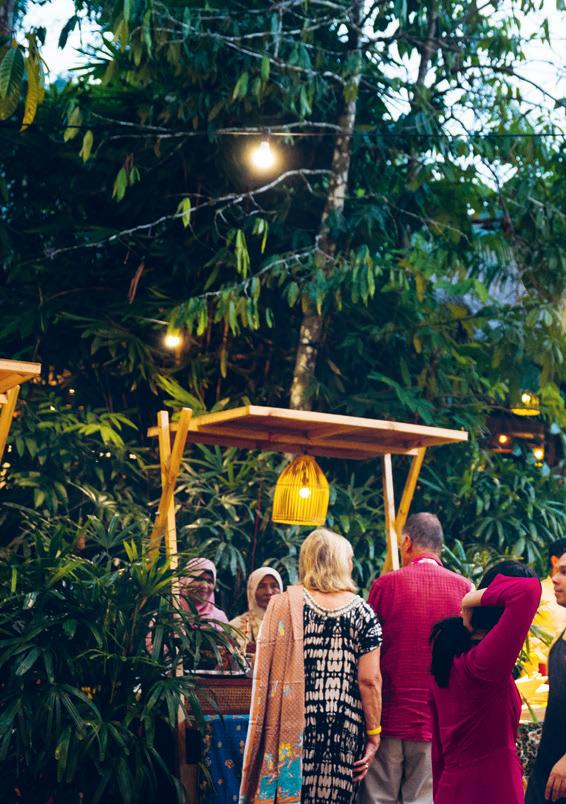
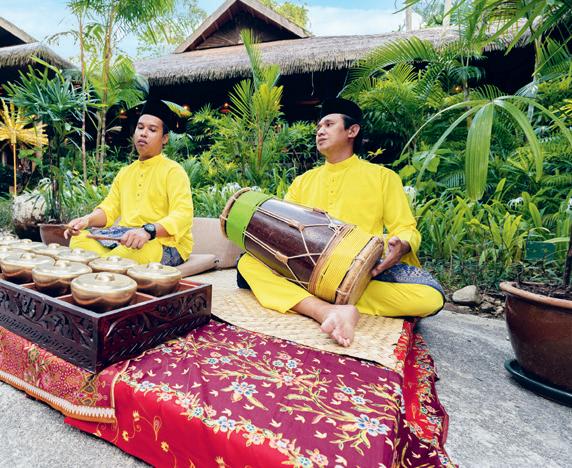
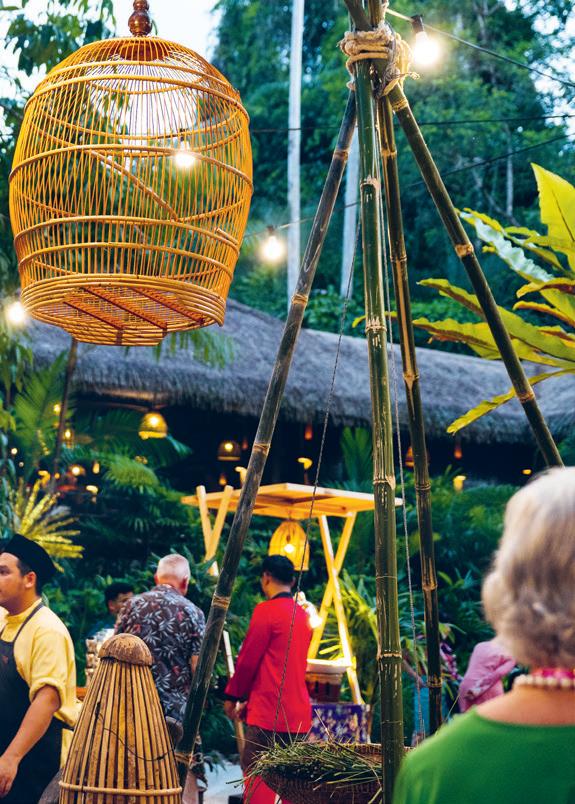
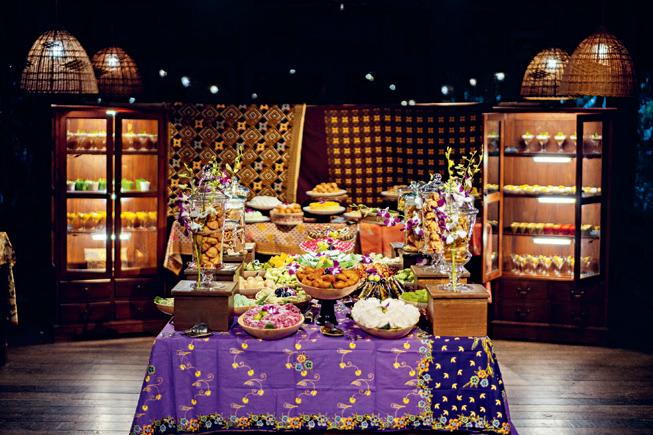
There’s something fascinating about how our brains record experience: we are far more likely to remember things that carry emotional charge than what is simply observed. Smell and taste leave deeper memory traces than sight –the olfactory bulb sits within the hippocampus, the brain’s memory centre, which is why a scent can transport us viscerally to a moment years past. It’s why the culinary journeys woven through this festival, connecting guests to the extraordinary work of The Datai Langkawi’s food and drink team, will linger long after the visit ends. At an islandthemed night at The Gulai House, a buffet-style feast blends the flavours of traditional Malaysian hawker stalls. You don’t just remember what you ate. You remember how it felt to eat it here, in the fresh air, as the sounds of nature blend with the caklempong’s live percussion.
Making things with your hands in a world that has forgotten how
In an age of AI and algorithmic everything, something surprising is happening: we are craving analogue skills, slow crafts and human makers more than ever. The Datai Pledge Festival honours this craving with characteristic thoughtfulness. Textile artist Yann of Yann Indigo leads indigo dyeing in the ancient Japanese Shibori tradition –slow, meditative, irreversible in the most beautiful way. Fabric upcycling with SURI Lifestyle in the new Lab sounds like fun (and it is) – then you learn that this social enterprise exists to empower single mothers and young people through sewing skills and circular design, at which point it becomes something even more meaningful. The Kanshalife Project extends that logic further, weaving purposeful entrepreneurship into creative practice. And science backs why making things is especially restorative here: when we enter creative flow, it soothes our spirits. We don’t just make things. We heal ourselves in the making.
Joining the dots
What moves me most about how The Datai Pledge Festival was shaped is the way it makes tangible what is always present. The conservation work, the community connections, the hundreds of people who work at the resort and their extended network make all this magic function. It is, at its heart, a celebration of how hospitality can fund nature conservation – on land and at sea – minimise waste to landfill, unlock economic opportunity for those who need it most, and make decisions with an awareness of the whole, when a resort is run with genuine passion.
The Festival is a full week of wonder – including a special performance from Alena Murang, a singer-songwriter, sape player and visual artist whose music carries listeners on a journey along the Baram River, from Borneo’s coast to its highlands and the world’s oldest rainforest. But what I love most about The Datai Pledge Festival is that it’s not a oneweek performance. These experiences, these guides, these practices, these people – they are here whenever you visit. The Festival simply gathers them together and says: ‘Look at all of this. Come be a part of what makes us magical.’
The Datai Pledge Festival runs from 13 to 19 April 2026 at The Datai Langkawi. Follow @TheDataiPledge on Instagram.
GREEN IS GOLD
Behind
the scenes
at
The Datai Langkawi, a dedicated team is proving that luxury and sustainability can share the same ground.
Set between the sapphire brilliance of the Andaman Sea and the soothing emerald green of ancient rainforest, The Datai Langkawi runs with a quiet efficiency. That seamlessness is deliberate, but a closer look behind the scenes reveals a resort that takes its commitments seriously, translating them into daily operational practice.
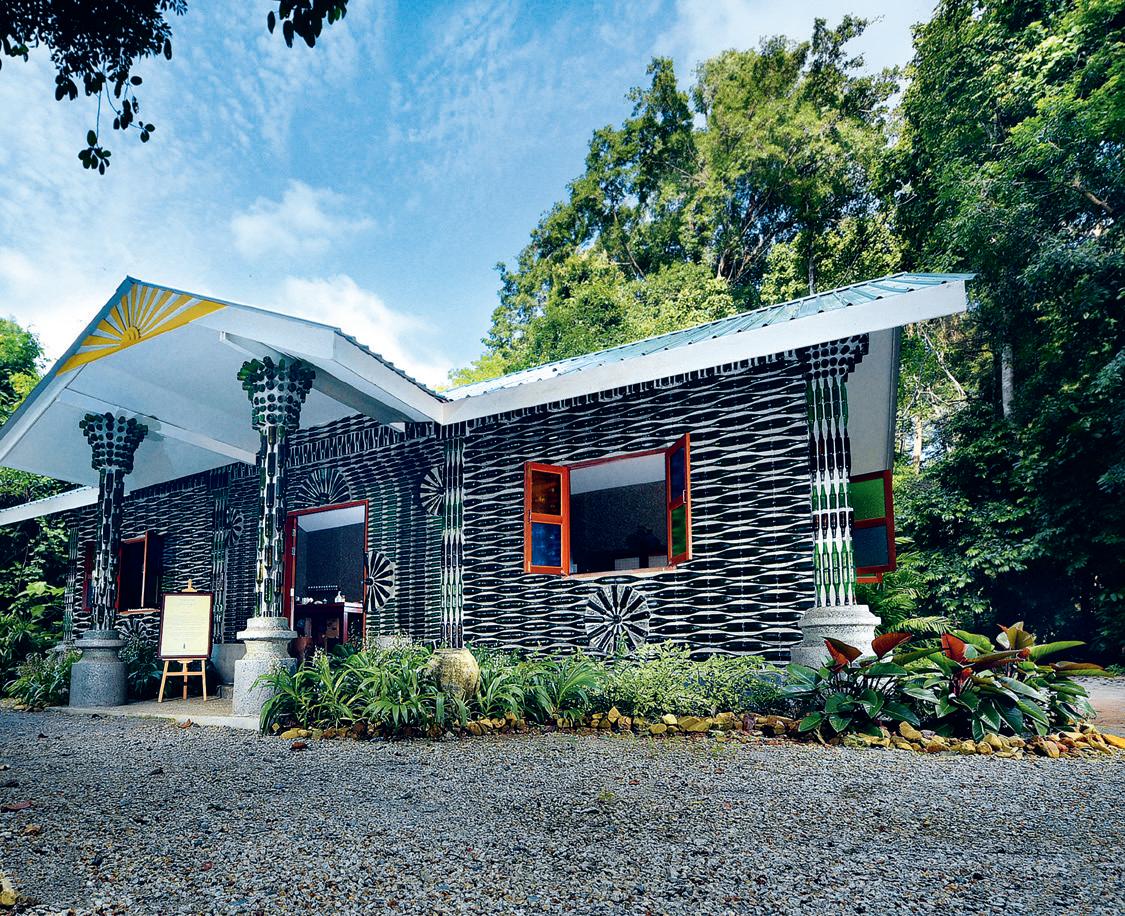
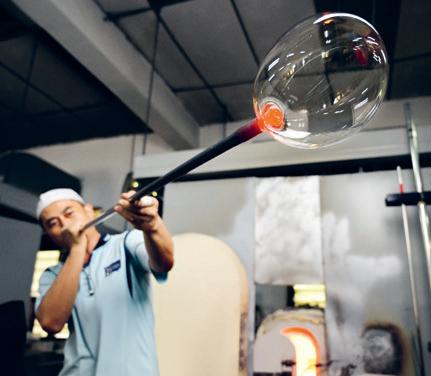
For those who are remotely curious, hidden in the maze of corridors beneath The Dining Room is The Datai Langkawi’s in-house bottling plant, where up to 19,573 glass bottles per month are washed, sterilised, refilled and resealed. Bottles that can’t be reused are repurposed: sent to glass artists or crushed and mixed into construction materials. Nothing is wasted.
It’s an endeavour that hasn’t gone unnoticed. The Datai Langkawi stands as the world’s only resort certified under
the EarthCheck ECO Terrestrial Standard. In July 2025, it was awarded EarthCheck’s coveted Gold Certification. Achieving it required every department, from the kitchens to the gardens, to rethink how they operate.
The numbers tell part of the story. In 2025, The Datai Langkawi diverted 93% of its solid waste from the landfill –that’s 281 landfill-free days in a single year. Vegetable scraps, ranging from 100 to 300 kilograms per day depending on occupancy levels at the resort, are composted with wood chips. Other food scraps are donated to local farmers for livestock feed.
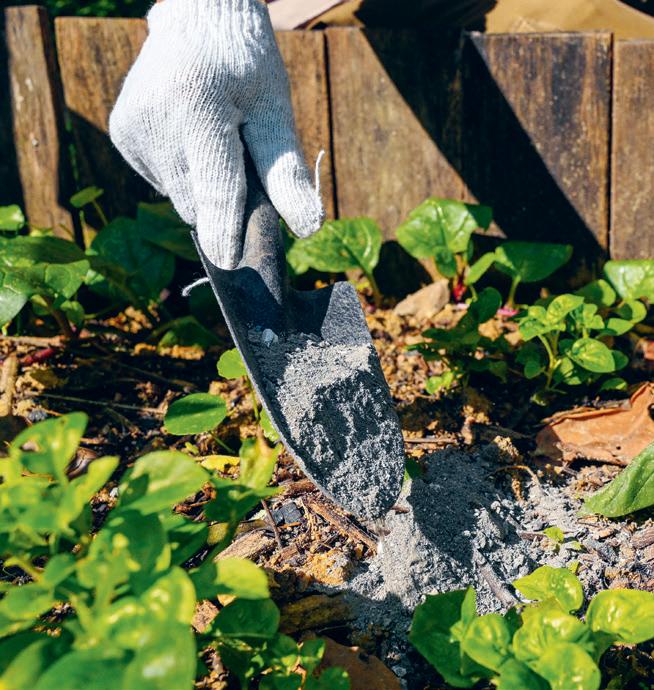
Non-recyclables are run through The Asher, a Malaysian-made machine similar to an incinerator, but instead of emitting smoke, it produces vapour and nontoxic ash. This ash will be applied as soil conditioner or
soil amendment for selected ornamental crop around The Garden’s area. Glass crushing, wood chipping and composting; each system feeds into the next.
“Achieving sustainability is a collective effort,” says Zakwan Zamri, Assistant Manager of Sustainability. The sorting team handles up to 1,000 kilograms of dry and wet waste daily, separating recyclables from compostables and routing materials to the appropriate facilities: unusable bottles to the glass crusher, unvarnished wood to the woodchipper, food waste to the wet and dry food separation room and onwards for hot or worm composting.
This challenging work was spotlighted in The Datai Langkawi episode of the BBC’s ‘Amazing Hotels: Life Beyond the Lobby’, which first aired in October 2024. When presenters Monica Galetti and Rob Rinder took
on working roles at the resort, they gained a first-hand understanding of what sustainability looks like on a daily basis. More than a year on, this behind-the-scenes look continues to inspire guests to engage with the resort and has even galvanised viewers – intrigued by the power and possibilities of regenerative tourism – to visit.
For staff whose contributions typically go unseen, this rare glimpse behind the scenes is another appreciated acknowledgement. “We all work better when we understand that what we do has purpose and is valued,” says Remi Giromella, Director of Quality Control and Improvement, Datai Hotels and Resorts. It’s evident that he takes pride in his team’s achievements and in the inherent value of transforming waste into wealth.
Challenges remain. Any potentially hazardous materials
Gold Standard
Following four consecutive years of ECO Silver certifications, The Datai Langkawi was awarded Gold Certification by EarthCheck in 2025 for terrestrial (land-based) tourism projects. Since 1987, EarthCheck has been the travel industry’s leading scientific benchmarking body and advisory group for sustainable tourism.
“This achievement is not just a badge,” says Arnaud Girodon, Chief Executive Officer of Datai Hotels and Resorts. “It is the culmination of years of scientific rigour alongside continuous, ever-evolving efforts in sustainability and community conservation.”
Behind the accolade sits The Datai Pledge, an environmental, community and conservation impact initiative officially launched by The Datai Langkawi in 2020. Through the Pledge, sustainability is embedded into the resort’s operations and delivered by the resort team, together with partner non-governmental organisations (NGOs) and communities, through four pillars – Fish For The Future, Wildlife For The Future, Youth For The Future and Pure For The Future – to drive measurable, transformative outcomes and authentic guest experiences.
The Datai Langkawi now serves as an official EarthCheck case study, highlighting how environmentally responsible hospitality achieves tangible outcomes.
must go to government-authorised scheduled waste vendors – and none operate in Langkawi. “This is actually an island problem,” Senior Sustainability Executive, Farzana Rosaidi, notes. Equipment wear and tear is inevitable, but spare parts often take months to arrive. “Langkawi is a tourist island, but if you want to get a local supply of chicken, beef or vegetables, it’s very hard. Most of the food that’s supplied to Langkawi comes from the (Malaysian) mainland or Thailand,” Zakwan laments.
Each constraint becomes a catalyst, inspiring the team to think laterally, identify workarounds and build beneficial collaborations. In December 2025, The Datai Langkawi announced a five-year agreement with three farmers on the island, in partnership with agriculture expert, Very Green Ventures.
“ALWAYS
WITH THE RIGHT BALANCE BETWEEN LUXURY AND SUSTAINABILITY.”
–
Remi Giromella, Director of Quality Control and Improvement, Datai Hotels and Resorts
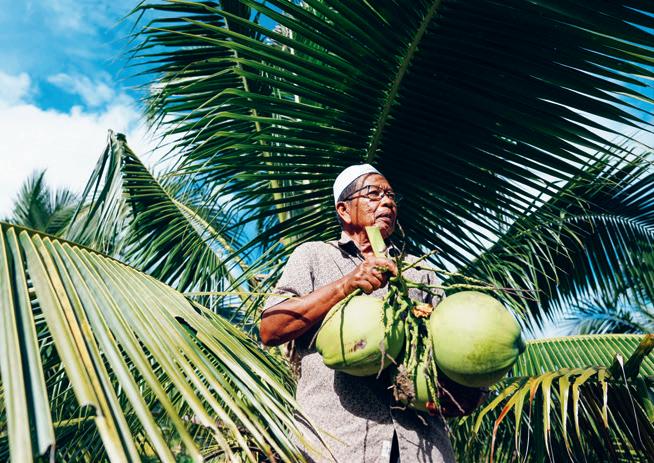
The farmers now supply coconuts, chicken, eggs, vegetables and fruit to the resort, thus reducing imports from the mainland and the carbon emissions associated with them. In return, the resort provides access to training, technical guidance, and funding for upgrading facilities, while strengthening local livelihoods through stable income and fair pricing. When a farmer drops off produce, he leaves with food scraps for his livestock and fertiliser for his plants. Circularity in practice.
Remi is resolute. “Renewable energy is one of the things that we are working on,” he shares. Achieving zero waste remains a goal, while community collaborations are to be expanded. “Always with the right balance between luxury and sustainability,” Remi qualifies.
None of it is intended to stay hidden. The Datai Langkawi actively invites guests into its sustainability story through its Back-Of-House and Permaculture Garden tours, and upcycling workshops at The Lab. Communicating the scale of effort behind the resort’s sustainability goals matters. A healthier rainforest, a more resilient reef, local farmers and artisans with stable incomes and the freshest produce are all outcomes guests experience directly.
Scan this code to read more about The Datai Pledge and the efforts behind EarthCheck’s Gold Certification.
The Datai Langkawi advances sustainability through an in-house bottling plant, crushing glass bottles, and using The Asher to convert non-recyclables into ash for enriching garden soil.
SEEING LIFE THROUGH NATURE
How Arborist Izzati Noh is playing her role within The Datai Langkawi rainforest.
WORDS: ALICIA CHOO.
Botanist Izzati Noh came to The Datai Langkawi in 2021 with a willingness to listen, observe and learn. In her first few months, Izzati found herself navigating a world that was far beyond her comfort zone. Yet with the guidance of mentors who believed in her, she slowly found her voice, leading jungle treks she knew by heart. Today, as the resort’s first Arborist at its Native Tree Nursery, she works with a team of Naturalists and Junior Arborists.
Izzati is no stranger to nature. Growing up in the state of Malacca beside a reserve forest, she spent her afternoons wandering through trees, collecting seeds of all shapes and sizes. “Even now, I still go looking for seeds,” she says, laughing. Her early curiosity was not always understood, but it led her to study botany. A brief stint in a plantation company highlighted the limits of working with a narrow range of species, making The Datai Langkawi an unexpected but perfect fit. “When I first got the interview here, I thought, wow, a hotel is hiring botanists? I was
a little surprised. I thought only NGOs would hire botanists.”
Since becoming a certified arborist in November 2024 – with the support of The Datai Langkawi to help care for its surrounding virgin rainforest and contribute to the Wildlife For The Future sustainability programme –Izzati has transformed her approach to forest conservation at the resort.
Much of her work feeds directly into the Wildlife For The Future pillar, where she plays a pivotal role in documenting the forest’s biodiversity, including the inventory of tree species and the seasonal cycles of flowering and fruiting (phenology) that sustain wildlife. She also helps collect seeds from native trees, which are then planted and grown into food for hornbills and other forestdwelling animals.
“In the past four years, I only did basic assessments of our trees, which were limited to external observations,” she says. “Now, I can assess their internal health and produce a wellinformed report with our resistograph (a specialised tool used to assess the internal structural integrity of wood in trees, including density and decay). It’s more advanced and it’s definitely a big step forward.”
The Native Tree Nursery has grown from a tiny seedling of an idea into a
Together
flora.
“IN JUST FIVE YEARS, WE’VE COLLECTED OVER 20,000 SEEDS!”
– Izzati Noh
flourishing hub of biodiversity, now supporting everything from native tree propagation to orchid conservation.
As of December 2025, the nursery has planted over 6,500 saplings –a milestone that stands among the key achievements under the Wildlife For The Future pillar.
“We started with a very small nursery, planting germinated seeds in our hardening area”, she explains, “and now, in just five years, we’ve collected over 20,000 seeds. It’s incredible. I never get bored because there are so many healthy ‘mother trees’ here (largest, oldest, and most interconnected trees in a forest that maintain the forest’s overall biodiversity).”
Conservation here is something guests can actively experience.
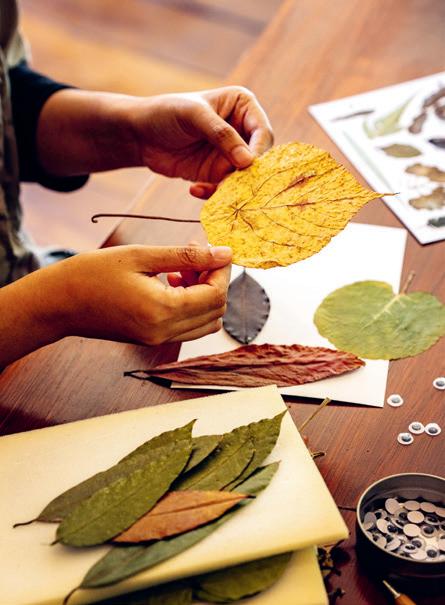
Izzati and the Nature Centre team lead a series of thoughtful activities that invite guests to discover the rainforest in new ways. In the Tree Guardian programme, guests plant native saplings that support the forest’s regeneration, while the Fantastic Foliage activity explores the fascinating science behind the shapes and colours of leaves, transforming these discoveries into a creative nature journal. In these moments, conservation becomes something guests can see, touch and take part in.
For more information on the Native Tree Nursery, turn to ‘Rainforest’ on page 28.
with the team at The Nature Centre, Izzati Noh plays a key role in nurturing Langkawi’s native
WHAT FIVE YEARS AS AMBASSADOR FOR THE DATAI PLEDGE HAS TAUGHT ME ABOUT THE POWER OF STORYTELLING
Juliet Kinsman reveals the story behind stories.
The word ‘storyteller’ is everywhere. A recent ‘Wall Street Journal’ article tracked its exponential spread across social media; LinkedIn reported that job postings citing ‘storytelling’ as a skill doubled in a single year. But somewhere in what feels like a stampede, the true concept of storytelling lost its way. It became a tool to sell, rather than to tell.
As a journalist for 30 years, I’ve always believed the opposite is true. The American narrative scholar Kendall Haven, whose work on story structure is taught in schools and boardrooms alike, defines a story as “a detailed, character-based narration of a character’s struggles to overcome obstacles and reach an important goal”. It is built on tension, empathy, and resolution – not on brand messaging. That distinction matters enormously. And neuroscience backs this up. Psychologist Jerome Bruner and Jennifer Aaker, Professor of Marketing at Stanford Graduate School of Business, are among those who have argued we are 22 times more likely to remember a fact embedded in a story. Neuroscientists can’t prove this definitively, but neural coupling is well documented –stories activate not only language-processing regions but the sensory, emotional and motor cortices too, as though we are living the experience ourselves. We don’t just receive a story. We feel like we live it. So we remember it better.
believes in meaningful, naturedriven sustainability efforts and ‘solutionsled storytelling’.
This is why, when I was invited to become Ambassador for The Datai Pledge in 2019 – as The Datai Langkawi reopened after its transformation – I was so keen to take part. What struck me wasn’t a polished sustainability framework. It was passion – stemming from decades of a genuine love for nature. Walking with naturalist Irshad Mobarak through Langkawi’s ancient rainforest and hearing Remi Giromella, then Manager of Quality Control and Improvement at The Datai Langkawi, and now Director of the same at Datai Hotels and Resorts, speak about the integrity in their supply chain with such conviction: this is what made me lean forward. That has always been the hallmark of a story worth telling – authentic passion for doing good at its heart.
Juliet Kinsman
“WE ARE 22 TIMES MORE LIKELY TO REMEMBER A FACT WHEN IT IS EMBEDDED IN A STORY.”
Over five years, I’ve watched The Datai Pledge’s storytelling grow more confident, more textured, more layered. The first Impact Report in 2020 – data-rich and rigorous – has evolved into something that balances science with warmth, and logic with a little magic. The 2015 version I have authored now sits in every guest room: an invitation to understand why the team runs Fish for the Future’s marine-positive programme, Pure for the Future’s ecosmart operations and community outreach, Wildlife for the Future’s nature-regenerating work, and the education partnerships made possible by Youth for the Future.
This evolution reflects a framework I find genuinely compelling: the Hear-Heart-Head-Hands model – a holistic approach in Transgressive Learning theories that moves people from understanding, to feeling, to action. We wanted stories that converted into behavioural change. Show people nature and community impact, make them love it, make it make sense to them to care about, and let them leave with a desire to connect that care to their actions back home. We don’t only want guests to know what is being protected in that precious rainforest; we want them to fall in love with it, and leave with a quiet desire to carry that feeling into their lives. This is why we talk about Hear-Heart-HeadHands as our motive for telling better stories.
That, in the end, is what The Datai Pledge has always understood. The conservation science matters. The data behind responsible operation matters. But it is the story – told with care, with genuine belief, with the courage to show rather than simply declare – that makes someone remember. I’ve tried to do exactly that over 30 years: as the founding editor of luxury and boutique hotel collection ‘Mr & Mrs Smith’, the first sustainability editor of ‘Condé Nast Traveller’, and as host of my podcast Funny Old World. Traditional journalism no longer carries the clout it once did – so many channels compete for our attention. That’s why I value my role as Ambassador here at The Datai Pledge as a platform to share stories that inspire impact.
Juliet Kinsman is a sustainability journalist, consultant and Ambassador for The Datai Pledge – follow her on Instagram @JulietKinsman
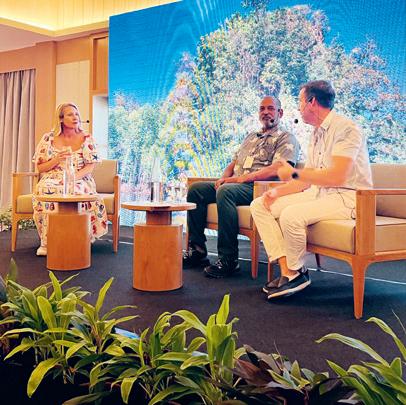
Juliet Kinsman moderates the panel Towards a Sustainable Future at Sleeper Sessions in Langkawi (March 2025), joined by Irshad Mobarak and Arnaud Girodon.
THE BIGGER PICTURE
There’s much to discover in Langkawi, but at sea, the islands reveal an entirely unique angle.
There’s a reason why Langkawi is Southeast Asia’s first UNESCO (the United Nations Educational, Scientific and Cultural Organisation) Global Geopark, and it’s not just because of the island’s beauty. Home to over 99 islands (and 104 at low tide) this archipelago combines typical sandy beaches and palm trees with a deep history, etched into ancient formations over 550 million years old.
“With time and weathering, the forces of nature created Langkawi’s stunningly beautiful and unmatched landscapes and seascapes,” says Irshad Mobarak, one of Malaysia’s leading naturalists and conservationists, as well as ambassador of Langkawi’s UNESCO Global Geopark.
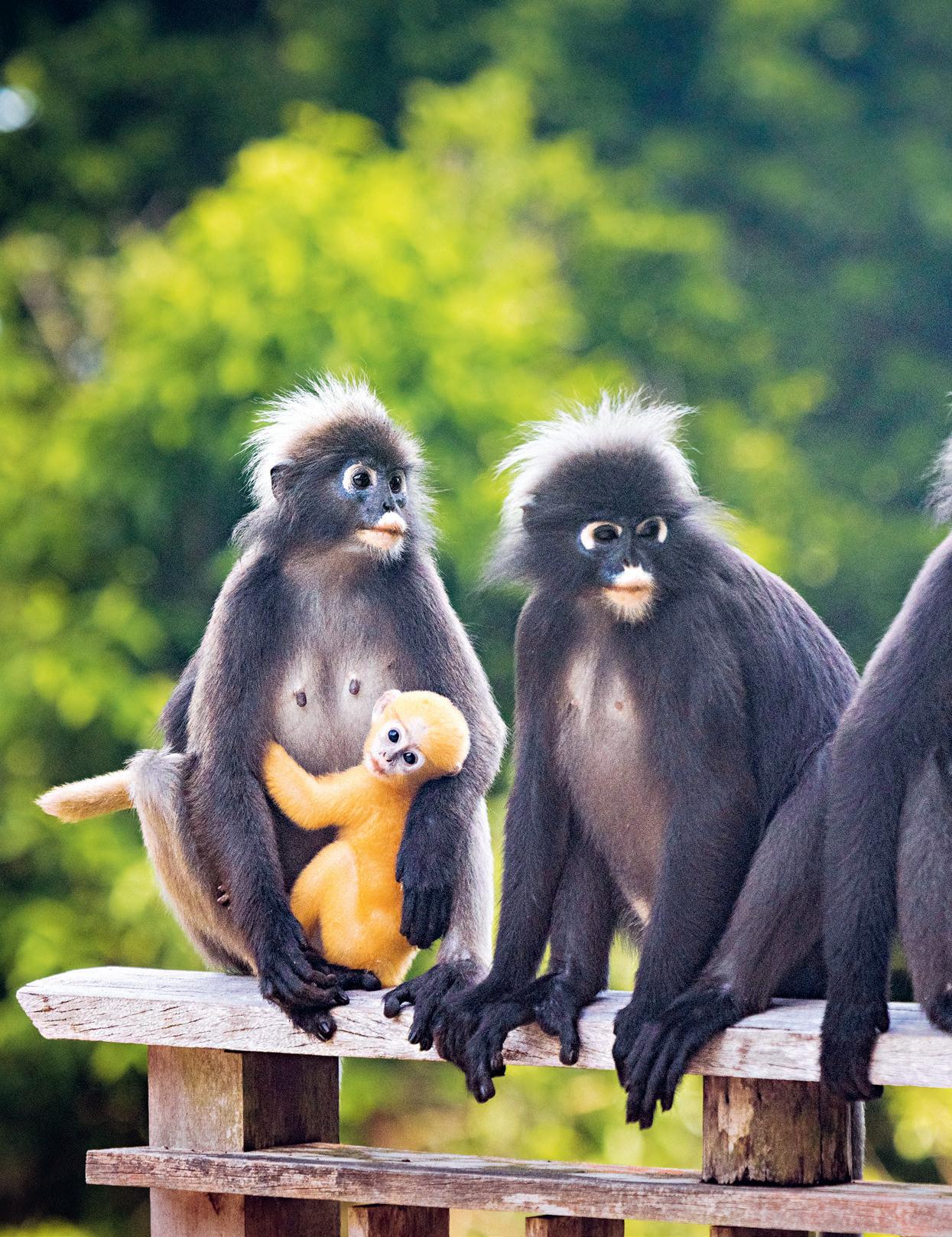
He goes on to explain how the diversity of rock substrates has shaped an equally diverse variety of flora and fauna. “We have recorded over 260 species of birds and an astounding 535 species of butterflies – that’s in fact more butterfly species than found on the entire continent of Australia,” he exclaims. “If Africa has its ‘Big Five’, here in Langkawi, we have our fabulous ‘Flying Five’: Flying Dragons, Flying Serpents, Flying Foxes, Red Giant Flying Squirrels and Flying Lemurs.”
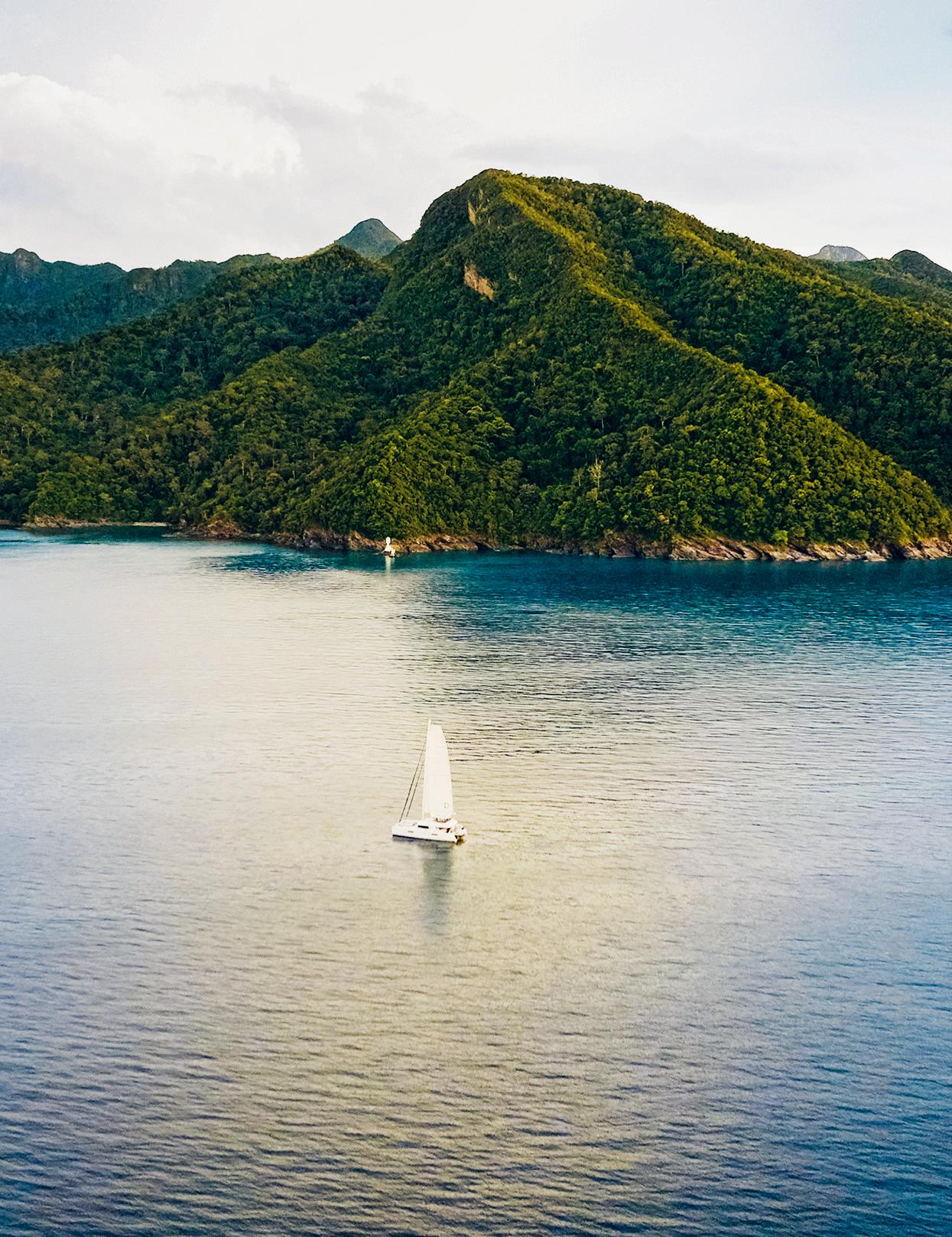
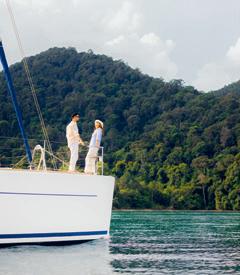
At The Datai Langkawi, there’s another way to uncover the archipelago’s many layers. Aboard the resort’s Gadis Pulao catamaran, Langkawi’s geology presents itself on a scale that is impossible to perceive from land. As the catamaran sets sail from Datai Bay, it navigates on a broad
“BEING OUT THERE GIVES YOU A WHOLE NEW PERSPECTIVE.”
– Irshad Mobarak, Malaysian naturalist, conservationist and ambassador of Langkawi’s UNESCO Global Geopark
reach for a couple of hours towards a trio of islands in the Andaman Sea, located midway to the Butang Archipelago. From there, it charts a course towards the majestic and oldest mountain range in Southeast Asia, Machinchang Mountain Range, just south of Chinchin Cape (Tanjung Chinchin) at the northwestern tip of Langkawi Island.
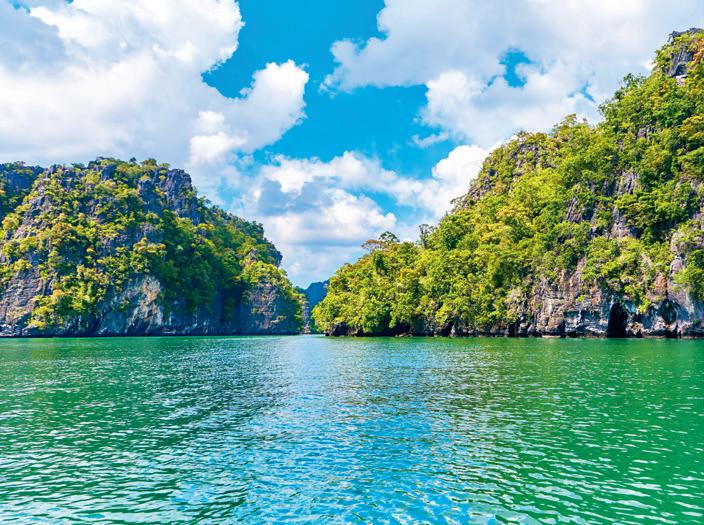
“Being out there gives you a whole new perspective,” remarks Irshad. “Meandering by catamaran through the narrow sea passages between the numerous little islands allows you to enjoy the sheer cliffs and weathered rockscapes rising like ancient temples from the ocean.”
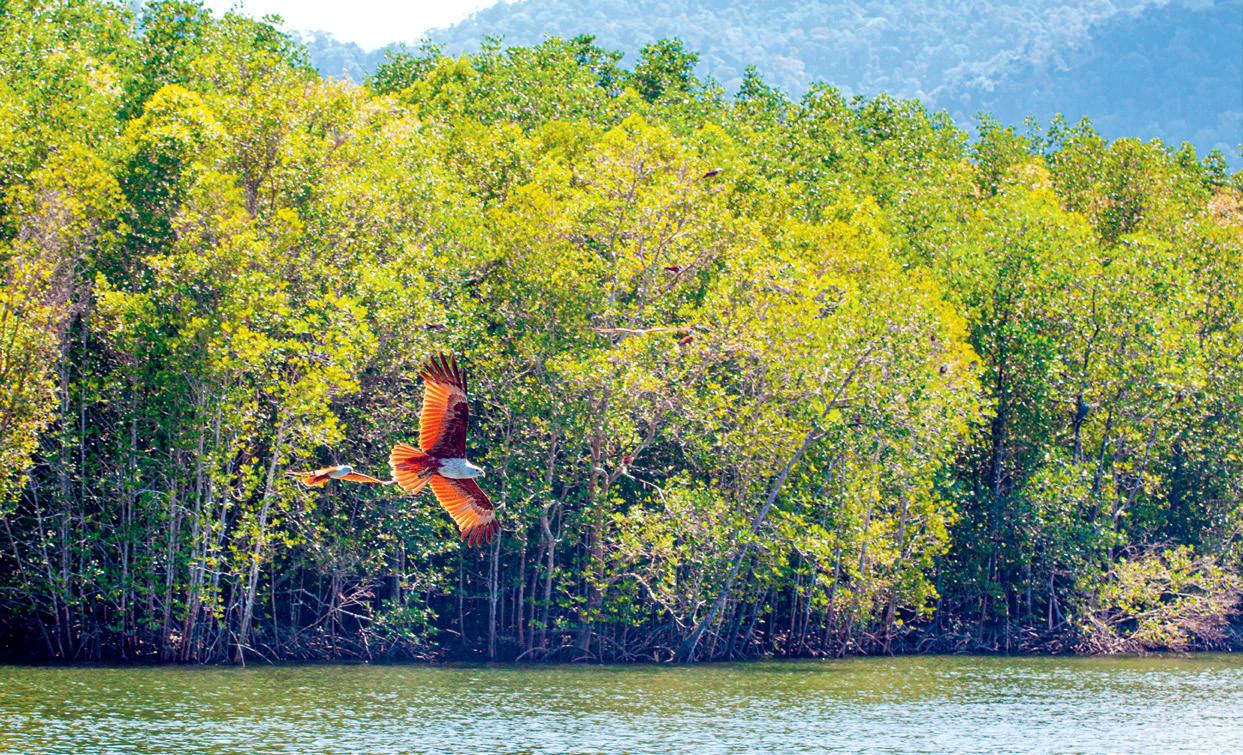
From the Gadis Pulao deck, guests can marvel at Langkawi’s famous White-bellied Sea Eagles or take part in water adventures such as snorkelling, kayaking and
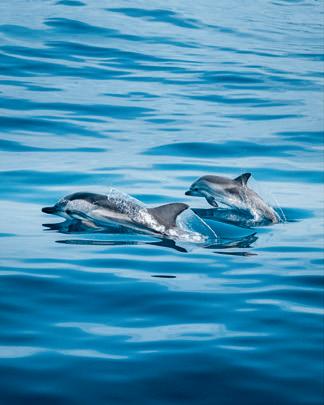
paddleboarding between island stops. “It also allows you to come close enough to the rockface of an island to see the kingfishers and the primates jumping between the trees,” Irshad adds. “If you are lucky, watch out for the Indo-Pacific Humpback Dolphins in the open sea.”
Even off-site, the comfort of The Datai Langkawi extends to this 54-foot catamaran, which features an interior saloon, an upper-deck cockpit and seating area, hammocks at the bow and three double guest cabins with en-suite bathrooms. Additionally, an on-board chef curates exquisite meals, ensuring a refined and seamless sailing experience. “The rooms are all equipped with the resort’s amenities,” says Stephane Duvacher, the General Manager of The Datai Langkawi. “It’s like a floating Datai.”
Sailing Beyond Langkawi
With Gadis Pulao, The Datai Langkawi offers an on-board experience that presents guests with a journey beyond the resort.
The catamaran offers sunrise and sunset cruises, which are available as shared adventures or private charters. Guests also have the option of overnight trips to Koh Lipe, Thailand – a small haven of islands connected to a Nature Reserve with stunning underwater reefs and untouched islands to explore. Each voyage is thoughtfully curated, including underwater exploration, island hopping, a private picnic on a secluded beach, and an optional visit to explore the nightlife on Koh Lipe.
Apart from the scenic cruises and island-hopping activities, the resort also recently hosted an exclusive sunset cruise aboard the vessel.
As part of The Datai Langkawi’s signature Chef Series, in January 2026, guests were treated to a memorable evening at sea, where renowned chef Alain Roux of The Waterside Inn, a three-Michelin-starred fine dining restaurant in England, curated a selection of refined canapés to be enjoyed against the backdrop of the Andaman sunset.
Scan this QR code to learn more about The Datai Langkawi’s new Gadis Pulao catamaran.
Seen from the water, Langkawi reveals a different side of itself, where verdant forests meet the shoreline, and different species of wildlife move through the clear air and sunlit sea.
THE LANGKAWI INSIDER
This storied Malaysian archipelago offers more than lush landscapes and legendary tales. Pang Shi Han, author of ‘Human Langkawi’, uncovers the island’s lesser-known side through its vibrant community and hidden gems.
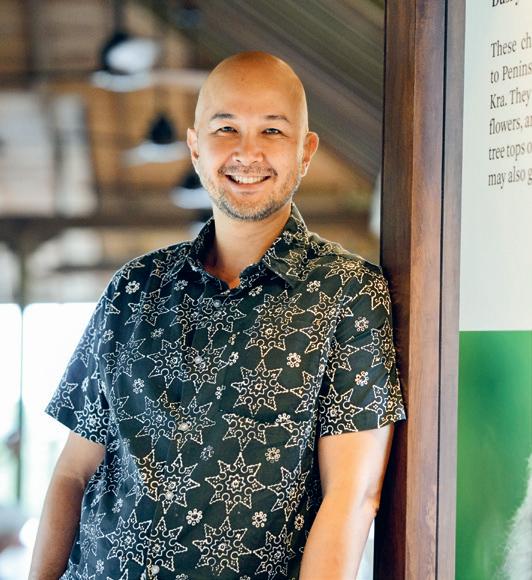
My name is Shi Han. Fascinated by Langkawi, I decided to move to the island from my home in Kuala Lumpur in 2022. The more time I spent here, the more I discovered stories that had gone unnoticed and realised how often this island is misunderstood.
Beyond the beaches and resorts are lives shaped by people, some born in Langkawi, some who came for a short trip and decided to stay, and others who left and eventually returned – each contributing in their own small way to
the character of this humble yet vibrant island. That inspired me to write a book about the island, titled ‘Human Langkawi’. The book is a collection of 20 human stories that invite readers to look closer, to see Langkawi as a place shaped by its people, not just a destination to visit.
Here, I’ve selected a few of my favourite people, experiences and attractions in Langkawi that I hope will not only help readers explore the island off the beaten path but also deepen their appreciation for this extraordinary tropical paradise.
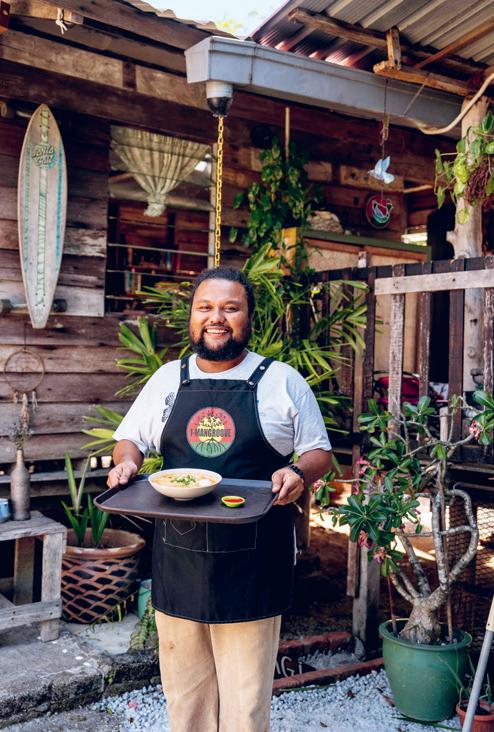
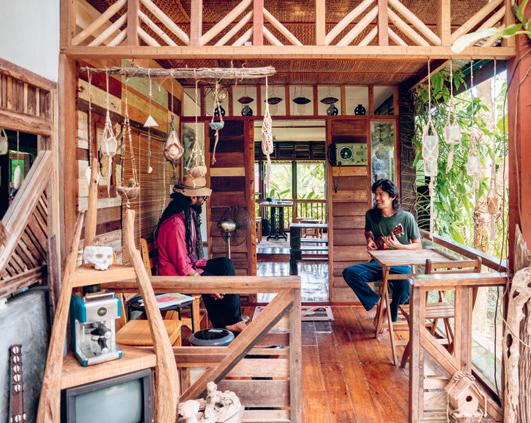
I-mangroove
A cafe specialising in curry mee (spicy noodle soup), tucked beside a mangrove swamp, owned by Iman, a musician who moved to Langkawi from Ipoh in 2004 and later joined by his wife, Claudia, who is from Canada. The curry
mee recipe comes from Iman’s parents, carrying family heritage into each bowl. Mornings here unfold slowly and peacefully, as customers enjoy breakfast by the mangroves, watching birds, crabs and other wildlife move quietly through the water.
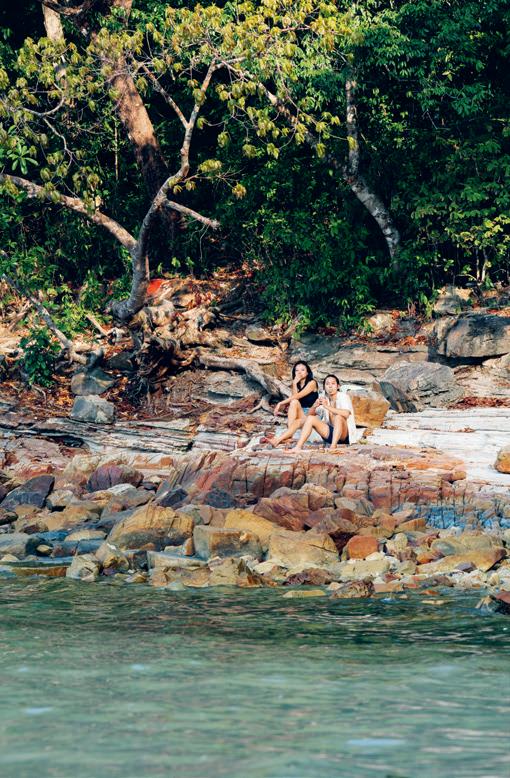
Skull Beach (Pasir Tengkorak)
A more private and secluded stretch of sandy shore compared to other popular beaches – located near Datai Bay, with blue waters and a surrounding forest that adds to its sense of quiet. It’s an ideal
spot to lounge for the day, catch sunrise or sunset, or enjoy a slow picnic. The beach features basic amenities like toilets, showers and huts, while a nearby trail at Tanjung Buta offers scenic coastal views.
Nature Experiences at The Datai Langkawi
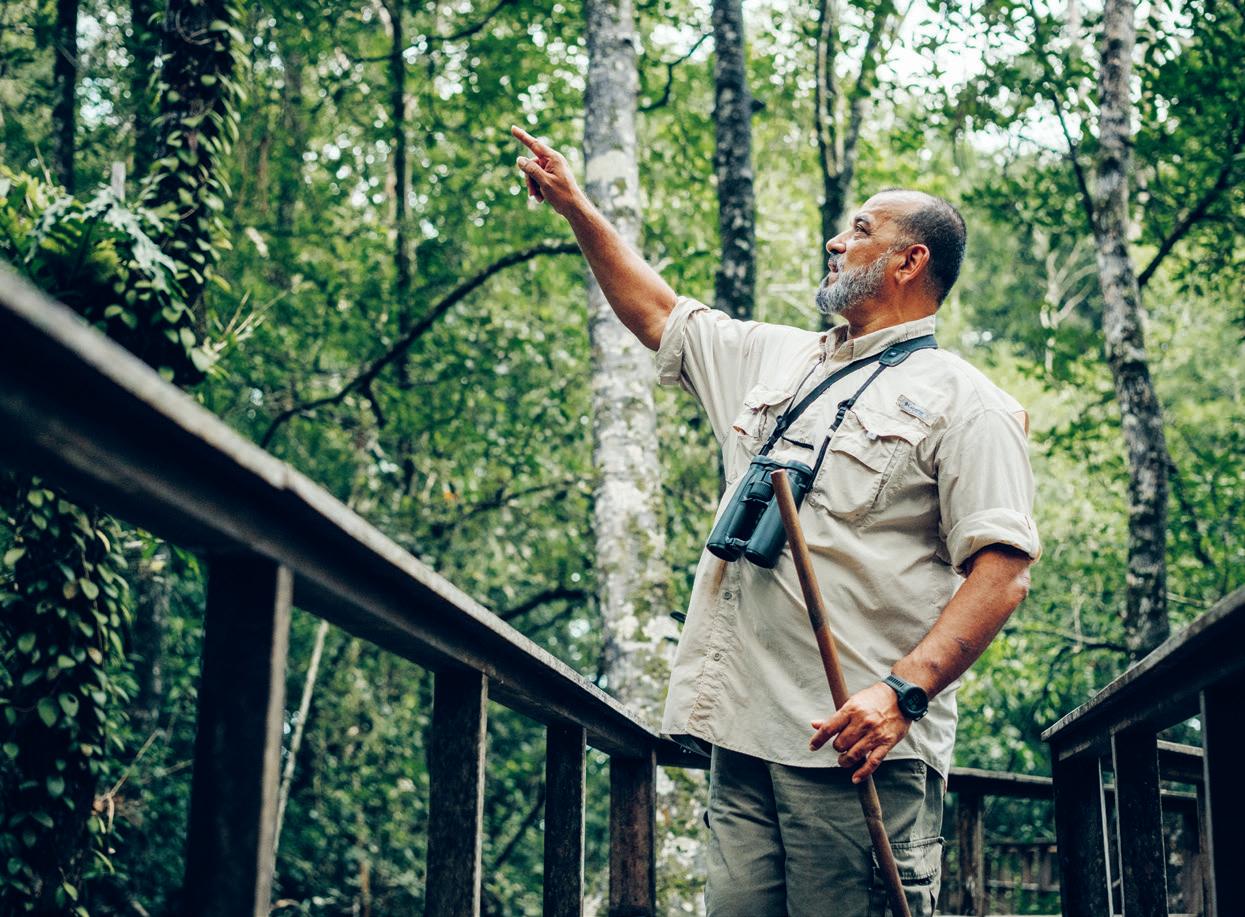
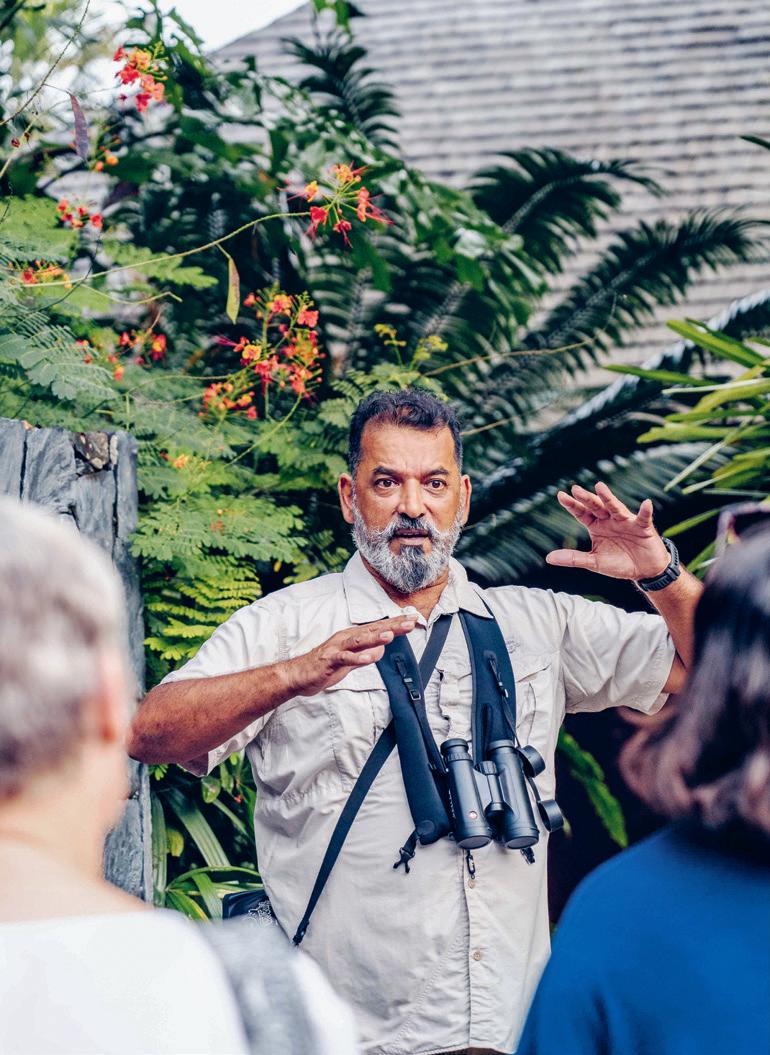
Resort guests can enjoy guided nature walks led by the resort’s experienced nature guides, who share their deep passion for biodiversity and conservation. Along the way, they point out details in the natural environment that
often go unnoticed, offering insights into the forest’s ecosystem. The experience is both educational and engaging, making it a memorable way to understand the importance of protecting Langkawi’s natural heritage.
The Nature Centre at The Datai Langkawi
The Nature Centre is a hub for exploring the tropical rainforest of Langkawi and the marine environment of Datai Bay. Guests can also learn about local plants, animals and marine life, access
a library of natural history references, and chat with resident naturalists and marine biologists. Aligned with The Datai Pledge, the centre fosters awareness of conservation, wildlife protection and sustainable fisheries for the future.
Skate Bowl Langkawi
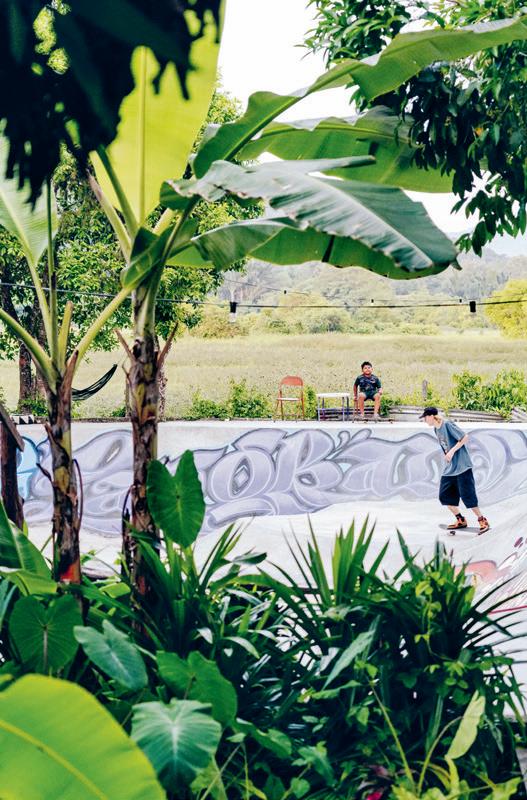
Set amid paddy fields in a traditional Langkawi neighbourhood, Skate Bowl Langkawi is a vibrant spot for skateboarders, the local skate community and anyone curious to watch. This rare skateboarding site stands out not just for its community but also for its breathtaking views, making it a memorable place to skate, learn or simply observe.
It all started with a casual ‘what if’ idea. The inspiration gradually grew into an actual space, built entirely by the community without
any formal construction experience, and funded through their own efforts with some later external support – all within a span of one and a half years.
Here, you’ll see local children as young as six mastering skate tricks against a backdrop of rolling hills and mountains. But Skate Bowl has become more than just a skate park. It’s a hub of community spirit, collaboration and shared responsibility – a place where locals, especially children, learn to skate, develop a sense of belonging, and express themselves.
Ilham Ceramics
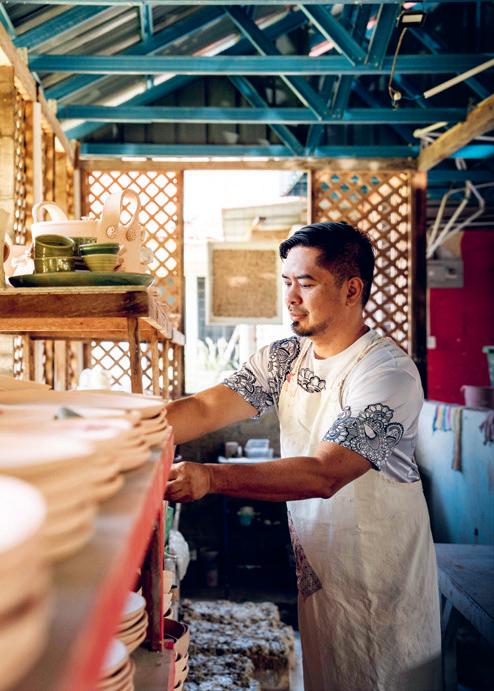
Ilham Ceramics is where visitors can shop for handcrafted pieces or join workshops to make meaningful souvenirs. The workshops are inspired by Langkawi’s natural beauty, allowing visitors to learn about local crafts while creating something personal. Many of the dining
creations by owner and founder, Radzi Ismail, are also used at The Datai Langkawi. Next door, a small restaurant run by Radzi serves laksa (a rich, spicy Southeast Asian noodle soup) and cucur udang (Malaysian-style prawn fritters), using family recipes to bring together craft, food and heritage.
Rumah Mawart
This laid-back coffee and batik cafe is located beside the historic Mahsuri mausoleum. Visitors can enjoy baked goods, relax and paint batik on pre-drawn canvases inspired by Langkawi’s
plants, birds and island elements. Beyond being a cafe, it functions as a creative hub where local artists display their work, perform, sell their creations and occasionally gather for casual jam sessions.
The Kanshalife Project
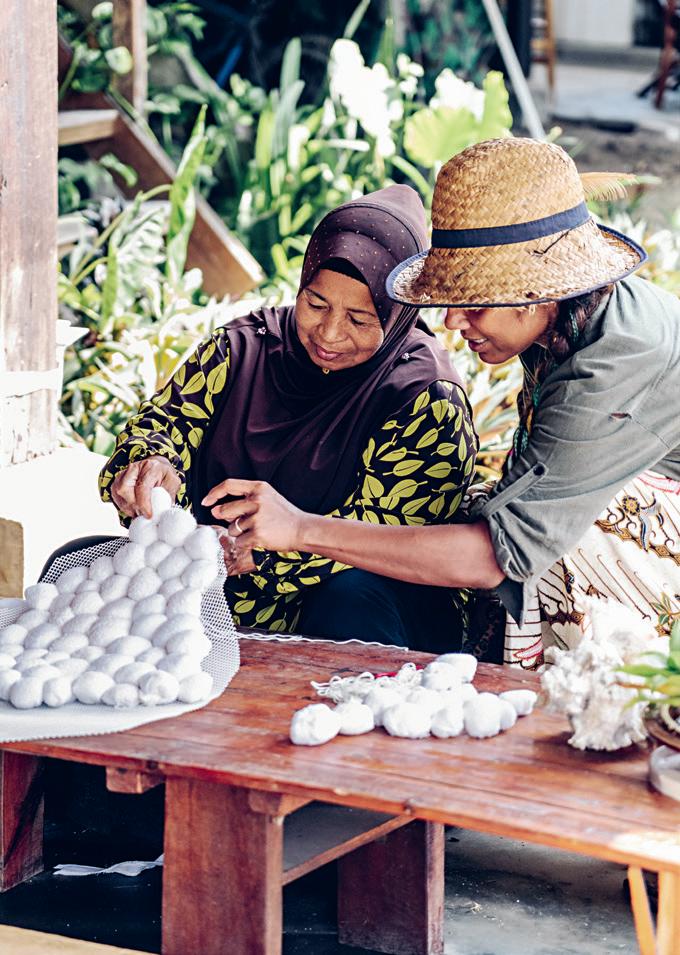
Founded by surreal artist Skaii de Vega, The Kanshalife Project is a Langkawi-based social enterprise dedicated to sustainability and community upliftment. In collaboration with The Datai Pledge as a Pure For The Future Pillar Partner, Kanshalife transforms commercial waste into purposeful creations – from upcycling hotel slippers into stool covers to repurposing candle wax into new candles – giving discarded materials
new life. Beyond eco-design, the project creates opportunities and fosters collaboration within local communities and beneficiaries, including single mothers. Visitors can join upcycling workshops or purchase these creations at The Artisan Collective, where sustainably made artisan crafts are showcased and sold.
For more information on the book ‘Human Langkawi’, see page 80.
Malaysia’s ‘nasional dish’ is nasi lemak, a hearty concoction of steamed coconut rice served with peanuts, anchovies, sliced cucumber, half a boiled egg and a piquant spicy sambal. Yet, ask Malaysians what dish they miss most when away from home and the answer is inexorably roti canai
A simple, salt-of-the-earth flatbread, roti canai (pronounced ‘ro-tee chanai’) was named the world’s best bread Why
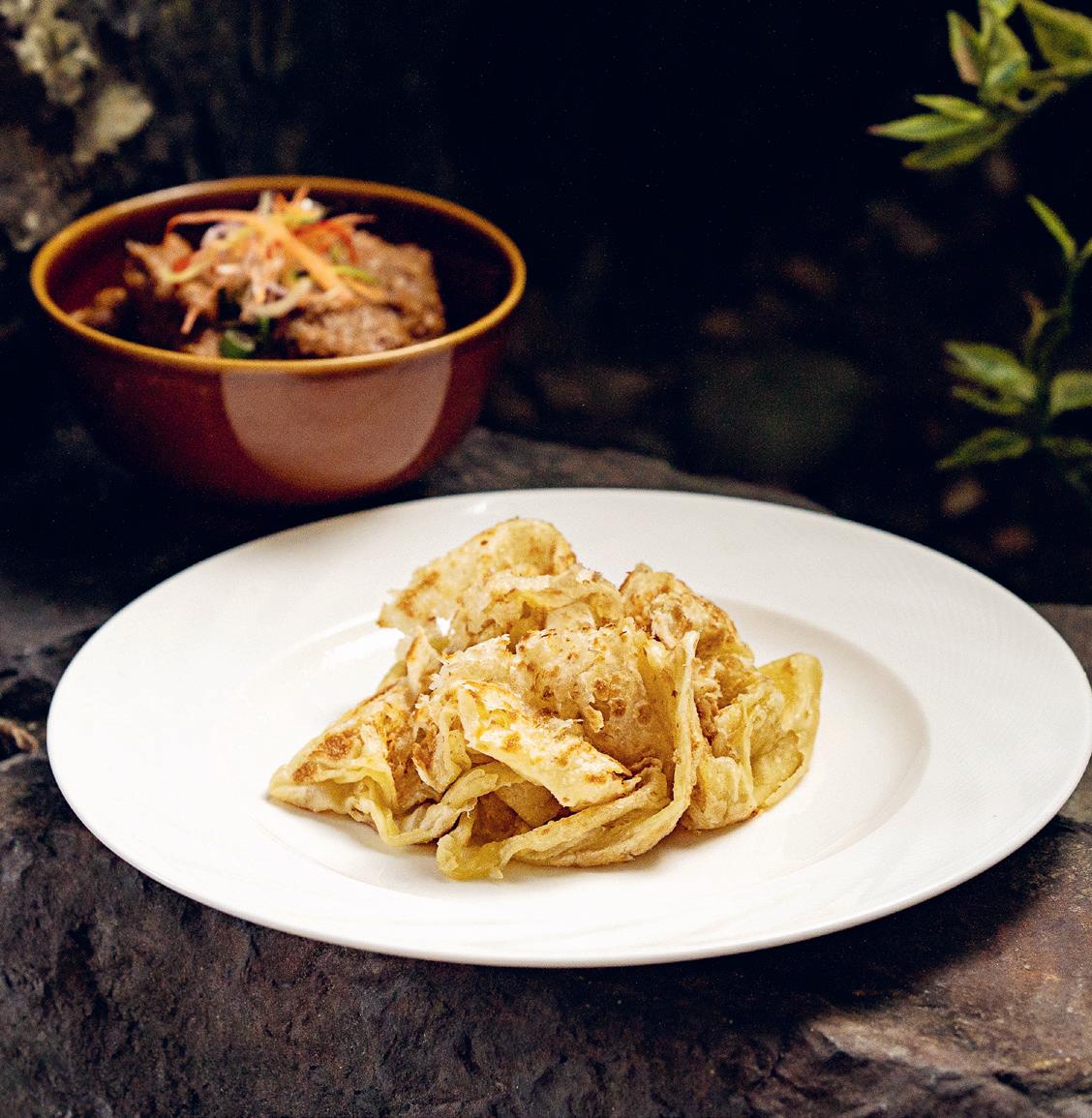
Guests can enjoy roti canai, paired with curry or condensed milk, at The Datai Langkawi.
in 2023 by TasteAtlas. Its roots and cultural adoption are revealed in its name: ‘roti’ means bread in Sanskrit, while ‘canai’ is derived from the Malay term for the act of rolling out the dough into a thin sheet. Discerning foodies may notice some similarities between roti canai and India’s panfried flatbread paratha, and that’s because the former was introduced to Malaya by Indian-Muslim immigrants during the colonial period, where it subsequently evolved and acquired a local name.
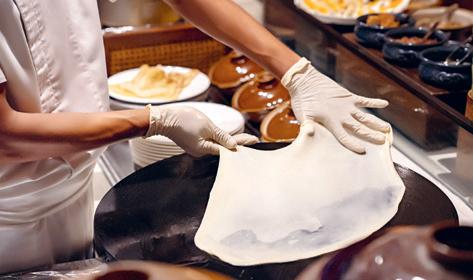
Making roti canai requires skill. The dough is prepped and then rested. Once portioned, it’s kneaded, stretched, tossed with aplomb and folded repeatedly to trap bubbles of air between its layers, ready to be thrown onto the griddle. The result: crisp swirls outside, a pillowy soft give inside, best washed down with a sweet, milky cup of teh tarik (strong
black tea with condensed milk ‘pulled’ repeatedly between containers to create a foam top).
“It looks effortless,” teases
Muhammad Afiq bin Zulkifli, the roti canai cook at The Dining Room’s breakfast service. When he joined the resort some five years ago, roti canai was his white whale, the culinary staple he had yet to master. Today this ‘roti canai artist’ can produce up to 100 deliciously flaky roti in a single breakfast service.
To accommodate dietary restrictions, The Datai Langkawi kitchens eschew ghee (clarified butter), eggs and milk, and serve this hardworking staple with vegetarian dhal curry and sambal tumis, a deliciously moreish stir-fried chilli sauce.
In general, permutations of the humble roti canai have multiplied as tastes evolve. Malaysian children grow up eating it sweet, with a sprinkling of sugar or a drizzle of condensed milk on top. Afiq recommends that the uninitiated try it unadulterated, or kosong, meaning ‘plain’ in Malay.
When ordering for themselves, both Afiq and Executive Chef Azman favour roti telur, a version served with an egg cracked, scrambled and folded into its centre. At The Gulai House, Chef Jais prepares it for dinner with a hint of pandan (aromatic screwpine leaf) for its appetising aroma.
With the advent of 24-hour eateries, roti canai is increasingly enjoyed around the clock, nevertheless it remains a breakfast standard.
“No Malaysian breakfast is complete without roti canai,” Chef Azman asserts. A dish simple to describe, difficult to master and worth ordering on repeat.
Roti canai is always prepared à la minute at The Datai Langkawi. You can enjoy it at The Dining Room and The Beach Club for breakfast, and at The Gulai House for dinner. It’s also available to order from the in-room dining menu.
DIVINE DINING
Featuring exquisite flavours crafted by award-winning chefs from diverse backgrounds, The Chef Series 2026 celebrates ‘The Art Of The Distinctive’ amid The Datai Langkawi’s rainforest setting.
Dining is one of the great joys of travel, especially when the setting is spectacular, the chef is exceptional and the flavours inventive. Since its inception in 2021, The Chef Series has celebrated the world’s finest culinary talent, serving as more than just an annual calendar of signature events at The Datai Langkawi. It redefines destination dining by inviting worldrenowned culinary masters to its lush rainforest sanctuary to craft
gastronomic experiences that are worth travelling for.
Under this year’s theme, The Art of the Distinctive, each Chef Series dinner is a celebration of originality. From Alain Roux and Mathew Leong to Hélène Darroze and Monica Galetti, the line-up of guest chefs offers a wide spectrum of styles, techniques and flavours to reflect the richness and diversity of today’s gastronomy landscape.
The Chef Series Deconstructed
A highlight of The Datai Langkawi’s annual gourmet calendar, The Chef Series reflects the resort’s unwavering commitment to culinary excellence. Over the years, it has welcomed culinary luminaries such as Angela Hartnett, OBE, Sebastien Bras, Arnaud Faye and Tom Aikens, who bring their signature flavours to the resort’s kitchens.
Each Series is made all the more exceptional by its distinctive earth-to-table approach, featuring high-quality ingredients sourced locally including organic produce cultivated in the resort’s zero-waste Permaculture Garden.
Watch all episodes from The Chef Series here.
Diners will savour the chefs’ singular visions on a plate, with ingredients harvested from the resort’s zero-waste Permaculture Garden and produce celebrating the island’s natural bounty. The idyllic rainforest, however breathtaking, is no mere backdrop either. Here, atmosphere is just as essential as taste and texture; it’s the extra dimension that elevates fine dining into a magical experience.
Stephane Duvacher, General Manager at The Datai Langkawi, sums it up best: “The Chef Series 2026: The Art of The Distinctive reflects our commitment to bringing extraordinary culinary talent to Langkawi while also recognising that true influence goes beyond Michelin accolades. These experiences are not just about dining. They are cultural journeys shaped by sustainability, creativity and the natural magic of Langkawi.”
Alain Roux
The Waterside Inn, UK
(Three Michelin Stars)
13 – 17 January 2026
The celebrated chef brings the threeMichelin-starred legacy of The Waterside Inn, United Kingdom, to The Datai Langkawi. Renowned for his relentless pursuit of perfection, his exclusive five-day residency in January showcased refined French classics from the legendary Roux family restaurants, with guests enjoying Western culinary excellence in a lush tropical setting.
Wong Chin Hua
Restaurant Shu KL, Malaysia (Michelin Guide Young Chef 2026) 19 – 20 June 2026
As the Michelin Guide’s 2026 Young Chef, Wong redefines Chinese diaspora cuisine. Blending regional storytelling with modern technique, his purposeful menus explore how heritage dishes evolve across Asia. Wong’s intentional, R&D-driven approach establishes him as a compelling, award-winning voice in Malaysia’s contemporary dining scene.
Introducing the Chefs of 2026
Seamus Sam
Evelyn’s Table, UK
(One Michelin Star)
27 – 28 February 2026
Sam, Head Chef at London’s acclaimed Evelyn’s Table, blends Michelin-level precision with his Malaysian heritage. An alumnus of The Clove Club and Muse, his prolific background fuses London’s multicultural energy with memories of his grandmother’s cafe in Johor, marking him as a rising star in creative gastronomy.
Hélène Darroze
Chef and restaurateur of multiple Michelin-starred restaurants, France 7 – 8 August 2026
Born into a dynasty of chefs, Darroze’s deep respect for terroir and local culture has led her to open and run several Michelin-starred restaurants in some of the world’s most iconic locations, including London, Paris and Marrakech. In 2015, she was named the ‘World’s Best Female Chef’ by The World’s 50 Best Restaurants.
Mathew Leong
Norway (Asia’s No.1 in Bocuse d’Or 2025)
3 – 4 April 2026
Based in Stavanger, Norway, Leong is a celebrated Singaporean chef who ranked first in Asia and sixth in the world at last year’s Bocuse d’Or Final. In 2023, Leong also made history as the first Singaporean recipient of the Forbes ‘30 Under 30’ Europe list. His culinary DNA, rooted in modern Nordic flavours and enriched by his Asian heritage, blends globally sourced ingredients into a distinctive, awardwinning harmony of flavours.
Monica Galetti
Celebrated chef and UK television personality, Samoa 6 – 7 November 2026
The Samoan-born chef and TV personality brings her London expertise to The Datai Langkawi. Classically trained at Le Gavroche under Michel Roux Jr, Galetti fuses high-end techniques with global influences. Her residency offers intimate dining encounters that reflect her multifaceted portfolio and diverse background.
SPICE AND SIZZLE
At The Datai Langkawi, two new chefs bring fresh flavours to the table: one is an expert in Thailand’s bold, vibrant cuisine, while the other adds dramatic flair to beachside teppanyaki.
The Datai Langkawi’s dining scene is constantly evolving, and now, the arrival of two new chefs is poised to take the resort’s Thai and Japanese flavours to new heights.
Seasoned Thai Chef Mahamasakri Useng Reimagines Thai Dining Above the Canopy
One of The Datai Langkawi’s five dining venues, The Pavilion is designed as an impressive treehouse that is elevated above the rainforest canopy. Here, guests are invited to savour the vibrant flavours of neighbouring Thailand, while keeping an eye out for occasional sightings of the rare Sunda Colugo or Giant Flying Squirrel, which may show up amid the treetops.
This year, The Pavilion is led by a new Head Chef, Mahamasakri Useng, who promises to bring a fresh perspective to the kitchen. Mahamasakri is no stranger to The Pavilion. Before stepping into this new role, he initially began his story here as a sous chef, spending three years in the position. “The journey to becoming the head Thai chef at The Pavilion has been rewarding, filled with growth, learning and a strong sense of teamwork,” Mahamasakri says.
His passion for the culinary arts traces back to when he was 12 years old. “The first dish that made me fall in love with cooking was pad thai (Thai-style stir-fried rice noodles),” he shares – a dish beloved by locals and tourists alike, as it hits all the flavours of the palate: sweet, sour and savoury. “There’s a common misconception that Thai food is always very spicy, but in reality, it focuses on a balance of flavours,” Mahamasakri adds, noting this balance as a principle he prioritises in his cooking, alongside freshness and authenticity.
“THERE’S A COMMON MISCONCEPTION THAT THAI FOOD IS ALWAYS VERY SPICY, BUT IN REALITY, IT FOCUSES ON A BALANCE OF FLAVOURS.”
– Chef Mahamasakri Useng
During his time working alongside former head Thai chef Somkeat Lok, who specialised in southern Thai cuisine, Mahamasakri realised that leading a team isn’t as effortless as the former chef made it seem. “It has taught me discipline, patience, and more importantly, consistency.” Sharing the same southern Thai roots as chef Somkeat, Mahamasakri feels a genuine connection to the traditions his mentor held so dear and is committed to preserving them.
As he continues to uphold the flavours and standards that guests adore, he also reveals some of the new ideas
he intends to bring to the restaurant. “I plan to introduce new seasonal dishes; for the hotter months, around April or May, I want to serve something cooler, like khao chae (a refreshing rice dish that is soaked in jasmine-infused water and ice),” the chef explains. “For the colder months, maybe tom som talay, a tamarind soup, for a bit of heat.”
This is only the beginning of what’s to come in The Datai Langkawi’s evolving culinary vision. Looking ahead, the chef has already begun designing a menu he hopes will showcase the diverse flavours of Thailand’s regional cuisines.
“MY SPATULA IS LIKE MY SOUL, MY RIGHT HAND.”
– Chef Joseph Lopez
Langkawi’s Sunset Teppanyaki, an intimate six-seat culinary experience hidden in the forest, with the bay stretching at its feet.
New Teppanyaki Chef Joseph Lopez Brings Dramatic Flair to Beachside Dining
Joseph Lopez keeps his spatula in a holster. That’s right. A holster. “My spatula is like my soul, my right hand,” he insists. In teppanyaki, the Japanese grill tradition where a chef works a flat iron plate for a front-row audience of gourmands, a spatula is the tool by which one earns a living. Joseph has earned his across six countries, including in the Middle East, the Maldives, Mauritius, and now Malaysia. It reminds him of his home in the Philippines, where he mastered teppanyaki. “Same climate, same friendly people,” he smiles.
As The Datai Langkawi’s first Resident Teppanyaki Chef, Joseph is not only skilled at the artful juggling, slicing, and dicing of the teppanyaki grill, but also spends his day preparing slices of glistening sushi and sashimi, as well as healthy bento boxes laden with fresh ingredients and locally sourced fruits and vegetables at The Beach Club. Come evening, he is one of two chefs presiding over The Datai
Dinner unfolds languidly over six delectable courses. With a rare combination of surgical precision and dramatic flair, Joseph works through a menu that he describes as Japanese-Peruvian with Filipino panache. He singles out the A5 Wagyu sirloin steak, which is served with a Classic Japanese Pepper sauce. It’s a dish that captures the essence of this winning fusion: the delicate, umami flavour profile of Japan against the spicy, acidic punch of Peru. The silken butternut puree it pairs with is his favourite ingredient, he reveals, as it plays well with everything.
Though the menu may change from time to time, dessert is always a spectacle. The rum-infused pineapple is a good example of this. It is flambéed and served alongside a Japanese pancake and passionfruit sorbet, offering a delicate balance of hot and cold, sweet and tart.
In between courses, Joseph deftly wields his knife, thrusts his fork and juggles his spatula, cracking eggs mid-air and sending flames shooting across the grill. “The show is a bonus,” he concedes, waving the theatrics aside. “The most important thing for me is guest satisfaction and comfort. I’m excited to show and share my knowledge when it comes to Japanese cuisine.”
GIN-SPIRED CREATIONS
The Datai Langkawi’s pristine rainforest provides the perfect setting to explore the world-famous botanical spirit: gin.
Gin may be the darling of the contemporary bar scene, but its origins can be traced back several centuries. The spirit as we know it today hails from 17th-century Netherlands, where Dutch alchemists refined methods for distilling grainbased alcohol. Its subsequent journey to Britain followed the ascension of the Dutchman William of Orange to the English throne, where production techniques evolved and the drink gained widespread popularity, eventually becoming a cornerstone of British drinking culture.
Gin aficionados can delve into the spirit’s fascinating history at The Datai Langkawi through the newly launched Gin Immersion Masterclass. Featured within the resort’s beverage programme, this engaging session offers guests a chance to explore the craft of gin-making and tasting, drawing inspiration from the lush rainforest surroundings.
Like gin’s storied heritage, the concept for this masterclass originated in 2019 with the launch of the resort’s London Dry Gin, created in collaboration with the renowned Italian distillery Zanin as part of the growing Datai Spirits Collection. The release marked the beginning of a deeper commitment to a thoughtfully curated,
world-class beverage experience that is rooted in craftsmanship, terroir and sense of place.
That commitment was recognised in 2025 when The Datai Langkawi became the only establishment in Malaysia to secure two prestigious global accolades at the World’s Best Wine Lists Awards – Best Spirits List 2025, Asia, and the Jury Award –cementing the resort’s reputation for excellence in curated drinks.
The Gin Immersion Masterclass takes over The Dapur at The Gulai House, transforming it into a working distillation studio for the experience. With a maximum of two participants
per session, guests are guided by certified mixologists, known as ‘Ginstructors’, whose expertise lies in traditional methods and carefully sourced spirits.
The masterclass begins with an introduction to gin’s development and the role of copper pot stills, followed by a guided tasting of key botanicals that define its character. Guests are invited to engage their senses as they explore juniper berries, peppercorns, lavender and a selection of local herbs harvested from the resort’s Permaculture Garden.
The masterclass’s standout moment comes next, with participants stepping behind a traditional mini copper pot still to distil, bottle and label their own personalised gin to take home. Following this hands-on experience, the afternoon concludes with a gin cocktail crafted from the freshly distilled spirit, accompanied by tapas and further pours.
Make this at home: The Butterfly
The Butterfly is a colour-changing cocktail featuring a vibrant blue hue from Bunga Telang (Butterfly Pea Flower). Infused with citrus and elderflower, this lip-smacking concoction is delicately floral, refreshing and visually striking.
Ingredients:
45ml The Datai Gin infused with Butterfly Pea Flower
15ml Cointreau
20ml elderflower syrup
15ml lime juice
Rosemary, lightly smoked, to garnish
Preparation:
Combine all the ingredients in a cocktail shaker with ice.
Shake vigorously for about 20 seconds.
Strain into a glass.
Add ice and garnish with lightly smoked rosemary.
The Datai Langkawi’s celebrated beverage programme now features a Gin Immersion Masterclass, offering guests the chance to create their own gin, guided by the flavours and spirit of the surrounding rainforest.
TERROIR IN A GLASS
The Datai Langkawi’s new house champagne by Comte de Montaigne – a prestigious Champagne Maison from the Aube region of France – is a refined expression of tradition, passion and provenance.
Comte de Montaigne champagne reflects its terroir with mineral richness, careful fermentation, and a fresh, vibrant character.
In many ways, Comte de Montaigne is the perfect fit for The Datai Langkawi. Just as the maison’s prestigious cuvées are shaped by the
terroir of Côte des Bar in the Aube, the resort is deeply rooted in the island’s ancient, 10-million-year-old rainforest. Both are defined by the land
of their origin, and they honour that heritage through a deep commitment to craft and passion.
“At The Datai Langkawi, we are always seeking partnerships that reflect our commitment to refined experiences and meaningful craftsmanship, and our collaboration with Comte de Montaigne brings together two brands united by heritage and quality,” says Stephane Duvacher, General Manager of The Datai Langkawi. “This partnership elevates our guests’ dining and celebratory moments with an exceptional champagne that perfectly complements the tranquillity and natural beauty of our resort.”
Staying true to its origins, Comte de Montaigne is a vineyard champagne. Its flavour reflects the mineral-rich soils and microclimate of the land. Through the house’s meticulous double fermentation and extended ageing on the lees, the champagne reveals a vibrant freshness and a distinct personality, where the wine’s character is preserved and shines through the delicate, lingering effervescence.
For Indra Mohan, the resort’s Director of Food & Beverage, the appeal goes beyond its remarkable flavour. “Comte de Montaigne is more than just champagne. It’s a luxurious, limited-edition experience that reflects the maison’s sense of place and craftsmanship – two qualities that The Datai Langkawi also shares, making this a perfect collaboration,” he says.
The signature Cuvée Spéciale, made from 100% Pinot Noir, reveals aromas of red and black fruits, complemented by delicate notes of spice and toasted bread crust. At the resort, guests can savour it by the flute at the restaurants and bars, either as a quiet indulgence or alongside a meal to elevate the dining experience.
AND BREATHE…
Under the lush canopies of a verdant rainforest, Serenity – The Datai Well-being Series guides guests towards physical renewal and mental clarity.
In this age of constant stimulation and unrelenting pace, slowing down has become the ultimate luxury.
At The Datai Langkawi, guests can experience this rare indulgence through the Serenity Series. The 2026 edition welcomes six internationally acclaimed wellness practitioners to guide guests on a journey of soulful restoration. Some of these invited masters are back by popular demand, while others make their debut this year, bringing fresh perspectives and progressive approaches to contemporary well-being.
The result is a compelling selection of immersive wellness sessions and holistic therapies. From science-based resistance training and integrative yoga to longevity lifestyle practices and more, each discipline is meticulously designed to restore physical vitality while the mind gently surrenders to the soothing embrace of the rainforest.
With Serenity – The Datai Wellbeing Series, guests at The Datai Langkawi can enjoy a rejuvenating journey, where modern wellness meets ancient nature to balance mind, body and soul.
Slip Deeper Into Serenity
Serenity – The Datai Well-being Series is the resort’s signature annual rejuvenation programme specially curated to restore mind, body and soul through holistic healing and wellness practices. Scan the QR code below to watch all episodes of Serenity Series at The Datai Langkawi.
Alex Scrimgeour
Dien Chan Facial Reflexology and Acupuncture – United Kingdom 5 – 15 February 2026
A bodywork therapist highly trained in Dien Chan facial reflexology, Scrimgeour specialises in an extensive range of therapeutic modalities, ranging from Tuina and Thai massage to deep tissue techniques and Qigong. Dedicated to helping clients achieve optimum health, Scrimgeour’s signature Dien Chan treatment is designed to induce a profound sense of relaxation and total well-being.
Benny Price
Personal Trainer and Resistance Training Specialist (RTS) – United Kingdom 7 – 17 August 2026
With 15 years of experience coaching individuals from all walks of life, Price brings world-class exercise mechanics to The Datai Langkawi. As Southeast Asia’s only certified Resistance Training Specialist instructor, he offers science-based, personalised training and workshops designed to improve human movement, manage injuries and empower guests with individualised vitality.
Meet the 2026 Serenity Masters
Dr Leonard McGill
Developer of Structural/Energetic
Integration Therapy – USA 5 – 15 March 2026
Following a successful 2025 debut, Dr McGill returned to The Datai Langkawi for his second residency. Blending Taoist energy work with structural therapy, he addresses the root causes of pain through chiropractic adjustments, chakra balancing and myofascial release. His Structural/Energetic Integration Therapy activates the body’s natural healing response, leaving guests feeling lighter, more flexible and balanced.
Bastien Gonzalez
Podiatrist – France 16 – 24 October 2026
Guests can enjoy Bastien Gonzalez’s signature treatments year-round at The Datai Langkawi’s on-site Pedi:Mani:Cure studio. For this special occasion, however, the Paristrained podiatrist returns by popular demand to personally deliver his world-famous, award-winning approach to medical-grade hand and foot care. This exclusive residency features one-on-one sessions and luxury wellness workshops.
Shilpa Ghatalia
Integrative Yoga – Malaysia 2 – 12 April 2026
Ghatalia, founder of the awardwinning studio Yogshakti, brings 30 years of expertise to her signature Integrative Yoga. This ‘meditation in movement’ blends diverse styles to reduce tension and cultivate lasting calm. Her inclusive, supportive classes invite participants of all levels to explore flexibility and stillness, fostering wellness both on and off the mat.
Dr Monisha Bhanote
Longevity Lifestyle Physician – USA 20 December 2026 – 3 January 2027
Dr. Bhanote, a quintuple boardcertified physician, brings her Cell Care philosophy to The Datai Langkawi. A longevity expert and bestselling author, she blends modern science with ancient wisdom to enhance cellular health and nervous system balance, transforming complex medicine into daily rituals for intentional ageing and vitality.
PADEL PURSUITS
The Datai Langkawi ushers in a new era of sporting excellence by unveiling the island’s first padel facility and coaching programme in collaboration with LUX Tennis.
The global rise of padel in recent years has been nothing short of meteoric.
Padel’s origins date back to 1969, when Mexican innovator Enrique Corcuera enclosed his front lawn with walls to keep balls from escaping. Little did he know that the game would catch on like wildfire, going on to capture Spain’s elite Marbella Club before gaining a fervent fandom across the world.
Padel owes its popularity to its ‘social-first’ DNA. Easier than tennis and more dynamic than squash, it offers a low barrier to entry while providing enough of a challenge to keep players hooked. Thanks to
backing from celebrity investors and a post-pandemic surge in outdoor fitness, padel has exploded into a professional powerhouse. With an estimated 35 million players worldwide as of 2025 (according to the International Padel Federation), the high-octane game has become the new racket-sport royalty.
The Datai Langkawi is serving up a game changer, having opened two padel courts at The Els Club Teluk Datai last year. Through an exclusive partnership with LUX Tennis, the resort brings world-class coaching to guests while becoming Langkawi’s first destination to unveil padel courts.
LUX Tennis
LUX Tennis is a global racquet sports management company, delivering bespoke programmes across more than 40 luxury resorts and private clubs worldwide. Their LT Star events feature leading players such as Carlos Alcaraz and Alexander Zverev, alongside brand ambassadors Martina Hingis and David Ferrer. With a team of experienced coaches, including former ATP and WTA players, LUX Tennis offers highlevel coaching in tennis, padel and pickleball, tailored to each destination.
The collaboration adds professionalgrade energy to guests’ stays. Whether they’re looking to sharpen a serve with bespoke coaching, testing mettle against an ATP-level pro or diving into the global padel craze, it can all be done in style. Set within the lush surroundings of The Els Club Teluk Datai, the facilities offer a rush of endorphins amid the rainforest’s raw beauty.
“We are thrilled to partner with LUX Tennis to introduce the excitement of tennis and padel to our rainforest retreat,” shares Stéphane Duvacher, General Manager at The Datai Langkawi. “This collaboration reflects our dedication to curating exceptional experiences that cater to the diverse interests of our guests, from those seeking tranquillity in nature to sports enthusiasts looking to stay active while enjoying the unique beauty of our resort.”
ALL THE SMALL THINGS
At The Datai Langkawi, the in-room amenities are chosen for their origins – each tied to a place, a person or a practice worth knowing – and designed with sustainability at their core.
A lingering floral scent or a shimmering crystal vessel –these are small things, but they add up to something that the team at The Datai Langkawi hopes will stay with you long after you’ve returned home. “We want our guests to experience something different when they’re with us,” says Resort Manager, Jaya Nazreen. “Something unique to the property that reflects the location.”
Heaven scent
The Datai Langkawi team had been looking for a signature scent, something natural to embody the spirit of the island, when a large Penaga Laut tree (Calophyllum inophyllum), with its glossy oval-shaped leaves and white flowers releasing a heady fragrance, stopped the team mid-search. A littoral survivor – salt-tolerant, slow-growing and a barrier to coastal erosion – every part of the Penaga Laut (bark, wood, seeds and fruit) is used in various ways, from timber production to local medicine.
“We found out that you can extract oil from its flowers,” Jaya recalls.
Pax Flora, a Kuala Lumpur-based company, developed an extraction process that produces an oil that closely matches the scent you experience when you stand beneath the branches. Now its perfume runs through the resort’s shampoo, conditioner, soap bars and room diffusers, creating a memory that lingers long after you leave. Additionally, these in-room amenities come in refillable containers or recyclable packaging, underscoring The Datai Pledge’s commitment to sustainability under the Pure For The Future pillar.
Crystal clear
The crystal reed diffuser holding the oil that produces The Datai Langkawi’s signature scent is handblown by Kamarul Faizy Roslan, one of Malaysia’s few glassblowing masters. Having trained in Sweden and New Zealand, he returned to Langkawi, where he now passes on this rare art form to others.
Crafted on the island exclusively for The Datai Langkawi, Faizy’s raw material comes from the resort itself.
Discarded bottles from the rooms, restaurants and bars are sorted by colour, crushed and then sent to his studio to be melted down and upcycled. The startling result, where each piece is unique, is proof that one man’s trash truly is another man’s treasure.
ikhlas
A family of Dusky Langurs, one of the rainforest residents that shares the resort with our guests. Their babies are born bright orange, a colour that helps attract care and protection from other members of the group before their fur gradually darkens with age.
THE ISLAND REVEALED
More than just a book, ‘Human Langkawi’ serves as a cultural archive celebrating the lives and loves of Langkawians who have made the island a gem of Malaysia.
Beyond the lush jungles, the picturesque coastlines and the beguiling myth of Mahsuri – a scorned princess who cursed the island for seven generations – lies a deeper narrative of Langkawi: one not defined by tourist crowds, but by the rhythmic, often unconventional lives of its people. This is the heartbeat of ‘Human Langkawi’, a striking new book that captures the island’s soul through vivid photography and intimate storytelling.
The illuminating project is the brainchild of first-time author and storyteller Pang Shi Han, who hails from Kedah, the Malaysian state that is home to Langkawi Island.
Together with her partner, Lee Jie Xin, she embarked on a three-year journey to document the lives of 20 Langkawi residents who discovered their calling on the road less taken.
Among the featured Langkawians are names especially close to The Datai Langkawi’s heart, such as renowned naturalist and Conservation Consultant to The Datai Pledge, Irshad Mobarak; artist and Pure For The Future Pillar partner, Skaii de Vega of The Kanshalife Project; and master glassblower Kamarul Faizy of Faizy Crystal.
Reflecting on her creative process and how the book is a celebration of the island’s people, Shi Han says:
‘Human Langkawi’ Arrives at The Datai Langkawi
On 29 September 2025, The Datai Langkawi hosted the exclusive launch of ‘Human Langkawi’, bringing together many of the Langkawians featured in the book for a meaningful celebration of the island’s authentic spirit. The launch featured inspiring sharing sessions and a captivating art installation titled ‘No Man is an Island’, an immersive work crafted primarily from discarded materials sourced at the resort and from repurposed book pages, reflecting a shared commitment to sustainability.
“This book is not designed for you to read, but for you to experience what we experienced. Each person we met in Langkawi taught us a new way of looking at life, of finding joy in simplicity and strength in community.”
The ‘Human Langkawi’ project eventually found its official home at The Datai Langkawi, the book’s exclusive partner. The collaboration is part of The Datai Pledge’s commitment to supporting the community. Divided into four chapters – Community, Taste, Artists and Architecture – the book devotes 14 pages to the resort, showcasing its story and its work under The Datai Pledge.
“The book beautifully embodies the spirit of Langkawi – its creativity, resilience and humanity,” says Stephane Duvacher, General Manager of The Datai Langkawi. “It resonates deeply with our mission through The Datai Pledge: to protect, preserve and give back to the island and its people.”
Discover Pang Shi Han’s Langkawi recommendations on page 52.
The Datai Langkawi welcomes guests with a serene lily pond at its entrance, setting a tranquil tone for the rainforest retreat.