ANNUAL REPORT & ACCOUNTS 2024/25


Our mission
Our mission

At Imperial Health Charity we help our hospitals do more through grants, arts, volunteering and fundraising.
For the benefit of patients and NHS staff, we fund major redevelopments, research and medical equipment at five London hospitals – Charing Cross, Hammersmith, Queen Charlotte’s & Chelsea, St Mary’s and the Western Eye – as well as helping patients and their families at times of extreme financial difficulty.
Supporting the arts in healthcare, we manage an Arts Council accredited hospital art collection and run an extensive arts engagement programme.
We also manage volunteering across all five hospitals, adding value to the work of staff and helping to improve the hospital experience for patients.
Fundraising through major appeals and community events enables us to continue our important work.
We are delighted to introduce Imperial Health Charity’s Annual Report for 2024–25 – a year of growth, progress and meaningful impact. This introduction also marks an important moment for the charity, as we say a warm and heartfelt farewell to Ian Lush OBE, who retired as Chief Executive at the end of July 2025, after more than a decade of exceptional leadership.
When Ian joined the charity in December 2014, we were a very different organisation. With a team of just 12 staff focused primarily on grant-giving – alongside small but dedicated arts and fundraising teams –the charity had a solid foundation and enormous potential. Over the past ten years, Ian has transformed every part of our work.
Under his leadership, we took on the Trust’s volunteering service in 2016, growing it from around 80 volunteers to more than 1,000 today. Volunteers now support patients, families and staff across all five hospitals, renal satellite sites and community diagnostic centres. Under his tenure we championed new opportunities for young people and those seeking employment; our youth volunteering scheme launched in 2018, and our more recent employability programme has helped more than 80 people move back into paid work – many of them within the Trust itself.
Our arts programme has flourished too. The charity secured prestigious Arts Council England Museum Accreditation for our collection, commissioned outstanding new works and expanded an impactful engagement programme. Today, artists, musicians and performers bring creativity and comfort to patients’ bedsides, and staff benefit from workshops, the Staff Arts Club,
and even the much-loved therapy dogs who brighten every corridor they visit.
Fundraising has also gone from strength to strength. Major appeals – including the landmark More Smiles campaign for St Mary’s paediatric intensive care unit –have inspired generous donations from grateful patients, alongside sustained support from trusts, foundations, corporate partners and our community. This vital income enables a grants programme of more than £6 million each year, supporting capital projects, innovation, research and staff welfare. All of this has been made possible by a highly skilled and dedicated team across communications, finance and administration.
Thanks to Ian’s vision, dedication, and belief in what our charity can achieve, Imperial Health Charity is now stronger, more ambitious and better placed than ever to support our hospitals and communities. Ian leaves the organisation in excellent shape, and we are committed to building on the outstanding legacy he leaves behind.
This report represents a showcase of the impact we’ve achieved across every area of our work and the full breadth of our strategy, and highlights the difference we are making for patients, families and staff across our hospitals and wider communities.
We hope you enjoy reading these stories of the progress we’ve made and the positive change our supporters, partners and colleagues have helped bring to life. Their dedication has enabled us to improve services, enhance environments and create exciting new opportunities for people across the Trust.
As we look ahead to 2026 and the beginning of a new strategic period, we are excited to build on this momentum, and plan not only to do more in our hospitals, but also do substantially more to grow our impacts in the wider communities we serve. Together, we remain committed to delivering even greater impact for the staff and patients of Imperial College Healthcare NHS Trust in the years to come.
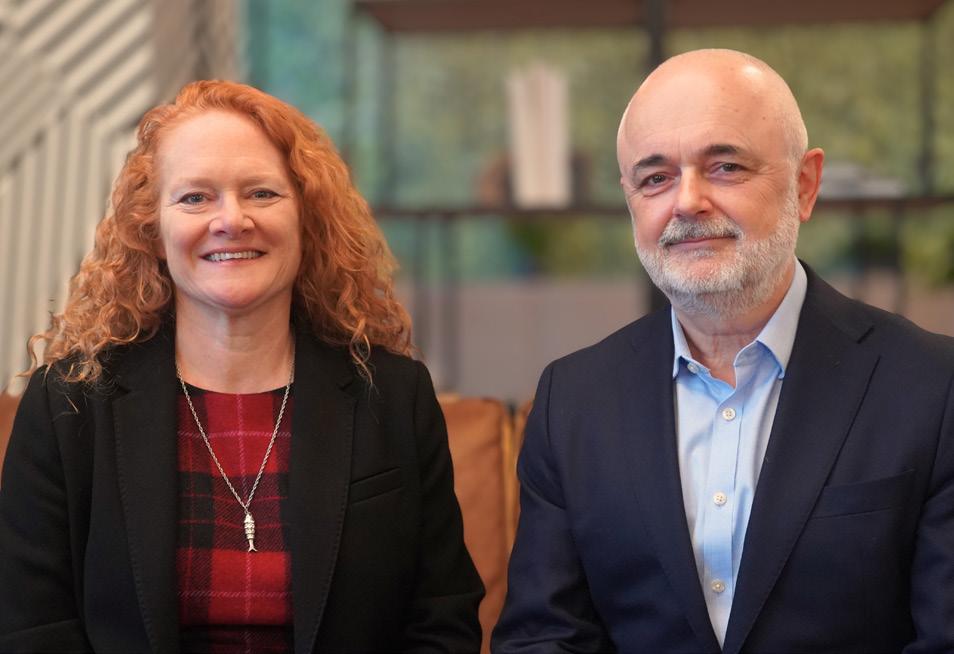
Gail Scott-Spicer, Chief Executive Dr Andreas Raffel, Chair of Trustees
Imperial College Healthcare is one of the largest NHS trusts in the country, with more than 15,000 staff across north west London. The Trust provides acute and specialist healthcare to more than 1m people a year.
With a reputation for excellence in research and education, the Trust’s five hospitals – Charing Cross, Hammersmith, Queen Charlotte’s & Chelsea, St Mary’s and the Western Eye – influence clinical practice nationally and around the world.
In addition, the Trust is developing a growing range of integrated and digital care services, and offers private healthcare in dedicated facilities at each of its hospital sites.
As the Trust’s dedicated charity, our role is to support and enhance this important work for the benefit of patients and NHS staff.
The Trust’s mission is to serve as a key partner in our local health system, drive innovation in healthcare and deliver outstanding care, education and research with local, national and global impact.
16,529 staff employed by Imperial College Healthcare NHS Trust
314,925 emergency attendees (including A&E and ambulatory emergency care)
9,843 babies born in the Trust's maternity departments
36,809 operations performed at the Trust's hospitals
96% positive overall rating of care for inpatients
1,289 active clinical research studies
Together with Imperial College London, The Institute of Cancer Research, London, Chelsea and Westminster Hospital NHS Foundation Trust and The Royal Marsden NHS Foundation Trust, it forms the Imperial College Academic Health Science Centre – one of eight academic health science centres in England.
This close working partnership ensures that cutting-edge research can be translated quickly into better patient care and excellence in education.
The Trust is also a major provider of education and training for doctors, nurses, midwives and allied health professionals, including therapists, pharmacists, radiographers and healthcare scientists.
The Trust’s five hospitals specialise in a number of different areas:
Charing Cross Hospital provides a range of acute and specialist services, including cancer care and a 24/7 accident and emergency department. It also hosts the hyper-acute stroke unit and is an important hub for integrated care in partnership with local GPs and community providers.
Hammersmith Hospital is a specialist hospital renowned for its strong research connections. It offers a range of services, including renal, haematology, cancer and cardiology care, and provides a specialist heart attack centre. As well as being a major base for Imperial College London, the site also hosts Medical Research Council London's Institute of Medical Sciences.
Queen Charlotte’s & Chelsea Hospital is a maternity, women’s and neonatal care hospital, also with strong research links. It has a midwife-led birth centre as well as specialist services for complex pregnancies, fetal and neonatal care.
St Mary’s Hospital is the major acute hospital for north west London as well as a maternity centre with consultant and midwife-led services. It provides care across a wide range of specialties and runs one of four major trauma centres in London in addition to its 24/7 A&E department.
The Western Eye Hospital is a specialist eye hospital with an A&E department and outpatients, inpatients, day case and inpatient surgery services.
As the dedicated charity for Imperial College Healthcare NHS Trust, we help our hospitals do more through grants, arts, volunteering and fundraising. Our activities support hard-working hospital staff while improving the care that patients receive – above and beyond what the Trust can achieve with NHS funding alone. We deliver supportive programmes that enhance the overall hospital experience for staff and patients, as well as awarding funding for healthcare projects that enable the Trust to provide an even better service.
Caption Arts Caption Grants
We believe that art and creativity play a vital role in supporting health and wellbeing, enriching the hospital experience for patients, their families and visitors, while also fostering a more positive working environment for NHS staff.
Through our wide-ranging arts engagement programme, and an Arts Council-accredited collection of more than 2,500 artworks, we bring colour to the hospital corridors, wards and waiting rooms, and provide inspiring creative activities.
Throughout the year, we curate installations, host exhibitions and provide creative workshops for
Through our grant programmes, we support a variety of projects and initiatives aimed at improving patient care and hospital experience, promoting the wellbeing and professional growth of NHS staff, and driving innovation across the Trust’s five hospitals and the wider communities we serve.
2,500+
artworks in our museum accredited collection
We contribute to major refurbishments of hospital buildings and facilities, invest in pioneering research, and provide additional medical equipment, while also assisting patients and their families during times of unexpected financial hardship.
Our support goes beyond what the NHS

of event fundraisers
of NHS staff say we make their hospital a better place to work
Caption Fundraising 97%
Our fundraising efforts allow us to keep helping our hospitals do more, and we are deeply grateful to our supporters for their generosity and goodwill.
We raise income through an increasingly diverse mix of activities, including legacies, philanthropy, community events, corporate partnerships, and individual donations.
To ensure all our fundraising is carried out to nationally recognised standards, we are registered with the Fundraising Regulator and adhere to its code of practice.
Volunteers are vital in enabling our hospitals to achieve more for patients and
Whether guiding visitors, supporting NHS staff, or simply being there
funding awarded in 2024/25 £5.3m
volunteering in 2016, we have significantly

numbers, introduced a variety of dynamic new roles, and strengthened our infrastructure to ensure a high-quality experience for both our volunteers and the

184,681
patient interactions recorded by our volunteers
Our vision: The overall goal we are working towards
Our strategic objectives: The principal aims that will keep us on course

Exceptional care and better health, within our hospitals and in our communuties, above and beyond what the NHS alone can provide.
current strategy



Objective 1
Enhance patient experience throughout the care and treatment journey
Objective 2
Expand the Trust's capacity to provide outstanding care and improve health outcomes
Objective 3
Support health and wellbeing for patients in our surrounding communities
Our strategy (above) has continued to ensure we are working collaboratively with Imperial College Healthcare NHS Trust to deliver practical, valuable and flexible support where and when it is needed most.
Building on the successes of the first three years, in 2024 we made the decision to extend our strategy by a further year to 2026. This gives us the chance to reflect on what we have achieved to date, and to carefully consider where to focus our efforts for the next strategic period.
vision and mission
Our vision is exceptional care and better health, within our hospitals and in our communities, above and beyond what the NHS alone can provide.
Our mission is to work together with Imperial College Healthcare and other partners to enhance the experience of care throughout the patient journey, acting as a catalyst to support better health outcomes in our hospitals and in the wider community.
Our key action 'pillars' The steps we will take to achieve our objectives




Patient care Drive forward improvements to patient care - in our hospitals and communities
Population health
Enhance the Trust's role as an anchor institution by addressing health inequalities
Service transformation
Enable transformative innovation projects aligned with the Trust's priorities
NHS staff wellbeing
Support the mental health, morale and general wellbeing of NHS staff
Growth and development
Over this strategy period, the charity has experienced sustained growth and development. We have broadened our activities to increase impact and have further enhanced our staff team and operational capacity to ensure we are fully equipped to deliver our ambitions.
Alongside the growth of our grants, arts and volunteering programmes, we placed a clear priority on impact measurement and evaluation. Now fully embedded into daily operations, this work has created a strong culture of learning and continuous improvement across the organisation.
We exceeded our ambitious income target of £4.9m, raising an impressive £6.9m Despite the ongoing challenges presented by the fundraising environment across the sector, our adaptable approach has enabled us to outperform expectations and build stronger foundations for sustainable growth in the future.


Thanks to the extraordinary generosity and goodwill of our many supporters, our fundraising activities have enabled us to continue helping our hospitals do more over the past year. In 2024/25 we exceeded our budgeted fundraised income, raising £6,9m in total against a target of £4.9m.
Our total fundraised income for the year comprised:
• £1.5m from philanthropic donations
• £3.1m from grants received £1.2m from legacies
• £851k from community fundraising activities and events
• £151k from corporate donations
In 2024/25 a significant proportion of our fundraised income was generated through philanthropic gifts, grants and legacies. A smaller share of our income was drawn from community fundraising events, and corporate gifts.
Philanthropy
Philanthropic income continues to be an important source of our income. In many cases, this has been driven by grateful patients who would like to support our work after receiving outstanding care at the hospitals.
During the year we continued to proactively engage with consultants in leadership roles at Imperial College Healthcare NHS Trust, which has enabled them to connect us with patients who have had a positive experience of care and are interested in making a gift. We have also expanded our promotional activities to improve our visibility across the hospital sites.
This year donations have included an exceptional gift from the Aruna & Ambika Paul Foundation, which has supported the redevelopment of the education centre at St Mary's Hospital, and a very generous gift from Bukhman Philanthropies (see case study pg11) to support maternity and neonatal intensive care. We were also delighted to continue receiving generous support from The Parasol
Foundation in support of women's health.
We received 26 gifts in wills last year. Gifts are often linked to an individual's previous experience of excellent patient care, and we were fortunate to receive bequests supporting several hospital services, including orthopaedics, surgery, ear nose and throat (ENT), cancer care, haematology, and ophthalmology. We are grateful to all our legacy donors and pledgers who have chosen to remember us in their will.
Over the year, we have built our events portfolio, to increase the number and types of events we are able to offer. This has led to an increase in the number of participants taking part, with our charity places in running events filling up quicker than in previous years. We have also seen a growth in our community fundraising, specifically around bake sales and school fundraising. We are so grateful to every fundraiser for their incredible efforts.
Corporate donations and partnerships
Corporate income has been vital in enabling our Charity to deliver meaningful projects across our hospitals. Alongside fundraising, we have also involved partners in volunteering activities such as providing Christmas presents for children at St Mary’s Hospital and helping to enhance our green spaces at Charing Cross Hospital.
One of our most dedicated supporters, Tishman Speyer, has donated an incredible £225,000 since 2021. Their generosity has funded our art and music therapy programmes, giving children a creative outlet during treatment, and the major redevelopment of a play and therapy space at St Mary’s Hospital.
We are reliant on the support of our many donors and fundraisers to continue our charitable work and we are extremely grateful to each and every one of them for their generosity and goodwill. Whenever possible, we have organised hospital tours and small events to engage and thank our donors for their support.
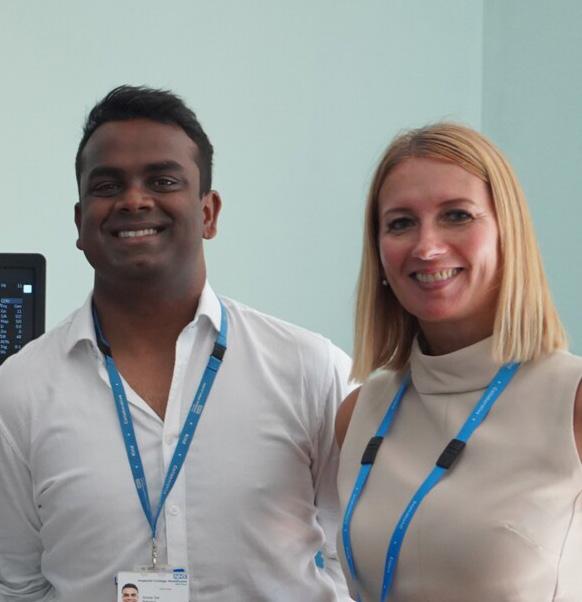
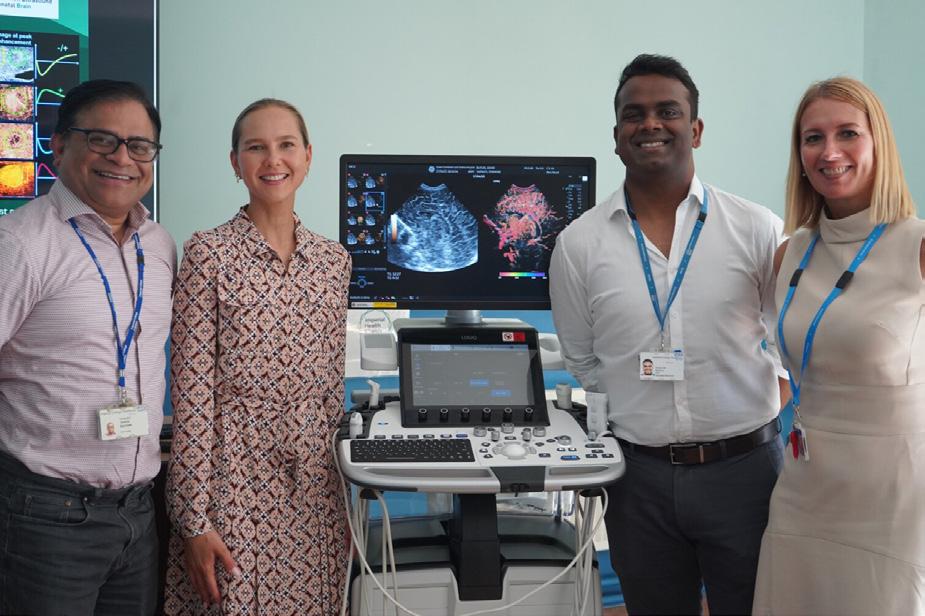
Following a remarkable donation from Bukhman Philanthropies, the team at the neonatal intensive care unit (NICU) at Queen Charlotte's & Chelsea Hospital was able to purchase a range of new equipment to support our youngest patients.
The team purchased a new Concord Birth Trolley, which can be equipped with everything needed to monitor and treat babies needing extra support in the moments immediately after birth. It allows care to be administered near the mother, with the benefit of keeping the umbilical cord intact.
The NICU was also able to buy three advanced ventilators. This equipment can be prioritised for babies who are extremely preterm and more likely to require ventilation. As the number of admissions of babies born at 22-24 weeks has increased, this equipment helps the team provide the very best respiratory care.
Bukhman Philanthropies’ gift will also support
a new Research Fellowship study seeking to use new techniques to detect neurovascular complications in preterm and sick term-born babies.
Daria Bukhman, Co-Founder and Chair of Bukhman Philanthropies, said: “We believe that philanthropy plays a crucial role in supporting both mothers and babies, ensuring the best possible chances for survival and healthy outcomes in neonatal care.
“We are thrilled to work with Imperial Health Charity to support their NICUs – both by providing equipment and by funding vital research.''
In October 2024, we were delighted to host our second annual comedy night, Line Up for the NHS, at the iconic Union Chapel in Islington. The glittering event was attended by more than 650 guests, and raised more than £27,000.
Once again, we were blessed with a stellar lineup of comedians, including headliner Russell Howard, along with Michael Akadiri, Tiff Stevenson, Fatiha El-Ghorri, Eddie Kadi, and MC Steve Williams, all of whom generously donated their time and talent for free.
Tiff Stevenson added, "The NHS is so, so important. It's saved my life, it's saved family members' lives, and it does more for us than we could ever repay it."
Funds raised from the event have directly benefited patients and staff across our hospitals, supporting initiatives that enhance patient care and staff wellbeing.
This fabulous event was only possible thanks to the generosity of the performers, the audience, and sponsor CBRE.
"The NHS is so, so important, and it does more for us than we could ever repay it."
Alongside their side splitting sets, the host of assembled talent shared their personal experiences of the NHS. This included Russell Howard, whose wife is a doctor at St Mary’s Hospital. He said: "It's an absolute honour to be doing a gig for Imperial Health Charity. The NHS is wonderful!"

Our grants programme funds a variety of projects and initiatives that improve patient care and experience, promote the wellbeing and development of NHS staff, and drive research and innovation to achieve better health outcomes. In total, we awarded £5.3m during 2024/25.
To ensure charitable funds are allocated in line with donor preferences, we manage a range of special purpose funds (SPFs). These restricted funds, dedicated to specific wards, departments or clinical specialties, allow us to support a broad spectrum of healthcare projects and staff wellbeing initiatives across various wards, departments and services within the Trust’s hospitals.
Over the year, we continued our work to enhance the efficiency of SPF management. This included work to engage and support individual fund advisors, with a focus on strengthening financial reporting, accelerating the use of funds for relevant projects, and increasing fundraising activity.
SPFs have contributed £1,047,523 to projects relating to patient care, such as a research project to restore neurological function after spinal cord injury using stem cell therapy, refurbishment of the Charing Cross ICU family rooms, and purchasing Medela breast pumps to support new mums in maternity.
We awarded £2,231,712 in funding to six service transformation projects, including new post-graduate medical education and outreach-resus training spaces in the Mint Wing at St Mary’s Hospital, and a Trust-wide cancer pathways improvement programme. Our investment in the Mint Wing represents one of the biggest grants awarded in recent years.
SPFs contributed £333,768 to staff welfare projects in 2024-25, including many small grants for team away days and smaller wellbeing activities. Larger grants have supported staff spaces, including the staff room at the Wolfson Fertility Clinic.
Our Research Fellowships programme awards up to £85,000 for health professionals to take time away from their current role to pursue a research project. Run jointly with the NIHR Imperial Biomedical Research Centre, the fellowships support NHS staff to progress a clinical academic career through further study. During the year, six fellowships were awarded with a total commitment of £480,543.
Through this programme, we offer funding to organisations working in the communities around our hospitals for projects that aim to improve health and wellbeing amongst local people. In 2024/25, grants totalling £248,774 were awarded to eight organisations.
In 2024/25 we awarded emergency hardship grants totalling £71,044 to support patients and their family members experiencing extreme financial difficulty as a direct result of their time in hospital. Grants of up to £1,500 are awarded to help cover costs such as travel, accommodation, and food. These grants may also be used to help bereaved families cover funeral costs up to £1,000.
We paused our Innovate at Imperial programme in 2024/25 for a full review, to ensure it remains fit for purpose. The independent review, by Powellite Impact, found that Innovate at Imperial is fair, equitable and beneficial to patients.
The review showed that 91% of past grantees reported their projects had benefitted patients, and 82% reported that the funding had encouraged effective cross-working between departments. We look forward to relaunching the programme in 2025-26, and continuing to fund excellence in innovation across the Trust.
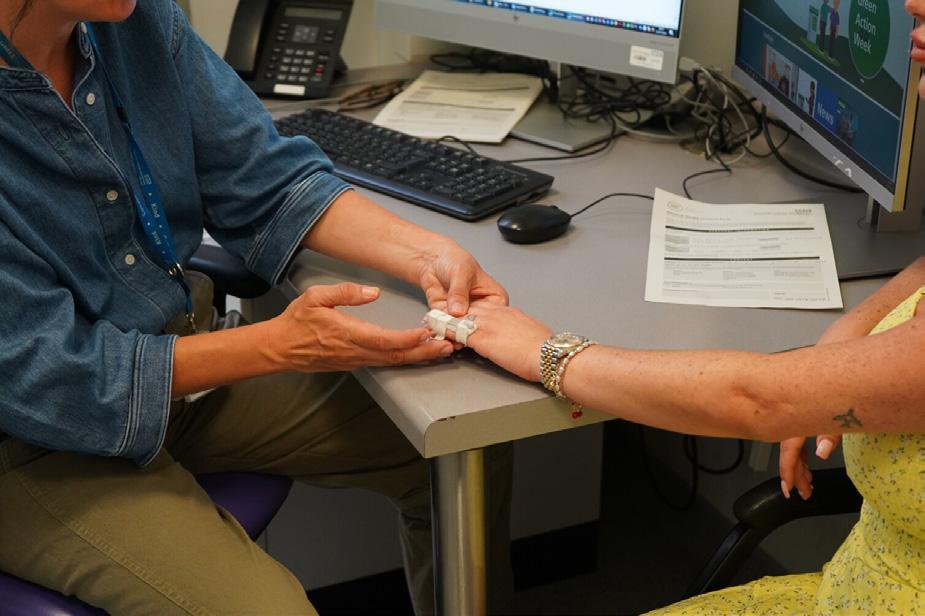
Patients being treated for hand fractures at St Mary’s Hospital’s A&E are starting rehabilitation sooner thanks to an Innovate at Imperial grant.
The grant has helped the team set up and run a pilot specialist fracture clinic. The Enhanced Pathway for Closed Hand Fractures (EPiC) was codesigned with patients to improve the efficiency and effectiveness of treatment.
“The new clinic allows patients to start the rehabilitation journey more quickly."
So far, the impact has been incredibly positive, with patients reporting less pain, better movement, and requiring fewer follow-up therapy sessions. The average waiting time to receive a face-to-face appointment has also decreased from 29 days to 6.3 days for patients referred from emergency care.
The clinic was set up after a team of therapists noticed delays in patients receiving specialist
care for hand fractures, which account for 19% of all admissions to A&E. This was resulting in longer recovery, more appointments, and disruption in returning to day-to-day activities.
Katia Fournier, EPiC Clinical Lead, said: “The new clinic allows patients to start the rehabilitation journey more quickly, with the therapist providing assessment, advice, exercises and splinting during the first appointment."
The team now hope they can make the clinic permanent, to support even more patients’ recovery.
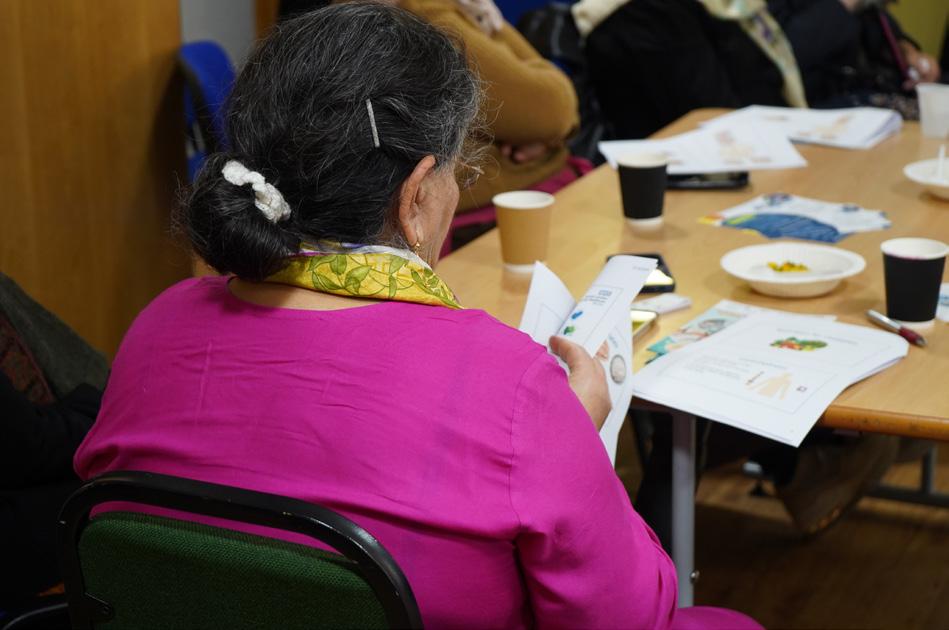
Through our Compassionate Communities programme, we funded the Patient Waiting Well Drop-in project at Mosaic Community Trust which supports residents in the community waiting for surgery or treatment.
The weekly sessions provide health literacy support for patients whose first language is not English, empowering patients to understand medical procedures and make informed decisions about their healthcare and treatment. During these sessions, participants are served healthy snacks to promote a nutritious diet and take part in gentle physical exercise and breathing exercises to improve fitness and energy levels.
described the impact of the project: “It’s been a vital source of support for patients facing the challenges of waiting for operations, treatments or test results. This often daunting period can feel lonely and uncertain, but the ‘Waiting Well’ initiative has helped ease that burden.
“The project has made a profound difference in the overall quality of life of disadvantaged ethnic minority communities – a success made possible by the Compassionate Communities grant.”
The attendees also have access to therapeutic massages and mental health advocates to alleviate the stress and anxiety patients can feel ahead of surgery or treatment.
Habiba Haque, Learning and Development Coordinator at Mosaic Community Trust
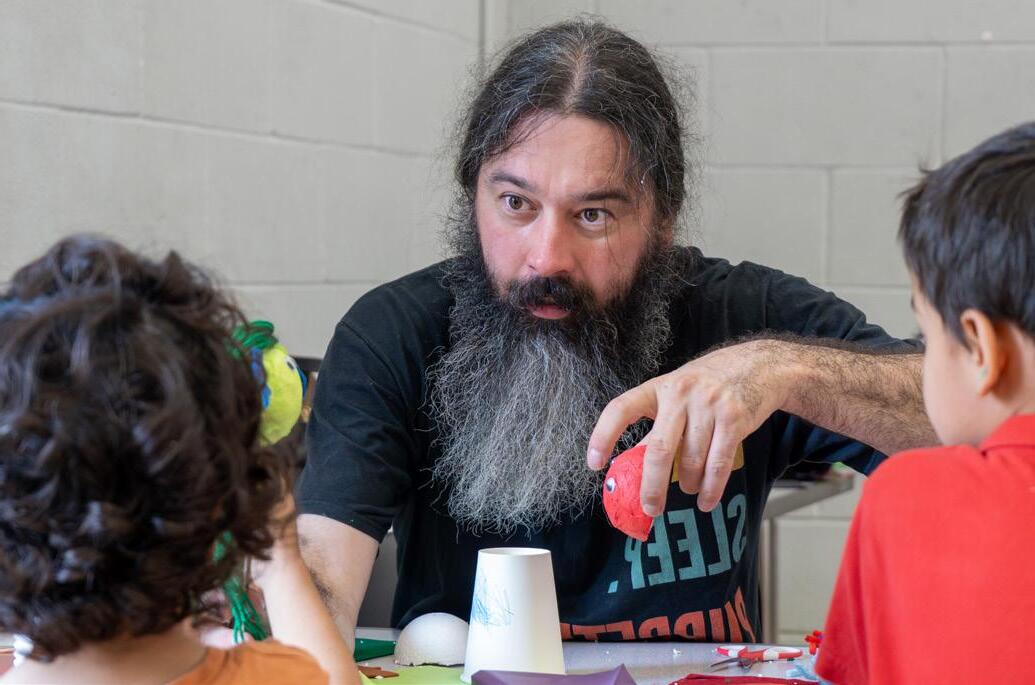
With a wide-ranging arts engagement programme and a museum-accredited collection of more than 2,500 artworks, we aim to enrich the hospital experience and clinical environment for both patients and NHS staff. Through our arts programme we deliver permanent installations, curate exhibitions, host events and run creative workshops across our hospitals, while also offering activities for families, visitors and the wider community.
Through our curatorial programme of commissions and installations, 168 new artworks were acquired and 256 were permanently displayed across our five hospitals for the enjoyment of staff, visitors and patients.
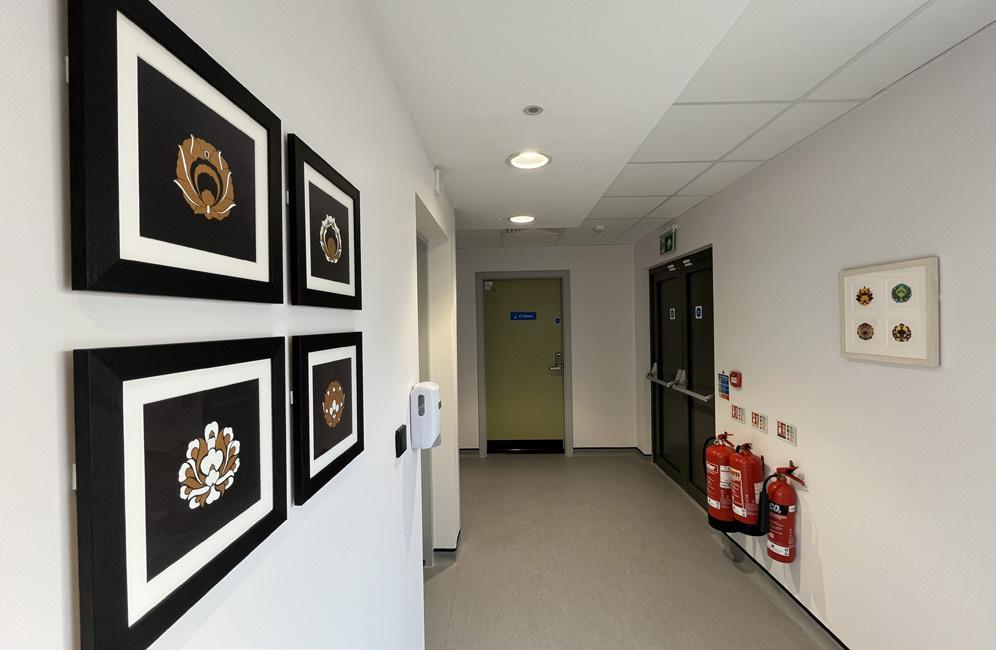
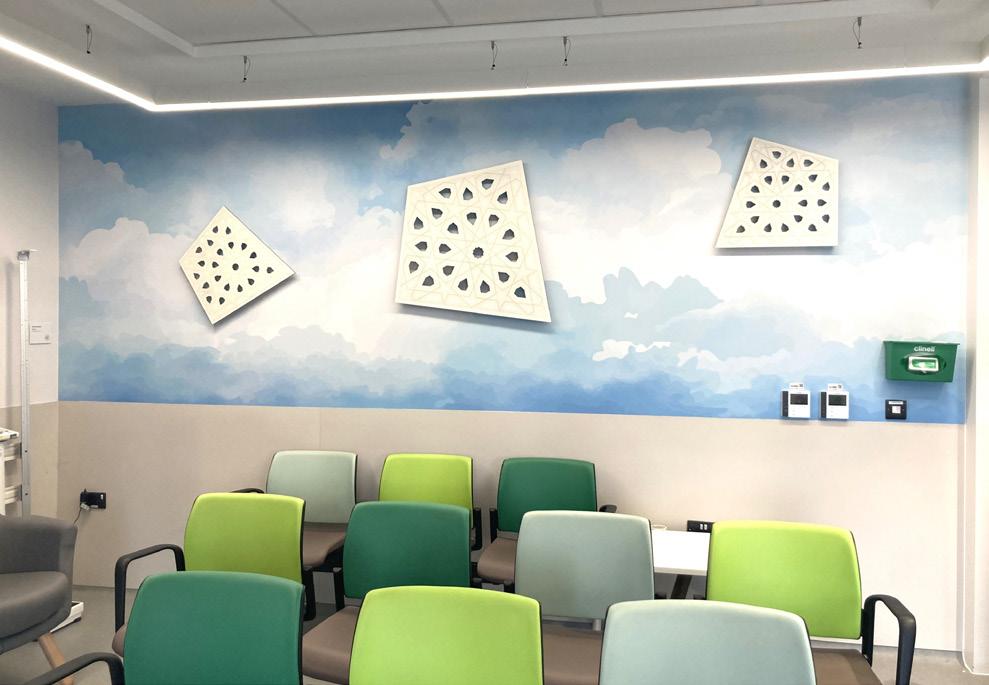
Notable commissions include a site specific, bespoke installation by London-based artist Sara Choudhrey at the Trust’s new Community Diagnostic Centre in Wembley (pictured pg.15), and Nature Walk, a series of new artworks by Lara Harwood, on display in the 200m long subway at Hammersmith Hospital.
Significant acquisitions this year include a number of works by Northern Irish artist Gareth McConnell, and 70 works by Dawn Beckles, which is the largest collection of works by a single artist we’ve ever purchased.
In a survey carried out in July 2024, 94% of NHS staff at Imperial College Healthcare agreed that the artwork on display made their hospital a better place to work.
Through our ‘Art in Focus’ programme, we displayed three exhibitions over the course of the year in our permanent exhibition spaces at Charing Cross, Hammersmith and St Mary’s hospitals.
These included our third Trust Staff Art Exhibition, celebrating the creative talents of NHS staff and volunteers across our hospitals.
The exhibition featured artwork from more than 20 participants, which included nurses, radiographers, psychologists, surgeons, clinical scientists and support staff.
This Homeland, on which we partnered with the Responsa Foundation, challenged artists to consider what the word means to them. The resulting display featured more than 30 submissions across a variety of mediums including ceramics, photography, and poetry.
Artist in residence Joy Gregory’s exhibition, Love of a Long Vocation, explored how collective memory is documented within the Trust, through the experiences of fourteen staff members who’d worked at the Trust for ten years or more.
Beyond Our Walls: Community Arts Engagement Programme
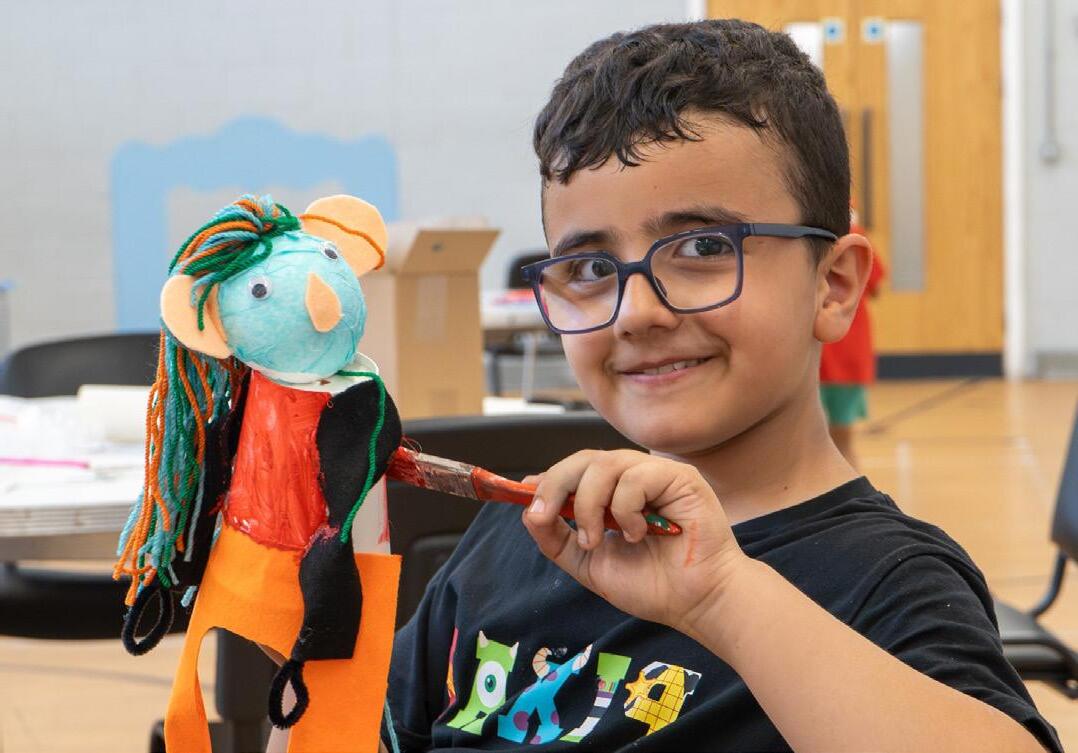
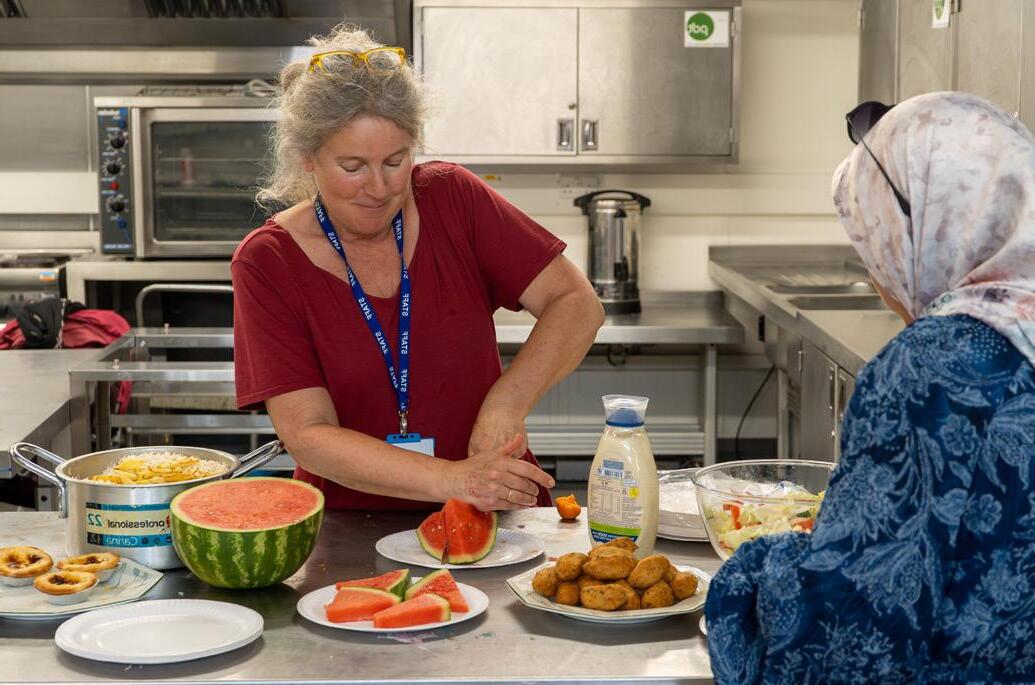
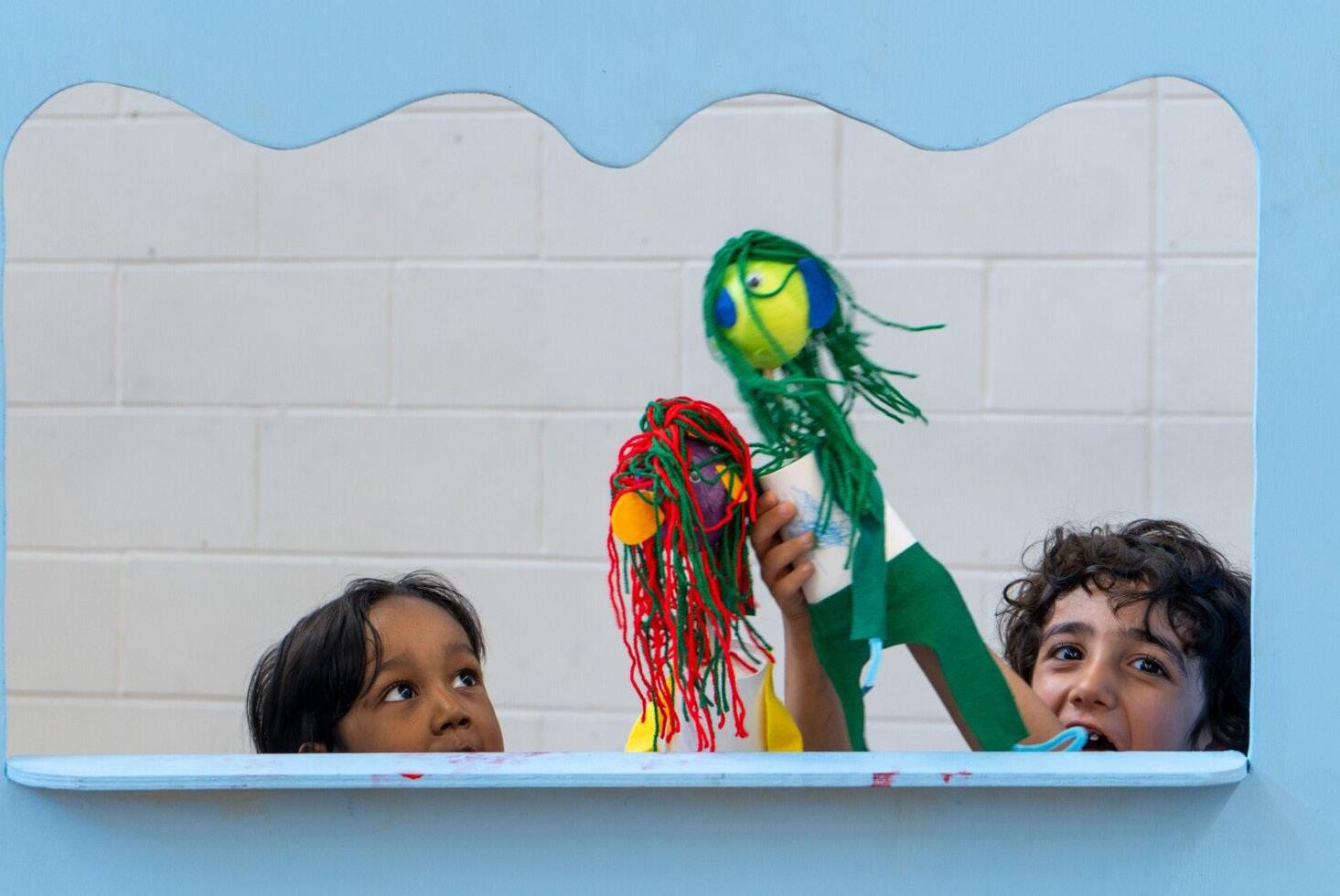
In 2024/25 we delivered the second year of our ‘Beyond Our Walls’ programme, which focuses on prevention and aims to support patients at the point of discharge, those living with chronic conditions, and members of the public at risk of becoming patients. Activities include ‘Gallery Club’, through which we work in partnership with the Stroke Unit to enable recently discharged patients to attend museums and galleries in London within a supported group, and our Family Creative Health Hub (pictured pg.15), which supported displaced families living near St Mary’s Hospital, many of whom are seeking asylum, and often face barriers including social isolation and limited access to services
Creative Acts: Hospital Based Arts Engagement Programme
Our core programme offers creative activities for patients and staff across all five of our hospitals. Delivered by artists, art therapists and our in-house team, the engagement programme has continued to deliver a varied offer across departments including Oncology, Cardiology, Elderly Care, Dialysis, Paediatrics and the Stroke Unit. Activities include music, dance, poetry and visual arts workshops. In 2024/25 this amounted to 773 participatory creative arts workshops held, and 7,495 engagements from patients and NHS staff in arts activities.
IN PICTURES: Wembley Community Diagnostic Centre


IN PICTURES: Family Creative Health Hub
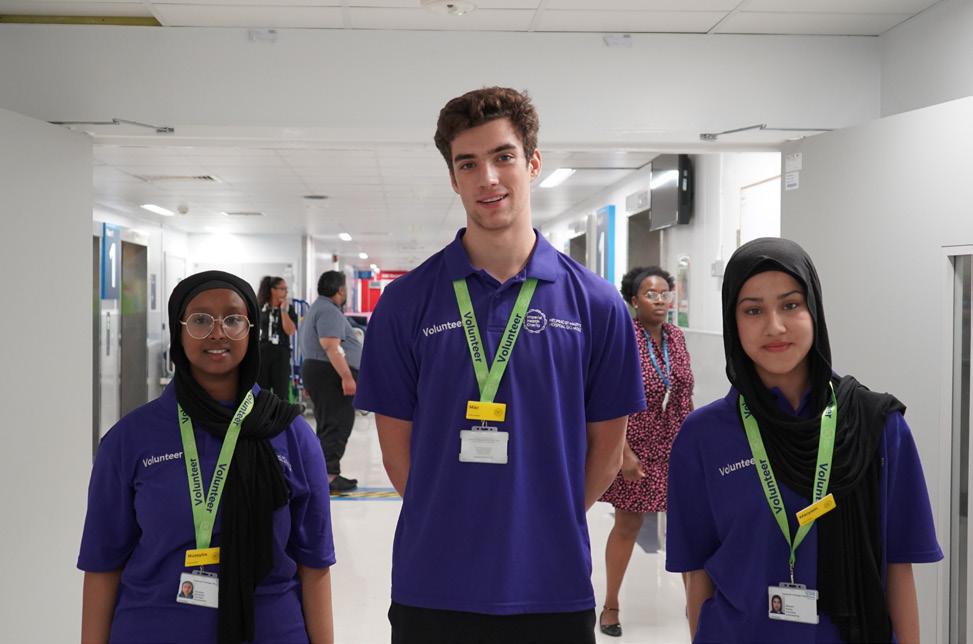
Volunteers are a vital part of our hospital community, playing a key role in supporting patients, families and NHS staff every day. In 2024/25, our volunteering programme continued to thrive, with more people than ever giving their time to help create a kinder, more responsive hospital environment.
Over the course of the year, 1,097 volunteers contributed an incredible 35,043 hours across our hospitals – supporting clinical teams, offering companionship to patients, and helping visitors navigate busy hospital spaces. Collectively, they completed 12,291 shifts, providing consistent, flexible support where it was needed most.
Whether offering a friendly conversation at a patient’s bedside, helping someone find their way to an appointment, or delivering essentials to a ward, our volunteers make a meaningful difference in thousands of small but powerful ways. In total, our volunteers recorded 184,681 patient interactions this year – each one a moment of connection that helped brighten someone’s hospital experience.
“Taking over volunteering in 2016 was one of my proudest and most significant moments.
“Volunteers make such a difference to staff, patients, families and visitors."
Ian Lush, Chief Executive
We are proud to maintain a high standard of volunteer satisfaction, with volunteers rating their experience at 4.6 out of 5 on average. This reflects the strong sense of purpose, belonging and support that underpins our volunteering programme.
Behind these numbers is a dedicated team working to recruit, train and support volunteers from all walks of life – ensuring they feel valued, equipped and empowered to make a real impact. We continue to build a programme that is inclusive, accessible and responsive to the evolving needs of our hospitals and communities
As we look ahead, we remain committed to growing and developing our volunteering offer – providing even more opportunities for people to get involved and help shape a more compassionate and person-centred future for hospital care.
Volunteer numbers have grown significantly over the past three years, reflecting the continued success of our recruitment efforts and the increasing enthusiasm from our communities to support the NHS.
In 2024/25, we saw strong volunteer engagement across every quarter, with numbers consistently higher than in previous years. We have continued to see growth in volunteer numbers, hours, and shifts, maintaining a strong presence across our five hospitals, building on the solid foundations laid in 2022/23 and 2023/24.
This steady growth is a clear sign of the strength and appeal of our volunteering programme. By offering a wide range of meaningful roles and ensuring volunteers feel valued and supported, we’ve been able to attract more people – and keep them coming back.
Our growing volunteer community plays a vital role in enhancing patient care, offering valuable support to staff, and helping create a more welcoming, compassionate hospital environment.
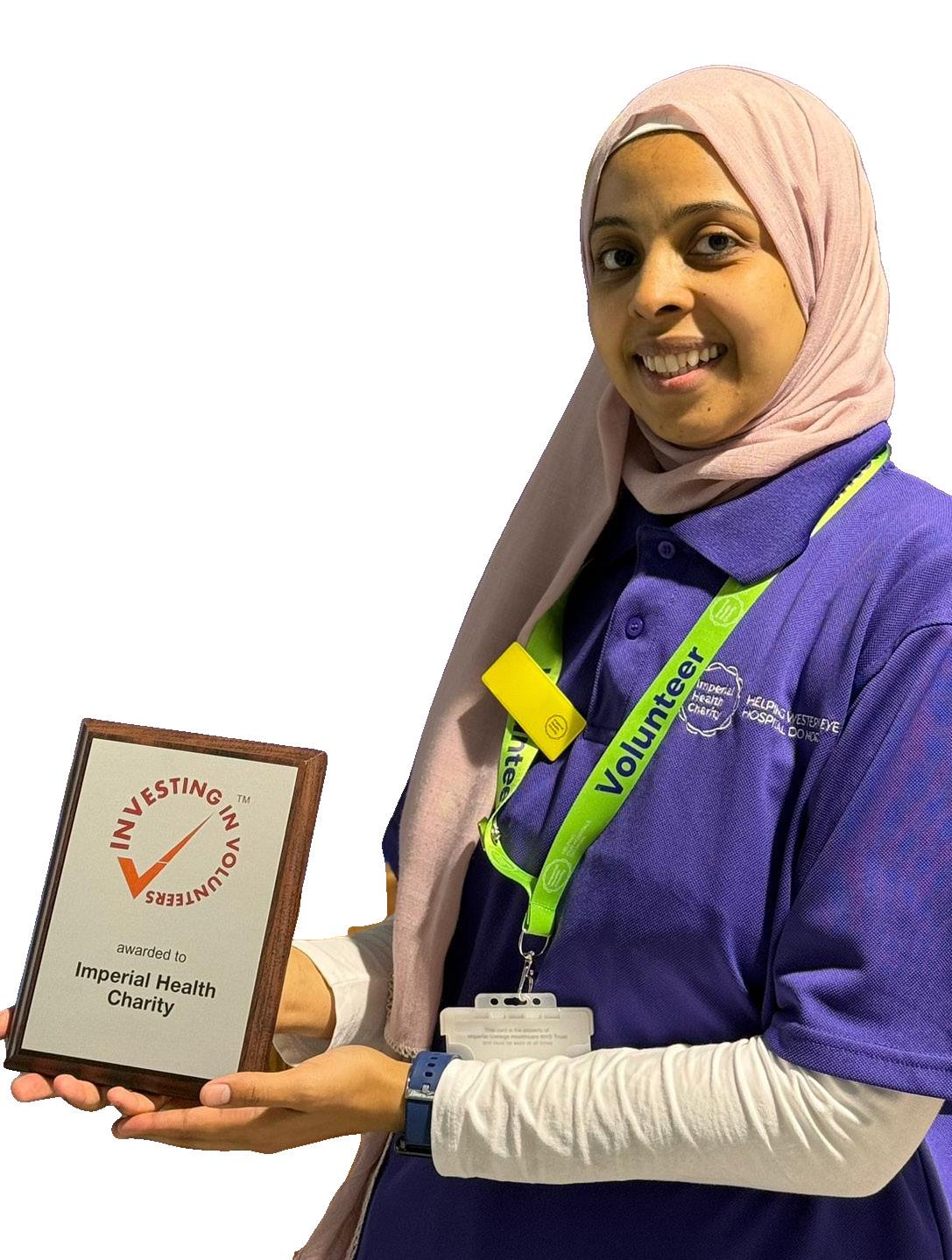
As we look to the future, in 2025/26 we will be reapplying for our Investing in Volunteers status, reaffirming our strong and ongoing commitment to providing a positive, meaningful and rewarding experience for everyone who volunteers with us, and everyone that our volunteers so generously support.
Across the summer of 2024 we were delighted to welcome over 135 young people aged between 16 and 21 from West London to volunteer across our hospitals with us as part of our Summer Youth Volunteering Programme.
The programme saw volunteers take on a number of patient-facing roles across the hospitals, together providing more than 3,700 hours of support to 6,500 grateful patients.
"It felt incredible to make the patients smile and laugh."
Our young volunteers gave their time and dedication over 1,100 shifts, and - as we learned - each of the participants had different and varied reasons for wanting to take part.
School-leaver Isabelle told us: "I want to go into medicine but I rarely ever go to hospital. It's allowed me to understand what it's like inside a hospital."
Perase, who volunteered at St Mary's Hospital said: "During volunteering, some of my favourite moments were when I had great and long conversations with patients and staff on a variety of different topics such as sports, travel and food.
"It also felt incredible to make the patients smile and laugh when we were engaged in these conversations and be able to lift their spirits."
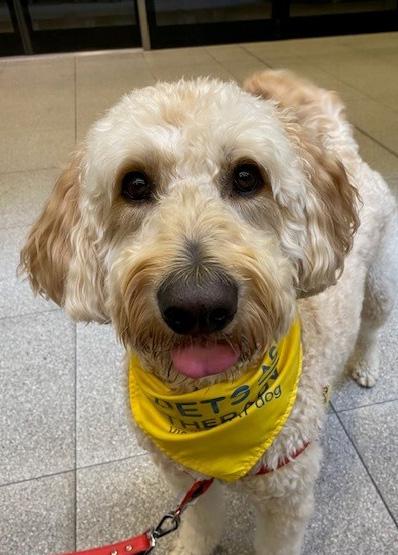
One of the most heart-warming parts of our volunteering programme – and a constant source of smiles for patients and staff – is our incredible team of therapy dogs.
Research shows that dogs on the ward can help lower stress and ease anxiety, even for some of the sickest patients. That’s why, in partnership with national charity Pets as Therapy, we’re delighted to bring these four-legged friends into our hospitals.
Working closely with NHS staff, our dedicated human volunteers identify patients who would benefit most from a visit and arrange special bedside sessions filled with companionship, comfort and play.
Each therapy dog is carefully assessed by Pets as Therapy to ensure the perfect temperament for hospital life, and rigorous hygiene standards are followed to keep everyone safe.
Among our beloved canine volunteers is
Always accompanied by his owner, human volunteer Vicky, the difference his presence makes to the wellbeing of patients and staff across the Trust is nothing short of remarkable.
Well known for his regular visits to the intensive care unit and elderly care wards, Fred spreads joy and reassurance wherever he goes.
£6.9m
Raised to support our vital work across our Arts, Grants and Volunteering programmes.
Awarded to enhance patient care and experience, support NHS staff wellbeing and professional development and enable innovation to improve health outcomes.
7,495
£5.3m
Patients and members of NHS staff took part in our arts activities.
“Volunteers have always played an essential part in the team. They help patients feel less alone and help staff when it’s really busy. We love having them!”
Santhosh Plassery, ward Manager, Charing Cross Hospital
£567,790
Awarded through our fellowships programme to help seven healthcare professionals progress their research careers.
35,043
Hours given by our volunteers in 2024/25 to support work across our hospitals and satellite sites.
“The research fellowship provided a stepping stone from working as a clinical doctor to enable the pursuit of full-time research, where I developed both a deeper understanding and passion for academia.”
Awarded in emergency hardship grants awarded to help 133 patients and their families.
Dr Laura Ellis, Clinical Research Fellow
£70,654
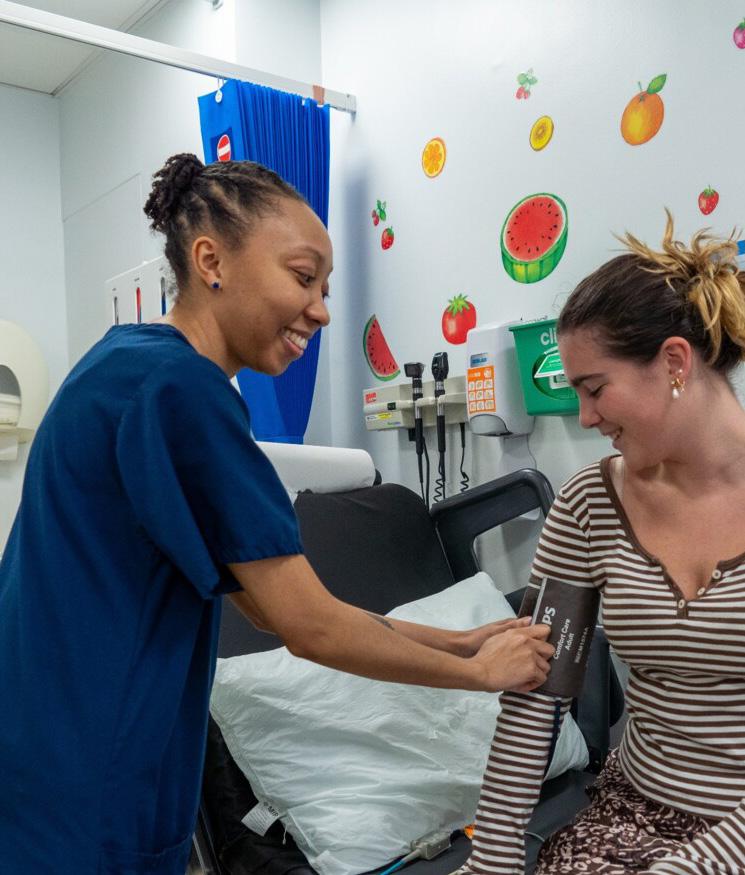
Every patient deserves the best possible experience during their time in hospital –one that feels safe, supportive and centred around their individual needs. In 2024/25, we continued to make strong progress towards our strategic objective to enhance the patient experience throughout the care and treatment journey.
Working closely with our NHS colleagues, we supported a wide range of initiatives designed to improve hospital environments, promote emotional wellbeing and deliver more compassionate, person-centred care. While this work spans many areas, the following examples highlight just a few of the ways we’ve made a meaningful difference this year.
To better support people living with dementia, we helped fund new digital tools that allow patients to access familiar, calming content – such as music, poetry and nature scenes – directly from their bedside. These tools have already had a positive impact, helping to reduce anxiety, foster trust and create more reassuring, personalised experiences for patients during what can often be a confusing or stressful time.
At St Mary’s Hospital, we provided funding for advanced cardiac monitors in the intensive care unit. These state-of-the-art monitors give clinicians access to real-time data, supporting faster, more informed decision-making for patients in critical condition and improving overall outcomes.
Meanwhile, our Arts Engagement programme continued to bring creativity and culture into hospital spaces, offering visual arts, music and participatory workshops. These activities provide moments of joy, distraction and emotional support for patients, families and staff alike, contributing to a more welcoming and uplifting hospital environment.
All of these efforts reflect our ongoing commitment to putting patients at the heart of everything we do. By listening to their feedback and working collaboratively with hospital teams, we are helping to shape care that goes beyond medical treatment – creating hospital experiences that are respectful, responsive and truly personcentred.
This year we provided advanced cardiac monitors enabling continuous, realtime tracking of patients’ heart rhythms allowing clinical teams to respond swiftly to any changes in condition.
Following a generous £35,000 donation, we purchased two new monitors for the intensive care unit (ICU) at St Mary’s Hospital. The ICU, one of the hospital’s busiest areas, cares for patients with severe, life-threatening conditions requiring highly specialist treatment when organs such as the heart, lungs or kidneys are not working properly.
Before acquiring this essential equipment, St Mary’s ICU had only two monitors for its 32 beds, which were in constant use. The new devices now provide quicker access to highly accurate cardiac output readings for critically ill patients.
Staff benefit from clearer, more accessible data, helping them deliver better personalised care plans and make informed clinical decisions faster. The enhanced technology supports a proactive, patient-centred approach, reducing anxiety for patients and families.
For patients, this means improved safety and reassurance during a stressful and vulnerable time. The monitors reduce the need for frequent in-person checks, allowing more uninterrupted rest. Immediate alerts help prevent complications by confirming timely interventions and improving outcomes.
One patient said: “Knowing that my heart was constantly monitored gave me peace of mind and helped me feel safe throughout my stay.”
Part of the donation will also be used to improve ICU waiting spaces and reception areas, as well as create two new family rooms. These will provide privacy for relatives of critically ill patients during anxious moments with their loved ones.

We recognise that healing extends beyond medical treatment, which is why our Creative Acts engagement programme brings creativity and the arts into clinical environments to support wellbeing, reduce stress, and positively distract patients during their stay in hospital, improving their overall emotional, mental, and social health.
Our arts team works with departments across Imperial College Healthcare Trust, such as the dementia, learning disabilities, and autism teams, to ensure we reach patients most in need of a cathartic and creative experience that improves both their experience and recovery.
“Art helped me focus on something beautiful and gave me hope during my treatment.”
Through a diverse range of activities, including art workshops, live music sessions, and creative therapies, the programme offers patients meaningful ways to express themselves, build confidence, and connect with staff and other patients. These creative outlets alleviate anxiety, boost morale, and improve mental health, making hospital stays more positive and
We work with a wide range of art facilitators and organisations, who attend our hospitals and use their talents to make life more pleasant for patients, staff, and
Workshops include arts and craft sessions like painting and clay sculpting. These workshops can be done at patients’ bedsides
or in designated rooms, offering positive distraction, stimulation, and activities that aid motor skills and recovery. This is especially important for neuro-rehab patients who may have suffered a stroke, as these workshops can significantly improve hand-eye coordination, cognitive function, and confidence.
Rhian, one of our creative facilitators, tailors sessions to the needs of patients, providing activities for all ages and abilities using sensory materials and interactive crafts.
Fabin, a patient with Guillain-Barré syndrome, has told how Rhian’s clay sculpting sessions have helped his recovery, saying: “it’s a good opportunity for me to express my art, and it completely takes my mind off things. It’s like a therapy session, and it makes me feel free from my condition!”.
These sessions can allow patients to express themselves without words, but also provide a space where they can socialise with others and form relationships, even bonding over shared experiences.
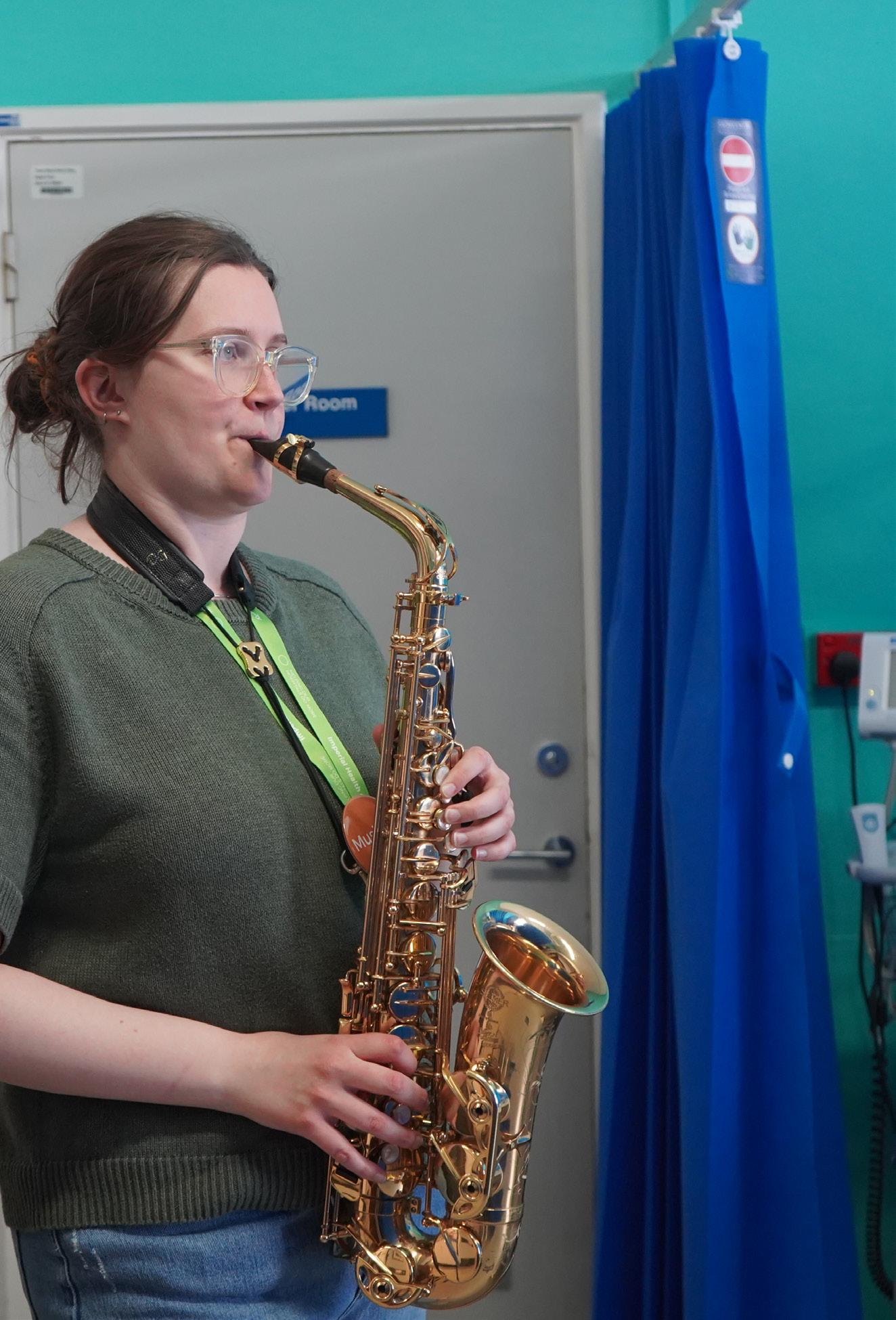
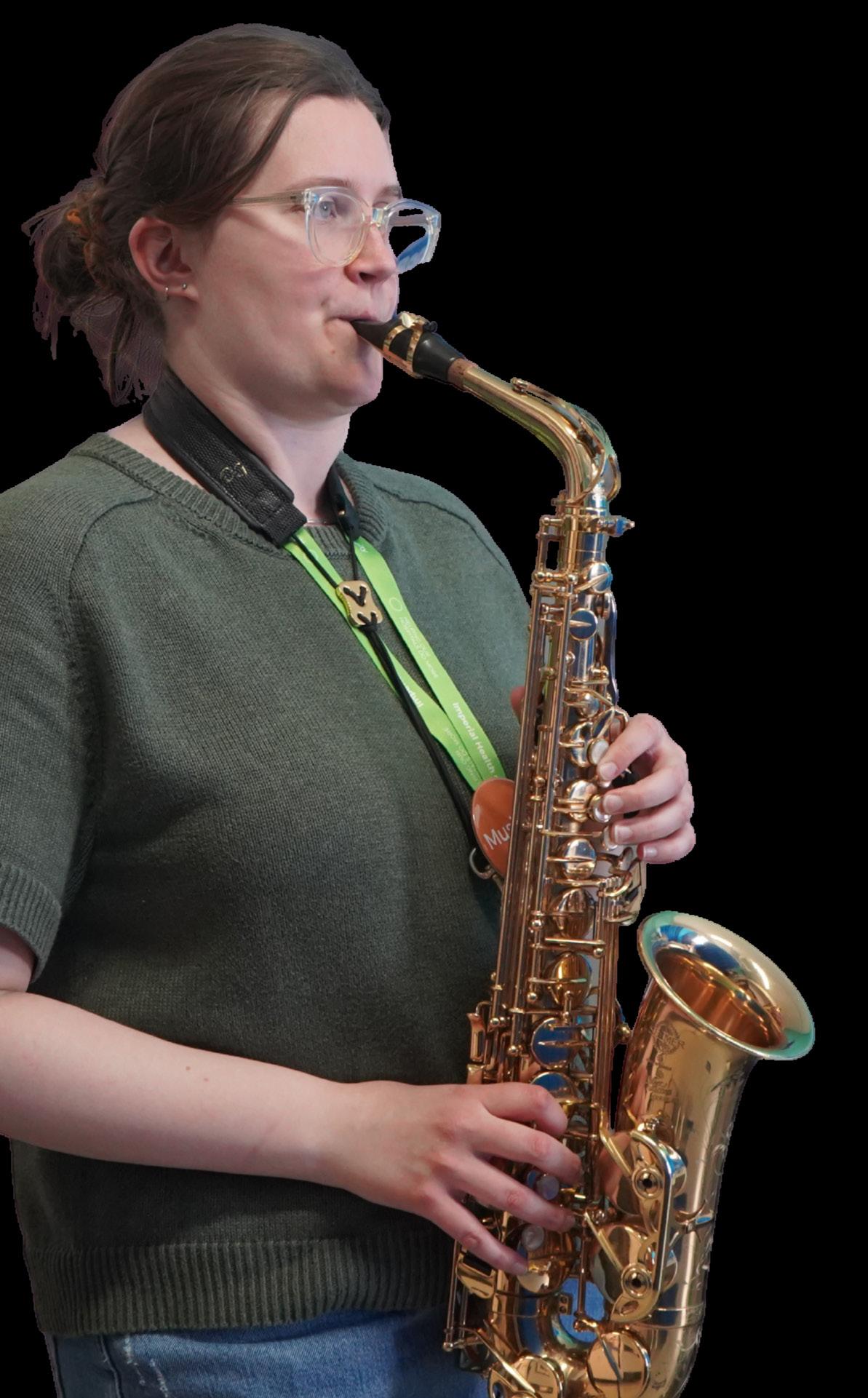
We work with several musicians, including Mica, who hosts a ‘Lullaby Hour’ at St Mary’s Hospital (delivered in partnership with Music in Hospitals and Care), where she performs on the neonatal wards, and saxophonist Jenny (pictured), who regularly drops by to perform at Charing Cross Hospital. Jenny often visits the elderly care wards and takes requests from the patients and staff.
Some of the patients on these wards have dementia, and music can sometimes reach people living with this disease in a deeper way than anything else, taking them back to when they were young.
We’ve even been able to offer dance workshops for some of our elderly patients at St Mary’s Hospital. These sessions can be very effective in improving mobility for patients and reduce deconditioning (also known as PJ paralysis). Participants often describe how engaging with the arts provides comfort and distraction from pain or worry.
One patient said: “Art helped me focus on something beautiful and gave me hope during my treatment.”
Delivering outstanding care means more than meeting clinical standards – it means continually striving to improve health outcomes, invest in innovation, and support the people who make exceptional care possible. In 2024/25, we made meaningful progress towards our strategic objective to expand the Trust’s capacity to provide outstanding care, working in close partnership with NHS staff and researchers across our hospitals.
Through targeted investment in pioneering research and new technology, we are helping to drive long-term improvements in patient care. Our Innovate at Imperial programme continues to support forward-thinking projects that can transform diagnosis and treatment pathways. One such initiative – a charity-funded project focused on Obstructive Sleep Apnoea – was recognised with a prestigious national health award. The project has helped introduce a wearable diagnostic device that enables faster, more comfortable assessments, offering a major step forward in how patients are diagnosed and monitored.
We also continue to support the work of The Parasol Foundation Centre for Women’s Health and Cancer Research (see case study pg.23), which is advancing new approaches to prevention, diagnosis and treatment. By backing this vital work, we are contributing to better, more personalised care for women affected by a range of complex conditions.
Alongside innovation in care, we recognise the essential role of NHS staff in delivering safe, effective treatment every day. That’s why we’ve maintained a strong focus on staff wellbeing, professional development and improved working environments. Through a variety of projects and funding initiatives, we are helping to ensure that hospital teams feel supported, valued and equipped to provide the very best care to their patients.
Together, these efforts reflect our ongoing commitment to creating a healthcare system that is innovative, inclusive and truly patientfocused – improving outcomes now, and building stronger foundations for the future of care across our hospitals.
A pioneering home-testing service for people with serious respiratory conditions went on to win a national HSJ award after receiving one of our innovation grants.
Dr Patrik Bächtiger and his team at Charing Cross Hospital, are transforming care for patients with Obstructive Sleep Apnoea (OSA), where breathing repeatedly stops during sleep. Untreated, the condition raises the risk of heart failure, lung disease and stroke.
Patients can wait up to two years for diagnosis, often needing hospital visits and overnight stays. The new approach uses AcuPebble, a small sensor attached to the neck, which records breathing sounds while patients sleep at home. Data is analysed automatically by specialist software, replacing manual processing.
Dr Bächtiger said: “Support from Imperial Health Charity has helped us completely transform how patients are diagnosed. We are now using a technology-powered pathway that delivers faster diagnosis, saves the NHS money, improves health equity, frees up staff time, and reduces our CO2 footprint. We have achieved all of this in under 12 months.”
Early results showed waiting times had dropped by up to 80%, enabling patients to start treatment sooner and improving outcomes.
Dr Bächtiger added: “For patients, it is less invasive, more convenient, and they do not need to leave home. For the NHS, it is a huge efficiency gain.”
This work was funded through Innovate at Imperial, our programme. supporting improvements in care.

The Parasol Foundation is helping to reshape the future of women’s health by empowering female scientists to lead pioneering research that advances new treatments. This forms part of our broader innovation strategy to invest in cutting-edge science and enhance the patient experience.
Thanks to a landmark £2.68 million gift from Ruth Monicka Parasol and The Parasol Foundation, the charity has supported the creation of The Parasol Foundation Centre for Women’s Health and Cancer Research.
Established in 2022, the Centre brings together leading expertise from Imperial College Healthcare NHS Trust and Imperial College London to accelerate groundbreaking research into ovarian cancer, preterm birth, and the complex relationships between pregnancy and infectious diseases.
“Our partnership will unlock opportunities for vital womenled research and encourage more women to enter clinical academia.”
The Parasol Foundation funds a team of expert female researchers, including ovarian cancer specialist Dr Paula Cunnea. Her research focuses on improving outcomes for women with ovarian cancer - a disease in which many patients eventually develop resistance to chemotherapy, leaving very limited treatment options.
Over the past four years, the Foundation’s support has enabled Dr Cunnea to investigate why some patients relapse early, why others develop resistance, and why some respond exceptionally well. By studying tumours from these patients, we are uncovering the biological mechanisms behind these differences.
Principal Benefactress of The Parasol Foundation, Ruth Monicka Parasol said: “I am delighted to fund this new centre to help improve treatments for women affected by
life-threatening conditions.
“Our partnership will also unlock opportunities for vital women-led research and encourage more women to enter and progress in clinical academia.”
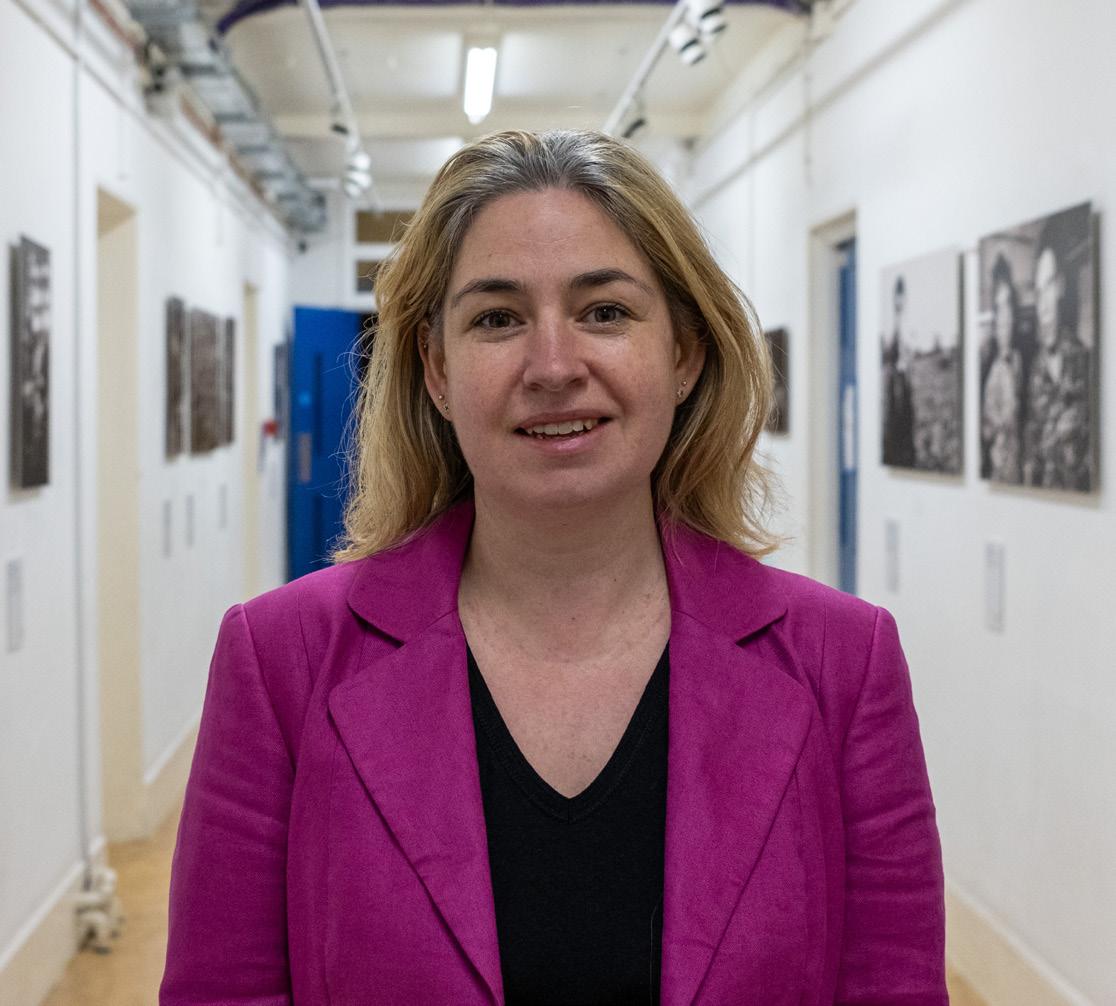
Funding from the Parasol Foundation has also enabled Dr Lynne Sykes (pictured below), principal researcher for the preterm birth team, to continue her ambitious research into the causes of preterm delivery. Her work focuses on understanding what triggers preterm birth, developing ways to predict it, and exploring potential therapies to prevent it. Earlier this year, her team discovered that a woman’s blood type may influence the timing of labour. This finding could help identify at-risk pregnancies earlier and enable more personalised interventions to improve outcomes for women in the future.
Thanks to The Parasol Foundation’s longterm commitment, our researchers are achieving remarkable successes – advancing discoveries, forging global collaborations, and gaining recognition at the highest levels of the scientific community. Most importantly, this work is laying the foundations for better outcomes for pregnant women and those living with ovarian cancer.
Improving health outcomes doesn’t start or end at the hospital door. In 2024/25, we continued to make progress towards our strategic objective to support better health and wellbeing for patients in the communities surrounding our hospitals. Working in partnership with the Trust, local organisations and grassroots groups, we are helping to address wider health inequalities and explore new ways of delivering impactful care outside traditional clinical settings.
Through our Compassionate Communities Programme, we have supported a range of locally led initiatives that empower communities to take a more active role in their health and wellbeing. These projects aim to reduce isolation, improve mental health, and build stronger connections between healthcare services and the people who use them.
One standout project this year was Mama Health and Poverty Partnership, which works to improve access to maternal health support for Black and migrant women in North West London. By providing culturally sensitive workshops and one-to-one peer support, the project helps women feel more informed, empowered and supported during pregnancy and early parenthood.
Another successful initiative, Home Cooks in the Community, focused on food education and social connection. By bringing people together to cook and share nutritious meals, the project tackled loneliness while promoting healthier eating habits in an accessible, inclusive way.
These are just two examples of the wider impact our community-focused work is having – supporting residents to take control of their health, strengthening local networks and helping to reduce pressure on hospital services.
As we continue to take a test-and-learn approach, we remain committed to finding effective, scalable ways to deliver care beyond hospital walls. By listening to communities, supporting trusted local partners, and addressing the root causes of poor health, we are playing a vital role in shaping a more equitable and sustainable healthcare future for everyone we serve.
Through our Compassionate Communities programme, we funded The RENA Initiative’s HeArty project (Health + Arty), which supported the health and wellbeing of 38 Black, and older women in North West London.
Over 13 months, the project used creative visual arts to explore topics such as nutrition, sleep, menopause, mental health and stress management. The women engaged in art workshops and peer discussions in a safe, welcoming space designed to build confidence and connection.
“This project has had a huge impact on my life."
Seven of the women also received mentoring, with five going on to lead their own workshops in painting, collage, sculpture, felting and virtual reality.
“This project has had a huge impact on my life, especially since Covid,” said one participant. “Everyone is so connected and engaging, and our teacher Mellezia makes us feel welcome and worthy.”
Another added: “This is the only project of its kind locally. It’s a safe space for women to speak, create and connect. I look forward to every session.”
The project also provided mental wellness support for residents awaiting healthcare services, ensuring timely help for those most at risk of health inequalities. Participants reported reduced feelings of isolation, greater confidence in accessing care and improved mental and physical health. Many are now sharing their knowledge and skills with family and the wider community.
“This project has underscored the essential role of creative, health-focused initiatives in enhancing community resilience and wellbeing,” said Mellezia, Director of The RENA Initiative. “With the right support and artistic self-expression, we can create a connected, healthier and empowered community.”
Adolescents and young adults can face significant challenges managing their health when moving from children’s to adult healthcare services.
For those living with long-term conditions, this transition can be especially difficult, as they learn to navigate unfamiliar systems and understand their rights, all while coping with the emotional and physical changes of growing up.
Thanks to the generosity of our supporters, we helped fund the 11to25 hub, an e-learning resource developed by consultants at Imperial College Healthcare NHS Trust.
"The thought of adult services, was scary. The resources on the 11to25hub helped me understand how adult services work."
The hub is designed to support young people through this critical transition, offering easily accessible information and advice on topics such as managing conditions, self-care, education and employment rights. It also provides support for family members, teachers and health workers who may be involved in their care.
Dr Claudia Gore, a Consultant in Paediatric Allergy and Immunology at St Mary's Hospital, helped develop the 11to25 hub. She said: "We're so grateful for your fantastic support, In the first 12 months we've had more than 10,000 visitors and over half a million hits on the website, including some very positive feedback. The hub is making a real difference and there is national interest in using this model."
Created with input from young people themselves, the hub features 11 short learning modules including the personal experiences of young people, parents and healthcare professionals in the form of digital stories.
Since its launch, feedback has been overwhelmingly positive, with young people saying the site helped make healthcare information more accessible, using the experiences of real people to explain complicated situations.
One patient, Marrion, shared: "The thought of adult services, without the support of the consultant who has been with me on this journey, was scary. The resources I found on the 11to25hub helped me understand how adult services work."
The 11to25 Hub is having a meaningful impact on young outpatients living near our hospitals, making healthcare information easier to understand, and helping young people feel empowered to manage their own care. It’s also strengthening the support network around them, giving families, teachers and health workers the tools they need to help young people thrive.
"The hub is making a real difference and there is national interest in using this model."
Reflecting on the project, our Senior Grants Manager, Hani Ahmad said: “The 11to25 Hub is a fantastic example of how we’re working in partnership with healthcare professionals to challenge traditional models of support by giving a voice to young people and putting them at the very centre of their own care."
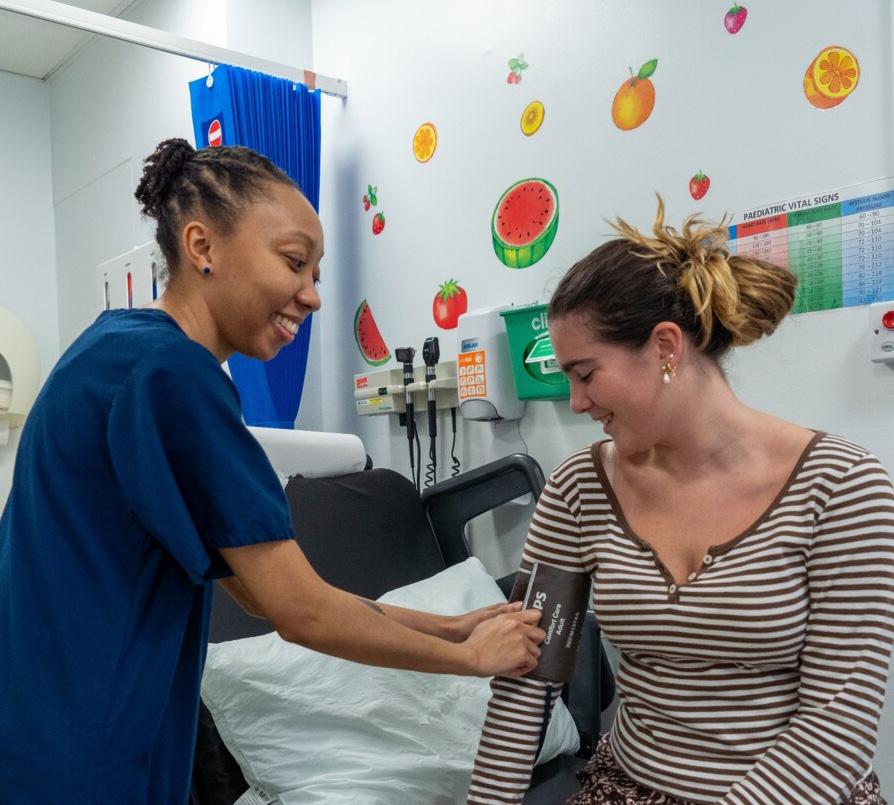
Our new strategy 2026-31
A significant part of our work in 2025-2026 will focus on the development of our new strategy, which will launch on 1st April 2026.
Our strategy will broadly be focused on supporting exceptional patient care in our hospitals, supporting the communities we serve in north-west London, enhancing NHS staff wellbeing, and driving medical research and innovation.
Work is underway with our partners at the Trust and others to ensure that our work over the next strategic period is designed to have the biggest possible positive impact on NHS staff, patients and our community.
Arts
Growing our programme
Over the next year the team is looking forward to bringing more performance and participatory arts to our hospitals and community projects, with a focus on music provision
Art in the Fleming Centre
We are proud to be delivering the art scheme for the new Fleming Centre – a landmark new, research and public engagement facility – due to open in 2028.
Face-to-face fundraising
During 2025-26 we are planning to launch a pilot of face-to-face fundraising in our hospitals, in the hope of generating a new stream of unrestricted income to support our work.
Compassionate Communities
In 2025-26 we will introduce community representation to our Compassionate Communities decision-making.
Our hope is this will be the starting point for increased public and patient engagement in our award funding; being more participatory; and ultimately shifting power to those with local knowledge and experience.
Western Eye Hospital refurbishment
We are planning to make a major grant to support the much-needed renovation of the ground floor and Emergency Department of the Western Eye Hospital, which will be supported by a fundraising appeal.
With poor facilities for patients and the NHS staff who care for them, we believe that a redesign of the ground floor will transform patient experience at the Western Eye.
Introducing a new CRM
During 2025-26 we plan to migrate to a new Customer Relationship Management system. This new system will help increase team capacity, reduce our administrative burden, and enhance our ability to engage with those who support us, and who we support.
Building on our DNA activity
Over the next year the team will be building on the success of our pilot activity in 2023 to support the Trust in reducing DNAs (did not attends). This work will be expanded to include calling patients with scheduled colonoscopies to support increased attendance for these important appointments.
New 'Health Navigator' role
The team will be introducing a new Health Navigator volunteer role, to help some of our most vulnerable patients in their journey through our hospitals, from their arrival at the front door to their departure.
Good governance is essential to our continued success and enables us to manage our risks appropriately, cultivate a positive working environment and culture for our people, and deliver our charitable activities in compliance with all relevant legislation.
Imperial Health Charity is an independent charity and a charitable company limited by guarantee. It is registered with Companies House and with the Charity Commission for England and Wales. The charity was registered as a UK charity on 1 April 2016 (no. 1166084) and as a Charitable Company on 11 February 2016 (no. 9999900). The charity’s governing document is its Memorandum and Articles of Association.
Charitable purpose and objects
The objects of Imperial Health Charity are restricted specifically to:
• any charitable purpose or purposes relating to the National Health Service or for the general or specific purposes of the Imperial College Healthcare NHS Trust; and
• the relief of sickness and preservation of health of people living in the UK for the public benefit.
Although we are independent of Imperial College Healthcare NHS Trust, our work focuses on enhancing and improving the quality of patient care beyond that which can be achieved by routine NHS funding and on health initiatives for the wider community.
Our work also includes focusing on opportunities to boost income through fundraising, enabling further support for our charitable activities within and beyond the Trust’s hospitals.
Our Board of Trustees is legally responsible for the governance, strategic planning and leadership of the charity. At the end of the year the board comprised 10 trustees: seven independent members and three representing Imperial College Healthcare NHS Trust. Under the Memorandum and Articles of Association, the chair must be one of the independent members.
Trustees are appointed as company directors for a renewable term of three years and can serve no more than three consecutive terms.
Trustees receive no payment for exercising their roles, but reasonable out-ofpocket expenses are paid.
We provide public benefit by helping to improve the quality of care and hospital experience for patients at the five hospitals of Imperial College Healthcare NHS Trust and in the wider community of north west London. In reviewing our aims and objectives and planning future activities, our trustees have taken into account the Charity Commission’s general guidance on public benefit and always ensure that our activities are in line with our charitable purpose and objects.

Trustees are sole members of the company with a guarantee of £1.
Vacancies for independent trustees are advertised in the charity sector and health sector media, on our website and within the Trust’s hospitals. We also work with carefully selected executive search agencies, whose brief emphasises the charity's aim to improve the diversity of its trustee board. Suitable candidates are interviewed by a selection panel and nominations to serve as representatives of the Trust are put forward for consideration by the board.
A formal induction programme is provided for new trustees, including an information pack containing our governing document, the most recent Annual Report & Accounts, budgets, policies and minutes. All trustees are invited to attend seminars and conferences on topics relevant to their roles during their term of office.
Each trustee undertakes an individual appraisal with the chair as part of the wider board review. The objective of the appraisal process is to review each trustee’s individual contribution as well as the performance of the board as a whole.
The board meets four times a year to review activities. A number of committees have been established to assist the board in exercising its obligations:
• Arts Committee (oversees arts strategy and activities)
• Audit & Risk Management Committee (oversees annual audit process) Development Committee (oversees, supports and drives income generation through fundraising)
Finance & Investments Committee (oversees financial strategy and investments)
Grants Oversight Committee (oversees main grant-making activities and reviews
• Research Fellowships Committee (oversees the review and award of the annual research fellowship grants)
The board appoints a chief executive who is responsible for the implementation of the board’s strategy and day-to-day running of the charity’s activities, policies and procedures.
The Grants Oversight Committee and Research Fellowships Committee are responsible for the majority of our grantmaking activities. This involves implementing grant-making strategies and reviewing significant grant applications. Some smaller grant applications may be considered and approved by the Chief Executive and/or Head of Grants where appropriate.
Further expenditure is managed by selected members of staff at Imperial College Healthcare NHS Trust – known as fund advisers – under delegated authority

The members of the Trustee Board who served during the year and up to the date of this report are as below:
Independent
Dr Andreas Raffel, Chair (appointed 15 July 2024)
• Felicity Cooper (appointed 24 April 2025)
• David Crundwell, Chair (resigned 15 July 2024)
• Anita Donley (resigned 28 November 2024)
• Christine Elsenbach
• Babs Evans (resigned 3 October 2025)
• Dr Sandra Husbands
• Tingting Peng
• Arun Sharma (appointed 6 May 2025)
Representing Imperial College Healthcare NHS Trust
• Robert Alexander OBE (Non-Executive Director)
Michelle Dixon (Director of Communications)
• Prof Julian Redhead (Medical Director)
The senior management team is responsible for the day-to-day leadership of the charity, the management of our staff and volunteers, the delivery of our strategy and adherence to our policies and procedures.
The members of the senior management team from 1 April 2024 are as below:
• Carolyn Bennett, Head of Grants (appointed 3 June 2024)
Charlie Breslin, Head of Communications (appointed 22 July 2024)
• Jack Dixon, Head of Communications (resigned 19 April 2024)
Graeme Hood, Director of Finance & Resources
• Ian Lush OBE, Chief Executive (retired 31 July 2025)
Chris Neal, Head of Volunteering
• Hayley Pannick, Director of Development
• Gail Scott-Spicer, CEO (appointed 15 September 2025)
Louise Stephens, Head of Office
• Lucy Zacaria, Head of Arts
Our approach to remuneration is led by reward principles in paying to attract and retain staff who can deliver effectively in a positive working environment. We take into account external benchmarking, the charity sector and industry as a whole, as well as our overall financial performance, and reference CPI and reward trends. The Board of Trustees considers the remuneration on an annual basis.
We work with external consultants to monitor and maintain our pay and grading structure, and ensure this remains based on principles of fairness, transparency and affordability, while maintaining budgetary control. Pay and grading comprises an eight-band pay structure - each band with a pay range covering five levels. Progression through the bands is determined by length of service.
Bank
National Westminster Bank
First Floor, Natwest Bank PO Box 2A 69 Baker Street London, W1U 6AT
Investment
J.P. Morgan Private Bank 60 Victoria Embankment London, EC24Y 0JP
Auditors
Moore Kingston Smith LLP 6th Floor 9 Appold Street London EC2A 2AP
The trust and confidence of our supporters is very important to us. It is only thanks to their generosity that we can continue to help our hospitals do more and we value each and every contribution to our fundraising efforts. To each of our supporters, we pledge the following. We will:
• follow all recognised codes of fundraising practice and other guidelines that prescribe best practice fundraising standards for the UK charity sector (we are registered with the Fundraising Regulator and comply with all UK charity laws and regulations)
• ensure the way in which we communicate with our supporters is considerate and reasonable never sell our supporters’ personal information or share them with another organisation
• be transparent in making clear how our supporters’ money is spent through our website, newsletters and in our publicly available audited accounts acknowledge and thank supporters for their donations as a sign of our appreciation respond to any complaints in a timely and respectful fashion
During the year, all of our fundraising was carried out by staff employed directly by the charity. We did not contact third parties to fundraise on our behalf.
There were no compliance issues with the standards set out by the Fundraising Regulator, and we have provided appropriate guidance to supporters who wish to fundraise on our behalf. During the year we received two complaints related to our fundraising activities.
We believe that nobody – either our people or the people we support – should ever experience abuse of any kind, regardless of age, disability, gender, race, religious belief, sexual orientation or identity. This includes but is not limited to neglect, physical, sexual and emotional abuse. We communicate these principles to our trustees, staff, trustees, volunteers, contractors and partner organisations by issuing a pocket-sized code of behaviour document, which includes a list of behaviours that we expect them to follow. The card also includes advice on safeguarding. Staff and volunteers are expected to carry their ‘green card’ with them at all times. Our people are encouraged to report any concerns relating to breaches of the code and/or the safety and welfare of people

We know the climate crisis is not only an ecological emergency - it's a health emergency. As well as the increased likelihood of disastrous extreme weather events, global warming heightens the risk of infectious diseases and heatwaves, deepens health inequalities and compromises the resilience of health systems to maintain effective care. We are actively considering how we can enhance Imperial College Healthcare NHS Trust's efforts to identify and implement more sustainable ways of working across its hospitals, as well as taking steps to limit the environmental impact of our own operations and activities. Having carried out a professional eco-audit in 2022/23, we have gained a comprehensive understanding of the factors within our organisation that contribute to our carbon footprint and the types of changes we could introduce to reduce the impact our work has on the environment.
Through the eco-audit process, collaboration with our NHS colleagues and further discussions with senior managers and staff, we have identified several action areas. Across these action areas, we believe we can introduce changes that will:
• help us make a meaningful and immediate impact in reducing our organisational carbon footprint by implementing new and different ways of working
• create a ‘think green’ culture within the organisation, where our staff proactively consider the environment when making day-to-day decisions
• strengthen efforts to curb the Trust’s environmental impact by supporting sustainability initiatives at our hospitals
• increase awareness of environmental issues and the implications for public health within our local communities.
We are committed to promoting equality of opportunity for all our staff and those who apply to join our team. We aim to create a working environment in which everyone is able to make best use of their skills, free from
or belief, sex or sexual orientation. The principles of non-discrimination and equality of opportunity also apply to the way in which staff treat visitors, clients, customers, suppliers, former staff members and the public.
We are committed to valuing the contribution of a diverse workforce and providing outstanding services to meet the needs of stakeholders and individuals in line with our equal opportunities policy. We provide support to members of staff through learning and development opportunities so that they can participate fully in the workforce. Our staff are also given appropriate access to training to enable them to progress within the organisation, and all promotion decisions are made on the basis of merit.
In order to help us create a culture of inclusion, we have participated in a programme of work to provide additional equality, diversity and inclusion training for our senior management team and all line managers, with all other staff given the opportunity to participate.
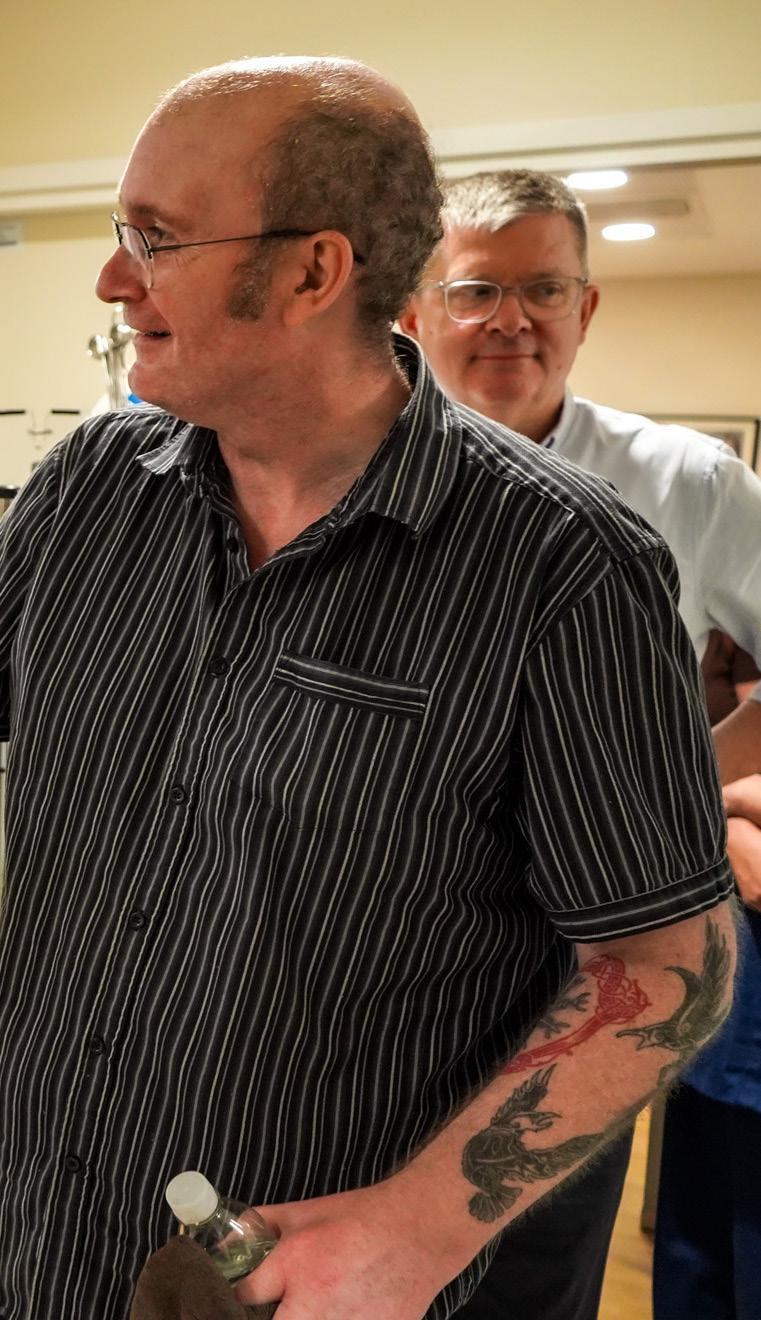
We are committed to the safeguarding and protection of children and adults at risk in our work and will do everything possible to ensure that only those who are suitable to work with these vulnerable groups are recruited to work for us. Mandatory safeguarding training is required of all our trustees, staff, volunteers and contractors, and we have designated members of staff as safeguarding lead and deputy lead. We also carry out safer recruitment practices when appointing staff and volunteers to roles.

We aim to develop an instantly recognisable community of volunteers who are visibly making a positive difference to the experience of patients, visitors and staff. We want volunteers to feel valued and well supported as part of the team and to truly live our values in their roles.
We want hospital staff to be able to work with and support volunteers to help them make a difference for patients. We believe the role of a volunteer within the NHS is to add value to the work of paid professionals, not to replace jobs, cover gaps or cut costs.
Our volunteering policy sets out our commitment to managing a high-quality volunteering programme and the methods through which we will do this, to ensure that both volunteers and our hospitals benefit from the experience. The policy is available to read in full on our website.
We aim to create a workplace culture that promotes and supports the health and wellbeing of all our staff. This involves addressing and tackling factors that may have a negative impact on mental health, ensuring managers have the right skills to support staff, providing support and guidance for any staff member experiencing mental health issues and recognising that workplace stress is a health and safety issue.
Principal risks, uncertainties and mitigation
Effective risk management is fundamental in enabling us to deliver our strategy and ensure the charity remains strong and sustainable in the long term. With the support of our committees and senior management team, the trustees consider significant strategic and operational risks on an ongoing basis. We have a robust process to help us identify and manage the principal risks we face, and the trustees are satisfied that appropriate systems and procedures are in place to mitigate and manage these risks.
The Trustee Board have devolved responsibility for oversight of risk to the Audit & Risk Management Committee. That committee meets at least twice a year, receiving an updated risk register and papers on any major risks affecting the charity at each meeting.
Our principal risks and their key mitigations are:
Strategic Strategy delivery
We are currently working on our new strategy for 2026 - 2031. Failure to adopt a strategy that aligns with that of the Trust and the needs of our stakeholders would present a significant risk. We have adopted a flexible approach to developing our new strategy and are actively engaging with Trust colleagues to consider how we can best support them over the new strategy period.
Financial
Financial performance
In order to continue our charitable activities, we are reliant on our two main sources of income: investment returns and fundraised income (including legacies). Failure to meet our targets for either or both of these presents a significant risk to our ability to deliver our programmes and honour our grant commitments.
Ongoing instability in the economy and investment market will have a significant
impact on our investment capital value and investment income. We have been actively discussing ways to diversify our investment portfolio with our investment managers to reduce our reliance on any once form of investment and any one geographical area.
We anticipate being able to absorb adverse investment market movements through a combination of healthy general reserves and astute financial stewardship. Oversight from the Finance & Investments Committee will further strengthen our ability to respond to external factors affecting investment performance.
The impact of the cost of living crisis on household budgets is likely to lead to a further decline in individual giving during the year ahead, which will create an even more competitive market to secure funds from grant-makers, philanthropists and corporate supporters. We are actively exploring the potential for a move towards face to face fundraising with a view to growing the scale of regular giving.
Reputational
Reputational risks
Given the nature of our work, reputational risks may arise from our fundraising and grant-making activities, or our arts and volunteering programmes. Plans are in place to mitigate these risks as far as reasonably possible.
To avoid inappropriate or unethical use of charitable funds, all grant applications are scrutinised for ethical issues. In certain circumstances, charitable funds are disseminated in accordance with a donor’s specific wishes, within reason, or the stated aims of a particular campaign or fund.
We are registered with the Fundraising Regulator and adhere to its code of conduct. We also have our own ethical fundraising policy and do not use external agencies for any of our fundraising activities. The trustees have oversight of charitable spending and scrutinise grant awards. Additional responsibility is delegated to the Grants Oversight Committee.
The artworks we acquire and commission are approved by members of NHS staff and external experts through our Arts Committee.
Our IT support is outsourced to a national provider, which is ISO27001 accredited, and our cloud-based databases are stored off-site by a software provider, which is also ISO27001 accredited. In accordance with the Data Protection Act 2018, our privacy statement sets out how we collect and use personal information. Our staff receive appropriate training and information regarding data protection procedures on an ongoing basis and all reasonable steps are taken to protect the security of personal information.
During 2024/25 we conducted a review of systems and processes across the charity, improving the use of automation to reduce the risk of input error, and reduce the level of manual intervention needed to deliver activities. The creation of the Audit & Risk Management committee, which has a remit to review the charity’s approach to all aspects of internal control, has further strengthened our ability to respond to any potential future breach.
Responsibility for the day-to-day management of certain funds is delegated to designated fund advisers, meaning that decisions regarding the use of a proportion of our funds are managed by NHS staff outside our direct control. Only senior members of NHS staff with an appropriate level of responsibility in a relevant service are approved as fund advisers and all expenditure is checked against the stated purposes of the relevant fund before awards are approved.
Goods and services are usually procured through the hospitals' procurement system to ensure value for money and compliance with relevant policies. We also update our special purpose fund governance document on an annual basis.
Our Safeguarding Policy was updated in
January 2024 and has been accredited by the plain English campaign for its use of language. It sets out our commitment to the protection of adults and children who may be at risk in our work. We also have processes and procedures in place that enable us to put our policy into practice. This includes our Code of Behaviour card (also accredited by the plain English campaign), which is issued to all staff and volunteers when they start, and additional training where this is relevant to an individual's role.
The realities of working in a hospital environment mean that there is always the potential of being exposed to a patient or member of the public who is infectious or confrontational, or of being exposed to a potentially traumatic incident. Charity staff always carry out a risk assessment for any new environment before allowing staff or volunteers to work there, and all staff and volunteers are given training in completing personal risk assessments. All risk assessments are renewed at least once a year. We also provide additional mental health and wellbeing support for our staff.
Due to the location of our premises in central London and following a number of terror-related incidents in recent years, we continue to recognise the enhanced risk this poses to the safety and wellbeing of our staff and volunteers, as well as our ability to maintain business operations during a period of significant and unexpected disruption. During the year we reviewed and strengthened our existing policies and procedures in light of this threat and continue to provide comprehensive guidance for staff to follow in the event of a terror related incident, cyber-attack or significant disruption to travel infrastructure in the local area. We also recognise the alarming and distressing nature of such incidents and provide appropriate emotional wellbeing support to our staff and volunteers as required.
The trustees are responsible for preparing the Report of the Trustees and the financial statements in accordance with applicable law and United Kingdom Accounting Standards (United Kingdom Generally Accepted Accounting Practice).
Company law requires the trustees to prepare financial statements for each financial period that give a true and fair view of the state of affairs of the charitable company and of the incoming resources and application of resources, including the income and expenditure of the charitable company for that period.
In preparing those financial statements, the trustees are required to:
• select suitable accounting policies and then apply them consistently comply with applicable accounting standards, including FRS 102, subject to any material departures disclosed and explained in the financial statements
• state whether a Statement of Recommended Practice (SORP) applies and has been followed, subject to any material departures which are explained in the financial statements
• make judgements and estimates that are reasonable and prudent
• prepare the financial statements on going concern basis unless it is inappropriate to presume that the charitable company will continue in business.
The trustees are responsible for keeping proper accounting records, which disclose with reasonable accuracy at any time the financial position of the charitable company and to enable them to ensure that the financial statements comply with the Companies Act 2006.
They are also responsible for safeguarding the assets of the charitable company and hence for taking reasonable steps for the prevention and detection of fraud and other irregularities.
In so far as the trustees are aware:
• there is no relevant audit information of which the charitable company’s auditor is unaware
• the trustees have taken all the steps that they ought to have taken to make themselves aware of any relevant audit information and to establish that the auditor is aware of that information.
The Trustees’ Annual Report is approved by the trustees of the charity.
Approved by the trustees on 01/12/25 and signed on their behalf by:

Dr Andreas Raffel Chair of Trustees
Auditors
Moore Kingston Smith LLP were re-appointed as auditors in the year in accordance with the Companies Act 2006.
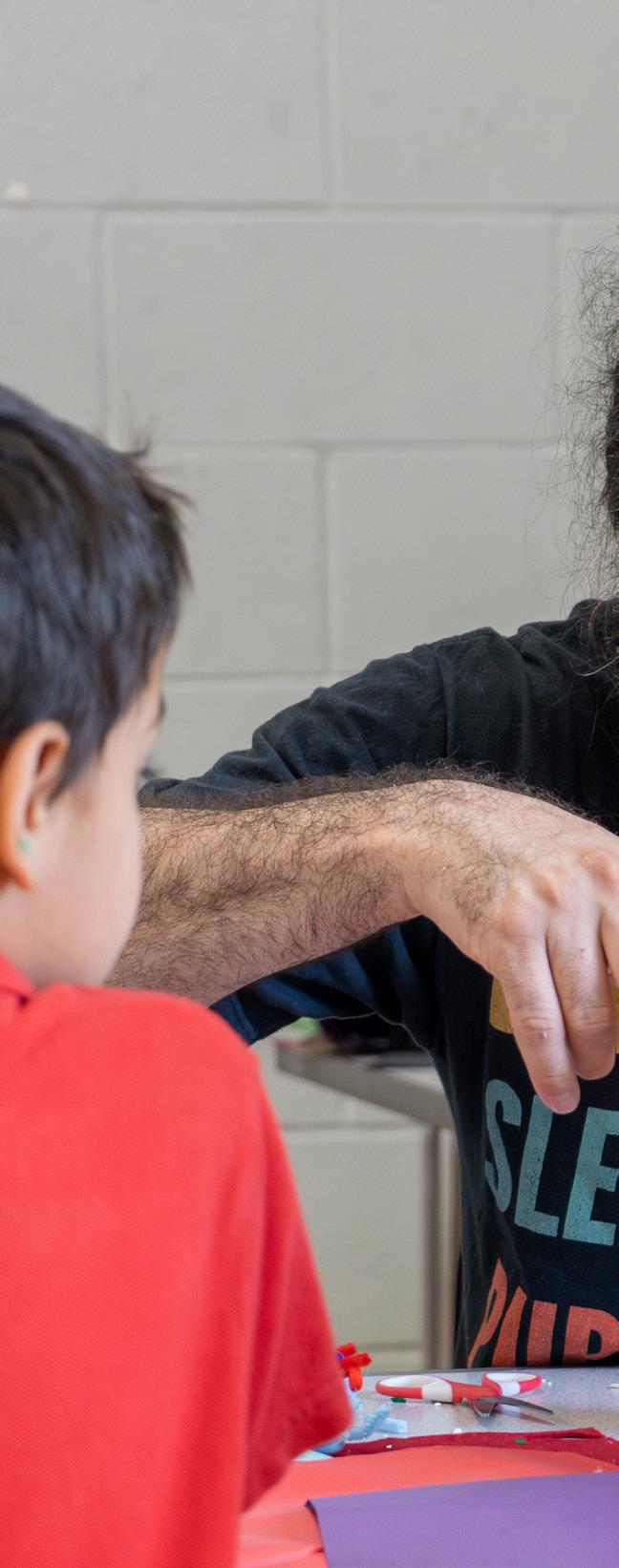
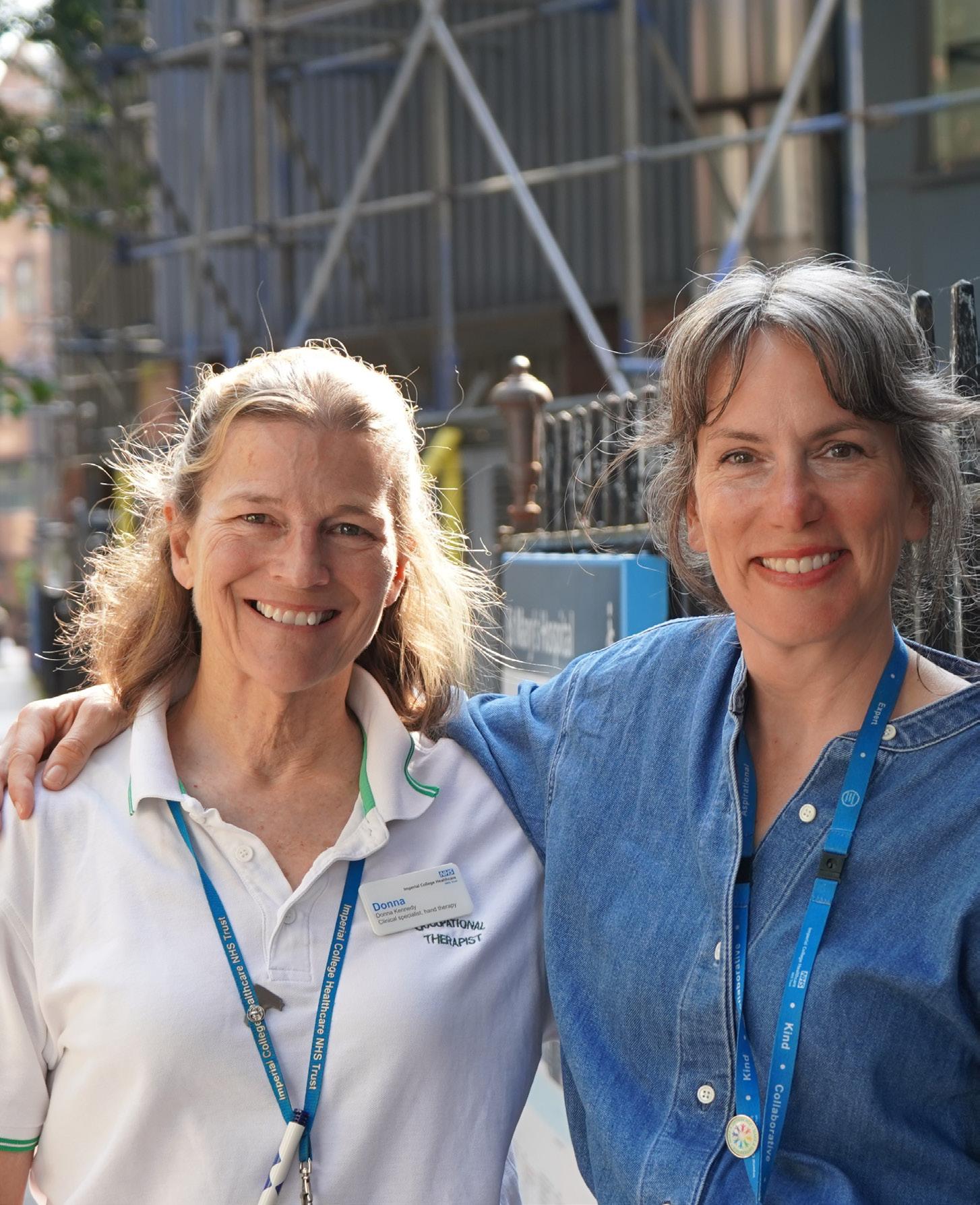
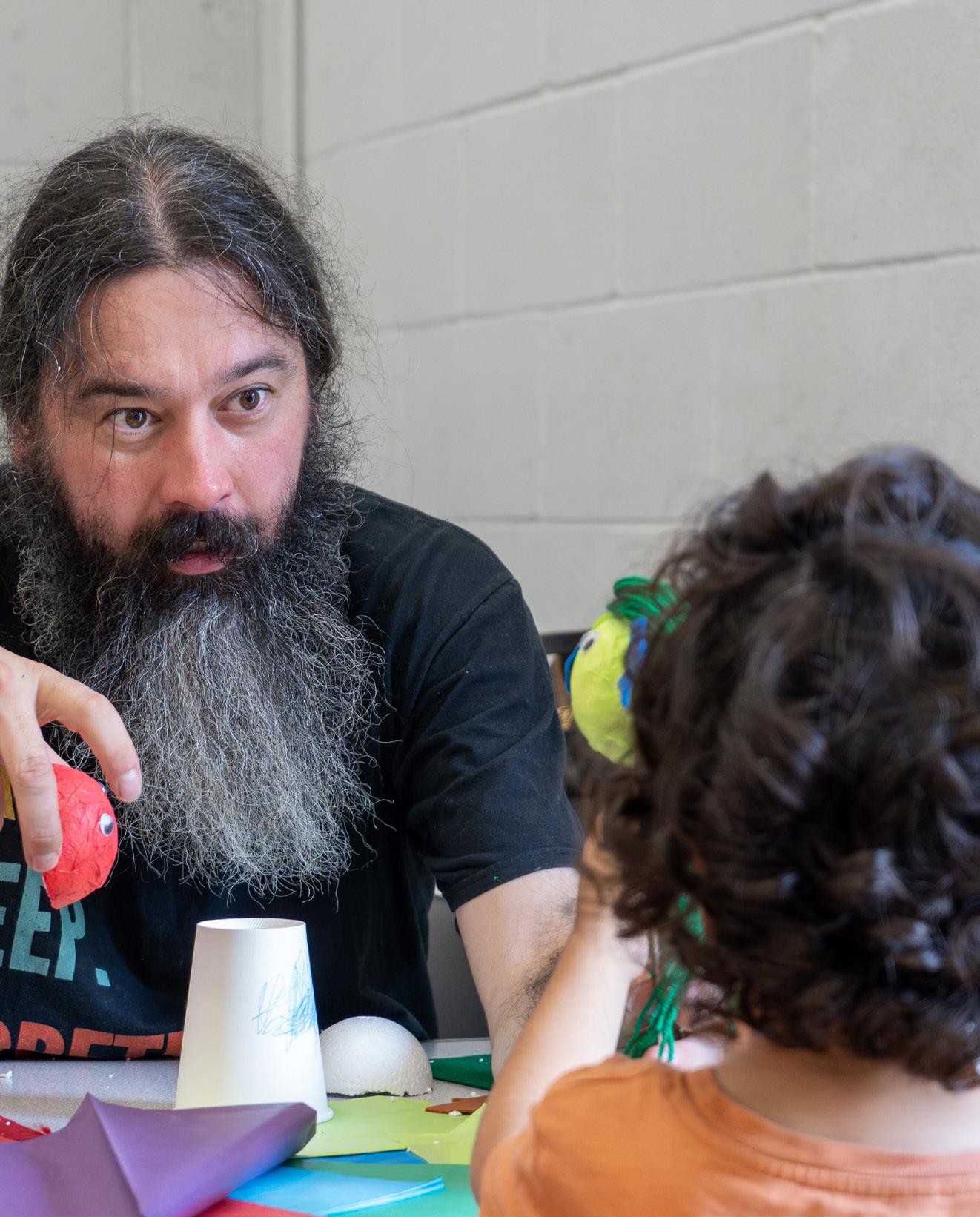
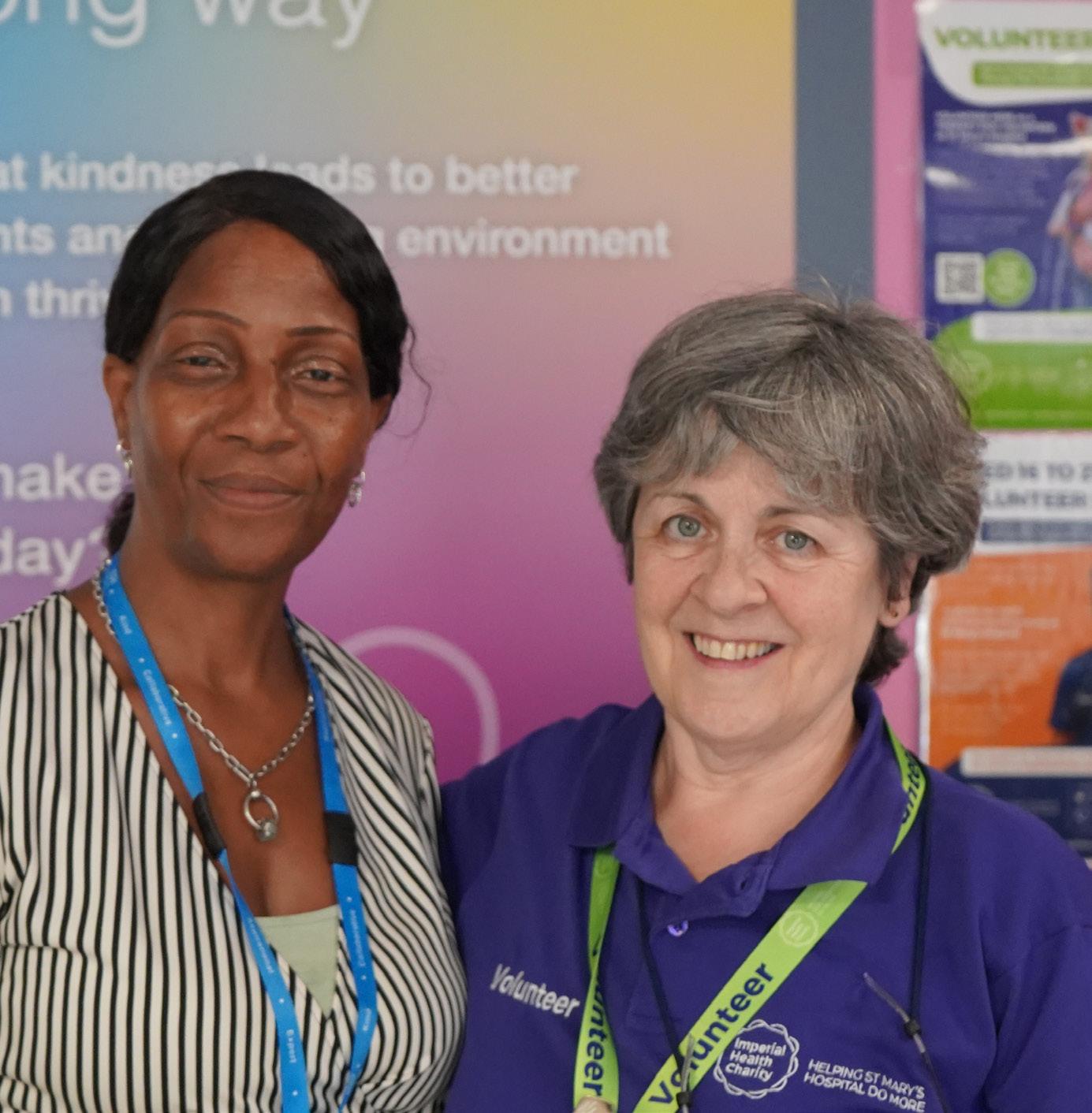
Thanks to the generosity of our supporters and the ongoing efforts of our staff and volunteers, the charity performed better financially than we had budgeted for in the year in terms of income generation and expenditure levels.
The charity recorded a planned operating deficit as it spent down an element of reserves in keeping with the objectives as set out in the strategic plan, though the strong performance in terms of income generation means that the deficit was lower than expected. Unrealised Investment losses recorded during the year combined with a small reduction in the valuation of an investment property mean that reserves are reduced slightly year-on-year.
A summary of these results is presented in further detail in the table below:
We are reliant on voluntary contributions from our supporters as our principal source of income and without these generous donations we would not be able to sustain our charitable activities. We are therefore extremely grateful to everyone who has generously contributed to support our work during the year.
In 2023/24 we successfully raised over £5.4m. In 2024/25 we raised in excess of £6.9m, including just over £1.2m from legacies. Investment income has increased year-toyear at £1.97m, compared to £1.72m for the previous year.
During the year the charity generated income totalling £8.9m and spent £9.6m helping our hospitals do more through our grant-making, arts and volunteering activities.
Due to losses on investments during the year, added to a loss on the revaluation of our property investments, the net movement in funds for the year is minus £1.8m. This is set out in further detail in the following table:
The primary focus of our charitable expenditure remains the award of grants to support healthcare projects for the benefit of patients and NHS staff at Imperial College Healthcare NHS Trust and the wider population of north west London. The total value of grant awards Increased by nearly 25% during 2024/25, largely due to a significant restricted grant in support of a capital project at St Mary’s Hospital (see Grants Report pg.12). Expenditure on our arts programme increased by 8%, while expenditure on the volunteering programme reduced by 1% yearon-year.
The balance sheet net assets have reduced by 2.0% during the year due to the reduction in investment value from £73.2m to £69.4m. Revaluation of the charity’s property
and art collection reduced
assets by a further £0.3m. The loss was further increased by a planned operational loss of £0.65m.
• Investments comprising the portfolios held with J.P. Morgan and UBS and property owned have reduced in value from £96.6m to £92.4m due to the reduction in value in our portfolio and the reduced valuation of our property at Burlington Danes. Current assets have increased in value by £950k with an increase in debtors offsetting a slight decrease in cash.
• Creditors have reduced by £1.3m to £6.45m due to the timing of payments for existing commitments.
• Free reserves as at 31 March 2025 are £26.8m. Free reserves are defined as unrestricted general funds excluding art and property assets and which may be used for any purpose defined by the charity.
Our investment portfolio has a long-term total return target of CPI +4%. There is no separate income target. The trustees rely on specialist advice for fund selection and allocation.
The performance of our investment managers and portfolio is monitored by the Finance & Investment Committee, a subcommittee of the Board of Trustees. We take care to ensure the investment portfolio is not exposed to investments that may be inconsistent with our mission and objectives. To this end, direct or indirect investment in the tobacco industry is not permitted. Investment values have reduced by £3.8m in the year, standing at £69.4m (31 March 2024: £73.2m). This movement is net of £3.3m in drawdowns made to support the charity’s cash flow during the year. Investment income attributable to the portfolio grew from £1.337m in 2024 to £1.601m in 2025.
At the May 2024 meeting of the Trustee Board, Trustees approved a revised reserves policy which is expected to lead to a reduction in free reserves over the next few years. While it was anticipated that this would come from planned deficits on operating
activity, the level of free reserves is such that Trustees remain confident in the overall financial health of the charity.
We seek to spend our restricted funds proactively but we may hold onto them for a period of time so they can be allocated in line with the donor’s intentions. In the rare and unlikely event that funds cannot be used in line with the original restriction, we will contact the donor to discuss an alternative use of the funds.
The trustees consider a number of risk factors relevant to the charity that would indicate the need for us to maintain significant levels of reserves. These include:
• the limitations on reliability of voluntary income, and the potential requirement to fill any shortfall in budgeted income;
• our plans for steady strategic growth, which will require ongoing investment;
• funding commitments that have previously been made to the Trust, which we must be able to fulfil;
• the likelihood of continued demand for charitable support on the part of the Trust and its hospitals;
• the uncertain economic outlook as a result of global events.
Taking these factors into consideration, the trustees have agreed the charity should hold reserves sufficient to cover the operating costs (specifically staff costs, programme costs, overheads and investment management costs) that the charity would need to incur over a six-month period to ensure that it could manage a planned closure of the charity in the event of its dissolution plus the cost of grant commitments to the Imperial College Hospitals NHS Trust over a rolling two-year period, thereby allowing the charity to honour any commitments it may have made. Trustees consider this to equate to £10.0m. Free reserves are made up of general funds less tangible fixed assets, and currently stand at £26.8m. The charity’s new strategic plan, set to run from April 2026 to March 2031, will set out the charity’s plans to reduce free reserves to the target level.
We have audited the financial statements of Imperial Health Charity (‘the company’) for the year ended 31 March 2025 which comprise the Statement of Financial Activities, the Balance Sheet, the Cash Flow Statement and notes to the financial statements, including significant accounting policies. The financial reporting framework that has been applied in their preparation is applicable law and United Kingdom Accounting Standards, including FRS 102 ‘The Financial Reporting Standard Applicable in the UK and Republic of Ireland’ (United Kingdom Generally Accepted Accounting Practice).
In our opinion the financial statements:
• give a true and fair view of the state of the charitable company’s affairs as at 31 March 2025 and of its incoming resources and application of resources, including its income and expenditure, for the year then ended;
• have been properly prepared in accordance with United Kingdom Generally Accepted Accounting Practice; and
• have been prepared in accordance with the requirements of the Companies Act 2006.
We conducted our audit in accordance with International Standards on Auditing (UK) (ISAs(UK)) and applicable law. Our responsibilities under those standards are further described in the Auditor’s Responsibilities for the audit of the financial statements section of our report. We are independent of the charitable company in accordance with the ethical requirements that are relevant to our audit of the financial statements in the UK, including the FRC’s Ethical Standard, and we have fulfilled our other ethical responsibilities in accordance with these requirements. We believe that the audit evidence we have obtained is sufficient and appropriate to provide a basis for our opinion.
In auditing the financial statements, we have concluded that the trustees’ use of the going concern basis of accounting in the preparation of the financial statements is appropriate.
Based on the work we have performed, we have not identified any material uncertainties relating to events or conditions that, individually or collectively, may cast significant doubt on the charitable company's ability to continue as a going concern for a period of at least twelve months from when the financial statements are authorised for issue.
Our responsibilities and the responsibilities of the trustees with respect to going concern are described in the relevant sections of this report.
The other information comprises the information included in the annual report, other than the financial statements and our auditor’s report thereon. The trustees are responsible for the other information. Our opinion on the financial statements does not cover the other information and, except to the extent otherwise explicitly stated in our report, we do not express any form of assurance conclusion thereon.
In connection with our audit of the financial statements, our responsibility is to read the other information and, in doing so, consider whether the other information is materially inconsistent with the financial statements or our knowledge obtained in the audit or otherwise appears to be materially misstated. If we identify such material inconsistencies or apparent material misstatements, we are required to determine whether there is a material misstatement in the financial statements or a material misstatement of the other information. If, based on the work we have performed, we conclude that there is a material misstatement of this other information, we are required to report that fact.
We have nothing to report in this regard.
Opinions on other matters prescribed by the Companies Act 2006
In our opinion, based on the work undertaken in the course of the audit:
• the information given in the trustees’ annual report for the financial year for which the financial statements are prepared is consistent with the financial statements; and
• the trustees’ annual report has been prepared in accordance with applicable legal requirements.
Matters on which we are required to report by exception
In the light of the knowledge and understanding of the company and its environment obtained in the course of the audit, we have not identified material misstatements in the trustees’ annual report.
We have nothing to report in respect of the following matters where the Companies Act 2006 requires us to report to you if, in our opinion:
• adequate accounting records have not been kept, or returns adequate for our audit have not been received from branches not visited by us; or
• the financial statements are not in agreement with the accounting records and returns; or
• certain disclosures of trustees’ remuneration specified by law are not made; or
• we have not received all the information and explanations we require for our audit; or
• the trustees were not entitled to take advantage of the small companies exemption from preparing a Strategic Report.
As explained more fully in the trustees’ responsibilities statement set out on pg.36, the trustees (who are also the directors of the charitable company for the purposes of company law) are responsible for the preparation of the financial statements and for being satisfied that they give a true and
fair view, and for such internal control as the trustees determine is necessary to enable the preparation of financial statements that are free from material misstatement, whether due to fraud or error.
In preparing the financial statements, the trustees are responsible for assessing the charitable company’s ability to continue as a going concern, disclosing, as applicable, matters related to going concern and using the going concern basis of accounting unless the trustees either intend to liquidate the charitable company or to cease operations, or have no realistic alternative but to do so.
Auditor’s responsibilities for the audit of the financial statements
Our objectives are to obtain reasonable assurance about whether the financial statements as a whole are free from material misstatement, whether due to fraud or error, and to issue an auditor’s report that includes our opinion. Reasonable assurance is a high level of assurance, but is not a guarantee that an audit conducted in accordance with ISAs (UK) will always detect a material misstatement when it exists. Misstatements can arise from fraud or error and are considered material if, individually or in aggregate, they could reasonably be expected to influence the economic decisions of users taken on the basis of these financial statements.
As part of an audit in accordance with ISAs (UK) we exercise professional judgement and maintain professional scepticism throughout the audit. We also:
• Identify and assess the risks of material misstatement of the financial statements, whether due to fraud or error, design and perform audit procedures responsive to those risks, and obtain audit evidence that is sufficient and appropriate to provide a basis for our opinion. The risk of not detecting a material misstatement resulting from fraud is higher than for one resulting from error, as fraud may involve collusion, forgery, intentional omissions, misrepresentations, or the override of internal control.
Obtain an understanding of internal control relevant to the audit in order
to design audit procedures that are appropriate in the circumstances, but not for the purposes of expressing an opinion on the effectiveness of the charitable company’s internal control.
• Evaluate the appropriateness of accounting policies used and the reasonableness of accounting estimates and related disclosures made by the trustees.
• Conclude on the appropriateness of the trustees’ use of the going concern basis of accounting and, based on the audit evidence obtained, whether a material uncertainty exists related to events or conditions that may cast significant doubt on the charitable company’s ability to continue as a going concern. If we conclude that a material uncertainty exists, we are required to draw attention in our auditor’s report to the related disclosures in the financial statements or, if such disclosures are inadequate, to modify our opinion. Our conclusions are based on the audit evidence obtained up to the date of our auditor’s report. However, future events or conditions may cause the charitable company to cease to continue as a going concern.
• Evaluate the overall presentation, structure and content of the financial statements, including the disclosures, and whether the financial statements represent the underlying transactions and events in a manner that achieves fair presentation.
We communicate with those charged with governance regarding, among other matters, the planned scope and timing of the audit and significant audit findings, including any significant deficiencies in internal control that we identify during our audit
Explanation as to what extent the audit was considered capable of detecting irregularities, including fraud
Irregularities, including fraud, are instances of non-compliance with laws and regulations. We design procedures in line with our responsibilities, outlined above, to detect material misstatements in respect of irregularities, including fraud. The extent to which our procedures are capable of detecting irregularities, including fraud is detailed below.
The objectives of our audit in respect of fraud, are; to identify and assess the risks of material misstatement of the financial statements due to fraud; to obtain sufficient appropriate audit evidence regarding the assessed risks of material misstatement due to fraud, through designing and implementing appropriate responses to those assessed risks; and to respond appropriately to instances of fraud or suspected fraud identified during the audit. However, the primary responsibility for the prevention and detection of fraud rests with both management and those charged with governance of the charitable company.
Our approach was as follows:
• We obtained an understanding of the legal and regulatory requirements applicable to the charitable company and considered that the most significant are the Companies Act 2006, the Charities Act 2011, the Charity SORP, and UK financial reporting standards as issued by the Financial Reporting Council.
• We obtained an understanding of how the charitable company complies with these requirements by discussions with management and those charged with governance.
• We assessed the risk of material misstatement of the financial statements, including the risk of material misstatement due to fraud and how it might occur, by holding discussions with management and those charged with governance.
• We inquired of management and those charged with governance as to any known instances of non-compliance or suspected non-compliance with laws and regulations.
Based on this understanding, we designed specific appropriate audit procedures to identify instances of non-compliance with laws and regulations. This included making enquiries of management and those charged with governance and obtaining additional corroborative evidence as required.
There are inherent limitations in the audit procedures described above. We are less likely to become aware of instances of noncompliance with laws and regulations that are not closely related to events and transactions
reflected in the financial statements. Also, the risk of not detecting a material misstatement due to fraud is higher than the risk of not detecting one resulting from error, as fraud may involve deliberate concealment by, for example, forgery or intentional misrepresentations, or through collusion.
This report is made solely to the charitable company's members, as a body, in accordance with Chapter 3 of Part 16 of the Companies Act 2006. Our audit work has been undertaken so that we might state to the company’s members those matters we are required to state to them in an auditor’s report and for no other purpose. To the fullest extent permitted by law, we do not accept or assume responsibility to any party other than the charitable company and charitable company's members as a body, for our audit work, for this report, or for the opinions we have formed.
Adam Fullerton (Senior Statutory Auditor) for and on behalf of Moore Kingston Smith LLP, Statutory Auditor
6th Floor 9 Appold Street London EC2A 2AP
Date: 11/12/2025
Statement of financial activity for the year ended 31 March 2025
(Incorporating an income and expenditure account)
Company reg. number 9999900
Income from:
Voluntary sources: Donations Legacies
Other trading activities
Investments Other
income
Expenditure
Charitable activities: Arts activities Volunteers Grants Fund Adviser
Total expenditure
Net (loss)/gain on investments
Net (expenditure)/income
Transfers between funds
Other recognised (loss)/gain
Net gain on art revaluation
Net movement in funds
Reconciliation of funds Funds balances brought forward
Fixed assets
Tangible fixed assets
Investments
Total fixed assets
Current assets
Debtors
Cash investments
Cash at bank and in hand
Total current assets
Creditors: amounts due within one year
Net current assets / (liabilities)
Net assets
Funds
Total funds
Approved by the Board of Trustees on 01/12/25.
Dr Andreas Raffel Chair of Trustees
For the year ended 31 March 2025
Cash flows from operating activities: Net cash used in operating activities
Cash flows from investing activities: Dividends, interest and rents from investments
Movement in cash held as investments Purchase of tangible fixed assets
Net cash provided by investing activities
Net (decrease)/increase in cash and cash equivalents
Cash and cash equivalents at 1 April
Cash and cash equivalents at 31 March
Reconciliation of net cash flows from operating activities
Net (expenditure)/income
Proceeds from sale of investments Losses / (Gains) on property valuations
Loss of disposal of fixed assets (Gains) on art evaluations
Dividends, interest and rents from investments
in creditors (1,306) (1,449) (3,276) (298)
Net cash used in operating activities
The notes on pages 59-75 form part of these financial statements.
The principal accounting policies adopted in the preparation of the financial statements are summarised below and have been consistently applied throughout the year and to the preceding period.
The financial statements have been prepared in accordance with the Statement of Recommended Practice: Accounting and Reporting by Charities (SORP 2019), for charities preparing their accounts in accordance with the Financial Reporting Standard applicable in the UK and Republic of Ireland (FRS 102) effective 1 January 2019 and the Financial Reporting Standard applicable in the United Kingdom and Republic of Ireland (FRS 102), and the Companies Act 2006.
The financial statements are prepared in sterling, which is the functional currency of the charity. Monetary amounts in these financial statements are rounded to the nearest one thousand pounds, unless otherwise indicated.
The charity meets the definition of a public benefit entity as defined by FRS 102. Assets and liabilities are initially recognised at historical cost or transaction value unless otherwise stated in the relevant accounting policy note(s).
The trustees will continue to scrutinise financial plans supporting the strategic planning for 2025 and beyond. The trustees approved a budget for the year ending March 2026 which showed a deficit of £1.3m to be funded from reserves. This still maintains reserves within the parameters of the agreed reserves policy.
At their meeting in September 2025 Trustees agreed the outline financial plan for the 2026-2031 strategy, which is currently under development.
During the year trustees will closely monitor progress against the plan and review monthly forecasts so that any concerns can be identified in good time. Given these measures, the management team’s forecasts for the next 12 months, and the liquidity of cash, the trustees consider it appropriate for the financial statements to be prepared on a going concern basis and have not identified any material uncertainties relating to this.
1.3.1 Fundraising activities
Income is recognised in the period in which Imperial Health Charity is entitled to receipt of that income, when the amount can be measured with reasonable accuracy and receipt is probable. Income received relating to future accounting periods is deferred and recognised as a creditor within the balance sheet.
Legacy income is recognised when entitlement to the legacy exists, the amount is measurable and receipt is probable. This is when the executors have informed the charity that a payment which can be measured reliably may be made following the agreement of the estate's accounts. A discount is applied where there is any uncertainty of any sales achieving its expected sale price.
Gift Aid is accounted for as income in the same period as the donation to which it relates.
Gifts in kind over £1,000 are recognised as both income and expenditure and are included in the statement of financial activities at its fair market value that would have been charged if purchased from the donor.
1.3.3
Income from fundraising events received in advance is recognised at the time of the event. Other fundraising income is recognised when it falls due.
1.3.4
Investment income comprises dividends, rental income and interest receivable, and is recognised on an accruals basis.
Dividends are received from money invested by our investment managers UBS.
Rental income is made up of a finance lease with a shop and Metropolitan Thames Valley Housing for part of the Burlington Danes site. The future minimum lease payments with Metropolitan Thames Valley Housing have been accrued and a finance lease debtor has been recognised. The term of the lease is 125 years from date of issue. Upon expiration the land reverts back to the charity. Interest is receivable from shortterm, fixed rate deposits.
1.3.5
Imperial Health Charity benefits greatly from the involvement and enthusiastic support of its many volunteers. In accordance with FRS 102 and the Charities SORP, the economic contribution of general volunteers is not recognised in the accounts.
Expenditure is accounted for on an accruals basis and is classified in the following categories:
• cost of raising funds; and • charitable activities.
Cost of raising funds includes expenditure incurred on fundraising activities. Charitable activities includes expenditure directly relating to the delivery of the services (including staff costs) provided by the charity.
Grants to fund Imperial College Healthcare NHS Trust or other wider community projects are recognised in the accounts at the date of commitment once approved by the trustees and communicated to the recipient. Unused grant monies are written back to reserves.
Support costs are those functions that assist the work of the charity but do not directly undertake charitable activities. Support costs include back office costs, finance, technology, communications, personnel, payroll and governance costs which support the charity's activities. These costs have been allocated between cost of raising funds and expenditure on charitable activities based on a mixture of direct cost allocation and staff time spent on each area of work.
Governance costs represent the costs of governance arrangements, including external audit, legal advice for trustees and costs associated with constitutional and statutory requirements.
All assets costing more than £1,000 and with an expected useful life exceeding one year are capitalised. Depreciation is calculated to write off the cost of all tangible fixed assets by equal instalments over their expected useful lives. The rates generally applicable are:
• leasehold improvements (the lesser of 10 years of the remaining life of the lease)
• computer and information communication technology (three years or 33% per annum)
• other equipment (5 years or 20% per annum).
The art collection is not depreciated, as the charity conserves the works throughout the year, negating any decrease in value through wear and tear.
A revaluation of the artwork was undertaken by Tim Ritchie & Associates as at March 2024 and the result is fully reflected in these financial statements. These works were valued at market value based on a comparison of prices achieved at auction.
Additions to the collection during the year comprise purchases and donated works (gifts in kind). These are shown at purchase cost or equivalent purchase cost.
Payments in respect of operating leases are charged to the statement of financial activities on a straight line basis over the lease term.
Cash and cash equivalents include cash in hand, cash held in current accounts with UK bank is readily realisable short-term fixed interest investments managed on behalf of the charity by CCLA and UBS.
Trade and other debtors are recognised at the settlement amount due after any trade discount offered. Prepayments are valued at the amount prepaid, net of any discounts due.
Investments comprise money invested with investment managers and property owned by the charity. Investment fixed assets are shown at market value.
Property assets are not depreciated but are shown at market valuation. Our property at Winsland Street, which comprises the majority of the value of our portfolio was revalued as at 31 March 024 by Cushman & Wakefield, 43 -45 Portman Square, London W1H 6LY. The increase in value identified in their report is reflected in these financial statements.
Other investments are included in the balance sheet at market price.
Creditors and provisions are recognised where the charity has a present obligation resulting from a past event that will probably result in the transfer of funds to a third party and the amount due to settle the obligation can be measured or estimated reliably. Creditors and provisions are normally recognised at their settlement amount after allowing for any trade discounts due.
The charity only has financial assets and financial liabilities of a kind that qualify as basic financial instruments. Basic financial instruments are initially recognised at transaction value and subsequently measured at their settlement value.
1.12
Contributions to employees' personal pension plans are charged to the statement of financial activities in the year in which they become payable. These costs have been allocated between cost of raising funds and expenditure on charitable activities based on staff time spent on each area of work in line with the underlying salary.
Termination payments are recognised as an expense in the statement of financial activities immediately.
The general fund comprises those monies which may be used towards meeting the charitable objectives of the charity at the discretion of the trustees.
Designated funds are monies set aside out of the general fund and designated for specific projects.
Restricted funds are monies raised for, and their use restricted to, a specific purpose, or donations subject to donor imposed conditions.
1.15
judgements and key sources of estimation and uncertainty
The preparation of the financial statements requires management to make judgements, estimates and
assumptions that affect the application of policies and reported amounts of assets and liabilities, income and expenses.
The estimates and associated assumptions are based on historical experience and various other factors that are believed to be reasonable under the circumstances, the results of which form the basis of making the judgements about carrying values of assets and liabilities that are not readily apparent from other sources. Actual results may differ from these estimates.
Estimates and underlying assumptions are reviewed on an ongoing basis. Revisions to accounting estimates are recognised in the period in which the estimate is revised and in any future periods affected.
The following judgements and estimates are considered by the trustees to have most significant effect on amounts recognised in the financial statements:
• Artwork as per note 5 is included at a valuation based on reports provided by third party valuers. The latest valuation was provided by Tim Ritchie & Associates in March 2024. Additions during the year have been included at cost which is deemed to also be their market value.
• The investment property has been valued with reference to prices of comparable properties, and professionally derived advice.
Management do not consider there to be any other material judgements or estimation and uncertainty requiring disclosure other than judgement in relation to Going Concern, which is discussed at Note 1.2.
Donations
Donations from individuals
Total Corporate donations Legacies
Grants receivable
Donations from individuals
Donations over £1,000
Donations from events
Small donations under £1,000 In memoriam
Total Gifts in kind
Corporate donations
Donations over £1,000
Small donations under £1,000
Total Trust and foundation awards
Aruna and Ambika Paul Foundation
Other
Total
future minimum lease receipts under non-cancellable operating leases for each of the following periods.
Within 1 year
After 1 year but before 5 years After 5 years
Lease receipts recognised as income.
expenditure for the year is stated after charging:
Operating lease rental charges for 2024 include break fees associated with the early end of the lease on our previous premises at Edgware Road. The operating lease in respect of our former premises ended in March 2024, after which we moved to new premises under a licence agreement.
One Trustee received £10 for reimbursed expenses related to attendance at a Board meeting (2024: 1 Trustee £84). No Trustees were remunerated of received any other benefit (2024: nil). The Trustee meetings incurred £597 expenses (2024: nil).
During the period no termination payments in respect of redundancies were made (2024: nil).
The number of employees who earned more than £60,000 during the year was as follows:
£60,000 - £69,999
£70,000 - £79,999
Key management personnel comprise Chief Executive, Director of Finance & Resources, and Director of Development.
Key Management Personnel
Value bfwd at 1 April:
At the beginning of the year Additions at cost
Disposals during the year
Revaluations in the year
Value cfwd at 31 March
Depreciation and impairments: At the beginning of the year
Depreciation Disposals during the year
end of the year
Listed overseas investments
Private equity
Cash held
Total portfolio
Investment properties
Total investments
Investments at market value
At beginning of year
Additions in the year Less: disposals at market value
and
Note £Nil (2024: £14k) of the trade debtors for 2025 were aged more than 1 year at the Balance Sheet date. £Nil of the other debtors (2024: £62,500) was also aged more than 1 year at the Balance Sheet date.
8. Creditors: amounts falling due in less than one year
Analysis of accruals Accruals brought forward
9. Operating lease commitments
As at the 31 March the ageing of total minimum lease payments was as follows:
Payable within 1 year
Payable between 1 and 5 years
Payable after more than 5 years
10. Movement in cash and net debt
Note
a The Dresden Fund is an endowment and restricted fund for the benefit of patient hardship at the Trust
b This is a permanent endowment, with which the charity can utilise the investment return for the purpose of charitable activities.
c This is a permanent endowment, with which the charity can utilise the investment return for the purpose of training nurses.
d The expendable endowment’s can be used for the purpose of charitable activities.
e This is a restricted fund for the purpose of training nurses.
f Funds managed directly by Trustees for charitable activities.
g Funds managed directly by NHS Trust Staff under delegated authority by Trustees for charitable activities
h Appeal fund designated to charitable activities within Children’s Services
i General funds held for the general activities of the charity
j This is a restricted fund supporting the redevelopment of the Learning & Resource Centre in the Mint Wing at St Mary’s Hospital and stem cell research associated with spinal injuries
Transfers between funds represent endowment income being transferred to funds where they can be used for general activities. Other transfers relate to grants that were awarded by the charity being written back as they have not been used.
Note
a The Dresden Fund is an endowment and restricted fund for the benefit of patient hardship at the Trust.
b This is a permanent endowment, with which the charity can utilise the investment return for the purpose of charitable activities.
c This is a permanent endowment, with which the charity can utilise the investment return for the purpose of training nurses.
d The expendable endowment’s can be used for the purpose of charitable activities.
e Specific fund that received income for St Mary’s Hospital 150th anniversary and restricted for projects at St Mary’s.
f Funds managed directly by Trustees for charitable activities.
g Funds managed directly by NHS Trust Staff under delegated authority by Trustees for charitable activities.
h Restricted fund for the purpose of training nurses.
i General funds held for the general activities of the charity.
j This is a restricted fund supporting the redevelopment of the Learning & Resource Centre in the Mint Wing at St Mary’s Hospital and stem cell research associated with spinal injuries.
Transfers between funds represent endowment income being transferred to funds where they can be used for general activities. Other transfers relate to grants that were awarded by the charity being written back as they have not been used.
The Charity provides the majority of its grants by value and number to Imperial College Healthcare NHS Trust. As the dedicated charity for the Trust, and with three of our Trustees representing the Trust, we consider the Trust to be a related party. In addition to grants awarded directly to the Trust, the charity makes additional grants directly to staff and patients at the Trust, and delivers arts and volunteering programmes for the benefit of staff, patients and visitors to the Trust's hospitals. The total value of support provided to the Trust in 2024/25 was £4.557m (£2023/24: £4.455m), excluding the charity's staff costs associated with delivering this support