ROADS & BRIDGES


Sphe Mkhabela and Malusi Mkhize

and a giant leap for infrastructure
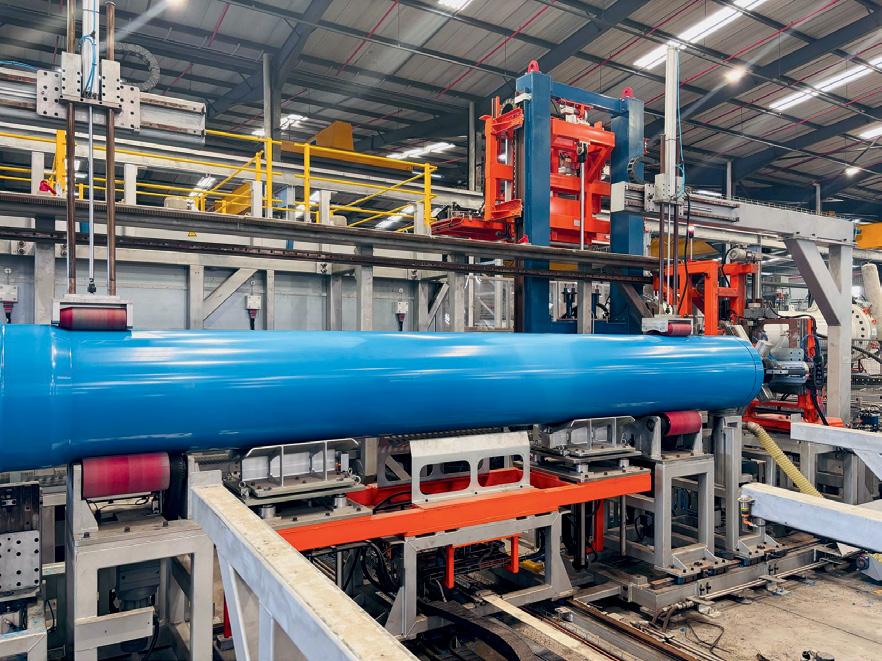
Sizabantu Piping Systems launches Africa’s first locally manufactured pipes, with capability from 710mm to 1200mm, now in full production.
In a landmark moment for local manufacturing, Sizabantu Piping Systems and Molecor have successfully produced large-diameter PVC-O pipes, with future capability of up to 1200mm.



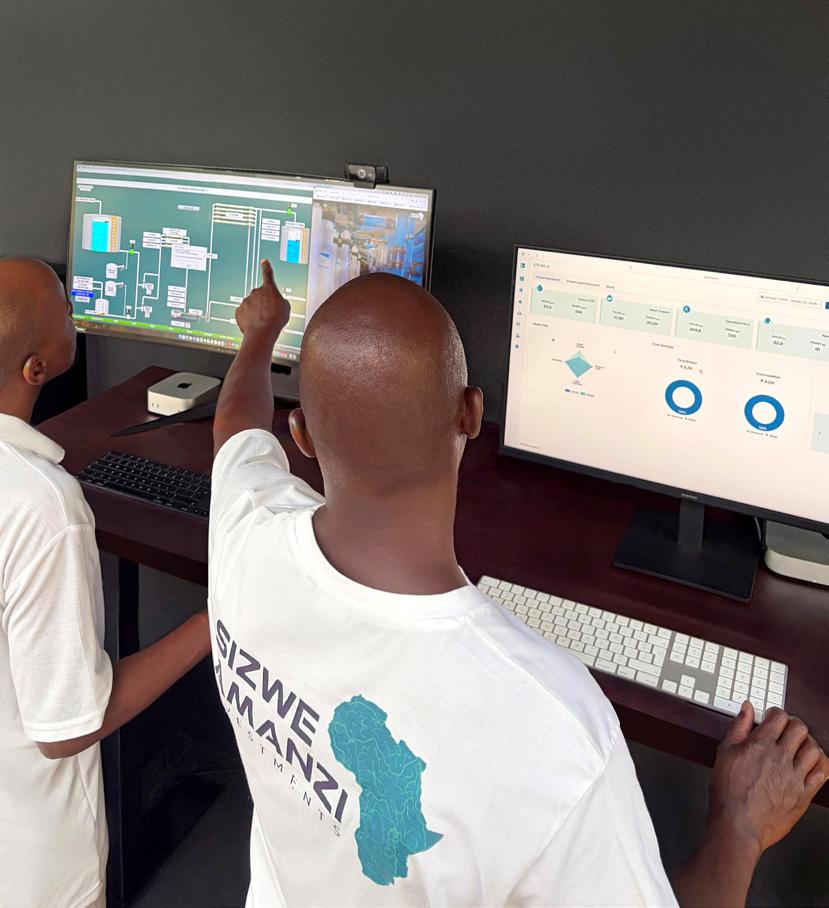
A specialist in innovative water and wastewater treatment solutions for the public and private sectors, a key factor in Sizwe Amanzi’s market success is the strong partnerships formed with leading technology providers. A case in point is its strategic agreement with Aquatech, a multinational leader in water purification and treatment technology. Within the latter’s suite is the proprietary AquaNXT digital dashboard platform, which is revolutionising treatment plant management worldwide. P6
Deteriorating road conditions, compounded by reactive maintenance, are burning issues that can only be corrected through targeted engineering responses.


IMIESA talks to ARRB Systems South Africa (ARRB) Chief Business Officers, Malusi Mkhize and Sphe Mkhabela, about ARRB’s pavement data solutions. P10
Geotechnical






















EDITOR Alastair Currie
Email: alastair@infraprojects.co.za
DESIGNER Beren Bauermeister
CONTRIBUTORS Bani Kgosana, Cobus Hoon, Deon van Zyl, Devesh Mothilal, Garyn Rapson, Geoff Tooley, Ian Venter, Jan Venter, Lia Wheeler, Paula-Ann Novotny
DISTRIBUTION MANAGER Asha Pursotham
SUBSCRIPTIONS
Email: distribution@infraprojects.co.za
ADVERTISING SALES
KEY ACCOUNT MANAGER Joanne Lawrie
Tel: +27 (0)82 346 5338
Email: joanne@infraprojects.co.za
PUBLISHER
IMESA (Pty) Ltd
P O Box 2190, Westville, 3630
Tel: +27 (0)31 266 3263
Email: info@infraprojects.co.za
ANNUAL SUBSCRIPTION: R805.00 (INCL VAT)
ISSN 0257 1978 IMIESA, Inst.MUNIC. ENG. S. AFR.
© Copyright 2026. All rights reserved.
IMESA CONTACTS
HEAD OFFICE:
Manager: Ingrid Botton
P.O. Box 2190, Westville, 3630
Tel: +27 (0)31 266 3263
Email: admin@imesa.org.za
Website: www.imesa.org.za
BORDER
Secretary: Celeste Vosloo
Tel: +27 (0)43 705 2433
Email: celestev@buffalocity.gov.za
EASTERN CAPE
Secretary: Susan Canestra
Tel: +27 (0)41 585 4142 ext. 7
Email: imesaec@imesa.org.za
KWAZULU-NATAL
Secretary: Narisha Sogan
Tel: +27 (0)31 266 3263
Email: imesakzn@imesa.org.za
NORTHERN PROVINCES
Secretary: Lethale Magagane
Tel: +27 (0)72 059 7444
Email: np@imesa.org.za
SOUTHERN CAPE KAROO
Secretary: Henrietta Oliver
Tel: +27 (0)79 390 7536
Email: imesasck@imesa.org.za
WESTERN CAPE
Secretary: Michelle Ackerman
Tel: +27 (0)21 444 7112
Email: imesawc@imesa.org.za
FREE STATE & NORTHERN CAPE
Secretary: Wilma Van Der Walt
Tel: +27 (0)83 457 4362
Email: imesafsnc@imesa.org.za
All material herein IMIESA is copyright protected and may not be reproduced without the prior written permission of the publisher. The views of the authors do not necessarily reflect those of the Institute of Municipal Engineering of Southern Africa or the publishers.

With 2026 now well under way, the spotlight is on translating policy into implementation, with local government being one of the key catalysts. Infrastructure backlogs keep growing, and with it a renewed focus is required on sustainable asset management, backed by the right tools, funding and expertise. It’s a well-worn observation, but one that can no longer be debated or ignored as South Africa enters its 32nd year as a post-1994 democratic society.
The drive for inclusivity remains key, and the political landscape driven by the Government of National Unity (GNU) needs to come together with greater unity and transparency to achieve the country’s common goals. Particularly important is open engagement with local and private sector investors so they have confidence in a workable roadmap. That includes affordable electricity on demand within the Just Energy Transition (JIT) context and guaranteed water security to support commercial, residential and industrial revitalisation.
Renewable investment and Operation Vulindlela
Positive developments on the energy front include a R1 billion deal concluded with British International Investment – the UK’s development finance institution and impact investor – and South African entity Alexforbes. They are each committing a R500 million injection into the local Revego Africa Energy Fund. The latter is managed by Revego Fund Managers and will add impetus to a new wave of renewable energy developments across South Africa.
In parallel, work successfully advances on the execution of Phase II of government’s Operation Vulindlela (OV), a joint initiative between the Presidency and National Treasury. A progress report on Q3 2025/2026 results was unveiled in January 2026, building on the gains made during Phase I, which was launched in 2020.
Primary objectives of the OV programme are priority structural reform measures across seven focus areas to support growth, strengthen state capacity, and enable service delivery. It’s a multifaceted approach that tackles constraints and opportunities in key sectors. These include affordable housing, energy, freight logistics, tourism, water, sanitation, and local government, along with the digitalisation of the public sector to make it more responsive and efficient.
Achievements in Q3 include progress on reform at the Port of Durban – one of South Africa’s most important
gateways. This includes the signing of a 25-year concession agreement between Transnet and International Container Terminal Services Inc for the upgrade, development, and operation of the Durban Container Terminal Pier 2 facility. The deal will mobile an investment of over R11 billion in infrastructure, new equipment and advanced technology to boost handling capacity.
Gains are also reported in the water sector, including refinements in the regulatory framework to ensure sustained downstream supply. The latter includes the tabling of the Water Services Amendment Bill in parliament during October 2025. A dedicated Department of Public Works and Infrastructure unit has also been appointed to fast-track priority infrastructure projects and release public land for housing development. Work on revitalising the energy sector is also ongoing.
Going forward, eating the infrastructure and macroeconomic elephant piece by piece in a coordinated way is essential. As the expression goes, “time waits for no man”, and those countries that flourish globally do so because of free market economy frameworks. Therefore, reforms that don’t entice investment aren’t going to work and run the risk of losing long-established companies that decide to exit the South African economy. That’s why a coherent GNU game plan is so vital, so that the silo bottlenecks OV intends to break down are effective right through to municipal level. Ultimately, it all comes down to proactive and enabling diplomacy that ensures equitability for the world, as enshrined in the UN Sustainable Development Goals (SDGs). The original 2030 SDG targets are unattainable and will now take decades more to meet if all participating countries remain on track. This is a vitally important collaborative effort both to reverse climate change and facilitate fair trade agreements that promote collective advancement.
Therefore, promoting a unified Brand South Africa front is our best way of showing the world we are open, engaging and “shovel ready”.

To our avid readers, check out what we are talking about on our website, Facebook page or follow us on Twitter and have your say.

In each issue, IMIESA offers advertisers the opportunity to get to the front of the line by placing a company, product or service on the front cover of the journal. Buying this position will afford the advertiser the cover story and maximum exposure. For more information on cover bookings, contact Joanne Lawrie on +27 (0)82 346 5338.





























Clarifying the difference between subjectivity and reality is an essential requirement for fact-based results and an evidence-based source of truth. For municipal engineers on the frontline of infrastructure service delivery, that can be a tough and demoralising environment to work in when unfounded comments by non-engineers undermine public confidence.
Let’s take the viewpoint of ex-Nelson Mandela Bay Municipality (NMBM) mayor, Retief Odendaal. Currently he serves as Democratic Alliance Shadow MEC for Cooperative Governance and Traditional Affairs (CoGTA) in the Eastern Cape Legislature. He has legacy experience when it comes to infrastructure priorities and challenges, so his viewpoints are important.
Most recently in late January 2026 Odendaal posted a hard-hitting response on social media regarding the water issue in NMBM. He indicated that there were too few (if any) engineers to affect functional outcomes, and made reference to internal political conflicts that further undermine the process. However, this is not a fair reflection of the facts when it comes to engineering capacity.
As the Institute of Municipal Engineering of Southern Africa (IMESA), we can confirm that NMBM currently has one professional engineer, fourteen professional engineering technologists and two professional engineering technicians. These are supported by five engineers and about 50 technologists and/or technicians that are in the process of obtaining professional registration with the Engineering Council of South Africa.
So, there are resources on the ground, but they’re insufficient to run such a large city effectively without a boost in engineering personnel. In an ideal world, NMBM would willingly correct this shortfall in line with the Municipal Staff Regulations (MSRs), if the human resource (HR) budget was available.
Issued by the Minister of Cooperative Governance and Traditional Affairs (CoGTA), under the authority of the Local Government: Municipal Systems Act, 2000, these regulations were formally introduced in 2021 to professionalise local government and standardise HR practices across municipalities.
CoGTA through these regulations calls for a ratio of three technical service delivery staff members (engineers, planners, artisans, etc.) for every one support staff member (HR, finance, SCM, audit, etc.)
However, I do not believe there is a single municipality in the country that meets this requirement. Some of the better run municipalities sit at a 1 to 1 ratio at present. Therefore, it’s important that the community and its political representatives understand the actual ratio of technical to support staff required within their municipalities. Equally essential is that all political parties work to rectify the imbalance in the best interests of lives and livelihoods. Ultimately, it’s a citizen’s decision.
thin red line that thrives on
Back in NMBM, the engineering leadership report that its teams are executing amazing work with the limited resources available to them. In fact, NMBM has consistently demonstrated innovation in engineering in response to these challenges. A case in point is the work presented by Matthew Hills, an NMBM engineer, at the 2024 IMESA conference, which won a best paper award.
Entitled “A Practical and Proven Guide to Municipal Water Telemetry-SCADA Systems”, Hills’ contribution is a practical example of ingenuity at work to create a world class system designed to improve water security in NMBM. His work has also been a source of inspiration for other municipalities around the country.
Therefore, although the call “to appoint more engineers” is fully supported,
it does not imply that the men and women engineering personnel currently employed are not competent or committed. Far from it. They are all that stand between us and interrupted essential services.
In the meantime, government is busy rewriting the Local Government White Paper with a view to improving professionalism within our municipalities, along with service delivery. However, our concern here from an IMESA perspective is the absence of engineers with municipal experience who should be involved in the rewriting process.
If there is a common understanding that the system needs to be fixed, what’s the point if the very engineers and technologists who can best guide this process are not included? From our observation, there appears to be mostly “support” people rewriting the white paper. This is the same as the team that drafted the original white paper in 1998 so it’s a potential non-starter in terms of real-world implementation.
As Einstein stated, “We cannot solve our problems with the same thinking we used when we created them.” Therefore, without the inclusion of the municipal engineer’s voice in the development of improved legislation we’re back to square one, and the last infrastructure redoubt scenario.

Collectively, therefore, it is imperative that we support all pockets of engineering excellence that exist in NMBM and every other predominately under-resourced municipality nationally. These engineers and technologists, along with all the artisans and other service delivery staff, need deserving recognition and support if we want infrastructure to work in our towns and cities.
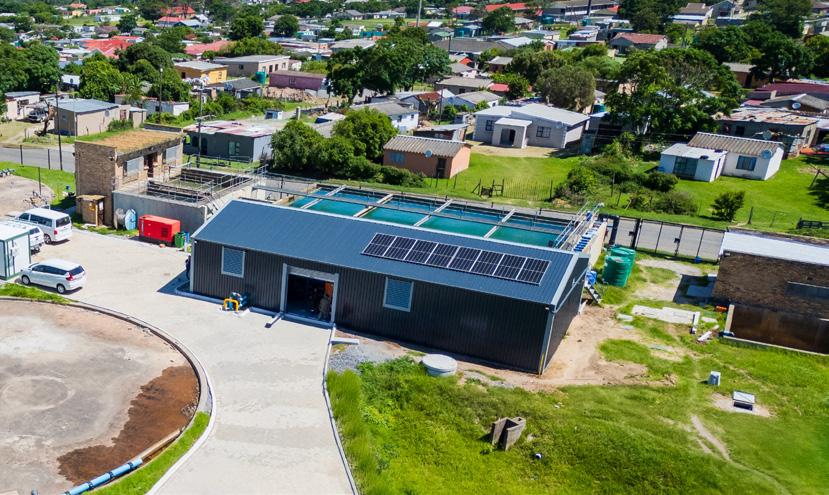
Municipal water and wastewater treatment plants operate in an environment defined by rising demand, constrained budgets, skills shortages, and heightened regulatory scrutiny. In this context, operational failures rarely occur without one or more underlying symptoms. These include early warning signs such as maintenance backlogs, declining compliance, unstable process indicators, and delayed responses to incidents. Left undetected, the result is an incident waiting to happen.
Rather than relying on manual checklists and static logs, this is where advances in digitalisation play a crucial role in providing advanced, real-time oversight of the multifaced elements required to operate a treatment plant, both in terms of process efficiencies, quality, sustained supply and legislative compliance,” explains NJ Bouwer, Chief Executive Officer of Sizwe Amanzi.
A specialist in innovative water and wastewater treatment solutions for the public and private sectors, a key factor in Sizwe Amanzi’s market success is the strong partnerships formed

with leading technology providers. A case in point is its strategic agreement with Aquatech, a multinational leader in water purification and treatment technology. Within the latter’s suite is the proprietary AquaNXT digital dashboard platform, which is revolutionising treatment plant management worldwide and is now deployed as a core digital capability within Sizwe Amanzi’s integrated municipal solutions. AquaNXT is Aquatech’s nextgeneration digitalisation platform for comprehensive water solutions. It unifies fragmented data from sensors, manual
NJ Bouwer, Chief Executive Officer of Sizwe Amanzi
logs, and disparate systems into actionable insights tailored to every level of an organisation. By combining deep water domain expertise with advanced analytics, AquaNXT enables efficiency, compliance, sustainability, and resilience in waterintensive industries.
Role-based dashboards present this information in formats tailored to operators, maintenance teams, plant managers, and municipal leadership, ensuring that alerts are both visible and flagged early, before service delivery is affected. The dashboards can be viewed on PC, smartphone and tablet applications.
“At Sizwe Amanzi, these digital capabilities are not optional enhancements. They are integral to the standard operating framework we use whenever municipalities are supported in water and wastewater service delivery,” Bouwer explains. Sizwe Amanzi’s services extend beyond technology deployment to include design, financing, construction, operation, and compliance management.
Digitally enabled BOOs and BOOTs Sizwe Amanzi’s core specialisation is the development of modular treatment plants under flexible commercial structures, including Build Own Operate (BOO) and Build Own Operate Transfer (BOOT) arrangements for municipal
clients. These models enable municipalities to access critical water and wastewater infrastructure without immediate capital expenditure, while ensuring that systems are professionally operated, maintained, and optimised throughout the contract term. Improved efficiencies translate into more competitive cost savings year-on-year.
Under BOO and BOOT arrangements, Sizwe Amanzi typically assumes responsibility for:
• Process design and modular plant deployment (incorporating screening, MF, UF, RO, MBR and related technologies).
• Commissioning, operation, and preventative maintenance.
• Continuous performance monitoring and optimisation.
• Regulatory compliance monitoring and auditready reporting, and
• Skills transfer and operator support to municipal personnel.
AquaNXT digital dashboards form a foundational layer within these service models. “Their level of transparency and control provides defensible performance records for both the concession operator and the municipality. It strengthens governance and prevents escalation to crisis
intervention. Plus, it greatly facilitates the meeting of Blue and Green Drop targets,” Bouwer explains.
“In addition, whether assets are ultimately transferred to municipal ownership or remain under operational concession, digital visibility ensures continuity, accountability, and sustained service delivery. It’s the most effective and intelligent insight that an organisation can have since it’s embedded into day-to-day operations, together with a complete historical data record.”
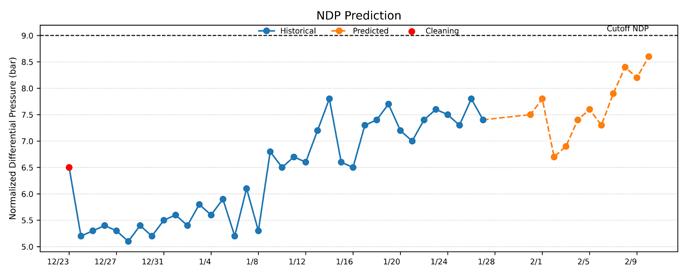
Figure 1 illustrates real-time TMP behaviour across parallel membrane banks, showing cyclical cleaning events and gradual pressure trends that would not be visible in static daily logs. This level of visibility enables early intervention before membrane fouling, energy penalties, or production losses occur.
Real-time operational awareness as a control mechanism
AquaNXT’s digital dashboards consolidate live PLC and SCADA data into a single operational view, enabling operators, supervisors, and engineers to continuously monitor plant performance, backed by automated notifications for tiered escalation. Typical parameters visualised include feed and product flow rates; recovery and daily production volumes; transmembrane pressure (TMP) trends
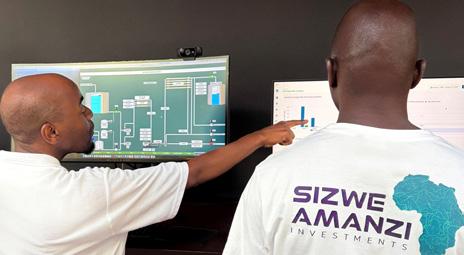
per treatment train; specific energy consumption (kWh/m³); and chemical dosing rates, plus backwash frequency and volumes.
Process optimisation and compliance assurance
Beyond live visibility, dashboards turn continuous data into actionable trends. Historical and rolling trend analysis enables operators to identify slow-creeping inefficiencies that directly affect compliance, operating costs, and asset life.
Examples include TMP slope analysis to identify fouling before critical thresholds are reached; correlation of feed water quality with product turbidity and conductivity; and optimisation of recovery within membrane protection envelopes. Energy and chemical efficiency can also be precisely quantified over time. Overall, this greatly assists with budget planning and costing for plant operations and maintenance, plus future upgrades, supported by structured daily, monthly, and audit reporting via the AquaNXT platform.
Rule-based thresholds trigger immediate notifications when parameters move outside defined operating envelopes. These alerts are not passive indicators: they are integrated into structured ticketing and response workflows that support accountability and traceability.
One source of truth
Through AquaNXT, operational data is securely stored, time-stamped, and structured to support consistent reporting across multiple levels. This reporting framework includes hourly high-level performance and alarm summaries distributed to relevant stakeholders for rapid intervention.
Daily operational reports cover production volumes, water quality, alarms, and maintenance activities. In turn, monthly audit-ready reports integrate compliance data, performance trends, and maintenance records.
“A persistent challenge in municipal operations historically is fragmented information across shifts, departments, and reporting systems. However, with AquaNXT everything is categorised, tracked and traced in real-time through defined response pathways for actioning. This significantly enhances the ease of operation for all plant personnel, in addition to enhancing job satisfaction through accessible delivery outcomes that provide coherent guidance to keep plants running optimally,” says Bouwer.
enablement
Ultimately, though, digital platforms deliver value only when they are understood and used consistently by plant personnel. Therefore, as part of its standard operating approach, Sizwe Amanzi configures AquaNXT dashboards to reflect plant-specific targets, operating limits, and regulatory requirements, ensuring relevance at the operator level.
Operator enablement focuses on interpreting live trends and historical performance data; understanding alarm logic and response priorities; and recognising interdependencies among process parameters. This approach supports consistent shift handovers, reduces reliance on individual experience, and preserves institutional memory in environments affected by staff turnover or administrative change. By embedding digital visibility into daily routines, operators transition from manual data recorders to informed process controllers.
Operational reality for digital municipal water services
“Digital dashboards and analytics platforms are often presented as technology solutions in their own right – but that’s not the case. In practice, their value in municipal water services lies in how effectively they are embedded in daily operations, governance structures, and accountability frameworks,” adds Bouwer.
“This is where Sizwe Amanzi, through its operational partnership with Aquatech and the deployment of the AquaNXT digital platform, is making a real difference. Through proactive engagement with our clients on our BOO and BOOT projects we’re setting a new benchmark in South Africa. Delivered as a service, these digital capabilities are not an optional enhancement but a core enabler of reliable and sustainable municipal water services,” Bouwer concludes.



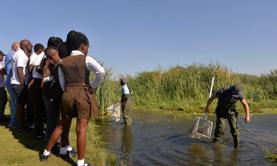
World Wetlands Day, observed annually on 2nd February, calls on us to celebrate and raise awareness on the crucial role played by wetlands in sustaining life, livelihoods as well as supporting our diverse cultures.

Under the theme “Wetlands and traditional knowledge: Celebrating cultural heritage”, this year’s commemoration explores the deep connections between wetlands and the cultural practices, customs and indigenous knowledge systems of communities around the world –knowledge that has helped protect and sustain these ecosystems for generations.
From flood attenuation to water purification and the provision of cultural ecosystem services, wetlands remain the biotic landscapes where nature and heritage intersect. Furthermore, the global campaign highlights the importance of traditional knowledge in sustaining wetland ecosystems and cultural identity, serving as an invitation to strengthen our collaborative actions in safeguarding these precious ecosystems.
Indigenous knowledge – a foundation of wetland conservation
Traditional knowledge systems are rooted in close relationships with nature. Indigenous and local communities have an acquired skill of interpreting environmental signals such as plant behaviour, animal movements, water levels/quality and seasonal cycles. These observations inform practices such as rotational harvesting, seasonal fishing, sacred protection zones, overuse prohibition, and cultural rituals that promote wetlands preservation. Such approaches have preserved wetland productivity and biodiversity long before current conservation sciences were introduced.
Wetlands influence on culture and human wellbeing
Almost all Ramsar protected wetlands offer cultural ecosystem services, with more than half holding significant spirituality and inspirational value. In a global review of published research, it was reported that wetlands offer cultural ecosystem services in 175 countries and territories globally.

Among these, recreation and tourism are the most frequently reported benefits (40%), followed by cultural identity and heritage (16%), and education, learning and knowledge-sharing (13%). Collectively, these services highlight the vital cultural benefits that wetlands provide to local communities. Cultural ecosystem services provided by wetlands include:
• Cultural Identity and Heritage: Across cultures, wetlands are valued as cultural landscapes deeply linked to identity, spirituality and artistic expression.
• Spiritual and Religious Values: Wetlands are regarded as sacred spaces and ceremonial sites, where indigenous communities believe their ancestors reside. As a result, these landscapes are central to traditional rituals and spiritual practices.
• Artistic Inspiration and Expression: Due to their high species diversity, wetlands are a site of continual inspiration for art, music, crafts and poetry. Plants and animals inhabited in wetlands commonly appear in cultural symbols.
• Environmental Education and Indigenous Knowledge: Wetlands act as both formal and informal living classrooms for elders to pass on ecological and environmental knowledge to future generations.
• Support for Ecotourism and Recreation: Wetlands support about 266 million jobs through tourism and recreation (hiking, swimming, fishing and birdwatching). Ecotourism can provide
sustainable income for local communities through visitor fees and related income.
How can you make a difference?
• Control pollution: Wetlands remain vulnerable ecosystems due to the increase of development and pollution. To help safeguard this ecosystem, organise community wetlands clean-ups to increase awareness and environmental stewardship amongst the citizens.
• Foster collaboration: Collaborate with local communities and indigenous groups to learn and document traditional ecological practices that prioritise community ownership.
• Host recreational events: Organise a community cycle, run, or walk in a wetland to foster respect for tranquil ecosystems.
• Organise a symposium/webinar: Organise presentations on wetland protection and cultural heritage, including speakers with traditional knowledge backgrounds.
• Engage local media and raise awareness: Write and publish educational articles in local newspapers or magazines to raise awareness on the overall importance of wetlands.
Wetlands degradation threatens human wellbeing, human rights, and traditional knowledge systems. Immediate action is necessary to maintain cultural assets and traditional knowledge systems that have historically protected productive ecosystems.


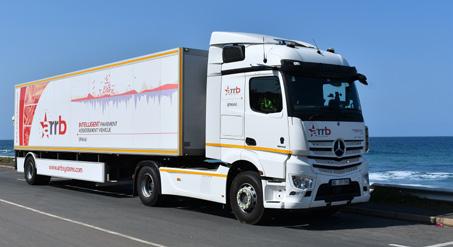


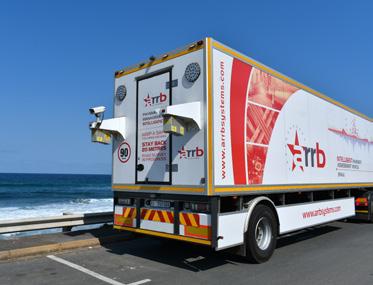
Deteriorating road conditions, compounded by reactive maintenance, are burning issues that can only be corrected through targeted engineering responses. IMIESA talks to ARRB Systems South Africa (ARRB) Chief Business Officers, Malusi Mkhize (MM) and Sphe Mkhabela (SM), about ARRB’s pavement data solutions.
How does ARRB define sustainability within the roads sector?
MM At ARRB we approach this vitally important topic – as defined by the integrated UN Sustainable Development Goals (SDGs) – via key platforms focusing on road infrastructure as a major socio-economic enabler. Our company motto is “SAFER ROADS, BETTER ROADS”, employing data science and benchmarked civil engineering methodologies to optimise road infrastructure asset management.
The starting point for all road agencies is an accurate record of their network condition. Here, ARRB Systems provides specialised services that support maintenance interventions and safety enhancements.
In this respect, ARRB SA has a team of iRAP (International Road Assessment Programme)
accredited road safety inspectors. The latter are qualified to conduct road safety audits, road safety inspections, and the implementation of risk mapping to verify problematic areas needing urgent attention. Compliance is based on a star grading system. One star ranks as least safe and five is the safest, also considering elements such as lighting and road furniture.
In parallel, our technologies are designed to minimise environmental impact by employing non-invasive techniques.
What are examples of the ARRB Systems technologies employed to deliver comprehensive road asset management systems?
SM Surface condition is only one indicator of pavement health. We’ve seen roads that have failed six months down the line that
were meant to last 20 years. A primary factor is an incomplete analysis of the underlying faulty layer works, which is where our highly specialised technologies provide a major advantage.
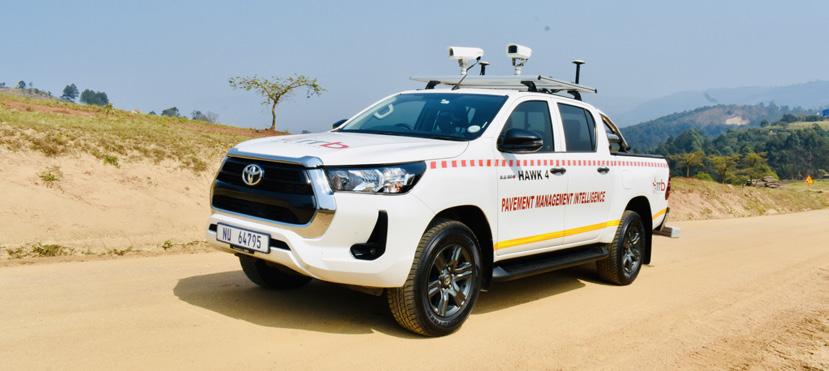
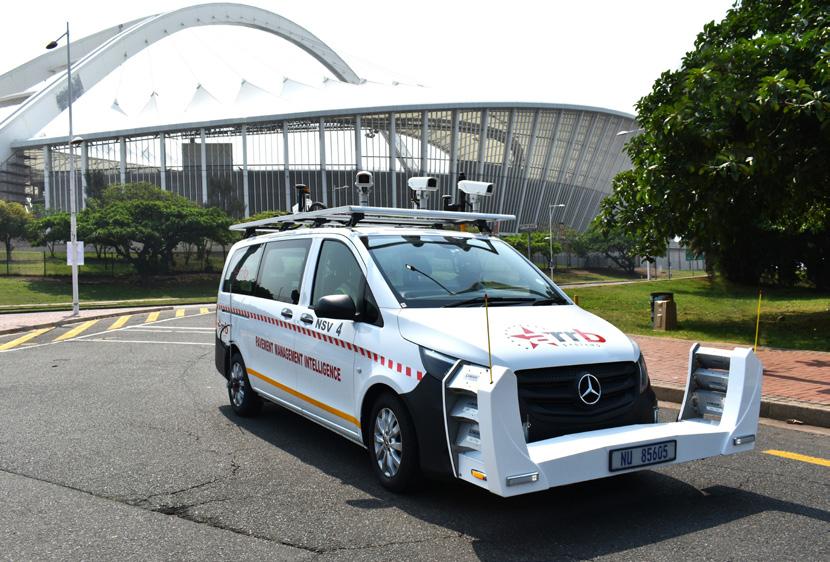
A prime example is our flagship iPAVe Intelligent Pavement Assessment Vehicle, which measures continuous pavement deflection profiles at highway speeds, plus surface condition data such as roughness, rutting, texture and automatic crack measurements. Measurements can be calibrated to the millimetre, depending on the level of data required, with a heat map generated every metre to highlight inherent defects and identify uniform sections with accuracy. The whole process is georeferenced and automated from start to finish. Additionally, all data as well as consolidated reports are accessible to the client via our cloud-based platform, Hawkeye Insight. From there the recommendation could range from resurfacing to full layer works rehabilitation.
We also have an allied technology known as iSAVe (Intelligent Safety Assessment Vehicle), which focuses on measuring surface friction while integrating this with the typical surface condition data, and analyses the recorded data to improve road safety, efficiency, and sustainability.
Overall, our technologies enable clients to target the right investment for the right solution, based on the proverb, “a stitch in time, saves nine”.
Does ARRB Systems SA have a unique value proposition?
SM Our integrated asset management approach is at the cutting edge of what is
available globally. This is where engineering, data science and road economics come together within a single decision support framework. This enables infrastructure investment to be channelled where it’s needed most. That’s because high data accuracy eliminates subjectivity.
In the past and present, the norm for seasoned professional engineers in industry is to walk the road, dig test pits and define the condition. That is time-intensive, plus visual assessment opinions can vary, and there’s a strong chance of missing something lying beneath the surface. In addition, personnel are exposed to potential traffic hazards.
In contrast, our high-tech vehicle-based survey equipment is repeatable and evidence based, plus it covers the entire surface area of the road through continuous measurement. For existing clients, current data can also be compared against past results to determine if a previous rehabilitation approach was effective.
There’s no doubt that our technologies empower engineers in unprecedented ways to deliver exacting results. That can translate into millions saved by asset owners through proactive maintenance, with better value for money in the long run.
What are the key factors exacerbating road failures?
SM We’re all familiar with the expression, “What gets measured is what gets managed”. However, the reality for many road agencies is that they don’t have access to accurate data to execute an “operations by design” methodology. That leads to reactive maintenance, misallocated budgets and repeat failures.
Overall, our recommendation is not to just “fix your worst sections first” – which tends to be a common pattern – but rather to preserve those roads that are in fair or good condition first while making systematic effort to reduce the maintenance backlog.
How many South African road agencies have an accurate asset management system and why is this important?
MM One of the common findings is that a high percentage of South African municipalities operate at an asset management maturity level of one and two out of a possible five in line with ISO 55001 standards. Level one is obviously the least desirable, while level five is the most optimised.
At levels one and two, asset management systems may be in place, but this tends to be more of a desktop exercise to qualify for grant compliance purposes.
We’ve also found that where new roads have been constructed, they’re often not updated on the municipality’s GIS systems, where available. This presents major gaps in terms of network records and accurate budgeting. In response we’re proud to state that where we’ve partnered with municipalities, we’ve been able to add major value via our purposedesigned technologies. Our clients now know the overall condition of their roads.
We then work with our municipal engineering counterparts to assist in the development of maintenance plans. These range from shortterm three-year plans to long-term 10-to-15year maintenance programmes. Significantly, projects are prioritised by data decisions, and not subjectively.
Does the ARRB Systems business focus include unpaved networks?
MM Absolutely, and this is a crucial area for rural economies. We consider aspects such as the international roughness index (IRI) to determine riding quality, typically using either our Hawkeye 1000 or Hawkeye 2000 road survey vehicles, depending on the scope.
Where are the key growth opportunities for ARRB Systems within the SADC and broader African region?
SM As a leading multinational, ARRB Systems works with road agencies worldwide. As the South African arm, extending our services into the SADC and the broader region is a logical progression.
To date, we’ve gained key insights based on our market research of how asset management systems are employed in cross-border territories. Most of these countries still use visual based methods, so the introduction of our proprietary technologies will be a major gamechanger.
So far, we’ve been involved on projects in Botswana and Namibia, and are studying opportunities in countries like Mozambique and Zimbabwe. In Zambia, we’ve also had recent discussions with a toll road concessionaire for the potential provision of ARRB Systems’ data collection services.
From a product perspective, we’ve sold specific proprietary equipment into SADC and the rest of Africa, where gravel roads predominate. These include our Roughometer 4, an easy-to-use road roughness measurement tool, and the Walking Profiler G3, designed to collect surface condition information at walking speed.
We continue to explore strategic partnership opportunities on the continent where we can add value. Plus, we’re attending regional conferences, where we can share and exchange knowledge. An example includes the upcoming 11th International Conference on Sustainable Transportation in Africa (ICTA 2026) during July in Windhoek. We’ll be presenting two papers on road safety and road condition data, respectively.
What are some of the next generation services that ARRB Systems has on the horizon?
MM ARRB’s Research and Development Centre in Australia is our innovation hub, and there are exciting new products in the pipeline. A current exciting development is the incorporation of ground penetrating radar on our survey vehicles to verify as-built services within the road prism. The response from municipalities has been highly positive.
Based on market feedback, we’re also looking at other elements that complement our pavement data services. That includes traffic data and bridge management systems.
So, can we turn around the maintenance backlog?
MM Yes, definitely. However, we need to embrace new technologies to make informed decisions that maximise constrained municipal budgets. With accurate data, everything else falls into place in terms of safe, sustainable and wisely invested infrastructure.
A number of the leading political parties in South Africa have announced the establishment of “war rooms” or similar emergency structures to address local government issues ahead of this year’s municipal elections. By Bani Kgosana
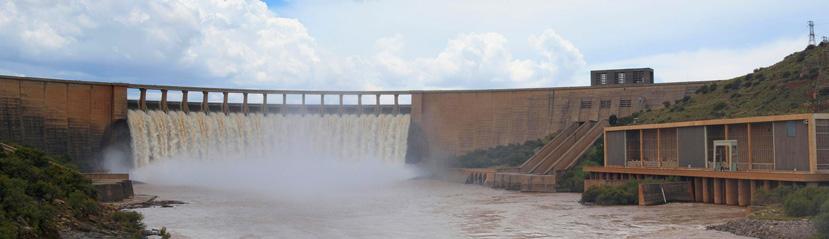
The North West province demonstrates a classic example of asset management failure. Municipalities struggle to deliver water to residents despite adequate water levels in dams. The problem is poor water reticulation infrastructure (i.e., the pipes, pumps, and distribution systems that should transport water from dams to taps).
The ANC's new war room has identified water reticulation and rural road infrastructure as top priorities for immediate intervention. When water systems collapse, and the electricity supply becomes unreliable, it’s not about service delivery but fundamental human rights. Neglect infrastructure long enough, and rebuilding costs will vastly exceed routine repairs.
The medium-term budget policy statement delivered by Finance Minister Enoch Godongwana in November outlined three strategic priorities that have gained traction: professionalising the public service, stabilising government debt, and investing in growth-driving infrastructure. What makes this approach notable is its origin. These weren't demands imposed by external stakeholders but emerged from the government's own strategic planning.
The market responded positively. S&P Global Ratings upgraded South Africa's credit outlook before any major projects had broken ground, suggesting that credible planning can restore confidence even ahead of visible results. Beyond the headlines, something fundamental is shifting. Municipalities are moving away from
crisis management toward systematic lifecycle planning. Asset registers are being established, maintenance schedules formalised, and infrastructure policies codified. This represents a key transition that could prove more valuable than any single capital injection.
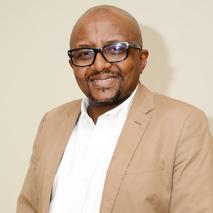
Bani Kgosana, Chief Revenue Officer at Pragma
Eskom's trajectory over the past year offers proof of concept. As operational reliability improved, the utility shifted from consuming resources to generating them. The return to profitability wasn't achieved through magic but through disciplined, scheduled maintenance. When assets function as designed, they create value rather than drain it. However, execution remains the critical challenge. Request-for-proposal documents often reveal a gap between intention and expertise. Specifications are written by officials who understand the problem but lack the technical grounding to define solutions effectively. Procurement processes default to selecting the lowest bidder rather than the most capable provider. And in too many cases, commitments are postponed to the next budget cycle as debt constraints limit immediate action.
This creates both a problem and an opportunity.
South Africa has developed world-class asset management capabilities. Pragma, a leader in enterprise asset management, has proven local solutions now deployed in 46 countries. The challenge is ensuring these capabilities are applied where they're needed most.
Public-private partnerships offer a practical path forward. During the pandemic, Pragma delivered free training to Eskom personnel, covering maintenance fundamentals, failure analysis, and project preparation. Similar initiatives have helped municipalities improve asset data quality and define appropriate service levels across all three spheres of government.
Modern enterprise asset management platforms like Pragma’s On Key software can coordinate maintenance workflows, allocate resources efficiently, and ensure work quality through systematic oversight. For contracted services, digital systems can match jobs to the nearest qualified provider, reducing response times while minimising administrative overhead.
The infrastructure and technical knowledge exist, and the political commitment has been articulated. What this year will test is whether political will can be converted into sustained action.


Aggregated into VPPs and managed by AI algorithms, renewable energy installations become grid stabilisation assets providing voltage support, frequency regulation, and load balancing
The electricity sector stands at a peculiar crossroads. On one hand, we possess unprecedented technological capabilities to monitor, predict, and optimise energy systems in real-time. On the other hand, most African electricity networks – including Johannesburg’s – operate as if these technologies don’t exist.
By Devesh Mothilall
This technological asymmetry represents both our greatest frustration and our greatest opportunity. The question is no longer whether digital transformation can fix our electricity crisis. The question is whether we possess the institutional courage to implement it systematically.
Johannesburg’s City Power loses R2.5 billion annually to illegal connections and non-technical losses. Between July 2024 and March 2025, the city experienced 97 715 power

outages. Meanwhile, elsewhere in the world, artificial intelligence (AI) algorithms are predicting equipment failures months in advance, reducing downtime by 30%.
Machine learning models are detecting electricity theft with 97-98% accuracy. Digital twins are simulating grid scenarios before infrastructure is built or modified. These aren’t theoretical possibilities – they’re proven technologies deployed today in Kenya, Ghana, and South Africa’s own Eskom. What’s missing isn’t technology. What’s missing is the courage to deploy it comprehensively.
Devesh attended the University of Cape Town for a Hons Degree in Electrical Engineering, the University of Pretoria for a Master's Degree in Technology Management and the University of Stellenbosch for a Master's Degree in Renewable and Sustainable Energy. He also obtained a Master's in Artificial Intelligence from the University of Johannesburg and is currently completing a PhD in Engineering Management.
The foundation: Smart grids and advanced metering
Digital transformation in electricity begins with visibility. City Power’s Smart Meter Implementation Programme represents this foundational layer. Advanced Metering Infrastructure (AMI) enables two-way communication between utilities and customers, allowing real-time monitoring of electricity consumption and supporting the bi-directional electricity flows essential for renewable energy integration.
This isn’t merely administrative. Consider what smart meters enable: they detect tampering in real-time rather than months later during physical inspections; they provide granular data on consumption patterns revealing where theft occurs; they support demand response programmes that reduce peak electricity demand by up to 15% in some regions. Yet here’s the uncomfortable truth: smart meters alone won’t solve our crisis. They detect the problem. They don’t fix the underlying institutional dysfunction that allows illegal connections to persist in the first place.
For municipalities implementing smart meter programmes, prioritise high-loss areas where non-revenue electricity losses exceed 30%.
Begin with pilot deployments in 5 000-10 000 meter units before citywide rollout. Establish clear communication strategies explaining why smart meters benefit consumers – transparent data on their consumption, the ability to identify theft in their supply chain, and integration with
demand management programmes. The Eskom rollout stumbled partly due to poor customer communication; learn from this experience.
The challenge has become an implementation reality. Eskom’s planned rollout of 6.2 million smart meters faces significant obstacles –budget uncertainty, procurement delays, and deployment timelines extending to 2029. City Power paused its ambitious conversion programme in September 2025 due to billing discrepancies and customer complaints. The lesson is clear: technologies work; institutional capacity does not. Municipalities must invest concurrently in workforce training, billing system upgrades, and customer communication – not as afterthoughts, but as core implementation priorities.
Predictive maintenance: Fixing equipment before failure
Africa’s electricity infrastructure is ageing catastrophically. Transformers, turbines, transmission lines – the physical backbone of our grid – often date from decades past. When they fail, they cascade into blackouts affecting hundreds of thousands of people. Reactive maintenance – waiting for equipment to break, then scrambling to fix it – has defined African utility operations for generations.
Predictive maintenance flips this paradigm. AI algorithms analyse sensor data on transformer vibrations, oil quality, load patterns, and environmental conditions to identify potential failures months before they occur. Targeted maintenance is then scheduled during planned outages rather than in emergencies. The results are striking: Ghana’s Electricity Company (ECG) reduced downtime by up to 30% through predictive maintenance implementation. Kenya Power and Lighting Company (KPLC) extended equipment lifespan by 20-30% while dramatically reducing emergency repair costs.
For municipalities adopting predictive maintenance, begin with your highest-risk assets – transformers and substations experiencing frequent faults. Install IoT sensors on these priority assets first. Partner with technology providers or academic institutions to develop machine learning models trained on your utility’s specific data. Early deployments will reveal hidden patterns in your infrastructure performance that reactive maintenance has obscured for years.
For Johannesburg, this capability is transformative. City Power operates transformers, substations, and distribution lines in a constant state of stressed operation. Predictive maintenance doesn’t just prevent blackouts – it extends asset lifespan, reduces emergency repair spending by 20-30%, and frees maintenance personnel for proactive rather than reactive work.
The irony is that this technology costs less to implement than continuing reactive operations, yet most municipalities haven’t deployed it.
AI-powered detection: Stopping electricity theft at its source Here’s where the data becomes truly uncomfortable. Research at Msunduzi Municipality demonstrated that machine learning algorithms can detect electricity theft with accuracy exceeding 97-98% by analysing consumption patterns, meter tampering indicators, and purchase records. These aren’t theoretical accuracies – they’re validated on real data from over 20 000 customers.
Yet City Power and Eskom continue operating with detection methods that identify perhaps 5-10% of actual theft. The technology gap is staggering. AI-driven anomaly detection systems provide real-time alerts when consumption patterns indicate meter tampering or illegal connections. Combined with smart meters featuring anti-tampering hardware, these systems create a defence-in-depth approach that transforms electricity theft from an institutional inevitability into a manageable problem.
Municipalities must act on three fronts simultaneously. First, implement AI-powered anomaly detection systems that flag suspicious consumption patterns in real-time. Second, establish rapid-response investigation teams (not IT specialists – field technicians) empowered to act on AI alerts within 48 hours of detection. Third, develop enforcement protocols with predictable consequences rather than discretionary prosecution. When customers know illegal connections will be detected and disconnected consistently, compliance rates improve dramatically.
Implementing this requires more than technology. It requires institutional will to act on AI-generated alerts, to prosecute detected theft offenders, and to allocate adequate resources for follow-up investigation. It requires utilities to view data as strategic intelligence rather than an administrative byproduct. Johannesburg hasn’t made these choices yet. Neither have most South African municipalities. This is not a technology problem. This is a governance problem.
Digital twins represent the most transformative technology for Johannesburg’s grid modernisation. These are dynamic virtual replicas of physical distribution networks, integrating
real-time data from smart meters, substations, and sensors to provide comprehensive grid visibility. Grid operators use digital twins to monitor resilience in real-time, predict equipment health, and simulate reinforcement scenarios before investing billions in physical infrastructure.
For developing countries like South Africa, digital twins offer specific strategic advantages. They identify overload events in distribution transformers before faults occur. They detect unexplained power losses, indicating theft. They provide real-time power flow information for demand management systems. Most importantly, they allow grid operators to conduct impact analyses for integrating distributed energy resources – solar panels, batteries, microgrids –without destabilising the broader network.
Municipalities considering digital twin deployment should begin modestly. Don’t attempt a full-grid digital replica on your first attempt. Start with a single substation or distribution zone experiencing recurrent problems. Build your digital twin with your highest-loss or highest-outage area. Run six months of parallel operations – comparing digital twin predictions against real-world outcomes. Only when confidence in accuracy reaches 90%+ should you expand to additional zones.
Johannesburg’s ageing distribution infrastructure represents an ideal use case for digital twin deployment. Rather than replacing the entire network at staggering cost, digital twins can identify precisely which sections require reinforcement, which can accommodate rooftop solar installations without overload, and where
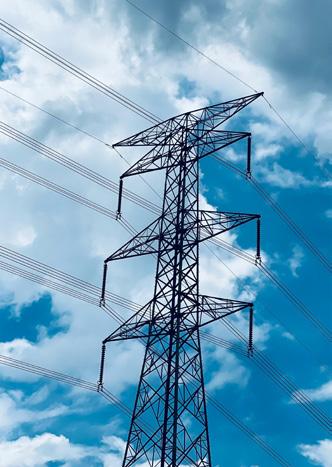
Africa’s electricity infrastructure is ageing catastrophically. Transformers, turbines, transmission lines – the physical backbone of the grid – often date from decades past
distributed generation should be encouraged. This transforms infrastructure investment from guesswork into precision medicine.
Virtual power plants (VPPs) and AI-driven demand response VPPs aggregate distributed energy resources –rooftop solar, battery storage, demand-flexible loads – into networked systems functioning as unified grid resources. AI platforms orchestrate these assets collectively, providing services traditionally delivered by conventional power stations without any incremental generation capacity.
The strategic significance for Johannesburg is profound. South Africa’s installed rooftop solar capacity reached 3.2 GW by 2023, with renewable energy accounting for 8.8% of electrical energy. Yet these installations operate in isolation, creating grid management challenges. Aggregated into VPPs and managed by AI algorithms, these same installations become grid stabilisation assets providing voltage support, frequency regulation, and load balancing.
Research demonstrates that AI-enhanced demand response can reduce peak electricity demand by up to 15% – the equivalent of avoiding expensive new generation infrastructure. Mayor Dada Morero has explicitly called for City Power to leverage AI-based load management and peerto-peer energy trading to increase efficiency and empower residents and businesses to sell surplus energy back to the grid. This isn’t futurism. It’s policy guidance awaiting implementation.
For municipalities developing a VPP strategy, pilot with commercial and industrial customers first. They possess sophisticated energy management systems, larger installations with measurable impact, and financial incentives to participate. Prove the concept at scale before expanding to residential prosumers. Work with technology providers to establish revenuesharing models, ensuring participants benefit tangibly from VPP participation. Success breeds adoption; pilots built on transparent benefit-sharing succeed more consistently than mandated programmes.
Data analytics: Making decisions based on evidence rather than intuition
The electricity sector generates extraordinary quantities of data – from smart meters, sensors and customer payments to satellite imagery monitoring solar installations. Yet most of this data remains unanalysed, unshared, and unutilised. Data analytics transforms raw information into strategic intelligence, driving
investment decisions, maintenance scheduling, demand forecasting, and new business model development.
South Africa’s connectivity foundation makes this possible. As of 2023, 78.6% of South Africans have internet access, driven primarily by mobile penetration of 72.6% of households. This provides the connectivity infrastructure necessary for real-time data transmission and cloud-based analytics. The challenge has become institutional: municipalities must decide whether data belongs to citizens or utilities, whether analysis should be transparent or proprietary, and whether decisions should be evidence-based or politically expedient.
Municipalities must prioritise data infrastructure investment as fundamental to digital transformation – not an optional niceto-have. Establish clear data governance frameworks specifying what data is collected, how it’s stored, who can access it, and what privacy protections exist. Partner with academic institutions or research centres to conduct sophisticated analysis without requiring massive internal data science teams. Publish anonymised, aggregated findings regularly to demonstrate data’s transformative potential. Transparency builds institutional credibility and public trust.
For Johannesburg, data analytics offers a specific capability: identifying exactly which areas experience the highest electricity theft; determining which customer segments are most profitable and which require subsidy; forecasting electricity demand months in advance to optimise generation planning; detecting patterns indicative of equipment failure. These capabilities already exist. Implementation remains elusive.
Cybersecurity: Protecting digital transformation before building it
As electricity distribution networks become increasingly digitised through smart grids, IoT technologies, and distributed energy resources, cybersecurity risks multiply dramatically. Cyberattacks on energy providers more than doubled between 2020 and 2022, with utilities becoming favoured targets for ransomware, phishing campaigns, and advanced persistent threats.
The irony is cruel: the same digital transformation necessary to solve Johannesburg’s electricity crisis simultaneously creates new vulnerabilities. Smart meters offer unprecedented visibility into consumption patterns – but can be hacked to cause blackouts or manipulate billing. Digital twins aggregate critical infrastructure data – but
represent honeypots for nation-state actors. VPPs coordinate thousands of distributed devices – each one a potential attack vector.
Cybersecurity cannot be an afterthought to digital transformation. It must be embedded in every technology deployment from inception. Before deploying any smart grid technology, conduct comprehensive threat assessments identifying potential vulnerabilities. Establish cybersecurity requirements in all vendor contracts. Implement network segmentation, separating operational technology (OT) systems from information technology (IT) systems. Conduct regular penetration testing and vulnerability assessments. Budget 15-20% of digital transformation spending for cybersecurity rather than 2-3%.
This requires layered defence-in-depth security architectures; regular vulnerability assessments and penetration testing; secure development practices for digital twins and IoT devices; and comprehensive grid cybersecurity programmes integrating OT and IT systems. South African municipalities are substantially under-resourced for this challenge. Many haven’t even begun cybersecurity planning for digital transformation programmes.
Workforce transformation: Building capacity for 4IR readiness
Digital transformation is fundamentally limited by human capacity. Studies predict that 85% of work roles will require digital skills by 2030, yet workforce reskilling lags dramatically behind technology deployment. Energy executives identify workforce reskilling as their top priority, with 70% highlighting the need to upskill or reskill employees in generative AI within three years.

For municipalities, workforce development isn’t a human resources problem – it’s a strategic imperative. Establish clear skills development pathways for different employee cohorts: grid operators need digital literacy and understanding of data-driven decision-making; technicians need training in IoT sensor deployment and maintenance; data analysts need advanced statistics and machine learning fundamentals; project managers need an understanding of digital transformation risk management.
For Johannesburg and South Africa’s energy sector this creates an opportunity: the Fourth Industrial Revolution cannot be implemented by importing foreign expertise indefinitely. Sustainable capacity requires developing homegrown skills in AI and machine learning fundamentals, data analytics and visualisation, cybersecurity for critical infrastructure, predictive maintenance technologies, smart
predict that 85% of work roles will require digital skill s by 2030
grid operations, and digital transformation project management.
Technical and Vocational Education and Training (TVET) centres must prioritise lecturer development to build digital skills capacity. Universities must integrate AI and smart grid curricula into engineering programmes. Utilities must establish internal training academies, developing technicians capable of deploying and maintaining sophisticated systems. The cost of building this capacity is substantial. The cost of not building it – remaining dependent on imported expertise and falling further behind technologically – is far greater.
Customer service transformation:
Engagement in the Digital Age Digital transformation extends beyond grid operations into customer engagement. City Power launched the Joulene AI chatbot in June 2024, accessible on the City Power website, to assist customers with queries about power outages and electricity-related issues.
Operating 24/7, Joulene responds to customer enquiries, complementing traditional channels including phone support, WhatsApp, social media, and walk-in centres.
Similarly, Eskom deployed Alfred, an AI chatbot accessible via web and WhatsApp (08600 37566, launched February 2025), to assist customers with logging power interruptions, reporting faults, and meter readings. Alfred provides real-time fault reporting with reference numbers and progress feedback.
Municipalities implementing customer service AI should ensure accessibility across multiple channels – web, WhatsApp, voice-based systems for customers without smartphones. Begin with straightforward query categories (outage status, billing questions, fault reporting) before expanding to complex troubleshooting. Ensure human escalation pathways remain available for queries that the chatbot cannot resolve. Monitor customer satisfaction metrics actively; poor chatbot experiences damage rather than enhance the utility's reputation. These chatbots represent important first steps in digital customer engagement,


particularly during periods of widespread service disruption. They provide customers with critical information and self-help tools through channels accessible 24/7. Johannesburg’s challenge has become scaling these interventions across its entire customer base while ensuring digital exclusion doesn’t create new inequities for residents without smartphone access. This requires intentional design for inclusion, not technological optimisation alone.
Municipal implementation framework: From vision to reality
Digital transformation cannot be ad-hoc. Municipalities must establish clear implementation frameworks with realistic timelines and sequenced priorities.
Phase One (Months 1-12)
Foundation Building: Establish data governance frameworks; pilot smart meters in 5 000-10 000 meter units in high-loss areas; launch customer service AI chatbots; conduct comprehensive cybersecurity assessments; begin workforce reskilling programmes. Success at this phase builds organisational capability and demonstrates value.
Phase Two (Months 13-24)
Detection and Prevention: Deploy machine learning-based theft detection systems; expand smart meter rollout to 25% of the customer base; establish rapid-response investigation teams; implement cybersecurity baseline protections; scale workforce development programmes.
Phase Three (Months 25-36)
Optimisation and Integration: Begin predictive maintenance deployment on priority assets; pilot digital twin infrastructure; develop VPP aggregation capabilities; integrate data analytics into strategic planning; achieve 50%+ smart meter coverage.
Phase Four (Year Four+) Continuous Improvement: Expand all initiatives
systematically; achieve full smart meter coverage; establish AI-driven demand response at scale; implement digital twinning across the full distribution network; build sustainability through continuous capability development.
The choice: Digital-First or Digital-Avoidant
Johannesburg stands at a genuine inflexion point. The technologies to transform electricity delivery – predictive maintenance, theft detection, digital twins, virtual power plants, AI-driven demand response – all exist today. They’re proven elsewhere. They’re available for deployment. The barrier is institutional will. Digital transformation requires utilities viewing themselves as technology companies, investing in skills and infrastructure, making long-term commitments to continuous improvement, and accepting that transformation takes years, not months.
It requires political leadership prioritising evidence-based decision-making over political expedience. It requires acknowledging that current approaches have failed and genuinely committing to alternatives. It requires municipalities to establish clear implementation frameworks, sequence priorities realistically, and build organisational capacity systematically.
The alternative is an unchanged trajectory: continued increases in non-revenue losses, persistent electricity shortages, ageing infrastructure failures, and widening inequity between communities with and without reliable electricity access.
The technology exists to transform Johannesburg’s energy future. The institutional frameworks exist to implement it. The question is whether leadership exists – across municipalities, utilities, and government – to commit to the long, demanding work of digital transformation. That question will define South Africa’s electricity sector for the next decade.
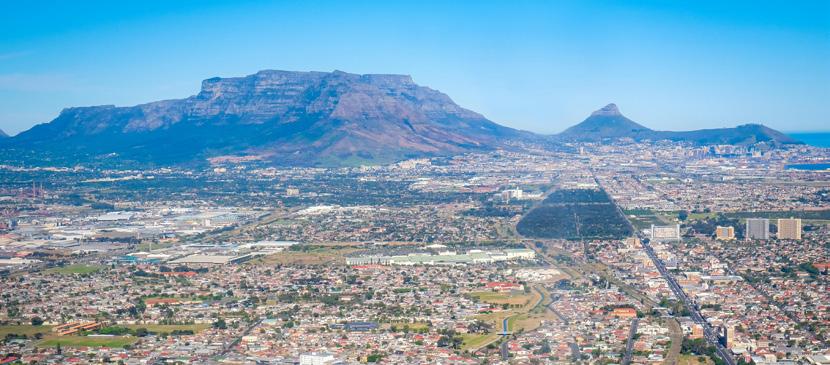
South Africa’s future will be decided by its cities. Yet, despite rapid urbanisation, most urban areas continue to reproduce inequality, inefficiency and spatial exclusion. The challenge is not a lack of policy ambition or private sector capacity: it is a challenge of delivery, and it is critical that we take this head-on if we hope, in any way, to plan our successful road ahead. By Deon van Zyl
This is what the Western Cape Property Development Forum (WCPDF) will be looking at during its 13 th Annual Conference later this year in June, under the theme “Future (City) Perfect”. We chose this theme because, firstly, the South African economy is growing. Secondly,
because of our regional base in the Western Cape, we must acknowledge that the province is truly taking its position within this economy. And, thirdly, following international trends, we know that growth equates to urbanisation which equates to pressure on infrastructure. Within this context, there are a number of important discussions to be had.
Infrastructure must lead growth
Cities are not built by government alone, nor are they built by markets operating in isolation. They are built – or broken – by the interaction between the two. If South Africa is therefore serious about building its future cities, it must of course confront the institutional, regulatory and infrastructure constraints that are actively holding it back. But it must also be open and honest to the role that the private sector can play in this space – and will play despite government, if government cannot step up to the plate. Cities grow where infrastructure leads. And every rand of public infrastructure should be used to crowd in private investment. However, infrastructure cannot do the work alone; where it is provided, private capital must follow with scale, density and inclusion.
Municipal collaboration must lead megacity planning
South Africa is quietly moving towards a megacity future. The functional urban regions of Cape Town, Stellenbosch, Paarl, Wellington and the West Coast are already beginning to blur. Gauteng’s metros are effectively one continuous urban system. With a new port now in development, eThekwini is set for the same future.
Yet this growth is largely unmanaged at a regional scale, and the choice before us all is stark. We can set long-term spatial masterplans now, aligned across spheres of government and supported by infrastructure investment – or we can continue reacting project by project, risking the emergence of unworkable urban mega-monsters: congested, expensive, environmentally fragile and socially divided. This raises uncomfortable questions. Where should future density go? Which transport corridors will carry the next million residents? How do smaller towns absorb growth without losing their economic purpose or quality of life? And crucially, who decides?
Without clear regional planning frameworks that extend beyond municipal boundaries, cities will sprawl by default. Infrastructure will chase development rather than shape it. And inequality will continue to be built into the physical form of our cities.
This is a key for each and every individual municipality, because their success will also depend on collaboration (sharing both lessons and failures) with other municipalities. Municipalities also need to understand that investors increasingly do not see municipal boundaries. If there was ever a time to think outside the box spatially on collaboration between the private and public sector, this is it.
Urban design must lead the future
Urban design is no longer a “nice to have”.
In South Africa’s current context, it is an economic and social necessity. Well-designed urban environments drive productivity, reduce infrastructure costs, support public transport and improve safety and social cohesion. Poorly designed ones lock in car dependence, long commuting times and expensive retrofitting.
Yet urban design is often value-engineered out of projects or treated as an aesthetic layer added after key decisions have already been made. The result is predictable: developments that may be financially viable in the short term, impose longterm costs on cities and residents.
The challenge is to reframe urban design both in terms of profitability but also as a generator of long-term value. This requires aligning planning policy, zoning, approvals and development incentives so that compact, mixed-use, walkable neighbourhoods are the easiest – not the hardest – projects to deliver. If South Africa wants cities that endure, urban design must move from the margins of development to its core.
The fiscal model underpinning South African cities is under severe strain. Municipal revenues are stagnating, infrastructure backlogs are growing, and national transfers are increasingly constrained.
Building the cities of the future will require new funding models and revenue streams, and publicprivate partnerships will play a role – but only if regulatory certainty and institutional capacity exist.
Global investors are watching closely. They are willing to invest in urban infrastructure and real estate, but they are selective. Capital flows to
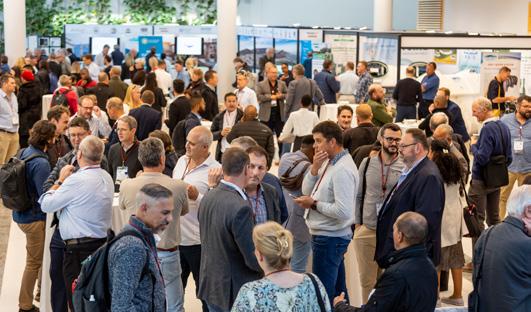
Participants attending the 12 th Annual Conference of the Western Cape Property Development Forum (WCPDF) at the CTICC in June 2025
places with clear rules, credible pipelines and predictable approvals. Uncertainty – whether political, regulatory or administrative – pushes investment elsewhere.
The debate is no longer urban versus rural. It is about integrated regional economies, where cities act as engines of growth while supporting surrounding towns and agricultural systems. The future belongs to regions that can articulate a coherent investment story … and deliver on it.
Production pipelines must be built on the future
The way cities are planned, approved and built is undergoing rapid global change. Digital planning platforms, modular construction, off-site manufacturing and AI-assisted design are already reshaping the production process. Plus, internationally, the built environment management suite is rapidly changing, impacting the relationship between developer, consultant and contractor in a world where speed and adaptability matter as much as technical compliance.
In South Africa, the question is not whether these changes will happen, but how quickly –and whether our regulatory systems can keep up. Building plan approval remains a critical bottleneck, as does land reform and release. Lengthy, inconsistent and manual processes add cost and risk to projects, particularly for smaller developers. The promise of AI-enabled approvals, digital twins and automated compliance checking is enormous, but only if standards, data and accountability are in place.
At the same time, new risks are emerging: How do we insure projects and protect ourselves against increasing cyber risk in a “new world”?
Future cities require future-ready production systems; and regulators must be partners in innovation, not obstacles to it.
To build future cities we must rebuild our capacity
Ultimately, cities are built by people. However, South Africa faces a growing skills crisis across
the built environment: planners, engineers, project managers, artisans and qualified inspectors are in short supply. Expertise in public sector capacity has been hollowed out, replaced instead with more administrative box-tickers, while the private sector struggles to attract and retain talent in an uncertain market.
Rebuilding this capacity requires coordinated action: education institutions must align curricula with real-world needs; industry must invest in training and mentorship; and government must professionalise and stabilise key technical roles.
The future city cannot be delivered by policy alone. It requires a talent pipeline that matches ambition with capability.
The ultimate “must”: A shared call to action
So, what does the call to action look like, and how must it be shared? National government must align housing, transport and infrastructure policy around urban productivity, reform regulations that add cost without improving outcomes, and use infrastructure spending deliberately to encourage private capital.
Metros and municipalities must treat planning approvals and infrastructure delivery as economic functions. Approval timeframes should be published, measured and enforced. Bulk infrastructure investment must prioritise well-located areas, even when politically uncomfortable.
Regulators must move from risk-averse, compliance-heavy models to proportionate, outcomes-based regulation that recognises diverse delivery models, particularly small-scale and infill development.
And the private sector must step up – aligning investment with spatial policy, delivering density where cities can support it, diversifying housing typologies, and engaging cities as long-term partners rather than short-term risks.
South Africa already knows how to build better cities. The obstacle is not a lack of ideas, but a lack of institutional courage, market discipline and delivery accountability.
The future of the country will be shaped in its cities. Whether those cities enable growth or entrench decline depends on what government and the private sector choose to do – now.
The 13th Annual Conference of the WCPDF will take place at the CTICC in Cape Town from 24th to 25th June 2026 under the theme “Future (City) Perfect”. For more information, please visit www.wcpdfconference.org.za
A preferred pile type in densely built and environmentally sensitive areas, auger cast-in-situ piles are created using a flight auger
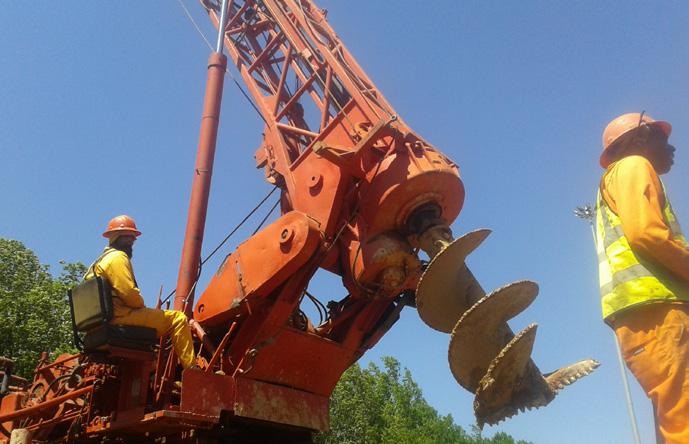
Weathering the cyclical storms of the South African construction industry, Gauteng Piling celebrates its 30th anniversary in 2026. IMIESA speaks to the company’s founder and chairman, Nico Maas, about his instrumental contribution in establishing the foundation for landmark structures across South Africa. To date more than 1 950 projects have been successfully completed without a single failure.
Establishing and running a construction business for three decades requires a high degree of good fortune and determination,” says Maas. “That’s backed by a skilled and dedicated team that

can flourish in an enabling culture, with a commitment to quality and sound business ethics. Due diligence in terms of geotechnical reports is also key before accepting work. It’s also mandatory for residential projects in terms of NHBRC requirements.”
“Additionally, growing and maintaining a strong client base is essential, working collectively to solve often complex challenges, because piling nearly always uncovers the unexpected in terms of geology, groundwater, plus at times underground as-built services. That’s why we remain a success, plus we have a flattened structure that ensures that every job role is 100% responsive and productive. We also provide a full design and construct service, with unique in-house piling techniques and high availability plant.”
A University of Pretoria alumnus and professional civil engineer, Maas completed his bursary commitment with what is now the Department of Water and Sanitation, before entering the mainstream industry. His engagements entailed roles as site agent and subsequently contracts manager for Grinaker Piled Foundations (1976 to 1984). Maas’ next career milestone was his appointment as a director of Dura Piling (1984 to 1996) before deciding to take a leap of faith to form his own business – Gauteng Piling – in 1996. The latter is currently 100% owned by the Maas Family Trust.
At the time, one of Dura Piling’s key clients was Barrow Construction, forming part of the Barrow Group founded in 1897, which today is one of South Africa’s longest operating construction and property specialists. Hearing that Maas was starting out on his own, Barrow Construction expressed interest and invested
as shareholders in the new venture. They exited around 2017 following a decision to disinvest from non-core businesses.
“Barrow’s investment at the time provided a major boost, enabling us to acquire the critical piling plant needed to operate in what is a capital equipment intensive industry segment,” Maas explains. “In terms of the agreement, we had free rein to work across the industry, mostly targeting buildings, but with niche involvement in civils contracts, such as bridge piling and renewable energy developments. Going into 2026 we have an excellent order book pipeline, focusing predominately in Gauteng and neighbouring provinces.”
Some of Gauteng Piling’s major building projects since 1996 include:
• Greenstone Mall, Edenvale
• Alex Junction, Alexandra
• Casa Bella, Centurion
• Clearwater Mall, Roodepoort
• The Nova Vida multistorey housing development in Luanda, Angola, where 6 700 piles were installed between 2001 and 2003
• The Standard Bank Global Leadership Centre, Morningside
• The SARS Building, Alberton
• The Grove Mall, Pretoria
• Mall of Africa, Midrand
• PPC Hercules, Pretoria, and
• The bulk of the piling on new developments between Main Road and Winnie Mandela in Bryanston.
As his experience grew, so too did an appreciation for the need for broader leadership involvement aimed at sustaining the construction sector and ensuring equitable practices. These include his role as chairman of Federated Employers Mutual Assurance Company (FEM), which provides workmen’s compensation insurance for the construction industry – a position he held from 2007 to 2023. Maas was also appointed as a board member of the Construction Industry Development Board (CIDB) between 2011 and 2016 and is a Past President of Master Builders Association (MBA) North and Master Builders South Africa (MBSA), among other key sector leadership positions.
“Within the construction sector, a positive interrelationship between specialist subcontractors, like Gauteng Piling, and main contractors has always been crucial, and platforms like MBA North and MBSA strive to create an equitable balance,” says Maas.
“One of the key industry concerns at present is delayed payment by main contractors and clients. In the public sector, we are all aware of supply chain payment bottlenecks that ripple down through all construction industry stakeholders. However, in the private sector – especially for property developments – there should be no excuses for delayed and at times even non-payment by main contractors and clients,” Maas continues.
Every project begins with an in-depth assessment of geotechnical reports, soil profiles, groundwater conditions, and environmental factors. In addition, all work completed by Gauteng Piling is insured, giving clients complete peace of mind
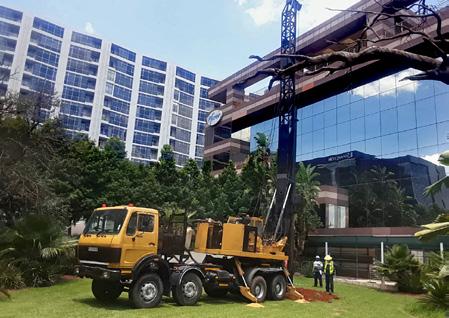
“The reality is that the construction landscape has changed. The top tier listed construction groups – with a full in-house suite of services – are now few and far between. That means some 80% of construction works are now outsourced and completed by subcontractors, and this remains the trend for the immediate future. If sub-contractors are not being paid, they can’t pay their material suppliers. So, there needs to be government led, legal and industry association interventions to correct this, as it impedes the entry of new entrants in meeting transformation agendas.”
Health and safety regulation also needs greater attention, particularly in terms of its application. More specifically, this applies to how safety officers and building inspectors carry out their work.
“We know safety and building regulations are paramount. That’s why more understanding and co-operation is required on both sides to ensure that safety officers/inspectors and contractors/subcontractors understand the rules of engagement upfront to minimise unwarranted work stoppages. The latter have a major impact on profit margins. Companies also need to have a registered SACPCMP construction project manager on site, ensuring compliance with Section 18 of the Project and Construction Management Act (Act No. 48 of 2000).”
Despite the economic and legislative hurdles, however, Maas believes the construction market is poised for a long-awaited upturn thanks to a ramp-up in public infrastructure development – the essential catalyst for private sector investment that supports town and city evolution. “Key growth areas include high-rise residential developments to meet pressing housing backlogs and piling for bridges and allied structures.”
“South Africa also ranks in the top tier globally when it comes to geotechnical expertise – both from contractor and consulting engineering perspectives – giving asset owners the assurance that founded structures are built to last,” Maas concludes.

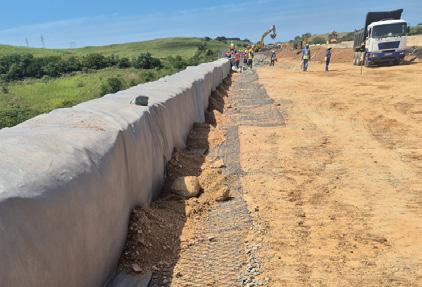
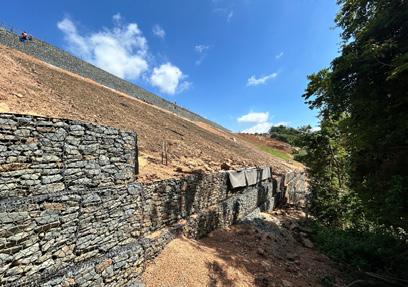
The devastating effect of severe flooding nationally across South Africa during January 2026 – with Limpopo and Mpumalanga among the worst affected – reinforces the need for environmentally engineered structures to remediated and mitigate against current and future climate change threats.
Within the mix, gabion systems play an integral role in protecting buildings and infrastructure, while also providing key erosion control and aesthetic benefits.
As a specialist manufacturer of gabion products, we’ve gained extensive experience over the past decades in supplying turnkey solutions both for new construction and remediation,” explains Louis Cheyne, managing director at Gabion Baskets, which celebrates its 20th anniversary in 2026.
“The latter includes a series of ongoing projects to address the aftermath of the April 2022 floods in KwaZulu-Natal – the most severe on record in the province.”
A case in point were the extensive reinstatement works required on a section of the N2 Southbound between Umkomaas and Scottburgh. Wide spread erosion led to the collapse of the left-hand side of the roadway embankment, with a longterm stabilisation solution required to restore the integrity of this critical transport corridor.
The final design, completed in February 2026 by Stefanutti Stocks Coastal, incorporates two approximately 140 m long retaining walls at
the toe and top of the new embankment, with up to five stepped gabion levels at the highest section.
Gabion Baskets was appointed by Stefanutti Stocks Coastal in June 2025 to supply the gabion and reno mattress systems as part of the road rehabilitation works. The scope included 3 x 2 x 1 m gabion Gab-Tails (which feature a mesh tail extending horizontally back into the backfill) and 3 x 1 x 0.3 m reno mattresses. All products were supplied with a PVC coated Class A galvanised wire specification for additional corrosion resistance within this coastal environment.
Construction was undertaken in phases to suit site access and earthworks sequencing. The first delivery, completed in June 2025, was installed at the toe of the embankment, providing initial stabilisation. A final delivery followed in October 2025 to complete the upper retaining structures as the embankment was rebuilt.
“The ultimate result is a sustainable and durable solution designed to withstand future
1 Construction in progress on one of two approximately 140 m long retaining walls installed as part of the remediation works on a storm damaged section of the N2 Southbound between Umkomaas and Scottburgh
2 The upper and lower retaining walls adds structural stability for the new embankment and incorporate Gabion Basket’s Gab-tail reinforced soil system N2 REHABILITATION, KWAZULU-NATAL
stormwater events,” says Cheyne. “It also underscores the versatility of gabions to tackle complex environmental challenges in sensitive zones.”
Here a prime example of an eco-sensitive project is the recent construction of an innovative structure at Elephant Point. The latter is a luxury wildlife estate bordering the Kruger National Park along the Sabie River in Mpumalanga. The scope entailed the building of 3,5 m high curved gabion wing walls formed as 90-degree circular segments for a tunnel structure. The latter functions as a vehicle underpass while simultaneously forming a wildlife overpass, ensuring uninterrupted animal movement.
Designed by Fanie Joubert of Civil, Structural, and Eco-Engineers, based in Nelspruit, the structure’s curved geometry was selected to efficiently distribute earth pressures, improve
3
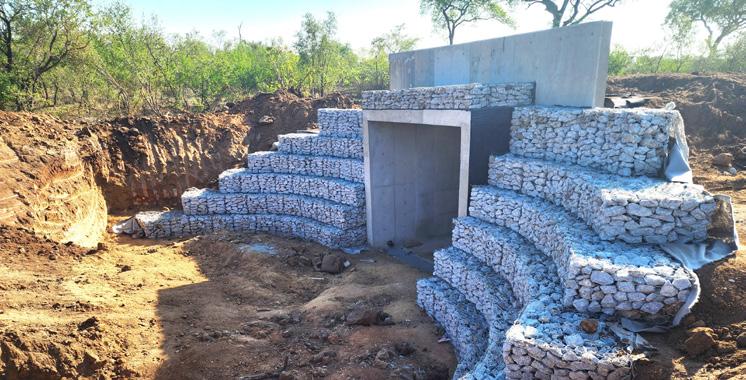
ELEPHANT POINT
3 The design and construction of an innovative gabion structure for the Elephant Point luxury wildlife estate functions as a vehicle underpass while simultaneously forming a wildlife overpass, ensuring uninterrupted animal movement
4 The baskets were assembled on site using a 50 mm pneumatic hog-ring system, with intermediate supports installed at 750 mm centres to maintain shape and load distribution
5 The wing walls play a critical structural role by retaining backfill, providing lateral support to the tunnel approaches, and stabilising the embankment geometry under variable loading and moisture conditions typical of a riverine environment
hydraulic and visual flow at the tunnel portals and integrate seamlessly with the natural landscape. The use of gabions provided inherent flexibility, drainage, and erosion resistance, making them well suited to the site’s environmental constraints.
Gabion Guru of Nelspruit, appointed as the construction specialist, introduced a creative approach by assembling the purpose-designed gabions to achieve consistent curvature and accurate radii throughout the wing walls. Although more time-intensive than conventional rectangular gabion baskets, this method significantly reduced material wastage and ensured precise alignment at both tunnel entrances.
Gabion Baskets supplied 2.7 mm galvanised double-twisted mesh in 30 m rolls, manufactured specifically to a basket width of 1 000 mm and depth of 500 mm, with a 3.4 mm selvedge wire. On site, the mesh
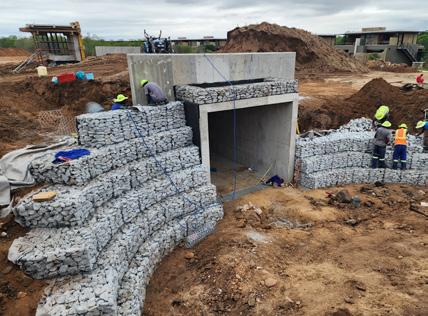
5
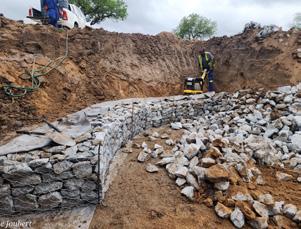
4
was bent using a custom bending table to produce gabions with a minimum radius of 3 640 mm and segment lengths varying between 2 000 mm and 7 290 mm, accommodating the varying geometry of the wing walls. By combining purpose-made curved baskets, reduced construction waste, and a flexible
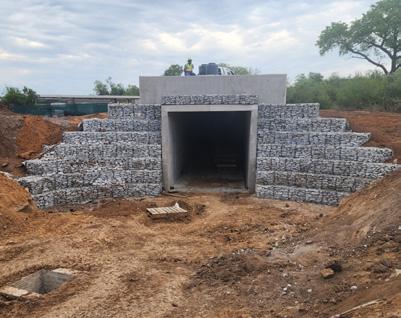
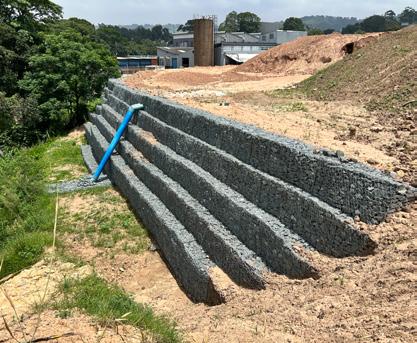
retaining solution, the project achieved durable tunnel portal structures that support wildlife movement, resist erosion, and integrate visually and functionally into the sensitive Sabie River and Kruger National Park interface.
Pinetown mass gravity wall
“When it comes to riverine and stormwater protection, gabions are the optimum choice,” Cheyne explains, citing a recent project for a property situated adjacent to the Umbilo River in Pinetown, KwaZulu-Natal. Here a mass gravity retaining wall solution was required for the client, Dancore.
The area in which the property is situated is classified as a wetland conservation area. Therefore, multiple approvals were required before any construction could commence,
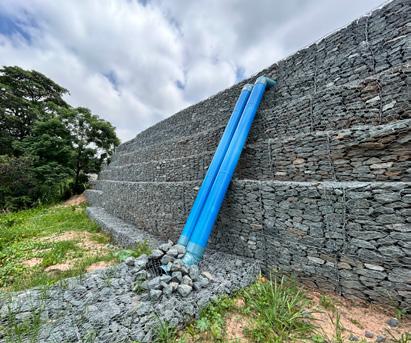
6 The construction of an 8 to 9 m high mass gravity gabion retaining wall for Dancore in Pinetown, KwaZulu-Natal incorporates a platform for the future construction of a warehouse and parking area. Water diversion pipes were installed to manage runoff and redirect water safely toward the nearby Umbilo River
7 Establishment of the wall foundation works in progress
particularly for work occurring near or within the river buffer zone.
There were also key technical challenges. The neighbouring property had historically
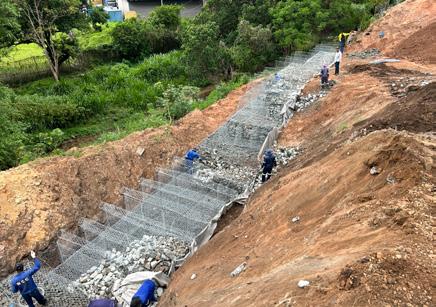
encroached onto Dancore’s land at the point where both properties meet the river. The neighbour had previously installed gabion structures along the riverbank, as well as a precast concrete Löffelstein retaining wall on the boundary – part of which was positioned within Dancore’s property.
Dancore’s usable land was significantly reduced due to the steep embankment sloping toward the river. This slope caused ongoing erosion, with soil and material washing down into the river, creating both structural and environmental concerns. The client was reluctant to pursue a Löffelstein solution, as the neighbouring wall had already collapsed at the shared boundary, highlighting long-term stability risks.
A professional land surveyor was appointed by the client, who initially recommended a retaining structure approximately 40 m long and between 6 and 8 m high. As the project developed, several design revisions were explored to optimise land use and structural performance. Ultimately, the final design evolved into an 8 to 9 m high mass gravity gabion retaining wall, incorporating a platform for the construction of a new warehouse and parking area. Wall construction was undertaken by Interlock Retaining Systems and Maintenance.
During excavation, bedrock was encountered at the base of the wall, limiting the ability to excavate to the originally intended founding depth. As a result, the wall was stepped at the base to suit the existing rock profile. Where excavation was not possible, steel reinforcing bars were drilled and anchored directly into the
bedrock to enhance structural stability and resistance to sliding.
“The completed retaining structure has successfully stabilised the riverbank, and reclaimed previously unusable land for development,” explains Cheyne. “Additionally, the solution provides long-term erosion control, structural integrity, and environmental protection for the adjacent wetland area.”
Research and development trends
As an industry leader, Gabion Baskets continues to invest in research and development (R&D) on its hexagonal double-twisted woven mesh steel wire systems, and welded mesh steel wire panels. The former are the most common for civil engineered structures in the South African and regional market, while the latter has seen strong penetration in the architectural and building segments. In terms of the latter, applications include building cladding, boundary walls and noise barriers.
“Our success to date has been based on researching the best gabion technologies worldwide. A recent example was our fact-finding mission to Germany during
December 2025 at the invitation of a leading manufacturer of welded mesh systems,” says Cheyne. “It was a highly informative visit in comparing benchmarked practices within Germany and the broader European context versus South Africa.”
In Germany welded mesh gabions are the mainstream choice for both construction and architectural roles. “Although welded mesh systems are more premium priced, they offer advantages in terms of improved aesthetics, installation ease, precision, and speed, and thus lower construction cost at scale. From our perspective as a local manufacturer, the insights we’ve gained will influence our future R&D approach,” Cheyne explains.
To date, Gabion Baskets’ welded mesh panel products have been supplied with a typical 50 x 50 mm aperture and fabricated with a 3 mm Class A galvanised wire diameter to meet architectural and building requirements. However, for civil construction requirements, welded mesh wire diameters need to be larger to meet the additional strength requirements. Additionally, the rigidity and robustness of the welded grid frame means that rock infill can
be poured into the baskets using compact earthmoving equipment, like mini excavators and loaders.
“In response, we will be upscaling our welded mesh production for the engineering market with a minimum 4 mm diameter wire as part of our diversified offering, in parallel with our woven mesh product lines,” explains Cheyne.
“Going forward there are combined applications for both systems in civil engineering. For example, a welded mesh mass gravity wall installed in a semisubmerged riverine application will still require an underlying woven mesh gabion mattress – especially when founded on clayey soils,” Cheyne expands. “That’s because woven mesh is inherently flexible – whether it’s to counter scour impacts, or to respond effortlessly to varying riverbed settlement – both of which are major factors during floods. A welded mesh foundation would be too rigid.”
“Either way, we have a solution for every environmentally engineered challenge, whether it’s a classic woven mesh system, or a welded mesh structure. Both are designed to stand the test of time,” Cheyne concludes.


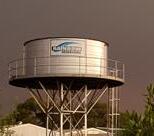

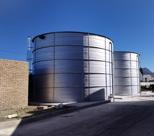
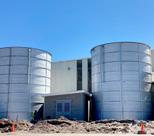



The Ebenezer Estate Phase 3 Portion 2 project represents a significant municipal and departmental infrastructure initiative aimed at providing low-cost housing in Plettenberg Bay.
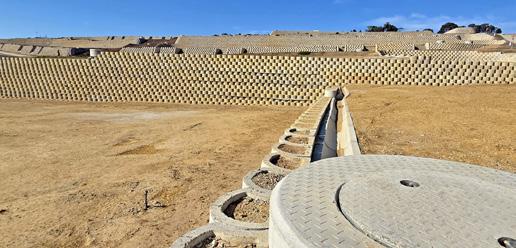
Terraforce® L11 round face walls constructed at the Ebenezer Estate in Plettenberg Bay. The walls also accommodate infrastructure such as stormwater channels and drains
Agreenfield development, this project required comprehensive infrastructure including earth platforms, surfaced roads, sewer and water reticulation systems, stormwater management, and extensive geotechnical interventions.
The challenge
The site's steep topography presented substantial engineering challenges that required robust retaining wall solutions. The project demanded walls reaching heights of up to 5,5 m. This necessitating careful structural design and implementation to ensure stability and longevity, while supporting the various
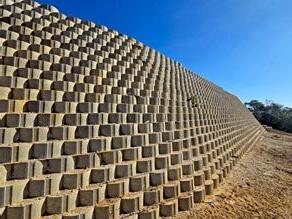
infrastructure components of the housing development.
The Terraforce solution
Terraforce® blocks, supplied by Mossel Bay based Terraforce ® licensed manufacturer, Mobicast, were selected based on engineering designs prepared by iX engineers Cape Town and implemented by on-site engineers from Lyners & Associates George.
The solution incorporated approximately 30 000 L11 blocks, chosen for their proven performance in high-wall applications and their ability to handle the demanding site conditions.
Key technical features
• Reinforcement system: S120 Kaytape geogrid reinforcement was integrated throughout the wall construction to enhance structural stability.
• Foundation elements: Concrete keys were installed to provide secure anchoring and prevent movement.
• Specialised infill: The blocks utilised specialised fill materials beyond standard topsoil, along with commercial backfilling for infill sections, ensuring optimal performance.
• Access integration: Terraforce® 4x4 Step™ blocks were incorporated into selected
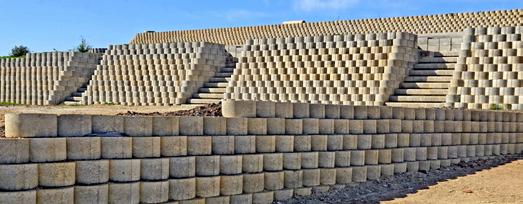
PROJECT TEAM
Engineering design: iX engineers, Cape Town
On-site engineering: Lyners & Associates, George
Main contractor: Norland Construction
Block supplier:
Terraforce ® licensed manufacturer, Southern Cape, Mobicast
CONSTRUCTION PERIOD
September 2024 to May 2025
retaining walls, providing functional access points while maintaining structural integrity.
Installation process
The installation required meticulous attention to detail given the wall heights and site conditions. The construction process involved systematic reinforcement placement, precise block cutting where necessary, and careful coordination of the various fill materials. The use of Kaytape reinforcement at strategic intervals ensured the walls could safely support the significant earth pressures generated by the steep terrain.
Project outcomes
The project demonstrates Terraforce's capability to handle large-scale municipal infrastructure projects with demanding technical requirements, delivering reliable and cost-effective solutions for complex site conditions.
Terraforce® 4×4 Step™ block staircases serve as functional access points
The Pulau Tekong Polder, a groundbreaking land reclamation project on an offshore island in Singapore, has paved the way for the country’s first polder, reclaiming about 800 hectares of land.
Led by the Housing Development Board and constructed by the Boskalis Penta Ocean Joint Venture, this project employs the innovative “empoldering” method, a first for Singapore.
Unlike traditional land reclamation, which involves infilling with sand, the empoldering approach creates a low-lying tract of land, known as a polder, by constructing a dyke around the area and draining water from it. The dyke shields the polder from the sea, and water levels are controlled by a network of drains and pumps. This significantly reduces the amount of fill material required, leading to lower construction costs.
As part of the project, a stormwater collection pond within the polder was constructed to collect excess stormwater. Here various floating equipment and barges were used to deepen this
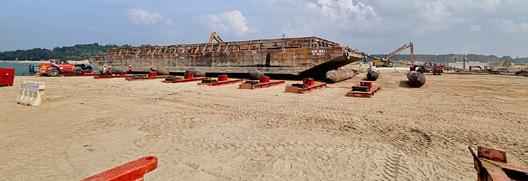
large body of water. Once it was completed, the equipment and barges – now landlocked – needed to be retrieved and relocated for continued operations.
A total of twelve barges, ranging in weight from 680 t to 990 t, had to be recovered, transported across the newly built haul road to the dyke, and launched back into the sea – a complex undertaking requiring advanced technical expertise and specialised equipment.
Mammoet was selected for the task due to its extensive experience and successful track record on similar projects worldwide, particularly in using airbags and winches for vessel launching. A team of local and international experts was assembled, bringing a wealth of knowledge to the site.
The project advanced in carefully planned phases. Mammoet used 68 airbags and four
winches, with capacities ranging from 60 t to 85 t, to retrieve and launch each barge from the designated pond.
Airbags were placed under the bow of each barge, and once all cables were connected, two winches pulled it out of the water to a point where 18 climbing jacks were positioned. Once each barge was retrieved, it was jacked up to allow the airbags to be removed and SPMTs (Self-Propelled Modular Transporters) were inserted underneath.
The SPMTs then transported each barge to the launch area, to be set afloat. The launch process mirrored the retrieval operation, and this was repeated for all twelve barges.
The results were impressive. Mammoet not only met the tight deadlines but also played a key role in a transformative project that has increased Singapore’s landmass.

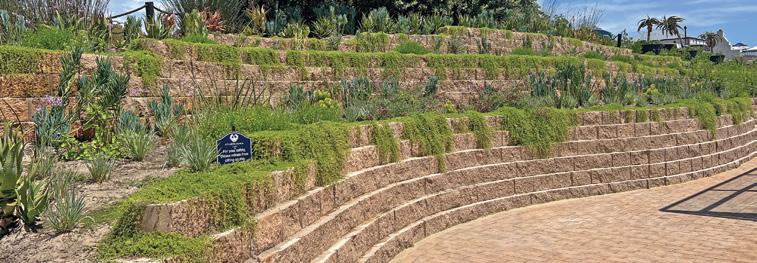
An in-depth CSIR-led analysis of 41 local municipalities spread across South Africa’s nine provinces highlights a growing gap in strategic road maintenance. IMIESA speaks to Ashiel Rampersad, Researcher, Smart Mobility: Pavement Design & Construction at the CSIR about the implications and solutions.
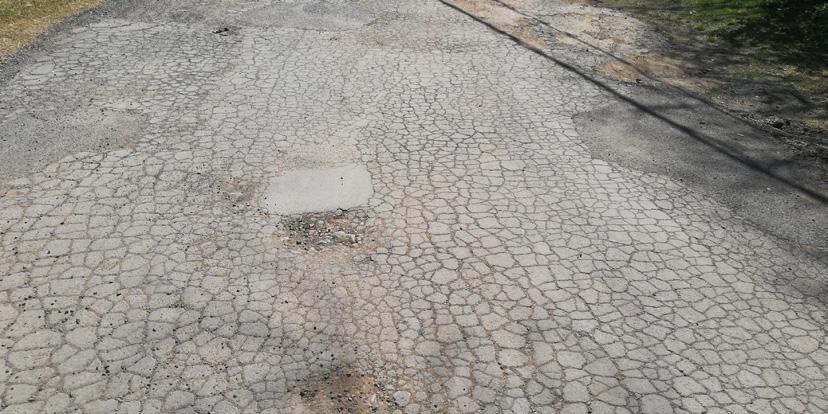
What were the key findings of the study?
It was a small-scale study which focused on the analysis of municipal Integrated Development Plans (IDP) and financial statements. These offer insights into the challenges expressed
low-volume road maintenance and their readiness to respond.
Common challenges noted were a deteriorated road network (78% of municipalities reviewed), chronic underfunding (68% of those reviewed), lack of technical skills (61% of those reviewed) to manage their infrastructure, plus governance weaknesses.

Less than half of the municipalities have a transport plan, infrastructure plan or use a road asset management system. Additionally, more money is spent on new construction projects as opposed to maintenance activities. There are also instances where allocated maintenance budgets were underutilised.
How up-to-date are most municipal road asset management registers in South Africa?
From our municipal sample group, we found that only about 30% use a road asset management
Distressed pavement exhibiting inadequate drainage. Water ingress is the primary driver of accelerated deterioration in low-volume pavements

Ashiel Rampersad, Researcher, Smart Mobility: Pavement Design & Construction at the CSIR
system on a regular basis, and across the board most municipal asset registers are not consistently up-to-date or correct – a latter finding supported by Auditor-General South Africa reports on local government performance. Essentially only 40% of municipalities surveyed are aware of the condition of their network. Asset records with up-to-date condition ratings are essential requirements for road and bridge
Routine maintenance activities, such as pothole patching, can be effectively carried out in-house through targeted training and skills development programmes
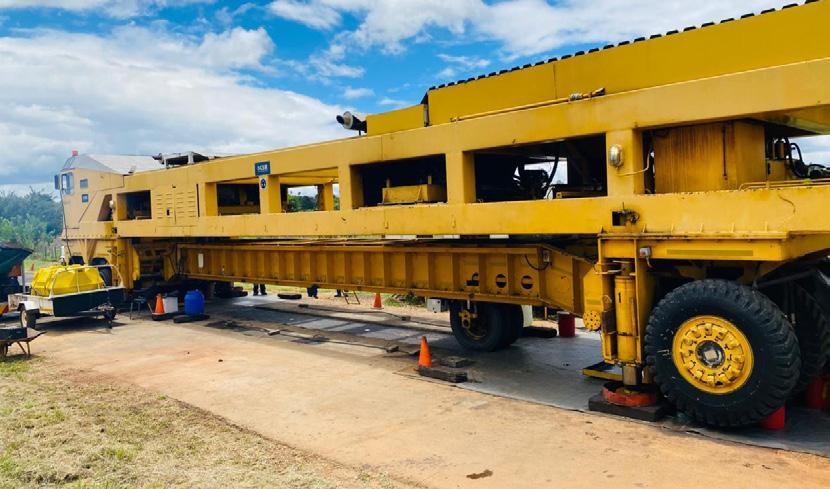
The CSIR’s Heavy Vehicle Simulator (HVS) validates new pavement technologies and sustainable materials through accelerated field testing to ensure adoption by the industry
maintenance prioritisation. Therefore, it’s not surprising that those municipalities with poorly maintained asset registers were impacted by poor maintenance planning and suboptimal budgeting. Knowing where your assets are and their condition is clearly the crucial starting point in effecting a turnaround strategy.
Does South Africa have a universal pavement asset management system?
We do not have a universal system that is mandated for all municipalities, so this lends itself to a fragmented approach, especially where in-house experienced municipal pavement engineers are absent. Municipalities are using varying terminology, categorisation and data standards, making consistent updates difficult.
National policy documents, such as the TMH 22 Road Asset Management Manual, do provide standard procedures and condition data frameworks for pavement assessment but are not enforced across all municipalities. So that’s an action point to address.
In parallel, the Municipal Infrastructure Performance Management Information System (MIPMIS) has not yet been adopted but is to date the best effort to standardise and centralise infrastructure and performance data.
Is the three Rs approach (the right pavement; the right time; and the right treatment) an effective methodology?
Absolutely. The three Rs speak to conducting the correct maintenance for a given pavement
scenario that provides the best benefit to the asset owner. This approach offers significant savings during the pavement lifecycle. It’s a vital discipline to master in terms of routine, periodic, and emergency interventions linked to adequate funding provision.
Currently, however, most municipalities treat road maintenance reactively, on an ad-hoc basis. We know that delayed maintenance affects pavement condition and rehabilitation cost, but there are other compounding factors. These include reduced mobility and safety –with negative downstream socio-economic consequences. Proactive and preventative maintenance provides the best results, subject to implementation by experienced contractors.
Which municipalities set the benchmark for best-in-class maintenance planning and execution?
The Auditor-General South Africa’s audit outcomes, and Good Governance Africa’s Governance Performance Index (GPI) provide a good indication of overall effective service delivery. These reports show that the Western Cape and most of their local municipalities, such as Mossel Bay, Saldanha and Swartland, provide excellent governance.
At a national level, there is limited data which shows the performance and execution of road maintenance per local municipality. However, when a local municipality produces clean audits and is ranked highly in governance performance, it is a good indication that they can execute their maintenance needs.
Municipalities with higher maintenance budgets have a larger number of potholes fixed and show better management of their roads. Those that regularly use asset management
systems are also better positioned to execute effective IDP implementation. Examples include Matatiele Local Municipality (Eastern Cape) and Elias Motsaledi Local Municipality (Limpopo).
Is stormwater management receiving sufficient attention?
Many municipalities have been found to have poor stormwater drainage systems, and no stormwater management plans in place. Generally, current stormwater infrastructure is noted as being both aged and overloaded. Studies show that climate change is contributing to flooding and extreme rainfall events in South Africa. Where uncontrolled, increased stormwater volumes significantly weaken underlying pavement layers. Therefore, more needs to be done to better manage stormwater, including preventative maintenance (routine clearing), data monitoring (warning systems), prioritising upgrades (riskbased management), leveraging on greygreen stormwater solutions, and developing stormwater management plans.
Which asphalt technologies are best for extending pavement life within a budget-constrained environment?
Technologies should be specific to the conditions and the environment. Application of an incorrect technology will have a very high cost – either initially or at the end of the pavement lifecycle.
Surface dressings or bituminous seals are relatively inexpensive and provide good protection against water ingress and damage
Research, development and optimisation into the use of sustainable road building materials, such as waste ash, can significantly lower the cost of road construction and alleviate the pressure in a budget-constrained environment
to the underlying layers. However, these are to be used with caution, as it is not a substitute for pavements which have structurally failed or where there is damage to the underlying layers.
Pothole patching and crack sealing are also relevant in preventing water ingress. Some 15 years ago, the CSIR developed a technical guide on the causes, identification and repair of potholes, which provides an excellent framework for municipalities in promoting best practice.
The use of nanotechnologies and allied chemicals is also gaining traction, as this modifies lower-quality materials and provides moisture resistance. However, research and development, as well as field trials, need to be conducted. Performance specifications then need to be adopted by industry.
What percentage of municipal road maintenance should be handled by in-house personnel?
Basic road maintenance techniques such as cleaning of side drains, patching of potholes with cold-mix, crack sealing, and dust control should be handled in-house. These techniques require minimum materials or equipment, as well as a low skills requirement. Basic condition assessments of the pavements, such as visual assessments, can also be handled in-house. We also have a large unpaved network –especially in rural areas – where in-house maintenance in terms of re-gravelling and grading should be prioritised. The equipment can be expensive, and it does require skills training, but there would be long-term benefit.
Where are the key in-house road skills gaps?
SAICE research indicates that most local municipalities lack any civil engineers. ECSA also estimates that there is only one professional engineer for every 3 000 people to cater for all civil engineering disciplines. When segmented further in terms of road engineering specialists, the numbers become even more alarming.
This shortage of professionals in the road engineering space at municipalities places added strain to execute maintenance, deliver on projects, and provide proper skills transfer to junior staff. Therefore, more needs to be done at an institutional level to attract and retain skilled professionals.
Why is there a bias towards new road construction?
The bias towards new road construction could be influenced by community needs, and it is also critical in ensuring the economic growth of the local municipality. Current data indicates that expenditure on new construction is more than double that of routine maintenance. This is not sustainable, and a balance must be achieved to ensure that the entire road network functions optimally.
According to available Department of Transport statistics, South Africa has a road network of around 750 000 km – the tenth longest in the world, and the maintenance backlog runs into the billions. Of this, municipalities are responsible for the upkeep of approximately 90 000 km and 200 000 km of paved and unpaved roads, respectively. Essentially, the goal of maintenance is to safeguard an asset, not to upgrade it. So that’s always the first priority.
Are there quick wins that can be implemented?
Road maintenance backlogs and funding gaps are a global concern in both the developed and developing context – and so not unique to South Africa. The longer maintenance is delayed, the higher the cost and in the end the ultimate result is reconstruction.
To get on top of the problem locally, we need to tackle the basics, like water ingress, which is the primary cause of deterioration in low-volume roads.
The starting point is to have a realistic road maintenance plan in place governed by an accurate asset management register. From there
Robust quality control and monitoring of activities such as pavement construction are essential to maintaining standards and ensuring reliable service delivery
quick wins that can be implemented need to be cost-effective, easy to implement, and have a high impact on road preservation. These include crack sealing, pothole patching, cleaning of side drains, repairing of edge breaks to prevent water ingress, reshaping of gravel roads and the restoration of drainage functionality.
Monitoring of the condition of pavements that require low skills needs and inexpensive equipment will also be beneficial. This can include using the TMH 9 visual assessment guideline and using the dynamic cone penetrometer to assess the strength of pavements.
What’s the road ahead?
Most municipal road agencies are effectively in a triple bind of having a deteriorated road network, with a limited budget and/or technical skills, and having to address community needs. These are immediate challenges which need to be addressed, while planning for the long-term. Therefore, the use of engineering and data driven solutions will be critical going forward, as well as having a road masterplan and an integrated transport plan.
In parallel with in-house technical skills development, municipal managers and engineers also need to maximise funding opportunities, such as municipal grants. They also need to keep abreast of the latest research and development in road maintenance optimisation. This can include the use of sustainable road materials such as recycled plastic, waste ash or nanotechnology. Here the CSIR plays an instrumental role in terms of public and private sector stakeholder engagement, as well as research and skills training.
Werner Pumps, a South African manufacturer of high-pressure jetting and vacuum equipment, has developed a truck-mounted recycling unit specifically designed to improve efficiencies for stormwater and sewer network maintenance teams.
The Werner Pumps unit draws water directly from the sewer lines being cleaned, filters it and reuses it for high-pressure jetting.
“Our recycling unit can save up to 168 000 litres of clean water during a single eight-hour shift,” says Sebastian Werner, Managing Director of Werner Pumps. “For municipalities working in water-scarce areas, or where access to water points is limited, this makes a big difference. The right equipment helps maintenance teams respond faster, achieve more in a day, improve service delivery, and prevent bigger problems from developing down the line.”
Built for rugged use and municipal realities
The Werner Pumps recycling unit is engineered for South African conditions and is 100% locally manufactured at the company’s headquarters
in Springs. Its design consolidates several functions into one system, giving municipal teams a single vehicle that can handle a wide range of maintenance tasks. This includes wet suction, high-pressure jetting, debris removal, and continuous water recycling.
Key performance features include:
• A 12 500 litre 304 stainless steel tank
• 3 000 m³/h suction
• A 360° continuous slewing boom with 6-inch suction line capacity
• A single-cylinder pressure transformer jetting pump operating at 350 ℓ/min at 205 bar
• A quiet, contact-free rotor vacuum pump suitable for residential areas, and
• Wireless remote control and real-time electronic monitoring for safer, easier operation.
Customisable and supported locally
Werner Pumps manufactures the recycling units on a range of chassis options, allowing municipalities to align purchases with their preferred vehicle brands and existing fleets. The company also offers aftersales support (including repairs and maintenance), as well as a comprehensive range
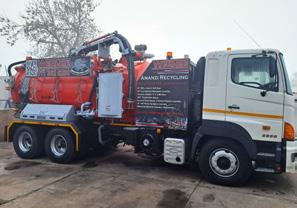
Werner Pumps truck-mounted recycling unit contributes to cleaner environments, fewer sewer overflows and more efficient use of scarce water resources
of accessories and spares, such as high-pressure guns, lances, hoses and a tank-cleaning nozzle.
“We work closely with our municipal partners to understand the challenges they face and to recommend configurations that will support longterm reliability,” adds Werner. “Local manufacturing also means faster access to parts, service and technical support, as well as meeting procurement requirements.”
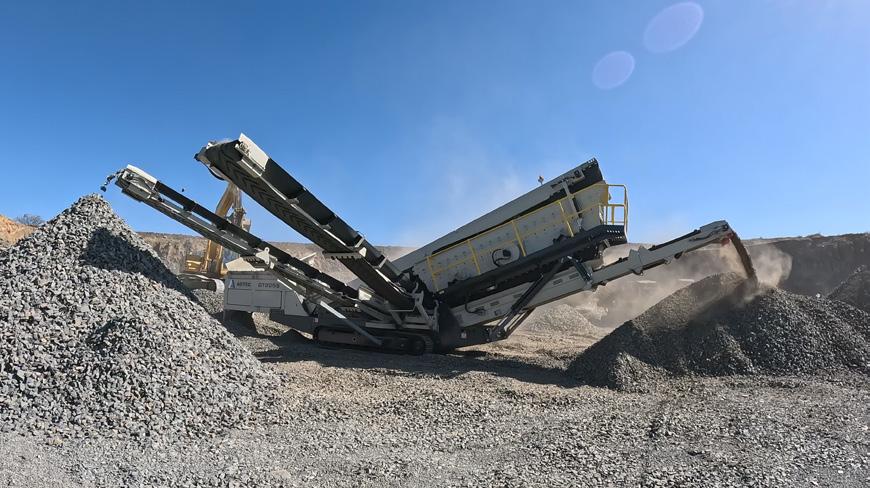
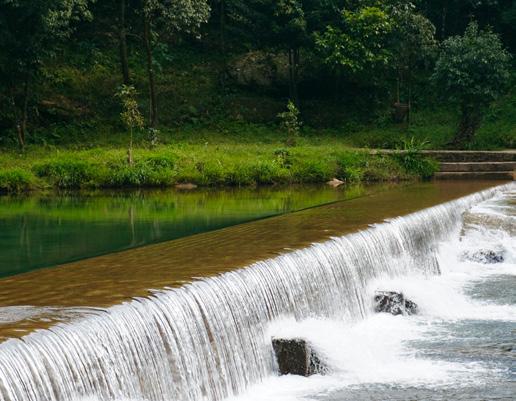
South Africans respond to crises. Just a few years ago, electricity blackouts threatened the country's economic and social fabric, yet today there has been a marked turnaround in terms of public policy and private generation. Renewed focus on local transport and logistics challenges, particularly rail networks, is also showing promise for recovery.
Water is next on the list.
During 2025, South African President Cyril Ramaphosa said that “Load shedding has been supplanted by the crisis of water security, which poses a similar if not greater threat to the quality of life and economic prospects of all South Africans.”
Deputy President Paul Mashatile has been leading those efforts, telling delegates of the Association of Water and Sanitation Institutions of South Africa (AWSISA) that “as leaders and changemakers, it is imperative to dedicate ourselves to developing sustainable solutions that guarantee universal access to clean water and sanitation.”
Closing the taps on water waste
This focus is timely. George Municipality has been facing serious water constraints, with some worrying it will reach a “Day Zero” of no reliable supply, echoing a situation that brought Cape Town to the brink in 2018.
South Africa is a water-stressed country, averaging an annual rainfall of 497 mm (to compare, continental Europe's annual average is over 800 mm). The country has allocated practically all of its strategic water resources, and many of those aquifers, rivers, and wetlands are under serious distress from pollution and overuse.
Local infrastructure problems add to the situation. Deputy President Paul Mashatile noted that national water reliability is only at 68%, and
water quality is declining in 60% of water supply systems. The Academy of Science of South Africa (ASSAf) estimates that between 3 million and 14 million South Africans don't have reliable access to potable water. By 2030, the country could face a 17% water deficit, according to the Department of Water and Sanitation.
A multitude of factors heighten the urgency, including high levels of non-revenue water losses, old water infrastructure, and technical and governance skills shortfalls. Climate change compounds the situation, already causing substantial issues such as droughts, floods, and heatwaves.
A water crisis looms in South Africa. But the country can mobilise in a crisis, as shown by responses to electricity shortages. Solar installations grew by double digits in the past few years, with private solar installations blossoming to an incredible 7 gigawatts, helping make South Africa one of the fastest growing solar markets in Africa.
The same momentum can tackle water challenges, says Chetan Mistry, Strategy and Marketing Manager at Xylem - WSS (AMETI).
“There is growing uptake of water resilience among private households, schools, businesses, and public services. It's reflecting what we see in the solar market, where many individual efforts
can combine into a national trend that really gets meaningful results.”
Mistry provides several examples of how South Africans are taking these steps:
• Rainwater harvesting: Capture tanks connected to rooftops are collecting huge water volumes, used for irrigation and cleaning, and even consumption when combined with disinfection systems.
• Private water treatment: Companies that rely on water (including farms, mines, chemical, and food & beverage) use scalable water treatment systems such as ultraviolet light and dissolved air flotation to treat and recycle water.
• Smart leak detection: Field engineers speed up leak detection and prevention in pipelines of all diameters with technologies such as sonar and electromagnetism.
• Data-driven management: A growing number of municipalities are using smart meters to improve revenues and reduce water wastage through real-time monitoring, fault detection, and accurate consumer billing.
Other examples include public water education and stewardship, improved wastewater systems, and water source rehabilitation.
South Africa is facing a water crisis. But it has options, many of which are already making a difference. Just as the country tackled energy shortages, South Africa has the means to address water issues through minor and major actions that can happen on national, local, business, and individual levels. As Deputy President Paul Mashatile told the AWSISA audience, “Together, we have the power to make a difference. Together, we can build a future where water is not a privilege, but a fundamental human right for all.”
That momentum is already gathering pace, and 2026 stands ready to be the year we shift water from crisis to resilience.

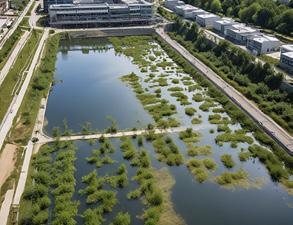
A nature-based solution designed as part of a sustainable urban development initiative naturally filters wastewater
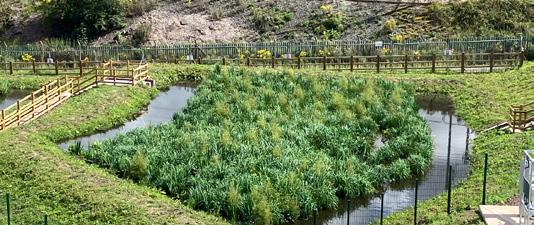
South Africa is a water scarce country receiving approximately 50% less rainfall than the global average and experiences a variety of climatic changes that further intensifies pressure on water resources.
Water supports seven major water use sectors, agriculture being the largest consumer, accounting for about 61% of total water use for irrigation. Municipal and domestic use, including both urban and rural areas, follows at approximately 27%. The remaining water is utilised by afforestation, industry, livestock, power generation (around 3%), and mining (approximately 2%).
Rapid urbanisation, pollution, and drought continue to put South Africa’s water resources under enormous pressure. For these reasons, innovative, cost-effective solutions need to be implemented to assist in water conservation and sustainability. Nature-based solutions (NbS) have emerged as tools that can be utilised to safeguard and restore endangered or highly modified ecosystems.
What are nature-based solutions?
The International Union for Conservation of Nature (IUCN) defines NbS as “actions to protect, sustainably manage, and restore natural or modified ecosystems that address societal challenges effectively and adaptively, while simultaneously providing human wellbeing and biodiversity benefits”. These solutions are regarded as “inspired by, supported by, or copied from nature”.
Underpinning NbS is the protection and restoration of ecological infrastructure, which is defined as “the underlying framework of natural elements, ecosystems, and functions and processes that are spatially and temporally connected to supply
ecosystem services”. These solutions are applied across different ecosystems such an urbanised areas or even rural.
Types of nature-based solutions for water restoration or management
• Eradication of invasive alien plants: Clearing approximately 63 000 hectares of invasive alien plants within and around riparian zones, followed by replanting with indigenous species, can release an estimated 17 billion litres of water annually.
• Wetland protection and restoration: Natural wetlands improve water quality, regulate flood flows, and provide critical habitat that supports biodiversity.
• Constructed wetlands: Designed to mimic natural wetland systems, constructed wetlands can effectively treat wastewater and industrial effluent before discharge into the environment.
• Riparian buffer restoration: Revegetating riverbanks reduces soil erosion and nutrient runoff into watercourses, thereby limiting eutrophication.
• Urban green infrastructure: The incorporation of rain gardens, permeable paving, and rainwater harvesting systems in urban areas reduces flood intensity, enhances groundwater recharge, and decreases surface runoff across catchments.
Benefits of nature-based solutions
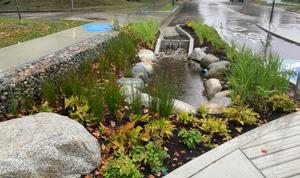
• Climate-resilient cities: Wetlands reduce the impacts of floods and droughts by attenuating runoff peaks and storing water for extended periods, helping to buffer dry seasons. In urban areas, they also act as important carbon sinks.
• Cost-effective solutions: Nature-based solutions offer more sustainable and cost-effective long-term alternatives to conventional grey infrastructure. By utilising natural processes and locally available materials, operational and maintenance costs are significantly reduced.
• Enhanced biodiversity and ecosystem services: Habitat restoration and improved water quality support the provision of essential ecosystem services and promote increased species diversity and abundance.
• Social and economic benefits: Green infrastructure provides multiple socio-economic benefits, including recreational opportunities, job creation, and improved community wellbeing.
As South Africa continues its battle on climate change, water scarcity and green infrastructure degradation, NbS remains an integrated approach in addressing these challenges. By investing in NbS not only are we restoring the natural way of water purification or conservation we are contributing towards a resistant ecosystem that can protect us from natural disasters.
• Improved water quality and availability: Natural and constructed wetlands improve water quality by trapping and filtering pollutants. Wetland systems also support groundwater recharge and enhance water storage within green infrastructure.
The incorporation of rain gardens, permeable paving and rainwater harvesting systems in urban areas reduces flood intensity, enhances groundwater recharge, and decreases surface runoff
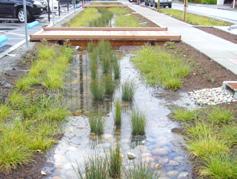


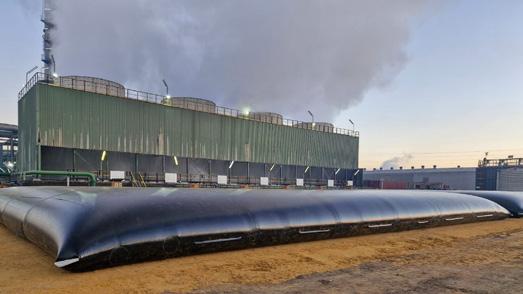
Water demand management and water security are critical factors for sustained socio-economic development. IMIESA speaks to Simon Cotton, head of Silver Solutions, about the long-term benefits of their purpose-designed PVC water bladder storage solutions for commercial, industrial, mining, domestic and municipal applications.
What are the benefits of using water bladders over rigid tank systems?
Firstly, they can be rapidly deployed for either temporary or permanent water storage requirements at a competitive cost. These units range in size from smaller bladders for residential requirements up to 500 000 litres or more for largescale industrial or municipal applications, so there’s a solution across the board. They are also scalable, meaning that bladders can be interconnected to create larger storage systems. This makes them very economical compared to conventional concrete reservoirs, and steel or plastic tanks.
Transport is another key advantage. For example, a 500 000 litre bladder is approximately 1,5 m3 in size once folded, with a dry weight of around 550 kg, making it convenient to move between sites using a light commercial vehicle. Once on site, installation is straightforward. As opposed to the traditional concrete surface bed typically needed for a large rigid plastic or steel tank, our water bladders are designed to be placed on a level and cleared surface. From there they can be connected to a downpipe, a borehole, a water tanker, or a pump.
We’ve also introduced a sand-coloured bladder design to ensure that these units blend in with the environment.
In addition to water storage, what are some of the other applications for these bladders?
Our bladders are designed for fluid storage of any composition to meet most industry requirements. These include chemicals, molasses, wine, diesel and petrol, transformer oil and fertilisers. They can also be used to store biogas for renewable energy projects.
For water applications, utilisation can range from backup supply in an office complex, to rainwater harvesting, irrigation, livestock farming, construction, underground mining, and firefighting. Within the municipal market, these bladders are ideal for roles such as emergency response/ flood disaster relief; engineering maintenance, e.g. temporary storage during a reservoir refurbishment; community water shortages and drought mitigation; or as a supplemental backup to an existing reservoir where demand has exceeded existing capacity.
How durable are these bladders?
Designed to last a minimum of 12-15 years, our bladders are fabricated using a wedge welding system, which is a continuous weld, greatly reducing the possibility of a faulty weld point. Their composition comprises multiple layers of heavy-duty PVC incorporating a tightly woven
reinforced mesh. This means they won’t pop if stabbed with a sharp object and can be patched where necessary. Furthermore, they are extremely robust and can easily support the weight of several people walking on top of them.
The sterile interior has a completely black inner surface – blocking out all sunlight – thus keeping temperatures constant, and eliminating the risk of algae growth, while the exterior is UV stabilised against harsh sunlight. Since the PVC we use is non-toxic these bladders are ideal for potable water storage. However, when used to store chemicals with a PH range between 4-10, we use specialised materials. An example is TPU (thermoplastic polyurethane) for petrol and diesel storage.
The flanges employed are bolted on with stainless steel bolts. These flanges are the connection points to fill or extract from and come in a variety of diameters from 50 mm to 110 mm. Sizes 125 mm and upwards are available at additional cost.
Unlike a plastic tank, even when our bladders are 90% empty, water or fluids still sit under the top surface, so it’s readily available. Overfilling is also eliminated by installing a float valve.
What is the production lead time?
Depending on the location in South Africa, and stock availability, delivery times range from same day to four days from the time it leaves our factory in Johannesburg. To meet increased volume requirements, we can fabricate bladder sizes up to 200 kℓ within a day or two, with larger units taking up to a week.
Do you operate outside South Africa?
Yes, we’re registered to export and have to date sold units into Botswana, the DRC, Mozambique, Namibia, Taiwan, Zambia and Zimbabwe. Currently we have satellite agents in Tanzania, Zambia and Zimbabwe, and an agent in Perth, Australia.
What’s the forward outlook?
Locally and internationally, the demand for our bladders keeps growing due to their economic cost, flexibility and sustainability, since the end-oflife product can be recycled. Whether for business continuity or community water security, flexible storage ticks all the right boxes.
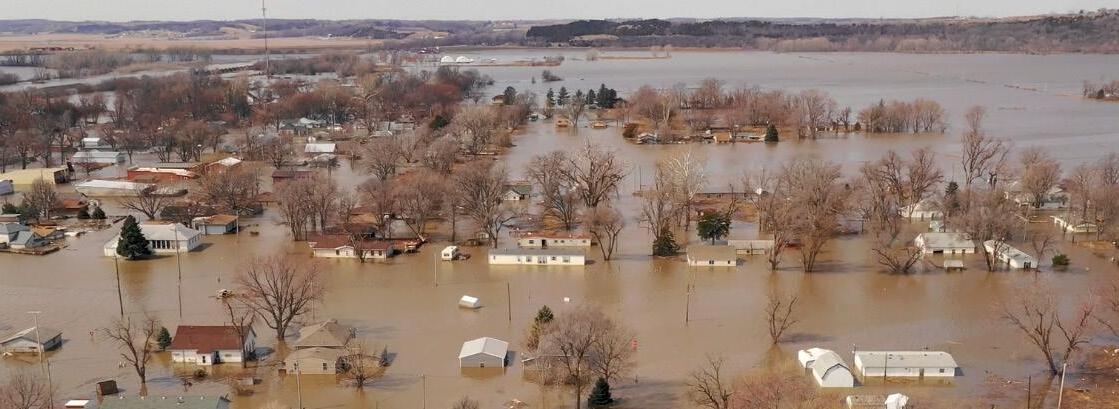
To create one of the world's most sophisticated flood monitoring and forecasting systems, the US State of Iowa's Flood Centre (IFC) uses more than 200 Senix ToughSonic 30 and ToughSonic 50 ultrasonic sensors to measure water levels in streams across the state.
Data collected from the sensors is automatically sent to the Iowa Flood Information System (IFIS), where real-time information is integrated into an advanced hydrological model. In turn, system data and river stage hydrographs are shared with the public and emergency management officials via online platforms.
Before the system was in place, it was common for emergency personnel to be dispatched to assess the flooding in threatened locations. But with stream gauges collecting data in real-time, emergency responders can focus on helping people instead of tracking flood waters.
Sensor selection
University of Iowa project engineer, Daniel Ceynar, decided to try Senix ultrasonic sensors because they have been proven over many years for water level measurement at the university’s IIHR Hydroscience & Engineering centre.
Ceynar says the IFC and Senix worked closely to design a special threaded collar for the ToughSonic 50 so it could be mounted to the IFC stream gauge enclosure using the same threading as the ToughSonic 30.
After assembly in the IFC lab, each stream gauge was submerged for three days to verify their watertightness. Their integrity was confirmed when numerous sensors were submerged by flash flooding. Once the flood waters subsided, the sensors resumed sending accurate stream level data without requiring any repairs.
In terms of function, the sensors identify where the flood crest is located and track it as it approaches sensitive roads, bridges, and towns. They are programmed to measure at intervals of 5 minutes to 1 hour, using a boxcar average of a preset number of individual measurements.
Once installed, the IFC stream gauges are practically 100% maintenance-free, and the system sleeps until it's commanded to wake up to take measurement data and send it to the IFIS via RS-485 serial communication.
Setting a global benchmark
Since commissioning the system, Ceynar and his colleagues have been contacted by officials from other US states and from countries as far
away as Australia. The Washington State Department of Transportation is also evaluating the stream gauges.
“The IFC is the only flood centre in the US, and IFIS is the only system of its kind that we are aware of,” says Ceynar. He adds that initiatives are ongoing to create a National Flood Centre across the USA.
The most cost-effective storage solution, using our high quality bladders

DISCOVER THE CONVENIENCE AND FLEXIBILITY OF OUR WATER STORAGE AND DAM LINING UNITS
Advantages of Water Bladders:

•Strong & long lasting
•No sunlight penetration
•No algae growth

•No evaporation – closed system
•No toxicity
•And more


W We manufacture 550g PVC dam liners complete to size in our factory, typically up to 2,500m² in size For larger dams, we send a crew to site who will weld HDPE liners on site

South Africa faces critical challenges in municipal sewer infrastructure, characterised by ageing assets, aggressive biogenic corrosion, and severe budget constraints [1]. The municipal landscape navigates a precarious balance between expanding service delivery and maintaining deteriorating legacy infrastructure, with sewer systems increasingly subjected to harsh operating conditions due to water scarcity, higher effluent concentrations, and longer retention times [2]. By Ian Venter
Recent studies from South African municipalities indicate a 25-35% increase in hydrogen sulphide (H ₂ S) concentrations in gravity sewers over the past decade, with organic loading rates elevated by 15-20% in water-stressed regions [3]. These conditions accelerate biogenic sulphide corrosion, a primary mechanism of failure in cementitious pipes – a phenomenon well-documented internationally but exacerbated in South Africa by the unique confluence of prolonged effluent retention and increased organic loading.
This analysis presents a comparative evaluation between traditional HDPE-lined concrete systems and modern virgin PE100 structured-wall thermoplastic pipes for gravity sewer applications, specifically tailored to the unique South African context.
Virgin PE100 structured-wall pipes utilise advanced spiral-winding manufacturing processes to produce large-diameter pipes from virgin PE100 raw material [4]. For this analysis, “virgin PE100” is strictly defined as polyethylene pipe material conforming to PE100 classification per ISO 4427, containing 0% post-consumer recycled content, with a minimum long-term hydrostatic strength (MRS) of 10.0 MPa at 20°C for 50 years, and incorporating 2-3% carbon black for UV stabilisation.
This manufacturing process allows for optimised wall structures that provide high ring stiffness (typically SN4 to SN16, or 4-16 kN/m²) while maintaining the inherent flexibility of polyethylene. Unlike solid-wall pipes, these structured profiles minimise material usage without compromising structural performance.
The TEPPFA technical report “100-Year Service Life of Polyethylene Pipes” provides the validation basis for gravity sewer applications [5]. This methodology involves long-term creeprupture tests conducted for more than 10 000
hours at multiple elevated temperatures (20°C, 60°C, 80°C) to establish failure envelopes. The 100-year service life projection is derived through:
• Establishing the lower confidence limit (LCL) of long-term hydrostatic strength at 20°C.
• Applying appropriate safety factors (typically 1.25 for material and 1.5-2.0 for design).
• Validating that operational stresses in gravity sewers remain well below critical thresholds.
• Confirming resistance to environmental stress cracking under continuous exposure to sewage surfactants.
Welded joint technology: A critical advantage
The vulnerability of any sewer system lies primarily in its joints. Virgin PE100 systems address this through thermal fusion welding,
creating a monolithic system that eliminates traditional joint failure modes [6]. Jointing must be performed using hot gas extrusion welding or other proven fusion methods, with a weld factor of 1 or greater around the circumference of the pipe, in compliance with SANS ISO 21138 and EN 13476.
Properly executed fusion welds achieve a joint strength of 100% of the parent pipe strength. PE100 pipes are available in standard lengths of 6 m to 12 m (and up to 18 m for specific diameters), drastically reducing connections compared to 2.44 m concrete sections:
• Concrete (2.44 m): ~410 joints/km
• PE100 (12 m): ~83 joints/km (80% reduction). This reduction translates into fewer potential failure points, 15-25% faster installation, and lower inspection costs.
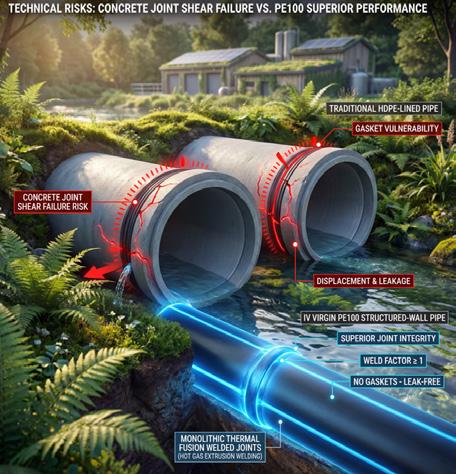

Ian Venter is a consultant specialising in polymer piping systems, representing Polymers and Piping (fittings) Systems South Africa (PPfSSA). With extensive experience in quality assurance and industry collaboration, Ian is dedicated to advancing standards and promoting compliance throughout the pipe manufacturing supply chain. For further information, phone +27 82 770 8244 or e-mail: IanVenter@PPfSSA.com.
Interface delamination mechanisms
While HDPE lining protects concrete from corrosion, the dual-material system introduces complex failure modes. The primary failure mechanism is delamination at the liner-concrete interface, driven by thermal incompatibility [7] HDPE expands at a rate approximately 20 times that of concrete (200 × 10⁻⁶/°C vs 10 × 10⁻⁶/°C). For a 3 m diameter pipe experiencing a 30°C temperature difference, this results in a differential movement of approximately 53.7 mm.
Field observations from South African municipalities report linear delamination incidents occurring within 8-15 years of installation in high-flow trunk sewers [8].
Biogenic sulphide corrosion vulnerability
In areas where liners fail, concrete is exposed to biogenic sulphide corrosion. Documented corrosion rates in South African sewers can reach 5-10 mm/year, with peak rates of 15 mm/year in high-H₂S environments [9]. Virgin PE100 is immune to this attack, which translates to an estimated 85-95% reduction in annual corrosionrelated repair budgets.
Gasket joint performance issues
Concrete pipes rely on rubber gasket joints, which show cumulative failure rates of approximately 4% over their service life. In South African ageing systems, infiltration through compromised gaskets often accounts for 10-50% of total flow [10]. For a 20 Mℓ/day treatment plant, 30% infiltration adds approximately ZAR 1.4-2.1 million in annual pumping and chemical costs.
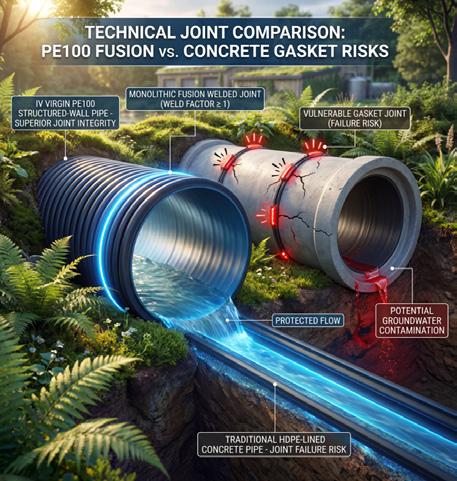
Stress crack resistance analysis
Research validates the use of post-consumer recycled (PCR) HDPE for drainage applications but explicitly highlights the reduction in Stress Crack Resistance (SCR) compared to virgin resins [11]. This reduction in SCR for PCR HDPE directly
TABLE 1: Quantitative performance comparison (NCLS testing) Material
The superior SCR of virgin PE100 is non-negotiable for critical bulk infrastructure applications.
Comparative material properties Property
Tensile
Impact
increases the likelihood of premature structural failure in sanitary sewers, as shown in Table 1.
AFRICAN INFRASTRUCTURE CONTEXT
Geotechnical challenges
South Africa faces unique geotechnical challenges that significantly impact sewer infrastructure performance:
• Expansive clays: Regions like Gauteng have smectite clays with plasticity indices of 30-60% and swell potentials of 2-4% [12]. This can cause differential movements of 50-100 mm, leading to shear failure in rigid concrete pipes.
• Ground movement: The flexibility of structuredwall PE pipes allows them to absorb ground movement without failure, offering a distinct resilience advantage over rigid concrete systems.
Water scarcity impact
Water scarcity in South Africa has created unique operational challenges:
• High infiltration dilutes effluent, hindering water reuse initiatives.
• Mandate virgin PE100 specifications: Require SANS ISO 21138-1 compliance with 0% PCR content and MRS 10.0 MPa minimum.
• Implement welded joint requirements: Mandate hot gas extrusion or compliant fusion methods per SANS ISO 21138 / EN 13476.
When summing initial CAPEX with the Present Value of future rehabilitation cycles and reduced OPEX, virgin PE100 systems offer total lifecycle costs that are 21%-37% lower than those of equivalent concrete solutions over 100 years. For South African metros planning ZAR 10-15 billion in sewer infrastructure investment, this represents ZAR 2.1-5.6 billion in potential savings.
• Exfiltration contaminates scarce groundwater resources (estimated 100-200 million m³ annually nationwide) [13]
• Increased effluent concentrations due to water conservation measures accelerate corrosion processes.
Methodology and economic impact
A rigorous TCO analysis demonstrates the long-term economic superiority of thermoplastic systems [14], as shown in Table 2. This analysis applies a discount rate of 3% (real, inflation-adjusted), aligned with National Treasury guidelines. Key assumptions include:
• CAPEX: While PE100 material cost is higher, installed costs are comparable. A normalised CAPEX ratio of 1.15 for PE100 compared to lined concrete (1.00) is assumed.
• Rehabilitation: The model utilises probabilistic failure prediction for lined concrete (delamination at 8-15 years, corrosion 5-10 mm/yr), dictating major rehabilitation at years 25 and 50.
• PE100 rehabilitation: Modelled at 0.00 for years 25 and 50 due to the validated 100-year design life.
AND ABRASION RESISTANCE
Abrasion performance
Sewerage contains grit (20-40 mg/ℓ) that causes progressive wear on pipe surfaces. In Darmstadt tipping trough tests (400 000 cycles, equivalent to approximately 20-30 years field exposure), PE pipes showed ~0.3 mm loss versus 2.0-6.0 mm loss for concrete [15]. This superior abrasion resistance translates to maintained hydraulic capacity over the design life.
Chemical resistance characteristics
PE100 exhibits resistance across the whole pH range of 1-14, making it suitable for a wide range of sewer applications. Zero measurable degradation was observed after 10 000+ hours of
accelerated ageing in sulphuric acid (pH 0.5-2.0), contrasting with 5-10 mm/year corrosion rates observed in unprotected concrete.
The following steps are therefore recommended: Immediate actions (STOP)
• Discontinue HDPE-lined concrete for gravity sewers: The risk of delamination is too high for critical infrastructure assets.
• Eliminate short design horizons: Accepting 20-30 year design horizons multiplies long-term rehabilitation liabilities.
• Restrict PCR HDPE in critical applications: Reduced stress crack resistance is unsuitable for bulk sewer mains.
• Establish comprehensive TCO evaluation: Require 100-year lifecycle evaluations for all major sewer infrastructure projects.
• Develop condition monitoring protocols: Establish baseline assessments and 5-year re-inspection intervals for performance validation.
Implementation success requires comprehensive capacity development initiatives. These encompass welder certification programmes to ensure design intent is realised in the field; municipal engineer training on PE100 design methodologies; and quality assurance protocol development for fusion welding operations. Performance monitoring system establishment is also crucial for long-term validation.
However, several limitations must be acknowledged for successful PE100 system implementation:
• Temperature sensitivity: PE100 is temperaturedependent with continuous service rated from 40°C to +60°C.
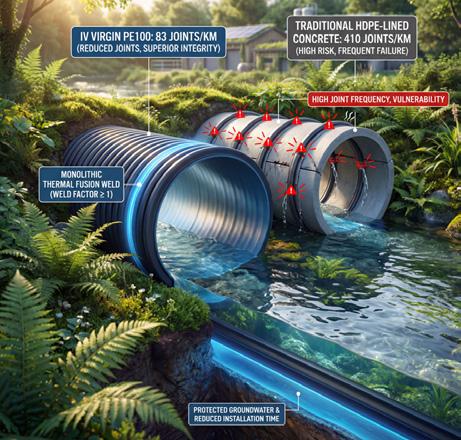
• Chemical compatibility: While resistant to typical sewage (pH 6-8), PE100 can be degraded by strong oxidising acids.
• Installation requirements: PE pipes are sensitive to point loads, requiring strict bedding compliance per SANS 1200 LG.
To validate these findings locally and optimise implementation, future research should focus on:
• Soil-structure interaction studies: Instrumented installations to measure long-term deflection in Gauteng’s expansive soils.
• Comparative degradation assessment: Side-byside control sections of PE100 and HDPE-lined concrete to quantify differential degradation.
• Environmental impact analysis: Comprehensive lifecycle assessment including water usage, waste generation, and end-of-life recyclability comparisons.
• Performance validation: Long-term monitoring programmes to validate theoretical performance predictions under South African operating conditions.
This comprehensive comparative analysis demonstrates that virgin PE100 structured-wall pipes offer a technically and economically superior solution to HDPE-lined concrete for gravity sewer applications in South Africa. Key findings support the following conclusions:
• Economic superiority: PE100 systems reduce lifecycle costs by 21-37% over 100-year evaluation periods, representing potential savings of ZAR 2.1-5.6 billion for major metropolitan infrastructure programmes.
• Technical performance: Welded PE100 systems eliminate 70-85% of joint-related failures while providing immunity to biogenic sulphide corrosion that affects concrete systems.
• Environmental benefits: Reduced infiltration and exfiltration rates prevent significant groundwater contamination while supporting water reuse initiatives critical to South African water security.
• Resilience advantages: The flexibility of PE100 systems provides superior performance in expansive clay soils characteristic of major South African urban areas.
By adopting PE100 technology, South African municipalities can effect a paradigm shift toward sustainable sewer infrastructure that addresses the unique challenges of the local operating environment while providing superior long-term value.
Editorial Note: This article is an edited version of a comprehensive technical paper. The full paper, including complete references and detailed technical analysis, is available from the author.

ARTICLE DISCLAIMERS
• Design life claims are based on accelerated testing per ISO 9080 and TEPPFA validation methodologies.
• Economic analysis depends on discount rate assumptions (3% used) and rehabilitation cost projections.
• Performance projections assume proper installation per SANS 1200 LG and SANS ISO 21138 standards.
References
[1] Department of Water and Sanitation. (2022). Blue Drop Report 2022: Municipal Water Services Performance. Government of South Africa. https://www.dws.gov.za/BlueDrop/
[2] Water Research Commission. (2022). Impact of Water Scarcity on Wastewater Quality and Treatment. WRC Report No. 2856/1/22. https://www.wrc.org.za/
[3] Johannesburg Water. (2023). Sewer Network Condition Assessment: 2018-2023 Analysis. City of Johannesburg. https://www.johannesburgwater.co.za/
[4] Weholite. (2023). Technical Manual: Structured Wall PE Pipes. Uponor Infra. https://www.uponor.com/
[5] TEPPFA. (2019). 100 Year Service Life of Polyethylene Pipes. The European Plastic Pipes and Fittings Association. https://www.teppfa.eu/
[6] DVS 2207-1. (2016). Welding of Thermoplastics: Heated-Tool Welding of Pipes. German Welding Society. https://www.dvs-hg.de/
[7] Rajeev, P., Kodikara, J., Robert, D., Zeman, P., & Rajani, B. (2014). Factors contributing to large-diameter water pipe failure. Water Asset Management International, 10(3), 9-14. https://www.iwapublishing.com/
[8] eThekwini Municipality. (2023). Trunk Sewer Rehabilitation Programme: Lessons Learned 2015-2023. eThekwini Water and Sanitation. https://www.durban.gov.za/ [9] Rand Water. (2022). Corrosion Assessment Study: Johannesburg Sewer Network. Rand Water Technical Services. https://www.randwater.co.za/ [10] Department of Water Affairs. (2021). Infiltration and Inflow Study: South African Municipal Systems. DWA Technical Report. https://www.dws.gov.za/ [11] Pluimer, M. (2016). Performance of Recycled HDPE in Drainage Applications. University of Toronto. https://tspace.library.utoronto.ca/ [12] South African Institution of Civil Engineering. (2020). Geotechnical Challenges in South African Infrastructure. SAICE Technical Report. https://www.saice.org.za/ [13] Water Research Commission. (2023). Groundwater Contamination from Sewer Infrastructure. WRC Report No. 2901/1/23. https://www.wrc.org.za/ [14] National Treasury. (2023). Municipal Infrastructure Investment Framework 20232026. Government of South Africa. https://www.treasury.gov.za/ [15] Plastic Pipe Institute. (2019). Abrasion Resistance Testing of PE Pipe Systems. PPI Technical Report TR-19. https://plasticpipe.org/

As South Africa prepares for Water Month taking place in March, the national conversation rightly focuses on water security, infrastructure resilience and service delivery. Yet too often, attention is directed at what we can see, for example dams, treatment works and reservoirs, while overlooking the most critical component of the system: the hidden network of pipelines beneath our feet. By Jan Venter


Water infrastructure is only as strong as the networks that transport water from source to tap and return wastewater safely to treatment. In this context, plastic pipes have become indispensable to South Africa’s water engineering landscape, offering durability, efficiency and sustainability at a time when every drop counts.
Over the past four decades, the plastic pipes industry has undergone a quiet revolution. Advances in polymer science and extrusion technology have significantly increased the design stress of plastic pipe materials, allowing pipes to operate at higher pressures while using material more efficiently. Today’s plastic pipes are not only lighter and easier to install than traditional materials, but when correctly manufactured and installed, they are designed to last more than 50 years. Results of numerous independent studies have proven that high-quality HDPE pipes can potentially exceed a century in service life.
This performance has driven the widespread adoption of plastic pipes across South Africa’s water and sanitation networks. In smaller and medium diameters, plastic pipes dominate the market, while large-diameter plastic pipes are increasingly being specified for bulk water supply, sewerage, stormwater, mining and industrial applications. This shift reflects growing confidence among engineers and municipalities in plastic piping as a long-term infrastructure solution.
From a sustainability perspective, plastic pipes offer clear advantages. They require significantly less energy to manufacture than steel or concrete, do not corrode and therefore reduce the risk of potable water contamination. Their smooth internal surfaces minimise friction losses, improving hydraulic efficiency and lowering pumping costs over time. Importantly, plastic pipes can be recycled under strict technical controls, supporting circular economy principles without compromising performance.
However, the benefits of plastic pipes are only realised when quality and standards are upheld across the entire value chain. This is where the Southern African Plastic Pipe Manufacturers Association (SAPPMA) plays a critical role.
SAPPMA is a voluntary, non-profit industry association that exists for one reason: to protect the integrity of plastic piping systems used in South Africa’s infrastructure. All SAPPMA members are required to hold certification from accredited bodies such as SABS or SATAS, but membership goes far beyond paperwork. Our manufacturers are subjected to regular, unannounced factory audits (at least twice a year) focused on product compliance, manufacturing processes and adherence to national and international standards.
This level of oversight is essential in a market under increasing cost pressure. Polymer prices remain volatile, and while much of the raw material is produced locally, prices track international parity. In this environment, aggressive cost-cutting and price-driven procurement have opened the door to substandard products entering the market. These pipes may appear compliant at installation but fail prematurely years down the line.
Another sobering reality is that the majority of pipe failures are not caused by the pipe itself, but by poor installation practices. Inadequate training, incorrect welding parameters, contamination during jointing and failure to follow installation standards all contribute to infrastructure failure. Plastic pipes are forgiving, but that very flexibility can create the dangerous illusion that precision does not matter.
This is why SAPPMA’s role extends beyond manufacturing oversight. We actively work to close the knowledge gap between material science and engineering practice. Through technical manuals, webinars, seminars and direct engagement with engineers and municipalities, we support correct
specification, proper installation and appropriate testing of plastic piping systems. We also contribute to the development and refinement of South African national standards through technical committees.
Water infrastructure is not a short-term investment. Pipelines are the arteries of a functioning society, enabling economic activity, public health and social stability. When they fail, the consequences ripple far beyond the immediate repair cost. Water losses, service disruptions, environmental damage and lost public trust are only some of the negative consequences.
As South Africa grapples with rising non-revenue water, climate variability and growing urban demand, the focus must shift from lowest upfront cost to long-term performance and lifecycle value. Specifying certified, SAPPMA-approved pipes may marginally increase material costs, but it dramatically reduces the risk of catastrophic failure and ensures infrastructure that serves communities for generations.
Water Month is a reminder that water security is everyone’s responsibility. For SAPPMA, that responsibility is clear: to uphold standards, enforce quality and ensure that what lies beneath our water systems is worthy of the trust placed in it. Our water future depends on it.
For more information, visit www.sappma.co.za
With demand rising for high quality manufactured sand and pressure mounting to reduce unsaleable materials and environmental impact, Metso’s HRC™ 8 high pressure grinding roll (HPGR) is proving to be a gamechanger. Distributed in southern Africa by Pilot Crushtec, the HRC™ 8 is specifically designed to deliver exceptional crushing efficiency, shape and gradation in the most demanding sand and aggregate applications.
Francois Marais, Sales and Marketing Director at Pilot Crushtec, says the HRC™ 8 is opening new opportunities for producers to make the most of their feedstock. “This is not just about improving performance – it’s about rethinking what’s possible,” he explains. “Whether you are working with hard abrasive materials, high fines content or even moist and clay-bound feed, the HRC™ 8 can turn that into a high value saleable product.”
The technology behind the HRC™ 8 is based on inter-particle comminution where feed material is drawn into a bed between two rotating rollers –one fixed and one floating – and subjected to high pressure. This intense even crushing action is not unlike the force of a nutcracker and results in reduced energy consumption, a lower wear rate and excellent product shape.
Marais highlights the machine’s suitability for manufactured sand. “The HRC™ 8 produces a consistently cubical product which is ideal for asphalt and concrete applications. It also allows for precise adjustment of gradation; this means customers can meet tight specifications without the need for excessive screening or reshaping.”
Environmental benefits are also a strong selling point. With natural sand reserves becoming increasingly scarce and regulated, the HRC™ 8 helps producers reduce reliance on virgin resources.
The sand produced requires less water and cement in downstream concrete and asphalt mixes, supporting more sustainable construction practices by reducing the amount of unwanted ultra fines produced in the crushing process. The ability to repurpose unsaleable materials from previous crushing and screening processes into high quality output further reduces the carbon footprint of a site.
“In many cases, the HRC™ 8 allows operators to take what was once a stockpiled liability –typically low-grade or oversized byproduct – and turn it into a profitable revenue stream,” says Marais.
Designed for high reliability and easy maintenance, the HRC™ 8 features Metso’s patented Arch-frame with anti-skewing functionality ensuring even load distribution and protecting critical components from misalignment. Adjustable hydraulic cylinders and variable speed capability allow operators to tailor pressure and throughput to match specific material characteristics and application needs.
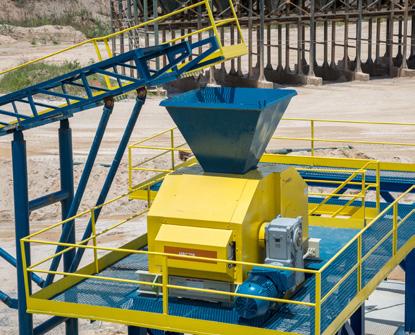
The feed chute is engineered for choke-fed operation ensuring even wear across the roll surface and consistent crushing conditions. Meanwhile, robust wear components, such as long-life manganese tyres, minimise the need for intervention and Metso’s split shaft design allows fast replacement of rolls without full machine disassembly.
The machine’s versatility allows it to excel in a wide range of applications including manufactured sand, gravel pits, re-crushing unsaleable material, asphalt and concrete sand and even certain industrial minerals. Where other technologies may falter due to high abrasiveness, low crushability, moisture or fines, the HRC™ 8 delivers.
Flexibility and energy efficiency
“The ability to adjust product gradation on the fly by regulating pressure – rather than changing the roll gap – means unmatched flexibility,” Marais says. “You can optimise for output, energy efficiency or product quality depending on your operational goals.”
He adds that the HRC™ 8 also stands out for its energy performance. “Compared to other technologies, it can achieve energy efficiencies of up to 90%, depending on configuration. And because the machine reduces circulating loads, you are not wasting energy on reprocessing material.”
From its ability to handle difficult feed to its contribution to circular economy principles, the HRC™ 8 delivers on multiple fronts: performance, sustainability, cost efficiency and safety. It is not just another crusher; it is a solution that enables a new way of thinking about sand and aggregate production.
Through high pressure grinding, the Metso HRC™ 8 delivers precision, efficiency and consistency throughout the crushing process
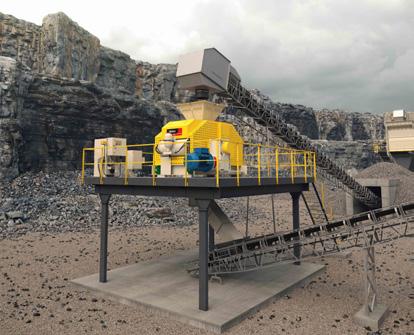
As with various environmental management aspects, waste management in South Africa has seen a number of regime changes. In 2009, when the National Environmental Management: Waste Act, 2008 (NEMWA) came into effect, it repealed, among others, section 20 of the Environment Conversation Act, 1989 (ECA). By Garyn Rapson, Paula-Ann Novotny, Cobus Hoon, and Lia Wheeler
Section 20 of ECA required any person intending to establish, provide or operate a disposal site (i.e., a site used for the accumulation of waste for the purpose of disposing or treating such waste) to first obtain a permit.
NEMWA introduced a new licensing system, which requires a person who wishes to conduct a listed waste management activity to apply for a waste management licence (WML). This licensing system replaced and expanded the previous permitting system under section 20 of ECA, which largely regulated traditional landfill sites. NEMWA also introduced several savings and transitional provisions, which allowed for the continued operation of certain waste disposal facilities and waste
management activities until such time as they are called upon to apply for a WML.
Now, 16 years later, the Minister of Forestry, Fisheries and the Environment (Minister) has called upon persons operating under certain of the transitional arrangements of NEMWA to apply for a WML.
On 10 th December 2025, the Minister issued a notice calling on certain persons to apply for a WML by no later than 9th December 2027 (WML Notice). The WML Notice provides that the following persons are required to apply for a WML:
• Persons who operate a waste disposal facility that was established prior to the
commencement of ECA, where that facility was operational on the date of the coming into effect of NEMWA.
• Holders of a permit issued in terms of section 20 of ECA, where the Minister is the licensing authority in terms of section 43 of NEMWA, and
• Persons who conducted a waste management activity listed under Schedule 1 to NEMWA at the time of the commencement of NEMWA, and who, immediately before that date, lawfully conducted the listed waste management activity in accordance with Government Notice No. 91 of 1 February 2002, published under section 20(5)(b) of ECA. Since it was probably not contemplated by the drafters of NEMWA that the Minister would only call upon persons operating under the transitional arrangements provided for in sections 80(4), 81(2) and 82 of NEMWA (Transitional Arrangements) to apply for a WML 16 years after NEMWA took effect, the WML Notice is not without complications. First, it is evident from the wording of the Transitional Arrangements that the intention of these provisions was to regulate activities or facilities that were operational at the time NEMWA came into effect. However, in 2026, 16 years after NEMWA commenced, a facility
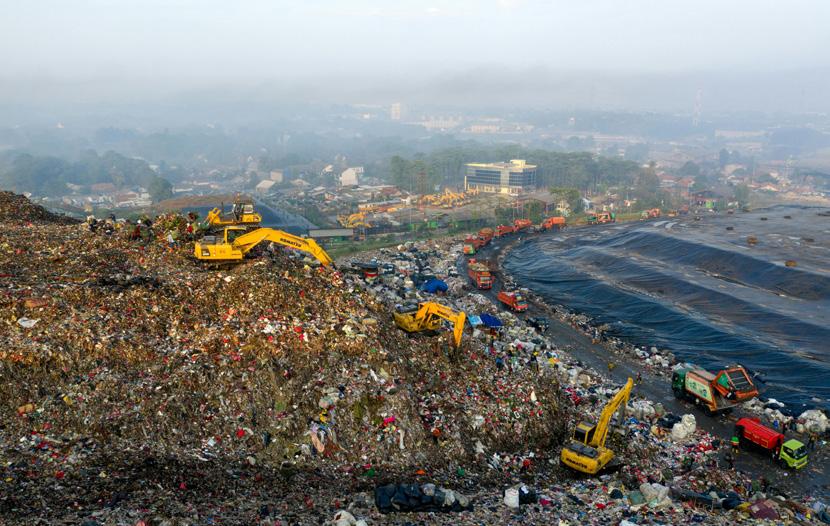




or activity that was operational at that time may no longer be operational. Persons in control of such now non-operational facilities would need to consider their legal obligations and seek appropriate advice.
Second, paragraph (b) of the WML Notice calls upon holders of permits issued in terms of section 20 of ECA to apply for a WML and proceeds to state “where the Minister is the licensing authority in terms of section 43 of the Waste Act”. This reference to section 43 of NEMWA gives rise to uncertainty, as section 43(1) of NEMWA provides that the Minister is the licensing authority only in the following circumstances:
• The activity involves the establishment, operation, cessation or decommissioning of a facility at which hazardous waste has been or is to be stored, treated or disposed of.
• The activity involves obligations in terms of an international obligation.
• The activity is undertaken by a national or provincial government department or certain statutory bodies.
• The activity will affect more than one province or traverse international boundaries, or
• Two or more activities will be undertaken at the same facility and the Minister is the licensing authority for any one of those activities.
If strictly interpreted, only a limited number of historic ECA facilities would need to be regulated under the WML Notice. It is suspected that the intention was to regulate all former ECA facilities, provided the section 20 permits were signed by the relevant Minister at the time. This area of uncertainty would similarly require holders of old ECA permits to seek advice on compliance.
Finally, in relation to paragraph (c) of the WML Notice, two requirements must be met. First, a person must have conducted (and, as suggested above, must continue to conduct) a listed activity under Schedule 1 to NEMWA
at the time of the commencement of NEMWA. Second, that activity must have been lawfully conducted in accordance with the directions issued by the Minister in Government Notice No. 91 of 1 February 2002, published under section 20(5)(b) of ECA (Small Waste Site Directions).
As the Small Waste Site Directions relate only to waste disposal facilities, it appears that the intention of both section 82 of NEMWA and paragraph (c) of the WML Notice is to apply only to listed waste management activities relating to the operation of waste disposal sites.
A further complication arises from the reference in paragraph (c) of the WML Notice to Schedule 1 to NEMWA. Schedule 1 was included as a temporary list of waste management activities requiring a WML until the Minister published a list of waste management activities in terms of section 19 of NEMWA. As the Minister has since published such a list, Schedule 1 is no longer applicable. It is also important to note that several activities previously listed in Schedule 1 are no longer listed as waste management activities or have been materially amended, meaning that a WML may no longer be required.
In these circumstances, and notwithstanding the silence of the WML Notice on this issue, it must be assumed that the WML Notice only applies to waste management activities that required a WML under Schedule 1 and that still require a WML because they are similarly listed under the notice published by the Minister.
The WML Notice concludes by stating that it does not apply to facilities with expired WMLs, or to WMLs that have been suspended or revoked.
On the same day that the Minister published the WML Notice, the Minister also published regulations setting out the procedure to be followed by the persons called upon to apply for a WML (Application Regulations).
The Application Regulations include a prescribed form to be completed by applicants and submitted to the Department of Forestry, Fisheries and the Environment (DFFE). The prescribed application form must be accompanied by a pollution impact assessment (PIA) report compiled by an independent specialist. The PIA must contain an assessment of the pollution and degradation caused by the applicant's activities, as well as an environmental management programme that conforms to the minimum requirements set out in Appendix 2 to the Application Regulations and includes mitigation measures for each impact identified during the PIA.
The Application Regulations also provide for a mandatory public participation process (PP Process) of 30 days, to afford members of the public an opportunity to submit comments on the application. Comments received during the PP Process, together with the applicant's responses, must be included in the application submission.
Upon receipt of all information required by the licensing authority, the licensing authority is required to decide the application within 120 days.
It is evident that several uncertainties arise from the WML Notice. Furthermore, in the absence of an explicit offence provision in the WML Notice or the Application Regulations, the consequences for persons operating under the Transitional Arrangements in sections 80(4) and 82 of NEMWA are unclear. However, section 81(3) of NEMWA provides that section 20 permits will automatically lapse if an application is not submitted within the two-year period stipulated in the WML Notice. Accordingly, the operators of historically authorised waste disposal facilities should carefully consider and assess whether they fall within the ambit of the WML Notice to avoid the risk of non-compliance.

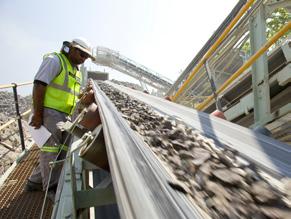
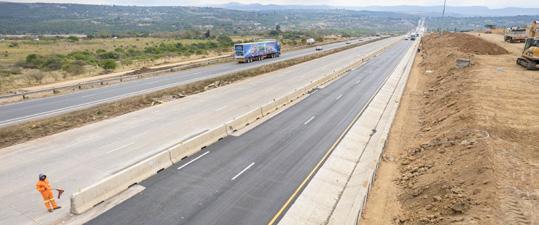
In the world of construction, the quality of materials directly determines the strength, durability and long-term performance of any structure. Among these materials, aggregates – whether used in concrete, asphalt or base layers – play an essential role.
Ensuring that aggregates are correctly sized and properly graded is not just a technicality – it is a vital factor in achieving structural integrity, performance consistency and compliance with design specifications.
“Aggregate grading is about more than just particle size,” explains Amit Dawneerangen, Construction Materials Executive: Sales & Product Technical at leading construction materials supplier, AfriSam. “It determines how the material compacts, how concrete mixes perform, and how well load bearing structures can handle stress over time.”
3 Both coarse and fine aggregates used in concrete must comply with the requirements of SANS 1083 1 2 3
When aggregates are incorrectly sized or poorly graded voids can occur within the mix, reducing density and compromising strength. This often leads to issues such as cracking, shrinkage and water ingress – all of which can shorten the lifespan of roads, buildings or infrastructure.
Conversely, well-graded aggregates create dense cohesive mixtures that enhance workability, reduce cement or binder demand, and ensure more uniform compaction and stability.
Beyond physical performance, consistent aggregate quality ensures that engineers and contractors can meet design standards and regulatory specifications. Projects designed around specific grading envelopes depend on accurate and repeatable aggregate properties to perform as intended.
However, achieving this level of precision requires technical expertise, process control and rigorous testing, which is why working with a reputable quarry or construction materials supplier is critical. Trusted suppliers operate under strict quality management systems, implement regular laboratory testing and maintain calibrated crushing, screening and blending processes to ensure product consistency.
“Partnering with an established, credible supplier provides confidence that every load delivered meets specification,” Dawneerangen adds. “It also means access to reliable technical advice and traceability – from the source rock right through to the final product.”
Reputable suppliers invest heavily in quality assurance infrastructure, from advanced testing laboratories to on-site quality control technicians. Their focus extends beyond supply – they actively collaborate with engineers and contractors to ensure that the correct material is selected for each layer or mix design, reducing the risk of costly rework and ensuring long-term performance.
In a market where quality, compliance and sustainability are non-negotiable, correct aggregate sizing and grading are the cornerstones of successful construction. “Working with a trusted technically capable supplier is therefore not just a purchasing decision – it is a quality assurance choice that safeguards the integrity and longevity of every project,” Dawneerangen concludes.
1 To ensure full compliance with relevant standards and specifications, AfriSam conducts a range of aggregate tests both in-house and through external laboratories
2 The COTO specifications for aggregates used in asphalt –classified as Class 1 and Class 2 – set exceptionally high quality standards

Conveyor belt systems are central to the handling of bulk materials in cement and aggregate processing facilities. Crushed stone, gravel and sand are transported continuously between process stages, often under demanding operating conditions. Within this material handling chain, conveyor belt transfer stations play a critical role in regulating flow and maintaining stable throughput.
At these transfer points, incoming material is typically discharged into a buffer silo before being transferred onto the next conveyor.
This temporary storage allows fluctuations in feed rate to be absorbed and helps prevent belt overfilling downstream. To ensure that this function is carried out reliably, accurate level measurement and dependable point level detection are required.
The application involves both continuous level measurement and point level detection within a buffer silo located at a belt transfer station. Measuring ranges are generally up to 5 m, with bulk materials including stones, gravel and sand. Operating temperatures typically fall between -40°C and +50°C.
While these parameters are relatively moderate, the environmental conditions present a significant challenge for instrumentation. Transfer stations are characterised by extremely high dust concentrations, constant mechanical noise, vibration and abrasion from coarse material. Measuring systems installed in this area must therefore deliver stable results under conditions that would quickly impair or damage less robust technologies.
The primary function of the buffer silo is to stabilise material flow. Without reliable level information, this function cannot be controlled effectively. Overfilling can result in spillage, belt misalignment and increased wear on mechanical components, while insufficient filling leads to under-utilisation of conveyor capacity and reduced plant throughput.
Continuous level measurement provides operators with a clear indication of silo filling levels, allowing upstream and downstream conveying equipment to be coordinated more effectively. Point level detection, typically used as an overfill
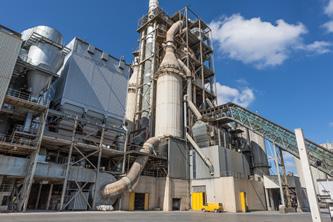
protection mechanism, adds an essential layer of process safety by preventing material from reaching critical levels.
Together, these measurements support consistent material flow, improved utilisation of conveyor systems and reduced risk of unplanned downtime.
Measurement technology selection
Selecting suitable measurement technologies for belt transfer stations requires careful consideration of environmental factors. Contact-based systems are often exposed to excessive wear due to abrasion and can be affected by material buildup. Optical methods may struggle in dense dust clouds, while mechanical devices can be sensitive to vibration.
Non-contact radar-based level measurement and robust capacitive point level detection are well suited to these conditions. Radar systems are largely unaffected by dust, noise and material movement, making them a practical choice for continuous level measurement in bulk solids applications. Capacitive sensors, when designed for heavy-duty use, offer reliable switching performance even in the presence of buildup and changing bulk material properties.
For continuous level measurement at the belt transfer station, non-contact radar offers clear advantages. The VEGAPULS 6X radar sensor provides highly reliable level measurement, even in extremely dusty environments where optical or mechanical systems struggle.
Because the measurement is non-contact, there is no sensor wear due to abrasion from stones or gravel, resulting in maintenance-free operation. The radar signal is largely insensitive to process noise and vibration, ensuring maximum operational reliability even when conveyors and crushers are operating at full load.
With a measuring distance of up to 120 m and an extended process temperature range from
-196°C to +450°C, the VEGAPULS 6X offers more than sufficient performance reserves for typical cement and aggregate transfer stations. This flexibility simplifies standardisation across different measuring points within the plant and reduces spare parts complexity.
While continuous level measurement provides operational control, reliable point level detection is essential for overfill protection. The VEGACAP 65 capacitive point level sensor is designed specifically for demanding bulk solids applications.
Its robust, cut-to-length cable probe offers a long service life, even under abrasive conditions. The sensor delivers reliable switching results and remains largely unaffected by material buildup –a common issue in dusty cement environments. A large gravity weight ensures a dependable and clearly defined switching point, providing confidence in safety-critical applications.
Installed at the maximum allowable filling level, the VEGACAP 65 acts as a final safeguard against overfilling, protecting downstream conveyors and associated equipment from damage or blockage.
The VEGAPULS 6X radar sensor provides highly reliable level measurement, even in extremely dusty environments where optical or mechanical systems struggle



































































AECOM
siphokuhle.dlamini@aecom.com
AFI Consult banie@afri-infra.com
ARRB Systems info@arrbsystemssa.com
Asla Construction (Pty) Ltd johanv@asla.co.za
BMK Group brian@bmkgroup.co.za
Bosch Projects (Pty) Ltd mail@boschprojects.co.za
BVI Consulting Engineers marketing@bviho.co.za
Camjet info.jhb@camjet.co.za
CCG puhumudzo@ccgsytems.co.za / info@ccgsystems.co.za
Civtech Engineers (Pty) Ltd admin@civtech.biz
Corrosion Institute of Southern Africa secretary@corrosioninstitute.org.za
Dlamindlovu Consulting Engineers & Project Managers info@dlami-ndlovu.co.za
EFG Engineers info@efgeng.co.za
Elster Kent Metering Mark.Shamley@Honeywell.com
EMS Solutions paul@emssolutions.co.za
ENsync Engineers info@ensync.africa
ERWAT mail@erwat.co.za
Gabion Baskets mail@gabionbaskets.co.za
GIBB marketing@gibb.co.za
GIGSA secretary@gigsa.org
GLS Consulting info@gls.co.za
Gorman Rupp Cordeiro@gormanrupp.co.za
Gudunkomo Investments & Consulting info@gudunkomo.co.za
Hatch Africa (Pty) Ltd info@hatch.co.za
HB Glass Filter Media info@hardybulkinglass.com
Herrenknecht schiewe.helene@herrenknecht.de
HSA Technology (Pty) Ltd cs@hubersa.com
Hydro-comp Enterprises info@edams.co.za
IMQS Software (Pty) Ltd shemine.adams@imqs.co.za
Infrachamps Consulting info@infrachamps.co.za
INFRATEC info@infratec.co.za
Institute of Waste Management of Southern Africa iwmsa@iwmsa.co.za
IQHINA Consulting Engineers & Project Managers info@iqhina.co.za iX engineers (Pty) Ltd hans.k@ixengineers.co.za
Izinga Holdings info@izingalabezi.co.za
JG Afrika DennyC@jgafrika.com
KABE Consulting Engineers info@kabe.co.za
Kago Consulting Engineers kagocon@kago.co.za
Kantey & Templer (K&T) Consulting Engineers ccherry@ct.kanteys.co.za
Kitso Botlhale Consulting Engineers info@kitsobce.co.za
KSB Pumps and Valves (Pty) Ltd salesza@ksb.com
Kuhle Mcebo Engineers admin@kuhlemceboeng.co.za
KUREMA Engineering (Pty) Ltd info@kurema.co.za
Lektratek Water general@lwt.co.za
Loshini Projects muzi@loshini.co.za
m4a fagan@m4a.co.za
Makhaotse Narasimulu & Associates mmakhaotse@mna-sa.co.za
Mariswe (Pty) Ltd neshniec@mariswe.com
Martin & East gbyron@martin-east.co.za
M & C Consulting Engineers (Pty) Ltd info@mcconsulting.co.za
Mhiduve adminpotch@mhiduve.co.za
MPAMOT (Pty) Ltd mpumem@mpamot.com
Mvubu Consulting & Project Managers miranda@mvubu.net
NOTHI Group info@nothigroup.co.za
NTGR Engineering info@ntgr.co.za
Nyeleti Consulting naidoot@nyeleti.co.za
Prociv Consulting & Projects Management amarunga@prociv.co.za
Rainbow Reservoirs quin@rainbowres.com
Re-Solve Consulting (Pty) Ltd maura@re-solve.co.za
Ribicon Consulting Group (Pty) Ltd info@ribicon.co.za
Royal HaskoningDHV francisg@rhdv.com
SABITA info@sabita.co.za
SAFRIPOL mberry@safripol.com
SAGI annette@sagi.co.za
SALGA info@salga.org.za
SAPPMA admin@sappma.co.za / willem@sappma.co.za
SARF administrator@sarf.org.za.co.za
SBS Water Systems marketing@sbstanks.co.za
Silulumanzi Antoinette.Diphoko@silulumanzi.com
Siroccon International (Pty) Ltd admin@siroccon.co.za
SiVEST SA info@sivest.co.za
Sizabantu Piping Systems (Pty) Ltd proudly@sizabantu.com
Siza Water (RF) Pty Ltd PA@sizawater.com
Sky High Consulting Engineers (Pty) Ltd nobesuthum@shconsulting.co.za
SKYV Consulting Engineers (Pty) Ltd kamesh@skyv.co.za
Smartlock jp.alkema@smartlock.net
SMEC capetown@smec.com
SOUTH AFRICAN VALUE EDUCATION Sabiha@savegroup.co.za
Southern African Society for Trenchless Technology director@sasst.org.za
SRK Consulting jomar@srk.co.za
Structa Group info@structatech.co.za
Superior Filtration (Pty) Ltd info@superior-filtration.com
TPA Consulting roger@tpa.co.za
Ultra Control Valves peter@ultravalves.co.za
V3 Consulting Engineers (Pty) Ltd info@v3consulting.co.za
Videx Storage Tanks sales@vidextanks.co.za
VIP Consulting Engineers esme@vipconsulting.co.za
VNA info@vnac.co.za
Water Institute of Southern Africa wisa@wisa.org.za
Wam Technology CC support@wamsys.co.za
Wilo South Africa marketingsa@wilo.co.za
WRCON ben@wrcon.co.za
Zimile info@zimile.co.za
Zutari charmaine.achour@zutari.com
Lebowakgomo, a residential area and part of the Sekhukhune District Municipality in Limpopo Province, recently had 4 km of gravel road upgraded to an asphalt surface, which included the laying of new stormwater pipes supplied by Rocla.
The initiative, which forms part of important infrastructure upgrades in the area, is an ongoing project that will offer the local community safer and more reliable roads, walkways and services.
Comments Karel Komape, project manager on the Lebowakgomo project for Ditlou Suppliers and Services:
“Infrastructure maintenance plays a crucial role in the upliftment of communities who in the past have had to utilise deteriorating road and walkways and drainage systems. We believe, as contractors to the project, that infrastructural components have to meet the standards required by our programme and Rocla’s Interlocking Joint (IJ) stormwater pipes did just that.”
Rocla supplied 1 037 x 100D standard 2.44 m long IJ precast stormwater pipes. These ranged from 450 mm up to 1 200 mm in diameter.
“Our Interlocking Joint pipe is manufactured specifically for use in stormwater applications,” explains Matthews Ntjie, sales consultant for Rocla, Polokwane. “The male/female type joint is formed inside the wall of the pipe, which prevents any widening of the pipe, ensuring the outside dimensions remain constant.”
The joint itself is used for centring the pipe during laying operations. The joint is sealed with a sealant and/or a membrane with a bitumen sealant or similar. Additionally, a rubber collar, placed around the outside diameter, can be supplied to prevent any soil particle movement into the pipe and enhance the water tightness of the joint. This provides the added benefit of countering groundwater intrusion.
Rocla supplied 1 037 x 100D standard 2.44 m long IJ precast stormwater pipes for a road upgrade in Lebowakgomo, ranging in size from 450 mm up to 1 200 mm in diameter
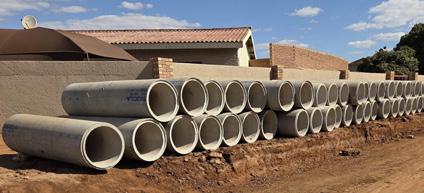
Citi-Con has successfully completed complex structural repairs on bins 21 and 22 for a leading steward of raw materials in the food production industry. These interventions represent the most critical component of the extensive specialist concrete repair and corrosion protection solutions that the company has already undertaken for this client across various silo complexes.
Given the high-risk nature of the work, the project was supervised by Dion Rudolph, Citi-Con’s experienced project manager, who also provided valuable input into the engineer’s repair design to improve constructability, drawing on his extensive expertise in concrete repair and corrosion protection.
“With our proven track record in extending the design life of these structures, we bring the practical, on-site expertise needed to deliver a successful outcome. Working safely in an area of the Free State where temperatures often exceed 30°C and winds can intensify with little warning was part of our daily reality. By incorporating improved design features upfront, we were able to plan effectively around these conditions and maintain project momentum,” says Rudolph.
A case in point was his suggestion to increase the hole plate tolerances to a 50 mm outer diameter clearance, which significantly accelerated the work without compromising safety.
Leveraging his extensive rigging experience, he devised an innovative method to hoist the 38.5 kg plates to the various working faces – addressing the fact that they were too heavy for rope access technicians to carry. Cutting the plates was not an option, as this would have compromised their structural integrity.
The scope involved reinforcing the primary support beams – 10 on the rigid side of bin 22 and two on the flexible side of bin 21 – which tie into the steel beams that interconnect the structure linking the machine tower to the concrete silo. Over time, differential movement between the machine tower and the concrete silo structures caused shear-related distress on the metal beams and concrete spalling at the concrete anchoring points (beam-wall) connections. If left unaddressed, this
deterioration posed a significant risk of structural failure.
Work began on bin 22, replacing the five front and five rear H-plate assemblies in sequence. Rudolph and his team started at the lowest level, completing one H-plate assembly per day.
“There was zero margin for error; even the slightest mistake could have triggered a collapse,” Rudolph explains. “When reinforcing the final beams, we were working at heights of approximately 37 m and within extremely tight tolerances of 2 to 3 mm when positioning the plates.”
The engineered solution required cutting back each existing beam by 50 mm and installing a new H-plate reinforcement system.
The scope involved reinforcing the primary support beams which tie into the machine tower
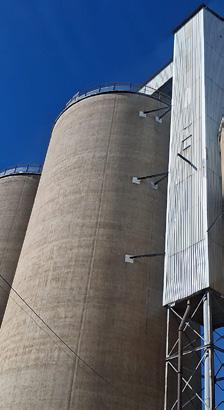
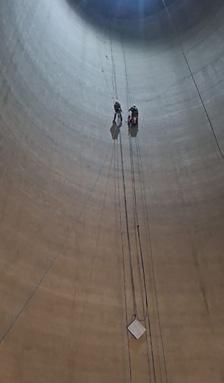
When reinforcing the final beams, the team was working at heights of about 37 m and within tight tolerances of 2 to 3 mm when positioning the plates
Rudolph’s team began by cutting back each existing beam, removing it, and then using it as a template for precise measurement and drilling.
Six 200 mm deep holes were then drilled through the concrete using one of Citi-Con’s powerful industrial Hilti drill machines. Thereafter, threaded bars were inserted and secured with chemical anchoring mortar that achieved full strength in just 30 minutes. A 600 × 600 × 12 mm internal plate was then hoisted and aligned with a 100 × 100 × 6 mm washer plate and nut to secure the internal anchor point. This was followed by reattaching the new A4 stainless-steel plate using high-tensile bolts, spring washers, and lock nuts.
“Once again, rigorous quality control was maintained throughout. All plates were CO ₂ welded at 45 ° and 90 ° angles. Offering deep penetration and high deposition rates, CO ₂ welding is particularly suited to thick steel. A sealant was also applied between the concrete silo walls and the new H-plates to prevent water ingress and possible rusting in the future, followed by anti-corrosion and final protective coatings,” adds Rudolph.
By the time the project was completed, Citi-Con had safely handled and installed more than 924 kg of structural steel as part of this innovative turnkey structural engineering solution.
“This project reinforces our position as the trusted partner for advanced silo repair and strengthening. By combining practical engineering insight with precision execution, we continue to extend the lifespan of these vital structures,” Rudolph concludes.





www.imesa.org.za











































TO ADVERTISE
Joanne Lawrie
c +27 (0)82 346 5338
e joanne@infraprojects.co.za
TO SUBSCRIBE
e distribution@infraprojects.co.za
Contact us for content marketing opportunities
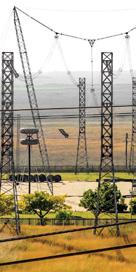






IMIESA , weekly newsletters , social media posts and www.imesa.org are the platforms used by your target audience for information on infrastructure development, maintenance and service delivery. Our readers are key decision-makers in the industry.