AS WE MOVE INTO 2026, THE WORLD OF AESTHETIC MEDICINE CONTINUES to evolve at an extraordinary pace. In this issue of PRIME, we bring together voices from across the global aesthetics landscape to reflect on what’s next and how practitioners can care not only for appearances, but for the total well-being of their patients.
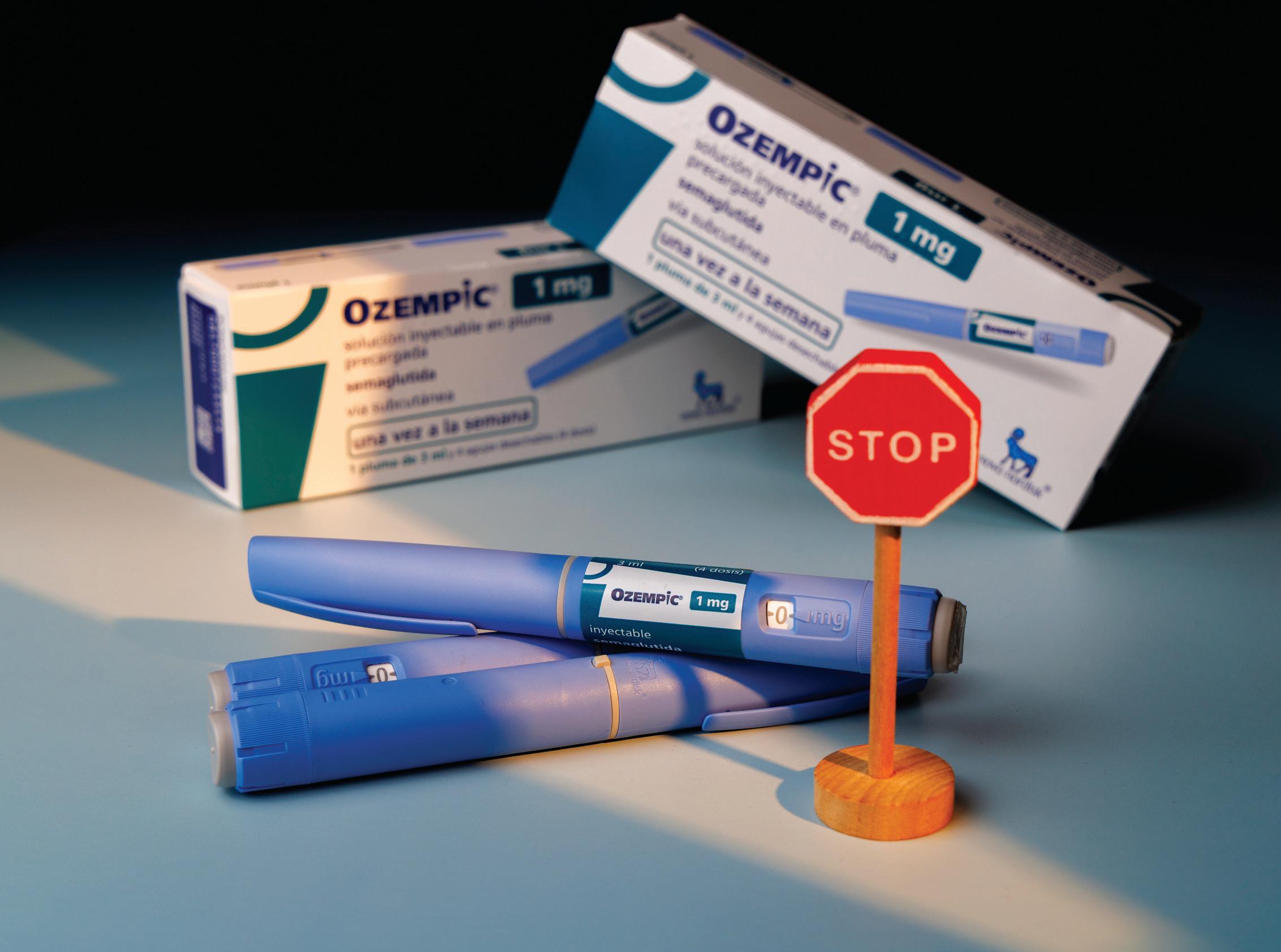
We kick things off with an important topic many of you are encountering in the clinic: the side effects of GLP-1 medications. In her article, Wendy Lewis looks into how rapid weight loss can lead to unexpected issues such as nutrient deficiencies and hair loss. With expert advice from practitioners, she outlines how to support patients through these changes and help them maintain their self-esteem along the way.
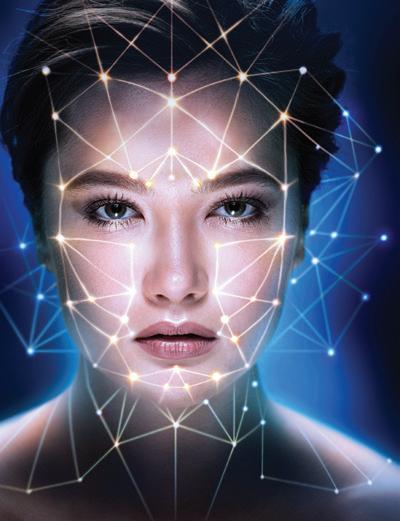
On the tech side, we explore how AI-powered skin analysis is quietly transforming aesthetic practice. From smarter diagnostics to clearer communication with patients, it’s helping clinics provide more tailored treatments and track outcomes more objectively. Several contributors share how AI has changed their conversations and built trust with patients.
If you’ve been curious (or confused) about exosomes, Byong Cho, CEO of ExoCoBio, a leading biotechnology and exosome company, offers a clear and honest take on what’s real and what’s marketing. As the landscape fills up with 'exosome-like' products, this piece helps cut through the noise so you can make informed decisions for your patients and your practice.
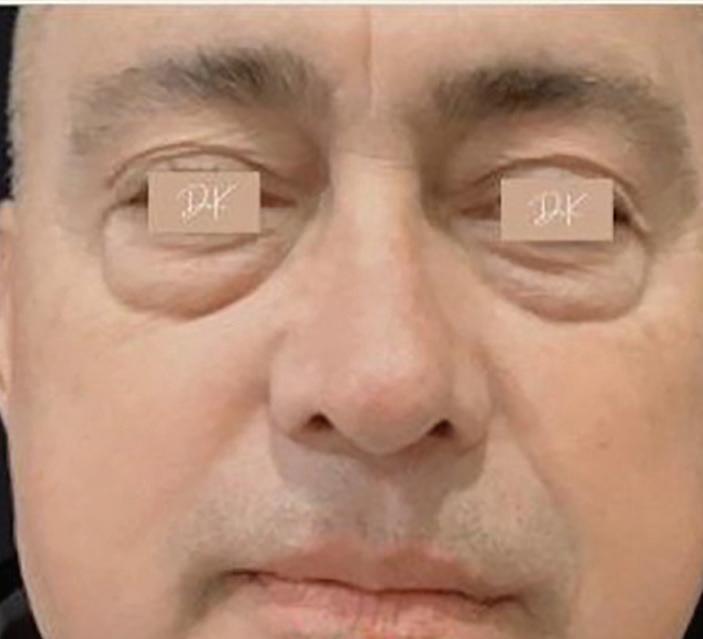
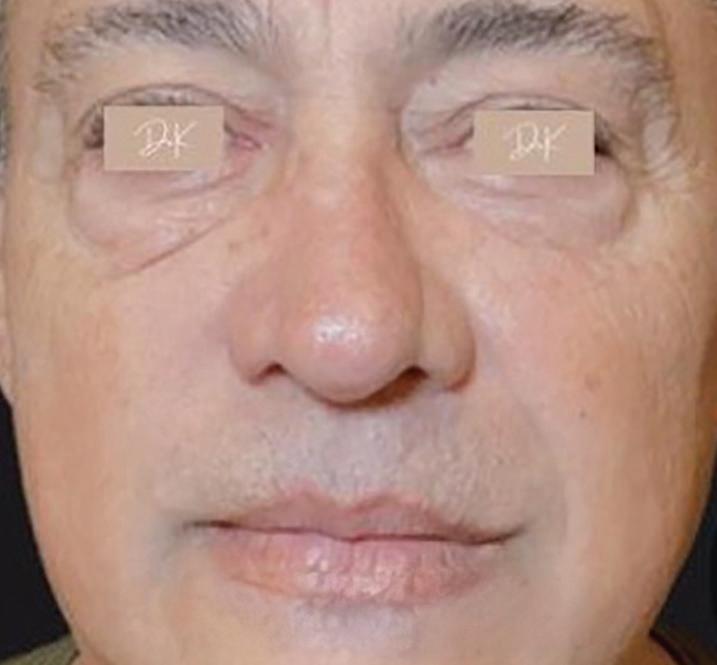
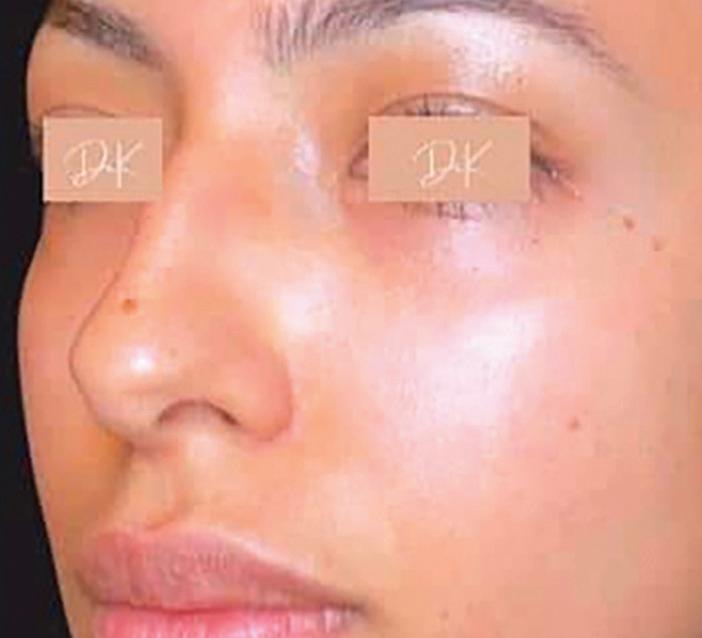
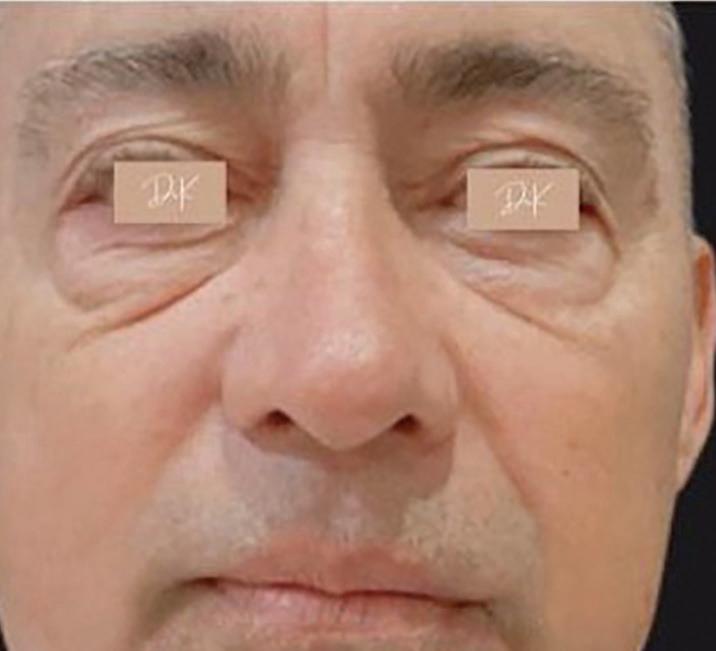
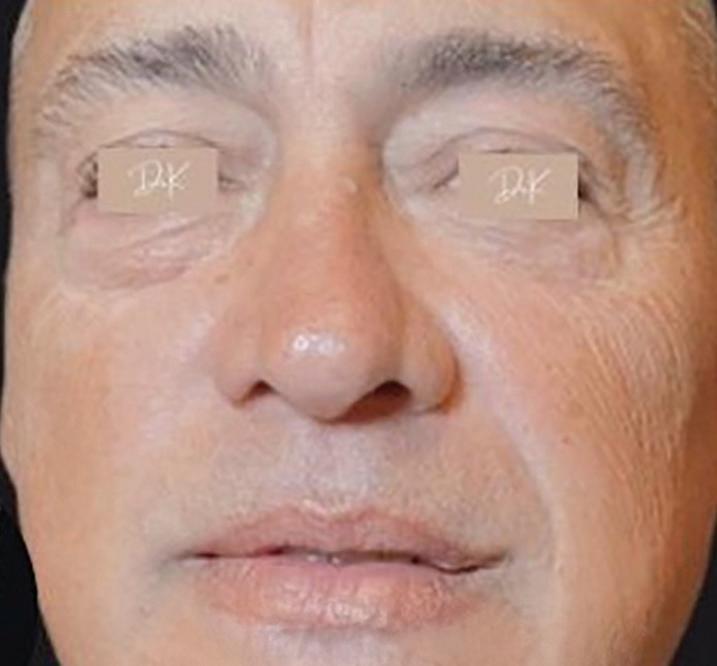
In our Case Study feature, we dive into a newer, minimally invasive approach to treating festoons, eye bags, and malar oedema. Dr Kaveh Karandish explains how he’s using the Lasemar 1500 EndoLaser to achieve meaningful results with less downtime. Dr Karandish presents the treatment as a solid option for patients who aren’t ready for surgery but still want visible improvement.
Affiliated partners:
And finally, Dr Steven Dayan introduces us to the growing world of neurocosmetics, where aesthetics intersects with neuroscience. Dr Dayan's article is a thoughtful look at how treatments can influence not just appearance, but how people feel, connect, and show up in the world.
Thanks for reading, and as always, we hope this issue proves useful in your day-to-day practice.
International Journal of Aesthetic and Anti-Ageing Medicine
Informa Australia, Level 4/24 York St, Sydney, NSW, 2000, Australia ISSN 2159-8908 (print) ISSN 2159-8916 (online)
Editor Balraj Juttla balraj.juttla@informa.com
Art Director David ‘Spike’ McCormack
Digital Marketing Manager Slim Hakimi slim.hakimi@informa.com
Production & Ads Department balraj.juttla@informa.com
Please
Balraj Juttla Editor, PRIME balraj.juttla@informa.com
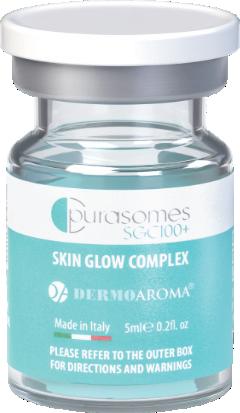
PURIFIED 20 BILLION EXOSOMES
ETHICALLY HARVESTED FROM ORGANIC BOVINE COLOSTRUM
January/February 2026
10
NEWS
7 Teoxane receives FDA approval for RHA® Dynamic Volume for midface contouring
8 Global Wellness Summit releases 10 wellness trends for 2026
INDUSTRY INSIDER
10 Navigating the side effects of GLP-1 for patients
Wendy Lewis explores the connection between rapid weight loss, nutrient deficiencies, and hair loss, while aesthetic experts share strategies to help patients maintain confidence and scalp health
16 The future of beauty: The rise of AI skin analysis in aesthetics AI-powered skin analysis is reshaping aesthetic medicine by delivering objective diagnostics, personalised treatment planning, and measurable outcomes that enhance patient trust, compliance, and clinical precision
22 Exosome-like products: What is real and what is not in a world of fast trends?
Byong Cho explores the science behind true exosomes, their benefits and the risks posed by exosome-like products, helping practitioners and patients navigate this complex landscape
CASE STUDY
28 A new non-surgical approach to eye bags, festoons and malar oedema
A novel, minimally invasive laser protocol is transforming the treatment of eye bags, malar oedema, and festoons. Kaveh Karandish, MD, shares his advanced approach using the Lasemar 1500 EndoLaser offering patients effective, low-downtime alternatives to surgery
AESTHETIC FEATURES
30 The rise of Neurocosmetics
Steven Dayan, MD, explains how a new era in aesthetics is emerging one that blends neuroscience and dermatology to restore not just skin, but confidence, connection, and emotional vitality
PRIME PROMOTION
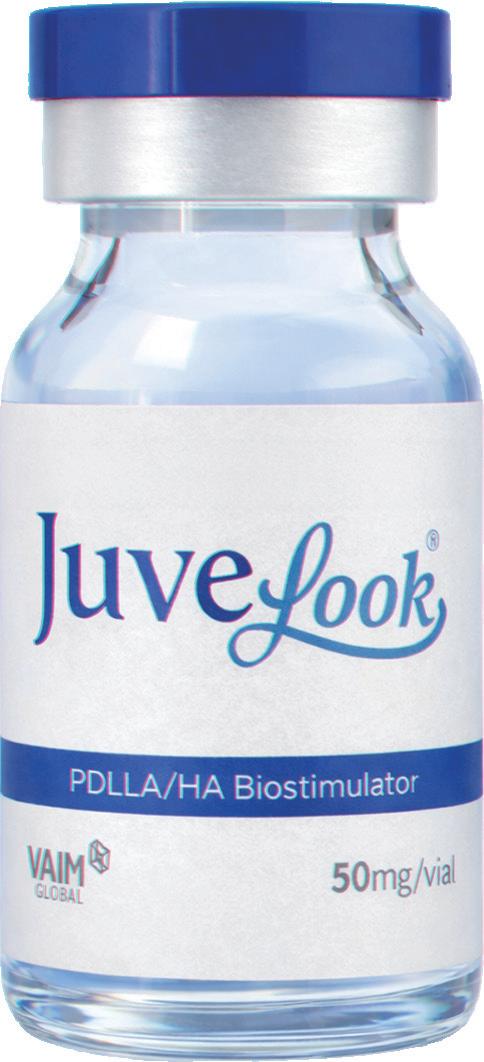
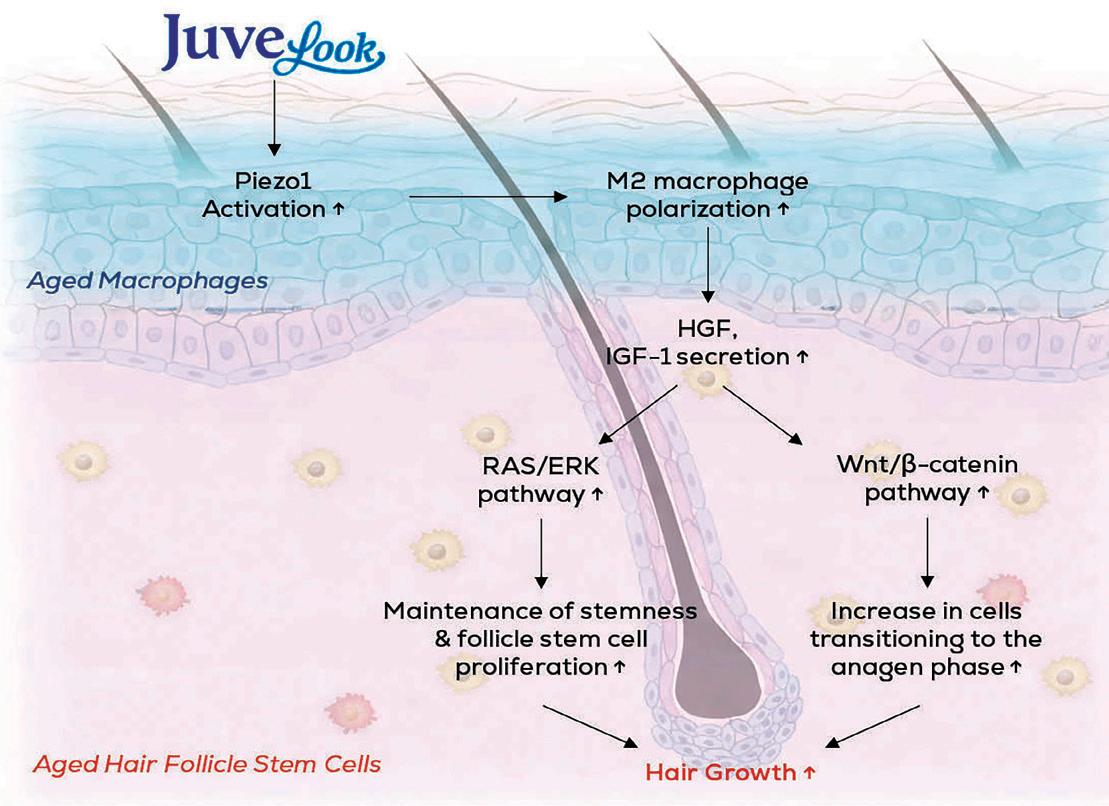
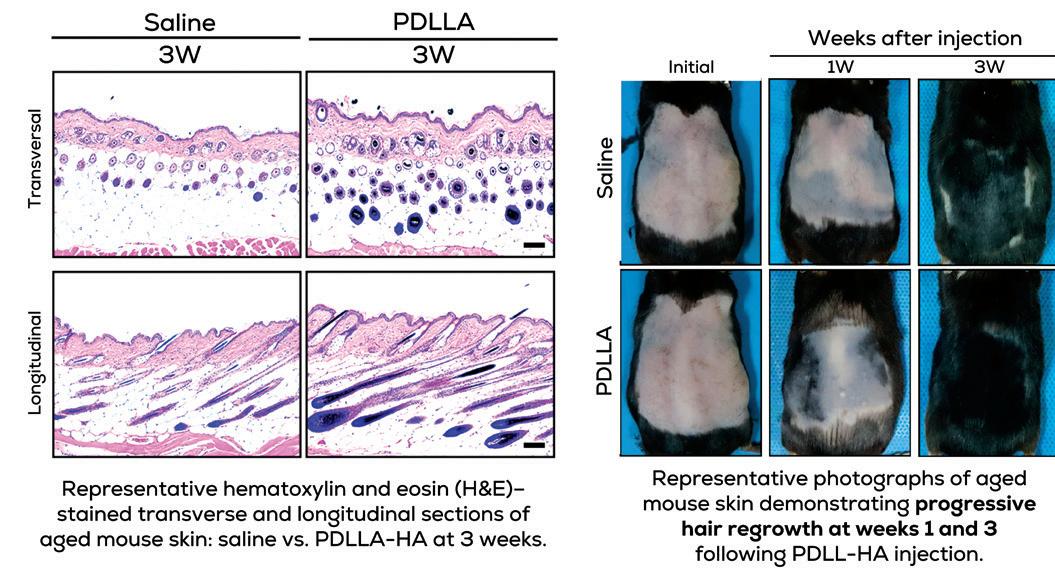
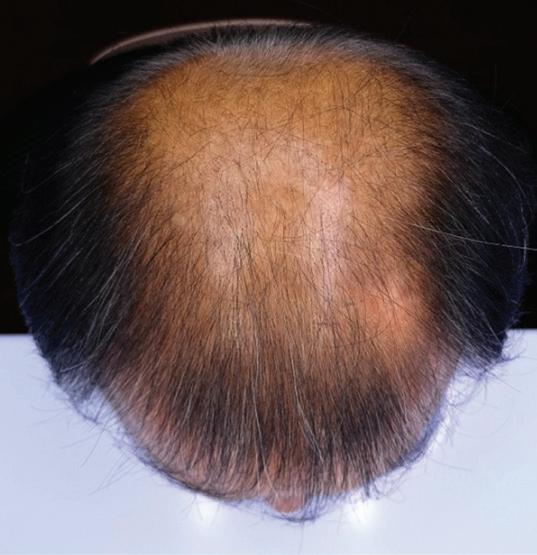
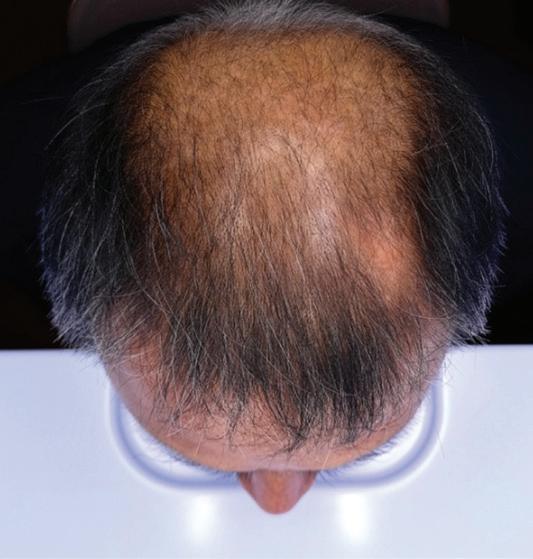
34 JUVELOOK: A new approach to hair follicle regeneration in age-related hair loss
Professor Kyung-Hee Byun's study reveals that JUVELOOK (PDLLA–HA) promotes hair follicle regeneration by restoring macrophage function, enhancing hair follicle stem cell regenerative capacity, and rejuvenating the aged skin microenvironment
36 DermapenWorld evolves with aesthetic products that diagnose and transform DermapenWorld™ expands its microneedling portfolio with innovative products like the AI-powered Dp SCAN™, as dermatologist Shino Bay Aguilera, DO, emphasises the brand’s commitment to safe, effective, and personalised aesthetic care
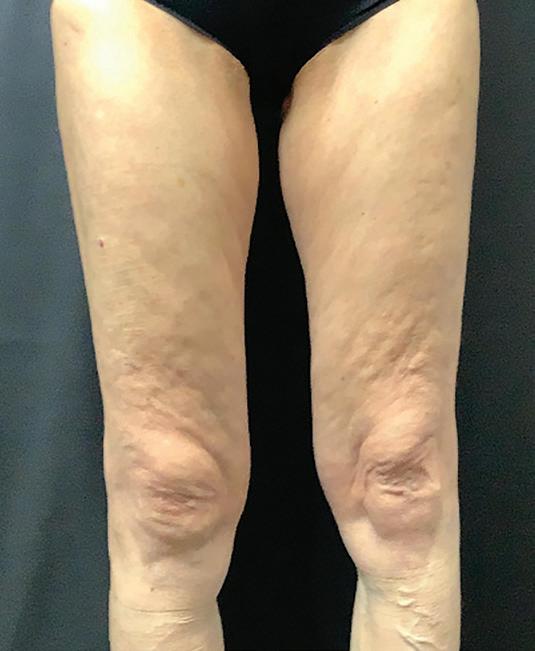
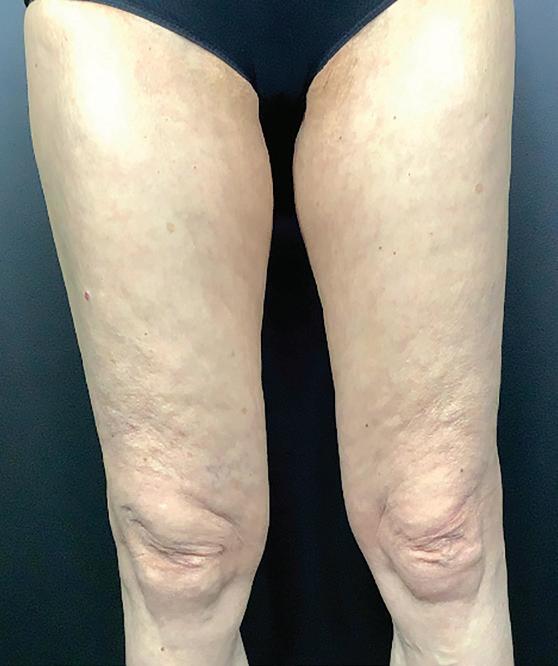
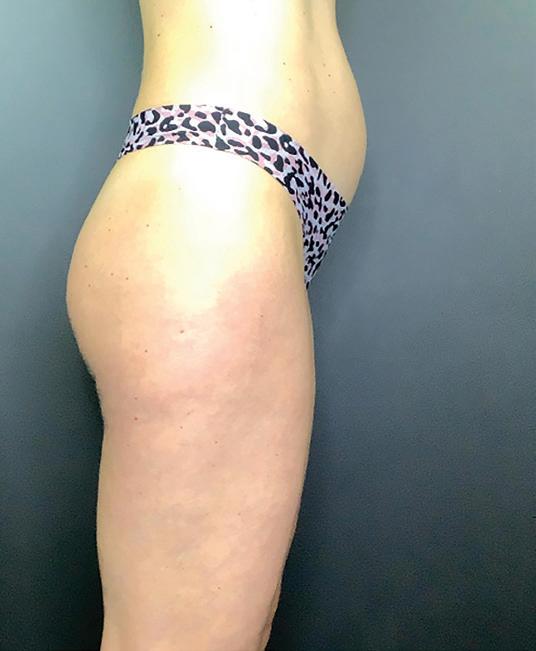
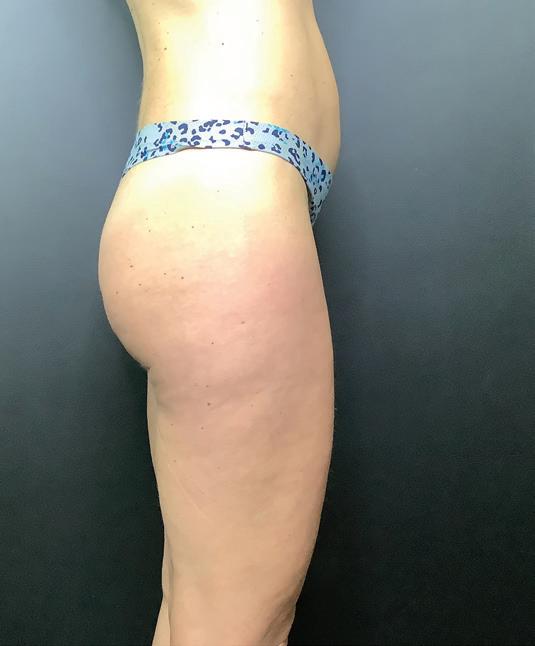
38 Redefining the silhouette with Zimmer ZShape and ZStim Michael Margulies, MD, and the MIAA Centre share their integrative approach using Zimmer's innovative protocols
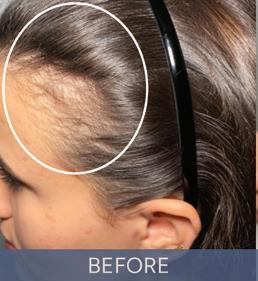
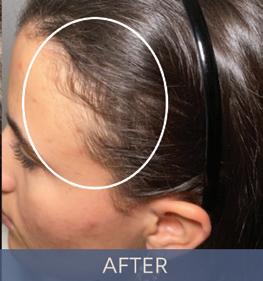
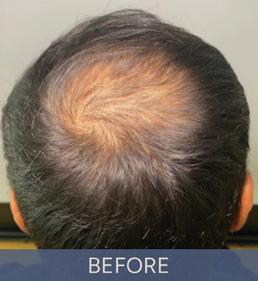
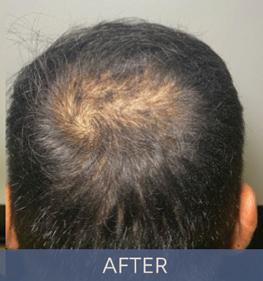
40 Exosome therapy for alopecia areata, androgenetic alopecia, and grey hair
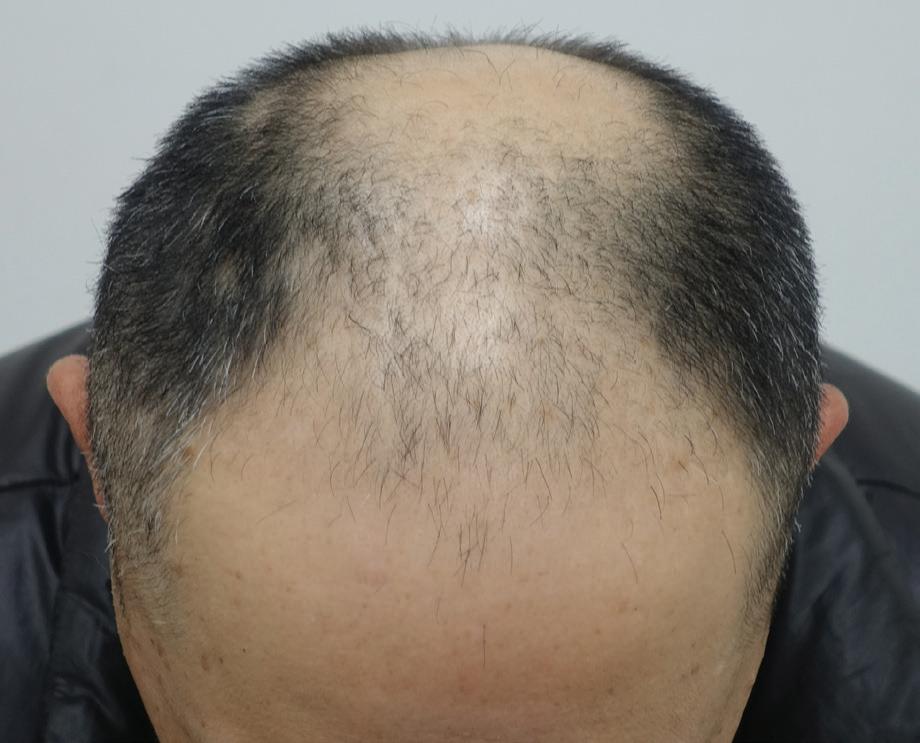
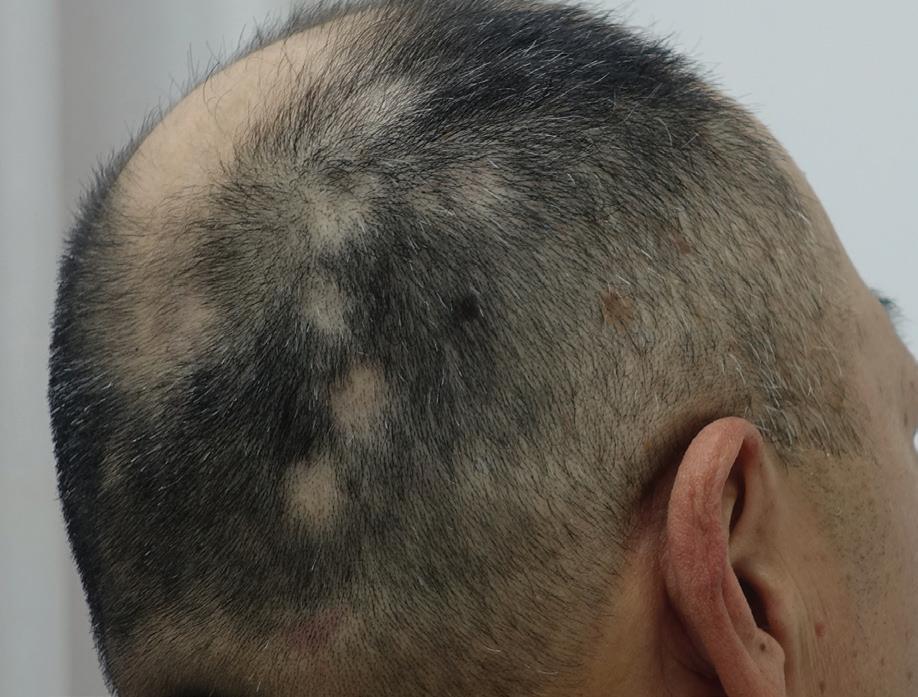
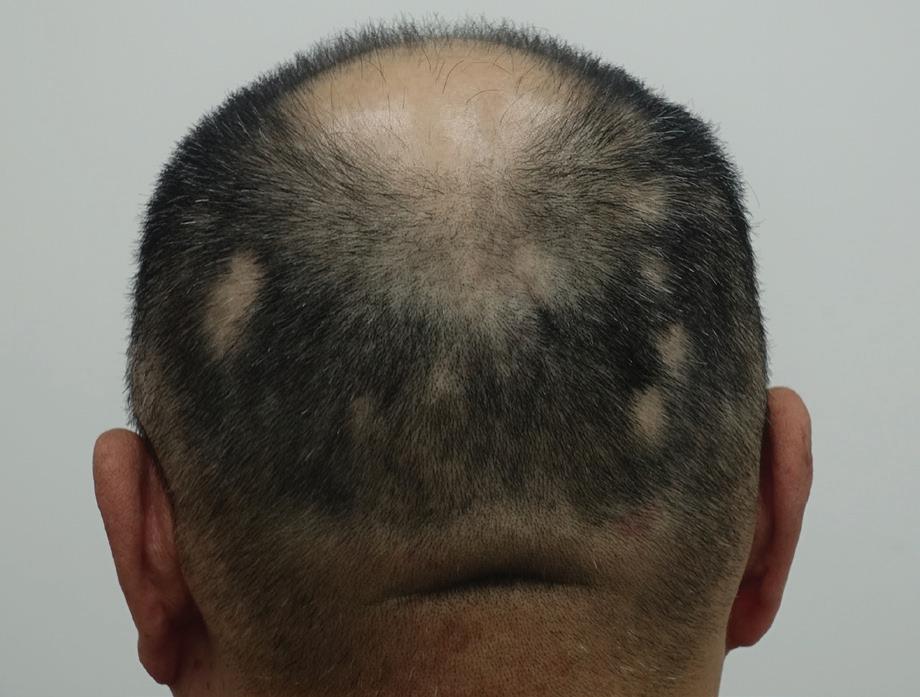
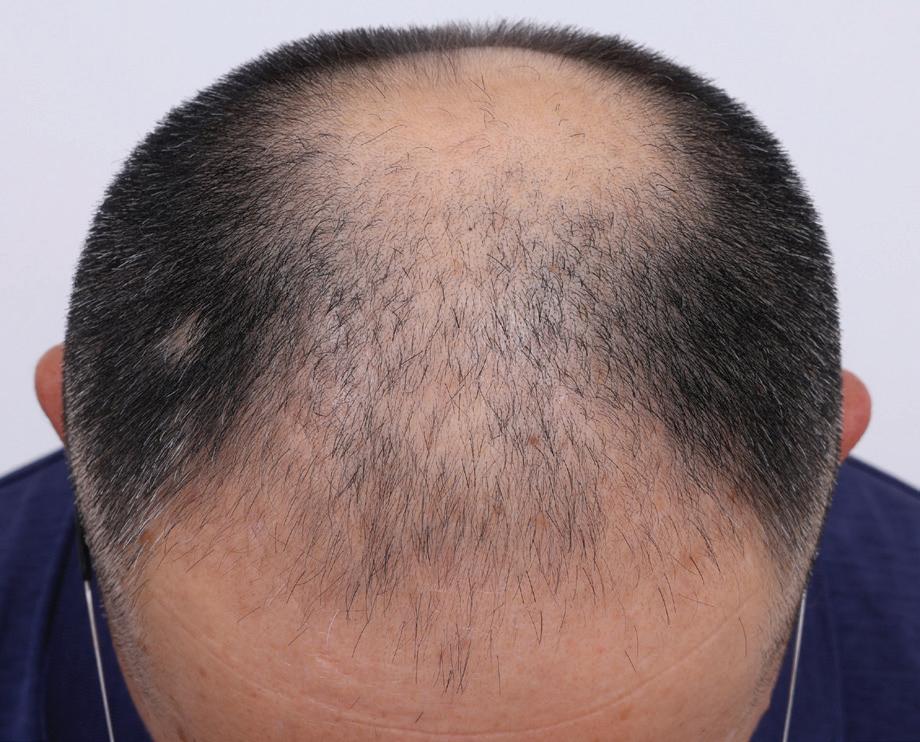
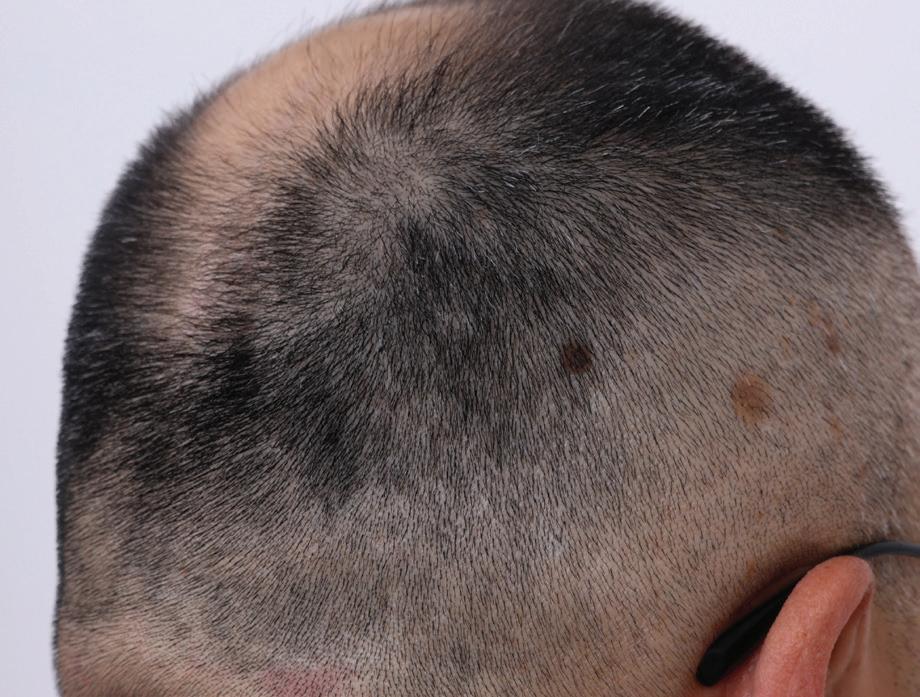
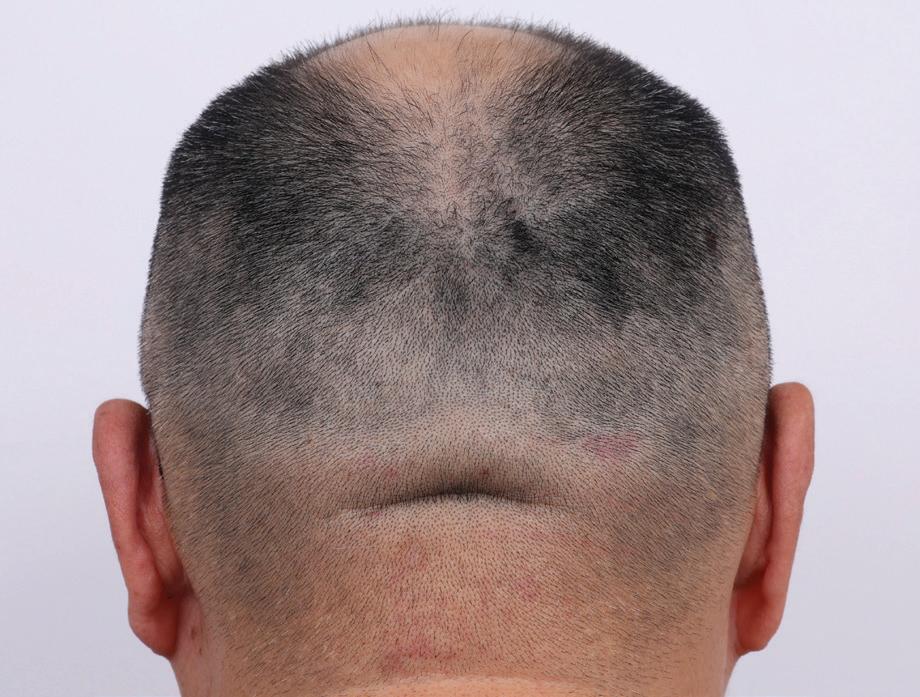
A novel, minimally invasive treatment combining plant-derived exosomes and JetCare scalp solution led to significant improvement in alopecia areata, androgenetic alopecia, and partial reversal of grey hair in a complex clinical case
EVENTS
42 A round-up of the major industry events around the world over the next 12 months
NEWS
A round-up of news stories in the aesthetic and anti-ageing medicine industry
TEOXANE RECEIVES FDA APPROVAL FOR RHA® DYNAMIC VOLUME FOR MIDFACE CONTOURING
DELIVERS HIGH PATIENT SATISFACTION WITH YOUTHFUL, ATTRACTIVE CHEEKS AT REST AND IN MOTION
Revance and Teoxane announce the FDA approval of RHA® Dynamic Volume from the Teoxane RHA® Collection for cheek augmentation and/or the correction of age-related midface contour deficiencies, in adults aged 22 years or older. Formerly known as RHA® 4 Mepi, the product will formally launch under its new name, RHA® Dynamic Volume, in Q1 2026.
FDA approval highlights innovative technology
Designed to provide dynamic contour enhancement and structural support, RHA® Dynamic Volume delivers lasting volume with its high dynamic strength and stretch, and the ability to maintain its structural integrity. RHA® Dynamic Volume is powered by Preserved Network Technology (PNT), a gentle, heatless, homogenous crosslinking process that helps preserve the natural structure of hyaluronic acid.
‘We are incredibly proud of the approval for midface with RHA® Dynamic Volume. This news marks the second major advancement from the Teoxane RHA® Collection in the past few months, following the evolution of the Teoxane RHA® Collection through the introduction of the local anaesthetic Mepivacaine in late August. The new midface indication enables us to meet more patient needs than ever before,’ shares Nadeem Moiz, CEO of Revance. ‘Revance remains committed to innovating and providing diverse treatment options to address a variety of patient concerns.’
Clinical trial success and patient satisfaction
This approval is supported by positive results from the 52-week Phase III clinical trial programme, where the efficacy and safety of RHA® Dynamic Volume was evaluated in a prospective, randomised, between-subjects, double-blinded, multicenter head-to-head study with Juvéderm® Voluma® XC, in patients with moderate to severe midface volume deficiency. Results found that RHA® Dynamic Volume demonstrated comparable effectiveness to Voluma®, with patients treated with RHA® Dynamic Volume requiring fewer treatment sessions and touch-ups to achieve similar outcomes. Patients reported improved satisfaction with cheek attractiveness, youthfulness, smoothness, contour and symmetry, and >94% of participants reported natural-looking and feeling results at rest and in motion up to 1 year post-treatment. Patients also reported no perception of restricted facial movement, further confirming the filler’s adaptability to dynamic facial expressions.
During the clinical trial programme, 75% of subjects were treated in both superficial fat and deep fat to achieve balanced volume restoration, utilising a contemporary treatment approach that aims to optimise outcomes by addressing midface volume loss comprehensively with efficient use of product. RHA® Dynamic Volume exhibited a favourable safety profile with no late-onset or serious treatment-related adverse events (TRAEs), and no TRAEs deemed to be a granuloma or delayed inflammatory response.
‘This study marks the U.S. introduction of a midface contouring approach that has been supported by more than a decade of postmarketing surveillance in Europe,’ states Sandra Chennoufi, Chief Scientific Officer of Teoxane. ‘Leveraging the versatility of RHA® Dynamic Volume and the Teoxane MLT Multilayering Technique™, physicians can now address midface volume deficiencies by targeting multiple tissue depths for deep and superficial fat pads.’
The Teoxane MLT Multilayering Technique™ is a tailored injection approach designed for midface volume restoration using a single, adaptable gel — RHA® Dynamic Volume. This technique involves strategically placing RHA® Dynamic Volume into the subcutaneous and supraperiosteal layers to restore volume, redefine contours, and harmonise facial proportions according to each patient’s anatomy and ageing pattern.
RHA® Dynamic Volume provides deep structural support while allowing for natural tissue integration and facial expressiveness due to its unique rheological profile, combining high projection capacity with dynamic adaptability. Rooted in anatomical precision and Teoxane’s ATP approach (Anatomy, Assessment & Ageing, Technique, Product), the Teoxane MLT Multilayering Technique™ emphasises safety and precision by identifying and avoiding high-risk vascular zones. The result is a subtle, natural rejuvenation that enhances facial harmony without overcorrection.
Double board-certified facial plastic surgeon and Clinical Assistant Professor at the University of Illinois, Dr Steven Dayan, states, ‘The approval of RHA® Dynamic Volume for midface is an exciting advancement for the entire industry. The results we discovered during the study were incredibly profound, and I’m excited to be able to offer a tailored treatment option for my patients.’
TIGHTEN. SHAPE. TONE.
THE PERFECT COMBINATION FOR VISIBLE RESULTS.
Perfect post–fat reduction: Enhances contouring and firmness.
Visible skin tightening from session 1 RF + vacuum boost collagen production
8-channel electrostimulation device: Treat multiple muscle groups in 30 minutes
Dual-action efficiency: Skin + muscle results in one session.
IMCAS PARIS
JAN 29, 2026 10:00 CET / UTC +1 ROOM 351 LIVE ON STAGE · CLINICAL CASES · EXPERT Q&A
GLOBAL WELLNESS SUMMIT RELEASES
10 WELLNESS TRENDS FOR 2026
EXPLORING TECHNOLOGY, COMMUNITY, AND HEALTH IN THE EVOLVING WELLNESS LANDSCAPE
The Global Wellness Summit (GWS) has released its annual Future of Wellness report, forecasting the top trends shaping the health and wellness landscape. As the wellness market continues its rapid transformation, driven by extremes in tech-enabled optimisation and a return to human-centred care, 2026 emerges as a year of correction, innovation, and rebalancing.
1. Over-optimisation backlash: The revenge of the human
The wellness industry has become dominated by hyper-data-driven, clinical, and tech-heavy approaches. In 2026, we’ll see a cultural shift away from performance-based wellness to emotionally intelligent care. New experiences will prioritise joy, expression, and emotional healing. This includes the rise of wellness raves and retreats that emphasise community, music, and catharsis, as well as trends like ‘fragrance layering,’ turning scent into a personal, creative language.
2. Women get their own lane in longevity
The longevity market has long catered to men, but 2026 marks a decisive pivot. Women’s health—particularly the role of the ovary in systemic ageing—is becoming central to new diagnostics and treatments. The industry is seeing investments in ovarian ageing reversal, personalised hormone therapies, and longevity programmes that span the female lifespan. Strength training, once overlooked, is now positioned as essential for women’s healthspan.
3. Longevity comes home
A new era of ‘longevity residences’ is emerging—homes and communities designed to promote long-term health. These properties integrate biohacking tech, diagnostics, AI-based tracking, and access to medical care. Developments around the world are redefining home as a proactive tool for extending healthspan, offering embedded wellness infrastructure and daily health monitoring.
4. Neurowellness goes mainstream
Nervous system regulation is becoming a core component of health. With rising burnout, sleep dysfunction, and anxiety, interventions are shifting from supplements to neurotechnology and somatic therapies. Wearables, vagus nerve stimulators, and neurofeedback tools are being paired with breathwork and body-based practices to regulate the autonomic nervous system and reduce stress responses.
5. Wellness tackles major crises
In an age of climate disasters and global crises, disaster preparedness is entering the wellness domain. Wellness will now include emergency planning, physical resilience training, and mental readiness. From gyms doubling as shelters to wellness retreats teaching survival skills, the industry is integrating ‘well-being for worst-case scenarios’ into its core offerings.
6. Skin longevity redefines beauty
Beauty is evolving from anti-ageing to skin longevity. This new paradigm values long-term skin health over short-term fixes. Technologies
In 2026, we’ll see a cultural shift away from performance-based wellness to emotionally intelligent care.
such as AI diagnostics, regenerative biotech, and personalised active ingredients are creating treatments that view the skin as an organ reflecting overall health. The trend is extending to ‘hair longevity,’ with scalp-focused therapies gaining traction.
7. The festivalisation of wellness
A growing movement is transforming wellness from solitary, structured practices to collective, expressive gatherings. Events like sober raves, fitness festivals, and grief rituals are reshaping the experience of well-being. These immersive, joy-driven experiences reduce stigma, foster connection, and encourage people to engage with wellness in ways that are social, not prescriptive.
8. Women and sports: A new era of empowerment
Women’s sports are entering a golden age. New leagues, booming viewership, and cultural relevance are driving a surge in participation and fandom. Female athletes are launching brands, influencing trends, and shaping wellness culture. Grassroots sports and women-only gyms are empowering more women to embrace strength and community through sport.
9. Tackling microplastics as a human health issue
Microplastics have become a human health emergency, found in blood, organs, and the brain. Research is linking them to inflammation, hormonal disruption, and cognitive issues. The wellness industry is moving from awareness to action, offering interventions, detox tools, and plastic-free product alternatives. Expect microplastic exposure to become a routine health metric.
10. Fragrance layering as wellness expression
Beyond aesthetics, scent is being reclaimed as a form of self-expression and emotional well-being. Younger generations are reviving ancient traditions by mixing fragrances to craft mood-enhancing, personalised scent profiles. Fragrance layering is evolving from luxury to a daily ritual—with AI tools and smart home diffusers making it more accessible.
GLUTES. ARMS. WAIST. LEGS. ABS. ALL AT ONCE.
IT’S TIME TO CHANGE EVERYTHING.
NEW AESTHETIC TREATMENT FOR MUSCLE BUILDING AND FAT BURNING
NAVIGATING THE SIDE EFFECTS OF GLP-1 FOR PATIENTS
Wendy Lewis explores the connection between rapid weight loss, nutrient deficiencies, and hair loss, while aesthetic experts share strategies to help patients maintain confidence and scalp health
PICTURE THIS: YOU NOTICE SOME HAIR ON YOUR PILLOWCASE OR PIECES OF HAIR in the shower drain. Your hairbrush needs to be cleaned after every use. When you wear a light-colored top or sweater, a few strands appear that you didn’t notice before. This may be the downside of GLP-1, and it happened to me. I didn’t realise the source until the women in New York’s Yves Durif Salon in the Carlyle set me straight. They have been seeing this unfortunate side-effect frequently from a lot of their clientele.
The use of GLP-1 medications has increased sharply in recent years since studies demonstrated that these drugs can help people significantly for weight loss, as well as a plethora of other benefits.
Since 2020, the number of prescriptions for these drugs has more than tripled, according to a RAND study.1
Although GLP-1s were originally used to treat obese patients, it has become an uber-popular solution all around the world in record time.
GLP-1 in the USA
According to the Centers for Disease Control (CDC) in the US, obesity is defined as having a body mass index (BMI) of 30.0 or higher. Severe obesity is defined as having a BMI of 40.0 or higher.2
It is no surprise that Americans pay 2–4 times more for GLP-1s than in Europe or anywhere else. In 2026, some direct-to-consumer programmes have lowered the cost for some patients in the US. GLP-1 drugs are now available across a wide cash-pay range, from roughly $150 to $450 per month, depending on the drug, dose, and format. As many as 48 million Americans who want to lose weight expect to start a GLP-1 drug in 2026.3
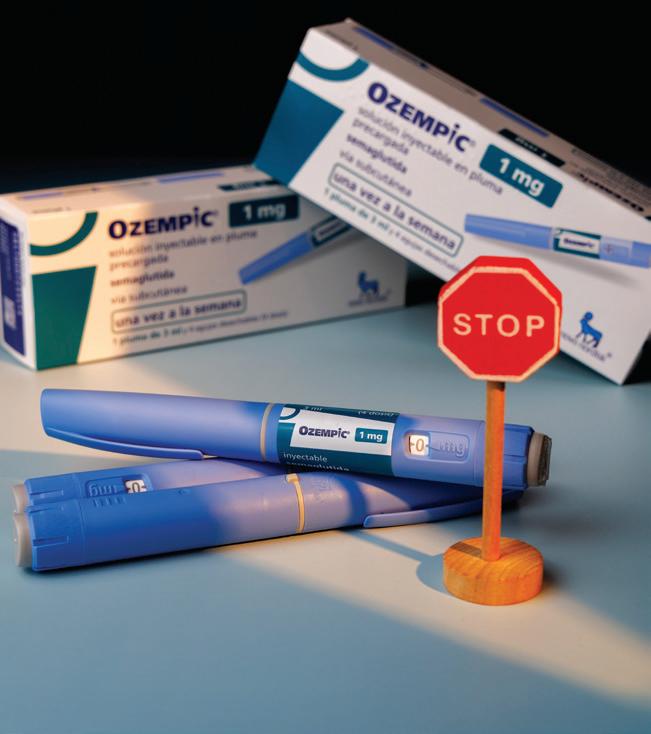
In the US, Ozempic (Novo Nordisk; Bagsværd, Denmark) has become nearly synonymous with modern weight loss. GLP-1 medications are being hailed as breakthrough treatments, reshaping how we think about managing weight and metabolic health. Considering more than 40% of US adults have obesity,2 Novo Nordisk has received approval from the USA Food and Drug Administration for the first GLP pill for weight loss. Eli Lilly (Indianapolis, IN, USA) is expecting to have their own weight loss pill in the market later in 2026.3
The abundance of affordable and available choices has increased the number of patients seeking these treatments exponentially. Some patients may experience side effects that cause them to reduce their usage or stop GLP-1 medications altogether. If these side effects are not explained in advance to patients, it can come as a big shock. Thus, it is important to explain all potential issues in writing and create a comprehensive list of dos and don’ts so patients are adequately informed.
Common side effects
While hair shedding after starting GLP-1 therapy may be temporary for some patients, it can still be extremely distressing, particularly if patients were not aware beforehand. The experience can feel especially unsettling for mature individuals who are already prone to thinning hair. This can be extremely upsetting when it comes as a surprise.
In my case, I didn’t realise my own hair thinning experience until I had to call the handyman in my building to fix my bathroom, since it was clogged. He knew instantly that my strands of hair in the sink were the culprit. That was a rude awakening for me.
‘Hair loss can occur while taking weight-management medications, such as GLP-1 and GIP agonists, because the gut is a nutrient gateway to the hair follicle,’ said Dr Jane Yoo, a dermatologist and Mohs surgeon in New York City.
Many practitioners report using oral minoxidil to treat hair loss, which is a major step up from the original drug. To put it simply, it is a godsend for users. ‘The main benefit for our patients is that it is converted to an active orally, which makes it much easier to use and more effective, so they are more likely to take it,’ she explained.
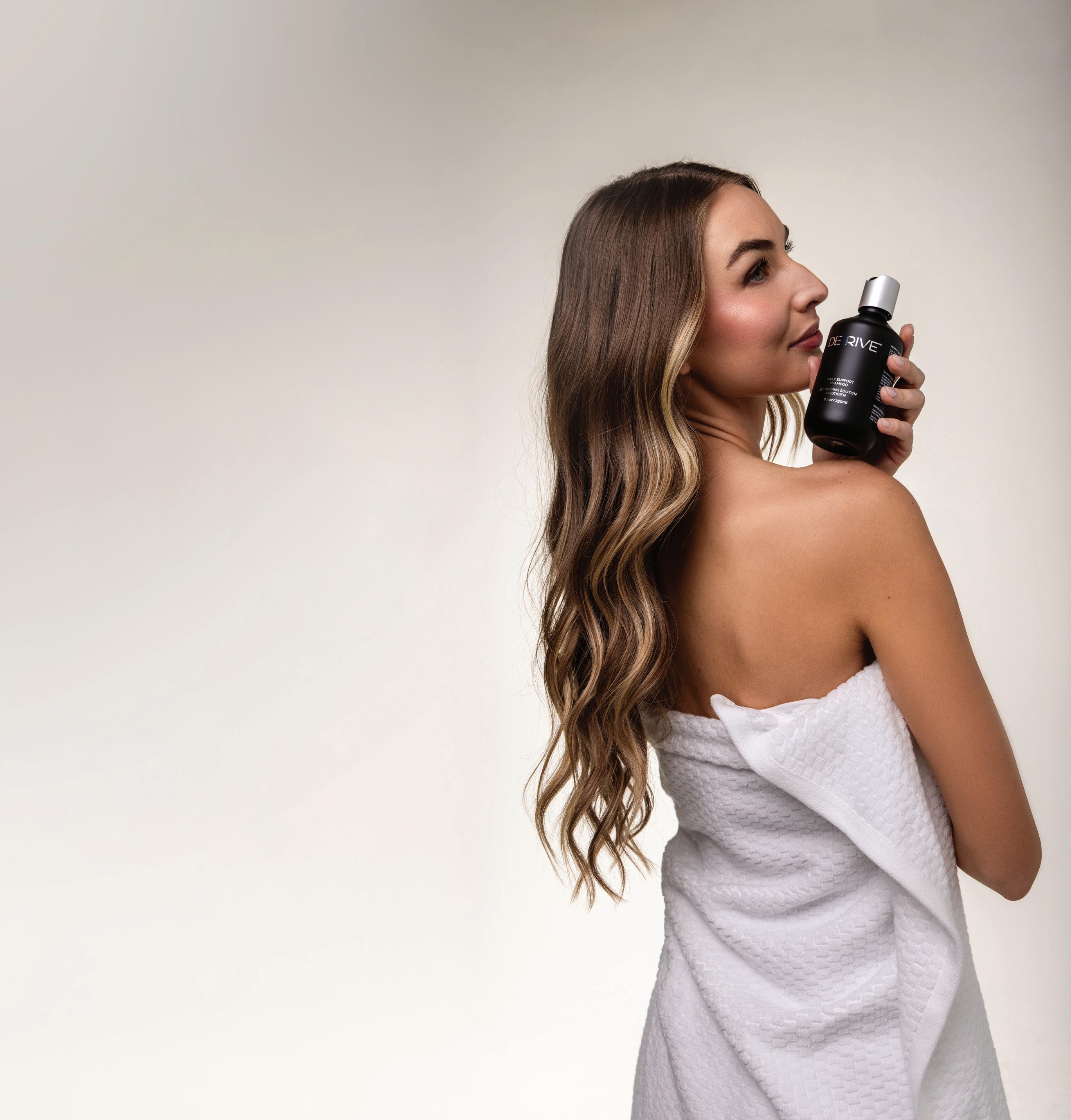
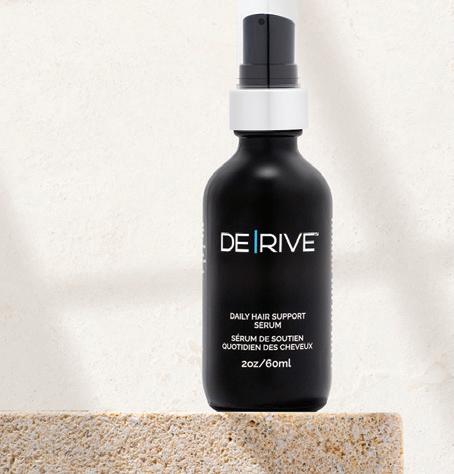
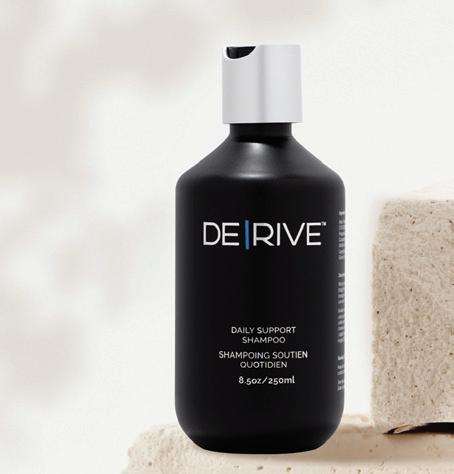
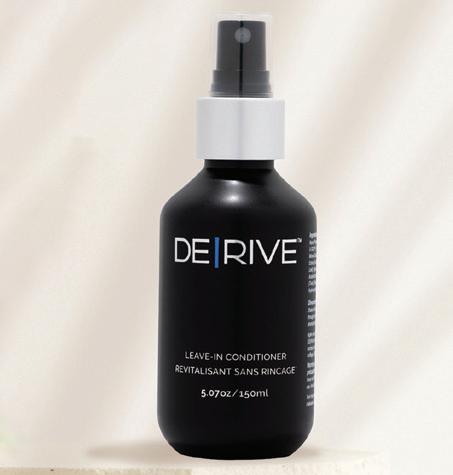
For many patients suffering from hair shedding from GLP-1, minoxidil is widely considered the first step. Minoxidil encourages blood flow to the scalp and hair follicles, which can help nutrients and oxygen flow into the hair, so it grows back stronger. Some patients also benefit from adjunct therapies such as DE|RIVE® Hair Wellness System (Aesthetic Management Partners; Cordova, TN, USA). This works to support scalp health and optimise hair regrowth.
Surgical and other options
According to Plastic Surgeon Barry DiBernardo, MD, FACS, founder of New Jersey Plastic Surgery, ‘Significant hair loss post GLP-1 is a frequent concern of patients. The patients most susceptible tend to be women between 35 and 55, those who have lost weight rapidly, more than 2-3 pounds per week. Patients with a family history of hair loss and those with thin hair texture are especially vulnerable. The key is early intervention.’
GLP-1 patients are shaping aesthetic trends
According to Erika Sheyn, SVP of Aesthetics at Guidepoint Qsight, GLP-1 medications continue to act as an important entry point for patients entering medical aesthetics. Qsight data indicates that patients are increasingly approaching aesthetics through a more holistic wellness lens, often layering weightloss medications with injectables, skincare, and other aesthetic and wellness services over time.
'We’re seeing a notable shift in how patients are allocating their aesthetic spend, with GLP-1 and weight-loss medications ranking just behind skincare in total consumer spending for the full year 2025,' she says. 'Weight management is becoming more integrated into the overall appearance and wellness journey, which is driving increased interest in bundled aesthetic treatments, including injectables, skincare, and hormone therapy.'
While hair shedding after starting GLP-1 therapy may be temporary for some patients, it can still be extremely distressing, particularly if patients were not aware beforehand.
WENDY LEWIS is Founder/ President of Wendy Lewis & Co Ltd, Global Aesthetics Consultancy since 1997, author of 13 books, and frequent presenter on the international stage. Her first textbook, Aesthetic Clinic Marketing in the Digital Age (CRC Press) debuted a second edition in 2024.
email: wl@wendylewisco.com
Nutrient
deficiency and GLP-1: A warning sign
Mara Weinstein Velez, MD, FAAD, a dermatologist in Rochester, NY, said, 'We have noticed anecdotally that patients on GLP-1s can become vitamin deficient due to the change/lack in essential nutrients for hair growth like vitamin D, iron, B vitamins, etc. No known demographic is more susceptible, but we are seeing it across all populations/ages on these medications. As soon as a patient starts any weight loss medication or even in the planning phases, it’s important to think about prevention. We can start treatments with ‘Age Zero™’ exosomes right away. We treat once a month in the office, combined with microneedling, and the patient applies at home at least three times per week.'
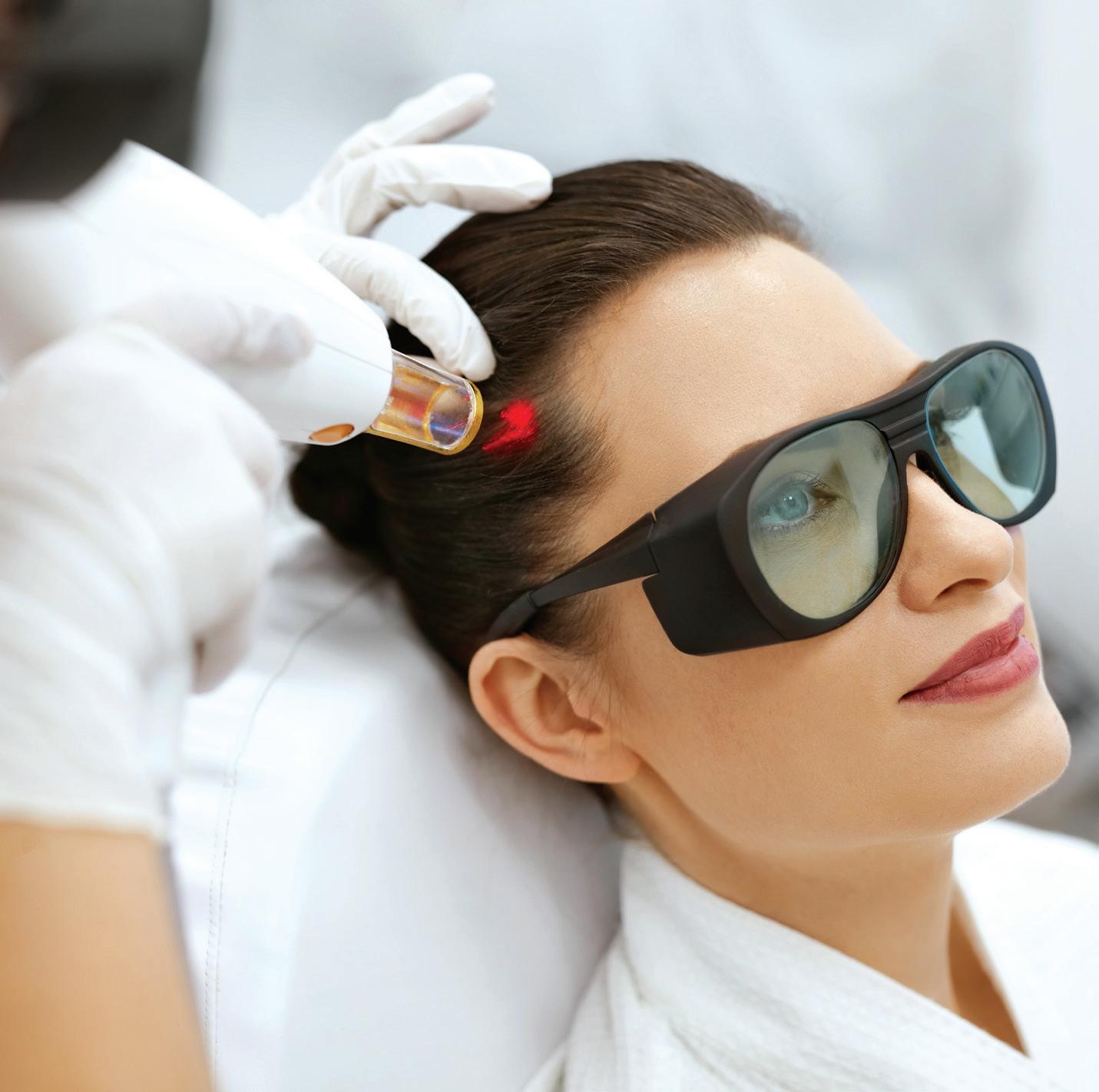
He continued, ‘For patients presenting with GLP-1related hair loss, we check their nutritional status, protein intake, iron levels, vitamin D, and B vitamins. Many patients on these medications struggle with adequate nutrition due to decreased appetite and food intake. I typically recommend a multi-modal approach starting with nutritional optimisation. Low-level laser therapy options have shown excellent results in stimulating follicles affected by telogen effluvium.
‘Hair loss laser therapy paired with pharmaceutical-grade hair growth serums applied during sessions targets the dormant follicles affected by metabolic stress from rapid weight loss. The GetHairMD® Dual-Wave Energy Cap (Southlake, TX, USA) offers an at-home treatment and can significantly enhance the effectiveness of our inclinic protocols. The consistency of home therapy amplifies the clinical results.’
Marianna Blyumin-Karasik, an integrative dermatologist and co-founder of Precision Skin & Body Institute in Davie, Florida, explained, ‘Malnutrition, malabsorption, and microbial dysbiosis can lead to nutrient deficiencies that stress the hair and contribute to alopecia. Hence, GLP-1’s appetite suppression, altered intestinal processing, and absorption can deprive hair follicles of essential nutrients, such as amino acids, minerals, and micronutrients, resulting in shedding and slowed growth.’
‘Nutraceuticals like Xtressé™ (Maitland, FL, USA) with stress-resistant adaptogens, such as ashwaganda and curcumin, energy boosting NAD+, as well as micronutrient restoring vitamins and minerals, give hair resiliency to withstand various nutrient deficiency pressures. Thus, GLP-1-induced alopecia, such as telogen effluvium, is notable in our patients. We recommend keeping a wellbalanced diet and lean on supplemental support,’ she added.
Oral minoxidil changed the game
Many practitioners report using oral minoxidil to treat hair loss, which is a major step up from the original drug. To put it simply, it is a godsend for users.
According to New York City Dermatologist Jane Yoo, MD, PLLC, ‘The main benefit for our patients is that it is converted to an active orally, which makes it much easier to use and more effective, so they are more likely to use it.’
Dendy Engelman, MD, FACMS, FAAD, a cosmetic dermatologist in New York City, explained, ‘I’m seeing an increasing number of patients, both women and men, with hair shedding due to medications such as semaglutide or tirzepatide. While these drugs themselves are not directly toxic to hair follicles, rapid weight loss and insufficient nutritional intake can result in weaker hair and increased shedding. Metabolic stress has the potential to trigger telogen effluvium, a form of temporary hair loss in which more hairs than usual enter the resting stage of the hair cycle, thus resulting in sudden hair loss.’ 4
‘My first recommendation is to optimise their diet and nutrient intake, ensuring that they are getting adequate protein, iron, vitamin D, zinc, and essential fatty acids. I also recommend the NULASTIN® Vibrant Scalp Treatment (Boulder, CO, USA), a serum that delivers elastin-replenishing technology, peptides, and essential nutrients directly to the follicles to help support stronger, healthier hair growth. It is clinically proven to yield results in 12 weeks, and many people notice visible changes in as early as six weeks,’ said Dr Engelman. Newer scalpfocused options are also emerging, including Obagi NuCil® BioStim™ Scalp Serum (Long Island, CA, USA), a new product from Obagi designed to support scalp health and improve the appearance of thicker, fuller-looking
Hair loss laser therapy paired with pharmaceutical-grade hair growth serums applied during sessions targets the dormant follicles affected by metabolic stress from rapid weight loss.
Jeanine Downie, MD, FAAD, director of image Dermatology® PC in Montclair, NJ, shared, ‘Drastic calorie restriction or reduction can cause hair to go into the resting phase or the telogen phase, where it all starts shedding. It’s like putting the body into starvation mode, and the hair does not like it. I recommend Nutrafol® (Unilever, London, UK) for men and women and DefenAge® 150K hair serum (Progenitor Biologics, LLC; Carlsbad, CA, USA) for the hair, and ZO® Firming Serum (ZO Skin
The DE|RIVE® Hair Wellness System is a plant-based solution ideal for patients with thinning hair or early hair loss. Start with the in-office Hair Support Serum , then continue care at home with:
Health; Irvine, CA, USA) to help with loose skin.
Lambdapil® shampoo (ISDIN S.A., Barcelona, Spain) and spray for once or twice a week, limited or no heat with heat protectors, deep penetrating protein conditioners, and minimal colour that is semi-permanent are helpful.’
Every practitioner has their own secret sauce to address the side effects of thinning hair. Dermatologist Vivian Bucay, MD, FAAD, from San Antonio, TX, uses laser-assisted delivery of topicals, such as growth factors and exosomes. ‘Occasionally, I use PRP [platelet-richplasma], but with the emergence of targeted recombinant exosomes and growth factors, I also recommend a red-light therapy device for home use, but consistent use is key for results.’
‘Many of our patients are either peri or menopausal or post-menopausal, so it is important to establish a diagnosis, as the hair loss may represent telogen effluvium associated with this class of medications,’ said Dr Bucay.
‘We tell patients to avoid clips, pins, tight ponytails, or braids as these can put stress on hair. Avoid rough brushing and heat styling. Using a mild shampoo that won’t strip their scalp of its natural oils is important, as over-washing the hair can cause irritation, so we recommend shampooing no more than three times per week. Scalp massage can stimulate blood circulation to the scalp, improving its overall health and promoting hair regrowth. Using a massage brush or their fingertips to massage the scalp can help distribute haircare products more evenly so they are more effective,’ she added.
Conclusion
Many practitioners report using oral minoxidil to treat hair loss, which is a major step up from the original drug.
‘Our first line of treatment includes topical 5% minoxidil. I may prescribe oral minoxidil and/or oral dutasteride, a 5-alpha reductase inhibitor to reduce levels of dihydrotestosterone, a form of testosterone associated with pattern hair loss.’
Kavita Mariwalla, MD, a dermatologist in Long Island, New York, said, ‘For patients on GLP-1, my recommendation is to talk to them early-on for strategies for hair loss. Oral minoxidil pulses have worked well in my practice along with KerafactorMD™ (SkinQRI, Lincolnshire, IL, USA). For facial volume loss, I think they need to be combined with skin tightening procedures like Sofwave® (Yokneam, Israel) and Ultherapy® (Merz Aesthetics; Raleigh, NC, USA). The loss of elasticity is a major driving factor in some of the physical changes we see. I think periodic sessions of CoolSculpting® (AbbVie/Allergan Aesthetics; North Chicago, IL, USA) can help define shape along the GLP-1 journey, especially in the mid-section.’
Lifestyle matters
Protein is essential for healthy hair and growing new hair cells. In addition to advising patients on what they should do at home and what to avoid, many practitioners are taking the time to educate patients about good hair health in general.
‘If their diet is missing the critical nutrients to produce the enzymes needed to support healthy hair growth, they won’t achieve the results they are seeking. At a minimum, we educate them about the need for daily multi-vitamins to fill in the gaps. I recommend adding products with iron and zinc to their diet, as these play an important role in a healthy scalp and hair follicles,’ explained Dr Yoo.
10 top treatments to stimulate hair regrowth
■ Platelet-rich-plasma
■ Exosomes
■ Microneedling
■ Topical minoxidil vs low-dose oral minoxidil
■ Low-level laser therapy
■ Finasteride
■ Compounded medications
■ Multi-vitamins
■ Iron
■ Quality sleep, exercise, and good nutrition.
GLP-1-related hair loss can be reversible with intervention and the right approach for each patient. Undoubtedly, there are variations of new drugs in the works that may be cheaper, better, and easier to tolerate. There are many tools for practitioners to educate patients and manage potential side effects. Among common treatments, fillers and energy-based devices are often used to help maintain facial contours and offset facial laxity.
Additional trials are underway to address more conditions in the near future:
■ Zepbound® (Eli Lilly, Indianapolis, IN, USA): Recently approved to treat sleep apnea in some patients with obesity, and trials are underway to study brain diseases and substance abuse disorders.
■ Teva Pharmaceuticals® - This pharmaceutical company from Tel Aviv, Israel, got US FDA approval for the first generic weight loss GLP-1.
■ Veradermics® (New Haven, CT, USA): Their VDPHL01 is designed to be the first non-hormonal oral therapeutic for hair regrowth in women and men. Phase 3 trials for males and females are underway.
References
1. Bozick R, Donofry SD, Rancaño KM. New Weight Loss Drugs: GLP-1 Agonist Use and Side Effects in the United States [Internet]. Rand.org. RAND Corporation; 2025. Available from: https://www.rand.org/pubs/research_reports/RRA4153-1.html
2. Centers for Disease Control and Prevention. Adult obesity facts [Internet]. CDC. 2024. Available from: https://www.cdc.gov/obesity/adult-obesity-facts/index.html
3. Jr BL. What to watch for in weight loss drugs in 2026: Price changes, GLP-1 pills and more [Internet]. NBC News. 2026. Available from: https://www.nbcnews.com/health/ health-news/weight-loss-drug-prices-2026-glp-1-pills-trumprx-what-expect-rcna249520
4. Neubauer Z, Ong MM, Singal A, Lipner SR. Increased risk of telogen effluvium with tirzepatide compared to other weight loss medications: A retrospective cohort TriNetX database study. Journal of the American Academy of Dermatology [Internet]. 2025 Aug 22 [cited 2026 Jan 26];93(6):1612–4. Available from: https://www.jaad.org/article/ S0190-9622(25)02659-3/abstract
THE FUTURE OF BEAUTY THE RISE OF AI SKIN ANALYSIS
IN AESTHETICS
AI-powered skin analysis is reshaping aesthetic medicine by delivering objective diagnostics, personalised treatment planning, and measurable outcomes that enhance patient trust, compliance, and clinical precision
ARTIFICIAL INTELLIGENCE (AI) IS RAPIDLY transforming industries, and the world of aesthetic practices is no exception. From diagnosing complex skin conditions to tailoring treatments that align perfectly with individual needs, AI-powered skin analysis is setting a new gold standard in dermatology and aesthetics. This innovative tool not only enhances assessment accuracy but also empowers practitioners and clients through informative analysis and targeted treatments, leading to greater patient compliance and satisfaction.
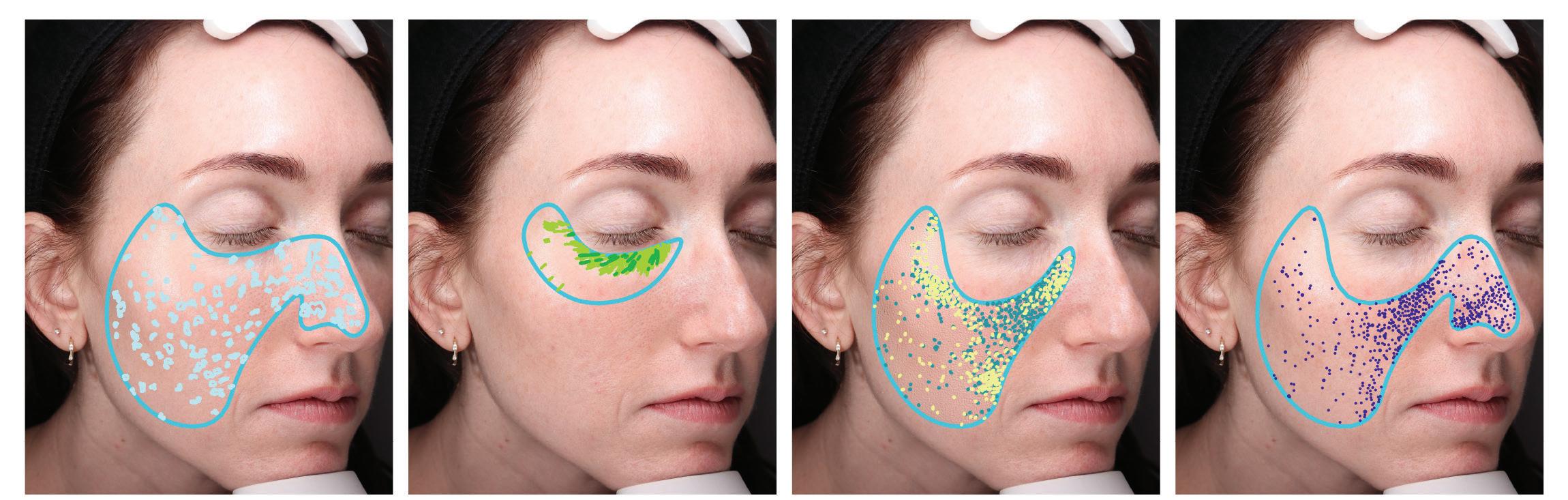
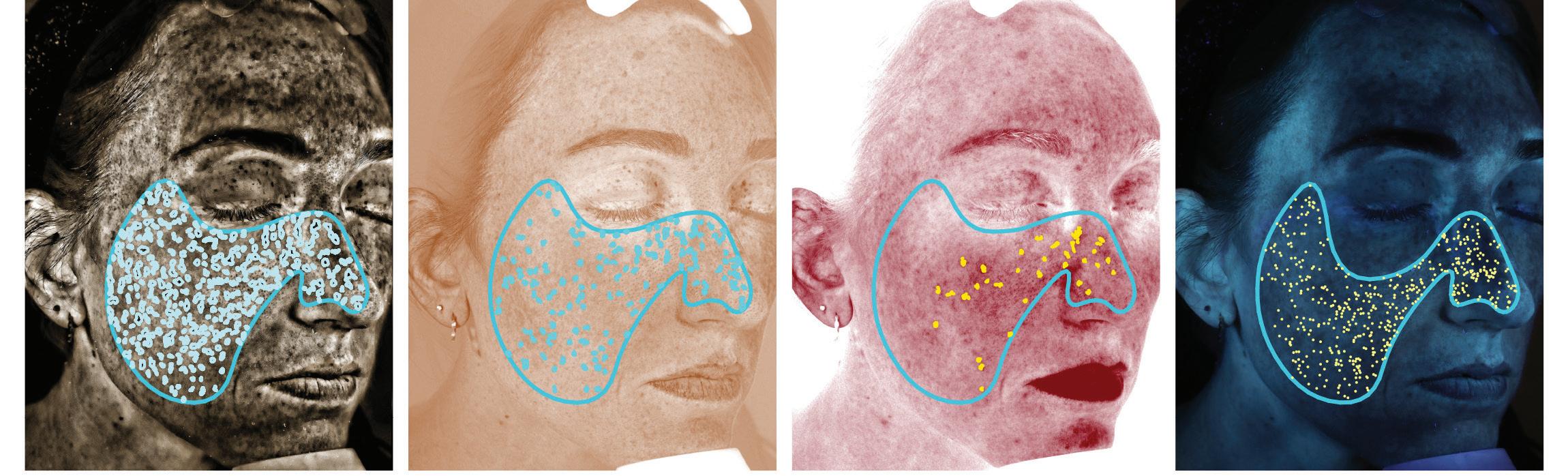
‘AI skin Analysis allows us to employ a multi-spectral imaging platform that measures eight key skin parameters: pigmentation, pore size, porphyrins, UV spots, photodamage, texture, wrinkles, and overall skin health,’ reported Paul W. Wallace, MD, MPA, owner of Wallace Skin and Body Institute (Ladera Heights, CA, USA). ‘AI generates an objective, reproducible baseline for each patient’s skin by capturing high-resolution, cross-polarised, and UV photographs. This data serves both diagnostic purposes (e.g., identifying subsurface hyperpigmentation or early photodamage) and patient education.’
Dr Wallace takes advantage of the technology to first establish a baseline for the patient’s skin and then to monitor treatment. ‘We perform follow-up scans after one or two treatments, depending on the treatment protocol, whether it’s a series of laser sessions, microneedling with growth factors, or a customised chemical peel regimen,’ he stated. ‘Comparing sequential data points allows us to assess quantitatively, as opposed to subjectively, whether pigmentation is fading, texture is smoothing, or inflammation markers (e.g., porphyrins indicating bacterial colonisation) are decreasing. We then adjust treatment parameters in real time, and tailor settings such as laser fluence or peel strength to each patient’s response curve.’
directly involved in their treatment journey and often express increased trust knowing their regimen isn’t guesswork. Anecdotally, after integrating AI analysis, we have seen a 20% uptick in package purchases for combination protocols, as clients see the data and understand the rationale for layering therapies.’ He added that incorporating AI skin analysis has helped elevate his practice by positioning them as leaders in evidence-based cosmetic dermatology.
AI skin analysis excels in uncovering subtle skin issues that are often invisible to the naked eye, allowing providers to identify and address common skin concerns with greater precision. While traditional skin rejuvenation techniques often relied on broad-spectrum treatments like intense pulsed light (IPL) for generalised treatments, modern advancements now offer single-wavelength lasers tailored to specific skin conditions. By integrating AI skin analysis, providers can design highly targeted treatment plans from the outset, leading to greater patient satisfaction.
Enhancing patient understanding through visual data
The patient experience is markedly improved because clients receive a tangible, easy-tounderstand report illustrating exactly which concerns exist beneath the surface, then watch those metrics improve.
Paul W. Wallace, MD, MPA
Dr Wallace explained that AI algorithms process raw imaging data that may include pixel intensity, spectral reflectance, and polarisation metrics, and compares the values against a database of peers to produce relative percentile rankings for each parameter. ‘If a patient’s wrinkle score is in the 80th percentile for her demographic, our system flags that collagen remodelling should be prioritised. Conversely, a high porphyrin count directs us toward antibacterial protocols or light-based therapies targeting P. acnes. We then layer in clinical history, Fitzpatrick skin type, prior treatments, and sensitivity to formulate a stepwise plan.’
‘The patient experience is markedly improved because clients receive a tangible, easy-to-understand report illustrating exactly which concerns exist beneath the surface, then watch those metrics improve,’ Dr Wallace continued. ‘That clarity drives adherence; patients feel
Monica Bonakdar, MD, is a cosmetic dermatology specialist (Newport Beach, CA, USA) and incorporates AI skin analysis for patient education. ‘Having an AI tool that enhances the patient’s understanding of their current skin health and what their journey is going to look like has helped me stand out in my field,’ she reported. Dr Bonadkar noted that most patients have multiple issues that may require treatment for optimal results and uses her AI skin analysis to break down her patients’ concerns into more specific problems, such as visible spots from accumulated sun damage, wrinkles, texture changes, broken capillaries, and enlarged pores. ‘Once you break it down for them, they are more willing to sign up for a treatment plan that requires multiple modalities. For example, if I propose a treatment plan with a multi-laced station, I may use one treatment for surface browns, another to clean up telangiectasis, and then another to flush under the skin and improve texture. The skin analysis helps this make sense to the patient and understand why I am proposing a multi-layer laser treatment.’
AI skin analysis plays a pivotal role in attracting patients to aesthetic practices by offering a highly informative experience that resonates with modern consumer expectations. Patients are drawn to the technology’s ability to provide personalised insights into their skin health, often prompting inquiries and consultations based solely on the analysis itself. Additionally, AI-driven recommendations for specific skincare products may enhance the patient’s shopping experience, allowing brands and providers to create tailored solutions and track care results effectively to increase patient satisfaction
PAUL W. WALLACE, MD, MPA, Owner of Wallace Skin and Body Institute, Ladera Heights, CA, USA; MONICA BONAKDAR, MD, Cosmetic Dermatology Specialist, Newport Beach, CA, USA; ANNY XIAO, MD, Board-Certified Dermatologist, Newport Cove Dermatology, Newport Beach, CA, USA; JAMES CHAO, MD, FACS, Medical Director of Image Spa MD, Encinitas, CA, USA; HELEN HE, China General Manager, PerfectCorp, New Taipei City, Taiwan
and boost product sales, as consumers are more likely to purchase items when they see evidence-based outcomes and personalised care paths that align with their unique skin profiles.
Dr Bonakdar explained that incorporating this technology has enabled them to establish a baseline of the patients’ skin prior to treatments and monitor progress throughout treatment, allowing for personalised adjustments to each patient’s home skincare routine. She also provides an explanation sheet to her patients that explains each part of the skin diagnosis, which not only increases patient satisfaction but also allows her to monitor their skin for improved product recommendations.
they have,’ she stated. ‘We often do fractional laser resurfacing to decrease a patient’s skin cancer risk1, and we can see the UV spots score improve through AI skin analysis, which is very reassuring for them. Another thing we see that is not always obvious is conditions like melasma or rosacea, because in certain cases it can be very subtle. When we analyse their skin, it can highlight the deeper pigmentation or deeper blood vessels that are not readily visible, which can really help guide our treatment recommendations, tailor the settings for our treatments, and guide us on what areas of the face we should focus on during the treatment.’
Dr Xiao’s VISIA (Canfield Scientific, Inc.; Parsippany, NJ, USA) device also allows her to prioritise aesthetic treatments for her patients. ‘We often choose a skin concern that will show improvement right away, which encourages them to continue maintenance and other treatment recommendations. I believe it increases patient satisfaction because they feel like their treatment was worth it.’ She mentioned that they only offer before and after AI skin analysis photos due to skin changes throughout treatments.
Product development and accelerated
AI skin analysis has helped improve closure rates, as people can see their treatments are working and they have objective data that they can take with them and share with their friends.
Board-certified dermatologist Anny Xiao, MD, of Newport Cove Dermatology (Newport Beach, CA, USA) reported that AI skin analysis can detect UV spots beneath the skin’s surface that can appear where DNA damage has occurred. ‘Patients are always interested to see the invisible damage
According to Helen He, China General Manager for PerfectCorp AI facial technology (New Taipei City, Taiwan), the AI-Powered workflow boosts consultation productivity while accelerating consumer decision-making through simplified diagnostics. As AI skin analysis benefits both providers and clients, cloud batch analysis of users’ skin health status may help increase product development efficiency and accelerate product R&D. ‘For companies with rich product lines, AI skin analysis with product line recommendations can improve consumers’ shopping efficiency,’ Ms He reported. ‘For consumers who have already made purchases, brands or institutions can use online AI skin analysis services to track changes in consumer skin health, promote care plans in a timely manner, and increase consumer repurchase rates.’ According to the manufacturer, PerfectCorp’s AI facial technology delivers rapid assessments using portable smart devices; a frictionless process that drives consumer engagement by instantly addressing skin concerns online and enables providers to efficiently conduct preliminary assessments.
James Chao, MD, FACS
James Chao, MD, FACS, medical director of Image Spa MD (Encinitas, CA, USA), feels that AI skin analysis technology is still in its infancy but is growing rapidly. ‘Today’s skin analysis systems include both hardware-based systems and camera phone-based apps, or software-based. I think that because the hardwarebased systems are very expensive, you cannot scale as fast as with the software systems,’ he said. ‘I frequently use
imagery in the medspa side of my practice to demonstrate and document skin quality, showing clients before and after results. Now with AI, I can add a predictive element. Patients really enjoy the informational aspects, based on what they see in a series of photos during treatment. AI skin analysis has helped improve closure rates, as people can see their treatments are working and they have objective data that they can take with them and share with their friends.’
In Dr Chao’s opinion, even though the technology is new, the future of AI skin analysis holds an immense promise for reshaping the landscape of dermatology and aesthetics with advancements that are expected to incorporate even more sophisticated predictive algorithms and imaging techniques, enabling personalised treatment plans that cater to the unique needs of every patient. This progress will not only enhance clinical outcomes but also strengthen the connection between providers and patients through data-driven insights that empower individuals in their skincare journey. ‘If we look at this again in 6-9 months, we may see a whole different set of data because we are just at the inflection point on that curve,’ he added.
AI skin analysis has revolutionised dermatology and aesthetics, offering precision, patient education, and enhanced outcomes.
AI skin analysis has revolutionised dermatology and aesthetics, offering precision, patient education, and enhanced outcomes. From improving treatment efficacy to boosting consumer engagement and product innovation, this technology has become a cornerstone of modern skin care. As it progresses, its potential to integrate predictive tools and advanced imaging promises a transformative impact on both providers and patients alike, leaving the future of AI skin analysis with an exciting chapter yet to be written.
Written by Cindy Papp, contributing editor
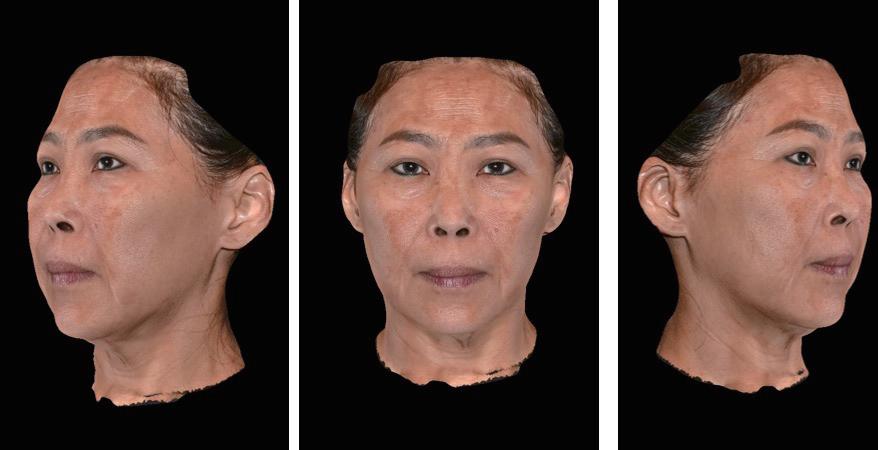
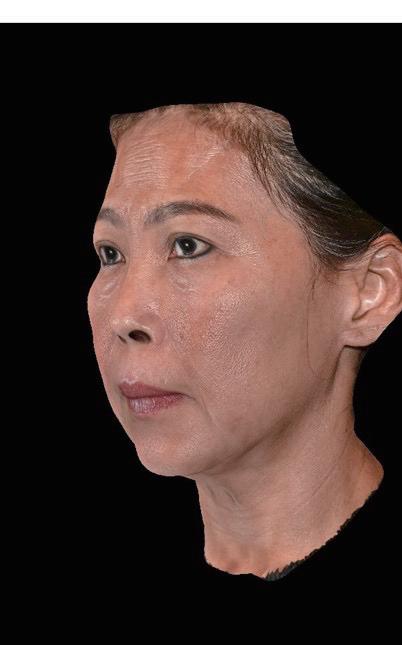
Figure 1 VISIA Facial Assessment Report. Percentile scores compare specific skin features against
with the same age, gender, and skin type
Spots (58%)
UV Spots (77%)
Wrinkles (57%)
Brown Spots (58%)
Texture (77%)
Red Areas (30%)
Pores (27%)
Porphyrins (83%)
EXOSOME-LIKE PRODUCTS SEPARATING FACT FROM FICTION
IN A TREND-DRIVEN LANDSCAPE
Byong Cho explores the science behind true exosomes, their benefits and the risks posed by exosome-like products, helping practitioners and patients navigate this complex landscape
THE WORLD OF AESTHETICS IS CHANGING fast. Every day, new beauty standards, treatment trends, and products emerge, shaping professionals' and patients’ views on what it means to be beautiful and how to achieve it. In such a fast-changing world, it is increasingly difficult to distinguish what is merely a buzzword fueled by marketing from what is backed up by real science.
Exosome products are a perfect example of this challenge. Just a few years ago, almost no one in the aesthetics space had even heard that word. Then, in 2017, for the first time, this advanced science was translated into an actual commercial product by ExoCoBio (Seoul, South Korea). What used to be the subject of complex research papers is now available to doctors and patients worldwide. However, ExoCoBio’s success came with an unexpected consequence: the word ‘exosome’ became so popular that
it is now often misused and overused by many companies. There are now many products on the market that are not true exosomes or pseudo-exosomes, ranging from bloodderived PRP to fruit extracts, which are being rebranded as exosomes and exosome-like products. This not only creates considerable confusion but also puts practitioners and their patients at risk, as the quality, purity, and safety of these so-called ‘alternatives’ can vary widely.
This raises an important question for practitioners: how to distinguish authentic, scientifically validated exosome products from look-alike claims? The key is understanding what exosomes really are, what they are not, and the standards required to guarantee their safety and the effectiveness of the final products.
What are exosomes?
Exosomes are naturally present in all living organisms. They are small vesicles released by cells that carry proteins,
BYONG CHO is the Founder/CEO/ CTO of ExoCoBio, Inc., South Korea
lipids, mRNA, and microRNAs. Their primary role is to act as messengers between cells, delivering information that regulates repair and regeneration, among other functions. This makes them essential players in maintaining health and tissue function across the body.
For aesthetic purposes, exosomes can be sourced from different origins. Each source influences the quality and effectiveness of the final product. ExoCoBio currently produces its products from two exosome sources: human adipose-derived and plant-derived stem cells from Damascene roses. Exosomes derived from adipose tissuederived mesenchymal stem cells promote wound healing and regulate inflammation by means of their regenerative and immunomodulatory capacities. ExoCoBio has managed to demonstrate that its Rose Stem Cell (RSC)derived exosomes(RSCE™) can have a comparative function for aesthetic purposes. RSCE™ contains a variety of miRNAs and proteins that have multiple biological functions for regeneration and anti-inflammation. By having two products available from these two different sources, ExoCoBio ensures the best possible outcome for aesthetic applications, supporting recovery, reducing inflammation, improving hydration, and enhancing overall skin quality while complying with regulatory requirements.
However, when speaking about exosomes in the aesthetic industry, there are some important caveats. First, the path from naturally occurring exosomes to creating a usable, commercial product is long, and the scientific and technical process is complex. Only a limited number of companies can achieve this properly. Second, the final product is rarely composed solely of exosomes. Most exosome products, at least for now, include other ingredients to create synergistic effects, and the right formulation, manufacturing process, and quality standards make a significant difference in safety and effectiveness.
It is essential to note that what an exosome is and is not, is not a matter of marketing language. There are established scientific standards to classify them. True exosomes must demonstrate specific characteristics: a lipid bilayer structure visible under electron microscopy, defined size and particle numbers, and the presence of well-recognised exosome markers such as CD63 and CD81. Without these, a product cannot be considered a real exosome, regardless of what is written on the box.
In short, exosomes are real biological messengers with proven functions. When sourced and produced under strict scientific standards, they can be powerful tools in aesthetics.
What are not true exosomes?
As exosomes have become a hot topic in aesthetics, many products on the market use the term 'exosome,' even though they are not. These are described here as 'exosomelike products.' They are often packaged to look like exosome products, but they usually do not meet the scientific standards required to be considered genuine.
Synthetic exosomes
One of the most common alternatives promoted today is the so-called 'synthetic exosomes.' Even though it is true
that some advanced labs are working on synthetic exosomes, that is, artificially engineered vesicles created in the laboratory to mimic natural exosomes, most products sold as synthetic exosomes are simply rebranded growth factors. Since naturally occurring exosomes do contain growth factors, companies are equating five or six growth factors with a whole exosome. Real exosomes carry hundreds of growth factors, proteins, lipids, miRNAs, etc., which function together as signalling molecules. Research on synthetic and engineered exosomes and transforming this into commercially viable products will take years.
Plant-derived extracts
Another recent marketing trend is labelling plant-derived nanovesicles or even simple botanical extracts as 'plant exosomes.' Scientifically, it is important to distinguish between true plant-derived extracellular vesicles and plant extracts that simply contain bioactive compounds such as vitamins and antioxidants.
Authentic plant-derived exosomes must be isolated using advanced ultrafiltration and purification methods. Many commercially available 'plant exosome' products are not true exosomes at all, but plant extracts or concentrated plant juices, rebranded with a scientific-sounding name. Although these extracts may have beneficial compounds such as polyphenols, antioxidants, and vitamins that support skin health, they do not contain the complex molecular cargo that defines an exosome.
Even though these extracts may promote good health, they do not have a direct targeted function, and their production cost is minimal, closer to zero, so selling these extracts as purified exosomes is misleading.
Conditioned media or secretome
Conditioned media, also called secretome, is often promoted as 'exosomes.' Conditioned media, however, is a liquid solution in which cells are cultivated, containing a mixture of proteins, growth factors, and extracellular vesicles. Although exosomes may be present in conditioned media, they constitute only a small fraction of a much larger, unpurified mixture. Thus, conditioned media lacks consistency, purity, and defined activity of real exosome products because it lacks the proper isolation and purification required to isolate the exosomes. In practice, this means patients may receive a product with unpredictable results and potential impurities that, in many cases, may have a pro-inflammatory effect.
Animal-derived extracts
Some products are marketed as exosomes but are derived from animal sources such as bovine milk, calf blood, or other animal tissues. They may contain animal-derived exosomes and other extracellular vesicles, but their biological relevance to humans and their safety are questionable. The risks include contamination, allergic reactions, increased skin sensitivity, delayed healing, and even the potential transmission of animal viruses. Additionally, the lack of standardisation in the processing and manufacturing of animal-derived biological materials increases inconsistency, making their use risky. For these
There are now many products on the market that are not true exosomes or pseudoexosomes, ranging from blood-derived PRP to fruit extracts, which are being rebranded as exosomes and exosome-like products.
reasons, animal-derived products cannot be considered or equated to exosomes for clinical aesthetic use.
Platelet-rich plasma
Platelet-rich plasma (PRP) is popular in many aesthetic procedures. PRP is derived from the patient’s own blood and contains growth factors that can stimulate tissue repair, making it useful in wound-healing-related procedures. However, there is great variation in protocols for preparation and standardisation, as well as a lack of characterisation of the final by-product, leading to inconsistent effects.
A common misleading claim made by companies selling PRP kits is that PRP is or contains exosomes, since exosomes naturally occur in the body and are therefore present in blood, and PRP contains growth factors as exosomes do. However, PRP is not exosomes nor is it anything equivalent. PRP preparations contain an enormous number of lipoproteins and protein aggregates, which are almost the same size as real exosomes. This size similarity means that exosomes can not be easily purified from blood or PRP if you use a simple device or kit. More importantly, for exosomes to have multiple biological functions, they must be carefully isolated and kept stable, a process that is complex. This cannot be done with cliniclevel PRP kits. This is why PRP can contain many impurities found in blood.
In short, these exosome-like products are an effort by companies to capitalise on the popularity of exosomes. PRP, animal-derived, plant extracts, and conditioned media are all common in the aesthetic market, and although some of them may have real health benefits, they do not replicate biological complexity, safety, and potential of real, purified and well-produced exosomes.
What happens if you use exosome-like products?
The consequences of using exosome-like products as if they were authentic exosome products are unpredictable. In some cases, nothing happens at all; in others, results may be inconsistent; and in the worst-case scenarios, there may be potential risks for the practitioners and their patients.
The ‘best-case scenario’ for a practitioner using exosomelike products is that patients may see little to no improvement. In other situations, the results may be inconsistent. Exosome-like products such as conditioned media or PRP are not standardised, so one session may go well, and the other may have no effect at all. Without strict production controls and characterisation tools, it is impossible to guarantee the same effect each time.
The worst cases, however, are the potential risks for patients. Impure or contaminated preparations can cause serious complications. At times, very surprisingly, many brands do not control the quality of the materials like vials, water, air, and others in the production facility at all. Cases of skin necrosis, granuloma, and severe inflammation have been reported after injection of poorly purified conditioned media derived from human umbilical cord blood stem
cells. This resulted not only in a loss of trust for the practitioner but, more importantly, in a severely painful experience for the patient. There is also the possibility of immune reactions in cases where products of animal origin or unpurified conditioned media from dubious sources introduce foreign substances that the body recognises as harmful. The less transparent the source and purification process, the higher the risk.
How to identify a true high-quality exosome product
Platelet-rich plasma (PRP) is popular in many aesthetic procedures. PRP is derived from the patient’s own blood and contains growth factors that can stimulate tissue repair, making it useful in wound-healingrelated procedures.
There are 13 requirements that can help define the best quality for an exosome product. Notice that it is not only about exosomes in a research lab, but also about offering a standardised, safe, commercially available final product for aesthetic use.
The table below summarises the 13 essential requirements that define what a true, high-quality exosome product should meet. Each criterion is based on scientific and regulatory standards, not marketing language. Altogether, they cover every step of production, manufacturing and validation.
Practical tips for practitioners
Calling it an exosome doesn’t make it one, but it would be difficult for anyone to directly verify all 13 technical requirements, as most of them involve specialised laboratory tests, regulatory reviews, and manufacturing audits. Below is a list of practical checks for practitioners to avoid unnecessary risks, filter out misleading products, and make more confident decisions.
Ingredient List
It seems obvious, but always read the ingredient list in the box carefully. Reliable products will clearly include 'exosome' or related technical terms like 'extracellular vesicles' with proper specification. Be cautious if the label only includes vague words such as 'extract,' 'conditioned media,' 'CM,' 'liposomes,' or even if it contains the word 'exosome' somewhere on the box, but is not in the ingredient list. In many cases, the product's ingredients do not match those listed in the marketing material. For example, some marketing materials offer 'milk-exosomes,' but the actual ingredient in the box is 'colostrum'. All these terms are often used to misguide and disguise non-standardised or lowquality content.
Company profile
Investigate the company behind the product. Ask whether it has GMP-certified facilities or whether its manufacturing is elsewhere without a direct quality oversight. Companies that have peer-reviewed publications and hold patents are generally more reliable, as this shows investment in research and validation rather than just empty marketing claims.
Product form
Exosomes are delicate and unstable in liquid form. For stability, authentic exosome products are often lyophilised (freeze-
dried) and reconstituted before use. While not every liquid form is fake, stability is a serious concern if there is no explanation of how the product maintains its activity over time.
Numbers and claims
Marketing slogans such as '100 billion exosomes' sound impressive, but impressive numbers are pointless without purity and quality. Always find out more about evidence of big numbers and balance quantity with quality. A product with a smaller but well-purified number of exosomes is safer and more effective than unsupported and exaggerated exosome counts full of contaminants.
Regulatory registration
Check whether the product is legally registered in your country. Registration processes vary, but in general, authentic products should be registered in each country’s relevant overseeing authority. If a product is promoted as injectable without a verifiable approval, that is a red flag for both safety and legal compliance.
Filtration and processing
Request and review relevant information about purification and filtration. Reliable manufacturers are transparent about their processes, while questionable products are often secretive about their facilities, patients, publications and hide behind vague marketing language.
Plain copycats in the market
Finally, there are simply bad copycats and rebrandings that cannot even stand a review because they are obviously fake. Many products sold as 'exosomes' are simply rebranded versions of growth factors, fruit extracts, or even PRP, with no real connection to exosome science. These copycat products depend on flashy marketing, misleading labels, and exaggerated claims instead of evidence. If a product makes big promises without clear science or transparency, be cautious, check carefully and avoid unnecessary risks.
Conclusion
Exosomes are one of the most exciting advances in modern aesthetic science. Their unique ability to communicate between cells and influence repair, regeneration, and anti-inflammation makes them a powerful tool. However, their rapid rise in popularity has also led to confusion and misuse of the word. Today, many so-called 'exosome' products on the market are not true exosomes at all, but rather simplified substitutes or mixtures sold under
Exosomes are one of the most exciting advances in modern aesthetic science. Their unique ability to communicate between cells and influence repair, regeneration, and anti-inflammation makes them a powerful tool. Table 1 Summarising 13
EXOSOME PREPARATION (PRE-MANUFACTURING QUALITY)
1 Cell bank & culture Follow legitimate international guidelines and operate under GMP conditions
2 Protein amount
Ensures exosomes are not mixed with impure fractions. This is relevant for exosomes derived from blood (Lipoproteins), milk (Caseins), or fruits
3 Particle number Should reflect true exosome counts, not inflated marketing figures
4 Electron microscopy Confirms the lipid bilayer structure and absence of impurities
5 Exosome marker analysis
Real exosomes must show characteristic CD markers: CD63, CD81
6 Content profiling Demonstrates the composition: proteins, miRNAs, and lipids
MANUFACTURING & FORMULATION
7 Materials All components (vials, caps, etc.) must be medical- or injection-grade to prevent contamination
8 Ingredients Formulations must use ingredients proven safe for their intended use
9 Equipment & instruments Must meet GMP standards, validated and qualified for consistent production
10 Standardisation
Require strict standardisation especially for hybrid and synthetic exosomes to prevent allergenic reactions and ensure reproducibility
SCIENTIFIC & REGULATORY VALIDATION
11 Registration Official ingredient registration
12 Publications Peer-reviewed studies validate product efficacy and safety through independent research
13 Patents Patents cover multiple aspects from exosome isolation and purification methods to formulation and manufacturing processes. It demonstrates proprietary technology and innovation leadership
the same name.
When products rely on marketing buzzwords rather than scientific validation, the results can range from disappointment to potential risks to practitioners and patients. That is why it is essential to separate authentic, high-quality exosomes from companies like ExoCoBio, produced under strict standards, verified through scientific evidence, and manufactured in GMP facilities, from products that merely imitate the concept.
Practitioners have the important responsibility of checking ingredient lists, reviewing company profiles, looking for published research, and confirming regulatory registrations. They can make informed choices that protect their patients and guarantee effective results. Ultimately, informed decision-making is the best protection against misleading products. Demanding evidence and accountability from manufacturers is the best practice for all those who believe in science-based aesthetics.
A NEW NON-SURGICAL APPROACH TO EYE BAGS, FESTOONS AND MALAR OEDEMA
A novel, minimally invasive laser protocol is transforming the treatment of eye bags, malar oedema, and festoons. Kaveh Karandish, MD, shares his advanced approach using the Lasemar 1500 EndoLaser offering patients effective, low-downtime alternatives to surgery
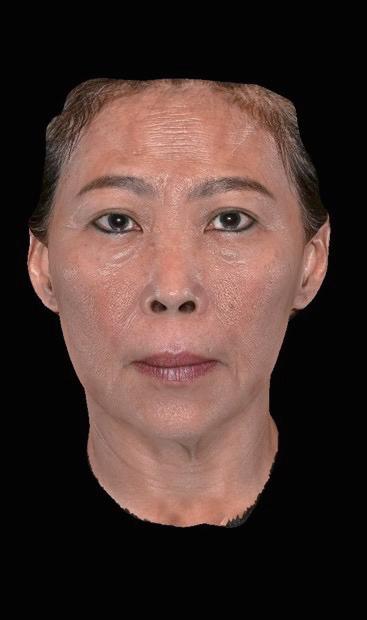
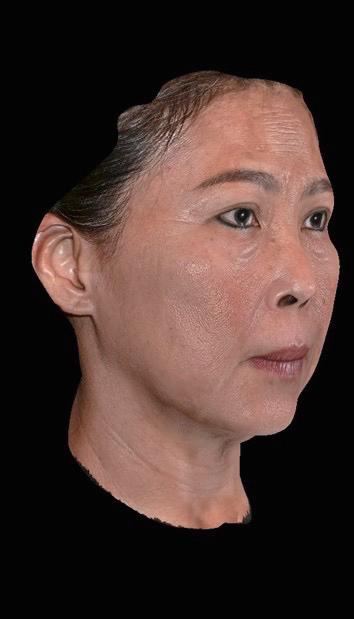
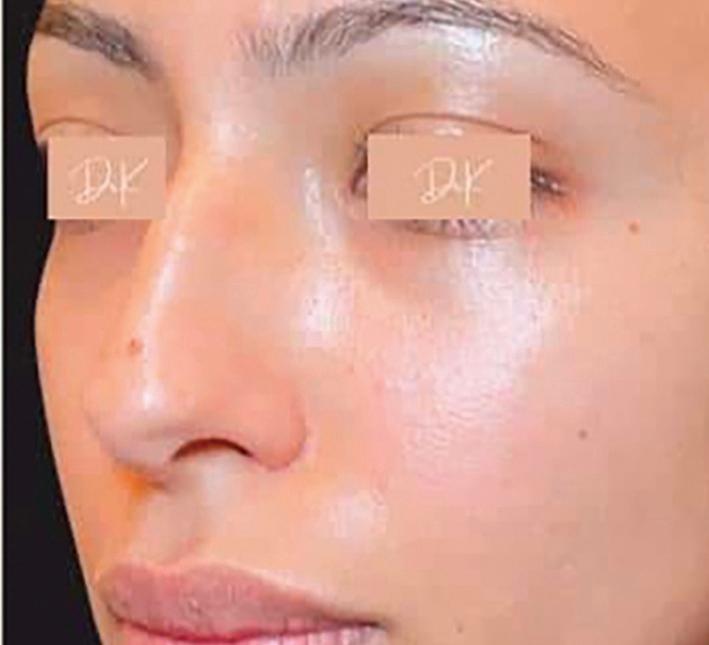
The Endo-Laser approach with Lasermar 1500 by Eufoton (Trieste, Italy) has opened new horizons in treating laxity and fat protrusions seen in festoons and eyebags with just a prick of a needle and insertion of a tiny fibre-optic laser fibre.
This laser diode utilises a 1470 nm wavelength, which has affinity for both water and fat, and is capable of tightening and rejuvenating skin, but also melting adipose tissue and contouring eye bags. It has become a valuable tool for improving festoons and eyebags in our clients, with a high satisfaction rate.
Understanding the delicate periorbital anatomy, combined with proper candidate selection and advanced techniques using the smallest fibre sizes of 200 and 300 microns, has brought an exciting arsenal to our clinics for treating eyebags, malar mounds, and even challenging festoons.
Previously, we utilised radiofrequency (RF) microneedling devices such as Agnes RF (Torrance, CA, USA) and Morpheus8 RF (InMode Ltd., Yokneam, Israel); however, the extent of improvement in some cases of eye bags, even up to 70% or more, utilising the EndoLaser option has never been possible with those other devices.
The extent of improvement in some cases of eye bags, even up to 70% or more, utilising the EndoLaser option has never been possible with those other devices.
The 1470 nm wavelength interacts with tissue by shrinking collagen through a thermal effect. At higher settings, it can also initiate lipolysis once the internal tissue temperature exceeds 50°C. The 1470 nm wavelength has a strong affinity for both water and fat, making it a safe option for body contouring without the risk of hyperpigmentation in the tissue.
The Endo-Laser approach offers advantages over other technologies, such as RF treatments, which carry the risk of superficial skin pigmentation, and current RF modalities may not be as precise or minimally invasive. In contrast, surgical procedures often involve longer recovery times, greater potential risks, and higher costs.
As one of the leaders in this treatment nationally, we have achieved even better results by combining the Endolaser session with external resurfacing and fractional and ablative laser options to achieve greater laxity and overall results.
The procedure begins with the application of local anaesthesia, infiltrated subdermally. A fibre-optic cable is then introduced to deliver laser energy subdermally and/or intradermally, depending on the technique. Expertise in this method is crucial for achieving optimal results.
This new method does require advanced-level experience with the Endolaser, especially due to the very delicate periorbital anatomy. Typically, the amount of energy that can be remitted safely and effectively is divided over 2-3 sessions to further enhance safety and a more reasonable length of downtime for our clients, which is always desired.
Usually, the downtime with each session is less than 5 days with our method and healing protocol, which utilises topical healing boosters, masks and oral options. Therefore, patients are able to get in and receive this treatment more often as a result.
Results can last anywhere from 3 to 5 years. For cases with significant under-eye bags, delivering higher energy to
induce lipolysis can lead to more permanent results. Our practice reports a patient satisfaction rate of 70-80% with this treatment.
For many, the obstacles of downtime and the cost of surgical options remain a burden that will prevent them from undergoing surgery. In proper candidates, we have removed this burden with this safe and effective nonsurgical approach.
Figures 1–2 highlight some of our results for your consideration.
Figure 1 (A) Before, (B) after 2 months, (C) after 4 months, and (D) after 6 months following Endolift for eye bags.
Figure 2 (A) before treatment and (B) after one Endolift treatment for malar bags.
THE RISE OF NEUROCOSMETICS
Steven Dayan, MD, explains how a new era in aesthetics is emerging one that blends neuroscience and dermatology to restore not just skin, but confidence, connection, and emotional vitality
STEVEN H. DAYAN, MD, FACS, is a facial plastic surgeon, clinical researcher, and educator based in Chicago, IL. He is a NYTimes Best Selling author who has penned more than 200 peer-reviewed publications and 6 books. Dr. Dayan lectures globally on the science of attraction, social perception, and the emerging field of neurocosmetics.
email: StevenDayan@mindfloss.com
ABSTRACT
The field of aesthetic medicine is undergoing a paradigm shift. Beyond symmetry, ratios, and collagen density, a new frontier has emerged: neurocosmetics. These are topical and procedural innovations that act through the skin–brain axis to influence both appearance and social well-being. Rooted in psychodermatology and social neuroscience, neurocosmetics recognize the skin as a neuroendocrine organ capable of producing
and responding to neurotransmitters that affect mood, confidence, and connection. In a post-pandemic world marked by isolation and disconnection, this evolution aligns aesthetic medicine with its deeper purpose: to restore not only how patients look, but how they feel and relate. This essay explores the biological foundations, clinical implications, and cultural significance of the Neo-Romantic era of neurocosmetics, an era defined by the fusion of skin, science, and soul.
F YOU HAVEN’T HEARD OF NEUROCOSMETICS, YOU MIGHT WANT TO. They’re not a fleeting trend; they represent the next evolution in aesthetic medicine, merging neuroscience, dermatology, and well-being into one unified framework.
For decades, beauty in medicine was defined by mathematical ratios, geometric balance, and measurable collagen or elastin density. Yet patients never request elastin or hyaluronic acid; they ask to look better, feel better, and appear subtly improved.
The new romantic era of aesthetics marks a turn from metrics to meaning. It emphasises passion, confidence, and connection, the psychosocial foundations of attraction. It meets patients where they are emotionally, not just where our devices can take them.
The COVID-19 era underscored this need. Isolation dulled our sensory and social fluency. Loneliness soared; intimacy declined. And the social hangover continues today, with nearly 45% of young men admitting they have not romantically approached a woman in the past year. And both sexes express longing for real-world connection, to converse, flirt, and touch again.
As patients re-emerge into social spaces, our aesthetic mission must expand. The skin is no longer a surface to perfect, it’s an instrument of emotional communication and social vitality.
The skin as a neuroendocrine organ
The skin, our largest organ, shares its embryological origin with the brain and functions as a dynamic neuroendocrine interface. It produces and responds to neurotransmitters and neuropeptides that regulate inflammation, pigmentation, wound healing, and mood.
Up to 60% of dermatologic conditions have psychological roots, and one in four dermatology patients presents with psychiatric comorbidities.1,2 The link is reciprocal: the brain shapes skin function, and the skin sends continuous feedback to the brain.3
Beyond biology, the skin serves as a phylogenetically preserved surveillance system. It senses temperature, humidity, and danger, translating environmental signals into neurochemical responses long before conscious awareness.
Our 'gut feelings' and 'energy' metaphors are grounded in physiology. The skin contains over five million sensory nerve endings densely packed with neurotransmitters such as
Patients don’t seek perfection, they seek belonging. They want to feel confident, desired, and reconnected.
Figure 1 Patient reported skin quality improvement at 4 and 8 weeks of use of a jasmine extract topical for oxytocin upregulation
dopamine, serotonin, acetylcholine, substance P, and oxytocin. These molecules act locally as antioxidants and anti-inflammatories while influencing mood, attraction, and trust systemically.4
The human body constantly communicates beneath awareness, subconsciously, transmitting subtle cues of safety, stress, and emotional state through the skin’s biochemical language.
Neurocosmetics:
Beauty you can feel
This scientific reality forms the foundation of neurocosmetics, topical or procedural treatments that modulate the skin’s neuromediators to improve both appearance and social wellbeing.
Coined in 2002 by Laurent Misery,5 the term was ahead of its time. Two decades later, in an age of digital fatigue and emotional burnout, the concept finds resonance. Neurocosmetics act through the skin–brain axis to enhance the experience of beauty, not merely its appearance.
By activating pathways involving oxytocin, dopamine, and endorphins, these interventions reduce inflammation, rebalance stress hormones, and elevate well-being. They are
psychodermatologic tools designed for an era when patients seek confidence and connection as much as correction.
A personal evolution
My own journey toward neurocosmetics began during COVID-19. The absence of in-person contact underscored the loss of warmth and nuance in digital interaction. With a background in evolutionary biology and 20 years in practice, I recognised a gap; our treatments addressed structure but ignored sensation.
Recognising the skin as a neuroendocrine organ challenges us to expand aesthetic goals. We are not only restoring volume or tone, but we are also restoring vitality, presence, and emotional resonance.
Then, when my partner, dermatologist Dr. Sabrina Fabi, became pregnant, I saw the phenomenon firsthand: the unmistakable glow. It wasn’t merely hormonal. Her radiance reflected an oxytocin-driven appearance balanced by an elevated affection and emotional connection.
As a long-time researcher of attraction science, I knew oxytocin’s prosocial effects, trust, bonding, and calm, but I had underestimated its visible cutaneous impact. That realisation inspired a study exploring whether oxytocin’s skin pathways could be topically modulated.
The study
We conducted a double-blind, placebo-controlled clinical trial using a jasmine extract reported to upregulate oxytocin activity in the skin.6
The hypothesis: if oxytocin influences emotional connection, could activating it topically enhance not just skin appearance, but psychosocial well-being? Results exceeded expectations. Participants demonstrated profoundly significant improvement in selfconfidence, attractiveness, firstimpression likability, and sexual satisfaction, alongside visible skin quality benefits in many categories (p < .0001).
We theorised that the psychosocial effects, in part, may stem from a unique positive feedback mechanism inherent to oxytocin. When upregulated in the skin, it stimulates further pituitary secretion, amplifying prosocial well-being and bonding responses.
Despite scepticism that skin biology can directly impact mood, others are also publishing similar outcomes. A recent study echoed our findings that skin microbiology can
influence mood. A British Journal of Dermatology paper linked the skin microbiome, particularly Cutibacterium species to emotional pleasantness and overall wellness, reinforcing the skin’s influence on mood and stress relief.7
Redefining aesthetic purpose
Recognising the skin as a neuroendocrine organ challenges us to expand aesthetic goals. We are not only restoring volume or tone, but we are also restoring vitality, presence, and emotional resonance.
Patients express their aims in affective terms: to appear more vibrant, confident, approachable, or youthful. These are psychosocial outcomes. Treatments that help patients reconnect with others, through subtle changes in expression, texture, or glow, carry meaning beyond metrics.
Neuropeptides such as β-endorphin, calcitonin generelated peptide, and substance P regulate vascular tone and pigmentation, but they also modulate stress resilience and pleasure.8 Targeting these networks through topical or procedural means redefines aesthetic medicine as social neuroscience.
The Neo-Romantic paradigm
The Enlightenment era gave us measurement, ratios, and histologic precision. The Neo-Romantic era restores emotion and purpose. It asks: Why do we beautify?
Patients don’t seek perfection, they seek belonging. They want to feel confident, desired, and reconnected. In this context, the aesthetic provider becomes both scientist and empath, using the skin as an interface for human connection.
When we address sensory, emotional, and social needs alongside structural concerns, aesthetic medicine transcends correction. It becomes an act of restoration of confidence, of self, of humanity.
Looking ahead
Clinical trials in aesthetics should measure not only beauty metrics, proportions, elasticity or wrinkle depth, but also confidence, intimacy, and perceived attractiveness
Key points
The skin is biologically active, communicating with the brain through neurotransmitters and neuropeptides. It plays a role in mood, stress, and social perception, making it more than just a surface to treat—it’s a dynamic part of human connection and emotional health.
Neurocosmetics are treatments—topical or procedural—that engage the skin–brain axis to positively affect both appearance and social well-being.
Aesthetic medicine is entering a Neo-Romantic era where success is defined by human connection and psychosocial resonance—not metrics alone.
References
1. Marek-Jozefowicz L, Czajkowski R, Borkowska A, Nedoszytko B, Zmijewski MA, Cubała WJ, Slominski AT. The Brain-Skin Axis in Psoriasis-Psychological, Psychiatric, Hormonal, and Dermatological Aspects. Int J Mol Sci. 2022 Jan 8;23(2):669. doi: 10.3390/ ijms23020669. PMID: 35054853; PMCID: PMC8776235.
2. Picardi A et al. Psychiatric morbidity in dermatological outpatients: An issue to be recognized. Br J Dermatol. 2000;143(5):98391.
3. Mar K, Rivers JK. The Mind Body Connection in Dermatologic Conditions: A Literature Review. J Cutan Med Surg. 2023; 27(6): 628-640.
and even sexual satisfaction using validated tools. As emotional and social benefits are documented alongside biological ones, neurocosmetics will take their rightful place as a cornerstone of modern aesthetics.
Conclusion
The skin is not a shell; it is a sensory organ of emotion, communication, and connection. To ignore its neurobiological intelligence is to overlook much of what makes us human.
The Neo-Romantic era of neurocosmetics invites us to reverse engineer from what patients truly want: not perfection, but presence; not symmetry, but confidence; not youth, but connection.
When our treatments restore that, we are no longer merely improving appearances; we are elevating the human experience itself.
Declaration of interest None
4. Labarrade, F., J. Cotton, I. Imbert. Functional Connection between Skin Touch and Oxytocin Release to Help Fight Aging. SOFW Journal (English version). 2022; 148(9).
5. Misery L, Maibach HI, Koo J, Jafferany M. Neurocosmetics are cosmetics, which mean that they could have effects only on skin. Clin Dermatol. 2025 Sep-Oct;43(5):702-703. doi: 10.1016/j.clindermatol.2025.07.002. Epub 2025 Jul 16. PMID: 40675232.
6. Dayan SH, Fabi SG, et al. The impact of oxytocin-modulating topical agents on psychosocial parameters: A double-blind, placebo-controlled study. [Journal under submission].
7. Tyson-Carr J, Leng J, Scott M, Adams S,
Hoptroff M, Murphy B, Fallon N, Paterson S, Thomas A, Giesbrecht T, Roberts C. Body site-specific associations between human skin microbiome composition and psychological wellbeing. Br J Dermatol. 2025 Oct 21;193(Supplement_2):ii6-ii14. doi: 10.1093/ bjd/ljaf177. PMID: 40418963.
8. Rizzi V, Gubitosa J, Fini P, Cosma P. Neurocosmetics in Skincare—The Fascinating World of Skin–Brain Connection: A Review to Explore Ingredients, Commercial Products for Skin Aging, and Cosmetic Regulation. Cosmetics. 2021; 8(3):66. https://doi. org/10.3390/cosmetics8030066.
JUVELOOK: A NEW APPROACH TO HAIR FOLLICLE REGENERATION IN AGE-RELATED HAIR LOSS
Professor
Kyung-Hee Byun's study reveals that
JUVELOOK
(PDLLA–HA) promotes hair follicle regeneration by restoring macrophage function, enhancing hair follicle stem cell regenerative capacity, and rejuvenating the aged skin microenvironment
HAIR REGENERATION IS driven by hair follicle stem cells (HFSCs), whose activity is tightly regulated by signals from the dermal papilla (DP). The hair growth cycle consists of three phases: anagen (growth), catagen (regression), and telogen (rest). During the resting phase, inhibitory signals such as bone morphogenetic protein (BMP) maintain HFSC dormancy and prevent premature activation.
The transition from telogen to anagen occurs when HFSCs are activated via Wnt/β-catenin signalling. Upon Wnt activation, β-catenin accumulates and translocates into the nucleus, where it induces transcription of hair growth–related genes. Key
target genes, including Axin2, LEF1, and Lgr5, promote HFSC proliferation and regeneration of the lower hair follicle, thereby initiating the anagen phase. With ageing, HFSC function becomes progressively compromised. Senescent HFSCs exhibit reduced regenerative capacity, increased inhibition of Wnt signalling, and dysregulated BMP activity, leading to disruption of the normal hair cycle. These alterations contribute to reduced hair regeneration, hair thinning, and eventual hair loss. Accordingly, restoration of HFSC activity represents a key therapeutic target for mitigating age-related hair loss.
Evidence supporting the mechanistic rationale for targeting macrophage–HFSC interactions
Our previous studies demonstrated that the hybrid biostimulator poly-D,L-lactic acid (PDLLA), combined with hyaluronic acid (HA), regulates the Piezo1 mechanosensitive ion channel and promotes M2 macrophage polarisation, accompanied by increased IL-10 secretion. This M2 macrophage modulation was associated with enhanced adipose stem cell proliferation, adipogenesis, and collagen synthesis in aged skin. Piezo1-mediated
mechanotransduction plays a critical role in directing macrophage polarisation toward the anti-inflammatory M2 phenotype. M2 macrophages secrete growth factors such as hepatocyte growth factor (HGF) and insulin-like growth factor-1 (IGF-1), which activate downstream ERK signalling pathways involved in maintaining stem cell stemness and regulating hair cycle progression.
“Real-world clinical cases from Korea support the efficacy and safety of PDLLA–HA in patients with age-related hair loss.”
In addition, M2 macrophages have been shown to activate Wnt1 and Wnt3 signalling, leading to upregulation of HFSC target genes, including Lgr5 and c-Myc, which are essential for hair follicle regeneration. Despite these insights, the direct role of PDLLA in HFSC activation and age-related hair loss has not been fully elucidated. Therefore, the present study was designed to investigate the effects of PDLLA on HFSC activity and hair regeneration through macrophage-mediated signaling pathways.
Study design
This study comprised both in vitro and in vivo experiments
Figure 1 Mechanism of action of PDLLA-HA in hair follicle restoration
PROF. KYUNG-HEE BYUN , Professor, College of Medicine Department of Anatomy & Cell Biology, Gachon University, Incheon, Korea.
designed to investigate the role of PDLLA–HA in hair follicle regeneration. The experimental models included senescent macrophages, senescent hair follicle stem cells (HFSCs), and middle-aged mouse skin.
In Vitro Experiments
Senescent macrophages were divided into four treatment groups:
■ PBS;
■ PBS + PDLLA-HA;
■ GsMTx4 (Piezo1 inhibitor) + PBS;
■ GsMTx4 + PDLLA-HA.
This experimental design enabled evaluation of PDLLA-HAinduced M2 macrophage polarisation mediated by Piezo1 activation, by comparing PDLLA-HA effects in the presence or absence of Piezo1 inhibition (GsMTx4).
Conditioned media (CM) collected from each macrophage treatment group (CMPBS, CMPBS/PDLLA-HA, CMGsMTx4/ PBS, and CMGsMTx4/PDLLA-HA) were subsequently applied to senescent HFSCs. This approach was used to assess effects on HFSC proliferation, stemness, and activation of anagen-related signalling pathways.
In Vivo Experiments
For the in vivo study, middleaged (17-month-old) female C57BL/6 mice were used. A 2 × 2 cm dorsal skin area was shaved to synchronise hair follicles in the telogen phase. Mice were randomly assigned to three groups (n=5 per group): ■ Saline control; ■ PDLLA-HA injection with
sacrifice at 1 week;
■ PDLLA-HA injection with sacrifice at 3 weeks.
PDLLA-HA or saline was administered via subcutaneous injection at five dorsal sites within the shaved area.
Outcome Evaluation
Macrophage polarisation, intracellular mechanotransduction, downstream signalling activation, HFSC activity, and hair follicle regeneration were evaluated using standard molecular, cellular, and histological analyses.
Results: PDLLA-HA enhances HFSC function through Piezo1-associated M2 macrophage polarisation
Both in vitro and in vivo studies demonstrated that PDLLA–HA treatment significantly increased Piezo1 expression and shifted macrophage phenotype toward M2 polarisation, accompanied by elevated secretion of hepatocyte growth factor (HGF) and insulin-like growth factor-1 (IGF-1). These growth factors activated the RAS/ERK signalling pathway, leading to enhanced HFSC proliferation through c-Fos activation and promotion of hair follicle stemness. Concurrently, Wnt/β-catenin signalling was robustly activated, with upregulation of key downstream targets, including Axin2, LEF1, and Lgr5, thereby facilitating anagen induction and maintenance (Figure 1).
Histological analyses demonstrated significant increases in hair follicle number,
“This study comprised both in vitroand in vivo experiments designed to investigate the role of PDLLA–HA in hair follicle regeneration.”
diameter, and length in the dorsal skin, along with an increased proportion of follicles in the anagen phase and a corresponding reduction in catagen and telogen phases (Figure 2).
Real-world clinical outcomes supporting PDLLA–HA for hair regeneration
Real-world clinical cases from Korea support the efficacy and safety of PDLLA–HA in patients
with age-related hair loss.1 These findings demonstrate favourable clinical outcomes, supporting the therapeutic potential of the PDLLA–HA hybrid biostimulator (Figure 3).
Find out more at: juvelook.com
Figure 2 In vivo study results: PDLLA-HA injection enhances hair follicle structure and promotes hair growth
Figure 3 Clinical outcomes of JUVELOOK in hair regeneration for age-related hair loss case; (A) Before, (B) After. Reference
1. Oh S, et al. Poly-D,L-Lactic Acid Filler Increases Hair Growth by Modulating Hair Follicular Stem Cells in Aged Skin. Cells. 2026;15(1):5.
DERMAPENWORLD EVOLVES WITH AESTHETIC PRODUCTS THAT DIAGNOSE AND TRANSFORM
DermapenWorld™ expands its microneedling portfolio with innovative products like the AI-powered Dp SCAN™, as dermatologist Shino Bay Aguilera, DO, emphasises the brand’s commitment to safe, effective, and personalised aesthetic care
As aesthetic consumers worldwide demand holistic, personalised care and clinicians strive to meet clients’ needs, the industry is working behind the scenes to expand aesthetic portfolios with complementary products and devices.
DermapenWorld™ (Sydney, Australia) is doing just that. The recognised leader in microneedling technology innovation, with Dermapen 4® and Dermapen Pro®, has been expanding its portfolio of options in 2025 and into 2026.
Starts with trust
Renowned cosmetic dermatologist and surgeon Shino Bay Aguilera, DO (Fort Lauderdale, FL, USA), trusted DermapenWorld’s microneedling technology, which encouraged his
use of several of the brand’s synergistic products and devices. Today, he’s glad he did and shared his experience with Prime Journal
‘DermapenWorld invests in research. Everything that I have used from this company has proven safe and effective for my patients. The level of trust that results gives me the confidence to try their new products,’ Dr Aguilera said.
Enter: AI-powered diagnostics
One of DermapenWorld’s newest developments, available in 2026, is Dp SCAN™, an artificial intelligence (AI) powered diagnostic tool that helps aesthetic clinicians diagnose skin and scalp concerns at the point of care.
DermapenWorld’s device is a marked improvement in skin analysis, according to Dr Aguilera. His practice’s previous technology did calculations from a picture of the patient’s face, which required a few steps.
Dp SCAN fits in the palm of your hand and fully scans the patient in about two to five minutes. Using AI, it provides real-time diagnosis
of skin, scalp, or hair ailments and recommends personalised care regimens, including products and treatments, within minutes, he explained.
Beyond microneedling
Dermapen technology is substantially better than competitors’ microneedling devices for several reasons, according to Dr Aguilera.
‘Dermapen has this amazing, intuitive digital interface. It’s user-friendly and you can dial in the depth that you want to achieve. The design prevents dragging,’ he explained. ‘Today, we mainly use microneedling as a drug delivery device, using bioactive ingredients to target specific skin concerns. We can treat rosacea, acne and melasma to pigmentation and scarring. So, there are a number of things we can do, but having the ability to control depth is key for the optimal use of these devices.’
Dr Aguilera shared that one of his favourite DermapenWorld products to use in conjunction with microneedling is the Dp Dermaceuticals, exosome-based EXO-SKIN™. He also taps into the
MG Collection of targeted bio-active cocktails. Each is designed to treat a particular skin concern.
‘One is ideal for acne scars and is the only treatment you can use on active breakouts,’ he said.
Dr Aguilera, for example, might combine the acne serum with the exosome product to reduce inflammation, and the MG-R.A.S. (Reverse Ageing and Scars) formula to prevent acne scarring, while treating the cause of acne with the company’s CLR range from Dp Dermaceuticals products.
‘The combination approach, using devices to diagnose and treat skin, scalp, and hair concerns, as well as a synergistic product line to individualise, optimise, and maintain outcomes, illustrates the level of holistic, comprehensive and personalised care today’s patients want,’ he said.
‘DermapenWorld has great scientists. I have yet to be disappointed with any of the market offerings I’ve incorporated in practice,’ Dr Aguilera concluded.
Visit: www.dermapenworld.com
“The combination approach, using devices to diagnose and treat skin, scalp, and hair concerns, as well as a synergistic product line to individualise, optimise, and maintain outcomes, illustrates the level of holistic, comprehensive and personalised care today’s patients want.”
SHINO BAY AGUILERA, DO , Board-certified cosmetic dermatologist and dermatologic surgeon, Fort Lauderdale, Florida, USA
DIAGNOSIS TO TRANSFORMATION
REDEFINING SKIN & SCALP HEALTH
More than microneedling
In aesthetics, innovation isn’t optional—it’s essential. Clinics that fail to evolve risk falling behind. That’s why DermapenWorld™ delivers a complete ecosystem of advanced solutions that supports clinics at every stage: from diagnosis to transformation.
AI-powered diagnostics
Dp SCAN delivers unmatched precision and measurable insights.
Synergistic solutions
Innovative devices, formulations, and technologies work together in advanced protocols.
Proven results worldwide
Thousands of clinics globally are redefining what’s possible for skin and hair health.
REDEFINING THE SILHOUETTE WITH ZIMMER ZSHAPE AND ZSTIM
Dr. Michael Margulies and the MIAA Centre share their integrative approach using Zimmer's innovative protocols
AESTHETIC MEDICINE IS undergoing a major transformation—patients no longer seek only local or temporary improvements, but rather comprehensive, safe, and lasting treatments. In this context, the integration of aesthetic medicine, integrative medicine, and anti-ageing approaches provides an effective and relevant solution.
It is with this vision that Dr. Michael Margulies, an aesthetic physician and recognised expert in integrative and anti-ageing medicine, has developed innovative bodycontouring protocols at the Integrative and Anti-Ageing Medicine (MIAA) Centre, combining ZShape radiofrequency and ZStim muscle stimulation two advanced devices developed by Zimmer. The MIAA Centre has also earned the status of Zimmer
Centre of Excellence, a mark of quality and expertise in the use of these technologies.
First consultation:
Establishing the right indication through the MIAA assessment
Every successful treatment begins with a proper indication. For Dr. Margulies, the first consultation forms the cornerstone of the therapeutic strategy.
At the MIAA Centre, this step is based on the digitalised MIAA assessment, structured around four complementary pillars:
■ Morpho-aesthetic axis: analysis of silhouette, skin, cellulite, and skin laxity
■ Sport and health axis: evaluation of physical condition, muscle tone, and active lifestyle
■ Nutrition axis: analysis of dietary habits, body composition, and metabolism
■ Quality of life axis: exploration of stress, sleep, emotional balance, and self-image.
Objective tools, such as standardised photographs, skin quality assessment, cellulite analysis, and bioimpedance measurements, complement this comprehensive evaluation.
This thorough assessment enables a personalised diagnosis and engages the patient actively in their care from the start.
Technological synergy: The alliance of ZShape and ZStim to sculpt, tone, and enhance the silhouette
Based on the diagnosis, Dr. Margulies designs a customised protocol tailored to each patient’s specific needs.
■ ZShape: a next-generation multipolar radiofrequency device combined with fractional vacuum suction. It improves skin quality, stimulates neocollagenesis, and reduces the appearance of cellulite, resulting in a firming and tightening effect
■ ZStim: a targeted muscle stimulation device that enhances muscle tone and deeply reshapes the body.
The combination of these two technologies creates synergistic results, acting simultaneously on the skin and muscle structure to deliver a comprehensive bodycontouring solution.
An integrative and multidisciplinary approach
The MIAA Centre’s philosophy goes beyond technology. The silhouette protocols are part of a holistic care plan that may include:
■ A personalised nutritional program based on the MIAA assessment
■ Sports coaching sessions to enhance the effects of ZStim and strengthen muscle tone
■ Sophrology sessions to improve self-image, confidence, and overall well-being.
This integrative approach meets the growing demand from patients seeking non-invasive, safe, and comprehensive solutions.
'With ZShape and ZStim, we redefine the silhouette through a global approach where technology and integrative medicine work hand in hand for long-lasting patient well-being,' said Dr. Michael Margulies.
Priority areas: Addressing the needs of women over 40 Dr. Margulies’ clinical experience shows that patient concerns often focus on areas difficult to improve through diet or exercise alone, especially after 40 due to hormonal changes.
The most commonly treated areas include:
■ Knee wrinkles
■ Arm laxity
■ Abdominal fat and skin folds
■ Inner thigh cellulite and sagging.
By targeting these areas, Dr. Margulies has developed effective silhouette protocols that produce remarkable clinical outcomes: visible cellulite reduction, improved skin tightness, and enhanced body contour.
A 360° solution: Integrating ZLipo Cryolipolysis
To further address stubborn fat deposits, Dr. Margulies often incorporates Zimmer’s ZLipo cryolipolysis.
MICHAEL MARGULIES, MD , Saint-Germain-en-Laye, France
By integrating this technology into his body contouring protocols, a full 360° solution is achieved:
■ ZLipo to reduce localised fat deposits
■ ZShape to improve skin quality and reduce cellulite
■ ZStim to enhance muscle tone. This combined approach offers an effective, safe, and non-invasive solution for patients seeking complete silhouette care.
International recognition at AMWC Monaco
In 2023 and 2024, Dr. Michael Margulies presented at the prestigious AMWC Congress in Monaco, showcasing a clinical case of body contouring using Zimmer technologies. His expertise was particularly acknowledged as he was selected as a finalist among more than 2,000 practitioners worldwide in the category of Integrative and Wellness Medicine. This international recognition highlights the excellence of his work and the effectiveness of the protocols developed at the MIAA Centre, now recognised as a Zimmer Centre of Excellence.
ZStim and ZShape: Safety and reliability as a guarantee of trust for practitioners
Device safety is a crucial factor. Both ZShape and ZStim are FDA-approved, offering practitioners a high level of reliability.
The ZShape features a key innovation: real-time temperature monitoring of the handpiece. This ensures optimal control, minimises the risk of burns, and
maintains the ideal temperature for effective tissue stimulation.
ZStim also emphasises patient safety and comfort. Its electrodes are designed to provide even and effective stimulation while minimising the risk of discomfort or skin irritation. A unique feature of this device is the patient’s active participation — through an individual remote control, they can adjust the intensity of electrical impulses according to their tolerance and sensation. This real-time control enhances both safety and comfort, leading to greater compliance and better results.
ZShape and ZStim: Personalised treatments and
long-lasting results
Dr. Margulies’ protocols are tailored to each treated area, with parameters such as frequency (Hz), suction level, and power adjusted throughout the treatment.
Final results typically appear about two months after the end of treatment, confirming the progressive and lasting nature of the effects.
Dr. Margulies emphasises the importance of educating patients that these treatments are part of a long-term approach addressing genuine needs related to skin laxity and loss of firmness after 40. Patient education and involvement remain key factors for optimal satisfaction.
Towards innovative, holistic, and safe aesthetic medicine
At the MIAA Centre, Dr. Michael Margulies has demonstrated that body aesthetics become more
“With
ZShape and ZStim, we redefine the silhouette through a global approach where technology and integrative medicine work hand in hand for long-lasting patient well-being.”
effective when approached holistically through precise diagnosis, digitalised MIAA assessment, validated technologies, and personalised follow-up.
The synergy between multipolar radiofrequency (ZShape) and muscle stimulation (ZStim) allows simultaneous improvement of skin quality and muscle tone. This combination proved particularly effective in Dr. Margulies’ study involving women aged 40 to 65, with significant
reductions in cellulite, improved skin firmness, and visible tightening in challenging areas such as arms, abdomen, knees, and inner thighs.
Recognised as a Zimmer Centre of Excellence, MIAA exemplifies the future of aesthetic medicine: a scientific, integrative, and sustainable discipline where technology serves global well-being and renewed confidence.
Visit: www.zimmer-aesthetics.de
Figure 1 Clinical outcome in a 65-year-old patient following eight treatment sessions conducted between January and May 2025. Circumferential measurements show a reduction of 1 cm in both thighs and both knees compared with baseline measurements taken prior to treatment.
EXOSOME THERAPY FOR ALOPECIA AREATA, ANDROGENETIC ALOPECIA, AND GREY HAIR
A novel, minimally invasive treatment combining plant-derived exosomes and JetCare scalp solution led to significant improvement in alopecia areata, androgenetic alopecia, and partial reversal of grey hair in a complex clinical case
ALOPECIA AREATA (AA) IS an autoimmune-mediated condition characterised by patchy, non-scarring hair loss. Whereas, androgenetic alopecia (AGA) is a polygenic, androgen-dependent disorder characterised by progressive miniaturisation of terminal hairs in androgen-sensitive scalp regions. Alopecia areata and androgenetic alopecia are common yet distinct hair disorders, frequently coexisting and complicating treatment strategies.
Background and rationale for exosome-based therapy
Exosome-based therapies have recently gained attention as a supportive approach for complex scalp conditions due to their regenerative and
immunomodulatory properties. Plant-derived extracellular vesicles (PDEVs) exhibit favourable characteristics, including low immunogenicity, cross-kingdom communication, antioxidant/anti-inflammatory effects, and promising scalability/ sustainability profiles. Among PEDVs, rose-stem-cell-derived exosomes (RSCEs) have recently gained attention in dermatology. Their compatibility with minimally invasive delivery systems further supports their clinical relevance in real-world practice. The following case describes improvement of AA, AGA, and hair greying following combined treatment with ASCE+ HRLV exosomes (RSCEs) and JetCare scalp solution.
Combined exosome and JetCare scalp solution treatment
A 63-year-old man presented with a two-month history of progressive hair loss. His medical history included hyperthyroidism, and he had not received prior treatment for androgenetic alopecia. Clinical examination revealed frontal hairline recession and vertex thinning consistent with androgenetic alopecia, along with multiple well-demarcated
bald patches on the temporal and occipital scalp, indicative of alopecia areata. Diffuse greying of the scalp hair was also observed. The patient was not using any systemic or topical hair growth medications at the time of presentation. Given the mixed clinical features and his preference for a non-invasive approach, an exosome-based scalp treatment was selected. The patient received alternating weekly treatments of ASCE+ HRLV and JetCare scalp solution for 2 months (three sessions of each). At each visit, the scalp was cleansed using a jet-based system to remove surface debris and prepare the follicular environment.
Lyophilised ASCE+ HRLV exosomes were reconstituted under aseptic conditions and delivered to the scalp using a needle-free electropneumatic jet device, enabling targeted infusion into follicular and perifollicular regions without epidermal injury. No systemic or topical hair growth medications were used during the treatment period.
Progressive clinical improvement was observed throughout the treatment course. After 2 months, alopecia areata patches resolved with
regrowth of terminal hairs, and increased hair density was noted in both the frontal and vertex regions affected by androgenetic alopecia. Partial reversal of grey hair was observed, with the emergence of pigmented hair strands in previously grey areas. Overall scalp condition improved, with no erythema, scaling, or irritation. The patient reported high satisfaction with the treatment, and no adverse events occurred.
This case highlights the potential of exosome-based therapy, delivered via needle-free electropneumatic jet infusion, as a safe and effective approach for complex presentations of alopecia. Beyond human-derived exosomes, plant-derived extracellular exosomes, such as rose stem-cell exosomes, represent a promising adjunct for future scalp applications and warrant further investigation through controlled clinical trials. Although dedicated scalp studies remain limited, early dermatology case series suggest safety and clinical benefit, supporting further exploration of PDEVs in AA/AGA.
Visit: www.exocobio.com
“After 2 months, alopecia areata patches resolved with regrowth of terminal hairs, and increased hair density was noted in both the frontal and vertex regions affected by androgenetic alopecia.”
“Exosome-based therapies have recently gained attention as a supportive approach for complex scalp conditions due to their regenerative and immunomodulatory properties.”
Figure 1 (A) Androgenetic alopecia with hairline regression involving the frontal scalp and vertex. (B) Increased hair density over the frontal scalp and vertex after treatment.
Figure 2 (A)Baseline alopecia areata with bald patches and grey hair on the temporal and occipital scalp. (B) Resolution of bald patches with regrowth of pigmented terminal hairs.
3 (A) Occipital view at baseline showing combined alopecia areata and androgenetic alopecia. (B) Improved hair density and partial reversal of grey hair following treatment.
Figure
Events
EUROPE
13–14 MARCH 2026
ACE London, UK www.aestheticsconference.com
20 MARCH 2026
Congress of Dermatology and Anti-Aging Medicine Warsaw, Poland kongres.dermatologia-estetyczna.pl
26–28 MARCH 2026
AMWC Monaco Monte Carlo, Monaco www.amwc-conference.com
16–19 APRIL 2026
International Dermatology and Cosmetology Congress İstanbul, TÜRKİYE www.indercos.org