
International Journal of Wilderness
December 2025 Volume 31, Number 2
FEATURES
EDITORIAL PERSPECTIVES
A Global Wilderness Gathering 06
BY AMY LEWIS
SOUL OF THE WILDERNESS
The Hé SAPA Resolution: On Sovereignty and 12 Wilderness
Deepening the Wilderness Concept Through Indigenous Knowledge and Wisdom
BY 12TH WORLD WILDERNESS CONGRESS
STEWARDSHIP
Bridging the Waters 28
Comparative Insights of Federal-Tribal Shared Stewardship of Wild and Scenic Rivers
BY LAUREN REDMORE, KELLIE J. CARIM AND JACLYN FOX RUSHING
Informing a Global Environmental Agenda 50
The Resolutions of the 12th World Wilderness Congress
BY DR. CHAD DAWSON
SCIENCE & RESEARCH
Environmental Stewardship Through 62 Volunteer-Collected Data
BY ALISON A. ORMSBY, ALISA FUTRITSKI, AND SAMANTHA SMITH
COMMUNICATION & EDUCATION
How Wilderness Immersion Paves the 72 Inner Path to Authentic Leadership
BY BOY VAN DROFFELAAR
INTERNATIONAL PERSPECTIVES
Wilderness Bebel 92
Duovdagat—Sámi Ways of Understanding Land
BY RAUNI ÄÄRELÄ-VIHRIÄLÄ, INKER-ANNI LINKOLA-AIKIO, BERIT-ELLEN JUUSO, AND PIGGA KESKITALO
World's Rarest Bustard Finds Safe Haven 100 in Northeast India
BY MOUSHUMI BASU
WILDERNESS DIGEST
Digital Reviews
110
Wilderness Management: Stewardship and Protection of Resources and Values, 5th edition
BY CHAD P. DAWSON AND JOHN C. HENDEE
REVIEWED BY PATRICK KELLY

On the Cover
Abel Tasman, New Zealand.
Photo by Alex Green from Unsplash.
DISCLAIMER
The Soul of the Wilderness column and all invited and featured articles in IJW, are a forum for controversial, inspiring, or especially informative articles to renew thinking and dialogue among our readers. The views expressed in these articles are those of the authors. IJW neither endorses nor rejects them, but invites comments from our readers.—Chad P. Dawson
IJW Editor-in-Chief Emeritus
Visit WWW.IJW.ORG to view additional content only available online.
International Journal of Wilderness
The International Journal of Wilderness links wilderness professionals, scientists, educators, environmentalists, and interested citizens worldwide with a forum for reporting and discussing wilderness ideas and events; inspirational ideas; planning, management, and allocation strategies; education; and research and policy aspects of wilderness stewardship.
EDITORIAL BOARD
H. Ken Cordell, Southern Research Station, U.S. Forest Service, Athens, Ga., USA
Amy Lewis, WILD Foundation, Boulder, Colo., USA
Christopher Armatas, Aldo Leopold Wilderness Research Institute, Missoula, Mont., USA
Stephen Carver, Wildland Research Institute, School of Geography, University of Leeds, UK
EDITOR-IN-CHIEF
Robert Dvorak, Central Michigan University, Mount Pleasant, Mich., USA
EDITOR-IN-CHIEF EMERITUS
Chad P. Dawson, SUNY College of Environmental Science and Forestry, Syracuse, N.Y., USA
ASSOCIATE EDITORS
Greg Aplet, The Wilderness Society, Denver, Colo.; James Barborak, Colorado State University, Fort Collins, Colo.; Matthew T. J. Brownlee, Clemson University, Clemson, S.C.; David Cole, Aldo Leopold Wilderness Research Institute, Missoula, Mont.; John Daigle, University of Maine, Orono, Maine; Jessica Fefer, Kansas State University; Joseph Flood, Minnesota State University, Mankato, Minn.; David A. Graefe, Lock Haven University, Lock Haven, Penn.; Gary Green, University of Georgia, Athens, Georgia; Kari Gunderson, University of Montana, Missoula, Mont.; Jeffrey Hallo, Clemson University, Clemson, S.C.; Adam Hanson, WILD Foundation, Boulder, CO; Yu-Fai Leung, North Carolina State University, Raleigh, N.C.; Jeffrey Marion, Virginia Polytechnic Institute, Blacksburg, Virg.; Vance G. Martin, Wilderness Foundation Global, Boulder, CO; Zach Miller, National Park Service, Logan, Utah; Christopher Monz, Utah State University, Logan, Utah; Andrew Muir, Wilderness Foundation Eastern Cape, South Africa; Rebecca Oreskes, U.S. Forest Service (retired), Gorham, N.H., USA; David Ostergren, Goshen College, Wolf Lake, Indiana; John Peden, Georgia Southern University, Statesboro, Georgia; Elizabeth E. Perry, Michigan State University, East Lansing, Mich.; Peter Pettengill, St. Lawrence University, Canton, N.Y.; Kevin Proescholdt, Wilderness Watch, Minneapolis, Minn.; William L. Rice, University of Montana, Missoula, Mont.; Keith Russell, Western Washington University, Bellingham, Wash.; Rudy Schuster, USGS, Fort Collins, Colo.; Ryan L. Sharp, Kansas State University, Manhattan, Kansas; B.Derrick Taff, Penn State University, State College, Penn.; Jennifer Thomsen, University of Montana, Missoula, Mont.; Tina Tin, Consultant, Challes-les-Eaux, France; Jeremy Wimpey, Applied Trails Research, Mount Pleasant, Mich.; Franco Zunino, Associazione Italiana per la Wilderness, Murialdo, Italy.
International Journal of Wilderness (IJW) publishes three issues per year (April, August, and December). IJW is a not-for-profit publication.
MANUSCRIPTS TO: Robert Dvorak, Dept. of Recreation, Parks and Leisure Services, Central Michigan University, Room 108 Finch Hall, Mount Pleasant, MI 48859; Telephone: (989) 774-7269. E-mail: dvora1rg@cmich.edu.
BUSINESS MANAGEMENT AND SUBSCRIPTIONS: The WILD Foundation, 717 Poplar Ave., Boulder, CO 80304, USA. Telephone: (303) 442-8811. E-mail: info@wild.org.
SUBSCRIPTION RATES (PER VOLUME CALENDAR YEAR):
Subscription costs are in U.S. dollars only -- Online subscriptions for individual subscribers $30; group online subscriptions for 50 people or less $100; group online subscription for 100 people or less $200; for agency-wide subscriptions or group rates of 100 people or more, contact adam@wild.org. No print journals will be available in 2020. No refunds.
Individual electronic access, passwords, and IP address access are intended for the subscriber only. These means of access should not be shared, posted, or distributed without the consent of IJW.
SUBMISSIONS: Contributions pertinent to wilderness worldwide are solicited, including articles on wilderness planning, management, and allocation strategies; wilderness education, including descriptions of key programs using wilderness for personal growth, therapy, and environmental education; wilderness-related science and research from all disciplines addressing physical, biological, and social aspects of wilderness; and international perspectives describing wilderness worldwide. Articles, commentaries, letters to the editor, photos, book reviews, announcements, and information for the wilderness digest are encouraged. A complete list of manuscript submission guidelines is available from the website: www.ijw.org.
ARTWORK: Submission of artwork and photographs with captions are encouraged. Photo credits will appear in a byline; artwork may be signed by the author. Additional materials for online manuscripts are also encouraged, including videos, photo slide shows, and other media.
WEBSITE: Visit WWW.IJW.ORG to view additional content only available online
THE INTERNATIONAL JOURNAL OF WILDERNESS IS PROUDLY FACILITATED BY THE WILD FOUNDATION.
All materials printed in the International Journal of Wilderness, copyright © 2025 by the International Wilderness Leadership (WILD) Foundation. Individuals, and nonprofit libraries acting for them, are permitted to make fair use of material from the journal. ISSN # 1086-5519.
SPONSORING ORGANIZATIONS
Aldo Leopold Wilderness Research Institute
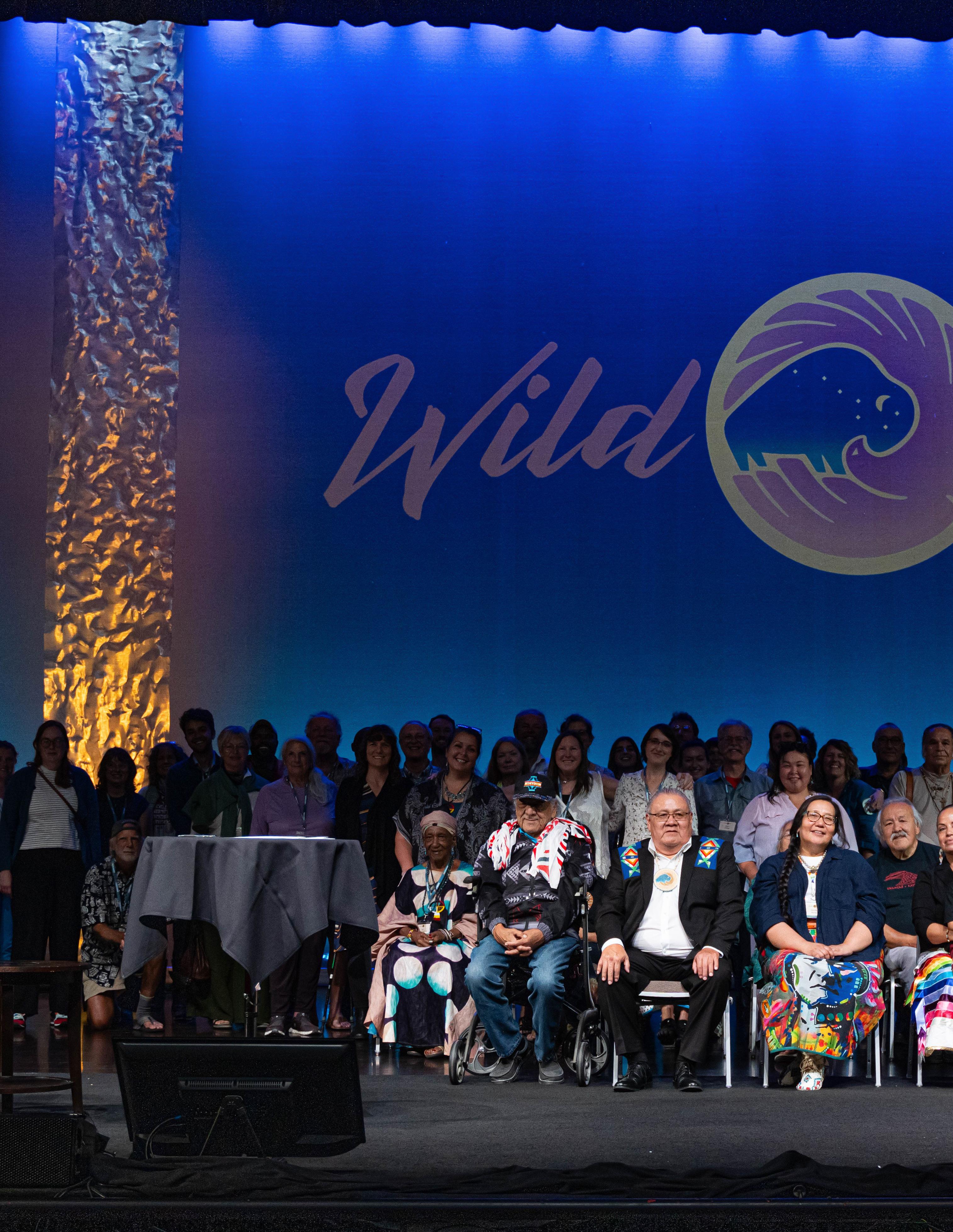
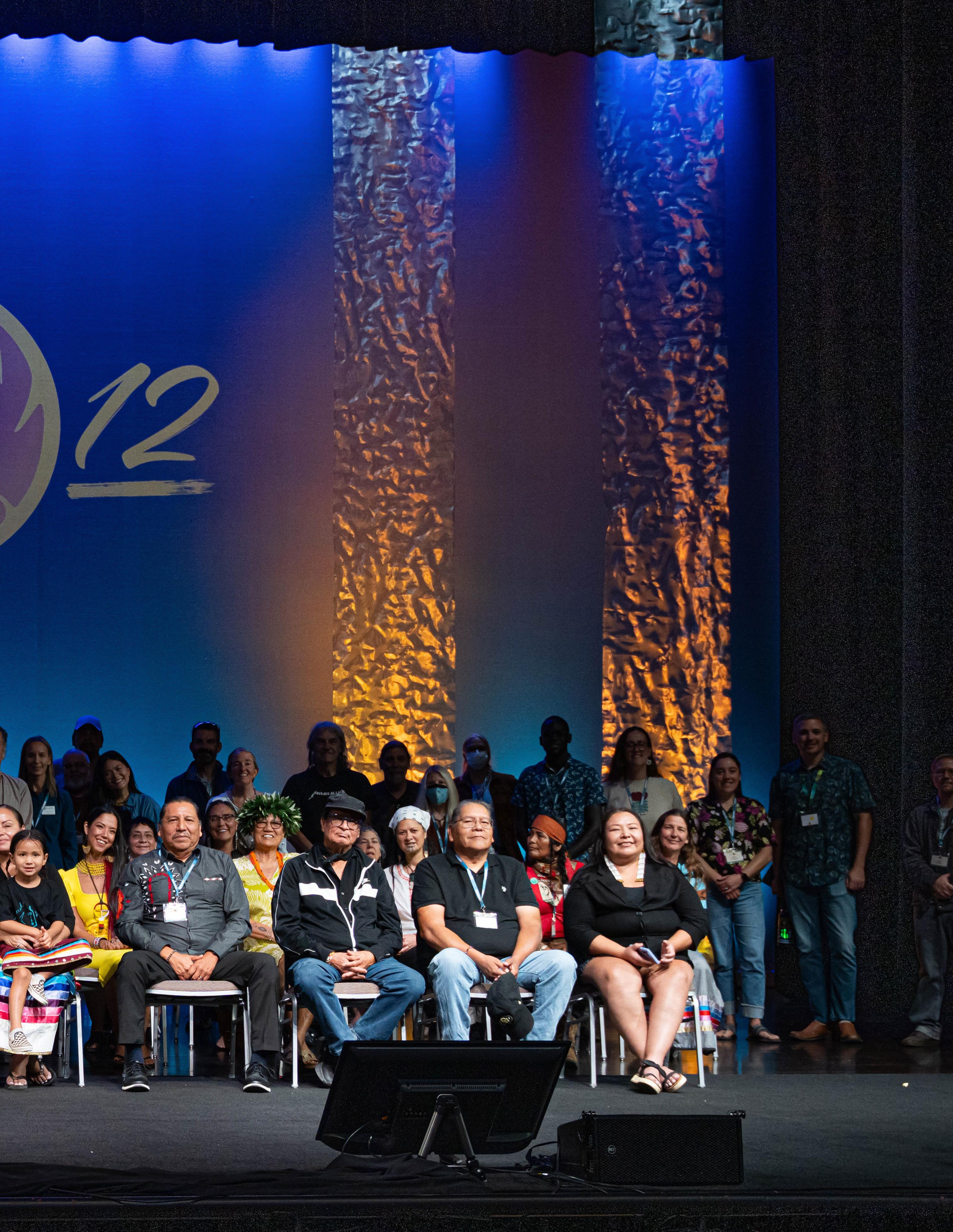
Photo credit: The 12th World Wilderness Congress united 700 Indigenous leaders, conservation professionals, and wilderness advocates from 36 countries and more than 50 Tribal and Indigenous Nations, one of the largest conservation congresses ever led by Indigenous Peoples. The WWC is the world’s longest-running, public international conservation forum convened by WILD.org since 1976. Photo by Jayme Dittmar.
EDITORIAL PERSPECTIVES
A Global Wilderness Gathering by Amy Lewis
To many subscribers of the International Journal of Wilderness, this publication is more than a compilation of articles, it is a community. Globally, wilderness practitioners and researchers are few and far between, a scattered cadre of professionals working at the edges of both our ecological and conceptual understanding of the world, in the margins once labeled the residency of dragons.
When we do, on occasion, encounter another like-minded individual— whether on the pages of this journal or in the vanishing few moments we come together to meet in the physical plane—our recognition of kinship and commonality is all the more appreciated, creating deeply felt and instantaneous bonding and producing the strongest community I’ve ever witnessed in a journal audience.
Such an opportunity emerges, once every four years, for IJW readers to gather together at the World Wilderness Congress (WWC) in celebration of and commitment to wilderness and the global wilderness community. Since 1977, the WWC has convened to create an international community of wilderness citizens—people who, regardless of national allegiances, also recognize a deep and abiding allegiance to the place shaped by instinct and a complex balance of ecological relations: the wild places.
In August 2024, the 12th WWC (WILD12) gathered again, this time in He Sápa, the sacred territory of the Lakota Nation, which is now commonly referred to as the Black Hills of Rapid City, South Dakota, USA.
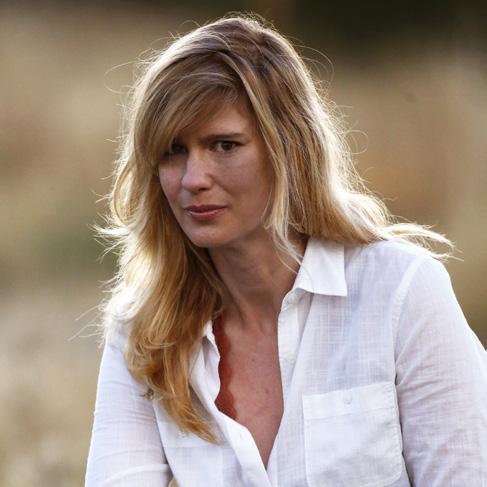
Amy Lewis
Approximately 700 delegates from 40 different countries gathered in Rapid City to share with, learn from, encourage, and be encouraged by their extended wilderness family. This was the first time the Congress had convened in person since 2013 and the first post-COVID gathering of our close-knit community. For the first time, an Indigenous Nation was the host of the Congress, and in their honor, we prioritized reimagining the wilderness concept to be more inclusive of ancient and contemporary Indigenous knowledge, wisdom, and leadership.
This gathering also represented the first time the WWC was organized by a new generation of wilderness conservation leaders at WILD: Adam Hanson, Jennifer Meyer, and me, Amy Lewis. The WWC’s long-time organizer, Vance Martin, retired in December 2022. WILD12 planning began in early 2023. The poignant recognition that this event represented a changing of the guard was ever-present in the lead-up to August 2024.
But the Congress is and always has been more than just a family reunion. It is, in the truest sense of the word, an indaba—a gathering of the clans to identify priorities and come to consensus on common actions. Since its inception, the WWC has informed global wilderness policy, creating wilderness policy frameworks in countries that had previously lacked even a word for wilderness. It has also helped set aside millions of hectares of wild areas for protection and launched global coalitions to place the latest scientific consensus regarding nature on the global policy agenda. The Nature Needs Half movement originated at the 9th WWC in Merída, Mexico, in 2009 and continues to advocate for the scientific consensus supporting area-based protection targets of at least half the planet.
WILD12 was no different. On the final day, delegates adopted 12 different resolutions that included measures including, but not limited to:
• Expanding of the wilderness concept to incorporate Indigenous wisdom and experience
• Protecting treaty lands for conservation as a part of the drive to achieve Nature Needs Half
• Respecting the sacred Black Hills by banning industrial extraction throughout the entire region
• Repatriating bison at the landscape/continental-scale and restoring grasslands
• Establishing rights for Antarctica to prevent the imminent escalation of multinational competition for its vast resources,
• Implementing the High Sea Treaties for the preservation of global oceans
• Banning old-growth deforestation in Sapmi, the traditional territory of the Sami people
Since the adoption of these and other resolutions, WILD’s team has worked feverishly to adapt these proposals for the International Union of the Conservation of Nature (IUCN) World Conservation Congress being held in Abu Dhabi in 2025. This has served two purposes, the first being to represent the viewpoints of WILD12 delegates, many of whom are often unaffiliated with a government or institutional sponsor at the IUCN, which requires membership to participate in policy discussions.
This is an invaluable conduit for global civil society to advocate for wilderness, placing their priorities on the global agenda.
The second purpose served by WILD12 motions is to place wilderness and nature on the agenda. Increasingly, the IUCN’s focus has turned toward social issues related to conservation. Although these are important and are oftentimes in urgent need of attention, the IUCN is the world’s primary forum for policy related to the protection and conservation of nature. If wilderness cannot find a home here, it is unlikely to do so in other places. WILD is proud to keep advocating for agendas that benefit and recognize wilderness within the IUCN.
It is with heartfelt gratitude that I extend my thanks to you, our one-of-a-kind readers, for continuing to support wilderness and the international wilderness community in part by reading this journal. If wilderness is a place shaped by instinctive forces and the careful balance of relationships, then you, dear reader, are helping to create a wilder world—one where we instinctively seek kinship and companionship with one another and respectfully engage with a wide range of viewpoints and values. It is my honor, and the honor of the WILD team, to continue to serve this community by continuing the long tradition of organizing the WWC as well as publishing the International Journal of Wilderness.
In this issue of IJW, Lauren Redmore, Kellie Carim, and Jaclyn Fox examine shared stewardship of Wild and Scenic Rivers. Boy Van Droffelaar discusses how wilderness immersion paves the way for authentic leadership. Rauni Äärelä-Vihriälä, Inker-Anni Linkola-Aikio, Berit-Ellen Juuso, and Pigga Keskitalo share the Sámi way of understanding land in another contribution to our ongoing Wilderness Babel series. And Moushumi Basu documents a safe haven for the world’s rarest bustard.
AMY LEWIS is managing director of policy and campaigns for the WILD Foundation; email: amy.lewis@wild.org.
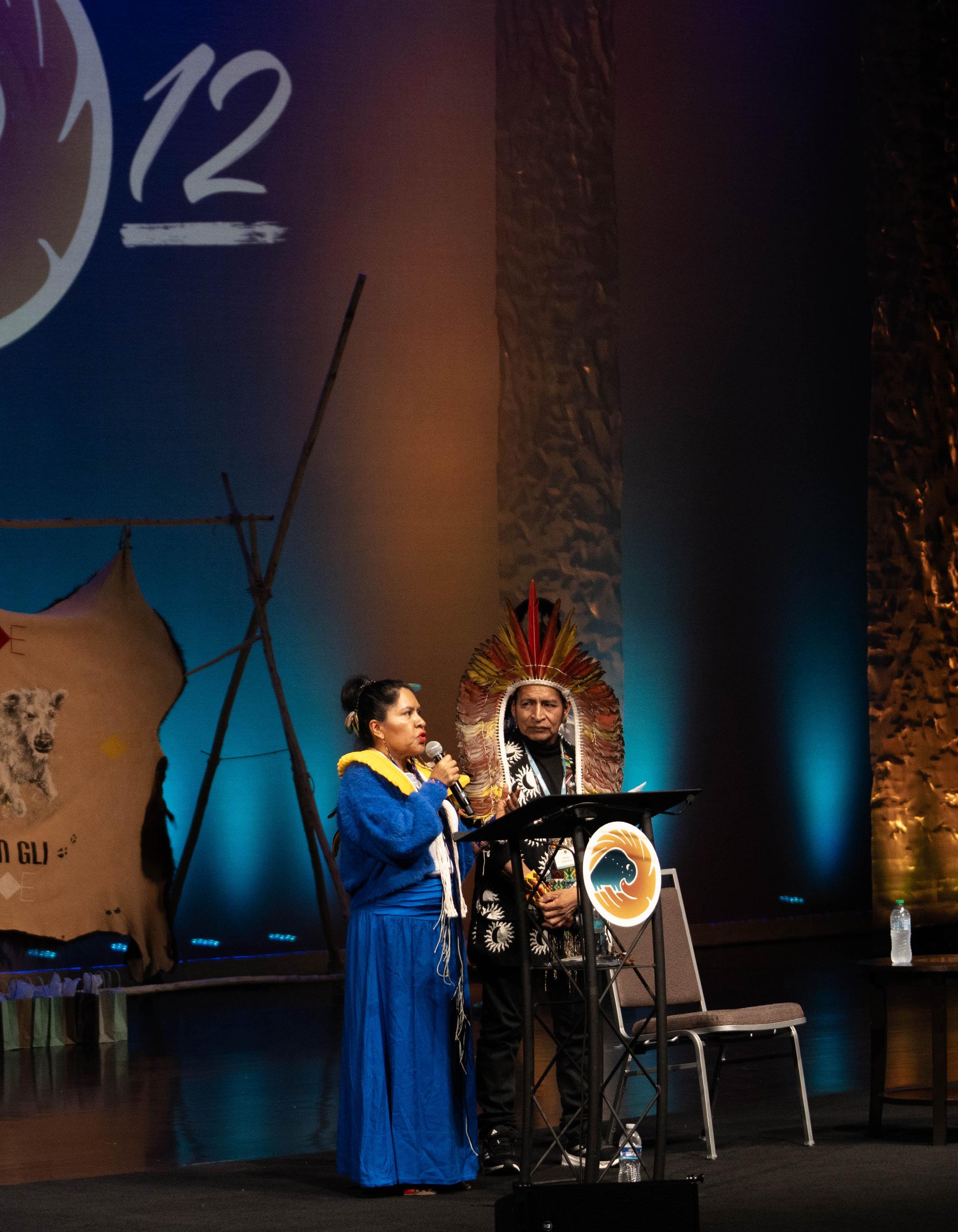
Figure 1 -Chief Tashka Yawanawá and Laura Yawanawá of the Yawanawá People presenting during their WILD12 talk, “Biodiversity and Indigenous Sovereignty.” Photo by Jayme Dittmar.
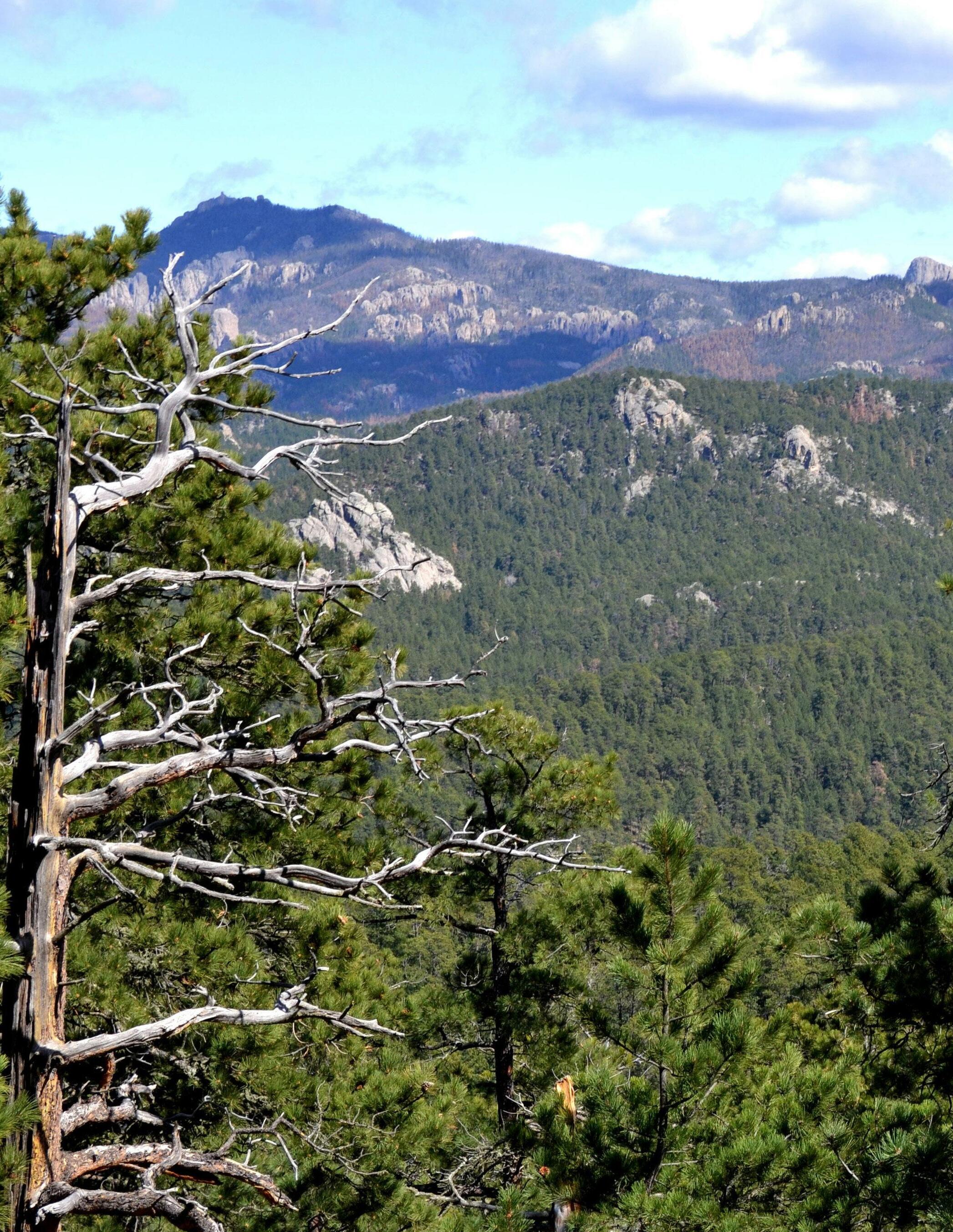
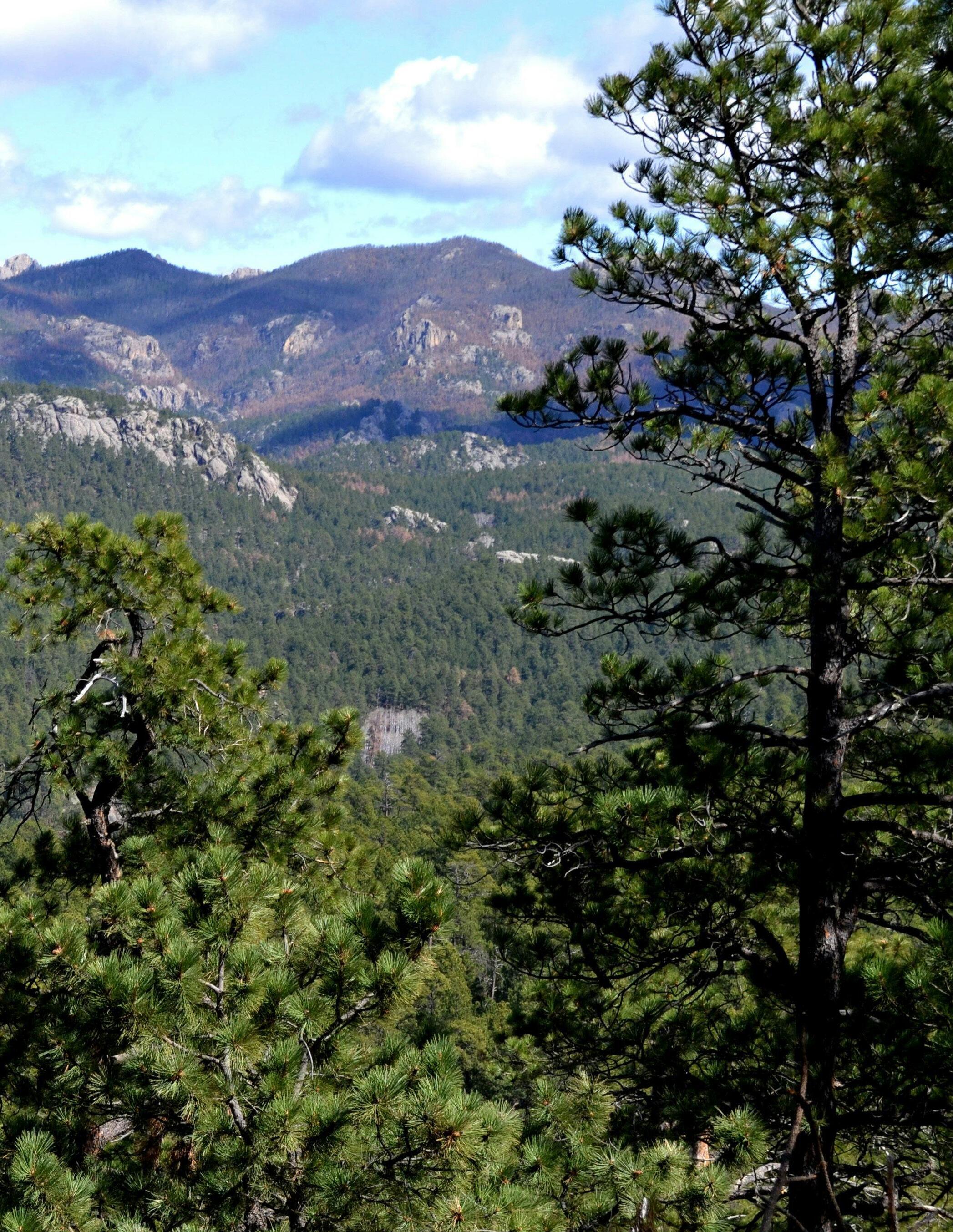
Photo credit: Sacred Oceti Ŝakowiŋ homelands in so-called Black Hills, South Dakota. Photo by Pamela Huber on Unsplash.
The Hé Sapa Resolution On Sovereignty and Wilderness: Deepening the Wilderness Concept Through Indigenous Knowledge and Wisdom
As amended and accepted by contact groups on the 29th and 30th August 2024
The World Wilderness Congress is unique among civil society environmental forums as it provides the public a direct and concrete instrument for setting the global environmental agenda: resolutions. At the 12th World Wilderness Congress (WILD12), 12 resolutions were voted on and accepted by delegates. The Hé Sapa Resolution was the first of these resolutions.
Preamble
Given the reality that wild nature on land, water, and sea is fast disappearing and is an irreplaceable necessity for the health and well-being of all life, we recognize the urgent need for all people to have a common language that can support a call-to-action for the preservation of Earth’s biosphere. To generate this consistency, the Westernized concept of “wilderness” needs to evolve, deepen, and strengthen through recognizing and reflecting Indigenous science, knowledge, thought, and wisdom. The Hé Sapa Declaration, upon which this resolution is based, provides more context, and asks no tribe, nation, or person to replace their word for free nature. It asks that the evolved concept of wilderness called for in this resolution—one that acknowledges the sovereignty of all life forms and is inclusive of Indigenous perspectives—be accepted and used by Western conservation to assist with keeping nature whole, and in our collective action to safeguard the sacred, biodiverse, and sovereign nature of life on Earth.
Whereas
Acknowledging that many protected wilderness and other natural areas were established on lands that were and/or remain sovereign territories of Indigenous Nations; that some protected and wilderness areas were achieved in ways problematic and harmful to Indigenous peoples; and that genuine healing and reconciliation is required.
Understanding the need to adhere to Indigenous rights as enunciated in the United Nations Declaration on the Rights of Indigenous Peoples (UNDRIP), as a baseline, and the Convention on Biological Diversity (especially Article 8[j]), and also to the universal need for humans to respect and act responsibly to each other and all life on Earth.
Acknowledging that many Indigenous Peoples have kept and keep wild places healthy and intact while also acknowledging Western conservation has done the same in many instances.
Accepting fully that Indigenous Knowledge and Wisdom Systems (IKWS) contain specific, place-based information, management wisdom, law, policy, and guidance.
Acknowledging that both traditional Indigenous and Western sciences are both critical informants of a more holistic philosophy and practice of wilderness conservation.
Recognizing that the current (“western”) wilderness concept and related policy (the international standard of which is called Category 1B and is the responsibility of the Wilderness Specialist Group of the International Union for Conservation of Nature [IUCN] World Commission on Protected Areas) requires more depth and strengthening through close collaboration with, understanding of, and integration (in word and thought) of Indigenous Knowledge and Wisdom Systems (IKWS).
Knowing that this resolution will help transform and strengthen the broader meaning of wilderness, and in turn also increases the likelihood that Indigenous Peoples and other “non-western” cultures can more effectively communicate with each other and build collaborative management approaches.
Therefore
The delegates to the 12th World Wilderness Congress (WILD12), convening in Hé Sapa, the Black Hills of the Oceti Sakowin Oyate are hereby
Resolved
That all relevant institutions, governments and civil society in all sectors at all levels:
1. Include language and protocols for the recognition and implementation of and responsibilities to all life, and the recognition where relevant and possible of the decision-making governance systems of regional Indigenous communities, and do so before initiating any protection concept following at a minimum Free Prior and Informed Consent (FPIC); and throughout the process of designating wilderness or other protected areas on land, water and sea.
2. Actively promote wilderness policy that acknowledges that nature is multi-dimensional, transcending the material and physical realms; and use language that honors the rights and roles of Indigenous Peoples, Indigenous Knowledge and Wisdom Systems, natural and customary law.
3. Elevate awareness of IUCN Wilderness Category 1B and associated guidelines within institutions, organizations, governments, nations, and the public at all levels as an opportunity for protected area designation and management in the future, and urge more comprehensive and far-reaching actions to initiate, integrate, and support Indigenous management or co-management and stewardship of these Category 1B Wilderness Protected Areas.
4. Adhere to the inherent sovereignty and leadership of Indigenous Peoples’ stewardship of nature necessary in order to achieve the international call for protecting 30% of Earth by 2030 as specified by the Kunming-Montreal Global Biodiversity Framework and “at least half or more1” recognized by IUCN Resolutions 125 and 129. Implement means for adhering to Indigenous science, knowledge, and wisdom and the best of contemporary science within a framework of legal pluralism.
5. Ensure that networks of sacred natural sites and territories sustained by Indigenous Peoples and others for ceremonial purposes, and for their intrinsic value, are a recognized part of wilderness and/or in another relevant, distinct category of protected areas.
6. Actively and publicly support and collaborate with Indigenous Peoples so that they can stay on their lands, should they wish, and prioritize the defense of their sovereignty, traditional lifeways, and the land, waters, and seas upon which they depend.
Proposers
Gwen Bridge, Gwen Bridge Consulting, Canada
Vance G. Martin, Wilderness Foundation Global (President Emeritus), USA/South Africa
Meda DeWitt and Starlyn Miller, The Wilderness Society, USA
Ilarion Merculieff, founder, Global Center for Indigenous Leadership & Lifeways, USA
Shay Sloan Clarke, executive director, Global Center for Indigenous Leadership & Lifeways, USA
Seconders
Amy Lewis, CEO, WILD.org, USA
Philimon Two Eagle, executive director, Sicangu Lakota Treaty Council, Hé Sapa
Tarun Chabra, EDHKWEHLYNAWD Botanical Refuge, India
Andrew Muir, CEO, Wilderness Foundation Global, South Africa
Jo Roberts, CEO, Wilderness Foundation UK, United Kingdom
Cherryl Curry, CEO, Wilderness Leadership School, South Africa
Vance G. Martin, Wilderness Specialist Group (IUCN, WCPA)
Adam Hanson, Sr. Conservation Network Manager, USA
1 International Union for Conservation of Nature. (2020). WCC-2020-Res-125-EN: Setting area-based conservation targets based on evidence of what nature and people need to thrive. IUCN. https://portals.iucn.org/library/node/49288.
THE HE SAPA DECLARATION 1 On Sovereignty and Wilderness: Deepening the Wilderness Concept Through Indigenous Knowledge and Wisdom
Preamble
The intent of this Declaration is to expand the respect, common ground, equality, and trust amongst people who help steward wild places. Accomplishing this will create a stronger, more effective crosscultural alliance for the protection of Mother Earth in a time of great peril for our common home. We believe that all people need a word and concept for a relationship with nature that is respectful and holistic, and that is neither subjective nor exploitative. We worked as a group of many core members and reviewers spanning many cultures. We reached out globally to diverse cultures, receiving valuable feedback from many areas (though more from the North [we refer to as “western”] than the South, thus far . . . and note that this Declaration is an ongoing process). We as a working group of 15 members plus many reviewers spanning many cultures, engaged in a deep examination of the word “wilderness” to understand its history and the underlying meanings for many Indigenous and non-Indigenous Peoples in order to better understand and learn from the intense and, sometimes, negative sentiments that surface regarding this concept.
In our ongoing exploration of wilderness and Indigenous perspectives of the natural environment, we endeavored to acknowledge the complexities inherent in the relationship between Indigenous People and the Western concept of wilderness. Relationality, as a central tenet of many Indigenous worldviews, underscores the interconnectedness of all beings and the environments they inhabit. This understanding exemplifies how Indigenous communities perceive their existence as being in a continuous relationship with the land rather than viewing it as a mere resource for recreation, food, or even spiritual experiences. Some Western interpretations of wilderness that have had the largest influence on its implementation disregard these profound connections, leading to a clash that perpetuates misunderstanding and dispossession. To move forward, it is vital to engage with both worldviews criti-
cally, seeking to reconcile and bridge the gaps that exist, and expand and strengthen the wilderness concept (and its implementation) through the perspectives of Indigenous Peoples. Doing so can foster a deeper appreciation of Indigenous relationships with the earth and create pathways towards a more respectful coexistence that honors both perspectives.
This Declaration is an attempt to balance multiple perspectives and worldviews. Doing so in English has inherent challenges as oral history carries so much information and subtle meanings, and is expressed in many and diverse Indigenous, non-English languages. We are at the beginning of a journey, and we recognize that every journey requires a first step. This Declaration reflects a commitment to taking the first necessary steps, and those that will follow.
We believe in respecting and protecting the set of relations (ecological web of life) and responsibilities that sustain all Earth’s sovereign life forms. These relations, of which we are a part, both bind and are bound by us: humanity. Our collective task is learning to live within ecological directives and reduce and mitigate colonial impositions on ecology. The ways and means for doing this are known by Indigenous Peoples, embodied in Indigenous knowledge and wisdom systems (IKWS), and practiced by Indigenous nations and communities that retain their traditional lifeways.
Since time immemorial, Indigenous Peoples have and continue to record knowledge and wisdom in story, directives, and laws that recognize the inherent inclusion of people in healthy and functional ecology. Indigenous Peoples excel at transforming knowledge into wise practices that establish natural law and authority over human-centered decision-making. For this reason, Indigenous societies are adept at acknowledging—in word, action, and law—that humans are beholden to the authority that decrees from our relationship with the natural world.
There are many names for this authority. Wilderness is one of them; a word endorsed by the delegates who convene at the 12th World Wilderness Congress (WILD12) in Hé Sapa, the sacred homelands and unceded territory of the Lakota Nation.
This Declaration primarily discusses the concept of wilderness. We recognize that wilderness in all its conceptualizations has many implementation pathways, such as formally designated Wilderness areas, Indigenous Protected and Conserved Areas, and others. The global outcome of this Declaration is to expand the meaning of “wilderness” in the English language for use within the Global Biodiversity Framework and other international protocols to include Indigenous knowledge and wisdom. We also recognize there are additional opportunities at this Congress for distinct declarations and resolutions to address broader issues concerning land, water, and seas, including “land back.”
This Congress convenes at a time when the precipitous destruction of wild places compels us to swift action and bold objectives for the protection of the lands, waters, and seas that are essential to all life, have inherent sovereignty, and are sacred in their own being. In many Indigenous societies, we understand that Earth was brought to life by a Creator. The Creator created all the things of the Earth, all the rocks, trees, water, plants, and animals; the ones in the air, the ones in the water, the ones who walk on land, and the ones in the soil. These things that came before humans established their relationships and acted in reciprocity. When humans emerged, they entered a set of social and ecological obligations into which they had to fit. To continue to fit in over time, they had to abide by the directives of those already here. As part of the original system, humans were pitiful. Over time as they responded to
the system, in accordance to the obligations and existence of mutual laws, humans thrived. Many of these obligations are centered around reciprocity. In return for being allowed to exist as part of these relationships, humans must integrate into and connect with all their relations. This belief held by many Indigenous lifeways (but not all) underscores the role of humans as subordinate to non-human rules and laws. IKWS informs us that as people we must behave with respect, reciprocity, relationality, and responsibility. It is those sets of relationships and directives that may also shape the Indigenous approach to wilderness, because wilderness was originally a concept to recognize the inherent sovereignty of those that were here before humans. The concept of wilderness is as much about the acknowledgment of this sovereignty as it is about a specific place.
Many Names for Whole and Healthy Places
In our view, Earth is a network of physical life processes and also a sacred set of relationships. Different human lifeways have different manners of appreciating and naming this universally recognized principle. Indigenous thoughts, concepts, knowledge, and perspectives are not homogeneous but share similarities, and need to be understood in order to advance a truly accurate and contemporary concept of wilderness. The perspectives of these lifeways include, but are not limited to:
Maka Sitomniya (Lakota Oyate)
The English word biodiversity refers only to physical ecology. Maka Sitomniya, on the other hand, encompasses the interconnectedness of the cosmos ecologically, physically, and spiritually. Another Lakota word closely connected to wilderness is manita, which has different meanings in different contexts and can simultaneously refer to spirit in addition to a location that has no borders, no ending, and no limits.
Indalo (Zulu/Xhosa)
In South Africa, this means Nature in its purest form, the highest expression of life and connection. It also refers to creation, where everything comes from. In a similar but more human-centric manner, Ubuntu encapsulates the interconnectedness of life especially among people, and the ideal state of respect and reciprocity therein, including the past, present, and future. Ubuntu is often translated to mean, “I am what I am because we are.”
Whanaungatanga (Te Taiao)
The Māori use Whanaungatanga, a word which signifies the interconnectedness of all life, a web of relationships linking us to ancestors, future generations, and the natural world.
tmixʷ (Okanagan)
Is translated from Nsyilxcen into English most often as―“all of creation” and also “world, nature, Earth.” tmix is actually a system of relationships being reconstructed limitlessly and is the lifeforce of a place. It is understood that tmix is the cyclic spiral of regeneration experienced as
tmxulax or the tmix-place. tmxulax is usually translated into English as country, land, or world. However, the important difference is that Syilx view of land is as an ecological, dynamic system rather than a mental picture of the geography with its plants and animals.
Wilderness (European/North American Settler)
Wilderness (for those born into or influenced by European-settler culture) is difficult to define because, like Indigenous concepts of the systems of relationships that make up our world, it does not merely name a physical characteristic but also expresses spiritual and relational ideals. This expansive definition, and experience of wilderness is not often endorsed in a materialistic, individualistic, dominant culture. The dominant “Western” culture has mostly limited its understanding of wilderness to a set of physical characteristics and locations. Western culture and perspectives used colonialism to forcibly displace Indigenous concepts of understanding the Earth, thereby entrenching the belief of Western superiority. These colonial directives also assisted in the institutional erasure of a more expansive understanding of wilderness.
At the root of wilderness is “wild,” a word with many possible origins. The Oxford English Dictionary refers back to the place-based, cultural roots of the word and concludes that it “is most probable that the Old Germanic wilþijaz represents a pre-Germanic ghweltijos, the root of which is found in Welsh gwyllt, Irish geilt,” Gaelic words that mean “willed and untamed.” At the level of the community or the collective expressing its will and agency, this is also synonymous with sovereign.
Indigenous scholars have recognized this concept, including Jay Hansford Vest, who engaged in a deep exploration of the roots of the word “wilderness.” He concludes that the root of wilderness means “self-willed-land” or “self-willed-place” with an emphasis upon its own intrinsic volition. Vest writes: “In wil-der-ness there is a ‘will-of-the-land’ and in wild there is ‘will of the animal.’ A wild animal is a ‘self-willed animal’—an undomesticated animal—similarly, wildland is ‘self-willed land’. . . This ‘willed’ conception is itself in opposition with the controlled and ordered environment characteristic of the notion of ‘civilization.’ While control, order, domination and management are true of ‘western’ civilization and domestication, they are not essentials of primal culture. The primal peoples of northern Europe were not bent upon dominating and controlling all environments. Thus, their ‘will-of-the-land’ conception—wilderness—demonstrates a recognition of land in and for itself.”[2]
Here we see differentiations between two worldviews, one that believed that the Earth or people could be “tamed” or “untamed” as juxtaposed to that of many Indigenous cultures that regard such a view as akin to heresy. In a generalized Indigenous view, humans are in an inextricable relationship with the Earth and are obligated to conform to Earth’s natural law. Nevertheless, common ground exists in the belief that the Earth and its many places have inherent sovereignty.
Colonization and Wilderness
As Indigenous cultures and nations were decimated by colonialism, so too was the wild. Colonial culture carried out a protracted project of domination that continues to this day in many places and asserts human (Western-development) authority over the many nations of the Earth—human, animal, plant, and those more subtle energies that manifest through the mind and spirit.
The imperialistic agenda of Western colonization served economic aspirations, and often inappropriately used wilderness to advance Western well-being through exploitative, capitalistic activities and wealth accumulation that was promoted as critical for human (individual or collective) well-being. In the face of a contemporary ecological catastrophe, the accumulation of wilderness wealth (i.e., through protected area designation) is viewed as important for civilization. Care and watchfulness is required because economic purposes and mechanisms may also drive these assumptions that could create a kind-of ecological capitalism that produces many of the uneven outcomes of economic capitalism. This occurs now because wilderness as a concept was co-opted by colonial perspectives to exploit people and resources. This is in contrast to the Indigenous Peoples’ perspective that wilderness is the realization of the collective well-being of all things. There cannot be well-being without being “in relationship” and we are aware of no Indigenous concepts that endorse nature in unilateral service to human-derived objectives.
Indigenous Peoples inherently work in concert with the will of the land, recognizing the autonomy, free will, and self-governance of all beings. This relationship is foundational for understanding Natural Law. As Athabascan Elder Wilson Justin articulates, the principles of permission and consent from nature are essential to this bond, underscoring the necessity of engaging with the environment in a respectful and reciprocal manner.
However, there are many Indigenous Peoples and beliefs that prescribe reciprocity of service to the rest of life as a necessary step for the achievement of collective well-being. Indigenous knowledge and wisdom systems describe mutualistic actions that benefit the web of life. We call upon conservation to anchor these principles into their worldview and place them at the center of the wilderness concept. The advent of the US Wilderness Act (1964) partially reinforced this process by recognizing special places where significant human impacts were not allowed so that the free-willed processes of nature could prevail and evolve. This is surely commendable, yet it should be noted (as was consistent with that era of policy and legislation) that the formulation of this pioneering Act had no consultation from Indigenous Peoples.
Wilderness may be the only word/concept within European languages that comes close to approximating the more encompassing terminologies originating from Indigenous worldviews. As such, many people are reluctant to abolish the term entirely as, without it, European and North American settler culture is bereft of any English language concept that acknowledges the natural world as sovereign and therefore worthy of respect. Without the wilderness concept, what remains in English are sterile, inanimate terms—environment, ecosystem, biodiversity—or worse, a vocabulary based purely on the assumptions of exploitation (e.g., natural resources, commons).
The dearth of European words for the sophisticated concepts found in the languages of Indigenous Peoples is all the more reason that the understanding and practice of wilderness needs to evolve. As a starting place for this evolution, we must recognize that it is difficult, if not impossible, to untangle various aspects of a colonial culture that is overshadowed by land theft, racism, and genocide. That is not to say that wilderness and conservation cannot produce much needed and valuable outcomes. However, it is important to recognize that many protected areas (and in the case of North and South America, all protected areas) are situated on lands and territories originally occupied and stewarded by Indigenous Peoples. While there are increasing examples of successful and respectful conservation initiatives in many countries, far more are needed. Some of these initiatives are led or co-led by Indigenous Peoples and are oftentimes interim measures towards more fulsome sovereignty for Indigenous Nations and communities.
Most protected areas, including national parks and game reserves, are not wilderness, even if they are frequently and casually referred to as such. The casual/generic use of the term wilderness has often led to confusion, especially when we are considering formally designated Wilderness areas. Thus, those areas in which “recreation” takes precedence over the traditional practices of Indigenous Peoples as well as the needs of other life forms, is a form of discrimination. While most of these areas are not actually wilderness, the casual use of the word contributes to its poor reputation in some quarters. In wilderness, much as in the worldview of Indigenous Peoples, the will of ecology is given primacy. The difference is that wilderness, in practice, remains a place apart from people, whereas in contrast Indigenous lifeways synthesize respectful human activity and the needs of the community with a harmonious and integrated co-existence with nature. Such synthesis, however, does not happen in absence of the sovereign constraints adopted by Indigenous Nations. One example of such constraints comes to us from the Toda People.
“Our landscape looks like a modern-day wilderness—it is, in fact, the core area of The Nilgiris Biosphere Reserve proclaimed in 1986, the first such in India—with occasional small groups of huts that signify habitation of Toda families and their temples. Although we are free to roam across this wilderness within our homeland and its immediate vicinity, our movements are restricted by constraints imposed by our Sacred Geography. Therefore, we know which hilltops are the abodes of deities and thus should not be defiled but used to purify us and all constituents; indeed, traditionally, even pointing out their direction was taboo. Similarly, as we traverse this harmonious wilderness we are aware which rocks are sacred, with prayer names, and thus not to be trod upon; which waterbodies are only to be used for the dairy-temples, and thus never to be touched by laypeople. We know the sanctified plant species that may only be used for priestly ordination and other aspects of sacred life, and not be handled for mundane purposes. Yes, there are specific Sacred Areas, and they exist within a Sacred Geography.” (Chhabra 2015)
Many Indigenous Peoples, including the Toda People, interact with the lands, waters, and seas in different and familiar ways that are often unfamiliar to Western society and are actually indistinguishable from wilderness. This is due entirely to the symbiotic relationship Indigenous Peoples who practice
traditional lifeways have with their environment. People in colonial European culture were unable to comprehend that such relationships were possible, a failure of imagination that contributes to the term wilderness referring to lands bereft (or seemingly so) of humans.
Human-centered models of decision-making over the land, water, and seas present specific challenges. However, in recent years, wilderness discourse has increasingly included Indigenous Peoples working in collaboration with conservation to protect their homelands and the biosphere. These collaborations result in growing recognition of the holistic models present in Indigenous knowledge and wisdom systems. From these discussions a new category of wilderness emerged which recognizes that sometimes Wilderness will be occupied by Indigenous Peoples practicing traditional lifeways. The International Union for the Conservation of Nature (IUCN) refers to this as a “Category 1B; Wilderness Protected Area.”
The IUCN World Commission on Protected Areas (WCPA), Wilderness Specialist Group (WSG), continues to shepherd this work and recognizes that the protection of Wilderness includes the presence and contribution of the nations, cultures, and communities who inhabit and care for these places. Rather than the mere presence of humans, the WSG emphasizes the degree and type of impact caused by human presence, and the application of Indigenous knowledge and wisdom within the networks of wildlife and natural processes.
We commend this effort conducted by the WSG within the IUCN WCPA and recognize it as an important step in a long process of building trust between the knowledge and wisdom. They gain a more concrete understanding of the consequences that result from not adopting it more closely. IKWS apply within places, spaces, and time, and to all who reside and pass through these areas. Indigenous science is inextricable from Indigenous law and therefore has much more authority to influence the way the societal participants behave than does Western science, a fundamental and important difference (and even point of conflict) that is essential to understand in any work of cultural reconciliation. In general, the colonial mindset does not easily and often grasp the ecological and social consequences of its strictly anthropocentric policies. Collectively (on the Western side), this is still not well-understood. Not understanding this illustrates one’s bias and indicates we are not yet in an equitable dialogue. Indigenous Nations call “protected areas” by their various languages and through the lens of the relationships that characterize these places. Rob Edward, Smelqmix elder, has described a process of traversing and awareness of the land by “marking your place on the journey by describing the relationships you have in that place.” Indigenous Peoples mark where they are through understanding the relationships of the place. Teaching this to “little brother,” “settlers,” “colonialists,” etc. is the responsibility of the local nations who know the relationships of the place. Local nations may call areas designed to preserve these relationships Indigenous Protected and Conserved Areas, Sacred Places, Food Sovereignty Areas, and other terms relevant within their Traditional Territories. Drawing in and deepening non-Indigenous understanding of these concepts through the concept of wilderness creates a space of dialogue and understanding. Reg Crowshoe and Willy Ermine call this space an “Ethical Space,” where two cultures are poised to engage with each other and deepen the collective understanding of the other, so we can create something new. We hope to create a new understanding of the word and concept of wilderness through this dialogue.
As we transition from a singular cultural reference point for wilderness, we deepen our capacity to work together, restore sovereignty to Indigenous Nations, and protect Earth’s many life forms. Let us prioritize the development of “two-eyed seeing” (understanding through both traditional and contemporary lenses) to integrate Indigenous knowledge and wisdom at the center of wilderness so that we may better respect and defend the sovereign Nations who practice and apply this knowledge and live on a healthier planet upon which life thrives.
Our Call
For these reasons, we agree to undertake the following actions to help, expand, and indigenize the wilderness concept, so that all nations may benefit from a way to speak, in their own words, of a healthy relationship with the Earth. Most importantly, this Declaration recognizes both traditional Indigenous and Western sciences as critical informants of a more holistic philosophy and practice of wilderness conservation.
1. Acknowledge that the United Nations Declaration for the Rights of Indigenous Peoples (UNDRIP) and the Convention on Biological Diversity (especially Article 8[j]) is a necessary baseline and starting point for cross-cultural dialogue and for any actions that impact the sovereign territories of Indigenous Peoples. We commit to becoming consistent with existing international instruments recognizing the rights of Indigenous Peoples.
2. Include language and protocols for the implementation of responsibilities of and to all life, before establishing any development/protection plan or initiative, and throughout the process of developing a concept and/or designation for Wilderness or other formally protected area on land, water, and sea.
3. Practice Ethical Space/Two Eyed Seeing to create an expanded concept of wilderness, openly acknowledging that early applications of the wilderness concept reflected a worldview that is inconsistent with Indigenous Peoples.
4. Prioritize assistance in advocacy, financial, and technical support to Indigenous Nations and communities who are struggling to defend their territories, food security, and/or biodiversity because of threats to their sovereignty.
5. Actively promote a wilderness policy that acknowledges the multi-dimensional nature of the concept that transcends the material and physical realms. This action will both restore/ strengthen the broader meaning of “wilderness,” and improve the likelihood that Indigenous Peoples can more effectively speak to and influence institutional land management strategies.
6. Adopt language throughout Wilderness law and policy that honors the rights and roles of Indigenous Peoples and Local Communities in perpetuity.
7. Hold accountable all international bodies, including the International Union for the Conservation of Nature (IUCN) and the Wilderness Specialist Group (WCPA/IUCN), to accelerate efforts to expand and strengthen wilderness by acknowledging the necessity and value of applying Indigenous knowledge and wisdom.
8. Elevate awareness of Wilderness Category 1B within institutions, organizations, governments, nations, and the public at all levels as an opportunity for protected area designation and management in the future and urge more comprehensive and far-reaching actions to initiate, integrate, and support Indigenous management or co-management of designated Wilderness areas.
9. Freely and openly acknowledge wilderness’ problematic history and frequent mal-appropriation, including genocide and land theft, and the opportunity and the need for it to evolve through the implementation of Indigenous knowledge and wisdom.
10. Actively and publicly support and collaborate with Indigenous Peoples so that they can stay on their lands if they so wish, and empower them to defend their sovereignty, traditional lifeways, and the land, waters, and seas upon which they depend.
11. Actively and publicly recognize that the science-based, international call for protecting 30% of land by 2030 (and 50×50) is necessary for the protection of biodiversity and can only be achieved by strengthening the sovereignty of and collaboration with Indigenous Peoples practicing wise stewardship of nature.
12. Implement the best protocol for integrating Indigenous knowledge and wisdom as an equal partner with contemporary science (this would mean legal pluralism) to determine the best possible conservation management, goals, and methods; noting that Indigenous knowledge and wisdom always contains specific, place-based information, management wisdom, policy, and guidance.
13. Ensure that networks of sacred natural sites and territories which have been sustained by Indigenous Peoples and others for ceremonial and pilgrimage purposes, and for the intrinsic value of the area(s), are recognized as an essential part of wilderness and/or as another relevant, distinct category of protected area. Ensure that the customary governance systems of the custodial communities are recognized and protected within these designations.
14. Actively support, whenever possible, Indigenous knowledge-based definitions, policies, practices, and solutions that prioritize the importance of “relationship,” interdependence, and harmony between humankind and nature.
15. Elevate awareness of Wilderness Category 1B within institutions (national governments, international governmental organizations, and NGOs) and within the public as a baseline for formal Wilderness definitions and management, while urging more comprehensive and far-reaching actions to facilitate stewardship of the land by Indigenous Peoples.
Our Accord
We believe it is important that the concept of wilderness persists, and to do so, it needs to be expanded, deepened, and strengthened by Indigenous perspectives. Accomplishing this endeavor will take an active effort on the part of the conservation community because it bears the responsibility for promulgating an enhanced and improved understanding of what the wilderness concept can and should be.
We believe that wilderness is a place where all nations—people, animal, plant, and spirit—have the ability to experience freedom and exercise their agency and obligations within their relationships to all other life. We believe that wilderness is a place where all nations are interwoven into the ancient and sacred processes of life. We believe that wilderness is our true home, the place from whence we come and from which we draw sustenance. It is also the place to which we return so that we may live with, feel, and better understand our relationship with the world.
We believe, in the words of the Athabaskan-speaking Gwich’in People in the territories commonly known as Canada and Alaska, that wilderness is “the way the Creator intended it to be.”
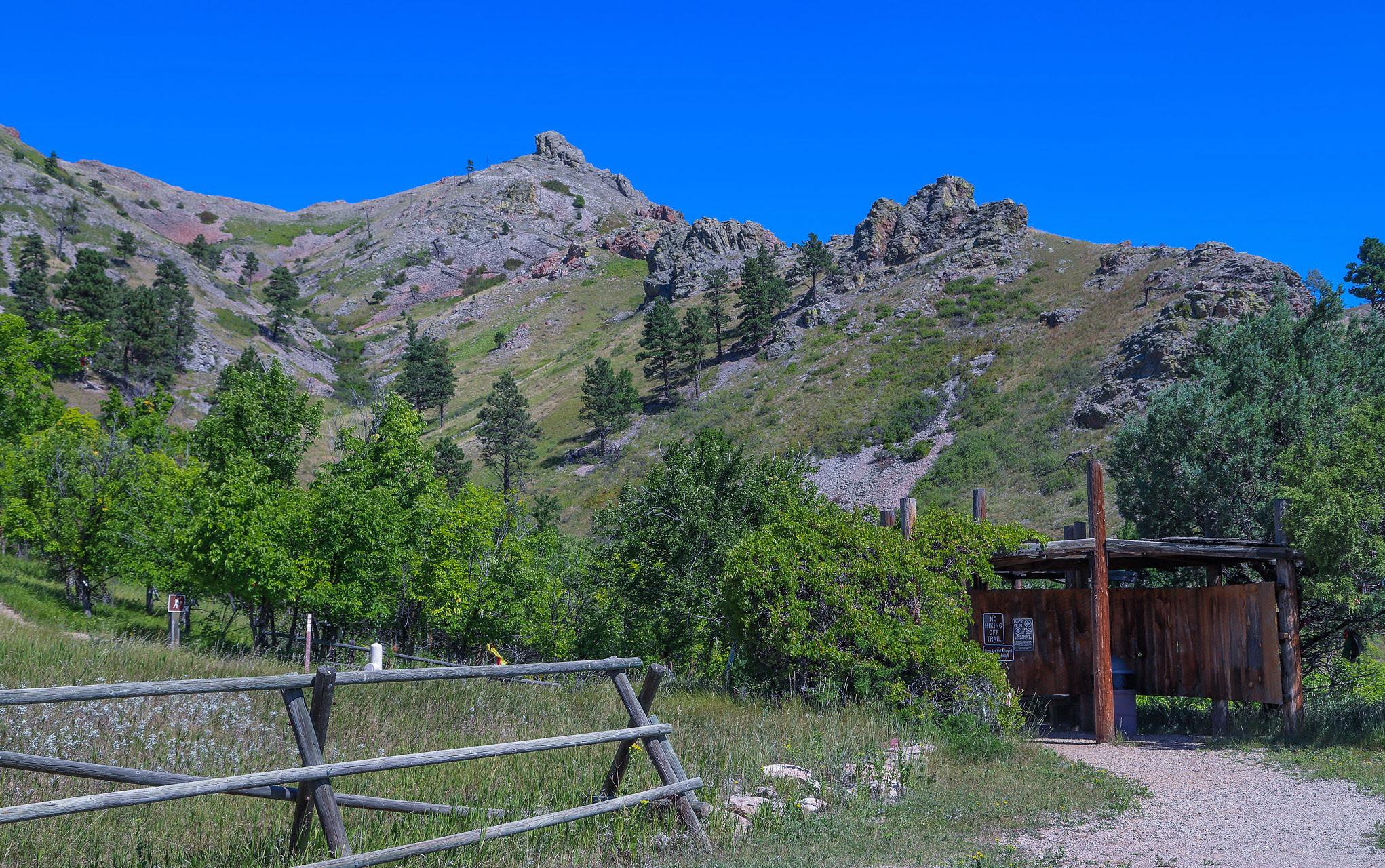
Figure 1 -During WILD12, Indigenous-led tours were held to the sacred sites of Wind Cave National Park and Bear Butte State Park in the Black Hills. Photo by Aiita Joshua Apamaku.
References
Bartlett, C., M. Marshall, and A. Marshall. 2012. “Two-eyed seeing and other lessons learned within a co-learning journey of bringing together Indigenous and mainstream knowledges and ways of knowing.” Journal of Environmental Studies and Sciences 2(4): 331–340.
Casson, S. A., V.G. Martin, A. Watson, A. Stringer, C. F. Kormos, eds. H. Locke, S. Ghosh, S. Carver, T. McDonald, S. S. Sloan, I. Merculieff, J. Hendee, C. Dawson, S. Moore, D. Newsome, S. McCool, R. Semler, S. Martin, R. Dvorak, C. Armatas, R. Swain, B. Barr, D. Krause, N. Whittington-Evans, T. Gilbert, L. Hamilton, J. Holtrop, J. Tricker, P. Landres, Mejicano, T. Gilbert, B. Mackey, T. Aykroyd, B. Zimmerman, and J. Thomas. 2016. Wilderness Protected Areas: Management guidelines for IUCN Category 1b protected areas. Gland, Switzerland: IUCN. Chhabra, T.2015. The Toda landscape: Explorations in cultural ecology. Harvard Oriental Series, 79. HUP.
Crowshoe, R. Voices of understanding: Looking through the window. 2017. Alberta Energy Regulator. Oxford English Dictionary, s.v. “wild (adj. & n.), Etymology,” February 2024, https://doi.org/10.1093/OED/9108687348.
Vest, J. H. 1984. “Wilderness solitude: The sacred will-of-the-land.” Graduate Student Theses, Dissertations, And Professional Papers. 5013.
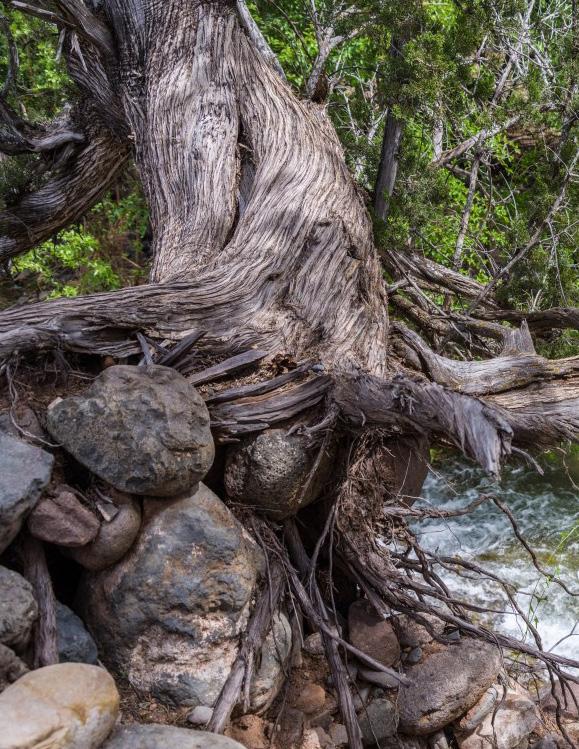
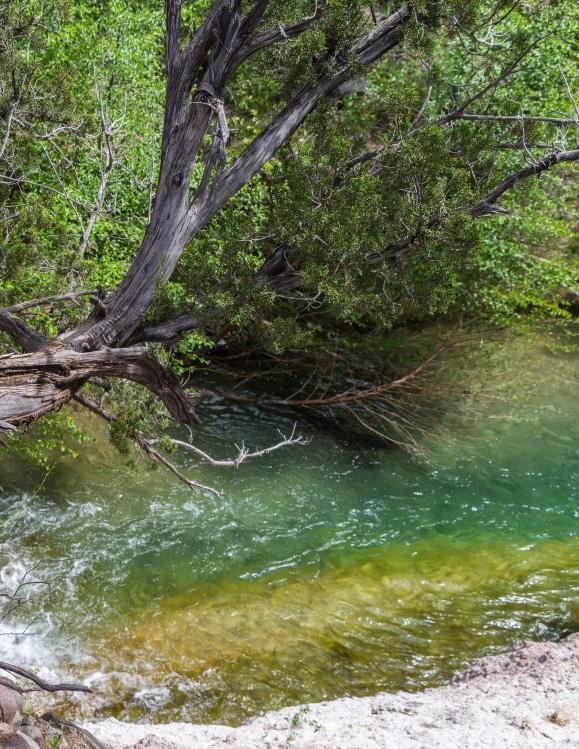
Photo credit: The Mazatzal site located along the Fossil Creek Wild and Scenic River offers room for sunbathing and relaxing. Photo by Deborah Soltesz.
Bridging the Waters: Comparative Insights on Federal-Tribal Shared Stewardship of Wild and Scenic Rivers
BY LAUREN REDMORE, KELLIE J. CARIM, and JACLYN
FOX RUSHING
Over the past three decades, joint land and water management approaches involving two or more parties have been increasingly applied across the US federal government, including through shared stewardship arrangements with American Indian Tribes (Washburn 2022). Shared stewardship refers to voluntary partnerships to align goals, share data, and coordinate action around decisions regarding land and water, with or without the transfer of legal decision-making authority (US Department of Agriculture [USDA] 2018). Many scholars recognize that shared stewardship approaches can strengthen Tribal treaty rights, maintain or restore Tribal dignity and land relationships, and incorporate Indigenous Knowledge and values to benefit land stewardship (SteenAdams et al. 2023; King 2007). Many Tribes have a strong interest in ensuring holistic environmental management of resources held in trust by the federal government. However, shared stewardship may involve difficult trade-offs for Tribes, including a lack of enforcement power or capacity to engage in management beyond Tribal jurisdiction (Stokes 2002).
As federal public land agencies seek to develop shared stewardship of land and water, research is increasingly advancing fundamental questions about such arrangements, such as what motivates governments to engage in this work (e.g., Stumpf 2001), what the outcomes of these partner-


Lauren Redmore
Kellie J. Carim
Jaclyn Fox Rushing
ships are (e.g., Steen-Adams et al. 2023), and how engagement can be carried out more effectively (e.g., Kalen 2022; Dockry et al. 2018). Although some studies have examined federal–Tribal shared stewardship in forestry and wildlife and fisheries management (e.g., Erickson et al. 2024; Steen-Adams et al. 2023; Goschke 2016; Diver 2009), a gap remains regarding shared stewardship of free-flowing rivers in the United States—in particular those designated under the 1968 Wild and Scenic Rivers (WSR) Act (P.L. 90-542).
At present, there are 228 river corridors designated as WSRs, totaling more than 13,000 miles (20,921 km) of river managed across the four federal administering agencies (Bureau of Land Management, US Forest Service [USFS], National Park Service [NPS], and US Fish and Wildlife Service). WSRs are managed to protect their free-flowing, undammed quality and are designated for their outstandingly remarkable values (ORVs), including scenic, recreational, geologic, fish and wildlife, historic, cultural, or other similar values (Table 1). These values are identified in the enabling legislation at the time of designation or through development of the Comprehensive River Management Plan (CRMP), which outlines management of the river designation. Outstandingly remarkable values are identified because they are features that are rare, unique, or exemplary at a regional or national scale, therefore making the river segment unparalleled and particularly worthy of protection (NPS 2011).
Wild and Scenic River managers generally lack guidance on how to meaningfully engage Tribes in shared stewardship that
reflects treaty rights, worldviews, culture, and Indigenous Knowledge. Given the role of rivers as life-sustaining water sources that connect Tribal communities to each other, the ecosystem, and to important subsistence and cultural resources since time immemorial (e.g., Bland 2017; Ellis and Perry 2020; Sowerwine et al. 2019), understanding successes and challenges of federal–Tribal WSR shared stewardship is especially important. The research described in this article seeks to advance this understanding.
Methods Research Approach
We used a comparative case study approach to address our research objectives. Case studies offer an in-depth look at a particular “case,” or a unit in a specific moment in space and time (Yin 1994). Through this approach, a case is examined in-depth to understand how social actors operating within the unit respond to and create different sociocultural worlds and meanings within the unit (Yin 1994). Findings from case studies are limiting because they are nongeneralizable, although they are often highly trustworthy and useful for understanding the particulars of an area of interest around a case (Suresh 2015). Comparative case studies—studies that examine two or more cases in concert—are useful for identifying, exploring, and understanding how different dynamics may lead to divergent or similar outcomes and can offer more explanatory power than a singular case (Bartlett and Vavrus 2017).
ORV Resource specific ORV criteria
Scenery Elements of landform, vegetation, water, color, and related factors resulting in an exemplary visual feature and/or attraction.
Recreational Recreational opportunities such as boating, fishing, hiking, and wildlife photography are, or have the potential to be, popular enough to attract visitors from throughout the region of comparison or the United States.
Geology The river or the area within the river corridor contains one or more examples of a geologic process such as channel braiding, a geothermal spring, or phenomenon that is unique or rare within the region.
Fish Fisheries may be judged unique by evaluating aquatic habitat and/or population parameters such as natural reproduction, species diversity, and the presence of species of special concern.
Wildlife Rare or unique terrestrial or aquatic species that are river-related including bald eagles, whooping cranes, river otters, or mussels.
Prehistory The river or area within the river corridor contains a site(s) where there is evidence of occupation or use by Native Americans.
History The river or area within the river corridor contains a site(s) or feature(s) associated with a significant event, an important person, or a cultural activity of the past that was rare or one-of-a-kind in the region.
Other values River-related values including hydrology, paleontology, ecology, or botanical resources.
Table 1 -Outstandingly remarkable values (ORV) of designated Wild and Scenic Rivers (NPS 2011)
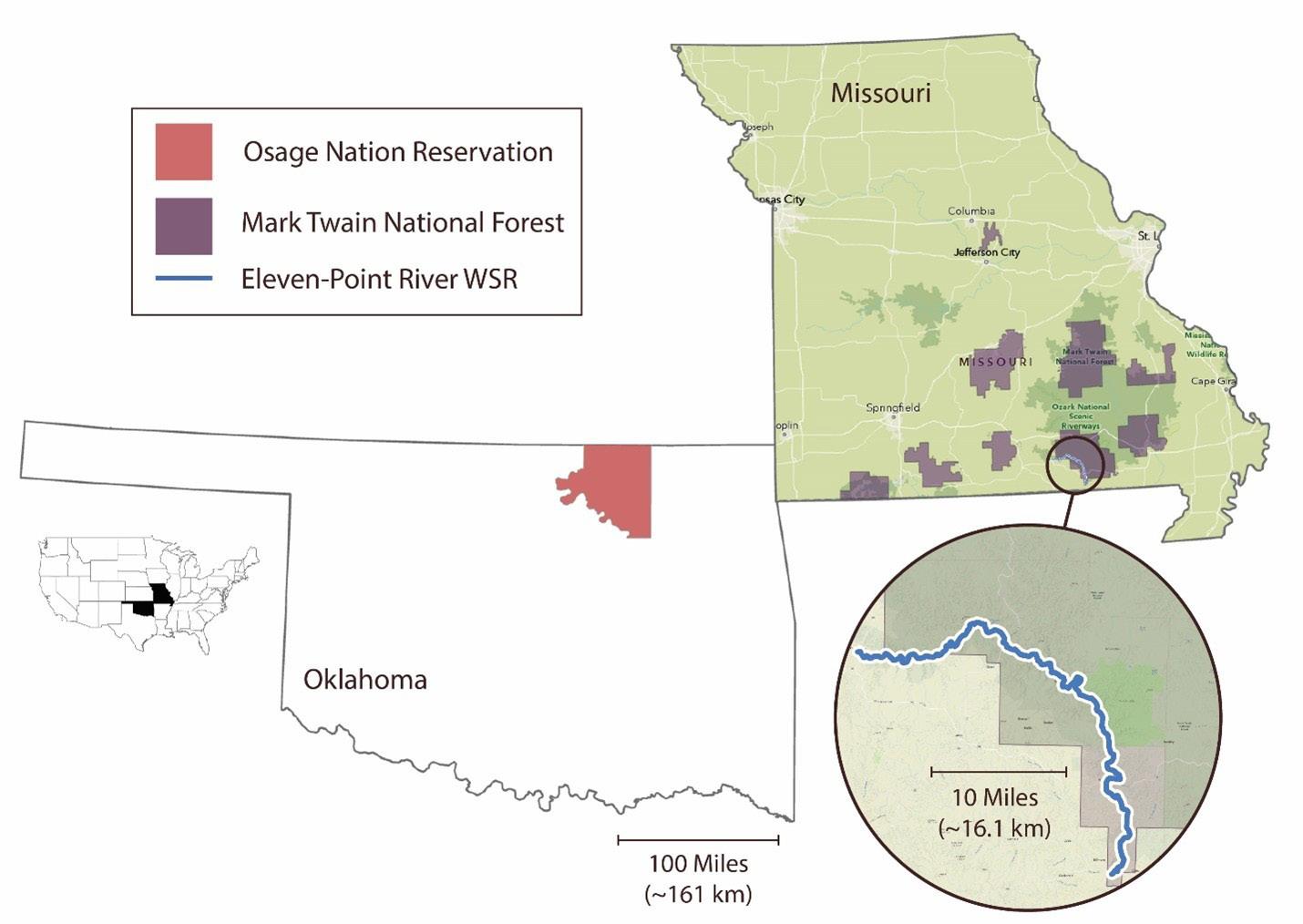
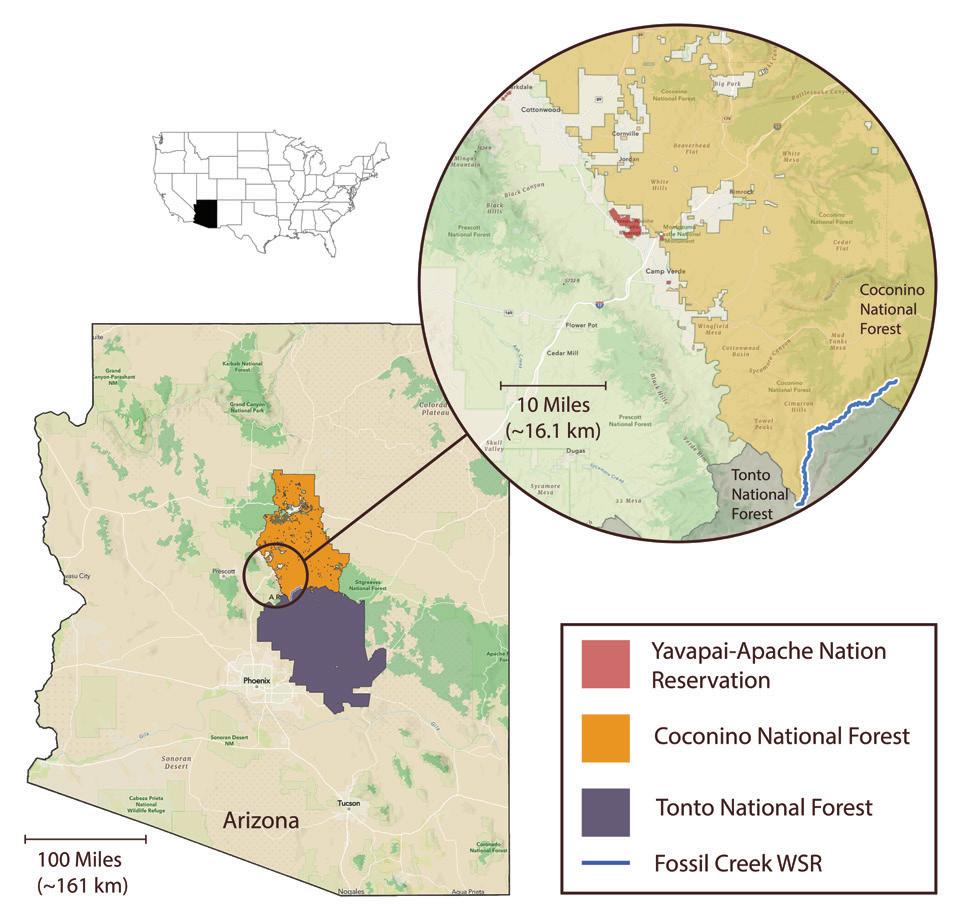
We worked with the Interagency Wild and Scenic River Interagency Coordinating Council’s Tribal Engagement Subcommittee (hereafter, “the Subcommittee”) to identify relevant cases. Specifically, we focused on WSRs with recent updates to CRMPs that included explicit efforts to engage in federal–Tribal shared stewardship. Through discussion and initial interviews, we identified two rivers for comparison: the Eleven Point WSR in Missouri and Fossil Creek WSR in Arizona, both managed by the USFS (Figures 1 and 2).
Data Collection
We worked with the Subcommittee to identify initial key informants and relied on purposive sampling to identify other key informants, asking each contact to recom -
mend other contacts. Interviews were open-ended and sought to understand more about historical relationships, processes involved in developing CRMPs, current operations, and future planning. This approach enabled us to obtain information specific to each key informant’s experience and knowledge base within the scope of each case. We stopped interviewing when we reached saturation, meaning no new key informants were recommended and no new ideas or themes emerged from the interviews. In total, we interviewed five federal managers on the Eleven Point River and nine on Fossil Creek. In addition, we conducted one interview with a representative of the Osage Nation Historic Preservation Office (ONHPO) about shared stewardship of the Eleven Point River,
and one group interview with three representatives from the Yavapai-Apache Nation (YAN) about shared stewardship of Fossil Creek.
Data Analysis
Data from interviews were synthesized and compiled to develop an understanding of the historical evolution of the federal–Tribal WSR shared stewardship efforts for each case,
shared below as stand-alone histories (Yin 1994). These individual histories allowed us to identify categories of importance shared across cases, ranging from key actors, issues, opportunities, and outcomes involved with strengthening shared stewardship. Through these categories, the research team identified commonalities and differences across cases, including several emergent key themes of federal–Tribal shared stewardship of WSRs. Combined, the results enabled the team to identify potential opportunities to strengthen federal capacity to engage in WSR shared stewardship with Tribes (Yin 1994). We shared results with study participants, members of the Subcommittee, and the USFS Office of Tribal Relations, requesting feedback to ensure accuracy of key findings and interpretation.
Findings
In this section, we first describe each case with an overview of why and how shared stewardship of the corresponding WSR was established. We then present a side-by-side examination of the cases to show similarities and differences between the shared stewardship examples and highlight three themes that link both cases and offer insights into federal–Tribal WSR shared stewardship.
Eleven Point WSR
The Osage Peoples have a long history across the US Midwest, but have settled and occupied lands in present-day Missouri, Arkansas, and Oklahoma for more than 1,000
Figure 1 - Map showing the location of the Osage Nation Reservation in Oklahoma, relative to the Eleven Point Wild and Scenic River in Missouri’s Mark Twain National Forest.
Figure 2 - Map showing the location of the Yavapai-Apache Nation Reservation lands relative to the Fossil Creek Wild and Scenic River between the Coconino and Tonto National Forests in Arizona.
years. The name Osage is an English rendering of a French translation of the name of an Osage subgroup, Wazhazhe. The tribe’s original name, Niukonska, translates to ”Children of the Middle Waters,” indicating the importance of rivers for utilitarian, cultural, and spiritual reasons. Osage sacred sites are associated with caves, rock shelters, cairns, and mounds found along the Eleven Point River and across the wider landscape. Starting in 1808, the Osage Nation signed a series of treaties with the westward expanding US government and were ultimately forced to cede the vast majority of their homelands. As a result, the Osage are considered a removed Tribe. In 1872, they purchased reservation land in northeast Oklahoma that comprised a small portion of their original homelands.
The Eleven Point River is one of the original eight rivers designated with the passage of the WSR Act in 1968. It is located on Osage homelands in the Ozark Mountains on what is now the Mark Twain National Forest (MTNF), an important timber-producing forest in Missouri, and forms the western border of the Irish Wilderness. Although many other rivers across the region have been heavily modified, this section of river had been kept wild and captured the attention of the ONHPO as a priority location for cultural resource preservation.
Regional efforts to build relationships between Tribal and non-Tribal governments had been ongoing through initiatives such as the annual Bridging the Gap meeting and the USFS Region 9 Tribal homelands working group. However, the Osage Nation historically had a tumultuous relationship with managers
of the MTNF. Starting in 2016 with the hiring of a new forest supervisor and an archaeologist experienced in working with Tribes, the MTNF began to prioritize relationships with Tribes, especially the Osage. The forest supervisor recognized past injustices and promised to start their relationship on a new path, beginning with a USFS visit to the Osage Nation. In preparation for that meeting, the MTNF archaeologist requested that ONHPO representatives come prepared to share three things the MTNF did well and three things they could improve on. The ONHPO representative shared that “the idea we responded to was transparency, sincerity, and what does due diligence look like for us.” This was especially the case for projects that required review under Section 106 of the 1966 National Historic Preservation Act. Section 106 requires federal agencies—and by extension any state, local, or private projects needing federal funding or permits—to consider how projects using federal funding, land, or permitting processes may affect historic and cultural resources. For projects that may impact Tribal resources, the law requires agencies to identify potential impacts, consult with state and Tribal preservation offices, and seek ways to reduce harm. Accordingly, Osage representatives requested that the MTNF prioritize Section 106 compliance, which was seen as foundational for getting to shared stewardship. As one Eleven Point manager emphasized, “It’s important to have good [Section] 106 and other good resource conservation practice in place to begin with, before you start launching into post-106, post-compliance, stuff like shared stewardship.”
Amending their process for compliance with Section 106, the MTNF signed a programmatic agreement with the Osage and nine other Tribes, the Federal Advisory Council on Historic Preservation, and the Missouri State Historic Preservation Office. This also elevated the Osage Nation’s legal status to Invited Signatories of USFS Section 106 agreements, meaning they were invited along with the nine other Tribes to review and comment on the scope of work for all MTNF’s outgoing contracts. As the ONHPO representative stressed, “We did the hard work to create the environment for good communication.”
The relationship established through this agreement became especially valuable when environmental impacts from wildlife were discovered at important Osage burial sites and after a historic 1,000-year flood in 2017 that required the USFS to take emergency actions to protect life and property.
The Eleven Point River CRMP was originally written in 1975, and by 2021 was well overdue for an update to better serve modern needs and uses of the river. The MTNF assembled an interdisciplinary team, led by a USFS Enterprise team member, who leveraged the improved relationship between the MTNF and the Osage Nation to collaborate with the director of the ONHPO in filling a gap in knowledge about cultural resources in the area. Together, this team outlined updates to the CRMP that better reflected the Osage Nation’s values, priorities, and culture. Osage perspectives were incorporated in the CRMP revisions in two ways. First, language around “prehistory” as an ORV in the CRMP was changed to “pre-European contact.” Second,
the federal government and the ONHPO agreed that including the Osage perspective as an appendix—rather than integrating Tribal perspectives into the main text of the CRMP— would most effectively codify their values and culture as management directives while preserving the Tribe’s voice. This required more flexibility on the timeline for delivering CRMP drafts but was key to the success of this shared stewardship arrangement. The director of the ONHPO was recognized for her contributions with an Outstanding Wild and Scenic River Stewardship award from the USFS in December 2022, and the CRMP was signed by the MTNF forest supervisor in 2024. Additional co-stewardship efforts have continued since the signing of the 2024 CRMP, including exploring options to further protect Osage sacred sites from recreational development within the WSR corridor.
Fossil Creek WSR
Fossil Creek flows through the Tonto and Coconino National Forests (TNF and CNF) in Arizona and is managed by the Red Rock Ranger District on the CNF through a formal delegation of authority. This area includes the original homelands of the Western Apache Tribes (a broad term used to refer to several bands of Apache Tribes throughout Apache homelands) as well as the Northeast Yavapai people. These two people represent distinct cultures that have become blended through a shared history of relocation and assimilation. Fossil Creek is considered the birthplace of all Western Apache peoples and continues to be significant to their mythology, culture, and his -
tory. From the 19th century to about 1950, the area that is now the WSR corridor was home to several Western Apache families who avoided the forced relocations and assimilation experienced by many Yavapai and Apache people during that period. When Western Apache and Yavapai people were released from the San Carlos Reservation in 1900, many returned to traditional homelands and reconnected with those who had been hiding in the Fossil Creek area and preserving their cultural practices. In 1909, the US government reestablished the Camp Verde Indian Reservation for the Yavapai and Western Apache people in their traditional homelands of the Verde Valley, about 25 miles (42 km) from Fossil Creek. The proximity of this reservation to Fossil Creek helped maintain the close connection of Western Apache and Yavapai people to this sacred area. In 1992, the Yavapai and Western Apache Tribes renamed themselves the Yavapai-Apache Nation to highlight the distinct but blended nature of their cultures. The YAN now represents five tribal communities in central Arizona, including Camp Verde.
Fossil Creek was not always free flowing. In 1908, Arizona Public Service began construction of the Childs-Irving Hydroelectric Facilities (dam and flume system) on Fossil Creek, which remained in place for a century. Many Western Apache and Yavapai people contributed their labor to the dam’s construction and continued to help maintain the hydroelectric facilities for decades, until their traditional homes and small schoolhouse along Fossil Creek were bulldozed and removed by Arizona Public Service in the 1950s.
In 2005, Arizona Public Service decided to decommission the hydroelectric facilities. At this time, the YAN advocated for the USFS to keep a road that provided important access to Fossil Springs for YAN Tribal elders and for emergency response crews in situations where cultural resources and/or personal safety might be at risk. Although regional USFS representatives verbally agreed, they ultimately chose instead to remove all infrastructure to mitigate potential liability. This decision created tension in the relationship between the YAN and USFS, and the YAN maintains that this decision was an act of mismanagement.
Upon decommissioning in 2009, the river was officially designated as a WSR, creating new challenges in managing skyrocketing visitor use and its associated impacts, including litter, human waste, vehicle congestion, and alcohol and illicit substance use by visitors. This, in turn, created challenges for the YAN to maintain access and connection to Fossil Creek. As a result, the YAN requested that the USFS change management approaches to reduce visitor impacts and increase Tribal access. The USFS responded by installing restrooms, instituting temporary closures and implementing a visitor permitting system over the following decade. To ensure that these changes continued to respect and accommodate YAN access to Fossil Creek, Tribal representatives have worked iteratively with the USFS since 2009 to update and implement a permit system specifically for Tribal members.
In addition to working collaboratively to maintain cultural access, the USFS sought input from the YAN in drafting the CRMP for the newly designated WSR, including identification of ORVs and development of a monitoring plan. To identify and prioritize protection of sacred sites and include Indigenous Knowledge in the CRMP, CNF archaeologists iteratively provided drafts of the heritage section of the CRMP to YAN representatives for review and comment. Together, USFS staff and YAN representatives developed thresholds for monitoring and managing the traditional and contemporary cultural values associated with the ORVs. This included language stating they would be “degraded if traditional cultural practitioners, principally Yavapai-Apache Nation, determine that the accumulation of adverse impacts impairs the Fossil Creek area.” In this way, the CRMP codified shared stewardship with the YAN, ensuring that continued access and use of Fossil Creek by YAN Tribal members is incorporated into the cultural ORV.
In addition to direct Tribal consultation, shared stewardship of Fossil Creek has continued in several capacities. For example, to offset the financial costs of YAN involvement in CRMP development and implementation, the CNF funded a forest-wide Challenge Cost Share agreement with the National Association of Tribal Historic Preservation Officers, a national nonprofit whose mission is to support Tribal historic preservation programs. In another example, the YAN, USFS, and Arizona Fish and Game Department co-convened the Fossil Creek Working Group from 2015 through
the beginning of the COVID-19 pandemic to involve a suite of stakeholders and rightsholders. Additionally, the CNF secured Burned Area Emergency Response funding following the 2021 Backbone wildfire to support field trips with YAN elders and high school youth to monitor archaeological sites in Fossil Creek. Additional funds were made available as part of the CRMP six-year budget (2021–2026) for the cultural monitoring program.
Alongside co-developing traditional and contemporary cultural ORV, the YAN, together with the Tonto Apache Tribe, decided to pursue a nomination for a Traditional Cultural Property within the Fossil Creek WSR corridor. This designation would both document the Tribes’ history and culture for future generations and ensure they have a say in management through Section 106. Together, the YAN and Tonto Apache Tribe worked with the TNF to cooperatively initiate the nomination process, providing necessary documentation and consultation with the Arizona State Historic Preservation Office, the USFS Regional Heritage Office, and other Tribes. The nomination process was stalled due to the need for more documentation and turnover of USFS project staff. However, the USFS today effectively manages the property as a formally designated Traditional Cultural Property.
Comparing Cases
We identified key aspects across cases that influenced both the preconditions of and outcomes from federal–Tribal shared stewardship. These aspects included the representatives and agencies involved, Tribal relationships with each WSR, priority issues that necessitated a shift in how representatives engaged with the WSR, policy mechanisms leveraged to enact shared stewardship and successful outcomes of shared stewardship, and when and how shared stewardship happened (Table 2).
Although the specifics varied between cases, we identified three main themes that underpin federal–Tribal shared stewardship, each discussed below. One is particular to WSRs—specifically the idea that WSRs are historically and culturally important sites where federal–Tribal relationships are acted out and enacted upon. The second two themes are not specific to WSRs, but are general to federal–Tribal relationships. They include the critical roles that archaeologists play in enabling shared stewardship opportunities, and the idea that first steps toward shared stewardship create opportunities for future collaboration.
Maintaining Tribal Connections to WSRs
Rivers were widely understood to be historically and culturally important sites both for Tribes and settler communities. Archaeologists emphasized that Tribes widely retain cultural and spiritual connections with rivers, regardless of whether they had been removed or relocated from the areas. In both cases, protections provided to the segment
of river through the WSR Act allowed holistic management approaches to encompass diverse cultural and nonextractive values. Differences between the cases also revealed that protections associated with WSRs can be both beneficial and detrimental to Tribes and their connections to rivers.
For example, in the Eleven Point case, the need to mitigate damage from a 1,000-year flood in 2017, along with the unrelated faunal disturbance of an Osage burial mound along the WSR, prompted the MTNF to strengthen their working relationship with the ONHPO. Because Osage ancestral remains were otherwise undisturbed, in part due to the WSR protections, the WSR designation encouraged USFS managers to show restraint in management practices to protect natural and cultural characteristics of rivers that were present prior to European arrival. For example, one manager explained that managing WSRs is similar to the “hands-off” management approach taken towards federally designated wilderness in that “I never feel like we are ‘managing’ the wilderness. You know, we are, we are stewards in that place to make sure that wilderness characteristic is preserved. . . . The more we manage, the more we muck.” He emphasized that the value of WSR protections provided a sort of promise of management restraint from USFS to Tribal partners who may be interested in engaging in shared stewardship efforts, sharing that “I don’t want to get into the situation that our Tribal partners [who] are really connected to this land help steward something that we as an agency might muck with in the future.”
Eleven Point WSR
Involved forest(s) Mark Twain National Forest (MTNF)
Involved Tribe Osage Nation
Involved Forest Service representatives
Involved Tribal representatives
Tribal relationship with WSR and surrounding area
Archaeologists; forest supervisor; recreation planners
Tribal Historic Preservation Office director and archaeologists; Tribal elders
The Osage Nation were encroached upon starting in the early 1800s before forced removal, beginning in 1871; they currently have a reservation in Oklahoma, but retain significant cultural and spiritual sites along the Eleven Point River, including the WSR designation in Missouri.
Priority issues that necessitated changing representative/agency relationships
Policy mechanisms leveraged for shared stewardship
The necessity to manage damage from a 1,000-year flood and the unrelated faunal disturbance of an Osage burial mound along the WSR prompted the USFS to strengthen how they carry out work with the Osage Nation Historic Preservation Office.
Improving compliance with Section 106 strengthened relationships and enabled the USFS to secure a programmatic agreement with the Osage Nation, among other Tribes, for historic preservation work, especially related to cultural funerial and spiritual sites.
Fossil Creek WSR
Coconino (CNF) and Tonto National Forests (TNF)
Yavapai-Apache Nation (YAN)
Archaeologists; district rangers; recreation planner; Tribal liaisons; Wild and Scenic River manager
Cultural Office archaeologists and other staff; Tribal Council; Tribal elders
Areas of the Fossil Creek corridor are “beyond sacred” to Western Apache Tribes, especially the Dilzhe’e Apache of the YAN—several of whom lived along Fossil Creek, including the WSR designated portion, until the 1950s when their homes were bulldozed by the Arizona Public Service.
Increases in visitor use following dam removal and WSR designation threatened existence of and Tribal access to cultural sites. The USFS worked to reduce visitor impacts, engaged the YAN in CRMP development, and have worked with the YAN iteratively to improve Tribal access and protect cultural sites.
Formal consultation enabled the YAN’s contribution to the CRMP; Section 106 was leveraged to identify cultural ORVs and to pursue designation of a Traditional Cultural Property within Fossil Creek; a USFS Challenge Cost Share agreement with the National Association of Tribal Historic Preservation Officers enables Tribal members to lead monitoring of cultural ORVs.
Outcomes of WSR shared stewardship
Programmatic agreement consultations created trust to work through CRMP process and advocate up the chainof-command for more meaningful heritage-related ORVs and rewording of “Prehistory” and “History” ORVs to “Pre-European contact” and “EuroAmerican history”; Osage Nation added their perspective to the CRMP as an appendix to inform management of pre-European contact historical ORVs; MTNF and the Osage are presently pursuing other shared stewardship of cultural resources beyond the WSR designation.
The YAN were formally included in the development and drafting of ORVs within the CRMP; Tribal access to Fossil Creek was improved by forming and iteratively improving a Tribal permit system for access; Yan and USFS nominated a Traditional Cultural Property along the WSR corridor; Relationships strengthened through WSR shared stewardship efforts have supported other shared stewardship efforts, including Emory oak restoration.
Key dates in WSR designation and Tribal shared stewardship
Eleven Point WSR was one of the initial eight WSRs (1968); turnover in MTNF leadership in 2016 initiated efforts to build Tribal relationships; updates on CRMP began in 2021 and the final revised CRMP was signed in 2024.
Key actions implemented for shared stewardship
Agreeing to meet Tribe on their terms (location, timing, with certain staff); meaningful recognition that sacred sites are a cultural resource; elevated Osage Nation legal status to Invited Signatories of USFS Section 106 programmatic agreements.
A long-standing working relationship between the YAN and CNF predated the 2009 Fossil Creek WSR designation; the CNF and YAN worked together to develop the CRMP and ORVs beginning with the 2009 designation through CRMP signature in 2021; implementation of cultural values ORV monitoring began in 2021; updates to Tribal access permit system occur iteratively, most recently in 2023–2024.
Formation and regular meetings of the Fossil Creek working group; staff-to-staff consultation on the YAN reservation to co-develop the CRMP, ORVs, and ORV monitoring plan; development of Tribal access permit system; monitoring of the cultural ORV performed with high school age Tribal youth and elders.
Table 2 - Summary findings from both cases comparing key actors, issues, opportunities, and outcomes involved with strengthening shared stewardship
“Findings from this study offer lessons to managers seeking to build meaningful relationships with Tribes around WSRs and highlight the value of those relationships for sustainable land management more widely.”
In contrast, the removal of the Childs-Irving Hydroelectric Facilities on Fossil Creek and the subsequent WSR designation had cascading impacts that impeded Tribal access to sacred sites, as well as the preservation of Tribal values and history. YAN representatives described the removal of associated infrastructure, in particular the connecting road, from Fossil Creek as “Forest Service mismanagement.” The decommissioning of the road and other infrastructure that Tribal members had built and maintained for decades was a point of tension between YAN representatives, county governments, and the USFS. According to a YAN archaeologist, the dam was removed all at once, which caused flooding and made the associated infrastructure unsafe—justifying its removal. He argued that if the dam had been removed incrementally, the infrastructure would not have become a liability. YAN representatives shared that this was especially problematic given the importance of road access to emergency service vehicles and river users, particularly Tribal elders. Removal of the road exemplified tensions over whose history and values are privileged in
WSR management. For example, this raised questions about whether management actions appropriately prioritize the interests of rightsholders over stakeholders and whether they meaningfully incorporate the Tribes’ continued and evolving connections to their homelands.
In both cases, co-development of ORVs proved to be a meaningful space to engage a broader range of histories and values, particularly in terminology surrounding the “prehistory” ORV described in Table 1. As discussions on the Eleven Point CRMP revisions progressed, the use of “prehistory” was understood to erase the forced removal of the Osage people by a westward-expanding US government. A USFS representative who worked on the Eleven Point CRMP shared:
A lot of CRMPs, if there’s some kind of cultural resource, they use “prehistory.” And that was offensive to the Tribe. And they came up with wording . . . “pre-European contact history.”. . . So that to me was very interesting. . . . When you think about it, “prehistory” probably is pretty offensive, because we’re saying history started with European contact, which is not true.
In the Fossil Creek CRMP, the CNF decided not to include “prehistory” as an ORV, given that important archaeological and cultural sites were widespread across the region and that Fossil Creek represents recent and ongoing elements of cultural connection related to resisting forced relocation. Instead, collaboration between the CNF and the YAN resulted in the creation of a new cultural ORV called “Western Apache and Yavapai Traditional and Contemporary Cultural Values ORV” to better reflect the YAN’s continued cultural connections to the river. A former CNF archaeologist explained:
The historic [i.e., the Childs Irving Power system] was an ORV. As was . . . the Tribal cultural ORV—that captured the archaeology. It captured the traditional cultural value of the place and that hiding out and rejoining of the families basically up until the 1930s. . . . There was a lot of discussion around it and that’s where we landed.
Although the development and maintenance of relationships with Tribal partners required greater effort and flexibility, managers found the outcomes of these relationships beneficial to WSR management. In the Eleven Point case, the appendix written by the Osage Nation offered MTNF managers a culturally informed list of riparian plants to inform future consultation with Tribes and subsequent restoration efforts. In the Fossil Creek case, YAN feedback and co-development of the cultural ORV and monitoring plan ensured prioritization of Tribal cultural values in river management.
Participants widely expressed excitement about the new challenge of co-developing CRMPs—not only to better reflect emerging western scientific knowledge of rivers, but also to meaningfully integrate Indigenous Knowledge and culture throughout management of the WSR. Through the development and maintenance of their strong relationships, USFS and Tribal representatives were able to not only shift language around ORVs to better represent deeply complex and important Tribal connections to the WSRs but also to inform future management actions to preserve those connections.
Archaeologists as Bridge-Builders
Within the USFS, various representatives hold positions with responsibilities specifically related to Tribal engagement. Tribal liaisons are primarily responsible for managing and building relationships with Tribes across a range of topics and policies. In contrast, archaeologists (sometimes working as “heritage program managers”) engage with Tribes and various stakeholders on cultural resource–related issues and facilitate required consultation with Tribes, although their work spans a wider range of responsibilities. In both cases, archaeologists played a foundational role in establishing and maintaining good relationships with Tribal counterparts based on their knowledge of Tribal law, history, and culture; experience working with Tribes; and legal mandate to protect certain cultural resources. Access to and treatment of culturally important sites was central in both cases,
and relationships could either be strengthened or diminished as USFS and Tribal teams navigated the management of these sites (particularly through the National Historic Preservation Act of 1966). These efforts set the tone for federal–Tribal relationships and influenced other interactions and opportunities. For example, in the case of Fossil Creek, the strong, long-established relationship between YAN and CNF archaeologists was characterized by casual drop-ins or phone calls and informal meetings. This relationship enabled easier inroads into shared stewardship, as described by a former Tribal liaison for the CNF:
Part of the reason why I didn’t have a huge role down there is they didn’t really need me. . . . The District Ranger at the time was an archaeologist. And, you know, she would go and pick up lunch and she and [the district archaeologist] would go over and meet with the Nation and sit down and consult and talk about projects as frequently as needed. It was not very formal . . . they would just meet all the time, and that’s actually the way it should be.
The good relationship maintained between USFS and YAN archaeologists enabled collaborative management in response to increases in visitor use in Fossil Creek—an issue that required the involvement of recreation staff. Specifically, both parties wanted to manage visitor use while ensuring Tribal access, a challenge that eventually led to the establishment and adaptive management of permitted Tribal parking passes. As visitor use management
systems are trialed and evaluated for maintaining visitor access, safety, and protection of ORVs, recreation staff on the CNF continue to innovate and monitor alongside their YAN counterparts.
In contrast, strengthening the relationship between the Osage Nation and the MTNF required facilitation through more formal consultation channels. As conversations between the MTNF and the Osage Nation deepened, ONHPO archaeologists demanded improved Section 106 compliance, as described by an MTNF archaeologist:
The Tribe was very, very dissatisfied with the [Section] 106. So the regional Tribal liaison who is at the meeting, he tries to, “Okay, let’s whip out a bunch of funding that I can bring down to this and talk about what kind of collaborative things could we do? Why don’t we forget the 106. What can we do collaboratively? Collaborative, shared stewardship, right? Stuff with Tribal youth, or engaging this, engaging that. I can get funding for it!” . . [The Tribe], they’re just like, “Forget it, we’re not going to do a damn thing with you. Forget collaboration . . . we’re not doing anything with the Mark Twain until they get their 106 straightened out.”
Osage Nation representatives saw that the more casual shared stewardship approach suggested by the Tribal liaison would not be productive until the USFS could demonstrate adherence to legal mandates, as emphasized by the ONHPO representative who asked, “How are we expected to trust the Forest Ser-
vice with important harvesting areas if they still have yet to repatriate the ancestors?” Osage Nation archaeologists gradually developed fruitful relationships with MNTF archaeologists, as the USFS worked to comply with the National Historic Preservation Act across a range of activities, especially timber harvest. Over time, this trust was extended to work involving other staff and programs, including recreation, and resulted in commitment from the Osage Nation, led by a respected elder, to contribute an appendix to the CRMP. The appendix provided the Osage an opportunity to preserve their voice, knowledge, and perspective while ensuring these were codified into management planning and action.
Shared Stewardship as a Virtuous Cycle
In both cases, the establishment of one shared stewardship effort created a virtuous cycle of shared stewardship for and beyond WSR management. In the case of the Eleven Point, Osage archaeologists expressed concern about the disturbance of rock cairns and other Osage artifacts across the MTNF, including by some contract foresters conducting surveys and harvests, particularly as more archaeological survey work is contracted out. MTNF staff worked with ONHPO representatives to change wording in contracts to improve compliance with the Native American Graves Protection Act, and through discussions, they made other general improvements to contracting standards—what one USFS archaeologist referred to as “beyond 106”:
You still got [Section] 106, we’ve got to. But what’s beyond 106? Part of getting there was looking at our 106, bringing them into the process, like our survey standards. I looked at [our survey standards] when I got here. And I thought, these can be improved. But I’ve been a contractor so I rewrote them. I sent them to the Tribe. I said, “Hey, what [do] you guys think of this? You know, give me some input.” [They said,] “No one ever asked us to do that before.”
I said, “Well, I’m not gonna ask you to rewrite it. I’m asking for your input, we can talk about it.” And we incorporated a lot of it.
These efforts regarding 106 enabled “beyond 106” efforts between MTNF and ONHPO around CRMP revisions and facilitated additional collaborations to identify, protect, and restore other Tribally relevant sites within the WSR corridor. For example, MTNF staff worked with the Osage Nation to identify a sacred site within the Eleven Point WSR with the goal of reducing recreation-related impacts in the area. Tribal members have also been involved in providing trainings at key recreation sites to educate partners on the cultural values and history of those sites from an Osage perspective. The ONHPO representative expressed a desire to facilitate more Osage programs with MTNF staff, particularly in the WSR corridor, but shared that time constraints limit their focus primarily to ensuring Tribal sovereignty and protecting sites.
In the case of Fossil Creek, working together on the Western Apache and Yavapai Traditional and Contemporary Cultural Tribal Values
ORV led both the YAN and the Tonto Apache Tribe to identify and nominate priority sacred areas worthy of designation as Traditional Cultural Property on the TNF. One Tribal liaison shared that this designation would grant the Tribes more power in decision-making on the property, allowing them to say, “‘Oh, you want this activity to happen here? . . . These are our [cultural] resources. This is how we want you to protect them.’” Participation of the YAN in monitoring cultural sites created opportunities for shared stewardship beyond what was outlined in the CRMP. The CRMP details that Tribal traditional cultural practitioners hold authority to determine if cultural values are degraded. Grants supported workforce development opportunities, allowing YAN youth to participate in monitoring cultural and archaeological sites alongside YAN elders and professional archaeologists. This not only provided professional development opportunities but also facilitated a cultural connection among youth, elders, and their homelands.
Successful shared stewardship efforts within the WSR corridor also had benefits that expanded beyond the WSR corridor. In the case of the Eleven Point, MTNF and Osage archaeologists, along with other Tribes, began working toward a management plan for caves in the MTNF. This management plan would not only account for physical artifacts left by Tribes around the numerous caves on the MTNF but would also work to protect the nonmaterial cultural heritage associated with spiritual and religious connections to caves.
Similarly, in Fossil Creek, a 2018 consultation for large-scale restoration to inform the Tonto National Forest Management Plan provided an opportunity for Tribes to express their concern about Emory oak groves. A TNF Tribal liaison recalled, “All Western Apache Tribes were like, ‘You guys are not doing a good job managing the Emory oak groves that you are currently responsible for. They’re overgrown. You’re preventing fire from getting into them. Our accessibility is decreasing.’” After receiving similar comments for several years, USFS representatives initiated a multiparty shared stewardship effort with representatives from the YAN, Tonto Apache Tribe, White Mountain Apache Tribe, San Carlos Apache Tribe, Resolution Copper, and Northern Arizona University. The effort focused on restoring and studying 18 Emory oak groves on the CNF, TNF, White Mountain Apache Tribe reservation, and privately held land owned by Resolution Copper. The restoration and research associated with the Emory Oak Collaborative Tribal Restoration Initiative (EOCTRI) are informed by Indigenous Knowledge, and all project decisions are brought to the project’s Tribal advisory board for insight and approval. This co-management approach was recognized by the USDA when ECOTRI, the Kaibab, Coconino, and Tonto National Forests were awarded the USDA Office of the Secretary Nation to Nation Tribal Innovation Award in 2023 for incorporating Tribal values and priorities. This award is meant to incentivize and celebrate efforts to build meaningful relationships with American Indian Tribes
Discussion
WSRs have been and will continue to be important sites for human history and culture, representing areas where present-day and historical use overlap in ways that can either conflict or be compatible with Tribal values, worldviews, and culture. Furthermore, Tribal history is expansive and multilayered, reaching different resources and interests across Tribal lands stewarded by federal agencies today. Participants widely shared that federal agencies have not always valued relationships with Tribes or respected Tribal treaty rights, but commitments to shared stewardship within the context of WSRs offer opportunities to transform federal–Tribal relationships for the better. As both cases revealed, dedication is required to develop meaningful relationships grounded in effective communication and mutual respect, and these relationships can proactively mitigate undesirable impacts on sacred sites now protected through WSR designation. Formalizing relationships through signed agreements, formal contributions to planning processes, or working groups that meet regularly may require more flexible deadlines and creative approaches to authentically incorporate Tribal values, perspectives, and management priorities.
Like other studies, this one revealed that historical context remains foundational to federal–Tribal relationships, especially regarding the continued impacts of forced removal and relocation of Tribes (e.g., Lefthand-Begay et al. 2025). However, Tribes retained strong connections to their homelands, and the cases revealed how federal government representa -
tives can leverage the WSR designation to develop innovative approaches to protect those connections. Preconditions for successful federal–Tribal WSR shared stewardship included flexible expectations, proactive management, and supportive leadership (Figure 3). Mutual respect and common ground were essential to implementing shared stewardship, and were fostered through early, frequent, and clear communication and a sustained commitment to relationship building. Both cases emphasized that efforts by USFS representatives to meet Tribal representatives at their desired times and locations were critical for relationship building. In both cases, a confluence of natural resource–related issues on federal lands, including those impacting WSR ORVs, led federal and Tribal leaders to collaboratively initiate shared stewardship efforts for the WSR. Flexible deadlines, coupled with proactive management of WSRs, also enabled Tribal representatives to respond to requests for comment and to develop a shared vision alongside USFS representatives.
In both cases, increased federal–Tribal trust and capacity to steward WSRs were enabled through the formalization of work agreements and management plans, greater Tribal access to customary lands, shared resource monitoring, and strengthened lines of communication between governments. Furthermore, federal–Tribal shared stewardship may enhance WSR management, as Tribal perspectives on WSRs, desired conditions, and preferred ORVs may offer a more holistic approach to river management.
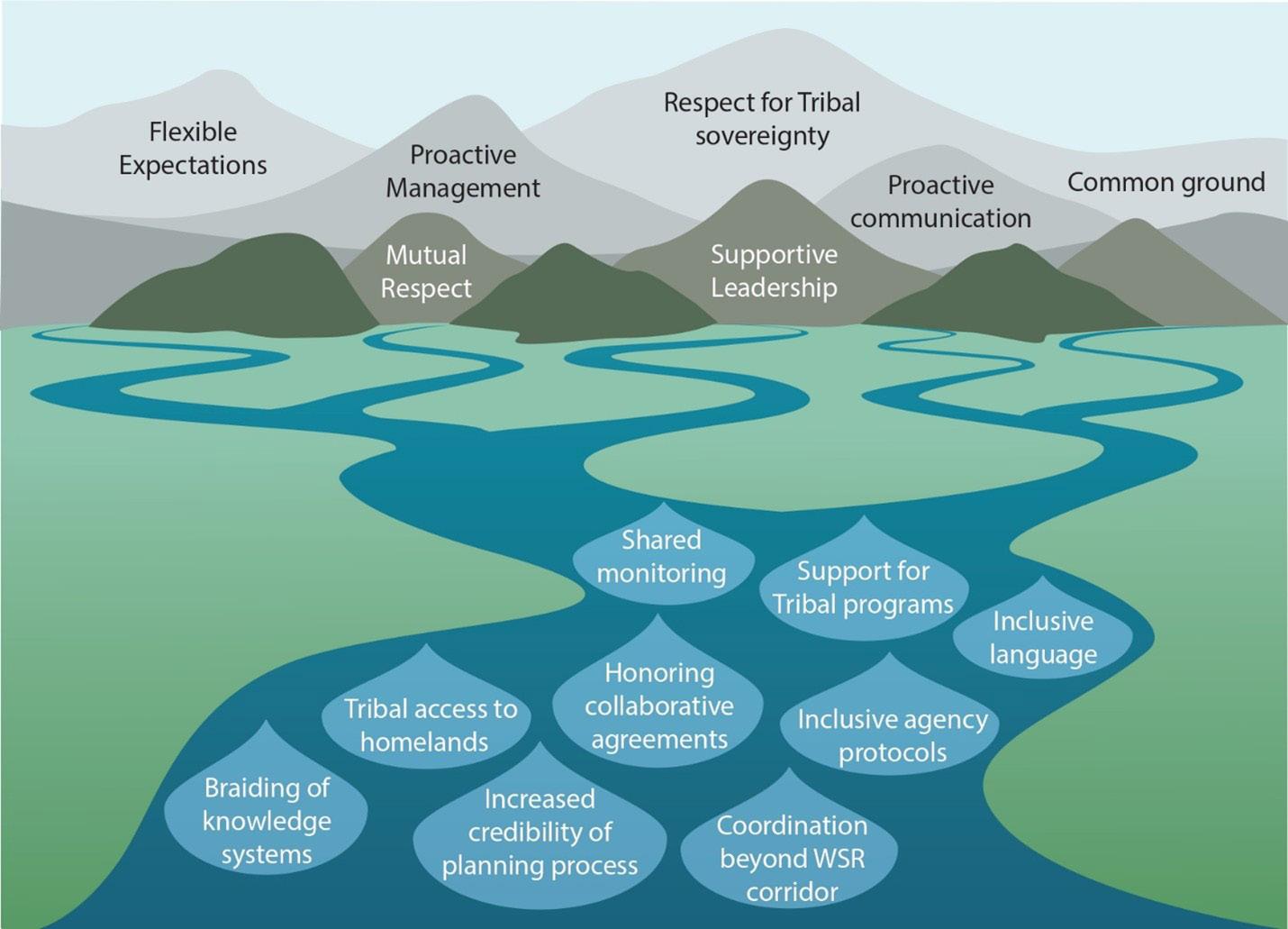
Relationships were central to the ability of federal and Tribal representatives to pursue effective shared stewardship of the WSRs and to extend collaboration beyond WSR corridors and associated formal agreements. Time spent together—both informally, such as over casual drop-ins or over lunch, and formally, such as at CRMP workshops or in consultation processes—was a key indicator of the possibility of shared stewardship both within and beyond the WSR corridor. Relationships built on trust and mutual respect are therefore the primary means of enabling the virtuous cycle of shared stewardship. Where staff capacity
among either federal or Tribal representatives is limited, challenges might arise in advancing shared stewardship (see Redmore et al. 2025, for related opportunities to build capacity). Such limitations may have repercussions not only for ensuring lawful Tribal consultation regarding protected resources but also for using the best available tools and knowledge—including Indigenous Knowledge—to inform land and water management.
Findings from this study offer lessons to managers seeking to build meaningful relationships with Tribes around WSRs and highlight the value of those relationships for
Figure 3 - Preconditions for successful shared stewardship, labeled in the mountainous headwaters, flow into a variety of outcomes, including those shared as blue drops in the river.
sustainable land management more widely. This work emphasized the centrality of archaeologists as bridge builders, but these findings may extend to other natural resource managers within different work contexts, including fisheries and wildlife biologists, foresters, and even engineers updating or removing infrastructure. As federal and Tribal representatives work on discipline-specific efforts, there are many opportunities to support two-eyed seeing and integration across knowledge systems in ways that can benefit federal–Tribal working relationships and Tribally important landscapes (e.g., Almack et al. 2023).
Future Research
This study represented a first step in examining efforts to build federal–Tribal shared stewardship of WSRs, and there remain many opportunities for additional research to further our understanding. Tribal governments, representatives, and members are deeply connected to WSRs, and future research could seek to broaden Tribal perspectives of WSRs and shared stewardship efforts. For example, there are many research opportunities to better understand the value and impact of Tribal youth partnership programs or other efforts to bring Tribal members into stewardship efforts.
Additional research could seek to further develop cases of federal–Tribal shared stewardship across different federal land management agencies. Such research could also advance understanding of how enabling
legislation and agency mission, policies, and practices may influence shared stewardship engagement. For example, the National Forest Management Act of 1976 (P.L. 94-588) mandates that USFS manage national forests for multiple uses, including resource extraction, which may be at odds with preservation of cultural resources. In contrast, the Organic Act of 1916 (39 Stat. 535, 16 U.S.C. § 1) established the National Park Service, whose mission focuses more on preservation of natural and cultural resources.
Furthermore, federal land management agencies offer different WSR governance systems that can influence the outcomes of federal–Tribal shared stewardship. For example, the Wood-Pawcatuck WSR designation in Connecticut runs entirely through lands that are either privately owned or managed by local governments. As a result, it is managed as a “partnership river” by a variety of constituents and rightsholders, including the National Park Service. The Wolf River WSR is the only WSR designation to flow through an Indian reservation and is jointly managed by the Menominee Indian Tribe and the National Park Service. These diverse governance systems may hold many lessons for strengthening federal–Tribal shared stewardship opportunities for WSRs as well as for the broader management and conservation of land and natural resources.
Acknowledgments
This research was supported by the U.S.D.A. Forest Service, Rocky Mountain Research Station, Aldo Leopold Wilderness Research Institute. The findings and conclusions in this publication are those of the authors and should not be construed to represent any official U.S.D.A. or U.S. Government determination or policy.
References
Almack, K., E. S. Dunlop, R. Lauzon, S. Nadjiwon, and A. T. Duncan. 2023. Building trust through the Two-Eyed Seeing approach to joint fisheries research. Journal of Great Lakes Research 49: S46–S57.
Bartlett, L., and F. Vavrus. 2017. Rethinking Case Study Research: A Comparative Approach. Routledge. https://www.routledge.com/Rethinking-Case-Study-Research-A-Comparative-Approach/Bartlett-Vavrus/p/ book/9781138939523.
Bland, A. 2017. Klamath River Tribes in crisis as salmon disappear. Tending the Wild. KCETLink Media Group, accessed March 14, 2023. https://www.kcet.org/shows/tending-the-wild/klamath-river-tribes-in-crisis-assalmon-disappear.
Diver, S. 2009. Towards sustainable fisheries: Assessing co-management effectiveness for the Columbia River basin. Nature Proceedings 1: 1.
Dockry, M. J., S. A. Gutterman, and M. A. Davenport. 2018. Building bridges: Perspectives on partnership and collaboration from the US Forest Service tribal relations program. Journal of Forestry 116(2): 123–132.
Ellis, R., and D. Perry. 2020. A confluence of anticolonial pathways for Indigenous sacred site protection. Journal of Contemporary Water Research & Education 169(1): 8–26.
Erickson, Z. J., K. Boston, M. J. Dockry, and J. P. Berrill. 2024. Drivers of Tribal co-management on public lands in California, USA: Social learning, social capital, and enabling conditions. Society & Natural Resources 37(12): 1691–1709.
Goschke, L. 2016. Tribes, treaties, and the trust responsibility: A call for co-management of huckleberries in the Northwest. Colorado Natural Resources, Energy & Environmental Law Review 27: 315.
Kalen, S. 2022. Public land management’s future place: Envisioning a paradigm shift. Maryland Law Review 82: 240.
King, M. A. 2007. Co-management or contracting-agreements between Native American Tribes and the US National Park Service pursuant to the 1994 Tribal Self-Governance Act. Harvard Environmental Law Review 31: 475. Lefthand-Begay, C., L. Redmore, C. Armatas, J. Brisbois, K. Choden, D. Craig, . . . and M. Mills. 2025. From paternalism to self-determination: Examining evolving Tribal–federal relationships and co-management arrangements through three case studies. Humanities and Social Sciences Communications 12(1): 1–14.
National Park Service. 2011. Wild and Scenic Rivers Program. Fact Sheet: Outstandingly remarkable values. https:// www.nps.gov/orgs/1912/upload/ORV_9_2011.pdf.
Redmore, L., J. Rushing, and K. Carim. 2025. Comparative case study to identify opportunities to strengthen federal–Tribal shared stewardship of Wild and Scenic Rivers. Rocky Mountain Research Station. https://rivers.gov/rivers/ apps/sites/rivers/files/2025-07/federal-tribal-shared-stewardship-report.pdf.
Sowerwine, J., M. Mucioki, D. Sarna-Wojcicki, and L. Hillman. 2019. Reframing food security by and for Native American communities: A case study among tribes in the Klamath River basin of Oregon and California. Food Security 11: 579–607.
Steen-Adams, M. M., F. K. Lake, E. Chas Jr., and L. E. Kruger. 2023. Partnering in research about land management with Tribal nations—Insights from the Pacific west. Gen. Tech. Rep. PSW-GTR-275. US Department of Agriculture, Forest Service, Pacific Southwest Research Station, 275.
Stokes, S. D. 2002. Ecosystem co-management plans: A sound approach or a threat to tribal rights? Vermont Law Review 27: 421.
Stumpff, L. M. 2001. Protecting restorative relationships and traditional values: American Indian Tribes, wildlife, and wild lands. In 7th World Wilderness Congress Symposium (pp. 63–71). US Department of Agriculture, Forest Service, Rocky Mountain Forest & Range Experimental Station, Port Elizabeth, South Africa.
Suresh, D. 2015. Case study: Research method for social sciences. . SSRN: https://ssrn.com/abstract=2684644.
US Department of Agriculture Forest Service. 2018. Toward Shared Stewardship Across Landscapes: An OutcomeBased Investment Strategy. USDA Forest Service. https://www.fs.usda.gov/sites/default/files/toward-sharedstewardship.pdf.
US Department of the Interior and US Department of Agriculture. 2021. Joint Secretarial Order on Fulfilling the Trust Responsibility to Indian Tribes in the Stewardship of Federal Lands and Waters. (Order No. 3403). https://www.doi. gov/sites/doi.gov/files/elips/documents/so-3403-joint-secretarial-order-on-fulfilling-the-trust-responsibility-toindian-tribes-in-the-stewardship-of-federal-lands-and-waters.pdf
Washburn, K. 2022. Facilitating Tribal co-management of federal public lands. Wisconsin Law Review: 263–328. https://doi.org/10.2139/ssrn.3951290.
Yin, R. K. 1994. Discovering the future of the case study. Method in evaluation research. Evaluation Practice 15(3): 283–290. https://doi.org/10.1177/109821409401500309.
LAUREN REDMORE is a research social scientist at the Aldo Leopold Wilderness Research Institute, U.S. Forest Service Rocky Mountain Research Station, where she advances research on the relationship between human culture and wilderness landscapes.
KELLIE J. CARIM is a research ecologist with the USDA Forest Service Aldo Leopold Wilderness Research Institute.
JACLYN FOX RUSHING is a research social scientist with the USDA Forest Service Aldo Leopold Wilderness Research Institute.
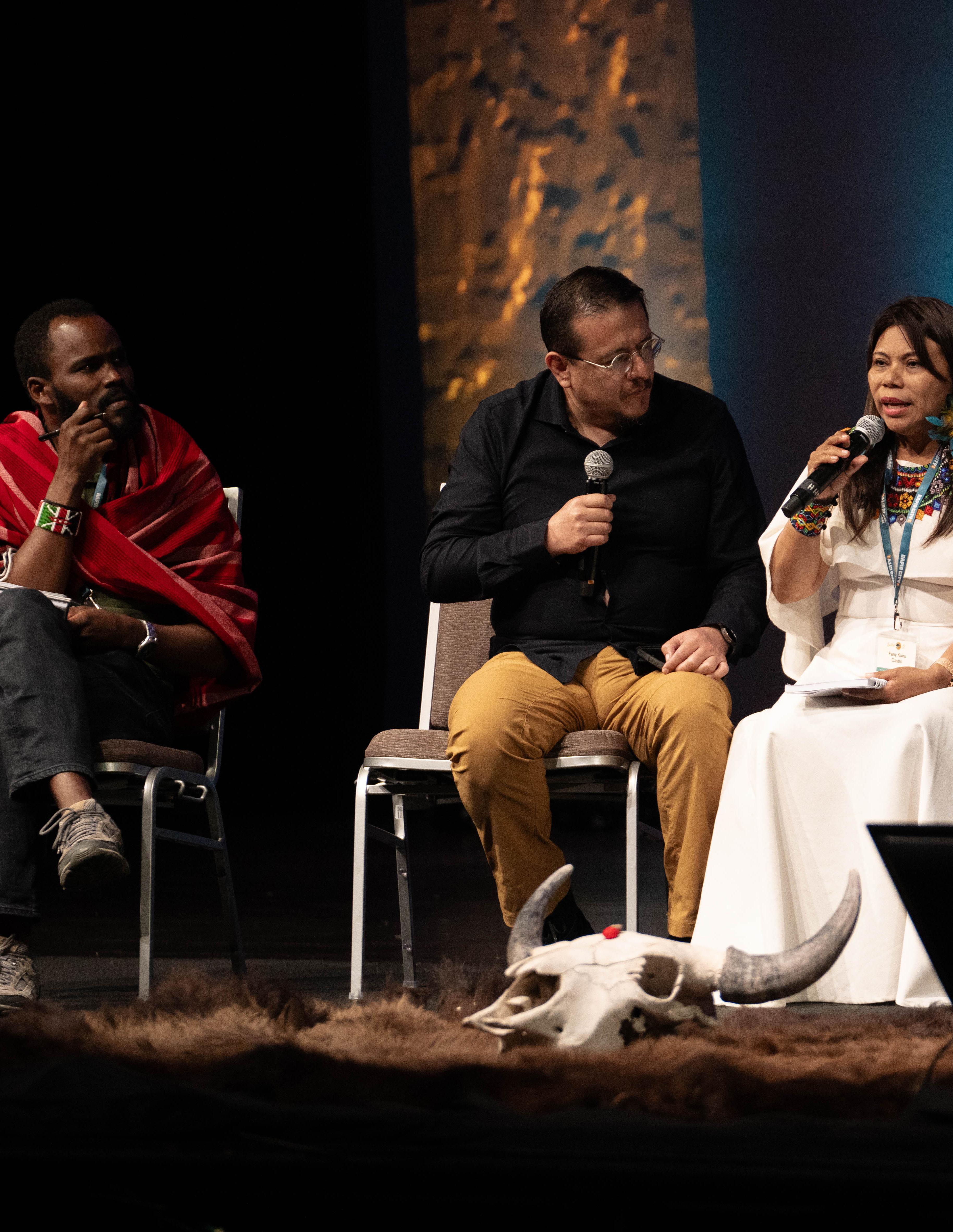
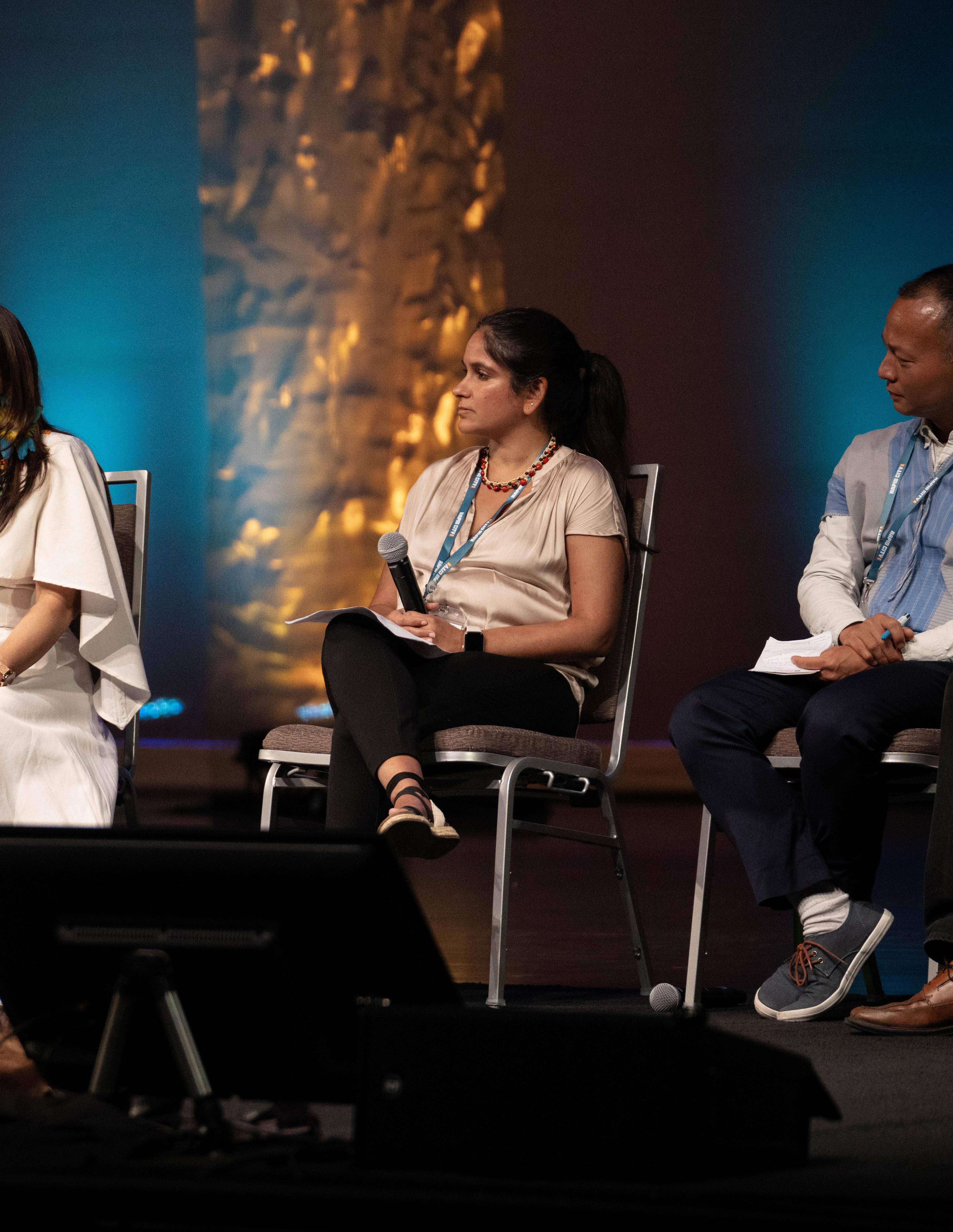
Photo credit: Fany Kuiru Castro, COICA, speaking during the WILD12 panel, “Relationship Between Achieving Global Biodiversity Framework Spatial Targets and Expanding Indigenous Land Tenure.” Photo by Jayme Dittmar.
Informing a Global Environmental Agenda: The Resolutions of the 12th World Wilderness Congress
BY DR. CHAD DAWSON
World Wilderness Congresses feature presentations, delegate discussions, and intense exchanges of various viewpoints, culminating in shared and agreed-upon resolutions to advance a global environmental agenda. A resolution is an instrument that expresses a coalition’s policy recommendations by identifying and defining a challenge and proposing actions and possible solutions. Resolutions often guide actions, influence policy, and can establish common goals among people, organizations, governments, and stakeholders.
WILD12 was hosted by Indigenous Peoples, and Indigenous perspectives on wilderness played a central role in many sessions, producing 12 resolutions. These resolutions were presented by delegates and groups of delegates and opened to comments and discussion before a vote to move them forward as a part of this World Wilderness Congress. By engaging with other delegates in polite and purposeful conversation, delegates sought to find common ground and create a unity of purpose within this coalition.
Excerpts from the resolution documents are organized herein around three themes and are intended to characterize the resolution without restating it. Full documents are available on the WILD Foundation website (https://wild.org/wild12/resolutions/) with supporting background and contextual information, greater detail, and the full resolution statement.
Chad Dawson
Theme 1: Calling for Transformative Change
The natural world is experiencing extensive changes in its conditions and, to some extent, in its natural processes as a result of climate change and human activities. Our relationship with nature can benefit from a deeper understanding of the interconnectedness and coexistence that Indigenous Peoples have long maintained with nature.
Resolution 1: Hé Sapa Resolution on Sovereignty and Wilderness: Deepening the Wilderness Concept Through Indigenous Knowledge and Wisdom
The Preamble to the Hé Sapa declaration that supports this resolution summarizes the need to acknowledge the complexities inherent in the relationship between Indigenous People and the Western concept of wilderness. Relationality, as a central tenet of many Indigenous worldviews, underscores the interconnectedness of all beings and the environments they inhabit. This understanding exemplifies how Indigenous communities perceive their existence as being in a continuous relationship with the land rather than viewing it as a mere resource for recreation, food, or even spiritual experiences. Some Western interpretations of wilderness that have had the largest influence on its implementation disregard these profound connections, leading to a clash that perpetuates misunderstanding and dispossession. To move forward, it is vital to engage with both worldviews critically, seeking to reconcile and bridge the gaps that exist, and expand and strengthen the wilderness concept (and its implementation) through the perspectives of Indigenous Peoples. Doing so can foster a deeper appreciation of Indigenous relationships with the earth and create pathways towards a more respectful coexistence that honors both perspectives.
That Preamble further supports the intent for this resolution “to expand the respect, common ground, equality, and trust amongst people who help steward wild places. Accomplishing this will create a stronger, more effective cross-cultural alliance for the protection of Mother Earth in a time of great peril for our common home. We believe that all people need a word and concept for a relationship with nature that is respectful and holistic, and that is neither subjective nor exploitative.”
Resolution 2: Through the Eyes of Buffalo: A Strategic Platform to Restore All Natural World Relationships
The context for this resolution is stated as follows: “Humanity finds itself at the center of interconnected crises—biodiversity, climate, and justice—which root in a crisis of relationship with ourselves, each other, and the planet. The extraordinary juncture we collectively find ourselves at offers significant opportunities for transformational change to revitalize our relationship with nature and dissolve barriers dividing us from the natural world and each other.” The strategy presented is for a continental model to restore bison and grassland ecosystems for ecological and cultural benefits:
"Buffalo can help us define and elevate an entirely new, Indigenous-led model to guide the next era of North American conservation. By framing conservation through a biocultural lens, we can co-create a paradigm suited to the complex, systemic challenges of the 21st century. A model that embodies concepts like relationship and reciprocity, respect and reconciliation, equity and justice. There is no better frame for this critical work than the biocultural restoration of bison, which lays the foundation for a durable conservation approach able to work effectively across the complex matrix of land ownership and rights that fragment the continent—private, public, Tribal/Nation, communal—and deliver large-scale, resilient outcomes that address the crises of our times, while healing and renewing the fractured relationship at the heart of these crises".
Resolution 11: Metaphysical Activism
This resolution posits that conventional activism may be insufficient to address environmental crises that are intensifying. Thus, there exists an urgent need for a radically different approach. This resolution urges the development of a conceptual approach or mechanism “grounded in a collaborative, cross-knowledge system approach comprising a triangulation of (a) [Indigenous] ancestral technical knowledge, (b) Western science, (c) spiritual wisdom and (d) faith-based wisdom” to address the real and existential crises facing humanity and the biosphere. This new kind of metaphysical activism mechanism would explore transformative practices to co-create a more harmonious world.
Resolution 7: Making Space to Protect White Animals, Messengers of Peace
Transformative change can come through cultural ways of seeing the world. White animals play an irreplaceable role in the cultural practices of traditional peoples. This resolution calls upon organizations, management agencies, and Indigenous leaders to publicly recognize the sacredness of all the Earth, including and especially white animals.
"These animals, which are often viewed as “messengers of peace” help to restore pride and relevancy in ancient lifeways while simultaneously heightening interest in traditional ways of knowing. In many cultures, when people learn of the birth or appearance of a white animal, such as the recent birth of the exceedingly rare white buffalo in Yellowstone National Park, they are reminded of the prophecies of their ancestors and are often inspired to come closer to the practices through which such prophecies were derived. . . . The sudden, unexpected appearance of a white animal—within a community’s awareness or an individual’s line of sight— fills many with a sense of hope and a connection to a purer, more expansive, and more subtle reality, be that the intangible principles of goodness and peace or a stronger recognition of the collective unconscious and the Otherworld. They guide the attention of native and non-native peoples alike toward the sacred and a recognition that existence is more than just physical bodies moving through physical space. They remind us of the omnipresence of spirit. They remind us that Earth is sacred".
Theme 2: Acknowledging Indigenous Guardians of Nature
The representation of nature in legal guardianship may be best informed and practiced by Indigenous Peoples, who have long integrated traditional knowledge and practices for sustainable living in natural environments. Treating the environment only as a source for resource exploitation misses the need to honor the interconnectedness of humans and their environment.
Resolution 5: Indigenous Law and Guardianship of Nature
The resolution begins by “affirming Indigenous Peoples’ inherent relationships with and responsibilities to sacred lands, waters, and sky, and their critical role in protecting and safeguarding Mother Earth and all life within as Nature’s traditional guardians since time immemorial; and recognizing the shortcomings of anthropocentric legal frameworks, which largely treat Nature or Mother Earth as a mere commodity or resource, and which fail to recognize the unique wants, needs, and voices of life on Earth aside from its value to humans.” The resolution recognizes, in part, “the importance of Indigenous and other guardianship models to provide formal representation for Nature within the legal system.”
Resolution 8: Empowering Ecological Outcomes by Honoring Treaties
This resolution states that Indigenous Peoples possess inherent sovereignty and, as such, may enter into treaty agreements with national governments in good faith. In the case of the Oceti Sakowin Oyate, the treaties signed in 1851 and 1868 recognized “a combined territory of approximately 60 million acres that include the better part of South Dakota, and parts of North Dakota, Montana, Wyoming, and Nebraska for the ‘free and undisturbed use’ of the ‘Great Sioux Nation.’ Few, if any of these treaties, have ever been fully implemented, despite recognition of their legal standing by national courts, including the Supreme Court of the United States. National governments continue to dishonor themselves and the treaties with devastating consequences for both Indigenous Peoples and the environment.” The resolution points out that Oceti Sakowin Oyate would not allow the extensive mining extraction and environmental problems imposed on them through treaty violations since their culture contains “institutions and knowledge forgotten by the dominant, colonial culture that makes Indigenous Peoples more effective stewards of the environment when empowered to steward our treaty lands and practice our traditional practices.”
Resolution 9: Urgent Mineral Withdrawal for All of the Black Hills
This resolution builds on Resolution 8 by specifically noting the need to stop the mineral extraction in the Black Hills that violates treaties from 1851 and 1868. The Black Hills are unceded Lakota territory, and “these lands, and the meanings attached to these lands by the Lakota, are under threat from mining activities, which pose irreversible damage to the environment and violate the treaties that protect these lands. The Lakota have called for an end to mining in the Black Hills.” Because 80% of the Black Hills are considered federal lands by the US Government under US Forest Service management, the Lakota are requesting the administrative mechanism called a Mineral Withdrawal be invoked as it “removes a specific area from mineral entry, meaning no new mining claims will be issued.”
Resolution 12: Protecting the Sámi Forest: Safeguarding Biodiversity and Indigenous Livelihoods
This resolution focuses on the Boreal Forest, the Sámi people, and integrating traditional knowledge and practices into forest protection. The Boreal Forest is a complex ecosystem that is being impacted by deforestation and degradation, which, in turn, has consequences for climate change and the sustainability of the forest and the Sámi people’s way of life.
"Sápmi, the homeland of the Sámi people, is a vast land mass where the Boreal Forest covers 62% of the land. The Sámi culture is deeply intertwined with the survival and health of the reindeer, as Sámi food, clothing, language, handicrafts, and tradition all depend on their existence. The decline of the forest, and thus the reindeer population, poses a serious threat to the Sámi way of life. . . . To ensure the long-term sustainability of the Boreal Forest, and to maintain the ecological and cultural integrity of the forest in Sámi lands, it is imperative to adopt practices and conservation efforts that prioritize the protection of Sápmi and elevate Sámi voices".
Theme 3: Identifying Global Environmental Concerns
Protecting and conserving large-scale ecological systems requires cooperation in regional planning between national governments. The ecological services provided by these systems benefit all people regardless of national jurisdictions.
Resolution 6: Ratify the High Seas Treaty
This resolution intends to urge governments to ratify the High Seas Treaty as a legal mechanism to protect and conserve the large-scale ecological processes in marine environments beyond national jurisdictions.
"There is no question about the ecological importance that the ocean provides not only for humankind, but for the entire Earth. Historically, the ocean has been falsely viewed as a vast and inexhaustible resource. As with the tragedy of the commons, international waters have facilitated widespread, unregulated ecological exploitation and habitat loss. Despite targets to preserve the ocean, such as the UN’s goal to protect 10% of the ocean by 2020, global governments continue to fall short. Nearly halfway through the new decade, only around 8% of our oceans are protected. Meanwhile, the ambitious target of protecting 30% of the ocean by 2030 (30×30) looms just a few years away. Achieving this goal is a critical step toward the broader vision of protecting 50% of the planet by 2030, under the “Nature Needs Half” initiative, which is vital for addressing the dual biodiversity and climate crises as well as protecting the cultural integrity and food sovereignty of Indigenous Peoples".
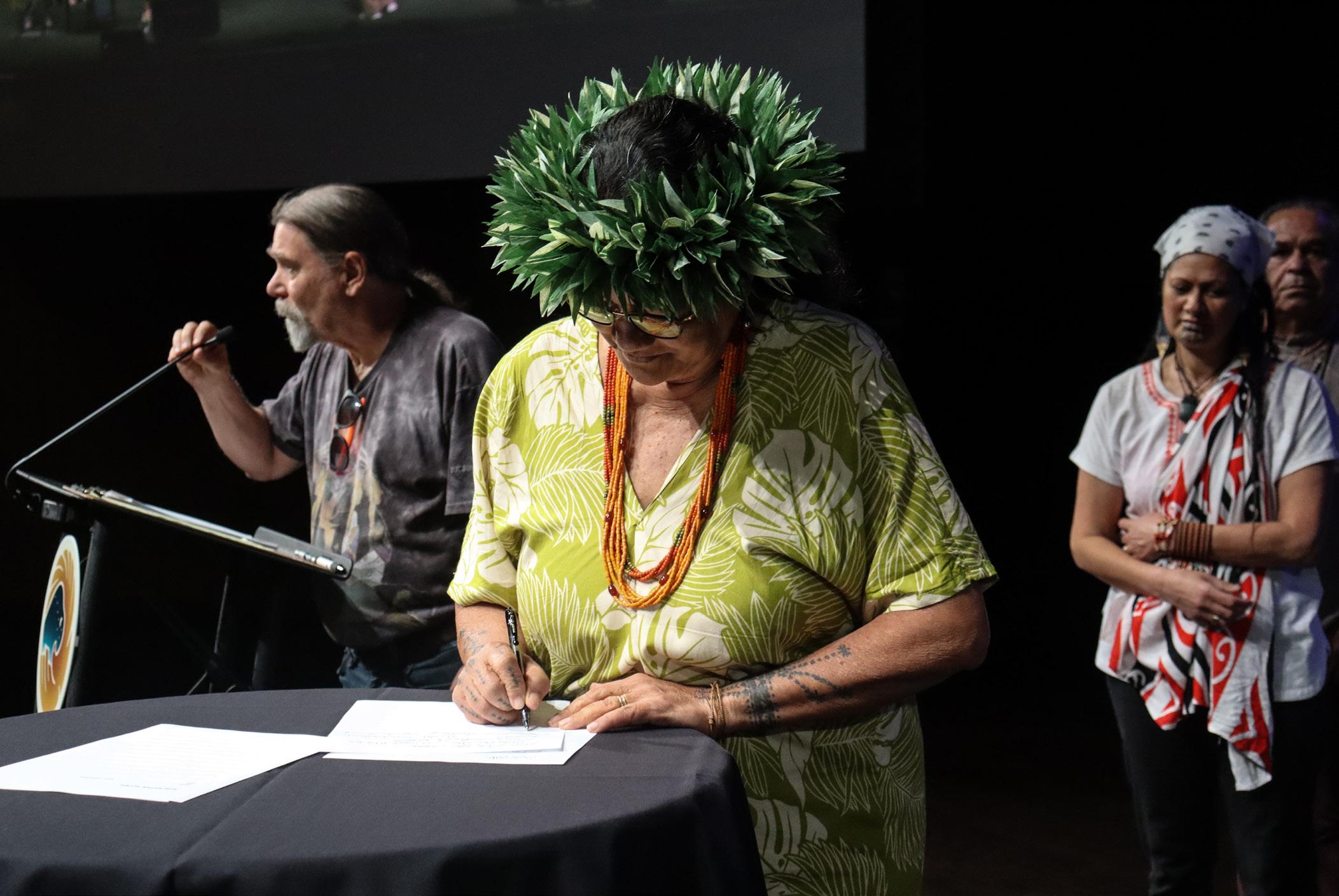
Resolution 3: Advancing the Rights of Antarctica
This resolution is calling for Antarctica to be an “autonomous, sovereign, self-regulating entity.”
“The continent of Antarctica and the surrounding Southern Ocean covers ten percent of the surface of Earth, and plays a vital role in maintaining the climate and other conditions which enable life across the planet to flourish. This magnificent, vast wilderness now faces grave threats: climate change is melting the ice and rapidly degrading Antarctic ecosystems on land and in the sea, and increased fishing, tourism, and fossil fuel exploration pose significant and growing risks. Scientists report that Antarctic glaciers are rapidly melting, sea ice is at record lows, ocean currents are weakening, and temperatures of 40°C above average have been recorded.”
“Antarctica is unique in geopolitical terms: it is not within, or subject to, the sovereignty of, any State. Since 1959, the Antarctic Treaty System (ATS) has reserved Antarctica for peaceful purposes, particularly scientific collaboration, and has prohibited mining and militarization. However the ATS alone cannot meet the intensifying threats to Antarctica, nor enable Antarctica to be represented in decision-making processes that affect it.”
Figure 1 - Hinano Murphy, the Tetiaroa Society, signing the “Indigenous Peoples Open Treaty Honoring Grandmother Earth” at the 12th World Wilderness Congress. Photo by Jayme Dittmar.
Resolution 10: Recognition of Central Mexico’s Forest of Water as a Strategic Region for the Viability of Central Mexico’s Megalopolis
This resolution calls for regional planning, involving all levels of government, based on biodiversity conservation, landscape connectivity, sustainable hydrological systems, and public participatory programs that include Indigenous and agrarian communities and identify needed conservation and restoration programs.
"The highly biodiverse and rapidly degrading Forest of Water of Central Mexico is the largest benefactor of the country’s most densely populated region, providing water and vital ecological services to a growing number of over 25 million people, today nearly a fifth of Mexico’s total human population, in the region where 30% of the gross domestic product is generated. We further see that its loss would not only put at risk the social, political and economic viability of Mexico as a country, but that its effects would also ripple across borders. The Forest of Water is a world-wide example of how very large wild, natural areas are able to provide ecological services to people, water being the most obvious of them all".
Resolution 4: Mainstreaming Mentorship of Young Ecological Stewards
This resolution emphasizes the need for intergenerational knowledge and resolves to include mentorship of younger generations as part of the internal strategy of organizations, institutions, groups, and companies dedicated to protecting, restoring, and conserving nature.
"To ensure the long-term sustainability of restoration, protection, and conservation of nature efforts, we must invest in the younger generation of ecological stewards. These young ecological stewards will soon enter the workforce, advocate for, and actively engage in movements and policies focused on restoring, protecting, and conserving nature. We recognize that mentorship, understood as: “a long-term, trust-based, horizontal relationship between two or more people that provides a space for two-way knowledge, ideas, and experience exchange, and reciprocal learning, empowering young people to exercise their agency, fostering their ability to lead and innovate” is a critical strategy to enhance the effectiveness and maintain the legacy of conservation efforts in the long run".
The foregoing excerpts from the resolution documents are intended to characterize the resolution without restating it and to encourage interested readers to search out the full documents on the WILD Foundation website (https://wild.org/wild12/resolutions/). Each resolution has its own reason for being and represents the interests of the delegates attending WILD12 and has the conceptual support of the other attendees through a participatory process during the WILD12 program.
The World Wilderness Congress is an instrument to help global civil society find unity on the next steps we can and should take as an international wilderness movement. Although it is not a governance body, the World Wilderness Congress encourages delegates to adopt resolutions into their organizations’ procedures and core policy objectives and commit to advancing them in subsequent work. Adopting resolutions helps inform and advance global environmental decision-making bodies or discussions in the years following the Congress.
CHAD DAWSON is the editor-in-chief emeritus of the International Journal of Wilderness.


Photo credit: Grand Staircase-Escalante National Monument, Utah, United States. Photo by John Fowler on Unsplash.
Environmental Stewardship Through Volunteer-Collected Data
BY ALISON A. ORMSBY, ALISA FUTRITSKI, and SAMANTHA SMITH
Federal public lands in the United States include national parks, wildlife refuges, wilderness areas, national forests, and the national system of public lands. Wilderness areas are the most strictly regulated type of federal public lands in the United States. Public lands provide opportunities for people to witness unique, scenic, and wild landscapes. These lands are valued for recreation, resource extraction, fisheries and wildlife, and water resources. Public land draws people to the United States, particularly the West, where approximately half of the country’s public lands are located. However, some public lands are understaffed or have research needs that land managers cannot address. This is where trained public volunteers can help address research questions and gather data to share with land managers in support of conservation goals.
The vast size and ecological diversity of public lands are vital resources for countering the effects of increasing pressures on natural resources. Urban and suburban sprawl and the effects of climate change have destroyed and degraded habitats. Additional impacts include threats to native species, compromised water sources, and increased risks of wildfire on public and adjacent private lands. Other impacts stem from growth in human population and consumption, including higher rates of resource extraction and threats


Alison Ormsby
Alisa Futritski
Samantha Smith
to public lands from mining, logging, and ranching practices. Furthermore, the increasing presence of various pollutants and invasive species continues to encroach on public lands (Wilson 2014).
This article presents the results of two citizen science projects in wilderness areas that were coordinated by Adventures Scientists. Adventure Scientists is a nonprofit organization with a mission to “ensure the availability of critical field data that accelerates conservation and climate solutions” (Adventure Scientists 2024). The organization mobilizes and trains volunteers to collect high-quality scientific data that are difficult to access, require too large a scale, or are too costly to obtain with traditional methods.
Citizen science is scientific research that is conducted, in whole or in part, by volunteers and nonprofessional scientists. It is also referred to as crowd science, crowd-sourced science, volunteer monitoring, community science, and participatory monitoring or research. The contribution of citizen science to research is greater than perceived. With appropriate training and oversight, volunteers can collect data of quality that is equal to experts (Bonney et al. 2014).
Citizen science can help improve conservation policies and outcomes by contributing to scientific knowledge and getting the public engaged in conservation and natural resource management. Community involvement in data collection also helps facilitate the inclusion of diverse perspectives into management and to foster environmental stewardship (McKinley et al. 2017).
Project Results
Wild and Scenic Rivers Project
Established in 1968, the National Wild and Scenic Rivers (WSR) System includes more than 13,400 miles (21,565 km) of rivers (USDA n.d.). These rivers are set aside based on three main characteristics: their free-flowing nature, pristine water quality status (or ability to achieve this), and other outstandingly remarkable values that are unique to each river. Those qualities could be unusual or notable geology, scenery, fishing, wildlife, or recreation opportunities.
The scale of the national WSR system, combined with access challenges and limitations in state and federal agency capacity, contributes to nationwide data gaps. These data gaps have implications for both the agencies tasked with protecting the rivers and for the rivers themselves. A report by the Interagency Wild and Scenic Rivers Coordinating Council revealed that “there has been no comprehensive effort to assess the state of water quality within the National WSR System” (Willi and Back 2018, p. 4). In particular, about 38% of the national system has unassessed or unknown water quality, and an additional 44% has identified impairments (Willi and Back 2018). Even on accessible rivers, states often have gaps of several years before returning to established monitoring sites, which represent only a small portion of their total surface waters. This means that available information and reporting regarding the water quality status of rivers is sparse. There is a need to address these data gaps and conduct regular monitoring, as the WSR system has proportionately more
impaired waters when compared to other rivers across the United States (Willi and Back 2018).
To address this problem and enhance decision-making capacity by federal and state agencies, Adventure Scientists developed a framework for collecting water quality data throughout the WSR system. The goal of Adventure Scientists’ Wild and Scenic Rivers project was to have volunteers collect water quality data twice during a four-year project period on all of the federally recognized Wild and Scenic River segments designated as either unassessed or unknown. Data was also to be collected on prioritized impaired status segments.
The WSR project addressed data gaps to update the water quality statuses of rivers across the United States, improving the management and protection of Wild and Scenic Rivers. Between June 2020 and February 2023, Adventure Scientists managed the training and data collection process of 479 volunteers. Across 25 states, volunteers visited 197 Wild and Scenic Rivers located on federal and state land (Figure 1). Volunteers completed 1,381 surveys that included field measurements of pH, total dissolved solids, salinity, temperature, and dissolved oxygen. Adventure Scientists partnered with the US Forest Service, Bureau of Land Management (BLM), National Park Service, and state water quality agencies to identify project priorities, design protocols and volunteer training materials, and obtain permits. Data from this project supports strong interagency collaboration, allows land managers to determine any necessary status

changes to Wild and Scenic Rivers, engages community members in the scientific process, and informs decision-making.
Volunteers collected water quality data using grab samples and probes. The grab sample is a collection of open water at a specific time and in a specific location, which was noted by each volunteer. Volunteers collected 217 grab samples in open water (Figure 2) for lab analysis and conducted qualitative habitat and invasive species surveys. Adventure Scientists’ staff recruited, trained, and managed volunteer teams, maintained and managed equipment, coordinated with interagency and state partners, and compiled and displayed data in web portals accessible to volunteers, project partners, and the general public.
Data collection occurred during two field seasons throughout the year: April to August, and October to February (Figure 3). Completed samples and data were received by Adventure Scientists throughout the field seasons. All gear and equipment were returned to Adventure Scientists and calibrated during March and September.
Figure 1 - Scope of Wild and Scenic Rivers Project. Photo by Adventure Scientists.
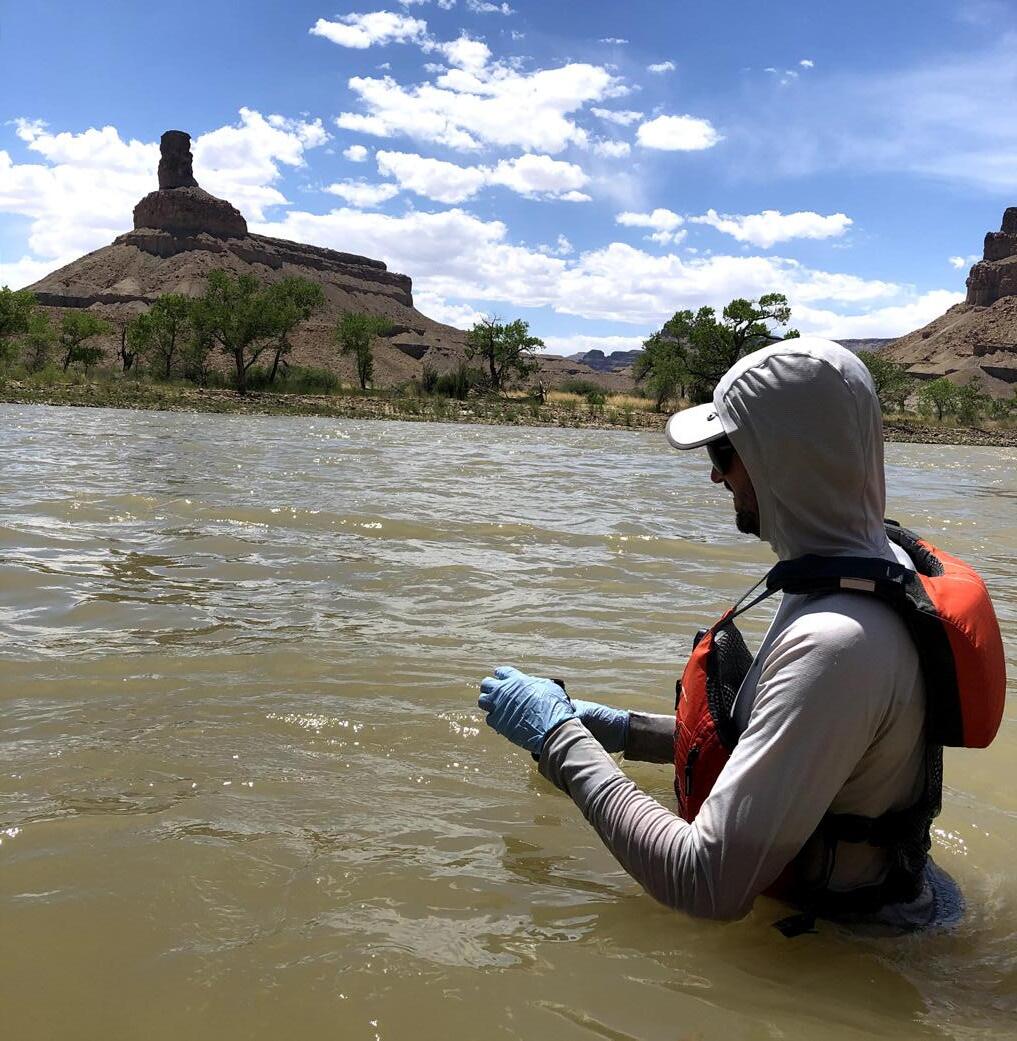
Volunteers collected data approximately every 13 miles (20.9 km) on unassessed and/ or unknown WSR segments (Figure 4). Once the project was completed, volunteers were surveyed for feedback on their experience. As one volunteer in Oregon expressed, “I loved the experience of adventuring up tributaries I never would have explored if the goal to collect water samples hadn’t existed. We went to such magical places just to take our samples!” Of volunteers surveyed, 87% agreed or strongly agreed they protected a place that was important to them. As one volunteer from Idaho shared:
"What stuck out to me was how being obligated to take water quality readings at regular intervals made me stop in places that I otherwise would have just rolled by. It gave me the opportunity to pause and take in the
pleasure of being out on a river beyond the ways and places I expect to do that. It helped the good fortune of being on such a trip sink in a little deeper. And taking a small action to care for the river deepened my care for the place. As is often the case, volunteering for something you believe in makes you want to give more to that thing or place".
Wilderness Study Area Monitoring in Grand Staircase-Escalante
Often cited as the most remote area in the Lower 48, Grand Staircase-Escalante National Monument is almost entirely made up of wilderness study areas (WSA), which are management zones that have been set aside to one day be considered by Congress for designation as wilderness areas. This national monument celebrates the lands of many Indigenous communities, including the Hopi, Zuni, Dine/Navajo, San Juan Southern Paiute, Kaibab Paiute, Ute, Ute Mountain Ute, Jemez Pueblo, and Acoma Nations (Grand Staircase Escalante Partners 2024). The land
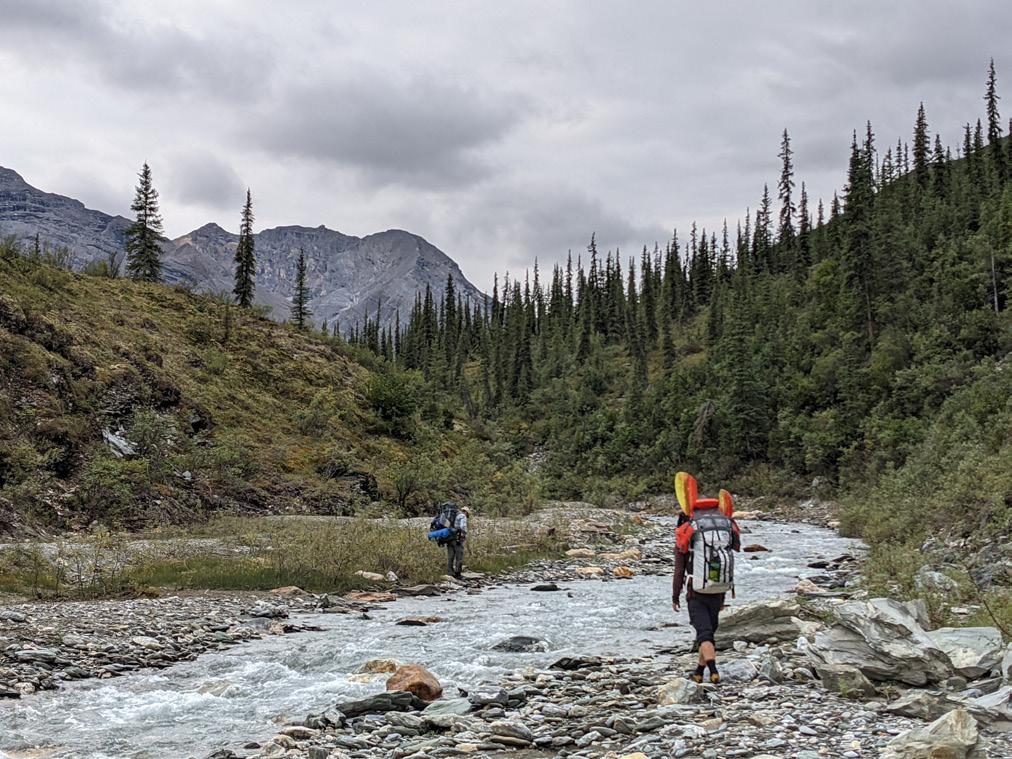
Figure 2 - Utah volunteer collecting grab samples for the Wild and Scenic River project from the Green River along Swasey Beach. Photo by L. Hunt.
Figure 3 - Two volunteers who hiked along the Noatak and Alatna Rivers in Alaska in August 2021 to collect data for Wild and Scenic Rivers. Photo by M. Herring.
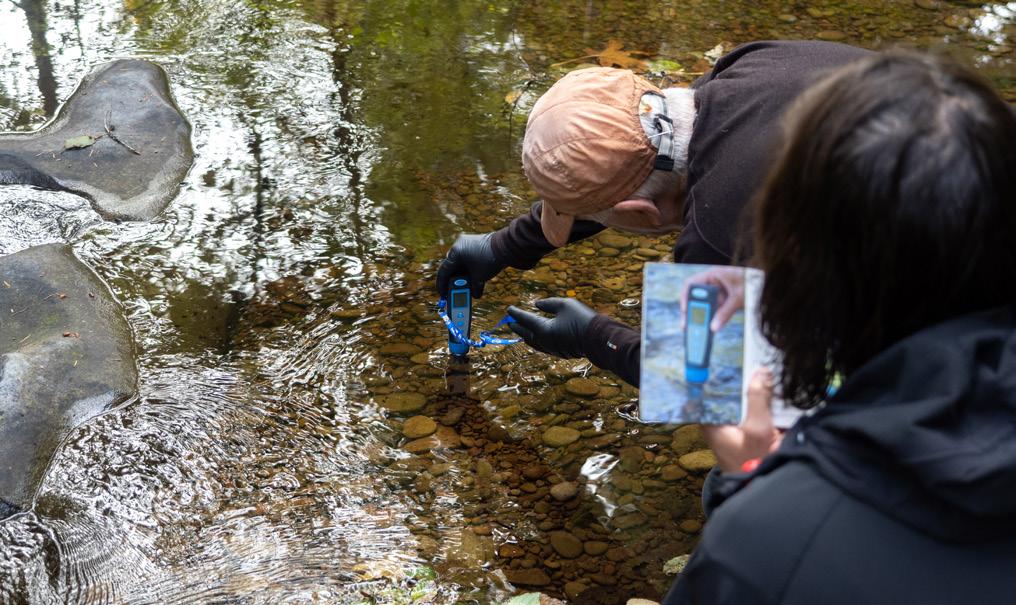
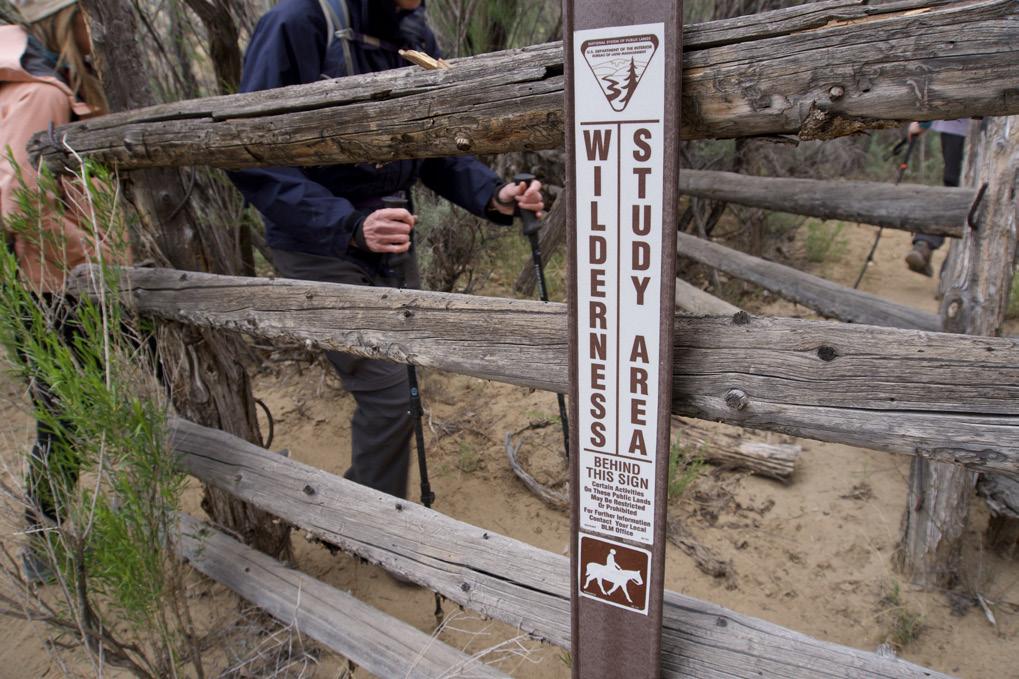
holds countless artifacts and artwork, as well as historical and present-day connections to these communities. On this project, Adventure Scientists partnered with Grand Staircase Escalante Partners (GSEP) and the BLM, to monitor three wilderness study areas for disturbances such as off-road vehicle use, dispersed camp areas, trash, structures, and graffiti (Figure 5).
In May 2024, volunteers joined staff from Adventure Scientists and GSEP to monitor and survey these WSAs. Sixteen volunteers participated in extensive training and subsequent surveying and data collection (Figure 6).
During the first two days, volunteers learned about the history and importance of the Grand Staircase Monument, the data collection methods, and the impact of their participation. As one volunteer from Indiana shared, “While I’m helping nonprofits in their missions to conserve these areas, it’s also very enriching for myself to grow as a person. It goes hand in hand— personal growth along with protecting these places. It’s a spiritual experience.”
Volunteers then separated into pairs and embarked on multiday backpacking, hiking, and overlanding surveying trips throughout
the monument, using the Survey123 app and detailed protocols to monitor human disturbances within WSAs (Figure 7). Volunteers documented the following intrusions and disturbances to the WSAs: off-highway vehicle use/motorized recreation use/ vehicle trespassing; erected camp areas; graffiti/vandalism; large modern trash; and human-made structures. They also noted wilderness characteristics, including structures, ecological impacts, solitude, and primitive and unconfined recreation.
When asked about their motivations for joining the project, volunteers from Iowa commented, “Protecting the places that we love or

Figure 4 - Oregon volunteers gathered water quality data along Wasson Creek using a probe and the Adventure Scientists’ detailed methods booklet. Photo by J. Daniels.
Figure 5 - A sign marks the first steps into a wilderness study area near the town of Escalante, Utah. Photo by D. Maclure.
Figure 6 - Volunteers learn to chart their course on backpacking routes. Photo by D. Maclure.
are experiencing for the first time means to . . . make sure that other people 100 years from now can experience the same awe-inspiring immersion in nature that we’ve found here. It is because of people many years in the past that . . . we are able to enjoy them today. It is our duty to do the same for generations in the future.”
The successful data collection from this project will be used to assist with management and stewardship efforts to maintain wilderness characteristics in these areas. By monitoring these WSAs, GSEP and BLM can support co-stewardship of this landscape with respect and reciprocity for Tribal communities, ensuring that their interests and priorities are considered in management policies and decisions (GSEP 2024). On the impact of this work, one volunteer from Utah noted, “With the pressures of population growth . . . these open places are so special for people to be able to get out and experience the natural world, and [this helps] preservation for native species and the Native Americans who were here long before us.”
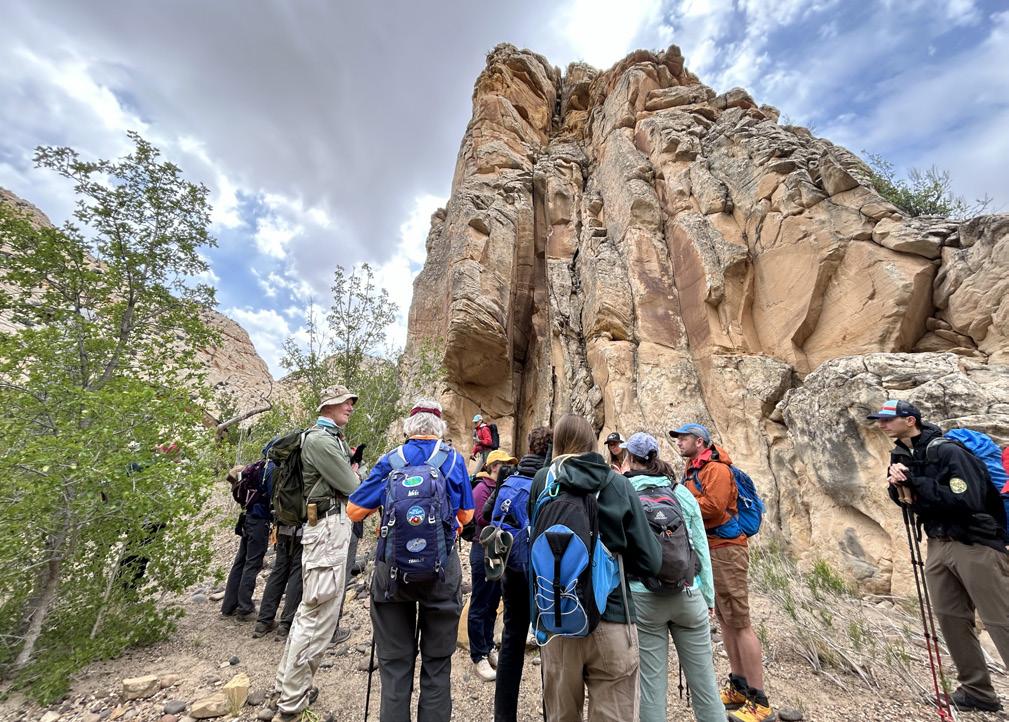
Discussion and Conclusion
In summary, for both projects, volunteers felt that their efforts made an impact and that they were making direct contributions to science. Conservation action data from many years of post-project Adventure Scientists volunteer surveys reveal that after participating in a citizen science project, 29% of volunteers take greater conservation action in their own lives.
Citizen science, fueled by community volunteers, is a powerful tool to support wilderness conservation.. The contribution of volunteers collecting citizen science data in parks to inform park management decisions has been documented (Andow et al. 2016; Ryan et al. 2001). As Lin and Ormsby (2021) documented, with ongoing budget cuts for parks and increased park acreage, volunteers can fill roles that support the work of ranger staff. For example, volunteers can help with mapping invasive plants in parks (Jordan et al. 2012). The type of training that volunteers receive can impact the quality of data collected (Dickinson et al. 2010). The volunteers for Adventure Scientists projects first sign up through the organization’s community science platform on its website. Then, they typically participate in an asynchronous online training course that takes 20 to 30 minutes to complete. If gear is needed for the project, it is mailed to volunteers at no cost to the volunteer. Volunteers collect project data using a specially tailored phone application created by Adventure Scientists staff. Physical data samples are shipped directly to research partners and collaborating laboratories for processing.
Figure 7 - Volunteers participate in a trial survey on a hike through a wilderness study area. Photo by D. Maclure.
“…volunteers felt that their efforts made an impact and that they were making direct contributions to science. Conservation action data from many years of post-project Adventure Scientists volunteer surveys reveals that after participating in a citizen science project, 29% of volunteers take greater conservation action in their own lives.”
Similar to the two projects led by Adventure Scientists, McKinley and colleagues (2017) documented that participation in a community science project can lead people to make different personal choices and change their own management practices, as well as share new knowledge with their social circle and set an example for for others to follow. Participation in projects also improves personal science literacy and builds expertise through the training.
Nature access is important—it benefits individuals physically, mentally, and emotionally. One way to increase access to nature is through volunteer involvement in citizen science opportunities. Studies show that human involvement with nature creates an increased awareness of the natural world (Frantz et al. 2005; Kals et al. 1999). Public lands allow access to nature and can influence an individual’s view of the natural world. For society as a whole, spending time outdoors has both positive environmental and social effects.. Better concentration (Taylor et al. 2002; Wells 2000) and coping with upsetting events (Wells and Evans 2003) are benefits of nature access, along with more cooperative and creative social interactions (Herrington and Studtmann
1998; Kirkby 1989; Taylor et al. 1998).
It is recommended that scientists and organizations continue collaborating with local communities and trained volunteers to build support for conservation and inform data-driven environmental management decisions. By engaging volunteers in hands-on scientific research, they not only contribute to the understanding and management of public lands, but also cultivate a personal commitment to conservation.
Acknowledgements
We are grateful to all of our volunteers, project partners, and supporters.
ALISON ORMSBY is associate director of design/ forest specialist with Adventure Scientists. Bozeman, MT, USA.
ALISA FUTRITSKI is senior manager of volunteer recruitment and community engagement with Adventure Scientists. Bozeman, MT, USA.
SAMANTHA SMITH is project coordinator with Adventure Scientists. Bozeman, MT, USA.
References
Adventure Scientists. 2024. Who we are & what we stand for. Retrieved April 30, 2024, from https://www.adventurescientists.org/mission-and-values.html.
Andow, D. A., E. Borgida, T. M. Hurley, and A. L. Williams. 2016. Recruitment and retention of volunteers in a citizen science network to detect invasive species on private lands. Environmental Management 58(4): 606–618. https://doi.org/10.1007/s00267-016-0746-7.
Bonney, R., J. L. Shirk, T. B. Phillips, A. Wiggins, H. L. Ballard, A. J. Miller-Rushing, J. K. Parrish. 2014. Next steps for citizen science: Strategic investments and coordination are needed for citizen science to reach its full potential. Science 343(6178): 1436–1437. DOI: 10.1126/science.1251554
Dickinson, J. L., B. Zuckerberg, and D. N. Bonter. 2010. Citizen science as an ecological research tool: Challenges and benefits. Annual Review of Ecology, Evolution, and Systematics 41: 149–172. https://doi. org/10.1146/annurev-ecolsys-102209-144636.
Frantz, C., F. S. Mayer, C. Norton, and M. Rock. 2005. There is no “I” in nature: The influence of selfawareness on connectedness to nature. Journal of Environmental Psychology 25(4): 427–436. https://doi. org/10.1016/j.jenvp.2005.10.002.
Grand Staircase Escalante Partners. 2024. Native Perspectives. https://gsenm.org/native-perspectives/.
Herrington, S., and K. Studtmann. 1998. Landscape interventions: New directions for the design of children’s outdoor play environments. Landscape and Urban Planning 42: 191–205. DOI: 10.1016/S0169-2046(98)00087-5.
Jordan, R. C., W. R. Brooks, D. V. Howe, and J. G. Ehrenfeld. 2012. Evaluating the performance of volunteers in mapping invasive plants in public conservation lands. Environmental Management 49(2): 425–434. https://doi. org/10.1007/s00267- 011-9789-y.
Kals, E., D. Schumacher, and L. Montada. 1999. Emotional affinity toward nature as a motivational basis to protect nature. Environment and Behavior 31(2): 178–202. https://doi.org/10.1177/00139169921972056.
Kirkby, M. A. 1989. Nature as refuge in children’s environments. 1989. Children’s Environments Quarterly 6(1): 7–12.
Lin, J., and A. A. Ormsby. 2021. Evaluating the impacts of volunteers serving public lands. Parks: The International Journal of Protected Areas and Conservation 27(1): 25–34. DOI: 10.2305/IUCN.CH.2021.PARKS-271JL.en.
McKinley, D. C., A. J. Miller-Rushing, H. L. Ballard, R. Bonney, H. Brown, S. C. Cook-Patton, and M. A. Soukup. 2017. Citizen science can improve conservation science, natural resource management, and environmental protection. Biological Conservation 208: 15–28. https://doi.org/10.1016/j.biocon.2016.05.015.
Ryan, R. L., R. Kaplan, and R. E. Grese. 2001. Predicting volunteer commitment in environmental stewardship programmes. Journal of Environmental Planning and Management 44(5): 629–648. https://doi. org/10.1080/09640560120079948
Taylor, A. F., F. E. Kuo, and W. C. Sullivan. 2002. Views of nature and self-discipline: Evidence from inner city children. Journal of Environmental Psychology 22(1): 49–63. https://doi.org/10.1006/jevp.2001.0241.
Taylor, A. F., A. Wiley, F. E. Kuo, and W. C. Sullivan. 1998. Growing up in the inner city: Green spaces as places to grow. Environment and Behavior 30(1): 3–27. https://doi.org/10.1177/001391659830100.
United States Department of Agriculture. N.d. Wild & Scenic Rivers. https://www.fs.usda.gov/managing-land/wild-scenic-rivers.
Wells, N. M. 2000. At home with nature: Effects of “greenness” on children’s cognitive functioning. Environment and Behavior 32(6): 775–795. https://doi.org/10.1177/00139160021972793. Wells, N. M., and G. W. Evans. 2003. Nearby nature: A buffer of life stress among rural children. Environment and Behavior 35(3): 311–330. https://doi.org/10.1177/0013916503035003001.
Willi, K., and J. Back. 2018. Evaluation of State 305(b)/303(d) Water Quality Assessments and the National Wild and Scenic Rivers System. https://www.rivers.gov/sites/rivers/files/2023-07/state-water-quality-assessments.pdf.
Wilson, R. K. 2014. America’s Public Lands: From Yellowstone to Smokey Bear and Beyond. Rowman and Littlefield.
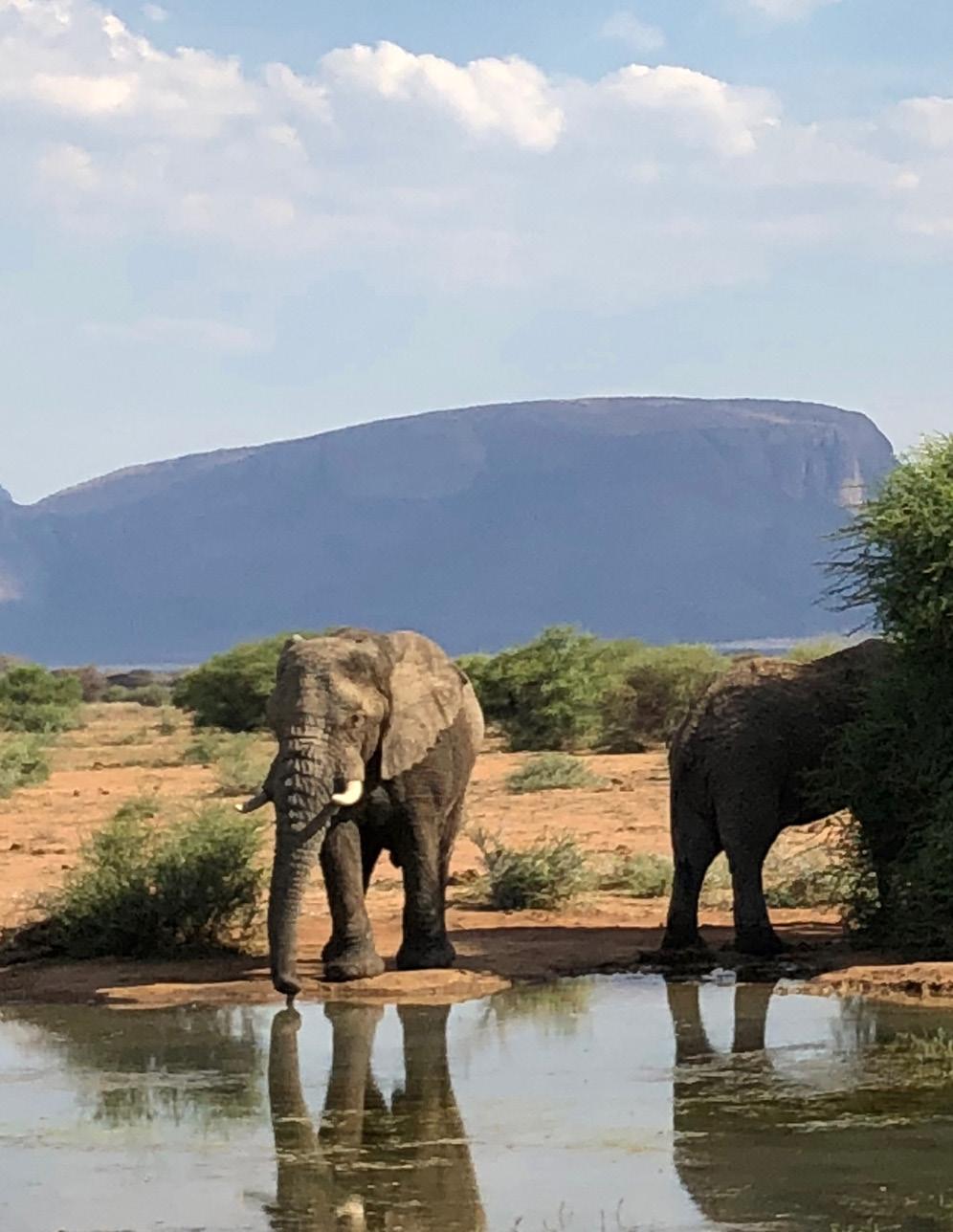
Photo credit: Elephants at Marataba, South Africa.
How Wilderness Immersion Paves the Inner Path to Authentic Leadership
BY BOY VAN DROFFELAAR
Abstract
In an era marked by unprecedented complexity, rapid transformation, profound uncertainty, and a pervasive erosion of trust, the demand for “new leaders” has intensified. Addressing these contemporary challenges necessitates more than enhanced leadership competencies. Instead, scholars and practitioners emphasize the need for a deeper, more profound shift in leaders’ mindsets. Shifting mindsets, however, is a complex endeavor that demands approaches distinct from traditional competency-focused training. Immersion in primitive, unspoiled natural settings, such as those provided by the Wilderness Leadership School together with the Foundation for Natural Leadership, offers a powerful alternative.
The outcomes of three sequential empirical studies indicate that immersive experiences in remote wilderness can significantly influence individuals’ mindsets, fostering personal development toward a more authentic leadership style. This transformation aligns with the framework of the Inner Development Goals and supports the progress of various Sustainable Development Goals (SDG). The author ultimately recommends adopting wilderness-based leadership transformation programs as a meaningful strategy for enhancing leadership development in the broader context of achieving SDGs.
Boy van Droffelaar
“...immersing individuals, especially leaders, in pristine natural surroundings can profoundly influence their mindset, fostering personal growth toward authentic leadership. This practice aligns with the principles of the IDGs and plays a pivotal role in advancing various SDGs.”
Immersion in pristine, natural environments often inspires relaxation, introspection, and even transformation. Such wilderness experiences can cultivate purposeful, authentic leadership. Despite efforts to rebuild trust after corporate scandals and financial crises, public skepticism toward leadership persists. Leaders now operate in increasingly complex and volatile contexts, where traditional organizational priorities such as financial performance and service quality have expanded to encompass social responsibility and environmental stewardship (Crooke, Csikszentmihalyi, and Bikel 2015; Van Wart 2013).
The Sustainable Development Goals (SDGs), adopted by the United Nations in 2015, offer a global blueprint for sustainable development, aiming to achieve a just, inclusive, and prosperous world by 2030. These 17 interconnected goals address diverse human needs and seek to “leave no one behind.” Meeting these objectives presents profound challenges for organizations and leaders alike. Yet, forward-thinking companies increasingly view purpose-driven action as key to long-term success (Polman and Winston 2021).Projections indicate that achieving the SDGs could unlock $12 trillion in economic value and 380
million jobs globally by 2030 (Report Gold Standard and WWF Switzerland 2022). However, progress remains inadequate, as current leadership practices often focus on improving competencies rather than fostering the inner capacities essential for navigating complexity.
To address this gap, scholars and practitioners argue for a fundamental mindset shift—a transformation from “ego-system awareness,” which prioritizes personal well-being, to ”ecosystem awareness,” which values collective well-being. This shift requires more than cognitive skill-building; it demands methods that foster self-awareness, resilience, and empathy.
Maturana and Varela’s (1987) maxim that “you can never control a living system, only disturb it” (Wheatly 2007, p. 17) underscores that true transformation involves enabling a system to perceive itself from a holistic perspective. Scharmer and Kaufer (2013) further elaborate that a living system can only be influenced if its consciousness is shifted. Such a shift in consciousness is only achievable when the system is enabled to perceive and reflect on itself. Thus, facilitating a shift in mindset requires turning the focus of dialogue
inward. Rather than merely observing others, individuals must learn to view themselves through the perspectives of others and the collective whole (Scharmer and Kaufer 2013). Consequently, it appears reasonable to suggest that initiatives fostering awareness—such as positioning oneself in environments conducive to self-reflection—can catalyze mindset shifts. In alignment with this, Woiwode et al. (2021) emphasize that the most effective way to influence a living system is through internal transformations, which encompass shifts in consciousness, patterns of thinking, values, beliefs, worldviews, spirituality, and the relationship between humans and nature. Achieving such awareness necessitates experiential learning approaches that prompt individuals to reflect deeply on their values, beliefs, and worldview.
The Inner Development Goals (IDG) ( www. innerdevelopmentgoals.org ) initiative provides a framework that addresses the inner capacities needed to tackle complex societal challenges, including the SDGs. By focusing on self-awareness, resilience, and empathy, the IDG framework integrates psychological, emotional, and spiritual growth into the broader development agenda. This holistic approach promotes inner transformation and well-being, complementing traditional metrics of success by emphasizing intrinsic values and a balanced perspective on human progress. The IDGs initiative, launched as a complement to the SDGs, supports this approach by promoting psychological and spiritual growth essential for addressing global challenges. Experiential programs rooted in nature-based
leadership development have emerged as powerful tools for fostering this inner growth. Unlike traditional, knowledge-based learning, these programs emphasize emotional, social, and reflective experiences.
However, shifting perspectives is challenging and necessitates training approaches that differ from traditional competencybased programs (Dweck 2017; Kramer 2016). When aiming to influence attitudes, values, and beliefs rather than simply imparting knowledge, experiential, emotional, and social learning have demonstrated greater effectiveness than formal approaches (Avolio and Gardner 2005;; DeRue and Wellman 2009; Illeris 2007; Nesbit 2012). In this context, IDG emphasizes the value of nature-based leadership development programs as a crucial pathway for promoting inner transformation, opening new possibilities for sustainable change. Hence, the central research question explored in the current article is: How do wilderness experiences impact the development of authentic leadership?
Literature Review
Authentic Leadership
There has been an increasing focus on leaders who demonstrate optimism, integrity, authenticity, empathy, and self-reflection (Avolio and Gardner 2005; Polman and Winston 2021). The concept of Authentic Leadership (AL) emerged to encapsulate these qualities. Authentic leaders are guided by moral convictions and remain aligned with their core beliefs, even under pressure. They possess a strong sense of self-awareness,
understanding their strengths, weaknesses, and the influence they have on others.
Walumbwa and others (2007) define authentic leadership as a leadership approach that promotes four key components:
• Self-awareness: Recognizing personal strengths, limitations, and their impact on others, often deepened through meaningful interactions
• Internalized moral perspective: Regulating behavior according to ethical principles, resisting actions that violate core values
• Balanced processing of information: Objectively evaluating diverse viewpoints before making decisions, ensuring outcomes that benefit the collective rather than personal gain
• Relational transparency: Demonstrating honesty and openness in communication, fostering trust by sharing the reasoning behind decisions
Empirical research links authentic leadership with positive outcomes at individual (e.g., increased job satisfaction and performance), group (e.g., improved teamwork), organizational (e.g., greater citizenship behavior), and societal (e.g., enhanced social responsibility) levels (Avolio and Gardner 2005; Ilies et al. 2005). Studies also indicate that adopting an authentic leadership style depends on selfreflection, which enhances the effectiveness of leadership competencies (Baron 2016; Collins and Holton 2004; Kets de Vries and Korotov 2007; Lacerenza et al. 2017).
Leadership Development
Scholars suggest that “critical life events”— pivotal experiences that shape an individual’s life—are significant precursors to authentic leadership development. These events can induce both profound and subtle changes in perspectives, fostering personal growth and influencing mindsets. When trigger events occur within leadership programs and are coupled with guided reflection and coaching, they can catalyze shifts in leadership styles. Some studies (Lacerenza et al. 2017) have highlighted the effectiveness of long-term leadership programs that include planned trigger events, seminars, and coaching. By prompting leaders to reassess their self-concept, values, emotions, and worldview, these events often serve as anchor points for evolving leadership identities. Gardner and Carlson (2015) argue that life narratives and significant
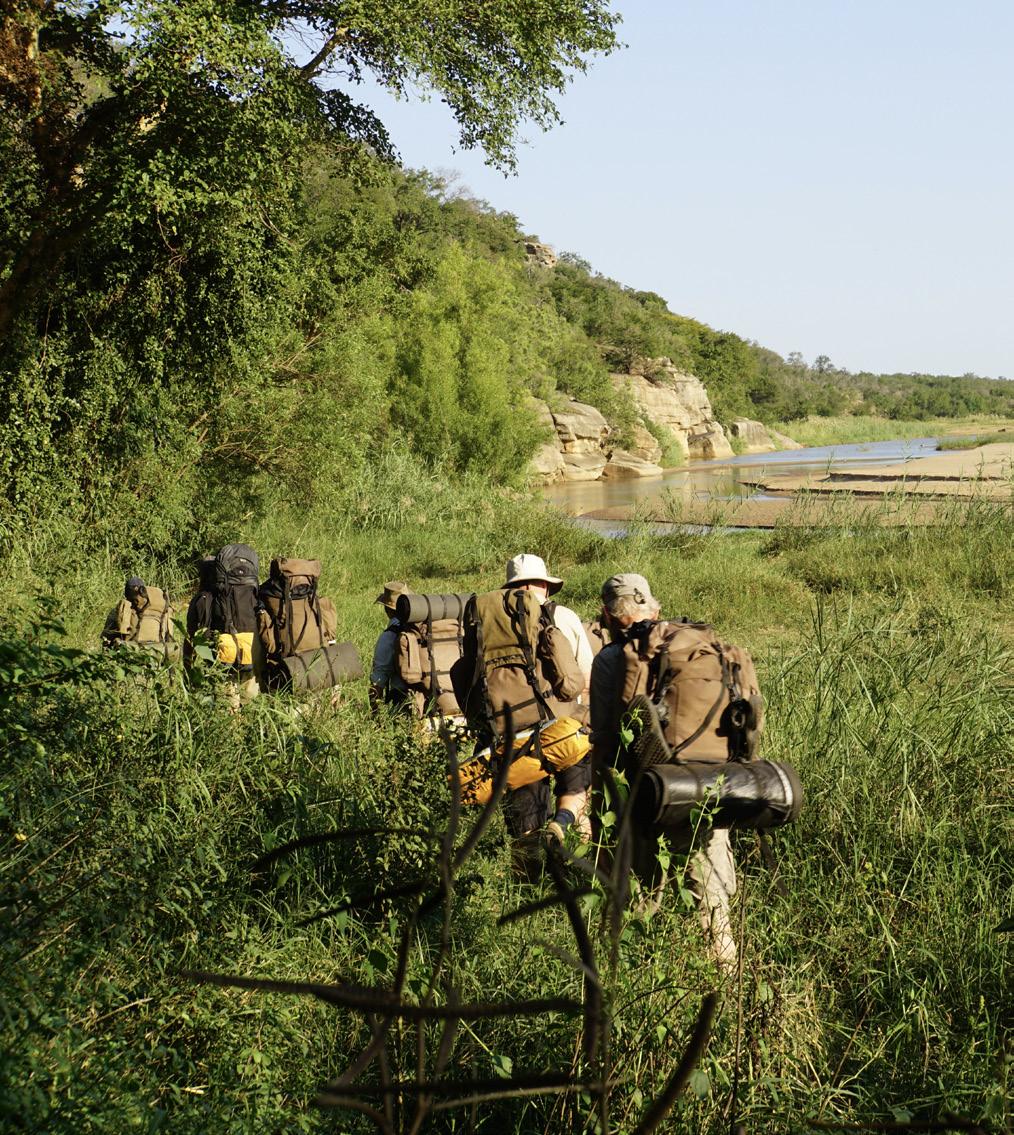
Figure 1 - On trail along Imfelozi River.
events, such as childhood experiences, career shifts, or personal adversities, are foundational to authentic leadership development. However, these experiences are often incidental rather than intentionally integrated into formal training programs.
Nature as Trigger Event
Throughout history, influential figures— including religious founders, mystics, shamans, and philosophers—have sought solitude in nature to undergo transformative experiences. Indigenous cultures also associate rites of passage and initiation ceremonies with extended wilderness stays. Maslow (1964, 1968) posited that natural environments can elicit “peak experiences,” moments of profound unity, transcendence, and holistic cognition accompanied by feelings of awe and bliss. Similarly, Csikszentmihalyi’s (1990) concept of “flow” describes states of deep immersion and focused engagement often fostered by natural settings. Researchers DeMares (2000) and Laski (1961) noted that interactions with wildlife can specifically trigger such peak experiences, a claim supported by empirical studies (Ashley 2007; Boniface 2000;; McDonald, Wearing, and Ponting 2009). Nature immersion has been shown to yield significant psychological benefits, including stress reduction and cognitive restoration. Ulrich et al. (1991) found that exposure to natural environments facilitated faster recovery from stress compared to urban settings. Kaplan and Kaplan emphasized nature’s role in restoring attention by promoting “fascination”—a form of involuntary focus on intriguing stimuli.
Moreover, nature experiences have been linked to improved emotional well-being, self-awareness, independence, and self-regulation. They can also inspire creativity, foster a sense of authenticity, and promote spiritual connectedness. Such experiences have been associated with increased pro-social behaviors and a heightened commitment to sustainability.
Peak experiences in nature often function as “transitional spaces” that encourage selfreflection, storytelling, and peer dialogue, fostering personal transformation and authentic leadership development. These insights underscore the potential of nature-based programs to serve as powerful catalysts for mindset shifts.
The Wilderness Leadership Transformation Program
Since its founding in 1957 by Dr. Ian Player and Magqubu Ntombela, the Wilderness Leadership School (WLS) has guided more than 70,000 individuals from diverse backgrounds on transformative wilderness trails. Well before “ecology” became a popular term, the WLS recognized the critical need for a substantial group of knowledgeable, conservation-focused leaders committed to safeguarding the planet’s invaluable natural resources. Despite the passage of time, the fundamental principles, core experiences, and overarching purpose of the wilderness trails remain unchanged. These journeys extend over three days, five days, or even longer durations, offering participants the opportunity to sleep beneath the stars while immersing themselves in some of Africa’s most remote
and spiritually significant landscapes. However, the essence of the trail experience lies in personal transformation—an introspective journey into both the wilderness and the self.
Founded in 2002 in the Netherlands, The Foundation for Natural Leadership (FNL) was established by a group of top Dutch CEOs who believed it was time for a new approach to leadership: Natural Leadership. Natural Leadership is leadership necessary to make the world of today and tomorrow more sustainable, both socially and environmentally. Both organizations came together and in close collaboration with the WLS, the FNL has initiated the Wilderness Leadership Transformation Program (WLTP).
The program features a four- to six-day expedition through remote wilderness areas, accommodating groups of five to seven participants. Each group is guided by one or two WLS guides and a certified FNL facilitator. The program’s objective is to help participants identify and develop their natural leadership qualities, which align with the concept of
authentic leadership. To achieve this goal, the trail experience is carefully designed to maximize participants’ immersion in nature under optimal conditions.
The WLTP is structured around several key principles, referred to as “trail-principles”: simplicity (disconnecting from the digital world and urban settings), sensing (engaging all senses), sharing (through dyads or council circles using the “talking stick”), silence (during hikes and night watches), sincerity (practicing honesty with oneself and others), service (caring for others and the environment), and self-reflection (exploring personal identity and purpose). Throughout the trial, the facilitator ensures the implementation of and adherence to these principles.
Each trail begins with preparatory activities, including an intake conversation to explore participants’ motivations and a group meeting to foster familiarity and provide an overview of the program. During the wilderness trek, participants hike daily carrying only minimal supplies—such as food, a sleeping bag, and a few items of clothing—allowing them to fully engage with the environment. Trails are conducted in remote regions of South Africa, Rwanda, and Botswana, and now also in Switzerland, Germany, Italy, Spain, and Portugal. The experience incorporates time for personal reflection, storytelling, and one-on-one discussions. Group interactions often take place in a circle using a “talking stick” to facilitate open and meaningful exchanges.
Figure 2 - Contemplating in Marataba, South Africa.
Intentions
Be more aware of self
Representative excerpts AL Components
“…the trail made me rediscover who I really am which enables me to make unprejudiced choices…”
“…By the trail I got to see who I am. Thereby I will make choices as to how I go live my life and work over the next few years and how I will contribute to the world around me...”
Self-awareness
(a process of reaching a deeper understanding of one’s strengths and weaknesses)
Live by inner compass
“…follow my core values and do the things which give me energy; walk my own path; take the time to reflect and to change…”
“…I want to be sincere and honest and how I practice this in private and business…”
Improve careful listening “…increase and evoke stillness on a regular basis creates overview and insight, radiating peace of mind, peace of action…”
…Listen, listen, and listen again to what is going on in people to be able to respond to this…
Internalized moral behavior
(a self-regularity process whereby leaders use their internal moral standards and values to guide their behavior rather than allow outside pressure to control them)
Become more transparent
“…going to a deeper level with my team by sharing more personal things…”
“…I will show more my emotions. Emotion gives strength. I have found, although it makes me vulnerable, but that vulnerability makes me what I am…”
Balanced processing
(ability to analyze information objectively and explore other people’s opinions before making a decision)
Relational transparency
(openness and honesty in presenting one’s true self to others)
Table 1 - Intentions and resonance with AL component.
Post-trail activities include an individual evaluation session, known as a “landing conversation,” where participants reflect on their experience, commitments, and insights alongside the facilitator. This session may be supplemented with follow-up coaching conversations. Approximately two months later, participants reconvene to share progress on their personal commitments and goals. Many groups continue meeting for reunions and peer consultations for years after the program concludes.
Participants come from diverse professional backgrounds, including IT, retail, industry, consultancy, banking, law, and both governmental and nongovernmental organizations. They typically hold senior leadership roles and range in age from 35 to 65. Since the program’s establishment in 2002, more than 2,500 leaders have completed the WLTP, experiencing its transformative impact on their leadership journey.
Empirical Research
Three empirical studies have been conducted to (1) analyze leaders’ experiences and the resulting intentions for change, (2) measure the actual impact of the training program on authentic leadership, and (3) explore the role of memories of these experiences in shaping leadership style and related transformations.
Study 1: The Role of Wilderness Experiences in Leadership Development Toward Authentic Leadership
(Van Droffelaar and Jacobs 2017)
The first study addressed two research questions: What do leaders experience during a wilderness-based training program, and what intentions do these experiences prompt?
The sample consisted of 97 senior leaders, and content analysis was performed on trail reports submitted by participants of the wilderness leadership program. Leaders provided personal narratives of their wilderness experiences and the behavioral intentions these inspired. Many participants used terms such as “intense,” “sudden realization,” “deeply moving,” “powerful,” and “being reborn” to describe peak experiences. Four distinct types of peak experiences were identified: heightened self-awareness, recognition of core values, a sense of deep attentive connection, and being in full presence. The analysis identified four corresponding intentions: increased self-awareness, alignment with their inner compass, improved attentive listening, and enhanced transparency.
Self-awareness: Most participants expressed a desire to deepen their understanding of their true selves, remain open-minded, and build reflection into their daily routines. They aimed to live and work from their inner core, understanding both their strengths and weaknesses. This intention aligns with the authentic leadership component of self-awareness, which emphasizes understanding one’s strengths, limitations, and influence on others.
Living by the inner compass: Participants sought to stay true to their vision and act with honesty and sincerity in both professional and personal contexts. They are committed to following their core values and taking time to reflect on these principles. This goal resonates with the component of internalized moral behavior, where leaders are guided by internal moral standards and values.
Improved listening: Half of the participants indicated an intention to give undivided attention to colleagues, employees, and loved ones. They aspired to practice nonjudgmental listening and cultivate inner stillness to gain clarity and perspective. Participants also expressed a desire to become servant leaders who empower their teams and exemplify stewardship, humility, respect, and authenticity. This goal corresponds to balanced processing, where leaders objectively analyze all relevant information and seek input that challenges their assumptions.
Transparency: Approximately half of the participants emphasized the importance of making conscious decisions based on intuition and clearly communicating these choices. They expressed a willingness to share personal aspects and show vulnerability within their teams to foster openness and trust. This aligns with the component of relational transparency, characterized by honesty and openness in interactions with others.
The study concluded that immersion in nature could serve as a pivotal life event, cultivating the development of authentic leadership.
Study 2: A Nature-Based Training Program Enhances Authentic Leadership (Van Droffelaar and Jacobs 2018)
The second study aimed to answer the following question: To what extent does authentic leadership improve after participation in a wilderness-based training program? The experimental design (n = 66) examined intrapersonal changes following a wildernessbased leadership program conducted in remote, undeveloped areas without modern facilities. Surveys measured participants’ authentic leadership before, immediately after, and one year after the program. Whereas literature suggests that authentic leadership develops as a lifelong process, short-term experiences may catalyze significant growth. The hypothesis tested was: Participation in a nature-based leadership transformation program enhances authentic leadership.
Participants completed a pre-event survey two weeks before their wilderness experience, a post-event survey 10 weeks after the experience, and a delayed survey one year later to assess the longevity of the changes.
Figure 3 - Zebra trail in Marataba, South Africa.
Of the participants, 89 (83%) completed the pre-event survey, and 66 (62%) completed both post-event surveys. The sample was 33% female, with an average age of 45 years (SD = 6.38). The same set of questions was used in all three surveys, employing the 16-item Authentic Leadership Inventory to assess leadership orientation.
The initial survey revealed that participants were already oriented toward authentic leadership before the program. Nonetheless, all components of authentic leadership significantly increased after the program, with effect sizes ranging from 0.61 to 0.75, indicating medium to large effects. Balanced processing showed an additional increase after one year (0.31; t = 4.51, p < .001), while other components remained stable. There were no significant differences in outcomes based on gender or program location.
Study 3: Episodic Memories of Wilderness Experiences Foster Sustainable Leadership Style Transformation (Van Droffelaar 2021)
The third study explored two questions: Which memories of the wilderness training program do leaders recall in work situations, and how do these memories influence their leadership style?
A qualitative analysis of interviews with 36 leaders who had participated in the wilderness program an average of six years prior was conducted. The study assessed the work situations that evoked memories of the program, the nature of these memories, and their influence on leadership behavior.
Episodic memory involves recalling the context of significant, often first-time experiences that are characterized by emotional intensity, vivid details, and personal meaning (Tulving 2002; Ryan, Hoscheidt, and Nadel
Table 2- Differences in authentic leadership components before and after training program.
2008). Emotionally charged experiences, such as wilderness immersion, often form episodic memories that influence identity, purpose, and decision-making. These memories can be reinforced through frequent recollection, enhancing their emotional and cognitive significance.
The study indicated that episodic memories of wilderness experiences positively influenced leadership behavior, particularly in stressful situations. Leaders recalled moments of solitude, a profound connection with nature, and peer discussions as sources of strength. Common scenarios that triggered these memories included high-pressure meetings, presentations, and brainstorming sessions. For example, one director described drawing inspiration during a challenging meeting: “When I have a difficult meeting where I must persuade my team to accept new realities, I recall those moments.”
About 20% of participants reported that memories were often evoked during key events such as presentations, while 30% referenced their wilderness experiences during creative brainstorming sessions. Approxi -
mately 40% reflected on their experiences daily, and the remainder weekly. Leaders believed these memories had a lasting impact, contributing to a calmer mindset, increased confidence, and a sense of interconnectedness with their teams. The study concluded that both direct experiences in nature and the memories of those experiences play a meaningful role in shaping leadership behavior and fostering a more authentic leadership style.
Discussion
Contemporary leadership challenges—such as distrust, rapid change, uncertainty, expanding societal responsibilities, and sustainability goals—require a transformation in leaders’ mindsets rather than a mere improvement in skills and abilities. Understanding how this mindshift and corresponding leadership transformation can be achieved is a vital question for both practitioners and researchers.
The findings from the three studies suggest that nature-based leadership programs foster the development of authentic, purpose-driven leadership. Rather than focusing on specific skills, this approach cultivates inner change, reflected in traits such as a clear self-concept, adherence to moral values, empathetic listening, and transparent communication. These traits align with the IDG framework, suggesting that such programs can help leaders address modern challenges with greater ethical responsibility, transparency, and a commitment to societal and environmental stewardship—ultimately helping to rebuild public trust.
Figure 4 - Botswana Okavanga Delta.
Peak
Experiences Mindshifts
Heightened Self
“I felt clean, strong, reborn…”
“…the rediscovering of my true nature…”
“…This was one of the most powerful experiences I ever had, the rediscovering of my true nature…”
Core Values
“…feeling as compass…” “..I felt peaceful and balanced…”
Self-Awareness
“..I will make choices how I will contribute to the world around me...”
Echoing IDGs Fostering SDGs
Being:
Cultivating our inner life and developing and deepening our relationship to our thoughts, feelings, and body help us be present.
SDG 3: Good Health and Well-Being: numerous health benefits improving overall wellbeing
SDG 15: Life on Land: promoting efforts to conserve and restore terrestrial ecosystems and halt biodiversity loss
Connected Attention
“…I was looking from within, I was connected…”
“…really giving attention to the person, the thought, what it brings forward in all its senses, like in nature…”
Inner Compass
“…I want to be sincere and honest and how I practice this in private and business…”
“…follow my core values and do the things which give me energy; take the time to reflect and to change…”
Deep Listening
“…increase and evoke stillness on a regular basis creates overview and insight, radiating peace of mind, …”
“…Listen, listen, and listen again to what is going on in people to be able to respond to this…”
Acting:
Qualities such as courage and optimism help us acquire true agency, break old patterns, generate original ideas, and act with persistence in uncertain times.
SDG 4: Quality Education: enhance environmental education, fostering a deeper understanding of ecological systems
SDG 12: Responsible Consumption and Production: sustainable lifestyles, consumption patterns, and the importance of conserving resources
Relating:
Appreciating, caring for, and feeling connected to others, helps us create more just and sustainable systems and societies for everyone.
SDG 11: Sustainable Cities and Communities: promoting sustainable urban planning and fostering a sense of community well-being
SDG 16: Peace, Justice, and Strong Institutions: contributing to better leadership, social cohesion, and peaceful coexistence
Full Presence
“…in flow with the river…” “... trusting intuition…”
“…feeling the stillness inside, feeling my energy, it makes my intuition stronger…”
Relational Transparency
“I now have a much wider antenna; I have a lot more eye for a huge spectrum of signals.”
“…going to a deeper level with my team by sharing more personal things…”
Collaborating:
To make progress on shared concerns, we need to develop our abilities to include, hold space, and communicate with stakeholders with different values, skills, and competencies.
Table 3 - Correlation between peak experiences, mindshifts, IDGs, and SDGs.
SDG 13: Climate Action: encouraging individuals and communities to reduce their carbon footprint and protect natural carbon sinks
A significant finding in studies 1 and 3 is the emotional intensity of participants’ experiences and memories. Descriptions of their peak experiences during the wilderness trail often conveyed profound emotional undertones. Peak experiences, characterized by positive emotional and cognitive intensity, have the potential to inspire long-lasting personal transformation. Many interviewees recounted these moments with deep emotion, sometimes tearfully. Emotional experiences from the past, particularly those deemed significant, can influence present thoughts, feelings, and behaviors.
However, traditional leadership development programs typically prioritize cognitive learning in classroom or workplace settings. A metaanalysis of 335 studies on leadership training (spanning from 1951 to 2014) found that training programs effectively improve effective, cognitive, and skills-based outcomes. The analysis highlighted that the most effective programs incorporated a blend of informational, demonstrative, and practice-based methods, typically conducted on-site. Yet, the report only briefly acknowledged the potential of emotional content in enhancing affective outcomes. This omission highlights a gap in the literature regarding the role of emotions in leadership development, raising questions about how leaders’ capacities can be shaped through emotional experiences. To innovate leadership training, programs may need to integrate emotional elements that address the core drivers of learning and change in leaders.
Self-reported data must be interpreted carefully, as perceptions do not always align with reality, and individuals may not consistently
report their experiences honestly. Nevertheless, some findings—such as leaders recalling vivid episodic memories of wilderness experiences during workplace challenges—are difficult to dismiss as mere reporting bias. Many participants described rediscovering their “true nature” in moments of stillness and noted how this inner calm persisted, providing clarity and peace of mind. This transformation extends beyond personal well-being and spiritual growth, encompassing relational dynamics and professional resilience.
It is reasonable to propose that integrating a leadership transformation program centered on wilderness experiences, such as those conducted by the Wilderness Leadership School together with the Foundation for Natural Leadership, could be an effective approach to achieving the IDGs while simultaneously advancing multiple SDGs. Table 3 provides a comprehensive overview of the rationale underpinning this study, highlighting the connections between peak experiences in natural environments, shifts in participants’ mindsets, the alignment with IDGs, and the potential contribution to various SDGs.
First, participants reported that time spent in nature yielded numerous health benefits, including stress reduction and enhanced overall well-being, aligning with **SDG 3: Good Health and Well-Being**.
Second, experiential learning in natural settings facilitated environmental education, fostering a profound understanding of ecological systems, sustainability principles, and the interdependence of human activities and the environment, corresponding to **SDG 4: Quality Education**.
Third, reconnecting individuals with nature may inspire the integration of green spaces into urban environments, advancing sustainable urban planning while promoting community well-being, which supports **SDG 11: Sustainable Cities and Communities**.
Fourth, leaders’ exposure to unspoiled nature encouraged reflections on sustainable living, responsible consumption, and resource conservation, which align with **SDG 12: Responsible Consumption and Production**.
Fifth, participants’ newfound appreciation of nature’s beauty and fragility heightened their awareness of climate change mitigation and adaptation strategies, addressing **SDG 13: Climate Action**.
Sixth, the experiences promoted a greater understanding and appreciation of biodiversity and ecosystems, contributing to **SDG 15: Life on Land**.
Finally, the sense of interconnectedness and empathy cultivated through these natural encounters enhanced leadership qualities, social cohesion, and peaceful coexistence, aligning with **SDG 16: Peace, Justice, and Strong Institutions**.
Implications
Participants in the training program articulated their reasons for attending before the program began. Defining purpose is a crucial step at the start of the program. Because leadership transformation involves personal growth, carefully formulating a personal purpose is vital. Participants who clearly define their purpose, often aided by coaching conversations, make significant progress in developing self-awareness—a core element of
authentic leadership. Therefore, it is advisable that leadership training programs consistently include a purpose-mapping exercise at the start. This exercise promotes engagement and can shape the direction of the entire training. Similarly, organizations may benefit from encouraging managers to define their personal purpose as a foundation for setting strategic goals. This practice could enhance the relevance of organizational goals and strengthen personal commitment to achieving them.
Extended periods of solitude in nature evoke a profound sense of connection to the natural world. The findings showed that the challenge of spending time alone in remote nature or standing solo for night watch posed an unfamiliar yet impactful physical and emotional experience. Leaders reflected that these moments were deeply transformative. The solitude helped them understand the importance of taking time for self-reflection to gain new perspectives (internalized moral compass). Additionally, they reported feeling more self-assured and experiencing greater inner peace. Following this experience, they felt better equipped to face challenges, such as transforming their leadership style to become more authentic. Hence, it is advisable to include longer self-reflection periods in leadership training programs and integrate such practices into business school and MBA leadership curricula. Organizations might also consider cultivating a work environment that allows for brief reflection breaks during meetings, such as a short silent walk, to encourage thoughtful insights.
Participants are encouraged to reconnect with nature deliberately. It does not necessarily need to be wilderness—it could be a simple garden, provided it is a place where one can repeatedly connect with the natural environment. Revisiting the same place over different seasons fosters familiarity and appreciation of subtle changes. Spending a few hours there each week—perhaps journaling or sketching—while focusing on building a relationship with the place can make the experience meaningful. Developing this connection can help leaders recall their trail experiences and reinforce the significance of attentively engaging with others, nurturing their capacity for authentic and purposeful leadership.
In conclusion, immersing individuals, especially leaders, in pristine natural surroundings can profoundly influence their mindset, fostering personal growth toward authentic leadership. This practice aligns with the principles of the IDGs and plays a pivotal role in advancing various SDGs.
References
Ashley, P. 2007. Toward an understanding and definition of wilderness spirituality. Australian Geographer 38(1): 53–69.
Avolio, B. J., and W. L. Gardner. 2005. Authentic leadership development: Getting to the root of positive forms of leadership. The Leadership Quarterly 16(3): 315–338.
Baron, L. 2016. Authentic leadership and mindfulness development through action learning. Journal of Managerial Psychology 31(1): 296–311.
Boniface, M. R. 2000. Towards an understanding of flow and other positive experience phenomena within outdoor and adventurous activities. Journal of Adventure Education &Outdoor Leadership 1(1): 55–68.
Collins, D. B., and E. F. Holton III. 2004. The effectiveness of managerial leadership development programs: A metaanalysis of studies from 1982 to 2001. Human Resource Development Quarterly: 15(2) 217–248.
Crooke, M., M. Csikszentmihalyi, and R. Bikel. 2015. Leadership in a complex world. Organizational Dynamics 44(2): 146–155.
Csikszentmihalyi, M. 1990. Flow: The Psychology of Optimal Experience. Harper and Row. Demares, R. 2000. Human peak experience triggered by encounters with cetaceans. Anthrozoös 13(2): 89–103.
DeRue, D. S., and N. Wellman. 2009. Developing leaders via experience: The role of developmental challenge, learning orientation, and feedback availability. Journal of Applied Psychology 94(4): 859–875.
Dweck, C. S. 2017. Mindset. Constable & Robinson Ltd.
Gardner, W. L., and J. D. Carlson. 2015. Authentic leadership. In International Encyclopedia of the Social & Behavioral Sciences 2(2), ed. JD Wright. Elsevier.
Hinds, J., and P. Sparks. 2008. Engaging with the natural environment: The role of affective connection and identity. Journal of Environmental Psychology 28(2): 109–120.
Ilies, R., F. P. Morgeson, and J. D. Nahrgang. 2005. Authentic leadership and eudaemonic well-being: Understanding leader–follower outcomes. The Leadership Quarterly 16(3): 373–394.
Illeris, K. 2007. What do we actually mean by experiential learning? Human Resource Development Review 6(1): 84.
Kets de Vries, M. F. R., and K. Korotov. 2007. Creating transformational executive education programs. Academy of Management Learning & Education 6(3): 375–387.
Kramer, R. 2016. From skillset to mindset: A new paradigm for leader development. Public Administration Issues 5:26–45.
Lacerenza, C. N., D. L. Reyes, S. L. Marlow, D. L. Joseph, and E. Salas. 2017. Leadership training design, delivery, and implementation: A meta-analysis. Journal of Applied Psychology 102(12): 1686–1718.
Laski, M. 1961. Ecstasy: A Study of Some Secular and Religious Experiences. The Cresset Press.
Maslow, A. 1964. Religions, Values, and Peak experiences. Ohio State University Press. Maslow, A. 1968. Toward a Psychology of Being, 2nd ed. Van Nostrand Reinhold.
Maturana, H. R., and F. J. Varela. 1987. The Tree of Knowledge: The Biological Roots of Human Understanding. Shambhala Publications.
McDonald, M. G., S. Wearing, and J. Ponting. 2009. The nature of peak experience in wilderness. The Humanistic Psychologist 37(4): 370–385.
Nesbit, P. L. 2012. The role of self-reflection, emotional management of feedback, and self-regulation processes in self-directed leadership development. Human Resource Development Review 11(2): 203–226.
Polman, P., and A. Winston. 2021. Net Positive: How Courageous Companies Thrive by Giving More Than They Take. Harvard Business Review Press.
Report Gold Standard and WWF Zwitserland. 2022. https://goldstandard.cdn.prismic.io/goldstandard/b399b691-4f17-480a-af2e-eda063d846d6_businesssdgs_ summary.pdf.
Ryan, L., S. Hoscheidt, and L. Nadel. 2008. Perspectives on episodic and semantic memory retrieval. In Handbook of Behavioral Neuroscience series, vol. 18, ed. E. Dere, A. Easton, L. Nadel, and J. P. Huston. Elsevier.
Scharmer, O., and K. Kaufer. 2013. Leading from the Emerging Future: From Ego-System to Eco- system Economies Berrett-Koehler.
Tulving, E. 2002. Episodic memory: From mind to brain. Annual Review of Psychology 53: 1–25.
Ulrich, R. S., R. F. Simons, B. D. Losito, E. Fioritom M. A. Miles, and M. Zelson1991. Stress recovery during exposure to natural and urban environments. Journal of Environmental Psychology 11(3): 201–230.
Van Droffelaar, B. 2021. Episodic memories of wilderness experiences foster sustainable leadership style transformation. Journal of Management Development 40(6): 486–502.
Van Droffelaar, B., and M. Jacobs. 2017. The role of wilderness experiences in leaders’ development toward authentic leadership. Leadership & Organization Development Journal 38(8): 1144–1156.
Van Droffelaar, B., and M. Jacobs. 2018. Nature-based training program fosters authentic leadership. Journal of Leadership Studies 12(3): 7–18.
Van Wart, M. 2013. Lessons from leadership theory and the contemporary challenges of leaders. Public Administration Review 73: 553–565.
Walumbwa, F. O., B. J. Avolio W. L. Gardner, T. S. Wernsing, and S. J. Peterson. 2007. Authentic leadership: Development and validation of a theory-based measure. Journal of Management 34(1): 89–126.
Wheatly, M., 2007. Finding Our Way, Leadership for an Uncertain Time. Berrett-Koehler Publishers.
Woiwode, C., N. Schäpke, O. Bina, S. Veclana, I. Kunze, O. Parodi, P. Schweizer-Ries, and C. Wamsler. 2021. Inner transformation to sustainability as a deep leverage point: Fostering new avenues for change through dialogue and reflection. Sustainability Science 16(3): 841–858.
DR. BOY VAN DROFFELAAR holds a master’s degree in chemical engineering and business administration from Twente University, Netherlands. A retired executive, he has extensive experience working with international companies (AkzoNobel, Randstad, SaraLee). Currently, he serves as an executive coach and facilitator at the Foundation for Natural Leadership. In 2020, he earned his PhD from Wageningen University and Research, Netherlands; email: b.vandroffelaar@planet.nl.


Photo credit: Photo by Ozgu Ozden on Unsplash
Wilderness Babel: Duovdagat—Sámi Ways of Understanding Land
BY RAUNI ÄÄRELÄ-VIHRIÄLÄ, INKER-ANNI LINKOLA-AIKIO, BERIT-ELLEN JUUSO, and PIGGA KESKITALO
Wilderness Babel is a project created by Marcus Hall, Wilko Graf Von Hardenberg, Tina Tin, and Robert Dvorak from the original online exhibit at the Environment and Society Portal of the Rachel Carson Center for Environment and Society. It has been developed as an ongoing IJW series that discusses the terminology chosen to express wilderness as a concept in other languages or the nuances of this word in different English-speaking contexts. It discusses the adoption of the term “wilderness” in other cultural contexts, as well as other wilderness terms, from “outback” to “jungle,” and “bush” to “country.” It also explores how concepts of wilderness have found expression in visual representation in various media as well as in nonverbal communication.




Inker-Anni Linkola-Aikio
Pigga Keskitalo
Rauni Aarela-Vihriala
Berit-Ellen Juuso
“These terms reflect a worldview in which land and language are inseparable, and where knowledge is passed not only through words but through practices, places, and relationships. The terminology used to describe the cultural environment in Sámi language is inherently flexibile, adapting according to whether nature is approached as a source of resources or as something valuable in its own right.”
The Sámi people are the Indigenous people of Sápmi, a vast region that spans the mid and northern parts of Norway, Sweden, northern Finland, and the Kola Peninsula in Russia. For generations, Sámi communities have maintained deep relationships with their environment, following seasonal cycles and sustaining knowledge systems rooted in land, language, and livelihood. Rather than viewing nature as “wild” or “untouched,” Sámi ways of knowing regard the land as alive, storied, and relational (Kuokkanen 2007).
Central to this worldview is the understanding that human beings are part of a larger network of beings—such as animals, rivers, forests, and winds—with whom one must live respectfully. Practices such as reindeer herding, fishing, berry gathering, and duodji (Sámi handicrafts) are not merely means of subsistence but also expressions of cultural and spiritual connection to place.
In Sámi culture, land is not a passive backdrop for human activity, nor is it a “wilderness” to be conquered or preserved in isolation. It
is a living landscape—duovdagat—that holds culturally embedded memory, sustains language, and teaches reciprocity (Joks, Østmo, and Law 2020). This understanding contrasts with dominant Western notions of wilderness as empty, remote, or devoid of people. The Sámi relationship to land prompts us to reconsider what it means to protect, inhabit, and speak about nature—especially in a time of climate crisis and cultural erasure.
The Sámi Conceptual World and Wilderness
In the Sámi worldview, there is no direct equivalent to the Western concept of wilderness. Land is not imagined as something empty, untouched, or separate from humans. Instead, it is experienced as an animate and relational presence—a living system of connection, memory, and responsibility. Sámi knowledge systems emphasize that the land is part of everyday life, community, and language, rather than a remote or pristine space set apart from people. The landscape is not
merely a backdrop but an active participant (Helander-Renvall 2010).
The idea of meahcci is central to this worldview. Often translated simply as “forest” or “backcountry,” meahcci carries far deeper meaning. It refers to a place beyond cultivated land—a space of hunting, gathering, reindeer herding, and spiritual reflection (Joks et al. 2020). Yet, meahcci is not wild in the sense of being unknown or untouched; rather, it is deeply known and shaped through generations of use and presence. It is inhabited by animals, spirits, ancestors, and stories. It is a place of belonging (Mazzullo and Ingold 2008).
Another key concept is luondu, which can be translated as “nature” but also refers to a being’s true essence or a sacred natural order. Luondu reminds us of the reciprocity embedded in Sámi understandings of life: Humans must act with care and humility in relation to the more-than-human world (HelanderRenvall 2010).
These terms reflect a worldview in which land and language are inseparable, and where knowledge is passed not only through words
but through practices, places, and relationships. The terminology used to describe the cultural environment in Sámi language is inherently flexibile, adapting according to whether nature is approached as a source of resources or as something valuable in its own right. The conceptual framing thus reflects human relationships with nature (Magga 2007).
Sámi Language, Land, and Education
In Sámi culture, language and land are deeply intertwined. Sámi is not merely a means of communication but is also a vessel for land-based knowledge—encoding relationships to places, ecological systems, reindeer migration paths, weather, and lifeways. The loss of Sámi language through colonization and assimilation policies has meant more than linguistic erosion; it has also disrupted the transmission of cultural memory, ecological insight, and belonging (Lehtola 2015).
Educational initiatives such as the REBOUND project aim to reverse this trend by reconnecting Sámi education with language through place-based practices. In research-led workshops, children and youth reflect on landconnected stories and document traditional areas or interview elders about place-names, reinforcing both linguistic and geographic knowledge (Äärelä-Vihriälä et al. 2024).
Similarly, the LINCOSY project focuses on Sámi language teaching in primary schools across Nordic countries. Teacher interviews showcase the importance of strengthening youth connections to language, culture, and
Figure 1 - Lapland, Finland. Photo by AI Leino from Pixabay.
land (cf. Linkola-Aikio, Äärelä-Vihriälä, and Keskitalo 2025). Sámi language teachers experience ambivalence in navigating student diversity, curriculum limitations, and tensions between formal training and Indigenous knowledge. These challenges are compounded by limited resources and institutional support. Teachers feel both responsible for and challenged by revitalizing the language and culture. They report that revitalizing the Sámi language is inseparable from revitalizing the land—not only environmentally but also culturally and spiritually. Language brings the landscape into presence through names, metaphors, and stories. It shapes ethical stances of reciprocity and resists reductive wilderness ideals.
Foregrounding Sámi language in education challenges colonial narratives that erase Indigenous presence. The Sámi language carries ecological knowledge: place-names and expressions encode weather, seasonal change, animal behavior, and respectful land use (Joks et al. 2020; Guttorm et al. 2022).
Learning in nature deepens vocabulary acquisition and reinforces cultural meaning (Balto 2008; Jannok Nutti et al. 2024). In the Sámi language, rare phonemes—such as č, đ, ŋ, š, and ž—require repeated exposure and use in context to support their acquisition, as highlighted by Juuso (2024). Nature-based learning supports phonological development and connects students to both place and language.
Reflections from the Field: Teachers and Sustainability
In Sámi communities, teachers are not only educators—they are cultural stewards and advocates for sustainability (Äärelä 2016). In workshops from the LINCOSY project, teachers emphasized that sustainability in language is tied to the sustainability of Sámi lifeways.
We describe Sámi language education as “campfire for language and land— if one goes out, the other dims.” Education should not merely transmit vocabulary but also reanimate relationships to meahcci, ancestors, and more-than-human responsibilities.
We encourage educators to co-create thematic units on luondu that include interviews, storytelling, and field-based learning grounded in Sámi knowledge. This is not folklore but culturally rooted sustainability.
Concerns persist about how environmental discourses depict the North as “wild” or “untouched,” erasing Indigenous stewardship. Wilderness protection efforts can be perceived as external interventions that impose Western values on lands already inhabited and cared for.
Rather than requiring new protection, Sámi lands should be recognized as already being part of dynamic cultural–ecological systems. Interventions that frame these landscapes as empty risk displacing traditional knowledge and lifeways.
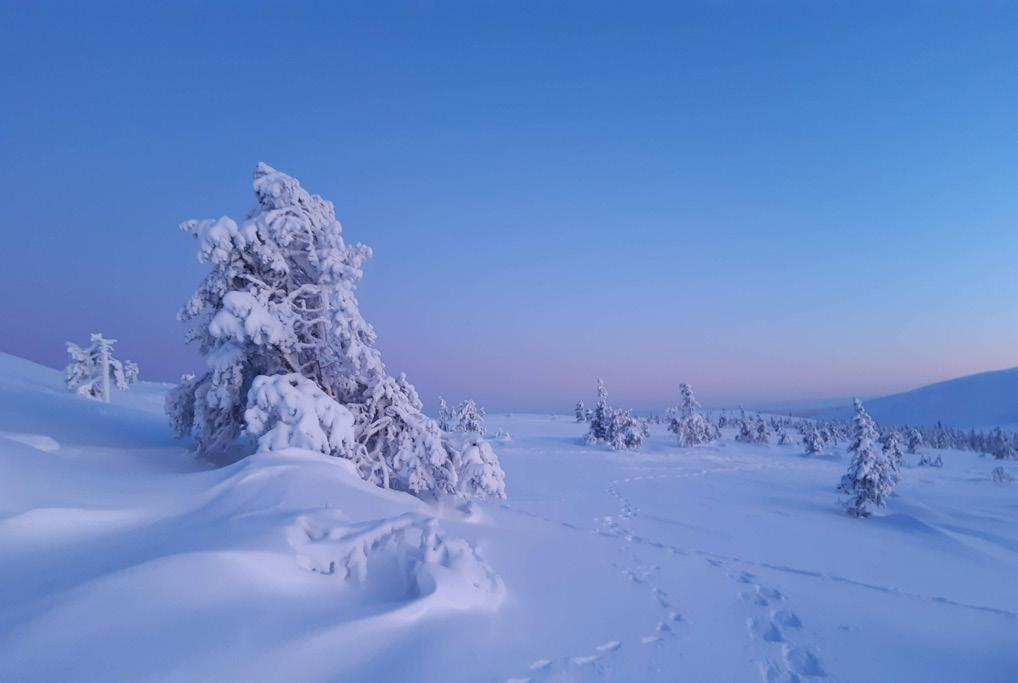
Sámi pedagogy, rooted in language and land, sustains ancestral responsibilities. This approach reorients sustainability from protection from people to stewardship with people—those who have long coexisted with the land (Guttorm et al. 2022).
Teachers emphasize outdoor learning and the creation of “Sámi landscapes” within schools, especially through visible use of the Sámi language in classroom spaces. Teachers report both pride and loneliness in their work. Many lack Sámi-speaking colleagues and feel the weight of cultural responsibility. They often request more resources, materials, and community support to sustain their teaching.
Rethinking Wilderness Through Sámi Knowledge
The colonial concept of wilderness as untouched and uninhabited erases Indigenous relationships to land. In Sámi contexts, this framing is not only inaccurate but harmful.
Concepts such as meahcci and luondu challenge us to understand wilderness not as emptiness but rather as relationship. These landscapes are lived in, storied, and sustaining. Education becomes a tool for resisting
erasure and reconnecting young people to land and culture.
Listening to Sámi voices broadens the global wilderness conversation. It shifts focus from abstract preservation to grounded, reciprocal practices. In times of ecological crisis and cultural loss, Sámi knowledge offers not only critiques but also pathways to renewal.
Acknowledgments
This text is written by two project actors: REBOUND and LINCOSY. REBOUND is funded by the Strategic Research Council established within the Research Council of Finland (decision number 358499). LINCOSY is funded by the Finnish Research Council, Academy of Finland (decision number 355263).
RAUNI ÄÄRELÄ-VIHRIÄLÄ is a postdoctoral researcher working in the REBOUND project in the Faculty of Education at the University of Lapland in Rovaniemi, Finland. email: rauni.aarela-vihriala@ulapland.fi.
INKER-ANNI LINKOLA-AIKIO is a postdoctoral researcher working in the LINCOSY project in the Faculty of Education at the University of Lapland in Rovaniemi, Finland. email: inker-anni.linkola-aikio@ulapland.fi.
BERIT-ELLEN JUUSO is a researcher in the LINCOSY project working in the Faculty of Education at the University of Lapland in Rovaniemi, Finland. email: berit-ellen.juuso@ulapland.fi.
PIGGA KESKITALO is a professor of Arctic perspectives in education working in the Faculty of Education at the University of Lapland in Rovaniemi, Finland. email: pigga.keskitalo@ulapland.fi.
Figure 2 - Snowy Landscape in Lapland, Finland.
Photo by emmakara from Pixabay.
References
Äärelä, R. 2016. “Dat ii leat dušše dat giella”—“Se ei ole vain se kieli”: Tapaustutkimus saamenkielisestä kielipesästä saamelaisessa varhaiskasvatuksessa [“It is not just the language”: A case study of a Sámi-language language nest in Sámi early childhood education] PhD diss., University of Lapland
Äärelä-Vihriälä, R., S. Paananen, T. Karlsson Häikiö, P. Keskitalo, M.-L. Lohilahti, and J. Häkkilä. 2024. Engaging northern children’s perspectives on sustainability: Collaborative art-based methods in education. In Relate North: New Genre Arctic Art Education: Beyond Borders, ed. T. Jokela, M. Huhmarniemi, and K. Burnett.. (pp. 180–206). In SEA Publications. https://doi.org/10.24981/2024-RNNGAEB.
Balto, A. M. 2008. Sámi oahpaheaddjit sirdet árbevirolaš kultuvrra boahttevaš buolvvaide. Dieđut 4/2008.
Guttorm, G., B. K. A. Guvsam, and L. S. Kuhmunen. 2022. Dudjoma ovdánahttinbargu - divdna atnin, gulahallan ja vásáhusat. [Developing work of duoddjon—use carefully, communication and experiences]. In Arctic Indigenous Design Archives—Árdna sámáidahttit duojáriid ja dáiddariid priváhta arkiivvaid, ed. G. Guttorm, M. B. Henriksen, A. Westman Kuhmunen, and I.-A. Linkola-Aikio [Arctic Indigenous Design Archives— A Treasure in Samifying duojárs’ and Artists Private Archives]. Diedut 1/2022.
Helander-Renvall, E. 2010. Animism, personhood and the nature of reality: Sámi perspectives. The Polar Record 46(1): 44–56. https://doi.org/10.1017/S0032247409990095
Jannok Nutti, Y., V. M. Johansson, and A. Westman Kuhmunen. 2024. Enhancing storytelling about Skábma traditions in early childhood education and care as part of a Sámi decolonising process. Nordisk tidsskrift for pedagogikk og kritikk 10(3): 129–143.
Joks, S., L. Østmo, and J. Law. 2020. Verbing meahcci: Living Sámi lands. The Sociological Review 68(2): 305–321. https://doi.org/10.1177/0038026120905473.
Juuso, B.-E. 2024. Jietnadagas bustávvii—bustávas jietnadahkii: Sámegielat álgooahpahusa ohppiid teknihkalaš lohkandáidu. Sámi allaskuvla.
Keskitalo, P., K. Määttä, and S. Uusiautti. 2013. Sámi Education. Peter Lang.
Kuokkanen, R. 2007. Reshaping the University: Responsibility, Indigenous Epistemes, and the Logic of the Gift. UBC Press.
Lehtola, V.-P. 2015. Sámi Histories, Colonialism, and Finland. Arctic Anthropology 52(2): 22–36. https://doi.org/10.3368/aa.52.2.22.
Linkola-Aikio, I.-A., R. Äärelä-Vihriälä, and P. Keskitalo. 2025. Leadership transforming the past and present educational landscape in Sápmi. In The Routledge Handbook of Arctic Governance, ed. E. Conde, and C. Wood-Donnelly, (pp.168–185). Routledge. https://www.taylorfrancis.com/chapters/ edit/10.4324/9781003371885-12/leadership-transforming-past-present-educational-landscapes%C3%A1pmi-inker-anni-linkola-aikio-rauni-%C3%A4%C3%A4rel%C3%A4-vihri%C3%A4l%C3%A4-pigga-keskital o?context=ubx&refId=c453f5d7-dfd4-409b-a30d-6ccd91d39df4.
Magga, P. 2007. Rakennuksia, kotasijoja, muistoja—saamelaista kulttuuriympäristöä inventoimassa. [Buildings, tentplaces, memories—inventorying Sami culture environment]. In Eletty, koettu maisema–näkökulmia saamelaiseen kulttuurimaisemaan. [Lived, Experienced Landscape— Insights to Sami Culture Landscape], ed. T. Elo and P. Magga. Suomen ympäristö 34: 11– 24.
Mazzullo, N., and T. Ingold. 2008. Being along: Place, time and movement among Sámi people. In Mobility and Place: Enacting Northern European Peripheries, ed. J. O. Bærenholdt and B. Granås, (pp. 27–38). Ashgate.
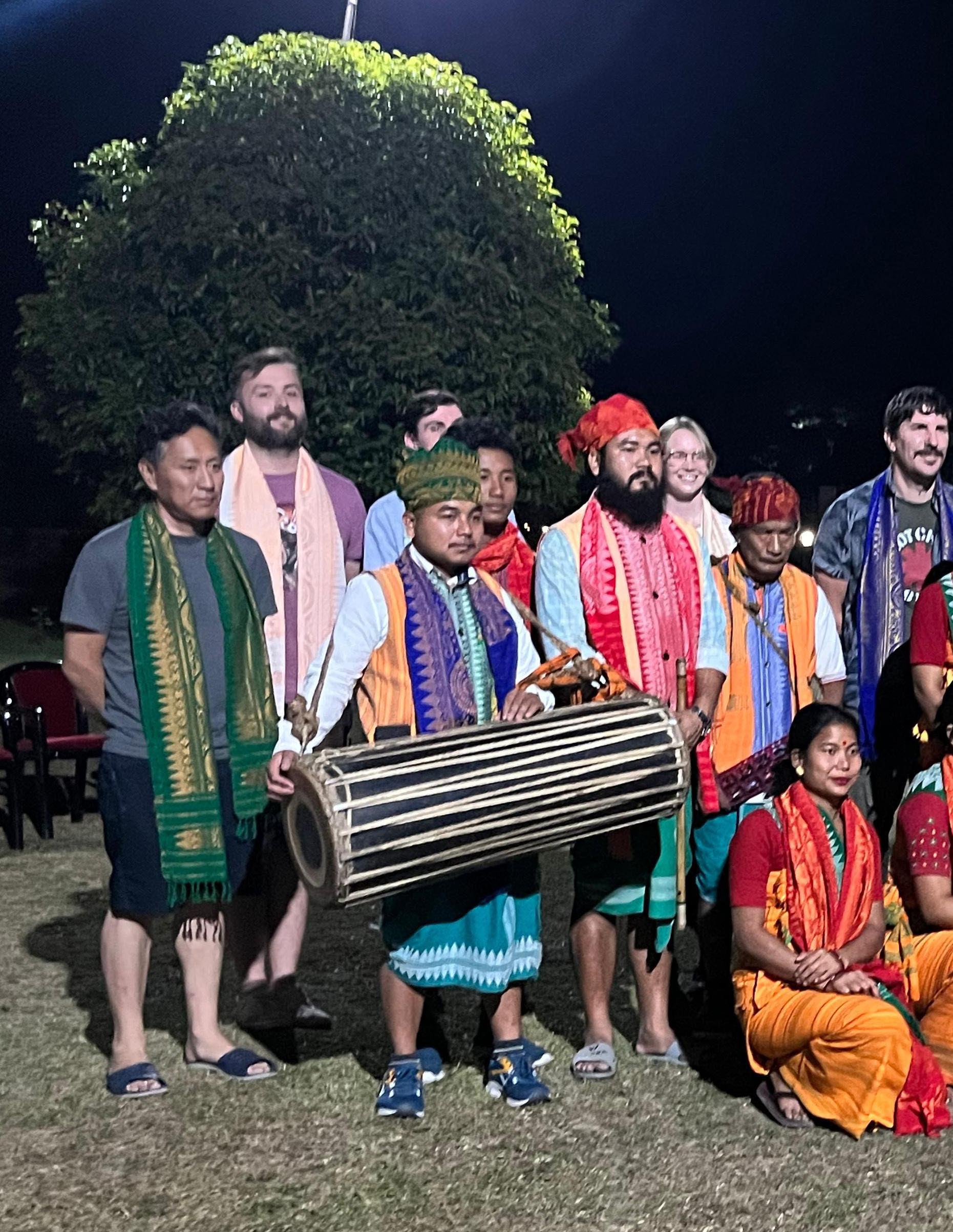
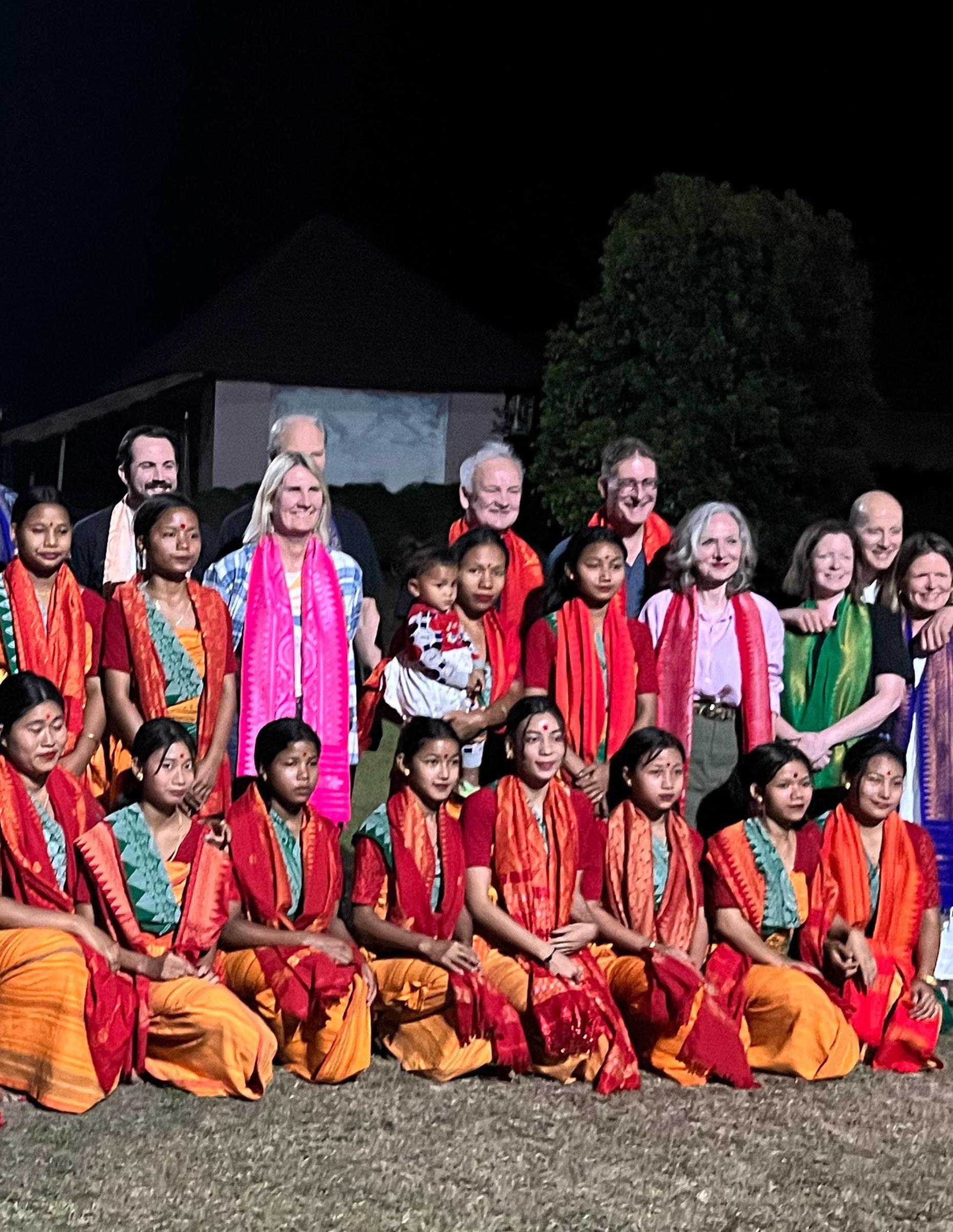
Photo credit: Community women perform traditional music and dance for visiting tourists, keeping cultural traditions alive. Photo Credit: Karishma Sharma Chamlagain.
World’s Rarest Bustard Finds Safe Haven in Northeast India
BY MOUSHUMI BASU
A species on the brink of extinction may be revived if the local communities living around its habitat become active stakeholders in its conservation process. Sustainable conservation is achieved when guardianship and traditional knowledge are combined with the scientific expertise and mentorship of conservation biologists, grounded in mutual trust. This story aims to highlight this model of coexistence and recovery as an example for other critically endangered species across the globe.
A Rare Rendezvous in the Wild
While exploring India’s Manas National Park in the lingering chill of spring mornings, you may chance upon the world’s rarest bustard, the Bengal florican (Houbaropsis bengalensis), striding regally on its slender yellowish legs. The adult male is conspicuous, with glistening black plumes covering his head, neck, and lower belly set against stark white wings tucked neatly beneath a mottled back. The cryptically colored females, on the other hand, are harder to spot. Slightly larger than males, their buff brown plumage etched with fine black markings allows her to do the “vanishing trick” effortlessly amid the tall grasses.
Come the breeding season, the male sheds his usual reticence. In a burst of romantic fervor, he performs flamboyant aerial leaps in his grassland territory, simply vying for attention. His fluttering displays of white wings, his puffed-up black breeding feathers

Moushumi Basu
hanging as a pendulous neck pouch, or the occasional sound of his deep booming/humming make him much easier to spot. These are signals to deter rival males and entice females. Enamoured, she flits between territories to choose her best mate.
Unwittingly, the male’s spectacular courtship, celebrated as the legendary “dance of the Florian,” doesn’t just enthralls his mate but also captivates tourists and bird lovers from around the world. Unfortunately, however, such memorable glimpses are getting rare, as the species continues to decline. Today, northeast India remains its last major global stronghold.
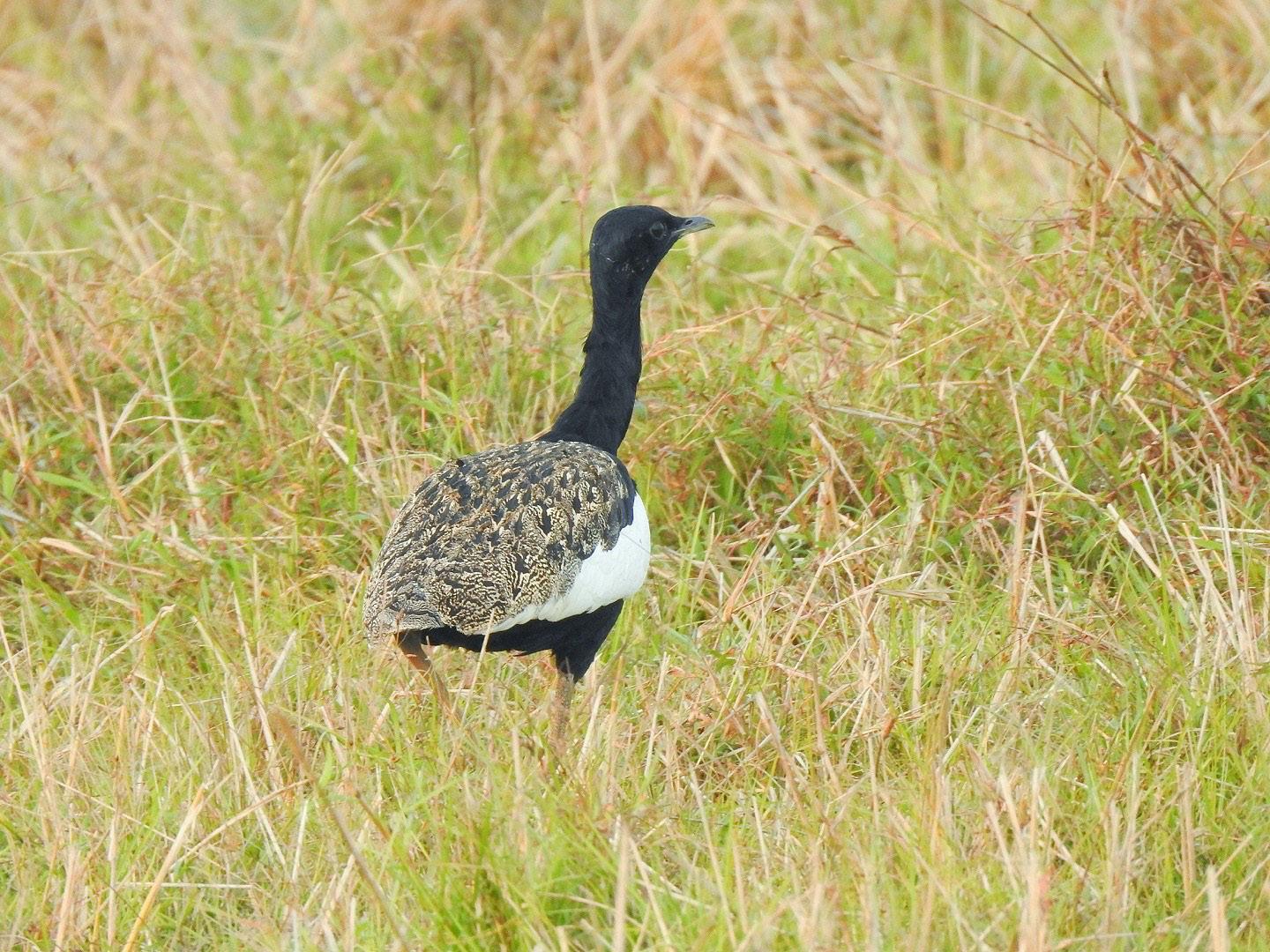
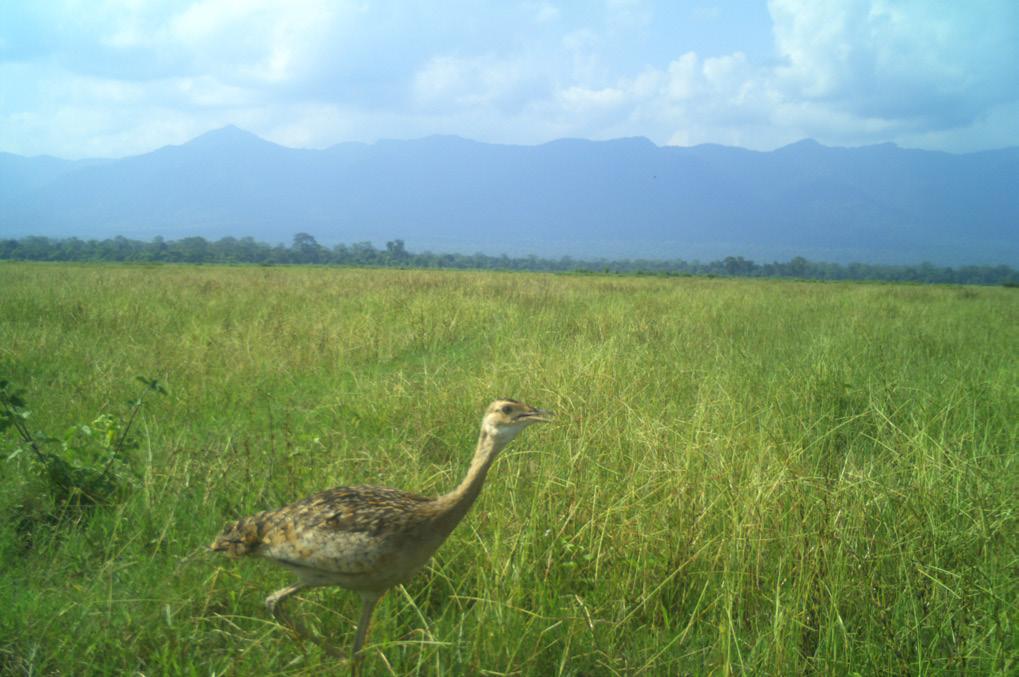
From Global Decline to Local Revival
Until the early 20th century, Bengal floricans were widespread (Rahmani and Narayan 1989) across the alluvial grasslands of the Ganges and Brahmaputra Rivers in northern India, Nepal, Bangladesh, as well as Cambodia and Vietnam. But in recent decades, the species has disappeared from nearly 80% of its historic range (Birdlife Datazone n.d.), according to the IUCN. Listed as critically endangered (BirdLife International n.d.) in 2007 at about 1,000 individuals, fewer than 800 (IUCN 2022) are in existence today. The decline is largely due to hunting, egg poaching, and habitat loss.
India holds the largest count with an estimated 350 to 400 birds (Thakur et al. 2024), while Nepal has fewer than 100. Along the India–Nepal border, Dudhwa and Pilibhit Tiger Reserves in Uttar Pradesh—once important habitats—last recorded 8 to 10 territorial males (IUCN n.d.), a steep decline from 24 in 2001. A disjunct population of about 138 birds survives in Cambodia, while the species has vanished from Bangladesh, Vietnam, and even West Bengal—the state after which it is named.
Yet despite its global decline, the world’s rarest bustard—standing about 2 feet tall and weighing 3 to 4 pounds—is reviving in India’s northeastern states of Assam and Arunachal Pradesh, now its global stronghold. In Assam, their numbers stand at an estimated 150 to 160 individuals. Manas National Park, a UNESCO World Heritage Site, recorded a population increase to 74 individuals (as per the last 2021–2022 survey), including 25 to 27 in Kokilabari—a nine-square kilometer (3.47-sq.-mile) unprotected area adjacent to
Figure 1a - One of the world’s rarest birds, the critically endangered Bengal florican, striding across its grassland habitat in Northeast India. Photo Credit: Rustam Basumatary.
Figure 1b - Draped in earthy hues, the cryptically coloured female Bengal florican is a rare sight in the grasslands.
the park—up from about 50 individuals in 2009. The remaining of 75 to 80 are scattered across the Kaziranga, Orang, Laokhowa, Burhachapori, and riverine islands. In Arunachal, a single sighting in 2011 (Pradhanet al 2015) led to the discovery of 60 to 70 territorial males in D’Ering Memorial Wildlife Sanctuary in 2016, along with 5 to 7 in Nizamghat (assuming a 1:1 sex ratio). Put together, these population counts offer a rare glimmer of hope for the survival of the Bengal florican.
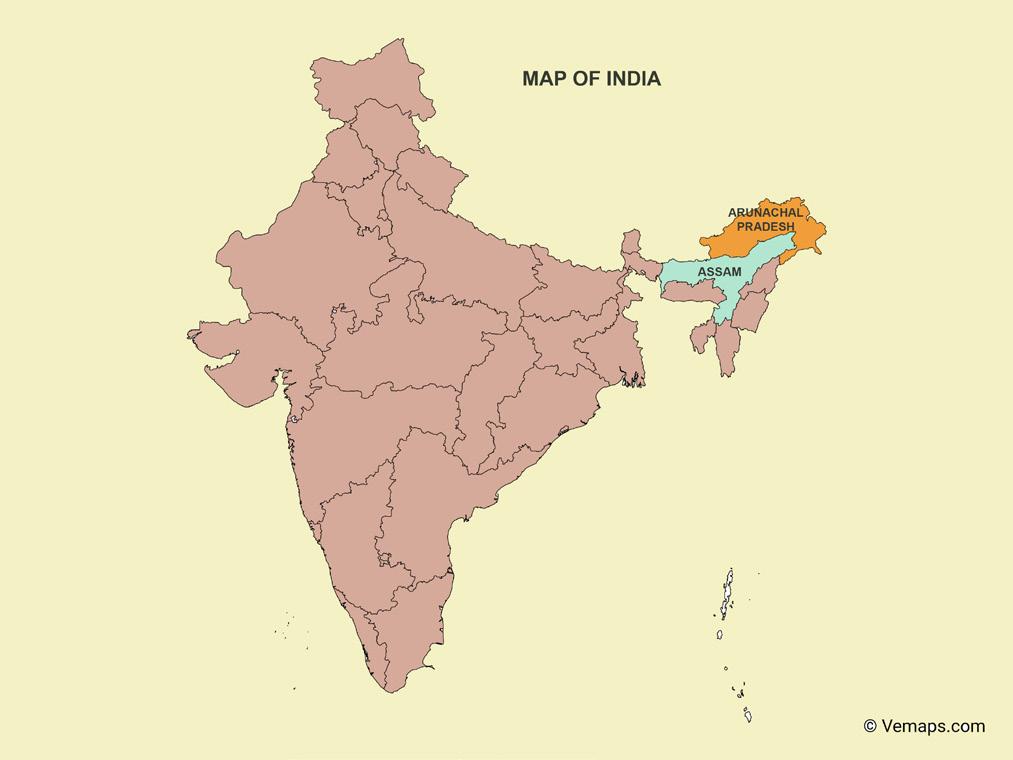
Surveying the Elusive Bird Means Patience
“To sight the elusive bird, especially during counts, is a true test of patience,” says Karishma Sharma Chamlagain (personal communication 2025), a wildlife biologist working on the recovery of the Bengal florican in Northeast India in conjunction with the conservation nonprofit Aaranyak (Aaranyak n.d.).
The breeding season offers the best opportunity, as males are more visible while displaying within their territories—making them easier to count. She further explains the phenomenon
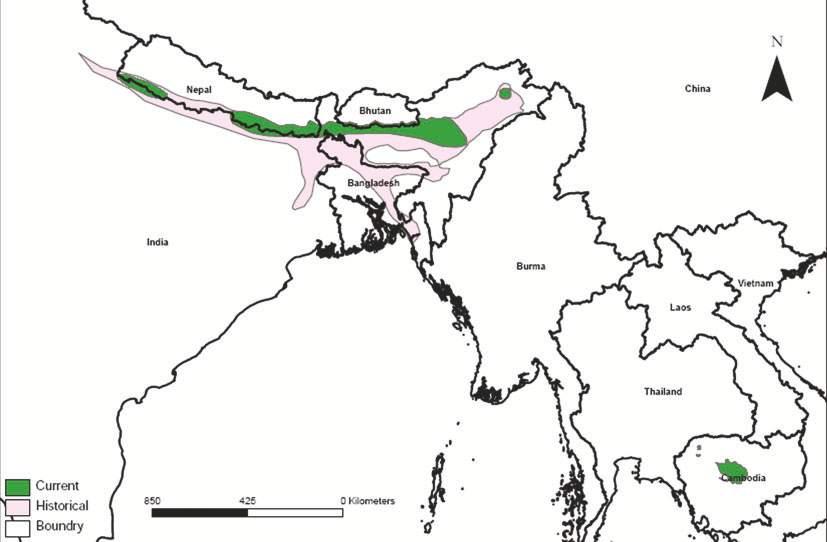
of site fidelity among males, who tend to return to the same display territories as long as the site remains undisturbed and suitable. Remarkably, some territories have been used repeatedly, with males returning to display at the same sites year after year.
According to experts, surveying the Bengal florican is both difficult and resource intensive. The shy, elusive birds—especially males—are mostly visible during the breeding season (February to May) when they can be found in the protected areas. The breeding season coincides with the migration of larger species such as elephants, rhinos, and tigers. This makes it difficult for researchers to move through the interiors of the forests on foot to spot the floricans. In addition, some parts of Assam and Arunachal’s protected areas include challenging landscapes such as riverine islands, where these birds are also found. Taken together, these factors limit the frequency of landscape-level surveys.
However, researchers carry out periodic monitoring of the species in their areas, working closely with local communities who live around florican habitats. According to them,
Figure 2 - Map of Assam and Arunachal.
Figure 3 - Global distribution range of the Bengal florican.
their traditional knowledge of the grasslands, seasonal movements of the birds, and their overall behavior provide valuable insights, while their participation in surveys strengthens protection on the ground.
Grassroots Guardians of the Florican
“The sightings of the Bengal Floricans are more frequent today,” says Rangjalu Basumatary (personal communication, 2025) a youth from the Bodo Tribe near Kokilabari in Assam. According to him, one way to protect the “trilling dao”—as it is locally known—is to spread awareness about its conservation among the villagers. Through his grassrootsbased program, Wings of the Florican, Rangjalu and his team are often seen addressing groups of village youths, explaining the importance of the bird and its ecological role. He explains that by feeding on grasshoppers, locusts, and other insects that damage crops, the florican serves as a friend to local farmers. Further, its diet of seeds and small shoots aids seed dispersal, helping sustain diverse and thriving grasslands.
“We are proud to enjoy the company of such a rare bird that has chosen to dwell near our villages,” says Mahindra Basumatary (personal communication 2025), president of the Manas Maozigendri Ecotourism Society (MMES), a community-based organization near Manas National Park. He recalls how, in April 2005, a cattle herder found a Bengal florican egg and handed it to MMES members. It was incubated under a local hen, hand reared, and named MMES Khungri—meaning “MMES princess.”
She became a symbol of hope, inspiring locals to protect florican habitats. However, she died after a dog attack in August of that year, and Mahindra recounts how the community held a funeral and buried her back in the field where her egg was found. “Bengal Florican holds a special place in our hearts and symbolises our culture,” says Mahindra Basumatary (personal communication 2025).
In Arunachal Pradesh, tribes such as the Idu Mishmi have come forward with a novel initiative. In June 2022, they declared 7,600 hectares (18,780 acres) of their ancestral customary land as a community-conserved grassland—the first of its kind in India. Here, the Indigenous communities retain legal rights over the area while taking the lead in protecting their land, wildlife, and cultural traditions. For the local tribes, grasslands and rivers are not just resources but part of their spiritual world, where certain birds are seen as guardians of fertility and balance. Spanning Nizamghat in the Dibang Valley, this grassland now provides the Bengal florican with undisturbed habitat for displaying, breeding, nesting, and foraging—while also reinforcing the community’s bond with nature.
Further, across 16 to 20 fringe villages of D’Ering Memorial Wildlife Sanctuary in Arunachal, Tribal youth have formed Community Surveillance Teams and EcoDevelopment Committees to monitor wildlife and biodiversity. “For many of us who were once traditional hunters, the change is remarkable,” says Maksam Tayeng (personal communication 2025), a youth leader from the Adi Tribe. “Now, instead of hunting floricans,
villagers alert us when they spot nests in their farmland and help us protect them,” says Tayeng.
According to Bibhuti Lahkar (personal communication 2025), grassland expert with the conservation nonprofit Aaranyak, groups like these act as bridges between scientists and villagers. “They help us reach wider sections of the community and highlight the importance of protecting such species,” he says. Meetings and awareness drives often emphasize that hunting or egg poaching could push the species closer to extinction. In response, experts such as Lahkar and his team mentor villagers on how to apply their traditional knowledge of the grasslands to conservation activities. These efforts also support self-sustaining livelihoods through various ecotourism activities directly linked to the survival of the species.
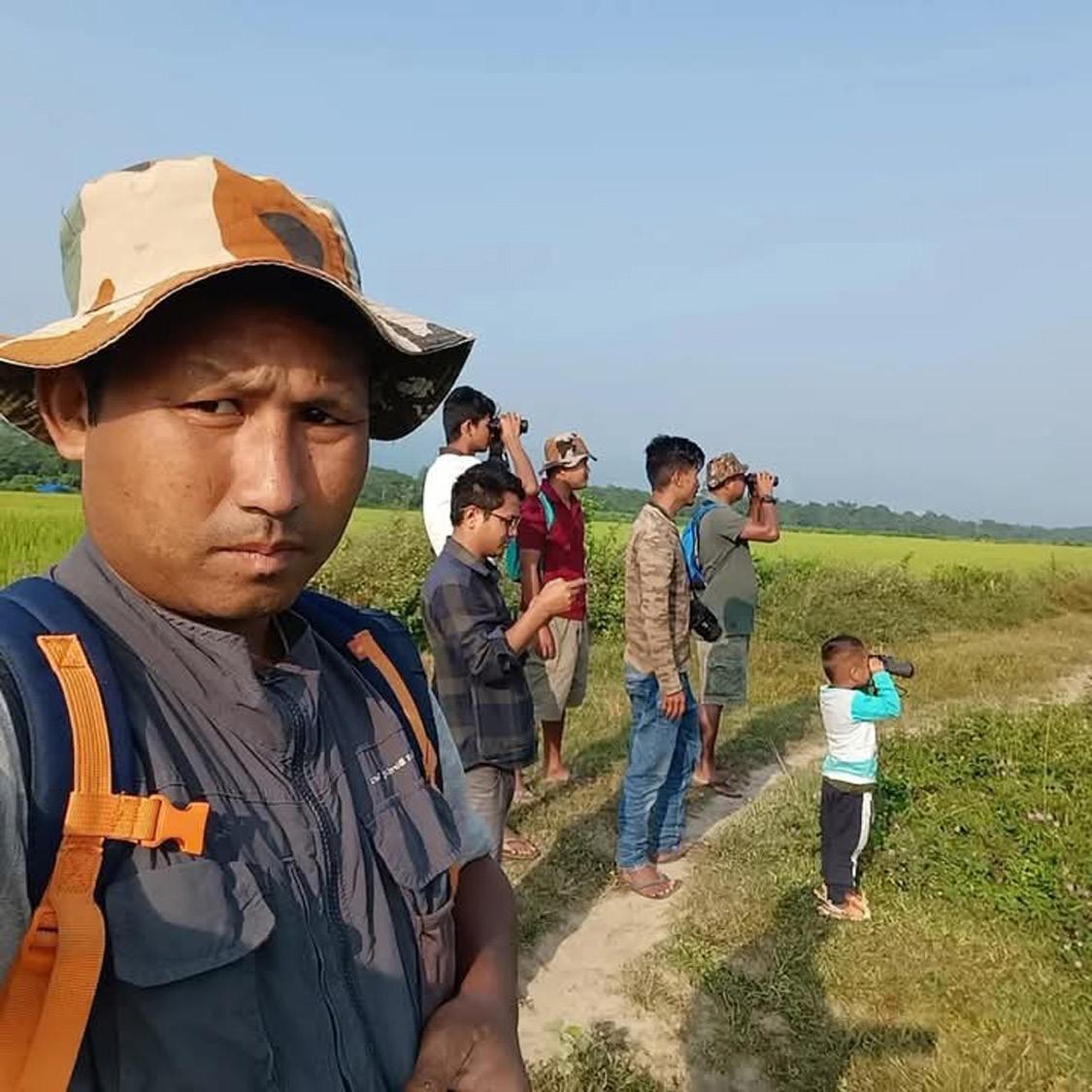
Ecotourism Flourishes with Florican Insights
The result of these activities is a growing influx of tourists. According to official figures (Sentinel Digital Desk 2025) from the Manas National Park authorities, a total of 64,347 tourists visited the park from 2024 to May 2025), comprising 60,921 Indian and 3,426 foreign tourists. This marks a rise from 50,515 Indian and 1,816 foreign tourists in 2023–2024, and 55,257 Indian and 924 foreign visitors in 2022–2023.

Per the MMES, more than 2,000 families around Manas alone benefit from this influx of tourism, earning US$400 to US$450 (rupees 35, 000–40,000) per month during the florican season. Homestays have emerged, with youths such as Rahul Das Basumatary near Kokilabari hosting guests with ethnic cuisine, music, and dance.
Tourists also purchase home-handcrafted soft toys of the florican and other endangered species—a unique initiative started by 33-yearold Kirat Brahma (personal communication
Figure 4 - A birding guide from the local community leading tourists through Kokilabari, on the edge of Manas National Park. This is one of the sustainable ecotourism activities for local communities living around the florican habitat. Photo Credit: Rustam Basumatary.
Figure 5 - An Irish tourist with his local hosts near Kokilabari, experiencing grassroots hospitality. Photo Credit: Rahul Das Basumatary.

2025). Made from bamboo frames stuffed with cotton and stitched into locally woven fabric (dokhona), these toys further amplify the conservation efforts of such rare species.
In Arunachal Pradesh, grassroots conservationists such as Okki Modi are training village youth around D’Ering Memorial Wildlife Sanctuary in ecotourism activities. These effort include guiding florican-watching trails that combine storytelling, folk songs, and cultural traditions with birding experiences, transforming conservation into both a livelihood and expression of native culture.
“For the sustainable conservation of the species, it is important to understand the perspective and interests of the local commu -
nities living around its habitat,” notes Karishma Sharma Chamlagain (personal communication 2025). For her, conservation is an exchange— sharing scientific insights on the florican’s ecology and behavior, while learning from the ethnic knowledge of village elders about the species and the wider biodiversity. Local youths join her in installing camera traps, monitoring bird movements, and conducting surveys. “Conservation becomes meaningful only when strategies are woven into community life — building awareness that inspires lasting change and nurtures coexistence with the species,” adds Karishma Sharma Chamlagain (personal communication 2025).
When the Rare Birds Slip Out of Sight
Soon after the breeding season, the males that were so easily spotted in their seasonally flooded grasslands seem to vanish for the rest of the year. To solve this mystery, India and Nepal carried out a joint telemetry study (Jha et al. 2018) between 2013 and 2016, tagging 11 individuals. Combining field surveys, satellite telemetry, and remote sensing, the research revealed that the birds migrate 50 to 80 kilometers (31 to 50 miles) away from their breeding grounds, spending nearly six months in upland grasslands, uncultivated fields, and riverine floodplains—landscapes with lower human densities than the protected breeding sites.
The study also explained the reason behind the floricans’ seasonal disappearance. During the monsoon, grasses in reserves such as Manas and D’Ering grow tall and dense, making foraging difficult. In contrast, the low-
Figure 6 - A handcrafted Bengal florican soft toy, popular among visiting tourists. Photo Credit: Zankla Studio.
intensity agricultural lands and uncultivated fields outside the sanctuaries provide shorter, patchy grasses rich in insects, seeds, and shoots. These open habitats also make it easier for the birds to spot predators, thus explaining their seasonal shift outside protected grasslands.
“However, this is when they are most vulnerable to poaching, high-tension wires, and pesticides,” says noted ornithologist Dr. Asad Rahmani (personal communication 2025), principal investigator of the study and former director of the Bombay Natural History Society. He stresses that these threats need to be addressed at the landscape level, rather than focusing only on protected areas. According to Dr. Rahmani, sensitizing local communities and farmers remains the key to ensuring the long-term survival of the florican, especially when they move outside sanctuaries.
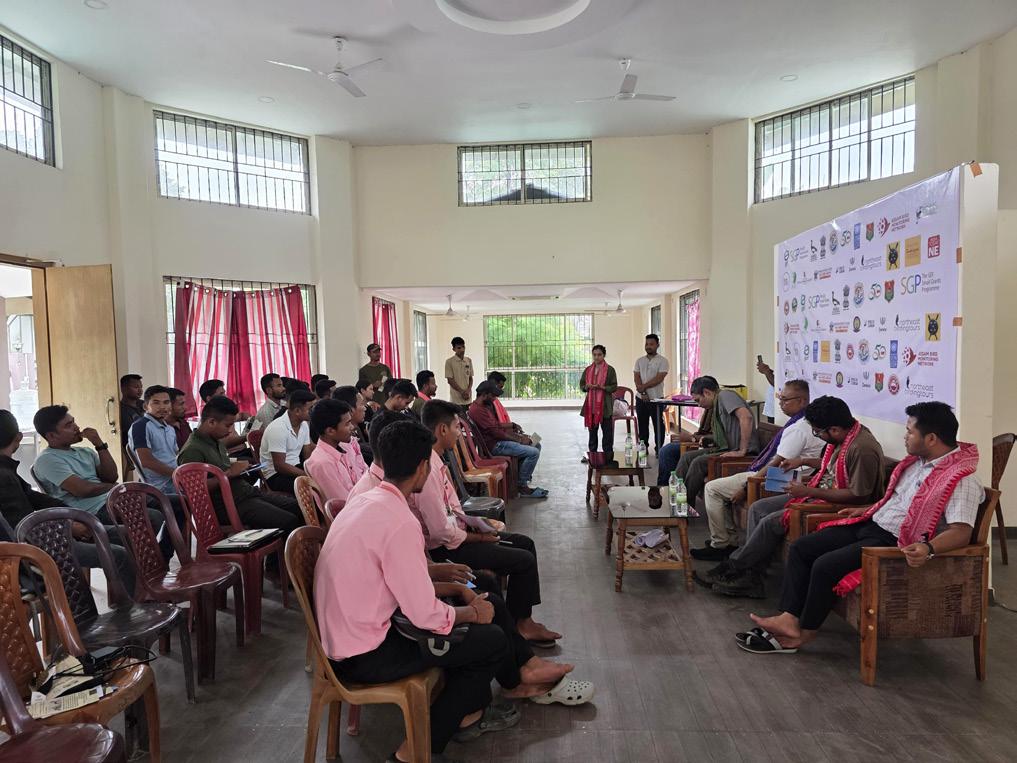
Grasslands Thrive, Species Revive
“The Bengal Floricans flourish in lowintensity agricultural landscapes—particularly in potential habitats as Kokilabari where there must be absence or minimal practice of winter cropping that coincides with its breeding season,” explains Anukul Nath (personal communication 2025) of the Wildlife Institute of India, who has spent the past decade studying the species and the Terai grasslands. They are most often found in mixed-use mosaics, where natural grasslands merge with postmonsoon fallows or harvested crop fields. He further recommends restricting anthropogenic pressures, such as overgrazing by livestock and unregulated collection of thatch-grass and herbs—including Premna herbacea, used by local communities as medicine or a leafy vegetable—especially during the breeding season, if the species is to recover.
“The species needs a mix of short and tall grass with scattered bushes,” says Bibhuti Lahkar (personal communication 2025); Short grass (25 to 50 cm [9.8 to 19.7 inches]) helps floricans forage for their omnivorous diet—seeds, berries, flowers, insects, frogs, and reptiles—while giving males visibility for displays. Tall grass (1 to 2 metres [3.3 to 6.6 feet]), on the other hand, shields them from predators and heat, especially nesting females. After mating, the female leaves her male’s territory to lay one or two eggs on the ground amid thick grass and incubates them for a month, remaining camouflaged in the surrounding vegetation for days at a time.
Figure 7 - An awareness meeting of the grassroots conservation society, MMES, held before a local Bengal florican count. The meeting also honored conservation biologist Karishma Sharma Chamlagain (standing on the right, with a red scarf), with members pledging their support during the count. Photo Credit: Rahul Das Basumatary.
“The experience of Assam and Arunachal shows that when local communities are entrusted as custodians of the species and its habitat, conservation becomes a sustainable and shared responsibility.”
To maintain healthy grasslands suitable for Bengal floricans within protected areas, controlled burns must be carried out at the right time. Dr. Rahmani notes that ideally burns should be completed by late February or early March, just before the breeding season, as delayed burning risks destroying nests. Each year, the forest department and local communities conduct these burns, which allow a fresh flush of grasses to sprout within one to two months, creating open habitats where the males’ courtship displays are easily visible to females.
Further, a major threat to Florican habitat is the spread of invasive species as Mikenia scandens, Lea indica, Eupatorium odoratum, Lantana camara, and others. “While some of these shrubs may be native to the area and also palatable to other animals, the fact that they ‘overpower’ the grassy patches is a cause of worry,” says Anukul Nath (personal communication 2025). He goes on to say that their manual uprooting for three to five consecutive years is an ecologically effective solution, which also generates local employment.
Another challenge is the woody encroachment of grasslands, or when shrubs and trees slowly take over, shrinking the habitat for the species. Red silk cotton trees (Bombax ceiba) are particularly common to these areas. “Such conversion of grasslands into woody areas disrupts the delicate ecological balance of the species with its grassland habitat, vital for their feeding, breeding, and courtship displays, gradually rendering them unusable for them,” says Karishma Sharma Chamlagain (personal communication 2025).
To tackle this challenge, conservationists girdle trees, a scientific practice that local communities are trained to implement. Girdling involves removing a ring of bark or peeling away several layers to expose the inner trunk, usually during winter. This severs the phloem tissues beneath the bark, preventing sugars from moving from leaves to roots. Starved of nourishment, the roots die, the tree eventually collapses, and space reopens for grasslands to regenerate—helping restore the Bengal florican’s habitat.
Setting a Global Example
The experience of Assam and Arunachal shows that when local communities are entrusted as custodians of the species and its habitat, conservation becomes a sustainable and shared responsibility. Local farmers safeguarding florican nests in their fields under the watchful eyes of conservation biologists, villagers reporting sightings to scientists, and community youths guiding tourists in the wild are all living examples of sustainable collaboration between ethnic and scientific knowledge that can be emulated worldwide. In addition, when local communities themselves become a part of active awareness programs, the message reaches out to much wider sections of communities, securing the survival of the species on a landscape level.
According to Sujit Narwade (personal communication 2025), deputy director of the Bombay Natural History Society and coordinator of its bustard and florican program, Assam’s Manas (including Kokilabari) and D’Ering in Arunachal Pradesh are now strongholds of the Bengal florican in India, with populations showing signs of improvement. He adds that the region’s strategy of turning local communities into active partners in conservation is exemplary and could be applied to the protection of other critically endangered species as well.
References
Aaranyak. N.d. Aaranyak—–Northeast India’s leading conservation organization. Retrieved September 13, 2025, from https://aaranyak.org/.
BirdLife International. N.d. Bengal florican (Houbaropsis bengalensis) species factsheet. https://datazone.birdlife. org/species/factsheet/bengal-florican-houbaropsis-bengalensis.
Dutta, S., and A. R. Rahmani. 2024. Conservation status of the Bengal florican Houbaropsis bengalensis in India. Journal of Threatened Taxa 16(7): 25507–25515. https://doi.org/10.11609/jott.8247.16.7.25507-25515.
IUCN. 2022. Protecting the critically endangered Bengal florican in Cambodia. https://iucn.org/story/202208/protecting-critically-endangered-bengal-florican-cambodia.
IUCN. N.d. Bengal florican (Houbaropsis bengalensis). The IUCN Red List of Threatened Species. Retrieved September 12, 2025, from https://www.iucnredlist.org/species/22692015/130184896#geographicrange.
Jha, R. R. S., J. J. Thakuri, A. R. Rahmani, M. Dhakal, N. Khongsai, N. M. B. Pradhan, N. Shinde, B. K. Chauhan, R. K. Talegaonkar, I. P. Barber, G. M. Buchanan, T. H. Galligan, =and P. F. Donald. 2018. Distribution, movements, and survival of the critically endangered Bengal florican Houbaropsis bengalensis in India and Nepal. Journal of Ornithology 159(4): 851–866. https://doi.org/10.1007/s10336-018-1552-1.
Pradhan, T., M. Bakshi, and A. Sinha. 2015. Sighting record of Bengal Florican Houbaropsis bengalensis (Gmelin, 1789) (Aves: Gruiformes: Otididae) in Lower Dibang Valley District, Arunachal Pradesh, India. ResearchGate
Rahmani, A. R., and G. Narayan. 1989. Status of the Bengal florican (Houbaropsis bengalensis) in India. Journal of the Bombay Natural History Society 86(3): 349–375. https://ia601800.us.archive.org/13/items/biostor-152860/biostor-152860.pdf.
Sentinel Digital Desk. 2025. Manas National Park witnesses significant growth in tourism revenue and foreign visitors. The Sentinel Assam. https://www.sentinelassam.com/north-east-india-news/assam-news/manas-national-park-witnesses-significant-growth-in-tourism-revenue-and-foreign-visitors.
Thakur, M., J. Kalita, N. Brahma, K. Rajbongshi, K. Bhatacharyya, A. C. Sarmah, A. Sinha, D. K. Duta, D. Das, and B. P. Lahkar. 2024. Current conservation status of Bengal florican (Houbaropsis bengalensis) in Manas National Park, Assam, India. Journal of Threatened Taxa 16(7): 25507–25515. https://doi.org/10.11609/ jott.8247.16.7.25507-25515.
MOUSHUMI BASU is an independent environment and wildlife journalist from India working on wildlife and forest conservation, climate change, energy transition, and Indigenous communities, among others. Her stories have been featured in National Geographic, BBC Wildlife, Rewilding, Dialogue Earth, Equal Times, The Revelator, Global Voices, Down to Earth, and Scroll in.
WILDERNESS
Digital Reviews:
Patrick Kelly, Media And Book Review Editor
Wilderness Management: Stewardship and Protection of Resources and Values, 5th edition, by Chad P. Dawson and John C. Hendee. 2025. Waveland Press.
Wilderness Management
Stewardship and Protection of Resources and Values
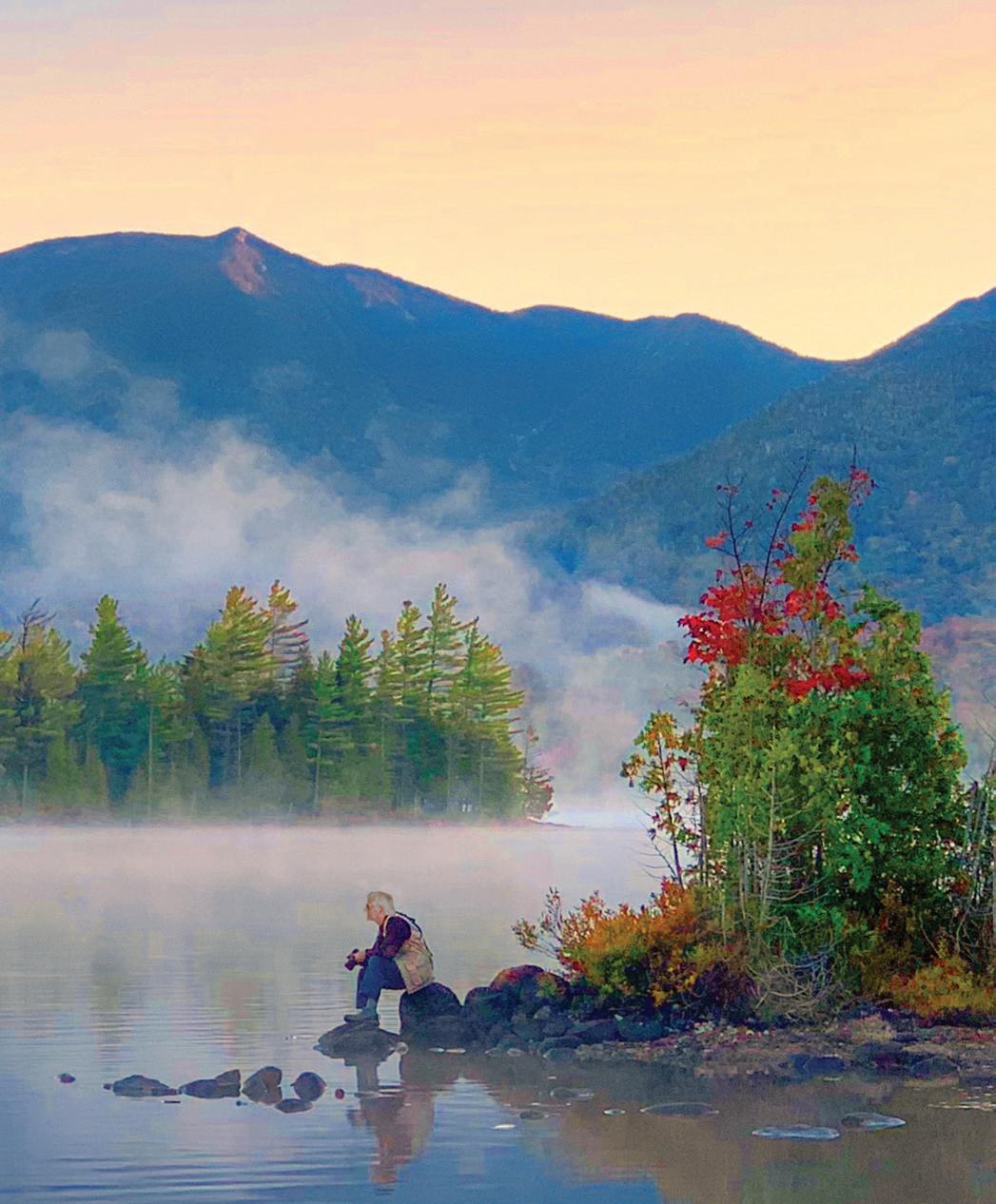


and extensively updates chapters on: International wilderness; managing for appropriconditions; wilderness ecosystems; fire in wilderness ecosystems; ecological impacts recreation and their management; and wilderness visitor management. This textbook is guide for resource managers, students, scientists, policy makers, and for wilderness visitors around the world.
classic wilderness served as comprehensive available on the protection resources seventeen the history, policies, stewardship four managing Service, Service, Manageand Wildlife with protection 110-milWilderSystem. wilderness and planners, stewards, educators, edition material of the pages
Edition
Chad P. Dawson
John C. Hendee
“Wilderness Management” by Chad Dawson and John Hendee has long served as the definitive text in wilderness stewardship, providing a comprehensive, meticulously researched resource for managers, educators, students, advocates, and others. First published in 1978, this year marks the release of the updated and revised fifth edition. Notably, this also marks the first edition published since the passing of co-author John Hendee who, as readers may know, played a key role in founding the IJW. With its successful integration of contemporary science and research, this latest edition is a fitting tribute to Hendee, who placed a high priority on keeping pace with new developments in both our scientific understanding of wilderness, and with the constantly evolving set of issues faced by managers and advocates.
True to its reputation as the most comprehensive guide available on wilderness stewardship, the fifth edition meticulously outlines throughout its seventeen chapters the history, legislation, policies, and planning components of wilderness management, along with the stewardship practices of the four primary agencies that oversee the wilderness preservation system. While continuing to offer a solid foundation for understanding the values and practices that underpin wilderness stewardship, a key strength of the revised edition lies in its extensive updates to crucial chapters, reflecting contemporary challenges faced by managers. With the specter of climate change and increased recreation pressure bearing down on wilderness landscapes across the country in 2025, the revised and updated chapters on fire in wilderness ecosystems and the ecological impacts of recreation are both timely and offer much needed perspective on some of the rapid changes we are witnessing in these places. Managers struggling to meet this challenging moment while also staying true to the values that ground wilderness will be well-served by the up-to-date analysis offered in these revised chapters.
Turning to chapters carried over from the previous edition (circa 2008), the chapter on potential threats to wilderness resources and values remained mostly unchanged. This chapter provides a useful and wide-ranging discussion of the real threats facing wilderness, but there may be an opportunity to update this list and capture some of the less conventional threats to wilderness. Namely, the separate but related threats of conceptual undermining from some corners of academia, along with a lack of understanding largely driven by misinformation and what appears to be a general decline in awareness of what “capital W” wilderness is. To be fair, this is outside the bounds of what has traditionally been a text focused on the physical impacts to wilderness character. However, it may be necessary that managers and advocates be equipped with the knowledge to respond to proliferating misinformation and misunderstanding with facts and respectful corrections when needed. Even so, the fifth edition stands out as a timely and meaningful update to a celebrated classic in wilderness management.
REVIEWED BY
Patrick Kelly, IJW media and book review editor; email: Patrick.ram.kelly@gmail.com.
Wilderness Management
first four editions and extensively updates chapters on: International wilderness; managing for appropriate wilderness conditions; wilderness ecosystems; fire in wilderness ecosystems; ecological impacts of wilderness recreation and their management; and wilderness visitor management. This textbook is an invaluable guide for resource managers, students, scientists, policy makers, and for wilderness advocates and visitors around the world.
approximately 400 pages list price: $69.95
ISBN 978-1-4786-5273-1
© 2025 paperback
Purchase print or ebook copies at waveland.com
For 45 years, this classic textbook on wilderness management has served as the most comprehensive information available on the stewardship and protection of wilderness resources and values. The seventeen chapters outline the history, legislation, policies, planning, and stewardship carried out by the four federal land managing agencies–Forest Service, National Park Service, Bureau of Land Management, and Fish and Wildlife Service–entrusted with stewardship and protection of the more than 110-million-acre National Wilderness Preservation System. Written for wilderness and wildlands planners, managers, stewards, advocates, and educators, this revised fifth edition builds on the material of the Waveland Press, Inc. waveland.com
Fifth Edition Stewardship and Protection of Resources and Values
Chad P. Dawson
John C. Hendee
717 Poplar Avenue
International Journal of Wilderness
April 2025 Volume 31, Number 2
Visit WWW.IJW.ORG to view additional content only available online.

SPONSORING ORGANIZATIONS
Aldo Leopold Wilderness Research Institute
Central Michigan University, Department of Recreation, Parks and Leisure Services Administration
SUNY College of Environmental Science and Forestry
The WILD® Foundation
USDA Forest Service
U.S. Department of the Interior
USDI Bureau of Land Management
USDI Fish and Wildlife Service
USDI National Park Service
Wilderness Foundation (South Africa)
Wilderness Foundation Global
Wilderness Leadership School (South Africa)
University of Montana, School of Forestry and Conservation; and, the Wilderness Institute