



Opinion Disclaimer:




Opinion Disclaimer:

Lana Thompson - Editor
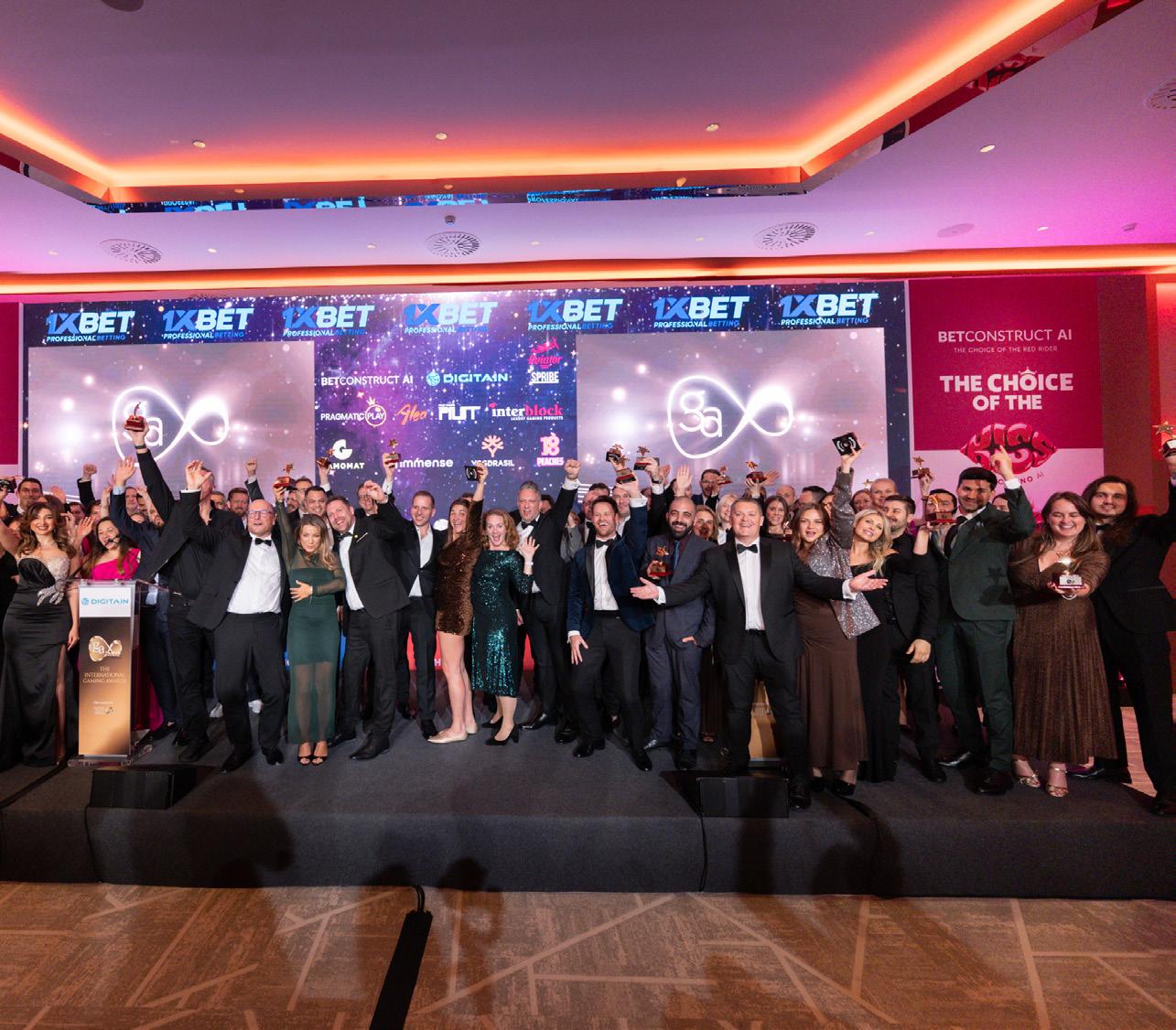
Welcome to the latest edition of the Infinity Gaming Magazine and also the special feature for the 2026 International Gaming Awards (IGA) that took place on Sunday 18th January in Barcelona at the Intercontinental Hotel.
What a very special evening it was, to see so many companies attending from all over the world and celebrating their achievements over the past year, with a record number of sponsors supporting this charity focused event.
Thank you to 18 Peaches for being our charity sponsor and helping us raise thousands for Care International.
Then ceremony itself and congratulations to all the winners, we know how very competitive it is to win an award, so very well done to you all. Indeed reach-
ing the finals in competitive categories is recognition of your achievements is a statement of your success. There were again a record amount of entries over one thousand plus in total.
The IGA has always been a very special event each year for so many companies and so many attendees and their companies told me that the IGA event was the best evening they had had for many years. It does mean so much for all the team and myself to know how special the IGA is to our attendees as we work so very hard to bring a magical evening to everyone. On that note if you were there you know absolutely what we mean.
We want to thank all our wonderful sponsors for making the IGA such an amazing and special event, so thank you, Digitain, Betconstrcut, Pragmatic Play, Spribe, Gamomat, Interblock, 1xBet, Pilot Games, Yggdrasil, Immense Groups, BETER, BGaming, Alea, Spribe, Delasport, IGT, Melco Entertainment, Ligh & Wonder, Play’n GO, RocketPlay and Soft2Bet, for believing in what we do and how effective it is for their business to support this charity focused event, we look forward to joining with you again for 2027 and maybe more new sponsors also......
Enjoy this special edition of this magazine.
“To Infinity and Beyond!”
Regards, Lana
The Editor
CONTACT US
Clever Duck Media
Centrix@Keys
Keys Park Road
Staffordshire WS12 2HA UK Tel: +44(0)1543 478 889
PRODUCTION
Clever Duck Media Centrix@Keys
Keys Park Road
Staffordshire WS12 2HA UK
PUBLISHING
Infinity Gaming Magazine is operated by © Clever Duck Media Ltd ® Company Reg. No. 687 1018 (Registered in England) V.A.T reg. no 972 6372 91
Sponsorship Opportunities Colin@cleverduckmedia.com
Business Partnerships Svetlana@gaming-awards.com
Marketing & Advertising claire@cleverduckmedia.com
Editorial Content & PR media@cleverduckmedia.com






The rise of prediction betting has disrupted the traditional gambling landscape, leading to some financial losses for the largest gambling companies globally.
Prediction betting allows individuals to wager on the outcomes of various events, ranging from political elections to sports results. Unlike traditional betting, where odds are set by bookmakers, prediction markets operate on a peer-to-peer basis, enabling users to trade shares in outcomes.
In prediction markets, participants buy and sell shares based on their beliefs about the likelihood of specific events occurring. For instance, if a user believes a particular candidate will win an election, they can purchase shares in that outcome. As the event approaches, the price of these shares fluctuates based on market sentiment, allowing users to profit from their predictions.
The emergence of prediction betting has led to significant declines in the
stock values of major gambling companies. For instance, Flutter Entertainment, the parent company of Paddy Power, has seen its shares fell by over 40% in 2026, resulting in a £19 billion loss in market capitalization.
Other prominent gambling firms have also felt the pinch. DraftKings, the leading online sports betting platform in the U.S., has experienced a $5.7 billion drop in its market value this year. Similarly, Churchill Downs, known for hosting the Kentucky Derby, has faced a $1.6 billion decline. These losses highlight the widespread impact of prediction betting on the industry.
The popularity of prediction markets has surged, with approximately $44 billion wagered in the U.S. last year alone. Platforms like Kalshi and Polymarket have emerged as frontrunners in this space, offering users a diverse range of betting options, including political events and sports outcomes.
Prediction markets differentiate
themselves by allowing users to bet on a wide array of topics, from the outcome of reality TV shows to technological advancements. This versatility appeals to a broader audience, particularly younger demographics who may be less inclined to engage with traditional betting platforms.
As the popularity of prediction betting rises, regulatory bodies are taking a closer look at the gambling industry. In the UK, for example, the government has proposed significant increases in gambling taxes, raising the duty on online gaming from 21% to 40%.
At the London Gaming Congress this month we will hear from CEO of Matchbook the company launching its own predictions market brand in the UK, Ronan McDonagh will discuss the launch of Matchbook and its aim for the UK market and beyond.
Interview with Galaxsys CEO Hayk Sargsyan
2025 in one line: If you had to summarise Galaxsys’ year in a single metric or business decision, what would it be and why does it matter?
HS : I would say it was the year we confidently entered the slots vertical, which already proved to be a correct strategic direction. We always knew we could expand into slots, but during our first years we chose to focus on fast games and build a solid foundation, as entering such a mature and highly competitive category required careful planning. Players have strong expectations, and many established studios have been shaping this landscape for years.
Our first slot titles, El Dorado, Olympian
Legends, and Funny Faces: HogletMoglet, were picked up by top-tier operators very quickly, and their performance in terms of session lengths and return rates has been above market average. Later during the year we added some other slots like Fruity Wilds, Guardians of Glory and have upcoming titles very soon.
Which 2025 game launches materially moved operator KPIs (retention, session depth, cross-sell)?
HS :2025 was also a year of breakthrough for some of our games. Maestro and Tower Rush didn’t just perform well—they became top performers, climbing the charts unusually fast and becoming key successes across several
regulated markets. Maestro has been integrated by over 1,500 operators and has an impressive average return rate of 75%.
Tower Rush, on the other hand, seems to resonate with players through its conceptual connection to social games, giving it a nostalgic feel. It has millions of views on social media, is very popular with streamers and affiliates, and performs exceptionally well for player acquisition.
How did player behaviour differ across your expanding slot titles and your fast/skill catalogue in 2025? Any surprises by region?
Hayk Sargsyan CEO - Galaxsys

HS: It’s always difficult to predict with complete certainty how our games will be received in each region, but we put a lot of effort into research to understand what types of games are likely to resonate where. This research goes beyond simple numbers, because it takes into account cultural nuances like player interests, and regional preferences, which helps us make informed decisions about pacing, mechanics, and overall game design.
Overall, the audience for slots naturally differs in some ways, as these players often prefer quicker, more predictable sessions that fit into their routines. Many of these players also enjoy fast games that follow a similar logic, while skill games usually attract a very specific segment that is looking for more control and challenge. By studying these patterns carefully, we can create experiences that feel intuitive and engaging for each audience, while still maintaining the high quality and consistency that Galaxsys is known for.
Compliance has been a big trend this year. Which regulatory changes in 2025 most influenced your roadmap and how did you respond without harming conversion?
HS: I wouldn’t say our roadmap was changed as a result of compliance, because we take regulatory requirements very seriously from the very beginning of the development process. Compliance is always a fundamental consideration in how we design and build our games, so it’s already embedded in everything we do. Of course, we monitor evolving regulations very closely, especially in Europe, where the rules tend to be detailed and frequently updated. LATAM markets are also evolving quickly, and we prepare early for any upcoming changes.
Localisation beyond language: How did you tune volatility, themes or pacing for key regulated markets without fragmenting QA and certification cycles?
HS: When it comes to localisation, we think of it as much more than just translating texts. It’s about understanding what resonates with players in each market, from pacing and volatility to themes and overall game flow. To achieve this without fragmenting QA or certification cycles, we focus on building flexible systems that allow adjustments to these elements without changing the core game logic. This way, we can offer experiences tailored to different regions while maintaining a single, certified version of the game. It’s a balance between meeting regional expectations and maintaining high standards across the entire portfolio.
Looking ahead 5 years, where do you envision Galaxsys positioned within the global iGaming B2B landscape? What does success look like beyond just market share?
HS: Looking ahead 3–5 years, I see Galaxsys positioned as a leading innovator in the global iGaming B2B space—not just in terms of market presence, but in the value we bring to our partners. Success for us goes beyond numbers; it’s about being known for creativity, flexibility, and delivering a consistently high-quality, diverse portfolio that truly engages players. We want to be a go-to partner for operators who are looking for both reliable performance and fresh, standout content across different game types. Additionally, we plan to dive deeper into the B2C marketing sector, collaborating with influencers and affiliates, and positioning ourselves as a provider offering innovative games and a comprehensive set of tools.

Alea is the partner that gives operators clarity, control, and performance without limits.
Our banking-grade API powers your growth while keeping your operations seamless and secure. Grow with an ally. Grow with a true partner.


21,000 TRANSACTIONS PER SECOND 160+ GAMES








DraftKings has announced a restructuring of its workforce, this follows as the company grapples with increasing competition from emerging prediction markets and the ongoing integration of artificial intelligence (AI) into its operations. The restructuring is expected to impact approximately 5% of the company’s employees, a move that analysts suggest could lead to annual savings of around $30 million.
The company said it is undergoing a reorganization that will affect certain roles within the company. While specific details regarding the positions impacted have not been disclosed, the decision aligns with the company’s goal of optimizing operational efficiency in a rapidly evolving market. Analysts, including Citizens Equity Research’s Jordan Bender, have indicated that this restructuring is likely a response to the need for cost management amid shifting industry dynamics.
The potential reduction of up to 5% of the workforce could yield significant financial benefits for DraftKings. Based on an estimated median employee salary of $100,000, the
company could realize substantial savings, which may contribute to its projected earnings before interest, taxes, depreciation, and amortization (EBITDA) guidance of $700 million to $900 million for 2026. This forecast was issued shortly after the company reported a 43% increase in revenue, reaching nearly $2 billion in the fourth quarter.
DraftKings is not only facing challenges from traditional sports betting but also from emerging prediction markets such as Kalshi and Polymarket. These platforms operate under federal regulations rather than state gambling laws, allowing them to offer event-based contracts without incurring state-level wagering taxes. This competitive landscape has prompted DraftKings to introduce its own prediction market offerings in jurisdictions where it does not provide state-regulated sports betting.
The integration of AI into DraftKings’ operations has garnered attention, particularly in light of the recent restructuring. While the company has not explicitly cited AI as a reason for the job cuts, CEO Jason Robins previously indicated that AI could replace certain human roles and enhance
operational efficiency. The adoption of AI technologies is expected to streamline various internal processes, including drafting legal documents and generating promotional content, ultimately reducing reliance on outsourced labor.
Despite the challenges posed by competition and rising operational costs, DraftKings has shown impressive financial growth. The company’s revenue surged by 43% in the fourth quarter, with adjusted earnings per share more than doubling to 36 cents. However, the company has projected a slowdown in revenue growth for the current year, estimating an increase of approximately 14%.
Despite the positive revenue growth, DraftKings’ stock has faced significant declines, dropping by 36% year-todate.
DraftKings operates in 26 states, each with its own tax regulations. For instance, the company faces a 20% tax rate in Massachusetts and a staggering 50% in Illinois
Founder & Managing Partner, Gamomat Development GmbH

As the global iGaming sector matures, the traditional power dynamic between operator and platform provider is undergoing a radical shift. Victor Barthet, CCO of Spinta, argues that the era of “vendor lock-in” is ending, replaced by a “Road to Gold” that prioritises operator autonomy, technical enablement, and the freedom to own one’s own destiny.
The halls of ICE Barcelona 2026 are often a cacophony of “revolutionary” buzzwords, where AI is frequently sprinkled over legacy tech like glitter on a stale cake. Amidst this noise, Victor Barthet, Chief Commercial Officer at Spinta, offers a refreshingly sober perspective. With decades of experience navigating the C-suite corridors of Finnplay and Air Dice, Barthet has viewed the industry from almost every conceivable angle: as a game provider, an international business leader, and a
platform architect.
His mission with Spinta is deceptively simple but profoundly disruptive: challenging the traditional B2B platform models that thrive on operator dependency. In an industry where speed is the primary currency, Barthet believes the current platform landscape is often less of a foundation and more of a constraint.
For years, the industry standard has been built on the GGR risk-sharing model. On the surface, it appears equitable, the provider invests in the operator’s survival, enjoying the upside as the brand scales. However, Barthet suggests that for a mature brand, this model has become an anchor.
“Ultimately, you are selling a foundation for your casino business,” Barthet
explains. “That foundation is something which, as your brand grows, you become more and more dependent on. Many operators end up bound to its fate”.
This “commercial fog” of base fees and variable hosting turns budgeting into guesswork. But the real cost reveals itself during the scaling phase. When an operator needs an urgent integration, they frequently find themselves at the mercy of a generic vendor queue.
If a critical integration is sidelined because another customer suddenly requires ten updates in a single month, the operator’s roadmap is effectively hijacked. In Barthet’s view, waiting six months for a deal-breaker integration is not a technical necessity—it is a failure of priority.
Spinta’s response to this systemic bottleneck is the ‘Road to Gold’ journey. It is a controlled progression designed to move operators away from “DIY” desperation and toward structured technical sovereignty.
The journey is not a sudden switch. It begins with Deployment, launching or migrating quickly with a proven foundation to secure immediate revenue. It moves into Operation, stabilising production through incident discipline and performance tuning. But the true differentiation lies in Enablement and Independence.
“If someone tells you, ‘Here’s a clever platform, and it’s intuitive, good luck,’ it doesn’t work,” Barthet asserts. “Platforms are technology, and behind that are hosting, integrations, and many moving parts that require technical knowledge”.
Spinta actively engages with a customer’s tech teams, training them and building a knowledge base that allows them to handle integrations internally. This is the transfer of capability over mere documentation. The goal is independence, but not a state where the operator is left alone in that independence. It allows operators with skilled teams to run their own roadmaps in their own environments.
In a market currently obsessed with “shiny” features, Barthet remains focused on the unglamorous reality of peak-load performance. The industry is littered with stories of operators spending fortunes to build in-house solutions, only for the infrastructure to buckle during high-stress events like the World Cup.

“You don’t build your business on AI,” says Barthet. “You build it on something that can handle constant change and something stable, secure, and worth investing in as you grow your brand”.
Spinta offers a hosted solution, yet they break the mould by enabling operators to host the solution themselves, ensuring full control over their infrastructure. This approach eliminates the vendor lock-in that has historically stifled innovation. By providing a secure technology base that handles the load when it matters most, Spinta allows operators to focus on their unique value proposition rather than fighting their own platform.
As ICE Barcelona 2026 fades from memory, the message from Spinta
to the C-suite is clear: technical independence is no longer a luxury—it is a competitive necessity. For the landbased giant transitioning to digital, or the online operator looking to escape the “vendor dev queue,” the “Road to Gold” represents a path toward predictable execution.
Looking ahead through 2026, Spinta is focused on proving this model at scale. They are not just bringing a brand to market; they are recalibrating the very nature of B2B partnerships in iGaming.
“Operators want to be in charge of their own destiny,” Barthet concludes. “We are here to empower that independence”. For an industry that has long accepted being “bound to the fate” of its providers, Spinta’s philosophy might just be the catalyst for a much-needed revolution.


Super Group has announced their financial performance for the fiscal year 2025, showing a 22% increase in revenue. The growth is largely attributed to the company’s strategic focus on the African market, particularly following its recent launch in Botswana.
Super Group’s financial results for FY25 reveal an upward trajectory. The company reported a total revenue of approximately $2.2 billion, marking an increase of $396.8 million compared to the previous year. This growth is particularly notable in the African region, where revenue surged by 27%.
The launch in Botswana, which took place in February 2025, has been a pivotal factor in driving this growth.
The substantial increase in profit before tax, which rose by 74.6% to $355.9 million, underscores the effectiveness of Super Group’s operational
strategies. Additionally, the adjusted EBITDA climbed to $559.5 million.
Super Group’s decision to concentrate its efforts on the African market has proven to be a game-changer. CEO Neal Menashe emphasized the importance of this strategic pivot, stating that the company has redirected resources to regions where it anticipates sustainable advantages. This focus has resulted in record customer growth, with the average monthly active customers increasing by 17% to 5.6 million.
The launch in Botswana has been particularly significant for Super Group. By entering this new market, the company has tapped into a growing consumer base eager for innovative gaming solutions. The positive reception in Botswana has set the stage for further expansion across the continent, as Super Group aims to estab -
lish a strong foothold in Africa.
Despite the overall success, Super Group faced challenges in Q4 of FY25. The company reported that its Q4 revenue, while still increasing by 8% year-on-year to $578 million, fell short of expectations. This discrepancy was attributed to unfavorable sports outcomes, particularly in December, which impacted sports betting revenues.
The performance in Europe was a bright spot, with a 23% increase in revenue, particularly driven by the UK market. However, the decline in sports betting revenue, which plummeted by 20% to $95 million, highlights the volatility inherent in the gaming industry.
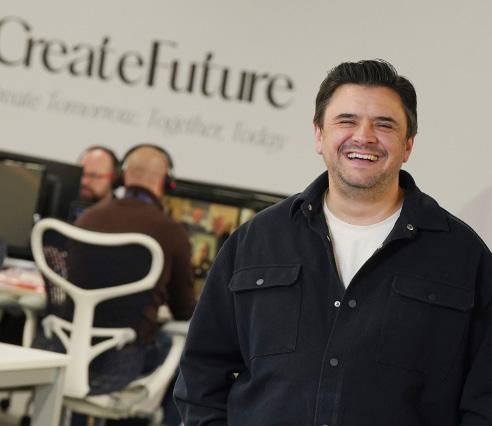
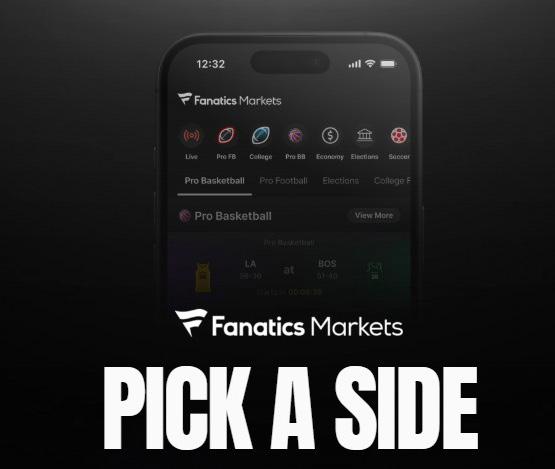
The2026 World Cup is fast approaching, the focus in player engagement has moved from the range of odds to the speed of predictions products. Hass Peymani, Head of iGaming at CreateFuture, a 600-person AI-native digital transformation consultancy, explains how a ‘badge-less’ culture and a five-month sprint enabled Fanatics Markets to redefine the industry.
Analysts often describe the US digital betting sector in terms of volume, markets, liquidity, and states. However,
as the 2026 World Cup which commences in June this year, the sector’s true growth currency is now speed.
The late 2025 launch of Fanatics Markets made a significant impact on the industry. The product which is a regulated prediction market combining sports, finance, and culture—stood out for its rapid execution. While legacy technology often delays new product delivery for years, Fanatics launched a CFTC-compliant platform in only five months.

This achievement was not led by a traditional consultancy, but by a team known for Scottish pragmatism and an embedded delivery approach. I spoke with Hass Peymani, Head of iGaming at CreateFuture, to discuss how culture, trust, and engineering rigour are reshaping the operator-supplier relationship.
Hass, let’s start with, why are Sportsbook leaders are losing sleep over “player attention on 2026.”
HP: Because the commodity we are fighting for has changed. Player attention is scarce and shrinking. We live our digital lives through rapid, screenbased interactions, and operators can no longer compete solely on the breadth of their betting options. You can offer 10,000 markets, but if the experience implies friction, the player is potentially gone.
Predictions address this friction. They
They align with a social media-driven trend for reciprocal experiences. A well-designed prediction product lets players participate without the mental effort of complex bets, building habits and it’s just easier.
Recent US developments show that both financial institutions and players are supporting prediction markets. Predictions do not replace fixed-odds sportsbooks; they serve as an engagement layer that broadens the player base. For the 2026 World Cup, operators that grow market share will be those offering a continuous, gamified prediction experience tailored to modern players.
CreateFuture has a distinct heritage. You’re headquartered in Edinburgh, a city with roots in iGaming. How does that Scottish DNA influence your work with Tier-1 US operators?
HP: It’s fundamental. CreateFuture, originally founded as xDesign in 2010 by our CEO Euan Andrews, has always embraced a Scottish ethos: pragmatic, resilient, and focused on craft.
We prioritise outcomes over abstract frameworks.
Scotland has played a key role in developing modern sports betting technology. FanDuel, founded in Edinburgh, is a great example of this by combining entrepreneurial speed with technical rigour. As a business, we have worked with FanDuel since 2020, as the US market expanded.
This showed us that traditional consultancy models are ineffective in the iGaming supply chain. Operators require code, strategy, and execution that adapt to regulatory changes, not just presentations. Our foundation remains delivering measurable outcomes, supported by over 600 specialists across Leeds, Manchester, London and a growing hub in Sophia.
Let’s talk about the “Fanatics Markets” case study. Delivering a fully compliant prediction product in five months is almost unheard of in this regulated iGaming space. How was that practically achieved?
HP: It began with a clear purpose.
Fanatics needed a market-ready, fully compliant predictions product that reflected its brand identity.
The key was not a unique code, but the organisational structure. We acted as an embedded partner, not just a supplier, placing multidisciplinary CreateFuture teams within Fanatics across product, engineering, mobile, cloud, and delivery leadership.
Our rule is simple: “Badges are left at the door.” In the room, everyone is part of the Delivery Team, not defined by the company. This approach ensures full ownership of outcomes, including speed and quality.
A third-party partner supplied the core prediction engine, while we built the essential application layer connecting the engine to the player. We managed external market data, user actions such as order placement, validation, and settlement, and trading mechanics. Our integration ensured instant, compliant order execution, even under high load. This integration is critical to success.
You mentioned “embedded teams.” Why is this model better than the traditional vendor approach, particularly for iGaming?
HP: Friction disrupts momentum. Standard models involve handovers, contract negotiations, and misaligned goals. In iGaming, friction not only causes delays but also increases risk for revenue opportunities and reputational risk to individuals and brands.
When launching products involving real-time financial transactions and regulatory compliance, an “us vs. them” mindset is not sustainable. Embedded teams reduce these barriers. Trust and relationships are built through daily accountability, shared meetings, communication channels, and KPIs, leading to shared successes and failures.




- and failures.
For operators experiencing rapid growth in the US, this model supports sustainable scaling. It is not just about short-term speed, but about creating a structure that endures future market pressures.
There is often a gap between the buzzword “Digital Transformation” and the realities of engineering. You suggest culture is the missing link. Why?
HP: Culture determines whether technology succeeds or fails. It’s that simple. We see this pattern across our wider client base, from Skyscanner, NatWest, MoneySavingExpert. When leadership behaviour and company culture aren’t in sync, platform innovation can stall.
In iGaming, regulation intensifies this business challenge. If a culture fosters fear of compliance breaches or failure, engineers will avoid innovation and play it safe. Transformation ultimately requires behaviour change.
Second, decision integrity. Reliable data with clear ownership is essential. Fast decisions are impossible if data validity is in question.
Empathy is essential. Asking difficult questions leads to better outcomes. By embedding psychological safety within client teams, we achieved higher performance and encouraged long-term thinking. In a people-first business, trust is invaluable.
Looking ahead to 2026, how should C-suite leaders balance innovation and regulation?
HP: Regulation shouldn’t be considered a constraint; start treating it as a strategic design input. The strongest operators design for compliance and pliability from day one.
Industry leaders should focus on three areas. First, confidence in their technology stack. Systems and partners must adapt to new regulations or tax changes without causing operational delays.
Third, and most importantly, culture. While digital business pressures often drive short-term profit focus, successful brands in 2026 will embed long-term thinking into leadership and team rewards.
Finally, the industry is watching the predictions space closely. Some are sceptical. What is your forecast for the vertical?
HP: Predictions are a necessity, not a niche. The marketplace is seeing a convergence of fantasy sports and sports betting. Predictions sit in the middle.
Predictions appeal to modern players through their ease of play, social competition, and emotional engagement. They do not compete with sportsbooks but enhance them, serving as top-offunnel engagement tools during major events like the World Cup.
Operators who view predictions as op -
tional will struggle to compete. Those who make predictions a core part of the user experience, as Fanatics has done, will secure future fans.
(The Prediction)
Hass Peymani’s perspective challenges the early tech mantra of “move fast and break things.” In the regulated environment of 2026, speed is essential, but reliability cannot be compromised.
The Fanatics case study demonstrates that the perceived trade-off between speed and compliance is a myth when the right culture is in place. As the industry prepares for the World Cup, the key question for C-suite leaders is not “What products do we need?” but “Do we have the trust and teams to deliver them?”
Those who can answer “Yes” are prepared for kick-off. Those who cannot may find themselves left behind.
18th January




When you bring together the leading global companies within the industry both online and land
based in raising deserved funds for charity and with the drinks flowing the attendees were delighted to network at the first major event of the year in the gaming industry and recognised now as the awards event of the Year.
As always with the International Gaming Awards there were some glamorous dresses by the ladies and all the men dressesd to impress.
This is a night for the entire gambling industry to get together and celebrate theirs and others achievements.
The setting for the 2026 International Gaming Awards was the Intercontinental Hotel Barcelona and attendees were treated to the highest level of service only that a premier hotel in Barcelona would expect. Everything was in place for what was the awards event of the Year.





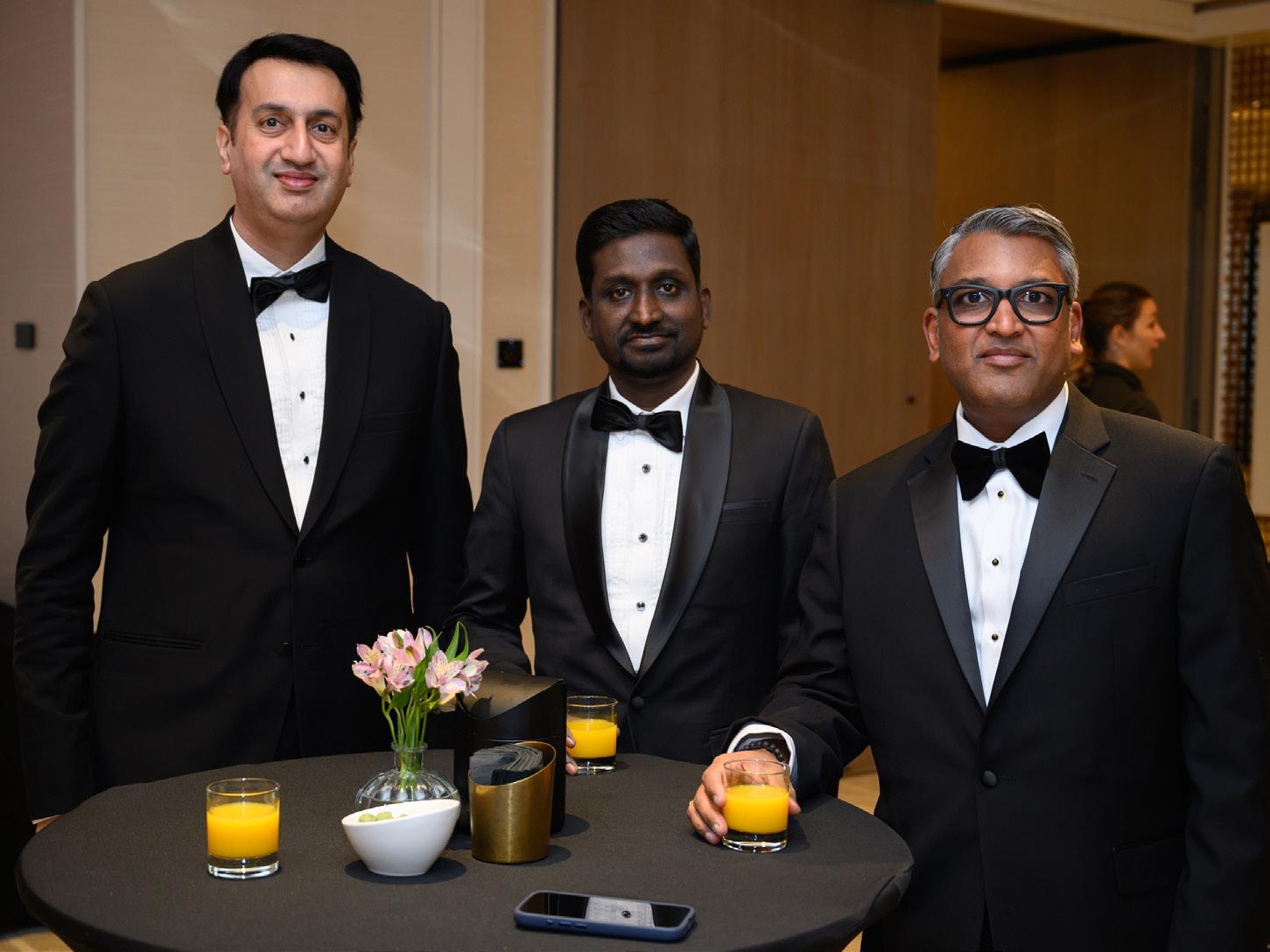




Above & Right Everywhere you looked great dresses and the men were well dressed too.












Above & Right Everywhere you looked great dresses and the men were well dressed too.





Above Netwroking at the Drinks Reception
Left Taking the pose, it’s a must at the awards event of the year.


Below Coolbet wins Customer Service Company (Operator) of the Year
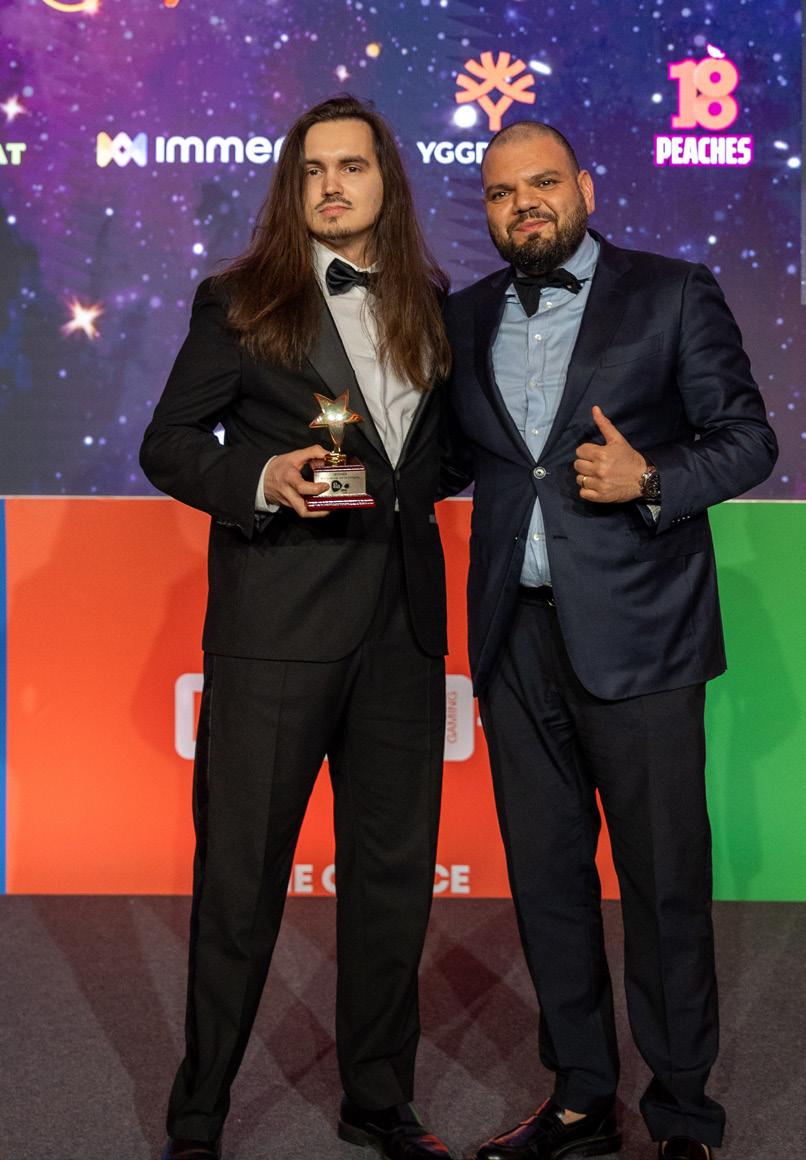
Left Affilka by SOFTSWISS wins Affiliate Company of the Year.
Below 2RBO Affiliates picks up Affiliate Marketing Campaign of the Year

Below Hubb88 wins the Customer Service Company (Supplier)of the Year



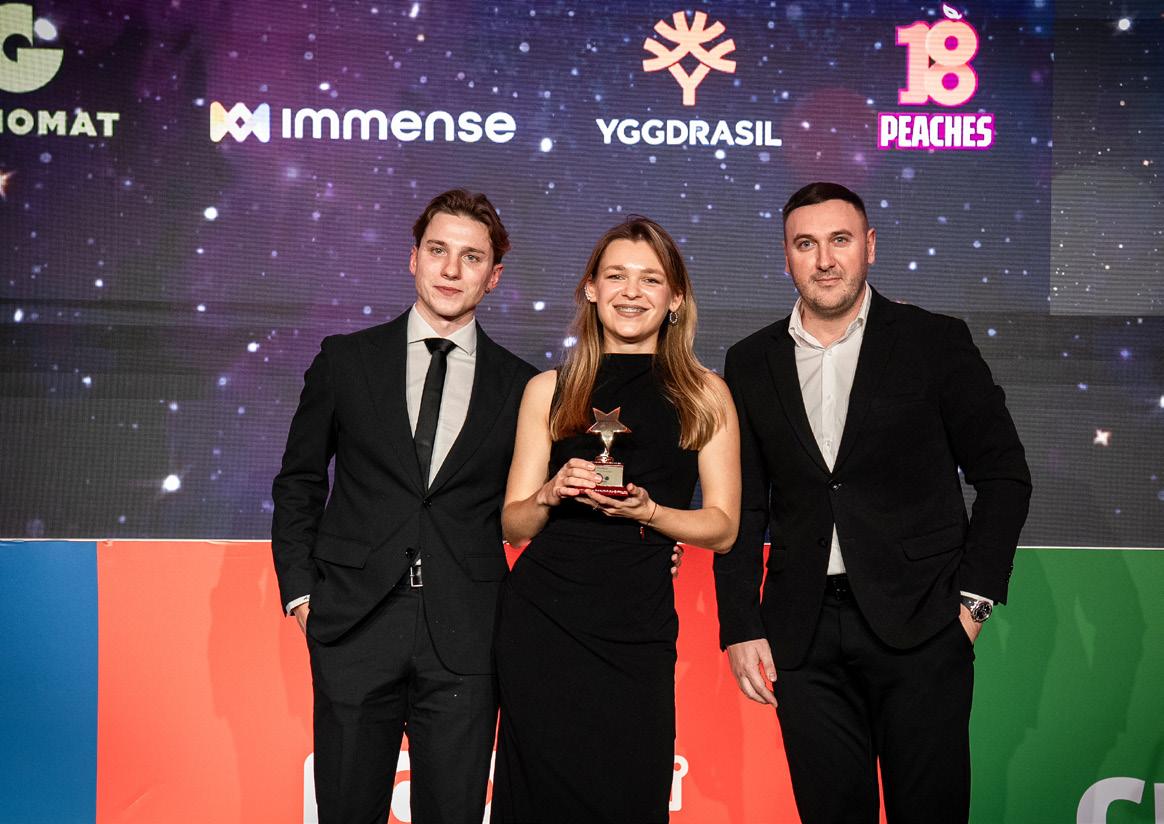
Above SPRIBE scoops Best Crash Game Developer of the Year
Left Lottery Product of the Year awarded to Pilot Games
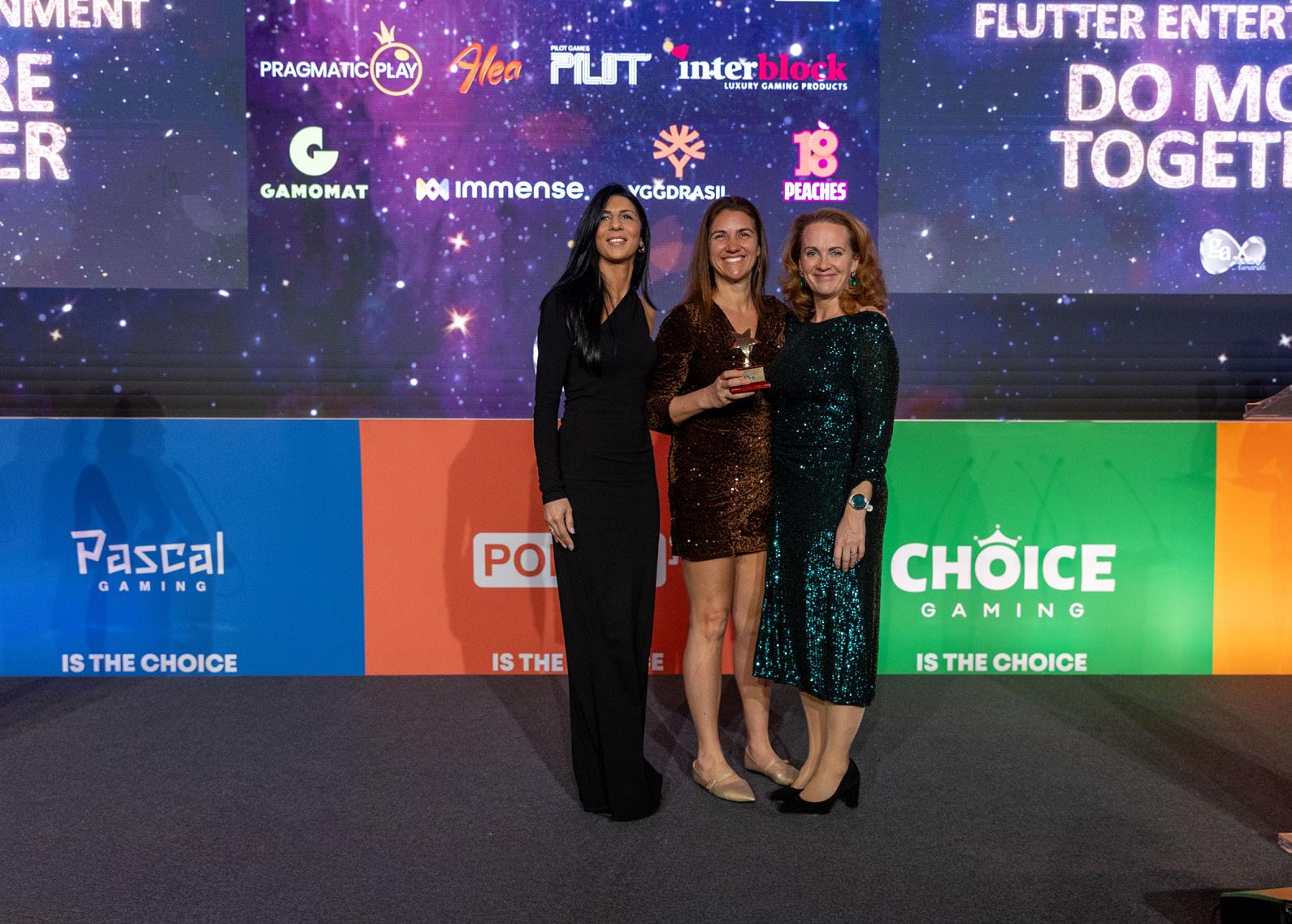
Below Flutter Entertainment (Do More Together) wins Charitable Community Award


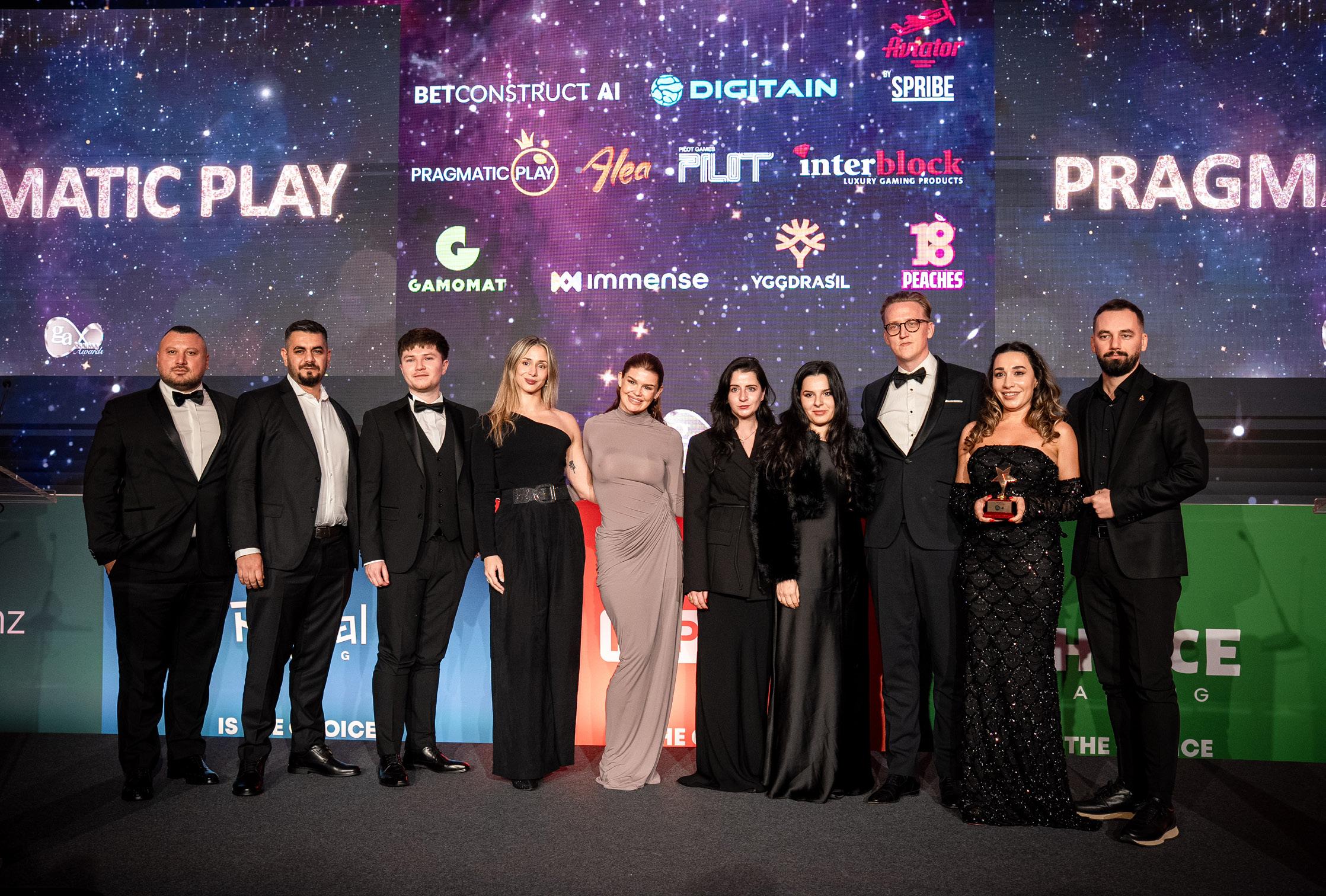
Below Pragmatic Play wins Brand of the Year Supplier












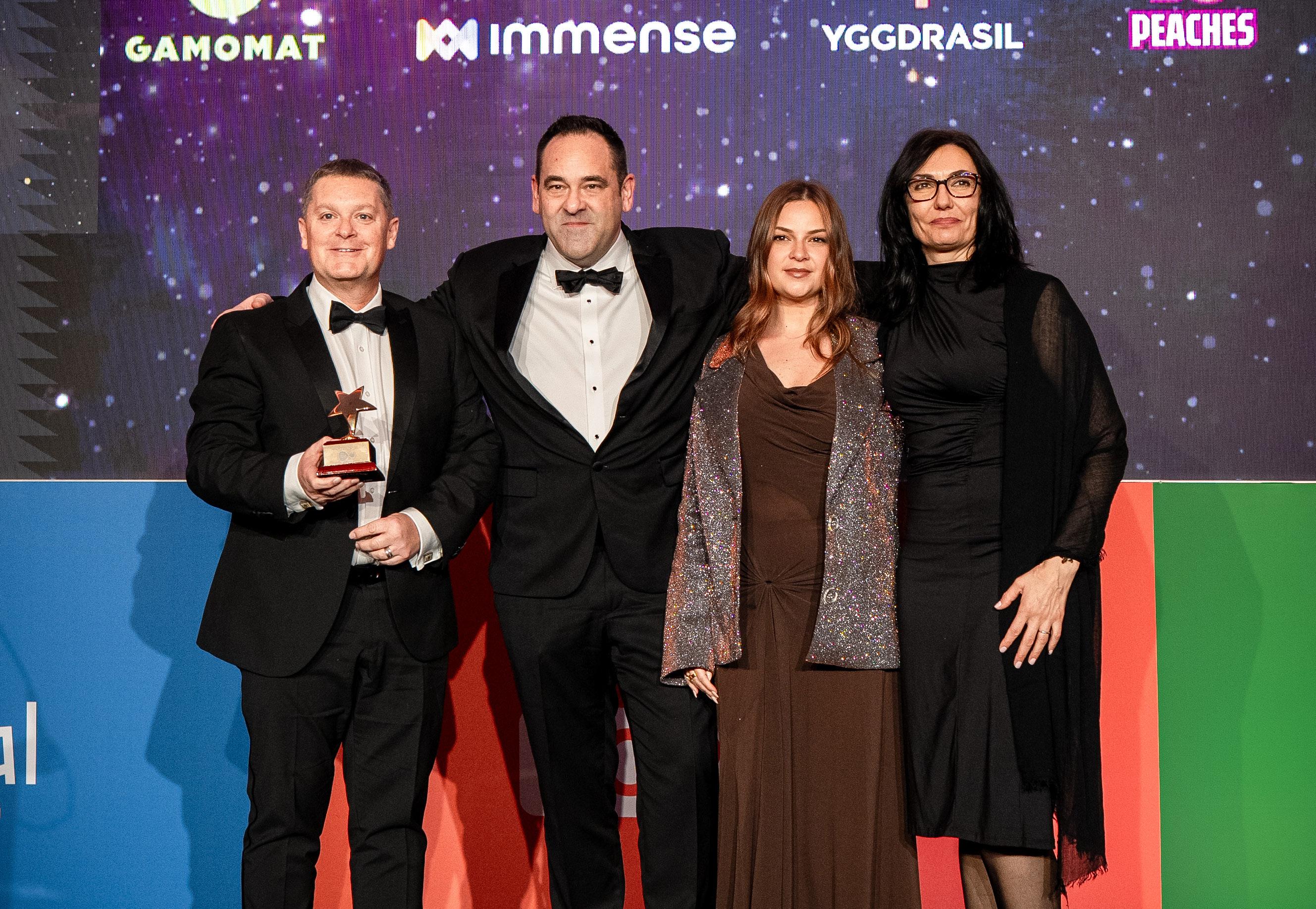
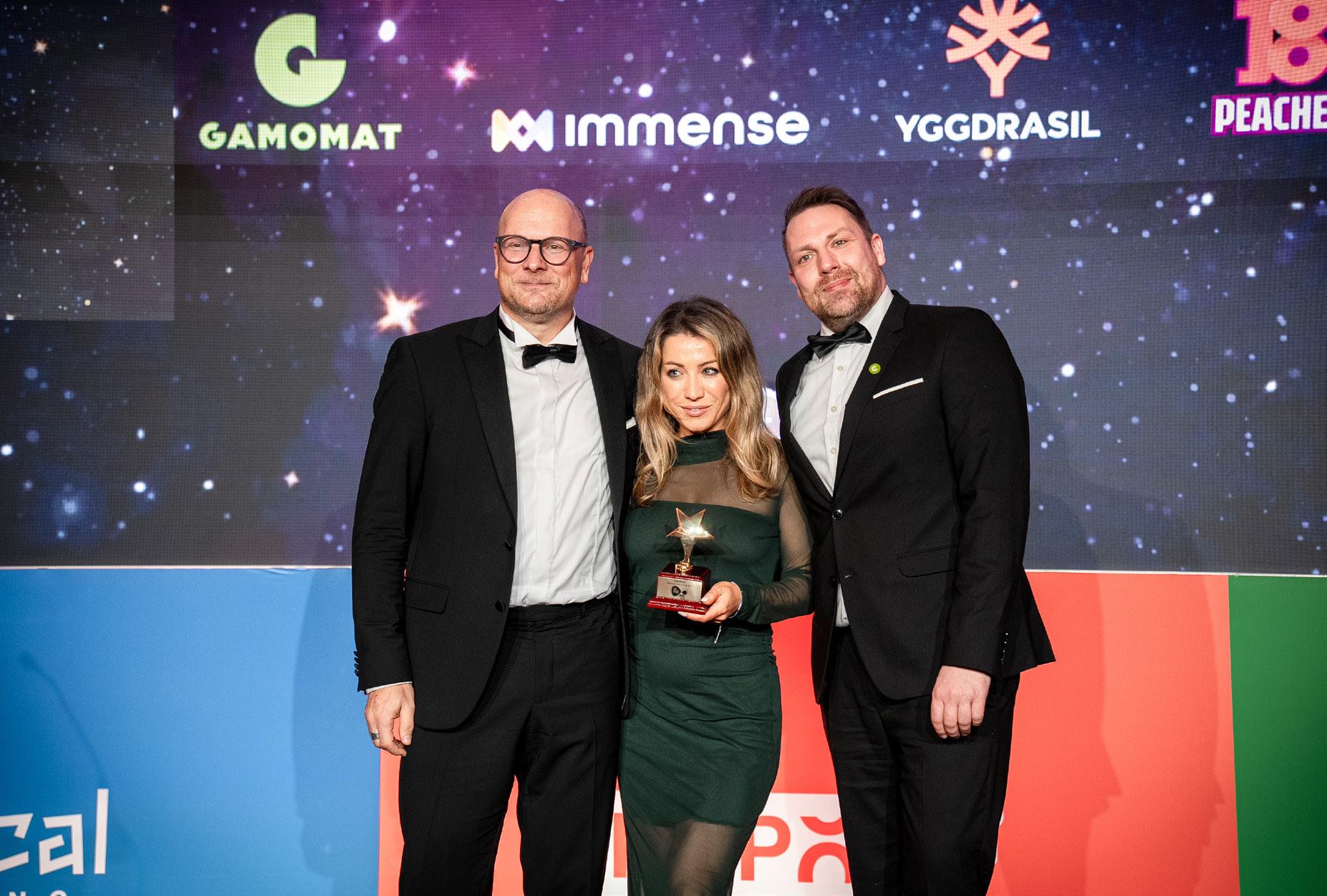
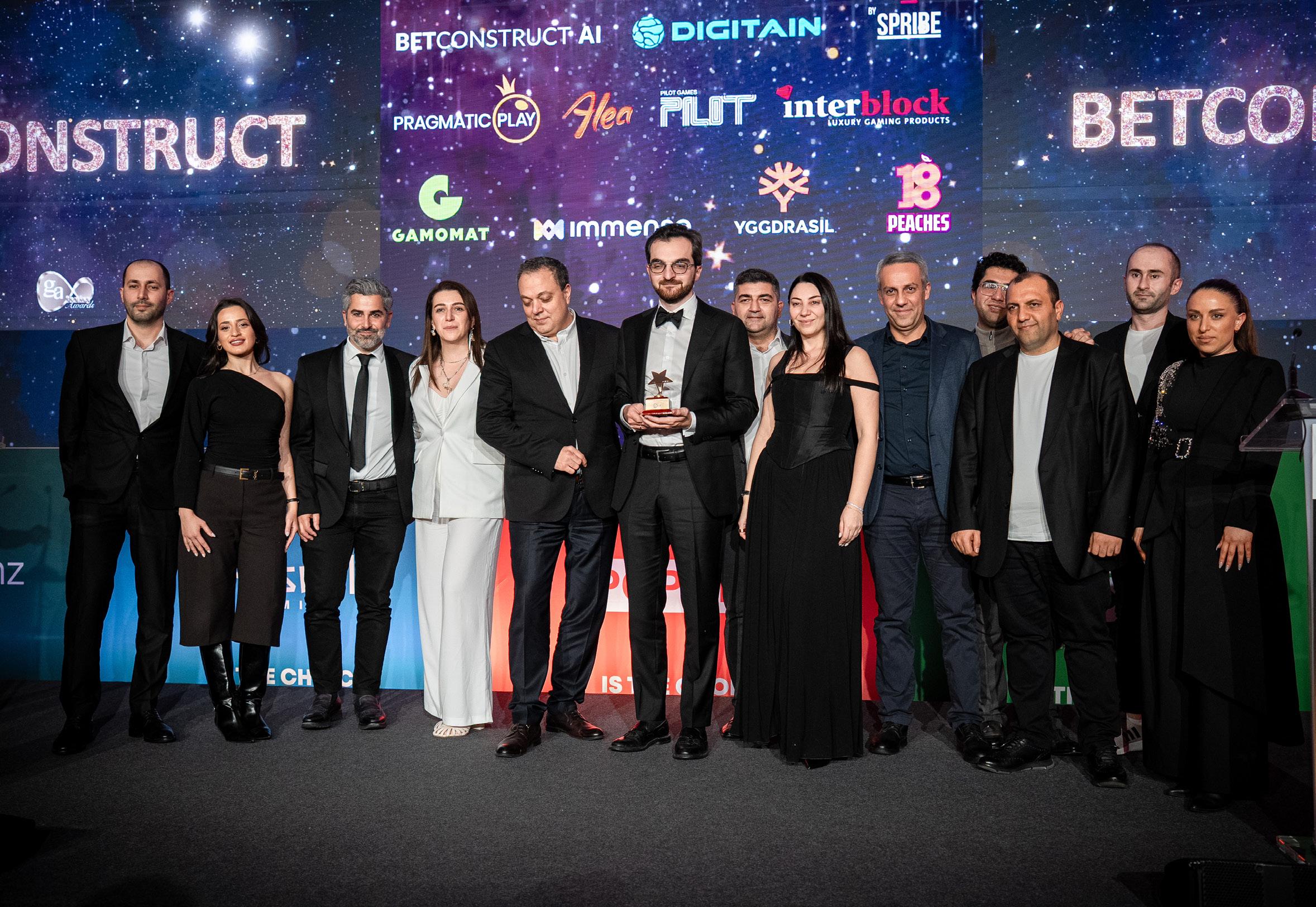
Above Global Gaming Company of the Year
Awarded to Betconstruct
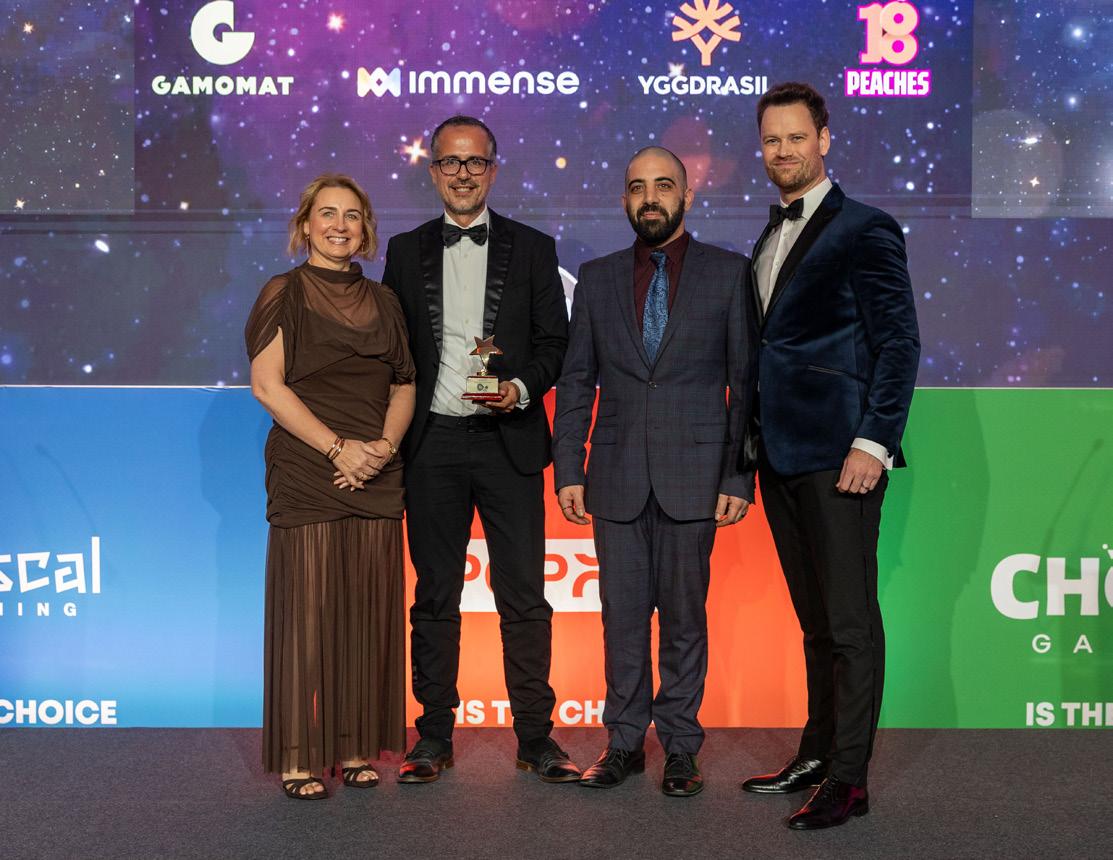

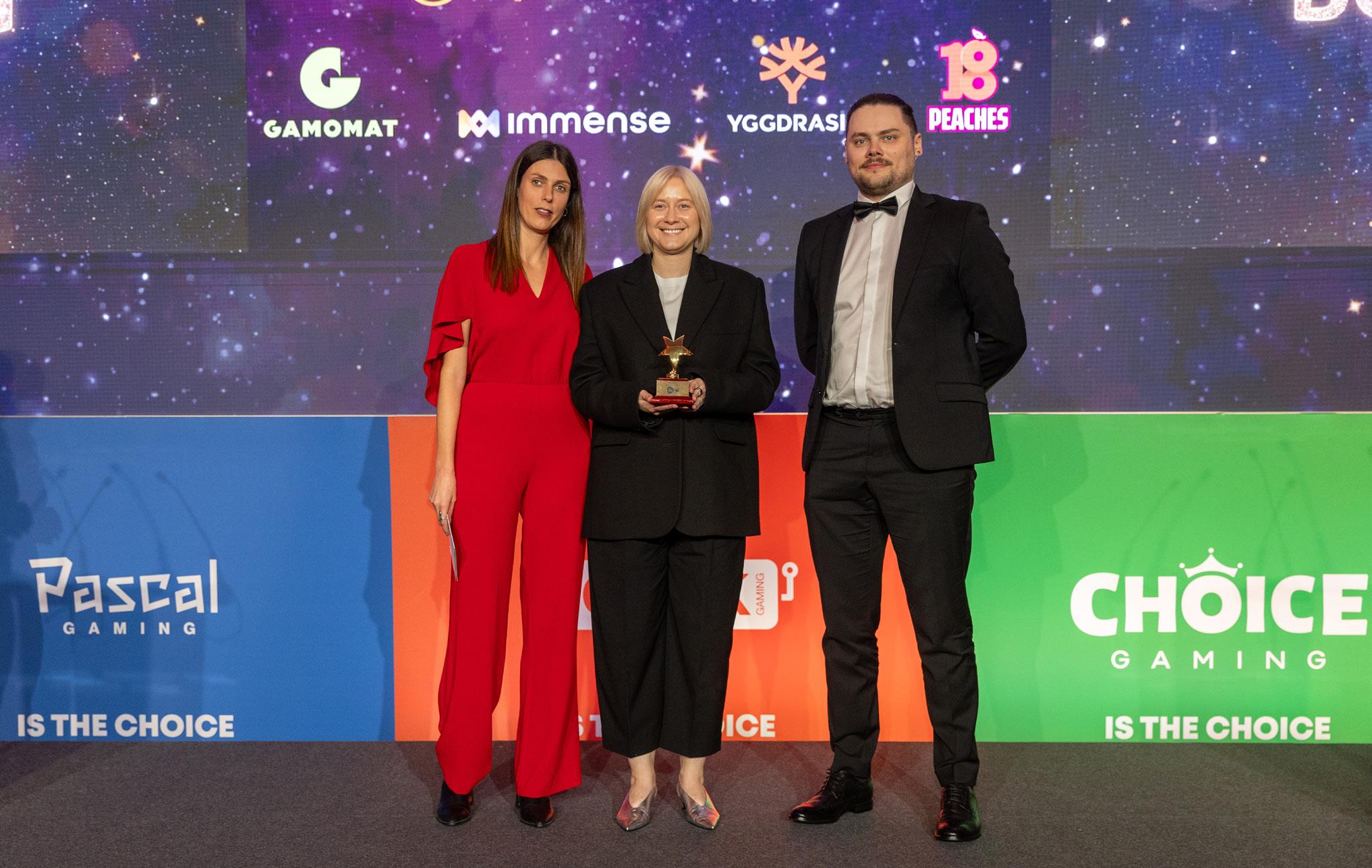

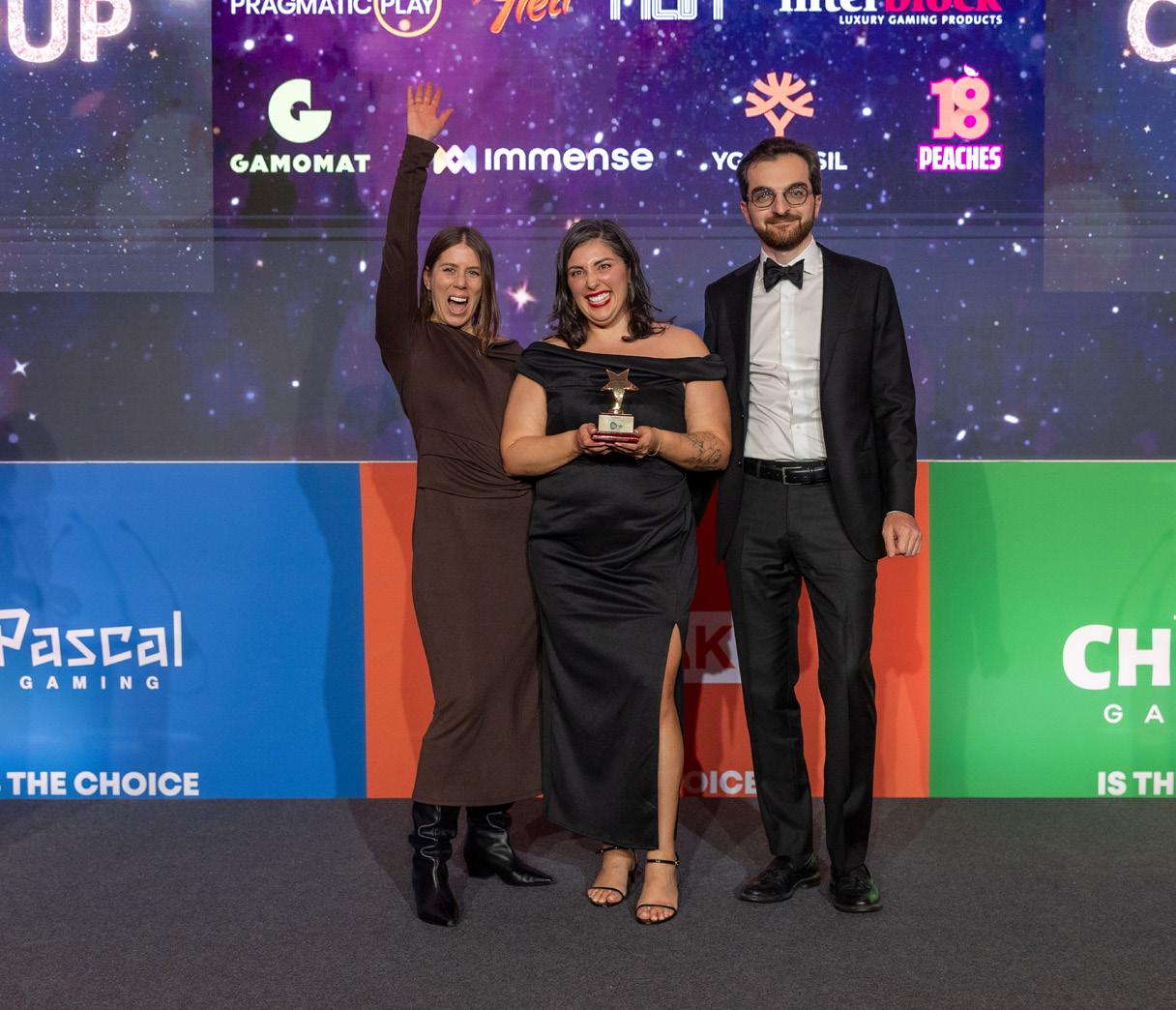
Above Great Place to Work (Operator) ComeOn Group
Left Innovator of the Year (Operator) goes to RocketPlay



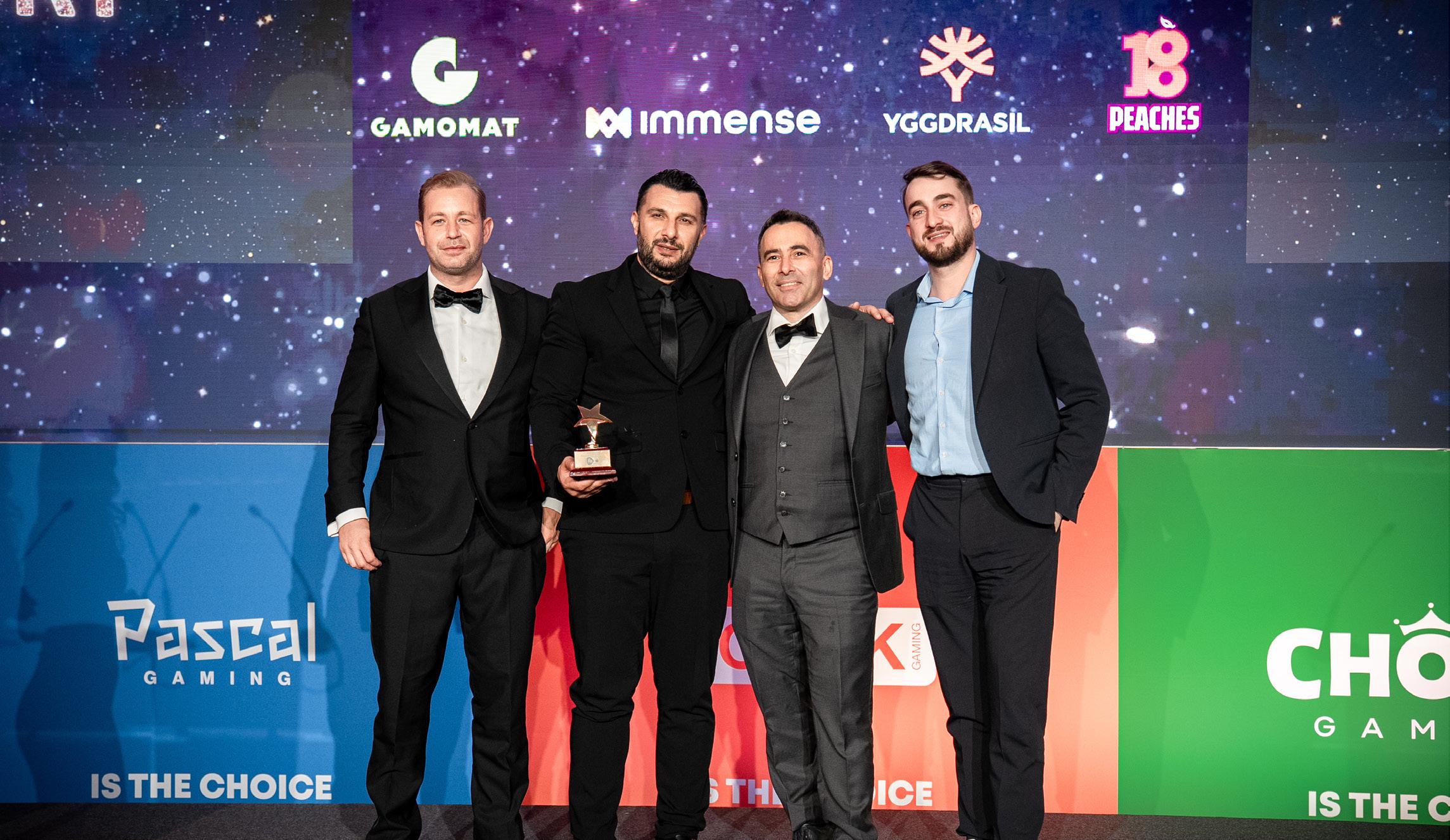
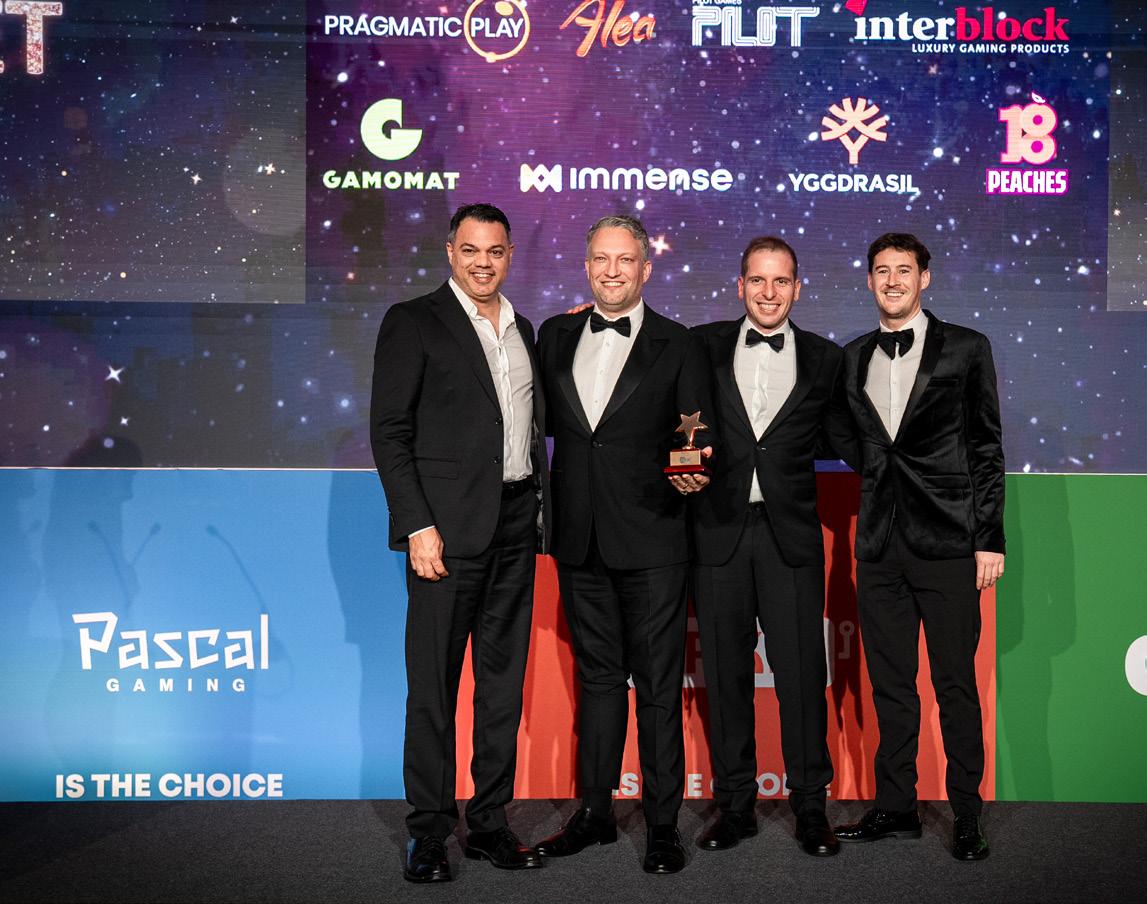
Above Innovator of the Year (Supplier) - Soft2Bet
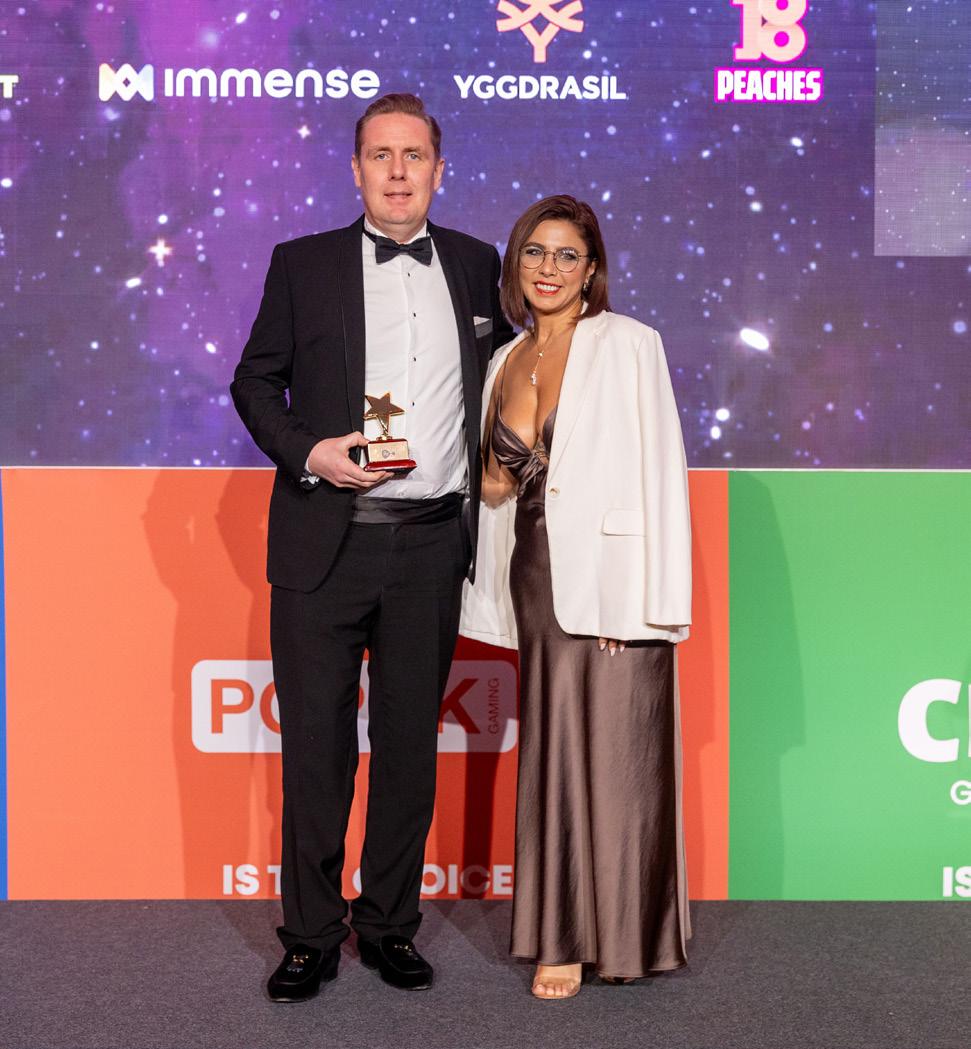

Pilot is redefining what’s possible in the gaming industry. We design, build, and deliver top-performing experiences across charitable,
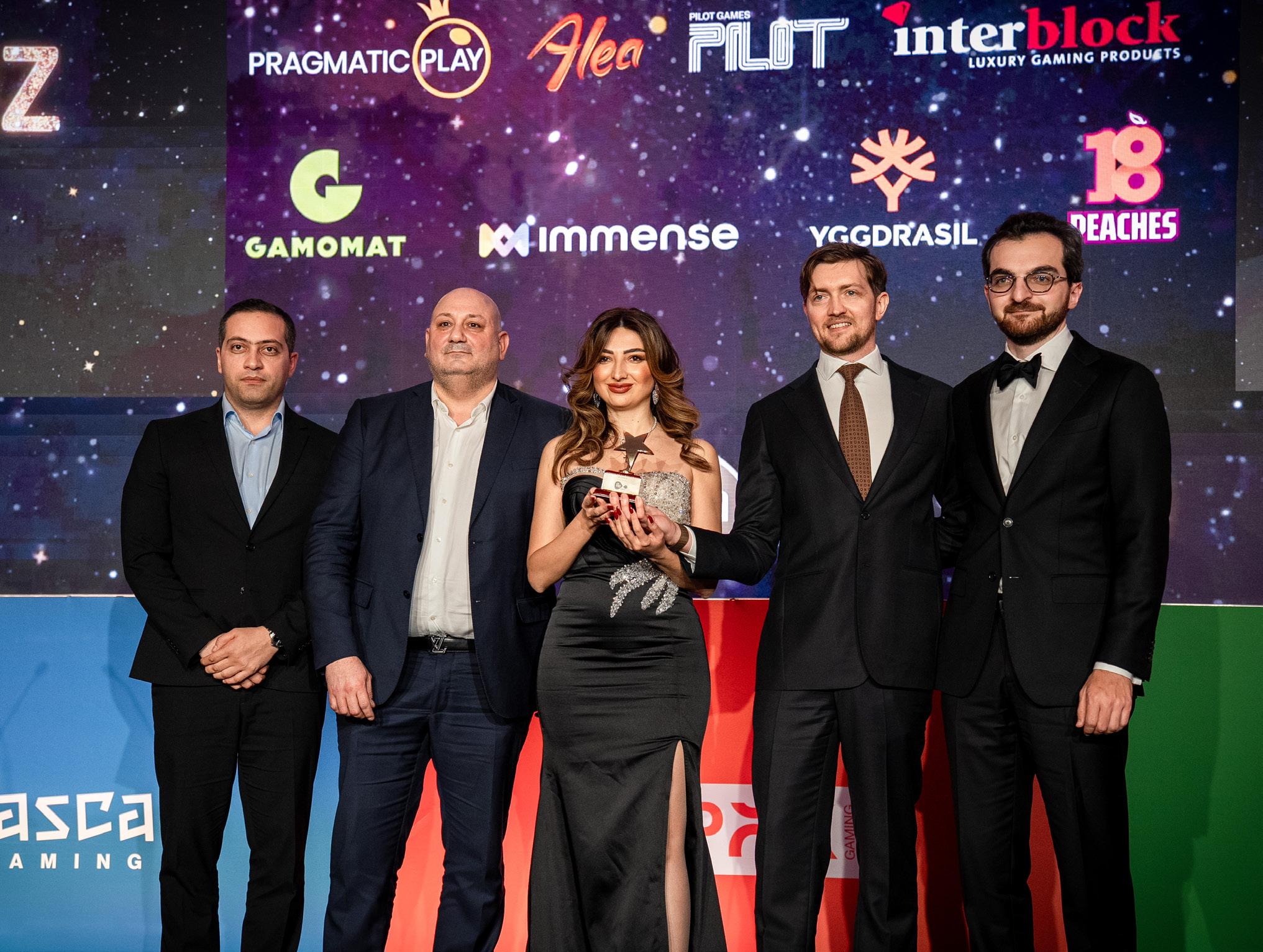
Below Right Multi-Channel Provider/Supplier of the Year goes to Light &
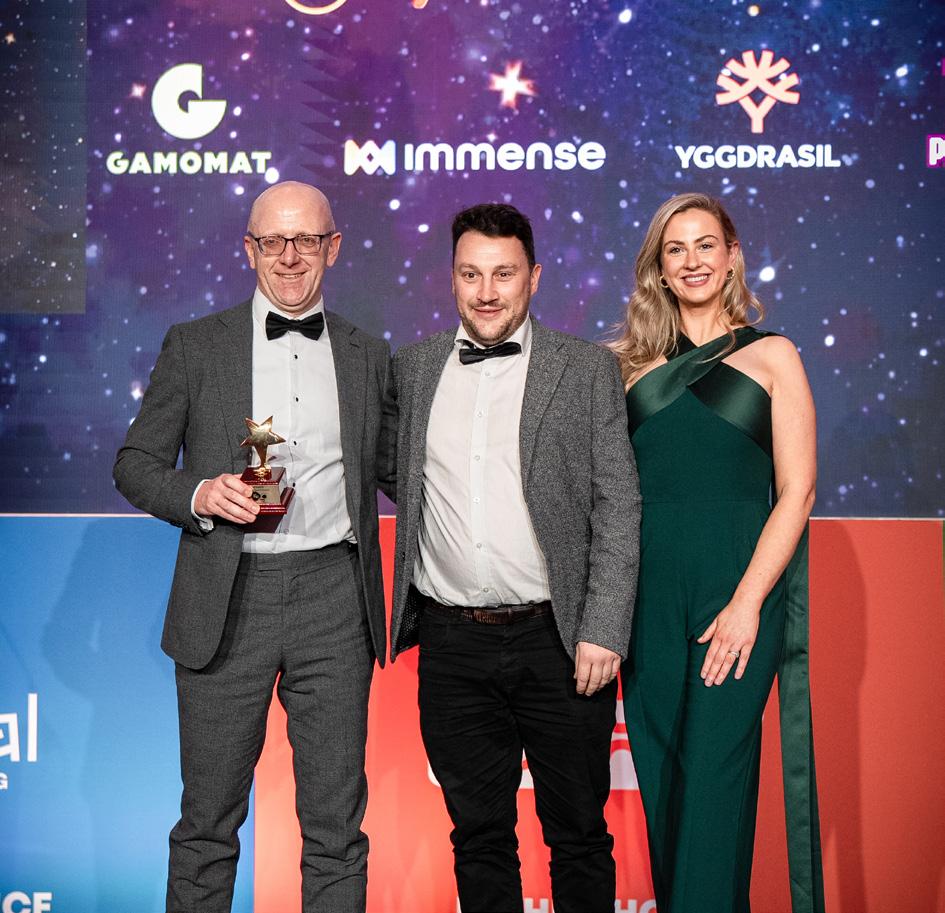
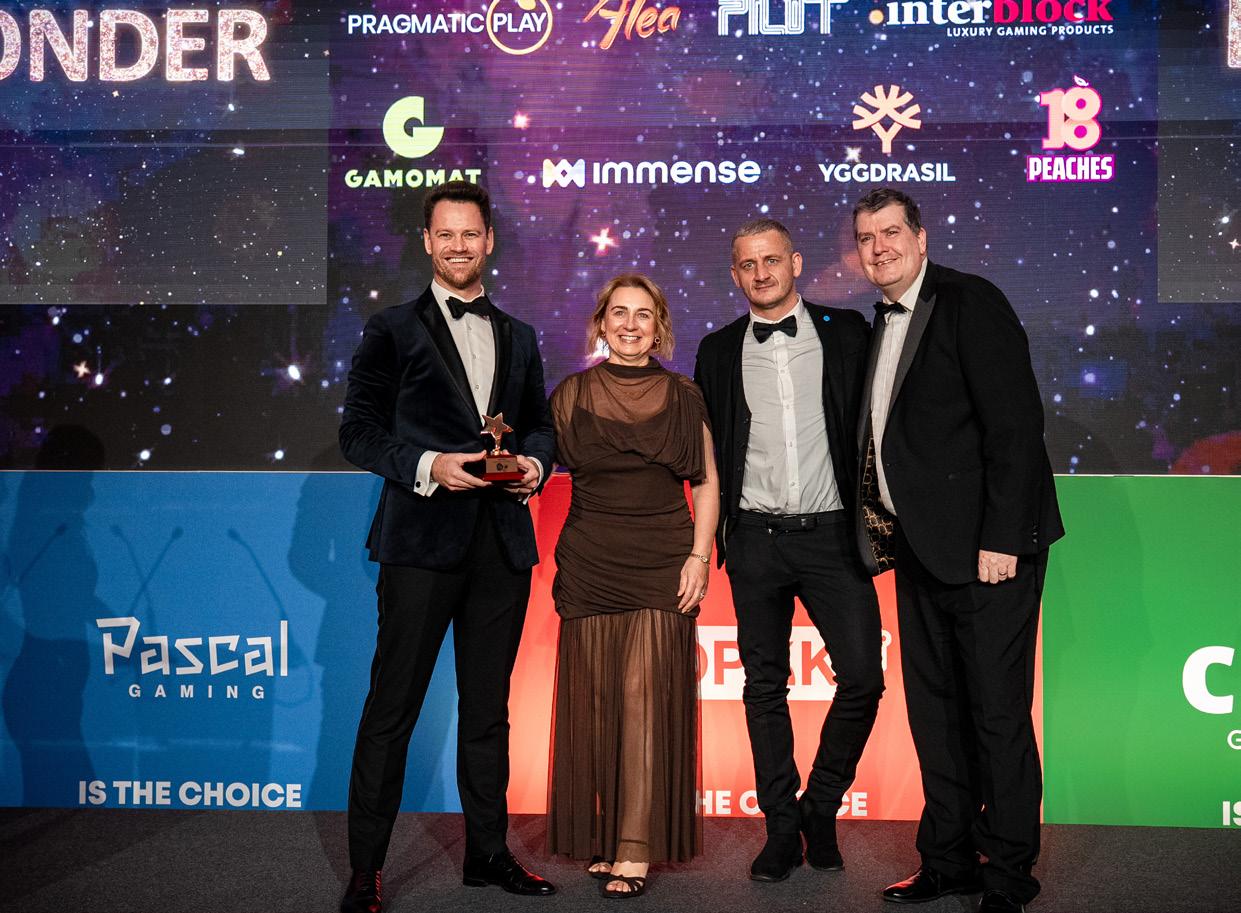

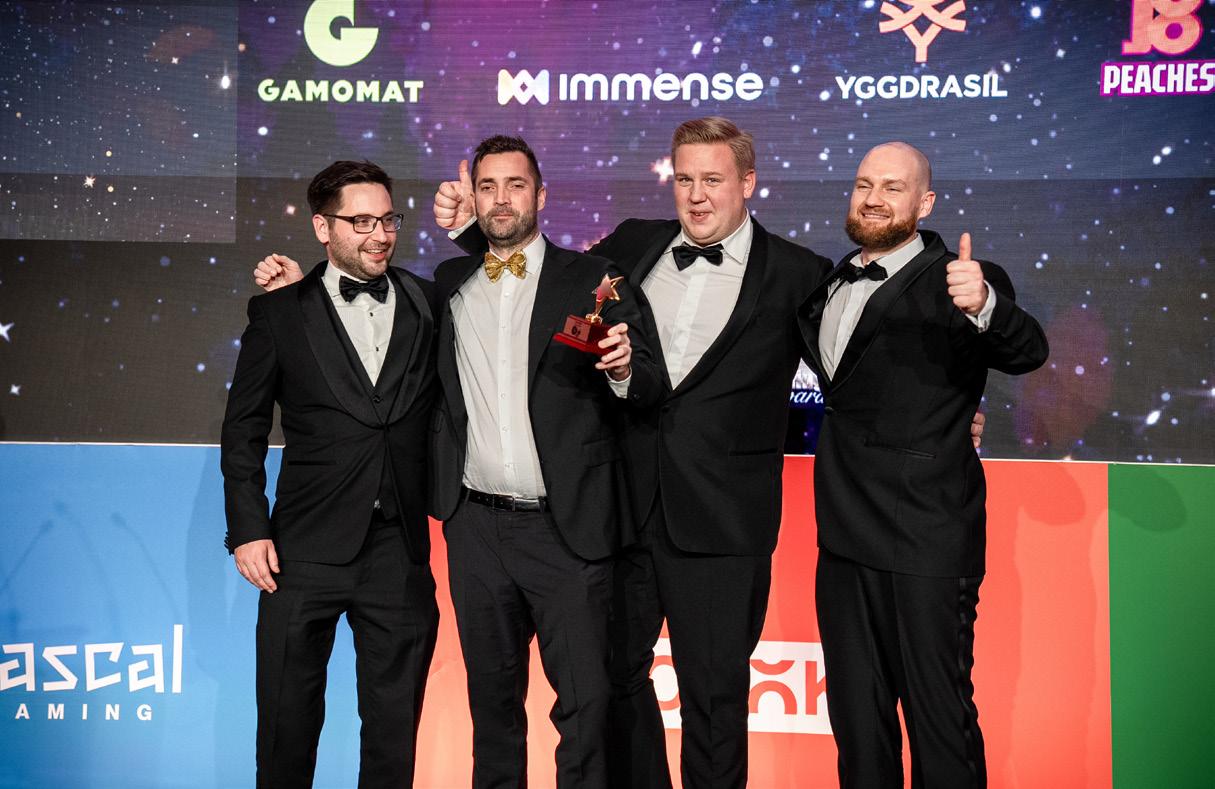
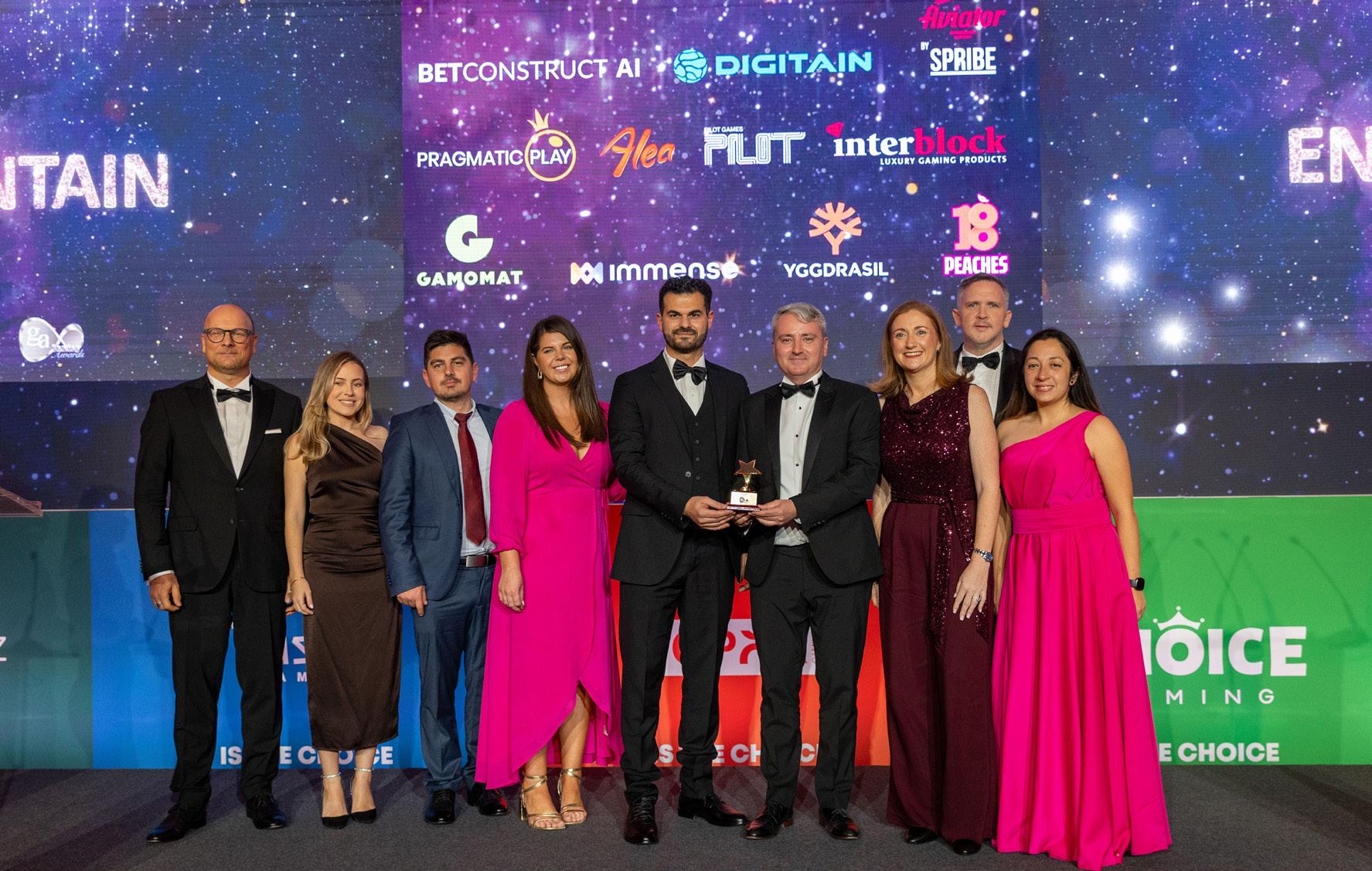
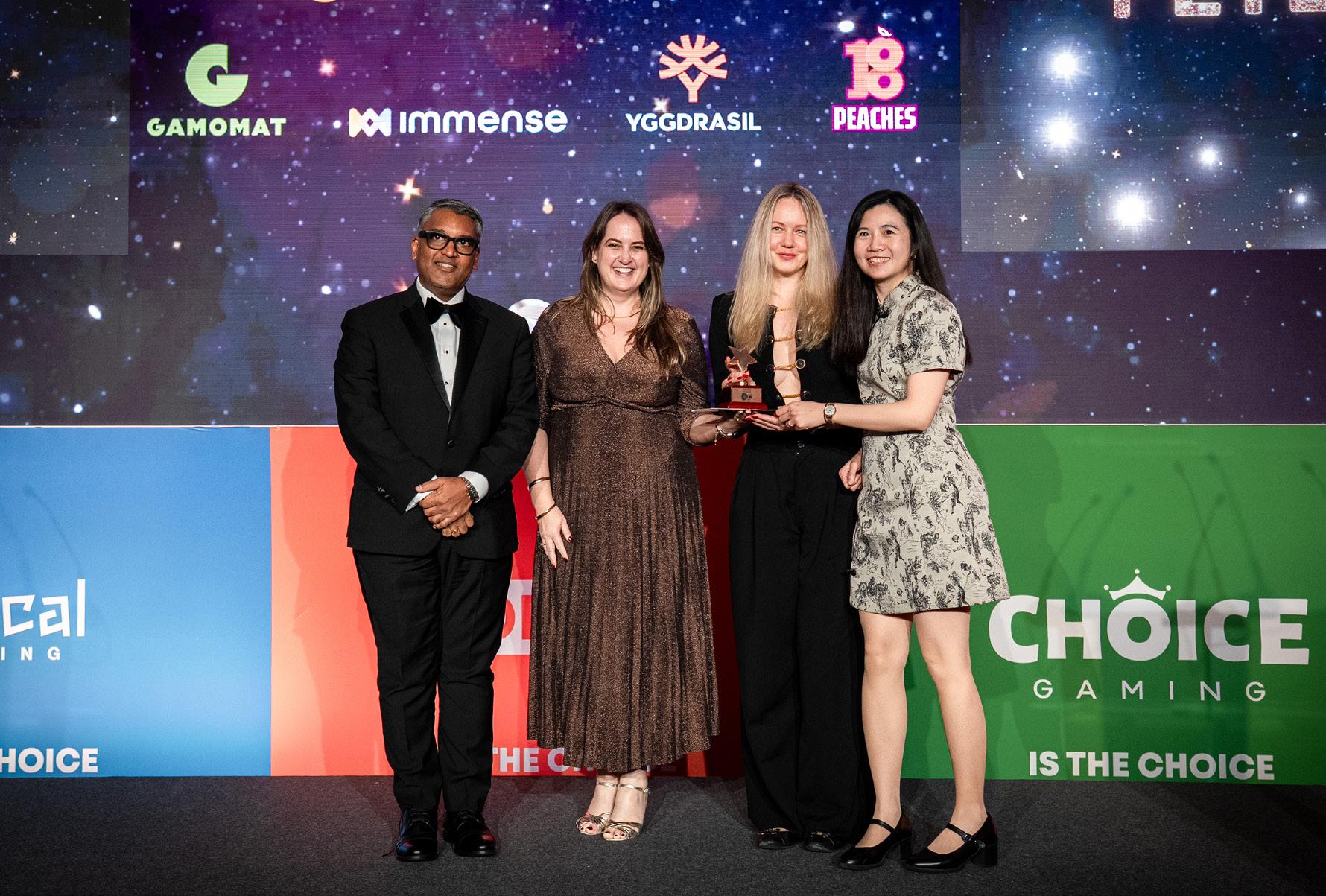








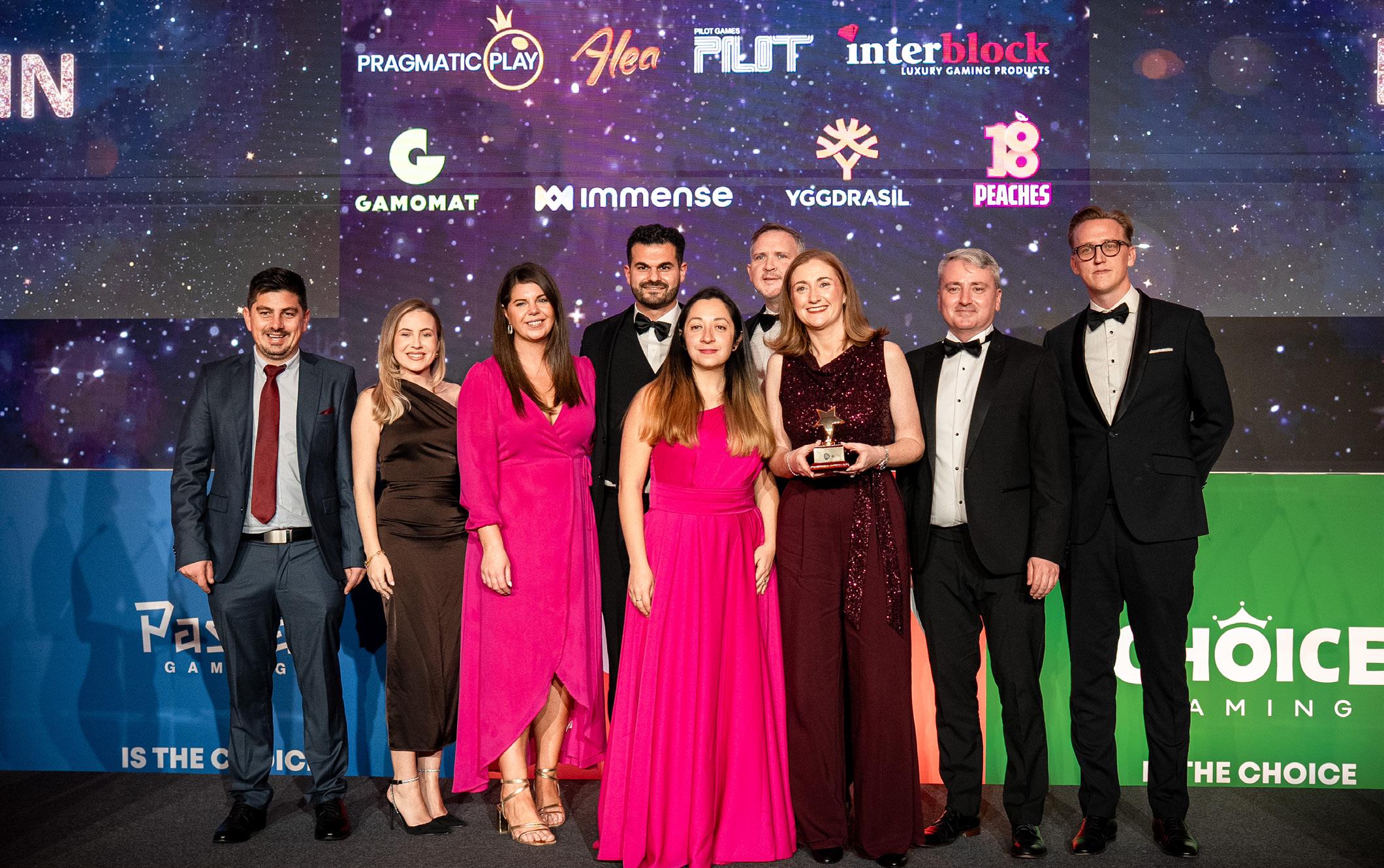
Above Online Games Operator of the Year - Entain

Below Slots Provider award went to IGT
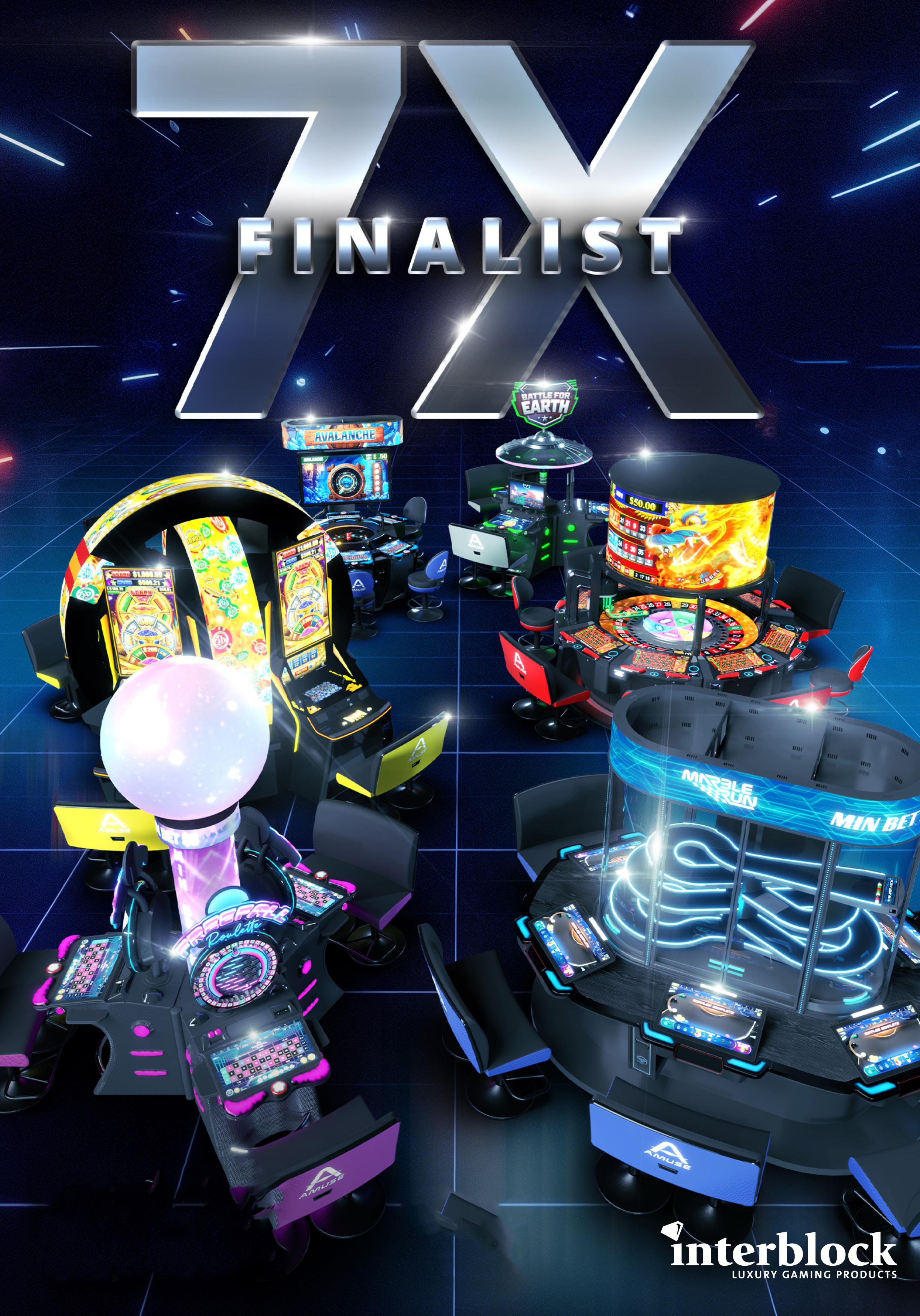
Left US Gaming Company of the Year - Interblock



Build your own studio without the heavy lifting. With Yggdrasil’s Studio in a Box™, you bring the idea and we take care of development and distributiongetting you live fast and cost-e ciently.







FIND OUT MORE POWERED BY


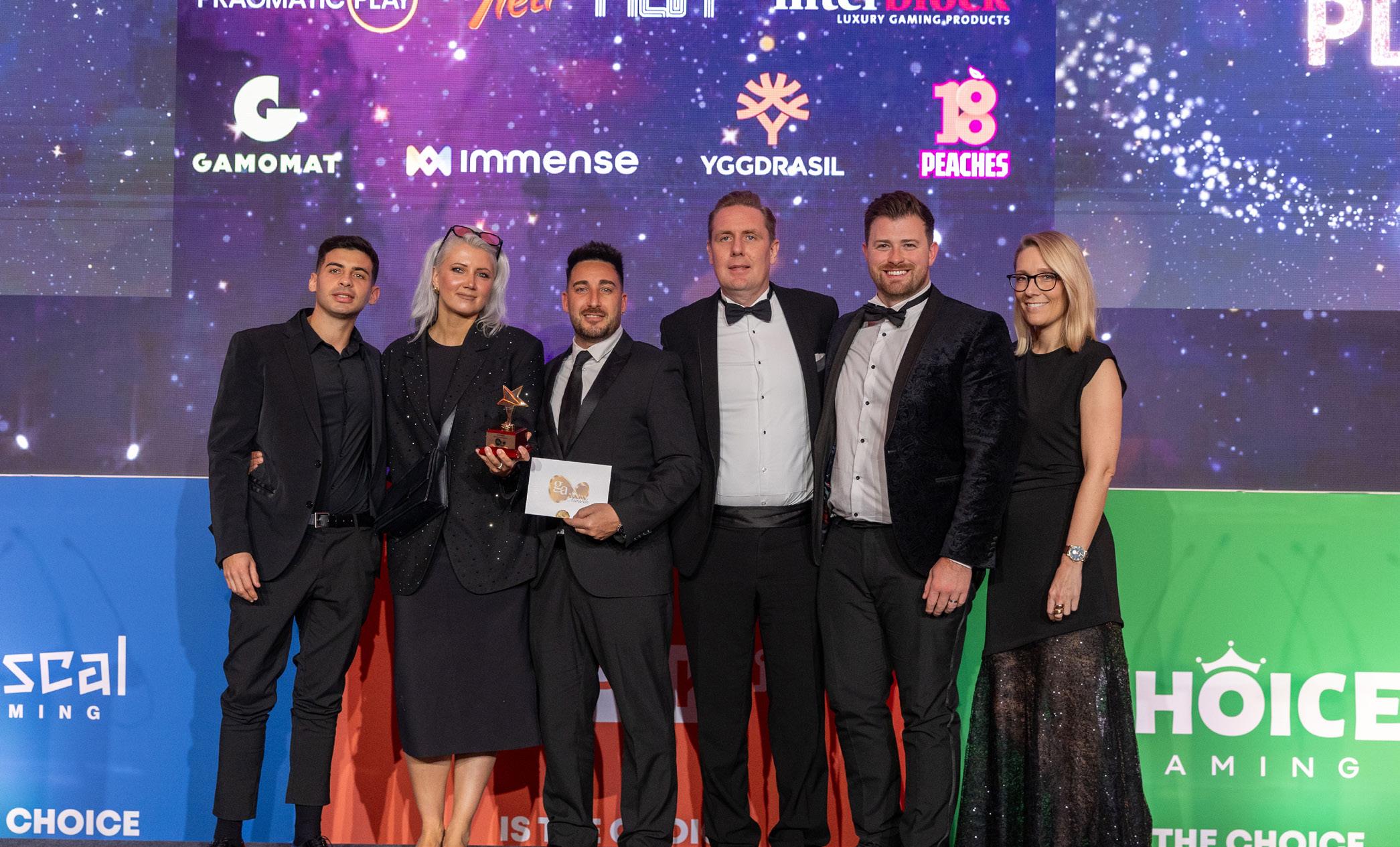
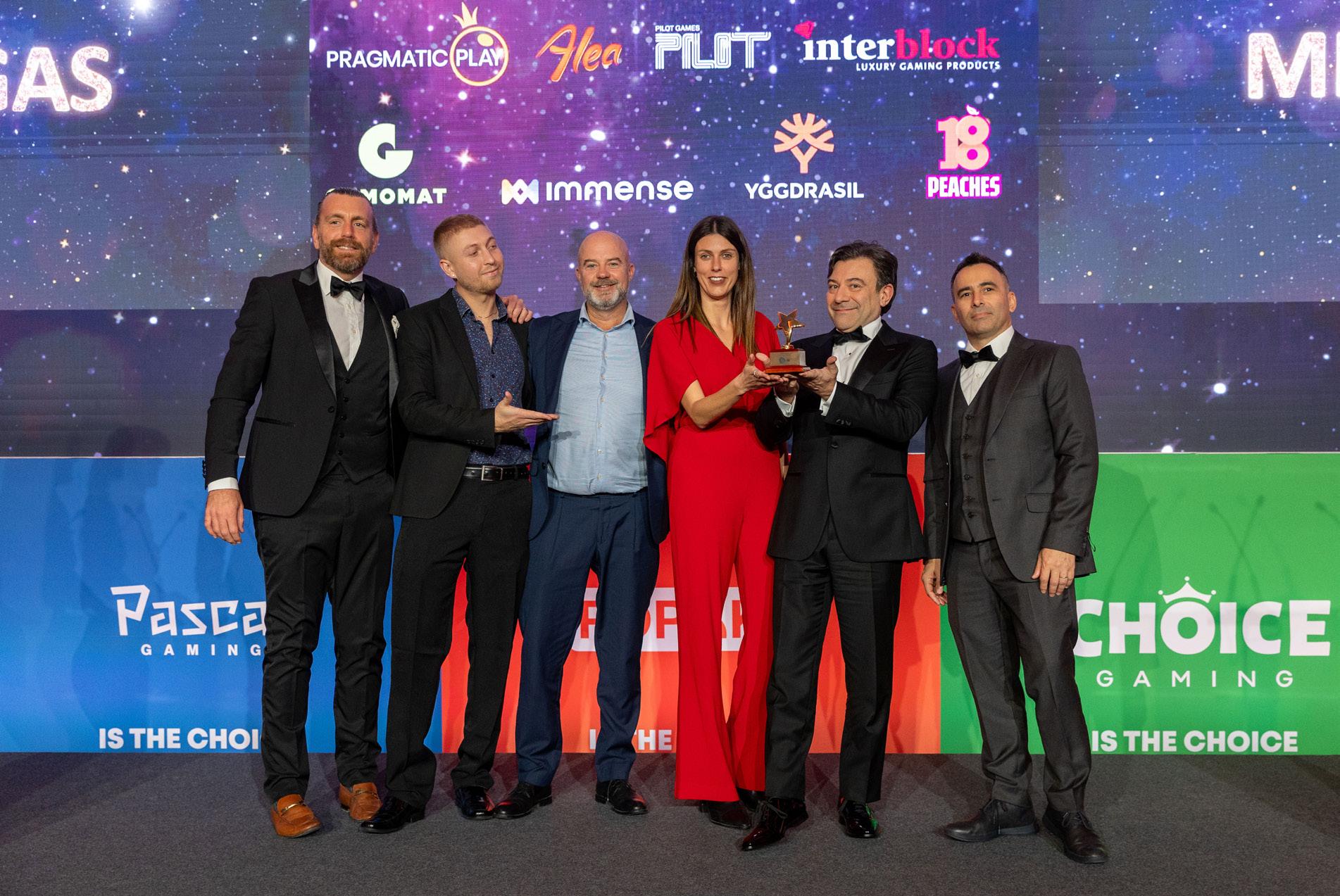
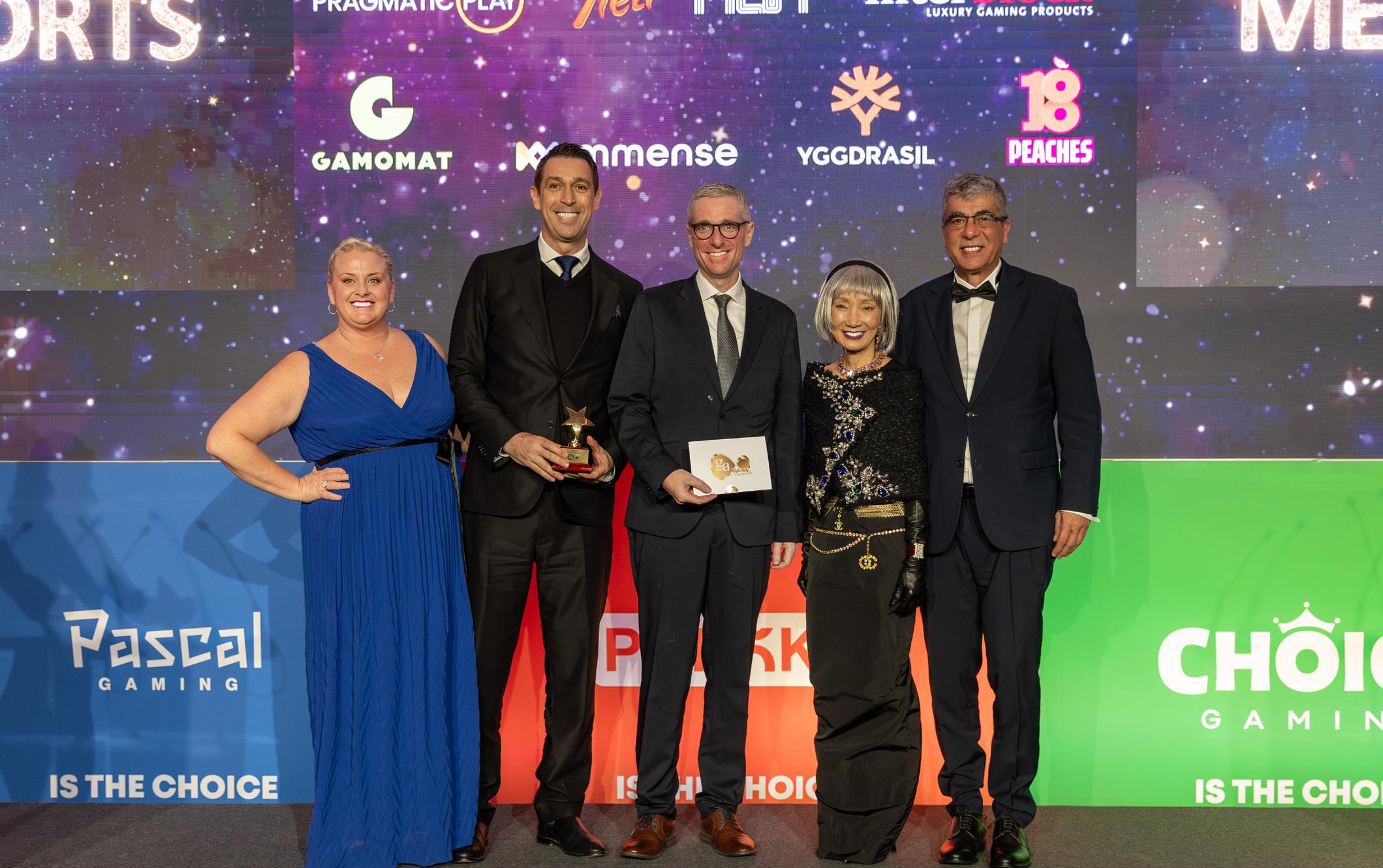
Below Continent 8 Technologies is Technology Provider/Supplier of the Year
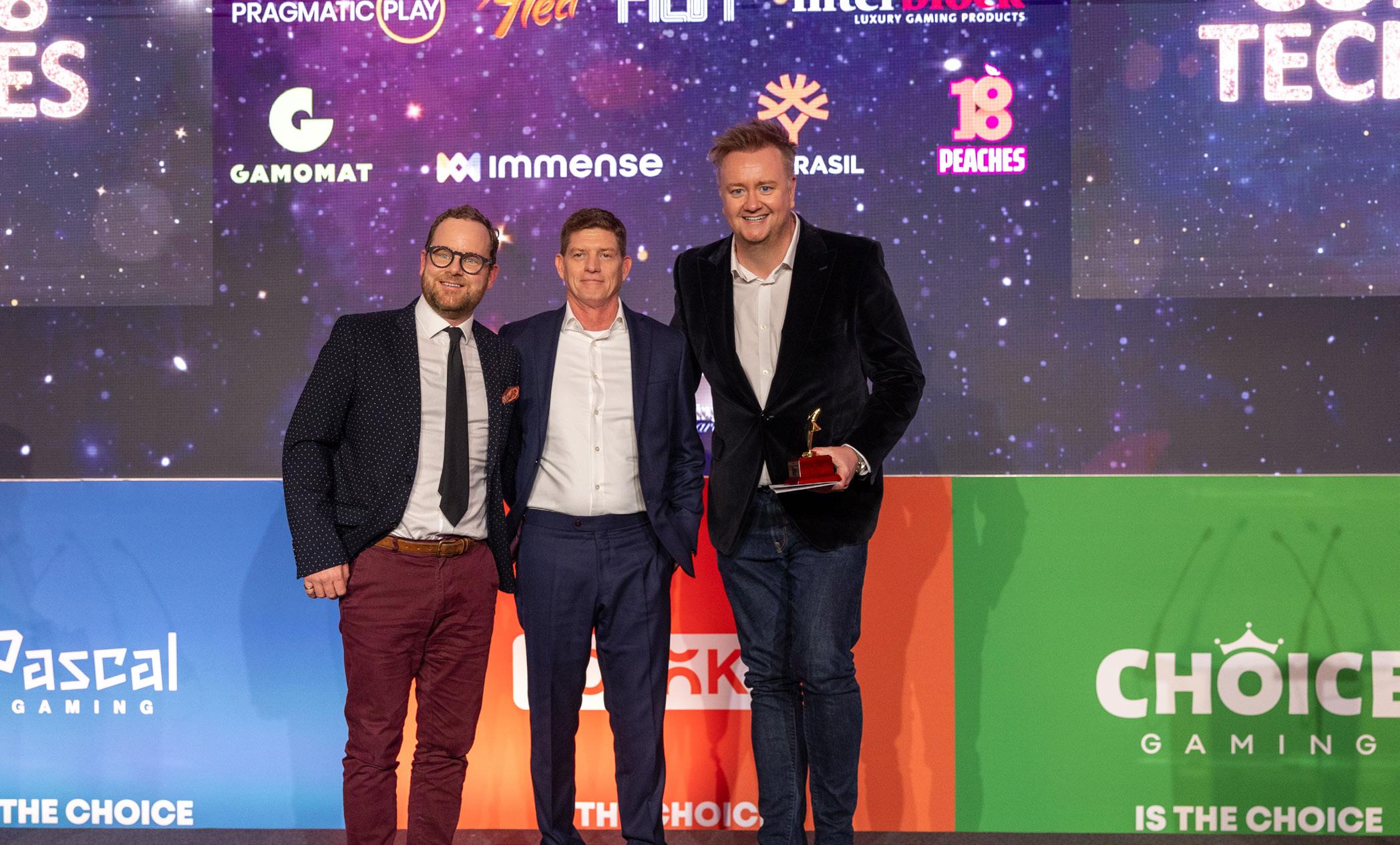

Above Sports Betting Platform of the Year is Digitain
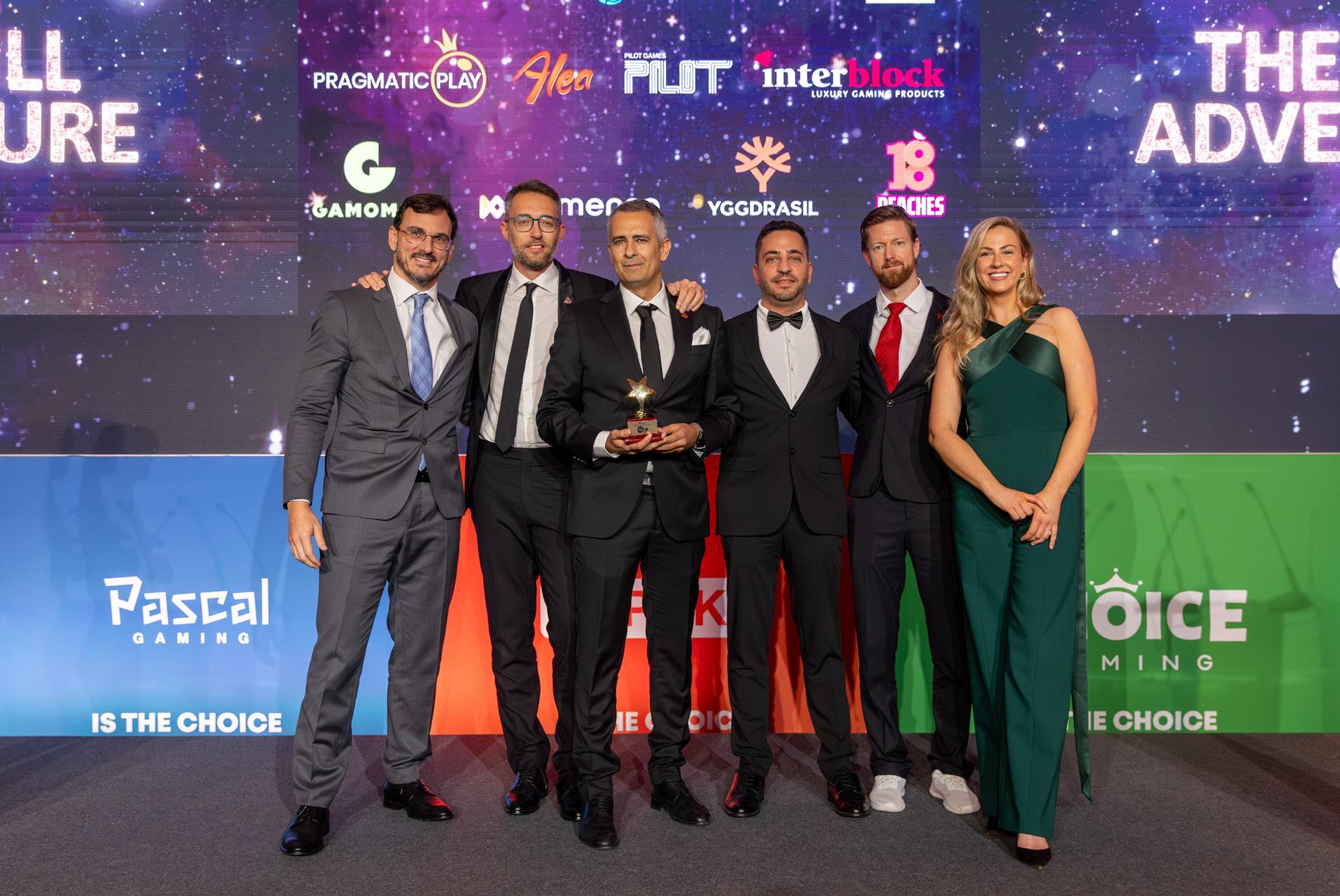
Below Unique Gaming Company of the Year - The Mill Adventure



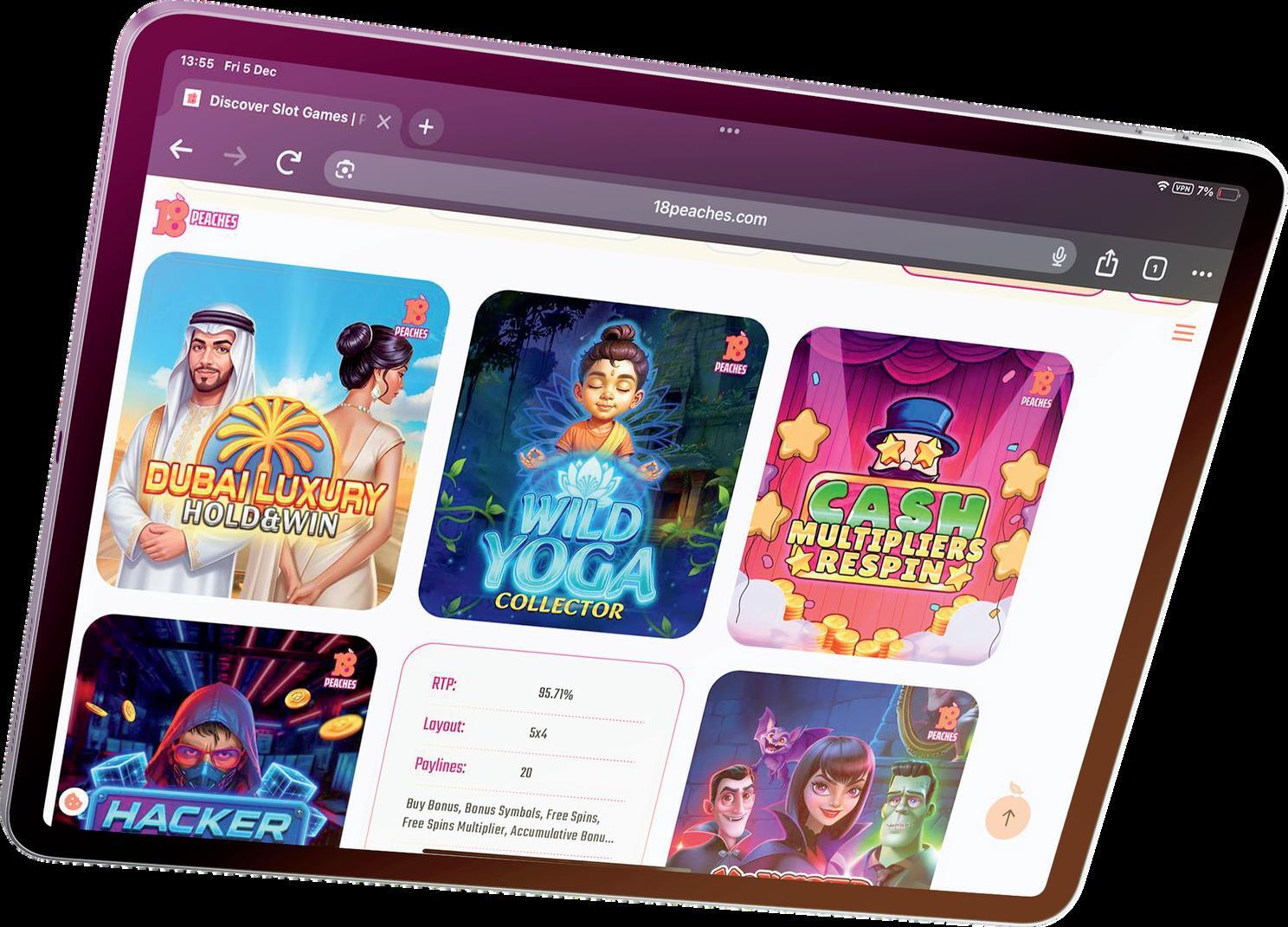
20+ High-Performing, Innovative Games
Hand-Crafted, Signature Game Designs




Advanced, Dynamic Game Mechanics
World-Class Visuals & Design Quality
Certified RNG and Fair Play Standards
7 Industry Award Nominations in 2026














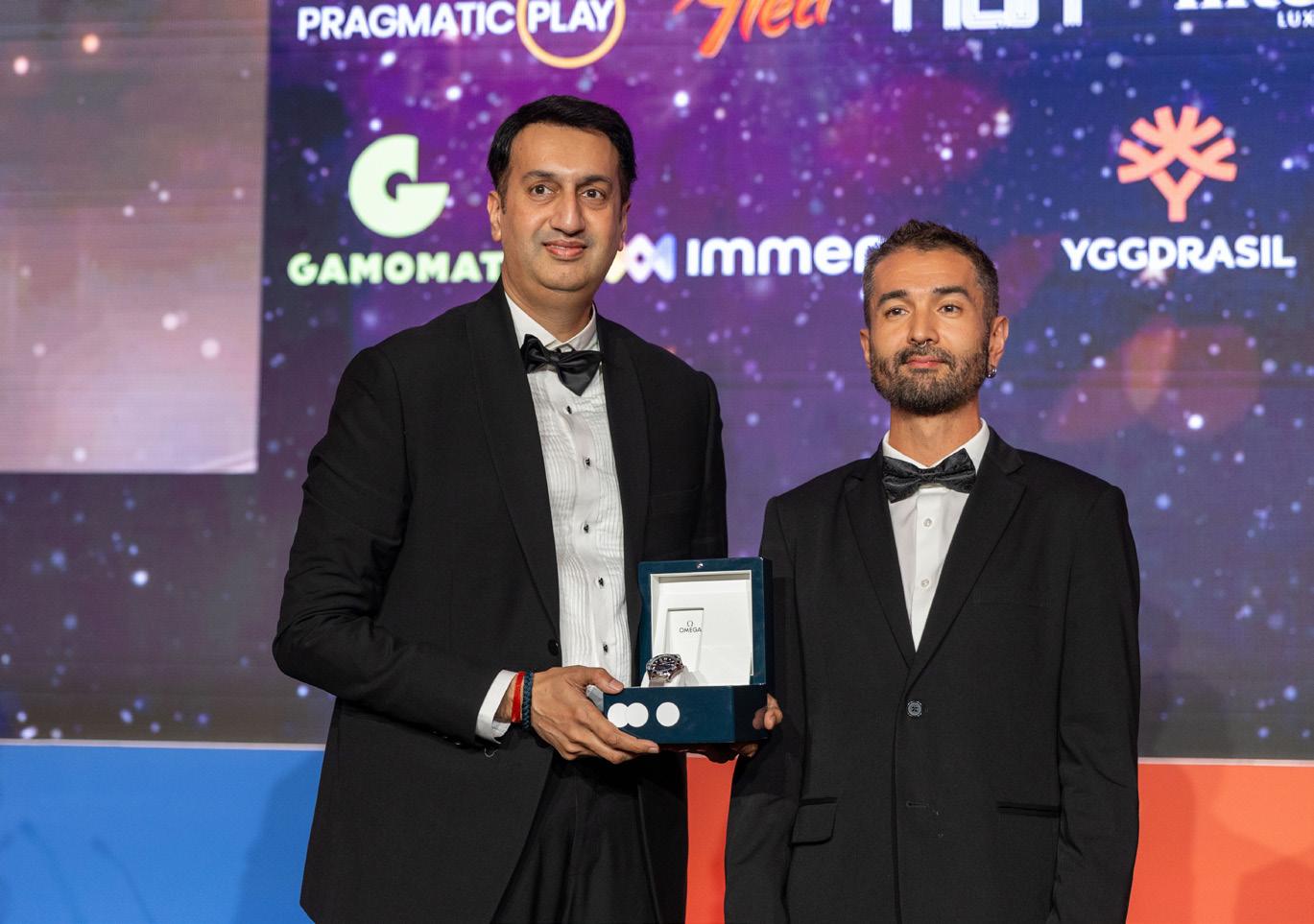
We would like to say a big thank you to our charity sponsor 18 Peaches for donating an Omega special edition watch for our charity raffle. It was the companies first time at the International Gaming Awards and we look forward to seeing 18 Peaches next year and continuing working as our charity sponsor once again.

Why
As 1xBet releases the second chapter of its International Player Safety Index, Strategic Advisor Simon Westbury sits down to discuss the stark realities of the African market. From the prevalence of retail betting to the uncomfortable truth that for many, gambling is seen as an income stream rather than a pastime, Westbury argues that European cut-and-paste strategies simply won’t work on the continent.
Simon it has been a busy few months for 1xBet on the research front. You’ve just launched part two of the International Player Safety Index (IPSI) focusing specifically on Africa. To kick us off, why was it necessary to commission separate research for this region? Why
not just apply the lessons learned in Europe?
Simon Westbury (SW) : It comes down to one word: relevance. We hear “localisation” thrown around at every conference and in every press release. Usually, that conversation stops at pay -

Simon Westbury
ment methods or translating a website. But if you look at the industry seriously, you have to ask: what about player protection?
We realised very quickly that the safer gambling tools we take for granted in mature markets—deposit limits, curfews, time-outs—might be effective in London or Berlin, but they don’t necessarily land the same way in Lagos or Nairobi. You cannot treat Africa as one homogenous block. It is a massive ecosystem of 54 nations, each with different degrees of stability, connectivity, and regulation.
We commissioned this research because we didn’t want to guess. We wanted to know exactly what drives safer gambling strategies on the ground, and more importantly, what the barriers are.
Simon Westbury Strategic Advisor to 1xBet

The report highlights some fairly startling statistics regarding those barriers. One that stands out is the motivation for gambling. Can you walk us through what you found there?
SW: That was the nugget of information that immediately jumped out at me. If you look at the European data, it’s quite clear: gambling is viewed largely as a social interaction, a pastime. It’s entertainment.
In Africa, the data tells a very different story. One of the primary motivators for gambling there is financial gain. In fact, seven out of ten operators we surveyed in Africa explicitly mentioned this perception as a major barrier to implementing effective player protection.
That statistic should raise eyebrows in Europe. It changes the entire conversa-
tion. If a player is betting because they genuinely believe it is a way to change their life or pay their bills, a pop-up message about “taking a break” isn’t going to have the same effect. It fundamentally shifts where we need to focus our energy. That is where we really need to engage with the education piece. We have to be honest with the player and help them understand that this is social entertainment, not a viable career path.
That seems to link into the wider cultural differences you’ve observed. Europe is increasingly online-first, but Africa still has a massive retail footprint. How does that complicate the player protection discussion?
SW: It’s a huge differentiator. While retail still exists in Europe, in Africa, it is the absolute heartbeat of the industry. Mobile and internet accessibility are
rising fast, of course, but the betting shop remains the primary hub for a huge demographic.
This creates a specific challenge for protection. How do you effectively monitor player behaviour in a cashbased retail environment? In an online setting, we have data points, tracking, and account histories. In a shop, it’s much harder to spot the red flags in real-time.
You have to understand for retail betting to provide a safe environment. You’re dealing with cash betting, mobile money, and intermittent connectivity. These cultural differences—the reliance on retail and the financial motivation—highlight exactly why we need localisation in protection. We can’t just export a UK Gambling Commission rulebook and expect it to fix the specific challenges on the ground in Cameroon or Mozambique.
Let’s talk about the regulators. You’ve previously called for the “Three Cs”— Communication, Consistency, and Clarity. Are we seeing that in Africa yet?
SW: We are seeing pockets of it, but there is still a long way to go. Currently, the regulatory environment in many jurisdictions feels like player protection is left entirely to the operator, rather than being ingrained in the regulation itself.
If you don’t have those “Three Cs”— communication, consistency, and clarity—you end up with the fourth: confusion.
We are seeing progress. Countries like Ghana, Cameroon, and Cote D’Ivoire have aspects of this locked in, and Mozambique is making steps in the right direction. But then you have a disparity. You look at Kenya, Nigeria, and South Africa pushing forward with


multi-faceted regulation, and compare them to Benin or the Democratic Republic of Congo, which aren’t as advanced.
The report showed that 56% of operators in Africa are now looking for more consistency in regulation. That’s up from 43% in the Western European report. It tells you that operators want this. They want a level playing field. They are looking to engage with regulators and governments to form the basis of a safe environment because they are facing real challenges.
You mentioned challenges for the operators. Is the offshore market still a major factor in this desire for regulation?
SW: Absolutely. The report indicated that in some countries, 25% to 30% of revenue is still leaking into the offshore environment. That is massive.
When you have a regulated operator trying to do the right thing— paying taxes, implementing local player protection tools, verifying ages—competing against an offshore site that does none of that and offers better odds because they have no overheads, it breaks the ecosystem.
That is why we need clarity and consistency. It helps operators have clear requirements that work for players, but it also creates a fair and competitive environment. If the regulation is too confusing or too punitive without enforcement against the black market, you just drive players to unsafe sites.
One of the more surprising stats in the report was about “big win” advice. Can you elaborate on that?
SW: I found that fascinating. The report found that 30% of African op-

erators actually give big win advice to players at the point of winning.
It goes back to the financial motivation point. If a player lands a significant sum, the operator steps in to advise them. It’s a different type of protection than we see in Europe. It acknowledges the economic reality of the player. It’s not just about stopping them from losing money; it’s about helping them manage it when they win, presumably to prevent them from recycling it all back into the machine immediately. It’s a very specific, localised response to the market conditions.
So, what is the path forward? You have the research; you have the data. What happens next for 1xBet and your strategy in Africa?
SW: The immediate next step is bringing this conversation into the
open. We aren’t just publishing a PDF and walking away. On February 5th, we held a digital webinar to break down this research properly.
I was moderating a session that was very honest. We had Nnanna Ewuzie, our Business Development Manager for Nigeria, Fisayo Oke from Gamble Alert, and Simon Burrell from Bragr.
We asked the hard questions: Has regulation kept pace with changing player habits? How do we close the technology gap? And crucially, how do we shift the narrative so that player protection becomes a “must-have” rather than a “niceto-have” within these regulatory frameworks?
Ultimately, we have to keep educating. We have to educate the player that gambling is entertainment, not a job. And we have to
As artificial intelligence continues to unlock new capabilities, the iGaming industry is entering a turning point. The market is becoming increasingly saturated, competition for player attention is intensifying, and regulatory pressure is growing year by year. Under these conditions, traditional scaling approaches based
By Emiliano Sanchez CCO - Mancala Gaming
on releasing a large number of games or increasing marketing budgets no longer deliver the same results.
For operators and studios focused on fast and, above all, sustainable growth, technology has moved to the forefront. Artificial intelligence has long ceased to be a purely futuristic concept and

has become an essential tool for business development, not only in online casinos. It is no longer just a way to simplify routine tasks, but a key factor that determines a company’s ability to adapt to change. This article examines industry growth perspectives through the lens of AI-driven solutions and highlights insights from Mancala Gaming experts.
The use of AI in gambling has evolved from basic analytical tools and visual enhancements into comprehensive systems that influence the entire business. Where artificial intelligence was once applied in isolated areas, it now operates across all levels, from daily operations to growth and player retention strategies.

The primary value of AI lies in its ability to process vast volumes of information and data that are beyond human capacity, within extremely short timeframes, and convert them into actionable insights. This allows companies to identify weaknesses in promotional campaigns, detect errors in game development code, and even predict a decline in player interest in advance, taking action before it occurs.
Emiliano Sanchez, Chief Commercial Officer at Mancala Gaming, notes:
“AI plays a significant role in player segmentation and the configuration of recommendation systems.”
For businesses, this represents a shift toward a new model in which AI is not merely a supporting tool, but a key factor in strategic growth.
In an environment of constant information overload, generic offers are no longer effective. Players expect a personalized approach and increasingly assume that gaming platforms and slot content will adapt specifically to their preferences.
Modern AI systems are capable of delivering exactly what players are looking for. Today, casino interfaces can be fully restructured in just a few clicks: lobbies can be reorganized, game recommendations refined, and personalized bonuses offered. All of these elements have a direct impact on key performance metrics such as LTV, retention, and engagement.
Emiliano Sanchez emphasizes the importance of this direction:
“I am confident that content personalization and combined game mechanics will become key drivers.”
At this stage, most companies already understand how AI can retain players through relevant content rather than aggressive advertising.
Business growth is not possible without a stable foundation, and in iGaming that foundation is trust and security. AI is becoming an indispensable tool for the early detection of risky behavior. Predictive models can identify signs of problematic play long before they become obvious to the player, enabling timely self-limitation measures.
Jan Kratochvil, Head of Legal at Mancala Gaming, views technology as an ally in ethical matters:
“Analytics can flag risky behavior and ensure timely intervention,” Kratochvil explains. “I see technology not as a threat, but as an ally in strengthening compliance and responsible gaming.”
Balancing commercial growth with player protection is a delicate task, and algorithms play a crucial role in maintaining this balance by ensuring transparency for regulators and safety for users.
Business growth usually leads to larger teams and higher costs, but AI helps avoid this. Automation of KYC and AML processes significantly speeds up checks and reduces the workload on compliance teams.
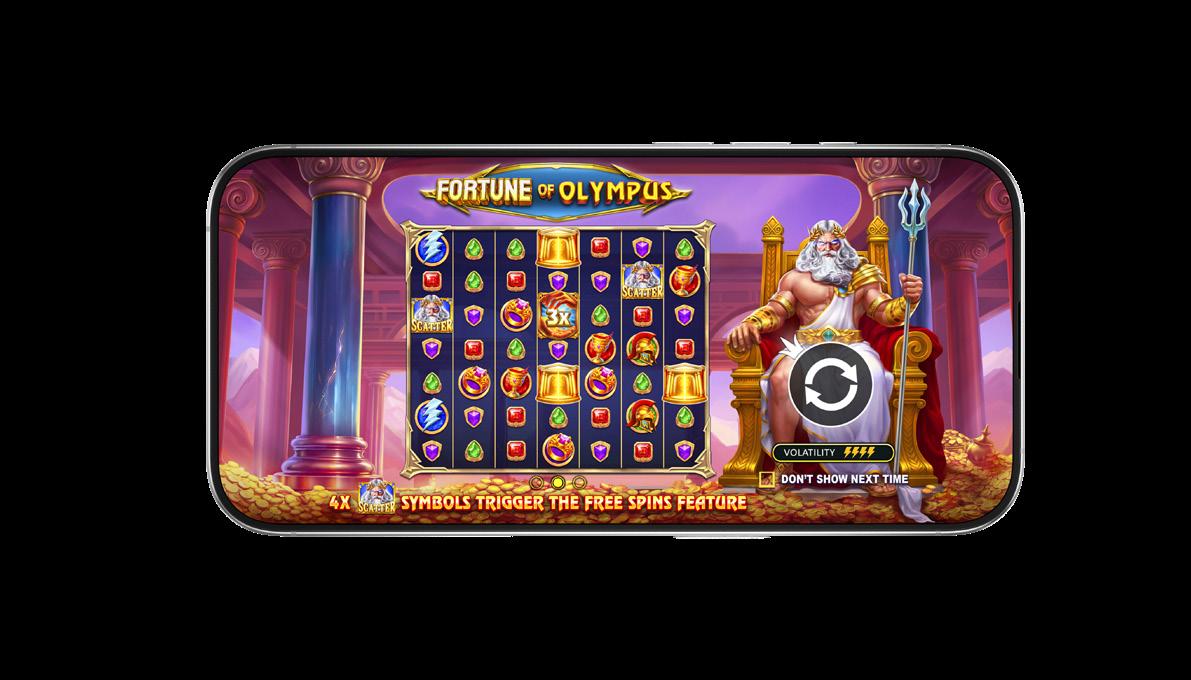
The King of the Gods returns in this electrifying 7x7 slot featuring wins of up to 10,000x.




In addition, fraud detection systems operate 24/7 and identify suspicious activity that might be missed through manual review. In customer support, chat assistants handle simple requests, allowing specialists to focus on more complex tasks.
According to Jan Kratochvil, efficiency in compliance is critically important:
“Studios that integrate compliance effectively will gain an advantage, as operators will view them as lowrisk partners.”
In this context, automation supports both reputation building and faster entry into new markets.
Data-Driven Marketing and Acquisition Strategies
The era of broad, mass-coverage marketing is gradually giving way to more targeted audience engagement. Traffic volume remains a key factor, but AI makes it possible to manage its quality with far greater precision. Through faster data analysis and behavioral prediction, audiences can be segmented with high accuracy, reducing CPA and improving the effectiveness and return on marketing campaigns.
AI helps identify player segments at risk of churn and automatically triggers retention campaigns. In addition, certain algorithms support cross-selling by offering new products at the moment when a player is most likely to be interested.
Emiliano Sanchez notes that “without modern tools, it is easy to fall behind competitors.”
When working with partners and affiliates, AI enables more transparent evaluation of channel performance, helps detect fraud, and al-

lows companies to focus on sources that deliver the highest-quality audience.
AI also plays an important role in game development, significantly accelerating processes that previously took months. Work with code, design, narrative, and game mechanics has become faster and more efficient, while algorithmdriven A/B testing helps quickly determine which visual and audio elements perform best.
“AI significantly accelerates the creation of prototypes and content in slot development,” notes Emiliano Sanchez.
This allows studios to bring new products to market more quickly, test hypotheses, and adapt games for specific regions.
The potential of AI-generated content is enormous. However, it is important to remember that while machines create the foundation, the “soul” of a game is contributed by people. Asset production speed is increasing, but the final quality of a product still depends and will continue to depend on the talent of
game designers.
Despite its clear advantages, the widespread adoption of AI is also associated with certain risks. The most significant of these relate to quality and ethics. AI cannot be used on a “set it and forget it” basis. Without proper oversight, it does not guarantee accurate results. Although technology has advanced considerably since the early stages of adoption, algorithms can still make mistakes and sometimes offer suboptimal solutions even for seemingly simple tasks. This is why transparency and explainability of algorithms (explainable AI) are increasingly becoming regulatory requirements.
There is also the risk of excessive automation, which may lead to the loss of the human factor. Games are built around emotions, and algorithms alone are not always sufficient to create a truly engaging and vibrant experience.
“This is a powerful tool, but not a replacement for humans. Some people still do not understand that,” Sanchez warns.
“Players must clearly understand

In the coming years, the iGaming industry is likely to move toward deeper integration of artificial intelligence into key processes. It is quite possible that AI will cease to be a competitive advantage and become an industry standard, as essential as holding a license.
Predictive platforms capable of supporting business decisions in a comprehensive way are expected to see further development. Such systems could potentially analyze player behavior in real time, help forecast market trends, optimize marketing strategies, and facilitate product adaptation to regulatory requirements across different jurisdictions. If implemented success-
fully, this may allow companies to respond more quickly to change without a sharp increase in operating costs.
It is likely that an advantage will be gained by those market participants who manage to carefully integrate AI into existing processes while maintaining a balance between algorithmic capabilities and human expertise.
As Emiliano Sanchez noted when speaking about Mancala Gaming’s plans:
“Today, we prioritize innovation and user enjoyment.”
Conclusion: Sustainable Growth Through Thoughtful Innovation
Ultimately, the discussion around AI in iGaming goes beyond technology itself. It is about how decision-making logic is changing in an industry where intuition and experience are increasingly complemented by data and models. Companies are faced not with the question of whether to use AI, but with how exactly to integrate it into their culture, processes, and products.
This approach will define the maturity of the market in the coming years. AI becomes a tool that highlights both strengths and weaknesses within a business, accelerates feedback loops, and requires more conscious management. Those who view it not as a universal solution, but as a support system for people and ideas, will shape