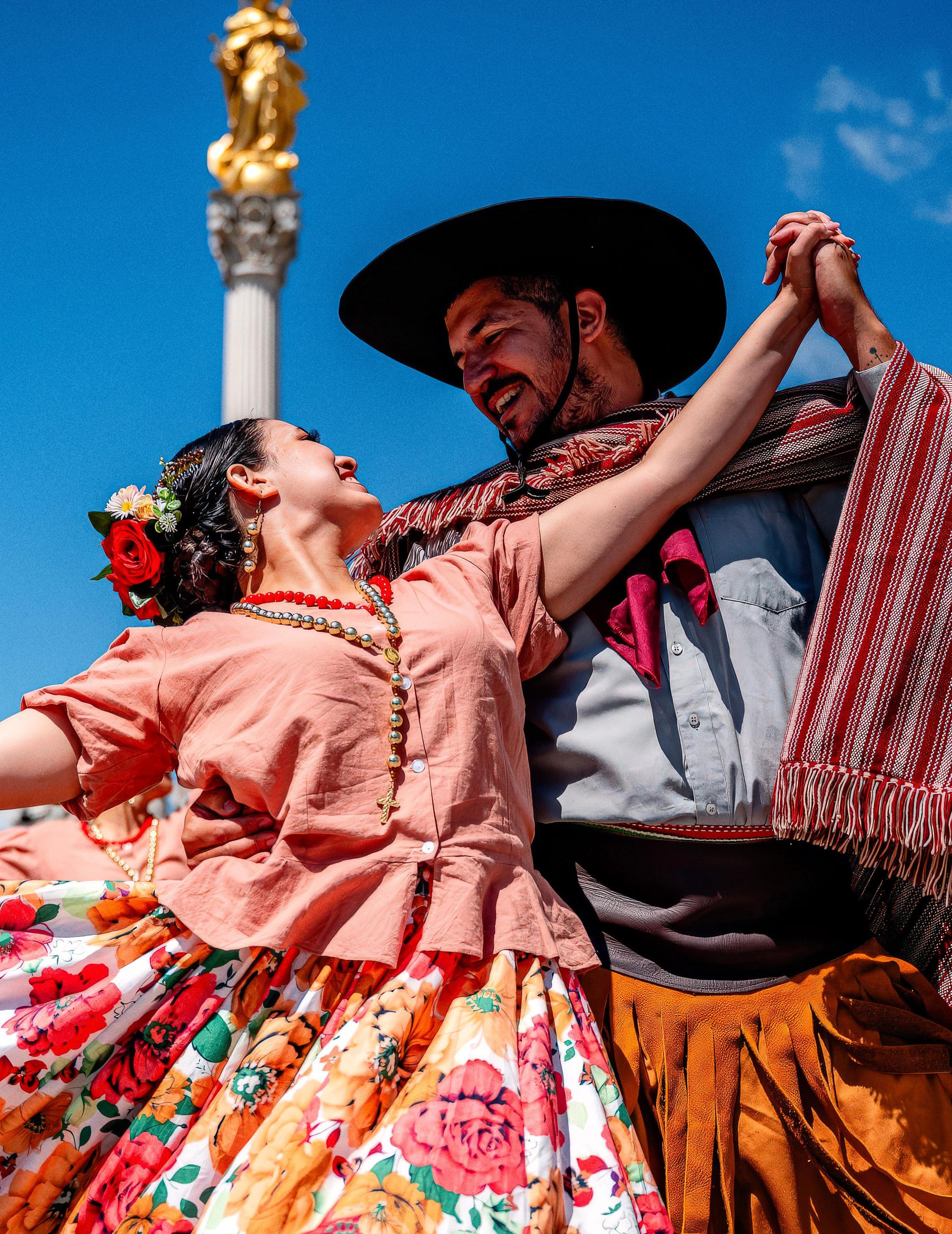
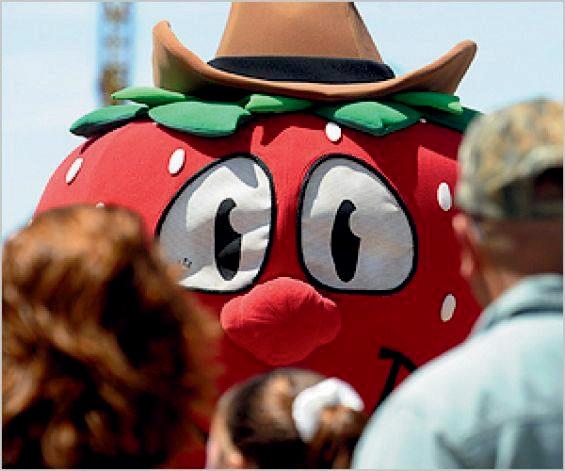
Community as Currency:
How Connection Became the New ROI
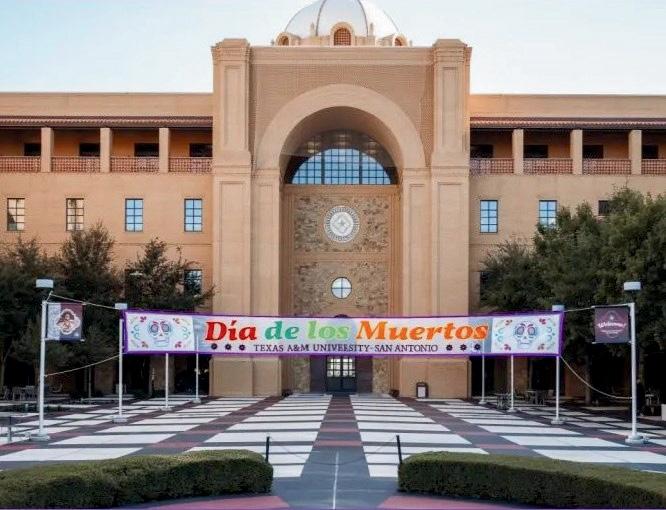
How Cultural Heritage Celebrations
Create Social Connection
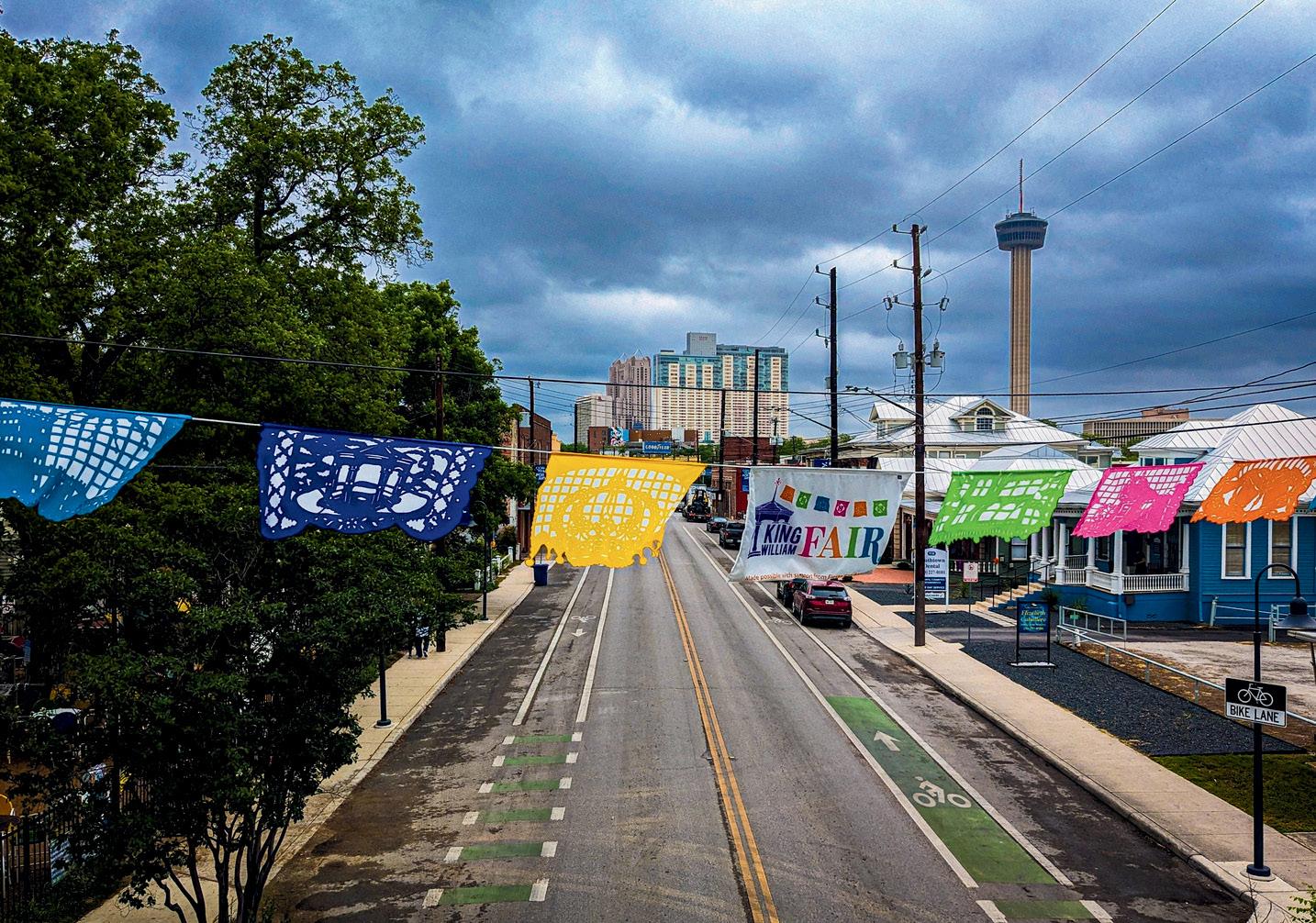
Utilizing Underutilized Spaces for Special Events
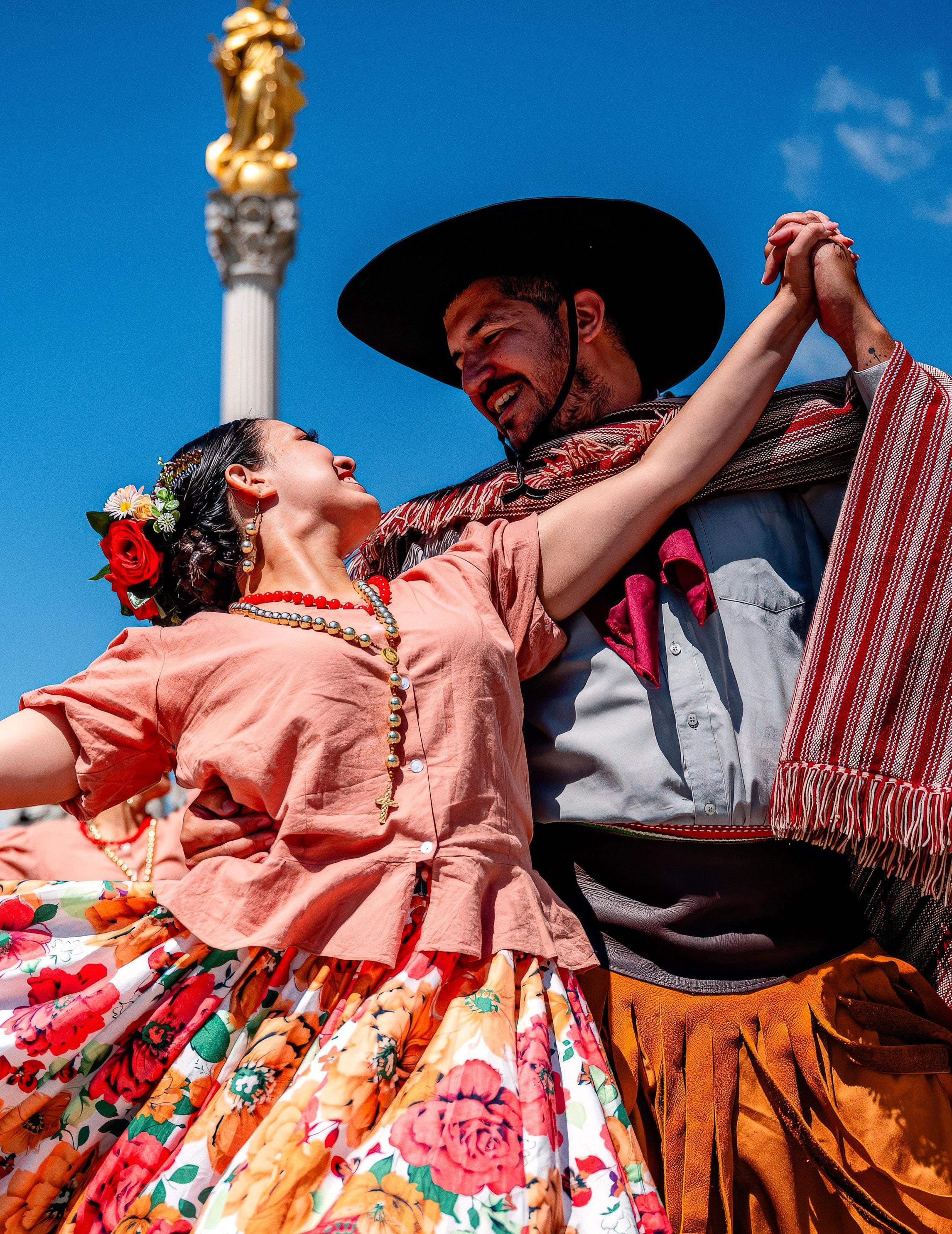
How Connection Became the New ROI
How Cultural Heritage Celebrations
Create Social Connection
Utilizing Underutilized Spaces for Special Events
How Connection Became the New ROI
How Cultural Heritage Celebrations
Create Social Connection
Utilizing Underutilized Spaces for Special Events

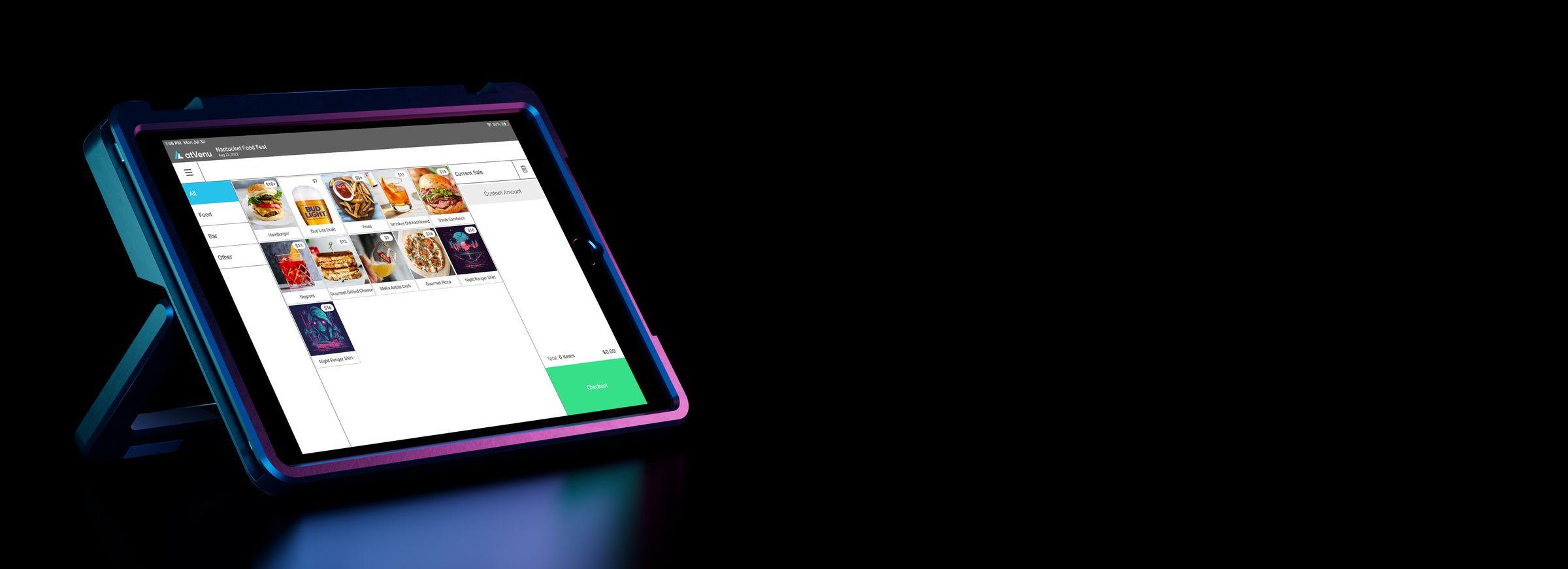
Trusted at more than 125,000 events yearly for bars, concessions, merchandise, gate sales, parking & more!
Fast transaction times, fewer button clicks, and all payment types accepted. Even when WiFi goes down.
Settle vendors digitally within our platform. We do commission and tax calculations for you.
Quick to deploy, easy to move, built for last minute changes.
Sales are viewable from anywhere, anytime without needing daily reports. You always have them.




With respect to interactions with members/customers or those applying to be members/customers, the IFEA will not cause or allow conditions, procedures, or decisions which are unsafe, undignified, unnecessarily intrusive, or which fail to provide appropriate confidentiality or privacy. If you believe that you have not been accorded a reasonable interpretation of your rights under this policy, please contact the IFEA office at +1-208-433-0950 ext. 8180.
Publisher & Editor
Steven Wood Schmader, CFEE, President & CEO
Assistant Editor
Nia Hovde, CFEE, Vice President
Director of Marketing & Communications
Advertising
Carrie Ring, CFEE, Director of Partnerships & Programs
Art Director
Craig Sarton, Creative Director
Contributing Writers
Robert Baird, Caroline Chance, ChatGPT, Joe Curcillo, TaKeyia Dickens, Bruce L. Erley, APR, CFEE, Alicia Gray, Jessica Hodges, CFEE, Gail Lowney Alofsin, Janessa Romero, Annie Warner, Robert Wilson, Kate Zabriskie
Photography
TaKeyia Dickens, CFEE, Žan Osim, Annie Warner For association or publication information: IFEA World Headquarters 10400 Overland Rd. #356 Boise, ID 83709, U.S.A. +1.208.433.0950 Fax +1.208.433.9812
http://www.ifea.com
Alicia Gray






























































































































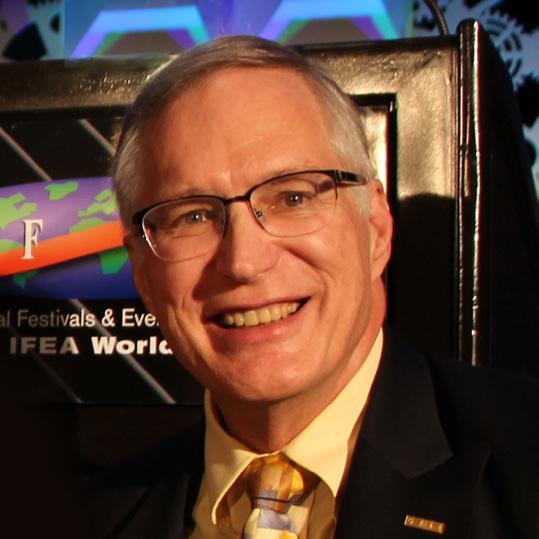
BY STEVEN WOOD SCHMADER, CFEE
Last year, as we celebrated the 70th Anniversary of the IFEA, we shared that special milestone with industry icon Disneyland. And I realized, as we both look forward to our next 70 years, that we share an additional similarity, as so many others in our industry who are celebrating any major milestones do: the shared focus of determining what the future holds, and what our next chapters may look like.
On the opening day of Disneyland, 70 years ago, Walt Disney addressed those attending and said, “Disneyland (like our industry) will never be complete, as long as there is imagination left in the world.” And to his internal team of Imagineers and staff, he reiterated that, “The secret to our success is to ‘keep moving (stepping) forward,” as we intend to do for another 70 years and more.
As current Disney CEO Josh D’Amaro stepped into his new role just a few weeks ago, he started his look forward with a valuable look back, sharing with his employees around the world his recollection of visiting Disneyland as a child:
“More than 40 years ago, my family took me to Disneyland for the first time. One of the first attractions we rode was Peter Pan’s Flight, inspired by the animated film so many families already knew and loved,” D’Amaro wrote. “It was joy. It was family. And it was Disney.” He added, “I have thought about that moment many times because it captures something essential about this company. At its best, Disney creates stories, characters, and experiences that people connect with deeply and carry with them for a lifetime.”
Warranting the question, who are we, and our events, and our communities, when we are at our best? What are the essential core values that will/should continue to drive us forward? Because, while always continuing to embrace new creativity, new possibilities, and new capabilities, within that definition lies the foundation that should guide all of our next steps forward. Don’t ever forget what lies at the core of our/your success.
D’Amaro continued, “As I step into the CEO role today, I am
humbled and honored to help write the next chapter of this company alongside this team,” Our next chapter “comes at a moment when the world is changing faster than ever. (And) while that can feel daunting at times, it is also exciting.”
And our realities continue with that similarity. The challenges of the changing and evolving world around us can sometimes hide, or blur, the returns and joy that our efforts and events bring to those we are fortunate enough to touch. The memories – as treasured for a lifetime by a young Josh D’Amaro from his early visits to Disneyland – that we provide to so many others; that will be carried with them for a lifetime; when that positivity and bonding are so needed in our world today.
When we step forward with an underlying, clear, and often simple, understanding of what our core foundations and success are built upon, each successive step provides the confident and powerful momentum that will ensure that the future is a bright, positive, and treasured one.
October 5-7, 2026
Tucson, Arizona, U.S.A.
CFEE Days: October 2-4, 2026 Presented
The rhythm of our industry rarely slows, but every so often, there is a moment to look up from the timelines and site plans, from the emails and lists, and consider the broader impact on the community we are part of. Like many of you, my perspective on this industry has been shaped over years of lived experience. It is work that asks a lot of us, but it also gives a great deal in return. What continues to stand out to me, year after year, is the people, and the dedication, the creativity, and the quiet determination that defines this global network of festival and event professionals.
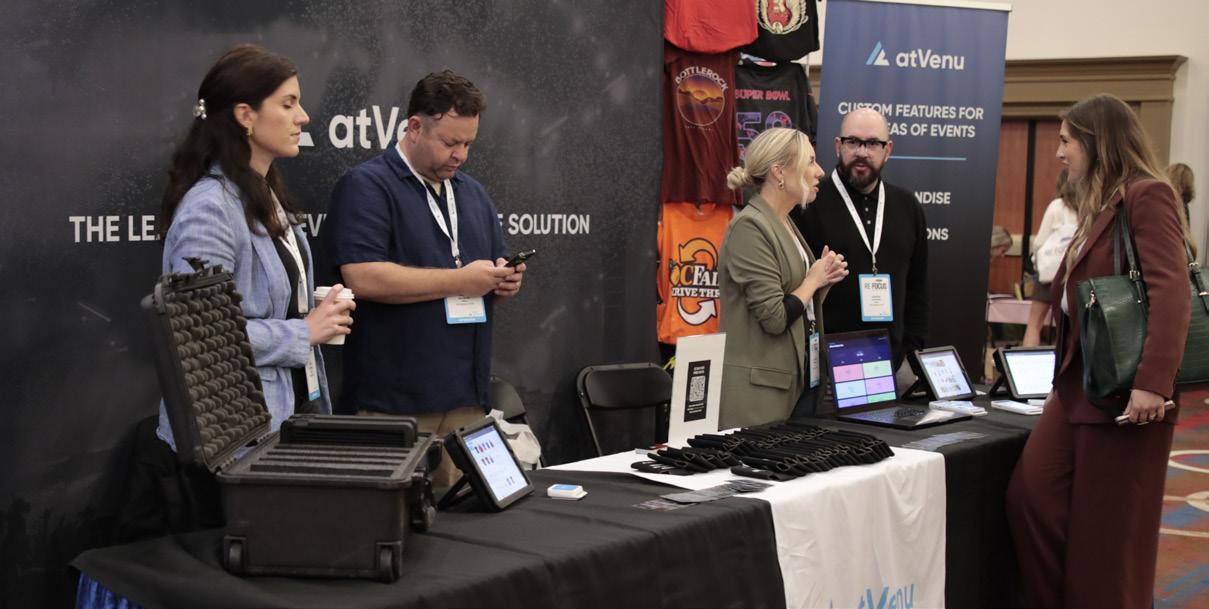
That perspective feels especially important as we look ahead to the 71st Annual IFEA Convention & Expo, presented by atVenu. Each year, this gathering serves as a touchpoint for our industry, but this year, perhaps more than most, it feels like an opportunity to reconnect in a deeper way. To exchange ideas openly, to learn from one another’s successes and challenges, and to leave with a renewed sense of direction.
If you have been considering attending, I would strongly encourage you to do so, and to register early. The value of being in a room with people who understand this work, who speak the same language of logistics and creativity and community impact, cannot be overstated. It is where ideas take shape, where partnerships begin, and where many of us find the energy to keep moving forward.
That same spirit of shared learning and recognition is at the heart of the IFEA Awards programs. The IFEA/Haas & Wilkerson Pinnacle Awards, IFEA World Festival & Event City Awards, Hall of Fame, and Volunteer of the Year, sponsored by SecurEvent Solutions recognitions are not simply about honoring excellence, they are about documenting it. They capture the innovation, care, and intention behind the work being done in communities around the world.
By submitting to the IFEA Awards Program, you are contributing to a larger story about our industry. You are helping to elevate standards, inspire peers, and showcase the impact of festivals and events on a global stage. That visibility matters, not just for individual organizations, but for how our industry is understood and valued.
Beyond these moments of gathering and recognition, some of the most meaningful engagement within the IFEA happens in the spaces in between. Our Virtual Affinity Groups have become an important place for connection, where conversations are practical, honest, and grounded in real-time challenges. They remind us that no matter where we are located, we are not navigating this work alone.
BY VANESSA VAN DE PUTTE

In that same spirit of growth, I would also encourage those of you who have considered pursuing your Certified Festival & Event Executive (CFEE) designation to take that next step. It is more than a credential, it is a commitment to your craft and to the continued elevation of our profession. In an environment where expectations are rising and complexity is increasing, investing in your own development is one of the most impactful things you can do.
When I reflect on my own journey, my connection to the IFEA has been one of the most consistent and meaningful threads. It has been a place of learning support, perspective, and community. It has introduced me to peers who have become collaborators and friends, and it has continually reminded me that this work, while demanding, is shared. That is the true value of IFEA membership. It is the sense that you are part of something larger; a global network of individuals who believe in the power of bringing people together, and who are committed to doing that work thoughtfully and well.
As we look at the state of our industry, there is a great deal to be encouraged by. Communities are still eager to gather. The cultural and economic impact of events is increasingly recognized. Innovation, both in technology and in experience design, is opening new possibilities for how we engage audiences.
As we move through the months ahead, I hope you will find ways to engage with the IFEA network, whether that is registering for the Convention in Tucson, AZ this October 5-7, submitting for awards, joining a conversation in an affinity group, or investing in your own professional development. Each of those actions strengthens not only your own work, but the industry as a whole.
Thank you for the care you bring to your events, for the creativity you show in the face of challenges, and for the role you play in shaping experiences that matter. I look forward to the conversations ahead, to the ideas that will be shared, and to the many ways this community will continue to evolve and lead.
With gratitude and optimism,
Vanessa Van de Putte IFEA World Board Chair President & CEO

CHAIR 2025 - 2026
VANESSA VAN DE PUTTE DFEST ® San Antonio, TX
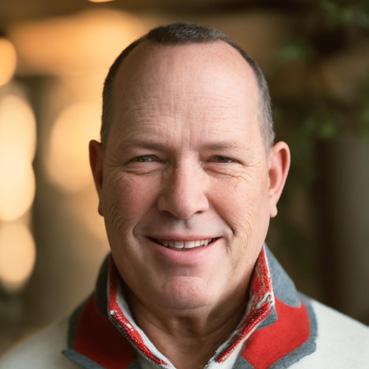
BRUCE ERLEY, APR, CFEE
Creative Strategies Group Denver, CO

STEVE ROSENAUER, CFEE Fiesta San Antonio Commission San Antonio, TX
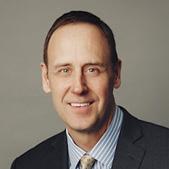
SECRETARY / CHAIR-ELECT DAVID EADS Pasadena Tournament of Roses Pasadena, CA
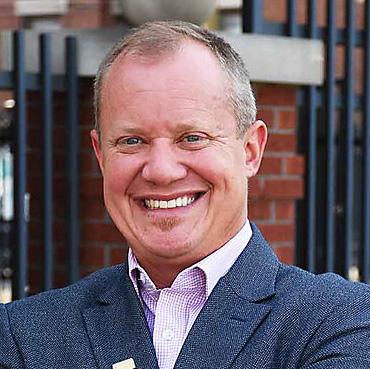
MATT GIBSON Kentucky Derby Festival Louisville, KY
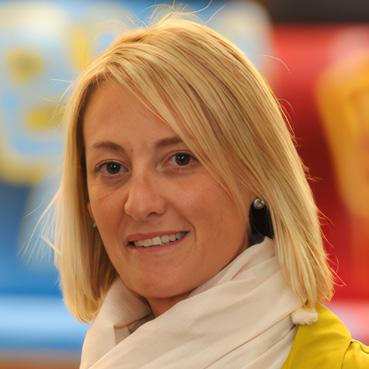
JESSICA KAMINSKAS Chair - IFEA Foundation Board of Directors The Parade Company Detroit, MI
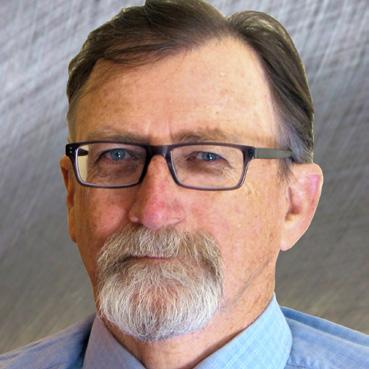
IFEA WORLD BOARDSECRETARY BILL O’TOOLE, CFEE
Event Project Management System Pty., Ltd. Bondi Beach, NSW Australia
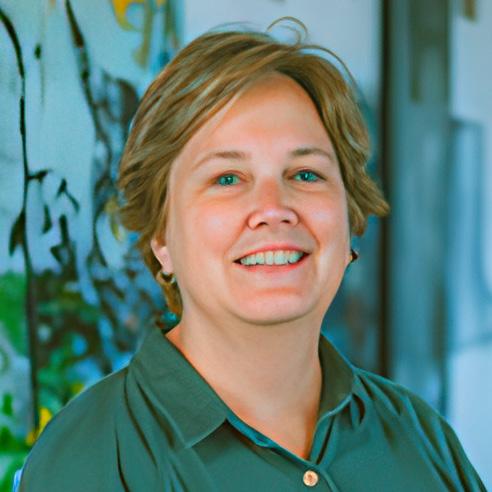
NAN KRUSHINSKI, CFEE City of Port St. Lucie Port St. Lucie, FL
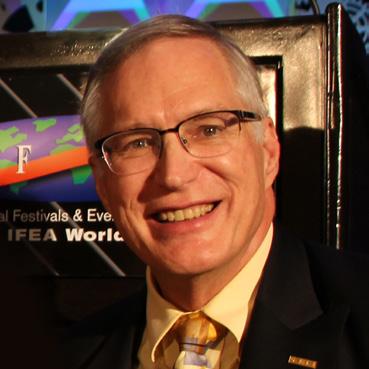
STEVEN WOOD SCHMADER, CFEE IFEA World Boise, ID
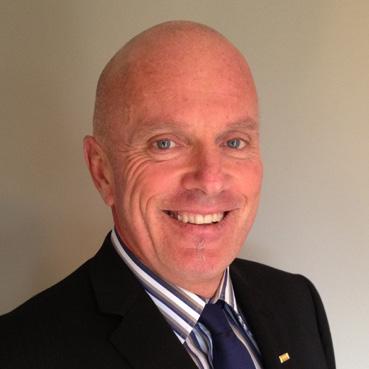
WARWICK HALL, CFEE IFEA WORLD BOARD GLOBAL OFFICER
Safety Set Consulting Section 646 Taupo, New Zealand
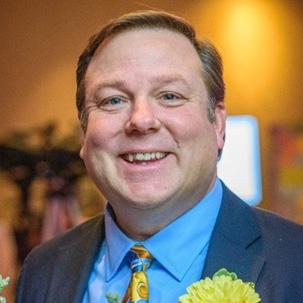
SAM LEMHENEY, CFEE
Creative Event Solutions Philadelphia, PA
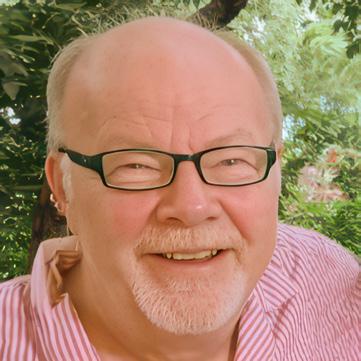
RANDY DEWITZ, CFEE FANFARE ATTRACTIONS, LLC MINNEAPOLIS, MN
KELI O’NEILL WENZEL, CFEE O’Neill Events & Marketing Management Kansas City, MO
The IFEA World Board of Directors is an elected, non-compensated body of industry professionals responsible for overseeing the successful operations of the IFEA. In addition to approving policy and direction, Board members serve as an active and involved industry leadership advisory source to the President & CEO. Members proactively support IFEA programs and visions through their input, use of their professional networks on behalf of the association, and personal participation in association programs and activities.
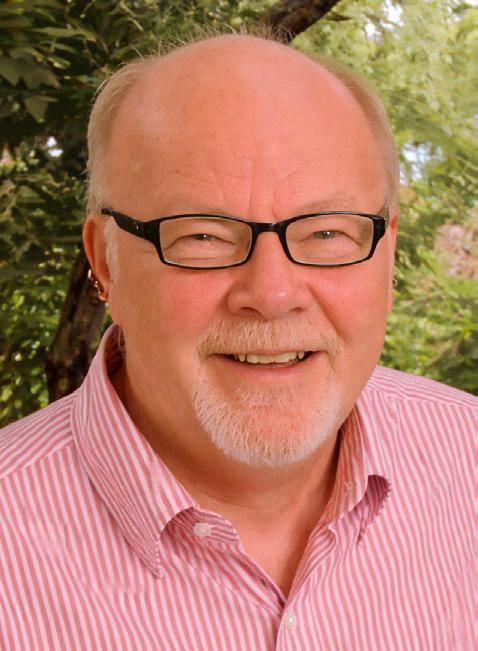
Joined IFEA World Board in 2026
Description of Event/Business:
Randy L. Dewitz, Owner, Fanfare Attractions started the Company in September, 1994. As an Event Producer, he has managed services for the Festivals and Events industry for over 43 years.
His Company has managed the Operations for many high profile events. Teaches Site Planning and Risk Management for the University of Minnesota Tourism Center on-line course. Randy enjoys providing Consulting services for the Festival Industry.
How Did You Get Into the Festivals/Events Industry?
I started working at a booth at the MN Renaissance Festival and my friend was the Food & Beverage Manager there. I had a blast the first Festival Season. My friend asked me to be a part of the Organization. I was happy to join the group and become their Computer Architect.
Other Background Experience:
In High School I became the youngest Emergency Medical Technician in the state of Wisconsin. I thought if I could do crisis support, I sure could do a festival. It wasn’t that simple, but some skills did transfer from that field to my field of passion.
What Has Been Your Biggest Professional Challenge?
Managing a Company and multiple Clients has to be the most challenging part of the business. Each has their own unique challenges and managing them all is an accomplishment. I thoroughly enjoy creating and managing events. This has been my passion throughout my Career. Keeping the FUN in both has been the balance.
What is the Best Advice You’ve Ever Received?
Take a deep breath! Focus. All things can be solved; time and persistence will be your path to success.
What Advice Would You Give the Younger Version of Yourself As You Started Out in the Festivals & Events Industry?
Enjoy the journey. There will be some excellent days and others not so much. Focus on your mission and support your Teammates.
What Do You Do To Relax?
I enjoy traveling, movies and gardening. Also, I enjoy doing my Events. I guess that is why I have been in the field for so long.
Years in the Festival/ Event Business: 43
Years at Current Place of Employment: 33
Highest Level of Education: College
Degree Received: BS in Business Admin
Graduating University: Stout
Year Graduated: 1983
Family Details: Many Friends keep me sane
Last Book or Business Book Read: Crucial Conversations
Last Movie Watched: Mario Brothers
Last Festival Attended (that wasn’t your own): Saint Paul Winter Carnival
Favorite Festival Food / Drink: Corn Dog
Randy Dewitz Owner/Principal Fanfare Attractions LLC Minneapolis, MN, USA 720-840-1974
randy.dewitz@fanfareattractions.com www.fanfareattractions.com
As we continue to Step Forward together, I’d like to build on the momentum of my recent letter and highlight ways to support the Foundation.
The Foundation exists to expand access and opportunity within our industry, supporting students and emerging professionals through scholarships, education, and meaningful connections. None of this work happens without the engagement and generosity of this incredible community. There are several ways you can Step Forward and make an impact right now.
Scholarship Recipients Announced Next Month
Many talented, passionate individuals have benefited from the support of the IFEA Foundation Legacy Scholarships, and with the deadline for this year’s applications having just ended, we look forward to announcing our 2026 recipients soon. We hope you’ll help welcome them to their first IFEA Convention this October! We’re also grateful to Al Durtka, long-time IFEA member and a past Chair of the IFEA Foundation, for his generosity in providing a new scholarship opportunity this year.
Foundation Auction – Call for Items
Our annual Foundation Auction is a cornerstone of our fundraising efforts, and we are currently seeking item contributions. Unique experiences, exclusive access opportunities, creative packages, or signature items from your
BY JESSICA KAMINSKAS
organization all help generate excitement and critical funding. If you’d like to donate but need ideas, you can purchase an item directly from our Amazon Wish List. Your participation directly fuels programs that support our future leaders.
Beyond the auction, there are many ways to support the Foundation’s mission. Whether through direct contributions, internal fundraising efforts within your organization, or simply helping amplify our message, every action strengthens our ability to invest in the next generation.
The impact of the Foundation is real and lasting. Each scholarship awarded represents not just financial support, but an entry point into an industry built on passion, creativity, and connection. Together, we are ensuring those doors remain open as we Step Forward.
Thank you for your continued support and commitment to the future of festivals and events. I look forward to seeing the incredible ways this community continues to come together and make a difference!
Jessica Kaminskas IFEA Foundation Board Chair Chief Operating Officer
The Parade Company Detroit, Michigan
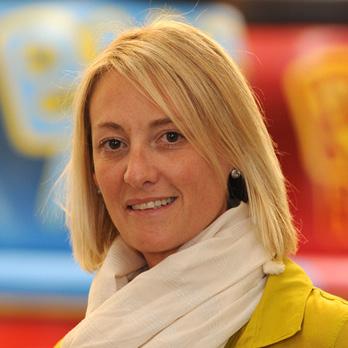
IFEA FOUNDATION
JESSICA
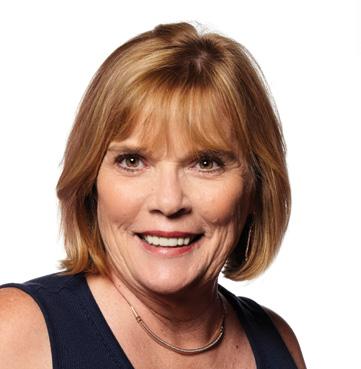
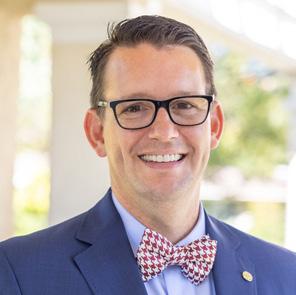
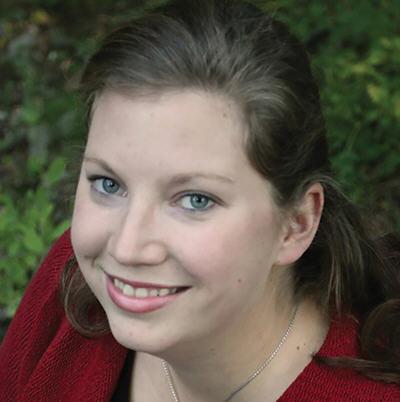
CHAIR-ELECT
IMMEDIATE PAST CHAIR
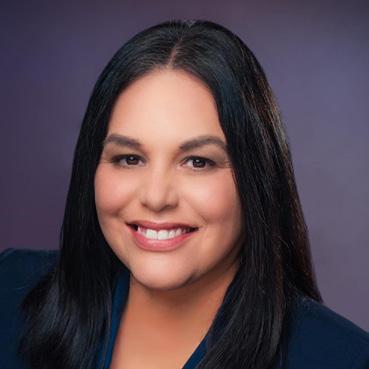
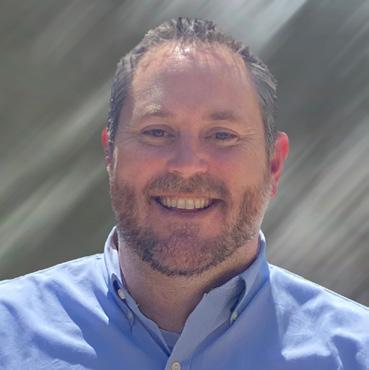

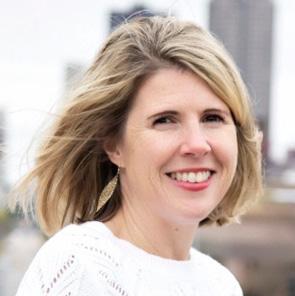
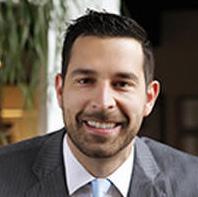


The IFEA Foundation Board of Directors is an elected, non-compensated body of industry professionals responsible for overseeing the successful operations of the IFEA Foundation. Members proactively work to raise and secure important funding that helps to support and protect the educational mission of IFEA World.
Joined IFEA Foundation Board in 2026
Description of Event/Business:
People from all over the world travel to Louisville, Kentucky, each year to take part in the Derby Festival and experience the legendary Run for the Roses on the first Saturday in May. With more than 70 events ranging from one of the country’s largest half-marathons to the Pegasus Parade to an old-fashioned steamboat race, the Kentucky Derby Festival offers a wide spectrum of activities for both local residents and visitors. Annual attendance of events has exceeded 1.5 million in recent years. The festival is also a mirror of the community — events are attended by people representing all age, educational, geographic and income groups.
How Did You Get Into the Festivals/Events Industry?
I got into the events business during my junior year in the SPAD program at UofL, when I was encouraged to find an internship for real-world experience. I joined the Louisville Sports Commission as an Event Operations Intern. While working their race with the Kentucky Derby Festival, a staff member told me, “You need to come be my intern next year.” After finishing with LSC, I reached out to KDF and secured an Event Team internship. Experiencing 70+ events that spring hooked me. The fast pace, daily problem-solving, and community coming together made me want to stay in events.
Other Background Experience:
Louisville Sports Commission: Event Operations Intern
Kentucky Derby Festival: Event Intern
Allstate Sugar Bowl: Operations Intern
What Has Been Your Biggest Professional Challenge?
My biggest professional challenge was transitioning from peer to department head. Stepping into a leadership role where I was previously a teammate required a complete recalibration of how I communicated, delegated, and built trust. While I had strong relationships within the team, those same relationships made the shift to authority more delicate. I quickly learned that maintaining camaraderie while establishing clear expectations would require intentionality and consistency.
Years in the Festival/ Event Business: 14
Years at Current Place of Employment: 10
Highest Level of Education: BS
Degree Received: BS, Sports Administration; Minor, Communications
Graduating University: University of Louisville
Year Graduated: 2014
Family Details: Wife - Taylor Young. Dog - Duke
Last Book or Business Book Read: The 7 Habits of Highly Effective People
Last Festival Attended: Concert - Beyoncé’s Cowboy Carter Tour
Zach Fisher Vice President of Events
Kentucky Derby Festival Louisville, KY, USA 989-621-2238
zfisher@kdf.org kdf.org










IFEA/Haas & Wilkerson
2026 Pinnacle Awards Competition
Celebrating Excellence In The IFEA / Haas & Wilkerson
Pinnacle Awards Competition
Recognizing Innovation, Creativity & Achievement in the Global Festivals and Events Industry
For more than three decades, the International Festivals & Events Association (IFEA) has proudly recognized outstanding achievements in creativity, promotion, operations, and community impact through the prestigious Haas & Wilkerson Pinnacle Awards Competition.
Each year, the Pinnacle Awards celebrate the best of the best across the global festivals and events industry — honoring those who raise the bar, inspire innovation, and set new standards for excellence. From major international celebrations to small-town traditions, from cities and chambers to universities, parks, recreation departments, vendors, and suppliers, the competition welcomes entries from organizations of all types and sizes. Budget-based divisions ensure a level playing field, giving every event the chance to shine.
With categories ranging from Best Event Poster, T-Shirt, and Promotional Brochure to Best Volunteer Program, Green Program, Media Relations Campaign, Sponsorship Activation, Social Media Site, and more, the Pinnacle Awards recognize excellence across nearly every facet of event production, marketing, and management.
Over the years, the Pinnacle Awards have showcased remarkable examples of how event professionals harness creativity, strategy, and collaboration to achieve exceptional results. By participating, your organization joins a legacy of innovation and leadership that uplifts not only individual events, but the entire festivals and events industry.
To help amplify your success, the IFEA provides all winners with a customizable press release template, making it easy to share your recognition with local media, partners, and stakeholders. Winning a Pinnacle Award not only highlights your creativity and professionalism — it affirms your commitment to excellence, community, and the power of shared celebration.
Join us for another inspiring year of recognition by entering the 2026 IFEA / Haas & Wilkerson Pinnacle Awards Competition.
Let your event’s creativity, hard work, and impact be recognized, celebrated, and shared with the world as part of the IFEA’s ongoing mission to elevate the festivals and events industry.
All IFEA/Haas & Wilkerson Pinnacle Award Entries are submitted online, saving you not only financial resources, but much needed time. Simply upload your entries when you’re ready to submit and you’re done!
To get started, create digital versions of your entries, submit them through the online entry form, and pay for them all at once. For complete details on accepted file formats, file naming requirements, and submission steps, keep reading!
So, what are you waiting for? Start preparing your entries today and get ready to hear your organization’s name announced at the next IFEA Annual Convention & Expo, when we once again get to say…
“And the winners are…!”
Haas & Wilkerson Insurance has proudly supported the IFEA and festivals and events industry for over 30 years! As the title sponsor of the IFEA/Haas & Wilkerson Pinnacle Awards Program, they have helped to raise the quality and standards of excellence for festivals and events around the globe. With over 85 years of entertainment industry experience behind them, they provide insurance programs designed for each event’s specific needs and have a long list of clients that includes festivals, fairs, parades, carnivals and more. Learn more about them at www.hwins.com
• All entries must be submitted and paid for online* by the following dates:
• Early Bird Entry Deadline: 11:55 p.m. (MST), Wednesday, April 15, 2026 Rate: $40 per entry or $200 per Grand Pinnacle entry
• Final Entry Deadline:
• 11:55 p.m. (MDT), Wednesday, June 24, 2026 Rate: $50 per entry or $250 per Grand Pinnacle entry
All entry fees include credit card processing fees.
• You must be an active IFEA Member to enter.
• Entries must have been produced and/or used for the first time between June 26, 2025, and June 24, 2026.
° If your event occurred just before this eligibility window and was not entered in the 2025 competition, contact Nia Hovde, CFEE at awards@ifea.com to confirm possible eligibility.
• Each entry must be submitted, received, and paid in full by the deadlines listed above.
• A separate online entry form must be completed for each entry submitted.
• One entry = One online entry form.
• Judges will not refer to or transfer materials between categories.
• All entries and entry forms must be submitted in English.
• Entries must be paid in full online when submitted.
• *If you require payment by check or invoice, contact Nia Hovde, CFEE at awards@ifea.com, BEFORE starting your entry. You will be provided with an alternate entry form.
• Refunds will not be issued for duplicate entries, though replacements may be arranged.
• If submitting multiple entries in the same category, you must check out and pay for each one separately to prevent overwriting.
• A receipt will be automatically emailed from ifea@ifea. com after submission (check spam/junk folders).
• Once your entry(ies) have officially been processed, a confirmation email will be sent from Nia Hovde, CFEE at awards@ifea.com
• For confirmation or questions, contact Nia Hovde, CFEE at awards@ifea.com.
ALL entry requirements, supporting materials, and category questions have been fully updated and revised for this year’s IFEA/Haas & Wilkerson Pinnacle Awards Competition.
Please review each category’s instructions carefully before preparing and submitting your entries to ensure compliance with the most current standards and expectations.
All entries must be submitted digitally. Physical entries will not be accepted.
Please review and follow the requirement guidelines in this brochure for file format, naming, and submission instructions.
Find common questions answered online at: www.ifea. com/p/industryawards/pinnacleawards/ pinnacle-faqs
TIPS
First-time entrant? Explore helpful insights from past participants at: www.ifea.com/p/industryawards/pinnacleawards/pinnacle-tips--pointers
QUESTIONS?
Contact: Nia Hovde, CFEE, Vice President / Director of Marketing & Communications at Email: awards@ifea.com
When ready, submit your entries online at: www.ifea.com/p/industryawards/pinnacleawards/thisyear/EnterHere
For all applicable categories where the entry will be uploaded to submit, please name each Pinnacle entry file exactly as outlined below (no spaces). This step is critical as it allows the IFEA team and judges to identify your entry quickly and accurately.
Note: If your entry being submitted is a direct link (for example, to a website, social media page, or YouTube video), this step is not required, as the original live link is needed to properly access and evaluate your entry.
Format for Uploaded Entries:
2026IFEAP-C#B#-YourOrganizationName-YourEventName
C# = Category Number
B# = Budget Number
(Replace # with actual Category Number and Budget Number.)
Example: 2026IFEAP-C27B3-YourOrganizationName-YourFestivalName.pdf (or .jpg | .png)
If entering more than one entry in the same category, add a number at the end (e.g., -1, -2) to clearly distinguish between each entry.
Refer to each individual category within this brochure for exact file type/format for that category. For format questions, contact Nia Hovde, CFEE at awards@ifea.com.
All entries must be submitted in a digital format on the online entry form. Choose one of the following methods when completing your online entry form:
Option 1: Upload Your Entry in the Entry Form
• Upload a PDF, JPG, or PNG of your entry.
° Make sure files are named correctly – refer to File Naming Requirement above.
° See requirements for each category for what file format each entry must be submitted.
° Upload option only available on desk top computer. Not available on mobile devices.
• Max file size for Upload: 20 MB per entry. Upload may not be possible for all categories due to size limitations and entry requirements. The larger the file size, the longer your entry will take to upload.
Option 2: Provide a Direct Link to Your Entry
• Submit a direct link to YouTube, Social Media, Website. OR
• Upload entries to your online storage (Dropbox, Google Drive, WeTransfer, etc.). Submit the direct link for each entry from online storage, where it can be downloaded.
° Make sure files are named correctly – refer to File Naming Requirement above.
° See requirements for each category for what file format each entry must be submitted.
° Update share settings to allow “Anyone with the Link” to access the file – no password required.
° Link must remain active until November 20, 2026.
Upload one (1) high-resolution logo for your organization with your first entry.
This logo will represent all your submissions during the Awards Presentation.
Include your official Facebook tag (e.g., @ifeaworld) on your first online entry form to help with post-award promotions.
Entries are judged by recognized professionals in the fields of radio, television, website development, social/multi/ print-media, graphic design, photography, promotions, public relations, marketing, advertising and festival & event planning and management.
• Categories 1 and 40–67 are scored using a 100-point scale.
• Entries must earn at least 60 points to qualify for an award.
• Scores are based on clarity, creativity, design, execution, and measurable success.
• If a requested item is not applicable to your event, clearly state so and/or describe any comparable component in its place to avoid point deductions.
• Failure to meet all requirements or answer / provide all necessary information will result in a deduction of points.
• Scoring does not apply to Broadcast & Video, Social Media & Digital Content, Websites & Mobile Platforms, Print Publications, Advertising & Visual Design, Event Branding & Environmental Design and most Merchandising Categories (Categories 2-39).
• Scores are available on request.
To ensure fair comparison, entries compete within one of four budget categories based on total event expense budget (USD):
Each Pinnacle category is separated into four budget categories to ensure that like size festivals & events compete against one another. Judges may combine budget levels if necessary based on entry volume.
Budget categories are based on your organization’s event expense budget. (USD, include all cash outflows). (See Pinnacle FAQ at ifea.com for definition). Budget categories are as follows:
• Budget #1: Under $50,000
• Budget #2: $50,000–$500,000
• Budget #3: $500,000–$1.5 million
• Budget #4: Over $1.5 million
• Gold, Silver, and Bronze Awards are presented (where applicable) within each budget category.
• Winners are selected based on category-specific criteria and overall excellence.
• For all entries, each winning festival/event receiving a Gold, Silver or Bronze award is selected from those festivals and events who enter the IFEA/Haas & Wilkerson Pinnacle Awards Competition and are judged on the overall excellence of a festival / event based on the specific criteria and requirements of the specific category(ies) being entered, within each of the four separate budget categories.
Festivals / Events recognized as an “IFEA/Haas & Wilkerson Award Winner” are entitled to use that specific language in sharing the news about a Pinnacle win, for the specific category(ies) won.
• Language declaring a Festival / Event as the “Best Festival / Event in the World by the IFEA” is not correct or in line with the nature of the competition and will not be supported or endorsed by the IFEA.
• Award Winners will be notified by August 19, 2026, via email. Notification will go ALL contacts listed on the Pinnacle Awards Entry Form. If you have not received a notification email, please contact awards@ifea.com
• Awards will be presented at the 2026 IFEA Annual Convention & Expo.
• Award Winners will receive access to a press release, logos, and complete winner lists online the evening of the Awards Presentation. Access will go to ALL contacts listed on the Pinnacle Awards Entry Form.
• A complete list of winners will be posted on the IFEA Website the evening of the Awards Presentation. Winning entries will be posted online on the IFEA Member Only section of ifea.com for other IFEA Members to view after they have been announced.
• Organizations submitting entries for the Grand Pinnacle category must register at least one person for the Annual IFEA Convention & Expo or arrange for a representative to accept any award won on your behalf.
• If you are not able to be present at the IFEA Awards Presentation to accept your award(s), they will be mailed to you 3 weeks after the IFEA Annual Convention.
° Awards being shipped within the United States will be shipped via the United States Postal Service (USPS) and may take up to 4 weeks to arrive at their destination, once shipped (depending on location).
° Awards being shipped outside of the United States will also be shipped via the United States Postal Service, the recipient will be responsible for all shipping fees.
The IFEA/Haas & Wilkerson Pinnacle Awards Competition recognizes the growing role of Artificial Intelligence (AI) in helping event professionals save time, enhance creativity, and improve efficiency. If AI tools were used to plan or support elements of your event, that’s fantastic—AI can be an incredibly valuable resource in today’s event world. When it comes to assembling your Pinnacle Award entries, the use of AI for organization, writing assistance, or formatting is permitted as a tool to help streamline the entry process. However, all images, data, measurable results, and supporting materials must originate from your actual event and accurately reflect your real-world work, outcomes, and experiences. AI-generated visuals, fabricated data, or simulated event materials are not permitted. Entries must truthfully represent your event as it occurred. The IFEA trusts participants to uphold these standards of authenticity and professionalism in all submissions.
By submitting an entry to the IFEA/Haas & Wilkerson Pinnacle Awards Competition, you agree to the following terms:
• Usage Rights: Grant the IFEA the right to use any submitted materials (text, images, videos, etc.) for editorial, educational, analytical, promotional, or other purposes without additional compensation or permission.
• Ownership & Permissions: Confirm that you hold, or have obtained, all necessary rights, licenses, and permissions to submit the materials and represent the festival, event, or organization entered.
• Accuracy: Confirm that all information included in your entries is true and accurate to the best of your knowledge.
• AI Usage Policy: Confirm that any use of Artificial Intelligence (AI) tools in preparing your submission was limited to assistance with organization, writing, or formatting only. All images, videos, data, and supporting materials are authentic and originate from your actual event.
• Acknowledgment of Competition Terms: Understand that participation in the competition does not guarantee an award, and that all entries are non-returnable and non-refundable.
• Acceptance of Terms: Submission of entries constitutes full acceptance of these conditions and all IFEA competition rules and guidelines.
As a not-for-profit 501 (c) 6 organization the IFEA reserves the right to refuse entries from any individual or organization who, at its sole discretion, may represent / display unprofessional, unlawful, unethical, unsafe or other actions/ positions deemed contrary to the best interests of the IFEA and our global industry.
Please review the specific instructions, requirements, criteria, file type, and file size for each of the below categories listed within the 2026 IFEA/Haas & Wilkerson Pinnacle Brochure before you start working on your entries.
Recognizing the pinnacle of achievement within the festivals and events industry—those that demonstrate balanced excellence across all operational, creative, and community impact areas.
1. Grand Pinnacle
BROADCAST & VIDEO
Honoring excellence in television, radio, and video storytelling used to promote, document, or celebrate an event or festival.
2. Best TV Promotion
3. Best Full-Length TV Program
4. Best Video Promotion
5. Best Radio Promotion
SOCIAL MEDIA & DIGITAL CONTENT
Celebrating creative and effective use of digital platforms and social media to engage audiences, build community, and promote events.
6. Best Single Social Video
7. Best Social Video Series (NEW)
8. Best Multimedia Component
9. Best Facebook Site
10. Best Instagram Site
11. Best Single Digital/Social Ad
12. Best Digital/Social Ad Series
13. Best Event / Organization E-Newsletter
WEBSITES & MOBILE PLATFORMS
Recognizing innovation and excellence in online engagement through event and organizational websites, apps, and adaptive platforms.
14. Best Event Website
15. Best Organization Website
16. Best Event Mobile Application / Adaptive Website
Honoring creativity and clarity in print materials that inform, inspire, and promote—ranging from programs and brochures to guides and inserts.
17. Best Event Program / Guide
18. Best Newspaper Insert / Supplement
19. Best Promotional Brochure
20. Best Printed Materials (Multiple Page)
ADVERTISING & VISUAL DESIGN
Recognizing outstanding design and messaging across advertising, posters, photography, and outdoor promotional materials.
21. Best Printed Materials (Single Page)
22. Best Cover Design
23. Best Single Newspaper Display Ad
24. Best Single Magazine Display Ad
25. Best Ad Series
26. Best Promotional Poster
27. Best Commemorative Poster
28. Best Promotional Photograph
29. Best Invitation / Ticket
EVENT BRANDING & ENVIRONMENTAL DESIGN
Celebrating visual creativity in how an event presents itself through décor, signage, and branded environments that enhance the attendee experience.
30. Best Outdoor Billboard / Signage
31. Best Installation / Wrap
32. Best Street Banner
33. Best On-Site Décor
MERCHANDISING & RETAIL
Recognizing excellence in event-branded merchandise, from concept and design to execution and sales strategy.
34. Best T-Shirt Design
35. Best Pin or Button
36. Best Hat
37. Best Festival / Event Merchandise
38. Best Sponsor Gift
39. Best Give-Away Item
40. Best Overall Merchandising Program
Celebrating innovation, creativity, and success in entertainment, special programs, and new event concepts.
54. Best Parade
55. Best Overall Entertainment Program
• Entries must be paid in full online when submitted.
56. Best Event / Program Within an Event to Benefit A Cause
• All entries must be submitted and paid for online* by the following dates:
• Early Bird Entry Deadline: 11:55 p.m. (MST), Wednesday, April 15, 2026
Highlighting innovation and effectiveness in sponsorship solicitation, activation, relationship management, and partner engagement.
41. Best Targeted Sponsor Solicitation Proposal
Rate: $40 per entry or $200 per Grand Pinnacle entry
• Final Entry Deadline:
42. Best Individual Sponsor Follow-Up Report
• 11:55 p.m. (MDT), Wednesday, June 24, 2026
43. Best Sponsor Partner
44. Best Sponsor Activation
Rate: $50 per entry or $250 per Grand Pinnacle entry
45. Best Sponsorship Program for Individual Sponsor
46. Best Overall Sponsorship Program
All entry fees include credit card processing fees.
• You must be an active IFEA Member to enter.
Recognizing programs that strengthen community connection, broaden participation, support learning, and enrich the overall event experience.
• Entries must have been produced and/or used for the first time between June 26, 2025, and June 24, 2026.
47. Best Volunteer Program
48. Best Green Program
49. Best Educational Program
50. Best Accessibility Program
° If your event occurred just before this eligibility window and was not entered in the 2025 competition, contact Nia Hovde, CFEE at awards@ifea.com to confirm possible eligibility.
51. Best Culture, Community & Connection Plan
52. Best Children’s Programming
• Each entry must be submitted, received, and paid in full by the deadlines listed above.
53. Best Community Outreach Program
• A separate online entry form must be completed for each entry submitted.
• One entry = One online entry form.
• Judges will not refer to or transfer materials between categories.
• All entries and entry forms must be submitted in English.
57. Best Event (Within an Existing Festival)
58. Best New Festival or Event
• *If you require payment by check or invoice, contact Nia Hovde, CFEE at awards@ifea.com, BEFORE starting your entry. You will be provided with an alternate entry form.
59. Best Cultural / Heritage Event (NEW)
60. Best Nighttime Economy Event (NEW)
• Refunds will not be issued for duplicate entries, though replacements may be arranged.
• If submitting multiple entries in the same category, you must check out and pay for each one separately to prevent overwriting.
Recognizing excellence in the planning, preparedness, and implementation of operational systems that ensure smooth, safe, and successful event execution.
• A receipt will be automatically emailed from ifea@ifea. com after submission (check spam/junk folders).
61. Best Emergency Preparedness & Risk Management Plan
• Once your entry(ies) have officially been processed, a confirmation email will be sent from Nia Hovde, CFEE at awards@ifea.com.
• For confirmation or questions, contact Nia Hovde, CFEE at awards@ifea.com.
Honoring innovation, service quality, and outstanding contributions from partners, vendors, and suppliers within the festivals and events industry.
62. Best Product or Service
63. Best Vendor / Supplier
ALL entry requirements, supporting materials, and category questions have been fully updated and revised for this year’s IFEA/Haas & Wilkerson Pinnacle Awards Competition.
Recognizing excellence in the strategy, execution, and measurable success of a comprehensive media relations campaign.
64. Best Overall Media Relations Campaign
Please review each category’s instructions carefully before preparing and submitting your entries to ensure compliance with the most current standards and expectations.
Celebrating educational institutions and programs that prepare the next generation of event professionals.
65. Best Event Management Bachelor’s Degree
66. Best Event Management Master’s Degree
All entries must be submitted digitally. Physical entries will not be accepted.
67. Best Event Management PhD Program
Please review and follow the requirement guidelines in this brochure for file format, naming, and submission instructions.
Find common questions answered online at: www.ifea. com/p/industryawards/pinnacleawards/ pinnacle-faqs
TIPS AND POINTERS
First-time entrant? Explore helpful insights from past participants at: www.ifea.com/p/industryawards/pinnacleawards/pinnacle-tips--pointers
QUESTIONS?
Contact: Nia Hovde, CFEE, Vice President / Director of Marketing & Communications at Email: awards@ifea.com
Please review the specific instructions, requirements, criteria, file type, and file size for each of the categories listed within the 2026 IFEA/Haas & Wilkerson Pinnacle Brochure before you start working on your entries.
HOW TO SUBMIT YOUR ENTRIES
When ready, submit your entries online at:
www.ifea.com/p/industryawards/pinnacleawards/thisyear/EnterHere

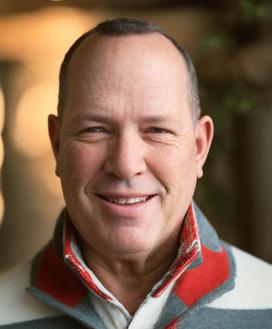
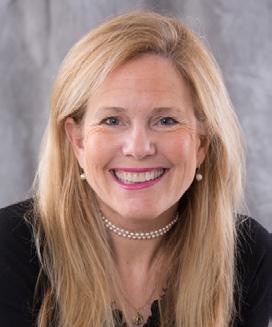
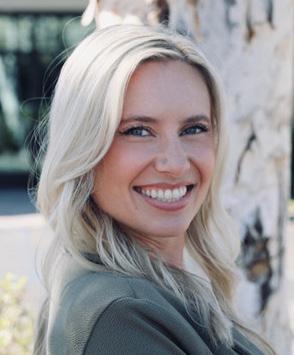
Beyond the Event: Year-Round Community Engagement That Fuels Festivals
TaKeyia Dickens, CFEE
Community Curator and Community Partnerships Specialist
Lady T the Connector Washington, D.C.
Using AI to Up Your Sponsorship Game
Bruce Erley, APR, CFEE
Founder & Principal
IFEA World Board Member
Creative Strategies Group Denver, CO
Show Up, Stand Out, Stay Connected: Networking Strategies that Build Authentic Relationships
Gail Alofsin
President & Founder of Leadership at ALL Levels
Associate Director of Corporate Partnerships at the University of Rhode Island Newport, RI
Event Statistics - A Look at the Festivals & Events Industry in 2025, As You Prepare for 2026
Collette Ingalls
Associate Director, Marketing atVenu San Clemente, CA
The Evolution of a City - Event Partnership:
Coachella and Indio, California
Jim Curtis, CFEE
Community Services Manager
City of Indio, California Indio, CA

More You, Less Robot: Building Authentic Marketing Content while using AI
S. David Ramirez, CFEE
Founder / Principal Consultant
IFEA Foundation Borad Member
SDMRamirez
San Antonio, TX
Why Sustainability Matters: Meeting the Expectations of Consumers, Sponsors & Communities
Jen Marhenke
Sustainability Program Manager
Rico Solutions
Fort Myers, FL
Playbook for Your Organization’s Future: Succession Planning
Stephen King, CFEE
Executive Director
Des Moines Arts Festival
Des Moines, IA
From Gate to Great: Ticketing Trends for Today’s Live Events
Jessica Bybee-Dziedzic
Vice President, Client Operations
IFEA Association Endorsed Partner and Webinar Sponsor
Saffire Austin, TX
The New American National Standard
About Zone Ex
Steve Adelman
Principal - Adelman Law Group, PLLC
Founder/Former Vice President - Event Safety Alliance
Norwalk, CT
“Recognizing the best in city-event leadership and partnerships around the world.”
The IFEA World Festival & Event City Award © was designed and created as a way for the global festivals and events industry to openly encourage, support, learn from and recognize positive local environments for festivals and events worldwide. If you are considering applying for this prestigious award, you already understand the important role that festivals and events play in your community by:
• Adding to the quality of life for local residents;
• Driving tourism;
• Showcasing a positive community brand and image to the media, business community, and visitors;
• Creating economic impact that translates into jobs, tax revenues and enhanced infrastructure improvements;
• Providing enhanced exposure opportunities for the arts, not-for-profit causes and other community programs and venues;
• Promoting volunteerism and bonding the many elements of the community together;
• Encouraging community investment, participation, creativity and vision; and
• Building irreplaceable ‘community capital’ for the future.
To achieve and maximize these important returns for the markets that they serve, we must clearly understand their direct correlation to the partnerships with and support from the local community, at all levels, that is critical to the success and sustainability of existing festivals and events, as well as the ability to attract and encourage new events. Through this special award the IFEA is pleased to recognize those cities and markets who have worked, through concerted efforts, to provide an environment conducive to successful festivals and events. For each year’s selected cities, the IFEA World Festival & Event City Award © provides:
• A strong platform from which to recognize the success of current and on-going efforts by every component of your community;
• A clear positioning statement to encourage continued infrastructure, policy and process enhancement and expansion; and
• A powerful marketing statement for use in recruiting and encouraging new festivals, events and businesses.
We look forward to working with you, your city and community partners to recognize the quality efforts and support that you have successfully developed over the years and should be rightfully proud of. Thank you for your continued support of, and partnership with, the festivals and events industry. Best of Luck with your entry!
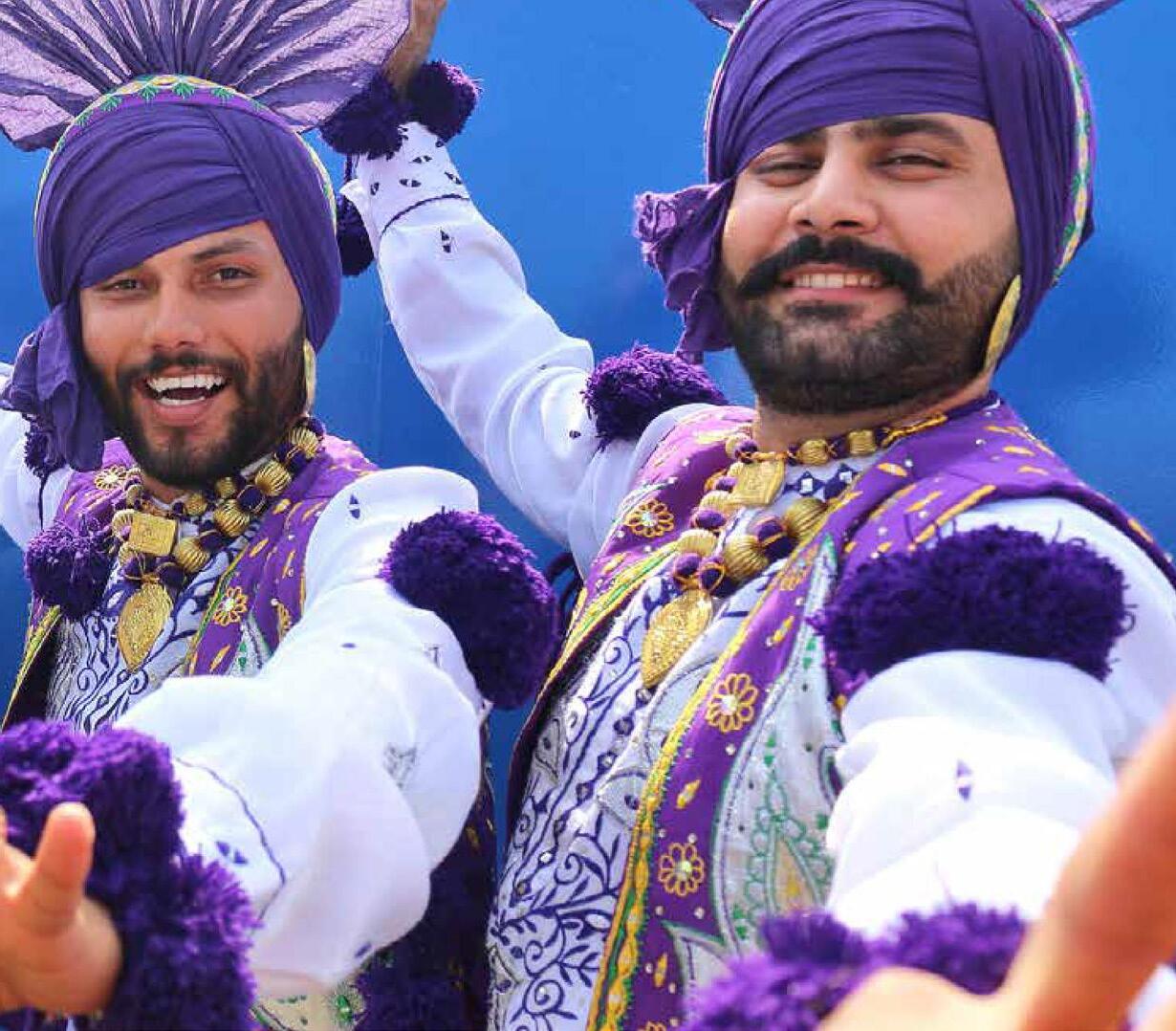
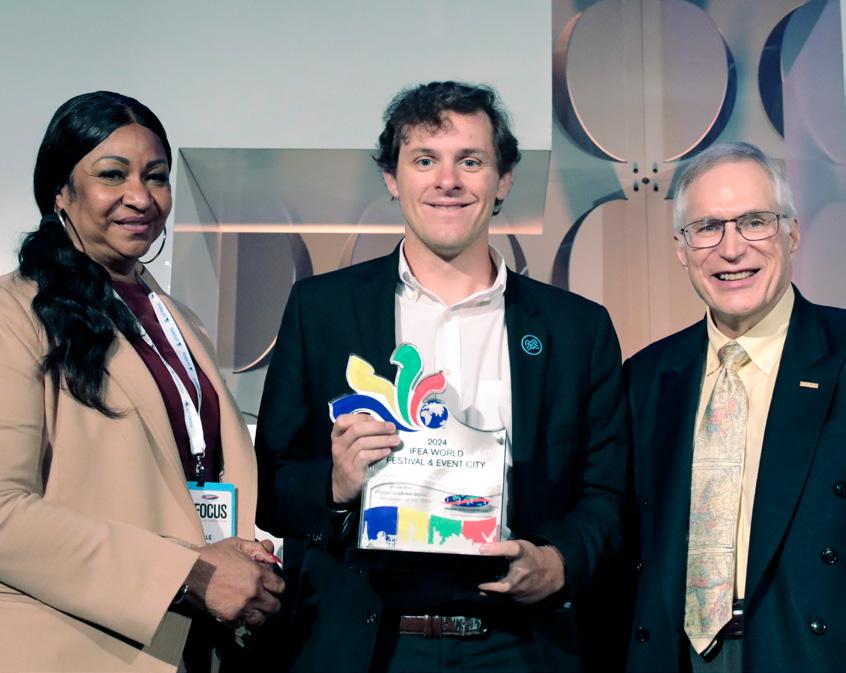
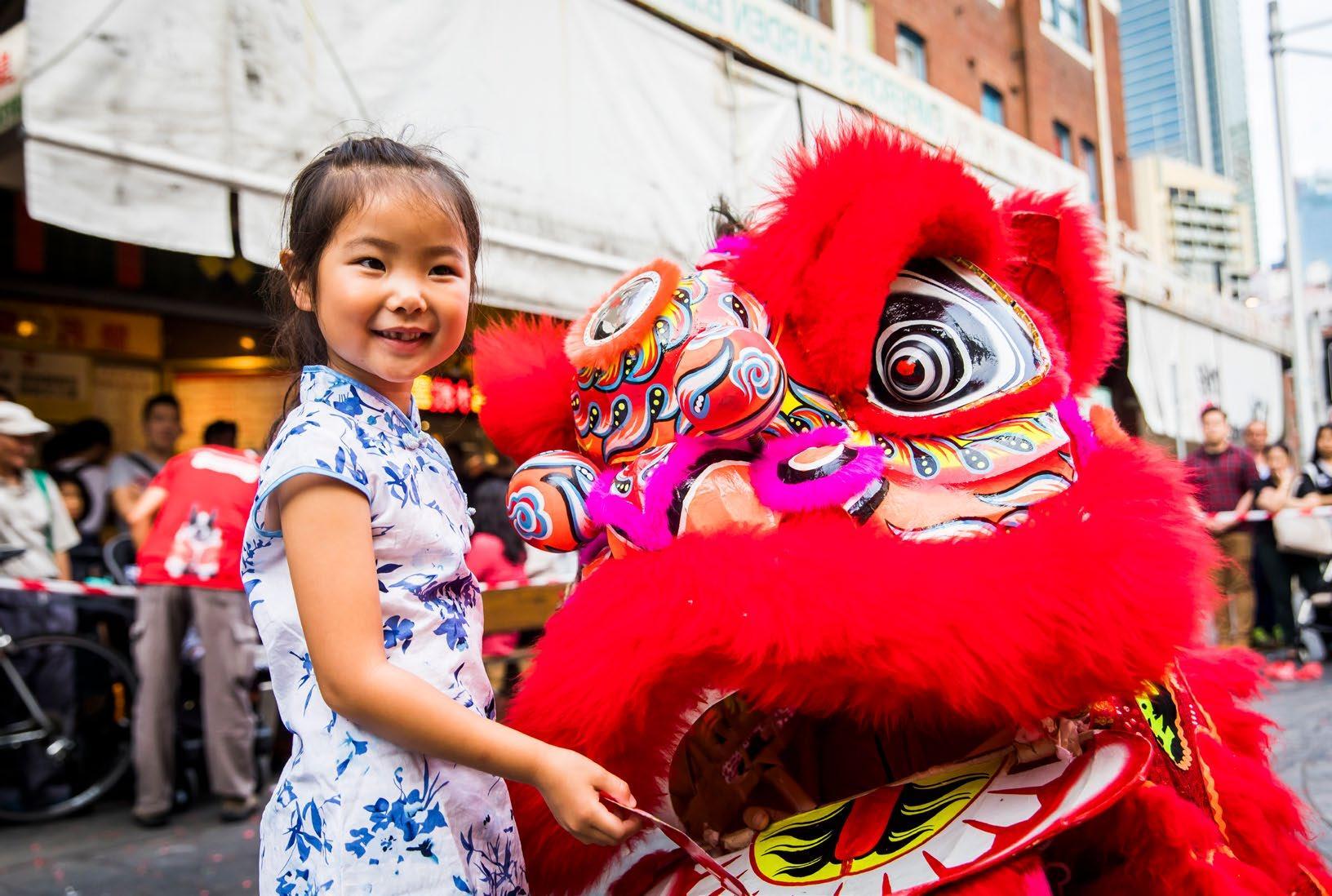
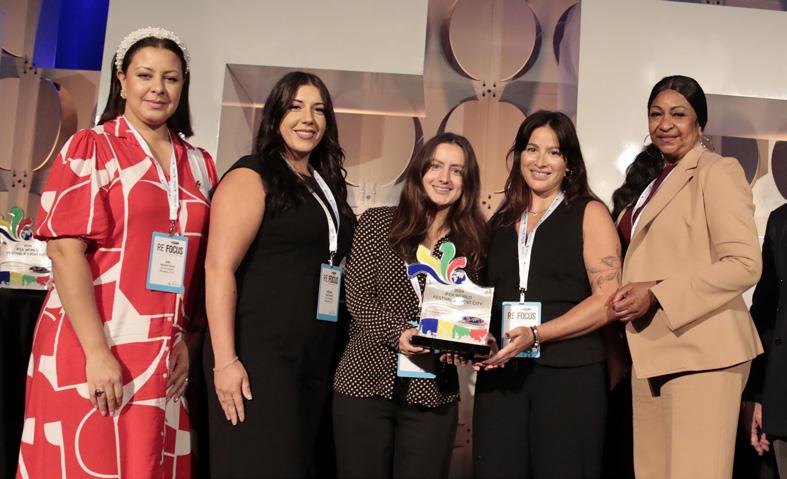
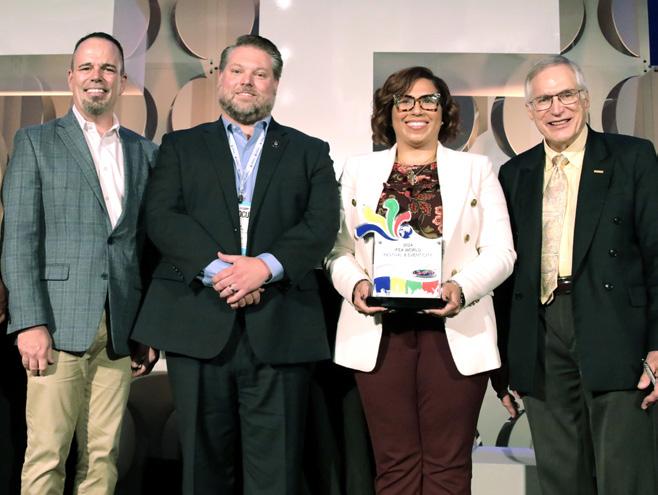
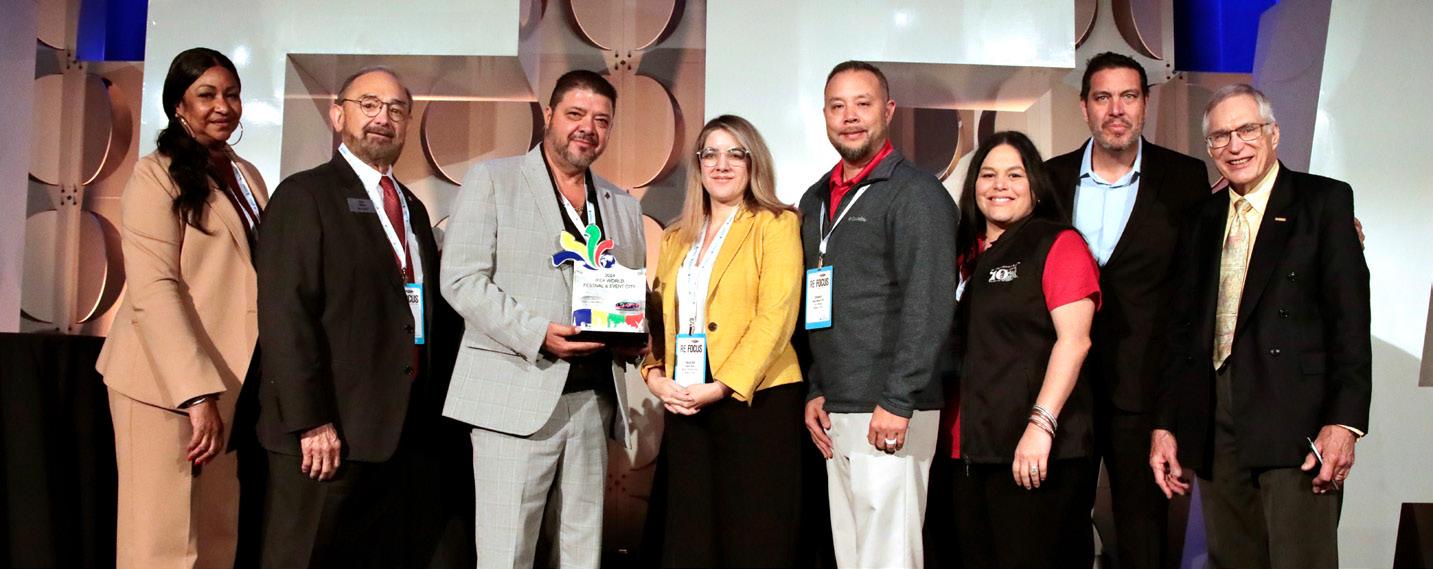
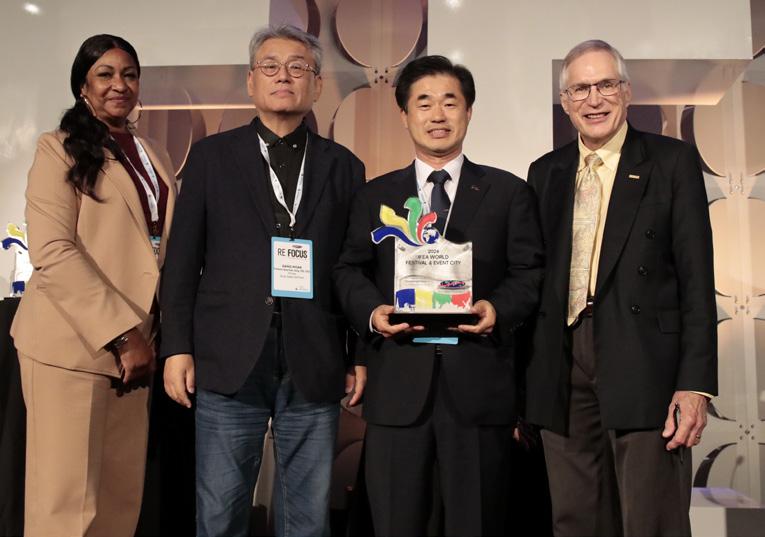
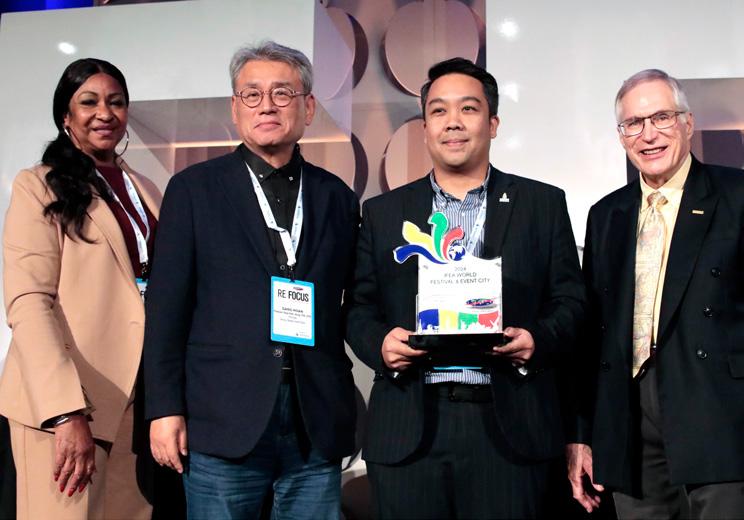
IFEA World Festival & Event Award recipient cities come from all over the globe including such cities as: Sydney, Australia; Dubai, United Arab Emirates; São Paulo, Brazil; Rotterdam, The Netherlands; Nice - Côte d’Azur, France; London - England Jinju City, Gyeonsangnam-do, South Korea; Krakow, Poland; Philadelphia, Pennsylvania, USA; Denver - CO, USA; Greater Palm Springs - CA, USA; Milwaukee - WI, USA; Louisville - KY, USA; Ottawa - Ontario, Canada; Boston - Massachusetts, USA; Tucson, Arizona, U.S.A.; Des Moines, Iowa, U.S.A.; Maribor, Slovenia; Taupõ - New Zealand; New Taipei City, Taiwan; Phuket, Thailand; Ballito-KwaDukuza, KwaZulu-Natal, South Africa, and much, much more. A complete list of winning cities and details about each can be found at www.ifea.com
• Entry Deadline: 11:55 p.m. (Mountain Time Zone) – Wednesday, July 15, 2026
• Entry must include completed entry, additional requested details and application form with payment
• Due to time constraints in judging, late entries cannot be accepted.
The total cost to enter the IFEA World Festival & Event City Award© is $895 (U.S. Dollars) for IFEA Members and $1195 (U.S. Dollars) for non-IFEA Members per entry. Payment may be made using a Visa, MasterCard or American Express credit card or by Check (made payable to the IFEA)
Applications for the IFEA World Festival & Event City Award© may be submitted by the City itself or by an event(s) on behalf of their City. It is our hope that the application process itself will result in an even closer working partnership and dialogue between the Applicant City and the festivals and events who serve that market.
Applicants may re-apply for the IFEA World Festival & Event City Award© each year.
Judging of the IFEA World Festival & Event City entries is done by an international panel of respected event professionals, who have been pleased to discover that there are many amazing programs happening around the world that will help us all to raise the bar for our own communities, showing us what is possible – at every level – when vision and leadership combine.
The IFEA World Festival & Event City Award© are presented on an individual basis to exemplary cities around the world that we hope others will emulate. The awards are not designed as a competition of one city against another, but rather to recognize those individual cities that have ‘raised the bar’ for everyone, taking into account the cultural, economic and geographic challenges that they have met, mastered and often changed along the way. For that reason, we may present multiple awards each year, while some will be encouraged to strengthen or make adjustments to selected components of their entry criteria for reconsideration in future years.
• A possible total of 100 points may be awarded to each entry based upon the individual components listed under Sections 1-6 of the overall entry.
• Failure to meet all requirements or answer/ provide all necessary information may impact judging decisions and will result in a deduction of points.
• If a section or element does not apply to your City, please state this within your entry (explaining why it does not apply) in order to avoid losing points.
• Award Recipients will be notified via email by Wednesday, August 12, 2026. Notification will go to the primary contact listed on the entry application.
• The 2026 IFEA World Festival & Event City Award© will be presented during the next IFEA Annual Convention & Expo. Each recipient city will be highlighted in a brief video presentation at the award ceremony and on-site throughout the convention.
• If you are unable to attend the IFEA Annual Convention & Expo to accept your award, please arrange for a representative to accept on your behalf.
• If you are not present at the awards presentation to accept your award, it will be mailed to you 4 weeks after the convention concludes at your expense. The IFEA will coordinate shipping arrangements and payment with you once your award is ready to ship.
Being selected as an IFEA World Festival & Event City is only the beginning of the benefits to be gained from this special honor.
• Each winning recipient of the IFEA World Festival & Event City Award© will receive an engraved award suitable for indoor display and a personal letter of congratulations.
• Duplicate IFEA World Festival & Event City awards are available for purchase by award recipients wishing to share their honor with the many partners who helped them to win.
• Winning recipients will be provided with the rights to use the 2026 IFEA World Festival & Event City Award© Winner logo on their websites, press releases and other appropriate City letterhead, brochures, marketing materials, etc.
• The IFEA will announce all IFEA World Festival & Event City Award© recipients to the world’s leading media sources, including all local market media contacts provided to the IFEA by selected applicants.
• IFEA World Festival & Event City Award© recipients will be featured in a special on-line tribute section at www.ifea.com in perpetuity and in a special section of ie: the business of international events, the IFEA’s industry-leading magazine.
The IFEA recognizes that Artificial Intelligence (AI) is becoming an increasingly valuable tool for cities, festivals, and events—helping teams save time, improve efficiency, and enhance creativity. If you used AI to assist with internal organization, writing support, or formatting while preparing your IFEA World Festival & Event City Award submission, that is completely acceptable. However, all materials representing your city, programs, results, and event environment must be authentic and based on real experiences and outcomes. This includes all images, data, metrics, descriptions, and supporting materials. AI-generated images or videos, fabricated data, simulated event environments, or any content that does not reflect your actual city and festival/event landscape are not permitted. Your entry must truthfully and accurately represent the real work, accomplishments, and collaborative efforts of your city. The IFEA relies on all applicants to uphold the highest standards of integrity, authenticity, and professionalism in every submission.
By submitting your entry to the IFEA World Festival & Event City Award, you agree to the following terms:
• Usage Rights: Grant the IFEA the right to use any submitted materials (text, images, videos, etc.) for editorial, educational, analytical, promotional, or other purposes without additional compensation or permission. All materials and photos submitted as part of the application will become the property of the IFEA.
• Ownership & Permissions: Confirm that you hold, or have obtained, all necessary rights, licenses, and permissions to submit the materials and represent the festivals, events, or organizations entered. Additionally, you agree to that if selected as a winning applicant, the IFEA may use their City name and representative’s photos in all press releases and program marketing materials. Note: Proprietary or sensitive information will not be shared if identified clearly.
• Accuracy: Confirm that all information included in your entries is true and accurate to the best of your knowledge.
• AI Usage Policy: Confirm that any use of Artificial Intelligence (AI) tools in preparing your submission was limited to assistance with organization, writing, or formatting only. All images, videos, data, and supporting materials are authentic and originate from your actual event.
• Acknowledgment of Competition Terms: Understand that participation in the competition does not guarantee an award, and that all entries are non-returnable and non-refundable.
• Acceptance of Terms: Submission of entries constitutes full acceptance of these conditions and all IFEA competition rules and guidelines
Working in partnership with local community leadership, festivals, events, organizations and businesses, please provide a clear overview and understanding of the festival and event environment in your City/Market through your responses to each defined section. The application process in itself is a great opportunity to evaluate internally the areas where your City excels and other areas where you may be able to strengthen your efforts and further support local programs. Cities interested in being considered for the annual IFEA World Festival & Event City Award© must submit and include the following information:
1. DESCRIPTION: A one (1) paragraph description of your city (to be used for promotional purposes by the IFEA). (Submit as PDF Document).
2. MEDIA LIST: An email list of your local media contacts for IFEA for use to announce the selected recipients. Please limit to your 25 main contacts. (Submit as Excel Document).
3. PHOTOGRAPH: An individual photograph representing either an overhead view of your city or a festival setting within your city (at least 300 dpi in size). (Submit as JPG or PNG format).
4. VIDEO: A three (3) minute video presentation representing your City. (Submit video as a link to an online video location such as YouTube or submit as a MPF, WMF, MOV file located on a file storage of your own such as Google Drive or Dropbox) Please ensure video is downloadable from souce.
5. LETTER: A one (1) page introductory letter stating why your City should be selected to receive the IFEA World Festival & Event City Award. (Submit as PDF Document).
6. MAIN ENTRY: Your overall completed IFEA World Festival & Event City Award© Entry providing responses and supporting information for the following sections. Refer to pages 6-9 for detailed descriptions required for each section. This part of your entry must be submitted as one (1) PDF Document.
• Section 1: Community Overview
• Section 2: Community Festivals & Events
• Section 3: City/Government Support of Festivals & Events
• Section 4: Non-Governmental Community Support of Festivals & Events
• Section 5: Leveraging ‘Community Capital’ Created by Festivals & Events
• Section 6: Extra Credit
To view examples of past IFEA World Festival & Event City Award© recipient entries, go to: www.ifea.com / Industry Awards / World Festival & Event City Award / Past Recipients.
• Please submit your main entry (as listed in components 6 under Entry Requirements above), as one (1) single PDF Document.
• Components 1-5 listed under Entry Requirements may be submitted as separate pieces
from the main entry, but must be submitted at the same time.
• All entry information should be provided in English and typed using 11-point font.
All entries must be SUBMITTED and PAID FOR online. Please review and follow the guidelines below for how to format, submit and pay for your entries in addition to reviewing the entry requirements.
Please save the file name for each of your entry components, using the following format, with no spaces:
• Beginning of each component file name: 2026IFEACityAward
• Middle of each component file name: Your City Name, State and Country
• End of every component file name: Component Name
• (Components include: Description; Media; Photograph; Video; Letter; Main Entry.)
• File extension: (.pdf | .jpg | .png | .xlsx)
An example of an actual file name would be: 2026IFEACityAwardBoiseIdahoUnitedStatesMainEntry.pdf
Please save your entry components in the following formats:
• Main Entry, City Description and Introductory Letter: Please submit as PDF Documents.
• Media List: Please submit in an Excel Document
• City Photo: Please submit as a JPG | PNG
• City Video: Please submit your city video as a link to an online video location such as YouTube OR submit as a MPF, WMF, MOV file located on a file storage of your own such as Google Drive or Dropbox. Please ensure video is downloadable from souce.
When you are ready to submit your entry, go to: www.ifea.com/p/industryawards/worldfestivalandeventcityaward/currentyear
Questions: Please contact Nia Hovde, CFEE at awards@ifea.com
Entries may be submitted using the online form by either:
OPTION #1:
Providing a direct link on the Entry Form, to a file that has ALL the components of your entry and has been uploaded to YOUR online storage site (Dropbox, Google Drive, We Transfer or similar). If selecting this option, make sure your share settings allow “Anyone with the link” to access the file.
Link must remain active until November 20, 2026.
OPTION #2:
Uploading each individual component of your entry (1-6) individually on the online Entry Form (note: Video component will still need to be submitted as a link due to file size).
Upload option only available on desk top computer. Not available on mobile devices. File upload size limit is 20MB per component. The larger your file size, the longer your entry will take to upload.
• Not all components under a specific section will pertain to everyone. Don’t worry; there are no ‘right’ or ‘wrong’ answers and our international judging panel will base their decisions on overall impressions after reviewing all of the submitted information. We are all learning from each other, with the goal of strengthening the partnerships, benefits and returns to our respective communities from the festivals and events that are such an important part of the community fabric and we hope to find additional new ideas being implemented from within all of the award entries that we can share in the future.
• Responses to the requested information may require a straight-forward numerical answer, or a more descriptive definition. While we have placed no limits on length, we encourage you to provide the most succinct answers possible that clearly make your point.
• Support materials, photos, videos, brochures, copies, etc. should be inserted following the responses to each section.
• As needed, we may communicate with the primary contact on the application to clarify any questions that may arise.
If you have any questions or need clarification on any criteria, please contact either:
• Steve Schmader, CFEE, President & CEO at president@ifea.com
• Nia Hovde, CFEE, Vice President/Director of Marketing & Communications at awards@ifea.com
Working in partnership with local community leadership, festivals, events, organizations and businesses, please provide a clear overview and understanding of the festival and event environment in your City/Market through responses to each of the following sections. The application process in itself is a great opportunity to evaluate internally the areas where your City excels and other areas where you may be able to strengthen your efforts and further support local programs.
Please submit the following information:
1. A one (1) paragraph description of your city (to be used for promotional purposes by the IFEA)
2. An email list of your local media contacts in Excel format for IFEA for use to announce the selected recipients. Please limit to your 25 main contacts.
3. An individual photograph representing your city - preferably of a festival setting within your city (at least 300 dpi in size).
4. A three (3) minute video presentation representing your city. (Refer to Important Details section for video format.)
5. A one (1) page introductory letter stating why your City should be selected to receive the IFEA World Festival & Event City Award
6. Your overall completed IFEA World Festival & Event City Award© Entry providing responses and supporting information for Sections 1-6 below. This part of your entry must be submitted as one (1) singular entry piece/document/PowerPoint/Pdf, etc. Please refer to the Entry Requirements and Important Details sections for specific entry formats and details.
To view examples of past IFEA World Festival & Event City Award© recipient entries, go to: www.ifea.com / Industry Awards / World Festival and Event City Award / Past Recipients
Goal: The information in this section should help provide us with a better understanding of your community and the infrastructure in place to host and/or support those producing and attending festivals and events.
• Please provide an overview of your community that will provide us with as many elements as possible, such as:
a. Current City Population
b. Current SMSA or LUZ Population (Standard Metropolitan Statistical Area or Large Urban Zone)
c. Population within a 50 Mile Radius of Applicant City
d. Primary Festival and Event Venues Available (Indoor and Outdoor. For example: Theatres, Plazas, Bandshells, Parks, Stadiums, Fairgrounds, Sport Facilities, Convention Centers, etc., including those facilities planned for completion within the next two years. Include Estimated Capacities for each. For outdoor venues, use a formula of 1 person per 3 square feet if no other total capacity numbers are available.)
e. Water and Power Accessibility in Outdoor Venues
f. Wifi Accessibility throughout Venues in City (signal / affordability)
g. Hospital and Emergency Response Availability
h. Total Number of Hotel Rooms Available
i. Public Transportation Options
j. Parking Availability (Paid lots, meters, and free)
k. Walking Paths, Bicycle Lanes
l. Estimated City Visitors Annually Attributed to Festivals and Events
Goal: The information in this section should provide us with an understanding of the diversity and success of current festivals and events that serve your city residents and visitors throughout the year.
• Please provide us with a good overview of the leading festivals and events currently operating in your market. A full-year calendar of events is very helpful as we consider this area.
Please provide the following for the ‘Top 10’ festivals or events in your market:
a. Festival or Event Name
b. Top Executive Contact Information
c. Number of Years Festival or Event has been Produced
d. Event Dates (Minimally the month held, with days if clearly defined –For example: the last weekend in June. If the event is a series, list the starting and ending dates – For example: Every Wednesday, June through August.)
e. Primary Target Audience (For example: Families; Young Adults; Seniors; Children; Specific Cultural Heritage Groups; All Community Segments; Out-of-Market Visitors, etc.)
f. Recurrence Cycle (Annually, Every 5 Years, etc.)
g. Estimated Combined Aggregate Attendance
Goal: The information in this section should help us to understand the strength and depth of support by the applicant City and other area governmental bodies (County, State, taxing districts, etc.) and demonstrate a clear awareness of event support needs by government agencies and officials.
• Please define or describe each of the following elements (a-k) below, as completely and accurately as possible.
• Where available and appropriate, please provide examples and copies.
• If a section or element does not apply to your city, please state this within your entry and why it does not apply and/or what you may have/use instead.
a. Defined and Accessible Public Objectives and Support Statements for Festivals and Events by the City and Other Local Government Agencies
b. Direct Funding Support Provided to and/or Budgeted for Festivals and Events from the City or Other Government Agencies
c. In-Kind Services Support Provided to and/or Budgeted for Festivals and Events from the City or Other Government Agencies
d. Any New Programs Created to Prepare For/Protect Against Unexpected Challenges
e. Defined Role of the City in Festival and Event Approval
f. City-Provided Festival and Event Process Coordination and Assistance Systems
(For example: Existence of a City Events Department; ‘One-Stop Shopping’ for Permitting and Municipal Service Needs; Shared Resource Programs for Volunteer Recruitment/Management, Non-Proprietary Equipment Usage/Maintenance, Insurance/Music Licensing Provisions, etc.)
g. Participation in Official Capacity by City Department Representatives on Boards and Planning Committees of Local Festivals and Events
h. Local Laws, Ordinances, Regulations, Permits and Policies Impacting and Supportive of Festivals and Events
(For example: noise ordinances, traffic regulations, curfews, parking fees, fireworks regulations, ambush marketing control, alcohol service requirements, taxes, food safety, insurance requirements, risk management expectations, etc.)
i. Green Initiatives: What assistance does the city offer to encourage and support green initiatives by festivals & events?
j. City Provided Festival and Event Training Programs
(For example: Marketing, Planning, Budgeting, Risk Management, Alcohol Service, City Department Introductions, Professional Certification, etc.)
k. Direct Industry Involvement / Memberships by Any of the Above
Goal: The information in this section should help us to understand the commitment to festivals and events and direct support provided by community individuals and non-governmental organizations. Without this type of support most festivals and events could not achieve the level of success that these important partnerships help to build.
• Please define or describe how each of the following elements/organizations (a-l) below (if applicable) lends their support to ensure the success and outreach of local festivals and events completely and accurately as possible.
• Answers should be provided as an overview reflective of the entire community versus an individual event/organization, with enough detail to provide a clear picture of support.
• If a section or element does not apply to your city, please state this within your entry and why it does not apply and/or what you may have/use instead.
a. Volunteer Involvement
b. Sponsorship Support (include in your answer a list of the ten (10) most prominent corporate sponsors in your market)
c. Media Support
d. Chamber of Commerce / Convention & Visitors Bureau Support (Promotion and marketing activities, familiarization tours, travel writer access, material creation, information distribution, grant funding, visitor hosting, etc.)
e. Downtown Associations (Support by Downtown merchants and businesses)
f. Organizations to Assist Individuals with Disabilities
g. Local Event Cooperatives
h. Sports Commissions
i. Educational Institution Support
j. Special Incentives/Discounts Provided to Festivals and Events by Local Venues (For example: special discounted rates for use of a local performing arts venue; provision of ticketing services, etc.)
k. Access to Industry Suppliers in the Local Market (For example: banners and decorations; generators; portable toilets; merchandise; generators; stage, lights & sound; golf carts; security; chairs; barricades; ATM’s; communication services; etc.)
l. Direct Industry Involvement / Memberships by Any of the Above
Goal: The information in this section should help us to understand how the City and its non-governmental partners maximize the ‘community capital’ created by festivals and events in your market.
• Please define or describe how your City uses the branding and marketing images/ opportunities provided by your local festivals and events to leverage return in other areas.
• These may include, the items below, among others.
• If a section or element does not apply to your city, please state this within your entry and why it does not apply and/or what you may have/ use instead.
a. Community Branding (How are local festivals and events used to promote and build upon the positive image of the city?)
b. Promoting Tourism (How are local festivals and events used to promote tourism visits?)
c. Convention Marketing (How are local festivals and events used to recruit conventions to the city during the times that festival or event activities may serve as an extra incentive for choosing a destination?)
d. Corporate Recruiting Efforts (How are local festivals and events used by Economic Development efforts to recruit new businesses to consider choosing your market for their operations?)
e. Relocation Packets and Information (How are local festivals and events used in information designed to entice individuals / organizations to relocate to your city?)
f. Familiarization Tours (How are local festivals and events used by your City and Convention & Visitors Bureau as part of ‘Familiarization Tours’ for visiting meeting planners, VIP’s, etc.)
g. Out-of-Market Media Coverage (How are local festivals and events used to secure interest in coverage from out-of-market media sources, travel writers, etc.?)
h. Enhancing Exposure to the Arts and Other Causes (How are local festivals and events used to feature, highlight, expose new audiences to, or drive support for the arts and other causes?)
i. Creating Highly Visible Public Relations Campaigns for City Facilities and Services (How are local festivals and events used to drive positive public relations campaigns for things like police image, parks usage, fire safety, EMT roles and support needs, use of local transportation options, marketing of/exposure to local venues, support of local bond issues, etc.?)
j. Encouraging Community Bonding, Participation, and Celebration (How are local festivals and events used by the City to bond all of the diverse elements of the community together, encourage community involvement and support, and celebrate who we are when we are at our best?)
k. Highlighting or Developing Underused Venues or Sections of the Community (How are local festivals and events used to encourage usage of or exposure to underused venues or city neighborhoods, underdeveloped sections of the City, etc.?)
l. Creating Legacies and Images Beyond the Event (How are local festivals and events used to create lasting legacies (venues, programs, infrastructures and images of the City after and in-between events?)
This section provides an opportunity to highlight any other programs, services, resources, activities, etc., that may not have been included or covered in the previous sections. Some examples may include the items below, among others,
a. Skills Development - Availability of Certificate or Degree Programs in Festival & Event Management through a Local University or Private Provider
b. Members of Your Event Community Who Currently Hold a Certified Festival & Event Executive (CFEE) Designation
c. Secondary School System Graduation Requirements that Encourage Volunteerism and Community Service during Festivals and Events
d. A Festival and Event Shared Resource Program in Your City (For example: shared warehousing, office space, equipment, staff, etc.)
e. Defined and used Risk Management Partnerships between the City and Events
f. Efforts to Actively Recruit New Events to Your City (Please include reference to any applications made/secured if this area pertains)
g. Other Creative Endeavors
Each year, the International Festivals & Events Association announces the recipients of the IFEA World Festival & Event City Award, at the Annual IFEA Convention & Expo. The IFEA would like to congratulate each winning city. For more information about each winning city - go to: www.ifea.com / Industry Awards / World Festival & Event City Awards / Past Recipients
2025 IFEA World Festival & Event City Award Recipients
• Dublin, Ireland
• Dublin, Ohio, United States
• Geumsan-gun, Chungcheongnam-do, South Korea
• Historic Kailua Village, Kailua-Kona, Hawai‘i, United States
• McAllen, Texas, United States
• Philadelphia, Pennsylvania, United States
• Pittsburgh, Pennsylvania, United States
• Rotterdam, The Netherlands
• Songkhla, Thailand
• Vaughan, Ontario, Canada
2024 IFEA World Festival & Event City Award Recipients
• Gwangju Dong-gu, Republic of Korea
• McAllen, Texas, United States
• Milwaukee, Wisconsin, United States
• Philadelphia, Pennsylvania, United States
• Phuket, Thailand
• Pittsburgh, Pennsylvania, United States
2023 IFEA World Festival & Event City Award Recipients
• McAllen, Texas, United States
• Philadelphia, Pennsylvania, United States
• Sukhothai, Thailand
• Tongyeong, South Korea
2022 IFEA World Festival & Event City Award Recipients
• Chiang Mai, Thailand
• Jinju, South Korea
• McAllen, Texas, United States
• Penghu, Taiwan
• Philadelphia, Pennsylvania, United States
2019 IFEA World Festival & Event City Award Recipients
• Coffs Harbour, New South Wales, Australia
• Gimje-Si, Jeollabuk-do, South Korea
• Philadelphia, Pennsylvania, United States
• Rotterdam, South Holland, The Netherlands
• Sydney, New South Wales, Australia
• West Palm Beach, Florida, United States
2018 IFEA World Festival & Event City Award Recipients
• Boryeong-si, Chungcheongnam-do, South Korea
• Coffs Harbour, New South Wales, Australia
• Gold Coast, Queensland, Australia
• Moscow, Russia
• Ottawa, Ontario, Canada
• Philadelphia, Pennsylvania, United States
• Sydney, New South Wales, Australia
• Taichung City, Taiwan
• Winnipeg, Manitoba, Canada
2017 IFEA World Festival & Event City Award Recipients
• Coffs Harbour, New South Wales, Australia
• Des Moines, Iowa, United States
• Gold Coast, Queensland, Australia
• Hadong-gun, Gyeongsangnam-do, South Korea
• New Taipei City, Taiwan
• Philadelphia, Pennsylvania, United States
• Port Macquarie Region, New South Wales, Australia
• Sydney, New South Wales, Australia
• Tucson, Arizona, United States
2016 IFEA World Festival & Event City Award Recipients
• Coffs Harbour, New South Wales, Australia
• Dubai, United Arab Emirates
• Greater Palm Springs, California, United States
• Krakow, Poland
• Newcastle, New South Wales, Australia
• Philadelphia, Pennsylvania, United States
• Sydney, New South Wales, Australia
• Taupo - , Waikato Region, New Zealand
2015 IFEA World Festival & Event City Award Recipients
• Coffs Harbour, New South Wales, Australia
• Dubai, United Arab Emirates
• Jinju City, Gyeonsangnam-do, South Korea
• Louisville, Kentucky, United States
• Newcastle, New South Wales, Australia
• Philadelphia, Pennsylvania, United States
• Rotterdam, The Netherlands
• Sydney, New South Wales, Australia
2014 IFEA World Festival & Event City Award Recipients
• Dubai, United Arab Emirates
• Dublin, Ohio, United States
• Newcastle, New South Wales, Australia
• Philadelphia, Pennsylvania, United States
• São Paulo, Brazil
• Sydney, New South Wales, Australia
2013 IFEA World Festival & Event City Award Recipients
• Boston, Massachusetts, United States
• Hwacheon-Gun, Gangwon-do, South Korea
• Nice, Côte d’Azur, France
• Ottawa, Ontario, Canada
• Rotorua, Bay of Plenty, New Zealand
• Salvador, Bahia, Brazil
• Sydney, New South Wales, Australia
2012 IFEA World Festival & Event City Awards Recipients
• Ballito-KwaDukuza, KwaZulu-Natal, South Africa
• Campos do Jordão, São Paulo, Brazil
• Denver, Colorado, United States of America
• Dubai, United Arab Emirates
• Dublin, Ohio, United States of America
• Grapevine, Texas, United States of America
• Hampyeong-gun, Jeonlanam-do, Korea
• Lhasa, Tibet Autonomous Region, People’s Republic of China
• London, England
• Maribor, Slovenia
• Newcastle, New South Wales, Australia
• Republic of Trinidad and Tobago, The
• Sydney, New South Wales, Australia
2011 IFEA World Festival & Event City Award Recipients
• Dubai, United Arab Emirates
• Gimje-si, Jeollabuk-do, South Korea
• Indianapolis, Indiana, United States
• Johannesburg, Gauteng, South Africa
• Joinville, Santa Catarina, Brazil
• Meizhou Island of Putian City, Fujian Province, China
• Reykjavik, Iceland
• São Paulo, São Paulo, Brazil
• Shanghai, China
• Sydney, New South Wales, Australia
2010 IFEA World Festival & Event City Award Recipients
• Boryeong-si, Chungcheongnam-do, Korea
• Edinburgh, Scotland
• Geumsan-gun, Chungcheongnam-do, Korea
• Hidalgo, Texas, United States
• Jinju-si, Gyeongsangnam-do, Korea
• Louisville, Kentucky, United States
• Norfolk, Virginia, United States
• Ottawa, Ontario, Canada
• Rotterdam, The Netherlands
• Sydney, New South Wales, Australia
• Salvador, Bahia, Brasil
• Taupo, New Zealand


Community Boost
We enjoy working with local organizations that support under-represented groups.
Sustainability challenges spark creative solutions. Your event could pioneer the next big idea in event production. Innovation
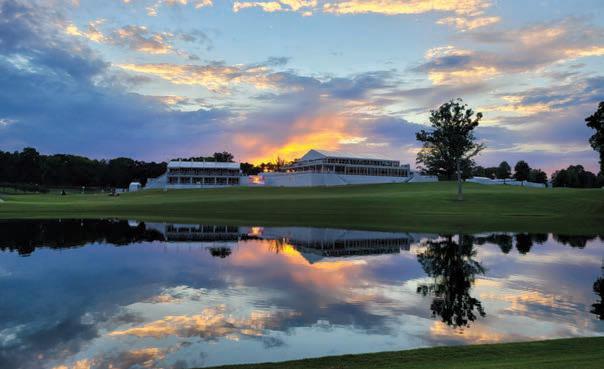
Rico Solutions collaborates with event producers to elevate their operations with a clear focus on sustainability, reducing environmental impact and optimizing efficiency at every step.
Cutting waste often means cutting costs. It's a win-win for your budget and the planet.
As regulations tighten, events working towards sustainability are ahead of the curve. Smart Spending:
Consumers care about sustainability. Show them you do, too, and watch your brand value grow.
Position your event as a leader in sustainability. Inspire others to adopt green practices and set the standard for the industry.





Great people. Great careers. And the drive to look beyond what’s “good enough” to make everything “better than it has to be.” That is the spirit behind the IFEA Hall of Fame.
As we continue our journey of excellence and inspiration, it’s time once again to present the IFEA’s most prestigious honor. It’s time to induct the 2026 IFEA Hall of Fame Recipient.
Who will it be? Will it be your Executive Director who leads with vision and heart? A mentor who sparked your career? A colleague whose innovation changed everything? Or maybe… someone you’ve admired quietly, but whose impact speaks volumes?
The power to honor a great industry leader is in your hands. Take a moment to reflect on those who have inspired you, uplifted others, and strengthened our industry. Then, help us tell their story. Nominate a deserving leader today and celebrate the spirit, dedication, and excellence that make our industry truly extraordinary.
OF THE IFEA HALL OF FAME
Induction into the IFEA Hall of Fame is a mark of distinction, reserved for those who have made exceptional contributions to the festivals and events industry. These individuals are not only recognized for their achievements but also for the qualities that have set them apart as leaders, innovators, and mentors. IFEA Hall of Fame Inductees embody many of the following key qualities and characteristics—traits that illustrate their lasting impact on the industry and the high standards they uphold.
• Visionary Leadership: Demonstrates a forward-thinking approach and has guided successful events or initiatives that have had a lasting impact on the industry.
• Commitment to Excellence: Consistently strives for high standards in event planning, management, and execution, with a commitment to quality that sets an example for others.
• Industry Innovation: Known for introducing new ideas, concepts, or technologies that have shaped the way events are planned and experienced, enhancing the industry’s progress.
• Professional Integrity: Maintains a reputation for honesty, ethics, and reliability within the industry, earning respect from peers, partners, and attendees alike.
• Mentorship and Support of Others: Shows a dedication to nurturing future industry leaders, sharing knowledge, and offering guidance to colleagues and newcomers in the field.
• Service to the Community and Industry: Engages in initiatives that positively impact the community and contributes to the growth and betterment of the festivals and events industry as a whole.
• Achievement and Impact: Has a proven track record of successful events, influential projects, or initiatives that have had a measurable, positive effect on the industry or community.
• Global Impact and Reach: Recognized not only on a local level but also on a national or global scale for contributions that have raised the profile of the events industry worldwide.
• Long-standing Dedication: Has many years of experience and commitment to the field, with a body of work that demonstrates consistency, resilience, and dedication.
• Adaptability and Resilience: Known for effectively navigating challenges and adapting to industry changes, showing resilience and innovation even in difficult circumstances.
ABOUT THE AWARD:
As the association’s most prestigious honor, the IFEA Hall of Fame recognizes those extraordinary individuals who, through their passion, innovation, leadership, and commitment, have made a profound and lasting difference—both in the global festivals and events industry and in the communities they serve. Each inductee represents the very best of who we are as professionals, visionaries, and community builders. Selected by their peers, honorees join the distinguished ranks of more than 68 trailblazers who have been celebrated over the past 33 years for shaping the heart, growth, and future of our industry.
NOMINATION CRITERIA:
Nominations must represent a current or past IFEA member who has made substantial achievements and/or contributions to the festivals and events industry. Nominees can be retired and represent any facet of our industry (i.e. vendor, supporter, senior professional, etc.).
(Current IFEA World Board of Directors, IFEA Foundation Board of Directors and IFEA Staff Members are not eligible to be nominated*).
HOW INDUCTEES ARE SELECTED:
Hall of Fame nominations are accepted from IFEA members. Once received, the IFEA Hall of Fame Committee, comprised of members of the IFEA World Board of Directors, will review all nominations and select one or more individuals to be honored into the IFEA Hall of Fame.
HONORING THE INDUCTEE:
The Honoree (s) will be the guest (s) of the IFEA to the next Annual IFEA Convention & Expo*, where they will be inducted at the IFEA Awards Luncheon, in their honor. *Includes 2 nights hotel, airfare and Convention registration.
PAST NOMINATIONS:
To view a complete list of past inductees and their stories, go to the Awards Section at www.ifea.com.
NOMINATION DEADLINE:
Nominations should be submitted no later than 5:00 PM (MDT) Wednesday, May 6, 2026.
ENTRY FORMAT:
EMAIL your nomination in a Word document with Subject Line for the email: 2026 IFEA Hall of Fame Nomination
SUBMIT ENTRIES TO: Nia Hovde, CFEE, Vice President/Director of Marketing & Communications at awards@ifea.com
QUESTIONS:
Contact: Nia Hovde, CFEE –awards@ifea.com
THE NOMINATION PROCESS:
Submit the following information for your nomination:
A. INDIVIDUAL SUBMITTING NOMINEE
1. Name • Organization • Address • City • State Zip • Phone • Email
2. If your nominee is selected, will you be willing to help ensure that they attend the luncheon?
3. If your nominee is selected, will you be willing to assist the IFEA and the inductee in gathering materials to prepare their induction video?
B. NOMINEE INFORMATION
• Name • Position • Address • City • State • Zip Phone • Email
Answer the following questions, providing specific examples from the individual’s achievements, referencing relevant key qualities and characteristics they have demonstrated.
Provide up to a 1 (one) page response (single sid ed) for each of the below questions, for a maximum total of 4 (four) pages for the entire nomination.
1. Describe how your nominee has made an impact on the festivals and events industry. How have they contributed to the growth, improvement, or innovation within the industry? Please include specific examples that demonstrate their influence.
2. Share how your nominee demonstrated visionary leadership, integrity, and professionalism in the festivals and events industry?
Provide examples of how they have led others, introduced innovative ideas, inspired change, and upheld ethical practices, while also mentoring and supporting emerging professionals or peers in the field.
3. Provide an overview of your nominee’s career, including key organizations, positions held, titles, and notable awards or recognitions. Highlight their career milestones and accomplishments that showcase their expertise and leadership in the industry.
4. Describe the extent of your nominee’s involvement with the IFEA throughout their career.
Include any roles, contributions, or activities that demonstrate their engagement with and commitment to the IFEA.
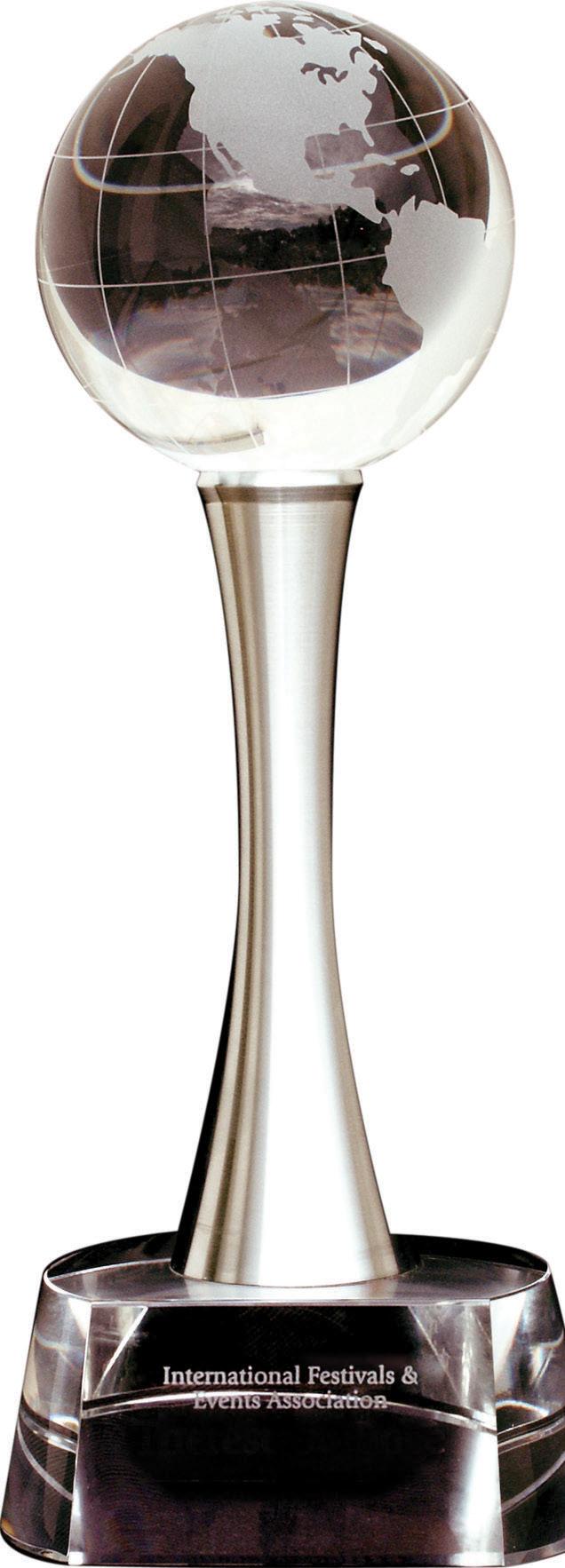
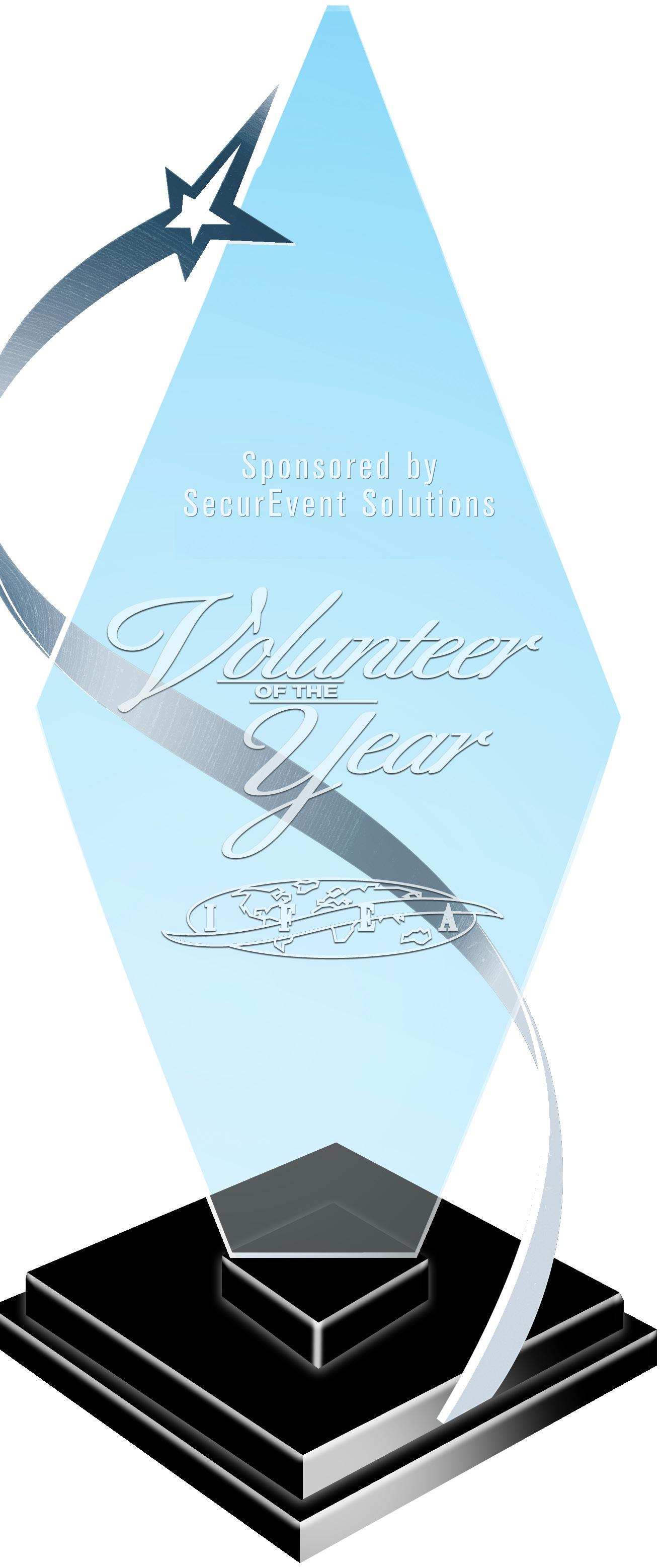
Take a moment to think about all the dedicated volunteers who bring your event to life—those who give their time, energy, and heart to make it all possible. Could your event succeed without them?
Every volunteer deserves appreciation, but is there someone who truly goes above and beyond? The one who always shows up, jumps in wherever needed, and makes your job just a little bit easier?
You thank them throughout the year—but imagine how special it would be for them to be recognized by the entire festivals and events industry!
Nominate your standout volunteer for the 2026
IFEA Volunteer of the Year Award, sponsored by SecurEvent Solutions. It only takes a few moments to submit a nomination that could mean the world to someone who gives so much.
Do something amazing today—celebrate those who make it all happen.
Nominations are now being accepted for the 2026 IFEA Volunteer of the Year Award, sponsored by SecurEvent Solutions.
ABOUT THE AWARD:
Whether an individual serves as a volunteer leader or offers their time and talent in support of a larger, multi-event organization, volunteers are the heartbeat of our industry. Their passion, commitment, and generosity make our communities stronger and our celebrations possible.
The IFEA Volunteer of the Year Award honors those exceptional individuals whose selfless service has made a lasting impact on their event, organization, and community—reflecting the same professionalism and dedication we strive for across the festivals and events industry.
NOMINATION CRITERIA:
To be eligible for consideration for the IFEA Volunteer of the Year Award, the nominee shall:
• Be a current volunteer of an IFEA member organization
• Have provided significant enthusiasm, organizational assistance and specific expertise
• Be a volunteer of the nominating festival or event for at least 3 years
• Have shown initiative and leadership in his or her efforts
• Have a positive attitude
• Have exemplified his or her dependability
• Have a significant depth of involvement
• Have made a difference to the festival or event
• Have received no remuneration for services directly associated with his or her volunteer duties
HOW THE WINNER IS SELECTED:
Once nominations have been received, the IFEA Volunteer of the Year Committee, comprised of members of the IFEA World Board of Directors, will review all nominations and select the Volunteer of the Year winner from all of the candidates submitted.
Volunteer nominations submitted for the 2025 Awards may be carried over into the 2026 competition with the permission of the nominator. The nominator will have the option to re-write the nomination if desired.
HONORING THE WINNER:
The winner of the 2026 IFEA Volunteer of the Year award will be honored at the next Annual IFEA Convention & Expo at the IFEA Awards Luncheon to accept their award. Additionally, the winner will be featured in an issue of “ie” magazine, on the IFEA Website and in email promotions.
*Includes 2 nights hotel, airfare and Convention registration.
PAST WINNERS:
To view a complete list of past winners and their nominations, go to the Awards Section on www.ifea.com
NOMINATION DEADLINE:
Nominations should be submitted no later than 5:00 PM (MDT) Wednesday, May 6, 2026
ENTRY FORMAT:
EMAIL your nomination in a Word document with Subject Line for the email: 2026 IFEA Volunteer of the Year Nomination
SUBMIT ENTRIES TO:
Contact: Nia Hovde, CFEE – awards@ifea.com
QUESTIONS:
Please contact: Nia Hovde, CFEE – awards@ifea.com
Submit the following information for your nomination:
A. INDIVIDUAL SUBMITTING NOMINATION INFORMATION:
Name • Organization • Address • City • State • Zip • Phone • Fax • Email
B. NOMINATION INFORMATION:
Name • Address • City • State • Zip • Phone • Fax • Email
C. NOMINATION QUESTIONS:
Provide a response for each of the questions below, indicating which question you are answering. Please include specific examples for each. Points will be awarded for each question. Points awarded are listed below.
1. Explain your volunteer’s significant depth of involvement. (20 points)
2. Show specific examples of your volunteer’s roles and responsibilities. (10 points)
3. Describe how your volunteer has provided significant enthusiasm, organizational assistance and specific expertise. (10 points)
4. Explain how your volunteer has shown initiative and leadership in his or her efforts. (20 points)
5. Tell how your volunteer has exemplified his or her dependability. (10 points)
6. Describe your volunteer’s positive attitude. (10 points)
7. Describe how your volunteer has made a difference to the festival or event. What impact has your volunteer had on your festival/event? What void would there be without him or her as a volunteer? (20 points)
D. ADDITIONAL INFORMATION:
Submit the following with your nomination.
1. A high-resolution photograph of the volunteer you are nominating. (300 dpi or higher)
2. A local media list (up to 15 contacts) in order for IFEA to send Press Releases to your media.
• Submit in Excel format.
• Include: Name; Organization; City; State; Email
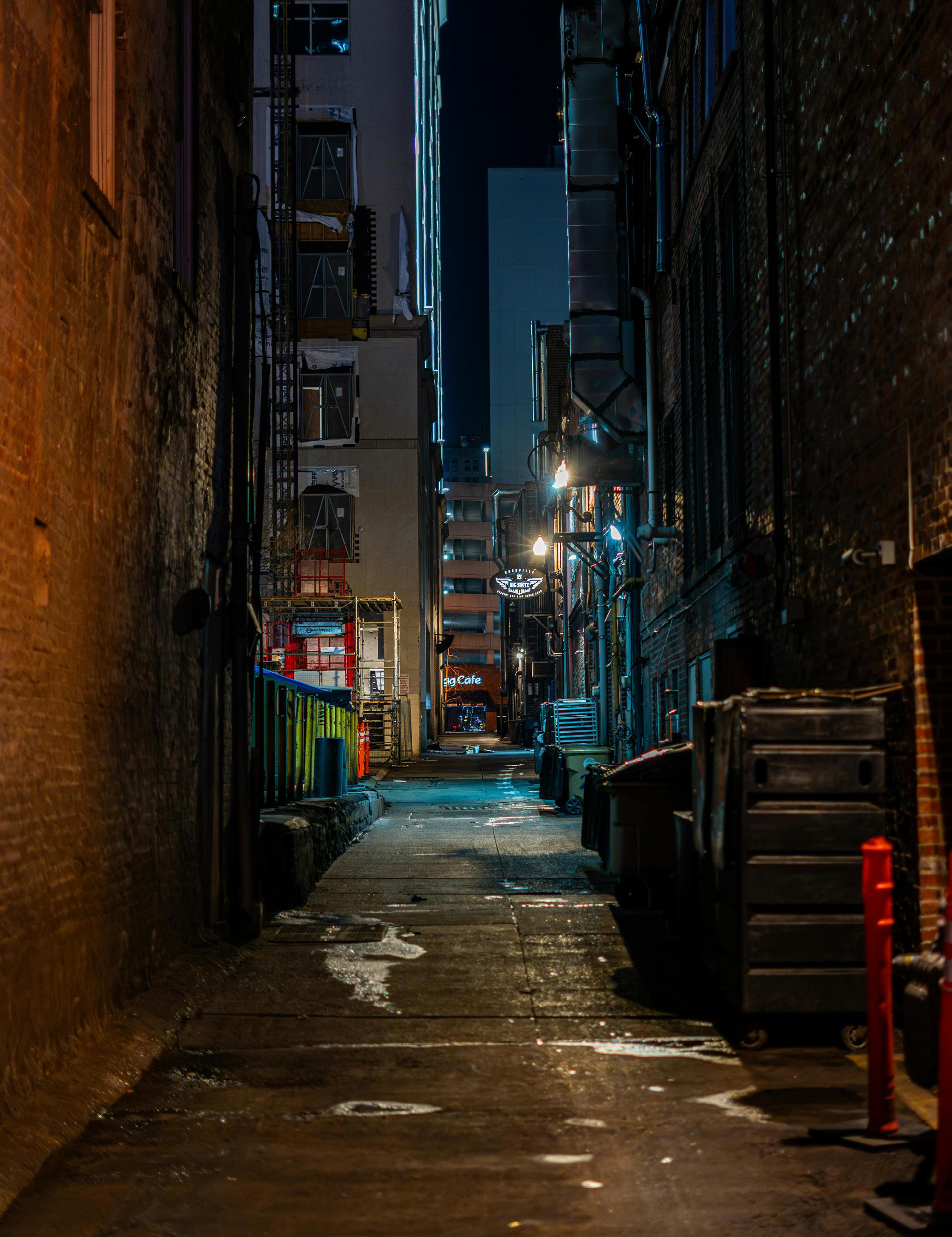
By Alicia Gray
Cities are dynamic ecosystems, constantly evolving to accommodate the needs and aspirations of their citizens. Within these urban landscapes, there exist pockets of underutilized spaces - vacant lots, abandoned buildings, forgotten parks, and neglected alleyways. Despite their potential, these areas often remain dormant, contributing little to the vitality and vibrancy of the city. However, with strategic planning, creative vision, and community engagement, these underutilized spaces can be transformed into dynamic venues for special events unlocking new opportunities for cultural expression, community engagement, and economic development.
Underutilized areas in cities come in various forms, each presenting its own set of challenges and opportunities for transformation.
• Vacant Lots: Empty parcels of land scattered throughout the City offer vast potential for redevelopment. Whether due to economic downturns, zoning issues, or ownership disputes, these vacant lots often remain neglected. However, they can be repurposed as temporary event spaces for festivals, markets, or art installations, injecting new life into neglected neighborhoods.
• Forgotten Parks and Green Spaces: Neglected parks and green spaces are a common sight in many cities, often suffering from neglect due to budget constraints or shifting priorities. Yet, these areas hold immense potential as venues for outdoor concerts, movie nights, or community gatherings. With thoughtful programming and landscaping, these forgotten spaces can become vibrant hubs of recreational activity and social interaction.
• Unused Infrastructure: Urban infrastructure, such as disused railway tracks, alleyways, and even streets, offer unique opportunities for creative repurpose. By transforming these areas for street fairs and markets, they can breathe life back into an old location.
• Abandoned Buildings/Warehouses: Many buildings that do not have current tenants are still usable for one-time events. Whether it is a small storefront or a large warehouse, they are often open spaces that provide a blank canvas for a one-of-a-kind event.
The utilization of underutilized areas for special events offers a host of benefits for cities and communities alike. These events can serve as catalysts for economic development, attracting visitors, stimulating local businesses, and injecting vitality into neighborhoods that may have been overlooked in the past. By activating underutilized spaces, cities can unlock new sources of revenue and employment while nurturing a sense of pride and ownership among residents. These areas are often less expensive to rent than traditional event venues. This may help reduce the overall budget by allowing for better entertainment, decorations and other event items. These spaces often offer a unique atmosphere and charm to the event. Often, the venue itself becomes part of the event’s appeal, creating a memorable guest experience. Many of these spaces are open and a blank canvas that can be customized to the needs of the event as opposed to traditional event spaces that may have a fixed layout.
• Cultural Enrichment: Special events held in underutilized areas provide opportunities for cultural expression, artistic innovation, and community storytelling. Whether it’s a street art festival or a concert in an older park, these events enhance the diversity of urban life and foster a sense of belonging among residents.
• Community Engagement: By activating underutilized areas, cities can create opportunities for residents to come together, connect, and collaborate. Whether through volunteer initiatives, participatory art projects, or neighborhood clean-up efforts, these events empower communities to take ownership of their public spaces and shape the future of their city.
• Economic Development: Special events held in underutilized areas can stimulate economic activity, attract visitors, and support local businesses. Whether it’s a food festival, a craft market, or a pop-up retail event, these gatherings provide opportunities for entrepreneurs to showcase their products, generate income, and contribute to the vitality of the local economy
• Placemaking and Activation: By activating underutilized areas, cities can transform neglected spaces into vibrant destinations that attract residents and visitors alike. Whether through temporary installations, public art projects, or interactive exhibits, these events create
memorable experiences that enhance the overall quality of urban life and contribute to the sense of place within the city.
• Sustainability and Resilience: In addition to social and economic benefits, the utilization of underutilized areas for events can also promote sustainability in urban environments. By repurposing existing infrastructure rather than building something new, cities can minimize their environmental footprint and reduce waste. The repurposing of underutilized areas for special events promotes sustainable urban development and resilience. By reclaiming abandoned spaces, cities can reduce urban sprawl, minimize environmental degradation, and promote alternative modes of transportation. Additionally, events focused on sustainability, such as eco-fairs or renewable energy expos, can raise awareness and inspire action towards a more resilient future.
While the utilization of underutilized areas for special events offers numerous benefits, it also poses several challenges and considerations.
• Infrastructure Limitations: Underutilized areas may lack essential infrastructure, such as electricity, water, or sanitation facilities, necessary to support special events. Cities must invest in upgrading infrastructure to accommodate the needs of event organizers and ensure the safety and comfort of attendees. Alternatively, rentals such as generators, portable toilets and light towers may assist if this is the case.
• Community Resistance: Some residents may oppose the activation of underutilized areas for special events due to concerns about noise, traffic, or just a “Why there when there are other places in town?” Cities must engage with local communities, address concerns, and involve residents in the planning and decision-making process to build trust and foster support for event initiatives.
• Financial Constraints: Funding special events in underutilized areas may require significant investment in infrastructure, programming, and marketing efforts. Sometimes, rentals can be taxing on budgets. Cities must explore creative financing mechanisms, such as public-private partnerships, or sponsorships to offset costs and ensure the sustainability of event initiatives.
• Permits: Many cities have specific permitting requirements for events that include outdoor use, health and fire
prevention. Using locations that are out of the ordinary can add a challenge to the permitting process. Making sure all parties are involved before the booking takes place, will help the event run smoothly.
• Sustainability and Long-Term Impact: While temporary events held in underutilized areas can provide shortterm benefits, cities must consider the long-term impact on the environment, community, and economy. Sustainable event planning practices, such as waste reduction, energy efficiency, and community engagement, are essential to minimize negative externalities and maximize positive outcomes. Many companies are looking to partner with a city and/or event producers on sustainable projects, so a sponsorship opportunity may be a great way to assist in keeping the event sustainable.
Heritage Haunt, Allen, Texas: There is a small park that consists of old houses and churches from the surrounding area, called Heritage Village. For years the park stood mostly unused except for one day a month when the houses would be open to the public. Knowing there was an opportunity to create something unique in the park, the idea of Heritage Haunt was born. The City of Allen partnered with the Allen Philharmonic Orchestra for a night in October for a free concert. Dressed in various costumes, the Philharmonic played songs from Harry Potter, Monster Mash, Thriller and Star Wars. Easy Halloween inspired crafts were free for the kids to participate in. The first year, almost 300 people attended. The second year, a Trick or Treat Trail, Thriller dance lessons, food trucks, open house tours and scary stories were added to the event. The event grew to nearly 550 people. By utilizing a small park in a different way, it opened the door for new programming with a full-time staff person at Heritage Village. The village also was added as part of the Holly Jolly event to bring people a few blocks away by trolley to enjoy a vintage Christmas. Sometimes, utilizing one underutilized space can create a bridge to another underutilized space. An open mind and creativity are key to making this happen. Two spaces that may be very different can create a cool atmosphere together.
Holly Jolly, Allen, Texas: A city north of Dallas with a population around 115,000, Allen is a thriving community with a small, underutilized downtown. The annual Christmas 5K started downtown
but ended at the library a few blocks away where the tree lighting took place. This led to the event feeling disjointed and cramped. The decision was made to turn the event into a street fair and utilize the entire area of Main Street. Using this area downtown, the Special Events Division worked with the local businesses to incorporate them into the event and get their buy in. Many businesses are closed on weekends or have limited hours, so working with them ensured less disruption to their business. Funds from the Sales Tax Board Community Development Corporation were granted to bring in giant light displays and window artwork for the entire month of December. Alleys, streets, parking lots and businesses were used as event spaces to hold vendors, food trucks, music, kid trains and more. Even the historic train depot was used to house Santa. By holding the 5K and Fun Run downtown on Main Street, the runners had no choice but to end into the street fair. After the tree lighting and drone show, the awards ceremony began. This kept the patrons in the event long enough to purchase food, walk around and take in the atmosphere longer than they would have. Many patrons commented that they had no idea there was a downtown in Allen. After the event, the businesses saw an increase in sales and customers. This was due to the fact over 4,000 people attended the event and several hundred more during the month to enjoy the light displays. After Holly Jolly, a downtown revitalization project was put into a bond package and passed. The City of Allen, in conjunction with the Allen Economic Development Corporation, is looking forward to continuing the process of building the downtown into a space where events, businesses and the community can thrive.
Allen 150 Celebration: Allen, Texas turns 150 years old in 2026, so the City of Allen is using the Holly Jolly blueprint to hold the celebration in Downtown Allen in April 2026. City Manager’s Office and Allen Convention and Visitor’s Bureau are partnering with local businesses and organizations to utilize many of the streets, alleyways and parking lots that are used during Holly Jolly. The 150 celebration will expand the footprint to include more businesses and the library. A concert, art walk, carnival area, sports area and local market vendors will be included in the festivities. Because of this celebration, many businesses have been doing some minor renovations to their store fronts, and a makeover is planned for the sidewalks, including planters, new benches and sidewalk repair. These changes have already improved the look of Holly Jolly 2025 and will continue to improve events in the area
until the larger revitalization takes place. This shows that if you use underutilized locations for events and get local business owners and citizens involved, change can happen.
The utilization of underutilized areas for special events represents a unique opportunity for cities to reclaim abandoned spaces, foster community engagement, and promote sustainable urban development. By repurposing vacant lots, parking lots, local businesses, empty streets, forgotten parks, and unused infrastructure, cities can create vibrant hubs of activity that celebrate the rich diversity of urban life and enhance the quality of life for residents and visitors. However, realizing the full potential of underutilized areas requires collaboration, creativity, and commitment from all stakeholders involved. As cities continue to evolve and grow, let us embrace the challenge of unlocking new ideas of what events can be and where they can be held. With cities like Allen, Texas, growth is rapid and often times not well planned out, so getting ahead of development by utilizing forgotten spaces, we can draw the focus to a location in need of care and attention. In the ever-evolving landscape of our towns, the transformation of underutilized areas into vibrant event spaces represents a unique opportunity to reimagine the way we interact with our cities. By tapping into the latent potential of neglected spaces, cities can foster creativity, community engagement, and sustainability, while breathing new life into their urban fabric. As we look to the future, let us embrace the challenge of revitalizing our cities and unlocking the hidden gems that lie waiting to be discovered.
Alicia Gray is the Special Events Manager for the City of Allen, Texas, where she leads the planning, coordination, and execution of community-wide special events and city celebrations as part of the Parks & Recreation Department. As part of the Allen Parks & Recreation leadership team, she works alongside other department managers to support the city’s commitment to creating meaningful life experiences through events and programs. She has over 20 years of experience in the event industry where she started off as an intern in Lubbock, Texas during her time at Texas Tech University. Creating memories for people is her passion and what drives her to create unique experiences for anyone that attends an event in Allen.
We are thrilled to unveil the latest initiative aimed at providing even greater value to our members by introducing our partnership with Oracle NetSuite!
NetSuite serves tens of thousands of customers to help satisfy omnichannel shoppers with a unified financial system covering inventory and order management, ecommerce, CRM and marketing, and more!
Our partnership provides the IFEA community with the chance to secure preferred pricing on NetSuite SaaS licensing.



BRUCE L. ERLEY, APR, CFEE
Dear Sponsor Doc:
I lead sponsorships for a mid-sized festival, and we’ve used the same Platinum, Gold, Silver, and Bronze structure for years. It’s clean, easy to explain, and simple to manage. But lately, I’m running into a problem. Internally, I like the structure. But I’m starting to think it’s outdated and costing us revenue. Is the traditional tiered model obsolete? And if so, what should replace it? – Medal Meltdown
Dear Medal Meltdown:
Short answer? Yes. The traditional tiered model is dated and in many cases, it’s quietly working against you.
The longer answer is that Platinum, Gold, Silver, and Bronze were never really a strategy to begin with. They’re a pricing shortcut dressed up to look like one. That approach made sense when sponsorship was largely about logos and visibility…when being seen was enough. But that’s not the business anymore.
Today’s sponsors aren’t looking for general exposure. They’re trying to solve very real business problems like driving leads, content creation, engaging employees, building community credibility, or differentiating their brand in a crowded market. And when you present them with four pre-built packages, what you’re really saying is, “Here’s how we sell,” instead of asking, “What are you trying to accomplish?”
Now, to be fair, tiered sponsorship hasn’t survived this long by accident. It’s familiar. It’s easy to explain. Boards understand it. Staff can manage it. There’s a certain comfort in having everything neatly organized into levels.
The problem isn’t the existence of tiers. It’s how they’re being used.
When tiers become rigid, they stop being helpful and start becoming restrictive. They force sponsors to reverse-engineer their needs into your structure, rather than allowing you to shape a program around their objectives. And when that happens, one of two things follows: either the sponsor settles for something that doesn’t quite work, or they walk away and find a property who will actually listen.
A better way to think about tiers is not as fixed packages, but as starting points. They’re the menu, not the meal. No one shows up at a restaurant expecting to take everything exactly as it’s listed without substitutions. They expect flexibility. Sponsorship should work the same way.
When a prospect asks for something different such as more data capture, a stronger on-site presence, deeper integration into your content, that’s not a problem. That’s a signal. It tells you what
success looks like for them. And your job is to respond to that, not push them back into a predefined box.
This is also where rigid tiering does the most damage. It turns your event into a commodity. When every level is fixed, the only real difference between them becomes price. Creativity gets squeezed out. New ideas stall because they don’t “fit the package.” And perhaps most importantly, you leave money on the table because you’re not aligning your offer with what a sponsor is actually willing to invest to achieve their goals.
There’s another piece of this that’s worth addressing directly: the language itself.
Gold, Silver, Bronze all sounds familiar, but that’s part of the problem. It’s generic. It doesn’t communicate anything meaningful about what a sponsor actually gets or how they show up within your event. It feels more like a donation ladder than a business platform.
A shift to designations like Title Sponsor, Presenting Sponsor, Associate Sponsor, or Official Supplier immediately changes that dynamic. These terms signal role and function. They tell a story about how a sponsor fits into the experience you’re creating. And whether we like it or not, perception matters. The structure you present sets the tone for the kind of partnership you attract.
Remember, modern sponsorship is modular. It’s built from components that can be mixed, matched, and scaled depending on what the sponsor needs. Access to your audience. Opportunities to tell a story. On-site experiences. Digital reach. Lead generation. Hospitality. Community impact. These are the building blocks.
When you start thinking this way, the conversation changes. You’re no longer selling a package. You’re designing a solution. You begin by asking a simple question…What would make this partnership successful for you? With that answer you can now assemble the right combination of elements to deliver that outcome.
At the end of the day, sponsors are looking for relevance. They want to be integrated into the experience, not just attached to it. They want measurable impact, not just impressions. And they want a genuine connection with your audience, not a logo lost in





What year was your company established?
1998
How many employees does your company have?
70+
What areas do you serve with your product/service? National.
How many festivals and events do you work with on an annual basis?
More than 700!
What is your ‘elevator pitch’ and/or slogan about your product/service?
Saffire offers the industry’s only integrated ticketing and website platform! We offer real-time ticket data and allow for easy website updates, making online ticket sales efficient and user-friendly. With the capability to manage everything from anywhere at any time, Saffire enhances your overall experience. We proudly serve a diverse range of industries, including fairs, festivals, rodeos, agri-tainment, and tourism. Alongside our premium ticketing and branding services, we are committed to providing outstanding support, ensuring our clients receive the best assistance in the industry. Saffire is your go-to partner for all your ticketing and website needs!
How/why did your company/ product/service get started?
We have been in business since 1998 as Wright Strategies, a custom web development firm working with global clients including KEEN Footwear, Nike, Intel, Panasonic, Jeep and Chrysler. We launched the Saffire platform in 2009. We desperately wanted to take what we’d learned in custom development and build a platform in a niche market, so when an event asked us to do a website for them, it felt like home immediately.
What new or improved product/service do you have to offer that IFEA audiences need to know about?
Saffire has launched AI Assist, a fully integrated tool within its Spark CMS designed to simplify how events create, market, and sell tickets online. The feature enables users to generate webpage copy, SEO metadata, email campaigns, and social media content without leaving their workflow. With minimal input, event organizers can build ticket-selling pages, refresh outdated content, and optimize search visibility. By embedding AI directly into its platform, Saffire removes the need for external tools, saving time and reducing complexity. The launch reinforces Saffire’s position as a leader in event technology, empowering clients to deliver exceptional experiences while driving stronger marketing performance and ticket sales.
What sets your product/ service apart from your competitors?
Saffire is the industry’s only integrated ticketing and website platform. With Saffire, you have one vendor, one place to log in, one set of integrated data for events you market and sell. For us, the platform is just the mechanism; our value is in helping you actually sell more tickets before your event even starts!
What advice would you offer to festivals and events searching for your type of product/service?
Managing your website & ticketing in one location can help save your sanity by offering two services through one great provider that you know and trust. Look for versatile technology and equipment that can be adjusted to work in multiple scenarios, and don’t forget that an effective support team is a crucial bridge between your ticketing process and the success of your event!
What is your company’s customer service philosophy?
Empowering people to feel smart and successful is our passion at Saffire. You will always have help at your fingertips, and our goal is to answer every question within 15 minutes so clients can call, email or use our online support system to get any question answered and problem solved.
Cassie Dispenza VP of Strategic Partnerships
Saffire 11138 SE Main St
Milwaukie, OR 97222 USA
512-430-1123
cassie@saffire.com www.saffire.com
How many years have you been with your company?
This year marks 15 years with Saffire!
What are your favorite festival foods?
Roasted Corn and bonus points if it’s Elote style/Mexican Street Corn
What do you like to do to relax?
Usually my only time to relax is in the early morning while everyone else is still asleep! I ride my exercise bike and get to pick my own Netflix shows!
What is the name of the last business book you read?
A lot of the nonfiction books I read probably straddle the line between business/personal development but I just finished Awake: Pay Attention to What Matters Most by Jen Hatmaker. I think when we’re at our best personally we’re at our best professionally as well.
What is the name of the last movie you watched?
Running Man was the last movie I watched. Here to promote anything Glen Powell. (Hook ‘em Horns!)
OPERATIONS & RISK MANAGEMENT
FRIDAY, OCTOBER 2, 2026
9:00 a.m. - 4:30 p.m. (MDT)
Presented by:
Ira L. Rosen, MA, CFEE, CED - CEO
Ira L. Rosen, LLC, Festival & Event Consulting IFEA Foundation Board Member Philadelphia, PA, USA
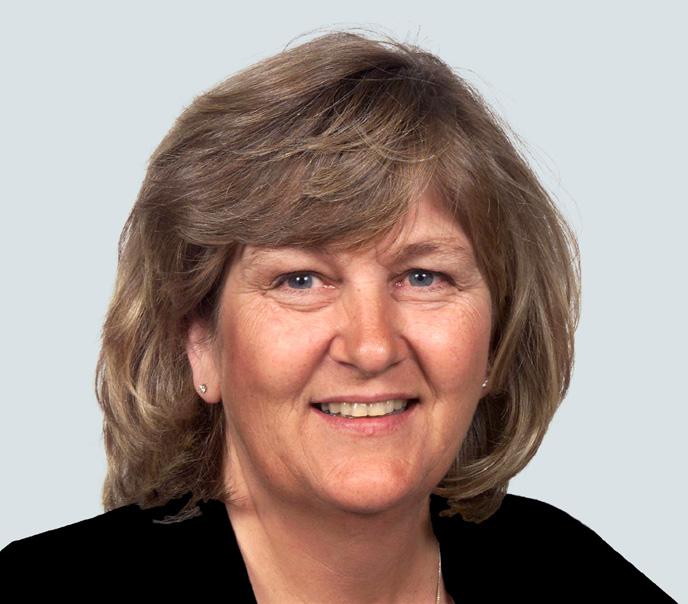
NON-SPONSORSHIP REVENUE PROGRAMS
SATURDAY, OCTOBER 3, 2026
9:00 a.m. - 4:30 p.m. (MDT)
Presented by: Becky Genoways, CFEE President Genoways Events Rockford, IL, USA
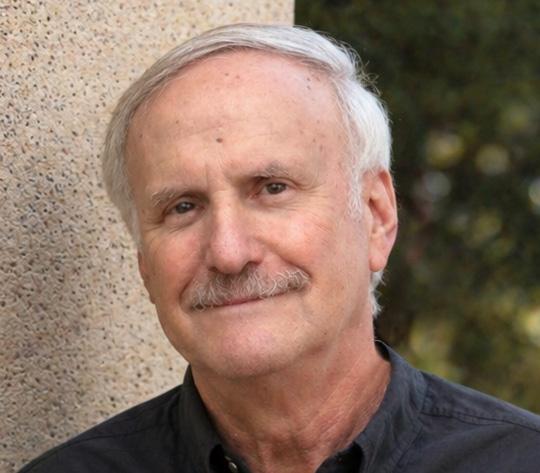
PROJECT MANAGEMENT
Sunday, October 4, 2026
9:00 a.m. - 4:30 p.m. (MDT)
Presented by:
Ira L. Rosen, MA, CFEE, CED - CEO
Ira L. Rosen, LLC, Festival & Event Consulting IFEA Foundation Board Member Philadelphia, PA, USA
Do you want to take your career in the Festivals and Events Industry to the next level?
Do you want to get noticed over everyone else in today’s competitive job market?
Do you want to increase the chances of raising your earning potential?
Do you want to connect with a group of like-minded professionals from around the world?
Do you want to establish professional credibility and demonstrate you are committed to mastering your skills and knowledge in the Festivals & Events Industry?
If the answer is yes to any of these questions, then the IFEA’s Certified Festival & Event Executive (CFEE) Program, sponsored by Kaliff Insurance, is for you!
With intensive core classes covering: Sponsorship & Sponsor Service; Marketing & Media Relations; Administration & Management; Administration & Management; and Marketing & Media Relations; in addition to an emphasis on industry experience, written communication, public speaking, practical application and continued industry education; completion of the IFEA’s CFEE Certification demonstrates that you have completed the steps necessary to be a professional in the Festivals & Events Industry.
By Caroline Chance
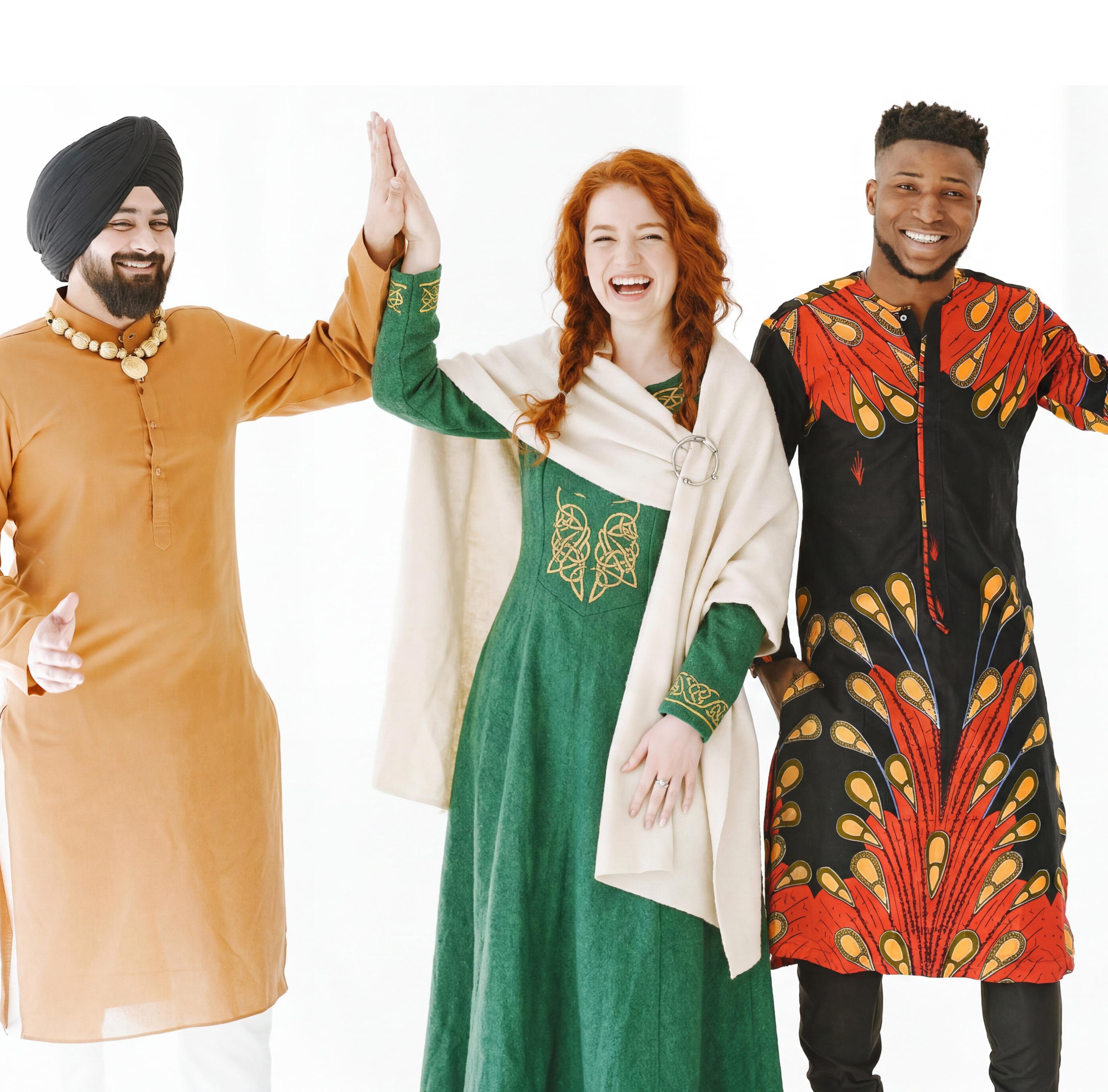
Picture a crowded public square: a child learning calligraphy for the first time, elders sharing stories beneath a festival tent, strangers exchanging smiles over unfamiliar food. These moments—brief yet powerful—are where belonging begins.
In cities, campuses, and public spaces throughout the United States, cultural heritage events such as Lunar New Year, St. Patrick’s Day, Cinco de Mayo, Juneteenth, Indigenous Peoples’

Day, Diwali all have become a part of the American experience. In addition to music, food, and marches that have been integral in our annual festivities, they represent something much bigger and serve as conditions for people from different backgrounds to socialize. At their core, they provide a public space that is unmatched by any other social event. For event professionals, this makes cultural heritage celebrations not just programs to manage, but environments intentionally designed for human connection.
For event professionals, cultural heritage events present both a challenge and an opportunity simultaneously. On one hand, these events bring more than just people together; they can also rally communities. On the other, they can fall flat if they lack any specific intentions. Without purpose, cultural celebrations risk becoming performative rather than transformative.
In this article, we will explore how cultural heritage events can contribute to social connections in the United States, why cross-cultural social connection is significant, and how event professionals can make these events authentic, inclusive, and enduring.
The awareness that connection is an essential barometer of community vitality is emerging. Public health and community engagement research increasingly links social connection to improved mental health, civic trust, and long-term resilience. The literature from public health, education, and community engagement suggests that individuals who feel connected to their neighborhoods are more resilient, connected, and hopeful about the future. However, various groups continue to experience escalating levels of isolation, cultural misunderstanding, and polarization.
Festivals and events are uniquely positioned to resolve these issues. Unlike policies or initiatives that are often experienced abstractly, festivals and events are felt in the physical space and can reach the emotional state. They enable people to come together and interact. Cultural heritage festivals, in particular, present opportunities to learn from each other, participate in rituals, engage across intergenerational lines, and reaffirm their sense of place.
In this respect, a cultural heritage festival designed in this manner becomes more than a celebration. A cultural heritage festival becomes community infrastructure.
It becomes social infrastructure—designed not for efficiency, but for belonging.
Cultural heritage events are characterized by one thing that leaves an impact on the audience: their participation brings the audience from being observers to active participants. This can range from participating in tribal dances or dressing in indigenous costumes. When designed intentionally, participation replaces distance with curiosity and comfort.
Celebration activities during the Lunar New Year may include hands-on activities such as calligraphy showpieces or making lanterns. Interactive activities offer the possibilities for passive observation to active participation in one’s or others’ cultures.
Equally, Diwali celebrations often involve performances, artistic engagements, and storytelling sessions that invite dialogue through question-and-answer sessions. Such engagements also break the unknown barriers to traditions that have been seen as mysterious.
Food as a Universal Connector Food is also a highly accessible and relatable process for creating a community. Cultural heritage events are often organized around meals and attract a wide demographic. Food provides a low-barrier entry point for cultural exchange, often serving as the first conversation starter among strangers.
The celebration of St. Patrick’s Day is considered a primary example. As Irish cultural traditions include parades and music, Irish food customs encourage participants to share their historical and immigration-related associations. When such events include learning elements that describe Irish American historical backgrounds and their contributions, the social event assumes more significance.
At Cinco de Mayo events, the culinary delights from regions in Mexico are also exhibited, along with the history surrounding them. As vendors are encouraged to share their histories, the eating process is transformed from mere consumption to a sharing in the culture.
Authenticity is important. The cultural and well-considered presentation of the community food scene will ensure the retention of significance and trust amongst the locals and foreigners alike. This trust is foundational to meaningful social connection.
Social bonding is dependent upon trust, and trust is created through representation and ownership. Among the most frequent problems that arise in generating cultural heritage content is planning a culture, as opposed to planning with a culture. This distinction often determines whether an event feels respectful or extractive.
Successful events involve community members in leadership roles, including representatives from advisory committees, programming, vendors, and marketing. Through this process, the events will be based on experiences, not stereotypes.
The celebrations of Juneteenth are one area where this is apparent. Organized by Black community organizations, historians, and others, these activities involve education, reflection, and progress, and it is possible to create an experience with lasting resonance. This is not merely an experience of celebration, but of shared understanding.
Events such as St. Patrick’s Day celebrations, which are coordinated with Irish cultural groups, historical societies, and artists, can avoid stereotypes in exploring Irish immigration, labor history, and cultural struggles in the United States.
Though cultural celebration on an annual basis is necessary, this practice can inadvertently accept celebrating culture on just a day or weekend. This may result in the impression that culture is occasionally celebrated, contrasting with being an integral part of the community. For communities whose histories are marginalized, this limitation can feel particularly pronounced.
Event planners can reach further to connect cultural heritage events with year-long events, learning activities, or with schools, libraries, or cultural centers. For example, a Lunar New Year observation can kick off a year-long series on Asian American heritage, while a St. Patrick’s Day festival can be connected to exhibits or lectures on immigration and development.
In positioning cultural heritage events as engagement anchors, the social bonding of the events is strengthened. They become entry points into ongoing civic and cultural participation.
Accessibility as a Foundation for
Building social connections necessitates accessibility. Language, physical,
sensory, or cost restrictions may prevent individuals from enjoying cultural events. Accessibility is not accommodation; it is a prerequisite for belonging.
Strategies that involve inclusivity, including signage in many languages, accessible design, sensory zones, and free or reducedcost entry, ensure that cultural heritage events reach out to and include everyone. When an event is made accessible from the start, it conveys an inclusive message.
Cultural traditions can be a source of knowledge for families across generations. Hence, cultural heritage celebrations are an excellent context for transgenerational interaction. The elderly carry knowledge from the past, while younger people bring fresh ideas to the cultural events.
Activities during these events, including celebrations of Indigenous Peoples’ Day, might involve storytelling, demonstrations of traditional crafts, and educational activities offered by elders concurrent with entertainment by youth. Such efforts pay homage to the past while facilitating cultural progress. They also reinforce continuity, ensuring traditions remain living rather than static.
Although figures concerning audience turnouts and earnings are still very significant, they cannot measure the extent of the effects of cultural heritage events. To evaluate the impact of cultural heritage events on establishing a sense of social bonding, the following elements could be measured.
Post-event questionnaires, listening sessions, and partnership feedback might provide information on whether event attendees feel connected to their community or assess whether there is cultural understanding. These may provide value to stakeholders, although there is room for improvement. Qualitative measures—such as stories, testimonials, and long-term partnerships—often reveal impacts that numbers alone cannot capture.
Event professionals have recognized that their importance is not only to produce events, but to be custodians of the culture. Being custodians of culture means understanding, humility, and teamwork. The community is always changing, and the events that reflect the community must also be changing. This role carries responsibility, not authority.
This ability to approach cultural heritage events in a culturally-sensitive manner, despite encountering errors in judgment, does not involve eliminating errors from cultural heritage celebrations. It involves an openness to constructive criticism in terms of relationship building. Learning publicly and adjusting transparently are essential to sustaining trust.
Whether it is Lunar New Year, St. Patrick’s Day, Cinco de Mayo, Juneteenth, Indigenous Peoples’ Day, Diwali, and other cultural heritage festivals and celebrations are all an essential part of the fabric of life that prevails in the United States. When planned with community voices in mind, such events serve as a bridge for cultures and bring communities together. Success in the festivals and events industry should not be gauged by the number of visitors or revenue generated; moreover, it should be determined by how well the communities feel as an outcome of the celebration itself. The true metric of success is whether people leave feeling seen, respected, and connected. The cultural heritage events, based on authenticity and inclusion, are among the most potent resources available to promote a sense of belonging within an increasingly diverse society. For event professionals, designing for belonging is no longer optional—it is the enduring legacy of the work.
Caroline Chance is an EdM candidate in Curriculum & Teaching at Teachers College, Columbia University, where her work centers on culturally responsive pedagogy, health equity, and inclusive learning environments. She holds a Master of Public Health in Health Services Management & Policy and a BA in Political Science. Her professional background spans health policy analysis, data modeling, and community-based research, as well as teaching and curriculum development in higher education. Drawing on experience in multicultural education and experiential learning, her scholarship explores inclusive curriculum design, student mental wellness, and workforce diversity in global and intercultural contexts. Fluent in Spanish and Mandarin, with basic proficiency in French, she brings multilingual and cross-cultural perspectives to both research and teaching.
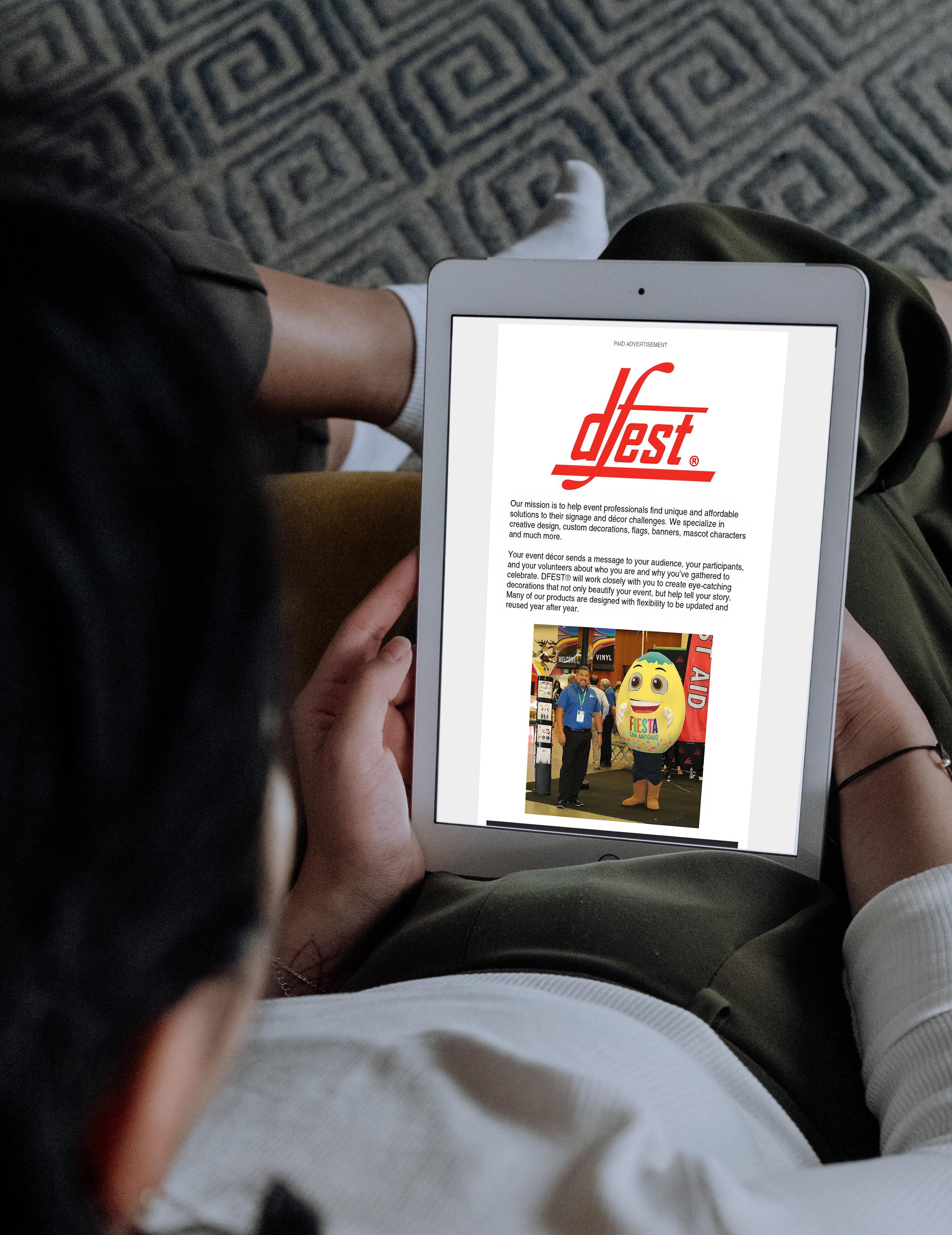

For decades, success in the festivals and events industry was measured in moments. A packed grandstand. A standing ovation. A crowd singing in unison as the final act took the stage. These were the metrics that mattered. The emotional resonance of an event, its ability to create connection and shared experience, defined its value.
That is no longer enough.
Today, festivals and events are expected to function not just as experiences, but as measurable business engines. Stakeholders are asking more sophisticated questions, and they expect precise, data-driven answers. How many qualified leads were generated? What was the measurable economic impact? How did sponsorship investments translate into engagement or sales? What long-term value did the event create for its community, partners and audience?
Across the industry, success is increasingly defined by analytics. According to sponsorship measurement guidance from Votemo, event ROI is now evaluated through metrics such as customer acquisition, engagement rates, brand impressions and revenue outcomes, rather than attendance alone. This shift reflects a broader expectation that events perform with the same accountability as other marketing and economic development channels.
This evolution is not simply a reporting change. It is fundamentally reshaping how events are designed, delivered and evaluated.
At its core is a new reality. Events are no longer isolated experiences. They are platforms for measurable outcomes.
Major global festivals have been early adopters of this shift.
At Coachella Valley Music and Arts Festival, one of the most recognized festivals in the world, organizers provide sponsors with detailed post-event reports that include demographic insights, social media reach, engagement metrics and attendance data shortly after the event concludes. These reports are used not only to demonstrate value but to secure future partnerships and refine sponsor strategies. (Ticket Fairy, “Post-Event Reports That Win Festival Sponsorship Renewals”)
Tomorrowland, one of the largest electronic music festivals globally, has taken a similar approach, building long-term sponsor relationships through comprehensive reporting and data transparency. Sponsors are provided with measurable insights into audience engagement, digital reach and on-site interaction, reinforcing the event’s ability to deliver consistent value year after year. (Ticket Fairy)
The expectation is clear. If value cannot be measured, it cannot be sustained.
This is especially evident in the evolution of sponsorship.
Traditional sponsorship models were built on visibility. Logos on banners, mentions in programs and brand presence throughout the event footprint were once sufficient. Today, sponsors expect far more. They want measurable engagement, direct access to
audiences and clear evidence of return on investment.
A strong example comes from All Points East in London, where Ray-Ban partnered with AEG to create a data-driven brand activation. The campaign integrated digital engagement, app interaction and on-site experiences, all tied to measurable outcomes. By the end of the festival, 78 percent of attendees were aware of the partnership, while combined social and media impressions exceeded 80 million. (ClickZ, “Ray-Ban and AEG’s Winning Formula: Music Festivals and Data-Driven Branding”)
This level of reporting transforms sponsorship from a marketing expense into a measurable investment.
Similarly, at Lollapalooza, one of the largest multi-genre music festivals in the United States, sponsors have increasingly leveraged RFID-enabled wristbands to engage with attendees. These wristbands allow participants to enter contests, access exclusive experiences and make purchases, all while capturing valuable data. Sponsors can track how many attendees engaged with their activation, how long they stayed and what actions they took, providing a direct connection between experience and measurable outcomes. (Sponsorship Collective, “The Essential Guide to RFID for Events and Festival Planners”)
Technology is at the center of this transformation.
RFID, mobile apps, geolocation tracking and cashless payment systems are now standard tools at major festivals, including Tomorrowland, Coachella and Lollapalooza. These technologies allow organizers to track attendee behavior in real time, from movement patterns and dwell time to purchasing habits and engagement levels.
For example, RFID systems at Tomorrowland have been used not only for access and payments but to analyze how attendees move through the festival grounds. Organizers can identify high-traffic areas, optimize layout and provide sponsors with detailed reports on engagement. (Sponsorship Collective)
At Coachella, mobile app engagement has become a key metric. The festival app provides schedules, maps and real-time updates, while also tracking user behavior. Organizers can see which performances are most viewed, which notifications drive action and how attendees interact with content throughout the event. This data informs both operational decisions and sponsor reporting.
Even outside of music festivals, data-driven measurement is becoming standard practice.
South by Southwest in Austin has long been recognized for its ability to blend culture, technology and business. In recent years, SXSW has expanded its use of data analytics to track attendee engagement across sessions, exhibitions and networking events. By analyzing registration data, session attendance and digital interaction, organizers can demonstrate the event’s impact on industries ranging from film and music to technology and innovation.
Similarly, the Edinburgh Festival Fringe, one of the largest arts festivals in the world, has increasingly relied on audience data to understand attendance patterns, ticket sales trends and visitor demographics. This information is critical for both organizers and participating artists, helping them make informed decisions about programming and marketing.
For community-based festivals, the pressure to prove value often centers on economic impact.
The Sundance Film Festival in Park City, Utah, provides a clear example. According to economic impact studies conducted for the festival, Sundance generates tens of millions of dollars in economic activity for the state each year, supporting local businesses, creating jobs and attracting global attention. These measurable outcomes are essential in maintaining support from public and private stakeholders.
Likewise, the New Orleans Jazz & Heritage Festival has long demonstrated its value through economic impact reporting, highlighting the festival’s contribution to tourism, hospitality and the broader regional economy. These reports provide concrete evidence that the event is not only culturally significant but economically vital.
This focus on economic impact is increasingly important for festivals that rely on public funding or community support. Municipal leaders and tourism boards want to see clear returns on investment, whether in the form of visitor spending, hotel occupancy or tax revenue.
As a result, organizers are investing in more sophisticated data collection methods, including mobile tracking, attendee surveys and partnerships with analytics firms.
This shift is also influencing how events are designed from the ground up.
Every element of an event is now evaluated not only for its experiential value but for its ability to generate measurable insights. Activations are designed to encourage interaction. Registration processes are optimized for data capture. Digital platforms are integrated to track engagement before, during and after the event.
Post-event reporting has become one of the most critical deliverables in this new landscape.
What was once a simple recap has evolved into a comprehensive impact report. These reports often include detailed analytics on attendance, demographics, engagement, media reach and sponsor performance. They are designed to tell a clear, data-driven story of success.
According to Ticket Fairy, leading festivals now deliver these reports within 10 business days of the event’s conclusion, recognizing their importance in securing renewals and maintaining stakeholder confidence.
At the same time, the industry is placing greater emphasis on long-term value.
Events are no longer viewed as one-time experiences. They are part of an ongoing relationship with attendees and stakeholders. Organizers are increasingly focused on retention, repeat attendance and year-round engagement.
For example, many festivals now use email marketing, social media and mobile apps to maintain communication with attendees throughout the year. By tracking engagement over time,
they can demonstrate sustained interest and loyalty, providing additional value to sponsors and partners.
All Points East offers a strong example of this approach. The festival’s mobile app and digital platforms enable ongoing interaction between attendees and sponsors, extending engagement beyond the event itself and creating additional opportunities for data collection and analysis. (ClickZ)
This ability to demonstrate long-term impact is becoming a key differentiator in a competitive landscape.
However, the shift toward analytics is not without challenges.
Data collection requires investment in technology, infrastructure and expertise. It raises important questions about privacy and transparency. Attendees are increasingly aware of how their data is used, and organizers must ensure that data collection is both ethical and compliant with regulations.
There is also the challenge of maintaining the integrity of the experience.
Festivals and events are, at their core, human experiences. They are about connection, creativity and shared moments. While data can measure engagement, it cannot fully capture the emotional impact of an event.
The risk is that in the pursuit of measurable outcomes, the industry could lose sight of what makes events meaningful.
The opportunity lies in integration.
The most successful events moving forward will be those that combine creativity with accountability. They will design experiences that are both engaging and measurable. They will use data not as a replacement for intuition, but as a tool to enhance decision-making.
They will recognize that the goal is not to collect data for its own sake, but to use it to create better experiences and stronger outcomes.
In this new environment, event professionals must expand their skill sets. Data analysis, technology integration and strategic reporting are becoming essential competencies. Teams must be able to interpret data, translate insights into action and communicate results effectively to stakeholders.
This represents a significant shift for the industry, but it also presents an opportunity.
By embracing analytics, festivals and events can strengthen their position as drivers of economic, social and cultural value. They can demonstrate their impact with clarity and confidence. They can secure funding, attract sponsors and build longterm sustainability.
From Coachella to Tomorrowland, from SXSW to Sundance, the direction is clear. The events that will thrive are those that can prove their value, not just promise it.
Applause still matters. It always will.
But it is no longer the final measure of success.
Today, applause must be supported by analytics. It must be reinforced by data that demonstrates impact, justifies investment and guides future growth.
The events industry has entered a new era—one where storytelling is supported by statistics, where creativity is paired with accountability and where the value of an event must be both felt and proven.
From applause to analytics, the message is clear.
What year was your company established?
2019
How many employees does your company have?
Less than 10.
What areas do you serve with your product/service?
We proudly serve the United States and Mexico.
How many festivals and events do you work with on an annual basis?
Anywhere from 10-25.
What is your ‘elevator pitch’ and/or slogan about your product/service?
At Your-Type, we create bold, large-scale 3D letters and sculptures that turn places into destinations. We help communities, businesses, and organizations stand out—physically and digitally.
Our work invites people to stop, engage, take photos, and share their experience. A single activation can increase foot traffic, extend visitor dwell time, and generate organic social media exposure that continues long after the initial visit.
From concept to fabrication, we handle the full process, ensuring each piece is built to last and designed to perform.
How/why did your company/ product/service get started?
Your-Type began with a moment of purpose. After a series of school shootings, the founder’s daughter wanted to attend a social movement and asked to create large cardboard letters to help share a message. Seeing an opportunity to elevate the impact, the team decided to go beyond cardboard and fabricate bold, durable aluminum letters spelling “#ENOUGH.”
The installation quickly drew attention, becoming a powerful visual focal point for
expression, awareness, and community engagement.
From there, Your-Type evolved into a company focused on creating immersive photo activations and landmark installations.
What new or improved product/service do you have to offer that IFEA audiences need to know about?
Our work is commonly used by festivals, tourism organizations, downtown districts, campgrounds, and community events looking to create something memorable and highly visible. Each project is custom-designed to reflect the identity of the event or location, whether that means bold city-name letters, themed installations, or branded signage that helps guide and engage guests.
What sets your product/ service apart from your competitors?
The combination of durability, mobility, and true craftsmanship. Unlike many competitors who rely on foam or wood, our activations are fabricated from high-quality aluminum—built to withstand both indoor and outdoor environments without compromising appearance over time.
Our products are designed to be moved, reused, and repositioned across multiple events, seasons, or locations, giving clients significantly greater long-term value and return on investment. Versatility is at the core of our designs.
What advice would you offer to festivals and events searching for your type of product/service?
When considering large-scale signage or activations, think beyond a one-time use. Look for solutions that are durable, reusable, and flexible enough to move and evolve with your event over time.
What is your company’s customer service philosophy?
At Your-Type, our customer service philosophy is rooted in partnership, responsiveness, and reliability. We work closely with every client to understand their goals, communicate clearly throughout the process, and deliver on time.
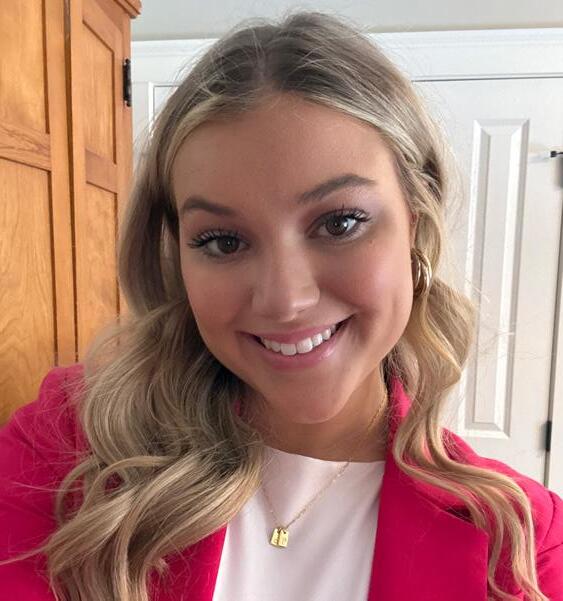
Marketing Specialist and Business Development Associate
YOUR-TYPE LLC
4970 Service Dr Winona, MN 55987 USA
612-702-4443
paige@your-type.com your-type.com
How many years have you been with your company?
Less than a year
What are your favorite festival foods?
I love roasted corn on the cob or funnel cake!
What do you like to do to relax?
I’m a huge animal lover, so most of my time unwinding is spent around them. Whether I’m at the barn with my horses or out on a walk with my dog, being outside and present with them helps me reset, clear my mind, and recharge from a busy schedule.
What is the name of the last business book you read?
Building a Story Brand by Donald Miller.
What is the name of the last movie you watched?
Peanut Butter Falcon- my favorite!
Membership in the IFEA provides value from all directions, including invaluable contacts and savings worth many times the membership investment. The more you use them, the higher your return. In addition to “ie” The Business of International Events, membership with the IFEA provides you . . .

If you’re not a member of the IFEA, join now at www.ifea.com, or contact Scott Schmader, Director of Membership, at membership@ifea.com.
By TaKeyia Dickens, CFEE
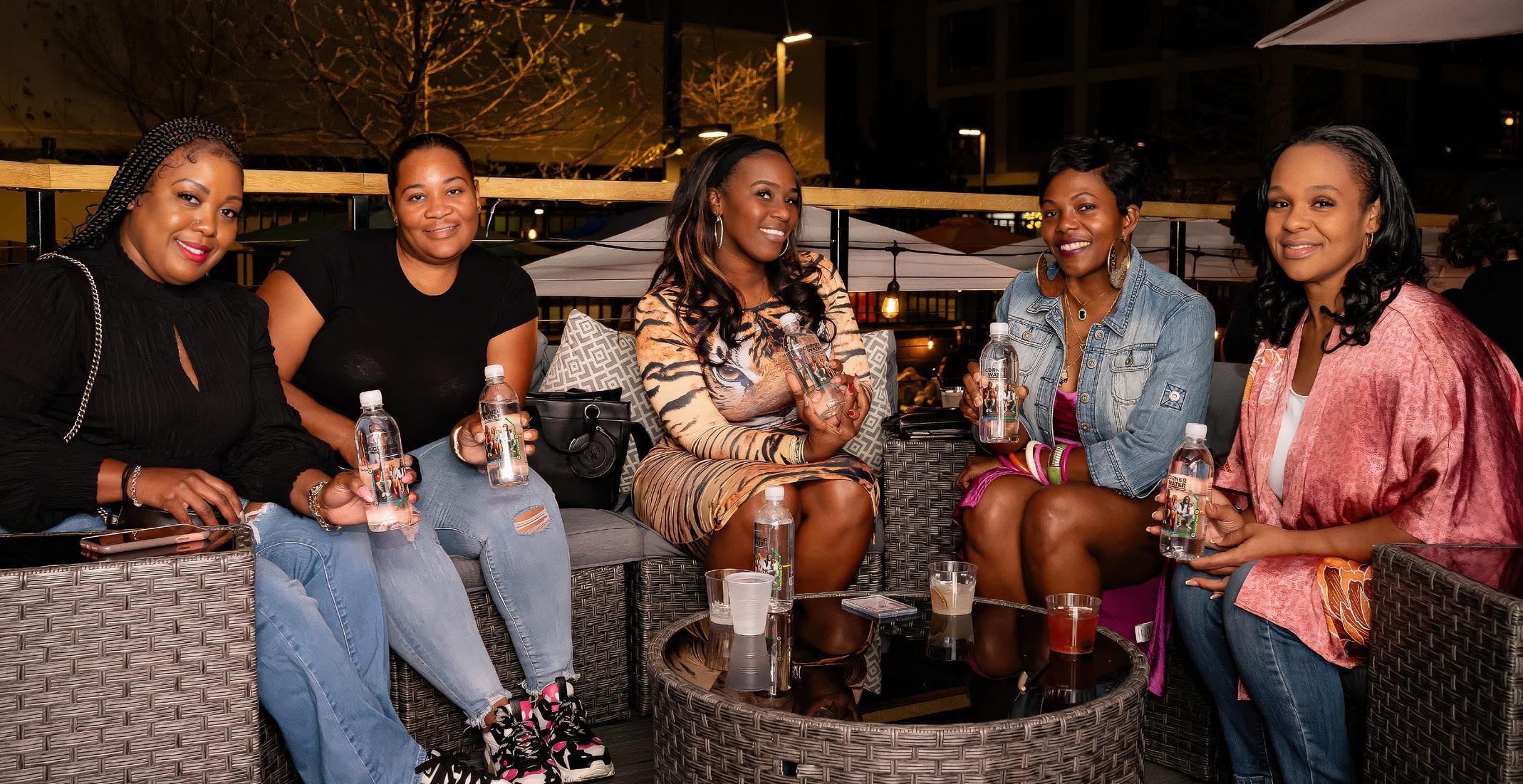
“What if the most profitable thing your festival owns…is not your stage?”
Most people believe that festivals and events survive on sponsorship dollars, attendance numbers, and media impressions, things we include in our recap and annual reports and use to justify our budgets. However, if you look deeper, there’s another form of value that often goes unmeasured, yet drives our success: community.
Community is more than just the crowd that shows up at our event; it’s the heartbeat that keeps things flowing. The value of engagement is becoming part of the festival’s business model rather than a byproduct. Emotional ROI is now
aligning directly with sponsorship strategy, economic growth, and long-term brand equity. Creative hashtags or surface-level engagement are gone and no longer have meaning. Community is capital, and it’s time to invest in it. Festivals that anchor their work in community are both culturally relevant and economically resilient. This shift is reshaping the event industry, so let’s take a look at what “community” looks like in the festival economy today.
For years, events and festivals have viewed the community through a narrow lens: the number of attendees, foot traffic, and ticket sales. Community was the event’s output, meaning that if the event

went well, it was impactful. However, over the past few years, I’ve seen a shift in how we connect with the community. We now see that community is no longer a byproduct of a successful event; it is the central asset. In economic terms, the shift aligns with the concept of “social currency”, which refers to the tangible and intangible value generated through networks, relationships, and shared identity. Social currency produces access, loyalty, and influence, which directly shape sponsorship decisions, audience retention, and long-term viability.
For festival producers and event professionals, this means rethinking the concept
of “engagement.” Engagement is no longer simply participation. Engagement becomes capital, something you intentionally invest in, strategically steward, and deliberately grow over time. Community is no longer a sentimental byproduct of good programming; it is now an infrastructure that underwrites sustainability, credibility, and growth. This reframing forces a hard but necessary question: If community is your most valuable asset, are you treating it like one? And if community is truly an asset, the next question becomes simple: how do we measure its real value?
One of the biggest obstacles in shifting the mindset is that “community” often feels intangible. But just because something is emotional does not mean it is immeasurable. Festival participation strengthens emotional resilience and social unity. In The Social Value of Community Events: A Literature Review, researchers found that people who consistently attend local festivals report a stronger sense of personal well-being than those who don’t, a clear reminder that creating events goes beyond entertainment.
These findings provide a framework for treating emotional and social outcomes as measurable performance metrics. Festival organizers can track and quantify emotional ROI through:
• Pre- and post-event surveys: Measuring changes in belonging, community pride, and social connection over time to reveal growth in trust and attachment.
• Volunteer retention and engagement: Tracking volunteers that return each year, their growth to leadership roles, knowing their age and where in the community they are from, and long-term involvement as indicators of deep community investment.
• Return visitation and lifetime participation: Measuring repeat attendance and cross-program engagement to signal sustained emotional investment.
• Digital engagement & storytelling reach: Monitoring social shares, user-generated content, and online conversations that amplify identity and turn participants into advocates.
• Local economic and social impact: Tracking neighborhood partnerships and community reinvestment through education, outreach, or yearround programming.
When capturing these data points, event producers can treat emotional engagement as tangible, a true asset that
identifies with sponsors, stakeholders, and community partners. Festivals that measure belonging are tracking sustainability. And once that value is measured, the next question becomes inevitable: how are brands responding to it?
This is plain and simple: sponsors are not chasing impressions; they are chasing alignment. I have witnessed a dramatic shift in brand and sponsorship strategy. Traditional sponsorship models built around logo placement, signage, and ads are becoming less effective. Since launching my own event planning agency, I hear the same message from sponsors: “We need to see how our brand is actually showing up in the community.” Logo placement and website clicks may create visibility, but they no longer create impact, and impact is what brands are now measuring.
A 2025 SponsorPulse industry report supports this shift, finding that cultural-connection-driven sponsorships outperform traditional media-buy models because they generate deeper engagement, higher favorability, and more sustained loyalty. Brands that align with meaningful cultural movements and community causes consistently deliver more substantial long-term returns than those that rely on generic sponsorship tactics such as logo placement or promotional giveaways.
For festivals and event producers, this opens the door to a new sponsorship model, one that treats sponsorship as a cultural investment, not a logo transaction. Instead of selling placement, you are offering access to the community. And not just any community, but a community you know, steward, and engage year-round. This community is a living network of people who trust your brand’s values, feel ownership over the festival, and are far more likely to support sponsors who support them.
For example, your volunteer program is part of your community, making it a sellable asset. Your volunteer program reflects retention, loyalty, and peer-to-peer influence, three metrics sponsors increasingly prioritize when evaluating partnership value. In one organization I supported, the volunteer program was full of history and diversity: individuals who had served for more than 25 years, volunteers who were deaf or living with disabilities, and volunteers representing all ages and backgrounds. These volunteers not only supported the festival’s events and programs; they also shaped the organization alongside full-time staff. Sponsors did not just see them as a number; they saw
brand loyalty, commitment, and community pride in action. Their engagement extends far beyond the festival season into their families, workplaces, faith communities, and neighborhoods year-round. Sponsors saw longevity, and longevity is what drives sustained ROI.
That is the new marketplace. A sponsor’s marketing ROI no longer comes from impressions or clicks, but from community trust, long-term loyalty, and authenticity. To see this trust-based economy at work in its purest form, we have to look to grassroots organizations.
Let’s take a deeper dive into the idea of authenticity as equity. Grassroots organizations operate on what I call relationship equity. They may not generate the most revenue, but they generate the most trust, and today, trust is what sponsors value most. For example, a small neighborhood festival might attract only a few hundred attendees and operate on a modest budget. Yet, those attendees return each year, volunteer their time, bring friends and family, and actively promote the event within their own networks. While the festival may not outperform financially, it outperforms socially through deep community connections. That level of trust is difficult for brands to buy through traditional advertising, which is why sponsors increasingly seek partnerships with community-rooted organizations. This trust becomes a form of equity that attracts sponsors and partners who want to align with real community impact.
Research on festival social capital reflects this lived reality. In “Bridging and Bonding Social Capital in the Music Festival Experience,” Dr. Linda Wilks identifies two core types:
• Bonding social capital: Strengthening trust within familiar groups
* Bridging social capital: Creating connections across different social, cultural, and economic groups
This research showed that festivals often strengthen bonds more than they bridge. But when events are intentionally designed, they can also create meaningful connections across backgrounds, ages, and communities.
This is where authenticity becomes equity. Festivals built with residents, artists, educators, faith leaders, and community advocates demonstrate sustained participation and trust. Large festivals seeking true sustainability must learn from this grassroots model: Do not extract from the community, build with the community.
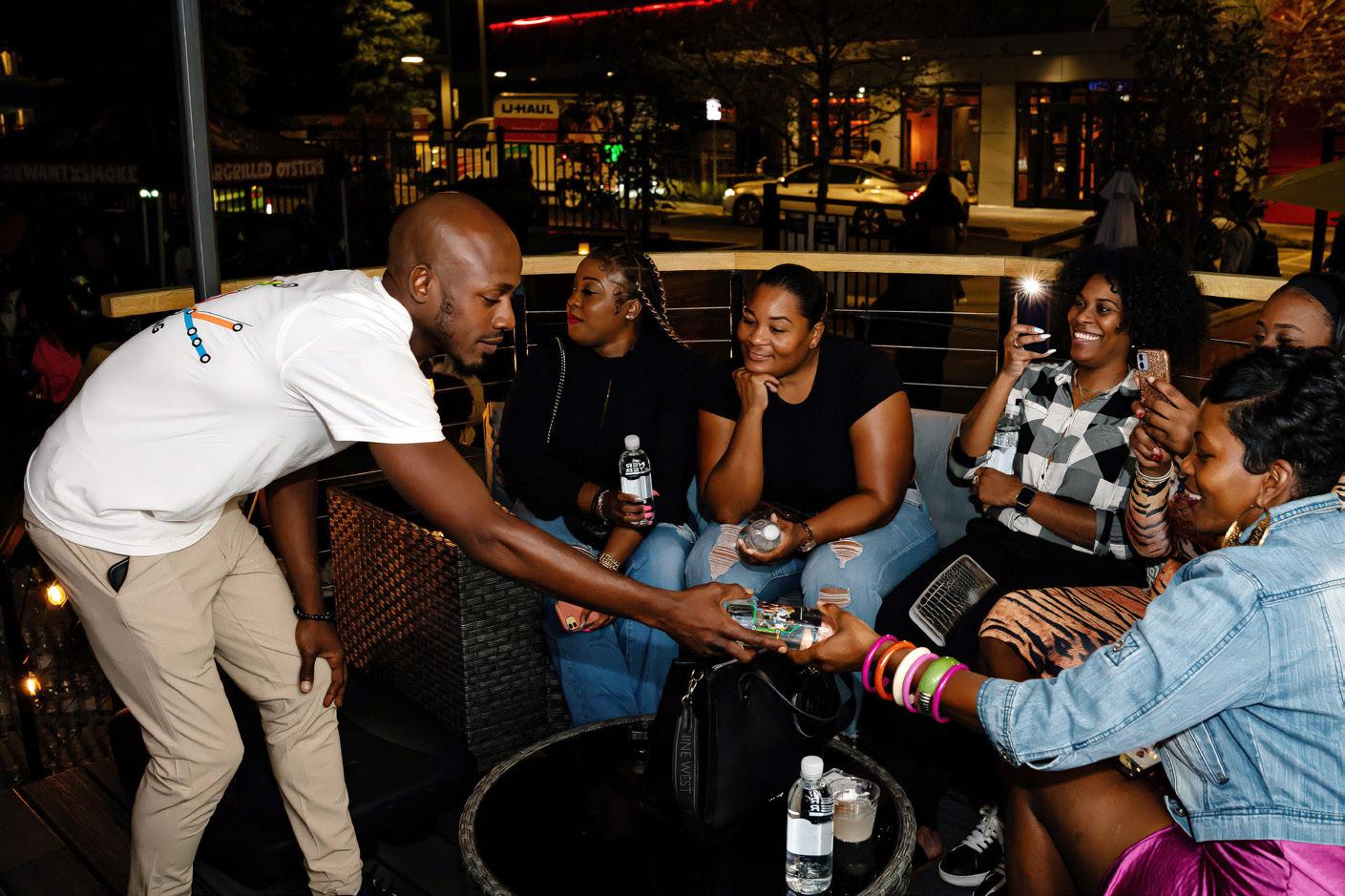
This grassroots model is now reshaping the entire marketplace. I am witnessing a structural shift in how festivals are financed, valued, and sustained. Festivals built on ticket sales and selling 10x10 spaces for meaningless giveaways are fading. This new marketplace is defined by connection, authenticity, and community-led impact.
For event producers, this new approach to planning and design should consist of:
• Making community impact a core KPI
• Prioritize continuous engagement over one-off events
• Design for inclusion and sustainability, not just for show
• Track and share social, economic, and cultural outcomes to show that the investment outweighed the impressions.
When festivals are built in this way, they become more than events; they become part of the community’s social fabric. Community is no longer just a marketing strategy. It is an economic development strategy. And this shift isn’t just theoretical, I can already see it playing out in real cultural movements and events.
One of my favorite examples of community as currency in action is CultureCon. I have attended and studied this event for years. I have watched founder Imani Ellis clearly define her community, build with them, and translate that collective energy into sustainable brand partnerships. It began as a gathering for overlooked creatives that grew into a global brand ecosystem because it centered people, not platforms. CultureCon scaled through shared identity, cultural validation, creator ownership, and year-round digital
engagement. Today, it operates as a live community economy fueled by cultural relevance, community content, and most of all trust. That model reflects the future of festivals: not episodic events, but continuous ecosystems of engagement. Another example is a new client of mine, the Hydrate the City Festival, a first-of-its-kind wellness and culture festival launching in Washington, DC. Created by a local bottled water company branded as “DC’s Official Bottled Water,” the founders have deeply embedded themselves in the city’s culture. Through education around sustainability, water quality, and access, and by activating residents around the vision to “Hydrate the City,” the brand has built more than a product.
Because I’ve been studying community as currency, I wanted to try a different approach when talking to potential sponsors. I didn’t want to sell the idea of the festival or the footprint, but rather the community the brand has built. As a result, sponsors came in not because of logo placement but because I led with the value of community. Leading with hands-on workshops, direct access to residents, year-round programming, and alignment with real neighborhood outcomes allowed me to demonstrate that our foundation is a community and a valuable, tangible asset. When you understand the goals and objectives of not only the community but the sponsor, you can find the alignment between the two.
Brands are showing interest because we are presenting them with true community currency, decades-long trust, cross-generational engagement, and a credible path to meaningful impact.
But with this level of influence and opportunity comes an equally high level of responsibility.
Of course, recognizing community as currency doesn’t mean festivals are flawless or risk-free. This model carries real responsibility. While many festivals are strong at serving the people who already show up, they often struggle to reach across racial, income, and social lines intentionally. It’s easy to engage your base. It’s harder to expand beyond it.
There is a growing risk of “community washing,” when brands or organizers claim to uphold community values but engage only on the surface. A logo on a flyer or a pop-up activation is not an actual investment. For community as currency to work, the commitment must be long-term, authentic, and inclusive, not a photo opportunity.
To do this well, festivals must move from performative engagement, which is doing something for the sake of appearance, to collaborative planning, diverse leadership at the table, and consistent feedback with the communities they serve. You cannot rush or outsource community trust. It has to be earned. And when trust is built this intentionally, the impact reaches far beyond any single festival season.
Community is not a nice-to-have afterthought. It’s not an optional bonus when things go well. Community is capital, and in our current cultural moment, capital matters. Festival and event producers must shift their mindset: treat community not as an audience but as an investor; not as a crowd but as a network; not as a statistic but as social currency.
Because when you put the community at the center, you build more than an event; you build a legacy. A legacy that will go far beyond sponsorship contracts, marketing campaigns, and fleeting trends. If we lean into this model, the festivals of the future won’t just entertain; they’ll transform.
Community as currency, not because it sounds good, but because it works.
TaKeyia M. Dickens, MBA, CFEE is the founder of The Connector’s Lab and a dynamic community engagement strategist and speaker. Known for her innovative thinking and fearless approach, she specializes in identifying cultural gaps and building bold, authentic connections that bring communities and organizations together. She can be reached at takeyia@ ladyttheconnector.com

WITH ROBERT BAIRD
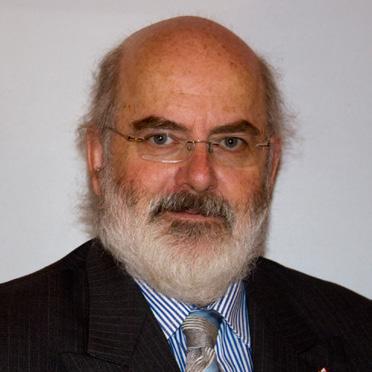
And boy, is the world ever changing! World events change the realities of everyday living and these realities are always reflected in what people think and feel and, above all, cope. The festival world has ridden a roller coaster of change in the past few years and, because of the new world order, is being forced to cope with a myriad of unexpected and in some case, insurmountable challenges. These challenges include: increased production costs (supplier and artist fees, insurance premiums and more); changing ticket-buying practices; increased competition from other festivals; effect of climate change; changes in societal norms for the younger generations; sustainability impact of festivals and a decrease in corporate sponsorship. What strategies then can a festival adopt to counter or address these challenges?
Cost-cutting is a difficult task: it must reduce expenses without reducing the ability of the festival to operate properly. Can we double up on duties? Can we eliminate or reduce our top-level expense lines? Can we find new ways to deal with increased costs from suppliers, such as trade or barter? Can we offer artists perks which might reduce their fees? Can we shop around for better deals?
It seems as if festival-goers are waiting until closer to an event before they will commit to going. Do we have a social media campaign geared to tempting them to commit? Do we offer early-bird discounts? Do we offer any other advantages to entice them to but tickets early?
Sad to say, there are just too many festivals, all vying for the same audience. And each festival is undoubtedly worthy of its existence, but each festival is going to have to develop a niche market in order to differentiate itself from the other festivals available to people. A larger festival can afford a celebrity who is sure to attract an audience of fans but the smaller festivals can offer a boutique experience with a focus on a particular genre of entertainment or a particular theme which will make it unique in the festival world.
Unpredictable extreme weather is having negative effects on many festivals, since climate change is affecting more and more parts of the world. While no one can change the weather,
predicting the weather is becoming more precise and festivals will need to adopt contingency plans when impending weather patterns may spell doom for the festival. Are there creative ways to continue a festival when the event is in danger of cancellation?
Young people are different from old people and a festival has to adapt to the realities of expectations from a younger audience if it hopes to attract new attendees: social media in lieu of printed materials; experiential events that are more creative and encompassing; tie-ins to organizations and causes that resonate with a younger generation.
Is your carbon footprint one of your concerns? Have you examined your processes for handling recyclable and organic waste? Are the foods vendors at your festival required to provide recyclable utensils and packaging? In the modern world, corporations are being required to step up their commitment to sustainability and festivals are part of that requirement.
Sponsors are taking a long, hard look at events they wish to support. What are the advantages of supporting your festival? Can we provide tangible benefits to a sponsor? Can we expand our sponsorship requirement to new sectors? Local organizations? The private sector?
The challenges facing the festival world are not unique. In today’s world, we all face individual challenges and they are part of coping with circumstances beyond our control. Luckily for us, humanity has a stellar record of rising to challenges and overcoming difficulties through persistence, ingenuity, luck and just plain hard work. Our festivals will survive because of this.
Robert Baird is President of BAM! Baird Artists Management Consulting in Toronto, Canada and an acknowledged expert in international touring including visas, withholding and taxation. He offers free advice to artists, agents, managers and venues and has an international clientele. He served for many years on the Executive Board of Festivals and Events Ontario (FEO) and is a former Vice-President of that organization. He can be reached at: P: 1-800-8673281 E: robert@bairdartists.com or for more information go to: www.bairdartists.com
What year was your company established?
2016
How many employees does your company have?
5
What areas do you serve with your product/service? Local, Regional & National.
How many festivals and events do you work with on an annual basis?
25
What is your ‘elevator pitch’ and/or slogan about your product/service?
Make your business King with PromoKing!
How/why did your company/ product/service get started? A void in personalized service in the industry
What new or improved product/service do you have to offer that IFEA audiences need to know about?
We can design & develop marketing materials in 24-48hrs. including table covers, back drops and flags..
What sets your product/service apart from your competitors?
Customer Service. You always deal with a customer service rep in our office.
What advice would you offer to festivals and events searching for your type of product/service?
Select items your attendees will actually use — clear bags, drinkware, hats, collectibles, or event-specific keepsakes. Practical items create daily brand impressions.
What is your company’s customer service philosophy? Our focus has always been about providing the best service to the client. That includes one-on-one consultations, custom logo designs, awards and trophies for your employee incentive program, trade-show campaigns, and custom apparel such as T-shirts and golf shirts – all for the lowest prices in town.
Casey J. Watts, CFEE Managing Partner
PromoKing San Antonio Post Office Box 700473 San Antonio, Texas 78270 210-440-6970
cw@mypromoking.com www.mypromoking.com
How many years have you been with your company? 10
What are your favorite festival foods? Chicken on a stick
What do you like to do to relax?
Visit South Padre Island, Texas.
What is the name of the last business book you read?
The Tipping Point… How little things can make a big difference.
What is the name of the last movie you watched? Scream 7
The IFEA is here to support you, share resources with you, help educate you, provide important information updates to you, help establish and strengthen your industry connections, and so much more! Gain access to important and valuable member benefits and resources:
By Annie Warner
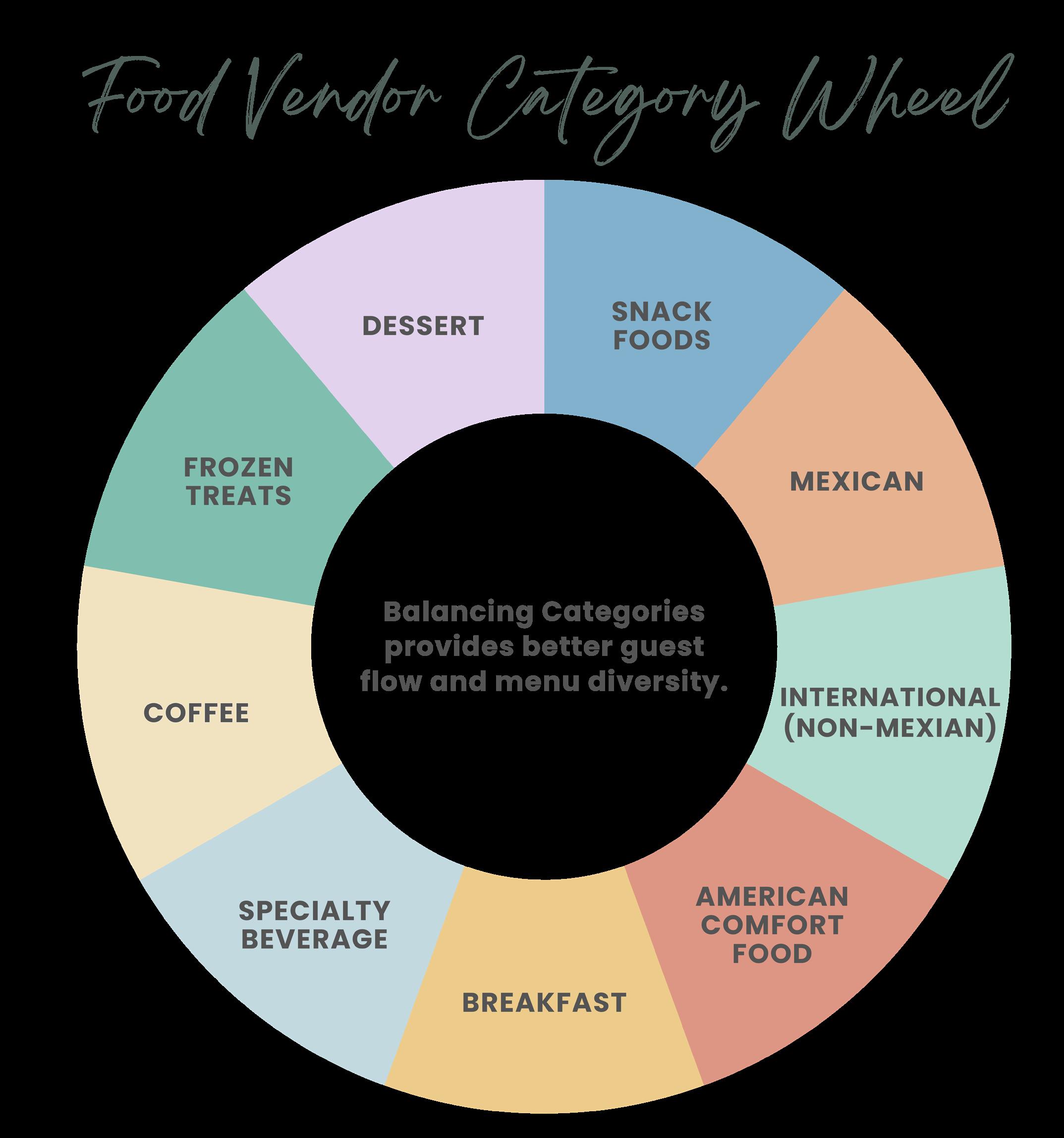
Food vendors are one of the most anticipated features of any festival or community gathering, shaping the atmosphere, extending dwell time, supporting local businesses, and driving event buzz and attendance. For event organizers, however, selecting the right mix of vendors can be far more complex than it appears at first glance.
For years, our team used a familiar firstcome, first-served approach within each food category. Vendors were approved in the order applications were received, as long as they met basic category, permitting, and insurance requirements. Over time, though, the limitations became obvious. The same vendors often returned year after year, menus felt repetitive, and it became harder to balance variety within constraints.
As our events grew in size and profile, we realized that food vendor selection needed to become more strategic, transparent, and defensible. In a municipal environment, even small operational decisions can carry public and political implications. When vendors are not selected, they may question the process, appeal to elected officials, or voice their concerns on social media. In those moments, a clear, documented process is essential for protecting the integrity of the event and the staff who manage it.
To meet that need, our team developed a Food Vendor Rating Matrix, a scoring tool to evaluate vendors consistently across criteria that reflect guest experience and operational realities. The goal was not to replace longtime partners, but to create a fair, accountable selection process that could scale with our growing event calendar.
After our first full season using this system, the results were encouraging.
One of the most impactful changes we made was shifting from individual event applications to a seasonal vendor application. Previously, each event required its own vendor application. That meant multiple submission windows, repeated communication, and inconsistent applicant pools. Some events attracted just five applicants, while others received more than forty, regardless of how many spaces were available.
This approach made it difficult to look across the full season and decide which vendors should go where. We were constantly reacting to the most immediate event instead of planning for
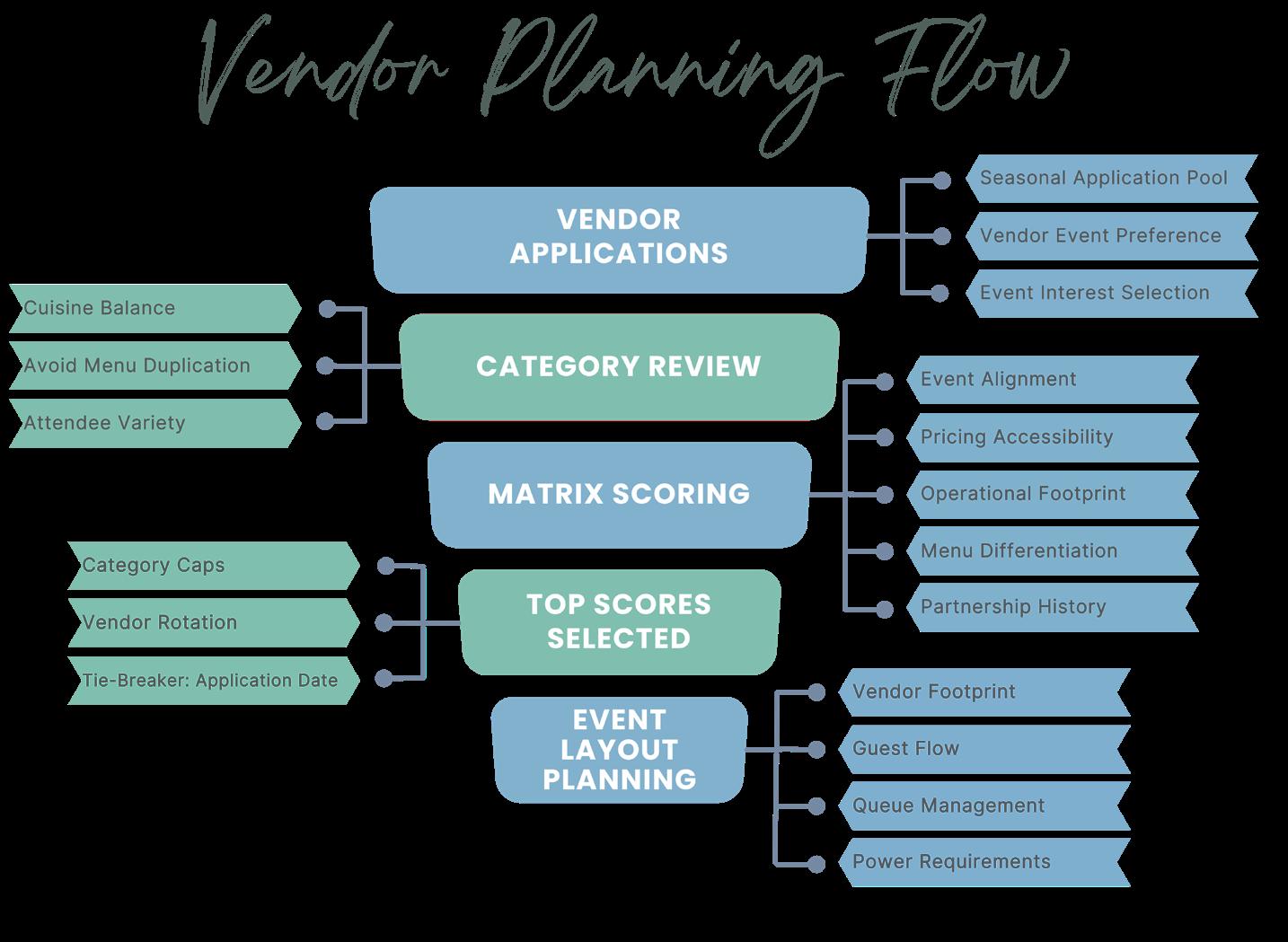
the bigger picture.
Moving to a seasonal application allowed us to reframe the process. Now, vendors complete a single application at the beginning of the season and indicate which events they are interested in attending throughout the year. In our first season using this model, we received 175 vendor applications. That single pool gave us a much clearer picture of:
• How many vendors we had in each major food category
• How much overlap existed in menus and price points
• Where we had gaps
With that information, our team could intentionally distribute vendors across multiple events reducing the chance of having events overloaded with one category while other categories went underrepresented.
The seasonal pool also simplified the process for vendors, who submit their information once and receive updates throughout the year, and for staff, who can manage communication and selection from a single, organized list.
With a larger seasonal pool in place, we needed a fair and efficient way to evaluate vendors. That is where the Vendor Rating Matrix came in.
We started by identifying criteria that reflected our event priorities and constraints. After talking with staff from operations, programming, and marketing, we landed on six key criteria:
• Alignment with event theme
• Pricing appropriate for audience demographics
• Operational footprint and vendor size
• Menu uniqueness and appeal
• New or distinctive offerings
• Prior event experience and reliability
Each category is scored on a five-point scale, with higher scores indicating closer alignment with event needs. Some criteria remain relatively constant. A vendor’s operational footprint rarely changes mid-season, yet it directly influences site layout, safety planning, and how many vendors you can accommodate. Other criteria, like theme alignment, are more event-specific and must be evaluated for each event. A vendor who serves comfort food may score high at a family festival but lower at a health-focused event. When scores are tied within a category, we use the application submission date as a tiebreaker. This preserves some benefit for vendors who submit early while still prioritizing the most suitable fit for the event.
The matrix is simple enough to complete quickly yet detailed enough to provide a documented rationale for decisions. It also makes it easier to involve multiple staff members, because everyone works from the same criteria instead of relying solely on individual familiarity with vendors.
Once we began using the matrix, we gained a much clearer picture of our vendor landscape.
In several cases, new or lesser-known vendors scored higher than some of our long-standing partners. They offered unique menus, strong alignment with specific event themes, or pricing that better matched the target audience. This did not mean that longtime vendors were suddenly “bad” fits, but it did illustrate how easy it can be to overlook new applicants when decisions are based mostly on habit or name recognition.
We also saw that many vendors clustered in the same categories. For one large event, we had multiple applications for similar barbecue menus, but only a couple of vendors offering vegetarian or globally inspired dishes. Without a structured system, it would have been easy to approve a familiar set of vendors again, simply because they were known. The matrix encouraged us to step back
and intentionally broaden the mix.
Vendors who consistently arrived late, had frequent equipment problems, or struggled to meet health and permitting requirements saw that reflected in their reliability scores. That information gave us a practical way to address performance concerns in future conversations with those vendors.
Overall, the matrix helped us move from a reactive, anecdote-driven process to one grounded in consistent evaluation and data.
As we refined the system, we noticed five common pitfalls that many festival and event organizers may recognize.
1. Relying Too Heavily on Familiar Vendors
Returning vendors are valuable partners who understand event logistics, know staff by name, and often help promote the event. However, relying exclusively on the same vendors year after year can limit variety and unintentionally close doors to newer businesses, including small, minority-owned, or emerging concepts that might resonate strongly with your audience. A structured selection process helps returning vendors remain part of the lineup while also creating space for fresh options.
2.
Looking only at a single event makes it difficult to maintain balance across an entire season. Without a broader view, you may unintentionally oversaturate certain events with similar offerings while leaving others with limited
variety. A seasonal vendor pool allows organizers to plan holistically, spreading high-demand vendors across multiple events and ensuring that each event has a strong, diverse selection.
3. Overlooking Operational Logistics
Vendor size and setup requirements have a significant impact on site layout, emergency access, power distribution, and guest flow. These choices affect both revenue potential and visitor experience. Evaluating operational considerations such as footprint, vehicle type, setup needs, and power usage as part of the scoring process helps prevent frustrating last-minute changes and layout compromises.
4. Focusing Only on Vendor Relationships
Relationships matter in our industry, and vendors are critical partners in creating successful events. However, vendor selection must ultimately prioritize the attendee experience and the overall goals of the event. Guests benefit from diverse price points, accommodating dietary options, and memorable menu items that encourage them to stay longer and share their experience with others. Evaluating vendors on menu uniqueness, appeal, and pricing helps ensure that those goals remain central.
5. Failing to Document the Selection Process
In municipal and public-sector environments, especially, transparency and accountability are critical. Without clear documentation, vendor selection decisions may be perceived as arbitrary or unfair, even when they are not. A structured scoring system creates a paper trail that supports decisions, provides consistency from year to year, and equips staff to respond confidently to questions from vendors, leadership, and the community.
Even the most thoughtful system does not remove the human side of vendor relationships. Vendors invest financially and emotionally in the events they attend. Longtime vendors may feel they have earned a permanent place, and changes to the lineup can be interpreted as a lack of loyalty or appreciation.
We found that the matrix actually helped strengthen, not weaken, these relationships through clearer communication. When vendors ask why they were not selected for a specific event, staff can explain the criteria used and, when
appropriate, share general feedback such as:
• The event had a limited number of spaces in a particular category.
• There was a high number of similar menus in the application pool.
• Another vendor’s menu aligned more closely with the event theme.
In some cases, we can also offer practical suggestions: adjusting price points, adding more kid-friendly options, or incorporating items that better reflect the event’s focus. While not every vendor will agree with every outcome, most appreciate knowing that decisions are based on a consistent, event-driven process rather than personal preference.
Over time, this transparency builds trust. It also encourages vendors to refine their offerings and presentation, which benefits both the event and the vendor’s broader business.
After a full season using the Vendor Rating Matrix and a seasonal pool model, several lessons stand out.
First, structured evaluations reveal patterns that are easy to miss when decisions are made quickly or informally. We were able to see where categories were oversaturated, where we lacked options for specific price points or dietary preferences, and which vendors consistently performed well across multiple criteria.
Second, documentation strengthens decision-making at every level. Internally, staff had more confidence in their recommendations and could easily revisit past decisions. Externally, the matrix supported conversations with vendors, city leadership, and community members, especially when questions arose about fairness or consistency.
Third, variety requires intentional planning. Unique vendors often bring new audiences and help keep long-time attendees excited about returning. When you discover a truly distinctive vendor whose offerings align with your event and your audience, you tend to hold on to them much like your current favorite song that you keep adding to every playlist.
Finally, we found that the matrix is a living tool, not a one-time solution. We made small adjustments after our first season, refining criteria descriptions, clarifying scoring guidelines, and adding notes in response to feedback.
Event organizers interested in implementing a similar approach do not need to start from scratch.
Consider starting with these steps:
• Identify your priorities
Decide what matters most for your events: variety, price range, local representation, theme alignment, or operational efficiency. Limit your matrix to five to seven criteria so it remains manageable.
• Define your scoring scale
Use a simple, consistent scale (such as one to five) and clearly define what each number represents for each criterion. This makes it easier for multiple staff members to score vendors consistently.
• Build a seasonal pool
Shift from event-by-event applications to a seasonal application, if possible. This gives you a full view of your vendor ecosystem and lets you intentionally place vendors across multiple events.
• Document and store results
Record scores and decisions in a shared system or spreadsheet. Include basic notes about why certain vendors were selected or not, especially for high-profile events.
• Review and refine annually
After each season, gather feedback from attendees, staff, and vendors. Look for patterns and update your criteria or scoring guidance accordingly.
Every event, organization, and community is different. What works in one city or festival may not translate exactly to another. The key is designing a system that reflects your audience, your infrastructure, your political reality, and your operational goals.
At its heart, the Vendor Rating Matrix is about fairness and accountability in a complex, relationship-driven part of event planning. Vendors are essential partners in creating memorable experiences, but event organizers also carry responsibility for financial performance, guest satisfaction, and the reputation of their organization and community.
A structured evaluation system helps balance all of those interests. It reduces the role of emotion and habit in decision-making, replaces guesswork with clear criteria, and provides a documented framework that supports staff at every level. For our team, implementing this system has transformed vendor selection
WITH ROBERT WILSON
Living in the present takes practice, but it can ease depression and anxiety.
Deadlines looming, angry customers, bills stacking up, shrinking bank accounts, screaming children, school projects due, and now some idiot just cut you off in traffic!
Lions, tigers, and bears... oh my!
Can you say, “Om?”
Overwhelm doesn’t just happen at this time of year (as in whenever you happen to be reading this); it can happen anytime. With today’s fast-paced and hectic daily schedules, a baseline of stress seems to be the new normal. The good news is there is a great way of dealing with it.
Be in the Here and Now
It’s called mindfulness, or living in the present. It’s all about being actively engaged in the moment, where you are and what you are doing right now.
That sounds easy enough until you realize that much of your time is spent ruminating about the past (missed opportunities, failures, bad decisions, or good times you’ll never experience again), or worrying about the future (the possibility of illness, not meeting work goals, inflation, war, and so forth).
According to the Mayo Clinic, “Mindfulness is the act of being intensely aware of what you’re sensing and feeling at every moment - without interpretation or judgment.”
The key part of that statement is to avoid interpretation or judgment. It is okay to feel your feelings; allow them to arise and then to pass without indulging or wallowing in them. Acknowledge that a past loss makes you sad or that the unknowns of the future make you nervous; the trick is not dwelling on it.
It’s Impossible to Live in the Past or Future
Keep in mind that you cannot exist in the past or the future. The past has come and gone, it is static, and you cannot change it. The future is completely uncertain and will always contain endless possibilities. The only place you can exist is in the present, the here and now.
For me, it took getting injured, being unable to walk, and having forced bed rest imposed on me for two months, to finally understand this concept. Nevertheless it was still a gradual change. At first, because I couldn’t do anything, my anxiety got worse; so I started listening to guided meditation just to help me calm down enough to sleep. Later I was able to do breathing exercises as necessary to refocus my thoughts.
The concept of living in the present really crystallized for me, when I came across these sage words by Lao Tzu: “If you are depressed you are living in the past. If you are anxious you are living in the future. If you are at peace you are living in the present.” While I had heard similar things before, such as the Serenity Prayer, Tzu’s words really resonated with me. I realized that when
I got depressed, that I had spiraled into that feeling by thinking about the past. And, when I became anxious, it was because I was worrying about the future. I found that when I focused on the present, and addressed things that were in my power to change in that moment, that I finally found peace.
Here’s How to Bring Mindfulness into Your Day
I find that beginning my day with just a few minutes of stretching (or yoga), then a few minutes of meditation (or breathing exercises) really helps me get a good start for the day. I like to begin and end my meditation with these words, “I release the past and the future. I embrace the present.” I find that clearing my mind and focusing on my breathing allows thoughts of clarity and creativity to enter. It also energizes me for the day. If that energy wanes, I can do a five-minute refresher by closing my eyes and doing my mind-clearing and breathing exercises.
Next, I mentally plan out the day, make a to-do list if necessary, then I visualize accomplishing the day’s goals. It’s very satisfying to tick off the items as I complete them.
Whenever you find yourself slipping out of the present, and into the past or future, refocus your thoughts by concentrating on what must (or should) be done in the next hour. If you can’t commit to an hour select an amount of time that is comfortable to you. Then build up until you can live your entire day mindfully in the present.
Living in the present doesn’t mean you can’t plan or prepare for the future. You can pursue the steps necessary to reach your goals; just don’t worry right now about everything that will eventually need to be done. Release the future until the future arrives.
If you must think about the past or future do it in small time-limited doses. Use reliving the past to remind yourself of a past success (such as journaling accomplishments or reviewing them to bolster your confidence) or to recall how you achieved it. You can think about the past to figure out what went wrong in order to fix it - as long as you do it without spending time in self-judgment. Accept the past, what you have learned from it, and move on with today.
Dale Carnegie, in his book How to Stop Worrying and Start Living, suggests learning how to live in day-tight compartments. The method is to divert your pensive energy into practical projects. Carnegie suggests that we focus on doing our best one day at a time and the future will take care of itself. In other words, keep busy! Get so caught up in your work that you have no time to ponder all the “What ifs” that have been running like a broken record in your mind. He also suggests that you ask yourself, “What is the worst that could happen?” Then he says to either accept that or seek out the answers you need to fix it. If

Contactless payments are the norm. With Clover, your customers can tap, swipe, or scan—quick, secure, and seamless.
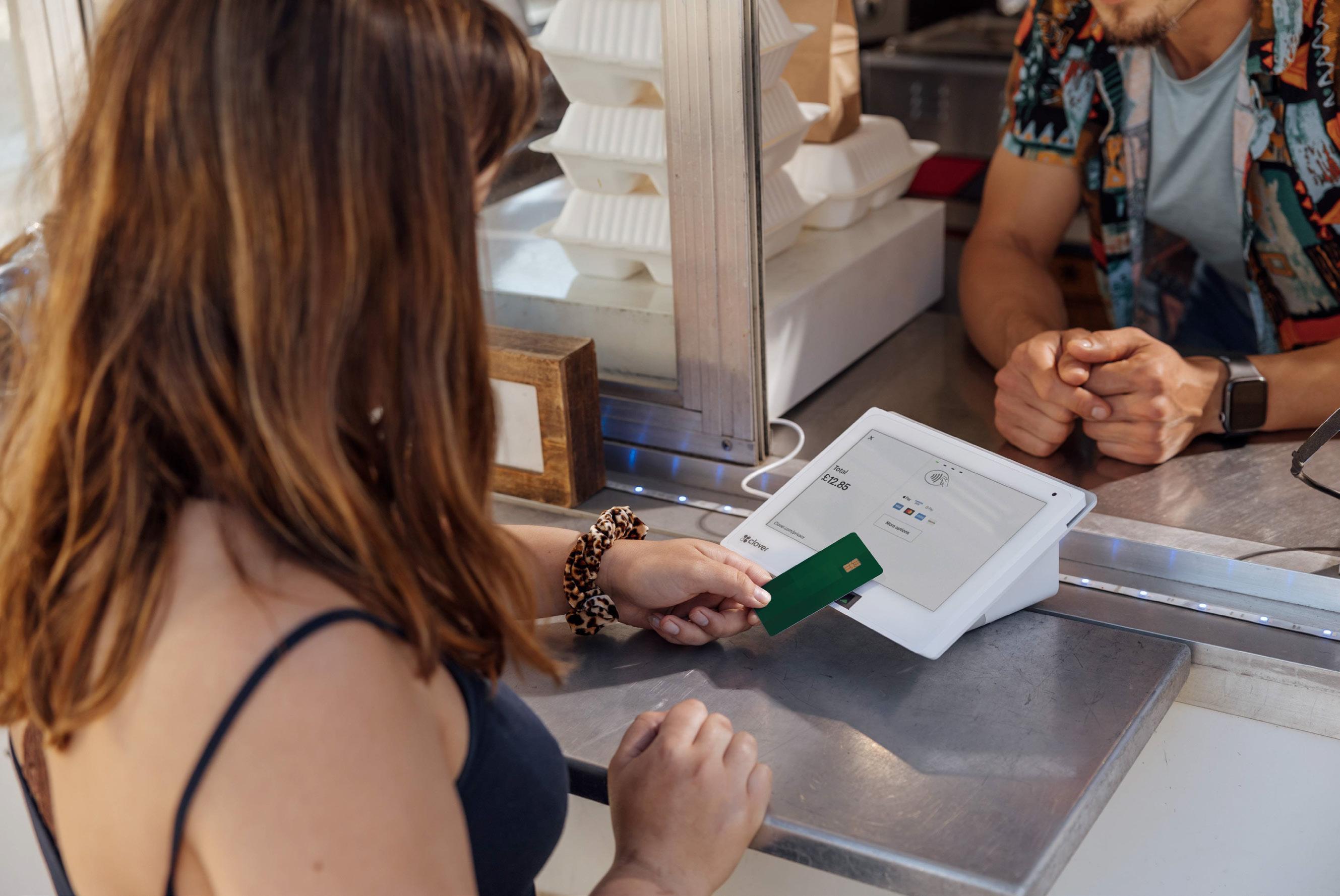
• Special member processing rates and hardware pricing
• Integrated Apple Pay and Google Pay contactless payments
• Real-time sales data and employee management capabilities
• Seasonal rental opportunities
• Register functionality for concessions, retail sales, ticketing, and much more
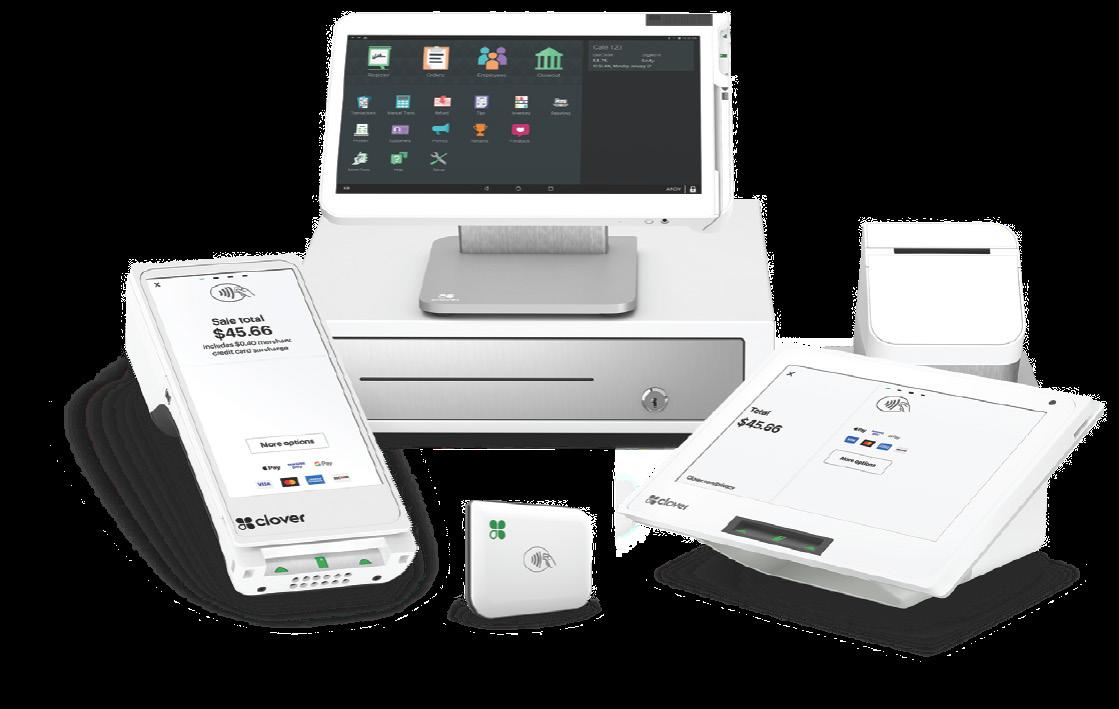
For more information, contact:
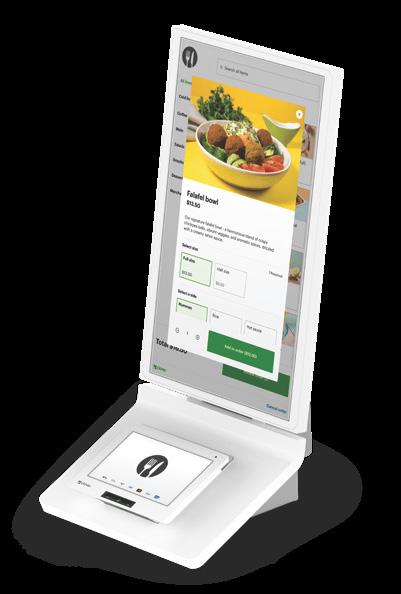
• Flexible connectivity and built-in AT&T LTE cellular, Ethernet, Wi-Fi or offline functionality
• Kiosk and QR code ordering solutions through Clover App market and newly introduced self-order kiosk stands
• Money Network- Streamline wage payments and reduce administration costs while giving your employees a Card, and Money Network Mobile App to access and manage wages
Derrick Daoust | Senior Business Consultant
What Year Was Your Company Established?
1962
How Many Employees Does Your Company Have?
1000+
What Areas Do You Serve With Your Product/Service?
We are a national company serving 43 states and over 275 metro areas.
How Many Festivals and Events Do You Work With On an Annual Basis?
Many, and all over the country!
What is Your ‘Elevator Pitch’ and/or Slogan About Your Product/Service?
Since 1962, National Event Services has been the nationwide leader in the temporary site services industry offering temporary fences, barricades, portable restrooms, and mobile storage containers to a variety of special events. National Event Services provides its products to music festivals, fairs, parades, festivals, sporting events, state fairs and more. Serving over 275 metro areas nationwide, and over 60 years of experience, we provide the peace of mind you need for your next event. Visit us online today at www.rentnational.com or call us at 800-352-5675.
How/Why Did Your Company/ Product/Service Get Started?
National Event Services understands the relationships we build are just as important as the quality of work we put into each project. It’s with this principle in mind that has made us grow to become the largest supplier of temporary fencing, barricades, portable toilets, restroom trailers, and mobile storage containers in the nation. National’s team of experienced professionals dedicate themselves to each project until every customer is satisfied with the results. This was our goal when we started in 1962. This is what continues to define who we are today.
What New or Improved Product/Service Do You Have to Offer That IFEA Audiences Need to Know About?
Restroom trailer rentals from National Event Services offer a “spa-like” experience. With spacious stalls featuring floor to ceiling doors, climate control, overhead music, frosted glass accent lighting and twin stainless steel sink basins and vanity mirrors, you might want to take it home!
What Sets Your Product/Service Apart From Your Competitors?
With decades of experience combined with friendly service and top-of-the-line rental products, National makes renting temporary site services for your next event a breeze. For unparalleled service and superior customer support, contact us today for the best temporary site solutions today!
Scott Barley Director of Sales & Marketing
National Event Services 15319 Chatsworth St Mission Hills, CA 91345 USA 818-221-6000 info@rentnational.com www.rentnational.com
How many years have you been with your company? 16
What are your favorite festival foods? All of it!
What do you like to do to relax? I love to travel and take photographs.
What Advice Would You Offer To Festivals And Events Searching For Your Type Of Product/Service?
Call us! Let’s talk.
What Is Your Company’s Customer Service Philosophy?
At National Event Services, we prioritize exceptional experiences through a customer-centric approach, tailored solutions, and unwavering reliability.
The IFEA would like to thank the above partners for their dedicated support of the association. Association Endorsed Partners have made a commitment to the continued success of our association, our members, and our industry through their umbrella support of all IFEA programs and services. Show your support for these dedicated providers to our industry by getting to know them, and the high quality products and services that they supply, better.
Interested in becoming an Association Endorsed Partner? Contact Carrie Ring, CFEE, Director of Partnerships & Programs (208) 433-0950 x8120 or partnerships@ifea.com
By Joe Curcillo
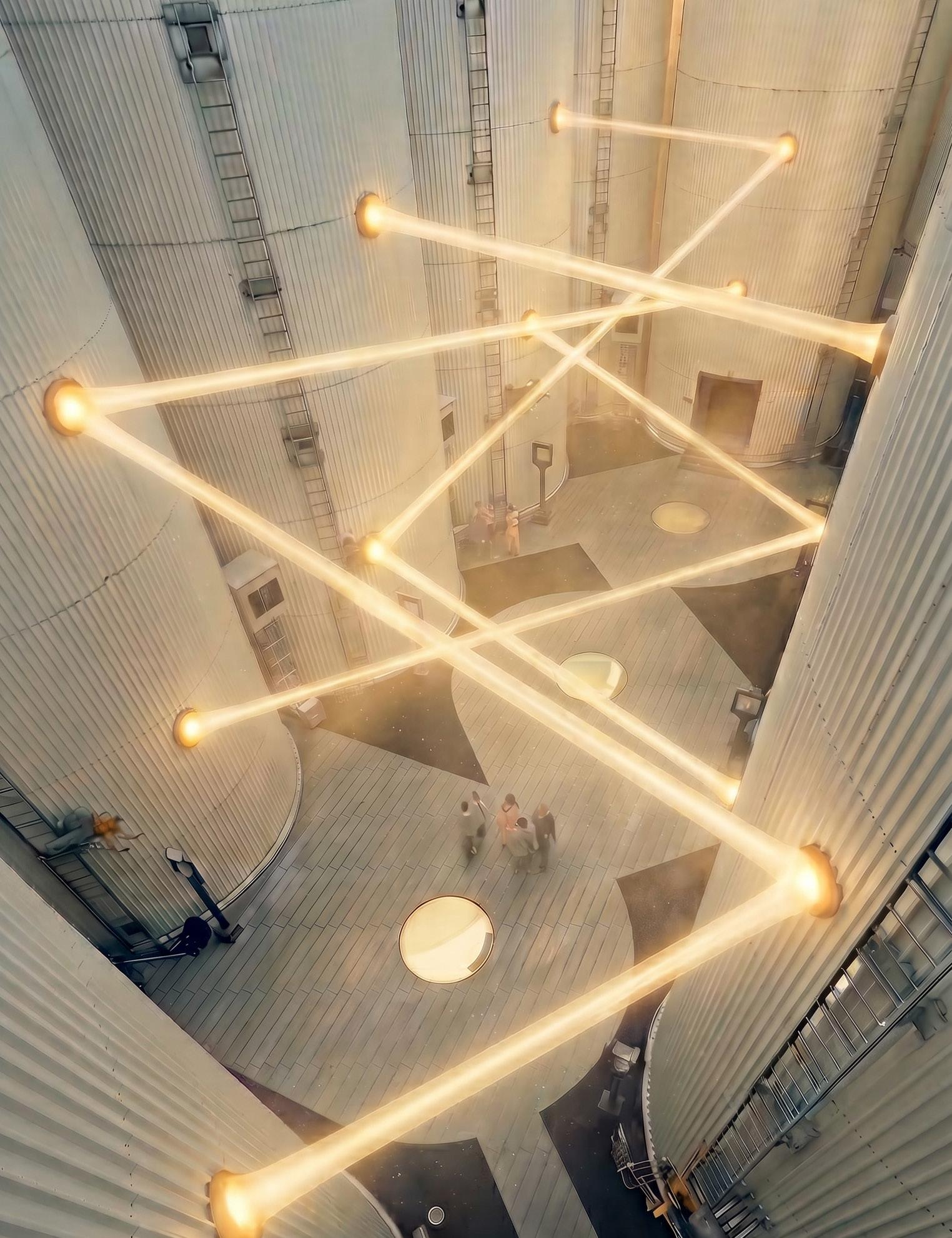
Cross-silo rules that turn scattered voices into one future ready plan
Most leaders you meet are losing almost a full workday every week to meetings that go nowhere.
Same people. Same topics. Same problems. No real movement.
You have seen it in boardrooms, and job trailers; different settings, same pattern. The problem is not that you have meetings. The problem is that your meetings are built for silos, not for the whole business. Everyone shows up to speak for their lane, but no one is asked to hold the entire picture.
That is where a generalist mindset helps. Not a new title. A new way of running the room. You treat every meeting as the place where the whole system comes together, not just a series of updates.
Here are five simple rules you can put in place this week. If you stick to them, you will get back hours you are now wasting in repeat conversations, clean up handoffs, and walk out of the room with one plan instead of six versions.
Most meetings try to do three or four things at once. You “update,” “brainstorm,” “decide,” and then “vent” for a while. No wonder nothing sticks.
Give every meeting one clear job. For example:
• “Decide how we will handle renewals for next quarter.”
• “Fix the delay between sales promise and delivery reality.”
• Agree on the three messages we want customers to hear this month.”
If you hear yourself saying “and” in the purpose, you are trying to fit too much into one hour. Split it or park the extra question for another time.
One job gives you focus. Focus gives you time back.
Invite Toles, Not Just Titles
Silos show up on your guest list. You invite the usual suspects by title, and you end up with a room full of people who all think the same way.
Instead, build your list by role, like this:
• Someone who lives closest to the customer
• Someone who runs the daily work
• Someone who watches risk and cost
• Someone who can tell the story to the rest of the company
Those roles might sit in four different departments. That is the point. You want different lenses in the same room. That is how you spot the land mines before you step on them.
Ask yourself before you send the invite: “Which roles do we need so this decision works in the real world?” Then fill seats to match.
RULE 3:
Start With the Shared Picture, Not a Status Tour
Most meetings start with a long trip around the table. Each person reports from their corner. By the time the last person speaks, the first point is forgotten, or half the room was too busy planning what they were going to say to hear it. Flip that. Start with the shared picture. Take three to five minutes and answer, out loud, one simple question: “What are we really trying to make true across the whole organization?”
It might be: “We want customers to feel one simple promise no matter who they talk to,” or “We need to cut the time from idea to delivery in half.” Keep it short. Use plain language.
Once the room has the same picture in mind, the updates and ideas have a place to land. People stop fighting for their own lane and start asking, “Does this help the bigger promise or not?”
Use a Straightforward Path to Decisions
We waste a lot of meeting time because no one is clear on how the decision will actually be made. So, you circle. Give your team one simple path: 1. Zoom out. Ask, “If we get this right, what changes for the whole system six months from now?” Listen for impact across departments, not just in one area. 2. Zoom in. Ask, “Given that picture, what can we actually commit to between now and Friday?”
That two-step keeps you from getting lost in theory. It respects the future and the
present. You do not need fancy language for it. You just need to use it every time. Over time, people will show up already thinking this way. That alone will shorten your meetings.
The last five minutes of a meeting are where you win back your week. Or lose it. Do not end with “Good talk” or “Let’s circle back.” End with spoken promises that cross the silos. I like to have each person say one clear sentence:
• “I will do ___ by ___ date, and I will loop in ___ so they are ready.”
Write them on the screen as they speak. Make sure at least one promise in the room links two departments. That is where you turn scattered voices into one plan. After the meeting, send a short note with those sentences only. No novel. No slide deck. Just the promises. That is your new scorecard.
When you run meetings this way, three things happen fast:
• You stop having the same conversation three times in three different rooms.
• People start to prepare at a higher level because they know the meeting has a real job.
• You can cancel whole blocks of follow up because the “I will” sentences do the work.
Add up the time you save across your calendar, and a full workday comes back into view.
You do not need a new app or a new job title to be future ready. You need to treat every meeting as a place where the whole system gets in tune. One room. Many lenses. One clear plan walking out the door. Try these five rules for one month. Watch what happens to your schedule, your stress, and your team’s follow through.
Joe Curcillo is the Maestro of Integration—a strategist, speaker, and author of Beyond the Prompt: Leading with Purpose in the Age of AI, part of The Generalist’s Advantage Leadership Series. A former trial attorney turned leadership advisor, he helps leaders cut through noise, break silos, and lead with clarity. The book is on Amazon, but he offers it free at www.joecurcillo.com
Anyone who has attended a large event in recent years understands how much the arrival experience can shape the entire day. Long security lines, repeated pocket checks, and stop-and-start movement at the gates can create frustration before guests ever reach their seats. For years, event organizers have accepted this as a necessary tradeoff between safety and throughput. Today, advances in smart detection technology are changing that assumption by allowing security operations to become both more efficient and more guest-friendly.
Modern walkthrough detection systems are redefining what is possible at entry points by shifting screening from a labor-intensive, interruption-heavy process to a more fluid operational model. Instead of relying primarily on manual management of every lane movement, newer systems use real-time detection intelligence, multi-zone localization, wireless communication, and adjustable screening profiles to process guests more naturally as they enter. This evolution gives organizers the ability to maintain strong screening standards while significantly improving how quickly people move from parking lot to venue bowl, festival grounds, or convention floor.
One of the most meaningful impacts of these technology advances is scalability. Whether an organizer is managing a 2,000-person corporate conference, a regional fair, a college football game, or a 100,000plus daily attendance music festival, smart detection systems can be deployed in a way that matches the specific size and risk profile of the event. Lightweight infrastructure, minimal hard-wiring requirements, and flexible lane configurations allow systems to be rapidly scaled up or down across multiple ingress points. This flexibility is especially valuable for temporary sites, outdoor festivals, and venues that need to adjust entry footprints daily based on attendance patterns, weather, or operational changes.
As deployments scale, the operational benefits compound. Technology-enabled entry systems reduce the number of repetitive manual screening tasks required at each lane, allowing staffing resources to be reallocated toward guest services, alarm resolution, crowd flow management, and
response readiness. For event organizers of all sizes, this creates a more balanced operating model where personnel are focused on decision-making and guest interaction rather than routine divestment procedures. The result is often a smoother, more consistent entry experience with fewer bottlenecks and better visibility into real-time ingress performance.
The guest experience may be the most visible benefit of all. Faster throughput, fewer unnecessary stops, and a more intuitive screening process help create an arrival environment that feels organized rather than restrictive. Guests spend less time preparing for the checkpoint and more time enjoying the event itself. For organizers, this translates into higher satisfaction, earlier venue entry, increased concession and merchandise dwell time, and a stronger first impression of the event operation.
As event environments continue to grow in complexity, the role of detection technology is expanding beyond security alone. It is becoming an operational tool that supports safer, scalable, and more hospitality-driven entry strategies, helping organizers deliver a better experience from the very first touchpoint. The future of event operations is increasingly defined by technologies that improve both protection and flow—allowing security to enhance the guest journey instead of slowing it down.
Janessa Romero holds a Bachelor’s degree in Criminal Justice, augmented by a minor in Social Media Marketing. Her journey unfolds at the intersection of law and creativity, where she has harnessed her profound understanding of criminal justice to create compelling content for SecurEvent Solutions. With an adept blend of strategic thinking and a love for marketing, Janessa has become a driving force behind the company’s engaging and informative content. She has seamlessly integrated her criminal justice expertise with a fervor for marketing, positioning herself as the Marketing Director of SecurEvent Solutions.
Featuring participant discussion between some of the top professionals in our industry today, IFEA’s Virtual Affinity Groups provide an online platform on ZOOM* to keep the connections, brainstorming and networking going. Join us to participate-in these valuable discussion groups and network with your peers. Be sure to come with questions and professional experiences to these valuable open-topic dialogue sessions taking place bimonthly as we’ll be discussing current trends, issues, challenges and opportunities.

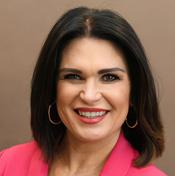



IFEA SPONSORSHIP VIRTUAL AFFINITY GROUP
Moderated by: Sally Croker President & CEO
Innovative Sponsorships
Moderated by: Colleen Murphy, CFEE Director of Community Relations Des Moines Arts Festival
IFEA CITIES, CVB’S & TOURISM VIRTUAL AFFINITY GROUP
Moderated by: Tammy Dooley, CFEE Director City of Granbury CVB
Moderated by: Rebecca Phillips Recreation Program Super Richmond Parks, Recreation & Community Facilities
IFEA VOLUNTEER PROGRAMS VIRTUAL AFFINITY GROUP
Moderated by: TaKeyia Dickens, CFEE Community Partnerships Specialist The Connector’s Lab
Moderated by: Samantha Mulvihill Volunteers Specialist, Shows The Pennsylvania Horticultural Society
IFEA’s Virtual Affinity Groups are available to current IFEA Members as one of the many valuable benefits for being a member of the IFEA. If you’re interested in networking and brainstorming with your peers in the virtual networking Affinity Groups, we encourage you to join the IFEA to participate, in addition to receiving many more great benefits.
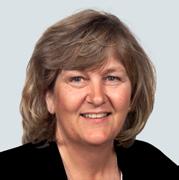
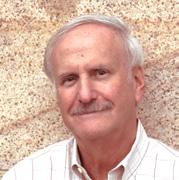


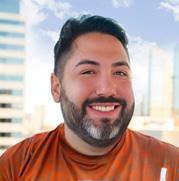
IFEA OPERATIONS VIRTUAL AFFINITY GROUP
Moderated by: Becky Genoways, CFEE Program Specialist Genoways Event Management
Moderated by: Ira Rosen, MA, CFEE, CED President & CEO ILR, LLC, Festival and Event Consulting
IFEA ARTS EVENTS VIRTUAL AFFINITY GROUP
Moderated by: Stephen King, CFEE Executive Director Des Moines Arts Festival
IFEA MARKETING & PR VIRTUAL AFFINITY GROUP
Moderated by: Dave Bullard, CFEE Owner FanFirst
Moderated by: S. David Ramirez, CFEE Principal Consultant SDMRamirez, LLC
IFEA PARADES VIRTUAL AFFINITY GROUP
Moderated by: Ed Bautista, CFEE
Chief Creative and Strategic Officer Bautista Event Specialists Team
IFEA GENERAL SESSION VIRTUAL AFFINITY GROUP
Moderated by: Steve Schmader, CFEE
President / CEO
International Festivals & Events Association
IFEA CEOs & SENIOR LEADERSHIP VIRTUAL AFFINITY GROUP
Moderated by: Randy Dewitz, CFEE
Owner Fanfare Attractions LLC
What year was your company established?
SecurEvent Solutions was established in 2021.
How many employees does your company have?
We currently have 8 employees.
What areas do you serve with your product/service?
We are national service providers.
How many festivals and events do you work with on an annual basis?
We service over 75 festivals and events on an annual basis.
What is your ‘elevator pitch’ and/or slogan about your product/service?
SecurEvent Solutions provides events and facilities professional safety and security consulting services. Building solutions unique to each of our clients, we offer a full range of services, including: Operational Planning, Design & Support, Policy Creation & Review, Event & Security Managers, and unparelled access to event security resources.
How/why did your company/ product/service get started?
The company is dedicated to crafting tailored plans designed to make all events safer.







What new or improved product/service do you have to offer that ifea audiences need to know about?
SecurEvent Solutions is able to manage all aspects of your safety and security plan from planning, technology, resource procurement and event day oversight.
What sets your product/ service apart from your competitors?
SecurEvent Solutions is a one stop solution provider utilizing industry professionals and best practices. At SecurEvent Solutions we believe your event is as unique as you are, carefully blending and merging operations, sales, experience, culture, to curate lasting memories. We call this your Event DNA. Understanding your Event DNA allows SecurEvent Solutions to build security operations that will integrate with all event areas.
What advice would you offer to festivals and events searching for your type of product/service?
Make sure your security consultant shares the same values as your organization/event.
What is your company’s customer service philosophy? We focus on being partners not contractors.
Joshua Field Owner
SecurEvent Solutions 1501 NE 4th Ave Fort Lauderdale Fl 33301, USA 954.368.2582
jfield@secureventsolutions.com www.secureventsolutions.com
How many years have you been with your company? 6 Years
What are your favorite festival foods?
Onion rings or fried cheese curds.
What do you like to do to relax?
Spend time at the beach with family, friends, and my dog.
What is the name of the last business book you read? The Subtle Art of Not Giving a F*CK
What is the name of the last movie you watched? The Irish Men
By Kate Zabriskie


Not every leader is a great one. Plenty of people wear the “leader” badge, but few earn the respect, trust, and loyalty that separates the good from the exceptional. The difference? Great leaders think, act, and show up in ways that set them apart.
They don’t just manage—they inspire. They don’t just delegate—they empower. And they don’t just react—they anticipate. So what exactly makes great leaders stand out? Let’s break it down.
1. They Set the Standard and Live It
Great leaders know they’re walking billboards for the behaviors and values they want to see in their teams. If you want your people to work hard, show up on time, and deliver results, you’d better be doing the same.
Here’s how they set the tone:
• They Walk the Talk: They don’t just talk about values like integrity or collaboration—they embody them. If they say deadlines matter, you’ll never catch them missing one.
• They Own Their Mistakes: Great leaders admit when they’ve messed up. “I dropped the ball on this, and here’s how I’ll fix it” earns more respect than pretending it never happened.
• They Show Respect to Get Respect: They treat everyone—employees, peers, clients—with the same level of respect, whether it’s the intern or the CEO.
Ask Yourself: What behaviors am I modeling for my team? Are there gaps between what I say and what I do?
2. They Prioritize Clarity Over Complexity
A lot of leaders think throwing around buzzwords and jargon makes them look smart. Great leaders know it just makes them hard to follow.
Instead, they’re masters of clarity:
• They Make Expectations Crystal Clear: No one on their team is left guessing what “good” looks like. They spell it out: “We need to improve customer satisfaction scores by 10% this quarter, and here’s how we’ll do it.”
• They Simplify Goals: They break big visions into manageable chunks. “Increase market share” becomes, “Let’s land three new clients this quarter.”
• They Over-Communicate: Great leaders know that one memo or meeting isn’t enough. They repeat key
messages often so no one forgets what’s important.
Ask Yourself: Are my team members clear on what’s expected of them? How often do I check for understanding?
3. They Build Trust, Not Fear Fear-based leadership is a shortcut—and a bad one at that. Sure, people might jump when you bark orders, but they’re not jumping because they respect you. Great leaders understand that trust, not fear, is the real currency of leadership. Here’s how they build it:
• They Follow Through: If they say they’ll do something, they do it. No excuses, no dodging.
• They Listen More Than They Talk: Great leaders don’t just hear—they listen. Whether it’s feedback, concerns, or ideas, they show they value what their team has to say.
• They’re Transparent: When things go wrong, they’re honest about it. They don’t sugarcoat, spin, or hide behind vague statements.
Ask Yourself: Do my actions consistently build trust? Would my team say they feel safe bringing challenges to me?
4. They Empower, Not Micromanage Micromanagers drain the life out of their teams. Great leaders, on the other hand, empower their people to take ownership of their work—and the results speak for themselves.
Here’s how they empower their teams:
• They Delegate the Right Way: They assign tasks with clear goals, then trust their team to figure out the “how.” They’re there for support, not to hover.
• They Celebrate Wins: Great leaders don’t hog the spotlight. When things go well, they shine it on their team.
• They Let People Fail: This one’s tough, but it’s important. They know that sometimes the best lessons come from mistakes, so they create a culture where failure is a learning opportunity—not a career-ending event.
Ask Yourself: How much autonomy do I give my team? Do I celebrate their successes loudly enough?
5. They Stay Cool Under Pressure
When the stakes are high, great leaders don’t panic. They stay calm, think clearly, and lead with confidence—even when the situation is anything but calm.
Here’s how they handle the heat:
• They Pause Before Reacting: Knee-jerk decisions rarely lead to good outcomes. Great leaders take a beat to assess the situation before acting.
• They Stay Solutions-Focused: While others spiral into blame or negativity, great leaders zero in on what needs to happen next.
• They Radiate Confidence: Even if they’re sweating on the inside, they project steady confidence to their team. Calm is contagious—and so is chaos.
Ask Yourself: How do I respond to pressure? Am I helping my team stay calm and focused, or adding to the stress?
6. They Never Stop Learning
Great leaders don’t see themselves as finished products. They’re constantly looking for ways to grow, improve, and stay ahead of the curve.
Here’s how they embrace learning:
• They Seek Feedback: They don’t just give it—they ask for it. Whether it’s from their team, peers, or mentors, they’re always looking for ways to improve.
• They Stay Curious: Great leaders are always asking questions. “Why is this happening? How can we do it better?”
• They Invest in Themselves: From reading books to attending workshops, they never stop sharpening their skills.
Ask Yourself: When was the last time I sought out feedback? What am I doing to grow as a leader right now?
Thought
Start small. Pick one thing from this list and commit to doing it better. Then add another, and another. Leadership isn’t about being perfect—it’s about showing up, doing the work, and inspiring your team to do the same.
And if you’re already leading?
Remember this: Great leaders don’t just create great results—they create great people. That’s the difference, and it’s one worth striving for every single day.
Kate Zabriskie is the president of Business Training Works, Inc., a Virginia-based talent development firm. She and her team provide onsite, virtual, and online soft-skills training courses and workshops to clients in the United States and internationally. For more information, visit www. businesstrainingworks.com
Your event doesn’t start at the gate—it starts with a click. Long before the music, the food, or the midway lights, your audience is forming opinions from their phone or laptop. Within seconds of landing on your website, they’ve already decided if your event feels polished, trustworthy, and worth their time. Or not.
Before a person ever walks through your gate, they’ve already experienced your event. Your website is your true first point of entry—the digital front gate. Opinions begin forming before a single word is read, and trust starts building (or breaking) immediately. The tone you set here carries all the way through the event experience.
The Homepage = Your Digital Welcome Mat
Your homepage should act as an above-the-fold snapshot of your event—quickly answering what it is and why it’s worth attending. Within seconds, your audience should see your event name, date, and location, supported by strong visuals that reflect your brand and energy, along with a clear call to action like “Buy Tickets” or “Learn More.”
This can be achieved with a clean header, a compelling hero image or rotating banner, and prominent buttons that guide users to the next step. The goal is balance—your site should feel energetic but not overwhelming. Keep navigation intuitive, reduce clutter, and design with a mobile-first mindset, since that’s where most attendees are discovering and purchasing.
The reality is, your audience is making a decision quickly. Within 10–15 seconds, they’ve already decided whether to stay or move on. Your homepage should immediately answer the questions they’re already asking: Am I in the right place? Is this worth my time and money? Is this going to be easy? The experience should feel clear, simple, and inviting. Avoid overwhelming users with too many options, burying your ticket link, or leading with large blocks of text. Make it easy for people to say yes.
Getting someone to click “Buy Tickets” is only half the battle. The purchase experience is where confidence is either reinforced—or lost. A smooth, intuitive checkout builds trust in your event, while a confusing or clunky process creates doubt, even if everything else is done well.
Every step in your ticketing flow should feel simple, clear, and intentional. Be transparent with pricing whenever possible so there are no surprises at checkout. Keep branding consistent so your ticketing page feels like a natural extension of your website, not a redirect to somewhere unfamiliar. Minimize clicks and unnecessary steps, and regularly test your process—especially on mobile—to identify friction points.
Watch for common issues like long or confusing ticket lists, excessive scrolling before selection, unnecessary required fields, or slow load times. Finally, don’t overlook the confirmation
experience. A clear, reassuring confirmation message reinforces trust and builds excitement, letting attendees know their tickets are secured and the experience has begun.
I recently worked with a client to review and improve their ticketing flow. At a glance, their homepage was strong—it clearly displayed the event name, dates, and a visible “Buy Tickets” button, making it easy for users to take that first step.
As we dug deeper, a few opportunities stood out to make the experience even smoother. First, the hero images looked great on desktop but didn’t translate well to mobile—they were getting cut off and losing impact. We recommended reformatting the images with a mobile-first approach to ensure consistency across devices.
Next, when users clicked the “Buy Tickets” button, they were taken to a page with three large blocks of text. While the legal language was necessary, it created friction. We suggested breaking it up with better formatting and moving the detailed descriptions of seating types further down the page so that ticket options appeared above the fold—allowing users to engage with the purchase process immediately without scrolling.
Additionally, the individual event pages listed ticket prices without including fees, and tickets weren’t available for purchase directly from those pages. To improve transparency and reduce extra steps, we added ticket purchase options directly to the event pages and updated the pricing to reflect the all-in cost.
Individually, these were small adjustments—but together, they created a clearer, more seamless path to purchase and a better first impression overall.
Your event doesn’t start at the gate—it starts with a click. Every interaction, from your homepage to your ticketing flow, shapes how attendees feel about your event before they ever arrive. When that experience is clear, seamless, and intentional, you’re not just selling tickets—you’re building trust, creating momentum, and setting the tone for everything that follows.
Jessica Hodges, MBA, CFEE, is a Senior Ticketing Account Manager at Saffire who helps events turn complicated ticketing setups into smooth, successful experiences. With a background in event production and years of hands-on work with fairs and festivals, she knows what works—and what breaks—both online and at the gate. Jessica is known for cutting through the noise, simplifying systems, and helping clients create better buying journeys for their attendees. In From URL to IRL, she shares practical insights, real-world lessons, and smart strategies to help events run better from the first click to the final scan.

Each year, the IFEA/Haas & Wilkerson Pinnacle Awards Competition recognizes the very best in festivals and events from around the world. The work being submitted is consistently impressive, innovative, and impactful. Yet, one of the most important things to remember is this: great work alone does not guarantee an award. How you present that work—clearly, completely, and in the required format—can make all the difference.
In many cases, the difference between a Gold and a Silver Award can come down to a single point. Missing information, unclear responses, or failure to follow directions can cost valuable points and ultimately impact your results. The good news is that success is absolutely within your control. With the right approach, preparation, and attention to detail, you can significantly increase your chances of being recognized.
One of the most common pitfalls is waiting too long to begin. Strong entries are not rushed. They require thoughtful planning, data collection, writing, editing, and review. Starting early allows you to gather all necessary materials, confirm accurate metrics, and build a cohesive submission that tells your story effectively. It also gives you time to step away and return with fresh eyes for editing and refinement.
The Pinnacle Awards entry brochure is your roadmap. Every category has specific instructions, required components, formatting guidelines, and limits on supporting materials. Successful entrants take the time to read every detail carefully before they begin. Then they refer back to it throughout the process. Skipping this step or relying on assumptions is one of the fastest ways to lose points.
Follow the Instructions Exactly as Written
Judges are evaluating dozens of entries within each category. Consistency and clarity are critical. When entries follow the required format and structure, judges can easily find and evaluate the information they need. When they do not, it creates confusion and can negatively impact scoring.
Be sure to:
• Submit your entry in the exact format requested.
• Include all required sections, in the order outlined.
• Label all materials clearly and correctly.
• Stay within stated limits for pages, images, and supporting materials.
Entries that follow directions precisely stand out immediately—for the right reasons.
Every question in the entry criteria is there for a reason. Each one represents an opportunity to earn points. Do not skip questions or assume something is implied. If a question does not apply to your event or campaign, simply state that clearly. Acknowledging the question shows judges that you have reviewed the criteria thoroughly and intentionally.
Incomplete entries leave judges guessing, and guessing rarely earns points.
Your entry should guide the judge through your work in a logical and engaging way. Avoid jumping between ideas or burying key information. Present your responses in the order requested, using clear headings and concise language. Remember that judges may not be familiar with your event. Provide enough context to help them understand your goals, challenges, and outcomes without overwhelming them with unnecessary detail.
Strong entries go beyond describing what was done—they clearly show the results. Whenever possible, include measurable outcomes such as attendance figures, revenue growth, engagement metrics, media reach, or other quantifiable impacts.
Be accurate and honest in your reporting. Do not overinflate numbers or make unsupported claims. Credibility matters, and experienced judges can quickly recognize when something does not add up.
Include
Materials— But Use Them Strategically Images, examples, and supporting documents can strengthen your entry by bringing your work to life. However, more
is not always better. Follow the guidelines for how many examples are recommended or allowed, and choose your strongest, most relevant materials.
Each piece should serve a purpose. Avoid redundancy or unnecessary volume that can distract from your core message.
Spelling, grammar, and clarity all contribute to the overall impression of your entry. Errors can be distracting and may impact scoring, especially in categories focused on marketing, communications, and professionalism.
Before submitting, review your entry multiple times. Consider having a colleague review it as well. A fresh set of eyes can catch mistakes or areas that need clarification.
Your entry should reflect your work truthfully and professionally. Double-check all facts, figures, names, and timelines. Accuracy builds trust with judges and reinforces the strength of your submission. Stay Organized and Consistent
Keep your materials well-organized from the beginning. Use consistent naming conventions for files, clearly label all components, and ensure everything is easy to navigate. A well-organized entry reflects a well-managed project.
One of the most valuable resources available to IFEA members is access to past winning entries. Reviewing these submissions can provide insight into how successful entrants structure their responses, present their data, and bring their stories to life. Use these examples as inspiration—not templates—and adapt their strengths to your own unique work.
The Pinnacle Awards are designed to recognize excellence—but they also reward precision, clarity, and attention to detail. Submitting your entry in the correct format, with all required information, and in a way that is easy for judges to evaluate, dramatically increases your chances of success.
Do not let an otherwise outstanding program fall short because of a missed instruction, an unanswered question, or a last-minute submission.
Your work deserves to be recognized. Take the time to present it at its very best.
WITH GAIL LOWNEY ALOFSIN
“You don’t get overwhelmed by what matters – you get overwhelmed by what doesn’t. Busy isn’t what fills your time; it’s what happens when you stop using your time intentionally.” - GLA
Busy has become a syndrome. Wearing “busy” as a badge of honor, it has become a status symbol of sort – representing importance, productivity, and “success”.
Busy “validates” how we are using our time. It’s time (pun intended) to challenge this theory. Being busy is not the same as being effective. Let’s review 7 strategies to address the “busy” in your life.
1) Your Yardstick. Why measure yourself against other peoples “busy”? Comparison pulls you towards another person’s priorities and pace. You may witness their activity yet have no way of measuring its impact. Focus on YOU. What pace is sustainable and meaningful for you at this stage of your career and life?
2) Clear Your Window. When everything is urgent, it could be a sign that your priorities are not clearly defined. Ask yourself: “What are my top four priorities? How will they have a lasting impact?” Assess what can be moved to the back burner.
3) Say “NO” Nicely. Ditch the dissertation and the drama. Nobody cares how busy you are. Self-importance is unattractive. When you do not have the time or bandwidth for another obligation, try this: “Thank you for thinking of me. I am not able to help at this time. Please ask me again.”
4) Know What to “NO.” If it matters, schedule it. Your to-do list is just your starting point. Block the time in your calendar and honor it.
5) Identify What Momentarily Matters. What will you regret saying “no” to? Identify your priorities (Faith? Family? Business? Friends? Work?) and ask yourself – “What will I regret
not focusing on?” Schedule your life around this question.
6) The CORE 4. Your healthy mind and body are not optional. Health is your priority. Sleep is a vitamin, movement is medicine, eat the rainbow (fruits, veggies, protein) and find your people. Rinse, wash, repeat!
7) RESET! When you race from one task to another without a break, your brain becomes overloaded. Build in time to recalibrate. Take a 10-minute walk, put your phone away, close your eyes and pause. You’ve got this!
Let’s end where we began – busy is not YOUR contest! You do not “win” by doing more, cramming in more activity, or running on empty. Be intentional. Decide what matters and protect your time. Don’t win the “busy game” – protect YOUR time as you focus on what matters to you…today! Busy is not a badge – it’s a choice. Choose wisely. And as my Babciu (Polish maternal grandmother) always professed – “These are YOUR happy days…LIVE every heartbeat!’
Gail Lowney Alofsin serves as the Associate Director of Corporate Partnerships, Office of Strategic Initiatives, at the University of Rhode Island. She believes we often choose our own “busy”- and when we are ready, we can choose differently by resetting our priorities and reclaiming our time. She can be reached at gail@gailspeaks.com.
In an industry with an annual spend of 1 trillion in the United States, you need to reach industry buyers and event professionals through the IFEA Event Insider, Event Resource Marketplace, and IFEA website box ads, as they explore ways to improve their business.
event professionals, these premier placements will give your company
to run a successful business. That means your message will reach the decision-makers you’re looking to target.
Digitally distributed each week
are within the Event Resource
professional buyers count on the guide to put them in touch with suppliers for all their project needs, and the ads help lead them to you.
Viewable online, 24/7
Highlight your core message and website. These box ads will occupy prime real estate to help sell your products and services to industry
allowing your ad to be seen AFTER
Viewable online, 24/7
What year was your company established?
Vozzi was established in 2016.
How many employees does your company have?
Vozzi currently has 26 employees.
What areas do you serve with your product/service?
Vozzi supports sports teams, festivals, and live events nationwide and internationally, helping organizations connect with fans instantly and drive action through SMS.
How many festivals and events do you work with on an annual basis?
Vozzi partners with over 400 sports teams, festivals, and live events each year, powering real-time fan engagement, stronger audience connections, and measurable revenue across major and emerging experiences.
What is your ‘elevator pitch’ and/or slogan about your product/service?
Vozzi turns fan moments into revenue. From ticketing and contests to in-event engagement, Vozzi captures fan interactions and instantly converts them into SMS conversations that drive action. Every moment becomes a direct, measurable connection.
Built for the speed of live events, Vozzi helps teams launch campaigns in seconds, reach fans instantly, and convert attention into ticket sales, engagement, and revenue.
The result: more fans reached, stronger connections built, more seats filled, and more value from every interaction.
How/why did your Company / Product/Service get started
Vozzi was built to solve a problem every event operator faces: fan engagement wasn’t turning into action. Great experiences were happening, but there was no fast, direct way to capture those moments and follow up. Data was delayed. Opportunities were missed. So we built a platform designed for speed.
Vozzi connects fan interactions directly to real-time SMS, allowing teams to engage instantly, while the moment still matters. Today, Vozzi powers over 400 leading sports teams, festivals, and live events, helping them move faster, connect directly with their audiences, and turn attention into measurable results.
What new or improved product/service do you have to offer that IFEA audiences need to know about?
Vozzi is making it easier for festivals to better understand, segment, and engage the right fans in real time.
With features like Vozzi’s Crowds, event teams can instantly segment audiences based on behavior and engagement, so every message is relevant and timely.
Another standout feature is Vozzi Retarget. You can now re-engage your entire audience in seconds, turning past interactions into new ticket sales, repeat attendance, and ongoing engagement.
The result: smarter targeting, faster execution, and more revenue from every fan moment.
What sets your product/ service apart from your competitors?
Vozzi is built for action.
Every fan interaction becomes an opportunity to engage, build loyalty, and drive action in real time. It’s all powered by a suite of revenue-driving tools designed for live events. No lag. No disconnected systems.
Built for the speed of live events, Vozzi helps you move fast, fill seats, and maximize every moment.
This isn’t just engagement. It’s revenue, in real time.
What advice would you offer to festivals and events searching for your type of product/service?
Choose a platform built to turn fan moments into meaningful action and lasting engagement. When the focus is clear, execution is faster, and results follow.
What is your company’s customer service philosophy?
We move fast, stay proactive, and focus on results. Vozzi isn’t just a platform, it’s
Account Executive
Vozzi
3952 S Highland Dr Holladay, UT, 84124, USA
801-860-2790
andres@getvozzi.com www.getvozzi.com
How many years have you been with your company?
I have been with the company for 1 year.
What are your favorite festival foods?
I love hot dogs and arepas.
What do you like to do to relax?
I like to workout, read, and go on late night drives.
What is the name of the last business book you read?
The last business book I read was The Richest Man in Babylon.
What is the name of the last movie you watched?
The last movie I watched was Trainspotting.
a partner. With dedicated, always-on support, we help you execute, adapt, and succeed in real time.
Through the generosity of our partners below, we are able to strengthen our support of the festivals and events industry and continue to provide high quality, educational programs, products and services to our members.
Help us thank them for their support, by first turning to those on this list for the opportunity to earn your business, whenever the need arises.
ASSOCIATION & CONVENTION SPONSORS












What is the Best Advice You’ve Ever Received?
Never ask someone to do something you aren’t willing to do yourself.
What Advice Would You Give the Younger Version of Yourself As You Started Out in the Festivals & Events Industry?
Believe in yourself. Learn to adapt quickly; events change fast, and flexibility becomes your greatest asset. Learn to delegate. Trusting others with responsibility not only strengthens your team but also frees you to focus on the bigger vision and grow as a leader.
What Do You Do To Relax?
I enjoy spending time with my wife, Taylor Young, who will soon be Dr. Taylor Young, which fills me with so much pride, and our 9-year-old dog, Duke. We tend to wake up early, often going to the gym before sunrise and ending the day watching one of our favorite teams (Louisville, Steelers, Reds), a documentary, or a funny, poorly made TLC show to relax.
What is Your Personal Philosophy?
a sea of other logos.
Your role isn’t to sell them a level. It’s to design an outcome. Stop protecting the package. Start building the partnership.
Bruce L. Erley, CFEE, APR is the Founder and President of Creative Strategies Group, a consultancy based in Denver, Colorado which he founded in September, 1995. Creative Strategies Group (CSG) specializes in sponsorship and event marketing consultation for events, festivals, nonprofit organizations and other properties as well as municipalities and for-profit companies. With more than four decades experience, Erley is considered a master in the field. In 2012, Erley served as the World Board Chairman of the International Festivals & Events Association (IFEA). He is a 2015 inductee into the IFEA Hall of Fame. He is Accredited in Public Relations (APR) by the Public Relations Society of America and a Certified Festival & Events Executive (CFEE) by the International Festivals and Events Association.
Contact Info:
Bruce L. Erley, APR, CFEE
President & CEO
Creative Strategies Group
Phone: +1-303-558-8181
Business Email: berley@csg-sponsorship.com
Column Enquiries Email: bruce@sponsordoc.com
you choose the later, you must collect all the facts, analyze them, make a decision, and then act on it.
Here are Some Additional Ways You can Practice Mindfulness
Mindful listening: When you’re having a conversation, instead anticipating sharing your next thought, focus on what the person is saying to you.
Mindful walking: Go for a walk in nature, focus your attention on the plants and animals you see; fully experience all the sights, sounds, and smells around you.
Mindful eating: When you eat, focus on what you are eating. Chew slowly and savor every texture and flavor. Don’t eat until you are hungry, and then stop when you feel full.
Mindfulness Works for Negative Thinking Too
In addition to avoiding thoughts of the past or future, you can use these techniques to ward off other negative thinking as well.
Never attribute to malice that which is adequately explained by ignorance. If we want our events to continue to inspire, to connect and to thrive, we must also be able to measure, to report and to prove their value in ways that resonate far beyond the moment itself.
Hello, I am ChatGPT! As a language model developed by OpenAI, I have been trained on a vast amount of text data and use advanced algorithms to generate human-like responses to text-based inputs. My abilities include understanding natural language input, generating coherent and contextually appropriate responses, and adapting to user preferences over time. I have been used in a variety of applications, including chatbots, virtual assistants, and language translation tools. With ongoing training and refinement, I have the potential to revolutionize the way we communicate with technology and with each other. I’m constantly learning and improving, and I enjoy exploring new topics and expanding my knowledge base. When I’m not busy answering questions or assisting with tasks, I love to read, write, and analyze language data.
I suggest muting your phone when you need to focus; there’s nothing more annoying or distracting when you are fully engaged than to be startled out of your momentum by your phone’s abrupt ringing. Finally, I encourage you to turn off your TV - especially the news - it’s nothing but a fear factory.
Robert Evans Wilson, Jr. is an innovation/change speaker, author, and consultant. He works with companies that want to be more competitive through innovation and with people who want to think more creatively. Rob is the author of ...and Never Coming Back, a psychological mystery-novel about a motion picture director; The Annoying Ghost Kid, a humorous children’s book about dealing with a bully; and the inspirational book: Wisdom in the Weirdest Places. For more information on Rob, please visit www.RobWilsonSpeaker.com



What Year Was Your Company Established?
Cast & Crew was founded in 1976
How Many Employees Does Your Company Have?
Complete multi-division headcount: ~1,400
What Areas Do You Serve With Your Product/Service?
We serve all 50 US states, with offices in Canada, the UK, and India, supporting festivals, live events, tours, and productions worldwide.
How Many Festivals and Events Do You Work With On an Annual Basis?
1000/year including festivals, live events and concert tours
What is Your ‘Elevator Pitch’ and/or Slogan About Your Product/Service?
Cast & Crew Sports & Live Entertainment provides secure, connected production technology for festivals, events, tours, venues, and theaters. We handle employer-of-record payroll, onboarding, timecards, and workers’ comp for union, non-union, seasonal staff, and performers. Our platform streamlines admin work, automates workflows, and delivers real-time insights so teams can focus on execution. With expert, concierge-level support, we ensure compliance, reduce risk, and simplify everything from onboarding to year-end reporting—making productions smoother, safer, and more efficient.
How/Why Did Your Company/ Product/Service Get Started?
Cast & Crew Sports & Live Entertainment was created by combining CAPS and The TEAM Companies, two industry leaders known for hands-on expertise in live production payroll and compliance. They came together to better solve the growing complexity of labor, payroll, and regulatory needs in festivals, tours, and events.
The merger expanded capabilities, added advanced technology, and strengthened client support while keeping a service-first approach. Today, Cast & Crew delivers connected tools and expert guidance to streamline workflows, automate processes,
and help productions run with speed, accuracy, and confidence.
What New or Improved Product/Service Do You Have to Offer That IFEA Audiences Need to Know About?
Our updated workers’ compensation offering is built for the live entertainment and festival industry. Every crew member we pay is fully covered, with claims handled by our in-house experts. Coverage is flexible—you only pay when employees are working.
Paired with concierge-level support, we help organizers reduce admin burden, maintain compliance, and run productions smoothly—so they can focus on delivering great experiences.
What Sets Your Product/ Service Apart From Your Competitors?
Cast & Crew Sports & Live Entertainment stands apart as a true partner to festivals and live event organizers, with deep understanding of fast-paced, project-based staffing.
Unlike generic payroll providers, we combine purpose-built technology with expert support to manage union and non-union payroll, workers’ compensation, compliance, and onboarding with precision.
Our proactive, concierge-level service reduces administrative burden, minimizes risk, and streamlines workflows—helping organizers focus on delivering exceptional events with confidence.
What Advice Would You Offer to Festivals and Events Searching For Your Type of Product/Service?
Seek a partner with industry expertise, strong technology, and operational precision. The right provider anticipates challenges, streamlines payroll and compliance, and offers proactive guidance.
Choosing a team that understands live events helps reduce administrative burden, protect staff, and ensure productions run smoothly and successfully.
What is Your Company’s Customer Service Philosophy?
Customer service is central to our mission. We anticipate needs, provide expert guidance, and deliver solutions that reduce friction and ensure compliance.
With dedicated, specialized teams, we handle the details with precision and reliability—so organizers can focus on their vision.
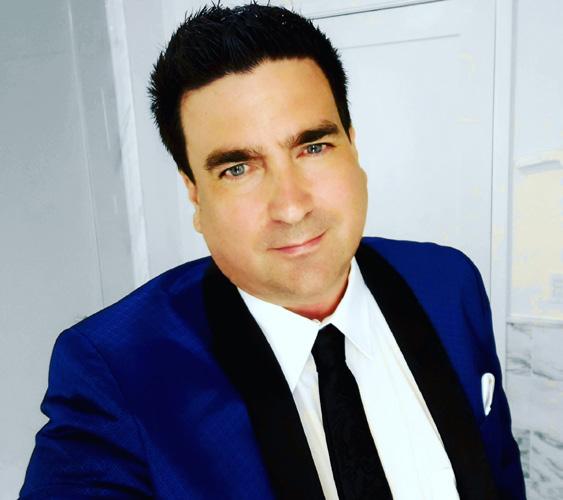
How many years have you been with your company? Three Years
What are your favorite festival foods?
Funnel Cake, Turkey Legs, Fried Oreos.
What do you like to do to relax?
Travel, disconnect from the world, and explore new cultures and experiences. Taking time away from daily routines allows me to recharge and return to work refreshed, inspired, and ready to tackle complex production challenges.
What is the name of the last business book you read?
The 5-Minute Recharge by Lynne Everatt, and Addie Greco-Sanchez
What is the name of the last movie you watched? The Housemaid

ARTIFICIAL ICE EVENTS – Unique Winter attractions for rent nationwide. Available for short term or long term needs. Synthetic ice rinks, winter slides, winter mazes, giant snow globes and snow much more! Contact: Michael Lawton Peabody, MA 01960 USA | (800) 275-0185 m.lawton@ ppentertainmentgroup.com | artificialiceevents.com
RIDE WORX AKA KISSEL ENTERTAINMENT – Ride Worx is your ultimate amusement ride rental company. We provide best-in-class rides with unparalleled service and safety records to fit every amusement requirement, event, and budget. Observation Wheels, Carousels and Coasters too. And everything in between in amusement rides. Ride Worx is a division of Kissel Entertainment. Contact: Eric German | P.O. Box 2340, Clanton, AL 35046 USA | Phone: (216) 410-5262 eric@germangrp.com | www.rentrideworx.com

NORTH POLE PRODUCTIONS - From enchanting light shows to interactive Santa’s Villages, North Pole Productions transforms events into magical experiences. Discover how we can illuminate your event with our dazzling displays and entertainment options. Contact: Tammy Peters | PO Box 74 North Adams, MA 01247 | (800) 377-4625 | nppshows@gmail.com | www.nppshows.com/
YOUR-TYPE – 3D event letters and shapes are your communities best selfie spot. Made with high-quality aluminum, they provide unmatched durability. We specialize in Colleges, Tourism Destinations, Special Events, Campgrounds and Route 66 Activations. Available for purchase or rent. Contact: Todd Hoffman | 4970 Service Dr. Unit 2, Winona, MN 55987 | (507) 961-6784 | contact@your-type.com | www.your-type.com
DFEST® – Designs and manufactures creative decor solutions for festivals and events. We specialize in custom flags, banners, directional signage, entryways, street banners, installation and hardware. Contact: Rudy Martinez San Antonio, TX USA | (800) 356-4085 | rudy@dixieflag.com | www.dixieflag.com
NATIONAL EVENT SERVICES - RENT-A-FENCE – National Event Services has been the preferred supplier of temporary fence, barricades, portable toilets, and restroom trailers to the event industry for almost 60 years. Contact: Scott Barley 15319 Chatsworth St. | Mission Hills, CA 91345 USA | (800) 352-5675 | www.rentnational.com

atVenu – atVenu is a leading platform that specializes in live event sales. They offer a range of comprehensive solutions, including
point-of-sale, inventory management, real-time reporting, digital food vendor settlements, and more. With feature sets specifically designed to meet the unique needs of live events, it is a trusted partner for hundreds of festivals, sporting events, concert venues, fairs, and more. atVenu’s point-of-sale system is quick and easy to set up, manage, and deploy, making it ideal for small teams and events big and small alike. The platform is built to save you time, ensure faster-moving lines, and be reliable when your connectivity isn’t so you never lose out on sales. | www.atvenu.com
FIRST DATA / CLOVER / FISERV – Cloud-based point of sale and full business solutions for cash or cashless events. Clover is uniquely designed to be customized to fit your business needs. Clover accepts all payment types - EMV/ Chip, Card Swiped, Keyed and Apple Pay/Google Pay. Clover’s product line is available with WIFI, ethernet, or 4G/LTE data connectivity and can be leased, purchased or rented month-to-month. First Data has exclusive pricing for hardware and card processing for the festivals and events industry. Contact: Derrick Daoust | Senior Business Consultant | (202) 819-6539 | derrick.daoust@fiserv.com | www.firstdata.com
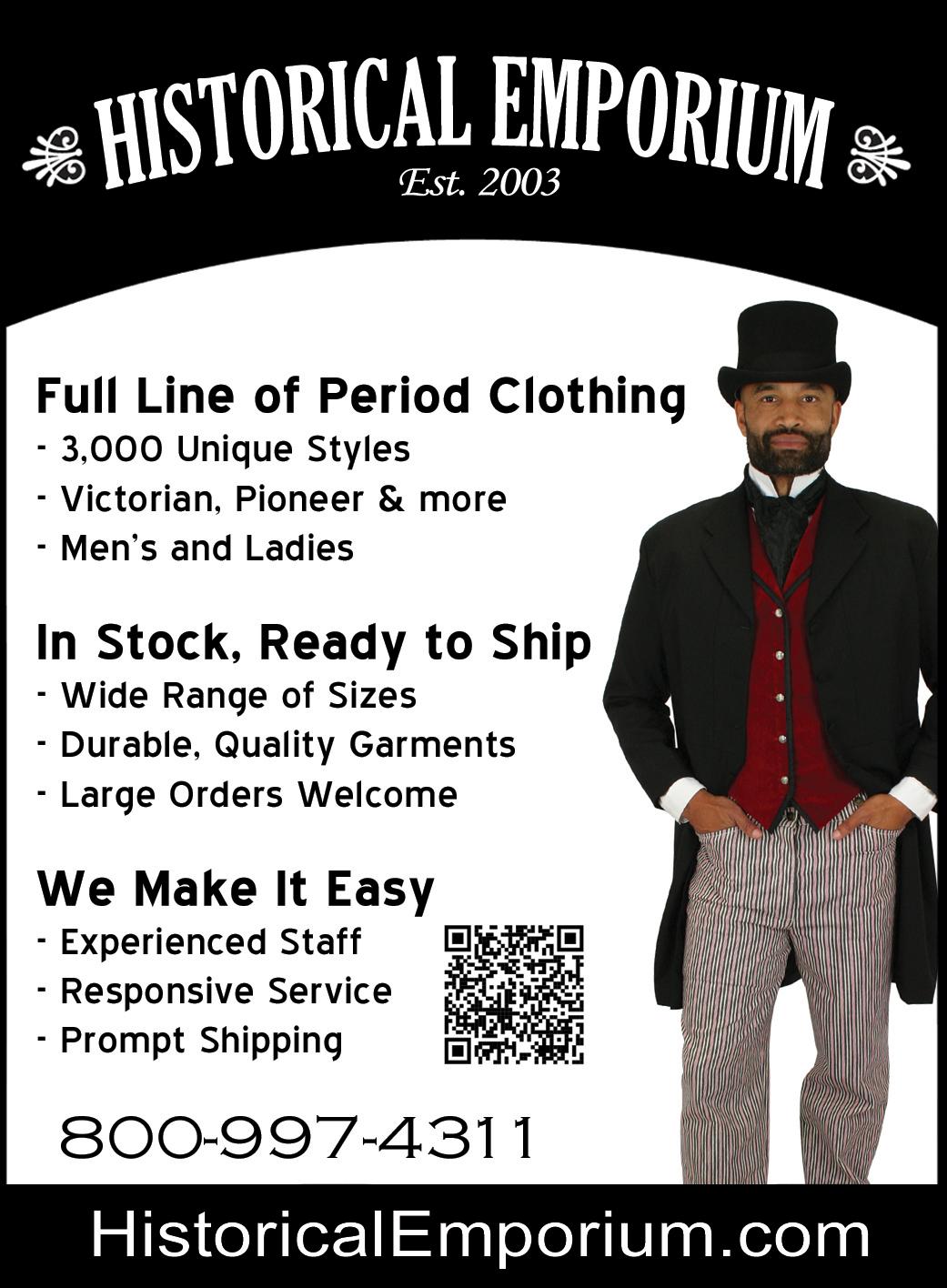
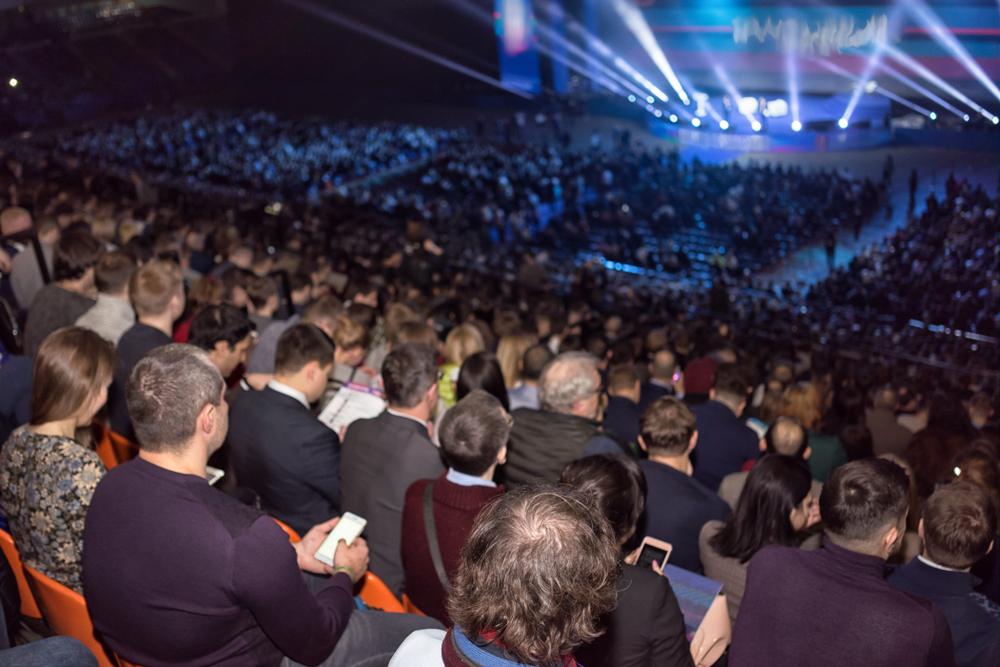
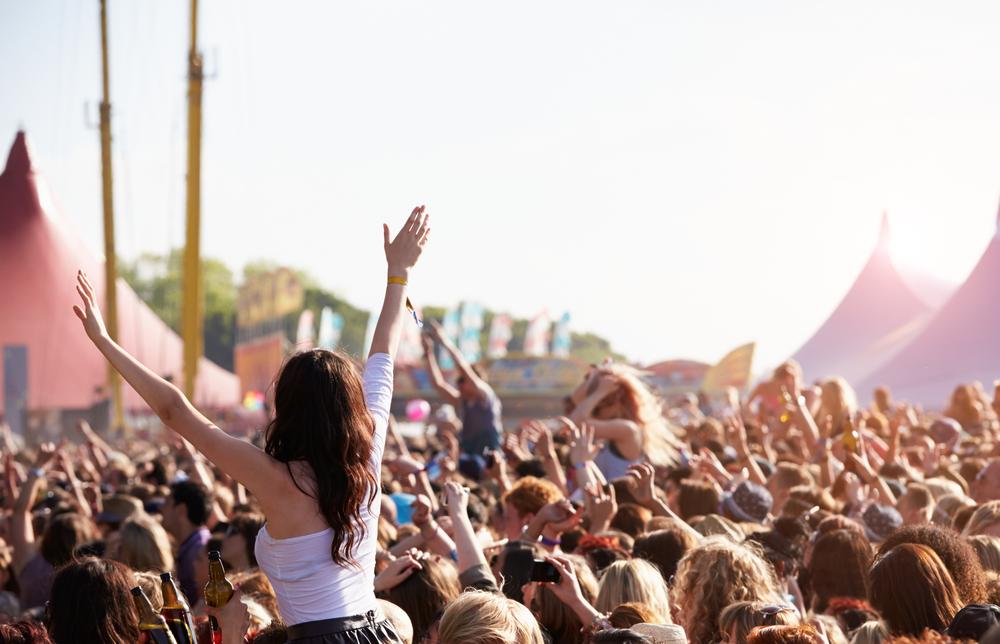
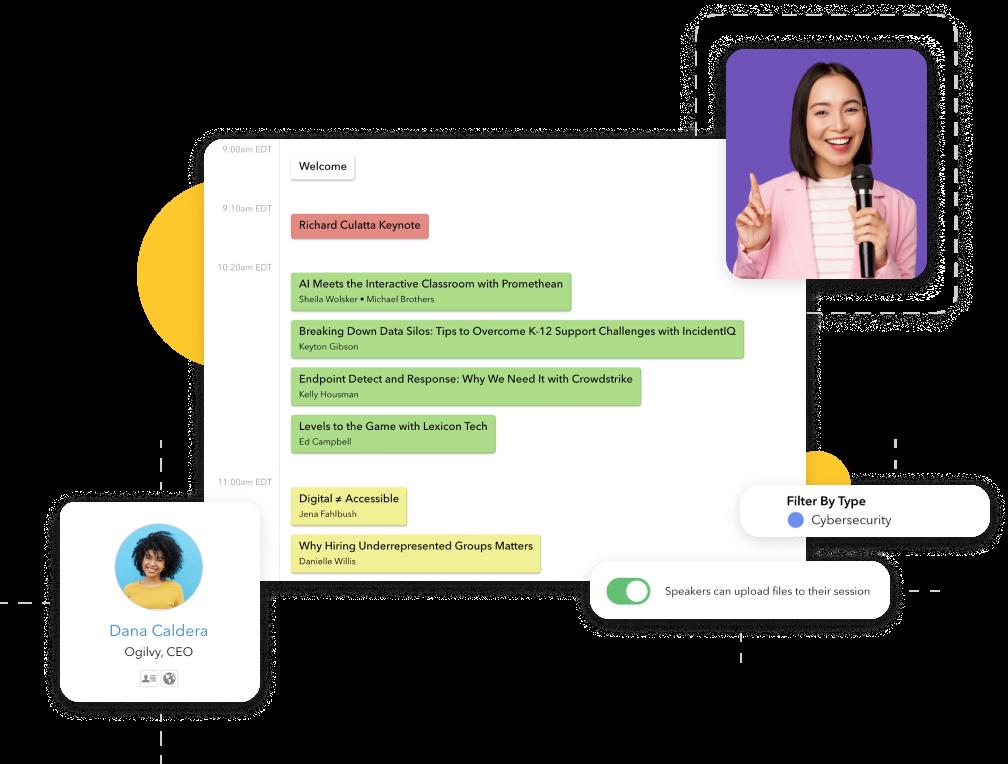
VOZZI – VOZZI is a SMS/MMS company changing the way brands interact with their audience. Tried and trusted in the Sports & Entertainment industry, our all-in-one texting solution empowers brands to modernize their fan engagement strategy and boost revenue. Contact: Ben Young, CEO | Holladay, UT USA | (801) 842-6737 ben@getvozzi.com | site.getvozzi.com

Rico Solutions – We specialize in impactful signage, smart sustainability, and flawless logistics—blending deep experience with innovation to exceed client expectations and elevate every event experience. *IFEA Sustainability Partner. Contact: Rico Tesio | 3809 McKinley Ave | Fort Myers, FL 33901 | (831) 717-7485 rico@ricosolutions.com | www.ricosolutions.com

HISTORICAL EMPORIUM – Historical Emporium specializes in authentic, durable, high quality historical clothing and accessories. Victorian, Edwardian, Old West and Steampunk for men and women. Since 2003. Contact: Noel Matyas | San Jose, CA USA | (800) 997-4311 amusement@historicalemporium.com | www.historicalemporium.com

AIRDD - For over 30 years, AirDD has been the live-event industry’s trusted source for illuminated decorative inflatables. We offer a broad, ever-expanding line of innovative designs that instantly transform any space. Our award-winning products have appeared at high-profile events worldwide, from the Olympics to television productions. From large-scale productions to intimate gatherings, AirDD is committed to making every event “Stand-Out!” Contact: Zeev Weissman | Sun Valley, CA, USA | (818) 765-8100 | zeev@airdd.com | www.airdd.com
ATOMIC - We set the stage for maximum effect through production, design services, custom set construction and modular systems. Contact: Rob Barber Lititz, PA USA | (717) 626-4408 | rob.barber@atomicdesign.tv | www.atomicdesign.tv NORTH POLE PRODUCTIONS - From enchanting light shows to interactive Santa’s Villages, North Pole Productions transforms events into magical experiences. Discover how we can illuminate your event with our dazzling displays and entertainment options. Contact: Tammy Peters | PO Box 74 | North Adams, MA 01247 | (800) 377-4625 | nppshows@gmail.com | www.nppshows.com/
YOUR-TYPE – 3D event letters and shapes are your communities best selfie spot. Made with high-quality aluminum, they provide unmatched durability. We specialize in Colleges, Tourism Destinations, Special Events, Campgrounds and Route 66 Activations. Available for purchase or rent. Contact: Todd Hoffman | 4970 Service Dr. Unit 2, Winona, MN 55987 | (507) 961-6784 | contact@your-type.com | www.your-type.com
Sky Elements Drone Shows – Sky Elements Is The Largest Drone Light Show Provider In The United States. At our heart we are a production company focusing on creating turn-key drone light shows for a variety of clients. Contact: Kyle Pivnick, Vice President | Texas, USA | (214) 986-0878 kyle@skyelementsdrones.com | SkyElementsDrones.com
AIRDD - For over 30 years, AirDD has been the live-event industry’s trusted source for illuminated decorative inflatables. We offer a broad, ever-expanding line of innovative designs that instantly transform any space. Our award-winning products have appeared at high-profile events worldwide, from the Olympics to television productions. From large-scale productions to intimate gatherings, AirDD is committed to making every event “Stand-Out!” Contact: Zeev Weissman | Sun Valley, CA, USA | (818) 765-8100 | zeev@airdd.com | www.airdd.com
YOUR-TYPE – 3D event letters and shapes are your communities best selfie spot. Made with high-quality aluminum, they provide unmatched durability. We specialize in Colleges, Tourism Destinations, Special Events, Campgrounds and Route 66 Activations. Available for purchase or rent. Contact: Todd Hoffman | 4970 Service Dr. Unit 2, Winona, MN 55987 | (507) 961-6784 | contact@your-type.com | www.your-type.com
Continued on Page 100
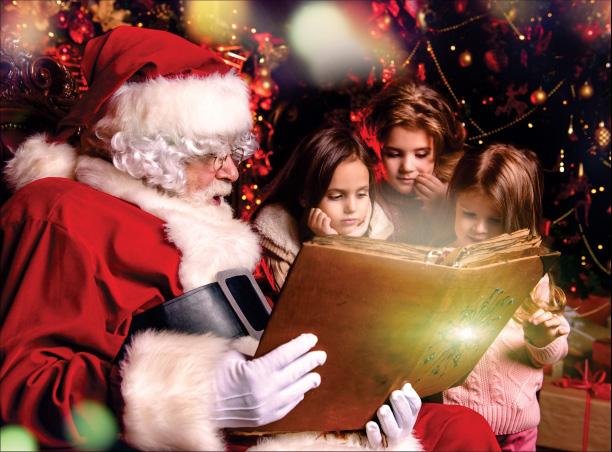
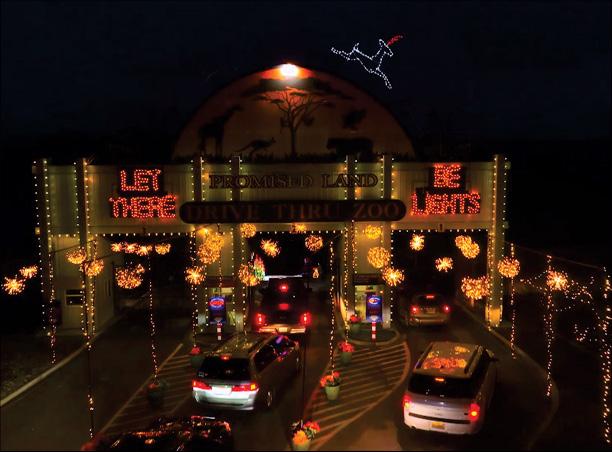
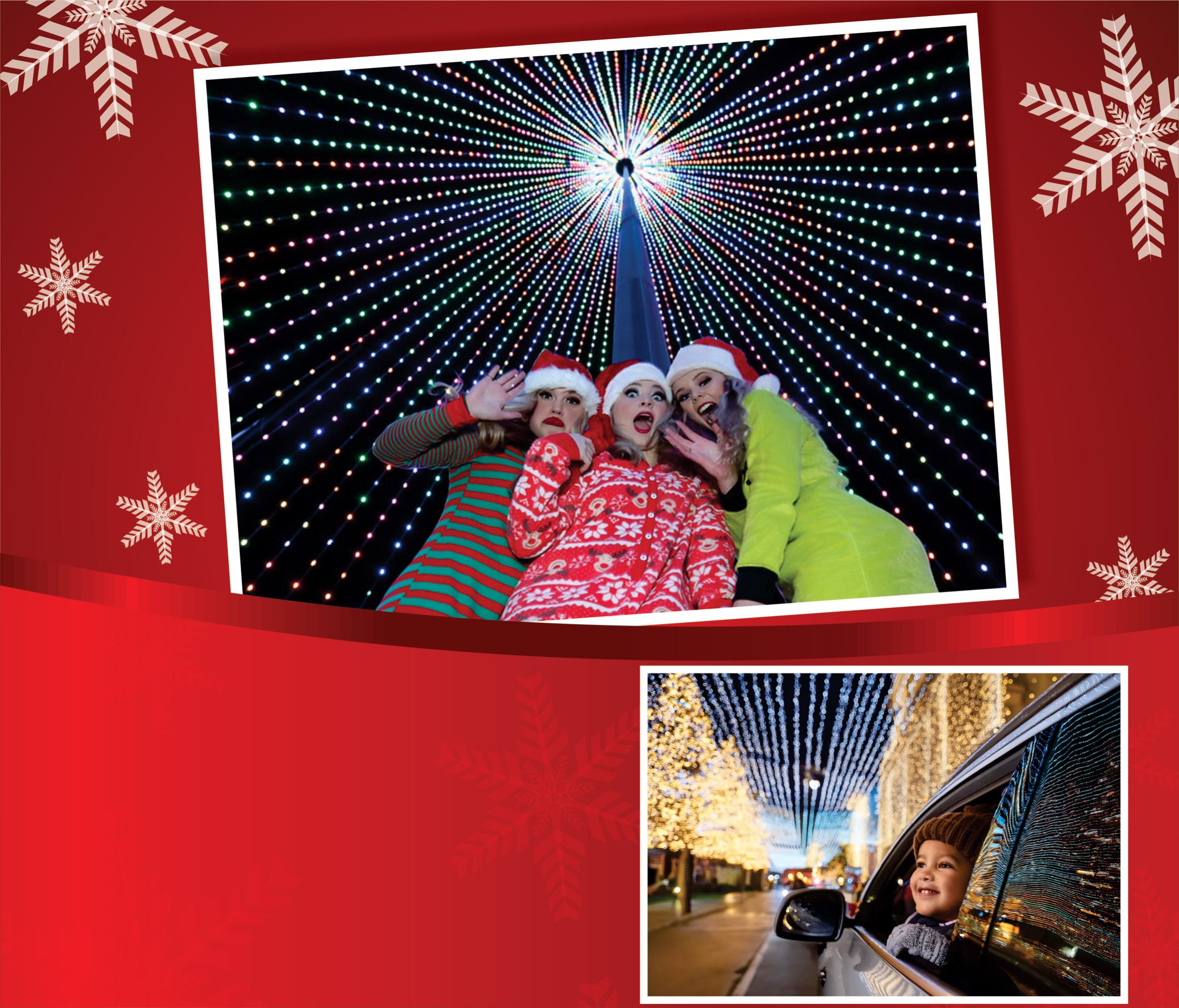

EVENTENY – Eventeny was built to help festival & event organizers manage their vendors, artists, exhibitors, volunteers, and sponsors, all in one platform. You can create team workflows, applications, maps, schedules, surveys and so much more. From small community festivals to managing multi-day sci-fi conventions, to virtual events, we’ve got it all! Contact: Greg Wright | Peachtree Corners, GA 30092-2936 USA | Phone: (314) 471-6079 | greg@eventeny.com www.eventeny.com
POINTSMAP® – PointsMap® has proven to be an effective and useful software for Festivals and Events. Create custom points at their exact location on your PointsMap with photos, descriptions, website links, multi-media, PDF’s and even “inside maps”. Your visitors can “PLAN” before the festival using their desktop computer, and then “NAVIGATE” the festival using their Smartphone. Visit www.PointsMap.com/SLAF and http://www.PointsMap.com/WichitaRiverFest/ to see how PointsMap is being used. It’s easy to use and extremely affordable. Contact: Jerry Waddell Chattanooga, TN USA | (423)894-2677 | jerryw@videoideas.com | www. pointsmap.com

SCHED - Easy-to-use event scheduling and management software that helps event planners organize, schedule, promote, and execute excellent in-person, online, and hybrid meetings, conferences, festivals and other events. Taylor McKnight | St. Petersburg, FL USA | (727) 798-6898 | support@sched.org | sched.com/
VOZZI – VOZZI is a SMS/MMS company changing the way brands interact with their audience. Tried and trusted in the Sports & Entertainment industry, our all-in-one texting solution empowers brands to modernize their fan engagement strategy and boost revenue. Contact: Ben Young, CEO | Holladay, UT USA | (801) 842-6737 ben@getvozzi.com | site.getvozzi.com

ZAPPlication - WHERE ARTISTS & ART FESTIVALS CONNECT (ZAPP) provides art fair and festival administrators with a suite of tools to digitally collect and jury applications, manage booth payments, and communicate with applicants all in one easy-to-use digital platform. Artists can apply to hundreds of shows nationwide through a central website. With over 100K registered artists, ZAPP is the top choice for art events! Contact: Ken Cho Denver, CO, USA | (303) 629-1166 | zappsales@wearecreativewest.org | www.zapplication.org/
AIRDD- For over 30 years, AirDD has been the live-event industry’s trusted source for illuminated decorative inflatables. We offer a broad, ever-expanding line of innovative designs that instantly transform any space. Our award-winning products have appeared at high-profile events worldwide, from the Olympics to television productions. From large-scale productions to intimate gatherings, AirDD is committed to making every event “Stand-Out!” Contact: Zeev Weissman | Sun Valley, CA, USA | (818) 765-8100 | zeev@airdd.com | www.airdd.com


BIG EVENTS - Rents and sells giant helium and cold-air inflatables for parades and special events. Huge inventory of quality, one-of-a-kind balloons. Experienced and dependable full-service company. Charles Trimble | Oceanside, CA USA | (760) 477-2655 | charles@bigeventsonline.com | www.bigeventsonline.com
DYNAMIC DISPLAYS / FABULOUS INFLATABLES – Designs, manufacturers, for rent or purchase – costumes, props, floats, helium balloons, event entry ways and décor. Offers complete and flexible service packages for small towns and large international events. 50+ years of parade/event experience. Contact: Steve Thomson Dearborn, MI USA | (800) 411-6200 | steve@fabulousinflatables.com | www.fabulousinflatables.com
HAAS & WILKERSON INSURANCE – Celebrating over 80 years in the entertainment industry, providing insurance programs designed to meet the specific needs of your event. Clients throughout the US include festivals, parades, carnivals and more. Contact: Andrew Vandepopulier | Fairway, KS USA (800) 821-7703 | andrew.vandepopulier@hwins.com | www.hwins.com

K&K INSURANCE GROUP, INC. – With decades of experience in insuring festivals and events, K&K understands the unique risks you face. Let us help safeguard your event’s success. To learn more about our festival and event insurance options please visit www.kandkinsurance.com. Contact: Lorena Hatfield | 1712 Magnavox Wy, Fort Wayne, IN USA (800) 553-8368 | lorena.hatfield@kandkinsurance. com | www.kandkinsurance.com
KALIFF INSURANCE – Founded in 1917, Kaliff Insurance provides specialty insurance for festivals, fairs, parades, rodeos, carnivals and more. We insure the serious side of fun! Contact: David Olivares | San Antonio, TX USA (210) 829-7634 | david@kaliff.com | www.kaliff.com

PROMOKING SAN ANTONIO – PromoKing San Antonio is a promotional products, screen printing and embroidery shop serving the festival and event industry across the USA. Contact: Casey Watts | 11825 West Ave Ste 109 | San Antonio, TX 78216 USA | (210) 440-6970 | mypromoking@gmail. com | www.mypromoking.com/
VOZZI – VOZZI is a SMS/MMS company changing the way brands interact with their audience. Tried and trusted in the Sports & Entertainment industry, our all-in-one texting solution empowers brands to modernize their fan engagement strategy and boost revenue. Contact: Ben Young, CEO | Holladay, UT USA | (801) 842-6737 ben@getvozzi.com | site.getvozzi.com
YOUR-TYPE – 3D event letters and shapes are your communities best selfie spot. Made with high-quality aluminum, they provide unmatched durability. We specialize in Colleges, Tourism Destinations, Special Events, Campgrounds and Route 66 Activations. Available for purchase or rent. Contact: Todd Hoffman | 4970 Service Dr. Unit 2, Winona, MN 55987 | (507) 961-6784 | contact@your-type.com | www.your-type.com
Continued on Page 102

Reach
The Boelter Companies, Inc. – Boelter provides branded drinkware and custom merchandise on time, on budget and on brand. Custom Ball Aluminum Cups, signage, promo giveaways, apparel and more! Contact: Jackie Saldana Waukesha, WI, USA | (262) 523-6223 | jsaldana@boelter.com | www.beercup.com
PROMOKING SAN ANTONIO – PromoKing San Antonio is a promotional products, screen printing and embroidery shop serving the festival and event industry across the USA. Contact: Casey Watts 11825 West Ave Ste 109 | San Antonio, TX 78216 USA | (210) 440-6970 | mypromoking@ gmail.com | www.mypromoking.com/
IMPERIAL EVENTS SECURITY SERVICES, LLC - Imperial Events Security Services (IESS) is a leading event security provider nationwide. Operating since 1993, IESS has decades of experience securing all types of events. Contact Yousef Kassis | Philadelphia, PA USA | 1-888-502-4377 | yousef@iessevents.com www.iessevents.com
SECUREVENT SOLUTIONS – At SecurEvent Solutions we believe your event is as unique as you are. Carefully blending and merging operations, sales, experience, culture, to curate lasting memories. We call this your Event DNA. Understanding your Event DNA allows SecurEvent Solutions to build security operations that will integrate with all event areas. Contact: Joshua Field | Ft. Lauderdale, FL USA (763) 226-4162 | jfield@secureventsolutions.com | www.secureventsolutions.com/
DFEST® – Designs and manufactures creative decor solutions for festivals and events. We specialize in custom flags, banners, directional signage, entryways, street banners, installation and hardware. Contact: Rudy Martinez San Antonio, TX USA | (800) 356-4085 | rudy@dixieflag.com | www.dixieflag.com
Rico Solutions – We specialize in impactful signage, smart sustainability, and flawless logistics—blending deep experience with innovation to exceed client expectations and elevate every event experience. *IFEA Sustainability Partner. Contact: Rico Tesio | 3809 McKinley Ave | Fort Myers, FL 33901 | (831) 717-7485 rico@ricosolutions.com | www.ricosolutions.com
Continued from Beyond First Come, First Served Page 71
from a subjective, stressful task into a strategic part of the event planning process. No system will eliminate every challenge or complaint, but a clear, consistent process ensures every decision has a reason behind it. That is a foundation you can confidently stand on in front of vendors, leadership, and the communities you serve.
Rico Solutions – We specialize in impactful signage, smart sustainability, and flawless logistics—blending deep experience with innovation to exceed client expectations and elevate every event experience. *IFEA Sustainability Partner. Contact: Rico Tesio | 3809 McKinley Ave | Fort Myers, FL 33901 (831) 717-7485 | rico@ricosolutions.com | www.ricosolutions.com
SAFFIRE – Saffire empowers clients with beautiful, unique and engaging websites that are easy to manage, with integrated SaffireTix ticketing and unlimited help when you need it. Contact: Cassie Dispenza | Austin TX USA | (512) 430-1123 | sales@saffire.com | www.saffire.com

TRIP Info.com – Since 1996, first online reference for all segments of group travel planners – website and weekly newsletter and subject-specific digital magazines – including festivals. IFEA Member organizations included online. Contact: Eric Cunningham | 8735 Dunwoody Place STE N | Atlanta, GA, 30350, USA info@TRIPinfo.com | www.tripinfo.com
ELSBERG STUDIOS - Visual storytelling changes lives. We believe images are powerful; sometimes more powerful than words. With them we identify, we connect, we feel, we act. When necessary we use words; words that speak of mission and vision and transformation. Let us tell your story. Brad Elsberg Nampa, ID USA | (208) 989-5664 | brad@elsbergonline.com | elsbergonline.com
SAFFIRE – Saffire empowers clients with beautiful, unique and engaging websites that are easy to manage, with integrated SaffireTix ticketing and unlimited help when you need it. Contact: Cassie Dispenza | Austin TX USA | (512) 430-1123 | sales@saffire.com | www.saffire.com
Annie Warner, CFEA, is an Events Coordinator for the City of Buckeye, Arizona, where she helps produce largescale community events, including the Buckeye Air Fair and its Aviation Academy programming. Her work focuses on event operations, vendor management, and developing practical systems that support transparency and strategic planning. Annie is passionate about helping event professionals elevate guest experiences through thoughtful processes and innovative event management practices.

Lend yours through a gift to the IFEA Foundation – IFEA’s key partner in helping to support and enable festivals and events worldwide. Every dollar adds to our ability to improve and expand on the resources and services available through the IFEA – from convention scholarships, to hosting top-quality industry presenters and programming, to online education, access and more – all designed to raise the bar for everyone in our global industry, no matter how big or small.

The IFEA Foundation provides a source of support that allows the IFEA to confidently provide convention scholarships, host top-quality industry presenters and programming, and to help raise the bar for everyone in our global industry. A very special thanks to all those who have contributed along the way, and we look forward to working with you towards the success of our industry for many years to come.
www.ifea.com/p/foundation