From Script to Street -Designing Performer Training Programs That Work at Large-Scale Festivals
Zero to Hero
Unlocking the Power of Sponsorship to Transform
Public Events
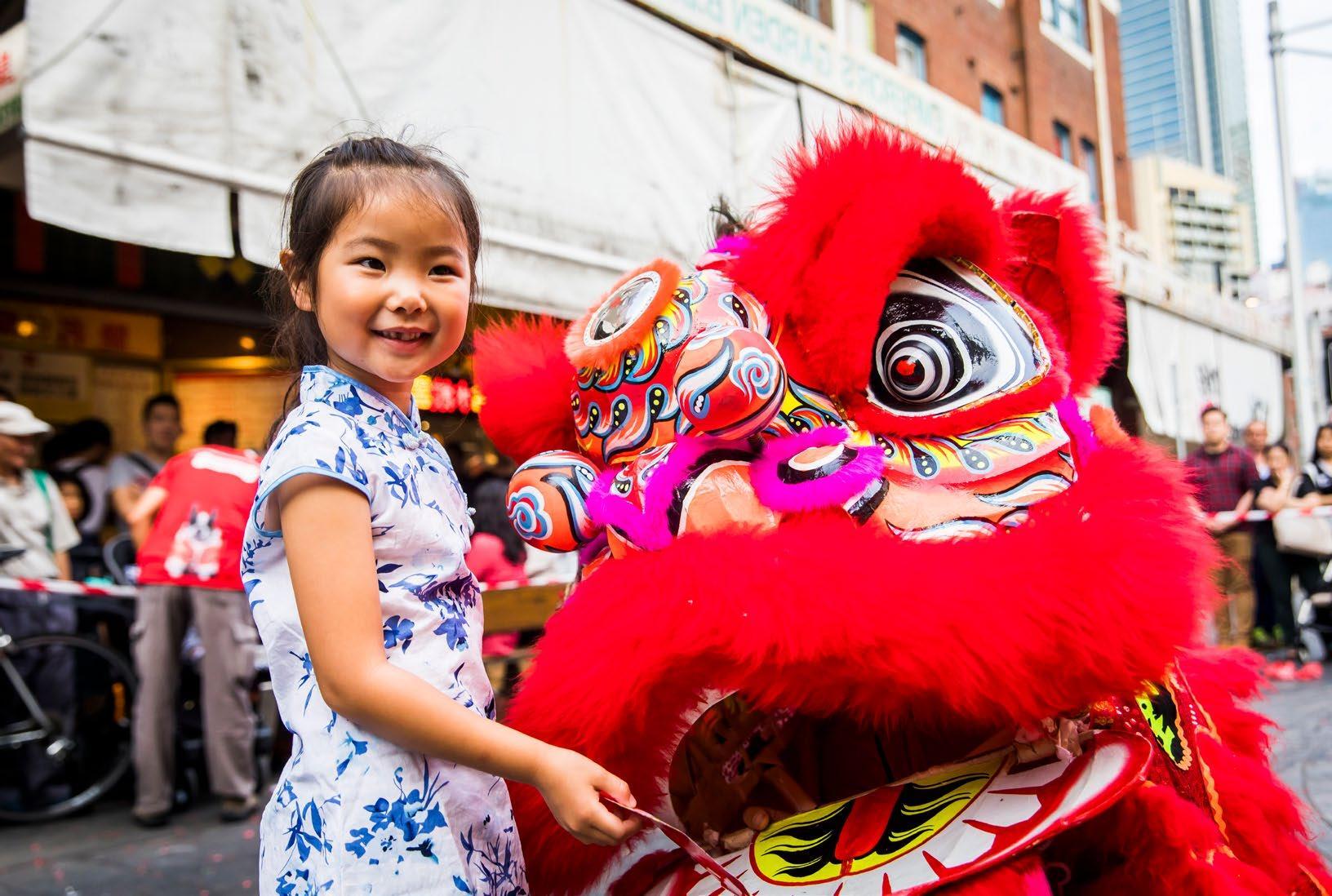
Community Engagement vs Outreach
Lessons from a Small Island
From Script to Street -Designing Performer Training Programs That Work at Large-Scale Festivals
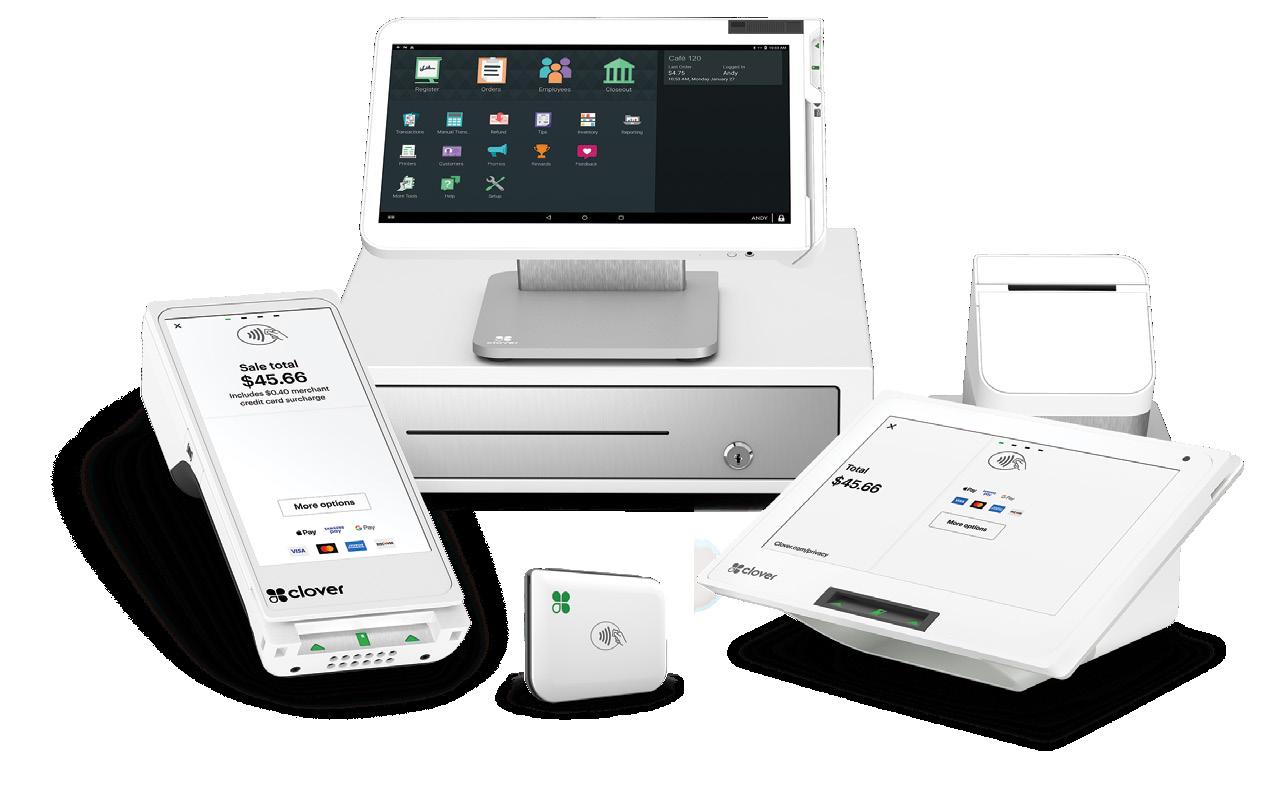
Point Of Sale, Built For Events
Trusted at more than 125,000 events yearly for bars, concessions, merchandise, gate sales, parking & more!
Fast, Hassle Free Setup
Fast transaction times, fewer button clicks, and all payment types accepted. Even when WiFi goes down.
No More Excel Or Manual Entry Shorter Lines
Settle vendors digitally within our platform. We do commission and tax calculations for you.
Quick to deploy, easy to move, built for last minute changes.
Real-Time Sales, All In One Location
Sales are viewable from anywhere, anytime without needing daily reports. You always have them.
IFEA VISION
Publisher & Editor
Steven Wood Schmader, CFEE, President & CEO
Assistant Editor
Nia Hovde, CFEE, Vice President
Director of Marketing & Communications
Advertising
Carrie Ring, CFEE, Director of Partnerships & Programs
Art Director
Craig Sarton, Creative Director
Contributing Writers
Gail Lowney Alofsin, Robert Baird, Jeffrey L. Baldwin, Dave Bullard, Mark Casasanto, ChatGPT, Anna Dara, Bruce L. Erley, APR, CFEE, Professor Joe Goldblatt , Troy Harrison, Jessica Hodges, Iain Lampert, Ed.D., Anna Rose, Robert Wilson
Photography
Alive Coverage, Anna Dara, Gail Lowney Alofsin, Nicole Martin, Anna Rose
For association or publication information: IFEA World Headquarters 10400 Overland Rd. #356 Boise, ID 83709, U.S.A. +1.208.433.0950 Fax +1.208.433.9812 http://www.ifea.com
IFEA PRESIDENT’S LETTER BY STEVEN WOOD SCHMADER,
CFEE
‘STEP FORWARD’
TOGETHER
Coming out of our 70th Anniversary celebration last year, and looking ahead, we do so with a renewed passion and appreciation for the critically important role that the festivals, events, and global industry that we have the privilege of being a part of, continue to play in holding our world together; in laying out the welcome mat for our respective communities, cities, and countries, when they are at their best; and in creating magical milestones and memories for so many.
As we look to the future, and a year full of major national and global events, including many milestone anniversaries ahead for your peers and professional colleagues, we do so in a world of many challenges – some never remotely imagined - but also many new opportunities and possibilities. It is our goal to focus on those possibilities, and to ensure that we continue to be there for all those whom we collectively serve – our attendees; volunteers; sponsors; host cities/markets; staffs; vendor/service providers; tourism partners; and our many other stakeholders, both directly and indirectly.
Whether the challenges seem daunting, or the opportunities seem endless, we encourage everyone to always ‘Step Forward’ into the future. Whether it is a small step, or a giant leap, step forward with one new idea; one new sponsor; one new volunteer; one new event improvement; one new, unexpected piece of creativity that will bring your attendees joy and that one special moment that they will remember and talk about for years to come.
That ability to step forward begins with a revisitation within ourselves, to find and reignite the joy and the passion that we had when we first started in this magical industry. Over the past few weeks, I have found – unintentionally, but appreciatively
– several new sources of motivational reminders and inspiration:
I just finished reading television, entertainment, and Disney legend Dick Van Dyke’s new book, “100 Rules for Living to 100,” and he invited his readers to stop for a moment and remember as far back as you possibly can, to identify the first thing that you were really, truly passionate about. Further asking if that is something that is still a part of your life, or something that could be? Hopefully, that passion is still a part of who you are today. Maybe it’s why you followed the career path that you did. Find that passion, recapture its energy, and incorporate that into your quest for the endless opportunities and possibilities that lie ahead. He also talked about remembering the joy of working on something with ‘your tribe’ – that perfect confluence of people that made/make any project even more fun and rewarding, for all beneficiaries, and whom we have all, hopefully, enjoyed multiple memories of, throughout our careers, if we are lucky.
And, as I watched the Winter Olympic Games opening ceremonies, the creativity and hope for the future genes within me were reignited (congratulations to BWS out of Milan, Italy, who produced the ceremony, and will produce the FIFA opening ceremonies later this year, as well) and I was reminded again of the passion, and energy, and joy, of what we all get to do, every day, with the support of the IFEA global network, and our friends around the world. IOC President Kirsty Coventry drew upon an African word during her remarks at the Olympic Opening: “Ubuntu”, which means “I am, because we are,” reinforcing the message that we are stronger together, and that we all rise when we support one another. Like the Olympic spirit, that is also the spirit of the IFEA. When we step forward together, we are better.
I encourage all of you to search for, remember, and rediscover your joy and your passion. To let that be your first step forward this year, and then to share that with your friends, peers, and those around you.
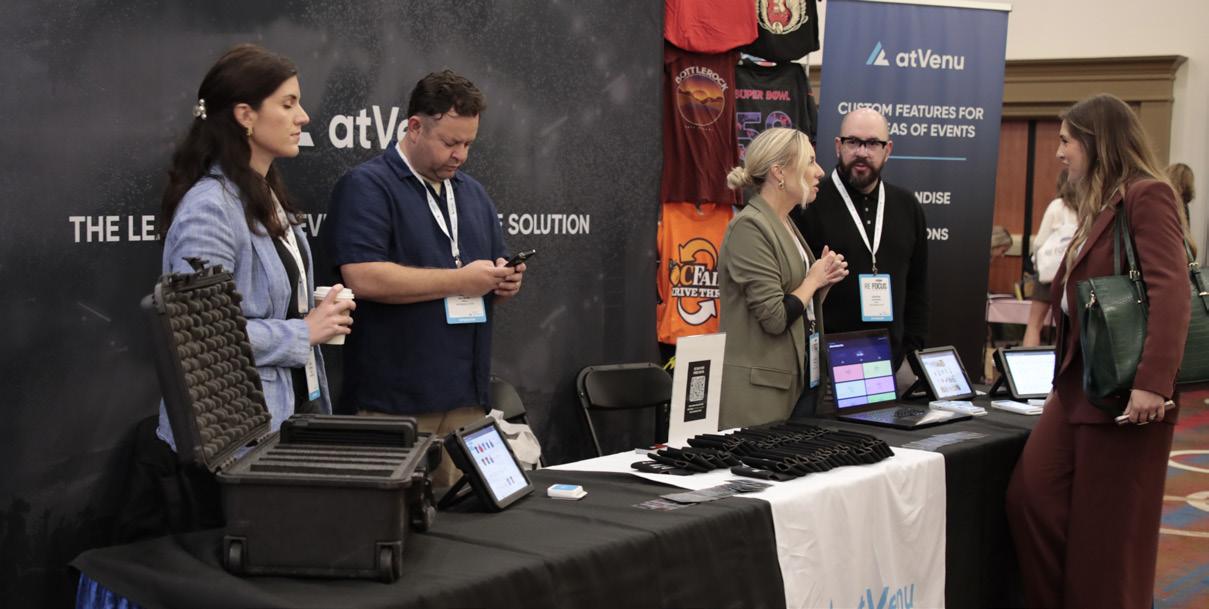
We invite you to join your global peers for our 71st Annual IFEA Convention & Expo, presented by atVenu, October 5–7, 2026, at the stunning El Conquistador Resort in Tucson, Arizona. This premier gathering of festival and event professionals, suppliers, and industry partners from around the world offers unparalleled opportunities for education, inspiration, and meaningful connection. From those taking their first steps toward a new event, to those advancing long-standing, globally recognized experiences, we promise something for everyone as we explore emerging trends, address real-world challenges, and identify new opportunities.
Of course, every meaningful step forward is strengthened by the place where we gather. Nestled in the foothills of the beautiful Santa Catalina Mountains, the El Conquistador Tucson provides a welcoming and inspiring environment designed to support connection, collaboration, creativity, and joy. With sweeping mountain views, desert beauty, and space intentionally suited for both learning and renewal, it’s an ideal setting to get away, refocus, and step forward together - making it the perfect home for what attendees often describe as the ultimate events industry family reunion. Plan now to bring your team, invite your professional peers, and reconnect with friends—old and new—as you become part of the next chapter of the IFEA’s journey; of our global industry’s continuing legacy. Join us as we share, network, learn, create, and imagine the possibilities, together. Mark your calendar. Step Forward. The future of our individual and collective festivals and events starts now.
October 5-7, 2026
El Conquistador Tucson, A Hilton Hotel
Tucson, Arizona, U.S.A.
CFEE Days: October 2-4, 2026
Presented by
IFEA WORLD BOARD
GLOBAL MOMENTS AND LOCAL MEANING A NEW YEAR OF
The beginning of a new year always carries a quiet sense of possibility. Before the calendars fill, before load-ins, and permits, and weather plans take over, there is a moment to pause and ask ourselves what kind of impact we hope to make in the year ahead.
I have spent most of my life in this industry. Like many of you, my education did not come solely from textbooks or conference sessions, but from early mornings, long nights, and the steady rhythm of events unfolding in real time. I learned from watching seasoned professionals solve problems on the fly, from volunteers who showed up year after year, and from communities that trusted us with their stories, traditions, and public spaces. That collective experience is something I carry with me, and it gives me great confidence in the strength of our global membership.
Looking ahead, 2026 promises to be a remarkable year for events around the world. For the first time, the FIFA World Cup will be jointly hosted by three nations, Canada, Mexico, and the United States-demonstrating what collaboration across borders can look like on the world stage. The Winter Olympic Games in Milan–Cortina will blend heritage and innovation, reminding us how place and purpose shape unforgettable experiences. In the United States, the 250th anniversary of the nation’s founding will prompt storytelling and civic engagement, while many other countries will mark their own significant anniversaries, cultural milestones, and global gatherings. These moments are not just historic; they are deeply human.
At the same time, we are all aware of the broader context in which we are working. The political and social climate in many parts of the world feels strained and uncertain. Differences are too often amplified, and common ground can feel harder to find. In that environment, the role of festivals and events becomes both more challenging-and more vital.
Across continents and communities, our work creates space. Space where culture can be shared and ideas exchanged. Space where people can feel seen, welcomed, and connected. This year, I encourage each of you to approach your events with intention. When the world feels divided, our work can model collaboration. When voices feel unheard, our events can elevate them. When communities are searching for meaning, we can help create moments that resonate long after the final guest leaves.
As an international association, our strength lies in learning from one another. Solutions developed in one place often inspire
BY VANESSA VAN DE PUTTE
innovation in another. I invite you to share generously-your lessons learned, your hard-won successes, and yes, even your setbacks. Our collective knowledge is one of the most valuable resources we have.
This year is also a call to invest in people, in partnerships, and in the future of our industry. That means mentoring emerging leaders, supporting the volunteers who are the backbone of so many events, and advocating for the value of festivals and events within our cities and regions. It means continuing to push for responsible practices that honor sustainability, accessibility, and fiscal stewardship. And it means holding ourselves to high professional standards, even when resources are tight or circumstances are complex.
Leadership in our industry shows up in preparation, in adaptability, and in how we treat our colleagues and communities. It shows up when things go exactly as planned-and when they do not. In 2026, let us lead with curiosity, generosity, and courage. Let us take smart risks, embrace creativity, and remember that progress often comes from thoughtful evolution rather than sweeping change.
As we move through the year together, know that your work really matters. The hours you put in, the challenges you navigate, and the experiences you create have real impact. They shape how people experience their communities and how culture is shared across generations.
Thank you for the commitment you bring to this industry and to this association. I look forward to seeing how you rise to the opportunities of 2026, and how, together, we continue to elevate festivals and events as essential, meaningful, and powerful forces in the world.
Here is to a year defined not only by extraordinary moments, but also by the care, collaboration, and people behind them.
With warm regards,
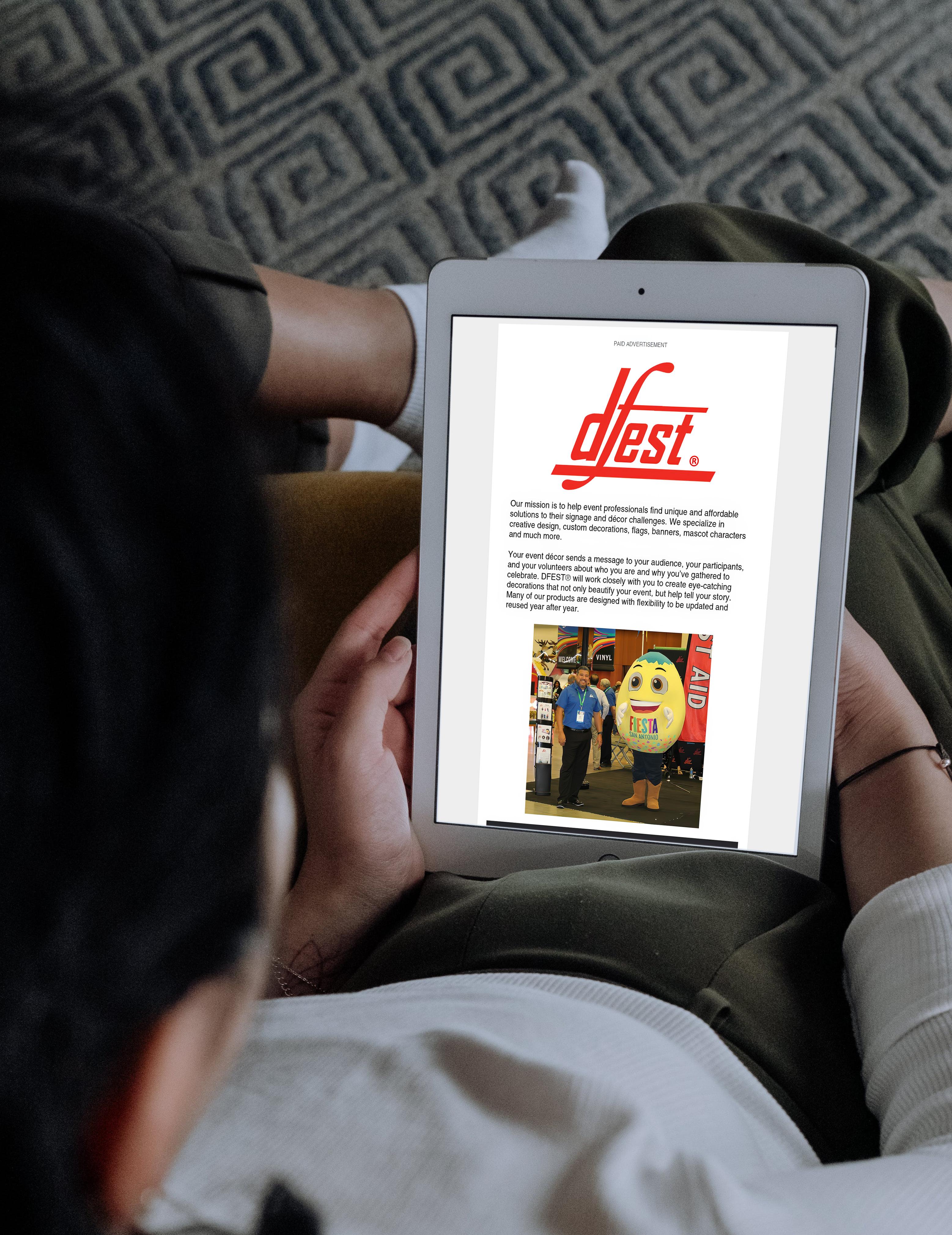
Vanessa Van de Putte IFEA World Board Chair President & CEO DFEST®
Welcome our
2026 IFEA World Board of Directors
CHAIR 2025 - 2026
VANESSA VAN DE PUTTE DFEST ® San Antonio, TX
RANDY DEWITZ, CFEE FANFARE ATTRACTIONS, LLC MINNEAPOLIS, MN
KELI O’NEILL WENZEL, CFEE O’Neill Events & Marketing Management Kansas City, MO
SECRETARY / CHAIR-ELECT DAVID EADS Pasadena Tournament of Roses Pasadena, CA
BRUCE ERLEY, APR, CFEE Creative Strategies Group Denver, CO
STEVE ROSENAUER, CFEE Fiesta San Antonio Commission San Antonio, TX
IFEA WORLD BOARDSECRETARY BILL O’TOOLE, CFEE Event Project Management System Pty., Ltd. Bondi Beach, NSW Australia
MATT GIBSON Kentucky Derby Festival Louisville, KY
JESSICA KAMINSKAS Chair - IFEA Foundation Board of Directors The Parade Company Detroit, MI
WARWICK HALL, CFEE IFEA WORLD BOARD GLOBAL OFFICER Safety Set Consulting Section 646 Taupo, New Zealand
NAN KRUSHINSKI, CFEE City of Port St. Lucie Port St. Lucie, FL
STEVEN WOOD SCHMADER, CFEE IFEA World Boise, ID
Creative Event Solutions Philadelphia, PA
The IFEA World Board of Directors is an elected, non-compensated body of industry professionals responsible for overseeing the successful operations of the IFEA. In addition to approving policy and direction, Board members serve as an active and involved industry leadership advisory source to the President & CEO. Members proactively support IFEA programs and visions through their input, use of their professional networks on behalf of the association, and personal participation in association programs and activities.
ALISON BARINGER, CFEE Wilmington, NC
SAM LEMHENEY, CFEE
IFEA FOUNDATION BOARD
FUELING THE FUTURE OF OUR
INDUSTRY
THROUGH SCHOLARSHIPS & SUPPORT
Iam thrilled to represent the Foundation Board as this year’s Chair. Coming off the heels of Kat Paye’s leadership and the incredible momentum of the IFEA’s 70th anniversary, I am excited to build on that energy and help move our mission forward.
For those who are new to the organization, the Foundation Board is dedicated to raising funds that directly support our scholarship programs. The festival and event industry has always been built on creativity, resilience, and human connection, but its future depends on access. Every year, passionate and talented students and emerging professionals dream of joining this industry. Too often, those dreams are delayed or denied simply because financial support is out of reach.
That is where the Foundation makes a real and lasting impact. Through scholarships, education, and opportunities to connect with industry leaders, we help open doors for the next generation. Our board members work tirelessly to ensure that students not only gain industry knowledge, but also the relationships and confidence needed to succeed. As Chair, my goal is to continue raising the bar for fundraising so we can expand these opportunities and strengthen
BY JESSICA KAMINSKAS
the pipeline of future leaders.
In my day job as Chief Operating Officer of The Parade Company in Detroit, I am especially mindful of the importance of legacy and stewardship. This year, we are celebrating our 100th parade, a milestone that reflects a century of innovation, collaboration, and community pride. That perspective carries over into my work with the Foundation. Our responsibility is not only to celebrate where we have been, but to invest intentionally in where we are going!
Looking ahead, we are excited to share details about this year’s convention and the experiences it will offer. These gatherings remind us why this industry is so special and why supporting its future matters. I hope you will join us, get involved, and help us continue creating meaningful pathways for those who will shape the festivals and events of tomorrow!
I look forward to seeing you soon!
Jessica Kaminskas IFEA Foundation Board Chair Chief Operating Officer
The Parade Company Detroit, Michigan
2026 IFEA Foundation Board of Directors
IFEA
BOARD CHAIR
JESSICA
CHAIR-ELECT
IMMEDIATE PAST CHAIR
The IFEA Foundation Board of Directors is an elected, non-compensated body of industry professionals responsible for overseeing the successful operations of the IFEA Foundation. Members proactively work to raise and secure important funding that helps to support and protect the educational mission of IFEA World.
FOUNDATION
KAMINSKAS The Parade Company Detroit, MI
LUANN CHAPMAN
The Gatts Group Grapevine, TX
HAYDEN KRAMER, CFEE Town of Indian Trail Parks and Recreation Indian Trail, NC
SARAH UMLAUF, CFEE
Saint Louis Art Festival Saint Louis, MO
ALEX MCNULTY, CFEE
Pasadena Tournament of Roses Pasadena, CA
CASSIE DISPENZA, CFEE Saffire Austin, TX
COLLEEN MURPHY, CFEE Des Moines Arts Festival Des Moines, IA
STEVEN WOOD SCHMADER, CFEE IFEA World Boise, ID
KAT PAYE, CFEE
National Cherry Festival Traverse City, MI
ZACH FISHER, CFEE Kentucky Derby Festival Louisville, KY
DAVID OLIVARES, CFEE Kaliff Insurance San Antonio, TX
VANESSA VAN DE PUTTE Chair - IFEA World Board Of Directors DFEST ® San Antonio, TX
SECRETARY
Central Michigan University Mount Pleasant, MI
CARINA JIMENEZ, CFEE CITY OF MCALLEN MCALLEN, TX
MAIRIN PETRONE, CFEE Pittsburgh Irish Festival Pittsburgh, PA
DAVE BULLARD, CFEE FanFirst Events & Influence Fulton, NY
DAVID KNUTSON City Of Santa Clarita Santa Clarita, CA
DAVID RAMIREZ, CFEE SDMRamirez San Antonio, TX
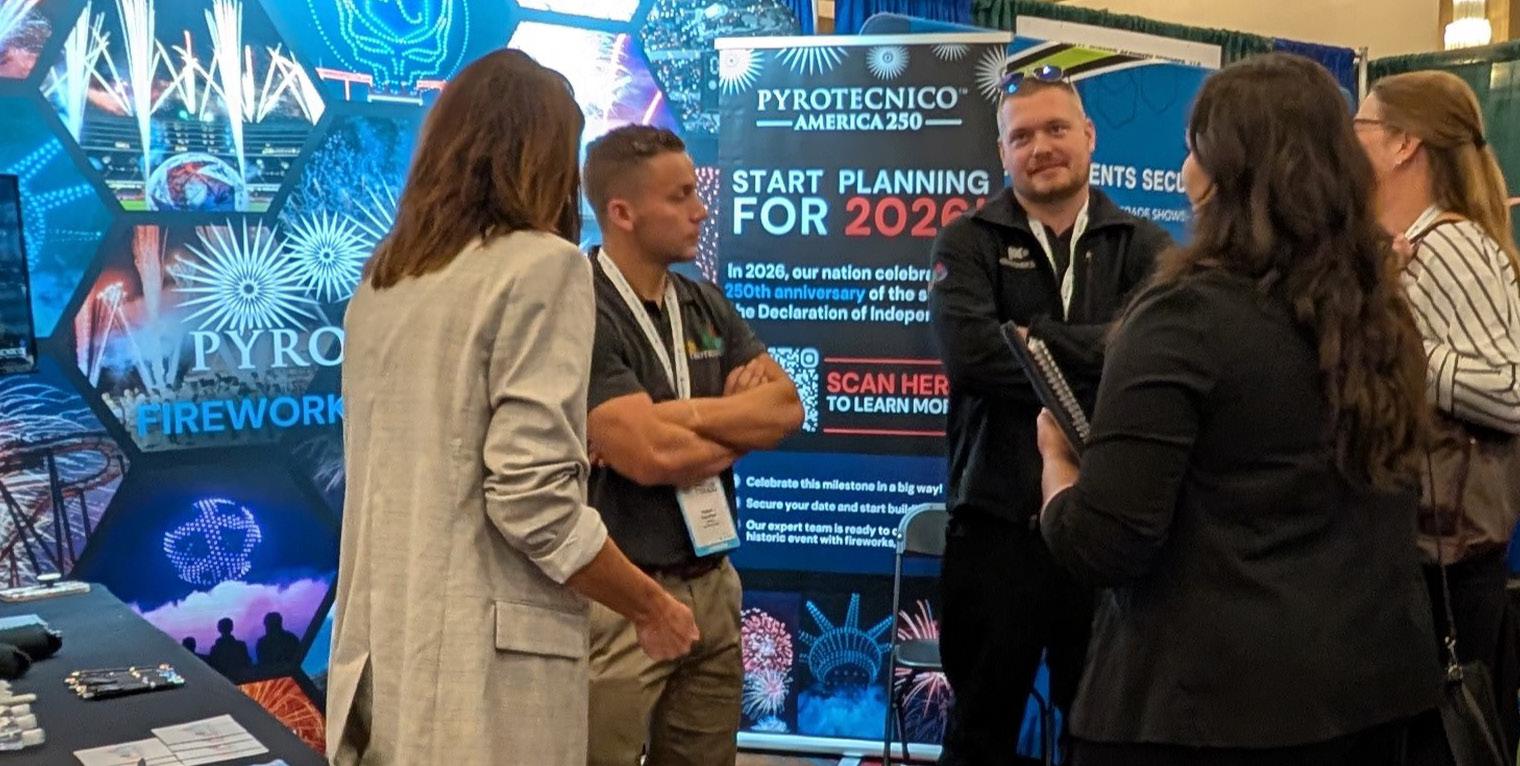
IFEA Member, Pyrotecnico, Delivers Pyrotechnics and Special Effects for
SUPER BOWL LX
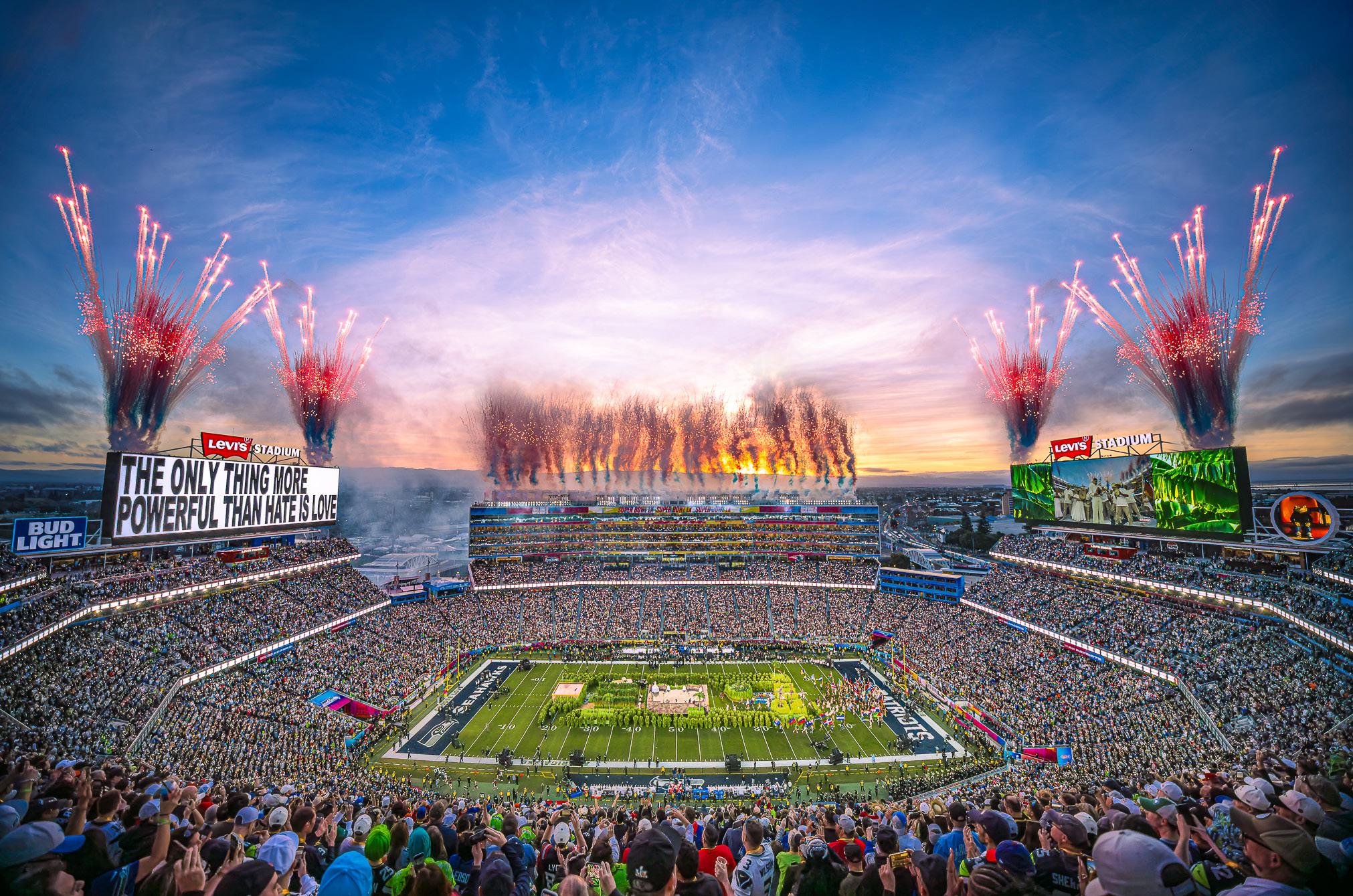
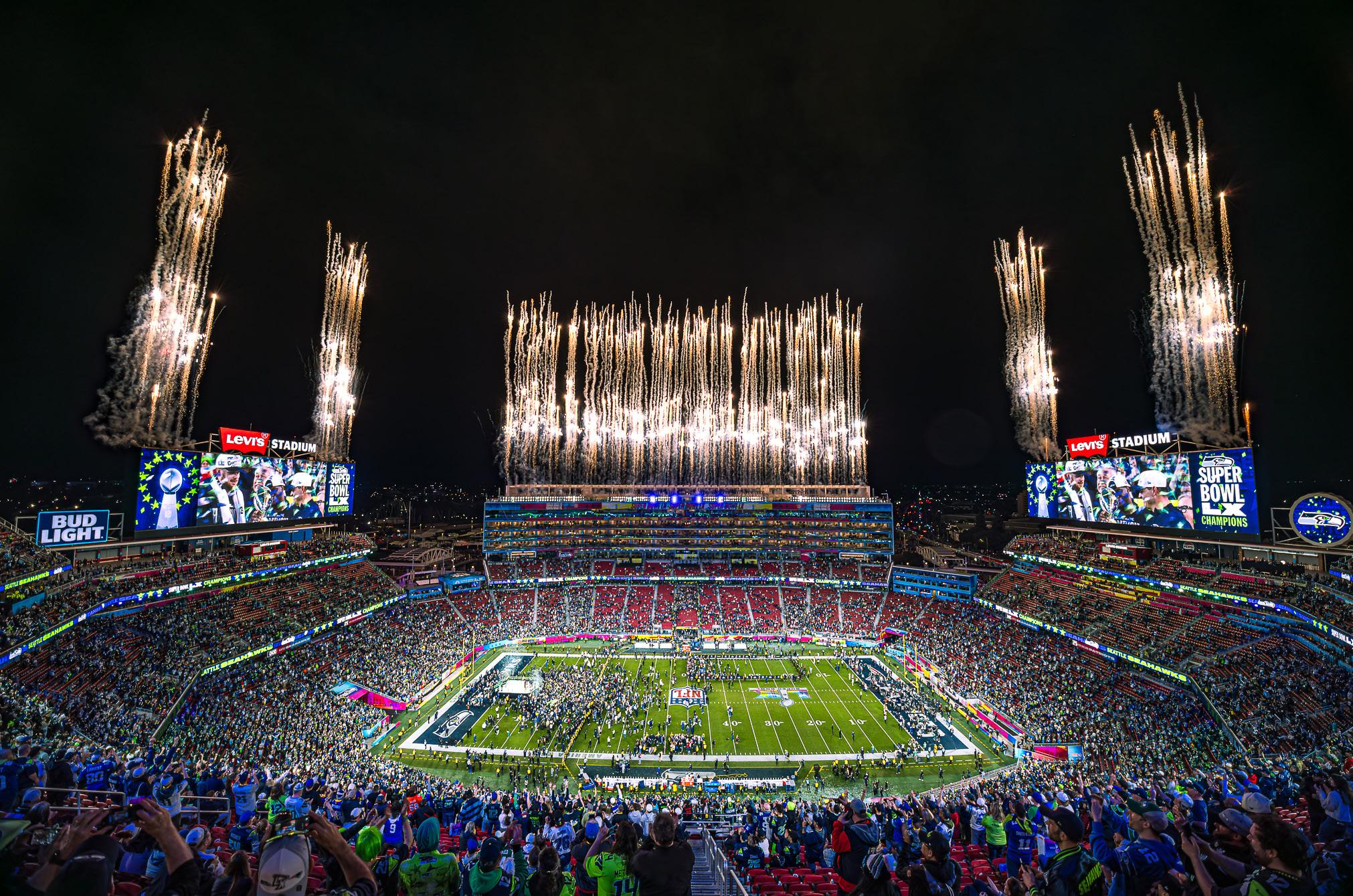
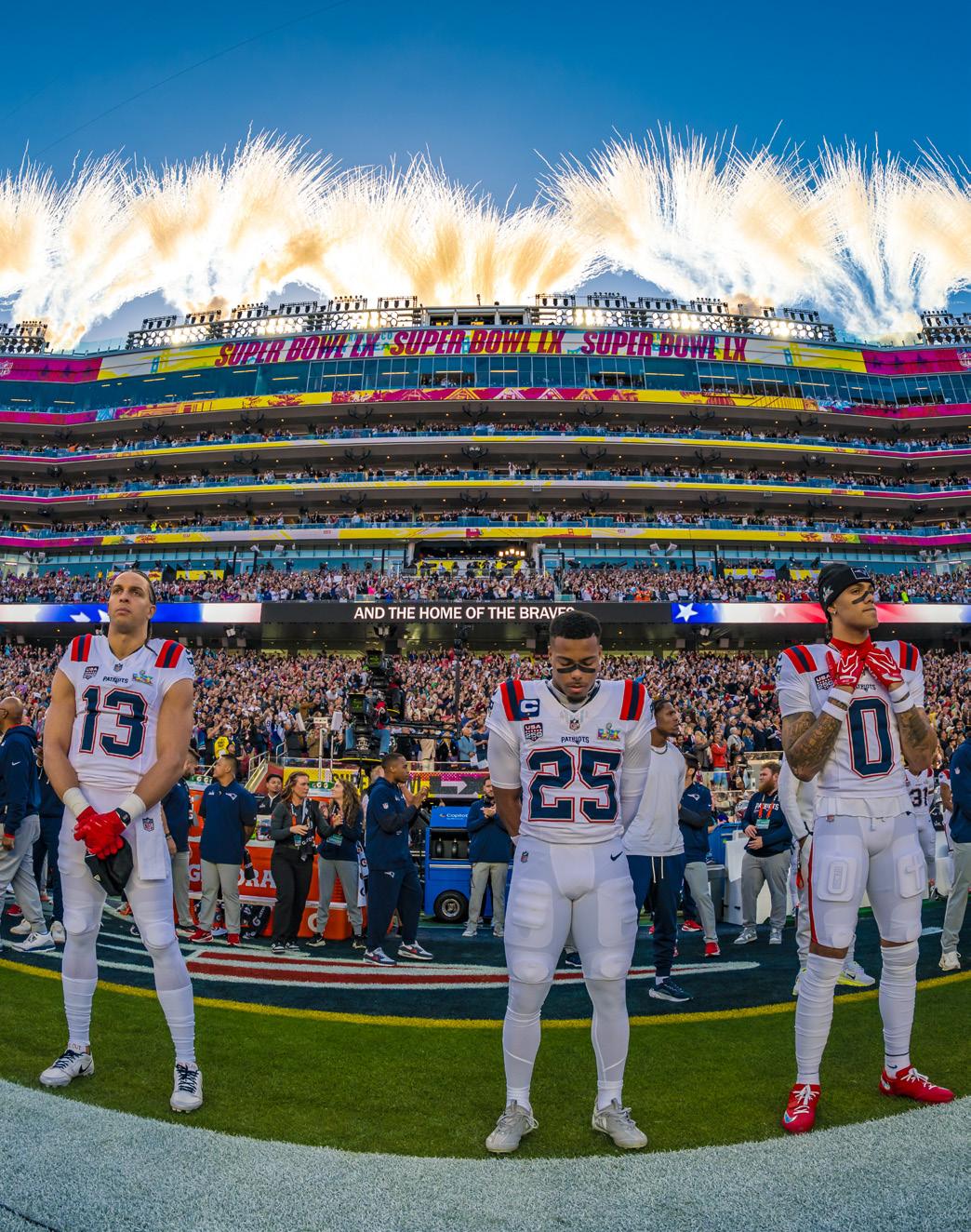
Pyrotecnico, the country’s largest provider of professional fireworks displays and a leading provider of drone light shows and special effects, supported Super Bowl LX with the design and execution of pyrotechnics and special effects for multiple live broadcast moments throughout the event.
Super Bowl LX marked the sixth consecutive year Pyrotecnico was engaged to provide support of programming that included Green Day’s opening ceremony performance, the National Anthem, player entrances, Bad Bunny’s Apple Music Halftime Show, and the trophy celebration.
The halftime show represented the most extensive pyrotechnic scope Pyrotecnico has executed during its six years supporting the Super Bowl, and one of the largest
halftime displays in recent event history. The production utilized colored smoke and pyrotechnics, culminating in a large-scale finale designed to visually reinforce the energy of the performance.
Technical scope of work included:
• A crew of 50+ in-house experts, including designers, project managers, safety leads, and technicians from across the country
• Pyrotechnics positioned at 384 positions throughout the stadium and field
• Equipment and pyrotechnics transported by two semi-trucks and one box truck
• 9,800 theatrical pyrotechnics such as colored smoke and pyrotechnics
• Pyro digital control utilized for the half time event
All effects were executed in accordance with league, venue, and broadcast requirements, with extensive testing and rehearsal to ensure consistency and reliability during live moments.
Bob Ross, Chief Operating Officer at Pyrotecnico and the effects consultant on the production, noted that the intent of the pyrotechnic design was to support the artist’s vision for the performance.
“Even by Super Bowl standards, the scale of this year’s halftime effects was significant,” said Ross. “The goal was to take the energy already happening on the field and carry it through the final moments. In the finale, elements like the illuminated Puerto Rican flags were timed with the music and performers to help make the closing moments extremely dynamic.”
Photo Credit: Alive Coverage
Pyrotecnico brings five generations of experience and more than 135 years of creating oohs and aahs for audiences of all sizes. Our team of imaginative, hardworking professionals deliver fireworks, drone light shows, and special effects to events and celebrations nationwide.
Headquartered outside of Pittsburgh in New Castle, Pennsylvania, with additional locations across the U.S., Pyrotecnico serves clients coast to coast with a shared commitment to collaboration, safety, and delivering unforgettable live entertainment experiences. For more information, visit Pyrotecnico.com . Contact: Jodi Dague, Director of Marketing, E: jd@liveevents.com , P:+724.612.5313.
Photo Credit: Alive Coverage
Photo Credit: Alive Coverage
IFEA/Haas & Wilkerson
2026 Pinnacle Awards Competition
Celebrating Excellence In The IFEA / Haas & Wilkerson
Pinnacle Awards Competition
Recognizing Innovation, Creativity & Achievement in the Global Festivals and Events Industry
CELEBRATING EXCELLENCE IN THE IFEA / HAAS & WILKERSON PINNACLE AWARDS COMPETITION
RECOGNIZING INNOVATION, CREATIVITY & ACHIEVEMENT IN THE GLOBAL FESTIVALS AND
EVENTS
INDUSTRY
For more than three decades, the International Festivals & Events Association (IFEA) has proudly recognized outstanding achievements in creativity, promotion, operations, and community impact through the prestigious Haas & Wilkerson Pinnacle Awards Competition.
Each year, the Pinnacle Awards celebrate the best of the best across the global festivals and events industry — honoring those who raise the bar, inspire innovation, and set new standards for excellence. From major international celebrations to small-town traditions, from cities and chambers to universities, parks, recreation departments, vendors, and suppliers, the competition welcomes entries from organizations of all types and sizes. Budget-based divisions ensure a level playing field, giving every event the chance to shine.
With categories ranging from Best Event Poster, T-Shirt, and Promotional Brochure to Best Volunteer Program, Green Program, Media Relations Campaign, Sponsorship Activation, Social Media Site, and more, the Pinnacle Awards recognize excellence across nearly every facet of event production, marketing, and management.
Over the years, the Pinnacle Awards have showcased remarkable examples of how event professionals harness creativity, strategy, and collaboration to achieve exceptional results. By participating, your organization joins a legacy of innovation and leadership that uplifts not only individual events, but the entire festivals and events industry.
To help amplify your success, the IFEA provides all winners with a customizable press release template, making it easy to share your recognition with local media, partners, and stakeholders. Winning a Pinnacle Award not only highlights your creativity and professionalism — it affirms your commitment to excellence, community, and the power of shared celebration.
Join us for another inspiring year of recognition by entering the 2026 IFEA / Haas & Wilkerson Pinnacle Awards Competition.
Let your event’s creativity, hard work, and impact be recognized, celebrated, and shared with the world as part of the IFEA’s ongoing mission to elevate the festivals and events industry.
ALL ENTRIES SUBMITTED ONLINE
All IFEA/Haas & Wilkerson Pinnacle Award Entries are submitted online, saving you not only financial resources, but much needed time. Simply upload your entries when you’re ready to submit and you’re done!
To get started, create digital versions of your entries, submit them through the online entry form, and pay for them all at once. For complete details on accepted file formats, file naming requirements, and submission steps, keep reading!
So, what are you waiting for? Start preparing your entries today and get ready to hear your organization’s name announced at the next IFEA Annual Convention & Expo, when we once again get to say…
“And the winners are…!”
Haas & Wilkerson Insurance, Sponsor of the Pinnacle Awards
Haas & Wilkerson Insurance has proudly supported the IFEA and festivals and events industry for over 30 years! As the title sponsor of the IFEA/Haas & Wilkerson Pinnacle Awards Program, they have helped to raise the quality and standards of excellence for festivals and events around the globe. With over 85 years of entertainment industry experience behind them, they provide insurance programs designed for each event’s specific needs and have a long list of clients that includes festivals, fairs, parades, carnivals and more. Learn more about them at www.hwins.com
THE CONTEST
DEADLINES
• All entries must be submitted and paid for online* by the following dates:
• Early Bird Entry Deadline: 11:55 p.m. (MST), Wednesday, April 15, 2026 Rate: $40 per entry or $200 per Grand Pinnacle entry
• Final Entry Deadline:
• 11:55 p.m. (MDT), Wednesday, June 24, 2026 Rate: $50 per entry or $250 per Grand Pinnacle entry
All entry fees include credit card processing fees.
ELIGIBILITY
• You must be an active IFEA Member to enter.
• Entries must have been produced and/or used for the first time between June 26, 2025, and June 24, 2026.
° If your event occurred just before this eligibility window and was not entered in the 2025 competition, contact Nia Hovde, CFEE at nia@ifea.com to confirm possible eligibility.
• Each entry must be submitted, received, and paid in full by the deadlines listed above.
• A separate online entry form must be completed for each entry submitted.
• One entry = One online entry form.
• Judges will not refer to or transfer materials between categories.
• All entries and entry forms must be submitted in English.
PAYMENT OF ENTRIES
• Entries must be paid in full online when submitted.
• *If you require payment by check or invoice, contact Nia Hovde, CFEE at nia@ifea.com, BEFORE starting your entry. You will be provided with an alternate entry form.
• Refunds will not be issued for duplicate entries, though replacements may be arranged.
• If submitting multiple entries in the same category, you must check out and pay for each one separately to prevent overwriting.
• A receipt will be automatically emailed from ifea@ifea. com after submission (check spam/junk folders).
• Once your entry(ies) have officially been processed, a confirmation email will be sent from Nia Hovde, CFEE at nia@ifea.com
• For confirmation or questions, contact Nia Hovde, CFEE at nia@ifea.com.
IMPORTANT UPDATE: REVIEW REQUIREMENTS CAREFULLY BEFORE ENTERING
ALL entry requirements, supporting materials, and category questions have been fully updated and revised for this year’s IFEA/Haas & Wilkerson Pinnacle Awards Competition.
Please review each category’s instructions carefully before preparing and submitting your entries to ensure compliance with the most current standards and expectations.
DIGITAL ENTRIES ONLY
All entries must be submitted digitally. Physical entries will not be accepted.
Please review and follow the requirement guidelines in this brochure for file format, naming, and submission instructions.
FREQUENTLY ASKED QUESTIONS
Find common questions answered online at: www.ifea. com/p/industryawards/pinnacleawards/ pinnacle-faqs
TIPS AND POINTERS
First-time entrant? Explore helpful insights from past participants at: www.ifea.com/p/industryawards/pinnacleawards/pinnacle-tips--pointers
QUESTIONS?
Contact: Nia Hovde, CFEE, Vice President / Director of Marketing & Communications at Email: nia@ifea.com
HOW TO SUBMIT YOUR ENTRIES
When ready, submit your entries online at: www.ifea.com/p/industryawards/pinnacleawards/thisyear/EnterHere
IMPORTANT FILE NAMING REQUIREMENT
For all applicable categories where the entry will be uploaded to submit, please name each Pinnacle entry file exactly as outlined below (no spaces). This step is critical as it allows the IFEA team and judges to identify your entry quickly and accurately.
Note: If your entry being submitted is a direct link (for example, to a website, social media page, or YouTube video), this step is not required, as the original live link is needed to properly access and evaluate your entry.
Format for Uploaded Entries:
2026IFEAP-C#B#-YourOrganizationName-YourEventName
C# = Category Number
B# = Budget Number
(Replace # with actual Category Number and Budget Number.)
If entering more than one entry in the same category, add a number at the end (e.g., -1, -2) to clearly distinguish between each entry.
ENTRY FILE FORMATS
Refer to each individual category within this brochure for exact file type/format for that category. For format questions, contact Nia Hovde, CFEE at nia@ ifea.com.
SUBMITTING ENTRIES
All entries must be submitted in a digital format on the online entry form. Choose one of the following methods when completing your online entry form:
Option 1: Upload Your Entry in the Entry Form
• Upload a PDF, JPG, or PNG of your entry.
° Make sure files are named correctly – refer to File Naming Requirement above.
° See requirements for each category for what file format each entry must be submitted.
° Upload option only available on desk top computer. Not available on mobile devices.
• Max file size for Upload: 20 MB per entry. Upload may not be possible for all categories due to size limitations and entry requirements. The larger the file size, the longer your entry will take to upload.
Option 2: Provide a Direct Link to Your Entry
• Submit a direct link to YouTube, Social Media, Website. OR
• Upload entries to your online storage (Dropbox, Google Drive, WeTransfer, etc.). Submit the direct link for each entry from online storage, where it can be downloaded.
° Make sure files are named correctly – refer to File Naming Requirement above.
° See requirements for each category for what file format each entry must be submitted.
° Update share settings to allow “Anyone with the Link” to access the file – no password required.
° Link must remain active until November 20, 2026.
ORGANIZATION / EVENT LOGO
Upload one (1) high-resolution logo for your organization with your first entry.
This logo will represent all your submissions during the Awards Presentation.
SOCIAL MEDIA TAGS
Include your official Facebook tag (e.g., @ifeaworld) on your first online entry form to help with post-award promotions.
THE JUDGES
Entries are judged by recognized professionals in the fields of radio, television, website development, social/multi/ print-media, graphic design, photography, promotions, public relations, marketing, advertising and festival & event planning and management.
SCORING SYSTEM
• Categories 1 and 40–67 are scored using a 100-point scale.
• Entries must earn at least 60 points to qualify for an award.
• Scores are based on clarity, creativity, design, execution, and measurable success.
• If a requested item is not applicable to your event, clearly state so and/or describe any comparable component in its place to avoid point deductions.
• Failure to meet all requirements or answer / provide all necessary information will result in a deduction of points.
• Scoring does not apply to Broadcast & Video, Social Media & Digital Content, Websites & Mobile Platforms, Print Publications, Advertising & Visual Design, Event Branding & Environmental Design and most Merchandising Categories (Categories 2-39).
• Scores are available on request.
ENTRY BUDGET CATEGORIES
To ensure fair comparison, entries compete within one of four budget categories based on total event expense budget (USD):
Each Pinnacle category is separated into four budget categories to ensure that like size festivals & events compete against one another. Judges may combine budget levels if necessary based on entry volume.
Budget categories are based on your organization’s event expense budget. (USD, include all cash outflows). (See Pinnacle FAQ at ifea.com for definition). Budget categories are as follows:
• Budget #1: Under $50,000
• Budget #2: $50,000–$500,000
• Budget #3: $500,000–$1.5 million
• Budget #4: Over $1.5 million
WINNERS
• Gold, Silver, and Bronze Awards are presented (where applicable) within each budget category.
• Winners are selected based on category-specific criteria and overall excellence.
• For all entries, each winning festival/event receiving a Gold, Silver or Bronze award is selected from those festivals and events who enter the IFEA/Haas & Wilkerson Pinnacle Awards Competition and are judged on the overall excellence of a festival / event based on the specific criteria and requirements of the specific category(ies) being entered, within each of the four separate budget categories.
Festivals / Events recognized as an “IFEA/Haas & Wilkerson Award Winner” are entitled to use that specific language in sharing the news about a Pinnacle win, for the specific category(ies) won.
• Language declaring a Festival / Event as the “Best Festival / Event in the World by the IFEA” is not correct or in line with the nature of the competition and will not be supported or endorsed by the IFEA.
• Award Winners will be notified by August 19, 2026, via email. Notification will go ALL contacts listed on the Pinnacle Awards Entry Form. If you have not received a notification email, please contact nia@ifea.com
• Awards will be presented at the 2026 IFEA Annual Convention & Expo.
• Award Winners will receive access to a press release, logos, and complete winner lists online the evening of the Awards Presentation. Access will go to ALL contacts listed on the Pinnacle Awards Entry Form.
• A complete list of winners will be posted on the IFEA Website the evening of the Awards Presentation. Winning entries will be posted online on the IFEA Member Only section of ifea.com for other IFEA Members to view after they have been announced.
• Organizations submitting entries for the Grand Pinnacle category must register at least one person for the Annual IFEA Convention & Expo or arrange for a representative to accept any award won on your behalf.
SHIPPING OF AWARDS
• If you are not able to be present at the IFEA Awards Presentation to accept your award(s), they will be mailed to you 3 weeks after the IFEA Annual Convention.
° Awards being shipped within the United States will be shipped via the United States Postal Service (USPS) and may take up to 4 weeks to arrive at their destination, once shipped (depending on location).
° Awards being shipped outside of the United States will also be shipped via the United States Postal Service, the recipient will be responsible for all shipping fees.
IFEA AI USAGE POLICY
The IFEA/Haas & Wilkerson Pinnacle Awards Competition recognizes the growing role of Artificial Intelligence (AI) in helping event professionals save time, enhance creativity, and improve efficiency. If AI tools were used to plan or support elements of your event, that’s fantastic—AI can be an incredibly valuable resource in today’s event world. When it comes to assembling your Pinnacle Award entries, the use of AI for organization, writing assistance, or formatting is permitted as a tool to help streamline the entry process. However, all images, data, measurable results, and supporting materials must originate from your actual event and accurately reflect your real-world work, outcomes, and experiences. AI-generated visuals, fabricated data, or simulated event materials are not permitted. Entries must truthfully represent your event as it occurred. The IFEA trusts participants to uphold these standards of authenticity and professionalism in all submissions.
IFEA CONTENT AND COPYRIGHT STANDARDS
By submitting an entry to the IFEA/Haas & Wilkerson Pinnacle Awards Competition, you agree to the following terms:
• Usage Rights: Grant the IFEA the right to use any submitted materials (text, images, videos, etc.) for editorial, educational, analytical, promotional, or other purposes without additional compensation or permission.
• Ownership & Permissions: Confirm that you hold, or have obtained, all necessary rights, licenses, and permissions to submit the materials and represent the festival, event, or organization entered.
• Accuracy: Confirm that all information included in your entries is true and accurate to the best of your knowledge.
• AI Usage Policy: Confirm that any use of Artificial Intelligence (AI) tools in preparing your submission was limited to assistance with organization, writing, or formatting only. All images, videos, data, and supporting materials are authentic and originate from your actual event.
• Acknowledgment of Competition Terms: Understand that participation in the competition does not guarantee an award, and that all entries are non-returnable and non-refundable.
• Acceptance of Terms: Submission of entries constitutes full acceptance of these conditions and all IFEA competition rules and guidelines.
As a not-for-profit 501 (c) 6 organization the IFEA reserves the right to refuse entries from any individual or organization who, at its sole discretion, may represent / display unprofessional, unlawful, unethical, unsafe or other actions/ positions deemed contrary to the best interests of the IFEA and our global industry.
IFEA/Haas & Wilkerson Pinnacle Category Quick List
Please review the specific instructions, requirements, criteria, file type, and file size for each of the below categories listed within the 2026 IFEA/Haas & Wilkerson Pinnacle Brochure before you start working on your entries.
OVERALL AWARD
Recognizing the pinnacle of achievement within the festivals and events industry—those that demonstrate balanced excellence across all operational, creative, and community impact areas.
1. Grand Pinnacle
BROADCAST & VIDEO
Honoring excellence in television, radio, and video storytelling used to promote, document, or celebrate an event or festival.
2. Best TV Promotion
3. Best Full-Length TV Program
4. Best Video Promotion
5. Best Radio Promotion
SOCIAL MEDIA & DIGITAL CONTENT
Celebrating creative and effective use of digital platforms and social media to engage audiences, build community, and promote events.
6. Best Single Social Video
7. Best Social Video Series (NEW)
8. Best Multimedia Component
9. Best Facebook Site
10. Best Instagram Site
11. Best Single Digital/Social Ad
12. Best Digital/Social Ad Series
13. Best Event / Organization E-Newsletter
WEBSITES & MOBILE PLATFORMS
Recognizing innovation and excellence in online engagement through event and organizational websites, apps, and adaptive platforms.
14. Best Event Website
15. Best Organization Website
16. Best Event Mobile Application / Adaptive Website
PRINT PUBLICATIONS
Honoring creativity and clarity in print materials that inform, inspire, and promote—ranging from programs and brochures to guides and inserts.
17. Best Event Program / Guide
18. Best Newspaper Insert / Supplement
19. Best Promotional Brochure
20. Best Printed Materials (Multiple Page)
ADVERTISING & VISUAL DESIGN
Recognizing outstanding design and messaging across advertising, posters, photography, and outdoor promotional materials.
21. Best Printed Materials (Single Page)
22. Best Cover Design
23. Best Single Newspaper Display Ad
24. Best Single Magazine Display Ad
25. Best Ad Series
26. Best Promotional Poster
27. Best Commemorative Poster
28. Best Promotional Photograph
29. Best Invitation / Ticket
EVENT BRANDING & ENVIRONMENTAL DESIGN
Celebrating visual creativity in how an event presents itself through décor, signage, and branded environments that enhance the attendee experience.
30. Best Outdoor Billboard / Signage
31. Best Installation / Wrap
32. Best Street Banner
33. Best On-Site Décor
MERCHANDISING & RETAIL
Recognizing excellence in event-branded merchandise, from concept and design to execution and sales strategy.
34. Best T-Shirt Design
35. Best Pin or Button
36. Best Hat
37. Best Festival / Event Merchandise
38. Best Sponsor Gift
39. Best Give-Away Item
40. Best Overall Merchandising Program
SPONSORSHIP & PARTNERSHIP EXCELLENCE
Highlighting innovation and effectiveness in sponsorship solicitation, activation, relationship management, and partner engagement.
41. Best Targeted Sponsor Solicitation Proposal
42. Best Individual Sponsor Follow-Up Report
43. Best Sponsor Partner
44. Best Sponsor Activation
45. Best Sponsorship Program for Individual Sponsor
46. Best Overall Sponsorship Program
COMMUNITY, EDUCATION & ENGAGEMENT
Recognizing programs that strengthen community connection, broaden participation, support learning, and enrich the overall event experience.
47. Best Volunteer Program
48. Best Green Program
49. Best Educational Program
50. Best Accessibility Program
51. Best Culture, Community & Connection Plan
52. Best Children’s Programming
53. Best Community Outreach Program
ENTERTAINMENT & PROGRAMMING
Celebrating innovation, creativity, and success in entertainment, special programs, and new event concepts.
54. Best Parade
55. Best Overall Entertainment Program
56. Best Event / Program Within an Event to Benefit A Cause
57. Best Event (Within an Existing Festival)
58. Best New Festival or Event
59. Best Cultural / Heritage Event (NEW)
60. Best Nighttime Economy Event (NEW)
EVENT OPERATIONS & SAFETY
Recognizing excellence in the planning, preparedness, and implementation of operational systems that ensure smooth, safe, and successful event execution.
61. Best Emergency Preparedness & Risk Management Plan
INDUSTRY EXCELLENCE
Honoring innovation, service quality, and outstanding contributions from partners, vendors, and suppliers within the festivals and events industry.
62. Best Product or Service
63. Best Vendor / Supplier
MEDIA RELATIONS
Recognizing excellence in the strategy, execution, and measurable success of a comprehensive media relations campaign.
64. Best Overall Media Relations Campaign
ACADEMIC & PROFESSIONAL DEVELOPMENT
Celebrating educational institutions and programs that prepare the next generation of event professionals.
65. Best Event Management Bachelor’s Degree
66. Best Event Management Master’s Degree
67. Best Event Management PhD Program
MEMBER BENEFIT
EXCITING NEWS!
We are thrilled to unveil the latest initiative aimed at providing even greater value to our members by introducing our partnership with Oracle NetSuite!
NetSuite serves tens of thousands of customers to help satisfy omnichannel shoppers with a unified financial system covering inventory and order management, ecommerce, CRM and marketing, and more!
Our partnership provides the IFEA community with the chance to secure preferred pricing on NetSuite SaaS licensing.
OPERATIONS & RISK MANAGEMENT
FRIDAY, OCTOBER 2, 2026
9:00 a.m. - 4:30 p.m. (MDT)
Presented by:
Ira L. Rosen, MA, CFEE, CED - CEO
Ira L. Rosen, LLC, Festival & Event Consulting IFEA Foundation Board Member Philadelphia, PA, USA
NON-SPONSORSHIP REVENUE PROGRAMS
SATURDAY, OCTOBER 3, 2026
9:00 a.m. - 4:30 p.m. (MDT)
Presented by: Becky Genoways, CFEE President Genoways Events Rockford, IL, USA
PROJECT MANAGEMENT
Sunday, October 4, 2026
9:00 a.m. - 4:30 p.m. (MDT)
Presented by:
Ira L. Rosen, MA, CFEE, CED - CEO
Ira L. Rosen, LLC, Festival & Event Consulting IFEA Foundation Board Member Philadelphia, PA, USA
TAKE THE NEXT STEP TO ADVANCE YOUR CAREER
Do you want to take your career in the Festivals and Events Industry to the next level?
Do you want to get noticed over everyone else in today’s competitive job market?
Do you want to increase the chances of raising your earning potential?
Do you want to connect with a group of like-minded professionals from around the world?
Do you want to establish professional credibility and demonstrate you are committed to mastering your skills and knowledge in the Festivals & Events Industry?
If the answer is yes to any of these questions, then the IFEA’s Certified Festival & Event Executive (CFEE) Program, sponsored by Kaliff Insurance, is for you!
With intensive core classes covering: Sponsorship & Sponsor Service; Marketing & Media Relations; Administration & Management; Administration & Management; and Marketing & Media Relations; in addition to an emphasis on industry experience, written communication, public speaking, practical application and continued industry education; completion of the IFEA’s CFEE Certification demonstrates that you have completed the steps necessary to be a professional in the Festivals & Events Industry.
EVENT PROFILE
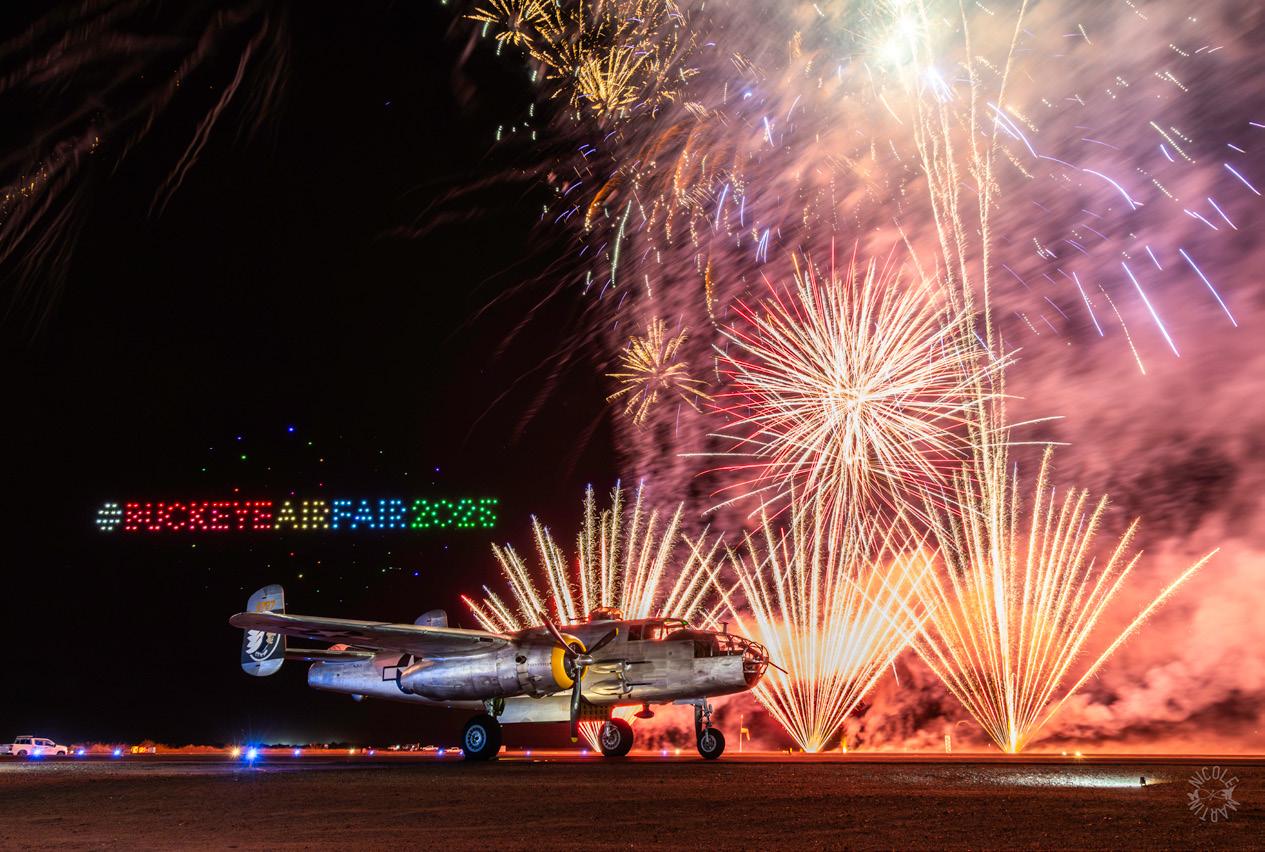
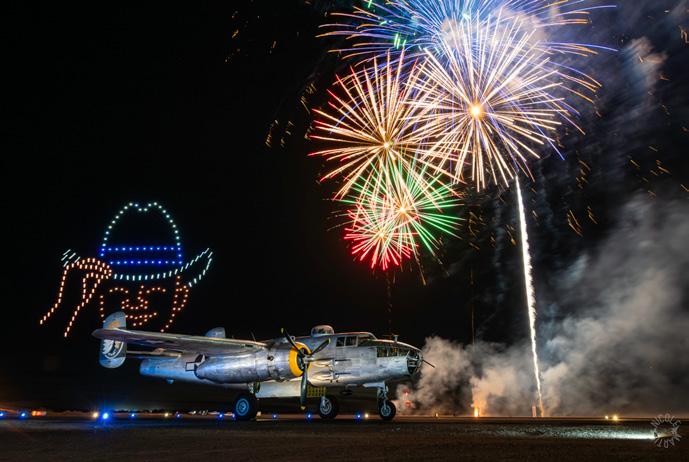
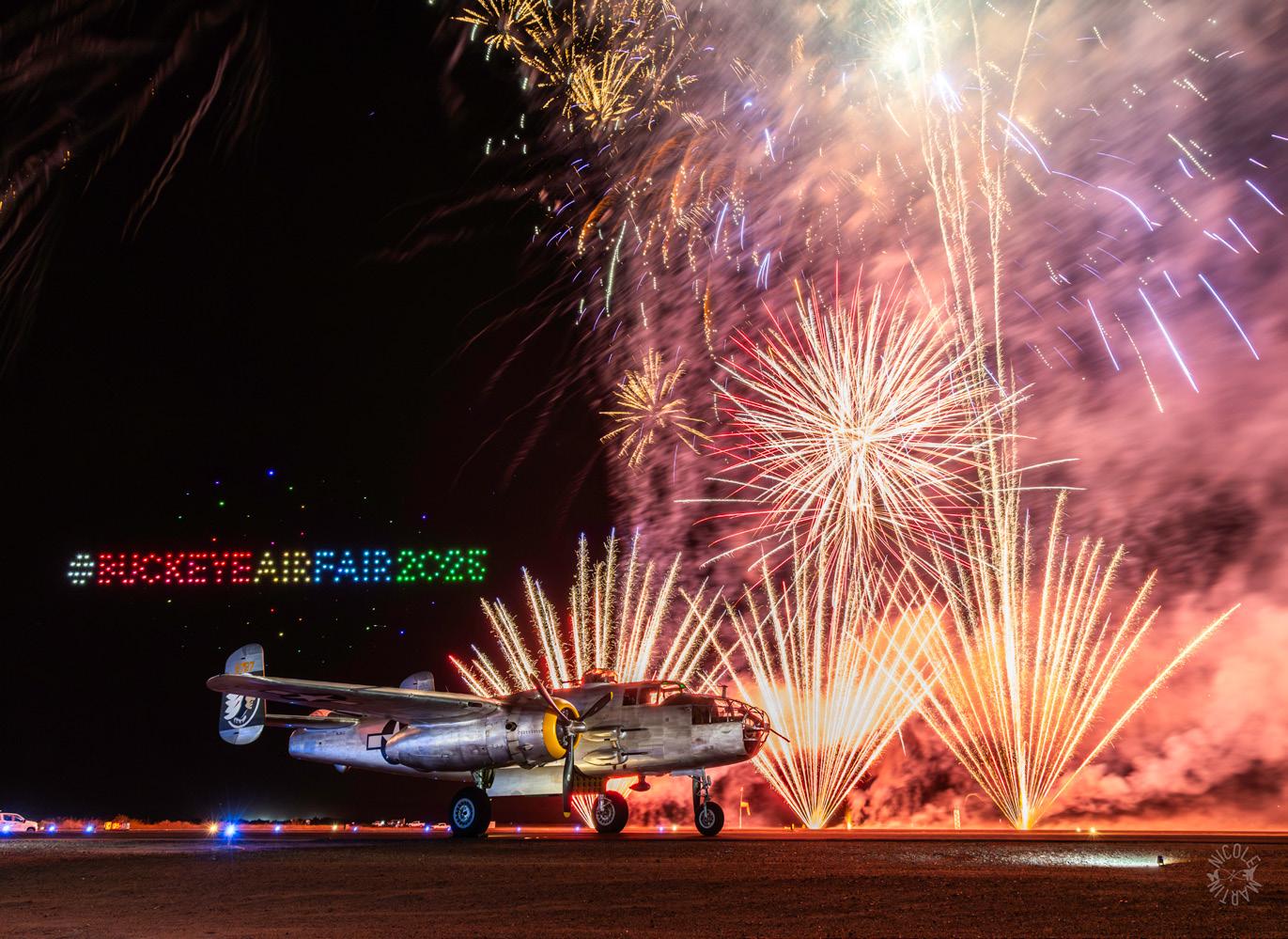
City of Buckeye
Buckeye, AZ United States 623-349-6367 www.buckeyeairfair.com
Event Name:
Buckeye Air Fair and AOPA Fly-In
DATES: February 13-15, 2026
ATTENDANCE: 36,000
BUDGET: $958,000
ANNUAL DURATION: 3 days, Presidents Day Weekend
NUMBER AND TYPES OF EVENTS:
A three-day aviation festival with AOPA fly-in, aircraft displays, STEM events, demos, and vendors.
NUMBER OF VOLUNTEERS: 225
NUMBER OF STAFF: 7 Full-Time WHEN ESTABLISHED: 2017
MAJOR REVENUE SOURCES BY PERCENT:
• Sponsorships: 33%
• Ticket Sales: 6%
• Merchandise Sales: 8%
• Municipal Operating Budget: 47%
MAJOR EXPENSES BY PERCENT:
• Infrastructure: 55.5%
• Staffing:4.5%
• Entertainment: 40%
TYPE OF GOVERNANCE: By Municipality
A Brief History of Buckeye Air Fair and AOPA
Fly-In
The Buckeye Air Fair has evolved from a modest community fly-in to one of Arizona’s largest and most beloved aviation events, drawing tens of thousands of visitors each year. Its history mirrors the growth of the City of Buckeye, an agricultural town transformed into one of the fastest-growing cities in the nation, and reflects the city’s long-standing commitment to aviation, education, and community engagement.
The origins of the Air Fair date back to the early 2000s, when pilots from across the area began informally gathering at the Buckeye Municipal Airport for its open house and small fly-ins. These early events were simple and community-driven: pilots shared their aircraft with curious spectators, local enthusiasts volunteered their time, and families came out to explore airplanes up close, often for the first time. What the event lacked in production, it made up for in energy and grassroots support, laying a foundation for future growth.
In the 2017, as Buckeye’s population began to expand, city leaders recognized the potential of the fly-in to become a signature community event. The City of Buckeye formalized the gathering into what is now known as the Buckeye Air Fair, adding structured programming, vendor participation, food trucks, children’s activities, and static aircraft displays. This created a more engaging and family-friendly experience, broadening the event’s reach and appeal far beyond aviation enthusiasts.
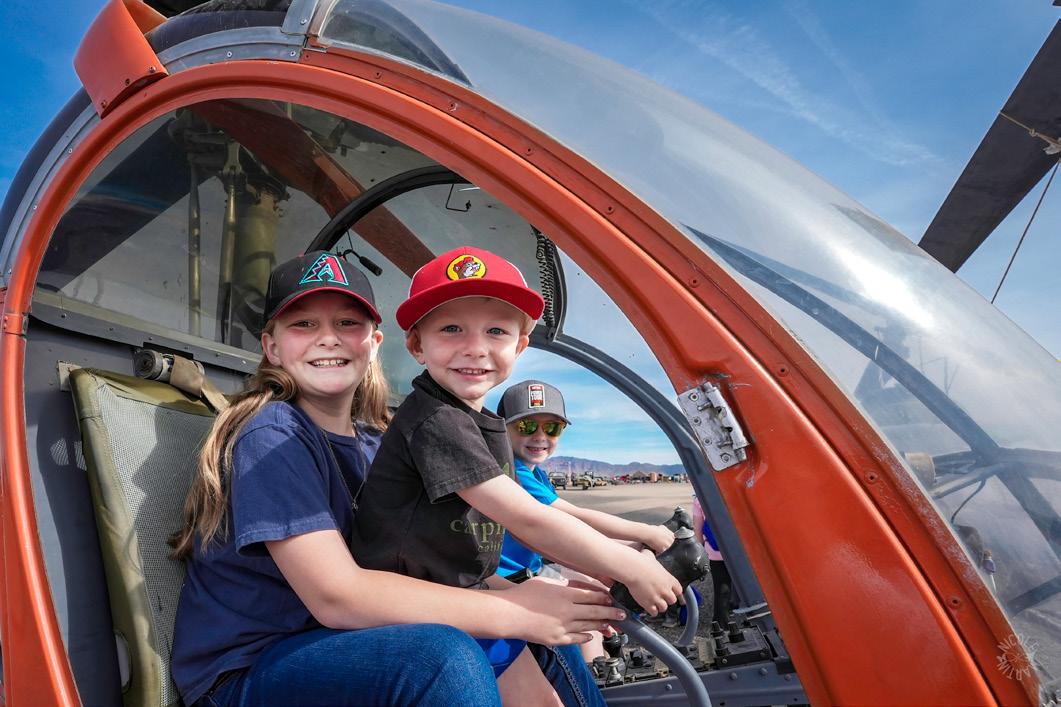
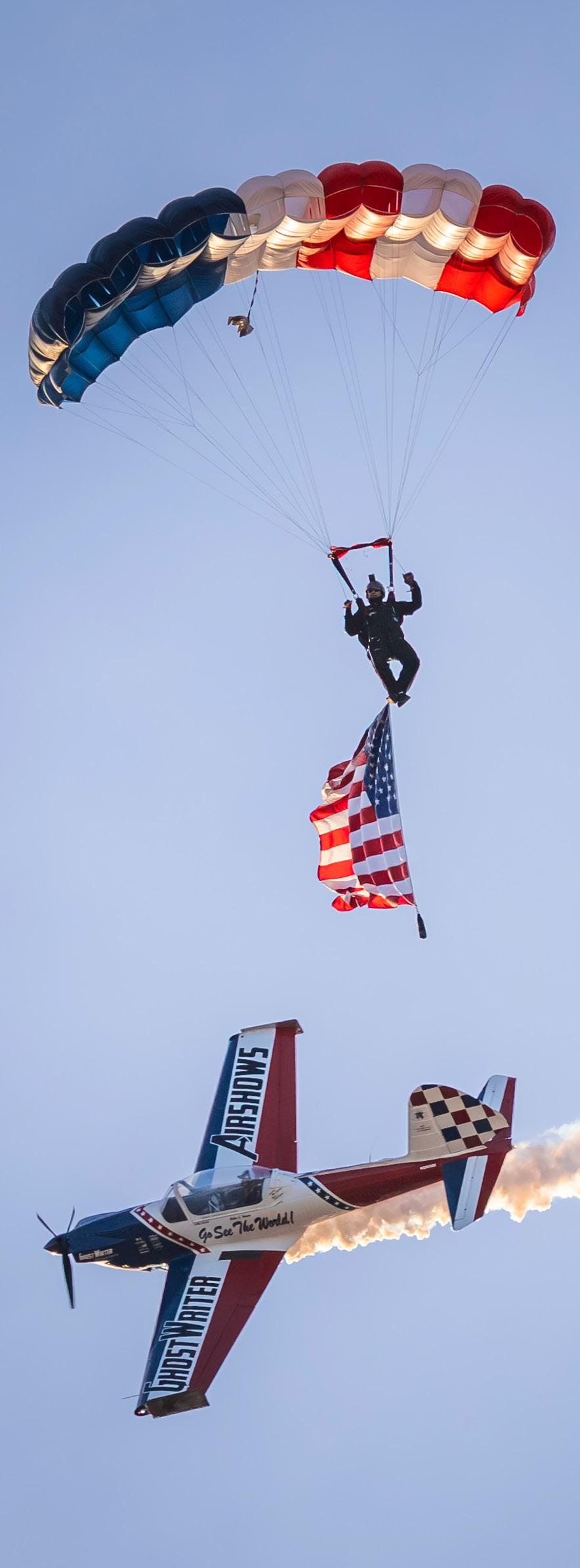
Over time, the Air Fair attracted partnerships with military branches, aviation organizations, historical aircraft groups, and specialty performers. Warbirds, rescue helicopters, and aerobatic aircraft became signature attractions. Military flyovers, skydiving demonstrations, and hands-on exhibits introduced new levels of excitement. As a result, attendance steadily increased, transforming the Air Fair from a local gathering into a regional aviation destination.
A defining evolution came when the Air Fair embraced an expanded STEM and youth-education mission. Recognizing the power of aviation to inspire future careers, the city introduced interactive STEM zones, aviation workshops, pilot Q&A sessions, and school partnerships. This educational focus aligned with Buckeye’s broader community goals, providing thousands of students with access to aviation learning opportunities at no cost. The launch of the Aviation Academy further strengthened
Photo Credit: Nicole Martin
Photo Credit: Nicole Martin
this commitment, offering a dedicated field-trip experience during the Air Fair that immerses students in aviation science, engineering concepts, and career exploration. For many children, the Air Fair marks their first close encounter with an airplane and sparks lifelong interest in aerospace.
Logistically, the Air Fair expanded from a simple one-day fly-in to a multi-day festival requiring extensive coordination between airport staff, police and fire departments, public works, local nonprofits, and volunteers. The event today integrates robust safety protocols, airport operations planning, traffic management, and vendor coordination, all contributing to its reputation as a well-run and exceptionally welcoming aviation event.
Each year, the Air Fair continues to grow in scope and sophistication. While the static displays and aviation performers remain a central attraction, the event has broadened to include community partners, youth organizations, interactive exhibits, and hands-on STEM activities. What began as an open house has transformed into a comprehensive aviation festival that celebrates both Buckeye’s heritage and its future.
Today, the event stands as one of Arizona’s premier aviation events, known for its family-friendly atmosphere, free educational programming, and impressive lineup of aircraft and performers. From its humble beginnings to its modern success, the Air Fair remains grounded in its original purpose: connecting people to aviation, inspiring future innovators, and bringing the community together in a shared celebration of flight.
Other Interesting Details About Your Event: Beyond its well-known aircraft displays and STEM activities, the Buckeye Air Fair is shaped by unique traditions, behind-the-scenes operations, and community contributions that make it one of Arizona’s most distinctive aviation events. While attendees experience a polished festival environment, much of the event’s magic comes from the extensive collaboration and planning that unfold long before the gates open.
A defining element of the Air Fair is the coordination between multiple municipal departments. Airport staff, Community Services Department, Police, Fire, Public Works, and Economic Development work together months in advance to build the event’s operational framework. This includes traffic routing, emergency response planning, airside safety, vendor management, and real-time airport operations. Because the Air Fair takes place at a fully functioning municipal airport, teams must balance public access with safe aircraft movement, an intricate process essential to the event’s success.
Photo Credit: Nicole Martin
Photo Credit: Nicole Martin
THURSDAY, FEBRUARY 12, 2026
11:00 A.M. - 12:00 P.M. MST
Beyond the Event: Year-Round Community Engagement That Fuels Festivals
TaKeyia Dickens, CFEE
Community Curator and Community Partnerships Specialist
Lady T the Connector Washington, D.C.
THURSDAY, FEBRUARY 19, 2025
11:00 A.M. - 12:00 P.M. MST
Using AI to Up Your Sponsorship Game
Bruce Erley, APR, CFEE
Founder & Principal
IFEA World Board Member
Creative Strategies Group Denver, CO
THURSDAY, FEBRUARY 26, 2026
11:00 A.M. - 12:00 P.M. MST
Show Up, Stand Out, Stay Connected: Networking Strategies that Build Authentic Relationships
Gail Alofsin
President & Founder of Leadership at ALL Levels
Associate Director of Corporate Partnerships at the University of Rhode Island Newport, RI
THURSDAY, MARCH 5, 2026
11:00 A.M. - 12:00 P.M. MST
Event Statistics - A Look at the Festivals & Events Industry in 2025, As You Prepare for 2026
Collette Ingalls
Associate Director, Marketing atVenu San Clemente, CA
THURSDAY, MARCH 12, 2026
11:00 A.M. - 12:00 P.M. MDT
The Evolution of a City - Event Partnership: Coachella and Indio, California
Jim Curtis, CFEE
Community Services Manager City of Indio, California Indio, CA
THURSDAY, MARCH 26, 2026
11:00 A.M. - 12:00 P.M. MDT
More You, Less Robot: Building Authentic Marketing Content while using AI
S. David Ramirez, CFEE
Founder / Principal Consultant
IFEA Foundation Borad Member
SDMRamirez San Antonio, TX
THURSDAY, APRIL 2, 2026
11:00 A.M. - 12:00 P.M. MDT
Why Sustainability Matters: Meeting the Expectations of Consumers, Sponsors & Communities
Jen Marhenke
Sustainability Program Manager Rico Solutions Fort Myers, FL
THURSDAY, APRIL 9, 2026
11:00 A.M. - 12:00 P.M. MDT
Playbook for Your Organization’s Future: Succession Planning
Stephen King, CFEE
Executive Director
Des Moines Arts Festival Des Moines, IA
THURSDAY, APRIL 16, 2026
11:00 A.M. - 12:00 P.M. MDT
From Gate to Great: Ticketing Trends for Today’s Live Events
Jessica Bybee-Dziedzic
Vice President, Client Operations
IFEA Association Endorsed Partner and Webinar Sponsor
Saffire Austin, TX
THURSDAY, APRIL 23, 2026
11:00 A.M. - 12:00 P.M. MDT
The New American National Standard about Zone Ex Steve Adelman
Principal - Adelman Law Group, PLLC
Founder/Former Vice President - Event Safety Alliance
• A strong platform from which to recognize the success of current and on-going efforts by every component of your community;
• A clear positioning statement to encourage continued infrastructure, policy and process enhancement and expansion; and
• A powerful marketing statement for use in recruiting and encouraging new festivals, events and businesses.
We look forward to working with you, your city and community partners to recognize the quality efforts and support that you have successfully developed over the years and should be rightfully proud of. Thank you for your continued support of, and partnership with, the festivals and events industry. Best of Luck with your entry!
RECIPIENT CITIES INCLUDE:
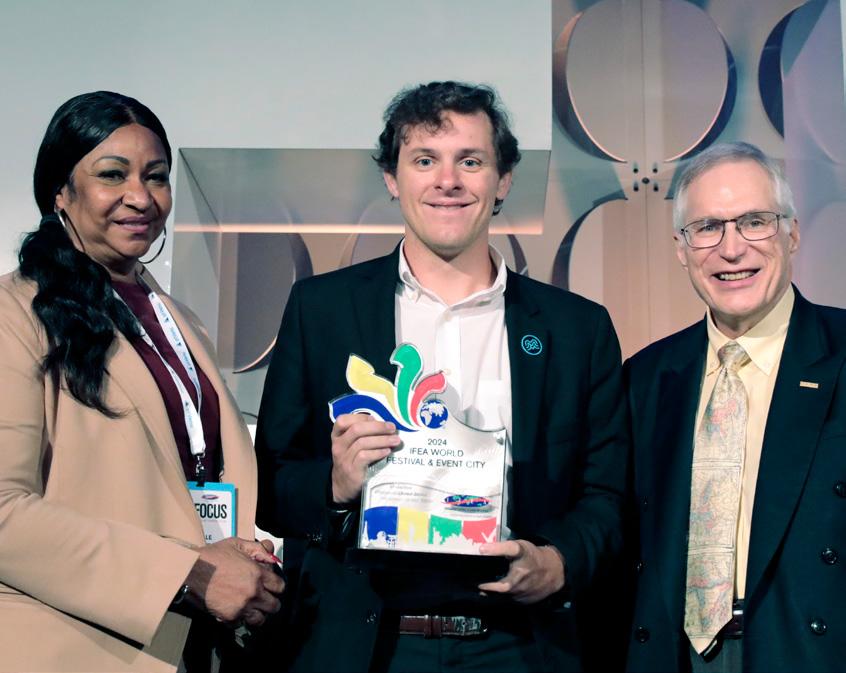
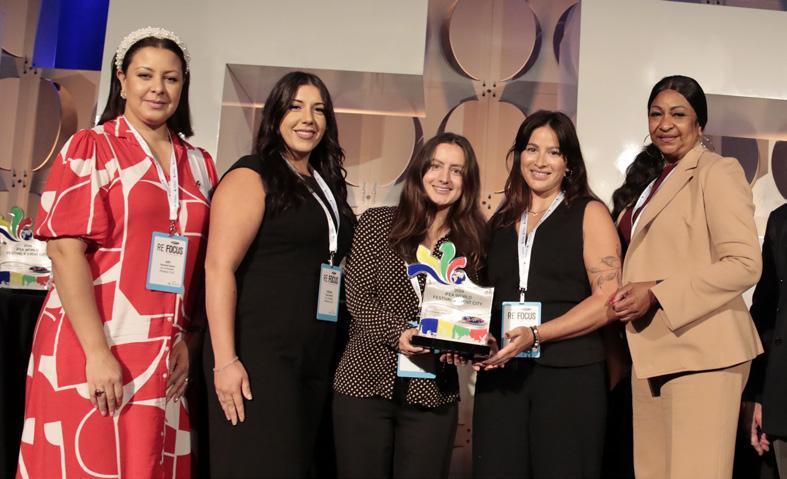
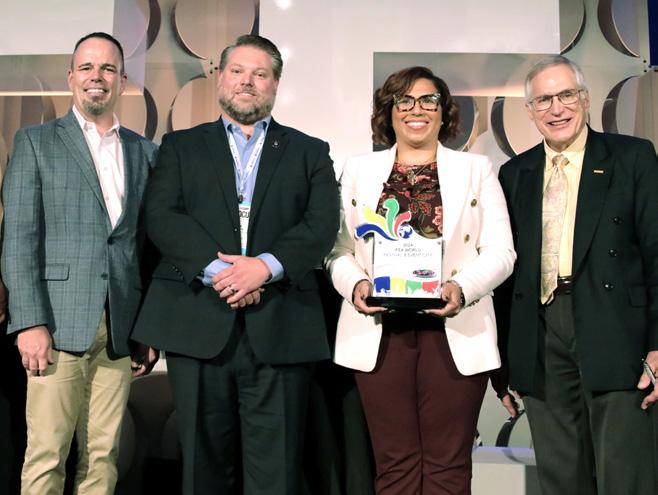
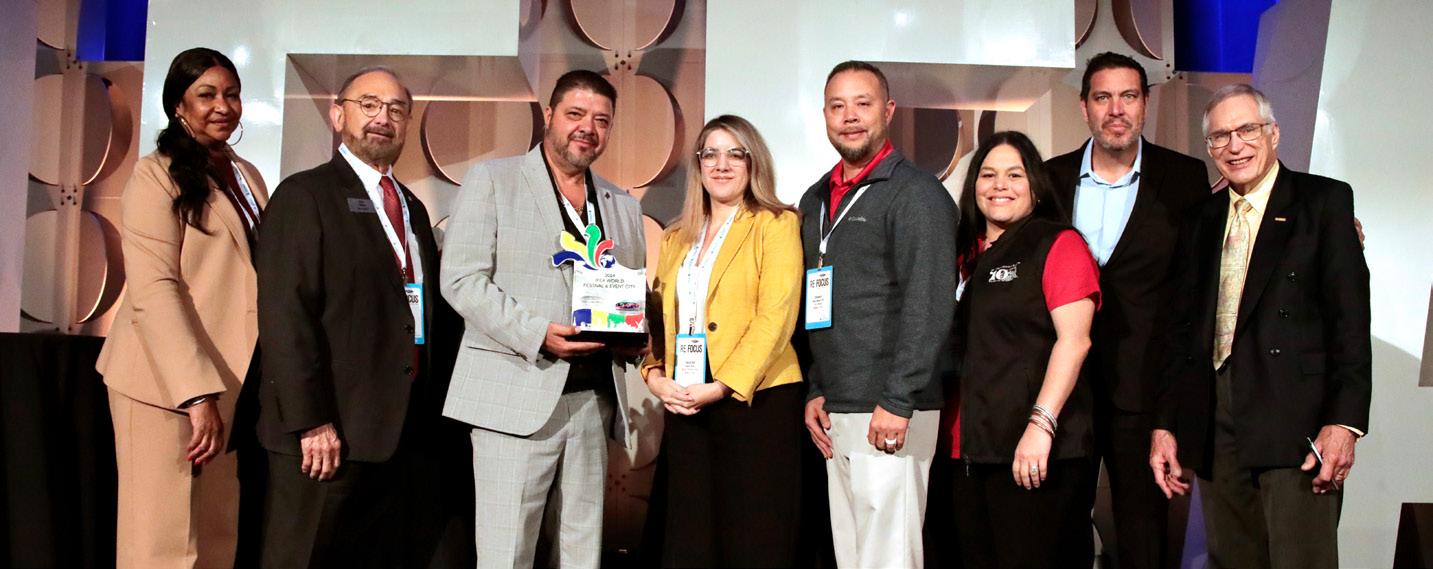
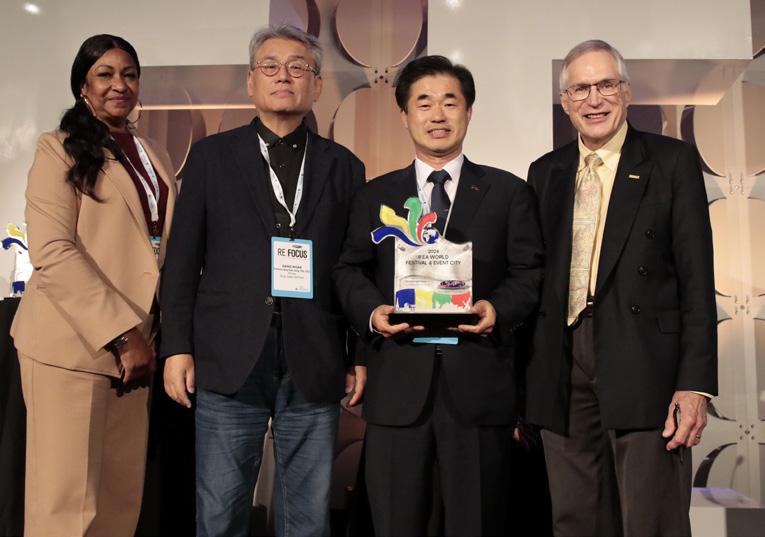
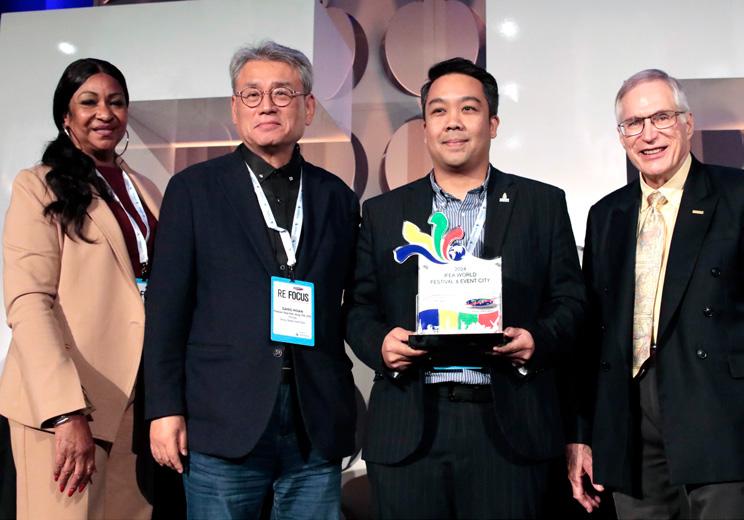
IFEA World Festival & Event Award recipient cities come from all over the globe including such cities as: Sydney, Australia; Dubai, United Arab Emirates; São Paulo, Brazil; Rotterdam, The Netherlands; Nice - Côte d’Azur, France; London - England Jinju City, Gyeonsangnam-do, South Korea; Krakow, Poland; Philadelphia, Pennsylvania, USA; Denver - CO, USA; Greater Palm Springs - CA, USA; Milwaukee - WI, USA; Louisville - KY, USA; Ottawa - Ontario, Canada; Boston - Massachusetts, USA; Tucson, Arizona, U.S.A.; Des Moines, Iowa, U.S.A.; Maribor, Slovenia; Taupõ - New Zealand; New Taipei City, Taiwan; Phuket, Thailand; Ballito-KwaDukuza, KwaZulu-Natal, South Africa, and much, much more. A complete list of winning cities and details about each can be found at www.ifea.com
ENTRY INFORMATION Quick Reference Guide
DEADLINES
• Entry Deadline: 11:55 p.m. (Mountain Time Zone) – Wednesday, July 15, 2026
• Entry must include completed entry, additional requested details and application form with payment
• Due to time constraints in judging, late entries cannot be accepted.
Judging of the IFEA World Festival & Event City entries is done by an international panel of respected event professionals, who have been pleased to discover that there are many amazing programs happening around the world that will help us all to raise the bar for our own communities, showing us what is possible – at every level – when vision and leadership combine.
• A possible total of 100 points may be awarded to each entry based upon the individual components listed under Sections 1-6 of the overall entry.
• Failure to meet all requirements or answer/ provide all necessary information may impact judging decisions and will result in a deduction of points.
• If a section or element does not apply to your City, please state this within your entry (explaining why it does not apply) in order to avoid losing points.
SELECTION AND NOTIFICATION
• Award Recipients will be notified via email by Wednesday, August 12, 2026. Notification will go to the primary contact listed on the entry application.
• If you are unable to attend the IFEA Annual Convention & Expo to accept your award, please arrange for a representative to accept on your behalf.
• If you are not present at the awards presentation to accept your award, it will be mailed to you 4 weeks after the convention concludes at your expense. The IFEA will coordinate shipping arrangements and payment with you once your award is ready to ship.
MAXIMIZING YOUR AWARD
Being selected as an IFEA World Festival & Event City is only the beginning of the benefits to be gained from this special honor.
• Duplicate IFEA World Festival & Event City awards are available for purchase by award recipients wishing to share their honor with the many partners who helped them to win.
The IFEA recognizes that Artificial Intelligence (AI) is becoming an increasingly valuable tool for cities, festivals, and events—helping teams save time, improve efficiency, and enhance creativity. If you used AI to assist with internal organization, writing support, or formatting while preparing your IFEA World Festival & Event City Award submission, that is completely acceptable. However, all materials representing your city, programs, results, and event environment must be authentic and based on real experiences and outcomes. This includes all images, data, metrics, descriptions, and supporting materials. AI-generated images or videos, fabricated data, simulated event environments, or any content that does not reflect your actual city and festival/event landscape are not permitted. Your entry must truthfully and accurately represent the real work, accomplishments, and collaborative efforts of your city. The IFEA relies on all applicants to uphold the highest standards of integrity, authenticity, and professionalism in every submission.
IFEA CONTENT AND COPYRIGHT STANDARDS
By submitting your entry to the IFEA World Festival & Event City Award, you agree to the following terms:
• Usage Rights: Grant the IFEA the right to use any submitted materials (text, images, videos, etc.) for editorial, educational, analytical, promotional, or other purposes without additional compensation or permission. All materials and photos submitted as part of the application will become the property of the IFEA.
• Ownership & Permissions: Confirm that you hold, or have obtained, all necessary rights, licenses, and permissions to submit the materials and represent the festivals, events, or organizations entered. Additionally, you agree to that if selected as a winning applicant, the IFEA may use their City name and representative’s photos in all press releases and program marketing materials. Note: Proprietary or sensitive information will not be shared if identified clearly.
• Accuracy: Confirm that all information included in your entries is true and accurate to the best of your knowledge.
• AI Usage Policy: Confirm that any use of Artificial Intelligence (AI) tools in preparing your submission was limited to assistance with organization, writing, or formatting only. All images, videos, data, and supporting materials are authentic and originate from your actual event.
• Acknowledgment of Competition Terms: Understand that participation in the competition does not guarantee an award, and that all entries are non-returnable and non-refundable.
• Acceptance of Terms: Submission of entries constitutes full acceptance of these conditions and all IFEA competition rules and guidelines
1. DESCRIPTION: A one (1) paragraph description of your city (to be used for promotional purposes by the IFEA). (Submit as PDF Document).
2. MEDIA LIST: An email list of your local media contacts for IFEA for use to announce the selected recipients. Please limit to your 25 main contacts. (Submit as Excel Document).
3. PHOTOGRAPH: An individual photograph representing either an overhead view of your city or a festival setting within your city (at least 300 dpi in size). (Submit as JPG or PNG format).
4. VIDEO: A three (3) minute video presentation representing your City. (Submit video as a link to an online video location such as YouTube or submit as a MPF, WMF, MOV file located on a file storage of your own such as Google Drive or Dropbox) Please ensure video is downloadable from souce.
5. LETTER: A one (1) page introductory letter stating why your City should be selected to receive the IFEA World Festival & Event City Award. (Submit as PDF Document).
• Please submit your main entry (as listed in components 6 under Entry Requirements above), as one (1) single PDF Document.
• Components 1-5 listed under Entry Requirements may be submitted as separate pieces
from the main entry, but must be submitted at the same time.
• All entry information should be provided in English and typed using 11-point font.
ALL ENTRIES SUBMITTED ONLINE
All entries must be SUBMITTED and PAID FOR online. Please review and follow the guidelines below for how to format, submit and pay for your entries in addition to reviewing the entry requirements.
ENTRY FILE NAME FORMAT
Please save the file name for each of your entry components, using the following format, with no spaces:
• Beginning of each component file name: 2026IFEACityAward
• Middle of each component file name: Your City Name, State and Country
• End of every component file name: Component Name
• (Components include: Description; Media; Photograph; Video; Letter; Main Entry.)
• File extension: (.pdf | .jpg | .png | .xlsx)
An example of an actual file name would be: 2026IFEACityAwardBoiseIdahoUnitedStatesMainEntry.pdf
ENTRY FILE TYPE FORMAT
Please save your entry components in the following formats:
• Main Entry, City Description and Introductory Letter: Please submit as PDF Documents.
• Media List: Please submit in an Excel Document
• City Photo: Please submit as a JPG | PNG
• City Video: Please submit your city video as a link to an online video location such as YouTube OR submit as a MPF, WMF, MOV file located on a file storage of your own such as Google Drive or Dropbox. Please ensure video is downloadable from souce.
HOW TO SUBMIT ENTRIES
When you are ready to submit your entry, go to: www.ifea.com/p/industryawards/worldfestivalandeventcityaward/currentyear
Questions: Please contact Nia Hovde, CFEE at nia@ifea.com
Entries may be submitted using the online form by either:
OPTION #1:
Providing a direct link on the Entry Form, to a file that has ALL the components of your entry and has been uploaded to YOUR online storage site (Dropbox, Google Drive, We Transfer or similar). If selecting this option, make sure your share settings allow “Anyone with the link” to access the file.
Link must remain active until November 20, 2026.
OPTION #2:
Uploading each individual component of your entry (1-6) individually on the online Entry Form (note: Video component will still need to be submitted as a link due to file size).
Upload option only available on desk top computer. Not available on mobile devices. File upload size limit is 20MB per component. The larger your file size, the longer your entry will take to upload.
TIPS & POINTERS
• Not all components under a specific section will pertain to everyone. Don’t worry; there are no ‘right’ or ‘wrong’ answers and our international judging panel will base their decisions on overall impressions after reviewing all of the submitted information. We are all learning from each other, with the goal of strengthening the partnerships, benefits and returns to our respective communities from the festivals and events that are such an important part of the community fabric and we hope to find additional new ideas being implemented from within all of the award entries that we can share in the future.
• Responses to the requested information may require a straight-forward numerical answer, or a more descriptive definition. While we have placed no limits on length, we encourage you to provide the most succinct answers possible that clearly make your point.
• Support materials, photos, videos, brochures, copies, etc. should be inserted following the responses to each section.
• As needed, we may communicate with the primary contact on the application to clarify any questions that may arise.
QUESTIONS
If you have any questions or need clarification on any criteria, please contact either:
• Steve Schmader, CFEE, President & CEO at schmader@ifea.com
• Nia Hovde, CFEE, Vice President/Director of Marketing & Communications at nia@ifea.com
IFEA World Festival & Event City Award
ENTRY REQUIREMENTS
Working in partnership with local community leadership, festivals, events, organizations and businesses, please provide a clear overview and understanding of the festival and event environment in your City/Market through responses to each of the following sections. The application process in itself is a great opportunity to evaluate internally the areas where your City excels and other areas where you may be able to strengthen your efforts and further support local programs.
Please submit the following information:
1. A one (1) paragraph description of your city (to be used for promotional purposes by the IFEA)
2. An email list of your local media contacts in Excel format for IFEA for use to announce the selected recipients. Please limit to your 25 main contacts.
3. An individual photograph representing your city - preferably of a festival setting within your city (at least 300 dpi in size).
4. A three (3) minute video presentation representing your city. (Refer to Important Details section for video format.)
5. A one (1) page introductory letter stating why your City should be selected to receive the IFEA World Festival & Event City Award
Goal: The information in this section should help provide us with a better understanding of your community and the infrastructure in place to host and/or support those producing and attending festivals and events.
• Please provide an overview of your community that will provide us with as many elements as possible, such as:
a. Current City Population
b. Current SMSA or LUZ Population (Standard Metropolitan Statistical Area or Large Urban Zone)
c. Population within a 50 Mile Radius of Applicant City
d. Primary Festival and Event Venues Available (Indoor and Outdoor. For example: Theatres, Plazas, Bandshells, Parks, Stadiums, Fairgrounds, Sport Facilities, Convention Centers, etc., including those facilities planned for completion within the next two years. Include Estimated Capacities for each. For outdoor venues, use a formula of 1 person per 3 square feet if no other total capacity numbers are available.)
e. Water and Power Accessibility in Outdoor Venues
f. Wifi Accessibility throughout Venues in City (signal / affordability)
g. Hospital and Emergency Response Availability
h. Total Number of Hotel Rooms Available
i. Public Transportation Options
j. Parking Availability (Paid lots, meters, and free)
k. Walking Paths, Bicycle Lanes
l. Estimated City Visitors Annually Attributed to Festivals and Events
Section 2. Community Festivals and Events
Goal: The information in this section should provide us with an understanding of the diversity and success of current festivals and events that serve your city residents and visitors throughout the year.
• Please provide us with a good overview of the leading festivals and events currently operating in your market. A full-year calendar of events is very helpful as we consider this area.
Please provide the following for the ‘Top 10’ festivals or events in your market:
a. Festival or Event Name
b. Top Executive Contact Information
c. Number of Years Festival or Event has been Produced
d. Event Dates (Minimally the month held, with days if clearly defined –For example: the last weekend in June. If the event is a series, list the starting and ending dates – For example: Every Wednesday, June through August.)
e. Primary Target Audience (For example: Families; Young Adults; Seniors; Children; Specific Cultural Heritage Groups; All Community Segments; Out-of-Market Visitors, etc.)
f. Recurrence Cycle (Annually, Every 5 Years, etc.)
g. Estimated Combined Aggregate Attendance
Section 3.
City/Governmental Support of Festivals and Events
Goal: The information in this section should help us to understand the strength and depth of support by the applicant City and other area governmental bodies (County, State, taxing districts, etc.) and demonstrate a clear awareness of event support needs by government agencies and officials.
• Please define or describe each of the following elements (a-k) below, as completely and accurately as possible.
• Where available and appropriate, please provide examples and copies.
• If a section or element does not apply to your city, please state this within your entry and why it does not apply and/or what you may have/use instead.
a. Defined and Accessible Public Objectives and Support Statements for Festivals and Events by the City and Other Local Government Agencies
b. Direct Funding Support Provided to and/or Budgeted for Festivals and Events from the City or Other Government Agencies
c. In-Kind Services Support Provided to and/or Budgeted for Festivals and Events from the City or Other Government Agencies
d. Any New Programs Created to Prepare For/Protect Against Unexpected Challenges
e. Defined Role of the City in Festival and Event Approval
f. City-Provided Festival and Event Process Coordination and Assistance Systems
(For example: Existence of a City Events Department; ‘One-Stop Shopping’ for Permitting and Municipal Service Needs; Shared Resource Programs for Volunteer Recruitment/Management, Non-Proprietary Equipment Usage/Maintenance, Insurance/Music Licensing Provisions, etc.)
g. Participation in Official Capacity by City Department Representatives on Boards and Planning Committees of Local Festivals and Events
h. Local Laws, Ordinances, Regulations, Permits and Policies Impacting and Supportive of Festivals and Events
i. Green Initiatives: What assistance does the city offer to encourage and support green initiatives by festivals & events?
j. City Provided Festival and Event Training Programs
(For example: Marketing, Planning, Budgeting, Risk Management, Alcohol Service, City Department Introductions, Professional Certification, etc.)
k. Direct Industry Involvement / Memberships by Any of the Above
Section 4. Non-Governmental Community Support of Festivals and Events
Goal: The information in this section should help us to understand the commitment to festivals and events and direct support provided by community individuals and non-governmental organizations. Without this type of support most festivals and events could not achieve the level of success that these important partnerships help to build.
• Please define or describe how each of the following elements/organizations (a-l) below (if applicable) lends their support to ensure the success and outreach of local festivals and events completely and accurately as possible.
• Answers should be provided as an overview reflective of the entire community versus an individual event/organization, with enough detail to provide a clear picture of support.
• If a section or element does not apply to your city, please state this within your entry and why it does not apply and/or what you may have/use instead.
a. Volunteer Involvement
b. Sponsorship Support (include in your answer a list of the ten (10) most prominent corporate sponsors in your market)
c. Media Support
d. Chamber of Commerce / Convention & Visitors Bureau Support (Promotion and marketing activities, familiarization tours, travel writer access, material creation, information distribution, grant funding, visitor hosting, etc.)
e. Downtown Associations (Support by Downtown merchants and businesses)
f. Organizations to Assist Individuals with Disabilities
g. Local Event Cooperatives
h. Sports Commissions
i. Educational Institution Support
j. Special Incentives/Discounts Provided to Festivals and Events by Local Venues (For example: special discounted rates for use of a local performing arts venue; provision of ticketing services, etc.)
k. Access to Industry Suppliers in the Local Market (For example: banners and decorations; generators; portable toilets; merchandise; generators; stage, lights & sound; golf carts; security; chairs; barricades; ATM’s; communication services; etc.)
l. Direct Industry Involvement / Memberships by Any of the Above
Section 5. Leveraging ‘Community Capital’ Created by Festivals & Events
Goal: The information in this section should help us to understand how the City and its non-governmental partners maximize the ‘community capital’ created by festivals and events in your market.
• Please define or describe how your City uses the branding and marketing images/ opportunities provided by your local festivals and events to leverage return in other areas.
• These may include, the items below, among others.
• If a section or element does not apply to your city, please state this within your entry and why it does not apply and/or what you may have/ use instead.
a. Community Branding (How are local festivals and events used to promote and build upon the positive image of the city?)
b. Promoting Tourism (How are local festivals and events used to promote tourism visits?)
c. Convention Marketing (How are local festivals and events used to recruit conventions to the city during the times that festival or event activities may serve as an extra incentive for choosing a destination?)
d. Corporate Recruiting Efforts (How are local festivals and events used by Economic Development efforts to recruit new businesses to consider choosing your market for their operations?)
e. Relocation Packets and Information (How are local festivals and events used in information designed to entice individuals / organizations to relocate to your city?)
f. Familiarization Tours (How are local festivals and events used by your City and Convention & Visitors Bureau as part of ‘Familiarization Tours’ for visiting meeting planners, VIP’s, etc.)
g. Out-of-Market Media Coverage (How are local festivals and events used to secure interest in coverage from out-of-market media sources, travel writers, etc.?)
h. Enhancing Exposure to the Arts and Other Causes (How are local festivals and events used to feature, highlight, expose new audiences to, or drive support for the arts and other causes?)
i. Creating Highly Visible Public Relations Campaigns for City Facilities and Services (How are local festivals and events used to drive positive public relations campaigns for things like police image, parks usage, fire safety, EMT roles and support needs, use of local transportation options, marketing of/exposure to local venues, support of local bond issues, etc.?)
j. Encouraging Community Bonding, Participation, and Celebration (How are local festivals and events used by the City to bond all of the diverse elements of the community together, encourage community involvement and support, and celebrate who we are when we are at our best?)
k. Highlighting or Developing Underused Venues or Sections of the Community (How are local festivals and events used to encourage usage of or exposure to underused venues or city neighborhoods, underdeveloped sections of the City, etc.?)
l. Creating Legacies and Images Beyond the Event (How are local festivals and events used to create lasting legacies (venues, programs, infrastructures and images of the City after and in-between events?)
Section 6. Extra Credit
This section provides an opportunity to highlight any other programs, services, resources, activities, etc., that may not have been included or covered in the previous sections. Some examples may include the items below, among others,
a. Skills Development - Availability of Certificate or Degree Programs in Festival & Event Management through a Local University or Private Provider
b. Members of Your Event Community Who Currently Hold a Certified Festival & Event Executive (CFEE) Designation
c. Secondary School System Graduation Requirements that Encourage Volunteerism and Community Service during Festivals and Events
d. A Festival and Event Shared Resource Program in Your City (For example: shared warehousing, office space, equipment, staff, etc.)
e. Defined and used Risk Management Partnerships between the City and Events
f. Efforts to Actively Recruit New Events to Your City (Please include reference to any applications made/secured if this area pertains)
g. Other Creative Endeavors
Past IFEA World Festival & Event Cities
Each year, the International Festivals & Events Association announces the recipients of the IFEA World Festival & Event City Award, at the Annual IFEA Convention & Expo. The IFEA would like to congratulate each winning city. For more information about each winning city - go to: www.ifea.com / Industry Awards / World Festival & Event City Awards / Past Recipients
2025 IFEA World Festival & Event City Award Recipients
• Dublin, Ireland
• Dublin, Ohio, United States
• Geumsan-gun, Chungcheongnam-do, South Korea
• Historic Kailua Village, Kailua-Kona, Hawai‘i, United States
• McAllen, Texas, United States
• Philadelphia, Pennsylvania, United States
• Pittsburgh, Pennsylvania, United States
• Rotterdam, The Netherlands
• Songkhla, Thailand
• Vaughan, Ontario, Canada
2024 IFEA World Festival & Event City Award Recipients
• Gwangju Dong-gu, Republic of Korea
• McAllen, Texas, United States
• Milwaukee, Wisconsin, United States
• Philadelphia, Pennsylvania, United States
• Phuket, Thailand
• Pittsburgh, Pennsylvania, United States
2023 IFEA World Festival & Event City Award Recipients
• McAllen, Texas, United States
• Philadelphia, Pennsylvania, United States
• Sukhothai, Thailand
• Tongyeong, South Korea
2022 IFEA World Festival & Event City Award Recipients
• Chiang Mai, Thailand
• Jinju, South Korea
• McAllen, Texas, United States
• Penghu, Taiwan
• Philadelphia, Pennsylvania, United States
2019 IFEA World Festival & Event City Award Recipients
• Coffs Harbour, New South Wales, Australia
• Gimje-Si, Jeollabuk-do, South Korea
• Philadelphia, Pennsylvania, United States
• Rotterdam, South Holland, The Netherlands
• Sydney, New South Wales, Australia
• West Palm Beach, Florida, United States
2018 IFEA World Festival & Event City Award Recipients
• Boryeong-si, Chungcheongnam-do, South Korea
• Coffs Harbour, New South Wales, Australia
• Gold Coast, Queensland, Australia
• Moscow, Russia
• Ottawa, Ontario, Canada
• Philadelphia, Pennsylvania, United States
• Sydney, New South Wales, Australia
• Taichung City, Taiwan
• Winnipeg, Manitoba, Canada
2017 IFEA World Festival & Event City Award Recipients
• Coffs Harbour, New South Wales, Australia
• Des Moines, Iowa, United States
• Gold Coast, Queensland, Australia
• Hadong-gun, Gyeongsangnam-do, South Korea
• New Taipei City, Taiwan
• Philadelphia, Pennsylvania, United States
• Port Macquarie Region, New South Wales, Australia
• Sydney, New South Wales, Australia
• Tucson, Arizona, United States
2016 IFEA World Festival & Event City Award Recipients
• Coffs Harbour, New South Wales, Australia
• Dubai, United Arab Emirates
• Greater Palm Springs, California, United States
• Krakow, Poland
• Newcastle, New South Wales, Australia
• Philadelphia, Pennsylvania, United States
• Sydney, New South Wales, Australia
• Taupo - , Waikato Region, New Zealand
2015 IFEA World Festival & Event City Award Recipients
• Coffs Harbour, New South Wales, Australia
• Dubai, United Arab Emirates
• Jinju City, Gyeonsangnam-do, South Korea
• Louisville, Kentucky, United States
• Newcastle, New South Wales, Australia
• Philadelphia, Pennsylvania, United States
• Rotterdam, The Netherlands
• Sydney, New South Wales, Australia
2014 IFEA World Festival & Event City Award Recipients
• Dubai, United Arab Emirates
• Dublin, Ohio, United States
• Newcastle, New South Wales, Australia
• Philadelphia, Pennsylvania, United States
• São Paulo, Brazil
• Sydney, New South Wales, Australia
2013 IFEA World Festival & Event City Award Recipients
• Boston, Massachusetts, United States
• Hwacheon-Gun, Gangwon-do, South Korea
• Nice, Côte d’Azur, France
• Ottawa, Ontario, Canada
• Rotorua, Bay of Plenty, New Zealand
• Salvador, Bahia, Brazil
• Sydney, New South Wales, Australia
2012 IFEA World Festival & Event City Awards Recipients
• Ballito-KwaDukuza, KwaZulu-Natal, South Africa
• Campos do Jordão, São Paulo, Brazil
• Denver, Colorado, United States of America
• Dubai, United Arab Emirates
• Dublin, Ohio, United States of America
• Grapevine, Texas, United States of America
• Hampyeong-gun, Jeonlanam-do, Korea
• Lhasa, Tibet Autonomous Region, People’s Republic of China
• London, England
• Maribor, Slovenia
• Newcastle, New South Wales, Australia
• Republic of Trinidad and Tobago, The
• Sydney, New South Wales, Australia
2011 IFEA World Festival & Event City Award Recipients
• Dubai, United Arab Emirates
• Gimje-si, Jeollabuk-do, South Korea
• Indianapolis, Indiana, United States
• Johannesburg, Gauteng, South Africa
• Joinville, Santa Catarina, Brazil
• Meizhou Island of Putian City, Fujian Province, China
• Reykjavik, Iceland
• São Paulo, São Paulo, Brazil
• Shanghai, China
• Sydney, New South Wales, Australia
2010 IFEA World Festival & Event City Award Recipients
• Boryeong-si, Chungcheongnam-do, Korea
• Edinburgh, Scotland
• Geumsan-gun, Chungcheongnam-do, Korea
• Hidalgo, Texas, United States
• Jinju-si, Gyeongsangnam-do, Korea
• Louisville, Kentucky, United States
• Norfolk, Virginia, United States
• Ottawa, Ontario, Canada
• Rotterdam, The Netherlands
• Sydney, New South Wales, Australia
• Salvador, Bahia, Brasil
• Taupo, New Zealand
Community Boost
We enjoy working with local organizations that support under-represented groups.
Sustainability challenges spark creative solutions. Your event could pioneer the next big idea in event production. Innovation
Event Planning for a Better Tomorrow
KNOWLEDGEABLE & RELIABLE
Rico Solutions collaborates with event producers to elevate their operations with a clear focus on sustainability, reducing environmental impact and optimizing efficiency at every step.
Our Sustainable Impact
Cutting waste often means cutting costs. It's a win-win for your budget and the planet.
As regulations tighten, events working towards sustainability are ahead of the curve. Smart Spending:
Consumers care about sustainability. Show them you do, too, and watch your brand value grow.
Position your event as a leader in sustainability. Inspire others to adopt green practices and set the standard for the industry.
2026 IFEA
Great people. Great careers. And the drive to look beyond what’s “good enough” to make everything “better than it has to be.” That is the spirit behind the IFEA Hall of Fame.
As we continue our journey of excellence and inspiration, it’s time once again to present the IFEA’s most prestigious honor. It’s time to induct the 2026 IFEA Hall of Fame Recipient.
Who will it be? Will it be your Executive Director who leads with vision and heart? A mentor who sparked your career? A colleague whose innovation changed everything? Or maybe… someone you’ve admired quietly, but whose impact speaks volumes?
The power to honor a great industry leader is in your hands. Take a moment to reflect on those who have inspired you, uplifted others, and strengthened our industry. Then, help us tell their story. Nominate a deserving leader today and celebrate the spirit, dedication, and excellence that make our industry truly extraordinary.
QUALITIES AND CHARACTERISTICS
OF THE IFEA HALL OF FAME
Induction into the IFEA Hall of Fame is a mark of distinction, reserved for those who have made exceptional contributions to the festivals and events industry. These individuals are not only recognized for their achievements but also for the qualities that have set them apart as leaders, innovators, and mentors. IFEA Hall of Fame Inductees embody many of the following key qualities and characteristics—traits that illustrate their lasting impact on the industry and the high standards they uphold.
• Visionary Leadership: Demonstrates a forward-thinking approach and has guided successful events or initiatives that have had a lasting impact on the industry.
• Commitment to Excellence: Consistently strives for high standards in event planning, management, and execution, with a commitment to quality that sets an example for others.
• Industry Innovation: Known for introducing new ideas, concepts, or technologies that have shaped the way events are planned and experienced, enhancing the industry’s progress.
• Professional Integrity: Maintains a reputation for honesty, ethics, and reliability within the industry, earning respect from peers, partners, and attendees alike.
• Mentorship and Support of Others: Shows a dedication to nurturing future industry leaders, sharing knowledge, and offering guidance to colleagues and newcomers in the field.
• Service to the Community and Industry: Engages in initiatives that positively impact the community and contributes to the growth and betterment of the festivals and events industry as a whole.
• Achievement and Impact: Has a proven track record of successful events, influential projects, or initiatives that have had a measurable, positive effect on the industry or community.
• Global Impact and Reach: Recognized not only on a local level but also on a national or global scale for contributions that have raised the profile of the events industry worldwide.
• Long-standing Dedication: Has many years of experience and commitment to the field, with a body of work that demonstrates consistency, resilience, and dedication.
• Adaptability and Resilience: Known for effectively navigating challenges and adapting to industry changes, showing resilience and innovation even in difficult circumstances.
ABOUT THE AWARD:
As the association’s most prestigious honor, the IFEA Hall of Fame recognizes those extraordinary individuals who, through their passion, innovation, leadership, and commitment, have made a profound and lasting difference—both in the global festivals and events industry and in the communities they serve. Each inductee represents the very best of who we are as professionals, visionaries, and community builders. Selected by their peers, honorees join the distinguished ranks of more than 68 trailblazers who have been celebrated over the past 33 years for shaping the heart, growth, and future of our industry.
NOMINATION CRITERIA:
Nominations must represent a current or past IFEA member who has made substantial achievements and/or contributions to the festivals and events industry. Nominees can be retired and represent any facet of our industry (i.e. vendor, supporter, senior professional, etc.).
(Current IFEA World Board of Directors, IFEA Foundation Board of Directors and IFEA Staff Members are not eligible to be nominated*).
HOW INDUCTEES ARE SELECTED:
Hall of Fame nominations are accepted from IFEA members. Once received, the IFEA Hall of Fame Committee, comprised of members of the IFEA World Board of Directors, will review all nominations and select one or more individuals to be honored into the IFEA Hall of Fame.
HONORING THE INDUCTEE:
The Honoree (s) will be the guest (s) of the IFEA to the next Annual IFEA Convention & Expo*, where they will be inducted at the IFEA Awards Luncheon, in their honor. *Includes 2 nights hotel, airfare and Convention registration.
PAST NOMINATIONS:
To view a complete list of past inductees and their stories, go to the Awards Section at www.ifea.com.
NOMINATION DEADLINE:
Nominations should be submitted no later than 5:00 PM (MDT) Wednesday, May 6, 2026.
IT’S TIME TO RECOGNIZE THE LEADERS OF OUR INDUSTRY
SUBMITTING A NOMINATION
ENTRY FORMAT:
EMAIL your nomination in a Word document with Subject Line for the email: 2026 IFEA Hall of Fame Nomination
SUBMIT ENTRIES TO: Nia Hovde, CFEE, Vice President/Director of Marketing & Communications at nia@ifea.com.
QUESTIONS:
Contact: Nia Hovde, CFEE – nia@ifea.com
THE NOMINATION PROCESS:
Submit the following information for your nomination:
A. INDIVIDUAL SUBMITTING NOMINEE
1. Name • Organization • Address • City • State Zip • Phone • Email
2. If your nominee is selected, will you be willing to help ensure that they attend the luncheon?
3. If your nominee is selected, will you be willing to assist the IFEA and the inductee in gathering materials to prepare their induction video?
B. NOMINEE INFORMATION
• Name • Position • Address • City • State • Zip Phone • Email
C. NOMINATION QUESTIONS
Answer the following questions, providing specific examples from the individual’s achievements, referencing relevant key qualities and characteristics they have demonstrated.
Provide up to a 1 (one) page response (single sid ed) for each of the below questions, for a maximum total of 4 (four) pages for the entire nomination.
1. Describe how your nominee has made an impact on the festivals and events industry. How have they contributed to the growth, improvement, or innovation within the industry? Please include specific examples that demonstrate their influence.
2. Share how your nominee demonstrated visionary leadership, integrity, and professionalism in the festivals and events industry?
Provide examples of how they have led others, introduced innovative ideas, inspired change, and upheld ethical practices, while also mentoring and supporting emerging professionals or peers in the field.
3. Provide an overview of your nominee’s career, including key organizations, positions held, titles, and notable awards or recognitions.
Highlight their career milestones and accomplishments that showcase their expertise and leadership in the industry.
4. Describe the extent of your nominee’s involvement with the IFEA throughout their career.
Include any roles, contributions, or activities that demonstrate their engagement with and commitment to the IFEA.
LEGACY SCHOLARSHIPS
These 22 scholarships are made possible by the generosity of many industry donors through the IFEA Foundation. Each scholarship covers the full registration costs* for a deserving industry professional, student or volunteer to attend, learn and grow from the unparalleled creativity, education and networking of the IFEA Annual Convention & Expo - the leading industry gathering of professionals dedicated to the festival and event field.
Scholarship Eligibility
Scholarships are open to applications from IFEA members worldwide, with the exception of the following six scholarships established for U.S. based applicants only:
• The Georgia Festivals & Events Association Scholarship (Georgia members only)
• The Mid-Atlantic Festivals & Events Professional Scholarship (CT, DC, DE, MD, NJ, NY, PA, RI, WV members only)
• The Tennessee Festivals & Events Professional Scholarship (Tennessee members only)
• The Pete Van de Putte Scholarship (Texas members only)
• The Joe & Gloria Vera Memorial Scholarship (Texas members only)
• The Kay & Vernon Wolf Memorial Scholarship (Texas members only)
Each scholarship is designed to support and encourage selected and targeted individuals. Applicants must meet the criteria outlined for the specific scholarship that they are applying for and cannot be in a financial position to attend without scholarship assistance. Once these requirements are met, applicants are considered on their cultural diversity, professional aspirations, course of study (if a student), and statement of benefit to themselves and/or their organizations and communities as the result of attending the convention.
We invite you to look through these opportunities and take a moment to learn a little more about the special individuals and groups attached to each.
Apply and get additional details at ifea.com/foundation. Applications are due in the spring and one application can be used to apply for multiple scholarships.
NEW The Alexander & Sharon Rae Durtka Scholarship
Providing support to a deserving young professional engaged in the safeguarding and transmission of traditional contemporary and living intangible cultural heritage through festivals and events in their community.
The Arts Festival Scholarship
The Arts Festival Scholarship provides support for professional growth to individuals with an arts festival focus and a visual or performing arts background.
The Pat & Nick Corda Memorial Scholarship
Providing support to young/new professionals currently completing their education or with less than three years in the industry.
The Carolyn & Lee Crayton Scholarship
Providing support to a deserving individual/ organization from a smaller market, with grand visions for helping their community through events, but not yet a budget to match those visions.
The Judy Flanagan Memorial Scholarship
Providing support to a deserving individual/ organization whose event involves a parade.
The Georgia Festivals & Events Association Scholarship
Providing support to a deserving individual/organization from Georgia.
The Gayle Hall Memorial Scholarship
The scholarship will provide support to a deserving individual who exemplifies a “get it done” attitude and who is looking to grow their knowledge and industry training, while currently employed in a festival / event industry job.
The Bill & Gretchen Lofthouse Memorial Scholarship
Providing support to a deserving individual/ organization currently struggling with shortterm economic or start-up challenges.
Supporting and
the Festivals & Events Industry Since 1993
The Mampre Media International Scholarship
Providing support to a deserving individual working with media/marketing responsibilities for an event.
The Jean McFaddin Memorial Scholarship
Providing support to a deserving individual/organization who has had at least 2 years active involvement, either as staff or volunteer, in producing a multi-dimensional event and whose career/lives have been inspired or touched by the Macy*s Thanksgiving Day Parade.
The Daniel A. Mangeot, CFEE Memorial Scholarship**
Providing support to a deserving individual/ organization seeking advanced education and professional certification. This scholarship provides core curriculum registration fees toward the attainment of the IFEA’s Certified Festival & Event Executive (CFEE) designation.
The Mid-Atlantic Festival & Event Professionals Scholarship
Providing support to a deserving individual/ organization within the Mid-Atlantic United States. Includes the states of NY, CT, RI, PA, NJ, DE, MD, DC, and WV.
The Richard Nicholls Memorial Scholarship
Providing support to a deserving high school senior or college student with a strong record of volunteering in nonprofit events or organizations, active in extracurriculars on and off campus, and dedicated to helping others or advancing causes that improve individual lives or the broader community.
The Bruce & Kathy Skinner Scholarship
Providing support to young/new professionals currently completing their education or with less than three years in the industry.
*Transportation, lodging and optional fees (such as CFEE and Continuing Education courses) will be the responsibility of the recipient. The IFEA Foundation may have limited funding available to offset some travel expenses. Please see page 2 of the application if you would like to be considered for a possible travel allowance.
The John Stewart Memorial Scholarship
Providing support to a deserving individual working with technology responsibilities supporting an event(s).
The Tennessee Festival & Event Professionals Scholarship
Providing support to a deserving individual/ organization from Tennessee.
The Pete Van de Putte Scholarship
Providing support to a deserving individual/ organization from Texas.
The Joe Vera, CFEE Memorial Scholarship
Providing support to a qualifying applicant from either the City of McAllen, Texas, USA or from our international industry.
The Joe & Gloria Vera Memorial Scholarship
Providing support to a deserving individual/ organization from Texas.
The Don E. Whitely Memorial Scholarship
Providing support to a deserving individual/ organization whose event involves a parade.
The Kay & Vernon Wolf Memorial Scholarship
Providing support to a deserving individual/ organization from Texas.
The George Zambelli, Sr. Memorial Scholarship
Providing support to a deserving volunteer who has given their time and energies to their community festival/event.
**The Daniel A. Mangeot Memorial Scholarship does not cover convention registration costs but, rather, core curriculum fees toward the attainment of the IFEA’s Certified Festival & Event Executive (CFEE) designation.
2026 IFEA
Sponsored by SecurEvent Solutions
GIVE THANKS TO THOSE WHO SELFLESSLY GIVE SO MUCH TO YOUR EVENT
Take a moment to think about all the dedicated volunteers who bring your event to life—those who give their time, energy, and heart to make it all possible. Could your event succeed without them?
Every volunteer deserves appreciation, but is there someone who truly goes above and beyond? The one who always shows up, jumps in wherever needed, and makes your job just a little bit easier?
You thank them throughout the year—but imagine how special it would be for them to be recognized by the entire festivals and events industry!
Nominate your standout volunteer for the 2026 IFEA Volunteer of the Year Award, sponsored by SecurEvent Solutions. It only takes a few moments to submit a nomination that could mean the world to someone who gives so much.
Do something amazing today—celebrate those who make it all happen.
Nominations are now being accepted for the 2026 IFEA Volunteer of the Year Award, sponsored by SecurEvent Solutions.
ABOUT THE AWARD:
Whether an individual serves as a volunteer leader or offers their time and talent in support of a larger, multi-event organization, volunteers are the heartbeat of our industry. Their passion, commitment, and generosity make our communities stronger and our celebrations possible.
The IFEA Volunteer of the Year Award honors those exceptional individuals whose selfless service has made a lasting impact on their event, organization, and community—reflecting the same professionalism and dedication we strive for across the festivals and events industry.
NOMINATION CRITERIA:
To be eligible for consideration for the IFEA Volunteer of the Year Award, the nominee shall:
• Be a current volunteer of an IFEA member organization
• Have provided significant enthusiasm, organizational assistance and specific expertise
• Be a volunteer of the nominating festival or event for at least 3 years
• Have shown initiative and leadership in his or her efforts
• Have a positive attitude
• Have exemplified his or her dependability
• Have a significant depth of involvement
• Have made a difference to the festival or event
• Have received no remuneration for services directly associated with his or her volunteer duties
HOW THE WINNER IS SELECTED:
Once nominations have been received, the IFEA Volunteer of the Year Committee, comprised of members of the IFEA World Board of Directors, will review all nominations and select the Volunteer of the Year winner from all of the candidates submitted.
Volunteer nominations submitted for the 2025 Awards may be carried over into the 2026 competition with the permission of the nominator. The nominator will have the option to re-write the nomination if desired.
HONORING THE WINNER:
The winner of the 2026 IFEA Volunteer of the Year award will be honored at the next Annual IFEA Convention & Expo at the IFEA Awards Luncheon to accept their award. Additionally, the winner will be featured in an issue of “ie” magazine, on the IFEA Website and in email promotions.
*Includes 2 nights hotel, airfare and Convention registration.
PAST WINNERS:
To view a complete list of past winners and their nominations, go to the Awards Section on www.ifea.com
NOMINATION DEADLINE:
Nominations should be submitted no later than 5:00 PM (MDT) Wednesday, May 6, 2026
ENTRY FORMAT:
EMAIL your nomination in a Word document with Subject Line for the email: 2026 IFEA Volunteer of the Year Nomination
SUBMIT ENTRIES TO:
Contact: Nia Hovde, CFEE – nia@ifea.com
QUESTIONS:
Please contact: Nia Hovde, CFEE – nia@ifea.com
THE NOMINATION PROCESS
Submit the following information for your nomination:
A. INDIVIDUAL SUBMITTING NOMINATION INFORMATION:
Name • Organization • Address • City • State • Zip • Phone • Fax • Email
B. NOMINATION INFORMATION:
Name • Address • City • State • Zip • Phone • Fax • Email
C. NOMINATION QUESTIONS:
Provide a response for each of the questions below, indicating which question you are answering. Please include specific examples for each. Points will be awarded for each question. Points awarded are listed below.
1. Explain your volunteer’s significant depth of involvement. (20 points)
2. Show specific examples of your volunteer’s roles and responsibilities. (10 points)
3. Describe how your volunteer has provided significant enthusiasm, organizational assistance and specific expertise. (10 points)
4. Explain how your volunteer has shown initiative and leadership in his or her efforts. (20 points)
5. Tell how your volunteer has exemplified his or her dependability. (10 points)
6. Describe your volunteer’s positive attitude. (10 points)
7. Describe how your volunteer has made a difference to the festival or event. What impact has your volunteer had on your festival/event? What void would there be without him or her as a volunteer? (20 points)
D. ADDITIONAL INFORMATION:
Submit the following with your nomination.
1. A high-resolution photograph of the volunteer you are nominating. (300 dpi or higher)
2. A local media list (up to 15 contacts) in order for IFEA to send Press Releases to your media.
• Submit in Excel format.
• Include: Name; Organization; City; State; Email
ZERO TO HERO:
Unlocking the Power of Sponsorship to Transform Public Events
Your Strategic Guide to Building Impactful Municipal Partnerships
By Anna Dara
Whether you work in public or private sector environments, one challenge in particular often remains constant: budgets are limited. For municipalities, the pressure to deliver high-quality, engaging public events without increasing the financial burden on residents is real and ongoing. Opportunities for alternative sources of revenue can be a powerful and essential tool in bringing any event vision to life. This is where strategic sponsorships emerge not just as an alternative revenue source, but as a transformative tool. When leveraged effectively, sponsorship can enhance programming, deliver premier headline entertainment, elevate the attendee experience, and raise any event’s profile — all while realizing the creative vision without compromising quality or impact. Most importantly, this approach enables municipalities to achieve ambitious outcomes without placing additional financial pressure on residents through increased taxes. In this Marvel world of heroes, do not take a back seat when it comes to bold event visioning. Let sponsorship be your superpower.
Defining the Sponsorship Superpower
Sponsorship is more than just a logo on a banner. It’s a strategic partnership between your event and a corporate or public brand, one that shares similar values or target audiences. In exchange for financial or in-kind support, sponsors gain visibility, engagement opportunities and brand alignment with your community. Formally, sponsorship(s) can be defined as:
A mutually beneficial business agreement where an external party (“Sponsor”), whether for profit or otherwise, provides cash and/or in-kind products or services to the City in return for commercial benefit. These benefits may take the form of marketing, publicity, promotional consideration, merchandising opportunities, etc. Because of these marketing benefits, Sponsorships do not qualify for a tax receipt and the value of each Sponsorship is negotiated between the parties.
(Source: City of Vaughan, Incoming Sponsorship and Donation Policy No. 09.C.02)
It’s recommended that you communicate with your government’s respective revenue agency to confirm criteria and qualifications for the issuance of tax receipts.
The Hero’s Toolkit: Sponsorship Benefits
Defining what you can offer a potential sponsor and how those benefits align with their goals is important in attracting participation and buy-in. Sponsors expect a return on their investment and aren’t just looking for brand exposure; they’re seeking engagement, authentic partnerships and brand impact. They’re in search of a unique platform to engage with audiences and the opportunity to build connections with thousands of potential clients, prospects and demographic groups. Standard benefits might include:
• Visibility: On-site branding and signage, website logo recognition (with link to company website), digital exposure through social media and email campaigns
• Engagement: Speaking opportunities during events, product demonstrations, talent meet-and-greets, VIP access or hospitality packages
• Association: Naming rights, inclusion in promotional materials produced by your organization (highlighting logo placement, promotional mention and/or company profile), community goodwill through association with a meaningful event
But to truly stand out and deliver the best return on a sponsor’s investment, go beyond the standard. Offer an opportunity that is unique and meaningful — something that may never have been considered. For example, if you’re planning a golf tournament, consider a “Helicopter Ball Drop.” Sell tickets in advance or onsite where each purchaser receives a numbered ball which is recorded and placed into a bucket. If permitted, the sponsor drops the bucket of balls from a helicopter, and the one landing closest to the designated hole wins an incredible
prize. The sponsor announces the winner during the cocktail reception, creating an unforgettable moment of excitement and brand spotlight.
Ultimately, the key is to tailor benefits to the sponsor’s goals, whether it’s brand awareness, lead generation or community engagement. When sponsors feel seen, valued and creatively integrated into your event, they’re far more likely to return year after year.
Tailoring Your Heroic Offer: Standard vs. Customized Packages
Standard presentations typically offer traditional benefits (e.g. logo placements; digital mentions; consistent exposure across platforms; experiences that offer
direct engagement with attendees, such as event activations or exclusive VIP experiences). These benefits are referenced in printed or digital materials, clearly outlining opportunities with all sponsors having contributed the same dollar amount and receiving consistent benefits.
However, not all sponsors have the same goals. And while having a standard sponsorship deck is useful, many successful partnerships are often built from customized proposals. It’s important to understand a potential sponsor’s objectives and build a package that speaks directly to their needs. This personalized approach demonstrates you’ve done your homework. It shows sponsors you understand their brand, audience and desired outcomes and creates a partnership that feels personal and valuable. It not only enhances the effectiveness of the sponsorship, but builds trust and long-term value, all while ensuring a stronger connection with the target audience.
Choosing Your Heroic Strategy: Advertising vs. Sponsorship
While advertising is more suitably defined as a transaction focused on exposure, sponsorship is a relationship built on mutual benefit. Sponsors,
especially in a municipal context, prefer to be part of the story, integrated into the experience in a way that feels authentic. Understanding this distinction helps you craft more compelling proposals and build lasting partnerships that go beyond a single event.
Advertising, however, is defined in the City of Vaughan’s advertising policy as:
The sale, lease, granting of City Property to a third-party for the purpose of promoting a product, service or cause.
(Source: City of Vaughan, Review of Advertising Content Displayed on City Property 03.C.09)
City-owned assets and rental spaces may include events, publications, indoor/ outdoor facilities, open spaces, and other assets. Importantly, the placement of advertising on City property doesn’t imply partnership with or endorsement by the City. Advertisements must also comply with applicable advertising standards, statutes and municipal by-laws and policies.
Whether you pursue advertising or sponsorship, safeguarding your organization’s vision, mission, image, reputation and public trust should always remain a top priority.
Suiting Up for the Pitch
Whether you’re relying on a standard deck or a customized package, your sponsorship pitch should be clear, concise and compelling. There are a few approaches to consider in preparation:
• Send a standard package in advance so the potential sponsor has time to review and consider the partnership.
• Include an invitation letter signed by the manager of events or the Mayor — an approach that has worked wonders for Vaughan.
• Meet with prospective sponsors to get to know them, their goals and objectives, then craft opportunities that align with their vision.
• Follow up with targeted phone calls by your sponsorship coordinator to sponsors who are repeat supporters — they are often quick to confirm their participation.
• Reach out to new prospects, inviting them to an in-person meeting either at their place of business or at your municipal office.
Being prepared with a captivating and engaging presentation is crucial to sealing the deal and should focus on:
• the unique value of your event
• audience demographics and reach
• tangible benefits for the sponsor
• social impact or community relevance
• visuals and testimonials from past events
Remember, you’re not just asking for money, you’re offering the sponsor a marketing opportunity and brand exposure to thousands of residents, visitors and prospective clients, fans and demographic groups. A thoughtful follow-up, such as a thank-you email or letter, also plays a key role in sponsorship retention and relationship building.
Assembling the League:
Building Powerful Partnerships
Whether you’re building strong sponsor relationships or developing strategies to retain sponsors, it takes time, effort and intention — in other words, it takes work! Start by comprehensively researching a new or potential sponsor’s target markets, brand values and business objectives. Understanding their challenges allows you to offer innovative sponsorship solutions that feel relevant and impactful and help overcome obstacles. Sponsors are more likely to engage when they see that your event aligns with their goals, and that you’ve taken the time to understand their brand.
Developing effective strategies to retain your sponsors is especially important as there is often limited funding and space is extremely competitive. Sponsors who feel valued and connected are more likely to return, increase their level of support and even advocate for your event within their networks. Retain the relationship with regular communication, an effortless way to demonstrate your value and appreciate
the partnership. Assign a dedicated staff member as the main point of contact for consistency, which ensures responsiveness and that needs are met leading up to and on event day.
Spotlight on your Allies: Showcasing Sponsors on Event Day
Highlighting sponsors on the event day is one of the more important commitments you will make and failing is not an option. Visibility is key. Sponsors can be prominently featured through:
• branded signage and booths
• stage recognition by the Mayor and emcee shout-outs
• interactive activations
• branded giveaways
• social media coverage during the event
Make your sponsors feel like valued partners. Assign a dedicated staff member to personally greet sponsors and escort them during key moments of the event. Consider inviting them to join you and your elected officials in a VIP tent near the main stage where they can network with other sponsors and dignitaries. Engage them in photo opportunities with headline talent. Extend the invitation to other members of their team and, if feasible, invite them to bring their spouse/child.
Mission Debrief: Post-Event Reporting
A post-event report is a valuable tool in summarizing the heroic achievement of your first-class event powered by the sponsorships you solicited, while also serving to assess the value and visibility the sponsor received. At the City of Vaughan, the report template includes
the following:
• executive summary
• event overview
• key performance indicators such as: o attendance numbers and demographics
o media impressions
• photos and videos of sponsor activations
• testimonials or survey feedback
We’ve presented this report at post-event meetings just in time to pitch the following year’s event. The sponsor has a clear indication of the value of their sponsorship and can make an informed, data-driven decision on continuing their support. Consider customizing the report for each sponsor by highlighting their specific activations, audience engagement and brand visibility. A personalized report reinforces their unique contribution and strengthens the case for future investment. Beyond sponsor retention, post-event reports serve as strategic tools for internal evaluation, stakeholder engagement and future planning. They can be used to support grant applications or award submissions, inform council presentations, and demonstrate community impact to residents and local media. By showcasing the success of your sponsorship strategy, you reinforce the value of public events and build a strong foundation for continued growth.
Shield Protocol: Establishing Policy
Being guided by corporate principles, goals and criteria helps ensure a consistent and transparent sponsorship journey. Establishing a formal policy streamlines the solicitation and review processes, while
ensuring incoming unsolicited sponsor proposals align with your organization’s values, mission and public interests.
The City of Vaughan’s first partnership policy was established in the late 1990s, later updated in 2019, and then modernized in 2024 under the new title Incoming Sponsorships and Donations Policy (PDF). Vaughan’s policy provides a strategic framework for all City staff when acquiring and implementing monetary or in-kind sponsorships and donations. It welcomes and encourages support from organizations or individuals to assist in the provision of City services and projects fairly and transparently, while remaining aligned with municipal priorities. It also safeguards the City’s corporate vision, image, assets and interests while securing non-taxation revenue.
Consider the following outline for a strong policy framework:
• purpose
• scope
• definitions
• legislative requirements
• authority processes to approve, execute and terminate
• principles
• criteria for solicited and unsolicited sponsorships
• conflict of interest considerations
• recognition standards
• policy review process
• inventory list of events or programs to which monetary or in-kind support can be applied
Involve teams like legal, finance, communications and economic development
early in the policy development process to ensure interdepartmental alignment and avoid roadblocks later on. Having a policy in place manages expectations and protects your event’s integrity. It can also help build trust with sponsors and stakeholders alike, transforming sponsorship from a transactional activity into a strategic, values-driven partnership model.
Honouring the Squad: Sponsor Appreciation
Celebrating your sponsors is a key driver in maintaining good relationships, and publicly thanking them resonates well, translating into a more committed future partnership. While we touched upon the importance of showcasing sponsors on event day, it is equally important to continue that recognition afterward by publicly thanking them for their generous support. Consider:
• social media shout-outs
• post-event news releases
• company profile in eNewsletter
• thank-you letter
• certificate of appreciation
• sponsor appreciation event
• memento or token of gratitude
When sponsors feel appreciated, they are more likely to return, and happy sponsors often refer others. Happy sponsors become ambassadors who recommend your event to peers, share positive experiences publicly and help expand your sponsorship base organically.
Given today’s fiscally constrained environment, sponsorships are not just helpful,
they are a strategic necessity. By embracing sponsorship as a core component of your event planning toolkit, you unlock the potential to realize your event vision and deliver unique experiences that will resonate with your community. So don’t be intimidated! Channel your inner visionary and let sponsorship be the superpower that transforms your event from zero to hero. In this Marvel world of heroes, you’re the one with the cape, wielding creativity, strategy and partnership to bring your boldest event ideas to life.
Anna Dara is a seasoned, strategic and results-driven leader with nearly 30 years of progressive management experience across federal, municipal and corporate sectors. As the architect behind numerous award-winning events, she has played a pivotal role in shaping Vaughan’s corporate sponsorship program, helping to raise millions of dollars in support of City-led initiatives. In her current role as Director of Recreation Services for the City of Vaughan in Ontario, Canada, Anna oversees four key portfolio areas within her department, including the team responsible for Cityled events. She has led transformative projects such as the City’s first Municipal Events Strategy and the development of inclusive community policies that reflect the evolving needs of a diverse population.
THE SPONSOR DOC WITH
BRUCE L. ERLEY, APR, CFEE
DIFFERENT MOTIVATIONS DIFFERENT MONEY.
Dear Sponsor Doc:
I handle both sponsorship and development for my festival. Some of our partners send us a check every year with few expectations. Others are more interested in the eyeballs they can get in front of at my event and are far more motivated by exposure and engagement. Any suggestions for how I best approach these partnerships more effectively?
CK – Des Moines, IA
Dear CK:
Great question. It is important to know the difference and speak to each partner differently. Festival and event sponsors are marketing partners buying access. Patrons are philanthropic supporters investing in mission and impact. They have different motivations, different expectations, and require different conversations.
What Sponsors Expect (Hint: It’s Not a ThankYou Plaque)
Sponsors arrive with marketing objectives and ROI expectations. They’re investing cash, in-kind support, or media value for defined rights and measurable outcomes that support business goals. Typical expectations from a sponsor include:
• Marketing assets: Logo and name recognition, digital and on-site impressions, content integration, category exclusivity, and hospitality that doesn’t involve folding chairs.
• Audience access: Sampling, lead generation, data capture, demos, and social media content they can repurpose long after the tents come down.
• Proof of performance: A clean, credible recap with metrics— reach, engagement, leads, sales indicators, brand lift—tied back to what they were promised in the first place.
When you call someone a sponsor, you are implicitly promising a marketing relationship—with deliverables, timelines, and reporting. Sponsorship decks should address their marketing and communications objectives, highlight audience fit, communications channels, assigned assets, and ROI.
What Patrons Provide (Connecting To Their Hot Button)
Patrons support festivals and events because they believe the work matters. Their return isn’t transactional. It’s emotional, civic, and personal. They want the festival to exist, thrive, and outlive them. Patron relationships typically center on:
• Philanthropic motivation: Supporting artists, preserving culture, and strengthening community, often over many years, not just one fiscal cycle.
• Recognition and belonging: Acknowledgement, special gatherings, curated experiences, and insider access that say, “you’re part of this,” not “your logo goes here.”
• Impact storytelling: Recaps that emphasize mission outcomes, cultural value, and community benefit, far more than impressions and click-through rates.
A patron program behaves like a donor or “friends of” circle, not a rate card. It belongs under development or advancement, alongside grants and individual giving—not buried in sponsorship sales because someone needed another line item.
The Hybrid Relationship (Where Marketing and Mission Intersect)
There is a third approach. Hybrid partners want real marketing deliverables and a genuine altruistic connection. They care about audience reach, brand alignment, and measurable outcomes—but they also want to feel proud of what they’re supporting and why it matters.
Think hospitals, credit unions, utilities, regional banks, healthcare systems, family foundations with marketing arms, or long-standing local companies whose brand is inseparable from the community. Hybrid partners typically expect:
• Marketing with meaning: Logo presence, content integration, audience access, and visibility—paired with storytelling that connects their brand to purpose, not just placement.
• Measured outcomes plus mission impact: Traditional sponsor recaps (impressions, engagement, leads) alongside impact narratives: who benefited, what was enabled, and why it mattered.
• Activation with values: Onsite experiences or programs that serve audiences and advance the mission—education zones, STEM, wellness activations, accessibility initiatives, artist support, or sustainability efforts.
What the Festivals and Events Industry Must Learn from the Tragic Nightclub Fire in Switzerland
Professor Joe Goldblatt
When the Governor of the State of Rhode Island’s chief of staff left a message at my office I wondered what the latest catastrophe was that the smallest state in the United States was facing.
As the former Dean of the Alan Shawn Feinstein Graduate School at Johnson & Wales University I was used to receiving calls from media reporters as well as government officials seeking my views and expert knowledge regarding planned events, the field that I helped develop in
higher education. However, I was not at all prepared for this call.
“100 young people have died while trying to exit a burning night club and we want to form an expert committee to recommend changes to prevent future disasters like this one.” The Governor’s chief of staff spoke
Screenshot of the Butler video, showing the beginning of the 2003 Station nightclub fire in West Warwick, Rhode Island, USA
in slow and sombre terms as if to further convey to me the gravity of this tragedy.
The Station Nightclub Fire of 20 February, 2003 not only killed 100 customers, it injured 230 others making it one of the deadliest nightclub fires in the history of the United States. As of 2008, over $115 million in settlement claims had been paid to the families of the victims and to survivors.
The Governor requested that I chair an investigation committee and immediately recommend event experts from all over the world to provide their experience and knowledge to help prevent future tragedies. One of those experts I invited to travel to Rhode Island was Steven Wood Schmader, CFEE, President and CEO of the IFEA.
This is why when I learned of the recent catastrophe in the Le Constellation Bar in Crans – Montana, Switzerland, chills ran up my spine. A loud voice in the back of my brain announced over and over “Here we go again.”
In the Swiss disaster, similar to the Rhode Island event, indoor fireworks were the culprit. Therefore, I began to recall the changes the Goldblatt Report had recommended for Rhode Island and wondered why they were not applied in Switzerland, a country that is generally and historically well regarded for its safety standards.
The outcome of the extensive investigation regarding the cause of the Station Nightclub Fire resulted in the following recommendations from a wide range of stakeholders:
• Adopt and update building and fire codes covering nightclubs based on one of the model codes.
• Enforce these codes aggressively to ensure compliance and safety.
• Strengthen the requirements for the installation of automatic fire sprinklers.
• Increase the factor of safety on the time for occupants to egress.
• Tighten restrictions on the use of flexible polyurethane foam and other materials that ignite easily and propagate flames rapidly.
• Limit the use of pyrotechnics in enclosed nightclubs.
• Conduct research in specific areas to underpin the recommended changes and improve overall safety standards.
After the many months of meetings, our committee and experts further recommended to the Rhode Island State legislature that all venues must be adequately and regularly inspected by the fire service and this would require greater
investment in their human resources. We also recommended that illuminated exit signs be posted at the top and bottom of each exit door.
In the case of The Station Nightclub Fire, the majority of deaths and injuries occurred at the entrance (ingress) door. This is due to the fact that human beings are creatures of habit and generally in an emergency will first try and exit from the door where they entered the venue. Due to crowd crushing and stampede, many people we killed and injured before escaping.
When a room is filled with smoke, the occupants also will most often drop to the floor to breath fresh air and in doing so will lose sight of the exit signs that are generally placed above the door frame. Therefore, by adding illuminated signs at the bottom, more lives may be saved as more signs will be seen by guests.
We also recommended that every event that includes an audience of 100 or more patrons must have a fire service expert (known as a fire warden) on site before, during, and after the event to continually look after fire safety and ensure all regulations and laws are being followed. Only a member of the fire service such as a fire warden has the authority to recommend and enforce changes to the event such as an immediate evacuation, so having their expertise is essential in terms of preventing a dangerous situation. We explained to the legislature that there will be a cost for this service, but it will be far less than the millions paid by the insurance company for the disaster that occurred or the irreparable reputational damage to the destination where the tragedy has occurred.
Finally, we recommended that in every live event, there must be signs as well as an recorded or live audio announcement stating “In the case of an emergency, please direct your attention to the nearest exit to where you are sitting or standing and calmly walk through this exit.”
Many of these type of fire procedures have been largely in place in my city of Edinburgh, Scotland since the Great Lafayette fire of 1911 at the Empire Palace (now Festival) Theatre. Many other cities throughout the world have adopted similar laws and regulations, however, I often wonder to what extent these same procedures are applied to the local nightclubs where thousands of events for millions of people are located all over your city?
Although I do not anymore regularly frequent nightclubs, I cannot recall a time
when I saw illuminated exit signs at the bottom of the door or heard an announcement about exiting (egressing) the venue in case of an emergency or observed a fire warden supervising fire safety.
About one year after the Station Nightclub Fire, my wife and I attended a performance of a play at a local theatre in Rhode Island. This time, before the curtain rose, the house lights dimmed to half, the audience fell silent, and to my surprise and relief a pre – recorded announcement used the exact words the Goldblatt Report had recommended be included prior to the start of any live performance. My wife squeezed my hand with pride, and I hoped that this might finally be the start of safer venues for many future audiences.
The recent similar tragic circumstance in Switzerland has reminded me that in fact we are not now, nor will we be ever completely certain that every event venue is safe. That is why the best memorial to those lost in Switzerland shall be the lessons we learn every time to help prevent future horrific tragedies in Scotland and beyond.
Steven Wood Schmader and I, along with my other committee members and experts such as Steven, from all over the world, certainly learned a great deal from the tragic testimony of the survivors of the Station Nightclub Fire 23 years ago this year. I do not believe we will ever forget their cries for help or post-traumatic stress disorders we witnessed from video footage as they remembered trying to desperately escape from an inferno.
This is why organisations such as IFEA are deeply committed to health and safety when designing, planning, delivering, and evaluation planned events all over the world. Although we cannot guarantee absolute safety for all events, neither may we shirk our responsibility of seeking to create the safest and healthiest possible circumstances for every guest whether the venue is a massive outdoor setting or a small indoor nightclub.
Professor Joe Goldblatt is Emeritus Professor of Planned Events at Queen Margaret University in Edinburgh, Scotland. His is the author, co – author, and editor of over 40 books in the field of Planned Events. His views are his own. For more information about his views visit www.joegoldblatt.scot
FROM URL TO IRL
THE PSYCHOLOGY OF PRICING: WITH
JESSICA HODGES, MBA, CFEE
HOW TIERS, BUNDLES, AND EARLY-BIRD DEADLINES INFLUENCE BUYING BEHAVIOR
Pricing is never just about math. While spreadsheets and revenue goals matter, the way prices are presented often has a bigger impact on whether someone clicks “Buy Now” or walks away. Behavioral psychology shows us that buyers don’t make purely rational decisions — instead, they rely on mental shortcuts, emotional cues, and context.
For events, understanding these psychological drivers can help boost early sales, guide customers toward higher-value options, and reduce last-minute buying stress. Three tools in particular — urgency, price tiers, and bundling — consistently influence purchasing behavior.
Why Urgency Works: Scarcity and Human Behavior
Humans are wired to respond to scarcity. When something feels limited — whether by quantity or time — it becomes more desirable. Researchers have shown that people assign higher value to items that appear scarce, even when the item itself hasn’t changed.
In ticketing, urgency most often shows up as early-bird deadlines or limited-time pricing. When customers see messaging like “Prices increase in 3 days” or “Early-bird tickets end Sunday,” it activates a fear of missing out. FOMO, anyone? Psychologically, buyers experience the potential loss of a deal more strongly than the pleasure of saving money later. Put simply, people are more motivated to avoid losing a discount.
Urgency also reduces procrastination. Without a deadline, buyers tell themselves they’ll “do it later.” A clear cutoff date shifts the decision from “Should I buy?” to “Should I buy now?” — a much easier question to answer.
The key is credibility. Deadlines must be real and consistently enforced. When customers learn that prices don’t actually increase, urgency loses its power.
The Power of Price Tiers: Anchoring and Choice Guidance
Most events offer more than one ticket option, but how those options are structured matters. Price tiers work because of a psychological effect known as anchoring. Buyers use the first price they see as a reference point and evaluate everything else in relation to it.
For example, a premium VIP ticket sets a high anchor. When customers then view a mid-level ticket, it feels more reasonable — even if it’s still a significant purchase. Without that anchor, the same mid-level ticket might feel expensive.
Multiple tiers also help guide choice. When presented with three options — basic, standard, and premium — buyers tend to gravitate toward the middle option. This is called the compromise effect. The lowest tier can feel too limited, while the highest tier
Quick Pricing Tips for Events
• Offer three clear price tiers to guide choice.
• Keep a visible premium option to anchor value.
• Use real early-bird deadlines — and enforce them.
• Limit bundle options to reduce decision fatigue.
• Use decoy options to highlight value differences, helping customers compare and choose confidently.
• Review results annually and refine pricing each year.
feels indulgent, making the middle option feel like the “smart” and socially acceptable choice.
Adding a thoughtfully designed premium tier doesn’t just serve high-end buyers — it can increase sales of mid-tier tickets.
Using Decoy Pricing to Clarify Value
In pricing psychology, decoy pricing refers to the practice of including an additional option that helps customers more easily compare value between different ticket pricing levels. Rather than being deceptive (as the name implies), a well-designed decoy provides context, allowing buyers to understand what differentiates one option from another.
When customers evaluate pricing, they naturally compare choices side by side. A decoy option, that is slightly less than the highest can highlight those differences by making the tradeoffs between features, access, and experience more visible. This added clarity helps buyers feel more confident that they are selecting the option that best fits their needs.
For example, offering a mid-level ticket with some — but not all
Stay Connected When You Can’t Connect in Person Through IFEA’s Virtual Affinity Groups!
Featuring participant discussion between some of the top professionals in our industry today, IFEA’s Virtual Affinity Groups provide an online platform on ZOOM* to keep the connections, brainstorming and networking going. Join us to participate-in these valuable discussion groups and network with your peers. Be sure to come with questions and professional experiences to these valuable open-topic dialogue sessions taking place bimonthly as we’ll be discussing current trends, issues, challenges and opportunities.
IFEA SPONSORSHIP VIRTUAL AFFINITY GROUP
Moderated by: Sally Croker President & CEO
Innovative Sponsorships
Moderated by: Colleen Murphy, CFEE Director of Community Relations Des Moines Arts Festival
IFEA CITIES, CVB’S & TOURISM VIRTUAL AFFINITY GROUP
Moderated by: Tammy Dooley, CFEE Director City of Granbury CVB
Moderated by: Rebecca Phillips Recreation Program Super Richmond Parks, Recreation & Community Facilities
IFEA VOLUNTEER PROGRAMS VIRTUAL AFFINITY GROUP
Moderated by: TaKeyia Dickens, CFEE Community Partnerships Specialist The Connector’s Lab
Moderated by: Samantha Mulvihill Volunteers Specialist, Shows The Pennsylvania Horticultural Society
IFEA’s Virtual Affinity Groups are available to current IFEA Members as one of the many valuable benefits for being a member of the IFEA. If you’re interested in networking and brainstorming with your peers in the virtual networking Affinity Groups, we encourage you to join the IFEA to participate, in addition to receiving many more great benefits.
IFEA OPERATIONS VIRTUAL AFFINITY GROUP
Moderated by: Becky Genoways, CFEE Program Specialist Genoways Event Management
Moderated by: Ira Rosen, MA, CFEE, CED President & CEO ILR, LLC, Festival and Event Consulting
IFEA ARTS EVENTS VIRTUAL AFFINITY GROUP
Moderated by: Stephen King, CFEE Executive Director Des Moines Arts Festival
IFEA MARKETING & PR VIRTUAL AFFINITY GROUP
Moderated by: Dave Bullard, CFEE Owner FanFirst
Moderated by: S. David Ramirez, CFEE Principal Consultant SDMRamirez, LLC
IFEA PARADES VIRTUAL AFFINITY GROUP
Moderated by: Ed Bautista, CFEE
Chief Creative and Strategic Officer Bautista Event Specialists Team
IFEA GENERAL SESSION VIRTUAL AFFINITY GROUP
Moderated by: Steve Schmader, CFEE
President / CEO
International Festivals & Events Association
IFEA CEOs & SENIOR LEADERSHIP VIRTUAL AFFINITY GROUP
Moderated by: Randy Dewitz, CFEE
Owner Fanfare Attractions LLC
Community Engagement vs. Outreach… Lessons from a Small Island
By Anna Rose
On a recent trip to my family’s home in the Azores Islands, I had the opportunity to view community events through a completely new lens. I’ve visited the islands many times before, but this trip felt different. I wasn’t just relaxing or reconnecting with family—I was paying close attention to how the community connects with itself. I found myself constantly comparing it to the various communities and organizations I’ve worked with during my career. How are these small island communities doing things differently? How are they achieving deep, consistent community engagement without flashy budgets or major sponsors?
What I discovered wasn’t just inspiring—it was eye-opening. It challenged many assumptions about what it takes to build sustainable, impactful, and inclusive events. And most importantly, it offered lessons that can be adapted and scaled for use in communities everywhere.
Outreach vs. Engagement: Knowing the Difference
Before we get started, let’s make sure we are on the same page, as it’s important to clarify a common misunderstanding: outreach is not engagement.
• Outreach is about pushing information out. Think emails, posters, social media posts. It’s necessary, but one-directional.
• Engagement is about two-way communication and participation. It means giving people a voice, making them feel seen, and building opportunities for them to play an active role.
Too often, event planners stop at outreach—checking the box that “we promoted it.” But true engagement goes further. It’s about participation, ownership, and fostering a sense of pride in being part of something bigger.
In the Azores, outreach is refreshingly simple and grassroots. Word-of-mouth is the strongest channel—particularly at cafés (to clarify, Café’s there are also the local bar, restaurant, candy store and smoke shop), which are central to daily social life. Posters exist but are secondary to verbal invites. Hotel staff, grocery clerks, and gas station attendants all become informal promoters, asking “Are you going to the festival tonight?” These interactions spark curiosity and build anticipation in a natural, authentic way.
Even the bread and fish delivery trucks double as messengers. Known by the number of times they honk—three for bread, four for fish—they deliver not only food
but news and reminders about upcoming events. These are moments of daily life repurposed for community connection, and they represent what modern planners often overlook: engagement doesn’t always need a screen or a spreadsheet—it can start with a horn honk and a friendly word.
Spotting the Gaps in Conventional Event Planning
Reflecting on how most North American cities approach community events, the differences became more glaring. Many cities rely heavily on digital marketing and structured ticketing systems. While efficient, this model often introduces unintentional barriers:
• High admission costs can exclude those with limited means.
• Events are often siloed—organized independently, promoted separately, scheduled without coordination.
• There’s little flexibility. Events happen on a set schedule, with little room for spontaneity or on-the-ground adjustments.
By contrast, on the island, the approach is human-centered and fluid. Engagement doesn’t feel like a formal process—it’s woven into everyday life. More importantly, the entire community is part of it. Everyone plays a role, from local business owners to elders to visiting families.
Events aren’t just for entertainment— they’re a reflection of identity, pride, and heritage. They aren’t just attended—they’re co-created. And that’s a massive shift in mindset.
Another key difference is that the Azores model doesn’t rely on traditional funding mechanisms. Most events are free to attend and have very few corporate sponsors. Instead, sustainability is built through collaborative economics.
Here’s how it works:
• Groups from other towns or associations are invited to sell food, drinks, and merchandise at events.
• They keep all profits, which go toward funding their own future events.
• In return, they invite others to do the same at their gatherings.
• No one charges vendors exorbitant fees. There’s no competition for attention. Everyone benefits.
It’s a cooperative ecosystem. And it works because it’s rooted in trust and shared values.
Collaboration Over Competition: A Model for Sustainability
Event planning is often marked by a scarcity mindset. Groups compete for
grants, dates, venues, volunteers, and audience attention. But what happens when collaboration becomes the norm instead of the exception?
In the Azores, there’s a collective commitment to not overlapping event dates. Calendars are coordinated months in advance. Dance floors, sound systems, tents, and decorations are all shared resources. There’s no need for every group to purchase its own—because everyone supports each other.
When a group hosts an event, it’s not seen as “theirs” alone—it’s part of the greater community rhythm. Success for one is success for all.
The result? Great events—without conflict, and without waste. Every weekend offers something to look forward to, whether you’re a local or a returning visitor.
And people do return. Many events have been running for decades, becoming part of family traditions. Tourists—especially those with roots in the Azores—bring children, who then bring friends, who bring partners, who eventually become participants themselves….and sometimes become new residents.
Engagement in Action: Real Moments, Real Impact
What makes these events truly special isn’t the entertainment or the food (although those are excellent). It’s the feeling of being part of something real. You’re not just watching—you’re contributing to the energy.
• At one traditional folk dance, I watched as performers ended their show by pulling members of the audience onto the stage. No one was pressured—but nearly everyone joined. People danced beside strangers, learned steps on the spot, and smiled the entire time. Many didn’t even speak Portuguese.
• A 90-year-old man was serenaded by the entire crowd at one event when the host announced it was his birthday. Suddenly, a simple evening became an unforgettable memory—for him, and everyone else.
• At a late-night dance, I saw teenagers dancing with their grandparents, side by side with young families and tourists. Even one man, who appeared unhoused, joined the circle—completely accepted. No one stared. No one shooed him away. It was pure inclusion.
This is engagement at its most powerful. No forms. No surveys. Just people showing up fully, because they feel welcome and a sense of belonging.
Redefining Success in Event Planning
If you ask most planners what success looks like, they’ll probably give you numbers: ticket sales, social media impressions, sponsorship dollars. But numbers don’t tell the whole story.
The Azores model encourages us to look deeper:
• Are people enjoying themselves?
• Are they coming back?
• Do they bring others with them?
• Are people talking about it weeks, months, or even years later?
One long-running example is the music festival Maré de Agosto, now over four decades old. It’s not known for big names—but for its atmosphere and some absolutely outstanding lineups coming from places such as the EU, Africa, Brazil, Asia and USA that keep people dancing all night (and morning). There’s no need to “sell” the festival. Its history and impact sell it year after year.
Sustaining Engagement YearRound
The brilliance of this community isn’t just how they run events—it’s how they maintain connection between them.
• The bread truck and fish truck aren’t just about groceries—they’re part of a communication network.
• The “birth-year” dinners, where people born in the same year gather to celebrate annually, build a lasting sense of belonging. Everyone wears a shirt with their year proudly displayed. It’s lighthearted, yet deeply bonding.
• Community gatherings outside church services provide weekly engagement without needing an “event.”
• Pop-up performances at cafés give people daily doses of culture and surprise.
These small but intentional touches keep the community engaged without burnout. They maintain momentum and connection all year long—so when
big events roll around, people are already involved.
Small Island Lessons for Event Planners Everywhere
In an age where attention is fleeting and communities are increasingly diverse, planners must go beyond logistics and programming—they must foster genuine connection. Drawing inspiration from grassroots cultural events and inclusive outreach practices, here are five key takeaways to help planners deepen their impact:
• Separate Outreach from Engagement
Outreach and engagement are often used interchangeably, but they serve distinct purposes. Outreach is about informing—getting the word out, distributing flyers, sending emails. Engagement, on the other hand, is about building relationships. It’s the difference between telling someone an event is happening and making them feel like they belong there. Planners should design experiences that invite
dialogue, participation, and emotional investment—not just attendance.
• Lower the Barriers to Entry
Accessibility is key. Free or low-cost events, simple and inclusive promotion, and leveraging word-of-mouth within trusted networks can dramatically increase participation. When people feel that an event is for them, they’re more likely to show up—and keep coming back. Think about removing logistical and financial barriers that might prevent someone from attending.
• Choose Collaboration Over Competition
Community engagement thrives when planners work with others, not against them. Instead of competing for audiences or resources, consider co-hosting events, sharing venues, or aligning schedules to avoid overlap. Collaboration builds trust, expands reach, and creates a sense of shared purpose. When one group succeeds, the whole community benefits.
• Look Beyond the Numbers Metrics like attendance and ticket sales are useful, but they don’t tell the whole story. Emotional resonance, inclusivity, repeat participation, and community pride are harder to measure—but far more meaningful. Ask yourself: Did people feel seen? Did they connect with
others? Did they leave with a sense of belonging? These are the true indicators of success.
• Engage All Year Round
Community engagement isn’t a one-off effort—it’s a continuous relationship. Build traditions that people look forward to, maintain regular contact, and create smaller touchpoints between major events. Sustained engagement builds loyalty and transforms occasional attendees into active community members.
Final Thoughts: From Events to Movements
Planning an event can feel overwhelming—budgets, logistics, promotion, staffing. But when we shift our focus from “putting on a show” to building a culture, everything changes.
The Azores remind us that the heart of engagement is relationship. People don’t keep coming back because the posters were pretty or the lineup was stacked. They come back because they felt something—belonging, joy, connection. So, the next time you plan an event, ask yourself:
• Am I just promoting something, or am I truly inviting people in?
• Who can I work with instead of working around?
• What will people remember after they leave?
• How can I keep this energy alive between events?
If a small island of 5,000 people can host world-class events and build lifelong loyalty—what’s stopping the rest of us?
Anna Rose is currently the Recreation Manager of Events, Theatre & Studio Operations with the City of Vaughan (since 2016). Previously, she served as Downtown Coordinator for the Town of WhitchurchStouffville (2010–2016), Acting Manager of Markham Museum & Community Relations for the Town of Markham (2006–2010), and Executive Director/General Manager Sponsorship for Canadian Exhibition Airshows Inc. (2004–2006), and earlier worked as an Event Services and SkyDome Tours Supervisor with Sportsco International L.P. (SkyDome) (1994–2002). Her experience includes planning and managing a wide range of events, overseeing operations and staff/ volunteers, coordinating stakeholder and community initiatives, developing marketing and business plans, and managing budgets and financial reporting.
WITH DAVE BULLARD, CFEE THE PR SHOP
THE PRESS RELEASE IS BACK FROM THE DEAD THANKS, AI!
The public relations industry has been insisting for a decade or more that the press release is dead. The press release, they say, is an ancient tool; like beating an empty log with sticks to get a message from one place to another. Modern technology, the argument goes, made simple press releases irrelevant.
They were wrong then and they are even more wrong now. Why? Because of the same modern technology that they’ve used to proclaim the death of news releases: Artificial Intelligence. Yes, AI has made the press release more relevant than ever.
You might think that doesn’t sound right, like driverless cars suddenly making horses-and-buggies relevant again, but Large Language Models (LLMs), the software behind the AI output you see, actually prefer content like press releases.
You learned that Search Engine Optimization (SEO) required you to stuff boatloads of keywords into your copy and your website so you would rank first in any list of search results. Now, however, search engines like Google return AI-filtered info at the top of the page of search results. SEO, meet GEO: Generative Engine Optimization, the motor that drives AI results.
GEO cares not one iota for your keywords. It prefers the most trustworthy content it can find, content that uses Google’s EEAT model that prioritizes Experience, Expertise, Authoritativeness, and Trustworthiness. You and your festival check all four boxes. And the best format for GEO? You guessed it – that unloved press release sitting forlornly in the corner, waiting to be asked to dance.
Press releases have structure – a headline, dateline, contact info, body copy, a quote from an authoritative source, and boilerplate that gives background. GEO *loves* that, much more than chatty social media posts, videos and podcasts, because it’s easier for it to understand. Using easily verifiable information is how AI creates credibility with its users and avoids hallucinating false results. It’s even better if a publication picks up your news release.
This all means news releases have reclaimed an important place in your media strategy. (They never really lost that place, but it was easy to ignore them as all the shiny new tools arrived.) So, let’s review the basics and blend in the new info on how to optimize them for the age of AI.
The very basics:
• Remember first of all that most press releases won’t be run verbatim by your local publications. They will rewrite to suit their own style.
• And never forget Bullard’s Rule of Press Releases: They are not intended to influence the public. They are intended to
influence the press, to tell them your festival is large and vital and deserves coverage. Any influence on the public is the cherry on top of the sundae.
Issues of style and substance:
• Keep it short. Attention spans of reporters are notoriously short.
• Don’t be cute: Headlines should plainly say what the announcement is. Put all of the who/what/when/where/ why in the first paragraph. If you find that the news of your announcement is in the second or third graf, eliminate those grafs and see how it reads. Chances are it will be better.
• Have a quote in it. Quotes give you a chance to offer an opinion or make a characterization that you wouldn’t normally make in the regular narrative. And…
• Attribute that quote to an actual human being. No quotes attributed to non-humans such as “a spokesman” or “the organizing committee.” Naming the speaker adds credibility, the “A” in EEAT.
• Include data. Whenever possible, put verifiable numbers into your text. How many people did your concerts draw last year? When you solicit vendors or sponsors, what can you pull from last year’s vendor or sponsor survey to augment the story? Did you do a survey of eventgoers last year? Use it in everything you publish.
• Add visuals. This has been a good tip before the age of AI and is just as good now. File photos, videos, and infographics can add to the credibility AI assigns to your information. The PR service provider Cision says releases with visuals receive 1.4 times more views than text-only releases. Provide the alt tag.
• Have a clean, short boilerplate paragraph that says what the festival is all about and when it happens.
Formatting:
• Headline first. Again, keep it short and focused on the news. Nothing cutesy.
• Contact info
• New for AI, add three to four bullet points that sum up the release. AI will present the information that way; you’re just helping it to structure the output.
• Dateline (location and date of publication)
• Body copy – hard news lead, a quote from a real human, boilerplate.
One more thing: Make sure you post the release on your website. In preparing for a seminar last year, I was stunned to
on Page 95
Three Ways to Handle Speech Anxiety 3
After over an hour of pitches to venture capitalists, the teams had a 10-minute break to regroup. Chris and Mira’s group was up next. Chris stepped into the center of the space, pacing slowly across the floor, getting a feel for the room. Mira stood nearby, reviewing their materials, running through the opening in her head, her hands moving in small, repetitive gestures.
Chris looked calm, but his mind was racing. He was terrible at managing speech anxiety. The closer he got to the pitch, the worse it got. If his Oura ring were a family member, it would have staged an intervention weeks ago.
Chris was like so many entrepreneurs without a background in public speaking: he was worried.
But when it comes to performances you shouldn’t be. You could be excited.
You may have heard the advice “like a shirt—one size doesn’t fit all, and you shouldn’t wear it if it doesn’t work.” Here are three methods for you to try to handle speech anxiety:
First, Treat the Stage Like Your Playground.
Plenty of speakers are paralyzed when nothing stands between them and their judgmental audience. This creates a negative loop where they’re too nervous to move because of judgment, so they stay put, which invites more negative judgment, which fosters more nervousness. Break out of the cycle before it starts.
Try to lean on things. The witness stand, the jury box, counsel table—mark your territory before the judges walk in. No area’s “off limits” to you unless a judge reprimands you—and if they do, so what? You had the gumption to spread your wings and take up space.
Don’t be afraid to ‘breaking the rules’ of space—like charging towards the jury
to demonstrate someone flying forward, or walking back into the audience to establish the distance between a witness and their observations.
By Iain Lampert, Ed.D
yourself. You need a partner.
Sometimes, this is called ‘being a cat.’ A cat would sit and sleep wherever it damn well pleases. You can certainly do the same.
Second, Warm Up!
Tongue twisters — “red leather, yellow leather, green leather, purple leather; you know you need unique New York; the six sheik’s six sleep’s sick”—are a great way to start.
Sirens (starting low and going high) help you clear up your throat. It might seem silly, but the benefits are well-documented. You wouldn’t run a marathon before stretching your legs, so why give a high-stakes speech before stretching your vocal cords?
Playing the watermelon game (where you repeat a nonsense word in place of your speech’s script, but use gestures and inflection as if you were communicating truly valuable content) makes it fun.
If you have accent-related concerns, you have three options: prepare fallback jokes for any mispronounced words, change the words you keep messing up, or do the PENCIL drill to warm up. The latter involves putting a pencil in your teeth and working to get through every word as you say your speech. It’s a classic debate team warm-up. (This is intentionally hard—and has been known to help with childhood speech impediments.)
If someone else unfamiliar with your script can’t understand keywords when you’re over-enunciating like this, you know where to slow down and focus.
Third, Practice Like You’ll Perform.
After you’re memorized and timed (allowing for audience engagement, it is next to meaningless to run your speech by
It doesn’t matter if they’re barely paying attention —the mere idea that you’re practicing by engaging another human being beats being alone. Doing it with a group—even better!
People are mainly scared of public speaking because they rarely do it. If you’ve never said your presentation’s words to a crowd, the first time will be terrifying.
By the time you’ve gotten through the speech a dozen times in comparable conditions? It’s a breeze. Even rehearsing with a SMALL audience is many times more effective than doing it alone.
Chris didn’t eliminate his anxiety. But he worked to outgrow it. He claimed the space before the judges entered, resting a hand on the corner of the table, walking the edges like it was his home turf. Mira warmed up her voice backstage, whispering tongue twisters and shaking out her shoulders. They had practiced together, in full, with real people watching.
The panel gave them funding the following week.
Put in the work. Just like Chris, you’ll make it to the end zone.
Dr. Iain Lampert is an international keynote speaker, executive communication coach, and founder of Authentalk. He helps professionals—especially experts, engineers, and executives—become persuasive leaders through strategic communication training. A five-time national champion in public speaking, Iain has coached over 1,600 individuals to turn complex ideas into influential messages. For more on executive coaching and corporate workshops, visit www.authentalk.org.
LEADERSHIP AT ALL LEVELS
RE-IGNITING YOUR
SPARK –
WITH GAIL LOWNEY ALOFSIN
26 STRATEGIES TO JUMPSTART 2026
“A new year does not change your life. YOUR next chapter is formed by the choices you make through the lens of experience.” - GLA
The New Year offers YOU the advantage of perspective. You are wiser, more resilient, and more aware of what truly matters and what may no longer deserve your energy. New beginnings do not erase the past; what you have learned can enhance your life. As you step into 2026, let’s explore 26 ways to jumpstart YOUR 2026!
1. 2025 Reflection. Pause. What did 2025 teach you? What worked? What drained you? What are you deeply grateful for?
2. Set Intentions. Most New Year’s resolutions fail within the first quarter. How do you want to show up and contribute in 2026?
3. Nothing is Set in Stone. Choose personal and professional goals that ignite you versus ones you free pressured to pursue. Create timelines and change them as necessary.
4. Experiences! What do you want to look forward to this year? A vacation, class, project, more time with friends? Add to your calendar.
5. Choose Your People. Who inspires you? Who keeps you motivated? Who do you enjoy spending time with?
6. The BIG Question: Do you like your life as it is today? Seek people living the life you aspire to and learn from them.
7. Start Before You Feel Ready. There is no perfect time. Take steps daily – small, medium or large - toward the day, week and life you want.
8. Evaluate Your Environment. Where you live and work matters. Does your environment support your growth – or stall it? Investigate options.
9. Embrace Change. Conditions will never be ideal. Growth requires courage – ask questions for clarification and be open to new ways of doing things – personally and professionally.
10. Sleep is a Vitamin. Prioritize your health. Your energy fuels everything!
11. Serve with Intention. Volunteer with the mindset: What can I do to enhance another person’s life today?” Give versus gain.
12. 21 Day Challenge. Do you complain? Attempt to go 21 days without looking through the “lens of lack” or complaining. You will be a happier person!
13. Snap Out of It. Flip the switch and let go of the bad mood. Stop drinking the poison.
14. Embrace Kintsugi. This Japanese art of repairing broken pottery by highlighting the flaws with gold and jewels reminds us that broken is not destroyed; it is transformed. Your challenges and detours are the gold that strengthen YOUR next chapter.
15. Live YOUR Ikigai. This Japanese word for purpose is at the center of what you love to do, what you are good at, what you can be compensated for and what the world needs. Focus on YOUR Ikigai.
16. Kaizen is the Japanese word for improvement. Steady progress builds a strong foundation. Take steps daily.
17. Make new friends. Continue to collect great people in your life. To keep a friend, be a friend.
18. Smile more. Smile at a minimum of 10 people per day. If appropriate, say something kind. You will be amazed at how much better your day is.
19. High Five Day. Post a note on your bathroom mirror or in an area you will see it with words that motivate you. My daily mantra? “I am not going to let anyone, or anything ruin my day today.” (Source: Wayne Dyer)
20. Slow Down. Stop talking about how busy you are – nobody cares! Question what you are “busy” with and re-evaluate to add more time for you.
By Jeffrey L. Baldwin
FROM SCRIPTTO STREET: DESIGNING PERFORMER
TRAINING PROGRAMS THAT WORK
FESTIVALS AT LARGE-SCALE
Abstract
Immersive performance has become the beating heart of many modern festivals, and performer training is no longer just a rehearsal phase—it’s an infrastructure investment. This article shares the proven training approach developed by the Texas Renaissance Festival (TRF) and offers replicable strategies for building emotionally resonant, guest-driven interactions across any large-scale event. Blending experiential psychology, character development, and improvisational tactics, this piece equips entertainment managers and festival producers with a roadmap for training casts who don’t just perform—they transform the space around them.
But more than that, this is a story about people—about the artists who devote their weekends to turning strangers into heroes, about the families who return year after year for one more magical exchange, and about the belief that when we train performers not just to act, but to listen, support, and spark delight, we create worlds worth returning to.
Introduction: Training as Part of the Experience
At today’s immersive festivals, the audience isn’t watching—they’re participating. From Renaissance fairs to Halloween haunts to comic cons, guests seek connection, not just spectacle. They want to feel something real. A moment of laughter with a pirate, a gentle scolding from a queen, a spontaneous song in the marketplace—these moments root them in place and time.
Early in my work at the Texas Renaissance Festival, I noticed a pattern. The guests who left with their eyes shining weren’t the ones who had just seen a sword fight or a fire act. They were the ones who had danced with a jester or been invited into a whispered secret from a forest sprite. These weren’t scripted interactions—they were human ones.
Training for this level of engagement requires more than scripts and costumes— it demands emotional agility, improvisational readiness, and the ability to respond in character to the unpredictable situations that arise. At TRF, we faced the challenge of preparing hundreds of cast members to perform across a sprawling, unscripted environment. We learned early that the key to consistency wasn’t just talent—it was education.
Why Performer Training Matters More Than Ever
In an increasingly digital world, live festivals offer something that social media
The guests who left with their eyes shining weren’t the ones who had just seen a sword fight or a fire act. They were the ones who had danced with a jester or been invited into a whispered secret from a forest sprite.
and streaming content cannot: the unpredictable magic of a human connection. The person playing the queen’s fool, the wandering bard, or the ale-soaked innkeeper isn’t just entertainment—they are the memory maker.
And guests are changing. Modern attendees arrive with genre literacy and expectations. Many have grown up with Dungeons & Dragons, immersive video games, and live-action roleplay. Some even come in costume, complete with a backstory. They’re not looking for a passive experience—they’re looking for resonance.
Meeting this expectation means preparing performers not only with scripts but with the tools to improvise authentically. We teach techniques for recognizing emotional subtext, establishing clear boundaries, and engaging in scenes that respect both guest agency and the event’s ethos.
Renaissance University: Building a Culture of Creative Readiness
Renaissance University began as a simple orientation. Now it’s a layered, evolving system of actor education grounded in both tradition and innovation. Each weekend, hundreds of performers step into a world with no fourth wall. For this to work, they must not only learn their roles but also trust each other. Our training includes:
• Scene Pacing and Resetting: Reading a crowd, exiting gracefully, inviting new guests in
It’s not uncommon to see seasoned actors guiding younger ones through
warm-ups in the early morning fog or sharing recovery rituals after a challenging guest interaction. That culture of mutual care started in training.
Expanding into Emotional Intelligence
Beyond the foundational lessons, Renaissance University has grown to include emotional intelligence and social adaptability as core modules. One of our most essential workshops—often cited in feedback as “game-changing”—is called “Consent and Connection: Building Safe Play Zones.”
In it, actors learn how to establish enthusiastic consent before engaging in physical or emotionally charged scenes. We also teach how to shut down inappropriate behavior while gracefully preserving immersion. A performer might smile and say, “My lord, thy words doth curdle wine—shall we speak of nobler things?” This maintains the fantasy while protecting the boundary.
Another favorite elective is “Recognizing Guest Fatigue.” In it, we train performers to observe nonverbal cues, such as crossed arms, downward gazes, and retreating posture. Sometimes the best scene is a quiet, simple check-in. “Kind madam, thou seemest wearied—may I fetch thee shade or silence?” These small kindnesses make guests feel seen and respected.
The Psychology of Immersion
Immersion isn’t created by costumes or accents alone. It’s reinforced by how the entire environment responds to the guest. Experiential design theory suggests that people suspend their disbelief when social and sensory cues align. We embed these ideas deeply into our curriculum.
Guests are more likely to remember interactions in which they had a choice.
They feel emotionally anchored when performers use their name, compliment their costume, or reference an earlier scene in the show.
So, we teach actors to:
• Offer interactive choices: “Wouldst thou duel me or hear my tale?”
• Follow up in later encounters: “Ah! ‘Tis the dragon slayer returned!”
• Let the guest’s decisions shape the scene
When a guest becomes part of the narrative, their investment in the experience increases. And with it, their likelihood to return.
Performer Resilience and Wellbeing
Festival days are long. Heat, rain, crowds, and overstimulation—these are daily realities. Performers must carry not only the weight of their costume but the weight of emotional labor.
To support this, we built mental resilience directly into our training:
• Scene Resets: Short meditations, breathwork, and grounding exercises between interactions
• Buddy System: Peer-check protocols for mental health and safety
• End-of-Day Circles: Facilitated debriefs where stories are shared and stress is processed
These practices have dramatically reduced burnout. They also cultivate deeper trust among the cast—trust that guests can feel. A performer supported by their community performs with confidence, openness, and joy.
Case Study: The Sheriff’s Purse, His Thugs, and the Power of Small Stories (Texas Renaissance Festival)
At the Texas Renaissance Festival, not all legends wear crowns or win duels—some terrorize the lanes with fake fines, thunderous insults, and a fully mobile gang of tax-hungry henchmen. And no one embodies this better than the Sheriff of Nottingham, TRF’s most beloved tyrant.
Each morning, the Sheriff swaggered through the gates in full villainous splendor, trailed by a ragged gang of armed men-at-arms and a massive, muscular giant. who carried an ornately chained treasure chest—his “Royal Reserve Collection Agency.” With every step, the chest clinked ominously, despite being mostly empty (a fact the Sheriff blamed squarely on festival freeloaders and unlicensed mirth).
“Hold, you peasants!” he’d shout at unsuspecting guests. “You’ve entered Nottingham’s territory! Prepare your purses—or I’ll prepare your punishment!”
He insulted with elegance and venom:
“You there—yes, the one in the hat that screams ‘midlife crisis’—have you paid your public embarrassment tax?”
“You call that a beard? Sir, that’s a chin in hiding. Hand over three coins or a heartfelt apology to the follicle gods.”
“Madam, I must fine you for hoarding beauty—there’s none left for the rest of us!”
But it wasn’t just performance—it was immersive narrative. The Sheriff had arrangements with shopkeepers across the grounds. With coordinated timing, he and his gang would storm into booths, overturning baskets, breaking merchandise, confiscating goods, and loudly demanding “late merchant dues.”
The Nubian giant would drop the chest with a theatrical boom as the Sheriff shouted, “Bring the coin! Or we take your inventory instead!”
Guests would gather in stunned delight as potions were “seized,” bread loaves “liberated,” and artisans mock-begged for clemency in exchange for trinkets. The gang, armed with weapons and unrelenting sarcasm, played the role of bumbling enforcers—gruff, grim, and gloriously over-the-top.
And then came the twist.
After berating a guest or shaking down a shop, the Sheriff might lean in conspiratorially to a wide-eyed child, drop a royal coin token into their palm, and say:
“You seem trustworthy. Deliver this to Robin Hood. Tell him the Sheriff’s purse grows heavy, but justice is getting lighter. Be quick and beware—there are spies in kilts.”
Children would disappear into the forest paths, returning hours later full of tales: secret meetings with Merry Men, outlaw passwords, “pardons” signed in leaf ink. The Sheriff’s gang—once terrifying— became a highlight of their adventure, a launching point for make-believe that lasted far beyond the gates.
By season’s end, the Sheriff of Nottingham wasn’t just a villain—he was the reason families came back. Guest feedback forms overflowed with stories:
“Our daughter wants to be arrested again,” one parent wrote. “We got taxed three times and loved every second.”
That’s the power of small stories. Give a character a chest, a gang, and a license to break the fourth wall—and they’ll build a world that guests step into, play in, and remember forever.
Mentorship: Keeping Institutional Knowledge Alive
One of the most transformative shifts we made at TRF was introducing a mentorship model. Veteran performers are paired with new cast members—not as supervisors, but as guides.
These mentors:
• Model improvisational strategies
• Assist newcomers in adjusting to the physical demands of the grounds.
• Offer real-time feedback on dialect and character work.
• Act as cultural translators for behindthe-scenes etiquette
This program isn’t just about continuity. It’s about belonging. When a new actor feels they have someone to turn to, their confidence grows—and so does their contribution.
Training Beyond the Stage
At TRF, immersion doesn’t stop with performers. Our merchants, gate staff, and even food vendors are part of the world-building.
We now offer “Crossover Workshops” for non-actor roles. These sessions include:
• Character development for booth workers
• Rhyming sales pitches for food stalls
• Period-appropriate greetings for parking and gate teams
One merchant began offering “healing potions” (sports drinks) with handwritten spells attached. Another gave out “adventurers’ tokens” to children who returned with stories. These touches transform commerce into connection.
Festival-Wide Narrative Design
This season, TRF will pilot a groundbreaking experiment: a cohesive festival-wide storyline in addition to our eight themed weekends. Each weekend will be a chapter in an unfolding tale. Performers were briefed on themes, conflicts, and guest engagement prompts.
Training included:
• Story Anchor Briefings: Ensuring all departments knew the overarching plot.
• Personalized Side Quests: Tasks for the cast to give guests (e.g., “Find the lost sigil of the Royal Guard”)
• Enhancing User Engagement: Seamlessly integrating real-world experiences into the digital realm through the innovative use of QR codes.
• Narrative Payoffs: Final battle scenes or coronations where the top-performing cast and patrons are rewarded with visible story roles.
Our expectations? Guest engagement will be increased. Performer morale will soar. And, perhaps most importantly, a sense of shared purpose will be deepened.
Story Capture and Measuring Success
While some things slip through the cracks of spreadsheets, we’re excited to
share that this season, we’ve developed excellent tools to help us track qualitative success!
• Story Capture Cards: Actors document emotionally rich guest scenes for weekly review.
• Character Journals: Performers log their evolution and story arcs.
• Guest Letters Archive: A living collection of letters, drawings, and memories submitted by attendees.
These aren’t vanity metrics. They serve as reminders of why we do this work. And they help us refine training to support the kinds of interactions that matter most.
Final Thoughts: People First, Always
If there’s one truth I’ve come to hold sacred, it’s this: the best training programs are built on empathy. Our performers are artists, caretakers, counselors, and clowns. They are asked to give a great deal—and when we honor that work, we unlock something extraordinary.
Training is not an afterthought. It is the beating heart of the immersive experience. Done well, it ensures guests leave not only entertained but also changed.
Because when a child runs back to the gate yelling, “The knight remembered me!” or a shy adult finally dances in the street because a bard invited them with kindness, those aren’t just moments. They’re the story itself.
And when performers are given the tools to write that story with confidence, care, and joy, well, then the magic writes itself.
Baldwin is the General Manager at the Texas Renaissance Festival in Todd Mission, TX.
Jeffrey
WHAT DOES CHATGPT HAVE TO SAY?
PURPOSE-DRIVEN EVENTS:
BUILDING BRANDS THAT MATTER
Purpose has always been part of events. What has changed is the scorecard. Audiences now judge festivals and gatherings not only by the lineup, speakers or food, but also by what the event stands for and what it leaves behind. In a crowded marketplace, values-based branding has become a competitive advantage. When an event can show real progress on sustainability, inclusion and community impact, it earns trust that marketing alone cannot buy.
This shift is happening for practical reasons. Ticket prices are up, travel is complicated, and consumers have more choices than ever. When budgets get tight, people look for reasons to say “yes.” For many, shared ethics are that reason. They want to spend money with organizations that match their values, treat people fairly and take responsibility for their footprint. That same pressure is reaching sponsors, talent and host cities. Brands are under scrutiny for “greenwashing,” and they want partnerships that can stand up to questions from customers and employees. Cities and neighbors want evidence that events bring benefits, not just traffic. Purpose-driven branding is also easier to measure than it used to be. Waste diversion rates, energy sources, accessibility features and grant totals are not vague promises. They are data points. That data helps events defend budgets, strengthen sponsorship pitches and build loyalty year to year. It also helps teams make better decisions. When an event tracks its impacts, it can spot what works, what costs too much and what needs to change.
The strongest purpose-driven brands start with clarity. They define a short set of values and connect those values to operations. Sustainability is not a poster in the staff office; it is procurement rules, vendor requirements and the way people move through the site. Inclusion is not a hashtag; it is how stages are designed, how content is programmed, how safety is managed, and how guests receive information. Social impact is not a one-time donation; it is a partnership plan that benefits the community before, during and after the show.
Consider Glastonbury, one of the most watched festivals in the world. In 2019, organizers removed single-use plastic drink bottles from sale and encouraged attendees to bring reusable bottles and use free water taps. (Glastonbury Festivals) The decision was operational, but it also reinforced a brand point: the event wanted to lead on environmental responsibility, not just talk about it. That matters because Glastonbury’s audience is global. When a festival with that reach normalizes refilling and reuse, it influences expectations across the industry.
In North America, Outside Lands in San Francisco has built sustainability into the guest experience. The festival says it uses
compostable serviceware and provides compost and recycling at every trash point, along with free water stations and a refillable cup program for drinks. (Outside Lands Music Festival) It also reports hard numbers on waste, stating it created close to 321,000 pounds of waste in a recent year and diverted 89% of it through composting, recycling and reusing. (Outside Lands Music Festival) Those specifics are useful because they move the conversation from intent to performance. For a sponsor, that data can support environmental, social and governance reporting. For attendees, it makes the “right choice” visible and easy on site.
Some events go even further by rebuilding their energy model. Shambala Festival in the United Kingdom says it is powered by 100% renewable energy, using a mix that includes vegetable oil generators, solar and batteries, and it describes efforts to reduce overall energy needs through efficient equipment and LED lighting. (Shambala) Shambala also frames its work as a long-term project, pointing to a major reduction in its carbon footprint and broader policies like eliminating single-use plastics and shifting food systems. (Shambala) This is not just “being green.” It is a brand position built on consistent choices, year after year, that makes it easier for fans to identify with the event and advocate for it.
Sustainability becomes even more powerful when it is verified. Third-party frameworks and certifications help events avoid vague claims and build credibility with partners. A Greener Future, a nonprofit focused on sustainability in live events, has certified and recognized festivals across multiple countries, highlighting how independent assessment can become part of an event’s brand story. (IQ Magazine) Standards like ISO 20121 also push event teams toward structured planning, stakeholder engagement and continual improvement, which is often what sponsors and host agencies want to see. (A Greener Future)
Purpose is not limited to climate and waste. Local impact is one of the clearest ways events earn trust, especially with residents and city leaders. The New Orleans Jazz & Heritage Festival offers a strong model through the Jazz & Heritage Foundation. The foundation says it has been channeling proceeds back into Louisiana communities through grants since 1979. (jazzandheritage.org) It also reports that, over the last decade, more than $17 million in grants have been distributed through its Community Partnership Grants program. (jazzandheritage.org) In late 2025, the foundation announced $2 million in Community Partnership Grants for the 2025-2026 cycle. (jazzandheritage.org) That kind of year-round investment turns an event into an institution. It strengthens the event’s “license to operate” and creates a story that is bigger than a weekend of music.
Cause partnerships can also be a direct driver of attendance, especially with younger audiences who want their actions to matter. Global Citizen has built an event model around advocacy, where participation is tied to taking action through campaigns. The organization reports that commitments worth $1 billion were announced during its 2024 Global Citizen Festival. (Global Citizen) It also published a 2025 impact update describing record levels of actions connected to issues like rainforest protection, clean energy and education campaigns. (Global Citizen) Even when audiences disagree on politics, many respond to transparency and clear outcomes. The lesson for event producers is not that every festival should become a rally. The lesson is that audiences want to see a “why” connected to results.
Inclusivity is another area where purpose and competitive advantage meet. When an event is accessible and welcoming, it expands its audience and reduces risk. It also signals respect. SXSW publishes specific accessibility commitments, including providing American Sign Language interpreters for keynotes and select sessions, as well as for certain music and film events. (SXSW) That kind of clear information lowers barriers for guests who are Deaf or hard of hearing, and it sends a message to all attendees that the event has planned for different needs. In a business where guest experience is the product, inclusion is quality control.
Other festivals are learning that inclusion can be operational and simple. Ability Fest in Australia has been cited for practices such as identifying staff who can communicate in Auslan and making it easy for patrons to donate to the event’s youth disability cause through on-site prompts like QR codes. (Australian Centre for Regional Events) These details matter because they show inclusion is not only about ramps and seating. It is also about communication, wayfinding, training and the small moments that determine whether a guest feels supported or stranded.
Purpose-driven branding does require discipline. It is tempting to chase every cause or trend, but audiences can tell when it is performative. The stronger approach is to choose a few priorities, align them with the event’s mission and community, and then build systems that support those priorities. For some, the starting point is waste and plastics. For others, it is access and inclusion. For others, it is local procurement and nonprofit partnerships. What matters is consistency and proof.
There is also a business case inside the operations. Sustainability can reduce costs over time when it cuts hauling, lowers energy use and improves site conditions. Reuse systems can reduce litter and speed cleanup, which can protect relationships with venues and neighbors. (Refill) Local engagement can improve permitting conversations and deepen volunteer pipelines. Cause partnerships can drive earned media and create new pathways for sponsorship that go beyond logo placement. Inclusion can expand ticket sales while reducing complaints and medical incidents. Purpose is not a separate project; it is a smarter way to run the core project.
For marketing leaders, the challenge is to translate these choices into a brand story without exaggeration. The most effective messaging uses plain language, measurable facts and human examples. It explains what the event did, why it did it and what changed as a result. It also acknowledges what is next. Audiences do not expect perfection, but they do expect honesty. When teams share progress and gaps, they build credibility and invite the community to be part of the solution.
The events industry is built on connection. That has always been true. What is new is that connection now includes responsibility. A purpose-driven event is not just a feel-good extra. It is a competitive advantage because it answers the question audiences are already asking: “Does this event reflect what I care about?” The festivals and gatherings that can answer that question with evidence, not slogans, are the ones building brands that matter—and brands that last.
Hello, I am ChatGPT! As a language model developed by OpenAI, I have been trained on a vast amount of text data and use advanced algorithms to generate human-like responses to text-based inputs. My abilities include understanding natural language input, generating coherent and contextually appropriate responses, and adapting to user preferences over time. I have been used in a variety of applications, including chatbots, virtual assistants, and language translation tools. With ongoing training and refinement, I have the potential to revolutionize the way we communicate with technology and with each other. I’m constantly learning and improving, and I enjoy exploring new topics and expanding my knowledge base. When I’m not busy answering questions or assisting with tasks, I love to read, write, and analyze language data.
A Note from the Editor:
We’re excited to introduce, “What Does ChatGPT Have to Say”, a new column for “ie” magazine that will be created and written from questions posed to ChatGPT. Recognizing the potential that Artificial Intelligence could have on the Festivals & Events Industry and ChatGPT’s vast knowledge and ability to generate original ideas, we thought this would be a fun way to bring a fresh perspective to “ie” magazine, and provide readers with new and engaging content. We can’t wait to see what interesting and thought-provoking insights ChatGPT will bring to its column and the magazine’s readership! If you have a topic you’d like ChatGPT’s to address in an upcoming column, please contact Nia Hovde, CFEE, Vice President/ Director of Marketing & Communications at nia@ifea.com
The AI Skepticism That Won’t Age Out
By Troy Harrison
Here’s something nobody saw coming: The generation most skeptical of AI isn’t the one that doesn’t understand it. It’s the one that understands it best.
Every new technology faces resistance. The internet? A fad. Smartphones? Unnecessary. Social media? A waste of time. But tech skepticism has always followed the same pattern—older workers resisted, younger workers embraced, and eventually the skeptics retired and adoption became universal.
The Tech Skepticism Script Has Flipped.
Traditional technology skepticism was driven by unfamiliarity. Baby Boomers didn’t grow up with computers. Gen X had to learn the internet as adults. They resisted because the technology was foreign. As digital natives entered the workforce, resistance faded.
AI flips this script entirely.
Sixty-two percent of Gen Z express skepticism toward artificial intelligence— higher than any other generation. Sixteen percent explicitly don’t want AI on their phones, compared to only 9% of older users. Forty-nine percent believe AI will harm their critical thinking skills.
This isn’t ignorance. It’s educated wariness. Gen Z grew up watching social media algorithms manipulate behavior, mine personal data, and damage mental health. They understand how “engagement optimization” created filter bubbles and monetized attention at the expense of well-being. They’ve seen technology companies prioritize profit over users – and they figure (correctly) that it will keep happening.
When it comes to AI, Gen Z isn’t asking “how does this work?” They’re asking “who does this benefit, and at what cost?” And they can spot AI-generated content instantly. Years of exposure to algorithmic manipulation have given them sophisticated internal detectors.
Here’s the Impact for B2B Sellers.
You already know that generational dynamics in B2B selling have gotten complex. Older salespeople struggle to connect with younger buyers who communicate differently and research differently. Younger salespeople face challenges selling to executives who expect traditional relationship-building. AI adds another layer of complexity to this already-delicate situation.
Consider this common scenario: Your sales team deploys AI-powered email outreach, chatbots for qualification, or AI-generated proposals. The goal is efficiency—reach more prospects, respond faster, scale the process. But when that AI touches a Gen Z buyer, it triggers immediate skepticism.
An AI-written email isn’t just impersonal— it’s a signal that you chose efficiency over authenticity. An AI chatbot isn’t helpful—it’s a barrier between the buyer and real human expertise. An AI-generated proposal tells the buyer you couldn’t be bothered to understand their specific situation.
Here’s the mismatch: Millennial and Gen X sales leaders view AI pragmatically as a productivity tool (which it can and should be, used correctly). They don’t realize their
Sixty-two percent of Gen Z express skepticism toward artificial intelligence— higher than any other generation.
AI-enhanced outreach is actively repelling their youngest prospects. They see time savings. Gen Z buyers see corporate shortcuts that signal low prioritization of genuine relationships.
Authenticity is Everything – and This Time, You Can’t Fake It.
When buyers doubt the authenticity of your communication, they doubt the authenticity of your company.
This hits B2B particularly hard because business relationships depend on trust. B2B buying decisions involve long-term commitments, significant investment, and organizational risk. Buyers need confidence that you’ll deliver, support, and stand behind your product over time.
AI-generated content undermines that confidence. When a prospect receives an AI-written email, the subtext reads: “This company would rather automate than understand our needs.” When an AI chatbot handles initial qualification, the message becomes: “Our time is more valuable than yours.” When an AI system generates proposals, buyers wonder: “If they’re using AI for this, where else are they cutting corners?” And guess what? These messages are correct interpretations.
Gen Z interprets AI deployment as a values statement. They’ve watched tech companies claim to prioritize user experience while optimizing for ad revenue. They’ve seen platforms promise connection while fostering division. If your technology serves your interests at the customer’s expense, trust evaporates.
AI Skepticism Will Age In, Not Out.
Here’s the critical difference: Internet skepticism aged out. AI skepticism will age in.
Gen Z is entering the workforce now. Within a decade, they’ll hold senior leadership roles. Their sophisticated understanding of AI’s capabilities and limitations will shape how organizations approach artificial intelligence. And their skepticism isn’t going away—it’s informed by direct experience with technology’s dark patterns.
The choices you make today about AI deployment will determine whether future decision-makers view your organization as trustworthy or opportunistic. Companies that use AI thoughtfully, transparently, and in service of genuine customer value will differentiate themselves. Those that deploy
AI primarily for internal efficiency will find themselves shut out as skeptical buyers gain purchasing authority.
What You Should Do
Don’t abandon AI. Use it, but use it well. The technology offers legitimate value for data analysis, research, ideation, and productivity. But deployment must be strategic and behind the curtain.
Distinguish between internal AI use and customer-facing AI deployment. Using AI to analyze customer data and identify patterns? That’s smart. Using AI to generate customer communications? That’s dangerous. The former enhances human decision-making. The latter replaces human connection. When AI does touch customer interactions, be transparent. Don’t try to make AI-generated content indistinguishable from human communication. Acknowledge the tool’s role while demonstrating human oversight. Let prospects know that AI helped research their industry, but a human shaped the insights specifically for their situation. Remember – AI is your intern, not your manager, salesperson, or decision maker. As an intern, it’s great – it has a high IQ, it has 20 degrees, and it has no street smarts whatsoever. Your job is to give it the street smarts.
Most importantly, recognize that generational differences in AI perception aren’t temporary. Gen Z’s skepticism reflects a permanent shift in how buyers evaluate vendor authenticity. Companies that double down on genuine human relationships, transparent processes, and customer-first values will thrive. Those that view AI primarily as a cost-cutting tool will become irrelevant to the generation they’re trying to reach.
The question isn’t whether to use AI. It’s whether you use it in ways that build trust or destroy it. Gen Z’s skepticism provides the answer—and it’s not going away.
Troy Harrison is the Sales Navigator and the author of “Sell Like You Mean It” and “The Pocket Sales Manager.” He helps companies navigate the Elements of Sales on their journey to success. He offers a free 45-minute Sales Strategy Review. To schedule, call 913-645-3603 or e-mail Troy@TroyHarrison.com
THE UN-COMFORT ZONE
WITH ROBERT WILSON
VICTIMIZATION FROM DEFINING YOUR LIFE HERE’S HOW TO KEEP
IThese tips will help you from developing a victim mindset.
n recent articles I’ve written about negative self-talk and core beliefs both of which led me to start thinking about how being victimized can create a limiting belief. One that can hold you back from having a fulfilling life.
As I did my research, I came across some terms that define people, who wear their victimhood on their sleeves, such as: Victim Personality, Victim Mentality, and Victim Complex. For the most part these are people who are married to their victim status, so much so, that they will seek situations that make them feel persecuted in order to gain sympathy, avoid responsibility, or manipulate others. This feels more like narcissism to me and is not the condition I want to address.
The victim mindset I’m writing about is the result of having experienced trauma, abuse, betrayal of trust, or perhaps a series of adverse occurrences. People who have been severely victimized, suffered tremendous negative consequences, sometimes approach life with true trepidation.
Don’t Allow a Bad Situation to Change Your State of Consciousness
If you’ve suffered multiple unfortunate events, it can make you feel like you are stuck in a streak of bad luck or have a dark cloud hanging over you, and that more injury and damage is on the way. This is the kind of thinking that led to the formation of Murphy’s Law which states: “Anything that can go wrong will go wrong,”
“To stop being a victim, you have to stop thinking like a victim.”
Asma Naqi
Sometimes bad things happen to us that are completely out of our control. I’ve been a victim, so has everyone, and how it affects your life will depend on how you perceive it.
When I was playing football in high school, my leg was badly broken by another player who violated the rules against clipping. He tackled me from behind and below the knee which broke both the bones in my lower leg. I almost lost my leg. I had two surgeries, was in the hospital for two weeks, after which I spent six months in a cast, plus I have endured lifelong knee pain. Despite all that, I never blamed the other player; instead I found several benefits. First it got me honorably out of playing a game I didn’t like (quitting would’ve gotten me ostracized and ridiculed which is terrifying to teenagers). Second because I was unable to take Physical Education classes, I was forced to take a Home Economics class in cooking (which at first seemed like more
bad luck), but then I met a cute female classmate whom I started dating, and it introduced me to the joy of culinary arts which has stayed with me to this day.
I was laid off from a writing job because the advertising agency lost a major client and couldn’t afford to keep me. At first I was pretty upset, but it motivated me to become self-employed so I never had to worry about getting fired again.
My home was burglarized shortly after moving into a neighborhood that I perceived as being safer than my previous one. Instead of blaming the neighborhood, I installed better locks and an alarm system. It also motivated me to convert my carport (which was the vulnerable part of the house) into a home office, which has become my favorite room.
Years earlier, in my previous neighborhood, my car while legally parked on the street, was damaged by a hit and run driver in the middle of the night. I wasn’t happy about having to pay the hefty deductible to my insurance company, but then I ended up with a better car.
I had a mild injury for which I was prescribed an antibiotic, to which I had a serious adverse reaction that put me in the hospital for a full week and rendered me unable to walk for two months. Rather than see that as bad luck, it motivated me to start eating healthier and working out more.
“It’s not what happens to you, but how you react to it that matters.”
Initially, I was pretty upset about all of these events, but rather than let them turn me into a chronic victim, I found the silver linings. There are always silver linings, if you are willing to look for them.
Each of these incidents seemed beyond my control, and they were (based on my knowledge at the time), but each one provided a life lesson - that could prevent it from happening again - if I paid attention. In hindsight and maturity, I can see that: if I were true to myself, and didn’t cave in to peer pressure, I would never have played the dangerous game of football; if I were more confident in my writing ability, I would never have accepted the ad agency job; if I knew about situational awareness, I might have recognized the need for a burglar alarm sooner; and if I had read the warning sheet provided by the pharmacist with the antibiotic, I would’ve recognized the symptoms of the adverse reaction sooner and not gotten as sick. Hindsight, of course, is 20/20, and through these problems I acquired some wisdom.
Epictetus
Growing Up in the Industry: A Young Man’s Journey in Event Security, Risk Management, and Event Operations
By Mark Casasanto
Growing up as a young professional in today’s world comes with unique challenges and responsibilities especially when entering demanding industries like event security, risk management, and event operations. These fields require discipline, quick decision-making, emotional intelligence, and mental toughness. For many young professionals, the journey into these roles can be a rite of passage, one in which maturity, confidence, and leadership are forged under pressure. This paper explores what it’s like to grow up and develop as a young man in “the industry,” working in high-pressure roles. It reflects on my personal growth, the hard lessons I’ve learned, and the advice that has shaped my career in event security management and the events and entertainment industry.
Growing Up in the Industry –“This Wasn’t the Plan”
Growing up in South Philadelphia, Pennsylvania, as a first-generation Italian American, sports specifically soccer and baseball, were two of my biggest passions. I always imagined myself playing one or the other professionally, especially soccer. I was lucky enough to earn a scholarship to play throughout high school, and I shined most on the soccer field. However, due to injury, I had to cut my collegiate career short, and I quickly needed a new plan.
In South Philly, we’re raised with strong values around manners, hospitality, and hard work. In an Italian American family, if you were old enough to ask your parents for money, you were old enough to get a job. All my early jobs were industry-based food prep, catering, ticket taking, and event security. With both of my parents working in the industry, I was exposed to the world of events early on, and it wasn’t hard to figure out where I belonged next. I always had “a taste of the industry” through my parents and grandparents, who worked in restaurants, bakeries, and catering for years. My father has worked in Philadelphia’s live events, entertainment, and event security scene for over thirty years. When I wasn’t playing soccer, I was working bussing my mom’s tables, making sandwiches at a local delicatessen, or scanning tickets at the Pennsylvania Convention Center. Over time, I stopped seeing these roles as just “jobs” and started recognizing them as opportunities, experiences that most people only dream of or pay a lot of money to attend. When it came time
to ask myself, “What’s next?” the answer became obvious.
Like most young adults, I needed time to figure things out. I initially attended The Restaurant School at Walnut Hill College, pursuing culinary arts and hospitality management. I loved the idea of being a chef, owning a restaurant, and working in crew catering while traveling the country. I was fortunate to do all three: I cooked professionally through crew catering at two NFL Super Bowls and several MLB events, including the Field of Dreams games (2021 and 2022) and the Rickwood Field game in 2024. I even learned the tough realities of restaurant ownership. Through years of hard work, burns, sweat, and tears, I ultimately made the difficult decision to walk away from culinary work. It was a painful but necessary step not only for my personal well-being but for my long-term growth. One of the most important lessons I’ve learned in my career is knowing when it’s time to step away. Though I didn’t know it at the time, that decision was just the beginning. It took faith and patience, but it led me to where I am today.
Top Ten Lessons I’ve Learned (So Far) in Event Security, Risk Management, and Operations
As a young professional working my way through this demanding industry, I’ve faced challenges that tested me. Not just at what I know, but mentally and emotionally as well. These are the ten biggest lessons I’ve learned in my first fifteen years in the industry. Through great mentorship and more than a few once in a lifetime experiences, and even sometimes doing things the hard way. I share my experiences here so others in this field can avoid some of the same missteps and grow faster than I did.
1. Respect Is Earned, Not Given
One of the first things I noticed as a young person in the industry was that I wasn’t immediately taken seriously. Not by team members, clients, or even some guests. Mostly due to age and inexperience. Not that I wasn’t capable or had it in me. Yet I had to earn respect and that didn’t come from talking the most or acting like I knew everything. It came from showing up prepared, staying focused, and doing my job with consistency and professionalism. If you want people to trust you, prove you’re listening and reliable. No matter the hours, elements, or challenges.
2. Be a Sponge
Early on, I thought I had to prove myself by overtalking or being sure my voice was always heard. By giving opinions and offering ideas, which ultimately weren’t that thought out. But I quickly realized that the best way to grow is to listen more than you speak. Watch what’s going on in real time. Learn from veterans. Don’t be afraid of silence, use it to absorb what’s happening around you. Every moment, whether calm or chaotic, is an opportunity to learn something that isn’t written in any training manual. But just to be clear. No one is saying you should sit back, lack confidence, and never speak or ask questions. I’m just saying no one wants a young hotshot know-it-all.
3. Every Role Matters — No Matter How Small
When you’re just starting out, you might get assigned tasks that feel pointless or boring. I’ve been there. But the truth is, every single role plays a part in the bigger picture. Once I understood that even the smallest assignment contributes to your success, my mindset changed. Taking pride in every responsibility, no matter how “minor,” builds discipline, humility, and credibility.
4.
Preparation Builds Confidence
Inexperience is shown sometimes through shaky hands, uncertain body language, or hesitated decisions. But I found that thorough preparation can bridge that gap. Gathering all the proper information and knowing your operation inside and out, is essential. When you know your run of show, understand the operation, ask the right questions, and dress the part, you start to carry yourself differently. You feel more confident, and others pick up on that. Confidence isn’t just about experience. It’s about always being ready to go, having the willingness, and knowing your stuff in the process.
5. Real-Time Decision-Making Can’t Be Faked
One of the steepest learning curves in this field is making real-time decisions under pressure. You can read about emergency plans all day, but when you’re dealing with a medical emergency, a crowd surge, or severe weather, it’s a different world. Theory and best practice are helpful, but exposure and mentorship are what prepare you for those moments. You need to make decisions fast, and you won’t always get a second chance.
Getting these decisions right could make or break your career.
6. Proper Communication Is Key
Clear communication is essential in our line of work. One misstep, delay, a misunderstood phrase, a wrong tone can escalate a situation. I’ve seen young professionals (me included) be too aggressive, have an attitude, use sarcasm, or even overcomplicate things. Whether you’re talking to guests, clients, law enforcement, or coworkers, how you say something is just as important as what you say. Do your best to watch how you carry on, there is always someone watching. You don’t want to get the wrong reputation.
7. Health Is Wealth
Another lesson I learned through trial and error is the importance behind staying healthy. Having a healthy diet and eating right is important. It’s very easy to pick up poor eating habits in our line of work. Exercising and having a hobby outside of your career is crucial to your well-being. Having something in your life that can help you release and forget for a while is truly beneficial to your career. This keeps your mind clear and gives you the reset you sometimes really need. Especially when you need to gather your thoughts or walk away from a project for a bit. If you’re healthy, you feel good and think clearer.
8. Burnout Is Real
I used to believe pushing through exhaustion proved my dedication. Skip the break, stay late, not take vacation, take on more. Having the “No Days Off” mentality. But fatigue clouds your judgment, slows your response time, and messes with your attitude. Over time, I learned that rest is part of risk management. But for you. If you’re physically or mentally drained, you’re a liability to yourself and to your team. Build habits that support your sustainability, not just survival.
9. Never Be Afraid to Ask for Help
In this field, there is no shame in asking questions or leaning on your team. We work in chain-of-command systems for a reason. If you’re unsure, say something. If you’re in over your head, bring it to the top. Respect is earned not by pretending to know everything, but by knowing when to ask for support.
10. Mentorship Is Everything
I wouldn’t be the professional I am without the mentors in my life, especially my dad, who served as both a father, my soccer coach, and a role model. At times, it was hard to separate when he was “my dad” and when he was “my boss,” but that dual role helped push me further than I would’ve gone alone. That tough love both from him and the industry helped shape me into the young professional I am today. This industry will challenge you mentally, emotionally, and physically. Having someone in your corner who tells you the truth, even when it’s uncomfortable can be the difference between burning out and leveling up. This industry is tough. It tests you in real-time, under pressure, and sometimes in emotionally charged or dangerous situations. But if you show up prepared, stay humble, ask questions, and surround yourself with the right people those challenges become defining moments. Always remember it pays to be proactive and not reactive. With the right mindset and the right people around you, those challenges will become the moments that make you a leader. The stories you retell and the memories you make forever.
Conclusion
Growing up in the event security and entertainment industry has been a path full of unexpected turns, difficult lessons, and unforgettable experiences. It wasn’t the career I originally envisioned for myself, but it has become something far more meaningful. Through injuries, career pivots, and moments of doubt, I discovered resilience, professionalism, and purpose. I’ve learned that success in this field doesn’t come from knowing it all it comes from showing up, staying humble, asking questions, and treating every role with respect. This industry has shaped my identity not only as a worker but as a man. It’s taught me how to lead, how to listen, how to earn respect, how to treat others, and most importantly, how to grow. For any young professionals looking to find their place in event security industry, event operations, or risk management, know that it won’t be easy but if you commit yourself fully, it will be worth everything you worked for and then some! I am proud to call myself a lifer in this industry, no matter where my path takes me, this is the career and life for me.
Mark Anthony Casasanto, Jr is a dynamic and accomplished event operations professional based in Philadelphia, PA. He currently serves as Operations Manager for Imperial Event Security Services, where he leads teams and oversees complex logistics for some of the most high-profile events in the country. Mark Anthony began his career humbly as a ticket taker while still in high school but quickly rose through the ranks thanks to his tireless work ethic, leadership skills, and deep passion for live events. Over the years, he has evolved into a highly versatile and respected industry figure, known for his expertise across both front-of-house and back-of-house operations.
In addition to his extensive background in event security and logistics, Mark Anthony is also a certified chef and seasoned food & beverage professional, bringing a rare blend of culinary and operational knowledge to his projects. His experience spans over a decade and includes a wide range of medium and large-scale event executions across the United States. Mark has spent a significant part of his career working behind the scenes at major sporting events, music festivals, annual expos, and national conventions. He is particularly recognized for his ability to execute under pressure, manage diverse teams, and deliver seamless guest experiences in highstakes environments.
Event Résumé:
Comic-Con International: San Diego 2021-2025, (present); WonderCon Anaheim: 2021-2025, (present); VidCon Anaheim: 2021-2025, (present); Made in America Festival (Philadelphia 2023-2024); Wrestle Mania 50 (Philadelphia 2024); Rolling Loud: (NYC 2021); NBA All Star Game (Atlanta 2021); NFL Super Bowl (Atlanta 2019 & Los Angeles 2022); MLB Field of Dreams (Iowa) (2021-2022); MLB at Rickwood (Birmingham) (2023); Little League World Series (Williamsport) (20222024); PHS Philadelphia Flower Show (2012-2025) (present); Philadelphia Auto Show (2012-2025) (present); And most recently, ABC’s Spin Room at the 2024 Presidential Debate in Philadelphia, PA.
ASSOCIATION ENDORSED PARTNER
The IFEA would like to thank the above partners for their dedicated support of the association. Association Endorsed Partners have made a commitment to the continued success of our association, our members, and our industry through their umbrella support of all IFEA programs and services. Show your support for these dedicated providers to our industry by getting to know them, and the high quality products and services that they supply, better.
Interested in becoming an Association Endorsed Partner? Contact Carrie Ring, CFEE, Director of Partnerships & Programs (208) 433-0950 x8120 or carrie@ifea.com
FESTIVALS WITHOUT BORDERS WITH
NEW YEAR’S
RESOLUTIONS 2026
ROBERT BAIRD
It’s amazing how fast time flies and here we are - it’s that time of year again to make up your list of New Year’s Resolutions. And what’s also amazing is how many changes can take place from one year to the next. Those changes can affect our resolutions and alter the things we want to focus on in 2026 to improve our organization (and ourselves!). Setting new goals is an ongoing process but especially at new year’s when we all feel that we can start with a clean slate and make improvements that will benefit everyone moving forward. So, here’s my list of New Year’s Resolutions for a Festival World of 2026.
1. Keep Calm and Carry On!
World events have a way of producing increased stress and we should try to minimize stress as much as possible as we enter a new year of daily news headlines and events that can affect our outlook and our mental health adversely. One of the best ways to deal with this is to limit our media attention. Check the news on your phone or any other device less frequently and realize that not all media attention is complete, fair, or even accurate.
2. Learn from the Past
What worked and what didn’t? Take a bit of time to assess the successes and the not-so-successes of your festival. Analyze what went wrong and come up with strategies to improve things that didn’t go as planned. Take your inspiration from the experience of others who have been successful and determine that you will work harder and smarter this coming year.
3. Expand Your Reach
Be creative in offering alternate gathering events for your patrons. Consider smaller spaces, think outside the box to utilize unusual meeting spaces. Brand your festival as the one that comes to where the people are, as well as inviting them to visit in the traditional way.
4. Be More Visible
Tell your story in as many media outlets as possible. Create stories about your event. Explore niche media in your area that can promote what you do to their clientele. Consider creating multiple posts that focus on any and all aspects of what you do. Be persistent. Be funny. Be inclusive.
5. Become Your Event
People identify with people and you could become the symbol of your event. Become as highly visible in your community as is possible. Join industry and community groups and contribute to them as a member and possibly a Board or Executive member. Invite the people you meet to your event. Trade ideas, information and more to enhance what you can do.
6. Be Mindful
Breathe, develop relaxation techniques, eat well, sleep enough, get out of the office and exercise so that you will be the best you
can be to handle any and all challenges in your work. Don’t do too much but do something that will improve your outlook and ability to respond with focus and drive.
7. Think to the Future
Learn something new about AI and how it might be useful, explore new organizing technologies, continue to expand your sustainability procedures and try some new marketing tactics.
8. Streamline Your Organization
Have a plan for replacing obsolete equipment and programs and rely on your staff to alert you to new ways of getting things done more efficiently. Be sure to be aware of upcoming change to legal requirements that affect your operations and make sure you remain compliant on all current regulations.
9. Enhance Attendee Experiences
Be sure that you have organization-wide policies focussing on every interaction with an attendee at your event. How people are greeted and treated by everyone on staff from the parking attendant to the Executive Director must be part of a communications policy that is expected of everyone. Make sure that your staff has the capacity and freedom to make judgment calls that will make every attendee’s experience above and beyond the usual.
10. Pay It Forward
Consider ways of giving back to the community. Volunteer your expertise or whatever else you can to support local causes. What you can offer will come back to you a hundredfold.
Finally, we all know that New Year’s resolutions always look good on paper and often, we will bog down as the year progresses and the stresses and strains of the daily grind waylay all of our best-laid plans. But even if you achieve one resolution or part of several, you will have made some changes that will resonate with you and your organization. Happy New Year! And all the best for 2026.
Robert Baird is President of BAM! Baird Artists Management Consulting in Toronto, Canada and an acknowledged expert in international touring including visas, withholding and taxation. He offers free advice to artists, agents, managers and venues and has an international clientele. He served for many years on the Executive Board of Festivals and Events Ontario (FEO) and is a former Vice-President of that organization. He can be reached at: P: 1-800-8673281 E: robert@bairdartists.com or for more information go to: www.bairdartists.com
Securely and reliably accept more payment types and appeal to more customers –credit, debit, check, gift cards, mobile pay and more.
With Clover, you get:
• Special IFEA processing rates and hardware pricing while using partners like Saffire, Etix, Magic Money and Showorks
• One-click enterprise and audit reporting solution for fairs and vendors with Apex Ceph reporting
• Real-time sales data and employee management capabilities
• Seasonal rental opportunities
• Register functionality for retail sales, ticketing, parking, concessions and much more
• Analytics to help you identify how far your patrons are traveling and their spending habits
• Flexible connectivity and built-in AT&T LTE cellular, Ethernet, Wi-Fi or offline functionality
THE VALUE OF PARTNERSHIPS –
Through the generosity of our partners below, we are able to strengthen our support of the festivals and events industry and continue to provide high quality, educational programs, products and services to our members.
Help us thank them for their support, by first turning to those on this list for the opportunity to earn your business, whenever the need arises.
WHAT DOES MEMBERSHIP WITH THE IFEA PROVIDE YOU?
Membership in the IFEA provides value from all directions, including invaluable contacts and savings worth many times the membership investment. The more you use them, the higher your return. In addition to “ie” The Business of International Events, membership with the IFEA provides you . . .
If you’re not a member of the IFEA, join now at www.ifea.com, or contact Scott Schmader, Director of Membership, at scott@ifea.com.
IFEA VIRTUAL AFFINITY GROUPS
Why Use a Portal?
VENDOR OPPORTUNITIES
CONNEC T
In an industry with an annual spend of 1 trillion in the United States, you need to reach industry buyers and event professionals through the IFEA Event Insider, Event Resource Marketplace, and IFEA website box ads, as they explore ways to improve their business.
IFEA EVENT INSIDER
EVENT RESOURCE MARKETPLACE
event professionals, these premier placements will give your company
to run a successful business. That means your message will reach the decision-makers you’re looking to target.
Digitally distributed each week
are within the Event Resource
professional buyers count on the guide to put them in touch with suppliers for all their project needs, and the ads help lead them to you.
Viewable online, 24/7
IFEA WEBSITE BOX AD
Highlight your core message and website. These box ads will occupy prime real estate to help sell your products and services to industry
allowing your ad to be seen AFTER
Viewable online, 24/7
Lend yours through a gift to the IFEA Foundation – IFEA’s key partner in helping to support and enable festivals and events worldwide. Every dollar adds to our ability to improve and expand on the resources and services available through the IFEA – from convention scholarships, to hosting top-quality industry presenters and programming, to online education, access and more – all designed to raise the bar for everyone in our global industry, no matter how big or small.
The solution isn’t choosing between sponsorship and philanthropy—it’s stopping the habit of treating them like the same thing. When you align expectations up front and match the relationship to the motivation, partners stay longer, give more, and stop asking uncomfortable questions at renewal time. In short: sponsors want results, patrons want impact, hybrids want both. Your job is to know which conversation you’re in before you open the deck. Get that right, and everyone leaves the table satisfied—no awkward small talk required. Here’s to great conversations in 2026.
The Sponsor Doc
Bruce L. Erley, CFEE, APR is the Founder and President of Creative Strategies Group, a consultancy based in Denver, Colorado which he founded in September, 1995. Creative Strategies Group (CSG) specializes in sponsorship and event marketing consultation for events, festivals, nonprofit organizations and other properties as well as municipalities and for-profit companies. With more than four decades experience, Erley is considered a master in the field. In 2012, Erley served as the World Board Chairman of the International Festivals & Events Association (IFEA). He is a 2015 inductee into the IFEA Hall of Fame. He is Accredited in Public Relations (APR) by the Public Relations Society of America and a Certified Festival & Events Executive (CFEE) by the International Festivals and Events Association.
Contact Info:
Bruce L. Erley, APR, CFEE President & CEO
Creative Strategies Group
Phone: +1-303-558-8181
Business Email: berley@csg-sponsorship.com
Column Enquiries Email: bruce@sponsordoc.com
Continued from URL to IRL Page 60
— of the benefits of a VIP package can help illustrate the full value of the premium experience. Clear comparisons help buyers make decisions faster and with greater satisfaction, which ultimately leads to fewer abandoned purchases and stronger trust in the event brand.
Why Bundles Feel Like Better Deals
Bundles work because they reduce mental effort and increase perceived value. When customers buy individual add-ons, they must evaluate each one separately. Bundles simplify the decision by packaging multiple benefits together at a single price.
Psychologically, bundles also soften price sensitivity. Buyers focus more on what they’re getting rather than what each component costs. For events, this makes bundles ideal for:
• VIP experiences
• Multi-day passes
• Parking, food, or merchandise add-ons
Bundles are especially effective when paired with early-bird pricing. An “Early-Bird VIP Bundle” feels exclusive, time-sensitive, and high-value — three powerful motivators rolled into one.
Putting It All Together
The most successful pricing strategies don’t rely on just one tactic. They layer psychology intentionally:
• Urgency encourages early commitment
• Tiers guide buyers toward higher-value options
• Decoys provide clear comparison and reduce hesitancy
• Bundles simplify decisions and increase spend
When done well, pricing feels helpful — giving customers clear options, meaningful deadlines, and confidence in their purchase. For event organizers, understanding the psychology behind pricing turns ticketing from a passive task into an active revenue strategy. And in an industry where timing, experience, and perception matter, that psychological edge can make all the difference.
Jessica Hodges, MBA, CFEE, is a Ticketing Account Manager at Saffire with a passion for events and a talent for streamlining the details. She spent nine years with the Festival Foundation, producing signature events like the National Cherry Festival and Iceman Cometh Challenge. With degrees in Public Relations and Business, and a CFEE earned in 2021, Jessica combines digital savvy with real-world experience. In From URL to IRL, she shares tips and strategies to help events succeed—online and at the gate.
Continued from The PR Shop Page 66
discover several festivals – including some fairly major events –don’t archive their releases on their websites. If you don’t, what do you expect AI and search engines to link to?
Okay, a second thing: Don’t let AI write your releases. Research? Sure. Provide a draft to surface anything you might not have thought of? Sure. But your release needs to be in your voice.
AI made press releases relevant again. Now, it’s your turn to take advantage of it.
Continued from Leadership At All Levels Page 70
21. Protect YOUR Time. Set boundaries. Say no without guilt and yes with intention.
22. Lead With Purpose. Lead by example -purpose fuels performance.
23. Books. Set a goal – one book a week? Month? Create your booklist and add “From Strength to Strength” by Arthur C. Brooks. Use a highlighter!
24. Be Kind. Share a kind word with someone who you struggle with. It may serve to advance your relationship.
25. Lagniappe. Lagniappe is the concept of the “unexpected extra.” What is something YOU can do enhance another person’s life -family member, coworker, client, friend –every day.
26. Re-ignite YOUR Spark! Do more of what excites you! Plan what you have been postponing. And as my mother has always counseled us: “LIVE Every Heartbeat!”
Continued from The Un-Comfort Zone Page 80
An Unchecked Victim Mindset can Lead to Hopelessness
One of the problems of having a victim mindset is that it can become self-perpetuating if you aren’t learning from it. Worse, can be the fear of experiencing another ordeal. If it makes you want to hide from life, and wrap yourself up in a safety bubble, it can lead to a sense of hopelessness that prevents you from moving forward.
If a victim mindset is ruling your life, it is rooted in your perception. I heard a fable many years ago that drives this point home. Two Buddhist monks were walking back to the monastery when they came to a river crossing. Standing at the edge of the water was a beautiful young woman in fine clothing. The ford was too deep for her to cross without ruining her clothes, and she was clearly distressed about what to do. The older of the two monks picked her up and carried her across the river and set her down on the other side. The woman thanked him graciously; he nodded and went on his way. The younger monk caught up, and they continued their journey. As the miles passed, the younger monk became visibly more and more agitated, until finally the older monk stopped, looked at him, and asked, “What is troubling you?” The younger monk sputtered angrily, “We’re not allowed to look at women, talk to them, or touch them, and yet you carried that woman across the river!” The older monk looked peacefully at the younger man and replied, “Are you still carrying that woman? I left her back at the crossing.”
Here are some things you can do to prevent developing a victim mindset:
1. Look for any life lessons you can learn from the event;
Dave Bullard, CFEE is owner of FanFirst Events and Influence, consulting on production, public relations and marketing for events and festivals. He served for 10 years as PR and Marketing Manager of the Great New York State Fair, directing a $1 million marketing budget for the 1.3 million-attendance festival. Dave is available anytime to IFEA members to kick around ideas and brainstorm solutions. He also moderates the IFEA PR & Marketing Affinity Group. He’s at debullard@gmail.com and 315-575-6320.
Cheers to 2026! New Year! Enhanced You! The best is yet to come!
Gail Lowney Alofsin is the Associate Director of Corporate Partnerships, Office of Strategic Initiatives (OSI) at the University of Rhode Island. A lifelong pragmatic optimist – she is a firm believer that we live our fullest lives when we focus through a lens of gratitude – personally and professionally. A global keynote speaker and trainer, Adjunct professor, author, and passionate volunteer, Gail lives her IKIGAI in Newport, Rhode Island centered on family, friends, faith and her very interesting and invigorating career centered on lifelong learning at OSI! For more info – gailspeaks.com
2. Find the silver linings, and how your life is now better;
3. Take responsibility for what you could’ve done to prevent it, learn from it, and move on;
4. Feel the pain, don’t ignore it - acknowledge it - then move on;
5. Leave the past in the past, dwelling on things you cannot change only leads to depression;
6. 6. Live mindfully, stay in the present; work on your goals and purpose;
7. Surround yourself with supportive friends and family, but don’t milk their empathy dry; and
8. Become resilient, and bounce back into life!
I’ll close with a quote from Orison Swett Marden, who founded SUCCESS magazine in 1897, “A strong, successful man is not the victim of his environment. He creates favorable conditions. His own inherent force and energy compel things to turn out as he desires.”
Robert Evans Wilson, Jr. is an innovation/change speaker, author, and consultant. He works with companies that want to be more competitive through innovation and with people who want to think more creatively. Rob is the author of ...and Never Coming Back, a psychological mystery-novel about a motion picture director; The Annoying Ghost Kid, a humorous children’s book about dealing with a bully; and the inspirational book: Wisdom in the Weirdest Places. For more information on Rob, please visit www.RobWilsonSpeaker.com
MARKETPLACE
SEARCH MORE VENDORS AT EVENTRESOURCEMARKETPLACE.COM
ATTRACTIONS
ARTIFICIAL ICE EVENTS – Unique Winter attractions for rent nationwide. Available for short term or long term needs. Synthetic ice rinks, winter slides, winter mazes, giant snow globes and snow much more! Contact: Michael Lawton Peabody, MA 01960 USA | (800) 275-0185 m.lawton@ppentertainmentgroup.com | artificialiceevents.com
RIDE WORX AKA KISSEL ENTERTAINMENT – Ride Worx is your ultimate amusement ride rental company. We provide best-in-class rides with unparalleled service and safety records to fit every amusement requirement, event, and budget. Observation Wheels, Carousels and Coasters too. And everything in between in amusement rides. Ride Worx is a division of Kissel Entertainment. Contact: Eric German | P.O. Box 2340, Clanton, AL 35046 USA | Phone: (216) 410-5262 eric@germangrp.com | www.rentrideworx.com
NORTH POLE PRODUCTIONS - From enchanting light shows to interactive Santa’s Villages, North Pole Productions transforms events into magical experiences. Discover how we can illuminate your event with our dazzling displays and entertainment options. Contact: Tammy Peters | PO Box 74 North Adams, MA 01247 | (800) 377-4625 | nppshows@gmail.com | www.nppshows.com/
BANNERS/FLAGS
DFEST® – Designs and manufactures creative decor solutions for festivals and events. We specialize in custom flags, banners, directional signage, entryways, street banners, installation and hardware. Contact: Rudy Martinez San Antonio, TX USA | (800) 356-4085 | rudy@dixieflag.com | www.dixieflag.com
BARRIERS / FENCING
NATIONAL EVENT SERVICES - RENT-A-FENCE – National Event Services has been the preferred supplier of temporary fence, barricades, portable toilets, and restroom trailers to the event industry for almost 60 years. Contact: Scott Barley 15319 Chatsworth St. | Mission Hills, CA 91345 USA | (800) 352-5675 | www.rentnational.com
CASH MANAGEMENT
atVenu – atVenu is a leading platform that specializes in live event sales. They offer a range of comprehensive solutions, including point-of-sale, inventory management, real-time reporting, digital food vendor settlements, and more. With feature sets specifically designed to meet the unique needs of live events, it is a trusted
partner for hundreds of festivals, sporting events, concert venues, fairs, and more. atVenu’s point-of-sale system is quick and easy to set up, manage, and deploy, making it ideal for small teams and events big and small alike. The platform is built to save you time, ensure faster-moving lines, and be reliable when your connectivity isn’t so you never lose out on sales. | www.atvenu.com
FIRST DATA / CLOVER / FISERV – Cloud-based point of sale and full business solutions for cash or cashless events. Clover is uniquely designed to be customized to fit your business needs. Clover accepts all payment types - EMV/ Chip, Card Swiped, Keyed and Apple Pay/Google Pay. Clover’s product line is available with WIFI, ethernet, or 4G/LTE data connectivity and can be leased, purchased or rented month-to-month. First Data has exclusive pricing for hardware and card processing for the festivals and events industry. Contact: Tina Hollis | Riverview, FL USA | (239) 287-8221 tina.hollis@firstdata.com | www.firstdata.com
COMMUNICATIONS
VOZZI – VOZZI is a SMS/MMS company changing the way brands interact with their audience. Tried and trusted in the Sports & Entertainment industry, our all-in-one texting solution empowers brands to modernize their fan engagement strategy and boost revenue. Contact: Ben Young, CEO | Holladay, UT USA | (801) 842-6737 ben@getvozzi.com | site.getvozzi.com
CONSULTANTS
Rico Solutions – We specialize in impactful signage, smart sustainability, and flawless logistics—blending deep experience with innovation to exceed client expectations and elevate every event experience. *IFEA Sustainability Partner. Contact: Rico Tesio | 3809 McKinley Ave | Fort Myers, FL 33901 | (831) 717-7485 rico@ricosolutions.com | www.ricosolutions.com
COSTUMES
HISTORICAL EMPORIUM – Historical Emporium specializes in authentic, durable, high quality historical clothing and accessories. Victorian, Edwardian, Old West and Steampunk for men and women. Since 2003. Contact: Noel Matyas | San Jose, CA USA | (800) 997-4311 amusement@historicalemporium.com | www.historicalemporium.com
DÉCOR/DISPLAYS/BACKDROPS
ATOMIC - We set the stage for maximum effect through production, design services, custom set construction and modular systems. Contact: Rob Barber Lititz, PA USA | (717) 626-4408 | rob.barber@atomicdesign.tv | www.atomicdesign.tv
MARKETPLACE
NORTH POLE PRODUCTIONS - From enchanting light shows to interactive Santa’s Villages, North Pole Productions transforms events into magical experiences. Discover how we can illuminate your event with our dazzling displays and entertainment options. Contact: Tammy Peters | PO Box 74 | North Adams, MA 01247 | (800) 377-4625 | nppshows@gmail.com | www.nppshows.com/
DRONE SHOWS
Sky Elements Drone Shows – Sky Elements Is The Largest Drone Light Show Provider In The United States. At our heart we are a production company focusing on creating turn-key drone light shows for a variety of clients. Contact: Kyle Pivnick, Vice President | Texas, USA | (214) 986-0878 kyle@skyelementsdrones.com | SkyElementsDrones.com
EVENT SOFTWARE / APPS
EVENTENY – Eventeny was built to help festival & event organizers manage their vendors, artists, exhibitors, volunteers, and sponsors, all in one platform. You can create team workflows, applications, maps, schedules, surveys and so much more. From small community festivals to managing multi-day sci-fi conventions, to virtual events, we’ve got it all! Contact: Greg Wright | Peachtree Corners, GA 30092-2936 USA | Phone: (314) 471-6079 | greg@eventeny.com www.eventeny.com
POINTSMAP® – PointsMap® has proven to be an effective and useful software for Festivals and Events. Create custom points at their exact location on your PointsMap with photos, descriptions, website links, multi-media, PDF’s and even “inside maps”. Your visitors can “PLAN” before the festival using their desktop computer, and then “NAVIGATE” the festival using their Smartphone. Visit www. PointsMap.com/SLAF and http://www.PointsMap.com/WichitaRiverFest/ to see how PointsMap is being used. It’s easy to use and extremely affordable. Contact: Jerry Waddell Chattanooga, TN USA | (423)894-2677 | jerryw@videoideas.com | www.pointsmap.com
SCHED - Easy-to-use event scheduling and management software that helps event planners organize, schedule, promote, and execute excellent in-person, online, and hybrid meetings, conferences, festivals and other events. Taylor McKnight | St. Petersburg, FL USA | (727) 798-6898 | support@sched.org | sched.com/
VOZZI – VOZZI is a SMS/MMS company changing the way brands interact with their audience. Tried and trusted in the Sports & Entertainment industry, our all-in-one texting solution empowers brands to modernize their fan engagement strategy and boost revenue. Contact: Ben Young, CEO | Holladay, UT USA | (801) 842-6737 ben@getvozzi.com | site.getvozzi.com
ZAPPlication - WHERE ARTISTS & ART FESTIVALS CONNECT (ZAPP) provides art fair and festival administrators with a suite of tools to digitally collect and jury applications, manage booth payments, and communicate with applicants all in one easy-to-use digital platform. Artists can apply to hundreds of shows nationwide through a central website. With over 100K registered artists, ZAPP is the top choice for art events! Contact: Ken Cho Denver, CO, USA | (303) 629-1166 | zappsales@wearecreativewest.org | www.zapplication.org/
INFLATABLES
BIG EVENTS - Rents and sells giant helium and cold-air inflatables for parades and special events. Huge inventory of quality, one-of-a-kind balloons. Experienced and dependable full-service company. Charles Trimble | Oceanside, CA USA (760) 477-2655 | charles@bigeventsonline.com | www.bigeventsonline.com
DYNAMIC DISPLAYS / FABULOUS INFLATABLES – Designs, manufacturers, for rent or purchase – costumes, props, floats, helium balloons, event entry ways and décor. Offers complete and flexible service packages for small towns and large international events. 50+ years of parade/event experience. Contact: Steve Thomson Dearborn, MI USA | (800) 411-6200 | steve@fabulousinflatables.com | www.fabulousinflatables.com
INSURANCE / RISK MANAGEMENT
HAAS & WILKERSON INSURANCE – Celebrating over 80 years in the entertainment industry, providing insurance programs designed to meet the specific needs of your event. Clients throughout the US include festivals, parades, carnivals and more. Contact: Andrew Vandepopulier | Fairway, KS USA (800) 821-7703 | andrew.vandepopulier@hwins.com | www.hwins.com
K&K INSURANCE GROUP, INC. – With decades of experience in insuring festivals and events, K&K understands the unique risks you face. Let us help safeguard your event’s success. To learn more about our festival and event insurance options please visit www.kandkinsurance.com. Contact: Lorena Hatfield | 1712 Magnavox Wy, Fort Wayne, IN USA (800) 553-8368 | lorena.hatfield@kandkinsurance.com www.kandkinsurance.com
KALIFF INSURANCE – Founded in 1917, Kaliff Insurance provides specialty insurance for festivals, fairs, parades, rodeos, carnivals and more. We insure the serious side of fun! Contact: David Olivares | San Antonio, TX USA (210) 829-7634 | david@kaliff.com | www.kaliff.com
MARKETING
PROMOKING SAN ANTONIO – PromoKing San Antonio is a promotional products, screen printing and embroidery shop serving the festival and event industry across the USA. Contact: Casey Watts | 11825 West Ave Ste 109 | San Antonio, TX 78216 USA | (210) 440-6970 | mypromoking@gmail.com www.mypromoking.com/
VOZZI – VOZZI is a SMS/MMS company changing the way brands interact with their audience. Tried and trusted in the Sports & Entertainment industry, our all-in-one texting solution empowers brands to modernize their fan engagement strategy and boost revenue. Contact: Ben Young, CEO | Holladay, UT USA | (801) 842-6737 ben@getvozzi.com | site.getvozzi.com
PROMOTIONAL PRODUCTS
The Boelter Companies, Inc. – Boelter provides branded drinkware and custom merchandise on time, on budget and on brand. Custom Ball Aluminum Cups, signage, promo giveaways, apparel and more! Contact: Jackie Saldana Waukesha, WI, USA | (262) 523-6223 | jsaldana@boelter.com | www.beercup.com
MARKETPLACE
PROMOKING SAN ANTONIO – PromoKing San Antonio is a promotional products, screen printing and embroidery shop serving the festival and event industry across the USA. Contact: Casey Watts 11825 West Ave Ste 109 | San Antonio, TX 78216 USA | (210) 440-6970 | mypromoking@ gmail.com | www.mypromoking.com/
SAFETY/SECURITY
IMPERIAL EVENTS SECURITY SERVICES, LLC - Imperial Events Security Services (IESS) is a leading event security provider nationwide. Operating since 1993, IESS has decades of experience securing all types of events. Contact Yousef Kassis | Philadelphia, PA USA | 1-888-502-4377 | yousef@iessevents.com www.iessevents.com
SECUREVENT SOLUTIONS – At SecurEvent Solutions we believe your event is as unique as you are. Carefully blending and merging operations, sales, experience, culture, to curate lasting memories. We call this your Event DNA. Understanding your Event DNA allows SecurEvent Solutions to build security operations that will integrate with all event areas. Contact: Joshua Field | Ft. Lauderdale, FL USA (763) 226-4162 | jfield@secureventsolutions.com | www.secureventsolutions.com/
SIGNAGE / DECALS
DFEST® – Designs and manufactures creative decor solutions for festivals and events. We specialize in custom flags, banners, directional signage, entryways, street banners, installation and hardware. Contact: Rudy Martinez San Antonio, TX USA | (800) 356-4085 | rudy@dixieflag.com | www.dixieflag.com
Rico Solutions – We specialize in impactful signage, smart sustainability, and flawless logistics—blending deep experience with innovation to exceed client expectations and elevate every event experience. *IFEA Sustainability Partner. Contact: Rico Tesio | 3809 McKinley Ave | Fort Myers, FL 33901 | (831) 717-7485 rico@ricosolutions.com | www.ricosolutions.com
SUSTAINABILITY
Rico Solutions – We specialize in impactful signage, smart sustainability, and flawless logistics—blending deep experience with innovation to exceed client expectations and elevate every event experience. *IFEA Sustainability Partner. Contact: Rico Tesio | 3809 McKinley Ave | Fort Myers, FL 33901 (831) 717-7485 | rico@ricosolutions.com | www.ricosolutions.com
TICKETING
SAFFIRE – Saffire empowers clients with beautiful, unique and engaging websites that are easy to manage, with integrated SaffireTix ticketing and unlimited help when you need it. Contact: Cassie Dispenza | Austin TX USA | (512) 430-1123 | sales@saffire.com | www.saffire.com
TRAVEL PLANNING (BY GROUPS)
TRIP Info com – Since 1996, first online reference for all segments of group travel planners – website and weekly newsletter and subject-specific digital magazines – including festivals. IFEA Member organizations included online. Contact: Eric Cunningham | 8735 Dunwoody Place STE N | Atlanta, GA, 30350, USA info@TRIPinfo.com | www.tripinfo.com
VIDEO PRODUCTION
ELSBERG STUDIOS - Visual storytelling changes lives. We believe images are powerful; sometimes more powerful than words. With them we identify, we connect, we feel, we act. When necessary we use words; words that speak of mission and vision and transformation. Let us tell your story. Brad Elsberg Nampa, ID USA | (208) 989-5664 | brad@elsbergonline.com | elsbergonline.com
WEBSITE DESIGN
SAFFIRE – Saffire empowers clients with beautiful, unique and engaging websites that are easy to manage, with integrated SaffireTix ticketing and unlimited help when you need it. Contact: Cassie Dispenza | Austin TX USA | (512) 430-1123 | sales@saffire.com | www.saffire.com
Reach
Rising to New Heights Together
The IFEA Foundation provides a source of support that allows the IFEA to confidently provide convention scholarships, host top-quality industry presenters and programming, and to help raise the bar for everyone in our global industry. A very special thanks to all those who have contributed along the way, and we look forward to working with you towards the success of our industry for many years to come.