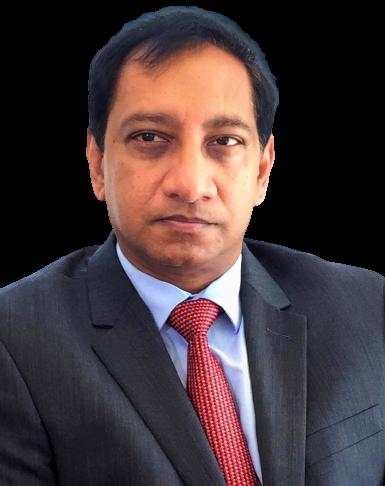
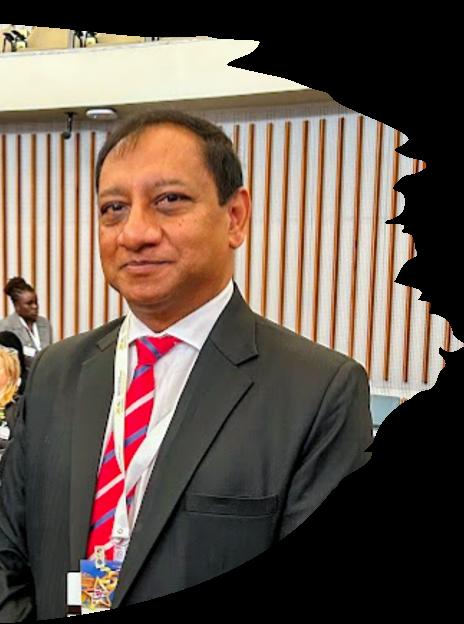
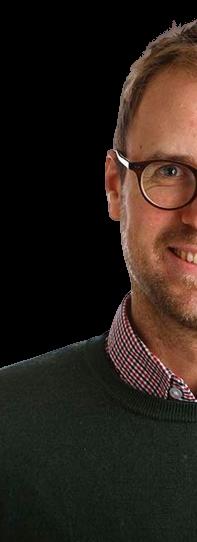
Dr Indran A. Naidoo Director Independent Office of Evaluation
It gives me great pleasure to introduce issue 13 of Independent Magazine. As with previous editions, while we cover the evaluative work of IOE, this issue focuses on major global engagements that occurred in the last quarter. As reflected throughout the Magazine, each of the networks we engage in contributes to building the global evaluation community, where the focus on attaining optimal developmental results has become more pronounced due to global shifts and increased demand for the highest quality outcomes. Evaluation is uniquely placed given its impartial status to convene conversations that help in collectively advancing agendas that serve the interests of people and planet.
It has been an honour to Chair the network of the evaluation offices of the Multilateral Development Banks and International Financial Institutions, namely the Evaluation Cooperation Group (ECG) which has now turned 20 years. Both of the ECG meetings that were hosted at IFAD offices in Rome offered stimulating opportunities for leaders of the eleven offices and observers to address new evaluation challenges and opportunities, one being the judicious use of Artificial Intelligence in our work. IFAD was enriched by the experience and wishes the Independent Evaluation Department of the Asian Development Bank well for hosting the meeting in Manila, in 2026.
In this edition we also reflect on our experience at the 10th anniversary meeting of the Asian Evaluation Week held in Xi’an, People’s Republic of China, where ECG heads were active across multiple panels, including the much-anticipated Evaluation headlines session. IOE’s session emphasized the power of process and use of neuroscience to better navigate the complex terrain of evaluation.
Collectively participation in these networks covers a significant swathe of the globe and developments here foreshadow the futures we can expect.
Profile
Another event which IOE supported was the 25th Anniversary of the African Evaluation Association, a stellar gathering in Addis under the able leadership of Dr Miché Ouédraogo. IFAD has been a reliable and consistent supporter of AfrEA for decades, given that 40 percent of our evaluation portfolio is in Africa. Our participation with the New Development Bank and the high-level forum augurs well for the future.
Important evaluation debriefs occurred in person, in Vietnam, and virtually, in Mexico.
This issue also puts the spotlight on IOE’s continued engagement in the International Research Group for Policy and Program Evaluation (INTEVAL), which celebrated its 40th anniversary during the annual meeting that took place in Washington D.C, as well as its support to the gLOCAL evaluation week.
We trust that you will find this edition useful for your understanding of the work of IFAD, and that it will contribute to debates and discussions on how to optimize development investments.
Dr Indran A. Naidoo Director
Independent Office of Evaluation of IFAD
Editorial Board
Proofreading
Revisioning
Independent Magazine brings to the forefront of the global development dialogue the major efforts undertaken by the Independent Office of Evaluation of IFAD, while seeking to advance the organization’s vision of vibrant, inclusive and sustainable rural economies, where people live free from poverty and hunger. To present the richness of rural life, and detail facets of local community lifestyle, Independent Magazine also zooms in on cultural activities and landmark occurrences in countries featured by IOE’s evaluations.
the ocean is near, but water still lacks
work to capture gender
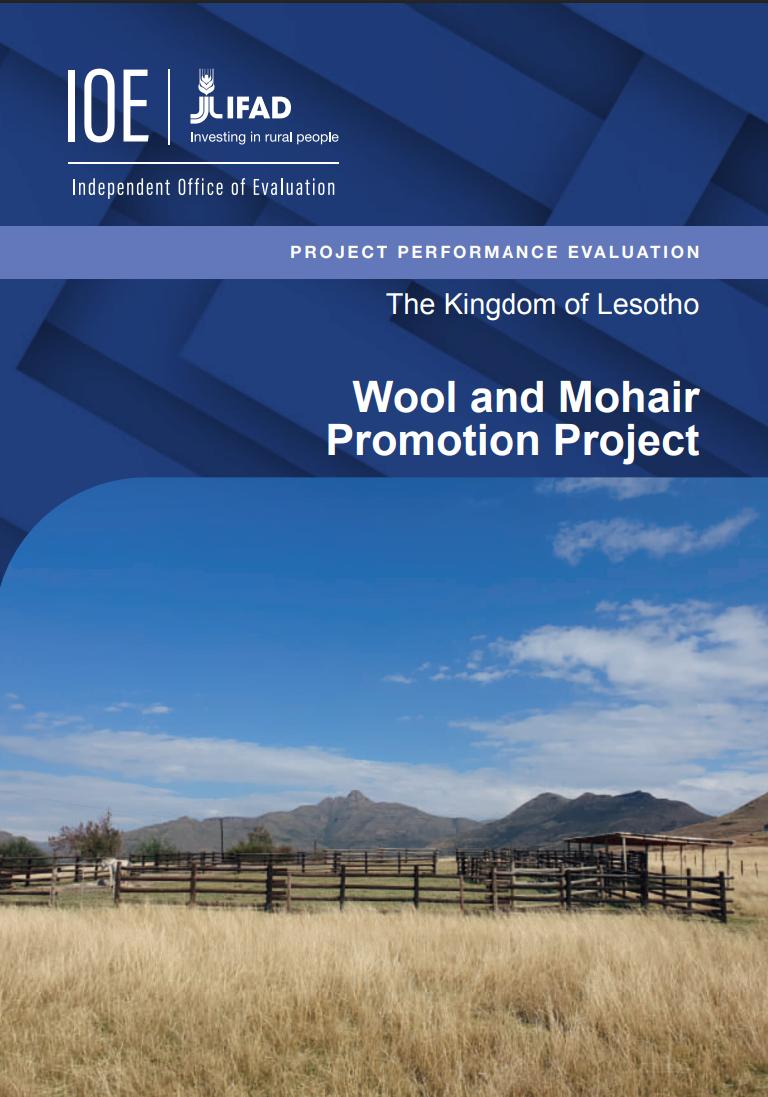
in wool and mohair: appropriate choice in Lesotho
evaluation as a catalyst for change
and ethics in the use of AI
into action: IFAD’s PRISMA sets a global example
IEVALUATION AS BROKER OF IN COMPLEX INTERNATIONAL
n the global developmental context changes are occuring which necessitate a greater focus on the efficient and effective use of limited funding. There is a concern that adverse findings on interventions evaluated may result in reduced future funding and independent evaluation needs to navigate the space where it provides both learning opportunities for program improvment and accountability through
its results to funders. Accompanying the financial shifts we note that new champions of evaluation have emerged who also require evaluation for their own strategies and course corrections. This creates and opportunity for evaluators to serve as mediators and brokers of critical discussions given their neutrality and credibility. It is a space that is being used by the Evaluation Cooperation Group (ECG) as it
OF CRITICAL DISCUSSIONS
INTERNATIONAL ENVIRONMENTS
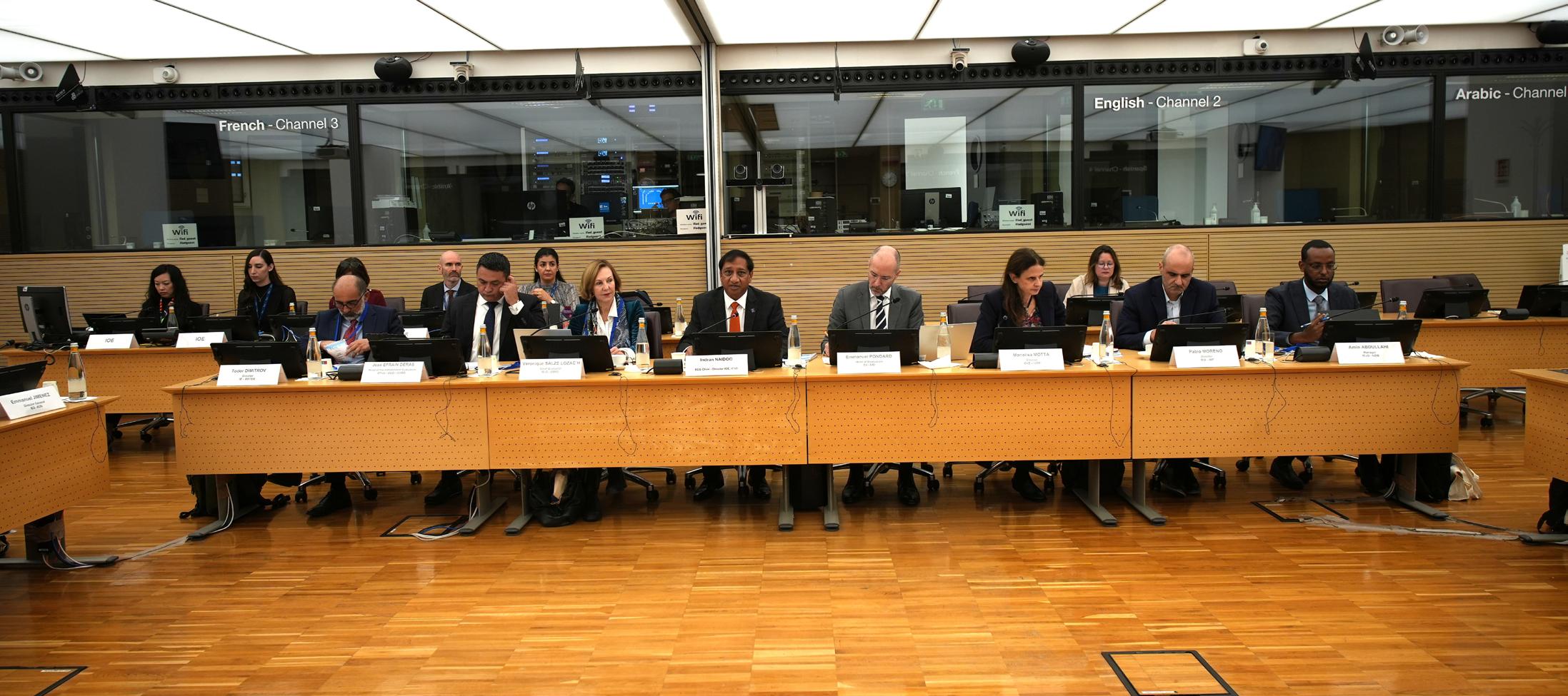
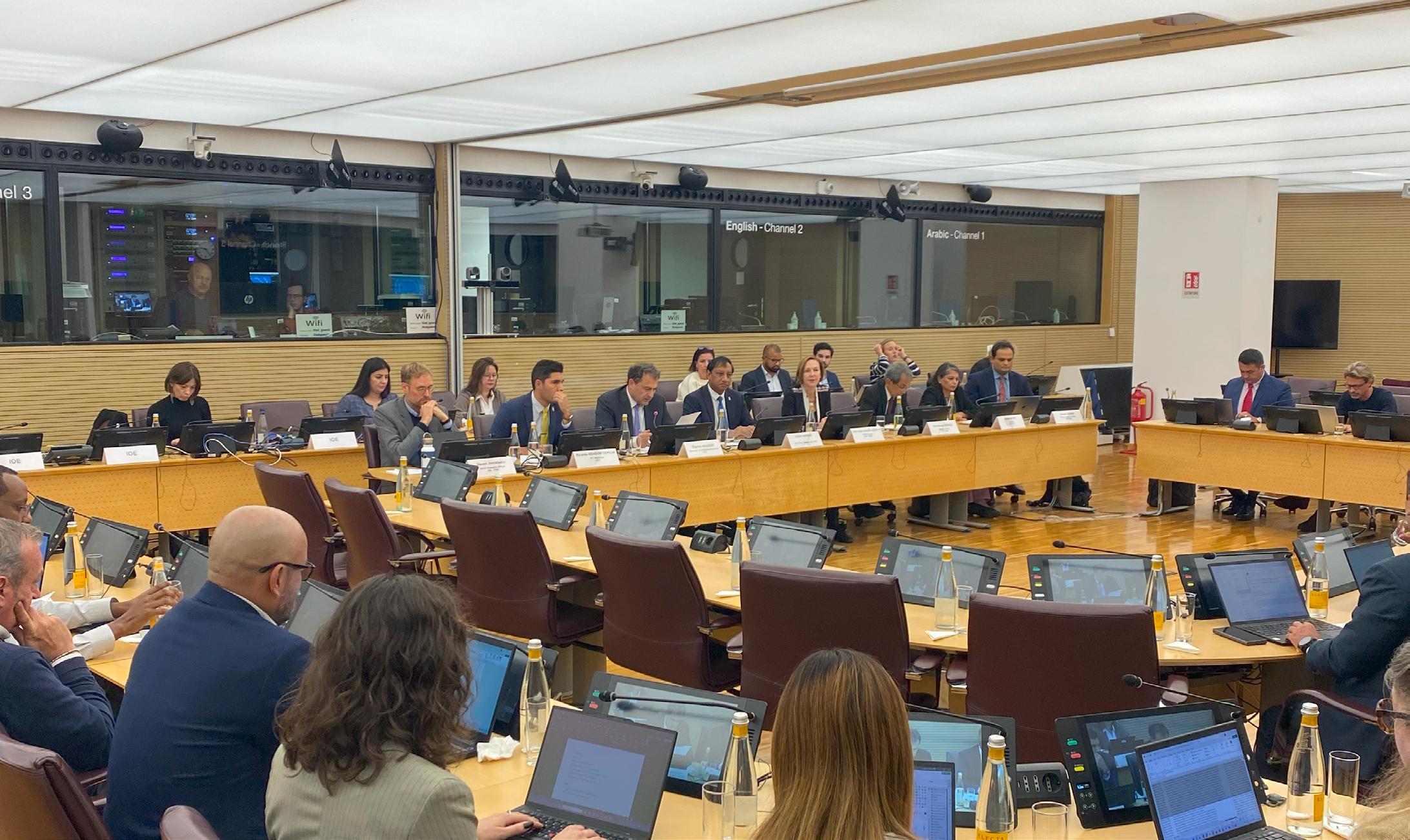
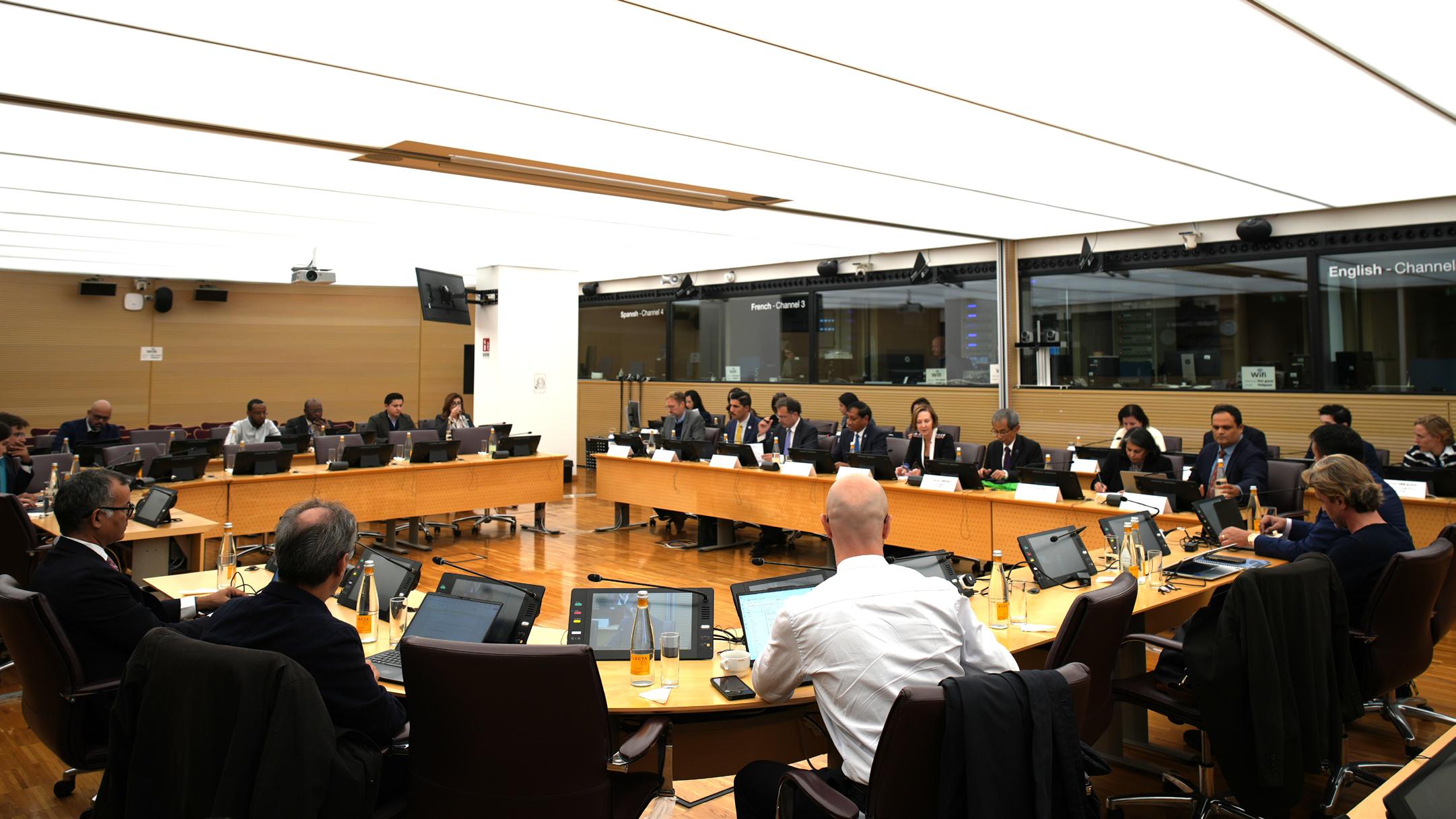
generates evidence on most matters which affects humanity and needing dialogue and resolution. The ECG 2025 meetings in Rome, on 2829 October 2025, explored these issues and the engagement opportunities presented as evaluation remains critical for stimulating dialogue and advancing solution oriented products. It has become ever more important for evalua-
tions to ensure the vastest geographical coverage possible. The Independent Office of Evaluation of IFAD (IOE) has risen to this challenge. The past four years have seen the Office increase its country coverage by an unprecedented 333%, with a 1,578% increase in the overall dollar value of projects and programmes being evaluated. This will help ensure that IOE’s coverage adequately reflects IFAD’s learning po -
tential and its deployment to serve the needs of IFAD-supported rural transformation in different countries, supporting the overall effectiveness of IFAD’s interventions.
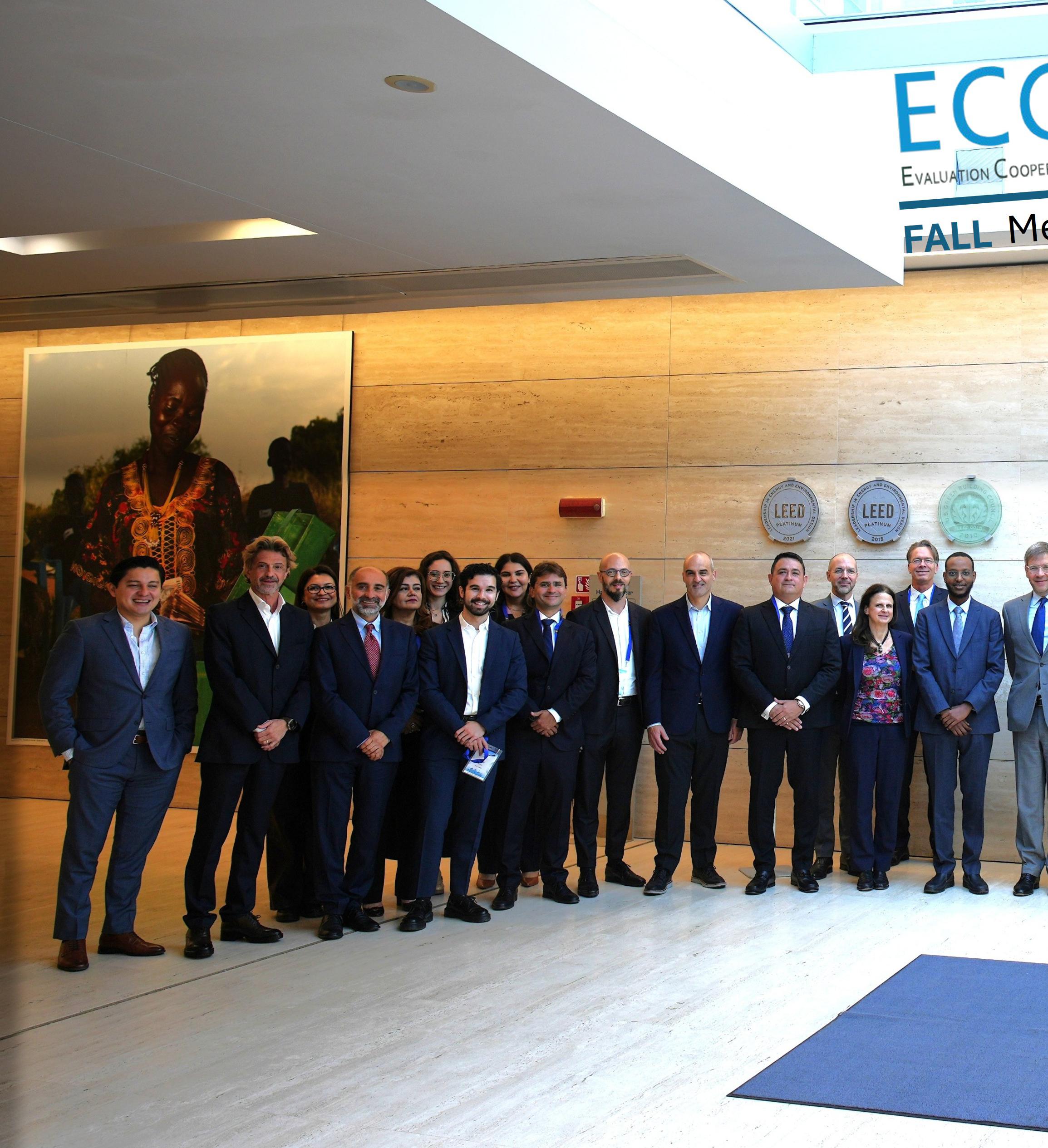
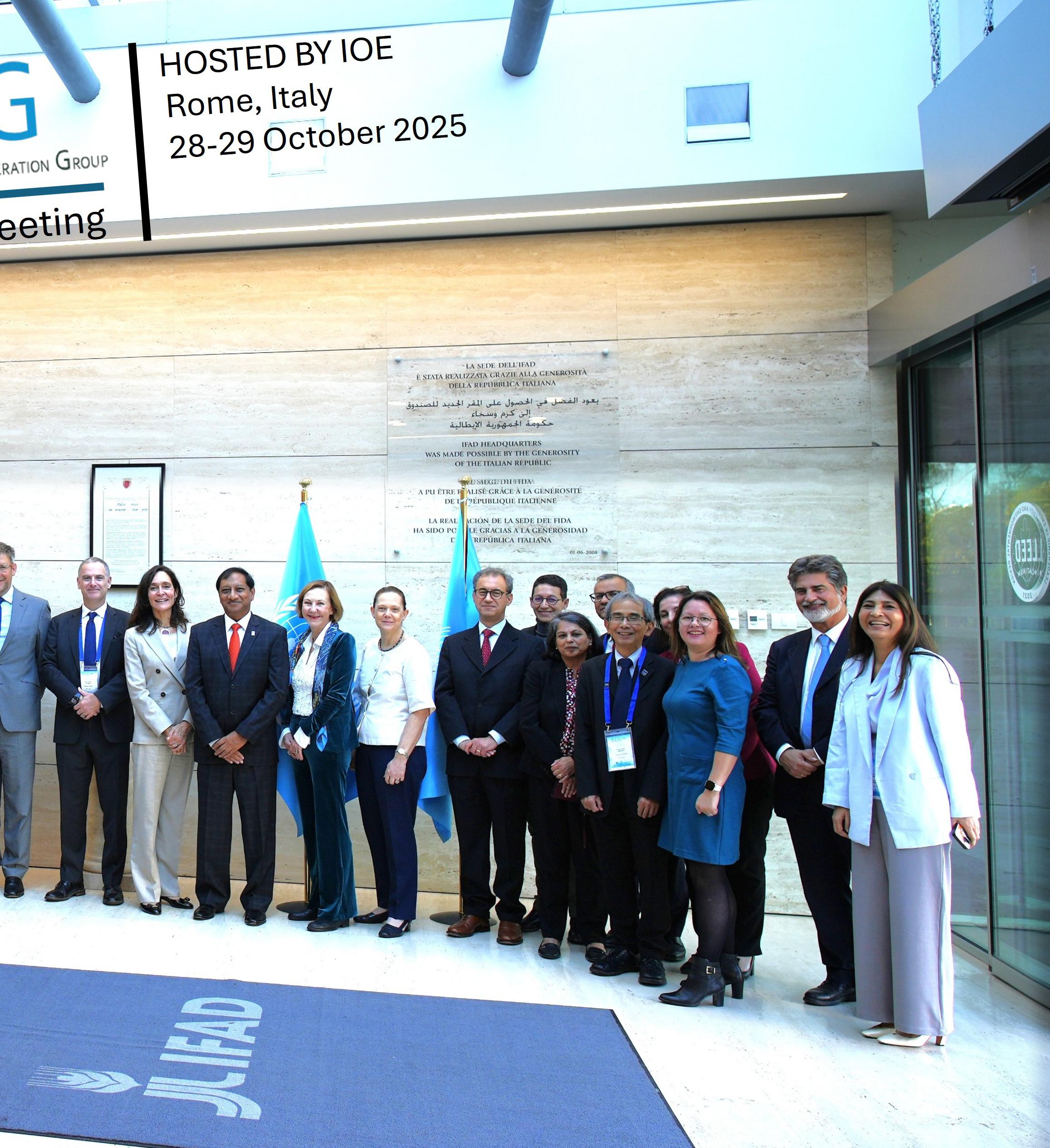
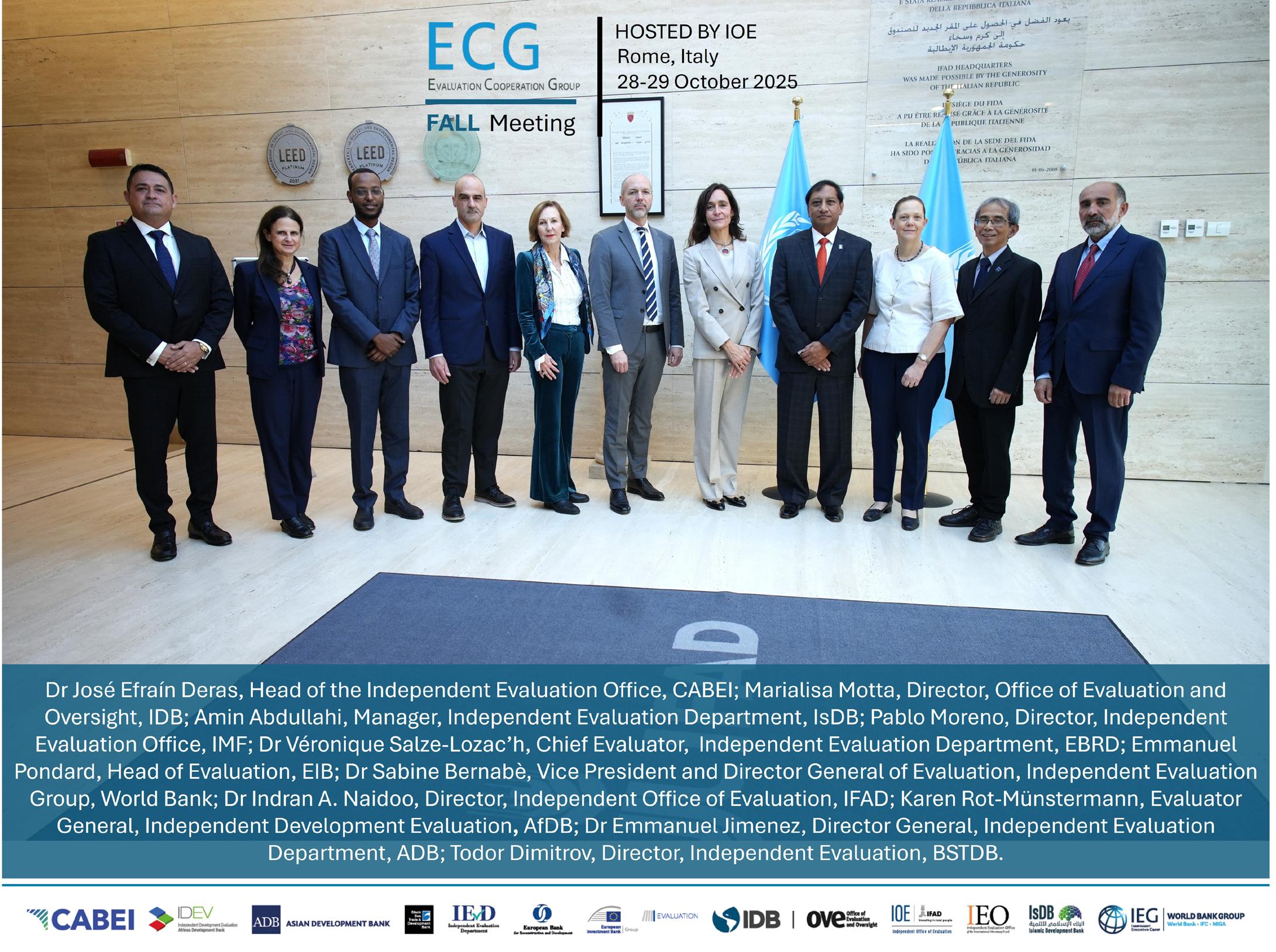
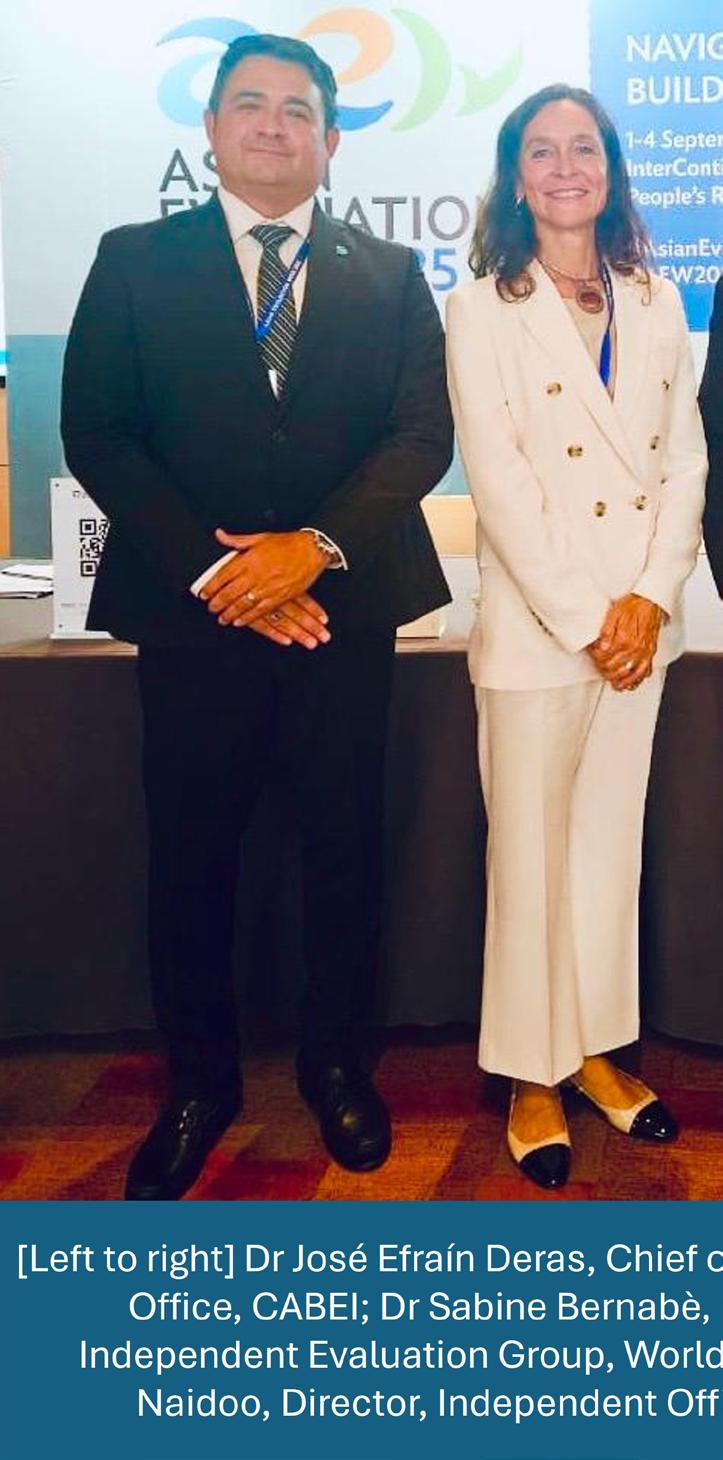
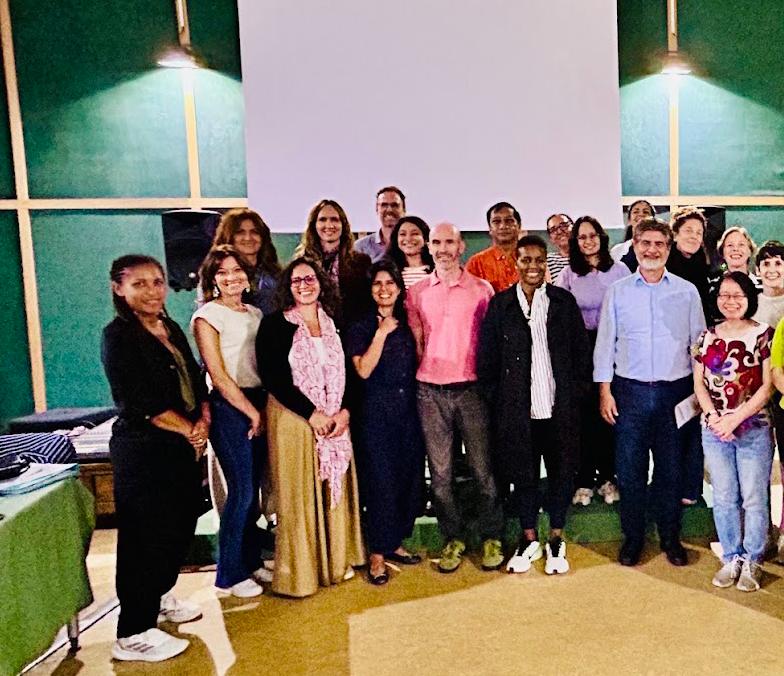
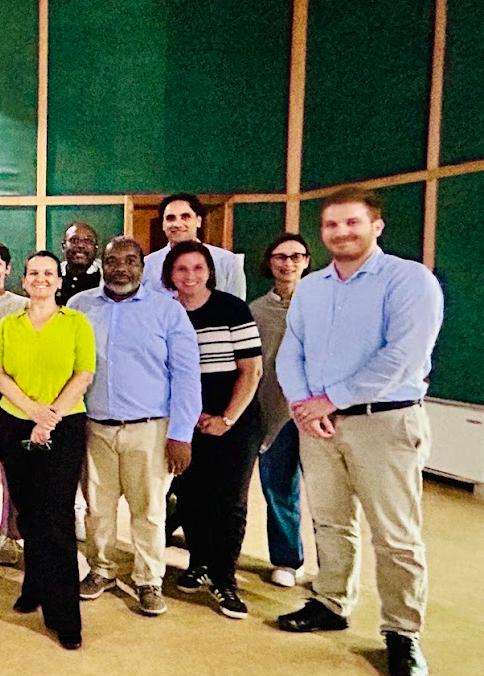
Hosted by IOE at IFAD headquarters in Rome, the ECG 2025 Fall meeting brought together the heads of the evaluation offices of all the major multilateral development banks (MDBs). The chair of the event, Dr Indran A. Naidoo, IOE Director, was joined by Dr José Efraín Deras, Head of the Independent Evaluation Office, CABEI; Marialisa Motta, Director, Office of Evaluation and Oversight, IDB; Amin Abdullahi, Manager, Independent Evaluation Department, IsDB; Pablo Moreno, Director, Independent Evaluation Office, IMF; Dr Véronique Salze-Lozac’h, Chief Evaluator, Independent Evaluation Department, EBRD; Emmanuel Pondard, Head of Evaluation, EIB; Dr Sabine Bernabè, Vice President and Director General of Evaluation, Independent Evaluation Group, World Bank; Karen Rot-Münstermann, Evaluator General, Independent Development Evaluation, AfDB; Dr Emmanuel
Jimenez, Director General, Independent Evaluation Department, ADB; and Todor Dimitrov, Director, Independent Evaluation, BSTDB.
“It is an honour to chair this meeting and have the opportunity to work with you all again on strengthening evaluation practice across our institutions. We are gathered here to exchange ideas, learn from each other, and take stock of key developments in evaluation,” said Dr Naidoo, in his opening remarks.
Following a round of institution-specific updates, the Fall meeting unfolded over the course of the two days by focusing on four thematic topics for discussion. Dr Bernabè and Ms Motta co-chaired the first session, which looked at self-evaluation and validation. The session stimulated an open conversation on the current experience of ECG members with this organizations’ self-evaluation and validation systems, both at the project and at the country-levels to identify what is working well and whether there are common challenges.
The second session focused upon artificial intelligence and governance, and was co-chaired by Mr Moreno and Mr Pondard. Discussions highlighted progress in applying AI to evaluation and explored opportunities to deploy these innovations across partner institutions. The session also provided an arena to address governance and risk management frameworks that can guide the responsible and effective use of AI in evaluation practice.
Dr Naidoo co-chaired the third session, alongside Dr Jimenez. The segment explored different ways that MDBs can collaborate more on evaluation with four main objectives. These included: improving evidence generation through, for example, joint evaluations and peer reviews; enhancing dissemination and knowledge sharing of evaluation results; developing staff capacity via initiatives such as short-term assignments and joint training events; and collaborating on assessing the impact of evaluation units themselves. Members had open discussions on current and planned activities in each of the categories and brainstormed on what more could be done in the future.
Dr Salze-Lozac’h and Mr Dimitrov co-chaired the fourth and final session, which discussed the role of evaluation as a tool to enhance private sector resilience during disruption times, through adaptive methodologies, innovative approaches, and dynamic engagement with management to strengthen institutional learning and agility in turbulent times. Members
looked at which evaluation approaches lend themselves to: evaluation during disruptive times; how evaluation can adapt, including in the use of criteria, and the trade-offs between constraints and sensitivity; what success looks like for ECG institutions in disruptive times; and how evaluation can remain influential.
ADB will now take over the mantle of Chair of the ECG from IOE and host the Group’s next meeting. The event will take place in March of 2026, in Manila.
The ECG was established in 1996. The Group contributes to excellence in evaluation. To this end, it is dedicated to harmonizing evaluation work among MDBs by working to strengthen the use of evaluation; providing a forum to share lessons; developing harmonized performance indicators, and evaluation methodologies and approaches; enhancing the professionalism of evaluation; and helping build evaluation capacity. ECG has a three-tier membership structure composed of full members, permanent observers and temporary observers which are institutions in the process of applying for full membership. ECG members and observers meet twice a year, in spring and autumn, to discuss and share experiences on current evaluation issues. The meetings are hosted by the ECG hair, the role of which rotates among ECG members.
AI is a force that can transform the foundations of evaluation
“Across the evaluation community, automation and AI are emerging not only as tools to speed up processes but as forces that can transform the very foundations of our practice -- how we frame questions, structure and interrogate data, triangulate findings and document uncertainty. Used responsibly, AI can make evaluation more evidence-rich, more efficient and more transparent. It can help us work at a scale and speed that simply wasn’t possible before,” underscored Dr Indran A. Naidoo, Director of the Independent Office of Evaluation of IFAD (IOE), in his opening remarks during an event on Artificial Intelligence in Evaluation, on 27 October 2025.
Co-organized by IOE and IFAD’s ICT Division, led by its Director, Thomas Bousios, the hybrid
event took place on the eve of the 2025 Fall meeting of the Evaluation Cooperation Group (ECG), at IFAD HQ, in Rome. Evaluation experts joined several heads of ECG offices and observer institutions, including Dr Véronique Salze-Lozac’h, Chief Evaluator, European Bank for Reconstruction and Development (EBRD); Dr Emmanuel Jimenez, Director General, Asian Development Bank (ADB); Dr José Efraín Deras, Head of the Independent Evaluation Office, Central American Bank for Economic Integration (CABEI); and Dr Geeta Batra, Director of the Independent Evaluation Office (IEO) of the Global Environment Facility (GEF).
Mr Bousios explained that IFAD was among the forerunners in the use of AI, having started its journey before the launch of Chat GPT
and well in advance of the public wave of AI started. From the beginning, the organization took a bottom-up approach by engaging with colleagues very deeply and organically. In this context, IFAD was asked to co-chair the UN system-wide task force on AI.
The event featured a show and tell round of presentations during which IOE, IFAD-ICT, and evaluation offices of the GEF, EBRD, ADB and the World Bank presented practical AI solutions adopted over the past months. Each office presented one mini-use case complemented by a short, concrete, live demo carousel.
These presentations allowed participants to take stock of members’ progress since the March 2025 ECG AI session by showcasing evidence of efficiency, credibility and learning gains achieved through AI – including costs, risks, or trade-offs – as well as to map the road ahead in terms of moving towards identifying future directions and partnerships.
“The advent of AI also raises big questions about credibility, tradeoffs, accountability and trust. The moment is not only about technology, it is about how our profession adapts. It changes what evaluators need to know, how we structure our teams and how we uphold methodological and ethical standards in an era of rapid technological change”, noted Dr Naidoo.
Moving from the question of where human judgement is irreplaceable, plenary discussions focused on four thematic areas, namely strategies and governance; efficiency versus trade offs; scaling credible evidence; and collaboration.
Dr Salze-Lozac’h highlighted that human judgement is needed at every step and the more it is imbedded in the process, the better. AI does not provide insightful, nuanced judgement. That is where the human element is very important in terms of the way in which AI is used, which AI is used, what tools are developed, and ethical issues. All this is and should remain in the hands of humans.
In this context, participants touched upon how offices are designing AI action plans that balance innovation, ethics, data protection, and organizational change. They also addressed areas where AI meaningfully reduced time and costs, where ‘linear thinking’ or reduced researcher time affected depth or nuance of findings, and the risk of job loss.
“Our roles as evaluators will not disappear but it will evolve. It requires new skills. We need to understand how data pipelines and models shape the evidence we analyse so that we can ask questions critically. This not a loss of identity for our field, it is an opportunity to expand our collective capacity. Our greatest contribution remains what machines cannot replicate and that is judgement, contextual understanding and interpretative insights,” said Dr Naidoo.
Other important questions touched upon were how to mitigate the risks and standardize validation pipelines to increase credibility, increase accuracy, and ensure transparency; and what joint assets ECG members could share to accelerate safe, efficient uptake. Dr Deras and Dr Batra delved into these points, elaborating on the importance of identifying the institutional frameworks for the use of AI, while Dr Jimenez noted the need to ensure that senior management and Board members possess the skills to best understand the context in which AI strategies and policies will be developed.
Looking ahead, the main challenge is to navigate through the hype, the marketing and inflated expectations surrounding the use of AI. The key is to focus on practical and medium to long-term solutions, stressed Mr Bousios.
Dr Indran A. Naidoo: opening statement
FURTHER READING
The Independent Evaluation Group (IEG) of the World Bank has published a guidance note on the thoughtful integration of Artificial Intelligence (AI) for evaluation. Hannah den Boer, Associate Evaluation Officer at IOE, co-authored the piece.
How can we realize the potential of large language models (LLMs) while maintaining rigor? The guidance note aims to answer this question by demonstrating good practices for experimenting with LLMs based on a frequently occurring use case in our evaluations: structured literature review (SLR). This use case serves as a concrete example of how LLMs can be thoughtfully integrated into evaluation workflows.
The note found that developing effective prompts involves iteratively testing and refining. Thoughtful experimentation begins with identifying evaluation methods in which LLMs can be integrated to add significant value compared with traditional approaches within the same resource constraints. Breaking down use cases into detailed steps and tasks helps teams understand where and how to apply LLMs effectively. A robust sampling strategy is essential, such as dividing a data set into training, validation, testing, and prediction sets to facilitate effective prompt development and model evaluation.
AI Guidance Note [here]
CLOSE PARTNERSHIP WITH ALL LEVELS PROCESSES SUCCEED IN DEVELOPING
One of the key successes of IFAD’s operations in Viet Nam has been the close and impactful work with provincial, district and commune governments. The Fund has worked in the same provinces with sequen-
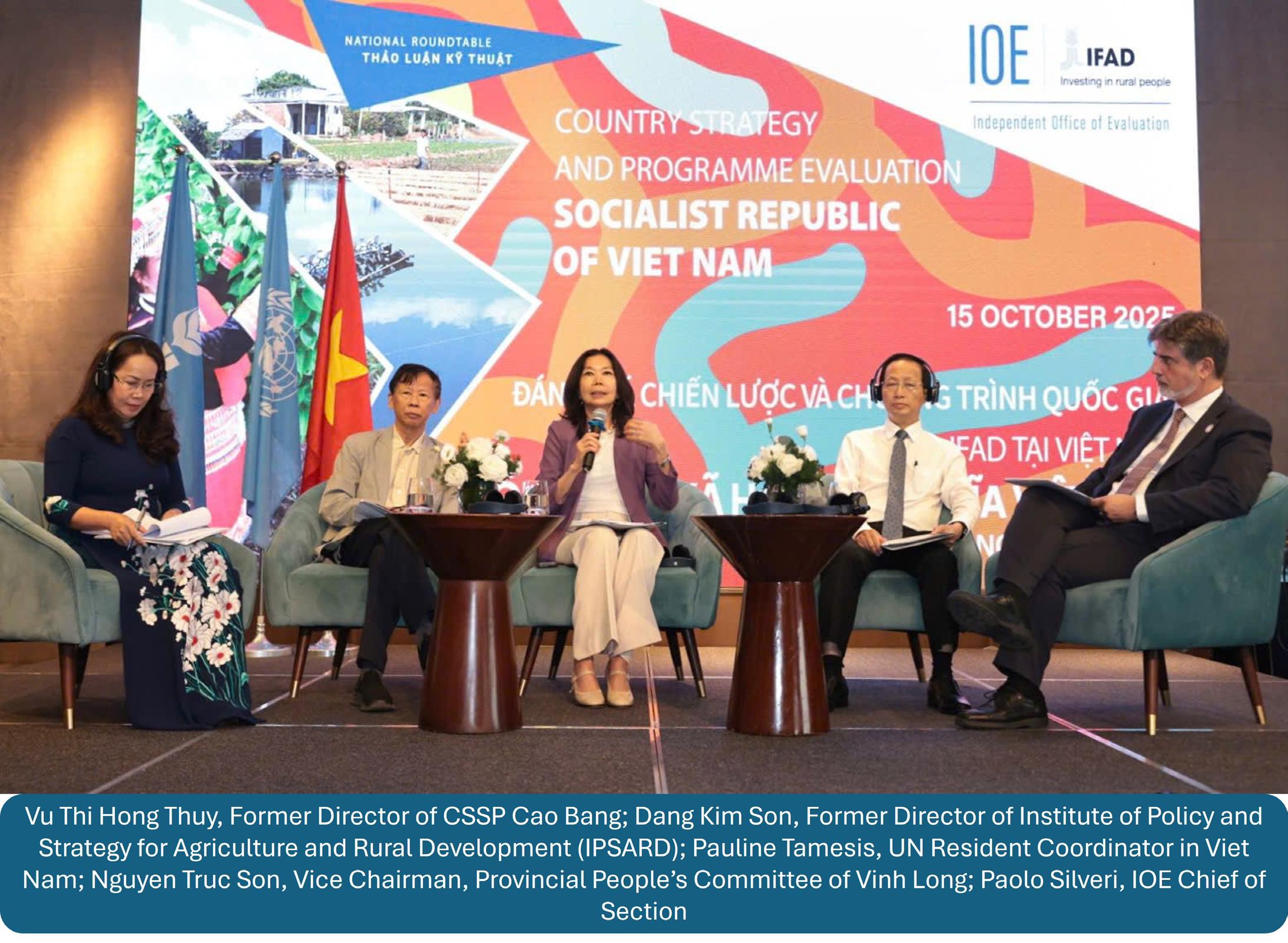
tial projects, ensuring that local capacities were developed. IFAD projects started with promoting participatory planning processes, gradually introducing a market-based focus, and eventually elements of climate change sensitivity. These and other related findings emerged during a national roundtable organized to discuss the findings of the Viet Nam Country Strategy and Programme Evaluation (CSPE) carried out by the Independent Office of Evalua-
tion of IFAD (IOE). The event took place in Hanoi, Viet Nam, on 15 October 2025.
Rather than only following traditional top-down socioeconomic development plans, IFAD’s approach gave local residents a chance to drive their own development, within the boundaries set by national decentralization policies and norms. It also focused attention on potential markets for local produce and identified the gaps and producers’
LEVELS OF GOVERNMENT AND PARTICIPATORY
LOCAL CAPACITIES IN VIET NAM
needs. Local governments began to value this process, using funds from National Targeted Programmes, ordinary budgets and IFAD loan funds flexibly. Many provinces replicated the process in all their communes, with or without project support. The Government has been scaling up this approach since 2017.
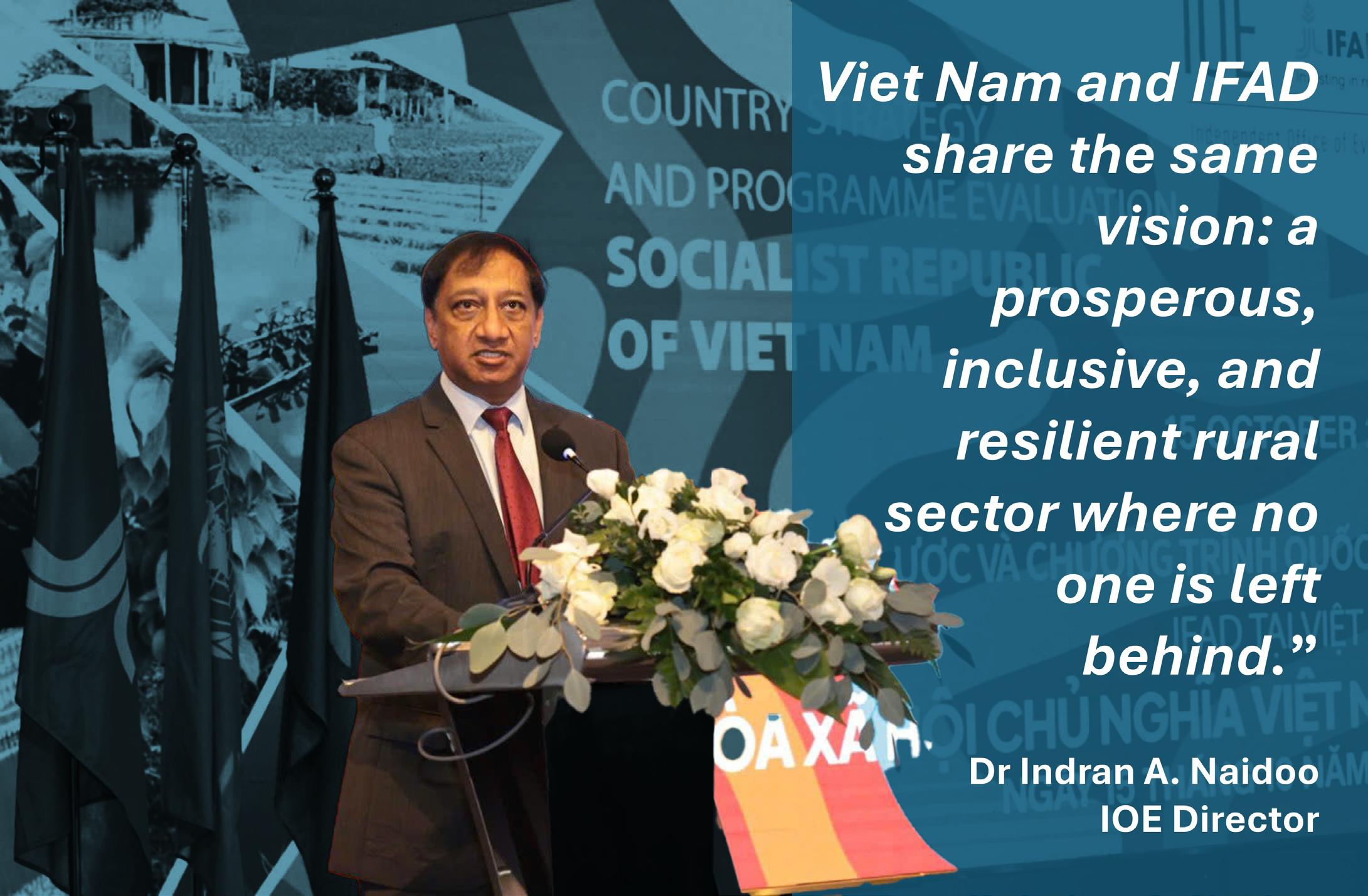
“The evaluation shows that Viet Nam’s achievements in rural development are rooted in strong ownership, local in-
novation, and inclusive partnerships. Viet Nam and IFAD share the same vision: a prosperous, inclusive, and resilient rural sector where no one is left behind,” highlighted Dr Indran A. Naidoo, IOE Director, in his opening remarks.
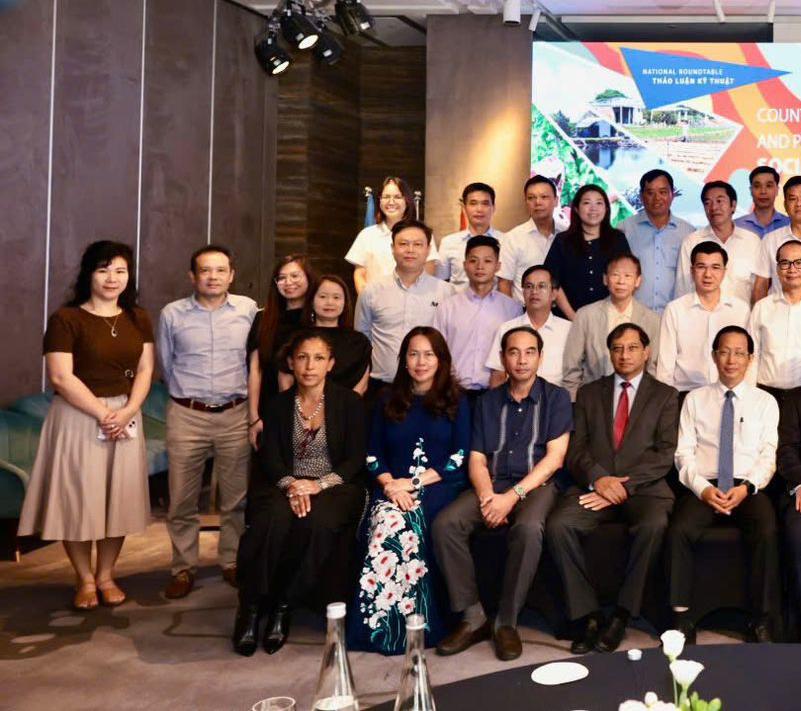
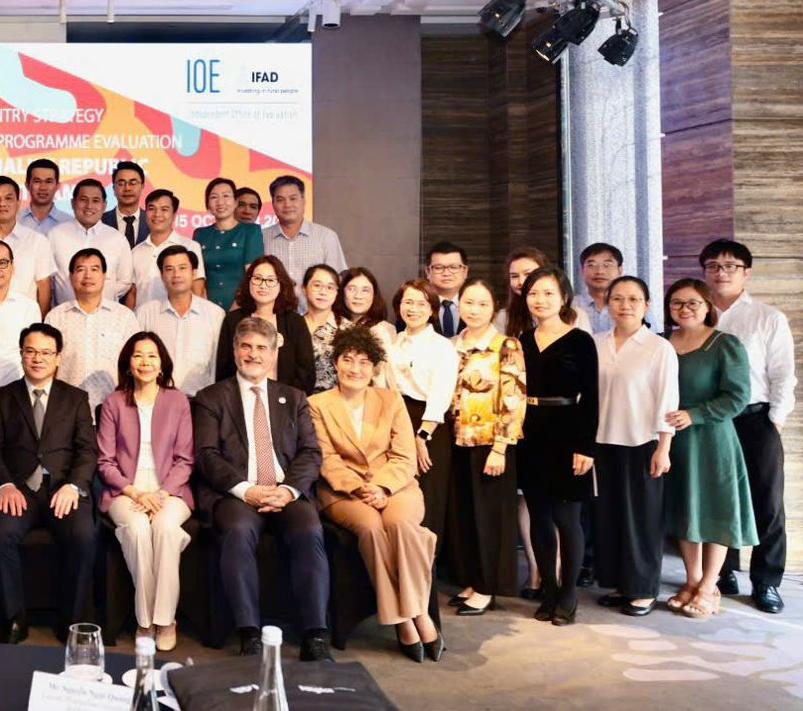
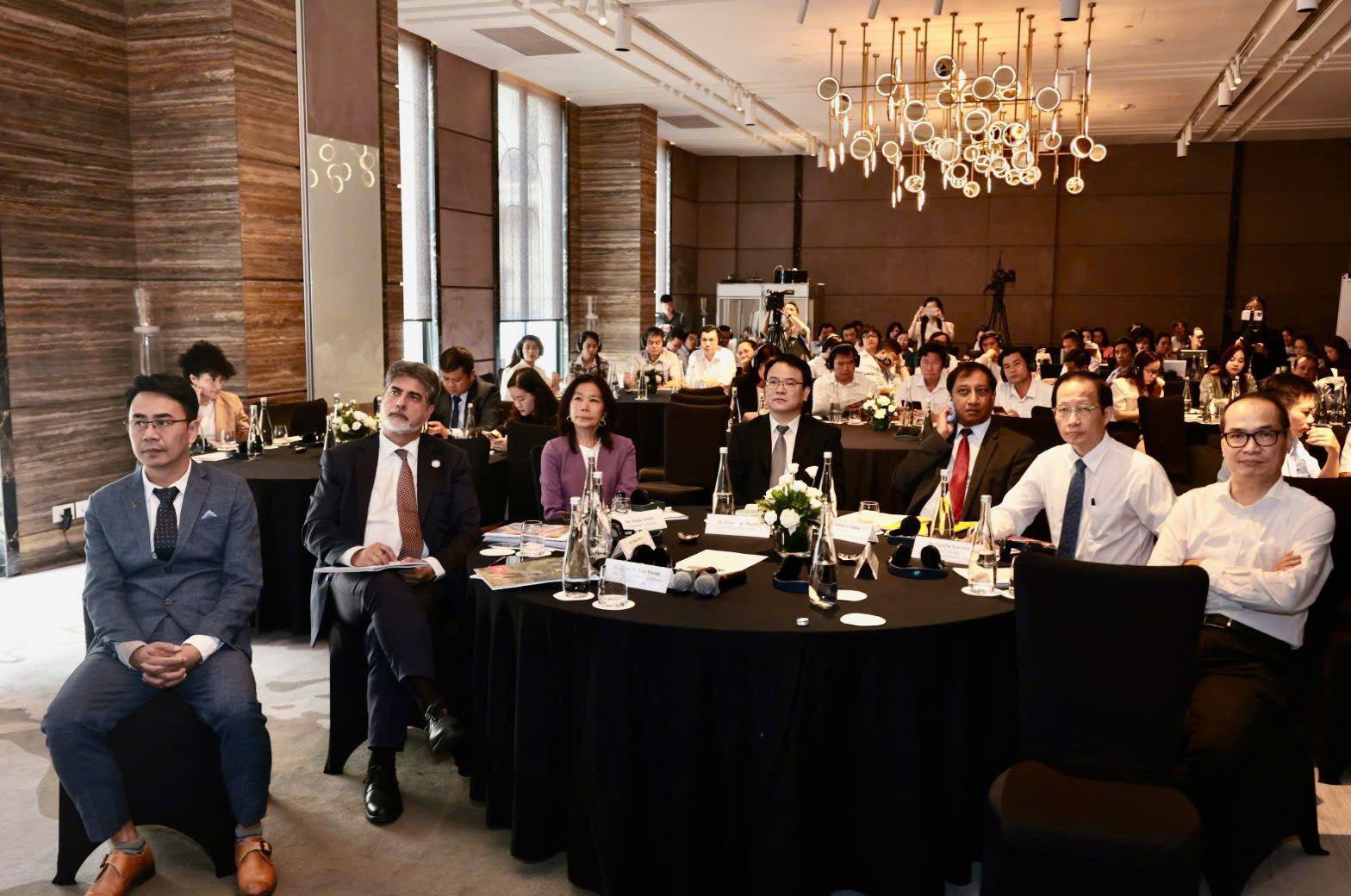
Co-organized by the Government of Viet Nam and IOE, in collaboration with IFAD’s Asia and the Pacific Division, the roundtable brought together over 100 participants, including representatives from the
Ministry of Finance, Ministry of Agriculture and Environment, Provincial People’s Committee, mass organizations and development partners. High-level attendants included Tran Quoc Phuong, Vice Minister of Finance of Viet Nam; Nguyen Truc Son, Vice Chairman of Vinh Long Province; Nguyen Thi Nu, Principal Officer, Department of Debt Management and Foreign Economic Relations, Ministry of Finance; as well as Pauline Tamesis, UN Resident
Coordinator in Viet Nam; Donal Brown, Associate Vice-President of IFAD’s Department for Country Operations; and Reehana Rifat Raza, Regional Director for the Asia and the Pacific Division at IFAD.
At the roundtable, the Government of Viet Nam reaffirmed its commitment to deepening cooperation with IFAD and maximizing the effectiveness of its investments.
“IFAD has been a trusted partner in Viet Nam’s rural transformation for more than 30 years,” said Tran Quoc Phuong, Vice Minister of Finance. “Its projects have demonstrated that the right investments, when strategically targeted and locally owned, can deliver outsized impact. Our shared goal
now is to replicate and scale up these successful models—mobilizing additional resources for innovation, climate adaptation, and rural competitiveness, so that rural people can thrive in a changing world.”
The event marked an important milestone in IFAD and Viet Nam’s long-standing cooperation, as participants reviewed the results of IFAD-supported programmes from 2012 to 2024, as presented by the CSPE, and defined new directions for inclusive and climate-resilient rural development aligned with Viet Nam’s national strategies for green growth, digital transformation, and rural modernization.
“As we look at the next Country Strategic Opportunities Pro -
gramme [COSOP], let us leverage Viet Nam’s leadership to inform South-South learning, regional cooperation and global policy dialogue. The challenge ahead of us is not only to sustain progress, but to scale what works across provinces, sectors and borders”, noted Mr Brown.
Ms Raza echoed these comments by further emphasising the importance of the next COSOP. “The COSOP for Viet Nam is a cornerstone of our partnership, guiding strategic investments that respond to the country’s evolving rural challenges,” she said. “It reflects our shared commitment to inclusive growth, climate resilience, and innovationensuring that IFAD’s support continues to empower rural
communities and strengthen national development priorities.”
The CSPE evaluated 9 projects implemented during the period 2012–2024 in 11 provinces, including two recently approved provinces. The provinces were Ha Giang (now part of Tuyen Quang), Tuyen Quang, Cao Bang, Bac Kan (now part of Thai Nguyen), Ha Tinh, Quang Binh (now part of Quang Tri), Ninh Thuan (now part of Khanh Hoa), Gia Lai, Dak Nong (now part of Lam Dong), Ben Tre and Tra Vinh (now part of Vinh Long). These stretch from the northern border, through the central coast and highlands, and down to the Mekong Delta.
The independent evaluation confirms that IFAD’s investments have made a lasting impact on rural livelihoods,
helping smallholder farmers boost productivity, diversify incomes, and strengthen their resilience to climate and market shocks. Moreover, IFAD’s country programme in Viet Nam demonstrated sustainable results, institutional development and sustained change. Throughout much of its time in Viet Nam, IFAD has found the right mix of investments in infrastructure and investments in people to give rural transformation a high chance of sustainability and replicability to scale. The findings also emphasize Viet Nam’s growing role as a leader in sharing knowledge and experience on rural transformation. IFAD’s support has helped the country translate lessons from local projects into national policies, while encouraging cross-provincial collaboration and regional learning.
Key to the success of the projects and to sustaining the results achieved was inclusion, coordination and local ownership. For example, community members were encouraged to participate in the planning, development, and management of small-scale infrastructure. Communities responded, with local residents selecting the most important infrastructure projects for their area, making local contributions of cash and labour, and volunteering to carry out maintenance.
“In provinces like ours, IFAD’s support has helped bridge the gap between farmers, enterprises, and government programs,” said Nguyen Truc Son. “Following the merger of Vinh Long, Ben Tre, and Tra Vinh into one administrative province, we see even greater opportunities to integrate
Watch the national news coverage of the event [here]
successful models and expand their reach. What makes this partnership effective is its focus on people—empowering communities to lead their own development, strengthen cooperatives, and make rural growth more inclusive and sustainable.”
Women in particular, especially in ethnic minority communities, have benefited from the work of IFAD with the Vietnamese Women’s Union, establishing the Women’s Development Funds. These gave women members the chance to borrow without collateral and make their own investment decisions. The evaluation team saw women who started with small investments in pigs moving on to establish small businesses, or link to a common interest group or cooperative and work together
on products such as chestnuts or pears. Links to cooperatives and small enterprises bring a steadier market for all, especially when they are then certified under quality systems, such as the Vietnamese One Commune One Product brand.
In more recent projects, IFAD is working with the Government to adapt to climate change and minimize and manage the damage from climate-related disasters. This has included climate-smart agricultural practices and infrastructure, as well as working with forest and water resources protection. Community-level climate action plans and disaster risk management maps were developed, updated annually and publicly shared. Environmental monitoring and digital technology innovations have been piloted, such as salinity
and pest measurement and forecasting systems.
There were also changes in potential use of loan funds, due to the increasing costs of loans for middle-income countries, and national official development assistance (ODA) regulations tightening as a consequence. These inhibited IFAD’s core expertise in capacity development, technical assistance and rural microfinance, which can no longer be financed with loans. IFAD has sought alternative funding sources from international funders in order to continue successful work. However, development partners are still reviewing to better understand the implications of the latest ODA regulations.
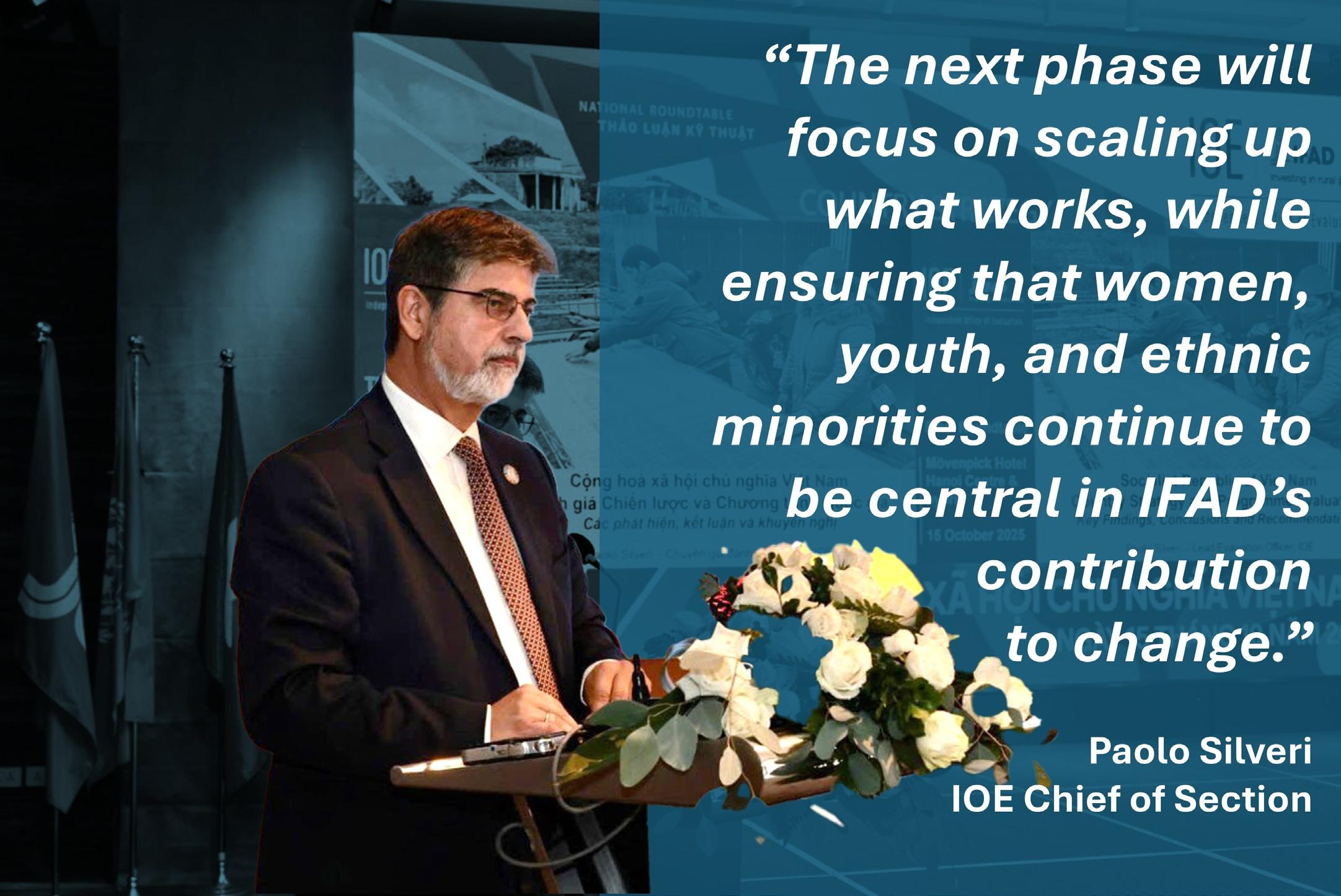
Looking ahead, Paolo Silveri, IOE Chief of Section and lead
author of the CSPE, explained that “the next phase will focus on scaling up what works—climate resilience, digital transformation, and inclusive value chains—while ensuring that women, youth, and ethnic minorities continue to be central in IFAD’s contribution to change.”
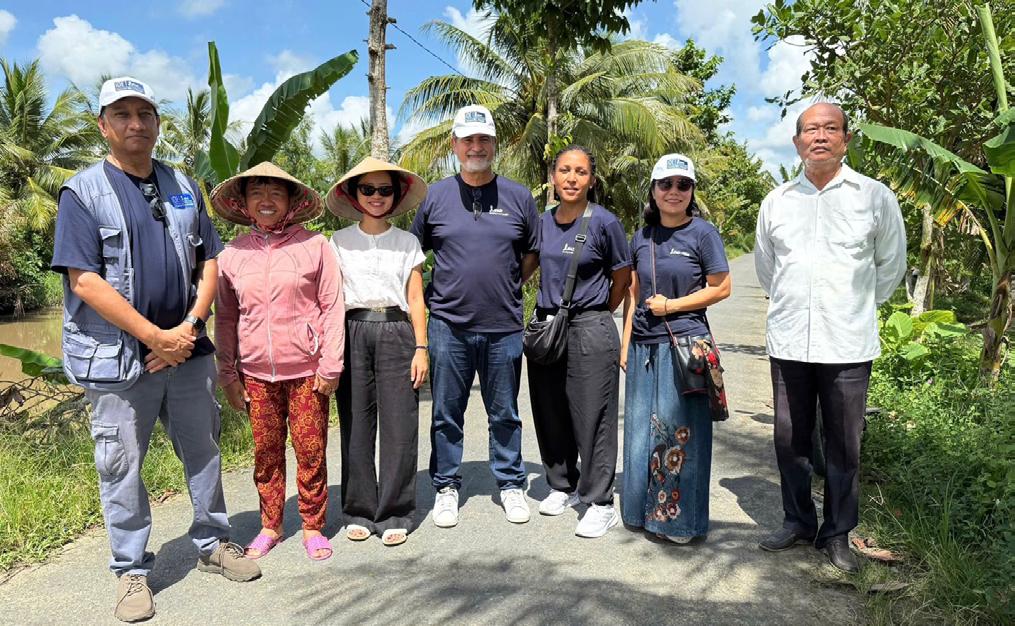
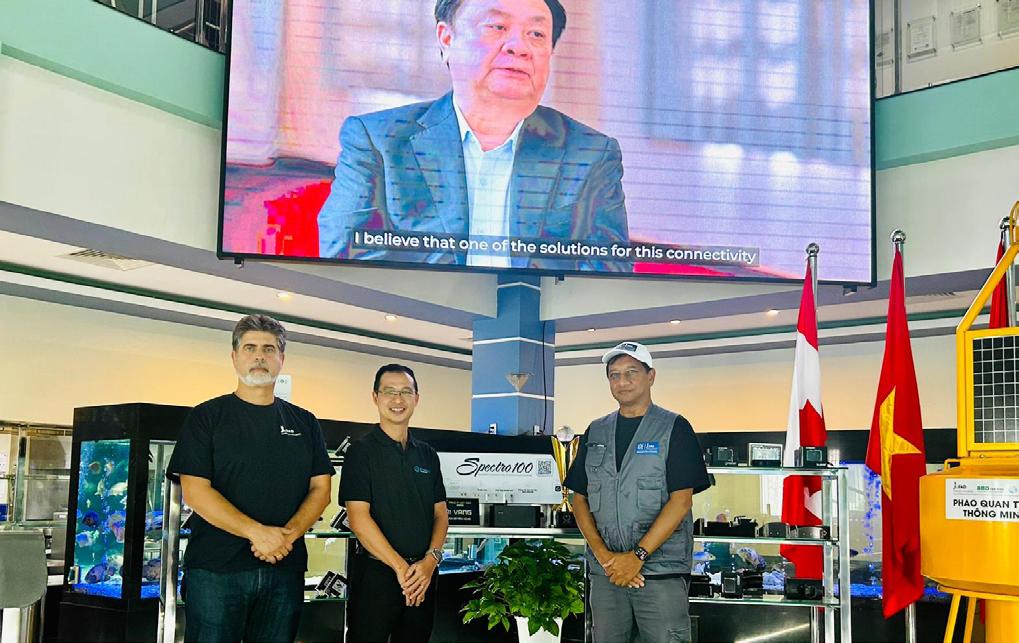
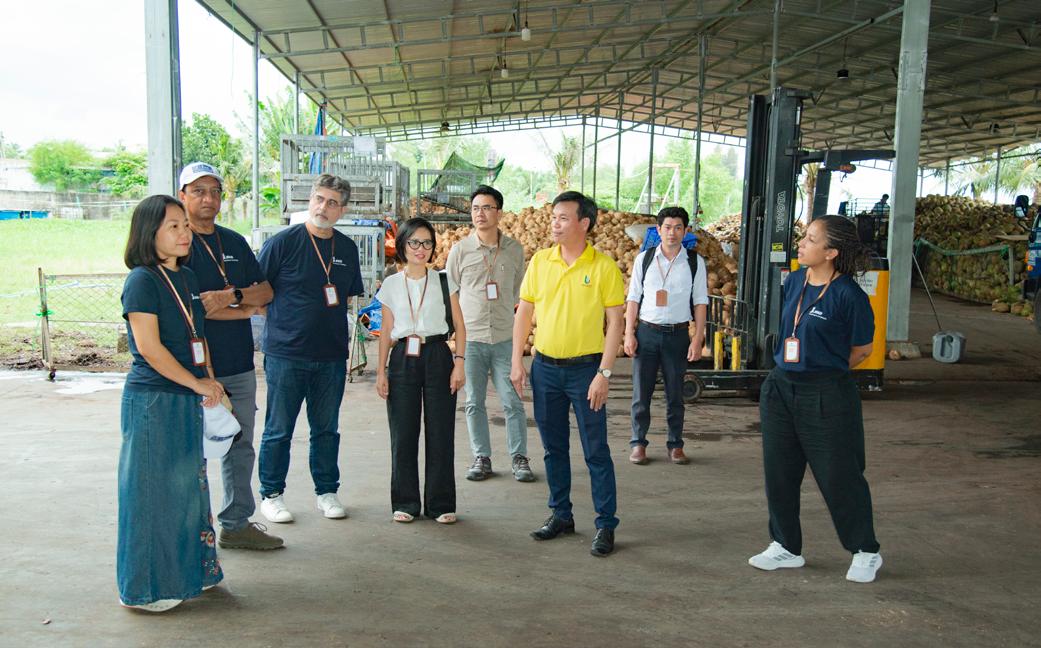
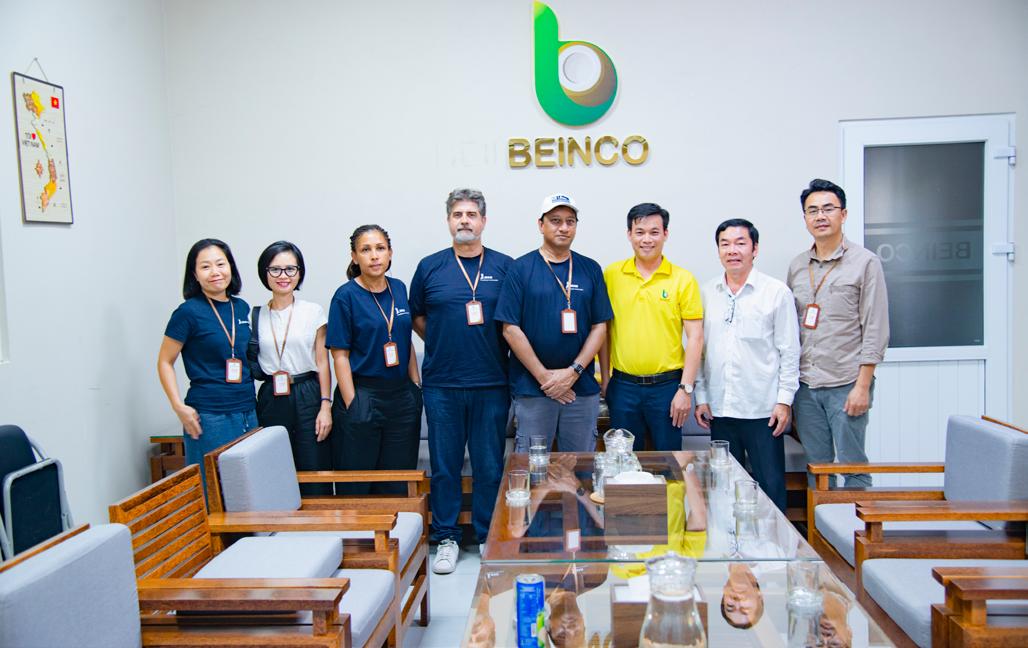
Ahead of the roundtable, the evaluation team visited the Mekong Delta former provinces of Trà Vinh and Bến Tre (both part of Vinh Long now), where they witnessed firsthand some of IFAD’s most tangible results in action. The delegation toured RYNAN Technologies in Trà Vinh to observe climate-smart tools such as pest control devices, salinity monitoring buoys and automated irrigation systems, and later met with coconut farmers and processors in Bến Tre who are advancing sustainable value chains with IFAD’s support. The visit showcased how innovation, partnership, and community leadership are turning rural adaptation into real, measurable progress.
IFAD began working with the Government and people of Viet Nam in 1993, supporting its steady progression from poverty and reconstruction to middle-income status. However, the country is still facing challenges. There are remaining pockets of poverty among ethnic minority communities and farmers in remote areas. While the contributions of agriculture, fisheries and forestry to the economy have fallen in recent years, as Viet Nam has modernized, around one-third of the workforce still
works in agriculture, often on small plots of land with limited access to new technology, finance and markets. This is why IFAD is still focusing on aggregation methods and technologies addressing the challenges still faced by rural populations and minority groups, especially in marginal areas.
Presentation by Mr Silveri
Dr Indran A. Naidoo: opening statement
Viet Nam CSPE Executive Summary [Vietnamese]
Viet Nam CSPE Executive Summary [English]
Ms Raza opening statement
CSPE Viet Nam infographic
CSPE Viet Nam field visits booklet Photo:
50 outstanding Vietnamese literary, performing arts works unveiled*
On 30 November 2025, Deputy Prime Minister Mai Văn Chính attended a ceremony in Hà Nộion to announce the selection of 50 outstanding Vietnamese literary and performing arts works created since national reunification on April 30, 1975.
In his speech, Chính called this an important cultural and art event timed ahead of the Communist Party of Việt Nam’s centennial and the 85th National Day, adding that delivers concrete progress on the Party’s cultural resolutions, the national strategy for cultural industry development through 2035 with a vision to 2045, and the conclusions delivered by late Party General Secretary Nguyễn Phú Trọng at the 2021 National Cultural Conference.
He directed the Ministry of Culture, Sports and Tourism to improve state management over the sector, work closely with the Vietnam Union of Literature and Arts Associations and nationwide bodies, effectively follow the 2025–2035 national target programme on cultural development, and the Politburo’s conclusion on advancing Resolution 23 for literature and arts in the new era.
It was also asked to finalize and promptly submit a Politburo’s new resolution aimed at revitalizing and developing Vietnamese culture in the new era.
At the event, the ministry awarded certificates to the 50 selected masterpieces, including 14 literary works, 18 stage productions, 12 musical compositions, and six dance pieces, and launched the 2026–2036 campaign to inspire the next wave of Vietnamese literary and art creation.
Shifting production, generation and assimilation modalities to affect real change through evaluation
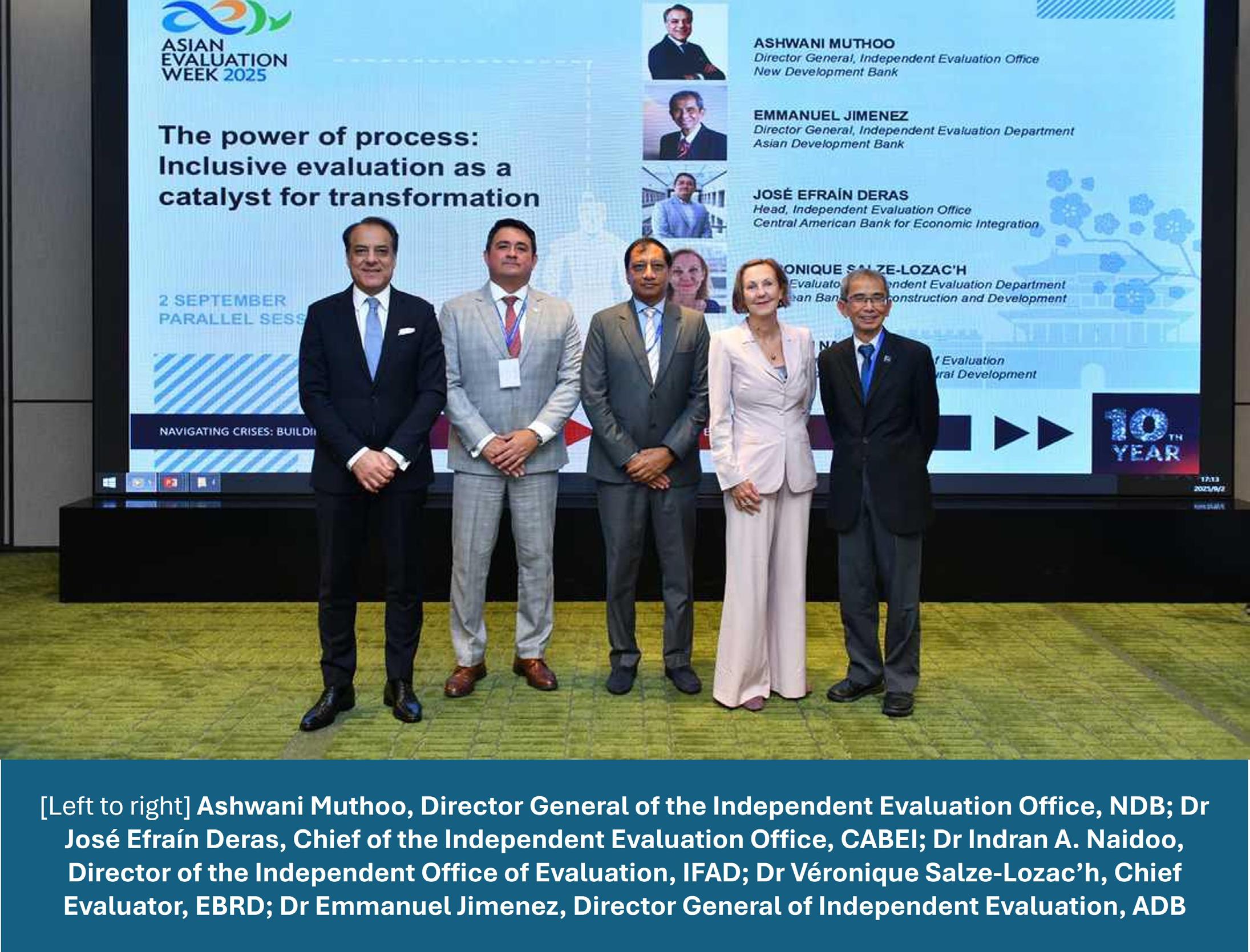
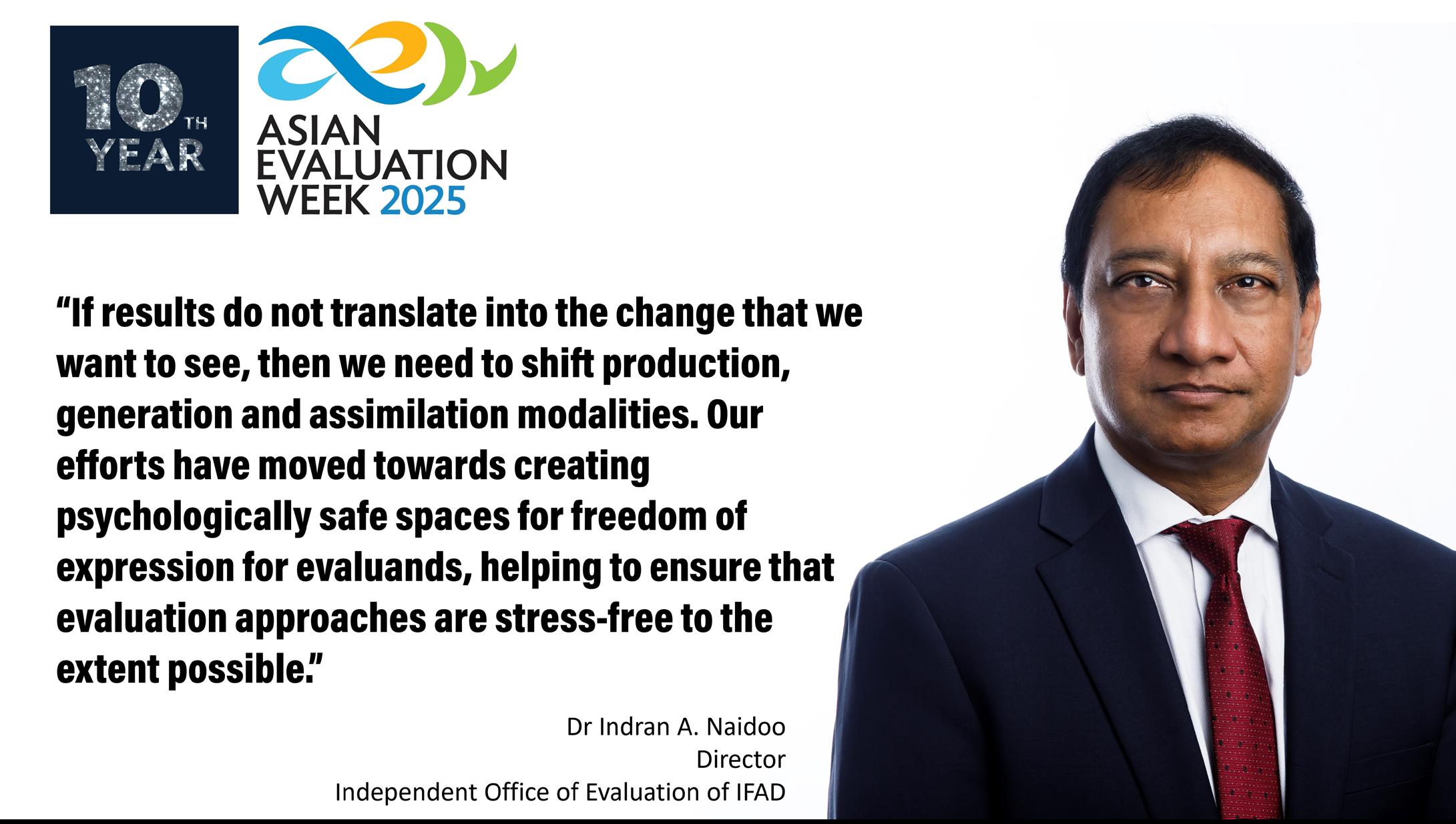
“We assume that through evidence we effect change and enhance quality. However, if results do not translate into the change that we want to see, then we need to shift production, generation and assimilation modalities”, explained Dr Indran A. Naidoo, Director of the Independent Office of Evaluation of IFAD (IOE), whilst moderating a panel discussion during the 2025 Asian Evaluation Week (AEW), on 2 September 2025. The session featured the participation of heads of the Evaluation Cooperation Group (ECG), including Dr Emmanuel Jimenez, Director General of Independent Evaluation at the Asian Development Bank (ADB); Dr Véronique Salze-Lozac’h, Chief Evaluator at the European Bank for Reconstruc -
tion and Development (EBRD); Ashwani Muthoo, Director General of the Independent Evaluation Office at the New Development Bank (NDB); and Dr José Efraín Deras, Chief of the Independent Evaluation Office at the Central American Bank for Economic Integration (CABEI).
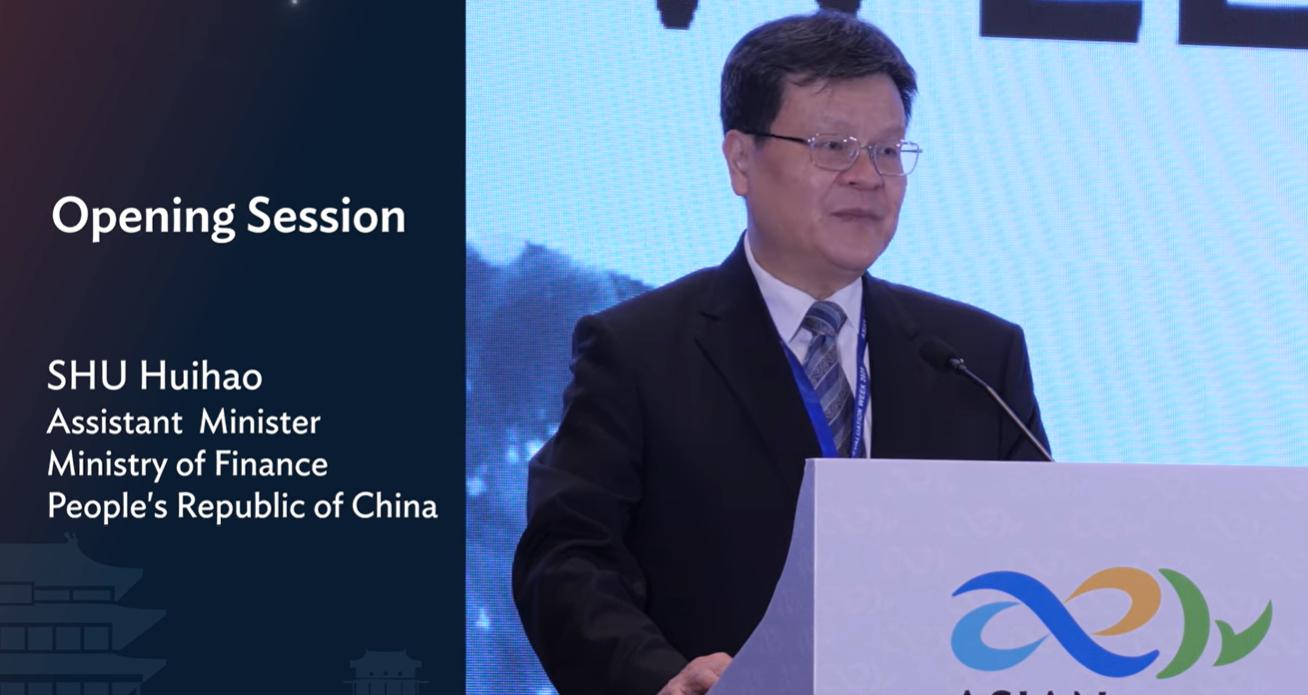
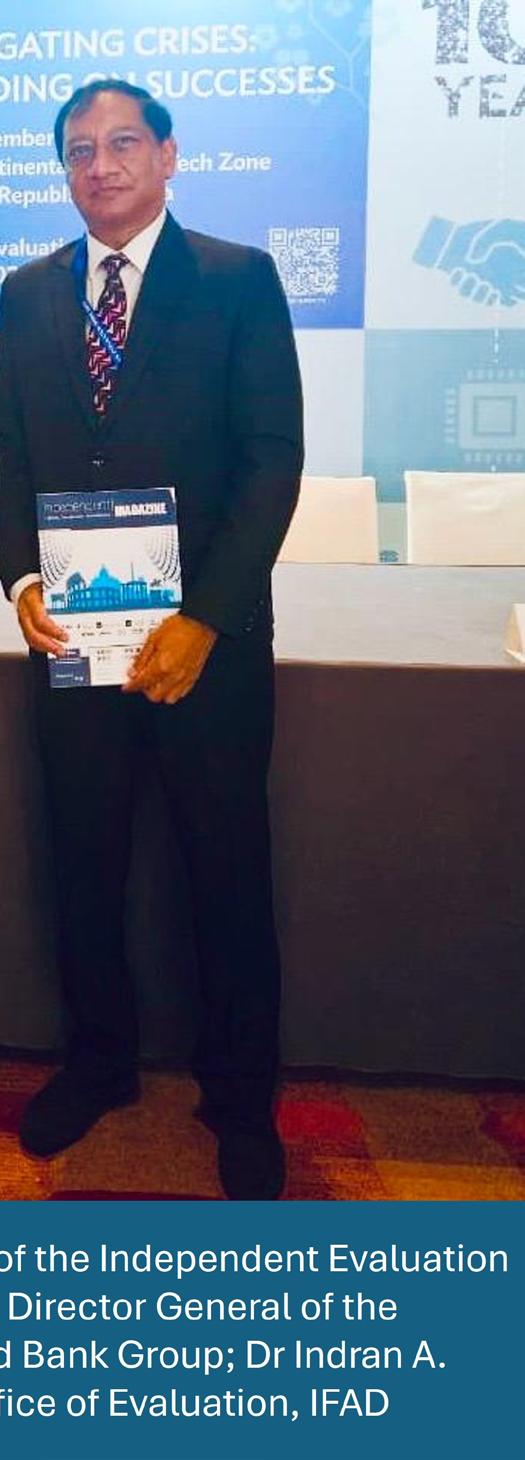
AEW 2025 took place from 1 to 4 September in Xi’an, People’s Republic of China (PRC), where the conference first started a decade ago. Evaluators, policymakers, and development professionals from various organizations converged in Xi’an to celebrate the success of past AEWs and engage in meaningful discussions to chart the future of evaluation. The four-day milestone event gathered around
200 evaluation experts from across the globe, including Heads of the ECG. Anchored on the theme ‘Navigating crises: Building on successes’, this year’s AEW featured five plenaries and twelve parallel sessions. Dr Naidoo chaired one of the sessions, on 2 September, and acted as a panellist on a second, on 4 September.
Titled ‘The Power of Process: Inclusive Evaluation as a Catalyst for Transformation’, the panel that the IOE Director chaired explored how, while evaluation is independent, IFAD, ADB, NDB, CABEI and EBRD have increased the points of intersection between the evaluand and the evaluator through a longer journey that deepens the dialogue and conversation. Dr Naidoo explained that IOE embarked on this journey three years ago, when it initiated its collaboration with world renown neuroscientist, Dr Srini Pillay. Joint efforts have moved towards creating psychologically safe spaces for freedom of expression for evaluands, helping to ensure that evaluation approaches are stress-free to the extent possible. Specific outputs produced
to date include an on-line training course of effective communication of evaluation findings based on brain science; the evaluation pills; an innovation talk on evaluation and neuroscience; and a series of one-to-one coaching sessions.
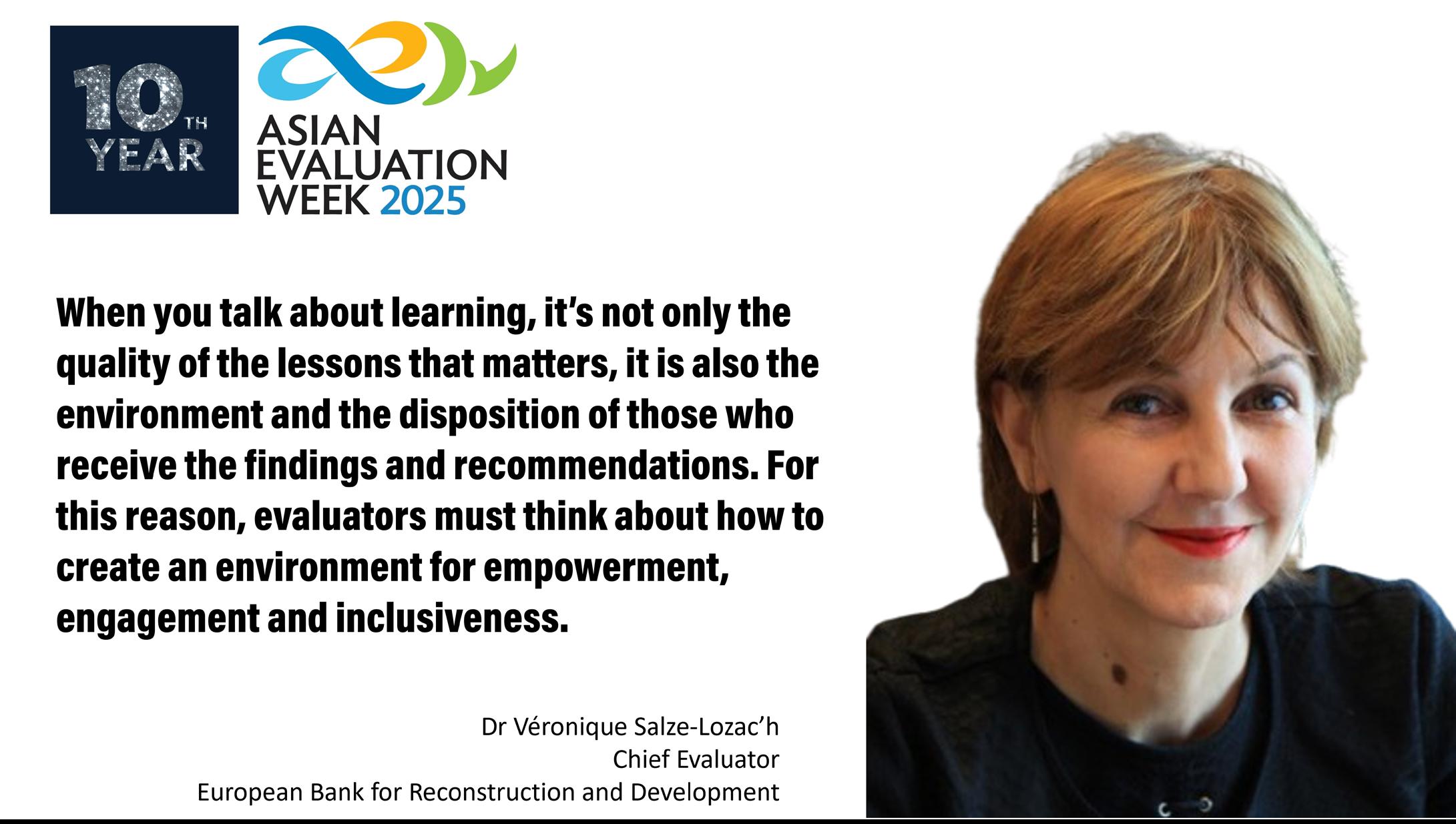
In this regard, Dr Salze-Lozac’h highlighted the importance of ensuring the relevance and timeliness of evaluations for stakeholders. It is critical to understand what is important for stakeholders by listening and engaging with them, and to build trust and credibility by ensuring that they understand that they will be evaluated in a fair, well-documented and objective manner. This enables the evaluand to view the process as empowering, and to develop new insights and skills. Moreover, when you talk about learning, it’s not only the quality of the lessons that matters, it is also the environment and the disposition of those who receive the findings and recommendations. For this reason, evaluators must think about how to create an environment for empowerment, engagement and inclusiveness.
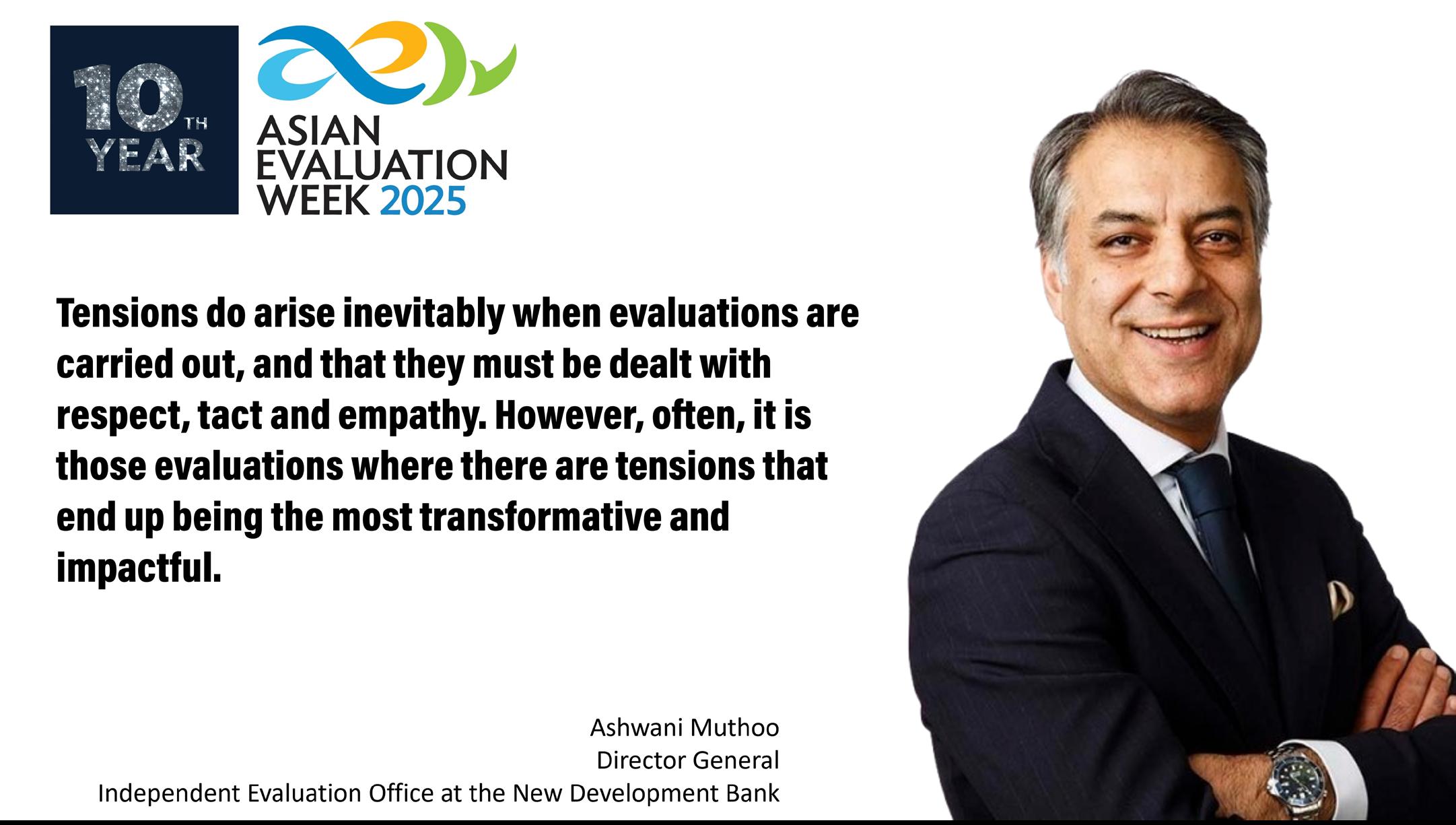
For this to happen, evaluators need to be trained to engage with empathy, recognizing that tensions are necessary to surface issues. In this regard, Mr Muthoo noted that tensions do arise inevitably when evaluations are carried out, and that they must be dealt with respect, tact and empathy. However, often, it is those evaluations where there are tensions that end up being the most transformative and impact-
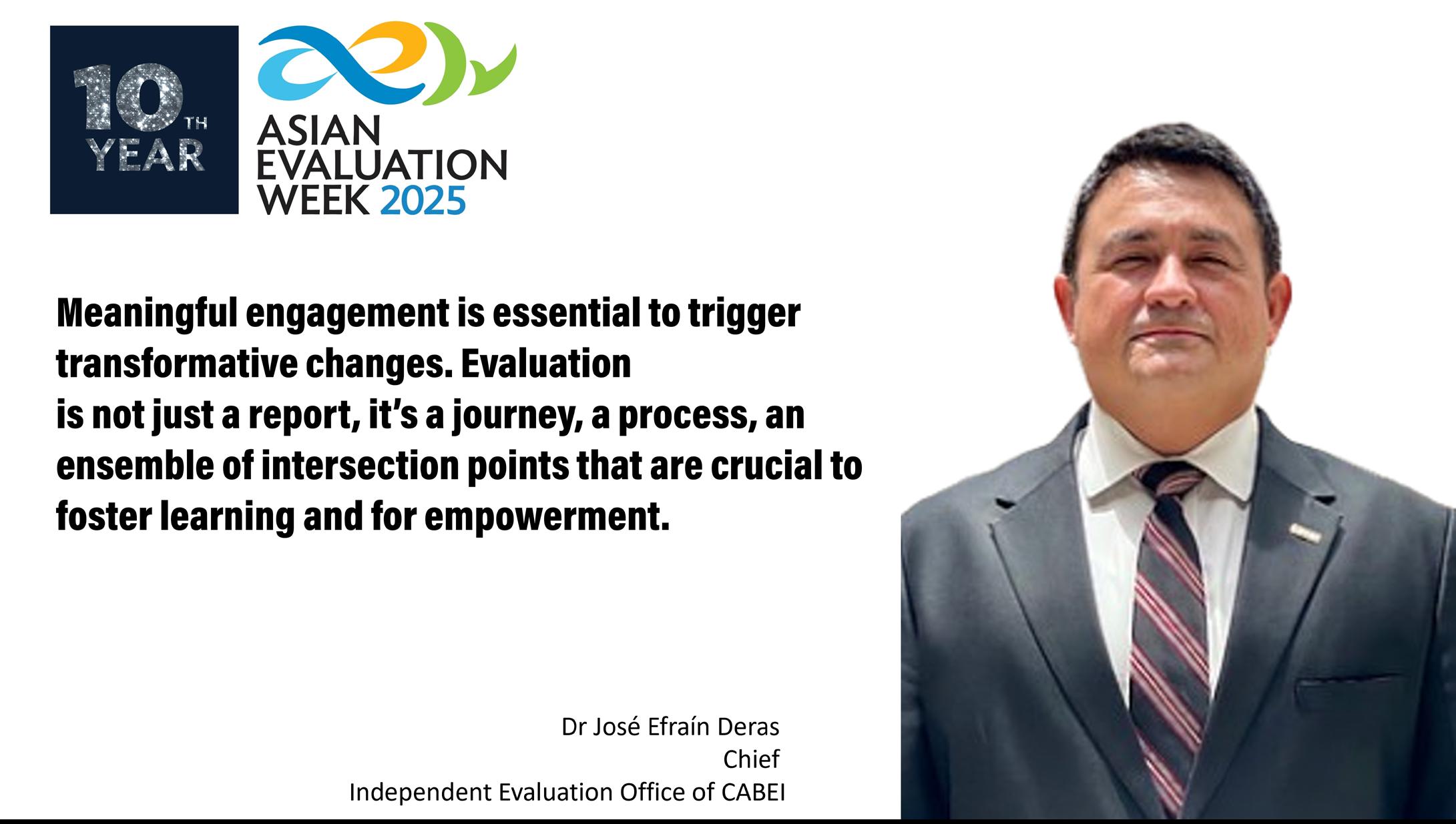
ful. Dr Deras echoed these points by underscoring that meaningful engagement is essential to trigger transformative changes. Evaluation is not just a report, it’s a journey, a process, an ensemble of intersection points that are crucial to foster learning and for empowerment.
Organizational governance structures also need to be in place to guarantee operational and intellectual independence of evaluation offices. It is through this process of inclusion that independent evaluation offices are able to improve the mandate of their respective organizations. In this regard, Dr Jimenez underscored that a solid communication policy is central to evaluative independence. In the case of ADB, the evaluation office publishes all its own reports and ensures that they are made publicly available along with the relevant news releases.
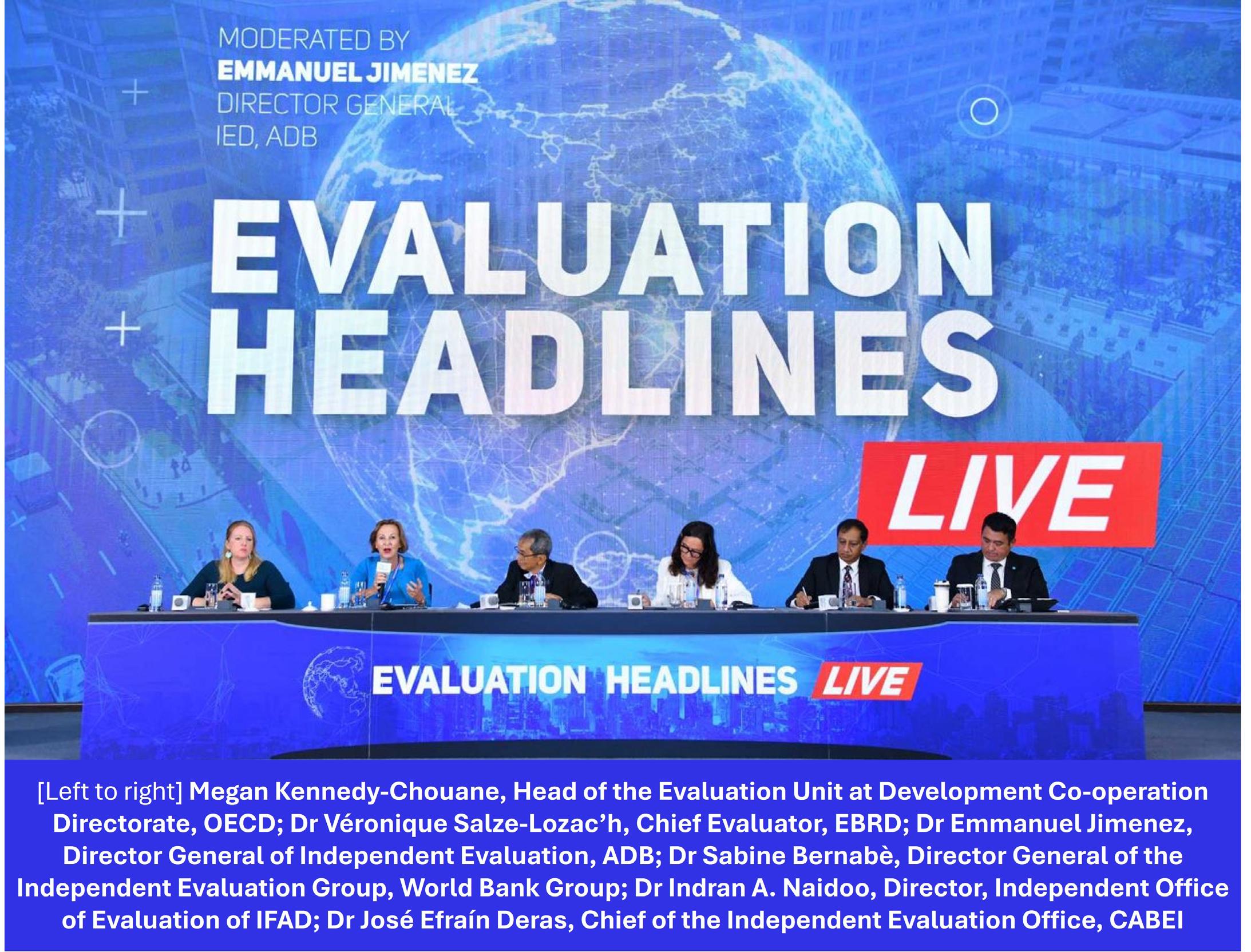
On 4 September, Dr Naidoo acted as a panellist in the session titled ‘Evaluation Headlines: Shaping Strategy in Fast Times and Fluid Fron-
tiers’. Fellow discussants featured Dr Salze-Lozac’h; Dr Deras; Dr Sabine Bernabè, Director General of the Independent Evaluation Group at the World Bank Group; and Megan Kennedy-Chouane, Head of the Evaluation Unit at Development Co-operation Directorate of the OECD. Dr Jimenez moderated the discussions.
Panellists recognized that the pace of change in international development seems to be accelerating—driven by geopolitical decisions of major donors and fast-evolving technology. For evaluators, this brings new opportunities, fresh challenges, and heightened uncertainty. From shifting roles and rethinking strategies to using digital tools and staying effective, panellists offered honest reflections, useful ideas, and practical lessons on leading through this complexity. In this context, Dr Naidoo explained that eval-
uation must navigate tensions. These include those arising from an onslaught on science and facts, a deluge of data and an inability to distinguish optics and noise from truth and mandate.
This year marked the 10th anniversary of the AEW, the premier evaluation knowledge-sharing event in the region. AEW is a leading evaluation knowledge-sharing platform in the Asia and Pacific region.
Presentation by
Dr Indran A. Naidoo
‘Inclusive Evaluation as a Catalyst for Transformation’
2025 AEW Day 1 Recap
2025 AEW Day 2 Recap
2025 AEW Day 3 Recap
Enhanced targeting and comprehensive M&E strategy called to deepen IFAD strategic position in Mexico
IFAD’s recent portfolio implemented through National Forestry Commission of Mexico (CONAFOR) has shown progress in actions aimed at forest resource rehabilitation and conservation. However, there is very little evidence on the results and impacts of these actions. For this reason, a recent country strategy and programme evaluation (CSPE) carried out by the Independent Office of Eval-
Dr Mònica Lomeña-Gelis Lead author, Mexico CSPE report
uation of IFAD (IOE), recommends that the Fund improve monitoring, evaluation and systematisation of evidence on project results, with special
emphasis on environmental issues, and raise awareness of groups with difficulties in accessing support from federal budget programmes. These findings were discussed during a virtual national workshop, on 8 October 2025.
“Although information is scarce, the greatest achievements are in strengthening technical and productive capacities and implementing nature-based solutions”, stated Dr Indran A. Naidoo, IOE Director, in his opening remarks.
According to the CSPE report, the M&E strategy should be applied across the entire IFAD project portfolio in Mexico, generating comparable and
Profile
verifiable data on impacts on biodiversity, ecological restoration, ecosystem services and carbon sequestration. The federal programme operating rules used to implement IFAD projects should be reinforced to ensure a more precise tar-
ment of Mexico and IOE, in collaboration with IFAD’s Latin America and the Caribbean (LAC) Division, 50 participants joined the on line virtual workshop, which brought together a wealth of high-level speakers, including Lorena Alvarado Quezada, Sustainable Development Coordinator, Ministry of Foreign Affairs of the Government of Mexico; Sergio Graf, General Director of CONAFOR; Oscar Ramírez, Director of Operations with Financial Organizations, Ministry of Finance and Public Credit; and Xóchitl Ramírez, General Coordinator of Sustainability and Climate Resilience, Ministry of Agriculture and Rural Development, along with IFAD senior management and the IOE Director.
varado Quezada.
During the workshop, par-
geting and effective reach of the most vulnerable groups, such as rural women, youth, Indigenous Peoples and the Afro-Mexican population. Co-organized by the Govern-
“The results obtained from the CSPE report will be used to assess the strategy for our own country programme, which is currently being developed. This will be the basis for the work of IFAD together with the Mexican Government for the period 2026-2031“, said Ms Al-
ticipants discussed the main findings, recommendations and issues emerging from the CSPE. The meeting also provided a chance to focus on the opportunities and challenges of the partnership between IFAD and the Government in the near future and discuss strategic priorities for IFAD’s upcoming programme.
Ms Lorena Alvarado Quezada, Sustainable Development Coordinator, Ministry of Foreign Affairs of the Government of Mexico
Mr Donal Brown Associate Vice-President of IFAD’s Department for Country Operations
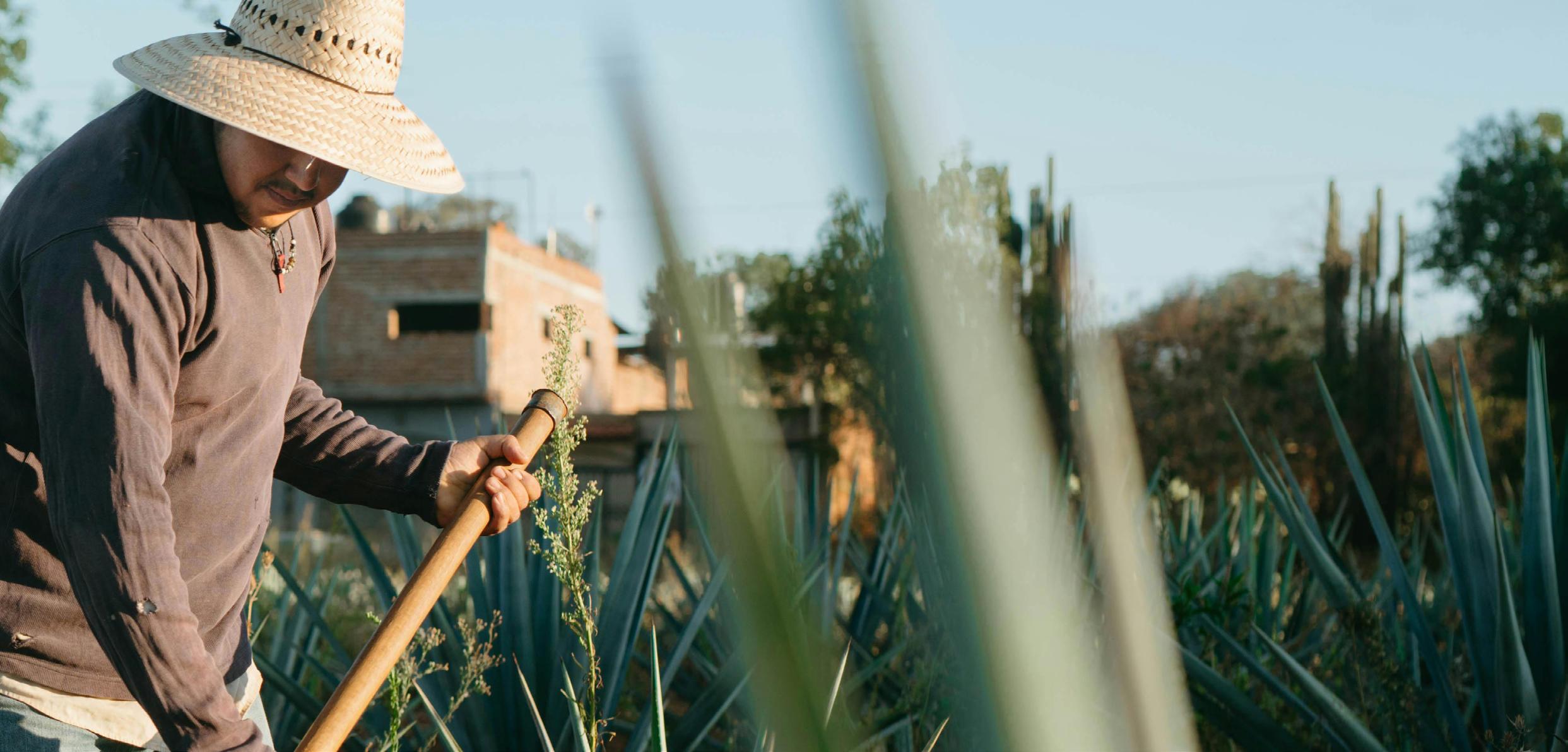
Photo: Los Muertos Crew/pexels
This is the third evaluation of this type to be carried out in the country. The evaluation covered a programme on strategic national opportunities (COSOP 2020-2025), three credit operations (PRODEZSA, PROECO and BALSAS), a project financed through a grant from the Global Environment Facility (AgriBioMex), seven regional grants and other non-lending activities. The amount of loan operations amounted to USD 185.92 million, of which USD 92.53 million consisted of IFAD financing and the remainder came from the Mexican Government, beneficiaries and other international agencies.
Specific themes discussed during the workshop included targeting approaches, innovative financing models and strengthening of the synergies between biodiversity, climate change adaptation and rural development. Participants noted that in two of its three loan projects, IFAD managed to improve the operational policies of federal programmes, creating its own institutional space. Also positive is the fact that progress has been reported in strengthening community forest enterprises, restoring degraded lands, and managing natural resources in general.
Discussants recognized that the change in federal administration in December 2018 reduced the scope for collaboration with multilateral organisations such as IFAD, reducing the relevance of one of the objectives of IFAD’s strategy (scaling up innovative approaches). The CSPE found
that activities for income generation, financial inclusion, and market access showed low performance relative to their targets, with limited scale and sustainability. The performance in relation to impact on rural poverty, gender equality and women’s empowerment, sustainability, climate change adaptation, and scaling up was assessed as moderately unsatisfactory.
“Challenges remain, including increasing pressure on natural resources, higher levels of rural poverty, particularly in the southeastern states of the country, and the persistent vulnerability of the indigenous population, which is historically discriminated against“, said Mr Donal Brown Associate Vice-President of IFAD’s Department for Country Operations.
Looking ahead, the CSPE recommended that awareness be raised of groups with difficulties in accessing support from federal budget programmes. It is also recommended that IFAD’s catalytic role in the rural financial ecosystem be strengthened by promoting financial innovations targeting small rural producers, including women, youth and indigenous peoples. Furthermore, support should be provided to the Government of Mexico in linking public policy agendas on rural innovation, environmental sustainability, and inclusive financing. IFAD should also strengthen its strategy for collaboration with the private sector in Mexico, focusing specifically on expanding the inclusion of small rural producers in value chains.
The last session of the workshop allowed the opportunity for the IFAD Regional Director and country director for Mexico to share the strategic thrusts of the new country strategic opportunities programme, currently being discussed with the Government of Mexico. The new strategy will be presented at IFAD’s Executive Board in early 2026.
Mexico is the third largest agricultural producer in Latin America and the Caribbean, although agricultural GDP accounts for a smaller share than in Argentina and Brazil. Multidimensional poverty fell from 41.9% of the population in 2018 to 36.3% in 2022. However, the absolute number of people living in extreme poverty rose from 8.7 million to 9.1 million. Rural poverty remains higher than urban poverty and is mainly concentrated in the south-southeastern states. The Mexican agricultural and fishing sectors show significant regional disparities. Family and subsistence farming accounts for approximately 82% of rural economic units and employs more than 10 million people. These units face multiple problems that hinder their sustainability.
Presentation by Dr Mònica Lomeña-Gelis
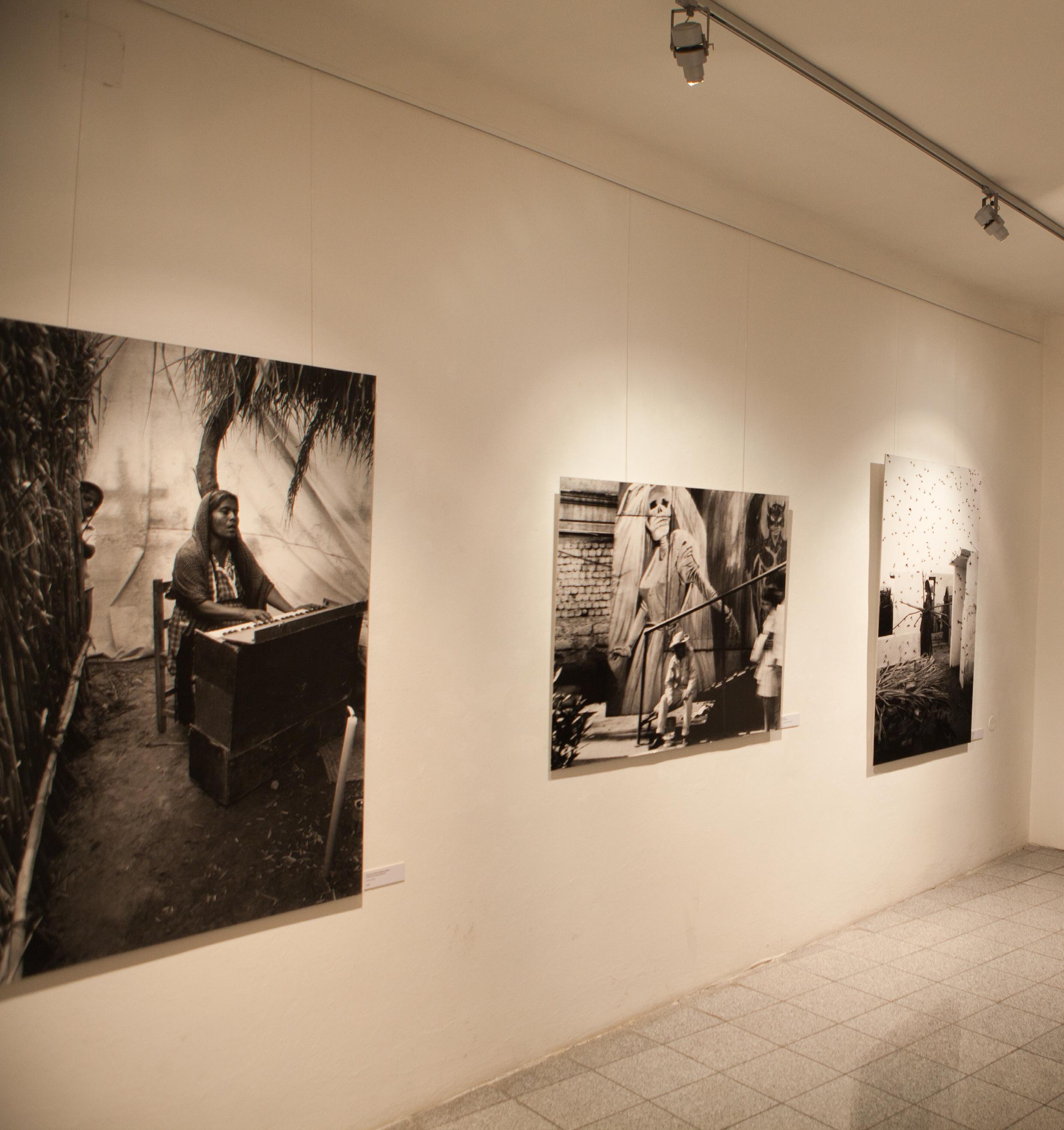
Photography is the only thing that kills death*
Graciela Iturbide, the most recent winner of the Princess of Asturias Award for the Arts, inaugurated her exhibition “Fijar el tiempo” (Fixing Time) on 26 November 2025 at the Palacio de Cultura Banamex, in which she expresses her passion for the camera. “It’s my ritual and my life,” she says. Photo by Cristina Rodríguez.
With her camera, Graciela Iturbide has been able to capture unique and unrepeatable scenes that have been fixed in our time and for the future. Her photographs are part of the Mexican imagination, and this exhibition celebrates her sensitivity and career.
The artist, who incorporated indigenous cultures into contemporary photography, says she will continue to travel to capture more images that surprise her. “The camera is an object for learning about the culture of the world,” she adds.
For her, intuition is vital to her creative process; however, “surprise” plays an important role. As she walks through the streets, towns, and cities she has visited abroad, “what surprises me is what I intuitively capture. Many of the portraits you see there are posed because people often ask me to take them. I don’t usually say, ‘I’m going to take your picture, stand here,’ unless they ask me to.
Building bridges between self- and independent evaluation
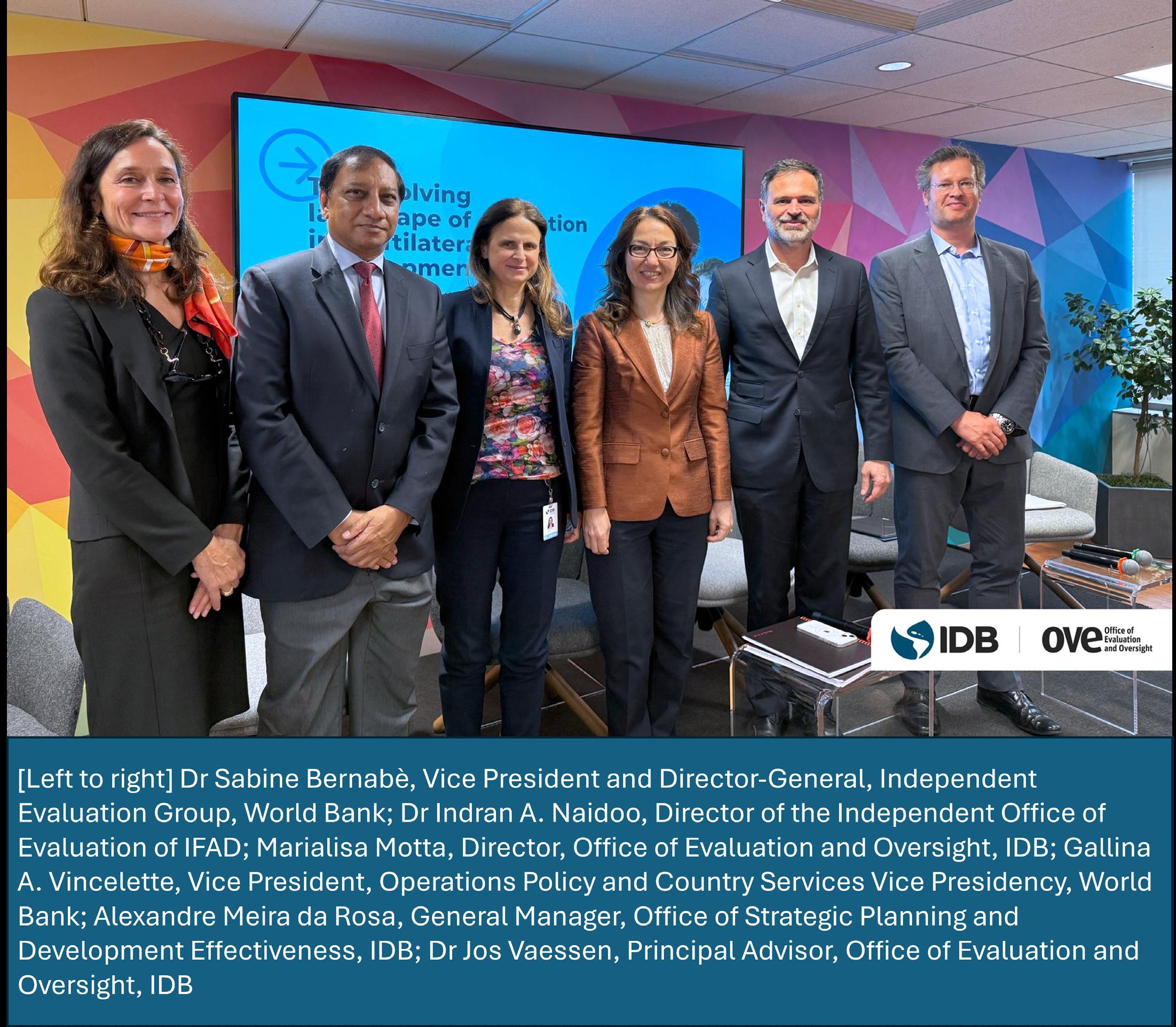
“We are trying to build bridges between independent and self-evaluation. This means reframing the discourse. Independent evaluators view themselves as serving the Board, while self-evaluators view themselves as serving the communities. We need to move the conversation to one in which we all serve the organization so that it can improve the lives of people in rural areas”, stated Dr Indran A. Naidoo, Director of the Independent Office of Evaluation of IFAD (IOE), during a learning event titled ‘The evolving landscape of evaluation in Multilateral Development Banks – challenges and opportunities for Independent Evaluation and Strategic Planning functions’, on 27 May 2025.
Organized and moderated by Jos Vaessen, Principal Advisor, Office of Evaluation and Oversight (OVE), Inter-American Development Bank (IDB), under the auspices of OVE, the hybrid learning event brought together leading evaluation experts from the world’s largest multilateral development banks (MDBs), and members of the Evaluation Cooperation Group (ECG). At the heart of the event was a panel composed of ECG Directors and senior officials. Dr Naidoo was joined by Dr Sabine Bernabè, Vice President and Director-General, Independent Evaluation Group, World Bank; Marialisa Motta, Director, Office of Evaluation and Oversight, IDB; Alexandre Meira da Rosa, General Manager, Office of Strategic Planning and Development Effectiveness, IDB; and Gallina A. Vincelette, Vice President, Operations Policy and Country Services Vice Presidency, World Bank.
Speaking about the relationship between selfand independent evaluation, Dr Bernabè noted that the independent evaluation function and the Management side have common objectives. Both parties want more learning out of this self-evaluation system they want it to be less complex, and more efficient and streamlined. For this to happen, the self-evaluation system needs to be fit for purpose in this country-led outcome-oriented, adaptive development model, that is no longer focused on upward reporting of individual projects. Strategic Management and evaluation are well-placed to collaborate on this together, and in doing so facilitate shift towards a well-orchestrated, decentralized system that allows country units’ operational teams to embed evaluations in their countries and programmes, and to take decisions based on that.
The event moved from the premise that independent evaluation offices and strategic planning departments are the custodians of the evaluation systems of MDBs. Both share the mission of enhancing accountability and learning in MDBs, and both stand to benefit from a stronger evaluation culture within their institutions and the clients that MDBs serve. At the same time, there are marked differences between the two. Independent evaluation functions are independent of Management and are mandated to assess MDB performance without interference from Management. By contrast, strategic planning departments are part of Management and are involved in the full cycle of project design, implementation, supervision, and self-evaluation.
“There has got to be more joint work. The way to do this is to have collaborative and engaging learning events. At the same time, we must ensure that the boundaries between self and inde-
pendent evaluations do not get blurred. It’s a delicate dance, it’s not easy. Let’s not romanticize it believing that if you’ve got a policy then it’s all going to fall in place. Far from it”, said Dr Naidoo.
Against this backdrop, the panellists looked at the strengths and weaknesses of current MDB evaluation systems, discussed if MDBs have the right evaluation modalities and processes in place to enhance accountability for results and to foster learning among different stakeholders, addressed the changes that might be needed, and analysed wow the two functions could work together better to enhance the system.
In particular, looking at the evolution of MDBs, Ms Motta highlighted that the ways in which MDBs have been evaluated by the evaluation function and by their own self-assessment mechanisms have changed in the past
decades. In particular, what has happened in the past five years, which is striking, is the increased emphasis of many MDBs on achieving outcomes at scale. The Banks are interested in knowing if they are making a difference in development. Related to this is the importance of MDBs working together in a constructive way. Improving the lives of people in rural areas must be at the heart of the work of the Banks. If the MDBs are able to focus on the development challenges and how to address them, consensus will be found among all stakeholders.
“We need to have a conversation about what constitutes success. The new discourse now is ‘tell us what your impact is’. Maybe the indicators of success need to look at the time horizon and be much more modest on the quantitative outputs. The reality is that the numbers are seldom known”, highlighted Dr Naidoo.
INTEVAL turns 40, as IFAD-IOE continues to provide thought leadership
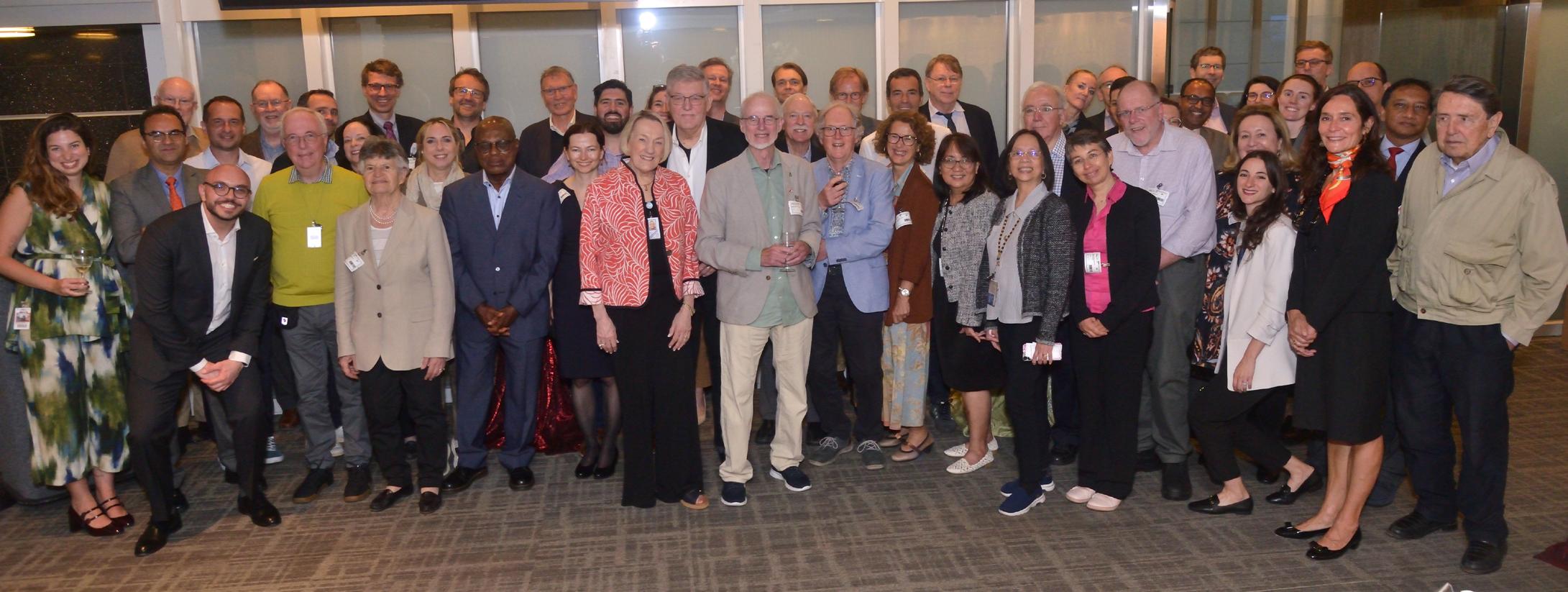
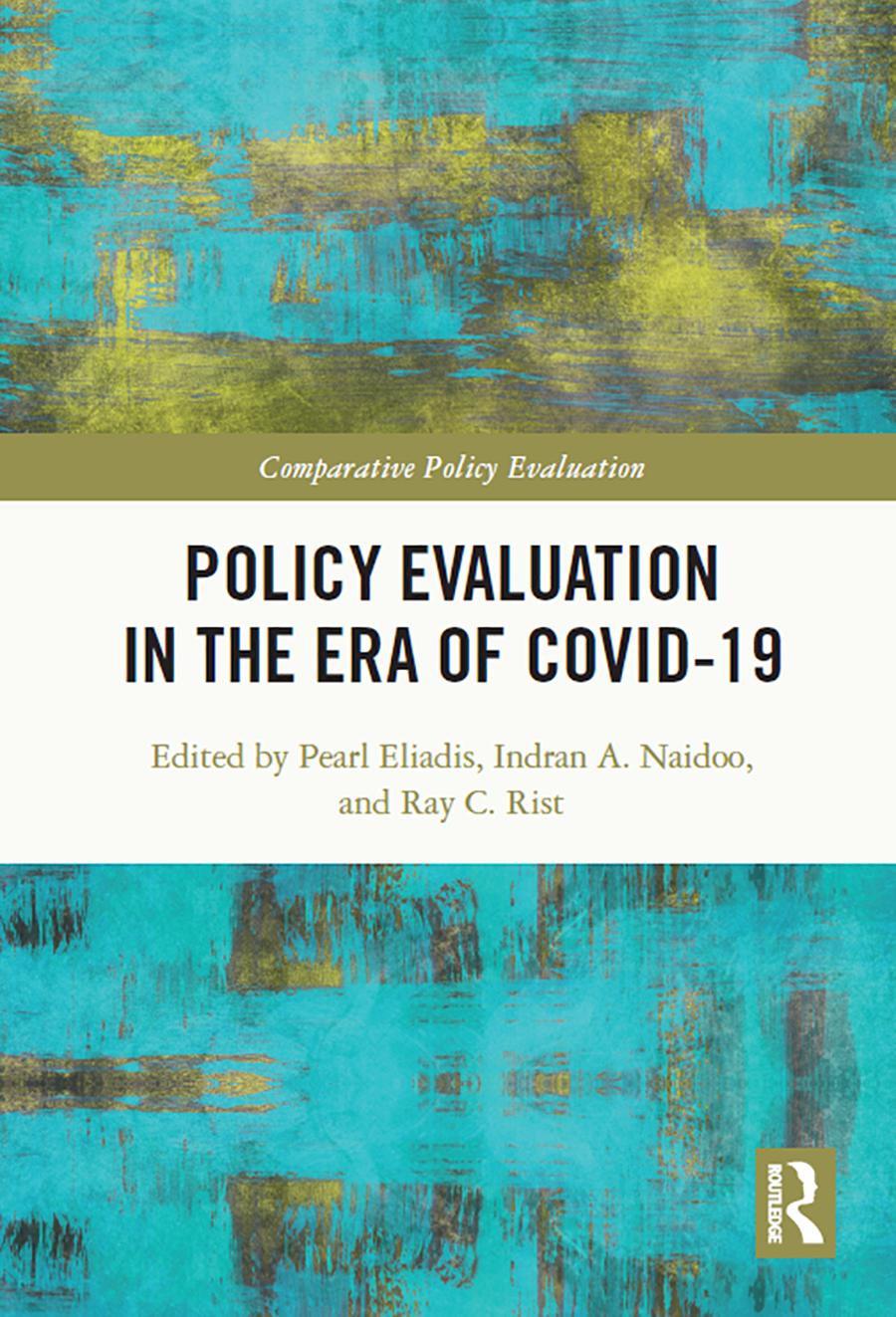
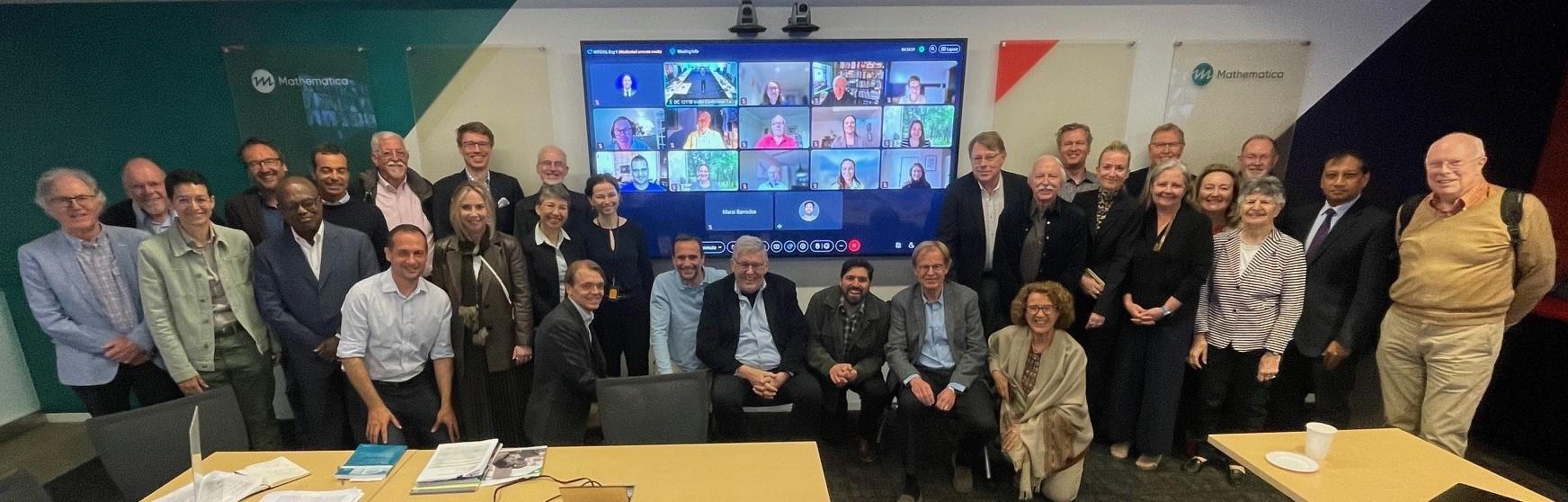
The International Research Group for Policy and Program Evaluation (INTEVAL) celebrated its 40th anniversary during the annual meeting that took place in Washington DC, on 26-29 May 2025. As in previous gatherings, Dr Indran A. Naidoo, Director of the Independent Office of Evaluation of IFAD (IOE), provided substantive contributions to the discussions, including in the context of a book being co-authored on values-based evaluation. This publication will follow Dr Naidoo’s previous contributions to the INTEVAL book series, which include co-editing the volume titled ‘Policy Evaluation in the Era of COVID-19’, with Ray Rist and Prof. Pearl Eliadis, and contributing a chapter to the book on ‘Crossover of Audit and Evaluation Practices’, edited by Maria Barrados and Jeremy Lonsdale. The 40th annual gathering also featured an event dedicated to honouring the legacy of Ray Rist, who developed and established INTEVAL.
Mathematica [access here] hosted the annual meeting, which brought together a multidisci-
plinary constellation of world-renown expert evaluation leaders and distinguished authors. Discussions focused on finished books, current projects, new work and challenges. In addition, a session was organized with a representative from Routledge to discuss the role of the editor in the Comparative Policy Evaluation book series. Other issues addressed included the need to secure open access for members’ publications.
Topics of future books discussed included democracy and evaluation, philanthropy and evaluation, AI and evaluation, and evaluation capacity building, in addition to the volume on values-based evaluation. With regard to the latter, Inga-Lill Anderson and Hur Hussain will join Dr Naidoo as co-editors. The book will have authors contributing from across the globe. It is expected for publication in 2026 and will be presented at the 41st INTEVAL meeting to be held in Cape Town, South Africa. It will be accessible through the IOE funded Open Access.
During the event, the book’s co-editors explained
that value-based evaluation explores all stakeholders’ values to ‘value the values’ in a particular evaluation. Values are hard to measure but can be rewarding in terms of what they bring for understanding and unpacking the fundamental changes or the fact that no changes have occurred at all. However, incorporating these values requires diligent effort and presents challenges due to their subjective nature, unreliability, lack of empirical testing, and inherent complexity.
Alongside the book discussions, one of the highlights of the gathering took place on 27 May, when the dedication, hard work and legacy of Ray Rist in giving shape to INTEVAL over the past four decades was recognized and honoured during a special event. The Independent Evaluation Group (IEG) of the World Bank hosted the event, which brought together INTEVAL members, as well as IEG staff and guests. A multimedia presentation was done, capturing the thought leadership of the group and its main outputs, which include over 35 books to date.
INTEVAL is a multidisciplinary group of expert evaluation leaders and distinguished authors. The group’s members address the key strategic issues that define the evolution of the evaluation function, shaping the international debate, and advancing the discipline within the context of the everchanging global landscape. Every year, INTEVAL affiliates have met in different countries across the globe. The group’s first meeting took place in Brussels, in 1986, while IOE hosted the 38th gathering, which unfolded in Rome, at IFAD headquarters. Over the years, renown universities, research centres, national entities and international agencies have hosted the INTEVAL annual meetings, which have benefitted from the generous funding of multiple donor institutions.
The next INTEVAL meeting will take place in Copenhagen, in the last week of May 2026.
• Access info about the 38th annual INTEVAL meeting, hosted by IFAD [here]
STORY Celebrating in African-led
FEATURE
25 years of excellence
African-led evaluation
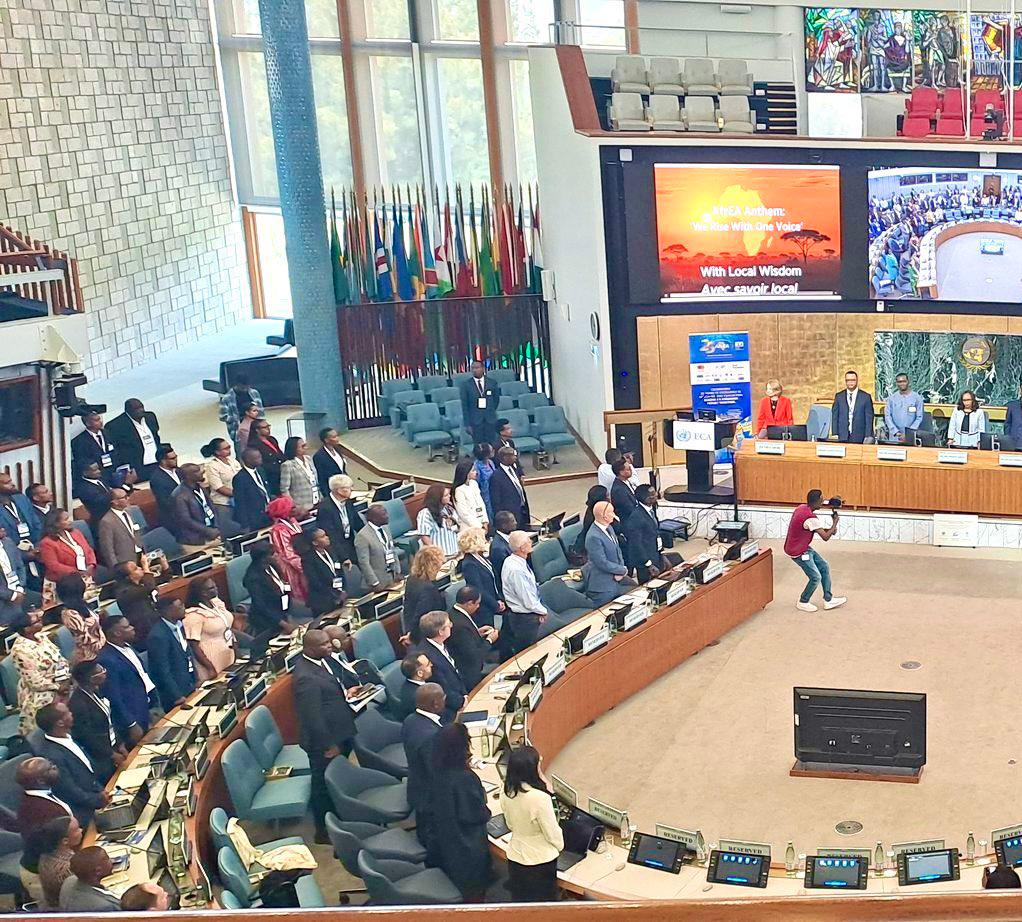
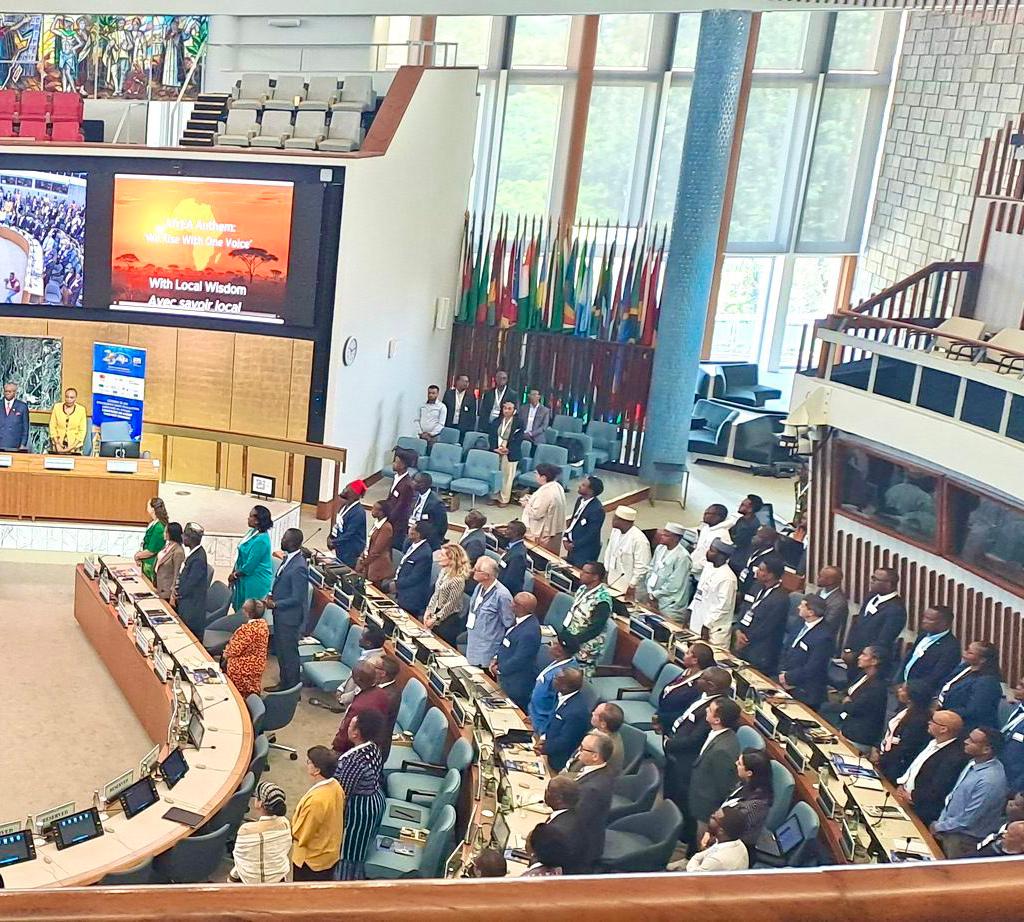
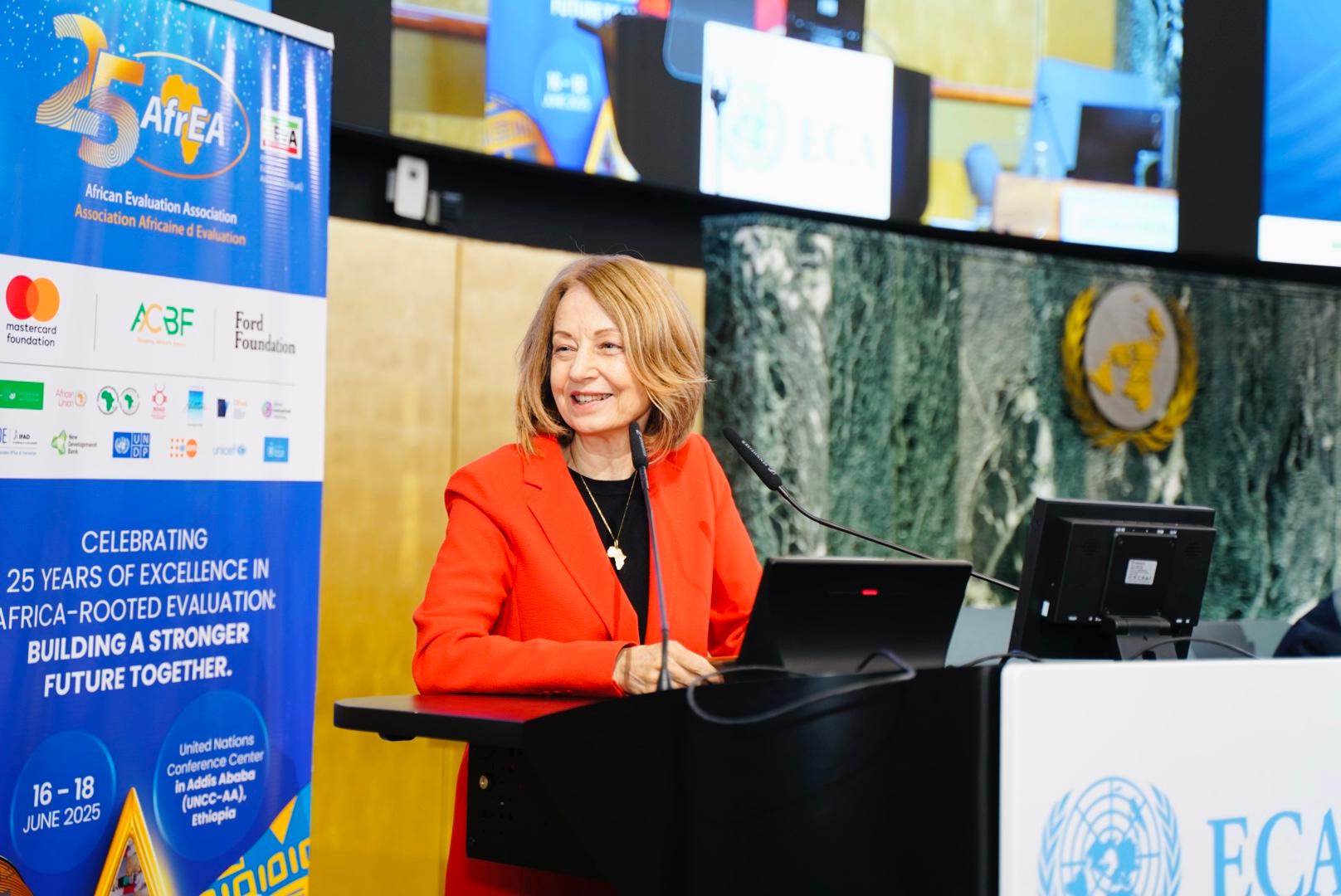
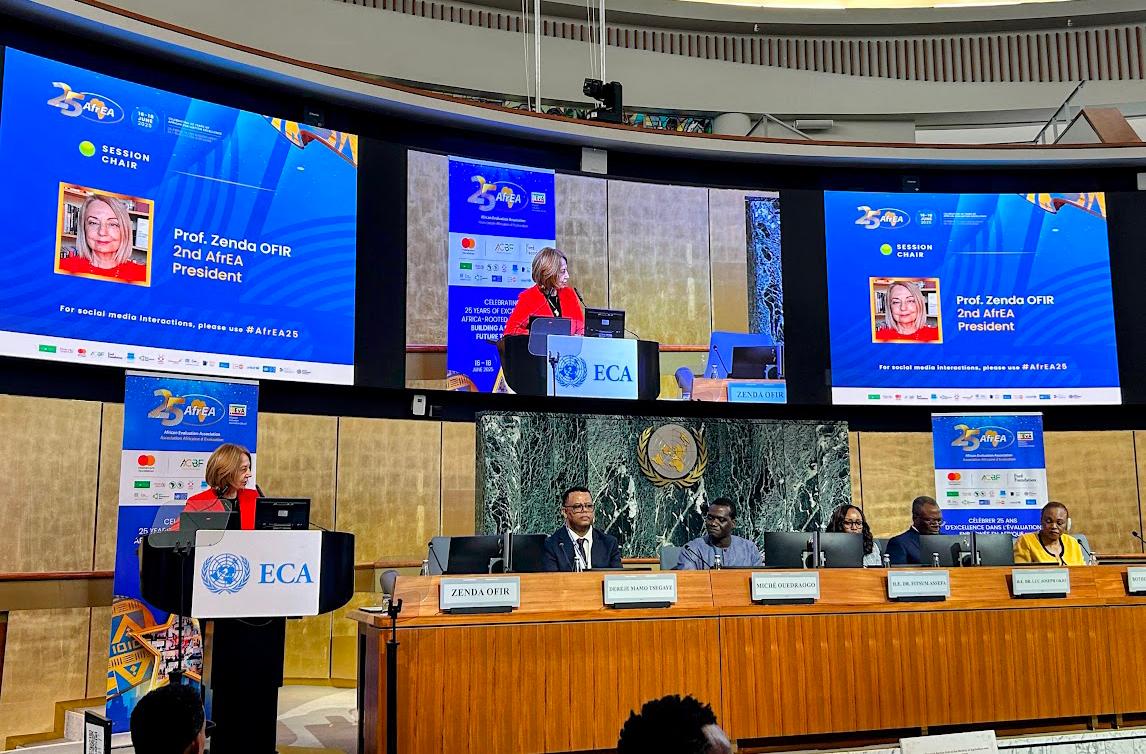
“The 25th conference of the African Evaluation Association (AfrEA) is a celebration of excellence in African-led evaluation. This historic milestone is also a call to action, urging us to reflect, reimagine, and reinforce our commitment to evidence-based decision-making across the continent and beyond”, affirmed Dr Indran A. Naidoo, Director of the Independent Office of Evaluation of IFAD (IOE), whilst charing a session during the conference, which took place in Addis Ababa, from 16 to 18 June 2025.
Dr Naidoo has personally seen the growth of AfrEA over the past 25 years. He was most actively involved in 2002 and in 2004, when the
South Africa Public Service Commission (PSC) co-hosted the third AfrEA conference, which brought together one of the largest constellations of evaluation experts in the region. It featured over 20 training sessions, which were held in the margins. The PSC, under the leadership of Prof. Stan Sangweni, played a significant role in bringing together governments across the continent. The 2nd President of AfrEA Dr Zenda Ofir, worked closely with the PSC to bring together the international evaluation community at a stellar event that also had many training workshops, where over 500 people from more than 60 countries participated. The theme of the 2004 event, still relevant today, was ‘Africa Matters, Evalua-
tion Matters – joining forces for Democracy, Governance and Development’. Twenty-one years years later the momentum has grown.
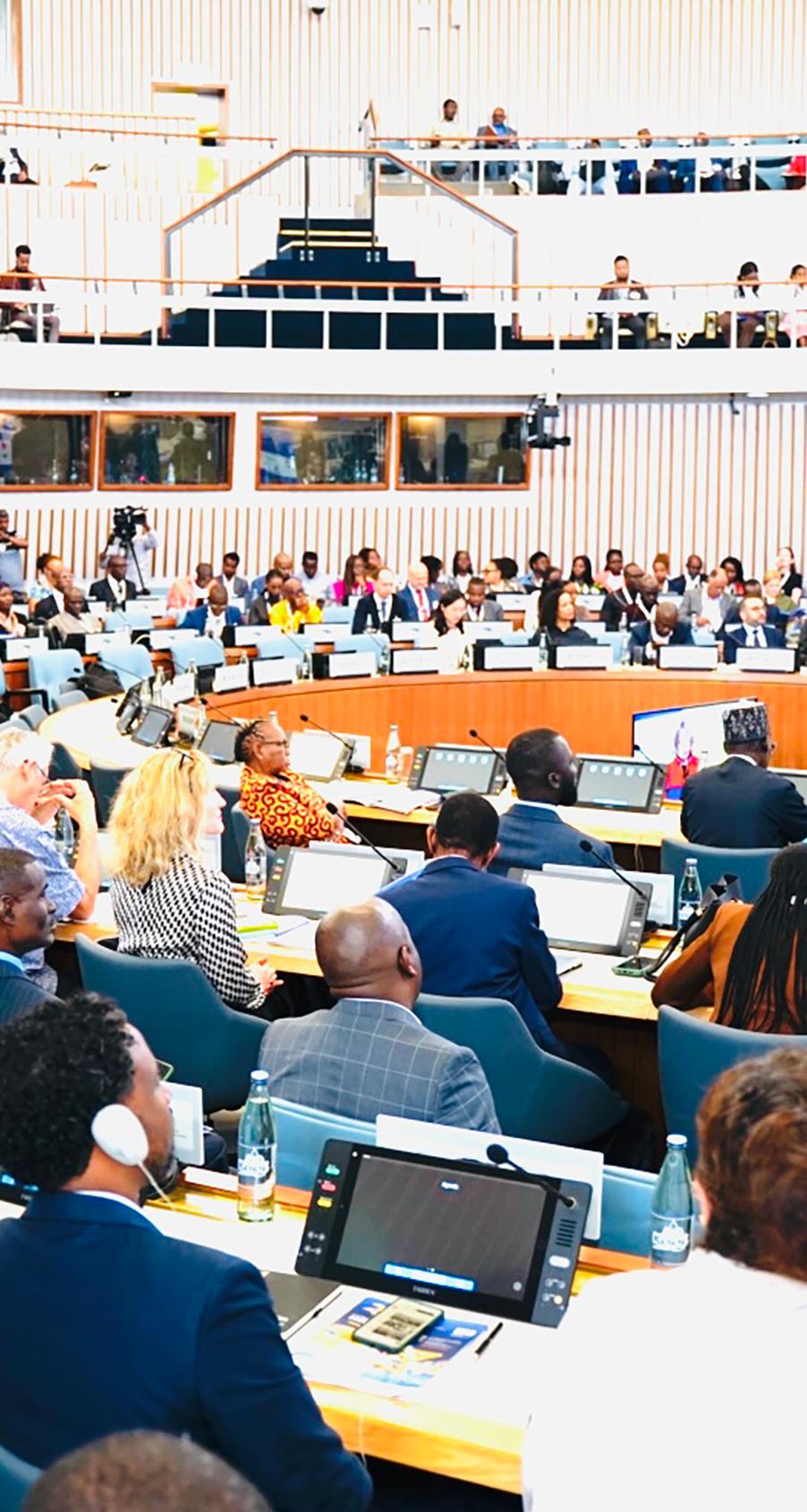
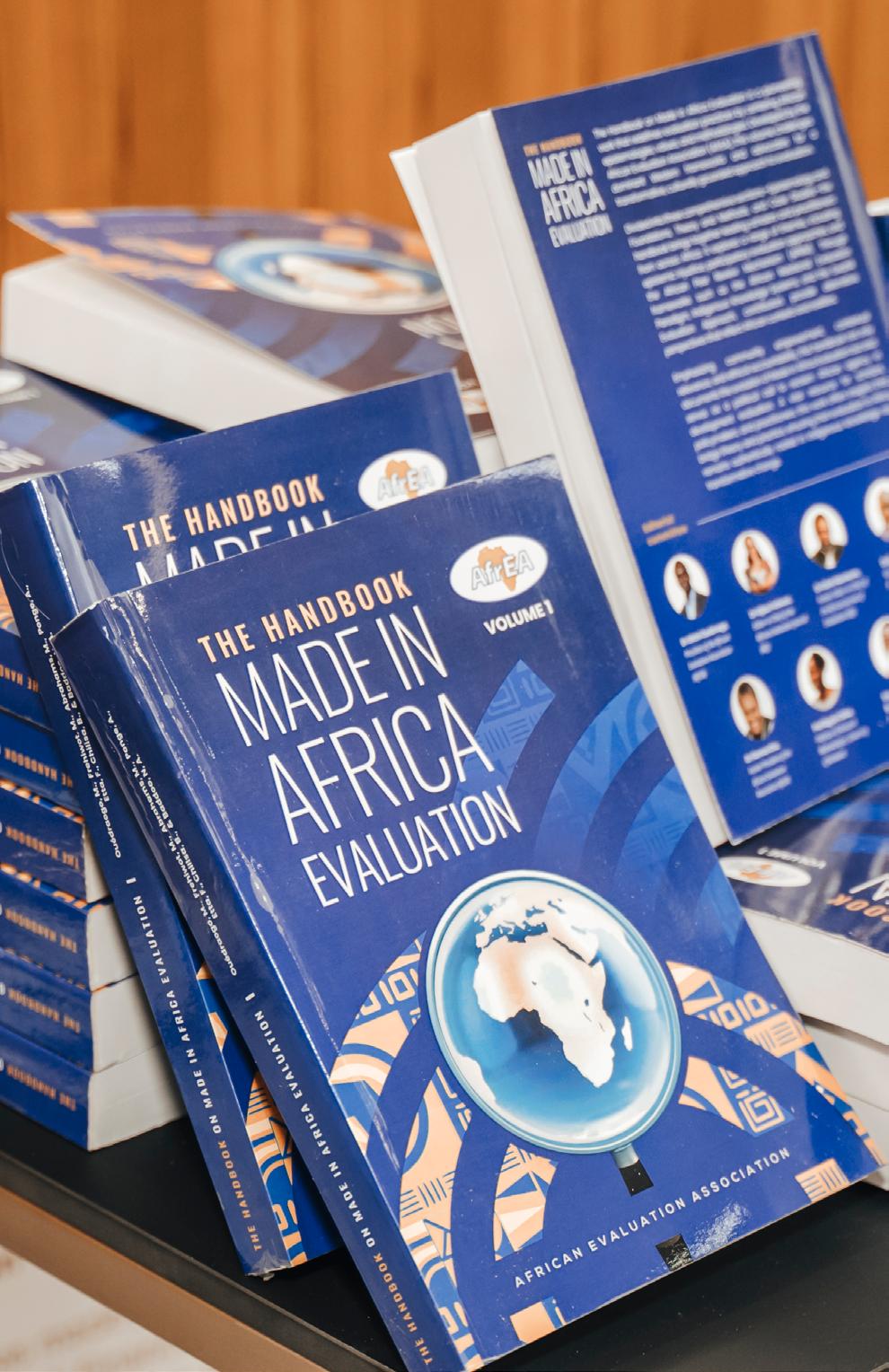
Held at the headquarters of the United Nations Economic Commission for Africa, the 25-year celebratory milestone event gathered evaluation professionals, policymakers, and thought leaders to reflect on the journey and shape the future of the Made in Africa Evaluation concept. The rich and engaging program included opening and closing ceremonies with high-level guests, 7 plenary sessions featuring international speakers, 14 thematic sessions on evaluation, and the launch of the Made in Africa Evaluation Handbook.
“AfrEA and its partners have built an indispensable platform for dialogue, learning, and collaboration. This year’s conference theme reminds us of our shared responsibility to shape a future grounded in resilience, inclusion, and sustainability”, underscored Dr Naidoo.
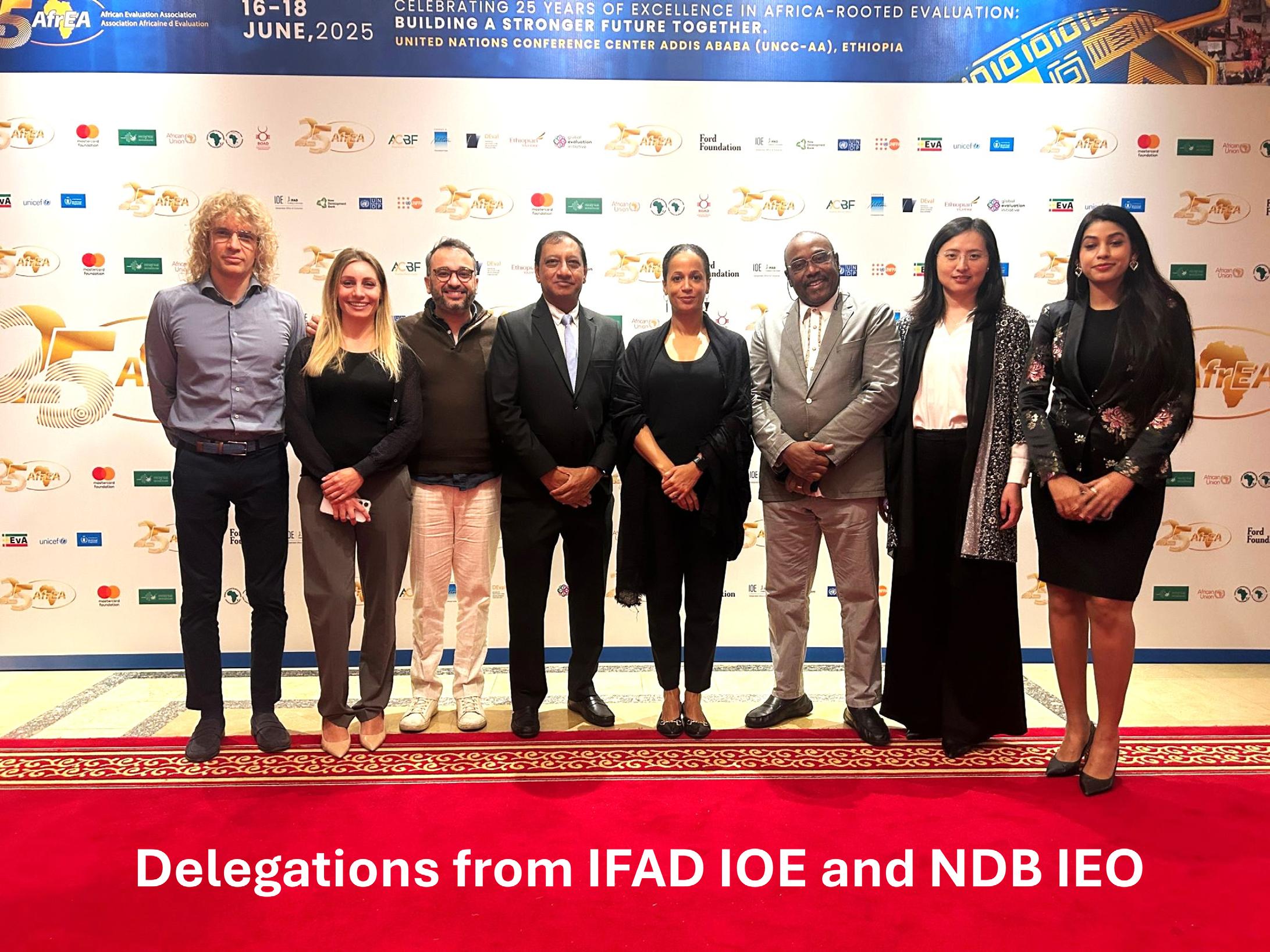
IOE has committed to support AfrEA, with active participation in its meetings over the years. In recognition of the landmark occasion of AfrEA’s 25th anniversary, IOE enhanced its support. Throughout the event, IOE contributed to several sessions, offering practical insights on how IFAD’s evaluation work is contributing to advancing rural development across the African continent.
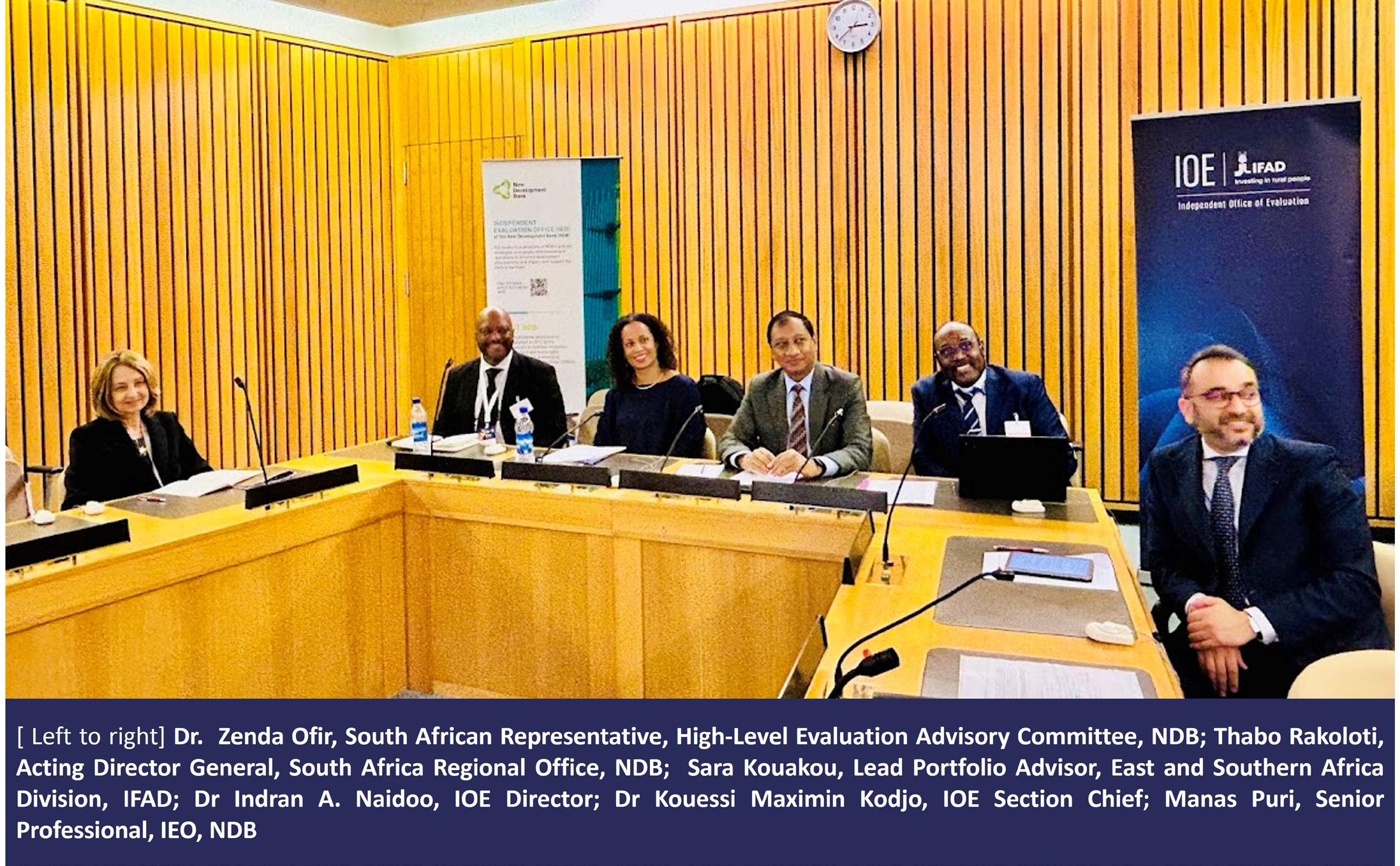
On 17 June, IOE organized a joint panel discussion with the Independent Evaluation Office of the New Development Bank (IEO-NDB) on ‘Lessons Learned from Independent Evaluations of IFI-financed Climate-Smart Development Projects’. The session leveraged the collective experience of the two offices to critically examine key lessons, emerging practices, and persistent challenges from independent evaluations of climate-smart projects in developing economies, particularly in Africa. Chaired by Dr Naidoo, the
session featured panellist interventions by Thabo Rakoloti, Acting Director General, South Africa Regional Office, NDB; Prof. Zenda Ofir, South African Representative, High-Level Evaluation Advisory Committee, NDB; Manas Puri, Senior Professional, IEO, NDB; Sara Kouakou, Lead Portfolio Advisor, IFAD; and Dr Kouessi Maximin Kodjo, IOE Chief of Section. Discussions also featured a series of practical examples from the field,
Stephen Rwamulangwa, representing the Ministry of Agriculture and Animal Resources of Rwanda, and Katabalwa Isaac, representing the Ministry of Finance, Planning and Economic Development of Uganda, and Rakotozanany Miandrisoa Tokiniaina, representing the Ministry of Agriculture of Madagascar.
“Follow-up actions to IOE’s evaluations underscore IFAD’s strategic commitment to adaptive learning, inclusivity, and institutional strengthening, ensuring more impactful and sustaina-
ble rural transformation and to anchoring IFAD’s strategy with national programmes for enhanced rural transformation”, noted Dr Kodjo.
The scale and ambition of climate-smart investments in the Global South has expanded rapidly, yet the ability to evaluate their outcomes with precision and depth has not kept pace. In this context, the joint session created an open platform for reflection and exchange on the evolving role of in
ative approaches and economic opportunities for youth. They reflect a shift from isolated interventions to system-wide strategies rooted in learning, inclusive participation, and adaptive delivery to support resilience building strategies”, further underscored Dr Kodjo.
accountable, and sustainable development outcomes from climate-related interventions in emerging and developing countries. It also helped increase momentum toward building evaluation capacity and evidence-informed decision-making processes with various partners in the Global South, to support climate-resilient development pathways.
“IOE’s evaluations illustrate IFAD’s growing commitment to institutionalizing gender transform-
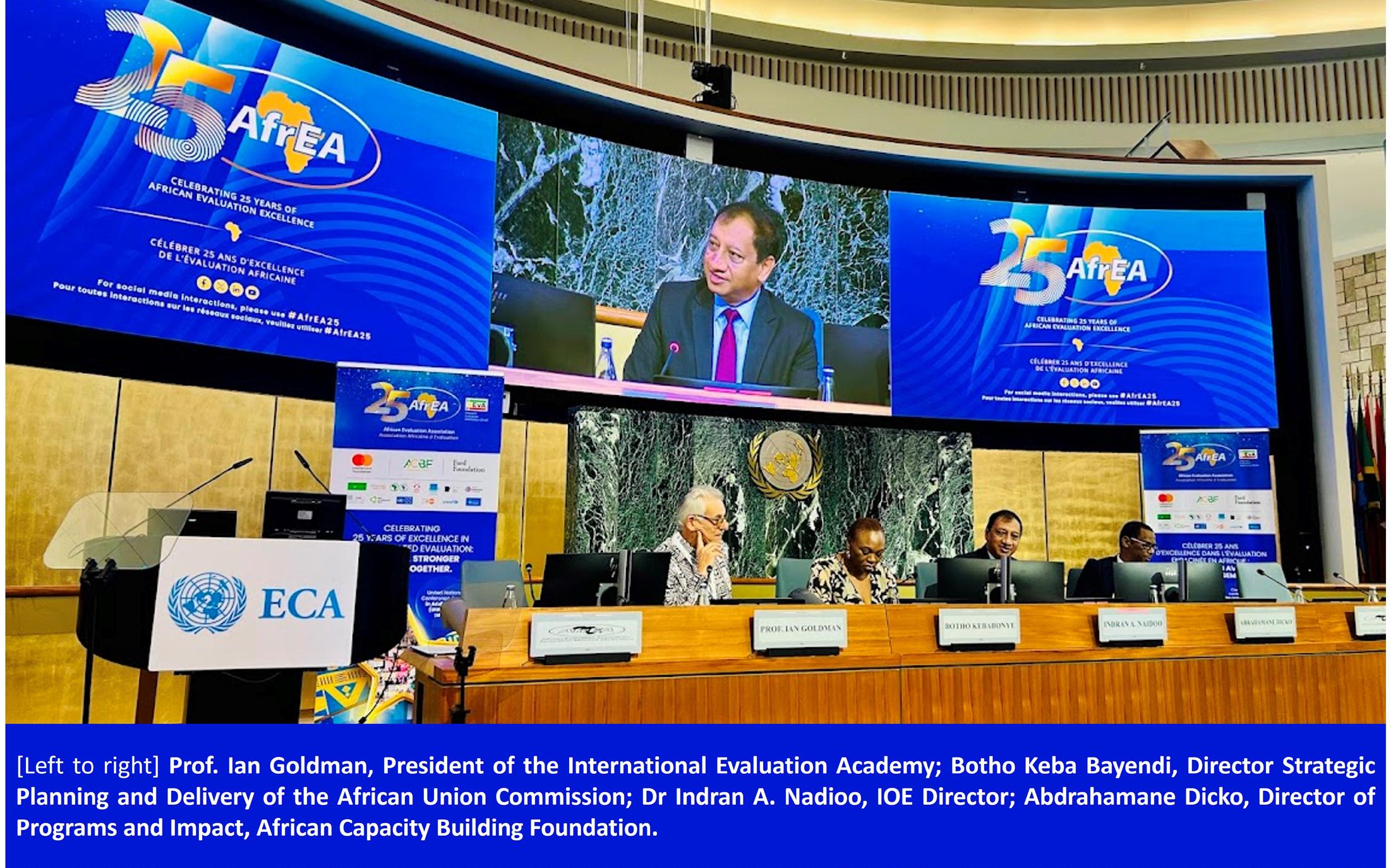
The following day, Dr Naidoo delivered a keynote address during the high-level panel discussion, under the umbrella of the African Union, on the theme ‘Evidence for Agenda 2063 – State of Play and Perspectives’. Chaired by Prof. Ian Goldman, President of the International Evaluation Academy, the session featured interventions by Botho Keba Bayendi, Director Strategic of Planning and Delivery of the African Union Commission, and Abdrahamane Dicko, Director of Programs and Impact, African Capacity Building Foundation.
“Evaluations of African-based programmes have always been at the heart of IOE’s work. To date, IOE has published 637 evaluation reports. Of these, 264 are specifically focused on programmes and projects carried out in Africa. This means that 42% of all IOE’s evaluations are Afri-
ACCESS HERE
ca-based”, explained Dr Naidoo.
Discussions focused on how evaluation and African evaluation systems can contribute to achieving Agenda 2063 Second Ten Year Imple-
mentation Plan (STYIP 2024-2033), supported by AfREA using a Made in Africa approach, and how this will address the unfolding polycrisis. In this context, panellists spoke about the priority areas of Agenda 2063 STYIP and the monitoring
and evaluation mechanisms put in place. They also delved into wow these efforts can strengthen the development of national, regional and continental evaluation systems on the continent, ones that support the transformation needed for a safe and just planet, and presented the vision on the role and place of AfrEA and Made in Africa evaluation in helping this to happen In parallel, IOE undertook efforts to further strengthen the visibility of IFAD in this important gathering. Among these efforts, IOE sponsored the participation of three government representatives, from Madagascar, Uganda, and Rwanda. IOE also hosted an interactive exhibition, managed by Dr Alexander Voccia, Senior Evaluation Communication & KM Specialist, to showcase its evaluation work across African countries, with a focus on how evaluations have contributed to improving IFAD’s operations and fostering rural transformation.
Through its diverse membership, which has grown significantly over the past 25 years, AfrEA
champions the creation and growth of national evaluation associations, currently supporting 40 Voluntary Organizations for Professional Evaluation across the continent. Additionally, AfrEA boasts over 3,000 individual members and enjoys partnerships with 14 development organizations. AfrEA is a multilingual organization, reflecting the richness and diversity of the continent, with members from English-, French-, and Portuguese-speaking Africa. The organization has a proven track record of successful conferences, having hosted 11 editions in various African countries, with the most recent one held in Kigali, Rwanda, in March 2024.
Presentation by Dr Indran A. Naidoo ‘Evidence for Agenda 2063 – State of Play and Perspectives’
Evaluation at crossroads in Africa: past, present and future meet as AfrEA celebrates its 25th anniversary
On the margins of AfrEA 25, Independent Magazine had the opportunity to sit down with Dr Zenda Ofir, for what proved to be an eye-opening conversation on evaluation in Africa, at the crossroads between past challenges, present accomplishments and future perspectives.
Dr Ofir is an International Specialist in transformation, strategy and evaluation. She is currently a Friend of the International Evaluation Academy (IEAc); a Richard von Weizsäcker Fellow at the Robert Bosch Academy in Berlin, Germany; and a South African Representative at the IOE High-Level Evaluation Advisory Committee of the New Development Bank. She is also a former President of AfrEA.
Good afternoon, Dr Ofir. Good afternoon, Alexander.
How and to what extent has evaluation, as a practice, enhanced democracy, transparency and accountability in Africa?
Without a targeted meta-evaluation, we really cannot estimate the full extent of the contribution of evaluation to democracy, transparency and accountability in Africa. But there is growing evidence that this has advanced, at least to some extent, over the past 20 years, particularly through institutional development and government-wide evaluation systems. During this time, AfrEA has helped to connect evaluation, democracy and development through conferences affirming Africa’s commitment to transparency and accountability.
South Africa was one of the first to adopt a national evaluation system. Bodies like the Public Service Commission and the Department of Planning, Monitoring and Evaluation are constitutionally mandated to evaluate aspects of public service. DPME in particular produces evidence aimed at improving policy planning and inter-ministerial collaboration, and has done many evaluations since 2011. They are publicly accessible and I understand they have influenced key policies, for example in early childhood development and land reform.
Citizen participation has also been strengthened. In countries like Ghana, Kenya and Tanzania, participatory evaluations and social accountability tools such as citizen scorecards have empowered communities to assess service delivery and demand responsiveness from local authorities. Institutions like the auditor-general offices and planning ministries in several African countries have integrated evaluation for oversight, while a cross-country initiative like Twende Mbele supports peer learning and evidence use in governance.
A good development, although still in its infancy, is that parliamentary oversight is shifting towards strong-
er use of evidence for decision-making. Across Africa, parliamentarians are engaging more with evaluation, supported by initiatives like Twende Mbele, CLEAR-AA and the African Parliaments’ Network on Development Evaluation (APNODE). Uganda has continued to build systematic links between its national evaluation system and Parliament, including structured forums where results are discussed. In Benin, parliamentary involvement is embedded in the national evaluation framework, with recent retreats and debates strengthening MPs’ role in reviewing public policies. In South Africa, DPME not only briefs committees but has also run targeted capacity-building workshops for Parliament. Unfortunately, even here the uptake of evaluation evidence still varies across committees and policy areas.
It is encouraging that evaluation has played a central role in the African Union’s Agenda 2063. Biennial continental and sectoral reports are used to track progress and ensure accountability. But major challenges remain: capacity gaps among MPs, political leadership, political sensitivities, uneven mechanisms to connect evaluation to legislative processes, donor-driven systems, and limited evidence of long-term impacts.
We know that progress is slow, but at least this continental approach to evaluation demonstrates some commitment in Africa to using evidence for developmental accountability at the highest policy levels.
What do you think were some of the enablers that moved evaluation in Africa?
Since the early 2000s, several mutually reinforcing factors led to explosive growth in evaluation as systematic practice across Africa.
First, a very large part of evaluation in Africa, today, has been shaped by development evaluation. Therefore, the conditions set by the aid funders, our international development partners, spurred our governments to demand and produce concrete evidence of progress and results. Although often flawed in concept — linear, reductionist, project-based, focused on accountability rather than learning — they certainly played
a major role in advancing evaluation. For this we can be very grateful. Unfortunately, citizen pressure for accountability was much less of a factor, something we should aim to change in future.
Second, the organisation of African evaluation specialists played a major role. Since 1999, the establishment of AfrEA and the emergence of dozens of national Voluntary Organizations for Professional Evaluation inspired many activities, including convening conferences, setting standards and guidelines, and initiating training and lobbying for evaluation use. Capacity development hubs such as CLEAR AA trained hundreds of practitioners, and peer-learning initiatives like Twende Mbele linked ministries across borders.
Third, global exposure and demands have been critical. International partnerships — multilateral agencies, bilateral donors and global evaluation networks — supplied technical know how, financing and platforms for initially North-South and, later on, also for South-South learning; we still have to get to South-North learning! The conditions attached to global and continental SDGs, and the AU’s Agenda 2063 also helped to keep evaluation on the political agenda.
All of these factors inspired a growing number of African governments to develop M&E units and adopt national evaluation policies that make evaluation a routine part of public management. In addition, the investment in data and technology lowered the cost and raised the speed of evidence generation. Stronger statistics offices, mobile-based data collection, GIS tools and interactive dashboards give evaluators richer, timelier datasets. AI is now set to accelerate this exponentially.
It has become clear that evaluation can build African agency, and this is accelerating with the growing emphasis on context appropriate, ‘Made in Africa Evaluation’ or ‘MAE’ that respects local philosophies, knowledge and cultural values, and reinforces local leadership, ownership and relevance.
Most important, perhaps, for our success were the many individual pioneers and champions who have been passionate about evaluation not as a career, but as a way to help make the world and our continent a better place.
Why was, and is, it important for Africa, as a continent, to make a case for evaluation?
We needed to reclaim ownership of our development. The design and implementation of development strategies and programmes had to be much more effective — and evaluation had to be at the centre of this movement. For far too long, our practice has been driven by external funders’ requirements. The power asymmetries inherent in the evaluation system meant that frameworks and indicators often did not reflect African realities, despite rhetoric to the contrary. Evaluators tended to slavishly follow Global North approaches to evaluation. This led to limited ownership, relevance and use of findings in policymaking.
This is now changing, although too slowly. Geopolitical dynamics have been inspiring the Global South to be much more assertive, and we are slowly, yet increasingly, seeking to assert sovereignty over our own development and evaluation agendas. We are much more aware that evidence generation and use have to be anchored in African priorities, cultures and contexts. All this is helping to shift the narrative from evaluation as an external donor-imposed requirement to that of a strategic tool for learning, improving governance and delivering better development results. We want our development interventions assessed against locally-defined success criteria rather than external standards.
Strong evaluation systems support evidence-based planning and decision-making. This can help governments to allocate limited resources effectively based on what actually works in their specific contexts. Building an evaluation culture is also helping us to track progress toward continental and global commitments, such as Agenda 2063 and the SDGs. It creates space for citizen participation, transparency and inclusive development – and although this is not yet working well, it is starting to make public institutions more responsive and effective.
If our policies, priorities and programmes are guided by credible, context-relevant and future-sensitive evidence, we are laying the foundation for long-term self-reliance and resilience, for accountability to all who matter, and for the transformative development of our societies in harmony with nature.
What makes African evaluation different from evaluation in the North?
The contexts in the Global North differ dramatically from those in the Global South. Evaluation theories, frameworks and practices were initially developed for stable environments in the Global North, where short-term thinking and project-based tweaking of policies and strategies were sufficient. This contrasts greatly with the long-term thinking and steep development trajectories in often fragile contexts needed in the Global South.
Furthermore, Western so-called “experts” often fail to grasp the depth of the differences in how other cultures think and operate, and how this impacts evaluation. In Africa, much of our evaluation practice has been shaped through Western lenses, even when done and promoted by African evaluators, so we are equally in need of new thinking in this regard. We have to rethink how we generate and use evidence in ways that truly resonate with African values and realities.
The “Made in Africa Evaluation” movement, which my late friend Sulley Gariba and I began in 2007 as “Making Evaluation our Own”, emerged in response to the wave of Randomised Controlled Trials (RCTs) that came sweeping in from the Global North. These methods were hailed as ‘rigorous’, but felt extractive and reductive in our context. They simplified the complexities of African communities, treated people as passive subjects, and ignored the rich web of relationships, context, and communal knowledge that defines life here.
African evaluation is breaking away from this mould. It is more locally grounded, shaped by African knowledge systems, and driven by the people it serves. That means African communities and societies are becoming not just participants but partners, decision-makers and custodians of their own data. This contributes to true data sovereignty and development ownership. And, unlike the often technocratic, compliance-oriented evaluations of the North, African approaches often aim to be transformational, designed to promote equity, empowerment, and long-term change in complex, resource-constrained, and politically nuanced settings.
Progress has been made in this “Made in Africa Evaluation”, but we have much more to do. We can go much deeper into African philosophies and their implications for evaluation. Most African evaluators still do not recognise that systems thinking – which is now articulated academically in the West – are actually rooted in ancient African, Eastern and Indigenous ways of relating to others and to nature. Many of our African insights are now highly relevant, and we should be proud to bring them to bear on how we think about and do development. We also need to get better at blending the best of the Global North and the Global South, and tailoring this for our purposes and contexts.
Most important is that we need to move beyond short-term, project-based thinking to invest in evaluation that supports long-term transformative development on Africa’s own terms.
What have been some key learnings for evaluation in Africa over the past 25 years?
From my perspective the most important lesson is that, despite good advances, African evaluation is not yet ready to address the many challenges posed by the polycrisis. We need much more long-term, systems-informed, holistic thinking and practices that can support and help advocate for the transformations that are so urgently needed from local to global level. We need to stop fearing new yet essential con-
cepts such as “complex adaptive systems”. We need to focus on and measure more relevant things, like inner change and agency, systemic power shifts, individual and societal resilience, regeneration, systemic change and transformation.
A second key learning is that other countries in the Global South now provide development models that were not built on exploitation, extraction and siloed, short-term thinking. They are therefore much more relevant for Africa’s development. Our evaluation practice has to help promote the use of these alternative ways of doing development as well as evaluation.
Another learning is the potentially central role of Indigenous, African and Eastern knowledge. Western evaluation frameworks tend to privilege linear logic and individual outcomes, while African ways of knowing are rooted in communal values, interconnectedness and oral traditions. Recognising the legitimacy of these knowledge systems has become essential for building meaningful, grounded evaluations.
We also need less rhetoric, and instead truly context-sensitive approaches. Imported evaluation frameworks often overlook the social, cultural and political intricacies of African societies. Rigid theories of change based on artificial timelines and lack of patience with adjustments are inadequate for capturing the rich complexity and challenges inherent in local environments.
Genuine community participation has also emerged as a non-negotiable. Involving people not just as data sources but as active partners in shaping evaluations — defining questions, interpreting findings, and using results — has shifted power and relevance toward those most affected. Increasingly, evaluation professionals on the content see it not just as a technical exercise, but as a tool for transformation, social justice and post-colonial empowerment.
Still, progress in all of these is way too slow, given the pace at which the world is changing, including the financing environment. We have too few local and continental resources going to evaluation. Our mindsets remain too steeped in comfort, driven by donor requirements which our governments follow, and lack of pride in the potential that our cultures and ways of being hold for evaluation on the continent and globally.
What does the future hold for evaluation in Africa?
If I may, I would like to point people to my blog series [here] on the future of evaluation, in particular Part 6, where I explore global megatrends and their implications for evaluation. These issues are very relevant for Africa too.
We need to abandon the outdated notion of “developed” versus “developing” countries. At this point, all countries are “developing”, including in evaluation. And we know that unstable systems make drastic change more possible. The time for significant change is now!
As I pointed out, we have made some good progress. But financing steers practice, yet many funders –governments, multilaterals, foundations, private sector investors -– are stuck in comfort zones, locked into conventional thinking, risk-averse and reluctant to support innovation. What we need is bold experimentation and demonstration of new approaches. Without that, Africa’s evaluation practice stays fundamentally unprepared for the polycrisis we are facing. Conventional results-based management systems, designed for linear, single-issue interventions, simply cannot cope with such complexity.
Building a stronger Made in Africa Evaluation practice means addressing important gaps. Current frameworks work in silos, missing the systemic relationships between crises. We are not providing the integrated analysis needed for cascading emergencies. We too seldom work with portfolios. We are afraid of “systems” and “complexity”. Futures thinking, horizon scanning and foresight are mostly absent. We do not sufficiently attend to the demand side, the needs and interests of the users. Western paradigms still dominate, limiting
how we understand African realities. Evaluation capacity – often the wrong type of capacity – remains concentrated in urban centers and in donor- or foundation-funded projects, leaving vast rural populations and indigenous communities without voice in evidence generation. Digital divides block many evaluators from accessing useful tools. And local funding is woefully inadequate, keeping us tied to external agendas at a time when international aid is shrinking dramatically.
We must turn far more to the Global South for theory and practice, and for resources, and expand South–South learning instead of relying on North–South flows. Evaluation must align with African, Indigenous and Eastern worldviews, blending these with the best of conventional practice, and creating methodologies that reflect a truly holistic understanding of development.
This transformation requires major local investment in local capacity, the development of polycrisis-ready methodologies, and approaches that can embrace uncertainty and instability. All this is not easy to achieve, because evaluators depend on the agendas and capacities of governments, private sector and civil society—and at present, those are not aligned with what is urgently needed. That is why I am pleased that AfrEA is part of an emerging partnership, initiated by the International Evaluation Academy, to give momentum to rethinking and transforming evaluation based on a very interesting Three Horizons approach that complements the Global Evaluation Agenda 2.0 and other forward-looking efforts to rethink evaluation for this time.
It was inspiring to celebrate AfrEA’s 25 years in Addis Ababa in June 2025. That foundational phase is now behind us. Going forward, AfrEA must serve as a catalyst for evaluation in, by and for Africa, working with like-minded people and organisations worldwide We are moving into a new era, and AfrEA now has to serve serve as a primary catalyst for effective evaluation – in, by and for Africa, as we transform together with the world around us.
Thank you, Zenda. You’re welcome, Alexander
When the ocean is near, but water still lacks
Surrounded by the Atlantic and yet thirsty for fresh water—Cabo Verde’s small-scale farmers face a paradox that’s more than poetic. A recent project performance evaluation (PPE) of the Rural Socioeconomic Opportunities Programme (POSER) in Cabo Verde uncovers how a community-led approach tried to bridge this gap with promising yet uneven results. The evaluation was led by Steven Jonckheere, Senior Evaluation Officer at the Independent Office of Evaluation of IFAD (IOE).
POSER has encountered a range of obstacles and challenges typical of small island developing states (SIDS) like Cabo Verde, among them implementation costs, climate change, a limited natural resource base, heavy dependence of food imports and a small domestic market.
The main purpose of POSER was to raise the standard of living of disadvantaged rural populations. Employing a community-based approach, it aimed to boost the income of rural populations through inclusive sustainable economic opportunities. The total financing of the programme amounted to US$43.1 million and consists of IFAD loans, a grant from the Adaptation for Smallholder Agriculture Programme, a loan from the Spanish Trust Fund and contributions from the Government and beneficiaries.
The evaluation found that POSER’s decision to emphasize structural projects, such as those for efficient
water management, bore fruit. Moreover, prioritizing projects such as water management made it possible to meet the programme’s objectives, increasing incomes, diversifying livelihoods and increasing livestock ownership, and increasing food security by reducing the difficulties associated with access to food. The programme was aligned with government policies and IFAD’s strategy, effectively responding to the needs of rural communities.
Unfortunately, the positive long-term impact of the water mobilization projects is uncertain due to the difficulties in maintaining the infrastructure works and access to markets. While market participation has increased, support for access to markets remains limited. Moreover, support for market participation is still unequal, with only three communities receiving help to connect with the institutional market through some trial sales. Access to financing remains equally problematic.
In addition, the priority given to economies of scale through structuring projects has failed to impact certain specific target groups.
Steven Jonckheere Senior Evaluation Officer IOE
Profile
While the beneficiaries’ income has increased, the impact on the most vulnerable households remains limited, as have the results in women’s empowerment and gender equality.
Considering these findings, the PPE recommends that, especially in contexts where water is scarce, it is essen -
promote the initiatives of micro and small enterprises and entrepreneurship in the non-agricultural sector to complement interventions in the agriculture sector. Furthermore, it is essential to increase agricultural production while ensuring guaranteed markets, and targeted actions should be promoted to ensure greater environmental sustainability and improve the conditions of women
tial to prioritize investments in water management, while seeking to include sustainable practices in infrastructure maintenance, regulated use and adapted production technologies. The report also recommends that, given the scarcity of natural resources, it is essential to
Cabo Verde has very limited natural and mineral resources and a significant structural trade deficit because it imports food and fuel. However, tourism provides a growing source of employment, economic activity and foreign exchange. Only 10 per cent of the country is arable land. Farming, pastoralism and forestry are highly vulnerable because of poor natural resources. Overall, 33.3 per cent of the population was rural in 2020 and around 30 per cent of the population lived below poverty line. That prompts migration to towns and tourist-oriented islands.
English sea shanties inspire Cape Verdean singer*
When she was a young child and taking too long to get ready for school, family get-togethers or to sing in the church choir, Cape Verdean musician Carmen Souza was often told to “ariope”.
What she did not realise until years later was that the Creole word came directly from the English word “hurry up”.
Ariope is now one of eight songs that Souza has composed for the album Port’Inglês - meaning English port - to explore the little-known history of the 120-year-old British presence in Cape Verde. It started off as research for her master’s degree.
There are very few recordings of compositions of the time.
So rather than rearranging old recordings, Souza - and her musical partner Theo Pas’cal - created new music, inspired by stories she came across.
She has combined jazz and English sea shanties with Cape Verdean rhythms.
*source: https://www.bbc.com/
@ Pexels/ Rob Mowe
gLOCAL EVALUATION 2025
“WCreative solutions needed to mobilize climate financing
e need to be
more creative in terms of mobilizing resources to ensure that evaluation can be attentive to both the human and environmental elements. We should use broad-based networking for climate and natural resources management financing. This means going beyond public agencies that already cooperate, including by drawing in the private sector, civil society, public development banks”, said Paolo Silveri, Chief of Section at the Independent Evaluation Office of IFAD (IOE), during a panel discussion titled ‘Sustainability-inclusive evaluations in agriculture: Exploring opportunities for collaboration’.
Organized by EvalforEarth, the session brought together leading evaluation experts from CGIAR, WFP, GEF, IFAD, FAO and Footprint Evaluation, to explore how co-created sustainability-inclusive frameworks and tools can support evaluation practice in agriculture, ensuring meaningful contributions to both people and planet. Discussions focused on how EvalforEarth’s participating global agencies (CGIAR, WFP, GEF, IFAD and FAO), in collaboration with Footprint Evaluation, could benefit from co-creating sustainability-inclusive frameworks and tools that could be used to evaluate their contributions to overlapping intended outcomes—ending hunger and promoting sustainable agriculture.
During the event, panellists investigated actionable strategies to ensure evaluations systematically assess agriculture’s contributions to people and planet. To this end, they identified specific frameworks and tools that would be most useful, and ideas for how these might be collaboratively funded and developed in ways that foster cross-organizational capacity development and scalable impact.
Mr Silveri noted that climate change and sustainability of natural resources management have been part of global development efforts. Adaptation to climate change and rehabilitation of natural resources have been at the centre of what the Fund does for years. More recently, however, IFAD has been intervening on social and climate-environmental elements of agriculture and food systems’ transformation. Also, social inclusion, on one hand, and environmental rehabilitation, on the other, have been looked at as integrated systems. The attention to fragile situations, which brings IFAD closer to WFP in its operations in many cases, and collaboration with the private sector, have also been more recently integrated into the spectrum of IFAD’s traditional lines of action that focus on poverty reduction in remote areas. In this context, the Food Systems Summit, and the decisions that were made following a major, worldwide consultation process, trigger the need to transform food systems in a way that is environmentally sustainable and healthy for people. These are being translated into action plans at the national level.
Paolo Silveri Chief of Section, IOE
Profile
More work needed to capture gender transformative processes
“There is need to clarify what a gender transformative process means in practical terms in IFAD interventions, and to work with partners to develop pathways where IFAD could contribute to catalysing changes that address the root causes of gender inequality”, explained Dr Monica Lomeña-Gelis, Senior Evaluation Officer at the Independent Office of Evaluation of IFAD (IOE), during an event on 3 June 2025 titled ‘Beyond Gender Mainstreaming: Insights from evaluations of three international financial institutions’, on 3 June 2025.
In her interventions, Dr Lomeña-Gelis explained that IFAD has approved a framework in 2019 for implementing transformational approaches to mainstreaming themes, namely gender, youth, nutrition and environment and climate. However, IOE’s evaluation found widespread misunderstanding of what gender transformative programming entails, both conceptually and operationally. This is related, among other things, to the limited availability of information about the cost and good practices to design and implement projects addressing systemic issues like discriminatory social norms, biaised institutions and unequal access to resources that limit equal opportunities for rural women and girls.
The seminar brought together the lead authors of evaluation reports focusing on the support for gender equality and women empowerment in the IOE of IFAD, in the Independent Evaluation Group of World Bank (IEG) and in the In-
dependent Evalation Department of Asian Development Bank (ADB).
Eoghan Molloy, Senior Evaluation Specialist at ADB and Elena Bardasi, Senior Economist at IEG, joined Dr Lomeña-Gelis to present methodological insights and lessons from assessing the results of international financial institutions in promoting gender equality, through gender “mainstreaming”, and through more transformative approaches, developed and implemented with local partners.
All three evaluations highlight the persistent challenges in mainstreaming gender across the preparation, design, implementation, monitoring, and evaluation of projects, programs, policies, and regulatory measures. They also point to the difficulty of doing so in a way that avoids a perfunctory, box-ticking approach.
The discussions explored how results have been measured, where progress has been made, and what gaps remain. In particular, the session offered insights on how to construct a robust body of evaluation evidence, as well as practical lessons on strengthening monitoring and evaluation frameworks that better capture impacts to breach gender gaps. The presenters explained that monitoring and evaluation systems across ADB, IFAD and the World Bank capture outputs and reach, but often fall short in capturing gender results and transformative change.
Dr. Mònica Lomeña-Gelis Senior Evaluation Officer, IOE
Profile
Investments in wool and mohair value chains are an appropriate choice for poverty reduction in Lesotho
Investments made by IFAD in the wool and mohair value chain have been an appropriate choice as a pathway for poverty reduction in the Kingdom of Lesotho and continue to be of strategic importance to address government priorities. This finding emerged from the project performance evaluation (PPE) report of the Wool and Mohair Promotion Project (WAMPP), recently published by the Independent Office of Evaluation of IFAD (IOE).
WAMPP was approved by the IFAD Executive Board on 14 September 2014 and declared effective on 17 June 2015. The project was completed on 31 December 2023. WAMPP’s investments in the wool and mohair value chain aimed at generating higher incomes for farmers by boosting the quantity and quality of fibres and providing more sustainable livelihoods by pro -
moting sustainable rangeland management. The project pursued these objectives through a variety of interventions, including infrastructure investments to support production, capacity development for farmers and other value chain actors and the introduction of higher-grade sheep and goat specimens.
IFAD, along with WAMPP’s cofinanciers, is the sole international actor which is significantly investing in this subsector. Given that the small scale agriculture sector is dominated by livestock and there is high poverty prevalence, the wool and mohair value chain retains high potential as an avenue
for poverty alleviation.
The evaluation report found that the implementation approach of the WAMPP was streamlined in national institutions such as government departments and the national university, as well as in existing private players, namely the Lesotho National Wool and Mohair Growers Association. In this context, the project capitalized on the existing capacities of important value chain actors such as the Lesotho National Wool and Mohair Growers Association and brokers. The association proved to be an effective and committed partner for WAMPP, contributing to the project’s success areas.
The report also found important benefits in terms of capacity development, especially in terms of training on shearing, classing and record-keeping, which proved to be effective as farmers identified these as relevant to increase their incomes.
At the same time, WAMPP also experienced significant implementation challenges, largely due to its slow start-up caused by frequent political changes and low government performance.
Mikal Khan Evaluation Officer IOE
Profile
Project management improved markedly in the last three years, thanks to the full staffing of the project coordination unit (PCU) hosted by Ministry of Agriculture, Food Security and Nutrition, and a reallocation of resources.
changes. Furthermore, the benefits to farmers resulting from bringing new livestock into the production system are likely to be eroded by widespread challenges in animal health and nutrition, while grazing associations generally lack a mechanism to monitor and enforce plans. In the same vein, the infrastructure constructed by WAMPP, such as access roads, shearing sheds and water and electricity supply, while providing evident benefits, is likely to face maintenance issues over time.
Concerns persist vis-à-vis various aspects of the project’s sustainability. WAMPP has not created incentives for farmers to put in place more sustainable rangeland management practices. The project’s intention of forming grazing associations, developing grazing management plans and training farmers has proved ineffective in bringing about the desired
For future projects and activities, in light of the challenges identified, the PPE recommends that the scope and variety of interventions, including geographical targeting and the number of stakeholders involved, should be reduced to match the capacities of implementing parties. Rangeland management efforts should be informed by broader consultations with, and learning from, other development actors, to set more realistic targets and establish a mechanism to monitor results. In addition, IFAD should enhance future livestock de -
velopment interventions by building on more effective breeding models, such as the culling and exchange programme, and by placing greater focus on the sustainability of results.
As of 2019, Lesotho shifted from a low-income to lower-middle-income classification as a result of GNI per capita growth from US$ 1,180 in 2009 to US$ 1,300 in 2019. Poverty affected 57.1 per cent of the population in 2014, up from 56.6 per cent in 2004. In the same period, the proportion of the population that is very poor has also increased from 34 per cent to 35.1 per cent. Rural areas are the worst affected, with a poverty head count rate of 59.6 per cent in 2014 compared to an urban poverty head count of 39 per cent. The higher rural poverty is mostly due to poor agricultural performance, which is the economic mainstay of the rural population. The total cost of IFAD’s portfolio in Lesotho for nearly three and a half decades (since 1980) is US$310 million.
Inclusive evaluation as a catalyst for change
Inclusive evaluation practices help to ensure that learning process take place in ways that are useful to those who will implement the conclusions and findings of an evaluation. This means transforming recommendations into decision-making vis-à-vis public policies, investments and strategic partnerships. It also means supporting the prioritisation of political decisions based on relevance, effectiveness, efficiency and sustainability, driving positive impacts for the lives of families and citizens in every country where IFAD operates. Paolo Silveri, Chief of Section at the Independent Office of Evaluation of IFAD (IOE), raised these important points during his address at the ReLAC 2025 Regional Evaluation Conference, on 4 September 2025.
Held virtually from 3 to 5 September 2025, ReLAC 2025 brought together prominent experts, professionals, and leaders in the field of evaluation from across the region. The event fostered dialogue, knowledge exchange, and collective construction to address the challenges
and opportunities of evaluation in Latin America and the Caribbean (LAC). The conference was structured around five thematic tracks and was held in various session formats to maximize learning and interaction; these included panels, training workshops and simultaneous fairs. The main conference tracks included: foundations, ethics, and critical approaches to evaluation in the Latin American context; methodologies and innovation in regional evaluation practice; evaluation for social transformation and effective public policies in LAC; strengthening capacities, systems, and use of evaluation in LAC; and future of evaluation in LAC, foresight, and contributions to the ReLAC 2040 Vision.
Speaking as a panellist during the session titled ‘The future of evaluation in the face of the advancement of post-truth’, Mr Silveri explained that the inclusive evaluation approach, adopted by IOE, helps to overcome and resolve the false dichotomy between accountability and learning through the evaluation process. It is not a question of prioritising between the two functions, but of ensuring the rigour and credibility of the process in its entirety and comprehensiveness, along a continuum that includes both functions with equal importance and dignity.
More broadly, the conference highlighted the strategic role of international alliances for evaluation networks to reinforce each other, also across continents. As underscored by Mr Silveri, the key role of evaluation as a witness of truth in a world of information overload, heavily contaminated by fake news, could not be overstated. National capacities will need to grow, but international entities are key to set the standards and guide the discussion and progress in methodologies and tools.
Paolo Silveri Chief of Section, IOE
Profile
Independence was recognized as a guarantor of objectivity and reporting on facts and figures. The importance of institutionalizing structural independence, such as for IFAD’s IOE, was underscored by several participants. The ability to link evaluation results to decision-making was also seen as a guarantee of relevance and appreciation of evaluation work, beyond research and academia.
Last but not least, the role of communication was seen as a key aspect of inclusive evaluation, whereby the ability to transmit evaluation results – and the policy actions and decisions that follow – in a language accessible to the general public was considered as part and parcel of the public service provided by evaluators, not only to their institution of belonging, but also to society as a whole.
ReLAC was established in 2004, with the objective of promoting evaluation as a tool for the development of LAC. Twenty years later, it has grown to become a solid network and a key point of reference across the region, promoting the professionalization of evaluation, of knowledge generation and political impact.
Reaping the benefits of AI calls for it to be applied with ethics and judgement
“Artificial Intelligence (AI) can make our evaluations faster, more systematic, and more transparent — but only if we apply it thoughtfully, with ethics and judgment at the core”, explained Steven Jonckheere, Senior Evaluation Officer at the Independent Office of Evaluation of IFAD (IOE), during a webinar session titled ‘AI in Evaluation: Lessons from IFAD IOE and Practical Skills for Evaluators’, hosted by EvalforEarth on 22 September 2025.
Over seven hundred people signed up for the event, many of whom joined the live discussion online. These included evaluation experts, seasoned practitioners and emerging researchers from around the world. The session showcased real applications of AI in evaluation work. Participants also gained hands-on insights into prompt engineering, how to ask better questions of AI tools, and explored key considerations around ethics, risks, and quality assurance. In addition to Mr Jonckheere, the panel also featured Anoop Sharma, Evaluation and AI Specialist at IOE. Lea Corsetti, CGIAR Consultant, moderated the discussions, while Innocent Chamisa, EvalforEarth Coordinator, hosted the webinar.
In their presentations, the IOE officers offered the participants an insight into the exciting journey that IOE has embarked on over the past two years — testing, learning, and gradually integrating AI into our work. In keeping with the practical focus on the event, discussions centred on what has worked, what has not, and what have been the gains, challenges, risks and key lessons.
In this regard, Mr Jonckheere elaborated on the key pillars of the IOE AI Strategy 2024-2026. These include integrating AI in evaluation de-
sign, analysis and reporting, improving AI processes through automation, and building the AI capacity of IOE staff. In the short term, this strategy has resulted in the implementation of pilot projects and targeted training to staff, while in the medium and long term, it should lead to the development of AI governance frameworks to ensure responsible use and accountability, and the full integration of AI into evaluation processes. The core principles anchoring this approach to AI are usefulness, impartiality and credibility, transparency, partnership and consultation, evaluability, and value for money.
To complement these discussions, Mr Sharma took participants into two deep dives of actual use cases, namely using AI for structured Interview analysis and using AI for analysing non-lending activities. In his presentation, the IOE AI Specialist also looked at the characteristics of a good prompt and the different types of prompt engineering.
EvalforEarth is a dynamic Community of Practice dedicated to advancing evaluation in food security, environment, agriculture and rural development. It is rooted in the belief that robust evaluations generate insights that drive better decisions, foster innovation, and enhance development outcomes thus supporting progress towards sustainable food systems.
Steven Jonckheere Senior Evaluation IOE
Profile
Turning evaluations into action: IFAD’s PRISMA sets a global example
“There is a near complete uptake of evaluation recommendations by Management at IFAD, according to the Annual President’s Report on Implementation of Evaluation Recommendations (PRISMA). This shows a strong commitment towards the findings of the Independent Office of Evaluation of IFAD (IOE)”, said Steven Jonckheere, Senior Evaluation Officer at IOE, during a webinar session titled ‘Turning evaluations into actions: Managing evaluation and response for better use’, hosted by EvalforEarth on 26 September 2025.
The session brought together perspectives from FAO, IFAD, GEF and CGIAR on how independent evaluations and management responses to recommendations can strengthen accountability and support learning in international research and development. Using practical examples of how recommendations are followed up, the session highlighted approaches that encourage the effective use of evaluations, especially their recommendations, in guiding evidence-based decisions. In the panel, Mr Jonckheere was joined by expert evaluation practitioners including Ibtissem Jouini, Senior Evaluation Manager at CGIAR; Valentina Di Marco, Senior KM Specialist at FAO; and Neeraj Kumar Negi, Senior Evaluation Officer at GEF. Alexandra Priebe, Evaluation Officer at WFP, moderated the discussions, while Innocent Chamisa, EvalforEarth Coordinator, hosted the webinar.
Mr Jonckheere highlighted the importance of PRIMSA in institutionalizing follow-up tracking
of evaluations and helping to ensure governance ownership of reports. PRISMA is not just a report, it is IFAD’s accountability and learning engine. Reviewed periodically by IFAD’s Executive Board and Evaluation Committee, the on-line dashboard tracks follow-up at project, country and corporate levels. In doing so, it allows for real-time tracking which helps to turn evaluations into actions by combining accountability, transparency, and continuous learning.
Trends derived by the PRISMA dashboard over the past five years reveal a slower full implementation for systemic reforms compared to the aforementioned very high uptake on recommendations, explained the IOE Senior Evaluation Specialist. Data also reveals a notable divergence between IFAD self-assessment and IOE validation, as well as the need for stronger monitoring and evaluation systems at country level.
The full suite of presentations delivered by all speakers during the event allowed participants to learn how evaluation recommendations are managed, followed up, and used in decision-making. Participants also gained practical insights into how evaluations drive change and inform evidence-based policies in global research and development. Specific discussion points included how, in the current landscape where many institutions and programmes may be undergoing restructuring, it is possible to track the implementation of recommendations, what to do if some recommendations no longer apply or are no longer relevant, and how to ensure follow-up of recommendations that are geared towards external actors, such as local governments and civil society groups.
Jonckheere Evaluation Officer
IFAD’s support to inclusive rural independent
In recent years, IOE has published several evaluation products assessing the performance of IFAD-supported operations on increasing access to financial services in rural areas. The evidence and analysis presented in its products positions IOE as a knowledge contributor in the rural finance community, both within IFAD and beyond.
Relevance of rural finance to IFAD’s operations
Strengthening financial services in rural areas has been part of IFAD’s operations since its inception. IFAD’s first Rural Finance Policy (RFP) was developed in 2000, to formally conceptualize its approach in the area. In particular, the stated focus was to “strengthen the capacity of rural finance institutions to mobilize savings, cover their costs, collect loans and make a profit in order to increase their sustainability and outreach”. According to the RFP, two thirds of the Fund’s projects at the time had a rural finance component, with rural finance accounting for roughly 21 per cent of the Fund’s resources.
The RFP was then updated in 2009, further refining IFAD’s approach by foreseeing interventions
Mikal Khan Evaluation Officer IOE
Profile
rural finance work: a snapshot from evaluations
at three levels: micro, meso and macro. These entailed, respectively, a focus on rural finance institutions and beneficiaries, strengthening apex institutions, and legislative and regulatory changes.
The most recent update was in 2021, with the establishment of IFAD’s Inclusive Rural Finance Policy. This maintained the core elements of previous policies while adding greater emphasis on innovative financial products and services – for instance, taking advantage of digitalization of financial services, as well as stronger integration between financial services and other areas of IFAD’s programmes.
Independent evaluation of IFAD’s rural finance work
IOE has covered the area of rural finance through a range of evaluation products. The first organization-level effort to assess this area of work was the 2007 Corporate-level Evaluation of IFAD’s Rural Finance Policy, the recommendations of which fed into the development of the 2009 RFP. More recently, in 2019, IOE conducted an evaluation synthesis on rural finance. The scope of this report included the period 2008–2017, thus ensuring continuous evaluation coverage of rural finance activities following the corporate-level evaluation. The synthesis found that the IFAD portfolio relied mainly on traditional financial instruments such as matching grants and lines of credit. More innovative instruments required significant investments in technical assistance, market studies and capacity, for which governments were often hesitant to use loan funds.
In 2022, IOE conducted a project cluster evaluation on the topic of rural finance, with a specific
focus on three projects in the East and Southern African countries of Ethiopia, Kenya and Zambia. The report compared the approaches and results of the projects and provided recommendations for new project designs in the region. The evaluation found valuable examples of innovative instruments being tested, such as credit guarantee schemes and the use of fintech, alongside more traditional tools such as credit lines.
Finally, rural finance was selected as the theme for the 2024 Annual Report on Independent Evaluation (ARIE), which provided a synthesis of findings from evaluations conducted in 2022–2023. The ARIE, building on the previous products, highlighted the importance of contextual analysis to inform design as a critical success factor.
Key findings
The common issues identified by IOE in IFAD-supported operations are the following.
First, instruments such as matching grants and lines of credit are the ones most commonly adopted and can play an important role in increasing the supply of financial services, especially credit services. However, according to the above-mentioned evaluations, they provide a less efficient pathway compared to, for example, credit guarantees or regulatory changes. Second, outreach to geographically remote areas and individuals with limited assets or financial literacy often poses challenges for projects. Success relies on working through cooperatives or other group structures. Third, a range of operational challenges arises in implementing rural finance projects, as these rely on government structures and financial institutions that often face capacity constraints. Fourth, the evaluations note that insurance companies have been largely absent as partners; their role in servicing smallholder farmers is being explored in only a few cases. Finally, evaluations found that projects that combined rural finance with other types of interventions (e.g. infrastructure, value chain development) tended to perform worse, however this was not due to shortcomings in their rural finance component, rather to the implementation challenges arising from more multisectoral and complex projects.
The IOE evaluation products cited above flesh out these points in rich and detailed findings. While the findings are generally presented according to IOE’s evaluation criteria (relevance, effectiveness, efficiency, impact and sustainability, plus IFAD-specific criteria such as gender equality and women’s empowerment), the synthesis product presents findings based on common themes emerging from the evaluators’ research. These include the design of rural finance instruments and the necessary contextual analysis which precedes project design; the identification, training and monitoring of financial institutions; or the strategies to ensure outreach to the most disadvantaged members of communities. These issues have progressively informed IFAD’s policies on rural finance and its project designs.
Conclusion
In conclusion, as rural finance continues to be an important area of IFAD’s operations, it is crucial to continue improving the effectiveness and efficiency of such operations, as well as strengthening monitoring of results. There are a range of issues which rural finance operations have to grapple with, starting from identification of the most relevant instruments, selection and management of financial service providers, and innovating with new insurance products. IOE’s oversight and leaning function will continue to provide rigorous analysis and identification of lessons for the benefit of rural populations.
Sources
• IFAD Inclusive Rural Finance Policy (2021)
• Corporate Level Evaluation of IFAD’s Rural Finance Policy (2007)
• Inclusive financial services for the rural poor
• Project Cluster Evaluation on rural finance in the East and Southern Africa Region (2023)
• Annual Report on the Independent Evaluation of IFAD (2024)
*This blog is also published on FARM-D - the Forum for Agricultural Risk Management in Development.
FAMILY
Learning, reflecting and moving ahead together IOE staff retreat 2025
The IOE staff retreat took place on 23-25 September 2025. The retreat combined productive working sessions with creative and interactive team-building exercises, all held in a relaxed and supportive environment. Topics discussed included the CSPE critical changes vis-à-vis coverage, reduced timeline and the new model of evaluation contributors; evaluation of development interventions through a humanitarian-development-peace lens; and opportunities and challenges in the practical use of AI.
Over the course of the three days, IOE staff were able to reflect on lessons learned from the increased CSPE coverage and the evaluation contributors; discuss ways to improve communication and information exchange; and further strengthen team rapport and trust.