Free Uber rides to the polls
By Nadia Scharf njscharf@iu.edu | @nadiaascharf
Bloomington-based or ganizations are partnering with Uber to provide free round-trip rides to Monroe County voting sites via Uber vouchers. The rides are funded by a grant from the National Organization for Women Foundation.

Information on how to get a voucher can be found here or in the embedded QR code. Those interested can get a free ride to vote early or on Election Day it self.
The voucher program comes from the Monroe County National Organiza tion for Women, along with the Greater Bloomington Chamber of Commerce, IU Student Government, the League of Women Voters of Bloomington-Monroe County, IU Civics Leader Center, IU Political and Civ ic Engagement and the IU and Monroe County chap ters of the NAACP.
“We asked nonvoters
and students what some of the biggest barriers were to getting out to vote. Transpor tation and accessibility were some of the top concerns,” Monroe County NOW Presi dent Natalia Galvan said in a press release. “We want to do all we can to remove as many obstacles to voting as
possible.”
The vouchers are avail able for all Monroe County residents, but the program’s major target is students. Ac cording to a press release, just over 13% of Monroe County voters voted in the May 3 primary elections, and a majority of low voter turn
ILLUSTRATION BY KAITLYN BURGER
out precincts were student precincts.
"Students have no less a stake in the well-being of this community as non-students do,” Bloomington City Coun cilor Steve Volan said in a press release.
Early voting began Oct. 12 and Election Day is Nov. 8.
Why are 9 IN school corporations seeking referenda?
By Emma Uber emmaUber@iu.edu | @EmmaUber7
Residents of nine differ ent Indiana counties will find an extra question on their ballots Nov. 8, as their school corporations seek additional funding through referenda.
Among these nine school corporations, the Monroe County Community School Corporation voted June 28 to place a referendum on the 2022 ballot. A referendum allows the public to vote di rectly on an issue rather than relying on elected officials.
In this case, Monroe County residents will vote on whether they want to con tribute 18.5 cents out of every $100 of assessed property value to MCCSC. According to the MCCSC referendum webpage, this rate would mean the average Monroe County household would pay an additional $125 in property taxes each year, or approximately $10.40 per month.
But don’t Indiana resi dents already pay taxes in tended to adequately fund their public schools? And didn’t Indiana finish fiscal year 2022 with a $6.1 billion budget surplus? So why is MCCSC saying a failed refer endum could mean over 100 positions eliminated, an in ability to pay teachers fairly
and cuts to art and STEM programs?
These are all questions Monroe County residents have been asking. A post with 160 comments on the “Bloomington, IN — What’s Going On?” Facebook group dissolved into a debate over the merits of the referendum. Many voiced their support, but Simon Higgs explained why he voted early and voted "no" on the MCCSC referen dum.
“I support the idea of in creasing teacher salaries, etc., but I voted No to the referen dum because it’s the wrong way to fund MCCSC,” Higgs
said in a Facebook comment. “The money is already there, in taxes we’ve already paid. We don’t need a new tax. There’s a multibillion-dollar state surplus. It just needs to be allocated.”
The answer lies in Indi ana’s complicated state fund ing structure that has been evolving for the past two decades, leaving schools in creasingly reliant on referen da. According to the Educa tion Data Initiative, Indiana currently ranks 40th in the nation in public education spending per pupil.
Indiana received a key court ruling on the constitu
tionality of its school funding system in 2008. In Bonner v. Daniels, Indiana was ac cused of failing to maintain a basic level of quality in public schools. The Indiana Supreme Court ruled in favor of the state — not defending the quality of Indiana public education, but rather finding the state constitution does not promise any enforce able standard of quality in schools.
The following year, 2009, came with major changes to the Indiana school funding system. Local property taxes
IU students discuss the importance of early voting after centers open Oct. 12
By Nadia Scharf njscharf@iu.edu | @nadiaascharf
Early in-person voting opened in Indiana on Oct. 12. That same day, several students gathered at Monroe County’s early voting center on South Walnut Street and spoke to the Indiana Daily Student about why they be lieve voting, and access to early voting, is important.
Isabelle deCastro is a ju nior studying international law and Spanish. She’s a Monroe County Democratic Precinct Committee Person for Bloomington District 7, meaning she helps register and mobilize voters in her district and the Democratic Party.
To deCastro, there’s a simple reason why students should vote. IU has over 40 thousand students; that’s about half of Bloomington’s
population.
She organized an event to register voters, she said, and was surprised by the passion and activism displayed by the students she saw.
“When given the oppor tunity and taken seriously,” deCastro said, “students will use their voice to make a dif ference.”
There are so many stu dents with opinions on what’s going on politically, she said, who don’t realize their voices matter. Her posi tion with the Monroe County Democratic Party has shown her local government does want to hear from students, and she’s hoping students vote so they can represent their IU community.
Ana Almanza, a junior majoring in political science and Spanish, also spoke at the event. She said she sees voting as a fundamental
right and, because there are still some people who face obstacles to voting, that it’s important to help people become educated on where they can vote and how to register.
Students should vote, Al manza said, because they’re the younger generation. It’s important to make sure stu
dents are represented on all levels, as that’s how political change occurs.
“Our voices matter too,” Almanza said.
Almanza said she sees early voting as especially crucial because, ever since the COVID-19 pandemic,
LETTER FROM THE EDITOR
The Indiana Daily Student is excited to bring our com munity premier, unbiased coverage of the 2022 midterm elections. If you’re looking for the candidates on your ballot and what they stand for, ex pert takes on trending topics and digestible reporting of election results, the IDS has it online and in print.
This special edition is a culmination of all election coverage from this fall. You can find the rundown of ev ery candidate from a national to the local level. You can learn the ins and outs of the referendum proposing extra funds to local schools. What ever you need to know about local politics, we have it cov ered.
The only bias and opinion you will find in our coverage is on our opinion page, where some of our writers challenge the status quo and raise ques tions. There is no crossover of staff on news and opinion articles.
With less than two weeks to go, get must-know elec tion updates in your inbox by subscribing at https:// idsnews.com/subscribe. A weekly newsletter is sent ev
ery Tuesday and as needed as the election nears.
If your eyes are tired from reading, don’t fret! The IDS has formed a partnership with IU Student Television and WIUX. Coverage from all three platforms can be found through scanning a QR code lower on this page or at https://idsnews.com/ midterm-elections.
On Election Day, tune into IUSTV’s YouTube livestream, 99.1 FM or WIUX’s online BSide radio for updates, deepdives and interviews.
Our priority is you — Monroe County, Blooming ton and IU. We will be on the clock until every result is an nounced and every question is answered.
If you have any questions or concerns, members of the community are always welcome to email editor@ idsnews.com or call 812-8555899.
Cate Charron Fall 2022 Editor-in-Chief
Midterm candidates deny 2020 presidential election results
By Nadia Scharf njscharf@iu.edu | @nadiaascharf
Republican Indiana Sec retary of State candidate Di ego Morales was one of four Indiana candidates named in a recent Washington Post article listing politicians who have questioned or denied the results of the 2020 presi dential election.
Other Indiana candidates include Jim Banks, a Repub lican running for represen tative of Indiana’s third U.S. House district, Jim Baird, a Republican running for representative of Indiana’s fourth U.S. House district, and Greg Pence, a Republi can running for representa tive of Indiana’s sixth U.S. House district. All three are incumbents.
Morales, while not an in cumbent, is the only candi date listed by the Post who is officially on Monroe County ballots.
The secretary of state po sition is significant because of its role in administering elections, Nicholas Alm endares said, associate pro fessor at the Maurer School of Law. Federal elections are fundamentally run by the states themselves, so the secretary of state makes deci sions about how each state holds elections, including what times polls open and close, where polls are located and how ballots are set up.
While the position is in
tended to be purely admin isterial, if a secretary of state wanted to use their power to favor a candidate, Alm endares said they would theoretically have the power to do so.
“For example, you can’t say, ‘okay, we’re not going to let Democrats vote’,” Alm endares said. “But you can use a proxy: urban versus rural, college town versus not college town. If you pluck a random person from Bloom ington versus Martinsville, there’s a higher Democratic population in Bloomington.”
He said this use of power has been challenged legally before. One notable example was a lawsuit surrounding Georgia’s 2018 gUbernato rial election. When thenGeorgia Secretary of State Brian Kemp won over Stacy Abrams, she accused him of voter suppression and elec tion mismanagement. The lawsuit went to trial earlier this year.
Despite the controversy, the Indiana Secretary of State election is expected to be a tight race. As of Oct. 17, the IndyStar reported Morales’ Democratic opponent, Des tiny Wells, raised slightly more campaign fund money than Morales in the third quarter.
As of Oct. 12, the polls are officially open for early inperson and absentee voting. They’ll stay open in Indiana until noon on Nov. 7.
IDS Indiana Daily Student | idsnews.com Thursday, October 27, 2022
IDS FILE PHOTO BY ETHAN LEVY
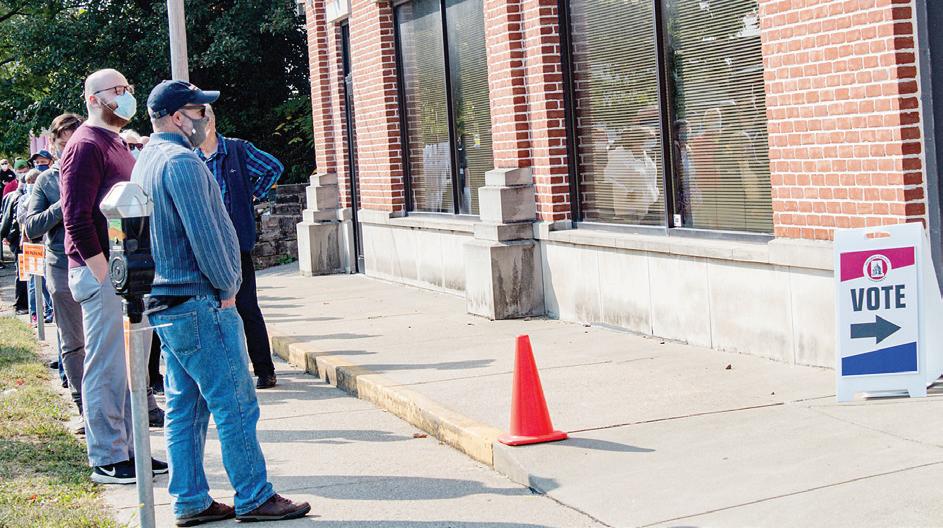
Early voters wait in line to cast their votes Oct. 6, 2020, at 401 W. Seventh St. Early in-person voting for Indiana opened Oct. 12 and is available in Bloomington at 302 S. Walnut St.
SCAN HERE FOR ONLINE COVERAGE:
TRIBUNE NEWS SERVICE
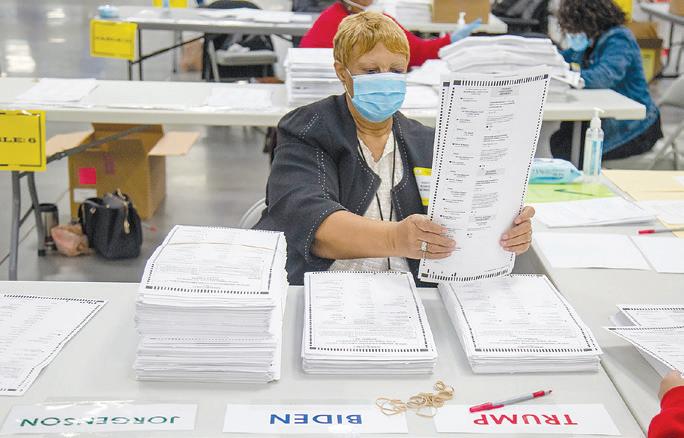
An election worker counts presidential ballots Nov. 14, 2020, in Dekalb County, Georgia.
Four Indiana political candidates have denied the results of the 2020 presidential election.
Indiana reported a budget surplus of $6.1 billion in July
IDS FILE PHOTO BY ALEX PAUL
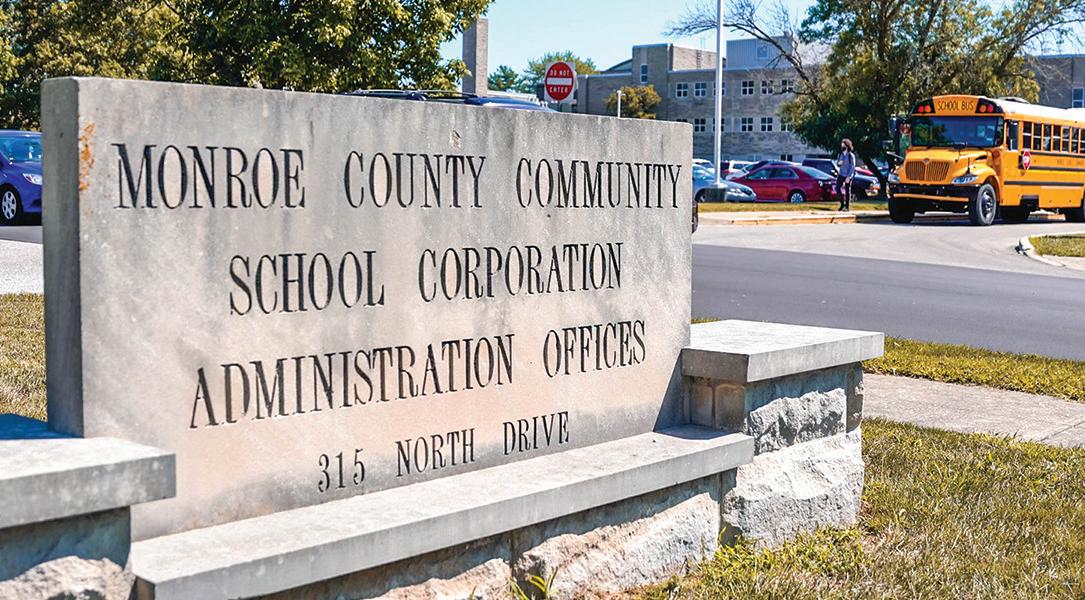
A sign for the Monroe County Community School Corporation Administration Offices is seen Sept. 2, 2021, during the afternoon dismissal at Bloomington High School South. In the upcoming election, Monroe County residents will vote on whether they want to contribute 18.5 cents out of every $100 of assessed property value to MCCSC.
SEE REFERENDA PAGE A2 SEE EARLY VOTING, PAGE A2
2022 MCCSC referendum
IDS FILE PHOTO BY IZZY MYSZAK
Monroe County resi dents will be faced with an additional question when casting their votes Nov. 8 — should the property tax for homeowners and businesses increase for the next eight years to fund the Monroe County Commu nity School Corporation?
MCCSC voted June 28 to place a referendum on the 2022 ballot. As Novem ber draws nearer, here’s everything you need to know:
What is a referendum?
A referendum allows the public to directly vote on an issue, meaning the popular vote decides the outcome rather than elected representatives. In this case, Monroe County voters will decide whether they want to increase their property taxes to bolster MCCSC funding.
Is this a new concept for MCCSC?
Referenda are not new to MCCSC. In 2010, voters first approved a $7.3 mil lion operating levy. In 2016, they renewed the same levy. The operating levy will expire this year.
Instead of asking for a renewal, MCCSC is tak ing a different approach by requesting a property tax rate. Stagnant levy amounts fail to account for inflation, something that cost the school corporation millions considering the $7.3 million approved in 2010 would be worth $9.5 million today, according to the MCCSC referendum webpage. The fund’s in ability to adjust to inflation means the $7.3 million is stretched far thinner now than it was in 2010, with 93% of current referen dum dollars going solely to staff salaries. If MCCSC asked for a set property tax rate in 2010, the corpora tion would have collected an additional $9 million across the past 12 years.
Why does MCCSC say it needs more funding?
Without a new referen dum, MCCSC said its cash balance will dip below zero in the next two years.
According to the MCC SC referendum webpage, Monroe County school tax rates are the 8th lowest in the state. Indiana already ranks 4oth in the nation for public K-12 spending, according to an Education Data study.
These conditions paired with the expiration of the operating levy would result in a “fiscal cliff” for MCC SC. A fiscal cliff could have a variety of consequences including frozen salaries and wages, making it dif ficult for MCCSC to attract educators amidst Indiana’s teacher shortage.
What will the referendum cost Monroe County residents?
The referendum will ask Monroe County residents to contribute 18.5 cents to MCCSC schools for every $100 of assessed property value. According to the MCCSC referendum web page, this rate would mean the average Monroe Coun ty household would pay an additional $125 in property taxes each year, or approxi mately $10.40 per month.
However, the cost will be explained to voters in a more confusing manner on ballots.
State law requires school districts to state a referendum rate increase
as a percentage. If the ref erendum passes, the maxi mum authorized Monroe County referendum rate would increase from 14 cents to 18.5 cents per $100. The ballot will list this as a 35.24% increase per resi dence and 34.09% increase per business property. MCCSC said this format punishes districts with low tax rates. For example, the MCCSC referendum web page explains a 50-pound calf that gains 20 pounds ex periences a 40% increase in weight, while a 200-pound calf that gains the same 20 pounds experiences just a 10% increase in weight.
In other words, school corporations with higher ex isting tax rates could ask for the same amount of money as MCCSC, but the ballot would display a lower per centage.
Where will the money go?
If the referendum passes, MCCSC said funds will be spent on teacher salaries, support staff wages and ed ucational services. MCCSC plans to combat the state wide teacher shortage by using referendum dollars to offer a $4,500 raise to all teachers. Support staff such as instructional aides and paraprofessionals would see an increase in pay as well, with a planned $2.25 per hour wage increase. Alto gether, 87% of referendum dollars are slated to go to ward paying educators.
The remaining 13%, to taling $1.2 million per year, would be directed towards educational services such as special education services, performing arts programs, STEM programs and other special programming.
What happens if the refer endum fails?
A rejected referen dum would mean major budget cuts. According to the MCCSC referendum webpage, over 100 posi tions could be eliminated, and the remaining staff would experience stagnant pay. Non-competitive pay would likely make it dif ficult for the district to at tract educators as the entire nation undergoes a dire teacher shortage. The rejec tion would impact students with reductions in funding to educational programs such as the performing arts, as well as increased class sizes due to layoffs.
CONTINUED FROM PAGE A1
stopped being used to fund schools’ day-to-day educa tional costs unless school cor porations specifically asked voters for extra property tax money through referenda.
To help protect school funding after this decision, Indiana raised its sales tax from 6% to 7%. However, a recession hit as these changes were being made. The drop in sales tax, income tax and other sources of state funds created a strain and eventually hurt school funding.
In response to the reces sion, Indiana capped prop erty taxes so that homeowners could not pay more than 1% of the total assessed property val ue. This cap still exists t.oday. While helpful to property owners, it actually destabilizes the funding for school services such as transportation that are still reliant on property taxes.
When the tax rate rose and fell, it meant schools would collect about the same amount of money regard
Monroe County School Board
By Emma Uber emmaUber@iu.edu | @EmmaUber7
What school boards can and can't do
Monroe County voters will cast their ballots for five different school board seats Nov. 8. Both Monroe County Community School Corpo ration and Richland-Bean Blossom Community School Corporation have multiple school boards seats up for election this year.
As controversy has arisen nationwide over critical race theory, school safety and book banning, school board meetings have frequently made headlines. Indiana is no exception to the national trend, with school board meetings across the state heating up — including one instance in which a commu nity member was arrested at a Carmel Clay school board meeting after a gun fell out of his pocket. The Indiana state legislature addressed school board meetings during its 2022 legislative session, pass ing a law in March requiring school boards to allow public comment at meetings.
Beyond all the recent me dia attention, what is a school board? And why should vot ers care?
The Indiana Daily Student has compiled what you need to know about school boards before voting:
What MCCSC and R-BB seats are up for election this year?
The MCCSC school board includes seven members, with three seats up for elec tion this year. Districts 1, 3 and 7 are up for election in November.
In District 1, the incum bent is not seeking reelection and there are three candi dates seeking election — Erin Wyatt, Tabetha Crouch and Byron Turner. District 3 is the same, with no incumbent but three candidates — Jon Hays, Daniel O’Neill and Ashley Pi rani. Shurr is running unop posed for reelection in Dis trict 7.
The R-BB school board is comprised of five members, with two seats up for election this year.
In the Richland District, incumbent and current board president Dana Kerr competes with Karl Boehm for election. In the Bean Blos som District, incumbent An gela Jacobs is running unop posed.
How do school board elec tions work?
While school board mem bers represent different dis tricts, voters can vote for all school board seats up for their election in their county — not just the school board seat representing their dis trict.
Elected school board members in Indiana serve four-year terms. However, not all terms run on the same schedule, meaning only a portion of school board seats are up for election at the same time.
What can school boards do?
School boards primarily function as a policy-making body for the school corpora
tion. Steve Horton, Indiana School Boards Assocation di rector of board services, said school boards rarely write the policy themselves, but they verify any proposed pol icy’s legality and relevance to the school corporation be fore voting it into effect.
Other key responsibilities of the board include hiring and firing the superinten dent, voting on the superin tendent’s recommendation to hire or fire other corpora tion employees, approving the corporation’s budget and vetting proposed construc tion projects, MCCSC board President Brandon Shurr said. He also said school boards help hold school cor poration administration ac countable.
What can school boards not do?
School corporations can not dictate the daily opera tions of schools; they must remain big picture and stick to overarching policy. While the school board’s policy on things such as curricu lum and transportation of ten impact the daily lives of students and teachers, the school board cannot weigh in on specific instances with in schools. Instead, these situations fall under the juris diction of the school corpo ration’s administration.
“A lot of times people think that we do deal with the day-to-day operations of the school system and that's not our job, that's the MCCSC administration's job,” Shurr said. “We are more to keep them accountable for the things that they are supposed to do. A lot of times people think we're the ones that can hire and fire a basketball coach if they're not happy with them, or we're the peo ple that can make this quick change in this one class room. That's not what we do. We pull back into the broader view and give the trust to the administration to do those daily things.”
Horton said one com mon misconception he sees is people thinking individual school board members hold power. School board mem bers are not politicians, and they can only create change through the group vote, he said.
“It's probably most im
portant to note that school boards themselves have au thority really only when they are in public session and when they vote,” Horton said. “It is the vote that exercises the authority of the school board, within the school cor poration. It does not ever rest with an individual member.”
Are school boards politi cal?
One thing that distin guishes school boards from other public offices up for election is that school boards, by law, are nonpartisan enti ties. On the ballot, the names of school board candidates will not be denoted with an R or D to signify their political party affiliation.
“The most effective school boards without a doubt are those that listen well to those around them, includ ing their fellow school board members,” Horton said. “It is hopefully the function of the school board to come togeth er across political lines, to ex amine data and to work very carefully with their superin tendent to make appropriate decisions in a way that is not politically motivated.”
What are school board meetings like?
School board meetings must be public, with at least 48 hour advance notice given to the community. More than three board members cannot meet in private, or it would constitute a violation of this rule.
The exception to this rule is executive sessions — closed meetings used to con duct board member train ing to discuss confidential matters such as corporation personnel. The board can not officially enact policy in executive sessions, they must still vote publicly.
The laws for school board meetings changed this July when HB 1130 went into effect, mandating school boards to give every mem ber of the public attending a board meeting the opportu nity to comment.
Why do we need school boards?
As the son of a super intendent, Horton said he saw the influence of school boards while growing up. School boards help guide the
» EARLY VOTING
CONTINUED FROM PAGE A1
decisions of administration by representing the commu nity’s voice, Horton said.
“It is important for people in the community to have a voice on the school board,” Horton said. “It is important for a superintendent to be able to hear that voice and learn from the school board in order to make decisions that are vetted well and serve that particular community well.”
Shurr said school boards are important because they are elected positions within school corporations, thus giving families input on a major aspect of their lives. He pointed out Indiana charter schools do not require elect ed school boards and can conduct closed-door board meetings, something he ap preciates public schools can not do because the public nature of board meetings creates transparency.
“We’re not only helping to make decisions; we’re do ing it as the voice of the com munity,” Shurr said. “The people who vote for me will remind me if I’m doing or saying things that don’t seem in line with what they voted me in for. I think it’s really im portant to have these elected officials that others can keep accountable and can be the voice of the community.”
Who holds school boards accountable?
Shurr repeatedly men tioned a key purpose of school boards is to hold ad ministration accountable — but who holds the school boards themselves account able? The Indiana School Boards Assocation acts as an accountability mechanism of sorts as it provides resources to help school boards under stand the legality of their de cisions, but the main burden of holding school boards ac countable falls on the public.
“The main accountability is voting people off,” Shurr said. “The other account ability is all of our meetings are held in public. Everything that we do is public, and if a school board decides to do something behind closed doors or something like that, they could get in trouble le gally. But overall, I would say elections and public meet ings are the biggest form of accountability.”
less of current property value. Now, if property value rises, schools still receive a fixed amount and fall behind the rest of the economy. In this scenario, many schools ask for a referendum.
Indiana still permits schools to continue funding transportation, infrastruc ture, playgrounds and more through property taxes. Ac cording to the Indiana Depart ment of Education’s Digest of Public School Finance 20212023, 43% of property taxes collected in 2021, or $3.7 bil lion, went to public schools.
All of that money goes to schools’ Operations Funds which pay for non-classroom expenses. Referendum tax lev ies are the only form of prop erty tax money that can be used to fund teacher salaries, student learning and other educational expenses.
There are three types of referendums legal in Indiana, and only one of the three can be used for day-to-day educa
tional costs. The other two can be used to fund construction projects and safety features. MCCSC is seeking an opera tional referendum, the only type of referendum that can fund student learning and teacher salaries.
State legislation enacted in 2021 requires school cor porations to submit a rev enue spending plan to the state, outlining the expected amount of revenue and how it will be used.
MCCSC said referendum funds would be spent on teacher salaries, support staff wages and educational pro grams. According to the MCC SC referendum webpage, 87% of referendum dollars will go towards paying educators. Teachers will receive a $4,500 raise and support staff will see a $2.25 per hour wage in crease. The remaining 13%, $1.2 million per year, would be used to fund special education services, performing arts and STEM programs.
not everyone is able to get out to the polls. She believes it’s important to have that option to give people variety in how they can vote. Addi tionally, it helps eliminate obstacles from jobs or lack of transportation, which is especially important in lowincome communities.
Almanza said, while she may have gone into the voting process with more knowledge than most stu dents because of her politi cal science classes, she feels personalized ballot voting guide websites provided valuable information.
Beyond Wednesday’s event, other IU students have also begun voting ear ly, many voting in places too far to travel to on Election Day. One of those students is Matt Levy, who voted in his home state of Ohio.
Levy, a sophomore in formatics major, said when he voted, the polls were nearly empty and the pro
cess was quick and easy. He said he believes people should have access to early voting for the same reasons as Almanza, and he said that having more time gives people more flexibility.
When he’s looking at who to vote for, Levy said he tries to vote for can didates that most closely align with his values, which for him includes building public transportation and strengthening welfare pro grams. However, he also said that there may be cases where he votes for one can didate to keep another he dislikes out of office.
To find out which candi dates he wants to support, Levy said he looks at can didates’ positions, histories and campaign donors.
Early voting in Indiana ends at noon Nov. 7. Ex act dates and times can be found at Monroe County’s early voting website.
NEWSA2 Oct. 27, 2022 idsnews.com Indiana Daily Student Editors Salomé Cloteaux, Emma Herwehe, Marissa Meador news@idsnews.com
» REFERENDA
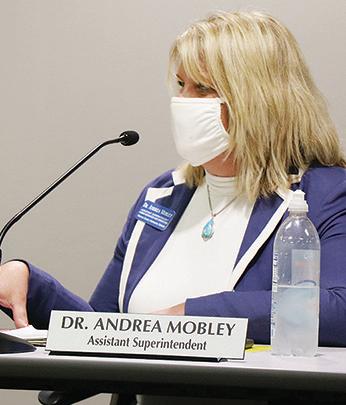
Assistant Superintendent
Dr. Andrea Mobley speaks during the Monroe County Community School District Board of Trustees meeting Sept. 28, 2021, in the MCCSC Co-Lab building. Monroe County residents will vote on a referendum Nov. 8 that would increase property tax for homeowners and businesses for the next eight years to fund MCCSC.
IDS FILE PHOTO BYTIANTIAN ZHANG
Bloomington High School South is one of multiple buildings in the Monroe County Community School Corporation. The MCCSC oversees 24 schools across the county.
ELECTIONS
VOTER GUIDE
MONROE COUNTY SCHOOL BOARD CANDIDATES
 By Emma Uber emmauber@iu.edu | @EmmaUber7
Monroe County voters will elect new school board members Nov. 8. The county’s two school districts, Monroe County Community School Corporation and Richland-Bean Blossom Community School Corporation, both have multiple school board seats up for election this year. The IDS has compiled everything you need to know about local school board elections before you vote this November.
Monroe County Community School Corporation
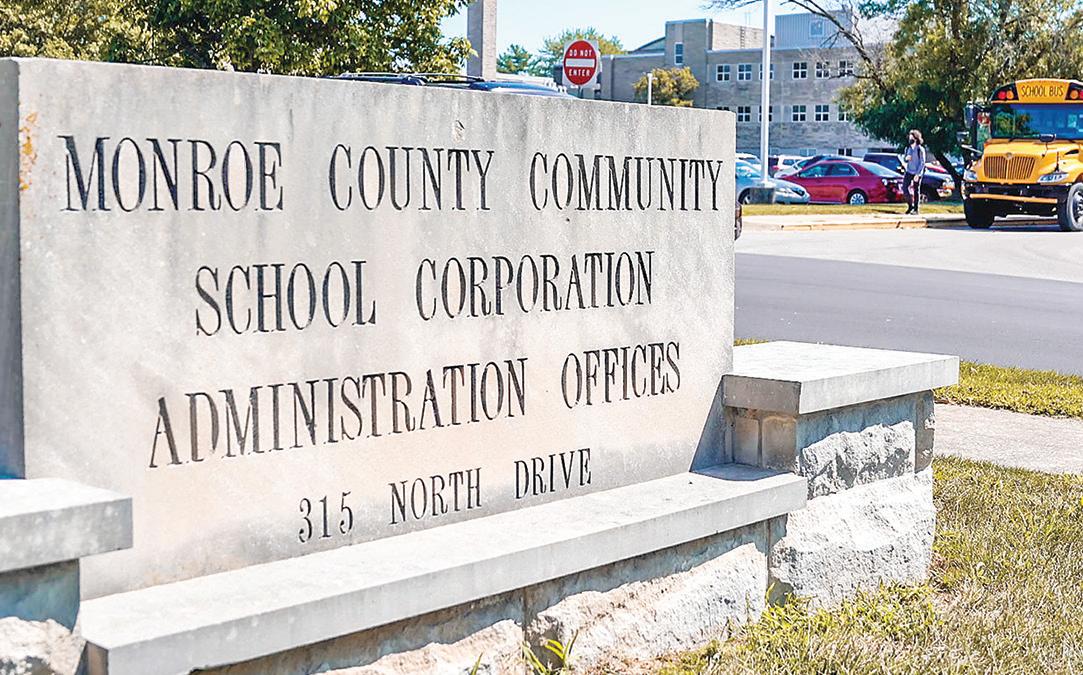
MCCSC is the larger of Monroe County’s two school corporations. Covering the majority of Monroe County, the school corporation contains seven districts. The MCCSC school board is composed of one member from each district, with three districts up for election this year. The MCCSC school board’s recent decision to alter district start and end times exemplifies how school board decisions can impact families’ daily lives.
District 7: Parts of Bloomington
District 1: Benton Township, parts of Bloomington
Erin Wyatt is one of three candidates running to represent District 1 on the MCCSC school board.
Wyatt’s three children — an elementary school student, a middle school student and a high school student — all currently at tend MCCSC schools.
Brandon Shurr is run ning unopposed to repre sent District 7 on the MCC SC school board. As the only MCCSC incumbent candi date, Shurr has been a mem ber of the school board since 2018. Prior to his 2018 vic tory, Shurr lost a close race in 2014 after earning 49% of the vote. He currently serves as the MCCSC school board president.
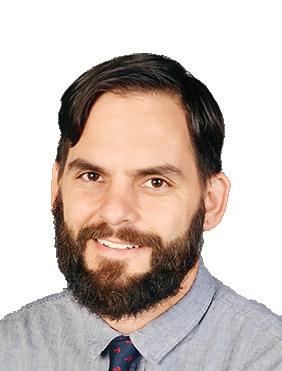
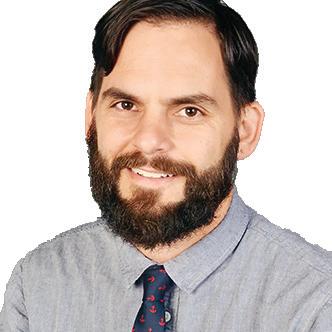
Shurr declined to be in terviewed by the IDS and said readers should focus their attention on the races with multiple candidates.


Wyatt has experience serving as an MCCSC health services employee in 2017 and 2018. As a reg istered nurse of 20 years, Wyatt worked at Temple ton Elementary School, where she said she wit nessed the school corpo ration’s need for improved health services. She aims to increase the number of full-time registered nurses employed by MCCSC, as the school corporation does not meet the Ameri can Academy of Pediatrics recommendation of at least one registered nurse per 750 students.
Wyatt said Templeton, a Title 1 school, opened her eyes to the impor tance of the Whole Child
Approach. Title 1 schools have high percentages of low-income students and receive extra government funding. While work ing at Templeton, Wyatt planned the first Temple ton Healthapalooza to connect families with health services. She said the event helped parents find health insurance cov erage for their children and taught basic com munity health skills such as how to treat head lice or cook affordable and healthy meals.
Now an IU School of Nursing Ph.D. candidate researching marginalized and vulnerable popula tions, Wyatt said meet ing students’ basic health and safety needs is the best way to achieve aca demic success. Her cam paign platform focuses on teaching the whole child by following the As sociation of Supervision and Curriculum Develop ment’s Whole Child Ap proach. Instead of relying
District 3: Perry Township, Van Buren Township
From bus driver to main tenance worker to sports an nouncer, Jon Hays has worn many hats for MCCSC over the past 21 years. Through out all these roles, Hays kept score for the Bloomington High School South basketball teams. He said his roles in transportation, maintenance and athletics give him insight into the daily operations of MCCSC.
If elected, Hays said he will focus on improving MCCSC transportation. The school corporation experi enced a bus driver shortage and failing routing software at the start of this school year, resulting in major bus delays. Hays said he understands the common sense and logistical issues behind transportation and maintenance problems in a way other candidates do not. As a blue-collar worker, he feels the school board only operates in the interest of certain privileged students and he wants to give students from a variety of backgrounds a voice, he said. He plans to solve this issue through in
creased board transparency and parent involvement.
According to his cam paign website, Daniel O’Neill is a lifelong learning enthu siast. He graduated from Bloomington High School North in 1999 and was im mediately hired by Tri-North Middle School as the Science Olympiad Coach at just 17 years old. O’Neill contin ued to work in MCCSC at Tri-North and later Bloom ington High School North while earning a degree at IU. O’Neill eventually left MCC SC to teach at IU for 10 years and now serves as the chair of the Anatomy/Physiology and Physical Science Depart ment at the Bloomington Ivy Tech Community College campus.
O’Neill applies his expe rience to his campaign plat form, which focuses on the educational content being taught in MCCSC schools. O’Neill feels public schools must prepare students to be responsible citizens in our participatory democracy by teaching critical thinking, ac
cording to his platform. Ad ditionally, O’Neill’s platform states public education must equip students with the skills to earn a dignified living while also being happy and healthy.
O’Neill said these goals cannot be met without curri cula tailored to students with a variety of learning styles and needs. O’Neill’s platform emphasizes the importance of developing remediation programs to aid students who have fallen behind while simultaneously ensur ing the existence of a rigor ous curriculum to challenge high-achieving students. His platform notes that program ming tailored to high achiev ing students must be avail able to all students, including those from disadvantaged backgrounds who have been historically overlooked for such programs.
O’Neill is a strong ad vocate for the MCCSC ref erendum. He served as the principle campaign manager for the 2016 Yes for MCCSC campaign to rally voter sup
on test scores, Wyatt said school board members should ensure students are healthy, safe, engaged, supported and chal lenged.
A mother to MCCSC students, Tabetha Crouch is running to represent District 1 on the MCCSC school board because she is concerned about school safety. If elected, Crouch said she will revamp the school corporation’s Stu dent Resource Officer program. Instances of MCCSC students bring ing guns to school, which happened as recently as last week when a Batch elor Middle School stu dent brought a gun on the bus, have Crouch and other parents concerned about safety protocols.
Crouch aims to arm SROs, saying armed offi cers are the most effective response to active shooter situations. In addition to arming officers, Crouch said her vision for the SRO program includes in
creased diversity amongst MCCSC officers and a stronger partnership with the Bloomington Police Department.
Beyond school safety, Crouch said she decided to run for school board because she has spoken at MCCSC school board meetings in the past and felt her voice was not heard. Elected officials should value community feedback, Crouch said. If elected, she said she will use her experience as a communications pro fessional working with multiple stakeholders to increase communication and transparency be tween the school board and parents.
Byron Turner is one of three candidates run ning to represent District 1 on the MCCSC school board. Turner could not be reached for comment. He ran for the District 3 MCCSC school board seat in 2018 but lost to incum bent Martha Street.


port for the referendum. He continues to support the 2022 referendum.
Ashley Pirani said she hears teachers’ pleas for in creased funding and support as president of the High land Park Elementary Par ent Teacher Organization. If elected, Pirani said she will prioritize supporting teach ers and other staff in hopes of increasing retention and combating the Indiana teacher shortage.
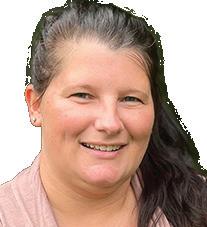
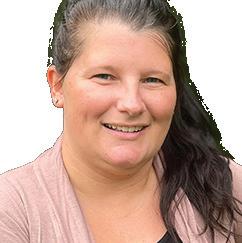
Additionally, Pirani hopes to reassess school district boundaries as she said they have not been changed in almost 30 years — in which time Monroe County’s pop ulation has increased sig nificantly. She said people don’t realize boundaries are an equity issue because dis tricts that fail to account for the population can cause re source strains for overpopu lated schools.
With regards to school safety, Pirani wants to keep guns out of school — which includes not arming Student Resource Officers. Instead of
arming SROs, Pirani supports addressing gun violence at the root cause by providing quality mental health ser vices.
Pirani said she chose to run for school board after hearing some alarming ideas about book banning and white-washing history. She said she aims to stop those beliefs from gaining a foot hold within MCCSC.
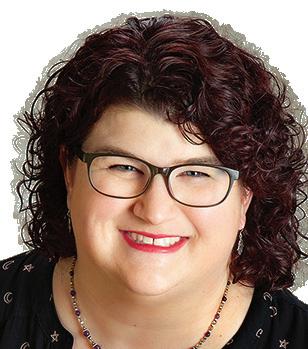

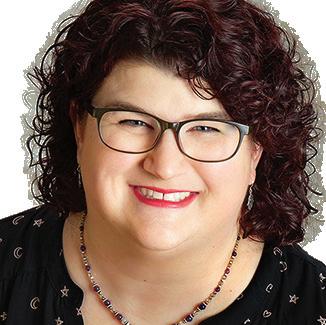
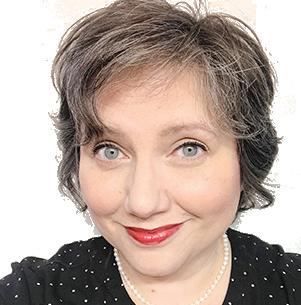
As a current Beacon Inc. board member, a previous Beacon Development Com mittee chair and a The Per sisterhood Workshop advi sory board member, Pirani devotes much of her time to serving on boards of local nonprofits. Yet, Pirani said one of her most important qualifications is her expe rience as a mother to two MCCSC students, including one with an Individualized Education Program. IEPs present their own benefits and challenges to navigating the school system, some thing Pirani said gives her a different perspective than many MCCSC parents.
MCCSC candidates discuss safety, equity during forum
By Emma Uber emmauber@iu.edu | @EmmaUber7
The Monroe County Community School Corpora tion School Board Candidate Forum on Monday night be gan with a quote:
“There is no power for change greater than a com munity discovering what it cares about.”
Moderator Lisa-Marie Napoli read this quote from author Margaret Wheatley because she said the MCC SC school board candidates were gathered at Tri-North Middle School to do just that — field the public’s ques tions, explain their campaign platforms and ultimately de fine the major community is sues on the ballot Nov. 8.
Topics such as school
safety, the upcoming MCCSC referendum and racial equity dominated the conversation.
The Indiana Coalition for Public Education–Monroe County invited all six candi dates running to represent District 1 and District 3 — the two contested MCCSC school board seats up for election.
Six MCCSC school board candidates showed up — but not necessarily the expected ones. District 1 candidate By ron Turner’s reserved seat sat empty on stage all evening, while District 7 incumbent candidate Brandon Shurr watched from the audience as he is running unopposed.
Candidates answered questions from the ICPE and audience, with the following topics emerging as priorities:
Safety While all candidates cited safety as a major concern, they disagreed over whether School Resource Officers should be armed. District 1 candidate Tabetha Crouch and District 3 candidate Jon Hays supported arming SROs.
The MCCSC school board voted to disarm SROs in May 2021, but some community members have been asking the school board to reevalu ate in response to incidents of weapons brought inside MCCSC schools.
A Batchelor Middle School student was arrested after bringing a gun onto a school bus Sept. 13. In May, a 17-year-old boy was taken
2022 MIDTERM
NEWS A3 Oct. 27, 2022 idsnews.com Indiana Daily Student Editors Salomé Cloteaux, Emma Herwehe, Marissa Meador news@idsnews.com
Brandon Shurr
Erin Wyatt
Jon Hays
Tabetha Crouch
Daniel O’Neill
Bryon Turner
Ashley Pirani
IDS FILE PHOTO
BY ALEX PAUL
A sign for the Monroe County Community School Corporation Administration Offices is seen Sept. 2, 2021, during the afternoon dismissal at Bloomington High School South. MCCSC school board candidates explained their campaign platforms at a forum Monday. SEE FORUM, PAGE A4
VOTER GUIDE
MONROE COUNTY SCHOOL BOARD CANDIDATES
Richland-Bean Blossom Community School Corporation
R-BB Richland DistrictR-BB Bean Blossom District
Angela Jacobs is an in cumbent running unop posed to represent the Bean Blossom District on the R-BB school board. Jacobs did not respond to IDS re quest for comment about campaign priorities.
The current R-BB school board president, Dana Kerr is running for his fifth term representing the Richland District on the board. Kerr has been a school board member for four terms and currently serves as the board president. He said his ex perience means he under stands the intricacies of the school board’s procedures. When asked why he wants to continue his work on the school board, Kerr said he sees an opportunity to ex pand and improve initia tives he helped begin, such as the Ready Schools pro gram and R-BB preschools.
Ready Schools focuses on innovative learning, ca reer preparedness and com munity engagement by pro moting life skills and proj
ect-based learning. Kerr said R-BB needs to set students up for success after gradu ation, whatever that may look like. A proponent of the Ready Schools program, he wants to continue funding science, technology, engi neering, art and math re sources. The Ready Schools program also offers career experiences including local internships and a studentrun coffee shop. Kerr said success does not look the same for all students and he wants to continue support ing Ready Schools to help students understand their wide array of career options.
Preschool is another pro gram Kerr wants to develop. R-BB opened a new pre school facility designed to house 100 students in March
2022. Enrollment filled up in about 20 minutes. Kerr said the significant demand for a larger preschool system is something he noticed and aims to prioritize if reelected for school board.
A full-time father to four R-BB students, Karl Boehm said he has more incen tive than almost anyone to ensure students receive a quality education. The R-BB school board needs a stron ger parent voice, he said.
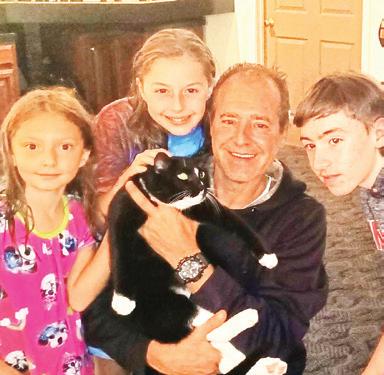
Boehm said he decided to run for school board after witnessing the detrimen tal impact of the COVID-19 pandemic and e-learning on education. Boehm volun teered as a substitute teach er when R-BB experienced a dire substitute shortage during the pandemic. Dur
Monroe County Community School Corporation
What are they talking about?
ing his time teaching, he said he learned children do not retain information well through e-learning. One moment that stands out to Boehm is when he taught a class basic subtraction on the white board in mere minutes after many students had spent weeks struggling to learn the concept through Chromebook activities.
Laptops should not be used as babysitters or tools for classroom management, Boehm said. If elected, he said he plans to advocate for the students who fell be hind during the pandemic. Boehm said he supports a return to traditional in struction without Chrome books or other technol ogy to promote classroom engagement.
Ahead of the midterms, there are several key issues Monroe County Community School Corportation school board candidates are talking about in their campaigns. The IDS identified some of these major talking points to help you catch up before the election Nov. 8.
By Emma Uber emmauber@iu.edu | @EmmaUber7
Safety Referendum Indiana legislation
The Monroe County Community School Corporation school board voted to disarm Student Resource Officers in May 2021. Since then, there have been three incidents of guns on MCCSC property. Guns were found inside Bloomington High School South on two separate occasions at the beginning of the 2021-22 school year. Most recently, a Batchelor Middle School student was arrested after an SRO confiscated a gun the student brought on the bus. These events, as well as the shooting in Uvalde, Texas, have been a topic of discussion throughout the school board race. Concerned parents advocating for or against rearming SROs dominate the public comment portion of MCCSC school board meetings. A recent study by Poynter Institute found no connection between the presence of armed officers in schools and the deterrence of violence. While candidates against arming SROs have referenced similar studies, proponents argue it is impossible to gauge how many school shootings armed SROs have prevented because they never happened.
Voting for school board candidates is not the only MCCSC-related vote Monroe County residents can cast Nov. 8. The school corporation is asking voters to approve a new referendum, as the funds levied by the 2016 referendum will expire this year. The proposed MCCSC referendum asks Monroe County residents to contribute 18.5 cents to MCCSC for every $100 of assessed property value. Referendums allow the public to vote directly on an issue. Indiana allows three types of school referendums — one for operational costs, one for construction projects and one for safety features. MCCSC is seeking an operational referendum, meaning the funds will be allocated to daily costs including teachers’ salaries. Considering the Indiana teacher shortage, MCCSC plans to devote 87% of referendum funds to competitively compensate educators. Teachers will receive a $4,500 raise, while support staff on hourly pay will receive a $2.25 per hour wage increase.
The remaining $1.2 million per year is slated to fund special educational services, performing arts programs and STEM programs. All MCCSC school board candidates support the referendum.
The Indiana Legislature proposed controversial educational bills during its 2022 legislative session. While some of the most contentious bills did not pass, some MCCSC school board candidates said their proposal sent a message of hostility towards Indiana teachers. Indiana House Bill 1134 and Indiana Senate Bill 167 incited the most public outrage, both aiming to stamp out “critical race theory” in schools. HB 1134 would have forbidden school employees from teaching divisive concepts and required teachers to publish their lesson plans a year in advance in order to allow parents to review the content and opt their children out of certain lessons. The bill passed through the House but died in the Senate. A similar bill, SB 167, died after a clip of the bill’s author, suggesting teachers should remain impartial when teaching about Nazism, went viral. Although these bills died, the discussion they sparked over how schools teach topics of race, gender and history persists.
into Bloomington Police De partment custody for posting a Snapchat video waving a handgun and threatening a school shooting at Bloom ington High School South. A gun was found in Bloom ington High School South on two separate occasions last year.
Crouch said recent in cidents involving MCCSC students bringing weapons to school demonstrate the need for a robust SRO pro gram. In addition to arming SROs, Crouch said she wants to provide additional mental health support to students, hear student perspectives on safety and develop a partner ship between SROs and the Bloomington Police Depart ment.
“We know there are guns in our schools,” Crouch said. “It’s evident. We need to be more proactive in figuring out how to stop this from happening.”
District 3 candidate Dan iel O’Neill said he does not have a firm position regard ing arming SROs. His oppo nent Ashley Pirani said she is firmly against arming SROs and advocated for address ing violence with increased mental health services.
District 1 candidate Erin Wyatt expressed doubt about arming SROs but said she’s
open to discussion as long as there is research to sup port the idea. Wyatt also proposed educating families on how to safely store their weapons.
“We know it didn’t work in Uvalde. It didn’t work in Parkland,” Wyatt said. “By having policy in place involv ing social workers, mental health professionals and per haps law enforcement, we can end the cycle of violence before it starts.”
Referendum
Candidates found them selves all in agreement after an audience member asked if they support the MCCSC referendum. The answer was a resound yes from all par ties.
O’Neill acted as the cam paign manager for the 2016 “Yes for MCCSC” Referen dum Campaign. He began his opening remarks Mon day night by encouraging the audience to vote in favor of the referendum and con tinued to advocate for the referendum throughout the evening. O’Neill also said he does not like that Indiana public school funding relies so heavily on referendums.
“Public schools properly supported are the greatest engine of social justice and upward mobility that exists,” O’Neill said. “We flat out need this. It’s not an add on
or a bonus; it’s a crucial part of our ability to remain a competitive school system.”
The rest of the candidates all said a referendum pro vides funding necessary to pay MCCSC teachers com petitive wages and combat the Indiana teacher shortage.
“If it doesn’t go through, we lose a lot of teachers,” Hays said.
In addition to paying teacher salaries, Pirani said she supports the referendum because it allocates funds to MCCSC special education programs. As the parent of a child with an Individualized Education Plan, Pirani has continuously advocated for special education funding.
“I’ve been in tune with MCCSC for the last decade,” Pirani said. “Whether that’s working on school board campaigns, showing up at school board meetings to speak, or canvasing for refer endums, I’ve been there.”
Racial Equity
An audience member asked candidates their goals for addressing racial equity in MCCSC schools. Pirani cited equity as one of her main priorities. If elected, she hopes to reimagine MCCSC’s districts to ensure diversity within all schools and equal opportunities for all neighborhoods.
Pirani also said she ap
preciates MCCSC’s strategic plan and its efforts to elimi nate bias in disciplinary ac tions, something Pirani hopes to continue focusing on.
“We must continue to address the disciplinary dis crepancies we have with our marginalized population,” Pirani said.
O’Neill said he devoted two decades to increased minority student access to medical school, an experi ence he said prepared him to advocate for equal academic opportunities for MCCSC students. Now the Chair of Anatomy/Physiology and Physical Science at Ivy Tech–Bloomington, O’Neill helped found the IU Minority Asso ciation of Pre-Medical Stu dents.
“I’ve made meaningful inclusion an important part of my career from the start,” O’Neill said.
Controversial Indiana Legislation
The ICPE asked candi dates their thoughts on how the district should address teaching concepts of race, history and gender in light of the controversial education bills that were shot down in the Indiana legislature. For instance, Indiana Senate Bill 167 would have banned teachers from teaching divi sive concepts, but it died in
the state senate after the bill’s author said teachers need to remain impartial when teaching about Nazism.
Crouch, O’Neill, Pirani and Wyatt all expressed con tempt for the bills. Pirani said she feared the bill would have gone further if not for backlash against the viral Nazism comment.
Wyatt said teaching stu dents the United States’ complete history, although it may not all be fun or easy, is crucial to creating function ing members of society.
“We would be remiss not to recognize the history of our country,” Wyatt said.
“There’s a saying ‘Those who don’t remember history are doomed to repeat it.’”
Hays did not express a firm opinion on this topic.
“I don’t know what you guys are talking about, I apologize,” Hays said. “I’m not up with the legislative bills.”
Book Banning
Another audience ques tion asked candidates to explain how they would re spond if a group claiming to represent parent interests asked the board to remove certain books from MCCSC libraries. All candidates reached a consensus on this matter — they would all hear the group out during the public comment portion of
a school board meeting, but none of them support book banning.
Crouch, whose platform includes increased parent in volvement and school board transparency, said it is im portant to respect the pub lic’s right to speak at school board meetings. However, she opposes removing books from MCCSC libraries due to parent complaints.
“I would also listen and seek to understand, but in general, I don’t support ban ning books from libraries,” Crouch said.
Charter Schools
The unanimous agree ments between candidates ended when an audience member asked the candi dates’ thoughts on how char ter schools and vouchers im pact public funds.
Pirani and O’Neill took the firmest stances against charter schools, both liken ing the use of taxpayer dol lars towards charter schools to “taxation without repre sentation” due to the lack of publicly elected governing body.
Crouch took a more sym pathetic perspective. She said she needs to do more re search, but she supports par ents’ right to make the right educational choice for their child without money acting as a barrier.
Richland-Bean Blossom Community School Corporation, sometimes known as Edgewood Schools, encompasses two northwestern Monroe County townships: Richland and Bean Blossom. The R-BB school board consists of five seats, with two up for election this year.
2022 MIDTERM ELECTIONS2022
Dana Kerr
Angela Jacobs
Karl Boehm
» FORUM CONTINUED FROM PAGE A3
A4 Oct. 27, 2022 | Indiana Daily Student | idsnews.com NEWS
VOTER GUIDE
AND STATE CANDIDATES
By Nadia Scharf njscharf@iu.edu | @nadiaascharf
In preparation for Election Day on Nov. 8, the Indiana Daily Student reached out to 30 candidates running for Bloomington, Monroe County or executive state of Indiana office to allow them to introduce themselves. Out of those 30 candidates, 13 responded to our outreach. Information for those who did not was compiled from official or candidate-affiliated sources. Responses were edited for length, clarity and style.
State Elections Secretary of State

The Secretary of State is the third-highest ranking official in state government. Duties have historically included maintenance of state records and preservation of the state seal but have expanded to include business chartering, regulation of the securities industry and oversight of state elections.
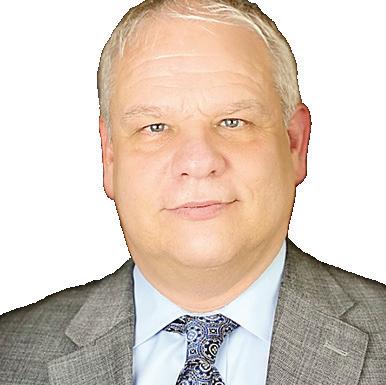
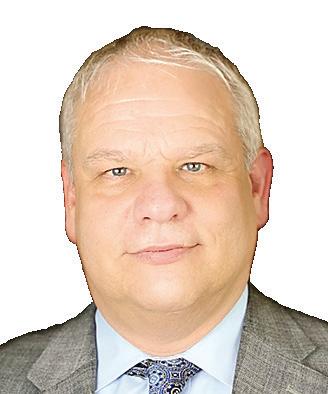
Destiny Wells is on the ballot for the Indiana Secre tary of State — Hoosiers’ chief election officer. She grew up in a blue-collar family in Morgan County and came to Bloomington to attend IU as a first-generation college stu dent. In the aftermath of 9/11, Wells enlisted in the Army National Guard at the age of 19.



Today, she continues to serve as a U.S. Army Reserve Lieutenant Colonel. Outside of the military, Wells works as an attorney and entrepre neur. She’s served as counsel for the City of Indianapolis and as Deputy Attorney Gen eral for the State of Indiana, and currently lives in India napolis with husband Oliver and their two sons, Owen and Harrison. Wells said she pledges to uphold democracy
and defend access to the bal lot box.
Diego Morales, a Repub lican, is running for Indiana Secretary of State. He served as a top aide to Mike Pence when Pence was governor of Indiana and as an aide in the Secretary of State and Lieu tenant Governor’s offices, according to his campaign website. Morales also served in the U.S. military.
Morales, who immi grated from Guatemala in high school, is using his own citizenship and immigra tion statuses to push for re quirements that voters prove citizenship, according to the News and Tribune. He’s also made claims denouncing 2020 election results and call ing to halve the number of early voting days but has since retracted those statements.
Jeff Maurer is an entre preneur whose career spans technology, transportation, and budget and finance. He serves as a development of ficer for Students For Liberty, the largest pro-liberty student organization, which cham pions free markets and free speech around the world.
In 2013, Maurer said he chose to move to Indiana for a better quality of life, after be ing exhausted by the corrupt politics, big government, and high taxes of New York.
Maurer joined his local volunteer fire department at the age of 16. He served for more than 12 years as a fire fighter and officer. He cur rently participates on several local associations and devel opment boards, and is cur rently enlisted in the Indiana Air National Guard.
The Auditor of State’s office is responsible for the Indiana state government’s accounting. The Auditor him or herself is responsible for accounting for all state funds, overseeing and disbursing tax distributions, paying state bills and employees and administering Indiana’s Deferred Compensation Plan.
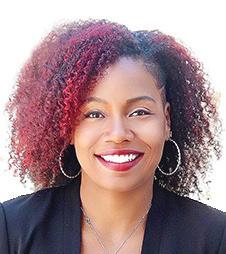
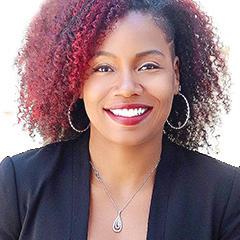
ZeNai Brooks is a cer tified public accountant, author, pastor’s wife and millennial leader. She said she’s combined her pas sion for community advo cacy and her professional career as controller of the corporate responsibility function of Cummins — a Fortune 200 company — and treasurer of the Cum mins Foundation — which provides funding to grass roots initiatives and stra tegic programs around the world.
Brooks also serves as a board member with the Indiana CPA Society and as the Central Region presi dent and national director with the National Associa tion of Black Accountants, amongst others. She said she believes by engaging
Treasurer of State
Daniel Elliot is running as the Republican nomi nee for Indiana Treasurer of State. Elliot is chairman of the Morgan County Republican Party, president of the Mor gan County Redevelopment Commission and a former Morgan County councilman, according to his campaign website. He also owns his own software company.
Elliot’s platform, stated on
his campaign website, rests on promoting economic de velopment, defending against cyberattacks and ensuring government transparency. With this, he aims to expand broadband access, secure sensitive data, streamline service operations and raise awareness about financial services and investment strat egies.
Jessica McClellan was
Monroe County Elections
Bloomington Township Trustee
The Bloomington Township Trustee is responsible for managing township property, receiving and paying out township funds, administering assistance and filing annual financial and personnel reports, among others.
Efrat Feferman is a 22year resident of Monroe County. She completed her undergraduate studies at IU and received a master’s degree in public adminis tration at the University of Arizona. She said her career has been centered around
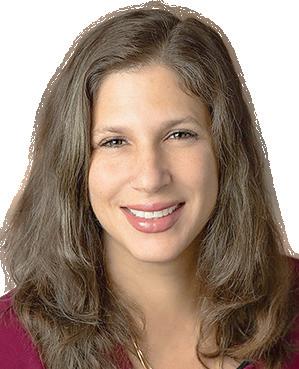
local government, nonprof its and giving back to the community. She spent nine years at City of Blooming ton Utilities and has spent the past five years as execu tive director of United Way of Monroe County.
As Township Trustee,
in the community by giving back, empowering others and “lifting as we climb,” everyone can make a differ ence.
Tera Klutz is the 57th Indiana Auditor of State and the first certified pub lic accountant to serve as the state’s Chief Financial Officer. As auditor, Klutz fo cuses on providing accurate information, enhancing transparency and deliver ing great customer service to Hoosiers. She manages the Indiana Transparency Portal to provide an eas ily accessible look into In diana’s finances and most recently helped deliver automatic taxpayer refund checks to over 1.5 million Hoosiers.
She previously served as Allen County Auditor and

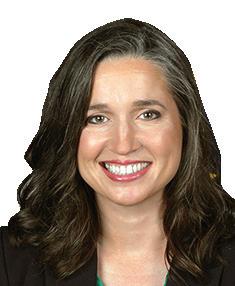
was named Auditor of the Year by the Indiana Audi tor’s Association. Before serving in the public sector, Klutz worked as an accoun tant at Crowe and PwC. She holds a bachelor’s degree in accounting.
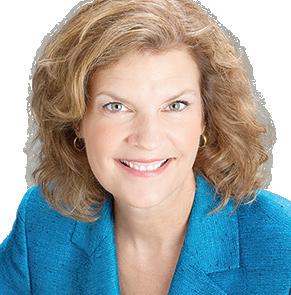
John Schick is the Liber tarian candidate for Auditor of State. He’s previously run for the position and lost in 2014 and 2018, according to Ballotpedia. Schick also ran unsuccessfully as the Libertarian candidate for Indiana House of Repre sentatives District 3 in 2010.
The Treasurer of State is one of five constitutional offices and is the fifth-highest ranking statewide government official. The Treasurer serves as trustee for the Indiana State Police Pension Trust, chair of the Indiana Education Savings Authority and manager for local government investment pool TrustINdiana.
State Auditor Monroe County Recorder
Feferman said she looks forward to continuing to work on our community’s safety net and will strive to be responsive, collab orative, and effective in administering assistance to Bloomington Township residents.
Monroe County Assessor
The Monroe County Assessor maintains property records, consisting of characteristics and the assessed value of the property, for all townships, according to Monroe County government’s website. The office also maintains property sales information.
Judith Sharp, the current Monroe County Assessor, has been the county assessor since 1991. She is responsible for placing a market value on all properties for taxation and does this each year based on property sold.
She said the department has around 58,000 parcels of land that it touches each year, and its gross assessment is over $15 billion.
The county assessor must own property in the county and must be
a State Certified Level III Assessor/Appraiser, which is a state certification that is comparable to an advanced degree in a profession. Sharp stated she is not term limited, meaning there are no limits on how long she can hold the position.






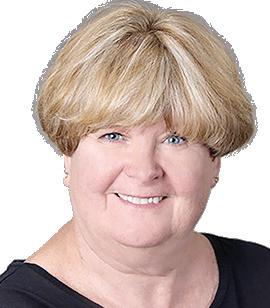
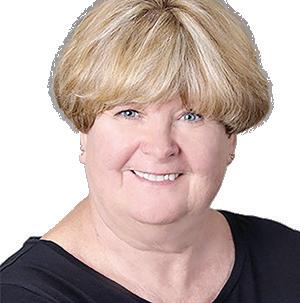
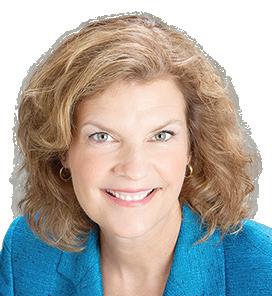
elected Monroe County Treasurer in 2017 and serves as the chief investment of ficer and tax collector for the 12th largest county in Indiana. She also sits on the Monroe County Internal Controls Committee and serves as secretary of the Monroe County Board of Fi nance, vice president of the Indiana County Treasurer’s Association and treasurer of
the Hoosier Hills Food Bank. McClellan is committed to increasing Hoosier fami lies’ access to the College Choice 529 Savings Plan, serving unbanked Hoosiers through community part nerships with local banks, increasing investment in come for local governments and protecting state tax col lections with prudent over sight and security.
The first local office created by the Indiana Constitution, the Recorder is responsible for processing and recording documents submitted for record and for maintaining those records.
Amy Swain is an IU grad uate with a degree in busi ness who said she chose to have a positive impact in Monroe County by running for office. She was twice elected and served eight years on the Indian Creek Township Board.
Swain said she’s run ning for recorder because the accurate legal recording
of property documents is important in all real estate transactions, whether resi dential or commercial. She said her priorities are acces sibility, professionalism and a smooth transition.
Paul White is running as a Republican for Monroe County Recorder. He cur rently works as a bus driver, according to his LinkedIn.
NEWSOct. 27, 2022 idsnews.com A5 Indiana Daily Student Editors Salomé Cloteaux, Emma Herwehe, Marissa Meador news@idsnews.com
2022 MIDTERM ELECTIONS LOCAL
Diego Morales Republican
Daniel Elliot Republican
Jessica McClellan Democrat
Tera Klutz Republican
Destiny Wells Democrat
ZeNai Brooks Democrat
Amy Swain Democrat
Jeffrey Maurer Libertarian
John Schick Libertarian
Paul White Republican
Efrat Feferman Democrat
Judith Sharp
Democrat
Bloomington Township Board Member
Township Board members approve the township budget, tax rate, Trustee report, appropriations and borrowing of money. Board members also advise the Township Trustee on general matters.
Prosecuting Attorney of Monroe County, 10th Judicial Circuit
Erika Oliphant is run ning for her second term as Prosecuting Attorney of Monroe County. According to her campaign website, she’s served for over 12 years in Monroe County and attended Maurer School of Law. She is currently running unop posed.
According to her web
site, Oliphant supports al ternatives to incarceration, such as risk-based treatment programs and alternative sentencing, when possible, and she believes incarcera tion should be reserved for offenders who pose secu rity threats. She also said she intends to focus on violent crime prevention.
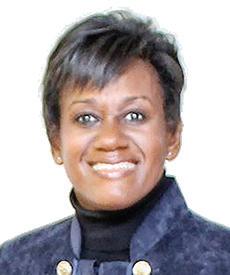
Running for reelection, Dorothy Granger currently works as the development director for Beacon, Inc., according to her LinkedIn. She formerly served as city council president and representative for Bloomington City Council District 2.
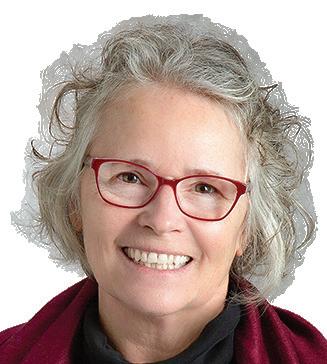
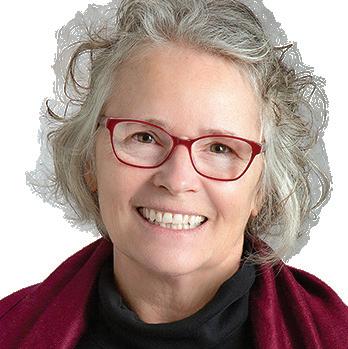
According to the City of Bloomington’s website, Granger is active around issues of citizen participation and social justice.
Barbara McKinney ran
unsuccessfully for the posi tion in 2018 and has previ ously worked as assistant city attorney and director of the Bloomington Human Rights Commission, according to the Herald-Times.
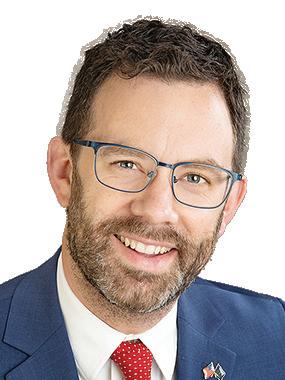
In 2018, McKinney recieved the Indiana Municipal ADA/Title VI Coordinator of the Year for her work helping Bloomington’s disabled community, according to Bloom Magazine. McKinney worked with the Greater
Bloomington Chamber of Commerce to help businesses work towards accessibility and created a registry for emergency responders to provide information about disabled and special needs people.
Elizabeth Sensenstein is running to become a Bloomington Township Board Member. Sensenstein has previously served Monroe County as its chief deputy treasurer and assessor, according to LinkedIn.
Judge of the Monroe Circuit Court
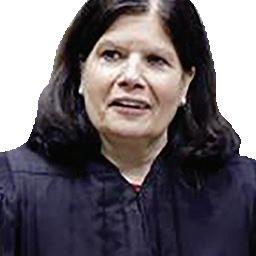
The Monroe Circuit Court has jurisdiction over every category of case that can be filed, from traffic violations and small claims to felonies.
10th Judicial Circuit, No. 7
Emily Salzmann is the Democratic candidate for Monroe County Circuit Court Judge, No. 7. Emily has recent judicial experience, having served as judge pro tempore 47 times. She has been a part of the local court system since 2012 and is managing partner at Salzmann Law, LLC. Emily brings not only her years of civil and criminal practice but also her fluency in Spanish to the courtroom, she said. She has served as president of the local bar association.
Carl Lamb has been in Monroe County for the past 44 years after four years in the Marine Corps and is married
to wife Angie. He’s a graduate of Indiana University, B.A., 1981, and J.D., 1984. Lamb said he has 38 years of trial law experience in criminal, civil and juvenile law. He’s worked with the IU community over the years to host multiple in ternship opportunities to cre ate and promote “Drop the Puck on Cancer,” a Greek phi lanthropy event at IU. Lamb is the former Mon roe County attorney, and said his family attends Westside Community Church. He said he brings a wealth of experi ence from all walks of life in his pursuit of Monroe County Circuit Court Judge.
10th Judicial Circuit, No. 4
Mary Ellen Diekhoff is on the ballot for Monroe County Circuit Court Judge, No. 4.
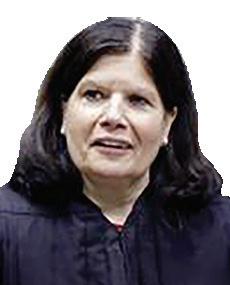
Diekhoff currently serves as a circuit court judge for District 5 and works as an
adjunct instructor in criminal justice at IU, according to the department’s website.




Diekhoff previously served as a deputy prosecutor for Monroe County.
10th Judicial Circuit, No. 1
Monroe County Circuit Court Clerk
Nicole Browne is running for re-election as Monroe County Clerk. She said her priorities are to continue fighting for “common sense” legislation for all 92 Indiana clerks, “set the table” for her successor and showcase Monroe County as Indiana’s
Monroe County Council
District 1
Jim Allen is running as a Republican for Monroe County Council, District 1. He worked as a Bloomington Township firefighter and re tired as a lieutenant in 2017 after over 20 years of service, according to the Monroe County GOP’s website. Allen ran for a County Council atlarge seat in 2020 and lost.
As a County Council member, Allen said he would prioritize public safety and increase the sheriff’s depart ment’s budget, according to his website. He is against forced annexation and sal ary increases for elected offi cials and supports reopening council meetings to a Zoom
and in-person mix. He is also anti-abortion.
Peter Iversen is running to maintain a seat on the Mon roe County Council, where he has served District 1 for the past three years. He received a master’s degree in public affairs from the IU O’Neill School, and he and his wife are raising their two daugh ters in Bloomington.
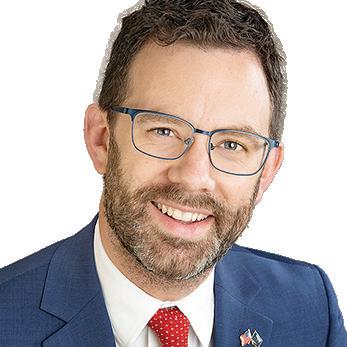
The three key challenges he said can be addressed by the Monroe County Council are lack of diversity, equity and inclusion, insufficient in vestment in fighting climate change and resiliency and continuing to invest in mean ingful ways in public health.
gold standard for quality elections in the state.
She’s not afraid to look Monroe County commissioners and council members in the eye and fight for the needs of the office, she said. She said she’s running to make a difference.
Monroe County Sheriff
Ruben Marté, the Democratic candidate running for Monroe County Sheriff, is a captain with the Indiana State Police, where he has worked for 31 years, according to his campaign website. He has served multiple assignments and developed the ISP Security Threat Group Unit, which monitors gang activity.
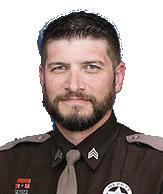
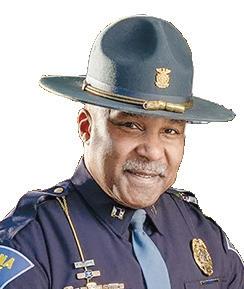
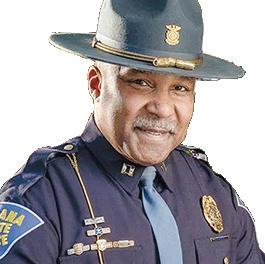
According to his campaign website, Marté’s platform is based on four tenets: increasing public safety, reducing reoffence rates, increasing employee training surrounding cultural and mental health awareness and bias and expanding public outreach and community engagement.
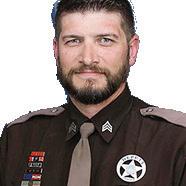
Nathan Williamson is running for Monroe County Sheriff as a Republican. He’s an 11-year veteran of the sheriff’s office and works as a coordinator for the office’s Field Training Unit, where he is involved in the hiring and training of new deputies, according to his campaign website. He is a member of the Fraternal Order of the Police.
For his priorities, Williamson gives “a safe and civil Monroe County” top importance. He’s also concerned with mental health, lowering reoffence through jail release programs, diversity and inclusion, community engagement and transparency.
Monroe County Commissioner
District 1
Elizabeth (Lee) Jones is the incumbent County Com missioner for District 1. Before becoming commissioner, she said she served on the County Council for six years. She was also on the Plan Commission for 10 years and the Board of Zoning Appeals for four years, among other positions. She said she knows about county government and how to get things done.
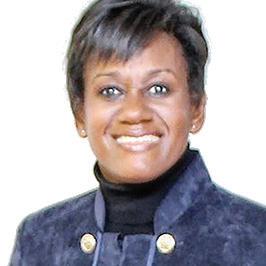
Jones grew up in Bloom ington, attending local schools and IU. When she got married, Jones and her husband moved to the west ern part of the county and founded Stranger’s Hill Farm & Greenhouses, which is now
District 4
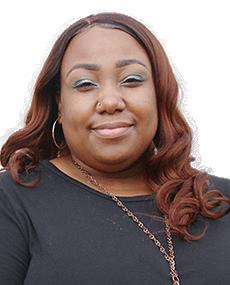
Jennifer Crossley is run ning unopposed for Monroe County Council, District 4. She’s an incumbent and be came the first Black woman to serve as a Monroe County Council member after be
District 2
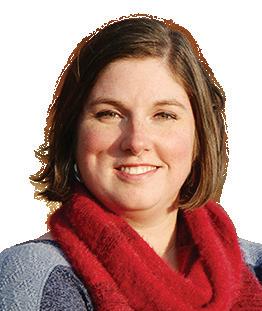
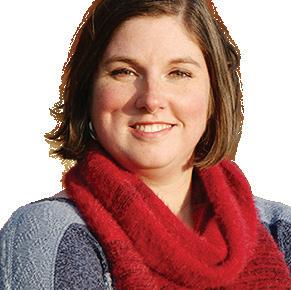
Kate Wiltz is running un opposed for Monroe Coun ty Council, District 2. She is the incumbent and works with IU’s Indiana Institute on Disability and Commu nity as a research associ ate, according to the IIDC’s website.
District 3
Marty Hawk is running unopposed as the Republi can candidate for Monroe County Council, District 3.
the oldest certified organic business in Indiana.
Perry Robinson is run ning as a Republican for Mon roe County Commissioner. He’s worked as a union elec trician for over 20 years, ac cording to his campaign web site. In that job, has served as general foreman, which he said would prepare him to oversee infrastructure, zoning and the county health depart ment as commissioner.
Robinson’s platform fo cuses on transparency in tax dollar spending, representa tion for rural Monroe County and finding long-term, costefficient solutions to county problems.
ing appointed to the posi tion Dec. 19, 2021, according to a past IDS article. She’s a Democrat and served as chair of the Monroe County Demo cratic Party for the two years prior to County Council.
Wiltz said she’s passion ate about amplifying mar ginalized voices and that the best way to do so is to meet people where they are to provide them support, according to a personal statement on the IIDC’s website.
She’s the current incum bent and works as a real es tate broker.
Ruben Marté Democrat Nathan Williamson Republican
A6 Monroe County Elections
The clerk prepares, records and maintains documents for Circuit Court judges. The Clerk’s office manages the court’s docket and traffic court.
The Monroe County Prosecuting Attorney represents the state of Indiana in criminal cases.
Mary Ellen Diekhoff Democrat
Nicole Browne Democrat
Erika Oliphant Democrat
Holly
Harvey is a Democrat running unopposed for Monroe County Circuit Court Judge, No. 1. Harvey now serves as a circuit court judge, Division 6, according to the Circuit Court’s website.
Holly Harvey Democrat
The County Council approves and appropriates funding, adopts the county budget and sets tax rates.
Jim Allen
Republican Peter Iversen
Democrat
Carl Lamb Republican
Emily Salzmann Democrat
Perry Robinson Republican
Elizabeth Jones Democrat
Dorothy Granger Democrat
Barbara McKinney Democrat
Elizabeth Sensenstein Democrat
Oct. 27, 2022 | Indiana Daily Student | idsnews.com NEWS
Jennifer Crossley Democrat
Marty Hawk Republican
Kate Wiltz Democrat
CONTINUED FROM PAGE A5
VOTER GUIDE
STATE AND FEDERAL CONGRESSIONAL CANDIDATES
By Nadia Scharf njscharf@iu.edu | @nadiaascharf
With less than three months until midterm elections on Nov. 8, state and federal candidates are campaigning in full force. Primary elections on May 3 decided the Democratic and Republican candidates, and the IDS has put together what you need to know about the big names in the upcoming election.
State Elections
Indiana State House Representatives
Members of the Indiana State House serve two-year terms, and all 100 seats are up for election this year. The House is one of two chambers in the Indiana General Assembly to form Indiana’s legislative branch. Representatives are responsible for passing public policy legislation and regulating state spending and taxes. They work with the governor of Indiana to create laws and establish a budget.
District 62: Nashville, Belmont, Smithville
Penny Githens, a Demo crat, is running for Indiana House of Representatives District 62’s seat. Githens is currently Monroe County Commissioner for District 3 on the Board of Commis sioners. She ran for District 60 Representative in 2016 and 2018 but lost both times to current incumbent Peggy Mayfield.
Githens told Ballotpedia her three main campaign is sues were improving public education, increasing sub stance use treatment op tions and raising minimum wage. She said she wants to improve infrastructure and broadband access to bring new businesses to Indiana.
As county commissioner,
Githens’ work has focused on homelessness, health care, mental illness and sub stance use issues, according to her website. Her platform aligns with key Democratic Party ideas, including repro ductive health, gun safety, public education and the environment, among oth ers.
Dave Hall is the Repub lican nominee for Indiana House District 62’s repre sentative. Hall is in his sec ond term as Jackson County Council president and has experience with the Jack son County Redevelopment Commission, Industrial De velopment Corporation and Sheriff’s Department, ac cording to his website.
Hall lists stopping invol untary annexation, fighting drug abuse and improving infrastructure and broad band access as key issues on his website. He also told Ballotpedia, as a representa tive, he would require paper ballots at future elections.
As county council presi dent, Hall told Ballotpedia one of his biggest accom plishments was creating a work-release center for inmates. The center allows inmates who have commit ted low-level felonies to go to work and come home to the prison facility, paying rent but leaving with money in their checking accounts, according to Indiana Eco nomic Digest.
District 61: Indiana University, Bloomington
Matt Pierce, a Democrat, currently represents District 61 in the Indiana House of Representatives and is run ning for reelection. He is unopposed. He’s held the position since 2002 and serves as the assistant Dem ocratic floor leader, accord ing to the Indiana House Democratic Caucus. Pierce is also a senior lecturer at IU’s Media School.
Pierce has not authored bills relating to either the Democratic or Republican party platforms but has sponsored several bills.. Alongside the Indiana Dem ocratic Party, he voted no to Senate Bill 1, which banned abortion in Indiana except in the case of rape, incest or risk to the pregnant person’s life.
Pierce is the ranking mi
nority member on the Indi ana House Utilities, Energy and Telecommunications Committee and serves on the Courts and Criminal Code Committee, the Elec tions and Apportionment Committee, the Rules and Legislative Procedures Committee and the Statu tory Committee on Ethics, according to the Indiana House Democratic Caucus.
District 60: Martinsville, Monrovia, Morgantown
Peggy Mayfield, a Re publican from Martinsville, is running for reelection to serve as representative for Indiana House District 60. Mayfield has held the posi tion since 2012.
Peggy Mayfield Republican Kathy Thorpe Democrat
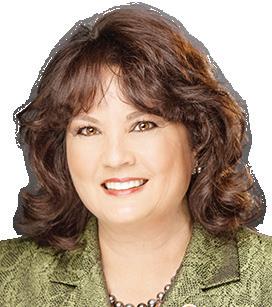
Mayfield, a lifetime NRA member, was described by the Indiana House Repub licans website as a “strong voice” for Second Amend ment rights. The website highlights Mayfield’s work on education, veteran’s is sues and law enforcement, among others.
Mayfield recently cosponsored House Bill 1001,
which allocated $58.5 mil lion in funding to support families and mothers after Senate Bill 1, banning abor tion, was passed, according to the IndyStar. Mayfield voted yes to SB 1. In 202122, she served as vice chair of the House Public Policy Committee and served on the Financial Institutions and Insurance Committee and Ways and Means Com mittee.
Kathy Thorpe is the Democratic candidate for Indiana House District 60 Representative. While she was not in the primary elec
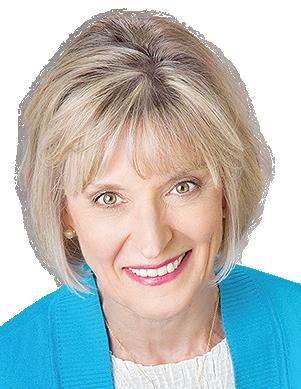
tions, the Indiana Demo cratic Party added her to reduce uncontested Repub lican seats, according to the Indiana Citizen. Thorpe’s campaign Facebook page said she is a retired OB/ GYN nurse.

While Thorpe does not have a campaign website, her candidate Facebook shows her support for abortion access, LGBTQ rights and education. She has not previously run for or held state office, accord ing to Ballotpedia, but she ran for Morgan County Coroner.
Federal Elections
Indiana Republicans’ supermajority by the numbers
The current Indiana House of Representatives has 71 Republicans and 29 Democrats.
The current Indiana Senate has 39 Republi cans and 11 Democrats.
There are currently 110 Republicans and 40 Democrats in the Indiana General Assembly.
of the IGA is Republican. If the majority party in the IGA holds more than 66% of the seats, that party holds a supermajority.
Democrats have to be present at a legislative session for Republicans to conduct legislative business because of their supermajority.
GRAPHIC BY ETHAN MOORE | IDS
Take our survey!
The IDS wants to hear what issues matter to you most this election cycle. Fill out our survey using this QR code to help us cover the stories you care about most.
U.S. Senator U.S. House Representative
Indiana, like the rest of the U.S., has two senators that serve staggered six-year terms. Senate members are one of two houses in the bicameral Congress. Senators enact legislation, confirm presidential appointments and have the power to declare war. Any legislation that passes the Senate must also go through the House of Representatives.
Thomas McDermott, Jr. is the Democratic nominee for U.S. senator and the cur rent mayor of Hammond, Indiana. He’s the longestserving mayor in Ham mond history, first taking office in 2004, and he is cur rently serving his fifth term, according to his campaign website.
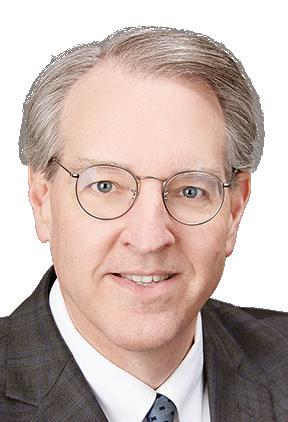
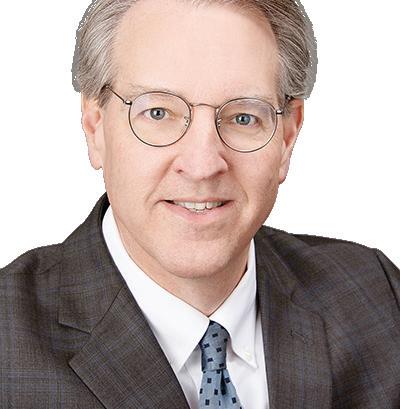
As listed on his website,
McDermott’s key issues include protecting voting and reproductive rights, supporting education and promoting clean energy use. These issues align with the Democratic Party’s of ficial platform. He also sup ports legalizing cannabis and opposes ownership of military-style assault rifles, though he said he owns a
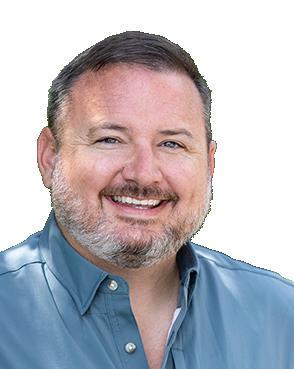
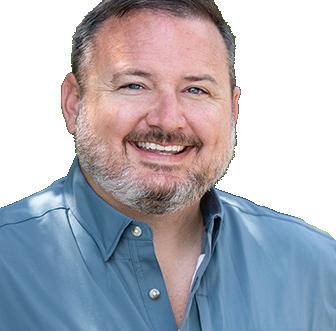
gun.
McDermott stressed the importance of supporting small businesses, which he said he accomplished as mayor of Hammond, and improving rural develop ment. Given his history as a U.S. Navy veteran, he sup
District 9: Sourtheastern Indiana
Indiana has 9 Congressional districts, each with one representative in the federal House of Representatives. The House has several unique powers, including impeachment and election in the case of an Electoral College tie.
Matthew Fyfe, a math teacher at Bloomington High School North, is the Demo cratic nominee for Indiana’s 9th Congressional District for the U.S. House of Repre sentatives. The position was formerly held by Republican Trey Hollingsworth, who is not seeking reelection.
A union leader and life long Hoosier, Fyfe told Ballot
pedia, as a representative, he would prioritize local issues. He stated that he’s personally passionate about education, healthcare and environmen tal policies. On his website, he adds providing support for veterans, creating jobs, cut ting wasteful spending and ending corruption to his list of key issues.
Fyfe supports legalizing
cannabis federally and said tax revenue from legaliza tion could support substance abuse and addiction re sources, another issue facing southern Indiana. Nationally, he stated that he supports a woman’s right to choose and he supports safe and le
NEWSOct. 27, 2022 idsnews.com A7 Indiana Daily Student Editors Salomé Cloteaux, Emma Herwehe, Marissa Meador news@idsnews.com
2022 MIDTERM ELECTIONS
Matt Pierce Democrat
Dave Hall Republican
Penny Githens Democrat
73.3% 0
SEE SENATE, PAGE A8 SEE HOUSE, PAGE A8
VOTER GUIDE
STATE
U.S. Senator U.S. House Representative
ports reforming veterans’ services and opposes as sault rifles.
Todd Young, a Republi can, is currently one of two U.S. senators from Indiana and is running for reelec tion. He won his first elec tion in 2010, when he won the congressional seat for Indiana’s 9th District, and was reelected in 2012 and 2014. When former Repub lican Sen. Dan Coats re tired, Young announced his candidacy for Coats’ Sen ate seat and was elected in 2016.
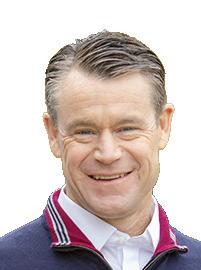

According to his cam paign website, Young’s key issues include combatting inflation, confirming con
stitutionalist judges such as Amy Coney Barrett, sup porting law enforcement and promoting Second Amendment rights and the pro-life movement. Young’s website states he is also concerned with supporting veterans and small busi nesses along with opposing China internationally.
During his time in the Senate, Young is best known for his support of the Endless Frontier Act, which invested in science and technology education, and for writing the Law En forcement Mental Health and Wellness Act, which led to increased police mental health funding. Young also has an A+ rating from both the National Right to Life and Susan B. Anthony List
and the National Rifle As sociation, according to his website.
James Sceniak is an In diana Libertarian running for U.S. Senate. He works as a behavior therapist for children with autism and is from Northern Indiana, ac cording to his website.
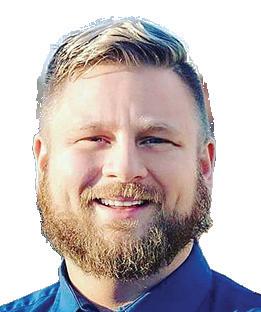
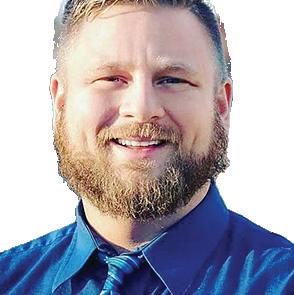
Sceniak’s priorities, listed on his website, in clude veteran care, crimi nal justice reform, right to abortion and protection of Second Amendment rights. His website also states he wants to end deficit spend ing, reduce inflation and government spending, and increase medical freedom with legalizing medical marijuana on a federal level and eliminating vaccine mandates.
Federal Elections Key Issues
gal immigration with secure borders. Fyfe said he supports the Second Amendment and responsible gun ownership but wants to work to make communities safer.
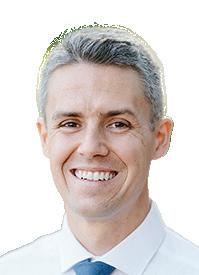

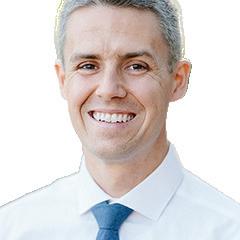
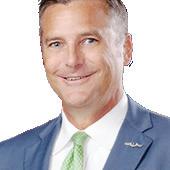
Erin Houchin is the Re publican nominee to repre sent Indiana’s 9th Congres sional District. Houchin has previously served in the Indi ana State Senate, represent ing District 47 from 2014 to early 2022, when she stepped down to focus on her cam paign, according to WHAS. She ran for the 9th District’s seat in Congress in 2016 but finished second to Holling sworth, according to NPR.
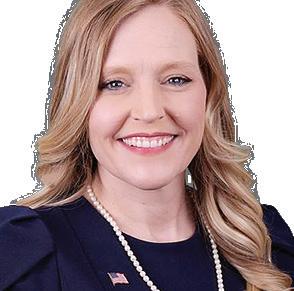
Houchin has not released an official list of key issues on
her campaign website. Her Twitter campaign announce ment highlights her record in the Indiana Senate, where the actions she’s taken align with Republican and conserva tive talking points. Houchin states on her website she’s pro-life and supports Second Amendment rights. If elected, she said she would focus on opposing immigration, re ducing inflation and combat ting federal spending.
Houchin’s campaign web site states as an Indiana state senator, she worked against tax increases and expanded rural broadband access.
Tonya Millis is a Libertar ian candidate running for U.S. House of Representatives District 9. An Indiana native, Millis is a real estate broker and vice chair of the Libertar
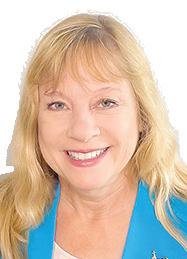
What are they talking about?
By Nadia Scharf njscharf@iu.edu | @nadiaascharf
ian Party of Lawrence County, according to her campaign website.
Millis said she supports less U.S. military involvement abroad, gun ownership, mari juana legalization and re duced federal taxation on her website. As a representative, she said she would endorse pro-climate bills to keep air, water and other resources clean. She also said she would eliminate the Internal Rev enue Service.
On her campaign web site, Millis states the federal bureaucracy is “bloated” due to the number of laws and amendments passed. As a representative, she said she would roll back laws re stricting freedoms, though it was unclear which freedoms would be affected.
Economy Gun policies Reproductive rights
Inflation, which has been rising since the COVID-19 pandemic, has been breaking records originally set in the 1980s, according to Forbes. Inflation is caused by demand exceeding supply, so supply-chain issues and worker shortages caused the government to pass legislation to support unemployed workers and small businesses. Bloomberg reports inflation may have peaked and will now begin to subside. However, uncertain energy costs caused by the war in Ukraine and rising rent prices make the road forward unclear.
On June 25, U.S. President Joe Biden signed a bipartisan gun control bill into law after the mass shooting in Uvalde, Texas. According to the New York Times, the bill expanded background checks, alloted more federal money for mental health resources and made stricter the ban on domestic abusers buying firearms. Sen. Todd Young, who is running for reelection, joined 14 other Republican senators to sign the bill, according to the Tribune-Star. However, Indiana ended its handgun permit carry requirement July 1, allowing anyone age 18 or older without a felony conviction to carry a handgun in public, according to the Associated Press.
The Supreme Court overturned the historic Roe v. Wade decision on June 24, and Indiana was the first state to pass a new abortion ban, Senate Bill 1, in the following weeks. Starting Sept. 15, abortion will be banned, except in the case of rape, incest or risk to the life of the pregnant person, according to NPR. Doctors who perform abortions will lose their medical licenses. As of Aug. 26, abortion is illegal or heavily restricted in 14 states, not including Indiana, and nine states have bans that have been
blocked by state courts.
» SENATE
CONTINUED FROM PAGE A7
» HOUSE CONTINUED FROM
PAGE A7
Thomas McDermott, Jr. Democrat
Erin Houchin Republican
Todd Young Republican
Matthew Fyfe Democrat
James Sceniak Libertarian
Tonya Millis Libertarian
2022 MIDTERM ELECTIONS
AND FEDERAL CONGRESSIONAL CANDIDATES
temporarily
Ahead of the midterm elections, it’s beneficial to read up on some of the key issues that candidates are talking about in their campaigns. The IDS identified some of these major talking points to help you catch up on what’s going on.
ELECTIONS STATE AND CONGRESSIONAL CANDIDATES Indiana House of Representatives Districts District 62 Nashville Belmont Smithville District 60 Monrovia Brooklyn Morgantown Martinsville District 61 Bloomington Need help finding your district? If you’re unsure of which congressional district you live in, visit iga.in.gov/legislative/find-legislators/ or look at these maps to find out which seat you will be voting for. A8 Oct. 27, 2022 | Indiana Daily Student | idsnews.com NEWS
