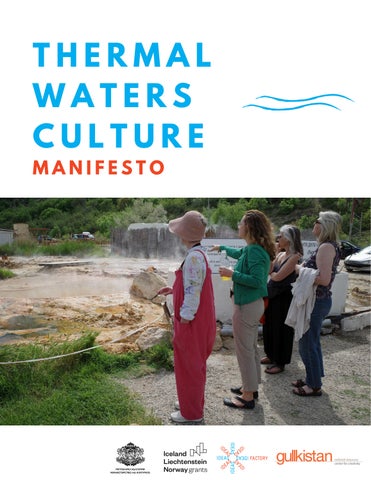
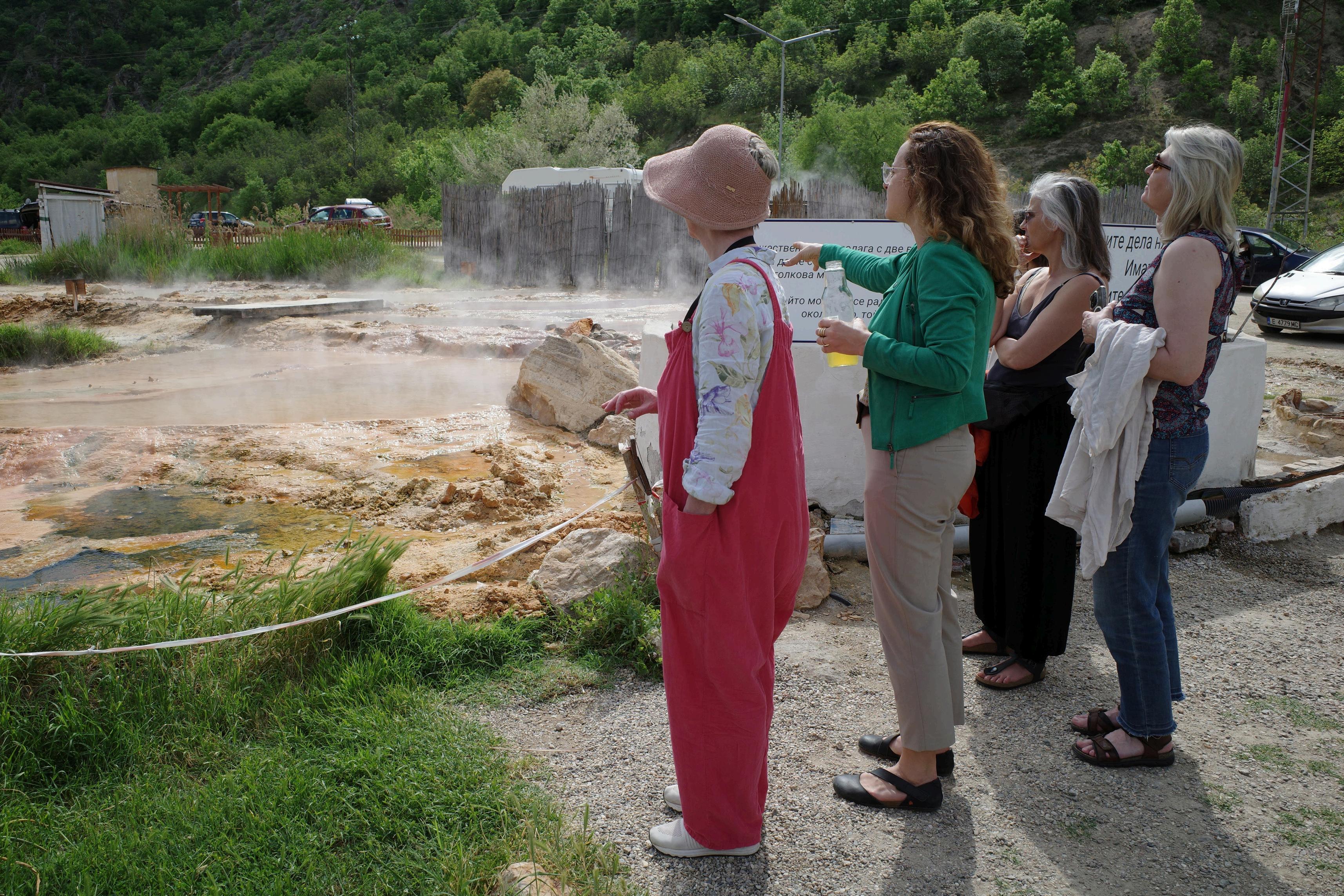
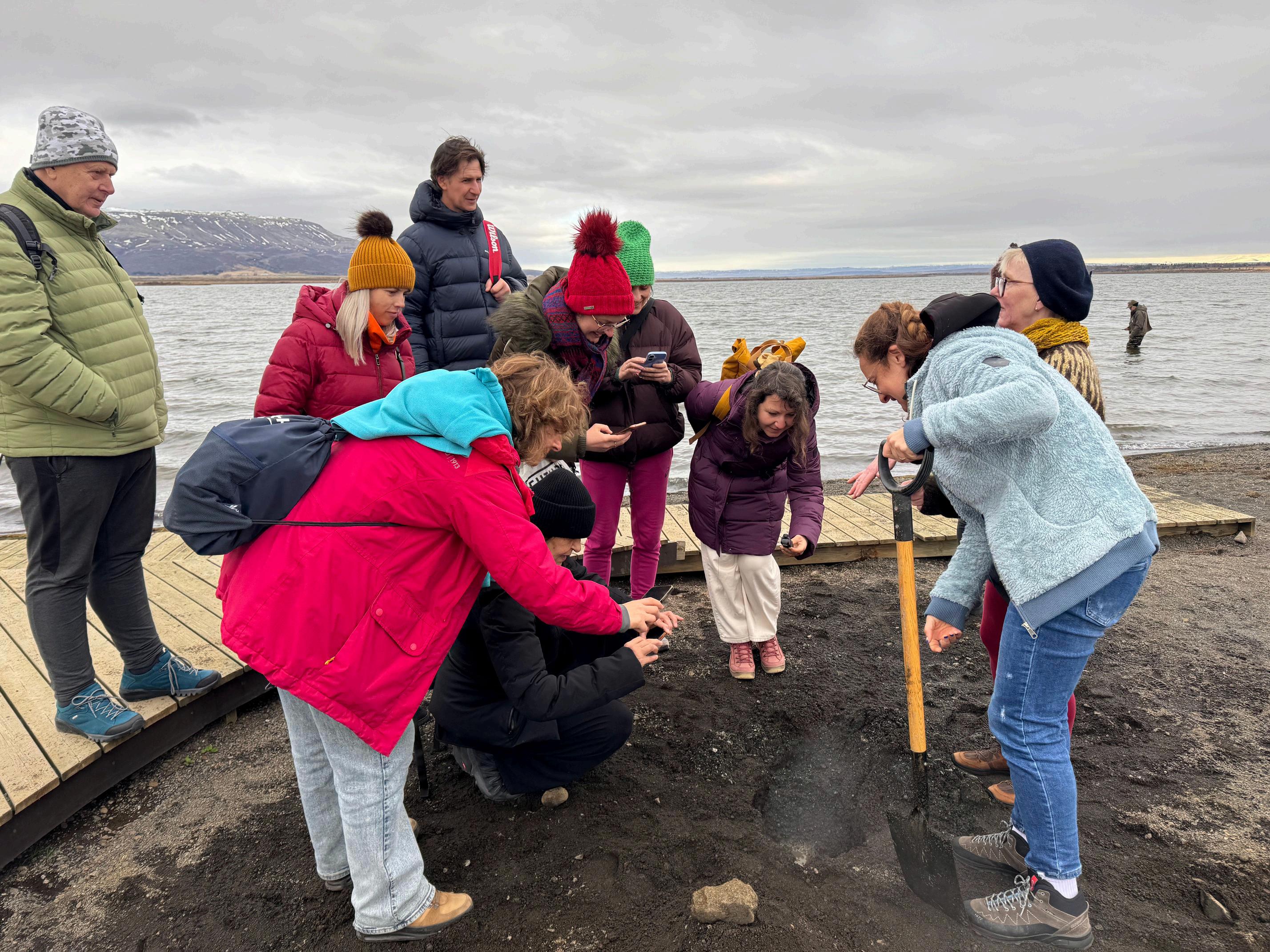
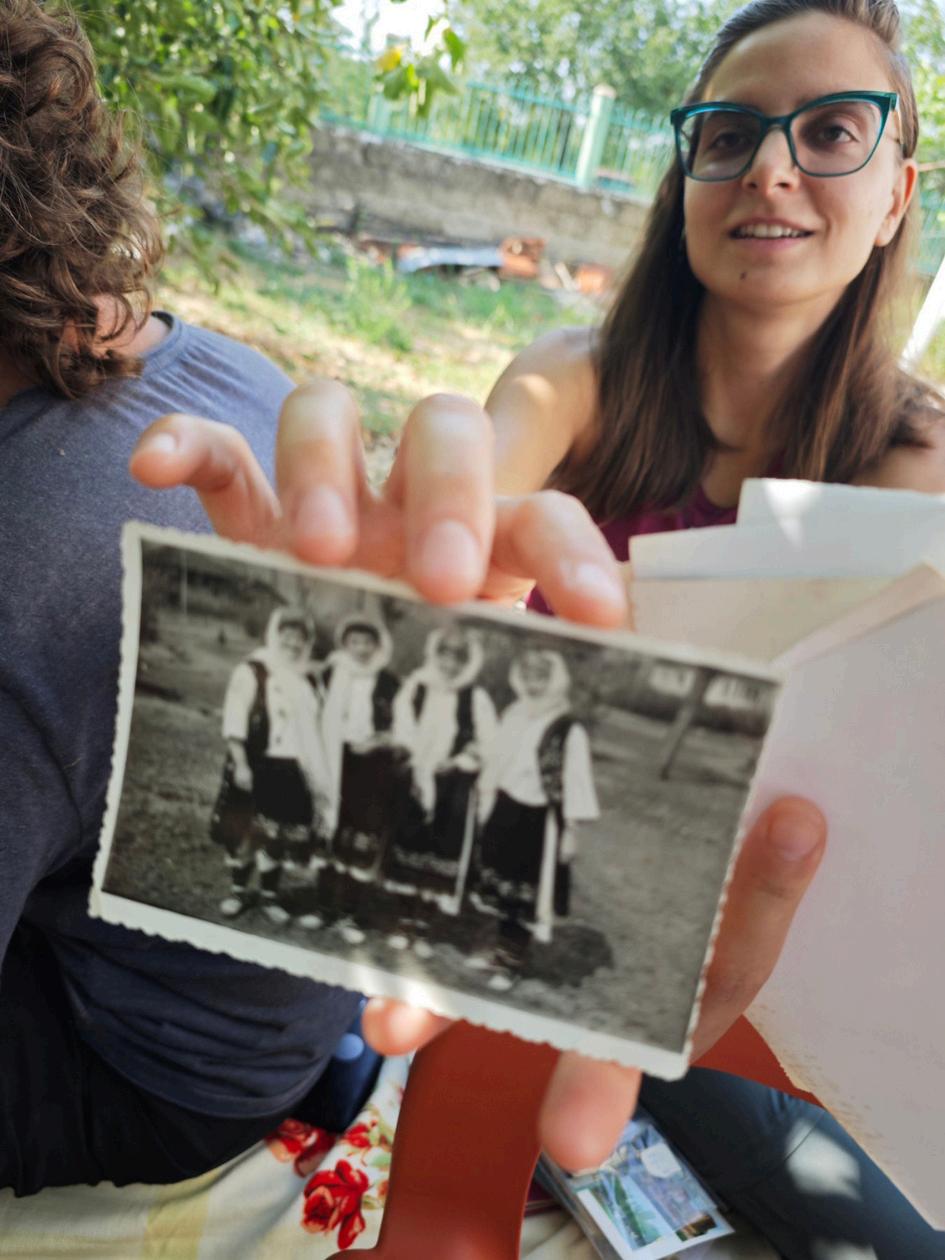
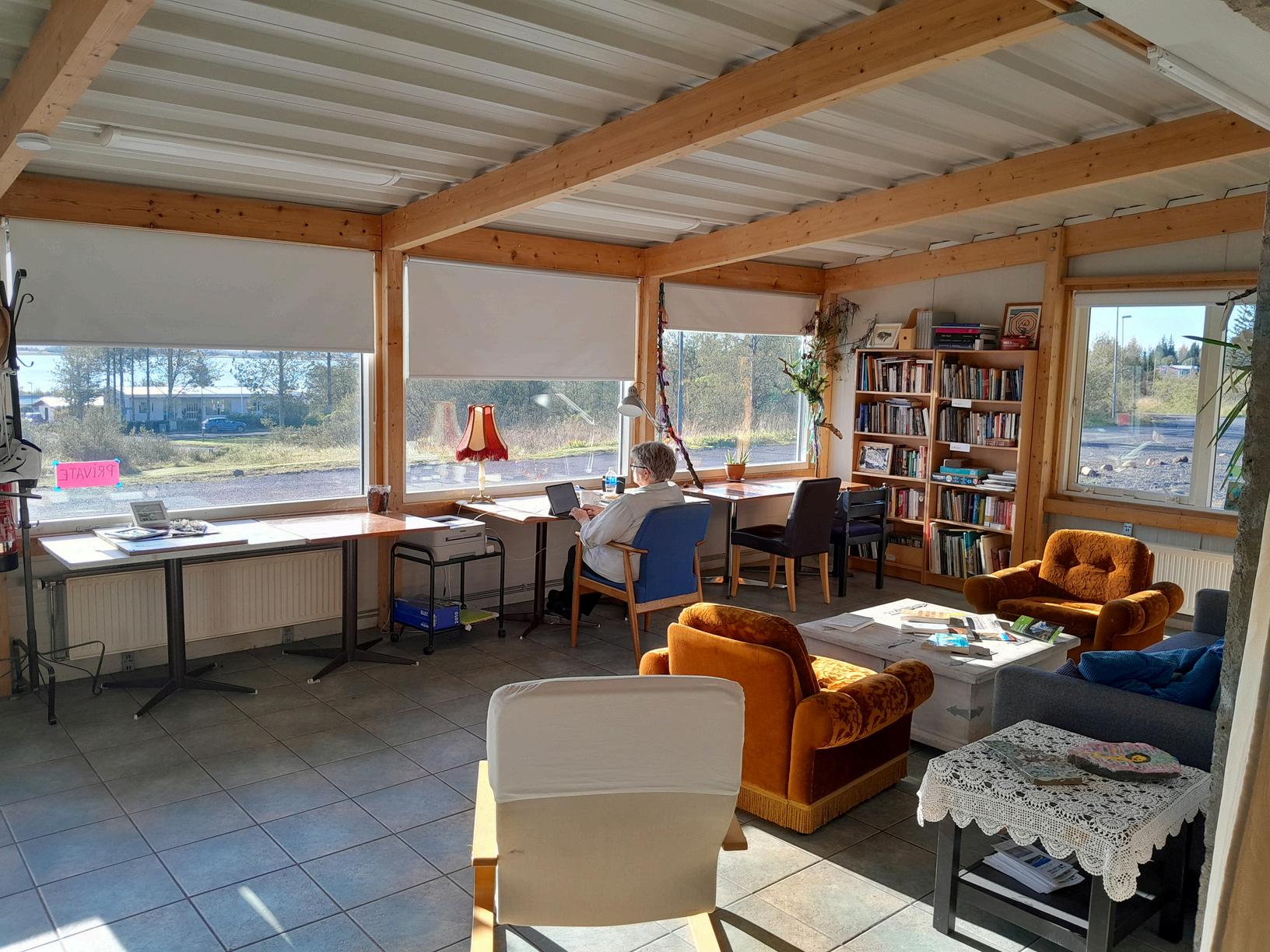
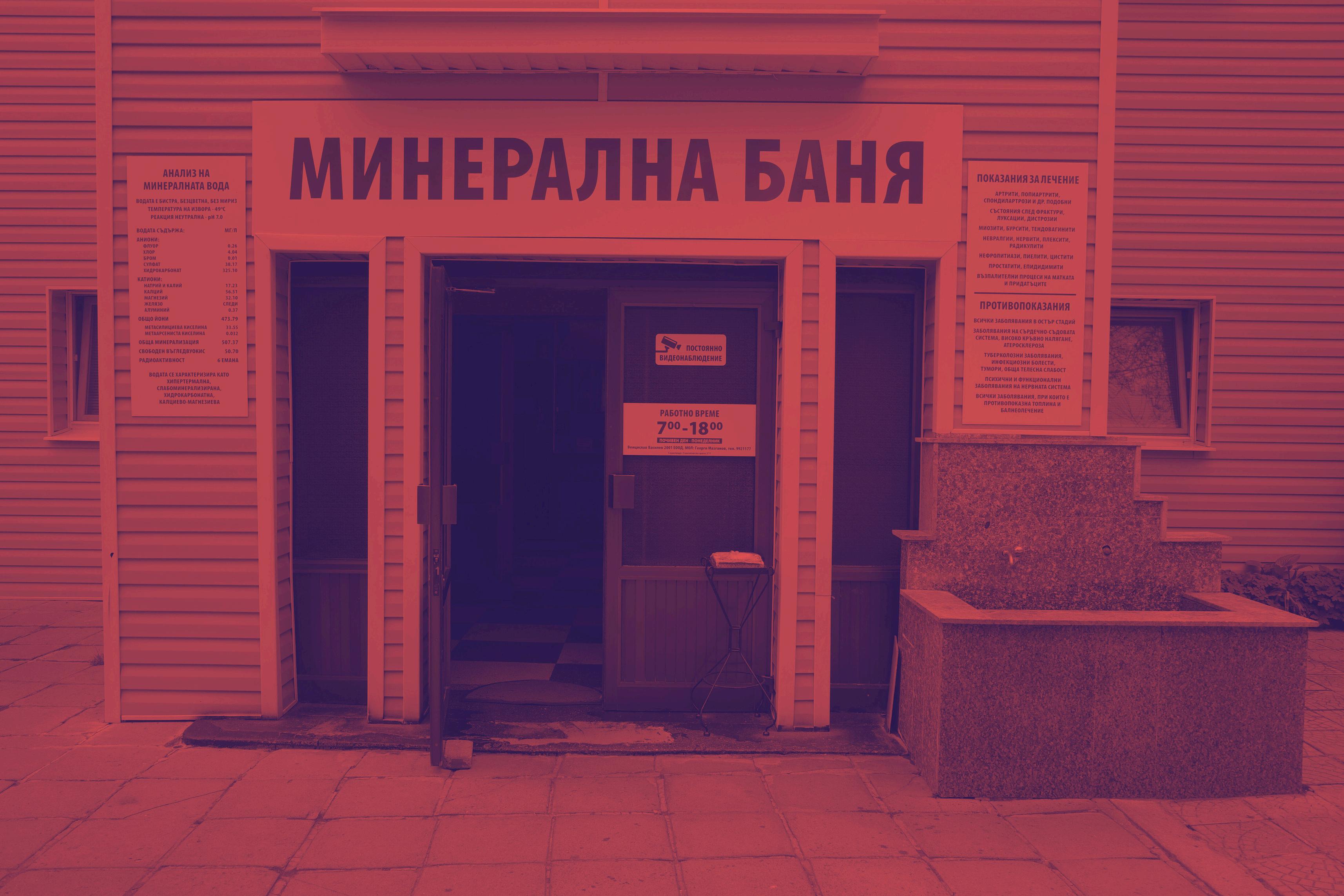
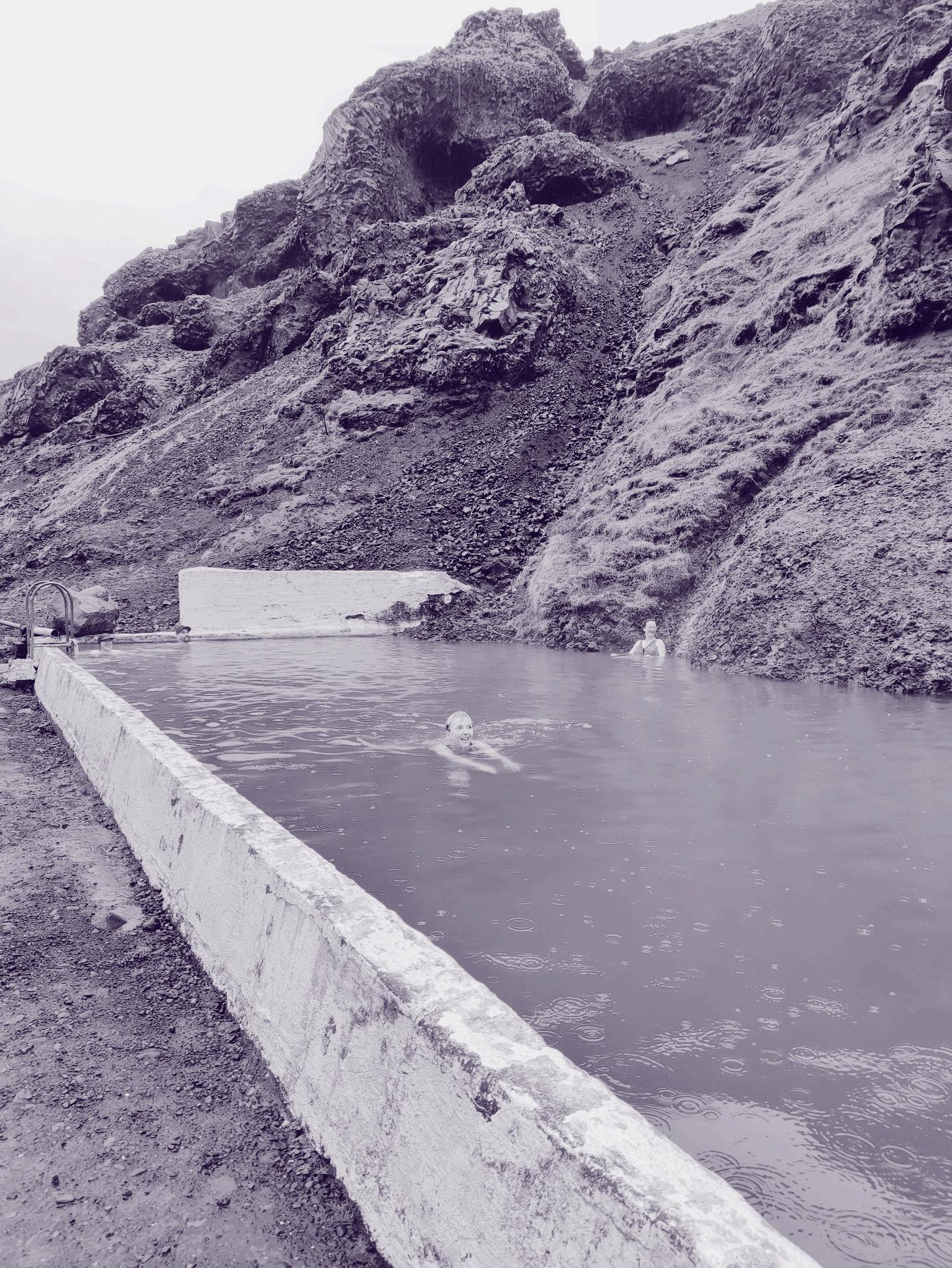
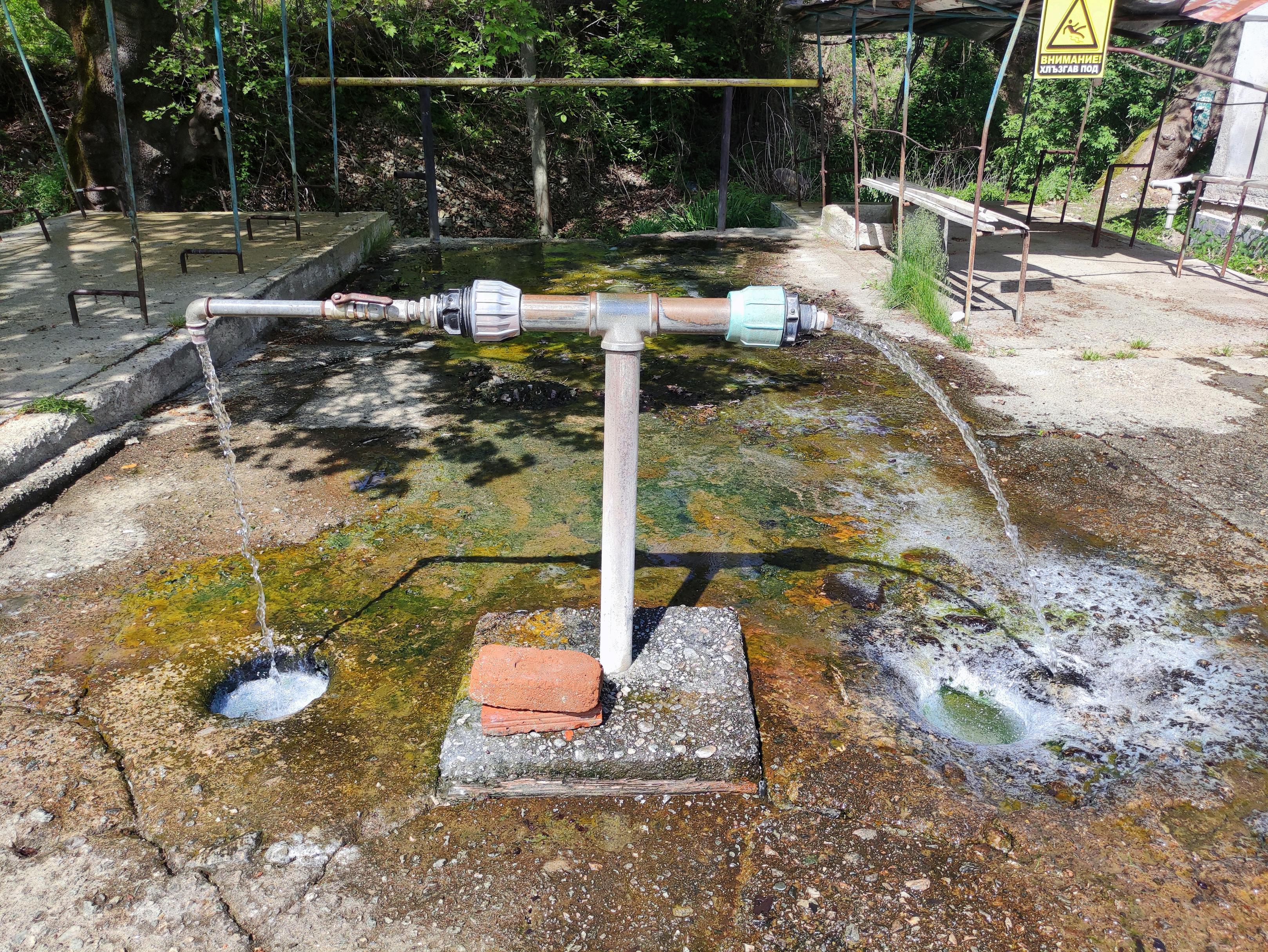
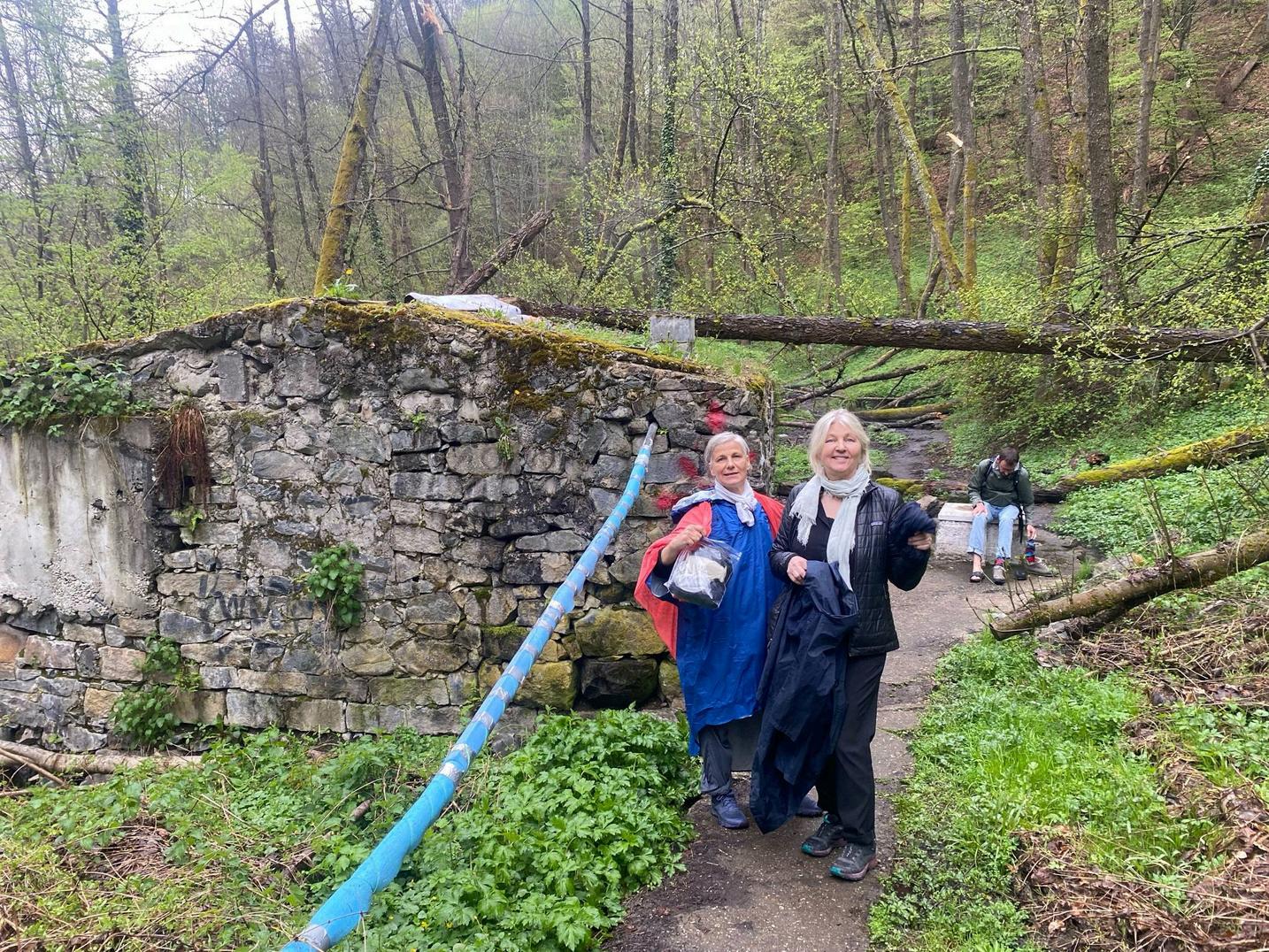
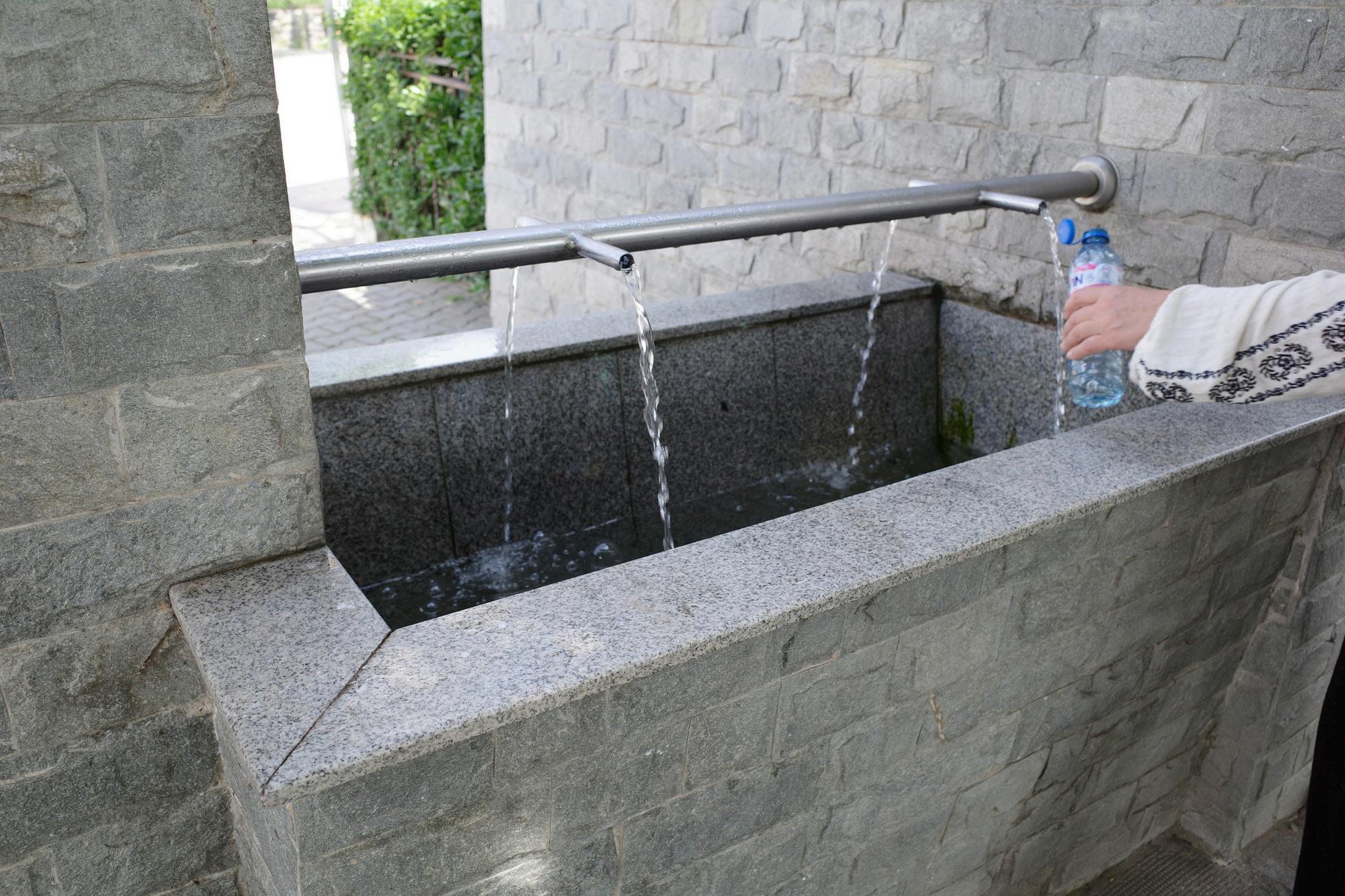
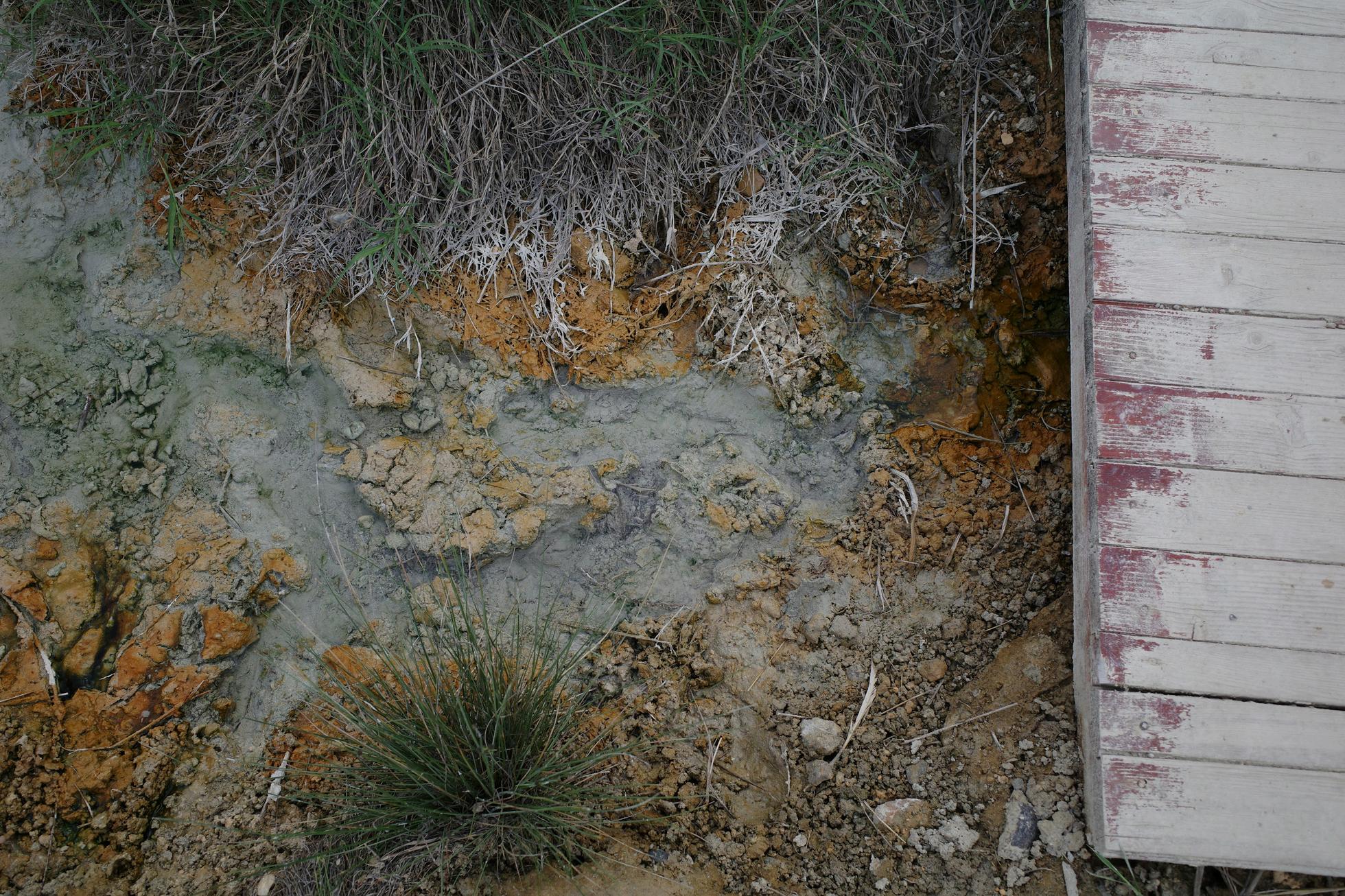
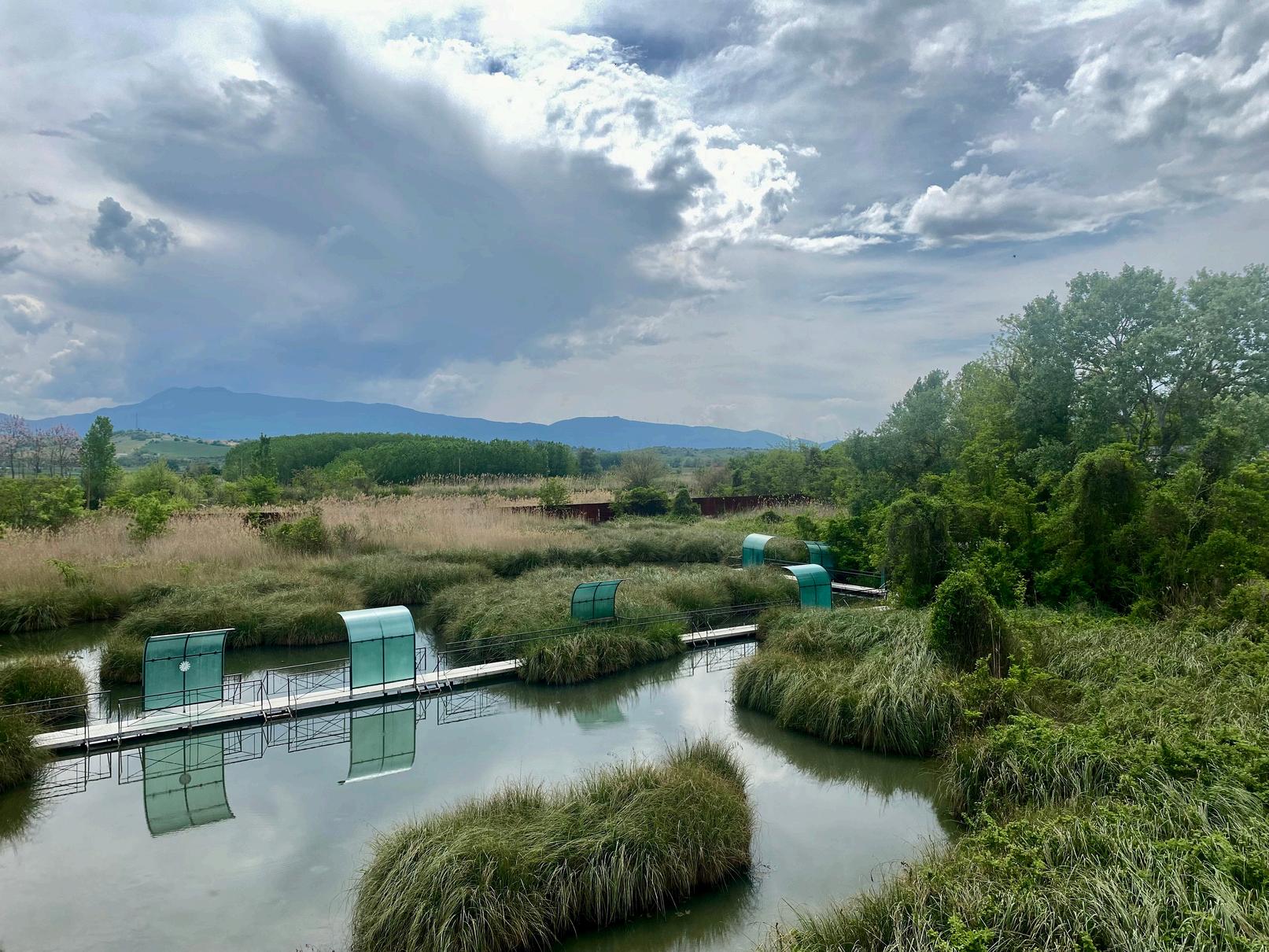
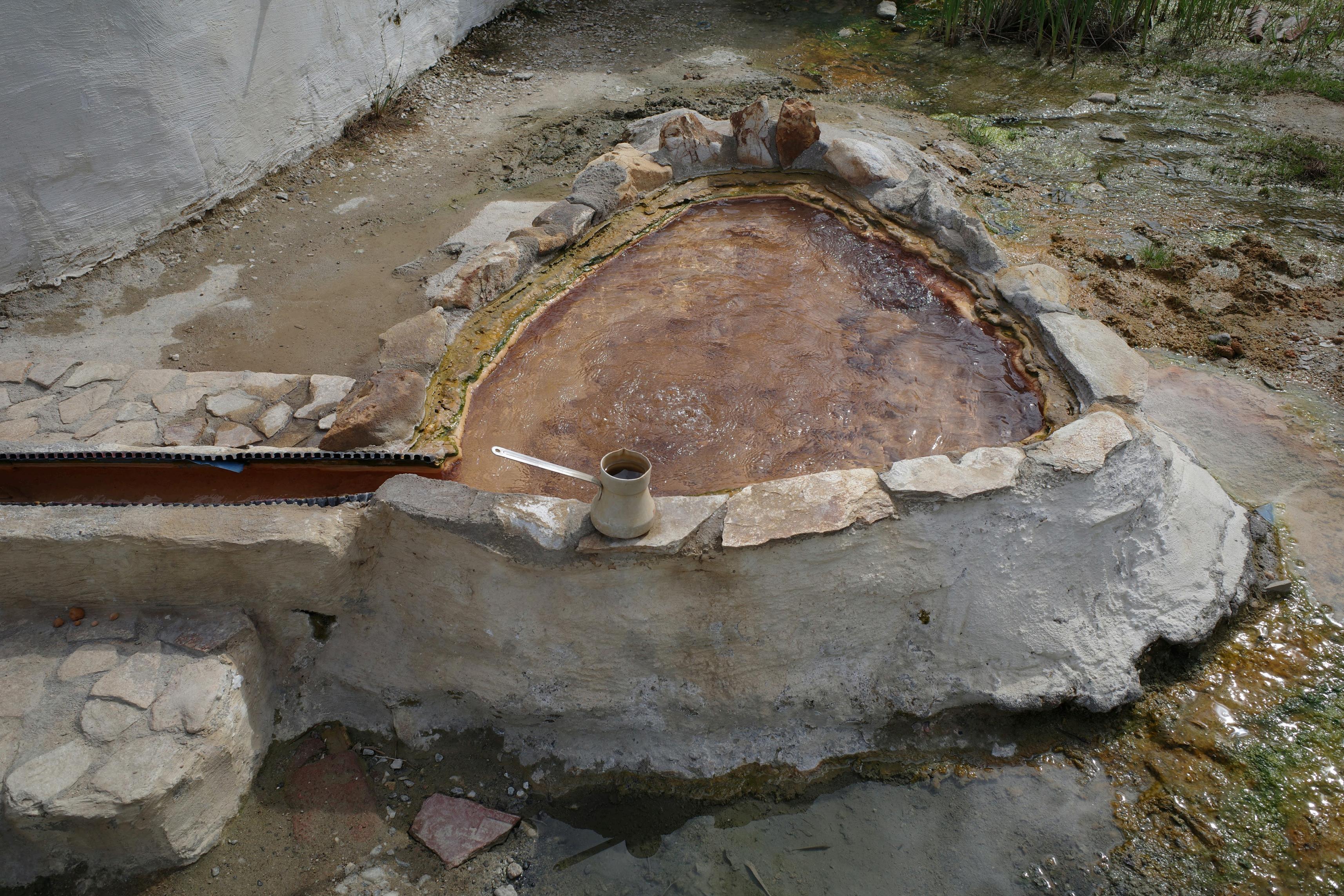
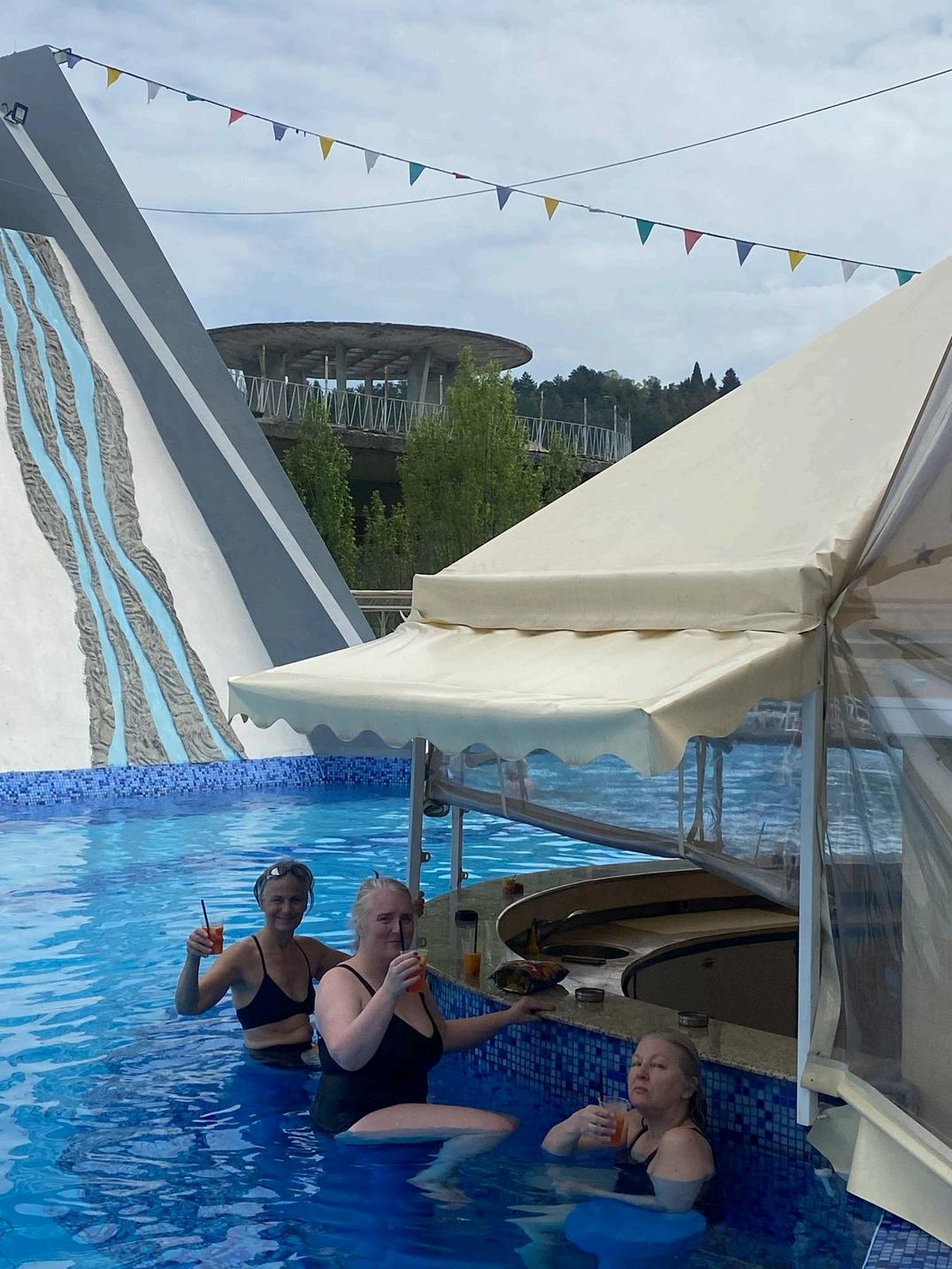
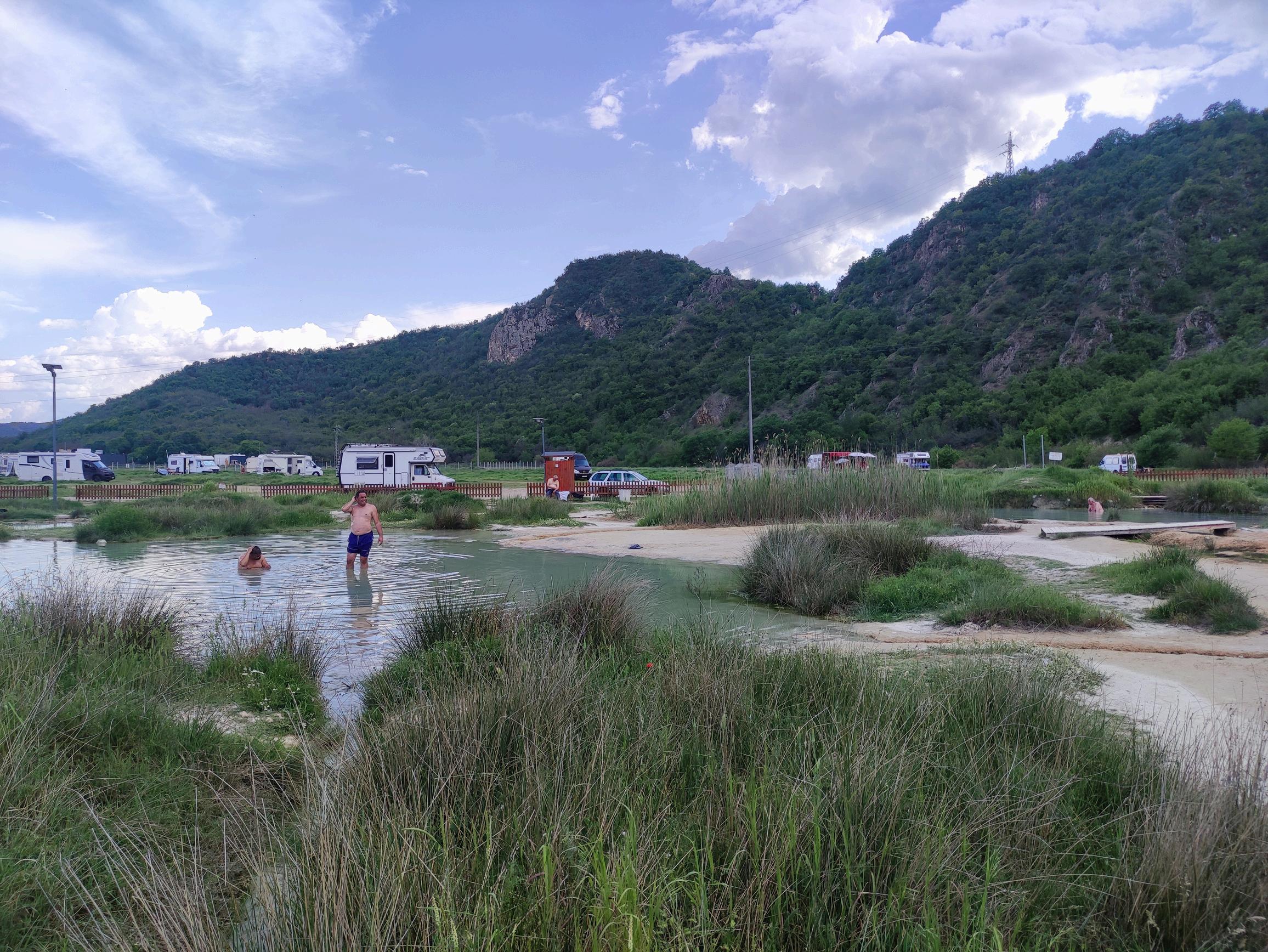
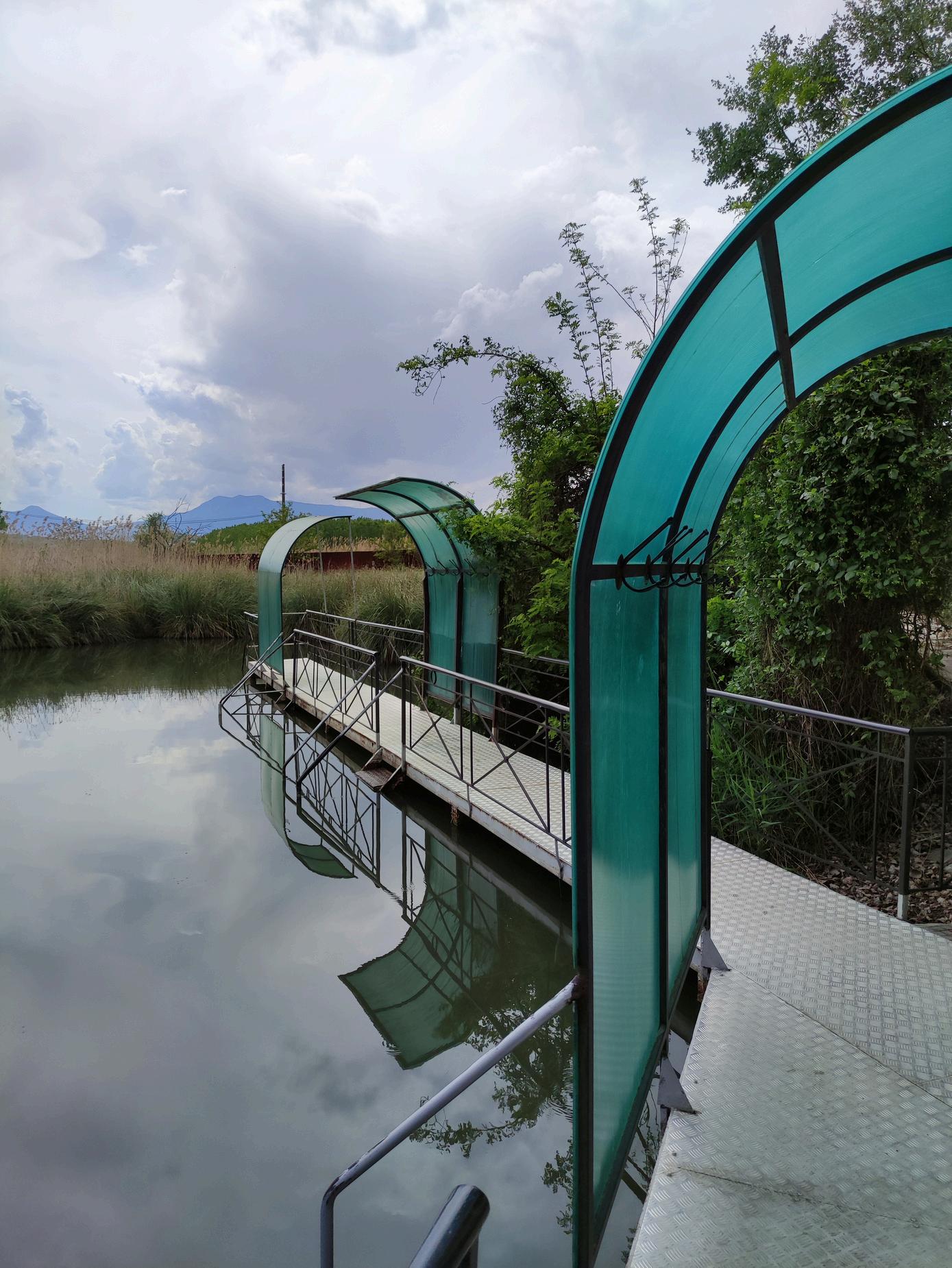
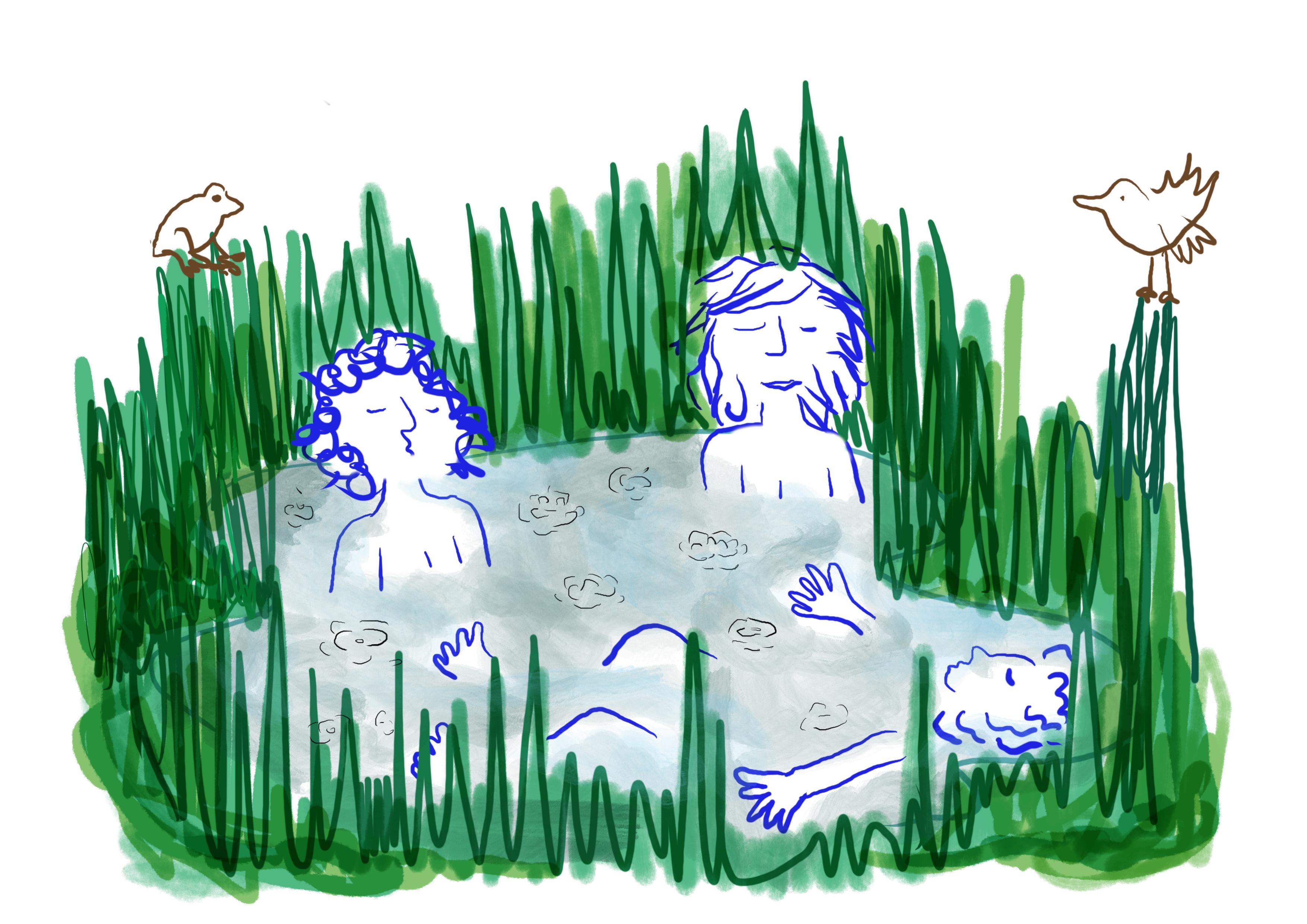
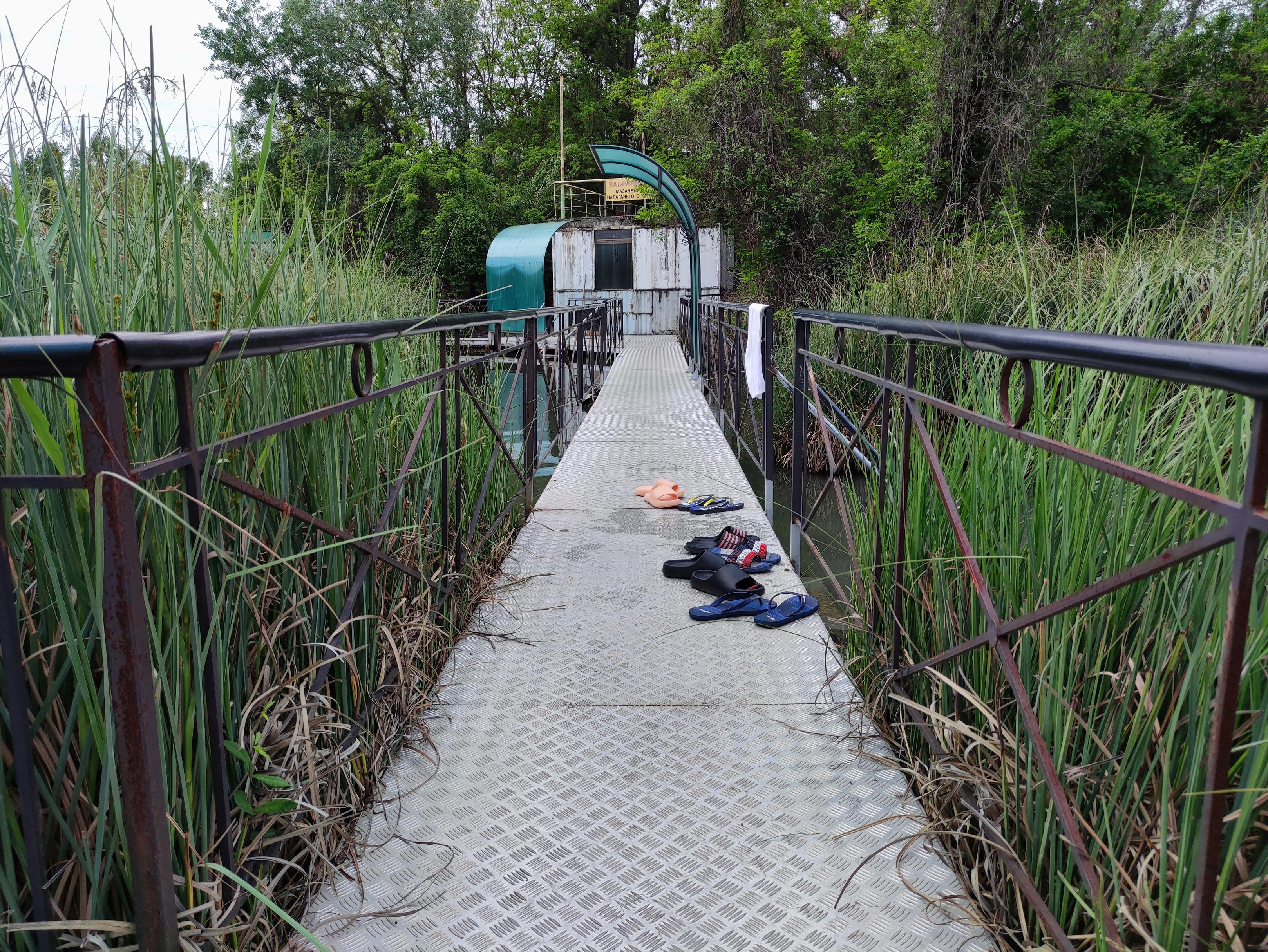
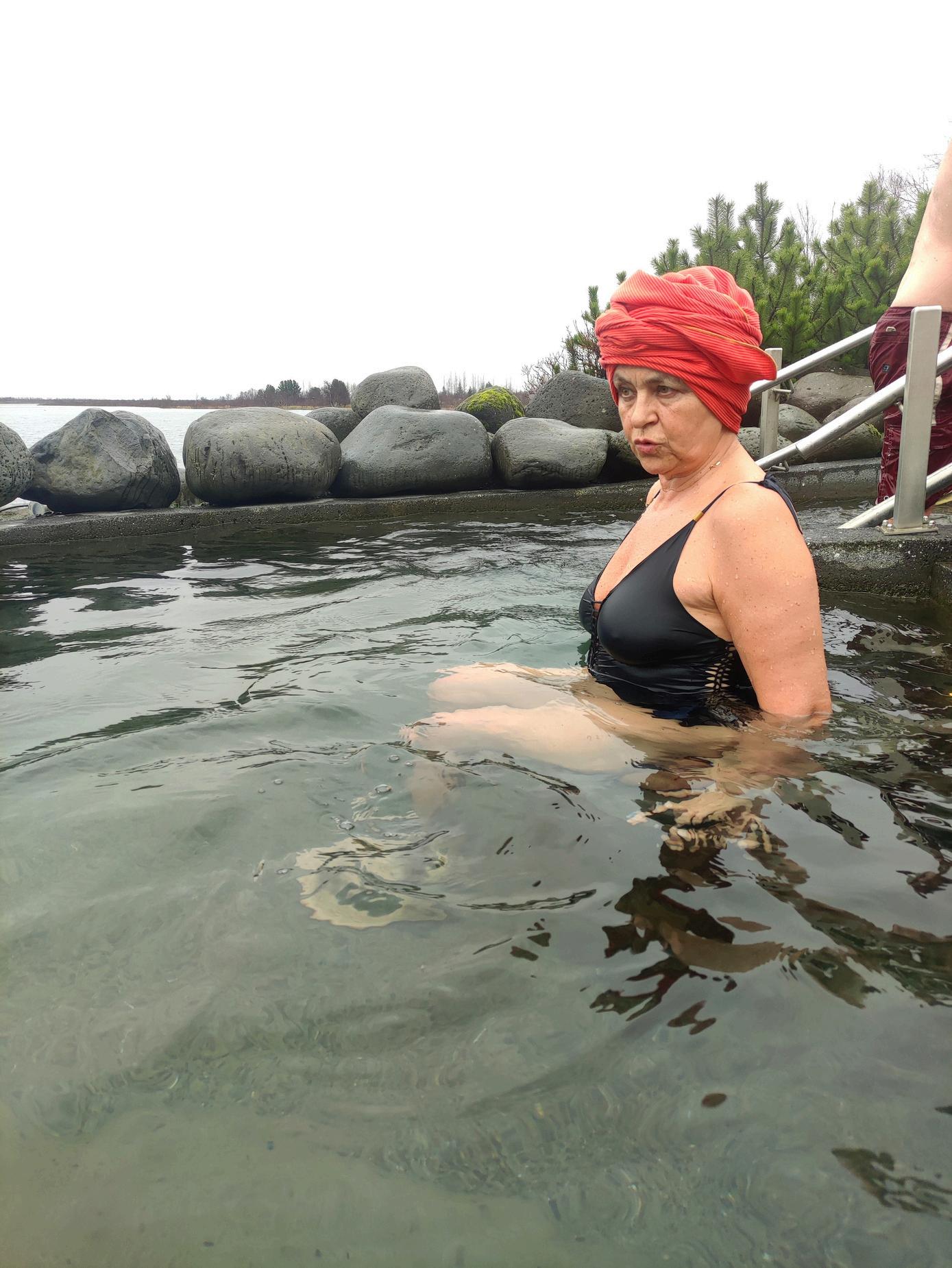
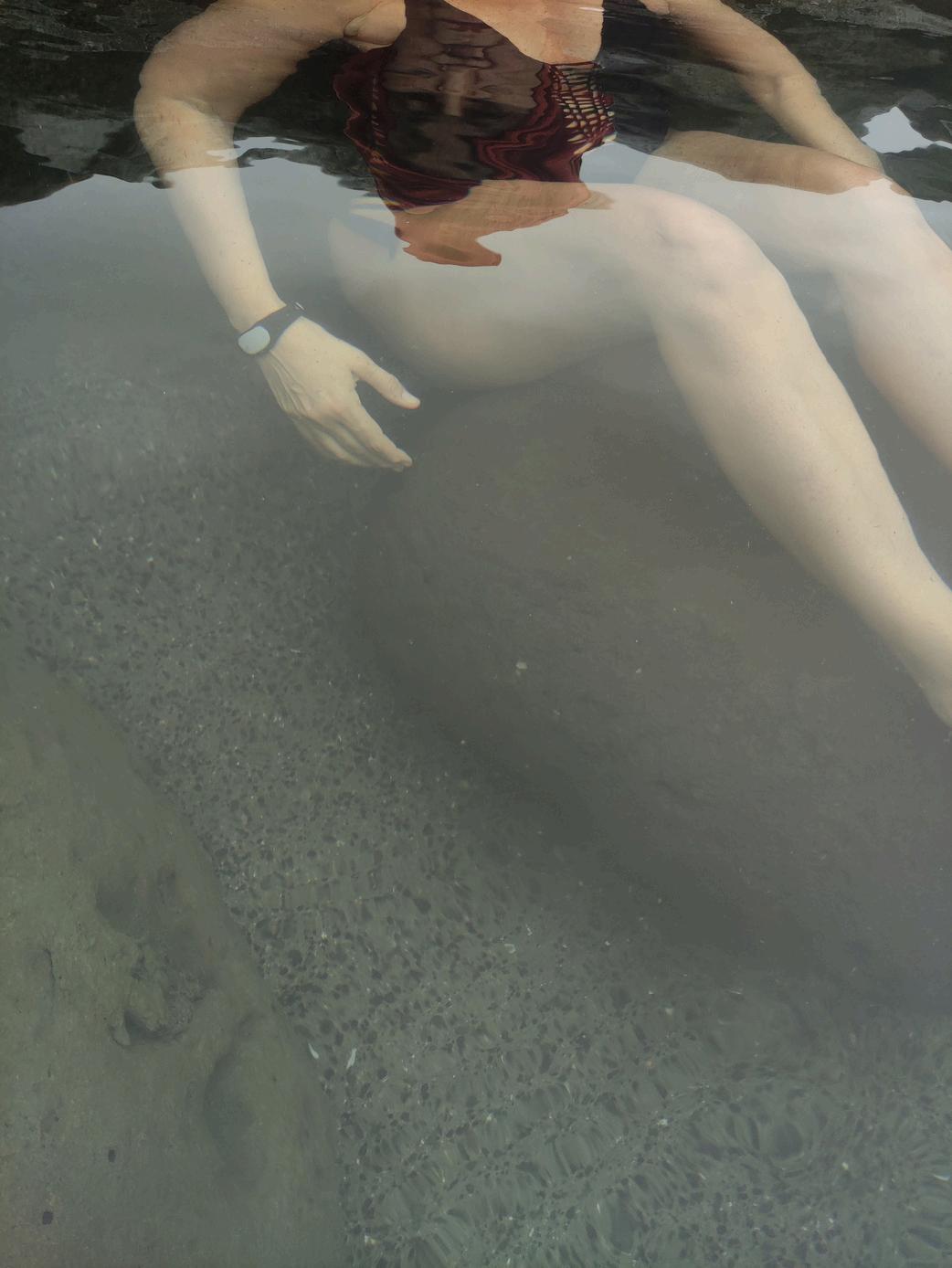
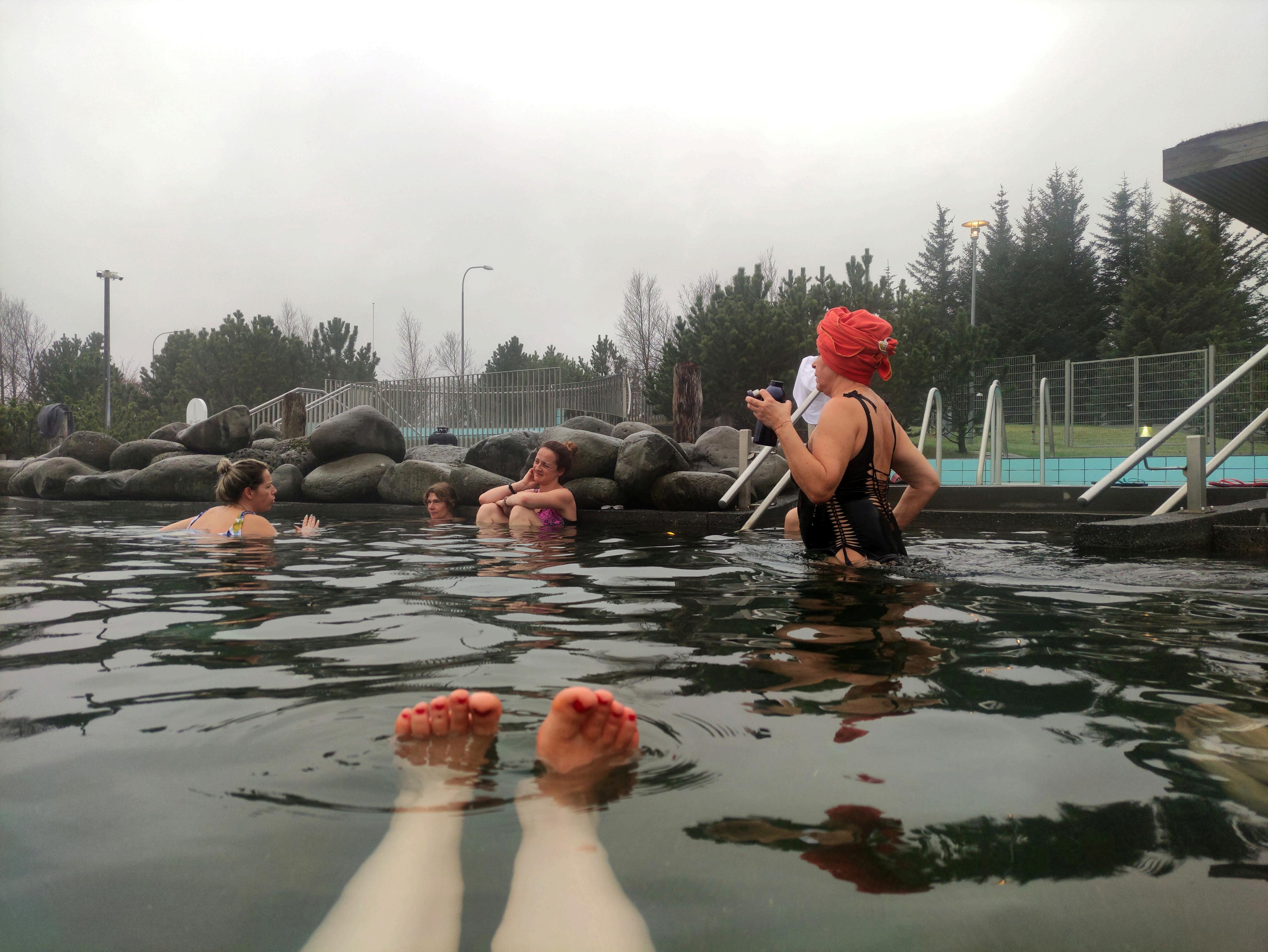
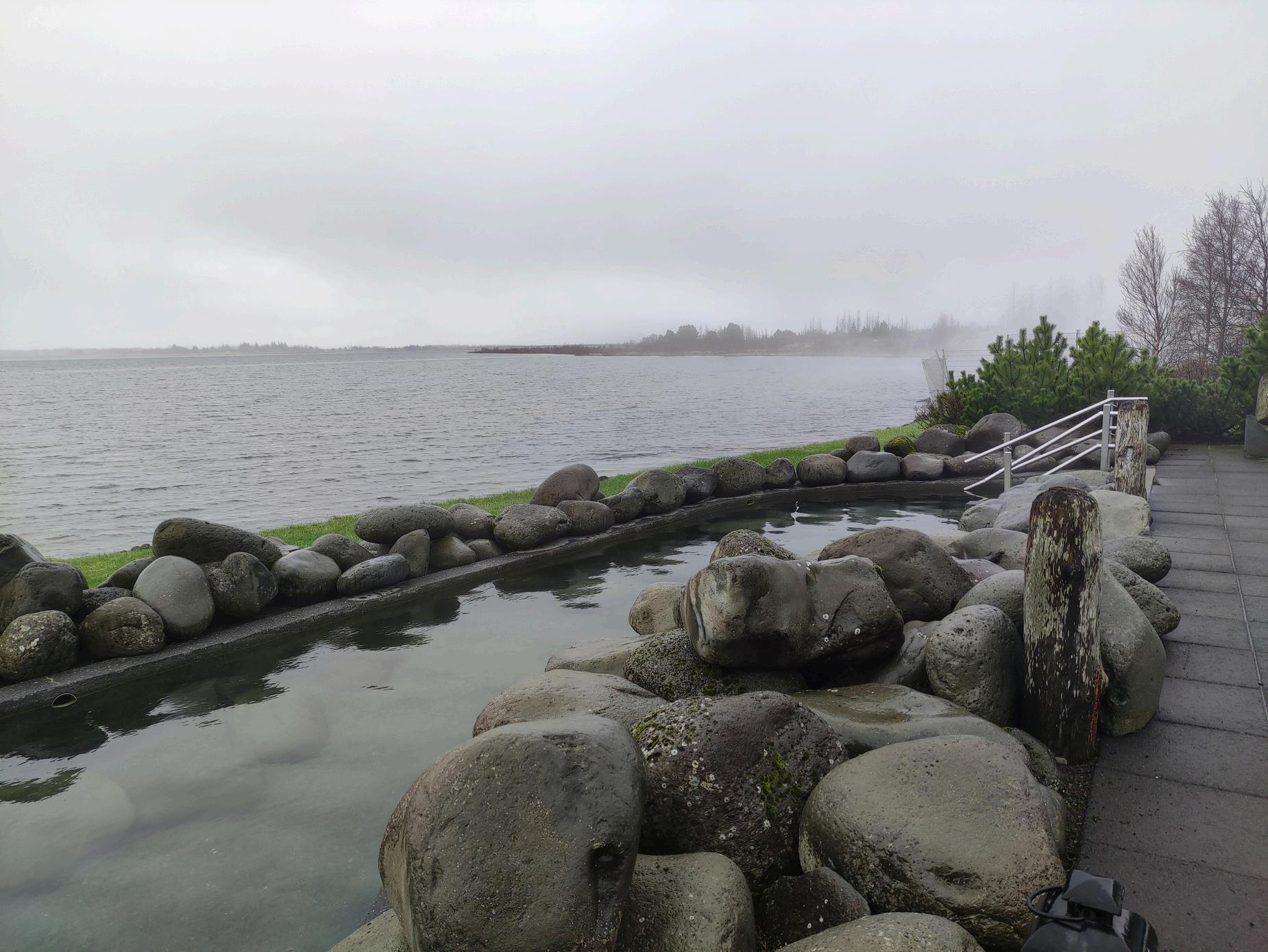
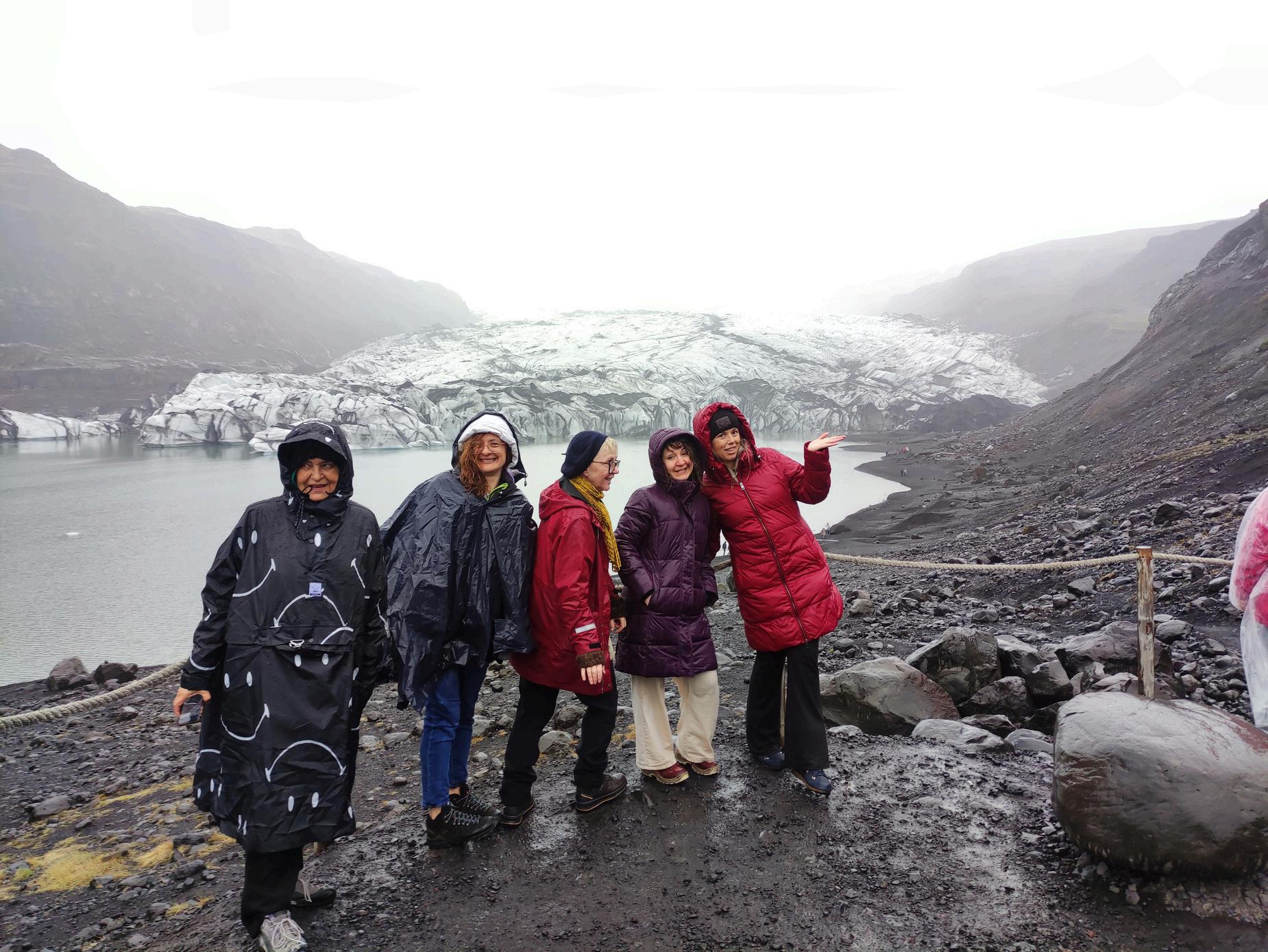
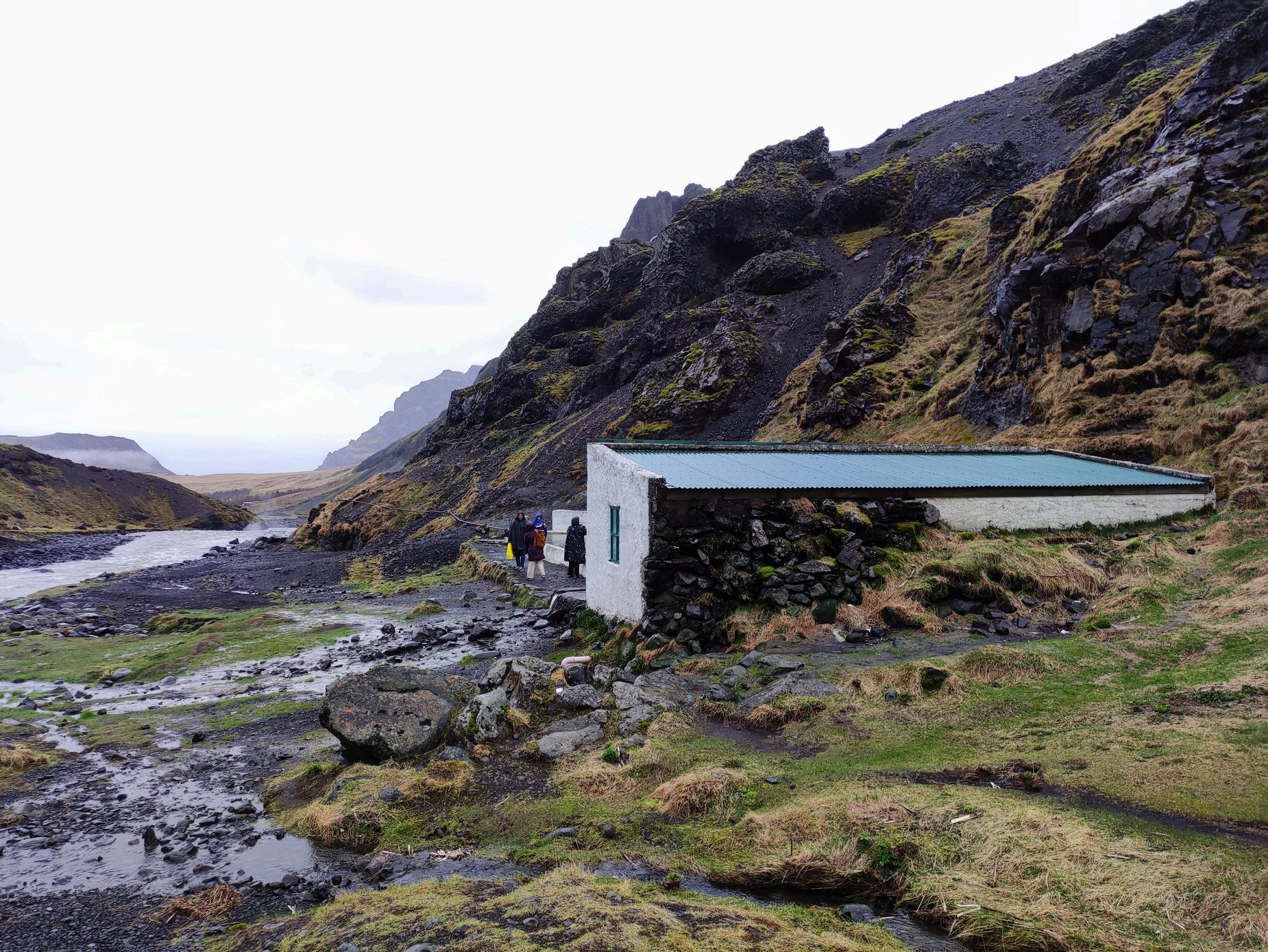
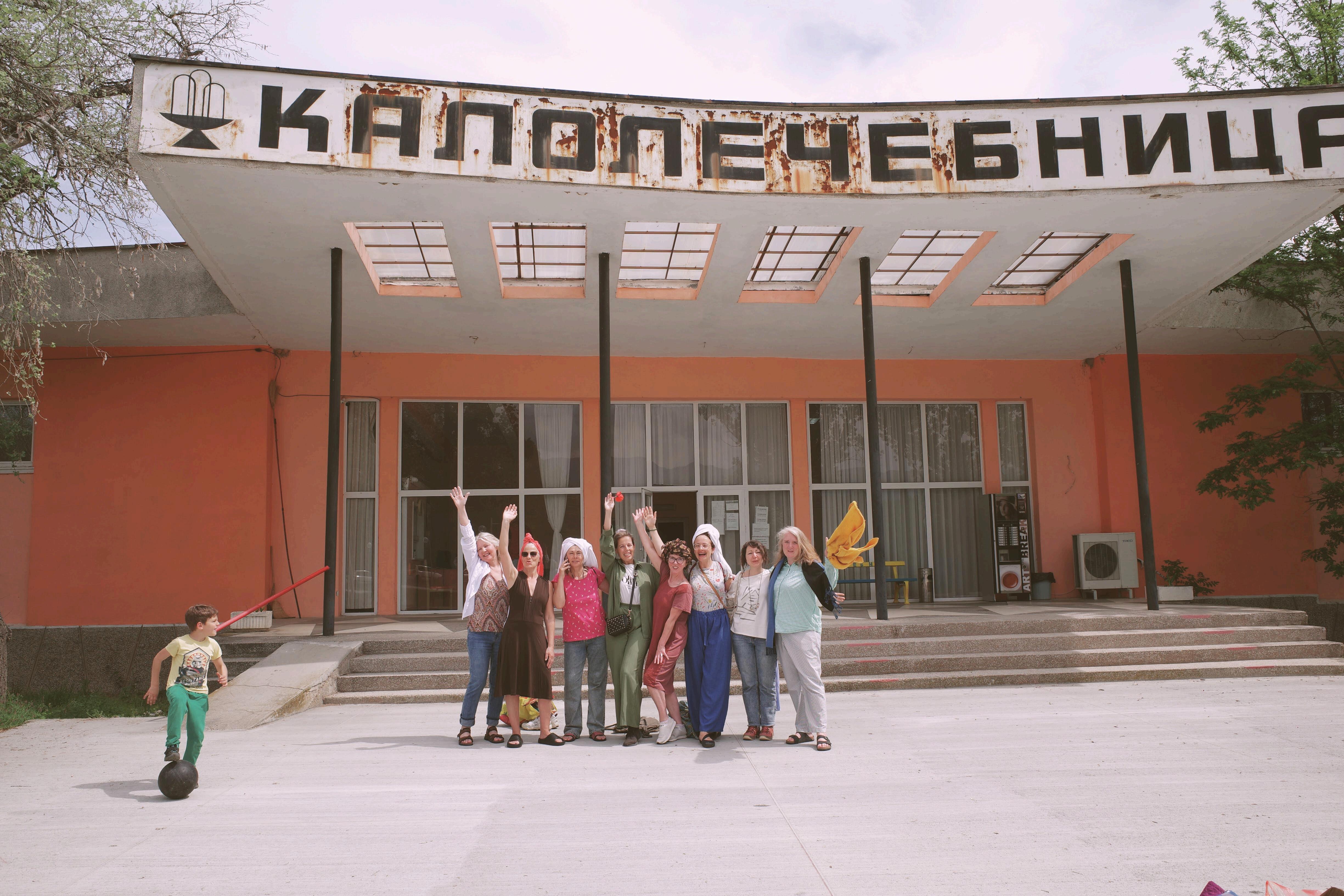
Water is one of our most sacred resources — (auðlindir) — in both Iceland and Bulgaria. It is abundant, but not infinite. In Iceland, the geothermal water has powered homes and healed bodies, but it has also been commercialized. Bulgaria holds a similar wealth, still embedded in nature and community. These baths are not only cultural, but ecological sites of renewal. How we treat water — as a commodity or as a gift — shapes our future.
Ragnhildur Stefansdóttir Visual artist Reykjavik
C O N T E N T S
01 Meet the organizers
02 Our project story
06 Flows of Common GoodSlava SavovaResearcher and PhD candidate at Bulgarian Academy of Sciences
08 Thermal impressions by Icelanders in Bulgaria
19 Thermal impressions by Bulgarians in Iceland
25 Steingrímur ÞorbjarnarsonA Comprehensive Model of Mantle Convection Rolls
26 What's nextThermal Union
IDEAS FACTORY ASSOC.
Ideas Factory has extensive expertise in working in rural areas with local communities and social innovation, and advocacy for access to resources in small settlements. It is an author of the national Access to Culture Index. It's most notable initiative is called Baba Residence.
GULLKISTAN CENTER FOR CREATIVITY
Gullkistan is a well equipped residency and a creative workspace in a beautiful setting, perfect for artists and scholars with an ambition to work, create and be inspired by the South Icelandic countryside.
THERMOCULTURE: practices for the preservation of thermal culture as part of cultural heritage
The aim of our joint project was to give meaningful impulse to new beneficial uses of mineral sites, focusing on their consideration as cultural and natural heritage.
The topic of the possibilities of thermal heritage as a culture of communication, natural and architectural heritage is logical for both Bulgaria and Iceland, which are among the richest in the world of thermal springs, managed, however, very differently.
While in Iceland a thermal public pool is part of a cultural institute and library, in Bulgaria thermal heritage is developed without a vision of cultural heritage, but mainly as an endeavour in the context of local and regional economic development, remaining untouched by cultural policies.
OUR JOURNEY TO ICELAND AND BULGARIA
Wherever we have been in those journeys, the qualities of the waters we saw, experienced, bathed in, talked about, also reflected the quality of our experiences: a flow, a constant dialogue, a space for reflection but also a space for giving and sharing your special thermal water places and stories, exploring with the guests your local thermal treasures with brand new eyes.
Building quality human relations in the current reality becomes a luxury not everyone has access to. This is why the pure fact there have been us - Bulgarian and Icelandic artists, designers, curators, writers together in the waters of the thermal heritagebrought immense waves of imagination, wanderlust and pure joy of the possibility to be part of such an authentic meeting between humans with needs and interests so similar but yet in a such a different contexts. What feels as a month of real discoveries is now turning into a book, where we will try to transfer the feelings, thoughts and insights that the journey brought to us - most of the time beyond the “expected miracles” of being together and exploring how open, accessible or healing the thermal waters were - in Iceland - the richest in thermal waters country in Europe and Bulgariathe place with most thermal sources after Iceland in Europe. Both - with every different history, development and current state. P a g e 0 3
While in Iceland we have been under the rain invited to walk in the mountains and see the first swimming pool, in Bulgaria we experienced a bubbling swamp and open air sources. We explored how accessible it is in both countries to use the thermal waters and what challenges are there in relation to the hot waters, the culture they bring, the relations they are building, the physical and social environment they create and belong to.
YANINA TANEVA-GEORGIEVA
FOUNDER OF IDEAS FACTORY
Our exchange with the Icelandic organization Gullkistan Center for creativity was made possible thanks to the Bilateral Relations Fund under the Cultural Entrepreneurship, Heritage and Cooperation Programme within the project "Thermoculture: practices for the preservation of thermal culture as part of cultural heritage".
Our meeting was very interesting, how it started slow and general and became a fountain of ideas and realizations on what the whole project has given us so far. It was a wide range of personal experiences for each of us and at the same time created a point from where to see and materialize a mission in a global context.
We now know that the essence of the many aspects of thermal culture is influenced by the powers causing geological events spanning the history of this earth we live on from the hot core to the movements of its mantle. These create the diversity of chemicals in the crust feeding the thermal springs on the earth's surface, creating diverse soil, landscape and vegetation.
The interaction between these geological events fostering perhaps the beginning of life to man’s interactions with it evolving into a wide variety of local thermal culture. They have many mutual aspects which benefit individuals' health for body and soul. as well as whole communities such as equality and communal awareness.
These are separate values from those defining economic values where public access is put to the side to provide luxury access and there is much need to find ways for this to be avoided.
The Laugarvatn local swimming pool and the Fontana SPA on the other side of the road are an example of how both can exist without disturbing the other.
ALDA SIGURDARDOTTIR FOUNDER OF GULLKISTAN CENTER FOR CREATIVITY
FLOWS OF COMMON GOOD
Thermal waters were channeled through different uses throughout history - sacred, utilitarian, social and remedial. These were not monolithic functions locked within specific periods in time. They coexisted, flowed into each other's realms and sometimes came into conflict. Sacred buildings of different religious cults were built around the thermal springs in Sofia, but also public baths, hydrotherapeutic facilities, laundries and leather workshops, all linked to the springs via a subterranean network for water distribution.
At the turn of the 20th century, a debate unfolded at Sofia Municipality whether the thermal waters should be used for hygiene or medical treatment, with the former being prioritized in the drafting of the project for the Central mineral bath.
Today, only about a fifth of the flow rate of this same spring is accessible for public use at the water fountains in Sofia's city center. If the use of the remaining part of the resource were to be decided today, frictions would have emerged between accessibility and profitability, or between healthcare and recreation. The necessity to provide access for hygienic purposes at the spring is still present. During the past several years, its value as a renewable energy source has also emerged, in light of the energy crisis we experienced with the onset of the Russian aggression in Ukraine. The constantly changing, multilayered value of this natural heritage has social and economic dimensions, which rarely coexist without tension. The future of the resource should be defined by efforts to make it more accessible and not more exclusive. It should retain its value as a common good.
Slava Savova Researcher and PhD candidate at Bulgarian Academy of Sciences
THERMAL IMPRESSIONS BY ICELANDERS IN BULGARIA
I was also fascinated by the softness of the thermal water, and how the mineral composition of the springs is carefully measured and valued in Bulgaria. Visiting these bathhouses wasn’t just about relaxation — it was a cultural immersion into how water is seen as a source of both physical and emotional restoration.
Kristín Reynisdóttir
Visual artist
Reykjavik
KRISTÍN REYNISDÓTTIR
In Iceland, there is a strong tradition of daily bathing, often in the local swimming pools (sundlaugar), where people either swim for exercise or simply relax in the hot pool. These spaces are deeply social, offering a place to connect with neighbors and friends while enjoying the soothing effects of geothermal water. The variety of temperatures — from hot pools to cold plunge pools — allows people to alternate between sensations and promote circulation and well-being. After a long day at work, many Icelanders find comfort and rejuvenation in these baths, which also help them unwind and sleep better.
In contrast, my experience in Bulgaria showed that mineral baths are more focused on health and therapeutic benefits. These facilities are often visited for extended stays and are designed for rest, recovery, and treatment. However, they are not as easily accessible to the general public as they are in Iceland. While Iceland enjoys abundant hot water flowing into every home thanks to widespread geothermal infrastructure Bulgaria has a more varied situation.
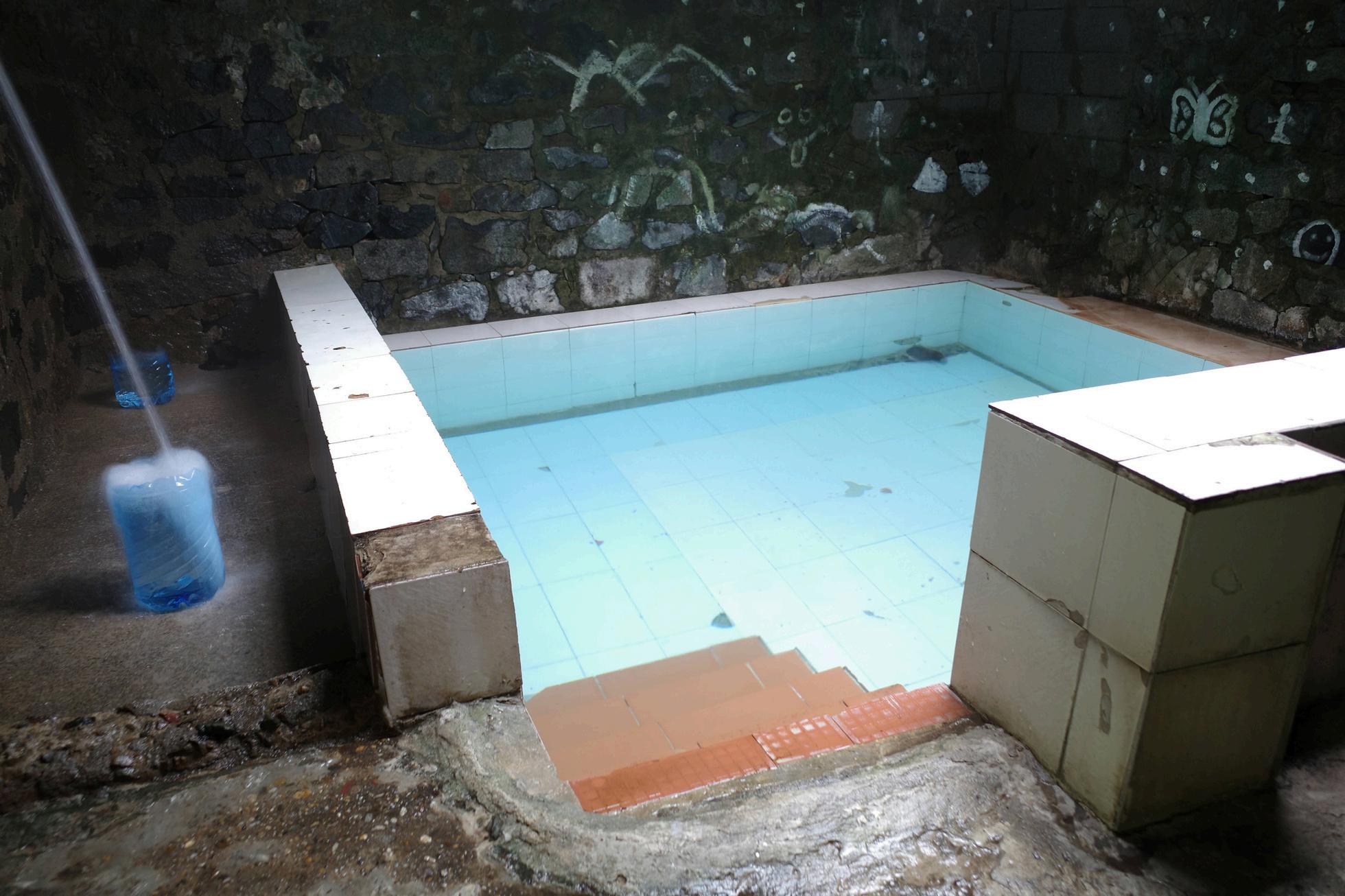
For example, in Sofia, I saw locals collecting mineral water from public fountains and springs, sometimes carrying many liters home. This water is rich in beneficial minerals and is believed to support health and wellness. However, in some mountain villages, I noticed that valuable hot springs were not being used effectively. It was disheartening to see warm mineral water flowing unused onto the ground, especially when it could be harnessed for communal bathing or heating.
In cold winters, having access to such natural warmth could greatly improve people’s quality of life. I was left with the impression that, while both countries value the healing power of geothermal water, Iceland has managed to integrate it more fully into everyday life socially, culturally, and practically. Bulgaria, with its wealth of mineral resources, holds great potential for making these waters more accessible and beneficial for the public.
In Bulgaria, people are encouraged to bathe before entering pools or hot springs, though enforcement is limited. In Iceland, strict hygiene policies are enforced, but that requires proper infrastructure and communal responsibility. Access is influenced not only by rules but by the existence of well-maintained facilities.
Ragnhildur Stefansdóttir Visual artist Reykjavik
RAGNHILDUR STEFANSDÓTTIR
To me it seemed Bulgaria has preserved more of its natural thermal areas, while in Iceland, many have been commercialized.
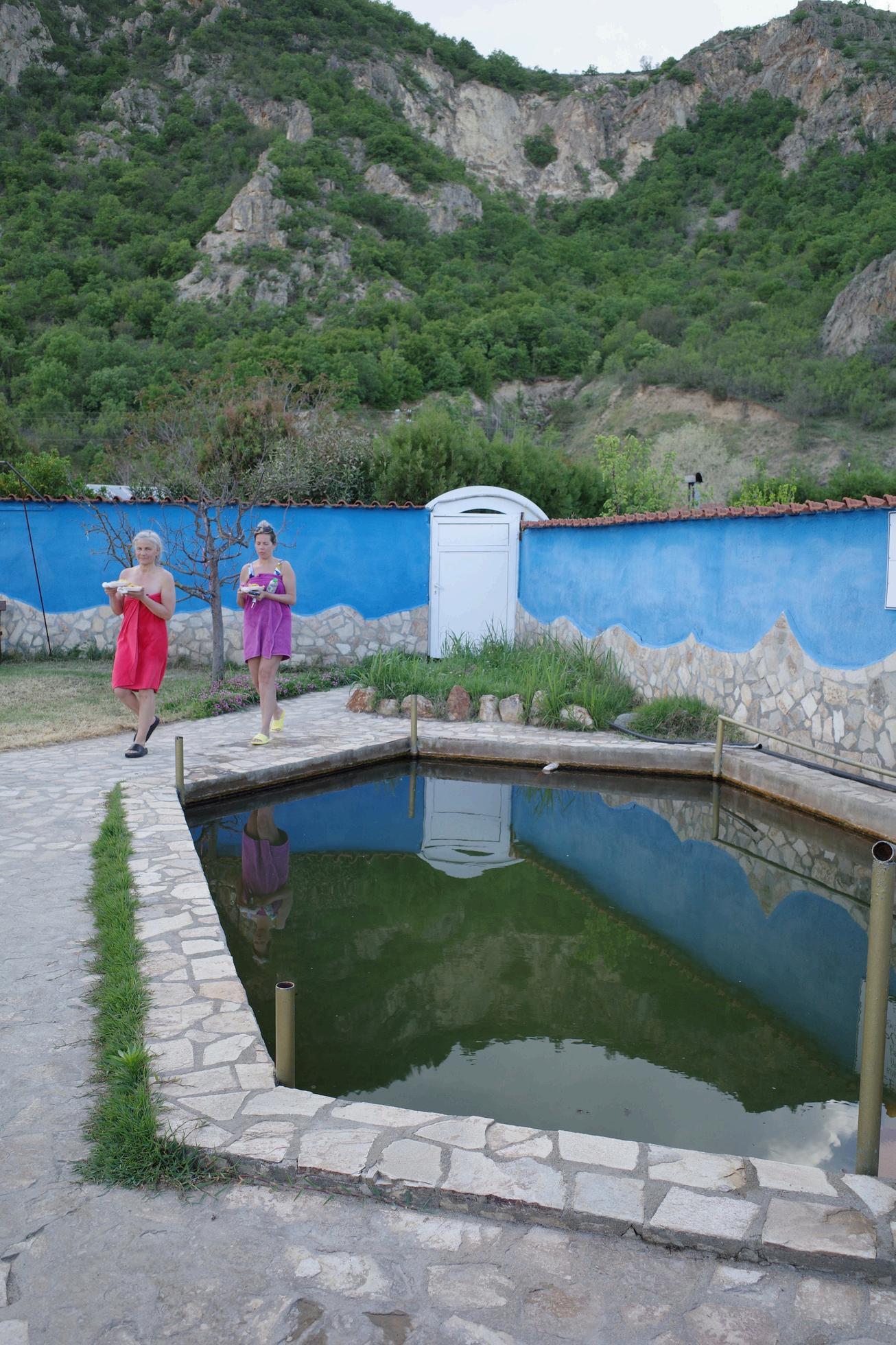
The mineral waters in Bulgaria host a vibrant ecosystem frogs, snakes, small fish all coexisting with human visitors.
The structures around thermal baths often reflect Roman influence, layered with deep historical heritage. In Iceland, the Viking roots are more prominent, and though we have hot pots like Snorralaug and Grettislaug, we don’t always hold them in the same reverence.
There is a delicate balance between providing good hygiene facilities and avoiding turning everything into expensive SPAs. For example, in Iceland, the Blue Lagoon is a tourist destination that locals rarely visit due to high cost and overcrowding. Iceland has also natural sites like Snorralaug that remain closer to the original spirit.
In Bulgaria, mineral waters are chosen for specific healing purposes—used for symptoms and personal health needs.
People visit healing centers like the swamp mud thermal site in Marikostinovo, which we visited. There women and men alternate hourly access throughout the day.
It seems that in Bulgaria the culture of therapeutic bathing is deeply rooted in a practical and mindful tradition of care.
The accessibility of the hot thermal water as a public water source in Bulgaria was very interesting to observe — people collect it to drink and use in their daily lives. In Iceland, hot water is primarily used for heating homes, and it is transported through the urban landscape via pipes and complex infrastructure directly into people’s houses.
Brynhildur Pálsdóttir Designer and Artist Reykjavik
We got to experience different aspects of geothermal water in Bulgaria through various types of baths — natural hot springs, some hidden and others very accessible, hammam baths that have existed for centuries where people come to stay and rejuvenate. A swimming pool with a bar where you can enjoy a coffee, swim, chat, and have fun. A hot marsh where you could feel the earth bubbling beneath you as you sink into the mud between the marsh grasses, in complete stillness with nature and other women.
The natural environment and the deep, multilayered history of Bulgaria — where different cultural worlds have met and influenced each other over the centuries— left a strong impression.
A sketch of Brynhildur of Marikostinovo swamp experience
The history of bathing culture in Iceland is relatively short compared to Bulgaria and lacks this deep historical and cultural connection that is reflected in both the architecture and the relationship to the healing power of hot water.
The natural hot springs in Marikostinovo were incredibly powerful and moving. You felt a deep connection to the geothermal energy and the raw power of the Earth. That feeling of sinking into the mud and sensing the boiling water bubbling up around you was unforgettable—something primal.
It is clear that Iceland and Bulgaria are connected through geothermal heat — the hot water flows and nourishes us. The possibilities for continuing to reflect ourselves in the water are vast and very exciting. There are great opportunities in Bulgaria to share and connect more people with hot water and the culture that surrounds it. One strongly senses the many layers and potentials for telling the story of thermal waters in Bulgaria with exhibitions, publication and events.
THERMAL IMPRESSIONS BY BULGARIANS IN ICELAND
Thermal heritage incorporates the past, the present and the future because it comes from the past, is used in the present and should be preserved for the future.
Bulgaria's thermal heritage is part of our cultural heritage and is a combination of two indivisible partsthe mineral water resource and the building created to shelter it.
Bulgarian Association for Thermal Heritage
Virginia Zaharieva Writer
VIRGINIA ZAHARIEVA
None of the Icelanders wore a hat in the pool even though it's freezin' cold.
They travel in blizzards to get to the swimming pool.
Very strong developed social society. Everyone knows each other.
The thrill that comes with growing crops in greenhouses.
The use of thermal energy for heating, greenhouses, and the role of steam that warms waters.
The body doesn't get tired when you take a dip in the mineral baths once a day.
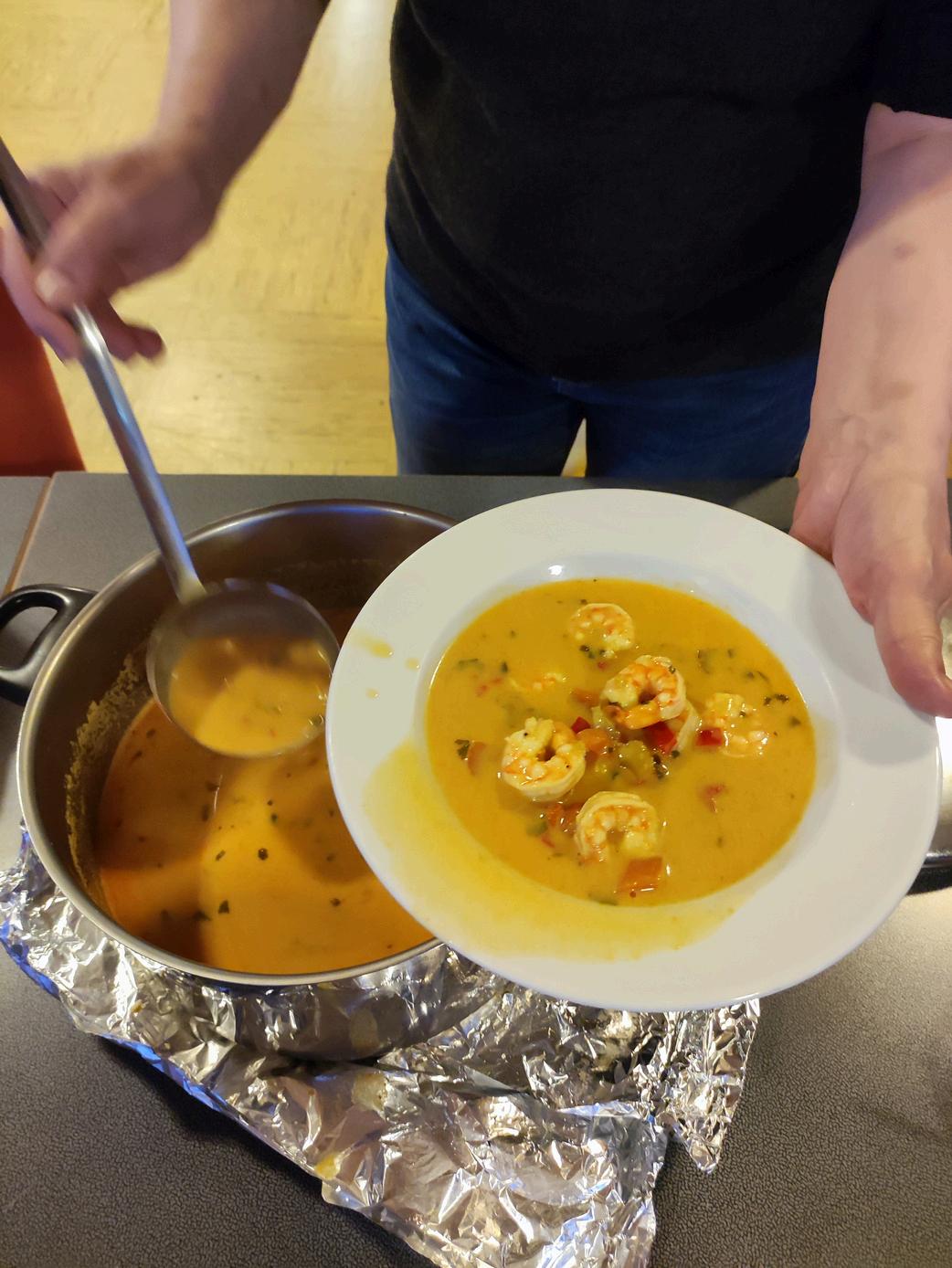
Soup is elevated to a cult. And bread with butter.
Swimming is an experience of reality, like gardeningan action that takes us out of the digital, out of simulations. In this respect, the pool is a blue cube - the antipode of the white gallery cube. It does not abstract but inserts context, corporeality, temperature, foggy breath, wet skin. It is a matter and a moment, not an idea.
Viktoria Draganova Curator
Swimming Pool Gallery
Center for Social Visione, Sofia
THE POOL AS A HETEROTOPIA
OF BODY, MEMORY AND WATER CURATORIAL NARRATIVE
BY VIKTORIA DRAGANOV
The pool is a space of paradoxes - between the public and the private, between memory and utopia, between body and symbol. It is a cultural form, a social scene, an archaeology of intimacy. In the water, the stories of entire generations are glimpsed - from socialist swimming pools to the infinity views of postmodern tourism.
Between the mineral spring, the concrete swimming complex and the abandoned facility lies a heterogeneous memoryof the body, of belonging, of how we have lived and what we have lost. The pool returns us to a simple movementswimming - in which we meet the city, others, ourselves. And sometimes, if we're lucky, we come home - wet, tired, but a little closer to the elusive "home."
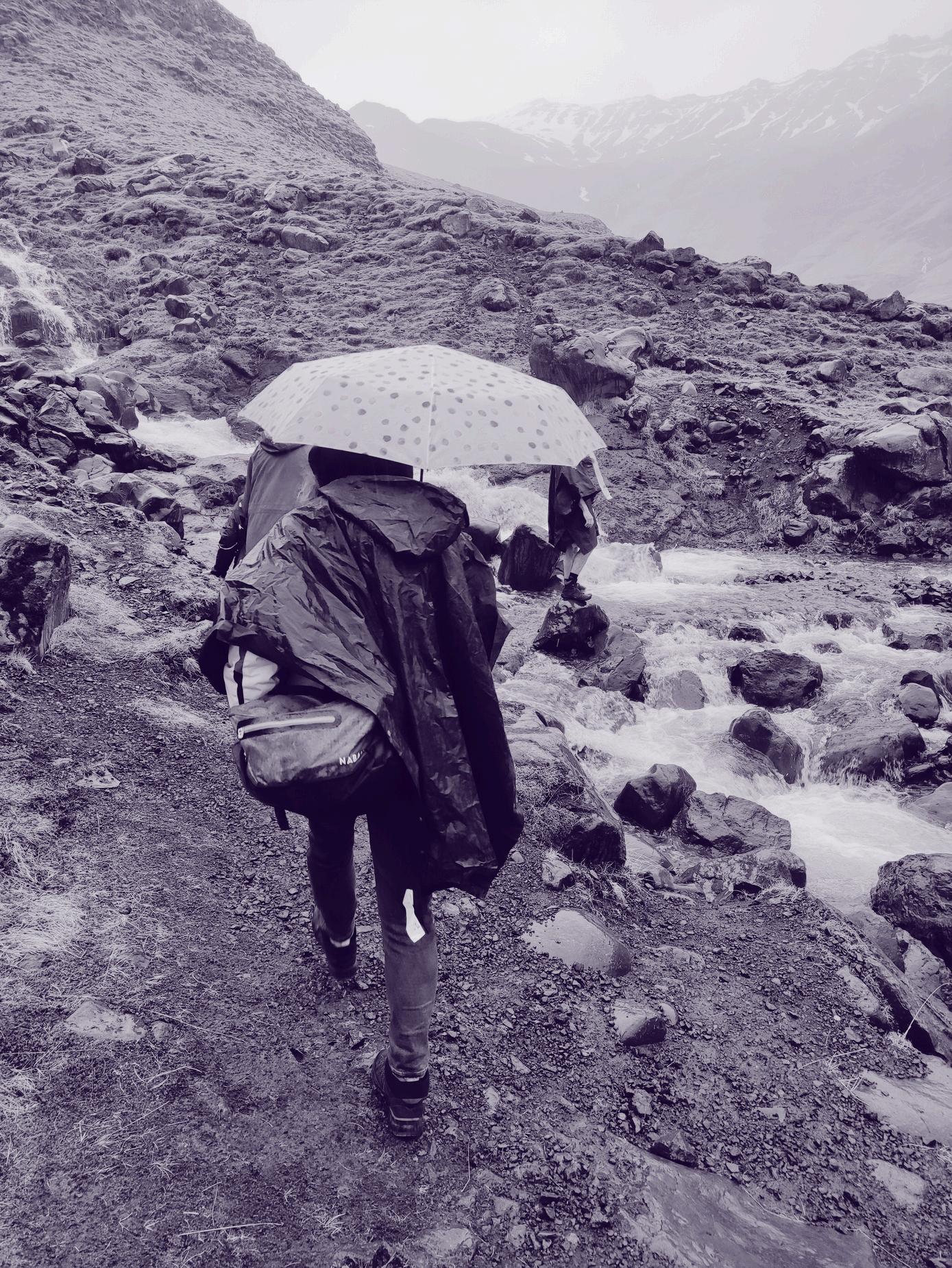
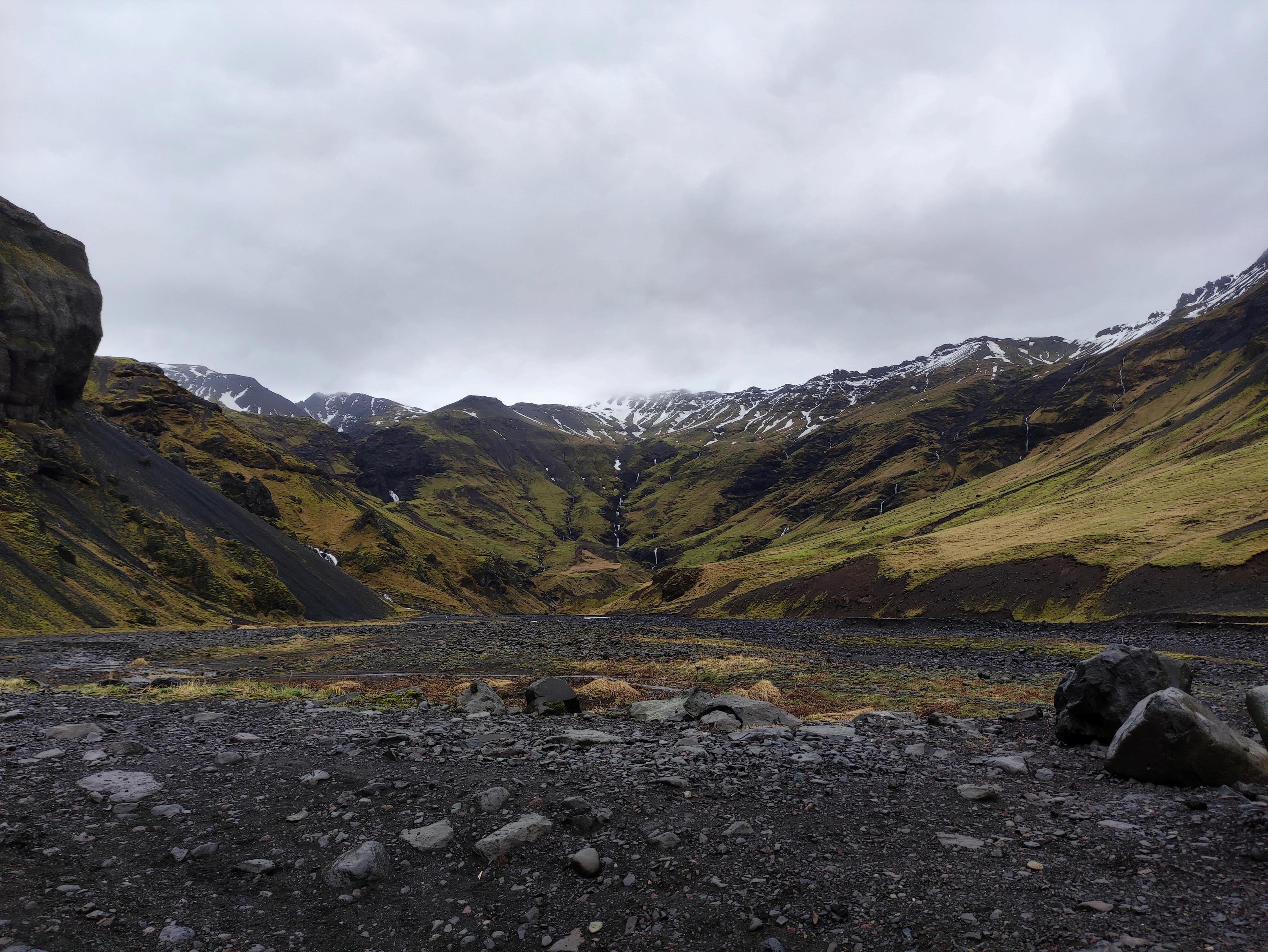
While traveling around Iceland, we came to the oldest outdoor mineral pool Seljavallalaug, built in the 1920s in a valley. Due to a case of multiple drownings, the goal was for children to learn to swim early. We barely got there - the river was swollen and we couldn't cross it easily, the weather - rainy, it was dusk. But finally we made it - waterfalls on all sides of us, the silence of the rising cliffs and the river carrying the water of the glaciers.
In Iceland, swimming pools are not a luxury, but a community. There, people don't just swim - they talk, they share, they meet. The pool is a social arena, like the ancient Roman bath - a place of the body but also of the mind, of contact and empathy.
In this blue, chlorinated world - between decadence and simplicity, between skin and water, between reality and imagination - the pool remains one of the few spaces where we can swim in, disappear, and perhaps - return.
In Iceland, one of the last places you are not allowed to enter with a phone - even if many people already do it.
In Bulgaria, where summers are about going to the seaside and pools primarily for fun, the culture is one of celebration, of time out of time, to forget, to let go.
Isn't it the thing we love mostly about swimming pools, the thing that relaxes us most of all - the longing to be free when we are connected?
A Comprehensive Model of Mantle Convection Rolls
The exploration of thermal waters from diverse viewpoints in Iceland led us to surprising encounters with experts such as the geologist Steingrímur Þorbjarnarson.
He offered us a contribution of an abstract of a groundbreaking (literally) research of his on the topic of the mantle convection rolls and how they are related to the geothermal waters in Iceland.
The next step in our partnership will be him preparing similar research about Bulgaria and series of online meetings with Bulgarian hydrologists and geologists on the topic of thermal waters genesis, preservation and accessibility in both contries.
You can go through the abstract of his research called A Comprehensive Model of Mantle Convection Rolls here.
For me the most inspiring moment of our meeting was the THERMAL UNION concept. We started together in Iceland and Bulgaria an establishment of THERMAL UNION which has huge potential. Implementing best practices on Icelandic thermal water usage, focusing on the cultural, social, infrastructural bases in Bulgaria and vice versa. Expanding on other countries best practices, involving artists, specialists, activists from other countries to one THERMAL UNION.
Rayna Moneva Marketing specialist SPA Guide
RAYNA MONEVA
In this aspect I see big potential in establishing an international digital community to share and grow on this concept with regular non-digital meetings/ experiences.
And since I believe that we can have global reach with the power of artistic expression and of the power of technology I made a little report as an example how technology can help us:
A 25-PAGES REPORT: Leveraging Thermal Waters: An Icelandic Blueprint for Geothermal Development in Bulgaria
A single-page application (SPA) infographic presenting the key industry trends and market research insights from the provided report on geothermal energy. The infographic is in Bulgarian and designed for easy understanding - in Bulgarian.