Beginners Guide to Solar
Choosing solar isn’t just about saving money today — it’s about contributing to a cleaner, more secure energy future for the next generation.
Why Now Is the Right Time to Go Solar
New Zealand is moving steadily toward a more sustainable future. From the phase-out of single-use plastics to increasing pressure on energy infrastructure, the shift is already underway. At the same time, electricity prices continue to rise, and national targets aim for greater energy efficiency and renewable use by 2030.
Is Solar Worth It in
New Zealand?
Yes — New Zealand is an excellent place for solar power.
Most regions receive between 1,700 and 2,100 sunshine hours each year, with places like Nelson and Gisborne reaching up to 2,400 hours annually. Importantly, solar panels don’t need direct sunlight — they generate electricity from daylight. That means they continue producing power even on cloudy days and throughout winter, including in the lower South Island.
Solar Is More Accessible Than Ever
Solar is no longer a niche option. Homeowners, farmers, schools, and businesses across the country are adopting solar to reduce costs and improve sustainability.
With power prices trending upward, generating your own electricity gives you more control over your expenses. At the same time, advances in solar technology — particularly in battery storage — have made systems more efficient and increased the potential return on investment.
The benefits of going Solar
Lower Power Bills
Electricity is a major household expense, especially during winter. A solar system can significantly reduce — or even eliminate — your power bills. Most systems pay for themselves within 7–9 years, and after that, the electricity you generate is essentially free for the remainder of the system’s 25+ year lifespan.
Protection from Rising Energy Costs
Electricity prices tend to increase year after year. By installing solar, you’re effectively locking in your energy costs and reducing your exposure to future price hikes.
Environmentally Friendly
Solar power produces no harmful emissions. Unlike fossil fuels such as coal and oil, it doesn’t contribute to air pollution or climate change. A typical residential system can offset 3–4 tonnes of carbon emissions each year — similar to planting over 100 trees annually.
Renewable and Sustainable
While around 84% of New Zealand’s electricity already comes from renewable sources, the grid still relies partly on fossil fuels during peak demand. Solar helps reduce that reliance and supports a fully renewable future.
Increased Property Value
Homes with solar systems are often more attractive to buyers. Studies have shown that properties with solar installations can achieve higher sale prices compared to similar homes without them.
Financial Savings
For most people, the main reason to go solar is simple: long-term savings. Lower bills, energy independence, and increased property value all contribute to a strong financial case.
What makes up a Solar System
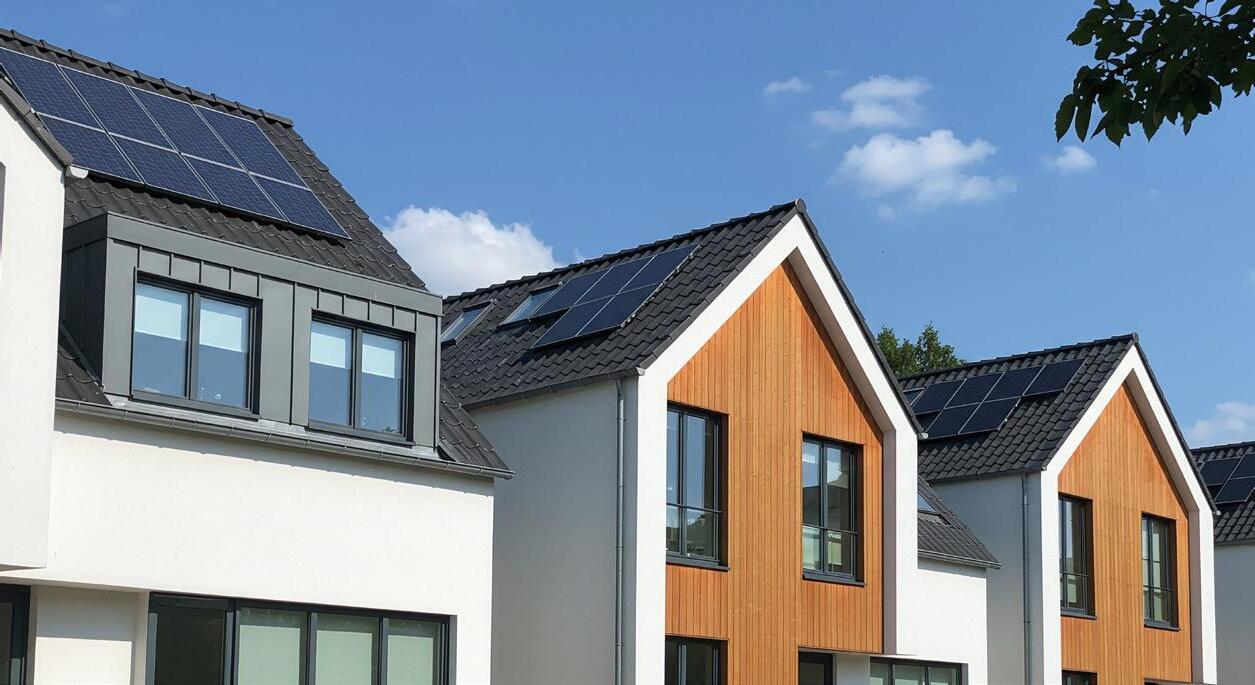
A solar power system is made up of three main components:
Solar Panels Battery Storage Inverter
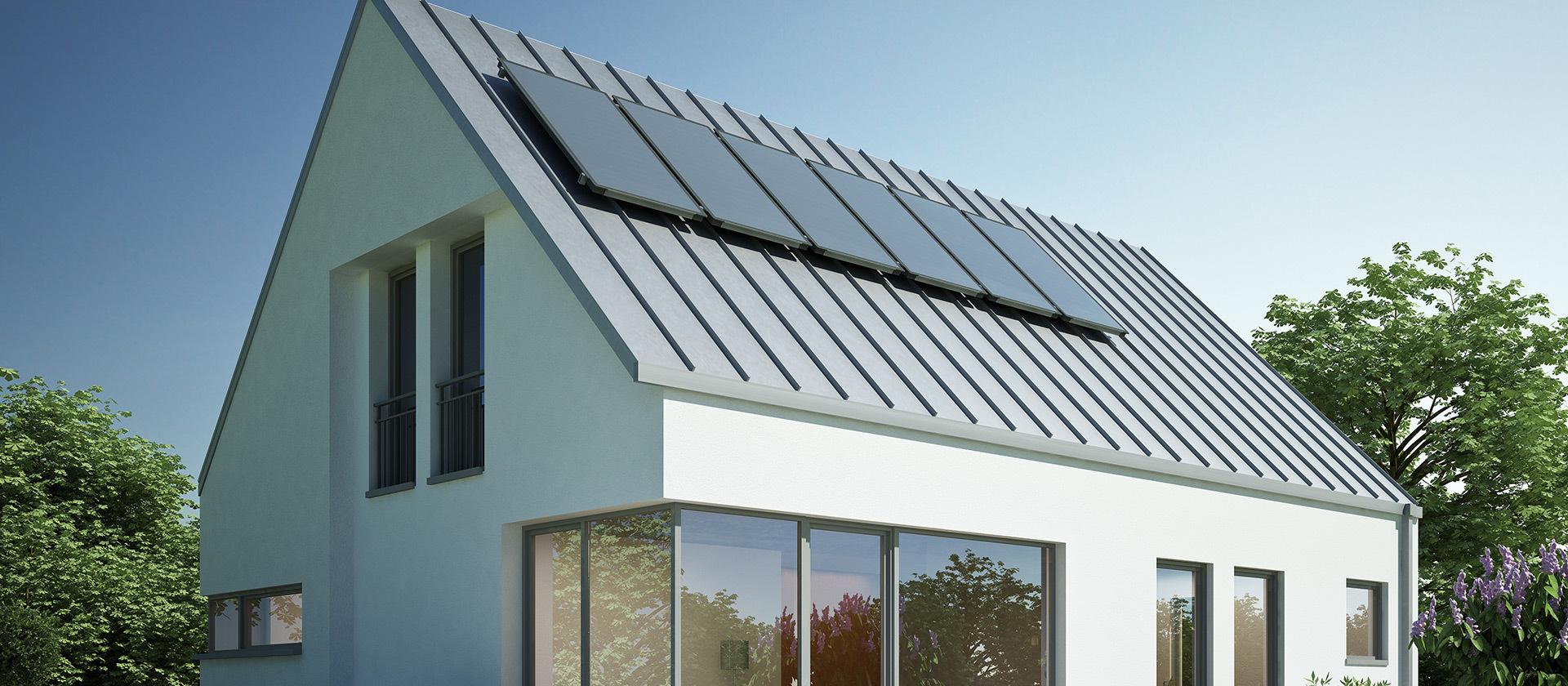
Panels capture daylight and convert it into electricity using solar cells. While many panels look similar, their performance can vary widely. Higher-quality panels typically produce more energy and last longer, so it’s important to understand expected output before purchasing.
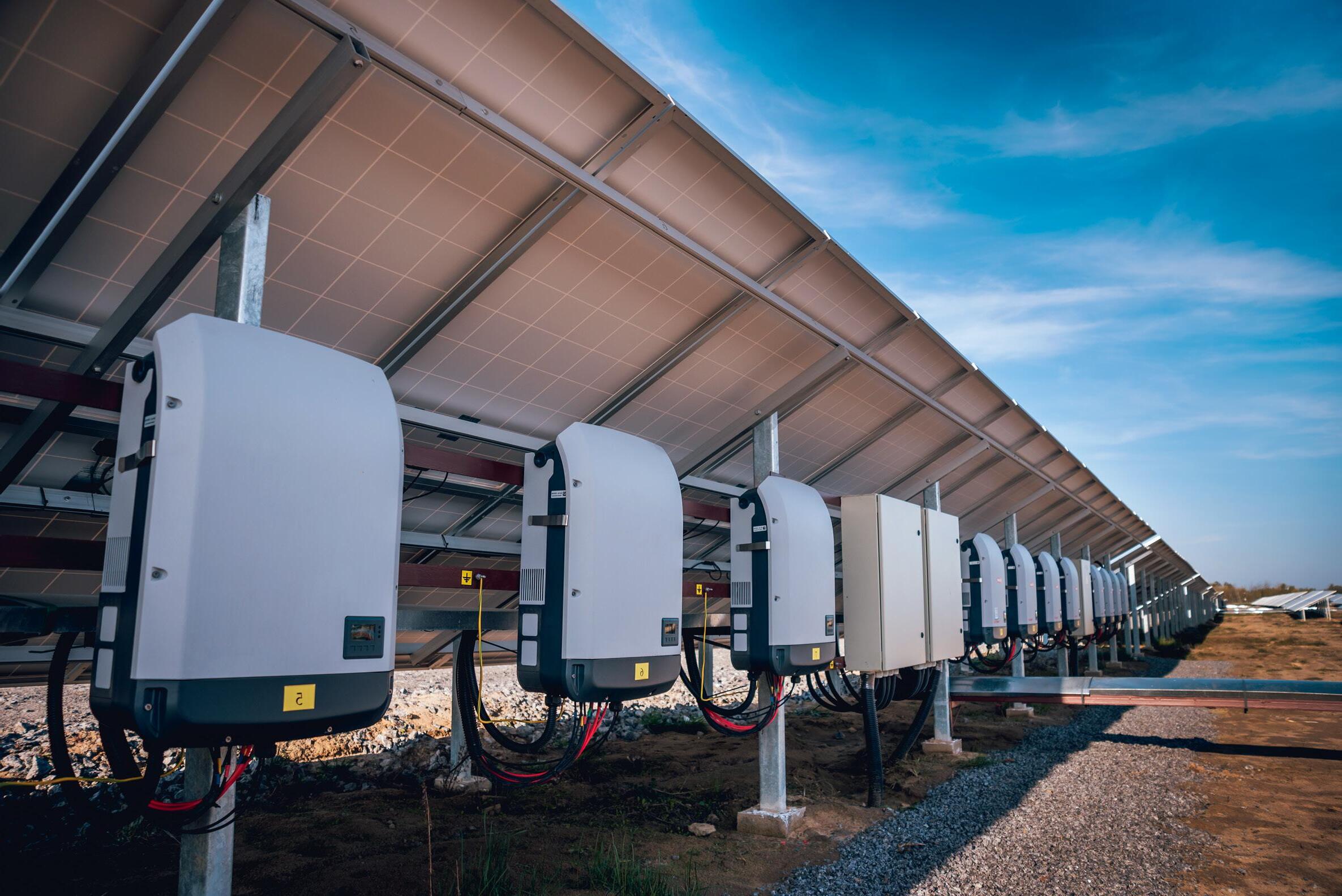
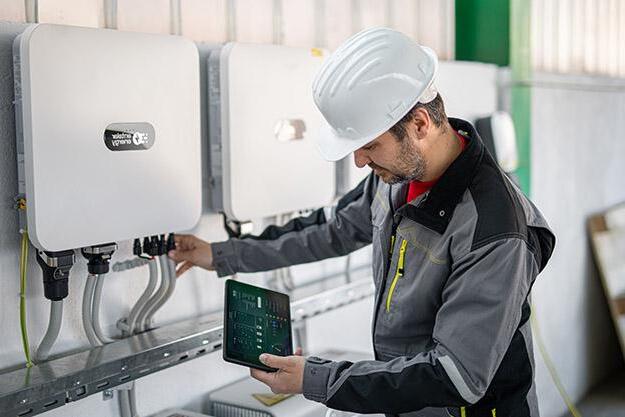
The inverter converts the electricity generated by your panels (DC power) into usable electricity for your home (AC power). It’s a critical component that affects the overall performance of your system. High-quality inverters are especially important in New Zealand conditions.
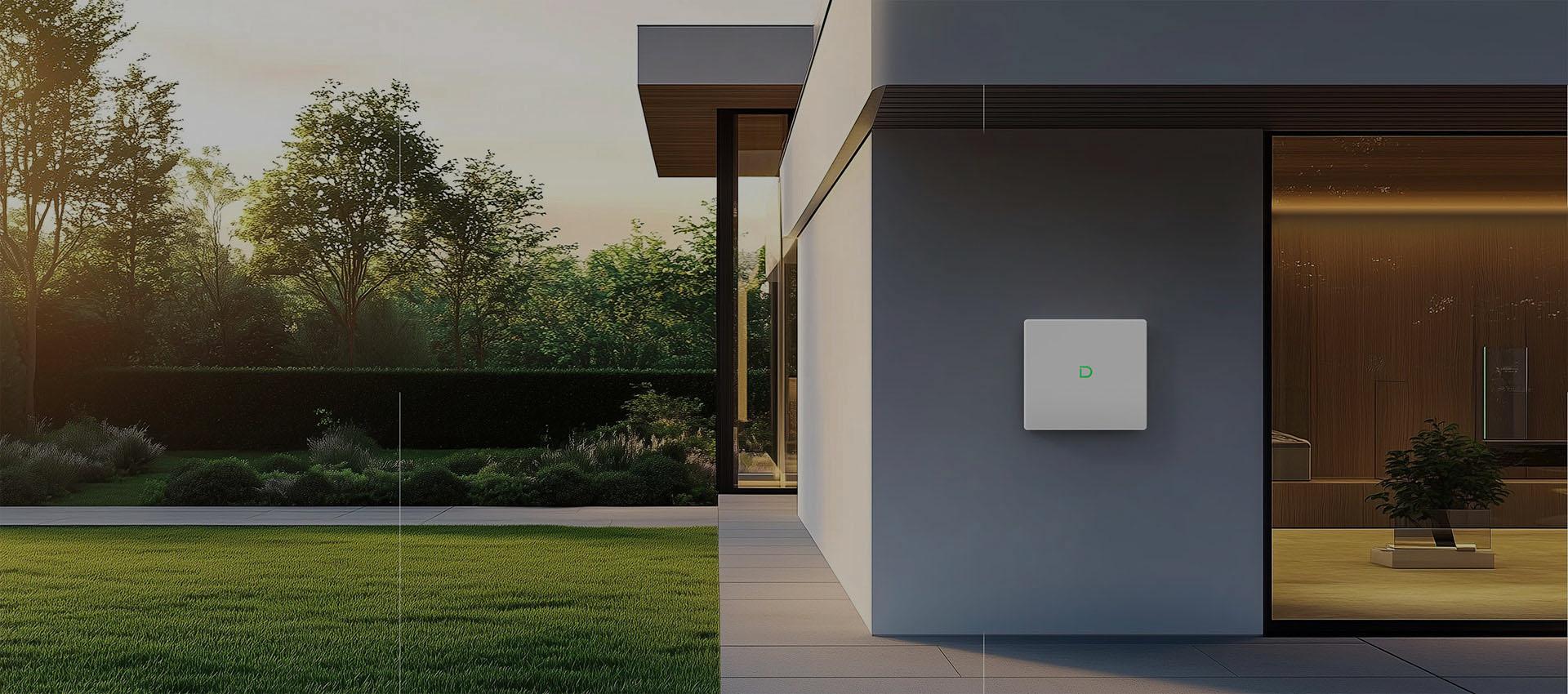
Batteries store excess energy generated during the day so you can use it at night or during power outages. They provide greater independence from the grid and added security during blackouts.
How does a Solar System work
On-grid Systems
These are the most common. Your home uses solar energy first and draws from the grid when needed. Any excess power can be exported back to the grid for credits.
Hybrid Systems
These combine solar panels with battery storage while still being connected to the grid. You can store energy for later use and maintain backup power during outages.
Off-grid Systems
These operate completely independently from the grid. All energy is generated and stored onsite, making them ideal for remote properties.
Is my roof suitable for Solar Panels?
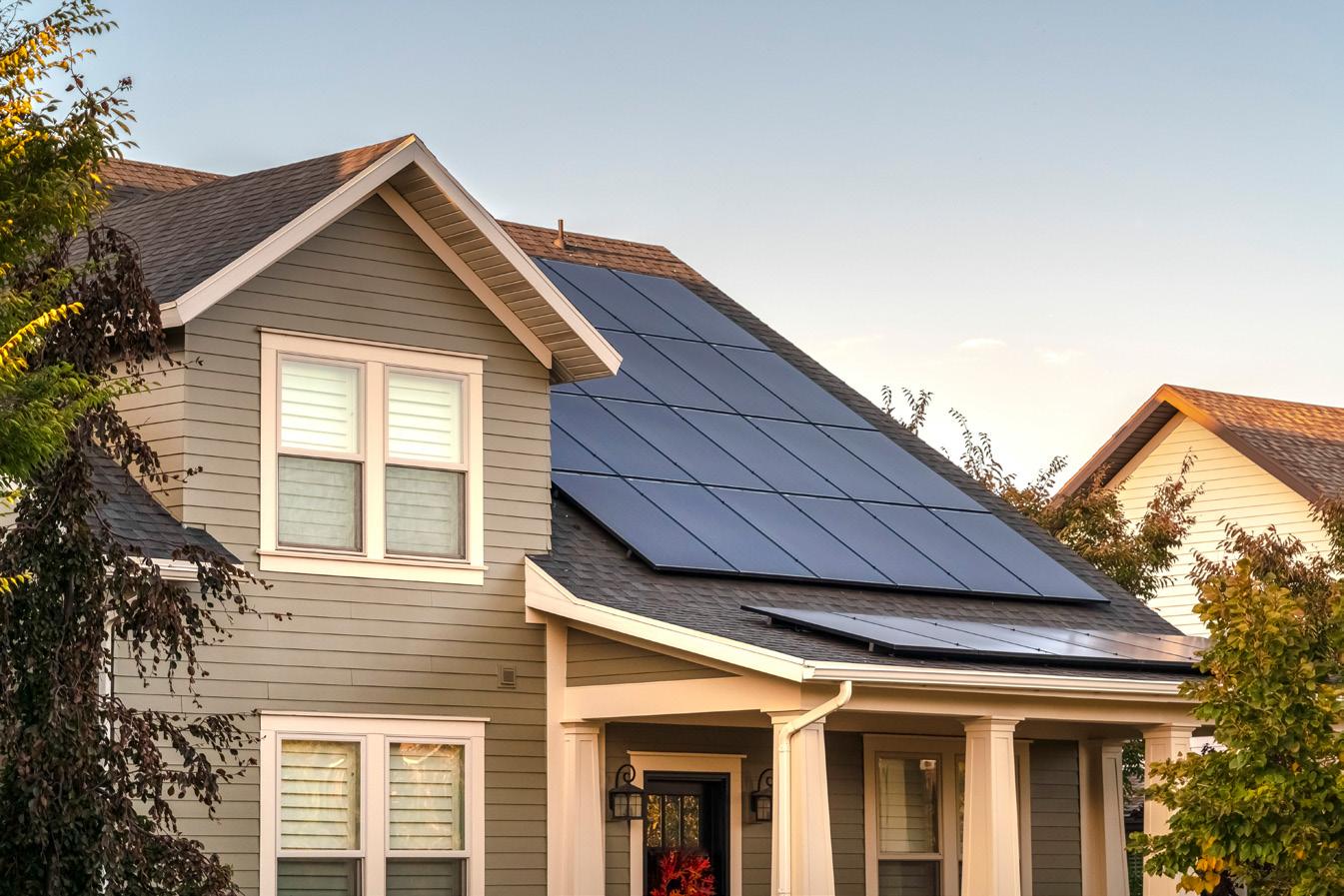
Most homes in New Zealand are suitable for solar thanks to modern technology.
Orientation
North-facing roofs are ideal, but east- and west-facing roofs can still perform well.
Roof pitch
Optimal angles vary, but panels can be mounted on tilt frames if needed.
Size
Around 24 m² is ideal, though high-efficiency panels can reduce space requirements
Shading on roof
Minimal shading is best. Trees, chimneys, and nearby buildings can affect performance.
Structure
Your roof must be structurally sound to support the system.
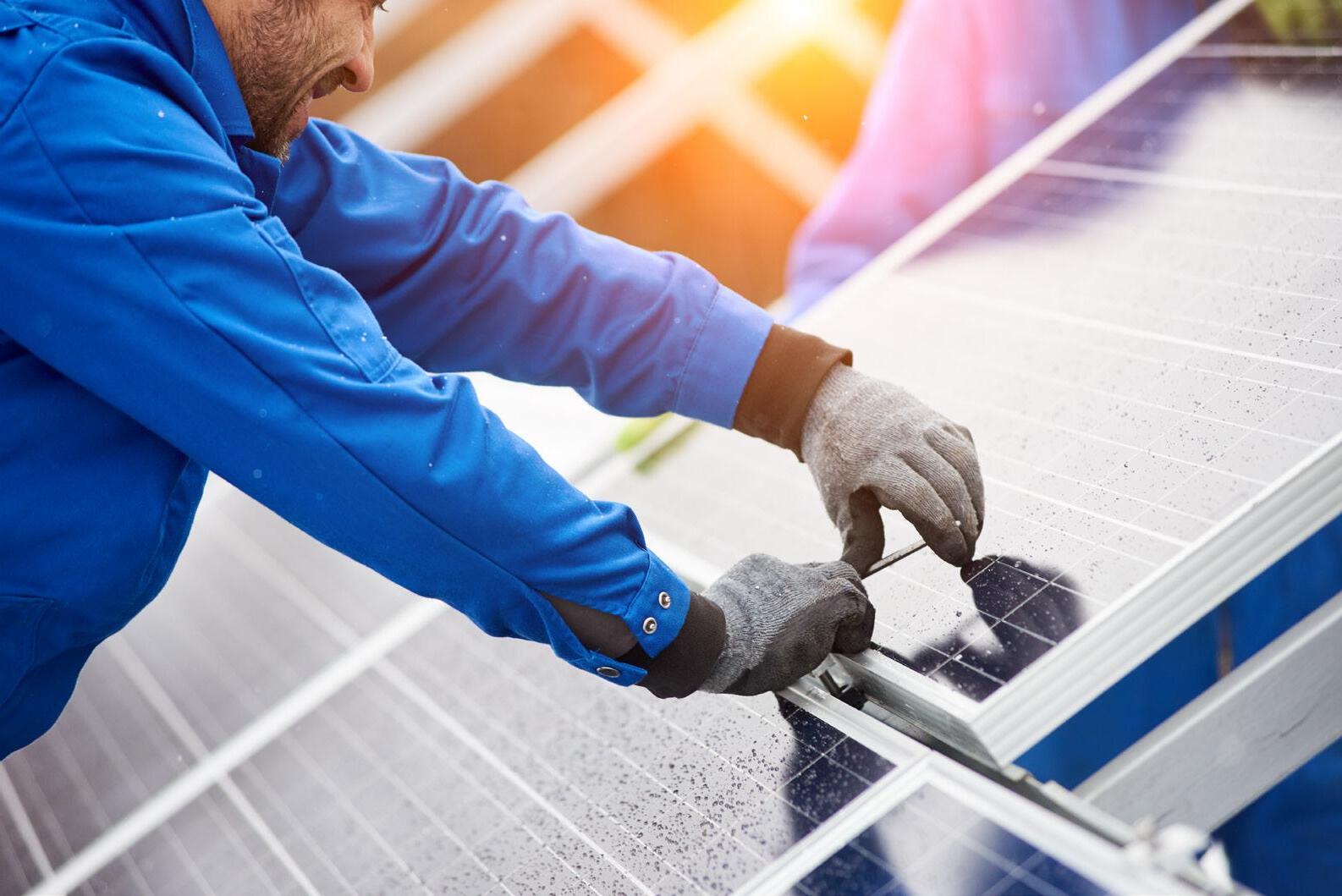
A professional assessment will confirm the best setup for your home.
How long do Solar Panels last?
Solar panels are durable and require minimal maintenance. Most come with a 25-year performance warranty, although they can continue operating beyond that with slightly reduced output.
Higher-quality panels degrade more slowly, while cheaper alternatives may lose efficiency faster or fail earlier. Choosing reliable equipment is key to long-term performance.
Maintaining Your Solar System
To keep your system running efficiently:
• Rinse panels occasionally to remove dirt and debris
• Schedule professional inspections every few years
• Ensure no shading or falling debris risks
• Check for bird or rodent activity around wiring
Proper installation and maintenance will help maximise performance and lifespan.
How many Panels do you need?
The number of Solar Panels you need to meet the energy requirements of your household comes down to the three key factors to consider:
Your average daily energy consumption
2
3 1
The sun hours in your area Your roof size
Average Energy Consumption
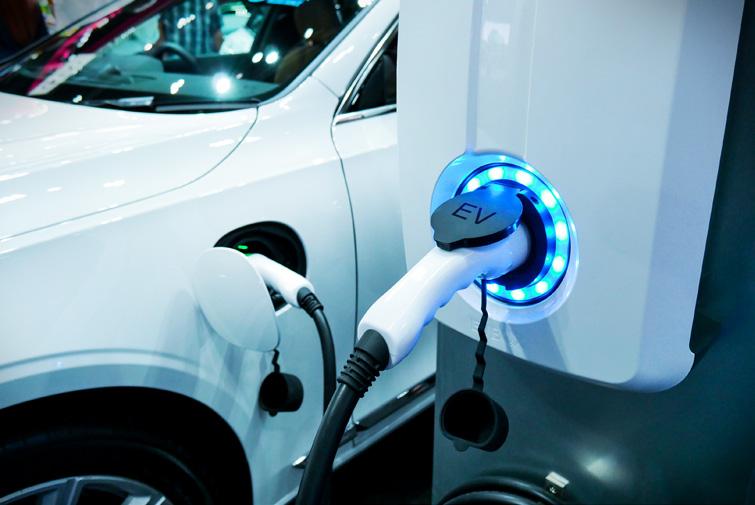
The average energy consumption is the essential guideline in determining the number of Solar Panels you need. A retired couple will have a different power consumption than a young family, plus pools, spas, electric cars can also impact energy requirements.
The amount of energy Solar Panels can generate depends on sun hours and is therefore affected by your location. Your roof size is crucial because it determines the number of panels that can fit on your roof, how much energy will be generated, and the cost.
Solar Installation Timeline
Phase 1 — Planning & Design (2–4 Weeks)
• Research Your Energy Use - Review power bills and define your goals (save money, add battery, future EV)
• Site Visit & Quote - Installer assesses your roof and designs your system
• Approve & Book Installation - Sign off and pay deposit to secure your install date
Phase 2 — Approvals & Setup (1–4 Weeks)
• Network Approval - Application submitted to your local lines company
• Meter Setup - Arrange import/export meter for selling excess power
• Order Equipment - Panels, inverter, and components prepared for install
Phase 3 — Installation (1–2 Days)
• Install Day - Scaffolding, mounting, panels, inverter, wiring
• System Inspection - Certified electrical inspection completed
Phase 4 — Activation (2–4 Weeks)
• Final Grid Connection - System approved and switched on
• Meter Activation - Start exporting power and earning credits
How to choose your Solar installer?
Solar is a long-term investment, so choosing the right installer matters.
Be cautious of installers offering unusually cheap systems - lower upfront costs can mean lower quality and reduced long-term value.
Look for an installer who:
• Conducts a full on-site assessment of your roof and energy needs
• Provides clear, tailored recommendations
• Has strong customer reviews and references
• Is a member of the Sustainable Energy Association of New Zealand (SEANZ)
• Offers solid product and workmanship warranties
Common Questions About Solar for Your Home
Will solar panels work on cloudy or rainy days?
Yes. Solar panels generate electricity from daylight, not just direct sunlight. While output is higher on sunny days, your system will still produce power in cloudy, overcast, and even rainy conditions — which are common across many parts of New Zealand.
What happens at night?
Solar panels don’t produce electricity at night. However, you have two options:
• Stay connected to the grid and use electricity as normal
• Install a battery to store excess energy generated during the day for use at night
What happens during a power outage?
Standard on-grid solar systems will shut off during a power cut for safety reasons. However, if you have a battery system (and it’s set up for backup), you can continue to power essential appliances like lights, refrigeration, and internet.
How much can I actually save?
Savings vary depending on your energy usage, system size, and location. Most households see significant reductions in their power bills, and many systems pay for themselves within 7–9 years. The more of your own solar power you use, the greater your savings.
Do I need a battery?
Not necessarily. Many homeowners start with a grid-connected system and add a battery later. Batteries are ideal if you want greater energy independence, backup power during outages, or to maximise your use of solar energy at night.
What happens to excess power?
If your system generates more electricity than you use, the extra power is exported back to the grid. Your electricity retailer will usually credit you for this (known as a “buy-back rate”), although rates vary between providers.
Is solar high maintenance?
No. Solar systems are very low maintenance. Occasional cleaning and periodic professional checks are usually all that’s required to keep your system running efficiently.
Will solar panels damage my roof?
When installed correctly by qualified professionals, solar panels will not damage your roof. In fact, they can help protect the covered area from weather exposure. Installers will ensure your roof remains structurally sound and watertight.
How long does installation take?
Once approvals are in place, most residential solar systems can be installed in 1–2 days. The full process — including design, approvals, and scheduling — may take a few weeks.
Can I add more panels later?
Yes, many systems can be expanded later if your energy needs change. It’s best to discuss this upfront so your system is designed with future flexibility in mind.
Is solar worth it in the long run?
For most New Zealand households, yes. With rising electricity prices, improved technology, and long system lifespans, solar remains one of the most practical ways to reduce energy costs and environmental impact over time.
Solar Myths vs Facts
Myth: Solar panels only work in hot, sunny climates
Fact: Solar panels work from daylight, not heat. New Zealand’s climate is actually ideal — cooler temperatures can even improve panel efficiency. Systems generate power year-round, even on cloudy days and during winter.
Myth: Solar won’t work in winter or the South Island
Fact: Solar systems still perform well in winter and in southern regions. While production is lower than in summer, shorter days — not colder temperatures — are the main reason. Panels continue to generate electricity whenever there is daylight.
Myth: Solar is too expensive to be worth it
Fact: The cost of solar has dropped significantly over the past decade. Most systems pay for themselves within 7–9 years, and then continue generating free electricity for many more years. With power prices rising, solar is becoming an increasingly smart financial investment.
Myth: You need batteries for solar to work
Fact: Batteries are optional. Most homes use grid-connected systems, where solar powers the home during the day and the grid supplies power when needed. Batteries are useful for storing excess energy and providing backup, but they’re not essential.
Myth: Solar panels require a lot of maintenance
Fact: Solar systems are very low maintenance. With no moving parts, they’re built to last. Occasional cleaning and a professional check every few years is usually all that’s needed.
Myth: Solar panels will damage your roof
Fact: When installed properly by qualified professionals, solar panels won’t damage your roof. Installers ensure everything is securely mounted and weatherproof. In some cases, panels can even help protect the roof underneath.
Myth: You’ll have no power during a blackout
Fact: Standard systems switch off during outages for safety. However, if you install a battery with backup capability, you can keep essential appliances running during a power cut.
Myth: Solar panels don’t last very long
Fact: Most high-quality solar panels come with 25-year performance warranties and often last even longer. They do slowly lose efficiency over time, but continue producing electricity well beyond their warranty period.
Myth: Solar will eliminate your power bill completely
Fact: While solar can significantly reduce your power bills, most homes will still have some costs — especially at night or during high usage periods. However, with the right system (and possibly a battery), you can dramatically lower what you pay.
Myth: All solar systems are the same
Fact: There can be major differences in panel quality, inverter performance, and installation standards. Choosing a reputable installer and high-quality components is crucial for long-term performance and reliability.