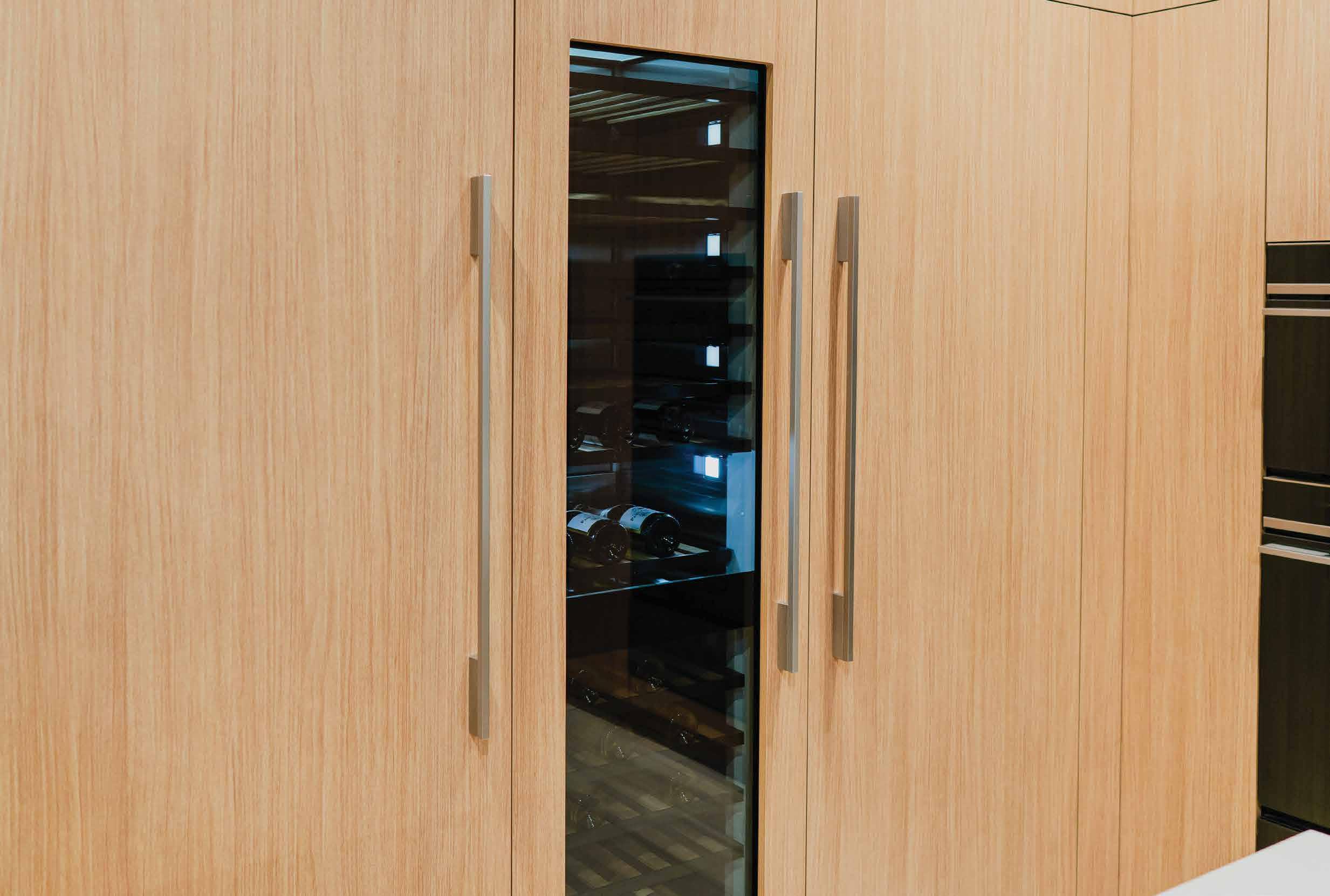
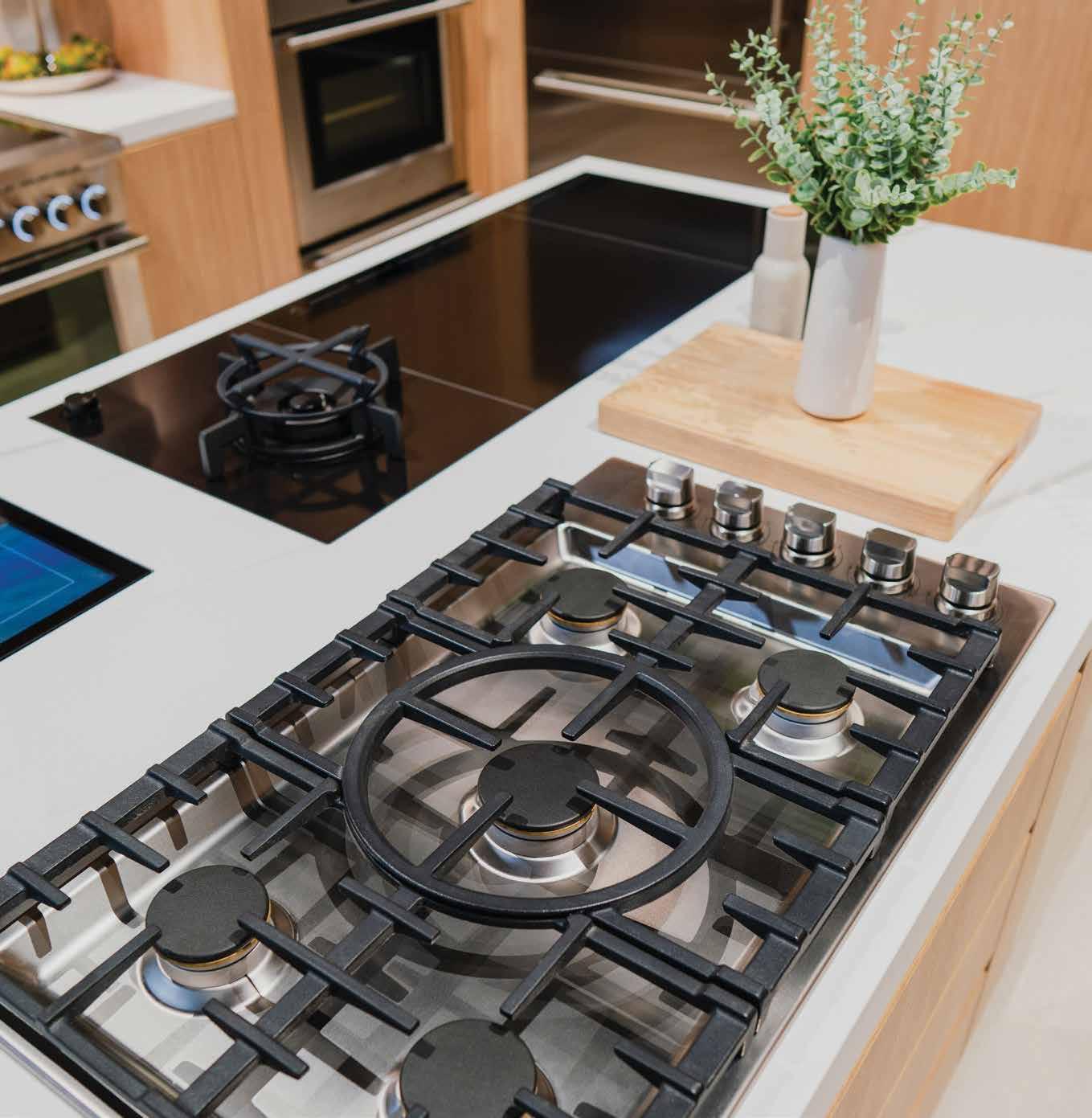
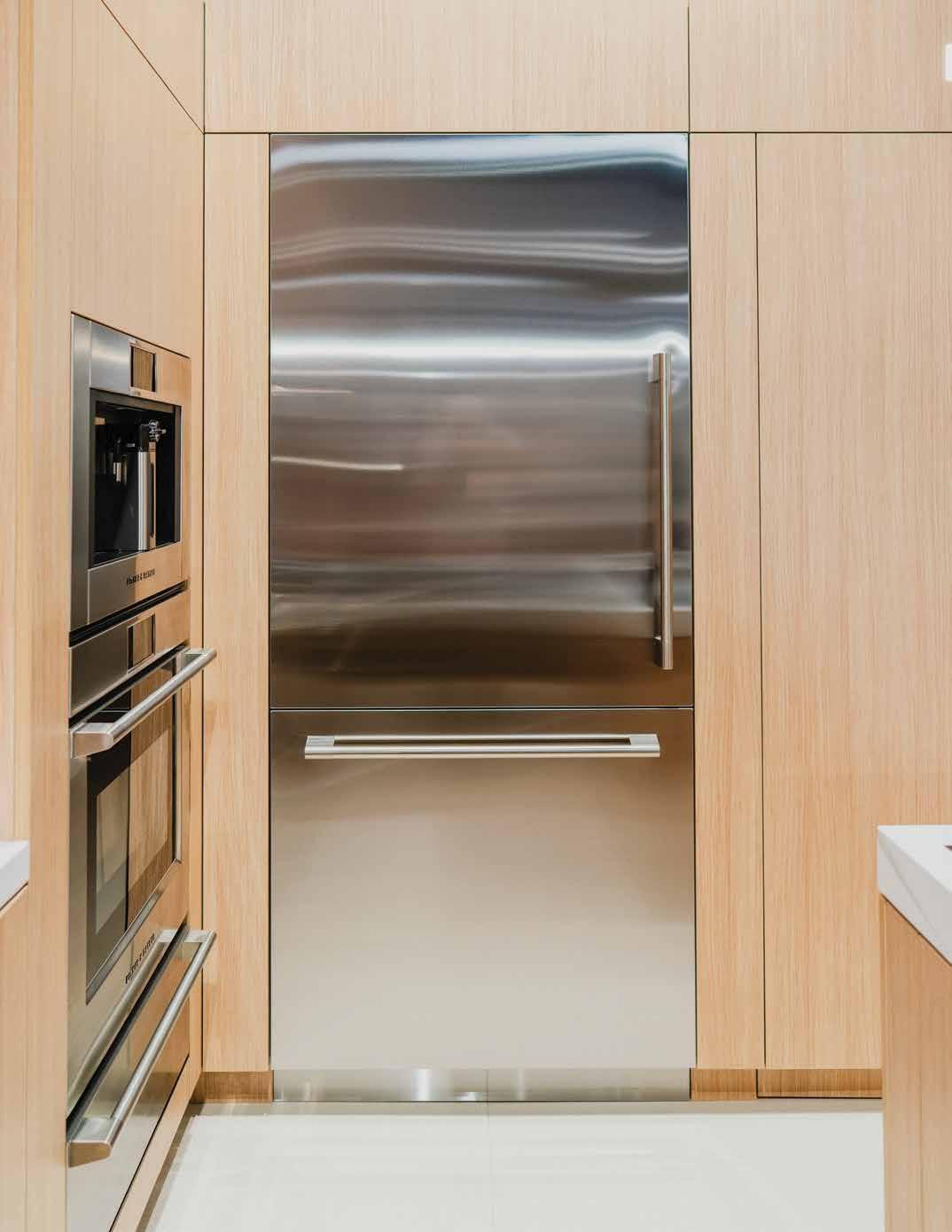
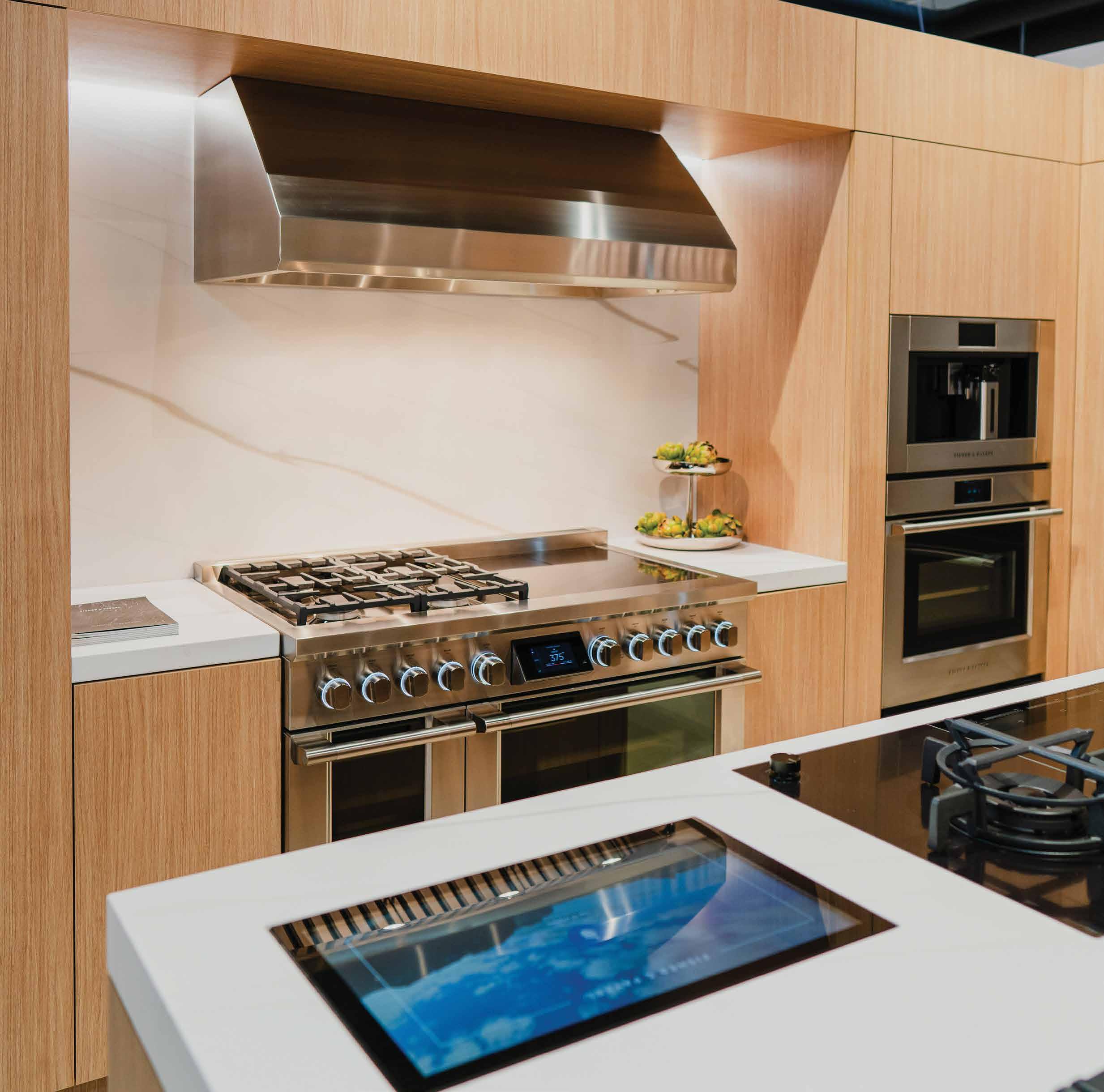
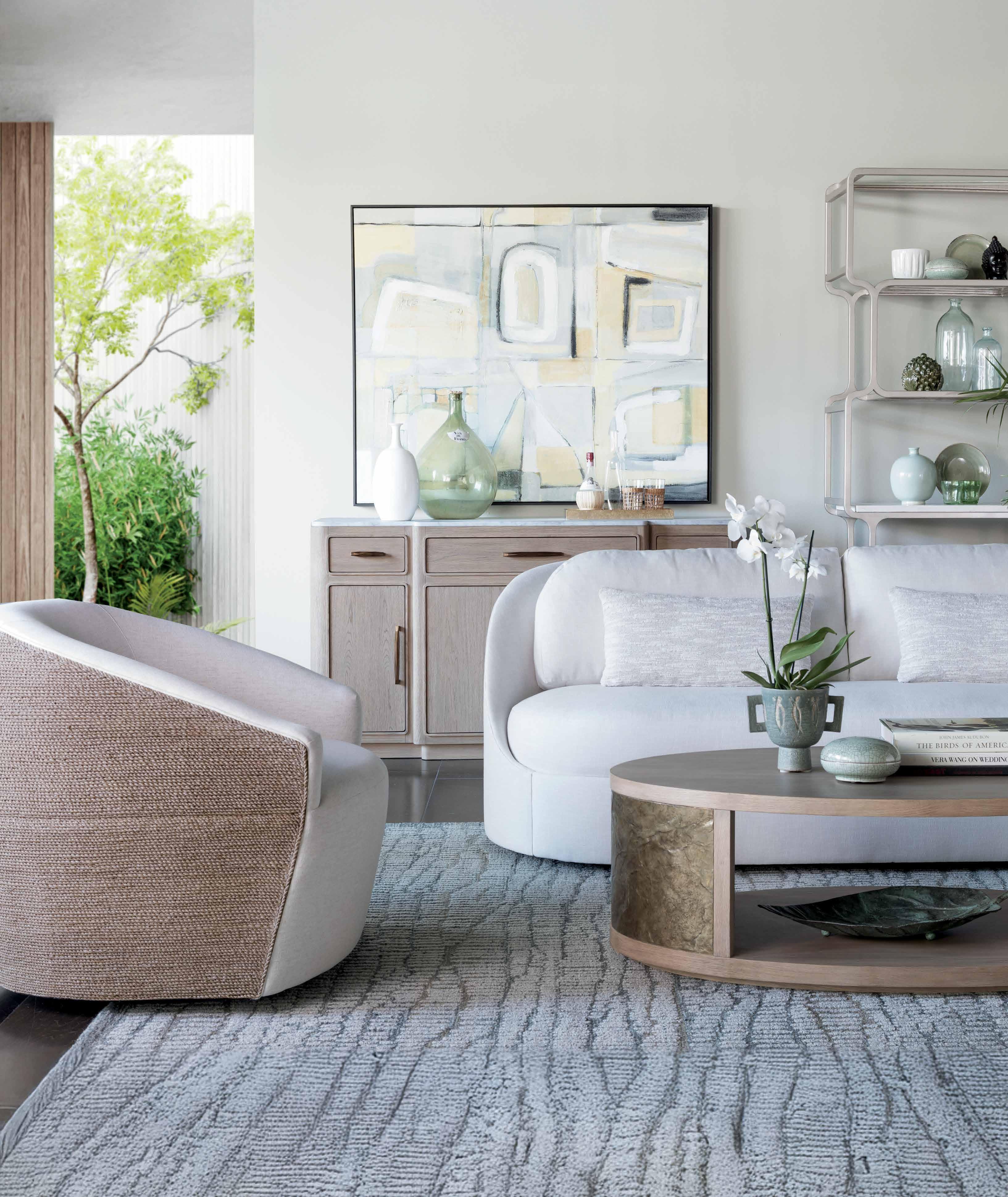
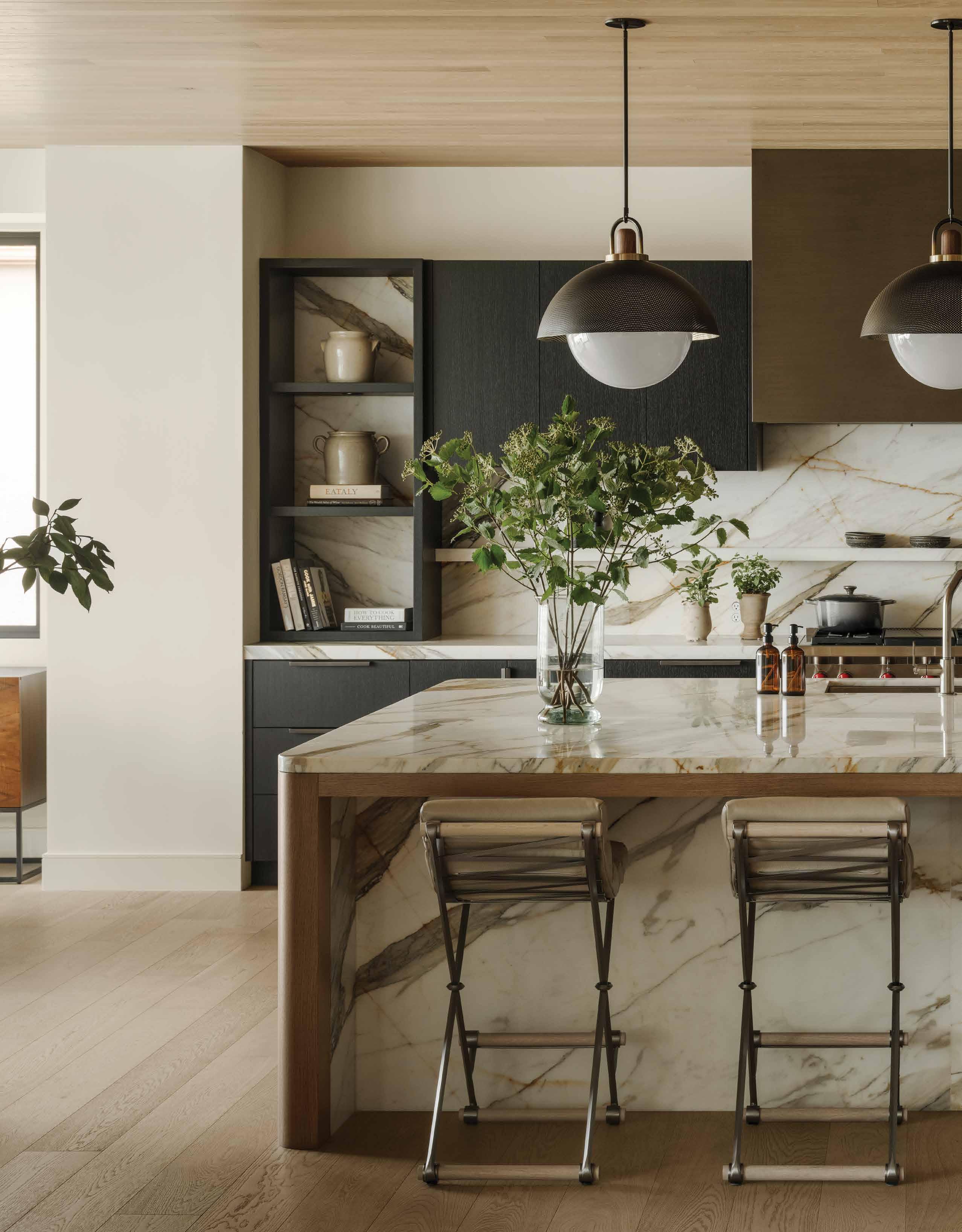
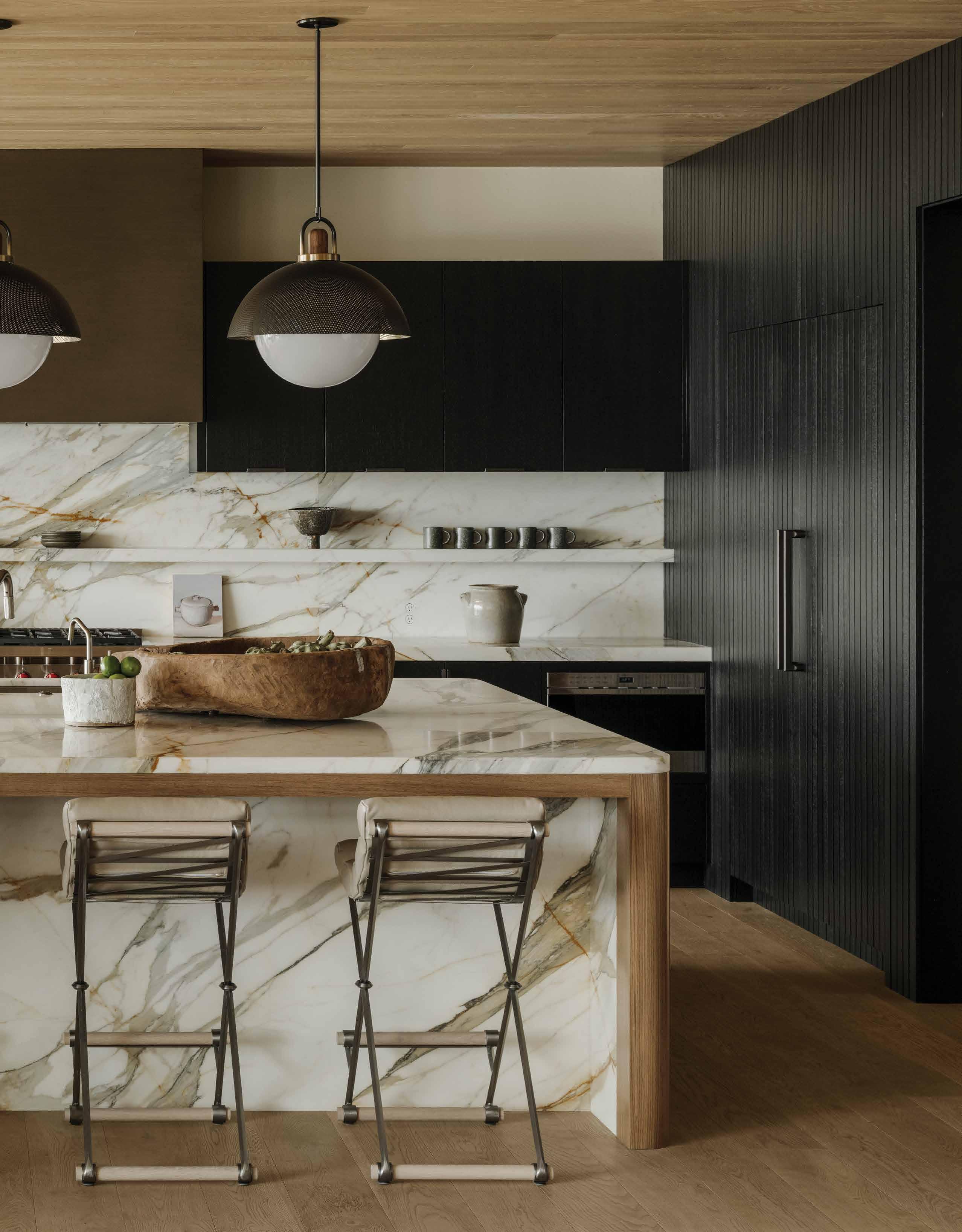
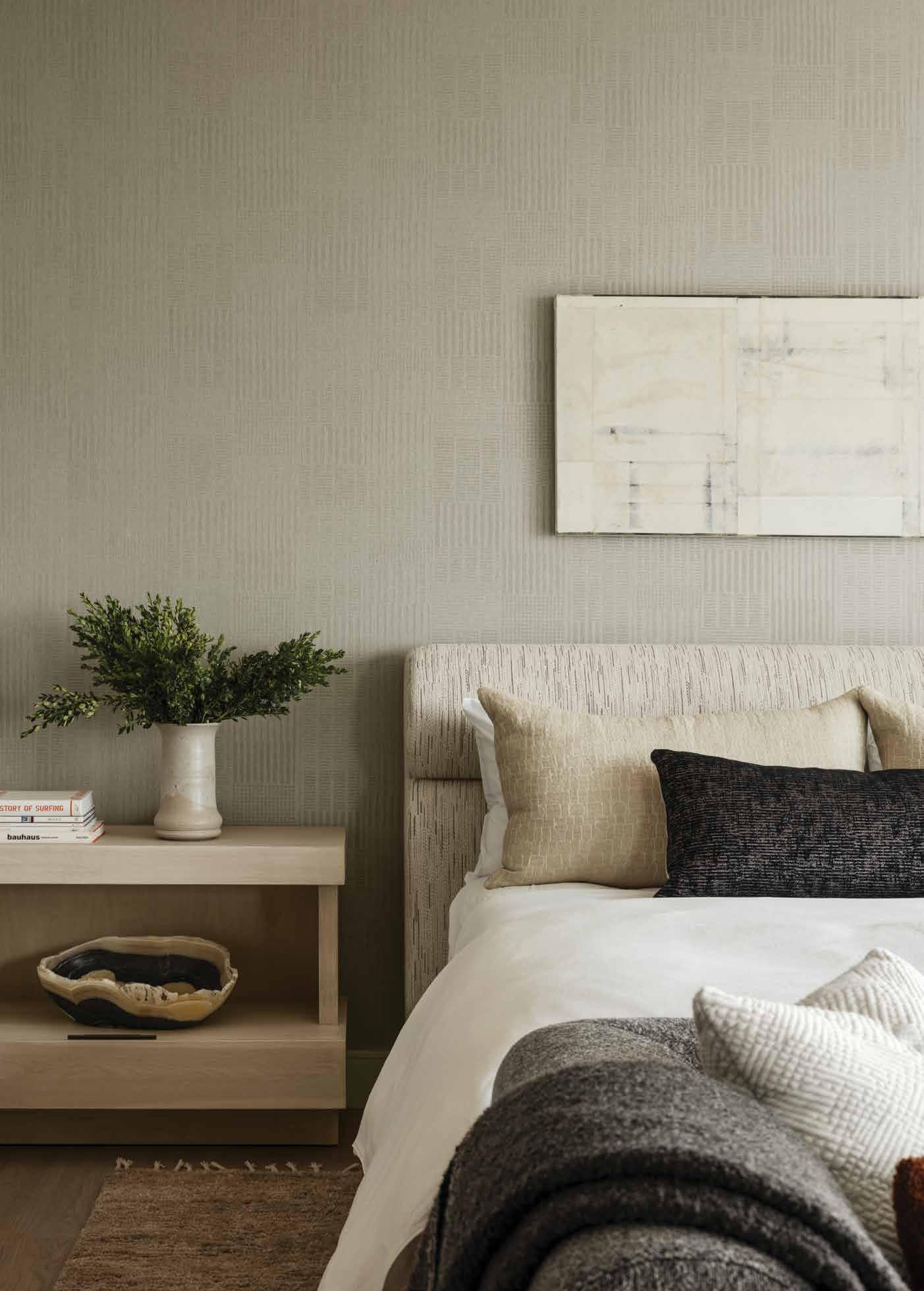
Bring design freedom to the home with a comprehensive suite of luxury appliances that complement the way you live.
Bring design freedom to the home with a comprehensive suite of luxury appliances that complement the way you live.
Since
A Rare Architectural Sanctuary Overlooking the Pacific
3512 OCEAN BOULEVARD
Corona del Mar | $51,980,000
Photo by Adan Olivares Photography
Photo by Terry Design, Inc.
THE ITALIAN SENSE OF BEAUTY
Kitchens, living, closets and bathrooms
Poetica design Vuesse
FROM VISION TO VIEW
Tracy Thomas II President & CEO
tracy@iconiclife.com @iconiclifemag
THE CHARM OF OC
There is something energizing about the first issue of the year. January invites reflection, but February and March feel like momentum. The conversations are sharper. The goals feel more real. The calendar begins to fill with meaningful gatherings, creative collaboration and a renewed commitment to building something exceptional in the year ahead.
This is our first Orange County issue of 2026, and we couldn’t be more excited about it.
Orange County has quickly become one of ICONIC LIFE’s most engaged and active markets. It is a community defined by coastal beauty, architectural integrity, entrepreneurial drive and a deep appreciation for Living Beautifully. From Newport Beach to Laguna Beach and beyond, there is a standard here, which is why I am excited to announce that our very own Dorothy Costello has stepped into a bigger role of Associate Publisher, Orange County. Many of you already know Dorothy and her boundless energy. She brings a wealth of experience creating meaningful connections and has a passion for living well.
As we step into this new year, our focus remains clear: we want to continue strengthening relationships with the architects, designers, builders, business leaders and creatives who shape this community. We want to highlight the innovators who are redefining coastal living. And we want to serve as a thoughtful platform that connects those who share a passion for Living Beautifully.
This time of year in Orange County carries its own rhythm. The holidays are behind us, but the social and cultural calendar is far from quiet. Winter along the coast brings clarity. The light feels different. The pace feels intentional. It is a season when ideas take shape and plans begin to turn into action.
At ICONIC LIFE, we are proud to continue growing our presence in Orange County. We do not take the trust of this community and our current and future partners lightly. Each issue is an opportunity to listen more closely, tell stronger stories and elevate the people and places that make this region so dynamic.
As 2026 unfolds, we look forward to deeper partnerships, new introductions and continued connection. Thank you for being part of this journey with us. We are excited for what lies ahead and honored to share it with you. If there is ever anything Dorothy, the ICONIC LIFE team, or I can do for you, please don’t hesitate to reach out.
Warm regards,
by
Photo
Mark Sacro
Nakayla Shakespeare Editor-in-Chief
nakayla@iconiclife.com @iconiclifemag
IN THE SWING OF THINGS
Ifeel that February is one of the most productive months of the year. Not only are we all refreshed from the break we had during the holidays, but we are back into the swing of things with new inspiration and ideas for the year ahead. As you read this issue, I wanted to share some of the inspiration behind it.
Last February, we had a heavy focus on art, which was so well-received by all of you. Thank you for enjoying the vision! This year, we wanted to continue that sentiment while also adding architecture to the mix. Beautifully built homes are structural works of art, and we wanted to highlight that by showcasing houses that exhibit stunning design work, reflecting the architect’s passion for craftsmanship.
This issue also delves into the awe-inspiring products of creativity, from stories that walk you through Walt Disney’s creative process and vision to an interview with the artist, Jacob Vilató, great-nephew of the ICONIC Pablo Picasso.
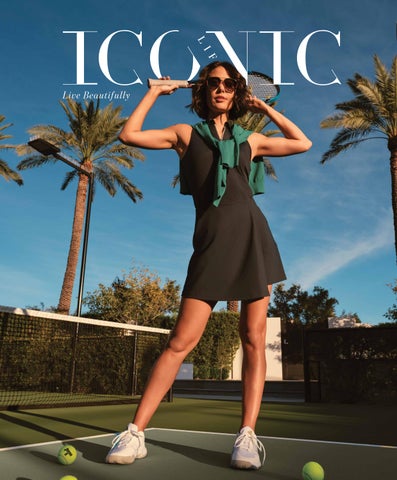
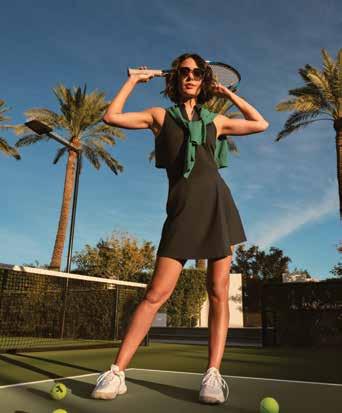
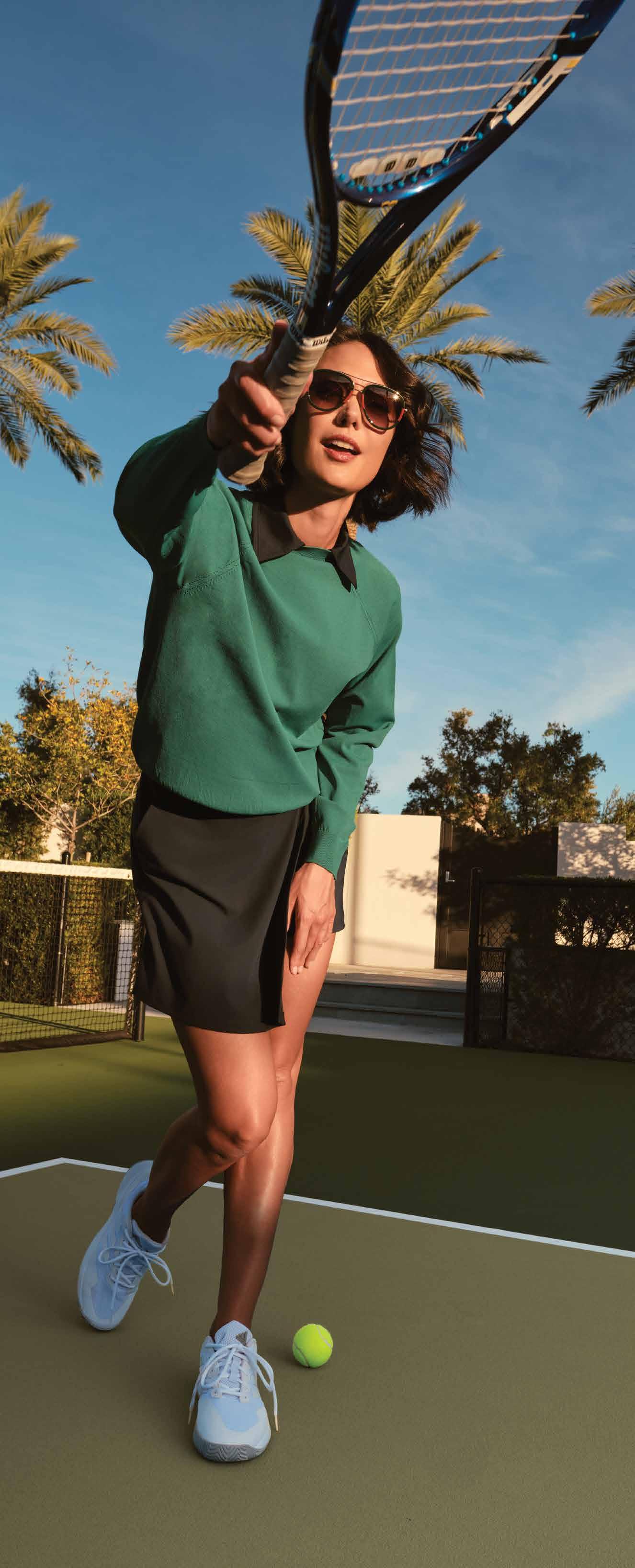
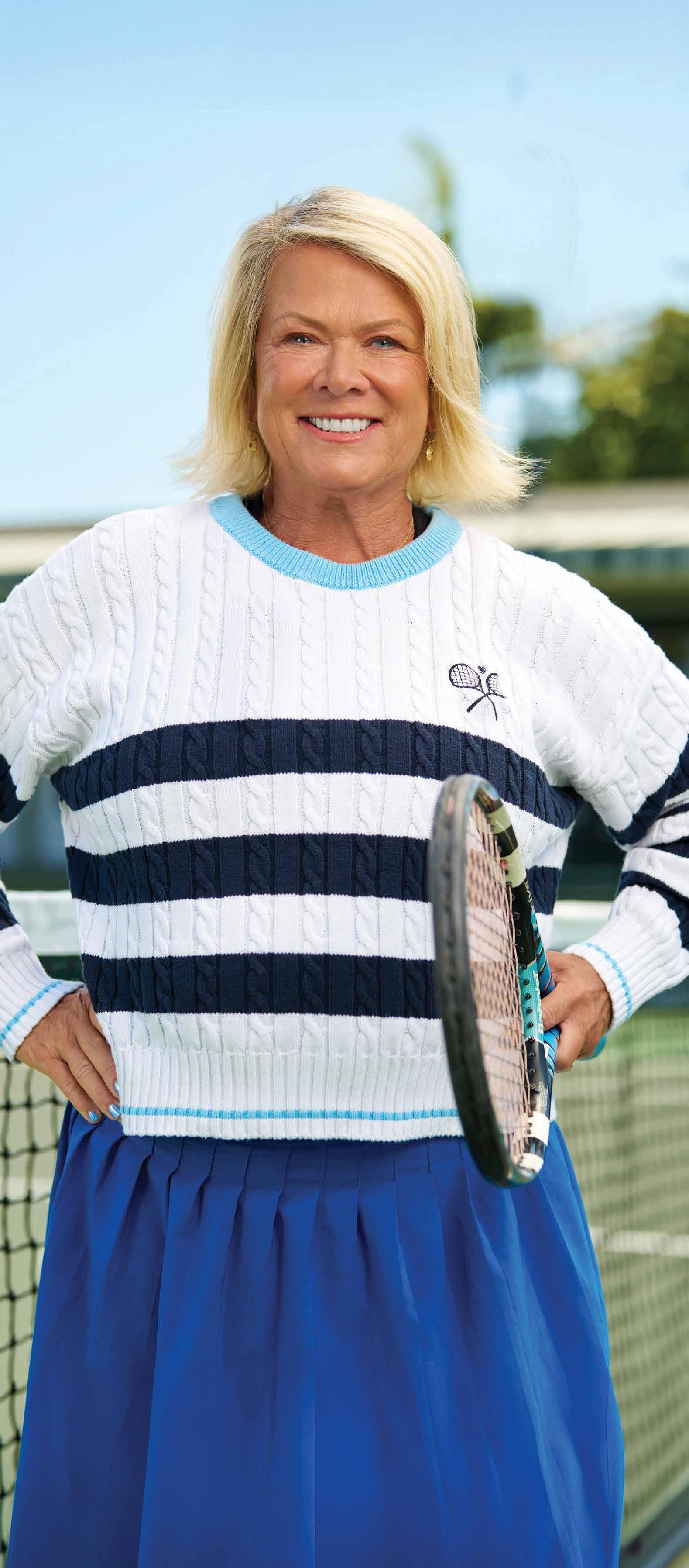
It wouldn’t be an ICONIC LIFE issue without an ICONIC fashion shoot. This time, we wanted to celebrate the active habits of our community through outdoor sports like tennis. The stunning spreads showcase high-end court fashion from our friends at NINI Designs and Jayebird. Thank you so much for your help in bringing this cover to life.
Inspiration is a recurring theme for this issue, so I want to challenge you to be on the lookout for your next source of inspiration. Hopefully, you find it somewhere in these pages.
Yours truly,
RENEE
NAKAYLA
DOROTHY
MADELEINE
AMALIE
NANCY
THE LIST
By Amalie Rhebeck
DIOR
Teacup
SWAROVSKI
Signum
TIMEtea FOR
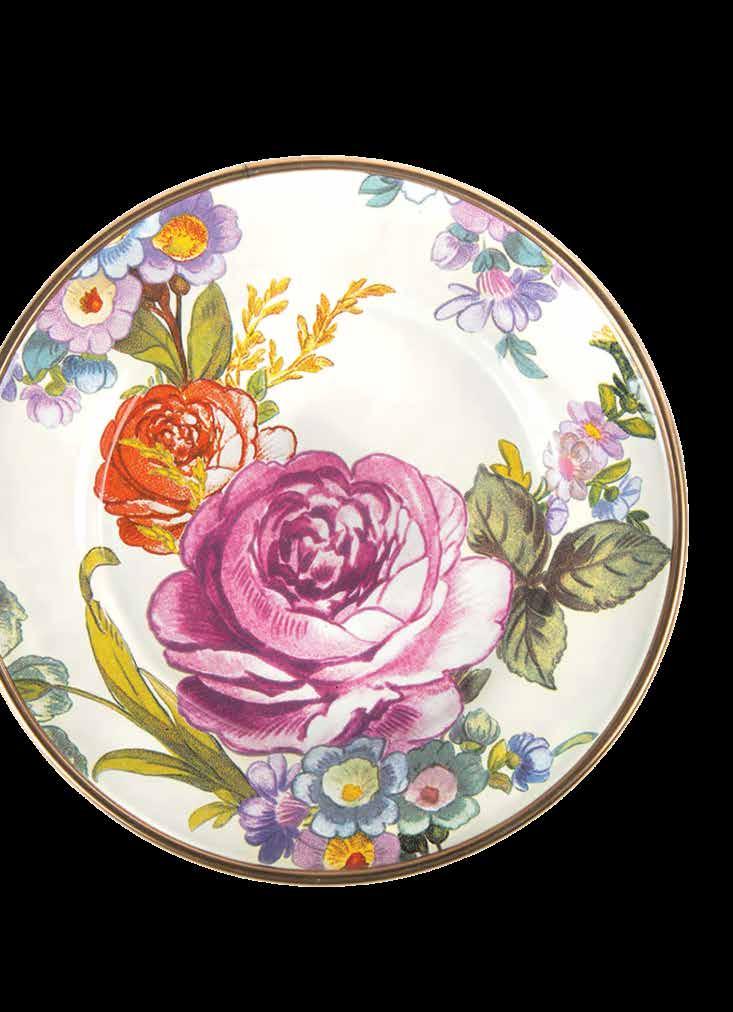
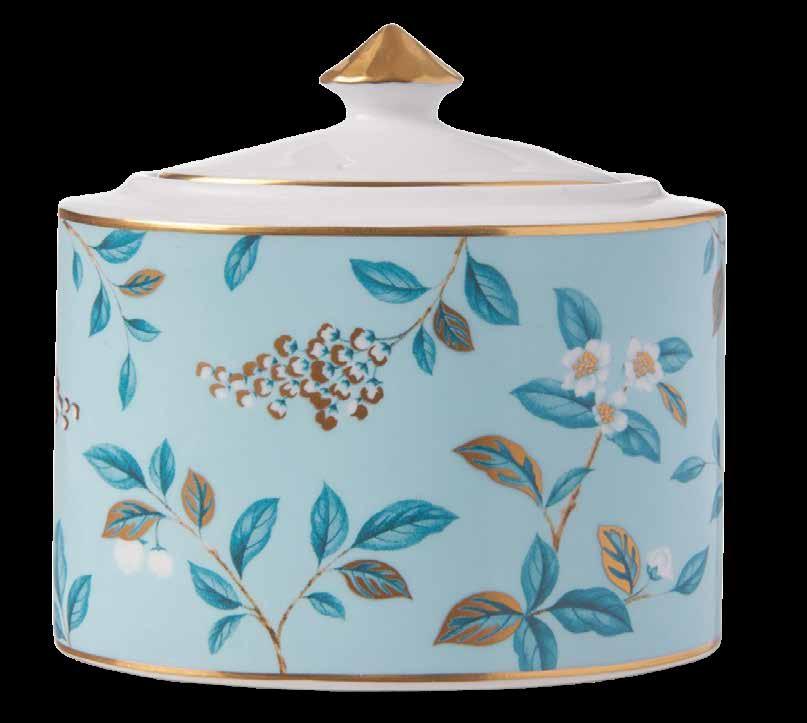
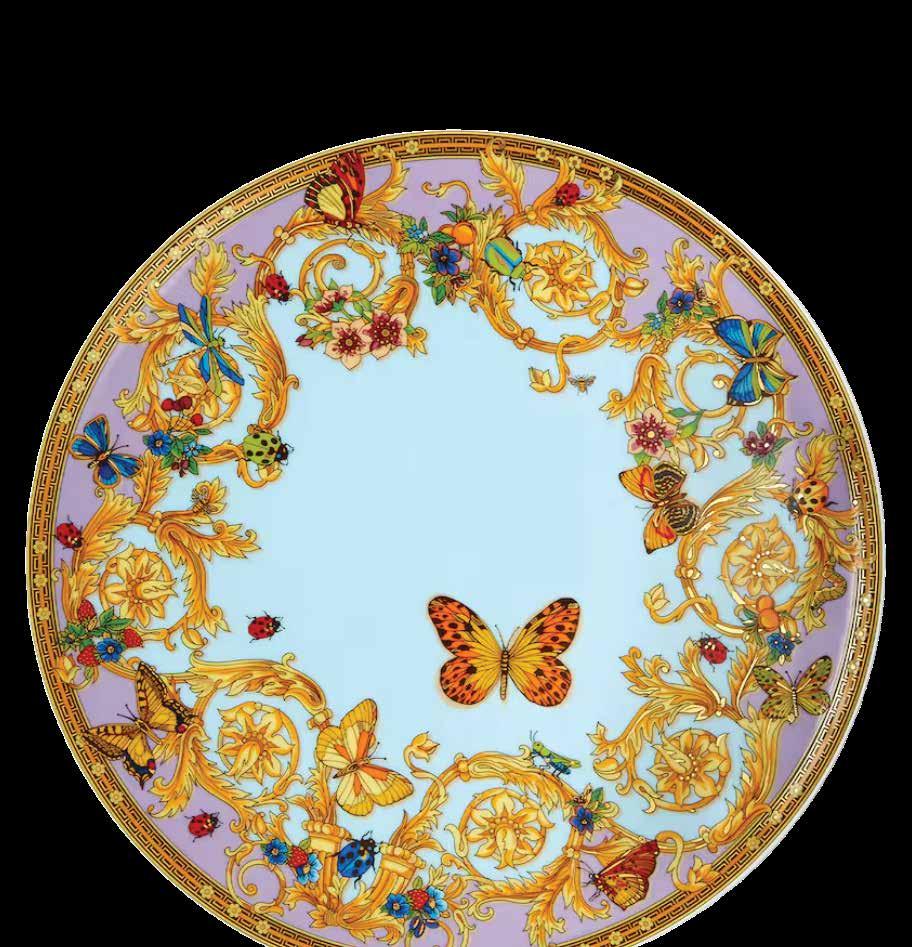
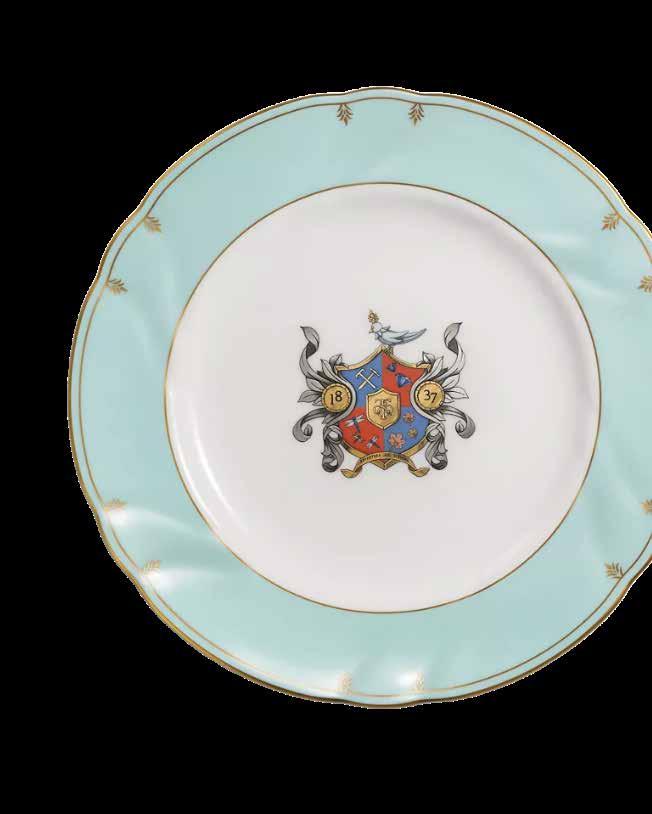
Here are seven china products that we are obsessing over this spring.
MACKENZIE-CHILDS
Flower Market Canape Plates, Set of 4, ($149.95) via Mackenzie-Childs.
Ceramic with Bee Motif, ($200) via Dior.
Teapot, ($525) via Swarovski.
VERSACE
Medusa Gilded Coffee Spoon, ($425) via Versace.
FORTNUM & MASON
Camellia Sugar Pot, ($112.81) via Fortnum & Mason.
VERSACE
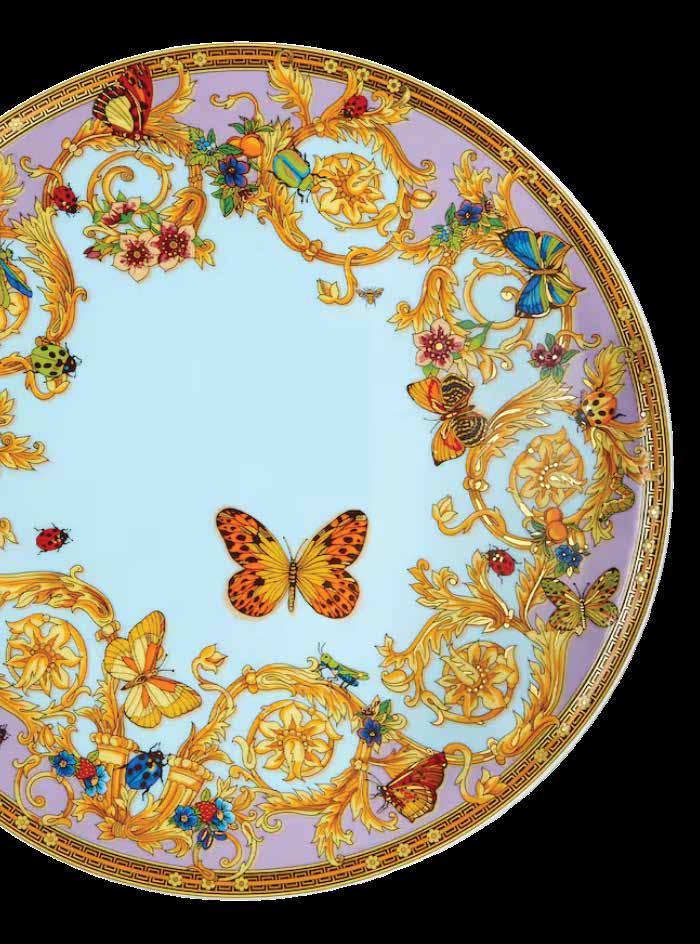
Le Jardin Charger Plate 13”, ($445) via Versace.
Plate in Bone China, ($170) via Tiffany & Co.
We’re bringing an ocean of
MUST HAVES
By Nakayla Shakespeare
VERONICA BEARD
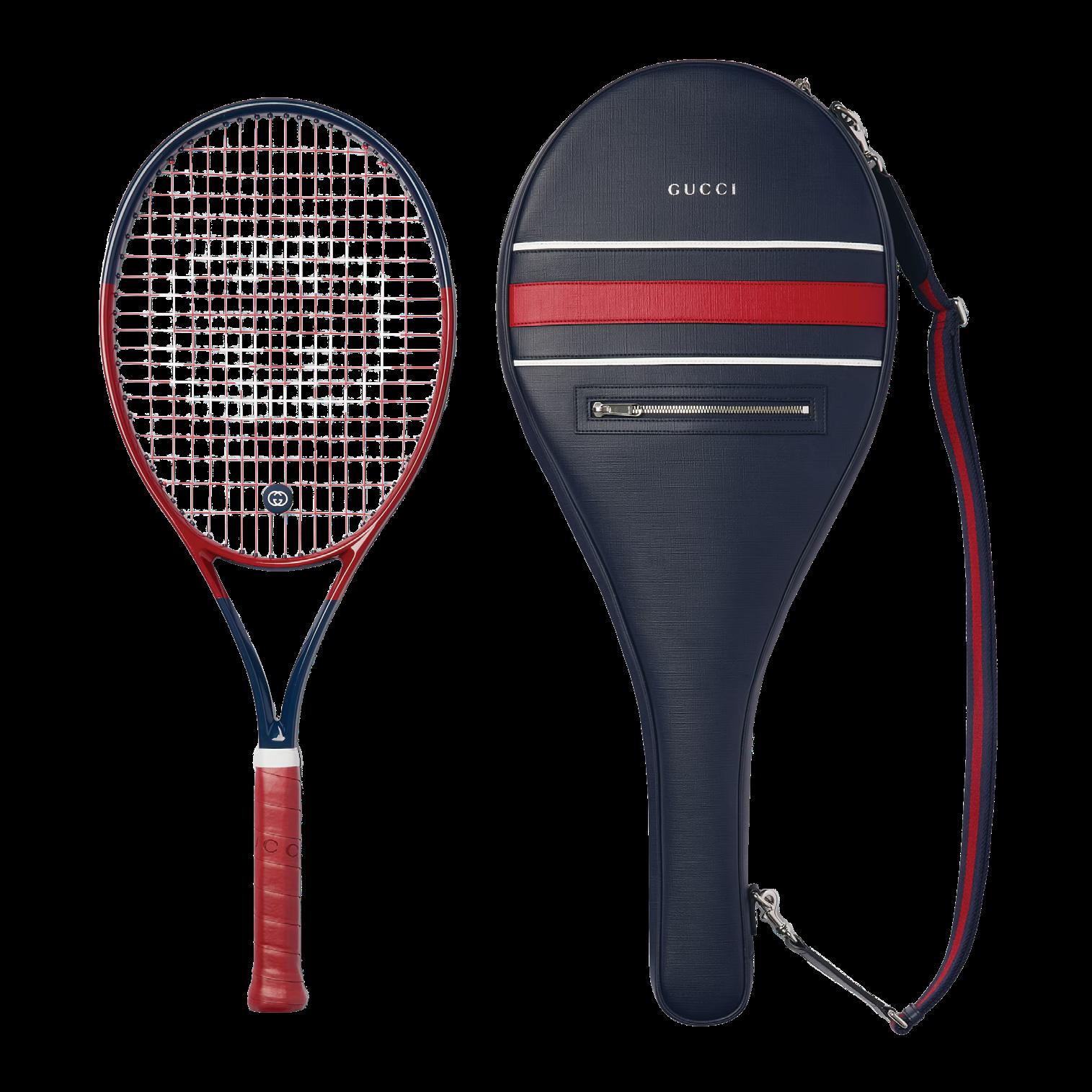
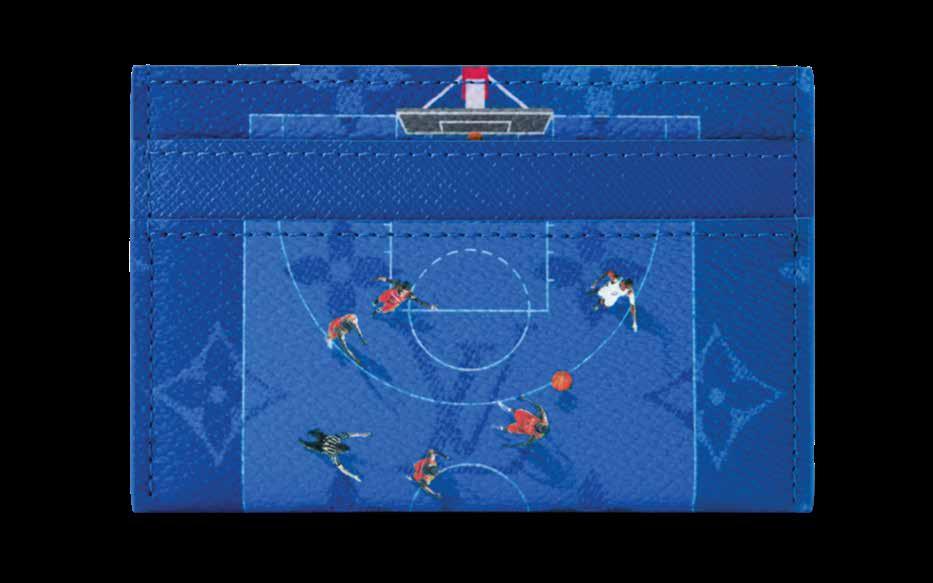
These court-inspired items will have you feeling and looking like an all-star.
LOUIS VUITTON
Double Card Holder, ($450) via Louis Vuitton.
Sports Club Canvas Pouch, ($60) via Veronica Beard.
LACOSTE
Small Lenglen Leather Bag, ($250) via Lacoste.
VRAI
Baguette Tennis Bracelet, ($4,850) via VRAI.
GUCCI
Gucci x HEAD Tennis Racket, ($2,700) via Gucci.
Indigenous Destination of the Year
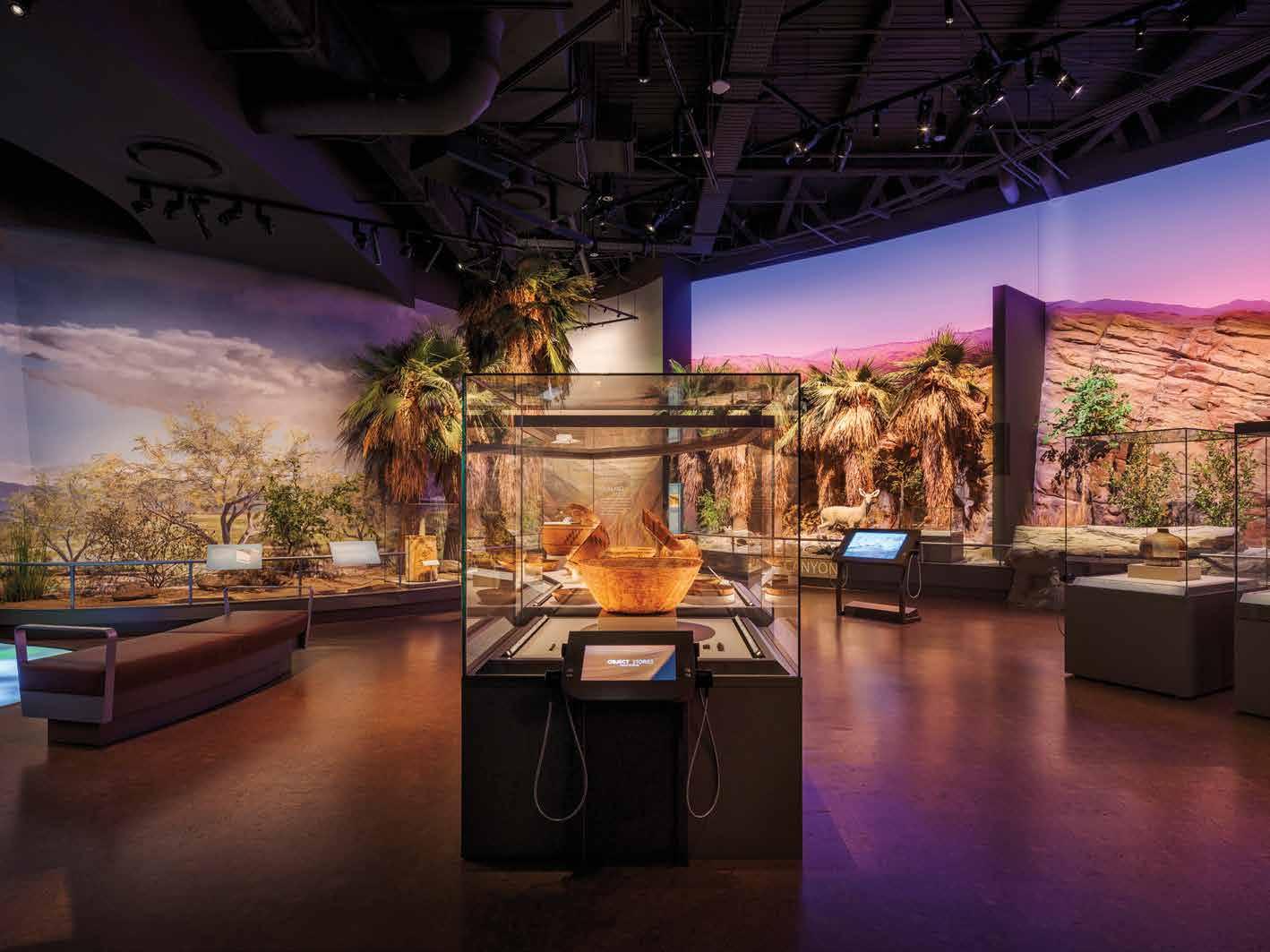
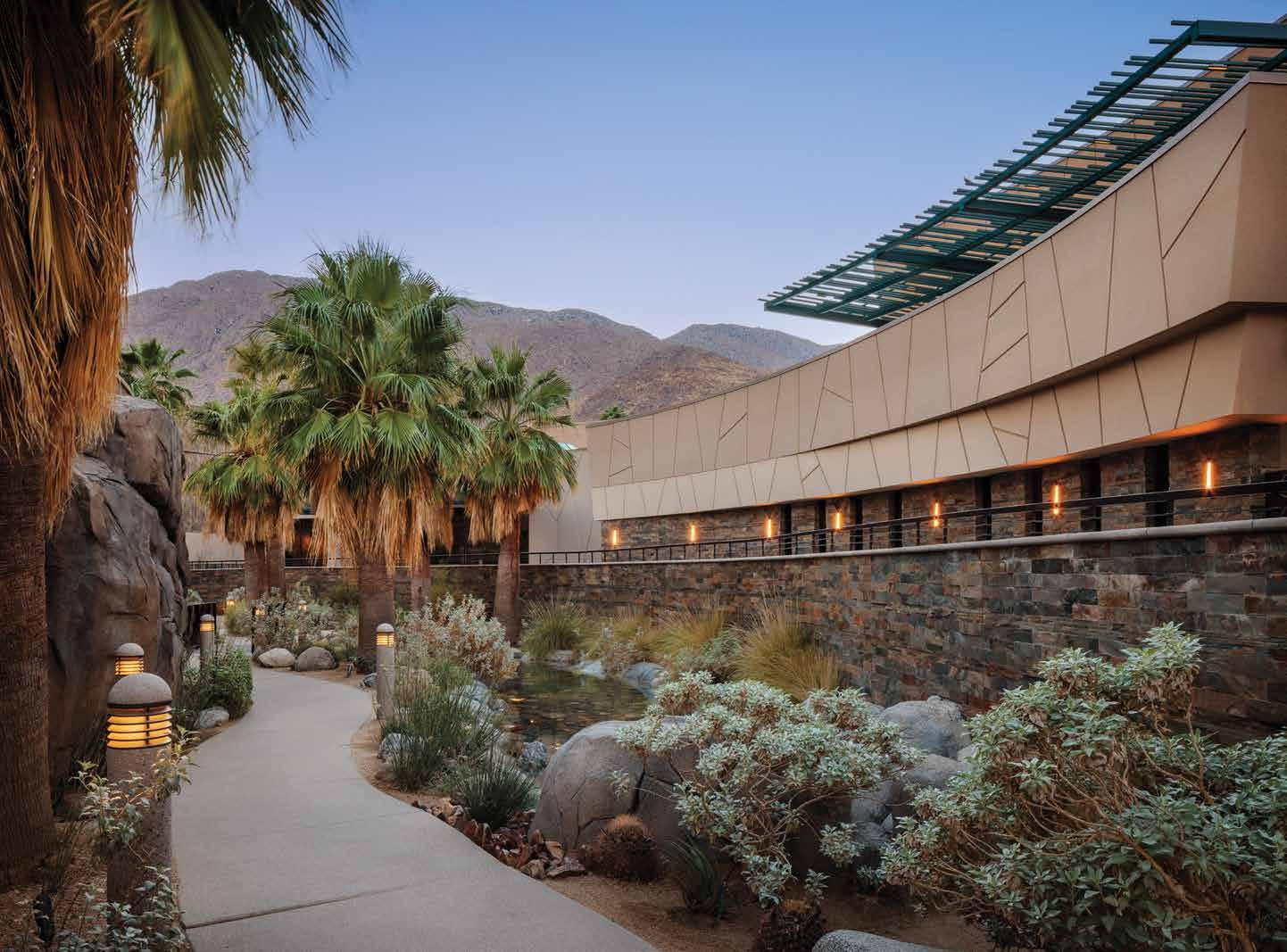
Building upon the traditions of the Agua Caliente people and the world-renowned natural features of their ancestral lands, the Agua Caliente Cultural Plaza in downtown Palm Springs, California, encompasses a wide range of experiences and learning opportunities that convey the values and legacy of the Agua Caliente Band of Cahuilla Indians, and shares these experiences with the community and visitors from around the world.
Named among the World’s Greatest Places by Time, and recognized as Indigenous Destination of the Year by the American Indigenous Tourism Association — a national honor that recognizes the Tribe’s exceptional visitor experience, interpretive programming, and sustainability of cultural heritage — the 5.8-acre Agua Caliente Cultural Plaza includes the Agua Caliente Cultural Museum, The Spa at Séc-he, and outdoor spaces including the Gathering Plaza positioned over the Agua Caliente Hot Mineral Spring, known as Séc-he (“the sound of boiling water” in the Cahuilla language). The Oasis Trail provides an interactive, cultural learning environment. The trail reflects the distinctive character, geology, flora, and beauty of the nearby Tahquitz Canyon and the Indian Canyons, ancestral homes of the Agua Caliente people.
“The Agua Caliente Cultural Plaza provides an incredible opportunity for us to share and celebrate our history, culture, and traditions
with this community and visitors from around the world,” Tribal Chairman Reid D. Milanovich said. “Each federally recognized tribe throughout this country has a distinct culture that includes traditions, language, historic clothing, and housing styles as well as historical food and medicine preparations. We want to share our culture with visitors through our authentic voice. This is our story, in our own voice. We are here today just like we have been since time immemorial.”
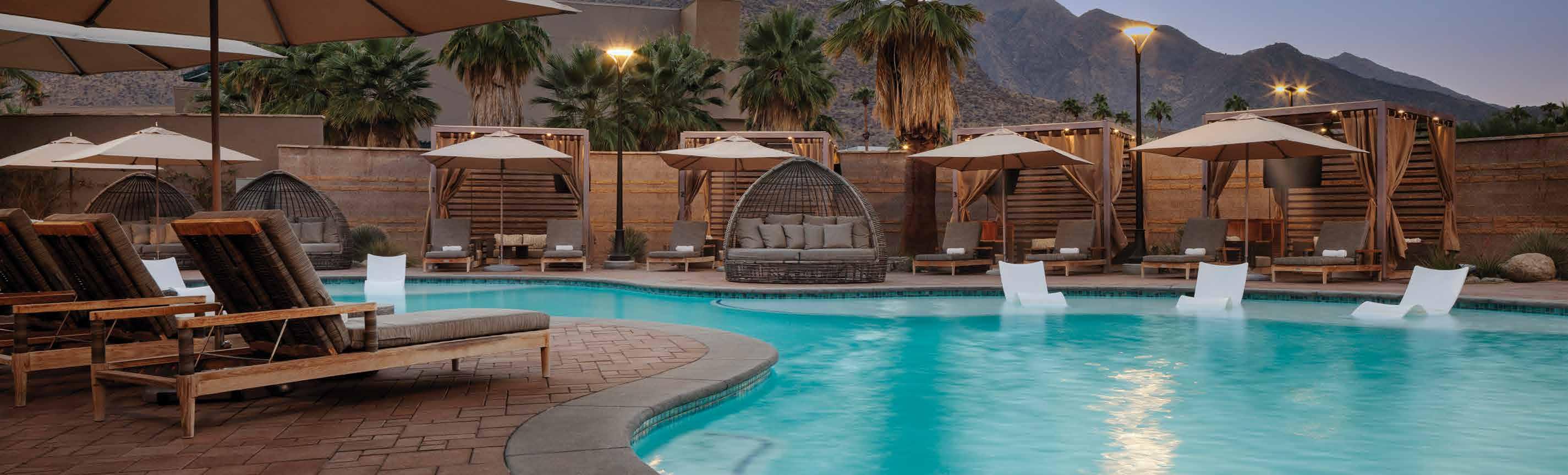
The Spa at Séc-he celebrates the ancient waters of the Agua Caliente Hot Mineral Spring with treatment rooms, men’s and women’s bathhouses, tranquility garden, salon, fitness center, outdoor pools, and health-forward dining. The Spa at Séc-he honors the history and heritage of the Agua Caliente people while introducing a new generation to the restorative properties of the sacred Hot Mineral Spring.
The Agua Caliente Cultural Museum features permanent exhibition space dedicated to the history and culture of the Agua Caliente people, a changing exhibition gallery, educational classroom, teaching garden, and meeting-event space, with an annual lecture series and learning activity programming throughout the year. The Museum Store showcases art, jewelry, and other products sourced directly from Native American artists and Native American-owned businesses from across the country.
Agua Caliente Cultural Plaza
Agua Caliente Cultural Museum
EAT LIKE FAMILY
Healthy ingredients lead the way at Amarith Farmhouse.
By Renee Dee
Holy burrito, this place is good and good for you!
Last summer, I discovered a place new to me, but not new to OC. About 14 years ago, the Amarith family launched Amarith Farmhouse with a mission to serve healthy, clean food.
“We had a family member with cancer, and we learned how bad processed foods were for people. Because of that, we make our food from scratch and keep artificial food coloring, MSG and synthetic preservatives out of our kitchen,” says Sana Amarith.
“We really care for our customers and want to offer them quality food. We also focus on
great customer service and set it as an expectation of our employees,” says Amarith.
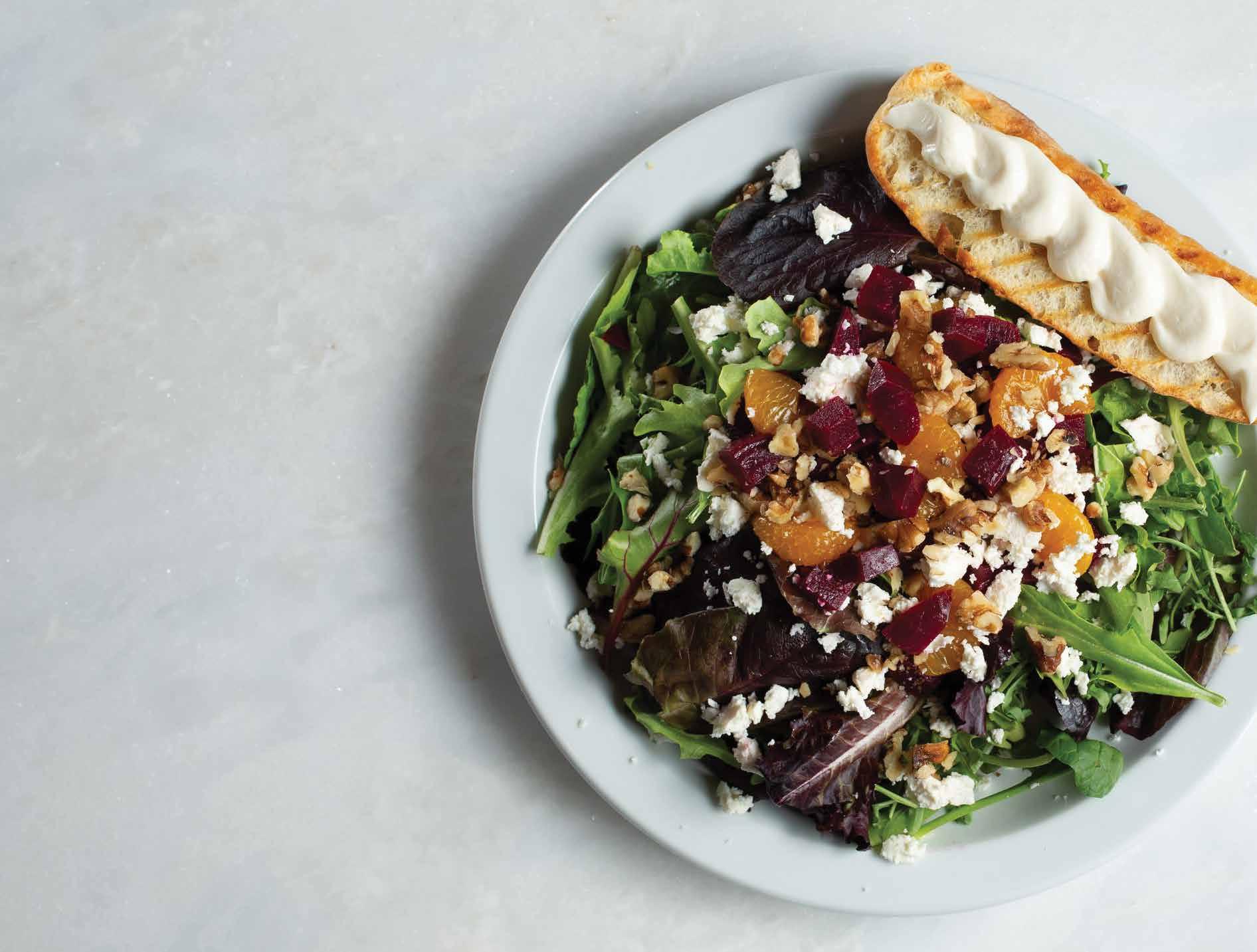
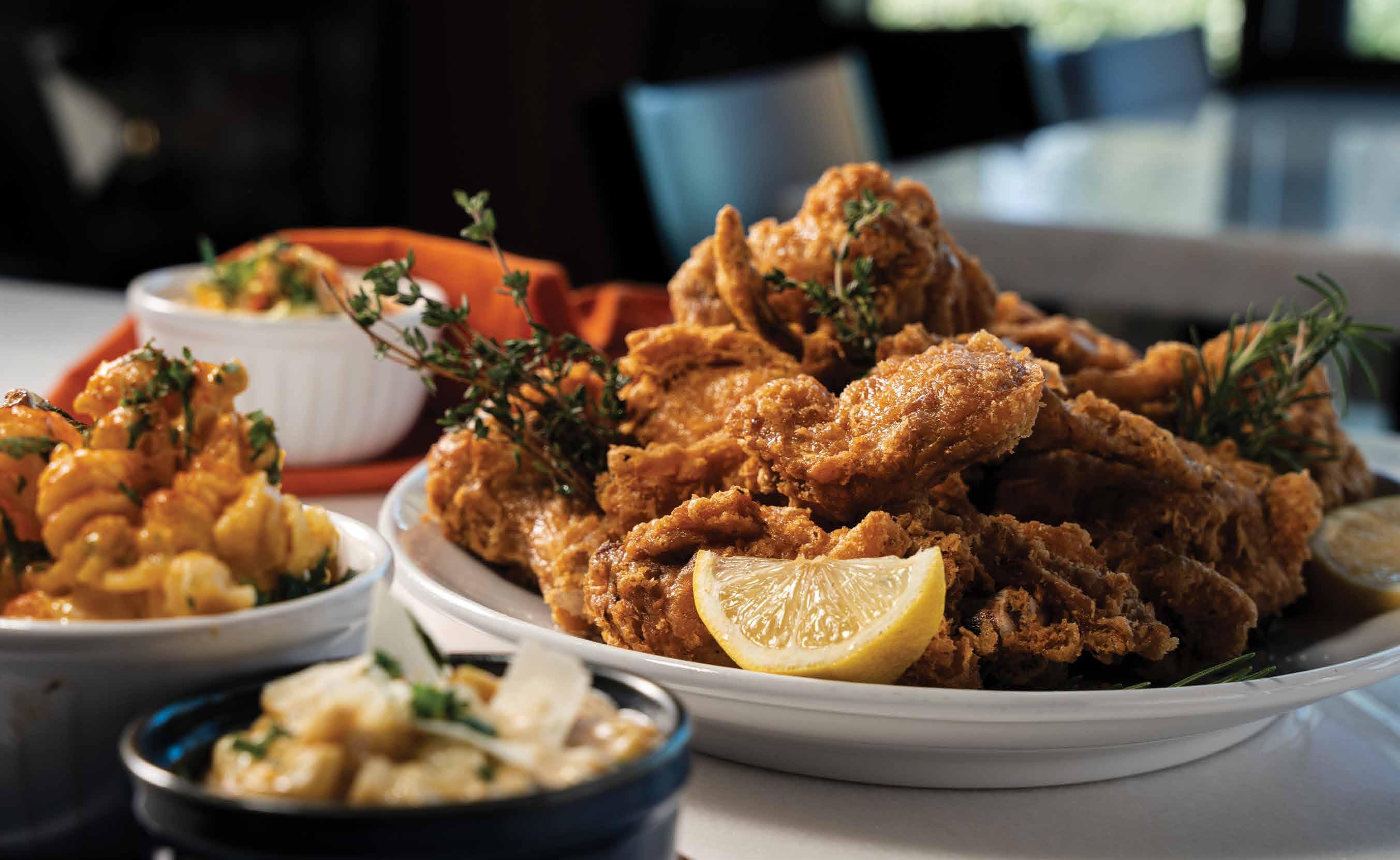
The fresh, casual menu features everything from hand-battered chicken and waffles to the best-ever breakfast burritos featuring pasture-raised eggs with housemade potatoes. Lunch and dinner menus include artisan sandwiches, gourmet salads and an outstanding Famous Fried Chicken. They’ve got organic espresso and housemade syrups. Displays are full of specialty pantry goods like farm-fresh eggs, local honey, housemade granola and organic fruit compotes.
They started in Orange in an office complex, then grew to Garden Grove and Fountain Valley. Two years ago, they opened their
fourth location, a takeout spot in the Flower Streets of Corona del Mar.
“We feed our customers like family. To us, this means nourishing and quality food should be in every meal, every day,” says Amarith.
Speaking of every day, that burrito I mentioned was the OC Burrito, and yes, they saw me every day for five days! Don’t get me wrong, we couldn’t keep our eyes off the banana cream pies and carrot cake, either.
And what are the family’s favorites?
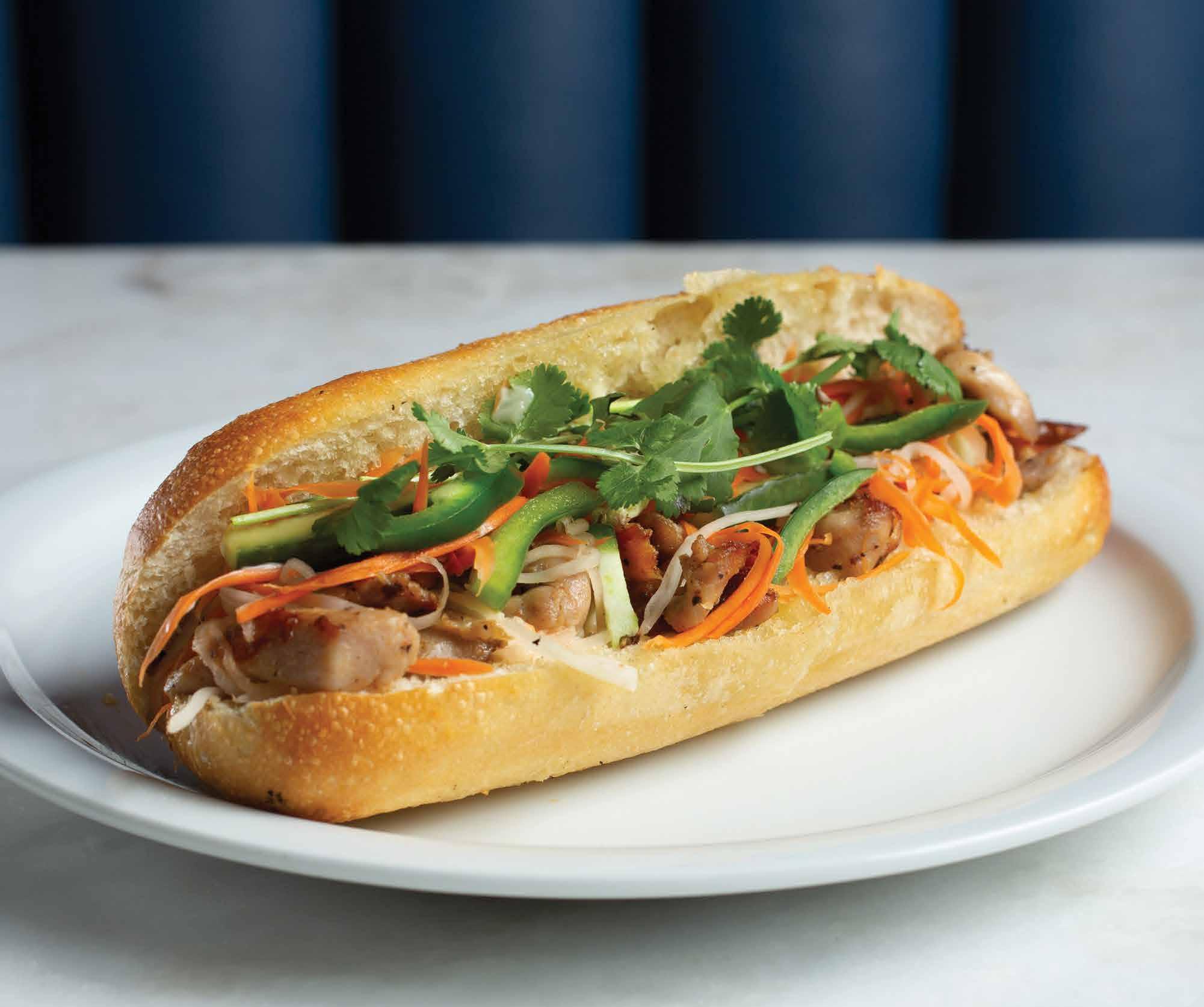
“We’re Cambodian. Chicken Num Pang is a Cambodian-French sandwich with a fresh
by David
Photo
Tonelson
baguette, grilled chicken and our housemade pickled veggies that make it the perfect everyday lunch,” says Amarith.
Looking ahead, the Amarith family is focusing on making chicken pot pies available everywhere as a ready-to-bake product. “We want to have the number-one, most irresistible chicken pot pie that is made with clean ingredients, like organic peas and carrots, pure olive oil, real butter and non-GMO flour,” Amarith remarks.
I wanted to know the family’s big dream.
“I want our restaurants to become a staple that enriches our customers’ lives–a place where they can enjoy their favorite comfort foods, knowing that it’s made from scratch with real, healthy ingredients,” she concluded.
See you soon!
by
Photography
Darlene Halaby Photography
Get a GRIP!
Steel fine-cabinetry maker Moya Living Launches Monaco HP.
By Renee Dee
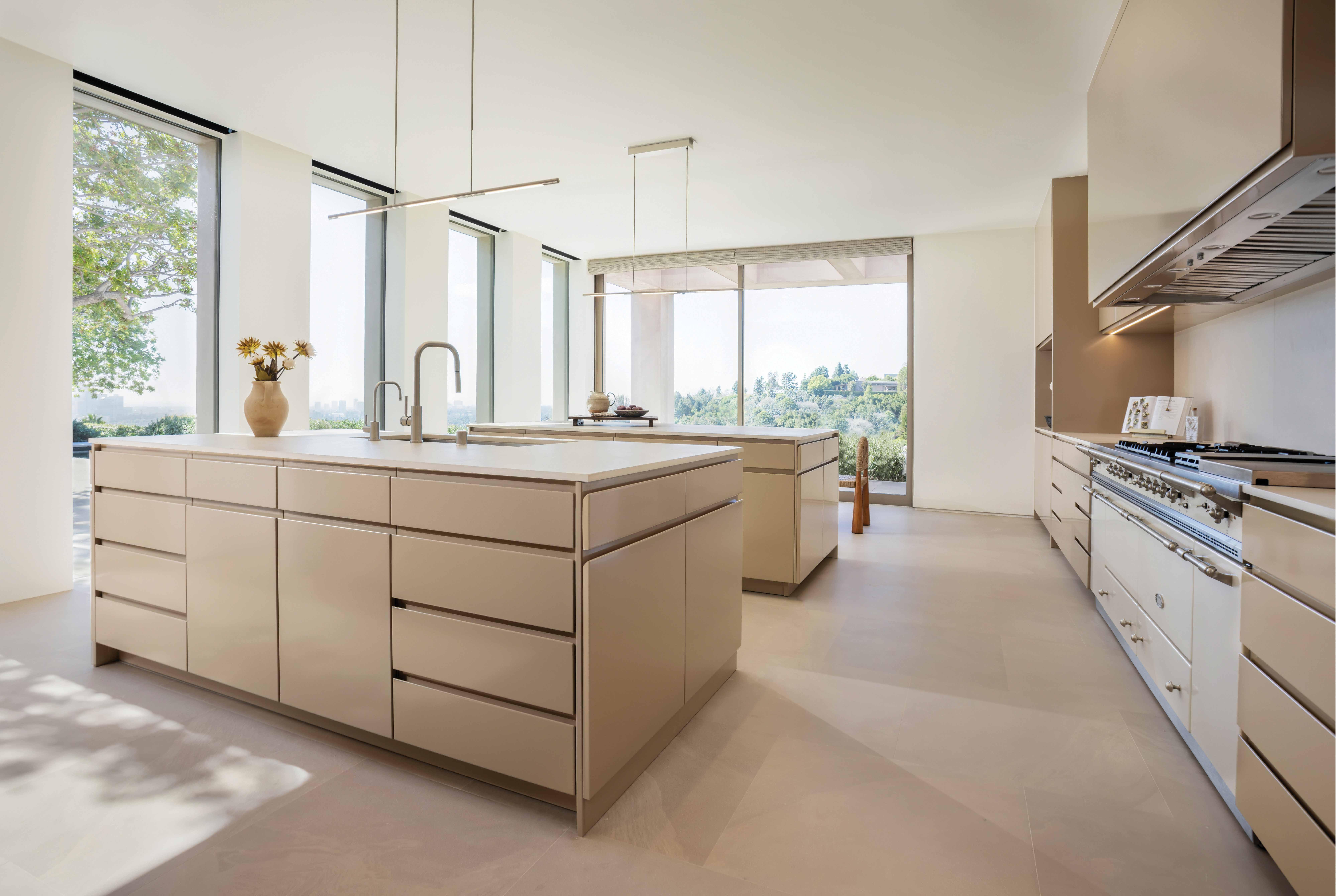
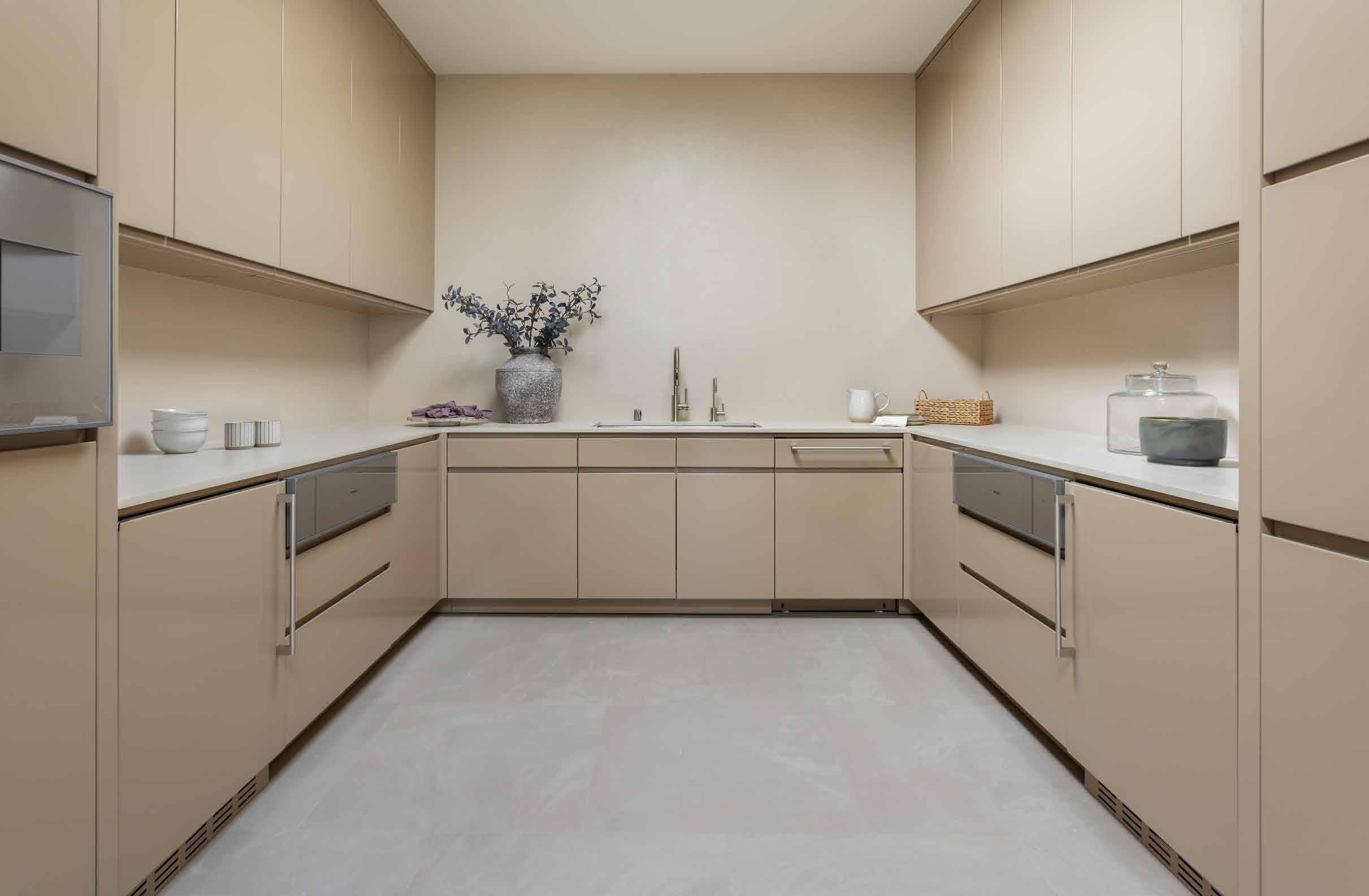
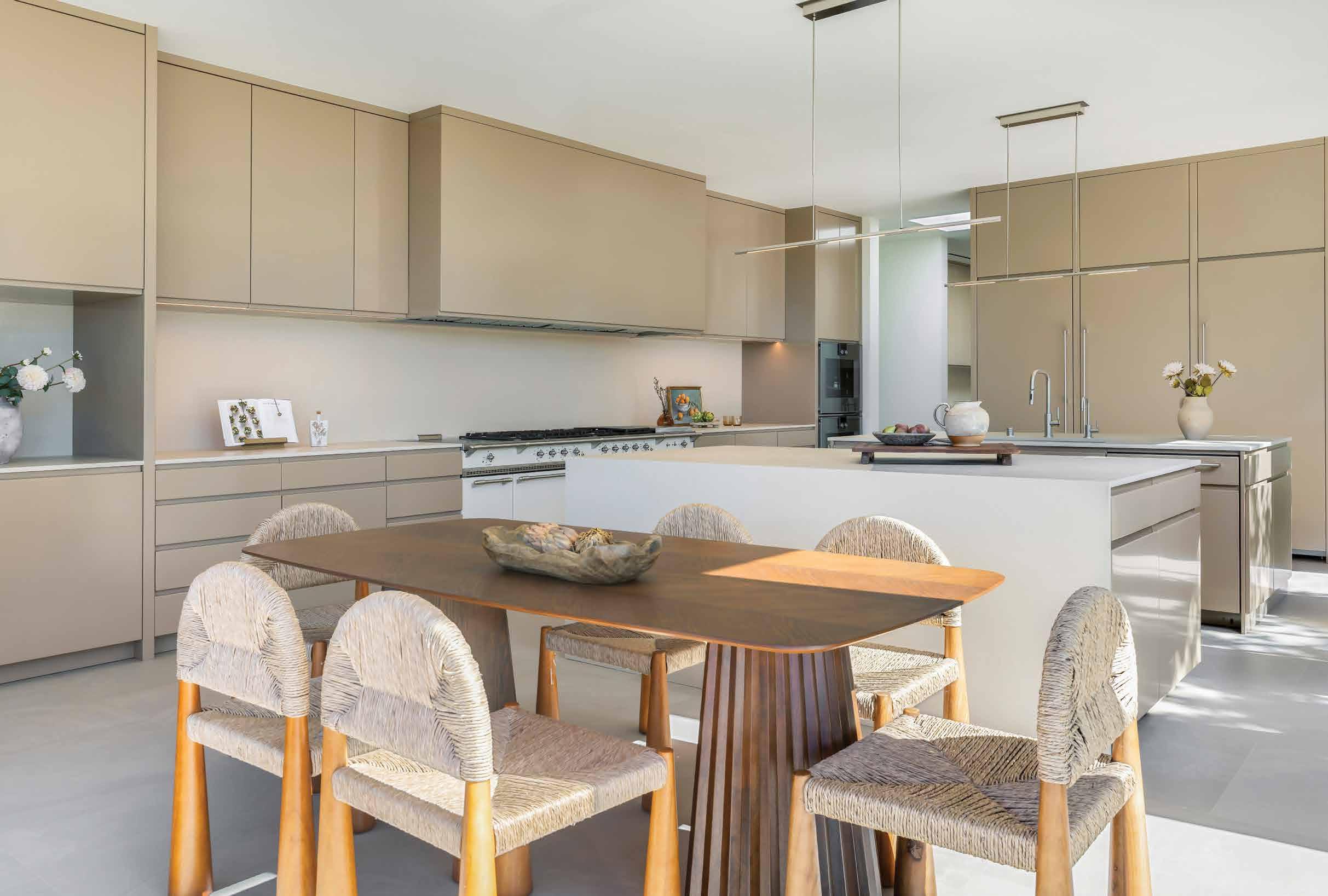
Informed by sleek, modern design, local luxury artisan Moya Living launches a new collection inspired by working with the world’s most advanced technology companies. “We designed Monaco HP for clients and designers looking for the most modern approach with integrated pulls that will remain timeless for our clients,” says Moya O’Neill, founder of Moya Living. “It’s modern luxury defined by restraint and precision.”
“Monaco HP was born from our love of automotive design—where every curve, every tolerance, every decision matters,” says O’Neill. “The hairpin turn in Monaco is about control and precision, not speed. That philosophy guided everything about this collection.”
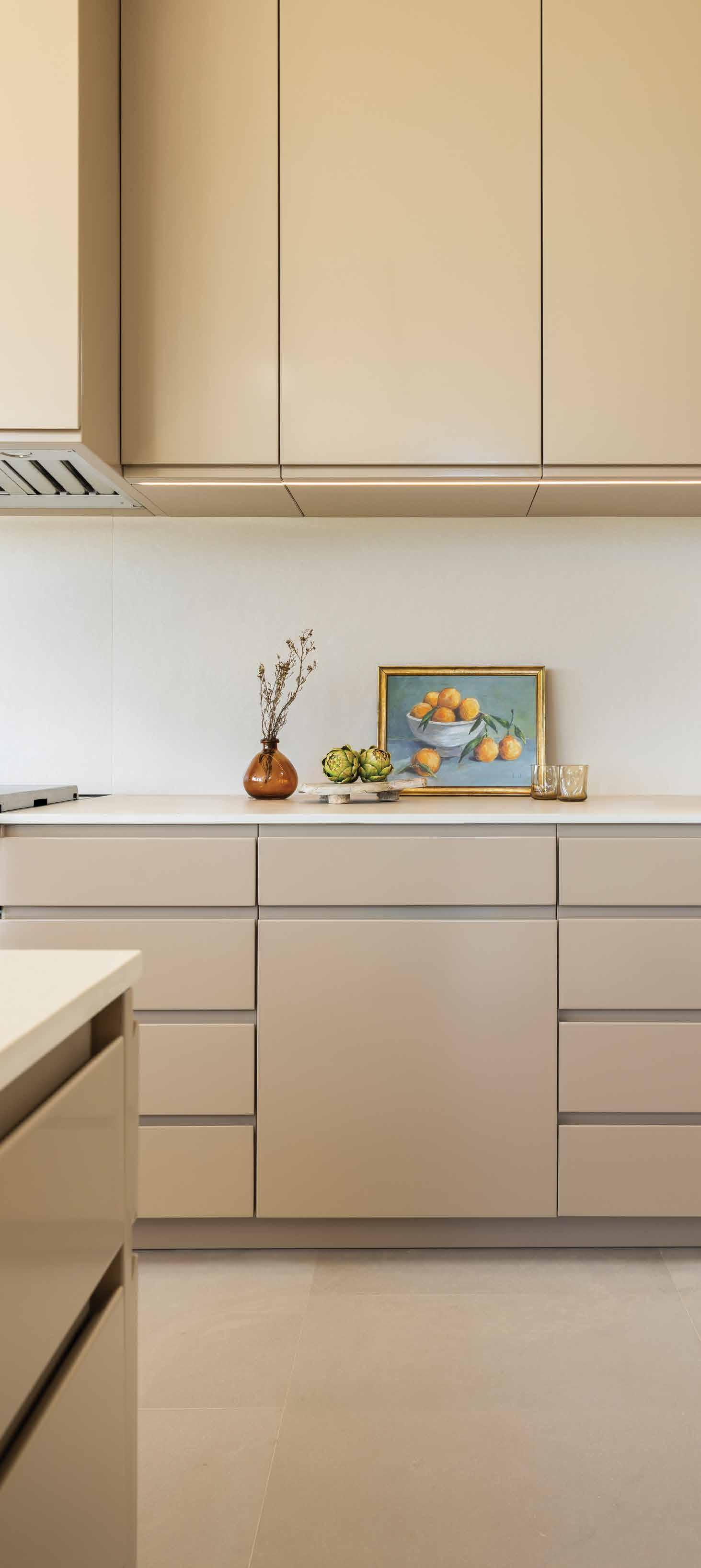
Designed and manufactured entirely in Southern California, each Monaco HP cabinet is fabricated one at a time using fully welded steel construction. The integrated handle is intentionally quiet—designed to disappear visually while elevating the daily elegance of the experience.
“The line reflects a philosophy of control where nothing is added without purpose, and nothing distracts from the whole. Industrial strength is combined with architectural design,” adds O’Neill, who has been producing luxury stainless steel cabinetry for kitchens, bath, laundry and outdoors since 2013.
Shown here in a recent Beverly Hills installation, Monaco HP is presented in a serene, light-filled kitchen where steel cabinetry reads as architectural furniture—quietly anchoring the space while allowing light, proportion and materiality to lead.
IN THE MOOD FOR SHOES
An ICONIC shoe brand has found its way into one of the most luxurious malls in America.
By Nakayla
Shakespeare
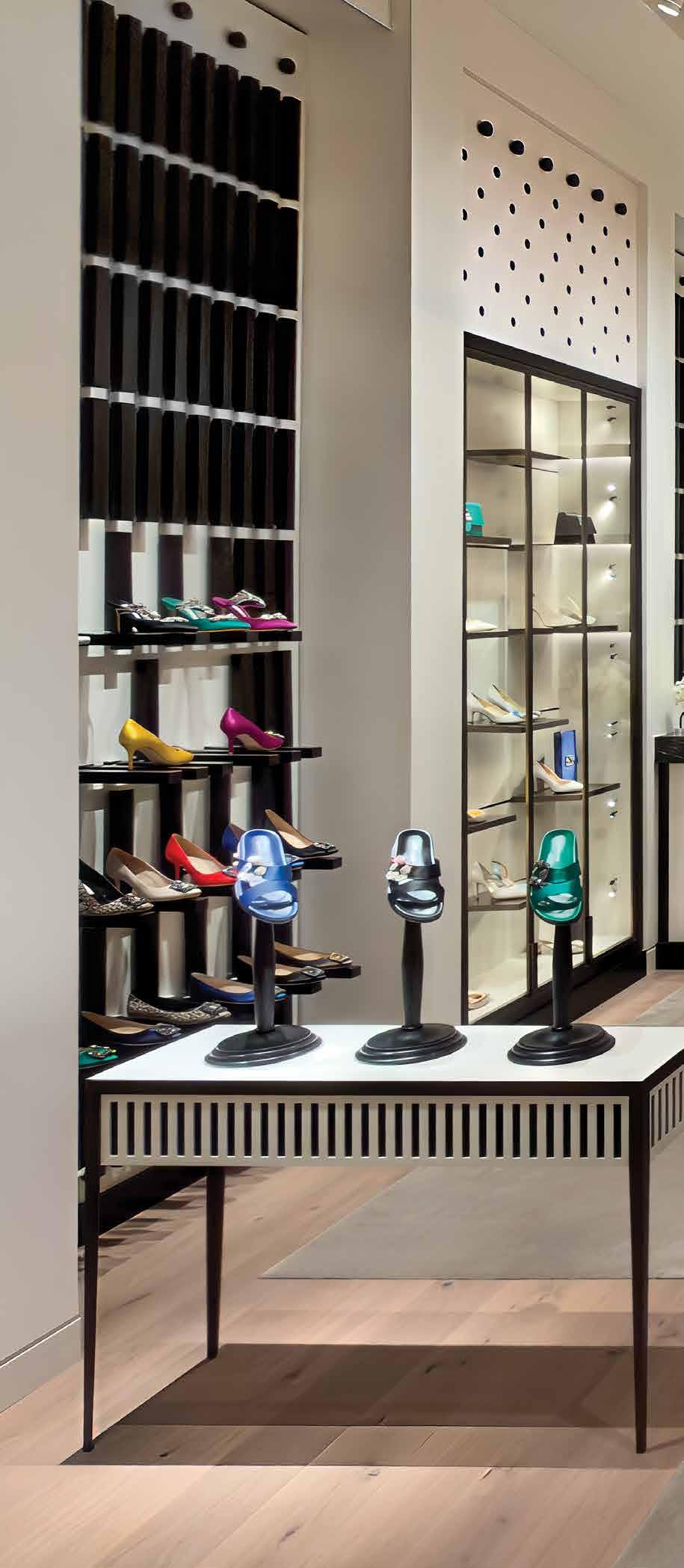
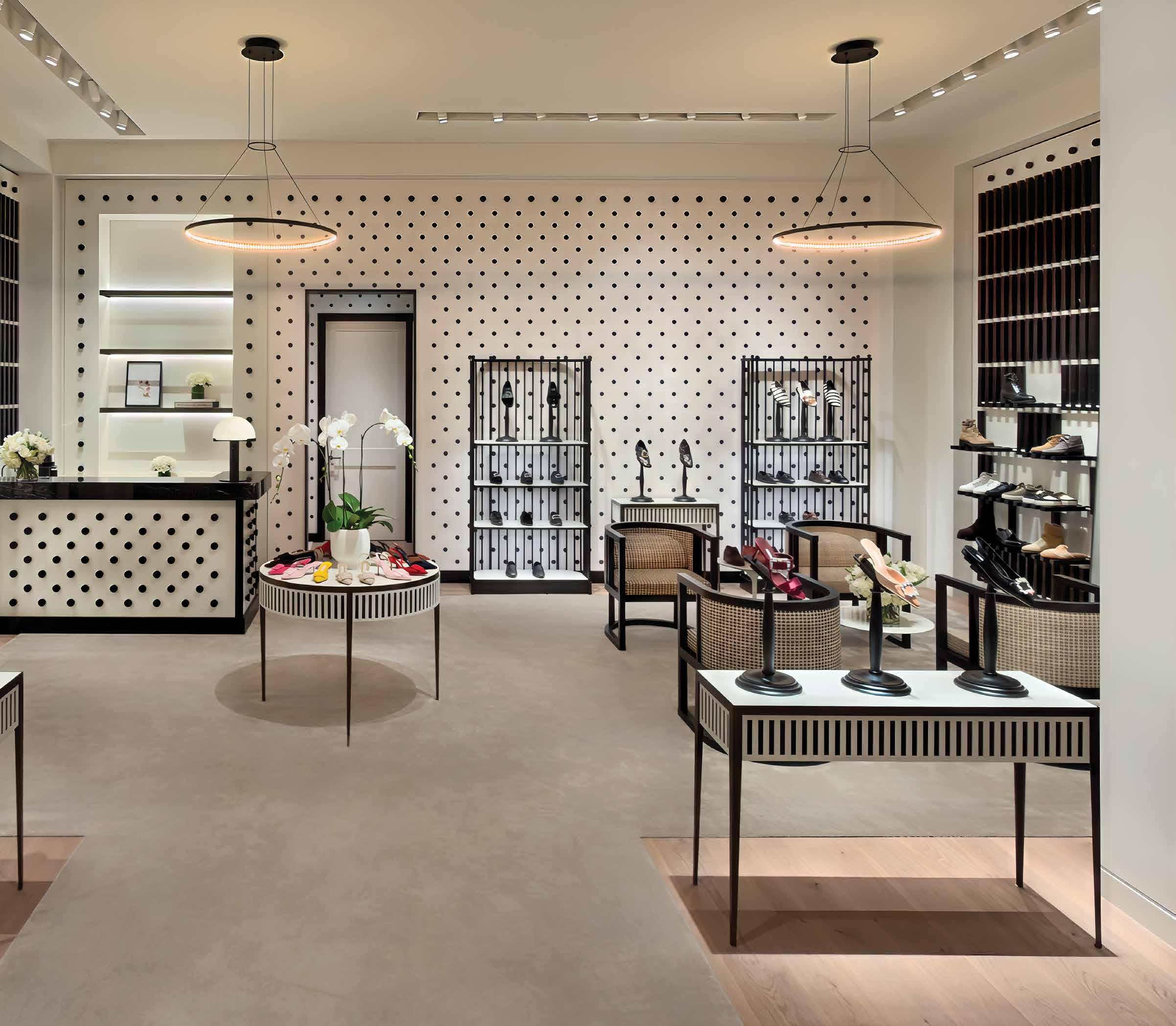
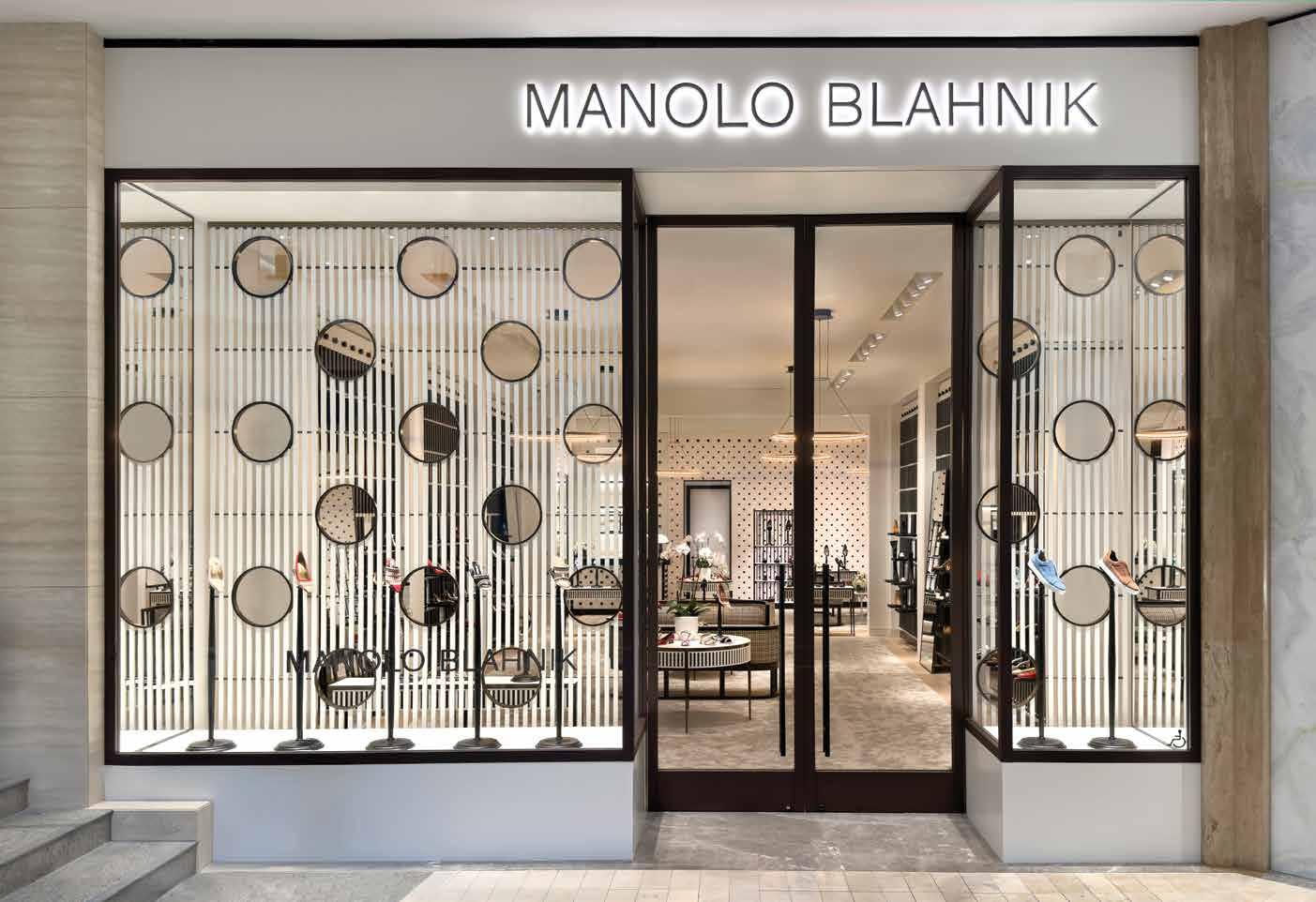
It is with great anticipation that the globally celebrated Manolo Blahnik brand has established a dedicated storefront at South Coast Plaza. Often cited as one of the premier luxury shopping destinations in the U.S., South Coast Plaza is a true haven for high-end retail, boasting an impressive collection of more than 35 exclusive luxury boutiques and 250 diverse retailers. This move sees the pristine Spanish shoe brand find a well-overdue home among other ICONIC powerhouses of luxury fashion and jewelry, including Cartier, Gucci, Louis Vuitton and Dior. Patrons can easily locate the exquisite new boutique on the first level of the center, strategically situated between the distinguished Jewel Court and the vibrant Carousel Court.
The design of the new boutique is a masterful work of art, meticulously crafted to enhance the footwear’s presentation. The
walls are elegantly adorned with bespoke polka-dot wallpaper, providing a playful yet sophisticated backdrop. A black-andwhite color palette is continued throughout the space. This intentional monochromatic scheme serves a dual purpose: it creates a timeless, chic environment while also ensuring that the shoes’ inherently vibrant color variations and intricate designs take center stage, truly becoming the undisputed focal point. Furthermore, the lighting design is a key element of the space. Strategic downlights are precisely positioned to ensure that the shoes’ trademark decorative buckle catches the light, offering the ultimate, mesmerizing sparkle.
The architectural vision for the shop was brought to life by Nick Leith-Smith, a highly respected, London-based architect known for his expertise in high-end retail, hospitality and sophisticated residential design. The resulting aesthetic is a
stunningly modern interpretation of Art Deco style. One of the boutique’s most unique and engaging features is a full-scale, meticulously detailed replica of Manolo Blahnik’s own personal workstation. This intimate installation features his actual art supplies, including brushes and sketchpads, alongside personal photography, offering clients a rare and authentic glimpse into the master’s creative process—the very genesis of every ICONIC design.
This new boutique is more than just a retail space; it is a beautifully curated
Photography
courtesy of South Coast Plaza
narrative of the brand’s enduring legacy. The ICONIC Manolo Blahnik story is perfectly encapsulated in a design executed with painstaking attention to detail, aiming to reveal more than just a product; it tells a much broader story of the compelling beauty of design itself. The space represents a harmonious and successful collaboration where interior design and world-class fashion design coalesce in perfect, stunning synergy. It is, in essence, a shrine to craftsmanship, style and the indelible artistry of Manolo Blahnik.
French Roots, Soul Coastal
This restaurant is a fusion of French tradition and Californian culture.
By Amalie Rhebeck
by Dylan + Jeni
Photo
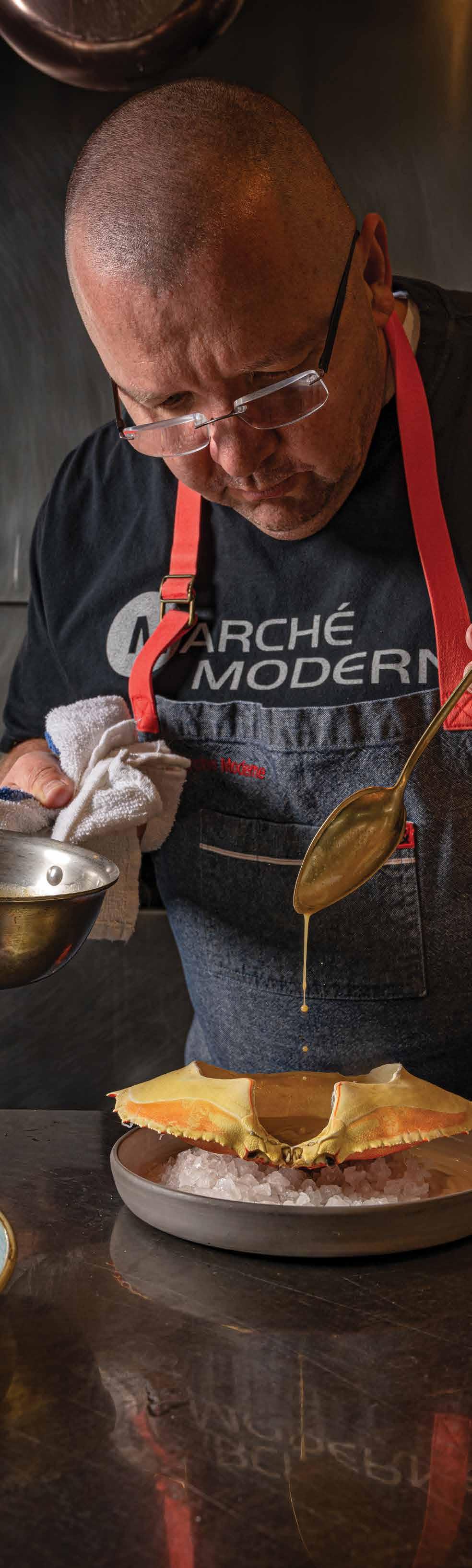
French techniques and Southern California soul define Marché Moderne’s philosophy. The traditional ethos of French cooking and the laid-back atmosphere of Newport Beach are not at odds; rather, they complement each other.
The restaurant, which opened its doors in 2007 in the ICONIC South Coast Plaza and later relocated to Newport Beach, was created by chefs Florent Marneau and Amelia Marneau. The dynamic husband-and-wife duo have been running the restaurant since its inception, and have curated a menu that melds traditional French cuisine with fresh coastal ingredients.
“The base is very French—good sauces, proper stocks, precise cooking of fish and meat, attention to detail. This is the backbone of everything we do,” Florent says. “Where we push a little is with Californian ingredients—local seafood, vegetables and more lightness. The technique stays French, but the expression feels modern and more relaxed, but still very elevated.”
This contemporary take on traditional French cooking is what has established Marché Moderne as a staple restaurant in Newport Beach. Over the past several years, the restaurant has become a regular spot for locals and a must-try for visitors. Florent attributes this to offering a variety of high-quality menu items, from French bistro classics to their tasting menu.
“Our guests love Amelia’s salads and desserts. They’re fresh, balanced and beautiful. They bring a special start or finish to the meal,” he says.
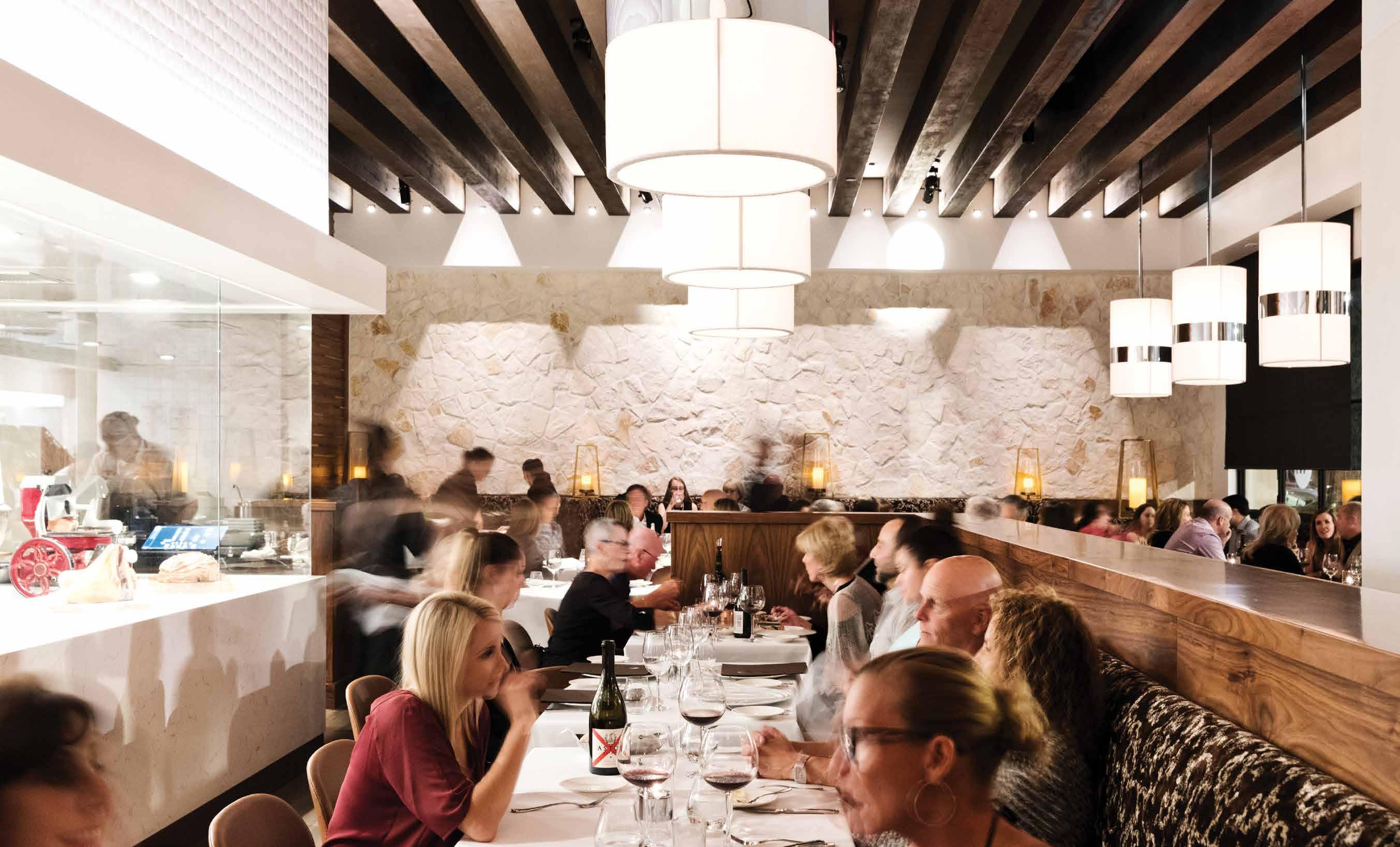
This fusion culinary experience flows effortlessly into the restaurant’s ambiance. The atmosphere has an air of elegance but with a relaxing twist. From the formal dining room to the bar, Florent says the key to achieving this welcoming experience for guests lies in quality customer service.
“We aim for warm and elegant but very welcoming with genuine service,” he notes.
Photo by Ron De Angelis
“We have also been fortunate that many of our kitchen and front-of-house team have been with us for well over a decade. They are like family to us. We want guests to feel taken care of, without feeling stiff or intimidated. Good food, good wine and a welcoming team—that’s the atmosphere we try to create every day.”
At its core, Florent and Amelia have built a storied legacy with Marché Moderne that cannot be replicated. The restaurant is a reflection of their genuine love for hospitality, quality ingredients and the community of accomplished staff and guests.
“After 18 years, I think our legacy is consistency, dedication to craft and real hospitality. We have guests who have been with us since the beginning, cooks who have grown in our kitchen and gone on to lead their own teams and servers who have seen multiple generations of families dine with us now,” Florent says. “For me, that is the legacy—staying true to who we are and taking care of our community.”
Photos by Dylan + Jeni
Photo by Dylan + Jeni
FRAMED
ARCHITECT Geoff Sumich Design. INTERIOR DESIGN Lisa McDennon Design. BUILDER Nicholson Companies. LUXURY REAL ESTATE BROKER VALIA Properties.
Photos courtesy of Valia Properties
This home is as exquisite as the views it captures.
By Nakayla Shakespeare
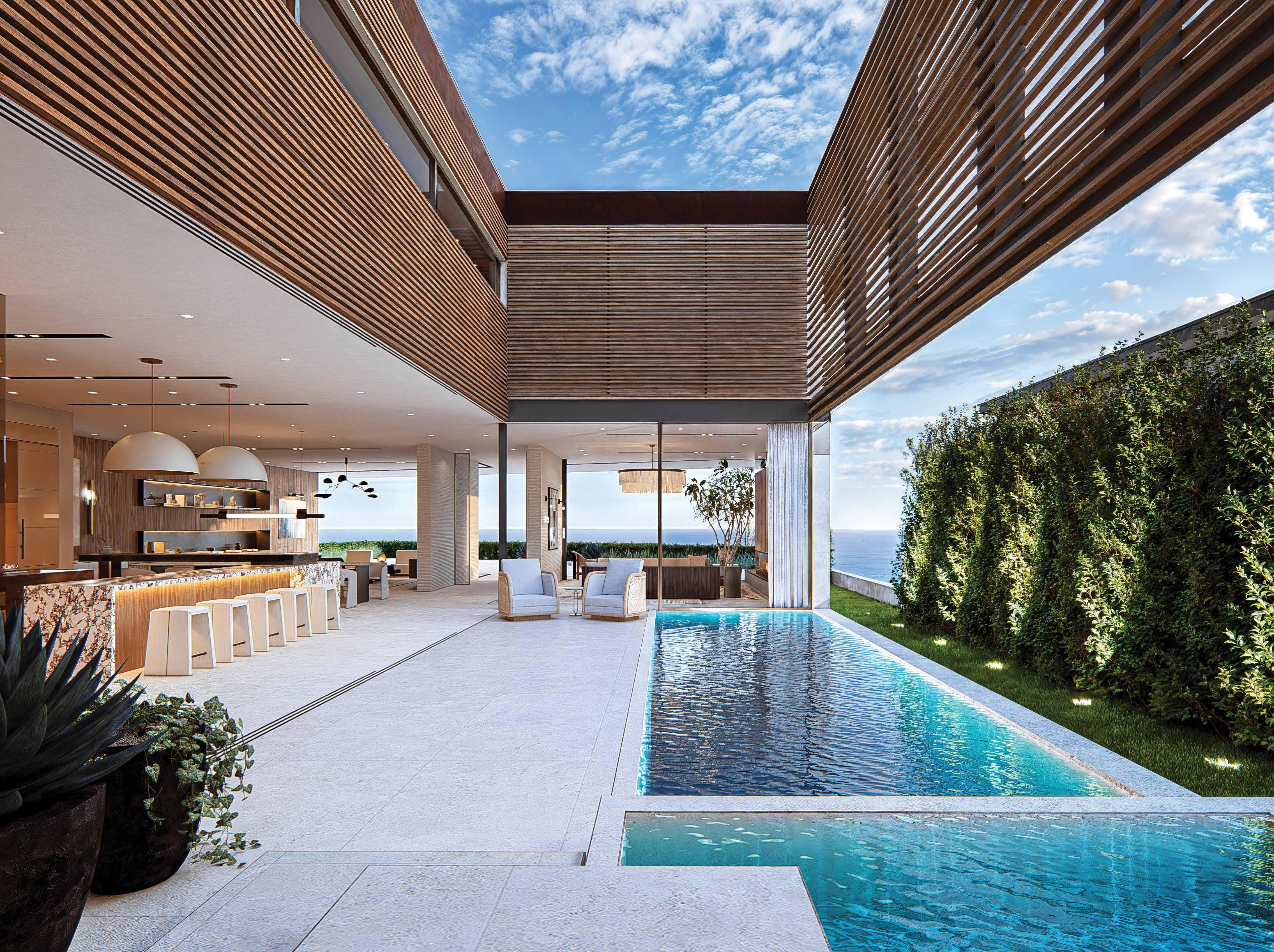
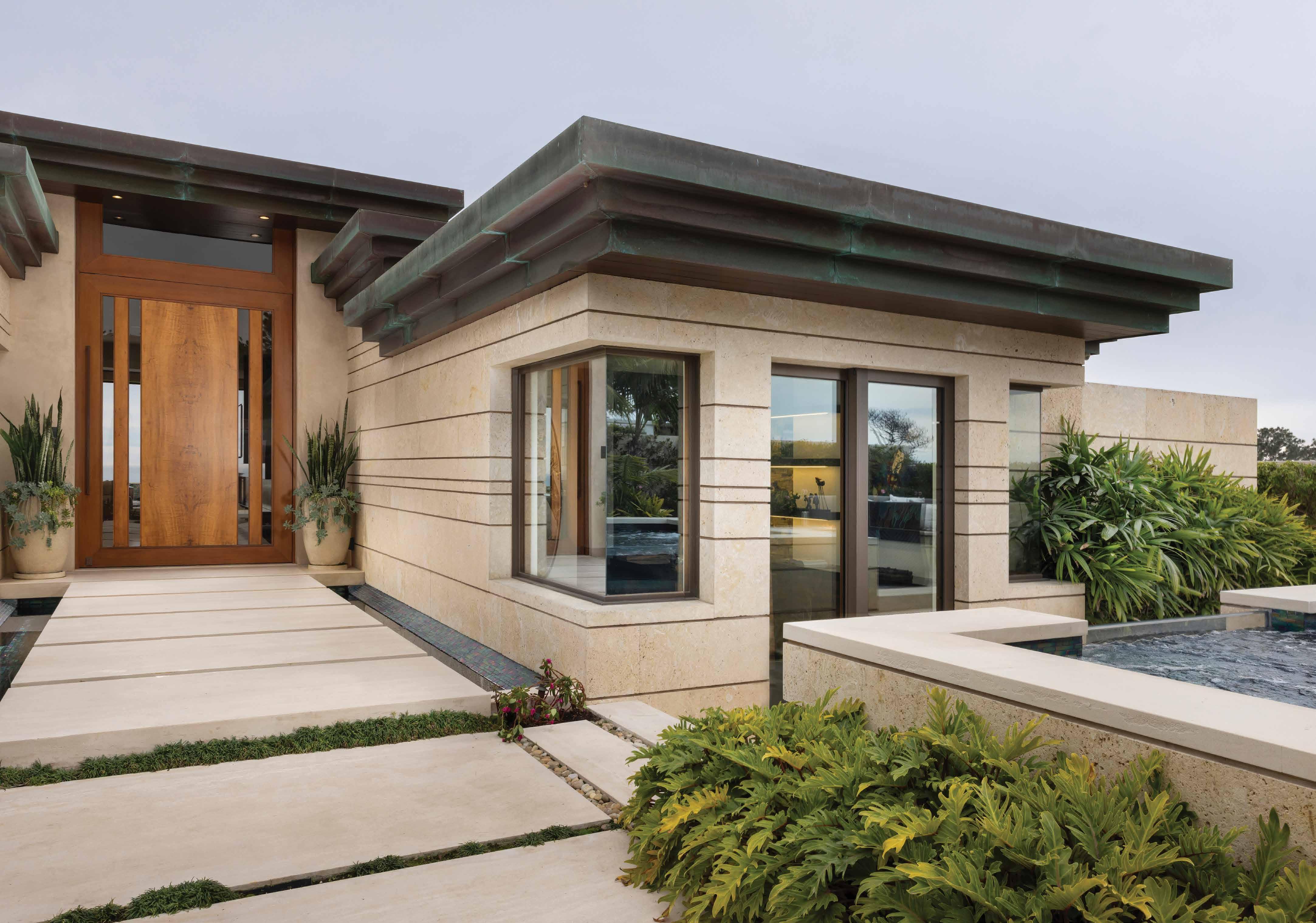
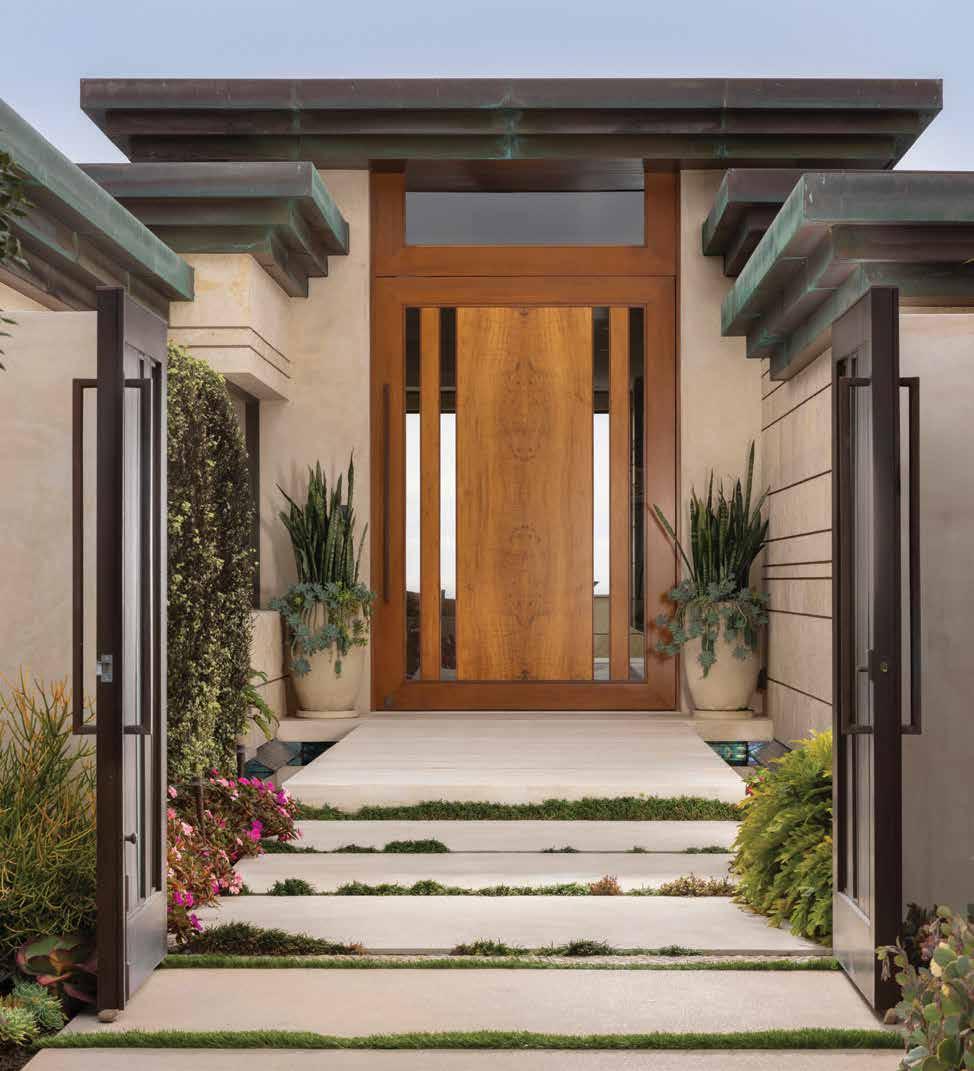
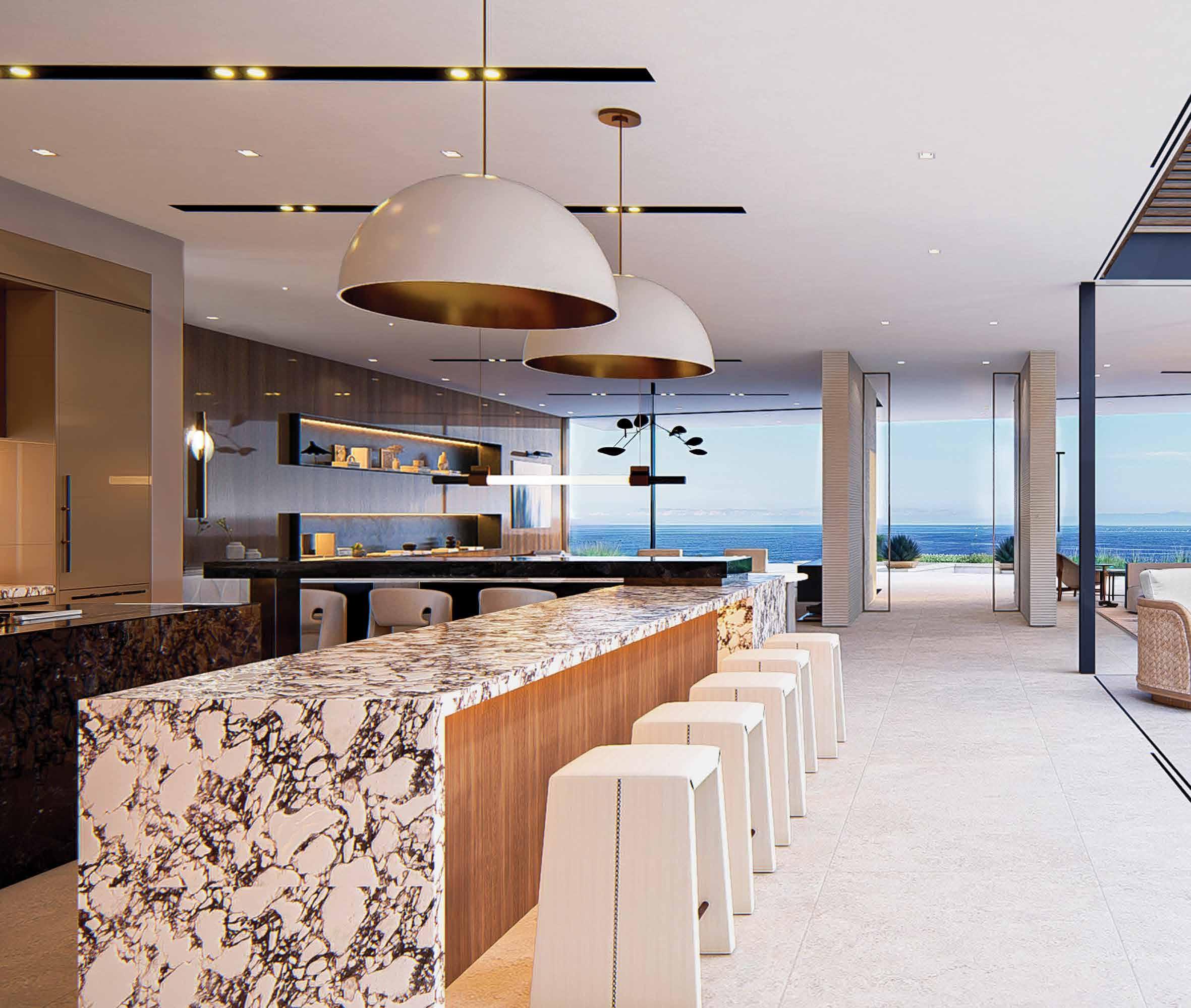
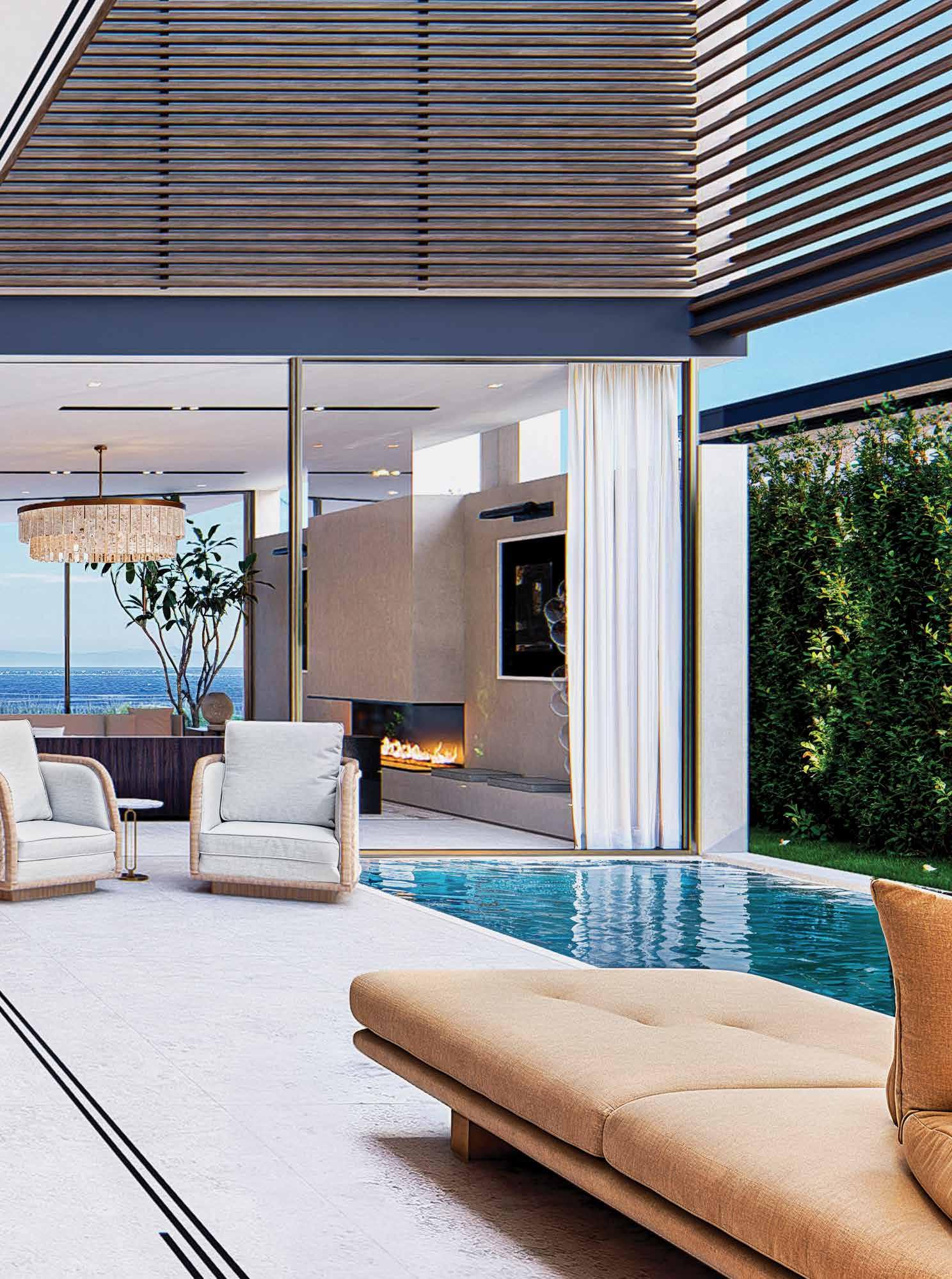
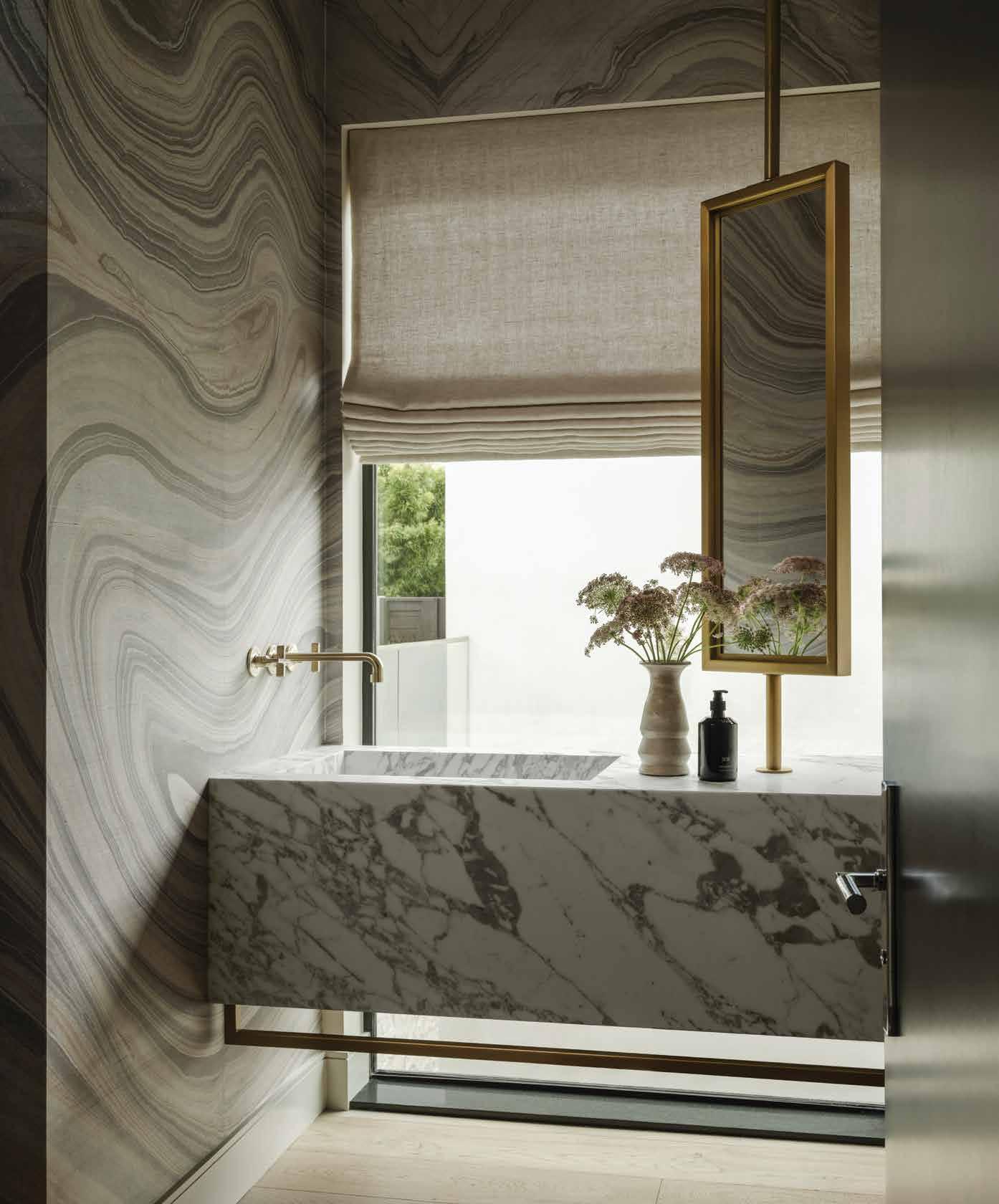
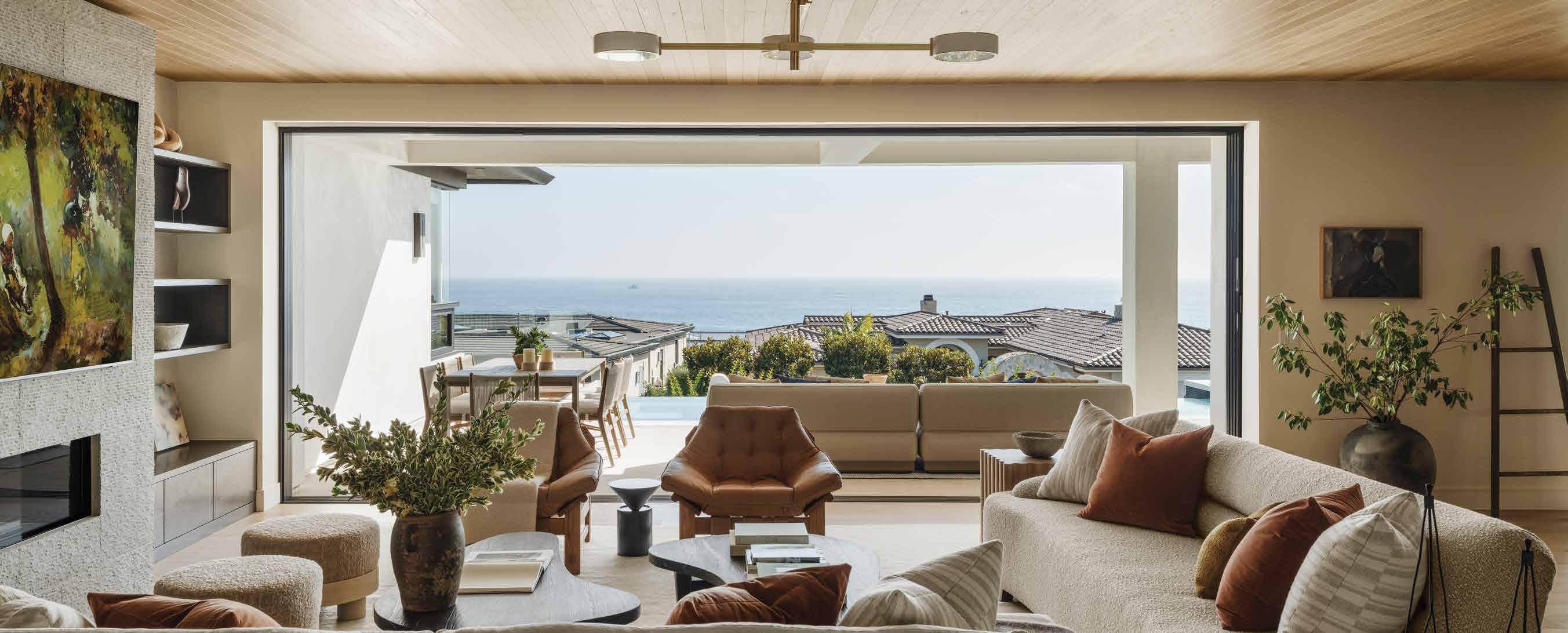
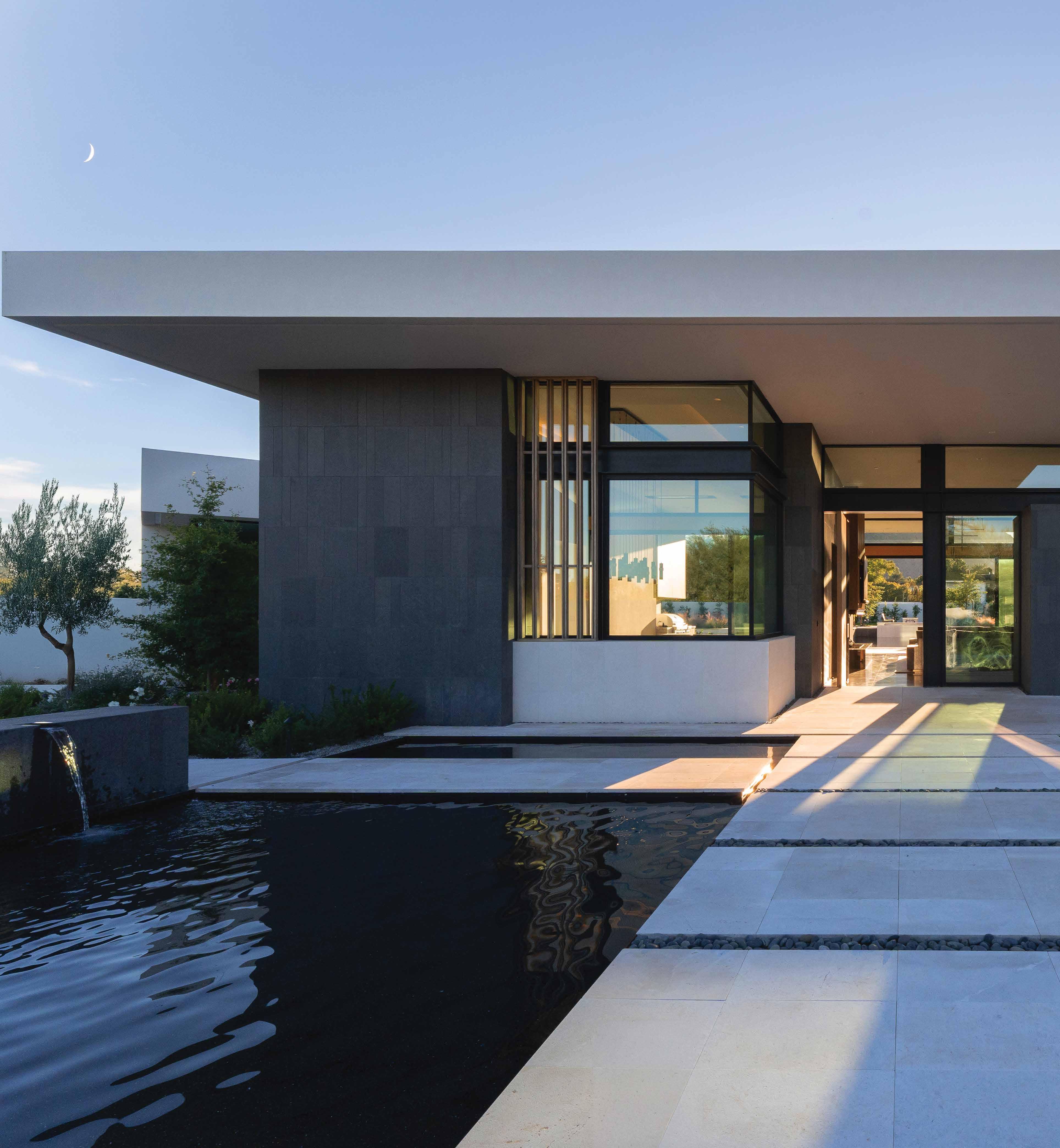
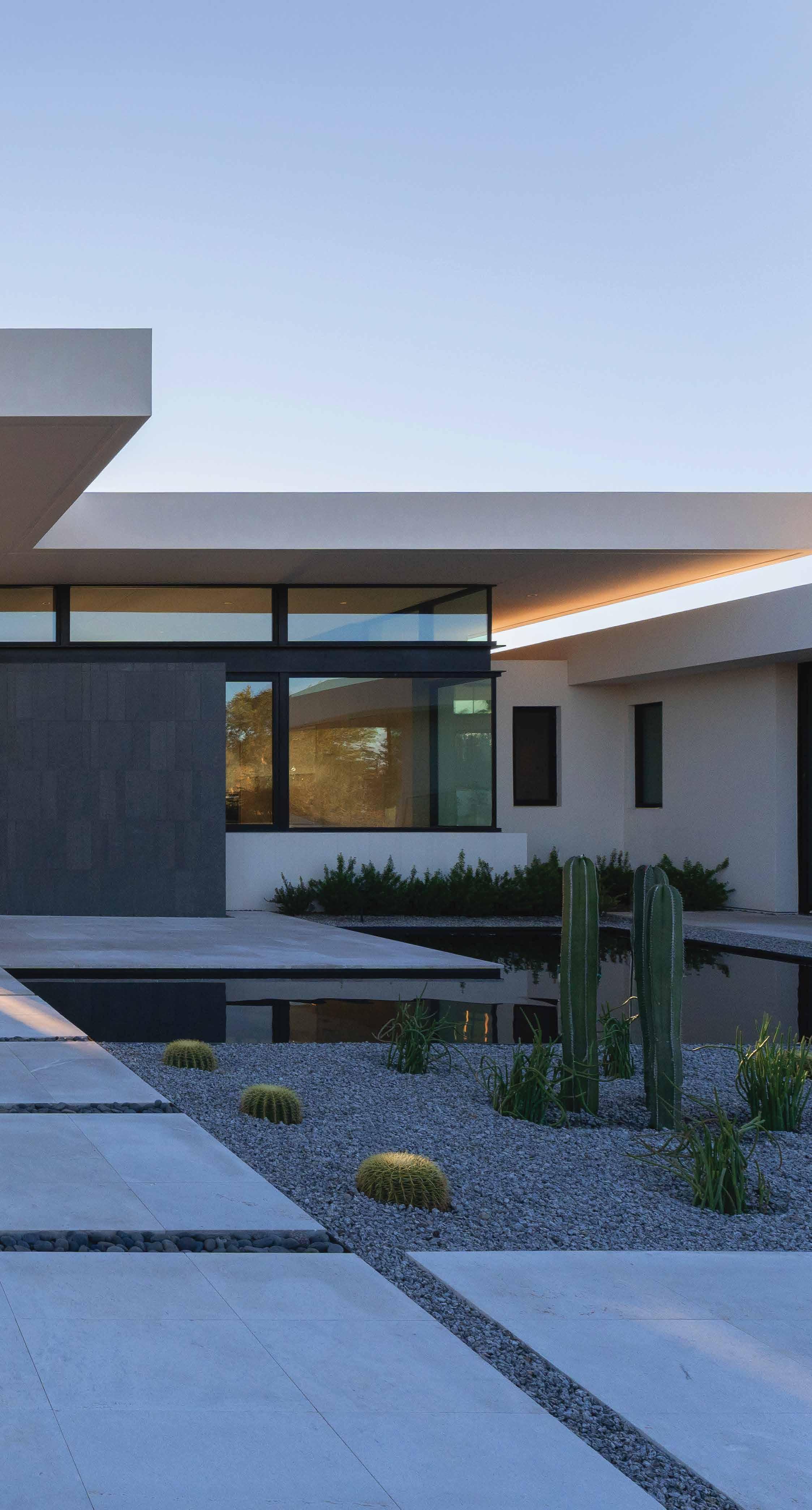
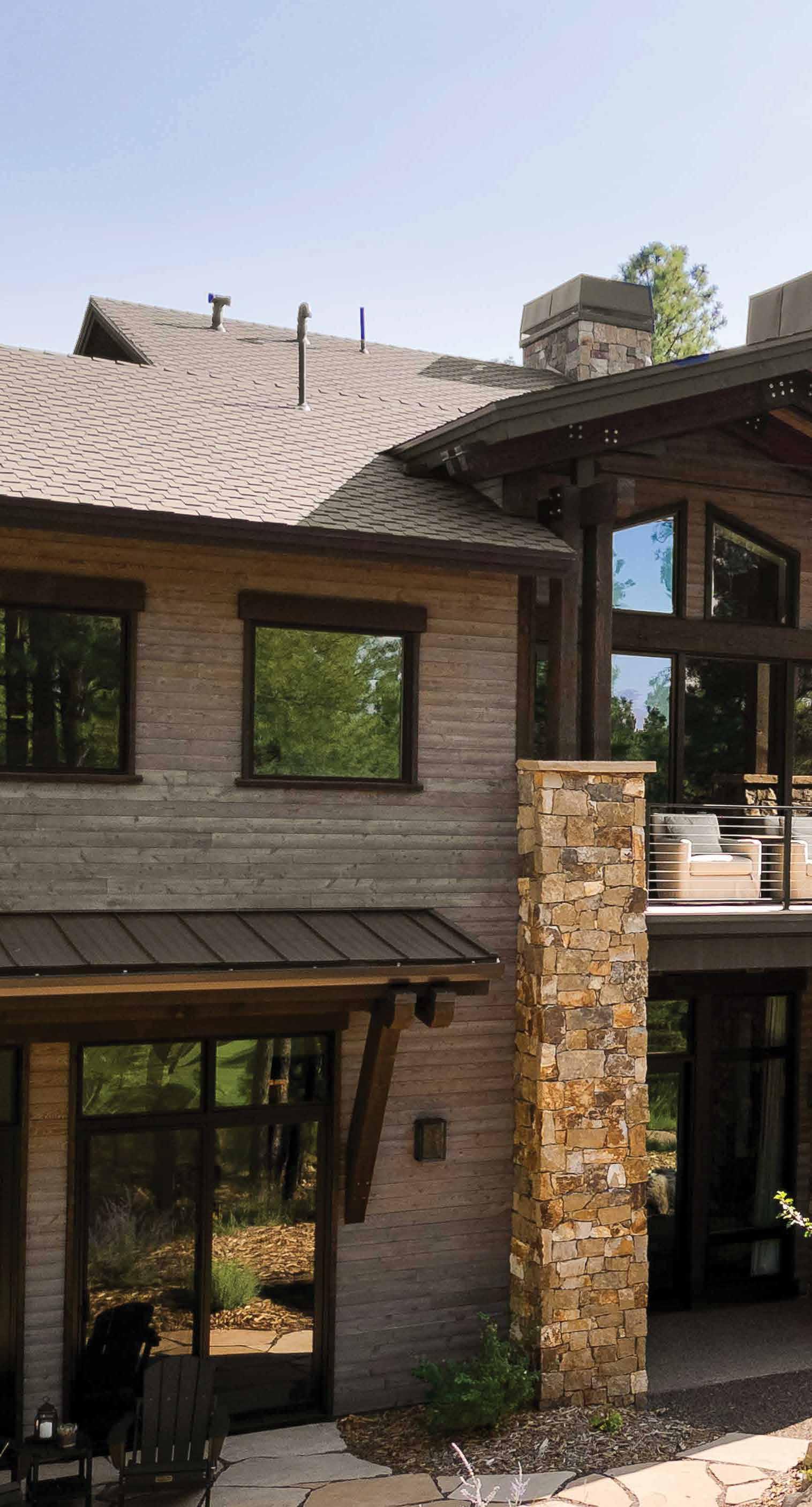
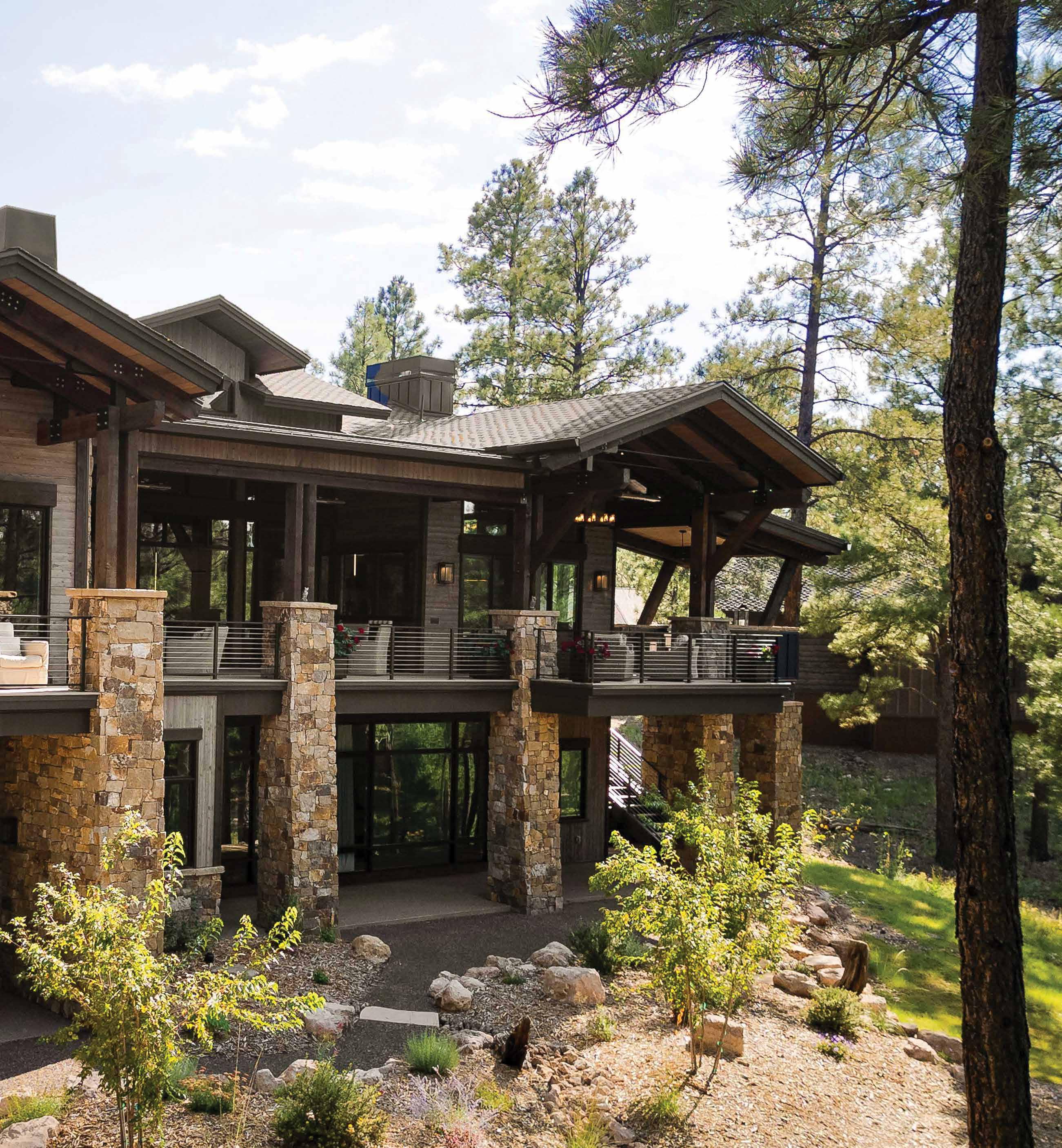
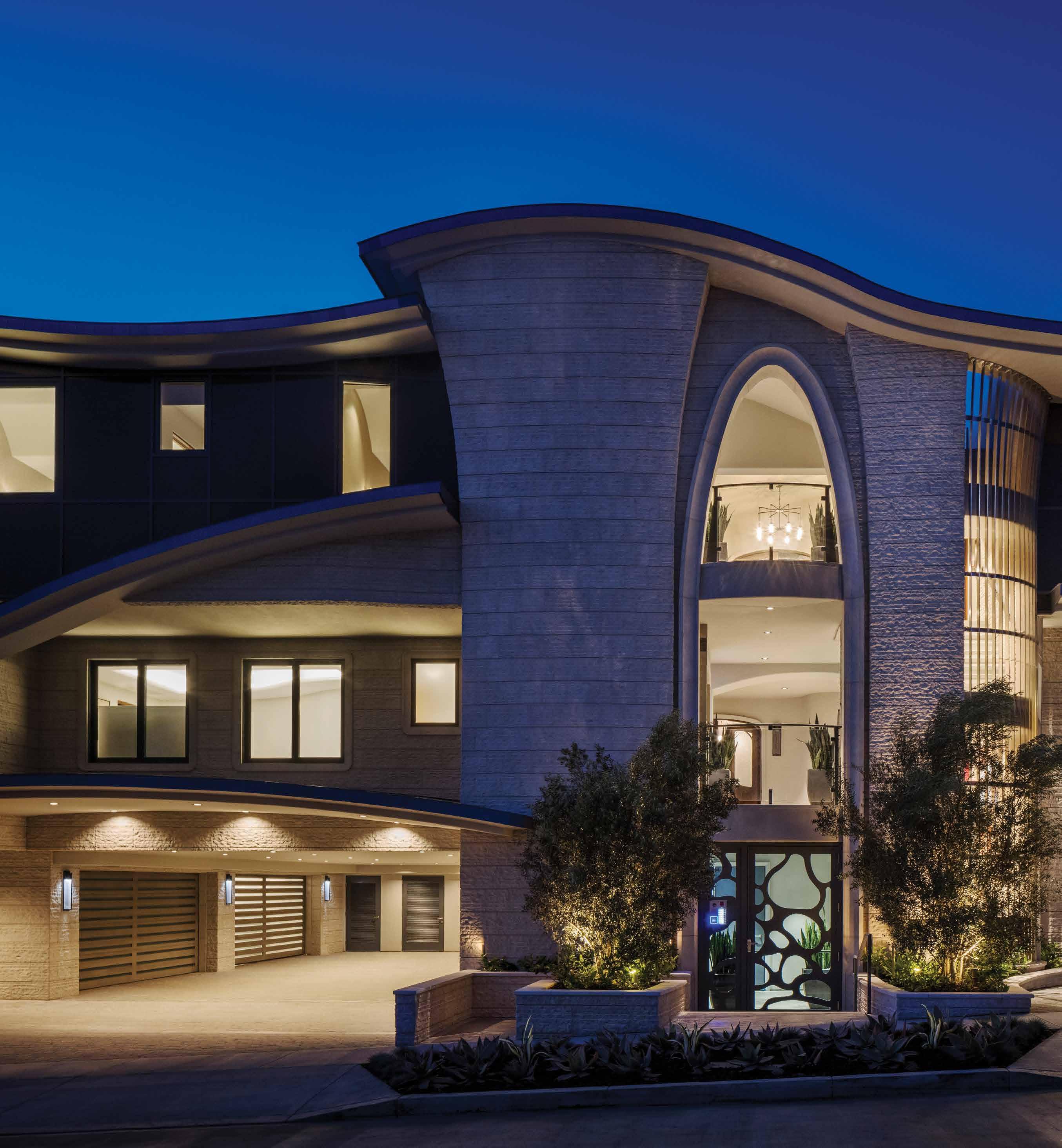
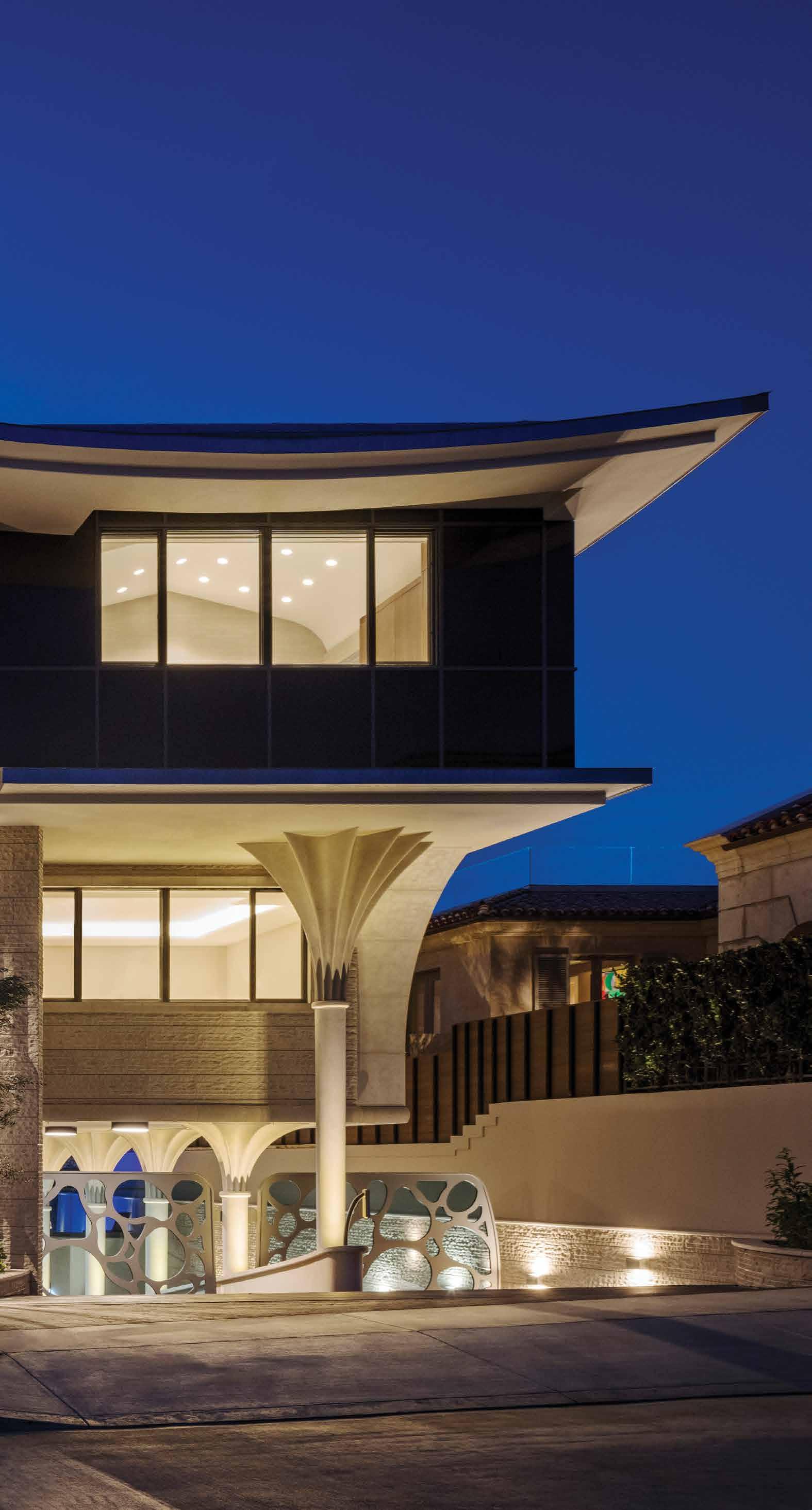
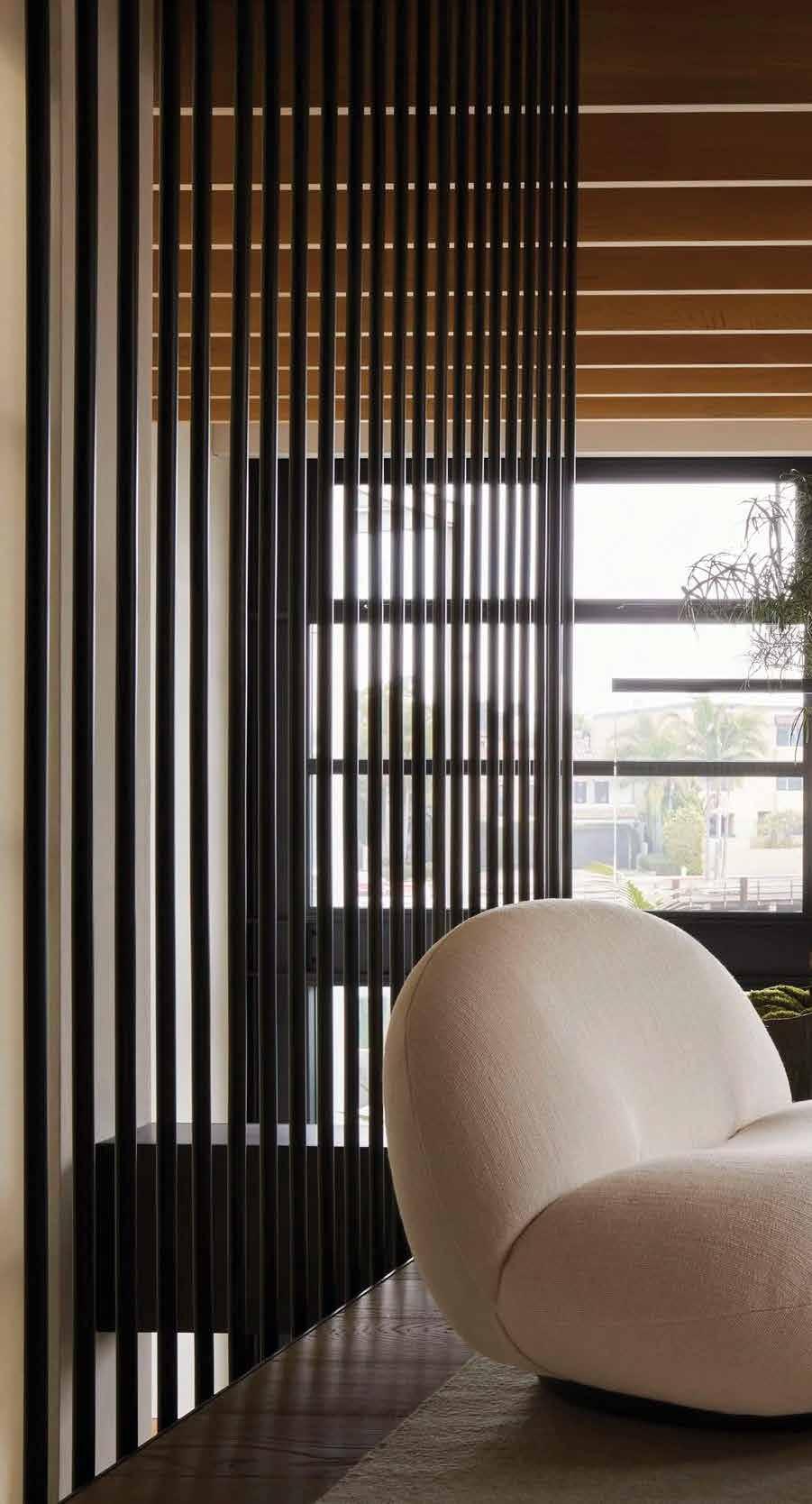
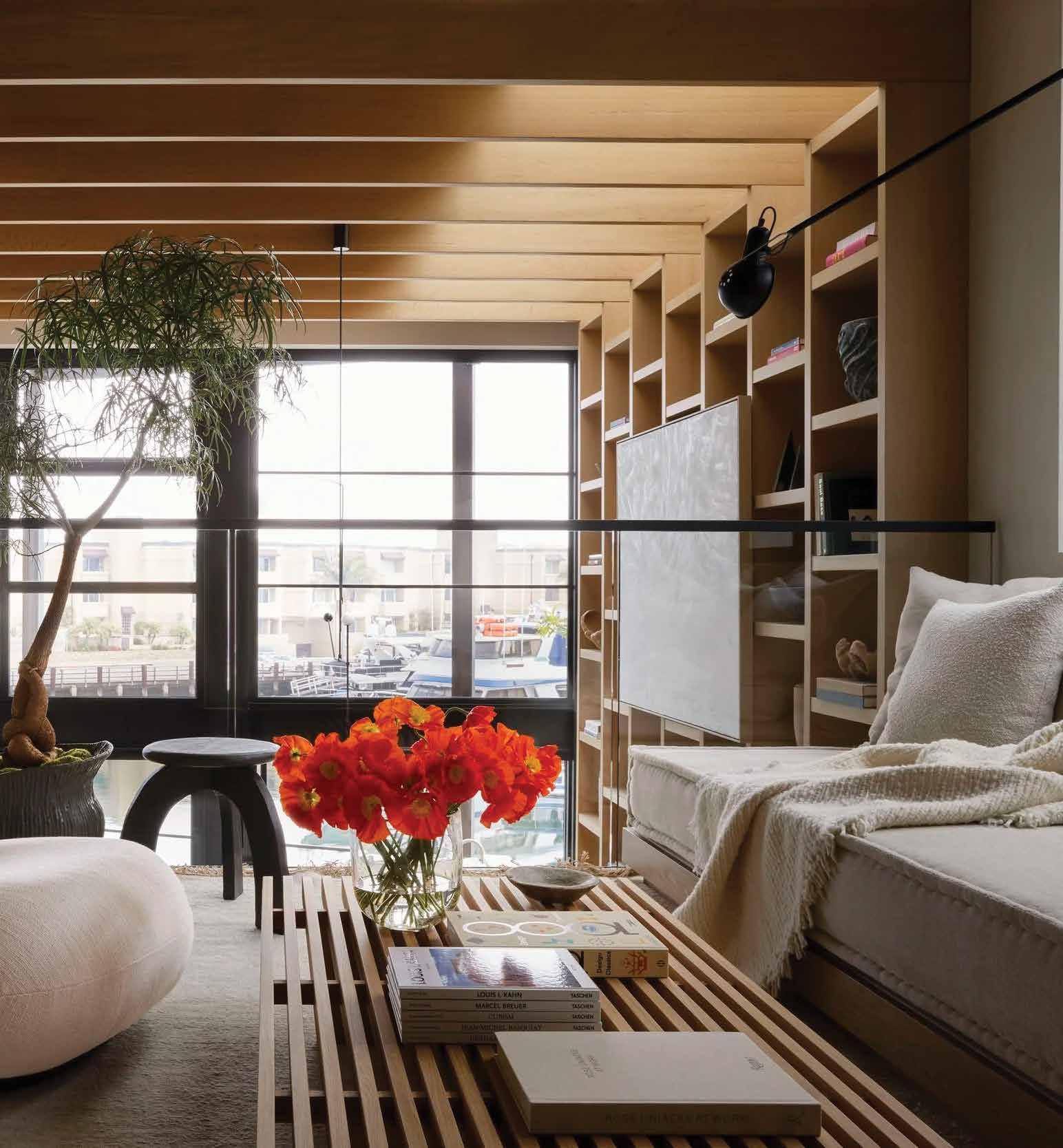
The moment you walk through the doors of this Corona del Mar property, a seemingly never-ending vista of crystal blue waters that stretch to the horizon line and beyond, envelopes you. This stunning view can be seen from almost every vantage point of this luxury estate. The home’s meticulous, sleek design allows the breathtaking ocean to command attention, rather than compete with it.
The staggering 17,300-square-foot residence across all spaces, which is currently on the market for $52 million by VALIA Properties, was the product of Geoff Sumich of Geoff Sumich Design, Tom Nicholson of Nicholson Companies and Lisa McDennon of Lisa McDennon Design. Together, they designed and executed a contemporary, modern estate that seamlessly blurs the lines of interior and exterior.
“The collaboration was a carefully orchestrated dance, one built on trust, discipline, and a shared respect for the vision,” Tom Nicholson, founder of Nicholson Companies, says. “ From the earliest stages,
as the developer and builder, we worked in constant dialogue with the architect, design team, engineers, trades and vendors. Every decision was interconnected: structure informed space, space informed materiality, and materiality informed light. There was a clear understanding that no single element could be resolved in isolation without impacting the whole.”
The close relationship between the team, which was stewarded by VALIA, has elevated the property from a beautiful home, to a curated experience.
“The home blends modern design with a warm, inviting sensibility, creating spaces that feel both beautifully composed and exceptionally livable,” McDennon says.
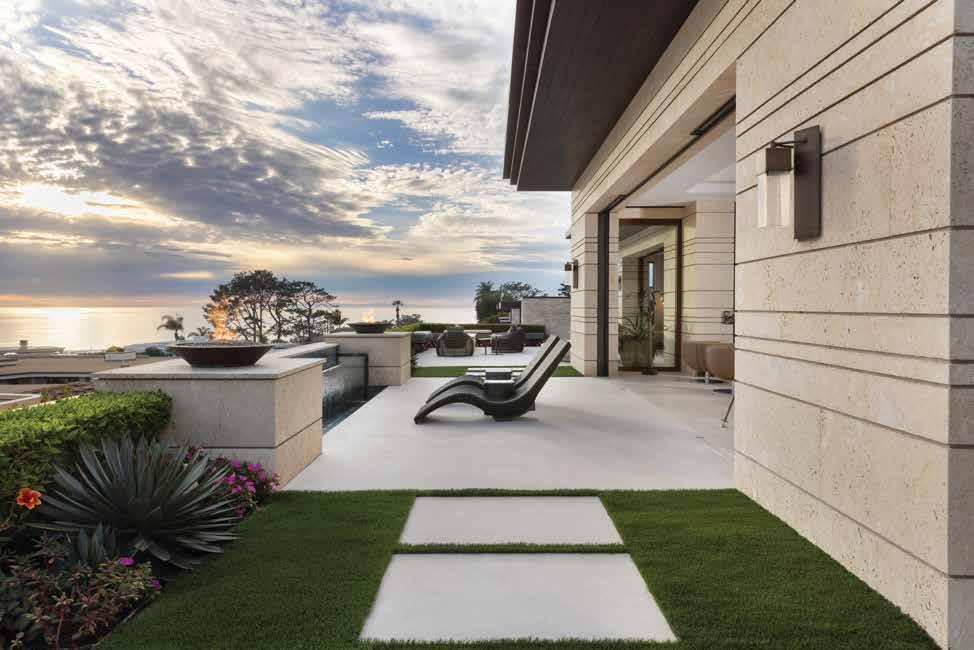
Floor-to-ceiling automated glass doors foster a strong connection to the surrounding landscape, allowing for the crisp ocean breeze to flow effortlessly throughout, supplying you with priceless views. Achieving this caliber of harmonious indoor/outdoor living,
with close proximity to the ocean, meant sustainability was a priority for the builder and architect to maintain the integrity and longevity of the home.
“The primary challenge was reconciling openness with permanence,” Nicholson explains. “The home was designed to immerse the owner in the experience of luxurious seaside living where interior spaces flow effortlessly to the outdoors, and expansive rooms are framed by uninterrupted ocean views. Achieving that level of transparency while maintaining structural integrity required an extraordinary level of upfront planning and engineering. To support nearly 12,000 square feet of interior space with minimal internal walls, we invested heavily in the structural framework. The main structure alone incorporates more than 61 tons of steel and approximately 750 yards of high-strength concrete.”
Another challenge of the home was striking a balance between privacy and visibility to the ocean views. Sumich integrated features
such as a hidden louvered system that can be activated at the homeowner’s discretion, as well as designing a sleek wood trellis above the courtyard. “We did this in the courtyard as well as along the property line,” Sumich says. “It allows light to flood the space but also gives you privacy, almost like a veil.”
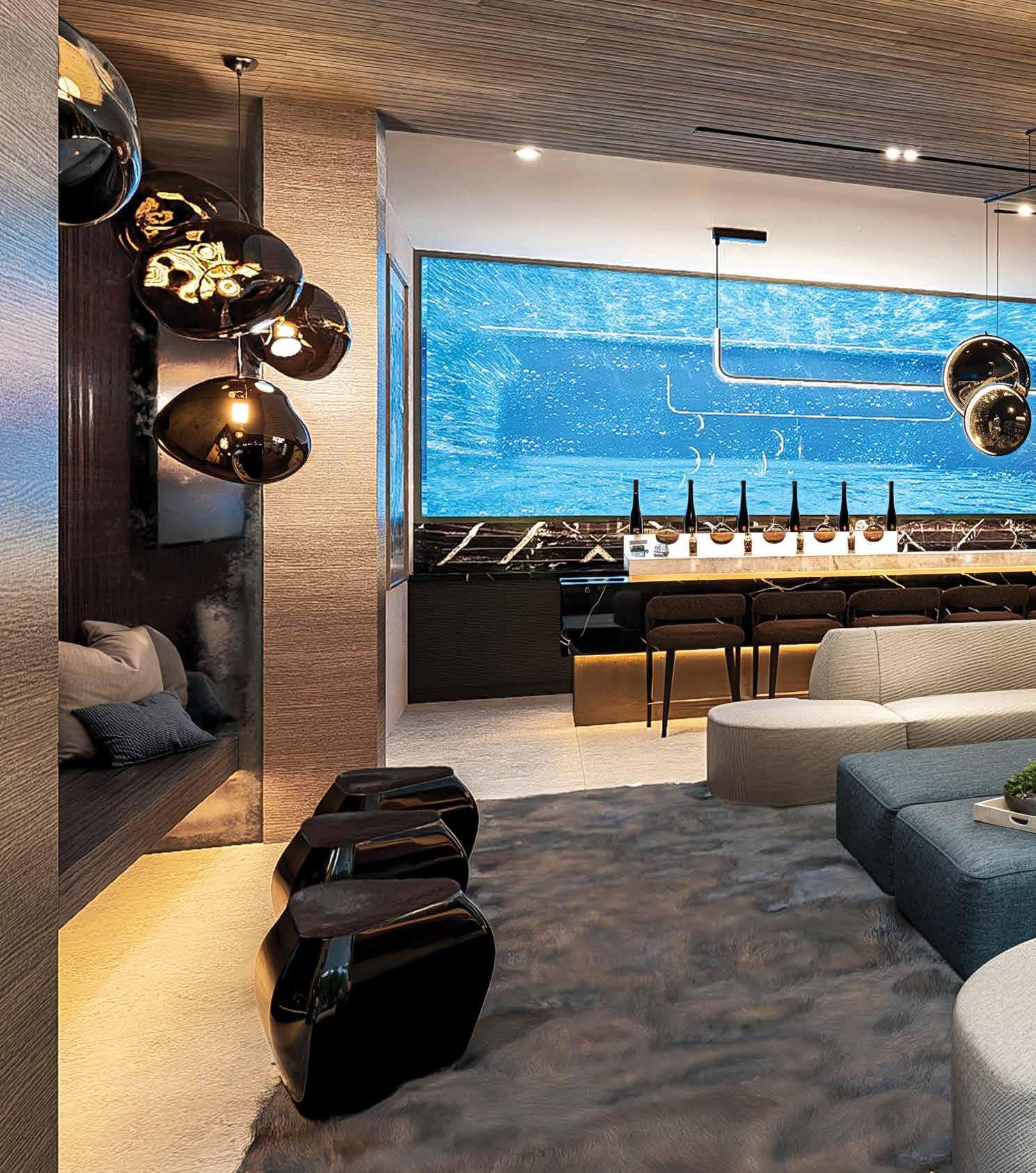
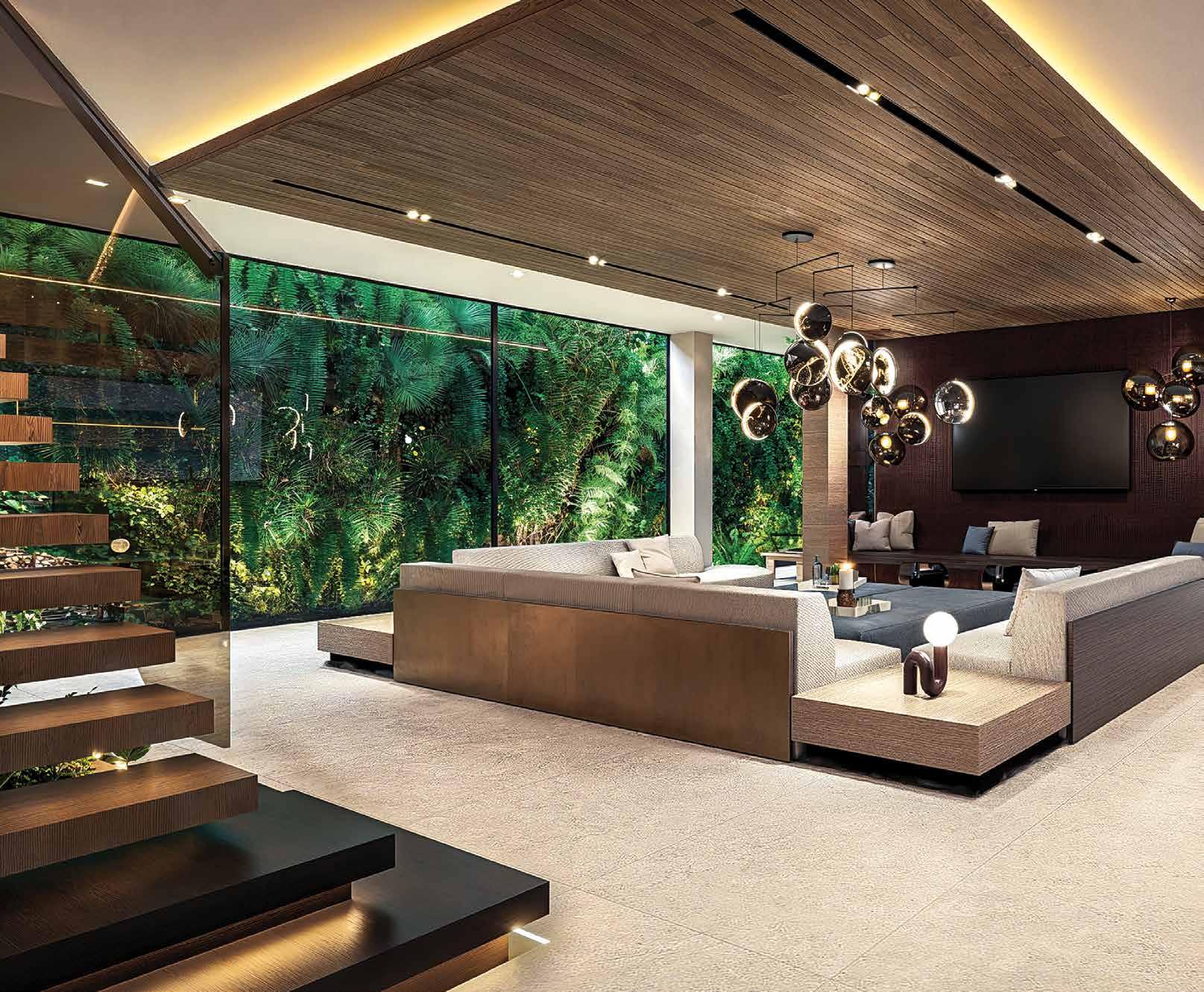
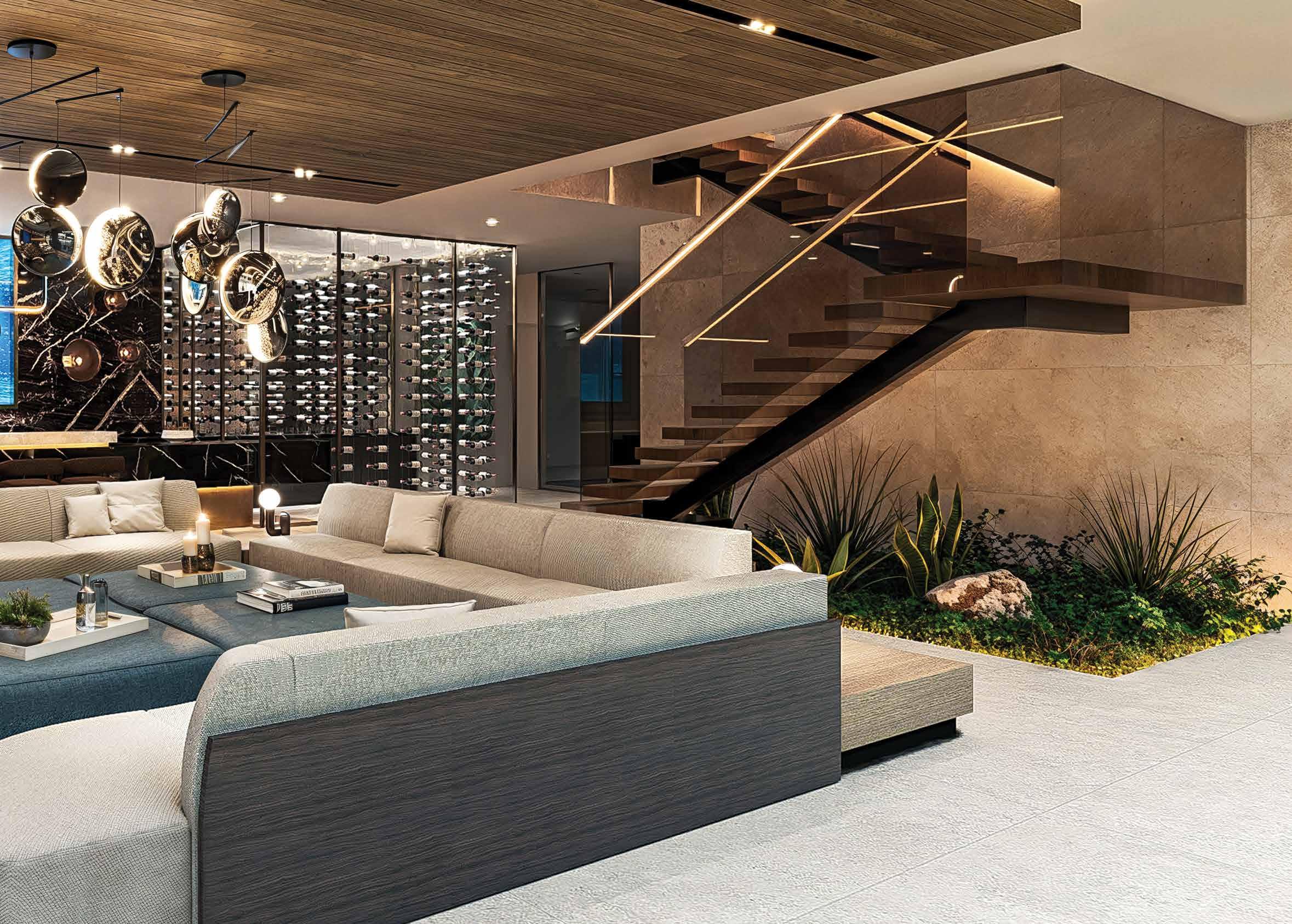
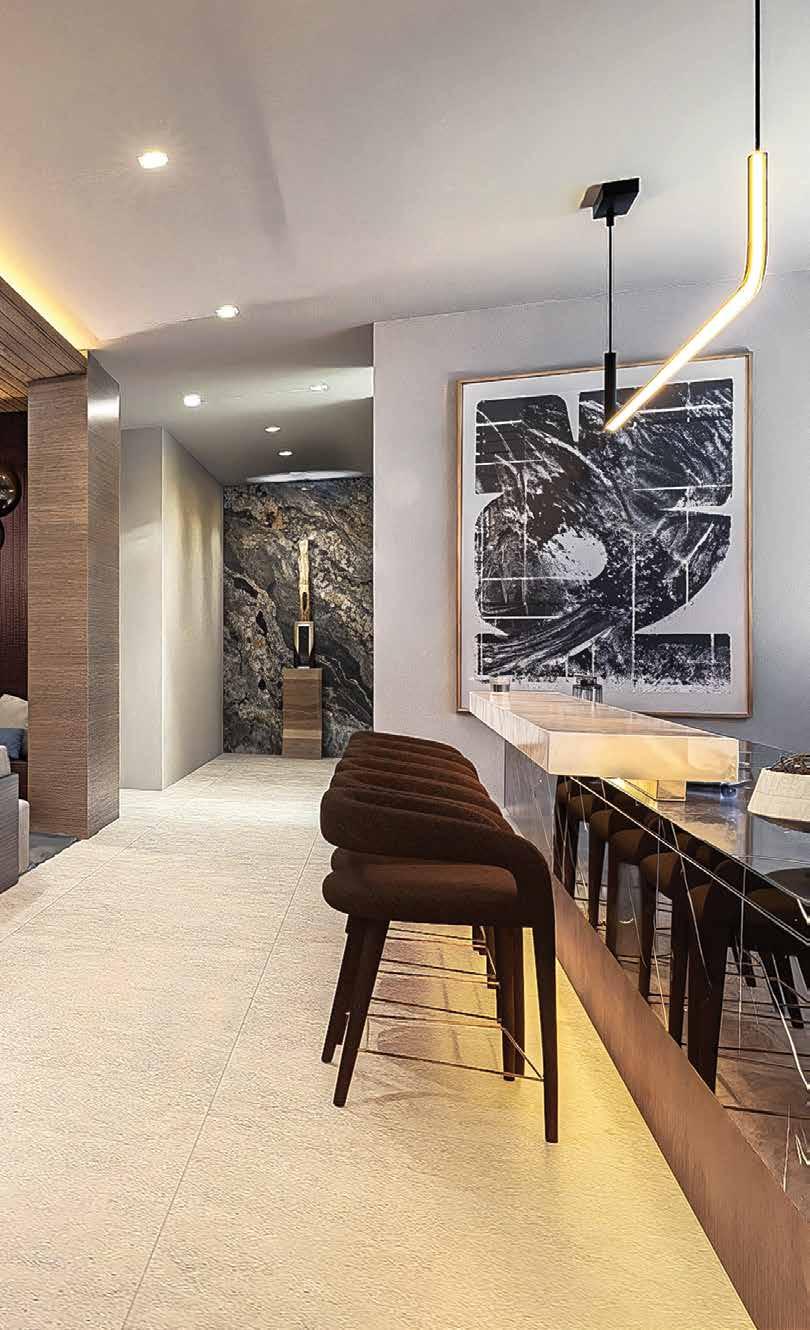
Designed to be a host for gatherings, the estate features a lower-level where multiple resort-like features such as a lounge, opulent theatre, a car gallery with clear views of the car lift, a bar, a state-of-theart gym, spa, wine room and massage room reside. Through innovative planning, elements of nature become the focal point. A plexiglass window built into the pool reflects the sun’s rays and adds a subtle ethereal glow to the room, while a beautiful greenery wall of flora and antique mirrors commands attention, adding a bold emerald pop of color, and allowing sunlight to peek through.
“The swimming pool on the main level has a large 20 x 10 ft. acrylic glass window, which brings light through the water down into that area on one side,” Sumich says. “I also located a lightwell lined with greenery which spans the entire length of the lower level. These two openings bring light and nature into this subterranean space.”
The interiors showcase a neutral color palette, allowing the blue hues of the water to lead the narrative and connect the rooms together. The designer opted for curvaceous furniture to juxtapose the clean, sharp lines of the home’s architectural composition.
“The architecture establishes a strong, clean-lined structure, and we wanted the interiors to introduce softness, movement, and visual layering that would balance those elements,” McDennon says. “We achieved this through organic textures, sculptural furnishings, layered finishes, and carefully curated lighting. The goal was to soften the architectural geometry without diminishing its strength, creating a home that feels both visually striking and warmly inviting.”
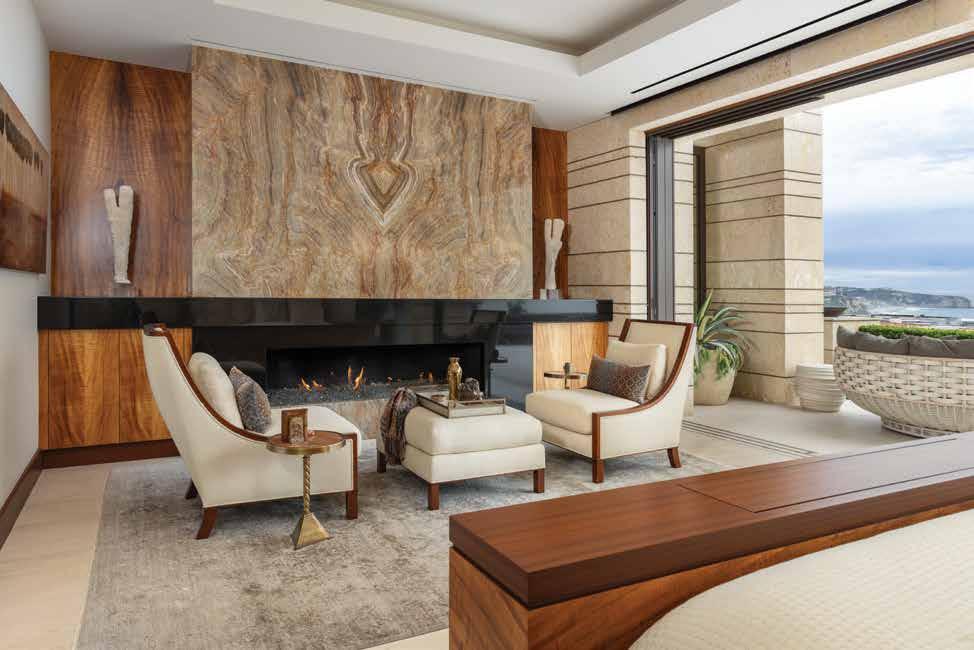
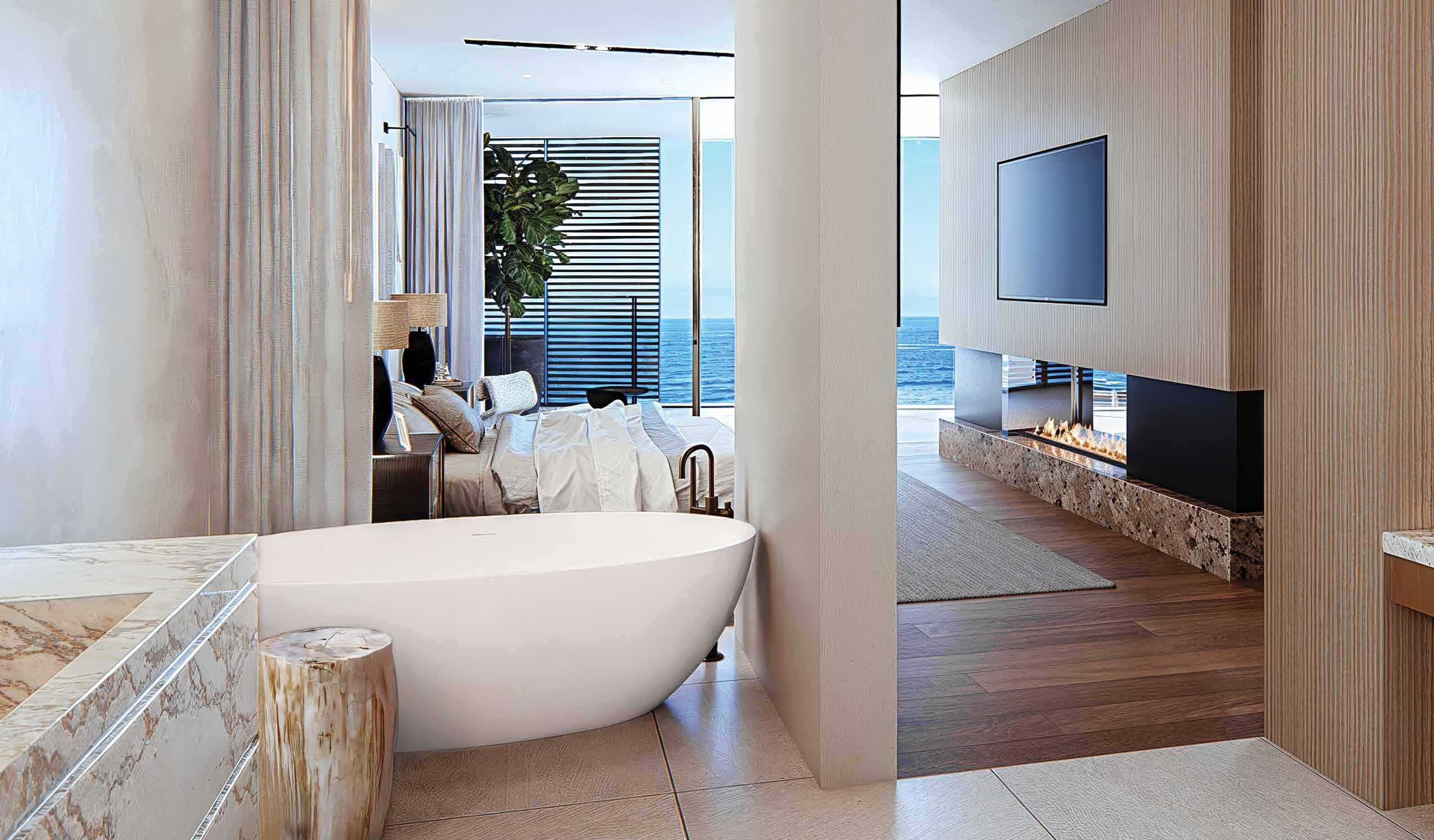
The primary bedroom is clad in wood walls with a structured floor-to-ceiling fireplace adjacent to the bed, acting as the room’s anchor and creating a separation between the sleeping area and lounge. The bedroom’s wall is made completely of glass, opening up
to a patio with uninterrupted views of the sparkling sea.
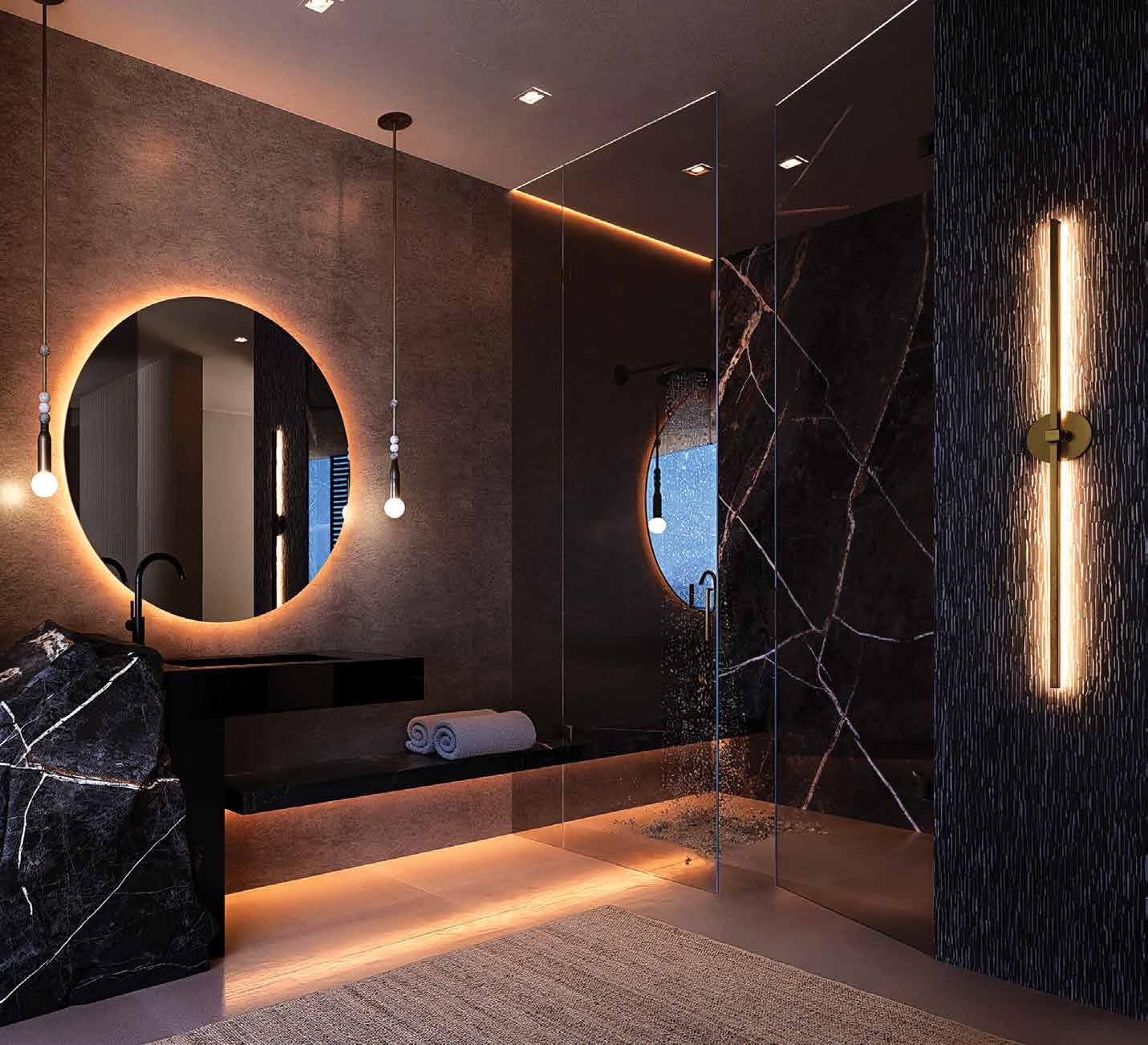
The bathrooms in the primary suite are standout features; each bathroom exudes a masculine and feminine energy; his-and-hers. One is constructed with a mixture of bold veined dark brown quartzite, honey mocha onyx, a warm concrete toned porcelain and darker wood tones, while the other is designed to have an air of femininity: featuring a Vagli marble with tones of peachy-pink, taupe, cream & white, light wood, a spectacular soaking tub and vanity for getting ready.
The home’s architecture is bold and simplistic, designed to maximize views, Sumich believes that is part of what makes the home ICONIC. “It takes a lot of courage to
do a very simple and bold piece of architecture,” Sumich says. “It gives the home a timeless nature.”
For Nicholson, the home feels ICONIC because of the experience you have when standing within its walls, “it transcends architecture and becomes an experience, one that is inseparable from its site and its surroundings,” he says, “Its elevated position along Ocean Boulevard, with over 64 feet of unobstructed ocean frontage opposite Inspiration Point, is extraordinary, but what truly sets it apart is how the design responds to that context. Walls of glass, expansive open spaces, and carefully choreographed sightlines allow the ocean, the sunsets, and even the motion of the harbor to become integral parts of the home itself.”
Museum of
Magic
Here, nostalgia becomes something brighter: a reminder that joy and imagination endure.
By Fran Miller
Some of my earliest memories are framed by Disney. In addition to the movies, the music and numerous Disneyland visits, I remember climbing into the family car with my brothers—clad in our pajamas—and driving to what was then the park’s free parking lot in Anaheim, Calif. We’d open the car windows, watch the summer fireworks show and await the finale when Tinker Bell floated down from the Matterhorn. It was a small family ritual, and it felt like pure magic.
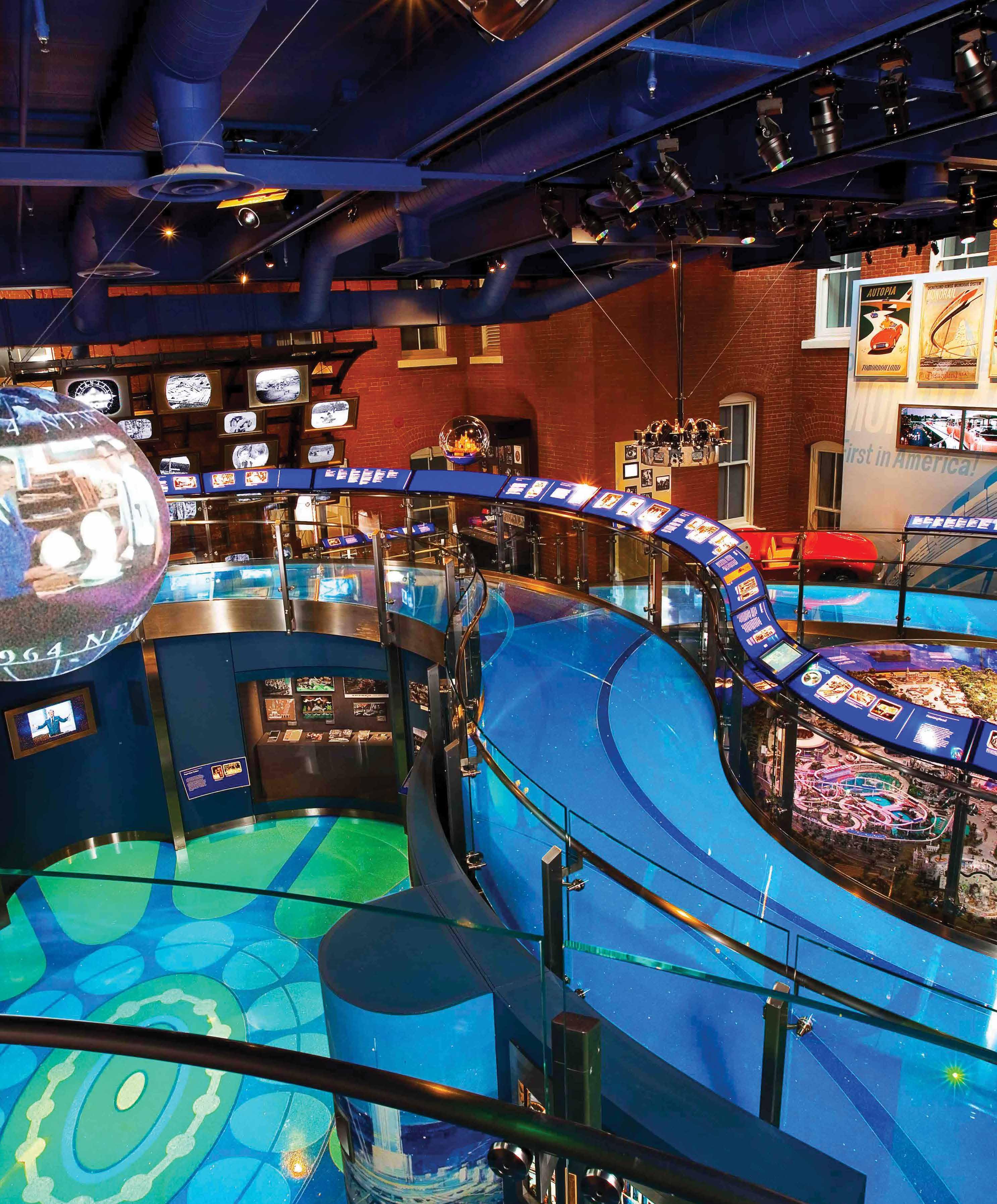
I recently felt a similar spark during a visit to the Walt Disney Family Museum in San Francisco’s Presidio. Though not a theme park and decidedly more contemplative, the museum is every bit as enchanting. Instead of rides, you find the story of Walt Disney and his boundless imagination, his failures and triumphs and how his vision reshaped our experience of art and storytelling.
A MUSEUM IN A PARK
Part of the museum’s charm lies in its setting. The Presidio, a former military
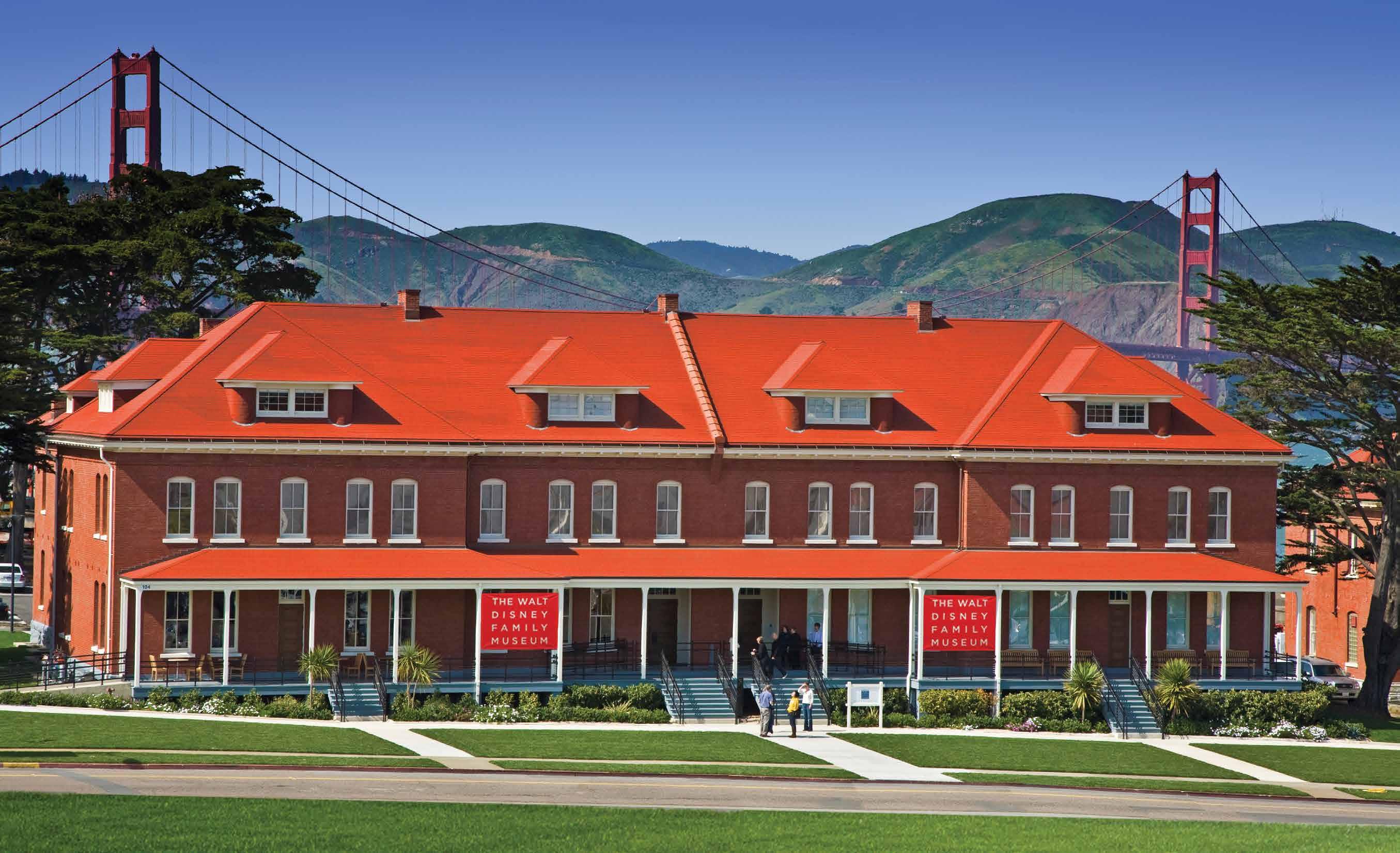
post turned national park, is a world away from Disneyland’s Main Street, U.S.A. The museum occupies historic brick barracks, its stately façade standing in contrast to the worlds of fantasy housed within. The adaptive reuse of the building is remarkable: The original architecture is preserved but transformed by contemporary design.
One of the most striking features is the long, glass rear wall that opens onto an unobstructed view of the Golden Gate Bridge. As you move through the galleries, immersed in memorabilia, sketches and storyboards, you turn a corner and suddenly the bridge appears, framed beautifully by the museum’s architecture. The reveal is pure Walt Disney cinematic glory.
A LIFE IN FRAMES
Opened in 2009 by Disney’s daughter, Diane Disney Miller, the museum tells her father’s story in his own words and through the eyes of those who knew him best. It begins with his boyhood sketches in Missouri, moves through his first failed company in
Photos courtesy of Walt Disney Family Museum
Kansas City and follows his leap of faith to California with little more than ambition and $40 in his pocket.
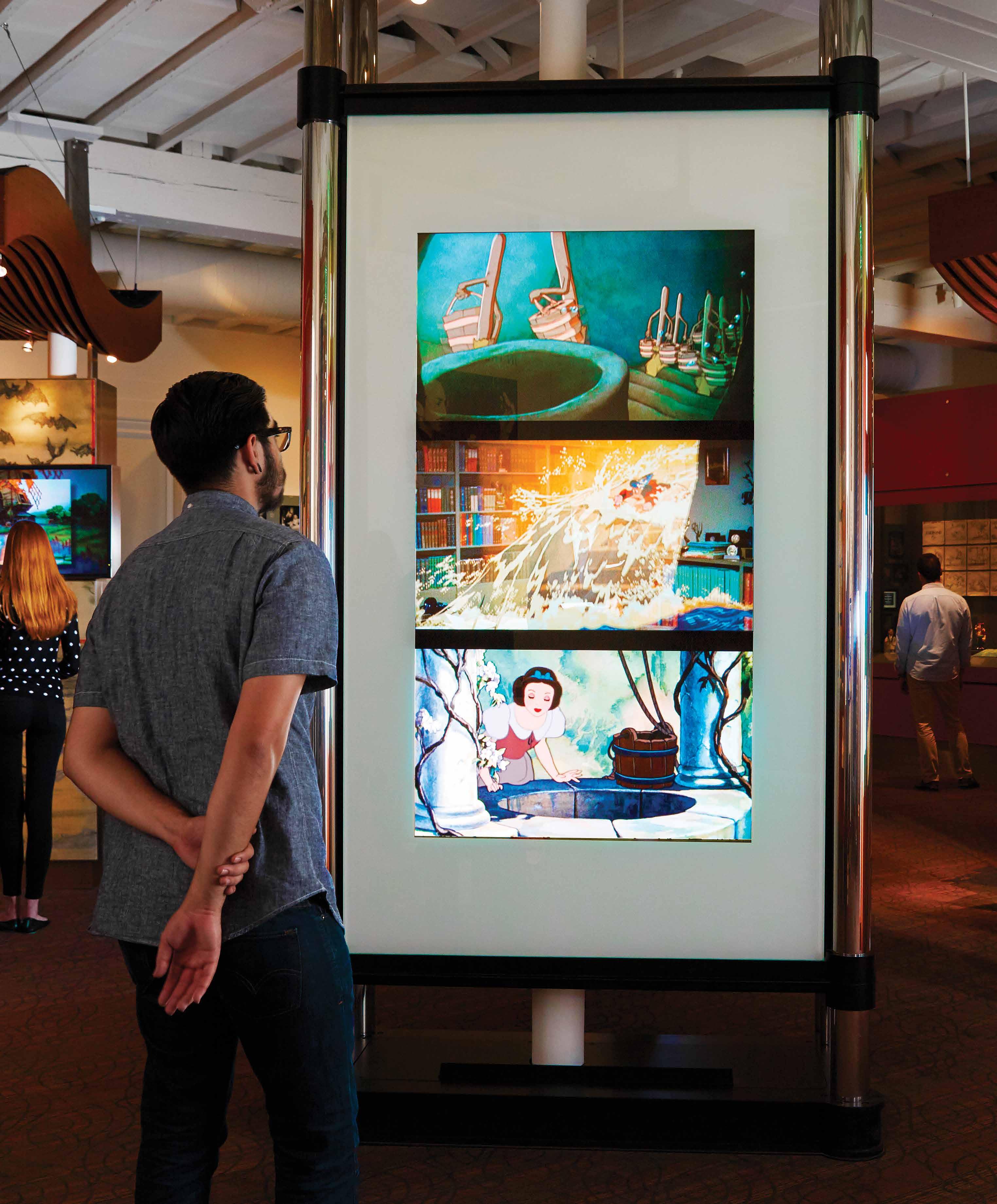
The galleries unfold like a carefully sequenced film. Early drawings, the first sketches of Mickey Mouse and the Multiplane Camera that gave Snow White and the Seven Dwarfs their depth, all highlight Disney’s innovations. His 26 Academy Awards—including the whimsical Snow White Oscar flanked by seven miniature statuettes—are displayed with the same attention as the intimate home movies of Walt with his wife and daughters. The museum strikes a balance: Walt Disney as a cultural icon and Walt Disney as a husband and father.
THE INNOVATOR
Disney’s reputation as a dreamer sometimes overshadows his role as a relentless innovator.
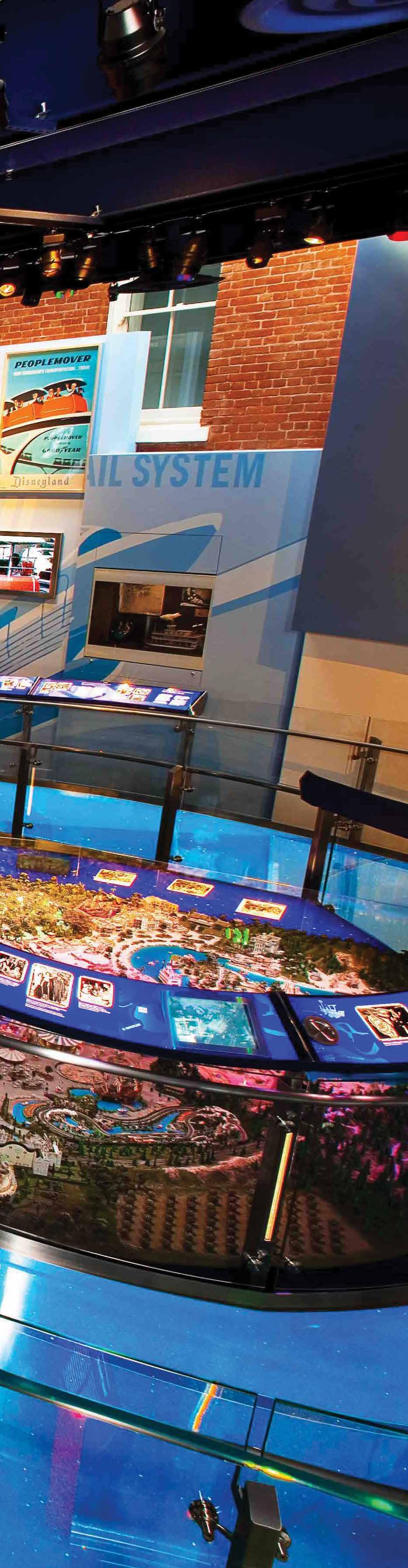
The museum makes clear that he was always experimenting, pushing to synchronize sound and animation—as he famously did in Steamboat Willie. He pushed the boundaries of color and stereophonic sound in Fantasia, and he introduced storyboards as a standard in the industry. His curiosity extended beyond film. The Monorail, the PeopleMover, his World’s Fair projects and the animatronic Abraham Lincoln all reveal how he saw technology as a way to bring stories to life.
A FAMILY STORY
What surprised me most were the personal artifacts. These glimpses humanize the man whose name has become shorthand for an entire industry.
His bond with family threads through the museum. Diane’s vision was to reveal the father she knew, not just the brand the world
recognizes. “We are committed to telling the story of Walt Disney’s life, in his own words and in the words of others who knew him well,” she once said. The result feels affectionate and celebrates the achievements while acknowledging the failures that fueled his persistence.
GALLERY 9: THE DREAM REALIZED
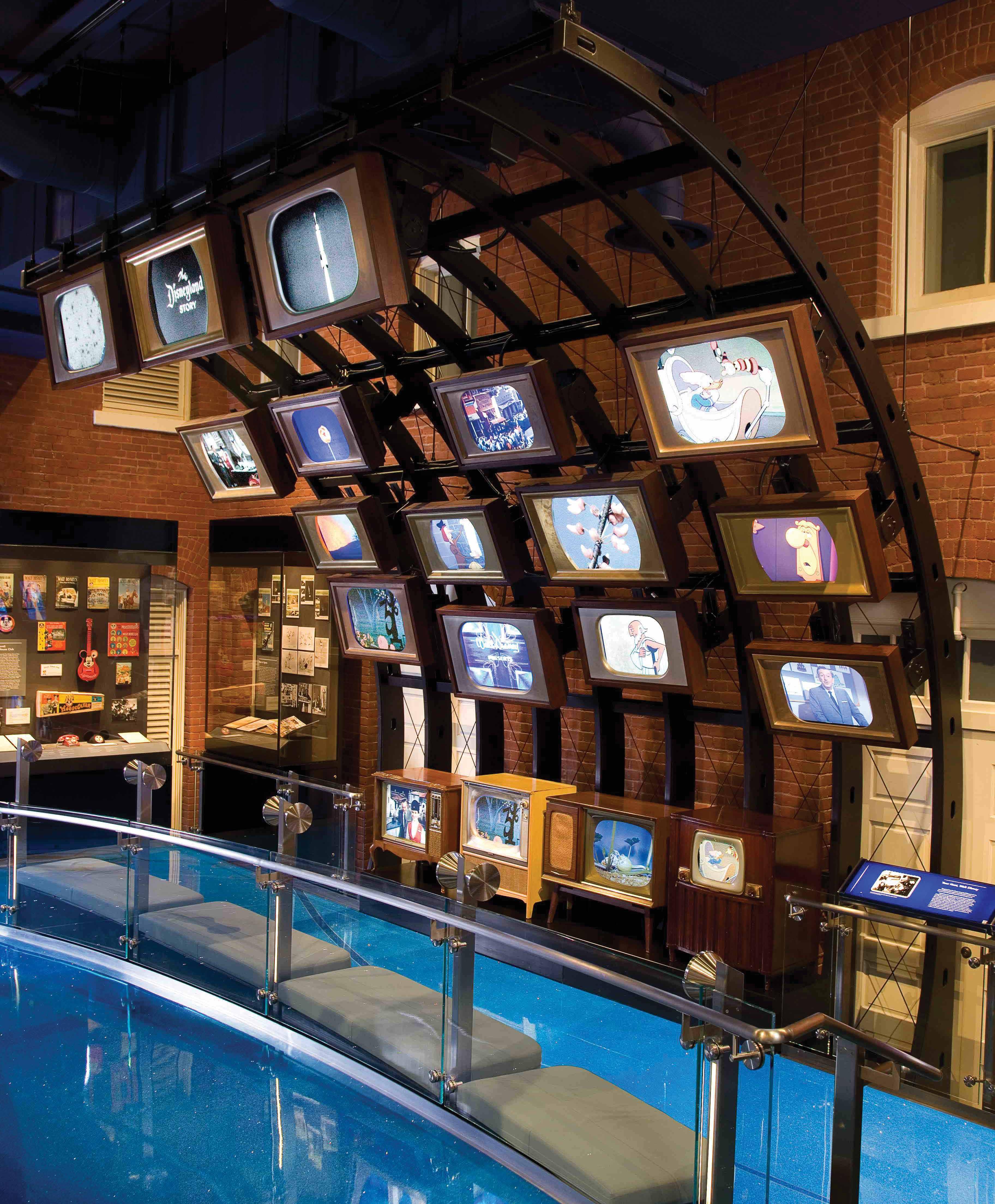
The museum’s emotional centerpiece is Gallery 9, a soaring two-story space anchored by a 14-foot wide model of Disneyland as Walt imagined it. It’s not a replica of the park as it exists today, but a dreamscape stitched together from ideas he developed, revised or abandoned. Surrounding the model are screens playing excerpts from the Sunday television programs that became family viewing rituals across the country.
WHAT ENDURES
The Walt Disney Family Museum is more than a collection of artifacts; it’s an exploration of one man’s creative process, his successes, his missteps and his conviction that imagination could change the world. It’s also a reminder of how those ideas seeped into everyday life—through The Aristocats spinning on the record player, Julie Andrews floating across the screen as Mary Poppins and those Sunday evenings when families like mine gathered around the TV for The Wonderful World of Disney.
Leaving the museum, I felt something more than nostalgia. It underscored that the optimism at the core of Disney’s work—his
conviction that imagination has value, that joy can be intentionally created and that stories can elevate the human spirit— remains as relevant today as it was when he made it. The exhibits spark memories of childhood, yes, but they also suggest that wonder isn’t confined to youth. The museum is a place where old songs, familiar characters and the spark of recognition combine into something surprisingly positive.
I left not just remembering who I was when I first encountered Disney, but also feeling a little more certain that life is good, fun is essential and magic can still happen at any age. If you’re a Disney fan, you owe it to yourself to visit the Walt Disney Family Museum.
Grounded GLAMOUR
In a discreet stretch of the Corona del Mar coastline, a residence is reimagined through layered materials, thoughtful proportion and a design approach rooted in how the home is meant to be lived in.
By Sam Micatrotto \\ Photography by Lance Gerber
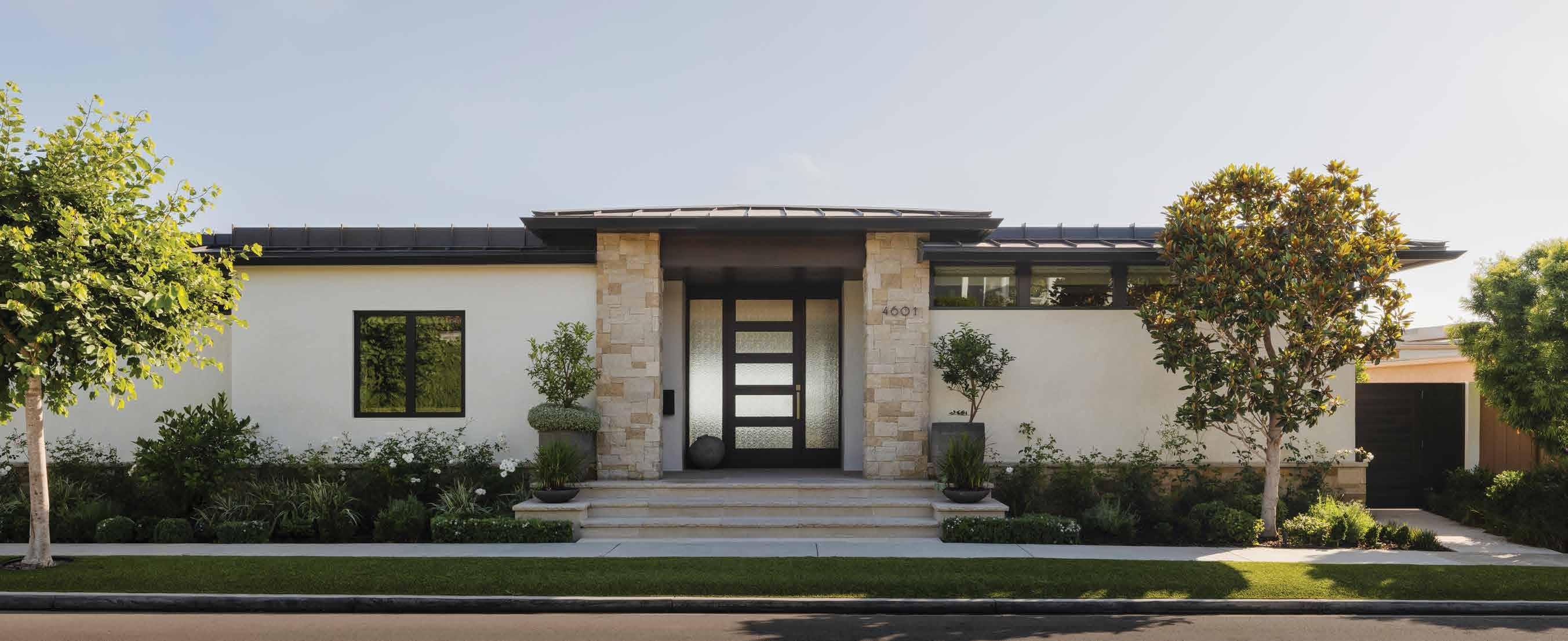
From the street, the home keeps a low profile by design. Like others along this stretch of the Corona del Mar coastline, it appears largely single story, a deliberate choice meant to protect ocean views throughout the neighborhood. The facade is composed and understated, offering little indication of what lies beyond the front door. Inside, however, the house opens into a layered and expressive environment shaped by light, material and scale.
Originally built in 2015, the approximately 9,000-squarefoot residence had a strong presence, with interiors that had yet to fully reflect the homeowners’ desired way of living. When the property changed hands, the goal was not a surface update or cosmetic refresh, but a complete interior shift toward something warmer, more grounded and more personal.
To bring that vision to life, the homeowners partnered with Morrison Interiors, led by principal designer Rachel Morrison, and president of Geo Builders, Inc., George Deverian. Rather than chasing trends or making dramatic overstatements, the team focused on reshaping the home through material, proportion and flow, allowing the architecture to feel intentional without drawing attention to itself.
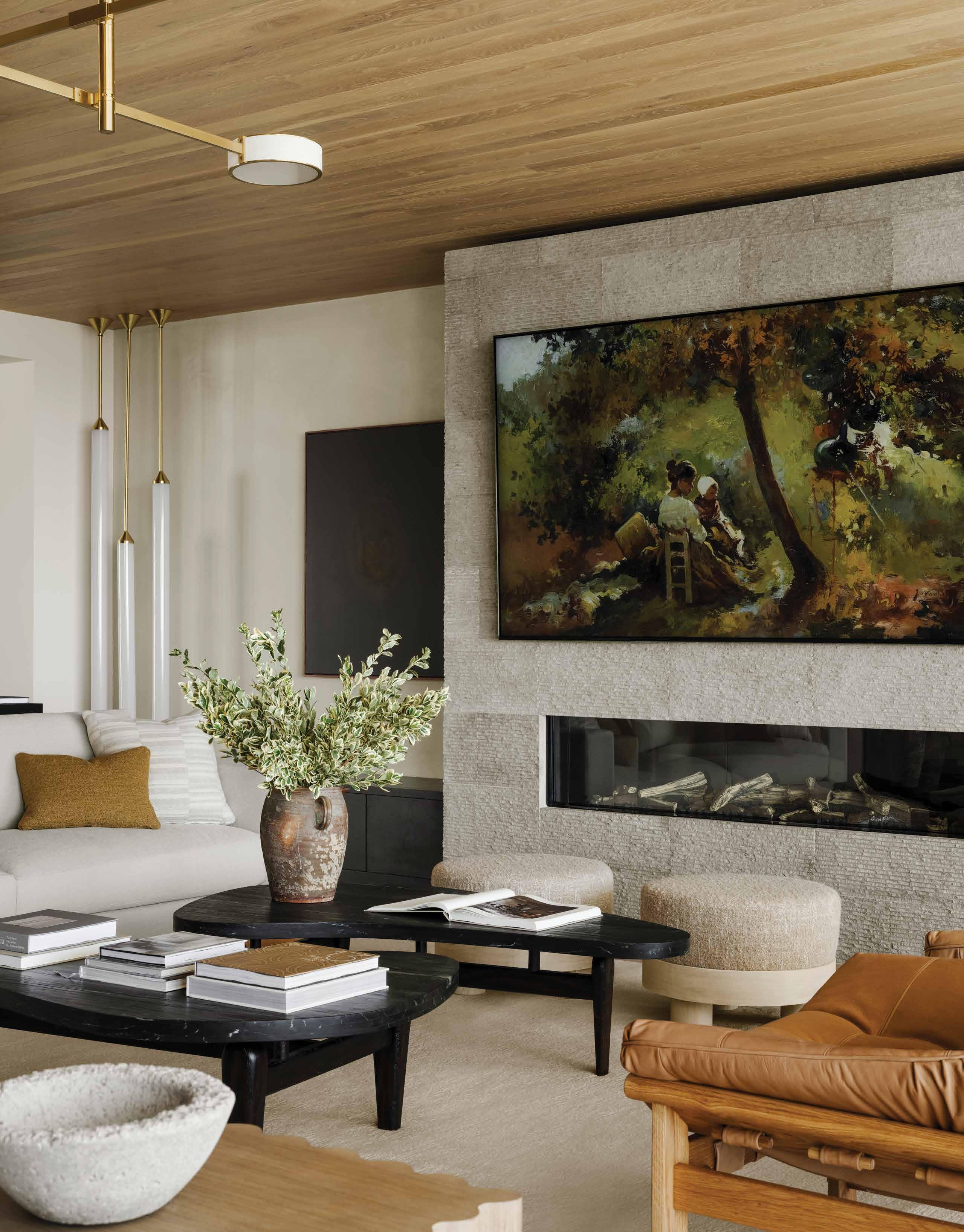
“The vision was to elevate everything—refining the home’s existing bones while introducing warmth, contrast and a sense of quiet glamour,” Morrison explains. “The house had great scale and light, but it felt flat and overly glossy. Our goal was to bring in richer materials, sculptural moments and a layered palette that felt intentional, timeless and reflective of the homeowners’ personalities.”
DESIGNER Morrison Interiors. BUILDER Geo Builders. APPLIANCES Sub Zero, Wolf, Miele. LIGHTING Allied Maker, The Future Perfect, Gabriel Scott, Ladies and Gentlemen, Apparatus. TILE & STONE Ann Sacks, Arto Brick, Ollin Stone. WINDOW COVERINGS Design Line Drapery .
That approach guided the project from the ceiling down, shaping a full interior transformation that was completed in just eight months.
“One of the main challenges was transforming a home that felt like a blank slate into something layered and expressive without fighting the existing architecture,” Morrison says. “Thoughtful lighting, material contrast and reworking proportions—especially overhead— helped us achieve that.”
THE FIRST STEP INSIDE
There is a moment of pause as the door opens, a sense of scale that registers before the details emerge. Ceilings rise, sightlines stretch and materials begin to reveal themselves slowly rather than all at once. The effect is intentional, designed to garner attention.
“We wanted an immediate sense of drama balanced by warmth,” Morrison points out. “There’s a strong visual moment right when you enter, but it’s not cold or precious. It feels welcoming, grounded and expressive, with a clear point of view.”
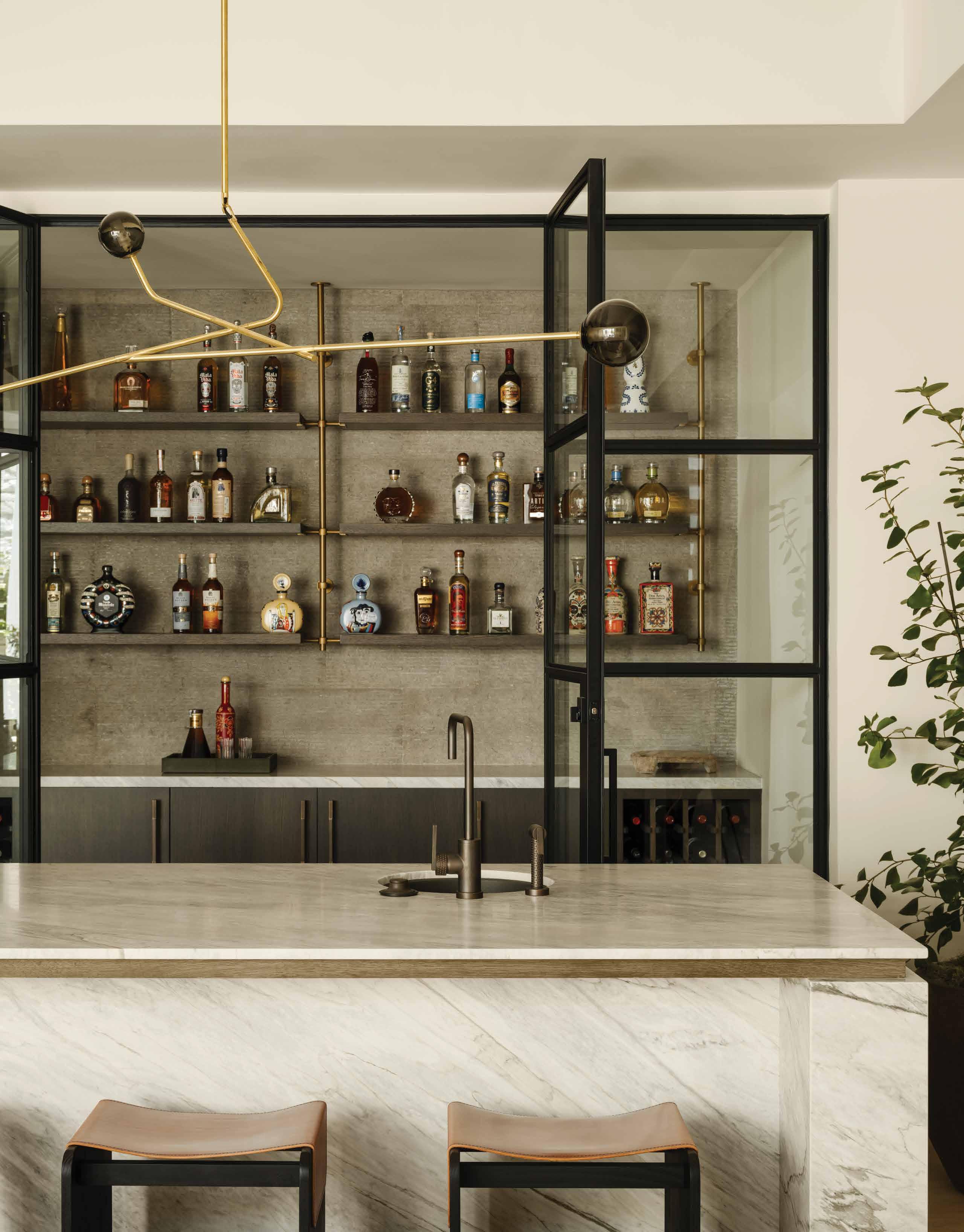
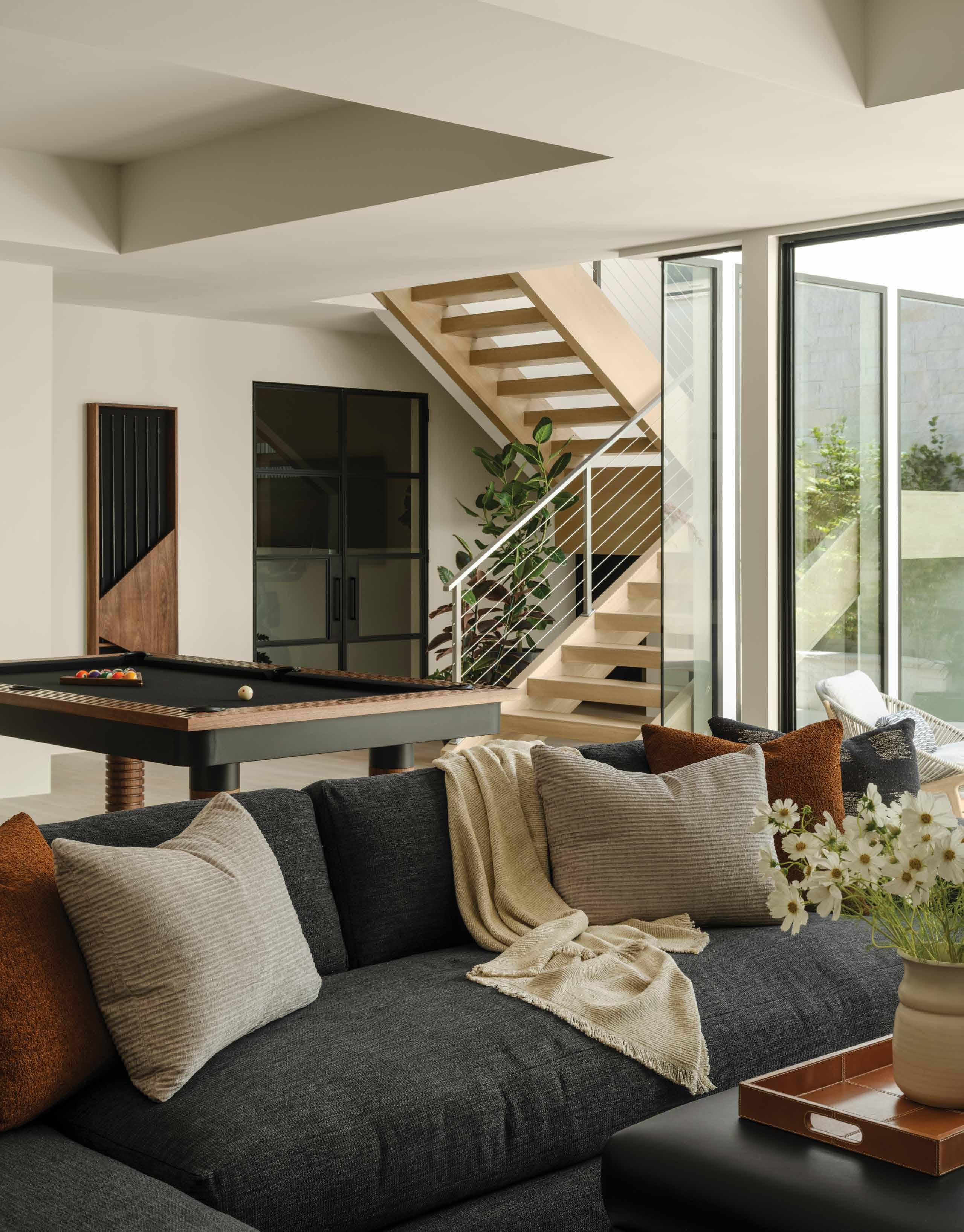
That balance defines the home throughout. With four bedrooms, five bathrooms, a gym, theater, tequila room, two family rooms, dining room, office, elevator, dual laundry rooms, a central kitchen and a fully equipped butler’s kitchen, the space feels considered rather than overwhelming. This sense of clarity was achieved not by closing rooms off, but by reimagining them. Steel-framed doors, changes in ceiling treatment, shifts in lighting and carefully placed furnishings create subtle thresholds.
“The spaces are very large yet cozy and welcoming,” Deverian notes. “The ceilings are high, the halls are wide, the spaces are well defined and accented, giving a clear separation of rooms, while still being an open floor plan.”
LETTING MATERIALS CARRY THE STORY
Rather than relying on pattern or ornament, Morrison allowed materials to do the heavy lifting. The palette remains restrained, but never flat, anchored by texture and tonal variation.
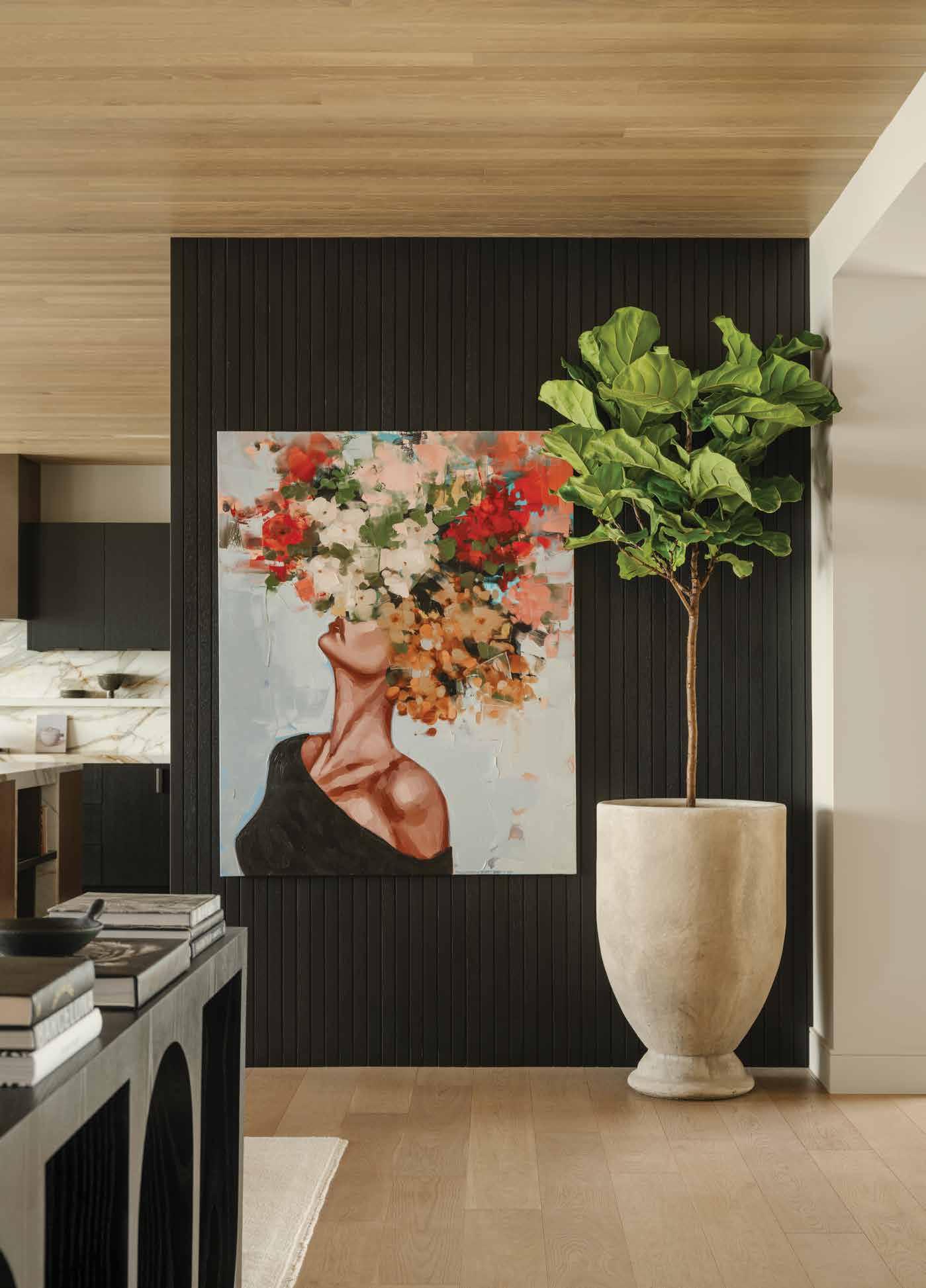
“We focused on a neutral foundation enriched with texture rather than pattern,” she says. “Warm woods, terracotta tones, deep blues and subtle greens create depth, while earthy finishes keep the palette grounded. Instead of relying on bold prints, we let materials—stone, plaster, wood and metal—do the work.”
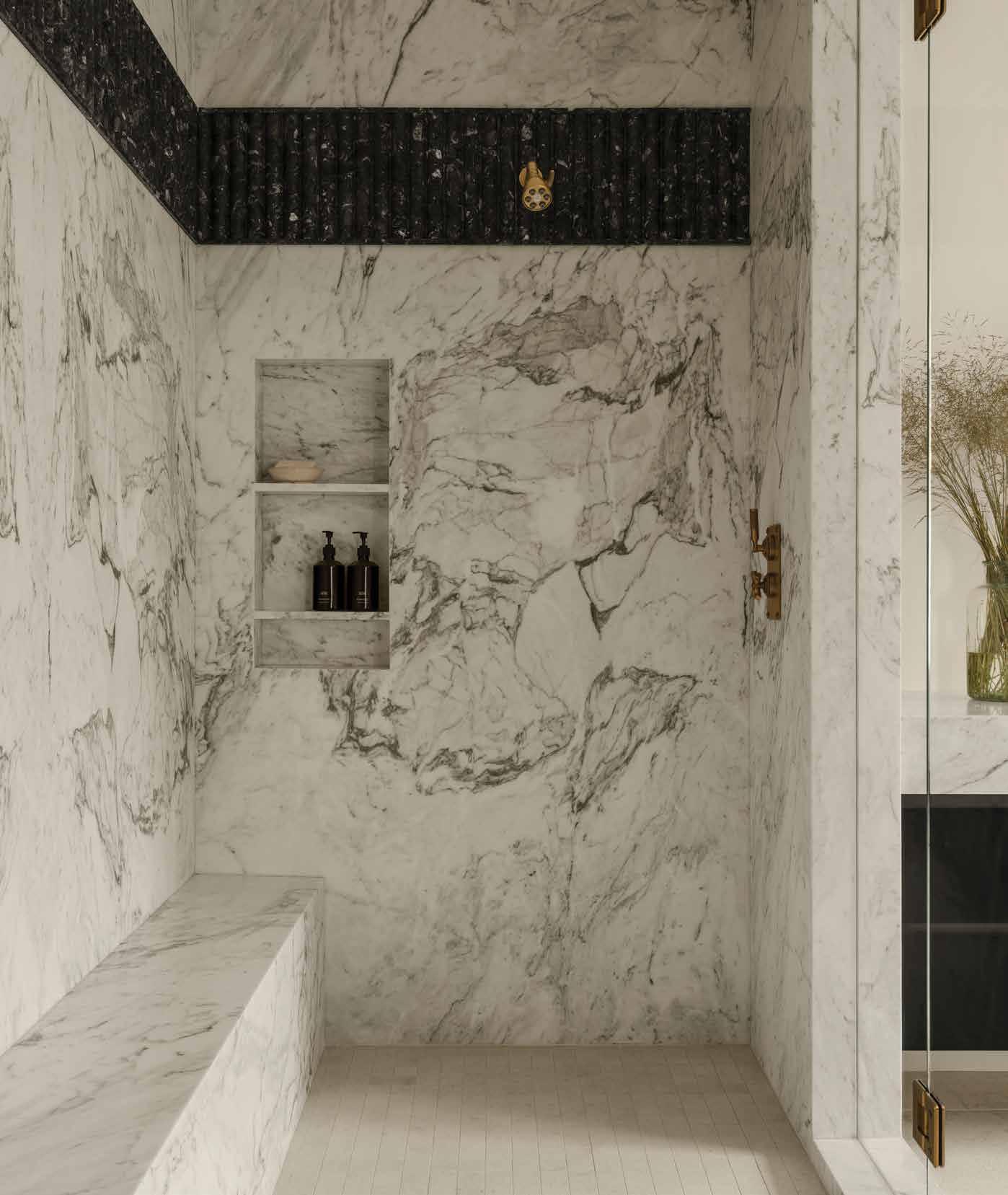
Stone becomes a recurring presence throughout the home, grounding it both visually and physically. Fireplaces are wrapped in custom-cut slabs, while bathrooms feature stone showers detailed with trim pieces fabricated to specification.
“Stone was used as both a functional and expressive element,” Morrison illustrates. “We mixed honed and textured finishes and varied scale to avoid repetition. The key was balance, pairing more dramatic stone moments with quieter surfaces so nothing felt overwhelming.”
As Deverian explains, “These unique custom features required constant communication between the builder and design team to ensure the vision that birthed the plans was fulfilled.”
LOOKING UP
Some of the most meaningful changes in the house are the ones least likely to be noticed at first glance. The ceilings, once overlooked, have become a canvas for refinement.
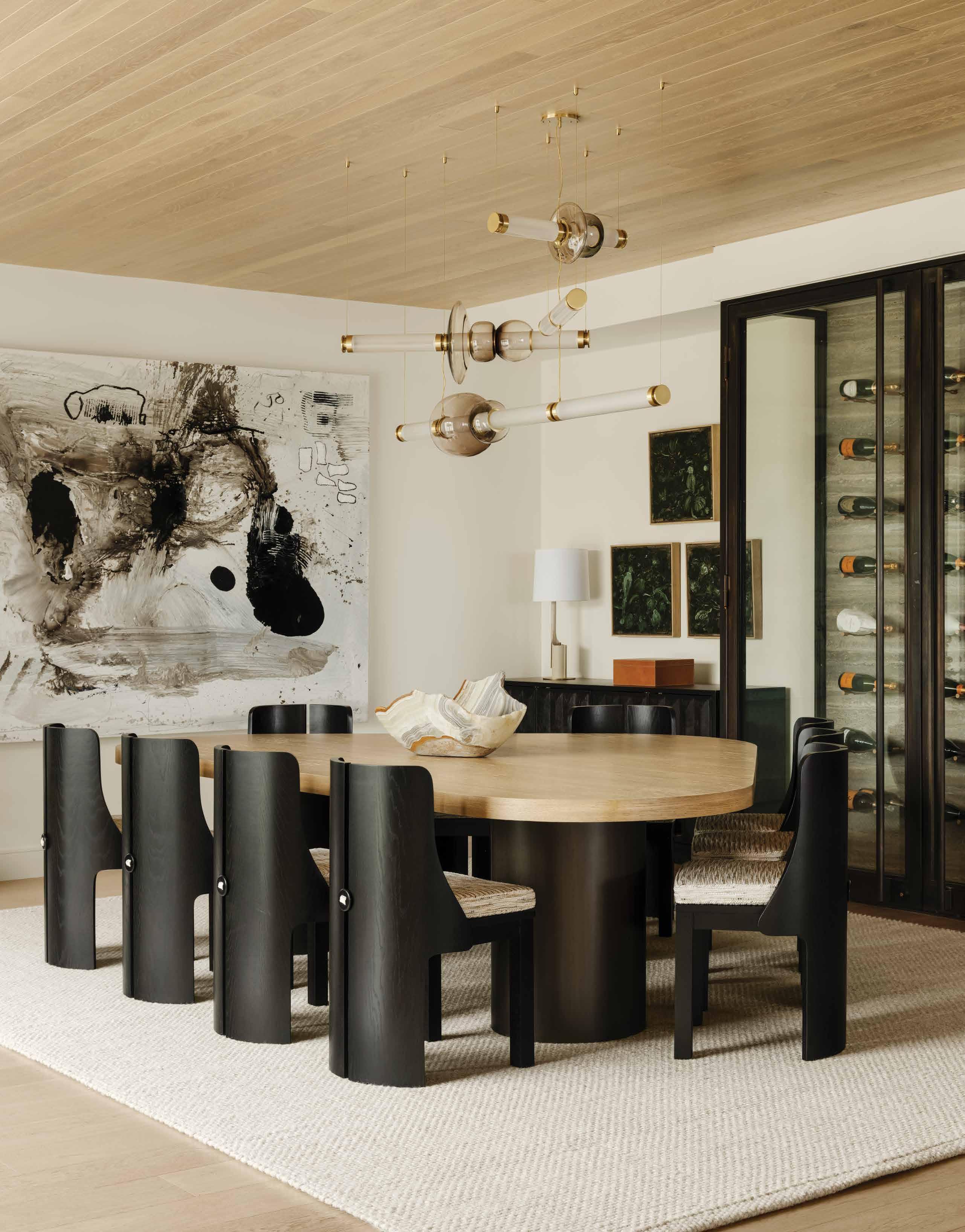
“The ceiling work is a subtle but important detail,” Morrison notes. “We were very intentional in cleaning up planes, introducing white oak paneling in select areas and reworking soffits. This made a significant impact on how the spaces feel. These changes aren’t always immediately noticed, but they dramatically improved the architecture.”
Rift-cut oak panels add warmth overhead, while reshaped soffits help define proportion and create a clearer sense of flow from room to room. The transitions feel deliberate, with minor changes that better balance the house’s scale. Lighting reinforces the sense of cohesion, with fixtures that vary across the space, but, at the same time, share a common language.
SPACES FOR EVERYDAY LIFE
Despite its refinement, the home remains grounded, with kitchens designed for function as much as for form and gathering spaces that invite use. The tequila room and theater follow that same approach, integrated into the home and part of its natural rhythm. Custom cabinetry, shelving and lighting appear throughout, tailored to the homeowners’ habits rather than pure aesthetics.
That sense of livability is reinforced through the level of customization woven throughout the interiors. As Deverian notes, “So much of the construction design elements are all custom-built, from the bathroom vanities, kitchen, custom primary closet room, detailed oak wall decor outlining certain areas, custom-made electrical fixtures and lighting.” These choices were not just about looks, but also about how the home would be used on a day-to-day basis.
“These custom moments allowed us to tailor the home precisely to the way the family lives while maintaining a cohesive aesthetic,” Morrison adds.
The primary suite offers privacy and calm, with a custom closet and bath that echoes the home’s broader material approach. It stands apart without breaking from the rest of the house, an idea Morrison explains when she notes, “Continuity came from a consistent material language and palette, while each space was allowed its own moment through scale, lighting or a focal material.”
In its restraint, material depth and quiet confidence, the home feels ICONIC in the truest sense of the word.
Spring is in full swing, and so are outdoor court sports. Here is some inspiration for what to wear when you step onto the court.
LOVE Love
By Nakayla Shakespeare
Photography by Mark Sacro
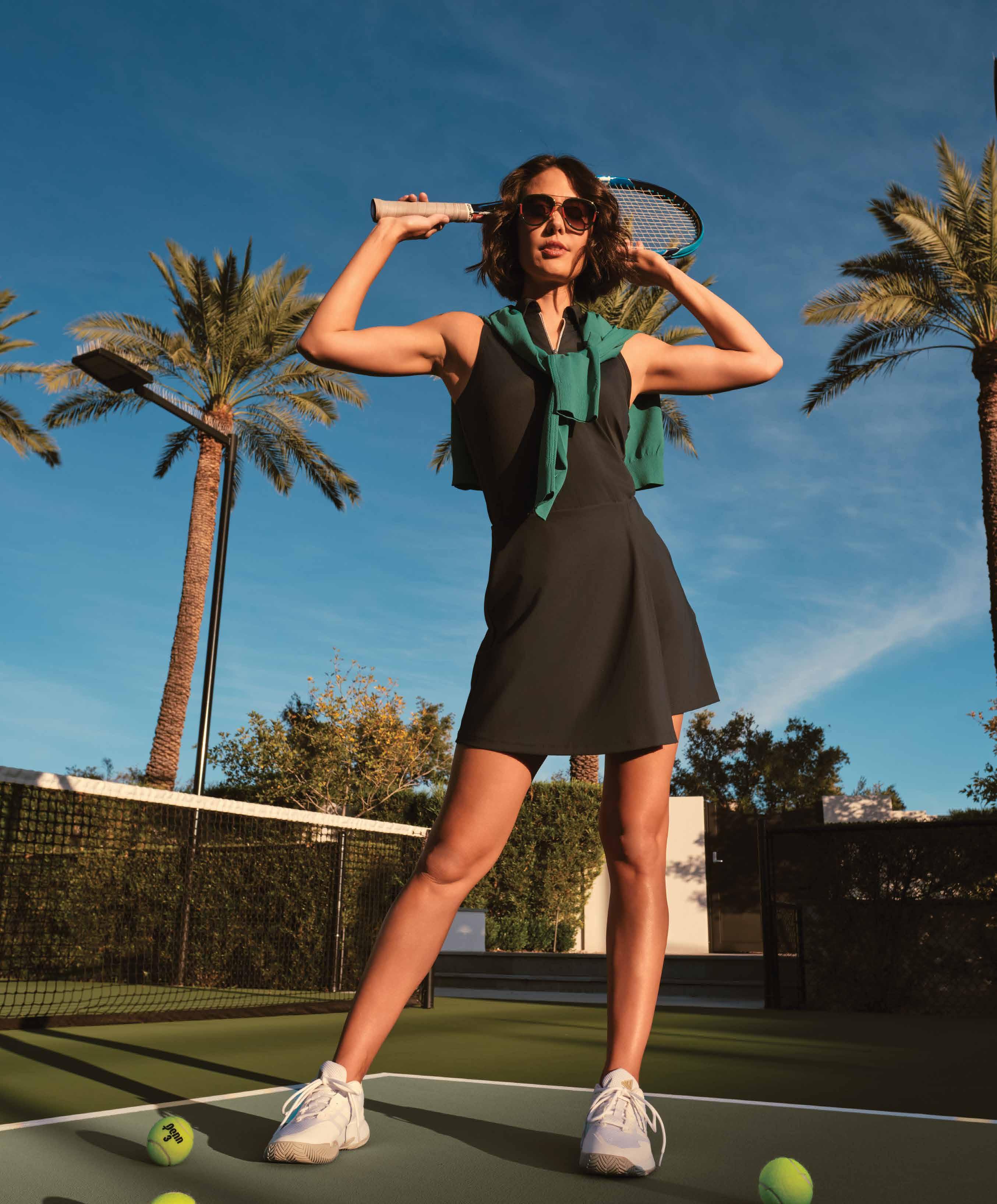
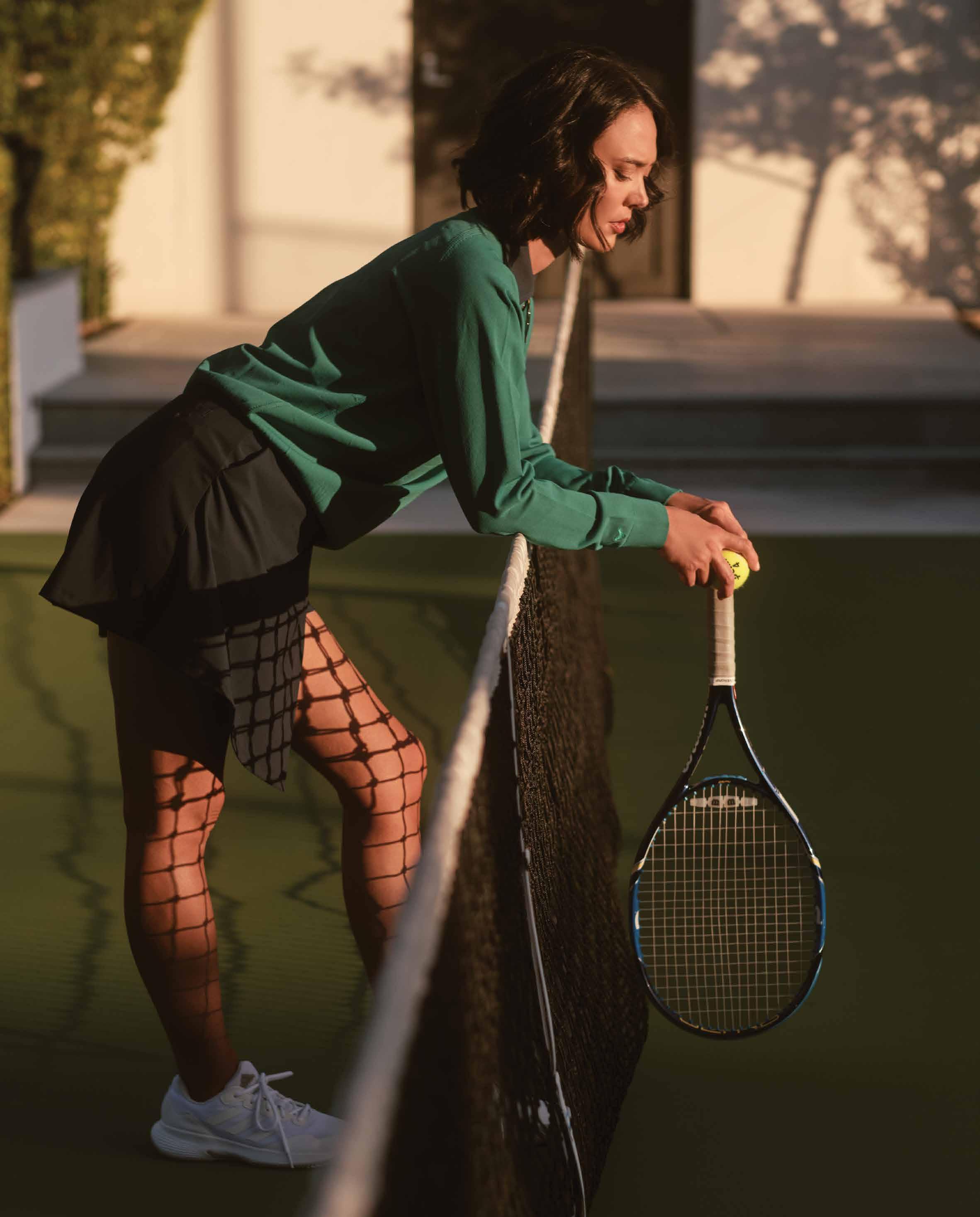
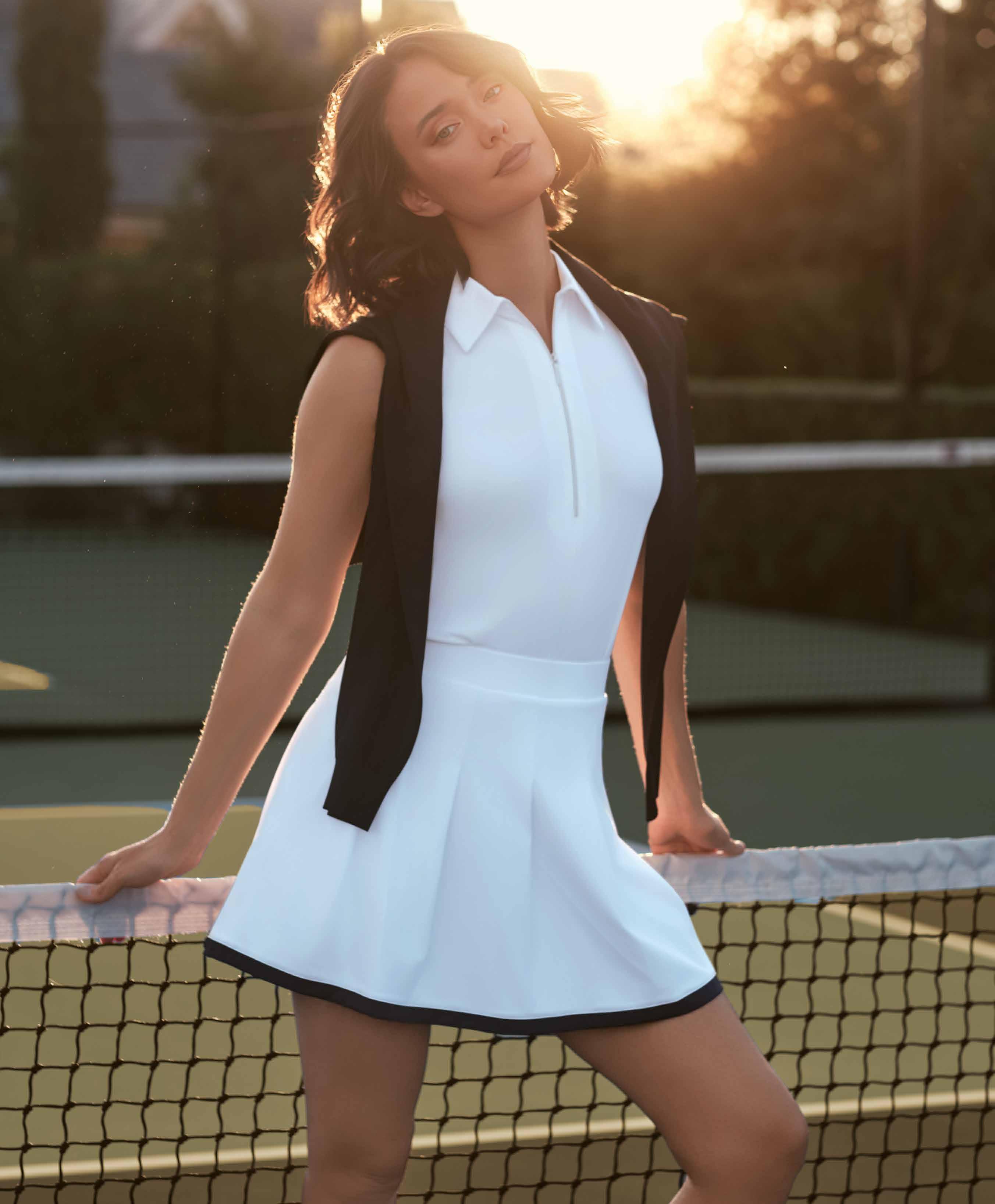
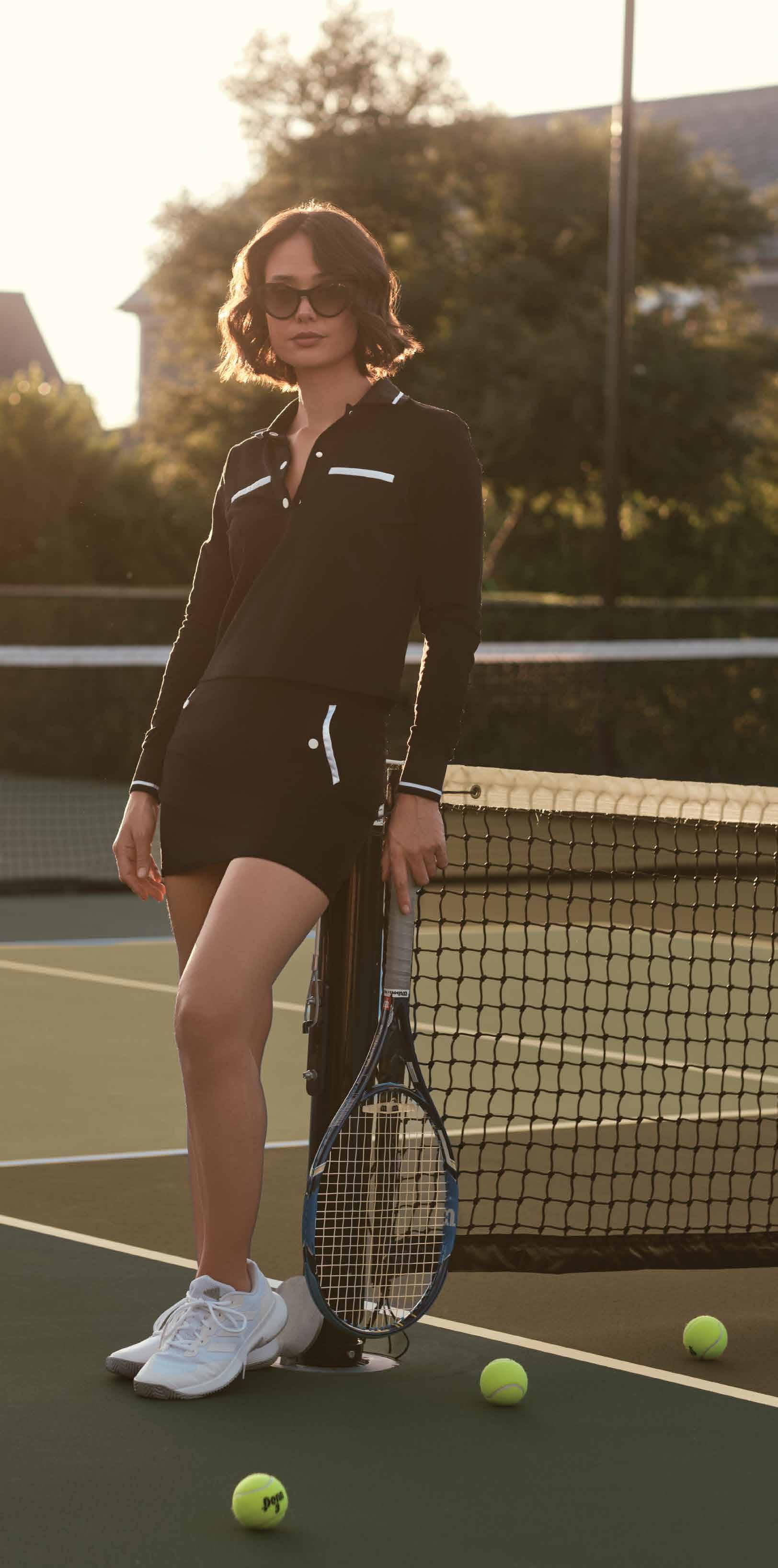
Spring fashion is in full swing. To celebrate the start of the new season, we brought court couture to our magazine pages, showcasing that stylish design and sports can coexist in harmony. These ICONIC looks are courtesy of our friends at NINI Designs and Jayebird, with accessories from My Sister’s Closet, thank you for your participation in this photoshoot. So lace up your tennis shoes and grab your racquet, because this fashion spread is serving style.
PRESIDENT & CEO Tracy Thomas II. PUBLISHER Renee Dee. CREATIVE DIRECTOR Nakayla Shakespeare. PHOTOGRAPHER Mark Sacro . HAIR/MAKEUP Melissa Evans. MODEL Logan, Ford Robert Black . WARDROBE NINI Designs & Jayebird. ACCESSORIES My Sister’s Closet. ICONIC TEAM Amalie Rhebeck, Madeleine Perich.
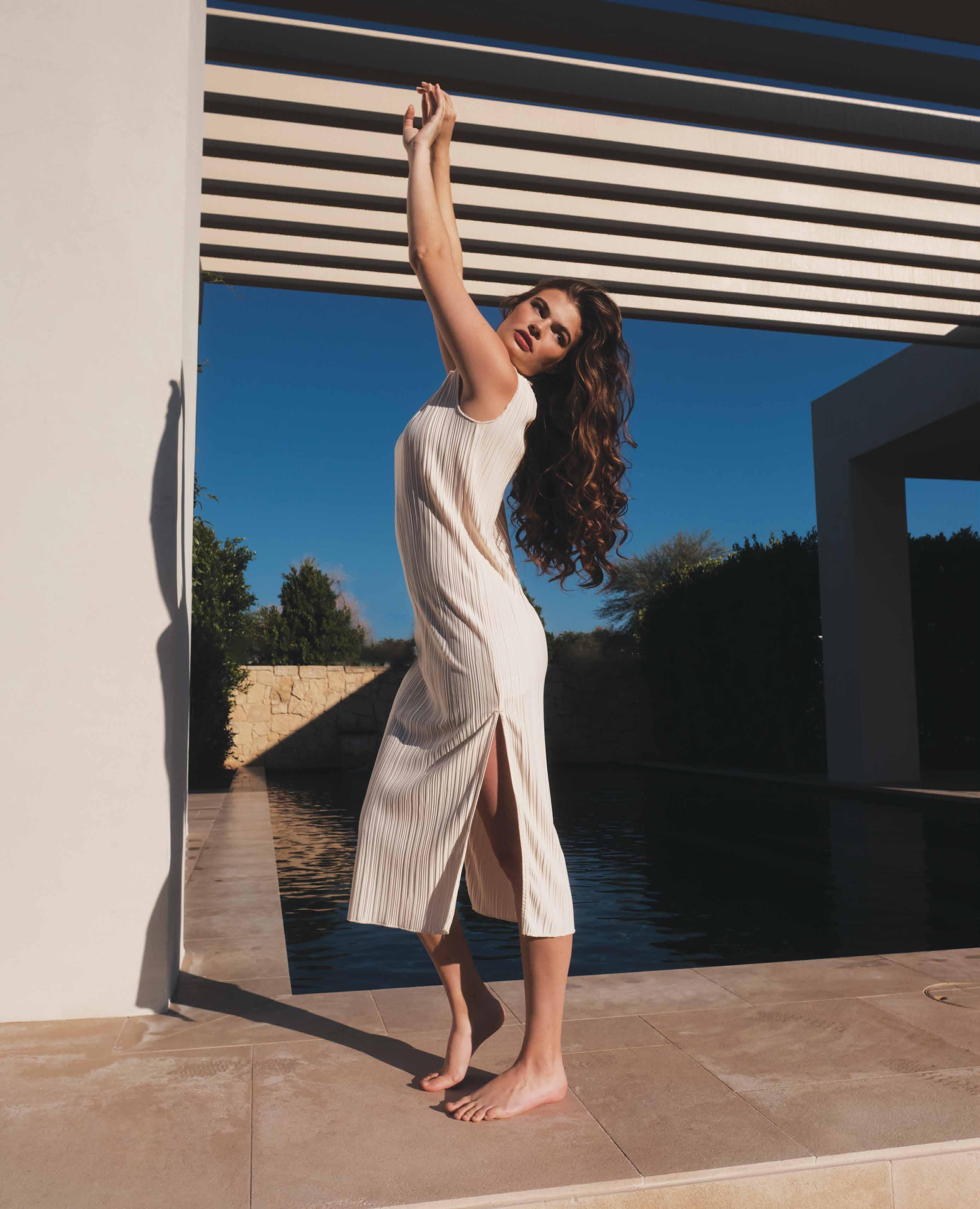
Sleeveless pleated performance dress UPF 50+ via NINI Designs. Christian Dior white Diorclub mirrored sunglasses via My Sister’s
Closet.
COURTSIDE CHIC
Fitted skort UPF 30+ via NINI Designs. Long sleeve performance cropped top UPF 30+ via NINI Designs. Black Prada Catwalk cat-eye sunglasses via My Sister’s Closet.
GAME. SET. MATCH.
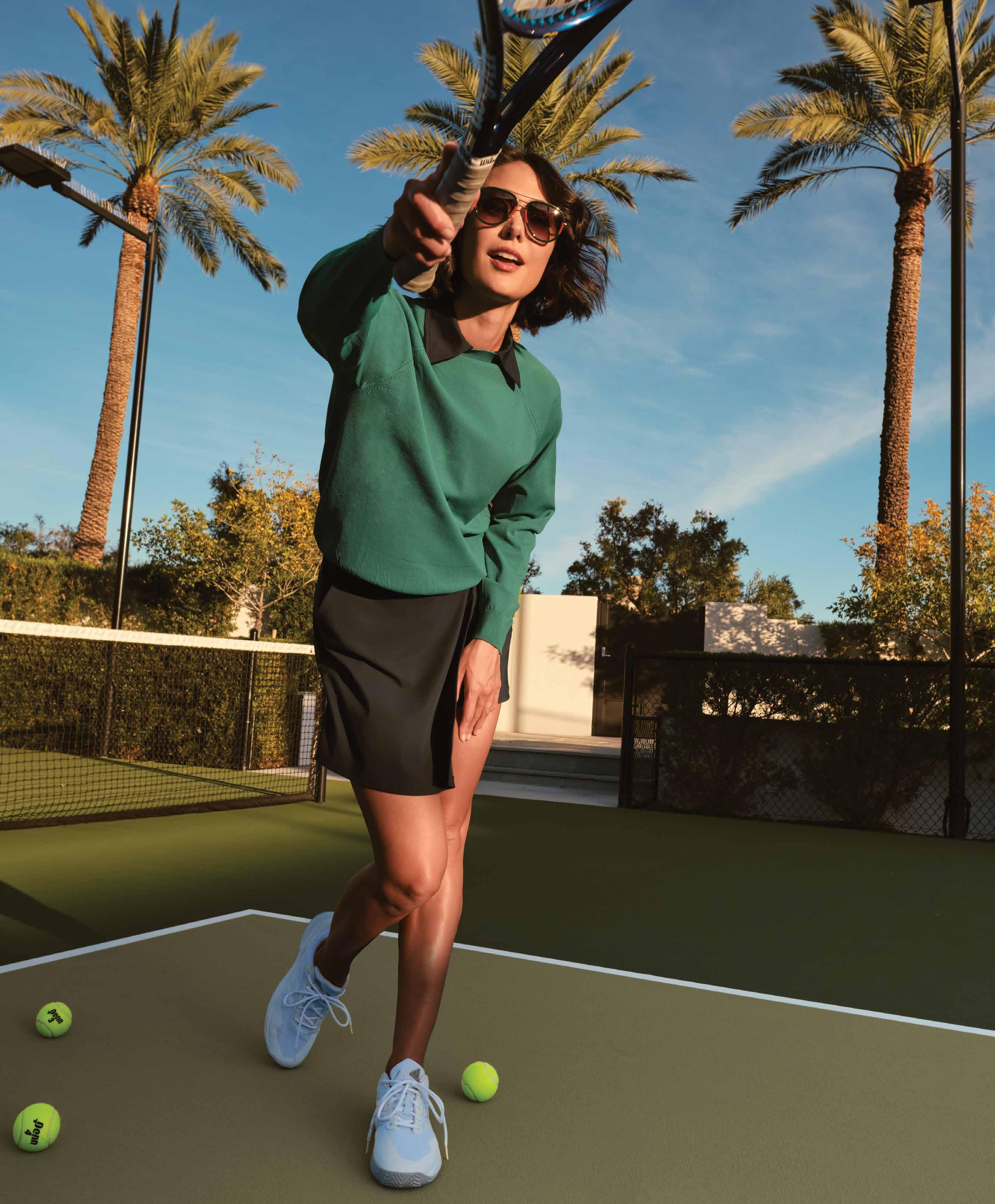
Navy blue Ella top via Jayebird Sport. Green Annie sweater via Jayebird Sport. Navy Lindsay skort via Jayebird Sport. Gucci aviator sunglasses via My Sister’s Closet.
ACED IT
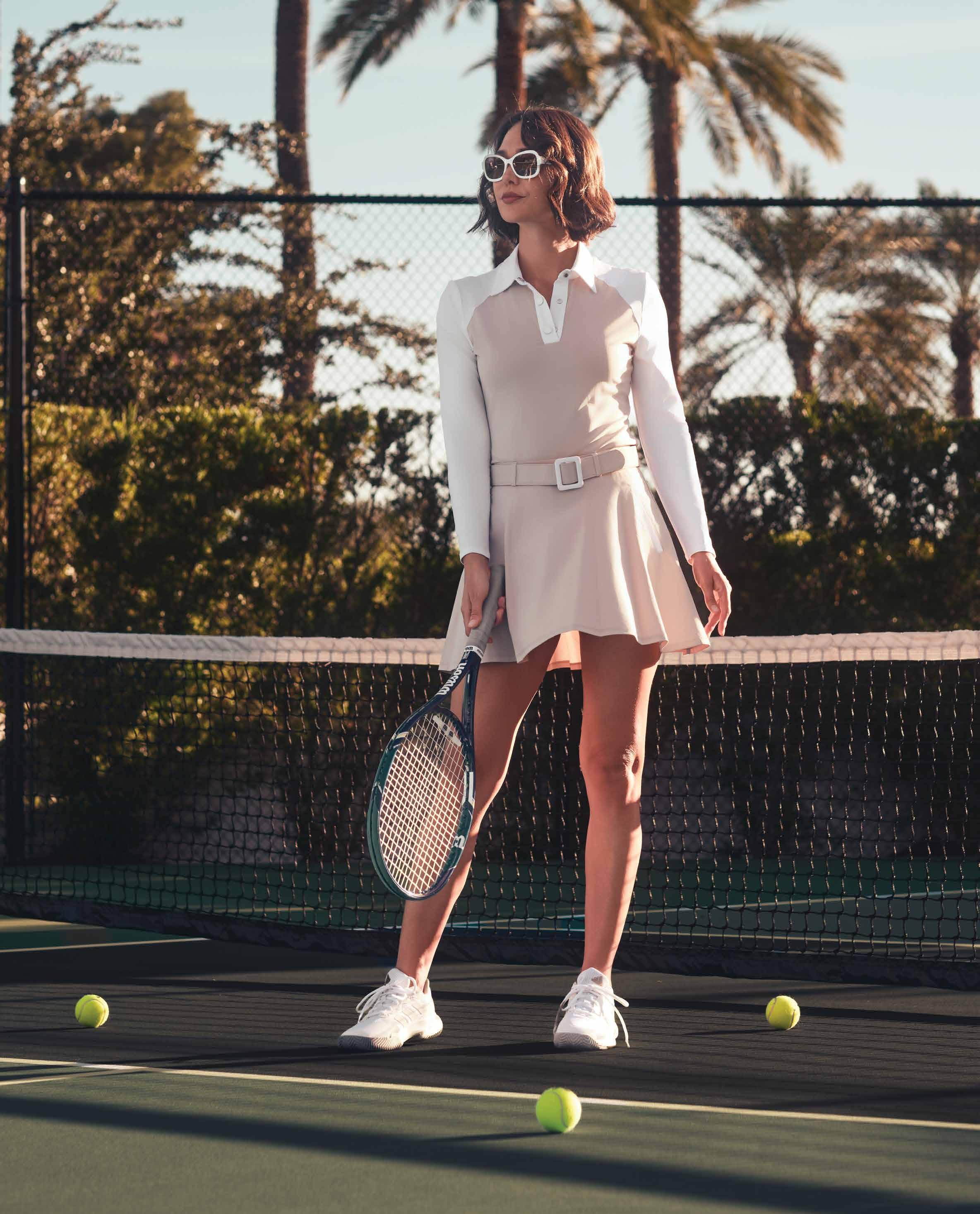
Fitted long sleeve performance top UPF 50+ via NINI Designs. Pleated performance skort with detachable belt UPF 50+ via NINI Designs. Chanel CH5465Q rectangular sunglasses via My Sister’s Closet.
PAINTING THE LINES
Navy blue Ella top via Jayebird Sport. Green Annie sweater via Jayebird Sport. Navy Lindsay skort via Jayebird Sport. Gucci aviator sunglasses via My Sister’s Closet.
WIMBLEDON WOMAN
White Ella top via Jayebird Sport. Navy Annie sweater via Jayebird Sport. White Kate skort via Jayebird Sport.
OUTFIT OF CHAMPIONS
Fitted skort UPF 30+ via NINI Designs. Long sleeve performance cropped top UPF 30+ via NINI Designs. Black Prada Catwalk cat-eye sunglasses via My Sister’s Closet.
STOP AND SMELL THE DAISIES
Floral Meg top via Jayebird Sport. Floral Janie skort via Jayebird Sport.
Full-Throttle DESIGN
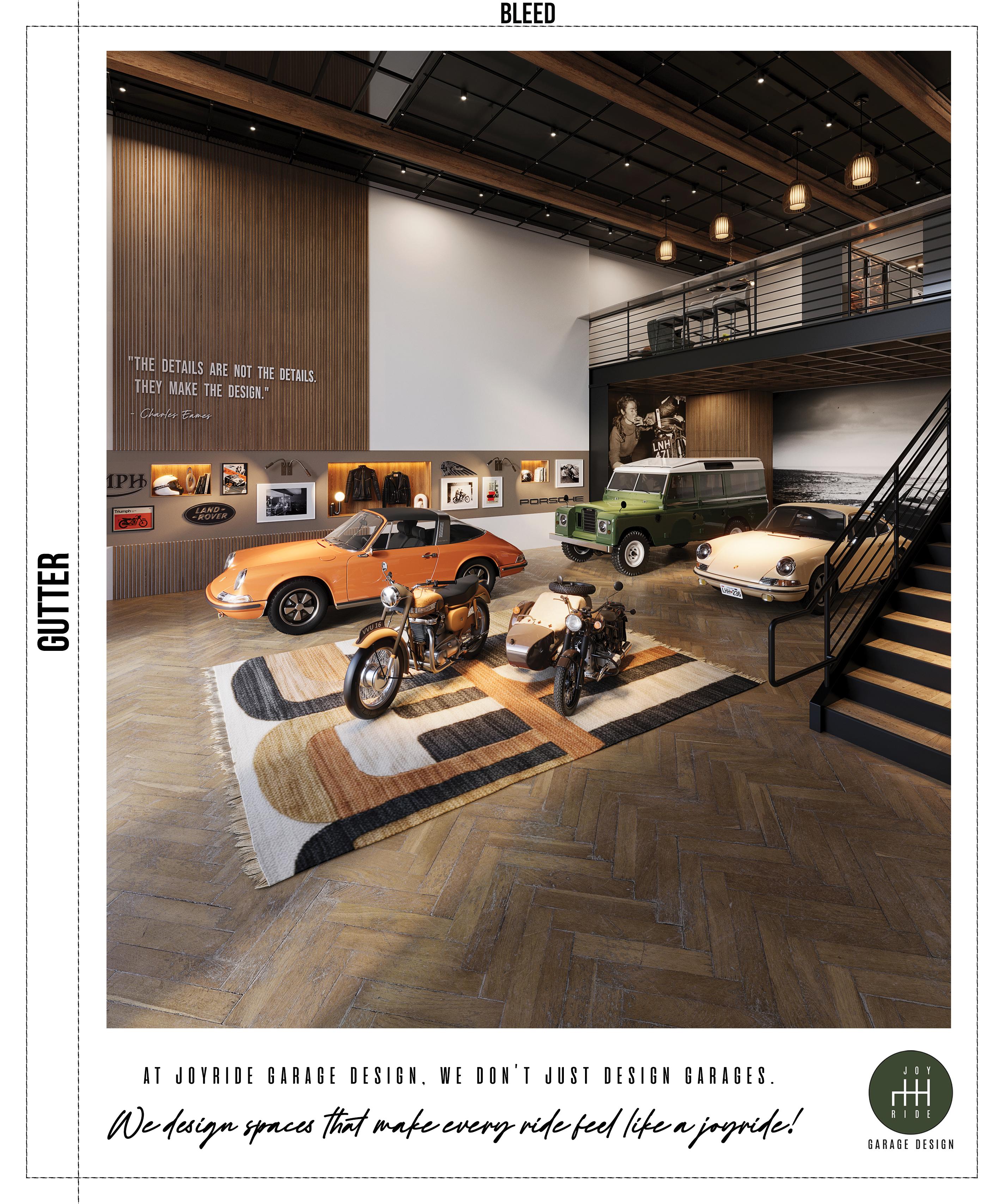
Page Sigband of Joyride Garage Design reimagines the potential of a garage.
By Madeleine Perich
Photography by Hugo Landa Garcia
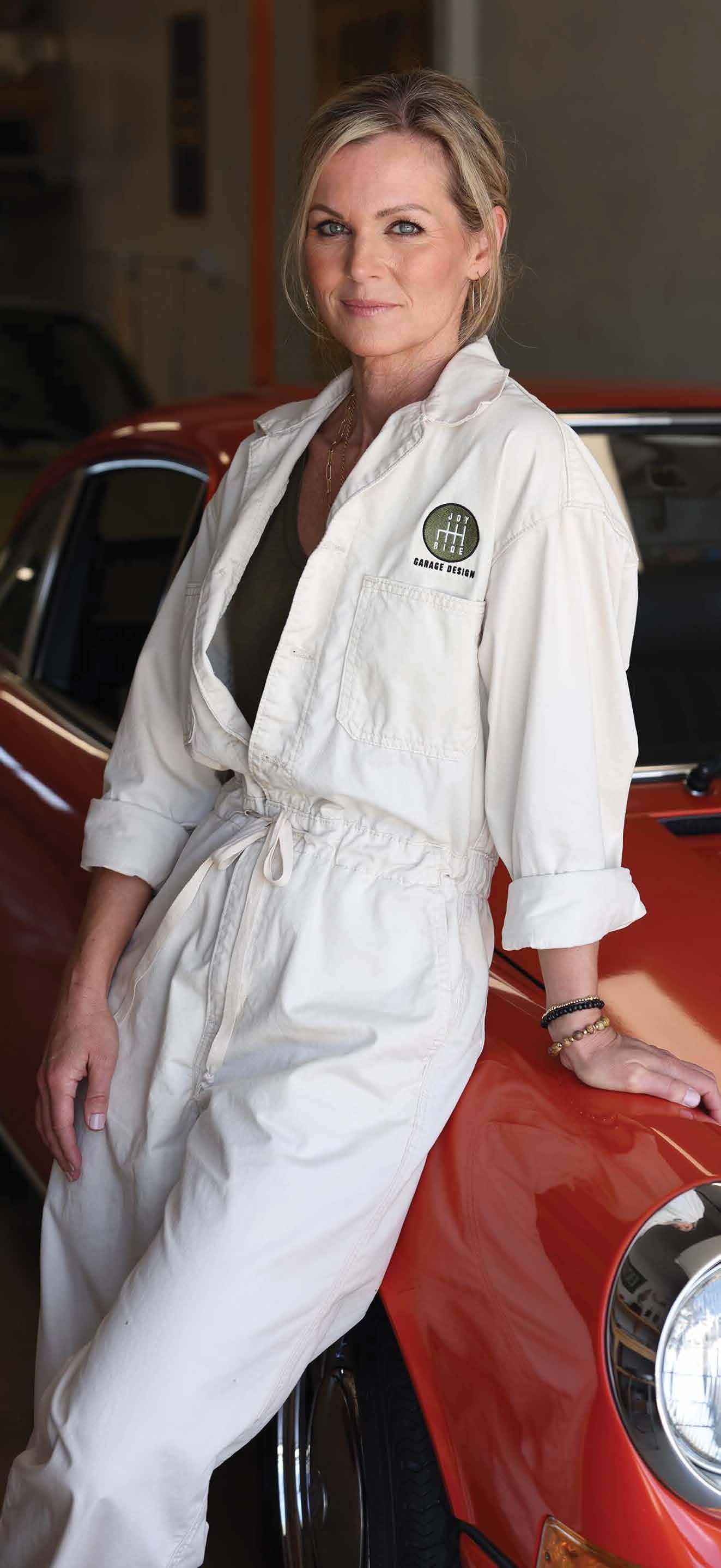
For most people, a garage is a utilitarian afterthought. For Page Sigband, founder of Joyride Garage Design, it became the catalyst for an entirely new design niche. A self-described lifelong “design geek,” Sigband’s career spans graphic design, furniture design, museum exhibit work in Washington, D.C. and residential interiors. But it was during the pandemic, after moving into a home with a completely unfinished garage that her trajectory shifted.
“I designed my own garage to actually suit how my family lived,” Sigband says. “It wasn’t just storage. It was a workbench, a place for my tools, surfboards, wall graphics, even a chalkboard wall for my daughter.” She shared the transformation online, and the response was immediate. Friends began asking if they could hire her to design their garages. Shortly after, a television producer reached out about designing multiple spaces for the show Garage Rescue
“That’s when I realized I had a real knack for this niche,” she explains. “I genuinely enjoyed working with car enthusiasts, and I saw how underserved this space was from a design standpoint.” What began as small residential projects soon evolved into immersive, luxury automotive environments, and Joyride Garage Design was born.
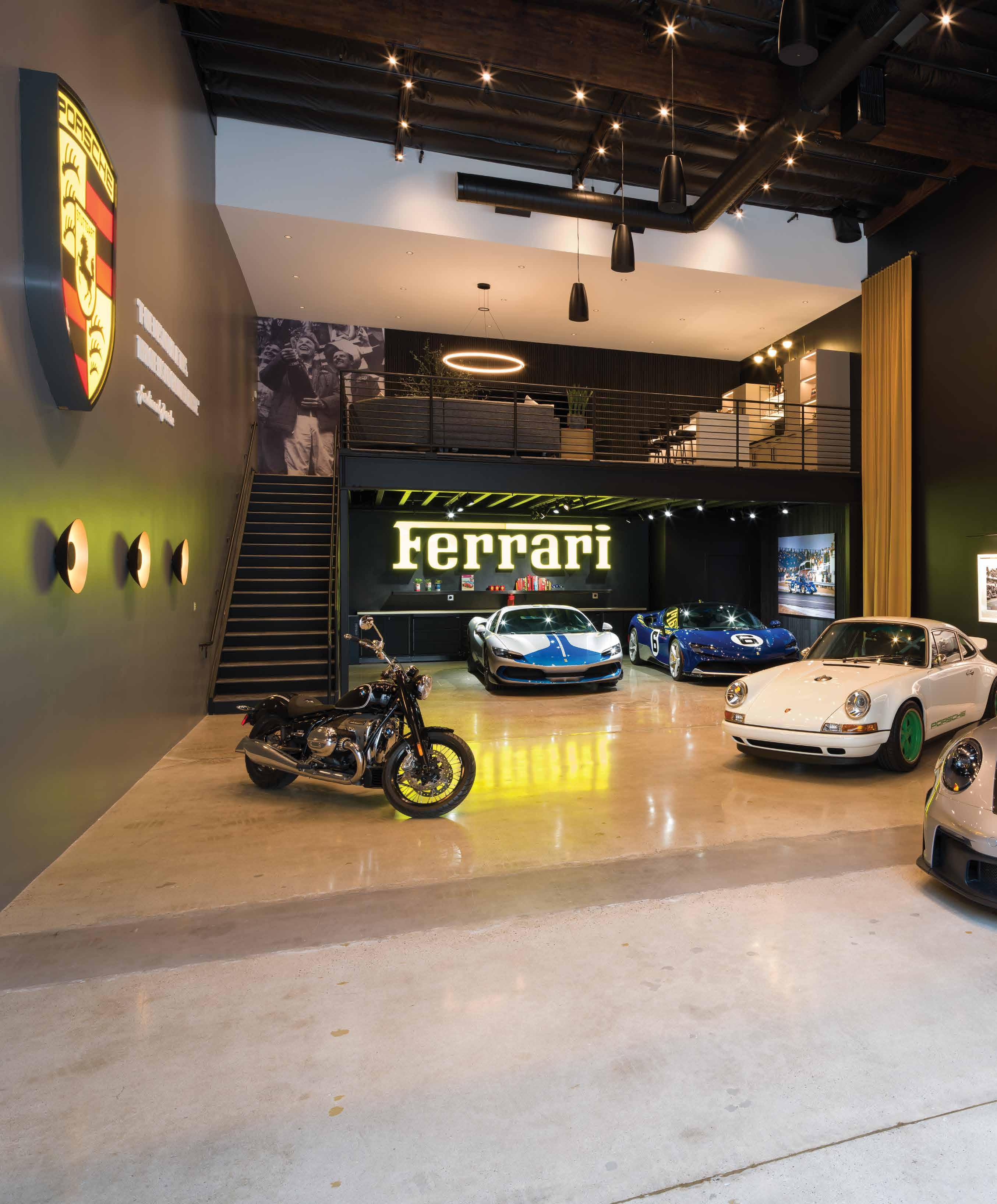
One of Sigband’s most notable projects is a 2,600-square-foot private garage condominium at the Finish Line Auto Club in Costa Mesa, Calif. It was a space she had long envisioned transforming. “I had attended countless car events there and always imagined what those cavernous shells could become,” she says. “Being referred to this project felt like the culmination of years of showing up.”
The two-level unit, with 25-foot ceilings on the ground floor and a mezzanine designed for entertaining, began as a largely blank slate. Nearly everything installed by the previous owner was removed, save for a deep charcoal wall color. “The LED hex lights, the oversized Rolls-Royce mural, the dated cabinetry, it all had to go,” Sigband notes. “None of it aligned with how my client wanted to use the space.”
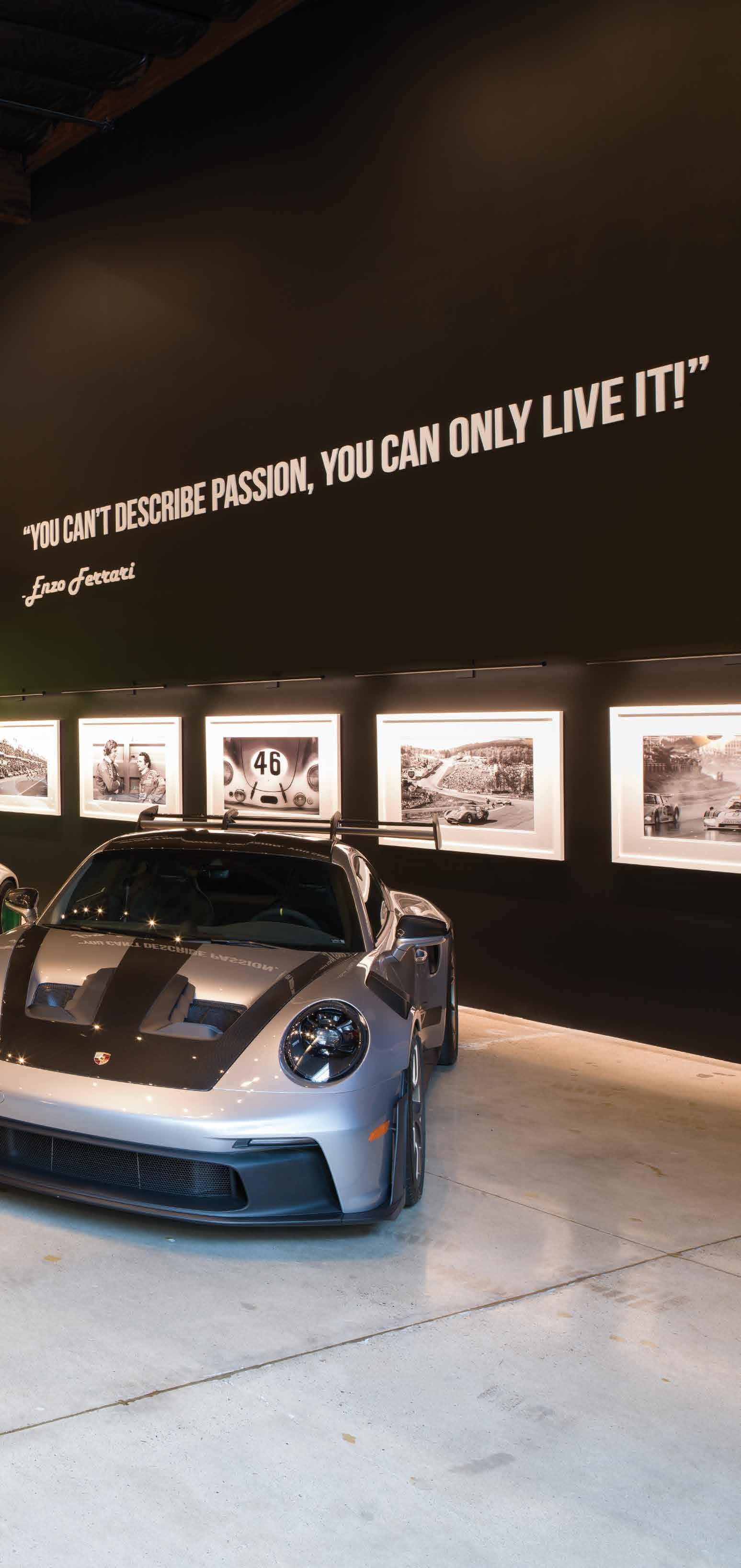
The client, a Ferrari and Porsche collector, had a clear appreciation for quality but no fixed aesthetic. “He was very much an ‘I’ll know it when I see it’ type,” Sigband says. To establish direction, she presented two distinct mood boards. “That step was invaluable,” she explains. “He could react instinctively, pull what resonated from each concept, and from there the design came into focus with precision.”
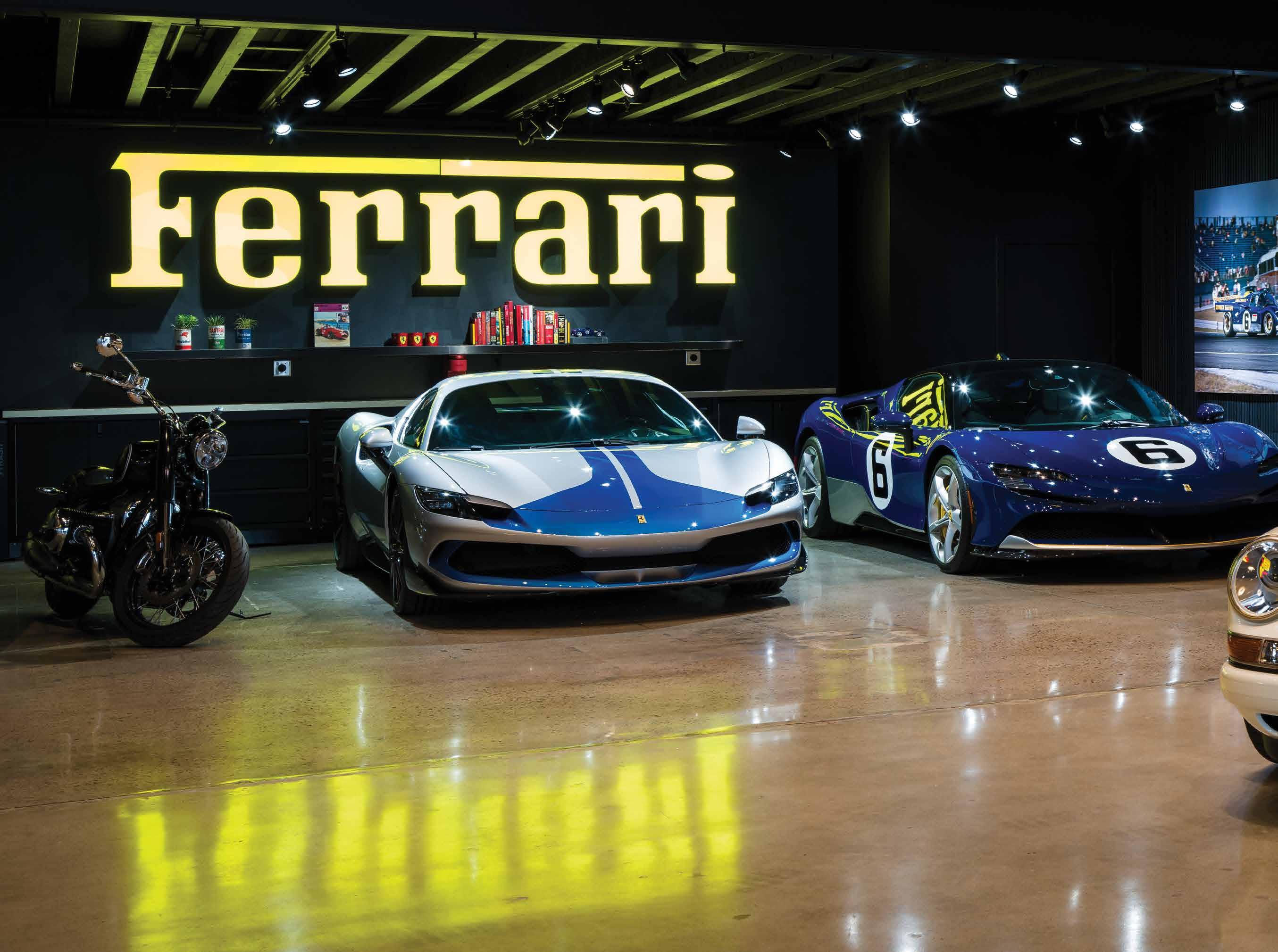
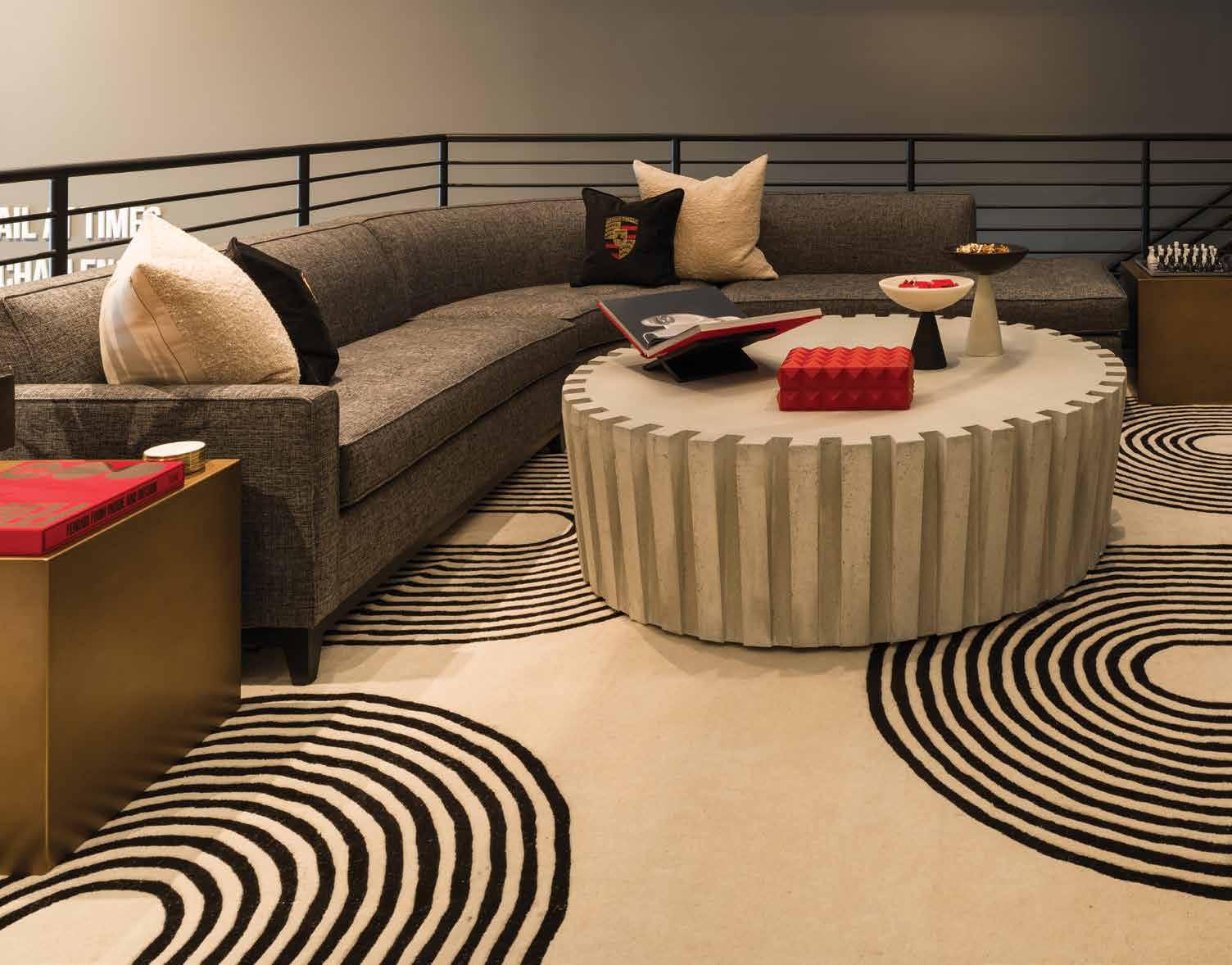
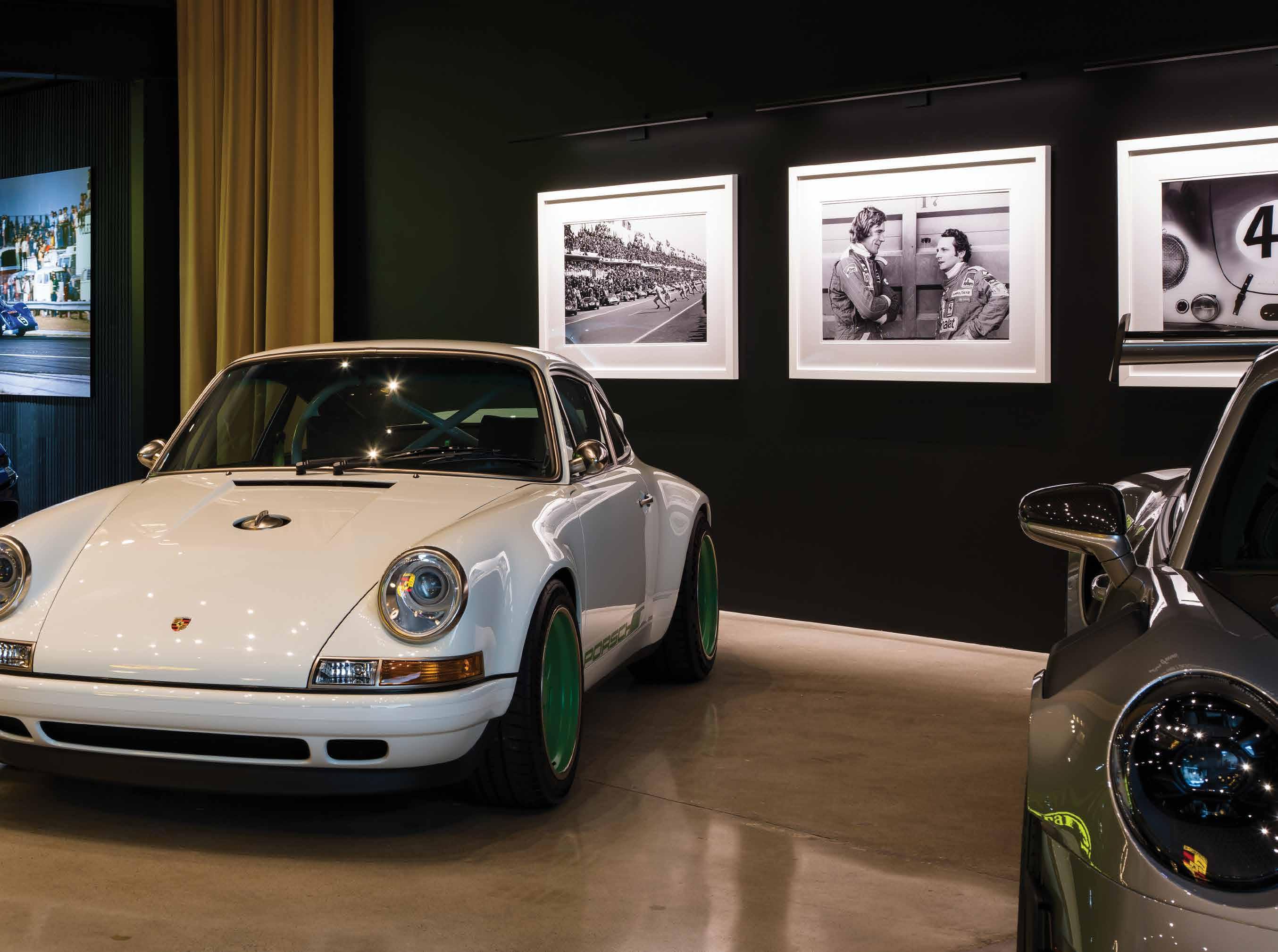
The resulting space tells a deliberate story. “I wanted the garage to feel like a narrative about performance, craftsmanship and elegance,” Sigband says. Automotive materials anchor the design, including black steel cabinetry, knurled hardware, tire-groove–textured wallpaper and a custom wool rug woven with concentric racetrack lines. These rugged elements are balanced with refined layers: dramatic gold drapery, plush velvet pillows embroidered with automotive crests and curated vintage racing imagery.
“High-performance cars live in that same tension between grit and refinement,” she explains. “The materials needed to reflect that.”
Lighting became one of the project’s most transformative elements. “Even the coolest-looking fixtures can cast distracting shadows on a car,” Sigband says. “High-quality architectural lighting and precise dimming control is essential.” She worked with Audio Images to create a programmable lighting system with multiple presets, allowing the owner to shift the atmosphere from functional to cinematic with a single touch. Each control is labeled with automotive-inspired names such as Launch Control, Cold Start, Victory Lap, Downshift and Pit Stop. “Those moments of surprise are where luxury really lives,” she adds.
The project’s primary challenge was scale. “You’re designing for two completely different experiences in one volume,” Sigband explains. “The ground level has to hold its own against 25-foot ceilings, while the mezzanine needs to feel warm and intimate.” She addressed this by turning the walls into architectural storytelling elements: a gallery of historic racing photography framed by dramatic drapery, illuminated Ferrari and Porsche signage paired with dimensional quotes and a striking Dan Gurney champagne-spray mural that draws visitors upward toward the lounge.
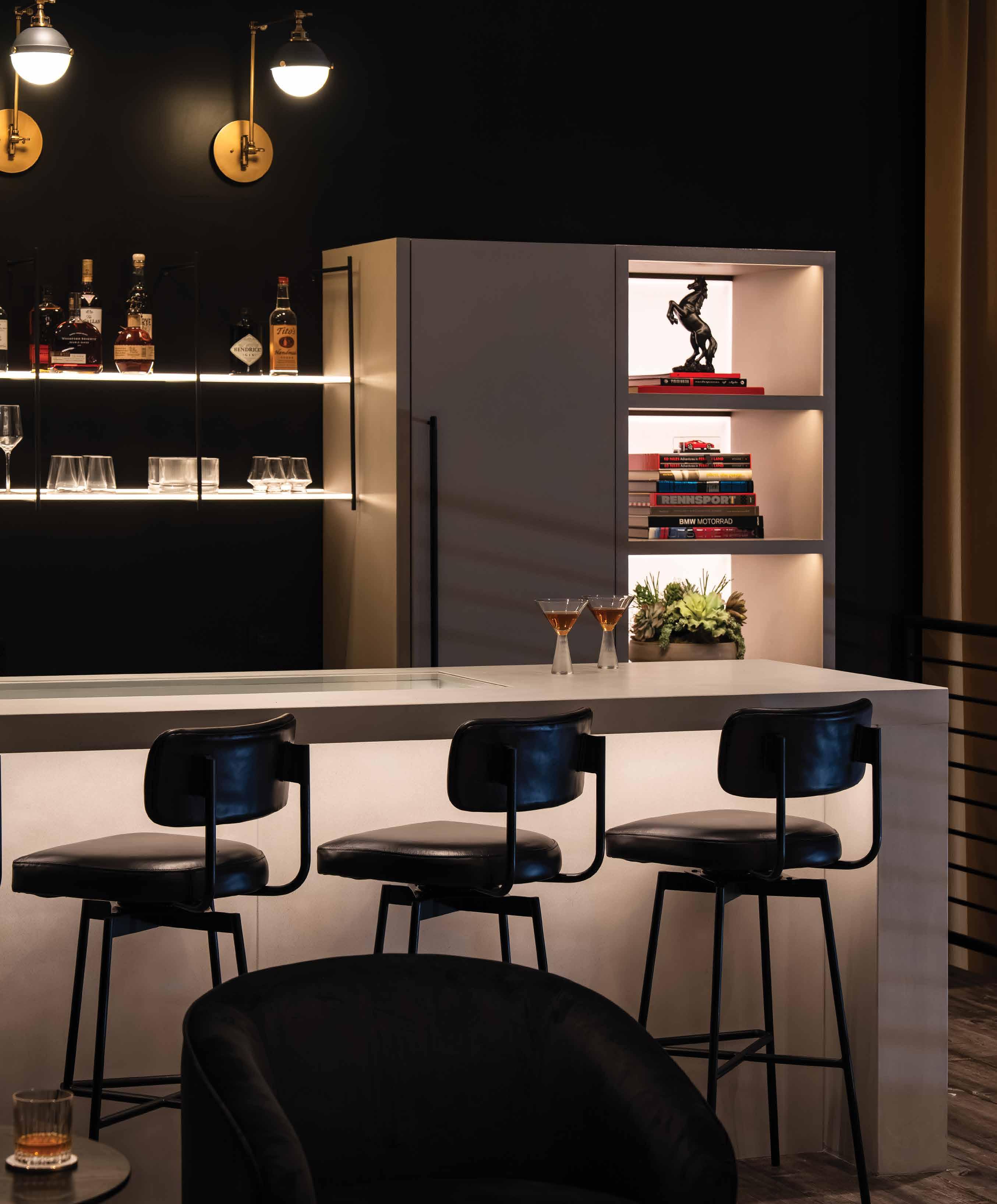
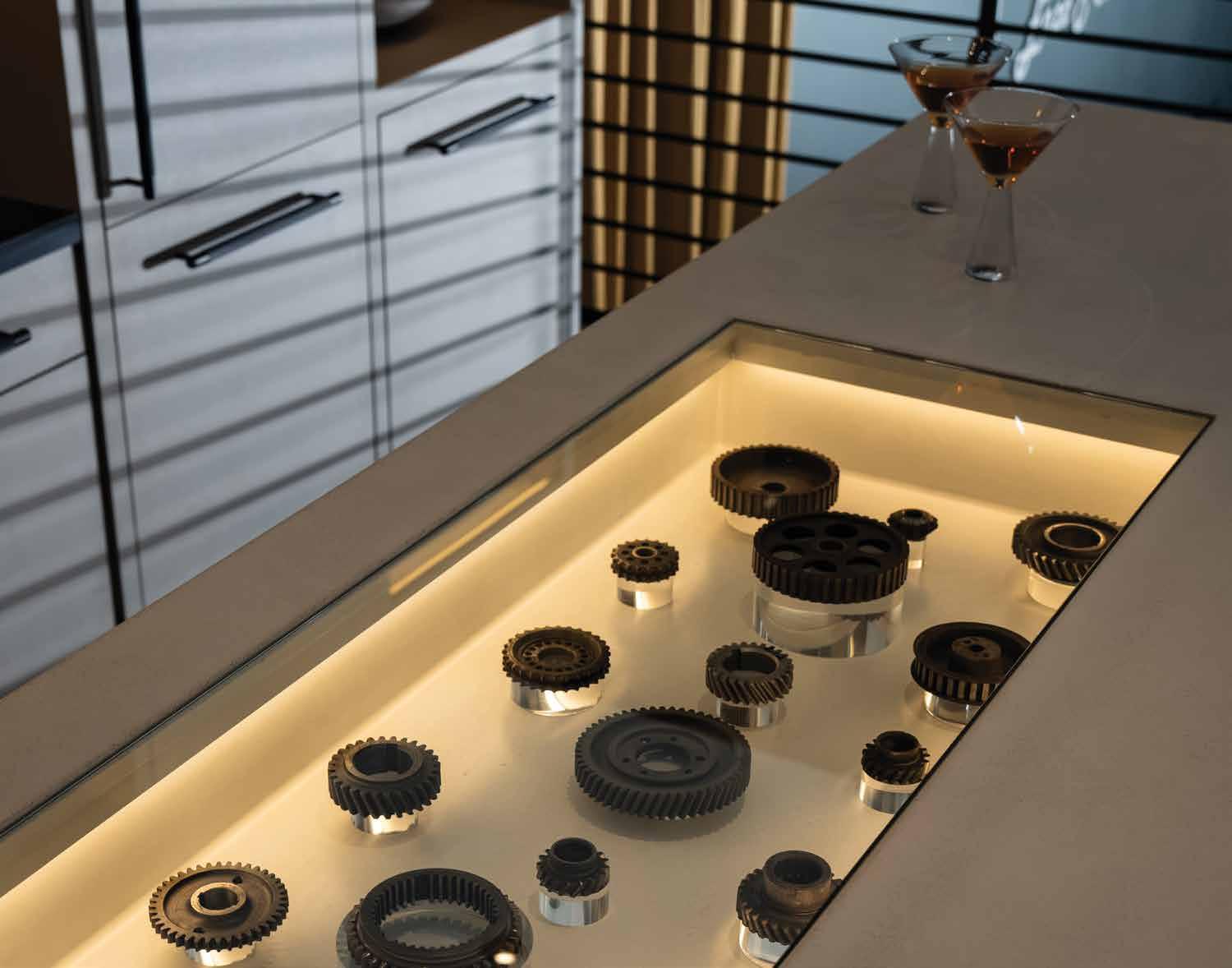
Among the details Sigband is most proud of are two custom concrete pieces. The first is a bar island with a recessed display showcasing vintage Porsche gears, softly illuminated with integrated LED lighting. The second is an oversized gearshaped coffee table that required a forklift to install. “Despite its scale, it glides easily on
hidden casters,” she says. “It’s massive, but still incredibly functional.”
For Sigband, the project exemplifies her broader philosophy. “I always start with function,” she explains. “How the cars move, how the space is used, what needs to perform. Then I elevate those elements rather than disguise them.” When done correctly, she says, “A garage can be practical, high-performance and beautifully composed at the same time. When those pieces work in harmony, functionality becomes its own form of luxury.”
As for designers looking to define their own path, Sigband offers pointed advice: “We tend to define ourselves too narrowly,” she says. “The most interesting work often comes from stepping outside the lane you think you’re supposed to stay in. That mindset is exactly how I discovered an entirely new design niche.”
by Brent
Photography
Menke
From to
PORT PLATE
How this globetrotting Scottsdale chef finds inspiration through food culture worldwide.
By Katherine Lawless
Chef Brent Menke’s celebrated Scottsdale restaurant, The Mick Brasserie + Bar, is rooted in an appreciation for how global cultures are expressed through ingredients and technique. He describes the menu as “French colonial,” drawing on food traditions from across Southeast Asia, North Africa and Europe. The goal is to reinterpret classic dishes from around the world, like escargot or pork ribs, often inspired by Menke’s experiences traveling the globe as a chef aboard the world’s finest yachts.
The chef’s journey to becoming a travel and food expert began with a leap of faith. The summer after graduating from the University of Arizona, he found himself rooming with a friend in Newport, R.I., where he discovered a whole new world: the superyacht industry. After cold-calling his way into an interview for a deckhand position,
he received a call that would change his life. There was a yacht sitting in the Caribbean, set to depart for Europe the next day. Was he able to get down there on the next flight?
“It was one of those moments in life when, figuratively and literally, your boat is ready to sail, and you can either get on it or not,” Menke recalls.
He said yes and immediately jet set to St. Martin, getting the first stamp in his passport and embarking on the adventure of a lifetime. Menke started as a deckhand on a 175-foot yacht crossing the Atlantic, but when charter season began in Europe, and the onboard chef needed help, he stepped into the galley. When the executive chef went on vacation, he assumed full responsibility for the entire operation. What began as a temporary solution became a new direction in life.
“IT WAS ONE OF THOSE MOMENTS IN LIFE WHEN, FIGURATIVELY AND LITERALLY, YOUR BOAT IS READY TO SAIL, AND YOU CAN EITHER GET ON IT OR NOT.”
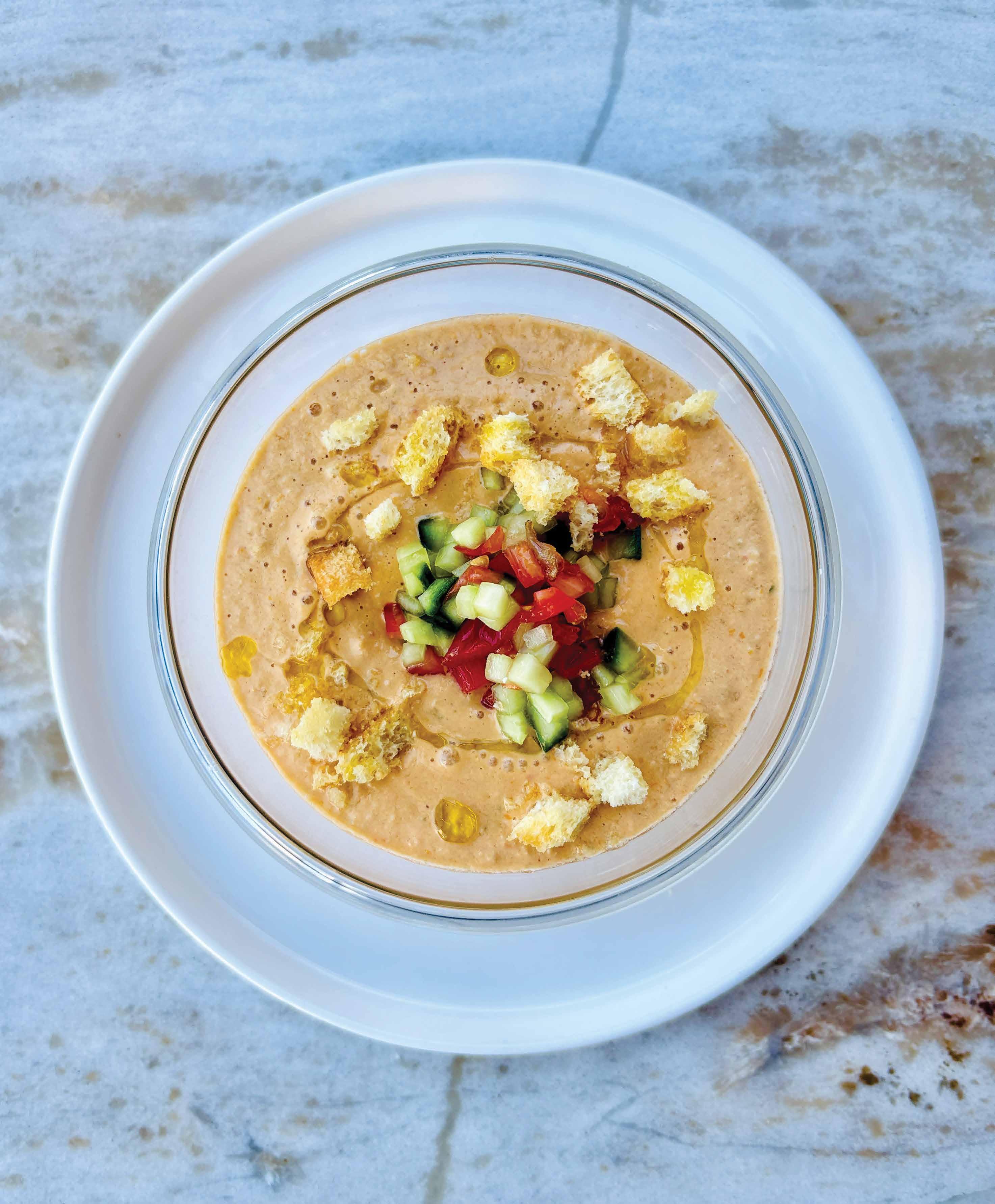
WATERMELON GAZPACHO
INGREDIENTS
2 cups seedless watermelon, cubed
1 cup cucumber, peeled and diced
2 cups tomatoes, diced
½ red bell pepper, diced
1 shallot chopped
1 small garlic clove
½ cup blanched almonds
2 tablespoons sherry vinegar
¾ cup extra virgin olive oil
¼ teaspoon salt (to taste)
Black pepper (to taste)
1 teaspoon smoked paprika
GARNISHES
Finely diced watermelon
Diced cucumber
Fresh mint or basil, thinly sliced
Drizzle of olive oil
Toasted bread crumbs (optional)
INSTRUCTIONS
Place all ingredients in a blender and blend until smooth. You may want to thin out the gazpacho with a little water if you want a thinner texture. Serve in a soup bowl with the garnishes scattered around as to catch a bite in each spoonful.
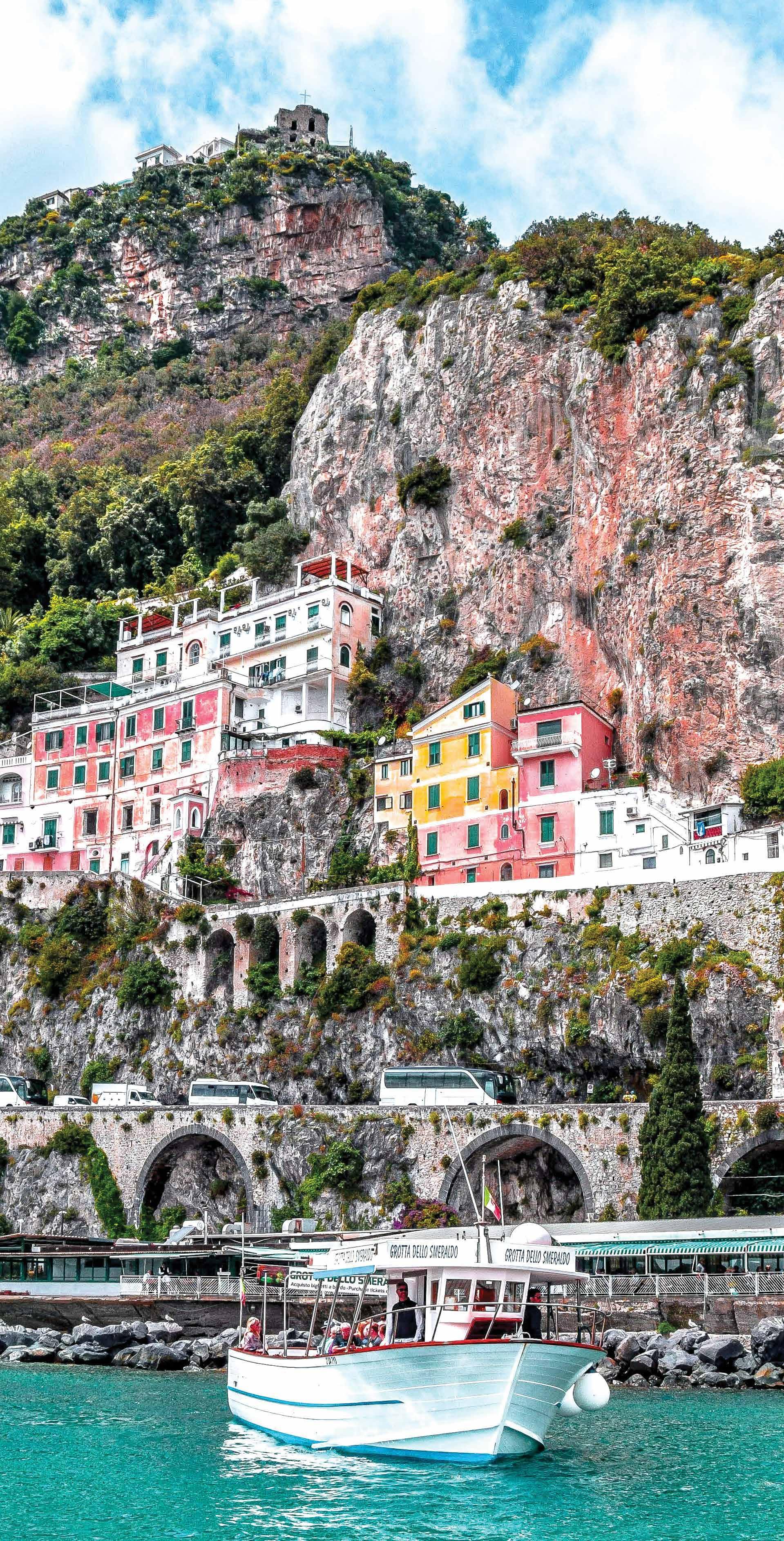
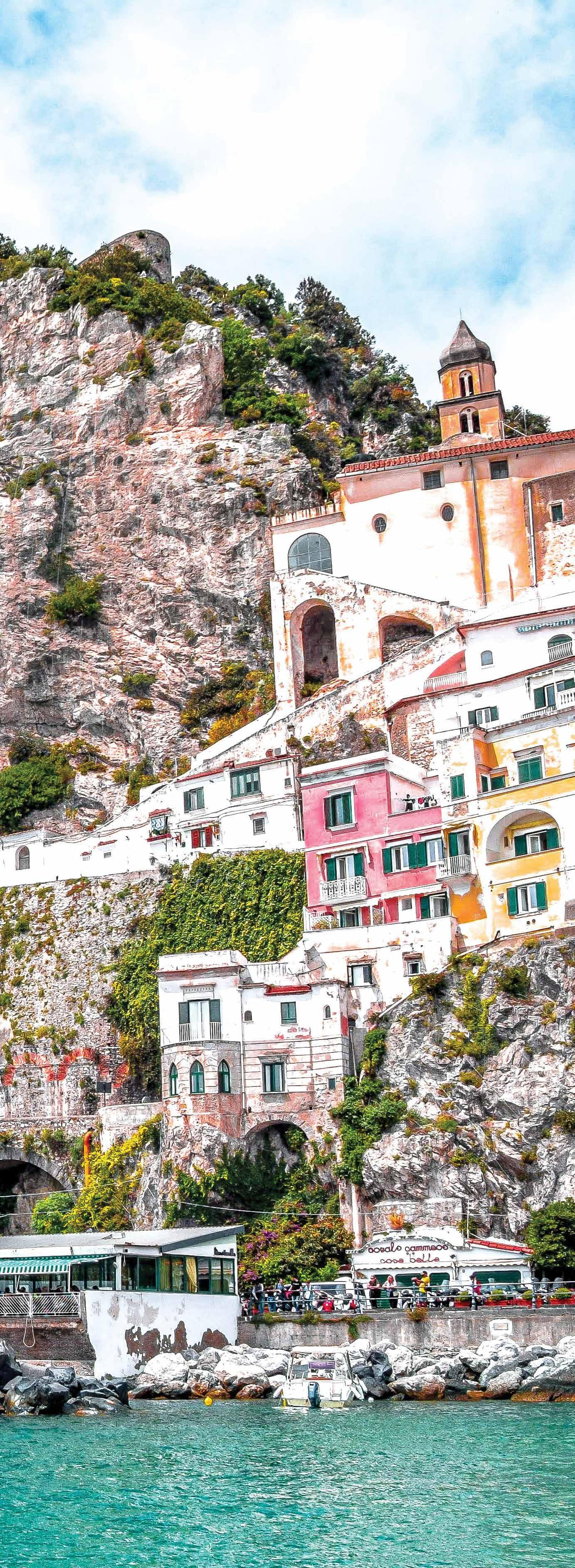
After that, the yacht was sold and Menke went to Florida, connecting with crew agencies and landing a hybrid deckhand/sous chef role on a 180-foot yacht traveling between the Caribbean, the Mediterranean and the U.S. When he wasn’t cooking for billionaires and oligarchs, he explored the port cities where the yachts docked, learning local food cultures in places like the Amalfi Coast and the Côte d’Azur.
Years later, after leaving the yachting world, Menke and his family took a different approach to travel. Before settling back in Scottsdale, they spent a year living abroad, exploring 13 countries, including Bali, Ecuador, Peru, Greece, Turkey, Italy, France, Thailand and Vietnam.
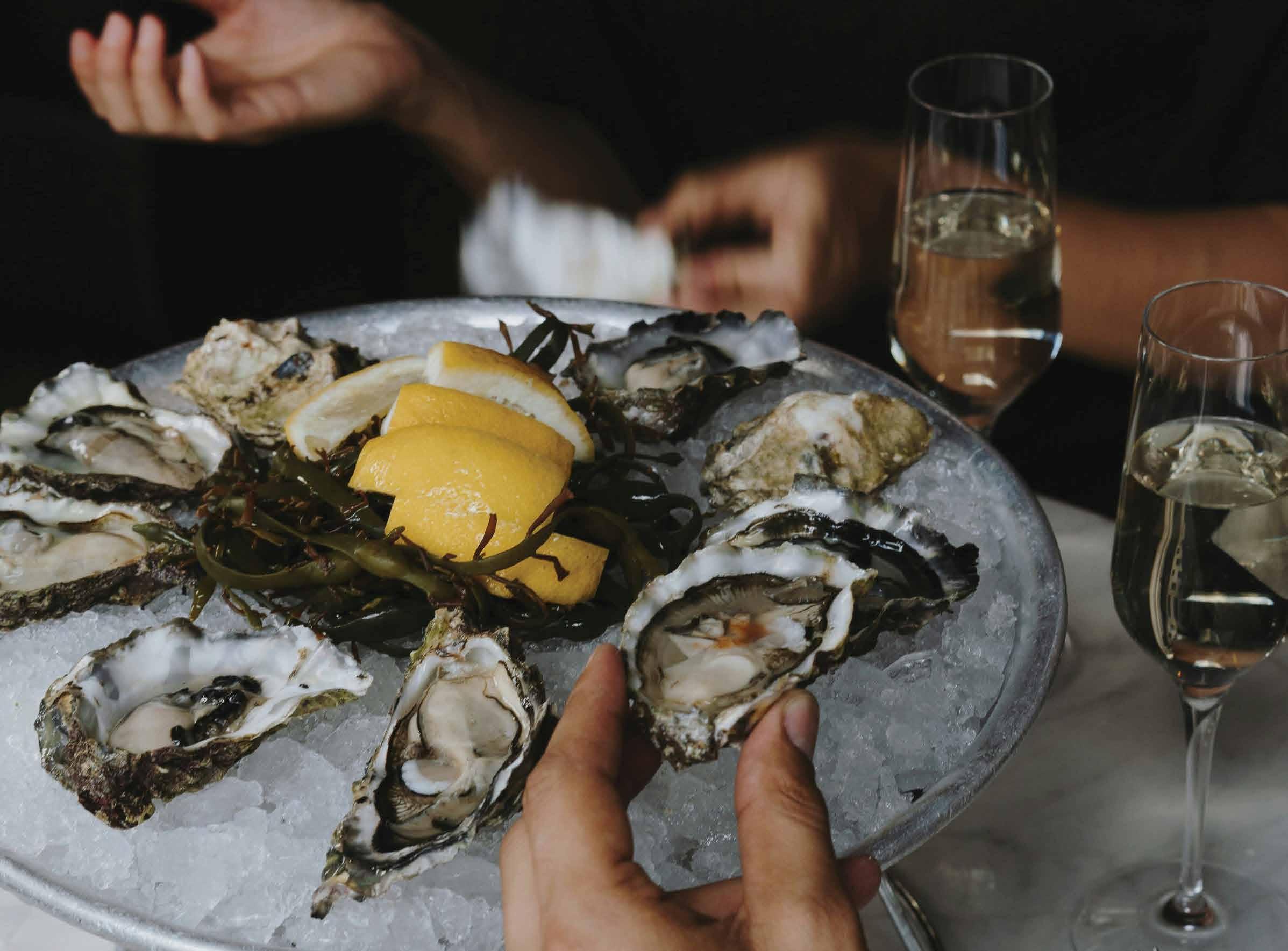
Together, they ate ceviche in Lima, Chuleta beef in San Sebastián, oysters in Cap Ferrat and laksa soup in Bangkok—meals that were lessons in culture as much as cuisine. In each country, regional cuisines taught them about local ingredients and the influence of neighboring cultures, as well as the impact of immigration and colonization.
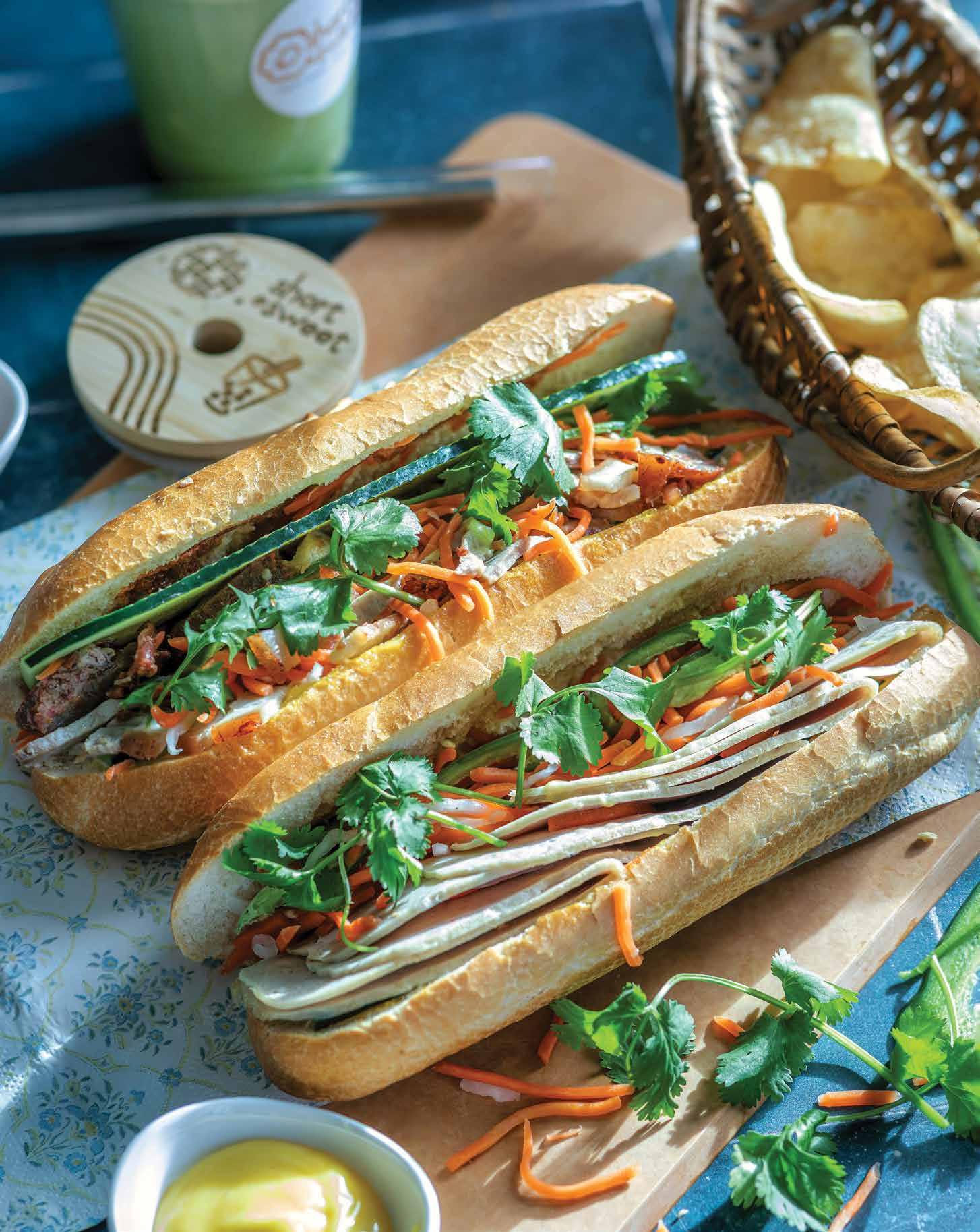
Vietnam left a powerful impression. “Vietnam’s food scene is often a collaboration of Vietnamese and French culture to form something
like a Bánh Mì sandwich,” Menke explains. “That sandwich is absolutely ICONIC, but it wouldn’t have happened without those two cultures coming together.” He noticed how cuisine shifted by region: “In the south of Vietnam, the food is spicy and barbecue-y, but to the north, it’s more subdued and includes more braises and stews.”
Turkey offered another lesson in contrast. “Turkish food has a combination of Eastern and Western influences, seen in the breads, kebabs and street vendors,” he notes. And when asked to choose one country to live in for food alone, Menke doesn’t hesitate: “If I had to live in one country, from a food standpoint, I’d have to say France,” citing the dramatic difference in dishes from Paris and Champagne to Provence, Toulouse and Bordeaux.
History plays a role, too. French culinary technique was shaped by figures like Marie-Antoine Carême, who cooked for royalty and developed elaborate pastry and decorative traditions that eventually filtered into everyday cooking.
Menke often points out that many beloved cuisines are made simply from what is most available to a community. Italian food, he explains,
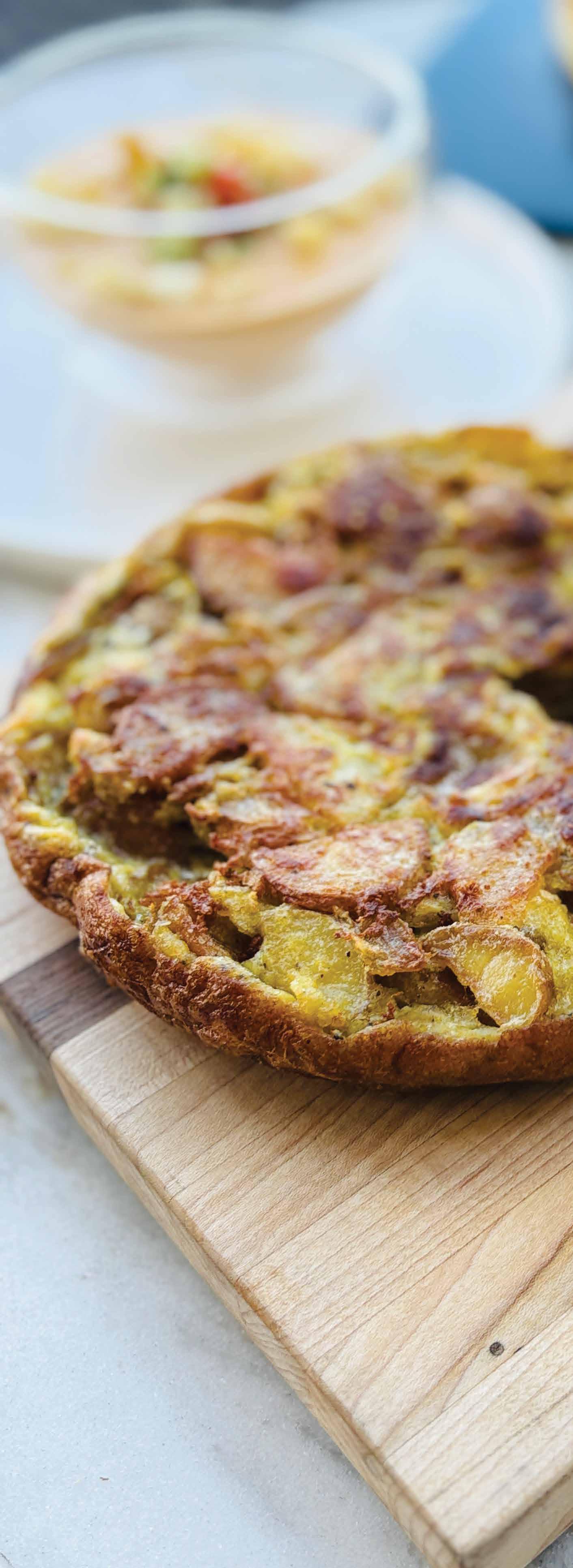
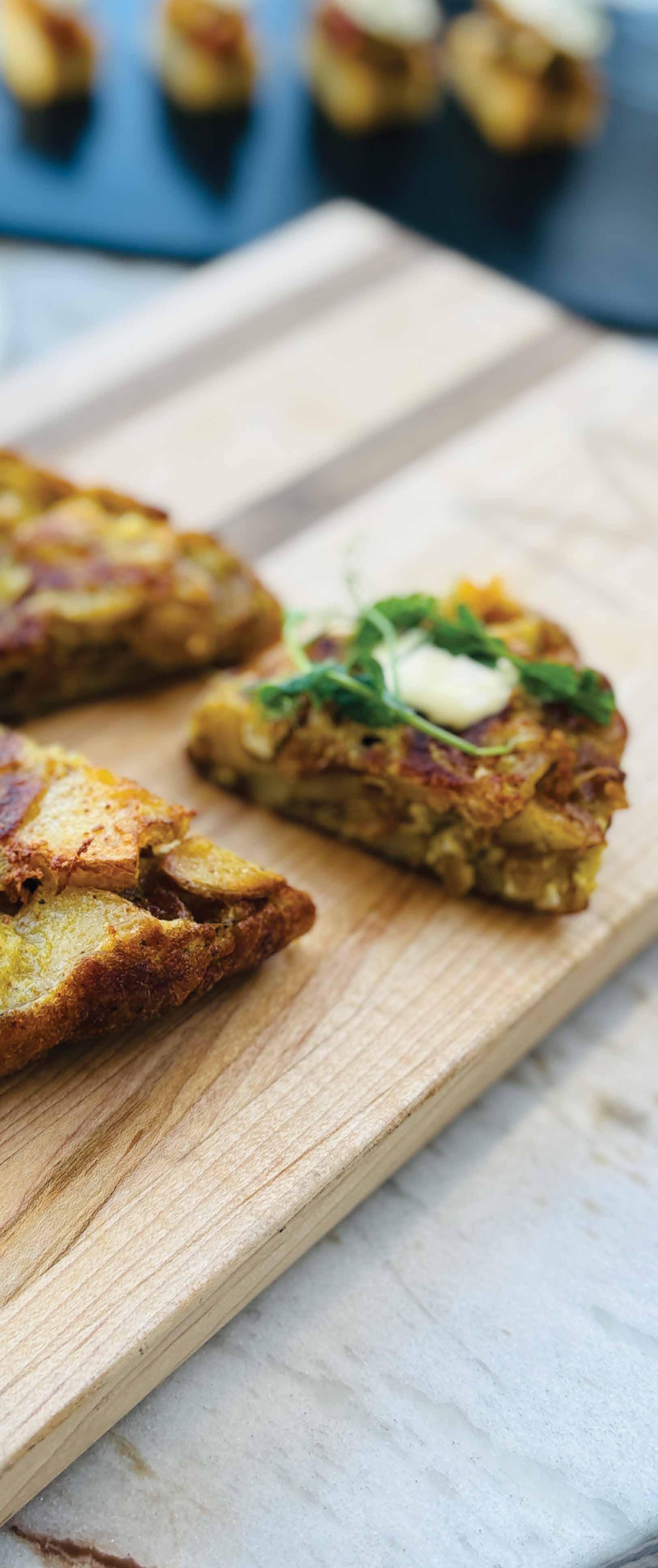
TORTILLA ESPAÑOLA (SPANISH OMELET)
4 to 6 servings
INGREDIENTS
6 large eggs
3–4 medium potatoes (Yukon Gold or similar), peeled
1 medium onion (optional but traditional)
Olive oil (generous amount for frying)
Salt, to taste
INSTRUCTIONS
1. Prepare the potatoes and onions
• Slice the potatoes into thin, even slices (about 1/8 inch).
• Thinly slice the onion.
2. Slowly fry the potatoes and onions
• Heat a large amount of olive oil in a deep frying pan over medium heat.
• Add the potatoes and onions; season with salt.
• Cook gently (they should simmer in the oil, not crisp) for about 20 minutes, stirring occasionally, until completely soft.
3. Drain and mix with the eggs
• Remove the potatoes and onions with a slotted spoon; drain well.
• In a large bowl, beat the eggs with a pinch of salt.
• Add the drained potatoes/onions to the eggs and let sit for 5 minutes to absorb.
4. Cook the tortilla
• Heat 1–2 tablespoons of the same oil in a smaller nonstick pan (8–10 inches).
• Pour in the potato-egg mixture and spread evenly.
• Cook on medium-low until the edges firm and the bottom lightly browns (5–7 minutes).
5. Flip the tortilla
• Place a plate over the pan, flip the tortilla onto the plate, then slide it back into the pan to cook the other side.
• Cook 3–5 minutes more, depending on how runny or firm you prefer the center.
6. Serve
• Let it rest 10 minutes before cutting. Serve warm, room temperature, or cold.
is deeply rooted in peasant culture, built around affordable ingredients and resourcefulness. Panzanella transforms leftover bread and vegetables into something new, while pasta dishes, made from simple ingredients—flour and water—change completely depending on where they’re cooked. Along the Amalfi Coast, that might mean the addition of clams, garlic, parsley and white wine. In EmiliaRomagna, a pasta dish might include Parmigiano Reggiano and prosciutto, both staples in the region.
For Menke, learning culture through food also means learning how to cook with new skills, not just new ingredients. Mastering new techniques, he says, can completely change how you experience an ingredient. He points to sous vide—a French method that allows for precise temperature and texture control—followed by a hard sear to create a crust and a perfect medium-rare interior.
No matter what culinary traditions you’re intrigued by, he encourages home cooks to start with fundamentals: brining birds, cooking
more whole foods, experimenting with color and texture through fruits, vegetables, grains, lentils and legumes, and saving bones to make stock. “Once you get your basics, everything else falls into place,” he says.
Today, Menke still leads small, immersive tours through Europe, focusing on food, art and architecture. On trips to Italy, France and Spain, he takes guests to local markets and invites them to choose what to cook. If an ingredient sparks curiosity, they buy it and experiment together. “So much history and culture are based on food,” Menke says. “Through food, you can learn how people live on an everyday basis.”
From yacht galleys to fine-dining restaurants and home kitchens, Menke has learned that food is one of the clearest reflections of how people live and connect with one another. At The Mick, decades of insight into history, geography and technique come together on the plate.
Influenced
Four visionary residential architects reveal the legendary designers who shaped their creative lens, unpacking how inspiration, legacy and place influence the homes redefining our modern landscape.
By Nakayla Shakespeare
Influenced
There are so many inspiring architectural works in our community being crafted by forward-thinking architects. Just as these incredible works have galvanized us, our hard-working architects, Brion Jeannette, Jessica Hutchison-Rough, Stratton Andrews and Anders Lasater have muses of their own, other architects that have long inspired them and influenced their work style. Get to know them and the motivation behind their awe-inspiring residential designs.
STRATTON ANDREWS
STRATTON ARCHITECTS
Stratton Andrews is an Arizona-based architect most known for his sleek, modern architectural style. Creating stunning, light-filled residences across the Valley, Andrews’ design philosophy is rooted in sensitivity to form and function. His firm, Stratton Architects, has earned numerous industry accolades and awards, including multiple ICONIC Design Awards.
Andrews’ motivation to become an architect can partly be attributed to the work of Roger Ferris + Partners. “Every project is unique and inspiring,” Andrews says of Roger Ferris + Partners’ work, which he also describes as “clean modern forms that relate to their surroundings [using] natural, well-balanced materials and details.”
Roger Ferris + Partners is a Connecticut-based architectural firm that produces innovative, modern projects across all scopes, from single-family residences to commercial mixed-use buildings to high-rises, in contexts ranging from rural towns to suburban campuses to dense urban centers.
The firm’s smaller projects allow it to experiment with innovative methods and materials, pushing the envelope of creativity. Roger Ferris + Partners’ work speaks for itself, earning critical acclaim from many highly respected design and architectural organizations. “They helped form some of our early design inspiration,” Andrews says of the firm, “analyzing form, scale, materials and the environment the project resides in to create a successful, beautiful project.”
Photo
JESSICA HUTCHISONROUGH
URBAN DESIGN ASSOCIATES
For the owner and principal architect of Urban Design Associates, Jessica HutchisonRough, architectural design and the environment should coexist in perfect harmony. “Nature is our greatest teacher, and architecture must honor its context,” she says. This philosophy grounds their work, creating homes that seamlessly blend with the landscape.
This design ethos was heavily influenced by the work of the ICONIC Frank Lloyd Wright. “Wright taught me that architecture is inseparable from its environment—that buildings should rise from their sites with a sense of inevitability,” Hutchison-Rough explains. “Growing up in the Sonoran Desert, seeing Wright’s ability to harmonize structure, landscape, light and material left an imprint that never left me.”
Hutchison-Rough’s father played an integral role in exposing her to Wright’s work. “My father took me on architectural pilgrimages across the country—from Fallingwater to Hollyhock House—long before I fully understood what I was looking at,” she says. These early-day adventures sparked design inspiration years before she committed to developing her illustrious career as an award-winning architect.
“Ultimately, this architect taught me that great design is not a style—it is a way of seeing,” Hutchison-Rough says. “ It is the responsibility [of the architect] to listen to the land, to respect legacy and to create spaces that hold meaning for generations.”
by Kevin Brost
Photo
BRION JEANNETTE
BRION JEANNETTE ARCHITECTURE
Brion Jeannette, founder of Brion Jeannette Architecture, is known for creating world-famous private homes and estates. The California-based architect has been designing beautiful homes for clients for more than 50 years. Jeannette’s scope of work is wide, ranging from contemporary projects to European-inspired homes.
While each client’s needs are the architect’s source of inspiration, two other great architects have influenced Jeannette's designs: Antoni Gaudí and Frank Gehry. Jeannette is drawn to the fluidity of form in their work. “I am influenced by these two great architects . . . both of these architects use organic forms and are particularly fond of the emotional impact of curves,” Jeannette says.
Curved rooflines, archways and organic forms are seen throughout many of Jeannette’s projects. The influence of both Gaudí and Gehry is evident. “I have traveled extensively since the early 1970s to study architecture throughout the world, but when I encountered Gaudí’s incredible sense of wonder in Barcelona, I knew I was forever changed,” Jeannette says. “His understanding of light, scale, color and form, so abundant in his work, has influenced many of my homes.”
Jeannette first encountered Gehry’s work in the 80s, when Gehry began experimenting with ‘deconstructive architecture.’ “I am inspired by Gehry’s art in architecture, which has changed modern architecture in ways no other architect has in the last 75+ years. I have had the joy of experiencing firsthand many of his museums, theaters and public spaces. I find each uniquely thrilling for the ways in which he uses materials to express the excitement that lies within and without,” Jeannette says.
Photo by Chipper Hatter
ANDERS LASATER
ANDERS LASATER ARCHITECTS
Exceptional architecture is a combination of creativity and great execution of the fundamentals. When both of these elements are done well, it can turn a good home into a great one. For Anders Lasater, founder of Anders Lasater Architects– an award-winning architectural firm most known for its modern, dynamic homes–fundamentals are everything, and it’s famous architect Carlo Scarpa’s mastery of the crucial elements that spark inspiration in Lasater’s work.
“For me, he was the absolute master of the fundamentals,” Lasater says. “What I love is how subtle and intentional he was. He didn’t need to show off; he could manipulate scale so that even his small projects felt immense just through thoughtful control of proportion. Crucially, he treated light as a building material, just like concrete or steel, and used it to animate his simple palette. It’s that focus on relationships and contrast—dark against light, old against new—that makes the architecture resonate.”
Lasater encountered Scarpa’s work while studying architecture. His keen understanding of balance and contrast drew him in. “His profoundly contemplative Brion Family Tomb, for example, wove together life, death and nature into this meditative journey. And then there was his design for the Museo Canova, which showed me how light is literally captured and controlled as art itself. That commitment to creating a rich tapestry of texture and detail, even when installing modern architectural interventions inside a medieval structure like the Castelvecchio Museum, was instantly influential,” he says.
Scarpa’s influence is evident in Lasater’s work, which showcases space, proportion, light and material in ways that elevate a home, adding interest and character and reflecting the client’s unique rhythm and life. Lasater’s homes are masterfully executed with thoughtful intention.
by Sam Frost Studio
Photo
Jacob
The
evolution of an artist.
By Fran Miller
Photos courtesy of Vilató i Vilató
Vilató
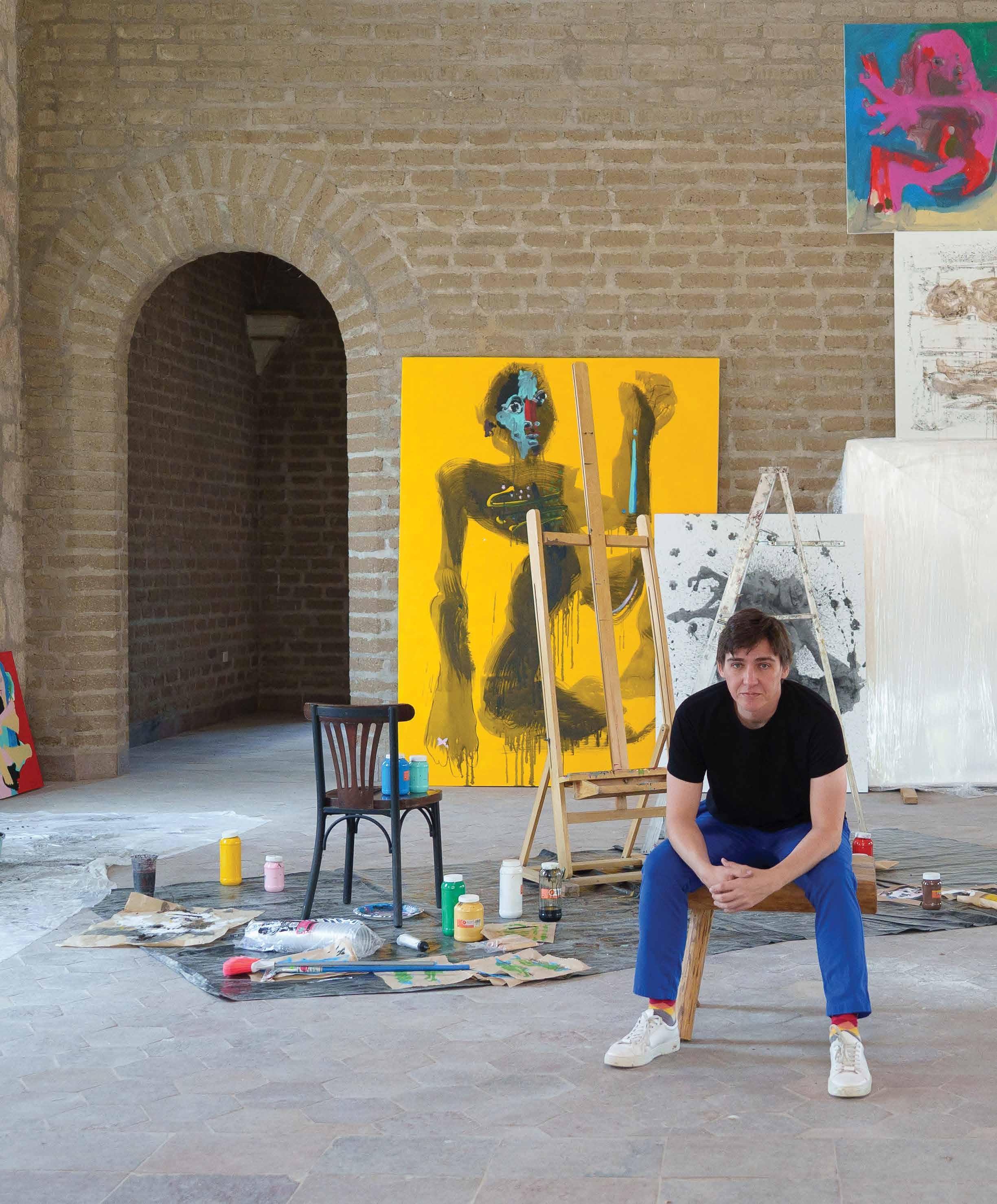
Less than five years ago, Jacob Vilató was undergoing a personal and professional transformation. At the time, he had just pivoted from a successful international architecture career to focus on Vilató i Vilató, the Barcelona-based art and design studio he co-founded with creative partner Itzel Culebro.
Since then, much has changed—his visual language, his creative motivations and even his sense of where he belongs in the artistic lineage that includes his great-uncle, Pablo Picasso. What hasn’t changed is Vilató’s quiet intensity and the raw curiosity that fuels his work. Once hesitant to publicly link himself to his ICONIC family heritage, he now embraces it more freely, not as a crutch or credential, but as part of a more complex narrative about influence, identity and artistic inheritance.
Vilató grew up in a household where art wasn’t a pursuit; it was a presence. Paintings by his great-uncle hung unceremoniously on the walls; creativity was never separate from daily life. “Some families care about money, some care about society, some care about animals, but my family cares about art,” he says.
Yet, he chose a different path, steering toward architecture as a compromise between the logical and the lyrical. He founded an architecture firm with offices stretching from Barcelona and Beijing to Delhi, a choice guided more by a desire to please than by passion. But even as his practice grew, he couldn’t shake the urge to create more personally, more freely.
Furniture design offered an initial outlet. His sculptural pieces attracted attention from Architectural Digest, Surface, Azure and Elle Décor But it was painting—a discipline he never formally studied but absorbed intuitively— that brought him back to himself. In 2019, he unveiled his paintings to the public for the first time through a high-profile charity auction. The enthusiastic reception buoyed him.
Despite the pedigree, Vilató has never leaned heavily on the Picasso name. For years, he avoided mentioning the connection altogether. But over time, his view evolved.
Rather than feeling overshadowed by the ICONIC figure, Vilató now describes the relationship as walking by Picasso’s hand, not in his shadow.
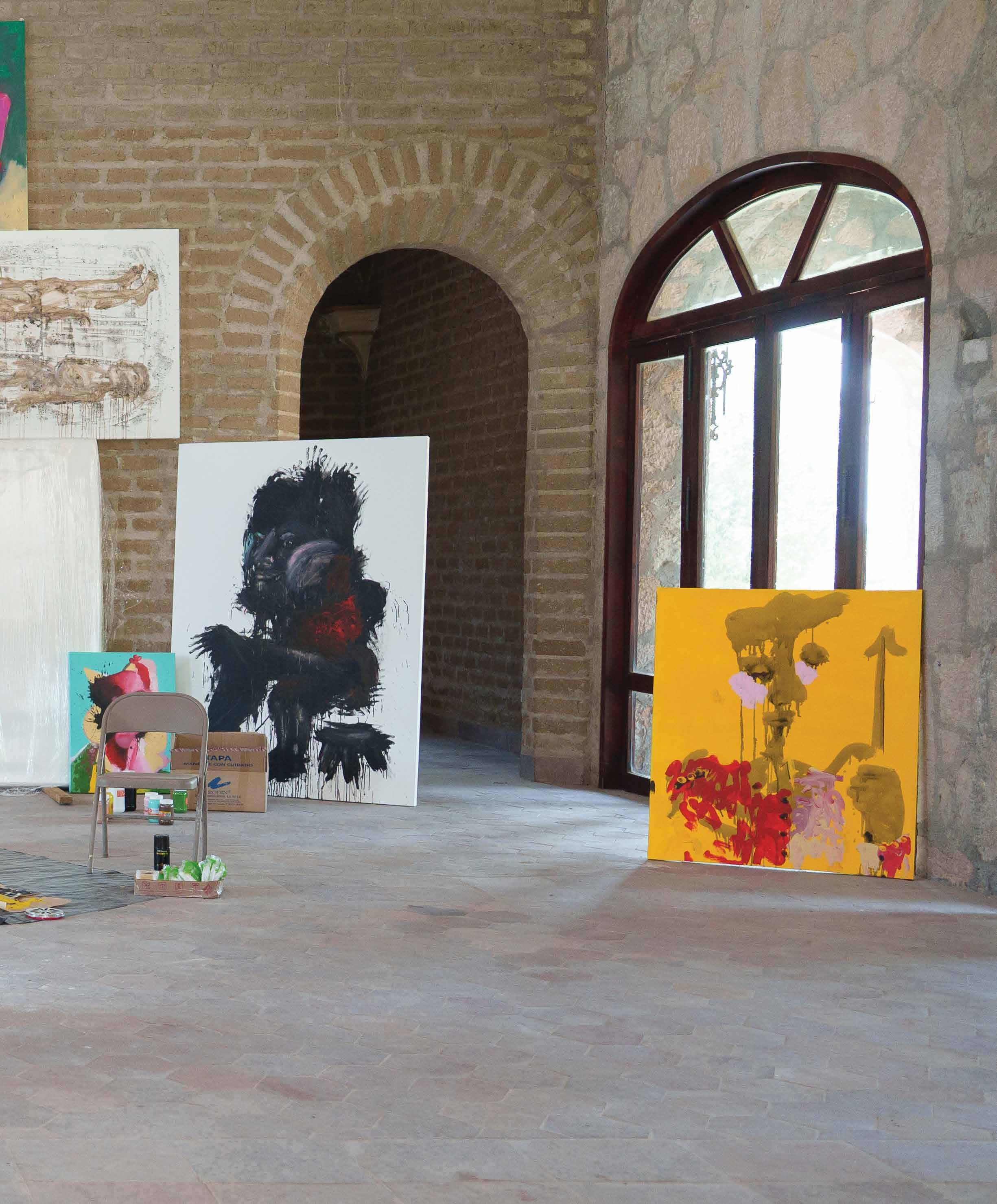
Today, his canvases are bold and instinctual. His forms, once architectural and controlled, now flirt with abstraction and surrealism. Collectors across continents— Europe, North America and Asia—are taking note. As he prepares for new exhibitions and continues to evolve his craft, I visited with Vilató to gain a deeper understanding of how far he has come and where he’s headed next.
Since your first public exhibition in 2019, your work has been featured in collections worldwide. How has that kind of reception impacted your creative process?
I’ve become increasingly aware of how difficult it is to claim any supposed truth, sometimes due to superficial praise and at other times due to a lack of meaningful feedback. However, the truly incredible part of this journey is meeting extraordinary individuals who continually enrich my life, whether through book recommendations or original, unconventional ideas; it’s often conversations that act like sparks, igniting new perspectives.
I’ve also developed a fear of painting, which might easily be mistaken for reverence, though caution is necessary here. This fear has actually fostered a more intimate, comforting artistic process. It compels me to create fractures, in a surreal sense, enabling deeper self-exploration. It’s a vivid reflection of Lavoisier’s maxim: “Nothing is created, nothing is destroyed, everything is transformed.”
How do you begin a new painting? Is it a planned process, or does instinct lead the way?
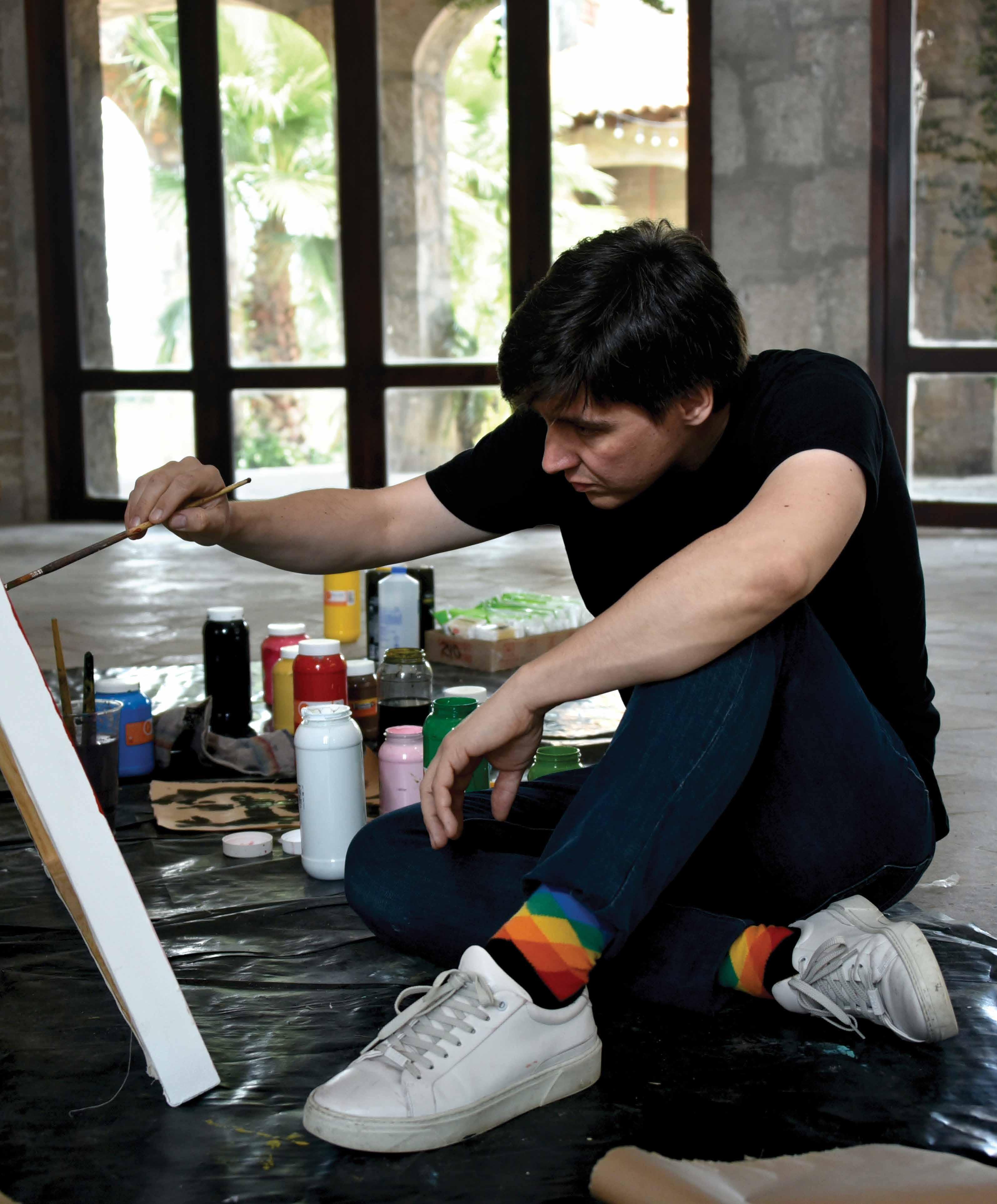
I throw paint onto the canvas without expectation, accepting the possibility, even likelihood, of initial failure. I don’t like to start with preconceived ideas, as they inevitably lead to familiar places, and I’m far more interested in discovery than in craft. Each day, after hours spent painting and
repainting, I eventually arrive somewhere meaningful. I prefer not to close my eyes until sleep finally insists.
Many artists describe a turning point when they started creating primarily for themselves rather than for an audience. Have you reached that moment?
I believe I’ve always painted for myself. Perhaps that’s the true family legacy, and it’s likely the reason I choose to keep a significant portion of my work. At the same time, there’s a deeply rooted spirit of service within me, influenced by my background in architecture and my family’s medical tradition. (His exposure to diseases such as cholera and diphtheria left a profound impact on him, especially after losing his sisters to illness.)
Your paintings have grown more gestural, emotional—even surreal. What drives your visual language?
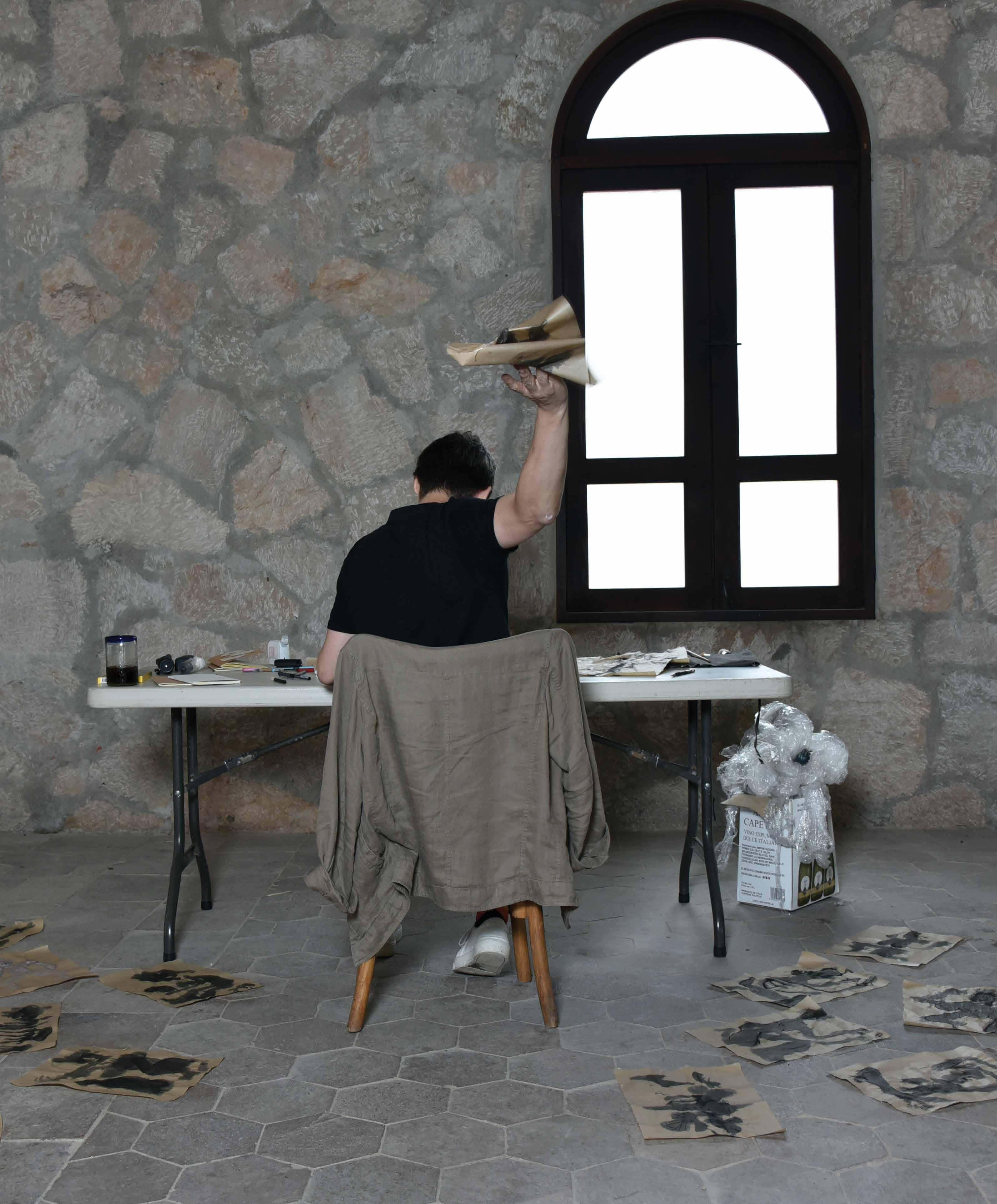
I don’t like painting on autopilot or letting my mind drift too freely. I prefer to remain fully present. By doing so, I feel paths and insights gradually settle, even if I’m not immediately aware of them. Testing new ideas born from unexpected sparks can reveal surprising paths. A good example is my series “Primeras impresiones.” After returning from a trip, I left a few tickets lying around. Initially, I scratched them to darken and draw on them, then later applied alcohol to lighten the surfaces. From there, I discovered I could substantially transform the images while preserving a remarkable level of detail. Ironically, embracing unexpected discoveries has taught me that selectively losing control often leads me toward a deeper kind of mastery.
Are there themes or questions you keep coming back to in your work, consciously or not?
I’m deeply drawn to themes such as memory, not merely as an archive of the past, but as a selective filter that shapes who we are and how we perceive our surroundings. Perception itself also fascinates me: the delicate interplay between what we see and what we think we see, that thin border where reality blends seamlessly with imagination.
Another recurring theme is death, though not in a somber sense. Instead, it serves as a powerful reminder of life’s fragility and beauty. I’m intrigued by the paradoxical urge to step away from the real world precisely to grasp it more firmly, a kind of dance between escape and attachment.
My work engages with these ideas through intuition and gesture, and through echoes of philosophers who constantly accompany me, such as Merleau-Ponty and his exploration of perception, and Bergson, who beautifully described memory as a living fusion of past and present. Ultimately, my paintings aim to make visible what is usually invisible: the intricate emotional and perceptual tapestry that shapes our reality.
What are you currently working on that scares you—or excites you— enough to keep you up at night?
To be honest, I find this particular question difficult because the answer changes every time I’m asked. But maybe that’s the point of my work: refusing to let my life remain the same year after year. What excites me, and what occasionally keeps me awake at night, is this deliberate resistance to predictability. If I answered today, tomorrow’s truth would already be different, and that’s exactly how I want it.
What does success look like for you now?
In architecture, success had a more precise definition. It meant delivering a project that made my client happy, solving every idea as efficiently as possible, often with a mathematical, almost algebraic and geometric approach. Today, I find it harder to define success. Perhaps it has something to do with the profound feeling I get when I wake up in the morning and immediately feel compelled to see the piece I worked on the day before. When I create something I’m eager to revisit, something that questions me, intrigues me, I feel I’ve accomplished something essential. I’ve altered my memory, and consequently, how I live and perceive my life. So, success now feels more intimate, perhaps less tangible, but infinitely more personal. It’s about creating something powerful enough to reshape how I exist in the world.
CENTRAL EUROPE Journey to
Photo courtesy of Four Seasons Prague
Discover the magic of the Danube River on a seven-night cruise from Budapest to Vilshofen, plus Munich or Prague.
By David Rubin
My favorite European riverboat cruise is a classic seven-night Danube River itinerary, sailing from Budapest to Vilshofen, with a land transfer for extra days in Prague or Munich. Traveling the opposite direction is just as amazing! You will be traveling through Austria, Germany, Hungary, Slovakia and possibly the Czech Republic, visiting up to four capital cities. The trip includes highlights of the former Habsburg Empire and charming towns.
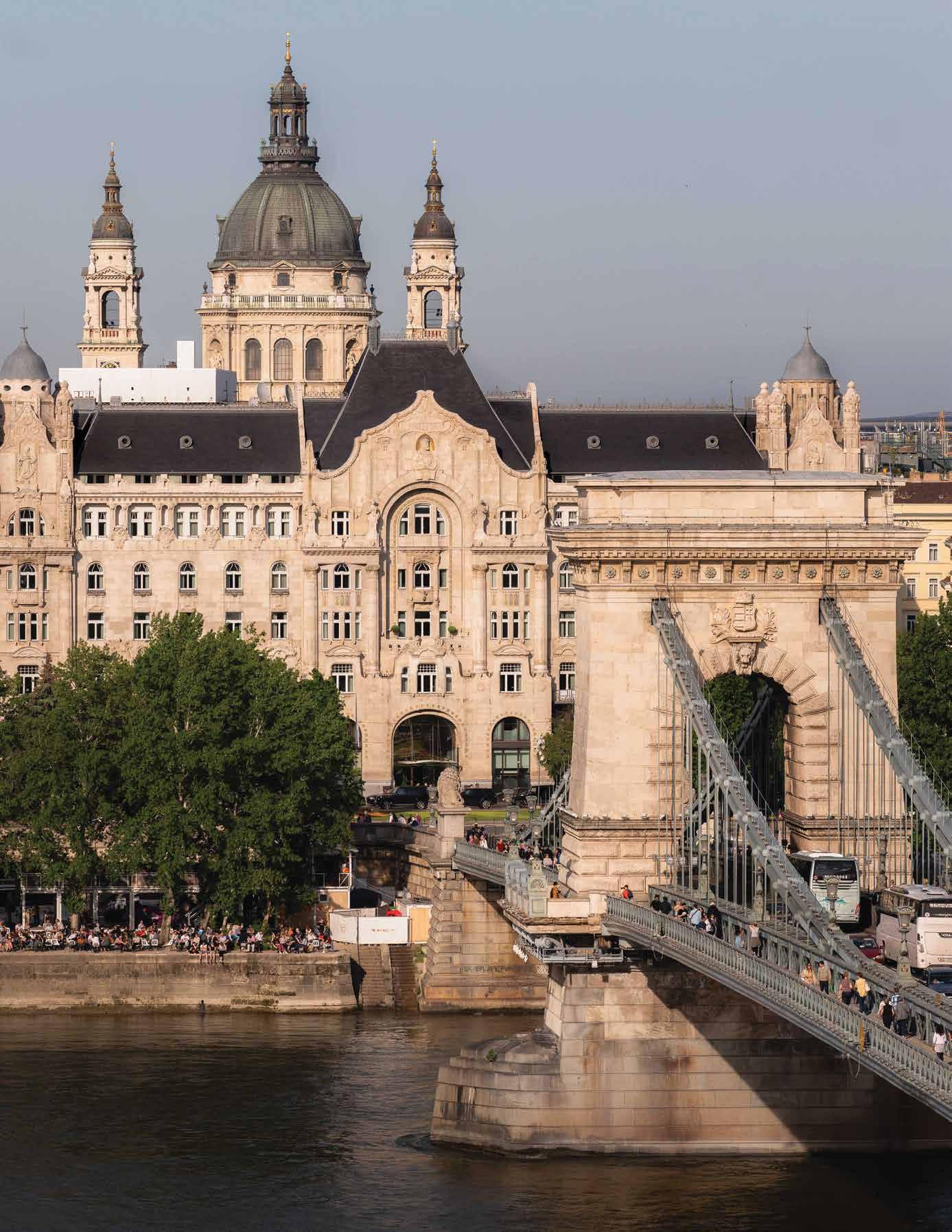
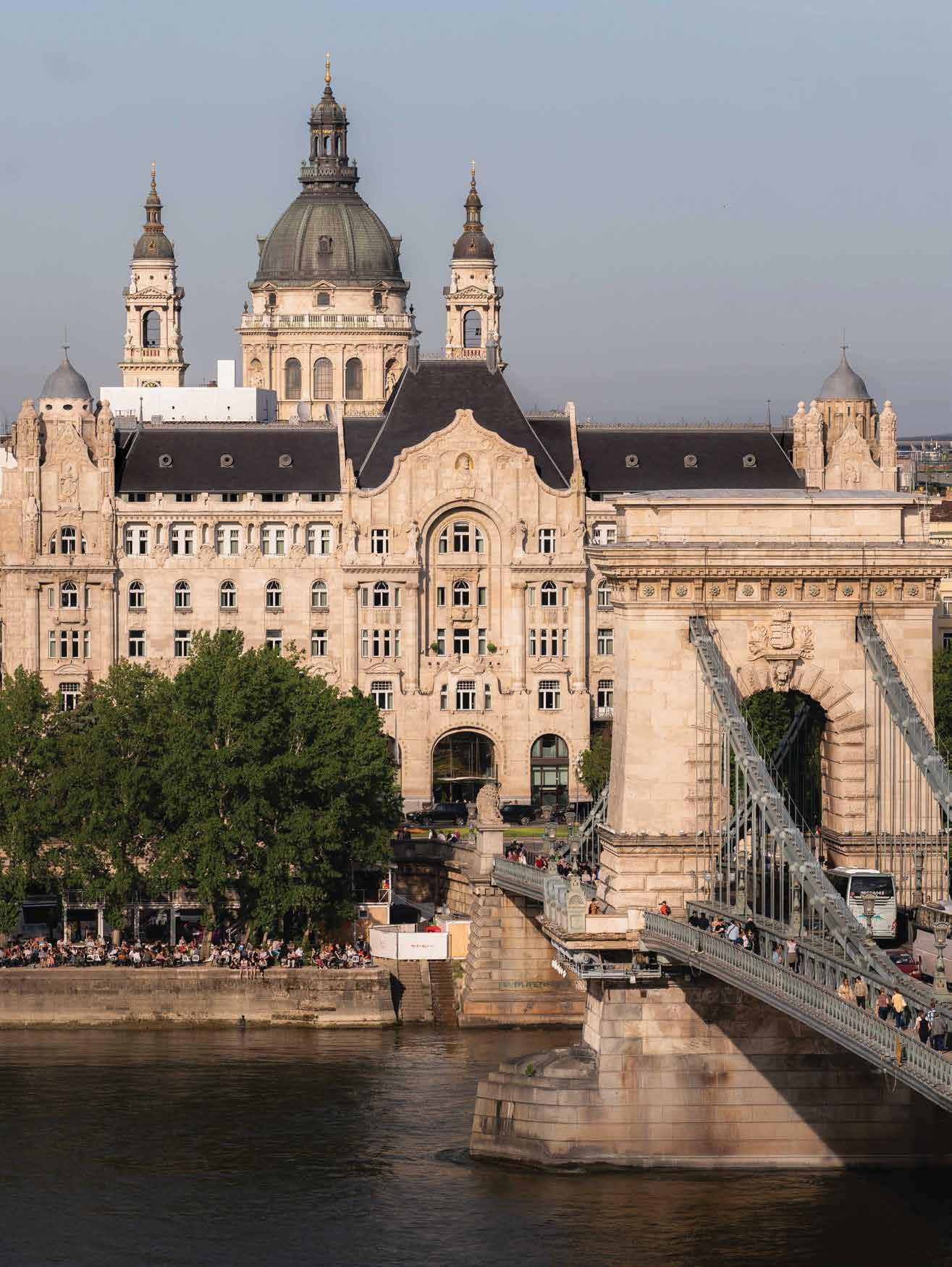
Your journey begins in Budapest, the capital of Hungary. Consider adding a few nights at the exquisite Four Seasons Hotel Gresham Palace Budapest, a jewel of Art Nouveau architecture and design. Reserve a table for Herend Afternoon Tea featuring live music and a decadent spread served on hand-painted Herend porcelain.
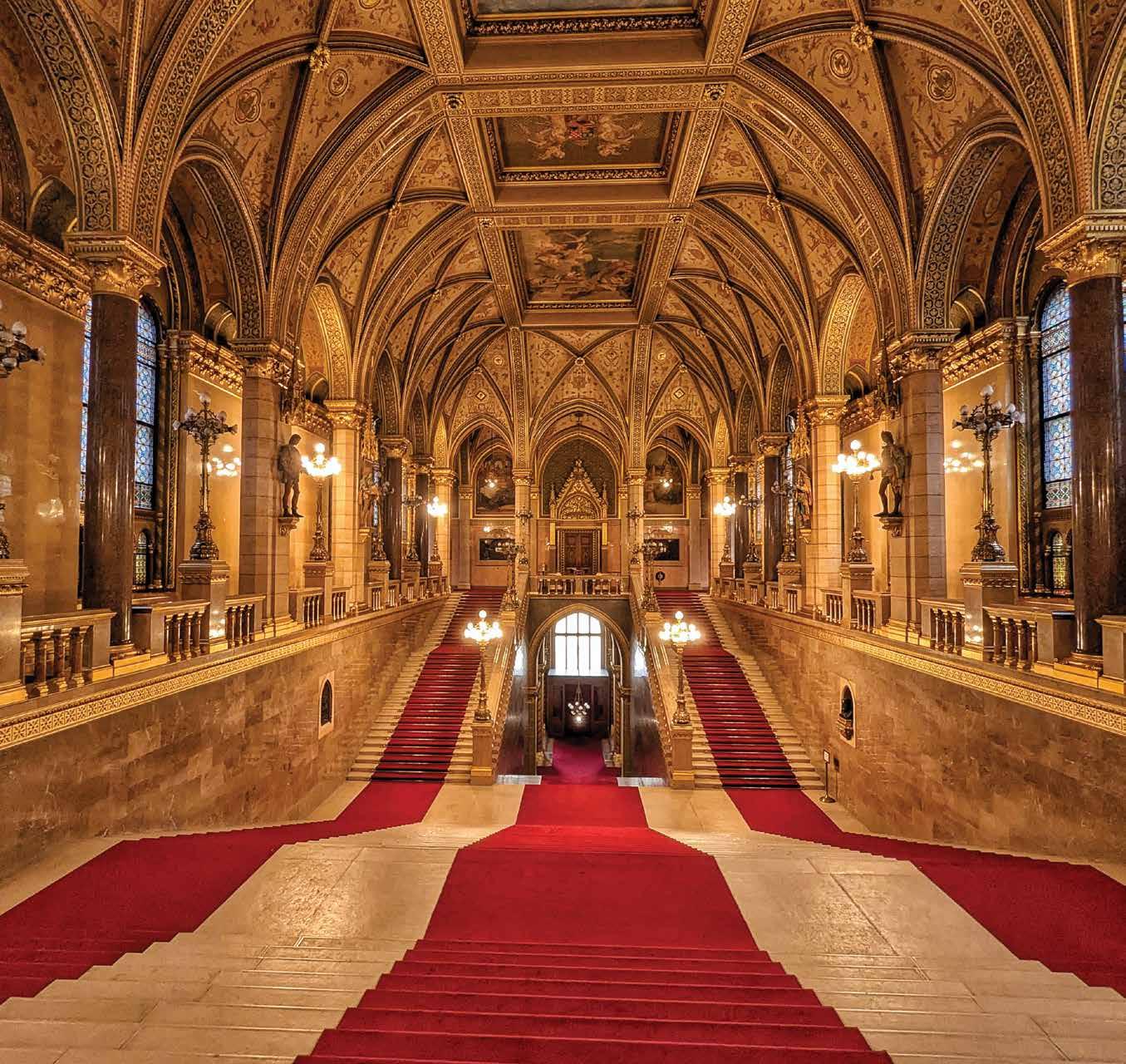
Wander Budapest to discover the city’s rich history and architecture, including the ICONIC Parliament Building, Buda Castle and St. Stephen’s Basilica. Hike up Castle Hill and visit the Fisherman’s Bastion for stunning views. As you stroll along the Danube promenade, you’ll be captivated by the city’s grandeur.
I recommend leaving time to visit at least two of Budapest’s famous thermal baths, steeped in history and ideal for relaxation, some of which date back to the Roman and Ottoman Empires. The Rudas Bath, built in 1550, is one of the oldest and most famous thermal
Gresham Palace, Budapest
Parliament Building, Budapest
Four Seasons Hotel Gresham Palace Budapest
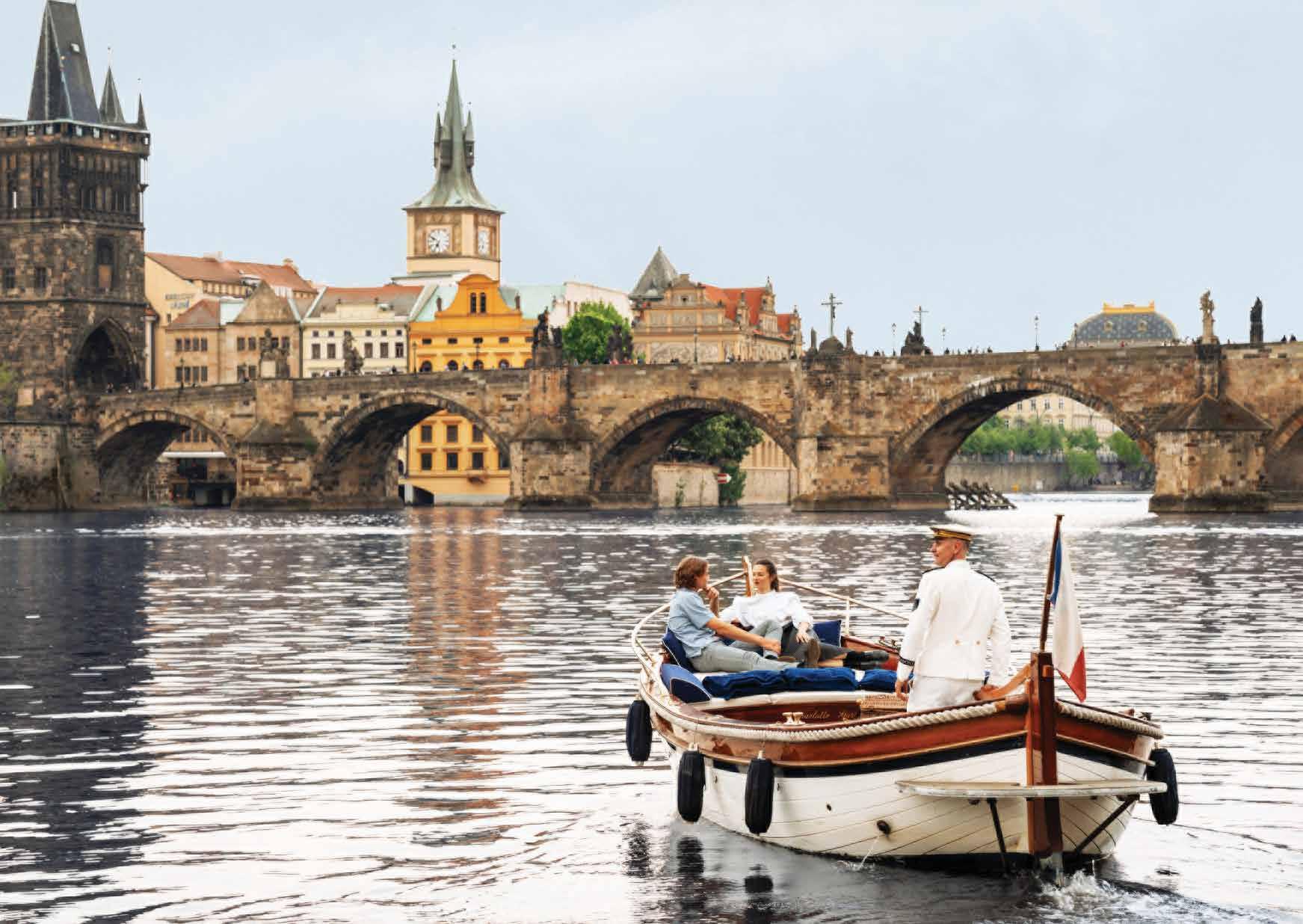
Prague
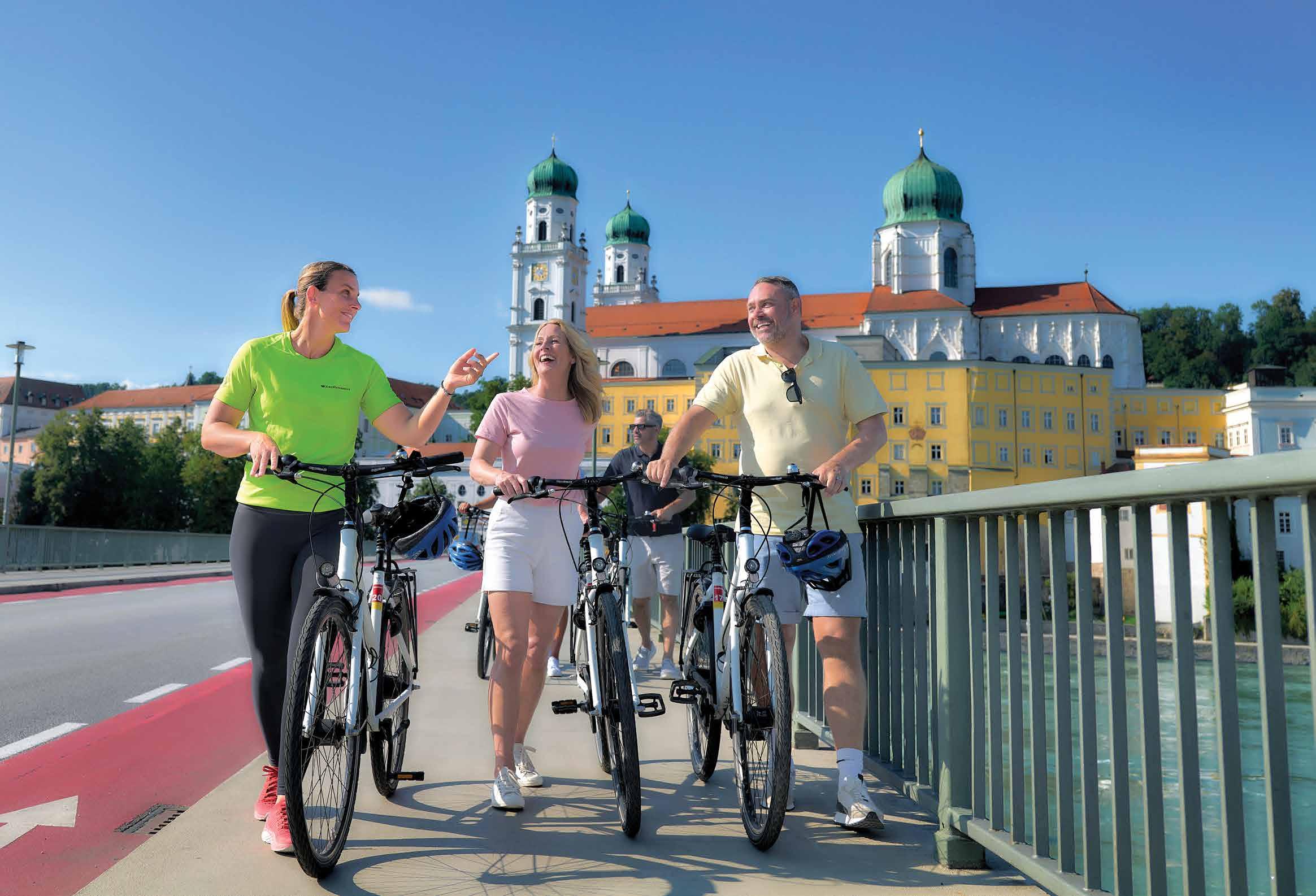
Passau
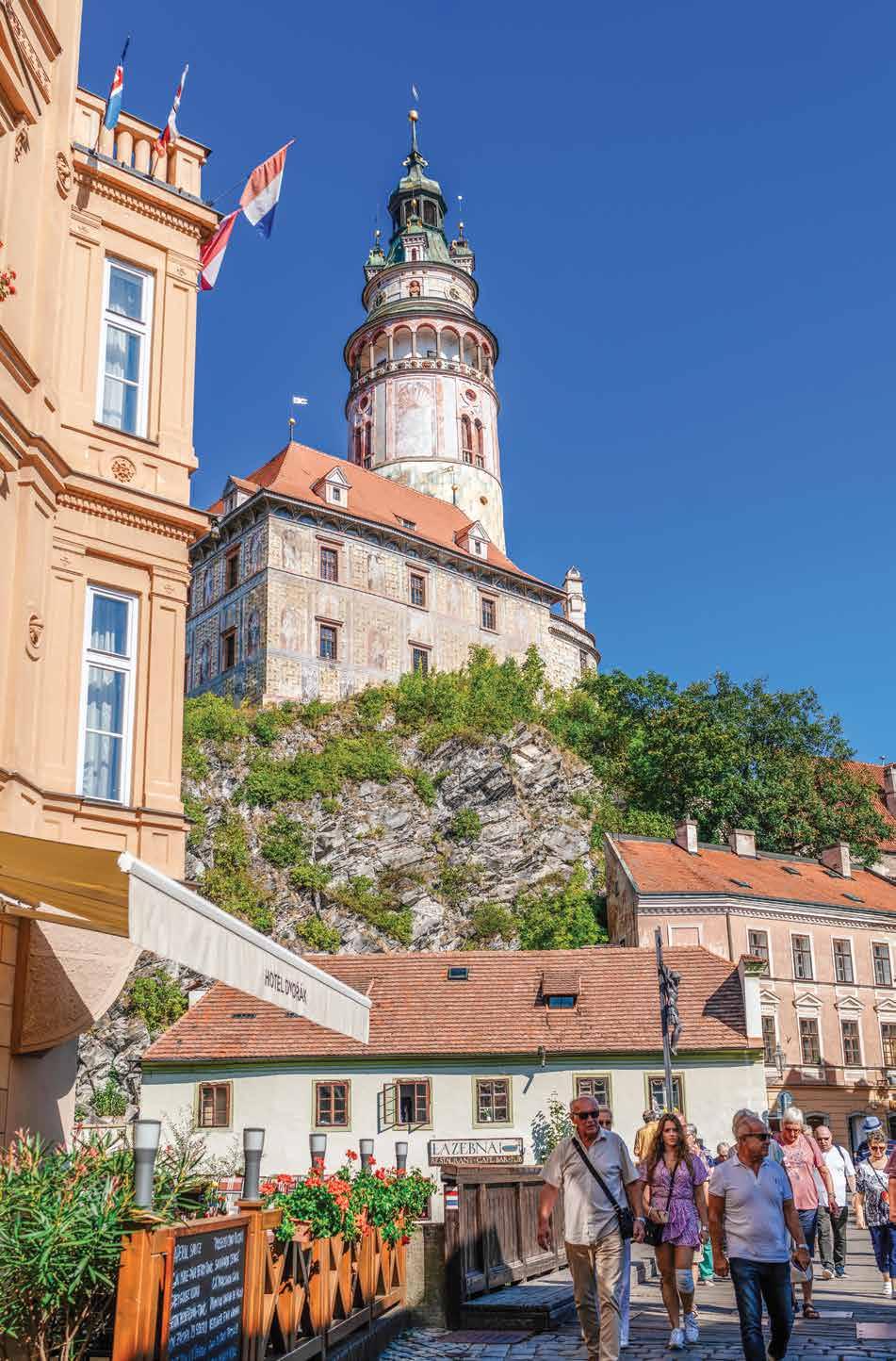
Český Krumlov
baths, featuring a stunning Ottoman-era dome. The Széchenyi Thermal Bath, established in 1913, features Art Nouveau architecture and a lively atmosphere, including locally popular indoor and outdoor swimming pools. Other notable baths include the Gellért Baths (built in 1918) and the Lukács Baths (from the 12th century).
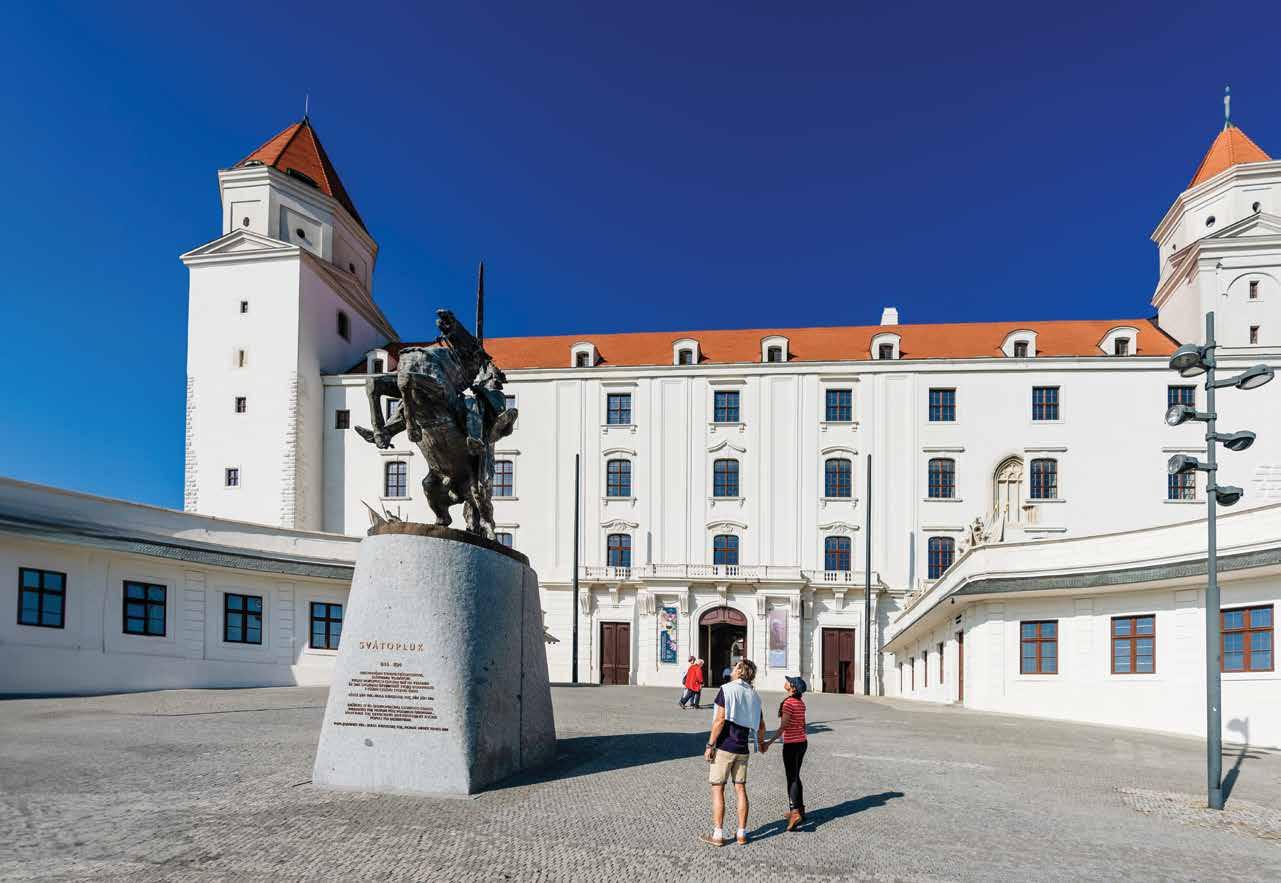
Your next stop is Bratislava, the capital of Slovakia. Spend a few hours exploring the Old Town, admiring the cobblestone streets, colorful buildings and historic landmarks like St. Martin’s Cathedral and Bratislava Castle. Then, head up to Castle Hill for views of the city and the Danube River.
Next, you’ll arrive in Vienna, the former capital of the AustroHungarian Empire and current capital of Austria. Discover this regal city, including visits to Schönbrunn Palace, St. Stephen’s Cathedral and Hofburg Palace. Vienna is worth multiple visits to explore its historic center, museums, coffee houses and opera house. Book the classical music performance offered as an option on most of the cruises. If your ship overnights in Vienna, dabble in the diverse nightlife.
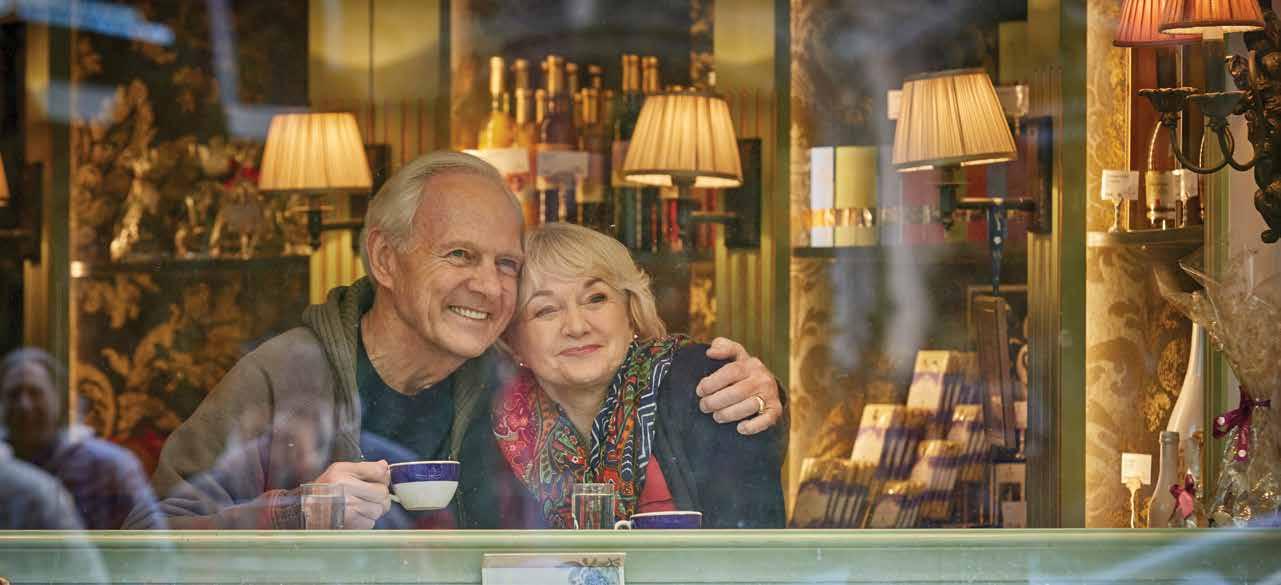
Treat yourself to a quintessential Viennese experience at one of the city’s ICONIC coffee houses, where grand cafes like Café Central and Café Sperl have been perfecting the art of coffee and cake for centuries. Savor a Wiener Melange, a classic coffee drink made with espresso, steamed milk and a dollop of foam, paired with a decadent slice of Sachertorte, which originated at the legendary and recommended Sacher Café at Hotel Sacher. Other ICONIC cafes include Demel and Café Landtmann, a grand cafe that has been a hub for intellectuals and artists since 1873.
Bratislava
HUNGARY
Vienna
Bratislava Castle
GIFT OF GIVING
A donation to the Hintalovon Child Rights Foundation supports vital programs protecting children in Hungary. Founded in 2015, this non-profit organization works tirelessly to raise awareness about children's rights and address critical issues like sexual abuse and exploitation. Hintalovon's Child Rights Centre provides free, tailored legal aid services to affected children and families. Their innovative programs, like the Nemecsek child safeguarding policy, equip institutions to prevent and manage cases of child abuse. With initiatives like YELON, an online sexual education platform and an anonymous helpline, Hintalovon empowers children and educates adults on creating a safer environment.
Donate today at hintalovon.hu/en/home
Dürnstein
Melk
Cesky Krumlov
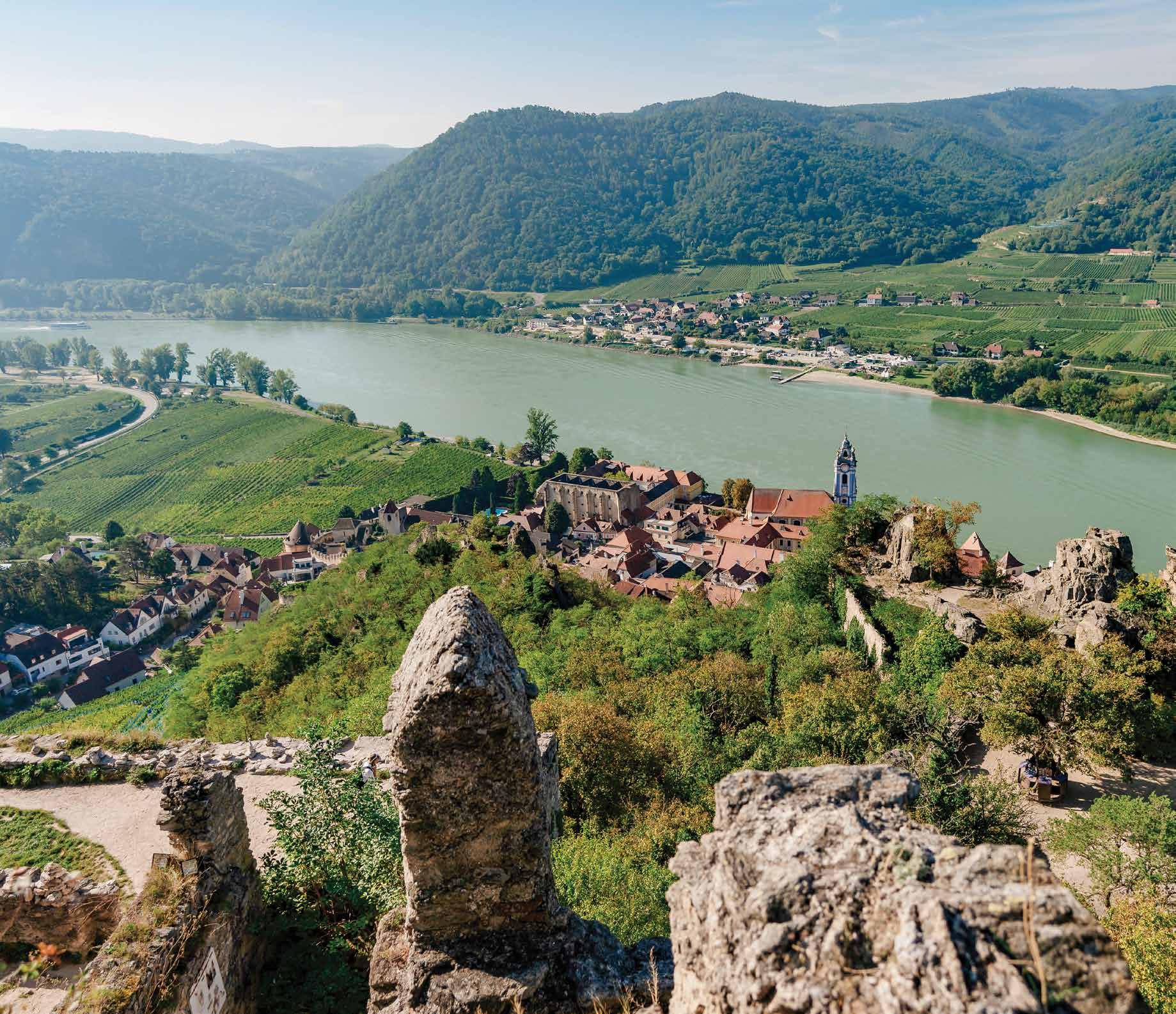
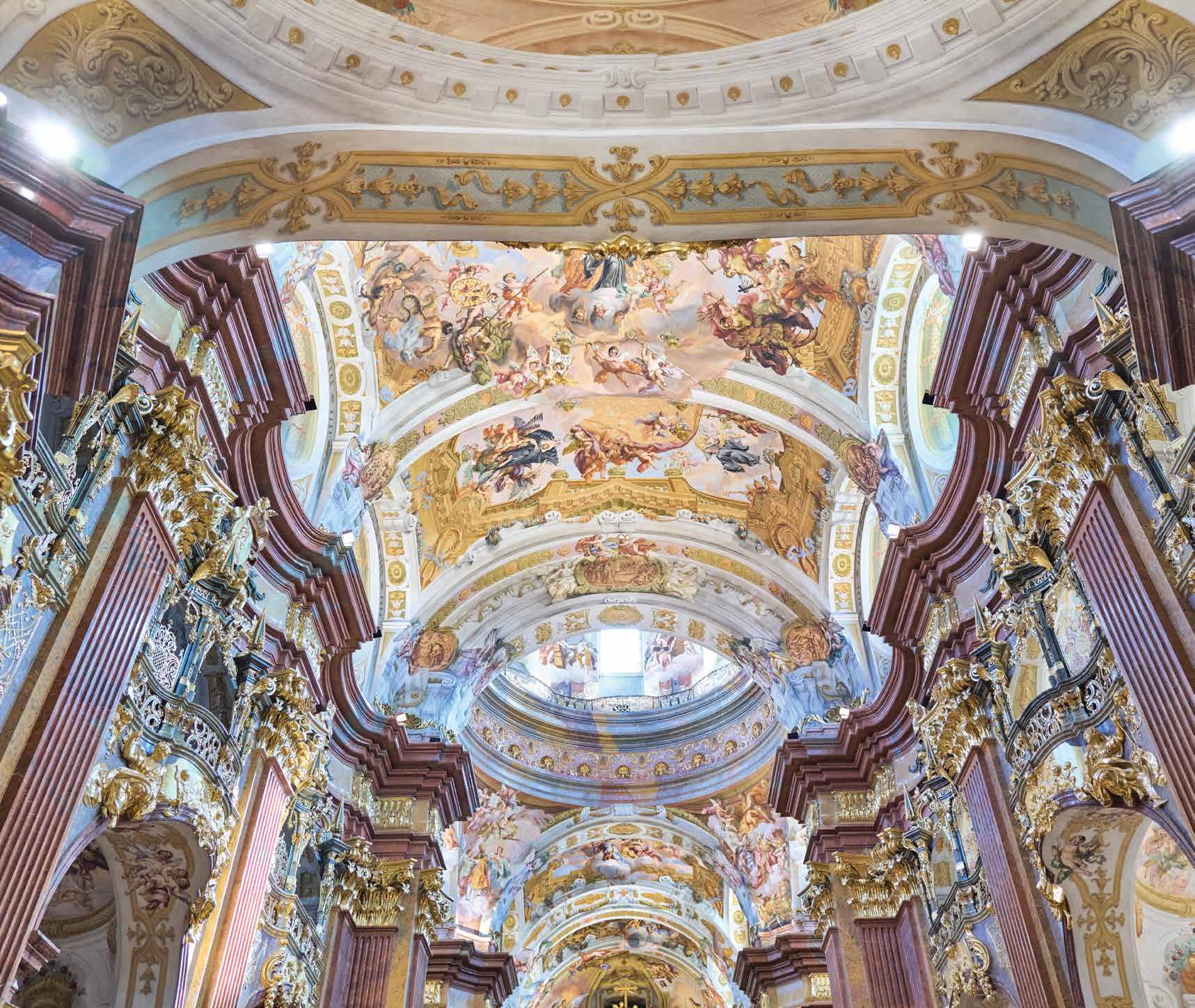
Leaving Vienna, you will enter the enchanting Wachau Valley, a UNESCO World Heritage Site, renowned for its breathtaking scenery and rich cultural heritage. Be sure to visit Dürnstein, Melk and Grein, and sample local wines. A highlight is a stop at the Melk Abbey, a magnificent Baroque monastery perched atop a hill overlooking the Danube. Explore the abbey’s opulent church, ornate library and meticulously manicured gardens.
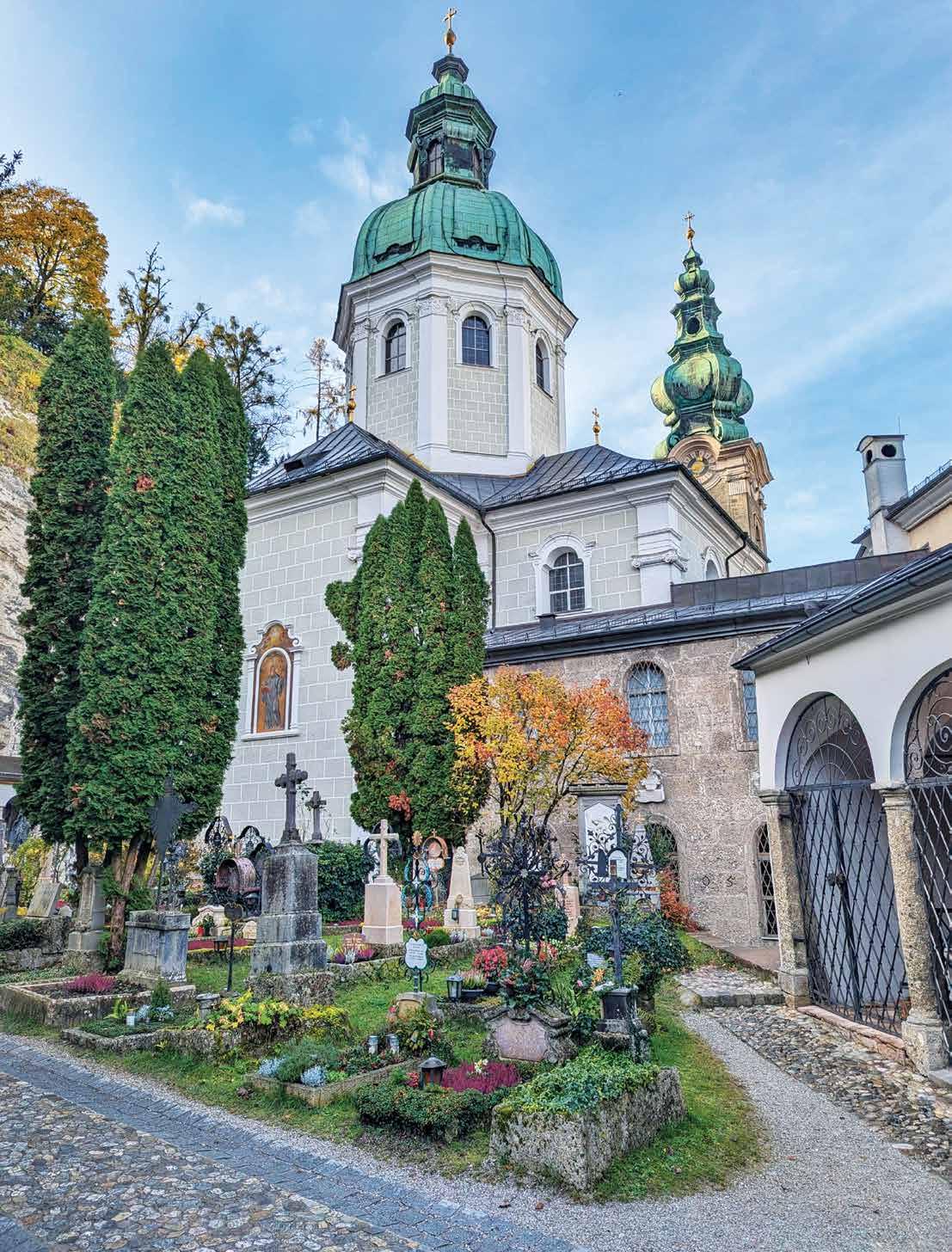
The next day, choose the optional day trip to Salzburg, Mozart’s birthplace and a UNESCO World Heritage Site. Enjoy the Old Town’s Baroque architecture and visit Hohensalzburg Fortress. Snap photos in the ICONIC Mirabell Gardens, where Julie Andrews famously sang “Do-Re-Mi” in The Sound of Music
Alternatively, take a day trip to one of my favorite Czech medieval fairytale towns, Cesky Krumlov. A highlight is the Cesky Krumlov Castle perched on a rocky outcrop. It is one of the largest castle complexes in Central Europe, with epic views and ornate interiors with period furnishings.
The seventh day of your cruise visits Passau, Germany. Join a walking tour of Passau’s Gothic and Italian Baroque architecture and St. Stephan’s Cathedral, or take a guided hike up to the Veste Oberhaus fortress, built in the 13th century.
Your cruise concludes in Vilshofen, a traditional Bavarian town in Germany. Enjoy a relaxing evening in the Old Town center or take a scenic hike in the surrounding countryside.
Salzburg
Passau
From Vilshofen, you can choose to have your cruise line transfer you to Prague, the capital of the Czech Republic, or Munich, the capital of Bavaria. As the culmination of your Central Europe immersion, I suggest Prague.
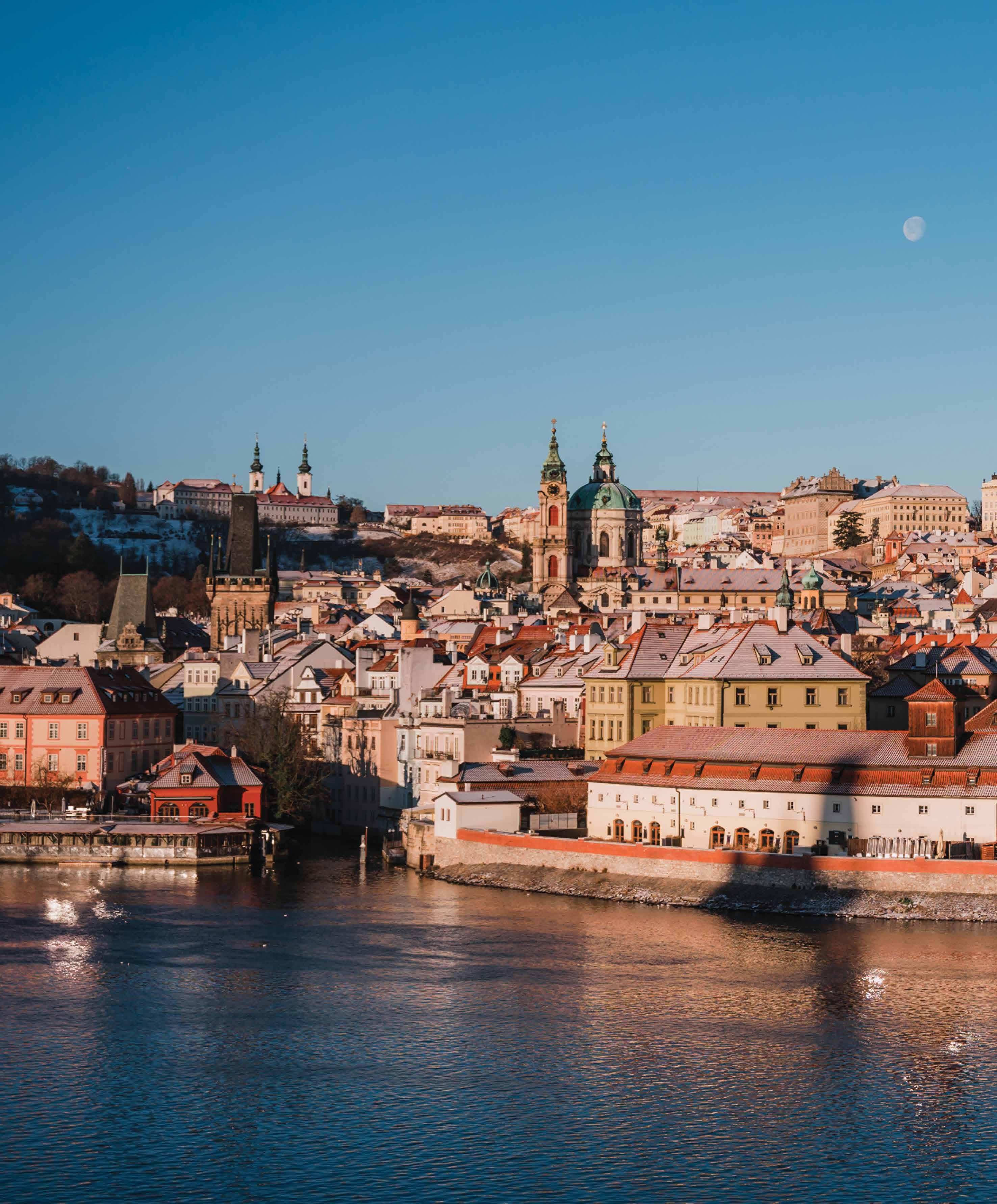
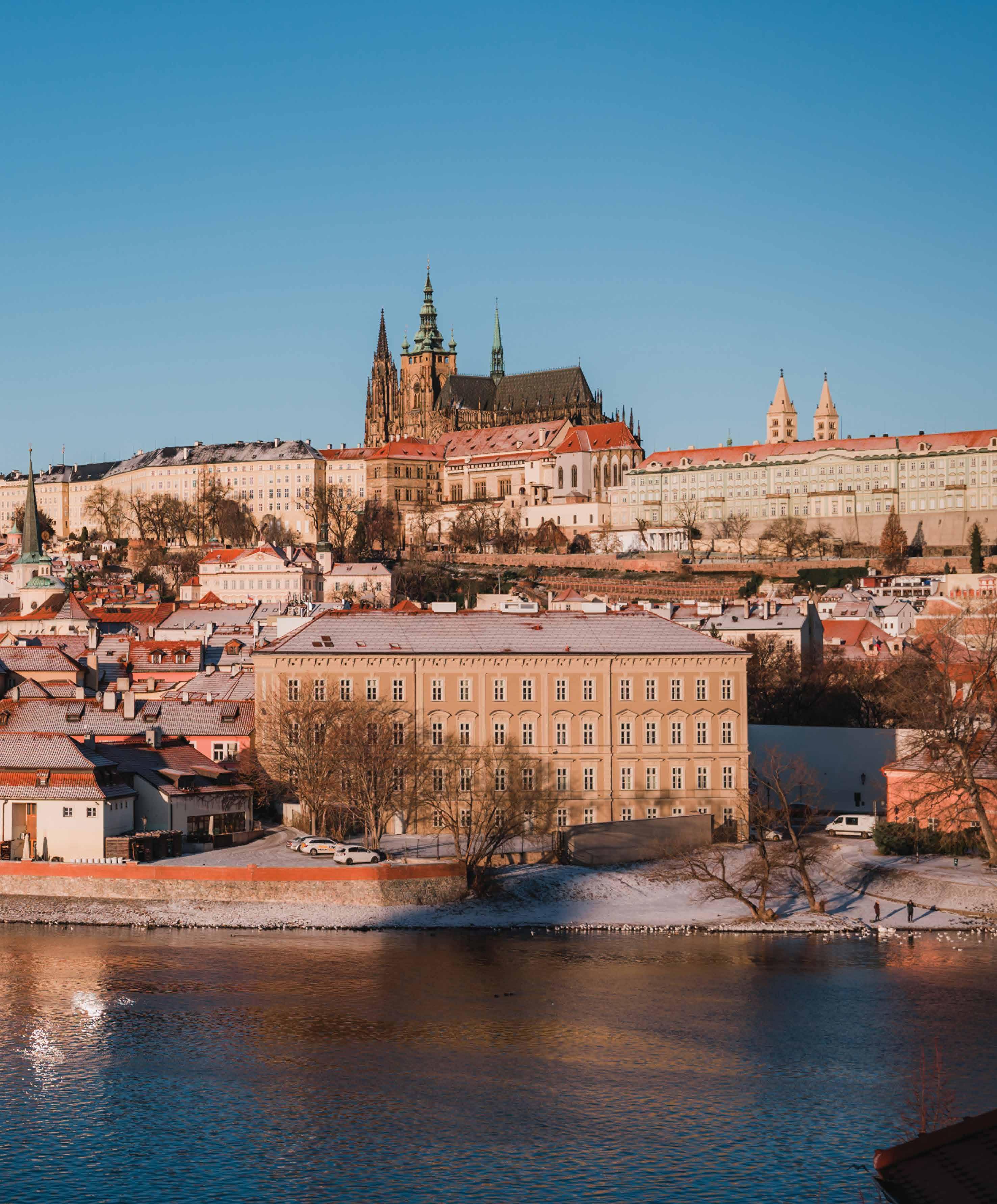
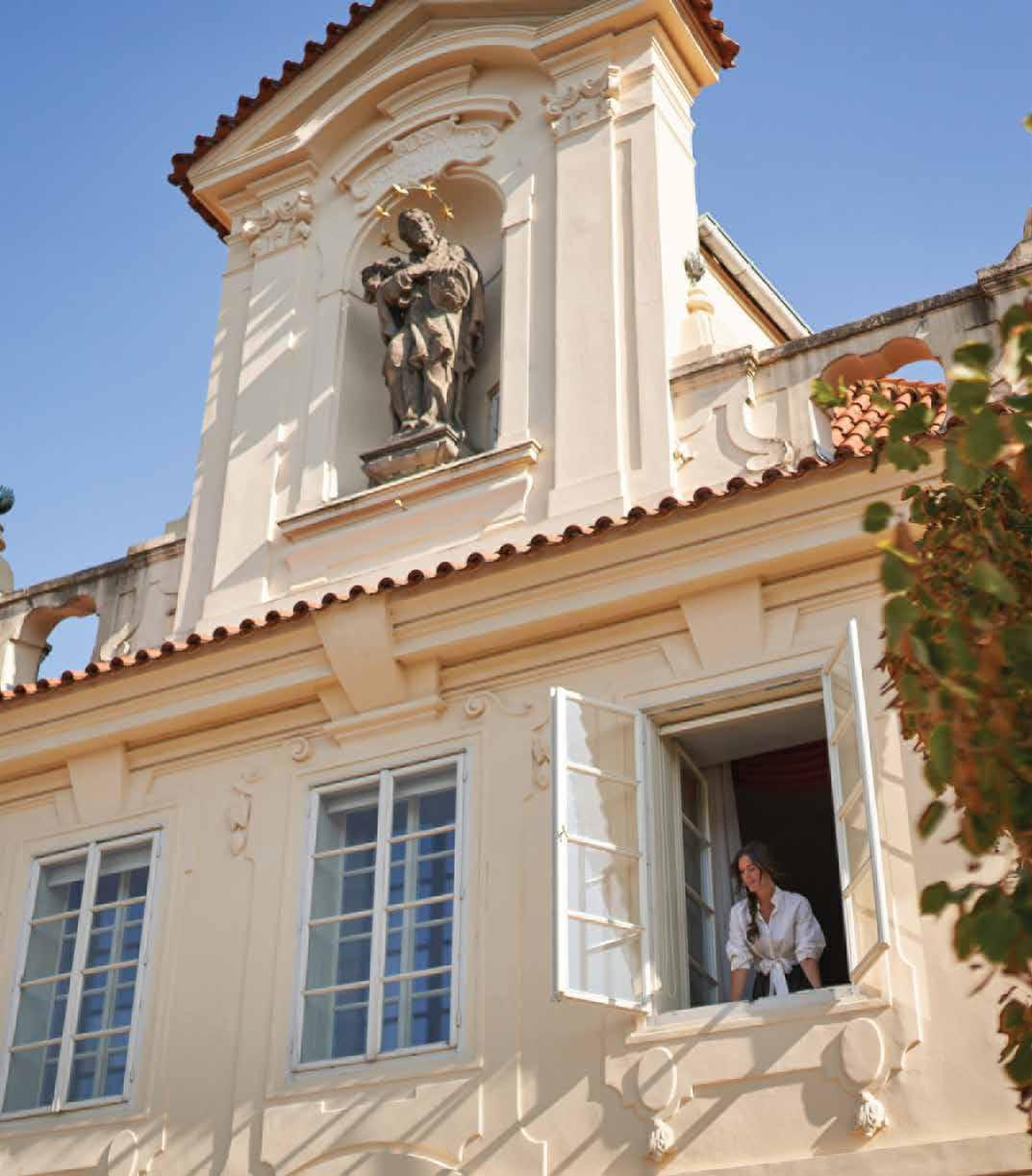
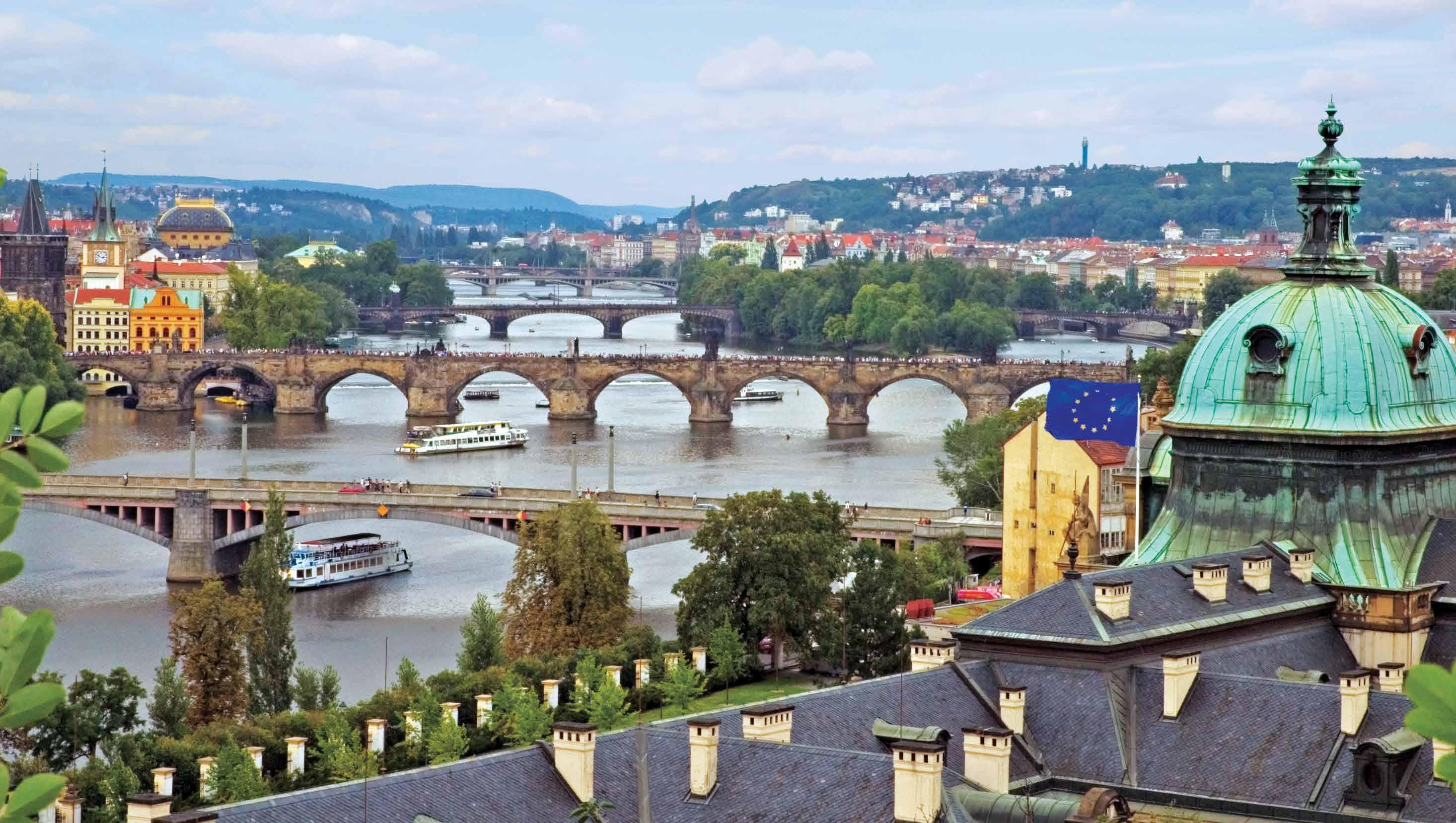
Prague is a treasure trove of heritage, art and wonder. Wander streets where Gothic spires meet Baroque splendor, catch a classical concert in a centuries-old hall or soak up the vibes at a lively street performance. Savor traditional Czech cuisine, such as goulash and dumplings, or sip a world-class Pilsner in a cozy pub. From the ICONIC Charles Bridge to the fascinating Jewish Quarter, Prague’s treasures are endless. An insider tip is DavidTravel’s access to warehouses filled with vintage furniture and objects waiting to be discovered.
For dinner or drinks, book a table at Terasa U Prince, a restaurant located on the rooftop of Hotel U Prince Prague by BHG, just steps from the Astronomical Clock in Prague’s Old Town Square, with fabulous 360-degree views of the city. This is where Czech friends introduced me to a favorite cocktail, the BeTon, made with the traditional Czech liqueur Becherovka and tonic water.
When staying a few nights to discover Prague, my first choice for accommodations is Augustine, a Luxury Collection Hotel. Augustine is part of an active, 13th-century Augustinian monastery where monks still reside and pray. Visit the hotel’s St. Thomas Brewery Bar and order monastery-inspired cocktails or St. Thomas Beer, an aromatic dark lager brewed according to the Augustinian monks’ secret and ancient recipe. The Four Seasons Hotel Prague is also recommended.
Ending your river boat trip in Munich is a great choice, too. DavidTravel’s favorite hotels in Munich are Rosewood Munich, Mandarin Oriental Munich, The Charles Hotel, Koenigshof, A Luxury Collection Hotel, Munich and BEYOND by Geisel.
Each of these hotels is centrally located to explore this lovely city’s grand boulevards, historic plazas and artsy vibe. Stop by Marienplatz for a Glockenspiel mechanical clockwork show, which runs daily at 11 a.m. and noon (with extra shows in the summer). Chill in the English Garden’s beer gardens. Delve into art at Alte Pinakothek, one of Europe’s oldest museums, housing masterpieces from the 14th to 18th centuries, including works by Peter Paul Rubens and
Photo courtesy of Four Seasons Prague. BOTTOM: Photo courtesy of Uniworld Boutique River Cruise Collection
Rembrandt. Be sure to check out Nymphenburg Palace and the BMW Museum, as well.
My favorite ship for this voyage is the AmaMagna by AmaWaterways, the world’s widest riverboat, featuring some of the largest cabins in the industry. Top river cruise lines for this voyage include AmaWaterways, Riverside Luxury Cruises, Scenic Luxury Cruises & Tours, Tauck and Uniworld Boutique River Cruise Collection. A very good value option is Viking’s River Cruises. Abercrombie & Kent also offers chartered sailings with their signature top-notch touring.
This journey showcases the enduring beauty and charm of Central Europe. A Danube riverboat journey is a perfect introduction to the region and river cruising. Contact DavidTravel for expert guidance and exclusive deals on worldwide travel.
PLAN AND BOOK YOUR TRAVEL
To book your business and leisure travels worldwide, call on David Rubin and his team at DavidTravel. In 1996, David moved from a successful law practice, followed a deep passion for travel and launched his travel company. For more than two decades, David has been on both the Travel + Leisure Magazine “A-List” and the Conde Nast Traveler Magazine “Specialist List” of the world’s top travel advisors. DavidTravel delivers unparalleled style, attention to detail and insider access, uniquely responding to each client’s goals, budget, interests and dreams. Request@DavidTravel.com. www.DavidTravel.com
Prague
Follow us on social media @iconiclifemag for engaging, daily content. Engage
Get luxury in your inbox when you subscribe for fresh content daily. Go to ICONICLIFE.com or scan this code. Get Fresh Content Daily
Listen
ICONIC HOUR with Renee Dee is the podcast of ICONIC LIFE, hosted by publisher Renee Dee. Go to ICONICLIFE.com
If you’d like to get every issue, scan this code or go to ICONICLIFE.com/subscribe. Subscribe
By Amalie Rhebeck
Butterfly roofs are easily recognized by the striking, unconventional valley at the center of the roofline.
The upward shape at the ends of the roofline draws the eye outward to the surrounding landscape.
The Butterfly Roof
The anatomy of a butterfly roof and what makes it an architectural staple.
It would be a challenge to name a more ICONIC architectural form than the butterfly roof. This structural element is unlike any other, mimicking one of nature’s most delicate and intricate insect species. To learn more about this striking roofline, which marries Mid-Century Modern structure and avant-garde architectural individualism, we spoke with award-winning architect Brent Kendle of Kendle Design Collaborative.
According to Kendle, the butterfly roof design originated in post-war suburban developments of the 1950s and 1960s. Recognized for its unconventional shape, with its peaks positioned at the end of the roofline, forming a “valley” in the center, this unique style became synonymous with the MidCentury Modern character of Palm Springs. Like many architectural and design elements of this time, the butterfly roof was the fusion of creative experimentation and raw individualism. It rejected traditional residential rooflines in favor
of an abstract shape that required a balance of visual aesthetics and functionality. The result was a roofline that drew the eye outward to the surrounding landscape.
The butterfly roof also plays a key role in shaping the home’s interior. Kendle noted that its upward-sloping wings allow for more expansive window openings, drawing in abundant natural light and emphasizing the surrounding views. In turn, those vistas influence furniture placement and how each room is used throughout the day as the sun shifts across the sky.
Today, the butterfly roof remains a staple in modern architecture and home design. While it remains synonymous with the historic modernism of Palm Springs, the butterfly roof has also been incorporated into new homebuilding. Its unorthodox shape and clean lines both command attention while allowing the surrounding landscape to take center stage.
This untraditional roofline shape allows for more windows and great natural lighting in the home.