EMMA MALTAIS IS READY TO DO MILAN RIGHT

2026 FASHION & HOME GUIDE
MAUREEN MURPHY: IS STAYING GROUNDED
EMMA MALTAIS IS READY TO DO MILAN RIGHT
2026 FASHION & HOME GUIDE
MAUREEN MURPHY: IS STAYING GROUNDED


talent, this season already feels electric. The speed, the skill, the heart; it’s inspiring to watch these athletes redefine what’s possible, and we’re proud to celebrate their stories in these pages.
I can’t help but feel grateful for where the game is right now. Seeing new expansion teams take the ice and the PWHL Takeover Tour bring hockey to new communities has been incredibly exciting. What’s moved me most is watching record-breaking audiences show up – in arenas and at home – reminding us just how powerful this sport truly is.
With the PWHL raising the bar and showcasing incredible
We’re also gearing up for an Olympic year, which always brings a whole new level of excitement. Watching teams come together, rivalries ignite, and players elevate their game is what makes this sport so powerful. A special shoutout to Team Canada –we’re cheering you on every step of the way. Go kick some butt!
Looking ahead in 2026, the anticipation is building. Who will rise to the occasion? Who will surprise us? That’s the magic of hockey: every shift, every period, every game tells a story.
For me, Ice Warriors has always been about more than just the game. It’s about community, grit, and celebrating the people who pour their hearts into this sport –from grassroots to the world stage. I’m grateful to share this journey with our readers, partners, and athletes, and I can’t wait to see what this season brings.
Here’s to full arenas, frozen ponds, unforgettable moments, and an incredible year of hockey.
See you at the rink,
AMY KNOWLES PRESIDENT, ICE WARRIORS

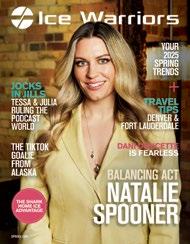

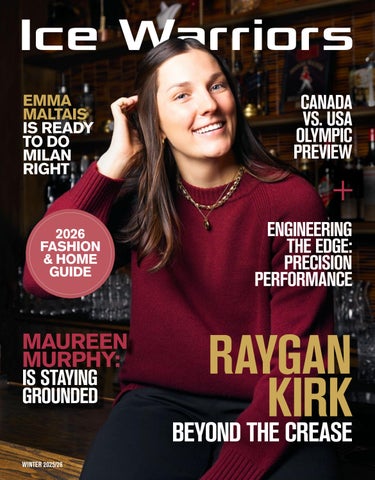
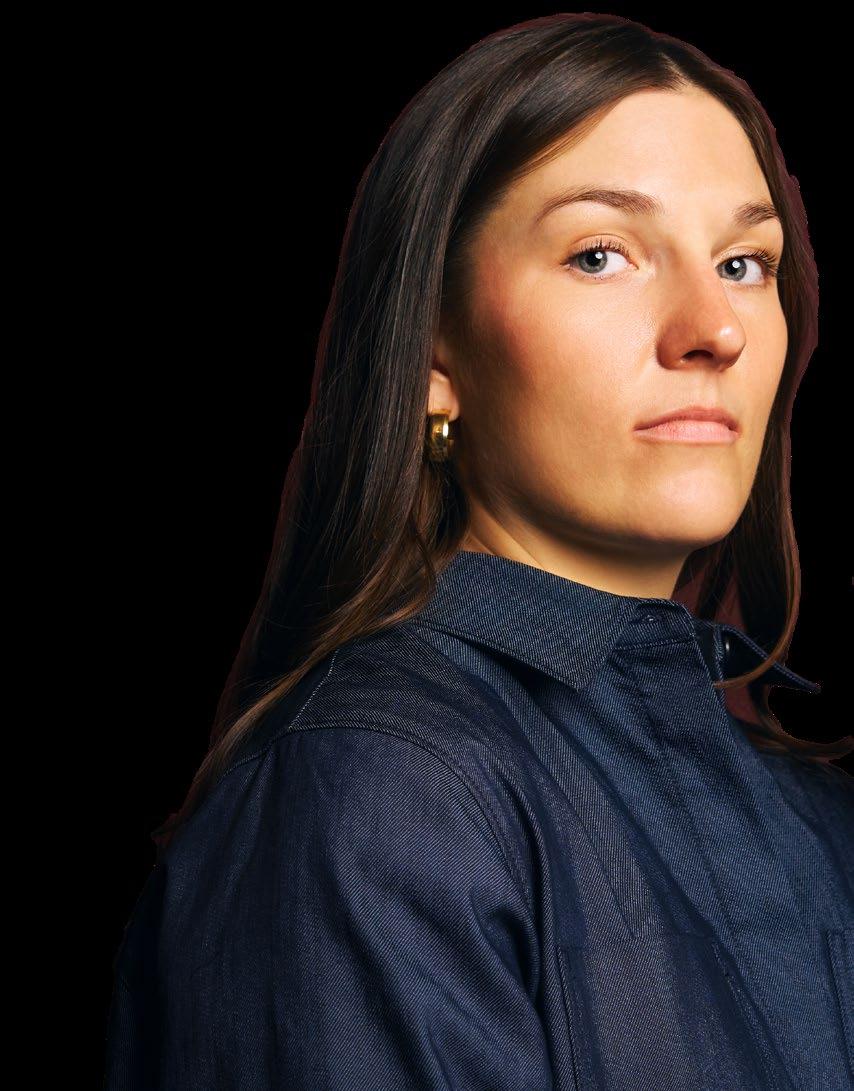
Raygan Kirk takes us beyond the crease and chats books, balance and making Toronto feel like home.

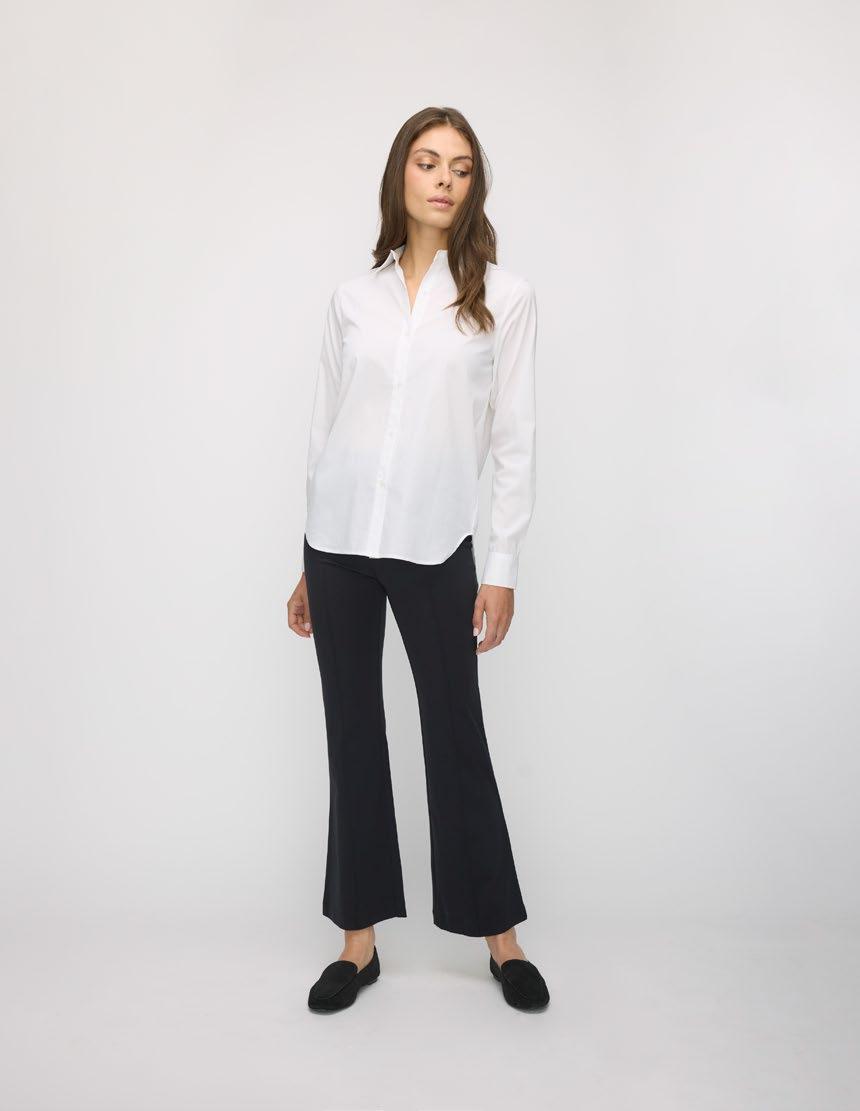
Up your fashion game with the latest from Geox.
Take your style game to another level with these Line Change must-haves.
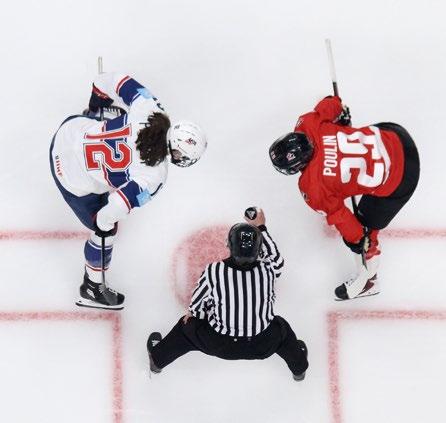
With the 2026 Winter Olympics coming up in Milano Cortino, we break down the rivalry between Canada and the USA.
Your body always talks to you. Recognize when your body shifts from performance to survival.

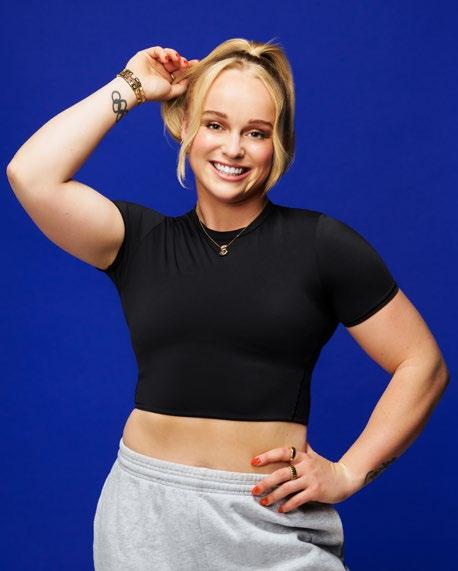
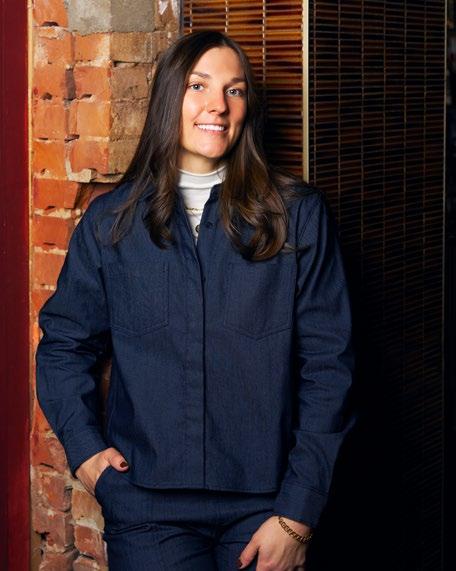
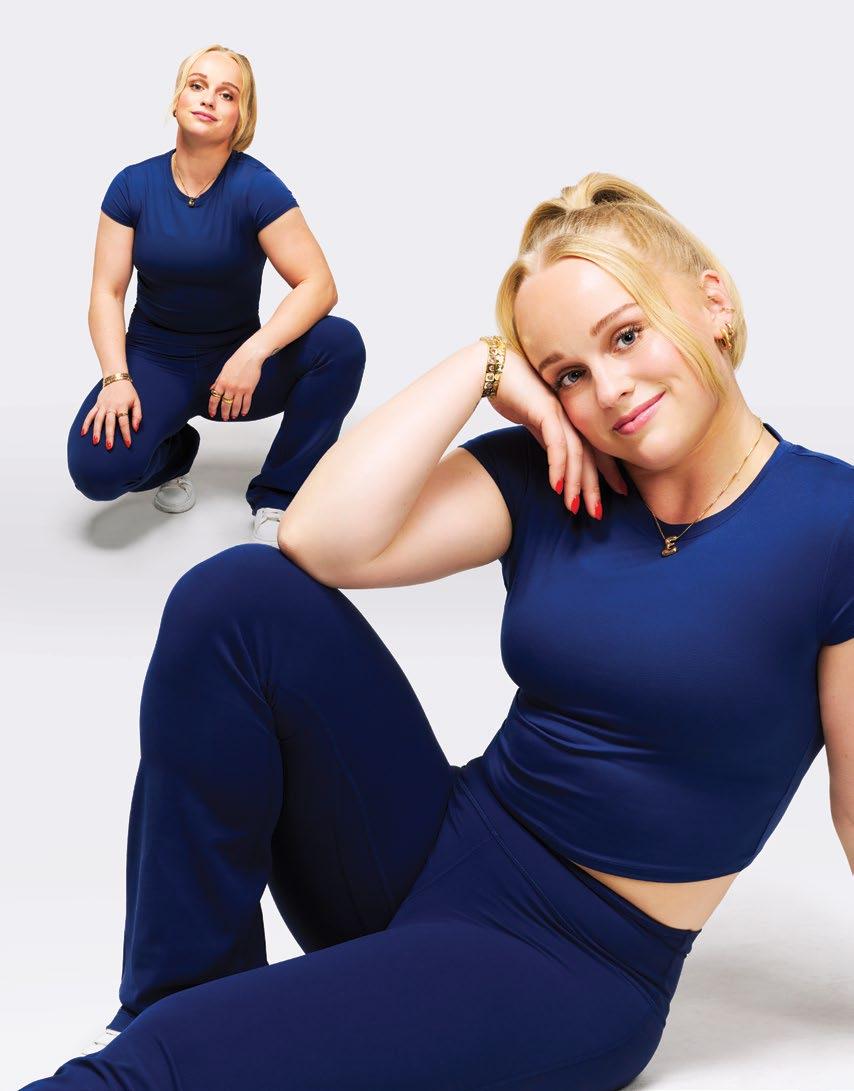
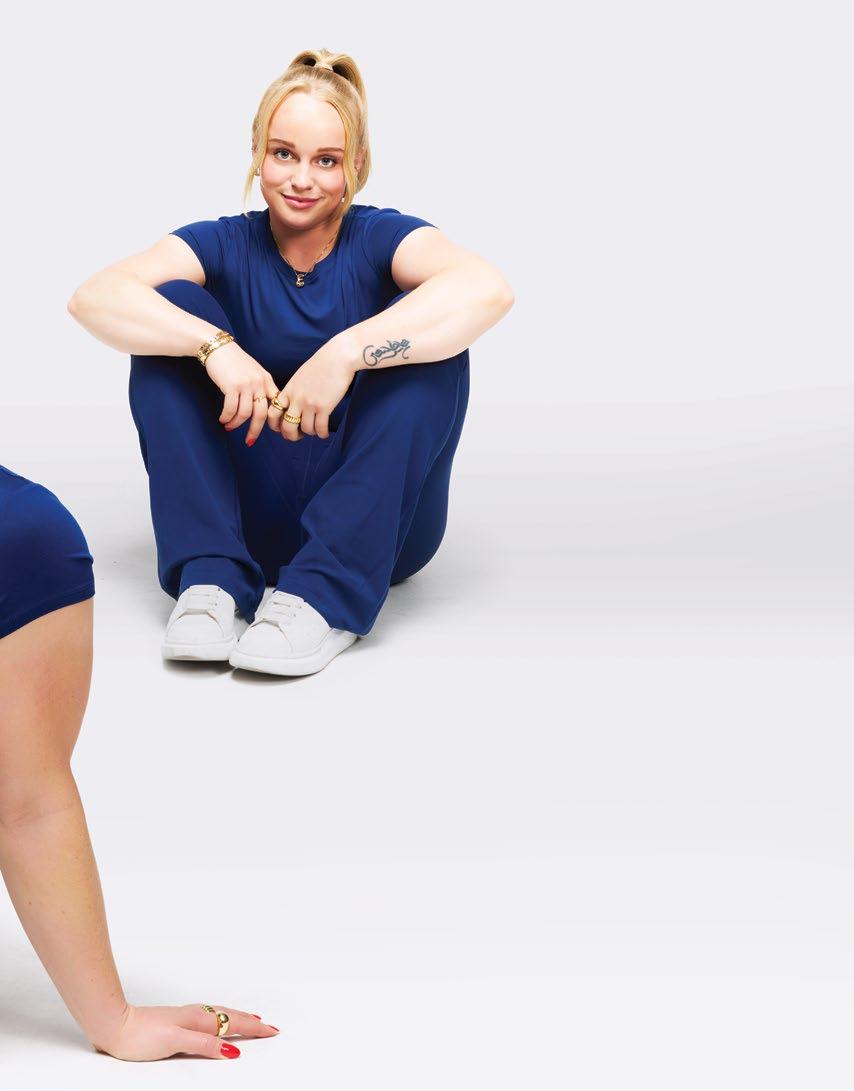
Toronto Sceptres and Canadian Olympian Emma Maltais is ready for Milan.
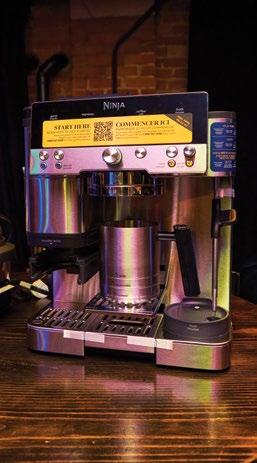
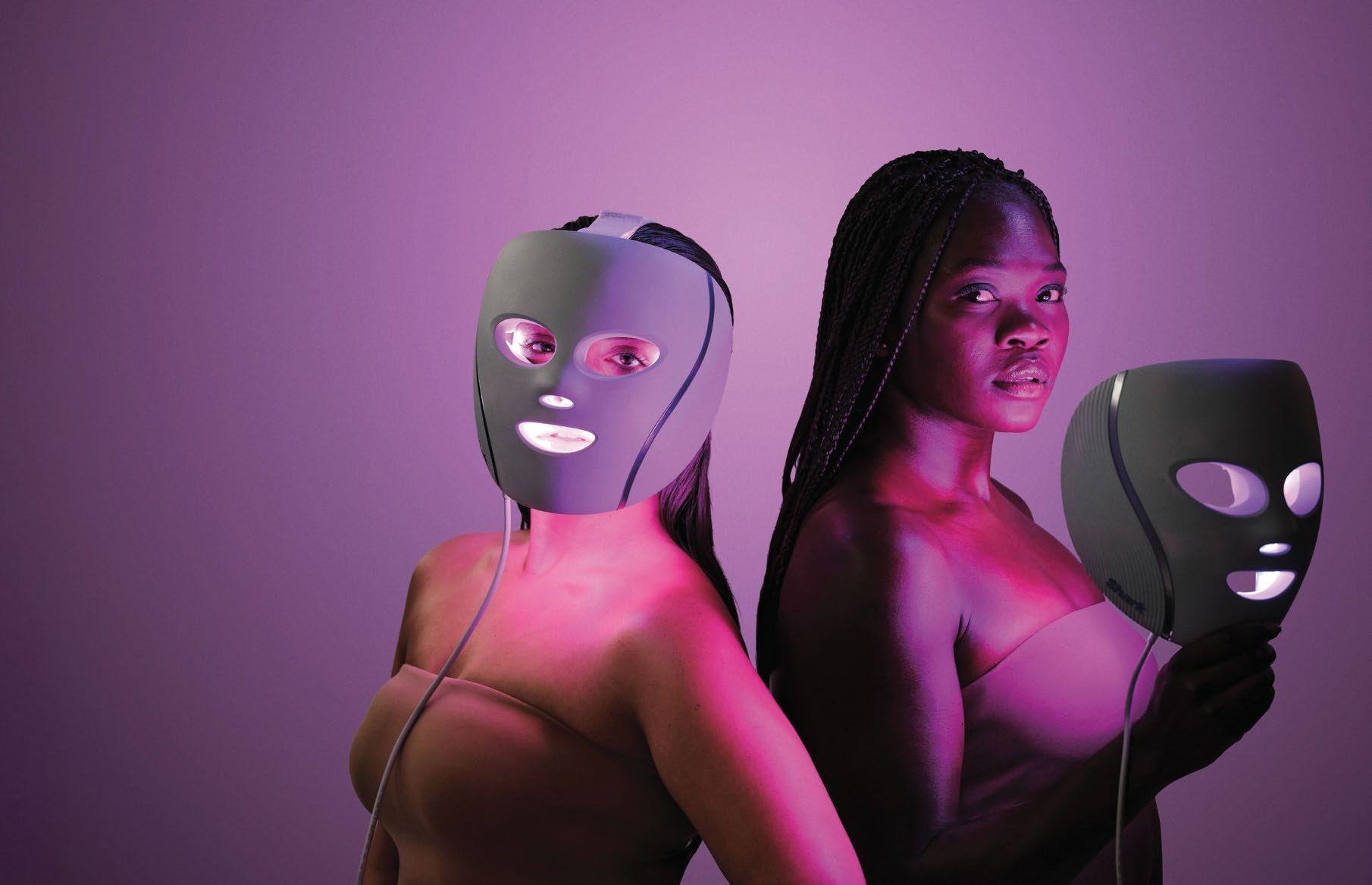
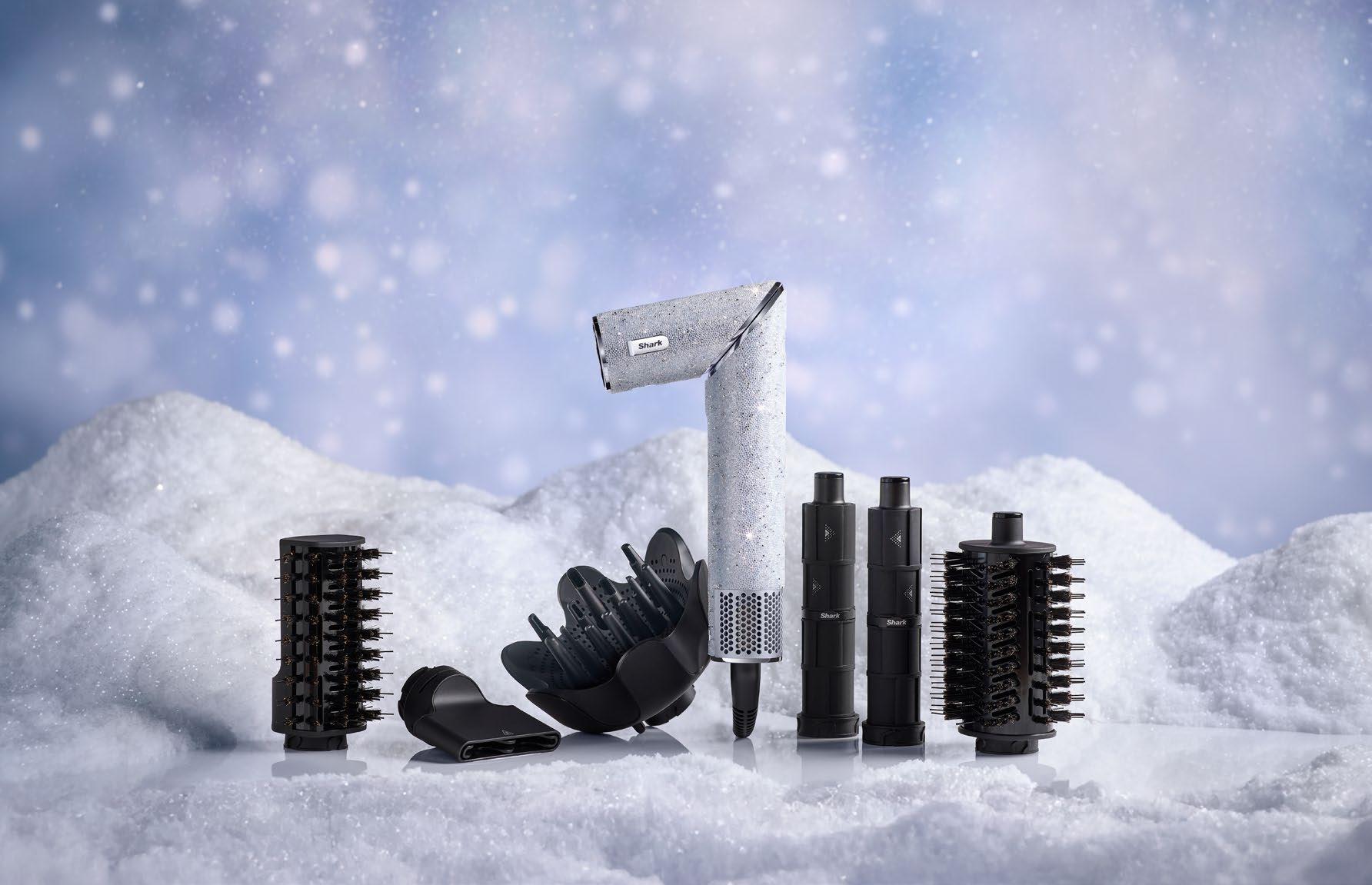
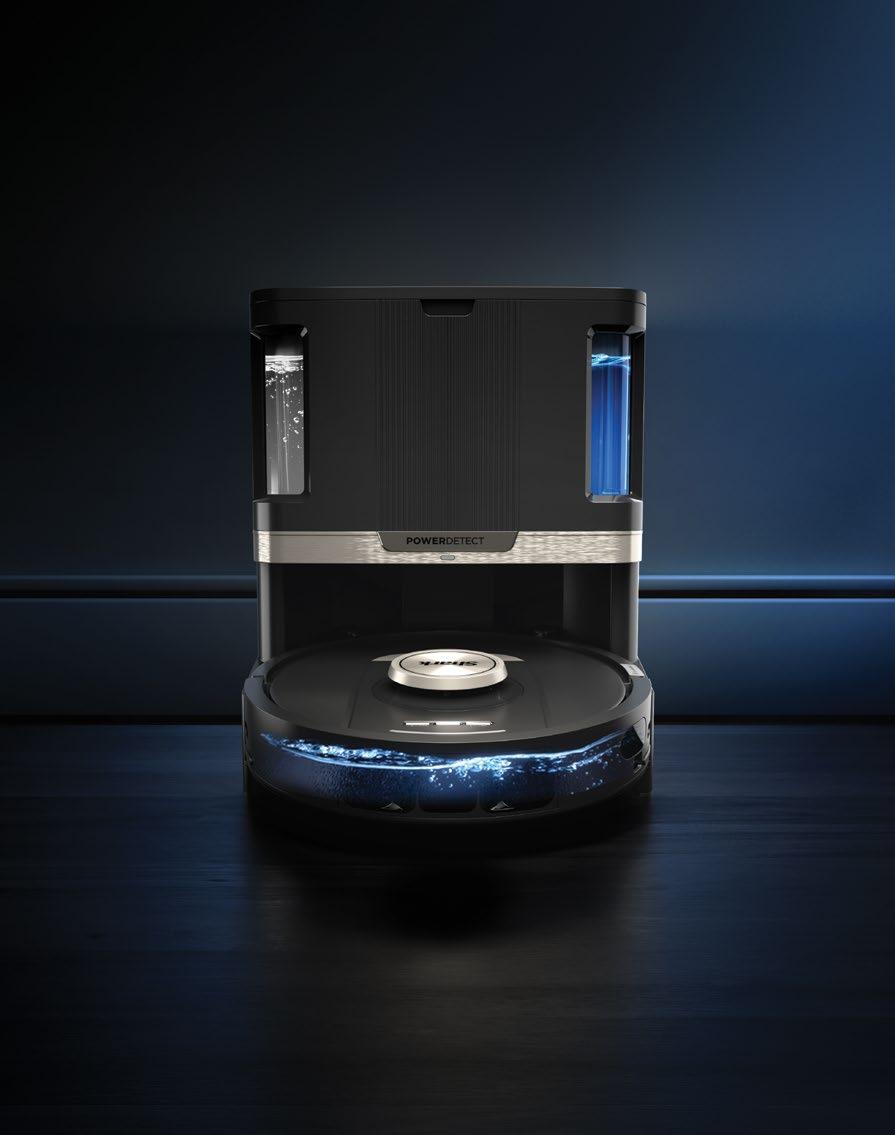
Enter 2026 with these hot new items from Shark and Ninja.
Maureen Murphy of the Montreal Victoire tells us how she gets through the mental grind of the season.
Find out how DK Orthotic Solutions brings precision performance to every step.
THE NEW REFILLABLE PARFUM


PRESIDENT
EDITOR-IN-CHIEF
VICE PRESIDENT
VICE PRESIDENT, BRAND
LEAD DESIGNER
VICE PRESIDENT, FINANCE
SR. WRITER
CONTRIBUTING WRITERS
CONTRIBUTING PHOTOGRAPHERS
AMY KNOWLES
DAVID PAGNOTTA
DALLAS KNOWLES
DANIJELA GRBAVAC
STEPHANIE PAGNOTTA
MIKE JACKSON
JOLENE LATIMER
VICTORIA MATIASH
TANYA MEILLEUR
NICOLE DE KHORS
BRAULIO ROCHA
GETTY IMAGES
PWHL
ADVERTISING INQUIRIES
PUBLISHED BY
CONTACT INFORMATION
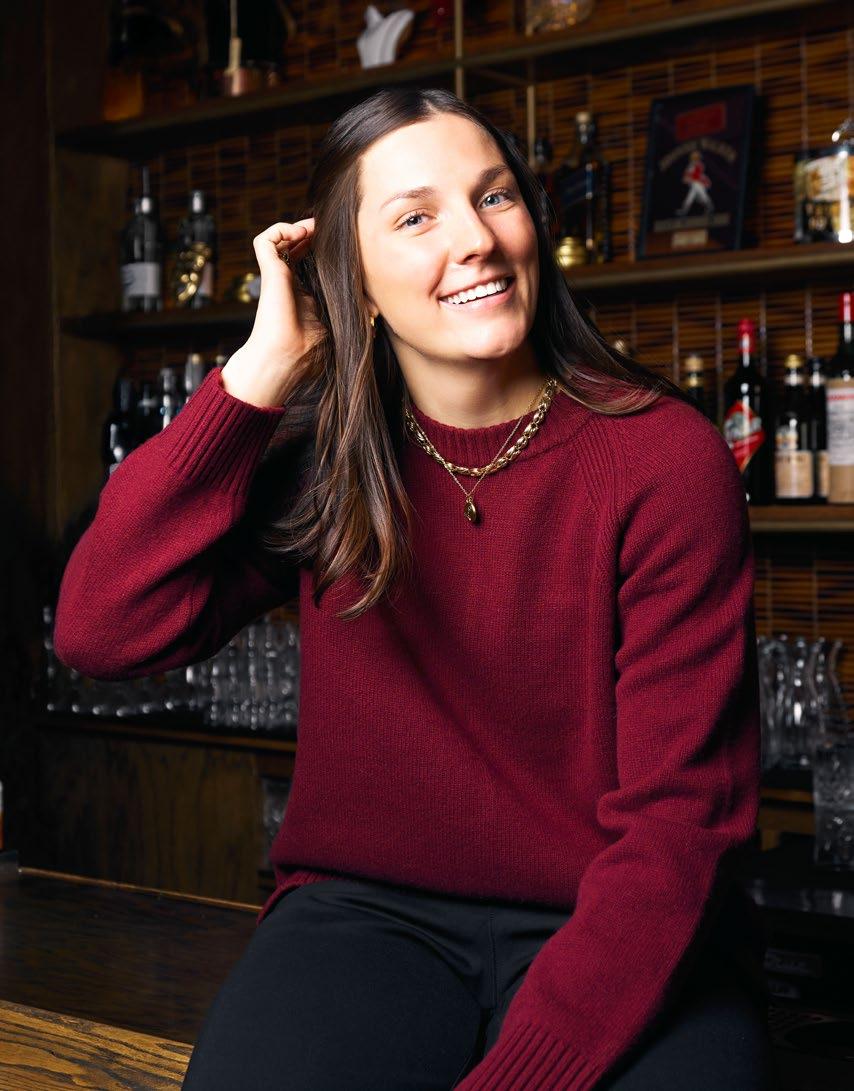
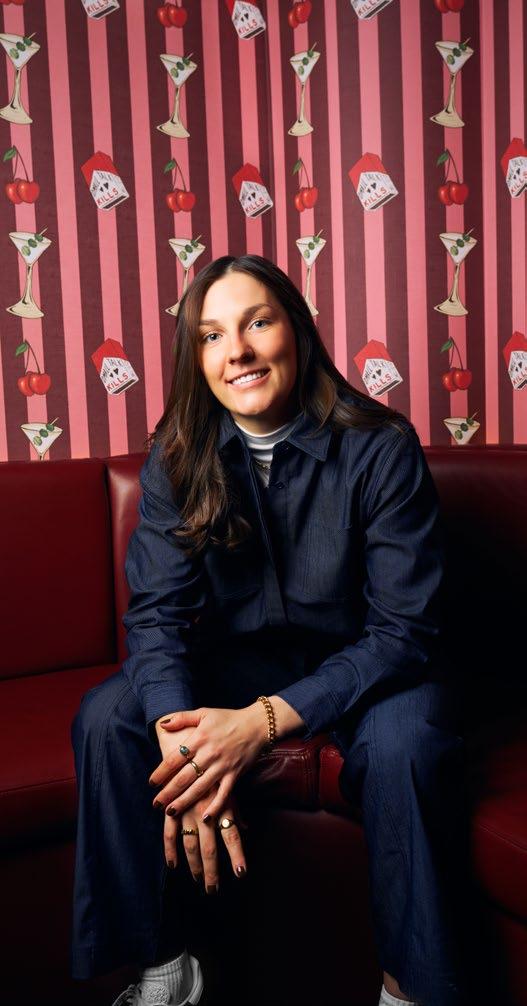
Cover: Raygan Kirk, Toronto Sceptres Photographed by Nicole De Khors Styled by Kit & Ace Location, Small Talk Toronto
Ice Warriors is published four times per year.
No part of this publication may be copied, duplicated or reprinted without the expressed written consent of the Ice Warriors Media Group.
The views and opinions expressed by the contributing writers do not necessarily reflect those of the Ice Warriors Media Group or its staff.
SALES@THEICEWARRIORS.CA
ICE WARRIORS MEDIA GROUP
MAGAZINE@THEICEWARRIORS.CA
Annual subscription rate: $24.95 Single copy cover price: $7.95
Subscriptions available at www.theicewarriors.ca
Ice Warriors™ is a registered trademark.
Printed in Canada
© Ice Warriors Media Group


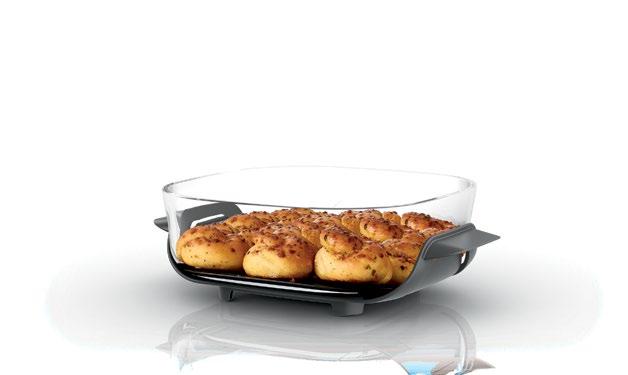
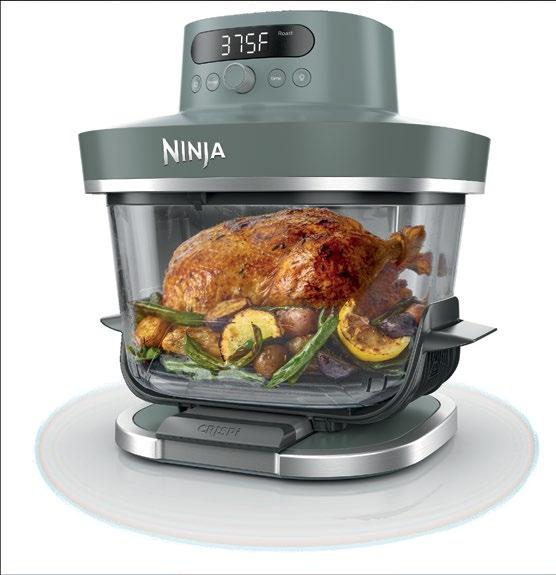
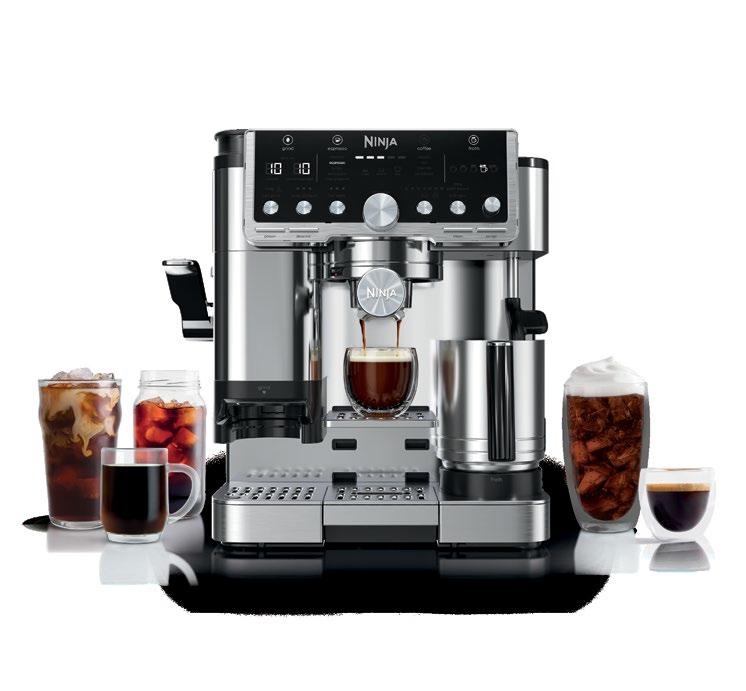
From first puck to final pour, the Ninja Espresso Machine brings barista-level precision home — rich flavor, smooth finish, zero compromise.
sharkninja.ca

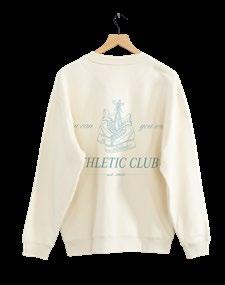
Line Change, by Angela Price and Julie Petry, is a clothing line developed from a need for a better assortment of fashionable, quality clothing for female sports fans. Their collection, featuring Seattle Kraken assistant coach Jessica Campbell, is available at:
www.linechange.com

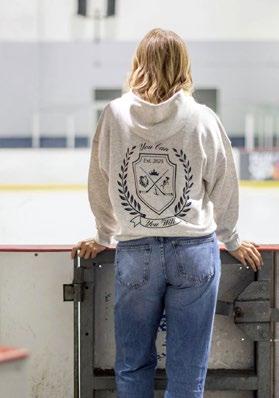
1. Your favorite, everyday ice grey hoodie that’s as soft as it is meaningful. It features navy details, including a crest on the back that tells Jessica’s story, from her prairie upbringings to breaking barriers in hockey.


2. Put in the work to make your dreams come true in our timeless cream crewneck that features light blue print details. This design nods to Jessica Campbell’s beginnings on the ice and the mindset that fuelled her journey.

3. Our classic navy crewneck showcases the collection’s signature cream embroidered crest on the front—a symbol of Jessica’s journey, her roots, and her drive to lead with purpose.


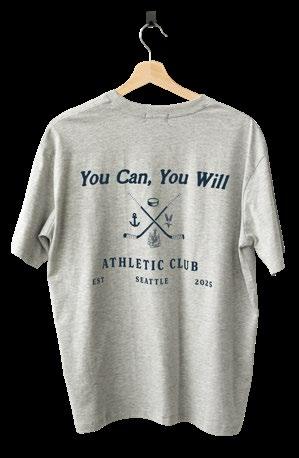



4. Our timeless oversized tee is designed with Jessica’s mantra to inspire you as you put in the work, blending effortless comfort with everyday style.
5. Push boundaries in style in this classic cream oversized tee featuring Jessica’s mantra and a hockey-focused design—the game that shaped Jessica’s journey.
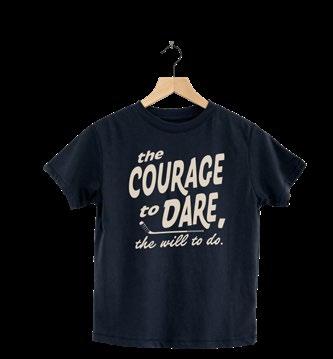
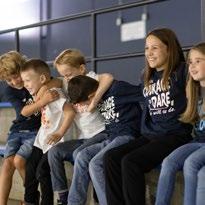
6. This tee carries the message at the heart of the collection— courage, determination, and resilience—so every young person knows they have the ability to follow their dream, no matter how big.
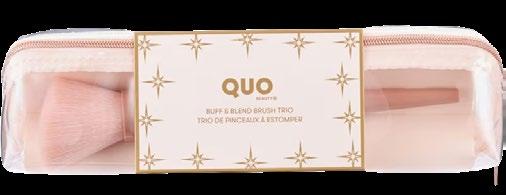

This limited-edition complexion brush trio features sleek, tapered handles and essential complexion brushes for foundation, concealer and powder. Designed with ultrasoft fibers and angled brush head shapes for effortless blending, this set covers every need for your base makeup routine, plus comes with a matching pouch for storage and travel. Three brushes for foundation, concealer & powder application, brushes are designed using luxurious, easy to clean fibers - 100% synthetic fibers. Set Contains: Setting Powder Brush, Foundation Brush, Concealer Brush, and Pouch.
Quo Beauty Flawless Finish Blending Set is your on-the-go makeup essential kit! Achieve a flawless look anytime, anywhere with the Quo Beauty blending set—your ultimate travel-friendly makeup companion! This set comes in a puffer pouch and includes all the must-have tools for seamless application: two Rubycell puffs, a triangular fluffy setting puff, and a dual-ended brush and jelly blender.
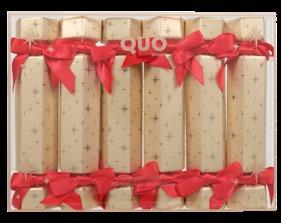
COSMETIC CRACKERS
Get the party started with this set of holiday crackers. Decorate your table with style and crack them open for a glossy surprise.

Brighten up your holiday season with the Quo Beauty Mini Milky Jelly Lip Gloss Trio. This delightful set includes three vibrant shades, each delivering a cushiony soft formula and a smooth, glazed jelly finish. Perfect for gifting or treating yourself, these versatile glosses are ideal for adding a pop of color to any occasion, from casual gatherings to festive celebrations.
This 23 Pack Teddy Purse Set: 2 mini scrunchies, 2 snap clips, 12 bobbies, 6 hair ties. The adorable pink teddy bag brings a playful element to any outfit, making it a standout accessory. Perfect gift set for your loved ones.

$25CAD

QUO BEAUTY 6PK MINI MANIA BRUSH SET
This 6Pk Mini Mania Brush Set comes with a mini boar brush, mini comb, 2 mini gold claw clips and 2 mini gold snap clips. This gift set is perfect for daily use as well as during travel. Suitable for all hair types.
$16CAD

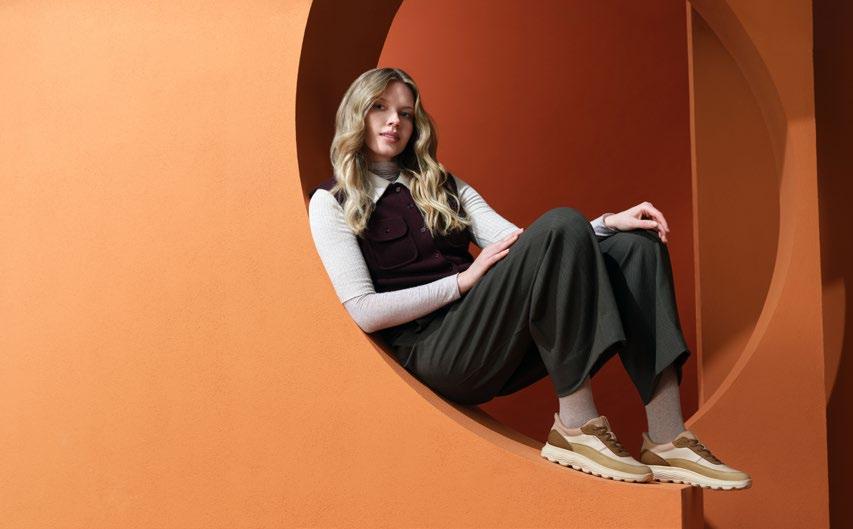
Geox® SPHERICA PLUS WOMAN: Papyrus/Mud Slip in sneakers
The Spherica™ Sneaker was originally introduced in 2021 and quickly become a worldwide icon due to its ultra-cushioning soles and sport-chic styling. This FW25 season, Geox introduces the newest evolution: Spherica™ Plus. Now featuring Fast-In Heel Technology enhanced by elasticized laces, you can quickly and easily put these sneakers on without using your hands. Just slip on and go!

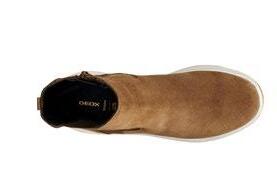
Geox® SPHERICA 4X4 ABX WOMAN: Mud Waterproof boots
The Spherica™ 4x4 ABX Ankle Boots have all the classic comfort benefits of our Spherica™ sneaker – the ultra lightweight Zero Shock System sole means the utmost flexibility and comfort as you walk, while always providing breathability. Plus, this Ankle Boots is enhanced with our waterproof technology, meaning dry and cozy feet are guaranteed even in the worst of weather!
Geox® SPHERICA WOMAN: Natural Long parka
This contemporary parka is the perfect plus one for Winter: featuring a waterproof & wind-blocking finish and a removable faux fur hood, this parka is an ode to Geox’s ongoing commitment to sustainability. The padding is made up of EcologicWARM synthetic down, made from 100% recycled polyester. This excellent thermal insulation provides outstanding protection against the cold, up to -20 degrees.


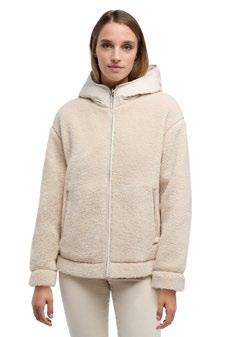
Geox® SWEATER WOMAN: Mid Moonbeam/Mid moonbeam Hoodie
Two looks, one effortless style! Wrap yourself our plush comfort of the Geox Reversible Sweater, a hooded sweatshirt that offers double the style in one sleek design. Made from a plush shearling-inspired texture in a muted off-white tone, it features a recycled lining and a two-way zip closure for added ease. Whether worn inside-out or right-side-up, this contemporary piece pampers you with breathability and allday comfort, making it the perfect companion for everyday city looks. Stylish, sustainable, and smart—this is layering, redefined.
3

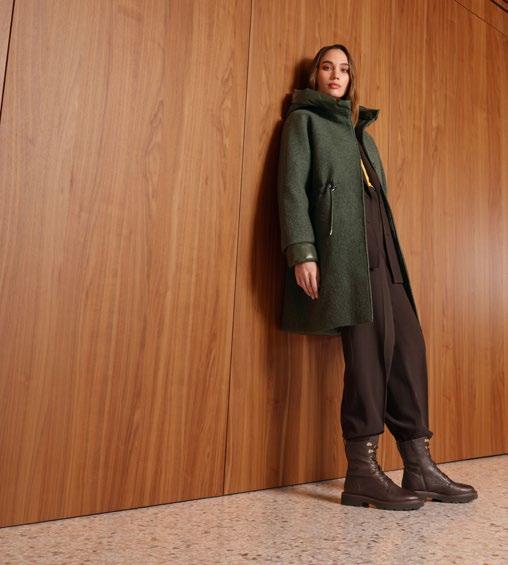
Geox® KLEOPY WOMAN: Grape leaf Long coat
Meet Kleopy, the longline parka that redefines urban outerwear. With a flattering drawstring waist and a chic mix of boiled wool and shiny nylon, this rich green coat blends contemporary style with functional elegance.
The EcologicWARM recycled padding ensures breathable warmth and thermoregulation, while the wind-blocking fabric enhances all day comfort. Whether you're dressing for work or weekend leisure, Kleopy delivers protection, polish, and a sense of wellbeing for every moment.
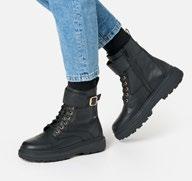
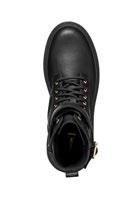
Geox® LAMIDIE + GRIP ABX WOMAN: Black Waterproof boots
The Lamidie + Grip ABX Ankle Boot blends contemporary coolness with cutting edge performance. Crafted from supple black nappa leather, it boasts Geox’s Plus Grip technology for superior traction on slick streets, while its waterproof design and breathable sole keeps you dry and comfortable all day. Add thermal insulation, a cozy warm lining and an easy side zip closure, and you’ve got the perfect partner for hectic city days in harsh weather.
5
Geox® MARYEMY BAG WOMAN: Bordeaux Cross-body bag
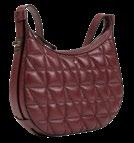
Meet Maryemy, the 100% premium leather bag that makes every day feel a little more polished. Its soft quilted design and rich burgundy shade bring effortless sophistication to your look, while the premium tumbled leather ensures durability you can count on. Practical yet chic, Maryemy is perfect from busy days around town to evening plans. With an adjustable strap, two handy inside pockets, and a secure zip closure, it’s designed to keep life organized without sacrificing style.
Geox® NORIZE WOMAN: Dark Brown Ankle boots with laces
Elevate your everyday with the Norize Ankle Boot, the perfect combination of timeless design and lasting comfort. Crafted from a premium dark-brown leather, it’s enhanced by Geox’s Respira® technology, featuring a perforated sole with a breathable, waterproof membrane. The result? Dry, fresh feet and all-day comfort, wherever winter adventures take you.
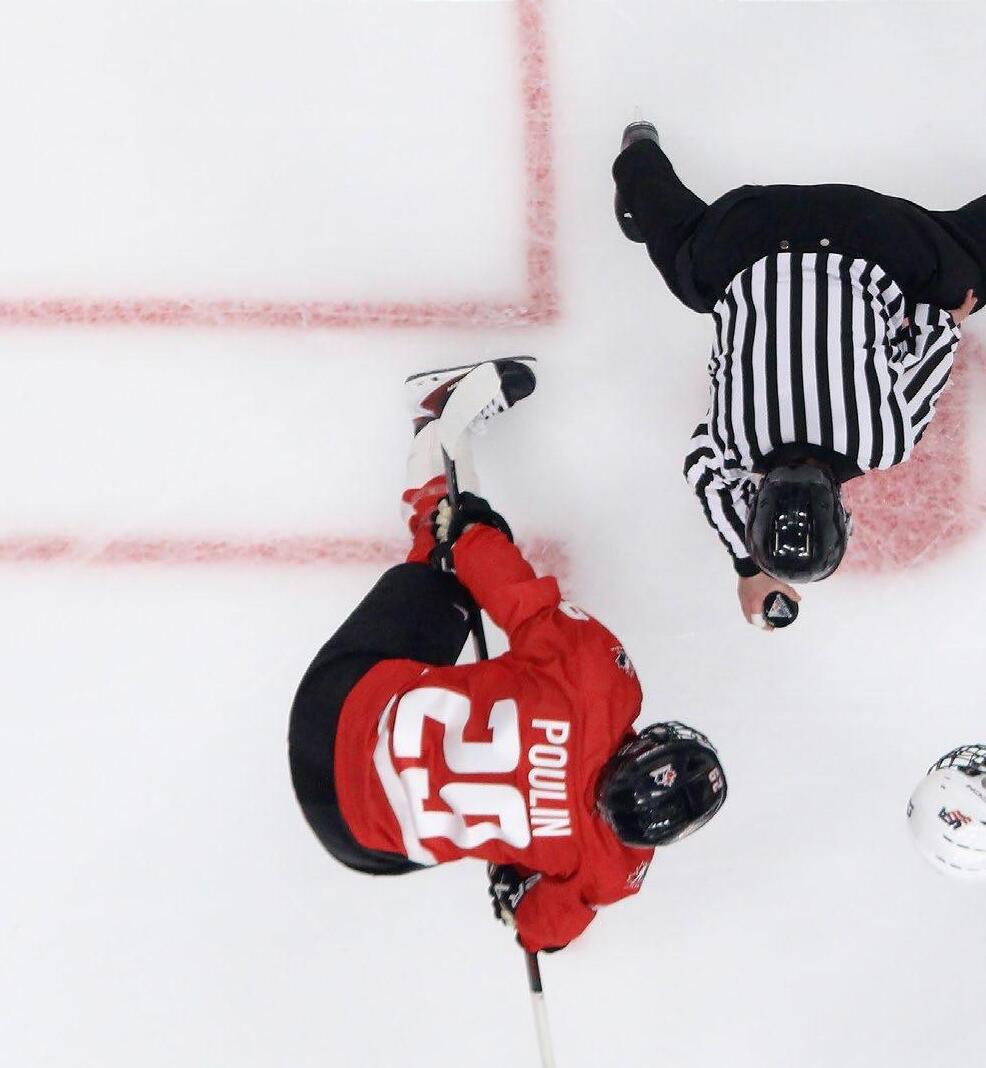
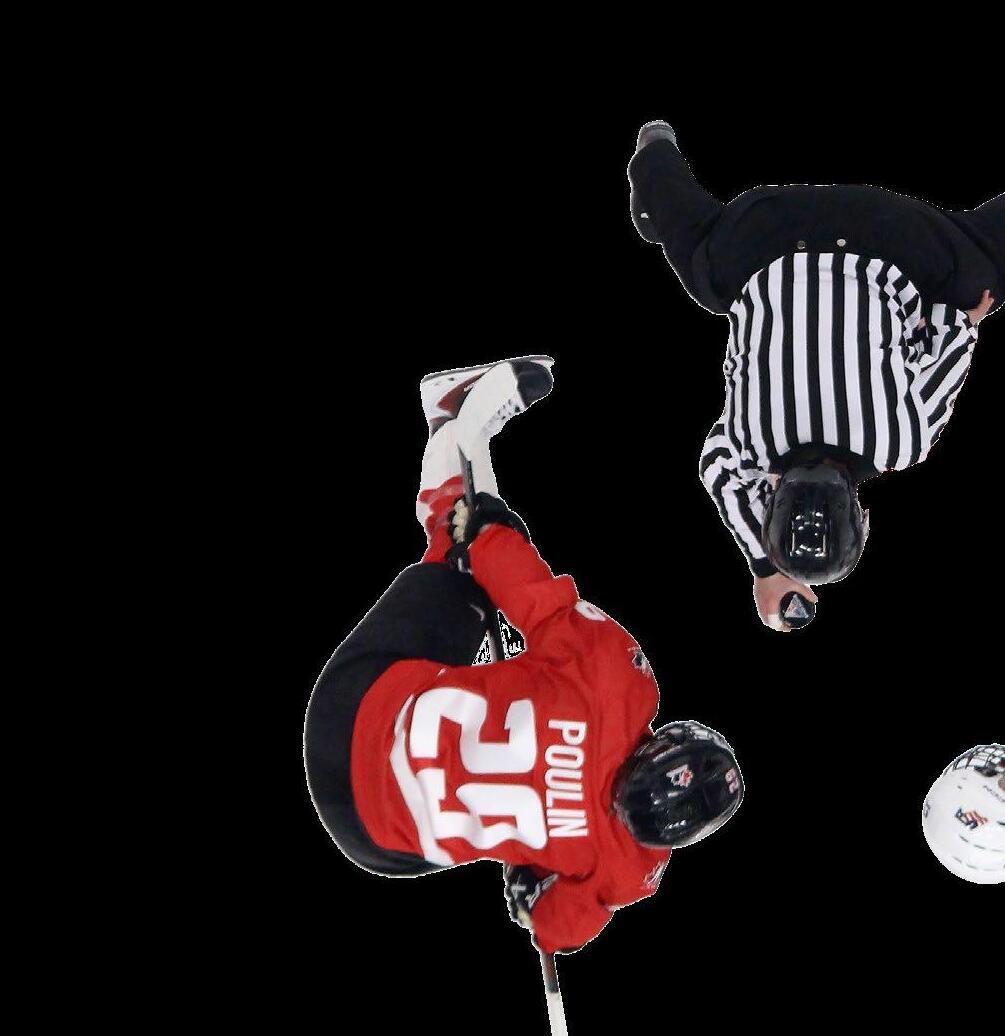
The Olympics have a way of turning everything up. The rivalry feels sharper, the jersey heavier, the stakes impossible to miss. For Canadian and American hockey players, this is where national pride meets personal history — especially when the opponent is the team you know best.
Away from the ice, the mood softens, shaped by shared meals in the Village, opening ceremonies, and the small details that linger.
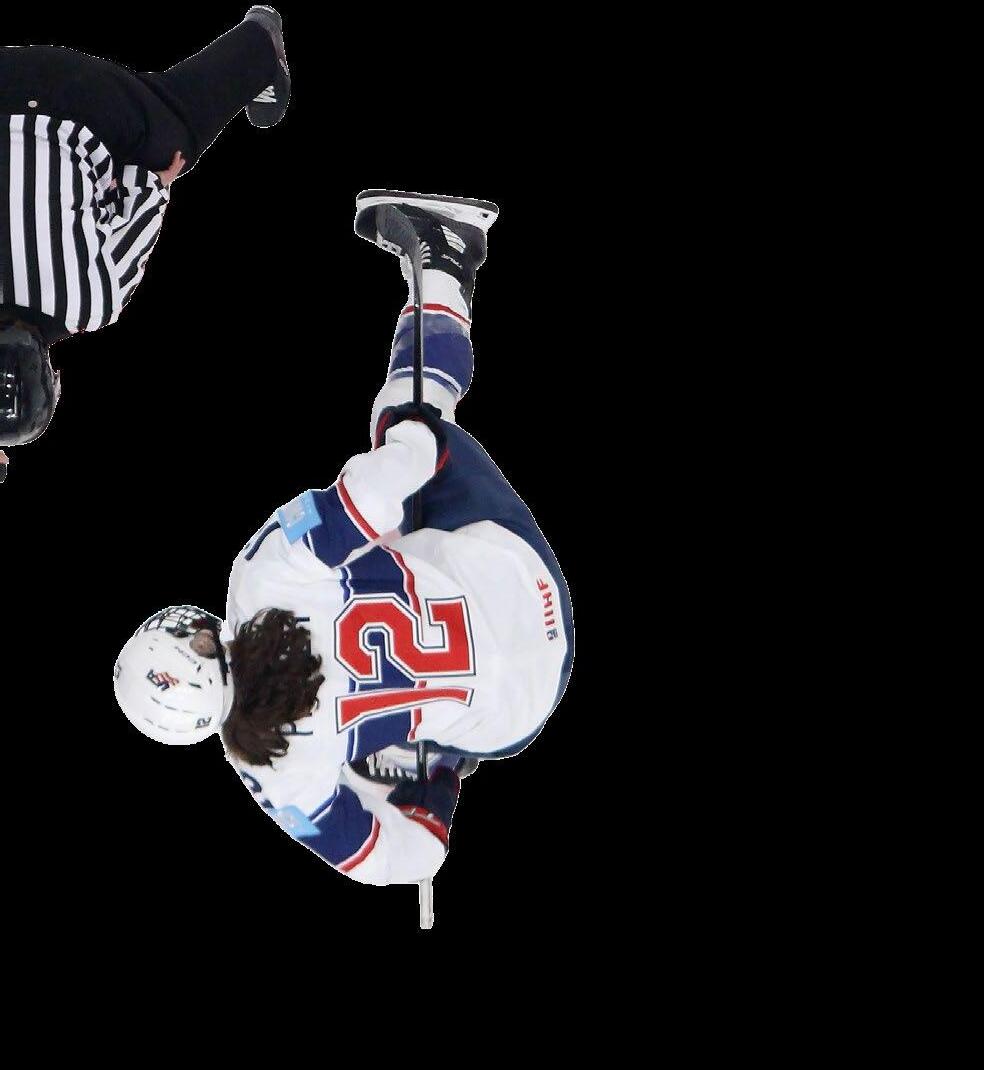
Here, players from both sides of the border share what it really feels like to go for gold and what they’re most looking forward to in Milan:
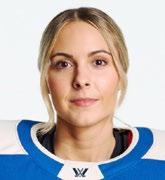
EMERENCE MASCHMEYER
“It’s fast, physical. It’s intense. We know those girls on the other side of the border, we play with them in our league, but when it comes to wearing the Maple Leaf and playing for our national teams, it’s competitive.”

MARIE-PHILIP POULIN:
"To see the young ones coming in and having a voice and an impact on this group is amazing.”
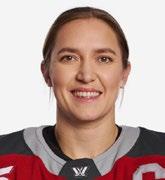
BREANNE JENNER
“For first-time Olympians, the opening ceremonies is a really special moment where you get to celebrate being an Olympian and walk beside all the other athletes from your country. I think it’s cool to get out and see some of the other sports too. The Olympics are such an exciting event and it’s been really cool in my past experiences to go out and see other Canadians athletes and cheer them on.”

JULIA GOSLING
“The Olympics are where the dream started. When we didn’t have professional hockey, it was really cool to watch Natalie Spooner, Breanne Jenner and Pou and watch them for years and years. I get to play with them now.”

RENATA FAST
"The cafeteria in the Olympic village is so cool to me. You could be sitting beside someone from the Netherlands who’s a speed skater and you know every person there has a journey that got them to that point. They play different sports or sports you don’t know a whole lot about but you’re all in one collective space. A lot of like-minded people with a ton of drive and resilience to get to where they are. I think, looking around at the cafeteria and taking in all of the people from around the world who are the best athletes in the world, is my favorite off-ice thing at the Games.”

SARAH FILLIER
“Beijing was so cool just because it was my first Olympics. Going to Milan and able to have friends and family there, full crowd, the buzz of NHL players coming over, it’ll be a really cool experience.”

NATALIE SPOONER
“I think it’s just exciting that we get to mingle with the other athletes again and hang out with the other sports that are playing there, and get to watch the other sports too. I think that’s kind of what the whole Olympics is about. You feel part of a bigger Team Canada than just your own team, which is really special."

CAYLA BARNES
“The USA-Canada Rivalry? We always get up for it. Whether you’re teammates back home or not, this is for your country. This is about pride. This is something bigger for us. So, we take a lot of pride in these rivalries and it’s just as big, if not bigger now, especially with the PWHL.”
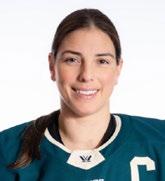
HILARY KNIGHT
“It’s really special to be in Team USA’s room. You understand that you’re part of something bigger than yourself. You come in every single day wanting to represent your country to the fullest and represent your teammates. There’s so much inspiration you can draw in that room.”

GWYN PHILIPS
“They’re great players. You look around, they’ve got a stacked roster. A lot of vets. Strong character. Strong players. Game respects game. They’re a great force to play against and it’s fun every day we do.”
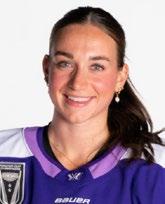
TAYLOR HEISE
“When you put the USA on your chest, you’re always willing to go out there and sacrifice whatever needs to be done.”
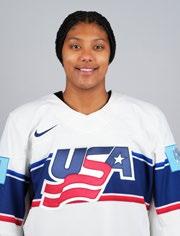
LAILA EDWARDS
“I’m super excited to meet other athletes who are the best in their respective sports. That’s super cool and I have a lot of respect for them. Just the opportunity to be around them and maybe get to know a little bit about them is really exciting. And hopefully I’ll get to get some Italian food, too. I love pizza and pasta.”
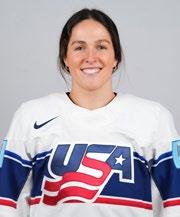
ABBEY MURPHY
“Beijing was so cool just because it was my first Olympics. Going to Milan and able to have friends and family there, full crowd, the buzz of NHL players coming over, it’ll be a really cool experience.”

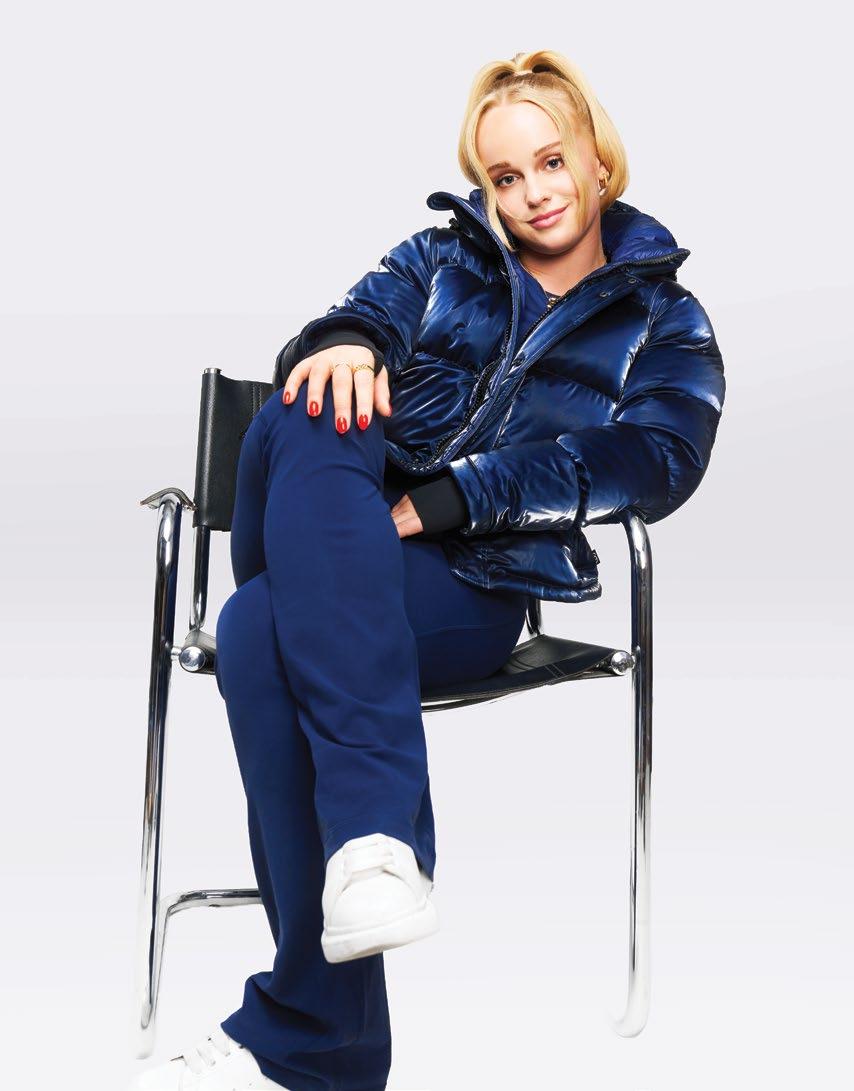
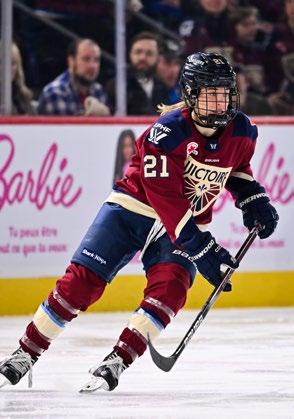
Maltais says the call confirming her place on Canada’s Olympic roster for Milan landed differently the second time. Four years ago, the moment overwhelmed her; this one came with a clearer sense of responsibility, perspective, and control.
Headed to her second Olympics, Maltais is preparing for a Games that will look nothing like her first, which unfolded under strict COVID restrictions and without family in the stands. This time, her parents will be there, and the experience beyond the rink will be part of the picture.
A self-described big traveller with an off-ice interest in fashion and ritual, Maltais is already thinking about all the sights she’ll see in Milan when she isn’t on the ice defending her Olympic gold. From custom suiting and bag-shopping plans to postcard traditions, she’s approaching these Olympics with the intention of soaking it all in.
IW: What was it like getting the call for Milan this time?
Maltais: I was actually really anxious all day. The call came later this time, and the reaction was definitely different. The first time, I kind of blacked out. I don’t remember anything. I was overwhelmed, jumping up and down, running around my room. This time, I could really take it all in. I could see the emotion of the coaches, feel my own emotion, and really understand that in that moment I became a second-time Olympian. It was an overwhelming sense of responsibility and pride. It definitely doesn’t get old hearing that news. Does being a returning Olympian change how you’re going into these Games?

what it feels like to win, and I don’t want to know what it feels like to not win. Who was the first person you called after you got the call?
My mom and dad. They couldn’t come to the first Olympics, so being able to share this experience with them is the biggest emotional piece for me. They’ve supported me my entire career, and honestly, it feels like they’re making the Olympics too. I’m just really grateful they get to be there this time. That’s been my motivation the last four years –to make it again so I could share it with them.
Team Canada has had some tough results recently against the U.S. How do those games factor into Olympic preparation?
When you play the U.S., any team can win on any given night. We’re not stressed about it. We didn’t play to our potential, and that was a big learning moment for our group. We’re looking at it positively heading into the Olympics. How has preparation changed with the PWHL in the mix?
It’s different, but in a good way. We miss being together all season, but we’re so familiar with each other now and we’re playing each other all the time. The competition in the PWHL actually makes preparation easier. We’ve all been paying closer attention to recovery, travel, and load management. Our load is higher, but we’re ready, and I think you’ll see that in the level of play.
From a national-team perspective, how much has full-time professional hockey elevated the women’s game?
I don’t think you ever feel solidified on this team until you hear your name. You’re always earning that spot. But my role has changed. I’m not new anymore, and with that comes responsibility to have an impact and to help win a gold medal. I know
You can see it at World Championships: the game is faster, more intense, more competitive. You’re seeing players’ games get better later in their careers, which is something we haven’t really seen before. Our game needed this for so long, and now it’s thriving. You can feel it on the ice.
When people talk about “compete,” what does that mean to you personally?
For me, it’s being relentless, chasing pucks, winning faceoffs, stick lifts, being hard to play against. Those little intangibles are what elevate my game and why I’m on the national team. I’ve
...OUR GAME NEEDED THIS FOR SO LONG, AND NOW IT’S THRIVING."

also had to learn how to balance that and be relentless without the puck, but calm with it.
You mentioned sending postcards being one of your Olympic traditions. How did that start?
I actually forgot that I even did it until the night I found out I made the team. I went to dinner with a friend, and she told me she remembered getting my postcard in her college dorm, and how her friends were asking, “Who sent you that?” She said she told them all about it. It really reminded me how meaningful those little touches are, sending a piece of the Olympics around the world. It’s so magical. I realized right away that I have to do it again.
How do you decide who makes the postcard list?
It’s kind of by house, honestly. There are a few pockets of people who really love them. For example, Sophie [Jaques], Jen Gardiner and Gabby Rosenthal all live together, so I’ll send one there. Ashton Bell, Claire Thompson and Izzy Daniel all live together, so they get one too. I send one to my best friends from high school who still live together, and to my two best friends in New York. If someone tells me they loved my Christmas card, I make sure to keep them on the list.
Do you do Christmas cards every year, too?
Yeah, I send Christmas cards every year. That’s very on brand for me. Last year, my roommate Maggie Connors and I made one together. We put together some cute photos, wrote a little blurb about us, and
...IT’S DEFINITELY MORE OF A FASHION PIECE, BUT IT’S ALSO SOMETHING REALLY MEANINGFUL TO ME."
sent it out. It’s not a big update letter or anything, just something fun and personal.
When do you actually find time to do all of this during a tournament like the Olympics?
You honestly have more spare time than people think. You practice, you come back, and you do have downtime. I like doing it in my room on a normal day. It’s a nice way to remind yourself that yes, this is a performance environment, but you’re also at the Olympics. Once you’ve done what you need to do at the rink and for recovery, it’s important to enjoy it too.
When do you start packing for the Olympics?
I definitely waited until I got the call. I cleaned out my closet and I’m planning to do some shopping for game-day fits. Lululemon takes care of us for a lot of it, which helps – especially because I’m an over-packer – but I still like to plan a few looks myself.
You’re known as a fashion girlie. What kind of fit inspiration are you thinking about for Milan?
I ordered a custom suit from Glorius, which I’m really excited about. It’s a burgundy-red colour, so there are splashes of red, but it still feels very much like my personal style. There are also a couple of fits I’ve really loved throughout the season that I might repeat, and I’ll probably add a few new pieces, too. I like mixing trends with things that already feel like me.
Glorius is known for personal details – did you add anything special to the suit?
Yeah, I worked with Patrick and embroidered “2026 Olympic Games” on the inside of the jacket. It’s definitely more of a fashion piece, but it’s also something really meaningful to me.
Outside of the rink, what are you most excited to experience in Milan?
Fashion, for sure. I’ve been to Milan before, and I texted Pou right away asking if she was going to go bag shopping, or what her plan was. I’m definitely excited to go into some of the designer stores. Maybe I’ll force myself to pack one less outfit so I have an excuse. I also love the history there –the cathedral, walking around, doing some touristy things if I have time. I’m a big traveller, so that part really excites me.
You’re heading into your second Olympics with a lot more perspective. What’s different this time around mentally?
The first time, everything happens so fast that you don’t even realize what’s going on. This time, I understand how important it is to enjoy the whole process. I’ve really tried to take everything in this year and use it as a growth opportunity. Hopefully, that mindset carries through to the Games.

ON BOOKS, BALANCE AND MAKING TORONTO FEEL LIKE HOME.

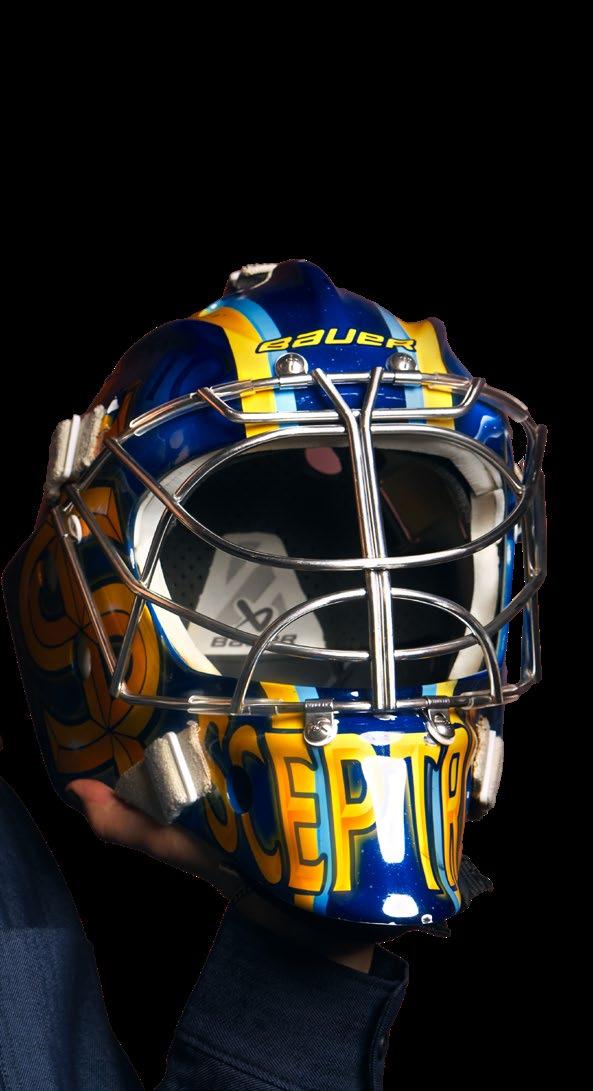
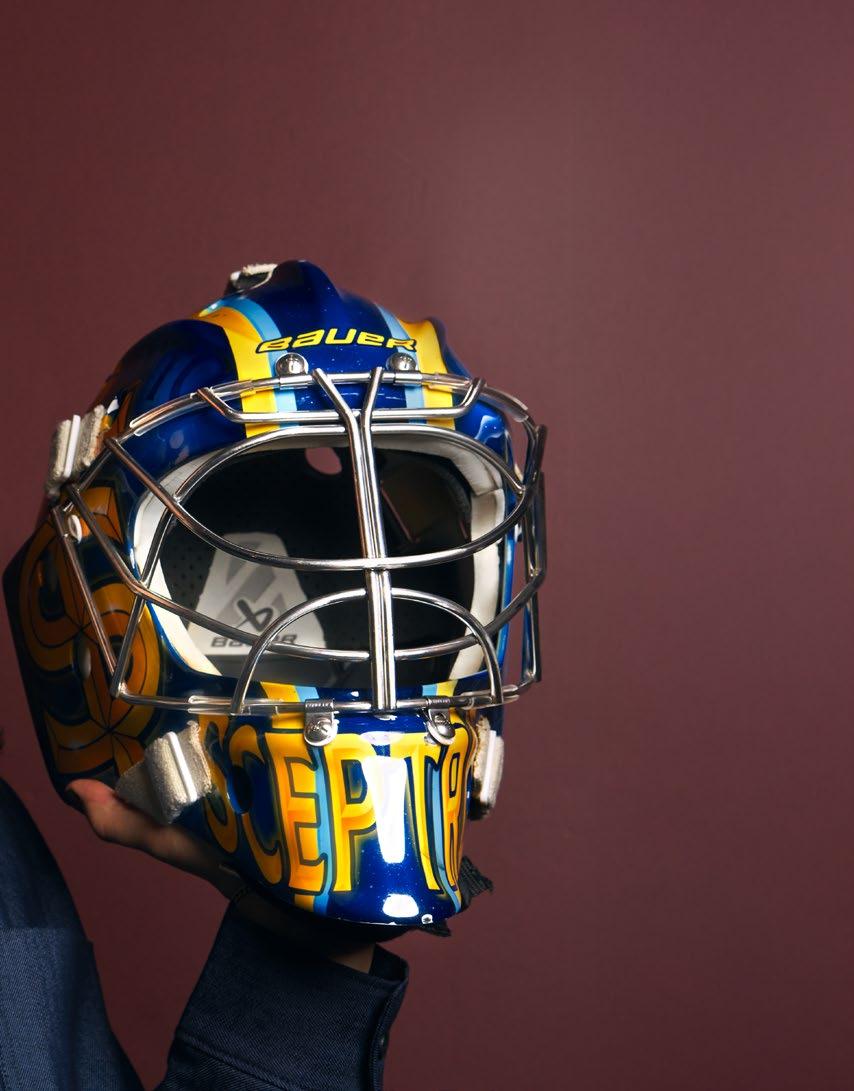
BY JOLENE LATIMER
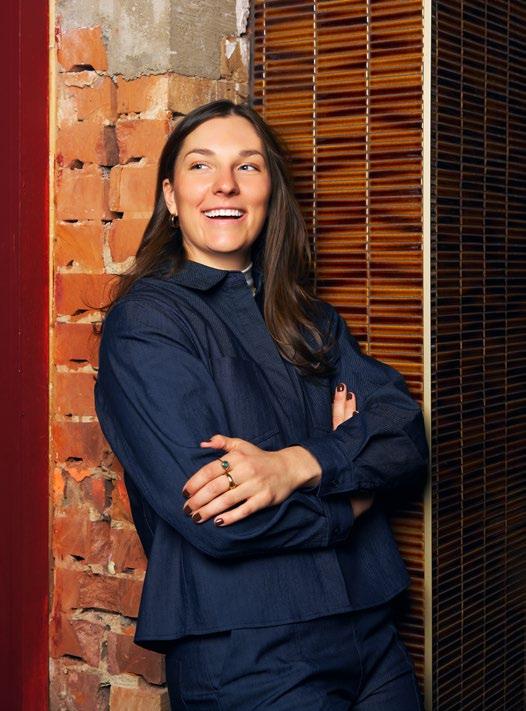
By the time Raygan Kirk joined the PWHL, she already knew what it meant to adapt.
and heightened expectations, Kirk is learning how to stay grounded. For her, that means finding joy in the small things, trusting the process when things feel heavy and believing that she belongs exactly where she is.
IW: When you look back at the path that’s led you here, when did it start to feel like hockey could actually be your life?
Kirk: I think growing up in a very small town, hockey was always something I loved, but you don’t really know where it can take you. I knew I wanted to go to college for hockey, but beyond that, there was always the question of what comes next.
When I was in high school, the CWHL was around, and that felt like this really big dream — playing in
fter growing up in a small Manitoba town, she moved through two very different college programs and entered the pro ranks at a moment when women’s hockey was reshaping its own future in real time. The league she once watched develop from afar was suddenly not just viable, but visible — selling out arenas, expanding to new markets and asking its players to grow up fast alongside it.
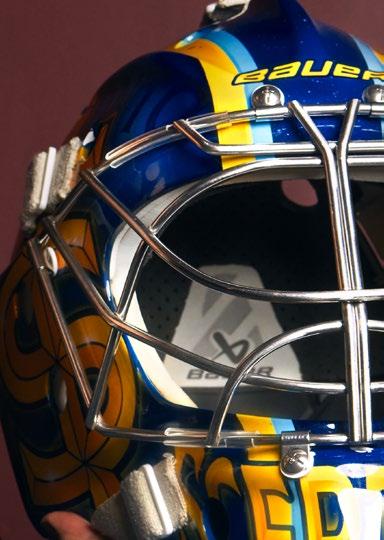
Now in her second PWHL season, the Toronto Sceptres goaltender finds herself navigating more than just shooters and traffic in the crease. There’s the grind of a travelheavy schedule, the emotional weight that comes with playing the most scrutinized position on the ice, and the quieter challenge of making Toronto feel like home.
Kirk speaks easily about routine, about the comfort she finds in structure, and about the importance of knowing when to leave hockey at the rink. She lights up when the conversation turns to coffee shops, long walks and the team book club she accidentally ended up running. And she’s thoughtful — almost protective — when talking about younger players, college hockey and the paths she hopes remain open for the next generation.
In the middle of a season marked by league growth, packed buildings
Canada, continuing after college. There were also the PHF leagues, and even the idea of going to Europe. Continuing hockey after college was always something I really wanted to do.
But I think what really made it feel real was the timing of everything. In my final year of school, getting to watch the PWHL and seeing that this was actually happening — that there was going to be a draft, that you could make a living playing hockey — that’s when it really sunk in.
Watching that first game, it felt like maybe I wouldn’t have to go overseas. Maybe I wouldn’t have to get a “real job” right away. This could actually be the path. What part of your game do you feel has evolved the most since college?
I think confidence, honestly. Confidence in knowing that I can play with the best players in the world.
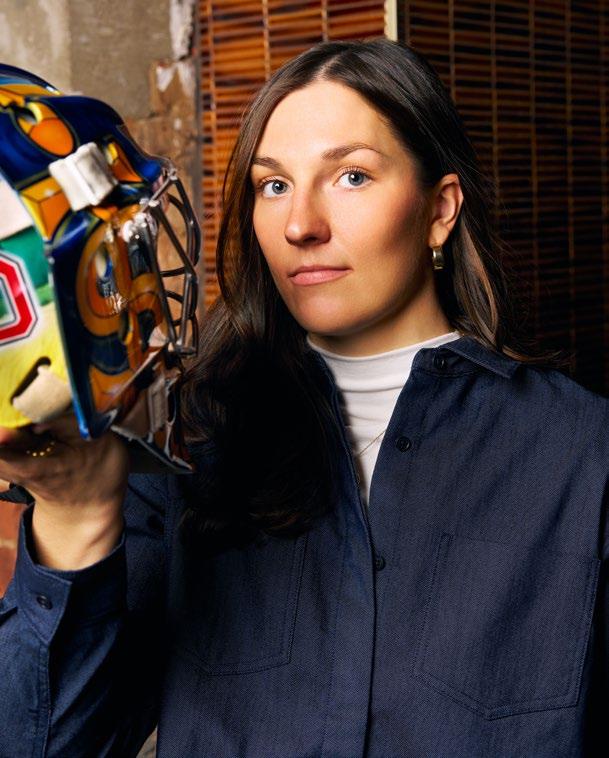
I played at two very different colleges. I started at Robert Morris University, which was a smaller program, and then transferred to Ohio State, where we were very
I MIGHT LOOK MORE STRUCTURED AND CALM, BUT I CAN STILL MAKE THOSE CHAOTIC SAVES WHEN THE MOMENT CALLS FOR IT.
dominant and won a national championship. Getting to experience both ends of that spectrum helped me a lot.
At the pro level, you might get a game where you’re seeing a ton of shots, and then another where you’re not seeing many at all. Being able to stay mentally engaged, stay solid and be that calming presence back there — that’s something I’ve really leaned on from those experiences.
Is there a part of your game you think people underestimate?
I think sometimes, as a taller goalie, people don’t necessarily see you as the most athletic. There’s this idea that smaller goalies are the ones making the really flashy saves. But being able to battle, to compete in the crease, and still make those big, desperation saves when you need them — that’s something I really pride myself on. I might look more structured and calm, but I can
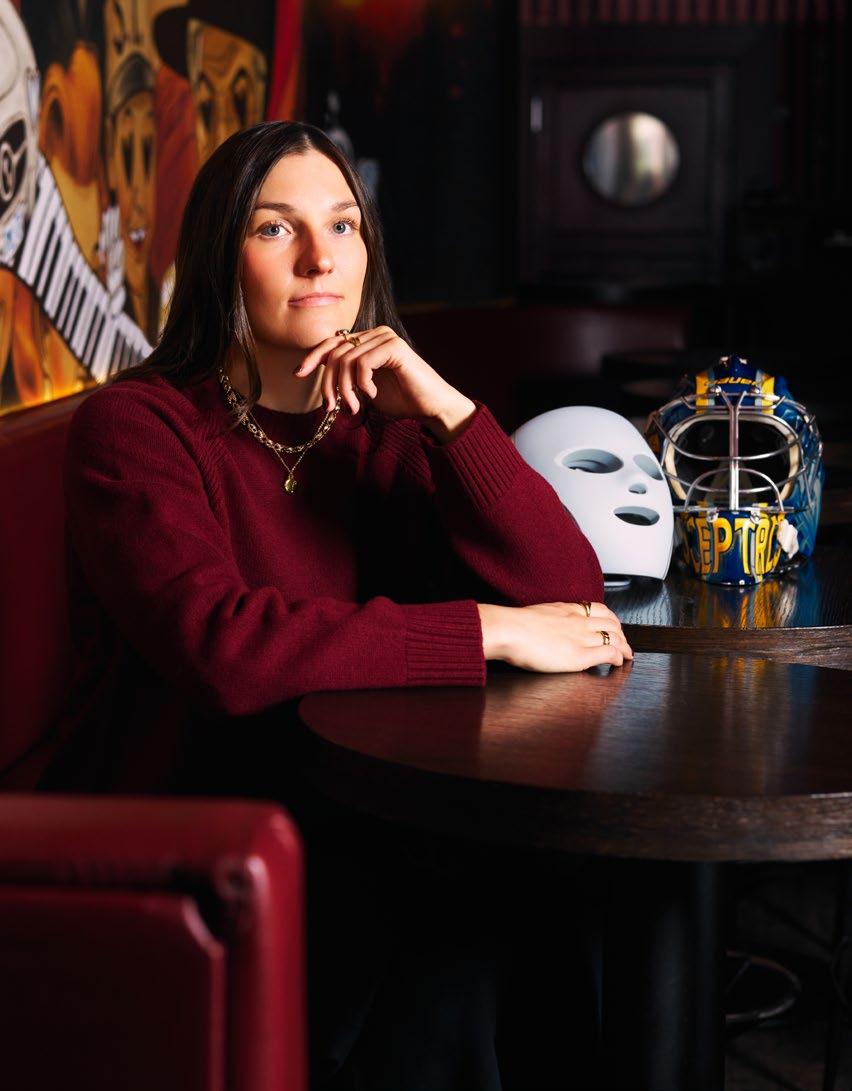
still make those chaotic saves when the moment calls for it.
The PWHL schedule can be intense. How has playing at this level forced you to grow off the ice?
College was so routine. Every Monday looked the same, every Wednesday looked the same. Pro hockey isn’t like that at all. Now you might play Friday, Saturday one week, then Tuesday, then fly or bus and play Thursday. You really have to adapt your routine and figure out how to take care of your body through all that travel.
Our trip from Toronto to Seattle, for example, was a grind. So learning what recovery looks like for you — when to rest, when to move — that’s huge.
At the same time, you also want to enjoy where you are. A lot of us aren’t from the cities we’re playing in. I want to be in Toronto for a long time, so I need to get to know it and feel comfortable there. Exploring the city, spending time with teammates — that all matters too.
When you’re on the road, what’s been a memorable city experience for you?
New York has been a big one. Last year we were there during the Four Nations, and we had a full day off. We took public transportation, found a random bar and watched the games like total tourists.
Seattle has been amazing for coffee. We’re a big coffee team, so finding small local shops has been fun.
We also love just walking around before games. It’s such an easy way to see a city. The Takeover Tour games have been especially cool for getting to explore parts of the country you might not otherwise spend time in.
Who on the team is always up for that kind of adventure?
Emma Maltais, for sure. I played with her for one year at Ohio State, and she was actually one of the first people to reach out when I entered the transfer portal.
She’s my road roommate, and we live in the same building in Toronto now, so we’ve become really close. She’s always down to explore, to try something new, to go for a walk — all of it.
What have been some of the things that make Toronto feel like home for you?
There’s just always something going on. I love the One of a Kind Craft Show — there’s one in the fall and one in the spring. Emma likes to come to that too and we’ll spend hours there. It’s all Canadian vendors, lots of jewelry, art, clothing, food. It’s one of our favorite things.
We also just love roaming — Ossington, Kensington Market, popping into little shops and cafés. Toronto makes it easy to do that.
Attendance across the league has been incredible this season, especially on the Takeover Tour. What does that feel like from your perspective?
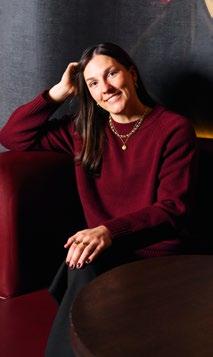
IT’S INCREDIBLE FOR THE GAME AND FOR THE GROWTH OF THE SPORT.
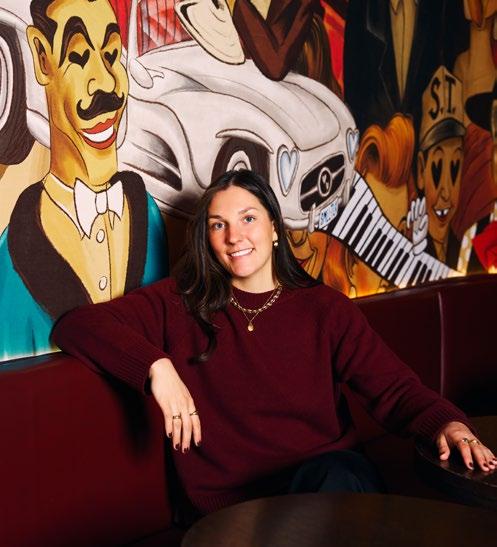
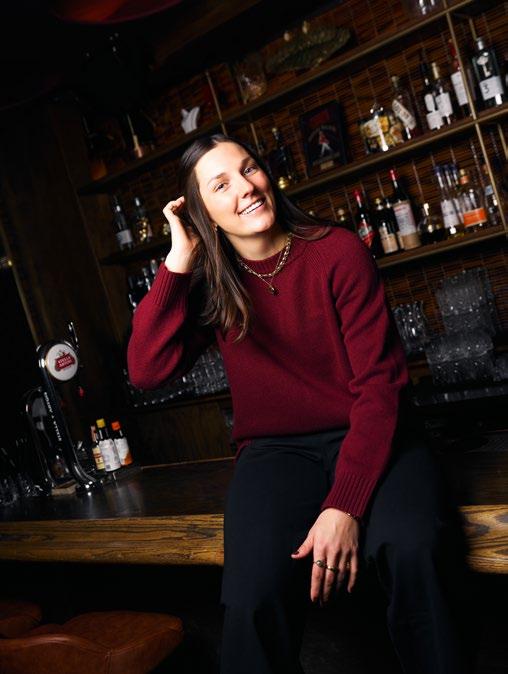
It’s honestly hard to put into words. Halifax stands out. That was our first Takeover game there, and from the crease you really try to take a moment — maybe during a TV timeout — just to soak it in. The towels are going, the building is so loud you can barely hear yourself trying to communicate with your defence.
It’s incredible for the game and for the growth of the sport. You can feel how badly those cities want teams. The support we got in Halifax — from the open practice to just being around the city — was unreal. Do you notice the fans more now? Are there faces you recognize?
Definitely at home. At Coca-Cola Coliseum, there are season ticket holders
who are there every game, right at the glass. You start to recognize them.
I try not to spend too much time online — there’s a lot of good, but also a lot of negativity — but the support is real. My parents have been recognized in the stands wearing my jersey. People come up and say they love watching us play.
I’m biased, but I really think we have the best fan base.
What does a typical off day look like for you?
I usually still go to the rink. We’re really lucky to have access to the gym at Ford Performance Centre, so I’ll do mobility, stretching, that kind of thing.
Then it’s pretty simple — groceries, coffee, spending the afternoon at home. I love going for walks. I live with Claire Thompson this year, and she’s a big walker too, so we’ll go out in the afternoon.
I’m also a big reader. Evenings are pretty chill — sometimes girls come over, we’ll watch The Bachelor or Grey’s Anatomy together. Nothing too wild.
You’re also running a team book club. How did that start?
Some of the girls who came from Montreal had done it before and suggested it. I kind of took it and ran with it — accidentally became the president.
We read one book a month. There are about 16 of us, and you get one bye per season if you don’t want to read a book.
This month’s pick is a little long, and I got some heat for that — but everyone voted for it, so I don’t want to hear it.
KNOWING THAT I CAN MAKE A SAVE AGAINST THE BEST — THAT CONFIDENCE CAME FROM LAST YEAR, AND I CARRY IT WITH ME NOW.
We meet for coffee, someone usually finds discussion questions online and we just chat. It’s actually been really great — a good way to connect outside the rink.
As a goalie, how do you take care of your mental health during the season?
I like to debrief a game and then move on quickly. I’ll watch my clips, take the positives, write things down — and then I try to leave it at the rink.
Especially as a goalie, you can’t dwell. You might be playing again in two days. Finding ways to wind down at night and mentally separate hockey from the rest of your life is huge.
There’s a lot of pressure on goalies in this league. How do you manage that?
You want to be the hero. You want to be the one who keeps the game close or gets
the shutout.
But I’ve really tried to focus on what I can control. Staying away from online noise helps. Putting the work in at practice helps. Trusting that the team will find a way helps.
There are so many great shooters in this league. Knowing that I can make a save against the best — that confidence came from last year, and I carry it with me now.
Why do you think goalie development in women’s hockey is so strong?
There are a lot of really good goalie coaches, and a strong pipeline through Hockey Canada. In Manitoba especially, there’s always that joke about “what’s in the water.”
I’ve worked with some of the same coaches since I first put on pads. Having that consistency and access to good coaching makes a huge difference.
What do you hope younger players see when they watch you?
I hope they see opportunity. College hockey is still so important — socially, educationally, personally. I learned so much just growing up through those years. Everyone in this league went to college, and that matters.
You might not be able to retire at 30 in women’s hockey yet. Having your degree, having that experience — it sets you up for life.
Do younger players reach out to you? What do they ask?
Mostly about college — recruiting, when to talk to coaches, how to stand out. I always say: know what you want academically, look at roster needs, and personalize your emails. Find small connections. Keep it simple.
It’s stressful, and I remember that feeling. If I can help make it clearer, I want to.
Looking ahead, what are you most excited about right now?
Honestly, finishing this stretch strong. These games matter. Big picture? I want to keep playing in this league. Hopefully in Toronto. I want to push for Team Canada and see where that takes me. There’s still a lot I’m working toward — and that’s exciting.
one
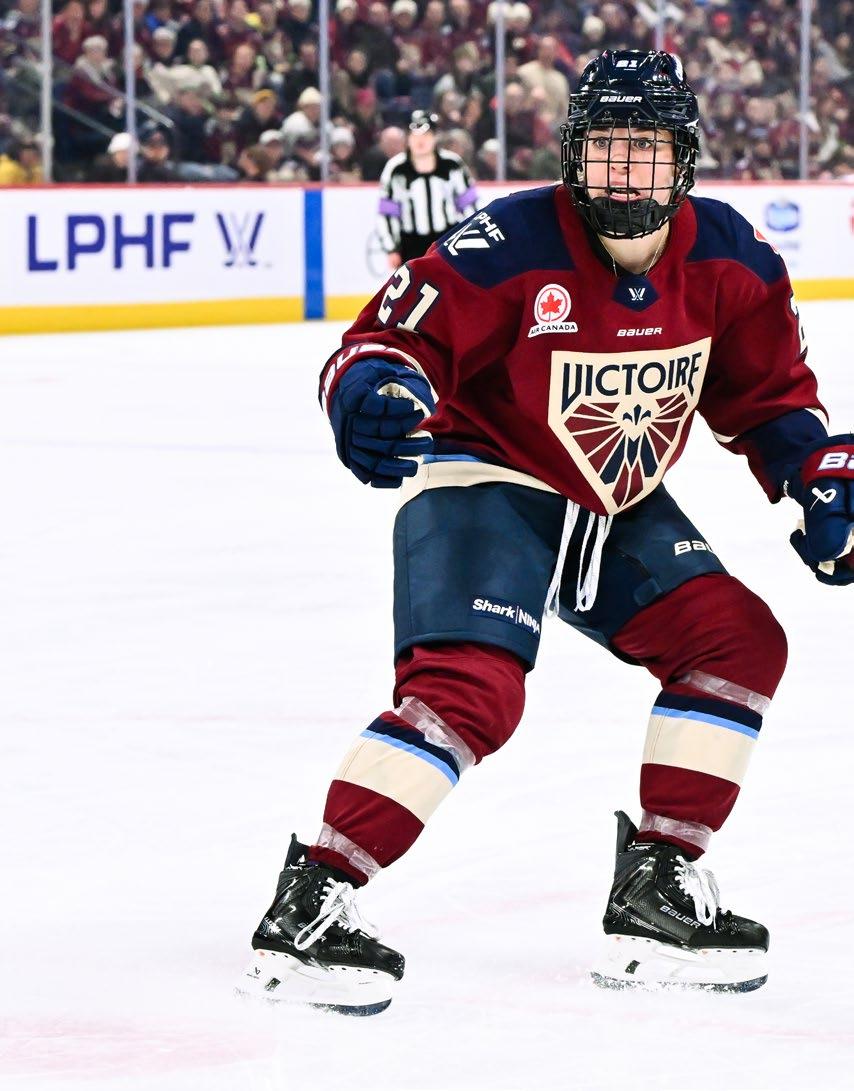
of the PWHL’s most communityminded players, Montreal Victoire forward Maureen
Murphy has always viewed hockey as just one part of a much bigger picture.
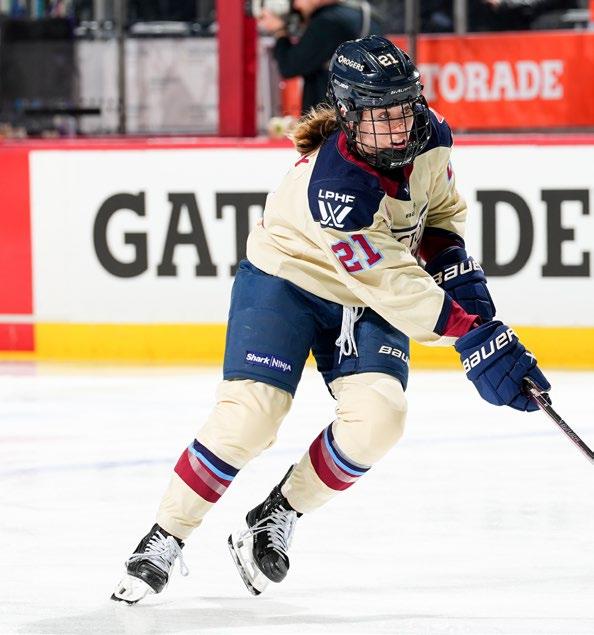
Her commitment off the ice has been lauded since the league’s inception, but even if there were no public recognition of her efforts, you’d probably still find Murphy spending her off days in a local longterm care facility, where she’s quietly logged more than 600 volunteer hours. That’s in between playing professional hockey and finishing law school. This season, that work has expanded: Murphy was recently announced as the first-ever ambassador for the Access Psychology
Foundation, a nonprofit dedicated to increasing access to mental-health care in underserved and racially diverse communities. It’s a natural fit for a player who openly acknowledges her own experiences navigating mental health. As the Victoire push through the league’s third season, Murphy has been reflecting on the emotional demands that come with performing at the highest level in a still-growing league – and the persistent misconceptions that follow athletes when the
conversations turn inward. Here’s what she thinks about mental health stigma, what people still get wrong about anxiety, and the small, everyday practices that help her stay grounded:
IW: YOU’VE SAID THE STIGMA AROUND MENTAL HEALTH IS IMPROVING BUT NOT GONE. WHAT DO YOU SEE WHEN YOU LOOK AT WHERE THINGS STAND TODAY?
Murphy: I think it’s definitely gotten better. There’s always room for
improvement. Stigmawise, people are always going to be a little hesitant to view it as an injury or disease versus a physical ailment, just because you can’t see it. And if you haven’t experienced it, it’s hard to conceptualize what anxiety actually is. YOU BROUGHT UP THAT ANXIETY IS OFTEN MISUSED AS A CATCH-ALL WORD. HOW DOES THAT SHOW UP IN SPORTS?
I think anxiety is a really overused term. I don’t like to use it unless I’m

truly feeling anxious or someone’s truly having a panic attack. People get anxious about all sorts of things, but there’s a difference between being diagnosed with anxiety and just being nervous for a game or outcome. Being nervous is expected – there’s a difference between those things. WHEN YOU’RE IN A STRETCH WHERE THINGS FEEL HEAVY OR OVERWHELMING, WHAT HELPS YOU FIND SOME STABILITY?
I’ve worked with a really
DON’T ALWAYS GET IN A HOCKEY ENVIRONMENT. WHAT DOES THAT DO FOR YOU MENTALLY? Doing activities that give me some purpose is big. Volunteering is the main one. I like helping other people, and it makes me feel like I can see the direct impact I have on them versus only seeing the impact you have on teammates at practice. That helps me feel connected to something outside the rink.
WHAT MAKES MENTAL HEALTH CHALLENGING FOR ATHLETES, SPECIFICALLY?
experienced it, it’s really hard to conceptualize what that feels like. So, when someone is depressed or anxious, it’s not about choosing to be sad or ungrateful. It’s about figuring out how to mitigate your emotions, which are totally valid, and still go through life and live a life worth living.
great psychologist for six or seven years now, so I have weekly meetings with her. That’s been huge for me.
A lot of mindfulness practice helps... trying to remain present. I use an app called Headspace, which has meditation, mindfulness, sleep tools. Those are my main things.
A lot of people use journaling. I haven’t really seen benefits from that myself, but I know it helps a lot of people. YOU ALSO SAID VOLUNTEERING GIVES YOU SOMETHING YOU
I think the hardest thing is that you can look totally fine on the outside. If you pull a muscle, everyone can see it. But if you’re struggling mentally, it’s invisible. And again, if someone hasn’t gone through it, it’s really hard for them to understand. So even when people mean well, there’s this disconnect – you want to show up, you want to perform and do your job, and at the same time you’re trying to manage emotions that are totally valid but not visible.
WHAT’S ONE MISCONCEPTION ABOUT MENTAL HEALTH YOU WISH FANS UNDERSTOOD BETTER?
I think the biggest misconception is the idea that you can just ‘snap out of it’ or ‘be grateful’ when you’re struggling. I would love to just be grateful and be happy, but sometimes you wake up and you can’t... and this is a conversation I’ve had with a lot of people.
It’s hard because you can’t see it. If you haven’t

HOW TO TELL IF ATHLETES MIGHT BENEFIT FROM CUSTOM SKATE ORTHOTICS:
3. STRUGGLING TO
AN INSIDE OR OUTSIDE EDGE



BY DALLAS KNOWLES

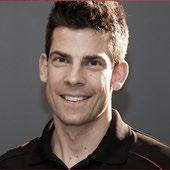
hen athletes think about performance, they often focus on visible gear—skates, cleats, or sticks. But for Drew Korzeniowski, founder of DK Orthotic Solutions, the real edge lies beneath the surface. With over a decade of experience designing orthotics for everyone from weekend warriors to professional athletes, Korzeniowski has built a business rooted in biomechanics, movement, and craftsmanship.
Korzeniowski’s path into pedorthics wasn’t planned. “When I graduated, I didn’t intend to get into this field,” he admits. With a degree in Human Kinetics, he began working as an orthotic technician in a podiatrist’s office. “I just found the rabbit hole of pedorthics and started going down it. I learned a
lot about biomechanics and how the right orthotic can make such a difference.”
As a Canadian Certified Pedorthist, Korzeniowski is trained not only to analyze movement but also to design and build orthotics— something podiatrists typically outsource. “The connection between how the person moves and how you build their device— it’s just that much stronger when you do both,” he says.
After nearly a decade in clinics, Korzeniowski launched DK Orthotic Solutions, focusing on sport-specific performance. “People would say, ‘I’ve got orthotics, but I can’t run in them,’ or, ‘They don’t fit in my skates,’” he recalls. “Most orthotics were made for walking, not athletes.”
Designing for sport requires understanding movement patterns. “A
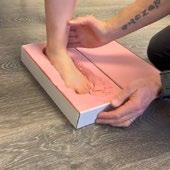
hockey skate orthotic is completely different from a running shoe,” he explains. “In running shoes, the foot collapses and rebounds— it acts like a spring. In a hockey skate, your foot doesn’t do that at all. It’s locked in, so the orthotic has to work differently.”
A properly designed orthotic can dramatically improve skating performance. “Most people’s feet naturally pronate—they collapse inward,” Korzeniowski says. “If the foot falls in, it forces pressure onto the inside of the blade. Getting onto the outside edge becomes extremely difficult.”
Correct alignment creates a direct connection between foot and blade. “Now every bit of movement goes directly

to the skate,” he says. “For crossovers, punch stops, and turns—the edge work modern players need—it makes a sizable difference.”
Orthotics also reduce injury risk by keeping muscles in optimal functional ranges. “When a foot collapses, certain muscles overstretch while others tighten, predisposing them to injury,” Korzeniowski explains. “By aligning the foot, we help muscles return to optimal ranges. From an injury-prevention standpoint, it absolutely makes a difference.”
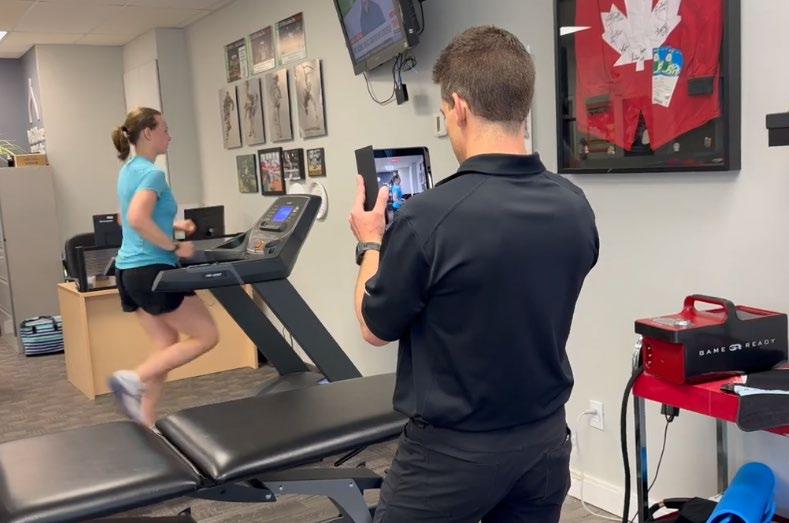
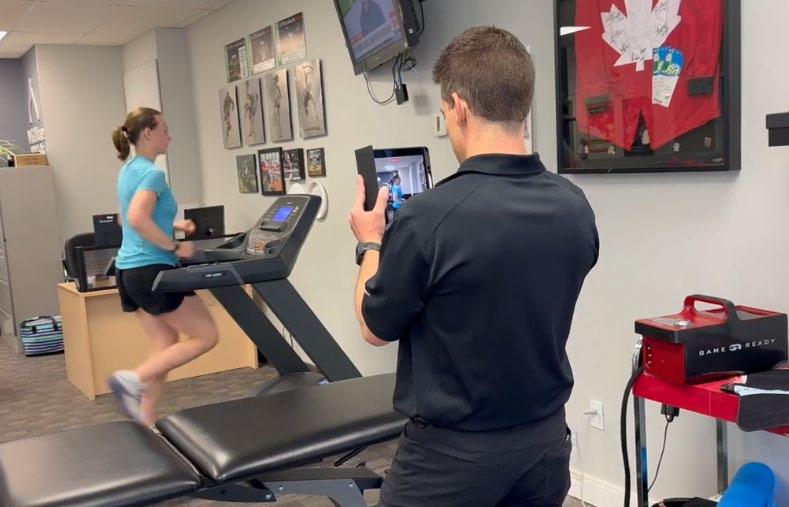
DK Orthotic Solutions takes customization further by observing athletes in motion. “The more we can see how someone moves
in their sport, the better,” he says. “I’ll watch how they skate, run, or cut during practice or games. That’s where you see real biomechanics at work.”
At the professional level, precision is essential. “A lineman’s orthotic is completely different from a running back’s,” Korzeniowski explains. “Size, movements—it all influences the design.”
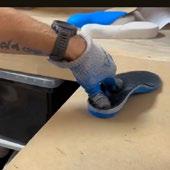
Creating a custom orthotic blends science with hands-on craft. “We start with an assessment, usually 45–60 minutes, to gather data on strength, range of motion, and movement patterns,” he says. “Next, we take a mould of the foot in neutral alignment. If the foot is crooked, it’s hard to make an orthotic straight.”
Then comes the lab work. “We use grinding machines, tools, and layered materials, sometimes 3D printing, to build the right device for the athlete. Once it’s ready, the player returns for fitting, and we guide them through the break-in process to ensure performance.”
“Taking one orthotic and moving it between skates or shoes won’t work well,” Korzeniowski notes. “It’s like using a running shoe for everything— you could wear it to a wedding, but it won’t be right for the occasion.”
For DK Orthotic Solutions, the goal is clear: enhance performance, prevent injury, and give athletes a connection
between movement and equipment. “It’s all about understanding how someone moves and building something that enhances that. That’s the art and science of what we do,” he says.
A decade into running DK Orthotic Solutions, Korzeniowski’s mission remains clear: to keep athletes—and everyday people—moving comfortably and performing at their best. “It’s all about connection,” he says. “Connecting how someone moves, what they need, and how to build something that enhances that. That’s the art and science of what we do.”
From the first analysis to the final product, every orthotic that leaves DK Orthotic Solutions carries that same philosophy—one built on balance, precision, and passion for movement.
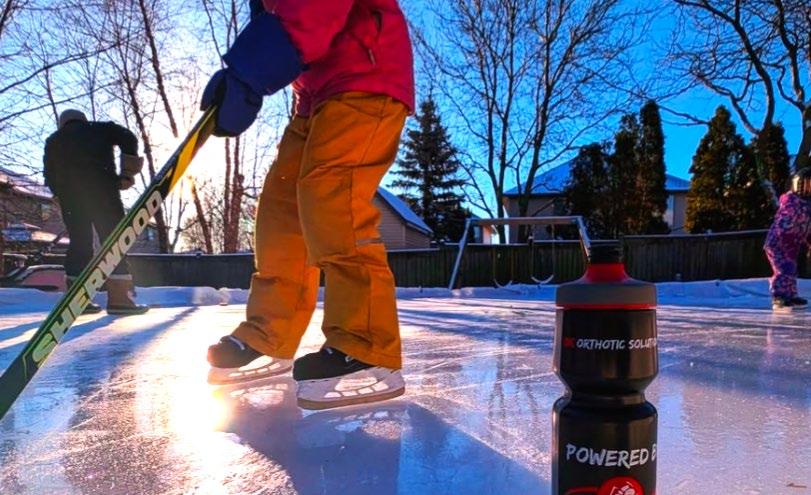
"IT’S ALL ABOUT UNDERSTANDING HOW SOMEONE MOVES AND BUILDING SOMETHING THAT ENHANCES THAT THAT’S THE ART AND SCIENCE OF WHAT WE DO.
BY TANYA MEILLEUR | PHOTO BY PWHL
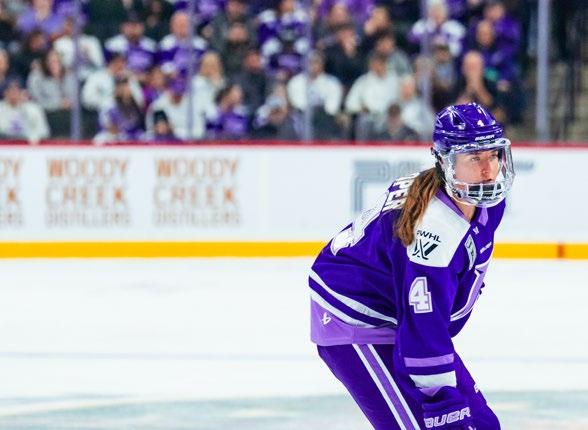
And survival mode is not built for precision, power, or longevity.
some point, many athletes face a confusing and deeply unsettling moment: their body stops responding the way it used to. They’re still training. Still showing up. Still doing everything “right.”
But performance slips. Recovery takes longer. Confidence erodes. Anxiety creeps in. Injuries linger. Motivation feels harder to access. And no scan, test, or physio assessment can fully explain why.
This is often where frustration sets in – for the athlete and for everyone around them. What’s rarely discussed is that not all injuries are structural. Some are neurological. And some of the most limiting injuries an athlete can experience don’t show up on imaging at all.
The nervous system is the body’s performance regulator. It controls reaction time, coordination, focus, muscle tone, recovery, sleep, digestion, and emotional regulation. When it’s functioning well, the body can shift fluidly between intensity and rest. When it’s overloaded, the system prioritizes survival over performance.
Many athletes, particularly women, spend years training in a state of chronic activation. High expectations. Constant output. Emotional pressure. Life stress layered on top of physical demand. The body adapts... until it can’t.
Over time, the nervous system becomes taxed. The body stays braced. Muscles don’t fully release. Breathing becomes shallow. Sleep becomes lighter. Recovery windows shrink. The athlete may feel “on edge,” disconnected, or unusually fatigued – even when conditioning hasn’t changed. From the outside, it can look like a loss of mental toughness. From the inside, it often feels like betrayal.
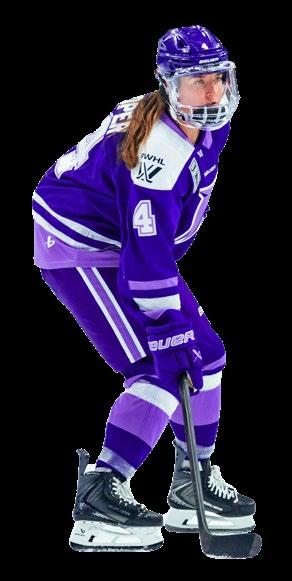
But the body isn’t failing It’s protecting. When the nervous system senses sustained overload, it shifts priorities. Pain sensitivity increases. Energy conservation kicks in. Focus narrows. The system is no longer optimizing performance – it’s trying to keep the athlete safe. This is why pushing harder often makes things worse.
True recovery in these moments doesn’t come from more discipline or more intensity. It comes from
restoring regulation. Teaching the body that it’s no longer under threat. Creating conditions where the nervous system can downshift out of constant alertness and return to balance. This isn’t about becoming softer. It’s about becoming sustainable.
For athletes, healing the invisible injury means redefining strength — not as the ability to endure endlessly, but as the courage to listen early, respond wisely, and honour the body before it forces a stop. Because the most powerful comeback doesn’t start with doing more. It starts with restoring what was quietly depleted.