


SystematicPosition:
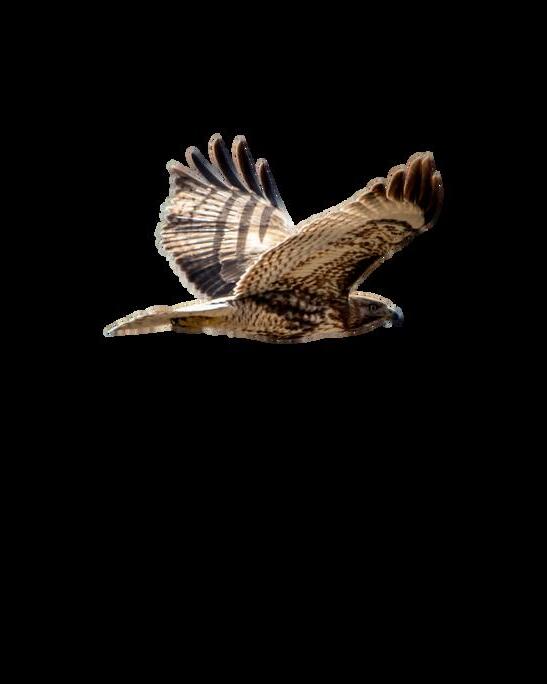
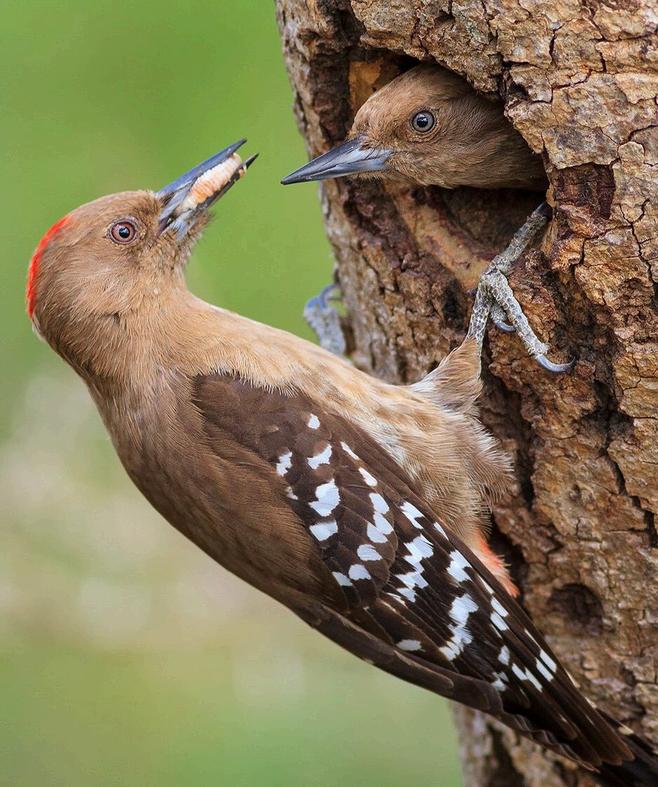
The Arabian woodpecker (Dendrocoptes dorae) is classified under the domain Eukaryota, kingdom Animalia, phylum Chordata, class Aves, order Piciformes, family Picidae, and genus Dendrocoptes
UniqueCharacteristics:
The woodpecker is a bird uniquely adapted with features like a strong beak, sturdy neck muscles, a flexible skull, a sticky long tongue, and strong legs, enabling it to drill into trees and catch insects efficiently.
EnvironmentalImportance:
The Arabian woodpecker has indirect economic importance by protecting trees from harmful insect pests that threaten forests and crops. By naturally reducing insect populations, it decreases the need for costly, environmentally harmful pesticides, thereby promoting forest growth and sustainability.
CurrentIssues:The Arabian woodpecker faces challenges such as habitat fragmentation from urbanization and agriculture, population decline due to loss of nesting sites, and overgrazing hindering tree regeneration.
ProtectionEfforts:
Conservation efforts for the Arabian woodpecker include enacting laws and regulations that prohibit the hunting of these birds and establishing protected areas to safeguard their habitats.
References:




SystematicPosition:
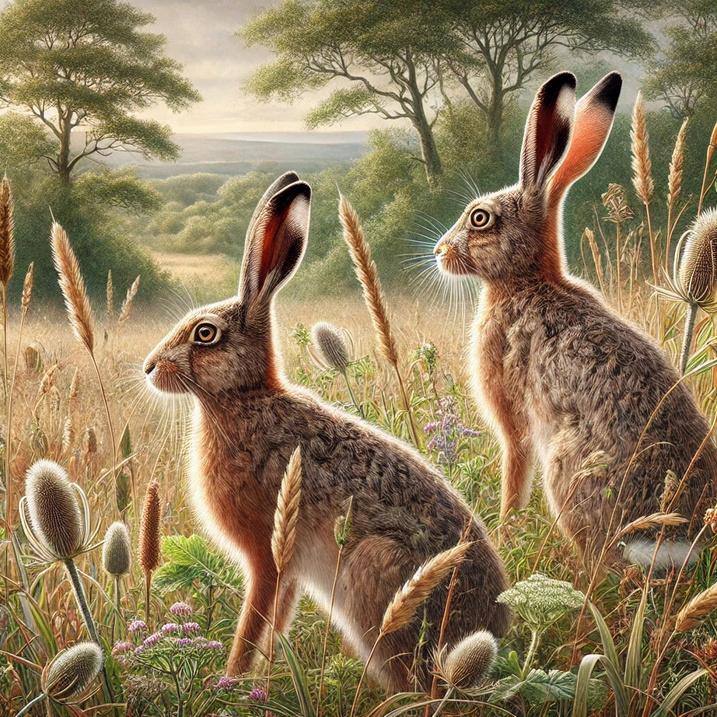
The Hares (Lepus) is classified under the domain Eukaryota, kingdom Animalia, phylum Chordata, c Mammalian, order Lagomorpha, family Leporidae, and genus Lepus.
UniqueCharacteristics:
Lepus (Hares) have longer ears and legs and can reach speeds of up to 60-80 km/h, allowing them to escape predators and unlike rabbits, hares don’t live in burrows but create simple nests called forms.
EnvironmentalImportance:
Lepus lies in their role as a key prey species, supporting predators like foxes and birds of prey, and in helping to regulate vegetation through their herbivorous diet, which influences plant community dynamics
NutritionalValue:
Lepus (hares) have lean, high-protein meat that is low in fat and rich in essential nutrients, including iron and vitamin B12, making it a nutritious option in various traditional diets
CurrentIssues:
Loss due to urbanization, overhunting in some regions, and climate change, which threatens their habitats and food sources.
ProtectionEffort:
include legal protections, habitat restoration, and regulated hunting seasons to maintain sustainable populations.

SYSTEMATICPOSITION:
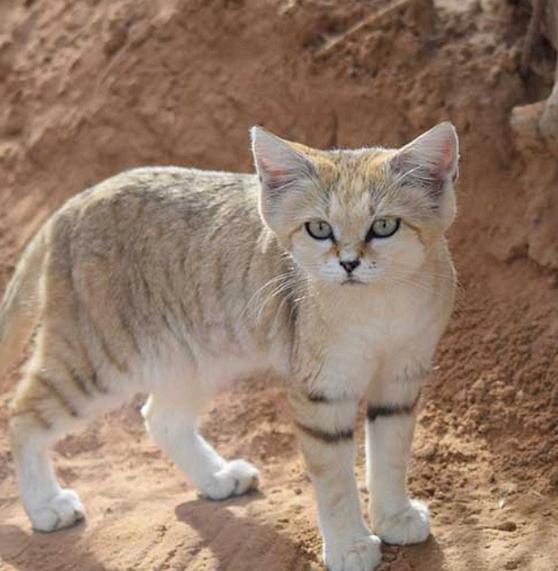
THE(FELIESMARGARITA)ISCLASSIFIEDUNDERDOMAINEUKARYOTICKINGDOMANIMALIA PHYLUMCHORDATA,CLASSMAMMALIAN,ORDERCARNIVORA,FAMILYFELIDAE,GENUSFELIS.
UniqueCharacteristics:
Felismargaritaisthesizeofadomesticcatandthesmallestofallwildcats,weighingbetween2.1-3.4kg(males)and 1.4-3.1kg(females).Theirmostdistinctivecharacteristicistheirlargeearpinnae,whichprotecttheearsfromblowing sand.Themosthighlydevelopedsensesofthisspeciesarehearingandsmelling.Beingnocturnalanimals,theyrelyon sensitivehearingtolocatepreymovingbelowthesurfaceoftheground
EconomicImportance:
Thesandcatispartoftheillegalpettrade.Researchershavesparkedaninterestin furtherstudiesofthisspecies.("SandCat",2002)
EnvironmentalImportance:
SandCatplaysacrucialecologicalroleasapredatorofsmallrodents,reptiles,andinsects
CurrentIssues:
Asagricultureandlivestockgrazingcontinuetoexpand,naturallyoccurringvegetation disappears,leavinglimitedresourcesforthesmallmammalpreyofsandcats.Feraland domesticdogsandcatshavealsopresentedanissue
ProtectionEfforts:
Sandcatshavedensehairandpadsonthesolesofeachfootthatprotectagainsttheintenseheatandcoldof theirhabitat,aswellasaidinginmovementacrossthesand.Thepadshelpthemnavigateacrossshifting sands.
TheReferaces:

SYSTEMATICPOSITION:
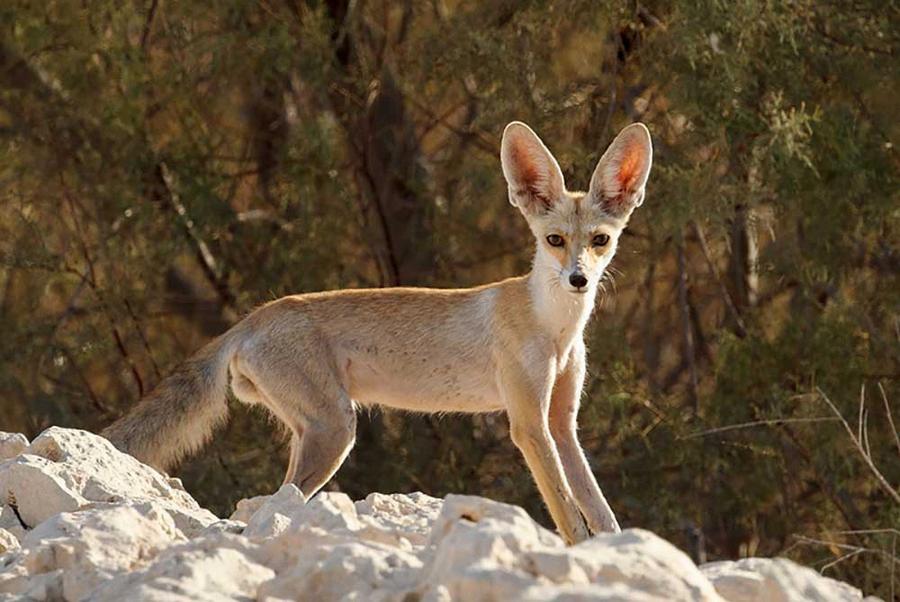
KingdomAnimalia,PhylumChordatachordate,SubphylumVertebratavertebrates,Class Mammaliamammals,OrderCarnivoracarnivores,FamilyCanidaecoyotes, dogs, foxes, jackals,andwolves,GenusVulpesfoxes,SpeciesVulpesrueppelliiRüppel'sfox,
UniqueCharacteristics:
Vulpesrueppelliisslenderandhasalong,bushytailwithawhitetip.Thelegsandmuzzlearebothshort. Thepredominatecoloris“buff”,whichisasand-likecolor,buttherearewhitehairsthatmakeupthedense undercoat.Graymarkingsonthefacearequitediagnosticofthisfox.
EconomicImportance:
Rueppell'sfoxesarenothuntedoften,butmaybekilledbylocals.Theyareneithersoldas petsorhuntedforfur.Vulpesvulpesappearstobethemuchmoresignificantsourceof rabies
EnvironmentalImportance:
Thesefoxesdokillmanypestspeciesthatcausemillionsofdollarsindamagetocrops.
CurrentIssues:
Vulpesvulpesappearstobethemuchmoresignificantsourceofrabieshowever.Negative Impacts;causesorcarriesdomesticanimaldisease.
ProtectionEfforts:
InArabia,nospecies-specificlawsor regulationsprotectRüppell'sFoxesoutsideofprotectedareas.Thereis noinformationforothercountries
TheReferaces:

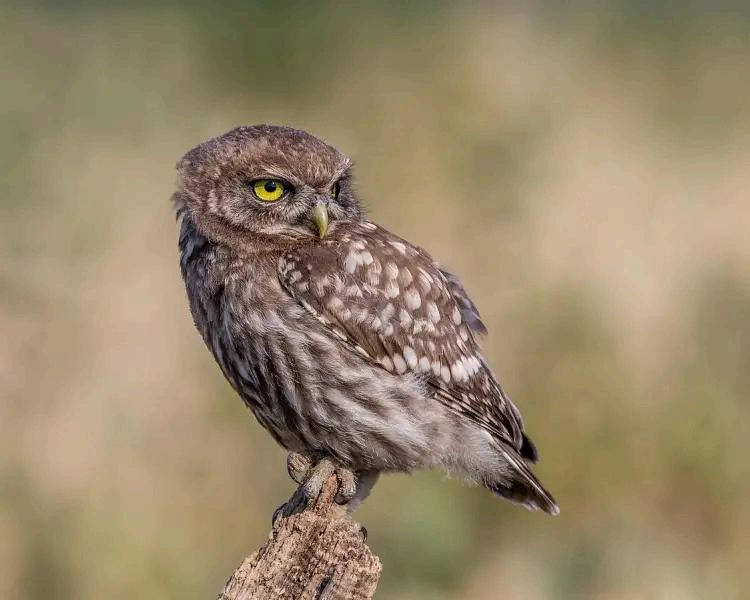
SystematicPosition: ClassAves,OrderStrigiformes,FamilyStrigidae.
UniqueCharacteristics: Smallsize,yelloweyes,activeatdawnanddusk.
EconomicImportance: Controlspests,aidingagriculture.
EnvironmentalImportance: Helpsmaintainbiodiversitybypreyingoninsectsand smallmammals.
NutritionalValue: Notconsumedbyhumans.
CurrentIssues: Threatenedbyhabitatloss,pesticides,andagriculture.
ProtectionEffortsinSaudiArabia: indirectconservationthroughprotectedareassupports theirhabitats,buttargetedprotectionforlittleowlsisstill developing.
Resources:
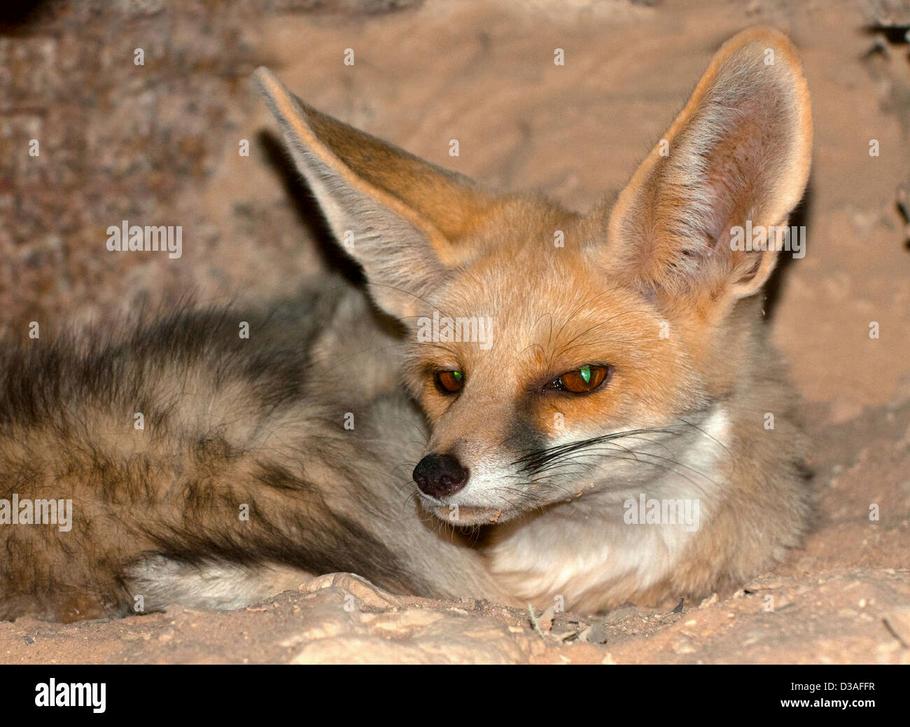
SystematicPosition: ClassMammalia,OrderCarnivora,FamilyCanidae.
UniqueCharacteristics: Smallsize,largeearsforthermoregulation,thickfurforinsulation; knownforitsagilityandclimbingabilities.
EconomicImportance: Whilenotdirectlyeconomicallysignificant,ithelpscontrolpest populations,indirectlybenefitingagriculture.
EnvironmentalImportance: Actsasapredator,helpingmaintainecologicalbalancebycontrolling smallmammalsandinsectpopulations.
NutritionalValue: Notconsumedbyhumansduetoitssmallsizeandroleinthe ecosystem.
CurrentIssues: Faceshabitatlossduetourbanization,agriculturalexpansion,and humanencroachment.
ProtectionEffortsinSaudiArabia: Conservationinitiativesfocusonpreservingdeserthabitatsand minimizinghuman-wildlifeconflict,withsomeareasdesignatedas protectedregionstosupportthefox’spopulation.
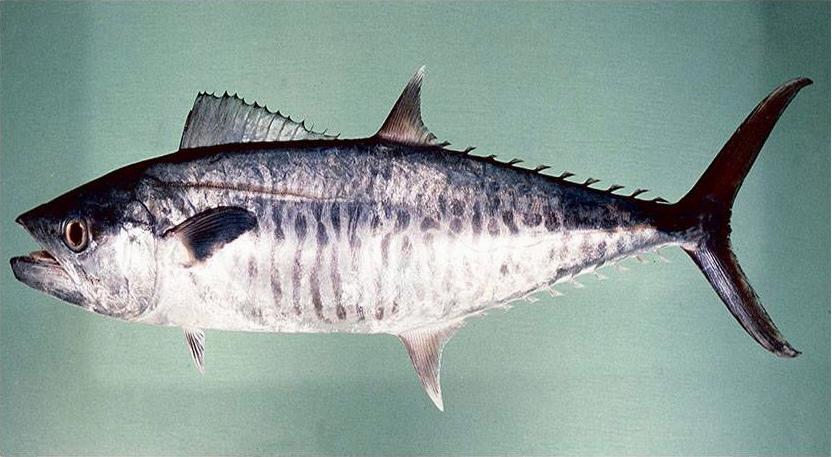
Systematic Position: scomberomorus commerson is classified under Kingdom Animalia, Phylum Chordata, Subphylum Vertebrata, Class Actinopterygii, Order Perciformes, Family Scombridae, Genus Scomberomorus,andSpeciesScomberomoruscommerson
UniqueCharacteristics:1-Largemediankeelwith2smallerkeelson eithersideofcaudalpeduncle
2-Singlelaterallinedroppingdownrapidlybehindtheseconddorsal fin
3-Largeteethinjaws
4-8–11dorsalfinlets,7–12analfinlets
5-0–2gillrakersonupperlimband1–8gillrakersonlowerlimbof firstgillarch(1–8total)
EconomicImportance:TheNarrow-barred, Scomberomorus commerson formsalargecomponentofcatchesinSaudiArabiaand itisthemostimportantcommerciallyexploitedspecies. Itismainly caughtwithgillnetssetaroundschoolsfromoutboardpowered fiberglassdoriesandtraditionalwoodendhows,handlinesand trollinglinesarealsousedanditistargetedbytherecreational fishery
EnvironmentalImportance:kanadfishesplayavitalroleinthe marinefoodchain,formingastaplefoodformanypredators.
NutritionalValue:kanadFishrepresentsafoodstockandasourceof nationalincome,andthefishingcraftalsoprovidesopportunitiesto increaseincomeformany
CurrentIssues:Overfishing
ProtectionEfforts:TheEnvironmentAuthorityprohibitsfishingof canadfishonlywithinonlysixmonthsoftheyear