QUEEN How they rule the 70s
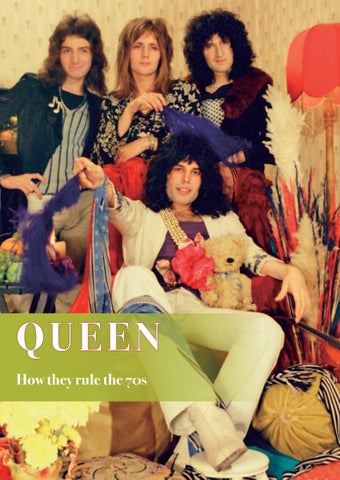
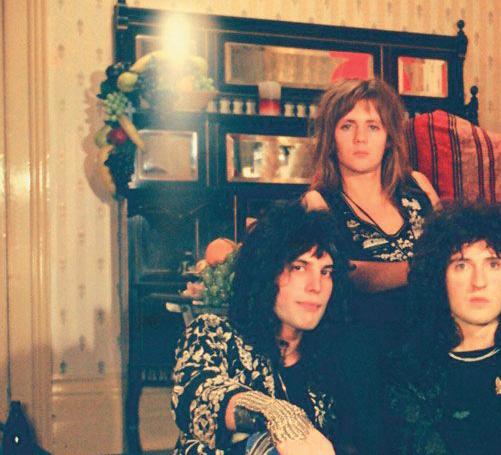
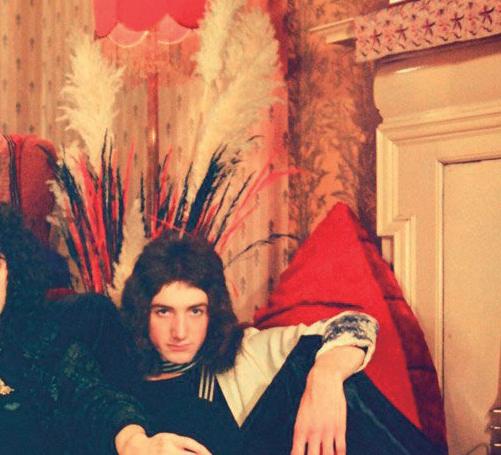
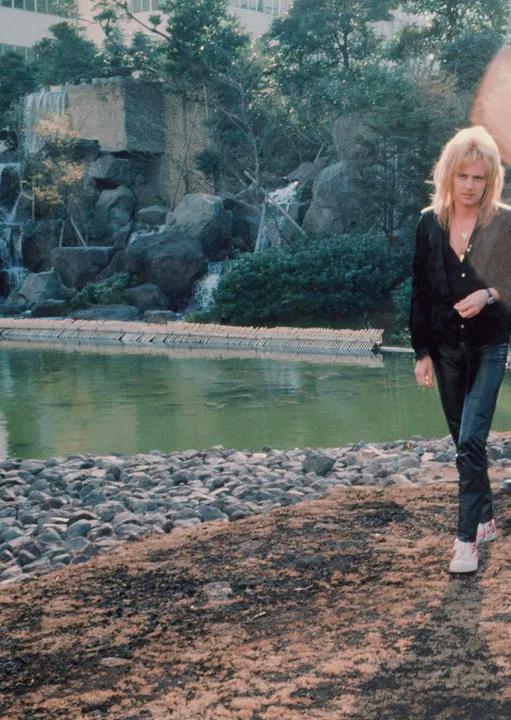
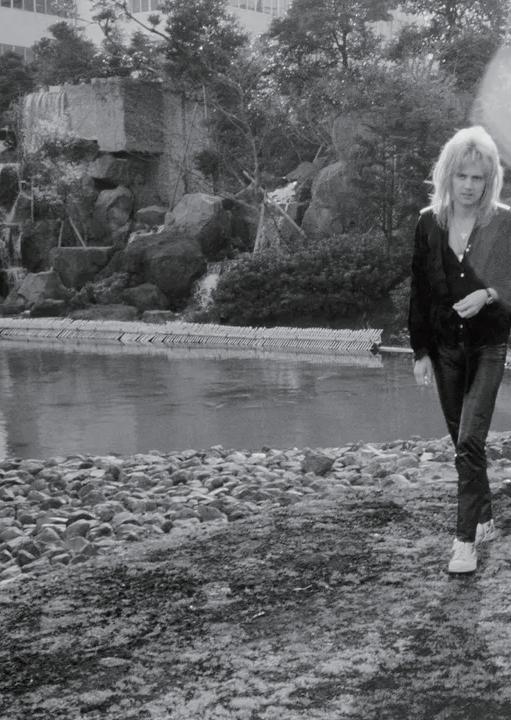
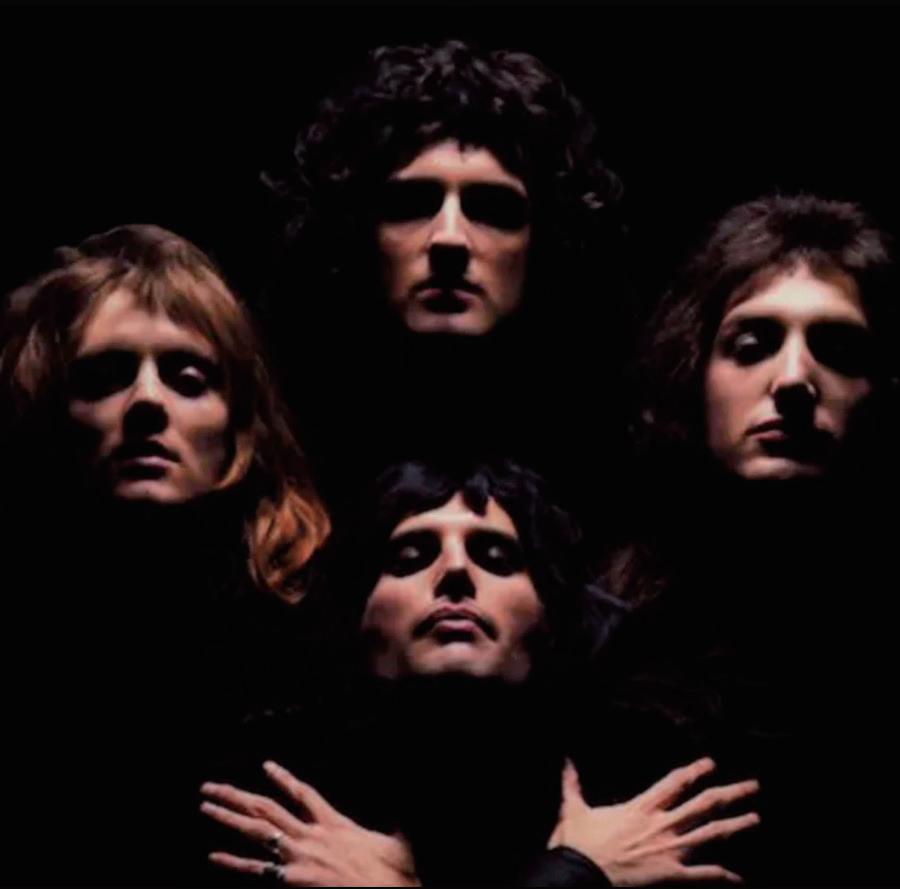
Mercury’s grandiose appearance translated to him choosing the band name “Queen.” Though the other members were unsure of its name.The multifaceted name reflects Mercury himself as it was to be provocative and pompous while.Before forming Queen, May and Taylor had played together in the band Smile. Mercury was a fan of Smile and encouraged them to experiment with more elaborate stage and recording techniques. He joined in 1970 and suggested the name "Queen". Deacon was recruited in February 1971, before the band released their eponymous debut album in 1973. Queen first charted in the UK with their second album, Queen II, in 1974.
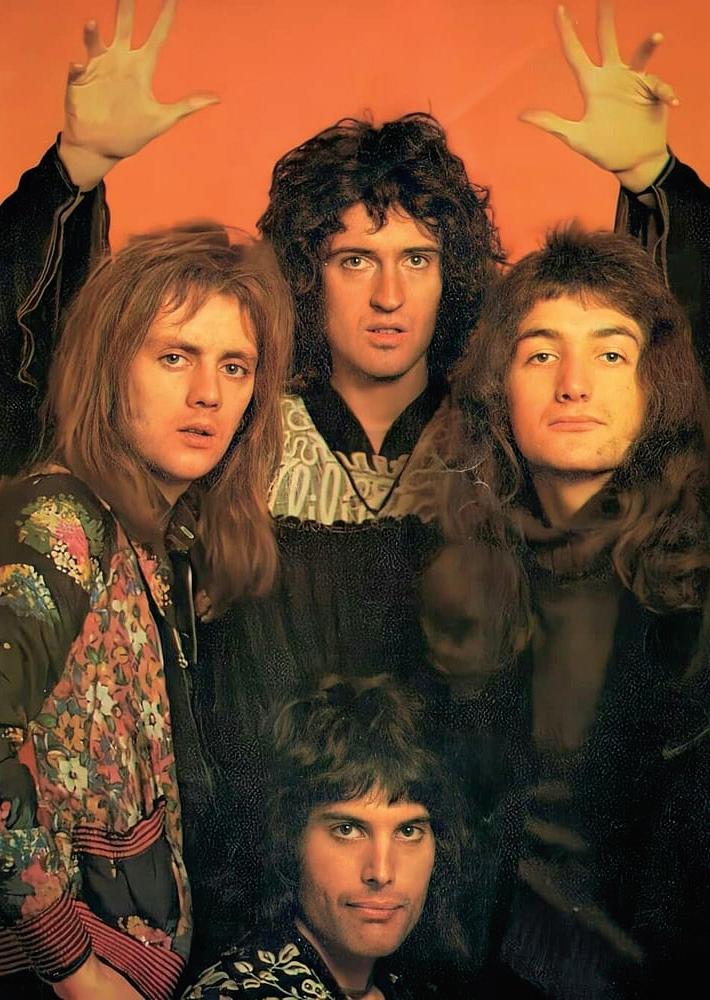
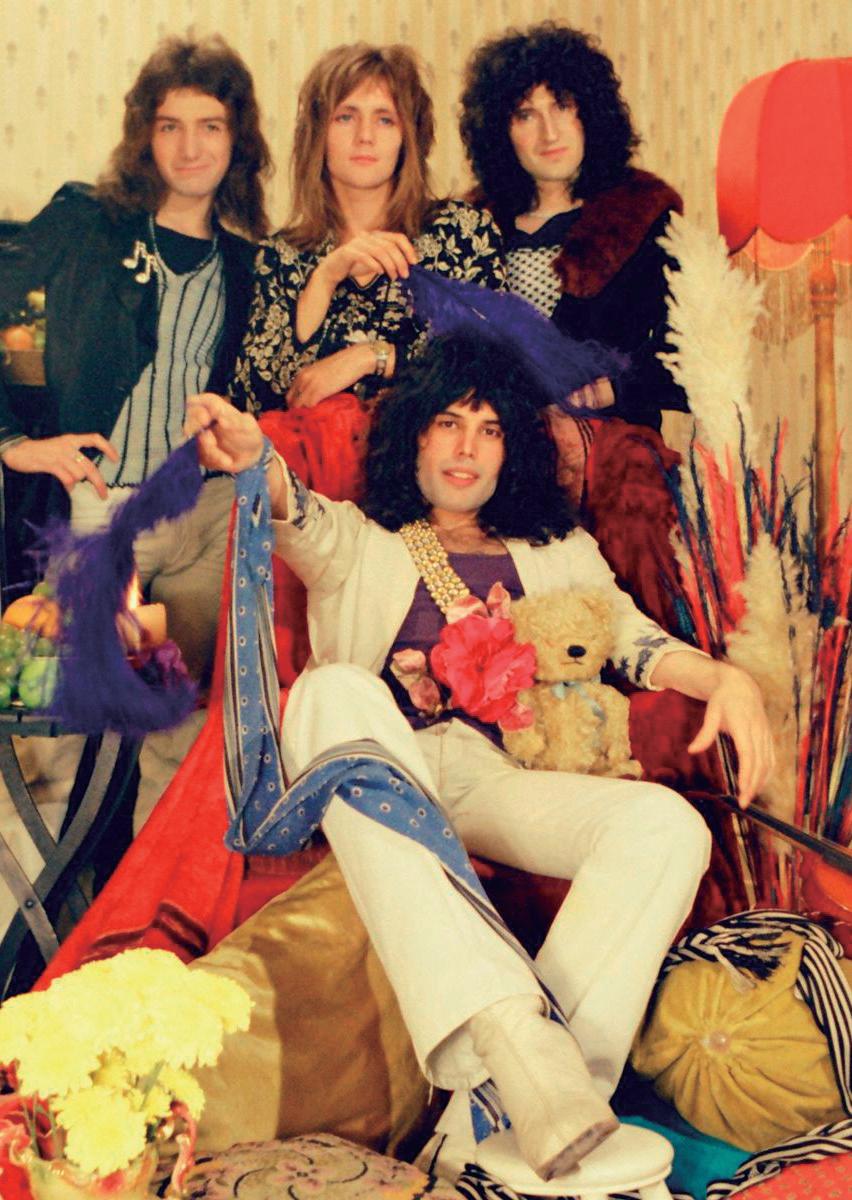
The multifaceted name reflects Mercury himself as it was to be provocative and pompous while also providing speculation, much like his androgynous style and sexuality. All in all, the name is grand, large, and complicated like Mercury’s inner self, musical skillis aware of Mercury’s alluring personality and stage presence. , musical skillis aware of Mercury’s alluring personality and stage presence. , musical skillis aware of Mercury’s alluring personality and stage presence. Queen are a British rock band formed in London in 1970 by Freddie Mercury (lead vocals, piano), Brian May (guitar, vocals) and Roger Taylor (drums, vocals), later joined by John Deacon (bass). Their earliest works were influenced by progressive rock, hard rock and heavy metal, but the band gradually ventured into more conventional and radio-friendly works by incorporating further styles, such as arena rock and pop rock.Queen are a British rock band formed in London in 1970 by Freddie Mercury (lead vocals, piano), Brian May (guitar, vocals) and Roger Taylor (drums, vocals), later joined by John Deacon (bass). Their earliest works were influenced by progressive rock, hard rock and heavy metand radio-friendly works by incorporating further styles, such as arena rock and pop rock.
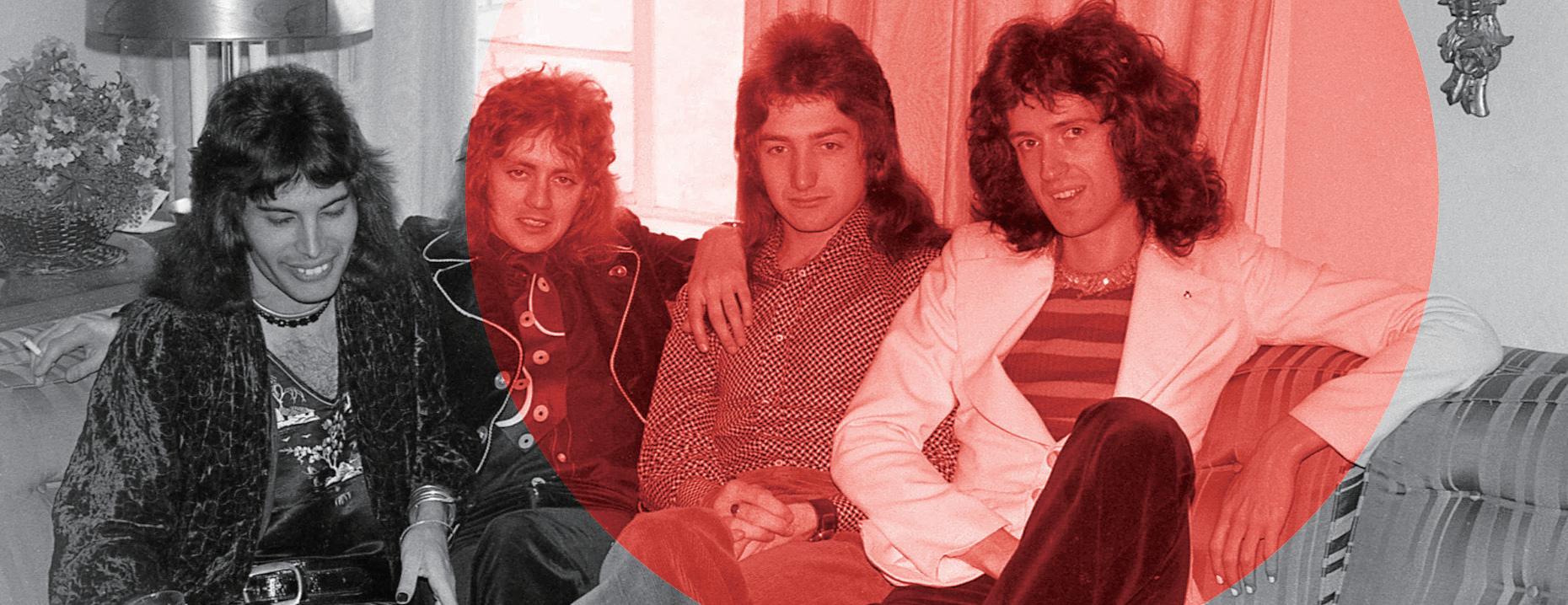
Whether or not you are a fan of Queen, everyone is aware of Mercury’s alluring personality and stage presence.
presence.
The multifaceted name reflects Mercury himself as it was to be provocative and pompous while.Queen have been a global presence in popular culture for more than half a century. Estimates of their record sales range from 250 million to 300 million, making them one of the world's best-selling music artists. In 1990, Queen received the Brit Award for Outstanding Contribution to British Music. Queen have been a global presence in popular culture for more than half a century. Estimates of their record sales range from 250 million to 300 million, making them one of the world's best-selling music artists. In 1990, Queen received the Brit Award for Outstanding Contribution to British Music. Queen have been a global presence in popular culture for more than half a century. Estimates of their record sales range from 250 million to 300 million, making them one of the world's best-selling music artists. In 1990, Queen received the Brit Award for Outstanding Contribution to British Music.
Queen have been a global presence in popular culture for more than half a century. Estimates of their record sales range from 250 million to 300 million, making them one of the world's bestselling music artists. In 1990, Queen received the Brit Award for Outstanding Contribution to British Music.
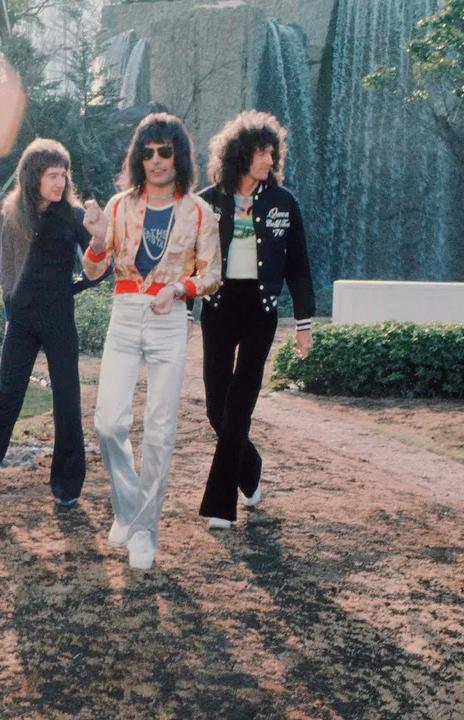
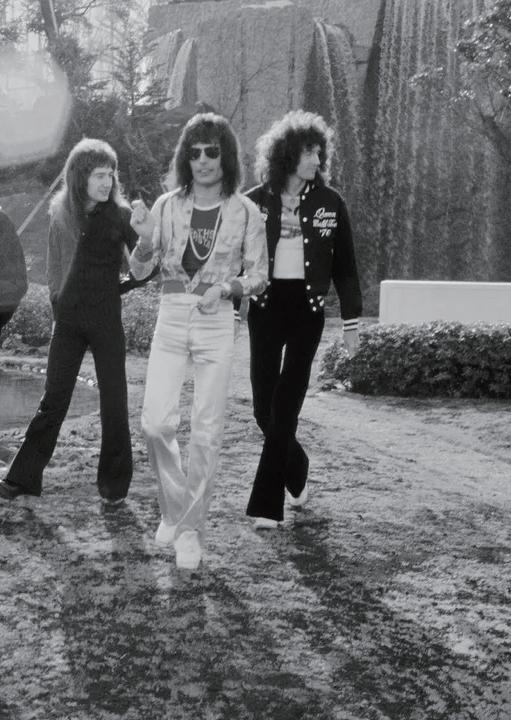
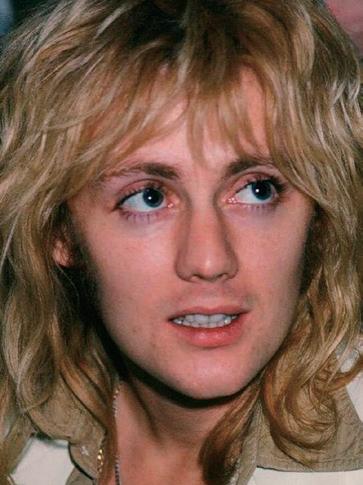
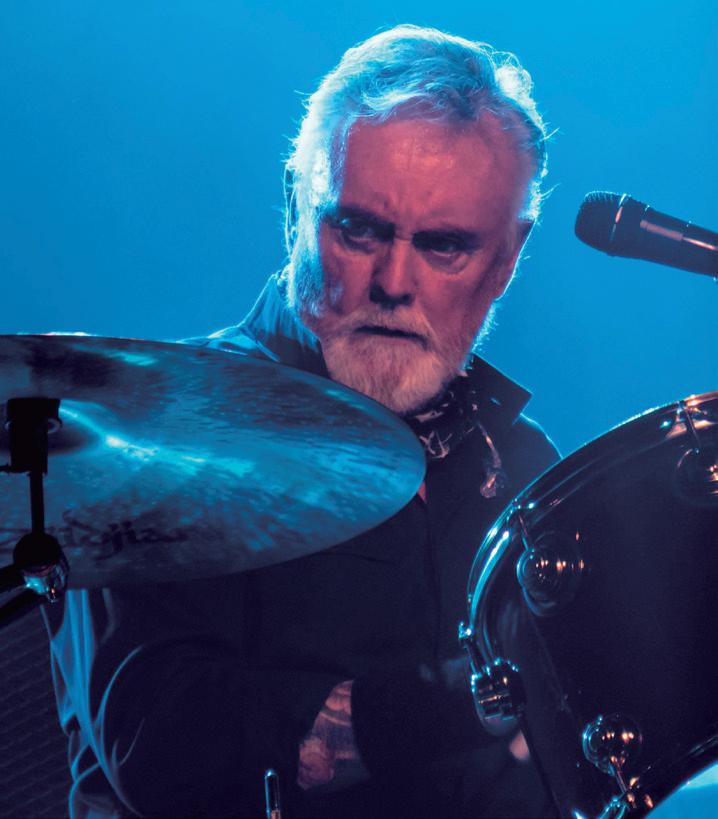
Roger Taylor was born on 26 July 1949 at West Norfolk & Lynn Hospital in King's Lynn, Norfolk. The new maternity ward was opened by Princess Elizabeth (the future queen, Elizabeth II), where she was introduced to 16 new mothers including Winifred Taylor, his mother. Taylor first lived at 87 High Street in King's Lynn and later moved to Beulah Street in the town. Taylor's first school was Rosebury Avenue school. [7] Taylor moved to Truro, Cornwall, in south west England, with his mother Winifred, father Michael and younger sister Clare. When he was seven years old, he and some friends formed his first band, the Bubblingover Boys, in which he played the ukulele. He briefly attended Truro Cathedral School; at the age of 13, he joined Truro School as a day boy.[8] At the age of 15, Taylor became a member of the Reaction, a semi-professional rock band formed mainly of boys from Truro School.
Taylor has appeared along with May for various other events and promotions, including Queen's induction into the Rock and Roll Hall of Fame in 2001[26] and the "Party at the Palace" in 2002, celebrating the golden jubilee of Queen Elizabeth II.[27] In 2004, Taylor, May, and Mike Dixon received the Helpmann Award in Australia for Best Music Direction for the musical We Will Rock You. [28] At the Live Earth concert held at Wembley Stadium in 2007, Taylor opened the show with Taylor Hawkins of Foo Fighters and Chad Smith of Red Hot Chili Peppers.Taylor and May, performing as Queen, also appeared three times on the American singing contest television show American Idol.
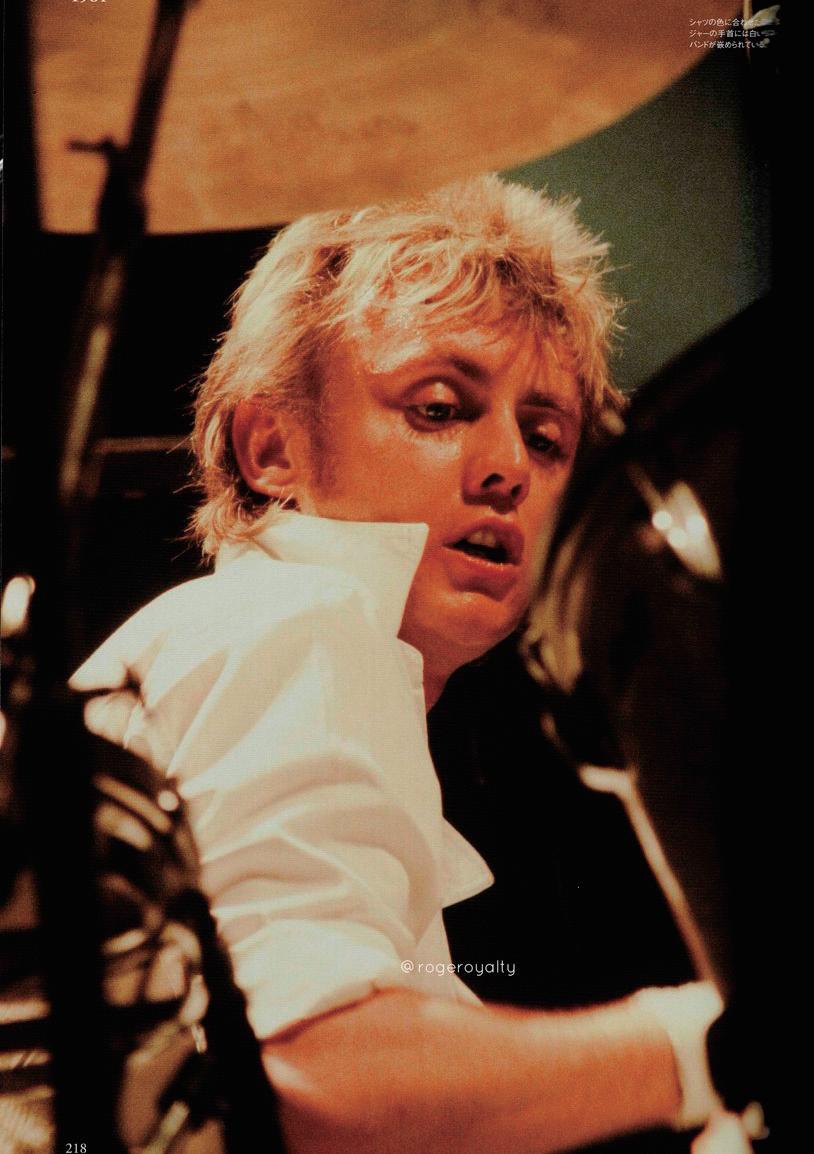
Roger Taylor was born on 26 July 1949 at West Norfolk & Lynn Hospital in King's Lynn, Norfolk. The new maternity ward was opened by Princess Elizabeth (the future queen, Elizabeth II), where she was introduced to 16 new mothers including Winifred Taylor, his mother. Taylor first lived at 87 High Street in King's Lynn and later moved to Beulah Street in the town. Taylor's first school was Rosebury Avenue school.[7] Taylor moved to Truro, Cornwall, in south west England, with his mother Winifred, father Michael and younger sister Clare. When he was seven years old, he and some friends formed his first band, the Bubblingover Boys, in which he played the ukulele. He briefly attended Truro Cathedral School; at the age of 13, he joined Truro School as a day boy.
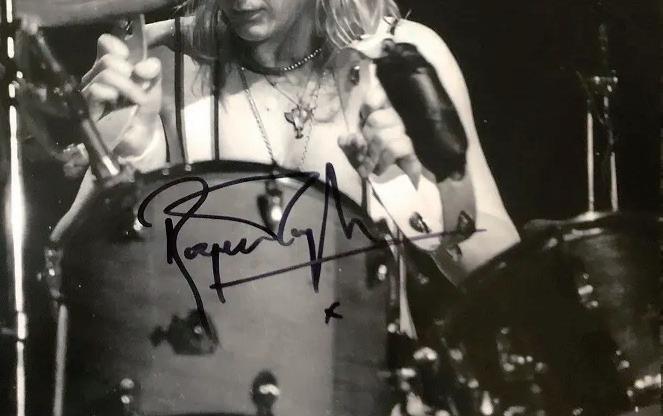
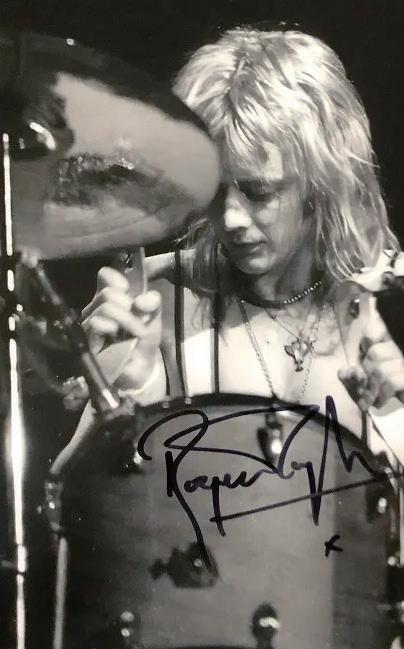
At the age of 15, Taylor became a member of the Reaction, a semi-professional rock band formed mainly of boys from Truro School. Taylor had originally learned guitar, but became a drummer when he realised he had a more natural aptitude for it. Taylor taught himself to tune his drums, inspired by Keith Moon of the Who because of the "great drum sounds" on the early Who records. Another key influence on Taylor was drummer Mitch Mitchell of the Jimi Hendrix Experience, who Taylor stated was his early role model.In 1967, Taylor went to London to study dentistry at the London Hospital Medical College,[11] but he became bored with it and changed to biology obtaining a BSc at East London Polytechnic. Another key influence on Taylor was drummer Mitch Mitchell of the Jimi Hendrix Experience, who Taylor stated was his early role model.In 1967, Taylor went to London to study dentistry at the London Hospital Medical College, but he became bored with it and changed to biology obtaining a BSc at East London Polytechnic.
At the age of 15, Taylor became a member of the Reaction, a semi-professional rock band formed mainly of boys from Truro School. Taylor had originally learned guitar, but became a drummer when he realised he had a more natural aptitude for it. Taylor taught himself to tune his drums, inspired by Keith Moon of the Who because of the "great drum sounds" on the early Who records. Another key influence on Taylor was drummer Mitch Mitchell of the Jimi Hendrix Experience, who Taylor stated was his early role model.In 1967, Taylor went to London to study dentistry at the London Hospital Medical College,[11] but he became bored with it and changed to biology obtaining a BSc at East London Polytechnic. Another key influence on Taylor was drummer Mitch Mitchell of the Jimi Hendrix Experience, who Taylor stated was his early role model.In 1967, Taylor went to London to study dentistry at the London Hospital Medical College,[11] but he became bored with it and changed to biology obtaining a BSc at East London Polytechnic.Taylor went to London to study dentistry at the London Hospital Medical College,[11] but he became bored with it and changed to biology obtaining a BSc at East London Polytechnic.Taylor went to London to study dentistry at the London .
Taylor has stated that his early role model as a drummer was Mitch Mitchell of the Jimi Hendrix Experience. He said: "I still think listening to Mitch Mitchell, especially the early stuff with Hendrix, is just fantastic. This fusion of jazz technique and wonderful riffs but with this rolling ferocious attack on the whole kit, it had lots of jazz influences I think. In fact for me he played the kit like a song, it was just wonderful. Total integration into the song. Not just marking time".Taylor has also expressed great admiration for John Bonham of Led Zeppelin. Speaking of Bonham, Taylor said,
In 2013, a newly discovered species of the genus Heteragrion (Odonata: Zygoptera) from Brazil was named Heteragrion rogertaylori after Taylor, in honour of his "powerful sound, wonderful lyrics and raspy voice " – one of four Heteragrion flatwing damselflies named after the bandmates, paying tribute to the 40th anniversary of Queen's foundingIn 1999, Taylor became the second living person, other than members of the British Royal Family and Sir Francis Chichester in 1967, to appear on a Royal Mail stamp, being seen behind Freddie Mercury as part of a "Great Britons" issue. This caused controversy as it was an understood rule that the only living people allowed to appear on British stamps could be members of the Royal Family.This caused controversy as it was an understood rule that the only living people allowed to appear on British stamps could be members of the Royal Family.This caused controversy as it was an understood rule that the only living people allowed to appear on British stamps could be members of the Royal Family.This caused controversy as it was an understood rule that the only living people allowed to appear on British stamps could be members of the Royal Family.
In 2002, Taylor appeared on the "Twelve Drummers Drumming" Christmas card in the "Twelve Days of Christmas" set sold at Woolworths to raise money for the National Society for the Prevention of Cruelty to Children – alongside Duran Duran's drummer of the same name.Taylor was appointed Officer of the Order of the British Empire (OBE) in the 2020 New Year Honours for services to music.[43] At his investiture ceremony at Windsor Castle in March 2022, Taylor dedicated his OBE to the recently deceased Foo Fighters drummer Taylor Hawkins, adding that Hawkins had been a mentor to his own son Rufus.
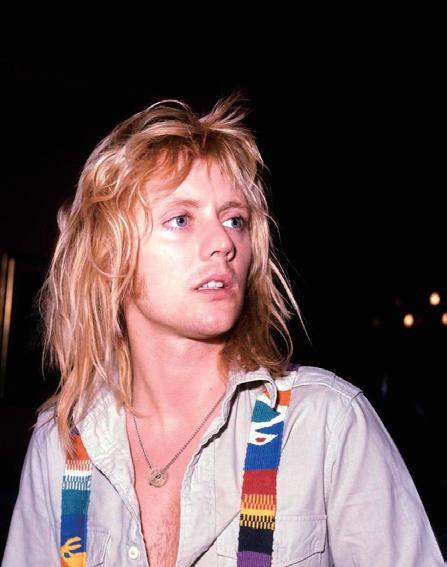
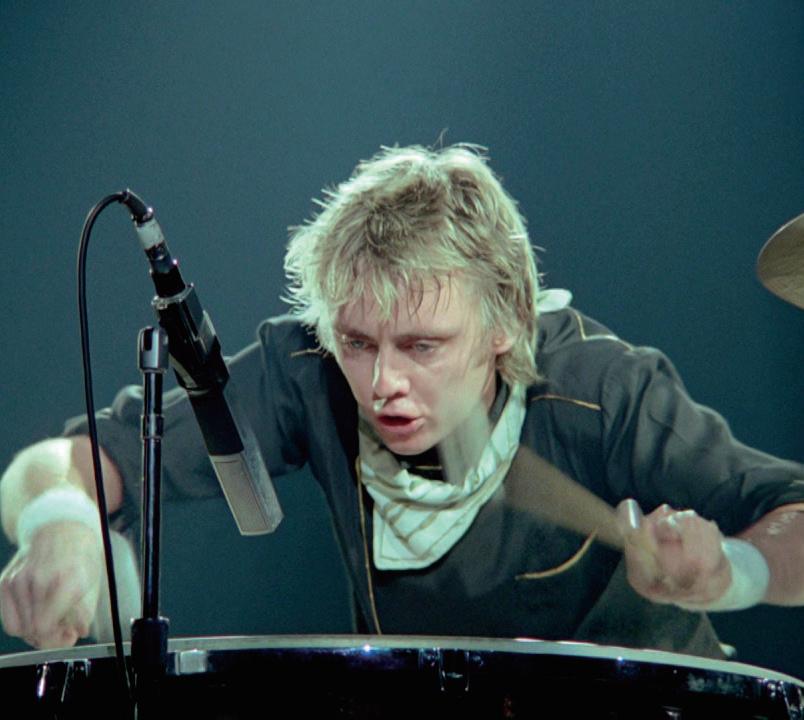
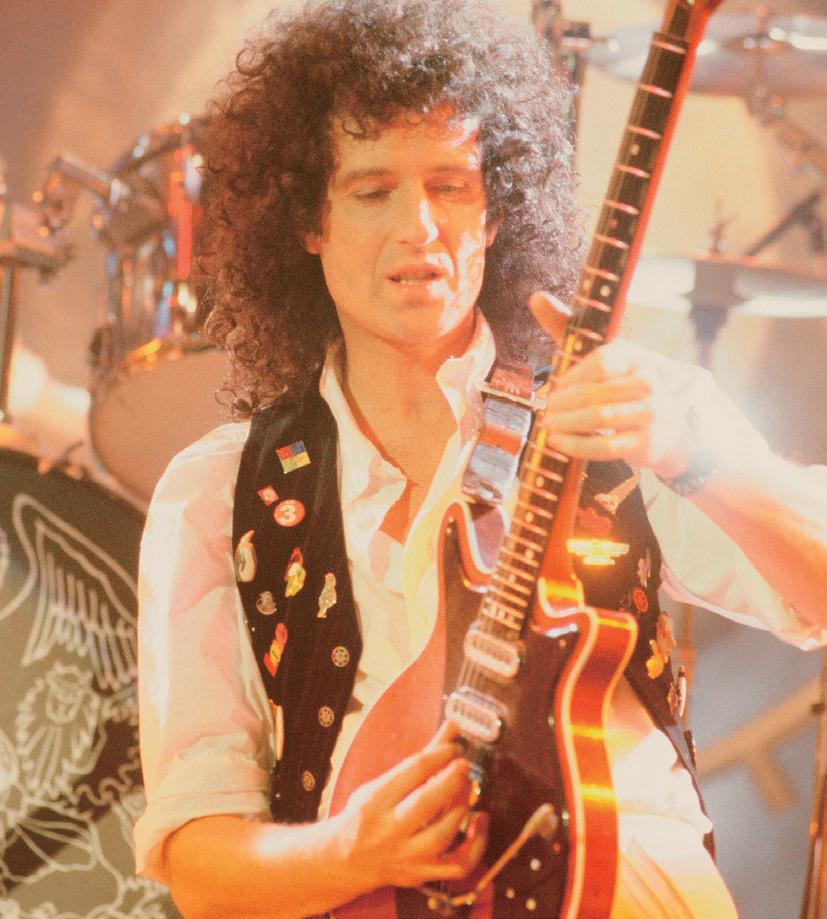
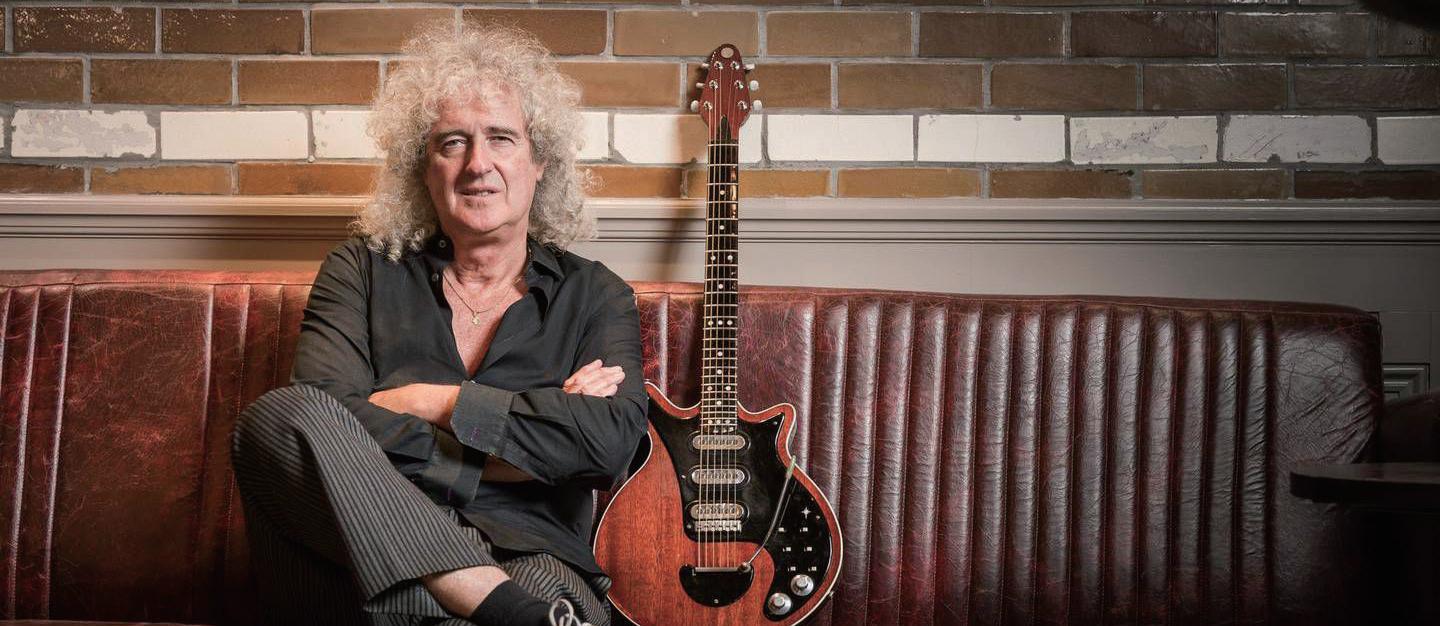
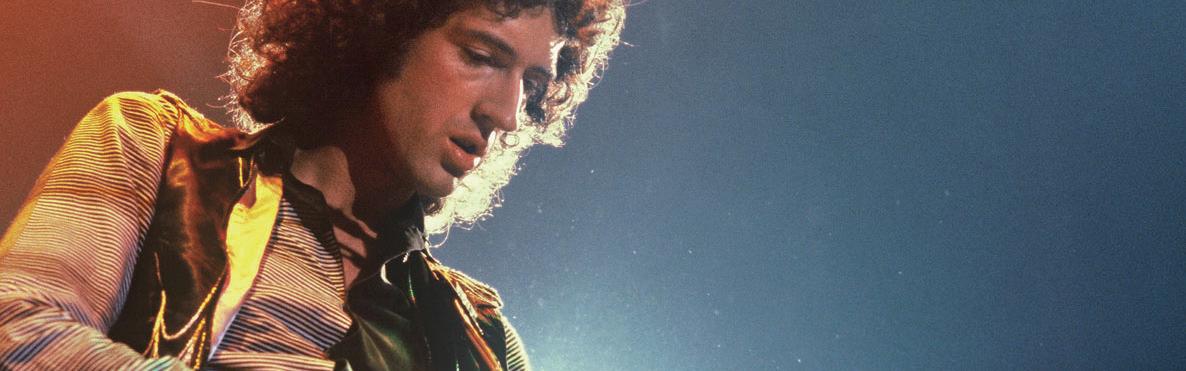
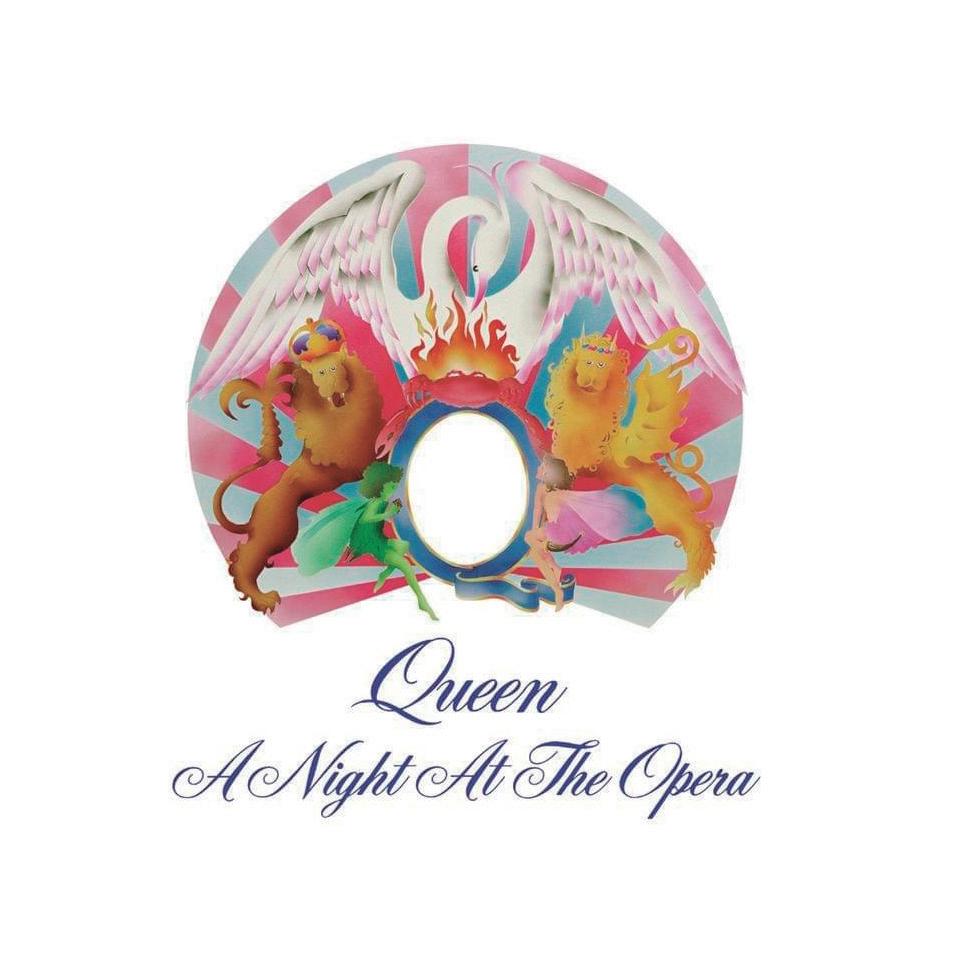
May previously performed with Taylor in the blues rock band Smile, which he had joined while he was at university. After Queen's formation in 1970, bass guitarist John Deacon joined to complete the line-up in 1971. They became one of the biggest rock bands in the world with the success of the album A Night at the Opera and its single "Bohemian Rhapsody". From the mid-1970s until the early 1990s, Queen played at some of the biggest venues in the world, including at Live Aid in 1985. As a member of Queen, May became regarded as a virtuoso musician.He was identified with a distinctive sound created through his layered guitar work, often using a home-built electric guitar called the Red Special.[3] May wrote numerous hits for Queen, including "We Will Rock You", "I Want It All",
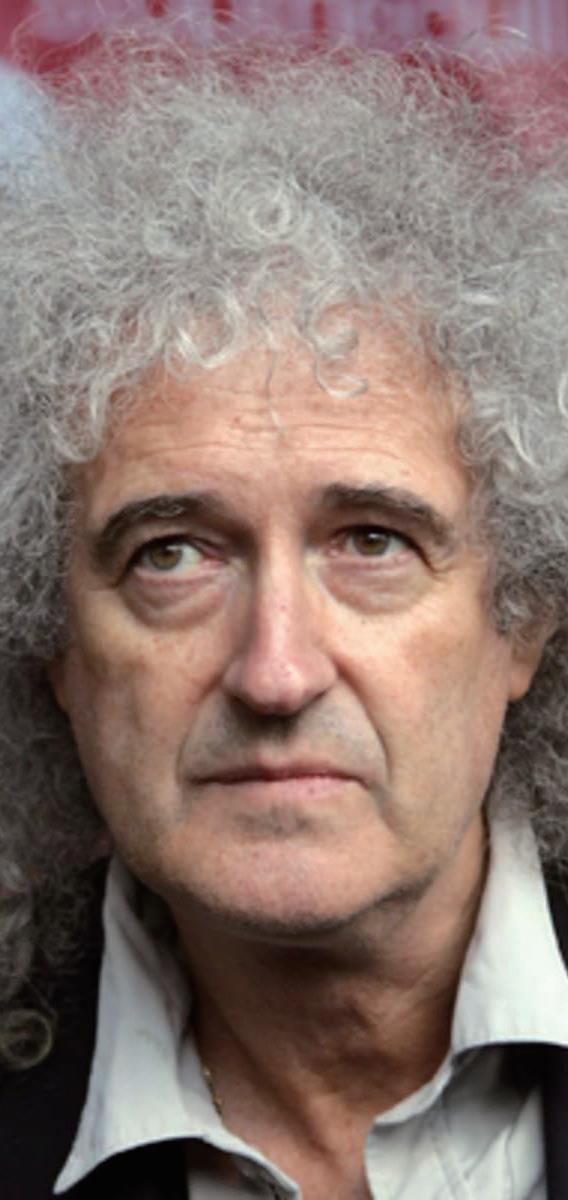
May was appointed a CBE by Queen Elizabeth II in 2005 for "services to the music industry and for charity work".May earned a PhD degree in astrophysics from Imperial College London in 2007,and was Chancellor of Liverpool John Moores University from 2008 to 2013. He was a "science team collaborator" with NASA's New Horizons Pluto mission.He is also a co-founder of the awareness campaign Asteroid Day. Asteroid 52665 Brianmay was named after him. May is also an animal rights activist, campaigning against the hunting of foxes and the culling of badgers in the UK.May was appointed a CBE by Queen Elizabeth II in 2005 for "services to the music industry and for charity work".May earned a PhD degree in astrophysics from Imperial College London in 2007,and was Chancellor of Liverpool John Moores University from 2008 to 2013. He was a "science team collaborator" with NASA's New Horizons Pluto mission. He is also a co-founder of the awareness campaign Asteroid Day. Asteroid 52665 Brianmay was named after him. May is also an animal rights activist, campaigning against the hunting of foxes and the culling of badgers in the UK.May was appointed a CBE by Queen Elizabeth II in 2005 for "services to the music industry and for charity work".May earned a PhD degree in astrophysics from Imperial College London in 2007,and was Chancellor of Liverpool John Moores University from 2008 to 2013. He was a "science team collaborator" with NASA's New Horizons Pluto mission.He is also a co-founder of the awareness campaign Asteroid Day. Asteroid 52665 Brianmay was named after him. May is also an animal rights activist, campaigning against the hunting of foxes and the culling of badgers in the.
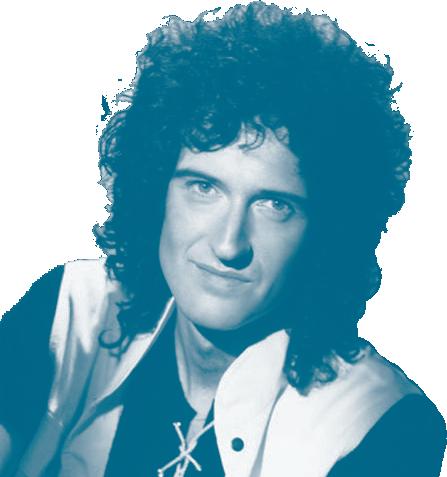
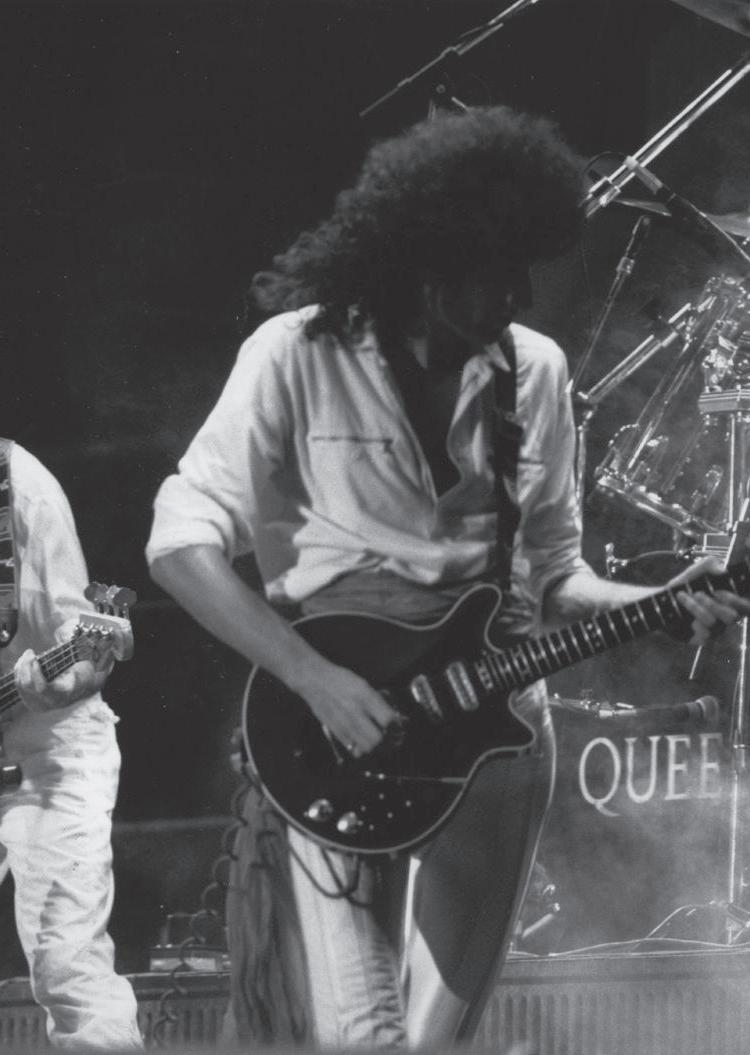
In that whole genre, in that whole period—he's one of the most unique contributors. He doesn't get credit. Because what he does is so rich and so specific, and so deep, it fits so well in Queen music, you just feel it as part of that music. But when you break it down and when you look at it from a guitar player's point of view, it's unique, and nobody to this date could do what he does and make it sound like that. He is an iconic player. His tone, his choice of melody notes, he doesn't just do solos. His solos are melodies, and they're perfectly in place.Most of May's electric guitar work live and in the studio is done on the Red Special, which he built with his father, an electronics engineer, when he was sixteen years oldt was built with wood from an 18th-century fireplace,.
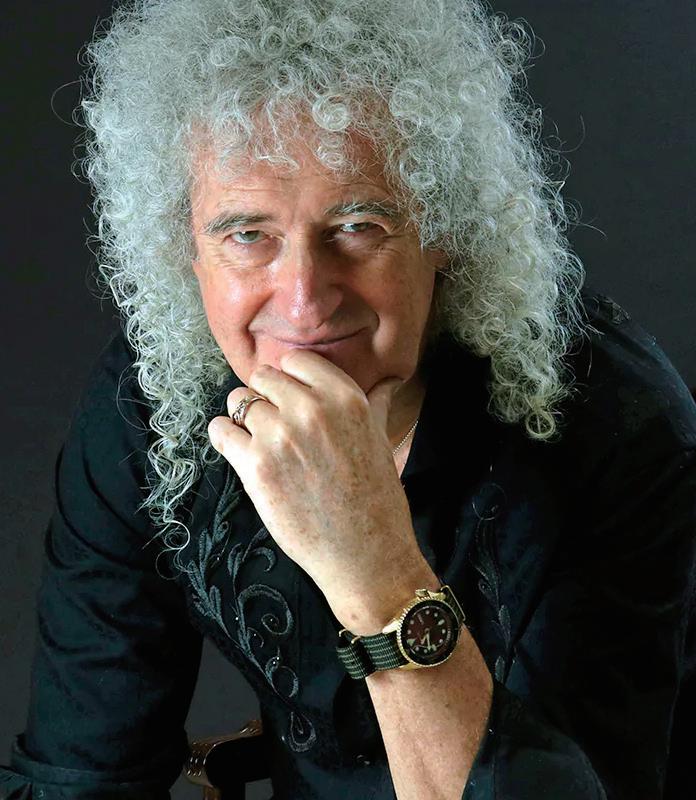
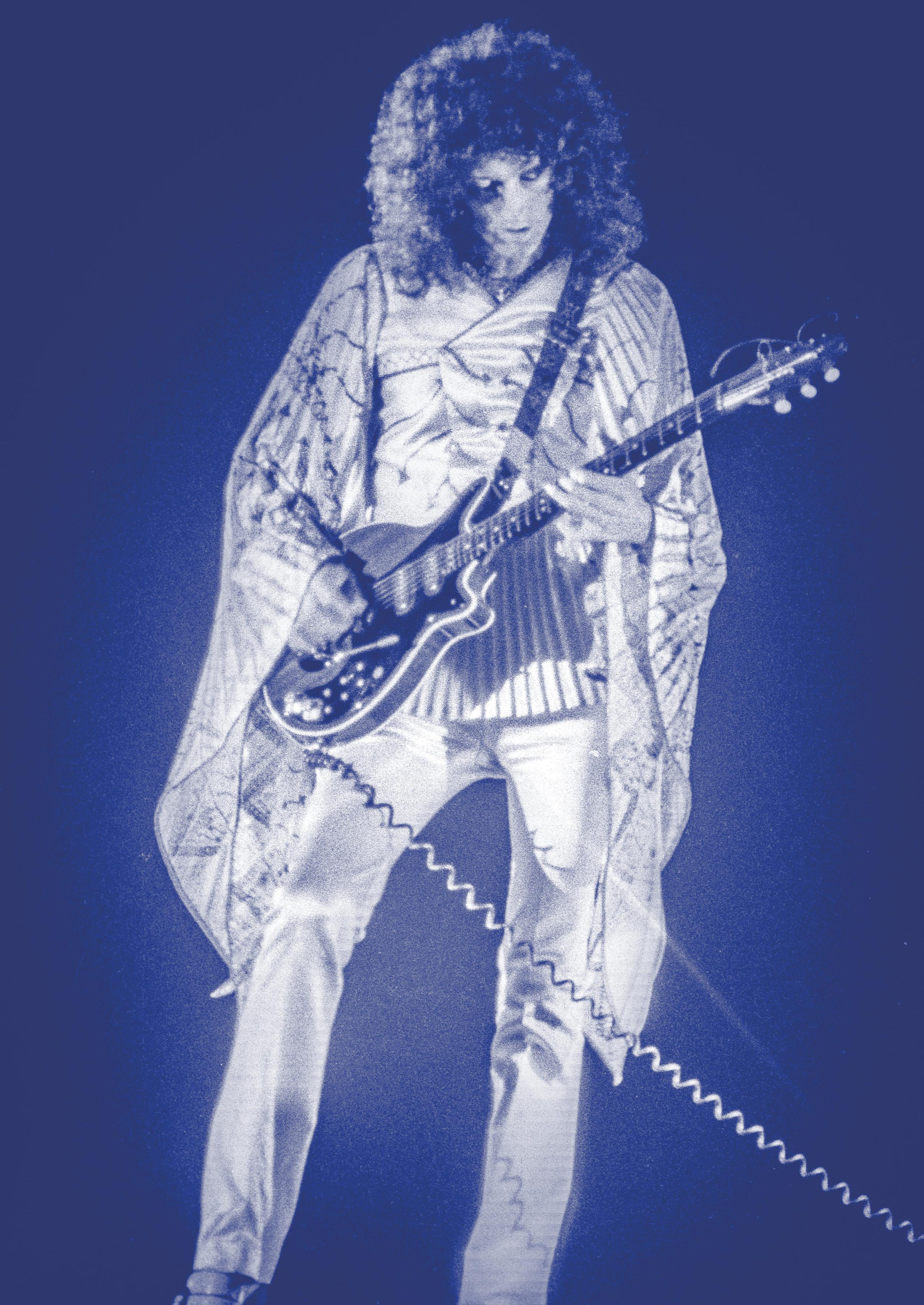
From 1975 onwards, May had some replicas made of the Red Special, some of which were also used for live and recording purposes, others being mainly spares. The most famous replicas were made by John Birch in 1975 (May smashed it during a concert in the US in 1982), Greco BM90 (featured in the promo video of "Good Old-Fashioned Lover Boy" in 1977), Guild (back-up from 1984 to 1993), Fryers (1997–1998, used both live and in the studio) and Guyton(back-up from 2003 to present). On stage, May used to carry at least one backup guitar (in case he broke a string). He occasionally would use others for specific songs or parts, such as alternate tunings. Currently, May owns a company that makes guitars whose design is modelled after the original Red Special guitar.
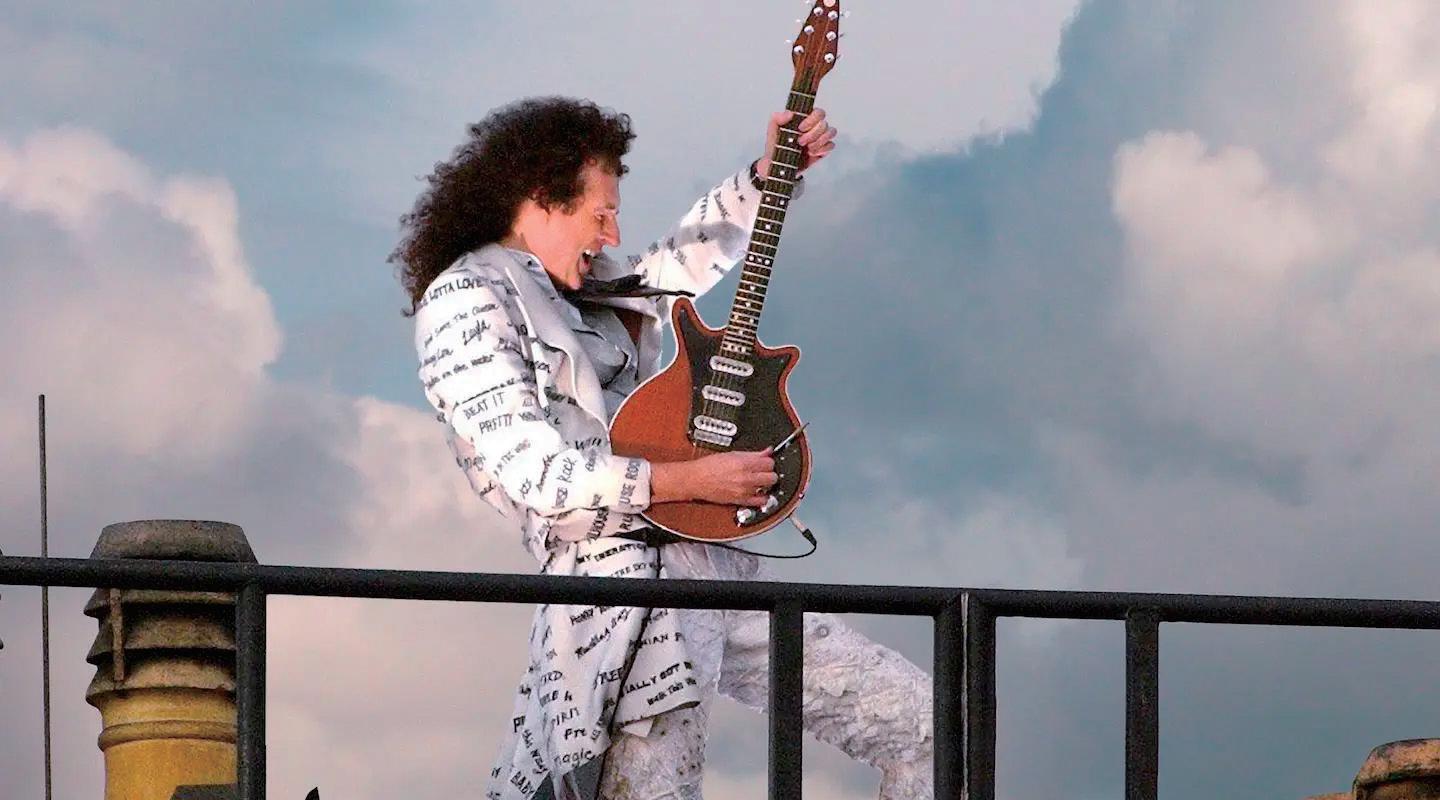
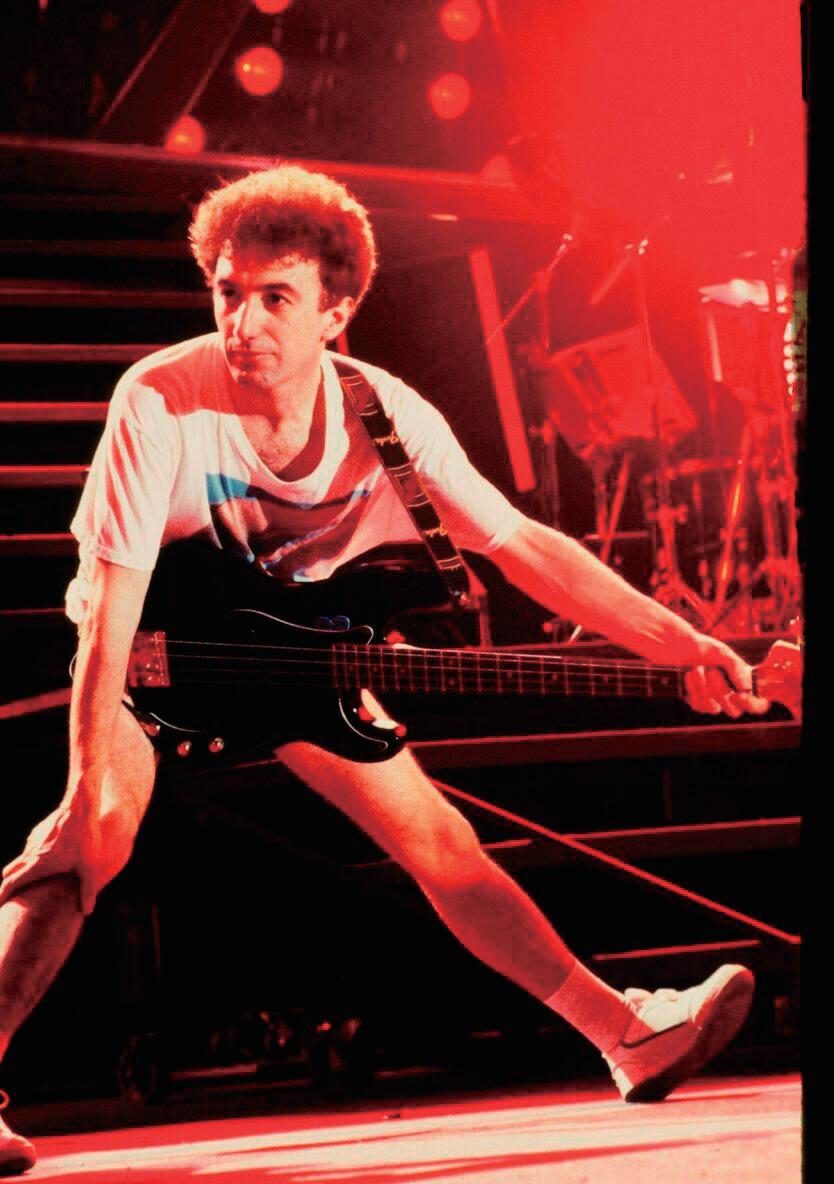
Deacon grew up in Oadby, Leicestershire, playing bass guitar in a local band, The Opposition, before moving to study electronics at Chelsea College, London. He joined Queen in 1971 on the strength of his musical and electronic skills, particularly the home-made Deacy Amp which guitarist Brian May used to create guitar orchestras throughout Queen's career. From the third album, Sheer Heart Attack, onwards, he wrote at least one song per album, several of which became hits. As well as bass guitar, Deacon played some guitar, keyboards and piano on Queen's studio work.After the death of lead singer Freddie Mercury in 1991 and the following year's Tribute Concert, Deacon performed only sporadically with the remaining members of Queen before retiring from the music industry in 1997 after recording "No-One but You (Only the Good Die Young)".
He has not performed on any of the other projects that the two remaining members, May and Roger Taylor, have put together. He was inducted into the Rock and Roll Hall of Fame as a member of Queen in 2001 and into Songwriters Hall of Fame in 2003.Deacon grew up in Oadby, Leicestershire, playing bass guitar in a local band, The Opposition, before moving to study electronics at Chelsea College, London. He joined Queen in 1971 on the strength of his musical and electronic skills, particularly the home-made Deacy Amp which guitarist Brian May used to create guitar orchestras throughout Queen's career. From the third album, Sheer Heart Attack, onwards, he wrote at least one song per album, several of which became hits. As well as bass guitar, Deacon played some guitar, keyboards and piano on Queen's studio work.
John Richard Deacon was born on 19 August, 1951, at St Francis Private Hospital, London Road, Leicester
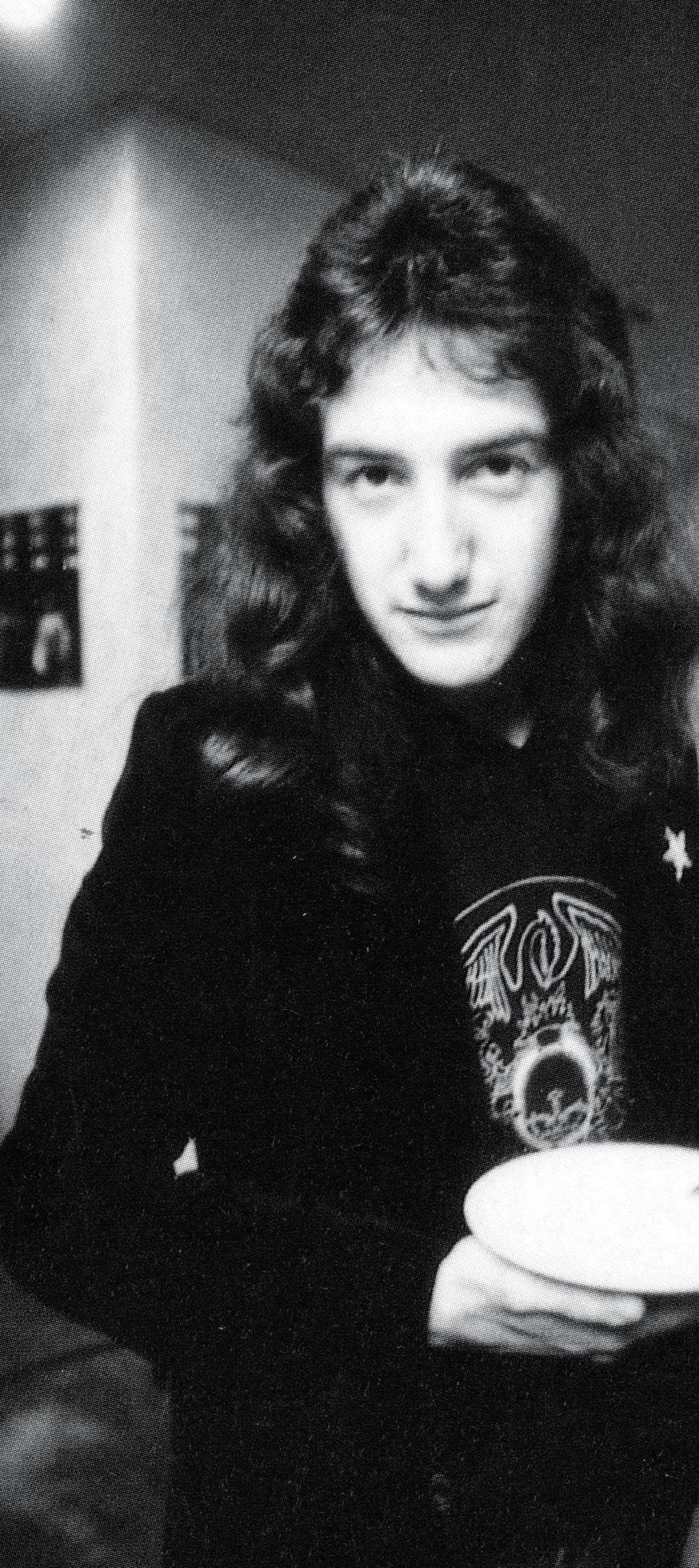
John Richard Deacon was born on 19 August, 1951, at St Francis Private Hospital, London Road, Leicester[1] to Arthur Henry and Lilian Molly Deacon (née Perkins).
His father worked at the Norwich Union insurance company and in 1960 the family moved to the neighbouring town of Oadby.Deacon was known to friends and his bandmates as "Deacs" or "Deacy" and attended Linden Junior School in Leicester, Gartree High School.Deacon took an interest in electronics at an early age, reading magazines on the subject and building small devices, including the modification of a reel-toreel tape deck to record music directly from the radio.He studied well at Beauchamp Grammar School in Oadby, and achieved 8 GCE O level and 3 A level passes, all at grade A. He particularly enjoyed soul musicIn 1965, at the age of fourteen, Deacon formed a school band, the Opposition. The band would go through many line-up and name changes, with Deacon eventually leaving the band altogether in 1969 to pursue studies in electronics at Chelsea College in LondonHis father worked at the Norwich Union insurance company and in 1960 the family moved to the neighbouring town of Oadby.Deacon was known to friends and his bandmates as "Deacs" or "Deacy" and attended Linden Junior School in Leicester, Gartree High School.Deacon took an interest in electronics at an early age, reading magazines on the subject and building small devices, including the modification of a reel-to-reel tape deck to record music directly from the radio.He studied well at Beauchamp Grammar School in Oadby, and achieved 8 GCE O level and 3 A level passes, all at grade A. He particularly enjoyed soul musicIn 1965, at the age of fourteen, Deacon formed a school band, the Opposition. The band would go through many line-up and name changes, with Deacon eventually leaving the band altogether in 1969 to pursue studies in electronics at Chelsea College in London
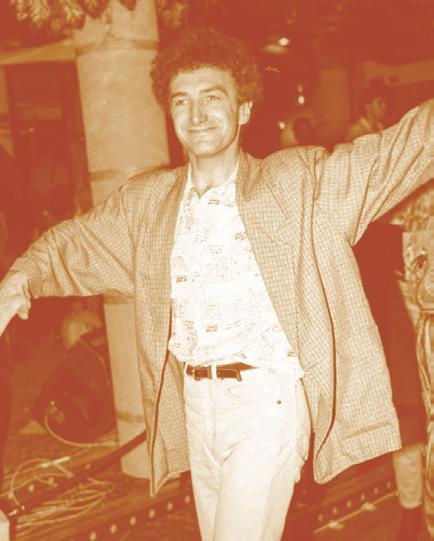
Deacon joined his first band, The Opposition, in 1965 at the age of 14. The band played covers of chart hits; Deacon played rhythm guitar using an instrument he had bought with money borrowed from the group's founder, Richard Young.[11] He switched to bass the following year after the original bassist was fired for not improving his playing as much as the other members.[12] As well as a dedicated musician, Deacon also was the band's archivist, taking clippings from newspapers of even the advertisements featuring The Opposition.
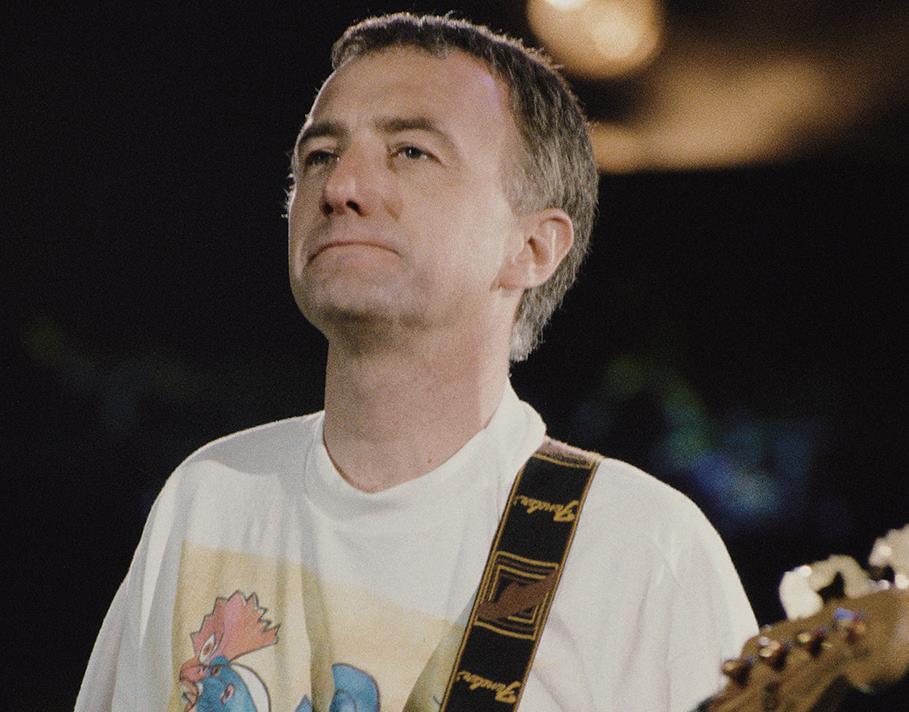
After being in the band for four years, not long after the group cut an acetate of three songs, Deacon played his final concert with the band (then called The Art) in August 1969.[13][14] He left as he had been accepted to study at Chelsea College in London (now part of King's College London), where he obtained a First Class Honours degree in Electronics in 1971.[1] Having become a fan of Deep Purple, he saw the group perform the Concerto for Group and Orchestra with the Royal Philharmonic Orchestra at the Royal Albert Hall that September.College in London (now part of King's College London), where he obtained a First Class Honours degree in Electronics in 1971.[1] Having become a fan of Deep Purple, he saw the group perform the Concerto for Group and Orchestra with the Royal Philharmonic Orchestra at the Royal Albert Hall that September.College in London (now part of King's College London), where he obtained a First Class Honours degree in Electronics in 1971.[1] Having become a fan of Deep Purple, he saw the group perform the Concerto for Group and Orchestra with the Royal Philharmonic Orchestra at the Royal Albert Hall that September.
Although he left his bass and amplifier at home in Oadby, after less than a year of studying in London, Deacon decided he wanted to join a band.[16] In 1970, Freddie Mercury, Brian May and Roger Taylor had formed Queen; Deacon saw them in October that year but was not immediately impressed.[14] Later in the year, he briefly formed a band called Deacon that made one live appearance at Chelsea College.In early 1971, Deacon was introduced to Taylor and May by a friend at a disco who told him that they were in a band that had just lost its bassist. A couple of days later he auditioned in a lecture room at Imperial College London and became the last member of Queen to join.
Deacon was the youngest member of the band.[14] Deacon was selected for his musical talent, his quiet demeanour and his electrical skills.[18] A persistent legend claims Deacon was the seventh bassist auditioned,[19] but more recent sources show Queen's bassists were, in order: Mike Grose, Barry Mitchell, Doug Bogie and Deacon.[20][21] Deacon played his first show with Queen at the College of Estate Management in Kensington in June.On Queen's first album (1973) he was credited as "Deacon John",[22] to make him "sound more interesting". He asked to be credited under his real name, which was done on all albums from Queen II (1974) onwards
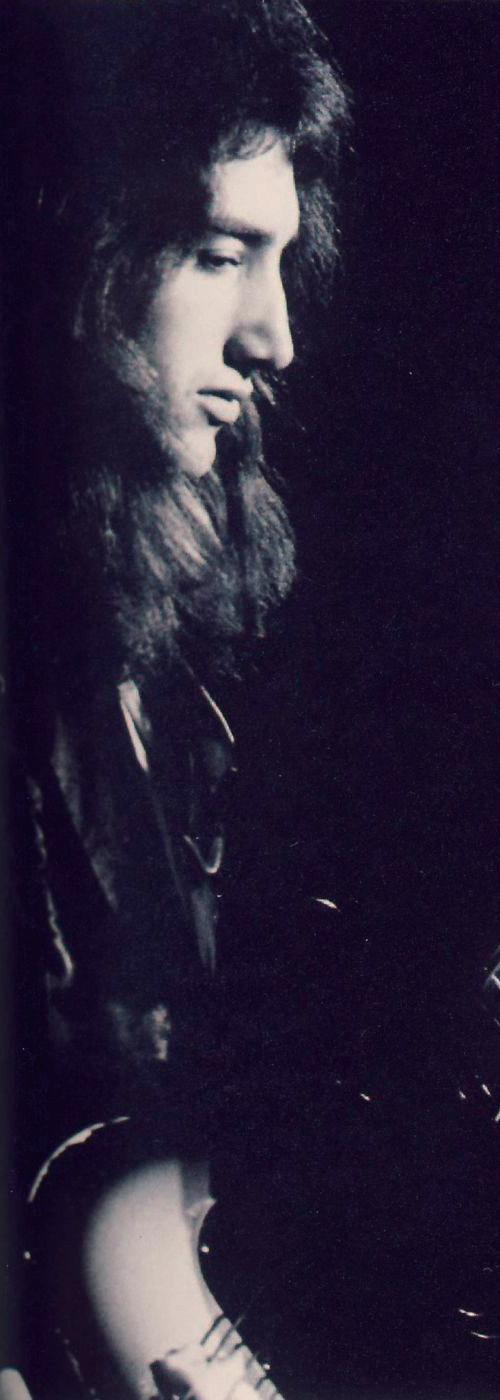
Deacon was so upset by Mercury's death in November 1991, it resulted in a significant reduction in his musical activity.[18] He said, "As far as we are concerned, this is it. There is no point carrying on. It is impossible to replace Freddie."[18] After playing live with Queen three more times: at The Freddie Mercury Tribute Concert for AIDS Awareness on 20 April 1992, in a charity concert with Roger Taylor at Cowdray House in Midhurst on 18 September 1993, and at the opening of the Bejart Ballet in Paris on 17 January 1997, performing only "The Show Must Go On" with Elton John on lead vocals – he decided to retire from music.[34] He re-appeared only briefly by joining his former bandmates in October 1997 for the recording of the final Queen song "No-One but You (Only the Good Die Young)", included on the Queen Rocks album released a month later. [35] Deacon has reportedly spoken unfavourably about the May/Taylor/Robbie Williams cover of "We Are the Champions", recorded for A Knight's Tale.[36] Deacon has stayed out of the public eye since retiring. He chose not to be present at Queen's induction into the Rock and Roll Hall of Fame in 2001. He also did not join the collaboration with singer Paul Rodgers (as Queen + Paul Rodgers),[37] where he was replaced on bass by Danny Miranda.[38] On the Queen + Paul Rodgers collaboration album The Cosmos Rocks, the bass duties were split between May and Rodgers, but Deacon was thanked in the notes on the CD. Brian May has since said that Deacon is still involved on the business side of Queen but chooses to stay out of the limelight. May also confirmed that Deacon approved of the making of the band's biopic Bohemian Rhapsody, where he was played by Joseph Mazzello
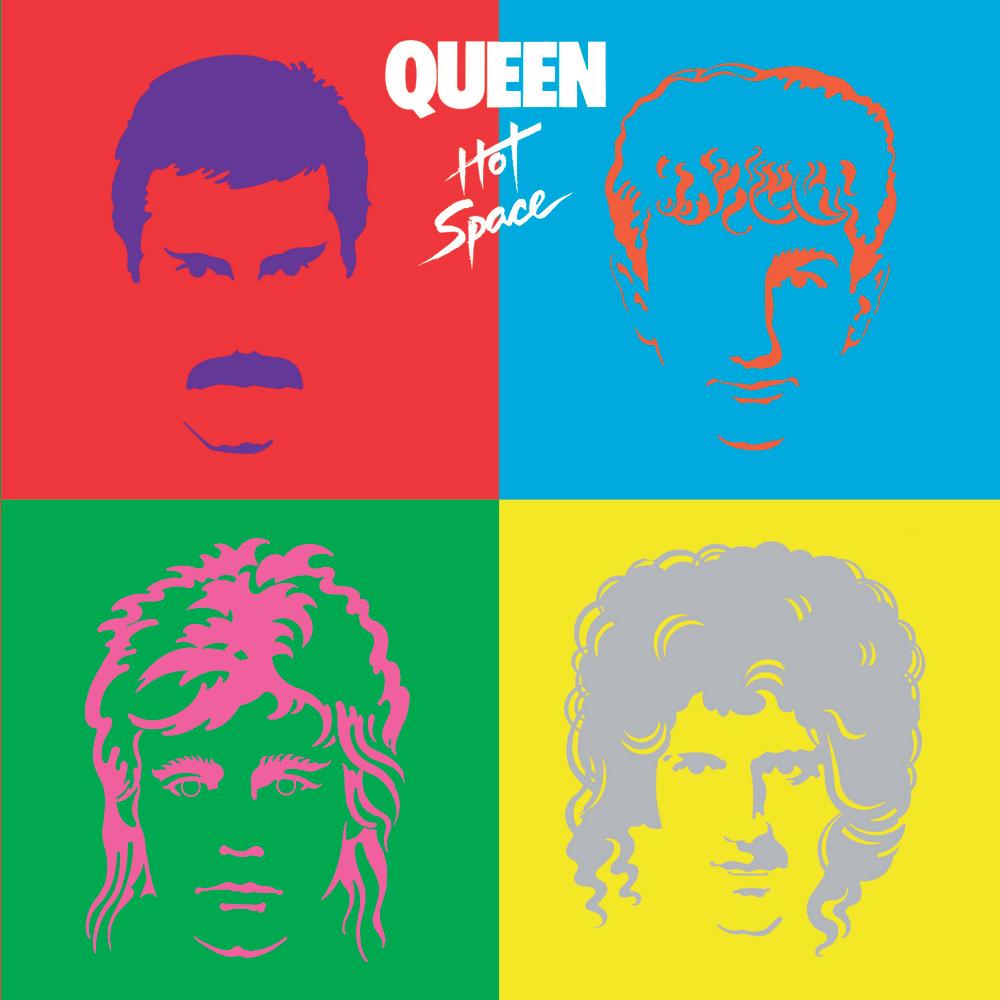
In 1973, Rolling Stone wrote that the combination of Taylor and Deacon "is explosive, a colossal sonic volcano whose eruption makes the earth tremble."[44] Deacon played guitar in addition to bass, taking over rhythm parts on many albums, as well as several acoustic performances. Some of the guitar work on Hot Space (the clean Fender Telecaster single-coil sound) is Deacon's.
He would occasionally play synthesizers on his own compositions and often composed at the piano, playing a Wurlitzer electric piano on "You're My Best Friend".[45] He can also be seen playing the grand piano in the music video to "Spread Your Wings",although on the actual recording the piano was played by Mercury.[47] Unlike the other three members of Queen, Deacon did not sing on the group's records, though he did occasionally sing backing vocals during live performances.Deacon's first bass, used in The Opposition, was an Eko, later switching to a Rickenbacker 4001. For most of Queen's career, he used a Fender Precision Bass, which underwent a number of cosmetic changes. Towards the end of the group's career, he used a custom bass designed by Roger Giffin.[18][33] He also used an Ernie Ball MusicMan Stingray live on occasion.
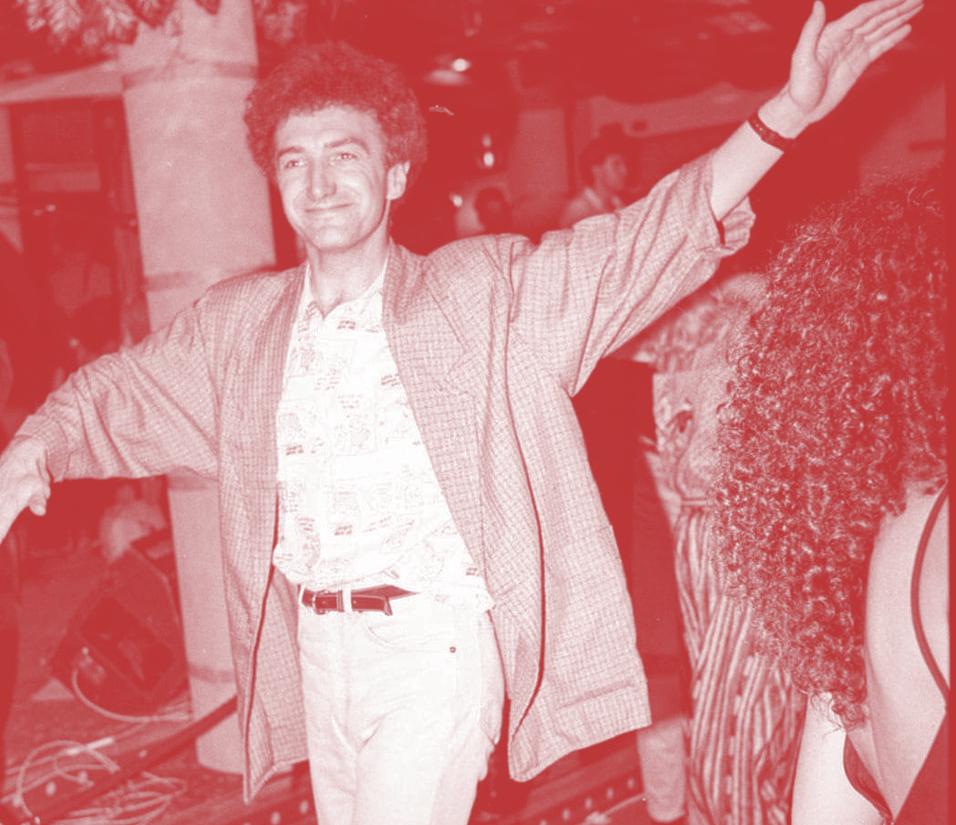
As a trained electronics engineer, he was able to build equipment for the band. His most famous creation is the "Deacy Amp", built in 1972 from pieces of electronic equipment found in a skip, and used by himself and May throughout Queen's recording career. Many of the so-called "guitar orchestras" on Queen albums use this amplifier.Deacon usually played the bass with his fingers, only using a plectrum on some songs. He counted his influences as Chic, Michael Jackson and Stevie Wonder. His favourite bass players were Chris Squire of the progressive rock band Yes[51] and The Who's John Entwistle.[52] A trademark of Deacon's playing is his bass runs. A 1975 review of Sheer Heart Attack said, "Only at the end would a new initiate to Queen recognize John Deacon's unmistakable trademark ... the least well known musician in Queen is one of his rock generation's most able."
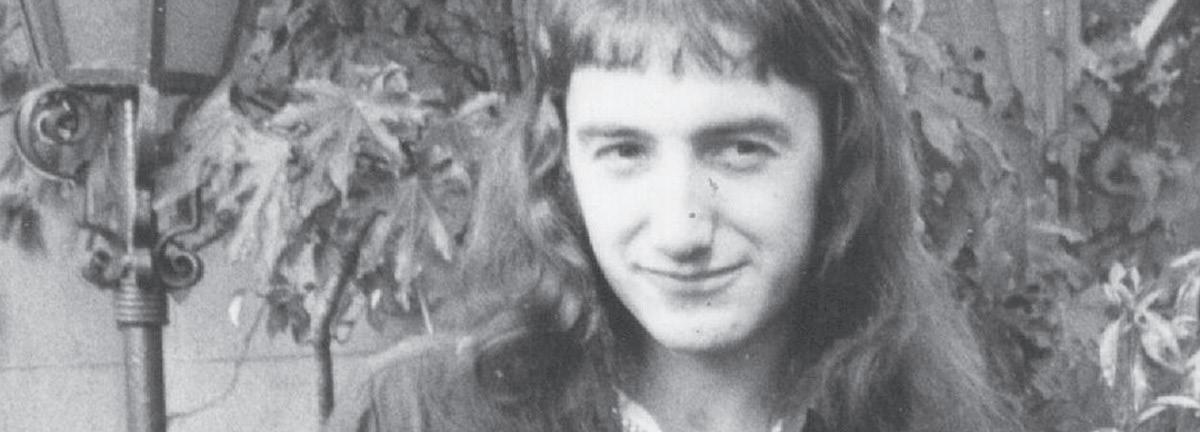
Freddie Mercury (born Farrokh Bulsara; 5 September 1946 – 24 November 1991)[2] was a British singer and songwriter, who achieved worldwide fame as the lead vocalist of the rock band Queen. Regarded as one of the greatest singers in the history of rock music, he was known for his flamboyant stage persona and fouroctave vocal range. Mercury defied the conventions of a rock frontman with his theatrical style, influencing the artistic direction of Queen.Born in 1946 in Zanzibar to Parsi-Indian parents, Mercury attended Englishstyle boarding schools in India from the age of eight and returned to Zanzibar after secondary school. In 1964, his family fled the Zanzibar Revolution, moving to Middlesex, England. Having studied and written music for years, he formed Queen in 1970 with guitarist Brian May and drummer Roger Taylor. Mercury wrote numerous hits for Queen,
including "Killer Queen", "Bohemian Rhapsody", "Somebody to Love", "We Are the Champions", "Don't Stop Me Now" and "Crazy Little Thing Called Love".His charismatic stage performances often saw him interact with the audience, as displayed at the 1985 Live Aid concert. He also led a solo career and was a producer and guest musician for other artists. Mercury was diagnosed with AIDS in 1987.
He continued to record with Queen, and posthumously featured on their final album, Made in Heaven (1995). He announced his diagnosis the day before his death, from complications from the disease, in 1991 at the age of 45. In 1992, a concert in tribute to him was held at Wembley Stadium, in benefit of AIDS awareness. His career with Queen was dramatised in the 2018 biopic Bohemian Rhapsody. in the 2018 biopic Bohemian Rhapsody. in the 2018 biopic Bohemian Rhapsody. in Rhapsody.
As a member of Queen, Mercury was posthumously inducted into the Rock and Roll Hall of Fame in 2001, the Songwriters Hall of Fame in 2003, and the UK Music Hall of Fame in 2004. In 1990, he and the other Queen members were awarded the Brit Award for Outstanding Contribution to British Music, and one year after his death, Mercury was awarded it individually.
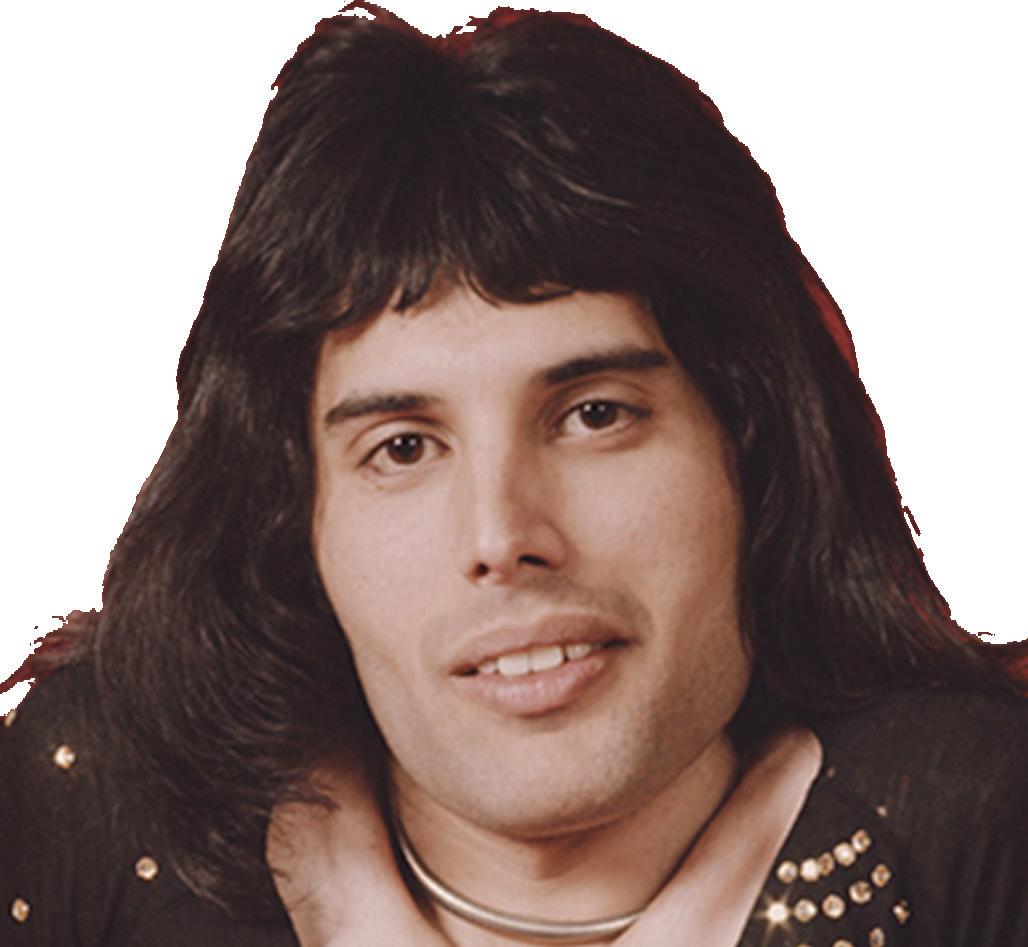
In 2005, Queen were awarded an Ivor Novello Award for Outstanding Song Collection from the British Academy of Songwriters, Composers, and Authors. In 2002, Mercury was voted number 58 in the BBC's poll of the 100 Greatest Britons. Composers, and Authors. In 2002, Mercury was voted number 58 in the BBC's poll of the 100 Greatest Britons. Composers, and Authors. In 2002, Mercury was voted number 58 in the BBC's poll of the 100 Greatest Britons. Composers, and Authors. In 2002, Mercury was voted number 58 in the BBC's poll of the 100 Greatest Britons. Composers, and Au\Britons.
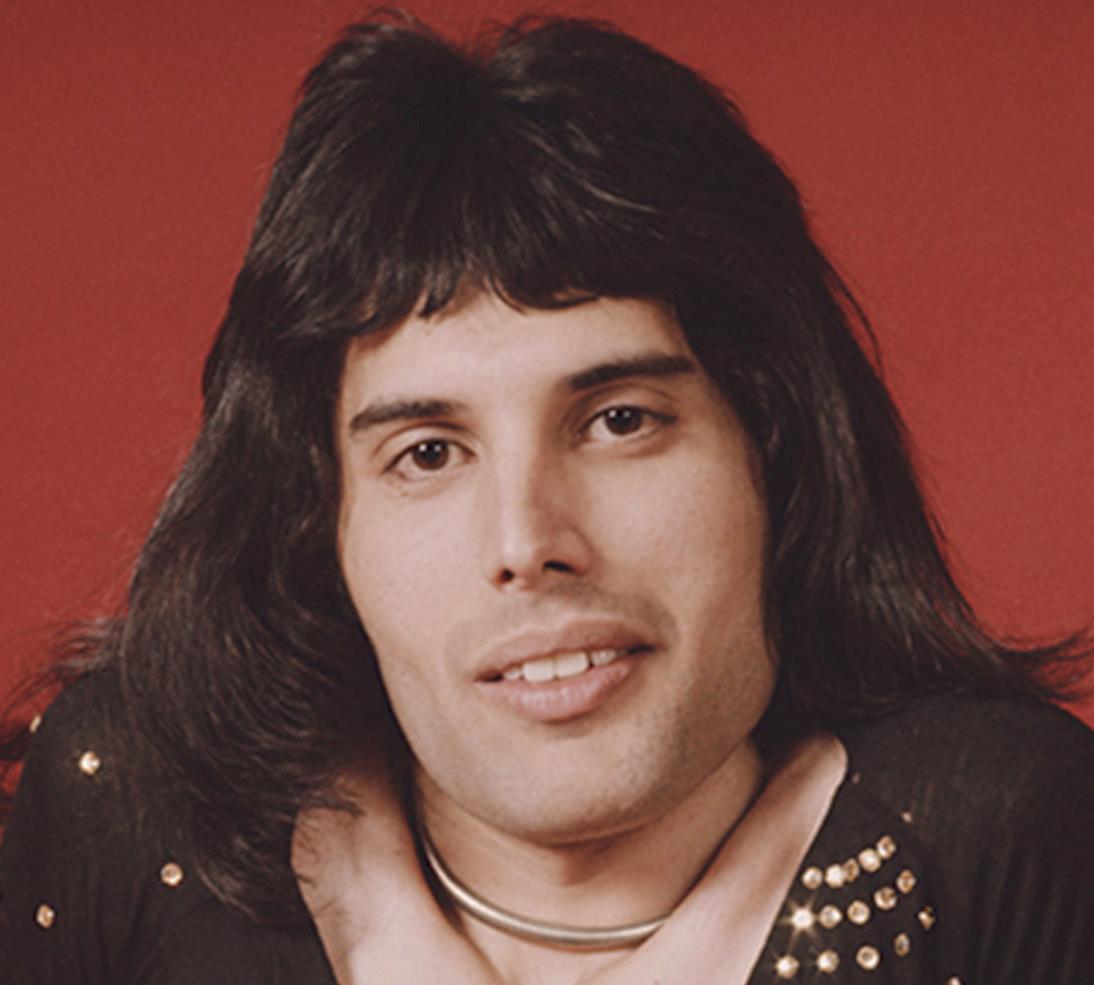
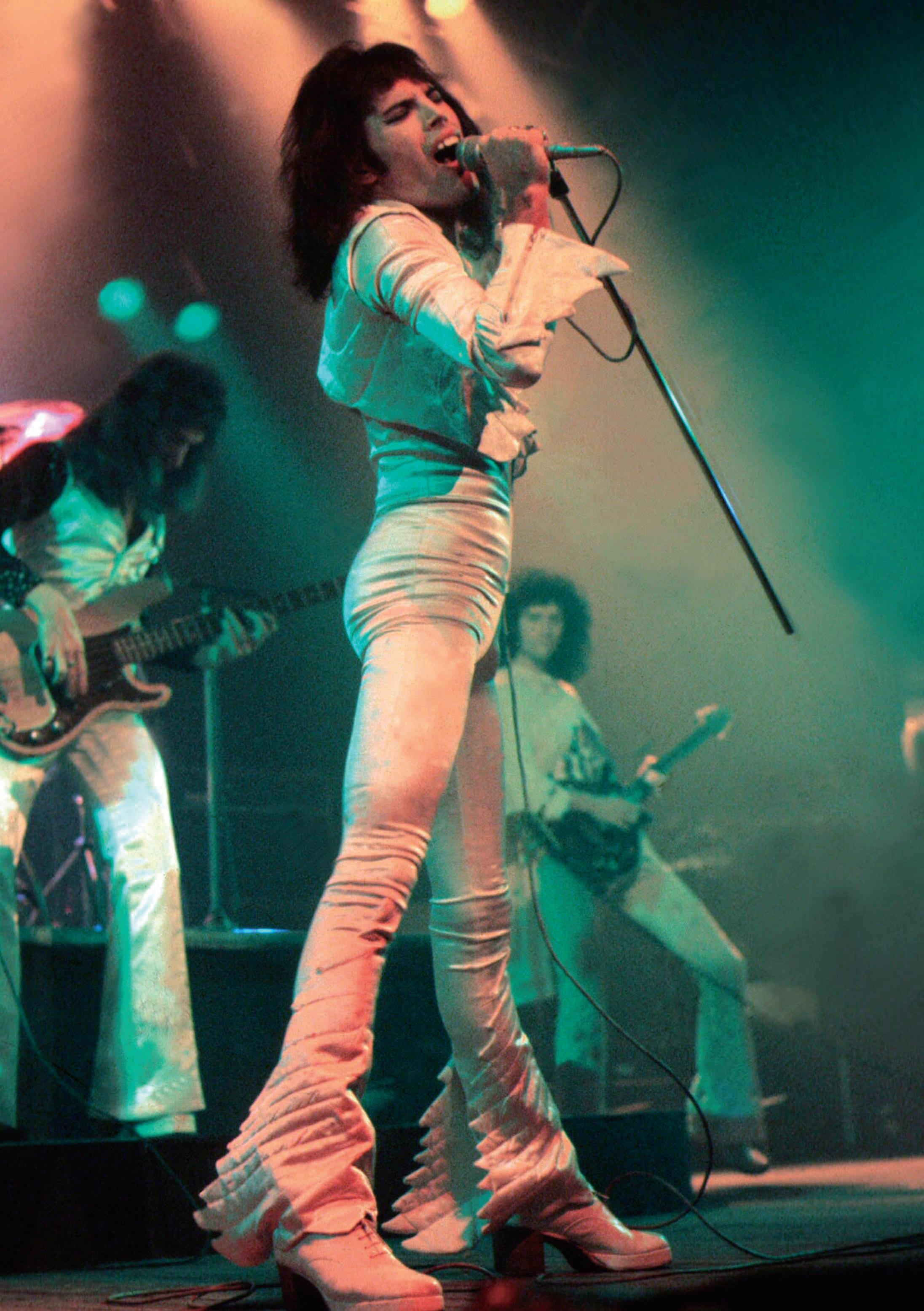
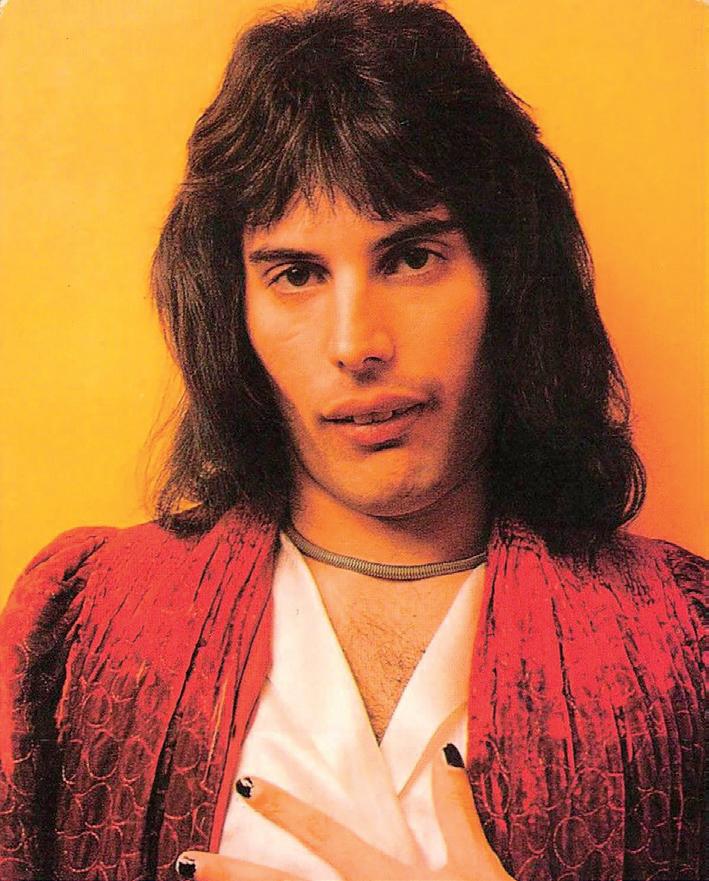
In the spring of 1964, Mercury and his family fled to England from Zanzibar to escape the violence of the revolution against the Sultan of Zanzibar and his mainly Arab government,[19] in which thousands of ethnic Arabs and Indians were killed.[20] They moved to 19 Hamilton Close, Feltham, Middlesex, a town 13 miles (21 km) west of central London. The Bulsaras briefly relocated to 122 Hamilton Road, before settling into a small house at 22 Gladstone Avenue in late October.[21] After first studying art at Isleworth Polytechnic in West London, Mercury studied graphic art and design at Ealing Art College, graduating with a diploma in 1969.[2] He later used these skills to design heraldic arms for his band Queen.Following graduation, Mercury joined a series of bands and sold second-hand Edwardian clothes and scarves in Kensington Market in London with Roger Taylor. Taylor recalls, "Back then, I didn't really know him as a singer—he was just my mate. My crazy mate! If there was fun to be had, Freddie and I were usually involved."[23] He also held a job as a baggage handler at Heathrow Airport.[24] Other friends from the time remember him as a quiet and shy young man with a great interest in music.[25] In 1969, he joined Liverpool-based band Ibex, later renamed Wreckage, which played "very Hendrix-style, heavy blues".[26] He briefly lived in a flat above the Dovedale Towers, a pub close to Penny Lane in Liverpool's Mossley Hill district.[27][28] When this band failed to take off, he joined an Oxford-based band, Sour Milk Sea, but by early 1970 this group had broken up as well..[17] It was also at St. Peter's where he began to call himself "Freddie". In February 1963, he moved back to Zanzibar where he joined his parents at their flat.
Mercury was born Farrokh Bulsara in Stone Town in the British protectorate of Zanzibar (now part of Tanzania) on 5 September 1946.[3][4] His parents, Bomi (1908–2003) and Jer Bulsara (1922–2016),[a] [5] were from the Parsi community of western India. The Bulsaras had origins in the city of Bulsar (now Valsad) in Gujarat.[b][3] He had a younger sister, Kashmira.The family had moved to Zanzibar so that Bomi could continue his job as a cashier at the British Colonial Office. As Parsis, the Bulsaras practised Zoroastrianism.[8] Mercury was born with four extra incisors, to which he attributed his enhanced vocal range.[9][10] As Zanzibar was a British protectorate until 1963, Mercury was born a British subject, and on 2 June 1969 was registered a citizen of the United Kingdom and colonies after the family had emigrated to England.Mercury spent most of his childhood in India where he began taking piano lessons at the age of seven while living with relatives.[12] In 1954, at the age of eight, Mercury was sent to study at St. Peter's School, a British-style boarding school for boys, in Panchgani near Bombay.[13] At the age of 12, he formed a school band, the Hectics, and covered rock and roll artists such as Cliff Richard and Little Richard. [14][15] One of Mercury's former bandmates from the Hectics has said "the only music he listened to, and played, was Western pop music".[16] A friend recalls that he had "an uncanny ability to listen to the radio and replay what he heard on piano".[17] It was also at St. Peter's where he began to call himself "Freddie". In February 1963, he moved back to Zanzibar where he joined his parents at their flat..[17] It was also at St. Peter's where he began to call himself "Freddie". In February 1963, he moved back to Zanzibar where he joined his parents at their flat..[17] It was also at St. Peter's where he began to call himself "Freddie". In February 1963, he moved back to Zanzibar where he joined his parents at their flat..[17] It was also at St. Peter's where he began to call himself "Freddie". In February 1963, he moved back to Zanzibar where he joined his parents at their flat.
Shortly before the release of Queen's self-titled first album, Mercury designed the band's logo, known as the "Queen crest".[22] The logo combines the zodiac signs of the four band members: two lions for Deacon and Taylor (sign Leo), a crab for May (Cancer), and two fairies for Mercury (Virgo).[22] The lions embrace a stylised letter Q, the crab rests atop the letter with flames rising directly above it, and the fairies are each sheltering below a lion.[22] A crown is shown inside the Q, and the whole logo is over-shadowed by an enormous phoenix. The Queen crest bears a passing resemblance to the Royal coat of arms of the United Kingdom, particularly with the lion supporters.
Shortly before the release of Queen's self-titled first album, Mercury designed the band's logo, known as the "Queen crest".[22] The logo combines the zodiac signs of the four band members: two lions for Deacon and Taylor (sign Leo), a crab for May (Cancer), and two fairies for Mercury (Virgo).[22] The lions embrace a stylised letter Q, the crab rests atop the letter with flames rising directly above it, and the fairies are each sheltering below a lion.[22] A crown is shown inside the Q, and the whole logo is over-shadowed by an enormous phoenix. The Queen crest bears a passing resemblance to the Royal coat of arms of the United Kingdom, particularly with the lion supporters.
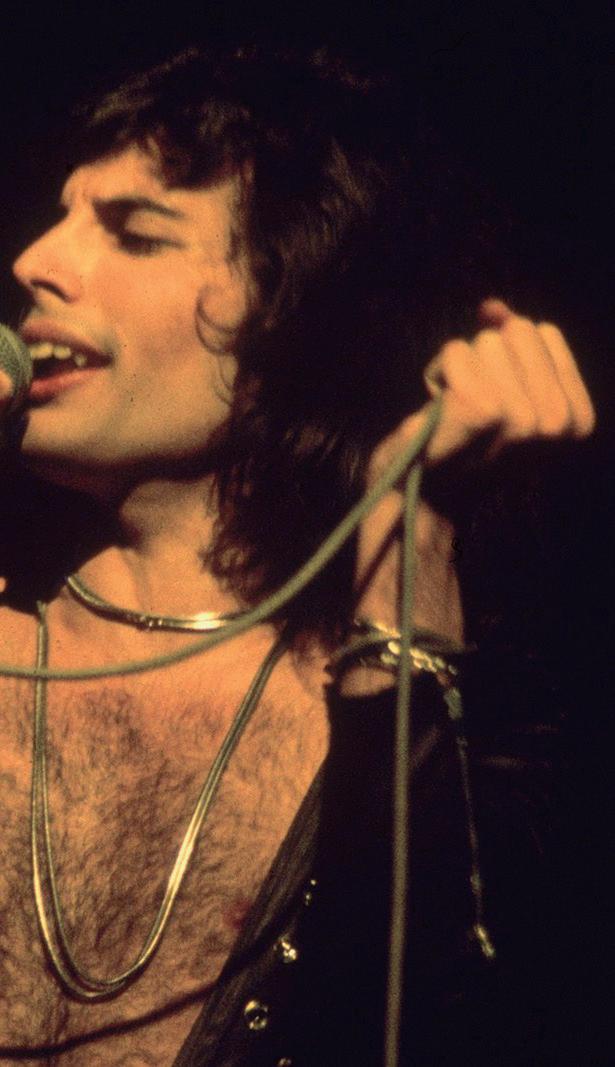
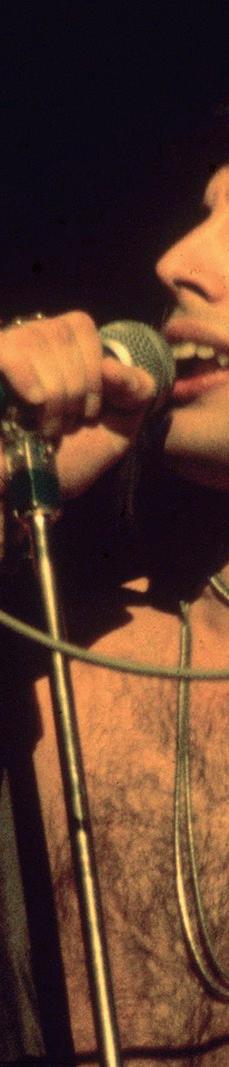
Although Mercury's speaking voice naturally fell in the baritone range, he delivered most songs in the tenor range. His known vocal range extended from bass low F (F2) to soprano high F (F6).[34] He could belt up to tenor high F (F5).[34] Biographer David Bret described his voice as "escalating within a few bars from a deep, throaty rockgrowl to tender, vibrant tenor, then on to a highpitched, perfect coloratura, pure and crystalline in the upper reaches".Spanish soprano Montserrat Caballé, with whom Mercury recorded an album, expressed her opinion that "the difference between Freddie and almost all the other rock stars was that he was selling the voice".His technique was astonishing. No problem of tempo, he sang with an incisive sense of rhythm, his vocal placement was very good and he was able to glide effortlessly from a register to another. He also had a great musicality. His phrasing was subtle, delicate and sweet or energetic and slamming. He was able to find the right colouring or expressive nuance for each word.
Mercury wrote 10 of the 17 songs on Queen's Greatest Hits album: "Bohemian Rhapsody", "Seven Seas of Rhye", "Killer Queen", "Somebody to Love", "Good Old-Fashioned Lover Boy", "We Are the Champions", "Bicycle Race", "Don't Stop Me Now", "Crazy Little Thing Called Love", and "Play the Game".[42] In 2003 Mercury was posthumously inducted into the Songwriters Hall of Fame with the rest of Queen, and in 2005 all four band members were awarded an Ivor Novello Award for Outstanding Song Collection from the British Academy of Songwriters, Composers, and AuthorsThe most notable aspect of his songwriting involved the wide range of genres that he used, which included, among other styles, rockabilly, progressive rock, heavy metal, gospel, and disco.
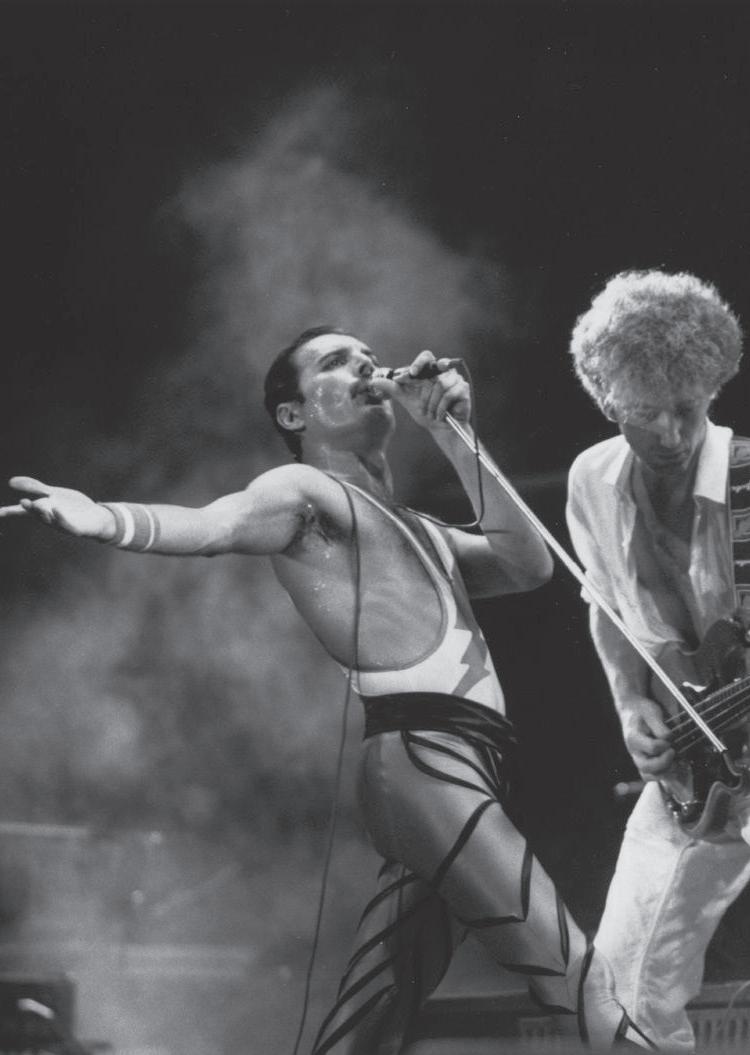
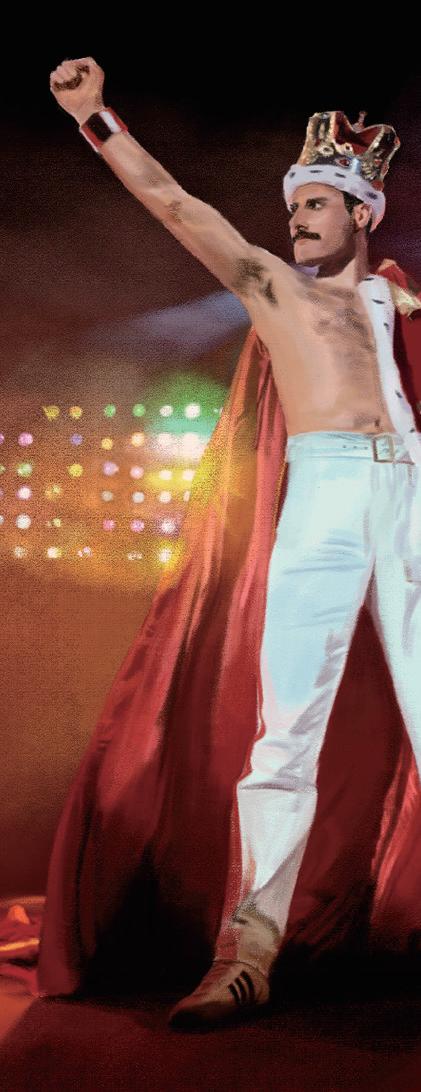
Mercury was noted for his live performances, which were often delivered to stadium audiences around the world. He displayed a highly theatrical style that often evoked a great deal of participation from the crowd.A writer for The Spectator described him as "a performer out to tease, shock and ultimately charm his audience with various extravagant versions of himself."David Bowie, who performed at the Freddie Mercury Tribute Concert and recorded the song "Under Pressure" with Queen, praised Mercury's performance style, saying: "Of all the more theatrical rock performers, Freddie took it further than the rest ... he took it over the edge. And of course, I always admired a man who wears tights. I only saw him in concert once and as they say, he was definitely a man who could hold an audience in the palm of his hand."[51] Queen guitarist Brian May wrote that Mercury could make ".
Mercury's main prop on stage was a broken microphone stand; after accidentally snapping it off the heavy base during an early performance, he realised it could be used in endless ways.One of Mercury's most notable performances with Queen took place at Live Aid in 1985.[2] Queen's performance at the event has since been voted by a group of music executives as the greatest live performance in the history of rock music. The results were aired on a television program called "The World's Greatest Gigs".Mercury's powerful, sustained note during the a cappella section came to be known as "The Note Heard Round the World".
In reviewing Live Aid in 2005, one critic wrote, "Those who compile lists of Great Rock Frontmen and award the top spots to Mick Jagger, Robert Plant, etc. all are guilty of a terrible oversight.
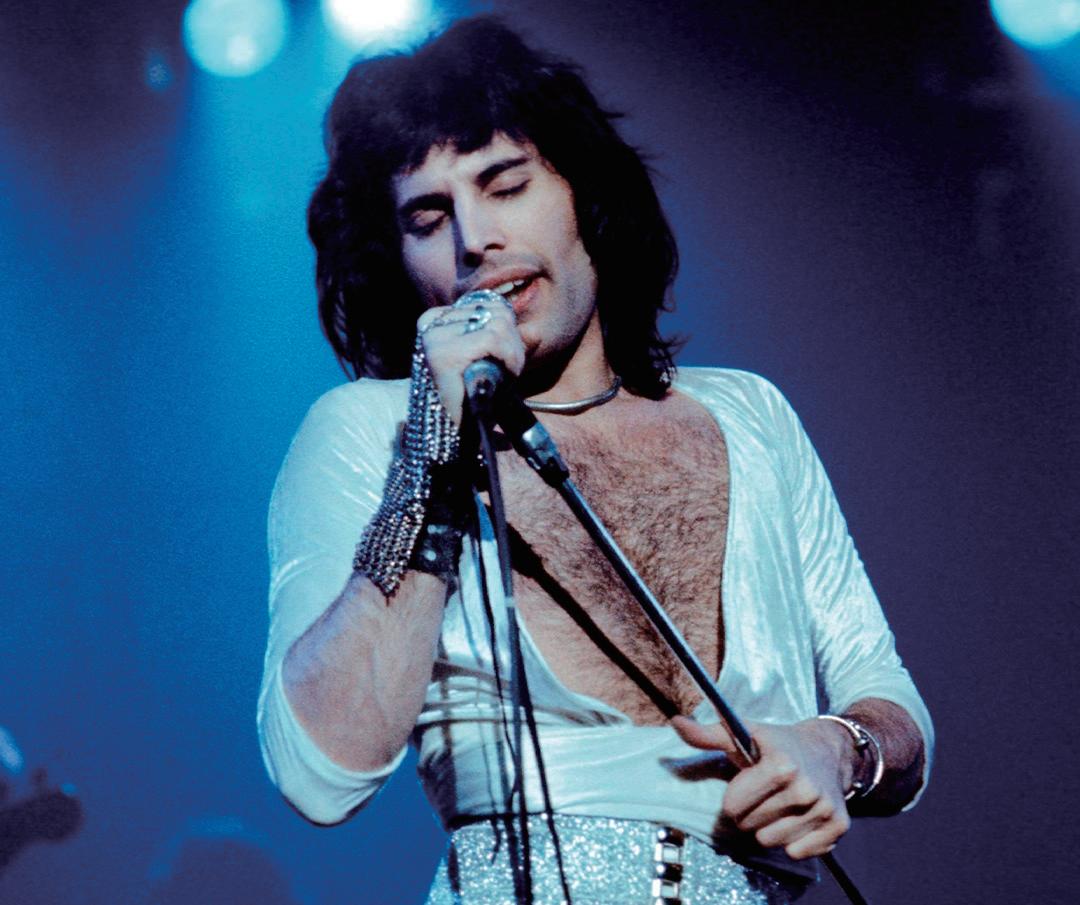
As a young boy in India, Mercury received formal piano training up to the age of nine. Later on, while living in London, he learned guitar. Much of the music he liked was guitar-oriented: his favourite artists at the time were the Who, the Beatles, Jimi Hendrix, David Bowie, and Led Zeppelin. Mercury played the piano in many of Queen's most popular songs, including "Killer Queen", "Bohemian Rhapsody", "Good OldFashioned Lover Boy", "We Are the Champions", "Somebody to Love".
He could play what came from inside him like nobody else – incredible rhythm, incredible passion and feeling."[65] Keyboardist Rick Wakeman praised Mercury's playing style, saying he "discovered [the piano] for himself" and successfully composed a number of Queen songs on the instrument.[66] From the early 1980s Mercury began extensively using guest keyboardists. Most notably, he enlisted Fred Mandel (a Canadian musician who also worked for Pink Floyd, Elton John, and Supertramp) for his first solo project. From 1982 Mercury collaborated with Morgan Fisher (who performed with Queen in concert during the Hot Space leg),[67] and from 1985 onward Mercury collaborated with Mike Moran (in the studio) and Spike Edney (in concert). Brian May claims that Mercury used the piano less over time because he wanted to walk around on stage and entertain the audience. Although he wrote many lines for the guitar, Mercury possessed only rudimentary skills on the instrument. Songs like "Ogre Battle" and "Crazy Little Thing Called Love" were composed on the guitar; the latter featured Mercury playing rhythm guitar on stage and in the studio and entertain the audience. Although he wrote many lines for the guitar, Mercury possessed only rudimentary skills on the instrument. Songs like "Ogre Battle" and "Crazy Little Thing Called Love" were composed on the guitar; the latter featured Mercury playing rhythm guitar on stage and in the studioand entertain the audience. Although he wrote many lines for the guitar, Mercury possessed only rudimentary skills on the instrument.
As well as his work with Queen, Mercury put out two solo albums and several singles. Although his solo work was not as commercially successful as most Queen albums, the two off-Queen albums and several of the singles debuted in the top 10 of the UK Music Charts. His first solo effort goes back to 1972 under the pseudonym Larry Lurex, when Trident Studios' house engineer Robin Geoffrey Cable was working in a musical project, at the time when Queen were recording their debut album; Cable enlisted Mercury to perform lead vocals on the songs "I Can Hear Music" and "Goin' Back", both were released together as a single in 1973.[1] Eleven years later, Mercury contributed to the soundtrack for the restoration of the 1927 Fritz Lang film Metropolis. The song "Love Kills" was written for the film by Giorgio Moroder in collaboration with Mercury, and produced by Moroder and Mack; in 1984 it debuted at the number 10 position in the UK Singles Chart.
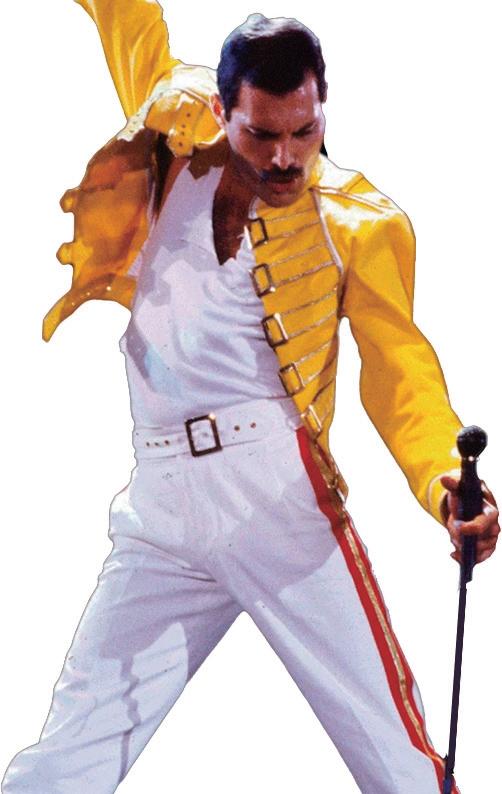
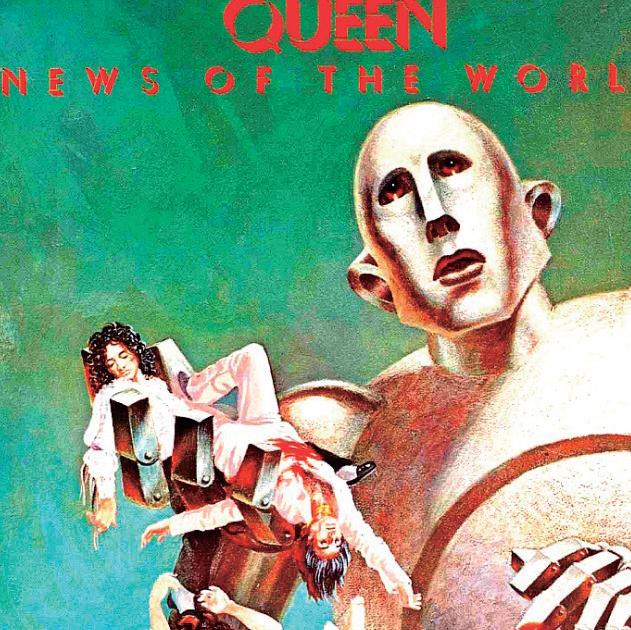
This song follows the life of a male through three stages – childhood, adulthood and his elder years. And life is not easy for this person. However, despite this he seems very – if not overly – optimistic about his future.
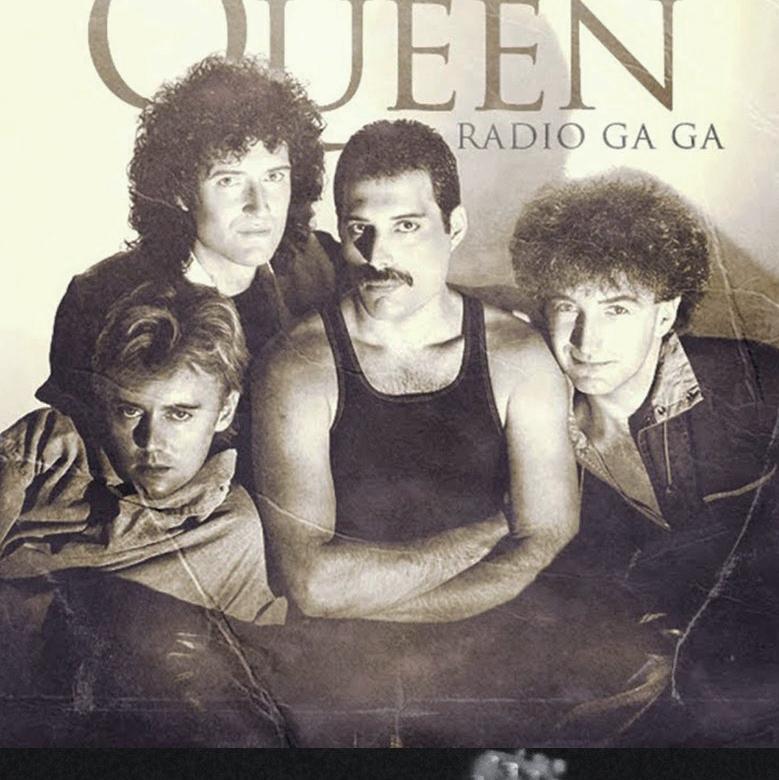
Taylor said he got the phrase from his son Felix Luther, who was only roughly 3 years old then. The 3-yearold Felix wanted to express how bad he felt radio was and ended up with the phrase “radio caca”.
The song is about an astronaut who travels to a distant place at near the speed of light. Because of the time dilation that takes place at these speeds, he and his crew return home 100 years later.
Scaramouche has a meaning – it’s a character in a 17th century comedy show called Commedia dell’arte. It was a buffoon who always managed to work his way out of any tricky situation at the expense of someone else.
a person who is confident and doesn't care what others think of her. She is comfortable in her own skin and enjoys life. The song is also about taking risks and not being afraid to fail.
Brian May wrote the song, which was inspired by his wife, Anita Dobson, who used to say, "I want it all and I want it now."
The song was first played live on 20 April 1992, during The Freddie Mercury Tribute Concert, performed by the three remaining members of Queen, with Elton John singing lead vocals and Black Sabbath guitarist Tony Iommi playing rhythm guitar.
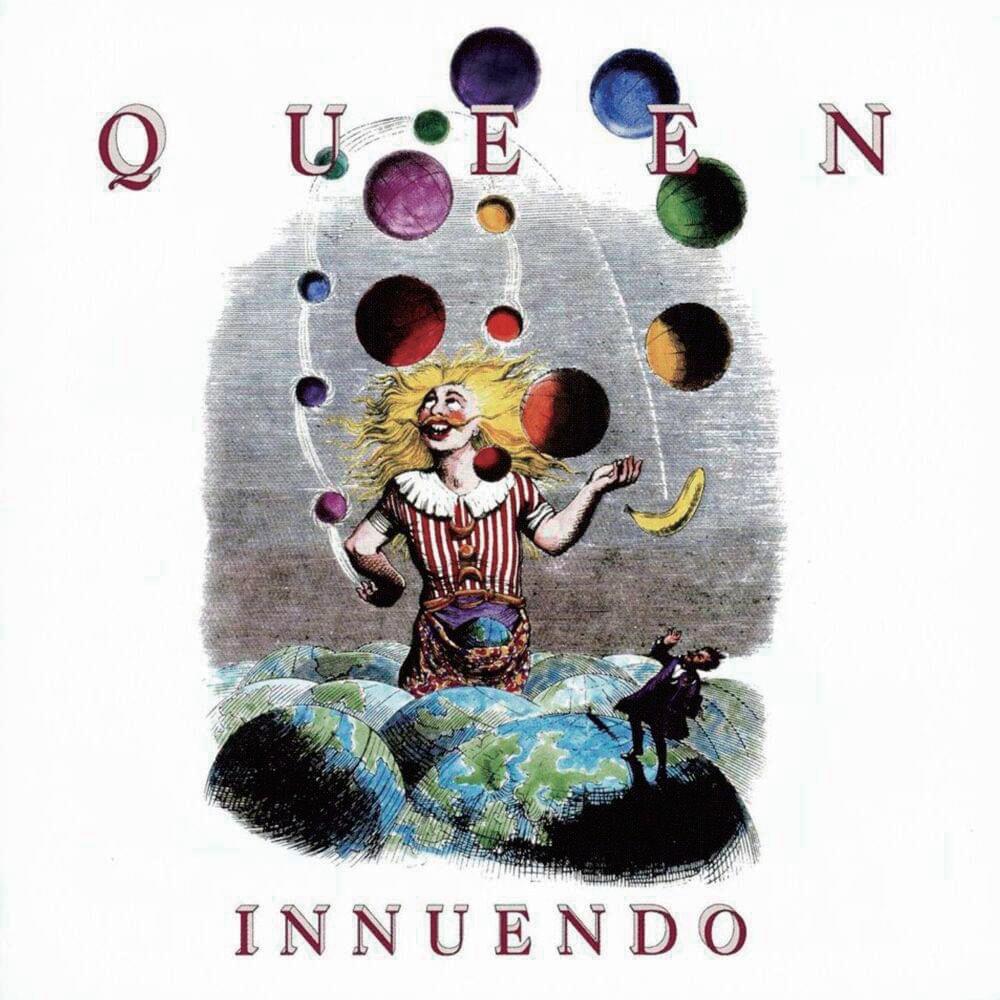
The song was included in various greatest hits compilations by Queen such as Greatest Hits II, Greatest Flix II and Greatest Video Hits II.
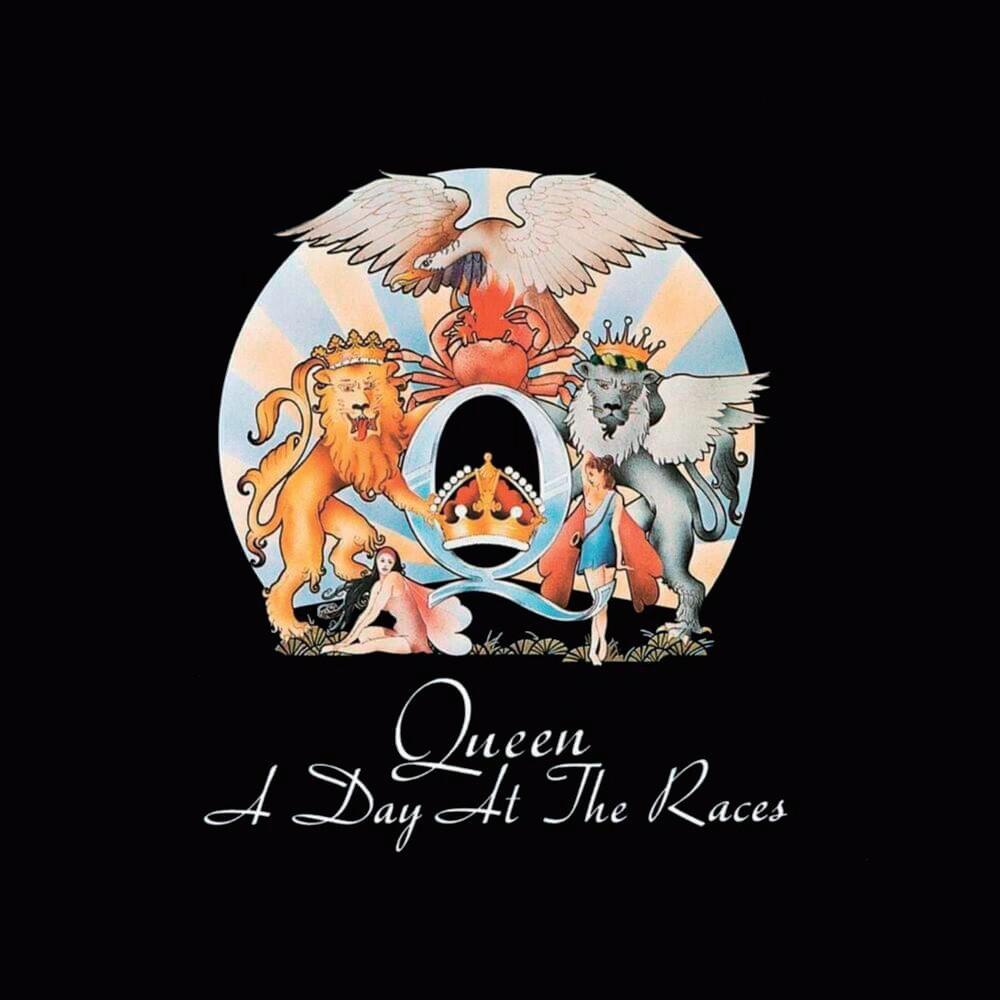
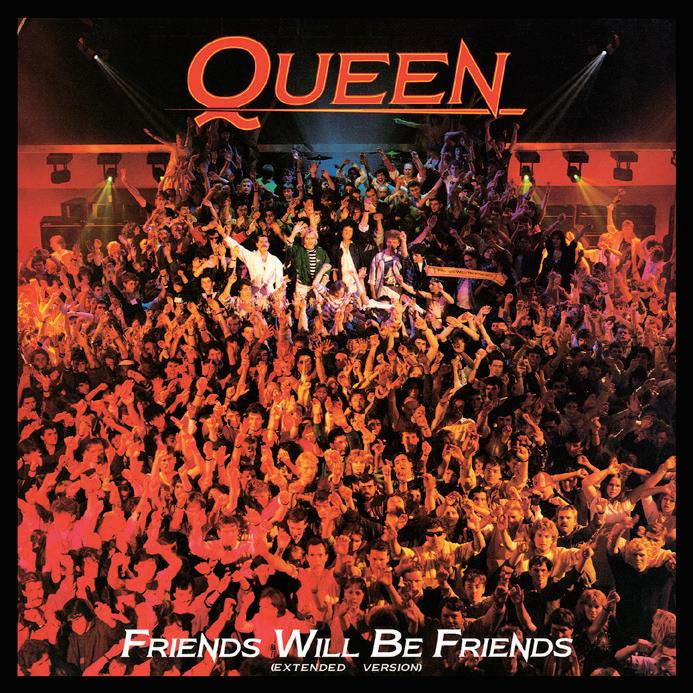
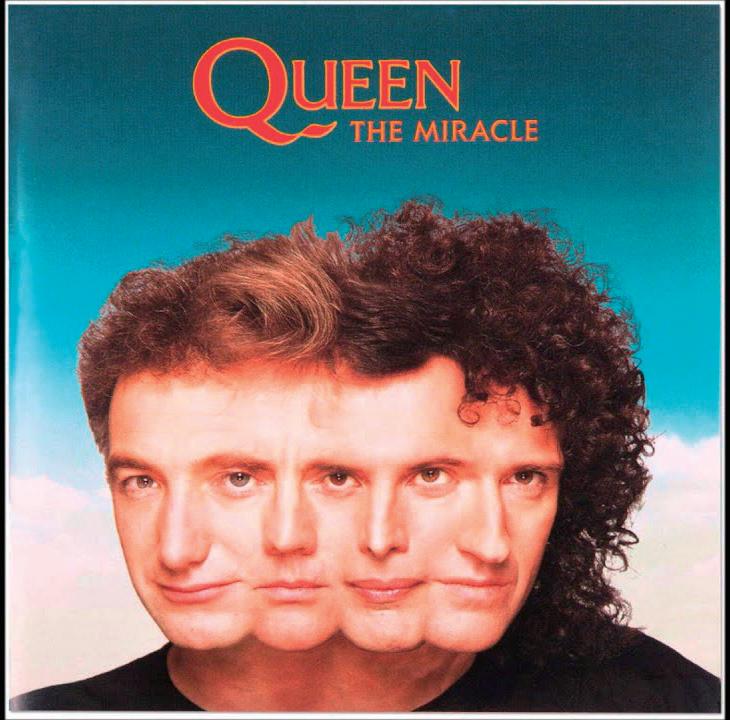
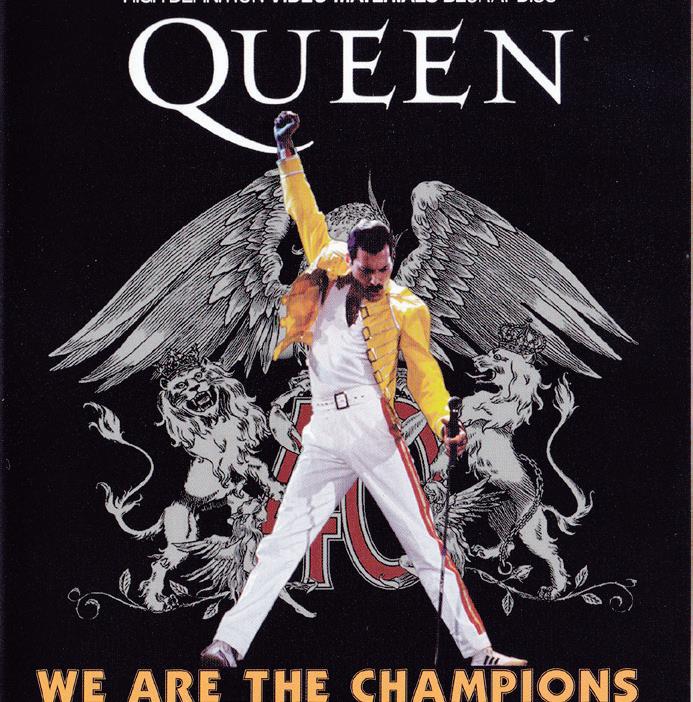
This song was entirely written by Mercury. It was inspired by the sport of football as well as Queen’s reallife struggles on their road to success.
Well this one in fact is a track written by Brian actually, I dunno why. Maybe he was in one of his vicious moods. I think he's trying to outdo me after "Death on Two Legs" actually.