Table of content.
Edge of Torry 3
Replicable sustainable terrace homes 10
The hexagon 18
Work Example 27
Education
2021 - 2023
2018 - 2021
MASTER OF Architecture
Scott Sutherland School of Architecture & Built Environment, United Kingdom
BACHELOR OF SCIENCE of Architecture in Science
Scott Sutherland School of Architecture & Built Environment, United Kingdom
Work experience
Dec 2023 - present
Oct 2023 - Dec 2023
Jun 2022
May 2019 - Jul 2019
Architectural surveyor
Freelance, United Kingdom
Construction labourer
Self-employed, United Kingdom
Internship: Residential project
Trail Architects, United Kingdom
Internship: South-East New Territories Landfill Extension
Jacob Solutions Inc, Hong Kong
Computer skills
Microsoft Office
Adobe Creative Suite
Rendering
CAD, BIM
Language
English Chinese
Word, Powerpoint, Excel
Photoshop, Indesign, Illustrator, Lightroom
Enscape, Lumion
AutoCAD, Revit, Sketchup, Rhino
Proficient
Mother tongue
edge of Torry #1
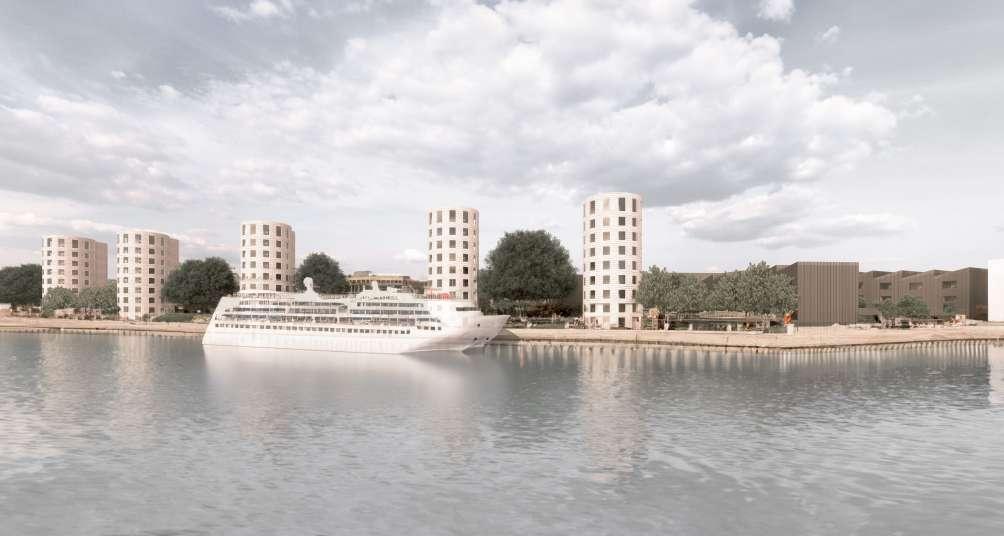
Response on the new economic direction for Torry, Aberdeen with a new sustainable housing development. This project addresses the urgent need for economic revitalization, aligning with climate commitments with a passivehaus standard housing scheme; focuses on repopulating neglected areas and stimulating economic growth through energy-efficient housing and historical preservation.
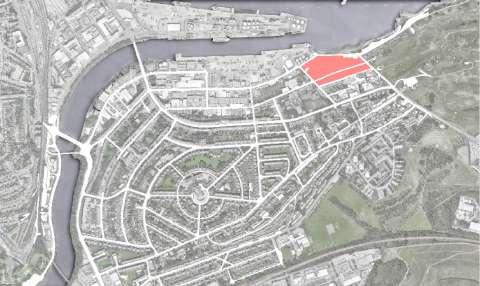
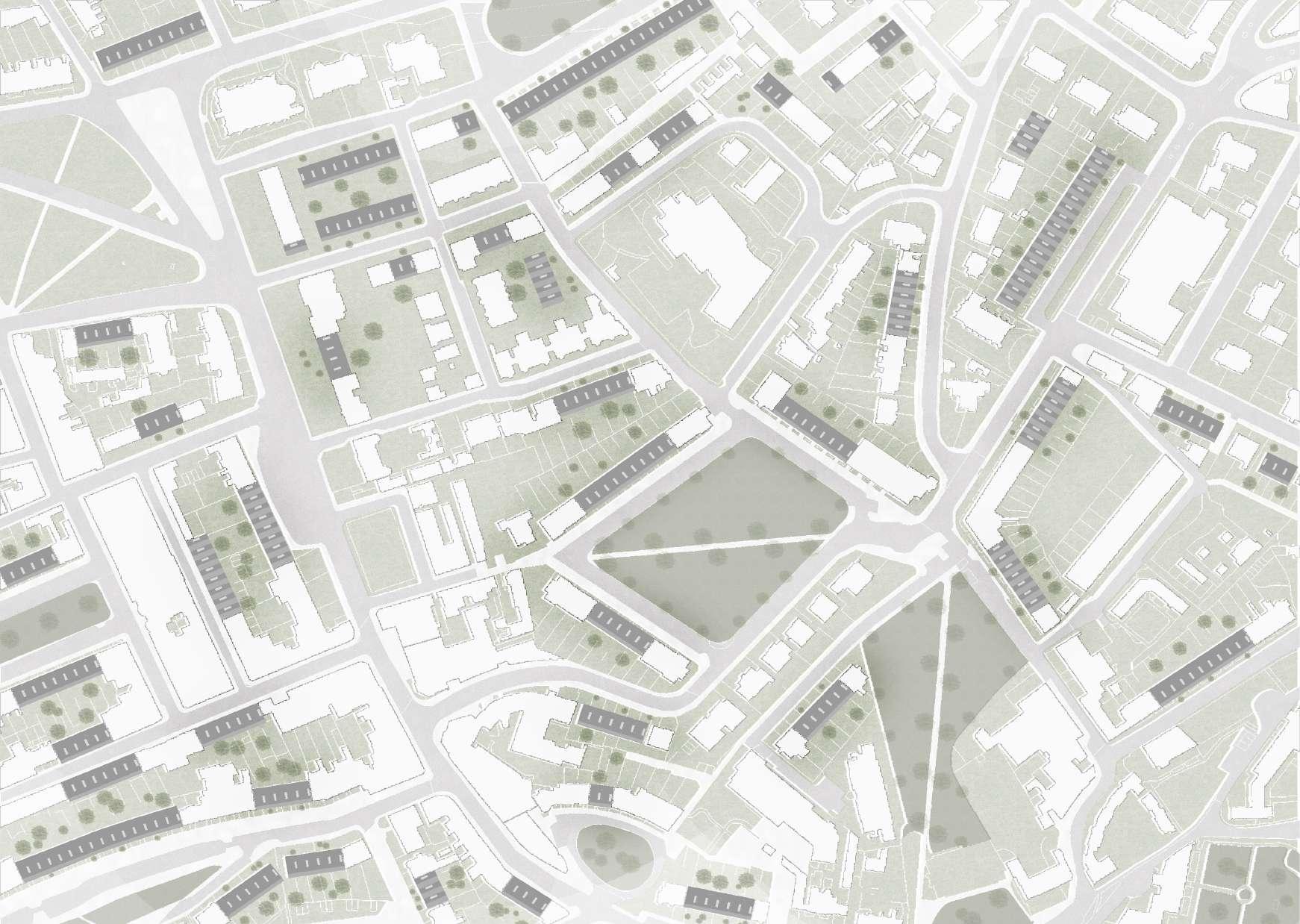
location plan
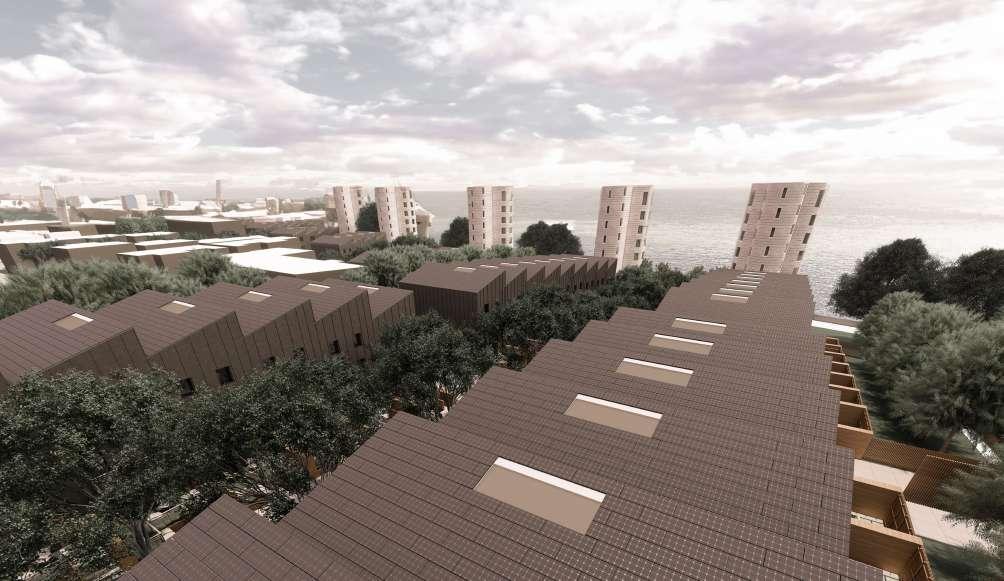
Revitalizing neglected areas, the housing development at the edge of Torry aligns with key projects—Nigg Bay and the energy transition zone. It aims to create a peaceful, proud environment for residents, offering leisure activities and celebrating Torry’s history. Using passive house standards, the development aims to be an energy-saving model, supporting Torry’s economic shift. The design integrates existing street patterns, forming a line leading to the waterfront, with towers echoing Torry’s industrial history. Promoting a car-free zone aligns with global efforts for net-zero emissions.
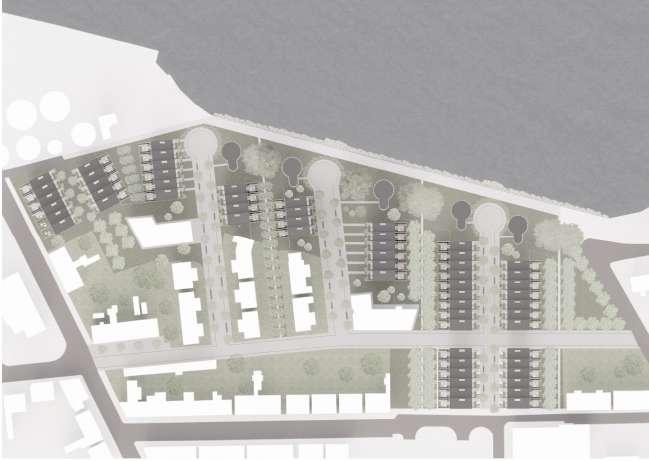
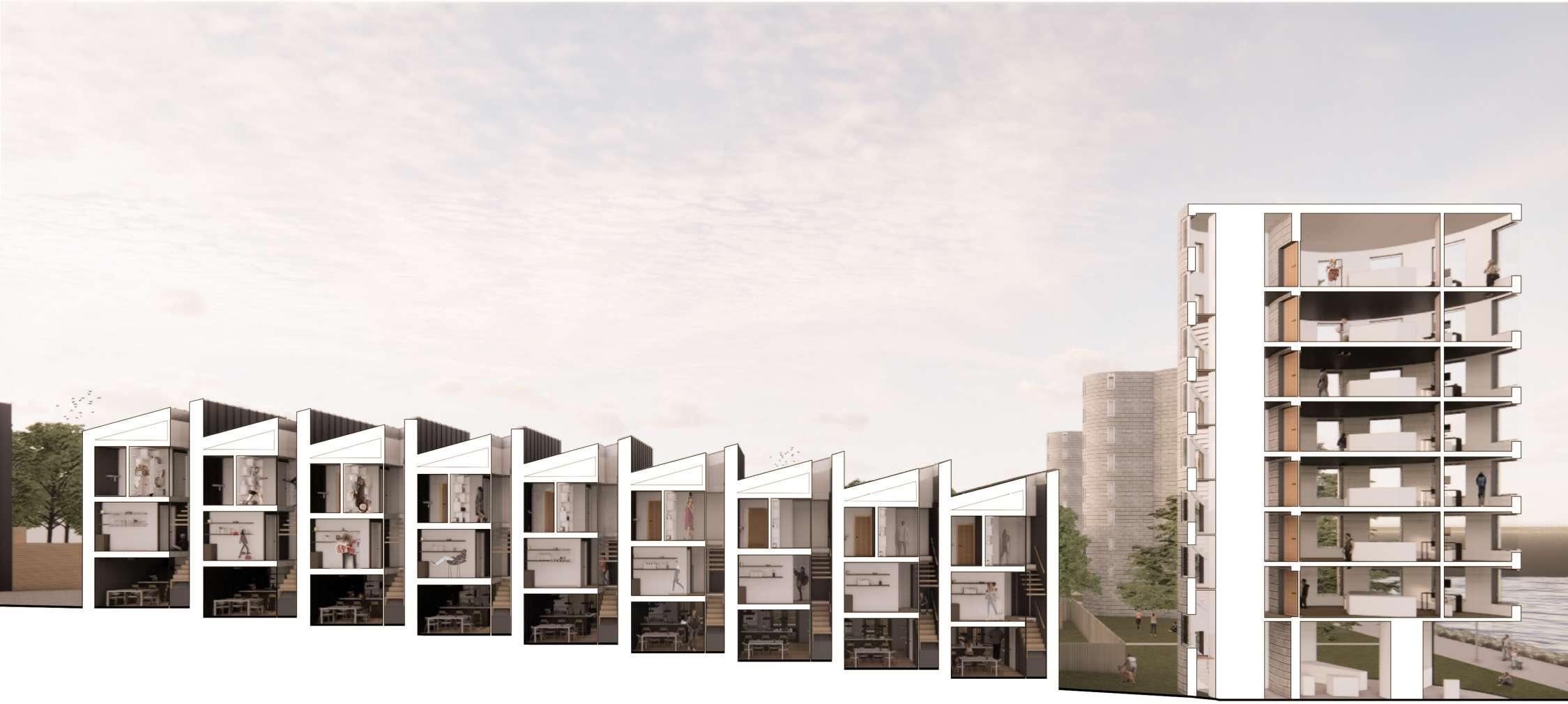
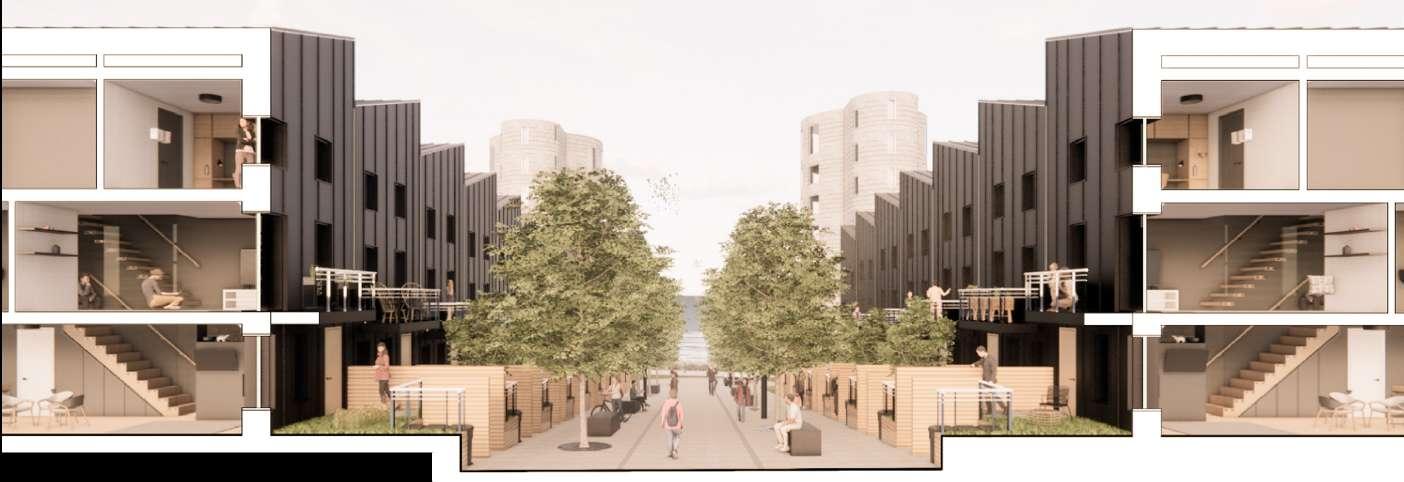
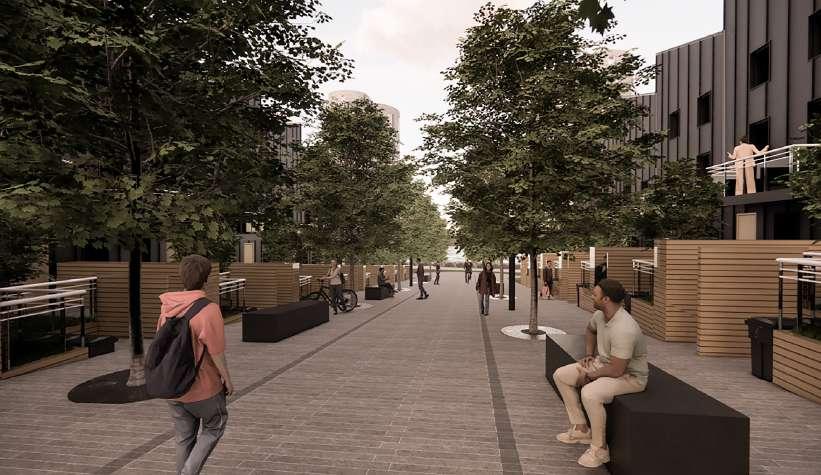
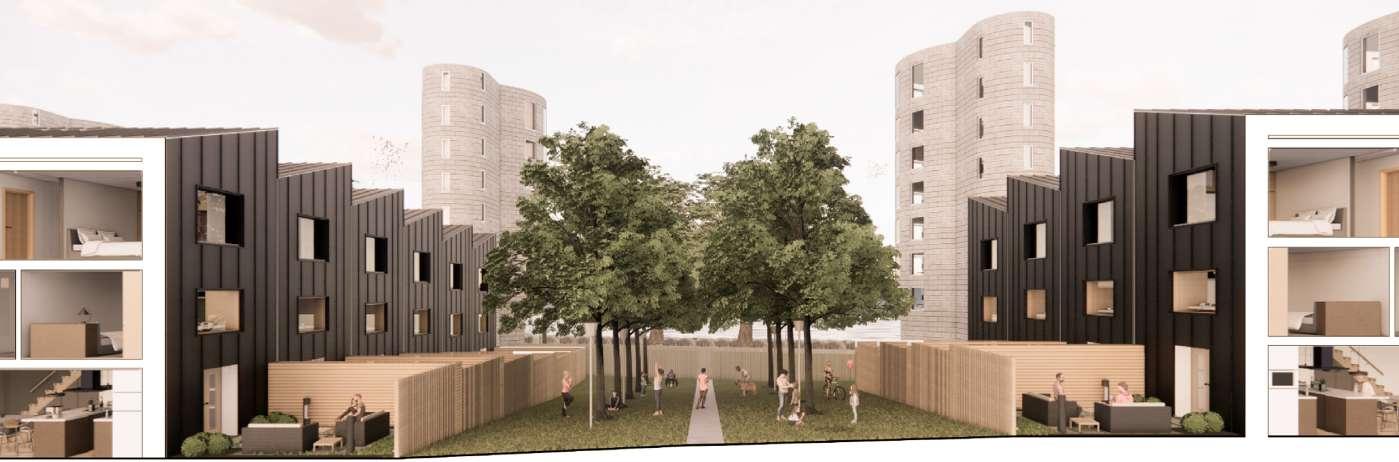
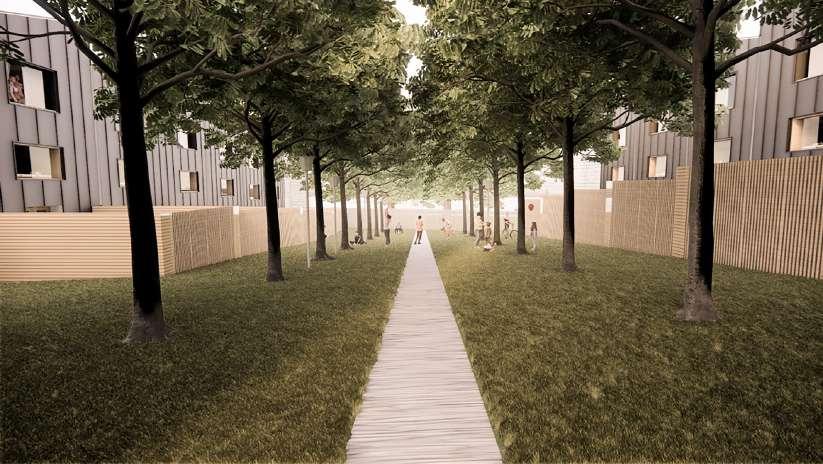
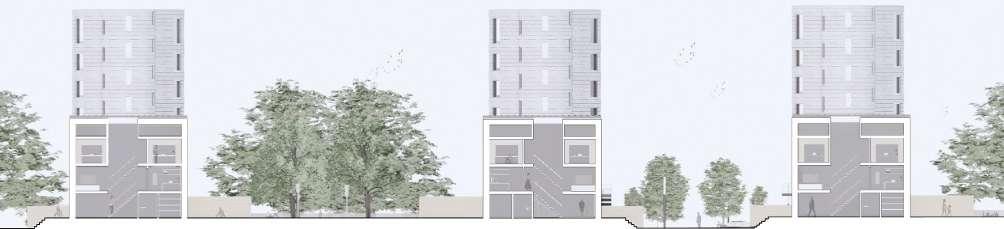
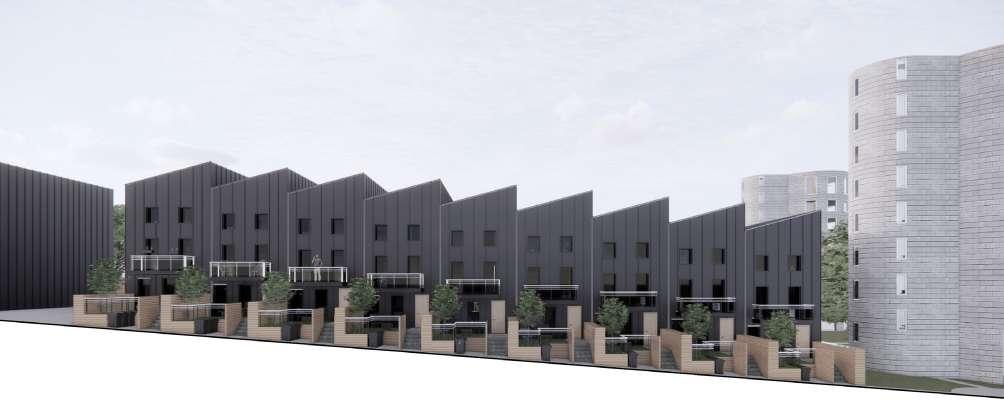
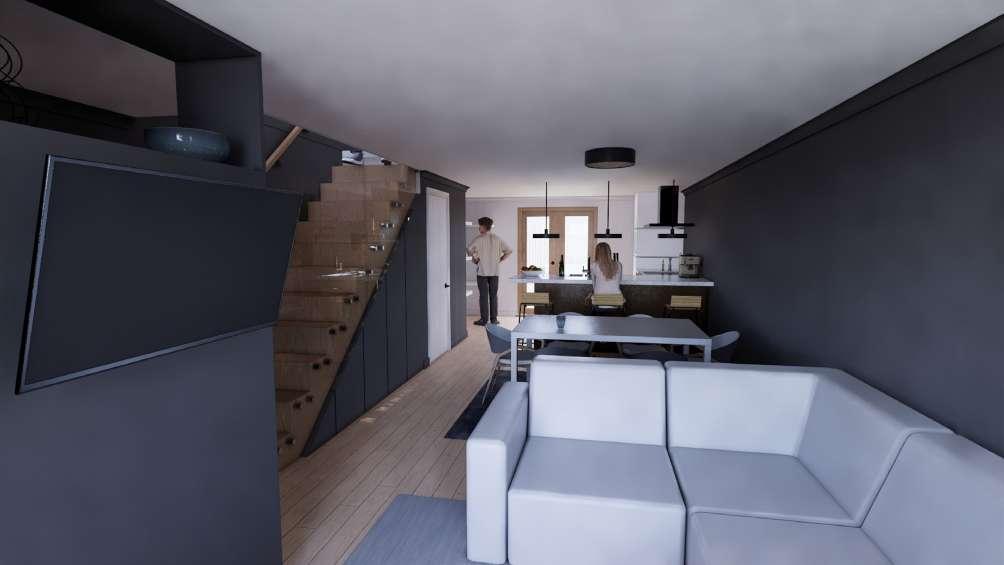
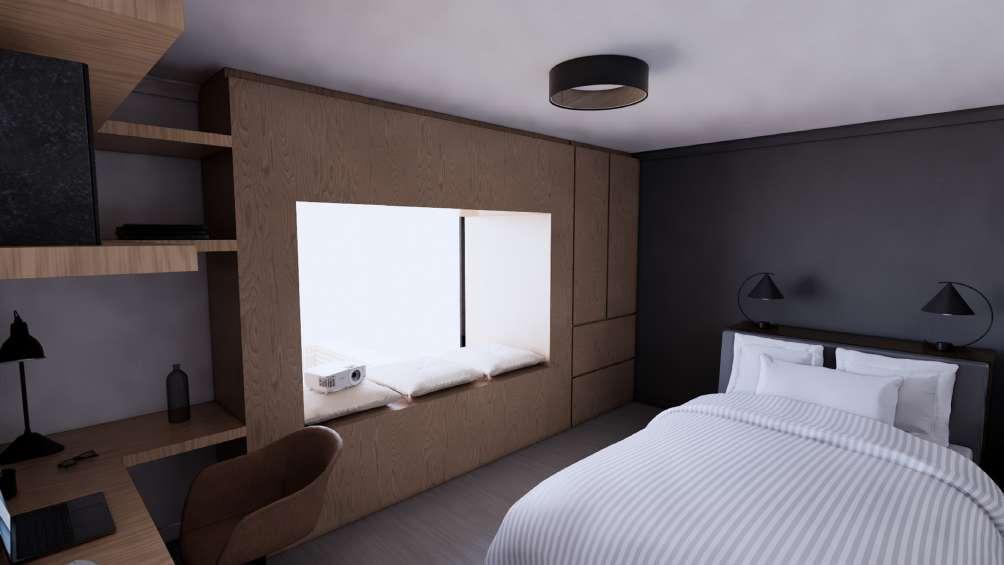
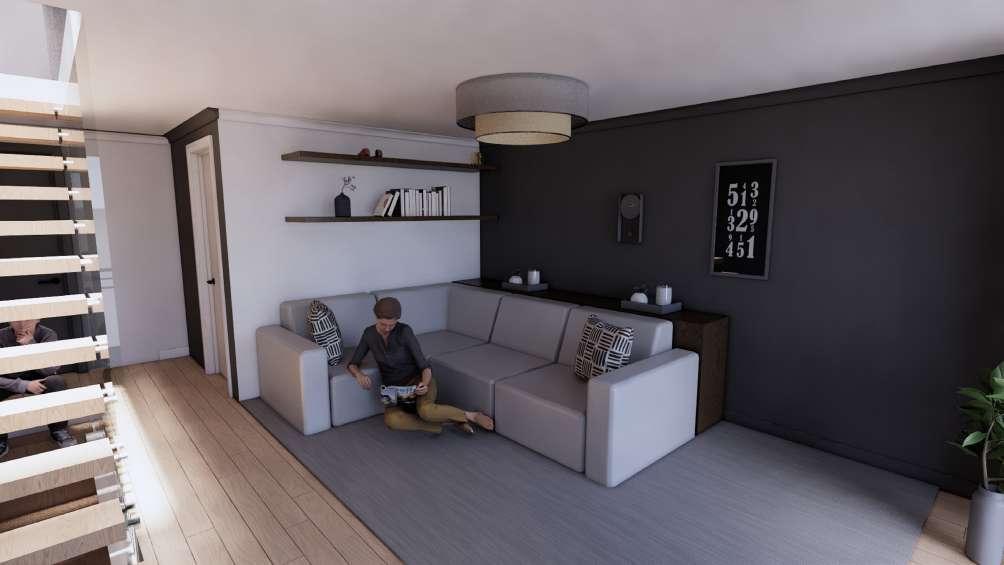
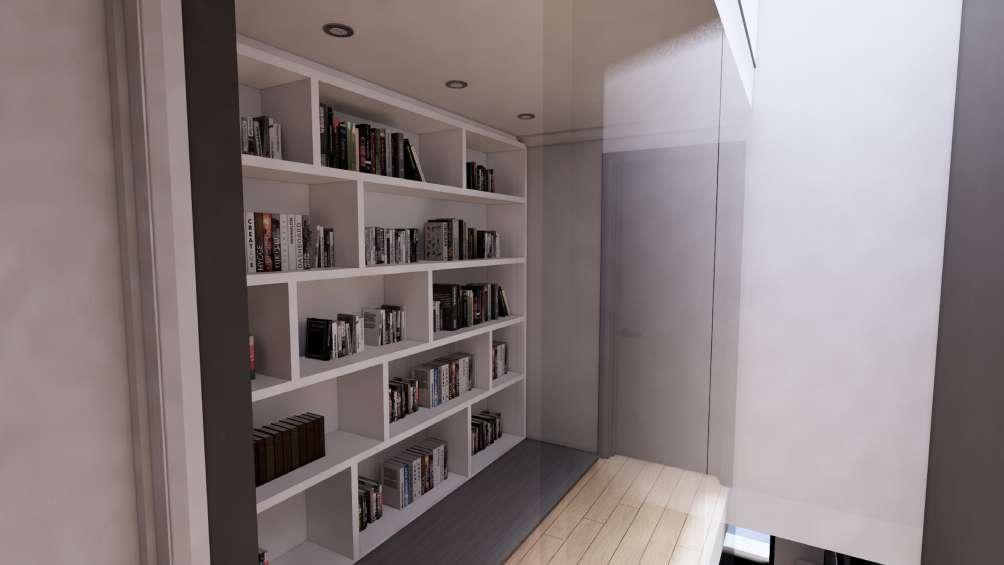
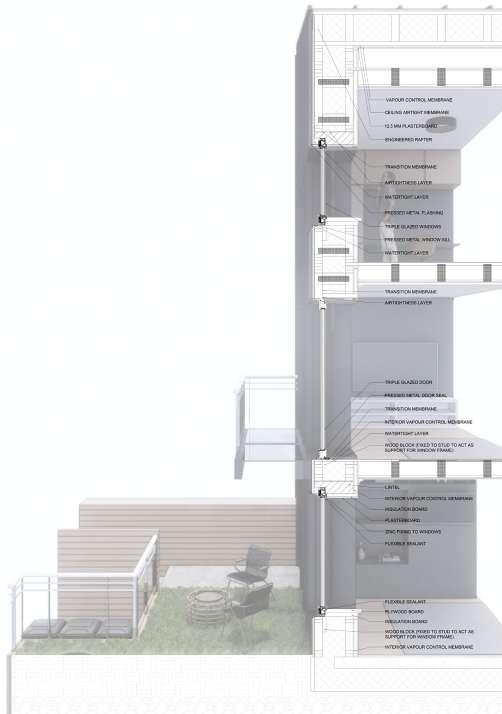
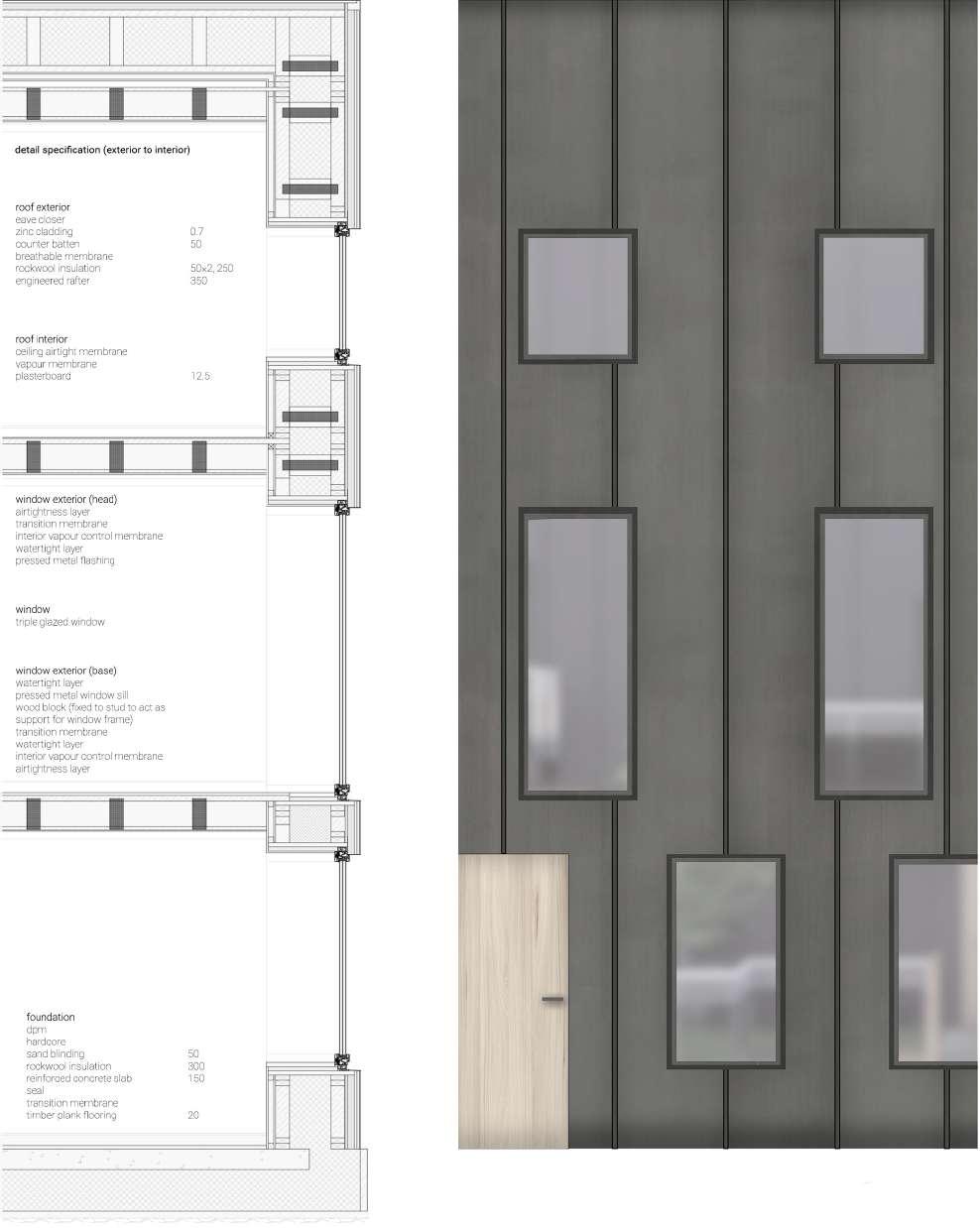
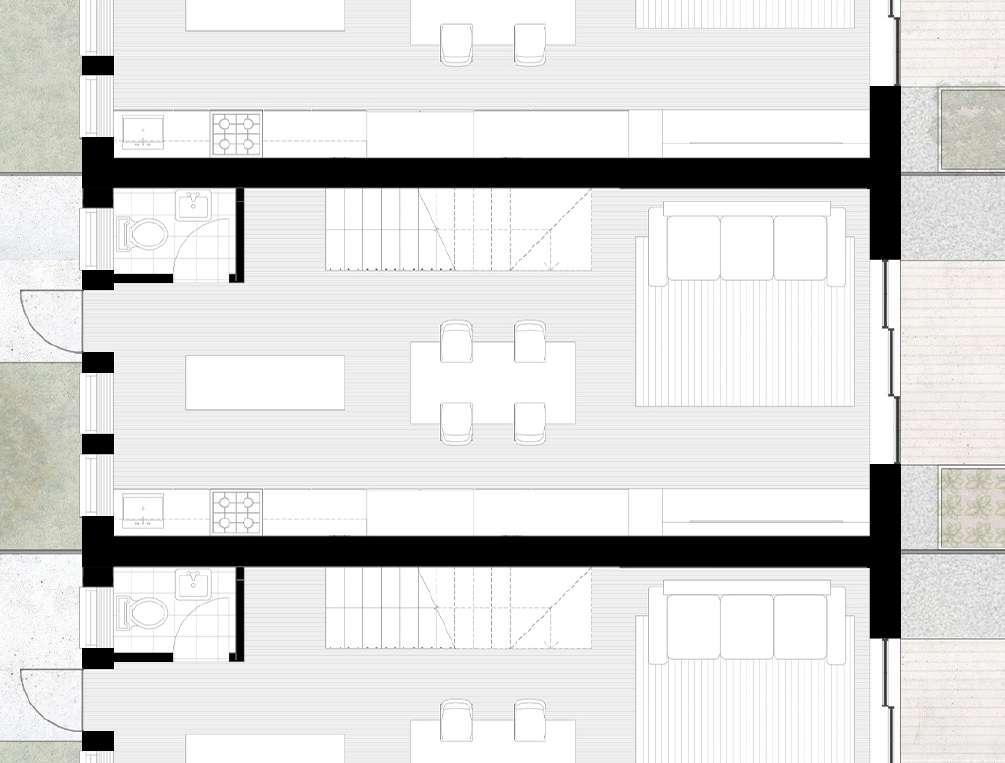
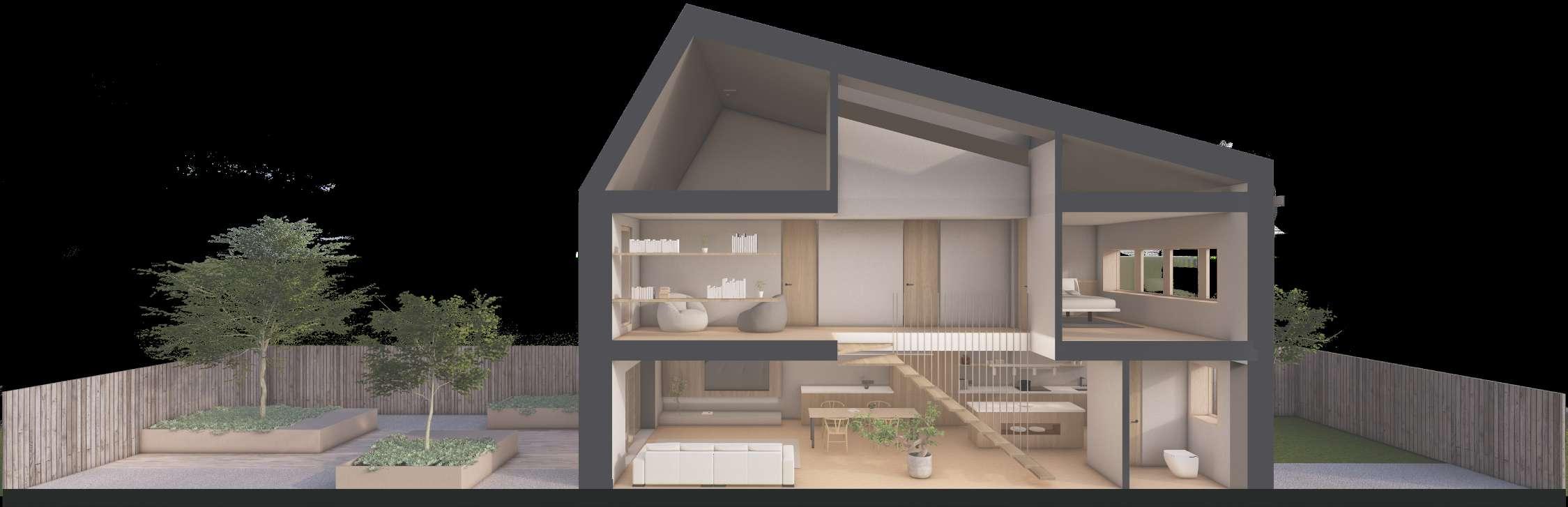
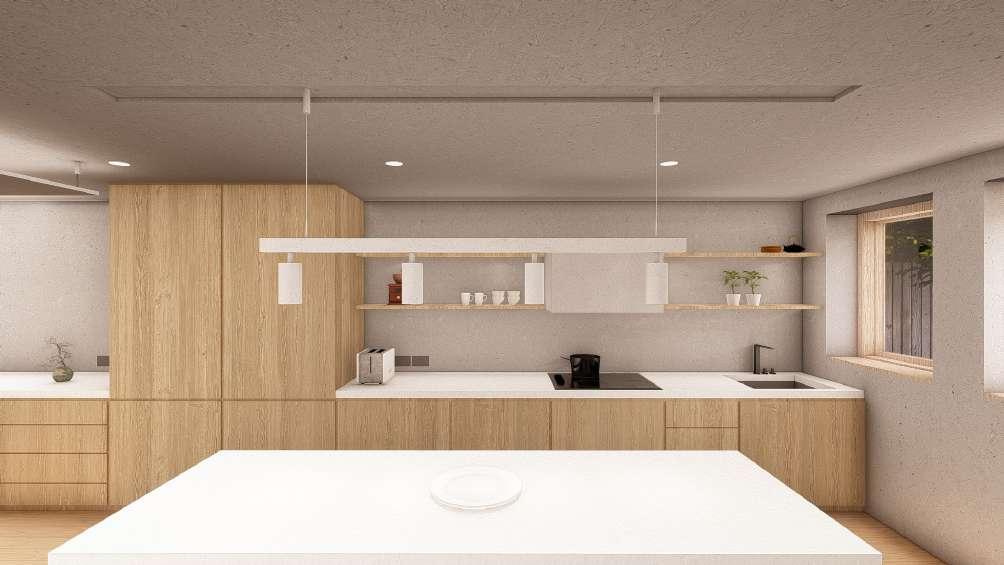
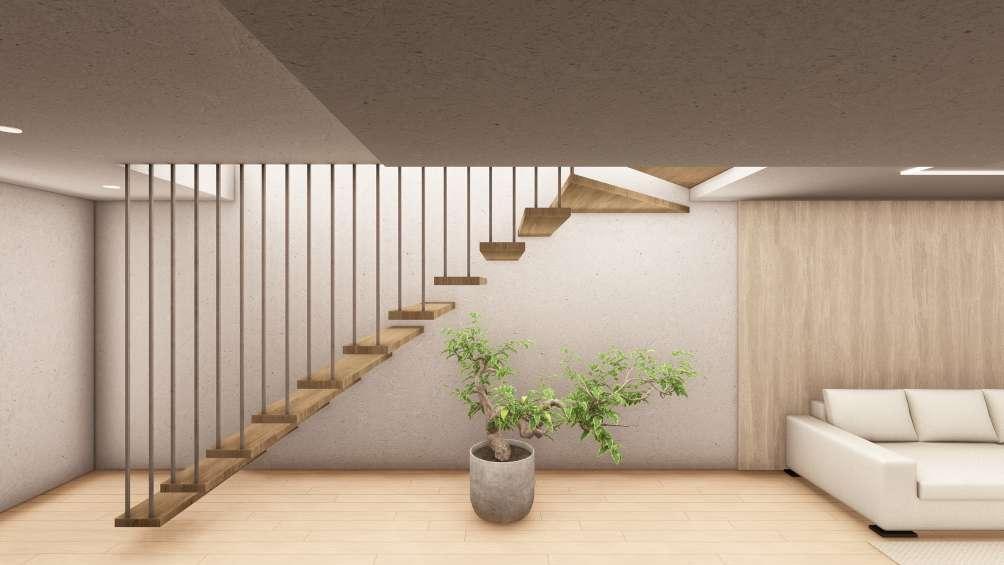
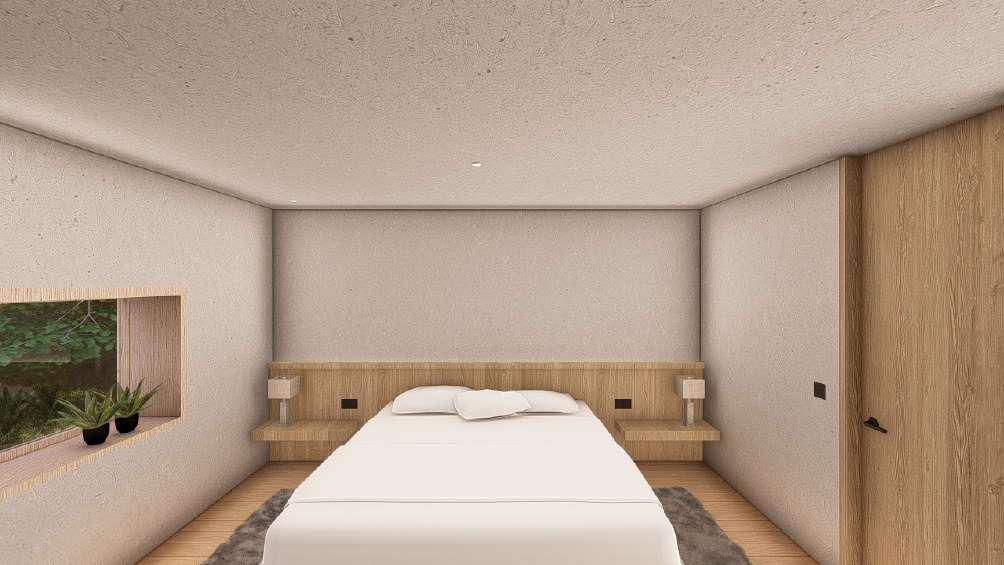
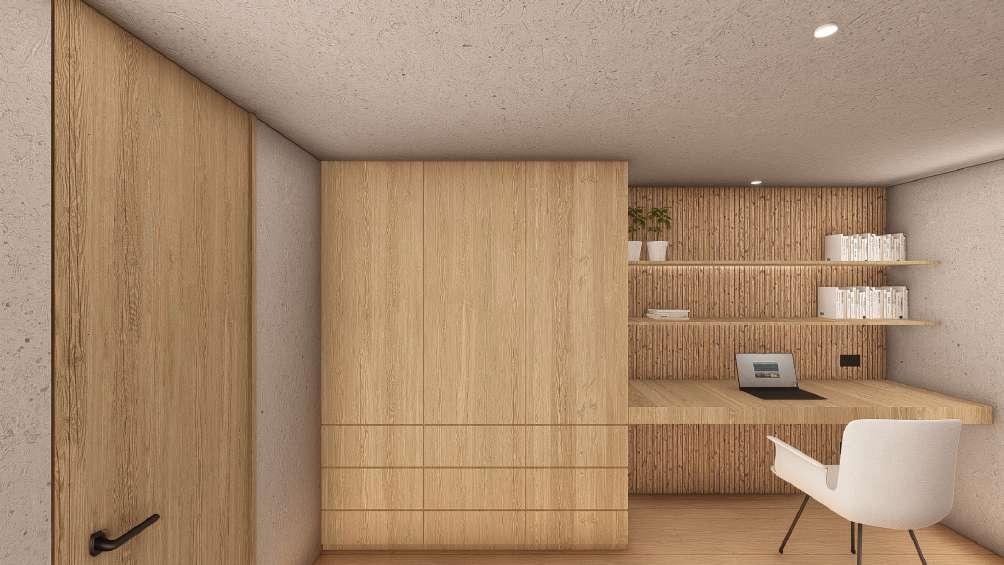
The terrace housing design, which results in some walls lacking external openings, is mitigated by an MVHR system in the attic for optimal ventilation; Despite limited Southern access, a roof skylight compensates for sunlight, augmenting natural light; The thick walls of the passive house design offer unique window seating opportunities; The site layout emphasizes privacy, houses are distanced by additional garden space and site elements (alleyway, greenwalk), adhering to overlooking regulations, and mirroring the existing street pattern while providing leisure areas; Toilets are strategically placed at ground level ensuring complete accessibility; The obstacle-free stairs lead directly to the entrance ensure compliance with fire regulations nts.
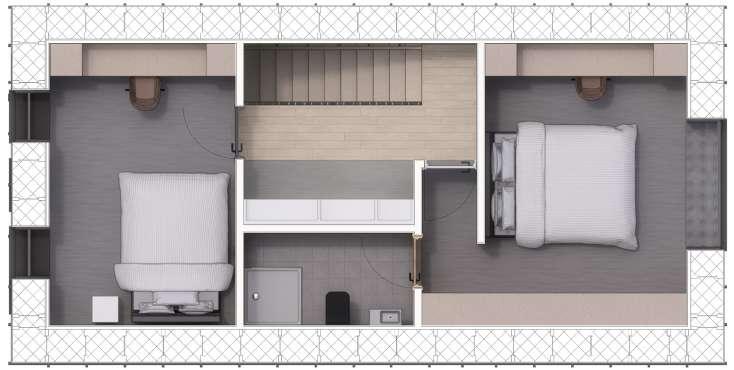
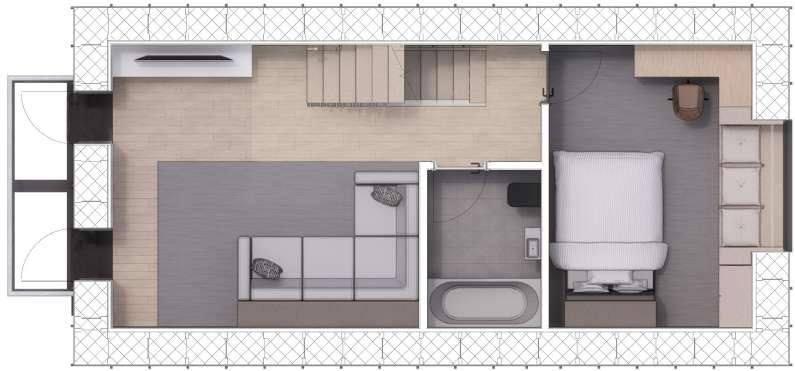
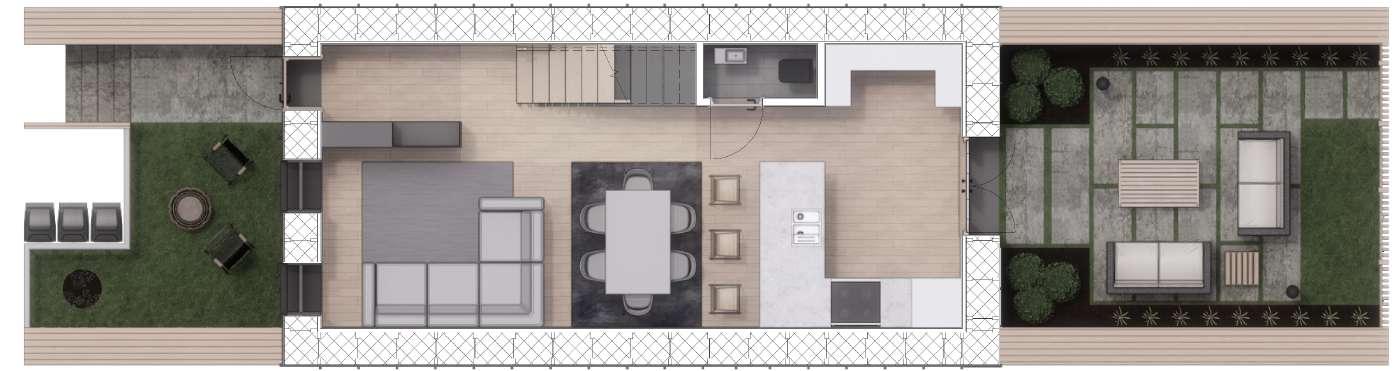
replicable sustainable terrace-house #2
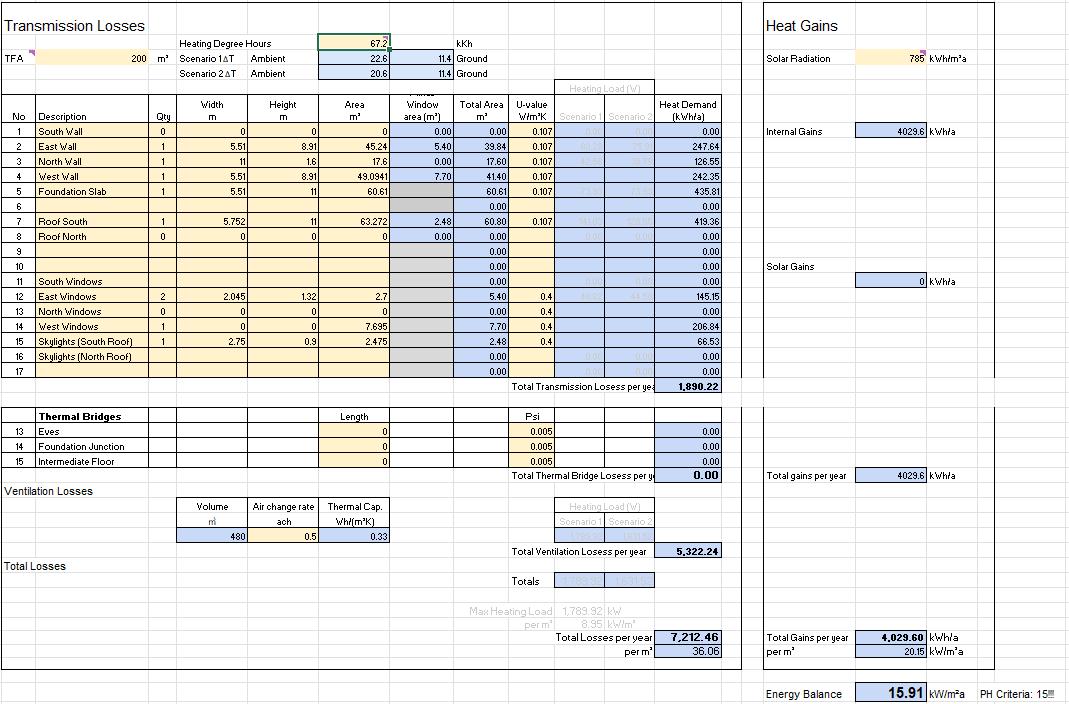
Replicable houses with a strong emphasis on sustainability, adaptability, and occupant’s satisfaction. This project integrates sustainable practices that encompasses both the design and construction phases, creating four models that can be reproduced in diverse locations in the UK, according to the orientations. Evaluated against the House Quality Mark, and drawing insights from a substantial number of precedents assisted in developing the following models for adaptation.
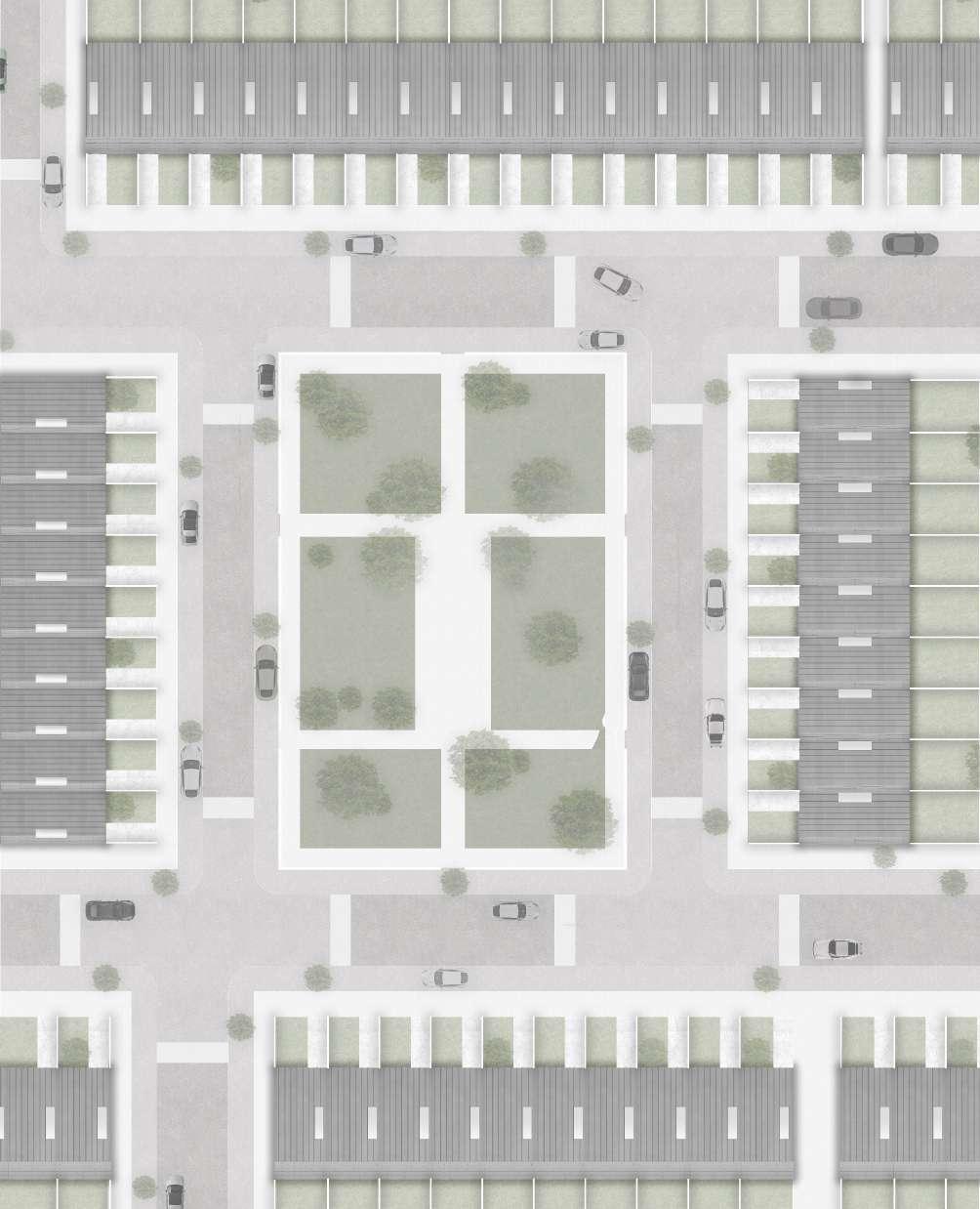
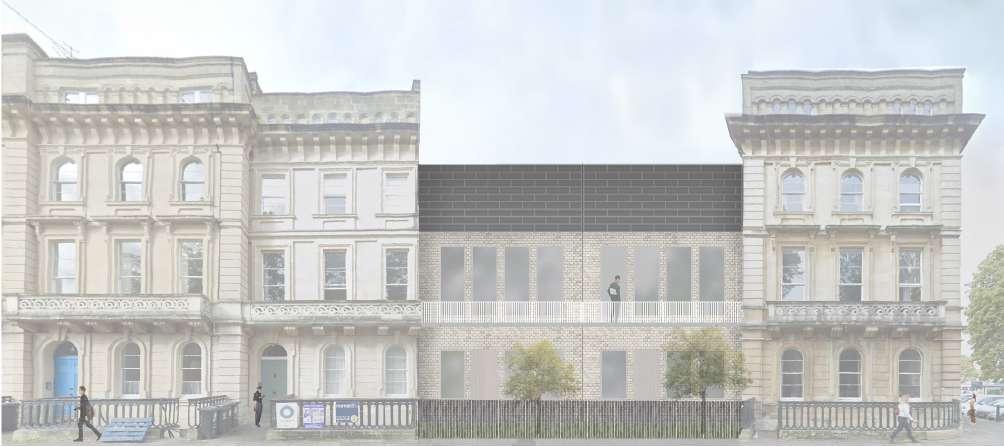
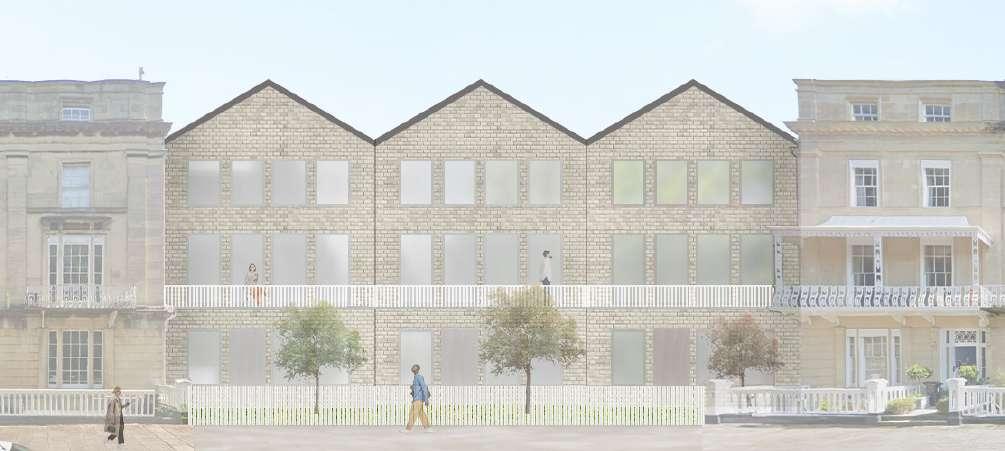
The sustainable houses are designed to transcend specific sites; they embody adaptability, harmoniously fitting into various locations and conditions. Careful attention is given to factors such as aesthetic appearance and sustainable principles. The exemplary map on the right illustrates how these houses can be harmoniously blended into a local housing setting. Taking the Clifton area in Bristol as an example, I considered aesthetic harmony and material choices, ensuring the houses blend seamlessly with the surroundings while allowing for potential alterations.
nts.
The North and South houses have the same approach in design and construction, considering sustainability and occupant’s satisfaction, but have slight alteration to the roof, window placement, and external shading devices to regulate heat gain and exposure to sunlight; Due to the typical Southwest prevailing winds in the UK, the South side of the house is open to the rest of the house, encourages more use of natural ventilation.The windows and doors are also strategically placed to encourage cross ventilation; Thermal mass material is used accordingly to regulate temperature fluctuations to reduce energy consumption. nts. nts.
North and South facing terrace house

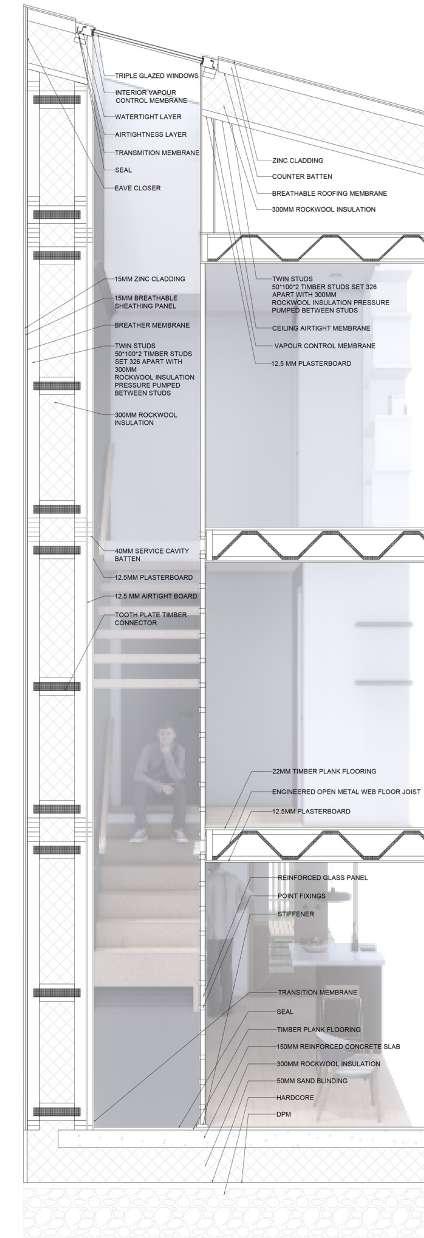
fabric first approach
Use of high thermal performance and environmentally friendly material for the building fabric, up to the passivehaus standard. This ensures the reduction of energy consumption and a comfortable indoor environment.
Building fabrics (wall, roof, foundation, windows, doors) are highly insulated, reduces the energy consumption and carbon emissions required to heat and cool the building and creates a comfortable indoor environment without the need for conventional heating or cooling systems.

rainwater harvesting
Rainwater harvesting collects and stores rainwater that falls on roofs, paving, and other surfaces for use in non-potable applications (i.e. toilet flushing, laundry, and irrigation). By conserving water, it reduces demands from the mains water supplies, and decreases the risk of flooding by reducing water runoff. The rainwater harvesting system consists of a collection system, storage tank, and distribution system.
Strategically positioned doors and windows encourages cross ventilation within the house that significantly impacts both energy efficiency and the overall occupants well-being. This is also particularly crucial for temperature management, especially during warmer seasons, by harnessing natural breezes, houses can maintain a comfortable temperature without use of mechanical cooling systems. It also plays a pivotal role in ensuring sufficient airflow within the household, crucial for occupant’s comfort and health. The constant exchange of fresh outdoor air helps disperse indoor pollutants, creating a cleaner and healthier living space. Cross ventilation represents a shift towards a more resilient and sustainable living environment. It not only reduces the carbon footprint associated with traditional climate control methods but also fosters a connection with nature.

sustainable urban drainage system
SuDs is implemented to mimic the natural drainage processes by using a combination of techniques. For instance, permeable surfaces, soil management, and rain gardens to slow the flow of storm-water, increase infiltration into the ground, and improve water quality. SuDs also helps to create green spaces and improve biodiversity, reduces the impact of storm-water runoff in urban areas which might result on flooding.
mechanical ventilation with heat recovery
MVHR system extracts stale air from inside the house and replacing it with fresh air from outside, while also recovering the heat from the extracted air and using it to preheat the incoming fresh air. It consists of a heat exchanger (installed in the loft space), fans (installed in ceilings), and ductwork (hidden in walls and ceilings), reduces the amount of energy needed to heat the house whilst improving indoor air quality. This is achieved by the JJI framing system. The system can be controlled by the smart phone app as part of the smart house feature.

adaptive foundation
Providing a range of foundations to ensure that the houses can be built on different types of ground conditions while minimizing their environmental impact. Foundation available: raft, piled, and shallow foundations.

second floor plan (East facing terrace house)
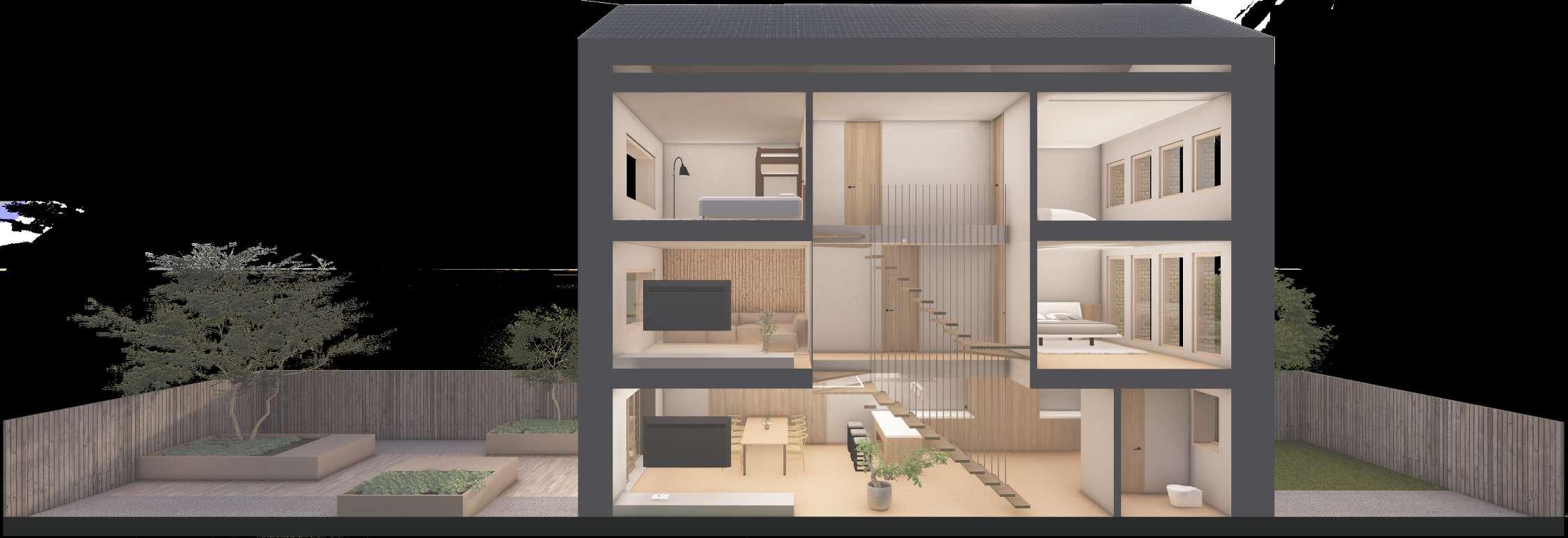
The East and West houses have the same approach in design and construction, considering sustainability and occupant’s satisfaction, but have slight alteration to the roof, and interior design layout to better suit the occupant’s needs. Where East facing rooms are preferable for early risers and West facing rooms are ideal for a warm and bright afternoons, both sides benefit from moderate daylight throughout the day. Windows and doors are also strategically placed for the typical Southwest prevailing winds in the UK to encourage natural and cross ventilation nts. nts.
East and West facing terrace house
first floor plan (East facing terrace house)
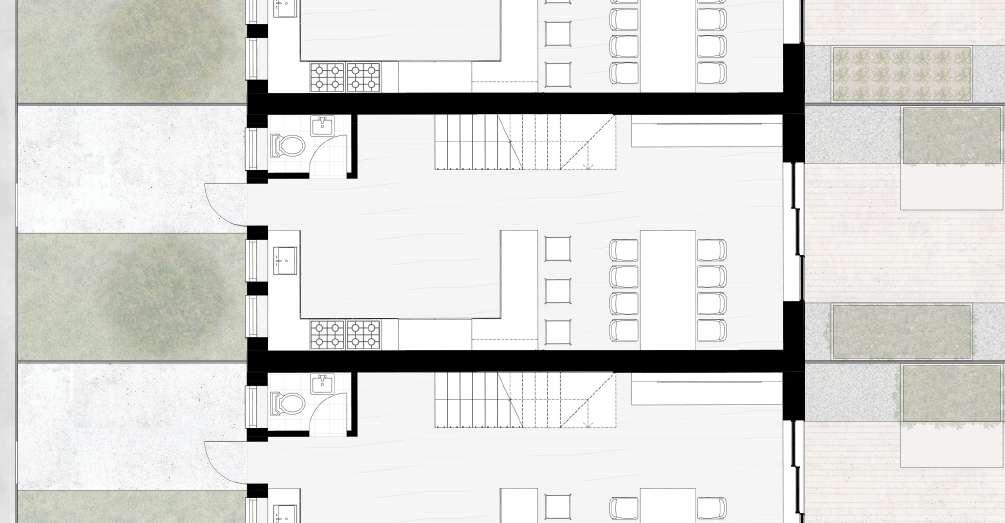
ground floor plan (East facing terrace house)

The use of JJI timber structure system to achieve the open structure allowis flexible, adaptive layouts to fit different needs (all post and beams are designed according to the JJI technical handbook to maximises the stability and robustness). The absence of interior walls create a bright, spacious, functional, and airy ambiance, reducing the need for artificial lighting and creating a more welcoming atmosphere. This also promotes improved circulation and interaction among occupants, as well as cost-effectiveness due to the effective use of construction materials.


Airtightness reduces the amount of uncontrolled air movement between the interior and exterior of the building, which reduces the energy required for heating and cooling. It also improving indoor air quality and lower the risk of mould growth.
The passive house standard ensure the houses are constructed to a high level of airtightness: with the air barrier system applied continuous membrane to the building envelope.
To ensure that the building is airtight, it is also important to conduct regular air leakage testing during the construction process and after completion.

The battery system aligned with the PV system improve the efficiency and cost effectiveness of the BIPV system, maximize the benefits from the SEG scheme and reduce the reliance on the grid. By implementing the system, excessive electricity can be stored for later use internally or when the outsourced rates are considerably higher. In addition, the battery system also acts as a backup power in the event of a power outage or grid failure. This is particularly useful for houseowners rely on electricity for critical needs. By limiting the grid export, this can avoid the need to upgrade the existing mains grid infrastructure that saves up a lot of costs.
Solar shingles will be used in the terrace housing. Solar shingles are designed to integrate seamlessly with the roof, creating an attractive and uniform appearance, it is also more flexible due to its small size which is optimal for this project with variable roof size according to different locations. Solar shingles are designed to integrate into the roof therefore its durability and resistance will be more effective compared to PVs mounted on racks

Ground to water heat pump is selected as the heat/cooling system of the terrace houses. It will be located under the road providing energy for multiple residential units, works by harnessing the stable temperatures of the ground to heat or cool the house, since the temperature of the ground remains relatively constant throughout the year
The flexibility of installation of ground loop horizontally in trenches or vertically in boreholes depending on the available space and ground condition is also worked closely with the replicable nature of the project.
The selection of construction products prioritize those that follow sustainable development principles across the entire supply chain, including extraction, processing, and manufacturing.

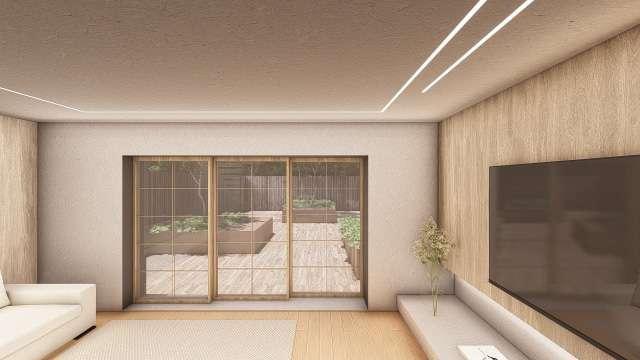
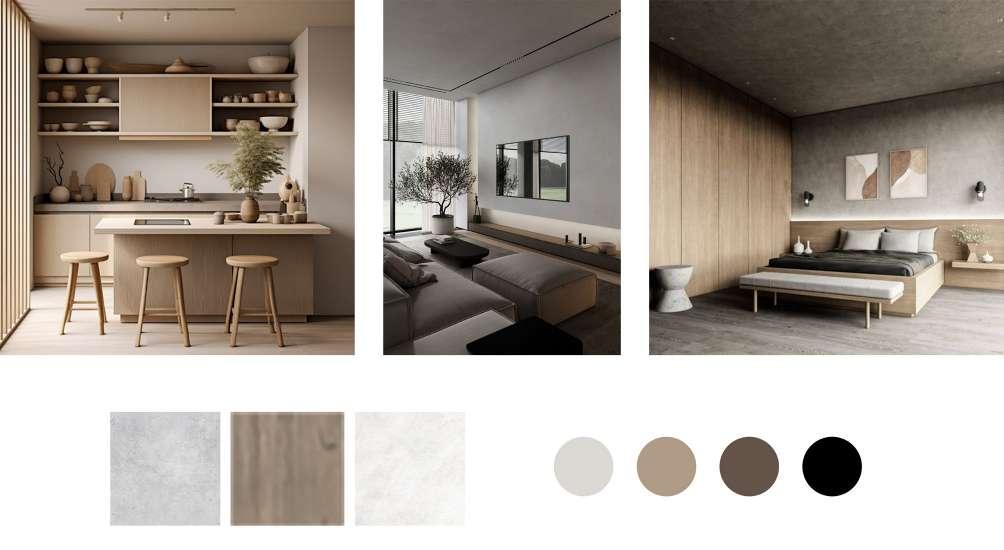
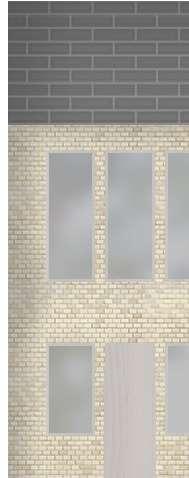
the hexagon #3
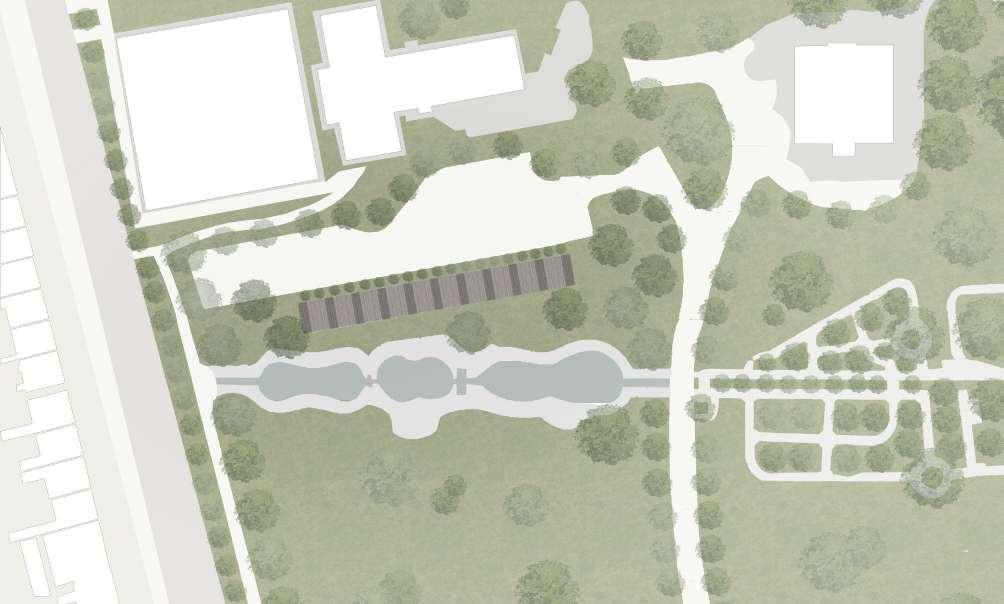
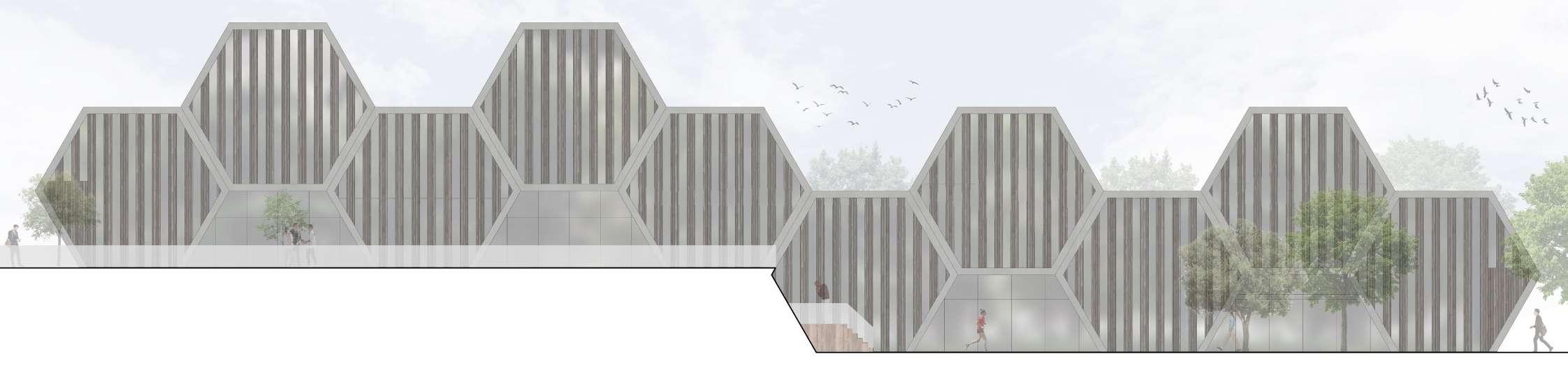
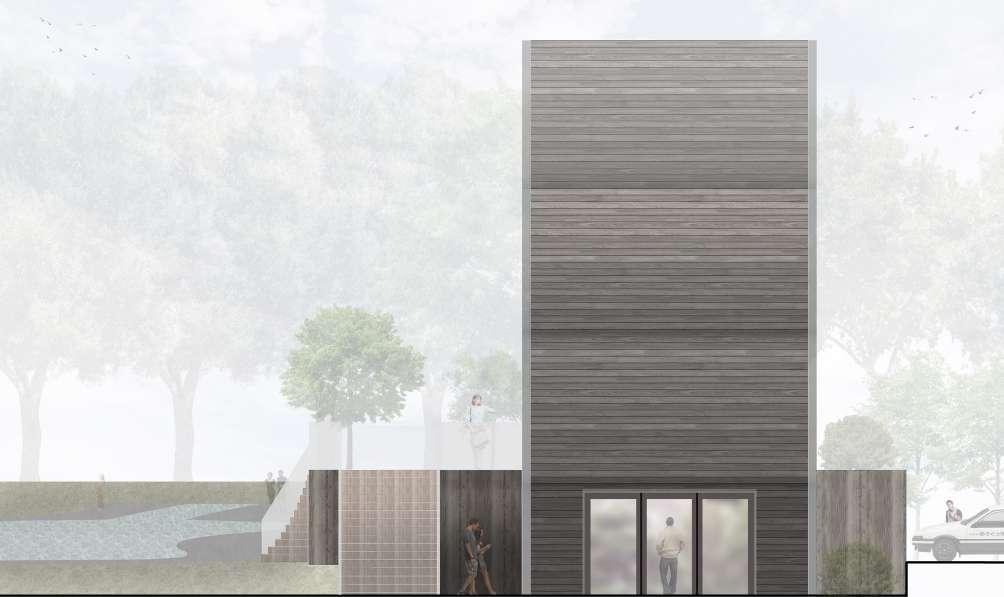
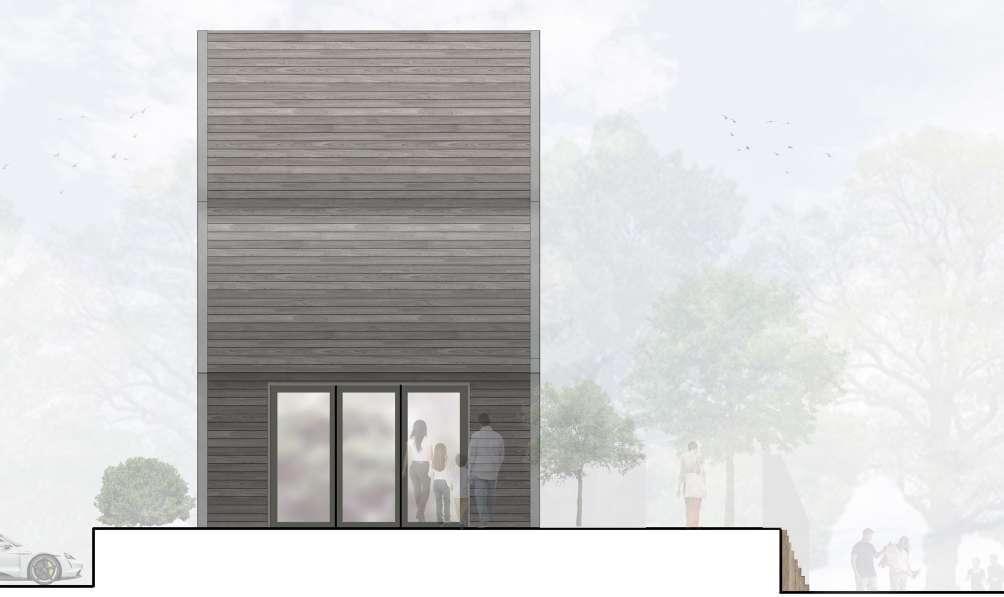
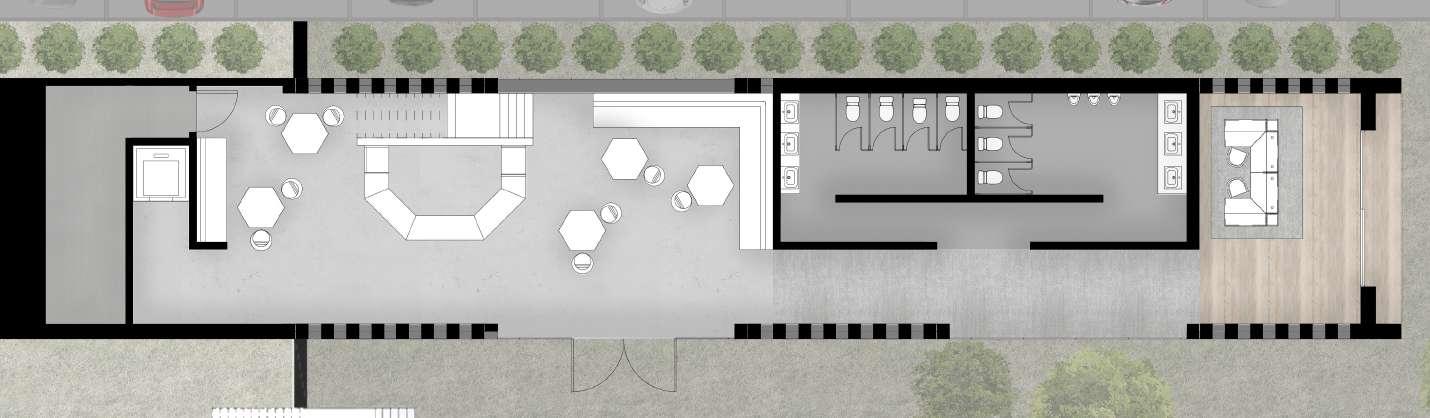
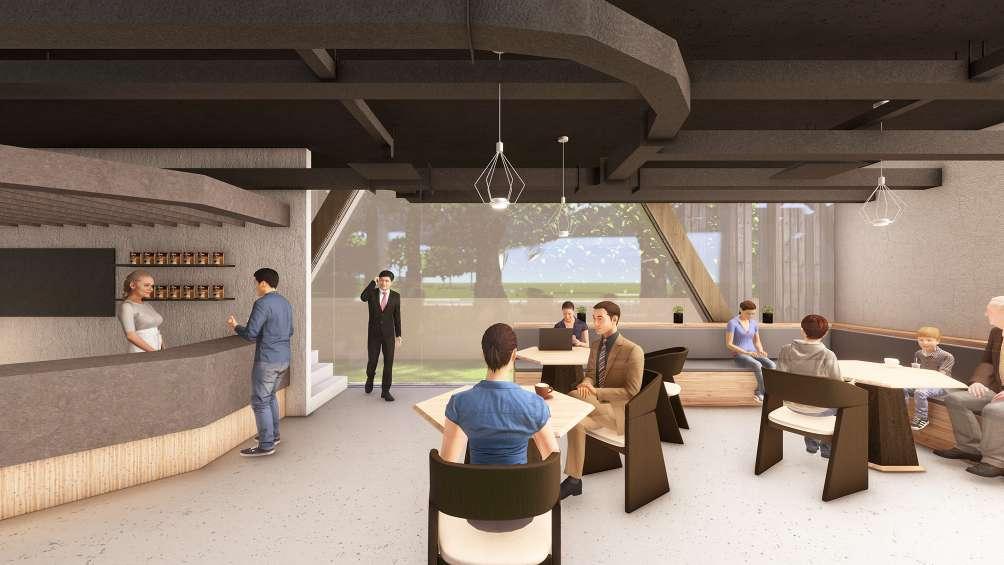
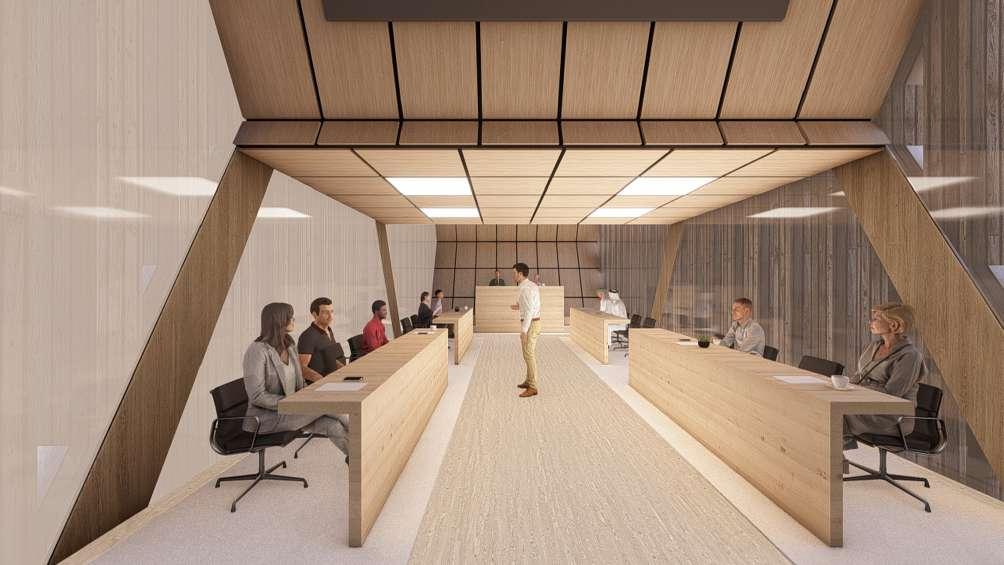
A citizen’s assembly building in Aberdeen to enhance local democracy and community engagement. Incorporated conservation areas, minimized usage of thresholds, and ensured full accessibility. This project emphasizes in adaptable modularity and community-focused design.
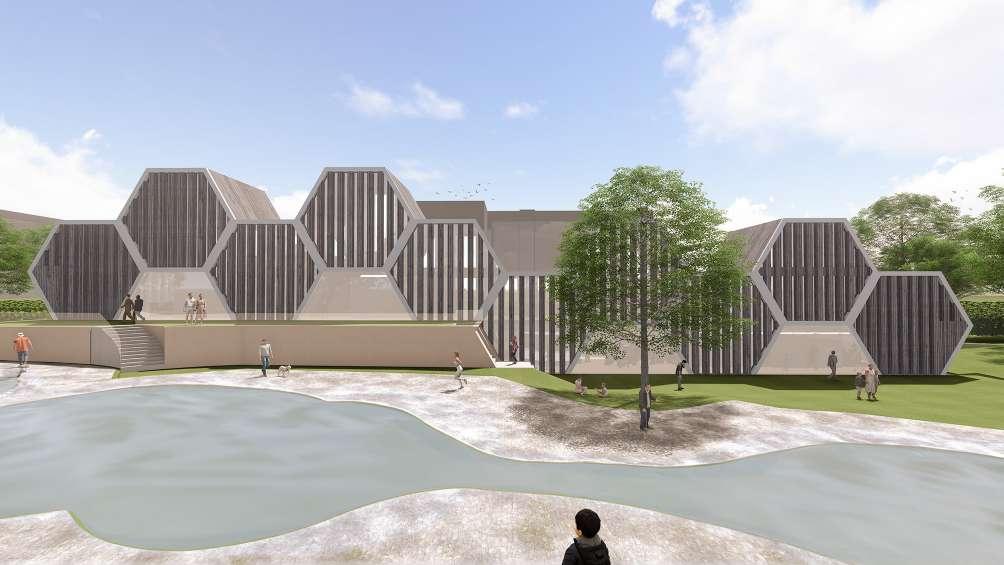
project overview site

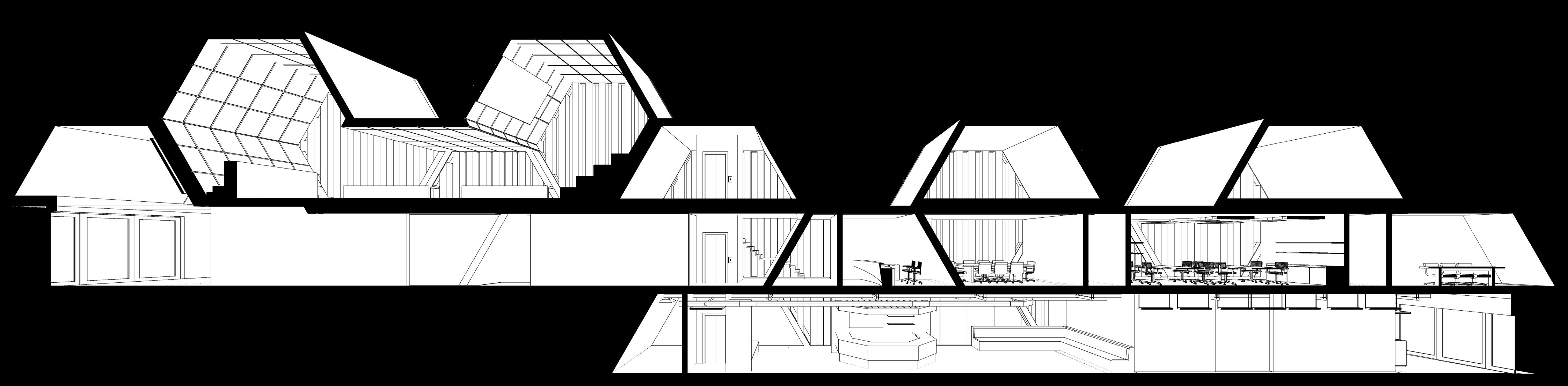
perspective section
nts.
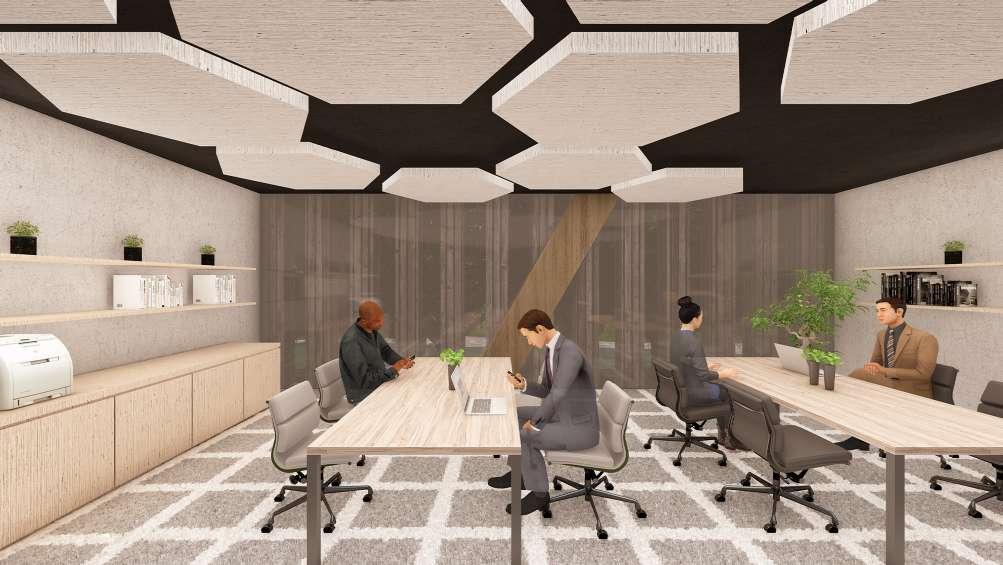
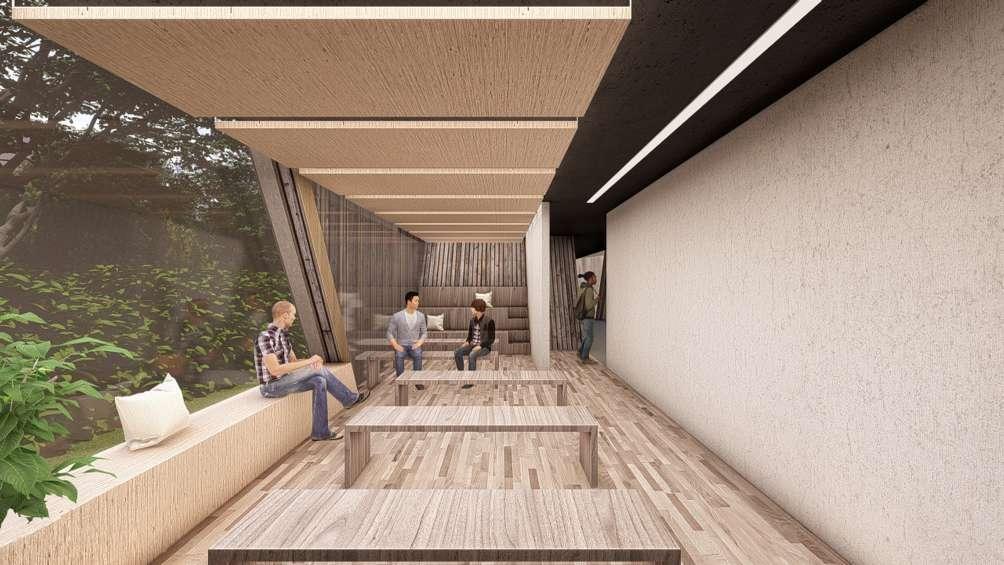
This project emphasizes the exploration of modular construction. Modular architecture thrives on the creative utilization of repetitive, standardized units that share common characteristics. These modules, uniform in size, shape, and function, can seamlessly connect and be interchanged to offer flexibility and adaptability. Contrary to any preconceived notions of monotony, modular architecture is a dynamic approach through strategic placement, detailed design, and consideration of context - captivating and engaging buildings.
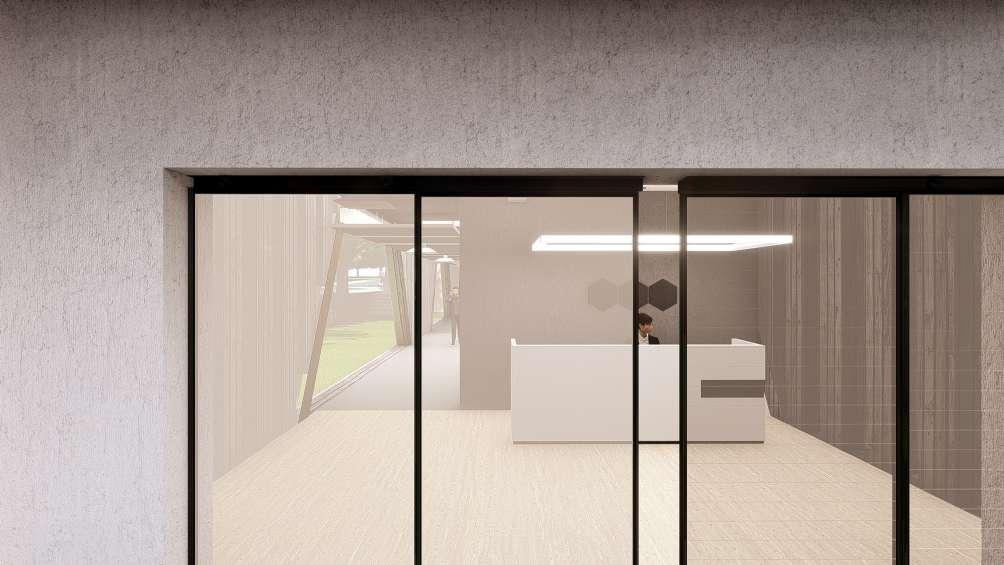
entrance/ reception
Jacob Solutions Inc. - Internship
Employed by Jacobs Solutions Inc., an international engineering services company, my role entailed designing interior layouts and MEP aspects for various commercial and industrial buildings within their landfill extension project. I actively participated in detailed design tasks, generating revised drawings and specifications for construction with a director. Additionally, I conducted site visits alongside a chartered engineer, reviewing drawings and monitoring on-site progress to ensure strict adherence to design specifications and project timeline.
Trial Architects - Internship
While at Trial Architects, a local architectural practice in Perth, I undertook the task of developing a detailed BIM model for a residential project at its inception phase. Utilizing a variety of CAD drawings and supporting documents, I successfully created a detailed BIM model for the original house. This model serves as a foundation for the design phase, including extension of the front porch and the addition of three bedrooms and a living/ leisure area to the existing house.
Additionally, I collaborated with senior colleagues and the director to design and present various design options for the client meeting. This involved effective communication of design concepts during design meetings, ensuring alignment with project objectives and client’s expectations.
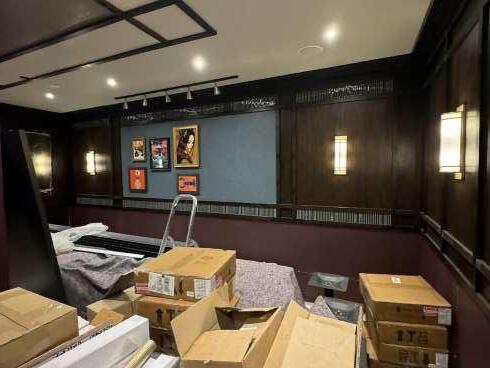
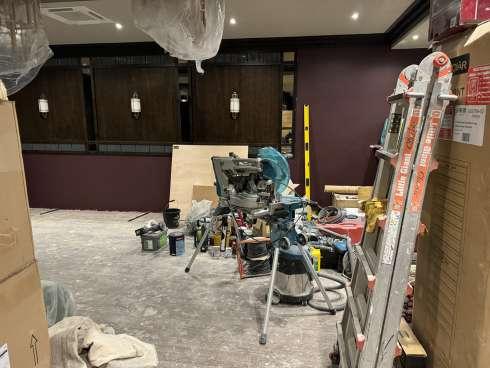
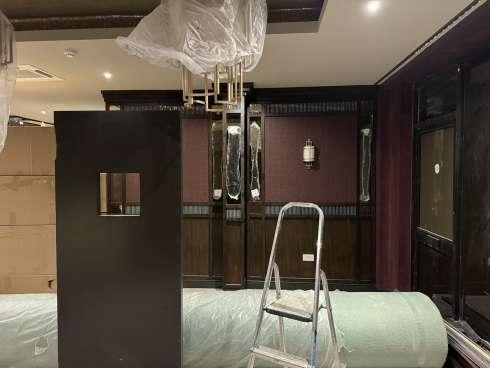
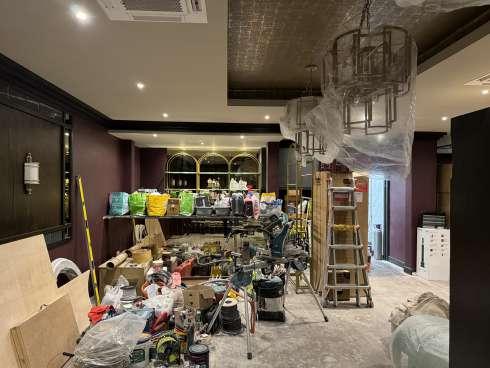
HKG Group Ltd - Labourer
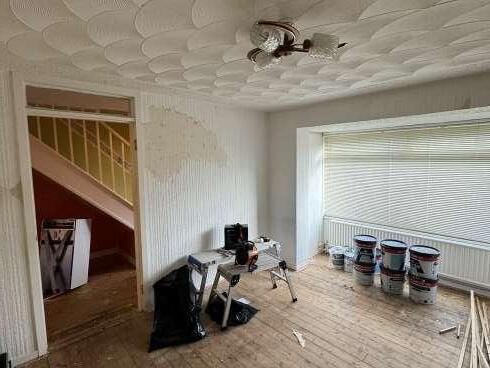
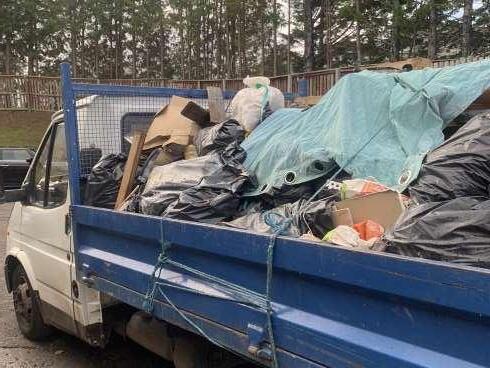
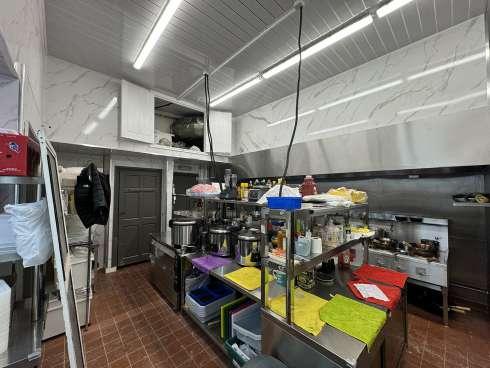
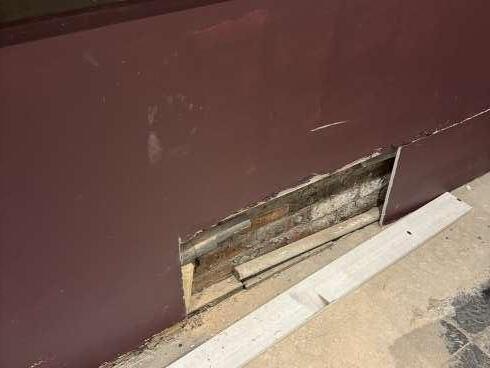
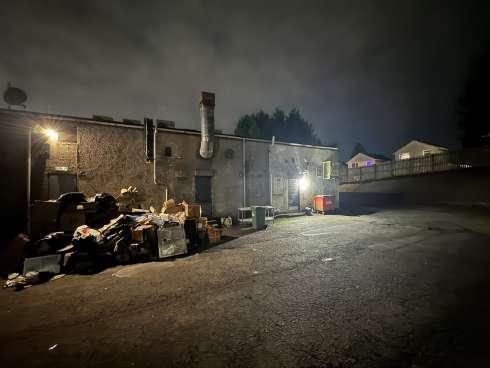
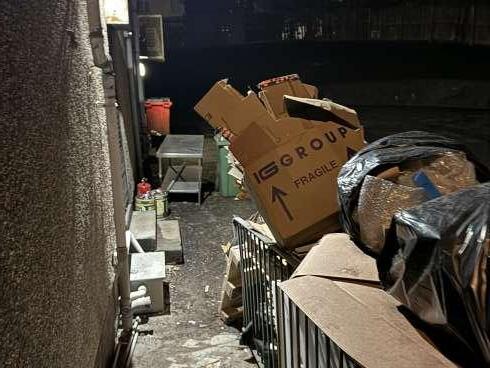
Employed by a local contractor with over 20 years of experience, I actively contributed to a restaurant renovation project. Transforming a former Thai-food takeaway into a highend Chinese restaurant, my role involved frequent liaison with various sub-contractors, addressing their tasks and working environment. Additionally, I maintained ongoing communication with the contractor, client and stakeholders, ensuring work progress and quality met the expectations outlined by the interior designer. This hands-on experience provided valuable insights into daily onsite construction dynamics and collaborative work with the construction team. It also exposed me to unforeseen challenges related to waste, storage, and safety hazards, broadening my understanding of construction intricacies.
Self-employed - Surveying
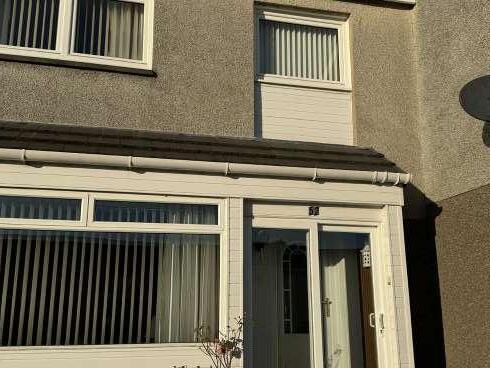
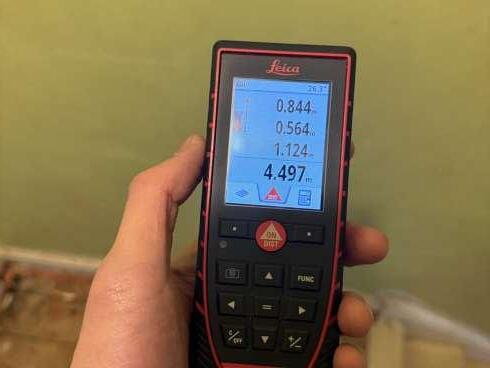
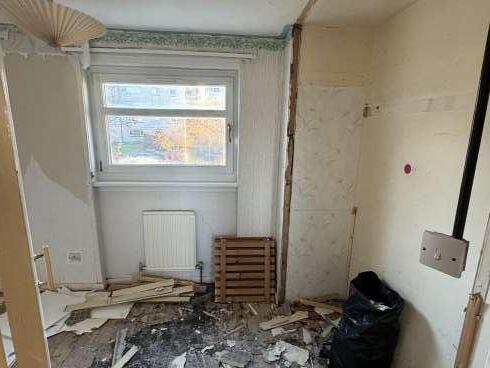
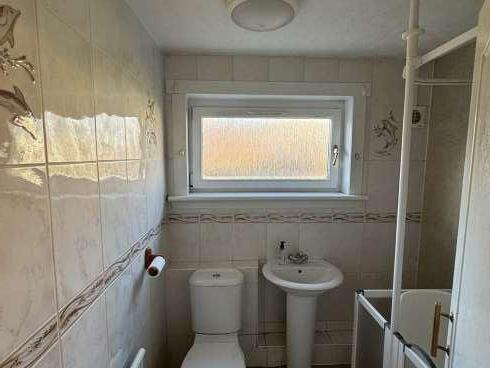
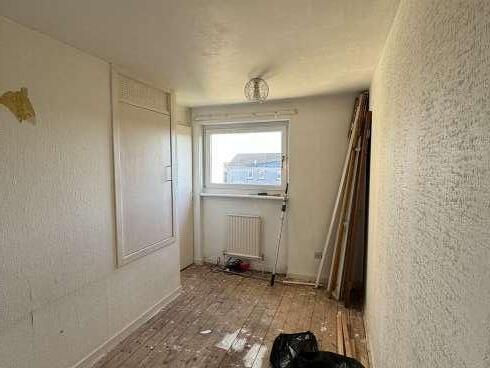
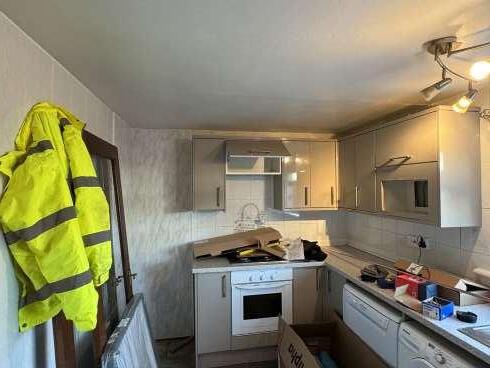
Conducted on-site surveys for a residential house designated for Airbnb use under the guidance of an experienced chartered architect. The collected survey data played a crucial role in developing a comprehensive BIM model for the subsequent planning application process. The surveying process demanded attention to detail, utilization of professional equipment, and effective communication with the client, stakeholders (neighbours), and on-site workers, given the ongoing nature of the project. Additionally, prioritized attention to safety hazards and ensured a thorough understanding of insurance requirements prior to commencing the work.