Professor Anne Boddington, IAFOR, Japan (IAB Chair)
Dr Joseph Haldane, IAFOR & The University of Osaka, Japan
Professor Jun Arima, IAFOR & The University of Tokyo, Japan
Professor Virgil Hawkins, IAFOR Research Centre & The University of Osaka, Japan
Mr Lowell Sheppard, IAFOR & Never Too Late Academy, Japan
Professor Umberto Ansaldo, VinUniversity, Vietnam
Dr Susana Barreto, University of Porto, Portugal
Professor Grant Black, Chuo University, Japan
Dr Evangelia Chrysikou, Bartlett School of Sustainable Construction, University College London, United Kingdom
Professor Donald E. Hall, Binghamton University, United States
Professor Brendan Howe, Ewha Womans University, South Korea & The Asian Political and International Studies Association (APISA)
Dr James W. McNally, University of Michigan, United States & NACDA Program on Aging
Professor Anne Boddington, IAFOR, Japan (IAB Chair)
Professor Laura R. Bronstein, Binghamton University, United States
Dr Thomas G. Endres, University of Northern Colorado, United States
Dr Joseph Haldane, IAFOR & The University of Osaka, Japan
Professor Donald E. Hall, Binghamton University, United States
Dr Mary Therese Perez Hattori, University of Hawai'i at Mānoa, United States
Dr Benjamin D. Huffman, University of Maryland, United States
Dr James W. McNally, University of Michigan, United States & NACDA Program on Aging

Dear Friends and Colleagues,
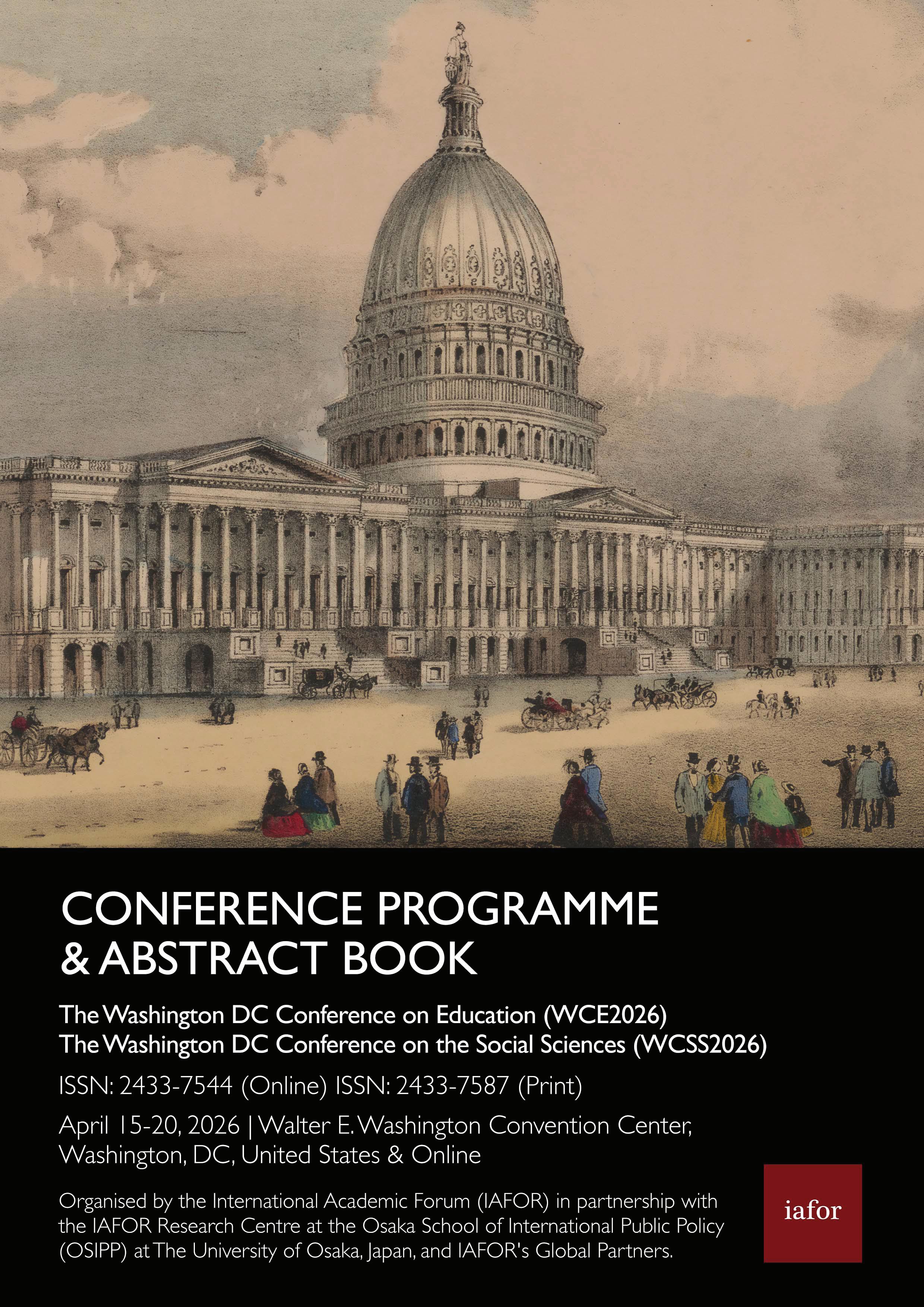
Welcome to the Washington Conferences on Education (WCE2026) and the Social Sciences (WCSS2026), hosted by IAFOR – The International Academic Forum. I am very excited to return to the mainland United States for the first time since 2023. This time, we have crossed the Potomac River from Virginia to host our event in downtown Washington DC, where we expect some 250 participants from 50 countries.
IAFOR is a mission-driven, politically independent, non-partisan, and non-profit organisation dedicated to encouraging interdisciplinary discussion, facilitating intercultural awareness, and promoting international exchange, principally through educational interaction and academic research. We are a global interdisciplinary academic association that connects scholars, policymakers, and professionals through our conferences and publications, attracting more than 5,000 attendees per year to our events on three continents, and engaging with many more through our membership and publications.
Our event comes to the political center of the world’s most powerful country, and at a time of unprecedented global uncertainty. Our interdisciplinary programme will explore timely themes relevant to us all, and provide a space and place for us to contextualise fast-moving events in our own countries, discuss responses, and find out what is going on with our colleagues around the world.
The programme is rich and engaging, and I look forward to seeing familiar faces, and meeting new friends. We have so much to learn from each other, and I encourage your active participation throughout the event.
Warmest regards,

Dr Joseph Haldane
Chairman & CEO, The International Academic Forum (IAFOR)
Professor, European Center for Peace and Development (ECPD), United Nations University for Peace Guest Professor, Osaka School of International Public Policy, The University of Osaka, Japan
Visiting Professor, Doshisha University, Japan
Visiting Professor, The University of Belgrade, Serbia
Member, Expert Network, World Economic Forum

Dear Attendees,
Washington, DC’s local government and hospitality alliance warmly welcome you to the city and appreciate your business. Your meeting matters to us. As a local community, we proudly welcome visitors and business travelers from around the world and from all backgrounds.
While Washington, DC is home to the U.S. government, it is also something much more – an open, international city that pulses with energy, creativity and culture. The city’s appeal to locals and visitors continues regardless of political developments: colleagues meeting over cuisine from every corner of the globe, neighbors gathering, historic and modern hotels welcoming guests, audiences filling theaters and music halls and visitors experiencing the city’s safe, clean and walkable neighborhoods.
Our city knows that meetings matter: the 700,000+ residents who live in the District, along with local businesses and the workforce, rely on the long-lasting impact of meetings and events.
• Visitation to DC has an $11.4 billion impact – a crucial component of the local economy.
• International visitation to DC is about 8%, but makes up 27% of visitor spending. Growing international visitation and welcoming international attendees are a major priority for the city.
• Without visitor revenue, DC would need to collect an average of $3,634 in local taxes from local households (2024: S&P Global Market Intelligence).
We are committed to your success in Washington, DC. Destination DC’s convention sales and services team expertly helps you navigate challenges, grow attendance and meet the moment as you plan.
• Visit washington.org to find resources.
• Read about the Walter E. Washington Convention Center and Events DC’s commitment to excellence and sustainability.
• Learn more about extending your stay in Washington, DC and enjoying world-class museums, a dining scene attracting major attention, 100+ free things to do, hotels for every occasion and so much more.
Meetings in DC go beyond logistics – they’re about legacy. They build on our city’s long-standing role as a global hub for ideas, action and collaboration. The world knows Washington, DC. We’re excited for you to experience it and add your voice to the conversations that shape our collective future.
Warmest regards,

Elliott L. Ferguson, II President and CEO, Destination DC

Un i v ersi ty F a cu l ty 15% Doctora l Stu den t 11% Pu bl i c Sector/Pra cti ti on er 8% Oth er 5% Postgra du a te Stu den t 3% Postdoctora l F el l ow/In stru ctor 3% Pri v a te Sector 2% In depen den t Sch ol a r
1 Teac hing Experienc es , Pedago gy, Prac tic e & Praxis (15)
2 Educ atio n & D ifferenc e: Gifted Educ atio n, S pec ial Educ atio n, Learning D iiff c ulties & D is ability (10)
3. Pro fes s io nal Training, D evelo pm ent & C o nc erns in Educ atio n (10)
1 5 1 0 1 0 9 8
4 Po litic s , Public Po lic y, Law & C rim ino lo gy (9)
5 Educ atio n, S us tainability & S o c iety: S o c ial Jus tic e, D evelo pm ent & Po litic al M o vem ents (8)
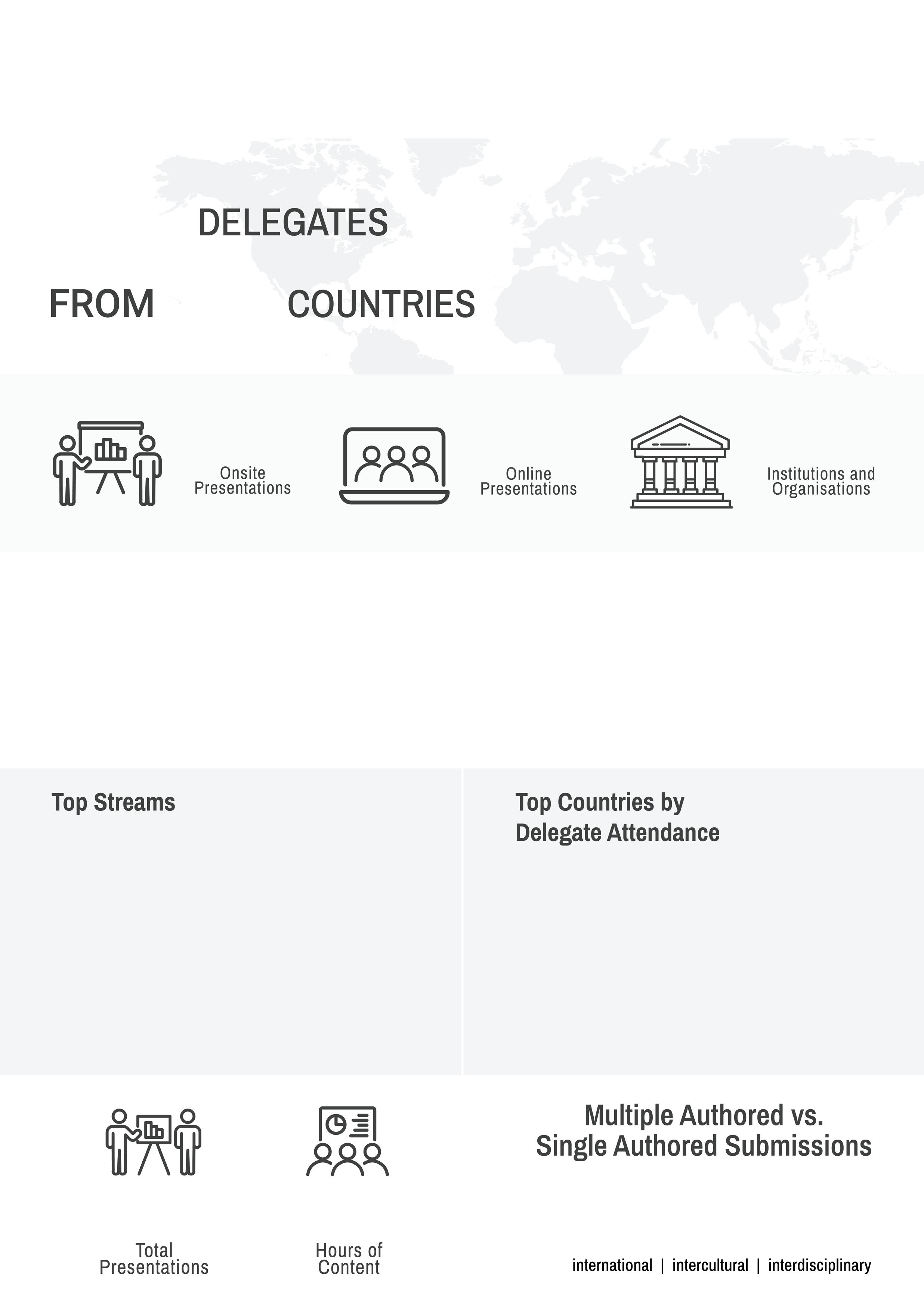

Date of C r eation: Mar c h 18, 2026
One o f the gre ate st stre ngths o f I A FOR's inte rnatio nal co nf e re nce s is the ir inte rcultural div e rsity.
W CE/W CSS2026 has attracte d 217 de le gate s f ro m 50 co untrie s.

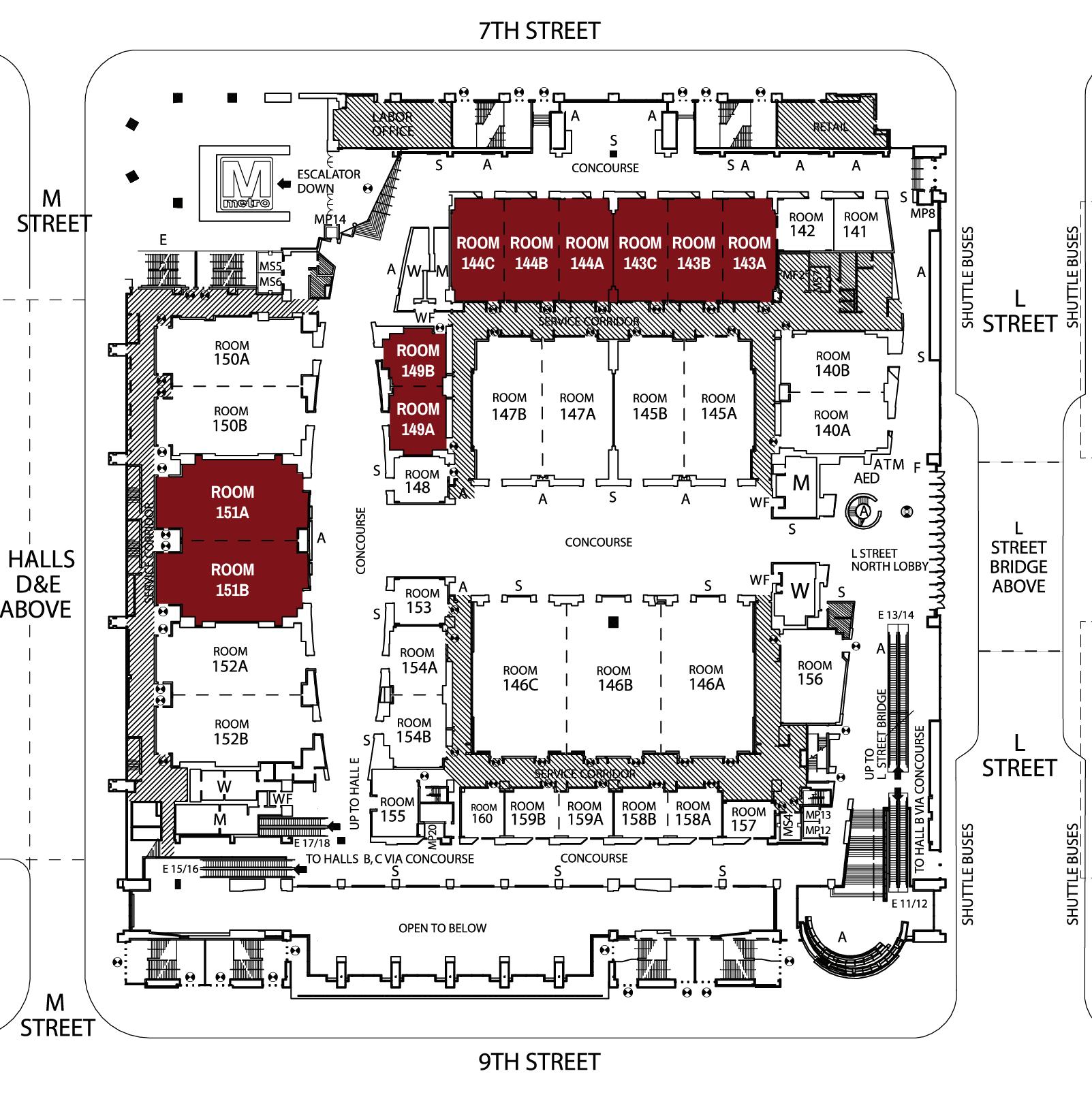
Conference Venue: Wednesday, April 15 to Monday, April 20
Walter E. Washington Convention Center
Address: 801 Allen Y. Lew Place NW, Washington, DC 20001
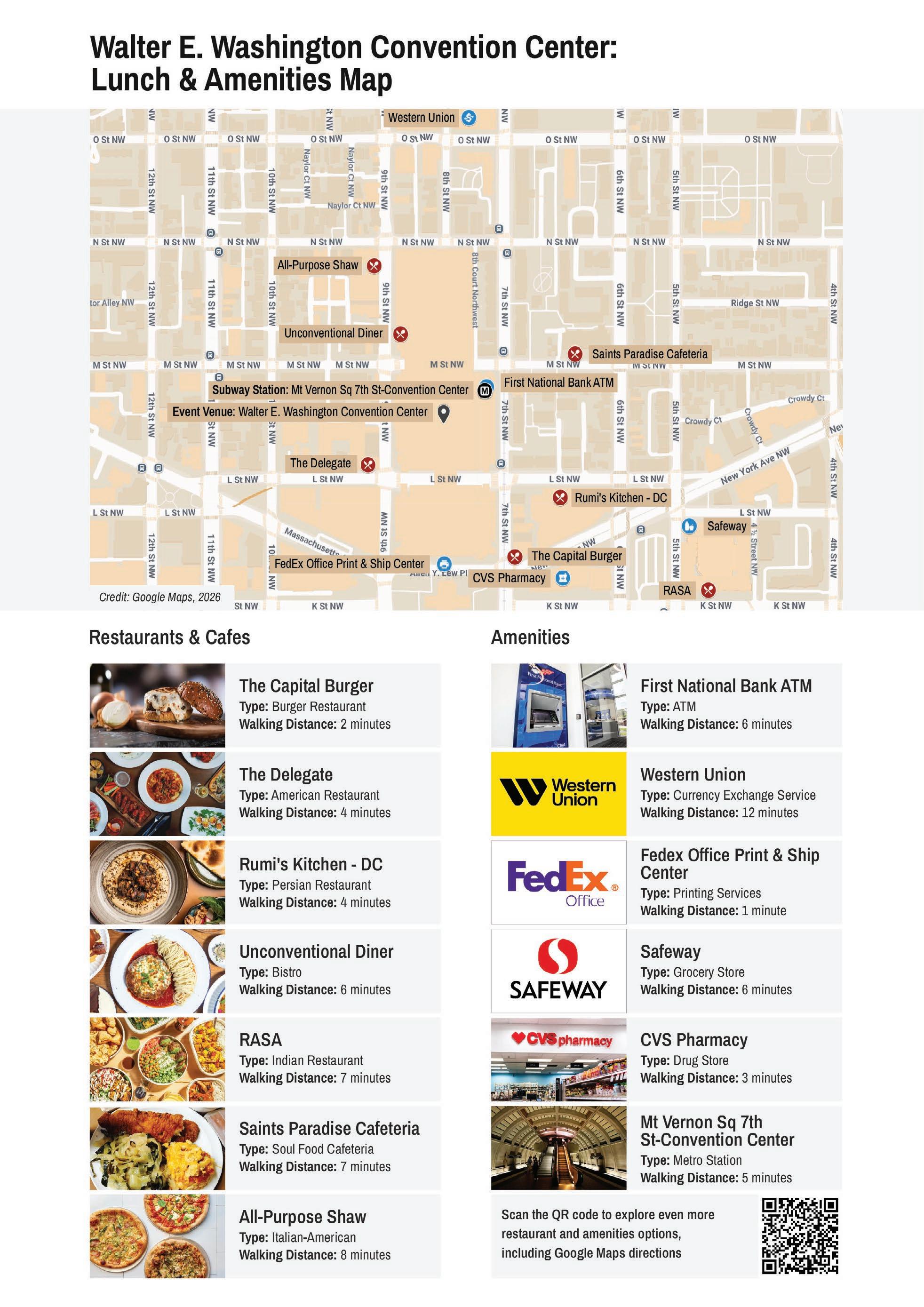
Conference Venue: Wednesday, April 15 to Monday, April 20
Please note that lunch is not provided. This map offers suggestions on where you can eat around the Walter E. Washington Convention Center, as well as the locations of local amenities.


April 15 | All times are Eastern Daylight Time (UTC-4)
Conference Venue: Walter E. Washington Convention Center
16:30-17:00 Conference Check-in | Room 151B (1F)
17:00-17:45 Conference Orientation for First-Time Presenters | Room 151B (1F)
Melina Neophytou, IAFOR, Japan
Matthew Chima, IAFOR, Japan
This session will provide an overview of what to expect at the conference, including guidance on preparing your presentation, publishing opportunities, and ways to engage with IAFOR.

April 16 | All times are Eastern Daylight Time (UTC-4)
Conference Venue: Walter E. Washington Convention Center
09:00-10:00 Conference Check-in & Coffee | Room 151B (1F)
10:00-10:35 Welcome Address & Recognition of IAFOR Scholarship Winners | Room 151A (1F) Joseph Haldane, IAFOR, Japan
10:40-11:05 Keynote Presentation | Room 151A (1F) & Online
Creating the Democratic Civic University Through Local Engagement in a Time of Crisis
Ira Harkavy, University of Pennsylvania, United States
11:05-11:15 Q&A
11:20-11:45 Keynote Presentation | Room 151A (1F) & Online
Beyond Productivity: Why the Future of AI in Education Must Be Human-Centric James M. Pitarresi, Binghamton University, United States 11:45-12:00 Q&A
12:00-12:10 Conference Photograph
12:10-13:45 Extended Break
13:45-14:45 Featured Panel Presentation | Room 151A (1F) & Online
Fostering University and Community Collaboration in Schools: Lessons from the US
Cory Bowman, University of Pennsylvania, United States
Luann F. Kida, Binghamton University, United States
Laura Ogburn, University of Pennsylvania, United States
Naorah Rimkunas, Binghamton University, United States
Laura R. Bronstein, Binghamton University, United States (Moderator)

April 16 | All times are Eastern Daylight Time (UTC-4)
Conference Venue: Walter E. Washington Convention Center
14:50-15:50 Featured Panel Presentation | Room 151A (1F) & Online Campus, Community, and Citizenship
Julie Baer, Institute of International Education, United States
Laura R. Bronstein, Binghamton University, United States
Caroline Donovan White, NAFSA: Association of International Educators, United States
Susan Piedmont-Palladino, Washington-Alexandria Architecture Center, United States
Anne Boddington, IAFOR, Japan (Moderator)
16:00-17:00 Welcome Reception & Conference Poster Session | Room 151B (1F)

April 17 | All times are Eastern Daylight Time (UTC-4)
Conference Venue: Walter E. Washington Convention Center
08:45-09:15 Conference Check-in | Room 151B (1F)
09:10-09:40 Flash Presentations | Room 151B (1F)
Maximise your visibility with the opportunity to promote and showcase your research highlights. Simultaneously, you will gain a comprehensive overview of other presenters, helping you identify potential collaborators and must-see sessions.
09:45-10:35
Featured Interview Session | Room 151A (1F)
From Campus to Community: WAAC’s Urban Model of Engagement
Susan Piedmont-Palladino, Washington-Alexandria Architecture Center, United States
Anne Boddington, IAFOR, Japan
10:40-11:40 The Forum | Room 151A (1F)
International Education in a Fragmenting World
Benjamin D. Huffman, University of Maryland, United States (Respondent)
Melina Neophytou, IAFOR, Japan (Moderator)
The Forum is a plenary session designed as a platform for international, intercultural, interdisciplinary – and inclusive – discussions, joining experts and practitioners alike in an open dialogue format. Come share your thoughts and experiences as global educators and researchers.
11:40-12:10 Networking Coffee Break
12:10-13:00 Featured Roundtable Session | Room 151A (1F)
Senior Academic Leadership
Anne Boddington, IAFOR, Japan
Donald E. Hall, Binghamton University, United States
Joseph Haldane, IAFOR, Japan (Moderator)

April 17 | All times are Eastern Daylight Time (UTC-4)
Conference Venue: Walter E. Washington Convention Center
14:00 Hard Hat Tour of the Washington-Alexandria Architecture Center (WAAC)
Susan Piedmont-Palladino, Washington-Alexandria Architecture Center, United States
Since 1980, the Washington-Alexandria Architecture Center (WAAC) has served as an urban extension of the Virginia Tech School of Architecture. The WAAC began with a straightforward mission: to use the city as a laboratory and classroom, an immersive environment in which to learn about architecture, the city, and life. Located in historic Alexandria, Virginia, less than eight miles from Washington DC, the WAAC offers a unique professional learning environment with an individual focus.
In this one-hour tour, tour participants will learn about the undergraduate architecture programme curriculum and pedagogy, get a tour of the WAAC’s spaces and workshops, and have time to ask questions.
Registration for this tour is free of charge, but pre-registration is required in order to participate.

April 18 | All times are Eastern Daylight Time (UTC-4)
Conference Venue: Walter E. Washington Convention Center
08:30-09:00 Conference Check-in | Room 149A (1F)
09:00-10:00 Featured Panel Presentation | Room 144C (1F)
From the Margins to the Mission: Advancing Comprehensive Internationalisation
Caroline Donovan White, NAFSA: Association of International Educators, United States
Dale LaFleur, NAFSA: Association of International Educators, United States Jiangyuan (JY) Zhou, James Madison University, United States
Dorothea J. Antonio, NAFSA: Association of International Educators, United States (Moderator)
10:00-10:30 Networking Coffee Break
10:30-12:10 Onsite Parallel Session 1
Room 143A (1F): WCE | Professional Training, Development & Concerns in Education Room 143B (1F): WCE | Special Education, Learning Difficulties & Disability Room 143C (1F): WCE | Teaching Experiences, Pedagogy, Practice & Praxis Room 144A (1F): WCE | Implementation & Assessment of Innovative Technologies in Education Room 144B (1F): WCSS | Globalisation & Internationalisation Room 144C (1F): WCSS | Technology & Sociology
12:10-12:40 Extended Break
12:40-13:55 Onsite Parallel Session 2
Room 143A (1F): WCE | Strategies for Dissertation Completion (Workshop) Room 143B (1F): WCE | Reframing Inclusion as Collaboration, Not Compliance (Workshop) Room 143C (1F): WCE | Teaching Toward Justice and Joy (Workshop) Room 144B (1F): WCSS | Globalisation & Internationalisation Room 144C (1F): WCSS | Social History
13:55-14:10 Coffee Break

April 18 | All times are Eastern Daylight Time (UTC-4)
Conference Venue: Walter E. Washington Convention Center
14:10-15:50 Onsite Parallel Session 3
Room 143A (1F): WCE | Educational Research & Development
Room 143B (1F): WCE | Primary & Secondary Education
Room 143C (1F): WCE | Teaching & Learning Experiences
Room 144A (1F): WCE | Implementation & Assessment of Innovative Technologies in Education
Room 144B (1F): WCE | Foreign Languages Education & Applied Linguistics
Room 144C (1F): WCSS | Environmental & Health Sciences
15:50-16:05 Break
16:05-17:45 Onsite Parallel Session 4
Room 143A (1F): WCE | Professional Training, Development & Concerns in Education
Room 143B (1F): WCE | Higher Education
Room 143C (1F): WCE | Teaching & Learning Experiences
Room 144A (1F): WCE | Curriculum Design & Development
Room 144B (1F): WCE | Foreign Languages Education & Applied Linguistics
Room 144C (1F): WCSS | Interdisciplinary Perspectives on Sustainability Issues

April 19 | All times are Eastern Daylight Time (UTC-4) Sunday at
Conference Venue: Walter E. Washington Convention Center
08:30-09:00 Conference Check-in | Room 149A (1F)
09:00-09:45 Featured Workshop Session | Room 144C (1F) Preparing a Grant Application: Achieving Gold Standard Science James W. McNally, National Institute of Aging, United States
09:45-10:15 Networking Coffee Break
10:15-11:55 Onsite Parallel Session 1
Room 143A (1F): No sessions
Room 143B (1F): WCSS | Sustainability Issues in Education
Room 143C (1F): WCE | Education, Sustainability & Society
Room 144A (1F): WCSS | Politics, Public Policy, Law & Criminology Room 144B (1F): WCSS | Ethnicity, Difference, Identity
11:55-12:25 Extended Break
12:25-13:40 Onsite Parallel Session 2
Room 143A (1F): WCE | Educational Policy, Leadership, Management & Administration
Room 143B (1F): No sessions
Room 143C (1F): WCE | Innovation & Technology (Workshop)
Room 144A (1F): WCSS | Immigration, Anthropology and Humanities
Room 144B (1F): WCSS | International Relations & Human Rights
13:40-13:55 Coffee Break

April 19 | All times are Eastern Daylight Time (UTC-4)
Conference Venue: Walter E. Washington Convention Center
13:55-15:35 Onsite Parallel Session 3
Room 143A (1F): WCE | Educational Policy, Leadership, Management & Administration Room 143B (1F): WCE | Challenging & Preserving: Culture, Inter/Multiculturalism & Language Room 143C (1F): No sessions
Room 144A (1F): WCSS | Politics, Public Policy, Law & Criminology Room 144B (1F): WCSS | Journalism and Communications
15:40-15:55 Onsite Closing Session | Room 143A (1F)

April 20 | All times are Eastern Daylight Time (UTC-4) Monday at
Conference Venue: Online via Zoom
17:55-18:00 Message from IAFOR
18:00-19:00 Online Forum | Live-Stream Room 1
International Education in a Fragmenting World Apipol Sae-Tung, IAFOR, Japan (Online Moderator)
19:00-19:15 Break
19:15-20:30 Online Parallel Session 1
Live-Stream Room 1: WCSS | Sociology & Anthropology
Live-Stream Room 2: WCSS/WCE | Teaching & Learning Experiences
20:30-20:40 Break
20:40-21:55 Online Parallel Session 2
Live-Stream Room 1: WCSS | International Relations & Human Rights
Live-Stream Room 2: WCE | Innovation & Technology
21:55-22:05 Break
22:05-23:45 Online Parallel Session 3
Live-Stream Room 1: WCSS | Politics, Anthropology & Psychology
Live-Stream Room 2: WCE | Teaching Experiences, Pedagogy, Practice & Praxis
23:45-23:50 Message from IAFOR

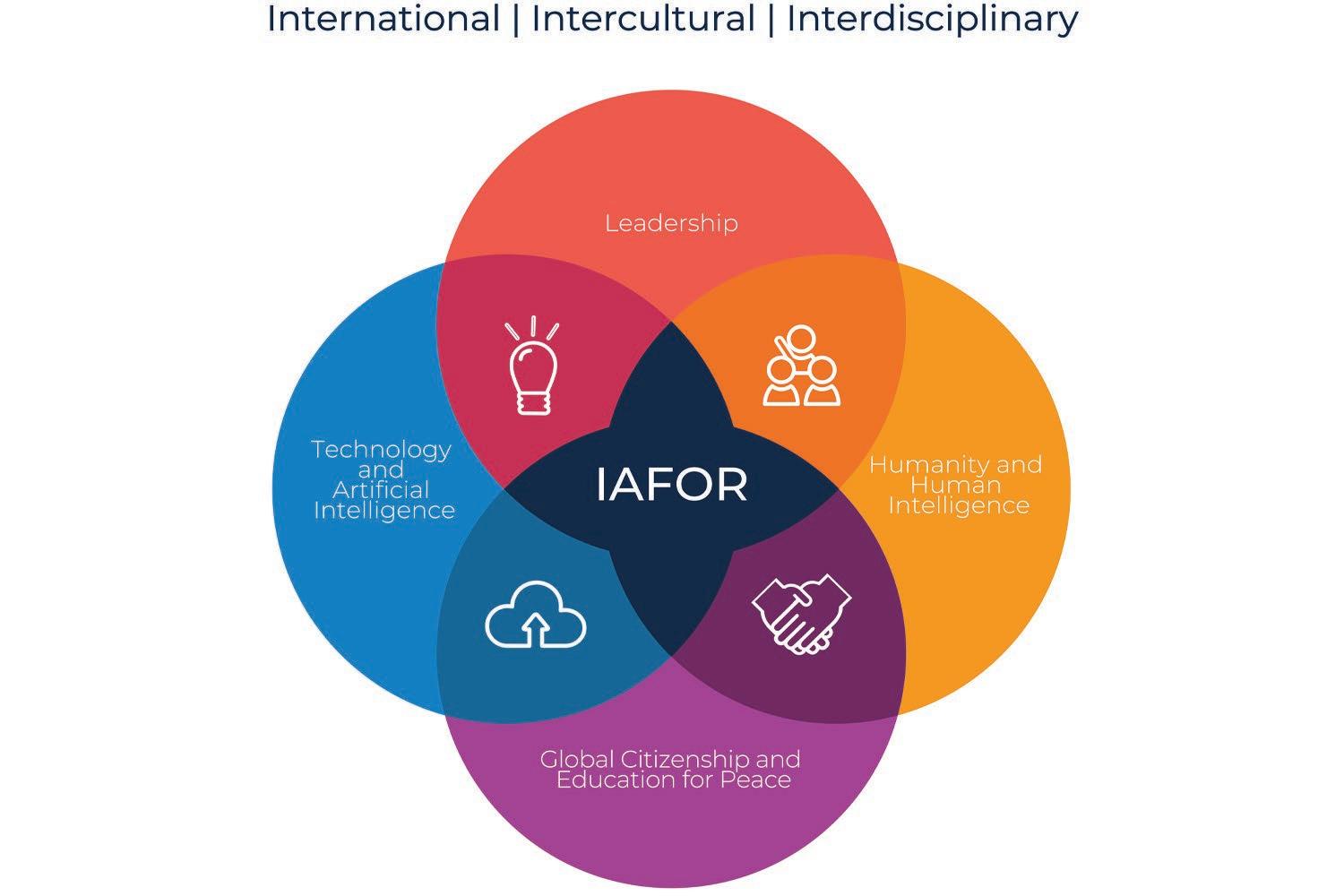
IAFOR’s conference programme provides an essential comparative and contrastive space for people to engage in multidisciplinary research across borders of nation, culture, discipline, and professions. We encourage mixed approaches and methodologies, combining theory and practice between and across the disciplines, and we look to harness the collective intelligence of our International Academic Forum in addressing some of the most pressing issues of our time. Through the implementation of new formats in our conference programme over the last year, including Intelligence Briefings, Keynote Interviews, and The Forum, we gathered insights into what has been discussed at the theoretical and policy levels, identify the challenges, and the outlook for best practices in tackling global contemporary issues, which we have identified as the themes for 2025-2029. Our four themes can be seen as standalone themes, but they are also very much in conversation with each other. Themes may be seen as corollaries, complementary, or in opposition/juxtaposition with each other. The themes can be considered as widely as possible and are designed, in keeping with our mission, to encourage ideas across the disciplines.
1. Technology and Artificial Intelligence
Our first theme examines the rapid pace of technological advancements, aided most particularly by those driven by artificial intelligence and its enormous and growing impact in all fields.
2. Humanity and Human Intelligence
Our second theme asks us which principles, values, and attributes we wish to encourage, protect, and nurture and how we accomplish this. Technological advancements constantly ask us to reconsider and reimagine what it means to be human, including questions regarding communication, creativity, inclusivity, ethics, and care.
3. Global Citizenship and Education for Peace
This theme prompts us to consider our existence and coexistence with each other, within our communities and places of belonging, and with peoples of different countries, cultures, and backgrounds, as well as with our environment and our planet. It includes engagement with enormous issues facing us beyond borders, such as peace and human security, climate change, etc.
4. Leadership
The final theme recognises the continuing importance of leadership as a skill, particularly in light of difficult times, where recognising and encouraging best practices in leadership at all levels of society is critical. Encouraging leadership at the government level, in businesses, and within institutions of all sizes represents the engine of change.
Many theories are born and initially tested in the academy, informing discussions in the public sphere that influence policy. IAFOR represents a unique combination of engagement emerging from the collaborative efforts of senior policymakers, administrators, and individuals working on the ground or in the field. IAFOR has made this rare combination of equitable theoretical and practical exchanges the standard for our organisation and represents a valuable model for how science should be done.
We will develop conference and institutional programmes and publications around these themes as well as capacity building sessions for our conference programme over the next five years. It is our aim with the implementation of these themes, alongside the implementation and continuing refinement of new formats, to best harness the unique arena IAFOR and its network have built in regards to pressing issues of today and the future.
This QR code, also located on the back of your name badge, contains the information you need to attend the conference, including:
- Full Conference Schedule
- The ‘Find a Presentation’ Feature
- Conference Survey
- Suggested Lunch Options
- Online and Virtual Presentations
- Presentation and Session Chair Guidelines, and more.

You will be able to pick up your name badge at the Conference Check-in & Information Desk at the times listed below. If you have any questions or concerns, IAFOR staff and volunteers will happily assist you in any way they can.
Wednesday, April 15 | 16:30-17:00 – Walter E. Washington Convention Center, Room 151B (1F)
Thursday, April 16 | 09:00-16:30 – Walter E. Washington Convention Center, Room 151B (1F)
Friday, April 17 | 08:45-13:30 – Walter E. Washington Convention Center, Room 151B (1F)
Saturday, April 18 | 08:30-17:00 – Walter E. Washington Convention Center, Room 149A (1F)
Sunday, April 19 | 08:30-15:00 – Walter E. Washington Convention Center, Room 149A (1F)
Monday, April 20 | No in-person check-in
Wearing your badge is required for entrance to the sessions. You must wear your badge at all times.
Complimentary coffee, tea, water, and light snacks will be available during the scheduled coffee breaks. Please note that lunch is not provided.
There is free Wi-Fi internet connection at the conference venues. However, this can be unreliable, so we would strongly suggest that you do not rely on a live connection for your presentation.
Please connect to ‘Convention Center Wi-Fi’ and follow the instructions provided by the network provider.
The full conference schedule (including abstracts) and conference programme are available on the conference website, accessible through the QR code located on the previous page as well as the back of your nametag.
A full list of pre-recorded virtual video presentations and virtual poster presentations will be on the conference website during and after the conference. We encourage you to scan the QR code to watch these presentations and provide feedback through the video comments.
All Keynote Presentations and live-streamed sessions will be recorded and uploaded to the Conference Catch-up page (video-on-demand) via Vimeo. The catch-up page will be publicly available after the conference until Wednesday, May 20, 2026.
Corresponding authors will be able to download Certificates of Presentation for all presenters by logging in to the submission page. Certificates of Presentation will be available from Tuesday, April 28, 2026.
Session Chair certification, Certificates of Participation for non-presenters, as well as reviewer certification for Review Committee members and Senior Reviewers, will be sent out by email in a PDF format within two weeks of the Conference's conclusion.
Human interaction through networking, and dissemination of this knowledge, is at the core of what IAFOR does as an academic research organisation, conference organiser and publisher. As part of the archiving of the conference event, IAFOR takes photos in and around the conference venue, and uses the photos to document the event. This also includes the filming of certain sessions. We consider this documentation important and it provides evidence of our activities to members, partners and stakeholders all over the world, as well as to current and potential attendees like you. Some of these photos will therefore appear online and in print, including on social media. The above are the legitimate interests of the organisation that we assert under the European Union law on General Data Protection Regulation (GDPR). Under this legislation, you have an absolute right to opt out of any photo. We are committed to protecting and respecting your privacy. Read our full privacy policy – iafor.org/about/privacy-policy
IAFOR Conference Proceedings are Open Access research repositories that act as permanent records of the research generated by IAFOR conferences. The Conference Proceedings are published online in the IAFOR Research Archive (papers.iafor.org). All accepted authors who present at the conference may have their full paper published in the online Conference Proceedings. For further details of how to submit your paper, please visit the Conference website.
Please note that:
1) Papers published in the Conference Proceedings cannot be considered for publication in IAFOR journals.
2) IAFOR's Conference Proceedings are not peer-reviewed and are not "Scopus-indexed".
Full text submission is due by Friday, May 15, 2026, through the online system. The proceedings will be published on Friday, June 26, 2026
IAFOR produces conference reports that provide concise and coherent overviews of the ideas, conversations, and areas of research presented at our conferences. These include key themes and takeaways, referencing programme(s), speakers and attendees, which are curated and archived for both those who attended the event, as well as those who did not. Readers can stay abreast of many of the developments and insights provided by the conference, and the collective intelligence of its participants. Links to video recordings of the presentations and interviews references are included where possible, encouraging readers to engage further with the conference material and presentations. Each report contains photos of the event, as well as key statistics pertaining to general attendance and demographics.
Read and download the Conference Reports and Intelligence Briefings, and access Conference Photo Galleries from the past conferences from the QR code on the back of your name badge. You will receive a notification email when the Conference Photos and the Conference Report and Intelligence Briefing of this conference are available.
THINK is an online magazine presenting the latest in interdisciplinary research and ideas from some of the world’s foremost academics and thought leaders. As a publishing platform, THINK makes selected research presented at IAFOR’s international, intercultural, interdisciplinary conferences freely available to a global academic audience. Content on THINK spans everything from the arts to psychology, politics to film, law to education and history to technology, presenting research, ideas and perspectives from every corner of the globe. The format is varied, encompassing full research papers, long-form journalism, opinion pieces, creative writing, interviews, podcasts, video, photography and more. To learn more about THINK, please visit think.iafor.org or access the webpage from the QR code on the back of your name badge.
IAFOR publishes several editorially independent, Open Access journals across a variety of disciplines. They conform to the highest academic standards of international peer review, and are published in accordance with IAFOR’s commitment to make all of our published materials available online.
Submissions should be original, previously unpublished papers which are not under consideration for publication in any other journal. All articles are submitted through the submission portal on the journal website and must conform to the journal submission guidelines.
Once appointed by IAFOR’s Publications Committee, the Journal Editor is free to appoint his or her own editorial team and advisory members, who help to rework and revise papers as appropriate, according to internationally accepted standards. All papers published in the journal have been subjected to the rigorous and accepted processes of academic peer review. Neither editors nor members of the editorial team are remunerated for their work.
IAFOR Journals are indexed in Scopus, Web of Science, DOAJ, ERIC, MIAR, TROVE, CiteFactor and EBSCO, SHERPA/ROMEO and Google Scholar. DOIs are assigned to each published issue and article via Crossref. Please note that indexing varies from journal to journal.
Each of our journal issues is viewed thousands of times a month and the articles are frequently cited by researchers worldwide, largely due to our dedicated marketing efforts. Each issue is promoted across our social media platforms and to our tailored email marketing lists. On average, each journal publishes biannually.
IAFOR Journals are Open Access publications, available online completely free of charge and without delay or embargo. Authors are not required to pay charges of any sort towards the publication of IAFOR Journals and neither editors nor members of the editorial boards are remunerated for their work.
IAFOR Journals reflect the interdisciplinary and international nature of our conferences and are organised thematically. A presenter can choose to publish either in Conference Proceedings or submit their manuscript to the corresponding IAFOR Journal for review.
IAFOR Journal of Cultural Studies (Scopus Indexed)
IAFOR Journal of Education (Scopus & Web of Science Indexed)
IAFOR Journal of Literature & Librarianship (Scopus Indexed)
If you would like more information about any of IAFOR’s publications, please visit iafor.org/publications
IAFOR's grants and scholarships programme provides financial support to PhD students and early career academics, with the aim of helping them pursue research excellence and achieve their academic goals through interdisciplinary study and interaction. Our warmest congratulations go to the following scholarship recipients who have been selected to receive grants and scholarships to present their research at the conference.
Mastano Dzimbiri (Poster Presentation)
104204 | A Photo-ethnographic Study of Intra-urban School Poverty: Implications of Policy on Social Justice Education
Dr Mastano Dzimbiri is a Visiting Assistant Professor at Miami University, Ohio, United States. His research focuses on educational policy and geography education. His current project examines the intersection between geography and gender in education.
Sarah Fitri (Virtual Presentation)
104042 | Flexible Technology Adoption in Teacher Professional Development: A Contextual, DesignBased Approach from Indonesia
Ms Sarah Fitri is a PhD candidate within the Faculty of Education at the University of Cambridge, United Kingdom, working on a research project focused on iterative Design-Based Research (DBR) teacher professional development aimed at enhancing teachers' digital pedagogy.
Ketevani Lomidze (Oral Presentation)
104005 | The Role of AI in Teaching Low-Resource Languages: The Case of the Georgian Language
Ms Ketevani Lomidze is a master's degree student in Lexicography, Terminology, and Modern Technologies at Ilia State University, Georgia, currently learning corpus-based research and driven to create an English-Georgian slang dictionary.
André Mountain (Oral Presentation)
103327 | From the Bronx to the World: The Hip Hop Literacy Laboratory
Dr André Benito Mountain is the Director of Education for The Hip Hop Museum in Bronx, New York, United States, and a 5th grade Reading and Writing teacher in the Gwinnett County Public School System. His interests include hip hop pedagogy, social justice, and literacy.
FuAn Shieh (Virtual Presentation)
104083 | Online Social Anxiety and Internet Addiction Among Taiwanese Adolescents: Social Comparison as a Moderating Mechanism
Ms FuAn Shieh is currently a doctoral student at Chengchi University, Taipei, Taiwan, R.O.C. She is interested in sustainability, and her current projects are all related to sustainable education, sustainable tourism, and carbon emissions.
Peiyao Guo (Oral Presentation)
104052 | Forging the Polis: Archaic Greek State-Formation as a Model for Global Citizenship Mr Peiyao Guo is a Bridge Fellow in Classical Studies at Duke University, United States.
Lorena Surducan (Live-Stream Presentation)
103638 | Processing My Husband’s Stroke Through Visual Art and Music: An Autoethnography Originally from Romania, Ms Lorena Surducan, MM, MT-BC is a PhD student in music therapy at the University of Kansas, United States, where she teaches undergraduate courses and supervises students in their clinical practicum.
Qianhan Xia (Oral Presentation)
103856 | New Forms of Partnerships in Sino-Foreign Transnational Higher Education Ms Qianhan Xia is a final-year PhD candidate in the School of Education at Durham University, United Kingdom, and founder and CEO of Qianyu Star International Education Company.


All times are Eastern Daylight Time (UTC-4)
Abstracts appear as originally submitted by the author. Any spelling, grammatical, or typographical errors are those of the author.
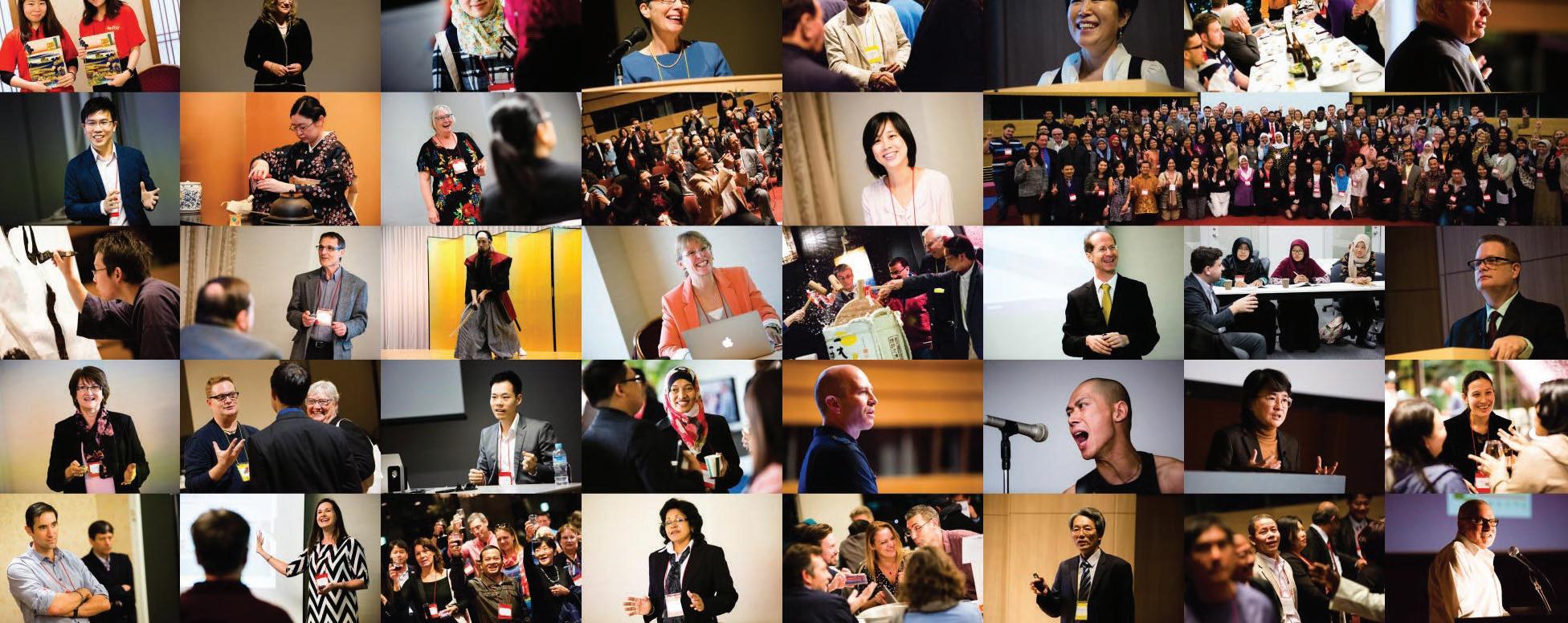
IAFOR provides an enriching personal and professional environment for academics and scholars of all ages and backgrounds to exchange and contribute to interdisciplinary and intercultural dialogue that informs and is informed by their own cultural and disciplinary background and experiences. We are able to do this thanks to our extraordinary network of individuals and institutions around the world who support our work and help shape our events globally. We particularly emphasise the nurturing and support for emerging academics from an array of different backgrounds, and aim to provide opportunities for them to seek advice, support and guidance, as well as offering mid-career and more established academics opportunities to forge working relationships beyond their traditional disciplinary ambitions.
In our current world where division and strife are often reinforced and played out in national and local contexts, and political posturing frequently seeks to ostracise and demonise, IAFOR is committed to working across cultural and national borders, and to work to bring people together through dialogue. We believe that mature human interaction and academic and cultural exchange are essential to offering positive versions of the future, where cooperation happens between individuals and institutions who share a commitment to listen, to reach out and bridge divides, and to contribute to good global citizenship, and to making the world a better place.
By becoming a member of IAFOR, you will become part of an extraordinary network and a stakeholder in shaping the IAFOR mission and facilitating international exchange, encouraging intercultural awareness, and promoting interdisciplinary discussion in the hope and expectation of generating and sharing new knowledge. Join us now in this growing global organisation, and help make a difference today.
To learn more about IAFOR membership, please visit:
iafor.org/membership
Plenary Speaker: Joseph Haldane
Thursday, April 16, 2026 | 10:00-10:35 | Room 151A (1F), Walter E. Washington Convention Center & Online


Joseph Haldane is the Founder, Chairman, and CEO of IAFOR. He is responsible for devising strategy, setting policies, forging institutional partnerships, implementing projects, and overseeing the organisation’s global business and academic operations.
Dr Haldane has a PhD from the University of London in 19th century French Studies (ULIP/RHUL), and has research interests in world history, politics, and education, as well as governance and decision-making.
In 2022, Dr Haldane was named Professor in the United Nations Peace University's European Center for Peace and Development (ECPD). From 2019 he has been also a Visiting Professor at Doshisha University, where he teaches Ethics and Governance in the Global MBA, and a Member of the World Economic Forum’s Expert Network for Global Governance since 2017.
Since 2015, he has been a Guest Professor at The Osaka School of International Public Policy (OSIPP) at The University of Osaka, having taught on the postgraduate Global Governance Course, and has been Co-Director of the OSIPP-IAFOR Research Centre, an interdisciplinary research centre situated within the university, since 2017. He is also a Member of the International Advisory Council of the Department of Educational Foundations at the University of Hawai'i Mānoa, United States.
From 2020 to 2025, Dr Haldane was an Honorary Professor of University College London (UCL), through the Bartlett School of Sustainable Construction. Earlier in his career, he held full-time faculty positions at the Université Paris-Est Créteil, Sciences Po Paris, and Nagoya University of Commerce and Business, as well as visiting positions at the French Press Institute in the Université ParisPanthéon-Assas and the Schools of Journalism of Sciences Po Paris and Moscow State University.
Professor Haldane has given invited lectures and presentations at universities and conferences globally, including at the United Nations headquarters in New York, and advised universities, NGOs, and governments on issues relating to international education policy, public-private partnerships, and multi-stakeholder forums. He was the project lead on the 2019 Kansai Resilience Forum, held by the Japanese Government through the Prime Minister’s Office, and oversaw the 2021 Ministry of Foreign Affairs commissioned study on Infectious Diseases on Cruise Ships.
From 2012 to 2014, Dr Haldane was Treasurer of the Chubu chapter of the American Chamber of Commerce Japan, and since 2015 has been a Trustee of HOPE International Development Agency Japan. He was elected Fellow of the Royal Asiatic Society in 2012 and the Royal Society of Arts in 2015. He lives in Japan and holds a black belt in Judo.
Keynote Presentation: Ira Harkavy
Thursday, April 16, 2026 | 10:40-11:05 | Room 151A (1F), Walter E. Washington Convention Center & Online

Democracy is seriously threatened throughout the world today. Given their intellectual and societal roles, universities have an increased and pressing responsibility to contribute to both the education of informed democratic citizens and the advancement of knowledge for the continuous betterment of the human condition. In spite of important civic and community engagement efforts, universities in the United States have for decades insufficiently focused on their democratic purposes and their contributions to their communities and society. They have overemphasised their economic purposes, amplifying that students are in a university exclusively to gain career-related skills and credentials. Instead, higher education institutions need to become democratic civic universities that advance democracy through democratic means on campus, in the community, and across the wider society.
One difficult hurdle is identifying best practices on how to successfully create and operate a democratic civic university. Dr Harkavy identifies local democratic community engagement as perhaps the core approach for doing just that. Drawing on the history of US higher education, 40 years’ experience developing place-based partnerships between the University of Pennsylvania and its neighbourhood of West Philadelphia, and work with higher educational institutions across the United States and around the world, Dr Harkavy will discuss how local engagement can help universities increase their contributions to knowledge, improve the quality of life in their geographic community, and advance the development of just and fair democratic societies through democratically-focused local civic engagement.

Professor Ira Harkavy is the founder and Barbara and Edward Netter Director of the Netter Center for Community Partnerships at the University of Pennsylvania, United States. As director of the Netter Center since 1992, Professor Harkavy has helped develop academically-based community service courses and communityengaged research projects that involve creating universitycommunity partnerships and university-assisted community schools with The University of Pennsylvania’s local community of West Philadelphia. He teaches courses in history, urban studies, and Africana studies, as well as in the university’s Graduate School of Education.
Professor Harkavy received his BA, MA, and PhD in History from the University of Pennsylvania and has written and lectured widely on the history and current practice of urban university-community-school partnerships and the democratic and civic missions of higher education. He has co-authored and coedited thirteen books, including Higher Education Leadership for Democracy, Sustainability, and Social Justice (2023), Higher Education’s Response to the COVID-19 Pandemic: Building a More Sustainable and Democratic Future (2021), and Academic Freedom, Institutional Autonomy, and the Future of Democracy (2020). He is also Executive Editor of Universities and Community Schools.
Professor Harkavy is involved in a number of education initiatives, currently serving as the Chair of the International Consortium for Higher Education, Civic Responsibility, and Democracy; Chair of the Anchor Institutions Task Force; Chair of the Paul Robeson House and Museum, and Chair Emeritus of the Coalition for Community Schools. He is founder and member of the Philadelphia Higher Education Network for Neighborhood Development (PHENND) Steering Committee.
Among other honours, Harkavy is the recipient of the University of Pennsylvania’s Alumni Award of Merit, Campus Compact’s Thomas Ehrlich Faculty Award for Service Learning, New American Colleges and Universities’ Ernest L. Boyer Award, a Fulbright Senior Specialist Grant, and three honorary degrees. Under his directorship, the Netter Center for Community Partnerships received the inaugural William T. Grant Foundation Youth Development Prize awarded by The National Academies and a Best Practices/ Outstanding Achievement Award from HUD’s Office of Policy Development and Research.
Keynote Presentation: James M. Pitarresi
Thursday, April 16, 2026 | 11:20-11:45 | Room 151A (1F), Walter E. Washington Convention Center & Online

Generative AI has arrived at unusual speed, and the early debate on college campuses has been dominated by two narrow narratives: fear (cheating, plagiarism, and diminished critical thinking) and efficiency gains (faster grading, content creation, and administrative work). This presentation argues that both frames miss a deeper disruption. As parts of knowledge work such as document drafting, synthesis, translation, coding, and analytic writing become widely automated, universities must rearticulate what they uniquely contribute to society. What happens to higher education’s civic mission when producing plausible answers is easy, cheap, and ubiquitous, yet truth, trust, and legitimacy remain fragile?
Drawing on examples from teaching, faculty development, and institutional strategy, this talk offers a human-centric agenda for AI in education that treats AI as a catalyst to strengthen, not erode, the purposes of university learning. Three questions guide the discussion: (1) What forms of thinking and judgment become more important in an AI-shaped knowledge ecosystem? (2) How can we design learning and assessment to cultivate agency, integrity, and deep understanding rather than performative productivity? (3) What leadership choices will shape equity, access, and public trust as AI capabilities diffuse unevenly across institutions and communities?

Dr James M. Pitarresi serves as Vice Provost for Online and Innovative Education at Binghamton University (SUNY), United States, and as Executive Director of the university’s Center for Learning and Teaching. He works across campus to strengthen the learning environment by advancing high-quality online degrees, supporting faculty development, and promoting thoughtful integration of learning technologies. He co-chairs the university’s Learning Environment Committee and recently co-chaired planning for a new 30-classroom academic building. A Distinguished Teaching Professor of Mechanical Engineering and former department chair, he founded Binghamton’s Innovation Lab and Innovation Scholars programme and teaches courses in innovation and entrepreneurship that leverage generative AI as a partner for creative problem solving. He regularly delivers talks and workshops on generative AI in education for higher education, school districts, and professional audiences. His scholarship spans computational mechanics, vibration modeling, electronics packaging, and student success. He is co-author of three mechanical engineering texts, with a fourth in progress, and serves on McGraw Hill Education’s Access Engineering Faculty Advisory Board. He earned his BS, MS, and PhD from the State University of New York at Buffalo, United States, and is a recipient of the SUNY Chancellor’s Award for Excellence in Teaching.

Featured Panel Presentation: Cory Bowman, Luann F. Kida, Laura Ogburn, Naorah Rimkunas, Laura R. Bronstein (Moderator)
Thursday, April 16, 2026 | 13:45-14:45 | Room 151A (1F), Walter E. Washington Convention Center & Online

This panel explores University-Assisted Community Schools (UACS)—community schools in which higher education serves as a primary partner to bridge the P–20+ continuum and advance student success, family engagement, and community wellbeing, from prenatal development to adulthood. Panellists will discuss how community-engaged scholarship and teaching, problem-solving learning, and ‘communities of experts’ connect university and community knowledge to address locally identified challenges through sustained, collaborative partnerships. The discussion will also focus on practical entry points, offering guidance on how institutions and practitioners can take the first steps toward developing and sustaining UACS initiatives.

Cory Bowman has been working for The University of Pennsylvania’s Netter Center for Community Partnerships since its inception in 1992, and its predecessor, the Penn Program for Public Service, since 1991.
Mr Bowman helps direct the core functions of the Netter Center, including the development of local academic partnerships with schools, non-profits, and communities of faith. This includes Academically Based Community Service (ABCS) courses and other forms of community-engaged scholarship, in which service is integrated with research, teaching, and learning, and academic expertise is brought together with the expertise of the community. This work uses collaborative problem-solving to improve the quality of life and learning in the community and the quality of learning and scholarship in the university and helps students become active, creative, contributing citizens of a democratic society.
He also directs the development of University-Assisted Community Schools (UACS) in the university’s local community of West Philadelphia. UACS focus on schools as core institutions for community engagement and democratic development; school day and after school curricula are linked to solving locally identified, real-world, community problems.
In addition, Mr Bowman leads the Netter Center’s local and national UACS adaptation and replication programme, including serving as director of the UACS National Network as well as the UACS Regional Training Centers program.

Luann F. Kida, MA, LMSW, is the Senior Director of Capacity Building and Implementation for the Couper-Owens Center for Community Schools at Binghamton University, United States. Ms Kida is a social worker with more than 20 years of experience working in education. In her current role, she leads a dedicated team as they provide consultation and support to school leaders, out-of-school providers, and institutions of higher education serving as thought partners in exploring and implementing a university-assisted community schools approach. The implementation arm of her role supports connections with higher education for a strategic approach to developing and sustaining mutually beneficial partnerships that link higher education to PK-12 education. Her family engagement experience supports partners as they build multi-tiered systems designed to engage families as educational partners.
Dr Laura Ogburn is the Director of Community Engaged Scholarship at the University of Pennsylvania's Netter Center for Community Partnerships, United States. Prior to receiving her PhD in Education from the University of Pennsylvania Graduate School of Education, she taught kindergarten and prekindergarten in Philadelphia and Atlanta. Her research interests include youth-adult collaboration, the politics of expertise and knowledge production, and participatory methodologies.

Dr Naorah Rimkunas is Assistant Professor of Community Schools in the College of Community and Public Affairs at Binghamton University, United States. Her scholarship and teaching centre on university–school partnerships that advance student learning, youth development, and community well-being. She serves as Associate Director of Binghamton University's Couper-Owens Center for Community Schools and of the University-Assisted Community Schools (UACS) National Network at the University of Pennsylvania's Netter Center for Community Partnerships. Dr Rimkunas has cultivated faculty partnerships from across the university with local community schools, building a growing network of K–12 educators who connect their classrooms to leading community-engaged scholars. She is the principal investigator on two federally funded school mental health professional development initiatives serving Broome and Tioga counties in New York state, and has provided technical assistance and evaluation for several organisations, including the US Department of Education and the National Science Foundation. She holds a master's degree in clinical mental health counseling and a doctorate in community and public affairs.

Professor Laura R. Bronstein, ACSW, LCSWR, is Dean of the College of Community and Public Affairs, SUNY Distinguished Professor of Social Work, and Founding Director of the Couper-Owens Center for Community Schools at Binghamton University, United States. Since entering academia in 1999, Professor Bronstein has published over seventy peer-reviewed research articles and chapters, two books, and been the leader of teams awarded over twenty million USD in grants. She has an international reputation for her research on collaboration, including having created the widely used Index for Interdisciplinary Collaboration. In 2010, her article, A Model for Interdisciplinary Collaboration, was the eighth most highly cited publication of the decade in the social work literature. In 2011, Professor Bronstein received the John A. Hartford Foundation’s Outstanding Dean for Aging Education award. In 2012, she was Binghamton University’s inaugural recipient of the Lois B. DeFleur Faculty Prize for Academic Excellence ‘for scholarship that spans boundaries’. In 2017, she was awarded the Esther W. Couper Memorial Award for ‘outstanding service and dedication to the children and families of our community’. Most recently, Professor Bronstein has built the Couper-Owens Center for Community Schools into an internationally renowned entity, and is currently leading its adaptation across SUNY’s 64 campuses and beyond. She has been cited among the top 2% of scholars in her field in the world in the Stanford World Scientist and University Rankings (2023, 2024).

Thursday, April 16, 2026 | 14:50-15:50 | Room 151A (1F), Walter E. Washington Convention Center & Online

Since the millennium, higher education has seen significant growth and reflection on the role universities play within their immediate communities and regions, the contribution they make to local and regional economies, and how this is achieved and evaluated. In different parts of the world, the justification and rationale for ideas of civic, public, and community engagement vary, from the intrinsic value of contribution as a public good and as an important aspect of learning and citizenship, to those that seek to justify the draw of higher education on the public purse. Justifications have shifted and adapted, aligning to external stimuli. In parallel, innovative approaches to new pedagogies and service learning programmes, their intentional integration, and accreditation within the academic curriculum have been evolving alongside general community service or volunteering.
Closely integrated into the academic community, the majority of these programmes are advanced through teaching underpinned by pedagogic research and an array of infrastructural agencies. International public and community engagement and global concerns tend to achieve their outreach through research collaborations incentivised by a growing interest and incentivisation of translational research and the assessment of impact beyond academia. Particularly in state-funded institutions and as a means to justify government funding for academic research, there is an expectation that research funded by the taxpayer makes a tangible difference and contributes to culture, society, environmental sustainability and national prosperity. The key question for contemporary higher education across the world is how these two strands interrelate and respond to local and national circumstances, while maintaining and enabling international perspectives and experiences.
Panellists will explore the mechanisms and facets of academic and community relationships, nationally and internationally, both within and beyond the campus. These range from strategic approaches to community engagement, to learning spaces and to collaboration that engage and connect local actions with global concerns through the integration of learning and research.

Julie Baer is the Deputy Director of Research, Evaluation & Learning (REL) at the Institute of International Education (IIE), United States. With more than a decade of experience at IIE, she oversees research initiatives and leads collaborations with IIE programmes and external clients, including the AIFS Foundation, the Center for Strategic and International Studies, and the US Department of State.
Ms Baer’s research focuses on historical trends in international education and academic mobility. Ms Baer leads the Open Doors Report on International Educational Exchange, a comprehensive resource on international students and scholars in the United States and American students studying abroad. Ms Baer regularly participates in panel discussions and contributes to reports, blogs, book chapters, and scholarly articles, many of which are featured on IIE’s research webpage.
She holds a Master of Education in International Education Policy from the Harvard Graduate School of Education and a Bachelor of Science in Financial Economics from Centre College, United States.
See full biography on page 42.

Caroline Donovan White is the Senior Director for Education Abroad Services and Volunteer Engagement at NAFSA: Association of International Educators. She provides strategic leadership for professional training and services focused on education abroad and oversees member engagement and volunteer recognition programmes. With over 30 years of experience in international education, Ms Donovan White brings expertise in managing complex programmes and fostering partnerships.
Before joining NAFSA in 2012, she spent 13 years at The George Washington University, United States, where she managed study abroad programmes, international exchanges, partnerships, distance learning, and summer institutes. From 2004 to 2014, Ms Donovan White was a professorial lecturer at The George Washington University’s Graduate School of Education and Human Development, teaching courses on managing international programs. Her early career includes work with the Institute of International Education (IIE) and Delphi International.
Caroline is known for her engaging insights that blend practical experience with strategic vision and for her ability to connect with professionals at all levels, empowering them to advance the field of international education.

Professor Susan Piedmont-Palladino is an architect, professor of architecture, and the director of the Washington-Alexandria Architecture Center (WAAC), the urban extension of the College of Architecture, Arts, and Design at Virginia Tech, United States. A graduate of Virginia Tech and the College of William and Mary, she has lectured on urbanism, sustainability, and communications to public, professional, and academic audiences across the United States, Europe, and Latin America. Since 2003, she has been a consulting curator at the National Building Museum and the author of several books, including companion books for exhibitions and initiatives she curated, such as Tools of the Imagination: Drawing Tools and Technologies from the Eighteenth Century to the Present (2007), Green Community (2009), Intelligent Cities (2011), and Timber City (2017). She served as co-curator for ‘Justice is Beauty: The Work of MASS Design Group’ in 2019. Her latest book, How Drawings Work: A User-Friendly Theory, published by Routledge in 2019, takes a fresh and unconventional look at the languages of graphic communications. Her current research focuses on how American public spaces are shaped and reshaped by our shifting values of openness and security.

Professor Anne Boddington is Executive Vice-President and Provost of IAFOR, and oversees the academic programs, research and policies of the forum.
Anne Boddington is Professor Emerita of Design Innovation and has held executive and senior leadership roles in Higher Education including as Dean of Arts & Humanities at the University of Brighton, Pro Vice Chancellor for Research, Business & Innovation at Kingston and Pro Vice Chancellor for Research and Knowledge Exchange at Middlesex University.
In 2022 she concluded chairing the Sub Panel (32) for Art & Design: History, Practice & Theory as part of the Research Excellence Framework (REF2021) and has extensive experience in the governance and conduct of peer review, research evaluation and assessment in REF2014 (Sub Panel Deputy Chair and Equality Diversity Advisory Panel [EDAP]) and RAE2008. A former member of AHRC’s Advisory Board, she is the current Chair of the Advisory Board for the UKRI’s National Interdisciplinary Circular Economy Research (NICER) programme (£30M), Deputy Chair and a Trustee of the Design Council, the government’s strategic advisor for design, and a member of both the InnoHK Scientific Committee (Hong Kong) and the Hong Kong Council for Accreditation of Academic and Vocational Qualifications (HKCAAVQ).
Since the 1990’s Anne has worked across the UK and internationally with a wide range of quality assurance, professional, statutory, and regulatory bodies in the UK, Europe, the Middle East, Hong Kong, and India.
As an independent consultant she now works as a strategic advisor and mentor and is committed to promoting equity, diversity, and inclusion in practice, developing effective governance, supporting career development, reducing bureaucracy, and improving organisational design, integrity, and productivity in the changing workplace.
Friday, April 17, 2026 | 09:45-10:35 | Room 151A (1F), Walter E. Washington Convention Center

In 1980, the dean of Virginia Tech’s College of Architecture & Urban Studies in Blacksburg, Virginia, launched the Washington Alexandria Architecture Center (WAAC), to give students in Blacksburg a semester or year of urban experience. Now, 45 years later, the WAAC is both a degree-granting and a study-away venue. WAAC’s student body represents a variety of degrees and experiences, including Master of Architecture (M Arch), Master of Science in Architecture (M Sci Arch), with concentrations in Urban Design and History/Theory, PhD, and a rotating cohort of ‘study-away’ undergraduates from our main campus and the National Student Exchange, which opens opportunities for WAAC semesters to 25 member schools with architecture programs, including Historically Black Colleges & Universities (HBCUs) and Minority-Serving Institutions (MSIs).
As a tiny campus in a major metropolitan area, WAAC uses the city as a classroom to engage directly with the problematics of public and private space, spatial equity, sustainability, and resilience. Located in one of the oldest continuously inhabited cities in the US, the centre sits between the competing poles of historic preservation and development. Those tensions are fundamental to the WAAC: it occupies a 110-year-old building, yet no students (except for PhDs) stay longer than 2 years, some as little as a semester. Yet, the WAAC has a persistent and identifiable culture which rests on a foundation of pedagogical principles: each student sets their own path; learning requires doing; we have freedom and responsibility; the city is our classroom; and, finally, place matters. This interview session features the current director of WAAC, who will go into depth about the WAAC’s mission and current activities, as well as answer questions and share practical insights regarding the importance of academic outreach through community engagement.
See full biography on page 46.
See full biography on page 46.
Benjamin D. Huffman (Respondent), Melina Neophytou (Moderator)
Friday, April 17, 2026 | 10:40-11:40 | Room 151A (1F), Walter E. Washington Convention Center
Apipol Sae-Tung (Online Moderator)
Monday, April 20, 2026 | 18:00-19:00 | Online via Zoom

Academic collaboration, student mobility, and cross-cultural understanding are at the heart of international education. However, ongoing geopolitical tensions have led to increasing political and societal fragmentation, with some scholars arguing that we are entering a period of ‘globalisation in retreat’. How do we, as educators and researchers, engage in global education and internationalisation efforts within such an increasingly fragmented political environment? How can universities sustain global collaboration and mobility as geopolitical tensions rise and national interests increasingly shape academic exchange?
This Forum session invites delegates to respond to the ideas and provocations raised by the keynote and plenary speakers, to address both the theory and the practice of building personal and institutional relationships and networks across national borders.

Dr Benjamin D. Huffman is an Assistant Clinical Professor within the First-Year Innovation & Research Experience (FIRE) programme under the Office of Undergraduate Research at the University of Maryland, United States. Dr Huffman joined the University of Maryland in 2020 after graduating from Nagoya University with a PhD in Governance & Law. Previously, Dr Huffman worked as a research assistant for the United Nations Centre for Regional Development (UNCRD), as a consultant for the World Bank, and as an IT administrator in local government. He now leads the research stream Global Development & Design, part of the Social Science Cluster of FIRE. His stream focuses on topics related to global and human development as well as system design. Dr Huffman also works as an adjunct professor for QUEST Honors, a selective honors programme at the University of Maryland that brings together the top undergraduates in business, engineering, and science to complete team-based, experiential projects.

Dr Melina Neophytou is the Academic Operations Manager at IAFOR, where she works closely with academics, keynote speakers, and IAFOR partners to shape academic discussions within The Forum, bring conference programmes together, refine scholarship programmes, and build an interdisciplinary and international community. She is leading various projects within IAFOR, notably The Forum discussions and the authoring of Conference Reports and Intelligence Briefings, and she oversees the Global Fellows Programme.
Born in Germany and raised in Cyprus, Dr Neophytou received her PhD in International Development from Nagoya University, Japan, in 2023, specialising in political sociology, the welfare state, and contentious politics. She received an MA in International Development from Nagoya University, with a focus on Governance & Law, and a BA in European Studies from the University of Cyprus, Cyprus.
Dr Neophytou’s research interests currently focus on how Artificial Intelligence (AI) is changing the relationship between state and society. Her current work examines technologies such as facial recognition (FRT) and biometric surveillance, and how these tools impact freedom of expression, protest, and social policy.
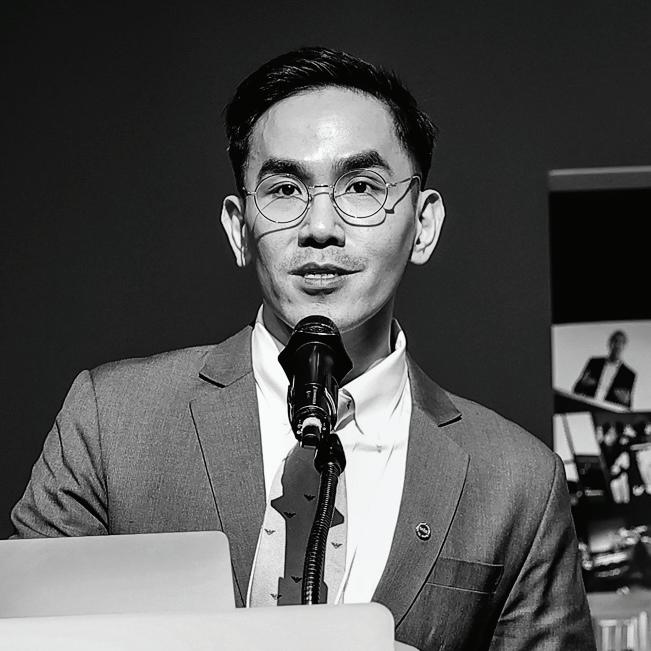
Apipol Sae-Tung is an Academic Coordinator at IAFOR, where he contributes to the development and execution of academicrelated content and activities. He works closely with the Forum’s partner institutions and coordinates IAFOR’s Global Fellowship Programme. His recent activities include mediating conference reports for the Forum’s international conference programme and facilitating the IAFOR Undergraduate Research Symposium (IURS).
Mr Sae-Tung began his career as a Program Coordinator for the Faculty of Political Science at Chulalongkorn University, Thailand. He was awarded the Japanese Government’s MEXT Research Scholarship and is currently pursuing a PhD at the Graduate School of International Development, Nagoya University, Japan. His research focuses on government and policy analysis, particularly on authoritarian regimes. Mr Sae-Tung holds an MA in International Relations and Diplomacy from Thammasat University, Thailand, where he studied foreign policy analysis and Thailand-China relations. He also holds a BA in History from the same institution.







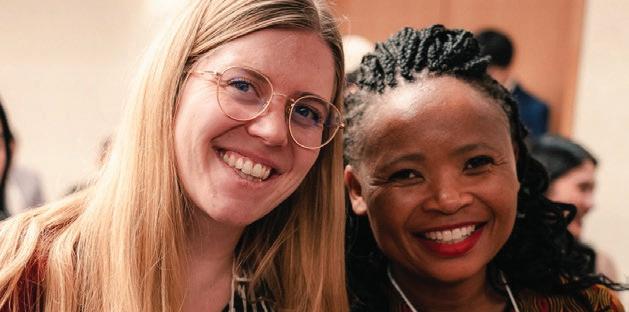



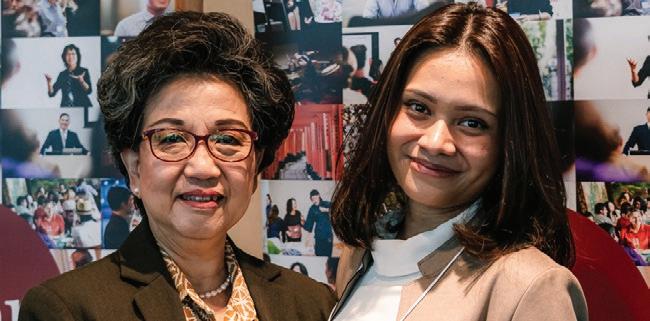
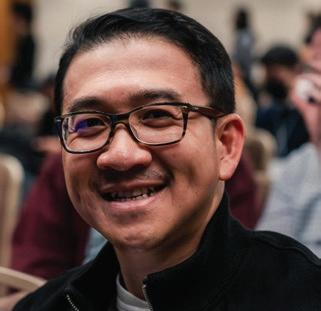

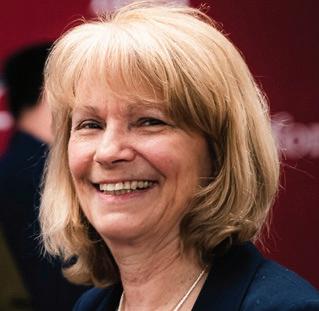
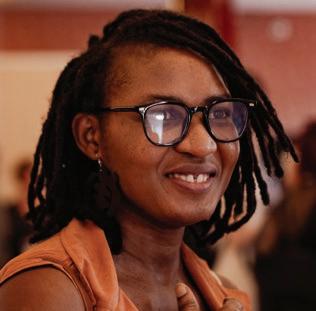








Bridging divides of nation, culture, and discipline; informing and shaping ideas, research, practice, and policy in a comparative and contrastive space, IAFOR encourages the sharing and nurturing of diverse ideas.
Over the past year, more than 5,000 delegates from more than 120 countries have participated in an IAFOR event.


Inspiring global collaborations, this diversity of peoples, nations, voices, cultures, and ideas is at the heart of what we do.
It is our greatest strength. Join us.

Featured Roundtable Session: Anne Boddington, Donald E. Hall, Joseph Haldane (Moderator)
Friday, April 17, 2026 | 12:10-13:00 | Room 151A (1F), Walter E. Washington Convention Center

This roundtable and interactive session will explore the career paths of academic leaders and provide tips on the skills needed to succeed in leadership positions. Speaking from a variety of national and professional contexts, the session leaders will describe their individual paths to leadership roles and the trade-offs that often accompany a career in higher education leadership and administration. Following the brief presentations, audience members will be asked to provide their own thoughts and observations on successful and unsuccessful leadership styles, as well as engage in an active discussion of the potential for academic leaders to make positive changes within their institutions and professional organisations.
See full biography on page 46.

Donald E. Hall is Provost and Executive Vice President for Academic Affairs at Binghamton University (SUNY), United States. He was formerly Dean of the Faculty of Arts, Sciences, and Engineering at the University of Rochester, United States, and held a previous position as Dean of Arts and Sciences at Lehigh University, United States. Provost Hall has published widely in the fields of British Studies, Gender Theory, Cultural Studies, and Professional Studies. Over the course of his career, he served as Jackson Distinguished Professor of English and Chair of the Department of English (and previously Chair of the Department of Foreign Languages) at West Virginia University. Before that, he was Professor of English and Chair of the Department of English at California State University, Northridge, where he taught for 13 years. He is a recipient of the University Distinguished Teaching Award at CSUN, was a visiting professor at the National University of Rwanda, was Lansdowne Distinguished Visiting Scholar at the University of Victoria (Canada), was Fulbright Distinguished Chair in Cultural Studies at Karl Franzens University in Graz, Austria, and was Fulbright Specialist at the University of Helsinki. He has also taught in Sweden, Romania, Hungary, and China. He served on numerous panels and committees for the Modern Language Association (MLA), including the Task Force on Evaluating Scholarship for Tenure and Promotion, and the Convention Program Committee. In 2012, he served as national President of the Association of Departments of English. From 2013-2017, he served on the Executive Council of the MLA.
His current and forthcoming work examines issues such as professional responsibility and academic community-building, the dialogics of social change and activist intellectualism, and the Victorian (and our continuing) interest in the deployment of instrumental agency over our social, vocational, and sexual selves. Among his many books and editions are the influential faculty development guides, The Academic Self and The Academic Community, both published by Ohio State University Press. Subjectivity and Reading Sexualities: Hermeneutic Theory and the Future of Queer Studies were both published by Routledge Press. Most recently he and Annamarie Jagose, of the University of Auckland, co-edited a volume titled The Routledge Queer Studies Reader. Though he is a full-time administrator, he continues to lecture worldwide on the value of a liberal arts education and the need for nurturing global competencies in students and interdisciplinary dialogue in and beyond the classroom.
Professor Donald E. Hall is a member of IAFOR’s International Academic Board.
See full biography on page 35.
Featured Panel Presentation: Caroline Donovan White, Dale LaFleur, Jiangyuan (JY) Zhou, Dorothea J. Antonio (Moderator)
Saturday, April 18, 2026 | 09:00-10:00 | Room 144C (1F), Walter E. Washington Convention Center

Comprehensive internationalisation is a strategic approach that aligns global engagement with an institution’s mission, priorities, and core functions. In a rapidly changing global landscape shaped by shifting geopolitics, technological advancement, and evolving patterns of student mobility, higher education institutions must rethink how internationalisation is embedded across teaching, research, and service.
This panel will explore key dimensions of comprehensive internationalisation, including global partnerships, student engagement and success, curriculum internationalisation, and research collaboration. Panellists will share perspectives on how institutions can integrate internationalisation into the core pillars of the higher education enterprise while responding to both internal priorities and external global dynamics. Attendees will gain practical insights and strategies to advance meaningful and sustainable internationalisation.
See full biography on page 45.

Dr Dale LaFleur is the Senior Director of Academic Affairs and Internationalization at NAFSA: Association of International Educators, United States. In this role, she leads the association’s strategies to support global learning and higher education internationalisation by producing, planning, and delivering programmes, publications, and services in collaboration with the knowledge communities for International Education Leadership and Teaching, Learning, and Scholarship. She received her PhD in Higher Education from the University of Arizona, United States, and served as a part-time faculty in the International Education Leadership master’s programme at Northern Arizona University, United States.

Dr Jiangyuan (JY) Zhou, EdD, is the Associate Provost for International Initiatives and Executive Director, Center for Global Engagement at James Madison University, United States. Her work focuses on internationalisation, faculty empowerment, global learning, and assessment. Dr Zhou keeps an active research agenda on a new theoretical framework to define and assess comprehensive internationalisation as dynamic systems. She teaches global learning courses and designs curricular and co-curricular projects to integrate and enhance the roles of technology, languages and cultures, service-learning, and collaborative teaching into global learning initiatives. Dr Zhou holdsaPhDinEducationalTheoryandPracticesfromBinghamton University, United States, and currently serves as the chair of the NAFSA 2026 annual conference committee.

Dorothea Antonio serves as NAFSA’s Deputy Executive Director for Knowledge Development, leading NAFSA’s contribution to thought leadership and providing executive oversight on internationalisation, global partnerships, academic affairs, publications,andconferenceprogramming.Hercareerexperience spans higher education, international training and development, leadership, ESL, and business development around the world. In her role at NAFSA, Ms Antonio has been instrumental in the development of NAFSA’s thought leadership and programming related to comprehensive internationalisation. She supports the responsibility of international higher education to contribute to sustainable development and social justice, and led the development of Social Justice and International Education: Research, Practice, and Perspectives (2020), and Global Goals, Global Education: Advancing the United Nations Sustainable Development Goals (2024). She has degrees from George Washington University and the University of Albany, United States, and studied at the Iberoamericana University in Mexico and SIT Graduate Institute, United States.
Sunday, April 19, 2026 | 09:00-09:45 | Room 144C (1F), Walter E. Washington Convention Center

The ability to write, submit, and administer research grants has become vital to developing an academic career. Funders seek good ideas and innovative approaches that enhance research designs, classroom pedagogies, student and professional growth, and conference development. The wide array of organisations representing potential funders includes federal or governmental awards, foundation or philanthropic awards, and private business awards. The workshop focuses on grant opportunities within the National Institutes of Health, but the tools covered during the workshop can be applied to other funders. Federal funding at NIH consists of grants, cooperative agreements, and contracts. These mechanisms have critical distinctions, often requiring very different deliverables and outcome expectations. The mechanism will also affect the financial oversight of the funds provided to accomplish the project goals. This workshop will offer training, guidance, and opportunities to discuss grantsmanship as an integral part of the learning process and a critical element of academic advancement. The workshop will review identifying funding opportunities that align with multidisciplinary research interests, interacting with funding agencies, and building funding networks. The workshop will discuss the critical elements for developing a successful grant application and effectively budgeting the requested funds. The workshop will also offer time management tips for meeting deadlines and ensuring applicants have crossed all ‘t's’ and dotted all ‘i's’. While the rules, expectations, and procedures for grant applications will vary internationally, organisationally, and internally, the basics of grantsmanship all share commonalities regarding significance, innovation, and approach. Understanding and mastering these skills will enhance and expand an applicant's capacities as an instructor, mentor, and researcher.

Dr James W. McNally is a social and behavioral science administrator programme officer in the Office of Data Resources and Analytics (ODRA) for the Behavioral Science and Research Office of the National Institute of Aging at the National Institute of Health, United States. Dr McNally was formerly the director of the National Archive of Computerized Data on Aging (NACDA), which maintains an NIA-funded data archive located at the University of Michigan, United States. Originally trained in forensic anthropology at the University of Maryland, followed by a master’s degree in formal demography at Georgetown University, Dr McNally later trained in social gerontology at Brown University, where he earned his doctoral degree from the Population Training and Studies Center. He completed a postdoctoral degree at Syracuse University’s Center for Policy Research, where he worked on policy applications using blended ageing data. His research career has focused on data quality and management and the safe distribution of health information and clinical data to support health research. At BSR/ODRA, Dr McNally leverages his extensive expertise to facilitate data management and sharing initiatives.
Thursday, April 16

16:00-17:00 | Room 151B
Thursday Poster Session
All times are Eastern Daylight Time (UTC-4) Abstracts appear as originally submitted by the author. Any spelling, grammatical, or typographical errors are those of the author.
16:00-17:00 | Room 151B
102695 | Explore the Context of Self-Determination in Saudi Autistic Adolescents
Saleh Aba Alkhayl, Al Imam Muhammad Ibn Saud Islamic University, Saudi Arabia
Adolescence is a key period for developing selfdetermination, which depends on real chances to make and act on choices. Although many Western studies have examined selfdetermination among people with disabilities, evidence from Saudi Arabia is limited. This reserch addresses that gap by exploring how autistic adolescents, their parents and special education teachers understand adolescents’ capacity for selfdetermination and how home and school shape it. A multiple case study of four autistic adolescents was conducted, guided by SelfDetermination Theory and Causal Agency Theory. Data were collected through semistructured interviews with each adolescent, one parent, and the special education teacher, along with two measures of selfdetermination. After describing each case, a crosscase analysis identified shared and contrasting influences. Scores of self-determination are varied across the four adolescents, but common higher scores were observed in self-regulation, while lower psychological empowerment scores were noted. Adolescents rated their own capacity higher than did parents and teachers. Overall, threats outweighed opportunities in both settings; however, the home offered more opportunities than the school. The crosscase synthesis points to a cycle linking adults’ beliefs and expectations, everyday actions and interactions, and adolescents’ sense of selfdetermination. Higher expectations opened access to real tasks, choices, and supports; lower expectations narrowed options and kept decisions with adults. These findings suggest that selfdetermination in this context reflects the combined effects of beliefs, everyday practice, and the pattern of opportunities and threats.
104204 | A Photo-ethnographic Study of Intra-urban School Poverty: Implications of Policy on Social Justice Education
Mastano Dzimbiri, Miami University, United States
Abisola Adegunju, Miami University, United States
This study employs a qualitative approach grounded in Critical Policy Analysis (CPA) to examine school poverty and the implications of educational policy for social justice education. Using a photo-ethnographic design for data collection, fifteen participants were interviewed and engaged in capturing photographs and Google Earth images of schools, enabling a deeper exploration of intra-urban school poverty and its interpretation as relates to social justice in education. We analyzed the data using thematic and narrative approaches. Findings of this study revealed the existing differences in quality standards of public urban schools with some schools being in poor condition compared to others schools. This is manifested by complex factors including unequal school funding policy and severe financial constraints alongside global forces such as the role of neoliberal policies noticed by the reduction in government funding on public education. Our study underscores the complexity of conceptualizing urban school poverty, highlighting how the current educational policies perpetuate inequalities within public urban schools.
105235 | Voices in Motion Through BookTok Transforming Read Aloud Pedagogy for Diverse Digital Learners Rosa Dokes, Lamar University, United States
Future educators must learn to guide literacy in worlds where students already interact with text in creative ways. This study explores how preservice teachers navigated BookTok to design and deliver digital read alouds that support understanding, engagement, and identity expression for diverse learners. Participants selected culturally resonant texts and used layered video tools including voiceovers, movement, transitions, captions, and music to model expressive fluency and comprehension strategies. As they experimented with pacing and emphasis, they deepened their understanding of how multimodal performance can make reading accessible and emotionally meaningful for students with varied language strengths and learning needs. Reflective observations showed increased confidence integrating technology with literacy instruction as well as a shift toward valuing student voice and interpretation as evidence of learning. This research offers a pathway for teacher preparation programs to strengthen read aloud pedagogy through technology as a living practice that honors how youth communicate, imagine, and make meaning today.
106760 | Mindful Superheroes: A Social-Emotional Learning Pilot Supporting Refugee Youth in Elementary and Middle School Settings
Shaza Ibrahim, Baltimore City Community College, United States
Gina Karlin, Baltimore City Community College, United States
Newcomer youth often face complex linguistic and socioemotional challenges in new educational settings, including cultural adjustment stress, disrupted schooling, and limited access to culturally responsive mental health supports. Despite the growing implementation of social-emotional learning (SEL) curricula in educational contexts (citations needed), few programs are designed specifically for refugee, asylee, and immigrant youth in multilingual, under-resourced school settings. This poster presents the implementation and evaluation of Mindful Superheroes, a mindfulness-based SEL pilot program administered through Baltimore City Community College’s Refugee Youth Project with primary and secondary students. The program was integrated into an existing afterschool program at three public schools in Baltimore City, serving 77 students, with seven teachers implementing the curriculum using a structured teacher’s guide and studentfacing activity books. Mindful Superheroes included student materials, instructor resources, and a structured curriculum addressing themes of transition, belonging, wellbeing, and emotional expression, including a dedicated chapter designed specifically for refugee and immigrant youth. Lessons incorporated opening circles, guided breathing practices, emotional vocabulary development, reflective activities, and group discussions designed to support multilingual learners across developmental stages. Program evaluation drew on multiple qualitative data sources, including surveys, weekly reflections, and focus groups with instructors and program administrators. Analysis examined patterns of student engagement, emotional expression, peer affirmation, participation, and classroom climate. Preliminary findings indicate high student engagement, increased emotional expression, strengthened peer relationships, reduced peer conflict, and improved classroom climate. This poster highlights a replicable, low-barrier SEL model that bridges theory and practice and offers evidence-informed strategies for supporting refugee, asylee, and immigrant youth in school and community-based programs, contributing to interdisciplinary conversations in education, psychology, and community-based learning.
105285 | Exploring the Correlation Between Ideation Confidence and Motivation and Its Effect on Writing Proficiency
Wesley Davis, Central Piedmont Community College, United States
This quasi-experimental research investigated the impact of collaborative writing activities on improving writing performance among college-bound twelfth grade students. The study’s key finding demonstrated a statistically significant improvement in participant writing proficiency from pre-treatment to post-treatment assessments among students who self-reported motivation for writing as moderate or high. Collaborative writing activities focused on honing student motivation and building ideation confidence appears to be a beneficial pedagogical tool that enhances overall writing proficiency. Closing the achievement gap has been an emphasis in secondary educational research since 2001 as writing has become more prominent in the language arts curriculum. However, more needs to be done regarding research and policy to address the identified lack of preparedness of college-bound seniors in college and career-ready writing. This research shows that collaborative writing pedagogy can increase student motivation while bolstering the confidence in ideation necessary to be successful at the post-secondary level.
107080 | Using Professional Checklist in Student Teachimg
Sarah Edwards Moore, Susquehanna University, United States
This poster looks at how pre-service teachers used a professional checklist in order to build a professional relationship with their cooperating teachers during student teaching. The pre-service teachers interviewed their coops to fill out the professionalism checklist and then wrote reflections after the checklist had been implemented. Findings indicate that pre-service teachers did benefit from having to use the structured checklist. Implications of this study will be useful to teacher education programs, teachers in the field, and student teachers. In the Field of Education as well as the overall workforce, professionalism and the concerns around professionalism are becoming more notable in the current social context which is more focused on technology and less on social interaction (Goldberg, 2021). Therefore, it is not surprising that higher education institutions and education departments are seeking out strategies to help their students be successful in professional environments (Hadi, 2019; Hafush M. Nur & Nural Fatonah, 2023; Hilt, Riese, and Soreide 2019). In order to meet certification requirements, student teachers need to demonstrate that they have met standards of professionalism set by most states. With the understanding that professionalism is very important in higher education and in K-12 public schools this study chose to look at how using a structured professionalism checklist would impact pre-service teachers professional relationship building with their cooperating teachers. The implications of this poster presentation impact how student teachers and cooperating teachers can move their professional practices and relationships forward in a sustainable and tangible way.
102067 | Local Governments’ Role to Promote Industry in Post-Developmental States: The Legacy of Developmental State in the Case of South Korea
Akio Nawakura, National Federation of Depopulated Municipalities in Japan, Japan
This study asks how local governments in post-developmental states determine and implement industrial policies analyzing local governments’ promotion on agricultural industry in South Korea. East Asia, including South Korea, has achieved rapid economic growth under the states’ guidance described as ‘developmental states’ in the 20th Century. In most cases of the developmental states, governmental power was highly centralized. After transitioning to developed countries, however, the monopoly of the power by the central governments has changed because the Asia’s developmental states experienced decentralization to transfer the central governments’ power to local ones. Also in South Korea, legal status of the local governments has been upgraded for last three decades. Then, how do the Korea’s local governments today promote their regional industry? Only small number of previous studies on South Korea’s local governments have shed light on the municipalities’ role in industrial policies. The author analyzed the local governments’ role to promote agricultural industry in post-developmental South Korea employing the methods of literature review and interview on local officers. The result of the analysis indicates that the local governments in South Korea have promoted their local industry with high autonomy in policy determination and active mobilization of local resources. In other words, this study shows that the South Korea’s local governments promote their local industry with similar methods with the former developmental state Based on these findings, this study concludes that the legacy of developmental state can be an influential factor in governance even after the transition to decentralized and developed stage.
All times are Eastern Daylight Time (UTC-4)
Abstracts appear as originally submitted by the author. Any spelling, grammatical, or typographical errors are those of the author.
10:30-12:10 | Room 143A (1F)
WCE2026 | Professional Training, Development & Concerns in Education
Session Chair: Shouqing Si
10:30-10:55
106757 | Developing and Piloting a Blended Professional Learning Community Model for Teachers’ TPACK Development in Underserved Thai Primary Schools
Atchara Somwang, King Mongkut’s University of Technology Thonburi (KMUTT), Thailand
Thai primary school teachers in geographically isolated and under-resourced contexts face persistent challenges in developing Technological Pedagogical Content Knowledge (TPACK), despite growing expectations for technology-enhanced instruction. Although Professional Learning Communities (PLCs) have shown promise for supporting teacher learning, little research has examined how PLC models can be adapted for small, resource-constrained schools in Southeast Asia. This study addresses this gap by developing and piloting a context-responsive blended PLC model that integrates transformational leadership, collaborative professional learning, and the TPACK framework. Grounded in transformational leadership theory, PLC literature, TPACK, and blended learning, the study proposes a mediation model in which school-level transformational leadership influences teachers’ TPACK development through the quality of blended PLC processes. The study has three objectives: (1) to design and validate a blended PLC model through literature synthesis and expert review; (2) to examine direct and indirect relationships among transformational leadership, PLC quality, and teachers’ TPACK using structural equation modeling; and (3) to pilot the model and assess its effects on teachers’ instructional design competencies and professional learning satisfaction. A sequential explanatory mixed-methods design embedded within a design-based research framework is employed. Quantitative survey and pre- and post-intervention data are analyzed using structural equation modeling and paired t-tests, while qualitative data from teacher reflections, focus groups, and classroom observations are used to explain and refine the quantitative findings. Preliminary results indicate strong teacher engagement and positive perceptions of the blended PLC model. The study contributes a scalable approach to technology-focused teacher professional development in low-resource primary school contexts.
10:55-11:20
105166 | Beyond Automation: How AI Is Reshaping Teacher Roles and Classroom Practice
Zaid Almajdoub, Emirates College for Advanced Education, United Arab Emirates
Patricia Fidalgo, Emirates College for Advanced Education, United Arab Emirates
Yahia Alramamneh, Emirates College for Advanced Education, United Arab Emirates
Ayman Al Armoti, Liwa University, United Arab Emirates
As artificial intelligence (AI) becomes increasingly embedded in educational systems, teachers are experiencing a profound shift in their professional roles and classroom responsibilities. AI-driven tools now support adaptive instruction, automated feedback, and predictive analytics (Chen et al., 2020; Huang et al., 2023), which enhance decision-making and streamline academic tasks. Evidence consistently shows that AI can strengthen learning outcomes and instructional precision (Tlili et al., 2024; Youssef et al., 2024), while simultaneously increasing student engagement and motivation (Duchi et al., 2025). However, research also highlights critical tensions. Teachers express confidence in AI’s ability to improve academic performance and reduce administrative load (Beirat et al., 2025) yet remain cautious about its limited capacity to address socio-emotional dimensions essential to holistic learning (Collie et al., 2024). These concerns align with findings showing that social–emotional skills, communication, and empathetic interaction remain deeply human competencies (Daley et al., 2025) and cannot be replicated by automated systems. To respond to this evolving landscape, this presentation proposes a conceptual model of AI-Ready Professional Practice, emphasizing three competencies: (1) informed pedagogical judgment supported by learning analytics (Chen et al., 2020; Tlili et al., 2024); (2) ethical and responsible orchestration of AI tools (Ngo & Hastie, 2024; Gardezi, 2024); (3) intentional preservation of interpersonal interaction in AI-enhanced classrooms (Collie et al., 2024; Daley et al., 2025). By reframing AI this work contributes a timely perspective to global discussions on educational innovation and highlights the need for balanced human–AI collaboration in contemporary teaching (Almahasees et al., 2024).
11:20-11:45
105851 | Identity Formation and Burnout in Trauma-Exposed Teachers
Lipaz Shamoa-Nir, Zefat Academic College, Israel
This study presents findings from a qualitative investigation of the interplay between professional identity, motivation, resilience, and burnout among teachers exposed to mass trauma. Data were collected through semi-structured interviews with 12 Jewish Israeli teachers (9 women, 3 men; M_age = 34.76, SD = 3.26) approximately 7–10 months after the October 7, 2023 attacks, all were affected by missile attacks and taught students temporarily evacuated from their communities. The study examined how prolonged exposure to crisis influences teachers’ professional experiences, identity formation, and coping strategies. Interviews were analyzed thematically, with coding developed from initial review of transcripts and refined to capture recurring patterns related to identity, resilience, motivation, and burnout. Reliability was enhanced through independent blind coding, demonstrating strong agreement with the primary author’s analysis. Participants described ongoing processes of reflection and redefinition of their professional roles, as trauma prompted engagement with personal values, sense of purpose, and career intentions. Burnout emerged as both a stress outcome and a catalyst for reflection, enabling boundary-setting, reprioritization, and professional re-evaluation. Teachers highlighted strategies and resources supporting their functioning, including peer collaboration, self-reflection, and adaptive classroom management. The findings demonstrate how teachers actively manage and sustain their professional identities during mass trauma, showing that crisis can simultaneously challenge and reshape professional identity. This study provides empirical insight into the complex interplay between trauma exposure and adaptive professional functioning, highlighting the importance of reflective processes and coping strategies in supporting educators in crisis contexts.
10:30-12:10 | Room 143A (1F)
11:45-12:10
106681 | Reimagining the Teaching Profession: What 208 Pre-Service Teachers Reveal About Today’s Challenges and Tomorrow’s Solutions Shouqing Si, Western New Mexico University, United States
This qualitative case study explores how pre-service teachers understand the current teacher shortage crisis in the United States, the challenges they anticipate facing as future educators, and their perspectives on improving the teaching profession. Drawing on qualitative responses from 208 pre-service teachers, the study investigates emerging themes related to workload demands, compensation concerns, classroom management pressures, preparation quality, and perceived gaps between university coursework and real-world teaching expectations. Participants also offered practical recommendations for strengthening teacher recruitment and retention, including improved mentorship structures, reduced bureaucratic burdens, stronger mental-health support, and more authentic field-based learning opportunities. Through thematic analysis, the findings illuminate how individuals preparing to enter the profession interpret systemic challenges and articulate solutions that blend policy change with institutional reform. This study contributes to current conversations on curriculum reform, teacher workforce sustainability, and teacher preparation program effectiveness. By centering the voices of future educators, the research offers actionable insights for teacher education programs, school districts, and policymakers seeking to address the teacher shortage and improve teaching conditions nationwide.
10:30-12:10 | Room 143B (1F)
10:30-10:55
101952 | Support Courses in Vocational Education: A Swiss Model for Inclusive Learning Pathways
René Wüthrich, Swiss Federal University for Vocational Education and Training, Switzerland
In Swiss vocational education (similar to career and technical education, CTE, in the US), support courses are structured interventions designed to assist students facing academic, linguistic, or psychological challenges. Their purpose is to enhance learning outcomes and promote educational equity by providing targeted support within the formal school setting. While comparable to remedial or developmental education in other systems, they are uniquely embedded in the Swiss dual training system, which combines workplacebased training with classroom instruction. This presentation draws on findings from three interconnected studies that examine: (1) the role of support courses in fostering inclusion and reducing educational disadvantage, (2) their historical development and links to lifelong learning, and (3) a comparative analysis of support measures in Switzerland, Germany, Austria, the Netherlands, and the UK. To bridge theory and practice, a transferable conceptual model is introduced that integrates pedagogical principles, didactic strategies, and individualized support. The model provides a framework for designing inclusive learning environments in vocational education and offers insights relevant to other systems. Findings highlight the importance of early identification, tailored interventions, and systemic coordination. The presentation invites international dialogue on how structured support mechanisms can be adapted to diverse contexts to better serve students with learning difficulties, special educational needs, and other support requirements.
10:55-11:20
101456 | Intensifying CCTS: Collaborative Coaching as a Teaching Strategy in Bridging the Reading Gaps Among Special Education Students Paulo Mangubos, Crow Creek Tribal Schools, United States
As reported in the 2024 Nation’s Report Card, the average range score of the 74 SPED students in Crow Creek Tribal Schools (CCTS) was 214. This was lower than their score (218) in 2022. This affected the overall NWEA ELA performance of the entire CCTS students in their level of reading skills and comprehension. Likewise, it has contributed to the low performance of students in the entire South Dakota, lower than the basic level of 60% in NAEP 2024. This percentage was smaller than that in 2022 (65%) and in 2023 (69%). Thus, this study was conceptualized to help improve the NWEA ELA results through “Collaborative Coaching” - a program in CCTS SPED Department, particularly with the 5 SPED teachers as the respondents. Theoretically, the Three Cs for Educational Teams (S. Wallace, 2022) provided a structured approach in the conduct of this research. As a result, the general weighted mean of 3.85 revealed that the respondents Very Often believe that it is more advantageous to undergo collaborative coaching to teach reading skills to their SPED students. A total of 12.39% increase from their previous NWEA ELA average score, 214 in 2024 vs. 240 in 2025, became the success indicator for the effective implementation of collaborative coaching and target improvement of students in reading skills, where teachers shared their teaching strategies and expertise. Therefore, it was recommended to intensify collaborative coaching as a teaching strategy by institutionalizing it in both the general education and SPED departments in Crow Creek Tribal Schools.
11:20-11:45
103885 | Adapting Physical Activity-Based Social Interventions for Students with Intellectual Disabilities and Autism
Christianna Blanchard-Alworth, Old Dominion University, United States
Despite evidence that physical activity (PA) interventions show promise for improving social and physical health, limited research examines how different PAs influence socialization and PA levels in adolescents with intellectual disabilities (ID) and autism. This presentation reports findings from a single case alternating treatment study that compared soccer-based and fitness-based interventions on social engagement and PA levels in four adolescents with ID and autism. Frequency of spontaneous initiations and responses to peers and coaches, and percentage of time in light and moderate-to-vigorous physical activity across both conditions were analyzed. Results indicated that while experimental control for spontaneous initiations and responses was not evident in either intervention, high social validity ratings revealed critical factors affecting participant engagement in the intervention. Analysis identified key factors that influenced social opportunities, including peer-mediated instruction strategies, visual supports, and differentiated prompting hierarchies. Drawing from these findings, this presentation provides an evidence-informed framework for systematically adapting PA interventions for students with ID and autism. Attendees will explore research-based implementation strategies such as identifying appropriate social skill targets, choosing instructional methods feasible for classroom and community settings, and selecting strategies to promote maintenance and generalization. The presentation aligns the study results with practice-based implications to improve physical and social well-being for adolescents with ID and autism.
11:45-12:10
106299 | Social and Academic Factors that Fosters Inequality and Discrimination Against Students with Disabilities in Public Schools in the New Amsterdam Berbice Area
Marcia Conway, University of Guyana, Guyana
Inequality and discrimination have an impact on the social and academic development of an individual in achieving equitable and inclusive education. In addition, it affects the self-worth and upwards mobility of persons with disabilities. This quantitative study investigated the Social and Academic factors that fosters inequality and discrimination against students with disabilities at the public schools in the New Amsterdam Berbice Area. The Critical Disability Theory was used as the theoretical framework for this study. Also, a Conceptual Framework was developed as a guide for data collection. The sample included 80 participants /students drawn from New Amsterdam Berbice. Data collection was done using a questionnaire structured on a Likert scale. The collected data was analyzed in the form of descriptive and inferential statistics with the aid of Statistical Package for Social Sciences (SPSS) version 22. Findings were presented in tables and discussions followed. Results of the study reveals that curriculum & pedagogical barriers, physical structure (accessibility) and, societal attitudes & cultural beliefs were factors that contributed to discrimination. Equal opportunities in terms of inclusive education, physical structure, assistive technologies, and educational campaigns to change societal attitudes are some recommendations that must be taken into consideration to curb inequality and discrimination for persons with disabilities in the New Amsterdam area.
10:30-12:10 | Room 143C (1F)
10:30-10:55
101058 | Culturally Responsive Mother Tongue Instruction: Enhancing Students’ Retention of Mathematics Concepts Through Igbo-Based Teaching
Felix Egara, University of the Free State, South Africa
Moeketsi Mosia, University of the Free State, South Africa
This study examined the effectiveness of culturally responsive teaching (CRT) delivered in the Igbo language on senior secondary school students’ retention of circle geometry concepts in Nsukka Local Government Area, Enugu State, Nigeria. A true experimental pretest-posttest control group design was employed, involving 80 students randomly assigned to experimental and control groups. The experimental group received mathematics instruction in Igbo, enriched with culturally relevant examples, while the control group was taught in English using general instructional content. The Geometry Achievement Test (GAT), with a reliability coefficient of KR-20 = 0.81, served as the data collection instrument. Data analysis was conducted using SPSS version 29, with descriptive statistics used to answer the research questions and ANCOVA applied to test hypotheses at the 0.05 significance level. Results showed that students exposed to Igbo-based CRT achieved significantly higher retention scores in circle geometry than their peers taught in English. While female students scored slightly higher than males under Igbo instruction, the difference was not statistically significant. These findings highlight the potential of mother-tongue-based CRT to enhance conceptual understanding and long-term retention in geometry, particularly in topics such as circle geometry. It is recommended that educators, curriculum planners, and policymakers promote the integration of indigenous languages, alongside culturally relevant examples, when teaching geometry, and where possible, extend this approach to other areas of mathematics to foster educational equity and improved learning outcomes.
10:55-11:20
106673 | Transformative Power of Gamification on Academic Performance
Fatima Ahsan, National Defence University, Pakistan
Zubair Nawaz, National Defence University, Pakistan
This study explores the potential of gamification as a 21st century learning method. The study employed an experimental research design to measure the impact of incorporating game-based elements on the academic achievement. A sample of 111 undergraduate students from various institutions was divided into a control and experimental group via simple random sampling. Self-directed learning was assigned to both the groups after a brief discussion regarding the topic with the instructor. The control group studied with the help of standard slides, whereas the experimental group engaged with an interactive, gamified version of the same, developed using the ARCS model (Attention, Relevance, Confidence, and Satisfaction). The platform Ahaslides was utilized for this. Academic performance was assessed using a post-intervention quiz, while student motivation and self-efficacy were measured through self-administered questionnaires. Gamification emerged as the strongest predictor, with significant direct effect on academic performance, student motivation and self-efficacy. Despite the moderate relationship in the individual paths of student motivation and self-efficacy with academic performance, it did not translate into a noteworthy mediation effect. The results suggest that the primary driving force behind the improved academic performance was the direct behavioral impact of gamification and not indirectly, through any psychological change.
11:20-11:45
106181 | Enhancing Critical Thinking and Learner Engagement Through Pre-Lecture Laboratory Experimentation in Engineering Education: A Bibliometric Review
Kabulo Loji, Durban University of Technology, South Africa Nomhle Loji, Durban University of Technology, South Africa
Nelson Chetty, Durban University of Technology, South Africa Gulshan Sharma, University of Johannesburg, South Africa
This study aims to evaluate and map global research trends on pre-lecture laboratory as a pedagogical strategy for enhancing critical thinking and learner engagement in engineering education. A bibliometric approach was applied using 2015-2025 data extracted from Scopus within the engineering area. The search combined “critical thinking”, “learner engagement”, “pre-lecture laboratory experimentation”, “higher-order cognition”, and “reflective judgment”. Using PRISMA framework, an initial dataset of 44,425 publications was refined to 3,417 relevant documents. Quantitative indicators such as publication trends, citation impact, and co-authorship patterns were analyzed through VOS-viewer for network visualization, including co-occurrence, co-authorship, and geospatial mapping. Results reveal an ascendant publication trend and a strong interdisciplinary orientation linking engineering education, cognitive psychology, and educational technology. USA, India, China, and the UK emerged as global leaders, followed by Malaysia, Portugal, and South Africa with rising contributions. Keyword clustering identified five dominant themes including pre-lecture laboratory and cognitive load management, learner engagement and motivation while, the thematic evolution indicates a shift from procedural laboratory work to cognitively oriented learning approaches, providing a data-driven framework for educators and curriculum designers to integrate pre-lecture laboratory experiences as catalysts for engagement and critical-thinking development. The study also exposes some gaps suggesting the need for greater global collaboration, AI-assisted learning analytics, and equitable access to laboratories to democratize experiential learning. This comprehensive bibliometric mapping of pre-lecture laboratory bridges empirical evidence with theoretical insight, thus contributing to pedagogical innovation by positioning pre-lecture laboratory experimentation as a strategic entry point for cultivating reflective, self-regulated, and critically minded engineers.
11:45-12:10
88407 | Developing Problem-Solving Skills in Mathematics Teacher Education
Margo Kondratieva, Memorial University, Canada
The purpose of this study is to detect missing elements and identify supports required in teacher education to ensure teachers’ preparedness to teach problem-solving in mathematics. In order to do that, we analyzed journals of in-service mathematics teachers enrolled in a graduate course offered by a Canadian university in 2022. The course focused on the development of mathematical thinking. Participants were required to write a weekly journal describing previous problem-solving experiences, both as a student and as a teacher, and possible ongoing changes due to the course work. We confined the study group to only those teachers who had positive experiences with solving mathematical problems in the past. However, it became evident from teachers’ testimonies that having a favorable image of problem-solving was not sufficient for confident and proper implementation of the problem-solving approach in teaching. We found that prior to taking the course, teachers were not aware of many ideas identified in the research literature as fundamental to the success of the problem-solving process, let alone had the opportunity to test them in action. In this paper we discuss several such ideas. We conclude that dissemination of research recommendations regarding mathematical problem-solving coupled with actual problem-solving activities remains an important and desirable ingredient in teachers’ education and professional development. Our analysis of teachers’ journals suggests that prolonged simultaneous engagement with educational theory and mathematical practice of solving problems may be required for the development of problem-solving skills by teachers and their ability to pass these skills to their students.
10:30-12:10 | Room 144A (1F)
WCE2026
10:30-10:55
106771 | Writing Worse to Pass: A Critical Discourse Analysis of ‘Proving Humanity’ on AI Surveillance Among College Students on Reddit Minjoo Chong, University of Illinois Urbana-Champaign, United States
With the proliferation of Generative AI in higher education, research has focused on college students’ anxiety regarding false accusations of academic dishonesty (e.g., Firat, 2023). This study extends prior literature by moving beyond mere perception to explore how learners discursively negotiate and prove their human authenticity under technological surveillance. To this end, the study analyzed 671 comments from 10 most commented threads discussing AI use and detection within student-centered Reddit communities (e.g., r/college) during 2024-2025. The collected data were iteratively read, coded, and categorized to derive discursive themes, which were then interpreted through Fairclough(1992)’s Critical Discourse Analysis. First, at the textual level, linguistic “fluency” is depicted as a machine trait, while intentional “clunky” and “messy” structures are semiotically inverted as markers of authentic humanity. Second, at the discursive level, students form a dual discourse of resistance and conformity, reconstructing their subjectivity to align with algorithmic surveillance. Third, at the sociocultural level, humanity is transformed from a subject of knowledge production into a “provable alibi” to evade suspicion. The structural paradox, where students must intentionally degrade their achieved linguistic proficiency, fundamentally erodes the logic of assessment and the foundation of academic trust. Ultimately, this study exposes a state of “academic self-negation” where learners perform flaws to avoid being misidentified as AI, highlighting an urgent need to restore human-centered assessment practices.
10:55-11:20
103468 | Can Artificial Intelligence Ensure Validity and Reliability in Educational Assessment?
Nora Gavira-Durón, Universidad de las Americas Puebla, Mexico
Claudia María Ramirez-Culebro, Universidad de las Américas Puebla, Mexico
Angélica Alonso-Rivera, Universidad de las Américas Puebla, Mexico
This exploratory study, conducted at a higher education school in Mexico, investigates whether Artificial Intelligence (AI) can ensure consistency, validity, and reliability in the assessment of learning artifacts. The research emulated the human peer assessment process, traditionally conducted by evaluators and a score breaker, by applying three AI systems (two local and one open-access) to evaluate competencies in proposal design and self-reflection. The results showed that both local AI models generated similar scores aligned with the rubric criteria, while the open model showed a slight deviation. However, when compared to human assessments, the AI tended to overestimate performance, favoring textual agreement with the rubric descriptors over conceptual depth or reflective reasoning. These findings indicate that while AI can demonstrate procedural consistency, it still lacks the interpretive sensitivity necessary to assess complex cognitive and metacognitive dimensions. Methodologically, the study underscores the importance of calibrating prompts, integrating more specific institutional rubrics, and conducting iterative testing to improve evaluative validity. From an ethical perspective, it raises questions about transparency, bias, and the appropriate role of AI in educational assessment. Future research will seek to develop an experimental framework that systematically compares human and automated assessments, moving toward reliable, equitable, and pedagogically sound models of AI-assisted assessment in higher education.
11:20-11:45
104585 | Should We Believe Students Who Claim that Their Homework Was Not AI Generated? Surprising Results from an Empirical Study
Jim Alves-Foss, University of Idaho, United States
Baby Grace Llego, University of Idaho, United States
Student use of generative AI for homework assignments is a growing problem at all levels of education. Learning management systems and online sites have developed tools to help educators detect if a document was “Generated by AI.” However, anecdotal evidence has shown that these tools are not always accurate, and that student claims of only limited use of AI for editing may be correct. This presentation reports on a study conducted by the authors that examined 12 different AI editing prompts a student might use for editing a document. These prompts were given to five popular AI tools: Chat GPT, Claude, CoPilot, Gemini and Grok. We applied these prompts to sample narrative, argumentative, and informative essays from 6th, 9th and 12th grade students at different proficiency levels. We then examined the changes made by the AI and the results of four AI generation checkers: GPTZero, ZeroGPT, Origniality.ai, and Turnitin. We found that students who may have thought they were only asking for grammar correction may end up with large amounts of AI generated text, which is then flagged by the online tools as being AI generated. The results indicate that minor changes to the prompts can lead to unexpected large changes in the results from the AI detectors, to the detriment of the students who thought they were behaving correctly. We conclude this presentation with guidance for both students and educators on the best path forward, enabling fair and effective student use of AI for editing.
WCSS2026 | Globalisation & Internationalisation
Session Chair: TBA
10:30-10:55
103409 | Reimaging the Global Order: Toward a Federated Multilateralism
Katelyn Oxer, College of William and Mary, United States
For nearly eight decades, the multilateral system built after 1945 functioned within a largely U.S.-led order. The United Nations, International Monetary Fund, and World Bank were not only products of that moment but extensions of its hierarchy: institutions designed for coordination under a stable hegemon. Today, however, that unipolar structure is giving way to a fragmented, multipolar world in which legitimacy and influence are more diffuse and crises cross borders. Reform debates have intensified, yet institutional change remains constrained by a design logic that prioritizes central authority and largely consensus-based decision-making. This paper proposes a model of federated multilateralism for a new multipolar system. In this framework, regional and thematic institutions lead activity while aligning through shared norms, evaluation frameworks, and interoperable infrastructure. Drawing on lessons from the IMF’s quota reforms, the World Bank’s evolving partnership programs, and the UN’s growing reliance on regional partnerships, the paper demonstrates how decentralization is already occurring in practice, though without coherent design. Rather than redistributing power within existing hierarchies, a federated approach reimagines the UN, IMF, and World Bank as connective platforms linking a constellation of regional actors. This structure would preserve global coordination while enabling pluralism, flexibility, and legitimacy in a world no longer defined by a single center of power. Ultimately, the paper argues that effective reform requires moving beyond the logic of unipolar governance toward a networked model that reflects the realities of today’s multipolarity.
10:55-11:20
104037 | Sanctions, Economic Systems, and International Orders: A Comparative Analysis of US-Led Measures Against the USSR and the Russian Federation
Andrija
Jovanovic, Institute of European Studies, Serbia
Economic sanctions have long served as a persistent instrument of international relations, enduring despite profound transformations in the global order. During the Cold War, they constituted a key mechanism of confrontation between the two superpowers - the United States and the Soviet Union. Since the United States first imposed sanctions on the USSR in 1948, such measures continued in various forms until the collapse of the socialist state. Russian Federation, as the USSR’s successor, has once again become the target of extensive Western sanctions, initially following the 2014 annexation of Crimea and later intensified after the 2022 invasion of Ukraine. Sanction thus appear as a constant feature in the West’s relations with Russia, yet notable differences exist between the Cold War and contemporary contexts. Most prominently, these differences stem from divergent economic systems - the Soviet planned economy versus Russia’s present form of state capitalism - as well as from contrasting international structures, namely the bipolar order of the Cold War and today’s emerging multipolar system. This paper employs a comparative historiographical and economic analysis to examine how distinct economic systems - communism and capitalism - respond to sanctions and to assess the broader effectiveness of sanctions as tool of international relations under differing systemic conditions. By analyzing the evolution, structure, and outcomes of sanctions regimes against the USSR and the Russian Federation, the study aims to contribute to a deeper understanding of the relationship between economic instruments of power and changing configurations of the international order.
11:20-11:45
104008 | Globalization 2.0: U.S. Standards Coalitions and the Fragmentation of Global Production Networks
Anica Kovacevic, Institute of European Studies, Serbia
Since 2017, the United States has orchestrated a fundamental reconfiguration of globalization—not de-globalization, but strategic fragmentation coupled with selective integration. Through control of critical technological nodes and standard-setting processes, the U.S. leverages asymmetric network positions (“weaponized interdependence”) to redirect supply chains, establish geopolitically aligned rule-sets outside classical multilateral institutions, and consolidate allied blocs while fragmenting universal regulatory architecture. The analytical framework integrates regime-complex theory with economic security scholarship, examining how minilateral arrangements— coordinated among the U.S., Japan, Netherlands, and EU—function as strategic alternatives to WTO-centered multilateralism. Three empirical cases (2017–2025) represent the full spectrum of U.S. geoeconomic strategy: Semiconductors, where coordinated export controls have redirected $210 billion in global investment toward allied nations while closing critical production nodes to competitors. Critical minerals, where certification standards and mutual-recognition agreements reconfigure supply chains toward politically aligned producers. Climate-trade, where Buy Clean procurement standards generate carbon-border effects comparable to the EU’s CBAM, institutionalizes climate preferences without a multilateral agreement. The paper’s central finding is that standards create segmented integration—deep coordination within geopolitically selected coalitions producing systemic fragmentation. Three plausible 2030 outcomes emerge: (1) consolidation into stable quasi-blocs with parallel standards regimes; (2) limited compatibilization through targeted sectoral arrangements; or (3) deeper fragmentation with escalating compliance costs for firms navigating divergent standards. This work reveals how the United States has weaponized technical standards to rebuild a geopolitically aligned global order while fragmenting universal multilateralism—a model likely to persist across administrations and reshape international economic governance architecture.
10:30-12:10 | Room 144C (1F)
10:30-10:55
106118 | Research on AI in Judicial Proceedings: A Socio-judicial Dilemma
Ari Niki-Tobi, Calvin University, United States
Recently, one of the most prominent controversies in socio-legal jurisprudence is about AI and courts. I hypothesize that the reliance/ over-reliance on AI in court proceedings is a threat to courts, justice, judicial integrity, society, and democracy. Thus, my over three years research on AI and the Courts, attempts to decipher AI’s place in judicial proceedings and the dual impacts on democratic development. Through anonymous questionnaires to female judges in an international conference in City University of New York in 2023 and to all judges in the International Association of Court Administrators Conference in Singapore in 2024, I collected and collated data, which partly confirmed my hypothesis that AI may have more harmful effects on judicial proceedings in the long term if judges are not intentional/cautious in performing their roles. So, as I prepare for the next phase of this research trail with a tweaked questionnaire (outcome from observations), I aim to verify the claims from previous findings, which depicts the dilemmatic implications of AI in courts. I argue that although AI is valuable to speedy trials, research and judicial administration, it could create problems, especially in criminal proceedings. Therefore, while discussing my findings from both the New York and Singapore conferences, I will analyze the implications of AI on the court’s role in democracy with the present socio-legal reality in society–weighing the pros and cons of AI in courts. I conclude with proposing my unique socio-judicialism theory as an equilibrium in solving the dilemma of implementing AI in courts.
10:55-11:20
106887 | From Creator to Curator: Reconfiguring Creative Agency and Authorship in AI-Assisted Creative Practice
Ananya Singh, University of Texas Arlington, United States
The rapid integration of artificial intelligence (AI) into creative domains is reshaping the role of humans from primary creators to curators who guide, evaluate, and refine AI-generated outputs. This study quantitatively examines how creative agency, authorship perception, and aesthetic responsibility shift within AI-assisted creative processes. Drawing on co-creativity theory, distributed cognition, and posthumanist perspectives on authorship, a cross-sectional survey was conducted among 214 respondents, including artists, designers, and creative professionals actively using AI-based creative tools. Data were collected using validated instruments, including measures of creative self-efficacy, perceived human-AI collaboration, authorship attribution, and technology acceptance. Statistical analyses (descriptive statistics, reliability testing, correlation, and multiple regressions) were performed to assess relationships between AI usage intensity and perceived creative control. Results indicate a significant decline in perceptions of sole authorship alongside increased engagement in curatorial and evaluative roles. Higher levels of AI collaboration were positively associated with creative self-efficacy when participants retained control over selection and final outputs, supporting a hybrid authorship model rather than a displacement narrative. The findings extend co-creativity and authorship theories by empirically demonstrating a redistribution and not removal of human creative agency. Essentially, the study informs digital arts pedagogy, tool design, and emerging ethical frameworks concerning authorship, ownership, and accountability in AI-mediated creative practice.
11:20-11:45
105990 | AI Generation or Digital Natives 2.0? Empirical Perspectives Beyond the Hype
Levente Székely, George Mason University, United States
Generational theories have gained renewed prominence in recent decades. Beyond the familiar “alphabet generations”, new labels such as the “AI generation” have emerged. Drawing on Mannheim’s approach, generational differences can be understood as the outcome of shared socialization experiences, particularly during youth, when norms and worldviews are formed. Alongside family and school, digital media has become central arena of socialization, shaping everyday practices and values. As earlier generations were defined by media consumption patterns, artificial intelligence now appears as a new reference point for generational distinctions. While generational labels can be analytically useful, they require careful contextualization. This presentation contributes to the debate on the “AI generation” by presenting recent empirical data and examining how age interacts with broader social and cultural factors in shaping attitudes toward AI. This presentation is based on recent surveys conducted by the Youth Research Institute, in which we used nationally representative samples of 1,000 Hungarians and 1,000 Americans aged 15 to 39 to analyze their future visions and relationship to digital technology, especially AI. The data show that young Americans and Hungarians consider AI to be a central topic in public discourse, and the majority regularly use large language models. Although AI usage varies by age, age cohorts are not the most significant dividing factor. An important finding is that, while age has some explanatory power, main activity is a more important factor. This correlation indicates that the educational environment and related motivations play a key role in the adoption of AI-based solutions.
12:40-13:30 | Room 143A (1F)
12:40-13:30
104001 | From ABD to Doctor: Strategies for Dissertation Completion
Cynthia MacGregor, Evangel University, United States
Doctoral education is the highest form of professional development available to advance human intelligence and humanity. However, completing coursework but being unable to finish a dissertation is a common problem for doctoral students and a frustrating reality for their dissertation advisors. The purpose of this workshop is to help doctoral students and dissertation advisors to move towards meaningful completion of dissertations in the field of education. In this workshop, participants will understand barriers to dissertation completion. Participants will also learn strategies for overcoming barriers to dissertation completion. Doctoral students will learn to apply these strategies to their own dissertation work; dissertation advisors will learn how to support their dissertation advisees through applying these strategies. This workshop will be of high relevance to doctoral students in educational programs, dissertation advisors, and dissertation committee members. The workshop will consist of group discussion and problem-based learning. The presenter has successfully advised over a hundred doctoral students to complete their dissertations and served on another hundred dissertation committees. The workshop will draw on her experience, interwoven with the experiences and struggles of participants, to build solutions for meaningful completion of dissertations. Participants will receive handouts for organizing a literature review, mobilizing motivation, and developing personalized strategies for making dissertation progress.
12:40-13:30 | Room 143B (1F)
12:40-13:30
103181 | Lessons in Advocacy from a Neurodivergent Educator: Reframing Inclusion as Collaboration, Not Compliance
Timothy Grebeck, KIPP DC Public Schools, United States
Too often, “inclusion” is treated as a compliance task rather than a shared commitment. This workshop invites educators to reframe inclusion through collaboration, self-advocacy, and empathy. Led by a neurodivergent educator, participants will engage in reflective exercises, case studies, and advocacy simulations to uncover strategies that strengthen partnerships between general and special educators. The focus is on cultivating school cultures where every learner—and every teacher—feels supported. By the end of this workshop, participants will be able to differentiate between compliance-based and collaboration-based inclusion, practice advocacy strategies that promote equity and teacher well-being, design one collaborative structure to improve IEP or co-teaching processes, and reflect on how neurodiversity awareness can shape inclusive leadership. Designed for general and special educators, school leaders, instructional coaches, and teacher preparation faculty, the workshop incorporates simulation, guided reflection, and small-group collaboration. Participants will receive workshop slides, a reflection journal, and a collaborative inclusion framework template.
12:40-13:30 | Room 143C (1F)
12:40-13:30
106550 | Teaching Toward Justice and Joy: A Framework for Liberatory Classrooms
Kelly Quayle, Santa Clara Unified School District, United States
This presentation introduces a holistic classroom framework designed to support K–12 educators in teaching toward justice, joy, and liberation. Grounded in culturally responsive pedagogy, humanizing practices, and liberatory design principles, the framework synthesizes four core dimensions of social justice teaching—what we teach, how we teach, who we teach, and why we teach—into a coherent, actionable model. The session begins by reframing social justice education away from a solely content-based approach and toward a holistic orientation that integrates curriculum, instructional practice, relational ways of being, and teacher purpose. Participants will explore how justice-centered, identity-affirming curriculum expands student voice; how equitable instructional practices provide universal access while maintaining high expectations; and how asset-based relationships and shared power nurture belonging and agency, particularly for students historically marginalized by schooling. The fourth dimension, why we teach, centers liberation, interconnection, and joy—not as extras or enrichment, but as foundational to the work of teaching. Drawing from classroom experience and years of designing youth empowerment curriculum and facilitating professional development, this session engages participants in reflection, storytelling, and collaborative meaning-making. Educators will identify strengths within current practice, examine entry points for growth, and connect with fellow practitioners committed to reimagining what is possible for young people and for the profession. By emphasizing joy as both a pedagogical stance and a form of resistance, this framework invites teachers to create classroom spaces where students grow intellectually, feel seen and valued, and understand themselves as belonging to a community capable of shaping a more just and compassionate world.
12:40-13:30 | Room 144B (1F)
Session Chair: Ahmed Shehata
12:40-13:05
103856 | New Forms of Partnerships in Sino-Foreign Transnational Higher Education Qianhan Xia, Durham University, United Kingdom
Transnational Education (TNE) has traditionally been characterized by partnerships such as branch campuses, joint degree programs, and franchise arrangements, predominantly conceptualized through frameworks like Jane Knight’s classification. However, these models are increasingly insufficient to capture the dynamic and changing landscape of TNE. This paper investigates emerging new forms of TNE partnerships through a multi-sited case study approach, drawing on recent empirical research across diverse geopolitical contexts. It identifies a paradigm shift in partnership models influenced by novel funding mechanisms, the integration of artificial intelligence (AI) in teaching and administrative processes, and the growing impact of geopolitical tensions on academic collaboration. The study reveals that TNE is no longer solely defined by physical mobility or static institutional agreements but is increasingly shaped by digital, strategic, and hybrid modalities. New forms of mobility and partnerships challenge existing conceptual frameworks and demand more adaptive identifications. Findings highlight the opportunities and risks associated with these developments and challenges, as well as its implication on Sino-Foreign transnational education partnerships. This paper argues for a re-conceptualization of TNE to account for these complexities and calls for a nuanced understanding of how power, technology, and politics co-produce the evolving landscape of global higher education partnerships.
13:05-13:30
100712 | Epistemes at Work: An Ethnomethodological Study of Interdisciplinary Collaboration Within a Transnational Research NetworkIPORA
Rania Qarouach, Sciences Po Bordeaux, France
This paper draws on ongoing doctoral fieldwork in an interdisciplinary and transnational research network connecting institutions in Côte d’Ivoire, Ethiopia, Morocco, and France. Rather than assuming interdisciplinarity as a normative ideal, this study investigates how it is practically accomplished, negotiated, and sometimes resisted by researchers themselves. Using an ethnomethodological approach, the research focuses on the ordinary interactions through which interdisciplinary collaboration is rendered intelligible and workable. Empirical materials include participant observation, field notes from a field stay in Addis Ababa, Zoom meetings, general assemblies, and interviews with researchers across various disciplines and national contexts. Attention is paid to the sequential organization of speech, gestures, silences, and role negotiations, both formal and informal, as sites where normative expectations and forms of accountability are locally produced and sustained. These micro-interactions reveal interdisciplinarity as a fragile and contingent order, rather than a given structure. Beyond proposing an empirical approach to studying interdisciplinarity as a situated social phenomenon, this paper also examines how collaborative work across disciplinary boundaries is practically achieved, and what epistemological consequences emerge from such arrangements. It calls for renewed attention to the implicit norms and interactional labor that underpin interdisciplinary knowledge production.
13:30-13:55
105168 | Enhancing Research Visibility in the Gulf: How International Partnerships, Open Publishing, and Strategic Funding Drive Academic and Societal Impact
Ahmed Shehata, Sultan Qaboos University, Oman
Mohamed Al-Saqri, Sultan Qaboos University, Oman
Metwaly Eldakar, Minia University, Egypt
Over the past 10 years, the member states of the Gulf Cooperation Council (GCC) have invested heavily in knowledge-based economies. Research funding has been raised, international cooperation has been encouraged. This paper seeks to explore the influence of research funding, open access publishing and scholarly collaboration on both academic citation rates and public awareness of outputs from GCC countries. Altmetric Attention Scores and citation counts serve as indicators of research impact. An analysis is made of 523,817 papers published with GCC affiliations that are indexed in Scopus in the period 2015 - 2024. International collaboration was a common feature of all GCC countries. Qatar saw the greatest frequency, with totals ranging from 69.4 % (Kuwait) to 79 %. But the extent of the differences varied. Research that received funding, no matter how this was looked at, had an average citation rate consistently higher than unfunded studies. For example, in Bahrain, funded papers averaged 80.08 citations while unfunded ones averaged 13.14. The findings of this research show that international collaboration is the biggest factor influencing research impact in the GCC. Although the effects of financing in general are positively related to outcomes like awareness and citations rates, they show far greater variation based on specific factors. These patterns raise important questions about whether reliance on overseas research partners will be sustainable in the long term and suggest potential obstacles to securing support from within some fields of research.
12:40-13:30 | Room 144C (1F)
Session Chair: Christo Swart
12:40-13:05
104052 | Forging the Polis: Archaic Greek State-Formation as a Model for Global Citizenship
Peiyao Guo, Duke University, United States
Contemporary discussions in sociology and political science are saturated with the challenges of forging cohesive identity, fostering community, and defining “global citizenship”. These modern problems, however, find their earliest and most influential laboratory in the rise of the Greek polis during the Archaic period (c. 800-480 BCE). This era of profound social transformation saw disparate tribes and villages deliberately engineer a new, revolutionary political identity: the citizen (polites). This paper employs an interdisciplinary framework, blending social history, archaeology, and political philosophy to investigate the polis not as an inevitable outcome, but as a dynamic social project. It examines the specific tools and strategies used to build this new “imagined community.” The analysis focuses on three core mechanisms of integration: 1) The creation of communal law and public ethical frameworks (linking to the conference theme of Ethics), 2) The role of shared public spaces (agora) and religious sanctuaries in fostering a collective Humanity, and 3) The development of political institutions that educated individuals into a new form of civic life. Using textual evidence (from Hesiod to early law codes) and archaeological data, this study demonstrates how Archaic Greeks constructed a durable civic identity from the ground up. This research provides a foundational model for identity-building and political integration, offering a classical framework for understanding the challenges of creating cohesive, peaceful, and functional communities today. It directly engages the conference’s themes of leadership, education for peace, and the construction of citizenship itself.
13:05-13:30
106393 | Reconstructing Sacred Time: Biblical Lunar-Solar Calendars as Social and Observational Systems
Wayne Smith, Independent Scholar, United States
This paper examines the biblical calendar as a lunar–solar timekeeping system grounded in observable celestial cycles and explores its role in structuring social organization and ritual life in ancient Israel. Modern treatments of biblical time often assume a continuous seven-day week detached from astronomical observation, harmonizing biblical texts with later calendrical conventions rather than analyzing their internal logic as an operational system. Drawing on close textual analysis of the Hebrew Bible alongside selected Second Temple sources, this study reconstructs the calendrical framework presupposed by biblical law and narrative, focusing on Genesis 1:14 as a foundational charter for time regulation. The analysis integrates philological examination of key calendrical terms with comparative ancient Near Eastern practices and historical astronomy to assess how days, months, and appointed times were coordinated through observable cycles of the sun and moon. Methodologically, the paper approaches timekeeping as a social technology that enabled communal synchronization, agricultural planning, and ritual coordination. By foregrounding observability and repeatability, the study clarifies longstanding interpretive tensions surrounding festivals, new moons, and periodic rest days. The paper contributes to interdisciplinary conversations in social history and cultural studies by demonstrating how cosmology, observation, and social order intersect in ancient time systems.
13:30-13:55
100700 | Unmasking the Leadership Playbook of Spanish Conquistador Hernán Cortés During the Conquest of the Aztec Empire: A Critical Review
Christo Swart, STADIO Higher Education, South Africa
History will remember Hernán Cortés as one of the most influential Spanish conquistadors who conquered the Aztec Empire in 16thcentury Mesoamerica. Cortés’s leadership involved specific methods and had, among other effects, a lasting cultural impact on the Aztec civilization that still endures today. This significant historical event offers a compelling case study for modern leaders. This review examined the leadership methods used by Cortés before and during his conquest of the Aztec Empire. It is not meant to be a complete biographical account. A thorough review of existing literature was conducted to gather insights on Cortés’s leadership style. Particular focus was placed on his strategic decision-making, interactions with Indigenous peoples, and his ability to motivate his troops during that time. A historical methodology was used to critically analyze primary and secondary sources through the lens of contemporary leadership theories. By studying Cortés’s actions, valuable leadership lessons were identified that can be applied to modern business, politics, and global environments. Additional lessons can also be drawn from the complex legacy of Hernán Cortés. His actions either support or challenge concepts such as charismatic leadership, transformational leadership, situational adaptability, the “dark” side of leadership, productive relations, and ethical decision-making. Cortés’s moral conduct during the conquest remains highly questionable. This study emphasizes the importance of ethical considerations for leaders in all situations. It suggests that examining leadership from a historical perspective can deepen critical reflection on leaders’ practices and moral responsibilities in complex, multicultural settings.
Session Chair: Paulette Patrice Robinson
14:10-14:35
102855 | The Noneducational Role(s) of Urban Schools
Antonia Gordon, Michigan State University, United States
Academic decline is most common among Black students who attend public schools in cities as opposed to students who attend suburban schools (Cotton, 1991; Ladd, 2012). Appeals to rectify the urban/suburban achievement gap have resulted in several federal and state policy reforms that target Black and urban schools (Henig et al., 1999). Revolving education reforms cause more harm than good when these strategies fail to acknowledge the non-academic roles schools play in supporting Black communities. Research by Anyon (1997) and Orr (1999) finds that schools are sources of economic stability in deindustrialized urban/Black cities. The literature on Black political participation finds that low-income Black communities have higher rates of political apathy and lower numbers of political engagement, except in the governance of their schools (Fung, 2009). Other research suggests that urban schools are also sites for social welfare services (Gordon, 2023). Using a multi-year, mix-methods study of city schools in the Midwest and Northeast regions of the United States, this research finds that social problems like concentrated poverty have stressed municipal capacity in cities while exacerbating intra-dependence between urban, Black communities and their schools – the most fiscally stable institutions in deindustrialized cities. Non-educational needs (i.e., employment, social welfare, and political services, etc.) that are normally carried out by external agencies are now school managed programs. When education reforms mandate the elimination of staff, programs, services, or processes, the school ecosystem is disrupted and results in community decline.
14:35-15:00
103873 | Learning as Ethical Sensemaking: a Contrapuntal Framework for Cognition and Agency Under Curriculum Censorship
John Issahaku, Drexel University, United States
Learning in the twenty-first century operates not merely as a cognitive process but as an ethical, cultural, and political praxis. This conceptual paper advances contrapuntal learning as an analytic framework for understanding how educators and learners make sense of knowledge, ethics, and agency within systems of ideological constraint. Drawing on Said’s (1993) notion of contrapuntal reading and its adaptation by Philip and Sengupta (2021), the framework reinterprets learning as an act of ethical sensemaking amid contradictions produced by censorship and surveillance. Tracing the genealogy of learning theories from behaviorism through constructivism, sociocultural theory, and decolonial critique, the paper situates contrapuntal learning as a bridge between decolonial thought and the learning sciences. It applies this framework to Florida’s anti-CRT and book-ban context to show how teachers engage in interpretive triage—the moral sorting and negotiation of conflicting institutional demands. Ultimately, contrapuntal learning illuminates how contradiction becomes the generative core of cognition, transforming learning into an act of moral world-making that resists reduction to compliance or control.
15:00-15:25
104087 | Leading Through Legacy: Principal Self-Efficacy as Continuation of the Black Freedom Struggle in Alabama’s Black Belt Paulette Patrice Robinson, Alabama State University, United States
This presentation explores how K–12 school leaders in Alabama’s Black Belt region demonstrate self-efficacy and moral leadership amid the unique challenges of high-poverty and rural educational climates. Grounded in the Tschannen-Moran and Gareis (2004) Principal Self-Efficacy Scale, this study analyzed data from 74 principals across 18 districts to examine how beliefs in one’s ability to lead influence instructional quality, teacher motivation, and community engagement. Findings reveal that principals with strong self-efficacy—particularly those serving in rural, economically disadvantaged schools—approach leadership as a transformative act of hope and equity. They view their roles not merely as administrative, but as deeply human and justice-oriented, grounded in faith, cultural responsiveness, and the moral imperative to empower students and communities. This session connects these findings to IAFOR’s themes of Leadership, Humanity and Human Intelligence, and Global Citizenship and Education for Peace, offering practical insights on sustaining principal resilience, cultivating leadership capacity in low-resource settings, and leveraging self-efficacy to drive systemic change in pursuit of equitable and empowering education for all.
14:10-15:50 | Room 143B (1F)
Session Chair: Santwana G Mishran
14:10-14:35
103041 | The Impact of Arts and Crafts on Vocabulary Enrichment and Oral Skill Development in Language Acquisition: Primary School Teachers’ Perspectives
Gwanza Basilashvili, University of Ausgburg, Germany
Recent trends in education emphasize the need for innovative and engaging approaches to language acquisition, moving beyond traditional rote memorization of vocabulary, phrases and grammar rules. Alternative methods, such as playing online games, listening to nursery rhymes and watching cartoons, have been shown to enhance linguistic competencies and learners’ motivation. Building on this pedagogical shift, the study investigates the role of arts and crafts in increasing engagement and developing communicative competencies among primary school students. Specifically, it examines the ways teachers integrate arts and crafts-based activities into lessons, along with their perceived benefits and implementation challenges. To address these aims, a quantitative survey was distributed to 60 primary school English teachers from Georgia, Turkey, Hungary and Germany. The data were analyzed to determine the perceived effectiveness of arts and crafts in enriching learners’ vocabulary and promoting oral communication skills. Despite the perceived challenges of time constraints, large class sizes and lack of material, the findings indicate that the majority of teachers regularly incorporate arts and crafts into their lessons and view them as effective tools for increasing learners’ engagement and communicative competences. Overall, the study highlights the pedagogical potential of integrating arts and crafts with language learning in primary school to create a more interactive and meaningful classroom experience and increase students’ language competencies.
14:35-15:00
105027 | Explaining Variability in PISA Scores: A Statistical Framework for Danish Data
Hans Bay, Copenhagen University, Denmark
This study develops and applies a statistical framework for analyzing Danish PISA data, emphasizing the role of demographic and socioeconomic determinants in student achievement. Drawing on PISA 2022 (mathematics) and PISA 2018 (reading). The core multilevel model specifies achievement as a function of gender, immigrant background, individual socioeconomic status (ESCS), and school-level ESCS. Results reveal systematic disparities: boys outperform girls in mathematics, whereas girls exhibit superior reading performance; students of Danish origin consistently achieve higher scores than peers with immigrant backgrounds. ESCS exerts a strong positive influence, particularly among Danish-origin students, while contextual effects of school-level ESCS remain significant. Robustness checks—including extended interaction models, diagnostic analyses of residuals, and correlations between peer effects and school-level teaching effects—confirm the stability of the core model. Additional analyses employing single imputation indicate only marginal changes in estimated parameters. Extensions incorporating PISA-derived indices markedly improve model fit: mathematics anxiety (ANXMAT) nearly doubles explained variance for mathematics, while reading enjoyment (JOYREAD) significantly enhances predictions for reading. Findings underscore persistent structural inequalities and highlight the necessity of integrating psychosocial constructs into large-scale assessment research. This framework contributes to debates on equity, inclusion, and interpretation of international assessment data.
15:00-15:25
103163 | Quality of Secondary Schools in India: Understanding the Factors Affecting Learners’ Achievement Santwana G Mishra, National Institute of Educational Planning and Administration, India
The secondary level of education forms a bridge between the elementary and higher education. However, it is observed that secondary stage is marked by high drop out rates, making it a stage of significant concern. This paper explores the significance of secondary education and gives an overview of the major Government initiatives in India to expand access, improve infrastructure, and enhance the quality of teaching and learning across schools for development in secondary education. The paper also analyses the Unified District Information System for Education Plus (UDISE+) data to understand a detailed view of school-level indicators across the country. Extensive literature review provides a detailed analysis of the challenges affecting the quality of education at the secondary level including teacher qualifications and training, classroom practices, curriculum design, use of digital tools, school leadership etc. The paper argues that a multi-dimensional approach is required to improve the quality of learning in secondary schools.
15:25-15:50
104325 | Enhancing Prevocational Skill Development in Transition Programs: Strategies, Implementation, and Outcomes for Learners with Disabilities
Maria Heidi Alaine
Tahir, Saint Francis Indian School, United States
This study examines the implementation of prevocational skill development within transition programs for learners with disabilities in public schools, focusing on teacher preparedness, instructional practices, resource allocation, and community engagement. Data were collected from nine schools with dedicated transition programs and 35 inclusive classrooms. Findings reveal that teachers require specialized training to support students with severe disabilities, emphasizing the need for ongoing professional development. Handson, experiential learning approaches were found essential for developing microskills, fostering engagement, and preparing students for employment and independent living. Challenges include insufficient instructional materials, limited adaptive resources, and inadequate exposure to real-life work environments, constraining skill acquisition. Teacher workload also limits individualized support, with 65% reporting difficulty meeting student needs. Conversely, active parental involvement emerged as a key positive factor, highlighting the importance of family collaboration. Recommendations include continuous teacher training, increased resource allocation, strengthened community partnerships, workload management, and enhanced parental engagement, collectively supporting learners’ transition to meaningful employment, independence, and societal participation.
14:10-15:50 | Room 143C (1F)
Session Chair: Noritsugu Kamata
14:10-14:35
102645 | The Relationship Between Big Five Personality Traits and Creativity Among Indian Adolescents
Aneesah Nishaat, The University of Western Australia, Australia
This study investigated the correlations between Big Five personality dimensions and creativity among Indian adolescents. Participants were 446 students (318 males, 127 females) aged 15–18. Creativity was assessed using the Short Scale of Creative Self (Karwowski, 2011), which measures creative self-efficacy and creative personal identity. Big Five traits (extraversion, agreeableness, conscientiousness, emotional stability, and openness to experience) were measured with the Ten-Item Personality Inventory (Gosling et al., 2003). Strong positive correlations emerged between creativity and openness to experience (r=.345, p<.01). Moderate positive correlations were also observed with agreeableness (r = .253, p < .01), emotional stability (r = .197, p < .01) and conscientiousness (r = .185, p < .01). Gender-based analyses revealed: for male students, openness (r = .338, p < .01) and agreeableness (r = .273, p < .01) emerged as stronger predictors, whereas for female students, openness (r = .305, p < .01), extraversion (r = .275, p < .01) and conscientiousness (r = .260, p < .01), were more strongly associated with creativity. The findings demonstrate that personality plays a significant role in creativity among Indian adolescents., with openness to experience emerging as the most consistent predictor. Gender patterns suggest that agreeableness and openness are more relevant for males, whereas extraversion and conscientiousness particularly support female creativity. This may imply that extraverted females feel more confident in sharing original ideas than their introverted counterparts, and that conscientiousness reflects higher expectations for female students to prove their competence.
14:35-15:00
107082 | Understanding Fetal Psychological Development as It Relates to the Mothers Traumatic Stress
Micheal McGee, Bowie State University, United States
Prevailing human development theories in education, such as those of Freud, Erikson, and Piaget, generally begin at birth and do not account for prenatal influences on future learning and academic achievement. Recent research indicates that prenatal exposure to stress and trauma, especially within low-income and marginalized populations, can impact fetal development and lead to difficulties in cognition, emotional regulation, and school readiness. Guided by McGee’s Trauma-Focused Cognitive Behavioral Stage Theory (TF-CBST), this exploratory study examined whether trauma-focused psychoeducational training before birth can reduce maternal stress and enhance the developmental outcomes of their children’s academic mental health. Maternal stress was assessed using the Psychological Distress Profile (PDP) and the Depression Anxiety Stress Scales (DASS) in an intervention and a control group (n = 6). Although group-level effects were minimal, one intervention participant demonstrated substantial multi-domain stress reductions, supported by qualitative testimony. Findings suggest McGee’s (TF-CBST) may reduce intergenerational stress risk and support emotional regulation, mental-health stability, and learning readiness across K–12 education. Guided by McGee’s Trauma-Focused Cognitive Behavioral Stage Theory (TFCBST), this study reconceptualizes prenatal development as a foundational psychological stage. TF-CBST integrates Adlerian lifestyle assessment and cognitive behavioral restructuring to reduce maternal stress during pregnancy, thereby altering the intrauterine emotional environment. The theory posits that early trauma-focused training can buffer stress exposure and disrupt intergenerational transmission of maladaptive coping patterns.
15:00-15:25
103951 | Teachers’ Perceptions of Teacher-Child Relationships and Children’s Self-Regulation: A Comparative Study in Thailand and Japan Noritsugu Kamata, Tokyo Denki University, Japan Ravinder Koul, The Pennsylvania State University, United States Yuwarat Srisupawong, King Mongkut’s University of Technology Thonburi, Thailand
This comparative study investigated how teachers’ perceptions of their relationships with children relate to children’s self-regulation in kindergarten settings in Thailand and Japan. Focusing on teachers’ perspectives, the study examined two key dimensions of teacher–child relationships—closeness and conflict—and their associations with teachers’ assessments of children’s capacity for behavioral, emotional, and attentional regulation. Convenience sampling was used in this study. The sample consisted of 169 children aged 4-8 years, including 108 participants from Japan and 61 from Thailand. Data collected through questionnaires were analyzed using descriptive analysis and hierarchical regression. Findings revealed that teachers who perceived closer relationships with their students tended to rate those children as more self-regulated, while higher levels of perceived conflict were associated with lower self-regulation. These associations were consistent across both cultural contexts, underscoring the critical role of emotionally supportive relationships in fostering young children’s self-regulatory development. While teachers in Thailand and Japan reported comparable levels of relational closeness, Japanese teachers perceived somewhat higher levels of conflict, which may reflect cultural differences in classroom management norms and expectations for child behavior. The study highlights the importance of teachers’ emotional attunement and relationship-building skills as integral components of early childhood education. It also underscores the need for culturally responsive professional development that helps teachers recognize and manage relational dynamics in ways that support children’s self-regulation and classroom adjustment. By focusing on teacher perceptions, the study contributes to a deeper understanding of how educators’ relational experiences influence developmental outcomes across cultural contexts.
14:10-15:50 | Room 144A (1F)
Session Chair: John Williams
14:10-14:35
104182 | A Socio-Judicial Approach to Teaching Socio-Legal Courses in an AI-invaded World Ari Niki-Tobi, Calvin University, United States
Academic environments are becoming intellectually challenging as AI invades students’ intellectual choices. Some students struggle to grasp basic socio-legal teachings in college, as AI threatens instructors’ expertise/knowledge of courses taught. Increasingly, students’ attention is fixed on AI rather than instructors’ knowledge and invaluable interactions. Although highly effective and relevant to academic progress, AI emits inaccurate, unreliable, insufficient, unverified data from an uncensored cyber space. Such unreliable information, which challenges/contradicts professors’ knowledge and expertise, could mislead students, with false knowledge and incorrect answers. An example–my student cheated in an exam and insisted that I adopt AI’s wrong answer, which contradicted my teaching. Therefore, with a sociolegal critical analysis methodology through structured sociolegal reflections on law, courts and society, I respond to Gray, Edsall and Parapadaski’s call– “universities must attend to the broader sociological risks posed by the rise of AI”. Hence, this presentation, a theoretical framework, introduces my socio-judicial pedagogy, which explores a cycle of law’s historical, cultural, social and technoscientific impacts on real situations, while critically analyzing law’s interactions with people, society and social institutions to create social change. This socio-judicial approach emanated from my socio-judicialism theory (a new theory advancing socio-legal jurisprudence, introduced in my dissertation for socio-judicial reforms), emphasizes the crucial need for early intervention through a socio-judicial pedagogy (SJP) that prepares students for their future in applying critical analysis to law’s impact in real situations for social change and democratic development. This theory seeks to mobilize social and judicial philosophies of teaching that ensures democracy-impacting change.
14:35-15:00
105306 | Generative AI’s Role in Computer Science Classrooms: A Rapid Review Methodology
Michael Pin-Chuan Lin, Mount Saint Vincent University, Canada
Gaganpreet Jhajj, Athabasca University, Canada
Fuhua Lin, Athabasca University, Canada
Eric Poitras, Dalhousie University, Canada
Daniel Chang, Simon Fraser University, Canada
Jeeho Ryoo, Fairleigh Dickinson University, Canada
The rapid adoption of generative AI (GAI) tools like ChatGPT has outpaced empirical research on their instructional value, particularly in computer science education (CSE), where learning relies heavily on debugging, problem-solving, and iterative reasoning. To clarify current knowledge and identify areas with limited evidence, this study conducted a rapid review of peer-reviewed empirical work published between 2022 and mid-2024, following the public release of ChatGPT. A systematic search of the EBSCO platform identified a small but growing body of studies where learners or instructors directly used GAI for programming or foundational mathematics. Across the included studies, GAI tools served two main functions: providing stepwise hints for structured problem-solving and acting as coding companions that supported debugging. In programming contexts, students using ChatGPT engaged in more frequent cycles of diagnosis, revision, and feedback, though immediate performance gains were limited. In mathematics, AI-generated hints produced learning gains comparable to human-authored help when accuracy safeguards were applied. These results indicate that GAI is most effective when tasks are well-structured and feedback aligns closely with target skills. Stakeholder perspectives reveal both enthusiasm and caution. Students appreciated the immediacy and accessibility of AI support, while instructors expressed concerns about over-reliance, reduced cognitive struggle, and academic integrity. Overall, the findings highlight the need for principled GAI integration that emphasizes transparency, process evidence, and reflective engagement. This review provides an early synthesis of emerging evidence and identifies foundational questions for future research as educational systems begin to formalize the pedagogical role of GAI in CSE.
15:00-15:25
98627 | To Be or Not to Be: The Challenge to Teach Humanities Courses in the Age of AI John Williams, Collin College, United States
Since the arrival of generative AI tools such as ChatGPT, Bard, and Claude, humanities instructors have faced an urgent question: how can we preserve the purpose and value of our disciplines when the very skills we teach—critical thinking, close reading, and analytical writing— can now be simulated by a machine? For those of us in history, philosophy, literature, and related fields, the challenge is not simply about technology, but about safeguarding the formative, human-centered learning that occurs when students wrestle with ideas under the guidance of an experienced teacher. This presentation draws on my experiences as a humanities instructor and on conversations with colleagues across institutions who are confronting these shifts. I examine how course design, assignments, and assessment strategies are changing in response to AI’s presence in the classroom. I highlight examples ranging from the outright banning of AI-generated work to the careful integration of AI as a tool for research preparation, reflection, and discussion. Three focal points guide this discussion: (1) the enduring mission of the university as a place for self-development and civic engagement; (2) the ways AI reshapes, and sometimes erodes, traditional teaching models in the humanities; and (3) practical, human-centered strategies to preserve disciplinary rigor while adapting to rapid technological change. Far from conceding defeat, the humanities can respond to AI not by imitating it, but by doubling down on the irreplaceably human work of interpretation, judgment, and meaning-making.
14:10-15:50 | Room 144B (1F)
Session Chair: Sally Kondos
14:10-14:35
104005 | The Role of AI in Teaching Low-Resource Languages: The Case of the Georgian Language Ketevani Lomidze, Ilia State University, Georgia
Artificial intelligence is actively integrated into language teaching to enhance material production, personalise lessons and increase learner engagement. While many studies have examined the role of AI in language teaching, most focus primarily on high-resource languages, such as English. Low-resource languages like Georgian, which belongs to the Caucasian language family and lacks digital presence as well as teaching materials, remain unexplored. This article aims to investigate the practices of using AI in teaching Georgian as a foreign language while focusing on its pedagogical strengths and limitations. The study applied a quantitative approach. Through a questionnaire, this research explored the experiences, practices and attitudes of 40 Georgian language teachers regarding AI and AI-generated classroom activities. Participants reported on how, why and to what extent they use chatbots while also reflecting on the advantages and challenges they encounter. The results showed that some teachers are reluctant to use AI, revealing that it makes grammatical, spelling and structural inaccuracies, occasional hallucinations and misleading content derived from the translation of English data; however, others greatly rely on AI, noting that it personalises learning, adapts and creates new materials to match students’ needs. The study provides novel insights into the pedagogical value and restrictions of AI in teaching low-resource languages compared to high-resource languages based on the case of Georgian.
14:35-15:00
103534 | Teacher–Student Relationships and Willingness to Communicate in English: A Comparative Study of Thai and Chinese College Students Yanwen Zhai, King Mongkut’s University of Technology Thonburi, Thailand
This quantitative comparative study investigated how teacher–student relationship (TSR) dimensions—closeness and conflict—influence students’ willingness to communicate in English (WTC) among Thai (n = 544) and Chinese (n = 518) college students enrolled in science, technology, and vocational education programs, with particular attention to gender and national context. A total of 1,062 students completed a survey assessing TSR and WTC. Results of ANOVA analyses revealed significant cross-cultural differences: Thai students reported higher levels of teacher–student closeness than Chinese students, whereas Chinese students perceived greater conflict with their teachers. Thai students also reported significantly higher WTC than Chinese students. Gender-based analyses showed that both Thai males and females perceived greater closeness and higher WTC than their Chinese counterparts, while conflict was more pronounced among Chinese females. Theoretically, these findings extend attachment theory and social role perspectives by demonstrating that the emotional quality of teacher–student relationships functions differently across gendered and cultural contexts, shaping learners’ communicative confidence in distinct ways. The study also suggests that cultural patterns of self-construal—emphasizing relational harmony in Thailand and academic hierarchy in China—shape how students perceive and respond to teacher–student relationships in relation to their willingness to communicate. Practically, the findings call for gender-responsive and culturally sensitive pedagogical approaches that nurture supportive teacher–student relationships and reduce relational tension, particularly among female students in hierarchical learning environments. By integrating relational, cultural, and gendered perspectives, this research advances cross-cultural understanding of how socioemotional classroom climates foster or hinder students’ willingness to communicate in English within collectivist educational systems.
15:00-15:25
100295 | Unlocking Language: Empowering Educators with Lexical Bundles Knowledge to Enhance the Teaching of Vocabulary and Syntax in English Language Classes
Sally Kondos, American University in Dubai, United Arab Emirates
This study examines the correlation between teaching lexical bundles and enhancing writing skills in English Composition courses. It addresses two research questions: First, to what extent does the explicit teaching of lexical bundles facilitate greater comprehension and retention of these elements? Second, how does increasing the comprehension and retention of lexical bundles relate to changes in writing grades? Lexical bundles, high-frequency combinations of words that often appear together, are fundamental to English vocabulary and essential for language learning. They are usually incomplete grammatical structures formed by combining phrases such as “on the other hand” and “you are responsible.” Research indicates that recognizing and reproducing these patterns significantly aids students in expressing themselves accurately and producing coherent text. Scholars in applied linguistics have argued that the ability to recognize patterns, recall them, and later reproduce them contributes significantly to language proficiency and to fluency in mastering the English language. This study used quantitative research methods to analyze pre-test and post-test results and written assignments from control and experimental groups. Findings revealed that explicit instruction in lexical bundles significantly improved the experimental group’s overall writing grades. Furthermore, the study identified commonly used lexical bundles among high-achieving participants, showing a positive correlation between the number of lexical bundles utilized in writing and improved grades. The study concludes with recommendations for greater emphasis on incorporating lexical bundles into English composition courses at universities, highlighting their role in enhancing student writing and overall language proficiency.
15:25-15:50
102685 | The Western Media’s Portrayal of the Alphabet Reform in Kazakhstan
Anar Ibrayeva, Maqsut Narikbayev University, Kazakhstan
Dinara Mukhamejanova, Maqsut Narikbayev University, Kazakhstan
In 2017, Kazakhstan announced the transition of the Kazakh writing system from Cyrillic to the Latin alphabet. This paper examines how the Latinization of the Kazakh language is portrayed in Western media. The findings are based on the thematic content analysis of 34 news articles. The analysis shows that the Latinization of the Kazakh alphabet has been primarily characterized in Western media as a geopolitical decision to move away from Russian influence and to increase cooperation with Türkiye. Much emphasis has also been put on its portrayal as an ethnocentric reform that creates more problems than it solves. In contrast, the agendas depicting Latinization as an attempt to integrate Kazakhstan into the global information space, as Kazakhstan’s reaction to societal changes, and as a linguistic reform aimed at solving phonological and orthographic problems of the Cyrillic-based Kazakh language have received considerably less coverage in the Western news media. The biggest implication of the prevalent rhetoric is that it does not fully reflect socio-demographic, linguistic, and cultural changes in contemporary Kazakhstan. When discussing the reasons for the Latinization reform, it is essential to consider the desire of the young generation of Kazakhstanis for a distinct national identity. The Latinization reform is, in large part, the Kazakhstani government’s recognition of this demand and its response to it.
14:10-15:50 | Room 144C (1F)
WCSS2026 | Environmental & Health Sciences
Session Chair: Valentin Potra
14:10-14:35
106630 | Towards Healthier Populations: A Review of City and Urban Health Metrics Within the UN System
Catalina Melendez Contreras, Washington University in St Louis, United States
Nandini Agarwal, Boston University, United States
Madison Pickerel, Washington University in St Louis, United States
Sandro Galea, Washington University in St Louis, United States
Salma Abdalla, Washington University in St Louis, United States
68% of the world population will live in urban settings by 2050, primarily in low- and middle-income countries. Population health is determined by policies from all sectors, not just healthcare, with varying impacts across population groups. The United Nations (UN) plays a normative role in guiding government action through guidelines, frameworks, and measurement tools. This paper identifies and classifies existing measures available within the UN system to monitor urban health and associated technical areas. We identified all UN bodies relevant to urban health and manually searched UN system databases for frameworks, indices, and tools related to urban health published between January 1st, 2015, and March 7th, 2024. We extracted measures and their metadata and applied a taxonomy that: (i) classified each measure as an indicator or criterion, (ii) assessed its urbanicity and equity dimensions, and (iii) assigned it to domains and themes informed by the World Health Organization (WHO) Healthy Cities Programme. A plurality of documents with health-related measures were produced by the WHO (30.0%). Most measures were originally developed for national level assessment (69.8%). Relatively few measures included an equity dimension (9.7%); most required additional disaggregation to achieve a health equity lens. Cities are critical to population health. It is well recognized that macrosocial factors determine health, but this is not reflected in the available measures to monitor and evaluate urban health. Available measures also lack incorporation of urban and equity dimensions. These gaps highlight the need for more holistic approaches to urban health evaluation.
14:35-15:00
106862 | Exploring Demographic, Social, and Economic Determinants of Abortion in Pennsylvania
Guido Giuntini, West Chester University, United States
Allyssa Wadsworth, University of Houston-Clear Lake, United States
Michael Malcom, West Chester University, United States
Economic factors play a key role in determining fertility and the number of abortions performed. This study examines how changes in county-level socioeconomic and social factors are associated with abortion incidence in Pennsylvania from 2015 to 2022. Past research used state-level data to examine how changes in socioeconomic factors relate to the number of abortions in the United States. However, variation in reporting quality across states may bias these estimates. We use detailed county-level abortion data from the Pennsylvania, being one of the states with the most detailed abortion-related record-keeping in the United States. We use fixed-effects analysis to examine how changes in these socioeconomic factors are related to the number of abortions. While most researchers use the abortion rate (abortions x 1000 women of childbearing age) as their proxy for abortion incidence, we use the abortion ratio (abortions x 1000 live births), allowing us to account for variations in contraceptive use. Our results suggest that increases in the poverty rate and reductions in the level of education are associated with a higher incidence of abortion, consistent with previous literature on the importance of poverty reduction for women’s health. We also offer some preliminary evidence on important social factors. Specifically, the effects of political partisanship; proximity to an abortion clinic; and the role of religion -using the US Religion Census, published by the Public Religion Research Institute and the only survey with reliable county-level data- as factors potentially determining the incidence of abortion.
15:00-15:25
106810 | Linguistic Hegemony and Epistemic Erasure: a Semiotic Audit of Standardized Documentation in Psychiatric Practice Valentin Potra, University of Iowa Health Care, United States Brandi Miller, University of Iowa Health Care, United States
This paper analyzes how institutional discourse manipulates the construction of “care” through standardized documentation in acute psychiatric wards. Integrating a practitioner-scholar’s semiotic inquiry with twenty years of longitudinal observation from a veteran psychiatric nurse, we argue that institutional language acts as a tool of dominance that systematically re-indexes clinical reality. Utilizing Silverstein’s (2003) orders of indexicality, we demonstrate how clinical encounters are transformed into bureaucratic signs, where the “Paper Patient” becomes an icon of institutional compliance rather than a human subject. Through the lens of Erasure and Fractal Recursivity (Gal & Irvine, 1995), we show how standardized forms render the patient’s communicative agency invisible, pathologizing structural barriers as a clinical lack of “insight.” This creates a Linguistic Market (Bourdieu, 1991) where only the authoritative, monologic register holds Symbolic Capital, forcing practitioners to exchange practical wisdom (phronesis) for administrative legitimacy. Through a semiotic audit of these artifacts, we identify a profound disjuncture: practitioners must perform exhausting “semiotic code-switching,” translating the emotional labor of therapeutic rapport into the flattened jargon of regulatory compliance (e.g., Joint Commission standards). This unrecognized semiotic labor, which prioritizes litigation-avoidance over interpersonal skill, is a primary driver of practitioner burnout and moral injury. This critique calls for a radical re-centering of subaltern patient and practitioner voices, challenging a system that defines care through the erasure of the subject.
16:05-17:45 | Room 143A (1F)
Session Chair: Mzia Tsereteli
16:05-16:30
105321 | Supporting Foreign-Trained Teachers in US Basic Education: A Filipino Case Study
Amparo Dinagsao, Heritage University, United States
As we are seeing an increase in teacher mobility, US schools are increasingly employing more foreign-trained educators, including Filipino teachers. This qualitative study explored their lived experiences that can help administrators in creating effective support systems that ensure that these professionals are not only effective in the classroom but thrive abroad. Semi-structured interviews revealed that participants thrived through proficiency or coaching in classroom management, culturally responsive teaching, technology integration, and standards-based instruction. The importance of navigating cultural shifts and professional resilience was also highlighted. Findings emphasize the actionable strategies for U.S. school administrators that can enhance the integration and effectiveness of these teachers toward more equitable and high-quality education.
16:30-16:55
103964 | Reflective Practice and Cultural Adaptation: A Filipino Exchange Teacher’s Journey in the U.S. ELA Classroom
Karen Joy Umila, Martin County Schools, United States
This reflective qualitative study examines the instructional experiences of a Filipino cultural exchange teacher navigating the U.S. highschool English Language Arts (ELA) classroom. Grounded in Schön’s (1983) reflective-practice and Gay’s (2018) culturally responsivepedagogy frameworks, the inquiry seeks to deepen understanding of how reflection supports adaptation to diverse classroom cultures. Open-ended student feedback was collected from Grade 9 ELA learners (n = 30) as part of a Professional Learning Community (PLC)–based professional-development initiative led by the district’s Curriculum and Instruction Coach. Using Braun and Clarke’s (2006) thematic analysis, three salient themes emerged: (1) clarity and structure in lesson explanations; (2) engagement through relatable and interactive activities; and (3) the influence of teacher–student connection on motivation and participation. Findings indicate that reflective analysis of classroom feedback enables the teacher to bridge cultural differences, enhance rapport, and align pedagogy with American student expectations. The study offers insights into how reflective practice fosters intercultural competence and adaptive expertise among international educators. Practical implications include strengthening mentoring systems and professional-development frameworks for cultural-exchange teachers adjusting to U.S. K–12 contexts, while future research could explore longitudinal reflections on global teacher mobility and cross-cultural teaching effectiveness.
16:55-17:20
103884 | Measuring More Than Miles: Assessing the Impact of Short-Term Study Abroad on Students’ Global Citizenship Identity Saori Doi, University of Hawai'i at Mānoa, United States
This presentation directly challenges the pervasive criticism regarding the efficacy of short-term study abroad (STSA) programs in achieving durable, transformative learning outcomes central to Global Citizenship. I propose that the duration of a program is less critical than its design, arguing that intentionality and rigorous assessment are the key determinants of genuine transformation and identity shift. This work-in-progress study utilizes pre- and post-program data collected from 13 students enrolled in a five-week STSA program. The framework employs the established methodology of international scholars, such as Onishi (2021), who utilize the Beliefs, Events, and Values Inventory (BEVI). The BEVI is uniquely suited for this type of assessment because it measures changes in students’ core worldview and identity, moving beyond surface-level metrics. Data are interpreted by comparing significant shifts in pre- to post-program scores on the BEVI’s core scales. Changes in crucial BEVI dimensions, for example, Basic Openness (tolerance for cognitive disequilibrium), Global Resonance, and Ecological Resonance, serve as evidence of identity development. I illustrate specific place-based learning activities in the program that were purposefully designed to challenge students’ comfort zones. The implications of this intentional design suggest a new way of thinking about STSA, demonstrating how these programs can build advanced intercultural competence and ethical global engagement. Ultimately, this research advocates for a paradigm shift in study abroad evaluation, calling for a renewed focus on rigorous assessment to substantiate the transformative value of such STSA programs.
17:20-17:45
104076 | Language Proficiency as a Determinant of Multidimensional Adaptation Among Students in Multilingual University Programs
Mzia Tsereteli, Ivane Javakhishvili Tbilisi State University, Georgia
Ia Aptarashvili, Ivane Javakhishvili Tbilisi State University, Georgia
The academic success and integration of linguistic minority students represent a multifactorial construct; however, particular attention should be paid to factors that can be influenced within the university system itself. Among these, language proficiency stands out as a core determinant — serving both as the foundation for cognitive and academic operations and as a gateway to cultural understanding. While demographic and social factors are often fixed or less subject to change, language competence remains a systemically manageable factor that can be purposefully strengthened through institutional policies and educational interventions aimed at supporting student adaptation. The present study examined the adaptive mechanisms of students enrolled in multilingual university programs, focusing on the relative weight, interaction, and effects of linguistic proficiency across different domains of adjustment. Regression analyses revealed that language proficiency was a significant positive predictor of interpersonal communication (β = .313, p < .001), academic performance (β = .287, p = .001), personal involvement (β = .226, p = .012), and ecological adaptation (β = .232, p = .010). These findings confirm that language functions not merely as a communicative tool but as a systemic factor underpinning students’ academic success, socio-cultural integration, and overall well-being within the university environment.
16:05-17:45 | Room 143B (1F)
16:05-16:30
101405 | Mapping Critical Decisions in Heutagogy-Based Learning
Sharon Hardof-Jaffe, Levinsky-Wingate Academic College, Israel
In today’s rapidly developing knowledge technologies, particularly GenAI, traditional educational approaches are increasingly inadequate. Therefore, the ability to learn autonomously has become essential. Heutagogy (self-determined learning) addresses this need by placing learners at the center of their educational journey. Heutagogy aims to empower individuals to take full responsibility for every aspect of their learning process: from selecting topics and choosing collaborators to determining learning methods and conducting selfassessment. This approach transforms learning from a structured, instructor-led activity into a learner-driven experience, making it a cornerstone of future skills of lifelong learning. However, heutagogy also presents significant challenges for today’s students, including difficulties in self-management, self-assessment, and making autonomous decisions regarding their learning. This study aims to identify the critical decision-making junctures for self-determined learners. The study included 70 students who participated in heutagogical approach courses. The research tool consisted of open-ended questionnaires that focused on the students’ learning experience, challenges encountered, and points where guidance was needed. The findings identified six decision-making junctures where learners reported a need for structured tools to support their learning progress: • Topic selection and initial motivation for learning • Monitor learning progress and make necessary adjustments • Find collaborators • Identify relevant and quality learning resources • Identify areas where they need to improve • Self-assessment These findings offer insights for educators who want to enable autonomy while offering scaffolding. Moreover, based on this research, we propose developing a self-monitoring mobile application to promote self-determined learning.
16:30-16:55
106776 | Mentoring Graduate Student Thru Research Conference Participation William Johnson, Bowie State University, United States
Many graduate students enter masters and doctoral programs with little or no experience in scholarly research methods. Therefore, the mentoring process of graduate students at Historically Black Colleges and Universities remains significant to graduate student success. This study demonstrates the efficacy of conference attendance on graduate College of Education students’ growth mindset regarding research in the social sciences. This research inspires student success via a sequential and structured mentor approach to inspire persistence towards graduation. Illustrated via a sequential mixed methods design, thirty graduate-level students discuss how attendance at local, regional, national and international conferences shaped their tendency to persist towards degree completion. Results indicate that conference attendance had a positive influence on a student’s tendency to persist, their quality of effort and perception of the college environment.
16:55-17:20
105600 | Encouraging Questions, Building Belonging: Student Perceptions of Classroom Climate in Engineering Education Hessam Mirgolbabaei, University of Minnesota, United States
Sense of belonging is closely linked to engagement and persistence in engineering, yet students may still moderate their participation even in supportive classroom environments. This study reports results from a brief in-class survey administered in an upper-division engineering course (ME4122; n=31). Items were rated on a 7-point Likert scale (1=strongly agree to 7=strongly disagree). The analysis focuses on two indicators: belonging (“I feel like I fit in”) and participation restraint (“I try to say as little as possible”). Students reported strong belonging (M=2.29, SD=1.10; median=2), with responses significantly shifted toward agreement relative to the neutral midpoint (binomial p=1.12×10⁻⁷; excluding neutral responses). In contrast, responses to the participation-restraint item were generally on the disagree side (M=5.03, SD=1.49; median=5), although 16% endorsed the statement and 19% were neutral (binomial p=0.00408; excluding neutral responses). Together, these findings suggest that even when most students report a sense of fit, a nontrivial subset may still selfsilence, which could limit equitable participation. Implications are discussed for instructional practices that reduce participation barriers and broaden opportunities for student voice.
17:20-17:45
106245 | A Mentorship-Based Graduate Course in University Mathematics Teaching Fok-Shuen Leung, University of British Columbia, Canada
A 2020 Syllabus paper (Bruni and Leung) describes a teaching course for Mathematics graduate student instructors, the first of its kind in Canada, at the University of British Columbia. The centerpiece of that course is a practicum where student instructors are inserted into a calculus class to teach an hour-long lesson. The paper demonstrates that elements of the “Apprenticeship Model”, the most extensive of the three instructor training models described by Jessica Ellis in the 2015 MAA National Study of College Calculus, are possible at scale. In this talk, we describe the design and evaluation of a follow-on course where, instead of being “parachuted” into a course for a one-off practicum, a group of six graduate student instructors is paired for an entire term with a faculty instructor teaching a large, multi-section linear algebra course. The graduate students engage with teaching from course setup to final exam, through guest teaching, assessment design, weekly peer discussions and student focus groups. Their experience culminates when they are assigned to future sections of the same course; in other words, when the apprentices become full members of the teaching team they apprenticed with. Data was collected from all participating graduate students, as well as undergraduates in the “sandbox” course, using focus groups, interviews, written responses and surveys containing both open-ended and Likert-type questions. Data was analyzed using Ellis’ “apprenticeship model” framework. Our conclusion: with appropriate institutional support, the experience is an effective way for graduate instructors to improve their skills and build their identities.
16:05-17:45 | Room 143C (1F)
16:05-16:30
105770 | Climate Change Education Beyond the Classroom: NGO-Led Practices in China
Bingnan Li, Shaanxi Normal University, China
Climate change education is increasingly understood as a plural and multi-actor process that extends beyond formal schooling. In the Chinese context, non-governmental organizations (NGOs) have emerged as important actors in climate change education, yet their pedagogical roles and educational value remain underexplored in existing scholarship. This paper examines NGO-led climate change education practices in China, with particular attention to how non-formal educational approaches complement and differ from schoolcentered climate education. Drawing on qualitative case studies of multiple Chinese NGOs, the study employs document analysis, participant observation, and discourse analysis to examine educational projects such as community workshops, youth training programs, and digital storytelling initiatives. The analysis focuses on three dimensions: pedagogical design, modes of learner engagement, and the construction of climate-related knowledge and action-oriented competencies. These findings are further compared with school-based climate education, which is primarily curriculum-driven, policy-aligned, and assessment-oriented. The study finds that NGO-led climate change education demonstrates greater flexibility, contextualization, and emphasis on participatory and experiential learning, enabling learners to connect abstract climate knowledge with everyday practices and local climate concerns. Building on perspectives from nonformal education theory and Actor-Network Theory, the paper argues that NGOs function as critical intermediaries linking policy discourse, scientific knowledge, and grassroots climate action. The study contributes to international debates on culturally contextualized climate change education and highlights the importance of integrating formal and non-formal learning pathways in diverse sociopolitical contexts.
16:30-16:55
103102 | CLIL as a Pathway to Global Leadership: Empowering Teachers to Build Critical, Collaborative, and Globally Minded Learners
Maria Alejandra Mareco, Wilburn Elementary School, United States Triana Rei Kraitz, Martin Millennium Academy, United States
In current debates on education, calls for “global leadership” often lack clear operationalization. This presentation situates Content and Language Integrated Learning (CLIL) as a pedagogical framework that can concretely foster global competence (OECD, 2018; UNESCO, 2015) and intercultural communicative competence (ICC) (Byram, 1997; Deardorff, 2006). By integrating content mastery with language development, CLIL provides not only access to subject knowledge but also a structured pathway to cultivate critical thinking, collaboration, and intercultural awareness. Drawing on Coyle’s 4Cs framework—Content, Cognition, Communication, and Culture (Coyle, Hood & Marsh, 2010) and the CLIL Pyramid (Meyer, 2010), this session presents a design-informed model for aligning CLIL task design with measurable outcomes in global competence. We examine how project-based and task-based learning, when enhanced by ICT tools, can be scaffolded to promote reflection, collaboration, and intercultural dialogue. Three task archetypes—a science inquiry, a social studies deliberation, and a literature–arts interpretive activity—will be unpacked to illustrate how the 4Cs can be operationalized with explicit performance indicators. Participants will explore analytic rubrics and reflective prompts that capture learners’ progress not only in linguistic proficiency but also in intercultural stance and collaborative problem-solving.
16:55-17:20
103327 | From the Bronx to the World: The Hip Hop Literacy Laboratory
Andre Mountain, Gwinnett County Public Schools, United States
Edward Muhammad, Georgia Southern University, United States
This presentation explores how Hip Hop culture can serve as a transformative framework for teaching literacy, global citizenship, and peace education in elementary classrooms. Drawing from my work as a fifth-grade reading and writing teacher and Director of Education for The Hip Hop Museum in the Bronx, The Hip Hop Literacy Laboratory reimagines literacy instruction through a culturally responsive and justice-centered lens. The Laboratory engages students in critical inquiry using texts that explore immigrant experiences, biodiversity and conservation, and human rights, while connecting these themes to the language, creativity, and ethos of Hip Hop culture. Students analyze lyrics, poems, and narratives to develop literacy skills and critical consciousness, linking their own lived experiences to broader global issues such as migration, environmental sustainability, and equity. Through performance writing, visual art, and collaborative dialogue, students practice empathy and civic responsibility—core components of education for peace. This session demonstrates how integrating Hip Hop pedagogy with global education frameworks fosters literacy growth and nurtures students’ sense of identity, agency, and belonging. It offers concrete classroom examples, student work samples, and strategies that educators can adapt to empower youth as cultural producers and critical thinkers. By bridging the local (Bronx) and the global (world), this approach positions Hip Hop as both an academic tool and a moral compass for cultivating compassion, dialogue, and collective responsibility in the next generation of world citizens.
17:20-17:45
104388 | K-Dramas as Meaningful Educational Tools: Students’ Experiences in a Special Topics Korean Drama Course at a U.S. University
Hyein Amber Kim, University at Buffalo, United States
With the growing global interest in Korean language and culture, it is important to consider K-dramas as a significant and rich text for teaching and learning about Korean culture. While there has been research on the role of K-dramas in foreign language education, much of it has not explicitly focused on how K-dramas are used to teach and learn about Korean culture—specifically in Korean culture courses (not Korean language courses) at universities. This study addresses that gap by shedding light on the role of Korean media, specifically K-dramas, in Korean culture courses in higher education. A qualitative research methodology was used to analyze pre- and post-course surveys, as well as in-depth individual interviews with university students enrolled in a Special Topics course on K-dramas, where they shared their experiences as learners of Korean culture. The study demonstrates how K-dramas are used as a meaningful educational tool, explores participants’ experiences and what they have learned, and highlights insightful and thoughtful discussions about Korean culture courses.
16:05-17:45 | Room 144A (1F)
Session Chair: Benjamin Huffman
16:05-16:30
103653 | Computer-based vs. Face-to-Face Assessment of Speaking: Fitness for Purpose from a Communicative Testing Viewpoint Yazan Brahim, Sultan Qaboos University, Oman
Language testing has traditionally privileged knowledge about language, mainly testing discrete-point grammar and vocabulary, but also the listening and reading skills, and, to a lesser extent, the writing skill. However, the rise of the Communicative Language Approach resulted in a fundamental change in perception of what linguistic ability is, shifting assessment priorities from what learners know about the language to what they can do with it, consequently promoting speaking to a central position in language proficiency assessment. Yet because assessing speaking does not easily lend itself to bulk administration, some international English language proficiency tests have created their own computer-based speaking tests (CBT), with the intent to make it more readily accessible to examinees around the world. This development has sparked debate over whether CBT can validly approximate direct, face-to-face speaking assessments from a communicative testing viewpoint. Based on a systematic review of the relevant literature, this exploratory presentation examines the communicative validity of CBT through three lenses. First, it delineates the construct of communicative speaking ability, emphasizing interactional competence, discourse management, pragmatic appropriateness, and strategic competence. Second, it maps task types and rating criteria to this construct, comparing their fit in CBT versus face-to-face formats, and evaluates dimensions of authenticity, interactivity, and consequential validity. Third, it contrasts human and computerized rating—addressing reliability, construct coverage, sensitivity to discourse/pragmatics, and bias. The presentation will close with an overall evaluation of both modes of assessment, in addition to practical guidelines for communicative speaking test design and recommendations for context(s) of use.
16:30-16:55
105035 | What Went Wrong: Millennial Higher Education Failures and Lessons for Generation Alpha in the AI Era Will O’Kane, Auburn University, United States
Generative Artificial Intelligence (AI) is projected to transform labor markets faster than any prior technology, with estimates suggesting that 80% of United States workers may see at least 10% of tasks affected by large language models. Higher-income knowledge workers appear especially vulnerable. Generation Alpha will make post-secondary decisions during this transition, often under the same “college equals security” heuristic that contributed to Millennial misalignment: 52% underemployment among recent graduates and negative lifetime Return on Investment (ROI) in 23% of bachelor’s programs. This study conducts an integrative analysis of the forces behind adverse Millennial higher-education outcomes using federal labor data (Federal Reserve Bank of New York, Bureau of Labor Statistics, Census Bureau/American Community Survey), institutional datasets (Georgetown University Center on Education and the Workforce, Opportunity Insights), and behavioral economics literature. We identify overlapping domains including stigmatization of non-degree pathways, inflated credential assumptions, cognitive biases in adolescent decision-making, outdated parental mental models of work, and forecasting gaps within K-12 guidance programs. The paper proposes a practical decision framework to help Generation Alpha families evaluate ROI, incorporate AI task exposure, and consider alternative credentials to avoid repeating the errors that shaped Millennial outcomes.
16:55-17:20
102847 | Dealing with Uprepardness in Odel: Effective Strategies to Reduce Student Attrition
Rendani Sipho Netanda, University of South Africa, South Africa
Many first-year students studying through the open university system struggle with the shift from traditional on-campus learning to selfdirected learning, leading to some prematurely discontinuing their studies. Student unpreparedness has, for decades, been an issue of growing concern, contributing to increased student attrition within the global higher education system. This study seeks to determine various major forms of student unpreparedness accounting for greater student attrition in the ODeL environment. The study employed a qualitative approach and interviewed students to generate. The study unveiled three major forms of unpreparedness, namely academic, technological, and psychological unpreparedness, that account for the majority of attritions. The findings highlight the need for effective support interventions that address the academic, technological, and psychological needs. Institutions (policymakers, academics, and academic planners) need to properly plan and implement effective institutional interventions that will address students’ needs to address the unpreparedness challenge and to minimize attrition.
17:20-17:45
107023 | Building Ethical Tools with Undergraduate Research Students: A Pedagogical Model for Experiential Learning in Development Ethics and Artificial Intelligence
Benjamin Huffman, University of Maryland, United States
Artificial intelligence (AI) is becoming increasingly embedded in research, policy, and development practice. This paper presents a pedagogical model for engaging undergraduate research students in the design and development of ethical tools for global development practices. Drawing on work conducted in the Global Development & Design stream in the Office of Undergraduate Research at the University of Maryland, the paper examines how undergraduate researchers are actively involved in building a Development Ethics Toolkit intended to support development practitioners and policymakers in mainstreaming development ethics into each stage of the design process. The toolkit includes a set of practical frameworks and AI-supported tools that help users focus on worthwhile development, while avoiding the pitfalls of maldevelopment. The pedagogical model centers on experiential learning, project-based research, and collaborative human-centered design. Undergraduate students work in interdisciplinary teams to translate abstract ethical concepts into actionable tools, while critically identifying the opportunities and limitations of generative artificial intelligence. This approach resists framing AI as a neutral technology and focuses development through the lens of AI ethics. The paper outlines the structure of the research setting, the role of undergraduate students as co-creators of ethical tools, and the instructional strategies used to scaffold learning across modules, design thinking, and AI ethics. This pedagogical method incorporates students as contributors allowing them to fail, reassess, innovate, and iterate. This approach demonstrates how undergraduate research can serve as a powerful platform for experiential learning, while producing tangible products and services with real-world relevance for global sustainable development.
16:05-17:45 | Room 144B (1F)
Session Chair: Tamara Jacobson
16:05-16:30
102812 | Cross-cultural Pedagogy and Interdisciplinarity Learning in the ESL Class: A Practice-oriented Contribution in Middle and High school Levels
Lucia Reyes Navarro, Williamsburg Public Schools, United States
This narrative describes a practice-oriented contribution in the ESL resource class, specifically, the impact of a cross-cultural approach (Mouboua et al., 2024) and how it played a role in the plot design of a curricular model intended to help multilingual learners at public schools in the US to switch themselves from a passive role to a more active one in their second language acquisition process. It also provides an analysis of the challenges and benefits of incorporating the sociolinguistic needs of multilingual learners and the functionality of the second language intended to learn (Garrido and Oliva, 2015). The methodological framework and scope of some of the interventions during the ESL sessions at the middle school and high school levels include the incorporation of student-centered approaches combined with the goals and aims in classes such as English language arts, Geometry, World Geography, and Writing composition; in other words, the integration of interdisciplinary learning in the ESL class. The outcomes from this experience suggests the importance of adapting materials and activities bringing out the cultural component of different diverse groups of students in the classroom, exploring the role of teaching and learning strategies that include visual and auditory clues rather than promoting the use of continuous plain translations, and the relevance of advocating for more professional development practices that guide general education teachers to build those self-reflections to start the process of understanding the aims of a culturally responsive pedagogy (Auslander, 2018).
16:30-16:55
97929 | Cultural Approaches to Language Learning: The Role of Local Wisdom in Indonesian EFL Class
Santri Emilin Pingsaboi Djahimo, Nusa Cendana University, Indonesia
Yulia Indahri, Center for Legislative Analysis of the Expertise Agency of the Indonesian House of Representatives, Indonesia
This study explores the integration of local wisdom into English as a Foreign Language (EFL) instruction in Indonesian classrooms through a cultural approach. Utilizing qualitative methods, the research employed classroom observations and student interviews to investigate students’ engagement and perceptions when learning English through cultural content. The instructional method implemented to facilitate student task completion has been project-based learning. Students actively participate in PBL to create eBooks on traditional dance, ikat weaving, and folklore, as well as producing short movies related to their cultural heritage. The findings reveal that students demonstrated high levels of enthusiasm and active participation during lessons that incorporated aspects of their cultural heritage. Compared to other instructional content, lessons discussed around local wisdom significantly increased their interest and motivation. Interview responses indicated that students found it easier and more enjoyable to engage in English conversations, small talks and monologues related to topics they have already been familiar with from their personal experience. They expressed a stronger connection to the material, leading to improved confidence and fluency in language use. The study concludes that culturally responsive pedagogy, specifically through the integration of local wisdom, not only enhances language acquisition but also fosters a deeper appreciation of students’ own cultural identity. It suggests that EFL instruction in Indonesia can be more effective when students are provided with opportunities to express and explore their cultural background in the target language. This approach promotes meaningful learning and supports the development of both linguistic and intercultural competence.
16:55-17:20
105848 | Associations Between Lifestyle Practices and Learning Difficulties in Mongolian EFL Contexts
Tungalag Baljir, Mongolian National University of Education, Mongolia
Onon Ganbayar, “Ying Yang Healing Center” Wellness Center, Mongolia
Bayarjargal Vanchinsuren, Mongolian National University of Education, Mongolia
Tamir Tseveennamjil, Mongolian National University of Education, Mongolia
This study examines the associations between lifestyle-related dietary and clothing practices and learning difficulties among Mongolian learners of English as a foreign language (EFL). Although international research has documented links between nutrition, environmental conditions, and cognitive functioning, limited attention has been paid to culturally specific lifestyle transitions in extreme climatic contexts. Addressing this gap, the study adopts a mixed-methods approach to explore how shifts from traditional seasonal regulation of diet and clothing toward modern lifestyle practices relate to learners’ cognitive, motivational, and emotional experiences. Quantitative data were collected through an online survey of 808 secondary and tertiary-level students, measuring eating regularity, dietary balance, clothing adequacy for seasonal conditions, and self-reported learning outcomes. Qualitative data from semi-structured interviews and face-to-face discussions with 60 participants were used to contextualize and deepen interpretation of the survey results. Data integration was guided by perspectives from nutrition science, environmental psychology, educational psychology, and Mongolian traditional medicine. The findings indicate that irregular meals, nutritionally imbalanced diets, and seasonally inappropriate clothing are significantly associated with reduced attention, impaired memory, lower motivation, and emotional instability among EFL learners. These relationships are interpreted as correlational rather than causal. The study highlights the relevance of lifestyle-related physiological and environmental factors in understanding learning difficulties and informs culturally responsive learner support and educational policy discussions in EFL contexts.
16:05-17:45 | Room 144B (1F)
Session Chair: Tamara Jacobson
17:20-17:45
102152 | Exploring Teacher Perceptions of Boredom and Engagement Among Secondary Latino ESL Students: A Qualitative Inquiry Tamara Jacobson, Middlesex College, United States
Exploring Latino secondary ESL students’ engagement with classroom materials is essential to improving educational outcomes. Many teachers face challenges in supporting student engagement with peers, materials, and instructional resources. Teacher development not only enhances instructional practice but also supports students in building positive identities, forming peer relationships, acquiring workplace skills, and developing integration strategies. The problem addressed in this study is that secondary ESL teachers, serving the largest segment of ESL students, reported frustration with outdated and unengaging curricula due to budget constraints. These limitations leave students feeling marginalized and discriminated against. The purpose of this qualitative exploratory case study was to examine secondary ESL teachers’ perceptions of Latino students’ engagement. Vygotsky’s sociocultural theory provided the framework for considering cultural sensitivity, while his zone of proximal development highlighted the importance of social interaction in learning. Three research questions guided the study: (a) What concerns do secondary ESL teachers have about curricula and materials related to engagement? (b) What concerns do teachers identify regarding student motivation, depression, discrimination, and boredom? (c) What modalities, approaches, and materials do teachers believe would be more engaging and culturally responsive? Data collection included semi-structured interviews with fifteen participants and free-form responses from 138 participants via a Qualtrics questionnaire. Content analysis revealed three themes: (1) antiquated classroom materials hinder engagement, (2) differentiated instruction is essential, and (3) culturally responsive curriculum is effective. Findings provide implications for leadership and teacher development, emphasizing the need for innovative, culturally creative instructional programs and motivating lessons that foster achievement and
16:05-17:45 | Room 144C (1F)
Session Chair: Masica Jordan Alston
16:05-16:30
98279 | Gendering Leadership Education: Global Discourses and Local Pathways Toward SDG 4.5 and Gender Equity in South Korean and Indonesian Curricula
Seri Yoon, Waseda University, Japan
Indonesia is one of the countries with the highest proportion of women in senior management positions in Asia, with 36% according to the Women in Business 2024 report. In contrast, South Korea ranks lowest among OECD countries in the Glass Ceiling Index 2023, with only 19%. These notable differences raise an inquiry into how gendered expectations are constructed within educational structures and leadership discourses, particularly in school-based curricula. This study adopts a qualitative methodology informed by Stuart Hall’s theory of representation, Chandra Mohanty’s postcolonial feminism, and intersectionality theory. It analyzes official educational materials published by both governments at the secondary level, including national curricula, civics education guidelines, and leadership training documents. Examples include Indonesia’s Pancasila and Citizenship Education modules and South Korea’s middle school civics curriculum. The analysis focuses on how leadership is framed as requiring specific attributes and responsibilities, including civic engagement, ethical attitudes, and social responsibility. It further explores how such expectations are gendered and institutionalized through pedagogical practices. It draws on SDG 4.5 (gender equality in education) as a comparative benchmark and examines how global education discourses such as UNESCO’s Global Citizenship Education (GCED) are interpreted and localized differently in South Korea and Indonesia. These differences show how national contexts shape the ways global education narratives are interpreted and translated into locally embedded gendered leadership pathways. By revealing how leadership discourses in education can reinforce or challenge gender inequality, the study provides practical insights for policymakers and educators striving toward SDG 4.5 and more equitable education systems.
16:30-16:55
104824 | Rural Water Governance, Women-Led Cooperatives, and Youth Empowerment in Remote Moroccan Communities
Omar El Mellouli, Ibn Tofail University, Morocco
This research draws on hands-on fieldwork conducted in the rural commune of Idaougmad (Morocco) to examine how three interconnected dimensions community-based water governance, women’s social-economy initiatives, and youth participation can shape a coherent model of territorial development. The rehabilitation of traditional irrigation canals, the construction of water-distribution basins, and the introduction of localized drip-irrigation practices show how practical, low-cost interventions can strengthen resilience in waterscarce environments. At the same time, the rise of women-led cooperatives has opened new economic spaces, enabling local households to diversify income sources and reinforce social autonomy. Youth involvement, through training programs and participation in municipal activities, has further contributed to the emergence of a more engaged and capable local leadership. Taken together, these dynamics demonstrate that rural transformation is most effective when environmental stewardship, social-economy mechanisms, and youth engagement are articulated within the same governance trajectory. The Idaougmad case suggests a workable, transferable approach for other marginalized territories seeking to align resource management with social inclusion and long-term local agency. Rather than presenting an abstract model, the study highlights a concrete field experience where small interventions, when strategically integrated, generate meaningful and lasting territorial outcomes.
16:55-17:20
98670 | From the Pulpit to Policy: How Faith Communities, Women, and Returning Citizens Are Powering the Clean Energy Justice Movement Masica Jordan Alston, Bowie State University, United States Stephanie Strianse, Bowie State University, United States
While clean energy conversations often overlook those most impacted by climate and economic injustice, this session highlights a powerful movement led by the very communities long excluded—faith institutions, women, and justice-impacted individuals. Inclusive Clean Energy for Those Underserved (ICU) is a national initiative designed to disrupt structural inequities by embedding clean energy access, ownership, and workforce development within trusted community networks. At the heart of ICU’s strategy is the activation of churches and other community institutions as anchor sites for training, solar installations, EV charging stations, and microenterprise development. These hubs serve as bridges—connecting underserved populations to opportunity and ownership in the clean energy economy. Women and returning citizens are not just participating—they are leading, as entrepreneurs, trainers, and community navigators. This model blends workforce inclusion, cooperative business models, and culturally responsive behavioral health supports to ensure holistic outcomes. Participants gain access to paid training, apprenticeship pipelines, and technical assistance for starting and scaling clean energy businesses. The results are powerful: decreased recidivism, increased income and stability for families, new local infrastructure, and the emergence of faith-based and community-led energy leaders. This session shares a replicable blueprint for advancing environmental justice through grassroots leadership and system-level change. Attendees will explore how faith, freedom, and economic inclusion can intersect to build climate resilience, restore economic power, and shift who holds influence in the future of energy. Because a just transition means more than cleaner energy—it means shared power in every sense of the word
All times are Eastern Daylight Time
Abstracts appear as originally submitted by the author. Any spelling, grammatical, or typographical errors are those of the author.
10:15-11:55 | Room 143B (1F)
10:15-10:40
106844 | Recognition of Prior Learning and Credit Accumulation Transfer: Bridging the Gap Between Policy and Practice
Ambetsa Andibo, Kabete National Polytechnic, Kenya
Recognition of Prior Learning (RPL) is promoted in international education agendas as a key strategy for advancing access, equity, and learner mobility within lifelong learning systems. UNESCO’s lifelong learning framework, Sustainable Development Goal 4 (SDG 4), and the African Union’s education strategies all emphasize flexible learning pathways, skills recognition, and inclusive qualification frameworks. However, RPL practice in many contexts continues to focus primarily on non-formal and informal learning, with limited integration of formal learning through Credit Accumulation and Transfer Systems (CATS). This study investigates the extent to which CATS is leveraged as a pathway for RPL certification in Kenya’s Technical and Vocational Education and Training (TVET) sector, offering lessons relevant to national and regional systems pursuing SDG 4 targets and AU lifelong learning aspirations. Anchored in Constructivism and Lifelong Learning theories, the study adopts a descriptive research design involving a survey of 1,000 RPL practitioners across 28 national polytechnics and an interview with the Director of the RPL Delivery Unit. Quantitative data were analyzed using SPSS, while qualitative findings were thematically analyzed. Findings reveal a gap between policy and practice, with CATS not applied during RPL assessment and certification processes. This limits learner progression, mobility, and the optimal recognition of prior formal learning. The study argues that stronger alignment between policy frameworks and institutional practice is essential for realizing UNESCO, SDG 4, and AU objectives related to inclusive, flexible, and lifelong learning systems. Policy and practice recommendations are proposed to strengthen the effective integration of CATS within RPL frameworks across diverse educational contexts.
10:40-11:05
106582 | The Forgotten Population: Teachers Perceptions About COVID-19 Perihan Fidan, Tennessee Tech University, United States
Queen Ogbomo, Tennessee Tech University, United States
This mixed-methods study examines the experiences of elementary teachers during the COVID-19 pandemic across five school districts in Middle Tennessee. Grounded in the Technological Pedagogical Content Knowledge (TPACK) framework, the study surveyed 32 teachers using a combination of Likert-scale and open-ended questions to assess instructional changes, preparedness, stress, and student engagement. Findings show that 71% of respondents felt unprepared for remote teaching, and over 85% reported a decrease in student participation. While 67% modified instruction, most cited inadequate training and high emotional toll. Over half reported frequent stress, and 43% experienced burnout. Qualitative responses revealed significant concerns about access to technology, equity, and the long-term instructional impacts. This study offers valuable insights into how elementary teachers navigated the challenges of teaching during the COVID-19 pandemic. By focusing on their voices, the research highlights the difficulties with student engagement and technology, the lack of support, and the emotional strain that teachers face. These insights emphasize the urgent need for targeted professional development and support systems to better prepare educators for future disruptions.
11:05-11:30
106911 | Effective Education for Sustainable Development and Students’ Self-Perceived Action Competency: Cross-Section Study in Higher Education
Amany El Anshasy, United Arab Emirates University, United Arab Emirates
Usman Khalid, United Arab Emirates University, United Arab Emirates
The study employs fresh student-survey data from nine colleges across the United Arab Emirates University (UAEU) to understand to what extent student’s sustainability beliefs are associated with their willingness to act and how the different aspects of ESD practices and curricula are associated with students’ action competency (i.e., knowledge of action possibilities, willingness to act and confidence that own actions matter). The findings would help policymakers in higher education to consider policies to promote effective teaching approaches required to accelerate achieving the Sustainable Development Goals (SDGs). After controlling for students’ gender, GPA, educational level, engagement in extracurricular activities, pro-sustainability beliefs, and the level of awareness of sustainability issues, we find that adopting holistic, peer interactive and pluralism approaches in teaching are positively and robustly associated with two dimensions of action competency: one’s confidence that own actions matter and students’ willingness to act. We examined the complementarity between the three teaching approaches, and find that combining ESD approaches yields diminishing returns for action competency outcomes (negative interaction terms), suggesting competition for instructional attention. The findings also indicate that prior involvement in sustainability actions is positively related to knowledge of existing participation opportunities. However, strikingly, the involvement experience is associated with lower student’s willingness to act and lower confidence in their actions’ impact on society. Taking all findings together, the transformation of teaching and pedagogical approaches is essential but insufficient to maintain sustainability actions’ momentum. Tracking and tracing sustainability actions’ impacts and ensuring effectiveness is an important message to policymakers.
11:30-11:55
103976 | Benefits of Entrepreneurial Education for Job Creation and Poverty Alleviation in Gauteng Townships
Zeleke Worku, Tshwane University of Technology, South Africa
The principal aim of the research work in this paper was to construct a composite index that could be used for the measurement of basic entrepreneurial competence in emerging enterprises operating in South African townships in Gauteng Province, South Africa. The research was based on a sample of 432 small, micro and medium-sized enterprises (SMMEs) that operate in Gauteng Province. In each business enterprise, entrepreneurial competence was measured by using a composite index consisting of 5 dimensions. These 5 dimensions are talent for creativity (measured by using 3 items), willingness to take reasonable risk (measured by using 12 items), efficiency in responding to business opportunities (measured by using 15 items), business leadership quality (measured by using 18 items), and efficiency in taking advantage of programmes of assistance that are offered to emerging SMMEs by the South African Government (measured by using 11 items). The scales used for measuring entrepreneurial skills were adapted from similar work done by Worku (2018:295-308) in the textile industry of Tshwane, South Africa. The results showed that about 70% of participants had satisfactory entrepreneurial skills, whereas the remaining 30% of participants did not. Regression coefficients and goodness-of-fit statistics obtained from structural equations modelling (Muller and Hancock, 2019) showed that the level of entrepreneurial skills was significantly influenced by 3 factors. These 3 factors were ownership of business, long duration of business operation (6 years or longer) and the ability to use business intelligence methods to gather information about business decisions and activities carried out by rivals and competitors.
10:15-11:55 | Room 143C (1F)
10:15-10:40
100984 | Framing Controversy: Preconditions for Effective Classroom Discussions on Controversial Issues
Eran Gusacov, Levinsky-Wingate Academic College, Israel
This paper presents a structured framework for preparing teachers to lead meaningful, pedagogically sound classroom discussions on publicly controversial issues. It identifies key preconditions for such engagement and situates them within the broader discourse on democratic education. First, teachers must define what constitutes a “controversial issue” in an educational context and assess its appropriateness for classroom exploration. Second, they should understand the concept of educational ideology, identify their own ideological stance, and examine how it shapes their approach to controversial topics. Third, teachers must analyze both the wider societal context and the specific classroom dynamics in which the discussion will unfold. The framework underscores that the interaction between ideology and context determines which issues are included or excluded, the mode of engagement – whether through open dialogue, structured presentation of opposing views by the teacher, or advocacy for a particular stance – and whether the teacher’s personal position is disclosed. Establishing clear objectives for the discussion, creating a respectful and inclusive classroom climate, and preparing students for constructive dialogue are essential components. Finally, the paper emphasizes the necessity of cultivation of multiple literacies – political, media, disciplinary, multicultural, and logical – to enable students to articulate coherent arguments, think critically, and draw reasoned conclusions. By clarifying these preconditions, the paper offers both a conceptual contribution to debates on teaching controversial issues and practical guidance for educators navigating diverse and complex learning environments. This framework aims to support teachers in fostering informed, open, and democratic classroom discourse.
10:40-11:05
106312 | Social Support, Work-Family Conflict, and Well-Being Among Vocational School Teachers: Differential Effects by Gender and Career Stage
Soontornpathai Chantara, Udonthani Industrial and Community Education College, Thailand Udomphubethsawa Somboonret, Institute of Vocational Education: North Eastern Region 1, Thailand Ravinder Koul, Penn State University, United States
Voravit Sritrakool, Institute of Vocational Education: North Eastern Region 1, Thailand
Vocational education contexts present occupational demands distinct from general education settings, requiring educators to integrate theoretical instruction with practical skill development, manage technical equipment and safety protocols, and facilitate industryeducation partnerships. This complex environment contributes to substantial workloads, role ambiguity, and competing professional and family demands. Drawing on social support theory and occupational well-being perspectives, this study theorized that workplace social support buffers the detrimental effects of work–family conflict (WFC) on vocational teachers’ well-being. Three central propositions guided the investigation: collegial, principal, and supervisory support would positively predict job and life satisfaction; WFC would negatively predict both outcomes; and social support would attenuate WFC’s adverse effects. Survey data were collected from 518 vocational school teachers. Separate hierarchical multiple regression models were estimated for each dependent variable, examining the sequential contribution of demographic variables, social support dimensions, WFC, and their interaction terms. ANOVA examined differential effects across gender and career stage. Workplace social support explained substantial variance in both outcomes, with collegial support emerging as the strongest predictor. WFC demonstrated robust negative associations with well-being indicators. Male teachers reported significantly higher WFC than female colleagues, and early-career teachers experienced elevated WFC alongside diminished well-being compared with experienced instructors. These findings identify peer networks as protective factors and work–family strain as a critical vulnerability, particularly for male and early-career vocational educators. Targeted interventions addressing gender-specific work–family pressures are essential for enhancing retention and well-being in vocational settings.
11:05-11:30
106100 | Negotiating Gender in Childhood: Insights from Third Graders’ Classroom Experiences
Jeonghee Choi, Arkansas State University, United States
Yeonsun Ro, Institute of Early Global Education, United States
This presentation examines how third-grade students navigate, negotiate, and make sense of gender identity within their everyday classroom experiences. Although gender identity has received increasing attention in educational research, studies centering young children—particularly in early elementary grades—remain limited. Addressing this gap, this qualitative classroom-based study explores how children express and construct gender through writing, peer interactions, and participation in routine instructional activities. Participants included third-grade students (ages 8–9) in a public elementary classroom in the United States. Data were collected over one academic term through children’s written work, classroom observations, and field notes documenting peer interactions and instructional contexts. Data were analyzed using thematic analysis, with iterative coding to identify patterns related to gender expression, negotiation, resistance, and reinforcement of dominant gender norms. Attention was given to credibility through prolonged engagement in the classroom and analytic memoing throughout the coding process. Guided by sociocultural, developmental, and critical pedagogical perspectives, the study conceptualizes gender identity as fluid and socially constructed through interaction, language, and participation in classroom life. Findings highlight how everyday moments—such as collaborative learning, informal conversations, and writing tasks—serve as key sites where children actively negotiate gender meanings. The study challenges assumptions that young children are developmentally unprepared to engage with gender and identity issues. Implications for educators emphasize the importance of inclusive, affirming, and developmentally responsive classroom practices that support gender diversity, equity, belonging, and social–emotional well-being.
10:15-11:55 | Room 143C (1F)
Session Chair: Luis Enrique García-Pérez
11:30-11:55
105699 | Determinants of Mathematics Achievement in Mexican Primary Education: Gender Equity and STEM Pathways Within SDGs 4 and 5 Luis Enrique García-Pérez, Universidad de las Américas Puebla, Mexico Nora Gavira-Durón, Universidad de las Américas Puebla, Mexico Muhammad Kashif, Universidad de las Américas Puebla, Mexico
The objective of this study is to analyze the mathematics performance of Mexican students in their final year of primary education, using multivariate and nested logit regression models to determine the qualitative factors that influence their results. The analysis incorporates a gender equity perspective, recognizing that primary mathematics education is the gateway to STEM career paths, where gender gaps widen at subsequent educational levels, jeopardizing the achievement of SDGs 4 and 5. The results of the PLANEA test, administered to 104,973 students from 3,573 schools nationwide during the 2017-2018 school year, are considered. The results show no significant differences in average mathematics performance by sex; however, the disaggregated analysis reveals that the determining factors operate differently for boys and girls. Maternal education is highly relevant for both sexes, although it has a greater impact on girls. Math anxiety exhibits a significantly higher negative coefficient in girls (-0.13737) than in boys (-0.02488), a pattern documented as a predictor of dropping out of the STEM pipeline. Other determining variables include the level of distraction, the type of school, and family structure; students living with both parents achieve better results, while the lowest results are obtained by those living only with their mother, particularly for boys. These findings underscore the need for early interventions that strengthen girls’ mathematical self-efficacy and reduce differentiated anxiety, preventing them from dropping out of the STEM pipeline at later stages.
10:15-11:55 | Room 144A (1F)
10:15-10:40
105190 | The Phenomenon of Crime in Poland in the Context of the War in Ukraine, with Particular Emphasis on Offences Against Documents
Dorota Semków, University of Rzeszów, Poland
The Russian–Ukrainian conflict has significantly reshaped the security architecture, generating new challenges for border states, including Poland, which serves as a key frontline country of the European Union, the Schengen Area, and NATO. Since the outbreak of the war in 2022, dynamic transformations in criminal phenomena have been observed, including cross-border crime and offences related to the circulation, forgery, and alteration of documents.This presentation offers an analysis of the criminological and legal-forensic aspects of crime in Poland. Particular research attention is devoted to document forgery and the assessment of its prevalence in the Podkarpackie Voivodeship. This region is of exceptional importance, as it directly borders the zone of active conflict while simultaneously functioning as an external border of the European Union, the Schengen Area, and NATO. These factors make the region especially vulnerable to document forgeries and related criminal activities. Document forgery serves as a “catalytic offence”, enabling the commission of numerous secondary crimes, including illegal migration, human trafficking, and financially motivated offences. The use of such documents may facilitate movement across territories, enable reconnaissance activities, and may also be employed in the preparation or execution of terrorist attacks. Attention is also drawn to the increasing complexity of forgery methods, the ongoing digitalisation of document-counterfeiting techniques, and the challenges associated with ensuring rapid and reliable document verification under conditions of heightened border traffic.
10:40-11:05
105189 | The Impact of the Russian- Ukrainian War on Mental Disorders, Self-destructive Behaviours and Crime in the Podkarpackie Voivodeship, Poland
Karol Bajda, University of Rzeszów, Poland
The Russian–Ukrainian war, initiated in 2014 and dramatically escalated in February 2022, has generated long-term psychosocial and criminological consequences extending beyond the direct conflict zone. The Podkarpackie Voivodeship, as a Polish border region with Ukraine and a key corridor for refugees and humanitarian aid, constitutes a natural laboratory for analysing the indirect impact of war on mental health, self-destructive behaviours and crime in a frontline-adjacent context. The paper examines changes in the prevalence and clinical profile of mental disorders (including anxiety, depression, PTSD, acute stress reactions and substance use disorders), selfdestructive behaviours (suicide attempts, non-suicidal self-injury and chronic self-neglect) and selected categories of crime among children, adolescents and adults in Podkarpackie. The study employs a mixed-methods design, combining: (1) analysis of police and court statistics; (2) health-care, emergency and psychiatric service data; and (3) qualitative material from semi-structured interviews with practitioners (psychiatrists, psychologists, crisis intervention workers, educators, probation officers and police officers).
11:05-11:30
105201 | Between Enthusiasm and Concern: Artificial Intelligence in the Work of Polish Academic Teachers Monika Zielińska-Czopek, University of Rzeszów, Poland
Despite the growing importance of artificial intelligence in higher education, large nationwide empirical evidence on the actual practices and attitudes of academic staff remains limited. This presentation addresses this gap by examining the scope and determinants of AI use among academic teachers in Poland and their perceptions of its implementation. A quantitative study was conducted using an original survey questionnaire with a sample of 560 lecturers representing diverse types of higher education institutions. The findings indicate that AI is used more frequently in teaching (64.82%) than in research (51.42%), reflecting the greater adaptability of instructional processes to rapid technological adoption. In teaching, AI is primarily employed for developing instructional materials, conducting literature searches, translating texts, and preparing examination materials, while its use in student assessment remains limited. In research, AI is mainly applied for language and editorial support, including literature searches, translation, stylistic editing, and producing summaries. Advanced applications, such as data analysis, modelling and simulation, remain marginal. Notably, 1.00% of respondents report using AI to generate entire scientific texts, raising serious concerns regarding academic integrity and research ethics. Statistical analysis also revealed significant relationships between age and AI use. At the same time, a substantial proportion of respondents report insufficient digital competencies and express ethical and quality-related concerns about AI-generated content. These results provide an empirical basis for institutional policy development on AI integration in higher education and highlight the need for systematic enhancement of academic staff’s digital competencies and the establishment of coherent frameworks for responsible AI adoption.
11:30-11:55
105186 | Media Narratives About Ukrainian Migrants in Polish Media After 2022 — Misinformation, Stereotypes, and Their Impact on the Integration Process
Jakub Czopek, University of Rzeszów, Poland
Since the outbreak of Russia’s full-scale invasion of Ukraine in February 2022, Poland has become the primary destination for millions of displaced Ukrainians. This unprecedented mobility has generated intense media coverage, shaping public perceptions and influencing the broader social climate surrounding migrant reception and integration. The proposed paper examines how Polish-language media have constructed narratives about Ukrainian migrants after 2022, with particular attention to misinformation, stereotyping, and the sociopolitical consequences of these representations. Drawing on a mixed-methods analysis of press articles, online news platforms, and social media content, the study identifies dominant frames used to depict Ukrainian migrants. Initial narratives of solidarity and humanitarian support are contrasted with later discourses emphasising economic burden, competition for welfare resources, and security concerns. The paper highlights how misinformation—particularly claims about preferential treatment, alleged criminality, or misuse of public funds—has circulated across digital platforms, often amplified by algorithmic dynamics and low-credibility sources. These narratives, though frequently debunked, have contributed to the entrenchment of negative stereotypes. Misinformation not only polarises social debate but also undermines trust, fosters resentment, and may hinder access to employment, housing, and community support structures. By analysing these patterns, the study underscores the need for evidence-based media practices and policy interventions aimed at countering disinformation and promoting inclusive communication. The findings offer insights relevant to media scholars, policymakers, and institutions engaged in supporting migrant integration in post-2022 Poland.
10:15-11:55 | Room 144B (1F)
WCSS2026 | Ethnicity, Difference, Identity
Session Chair: Mark Beeman
10:15-10:40
102762 | What Black Statues Stand to Tell Us in Our Nation’s Capital
Frederick Gooding, Jr., Texas Christian University, United States
By leveraging the specific lens of Black statues in Washington DC public architecture, I aim to unpack the historical meaning of public symbols hidden in plain sight. More than mere “art in the park,” Black statues are powerful and poignant public displays of political power. In my paper, I propose to explore what the presence of Black statues (or the lack thereof) in the United States capital city of Washington, D.C. says about whiteness as ideal. With respect to the (mis)representation of group identities (as well as the maintenance of collective memories and/or traumas within their symbolic spaces), the exclusion and marginalization of certain social groups or individuals from public art spaces merits analysis. This paper analyzes the public display of Black iconography and its supportive messaging of Whiteness specifically through the lens of openly displayed, “permanent” Black statue figures (including memorials and monuments) in D.C. Thus, given the involved and intricate history of African Americans in the U.S., it is revealing to analyze Black statues ironically as political tools evidencing and legitimating whiteness. Especially in light of recent Confederate statue removals, Black statues in D.C. inform us about the value and visibility of African Americans publicly, symbolically and in reflection of ideal whiteness messaging, hidden in plain sight.
10:40-11:05
105043 | Youth in Crisis: the Infectious Spread of Gangsterism and Gun Violence in Johannesburg’s Coloured Communities
Gloria Sauti, University of South Africa, South Africa
Gangsterism has become a cultural phenomenon amongst youth in South Africa. This phenomenon which emerged decades ago in coloured townships in Gauteng South Africa appears to have exacerbated in recent years. The manner in which gang violence has spread throughout South Africa and particularly in greater Johannesburg is a concern. The growth in amongst youth between the ages 18 and 25 years which are often led by older gang leaders. These gangs, among others includes the ‘umbrella’s, ‘varados’ and fast guns’ that appears to include the descendants of older gangs in townships that includes Westbury, Riverlea, Eersterus, Eldorado Park, Rygerpark and Toekomsrus. The study explores how these gangs spread hindering the very fabric of societies. Pertinent questions were explored to assess reasons for the growth in gangsterism, what motivates the youth to join? Why members leave one area but do not leave behind their gang membership and start elsewhere? What patterns that emerges that can be compared to Covid-19? Could mobility, identity, racism, unemployment, or community care play a role in the way in which gangsterism exacerbates? To understand these phenomena, the study applied a mixed-method approach that combines qualitative research methods to explore gangsterism and gun violence. Exploring the gangsterism phenomenon could provide insights on ways to reduce gang violence, promote social cohesion and enhance ubuntu. Ubuntu for South Africans mean, ‘I am because you are’ a philosophy of interconnectedness, community and compassion, which could bring the realization that the loss of life, which terrifies communities in recent years, is not the solution but an impediment to their humanity.
11:05-11:30
103157 | Modeling the Dynamics of Social Isolation in the Rise Above Movement
Samuel Carter, George Mason University, United States
Objective: This study conceptualizes radicalization into extremism as a system of human dynamics shaped by social isolation, the inverse of social capital, and examines its progression through a computational model of population vulnerability. Focusing on the Rise Above Movement (RAM), a transnational white supremacist organization, the research introduces a qualitative theoretical framework that divides social isolation into two interrelated dimensions: personal isolation, referring to individual vulnerabilities that heighten susceptibility to recruitment, and controlled isolation, representing the organizational mechanisms through which groups segregate individuals from more diverse social interactions. Method: The dynamics model delineates population identity states, ranging from susceptible individuals to violent extremist actors, and simulates transitions driven by endogenous variables, such as perceived societal crisis and varying levels of social isolation. Results: Findings on RAM indicate that natural atrophy, changes in family structure, personal circumstances, or evolving worldviews, exert a greater influence on identity transformation than targeted intervention programs. Additionally, personal isolation factors have a more substantial effect on population-level behavior than the collective mechanisms of controlled isolation. Conclusions: Effective deterrence policies for deradicalization must consider multiple factors rather than relying on a single approach and should allow for more tailored prevention strategies. For at-risk individuals like RAM, these policies need to address the role of social isolation in extremism by reducing vulnerabilities caused by a lack of positive role models and challenging home environments.
11:30-11:55
104823 | Re-assessing Wilson’s Race Relations Periodization Scheme After a Half Century: Lessons from a Case Study on Educational Policy
Mark Beeman, Northern Arizona University, United States
In 1967 Pierre van den Berghe wrote his treatise on race relations entitled Race and Racism: A Comparative Perspective. He outlined two eras of race relations in America—the paternalistic race relations era which essentially covered the plantation slavery period, and the competitive race relations era which covered the industrialization period up until the publication of his book. Both periods were marked by the dominance of racial caste stratification. In The Declining Significance of Race, published in 1978, William Julius Wilson added a third period in which he posited that social class had replaced race as the dominant force in predicting life chances for African Americans in the United States. Wilson was convinced that the passage and enforcement of 1960s civil rights legislation had removed the major racial barriers to African American progress, but that class-based remedies were still necessary. This study focuses on educational policy in Florida as a critical case study to assess Wilson’s thesis. Based on newspaper reports, government documents, and scholarly accounts this study examines recent education policy changes. Are these changes consistent with a post-civil rights era protecting against racebased discrimination, or are they indicative of a longer-term historical pattern of discriminatory race-based educational policy? We find that Wilson may have been overly optimistic about the trajectory of race relations in the United States. He focused on the important contributions of federal policy of the mid-twentieth century, but it appears that he underestimated the long-term influence of states’ rights racial ideology, especially in the southern states. These findings lead us to re-assess Wilson’s racial periodization thesis.
12:25-13:40
WCE2026 | Educational Policy, Leadership, Management & Administration
Session Chair: Chinara Alasgarova
12:25-12:50
105894 | Meritocracy as a Global Theory, Inequality as a Local Reality: Measuring Students’ Meritocratic Belief in a Global South Education System
Nick Quartey, University of Manchester, United Kingdom
Meritocracy remains one of the most powerful organising ideas in education systems worldwide, shaping how students interpret selection, reward, and failure. But even though meritocratic ideology is often theorised at a global level, far less attention has been paid to how students construct merit under conditions of deep structural inequality. This paper presents the validation of a new construct, Meritorious Transition Belief (MTB), designed to measure students’ belief in merit-based school selection within a highly stratified education system in the Global South. Drawing on data from Ghana, the study adopts Rasch Measurement Theory within a two-phase design involving a pilot study and a large-scale dataset. Unlike existing approaches that operationalise meritocratic belief purely as cognitive endorsement of merit ideals, MTB integrates cognitive beliefs about deservingness with affective attachment to school placement outcomes. Rasch analyses demonstrate strong measurement properties, including satisfactory item fit, stable item hierarchy, and effective person–item targeting. Dimensionality analyses indicate a bifactorial structure as a higher-order construct. Differential Item Functioning analyses show that the scale functions largely invariantly across school types, while also revealing that items legitimising or contesting stratification are sensitive to students’ positional advantage within the system. Further analysis shows that under conditions of deep inequality; the most common expression of merit belief is scepticism (67.65%). Smaller groups of affirmers, adaptives, and resisters emerge, with resisters concentrated among students in low-resourced schools. Overall, the MTB scale provides a psychometrically robust tool for examining how belief in merit is formed, negotiated, and contested within unequal schooling systems.
12:50-13:15
104093 | Recommendations to Improve the Practice of Competency-Based Instruction at Missions of Hope International in Nairobi, Kenya Mendi Young, Indian Peaks Elementary, United States
The purpose of my applied research study was to provide recommendations to improve the practice of competency-based instruction at Missions of Hope International in Nairobi, Kenya. The problem was that there were insufficient competency-based instructional practices at Missions of Hope International following the recent transition to a competency-based curriculum (CBC). The rationale for the study was that it is critical for teachers in Kenya to increase their use of effective student-centered classroom strategies in order to effectively implement the CBC. Improving the practice of competency-based instruction may lead to an increased confidence and skill level of teachers, increased student achievement, and increased equity in the community for all stakeholders. The central research question was as follows: How can the practice of competency-based instruction be improved at Missions of Hope International in Nairobi, Kenya? Three forms of data were collected for my applied research study including interviews, a quantitative survey, and a qualitative questionnaire. The quantitative data were analyzed for trends using frequency and mean calculations. The qualitative data was reviewed using a coding process to determine themes among the responses. Recommendations to improve the practice were made at the culmination of the applied research study. Professional development recommendations were made including professional development in the areas of the competency-based curriculum as well as cooperative learning strategies. I traveled to Kenya to share the results of my research and participate in the implementation of the recommendations.
13:15-13:40
105151 | Students’ Perceptions of “Pathways of Distinction”: Competency-Based Learning and Digital Badging Systems
J.R. Campbell, Kent State University, United States
Chinara Alasgarova, Kent State University, United States
Frank Congin, Kent State University, United States
This research focuses on undergraduate students’ perceptions of a “Pathways of Distinction” (PoD) transdisciplinary program concept that leverages both course and ‘un-course’ learning experiences in competency-based learning (CBL) with digital badging systems. Using a stratified random sampling method, we organized three in-depth-focus group interviews to explore students’ perceptions of 1) codesigning their pathway plan, 2) their willingness to choose learning experiences that allow them to both acquire, demonstrate & reflect on how they have met the competencies for their selected pathway, and 3) how they perceive and relate to credit, non-credit, CBL and badging systems. The factors affecting students’ availability or interest in joining extracurricular learning activities and how the AAC&U Value Rubrics would be perceived were also addressed to help educators design program outcomes and to what extent can digital badging be attractive to collegiate students. Our observations suggest that students demonstrate relatively high interest in graduating with distinction when their chosen degree program is well aligned with this goal without extending their time to graduation. However, they show limited understanding of the distinctions of skills and competencies, as well as of the AAC&U framework of values. Participants expressed high interest, but a low understanding of how competencies might be ‘badged’ for professional development. CBL offers a meaningful way to recognize students’ distinguished achievements through experiences aligned with the AAC&U VALUE Rubrics, both within and beyond credit-bearing courses. Further research is needed to understand students’ perceptions of credit versus non-credit learning within transdisciplinary pathways supported by digital badging systems.
12:25-13:40 | Room 143C (1F)
12:25-13:15
103180 | Accessible by Design: How AI and Adaptive Tools Can Reduce Teacher Burnout and Support Student Independence Timothy Grebeck, KIPP DC Public Schools, United States
This interactive workshop explores how artificial intelligence (AI) and adaptive technology can serve as accessibility partners - reducing teacher burnout while promoting student independence. Participants will examine practical tools that streamline differentiation, automate progress monitoring, and increase access for neurodiverse learners. The session bridges ethics, innovation, and human-centered design, emphasizing how thoughtful integration of AI can improve classroom sustainability and inclusion. By the end of this workshop, participants will be able to identify AI and adaptive tools that support executive functioning and accessibility, evaluate how technology can reduce workload and increase instructional time, apply ethical and inclusive AI practices to classroom design, and implement at least one adaptive strategy to strengthen student autonomy. Designed for K–12 teachers, instructional coaches, special educators, and administrators interested in AI and inclusive technology, the workshop features hands-on demonstrations, guided tool exploration, and collaborative scenario analysis. Participants will receive digital slides, an Ethical AI Classroom Checklist, and a curated list of accessibility tools.
12:25-13:40 | Room 144A (1F)
12:25-12:50
103301 | Street Vending and Its Representation in Urban Households: an Investigation on Dakar Markets in an Empirical Approach
Fafa Sene, Tokyo University of Foreign Studies, Japan
Houleymata Dite Dianga Ba Ndongo, Cheikh Anta Diop University, Senegal
Serigne Thiam, Cheikh Anta Diop University, Senegal
Rokhaya Diallo, Cheikh Anta Diop University, Senegal
This research highlights the impact of street vendors in urban households. Street vending is a social safety net and an outlet for national production and cohesion. Most studies conducted on this business in Sub-Saharan Africa neglect the cultural motive, which is an important factor in household quality of life. In those studies, mention is often made of youth unemployment, economic problems, or the propensity of young traders not to fulfill their tax obligations, hence their refusal to formalize their businesses. Although many of these studies have been conducted quantitatively through questionnaires or observation sessions, others, admittedly less well known, have attempted to give a qualitative answer to the characteristics of poverty, violence, often attributed to street vending. However, our study has chosen to make an immersion inside the Senegalese informal economy in order to give an opportunity for street vendors to recount their individual stories. As a result, we have discovered not only that most vendors’ presence on the street is culturally motivated but that they also contribute directly to the overall level of economic activity and provision of goods and services. The arguments in this research are based on the views of Amartya Sen who insists that development must be judged by its impact on people, in terms of their choices, capabilities and freedoms. Street vendors are an integral part of the Senegalese economy, and their elimination would inevitably sever the cultural bond that existed in households and disrupt the solidarity and societal values the country prides itself on.
12:50-13:15
103209 | Home Is Where the Heart Is: A Phenomenological Study on Cultural Identity Among Pakistani Immigrants Emen Ali, Bournemouth University, United Kingdom
This study explored the complex phenomenon of cultural identity among Pakistani immigrants across three host countries: the UK, USA, and UAE. Using a hermeneutic phenomenological approach and criterion sampling, six participants were selected across three immigrant generations (1.0, 1.5, and 2.0) to capture diverse lived experiences. The research examined how migration impacts selfidentity, highlighting cultural identity as a fluid, evolving process shaped by dynamic relationships with both homeland and host cultures. Participants described using elements such as Pakistani food, music, language, and community to maintain cultural continuity. While all generations valued these connections, newer generations embraced hybrid identities, challenging traditional norms and redefining cultural boundaries. The study also underscored the psychological impact of identity negotiation, with common experiences of stereotyping, alienation, separation anxiety, and grief. However, participants also demonstrated resilience, drawing strength from social support, cultural pride, and a sense of shared peoplehood. Importantly, this research amplifies immigrant voices by showcasing not only their tragedies but also their triumphs. Participants shared stories of personal and professional success that broke barriers often imposed by their immigrant status. The study advocates for policies and programs that support empathetic integration, encouraging transnational identities while promoting equity and inclusion. Educational and community-based services that honour cultural diversity can help immigrants feel at home and access the same opportunities as nationals. This research offers critical insights for policymakers, educators, and service providers committed to supporting immigrant communities with dignity and respect.
13:15-13:40
96282 | Enough Is Enough, We Must Leave: Exploring Residence Refugees in South Africa
Lawrence Vorvornator, University of Zululand, South Africa
Joyce Mdiniso, University of Zululand, South Africa
The study explores South Africa’s (SA), residence refugees protests in UNHCR office, with demands to be resettled in another country. The study is relevant because of nationwide debate; since others consider refugees as ‘ungrateful’, and others think it is their right to demand rights as enshrined in SA’s constitution. Grounded in Critical Refugees Studies, the study adopts a literature review, otherwise known as a ‘meta-study’, to explore refugees desire to leave SA. The study’s findings reveal that through hospitality and ‘Ubuntu’ (I am because you are), SA becomes sub-regional powerhouse for peace and security after apartheid’s demise; rescued refugees from other countries. Later, SA changed her migration politics from cooperation (asylum procedures), to coercion; which leads to xenophobic threats, afro-phobic (fear of Africans), harrasment, and short-term permits renewal. SA’s humanitarianism approach considers refugees as needy and defenseless; takes away their human rights and replaces it with charity. Enough of migration coercion, refugees protested for their resettlement in another country. We argue that refugees’ livability (quality of life), made them to protest for their resettlement to another country because they think they are worse-off in SA. Overall, the study establishes that humanitarianism, which consider refugees as losers, and SA as givers; regard refugees as ‘less-persons’, hence their protests. We recommend refugees’ conducive environment to negotiate between abject compassion and administrative logic versus being less-human. Administrative processes should be improved to process refugees’ document. Mass education about refugees need to ‘switch’ from humanitarian ideology to human rights everyone deserves irrespective of status.
12:25-13:40 | Room 144B (1F)
12:25-12:50
106381 | Media Frames and Transnational Memory: The Politics of Humanitarian Narratives in Global Crisis Coverage
Teresa Martín, Complutense University of Madrid-Harvard University, Spain
In an era of unprecedented interconnectedness, media representations of humanitarian crises play a central role in shaping international norms, public sentiment, and policy responses. This study explores how journalistic framing constructs transnational memory and moral authority in global public discourse, with a focus on the coverage of the Rohingya “crisis” in South and Southeast Asia from 2016 to 2023. Drawing on interdisciplinary perspectives from media studies, international relations, and cultural sociology, the paper investigates how distinct narrative frames — including moral urgency, victimhood, and civilizational threat — mediate geopolitical understanding and influence the mobilization of international actors. Employing qualitative discourse analysis of major English-language news outlets in Asia, North America, and Europe, the research identifies patterns through which crisis narratives are socially constructed, circulated, and contested. The findings reveal that media not only reflect events but actively produce political meaning, legitimizing certain interventions while marginalizing alternative perspectives. Such narrative infrastructures contribute to the construction of collective memory that transcends national borders, shaping how societies remember, interpret, and respond to violence and displacement. By reframing journalism as a form of symbolic power within global politics, this paper advances debates on the relationship between media, moral authority, and international legitimacy. It contributes to discussions across Globalization and Internationalization, Journalism and Communications, and International Relations, addressing how mediated narratives become central mechanisms in the cultural politics of humanitarianism.
12:50-13:15
106243 | Digital Empathy and Artificial Intelligence: The Impact of Perceived Humanness on Communication Outcomes
Tülay
Yazici, Muş Alparslan University, Turkiye
The growing presence of artificial intelligence (AI) in digital communication environments necessitates a renewed examination of empathy within human–machine interaction. This study investigates how perceived humanness in AI-mediated communication influences digital empathy perceptions and communication outcomes among university students. Digital empathy is conceptualized as simulated affective responsiveness, while perceived humanness refers to the degree to which AI interactions are experienced as humanlike. Turkey provides a meaningful research context due to its young, digitally active university population and a communication culture emphasizing relational warmth, trust, and dialogic engagement. Grounded in Social Response Theory, the Technology Acceptance Model (TAM), and Human–Machine Communication frameworks, the study adopts a qualitative research design. Data were collected through semi-structured in-depth interviews with 20 undergraduate students from diverse academic disciplines. Participants interacted with chatbot applications displaying varying levels of anthropomor- phism and subsequently reflected on their communication experiences. The data were analyzed using thematic analysis. Findings indicate that human-like language use, emotional feedback, and contextual awareness significantly enhance perceived humanness and digital empathy. However, participants emphasized the importance of maintaining a balanced “human touch”, noting that excessive anthropomorphism may reduce perceived authenticity and comfort. Overall, the study demonstrates that empathy-oriented AI design requires not only technical capability but also theoretically grounded, practiceoriented, and human-centered development strategies. By foregrounding users’ experiential perspectives, this research offers timely insights for ethical AI design at the intersection of technology, communication, and society.
13:15-13:40
105874 | From Climate Literacy to Climate Information Integrity: How School Information Specialists in Oman Support Adolescents to Evaluate and Communicate Climate
Faten Hamad, Sultan Qaboos University, Oman
Climate change literacy in schools increasingly depends not only on scientific understanding but also on learners’ ability to navigate a complex information environment shaped by social media, misinformation, and persuasive climate narratives. Learning Resource Centres (LRCs) and information specialists are strategically positioned to strengthen climate information integrity by curating credible resources, teaching verification practices, and enabling student communication outputs (e.g., posters, multimedia content, school campaigns). This paper presents a secondary analysis of responses from 22 school information specialists in Oman to examine how information integrity is conceptualized and enacted in school LRC settings, and what conditions enable or constrain integrity-oriented climate learning. A qualitative descriptive approach is used, supported by directed coding aligned to media and information literacy competencies (access, evaluate, create, and engage responsibly). Findings are expected to highlight (1) common credibility challenges faced by students, (2) the integrity practices currently used by information specialists (source evaluation, guided resource curation, responsible sharing norms), and (3) implementation barriers (training, resources, teacher collaboration, institutional support). The paper concludes by proposing a practical “minimum viable” LRC-based climate information integrity framework that schools can implement within one term, including suggested micro-activities, resource curation workflows, and safeguards for youth-led climate communication. The contribution is a transferable practice model that strengthens climate literacy through evidence-based information behaviors and responsible civic engagement in the school community.
13:55-15:35 | Room 143A (1F)
Session Chair: Amer Al-Adwan
13:55-14:20
103346 | AI-Powered Classrooms: Evaluating Teachers’ Preparedness, Fears, and Adoption of GabAI in 200 Philippine Public Schools
Christian Manansala, Tagpros Education, Philippines
Teresita Rungduin, Philippine Normal University, Philippines
This study presents a national research initiative on the responsible integration of artificial intelligence in public education. Implemented under the Philippine Department of Education’s National Capital Region Research Program, the National GabAI-Powered School Research involves 200 public schools across the country and examines how AI can enhance teacher efficiency and inform policy in a non-mandated environment. At the center of this initiative is GabAI, an AI-powered teaching sidekick developed by Tagpros Education to assist teachers with lesson planning, assessments, and administrative tasks. Using a mixed-methods design—surveys, interviews, and digital analytics— the study investigates both efficiency outcomes and behavioral barriers to adoption. Results indicate that even with limited voluntary use, GabAI significantly reduces teachers’ workload and preparation time. However, adoption remains shaped by teachers’ fear of AI replacement, limited digital preparedness, and the absence of a national policy mandate. To foster awareness and trust, the program introduced “GabAI-Powered School” signage as a visibility and symbolic communication strategy that promotes recognition and local ownership of AI adoption. Findings highlight that effective policy communication and teacher engagement are as vital as technology in achieving sustainable reform. Recognized by the Professional Regulation Commission (PRC) as an AI and Emerging Technology training platform, this initiative contributes to the United Nations Sustainable Development Goals (SDG 4, 8, and 17) and will expand to the United States in 2026 to explore comparative policy and ethical frameworks for global AI integration in education.
14:20-14:45
103995 | Heuristic vs. Discovery: Mapping the Conceptual Mismatch in Teacher and Student Learning
Ia Aptarashvili, Tbilisi State University, Georgia
Mzia Tsereteli, Ivane Javakhishvili Tbilisi State University, Georgia
In an era defined by Artificial Intelligence, which builds its own intelligence upon heuristic algorithms and discovery-based reinforcement learning, re-examining human learning models becomes critical. This study aims to identify and map the conceptual structures of “effective learning” held by both teachers and students, analyzing the spectrum between Heuristic Learning (defined as rule-based, algorithmic, and outcome-focused) and Discovery Learning (defined as inquiry-based, process-oriented, and emotionally-driven). This research utilizes a qualitative thematic analysis of 24 in-depth teacher interviews and 24 student focus groups (N=198) conducted in Georgian public schools. Findings revealed three distinct teacher archetypes: 1) “Heuristic Masters,” who measure effectiveness by procedural compliance and standardized test results; 2) “Explorers,” who prioritize emotional safety and non-formulaic, emergent processes over rigid plans; and 3) “Expert Strategists,” who consciously synthesize both models, using heuristics as a scaffold for discovery. The most significant finding is the “Student Paradox”: students’ stated goals for learning are purely heuristic (extrinsic rewards like grades, future jobs, and money), while their desired learning process is purely discovery-based (creative projects, play, group work, and experimentation). This study indicates that students instinctively demand a sophisticated “expert synthesis,” yet much of the teaching practice observed remains polarized. This creates a critical mismatch between pedagogical delivery and student cognitive and emotional needs in the modern classroom.
14:45-15:10
106682 | Leveraging AI Tools for Subtitling Pedagogy: Insights from Higher Education Amer Al-Adwan, Hamad Bin Khalifa University, Qatar
This paper examines the role of artificial intelligence applications, particularly ChatGPT-5, in advancing knowledge and reshaping practices in translation education. Although recent technological developments have altered professional workflows, pedagogical approaches, and expectations regarding productivity and quality, their specific impact within classroom contexts requires closer examination. To address this gap, the study reports on a pedagogical project involving 15 MA students enrolled in the Translation and the Creative Industries program at Hamad Bin Khalifa University. Students were tasked with prompting ChatGPT-5 to subtitle an episode of the Egyptian series “Beyumi Effendi” into English and to produce reflective commentaries detailing their experiences, challenges encountered, and strategies used to address linguistic and cultural issues. The findings indicate that ChatGPT-5 substantively facilitated the subtitling process. It assisted in translating several complex cultural references and idiomatic expressions in Egyptian Arabic, thereby improving efficiency and the quality of the final product. However, the model misinterpreted a few humorous expressions, mainly due to insufficient contextual information. Overall, students perceive AI tools as valuable resources that enhance translation quality, reduce turnaround time, and support learning through ongoing feedback and reflection. The paper concludes by discussing pedagogical implications, highlighting the importance of integrating AI tools into translation curricula, and underscoring the continued need for human oversight to address context-sensitive nuances.
15:10-15:35
106145 | Isomorphic Values: Marketisation, Branding, and the Cultural Politics of British Satellite Schools Tyrone Ruth, Mohamed bin Zayed University of Artificial Intelligence, United Arab Emirates
The global expansion of British satellite schools has been accompanied by a striking convergence in the values these institutions publicly espouse. Across diverse national and cultural contexts, school websites and policy documents repeatedly foreground similar, broadly framed virtues such as respect, integrity, kindness, and responsibility. This paper interrogates why such convergence occurs and what it reveals about the marketisation of international schooling. Drawing on a critical review of literature on international education, institutional isomorphism, marketisation, and postcolonial theory, the paper argues that values function less as locally grounded educational commitments and more as brandable signifiers designed to secure legitimacy in a competitive global education market. Using the theoretical lenses of institutional isomorphism, performativity, and cultural politics, the analysis situates school values within wider processes of mimicry and symbolic “Britishness”. The paper further explores the tensions between authenticity and homogenisation, asking whether satellite schools can meaningfully adapt values to local contexts or whether market pressures pull them towards safe, globally recognisable formulations. While the literature suggests that hybridisation is possible, it also highlights the powerful gravitational pull exerted by established brands and dominant models of international schooling. By foregrounding values as a neglected but revealing site of analysis, this paper contributes to debates on global education reform, cultural politics, and the commodification of schooling. It concludes by raising questions about agency, diversity, and the future capacity of emerging schools to articulate contextually meaningful identities within an increasingly isomorphic educational landscape.
13:55-15:35 | Room 143B (1F)
13:55-14:20
103588 | Exploring the Intersections of Globalization, Equity, and Quality Education in Africa Sunday Onyi, University of Lagos, Nigeria
The accelerating pace of globalization presents African educational systems with both unprecedented opportunities and intensified structural challenges. This qualitative inquiry critically examines how educators, policymakers, and students in three strategically selected African nations—Nigeria, Kenya, and South Africa—perceive and negotiate the influence of globalization on educational equity and quality. Drawing theoretically on Cultural Relevance Theory and Social Justice Theory, the study investigates the mechanisms through which global pressures are mediated, adapted, or resisted at the local level. Employing a multi-case study design, the research utilized purposive sampling to engage 42 participants through semi-structured interviews (n = 28), two focus group discussions, and three embedded institutional case studies. Thematic analysis revealed three critical patterns: (1) the uneven policy transfer of global norms (e.g., SDG 4 and digital mandates) leading to exacerbated geographical and socio-economic inequities within and between the three countries; (2) the paradoxical reinforcement of the digital divide, where enhanced global access coexists with the marginalization of indigenous knowledge systems; and (3) the exercise of significant local agency in negotiating global influences, often through selective adaptation to safeguard cultural relevance. Findings underscore globalization’s ambivalent nature: a catalyst for educational modernization but also a driver of persistent structural inequities. The study advocates for a context-sensitive, decolonial approach to global engagement, urging African policymakers and development partners to leverage global resources while prioritizing social justice, cultural sovereignty, and the empowerment of historically marginalized learners.
12:25-12:50
102773 | Food, Picture Books, and Cultural Identity: Creative and Family Reading Practices on the Immigration Journey
Yawen Zhou, NSCAD University, Canada
This study explores food-centered picture books’ creative practice and how it can be a pedagogical tool for supporting children’s cultural identity in immigrant contexts, through my multi-perspectives as a picture book author/illustrator, a mother of three young children, and a Master of Art Education candidate at NSCAD University, Canada. Based on my published books Bean Pod, Boom! and Tuanzi’s Festival and Food, this study considers artistic choices, shared reading experiences worked together with educational practice. In these works, I use playful devices and visual narratives such as anthropomorphized soybeans, scenes of a child cooking with her mother, and colorful illustrations of traditional dishes to bring Chinese food culture and customs to life for young readers. Through reading these books with my children while living abroad, I observed how the stories and images evoked their memories of food, family traditions, and language. These experiences also strengthened their self-confidence, as they recognized their family cuisines within a book, transforming reading into a joyful reflection on questions such as “Who am I?” and “Where do I come from?” Framed by arts-based research and readerresponse theory, this study highlights how creative storytelling techniques work and how these books support young readers in intercultural contexts. It argues that food-themed picture books can serve as both imaginative storytelling and pedagogical material, bridging heritage traditions and diasporic childhoods while fostering children’s sense of identity and belonging.
12:50-13:15
106542 | Experiences of Refugee and Migrant K-12 Female Students in Türkiye
Nadire Gülçin Yildiz, Boğaziçi University, Türkiye
This study explores the lived experiences of refugee and migrant K–12 female students in Türkiye, focusing on how forced migration shapes their educational trajectories, safety, and psychosocial well-being. Using a qualitative research design, data were collected through semi-structured interviews with refugee girls and key stakeholders working in education, social services, and child protection. Findings reveal that refugee girls face intersecting challenges, including disrupted schooling, language barriers, economic hardship, caregiving responsibilities, and heightened exposure to gender-based risks such as early marriage, domestic labor, and violence. Limited access to psychosocial support services and fragmented coordination between educational, health, and social institutions further exacerbate these vulnerabilities. The study demonstrates that girls’ school experiences are shaped not by migration or gender alone, but by the intersection of age, poverty, displacement, and weak institutional protection. These findings underscore the need for trauma-informed, gendersensitive, and rights-based educational policies that integrate psychosocial support and child protection mechanisms to promote refugee girls’ educational inclusion, resilience, and long-term well-being in Türkiye.
13:15-13:40
103378 | Integrating Digital Technology in Multicultural Classrooms: Challenges from Northern Vietnam’s Highlands Quy Ngo Thi Thanh, Thai Nguyen University Of Education, Vietnam Hien Nguyen Thuy, Foreign Trade University (FTU), Vietnam
Digital transformation provides teachers with broader access to pedagogical ideas and enhances their digital competence. However, educators in multicultural classrooms in the northern mountainous region of Vietnam struggle to integrate technology without compromising the cultural identity of ethnic minority students. This study surveyed 101 teachers in six northern mountainous provinces and proposed pedagogical strategies for culturally responsive digital education. Survey and interview data highlighted three key issues. First, the lack and inappropriateness of digital learning resources: 72% of teachers had to create their own materials that were culturally appropriate for the students in their classrooms, and 64% reported that the lack of local content reduced student engagement. Second, only 18% feel confident using digital tools for culturally integrated lessons, while 82% of teachers have never been trained to teach issues related to multiculturalism and digitalization. Third, 71% of teachers are concerned that globalized content may undermine students’ cultural identity. To address these issues, the study recommends three strategies:(1) Encourage teachers to digitize local heritage with appropriate tools and teacher training; (2) Develop students’ capacity to evaluate and select culturally meaningful materials; and (3) Model connected classrooms, engage communities, and promote learners’ cultural pride. The study comes to the conclusion that for schools in mountainous areas to effectively digitalize, they need to invest in technology infrastructure and improve teachers’ capacity to design authentic multicultural, technology-integrated learning environments.
13:55-15:35 | Room 144A (1F)
Session Chair: Emilia Zakrzewska
13:55-14:20
106192 | The Role of Private Actors in Military AI Governance
Elza Ganeeva, Independent Public Affairs Consultant, Netherlands
The integration of artificial intelligence into military operations is accelerating, with applications spanning the full spectrum of warfare, from strategic planning to operational execution. While international legal norms and emerging soft-law initiatives provide an initial foundation for military AI governance, this foundation remains fragile and insufficient to address the deployment of military AI in contemporary conflict settings. In this context, the private sector, particularly major AI developers, has assumed an expanded role not only as a technology supplier but also as a stakeholder shaping policies, standards, and governance discourses at national and international levels. Grounded in security governance theory and literature on the role of private actors, this paper examines military AI governance through a modern conflict-related case study. Drawing on critical discourse and document analysis, it explores how international legal norms, principle-based initiatives, and corporate governance frameworks operate in practice. The analysis suggests that the role of private actors in global governance, often portrayed as increasingly expansive, is more nuanced in sensitive security environments, where state actors continue to exert dominant influence. The paper highlights the limitations of soft law and voluntary commitments and underscores the need for binding legal instruments, clearer allocation of responsibility, and effective oversight mechanisms applicable to both states and private actors.
14:20-14:45
98372 | Lobbying and the Democratization of Congressional Access
Gene Moran, Florida State University, United States
Government funding decisions—especially in defense and technology—are often seen as opaque or politically driven. Yet recent research reveals a replicable pattern of influence. This presentation is grounded in my qualitative doctoral study—the only PhD-level research to examine lobbying from the perspective of senior defense executives. Based on in-depth interviews with industry leaders, the study identified how timing, access, and message alignment consistently shape successful outcomes in the U.S. federal budget process. Building on that research, I wrote, “Government Deals are Funded, Not Sold,” a framework now used by companies navigating publicsector funding. Drawing from my advisory practice and research, the session explores real-world case examples that demonstrate how organizations influence funding and policy in the U.S. federal budget well before acquisition. Keys to successful congressional engagement center on executives’ awareness and communications in the most complex of decision arenas. This session will appeal to scholars, policy professionals, and practitioners interested in transparent models of influence that blend academic insight with practical strategy in dynamic government markets.
14:45-15:10
101448 | Framing AI Regulation in Congress: Insights from the One Big Beautiful Bill
Siona Listokin, George Mason University, United States
As artificial intelligence (AI) becomes more central to economic and social life, policymakers are increasingly grappling with whether and how to regulate its development. While much attention has focused on executive action and state-level initiatives, little is known about how members of Congress frame and debate AI regulation. This paper examines one of the most consequential legislative episodes to date: the 2025 debate over a proposed federal moratorium on state AI regulation embedded within the One Big Beautiful Bill (OBBB). Drawing on transcripts from congressional hearings and floor debates, this study analyzes the arguments made for and against the moratorium. The findings reveal clear partisan divides: Republicans emphasize competitiveness and national security, while Democrats focus on privacy, equity, child safety, and procedural objections. Strikingly, the moratorium attracted relatively little sustained attention, suggesting that AI regulation may remain a secondary concern when embedded in larger legislative packages.
15:10-15:35
102568 | Public Service Media and Societal Polarization in Poland: An Analysis of the Transformation of the News Format on Polish Television
Emilia Zakrzewska, University of Warsaw, Poland
Martyna Dudziak Kisio, SWPS University, Poland
The polarization of media coverage has been at the center of research on political communication, media studies, and the quality of public life for years. Researchers are particularly interested in cases where public media become a tool for political rivalry and the expression of ideological divisions. Poland, due to the profound and dynamic institutional changes that have taken place in recent years and the structure of its media system (division into public and private media), which makes public media dependent on the party currently in power, provides a critical context for analyzing this phenomenon.The research aimed to analyze whether and how the replacement of the main news program “Wiadomości” on Polish public television TVP 1 with a new program. “19:30” after the 2023 parliamentary elections (when democratic parties gained power and the conservative party lost) contributed to the deepening of polarization in the media and society in Poland. The analysis was based on a study of viewers’ perceptions, allowing the significance of this change to be captured from the audience’s perspective. The results indicate that the change in TVP 1’s news program from “Wiadomości” to the new program “19:30” did not bring about the expected depolarization of the public media. Respondents perceive intense polarization in media coverage, with 71.9% believing that the public media contribute to the division of society. The conclusions suggest that instead of acting as a social connector, the media often becomes a political tool, increasing social and political tensions. The study is part of a broader.
13:55-15:35 | Room 144B (1F)
WCSS2026 | Journalism and Communications
Session Chair: Charito Ong
13:55-14:20
105602 | Perspectives of Drama Producers on the Present and Future of Television Drama in the Sultanate of Oman: A Qualitative Survey Eslam Abdelraouf, Sultan Qaboos University, Oman
Television drama is one of the influential media formats that aims to raise public awareness, promote general education, reinforce societal values, and affirm cultural identity. In this context, the present study seeks to examine the attitudes of drama producers toward the current state and future prospects of television drama in the Sultanate of Oman. A qualitative survey methodology was employed, involving semi-structured interviews with 11 Omani television drama professionals—including screenwriters, directors, actors, and producers—with a minimum of ten years of experience in the field. The findings reveal that Omani drama producers face several challenges, primarily the lack of financial and technical resources needed to produce high-quality drama content. Additionally, the absence of explicit recognition of the importance of drama production in the Oman Vision 2040 document reflects a limited institutional commitment to supporting and promoting this sector. The study further indicates that advancing the Omani drama industry requires administrative reform, sustained governmental support, and the encouragement of foreign investment to help develop and expand the sector. Participants also emphasized the need to provide a supportive environment that fosters creativity, free from financial and legal constraints.
14:20-14:45
104082 | Arimbay and Ligao City Folksongs: A Comparative Cultural Study
Maria Andrea Jane Aranas, Bicol University, Philippines
This comparative study analyzes the findings of two previously completed research projects, drawing an analogy between the characteristics of both anthologized lore of folksongs from different cultural settings along the following key areas: (1) Sources of the Lore in terms of topography—upland, lowland, coastal areas, riverside or riverbank communities, and urban centers; (2) Typology— subtypes of the genre, repetitions, versions, and adaptations; (3) Structural Patterns of Poetry, focusing on poetic devices such as rhyme, rhythm, and meter, figures of speech, imagery and symbol, subject matter, and themes; (4) Recurring Motifs and Themes; (5) Folkways, including beliefs, traits, values, and cultural practices and traditions; and (6) Cultural Profile of the locale, showcasing the most popular folkways discernible from its verbal lore. The corpus analyzed reveals a dominant focus on love. Love is a universal emotion, and our ancestors have provided a glimpse into the Bicolanos’ psyche through these songs. There is no doubt that folksongs offer a close encounter with the way of life of our ancestors. They serve as a powerful lens through which we can understand the Bicolano soul—our current belief and value systems, as well as our strengths and weaknesses as a people. Studies of folksongs reveal how social institutions shape our belief systems, values, traits, and practices. Indeed, listening to these distant voices from the past allows us to understand the present more profoundly and appreciate the continuity of our cultural identity.
14:45-15:10
105832 | Indexicality in Academic English Classrooms: How Language Choices Signal Meaning, Identity, and Appropriateness Charito Ong, University of Science and Technology of Southern Philippines, Philippines
Language use in academic settings extends beyond conveying propositional meaning to signaling social meanings related to identity, stance, and contextual appropriateness. This study examines indexicality in academic English classrooms, focusing on how learners’ language choices point to meanings beyond their literal content. Grounded in sociolinguistic and pragmatic perspectives, the research explores how linguistic features such as lexical choice, modality, politeness markers, and register index formality, authority, and academic positioning. The study was conducted among tertiary-level English language learners at a state university in Northern Mindanao, Philippines. Using a qualitative classroom-based research design, data were collected through classroom observations, audio-recorded interactions, analysis of academic speaking and writing tasks, and semi-structured interviews. Findings indicate that learners gradually developed sensitivity to indexical meanings through teacher modeling, feedback, and repeated exposure to academic discourse practices. The study concludes that explicit attention to indexicality enhances learners’ pragmatic competence and supports more contextually appropriate academic language use.
All times are Eastern Daylight Time (UTC-4)
Abstracts appear as originally submitted by the author. Any spelling, grammatical, or typographical errors are those of the author.
19:15-20:30
WCSS2026 | Sociology & Anthropology
Session Chair: Natalie Quinn-Walker
19:15-19:40
106064 | Beyond Precarity: Non-Standard Employment, Job Quality, and Multidimensional Worker Well-Being
Hazel Chui, Independent Scholar, United States
Research on non-standard employment often portrays it as inherently precarious and harmful to worker well-being, yet empirical findings remain mixed. One reason is that prior studies frequently conflate employment arrangements with job quality and treat health as a singular outcome. Using pooled data from six waves of the General Social Survey between 2002 and 2022, this study examines how nonstandard employment relates to multiple dimensions of well-being among employed working-age adults, distinguishing between workrelated strain and cumulative mental health outcomes. Across models, non-standard employment is associated with lower reported levels of work-related stress and a lower likelihood of feeling “used up” at work. By contrast, non-standard employment shows no association with broader indicators of cumulative mental health burden, measured as days of poor mental health in the past month. Across outcomes, job security and decision authority are robust predictors of well-being. For example, a one-unit increase in perceived job security is associated with approximately one fewer day of poor mental health per month. Supplementary analyses further show that non-standard employment is not associated with higher job security and is associated with lower levels of decision authority. Overall, these findings suggest that non-standard employment is not uniformly detrimental to well-being and that its consequences depend on the outcomes considered, underscoring the need to distinguish employment arrangements from the conditions under which work is performed.
19:40-20:05
103638 | Processing My Husband’s Stroke Through Visual Art and Music: An Autoethnography
Lorena Surducan, University of Kansas, United States
This autoethnographic study explores my lived experience of processing my husband’s sudden ischemic stroke at age 29 through visual art and music. The event was deeply traumatic, evoking shock, fear, helplessness, and loss of control. Drawing on my prior work in anxiety research, I recognized the risks of avoidance and instead chose to engage creatively with my emotions. Through this process, art became both a container for grief and a pathway toward healing. Grounded in a constructionist epistemology and an interpretivist lens, the study employed arts-based autoethnography to examine how creating visual art and music can facilitate emotional expression and meaning making after trauma. My process unfolded in five stages in my emotional journey: shock, bargaining, surrender, grounding, and hope, each expressed through a different medium: printmaking, songwriting, ceramics, watercolor, and metalsmithing. These artistic explorations symbolized transformation from fear to resilience. Sharing and reflecting on the artworks with peers deepened integration and reduced fear, revealing that creative expression can externalize trauma while fostering connection and insight. This study contributes to arts-based trauma research by illustrating how personal artistic practice can model therapeutic exploration. It highlights how creative modalities allow individuals to face emotions safely, transform them symbolically, and reconstruct narratives of suffering into stories of survival and renewal. Ultimately, this work underscores the potential of art and music as conduits for healing, empathy, and the re-authoring of one’s life after trauma.
20:05-20:30
102212 | How Are Female Perpetrators of Sexual Abuse Against Children Portrayed in Media and Society?
Natalie Quinn-Walker, Birmingham City University, United Kingdom
Background: Child abuse is underreported globally, with many victims unable to report it due to fear, stigma, and lack of supportive services. Research focuses predominantly on male perpetrators, yet a growing understanding that females commit these offences too. Women are defined as the traditional caregivers, prompting further social taboos and the difficulty of recognising women committing sex offences against a child (Hayes & Baker, 2014; Dreßing et al., 2018). The portrayal of female perpetrators of child abuse in the media is relatively unexplored. Ministry of Justice (2019) reported that in 2016, 142 women and girls were found guilty of sexual abuse, including sexual assault and rape against a minor, which tripled within a decade. Aim: To review the way female perpetrators of sexual abuse against children are portrayed in the media and society. Methodology: A qualitative study, analysing newspapers published in the UK between 2014 and 2024, reviewing the language used to describe female sexual offenders. By examining the language, it showcased the misrepresentation of using phrases such as “relationships” even when there was a power dynamic or abuse against a child. Both national and regional newspapers were reviewed. Findings: Reported that stereotyping, societal gender norms and lack of understanding of the severity of the abuse by women influence the portrayal of female child sex offenders. Results noted that the media can influence society’s understanding and legal responses when addressing cases. This review contributes to a deeper understanding of media portrayals of female perpetrators.
Session Chair: Yoon Hwa Choi
19:15-19:40
102615 | Quiet Tears, Strong Minds: Emotional Negotiation of Indonesian Muslim Women Navigating Transnational Life in Australian Higher Education
Ana Nurhasanah Surjanto, Monash University, Australia
This article explores the emotional negotiations experienced by Indonesian Muslim women pursuing doctoral programs (PhD) as they transition from Indonesia to Australia. It highlights how these scholars navigate grief, homesickness, and identity tensions throughout their transnational educational journeys within Australian universities. Grounded in feminist sociology, the study employs Institutional Ethnography (IE) as both a theoretical and methodological framework, complemented by Islamic and transnational feminist perspectives. IE begins from the standpoint of women’s everyday experiences, examining how institutional policies and texts shape their academic and emotional lives. Data were collected through semi-structured interviews with Indonesian Muslim women PhD students from diverse faculties and were analysed thematically. As an insider researcher, I also engaged with participants both offline and online, serving as a friend, community leader, and ethnographer, which enabled me to gain deeper insight into their lived realities. The findings reveal that institutional mechanisms such as doctoral milestones, progress reports, and counselling protocols profoundly influence students’ emotional well-being. These women constantly balance the intellectual rigours of research with the invisible emotional work of sustaining belonging, identity, and faith within a culturally unfamiliar system. Framing emotional labour as both survival and resistance, this study demonstrates how Indonesian Muslim women scholars enact agency and resilience in Western academia that often marginalises their experiences. Ultimately, the research contributes to reimagining international doctoral education by centring the strength, complexity, and lived realities of Muslim women navigating global academic spaces.
19:40-20:05
106775 | Preparing Reflective, Responsive, and Resourceful Preservice Teachers for Secondary Education Through Participatory Learning Processes in an Undergraduate Educational Psychology Course
Alpana Bhattacharya, Queens College & Graduate Center, The City University of New York, United States
The purpose of this paper is to highlight undergraduate students’ preparation as future teachers of secondary education through selfreflection and collaborative discourse in an educational psychology course. The participatory learning processes of undergraduate students from various education programs (art, English, math, music, physical education, science, and social studies) will be illustrated. During each weekly class, students provide written reflection about their assigned reading based on “Do Now” prompts. This offers an opportunity for showing comprehension of psychological information. Next, students engage in “Collaborative Problem-Solving” as heterogenous groups (different programs) or homogenous groups (same programs) and apply psychological knowledge for addressing authentic secondary school situations. Following collaborative discourse, groups verbally present their written analysis of classroom situations for whole-class discussion. Such collaborative discourse aims at fostering reflectiveness, responsiveness, and resourcefulness through interdisciplinary and intradisciplinary integration of psychological knowledge as related to secondary education. Finally, students provide written reflection for “Exit Ticket” prompts. This culminating task encourages students to reflect on their own learning and to articulate the significance of what they learned about their role as future teachers. This paper will exemplify how undergraduate students’ learning of educational psychology, in alignment with their teacher certification subject-area, is promoted through participatory learning processes geared towards advancing their knowledge, skills, and dispositions as future teachers. Statistical analysis of students’ written responses, before, during, and after collaborative problem-solving, will also be presented to substantiate illustrations of participatory learning processes related to students’ understanding of educational psychology for secondary education.
20:05-20:30
106043 | Beyond Grammar: Integrating Diversity and Inclusion in Korean Language Classrooms Yoon Hwa Choi, University of Virginia, United States
Language classrooms have the potential to become powerful spaces for cultivating empathy, critical awareness, and global citizenship. Yet Korean language curricula often remain anchored in standardized representations of culture, privileging dominant narratives of nation, gender, family, and social identity. This presentation explores how diversity and inclusion can be meaningfully integrated into Korean language instruction without sacrificing linguistic rigor or overwhelming curricular demands. Drawing on classroom reflections, sample lesson designs, and student feedback from beginning and intermediate Korean courses, the presentation demonstrates practical strategies for expanding beyond textbook centered views of Korean culture. These strategies include incorporating diverse representations of Korean society such as multicultural families, regional and class differences, migration, disability, and generational voices; validating students’ linguistic and cultural repertoires; and creating space for critical yet appropriate discussions in the target language. Special attention is given to assessment practices, scaffolding techniques, and the role of teacher stance in building safe, respectful, and participatory classrooms. By reframing diversity not as an extra topic but as an organizing principle for language learning, the session argues that Korean language education can better support students in seeing themselves and others as legitimate participants in multilingual, multicultural communities. Ultimately, this presentation offers concrete models for educators seeking to align Korean language teaching with broader goals of humanistic education, intercultural understanding, and peace oriented global citizenship.
20:40-21:55
Session Chair: Mae Chow
20:40-21:05
106191 | Middle Powers as Cyber Norm Entrepreneurs: Australia’s Role in Shaping the Global Cybersecurity Order
Eunju Oh, Korea Institute for Defense Analyses, South Korea
The return of great power rivalry has raised questions about global governance and cooperation. In this shifting landscape, understanding the role of middle powers is crucial, as they navigate between competing powers while seeking to sustain a resilient liberal international order. Australia has emerged as one of the most proactive regional players in the Indo-Pacific amid intensifying great power competition and the rising influence of authoritarian states. Similarly, cyberspace reflects the same dynamics. While existing scholarship extensively studies Australia’s alliance management and regional security strategy, limited attention has been paid to its role in shaping global cybersecurity norms. This paper argues that Australia has served as a norm entrepreneur in the cyber domain. It has strategically leveraged its alliance with the US, engagement in multilateral institutions, and partnerships with like-minded countries to promote rules, standards, and norms in cyberspace. Drawing upon Norm Diffusion Theory by Finnemore and Sikkink, the paper explores how Australia engages in norm-shaping efforts in cyber domain, including advancing liberal values, setting standards, and promoting responsible state behavior. The paper employs qualitative analysis of strategic policy documents, official government statements, and multilateral engagement records to assess Australia’s norm-shaping activities. By examining Australia’s diplomatic initiatives and efforts in advancing rules, standards, and principles of responsible cyber conduct, this paper demonstrates how middle powers can exercise normative influence in emerging governance domain of cyberspace. In doing so, the paper contributes to the existing studies on middle power diplomacy, geopolitics, and cybersecurity governance.
21:05-21:30
100685 | Dual Narratives in China’s Twitter Diplomacy: Wolf Warrior Rhetoric and Soft Power Engagement
Xinyue Ma, National University of Taiwan, Taiwan
As China’s global presence expands, its use of digital diplomacy—particularly through platforms like Twitter (now X)—has become increasingly influential in shaping international perceptions. This study investigates how Chinese diplomats strategically employ two contrasting narratives: the assertive “Wolf Warrior” style and softer, culturally engaging messages. Rather than seeing these approaches as contradictory, the paper argues they reflect a deliberate effort to reach diverse global audiences and manage reputational risks in a fragmented media environment. Using qualitative content analysis, this research examines tweets from official accounts of Chinese foreign ministry spokespeople and ambassadors. It focuses on how language, tone, and symbolism are adapted across contexts, and how users in different regions respond to each narrative type. Special attention is given to emotional framing, strategic ambiguity, and the interplay between message and audience. The analysis draws on strategic narrative theory, image theory, and literature on digital diplomacy. It suggests that China’s blended communication style allows it to perform multiple international identities simultaneously— projecting strength while also appealing to cooperation. This duality offers flexibility in responding to geopolitical tensions, media scrutiny, and shifts in public sentiment. By exploring China’s Twitter diplomacy, the paper contributes to broader discussions on global communication, public diplomacy, and the evolution of digital statecraft. It also proposes a framework for understanding how rising powers use social media not only to defend their image but to craft influence through carefully managed narrative contrasts.
21:30-21:55
105030 | Competing for Control: US and China’s Infrastructural Power in Southeast Asia’s Undersea Cable Infrastructure Mae Chow, Centre on Asia and Globalisation, Lee Kuan Yew School of Public Policy, Singapore
Southeast Asia’s undersea cable networks have become critical arenas of US–China geopolitical competition. Carrying over 95% of global internet traffic, submarine cables underpin regional connectivity while exposing strategic vulnerabilities. China’s Digital Silk Road expands influence through state-backed cable firms and financing, whereas the United States employs regulatory measures, such as the Clean Network initiative, to limit Chinese participation. These rival strategies risk fragmenting the internet along geopolitical lines. This paper asks: How, and to what extent, do the United States and China exercise power over undersea cable infrastructure in Southeast Asia? Drawing on Susan Strange’s (2008) concept of structural power and Christian Bueger et al.’s infrastructure theory (2023), the study conceptualizes cables as both material systems and political instruments—built, governed, and contested as sites of power. Through conducting interviews and analyzing qualitative case studies of key cable projects and their governance frameworks, this paper shows how the United States and China actively wield infrastructural power over Southeast Asia by shaping the terms on which regional states access, build, and secure their undersea cable systems. While the United States has relied on strategies of exclusion, securitization and rulemaking, Beijing has sought to embed its presence through emphasizing inclusion and cultivating structural and financial dependencies. In turn, Southeast Asian states must navigate these pressures through hedging and diversifying partnerships to preserve autonomy over their digital infrastructure. The analysis highlights undersea cables as connectors of global digital governance, but as instruments through which great powers seek to structure the regional digital order.
20:40-21:55
20:40-21:05
101833 | Beyond the Text: Multi-Sensory Reading and Visual Literacy in the Post-Textual Era
Juiyi Yen, National Taiwan University of Arts, Taiwan
This study introduces “post-textual reading”, a key concept that examines how reading in the digital age has shifted from a linear, textdecoding process to a non-linear, multi-sensory cultural practice. While traditional education emphasizes the “readability” and “legibility” of text as a neutral tool for information transfer, contemporary visual culture reveals its materiality, affective force, and semiotic agency. Drawing on perspectives from New Materialism and Sensory Ethnography, the research argues that the visual form of text itself functions as a medium that activates bodily senses and affective experiences. Using New York’s 5 Pointz street art as a core case study, the paper illustrates how text in informal learning environments moves beyond its textual function to become a “sensory signifier” of social critique and cultural dialogue. The study further introduces the idea of “affective literacy”, showing how students and creators engage reading as a hybrid practice of sensory and aesthetic learning across cultural contexts. The findings suggest that multi-sensory reading challenges the text-centered model of traditional education and expands the scope of visual literacy education. This paper argues that education should shift its focus from “how to read text” to “how to understand and create visual culture,” providing new directions for cultivating critical literacy and sensory awareness in a technology-driven era.
21:05-21:30
103900 | Empowering Teachers with AI-Driven 3D Model Generation for Augmented Reality in Education
Malek El Kouzi, Queen’s University, Canada
Omar Bani-Taha, Carleton University, Canada
The integration of Augmented Reality (AR) and Artificial Intelligence (AI) continues to demonstrate strong potential for enhancing student engagement through interactive 3D content. Yet teacher adoption remains limited due to persistent barriers in 3D model creation, technical complexity, and gaps in digital readiness. A review of 20 peer-reviewed studies confirmed these challenges and highlighted the need for tools that align with pedagogical, technological, and content considerations. Grounded in the TPACK framework, we designed Edu3D Builder, an AI-assisted authoring tool that enables teachers to generate AR-ready 3D models using simple text or image prompts. Unlike existing AR creation platforms, Edu3D Builder introduces automated scaling, instant AR-mode preview, and a classroom-oriented workflow aimed at reducing preparation time and minimizing technical demands. To evaluate early usability, we conducted a pilot study within our research group (n = 5) using task-based protocols, screen-recorded interactions, and short semi-structured interviews. Participants were able to generate functional 3D models in seconds and reported a substantial reduction in perceived complexity compared to traditional modelling tools. These preliminary findings suggest that AI-driven 3D generation may significantly support teacher readiness and lower entry barriers for AR-enhanced instruction. Future work includes structured professional-development sessions with teachers followed by classroom-based evaluations to empirically assess the tool’s pedagogical effectiveness, impact on student learning outcomes, integration feasibility within real teaching workflows, and its long-term adoption potential.
21:30-21:55
104937 | Evaluating the Impact of AI-Generated Outputs on Student Assessment: Educator’s Perspective
Sammy Dolba, Arellano University, Philippines
Frederick Inoncillo, Baliuag University, Philippines
Jayrome Nuñez, Tafe Arabia Education, Saudi Arabia
This study investigates educators’ perceptions of the impact of artificial intelligence (AI)- generated outputs on student assessment in the Philippine educational context. With the rapid integration of AI technologies in education, understanding how educators view these tools is crucial for effective implementation. A descriptive quantitative research design was employed, utilizing a 4-point Likert-scale structured survey distributed to a diverse group of 93 educators across various disciplines. The findings reveal a generally positive perception of AI’s role in enhancing teaching practices, with a mean score of M = 3.42 indicating high perceived value. However, concerns regarding the reliability and fairness of AI-generated output were noted, with mean scores of M = 3.30 and M = 3.28, respectively. Additionally, educators expressed moderate confidence in using AI tools, reflected by a mean score of M = 3.24. Qualitative responses highlighted ethical considerations and the need for continuous professional development to equip teachers with the necessary skills to effectively integrate AI into their assessments. Notably, statistical analysis revealed low and no significant relationship (p>.05) between educators’ years of experience and their perceptions of AI’s reliability, effectiveness, alignment with learning objectives, confidence in usage, perceived value, or overall contribution to learning at 5% level of significance. Moreover, addressing educators’ concerns and providing targeted training will be key to maximizing AI-driven assessments’ advantages and fostering improved student learning outcomes.
22:05-23:45
22:05-22:30
103566 | Facets of Catholic Youth Religiosity Scale (FCYRS)
Augusto Abril, Catholic Central School of Tabaco, Philippines
Lynette Mendoza, Ateneo de Naga University, Philippines
The Facets of Catholic Youth Religiosity Scale (FCYRS) is used to investigate the religiosity of Catholic youth. The scale is purposely designed to probe and develop a deeper understanding of the Catholic youth’s religiosity. The dimensions of FCYRS are patterned from the multidimensional model of religion by Huber (2003). FCYRS is divided into two sections: importance and frequency. The “importance” section, which includes 46 items, emphasizes the perceptions of the Catholic youth about the relevance of Catholic faith, including its teachings, rituals, and practices in their day-to-day life. This section includes the following dimensions: Social and Relational, MoralEthical, and Intellectual. The “frequency” section, which includes 54 items, focuses on the regularity of their participation in religious activities and the prevalence of their interactions with others as regards their view of their Catholic faith. This section is delineated in the following dimensions: Ideological, Experiential, Consequential, and Ritualistic. The reliability scale of the Importance Section of FCYRS, with a Cronbach’s α = 0.977, indicates excellent internal consistency. In addition, the reliability scale of the Frequency Dimension, shown as Cronbach’s α = 0.971, indicates exceptionally high internal consistency. The dimension is statistically sound and suitable for confident interpretation and use. The scale is a valuable tool for educators and administrators in Catholic institutions. It provides a clear understanding of their students’ Catholic religiosity, specifically in terms of relevance and frequency of their religious practice.
22:30-22:55
98129 | Haunted Lineages and African Historical Continuum in the New World: Memory, Diaspora, and Postcolonial Resistance/Identity in Alex Haley’s ‘Roots’
Alvin Joseph, Mahatma Gandhi University, India
This paper examines Alex Haley’s ‘Roots: The Saga of an American Family’ through the interdisciplinary frameworks of memory studies, diasporic studies, and postcolonial theory. It argues that ‘Roots’ functions as both a personal and collective archive of African American memory that challenges hegemonic historical narratives and reclaims Black diasporic identity. The novel’s reconstruction of ancestral memory across centuries of displacement, enslavement, and resistance foregrounds the politics of remembering and forgetting in postcolonial contexts. Through postmemory and genealogical recovery, ‘Roots’ engages in a transgenerational act of cultural remembrance, where memory is not merely retrospective but also instrumental in forging diasporic continuity. This paper explores how Haley’s narrative acts as a counter-historical project that resists the erasure of African origins and affirms the agency of the enslaved through remembered lineage. By situating ‘Roots’ within postcolonial and diasporic discourses, this study demonstrates how memory becomes a powerful tool for reconfiguring identity and pursuing historical justice.
22:55-23:20
104025 | Cross-Cultural Study on Work-Life Balance and Mental Health: India vs USA Alka Patil, University of Mumbai, India
This study examines how individuals in the US and India balance their personal and professional lives and the impact this has on their mental health. The majority of individuals find it challenging to maintain a healthy lifestyle in the rapidly changing world nowadays due to social expectations, digital work surroundings, and long work hours. The research compares the workplace, social, and cultural elements that influence people’s experiences in the two nations. Indian workers frequently experience pressure from long office hours, family obligations, and a lack of workplace support, according to the study, which is based on surveys and interviews with workers from various industries. Although workers in the US have greater freedom, high performance expectations and technology-driven work lead to stress and burnout. Notwithstanding these differences, both groups concur that mental health awareness, supportive supervisors, and flexible work arrangements are critical to wellbeing. The study suggests that in order to help employees achieve a better work-life balance, organisations should develop culturally sensitive initiatives like wellness programs, remote work choices, and counselling. These results demonstrate that workplace mental health is a widespread worldwide concern that requires both supportive policies and a supportive work environment.
23:20-23:45
107026 | European Union Governance and the Ukrainian Refugee Crisis: International Law, State Capacity, Institutional Limits, and Pedagogical Approaches to Teaching Transnational Challenges
Pawel
Maciag, Mercy University, United States
This paper examines the challenges faced by the European Union in acting coherently as a system of transnational governance during a significant geopolitical crisis. The refugee movements resulting from the war in Ukraine serve as a critical test case. Instead of displaying coordinated supranational capacity, the crisis revealed institutional bottlenecks, political hesitation, and inconsistent implementation across the Union. Although legal instruments at the EU level, such as the Temporary Protection Directive, were formally available, the responsibility for refugee reception and assistance was effectively assumed by individual member states. The analysis centers on Poland, where state authorities responded rapidly and at scale, contrasting with the delayed and fragmented coordination from EU institutions. This pattern, situated within a broader transatlantic context, underscores persistent tensions between supranational legal frameworks and the realities of state sovereignty under security pressures. The findings indicate that effective crisis management relied primarily on national capacity and political decision-making rather than collective institutional leadership. By investigating these dynamics, this paper contributes to ongoing debates regarding the practical limitations of regional governance arrangements during high-intensity geopolitical crises. The study also proposes pedagogical modules for undergraduate and graduate courses to encourage critical engagement with supranational crisis governance, second-language acquisition, and inclusive educational practices
22:05-23:45 | Live-Stream Room 2
22:05-22:30
106762 | Designing a Game-Based Learning Platform for Network Science and Strategic Decision-Making
Sherif Abdelhamid, Virginia Military Institute, United States
Gunnar Romsland, Virginia Military Institute, United States
This paper presents Network Battle, an interactive (two-player or human vs. computer) educational game designed to support teaching and learning network science concepts, diffusion processes, and strategic decision-making. Understanding networked systems (including social, biological, infrastructure, and information networks) and cascading behaviors is increasingly important across disciplines; however, these topics are often challenging for learners due to their abstract, dynamic, and emergent nature. Grounded primarily in experiential learning theory and supported by constructivist and game-based learning principles, Network Battle addresses this challenge by enabling learners to actively explore network dynamics through direct interaction and reflection. Players configure key network parameters and assume adversarial roles as either a Villain or a Hero, infecting or immunizing nodes within a visual network to observe how local decisions can lead to global cascading effects. The platform integrates Gemini 3, a large language model, which analyzes each player’s move and provides formative, strategy-focused feedback during gameplay, as well as a post-game explanation of how player strategies, network structure, and threshold dynamics influenced outcomes. A pilot study is conducted with 15 participants, including faculty from computer science and applied mathematics, and students with no prior experience in network science. Using a mixedmethods approach, quantitative and qualitative data are collected through post-game surveys and structured observation. Initial findings indicate high usability and engagement, and suggest that participants perceived the game as helpful for understanding cause-andeffect relationships and network science concepts. As a pilot study, this work establishes feasibility and concludes by discussing future applications for instruction and research.
22:30-22:55
103608 | Could Mindful Attention Be a Precursor to Happiness? Implications for Nurse Education Mahmood Almaawali, Sultan Qaboos University, Oman
Aziza Alsawafi, Sultan Qaboos University, Oman
Aim: Nursing students experience a highly stressful academic environment due to intensive coursework, clinical training, and emotional demands, which can detrimentally affect their psychological well-being. Managing these stressors is critical for their academic success and professional development. This study aimed to examine the relationships among Mindfulness, Fear of Missing Out (FoMO), and happiness, focusing on the potential of mindfulness to alleviate stress and enhance mental well-being in nursing students. Methods: A cross-sectional design was employed, with data collected from 137 nursing students using three validated self-report tools: the Mindful Attention Awareness Scale (MAAS), the Personal Happiness Index-13 (PHI-13), and the FoMO Scale. Results: Data was collected from 137 full-time nursing students. Mindfulness levels differed significantly by year of study, with first-year students reporting lower mindfulness than senior students (p = .017). Students with lower GPAs also exhibited reduced mindfulness scores (p = .047). Mindfulness was significantly and negatively correlated with FoMO (r = -.426, p ≤ .01) and positively correlated with happiness (r = .354, p ≤ .01). Hierarchical regression showed mindfulness explained 12.6% of variance in happiness (β = .354, p < .001), while adding FOMO increased explained variance to 16.4%. Conclusion: These findings suggest that higher levels of mindfulness are associated with lower FoMO and greater happiness among nursing students, indicating its potential role in supporting psychological resilience. Integrating mindfulness training into nursing education could serve as a practical strategy to enhance mental well-being and better prepare students for the challenges of their profession. This study contributes to the limited literature on nursing education and mindfulness, highlighting cultural context as a unique factor in mindfulness and FOMO research.
22:55-23:20
103434 | Beyond the Pilot: Designing a Sustainable OER Ecosystem Teresa Handy, University of Arizona Global Campus, United States
Looking for a way to move from isolated OER efforts to a more sustainable approach to adoption? This workshop will provide a framework for significantly increasing the number of courses impacted by OER across your institution. We will focus on 1. How to engage faculty to strategically embed OER into pre-course development, 2. How to use OER Open Office Hours to support faculty and 3. Demonstrate how an entry point pilot transformed an entry point course. Participants will be encouraged to identify their top three institutional barriers to scaling OER to address real-world challenges supporters face. Finally, participants will be presented with a mock scaling framework that can be adapted for their use.
Read Virtual Poster Presentations & Watch Pre-Recorded Virtual Presentations
Abstracts appear as originally submitted by the author. Any spelling, grammatical, or typographical errors are those of the author.
106680 | Student Voice as Data: Measuring Instructional Effectiveness Through Media-Based Design and Teacher-Facing AI Tools
Qiana O’Leary, Minty Educational Services, LLC, United States
This design-based, mixed-methods project merges education, media, and artificial intelligence by treating student voice as a nonnegotiable design requirement for instructional improvement. Our Student Voice through Rubrics framework was derived from Season 1 recordings of a five-episode teaching competition show in which students used structured rubrics to evaluate pedagogical choices and select each episode’s winning teacher. We analyzed recurring themes across all five winners and distilled them into five student agency tenets: 1) Building community, 2) Listen to learn, 3) Intentional lesson design, 4) Data, and 5) Affirmation and praise. Preliminary findings from Los Angeles show the framework is actionable. At two K–5 sites, math and special education facilitators partnered with a focus group of third grade teachers to implement the five tenets through planning, instruction, and reflection cycles. One site experienced a 20 percent increase in statewide math performance after support aligned to the framework. The second site improved its accountability performance tier, moving beyond low-performing status. We shared these results nationally as a proven model for measuring instructional effectiveness through student-generated evidence. Season 2 expands the work with demographics shifting by location and age. The testing instrument remains the reality-competition set, producing four episodes with 60 BIPOC middle school students trained to calibrate scoring and explain engagement, preferences, and access needs. Mixed methods include rubric ratings, focus groups, teacher implementation evidence, and iterative design memos, followed by translation into a teacher-facing AI application that generates immediate teacher coaching.
104103 | A Comparison of Principal Motivational Orientation and the Orientation of Principal Actions to Motivate Teachers
Charles K. Stewart, Alpine School District, United States Amanda Taggart, Utah State University, United States
Previous research has revealed that the impact of school principals on student learning is significant (e.g., Versland & Erickson, 2017). However, the majority of their impact is mediated through classroom teachers (e.g., Urton, 2014). The principal is key to creating a work environment that is conducive to high-quality instruction and a culture that is motivational for teachers. Motivation is a primary factor that drives people to action and is an important component in influencing teachers’ quality of instruction. Accordingly, scholars have studied factors that motivate teachers (e.g., Ford et al., 2019), although there has been relatively little investigation into the motivations of school leaders and the motivational tools used by them. As such, this study employed mixed methods to: (a) investigate the personal motivational orientation (i.e., intrinsic or extrinsic) of school principals to improve instructional practice among teachers for increased student learning, (b) examine the orientation principals use in their attempts to motivate teachers to improve instruction, and (c) compare the motivational orientation of principals to the orientation of their efforts to motivate teachers. Principals from nine elementary schools of different socioeconomic levels participated. Findings revealed that principals’ own identified motivational orientation and the actions they took to motivate teachers often were not the same. The principals in this study were overwhelmingly personally oriented toward intrinsic motivation; however, they relied mainly on external motivators to motivate teachers who, according to research, are better motivated by internal motivators. This research may help principals address such a disconnect.
104130 | Digital Pedagogy for Peace: Using Collaborative Technologies to Build Human-Centered Learning Communities
Senem Seda Demirtaş, Independent Scholar, Türkiye
This paper explores the transformative role of digital pedagogy in creating peaceful environments through collaborative technologies, aiming to build human-centered learning communities. As the technology improves and leads to a more connected world, education needs to evolve to address complex social challenges, including conflict and division. The study examines key collaborative technologies such as virtual classrooms, social media platforms, and co-creation tools that improve empathy, dialogue, and mutual understanding. It highlights how these technologies can bridge cultural, social, and geographical divides. Through case studies and theoretical frameworks, the paper illustrates best practices for designing digital learning experiences that prioritize human values and encourage learners to become active contributors. The research also highlights the ethical and practical challenges of using digital tools for peace education. These issues specifically include questions of digital access, user privacy, and the potential risk of reinforcing existing biases. Therefore, it calls for thoughtful teaching practices that respect human dignity and encourage teamwork and shared problem-solving. The goal is to create learning communities where education leads to personal growth and positive change, not just the exchange of information. In the end, this paper offers teachers, decision-makers, and technology experts useful ideas and clear steps to use digital tools to support peace and education that puts people first. This can help build a fairer and kinder world.
101969 | Global Citizenship Education in Africa: Perspectives of Expatriates in the United States Sakiko Ochiai, Soka University of America, United States Tomoko Takahashi, Soka University of America, United States
Despite rapid population growth in African countries, education systems encounter challenges, including insufficient resources, a lack of qualified teachers, and the lasting effects of colonization on school policies and curricula. This study examined how young Africans perceive Global Citizenship Education (GCE), positing that it equips them with the essential knowledge and values necessary to develop effective solutions. The research involved interviews with 11 African expatriates studying or teaching at a Southern California college with a focus on GCE. The findings revealed that participants value GCE as a comprehensive approach that encourages contributions to society. They appreciate it for fostering open-mindedness, compassion, and critical thinking, which unite people beyond national boundaries. While GCE is rarely implemented in public schools across Africa, this study emphasizes its shared values with traditional African philosophies such as Ubuntu. This suggests the potential for integrating GCE into current curricula, which could enhance education systems and address colonial legacies.
106628 | Applying the Relational Investment Model to Collegiate Athletes’ Decision to Transfer Institutions Emily Dolan, Slippery Rock University, United States Tom Flynn, Slippery Rock University, United States
The NCAA Transfer Portal provides student athletes (SAs) with a risky yet potentially fruitful avenue to transfer academic institutions. It becomes important, then, to understand the factors that lead players to transfer institutions. This study examines the factors the influence SAs’ decisions to enter the portal. We draw from the relational investment model (RIM), which arises from the interpersonal communication literature, and looks at three factors that predict relational commitment: investment, satisfaction, and comparison of alternatives (Rusbult et al., 2001). A sample of 110 Division I collegiate athletes participated in a survey in which we assessed their intentions to inter the NCAA transfer portal, along with the RIM variables, including perceptions of alternatives, satisfaction, investment, and commitment. Results of a regression analysis demonstrated that SAs felt committed to their athletic program when they felt satisfied, saw fewer appealing alternatives, and were invested in their athletic program. Together these factors that explained over 70% commitment to an athletic program. This commitment was a strong predictor of transfer portal intention. Results are discussed in light of their implications for the RIM, as well as the cognitive and affective mechanisms explaining SAs’ intentions to transfer academic institutions.
Read Virtual Poster Presentations & Watch Pre-Recorded Virtual Presentations
Abstracts appear as originally submitted by the author. Any spelling, grammatical, or typographical errors are those of the author.
103520 | CRA-Based Learning in the 21st Century: Empowering Learners Through Inquiry and Conceptual Reasoning in Mathematics in the Modern World
Aileen Diansuy, Antipolo Institute of Technology & Mathematics Teachers Association of the Philippines Tertiaty Level, Inc, Philippines
In traditional mathematics education, many students are trained to manipulate symbols without being able to relate these manipulations to actual mathematical concepts in life; this is often a result of the disconnection between theorem application and the real world. The study explored how implementing the CRA (Concrete-Representational-Abstract) instructional framework applied to the Mathematics in the Modern World (MMW) course at the Antipolo Institute of Technology (AiTECH) in the Philippines assisted students in bridging the gap between active learning and using mathematics in a real-world context. Through a qualitative inquiry method, undergraduate students completed four experiential tasks: measuring the architecture of campus buildings for the Golden Ratio; documenting examples of natural Fibonacci sequences; modelling the Four Colour Theorem onto a map of Rizal Province, Philippines; and modelling weighted graphs for the purpose of optimising transportation within their communities. Information from instructor narratives and digital portfolios of the students showed evidence of successful transitions from conceptual reasoning to abstract; grounded in physical/visual representation of mathematical objects, students found that they could transition more easily to symbolic representations of mathematics, particularly in the case of complex modelling tasks. Additionally, the inclusion of the digital documentation promoted ethical authorship and community engagement by supporting the students’ use of mathematical inquiry within their local communities. This study concludes that using the CRA model for contextualised mathematics instruction fosters cognitive trust, digital fluency, and a framework for scalable mathematics education in diverse institutional settings.
106168 | Developing Validity Evidence for an Analytic Rubric for English Summary Writing: A Multivariate Generalizability Theory Approach
Makiko
Kato, Tohoku University, Japan
Although many rubrics have been developed to assess English summary writing, most have focused on intermediate to advanced learners. Recognizing that learners with different proficiency levels produce summaries with diverse characteristics, particularly when working with different source texts, this study examines the validity of a four-category analytic rubric designed for learners across a wide range of proficiency levels. Using multivariate generalizability theory, the study analyzed sources of score variance, rating reliability and stability, relationships among rubric categories, and the effects of the number of raters on score reliability. The data consisted of two English summaries written by 70 Japanese university students based on two different source texts. Six experienced English teachers served as raters and were divided into two groups, each evaluating summaries produced by 35 students using the same analytic rubric. The results showed that the contributions of score variance differed across rubric categories and rater groups. In particular, the Paraphrasing category exhibited relatively large variance attributable to examinees, indicating that it consistently reflected learners’ summarization ability. In contrast, other categories were more influenced by examinee-by-task interaction and residual variance, suggesting greater sensitivity to evaluation conditions. Rating reliability also varied by rater group and generally improved as the number of raters increased, while reliability decreased substantially when only one rater was used. Overall, the findings indicate that the analytic rubric is effective for capturing learner differences in specific categories, while highlighting the importance of rater composition and assessment conditions in its application.
106764 | Preschool Teachers’ Perceptions of the Literacy Process for Children from Immigrant Families
Paulina Pizarro, Universidad de Las Américas, Chile
Amy Crosson, PennState, United States
Chile has become one of the main recipient countries of immigrant populations in Latin America, particularly. While many immigrants are Spanish speakers, Haitian families face a distinct situation due to the use of Creole as their mother tongue. Children of Haitian families born in Chile predominantly attend publicly funded schools, which poses specific challenges for early childhood education, particularly in relation to school–family communication. This study employed a qualitative approach based on seven in-depth interviews with Chilean early childhood educators working in schools in Santiago, Chile. The aim was to explore educators’ perceptions of facilitating and hindering factors observed in the families of immigrant children attending preschool classrooms. Interviews were fully transcribed and analyzed by the authors using discourse analysis, with the support of the artificial intelligence tool NotebookLM. Five main categories emerged from the analysis: a distinction between children’s integration into the school context and parents’ difficulties in communicating with the school; tensions between national child-rearing practices and those of immigrant families; differences in levels of commitment to the school context; the influence of families’ life-course trajectories and prior experiences; and weaknesses in educational public policies aimed at facilitating dialogue and intercultural communication between educators and immigrant families. Interpreted in light of the existing literature, the findings provide relevant insights for early childhood education policy in Chile. They highlight the urgent need for clearer guidelines to support educators in mediating communication with immigrant families, in order to promote more equitable learning opportunities in early childhood classrooms.
103240 | Resilience, Mental Well-being, and Turnover Intention Among Philippine Public-school Teachers in the Context of the COVID-19 Pandemic: A Mixed-method Research
Niña Salve King-Bañas, Schools Division Office of Camarines Sur, Philippines
Leonor Lynette Mendoza, Ateneo de Naga University, Philippines
The study analyzed the state and factors affecting personal resilience, mental well-being, and turnover intention among public school teachers in the Philippines during the pandemic, and whether resilience and well-being could predict turnover intention. Using a sequential explanatory design with 384 quantitative and 12 qualitative participants, the quantitative phase utilized three standardized instruments: the Brief Resilience Scale, the Warwick-Edinburgh Mental Well-being Scale, and the Turnover Intention Scale, while the qualitative phase employed thematic analysis of data gathered through semi-structured online interviews. Key factors affecting personal resilience were self-efficacy, family support, positivity, concern for students, and adaptability. Factors affecting Mental well-being were family support, spirituality, collegial support, social distancing, and news consumption. And Factors affecting Turnover intention were heavy workload, inadequate salary, unsupportive administration, and health concerns. A recommended framework for teachers’ mental wellness in schools included creating a healthy working environment, promoting professional development opportunities, fostering self-care and work-life balance, and implementing mental wellness programs. This comprehensive approach aims to support teachers in maintaining their well-being and reducing turnover intention and other factors in the education system.
106034 | Development of the P.E.A.C.E. Program: A Contextualized Well-Being Framework for Non-Teaching Personnel in the Department of Education
Maria Cecilia Laganson, Bicol State College of Applied Sciences and Technology, Philippines
Delie Jean N. Martinez, Bicol State College of Applied Sciences and Technology, Philippines
Maria Luisa Archivido, University of Nueva Caceres, Philippines
Non-teaching personnel (NTP) are vital to educational systems, yet an internal report from the Philippine Department of Education (DepEd) revealed they experience burnout rates 68% higher than teaching staff. Despite this, localized wellness interventions remain scarce. This study developed and evaluated the P.E.A.C.E. Program, a contextualized framework addressing psychosocial challenges, career stagnation, and institutional invisibility among NTPs. Grounded in Self-Determination Theory and the Job Demands–Resources model, the program integrates five core pillars: Psychological Support, Engagement and Recognition, Adaptability and Resilience, Connection and Relationships, and Empowerment and Career Growth. Methodologically, the study employed a three-phase design: a PRISMA-guided systematic literature review (n=16 eligible studies), program development, and acceptability testing among 30 purposively selected stakeholders from DepEd Camarines Sur. Quantitative results indicated “Very High” overall acceptability (M = 4.78, SD = 0.31), with specific enthusiasm for flexible work arrangements and recognition systems. Thematic analysis of qualitative feedback revealed transformative shifts in visibility and professional agency, with participants reporting a renewed sense of institutional value. While limited by sample size, the findings align with Republic Act No. 12080, establishing a legal and empirical foundation for scalable workforce resilience programs. This research contributes a culturally responsive model for educational leaders and counselors seeking to foster inclusive, future-ready workplace environments.
103991 | Underscoring Creativity of High-achieving Secondary School Students: A Discourse on Gender, Environment and Cognitive Interference
Olusola Adediran, Emmanuel Alayande University of Education, Nigeria
This study examined gender, environment and creativity as factors in determining creativity among High Achieving Secondary School Students in Oyo, Nigeria. The study adopted an ex-post factor research design. Four Hundred and Sixty (460) High achieving students were selected to participate in the study through a systematic sampling technique across twenty three secondary schools in Oyo, Nigeria. Research Instruments used in the study were Slosson’s Intelligence Test (SIT) ɑ = 0.97, Ibadan Creativity Assessment Scale (ICAS) ɑ = 0.79 and Socio-economic status Scale (SES) ɑ = 0.73. Three hypotheses were tested at 0.05 level of significance data collected from the study were analysed using multiple regression analysis and t-test statistics. The results shows that environmental, gender and cognitive factors when taken together significantly predict creativity in the participants (F(12; 447 =7.514) p 0.05. Based on these findings, it was concluded that Home and School environments were critical to the expression of creative behavior in the participant students. Recommendations were however made based on these findings for parents, teachers, government and all stakeholders to creatively re-structure both home and school environments to facilitate the development and enhance future planning of creative potentials of highachieving students in secondary schools in Oyo, Nigeria.
Thomas Yeboah, Polk County Public Schools, United States
The emergence of inclusive education has shifted school leadership from a traditional model dominated by principals to a more collaborative approach involving shared leadership among various stakeholders, including often-overlooked student leaders. This study employed a case study design to explore the contributions of student leaders to the effective implementation of inclusive education in a Ghanaian high school. Data were collected through in-depth interviews with eighteen student leaders and two members of the school management, which were thematically analyzed to derive four subthemes: Roles and Responsibilities, Relationship and Engagement, Positive Impact and Inclusive Education Recognition, and Challenges. Findings indicate that student leaders play a crucial role in promoting diversity and fostering a culture of respect and acceptance. They collaborate with school authorities to identify challenges, propose solutions, and facilitate the implementation of inclusive policies. By establishing supportive networks, they assist peers with disabilities in navigating academic activities and the physical environment while advocating for their needs within the classroom. The relationships built by these leaders are founded on empathy and trust, essential for the well-being of all students. Participants highlighted the importance of an inclusive environment in which individuals feel respected and empowered. However, student leaders also face challenges that impede their effectiveness in supporting students with disabilities within the Inclusive Education framework.
|
Mary Strickland, Liberty University, United States
The purpose of this hermeneutic-phenomenological study was to interpret the lived experience of teachers in developing students with ADHD’s creativity in the southern United States. The theory guiding this study was Karwowski’s theory of creative growth mindset. This study explored the experiences of 10 teachers whose students include those who are diagnosed with ADHD. Data were collected through individual interviews, journal prompts, and focus groups. The data were analyzed following van Manen’s holistic, selective, and detailed reading approaches. The data revealed five themes: (a) students with ADHD are most creative within structure, (b) students with diverse ADHD have diverse creative qualities, (c) students with ADHD process information differently than others, (d) students with ADHD need safety and trust, and (e) teachers can develop creativity in their students with ADHD. The findings were interpreted as: (a) students with ADHD need creativity in the classroom, (b) creativity in the classroom does not have to be elaborate, (c) creative strategies help build safety and trust in the classroom, (d) structure is necessary for developing creativity, and (e) teachers need training to be effective in developing creativity.
106482 | Educational Design by Data: The Complexity of Making a Digital Transformation
Marcela de Morais Batista Simão, Free University of the Environment, Brazil
Vinicius Faraj, UFPR, Brazil
Thalita Folmann Da Silva, PUCPR, Brazil
Jean Pierre Neto, Municipal School of Sustainability, Brazil
Over the past decade, and particularly accelerated by COVID-19, digitalization has reshaped educational policy, leadership practices, and the administration of education systems. Digital Transformation (DT) goes beyond technological infrastructure, representing a complex reconfiguration of operational and managerial realities in public education. This article examines how DT, through data-driven approaches, enhances efficiency in the formulation and implementation of educational policy within the Municipal Department of Education in Curitiba, Brazil. While data-driven policy, especially with AI and predictive systems, is not new, the Brazilian context is distinct: as a continental country marked by profound inequalities, a simple transition from analog to digital processes is insufficient for genuine digital transformation at the municipal level. The analysis is framed by Brazil’s regulatory frameworks, including the Digital Government Act (Law No. 14,129/2021) and the General Data Protection Law (LGPD). Implementation, however, faces persistent administrative challenges, such as entrenched bureaucratic culture, unequal digital access, and disparities in municipal management capacities. Methodologically, the study employs a qualitative single-case approach, drawing on eight semi-structured interviews, document analysis, and participant observation. The case examines a Business Intelligence (BI) dashboard designed to monitor educational indicators, enabling detailed assessments of student proficiency and attendance for management and policy purposes. Findings show that data-driven tools can improve both administrative management and pedagogical outcomes, guiding educational leadership decisions. The study concludes that, despite structural and managerial obstacles, DT is a crucial pathway for modernizing and enhancing public educational services.
104013 | Reconceptualizing Performance Spaces as Learning Environments in Music Education
Tianci Lu, Princeton University, United States
Music education traditionally emphasizes technical mastery while treating performance primarily as assessment. Drawing on SelfDetermination Theory, this paper proposes that performance contexts involving live audiences can function as pedagogical environments fostering intrinsic motivation when structured with three elements: authentic audience response, structured reflection, and teacher guidance emphasizing personal expression over competition.
A pilot case study explored this framework using single-case exploratory design. The participant, a 14-year-old technically proficient pianist, was observed over one year through teacher journals, discussions with the parents, performance videos, and participation logs. Initially, he displayed external motivation: accurate but disengaged performances driven by parental expectations. During one performance, spontaneous audience applause elicited an uncharacteristic genuine smile. The teacher then facilitated reflection, emphasizing “finding balance and joy on stage, not winning”. Subsequently, documented changes included voluntary practice initiation, increased emotional expressiveness, and parent-reported intrinsic fulfillment and enjoyment of playing.
While a single case cannot validate the framework, preliminary findings suggest performance contexts may support motivational development when structured educationally. The case aligns with Self-Determination Theory: audience recognition fulfilled relatedness needs while reflective reframing supported autonomy.
The study identifies critical research questions: Do similar patterns occur across diverse learners? Which teacher practices most effectively facilitate reflection? How do competitive versus collaborative formats differentially affect motivation? This case demonstrates the framework’s applicability in practice: replication across diverse contexts would establish generalizability.
97907 | Volunteer Teaching in Crisis: A Scalable Pathway to Resilient and Inclusive Education
Karima Almazroui, Mohamed bin Zayed University for Humanities, United Arab Emirates
This study analyzes a nationally coordinated volunteer teaching initiative in the United Arab Emirates (UAE) during the COVID-19 pandemic, which mobilized over 600 educators to support students, primarily children of frontline healthcare workers, through remote instruction. Unlike the fragmented, ad hoc efforts seen in past emergencies, this program was centrally governed, digitally integrated, and embedded within national education resilience strategies. Using a qualitative case study with mixed-methods integration, the research evaluates cognitive and psychosocial outcomes through surveys, academic records, and interviews. Findings reveal substantial improvements in learner motivation, academic engagement, and emotional well-being, particularly among younger students, driven by relational scaffolding from volunteer educators. Framed by Fraser’s theory of participatory justice, Freire’s critical pedagogy, and Vygotsky’s sociocultural theory, the study positions volunteer teaching as scalable civic infrastructure adaptable to diverse crises, including pandemics, climate-induced disasters (e.g., floods, wildfires, and hurricanes), and humanitarian disruptions. It proposes a policy roadmap for institutionalizing such models, emphasizing digital equity, trauma-informed training, and formal integration into emergency education frameworks. The findings contribute globally to building inclusive, crisis-resilient, and equity-oriented learning systems.
104098 | Empowering Immigrant Women Through Continuing Education: A Pathway to Integration in Quebec Fatma Abuareaf, Champlain College Saint-Lambert, Canada
This conceptual paper examines how continuing education functions as a pathway to professional integration for immigrant women in Quebec’s early childhood sector. Drawing on theories of linguistic capital, interculturalism, gendered labour, and institutional power, the paper analyzes how language policies, particularly the requirements reinforced under Law 14, shape access to employment, recognition, and mobility. Rather than presenting empirical findings, the study offers a critical synthesis of existing research, policy documents, and theoretical frameworks to illuminate the structural tensions immigrant women navigate as they pursue early childhood education qualifications. The analysis highlights how continuing education can both empower and constrain learners, depending on how linguistic expectations intersect with institutional norms. This work provides a conceptual foundation for future empirical research on inclusive practices within Quebec’s CPE system and the role of collaboration between ministries, colleges, and early childhood centres.
103414 | Texting for Persistence: Leveraging Text Messages and Near-Peer Mentoring to Build Student Self-Efficacy
Jacqueline Mewes, The Chicago School, United States
Jonathan Dodrill, The Chicago School, United States
Ted Scholz, The Chicago School, United States
Online undergraduate programs battle the ongoing challenges of undergraduate students’ low self-efficacy, academic disengagement, and perceived lack of belonging and isolation. To directly address this problem, The Chicago School’s College of Undergraduate Studies implemented a near-peer mentoring program that connects undergraduate students with graduate student mentors from similar backgrounds with the aim of enhancing self-efficacy and fostering a sense of belonging. This research focuses on the impact that text messaging had on improving the mentoring relationship, thereby strengthening the students’ perception of self-efficacy and belonging. Text messages provide a tool to boost student engagement and support the organic development of the near-peer mentoring relationship in a just-in-time format. Continuous program evaluation is completed through a mixed-methods approach that includes analysis of text message transcripts, written mentor meeting summaries, surveys, GPA tracking, and one-on-one interviews. In its first year, the program showed a fall-to-spring student persistence rate of 70%, significantly outpacing the university’s prior three-year average of 55.9%. These initial results suggest that a near-peer mentoring program supported by text message communication can support student retention by nurturing personalized guidance and strengthening the students’ sense of community. These findings suggest that accessible and direct communication positively impacts student engagement and builds students’ sense of self-efficacy by fostering consistent, positive interactions and easily accessible mentorship. These findings offer valuable insights into best practices for student retention programs that could be applicable across various disciplines and contribute to understanding social learning, self-determination, and student retention theories.
105591 | A Pilot Study on the Comparative Effectiveness of ChatGPT vs. Traditional Online Search Methods in Learning R Programming and RStudio
Amit Lal, Unvieristy
of the Pacific, United States
This pilot study explores the comparative effectiveness of ChatGPT versus Traditional Online Search (TOS) methods in supporting novice second-year undergraduates with no prior R or RStudio experience in completing a data visualization assignment. Participants (n=20) were randomly assigned to two groups (n=10 each) and given approximately 1 hour and 50 minutes across two class periods to load a built-in dataset, explore its structure, and create visualizations using either ChatGPT or TOS. Assignments were graded on code accuracy, use of RStudio features, visualization quality, documentation, and presentation. Post-assignment surveys assessed perceived ease of use, clarity of guidance, engagement, and understanding of R programming and visualization techniques. Preliminary results indicate the ChatGPT group significantly outperformed the TOS group in assignment scores and survey ratings (e.g., higher means in ease of use and understanding), aligning with expected effects of large language models in reducing cognitive load through personalized guidance. Qualitative feedback underscored ChatGPT’s interactivity versus TOS’s information overload. Distinct from broader meta-analyses, this pilot provides initial classroom-specific insights into AI advantages for short-term programming learning. Implications include hybrid AI-TOS frameworks to address overreliance, but these frameworks have limitations, including a small sample size and no long-term assessment. Future studies should be scaled with controls and pretests.
102710 | 3U Approach to Digital Learning Resources: Unit – University – UNESCO Dan Tam Nguyen, Ho Chi Minh City University of Economics and Finance, Vietnam
The 3U approach to digital learning resources: Unit-University-UNESCO, was developed in July 2025 with inspiration from the United Nations Sustainable Development Goals (SDGs). Utilizing technology and artificial intelligence, the project redesigns each unit of an English course into a short video that extends lesson content while integrating images, interactive activities, and highlights from the university alongside selected SDG themes. These resources support first-year students at Ho Chi Minh City University of Economics and Finance (UEF) in developing their listening, speaking, and writing skills. At the same time, they serve as a unique platform to present the university in English and to connect local learning contexts with global educational priorities.
Following implementation, a survey of 317 students was carried out to assess the project’s impact. The results showed improvements in speaking confidence, vocabulary learning, and SDG awareness. The 3U approach shows how digitalised resources may improve language learning, increase student engagement, and support the larger goal of education for sustainable development by connecting curriculumbased content with institutional identity and international ideals.
103952 | Future Implications of AI-powered Technology on Young Adults: The Need for a Revised Communication Model
Thilini Mendis, Westcliff University, United States
This research investigates the transformative implications of Artificial Intelligence (AI)-powered technologies on communication behaviors among young adults aged 18 to 25. As this demographic navigates a digital ecosystem increasingly shaped by smart devices, conversational agents, and machine learning systems, traditional communication frameworks struggle to capture evolving behavioral patterns. Anchored in Berlo’s SMCR (Source-Message-Channel-Receiver) communication model, this study critically assesses the model’s applicability in the age of AI and proposes a revised communication framework that reflects contemporary technological realities. Using a qualitative methodology, the study draws on semi-structured interviews with young adults in Torrance, California, exploring themes around digital overload, social-emotional challenges, and shifts in communication preferences. The findings reveal that AI-integrated environments significantly impact attention spans, interpersonal relationships, emotional regulation, and decision-making. Moreover, excessive screen time and reliance on digital communication channels have raised concerns regarding mental well-being, physical health, and digital citizenship. This research contributes a remodeled SMCR framework that incorporates feedback loops, emotional intelligence, ethical considerations, and multi-platform digital channels, offering business leaders, educators, and policymakers’ actionable insights into the future of workplace and interpersonal communication. The revised model equips organizations to design inclusive, adaptive, and responsible communication strategies that align with the behavioral and technological needs of digital-native young professionals. The study emphasizes the urgency for businesses to realign communication systems with AI’s growing role in human interaction to foster resilience, collaboration, and ethical engagement in professional settings.
103328 | A Corpus-Based Typology of English Culture-Bound Idioms
Rena Alasgarova, Charles University, Czech Republic
Jeyhun Rzayev, ADA University, Azerbaijan
This ongoing study investigates how idioms reflect and transmit cultural knowledge within English by developing a corpus-informed typology of culture-bound idioms (CBIs), i.e., phraseological units whose interpretation depends on Anglophone historical, social, or mythological contexts. While idioms have been extensively documented lexicographically, their classification rarely integrates cognitive mechanisms (metaphor, metonymy, allusion) with empirical corpus evidence and cultural-semantic anchoring. The present research addresses this gap through a systematic and replicable design. Idioms are sampled from major idiom dictionaries (Oxford, Collins, Cambridge) using inclusion criteria that ensure phraseological fixedness and cultural specificity. These are then validated across largescale corpora (COCA, BNC, SkELL) to determine frequency, dispersion, collocational behaviour, register, and diachronic variation. Each idiom is coded along multiple dimensions—cultural domain, anchor type, cognitive mechanism, and degree of culture-boundedness— forming the basis of a quantitative typology currently under development. Early analyses reveal that historically anchored idioms are declining in frequency, while socially anchored idioms remain productive across contemporary registers. The study contributes both methodological innovation (a reproducible corpus-based typology) and theoretical advancement by linking cultural semantics to phraseological behavior. Findings will inform translation studies, intercultural pragmatics, and idiom pedagogy. The project is ongoing, with the next phase focusing on typological validation and cross-linguistic comparison.
106560 | Learn What You Can Sell: A Language Curriculum Perspective at a Rural University
Nosihle Veronica Sithole, Central University of Technology, South Africa
Mantoa Molete, Central University of Technology, South Africa
This research advances understanding of how students comprehend what they can sell within the language practice curriculum. Higher education must enhance students’ ability to identify sellable elements in the program. In any course of study, students should use theory or practice to create marketable skills. In the language curriculum, students acquire skills, including linguistics and analytics, media and digital competence, and communication and networking. These skills can be monetized or used in businesses if commercial information is embedded in the curriculum. However, students are not adequately equipped to comprehend what they can sell in the language curriculum; hence, this study was conducted to address this gap. This led to identifying what students could learn to sell within the language curriculum. Bricolage theory was adopted because it encourages entrepreneurs to leverage available resources to create new opportunities. The research used a qualitative approach, adopting a constructivist paradigm and case study design. Data were collected through semi-structured interviews with 10 conveniently sampled participants, and a thematic analysis was performed. The findings showed that students believe they can sell professional translation and editing services and that the language practice curriculum can be enhanced by incorporating practical skills and entrepreneurial language modules. This study concludes that incorporating entrepreneurial knowledge into the language curriculum is required for several reasons. Students have ideas of what they can sell; however, they require knowledge and skills to market their learned competencies.
101748 | Overcoming Challenges: A Study on the Educational Experience of Slum Children in India Guru Trisha Singh, Swami Vivekanand College of Education, India
Education is considered a basic human right and a crucial instrument for enabling upward social movement, fostering economic advancement, and driving national development. In India, although considerable progress has been made toward expanding educational access, numerous obstacles persist—particularly among disadvantaged populations such as those living in urban slums. This study focuses on examining the level of school participation among children from slum areas in Ludhiana, Punjab, identifying the key factors influencing their involvement, and evaluating their academic performance. The research draws on Pierre Bourdieu’s theory of social reproduction and Paulo Freire’s critical pedagogy to explore how systemic and structural barriers contribute to ongoing educational disparities. A sequential explanatory mixed-methods approach was adopted, integrating quantitative tools like the Children Participation Scale and academic achievement tests with qualitative methods, including focus group discussions and semi-structured interviews. Data were gathered from seven government schools primarily serving slum communities, with participants comprising children, parents, and teachers selected through purposive sampling. The results highlight several critical challenges—such as poor health, frequent migration, involvement in income-generating activities, and adverse home environments—that hinder educational participation. Academic performance in core subjects like Mathematics, Science, and language was found to be below average, with influencing factors including food insecurity, limited parental engagement, and overcrowded classrooms. This research provides meaningful insights into the complex realities of urban slum education in India and addresses a gap in the literature by emphasizing the barriers to equitable, quality learning for marginalized children.
103951 | Teachers’ Perceptions of Teacher-Child Relationships and Children’s Self-Regulation: A Comparative Study in Thailand and Japan Noritsugu Kamata, Tokyo Denki University, Japan Ravinder Koul, The Pennsylvania State University, United States Yuwarat Srisupawong, King Mongkut’s University of Technology Thonburi, Thailand
This comparative study investigated how teachers’ perceptions of their relationships with children relate to children’s self-regulation in kindergarten settings in Thailand and Japan. Focusing on teachers’ perspectives, the study examined two key dimensions of teacher–child relationships—closeness and conflict—and their associations with teachers’ assessments of children’s capacity for behavioral, emotional, and attentional regulation. Convenience sampling was used in this study. The sample consisted of 169 children aged 4-8 years, including 108 participants from Japan and 61 from Thailand. Data collected through questionnaires were analyzed using descriptive analysis and hierarchical regression. Findings revealed that teachers who perceived closer relationships with their students tended to rate those children as more self-regulated, while higher levels of perceived conflict were associated with lower self-regulation. These associations were consistent across both cultural contexts, underscoring the critical role of emotionally supportive relationships in fostering young children’s self-regulatory development. While teachers in Thailand and Japan reported comparable levels of relational closeness, Japanese teachers perceived somewhat higher levels of conflict, which may reflect cultural differences in classroom management norms and expectations for child behavior. The study highlights the importance of teachers’ emotional attunement and relationship-building skills as integral components of early childhood education. It also underscores the need for culturally responsive professional development that helps teachers recognize and manage relational dynamics in ways that support children’s self-regulation and classroom adjustment. By focusing on teacher perceptions, the study contributes to a deeper understanding of how educators’ relational experiences influence developmental outcomes across cultural contexts.
104083 | Online Social Anxiety and Internet Addiction Among Taiwanese Adolescents: Social Comparison as a Moderating Mechanism
FuAn Shieh, National Chengchi University, Taiwan
Yu-Chia Huang, National Chengchi University, Taiwan
This study explores the relationships among Fear of Missing Out (FoMO), online social comparison, and Internet addiction among Taiwanese adolescents, and further examines whether online social comparison moderates the effect of FoMO on Internet addiction. Data were drawn from the 2023 release of the TASAL in I Generation dataset from Academia Sinica, comprising 9,009 seventh-grade students. Measures of FoMO, online social comparison, and Internet addiction demonstrated acceptable reliability and construct validity. Correlation analyses indicated significant positive associations among the three variables. In the main-effects model, both FoMO and online social comparison significantly predicted Internet addiction, accounting for 27.5% of the variance. Using Hayes’ PROCESS macro (v4.2, Model 1), the interaction term between FoMO and online social comparison was also significant, producing a small yet meaningful increase in explained variance. This suggests that online social comparison moderates the relationship between FoMO and Internet addiction, such that adolescents with high levels of both FoMO and comparison tendencies exhibit an elevated risk of problematic Internet use. These findings highlight FoMO and online social comparison as important psychological factors underlying adolescent Internet addiction and provide implications for promoting healthier digital engagement.
98573 | Negotiated Collapse: Material Diplomacy and Absurdist Strategies for Post-Human Architecture Education
Timi O’Neill, University of Wales Trinity Saint David, United Kingdom
According to this paper, architectural education should drastically change from a human-centred approach to a post-human one. The fundamental issue is the deeply embedded anthropocentric framework that pervades contemporary architecture, causing a “delusion of control” and fuelling social and environmental problems. The approach suggests a philosophical change grounded in object-orientated ontology (OOO) and absurdism. Absurdism encourages designers to embrace transience and futility instead of the desire for permanent, precisely controlled structures. OOO challenges anthropocentric bias by acknowledging the inherent agency of materials, environmental forces, and abstract ideas. It does this by offering a metaphysical framework that recognises the equal and separate existence of all objects, human and non-human. The concepts that are presented are “Material Diplomacy”, in which architects serve as intermediaries in intricate negotiations between non-human elements and human intent, and “Negotiated Collapse”, which sees the planned and moral breakdown of a building as an essential aspect of its lifecycle. This strategy seeks to reduce environmental impacts while optimising resource recovery. The “Absurdist Metropolis” is presented as a project embodying these principles. It imagines a city with a dynamic, ever-evolving urban fabric, with buildings built for metabolic processes and planned obsolescence. This city, governed by OOO’s flat ontology, fosters a comfort level with uncertainty and an appreciation for decay. A more modest, ethical, and responsive architectural practice that promotes responsible, dynamic human-planet relationships is the aim.
104042 | Flexible Technology Adoption in Teacher Professional Development: A Contextual, Design-Based Approach from Indonesia
Sarah Fitri, University of Cambridge, United Kingdom
Teacher professional development in education technology globally reveals significant gaps: over 40% teachers feel inadequately trained, with only 30% frequently utilizing digital tools in teaching (Amemasor et al., 2025). In Indonesia, this challenge is amplified by TPD models that emphasize technical literacy in isolation through short-term training lacking pedagogical integration and ongoing support (World Bank, 2023). This study examined a more responsive alternative: a seven-month TPD program that offers non-hierarchical technology choices embedded within language teaching frameworks. Using design-based research, sixteen English teachers participated in six iterative workshop cycles. Rather than prescribing specific tools, the program offered a spectrum of technologies (low-to-high complexity) integrated within language teaching objectives. Teachers selected tools based on students’ needs and applied the culturally situated Adapt–Tiru–Modifikasi (Adapt–Imitate–Modify) framework to contextualize strategies. Analysis of focus groups and reflections (173 coded excerpts; 28 classroom implementations) revealed three key themes. Teachers prioritized contextually relevant materials and learning outcomes over technical features. They sustained engagement with diverse technology options across iterations, suggesting that autonomy in technology selection, rather than prescription, supported continued adoption. Twenty-eight documented implementations demonstrated that teacher-selected adaptations worked in actual classroom applications. When technology options are adaptable, pedagogically grounded, and supported through ongoing iterations, teachers are more likely to incorporate them into their classrooms. These findings suggest that allowing teachers’ choices and agency within clear pedagogical frameworks can encourage sustainable technology use. While context-specific, these principles can inform TPD design supporting equitable digital pedagogy across similar settings in the Global South.
105703 | Supporting Science Teachers in an Online Environment: An International Perspective Harleen Singh, California State University Stanislaus, United States
This qualitative study provides an international perspective on how science coordinators support teachers in an online environment, as it explores the roles of science coordinators in supporting science teachers. The practices, attributes, and knowledge (PAK) and resources that science coordinators draw upon as they support teachers in an online environment are investigated. The participants of this study are fifteen science coordinators at the school or district level from ten countries, including Canada, Chile, Mainland China, India, Kenya, Pakistan, Turkey, Taiwan, the United States, and Vietnam. The participants were selected based on their role of supporting school science teachers, not based on their job titles, which varied across countries. This study uses the concepts of organizational resources and capital as the framework to understand the experiences of school science coordinators in supporting science teachers in an online environment. The three categories of resources considered are human, material, and social resources. Data for the study were collected in the form of semi-structured interviews. Interview transcripts were analyzed thematically using two cycles of inductive coding. Findings from the study reveal that the PAK important to SCs in an online environment involved working with people, emphasizing the importance of soft skills. Their PAK emphasize collaboration, creativity and interpersonal skills. This study reveals that the science coordinators drew upon social and material resources to support science teachers. The results underscore the value of building interpersonal attributes in school leaders and teachers. The study has implications for preparing and supporting science teachers teaching online.
106493 | Preservice Teachers’ Negotiation of Ethical Integrity and Professional Tensions in Generative AI Use in Lesson Planning
Jiwan Lee, Georgia State University, United States
Ju Lim, Georgia State University, United States
Generative AI (GenAI) has been positioned as a tool to support teachers’ instructional work, particularly lesson planning (e.g., Sun & Huang, 2025; van den Berg & du Plessis, 2023). Building on existing scholarship, we examine how preservice teachers (PSTs) make sense of GenAI use in practice, focusing on how they interpret, evaluate, and negotiate its affordances and risks in relation to professional responsibility and ethical integrity. The study examines: How do PSTs negotiate the affordances and risks of GenAI when using it for lesson planning? This qualitative multi-case study followed six elementary PSTs through a three-phase lesson-planning process, analyzing artifacts, AI outputs, and interviews. The analysis focused on PSTs’ perceptions of affordances, risks, and evaluative decisionmaking related to GenAI use. The findings show that PSTs’ engagement with GenAI involves an ongoing process of negotiation rather than adoption or rejection. PSTs moved back and forth between perceived affordances including efficiency, structural support, and idea expansion and concerns related to reliability, professional insecurity, and ethical integrity. This negotiation was enacted through evaluative decision-making as PSTs determined what to accept, adapt, or reject from GenAI suggestions, reflecting their instructional judgment, agency, and sense of responsibility. Ethical integrity guided how PSTs set boundaries around GenAI use. PSTs’ engagement with GenAI was closely tied to their instructional decision-making. PSTs maintained ownership over lesson planning through selective integration and contextual modification of AI-generated suggestions. These patterns illustrate how reflective judgment, professional agency, and ethical boundary-setting shaped the scope and limitations of GenAI use in lesson planning.
106696 | Mentoring Effectiveness in the Eyes of Mentors and Mentees
Amani Demian, American University in Cairo, Egypt
Afaf Mishriki, The American University in Cairo, Egypt
In the area of teaching, mentoring is becoming a common practice whereby an experienced teacher provides guidance to and coaches a novice teacher for the purpose of familiarizing him/her with the teaching practice and the new teaching context (Ganser, 2002). Novice teachers were found to face problems in several aspects of teaching like classroom management, discipline problems, planning and experience lack of self-confidence and the feeling of isolation. Mentoring has been found to benefit both mentor and mentee through sharing ideas and reflecting on teaching. The purpose of this research is to investigate how mentors and mentees perceive the mentoring system employed in a first-year university English language program, to assess this system, and make recommendations for development. Two surveys were given to mentors and mentees to elicit responses on the current practices employed in their mentoring system, its perceived effectiveness, the challenges faced, and ways to improve it. The results were mostly positive, showing the role mentors played in orienting novice teachers to the program, providing guidance in material selection, teaching techniques, and time management, besides providing moral support. Mentors also expressed their satisfaction with the system which benefited their teaching through the process of reflection required while mentoring and helped them gain new ideas from novice teachers. Among the problems reported were the difficulty encountered while trying to fit mentoring obligations into already tight schedules and doing the necessary paperwork. The other results of the surveys, the conclusions, and recommendations will be shared with the audience.
104078 | Examining Heads of Institutions’ Intellectual Stimulation on Learners’ Academic Achievement in Kenya: A Leadership Paradigm Shift
Beth Mutilu, Mount Kenya University, Kenya
Emily Nyabisi, Mount Kenya University, Kenya
Intellectual simulation is a subset of Transformational leadership that is critical in improving the performance of academic institutions and especially in the 21st century. This paper examines Heads of institutions’’ Intellectual Stimulation on Learners’ Academic Achievement. The objectives determined the influence of critical thinking, innovation, and problem solving practices on Learners’ Academic Achievement. The Systems, Human Capital and transformational leadership theories grounded the study. A convergent parallel design was used in the study. Target population was 106 primary schools and 444 participants that included head teachers, teachers, learners, and education officials. Probability sampling was employed to select respondents and Yamane’s formula to determine a sample size of 210 respondents. Structured questionnaires, interview guides and document analysis were used to collect data. Validity and reliability of instruments were ascertained using test re-test method and Cronbach’s Alpha. Regression analysis determined relationships between variables. Findings consistently demonstrated a significant positive influence of heads of institutions’ intellectual stimulation practices on learner academic achievement. Intellectual stimulation practices were found to significantly predict increase in learner outcomes (β = 0.253, p < 0.001) and concluded that intellectual stimulation practices are statistically significant predictors of learner academic achievement. Heads of institutions’ who exhibited these transformational qualities were observed to foster a supportive and innovative learning environment, directly contributing to improved learner achievement. The study recommends strategic interventions and pro-action for policymakers and educators in initiating strengthening of leadership development programs for enhanced growth and effective address of existing performance gaps for desirable learner outcomes.
105765 | Autonomous Learning Enhanced by Digital Pedagogy: Final Year Pre-service Teachers’ Perceptions
Beatrice Ngulube, Tshwane University of Technology, South Africa
Educators should harness the full potential of digital pedagogy to produce autonomous learners fit for the 21st century demands. Therefore, it is fundamental to assess digital competencies of pre-service teachers because they should be empowered to teach and produce a 21st century learner who is autonomous, intrinsically motivated, one who is a lifelong learner. A qualitative approach was utilised with semi-structured interviews to collect data from eighty (8) final year pre-service teachers at a University of Technology in South Africa. Participants were purposively selected to include four pre-service teachers training to teach in primary schools (BEd GET) and four training to teach in secondary schools (BEd FET). Technological Pedagogical Content Knowledge (TPACK) framework was employed to assess pre-service teachers’ digital technological competencies. TPACK constructs were used to formulate interview questions. For robust, rigor and replicability of results data was coded, and themes were developed using thematic analysis. It was found out that pre-service teachers possess good technological knowledge but lack pedagogical knowledge to promote autonomous learning. It is recommended that Initial Teacher Education (ITE) should integrate digital pedagogy into their programmes and prepare the 21st century teachers with appropriate digital strategies to produce autonomous learners. Education as a vehicle for personal development and self-actualisation should provide tools that equip learners with autonomous learning. Autonomous learning does not only improve education results but also influences future career development.
106754 | Embodied Self-Regulation as a Condition for Learning: Reinterpreting Sasojeol in Post-Pandemic Elementary Education Nuri Oh, Maebong Elementary School, South Korea
In the wake of the COVID-19 pandemic, elementary classrooms have increasingly revealed disruptions not only in academic learning but in the embodied conditions that make learning possible. Teachers frequently observe students colliding with walls, mishandling objects, or producing excessive noise, followed by genuine confusion about their own actions. These phenomena point to a weakening of embodied self-monitoring rather than intentional misconduct. This paper examines such classroom experiences through a pedagogical reinterpretation of Sasojeol (사소절), a Joseon-era educational text traditionally read as a moral or etiquette manual. Rather than treating Sasojeol as a prescriptive code of conduct, this study approaches it as a collection of micro-behavioral practices designed to cultivate embodied self-regulation through everyday actions such as walking, handling objects, speaking, and responding to others. Grounded in theories of embodied cognition and practitioner-based qualitative observation, the analysis maintains that learning depends on bodily habits that sustain attention, social responsibility, and coordination. The paper further suggests that many post-pandemic educational challenges reflect disruptions in these embodied routines, exacerbated by prolonged digital mediation and reduced physical engagement. By using Sasojeol as an analytical lens rather than a historical model to be replicated, this study invites a reconsideration of elementary education beyond curricular content and technological solutions. It highlights embodied self-regulation as a foundational pedagogical concern in post-pandemic and AI-mediated learning environments.
104032 | Evaluating the Effectiveness of Cyber Cognitive Attacks: A Sentiment-Based Approach
Bonnie Rushing, US Air Force, United States
William Hersch, US Air Force Academy, United States
Shouhuai Xu, University of Colorado Colorado Springs, United States
Kora Gwartney, University of Colorado Colorado Springs, United States
Cyber cognitive attacks are a growing threat, yet we lack a systematic way to measure their effectiveness. We propose the Cyber Cognitive Attack Effects Chain—Resonance (affective hook), Proliferation (spread), and Influence (impact)—and a lightweight method pairing lexicon-based sentiment with topic tags and engagement percentiles. We quantify resonance via headline sentiment and proliferation via engagement percentiles, enabling tail-aware comparisons. Applied to FakeNewsNet–PolitiFact (1,056 articles), false narratives are more emotionally polarized, lean more negative, and attain much higher median tweet counts than real news, indicating broader virality despite similar or lower means. Topic–sentiment pockets (false–health/celebrity) show outsized engagement; real political news dominates averages via a few highly amplified items. Signals align with DISARM execution tactics, supporting Maximise Exposure (TA17) and Deliver Content (TA09). The framework generalizes across datasets and suggests practical levers—sentiment-first triage and topic-aware monitoring of negative, high-variance narratives. We also outline limitations (e.g., missing timestamps and offplatform outcomes) and extensions.
103264 | Religion, Gender and Peacebuilding in the “Screening Women in African Cinemas of Conflict” Project Rosemary Chikafa-Chipiro, University of Zimbabwe, Zimbabwe
The paper uses an audience study and an intersectional lens to explore how faith, gender, conflict and reconciliation intersect in peacebuilding discourses. The paper stems from my research project titled, Screening women in African cinemas of conflict: Towards gendered peacebuilding public spheres in Zimbabwean communities. The project involves the screening of African films featuring women protagonists at the center of conflict to women and girls in Zimbabwean communities to inspire conflict resolution and peacebuilding agency and ultimately, gendered peacebuilding public spheres. The film Goodbye Julia pits Christianity and Islam as conflictual religions at the centre of either conflict in Northern and Southern Sudan while Sira critiques Islamic fundamentalism and the sexual and physical abuse of women in the Sahel region. As the female protagonists navigate their respective conflicts, the researcher and audience reflexively weigh in on their roles and responsibilities as they interact with the discursive, gendered, political, religious and cultural nuances of the films at the backdrop of historical and everyday conflicts in Zimbabwe. The researcher will use findings from screenings and post-screening FGDs to assess how women spectators interact with representations of conflict and conflict resolution, and the ethical responses elicited by different depictions of religion, culture, gendered bodies across space, place and time and how these can influence their peacebuilding agency.
104489 | Decoding Disinformation and Emotional Persuasion in Spanish Anti-Vaccine Videos: A Comparative Study on YouTube and Odysee Before and After COVID-19
Alicia García-Oliva, Universitat Pompeu Fabra, Spain
Manel Palencia-Lefler, Universitat Pompeu Fabra, Spain
Vaccination is globally considered one of the most effective methods of disease prevention. However, parents’ vaccine hesitancy persists as a significant public health challenge. Anti-vaccine videos on YouTube prior to COVID-19 have now moved onto Odysee. This study analyses the strategic use of disinformation, pseudoscience, and emotional appeals in Spanish-language antivaccine videos across both platforms. Employing grounded theory, we performed an inductive content analysis on two samples: the most frequent YouTube videos released prior to COVID-19 and the most shared Odysee videos published following the pandemic’s onset. We collect data until reaching the saturation point, where no new codes or relations appear. The coding process focused on using emotional framing and persuasive techniques. Preliminary findings indicate that disinformation and pseudoscience serve as fundamental persuasive components, with our initial investigation into childhood vaccination videos demonstrating both a significant prevalence and intensity of these strategies. This study is part of broader research on childhood vaccination disinformation and pseudoscience content and communication techniques used by childhood anti-vaccine groups to sway parents’ decision-making. The results show the need for new health communication strategies that consider the use of emotions and persuasion in childhood vaccine disinformation, especially in online videos.
105026 | Myanmar Military’s Digital Tactics After 2011 Political Transition
Nyein
Aung, Chaing Mai University, Thailand
This study analyzes the evolution of Myanmar’s military digital tactics since the 2011 political transition, focusing on their role in psychological warfare and authoritarian control. Guided by theories of securitization, social conflict, and digital repression, the research addresses two key questions: (1) How did the Tatmadaw use digital tactics to increase its political legitimacy after the 2010 election? (2) Since the February 2021 coup, in what ways has the Tatmadaw employed digital tactics to undermine the anti-coup groups? The study looks at the Tatmadaw’s strategies, from narrative construction and legitimacy-building to comprehensive digital repression, employing qualitative content analysis of official military communications, affiliated social media accounts, and interviews with digital rights activists and civil society actors. The findings highlight the dynamic of digital repression in amplifying hate speech, constructing security threats, and shaping resistance in the digital realm. Since the 2011 political transition, the Myanmar military has been conducting a systematic digital campaign, for example, to amplify its political role throughout the Rohingya crisis and the elections. After the 2021 military coup, it applied more repressive digital methods to track down and imprison political dissidents who oppose them. On the other hand, anti-coup groups also have leveraged digital platforms to organize protests, disseminate information, and document the violence. Despite intensified digital repression, pro-democracy activists demonstrate notable digital resilience, underscoring the function of digital platforms in civil resistance. This situation illustrates the central role that digital strategies play in both authoritarian strategies and civil opposition.
103127 | Occupational Gender Segregation and Its Impact on Highly Educated Female Graduates for Career Track Positions: A Quantile Regression Approach
Mamiko Takeuchi, Aichigakuin University, Japan
This study investigates the factors that hinder the employment of highly educated female graduates in career-track positions in large Japanese companies. Our empirical analysis relies on the matched dataset of the Employment Handbook for New Graduates and Corporate Social Responsibility (CSR) Company Overview published by the Japanese think tank Toyo Keizai Incorporated. The final sample size for our analysis is 651 companies. Most companies are large and listed on the Tokyo Stock Exchange. The quantile regression analysis reveals that the proportion of existing female employees and managers has a positive effect on the employment rate of female new graduates. Conversely, the tenure of existing female employees and the proportion of Japanese overseas employees have a negative effect on the employment rate of female graduates. In other words, this result indicates that female students encounter increased barriers to entry in workplaces characterized by either longer tenures among existing female employees or a low overall female employee representation. Thus, our findings indicate that gender segregation and statistical discrimination likely persist in human resource allocation, despite some companies’ initiatives to encourage women’s progress. Consequently, we emphasize the importance of implementing measures to eliminate occupational gender segregation and promote education in career development, as well as enhancing the career support system for female students and workers. These policies are essential for fostering the careers of talented and motivated female graduates.
Zyad Marashdeh,
The Hashemite University, Jordan
The board of directors is accountable for acting in the best interests of shareholders and managers. Accordingly, an effective and independent board is more likely to monitor the top management to align the interests of the shareholders and managers. This study aims to investigate the impact of CEO duality on firm performance of industrial and services companies that are listed on the Amman Stock Exchange (ASE) for the period 2014 to 2024. The sample comprised of 71 firms, totaling 840 observations in a balanced panel data. Data that used in this paper are secondary data sourced from annual report and the financial statement published by ASE website. The statistic used in this research is tested using multiple regression analysis. Firm performance is measured by return on asset (ROA). The independent variables were CEO duality, board size, number of board meetings. Firm age, firm size and leverage were added to our model as control variables. The result of this study shows that CEO duality, board size, firm age, and firm size have a positive significant impact on firm financial performance. On the other hand, the number of board meetings and leverage was found significant with a negative impact on firm financial performance. This study contributes to the literature by providing empirical evidence about the impact of CEO duality on firm performance in the context of developing countries specifically in Jordan.
105044 | Exploring How Teacher Burnout Affects Classroom Climate and Student Emotional Health Yegana Bektashi, Baku Oxford School, Azerbaijan
Teacher burnout has become one of the most pressing challenges in modern education, especially within high school environments where academic pressure, administrative demands, and emotional labor converge. While the impact of teacher stress on job satisfaction and teacher retention has been widely studied, its indirect effect on student emotional wellbeing remains underexplored. This qualitative study investigates how teacher burnout shapes classroom climate, teacher–student relationships, and ultimately student emotional health. Using semi-structured interviews with 10 high school students and 6 teachers from three private high schools (fictional for this study), the research applies thematic analysis to identify emerging patterns. Findings indicate that teacher stress generates a tense classroom atmosphere, reduces emotional responsiveness, and leads students to internalize negative emotional cues. Students describe increased anxiety, diminished motivation, and emotional withdrawal in response to teacher burnout. The paper argues that teacher wellbeing is foundational to a healthy school ecosystem and proposes recommendations for school leaders, policymakers, and mental health professionals to develop comprehensive wellbeing frameworks. The study highlights that supporting teachers’ emotional needs is essential for fostering positive climates and sustainable learning environments.
106855 | Left Alone with AI: Evaluating Student Preparedness for Fully AI-led Language Instruction Miguel Varela, Universidad Internacional de La Rioja, Spain
The increasing integration of artificial intelligence (AI) in education has posed a question for educators: are learners prepared for fully AI instruction without teacher intervention? There has been some research investigating whether AI-supported agents can act as teachers, and some researchers have even raised the question of whether teachers might still be necessary in the future. In this hypothetical case of fully AI-mediated lessons, are younger learners ready to learn solely through AI technology? This study addresses this concern by examining whether high school students can effectively learn Spanish as a foreign language solely with AI and how such outcomes compare with traditional teacher-led education. Based on student agency and self-directed learning theories (Knowles, 1975; Candy, 1991; Long, 1996), the study employed a crossover experimental design in a technology-rich international school. Participants worked on two units (Spanish reflexive verbs and Spanish past tense) under two conditions: teacher-led instruction and self-directed learning via a custom AI-supported app. Data were collected through pre- and posttests, a confidence survey, and semi-structured student interviews. Quantitative analyses revealed that while AI-led lessons helped in concept acquisition, overall levels of learning were not significantly higher than those of traditional teaching methods. However, qualitative findings indicated that students continued to rely on teachers for clarification, error correction, and emotional support, despite high engagement with AI-driven tools. The study presents original empirical data offering insights for debates on AI, learner autonomy, and the future of education. Findings support hybrid methodologies that integrate technological agency with teacher support.
106859 | Preventive Integration of Young Asylum Seekers: Local Practices, Systemic Gaps, and Intercultural Sustainability in Sweden
Junior Gómez Manresa, Jönköping University & Erik Dahlbergsgymnasiet in Jönköping, Sweden
The integration of young asylum seekers remains one of the most pressing challenges in contemporary European societies. Current realities reveal persistent contradictions between national policy frameworks and local integration practices, often resulting in divergent outcomes. This article presents a qualitative study conducted in southwestern Sweden, examining the conditions under which integration can—or cannot—be fostered through preventive, community-based strategies. While European research has highlighted intercultural initiatives such as communal living schemes in countries like Belgium, the Swedish case reveals a lack of systemic and interdisciplinary approaches capable of ensuring sustainable social inclusion. Drawing on interviews with local policymakers, educators, and civil society actors, complemented by participant observation, the study exposes the fragmented nature of local integration practices and the absence of coordinated strategies linking education, social services, and long-term planning. The analysis is framed through an interdisciplinary theoretical lens combining intersectionality, social psychology, and complexity theory, allowing integration to be understood as a multidimensional and non-linear process. The findings suggest that integration efforts limited to pragmatic, short-term measures fail to promote genuine intercultural dialogue and sustainable community development. By contrasting the Swedish case with innovative European models, the article argues for the need to reconceptualize integration as a preventive and systemic endeavor, in which educational and local institutions act as key mediators of intercultural sustainability.
102584 | Turning Points: Extraordinary Stories of Ordinary Americans
Heidi Boerstler, University of Colorado, United States
Learn how a culturally and ethnically diverse group of older Americans chose to act in extraordinary ways at turning points in their lives. Using case study and ethnographic methodologies, analysis of participant narratives finds stories of redemption, and of trying to make the world a better place. Significantly for the study’s emphasis on the contributions that older adults’ stories make to our understanding of life events, each participants’ way of finding redemption manifested differently. The turning point paradoxically became a place to declare freedom from imprisonment through sociocultural stereotyping, and predetermined societal roles. As subjective narratives, the life stories in this study provide the truth of experience, a sense of unity and purpose to life, and perhaps also psychological tools for meeting life’s opportunities, joys, and challenges in the later years, and wisdom to share with those who follow. This study invites new awareness of the power of narrative, recognizing and welcoming cultural beliefs about what people are like and what the world is like, and uniting us in story as the medium thorough which we pay tribute to the human condition.
98279 | Gendering Leadership Education: Global Discourses and Local Pathways Toward SDG 4.5 and Gender Equity in South Korean and Indonesian Curricula
Seri Yoon, Waseda University, Japan
Indonesia is one of the countries with the highest proportion of women in senior management positions in Asia, with 36% according to the Women in Business 2024 report. In contrast, South Korea ranks lowest among OECD countries in the Glass Ceiling Index 2023, with only 19%. These notable differences raise an inquiry into how gendered expectations are constructed within educational structures and leadership discourses, particularly in school-based curricula. This study adopts a qualitative methodology informed by Stuart Hall’s theory of representation, Chandra Mohanty’s postcolonial feminism, and intersectionality theory. It analyzes official educational materials published by both governments at the secondary level, including national curricula, civics education guidelines, and leadership training documents. Examples include Indonesia’s Pancasila and Citizenship Education modules and South Korea’s middle school civics curriculum. The analysis focuses on how leadership is framed as requiring specific attributes and responsibilities, including civic engagement, ethical attitudes, and social responsibility. It further explores how such expectations are gendered and institutionalized through pedagogical practices. It draws on SDG 4.5 (gender equality in education) as a comparative benchmark and examines how global education discourses such as UNESCO’s Global Citizenship Education (GCED) are interpreted and localized differently in South Korea and Indonesia. These differences show how national contexts shape the ways global education narratives are interpreted and translated into locally embedded gendered leadership pathways. By revealing how leadership discourses in education can reinforce or challenge gender inequality, the study provides practical insights for policymakers and educators striving toward SDG 4.5 and more equitable education systems.
103953 | A Content Analysis of Ceasefire and Diplomatic Negotiation Coverage in the Star Online (Malaysia) on the Israel-Gaza Crisis 2025
Lim Lai Hoon, Tunku Abdul Rahman University of Management and Technology, Malaysia
Peace journalism, which fosters informed public discourse, highlights conflict resolution rather than violence and polarisation. This study aims to investigate how a leading Malaysian English-language media platform, The Star Online, frames the Israel-Gaza ceasefire and diplomatic negotiation efforts from October to December 2025, the year-end that witnessed multiple peace mediation efforts by global actors. It explores how Malaysian media inform conflict resolution and peace building by identifying dominant frames, tones, key actors, and thematic orientations. By using quantitative and qualitative content analysis, the study covers both news reporting and opinion pieces. To ensure consistency, a codebook is employed for coding and data analysis. The Framing Theory and the Theory of Peace Journalism serve as guides for this study to investigate how Malaysian media construct “peace” and “conflict” for its audiences in the context of the Israel-Gaza crisis. This study is weighty in its contribution to a broader discussion of how peace journalism could support conflict resolution through balanced and inclusive reporting, as well as providing insight into how Malaysia’s national and political context impacts the representation of the global crisis.
104043 | WhatsApp as a Tool for Digital Inclusion: Women, Leadership, and Economic Empowerment in the Informal Economy
Emilomo Joy Alawode, University of Pompeu Fabra, Spain
Aligned with the UN Sustainable Development Goals (SDGs) 1, 5, 8, and 9, my study explores how women in South-Western Nigeria use WhatsApp not merely as a communication tool but as a virtual store where they display products, negotiate prices, process purchases, and manage delivery, creating a complete digital entrepreneurship ecosystem. My research is guided by a sociotechnical perspective that examines the link between technology and human intelligence, as well as how the structure of WhatsApp, as a platform, shapes and is shaped by enterprising South-Western Nigerian women through their own motivations, interests, and practices. I observe women’s business interactions in four WhatsApp groups (open and closed), each with a minimum of 100 and a maximum of 400 women in informal digital spaces. The study examines how digital skills impact income generation and social mobility, particularly in areas where technology and connectivity are limited. Guided by Platform Studies and Digital Literacy Theory, my research combines theory and practice to understand how human creativity interacts with technology for inclusive growth. Using netnography, the frameworks help explain how women use WhatsApp, why they use it the way they do, and how their practices connect to broader ideas of empowerment and digital literacy. This work contributes to discussions on leadership, global citizenship, and education for peace by showing how ordinary women use simple technology to achieve economic independence, foster digital inclusion, and strengthen community connections in today’s fast-changing world.
106505 | Validating an Analytic Rubric for English Summary Writing Using Many-Facet Rasch Modeling Makiko Kato, Tohoku University, Japan
With the introduction of summary writing in the EIKEN Test, the importance of teaching the task has increased. However, integrated writing tasks are more complex to assess than independent writing such as essays, placing a greater burden on teachers. In actual educational settings, teachers have limited time to participate in rater training due to extensive non-instructional duties. As a result, teachers with varying levels of experience evaluate student writing independently. Ideally, analytic scoring rubrics should be employed precisely because summary writing is a complex skill, as they enable providing feedback to students. A valid rubric should also minimize severity differences among raters. This study is part of validation research for a four-category analytic rubric developed to capture diverse characteristics observed in English summaries produced by learners at various proficiency levels. English summaries written by 70 Japanese university students were evaluated by six raters and analyzed using the Many-Facet Rasch Model (MFRM) to examine: facet effects and fit indices; rater severity; independence of rating categories; difficulty of summary tasks based on different source texts; interaction effects; and measurement precision of writer ability estimates. Overall, the results demonstrated that this rubric validly measures summarization ability even within the constraints of a nested rater design. While differences in rater severity and task difficulty exist, rater training and adjusted scores are essential for ensuring fair assessment. Although statistically significant difficulty differences were found between the two tasks, these differences were practically small and correctable through MFRM, suggesting both tasks can be considered comparable
98130 | Political Tolerance Among Civic Teachers During Times of War
Sara Zamir, Achva Academic College, Israel
The primary objective of this study was to examine the level of political tolerance among civics teachers in Israel, during the October 7th war, both within the general (secular) state education system and the state-religious education system. The research questions guiding the study were: What is the level of political tolerance among civics teachers in the Israeli state education system? Are there significant differences in the level of political tolerance between civics teachers in general state schools and those in state-religious schools? To address these questions, a quantitative questionnaire was developed and distributed digitally via WhatsApp and Facebook groups comprising civics teachers across Israel. The findings revealed that teachers in the general state education system demonstrated significantly higher levels of political tolerance compared to their counterparts in the state-religious system across all three dimensions: tolerance on socio-liberal issues, tolerance concerning matters of religion and state, and tolerance regarding Jewish-Arab relations.
100716 | Likes, Validation, and Peer Pressure: The Emotional Drivers of Risky Online Behavior on Social Media
Jeree
Spicer, Marymount University, United States
We often look to technology to solve cybersecurity problems, but what if the real drivers of online risk are emotional and social in nature? This presentation explores how emotional validation, peer norms, and social pressures shape what users share online, often at the expense of their digital safety. Drawing from a qualitative dissertation study on cyberpsychology and user behavior, this research focuses on how adult social media users navigate online identity, connection, and risk. Interviews with 63 participants revealed three key themes: (1) the emotional reward of social affirmation as a motivator for sharing; (2) peer pressure and group norms overriding privacy concerns; and (3) internal conflicts between digital safety and maintaining an online presence. These patterns suggest that users often know the risks but choose connection and visibility over caution. These insights represent one thematic aspect of a larger dissertation study and intentionally exclude data on cybersecurity risk perception and protective actions, which are being developed for peer-reviewed publication. By focusing on emotional drivers and social influence, this work contributes to interdisciplinary conversations on user behavior, cyberpsychology, and digital well-being, and recommends practical implications for social media platform design, cybersecurity education, and digital culture.
105994 | A Socio-psychological Exploration of NSTP Students’ Coping and Support-seeking in Mental Health Challenges
Johnnel Cagod, Iligan Medical Center College, Philippines
Due to academic pressures, societal expectations, and the long-lasting impacts of the COVID-19 pandemic, college students’ mental health problems have gotten worse in recent years. In the Philippines, these concerns have been noted alongside shifts in help-seeking behaviors and heightened awareness of mental health issues among young learners. In this situation, it’s important to know how pupils deal with stress and use support services. The National Service Training Program, which focuses on civic participation, leadership, and community involvement, creates a special social and psychological space where people can learn how to cope and ask for help. This study examines the experiences of NSTP students in navigating mental health difficulties, emphasizing their coping strategies, supportseeking behaviors, and resilience sources. Utilizing Lazarus and Folkman’s Stress and Coping Theory with Bandura’s Social Cognitive Theory, the study examines the interaction of individual beliefs, emotional responses, and social settings in influencing students’ wellbeing. Data were gathered through semi-structured interviews with deliberately chosen NSTP students and later analyzed using thematic analysis. The findings aim to clarify emotional difficulties, efficient coping strategies, and the critical impact of parental, peer, and institutional support.
104101 | An Overview of a Cyber-predator Acuity (CP-A) Framework for Thwarting Phishing Attacks Post COVID-19
Gloria Stewart, Marymount University, United States
The nature of phishing attacks and scams is more sophisticated than ever before. The craft deployed by the adversary renders status quo training ineffective. In 2020, private citizens, employees, and healthcare professionals fell prey to an influx of phishing attacks due to the COVID19 pandemic. Unlike animals, who use innate behavioral strategies [1] and learned behaviors to thwart dangers found in their environments, people repeatedly gravitate towards things deemed trustworthy. Understanding phishing attacks from a predator’s lens, increases the efficacy of employee training. Predation, the act of injuring, exploiting, or plundering others for personal gain [2] is a necessary pillar for training front-line employees to deal with diverse attacks from advanced persistent threats. We propose equipping public citizens and employees with a cyber predator acuteness to decrease the risk of phishing, spear phishing, scams, and ransomware attacks during a post COVID-19 era. Key tenants of the Cyber Predator Acuity Framework include deploying real world scenarios that when married zero trust and the National Institute of Science and Technology (NIST) Phish Scales approach with user work context and phishing cues offer promise for lessening likelihood of a data breach. Foundational tenets of cyber-predator acuity require individuals to (1) use adaptive processing cue sets (visual, sensory, and tactile) and contexts to foster a anti-predator mindset, (2) identify predatory tendencies, (3) deflect attacks using two key risk based methodologies (risk transfer and risk avoidance), and (4) deploy strategies to increase cyber defenses, and maintain a consistent cybersecurity awareness posture.

IAFOR depends on the assistance of a large number of international academics and practitioners who contribute in a variety of ways to our shared mission of promoting international exchange, facilitating intercultural awareness, encouraging interdisciplinary discussion, and generating and sharing new knowledge. Our academic events would not be what they are without a commitment to ensuring that international norms of peer review are observed for our presentation abstracts. With thousands of abstracts submitted each year for presentation at our conferences, IAFOR relies on academics around the world to ensure a fair and timely peer review process in keeping with established international norms of double-blind peer review.
We are grateful for the time, effort, and expertise donated by all our contributors.
Dr Aileen Diansuy, Antipolo Institute of Technology & Mathematics Teachers Association of the Philippines, Tertiary Level, Inc, Philippines
Dr Lorna Dimatatac, Technological Institute of the Philippines, Philippines
Dr Mastano Dzimbiri, Miami University, United States
Dr Aderinsola Kayode, Trinity University, Nigeria
Dr Can Sakar, Gendarmerie and Coast Guard Academy, Turkey
Dr Karen Joy Umila, Martin County Schools, United States
Dr Emely Amoloza, University of the Philippines Open University, Philippines
Dr Ichraf Aroua, University of Carthage, Tunisia
Dr Ricky Rosales, Polytechnic University of the Philippines, Philippines
Dr Karen Joy Umila, Martin County Schools, United States
Dr Santri Emilin Pingsaboi Djahimo, Nusa Cendana University (UNDANA), Indonesia
Dr Krisciel Anne Macapagal, Washington County High School, United States
Dr Asma Abdallah, Sharjah Education Academy (SEA), United Arab Emirates
Dr Sophia Shazz, University of Sargodha, Pakistan
Dr Thilini Mendis, Westcliff University, United States
Dr Paulo Mangubos, Crow Creek Tribal Schools, United States
Dr Dan Tam Nguyen, Ho Chi Minh City University of Economics and Finance -UEF, Vietnam
Professor Ia Aptarashvili, Tbilisi State University, Georgia
Dr Luis Enrique García-pérez, Universidad de las Américas Puebla, Mexico
Dr Maria Cecilia Laganson, Bicol State College of Applied Sciences and Technology (BISCAST), Philippines
Dr Amit Lal, University of the Pacific & Modesto Junior College, United States
Dr Michael Pin-chuan Lin, Mount Saint Vincent University, Canada
Professor Mzia Tsereteli, Ivane Javakhishvili Tbilisi State University, Georgia
Dr Shouqing Si, Western New Mexico University, United States
Dr Santwana Mishra, National Institute of Educational Planning and Administration (NIEPA), India
Dr Abdul Rahman, Universitas Islam Sumatera Utara, Indonesia
Dr Daisy Acoritay, Visayas State University, Philippines
Dr Alpana Bhattacharya, Queens College & Graduate Center, The City University of New York, United States
Dr Mendi Young, Indian Peaks Elementary, United States
Dr Jimmy Naipaul, International Executive School, France
Dr Junior Gómez Manresa, Jönköping University & Erik Dahlbergsgymnasiet in Jönköping, Sweden
Dr Alvin Joseph, St. George's College, India
Dr Lai Hoon Lim, Tunku Abdul Rahman University of Management and Technology, Malaysia
Dr Pawel Maciag, Mercy University, New York, United States
Dr Gene Moran, Florida State University, United States
Professor Dorota Semków, University of Rzeszów, Poland
Dr Alka Patil, University of Mumbai, India
Professor Mamiko Takeuchi, Aichigakuin University, Japan
Dr Sowmit Chandra Chanda, BRAC University, Bangladesh
Dr Sherif Abdelhamid, Virginia Military Institute, United States
Dr Mahmood Almaawali, Sultan Qaboos University, Oman
Dr Zaid Almajdoub, Emirates College for Advanced Education, United Arab Emirates
Dr Christianna Blanchard-Alworth, Old Dominion University, United States
Dr Soontornpathai Chantara, Udonthani Industrial and Community Education College, Thailand
Dr Jeonghee Choi, Arkansas State University, United States
Dr Amparo Dinagsao, Heritage University, United States
Dr Mastano Dzimbiri, Miami University, United States
Dr Vojo Fasinu, University of South Africa, South Africa
Dr Nora Gavira-durón, Universidad de las Americas Puebla, Mexico
Dr Hümeyra Genç, Uskudar University, Turkey
Dr Eran Gusacov, Levinsky-Wingate Academic College, Israel
Dr Sharon Hardof-Jaffe, Levinsky-Wingate Academic College, Israel
Dr Beth Mutilu, Mount Kenya University, Kenya
Dr Karlyga Myssayeva, Al-Farabi Kazakh National University, Kazakhstan
Professor Quy Ngo Thi Thanh, Thai Nguyen University of Education, Vietnam
Dr Beatrice Ngulube, Tshwane University of Technology, South Africa
Dr Qiana O'leary, Minty Educational Services, LLC, United States
Dr Paulette Patrice Robinson, Alabama State University, United States
Professor Lipaz Shamoa-nir, Zefat Academic College, Israel
Dr Guru Trisha Singh, Swami Vivekanand College of Education, Tarkwari, India
Dr Mary Strickland, Liberty University, United States
Dr Amanda Taggart, Utah State University, United States
Dr René Wüthrich, Swiss Federal University for Vocational Education and Training SFUVET, Switzerland
Dr Rosa Dokes, Lamar University, United States
Dr Jacqueline Mewes, The Chicago School, United States
Dr Harleen Singh, California State University Stanislaus, United States
Dr Meng Zhang, New York University Shanghai, China
Dr Heidi Boerstler, University of Colorado, United States
Dr Jakub Czopek, University of Rzeszów, Poland
Dr Shadab Anis, Independent Scholar, India
Dr Yoon Hwa Choi, University of Virginia, United States
Professor Siona Listokin, George Mason University, United States
Dr Ari Niki-tobi, Calvin University, United States
Professor Naif Hadi A Alyami, Islamic University of Medina, Saudi Arabia
Dr Lilia Arakelyan, University of Miami, United States
Dr Karol Bajda, University of Rzeszów, Poland
Dr Rosemary Chikafa-chipiro, University of Zimbabwe, Zimbabwe
Dr Anar Ibrayeva, Maqsut Narikbayev University, Kazakhstan
Dr Shani` Kuna, Sapir College, Israel
Dr Gilbert Michaud, Loyola University Chicago, United States
Dr Christo Swart, STADIO Higher Education, South Africa
Dr Levente Székely, George Mason University, United States
Dr Queen Usadolo, North-West University, South Africa
Dr Emilia Zakrzewska, University of Warsaw, Poland
Professor Sara Zamir, Achva Academic College, Israel
Dr Gertrude Mafoa Quan, University of Witwatersrand, South Africa
Visit the IAFOR Research Archive, where you can search and access the repository of research generated by IAFOR.
You can search by keyword(s), subject area(s), or specific conference proceeding(s) to access abstracts and full papers from past IAFOR conference proceedings, browse and read them online, or download them to your device.