HA EUN PARK ARCH | INTR


+1 347 407 0235 hxeunpxrk@gmail.com / hxeunpxrk language
Korean - First Language
English - Second Language
volunteer work
Korea Build Exhibition
March 2021
Vancouver Design Fair September 2018
Bachelor of Interior Design | August 2022 - Present
School of Visual Arts - New York, NY
Interior Design Built Environment
Bachelor’s degree in Business Marketing | May 2018 - June 2019
Simon Fraser University - Burnaby, BC
I’m Ha eun Park (she/her), a fourth-year student of Interior Architecture at the School of Visual Arts (SVA) in New York, USA.
My academic journey has been enriched by exploring the intersection of design and business, particularly through my studies in business marketing and branding. These experiences shaped my belief that interior design goes beyond aesthetics— it is about crafting spaces that embody a brand's identity, philosophy, and values while elevating the user’s experience.
I view interior design as a discipline that combines storytelling and functionality. It’s about weaving narratives that connect spaces to the people who inhabit them and the brands they represent. Through my work, I strive to create designs that are not only visually compelling but also deeply meaningful and impactful.
My early exposure to architectural collaboration at Junglim Architecture’s NID department taught me the importance of balancing functionality with creativity. By questioning traditional boundaries and embracing diverse contexts, I aim to design spaces that resonate with users on both a practical and emotional level.
working experiences
Design Intern | May 2023
DB Studio / Newark, NJ
Developed renders and early schematic design concepts for small and medium scale workplace clients
Designer | May 2021 - May 2022
ONera Atelier / Seoul, KR
Supported Senior Architect and Interior Designers with 2D and 3D drawings using Autocad and Rhino to present design ideas to clients.
Interior Project Designer | August 2020 - March 2021
Junglim Architect / Seoul, KR
Design space collectively in large and small scale within multi-residential, retail and hospitality projects
Produce 3D visualizations and client’s presentations throughout each phase of the projects
Support in the fabrication process for design and art installations initiatives within the firm
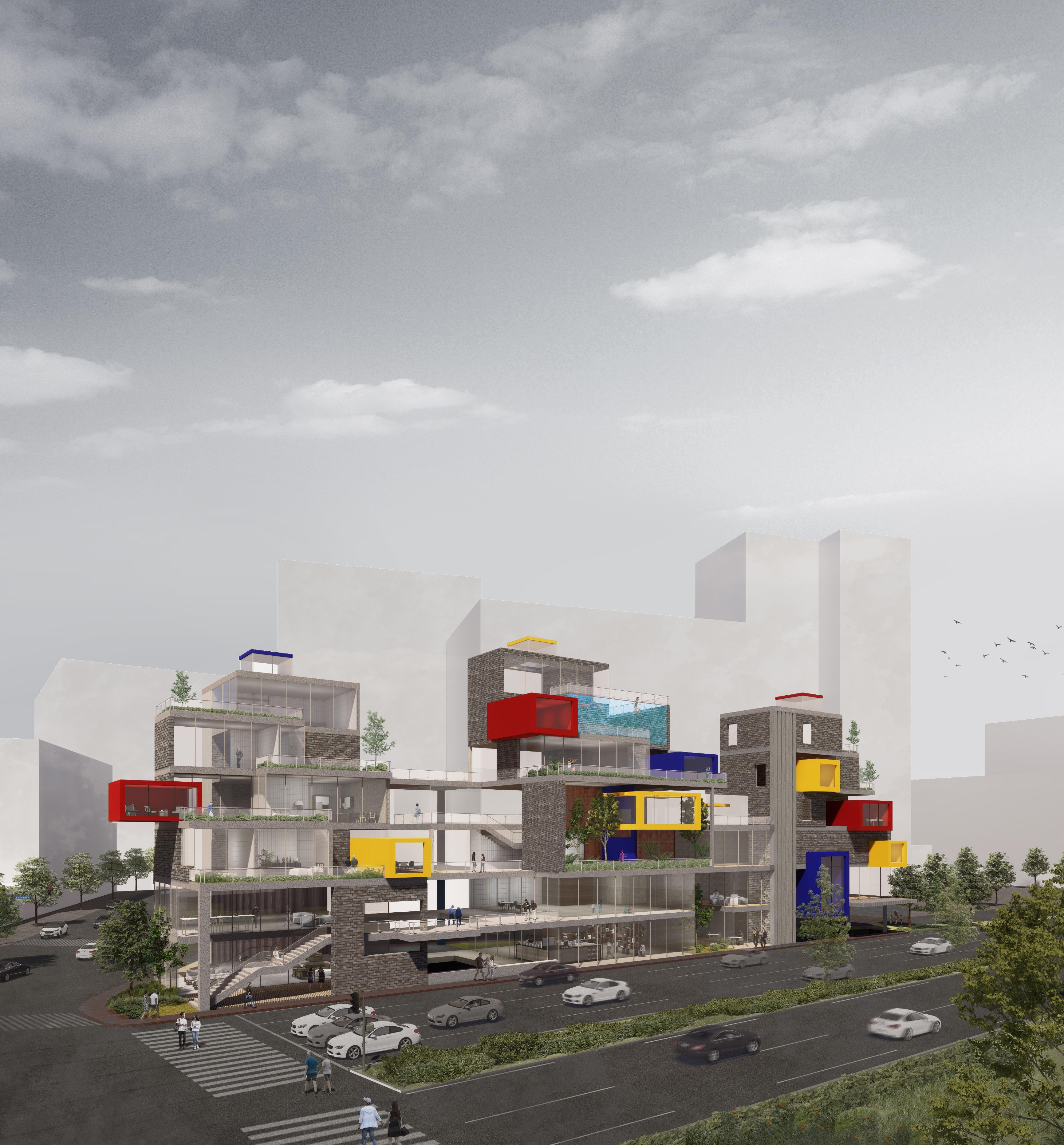
CO-HOUSING PROJECT
: tempoRARY ResidencY foR immigRAnts
For those who have moved to a foreign country and are going through difficult times, what does a complete and fulfilling life look like?
Imagine providing these individuals with a community space where they can live “together but separately,” helping to fill the gaps in each other’s lives, providing support, and coexisting in a way that promotes mutual growth.
design concept
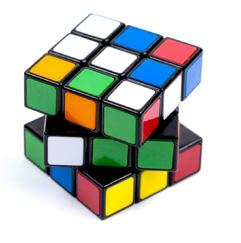
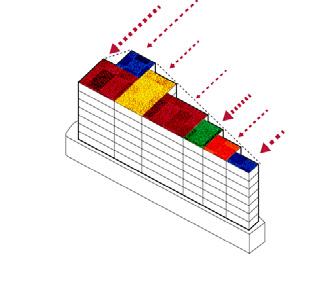
The main concept of the building is inspired by the image of an intertwined cube. Just as rotating blocks create diverse patterns and new faces and combinations, each color of the cube represents a different program. By interweaving these programs, the goal is to blur the boundaries between private and public spaces.
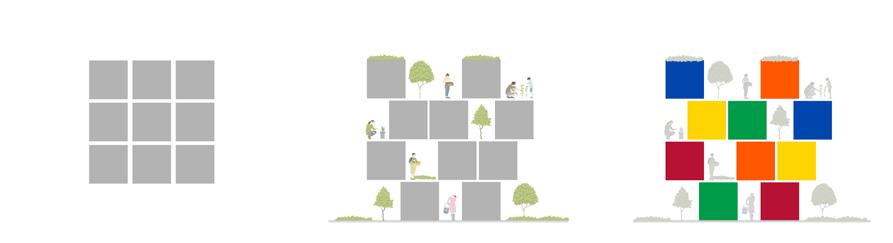
Instead of the conventional arrangem ent of programs, mixing spaces encourages active interaction between floors. This approach aims to move beyond individualism, fostering emotional stability through communal living, and helping migrants quickly integrate into society.
1.
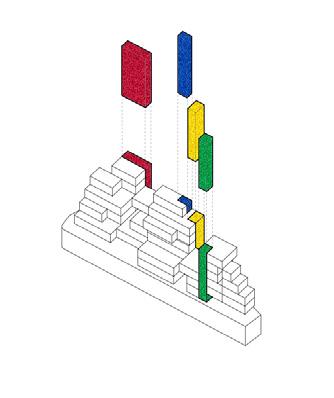
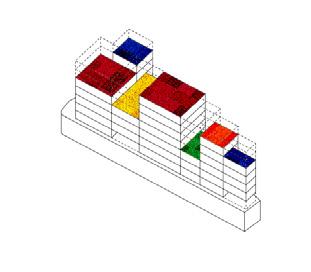
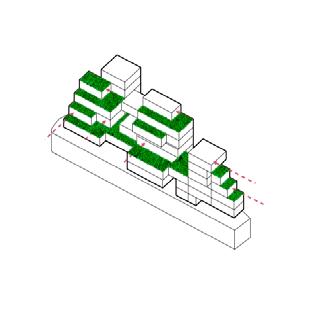
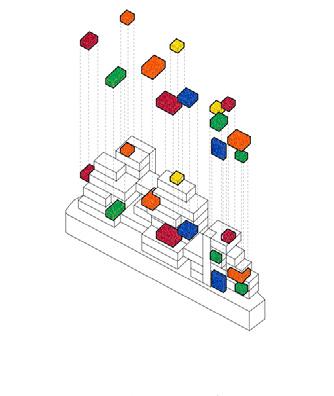
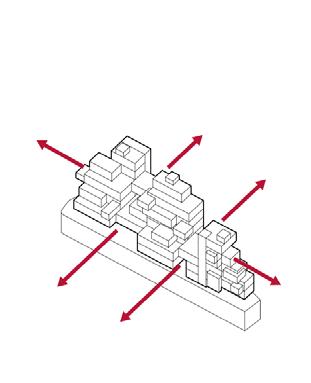
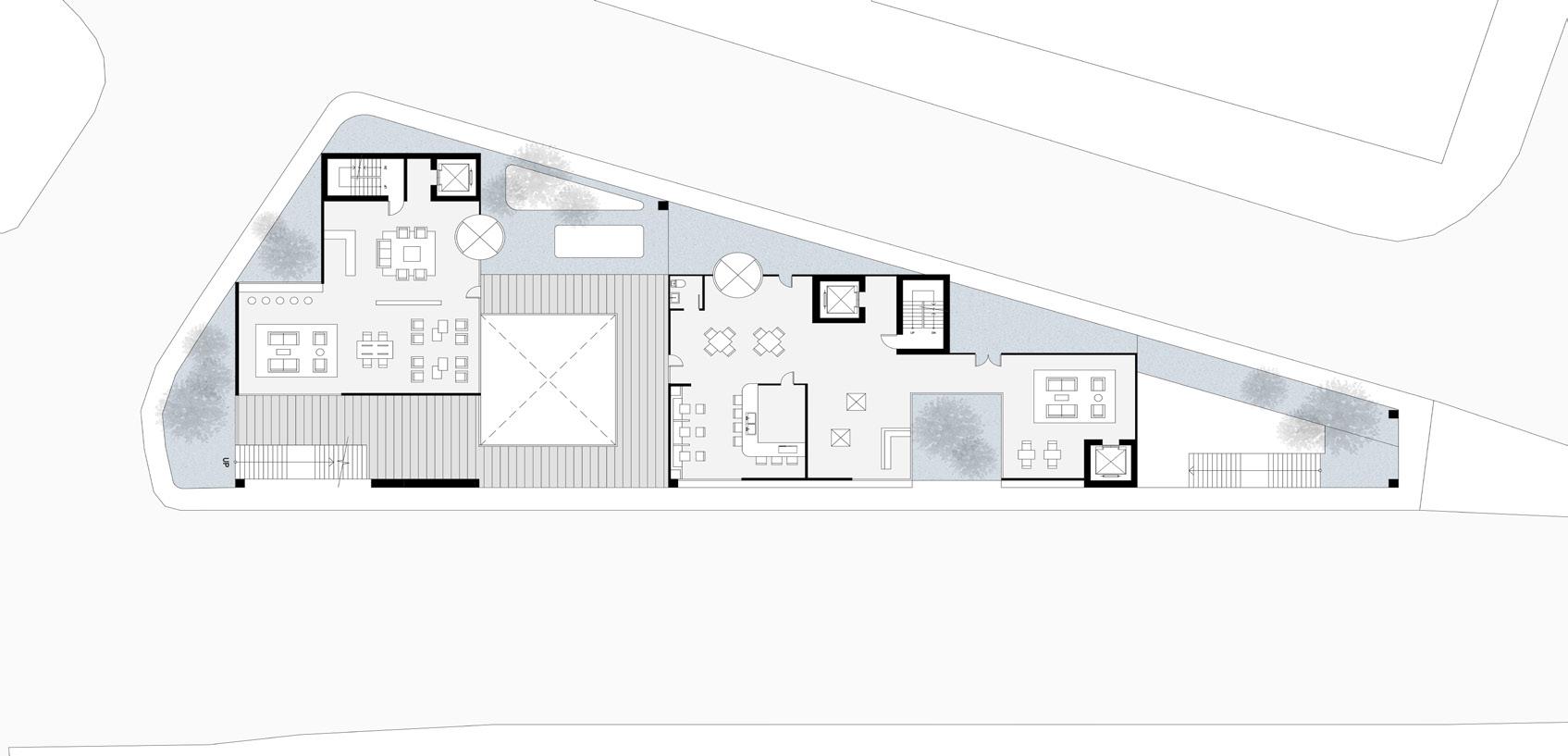
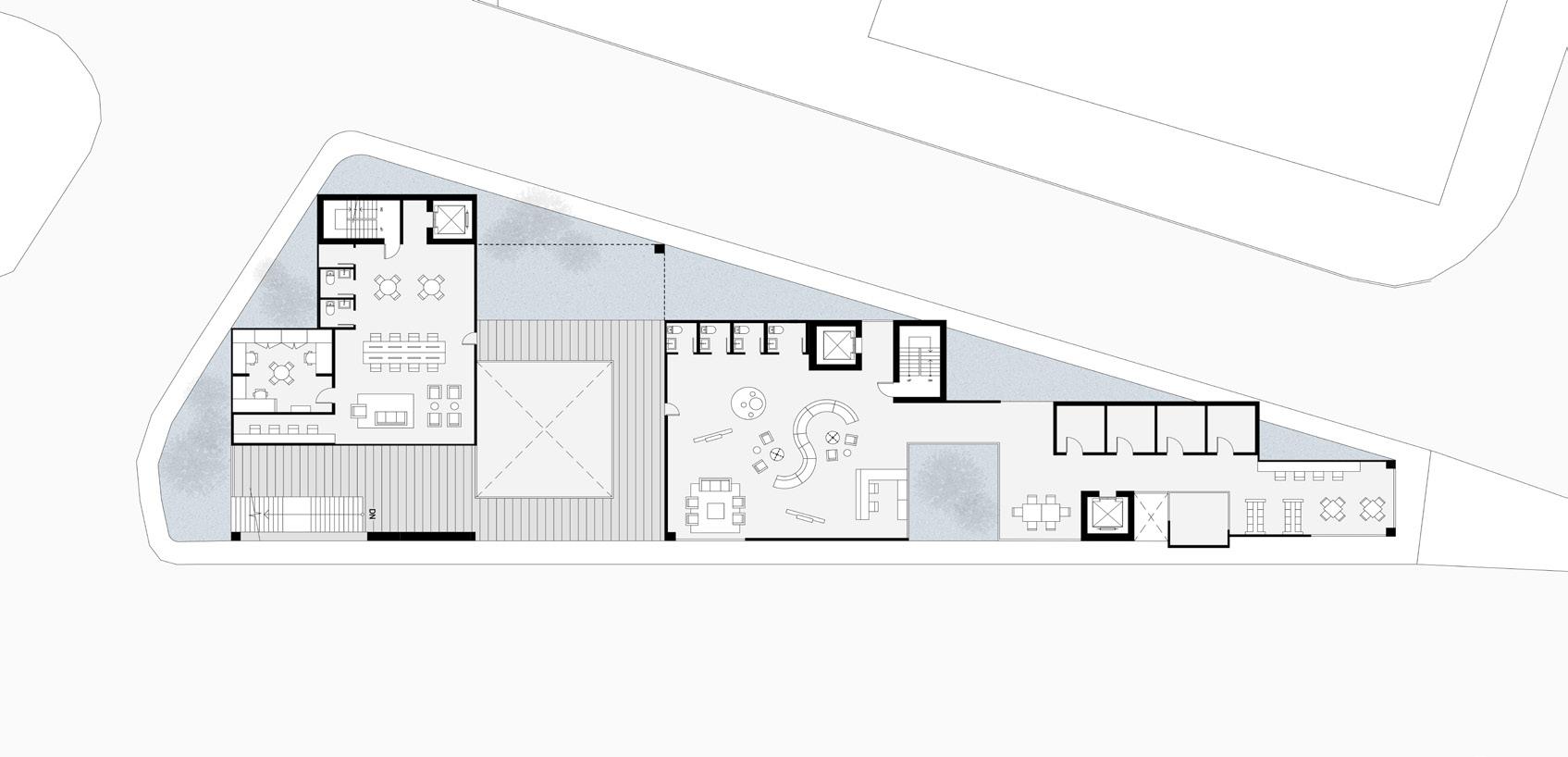
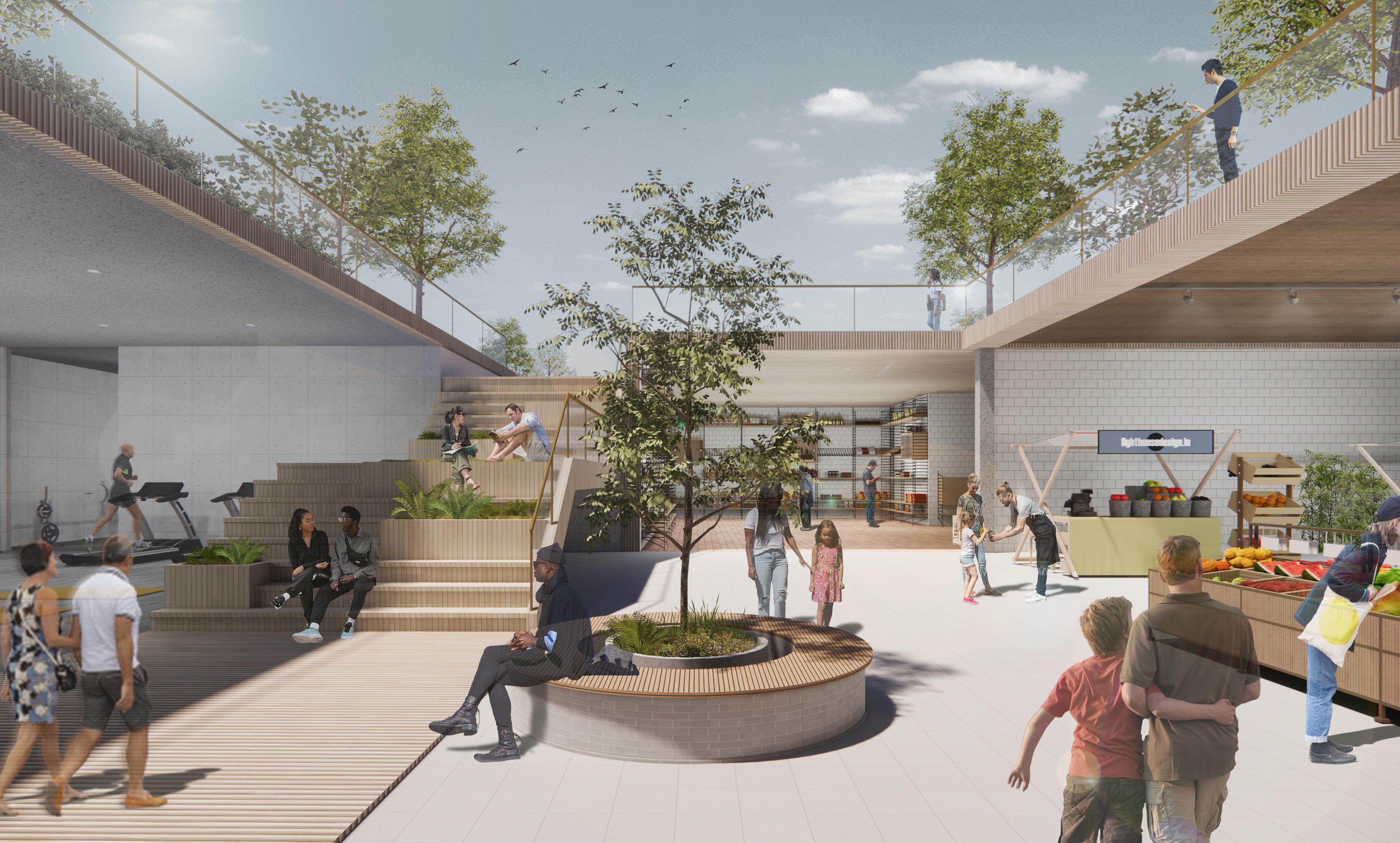
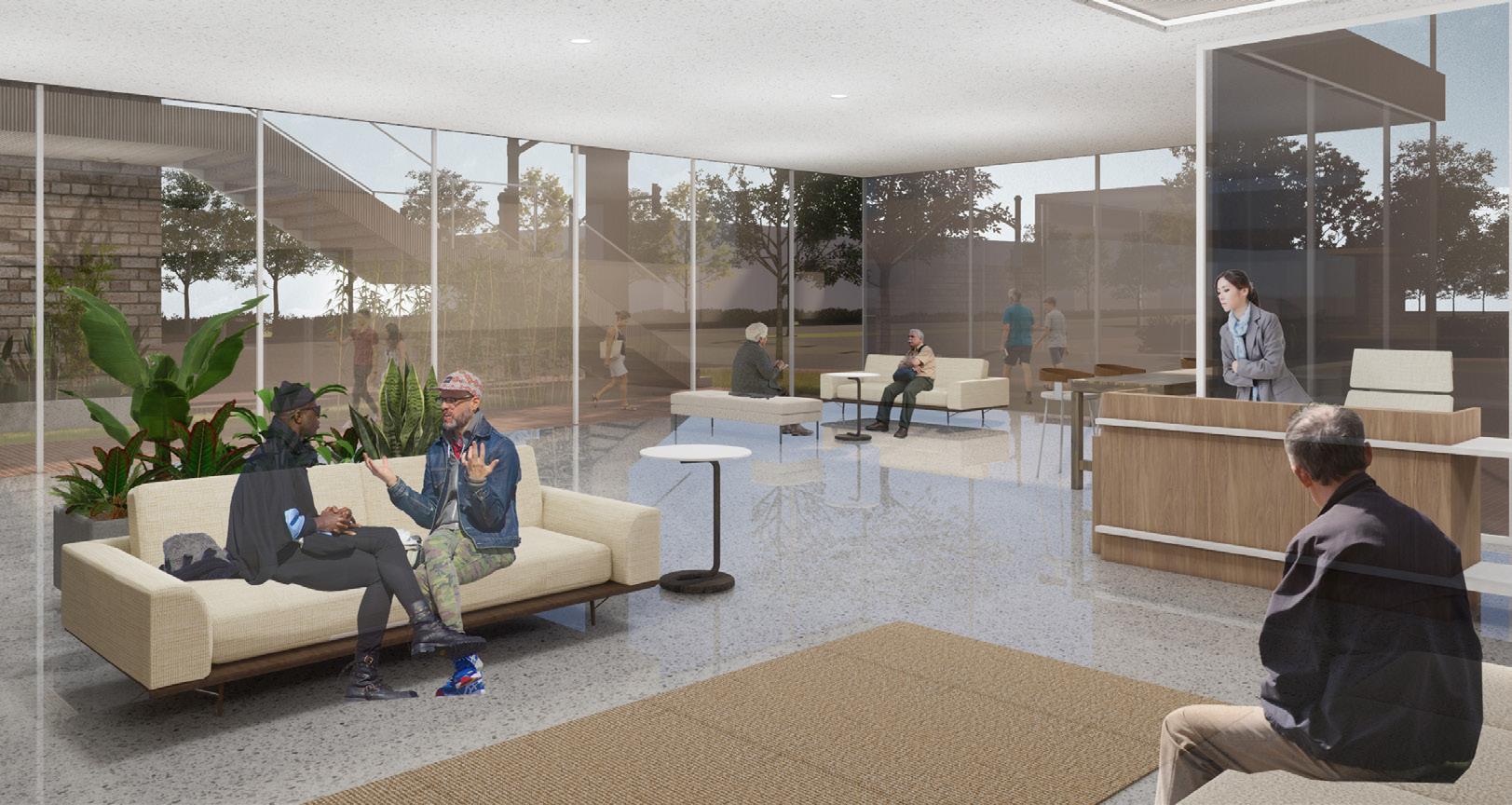
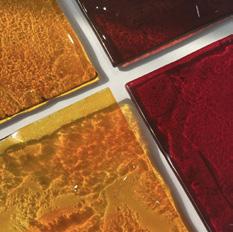
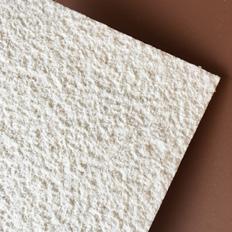
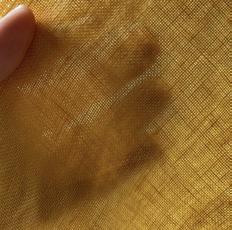
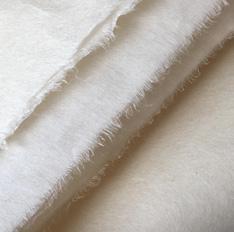
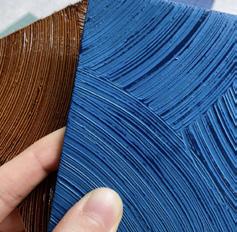
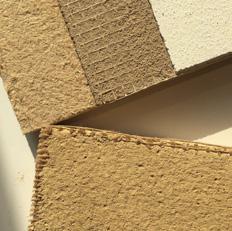
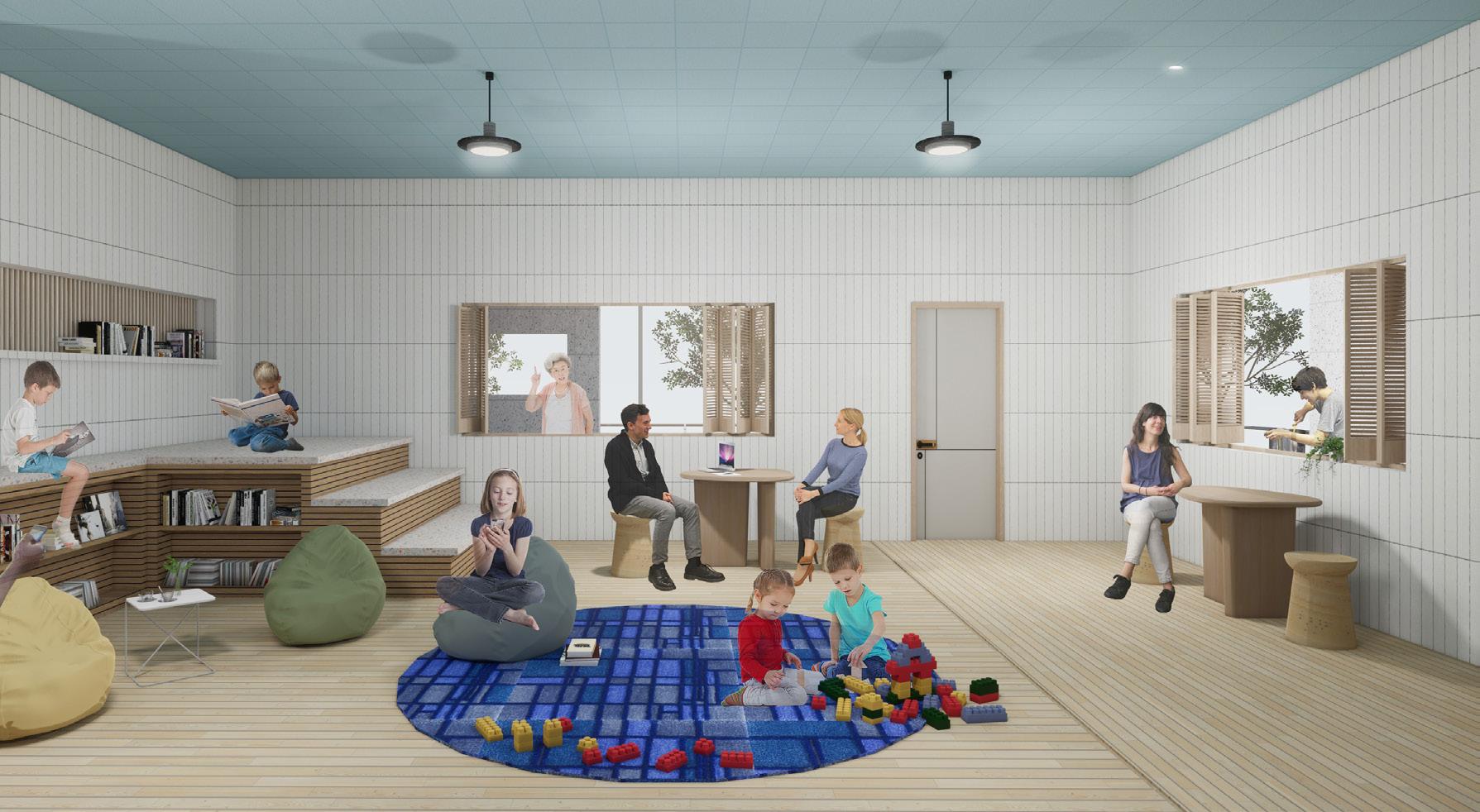
Unlike traditional multi-family housing, which was solely focused on providing living spaces, modern multi-family housing emphasizes communication and the quality of living. By appropriately arranging private spaces for living and public spaces for interaction—such as communal gardens, corridor interaction areas on each floor, and childcare spaces—the goal is to enhance both the function and quality of housing while encouraging neighborly communication. Additionally, rather than focusing solely on floor area, a more threedimensional perspective can reveal hidden spaces that are not immediately visible.

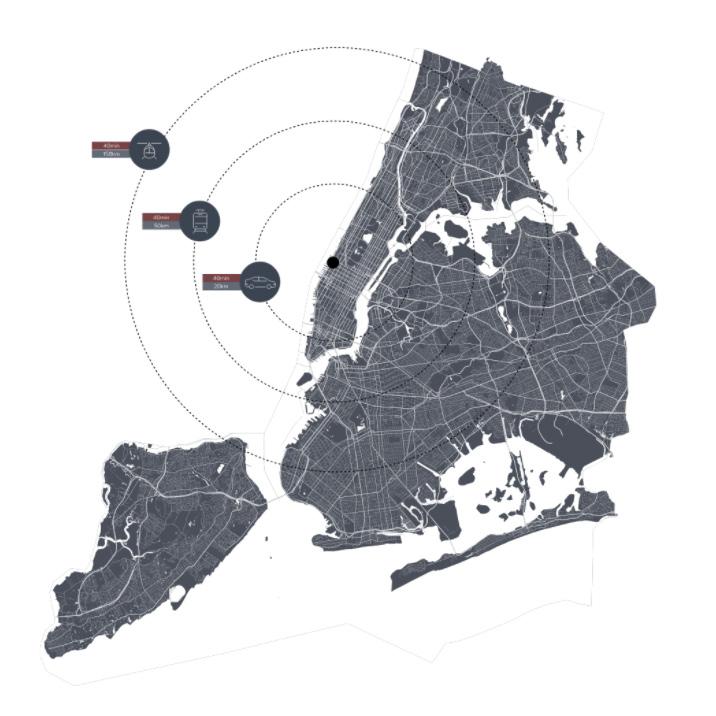
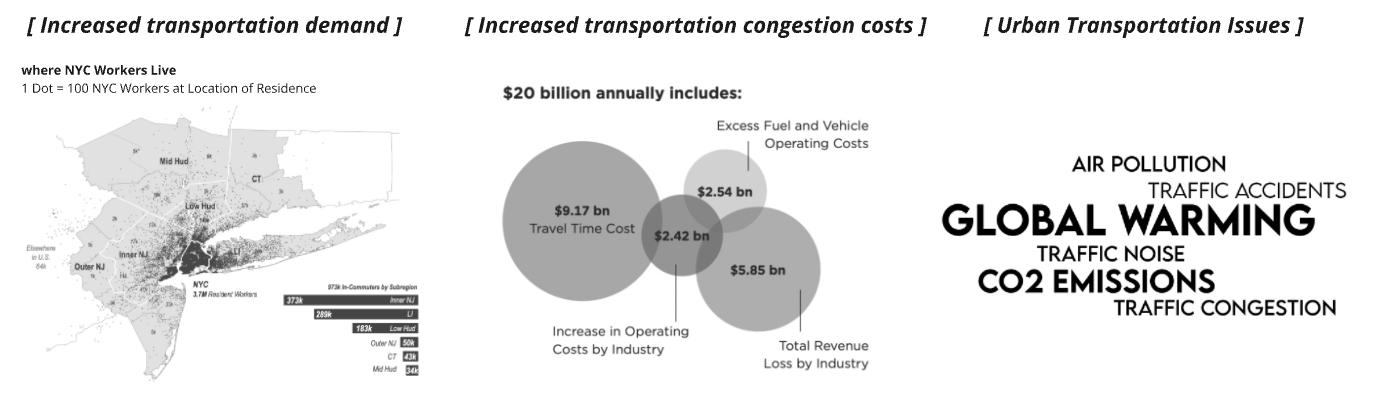
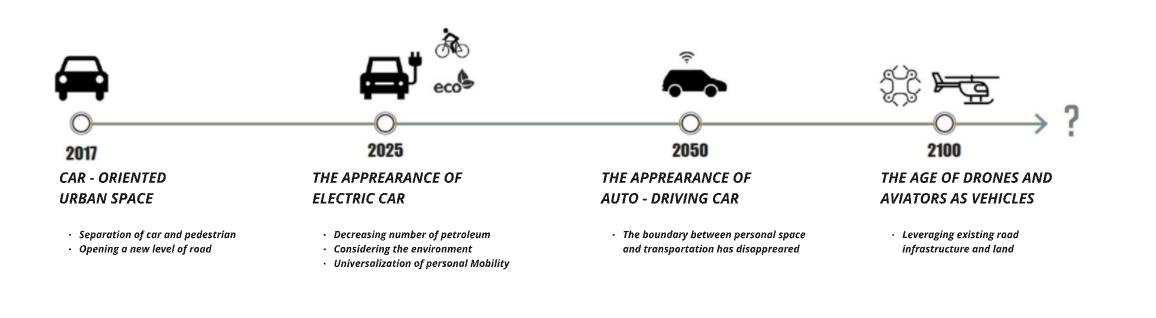
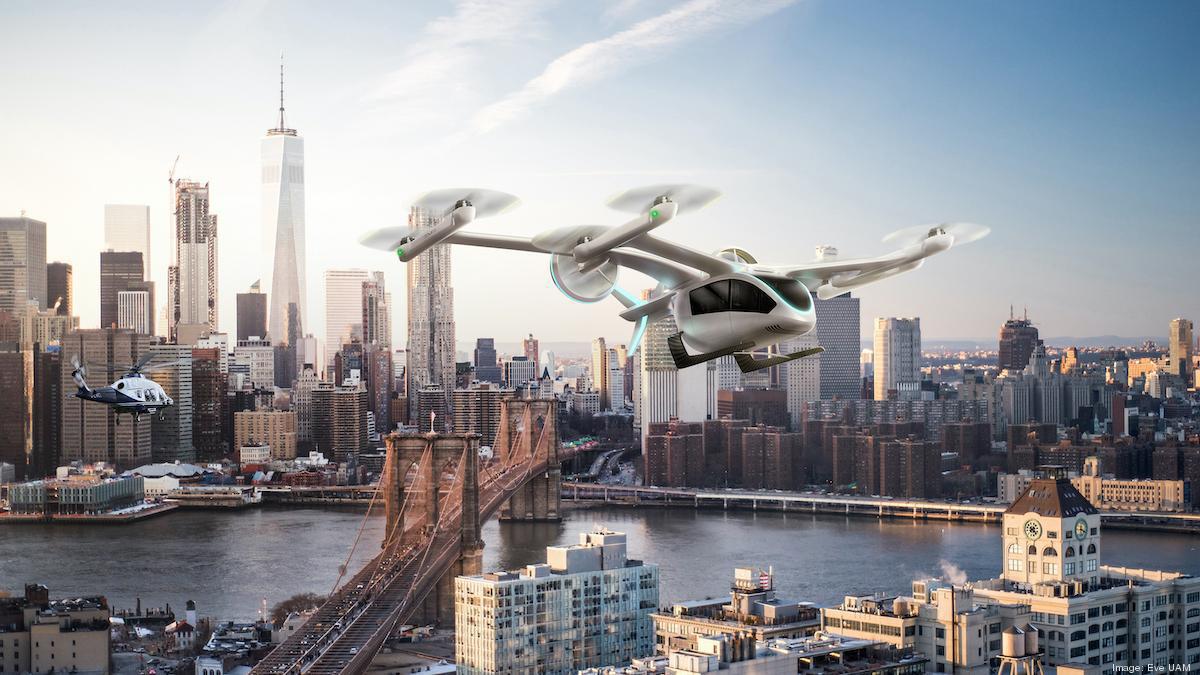
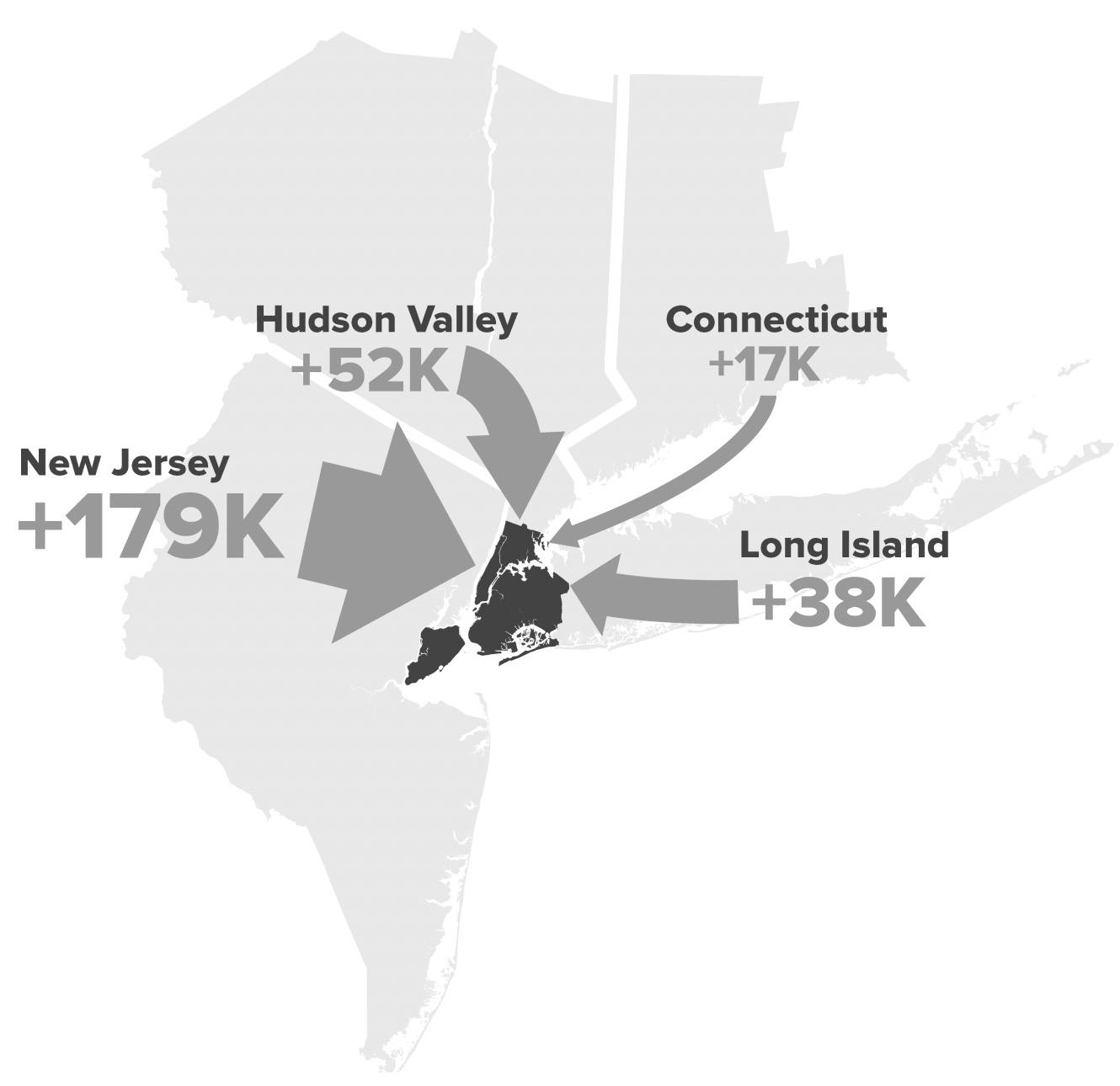
Transforming Rooftops in the city for UAM (Urban Air Mobility), the Future of Transportation
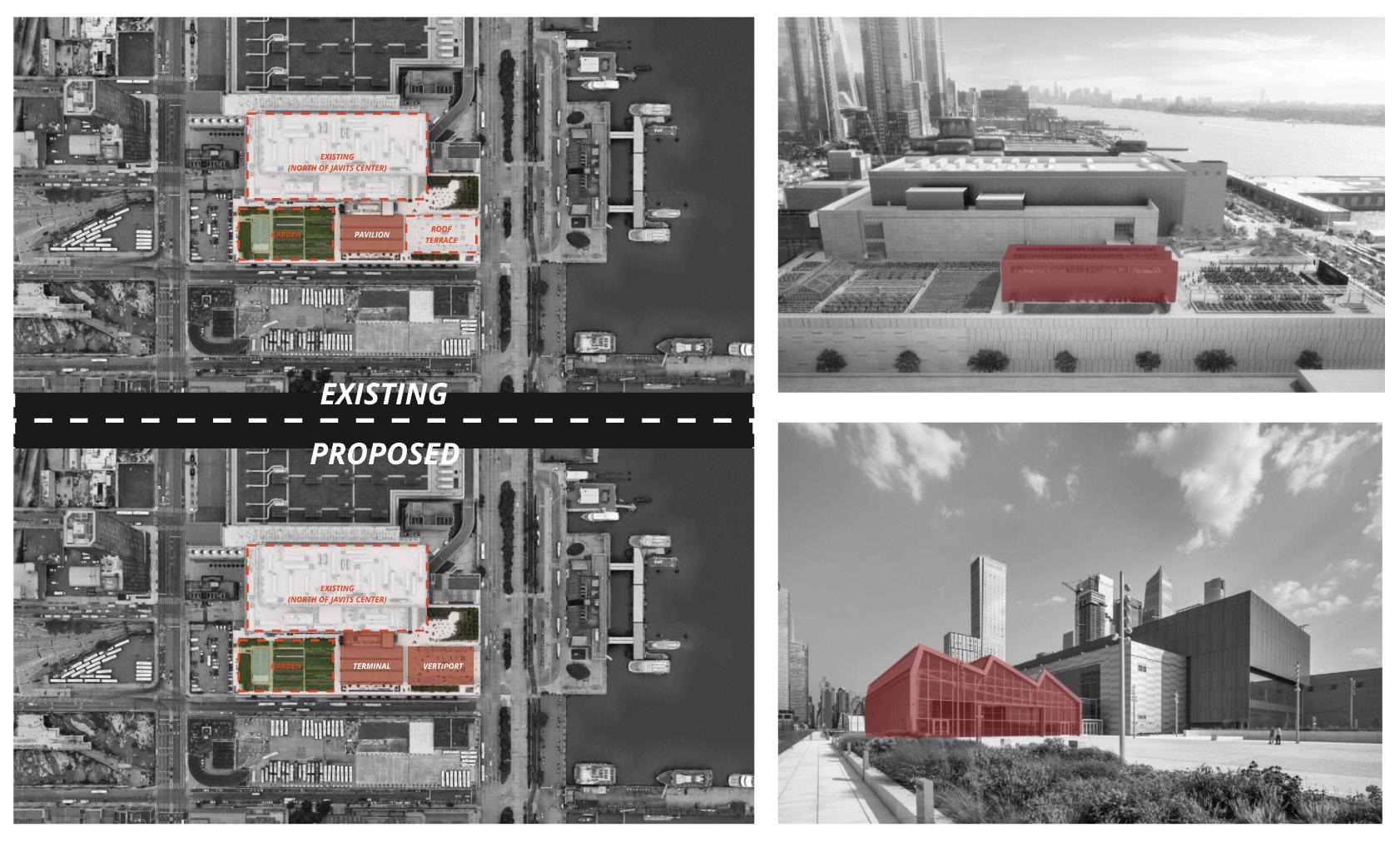
The North Extension rooftop of the Jacob K. Javits Center features a one-acre urban farm managed by Brooklyn Range, a saw-tooth pavilion used for events, and an adjacent roof terrace. These elements create a wellconnected, multifunctional space within the existing structure.
The proposed design maintains the current layout, leveraging its strong connection to the main building. The pavilion will be transformed into a UAM terminal, while the open deck will serve as the vertiport, accommodating takeoff and landing operations. This adaptive approach maximizes site efficiency while integrating UAM seamlessly into the urban landscape.
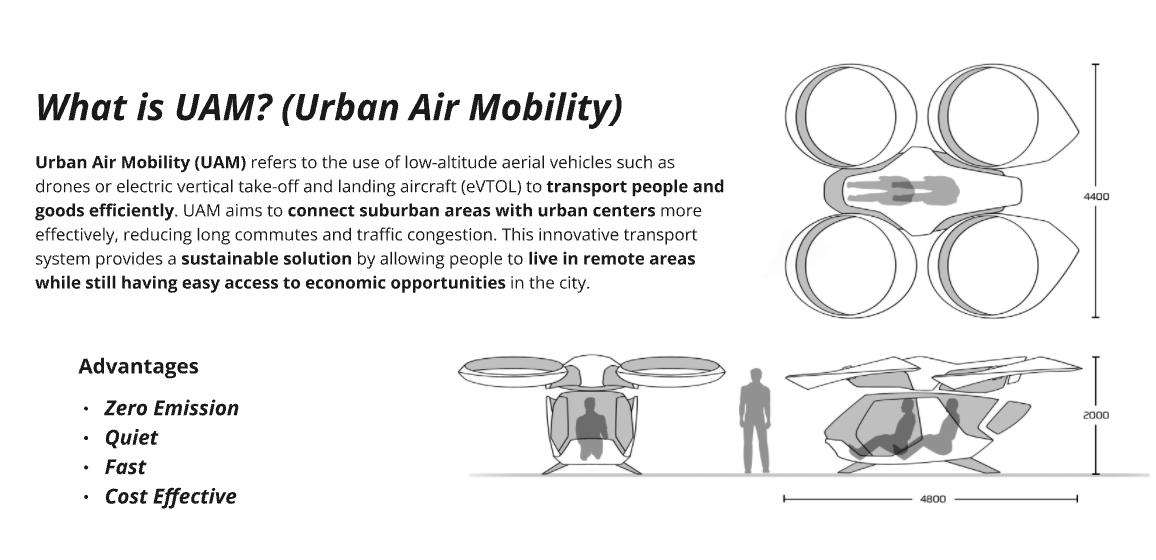
This project proposes a vertiport as a key infrastructure for Urban Air Mobility (UAM), enabling efficient takeoff, landing, passenger boarding, maintenance, and charging. Unlike traditional transit hubs, vertiports do not require roads or tracks, allowing for flexible urban integration and faster, more accessible transportation.
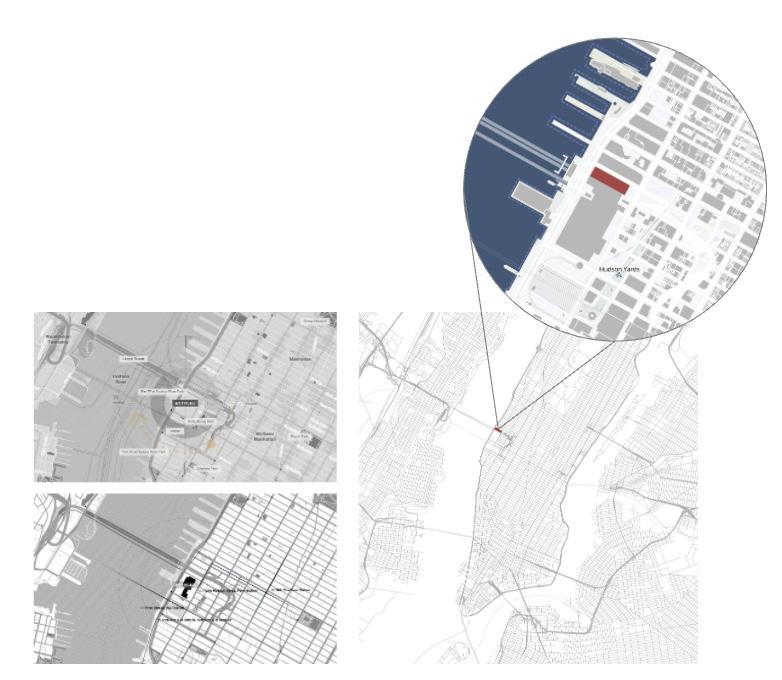
The North Extension rooftop of the Jacob K. Javits Center was selected for its seamless connectivity to subways, rail lines, and roads, ensuring high accessibility and demand in a dense urban environment. This design explores how underutilized rooftops can be transformed into future-ready transit hubs, integrating UAM into the city’s mobility network.
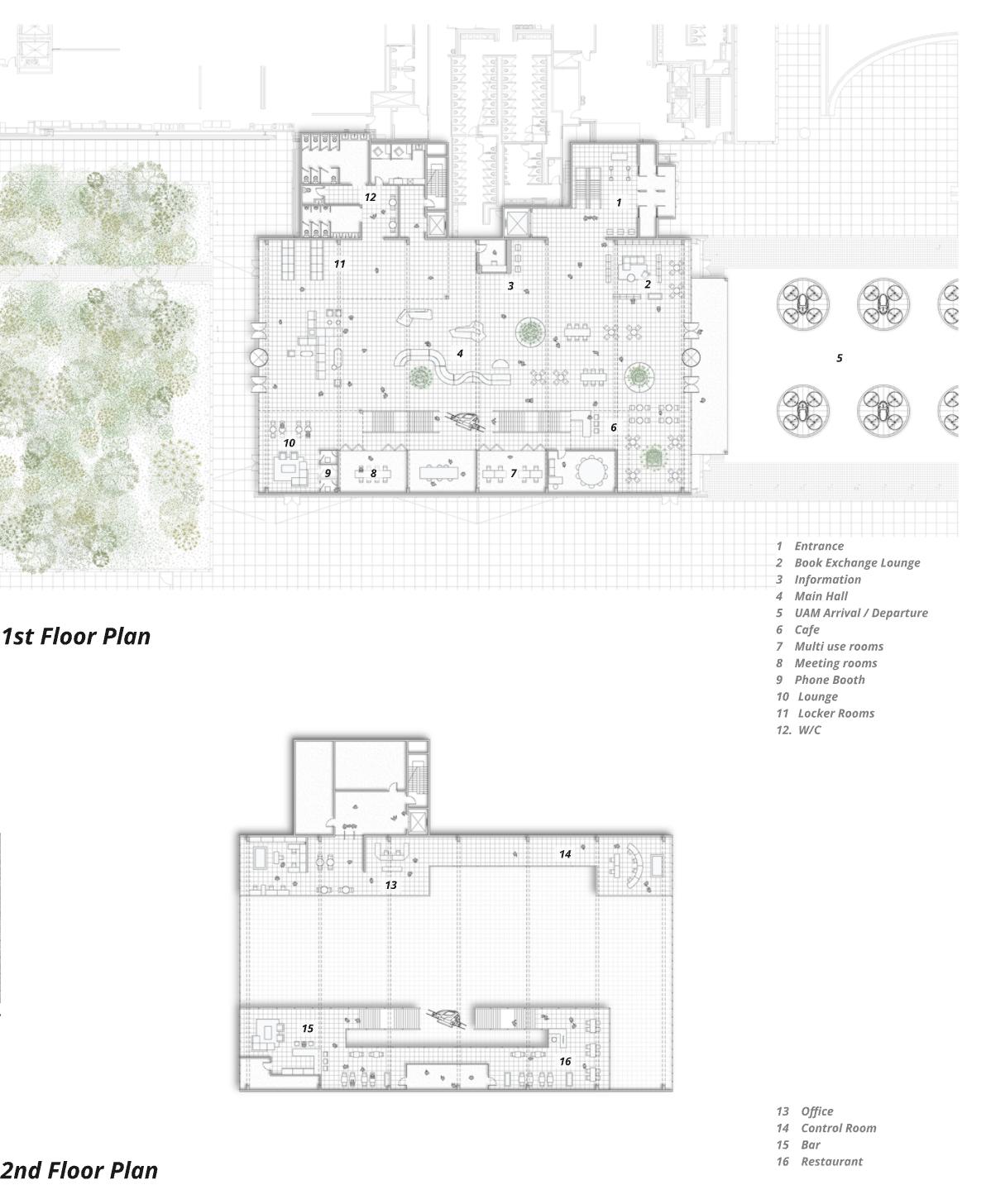
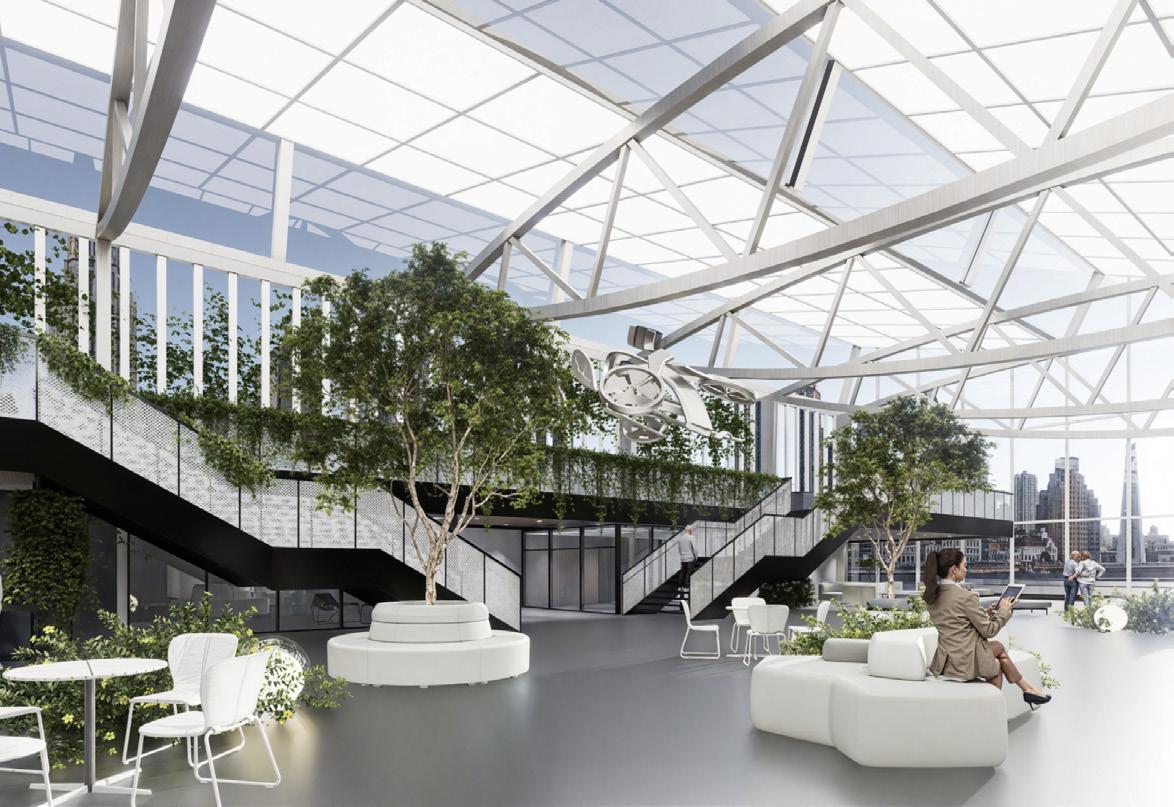
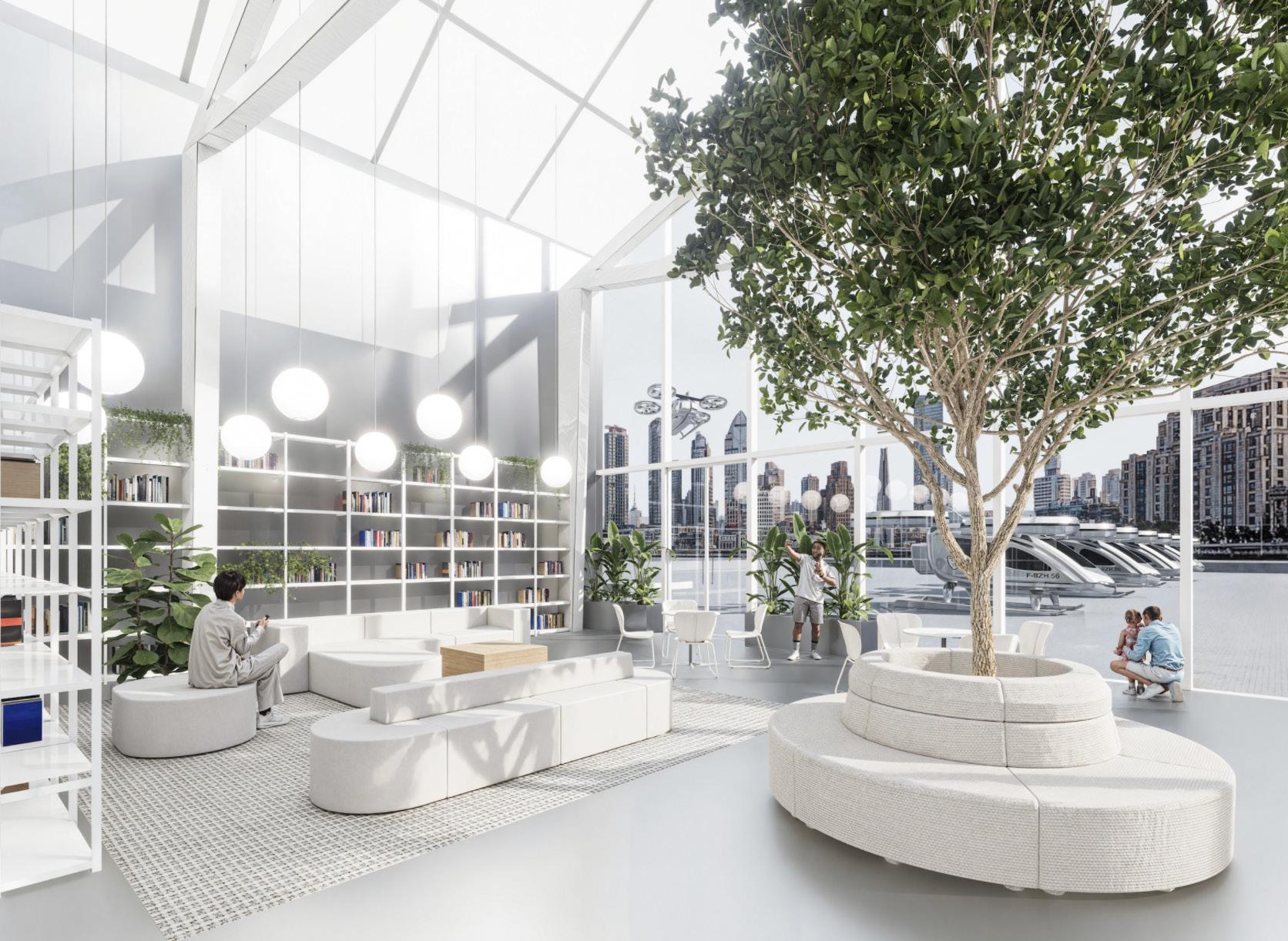
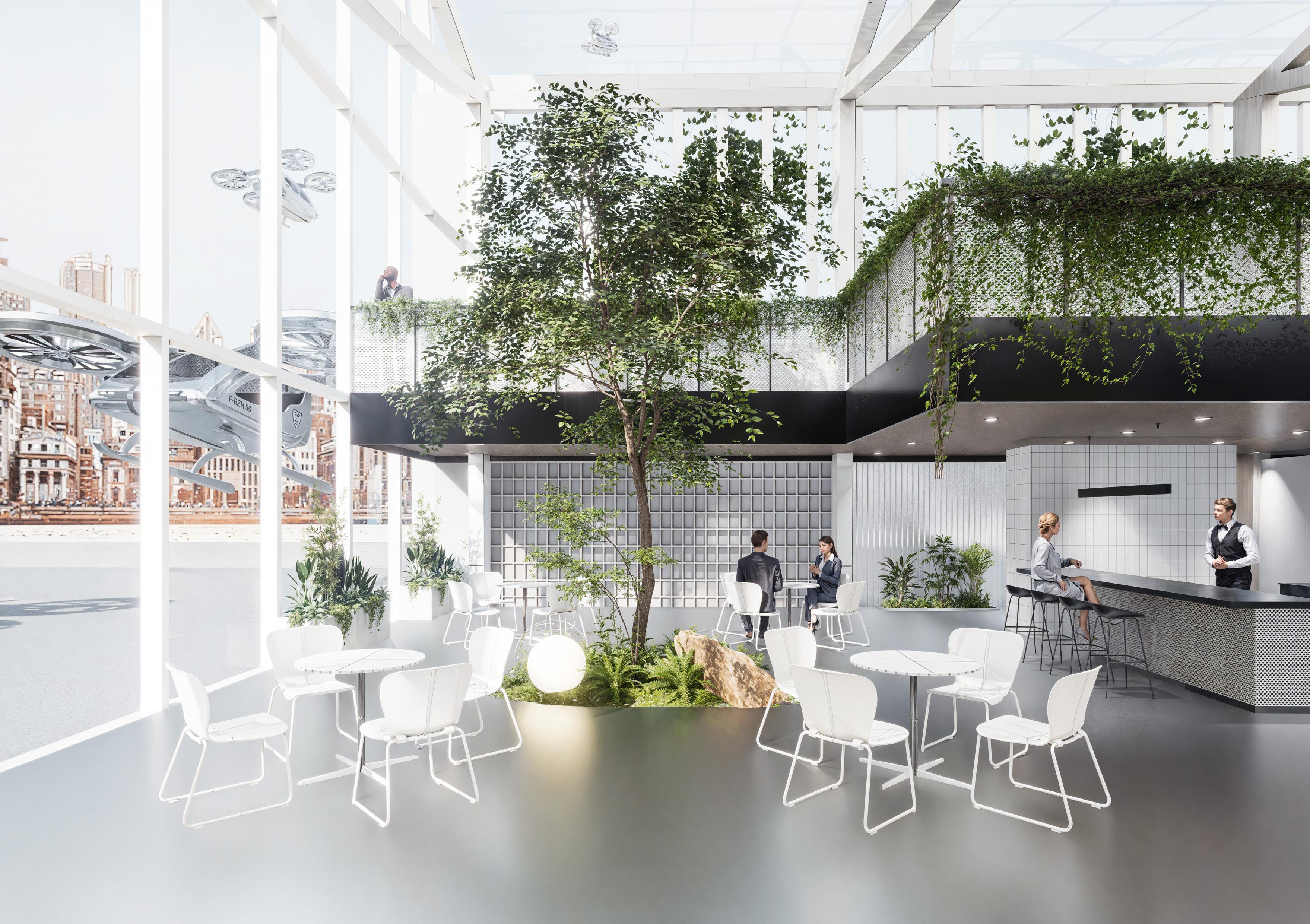
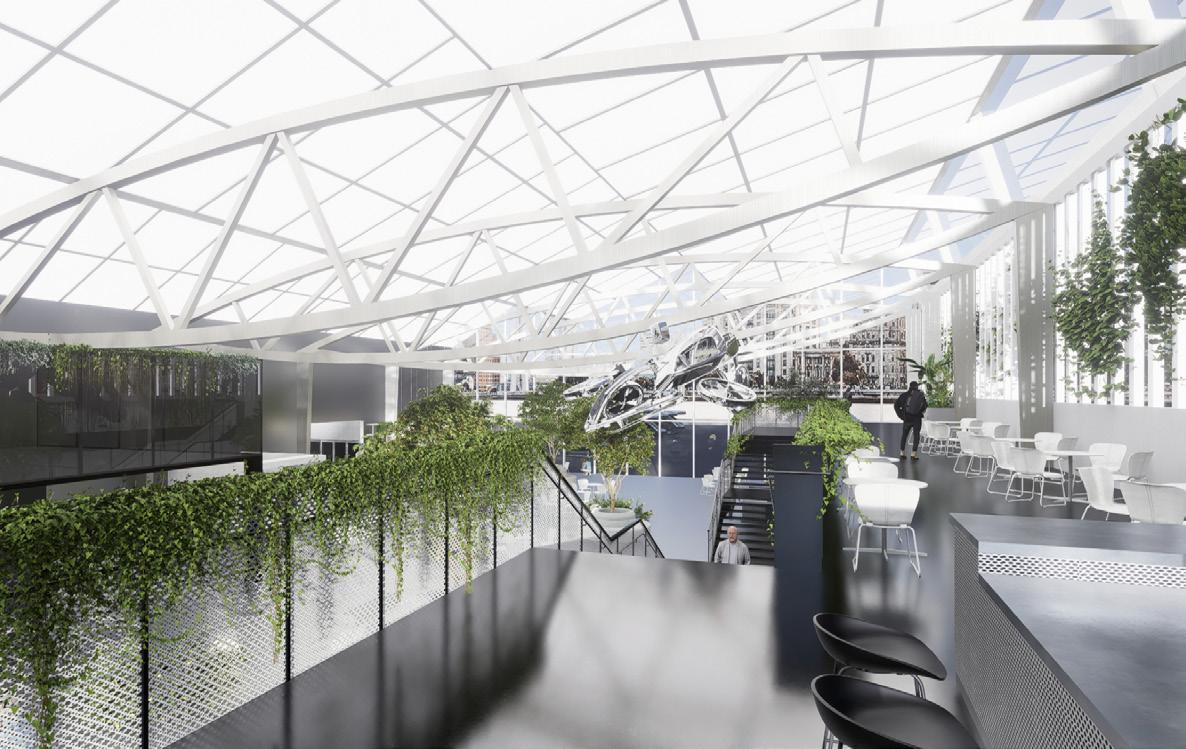
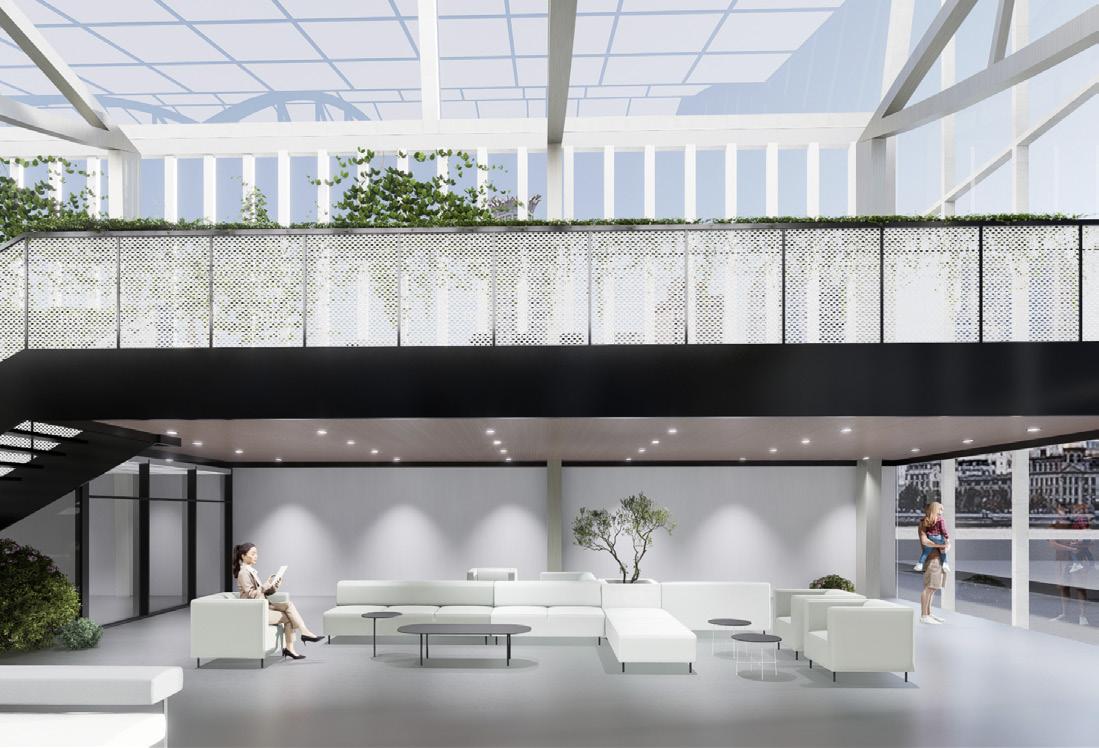
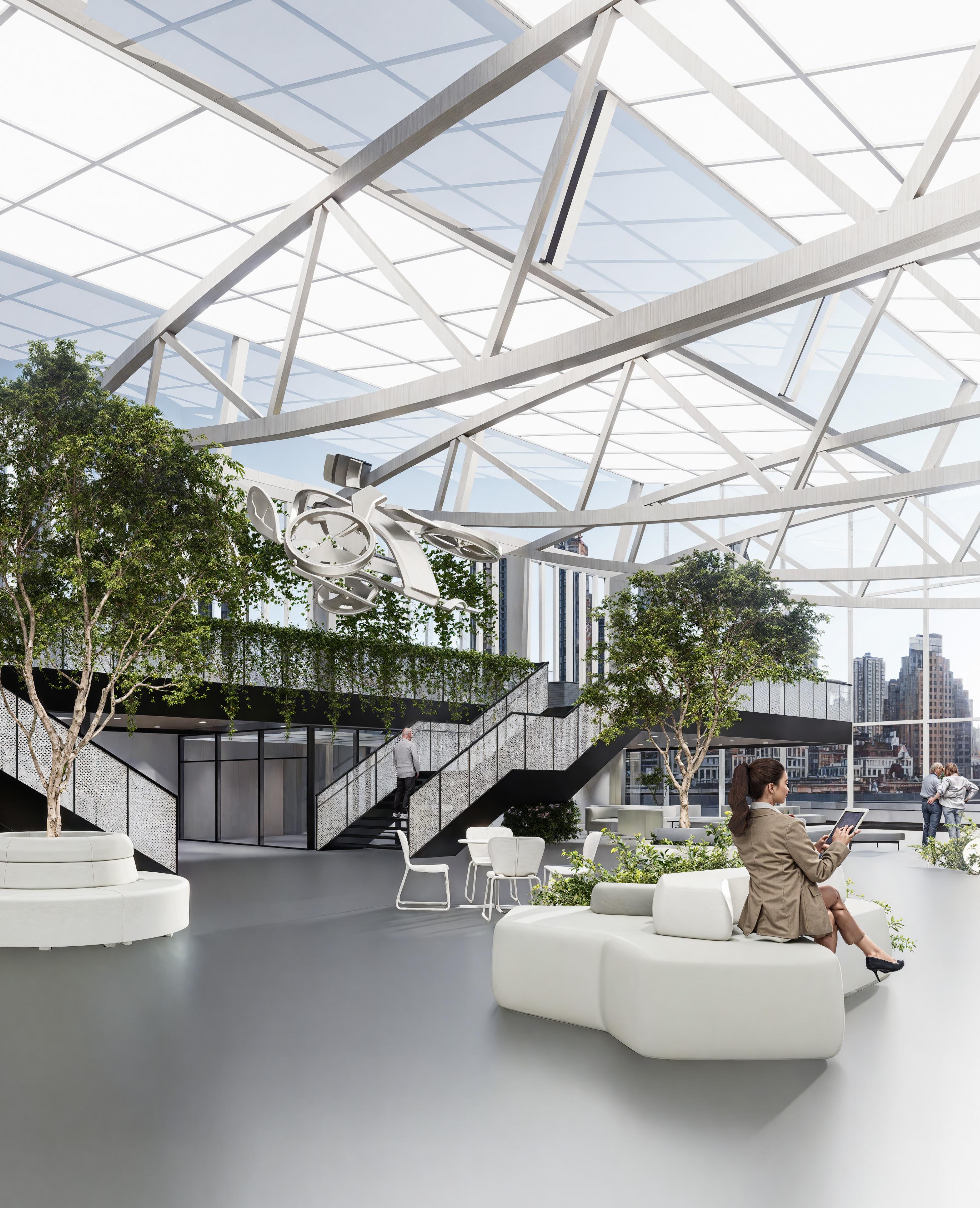
Upon entering the UAM terminal, visitors are greeted by a grand staircase with UAM models suspended above, creating an immersive exhibition space. The area is designed for comfort, featuring diverse seating options and ample natural light, which supports indoor trees and plants. Luminescent ceiling panels enhance lighting, ensuring optimal conditions for vegetation even when sunlight is limited.
Adjacent to this space is the book lounge, offering a relaxed environment where visitors can exchange books while enjoying a direct view of the vertiport deck, watching UAM vehicles take off and land.
On the second floor, a bar area extends along a mezzanine, forming a balcony-like space overlooking the level below. For a more intimate setting, enclosed seating is tucked beneath the staircase.
The cafeteria, seamlessly connecting both floors, provides a dynamic dining experience with views of the outdoor deck, allowing visitors to engage with the movement and energy of the vertiport while enjoying their meals.