
Cancel blurb. Issue 12 | March 2021 Culture s p e e c h c a l l o u t b o y c o t t



CONT ENTS The Psychology behind Cancel Culture 01 Cancel Culture: Accountability or Bullying? 03 Stereotypical Portrayals of People Suffering from MentalIllnesses in Media. 02 The Pros and Cons of Cancel Culture 05 What is The Point of Cancel Culture? 04
Hello everyone!
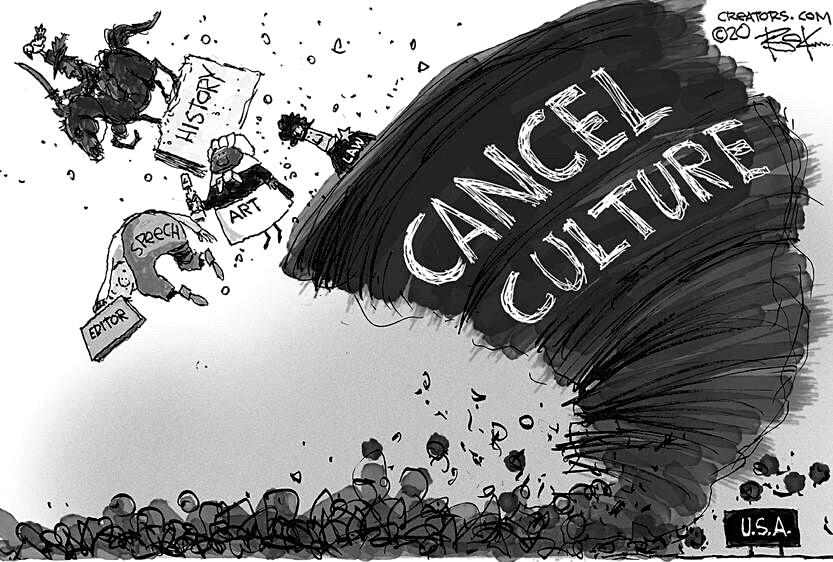
The concept that a person might be "cancelled" that is, culturally barred from having a large public platform or profession has been a divisive issue of debate in recent years. The evolution of "cancel culture" and the concept of cancelling someone follows a similar theme: a celebrity or even other significant person acts or says something objectionable. A public backlash, often fueled by politically progressive social media, ensues. Then come the calls to cancel the person that is, to effectively end their career or revoke their cultural cachet, whether through boycotts of their work or disciplinary action from an employer. To many people, this process of publicly calling for accountability, and boycotting if nothing else seems to work, has become an important tool of social justice a way of combatting, through collective action, some of the huge power imbalances that often exist between public figures with far reaching platforms and audiences, and the people and communities their words and actions may harm.
In our final Blurb issue for the academic year 2021 22, I am delighted to release this newsletter closely based on cancel culture and its aspects. Lastly, I would like to thank all the faculties and students who took time to read through the issues and provide feedback through last 4 issues. Most importantly, the amazing team I led through my tenure.
Seba Gem Editor In Chief
E E E E E E
AND WE BLEED OUT FOR WE NEVER EXPECT A RETURN - MAISA
l cancel cancel cancel cancel cancel cancel cancel cancel cancel cancel cancel cancel cancel cancel canc el cancel cancel cancel cancel cancel cancel cancel cancel cancel cancel cancel cancel cancel cancel canc
OUR WALLS, A HEATING HEART AND SOFT, IN THE DEAFENING SILENCE,
c
cel cancel cancel cancel cancel cancel cancel cancel cancel cancel cancel cancel cancel cancel cancel can cel cancel cancel cancel cancel cancel cancel cancel cancel cancel cancel cancel cancel cancel cancel can ncel cancel cancel cancel cancel cancel cancel cancel cancel cancel cancel cancel cancel cancel cancel ca ncel cancel cancel cancel cancel cancel cancel cancel cancel cancel cancel cancel cancel cancel cancel ca ancel cancel cancel cancel cancel cancel cancel cancel cancel cancel cancel cancel cancel cancel cancel c ancel cancel cancel cancel cancel cancel cancel cancel cancel cancel cancel cancel cancel cancel cancel c cancel cancel cancel cancel cancel cancel cancel cancel cancel cancel cancel cancel cancel cancel cancel cancel cancel cancel cancel cancel cancel cancel cancel cancel cancel cancel cancel cancel cancel cancel cancel cancel cancel cancel cancel cancel cancel cancel cancel cancel cancel cancel cancel cancel cance l cancel cancel cancel cancel cancel cancel cancel cancel cancel cancel cancel cancel cancel cancel cance el cancel cancel cancel cancel cancel cancel cancel cancel cancel cancel cancel cancel cancel cancel canc l cancel cancel cancel cancel cancel cancel cancel cancel cancel cancel cancel cancel canc l cancel cancel cancel cancel cancel cancel cancel cancel cancel cancel can ancel cancel cancel cancel cancel cancel cancel cancel ca ncel cancel cancel cancel cancel cancel ca cel cancel cancel cancel c el cancel
JUST OUT OF COORDINATION, WITH OUR BREATHS LIES THE LUB-DUB
l cancel cancel cancel cancel cancel cancel cancel cancel cancel cancel cancel cancel cancel cancel cance el cancel cancel cancel cancel cancel cancel cancel cancel cancel cancel cancel cancel cancel cancel canc el cancel cancel cancel cancel cancel cancel cancel cancel cancel cancel cancel cancel cancel cancel canc
el cancel cancel cancel cancel cancel cancel cancel cancel cancel cancel cancel cancel cancel cancel canc cel cancel cancel cancel cancel cancel cancel cancel cancel cancel cancel cancel cancel cancel cancel can cel cancel cancel cancel cancel cancel cancel cancel cancel cancel cancel cancel cancel cancel cancel can ncel cancel cancel cancel cancel cancel cancel cancel cancel cancel cancel cancel cancel cancel cancel ca ncel cancel cancel cancel cancel cancel cancel cancel cancel cancel cancel cancel cancel cancel cancel c ancel cancel cancel cancel cancel cancel cancel cancel cancel cancel cancel cancel cancel cancel cancel c cancel cancel cancel cancel cancel cancel cancel cancel cancel cancel cancel cancel cancel cancel cancel cancel cancel cancel cancel cancel cancel cancel cancel cancel cancel cancel cancel cancel cancel cancel cancel cancel cancel cancel cancel cancel cancel cancel cancel cancel cancel cancel cancel cancel cancel cancel cancel cancel cancel cancel cancel cancel cancel cancel cancel cancel cancel cancel cancel cance
OF FLESH AND BLOOD,
WHERE THE CHAMBER DOORS
cel cancel cancel cancel cancel cancel cancel cancel cancel cancel cancel cancel cancel cancel cancel can cel cancel cancel cancel cancel cancel cancel cancel cancel cancel cancel cancel cancel cancel cancel ca ncel cancel cancel cancel cancel cancel cancel cancel cancel cancel cancel cancel cancel cancel cancel ca ancel cancel cancel cancel cancel cancel cancel cancel cancel cancel cancel cancel cancel cancel cancel c ancel cancel cancel cancel cancel cancel cancel cancel cancel cancel cancel cancel cancel cancel cancel c cancel cancel cancel cancel cancel cancel cancel cancel cancel cancel cancel cancel cancel cancel cancel cancel cancel cancel cancel cancel cancel cancel cancel cancel cancel cancel cancel cancel cancel cancel cancel cancel cancel cancel cancel cancel cancel cancel cancel cancel cancel cancel cancel cancel cance cancel cancel cancel cancel cancel cancel cancel cancel cancel cancel cancel cancel cancel cancel cance el cancel cancel cancel cancel cancel cancel cancel cancel cancel cancel cancel cancel cancel cancel canc
OPEN TO LET OUT MORE
LACEVIC
el cancel cel cancel cancel cancel c cel cancel cancel cancel cancel cancel ca ncel cancel cancel cancel cancel cancel cancel cancel can ncel cancel cancel cancel cancel cancel cancel cancel cancel cancel canc ancel cancel cancel cancel cancel cancel cancel cancel cancel cancel cancel cancel cance ancel cancel cancel cancel cancel cancel cancel cancel cancel cancel cancel cancel cancel cancel cancel cancel cancel cancel cancel cancel cancel cancel cancel cancel cancel cancel cancel cancel cancel cancel cancel cancel cancel cancel cancel cancel cancel cancel cancel cancel cancel cancel cancel cancel cancel cancel cancel cancel cancel cancel cancel cancel cancel cancel cancel cancel cancel cancel cancel cance
C A N C C A N C C A N C
By Cheryl Anthony
Cancel culture exists because social identities exist. We follow brands and celebrities, in part, as a form of self-expression and at an extreme, we also "cancel" them as a form of selfexpression. Our sense of identity is rooted in our core values and beliefs. According to social identity theory our sense of identity is shaped by the social groups we belong to. In the digital world, social identities are at our fingertips. Social media has made it easier for people to represent their social identity via kin color-specific emojis, flags of countries
NCEL NCEL NCELCANCEL CANCEL CANCELCANCE CANCE CANCE EL EL EL CANCEL CANCEL CANCELCANCE CANCE CANCE
The PSYCHOLOGY OF CANCEL CULTURE
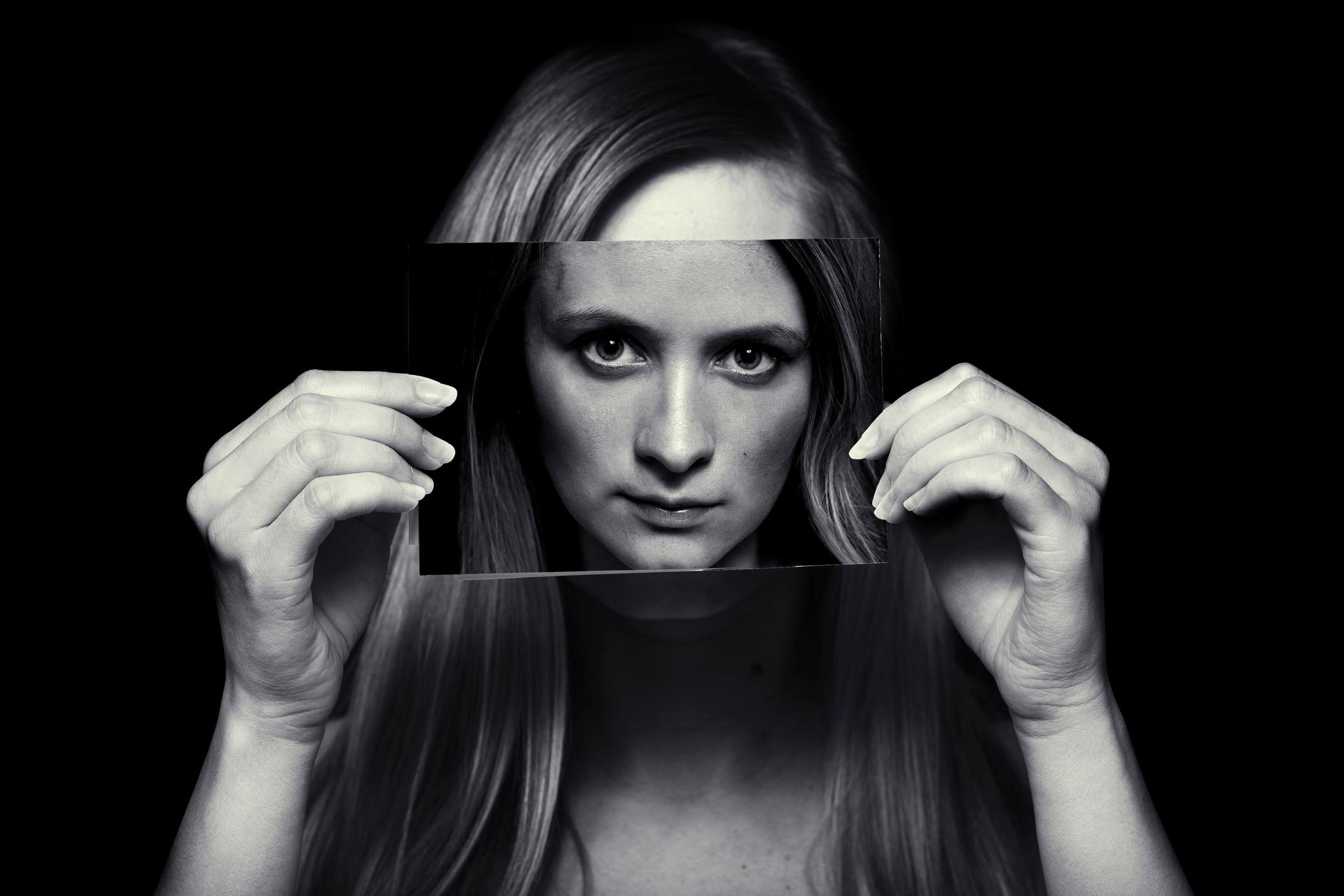
“Mess with the bull, and you'll get the horn." These words perfectly apply to the cancel culture of today. As we all know, cancel culture refers to when someone (typically a celebrity) gets "removed" as a nice person or public figure on social media after saying or doing something that others find disrespectful. This leads to mass-hatred and bullying. The idea is that if you do something that others deem problematic, you automatically lose all your currency. Your voice is silenced, and you’re done. But why do people love cancel culture if it provokes so much hated towards one person?
they've traveled to zodiac signs, and much more. We express ourselves by following those who embody our identity. This is our identity expression. If you are a person who loves the outdoors, going to the gym, and eating healthy, you are more likely to follow those who enjoy the same things. If you are proud of your city, you tend to support those who resonate with your sense of identity.
If there was a film that recorded every moment of my life, you can guarantee that it would include some pretty foolish statements I’ve made throughout the years. I would also probably be reminded of some opinions I no longer believe and if you’re being honest with yourself, yours likely would be equally cringe. The things we have said in the past may not have been outrageously offensive, but we have all made comments, or held opinions, we later regret. We are, after all, inherently flawed creatures, but imagine if a single lapse in judgment stayed with you for the rest of your life. This is the issue that our society is currently dealing with as a result of the predominance of cancel culture.
Cognitive dissonance theory stipulates that we have an innate human drive for consistency. We can't go about our merry business with this incompatibility in mind. Instead, we MUST resolve this dissonance and we can go about this in one of two ways: either by sticking with the celebrity and changing our values or by sticking with our values and changing our allegiance with the individual and the option we typically choose is the latter. This decision is what drives cancel culture. Values are notoriously difficult to change. Unless you're obsessively attached to the individual, chances are you'll ditch them for your values. Moreover, changing your affiliation allows for the all-important additional incentive of identity expression. We don't just dismiss them in private. Instead, by urging their 'cancellation,' we declare the dismissal to the world.
CANCEL CANCEL CANCELCANCEL CANCEL CANCELCAN CAN CAN C A N C E L C A N C E L C A N C E L C A N C E L C A N C E L C A N C E L C A N C E L C A N C E L C A N C E L CANCEL CANCEL CANCELCANCEL CANCEL CANCEL CAN CAN CAN C A N C E L C A N C E L C A N C E L C A N C E L C A N C E L C A N C E L C A N C E L C A N C E L C A N C E L
Similarly, if you believe Beyoncé represents feminism and you identify with her fight for women's empowerment, there's a chance you'd like and approve of her as queen status. When we follow someone who shares our values, we are expressing our identity by aligning ourselves with them. In the social media realm, this means publicly liking and re-sharing their content. By doing this, we're stating to the world, “This is me, I'm the kind of person who likes Beyoncé and values female empowerment." Everything and everyone you share, post about, or like can be a way of signaling your social identity. This is all well and good when the celebrities and brands you align yourself with also share your values. But what happens when they suddenly don't? What happens, for example, when this celebrity we love now does something which violates our values?
Our innate drive towards consistency and away from dissonance makes it difficult to live in the gray area. It is fueling cancel culture, but it is also pushing brands who sell us on an identity to be more consistent. Social identities are reliable drivers of behavior, especially when dissonance is at play. Cognitive dissonance forces our brains to choose one of two ways outlined earlier: stick to the brand/celebrity and change your values or cancel the brand/celebrity and stick to your values. Whichever way you go, one thing is clear. Don't mess with cancel culture or you'll get the horns.
l cancel canc l cancel canc el cancel canc el cancel canc cel cancel can el cancel can cel cancel ca cel cancel can ncel cancel ca cel cancel ca ncel cancel c ncel cancel ca ancel cancel c ancel cancel c ancel cancel ancel cancel c cancel cancel cancel cancel cancel cance cancel cancel cancel cance cancel cance
el cancel canc l cancel canc el cancel can el cancel canc cel cancel can cel cancel can cel cancel ca cel cancel can ncel cancel ca cel cancel ca ncel cancel c ncel cancel c ancel cancel c ancel cancel c cancel cancel ancel cancel cancel cancel cancel cancel cancel cance cancel cancel cancel cance cancel cance
ancel ca ancel cancel cancel can cancel cancel cancel cancel cancel canc cancel cancel cancel cancel cancel cancel cancel cance cancel cancel cancel cancel cancel cancel cancel cancel cancel cancel l cancel canc cel cancel cancel cancel cancel cancel cancel cancel cancel cancel ca
l cancel canc cancel cance el cancel cancel cancel ca el cancel canc el cancel cancel cancel cancel cancel can el cancel canc cel cancel cancel cancel cancel cancel cancel cancel cance cel cancel can cel cancel cancel cancel cancel cancel cancel cancel cancel cancel cancel cel cancel ca ncel cancel cancel cancel cancel cancel cancel cancel cancel cancel cancel cancel cancel c ncel cancel ca ancel cancel cancel cancel cancel cancel cancel cancel cancel cancel cancel cancel cancel cancel cancel c ancel cancel cancel cancel cancel cancel cancel cancel cancel cancel cancel cancel cancel c ncel cancel cancel cancel cancel cancel cancel cancel cancel cancel cancel cel cancel cancel cancel cancel cancel cancel cancel cancel el cancel cancel cancel cancel cancel cance l cancel cancel cancel cance ancel canc
el cancel canc el cancel cancel cancel cancel cancel cancel cancel cancel cancel can el cancel can l cancel cancel cancel cancel cancel cancel cancel canc cel cancel can l cancel cancel cancel cancel cancel can cel cancel ca ncel cancel cancel ca ncel cancel c ncel cancel ca ancel cancel c ncel cancel c ancel cancel ancel cancel c cancel cancel cancel cancel cancel cancel cancel cancel cancel cance cancel cance cancel canc cancel cance
Eyespy Eyespy Eyespy Emaan Asif
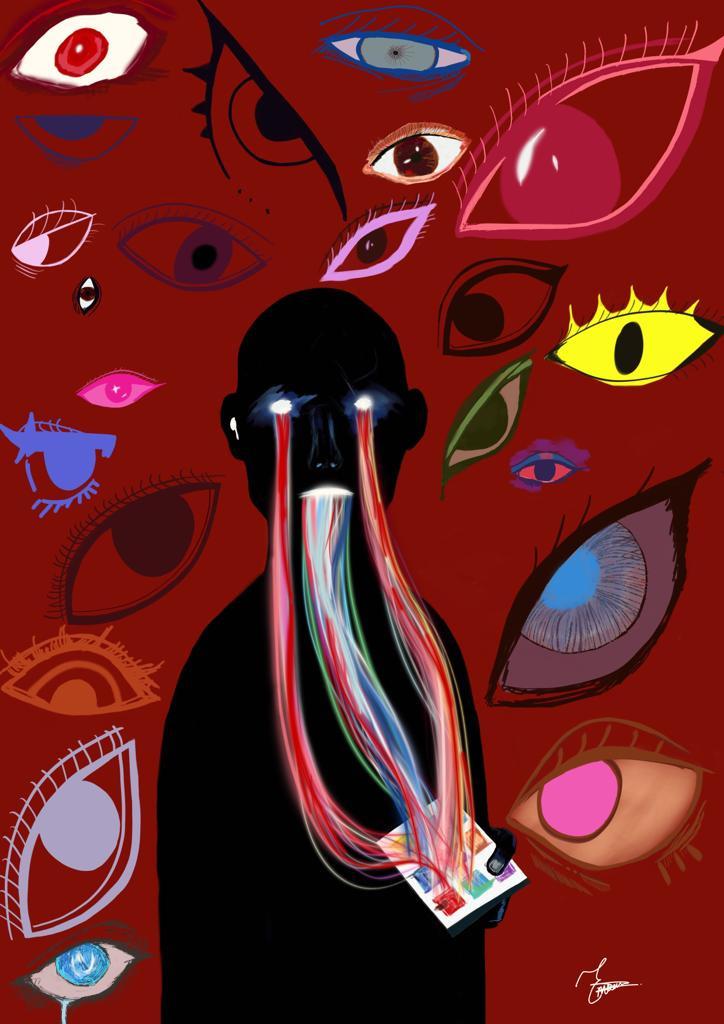
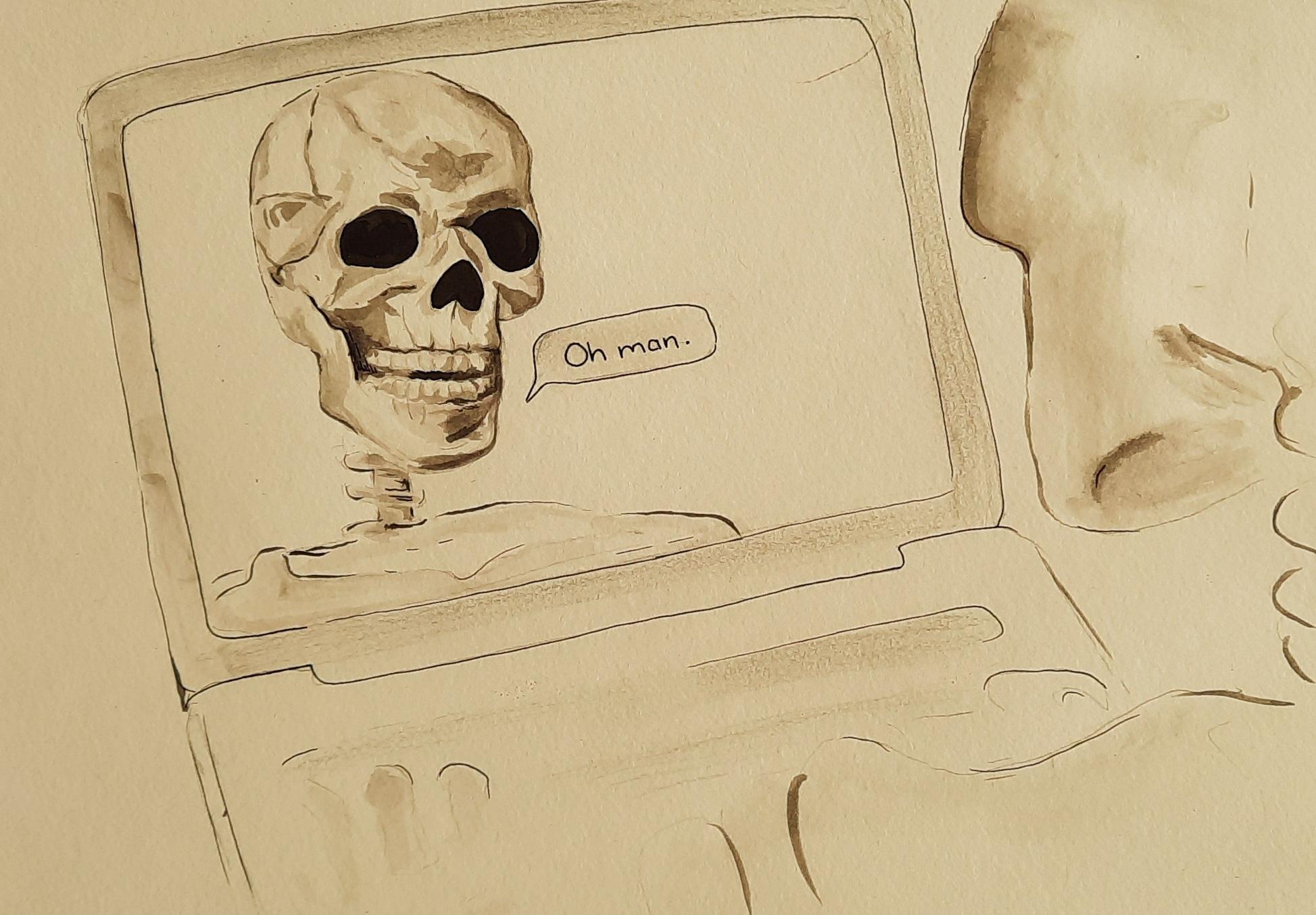
The age old narrative of ‘cured by the magical power of true love’ is also a euphemism in romance stories and one that has been shown in various cultures. From Hollywood rom coms to Pakistani dramas, young lovers are relieved of their sufferings and emotional turmoil as soon as they meet ‘The One’. This trope can range on a spectrum. A completely unhealthy example would be one’s therapist/psychiatrist/psychologist suddenly developing feelings for/or reciprocating their patient’s feelings. Mostly the patient is a conventionally beautiful, naïve, young woman being treated by a handsome older male practitioner. That patient is presented as a beautiful, phantom like mirage that haunts that doctor and triggers an inner conflict where he is unable to maintain professional boundaries around her, despite being dedicated to his profession.
As the saying goes, art imitates life and this can be extended to the concept of mental health, mental illnesses, and people suffering from them, and their depictions in pop culture and media. Society’s problematic legacy of regarding mental illnesses and their sufferers as something to be hushed up, a source of shame to be hidden from the judgmental eyes of society, to be brushed under the rug, locked behind doors, and confined to the house as a ‘family issue’ has been reflected quite palpably in popular media
One of Western media’s most popular genres; true crime, is guilty of representations of serial criminals as mentally ill people suffering from a dissociative identity disorder. This idea of a criminal who shifts between alternating identities and personalities one of which is his criminal side and the other which is ‘ordinary boy next door’ side is considered unanimously thrilling and chill inducing which attracts a certain audience to it. Thus, the concept of the evil outlaw whose mental illness and traumatic background has him resorting to a life of crime is an overdone trope. Furthermore, in depictions of people with social deficits, they tend to be portrayed as pedophiles, sex offenders, and perverts with mental illness, with their lack of social capacities serving as an excuse for their deviances. However, this trope rings far from reality, because, in real life, people with mental illnesses are far more likely to be victims of violence and crime than the perpetrators of it.
And that patient is truly ‘cured’ only after they overcome all obstacles and get together as a couple. Slightly less unhealthy examples of this trope include one’s lover encouraging them to seek therapy and treatment for their ailments, sometimes even initiating the process, and bravely standing against societal taboos However, this approach is problematic regardless, as it proposes that therapy, seeking counseling, getting help from an expert in the field or any other treatments are pointless as long as one waves the magic wand of true romantic love, it will vanquish all other issues in life into a glittery abyss, guiding them down the fairytale path of happily ever after with their beloved.
Stereotypical Portrayals of People Suffering from Mental-Illnesses in Media.
By Fajr Basit
In conclusion, there is a need to build upon this topic from real-life stories, not just fantasied and sensationalized portrayals, (some of which are just misrepresented as love stories) to feed into the media-frenzied hype that saying or showing mental-illnesses is trendy and makes one progressive simply for touching upon this very sensitive topic, regardless of how it is handled.
Furthermore, media portrayals of mental-illnesses are also heavily-laden with misogyny and sexist double standards. The ‘Obsessed Lover’ trope that is done to death in romance stories often depicts a man who has an unhealthy obsession with a woman he can’t have, which resorts him to stalking and all kinds of toxic behaviors. However, when the gender roles reverse, and a woman is the ‘obsessed lover’, mostly she has been rendered this way due to; for instance, a fiancé who rejected her long ago, or an old love she lost which she can’t get over, or a man happily married to someone else. This knowledge cripples her to the point of insanity, with some stories even depicting forlorn, crone-like women who still deludedly await their lost beloved coming for them someday even after spending their entire lives forsaken in mental-asylums, or other times their stories just end up in suicide, thus passing the message that life without their so-called soul mate is just not worth living. Speaking objectively, this is a terrible take-home message to be giving away to any audience. Thus, ‘The Obsessed lover’ who, regardless of gender, needs therapy, is extremely romanticized when it’s a man, but in a woman’s case, she is the cautionary tale that other women must never become like, lest they end up like her.
Another disturbing cliché for mental-illness patients has included the very simplistic label of them as just ‘crazy’ with no other follow-up explanation about the nature of their disorder, with the idea that ‘crazy’ is a scientifically-established psychological disorder and then having characters indulge in all kinds of exaggerated, over-the-top freakish behaviors. From maniacally laughing, to talking nonsensically, to behaving in very childish ways, e.g. making random animalistic noises, to represent their ‘madness’. A respondent mentions how such over-the-top symptoms are also represented for eating disorders, with characters only believed to be suffering from one if they are deathly skinny, purge violently after every meal, count calories, etc. The reality, however, is that anyone, even someone who doesn’t quite ‘look’ like they have an eating-disorder i.e. someone plus-sized, can still be suffering from a devastating eatingdisorder that is fatal for them and require medical help.
Furthermore, media portrayals of mentalillnesses are also heavilyladen with misogyny and sexist double standards.
As per a respondent, Hollywood teen-dramas also idolize and present mental-illness as cool. For instance, their idea of a teenage girl battling depression involves her dressed in gothic attire, including dark clothes, complete with smudged eyeliner, fishnet stockings, tall boots, etc., symbolizing her inner darkness, ending in her slitting her wrists in a glamorous bathtub, with a dark-indie-pop song about heartbreak playing in the background. Overall characterizing her with a ‘dark aesthetic’ that far from depicting the painful reality of depression, tells viewers that depression is aesthetically cool and makes you look appealing enough to inspire works of art.
Rachael Dias <3
nc
ncel cancel cancel cancel cancel cancel cancel cancel cancel cancel canc el cancel cancel cancel cancel cancel cancel cancel can l cancel cancel cancel cancel cancel can l cancel cancel cancel ca ancel c cancel c cancel cancel l cancel el cance el canc cel canc cel can ncel can ancel ca ancel c cancel c cancel c cancel cancel cance el cance cancel cancel cancel el cance cancel cancel cancel cancel cancel c cel canc cancel cancel cancel cancel cancel cancel cancel ca cel canc cancel cancel cancel cancel cancel cancel cancel cancel can cancel cancel cancel cancel cancel cancel cancel cancel ca cancel cancel cancel cancel cancel cancel cancel cancel ca cancel cancel cancel cancel cancel cancel cancel cancel c cancel cancel cancel cancel cancel cancel cancel cancel c cancel cancel cancel cancel cancel cancel cancel cancel cancel cancel cancel cancel cancel cancel cancel cancel el cancel cancel cancel cancel cancel cancel cance l cancel cancel cancel cancel cance ancel cancel canc
Room to Grow
cancel canc cancel cancel cancel cance cancel cancel cancel cancel cancel cancel cancel cancel cancel cancel cancel cancel cancel cancel c cancel cancel cancel cancel cancel cancel cancel cancel cancel cancel can cancel cancel cancel cancel cancel cancel cancel cancel cancel cancel cancel canc cancel cancel cancel cancel cancel cancel cancel cancel cancel cancel cancel can cancel cancel cancel cancel cancel cancel cancel cancel cancel cancel cancel ca cancel cancel cancel cancel cancel cancel cancel cancel cancel cancel cancel ca cancel cancel cancel cancel cancel cancel cancel cancel cancel cancel cancel c cancel cancel cancel cancel cancel cancel cancel cancel cancel cancel cancel c cancel cancel cancel cancel cancel cancel cancel cancel cancel cancel cancel cancel cancel cancel cancel cancel cancel cancel cancel cancel cancel cancel cancel cancel cancel cancel cancel cancel cancel cancel cancel cancel cance cancel cancel cancel cancel cancel cancel cancel cancel cancel cancel cance cancel cancel cancel cancel cancel cancel cancel cancel cancel cancel canc
CRUMBLES
LOWER
MORALS HOW LONG-UNTIL WE ALL FALL - MAISA LACEVIC
AND ALL WHICH ARE TO THE LOWER AND THAN OUR
HOW LONG: UNTIL ALL FALL APART?
GROUND,
WE
WE
cancel cancel cancel cancel cancel cancel can cancel cancel cancel cancel cancel cancel can cancel cancel cancel cancel cancel cancel can cancel cancel cancel cancel cancel cancel can cancel cancel cancel cancel cancel cancel can cancel cancel cancel cancel cancel cancel can cancel cancel cancel cancel cancel cancel can cancel cancel cancel cancel cancel cancel can cancel cancel cancel cancel cancel cancel can
Cancel culture shifted from being accountable for social issues to personal preferences, where if one’s actions were not preferred by another they were simply cancelled without any moral background. Cancel culture in school level is very much prevalent where personal preferences are heightened over social causes and most other people just jump in to ‘cancel’ without any proper evidence in fear of being socially excluded themselves if they do not follow the trend.
CANCEL CCULTURE: ANCEL CCULTURE: ANCEL CULTURE:
ACCOUNTABILITY AOR CCOUNTABILITY AOR CCOUNTABILITY OR BULLYING? BULLYING? BULLYING?
This ‘cancelling’ does not promote for the individual to realize their mistakes but rather ostracizes them from the society with no room to redeem themselves. The existence of this culture is justified by asking the question ‘would calling people out for their mistakes make a difference? Well, Yes and no, it is necessary to educate people on things they may not know are offensive but carrying out it in a way where the person understands why what they did was at fault and actually giving them a second chance, is better than just outright cancelling and mental bullying. For example, you shout not cancel a person who was a bully in his high school years, by sending hate comments or threats which is hypocritical, but rather try to make them realize that bullying is not acceptable and that they should apologize to the victims and understand why it is not acceptable.
In the world where people idolize and worship every action done by a celebrity, we oversee the inappropriate comments and behaviors they portray. The cancel culture opens the door to recognize that every human has flaws and critiques equally whether they are a commoner or a rich and famous celebrity. The rich cannot misuse their status and go unidentified anymore, and the young generation is becoming more woke to the consequences of a person’s actions and behavior. The Cancel culture does not let any racist, homophobic, or unethical comments made by celebrities go unnoticed. This provides a way to cancel and educate such highly influential people action’s and point out their wrongdoings to the society. It is necessary that people try to educate on sensitive topics with an optimizing tone instead of degrading the other person.
Cancel culture must be used to hold people accountable and is thought to do the same, but rather, it indirectly bullies the cancelled person and forces an apology with no time given to rethink over offensive actions. Cancel culture destructs the lives of people at unexpected times, the cancelled people are often accused of bullying, sexism, racism, or homophobia. The culture has transformed into a trend, where celebrities are held accountable for things, they did almost 20 years ago too. It is used as a tool to bring down successful people by haters and cyberbullies. Cancel culture, which was deemed to be widely useful, in the present time, exists as a fancy name for cyberbullying.
(Mueller,
‘Cancel the actions, educate the person’ is the mindset one needs to overcome the bullying aspect associated with cancel culture. As discussed in the article, though the culture is observed to mentally bully people, it is also an effective way to educate on sensitive topics without a biased lens in viewing celebrities. So, when you cancel someone are you holding them accountable? or just bullying them for their mistakes? is a question that you need to answer. 2021)
C A N C E L C A N C E L C A N C E L C A N C E L C A N C E L C A N C E L C A N C A N C A N CANCEL CANCEL CANCELCANCEL CANCEL CANCELCAN CAN CAN C A N C E L C A N C E L C A N C E L C A N C E L C A N C E L C A N C E L C A N C A N C A N
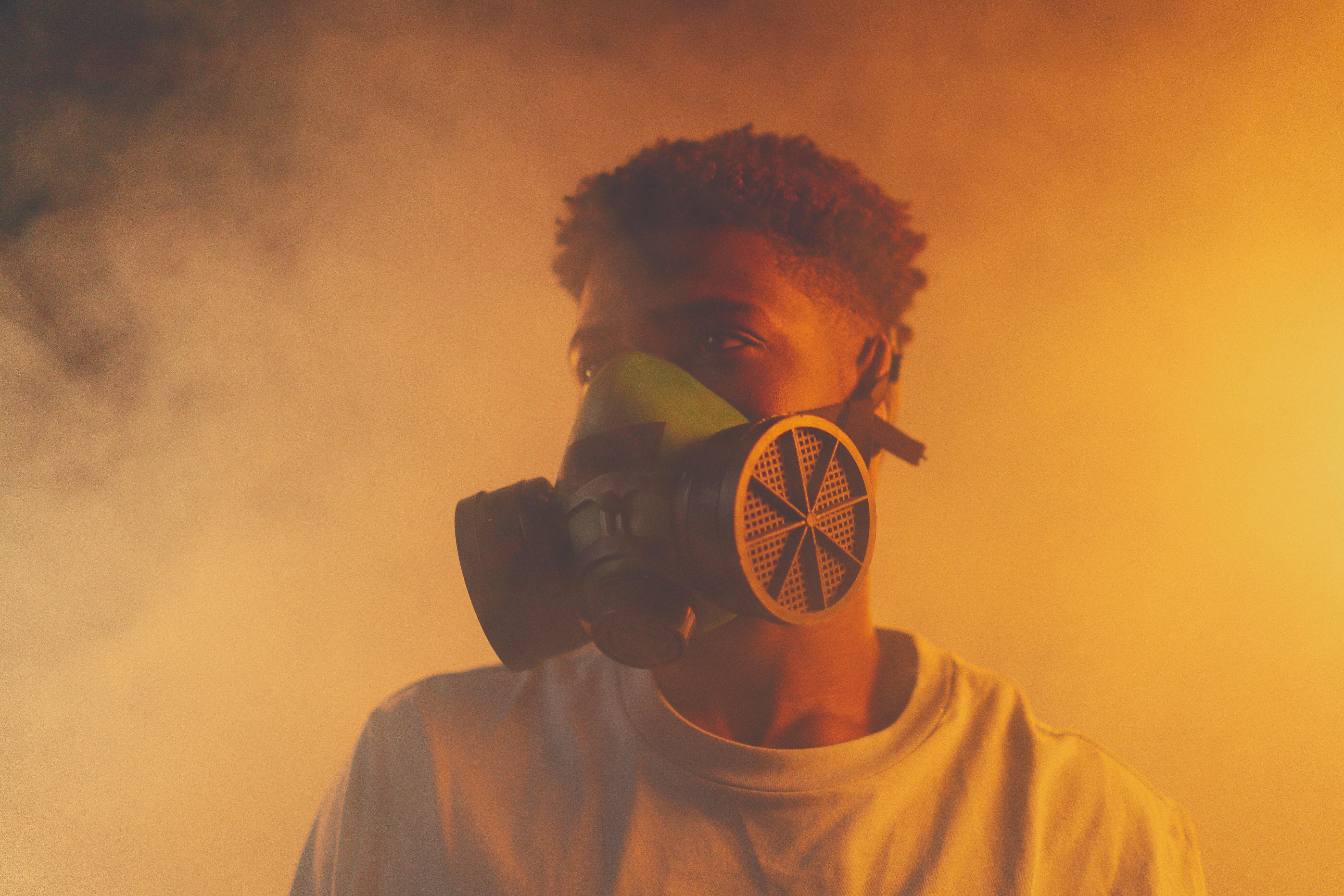
el ca l canc ance ncel n l NO ROOM FOR APOLOGIES … NO SPACE FOR LEARNING FROM MISTAKES … TOXIC BULLYING MUCH? CANCEL ‘CANCEL CULTURE’! - MEGNA RAJAGOPAL
So recently one of my favorite singers Taylor Alison Swift released a re-recording of her Album “Red” (Taylor’s version). Even before the album was released fans (me included) were already having conversations about cancelling Jake Gyllenhaal who is rumored to be the person Taylor wrote her song “All Too Well” about. However, the release day was an unimaginable ordeal, I honestly do not think an ex could be feeling more embarrassed than Jake must be right now. Full disclosure, I am on the hate Jake train, but it made me start thinking: why are we cancelling Jake, how long are we going to be making memes about Jake? Forever, I hope.
By Suha Haider
"Cancel culture may have become part of our routine
I think the interesting thing about cancel culture is that it seems like there is not really an end goal to it, it seems like a riot of people coming together towards the cause of sending hate towards someone. When we are “cancelling” people, what are we hoping for? The process of canceling someone usually leads to a forced apology and the notion that they are going to change for the better. A few months pass by, and they are out doing the same thing but now people have become immune to it. I think cancel culture also cancels out the notion of freedom of speech. It makes it harder for people to state what they feel or that they even feel nothing at all. Being a Taylor-Swift fan, I am scared to admit that I like Jake Gyllenhaal as an actor, Donnie Darko was an incredibly good movie! I think cancel culture prevents people from forming their own opinion and resorting to just agreeing with the majority. .
The premise of cancelling Jake is because he was deemed to not be the greatest (to put it lightly) significant other to Taylor and their 11-year age gap they had while they were dating. Taylor was only 19 at the time whereas Jake was 30, twice her age. Personally, I feel like this would have brought about a weird and unbalanced power dynamic which Taylor was not old enough to understand. What is interesting but also sad is that this has been known for a while since this situation was 10 years ago. This anger seems 10 years too late. Why is it only now that people have the urge to cancel Jake?
without us even realizing it."
What is The Point of Cancel Culture?
There could be many reasons for this-Taylor Swift has a much wider and stronger fan base than she did 10 years ago, the conversations about appropriate dating conduct are quite different from what it was 10 years ago and because cancel culture may have become part of our routine without us even realizing it.
As a society we sometimes focus too much on the lives of celebrities, we put them on a much higher pedestal than needed and almost dismiss that they are human beings who just happen to be in an extraordinary position. It is time we focused on the political and global issues going on around us rather than wondering when Joe Alwyn is going to propose to Taylor Swift, but I will say it is about damn time!
When considering the Taylor-Jake situation, what do we as fans really know about the situation? Why are we all assembling with pitchforks to attack Jake? When you think about it Jake “technically” did not do anything wrong, sure the age gap makes it weird, but Taylor was of legal age when they were in a relationship and are we all going to act like we have never been the person or been around people who have not treated their significant other the best? We are not going to attack them, in fact most of us avoid confrontation with those people or forget that we have been the bad person in the relationship. It is much easier to want to hold someone “accountable” when your own mistakes are not being highlighted for the world to see. When I say this, I do not mean to sympathize with Jake, but it is important to acknowledge that what he did was not out of the ordinary. Another thing to keep in mind is that there is no guideline to follow when someone has been cancelled from a moral outlook and if the change is taking place in the person is it due to backlash or is it because they have realized they were in the wrong? It is only possible to tell when quite some time has passed and by then nobody really cares anyway.
c ncel cancel cance ancel cancel cancel cancel cancel ance el cancel cancel cancel cancel cancel c canc l cancel cancel cancel cancel cancel ca canc l cancel cancel cancel cancel cancel canc can ancel cancel cancel cancel cancel cance ca ncel cancel cancel cancel cance el ca el cancel canc el c canc cel c can cel can ncel el ca nce el c ance
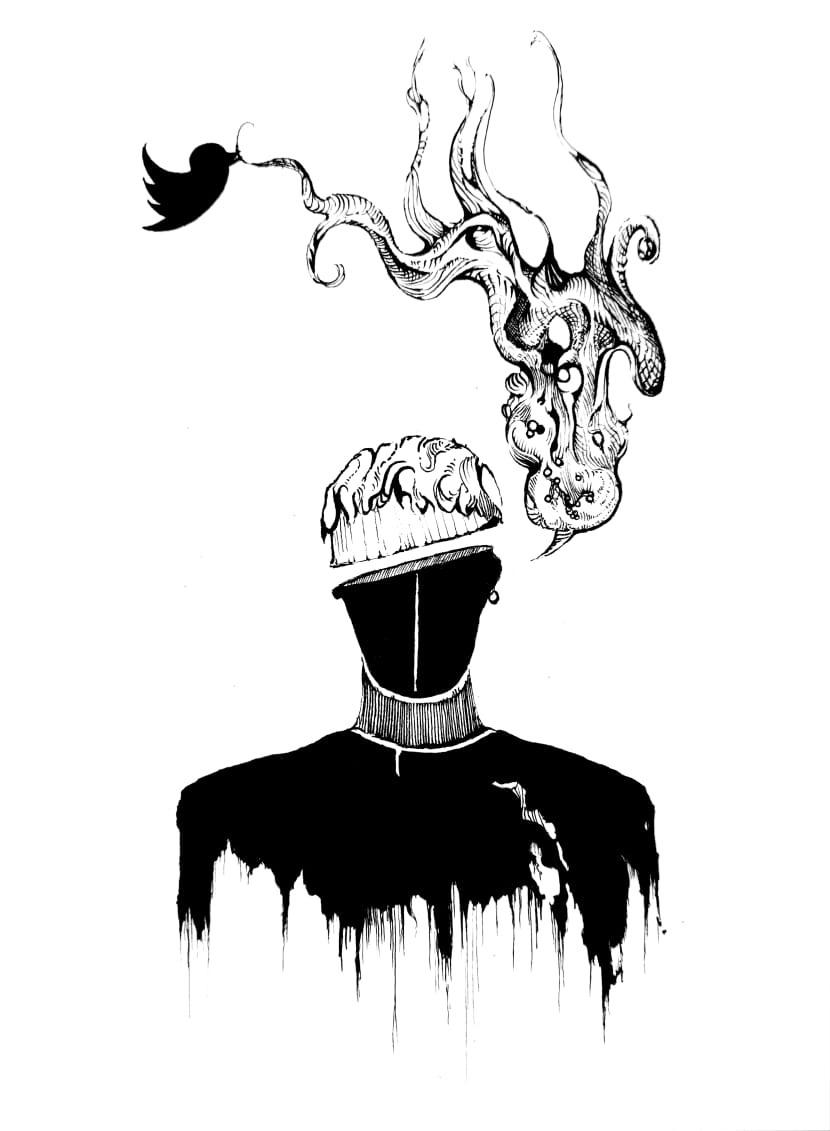
e BLOWN BOUT LOWN OUT -Aazim Faiz
cel c canc cel canc ncel can ncel can ance l ca anc el c canc cel c can cel can ncel l ca ncel el ca ance el c anc cel c canc cel can ncel can ance l ca ance el ca canc el c canc cel c can cel ca ncel el ca ance el c ance cel c canc cel canc ncel can nce ca ance ca canc c canc
c
cel c can cel can ncel l ca ncel el c ance cel c canc cel canc ncel can ncel can ance l ca anc el ca canc el c canc cel c can cel l ca ncel el ca ance el c ance cel c canc cel canc ncel can ance ca ance ca canc c canc
cancel
cancel
el cancel cancel cancel
l cancel
l
ncel cancel cance ancel cancel cancel cancel cancel ance el cancel cancel cancel cancel cancel c canc l cancel cancel cancel cancel cancel can canc ancel cancel cancel cancel cancel canc can ncel cancel cancel cancel cancel cance ca cel cancel cancel cancel cance el ca el cancel canc el c canc cel c can cel ca ncel el ca nce el c ance cel c canc cel canc ncel can ncel can ance el ca canc el c canc
canc can cancel cancel cance ca cel cancel cancel cancel cancel el ca cancel cancel c el c cancel cancel cancel cancel can cel c ancel cancel cancel cancel canc cel ncel cancel cancel cancel cancel cel cancel cancel e
canc can cancel cancel cance can ncel cancel cancel el ca cancel c el c cancel cancel cancel ca cel c l cancel cancel cancel cancel canc cel ancel cancel cancel cancel cancel ncel cancel cancel
el cancel cancel
Cancel culture is popularly known to be toxic and unhealthy. Normally a “canceled” individual does not have the chance to understand and recover their mistakes and is immediately labeled as a bad person. It can influence an individual’s life in extreme ways. So, why and how is it that cancelling is toxic? Mostly, mental health is affected and often leads to negative and harsh outcomes. Firstly, cancelling can be based on unfair and wrong judgments. Secondly, cancelling often shifts into bullying which leads to feeling of loneliness, worthlessness, anxiety and depression for the canceled person; particularly, these consequences are more intense in children and adolescences because they are more vulnerable than adults.
CANCEL CANCEL CANCEL
CANCEL CANCEL CANCEL
However, alongside the disadvantages, cancel culture also has some advantages, surprisingly. For instance, cancel culture has been playing an important role in combatting against sexism and racism for a while. At the Oscar ceremony in 2016, Jada Pinkett Smith as a black American Actress and Spike Lee as a black film director were not given awards because most awards were given to white actors. Unfortunately, racism at the Oscars was not something new, but this time international attention was gained and a movement was started against racism in Academy Awards. In fact, Oscar ceremony was “canceled” and there was no more support for it. As a result, the number of female and people of
The Pros and Cons of Cancel Culture
CAN CAN CAN CAN CAN CAN CAN CAN CAN
By Negin Naghshineh
There are many people who experience cancel culture on a daily basis. It might have happened within our friends, family members, students, colleagues, celebrities and politicians. Cancel culture means calling off an individual from a group or a society and not supporting their ideas and actions. It normally happens when an individual makes problematic and/or unacceptable actions or says something hurtful and offensive. If cancel culture goes too far and becomes intense, it can lead to negative and harmful consequences. Nevertheless, a normal and not intense canceling leads to benefits as it holds people accountable for their actions and allows them to learn from their mistakes.
CANCEL CANCEL CANCEL
CANCEL CANCEL CANCELCAN CAN CAN CANCEL CANCELCAN CAN
CANCEL CANCEL CANCELCAN
CANCEL CANCEL CANCEL
Moreover, the positive effect of cancel culture can be seen in social media. Cancel culture allows people to have a voice and not to be afraid of talking about their concerns. For instance, in 2017
CANCEL CANCEL CANCEL
the “MeToo” movement started against sexual abuse. This movement encouraged sexual assault survivors to come forward, say their stories and uncover the abusers. Fortunately, this movement was successful and brought about good changes in social norms, policies and laws. It further led to punishment or incarceration of some
Nowadays,it.
CANCEL CANCEL CANCEL CAN CAN
THE POSITIVE EFFECT OF CANCEL CULTURE CAN BE SEEN IN SOCIAL MEDIA.
powerful and famous people. Hence, cancel culture encourages people to voice their distaste stories and hold offenders accountable for their mistakes and prevent them from continuing
CANCEL CANCEL CANCELCAN
social media is a part of our lives and people share their opinions through it, particularly famous people or brands are the center of attention. Although cancel culture has some advantages in social media, there are still cancelations that are futile and hurtful. So what are the ways to deal with it and how to prevent it? First, it is better to think twice before posting and try not to share posts in emotional moods; the internet never forgets what was said. Second, taking a break from social media as this can be elevate mood, help provide good mental health and it is less likely for an individual to be canceled. Besides, an individual who is canceled can try to understand the problem behind it and make efforts to compensate the unaccepted action.
colour was doubled at the Oscar ceremony in 2020 and most of the awards were given to the black nominees. Thus, canceling can be a tool to make good changes in society.
CAN CAN CAN CAN CAN CAN CAN CAN CAN
Seba Gem (Editor In Chief), Amal Jadoon, Ammar Ansari, Kishleen Sethi (Creative-Leader), Jessica Varghese, Saloni Dalvi & Syra Hussain
Aazim Faiz, Emaan Asif & Rachael Dias
Andrea Jebel, Cheryl Anthony, Fajr Basit, Maisa Lacevic, Megha Rajagopal, Megha Varshini, Negin Naghshineh & Suha Haider
Artists
Art ClubNithya Rajeev & Janna Khalaf Literature Club
Safa Sohail & Alia Khan
Editors & Designers
Collaborations
Writers & Poets
https://www.nymetroparents.com/article/everything-you-need-to-know-about-cancel-cultureWickes,https://www.verywellmind.com/the-mental-health-effects-of-cancel-culture-5119201Toler,students-are-saying-about-cancel-culture-friendly-celebrity-battles-and-finding-escape.htmlCelebrityThecancel-culture/TheTheMueller,health-much-room-for-improvement/MTc5NAYoulinMajid,https://www.bbc.com/culture/article/20210414-has-the-oscars-really-fixed-its-race-problemLatif,is-harmful-and-wronghttps://www.psychologytoday.com/ca/blog/freedom-mind/202103/why-cancel-culture-anyone-Hassan,metoo-movement-4774817Gordon,armful%20wrongdoing%20to%20othershas%20been%20incredibly%20effective%20at%20combating%20sexism%2C%20racism,or%20hng%20to%20others.&text=%E2%80%9Ccanceling%E2%80%9D%20them.-,Cancel%20culture%20change/#:~:text=Cancel%20culture%20has%20been%20incredibly,or%20harmful%20wrongdoihttps://onourmoon.com/cancel-culture-the-good-the-bad-its-impact-on-social-D'amour,portrayal-of-mental-illness-disorders/https://integrativelifecenter.com/wellness-blog/media-and-the-A.(n.d.)CancelCulture:TheGood,TheBad,&itsImpactonSocialChange..S.(2020).WhatIsthe#MeTooMovement?https://www.verywellmind.com/what-is-the-S.A.(2021).WhyCancelCultureByAnyoneIsHarmfulandWrong.L.(2021).HastheOscarsreallyfaceduptoitsraceproblem?H.(2020,July28).Pakistanidramasandmentalhealth:muchroomforimprovement.Magazine.https://www.youlinmagazine.com/article/pakistani-dramas-and-mental-T.S.(2021).Blame,thenshame?Psychologicalpredictorsincancelculturebehavior.Socialsciencejournal(FortCollins),1-14.https://doi.org/10.1080/03623319.2021.1949552benefitsofcancelculture(2021)https://eyrieonline.org/7536/opinion/the-benefits-of-LearningNetwork(2020)WhatStudentsAreSayingAboutCancelCulture,FriendlyBattlesandFindingEscape.https://www.nytimes.com/2020/11/19/learning/what-L.(2021).TheMentalHealthEffectsofCancelCulture.M.(2021).EverythingYouNeedtoKnowAboutCancelCulture.
Re fe re nc es
Center, I. L. (2020, November 18). Media and The Portrayal of Mental Illness Disorders. Integrative Life Center.