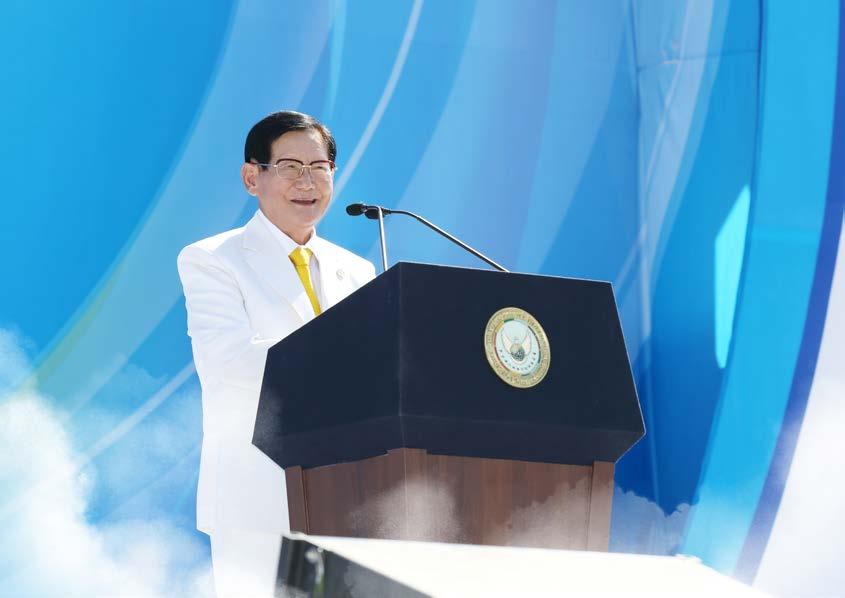
We are standing at a pivotal moment in history today. Humanity now faces a defining crossroads between peace and war. If we unite our hearts, war and destruction will be no more, but a world of peace we have all longed for will become a reality and a lasting legacy for future generations.
HWPL Chairman Lee Man-hee
Table of Contents
Part 1
Zambia: A Land of Nature and Peace | 05 page
Part 2
One Zambia, One Nation: A Country United in Peace | 16 page
Part 3
HWPL Spreads the Light of Peace to Zambia through Heavenly Culture | 28 page
Part 4
Zambia Blossoms with Peace Through Peace Education | 40 page
Part 1
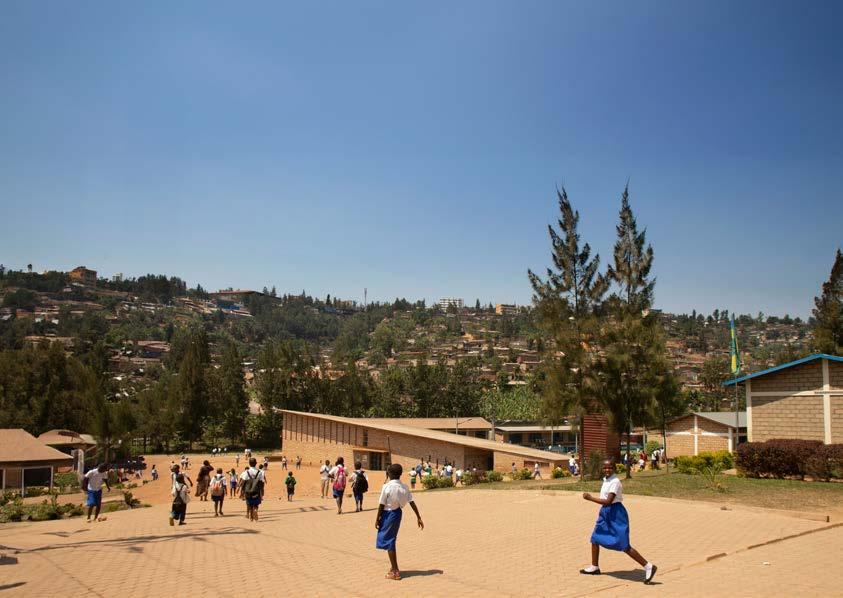
Zambia: A Land of Nature and Peace
Heavenly Culture, World Peace, Restoration of Light (HWPL) PEACE EDUCATION
Republic of Zambia
location
South-Central Africa
Area
752,618km2 (About 7.5 times the size of Korea)
Population
Approximately 20 million (as of 2024)
Capital Lusaka Independence Day (National Foundation Day) October 24(Independence from Britain in 1964)
Language
English (official), Bemba, Nyanja, Chewa, etc.
Religion
Christianity, Islam, traditional African religions, etc.
Tribes
About 70 or more tribes (Bemba, Toga, Loji, Chewa, Lunda, Rumba, etc.)
Zambia: The Land of Copper, Poised for an Industrial Leap
Zambia is a world-renowned copper producer, home to one of the largest copper mining regions in the world—the Copperbelt. It accounts for approximately 4–5% of global copper production, and copper exports generate over 70% of Zambia’s foreign exchange earnings, serving as the backbone of the national economy.
In addition to copper, Zambia also produces cobalt, gold, zinc, and lead, and is laying the groundwork for future industrial growth based on its resource-rich economy.
Export Composition (2024)
Copper: 65%
Gold: 2%
Cobalt: 1%
Zambia’s Economic Diversification Efforts
To promote industrial diversification, Zambia is focusing on expanding agriculture, tourism, and manufacturing alongside its already-strong mining sector.
Major Export Destinations
- Democratic Republic of the Congo
- Switzerland - China
- South Africa - Zimbabwe
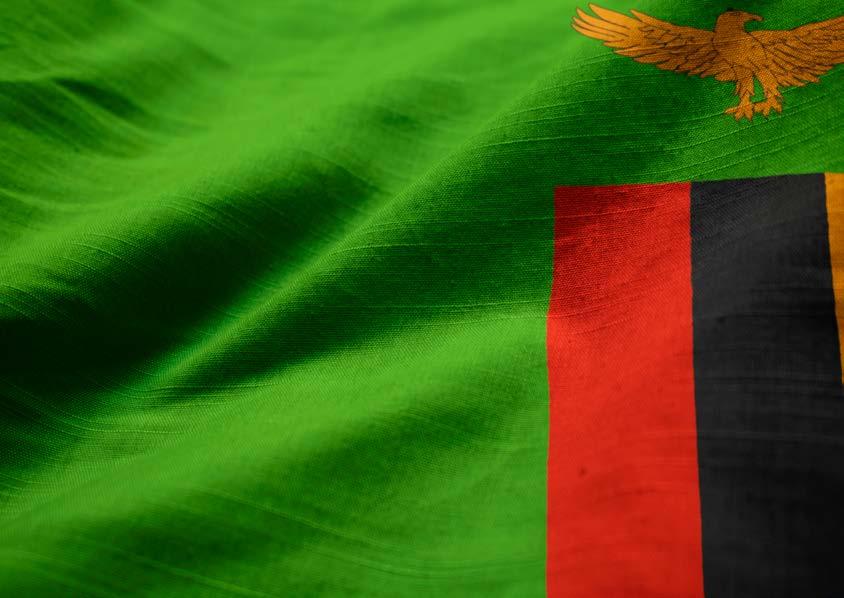
National Flag Symbols
Eagle: Strength, freedom, and rise of the nation
Red: Independence, freedom, and struggle for liberation
Black: People of Zambia
Orange: Economic development and mineral wealth
Green: Natural resources and agriculture base
“A Country That Treasures the Natural Beauty Gifted by Nature”
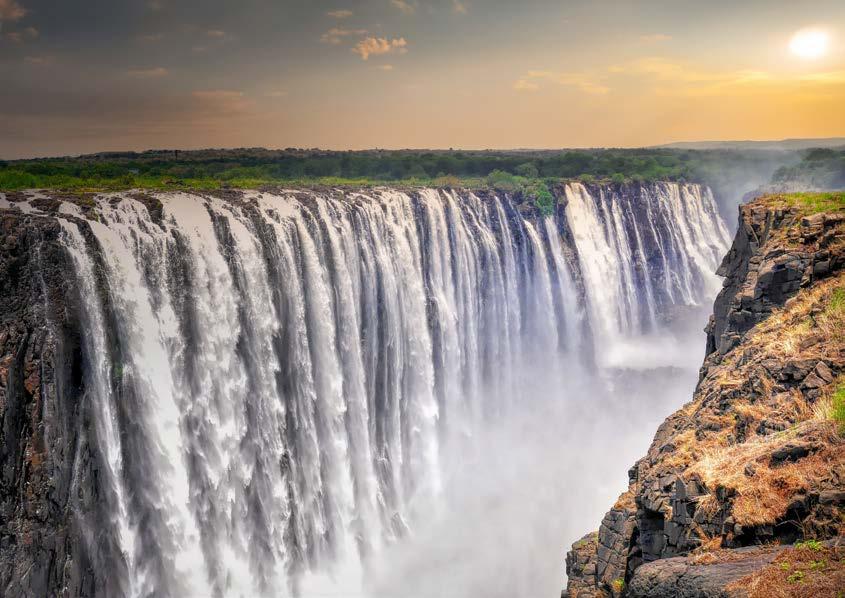
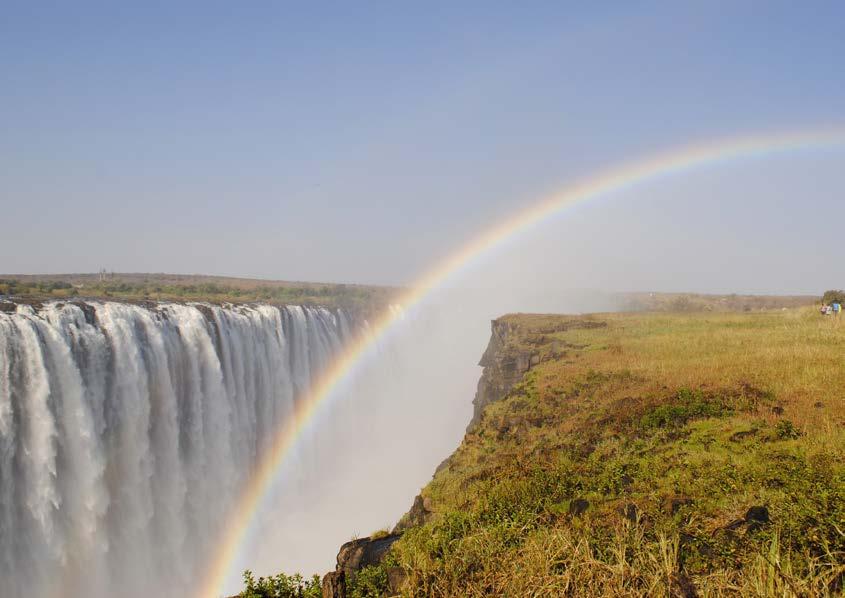
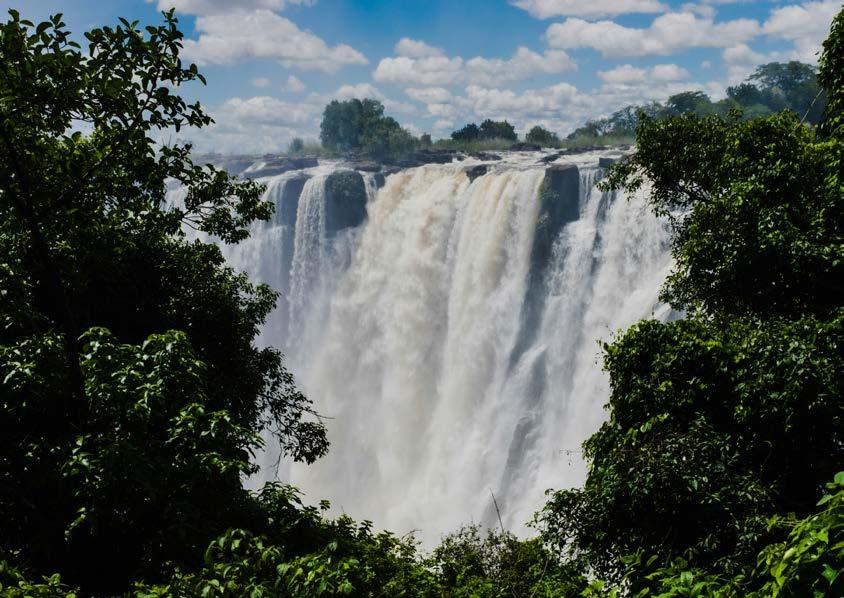
Victoria Falls—one of the three largest waterfalls in the world
Straddling the border between Zambia and Zimbabwe, the falls create a breathtaking display of mist and rainbows as the water plunges.
Designated a UNESCO World Natural Heritage Site in 1989, it is the largest waterfall in the world by single vertical drop.
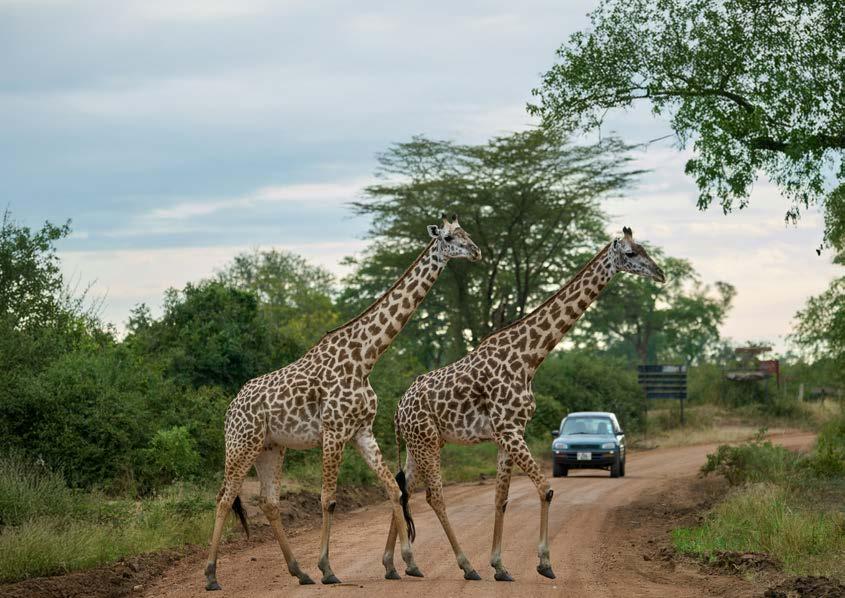
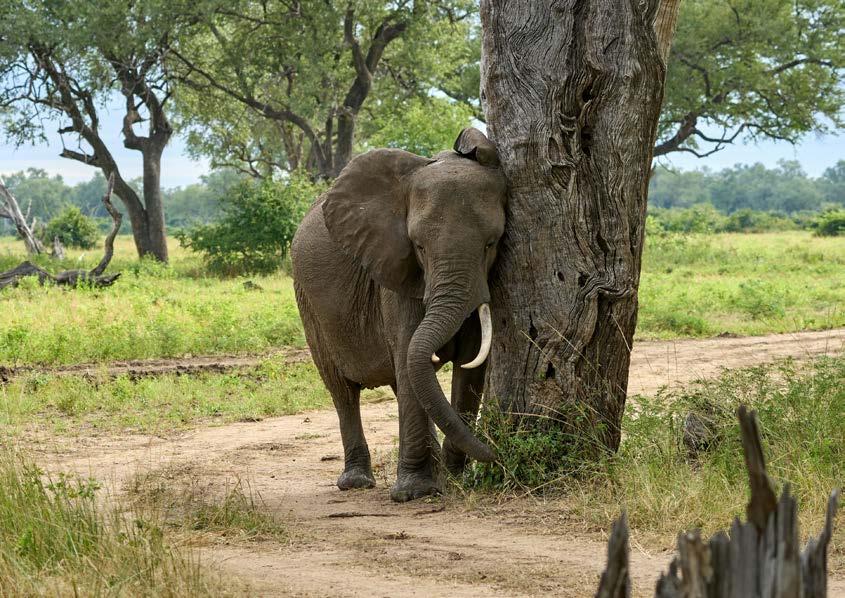
South Luangwa National Park
Home to Zambia’s Big Five Lions, Leopards, Rhinos, Elephants, and Buffalos
Renowned for its rich biodiversity, the park is the focus of collaborative efforts between the Zambian government and international conservation organizations to protect wildlife and promote sustainable tourism.
Visitors can experience untamed nature on foot through walking safaris, offering an immersive and authentic encounter with the wild in its pristine state.
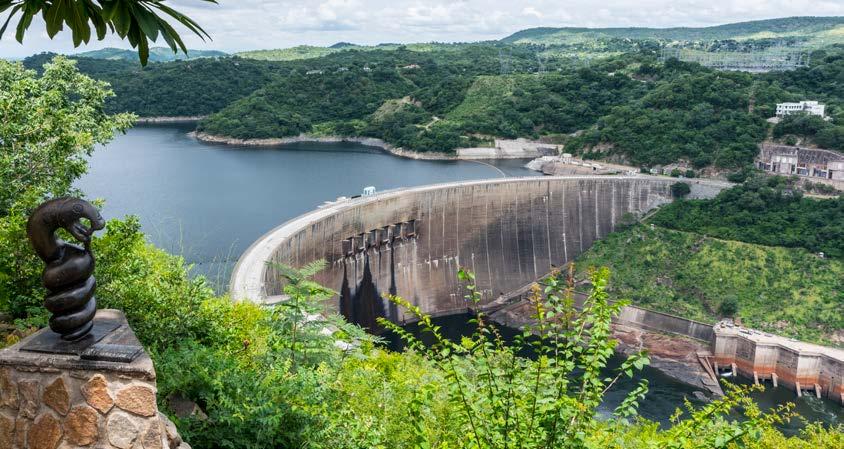
Lake Kariba – The World’s Largest Man-Made Lake
Straddling the border between Zambia and Zimbabwe, Lake Kariba is not only one of the largest man-made lakes in the world, but also a key source of hydroelectric power for both countries.
More than just a reservoir, it stands as an iconic African landmark where people, nature, and technology converge.
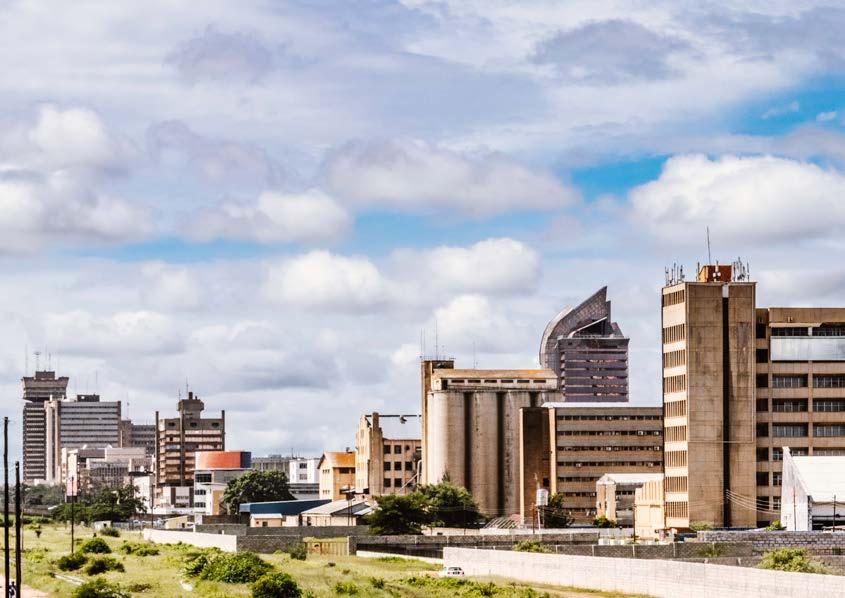
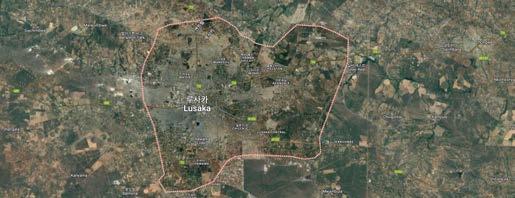
Lusaka — The Capital City
Where Zambia’s Spirit Lives and Breathes
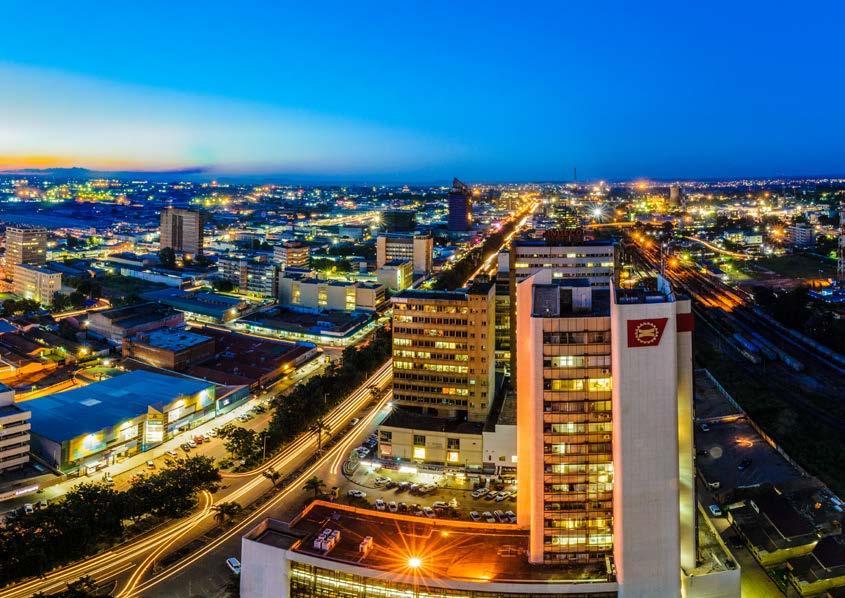
Lusaka, the capital city of Zambia, is the nation’s political, economic, and educational hub—a vibrant city that continues to grow while embracing diverse cultures.
As the seat of government, key educational institutions, and major economic activity, Lusaka serves as the beating heart shaping both Zambia’s present and its future.
Across the city, lingering symbols of independence recall Zambia’s journey from colonial rule to sovereign nationhood. Lusaka is a living capital—where Zambia’s identity and future coexist in harmony.
Lusaka, the Capital City of Zambia
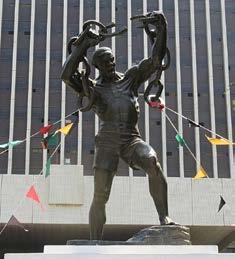
Erected in 1974 to commemorate the 10th anniversary of Zambia’s independence, this statue depicts a man breaking chains—symbolizing the people’s liberation from colonial oppression. It remains a historic site where official ceremonies are held annually on Independence Day and African Freedom Day.
Lusaka is home to symbolic landmarks that reflect the country’s liberation from colonial rule and the formation of its national identity. These sites hold historical significance that must be remembered as Zambia continues its journey as a unified nation.
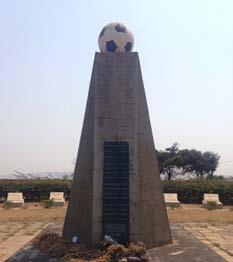
A national memorial park honoring those who devoted their lives to Zambia’s independence and development. It is a place to remember the champions of freedom and peace who helped shape today’s Zambia.
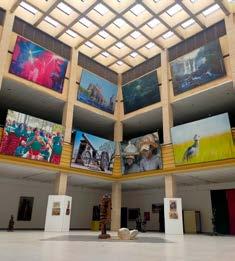
This national museum showcases Zambia’s cultural, historical, and social evolution—exhibiting its identity from traditional roots to modern society. As a space of high educational value that bridges past and present, it stands as a cultural landmark of Lusaka and a symbol of the nation’s identity.
Freedom Statue
National Heroes Acre
Lusaka National Museum
Part 2
One Zambia, One Nation
A
Country United in Peace
Heavenly Culture, World Peace, Restoration of Light (HWPL)
PEACE EDUCATION
Zambia: A Nation with a Painful Legacy of Colonial Rule
From 1889 to 1964, Zambia endured 76 years of painful British colonial rule. Fueled by the people’s will for freedom, the nation eventually ignited the flame of independence and rose as a sovereign state.
1889
In 1889, the British South Africa Company (BSAC) colonized the region that now includes Zambia and Zimbabwe, initiating the exploitation of Zambia’s rich mineral resources.
As resources were developed, labor exploitation intensified and forced to work under extreme conditions. The indigenous people experienced extreme discrimination and most of the resources were exploited by the British.
1940 1950 1964
Economic grievances increased, intensifying the movement for independence. A resistance movement emerged, led mainly by intellectuals and the working class.
In the 1950s, when black citizens were denied political rights in the Northern Rhodesia Legislative Council and indigenous people were excluded from participation, the Zambia Labour Party was formed in 1951, marking the beginning of a full-scale independence movement.
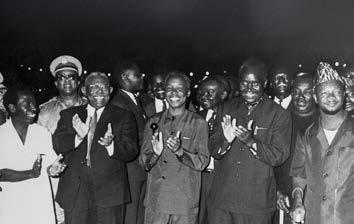
Independence leaders, including Kenneth Kaunda, continued the struggle for freedom, and on October 24, 1964, Zambia finally gained independence from Britain.
One Zambia, One Nation
At the time of its independence in 1964, Zambia was a multi-ethnic nation composed of more than 70 tribes, with diverse languages and cultures. Colonial rule had deepened divisions and conflicts among tribes, which became the greatest challenge to national integration in the post-independence era.
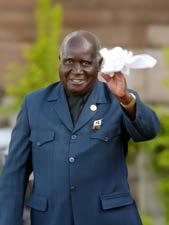
In response, Zambia’s first president, Kenneth Kaunda, proclaimed the national motto “One Zambia, One Nation” as a powerful symbol of unity and integration.
The slogan reflects the determination to build national identity beyond tribal lines, and to make unity, peace, and community spirit the foundation for national development.
To this day, “One Zambia, One Nation” remains a guiding spirit of social cohesion and peace in Zambia. It symbolizes the country’s identity and vision of unity among people from diverse backgrounds moving forward together as one nation.
– June 17, 2021)
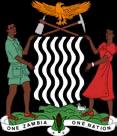
Zambia’s National Coat of Arms
The national coat of arms of Zambia features a man and a woman symbolizing national unity, agricultural and mining tools representing prosperity, and the motto “One Zambia, One Nation.”
Kenneth Kaunda, Founding President of Zambia (April 28, 1924
Zambia Today A New Beginning Toward Quality Education
Zambia’s Education
Governance Structure
‘Representative Zonal Schools’
Zambia’s education system is structured under the Ministry of Education, with each province assigned a Provincial Education Officer (PEO).
At the district level, District Education Boards function as local education authorities.
Each District Education Board is divided into zones by district and appoints a representative zonal school for each zone.
These representative zonal schools oversee all schools within their jurisdiction and exercise significant influence, including decision-making authority.
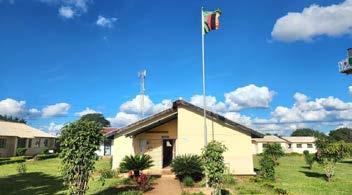
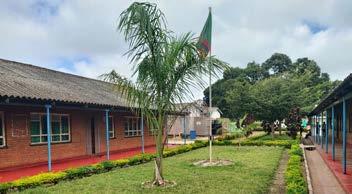
Zonal School in Lusaka Central Zone
Zonal
Key Features of Zambia’s
National
Curriculum
‘Club Activities’
In Zambia, clubs are integrated into the compulsory curriculum, reflecting the government’s commitment to holistic education.
The Zambian Ministry of Education, along with UNICEF, World Vision, and other international organizations and NGOs, actively promotes school club activities. Some clubs participate in regional and national competitions or engage in exchange programs, fostering collaboration and partnerships between schools. School club activities in Zambia serve as a vital educational platform that nurtures students’ sense of social responsibility and creativity.
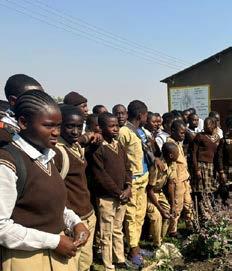
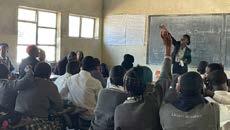
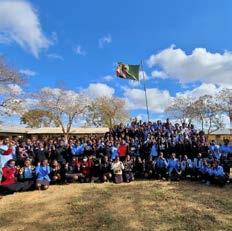
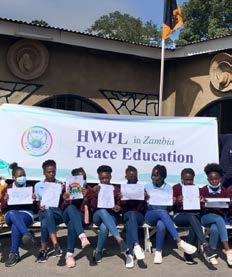
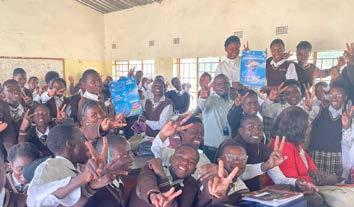
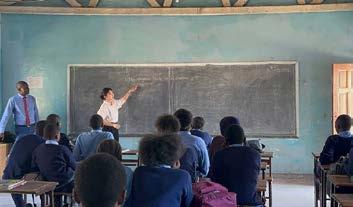
Students from Kanyama Central Secondary School Participating in the Peace Club
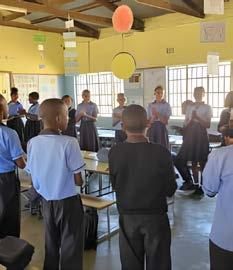
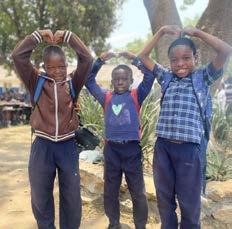
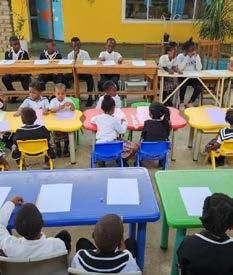
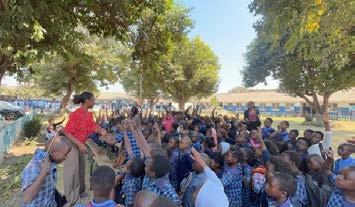
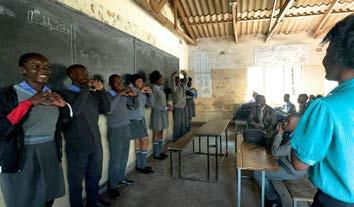
Nekatete Primary School Conducting Peace Education Through Peace Songs
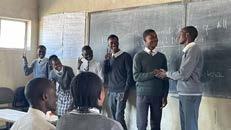
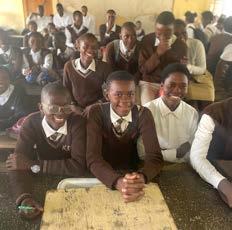
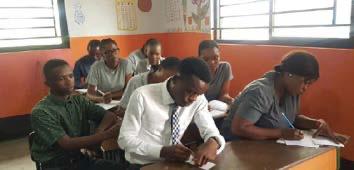
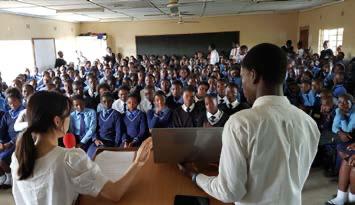
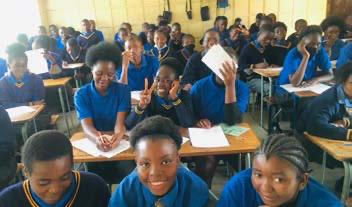
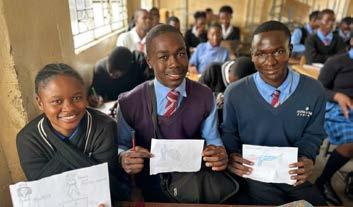
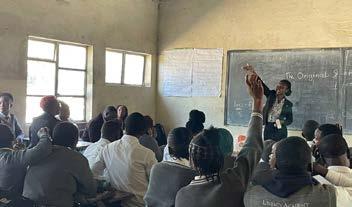
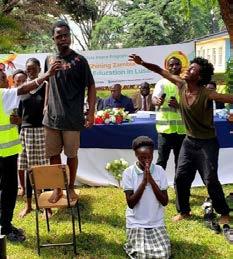
Students from Chibolya Secondary School Demonstrating a Theme During Peace Education Lesson
The Current State of Education in Zambia and
the Challenges We Face Today
A Shortage of Teachers
Compared to the Growing Number of Students
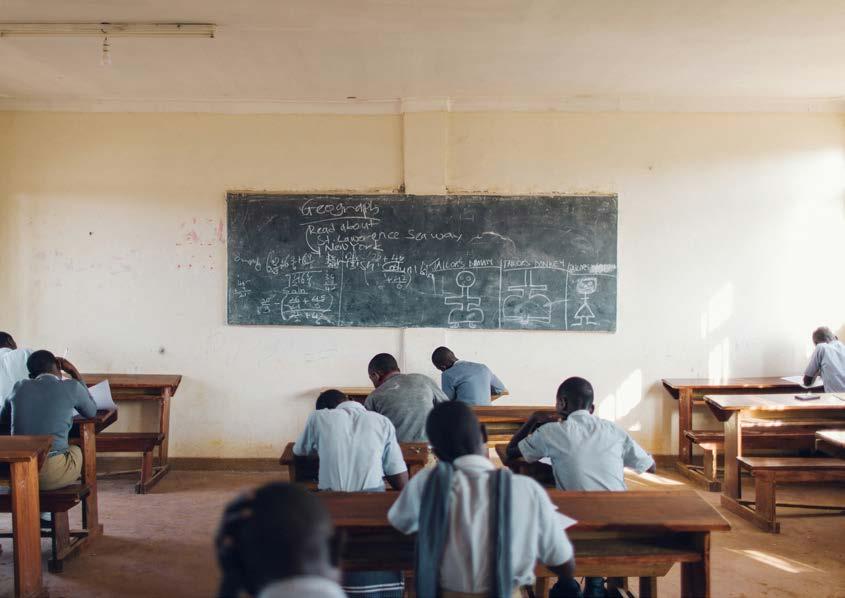
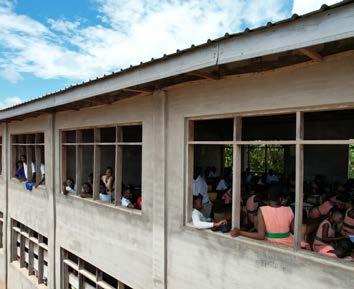
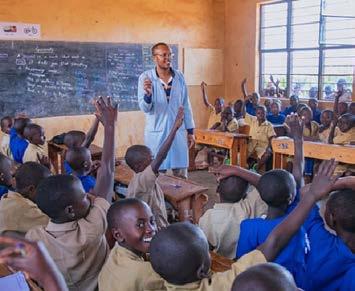
Overcrowded classrooms, where one teacher handles 70 to 100 students, significantly lower the quality of education and deepen learning gaps. According to UNICEF and UNESCO reports, some schools lack enough desks and chairs, forcing students to sit on the floor during class. This is especially serious for lower primary students (grades 1–4), a critical period for building foundational skills and study habits. Such poor learning conditions can severely impact their development and future.
Due to the lack of educational infrastructure in rural areas, one teacher is often responsible for teaching multiple grades—sometimes up to three—in a single classroom. This has further widened the education gap between rural and urban areas.
Educational Inequality in Access
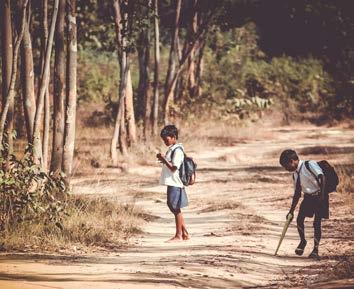
In rural Zambia, students often walk several kilometers each day to attend school, and during the rainy season, commuting becomes nearly impossible.
Although primary education is officially free, additional costs like uniforms and meal fees deepen the socioeconomic gap among students. Teenage pregnancy is also a major cause of school dropout among female students.
Access to education is further limited for children with disabilities due to the shortage of special schools, trained teachers, and learning resources.
Limited Education Budget and Resources
Each year, the Zambian government allocates approximately 10–15% of its national budget to education—well below UNESCO’s recommended minimum of 20%. The education investment as a percentage of GDP remains low, hovering around 4%.
Many students from low-income households struggle to afford school supplies or uniforms, and often attend classes on an empty stomach due to the lack of meal programs.
In many schools, a single textbook is shared by 1 to 5 students. In some primary schools, students even take national exams without basic supplies like pencils or printed test sheets.
Part 3
HWPL Spreads the Light of Peace to Zambia through Heavenly Culture
Heavenly Culture, World Peace, Restoration of Light (HWPL) PEACE EDUCATION
HWPL, Heavenly Culture, World Peace, Restoration of Light
An international peace organization committed to ending war and achieving world peace, transcending national borders and ethnic differences.
HWPL's Three Main Initiatives Toward Sustainable Peace
Heavenly Culture, World Peace, Restoration of Light (HWPL) is a non-governmental organization registered in Seoul, Republic of Korea. It holds special consultative status with the United Nations Economic and Social Council (ECOSOC) and is associated with the UN Department of Global Communications (DGC) Under the vision declared in the Declaration of World Peace, "to achieve world peace through the culture of heaven and restore light to the global community", HWPL is actively spreading a culture of peace around the world through forums, education, volunteer work, and public campaigns.
HWPL promotes practical efforts to achieve sustainable peace through its three core initiatives: advocating for the enactment of international law to prevent war (DPCW, 10 articles and 38 clauses), facilitating interfaith dialogue and harmony, and cultivating peace-minded citizens through peace education. Together with its affiliated organizations, IWPG (International Women’s Peace Group) and IPYG (International Peace Youth Group), HWPL is leading global peace cooperation beyond borders and cultures, working closely with world leaders. These efforts are paving the way for a lasting legacy of sustainable peace for future generations.
All Families of the Global Village Wish for Peace, Not War
The Declaration of Peace and Cessation of War (DPCW) was proclaimed in Seoul, Republic of Korea, at 3:14 PM on March 14, 2016.
HWPL, an NGO registered under the Seoul Metropolitan Government, holding special consultative status with ECOSOC and associated with the UN Department of Global Communications, has prioritized the enactment of a new international legal instrument to ensure lasting peace in the global community.
DPCW was developed by HWPL International Law Peace Committee, consisting of renowned legal experts from various countries. After a series of discussions in 2015, the DPCW was finalized with a preamble and 10 articles comprising 38 clauses.
HWPL implements peace education to promote a culture of peace and advance the principles of the Declaration of Peace and Cessation of War (DPCW).
Objectives of Peace Education
Raise awareness of peace values
Encourage voluntary participation in peace-building as responsible agents of peace
HWPL Peace Education
Nurturing Peace Citizens Through the Spirit and Values of Peace
Sustainable peace cannot be achieved solely through the efforts of governments or specific sectors. It becomes possible only when all citizens recognize the value of peace and take action together.
With this understanding, HWPL highlights the importance of education in raising citizens who learn and practice peace, and presents peace education as a practical alternative.
In particular, helping future generations—such as students and youth—internalize peaceful values and live as agents of peace in society is one of the most fundamental efforts to achieve global peace.
HWPL Peace Education goes beyond simply delivering knowledge. It imparts core values that form the foundation of life, such as a peaceful mindset, coexistence and mutual respect, and the practice of nonviolence.
Through this approach, it aims to nurture the next generation of leaders who will take responsibility for the future, grow as global citizens, and lead efforts to address global challenges and unite humanity.
Peace Curriculum Embodying the Spirit and Values of Peace
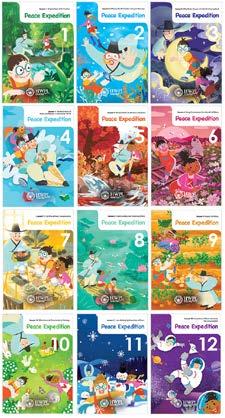
The HWPL Peace Curriculum consists of 12 lessons designed to help students learn and embody essential peace values, ultimately growing into peace-building citizens for a sustainable future. These textbooks go beyond the transfer of knowledge by helping students internalize peace values in daily life and apply them as proactive peace citizens. Reviewed by 47 educational experts from 19 countries, the curriculum harmoniously integrates cultural diversity and universal values of peace.
The curriculum is structured into two main parts. The first part (Lessons 1–4) leads students to explore the essence and value of peace through the harmony between nature and humanity. By observing how diverse living beings fulfill their unique roles and coexist in balance, students learn that human society, too, can achieve peace through coexistence and order. They also come to understand that the root cause of disrupted peace lies in human selfishness and greed—and that love and respect for life, along with the values of heavenly culture, offer a path to lasting peace.
The second part (Lessons 5-12), focuses on nurturing the character and practical competencies students need to build a peaceful society. Through topics such as gratitude, consideration, sacrifice, forgiveness, courtesy, preservation of heritage, respect for the law, and the courage to act for peace, students learn how they can personally put peace values into practice—in their families, schools, and communities. Lesson 11, in particular, introduces the importance of international law (DPCW) in preventing conflict and legally securing peace, helping students develop a sense of responsibility as global citizens of peace. Ultimately, they come to understand that becoming peace citizens and putting into action the idea that “peace begins with me” is the true path to achieving peace.
The HWPL Peace Curriculum is designed to help future generations—those who will address global conflicts and challenges—develop the capacity to live with peace as a core value and grow into citizens of peace. Today, peace education based on this curriculum is being implemented around the world, playing a key role in laying the foundation for sustainable global peace.
HWPL Peace Education
1 MOA
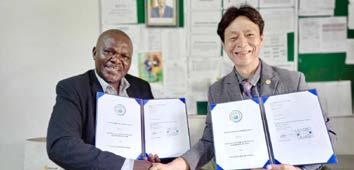
signed with the Lusaka District Education Board (Ministry of Education in Lusaka)
36 MOUs
signed with public schools and educational institutions Lusaka District Education Board
Lilayi Secondary School Emmasdale Primary School Lusaka Girls Secondary School
Lusaka Boys Secondary School
Kamwala Secondary School
Headteachers Association of Zambia
HWPL Peace Educators: Peace Messengers in Zambia
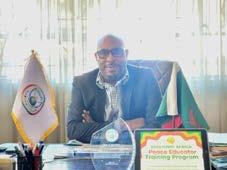
As of June 2025, a total of 74 Peace Educators have been appointed across 35 educational institutions. The General Secretary of the Headteachers Association of Zambia has also been appointed as HWPL’s Peace Education Ambassador, working in collaboration to expand peace education in Zambia.
The Power to Open the Future of Peace
HWPL
Peace Educator Training program
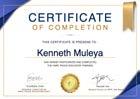
Certificate of Completion for Peace Educator Training Program
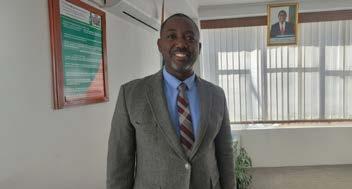
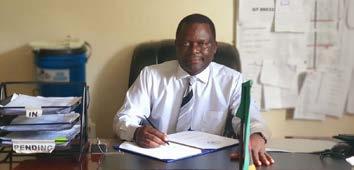
Kenneth Muleya
(Headteachers Association of Zambia, General Secretary)
Through the Peace Educator Training Program, I especially appreciated Lessons 1 and 2, where students learn how to live harmoniously with others and create peace together. Lesson 3 was also meaningful, as it helps students understand that greed is a root cause of conflict and a major factor that disrupts peace. It was truly a valuable and impactful program. I found it so beneficial that I would like to share it with other headteachers in our association.
At HWPL, Peace Educator Training is conducted globally so that teachers—who are like “second parents” to students—may first understand and internalize the values of peace before passing them on to their students. This training goes beyond the mere transmission of knowledge; it nurtures educators to embody peace in their lives and become active practitioners of its values.
Through this process, teachers deeply embed the values of peace into both their personal lives and their educational practices. They are transformed into true “messengers of peace,” delivering peace to the next generation.
In Zambia, HWPL Peace Educator Trainings are held regularly. As of June 2025, a total of 74 Peace Educators have been appointed across 35 educational institutions. These educators implement peace education in schools and play a vital role in spreading the light of peace throughout Zambia.
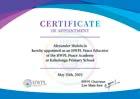
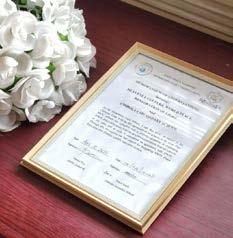
Certificate of Appointment as HWPL Peace Educator
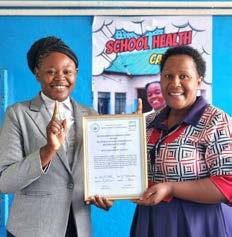
Renu Saran (Childhood Joy Academy, Headteacher)
While attending the HWPL Peace Educator Training, I was deeply impressed by the various peace values and educational content presented in the Peace Textbook.
I believe peace education is especially meaningful because it transforms our inner selves.
In particular, HWPL’s peace education enables students to practice peace within schools—helping reduce conflicts—and encourages them to respect elders and teachers in society. This helps them grow into peace-conscious citizens.
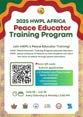
2025 HWPL Peace Educator Training Program Overview & Schedule
Among all the lessons in the Peace Textbook, Lesson 8 stood out to me the most. Through this lesson, I learned about the connection between forgiveness and peace.
I realized that if I’m filled with resentment from being hurt, it hinders our peace.
But if I choose to forgive, I can preserve peace in my heart.
I came to understand that forgiveness begins with me, and through it, we can attain true inner peace.
Trebby Mufuzi
(Chinika Secondary School, Teacher)
Through HWPL Peace Education, I realized that every value presented in the Peace Textbook is essential to achieving peace.
In particular, I came to understand that my happiness may be rooted in someone else’s sacrifice, and that love is not merely about happiness—it is born when someone is willing to make a sacrifice.
HWPL Peace Education with Education Leaders in Zambia
Kelvin Mambwe (Permanent Secretary, Ministry of Education, Zambia)
Heather Munachonga (Secretary-General, Zambia NatCom for UNESCO)
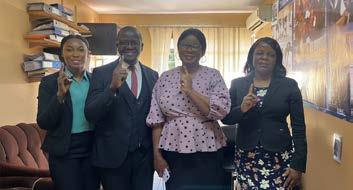
Ian Miyoba (Secretary (DEBS), Lusaka District Education Board)
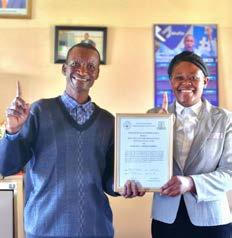
Kenneth Muleya (General Secretary, Headteachers Association of Zambia; Appointed as HWPL Deputy Branch Manager in Zambia)
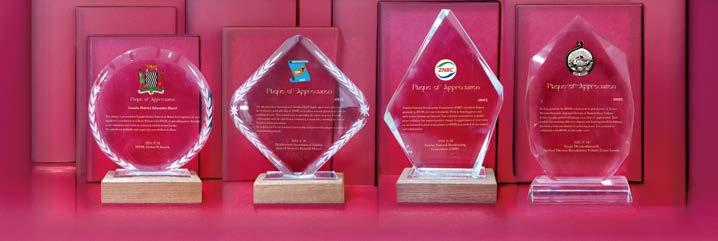
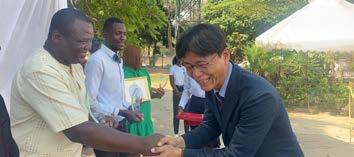
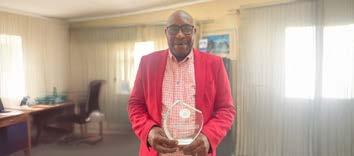
Appreciation Plaques from Zambian Partner Institutions for
HWPL’s Contributions to Peace Education
Appreciation Plaque from Lusaka District Education Board
Appreciation Plaque from the Headteachers Association of Zambia
Appreciation Plaque from Zambia National Broadcasting Corporation (ZNBC)
Appreciation Plaque from Ramakrishna Vedanta Centre, Lusaka
Part 4
Zambia Blossoms with Peace through Peace Education
Heavenly Culture, World Peace, Restoration of Light (HWPL)
PEACE EDUCATION
Various Programs and Events
Cultivating Peace in Zambia
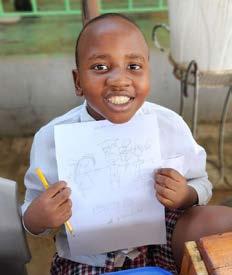
Teaching Goes On Drawing Contest
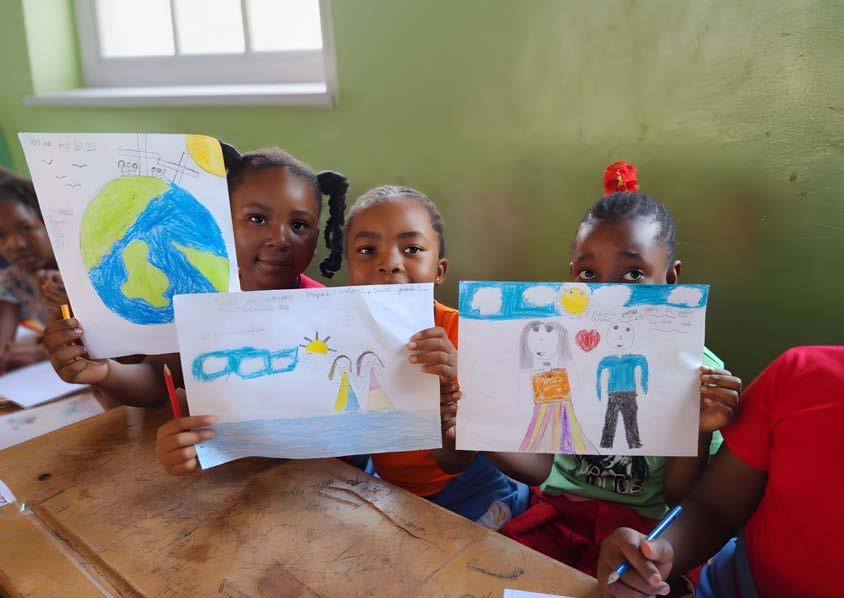
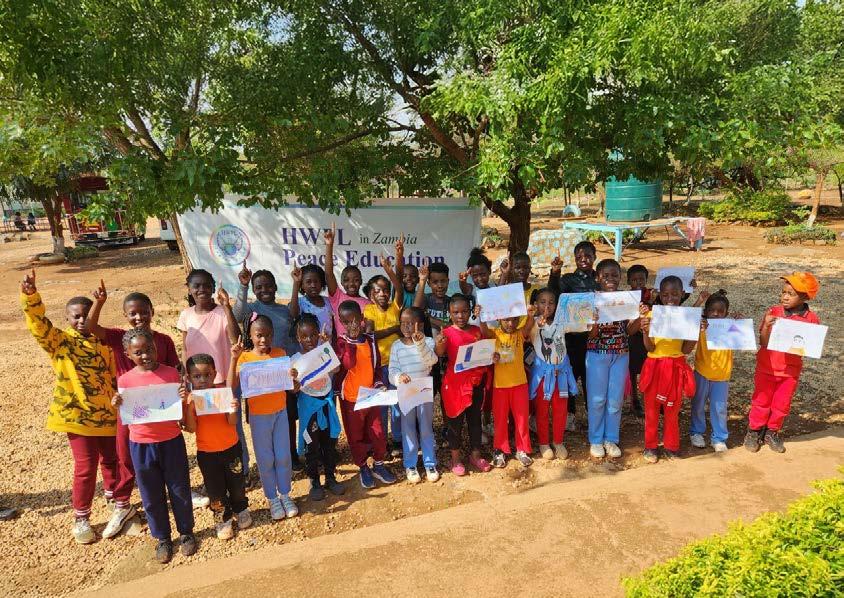
In 2020, the COVID-19 pandemic swept across the globe, delivering a major shock to the field of education. Schools in many countries were closed, face-to-face classes were suspended, and countless students lost their opportunities to learn. Amid these challenges, the HWPL Peace Education Department launched a global campaign to convey the message that "Teaching Goes On." As part of this initiative, HWPL held the "HWPL Teaching Goes On Drawing Contest" for students around the world.
This contest became a meaningful opportunity for children to creatively express the values of peace they had learned through HWPL’s peace education. In Zambia, about 400 students from 9 schools participated in the contest in 2022. Through this campaign, HWPL delivered a message of hope that education and peace must continue even during a pandemic and took the lead in ensuring that all children could have access to learning opportunities.
Chikondi Grace Chadiya
Thank you so much for organizing such an engaging peace event. It was truly meaningful, and I was especially impressed by how it helped us discover our talents in drawing. It was so much fun, and I can’t fully express how grateful I am to have been part of this program. Thank you!
Shekina Banda (First Prize Winner)
I drew a picture that conveys the message that there is no life without peace. With the theme of leaving peace as a legacy, I also wrote a song with the lyrics: “The legacy of peace begins with me. A new era begins with me, and so does the legacy.”
Through this experience, I realized that peace is deeply connected to friendship. It was a truly enjoyable event.
Nsama Chikonkolo
This was a truly inspiring and encouraging educational program and event. As someone who has always been interested in peace, I was so happy to meet and work with HWPL staff. The event was very engaging, and what stood out most to me was how excited and joyful the children were. It was also meaningful to learn how the event was organized, who the chairman is, and what peace truly means.
The Light of Peace in Zambia
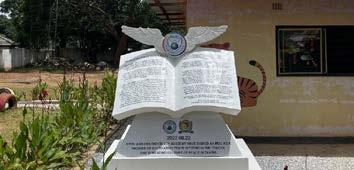
HWPL Peace Monument
Completion Ceremony
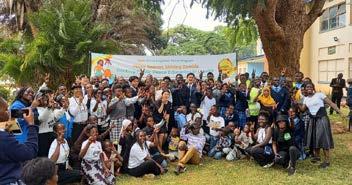
On March 10, 2023, the Completion Ceremony of the HWPL Peace Monument in Zambia was held at Childhood Joy Academy in Lusaka, Zambia, with around 100 teachers and students in attendance. This monument was established to commemorate the beginning of peace education in Zambia and to serve as a symbol of promoting the values of peace throughout the local community. During the ceremony, participants chanted “We Are One” together, reaffirming their commitment to expanding peace education across Zambia.
HWPL Peace Singing Contest
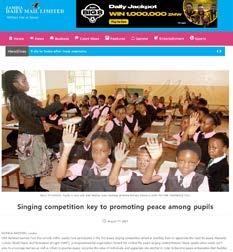
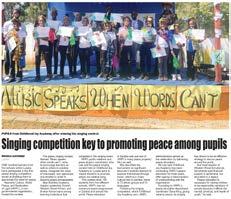
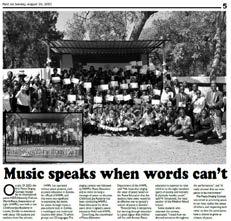
On March 1, 2023, HWPL Peace Singing Contest was held in Lusaka, Zambia, with approximately 22,000 students from seven schools participating. The Peace Education Department of HWPL organized this event in recognition of the power of the arts to spread peace, and designed it to reflect Zambia’s cultural strengths, particularly in music and dance. The contest offered students a chance to express what they had learned through peace education by composing original songs and lyrics, allowing them to freely share their thoughts and emotions about peace through music.
Blending Zambia’s unique artistic spirit with messages of peace, the event served as a meaningful moment for students to take a step closer to living out the values of peace.
Media Coverage of HWPL Peace Singing Contest by Zambia Daily Mail
Kelvin Chisanga, Economist and Managing Director of I-NetCom Business Solutions
Music plays a significant role in children’s mental well-being. Yesterday, I spent a busy yet meaningful day attending the Peace Singing Contest held to celebrate students from schools in Lusaka.
Music has the power to express what words often cannot, and I believe it is important for adults to help students build emotional strength through music.
Because this event was grounded in peace education, I see it as a valuable tool for fostering children’s mental and emotional development.
I’m deeply grateful for the opportunity to serve as a judge and to support this initiative as a member of HWPL Zambia Peace Organization.
It was a pleasure to witness the students express themselves in new and creative ways, and I look forward to seeing how this event contributes to furthering the culture of peace.
It was truly an honor to be part of such a meaningful occasion.
The Future of Zambia: Nurturing a Generation of Peace Citizens
Jira Chirangwa
Before receiving the peace education, I did not realize that respect could be expressed in many ways—such as showing care for the elderly, maintaining a neat appearance, or communicating properly. However, after the education, I came to understand the true meaning of respect. I was also able to express gratitude toward my parents and made a commitment to work toward achieving peace.
Daristo Phiri
Just before the class, I had an argument with Precious Muvita and didn’t want to forgive. However, after listening to the lecture and hearing other students' thoughts on forgiveness, I decided to go and make peace with my friend. Through the class, I learned how to forgive others.
Noah Phiri
I hadn’t fully understood the importance of values such as gratitude, consideration for others, forgiveness, and respect for elders as part of being a law-abiding citizen. However, through this peace education, I came to understand the role of a peace citizen and made a commitment to uphold the law with the right mindset to contribute to peace.
Tembo Patness
I used to think that peace was simply a way people used to avoid arguments. However, after attending the peace education class, I realized that peace is actually about living in harmony. I will work on developing an attitude of listening to others’ opinions, respecting them, and being willing to learn from one another.
Helen De Vos Christian School Kanyama Central Secondary School
Northmead Secondary School Chinika Secondary School
Twashuka Primary School Thornpark Primary School
Chibolya Combined School Emmasdale Primary School
A Leap
Toward Institutionalizing a
Culture of
Peace: Introducing Peace Education into the National Curriculum
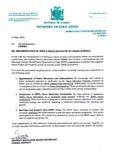
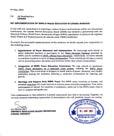
Collaboration for Integration into Public Education: Official
Endorsement of Peace Education
by the Lusaka District Education Office
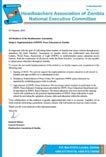
Official Directive from the Headteachers Association of
for the Implementation of Peace Education in All Schools Nationwide
“HWPL’s peace education helps students learn how to live harmoniously, and how to love and respect one another. When peace education is implemented in schools, its influence goes beyond the classroom—it reaches the wider community and can ultimately lead to peace across the entire nation.
What stands out most is that HWPL’s peace education aligns with the ‘national values’ emphasized by the President of Zambia. I strongly urge the government to provide formal educational platforms for peace education. Peace is essential. It must begin in childhood. If children learn the values of peace from an early age, they will grow into peaceful citizens. That is how we can truly build a peaceful world”
Ian Miyoba, Lusaka District Education Board Secretary (DEBS)
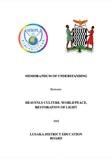
MOA with the Lusaka District Education Board
Zambia (HAZ)
Peace Education Implementation Directive issued to all schools under the Lusaka District Education Board
2024 Legacy of Peace Project in Kanyama
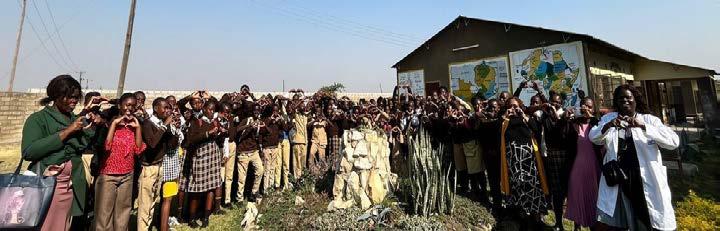
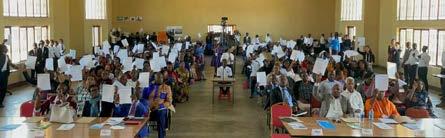
In 2024, HWPL launched a pilot Peace Education project in Kanyama, one of the most high-crime areas in Lusaka, Zambia. Targeting 10 schools under the Chibolya Zone, which oversees Kanyama, the project marked the first step toward implementing practical peace education to address local social issues. Beginning with the Kanyama Peace Education Launching Ceremony on May 30, HWPL trained 30 teachers as Peace Educators and held two workshops on June 29 and August 30. These educators then delivered peace education at their respective schools, instilling the values and attitudes of peace among students.
The project played a meaningful role in reducing conflict and improving the local social environment by allowing peace to take root naturally in children’s hearts. It stands as a significant case that demonstrates how a culture of peace can bring about real, positive change in local communities.
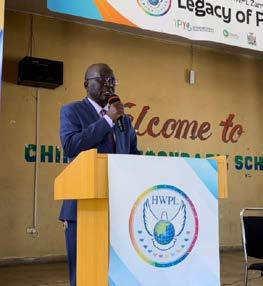
Congratulatory Speech by the Director of Social Welfare, Ministry of Community Development and Social Welfare
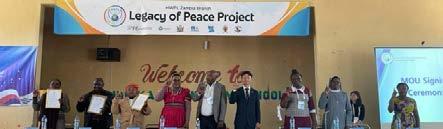
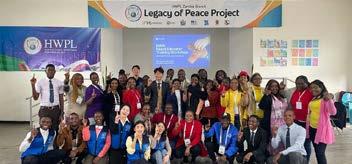
Commemorative Photo of HWPL Peace Education MOU signed with Headteachers from Schools under the Chibolya Zone
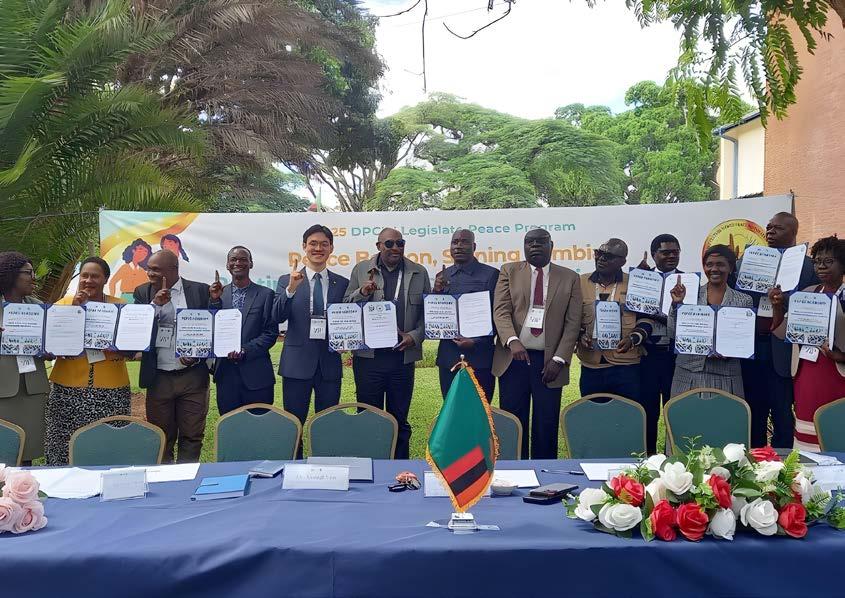
Commemorative Photo of Organizations Signing in Support of the DPCW and HWPL’s Peace Initiatives
Grace Kaela, Headteacher of Chibolya Combined School
“At first, before the program was fully implemented, things were truly terrible. The children here were smoking ‘dagga’ (marijuana) and even using dangerous drugs like cocaine and heroin, and we didn’t even know where they were getting them. There were also many cases of teenage pregnancy. There was just so much deviant behavior. But now, those problems are starting to decrease. It shows that something is working. This program is making a difference—yes, it really is. So if it continues through 2025, I believe that in two years, we’ll be talking about a complete transformation."
Commemorative Photo of Peace Educator Workshop Participants
Peace Textbook Study Activities from the Peace Educator Workshop
Reflections on Being Appointed as a Peace Educator
Peace Education Learning Sessions from the Peace Educator Workshop
MOU Signing with
All Representative Zonal Schools in Lusaka, Zambia
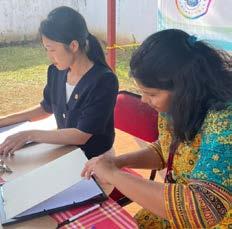
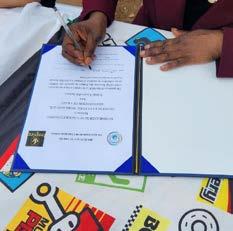
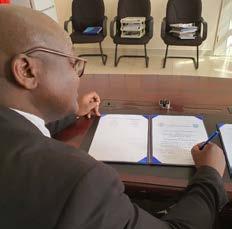
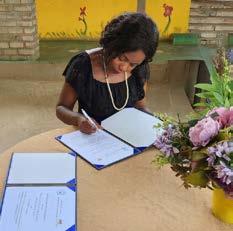
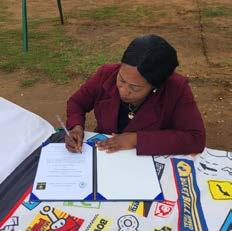
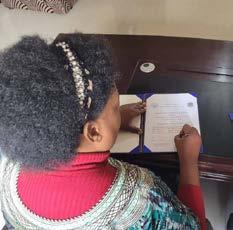
Signing of MOUs with Zonal Schools across all regions of Lusaka, Zambia
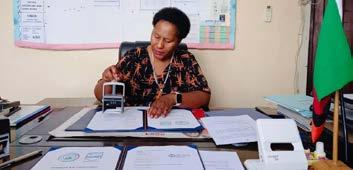
The HWPL Zambia Branch conducted in-person visits and meetings with each school, during which they provided a comprehensive introduction to HWPL and explained the significance of peace education, while proposing the signing of MOUs. Each school willingly agreed, and MOUs were successfully signed with all 11 representative zonal schools.
Chakunkula Combined School
Chitanda Secondary School Chibolya Combined School
Chazanga Combined School
New Chunga Primary School
Kabulonga Primary School
Chawama Primary School
Yotam Muleya Secondary School
Chilenje B Secondary School
Lotus Secondary School
New Ng’ombe Primary School
HWPL Zambia Peace Education
Implementation Declaration Ceremony
The first large-scale event to officially announce the integration of peace education into Zambia’s national curriculum
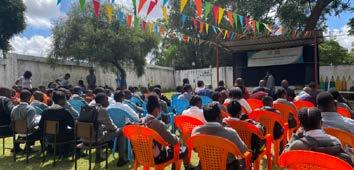
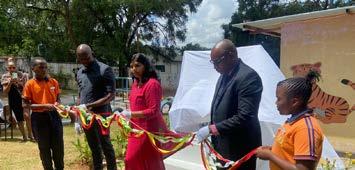
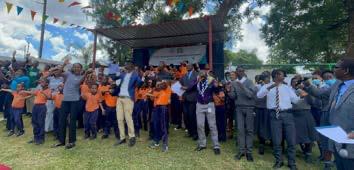
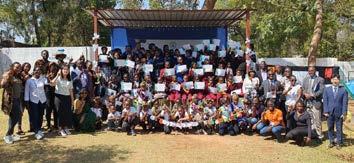
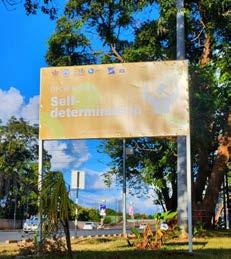
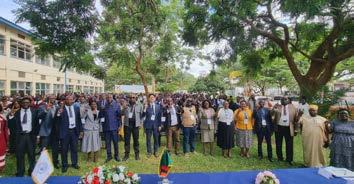
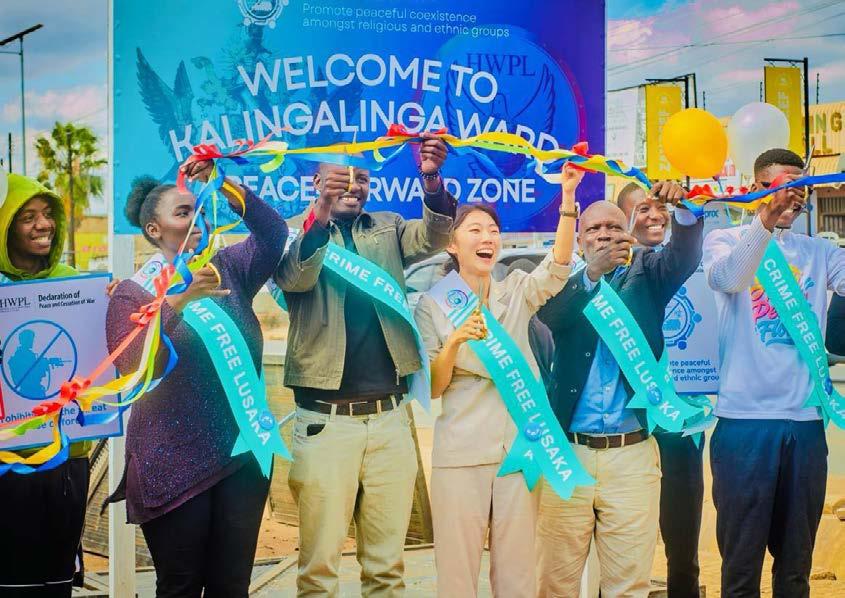
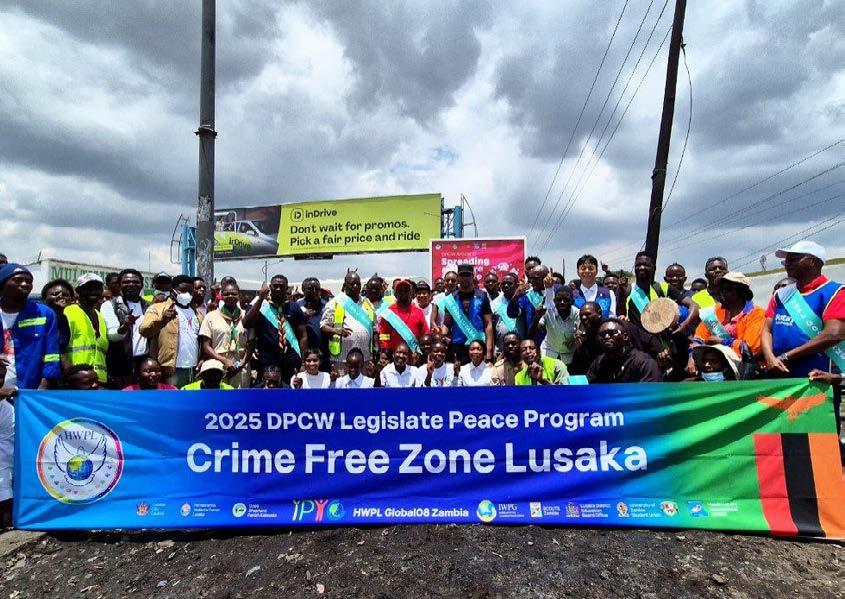
On April 15, 2025, the Lusaka District Education Board, the Ministry of Education of Zambia, the Lusaka City Council, influencers, and the headteachers of 11 representative zonal schools gathered to sign MOUs and hold a Peace Academy plaque-awarding ceremony. The event featured performances by students who had received peace education, as well as a special celebration stage with a popular rapper and students from Chibolya Combined School, making the program more vibrant and engaging. Another Legislate Peace (LP) Program, ‘Clean Up, Crime Down! Peace Street,’ was also carried out on the same occasion. Later, the unveiling and ribbon-cutting ceremony for the DPCW Article 5 Peace Signboard was held. The event concluded with a commemorative group photo, marking a proud milestone in the journey toward integrating peace education into the public education of Zambia.
Peace Play Performed by the Peace Club
Unveiling of the DPCW Article 5 Peace Signboard
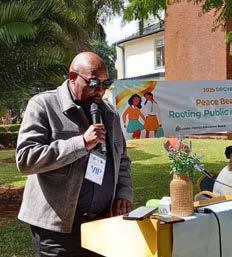
Congratulatory Speech by the Lusaka District Education Board Secretary (DEBS)
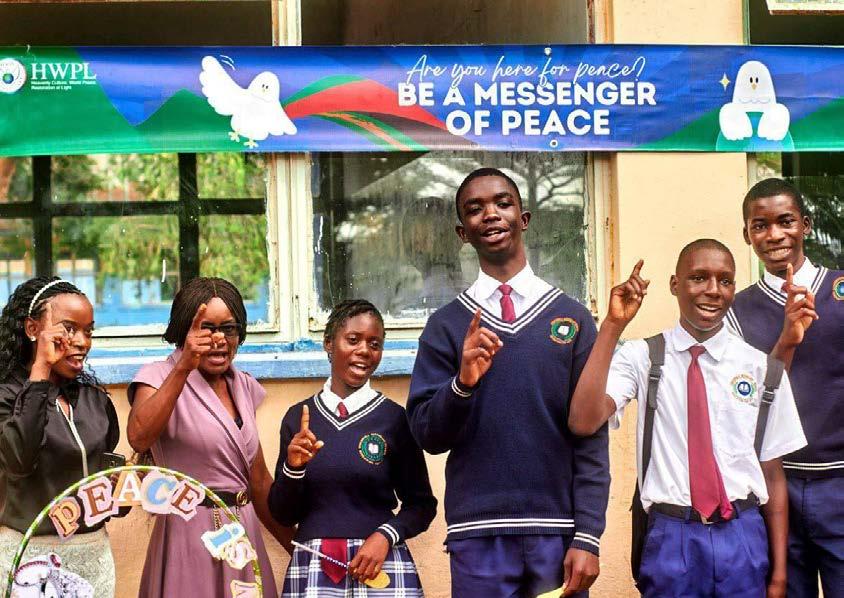
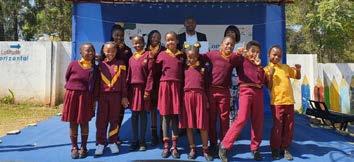
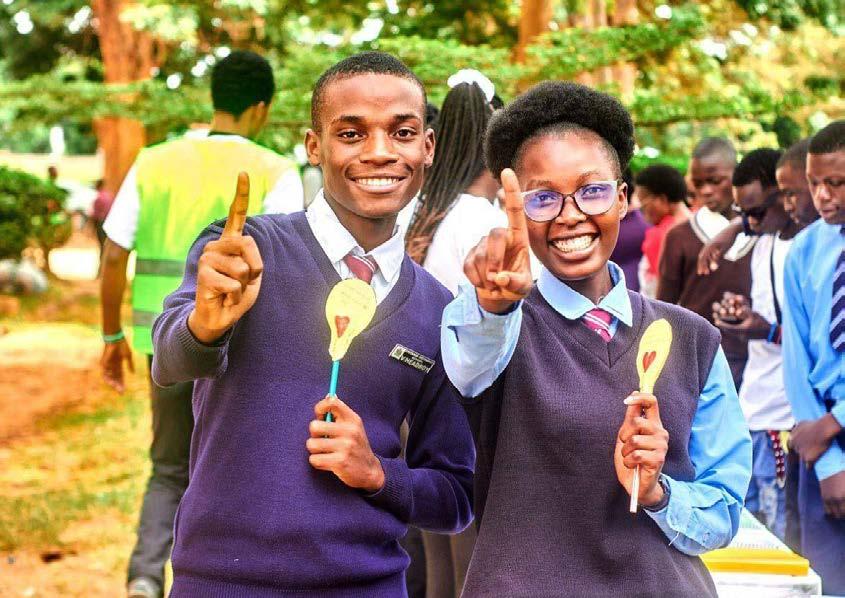
Peace Club Teachers and Students Who Participated in the Event
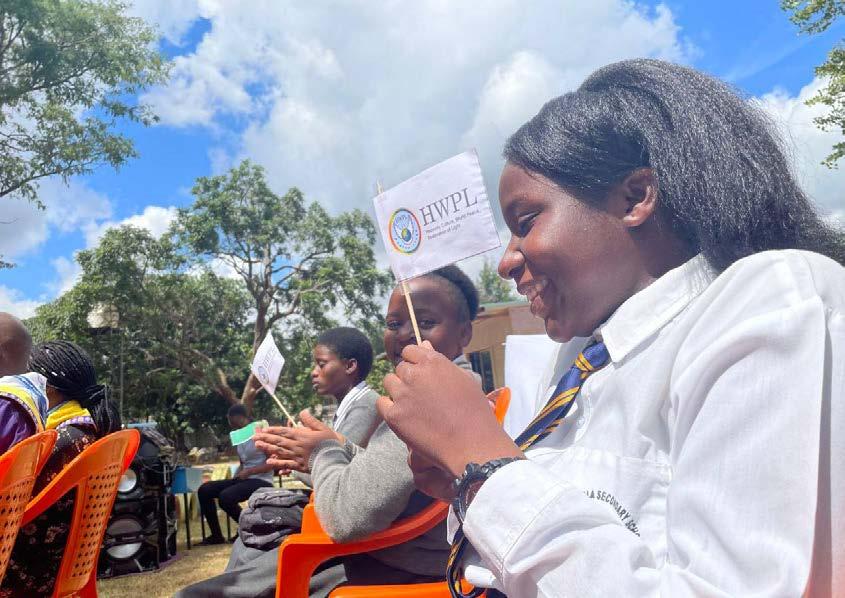
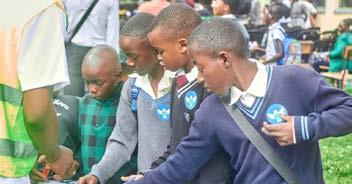
Students Participating in Peace Booth Activities
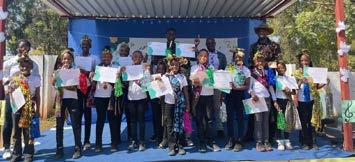
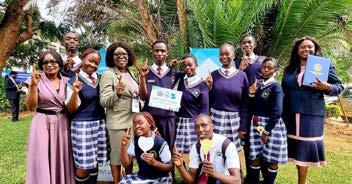
Commemorative Photo of Students Who Performed the Peace Play and HWPL Volunteers
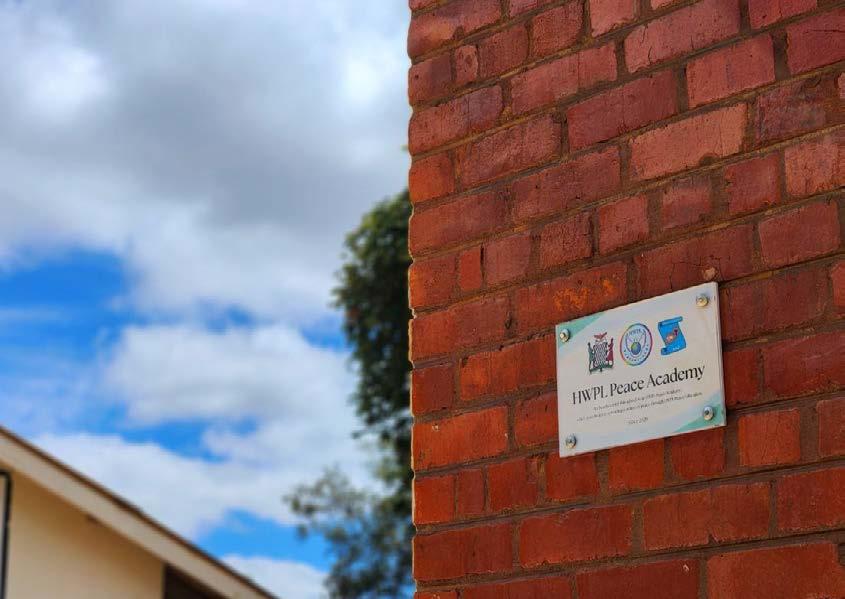
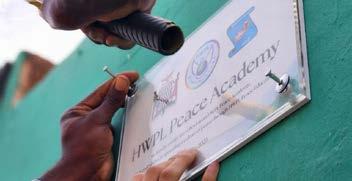
HWPL Peace Academy Plaque
Ceremony for All Representative Zonal Schools in Lusaka, Zambia
Symbolizing
the Appointment of 11 Representative Zonal Schools as HWPL Peace Academies
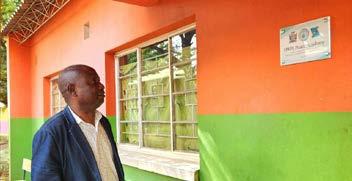
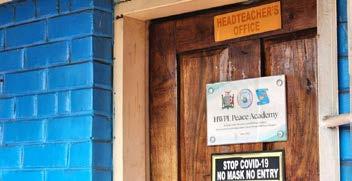
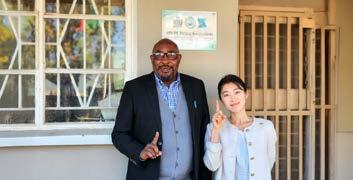
At the HWPL Zambia Peace Education Implementation Declaration Ceremony, plaques featuring the logos of HWPL and each participating school were presented. Following the event, the HWPL Zambia Branch personally visited each school to deliver framed copies of the signed MOUs and to install the plaques.
This served as a powerful symbol of the practical cooperation between HWPL and each representative school in advancing peace in Zambia.
It was also a meaningful occasion where the schools pledged to fulfill their roles as Peace Academies.
Kabulonga Primary School
Lotus Secondary School Framed MOU for the Peace Academy Plaque Ceremony
HWPL Peace Academy Plaque Ceremony
for All Representative Zonal Schools in Lusaka, Zambia
Chazanga Combined School
New Ng’ombe Primary School
Chibolya Combined School Lusaka District Education Board