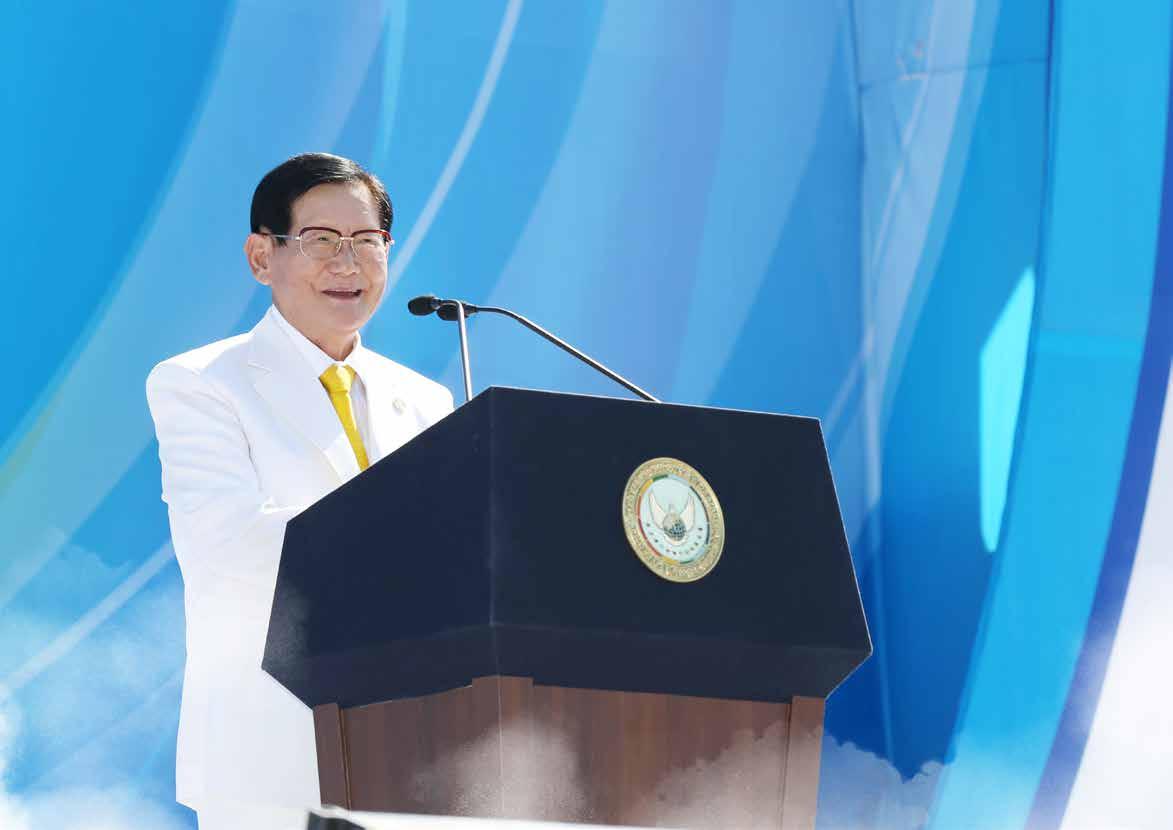
I believe peace starts from home. Children need to be educated well at home, and secondly, peace education should be taught well in schools. If we can instill the value of peace deep into students so that it forms the basis of their minds and hearts, we will move toward peace.
Chairman Man Hee Lee
Part 1
A Rainbow Nation, South Africa
Heavenly Culture, World Peace, Restoration of Light (HWPL) PEACE EDUCATION
REPUBLIC OF SOUTH AFRICA
Location
Southern Africa Area
121,909,000 hectares
24th largest in the world (2022, Ministry of Land, Infrastructure and Transport; FAO)
National Day
April 27
(Commemorates the establishment of a democratic government in 1994)
Languages
English, Afrikaans, Zulu, and a total of 12 official languages
Christianity, traditional African religions, Islam, Hinduism, etc.
Capital Cities
Pretoria (Administrative), Cape Town (Legislative), Bloemfontein (Judicial)
Ethnic Groups
Black African (81.4%)
White (7.3%)
Coloured/Mixed-race (8.2%)
Asian/Indian (2.7%)
A Rainbow Nation, South Africa
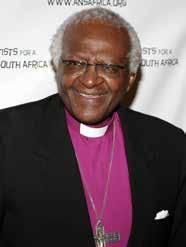
Archbishop Desmond Tutu
“Rainbow nation” is a term coined by Archbishop Desmond Tutu to describe postapartheid South Africa after South Africa’s first democratic election in 1994.
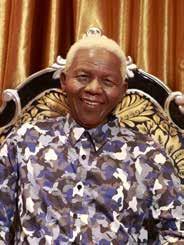
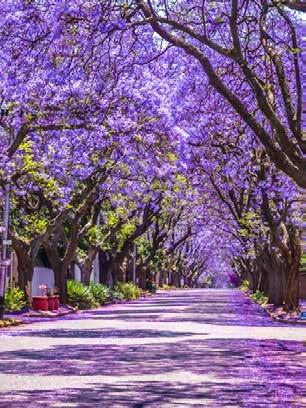
“Each of us is as intimately attached to the soil of this beautiful country as are the famous jacaranda trees of Pretoria and the mimosa trees of the bushveld. A rainbow nation at peace with itself and the world.”
Nelson Mandela
South Africa: A
Country with Three Capitals
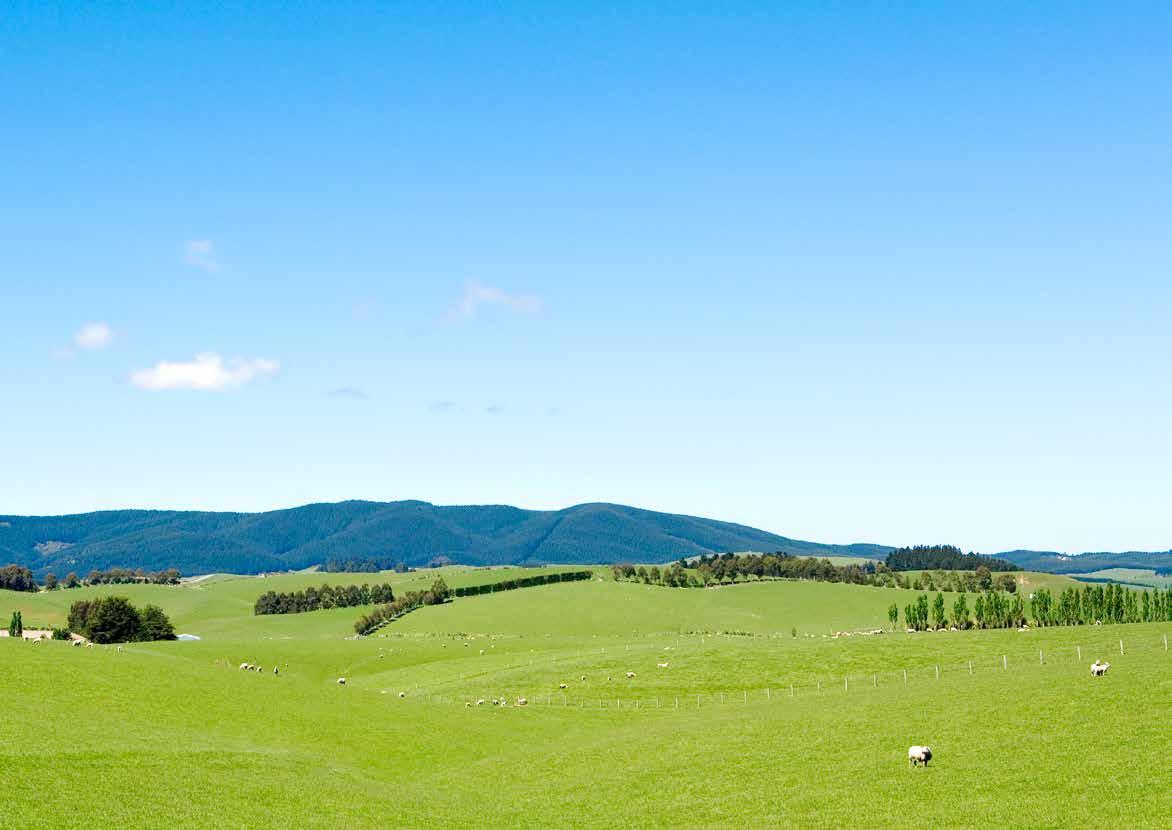
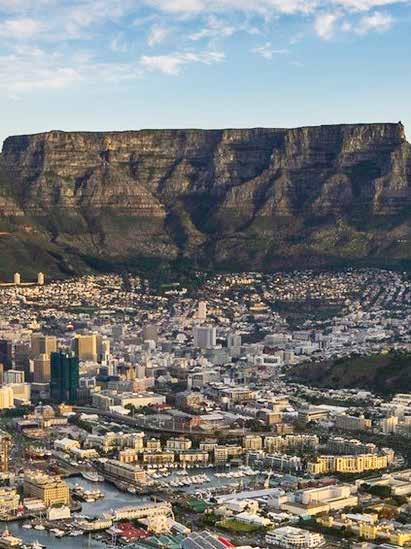
Legislative capital and historic port city
Cape Town
Judicial capital located in the heart of the country
Bloemfontein
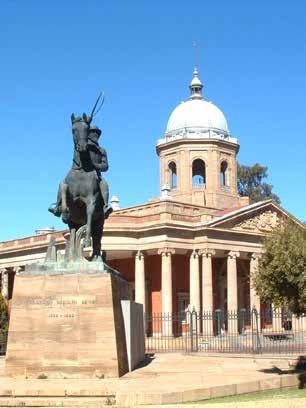
Administrative capital known as the "Jacaranda City"
Pretoria
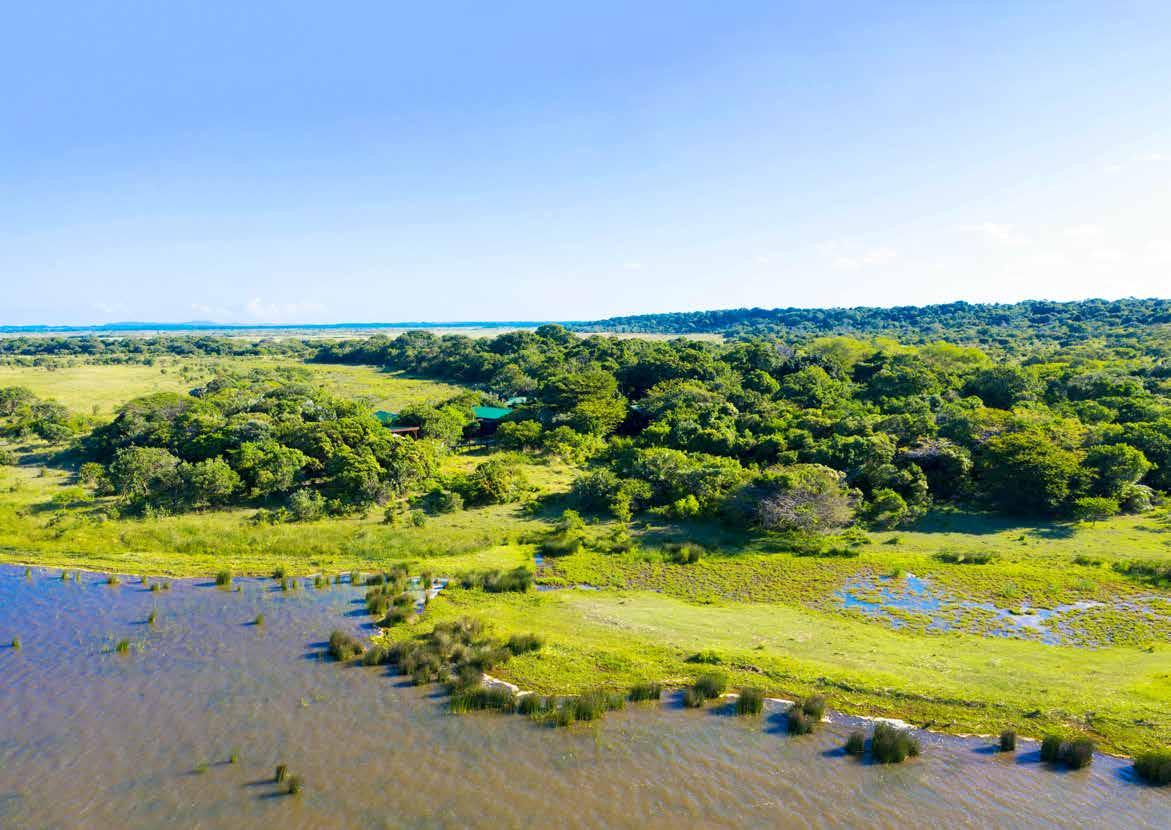
“iSimangaliso Wetland Park”
UNESCO World Heritage Site
Stretching along a 220 km coastline, the diverse ecosystems provide habitats for endangered and endemic species, preserving rich biodiversity.Covering a total area of 2,395 km², the wetland park showcases unspoiled and stunning natural landscapes. It was designated a UNESCO World Natural Heritage Site in 1999.
An Industrialized Nation Built on Mining
With abundant natural resources, South Africa has developed robust industries such as metal processing, automotive manufacturing, chemical production, petroleum refining, and machinery.It is considered the most industrialized country on the African continent. Industrial production and exports account for a significant portion of its GDP and play a central role in the regional economy.
Statistics South Africa Gross Domestic Product (GDP), 2nd Quarter 2017
South Africa’s economy was traditionally rooted in the primary sectors – the result of a wealth of mineral resources and favourable agricultural conditions. But recent decades have seen a structural shift in output. Now South Africa is moving towards becoming a knowledge-based economy, with a greater focus on technology, e-commerce and financial and other services.
The major sector of the economy is finance, real estate and business services, which contributes around 22% to GDP. Its is followed by general government services at 17%, and then the sector of wholesale, retail and motor trade, catering and accommodation at 15%. Manufacturing is fourth, at 14%.
Mineral Production Statistics (USGS 2018, 2019)
Platinum – World's largest producer
Chromium – World's largest producer
Manganese – World's largest producer
Titanium – 2nd largest producer in the world
Iron ore – 6th largest producer in the world
Gold – 11th largest producer in the world
Uranium – 12th largest producer in the world
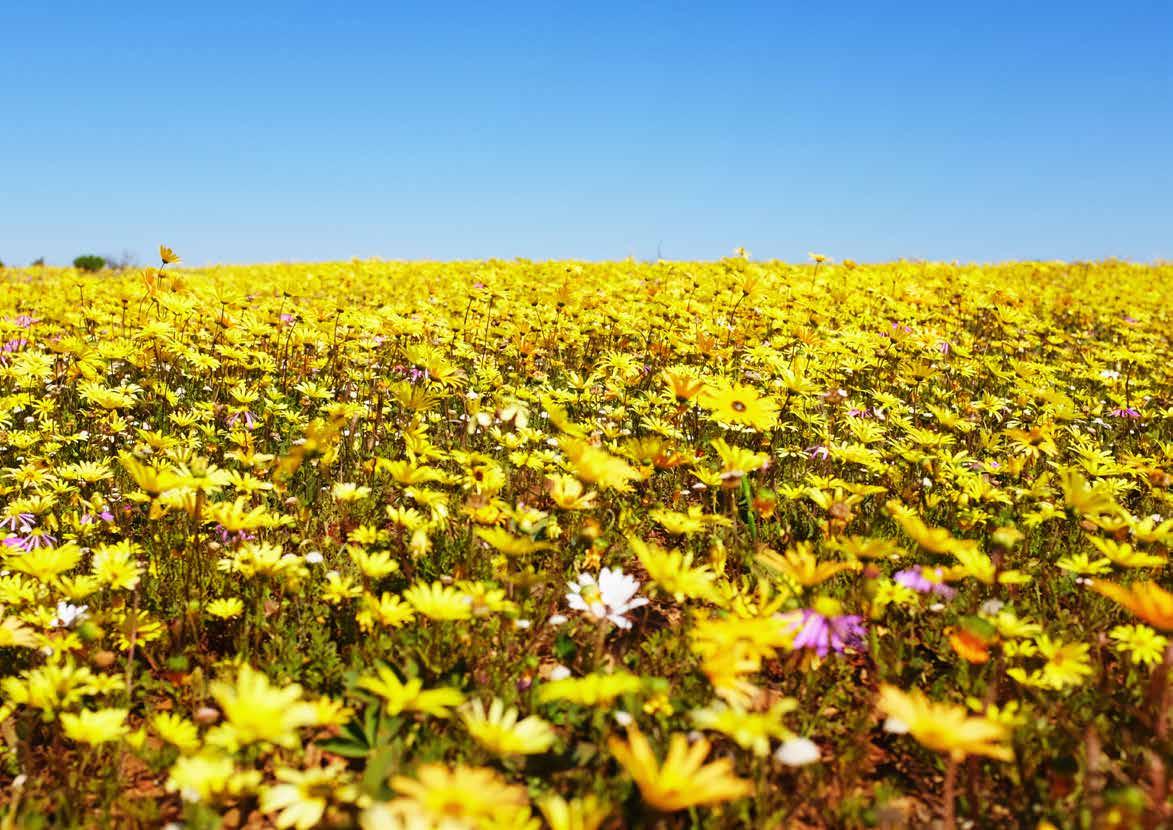
Cape Floral Region Protected Areas
Located in the Cape Province, this protected botanical area consists of eight distinct zones. Due to its diverse climate, terrain, and soil types, it is home to a wide variety of plant species.Recognized for its natural value, it was designated a UNESCO World Natural Heritage Site in 2004.
Part 2
Children Left in the Shadows of Education
Heavenly Culture, World Peace, Restoration of Light (HWPL) PEACE EDUCATION
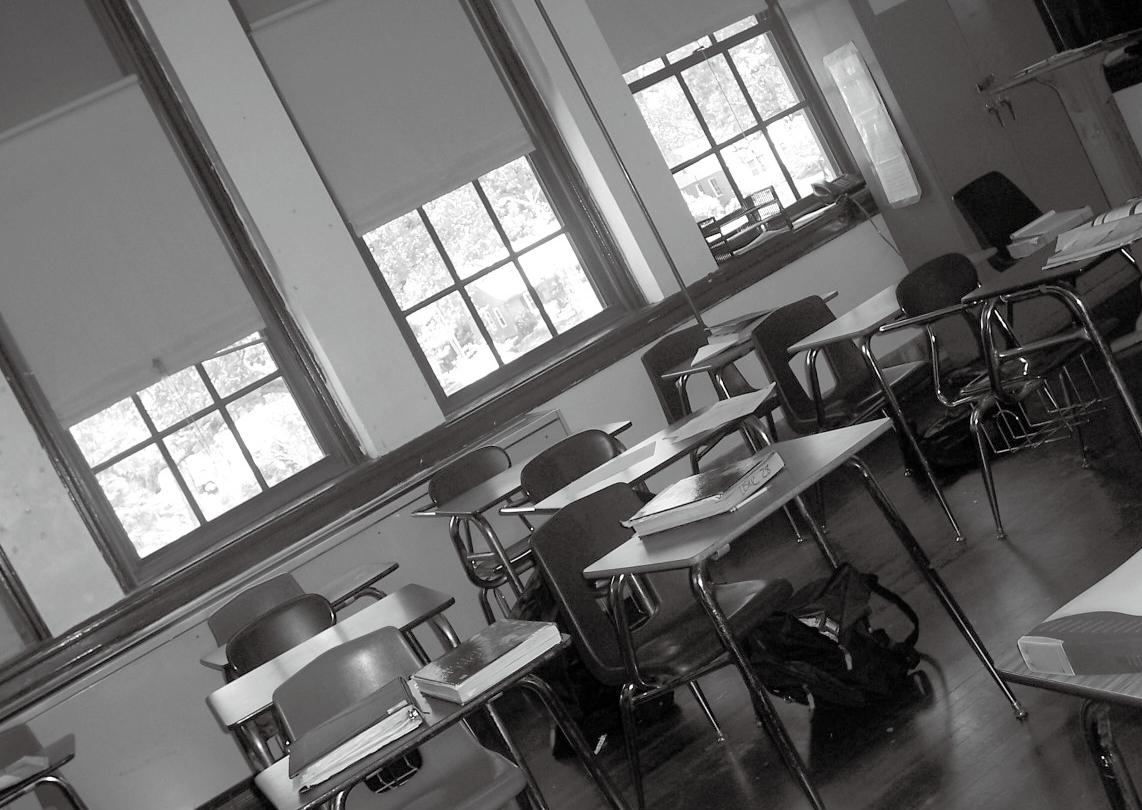
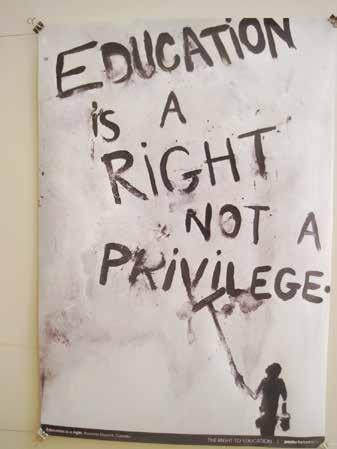
Educational inequality and poor conditions
Inequality is largely visible in South African schools. According to Amnesty International, children in the top 200 schools score higher in mathes than children in the other 6,600 schools. Other statistics highlight that more than 75% of nine-yearolds cannot read for meaning. In some provinces, the percentage is as high as 91%.
The educational system is still healing from the Apartheid era, resulting in children being treated differently because of their background, wealth, or skin tone.
Furthermore, the schools’ quality of education is a prevalent issue in South Africa. According to research undertaken by Gustafsson in 2021, the retirement of teachers in South Africa will reach a peak number by 2030, Instructors have little understanding of the curricula and no pedagogic competency, leading to students graduating from school without the necessary knowledge.
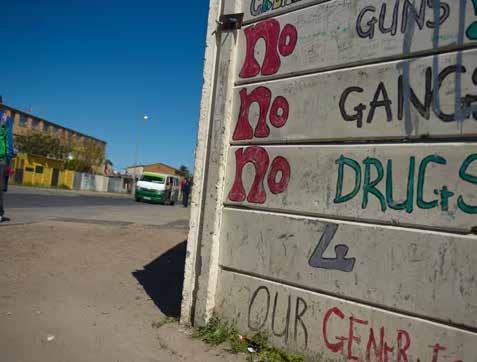
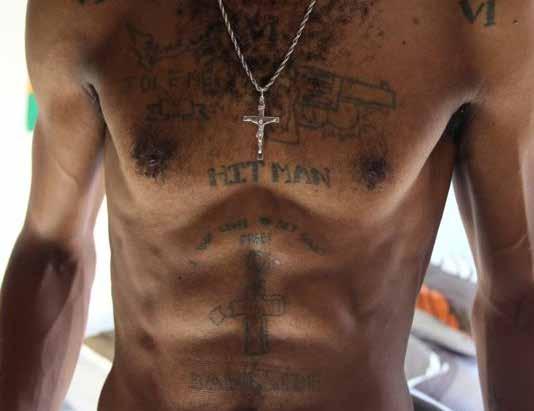
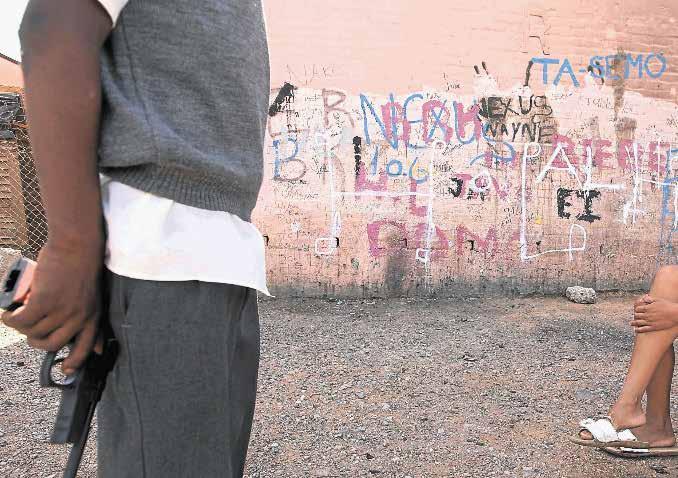
Prevalence of gangsterism
The country’s murder rate per 100 000 is 34.3 per 100 000 (in 2016/17), one of the world’s highest. In Cape Town it’s much higher at 51.6 .
This number masks the city’s huge internal disparities. Much of this is attributed to gangs.
Photo : Lindsay Mgbor/Department for International Development
Photo : The Christian Science Monitor
Schools exposed to gangsterism
In August 2022, a 14-year-old learner at iKaya Primary School in Kayamandi, Stellenbosch, was stabbed to death while another sustained injuries in a fight which the Western Cape Education Department (WCED) described as a gang-related incident. A 15-year-old youth, attending the same school, was arrested.
The reasons for the existence of gangs and youth
Cape Town doesn’t have a gang problem so much as a youth problem of which gangs are one of the outcomes. Fixing the gang problem means solving the adolescent problem.
Children who grow up in environments lacking emotional attachment often struggle to form lasting emotional bonds. Though they carry feelings such as shame and anger, they usually mask these emotions with bravado and aggression. Lacking empathy, compassion, and care, they are drawn to others who are similarly detached. For these children, violence and aggression often become a reliable means of asserting their existence, and so they tend to rely on them.
The real question is not so much about gangs, but what can we do to help young people live meaningful, resilient lives in environments that favour development of gangs, crime and violence?
Part 3
Planting Seeds of Peace:
HWPL’s Peace Education in the Classroom
Heavenly Culture, World Peace, Restoration of Light (HWPL) PEACE EDUCATION
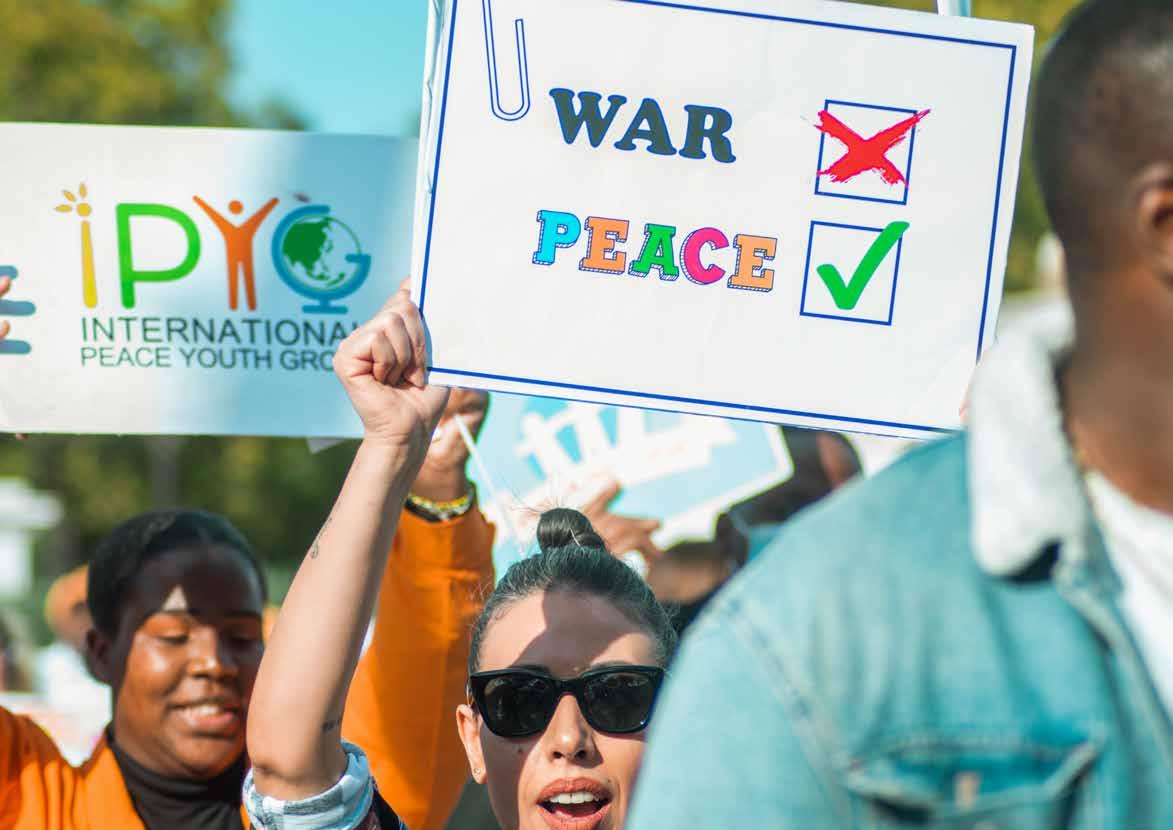
People around the world—regardless of nationality, culture, or background—do not want war; they want peace.
The Declaration of Peace and Cessation of War (DPCW) was proclaimed on March 14, 2016 at 3:14 PM in Seoul, Republic of Korea.
HWPL (Heavenly Culture, World Peace, Restoration of Light), a non-governmental organization registered under the Seoul Metropolitan Government and holding special consultative status with the UN Economic and Social Council (ECOSOC) and affiliation with the UN Department of Global Communications (DGC), has long advocated for the establishment of a new legally binding international framework for sustainable peace.
The DPCW was finalized with a Preamble and 10 Articles with 38 Clauses, following deliberations by the HWPL International Law Peace Committee, which consisted of legal experts from various countries in 2015.
Heavenly Culture, World Peace, Restoration of Light (HWPL)PEACE EDUCATION
HWPL is implementing peace education to promote a culture of peace in support of the Declaration of Peace and Cessation of War (DPCW).
The purpose of peace education is:
To raise awareness of peace
To inspire individuals to become active advocates for peace
To encourage voluntary participation in peace-building activities as responsible agents of change
Excerpts from the Declaration of Peace and Cessation of War (DPCW)
Article 1 – Prohibition of the Threat or Use of Force
1. States should solemnly reaffirm that they refrain from the use of force in all circumstances, save where permitted by international law, and should condemn aggression as constituting an international crime.
2. States should refrain in their international relations from the threat or use of military force against the territorial integrity or political independence of any State, or in any other manner inconsistent with the purposes of the United Nations Charter or international law in general.
Article 3 – Friendly Relations and
the Prohibition of
Acts
of
Aggression
3. States should condemn the illegal occupation of territory, resulting from the threat or use of force in a manner contrary to international law.
Article 4 – State Boundaries
1. In accordance with United Nations General Assembly Resolution 2625 (XXV), every State has the duty to refrain in its international relations from military, political, economic, or any other form of coercion aimed against the territorial integrity or political independence of any State, or in any other manner inconsistent with the purposes of the United Nations. It is without prejudice to instances when such forms of coercion may be lawfully applied, inter alia, to induce States to cease internationally wrongful acts, or when sanctioned by the United Nations Security Council.
2. Every State has the duty to refrain from the threat or use of force to violate the existing internationally recognized boundaries of another State, or as a means of resolving international disputes, including territorial and frontier disputes, in a manner inconsistent with international law
Article 5 – Self-Determination
1. The duty of every State to refrain from the threat or use of force against the territorial integrity or political independence of any other State includes the duty to not engage in any action that would result in the dismemberment of any State, or force the secession or annexation of any territorial unit from that State.
Article 10 – Spreading a Culture of Peace
1. States should recognize and engage with groups and organizations that seek to further the cause of peace as a global movement. States should facilitate such groups in their awareness-raising activities, including providing tuition in human rights and peace studies, as provided for, inter alia, in the Universal Declaration of Human Rights and the 1999 UN Declaration on a Culture of Peace.
2. States should recognize that, in order to preserve a lasting culture of peace, public awareness of the need for, and value of, peace should be created. In this regard, States are encouraged to facilitate activities, commemorations, and initiatives that engage public consciousness with peace, including the erection of peace monuments as an alternative to war monuments.
3. Heads of State and heads of government should acknowledge that they are uniquely well placed to encourage a culture of peace, and should act to support this declaration to bring about the cessation of war.
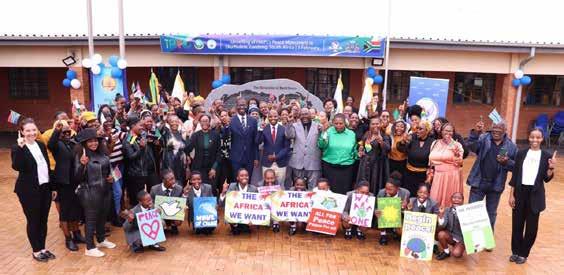
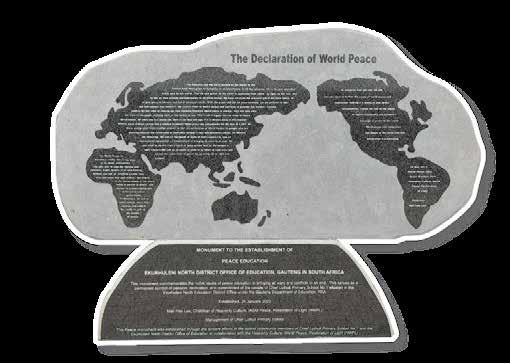
HWPL Peace Monument in Chief Albert Luthuli Primary School
Chief Luthuli Primary School was named after the first African to be awarded Nobel Peace Prize (1960) for non-violent struggle against apartheid. Therefore, this monument in the Chief Luthuli Primary school, a meeting point of a community consisting of many different members of society, signifies the united global efforts and contributions of all individuals of the global society to create and sustain a world of peace.
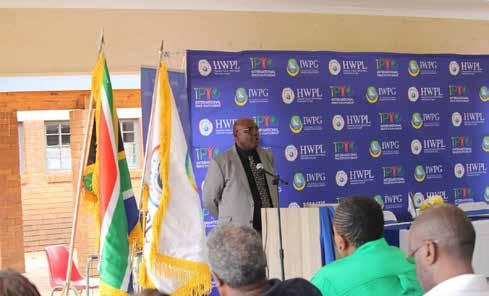
Mr. Matthew Sibeko
Chairperson of the School Governing Body
“It’s a milestone for us and even for the school. My wish is a for the whole school in Africa they must get same opportunity that we had of peace Education, Peace education is the foundation of each and every human being.”
Mr. Peter Manana
Principal of Chief Albert Luthuli Primary
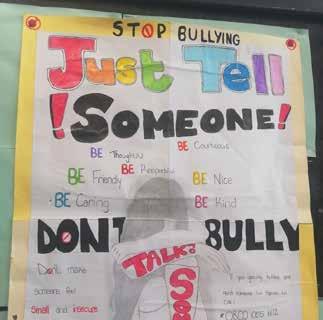
“I think for us it’s an honor to have it because its symbolizes peace and its reminds us of our passion and its reminds us of why peace should always prevail to ensure that there’s harmony in the world not only for us but throughout the world. It is very important because one it will teach learners, we have been having Problems of bulling in schools we have been having Problems of violence but once you start talking about peace education you will embrace a sense where in learners must buy in and subscribe to peace. My wish is that this should not end here this should go to other schools. If such a thing can go to all this other schools peace will prevail in all this schools.”
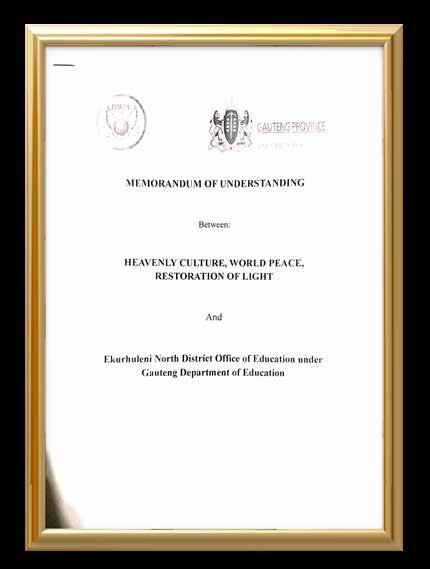
HWPL Peace Education MOA/MOU
MOA signed with the City Department of Education:
An agreement at the city education department level to support peace education.
18 MOUs signed with educational institutions:
Agreements to implement ongoing peace education programs within schools.
Gauteng Education District of Ekurhuleni North
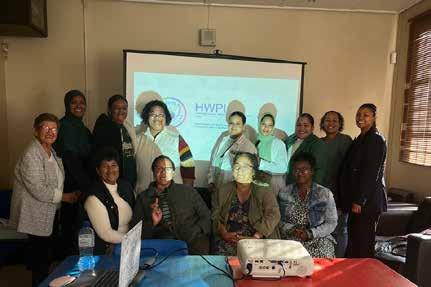
HWPL Peace Educators in South Africa
Appointment of 78 HWPL Peace Educators in South Africa
Implementation of training programs for Peace Educator development
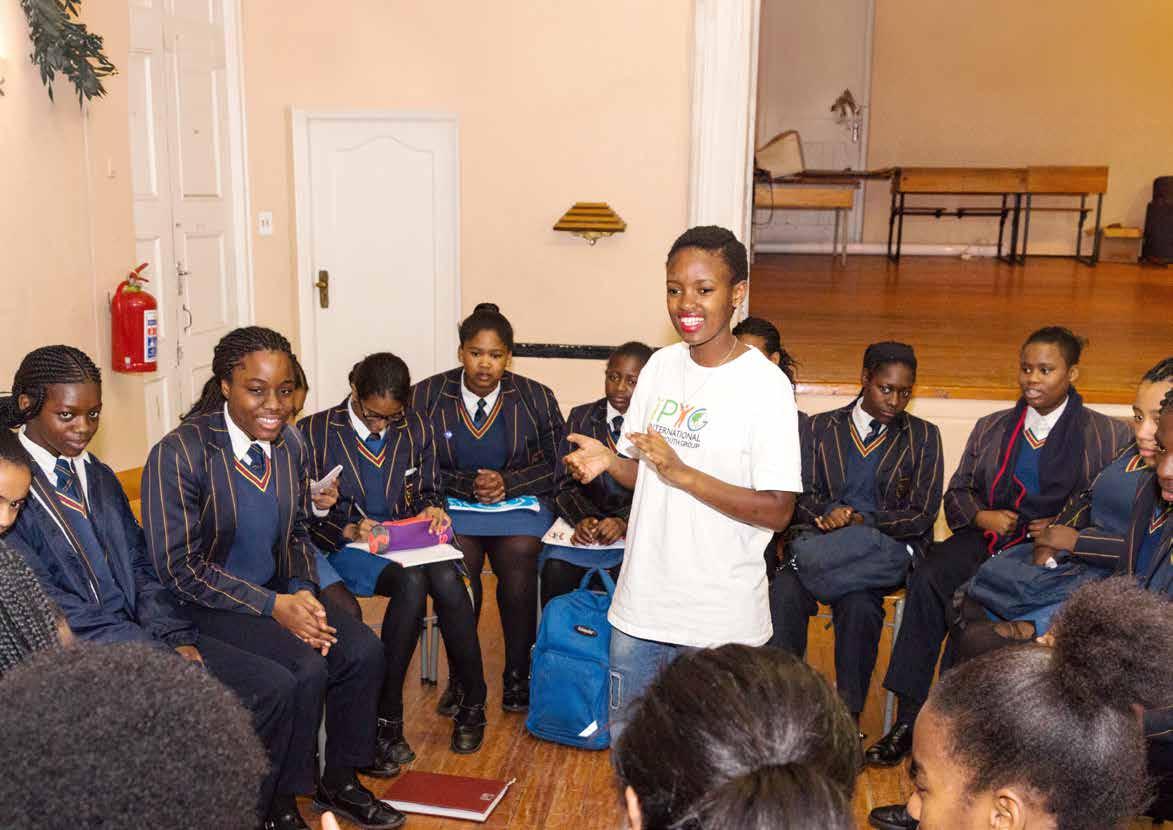
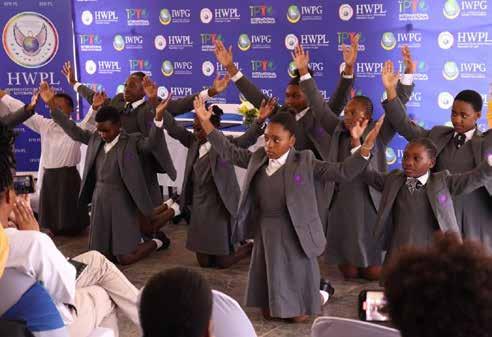
HWPL appoints local teachers who have completed the Peace Educator Training Program as Peace Educators, and these educators implement peace education for students within their respective communities.
Teachers’ Reflection on HWPL Peace Teacher Workshop
Ms. Naasikha Rajah / Zinniaville Secondary School Teacher
I have learnt alot during the lessons and it's small things that can be implemented that can make a huge difference in the lives of our learners. Extremely grateful for this opportunity.
Ms. Nicole de Nock / Windsor High School Teacher
The lecture solidified why I need peace education in my school. In addition, the importance of teaching and understanding peace. Was good to hear the positive impact it has in certain countries. How war ended and leaders agreed to peace. It was also very inspiring to hear other teachers stories and the enthusiasm for peace education. It encouraged me to join in the mission of peace.
Interview
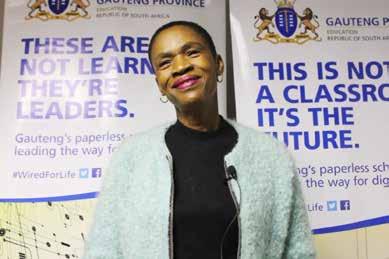
Vanessa Boikhutso Senior Education Specialist of Education Department of Ekurhuleni District in Gauteng
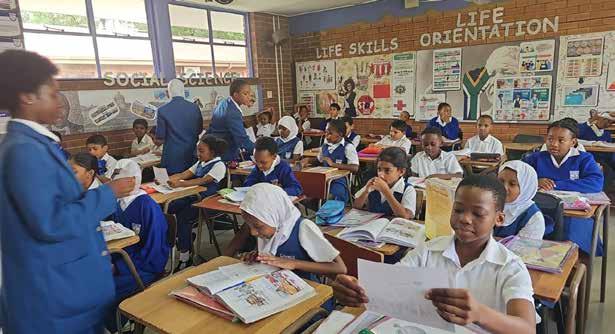
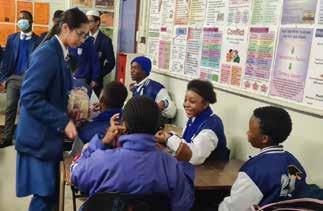
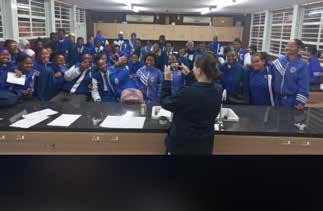
what motivated me with this programme of, of Peace Education with this company is, when I saw their profile, I saw that their programme is relevant and is addressing exactly what we want. Peace Values is under-pinning around Peace Values within the schools where we know that needs to be enhanced. So I saw it, and then I felt this is the correct thing, and consulted with management, and then we said, let us run with it. And yes, because it is relevant. It is relevant in addressing the peace in the classroom. This educator is supposed to be equipped with skills, to be able to teach learners, to instil skills of peace and tolerance in a meaningful way during learning and teaching, doing it in such a way that learners find it becomes part and parcel of their lives. So if we equip our educators to do peace education, then we know that we will be able to help so that they instil this in the learners on a daily basis.
From Learning to Living: Peace
Textbook Lessons in Action
Heavenly Culture, World Peace, Restoration of Light (HWPL)
PEACE EDUCATION
Teachers’ Reflections on Lesson 1. Original State of All Creation
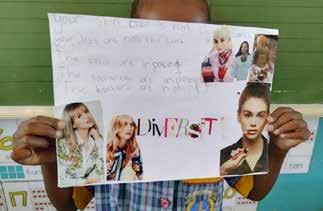
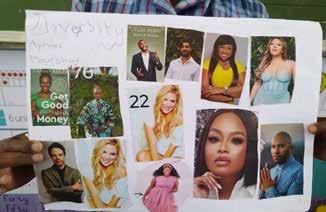
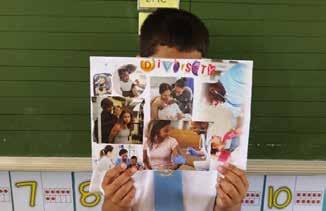
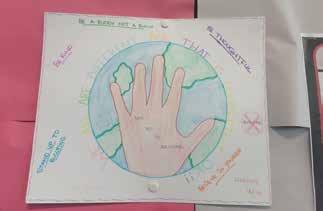
It is important for children to realize their differences and individuality and how it actually makes for a better world. This is something they need to understand early on. Too many children see it as a negative when they are different. We need to build that in their character as soon as they are able to perceive their uniqueness.
Teachers’ Reflections on Lesson 2. A Reason for All Creation Living in Harmony
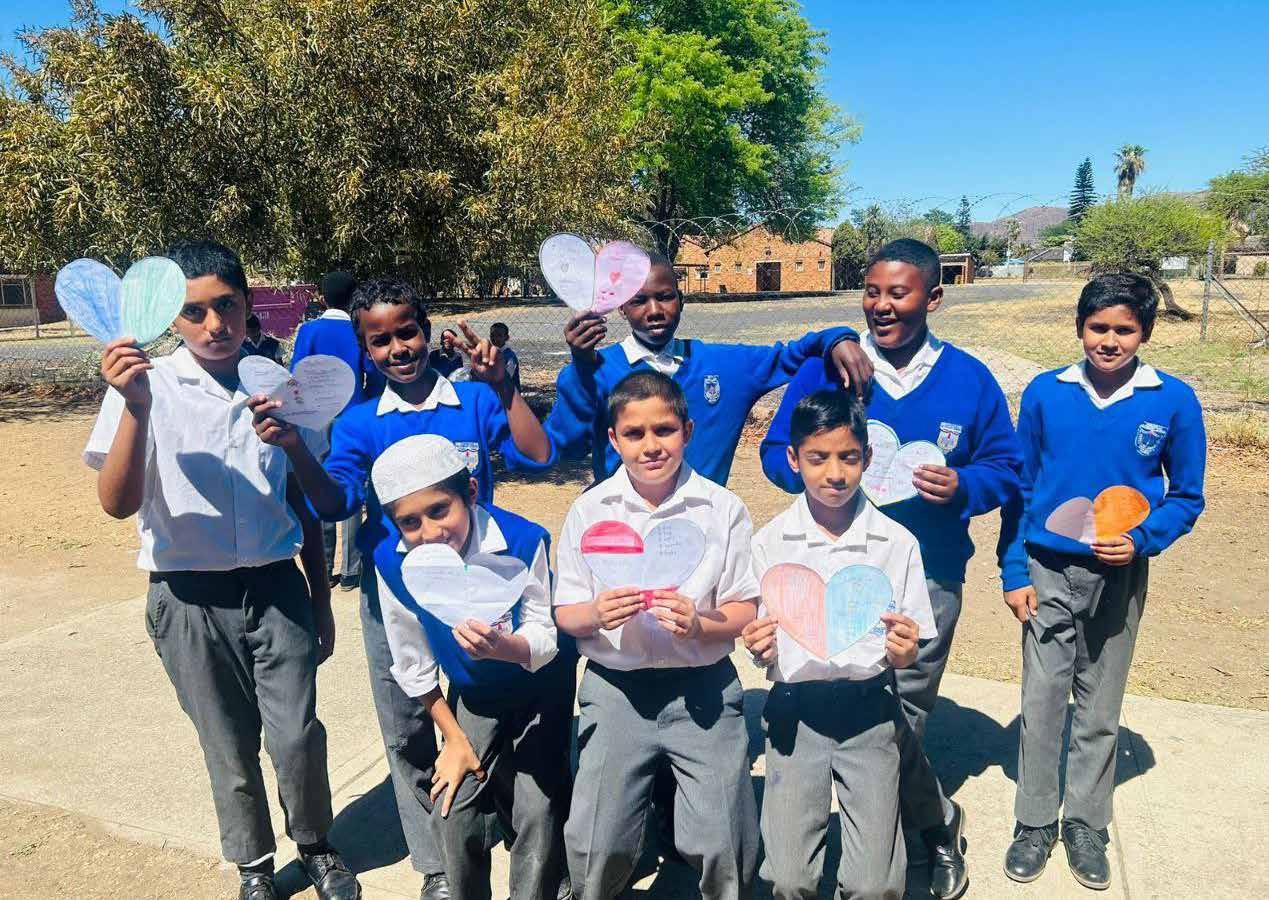
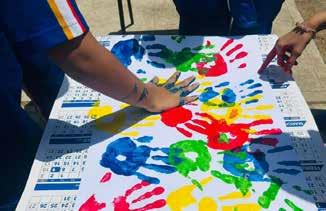
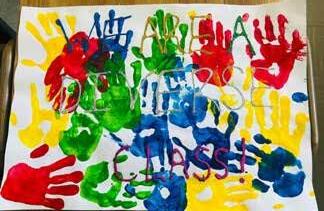
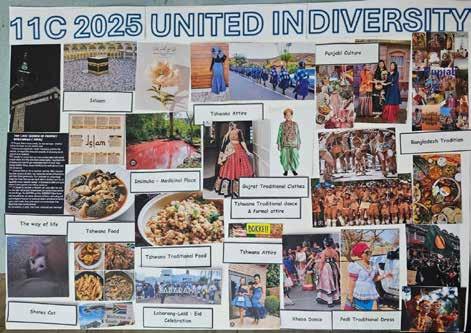
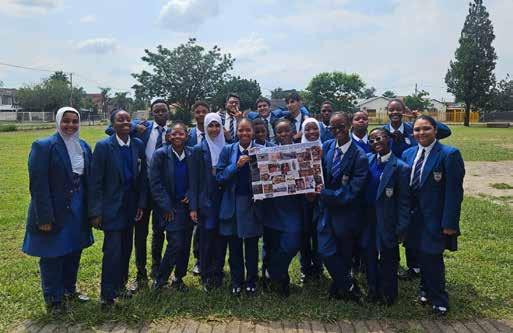
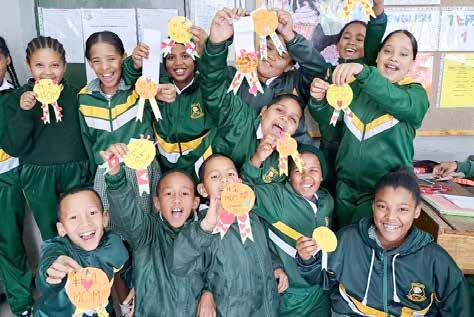
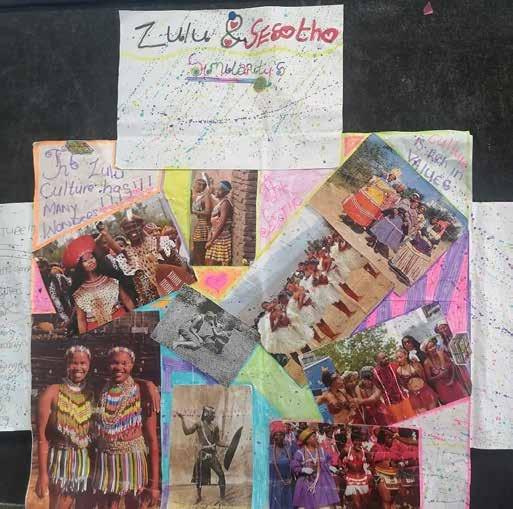
This activity had a profound impact on the students, fostering: Cultural Awareness & Respect, Personal Reflection, Classroom Unity, Encouragement of Open Dialogue. The visual representation of "UNITED IN DIVERSITY" remains in our classroom as a reminder that peace begins with recognizing and valuing each other’s backgrounds. The students expressed enthusiasm about engaging in similar activities in the future. This project has reinforced the importance of celebrating diversity as a step toward a more harmonious and peaceful society.
Peace Education Activity of Lesson 3.
What Broke Peace in the World of Humankind
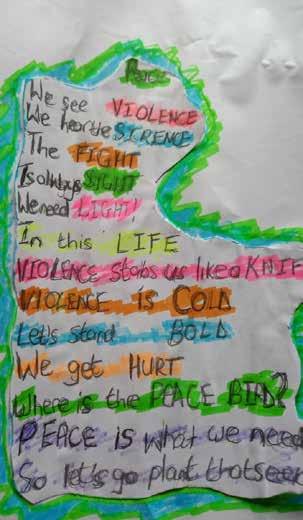
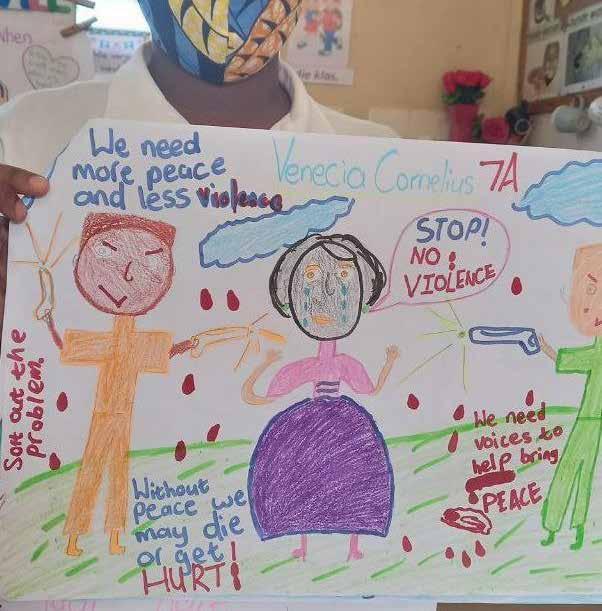
Violence is part of disorder that leads to pain, suffering and death. We wrote a peace poem together.
<PEACE>
We see violence
We hear sirens
The fight
Is always sight
We need light
In this life
Violence stabs us as a knife
Violence is cold
Let's stand bold.
We get hurt
Where is the Peace Bird?
Peace is what we need
So let's go plant that seed.
Teachers’ Reflections on Lesson 4. Restoration
of Order and Relation
in the Human World
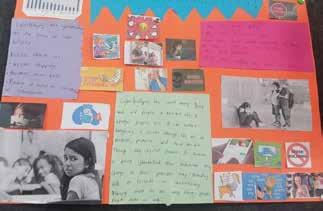
The reality of the students’ environments is gangsterism, crime, violence, alcohol and drug abuse etc. they get to see how selfish acts and greed can lead to all of it and choice matters. We watch videos/documentaries to see this in action and this leads to class discussions. I also provide students with case studies that they must analyse and answer questions.
There must be order to have peace. From a school perspective children need to be taught how to keep order and teachers need to instill values.
Teachers’ Reflections on Lesson 5.
Being Grateful for Kindness and Grace
It’s important to teach values and not expect that children know them because they come from different backgrounds. Thus, different morals and standards are taught. So we(teachers) must be an example. It's important to show Gratitude.
Teachers’ Reflections on Lesson 6. Being
Considerate of the Benefit of Others
Being considerate means balancing rules with empathy, helping others grow while working together in peace.
Teachers’ Reflections on Lesson 7. A Sacrifice without Compensation
Students learn that as children they need to support one another so that they grow up as adults who are ready to support one another in society. What we did is, learners formed study groups where each one of them would help others in their areas of expertise. The learning environment became a place for peace.
Student Interview on Peace Education
Today’s event was interesting. I’ve learned lots of things yet that we interact with people on a daily basis and it made me realize that it opened my mind to we reached for further goals and things I can do on a daily basis to start this peace and motivate and learn not just motivate and, but let others learn from us as well. And we can learn from others, we can make this world and studying my community is good to make it a better places.
I would start by start from the younger generation because first generation we interact with a lot of things. We go through lots of emotions and plenty of things that people won’t even think about that we go through. Our generation of today is every child is starting to get wiser sooner than people think that we are. So whatever we interact even from a small child if they get in contact with and they will learn, they will pick it up and start doing anything. But if we can just let them be interact with kindness that will give it back to us.
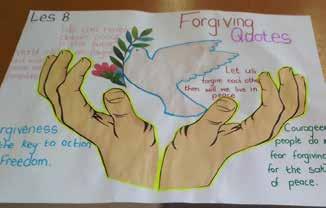
Teachers’ Reflections on Lesson 8. Understanding
and Forgiving Others
I learnt that conflicts are a natural part of life, but it's how we manage them that matters. I built an understanding on sources of conflict and the impact of what conflict has on individuals and communities. I built and now implement effective conflict management skills, such as active listening, empathy, and problem-solving. I equip learners with the skills and knowledge to manage conflicts in a peaceful and constructive manner. I'm building a strong relationship with my learners.
Teachers’ Reflections on Lesson 9.
Respect for Elders
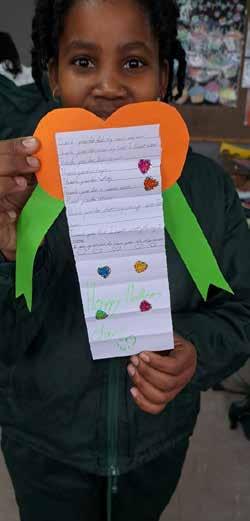
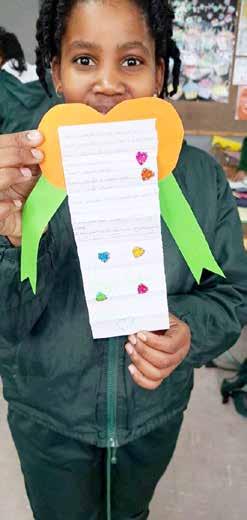
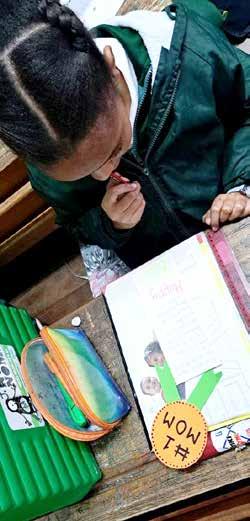
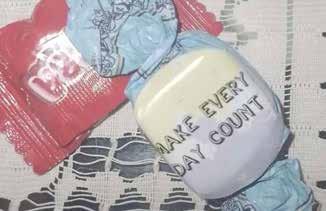
The learners showed respect by honouring the matric learners in our school on the day before they started their mid-year exams, by gifting each matric with two sweets and an encouraging message for the exams. The following day, the learners showed respect and gratitude to their teachers by gifting each one to thank them for their teaching and time spent during the course of the term. The learners really came to together as a class and took part in the lesson implementation with excitement and interest. The learnt the value of giving back and recognizing what others do for them, instead of wanting to receive. The value of the lesson became clear when the learners, without any prompting from any adult whatsoever, surprised me with a huge “Thank you” at the end of the week by framing a class photo and gifting me with a huge bag of snacks to show their appreciation toward me. The learners are now looking forward to the “Peace” themed lessons, asking me what the next lesson will be and when we will start. They see the difference we are making in the school and they are loving it!
Teachers’ Reflections on Lesson 10.
Efforts towards Preservation of Heritage
The importance of preserving heritage is so important and we should encourage others to celebrate instead of being “cool”.
Teachers’ Reflections on Lesson 11. Law-Abiding Spirit and Law of Peace
Learners were taught the importance of law and order. One good example was the set of rules and regulations of the school as an organization. As much as we follow the school regulations, it is important that we uphold the laws of the country in order to live in harmony.
Teachers’ Reflections on Lesson 12. Completion of Peace Humanity Has Long-awaited
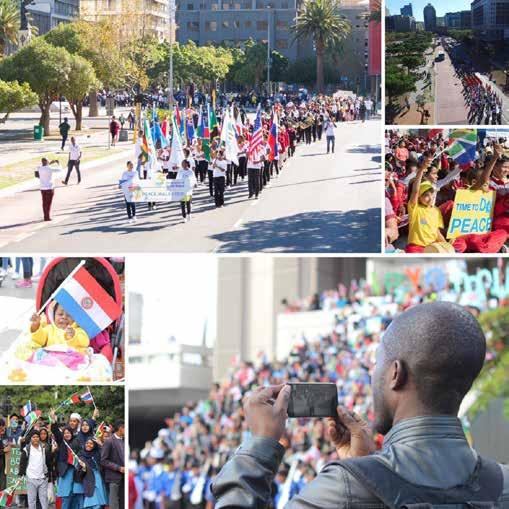
Celebrating HWPL Peace Event on 3.14 and 5.25 in Cape Town. We discussed the true meaning of peace in preparation for the Peace Walk at 5.25 event. We enjoy participating every year and the learners love coming together for world Peace.
Student Interview on Peace Education
I want to live in a peace environment and I don’t want to be in violence, because in our community there is a lot of violence and its sad to see how people are really put through bad things on a daily bases. If there is more like this kind of programs for our community, I think there will be some growth of peace in the society you know. And peace starts within and then we just give peace out to others.
Student Interview on Peace Education
It was very eye opening it makes you see exactly how important peace and values is to yourself and just how what you needed in your day to day life. I learned that in order to get along with others I would need my peace and values to be straight and I would have to carry it over to