Design Brief
We associate libraries as a boring place just to study, learn and acquire books. I want to make a library that is unique and provide services/features that can help the local community. I believe that libraries can be seen as a place to relax and hangout to learn and study.
For this project, I will be redeveloping a local library in Romford, into a more interesting architectural building while also adding more features/services.
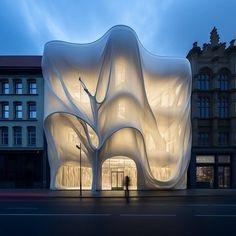
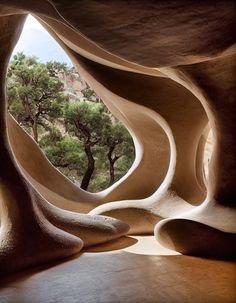
Romford has many buildings that show different styles. However, I think they don’t have that spark or interesting, uniqueness in them that attracts the community and tourist. Therefore, regarding the structure of the building I would like it to have the theme of natural and organic. This is because it’s important to try and make the building itself as a part of nature. Architecture should reflect the nature around us. Now a days many people have been looking at showing how to be more sustainable, more natural looking. By showing aspects of nature it can help with bringing nature, architecture and the community together.
I want to show how I can redevelop a library into a better one that catches the eye of tourists and to also give Romford a building to come together as a community and help each other.

Specification
•Disability access
•Workshops
•Indoor group or
individual private study rooms
•Outdoor space
•3-4 floors
•Children space learning area
•Elderly space relaxing area
•Well-being area
•Access to technology
•Provide a food store
•Recycling area
Location + Local research
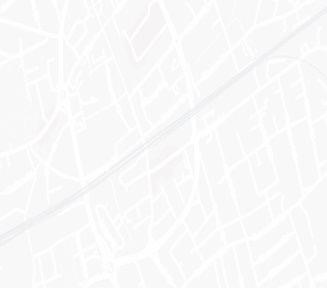
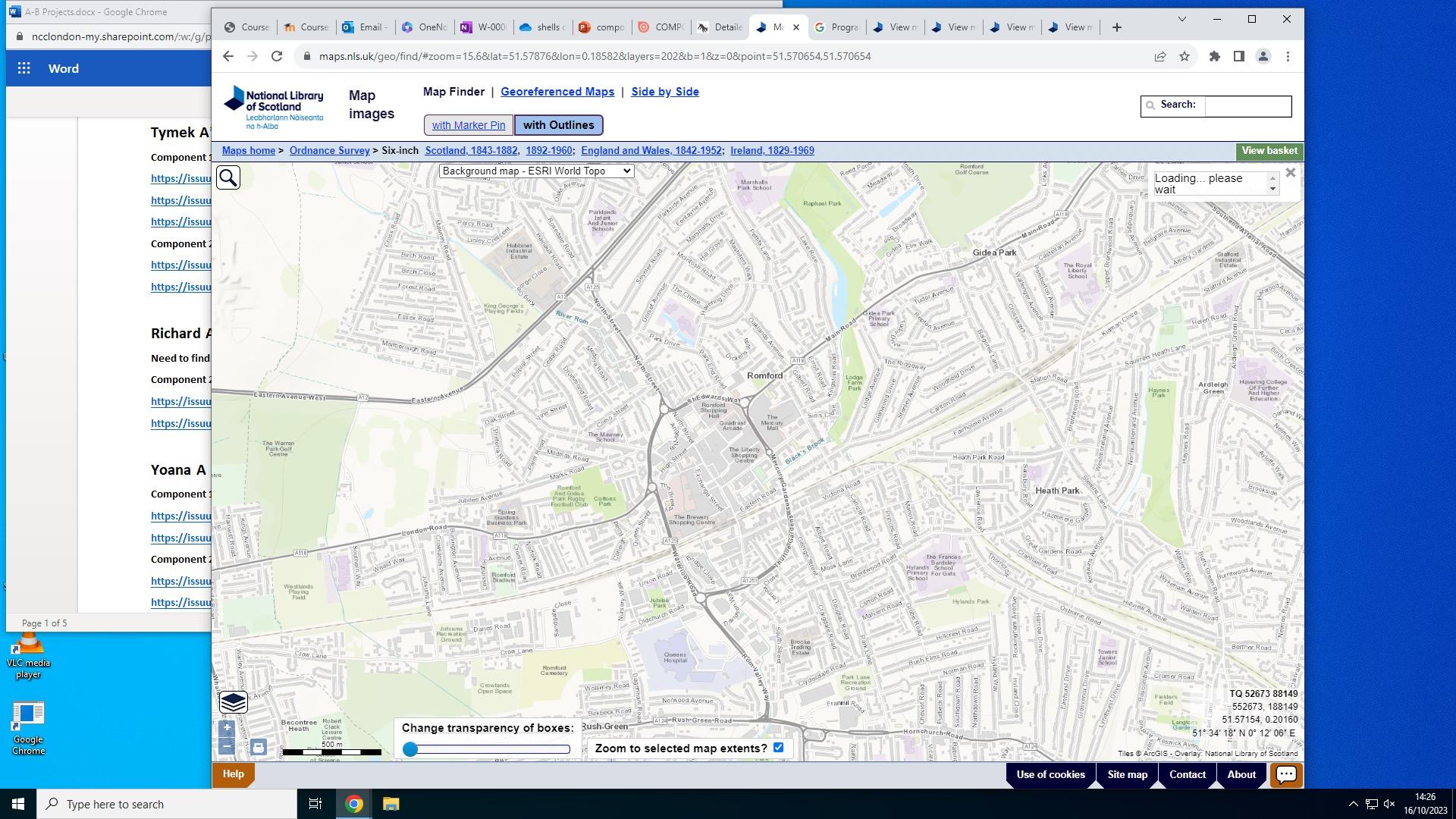
Romford can be divided in urban and rural areas. Romford not only provides architectural buildings but also has many greenery in the area, allowing it to have a balance in the modern urban area with the natural rural area of Romford
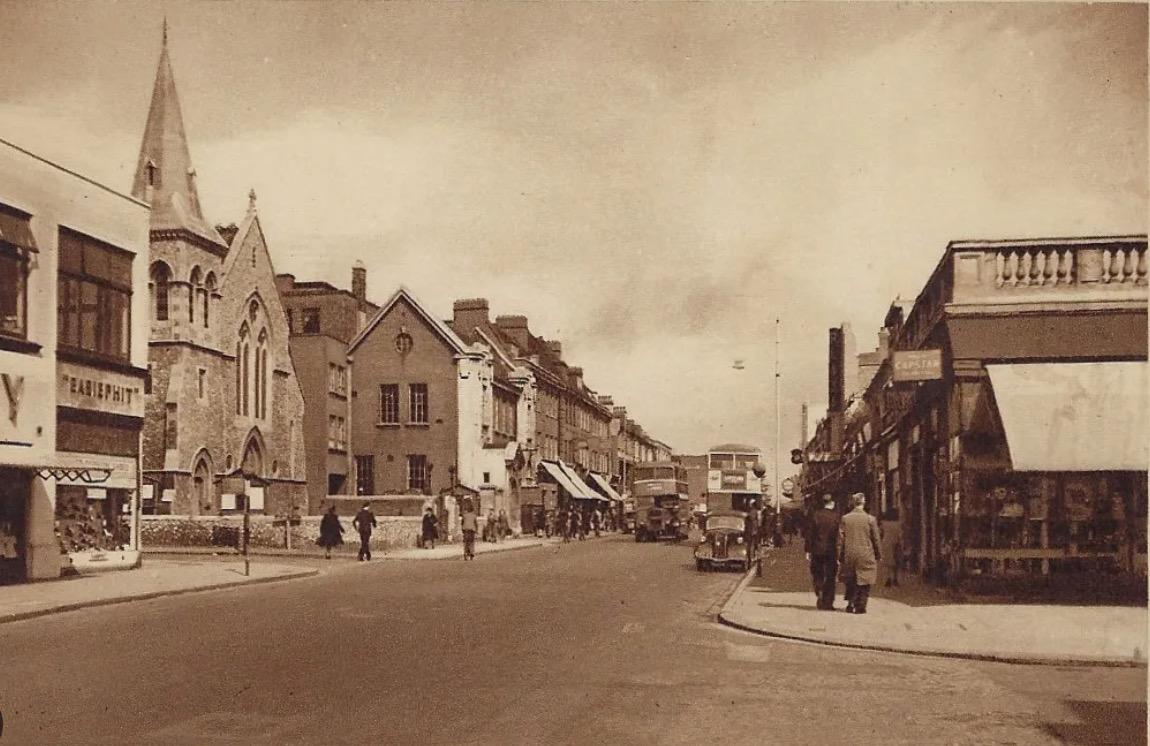
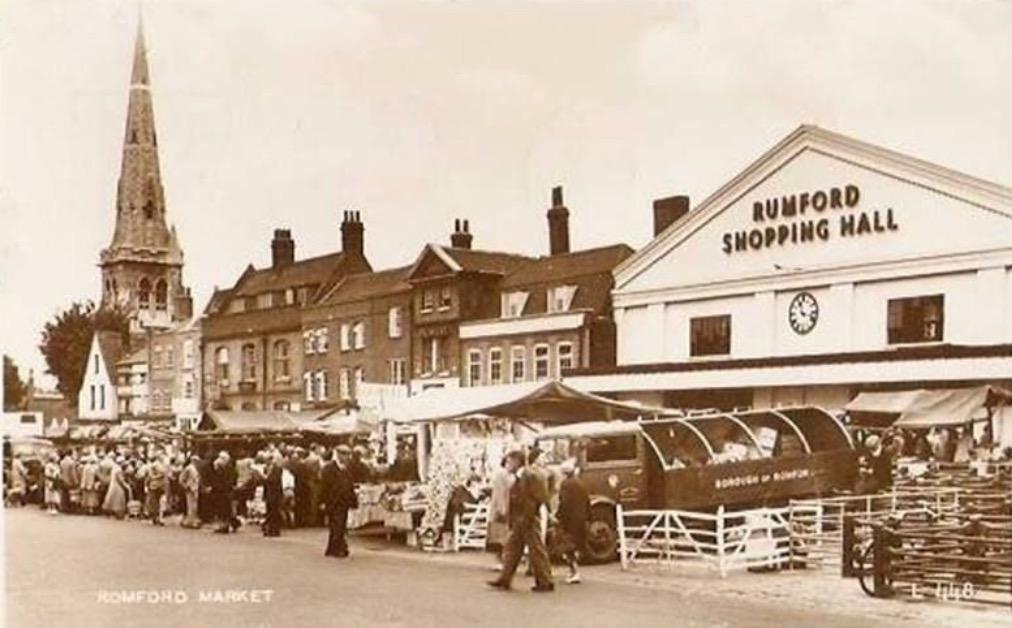
Romford is in East London, Havering. Romford was originally a market town and later became an important centre for the leather industry during industrialisation. Now-a-days, Romford is known for its historic buildings and landmarks. Romford has a rich history, diverse architecture with a strong sense of community.
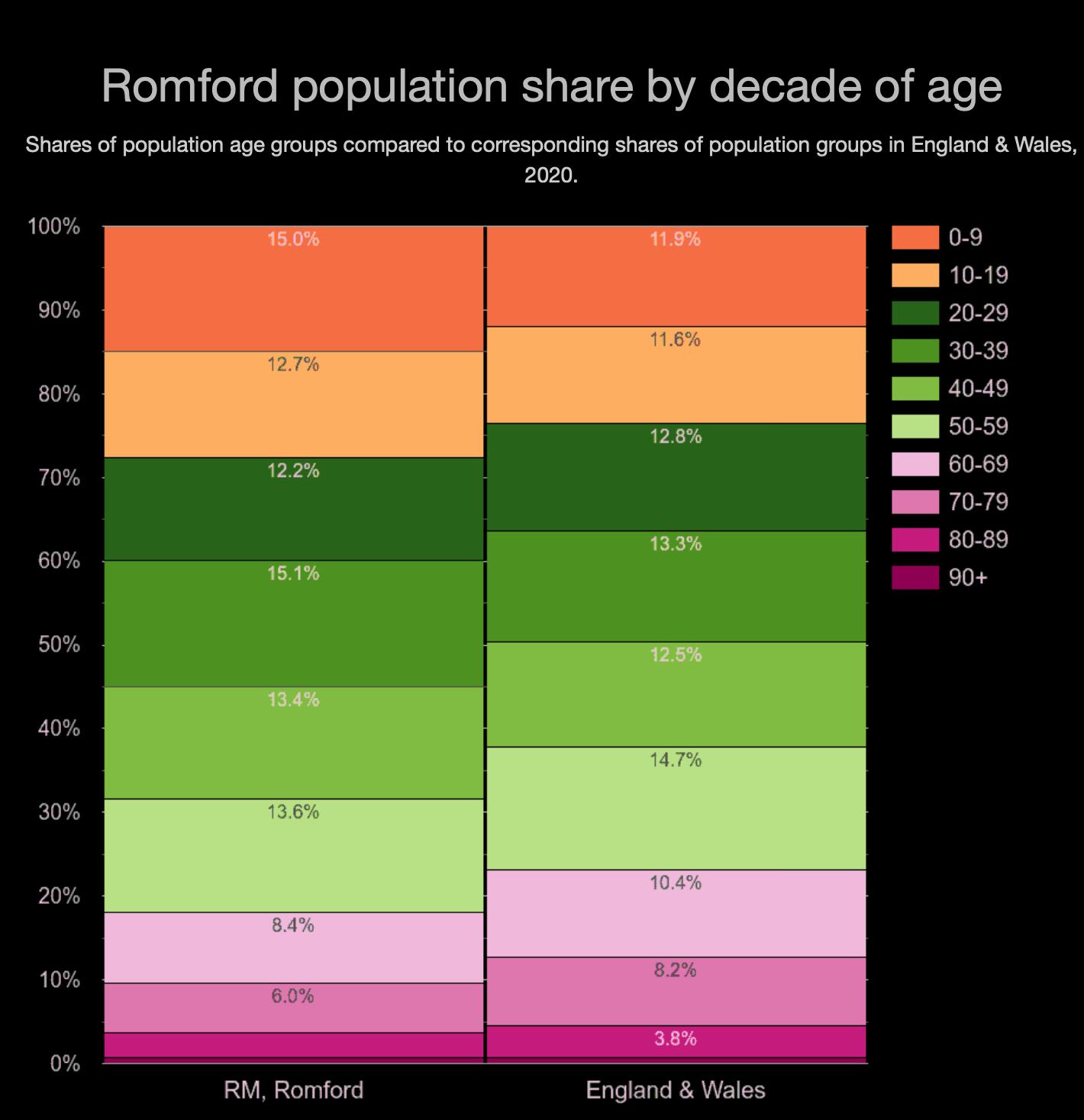
Romford's population is continuing to grow as more people are moving towards the suburbs of London. This graph shows the population age group in 2020. The average is around 30-39 years old. However, there's still 23% of Romford's population being around 10-30 years old. Therefore, the library should be useful for this age range, as the library can be used not just for students but also workers, to conduct research business meetings/presentations or having a place to work independently or in groups. Activities can also be made for children as well as the elderly to enhance their wellbeing.
Local Architecture
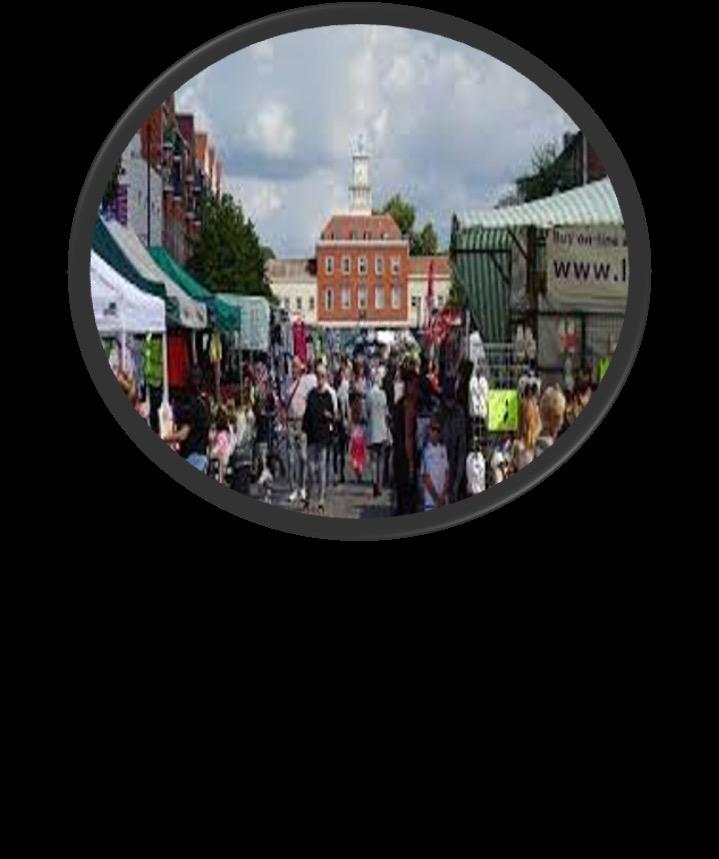
 Romford Market
Sapphire ice & leisure
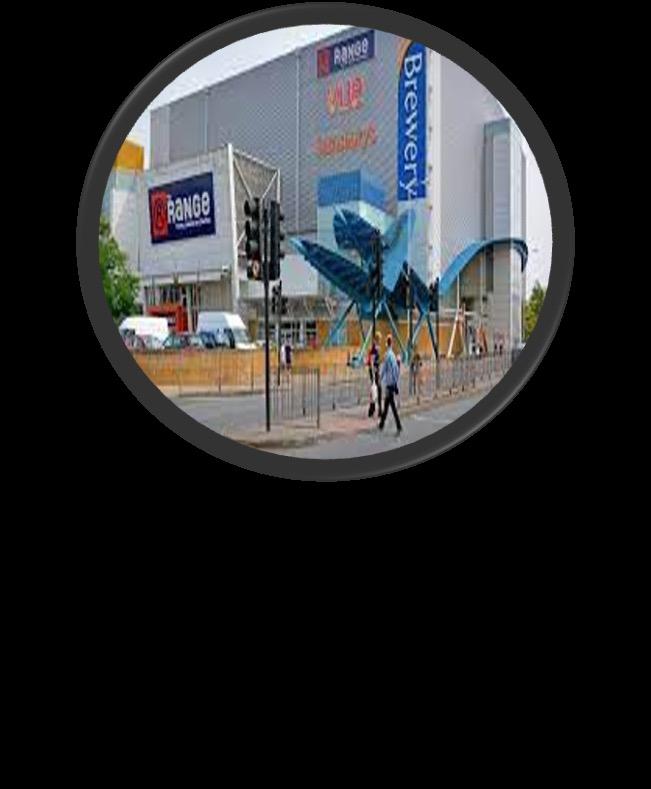
The Brewery
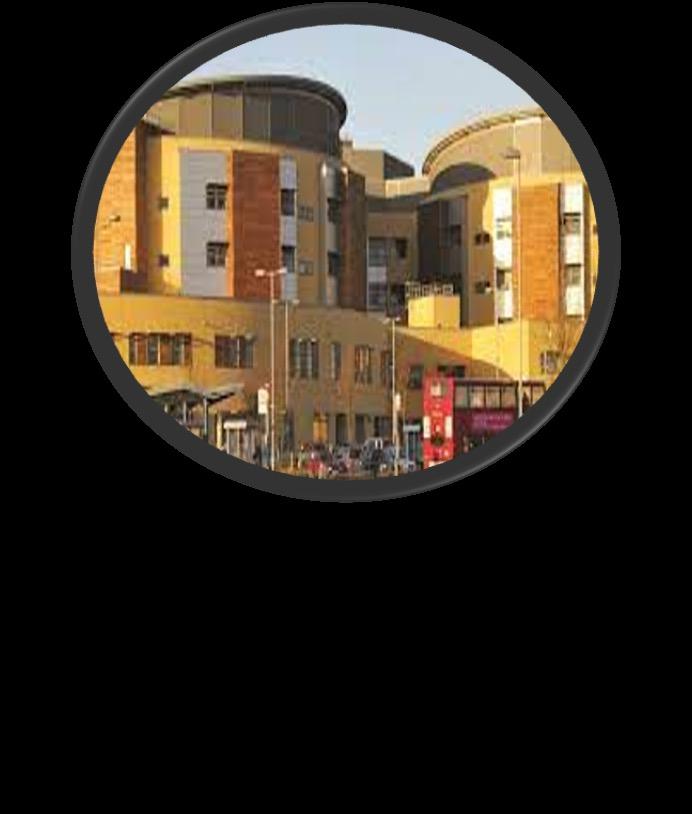
Queen's Hospital
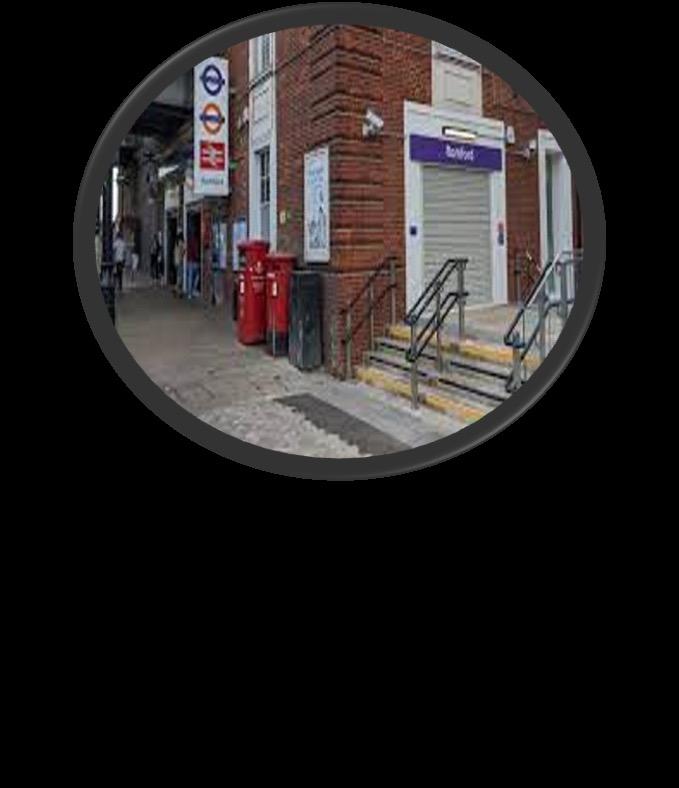
Romford Station
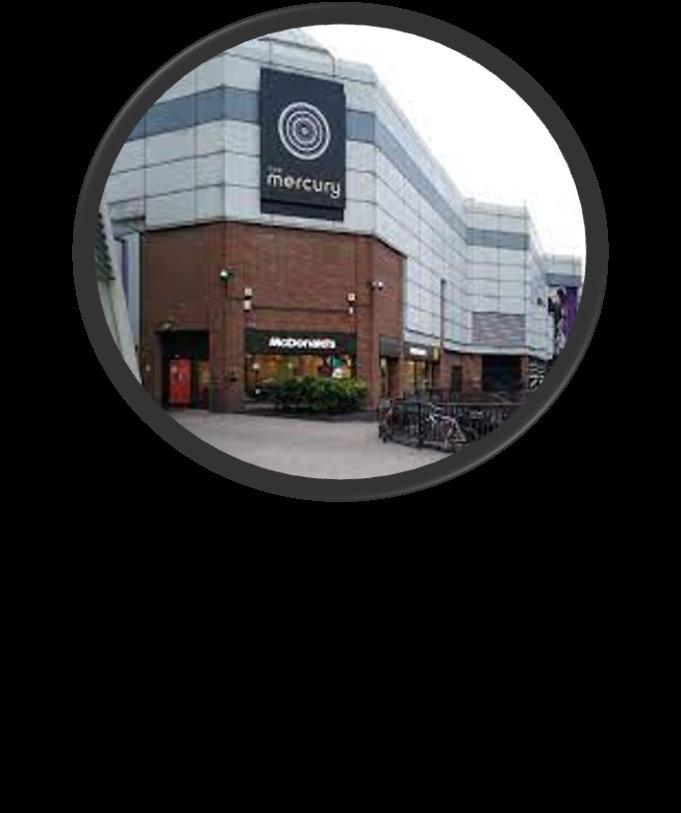
The Mercury + Liberty
Romford Market
The Brewery
Queen's Hospital
Romford Library
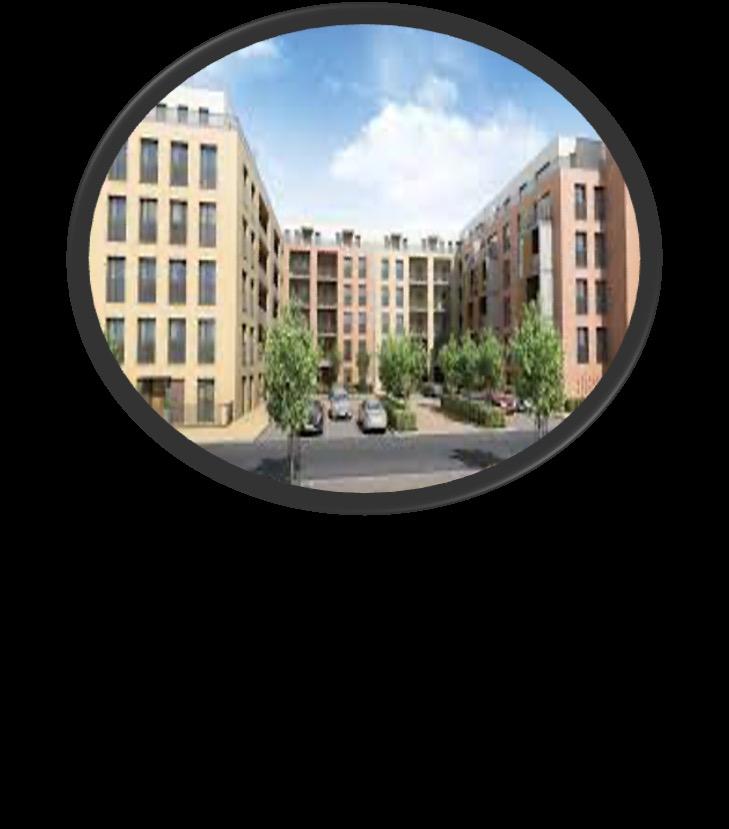
Romford apartments
Romford Market
Sapphire ice & leisure
The Brewery
Queen's Hospital
Romford Station
The Mercury + Liberty
Romford Market
The Brewery
Queen's Hospital
Romford Library
Romford apartments
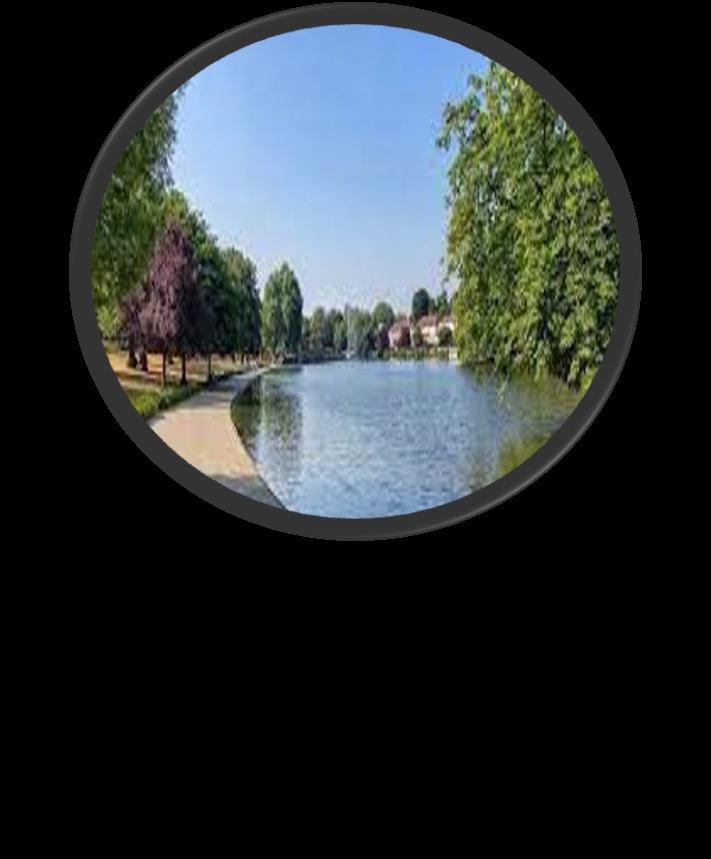
 Raphael's Park
Raphael's Park
Raphael's Park
ice
leisure
Romford Station
Sapphire
&
The Mercury + Liberty
Site Research
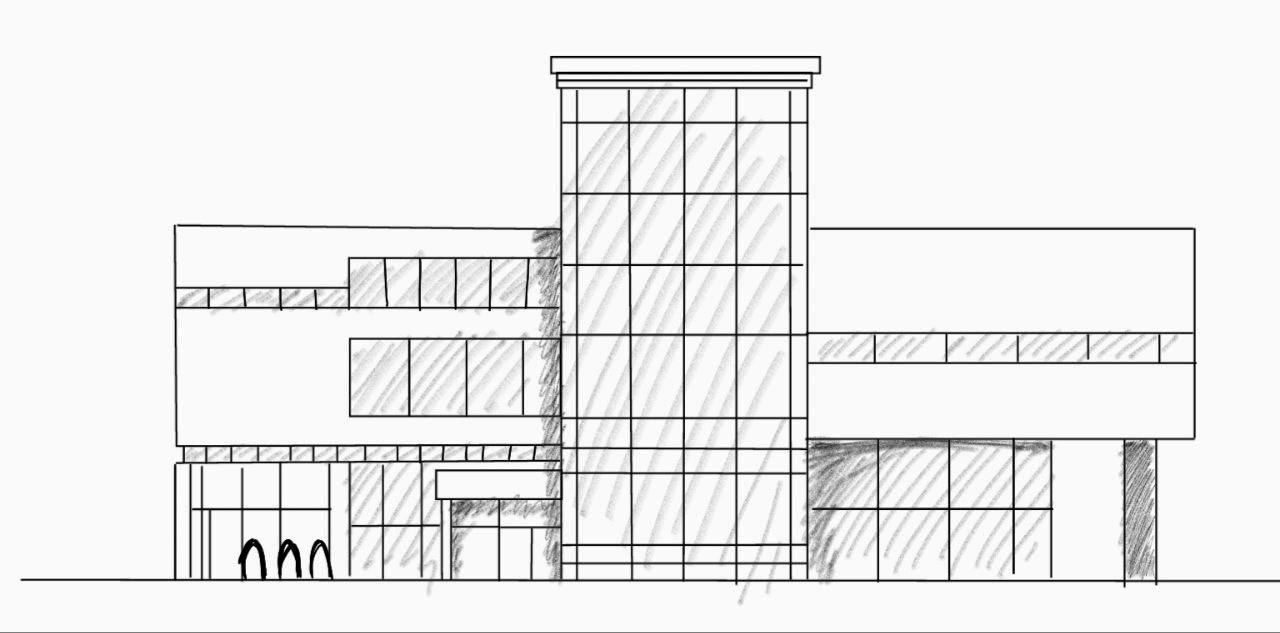
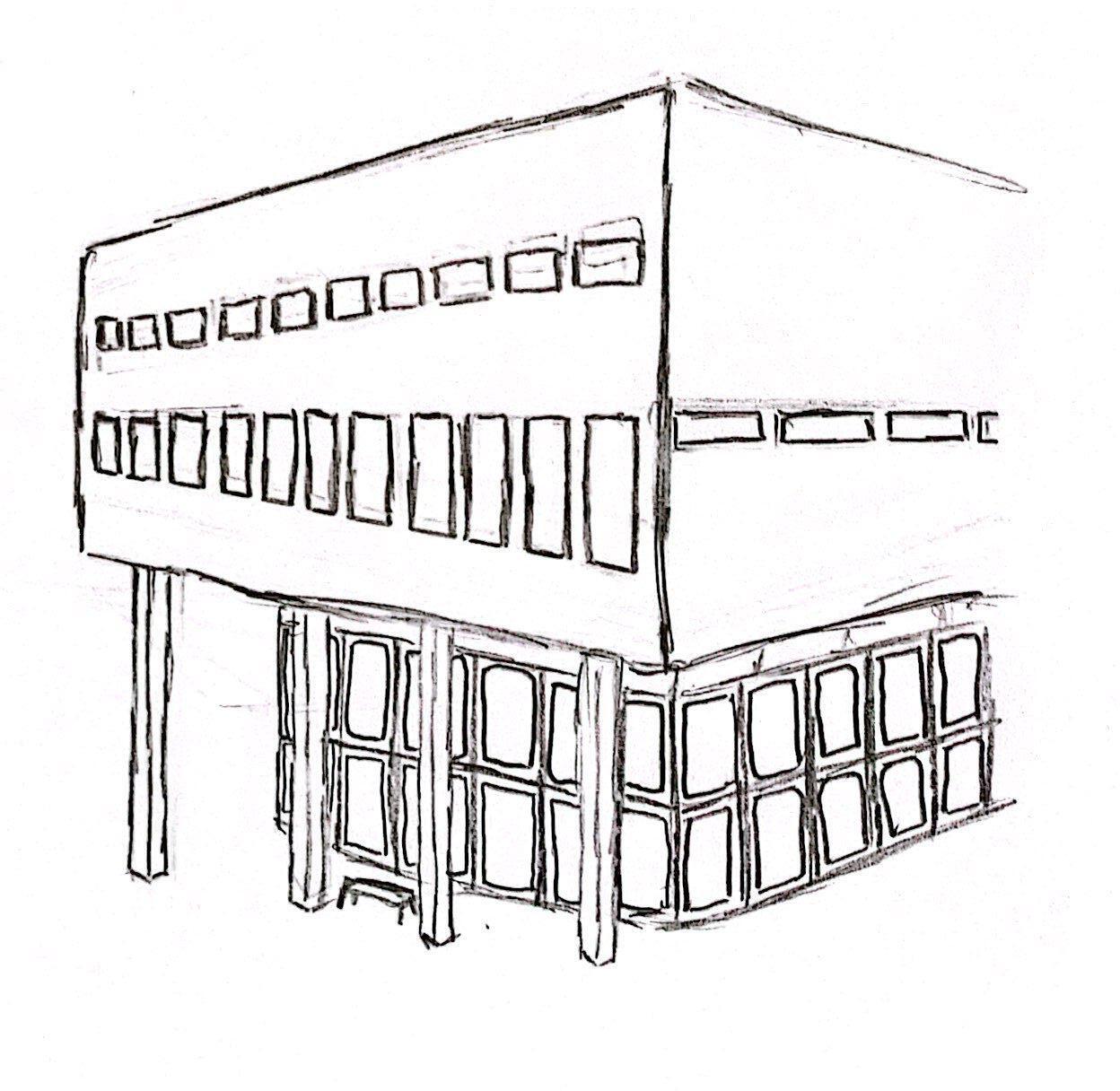
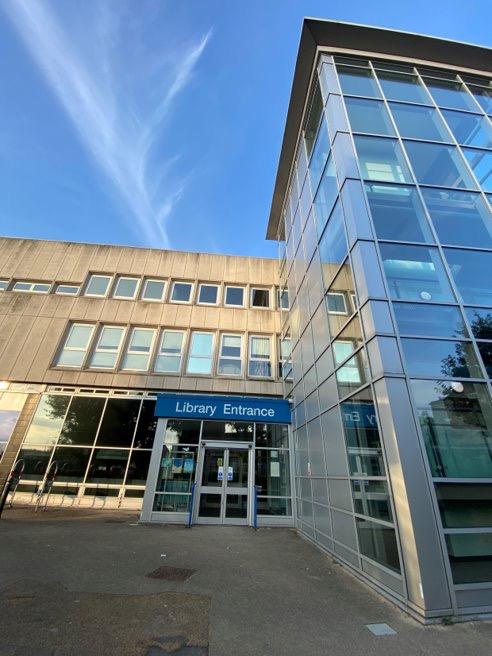
Romford Library was planned and built by Essex Country Council. Is a blend of modern and traditional design. Has large windows that allow plenty of light to go in. Romford library has undergone several renovations and expansions to meet the growing needs of the community.
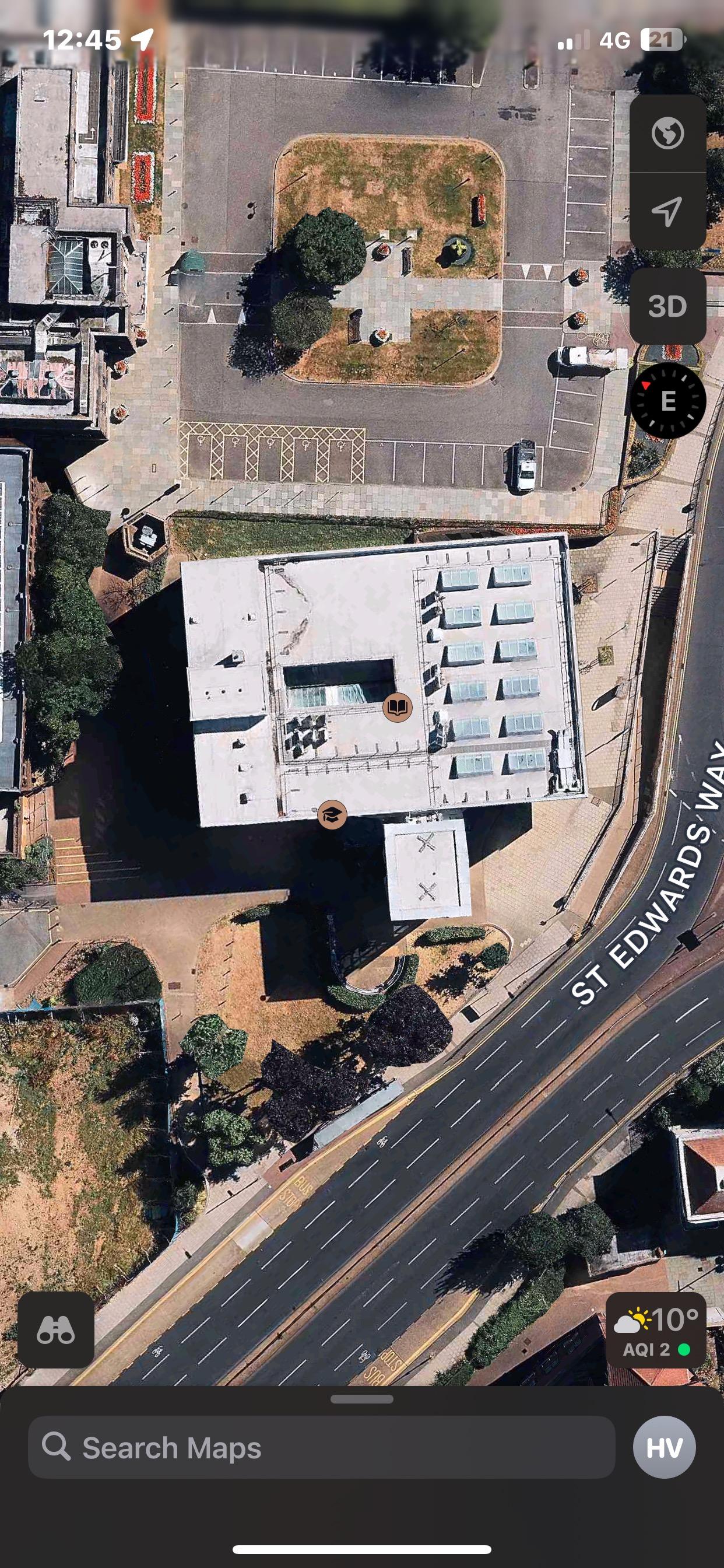
Romford Library is located on the other side of the Market Town, Romford’s most distinctive feature, established in 1947 by King Henry III. Due to its location, which is next to a roundabout and bus stop ,many people pass by the area, so by providing an eyecatching look can intrigue and spark people’s curiosity to see the inside.
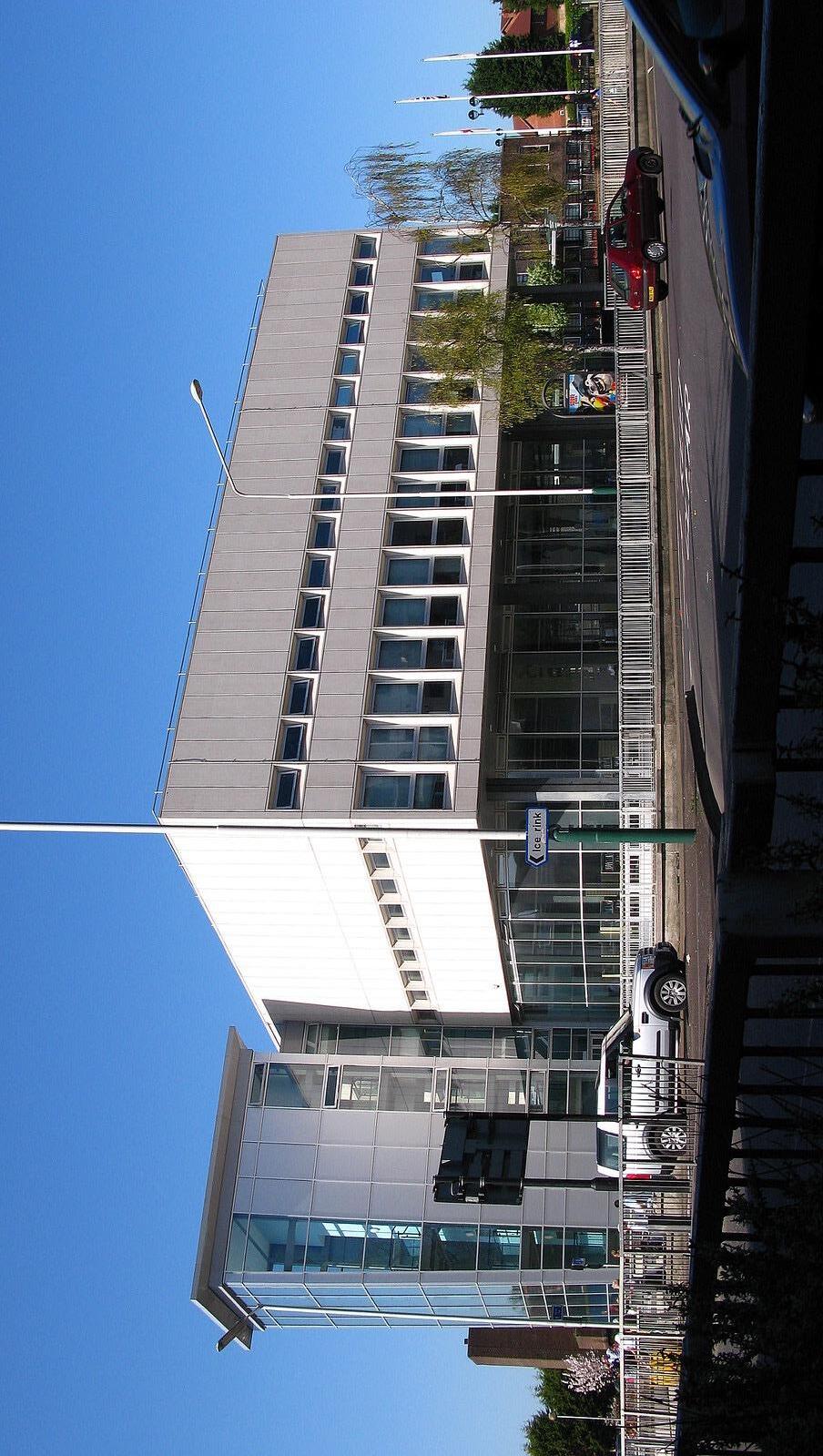
A bus stop is located near the library where many buses come to go many place. This makes it easier for travellers and easy to find.
The library is located next to St Edwards Way; next to the roundabout, near Romford Market. Havering Town Halll and the London Borough of Havering Council are located next to the library.
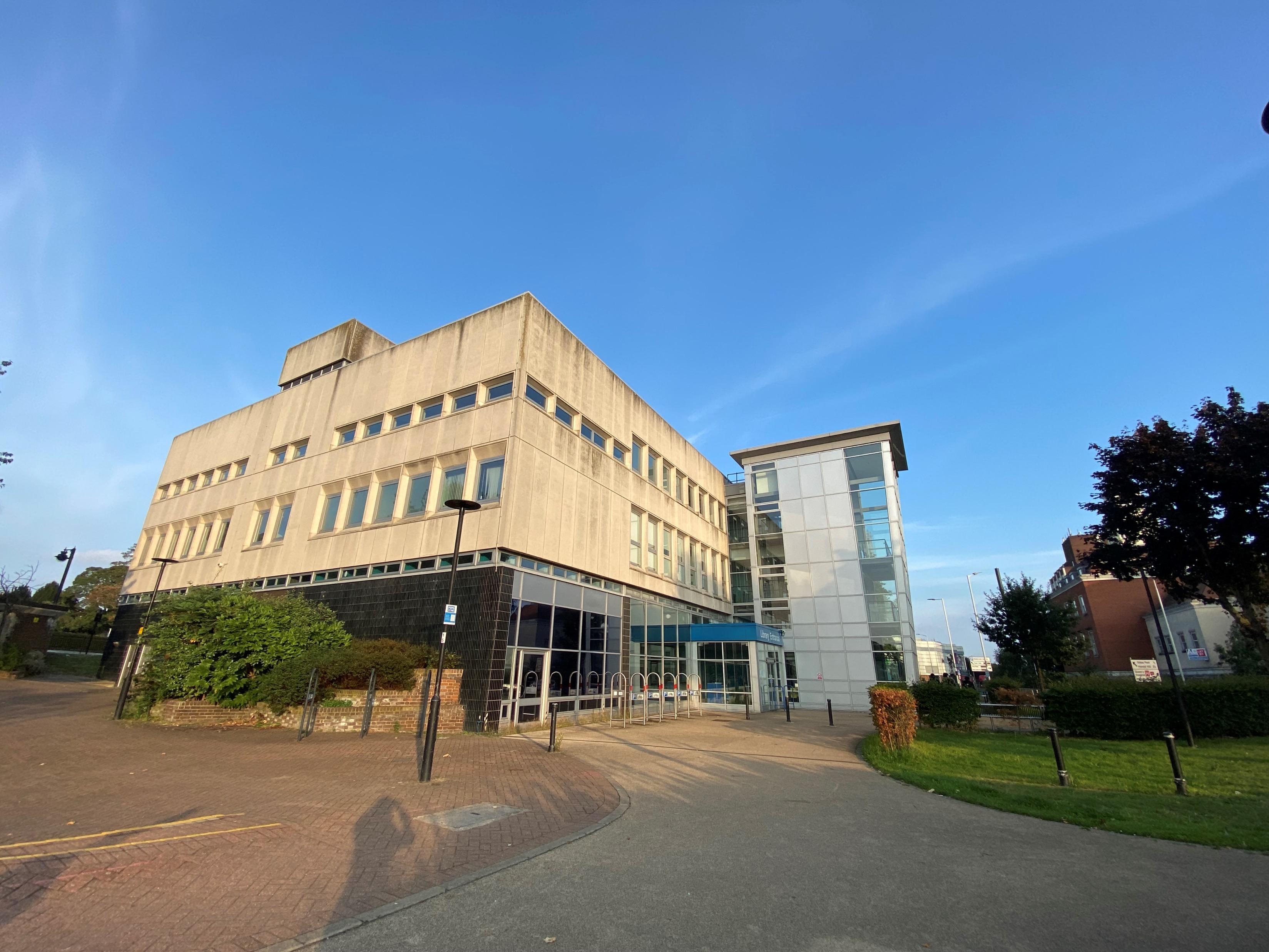
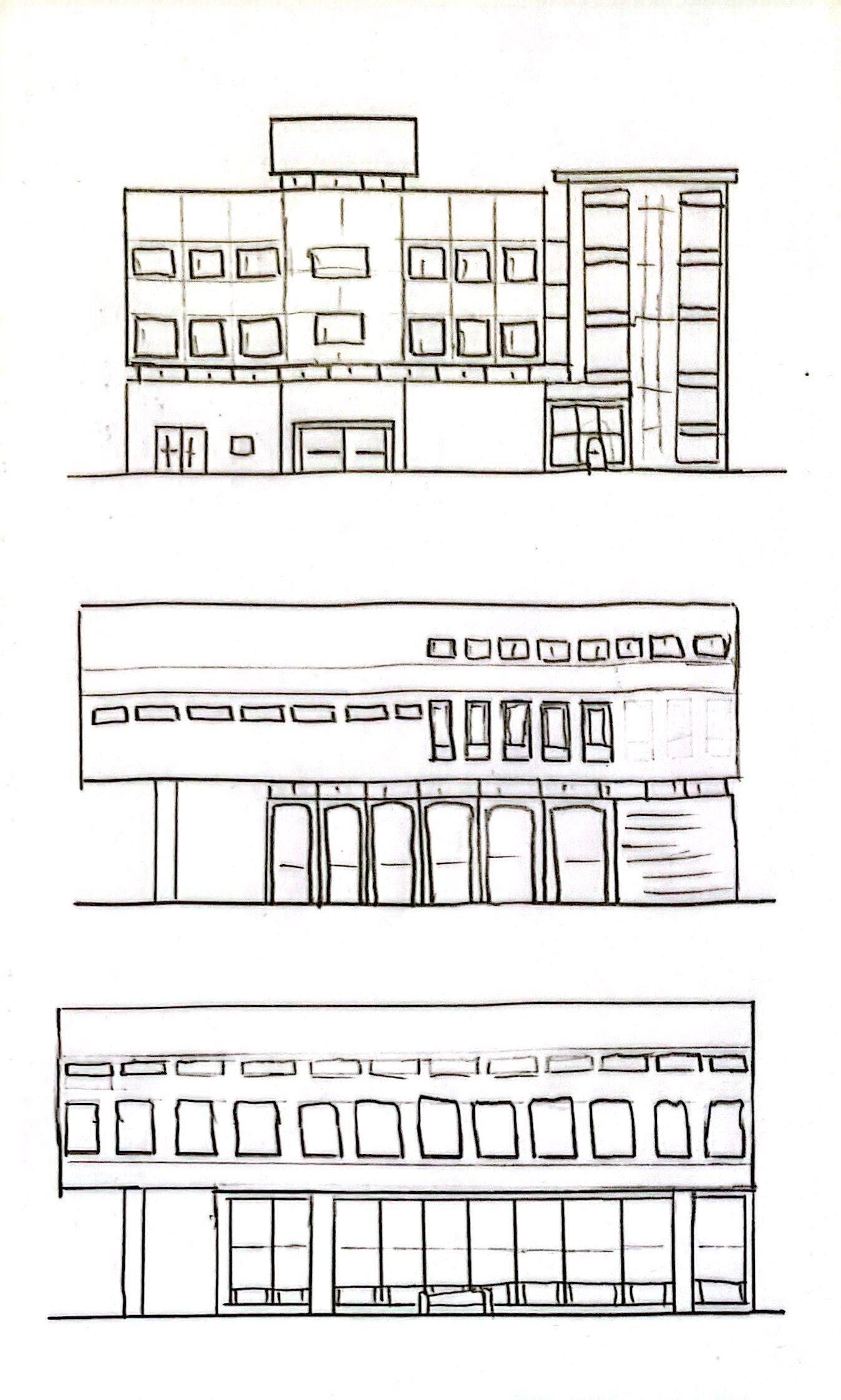
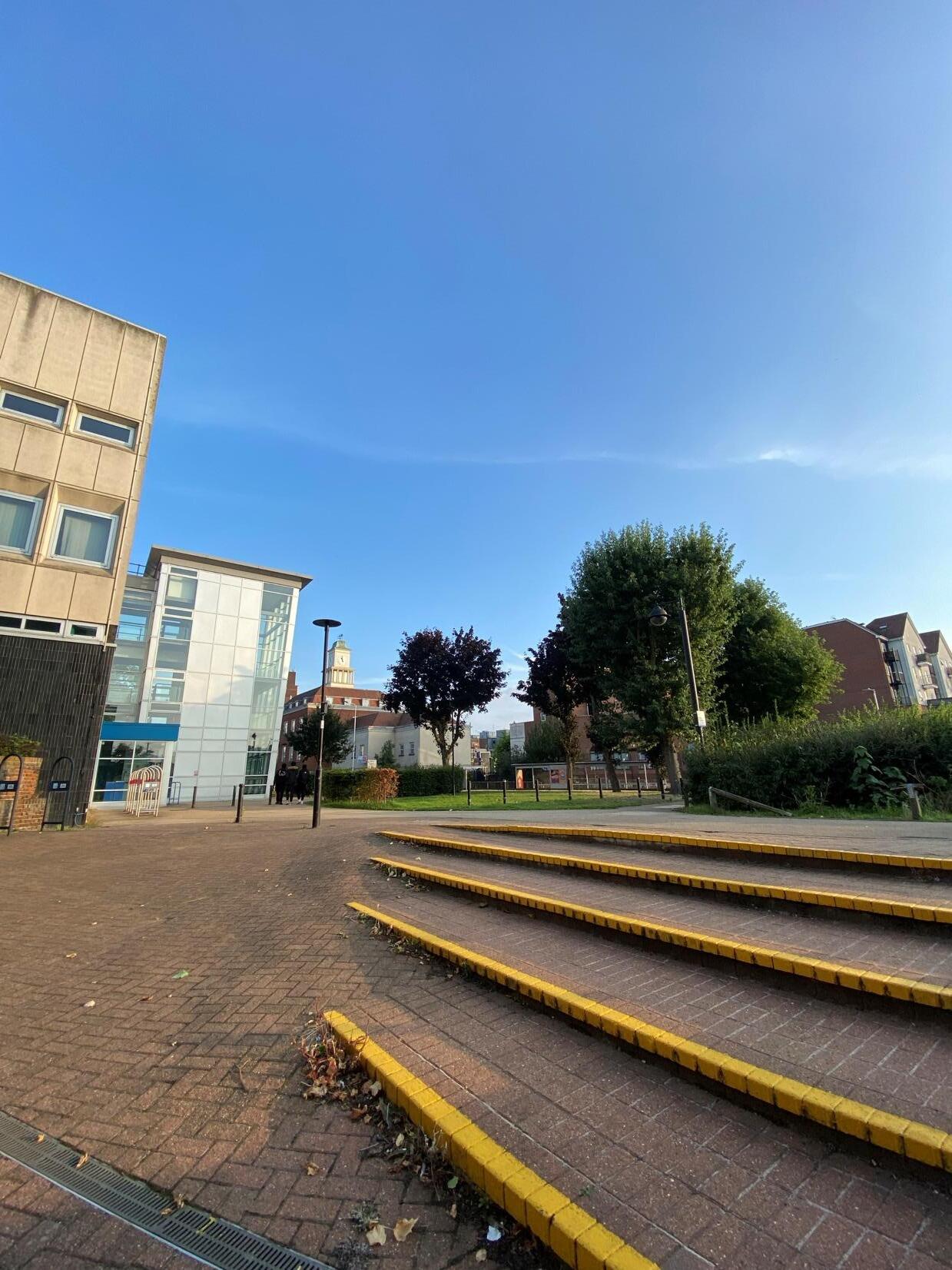
The surrounding area is quite spacious and accessible for people to visit the library. However, it needs more places to sit down, and a unique feature added to make it more attractive and welcoming
Site Visit
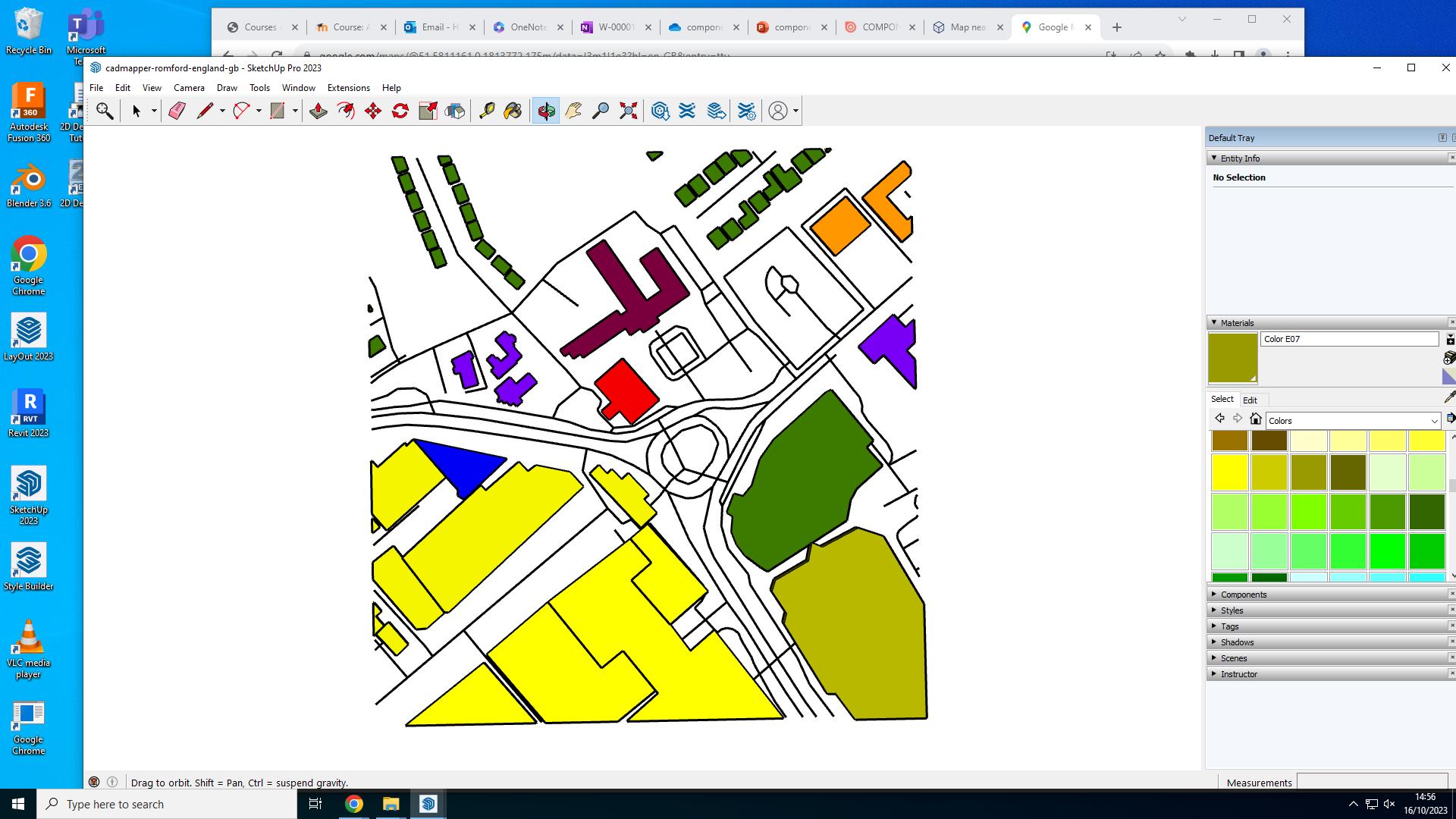
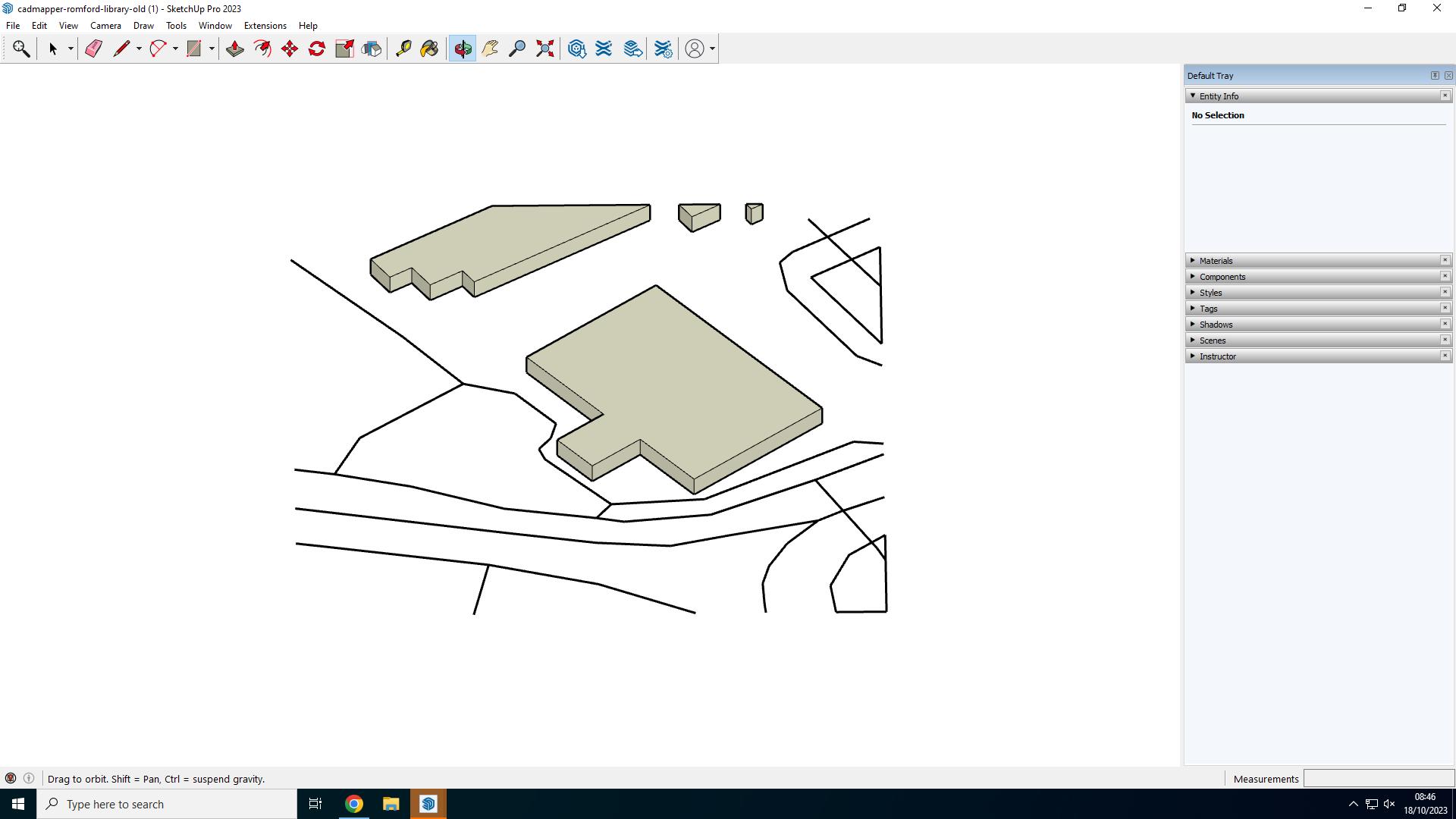
Site Dimensions
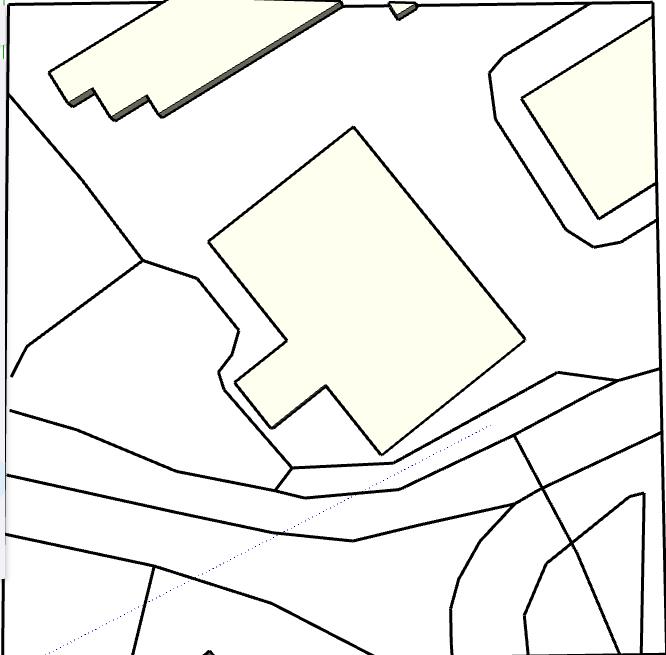
Main site
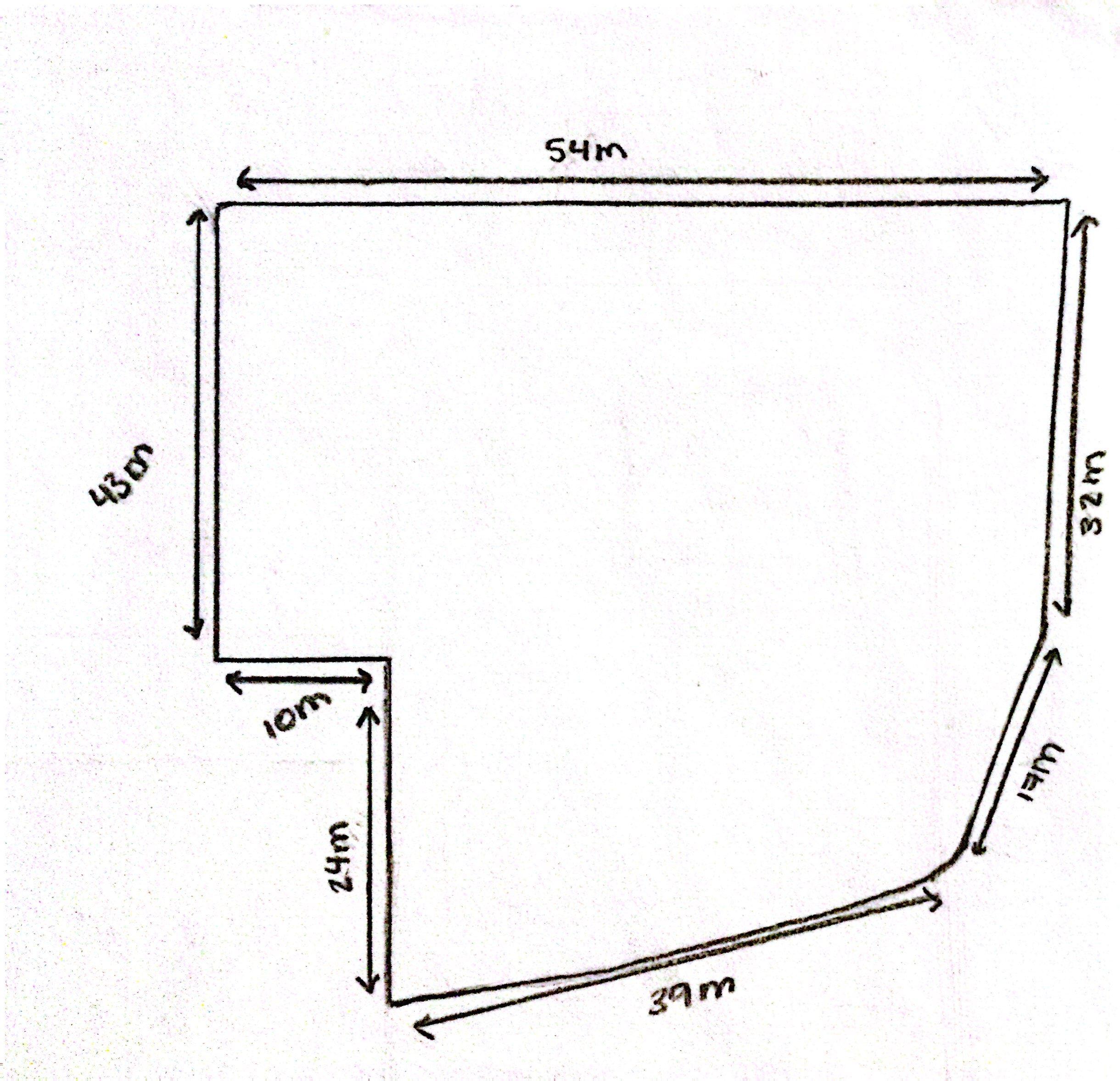
SECONDARY RESEARCH
Starfield Library –
Seoul, South Korea
Starfield Library is in Seoul, South Korea. South Korea provides great architecture, showing naturalistic tendencies, simplicity and traditional architecture.
I think that the architecture itself is not as impacting for many but if you look closely and look through the glass windows, it shows how the place can entirely change y being able to use the space provided thoroughly.
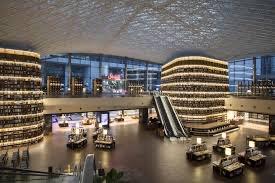
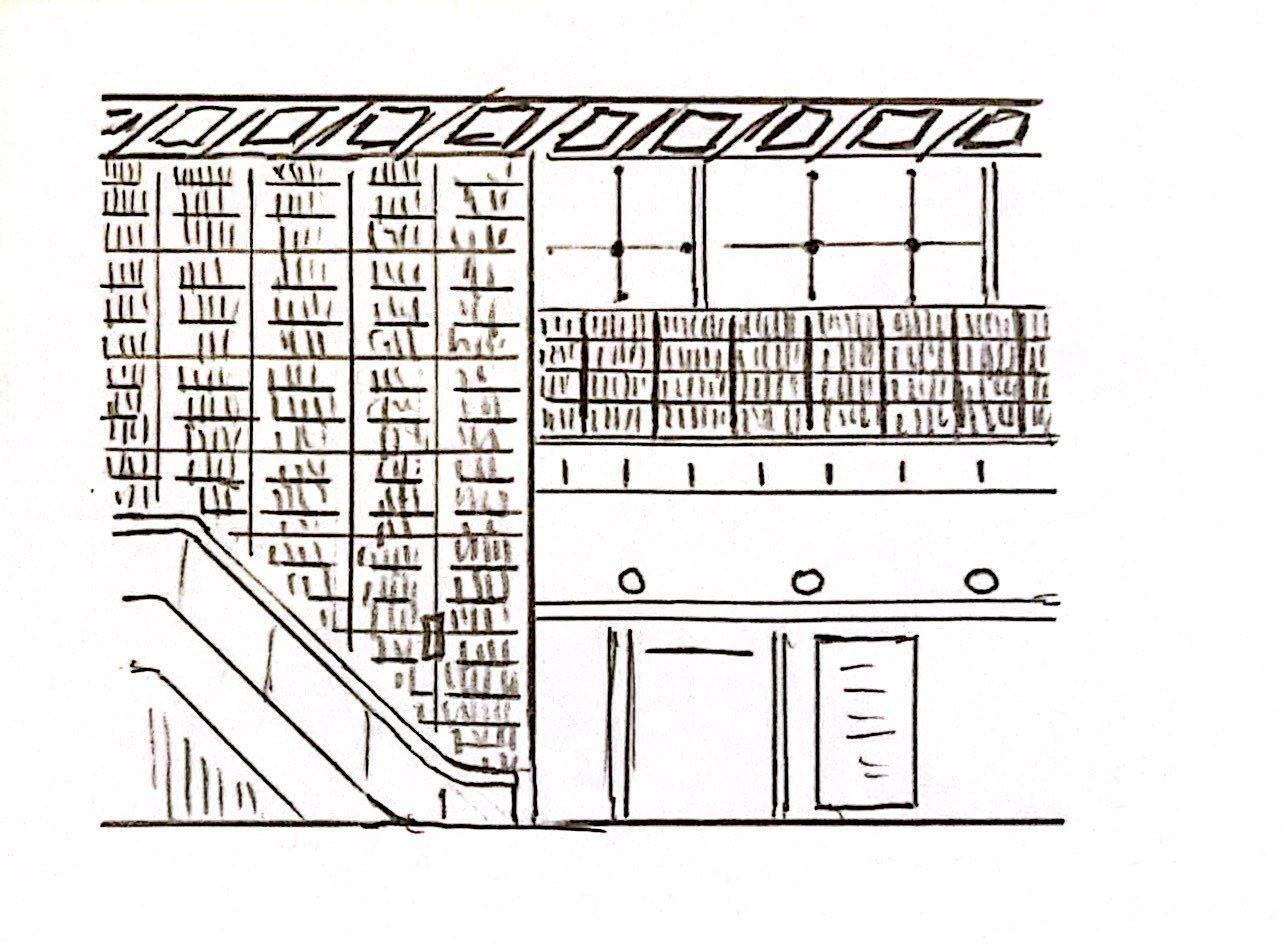
Floor-to-ceiling bookshelves, one of the main features that attract many people due to being aesthetically pleasing to the eye for most people. Not all libraries have this, showing that uniqueness.
Starfield accommodates everything from reading, giving presentations and holding conferences. It attracts other people who need a place to hold business meetings or allow students to study individually or in groups.
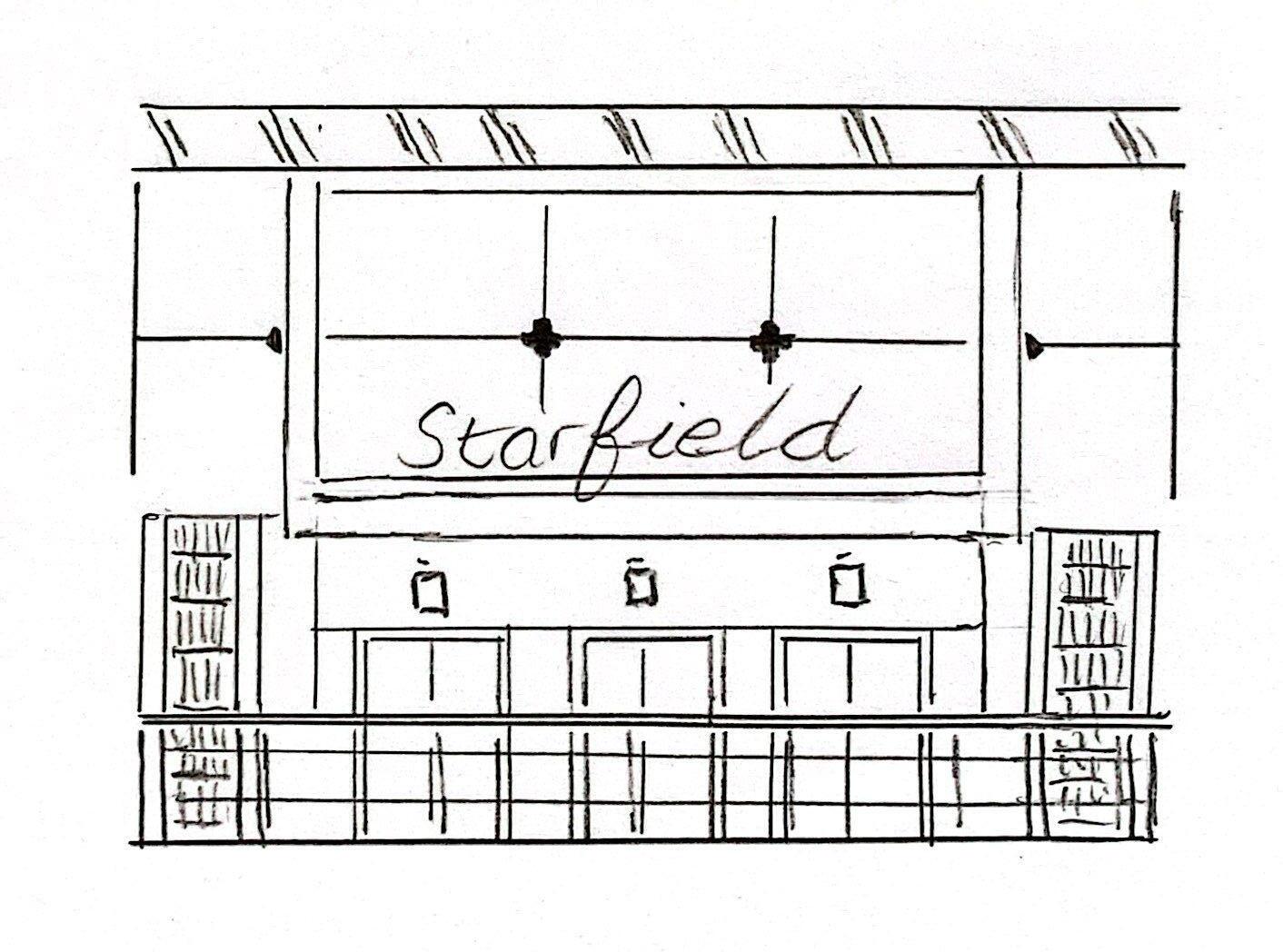
The place has wood effect surfaces made from natural essences that look just like real wooden panels, making it welcoming. This is because it features various shades of natural wood, giving that sense of warmth and relaxation.
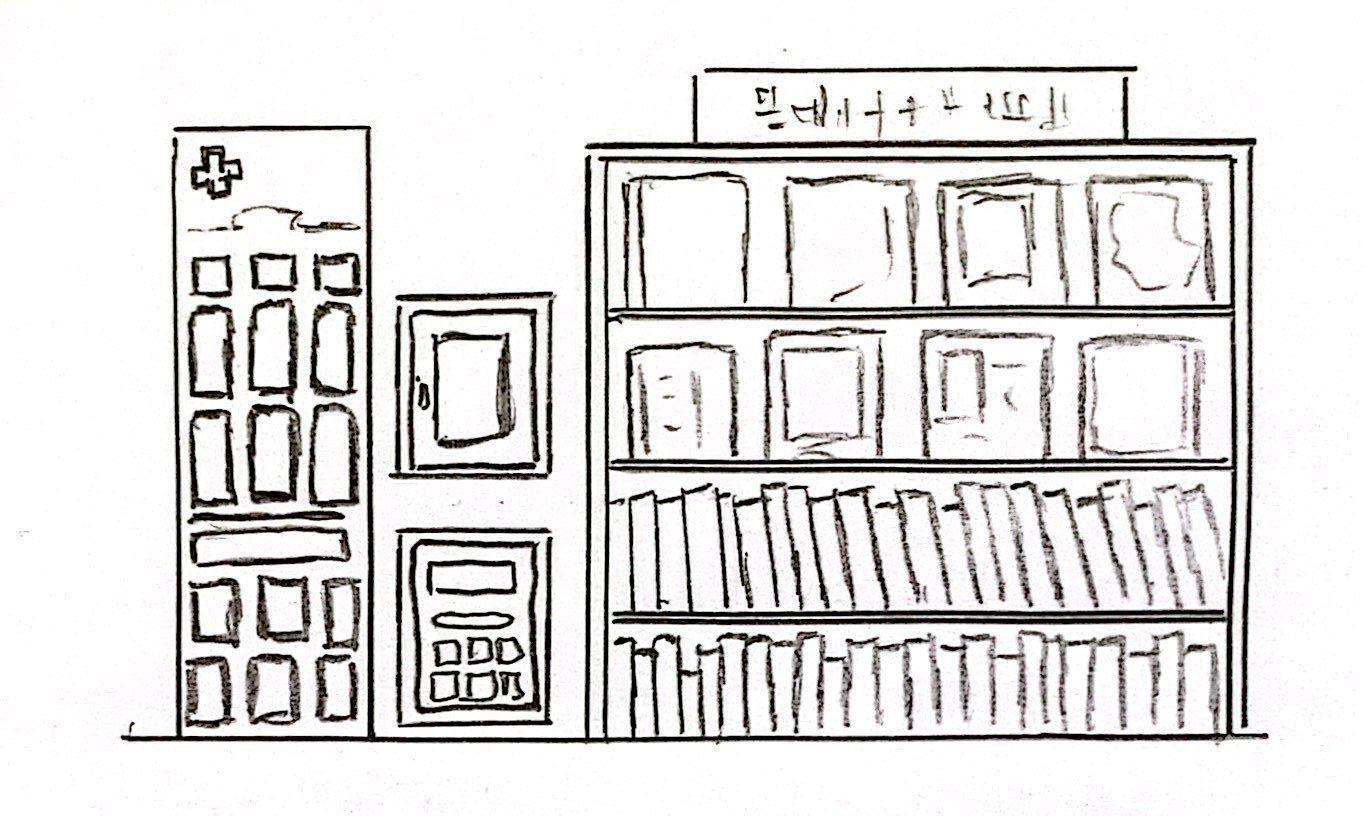
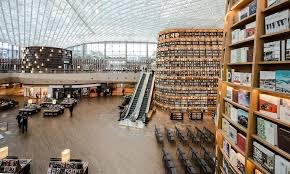
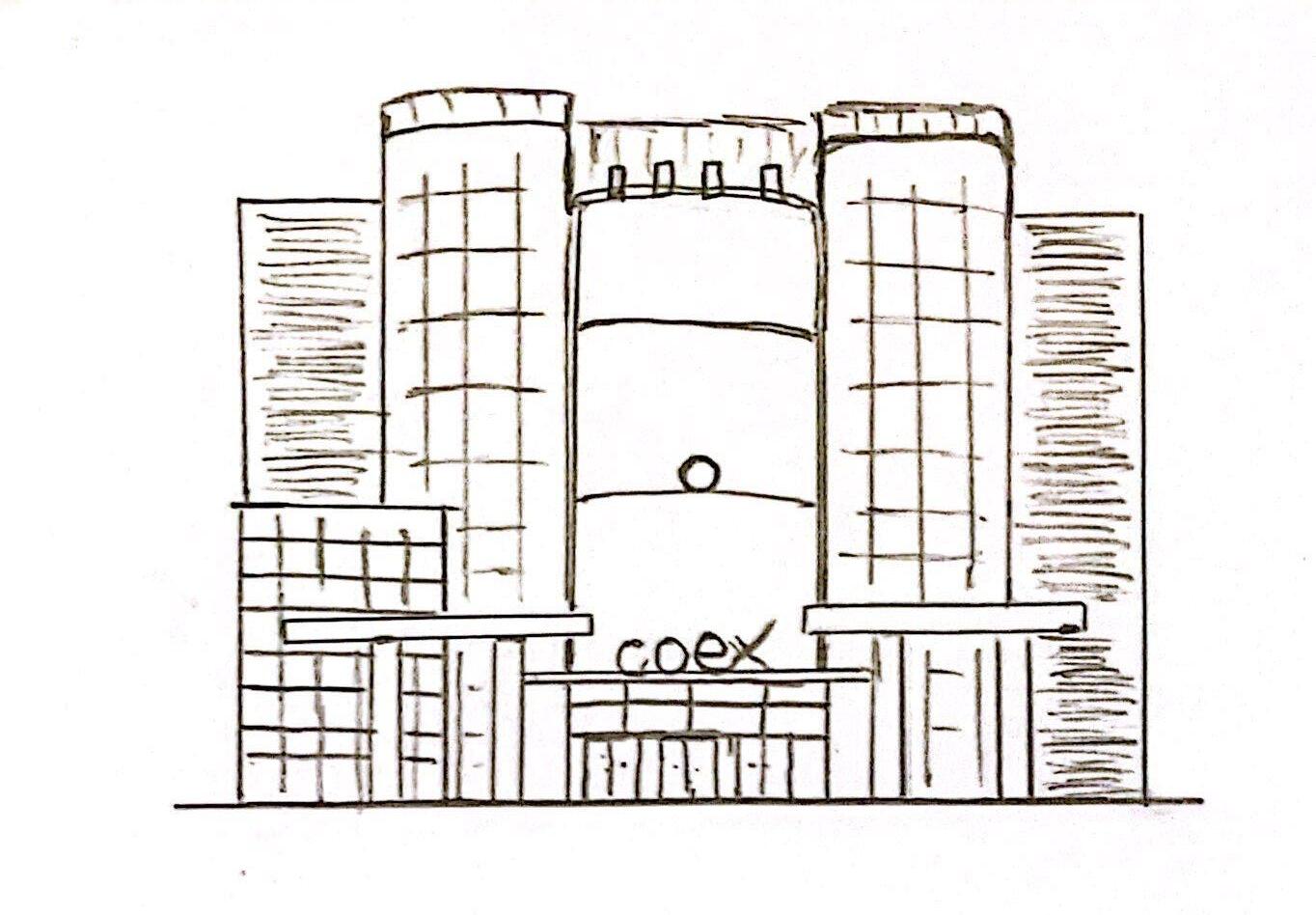
I typically find the use of nature important as it takes those aspects and incorporates it into the design of the interior. This is a step to combining natural/organic ways into the exterior/interior design.
Seattle features modern and traditional architecture, giving it that futuristic design
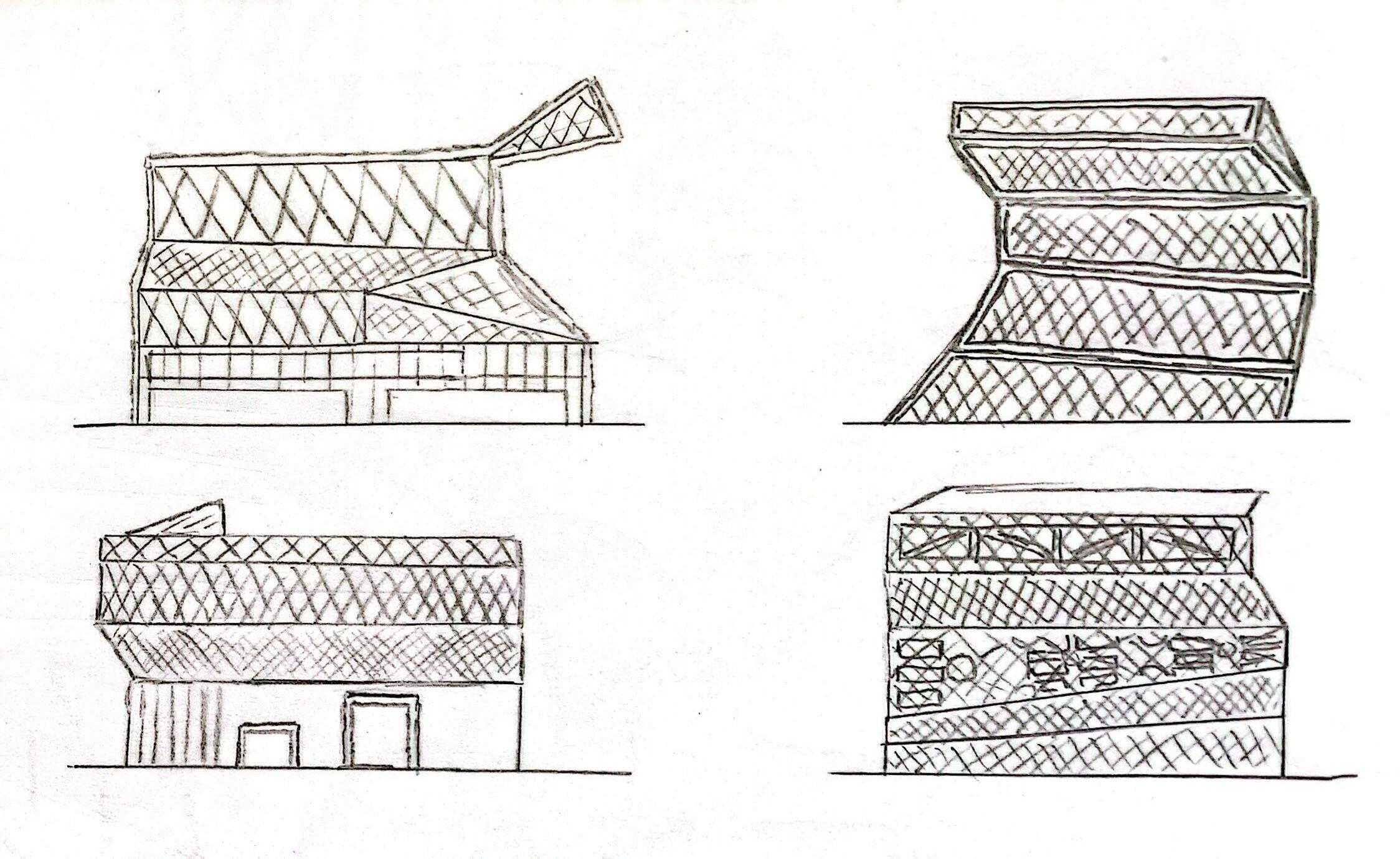
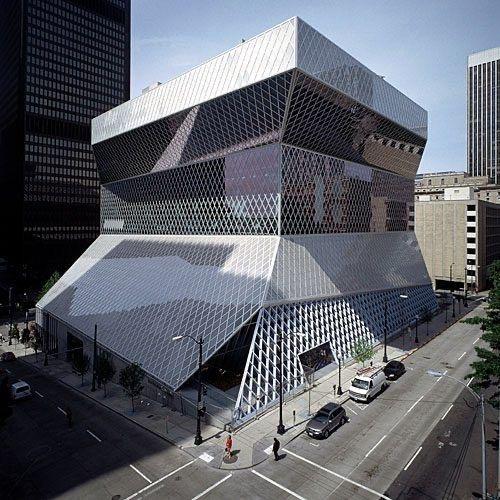
This is an iconic architectural landmark in Seattle. It features a unique and futuristic design with a striking glass and steel exterior; with a series of angular shapes. This then creates a visually stunning and modern aesthetic.
The library has many unique elements like floating platforms, spiral staircase and colourful accents, creating a visually striking atmosphere. It has a capacity to hold about one and a half million books and other materials.
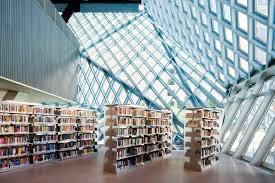
Offers public parking and has over 400 computers accessible for the public. Has an all-glass roof which allows sunlight in, giving it a more positive environment to be in and benefiting people's wellbeing.
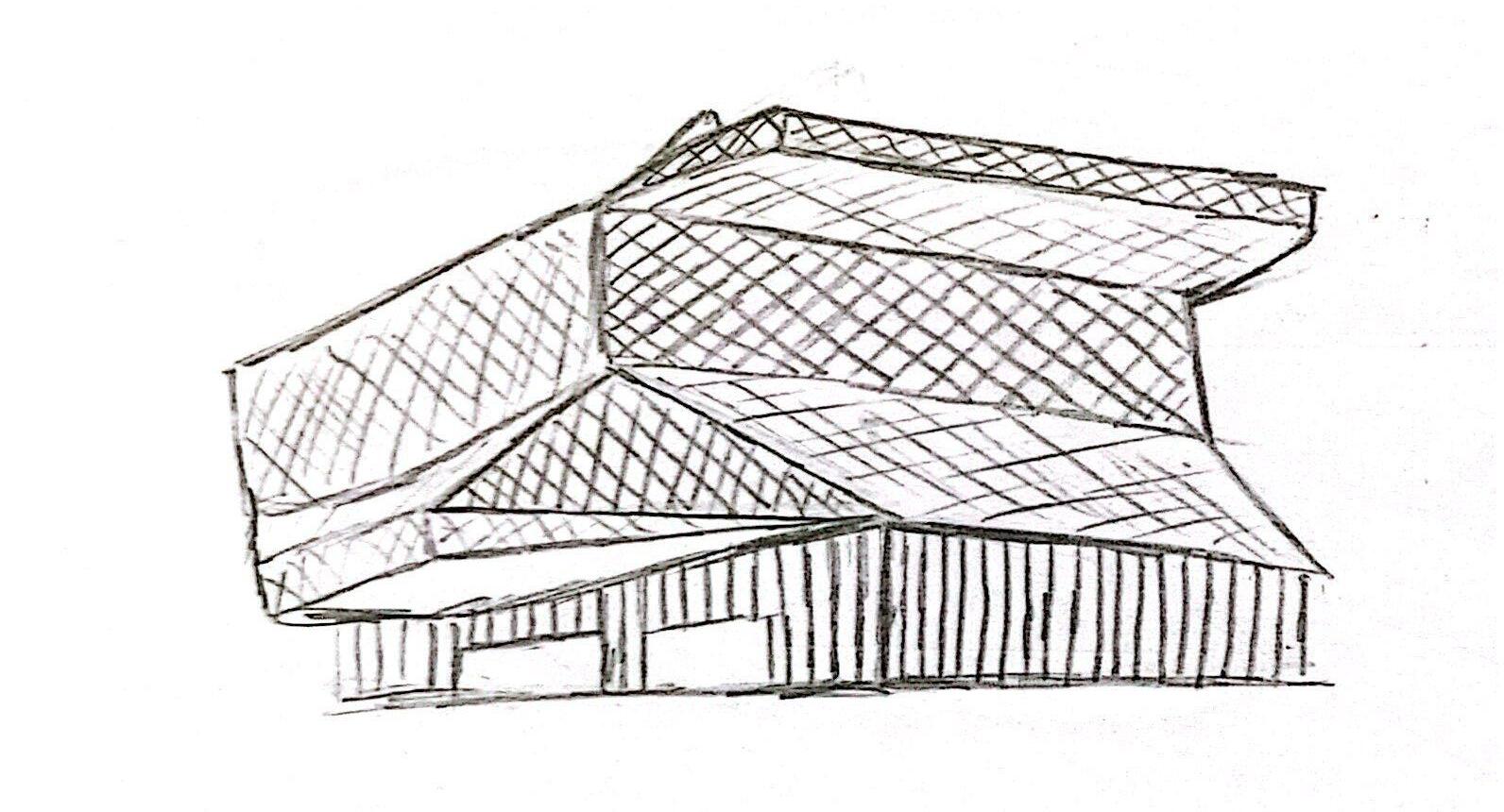
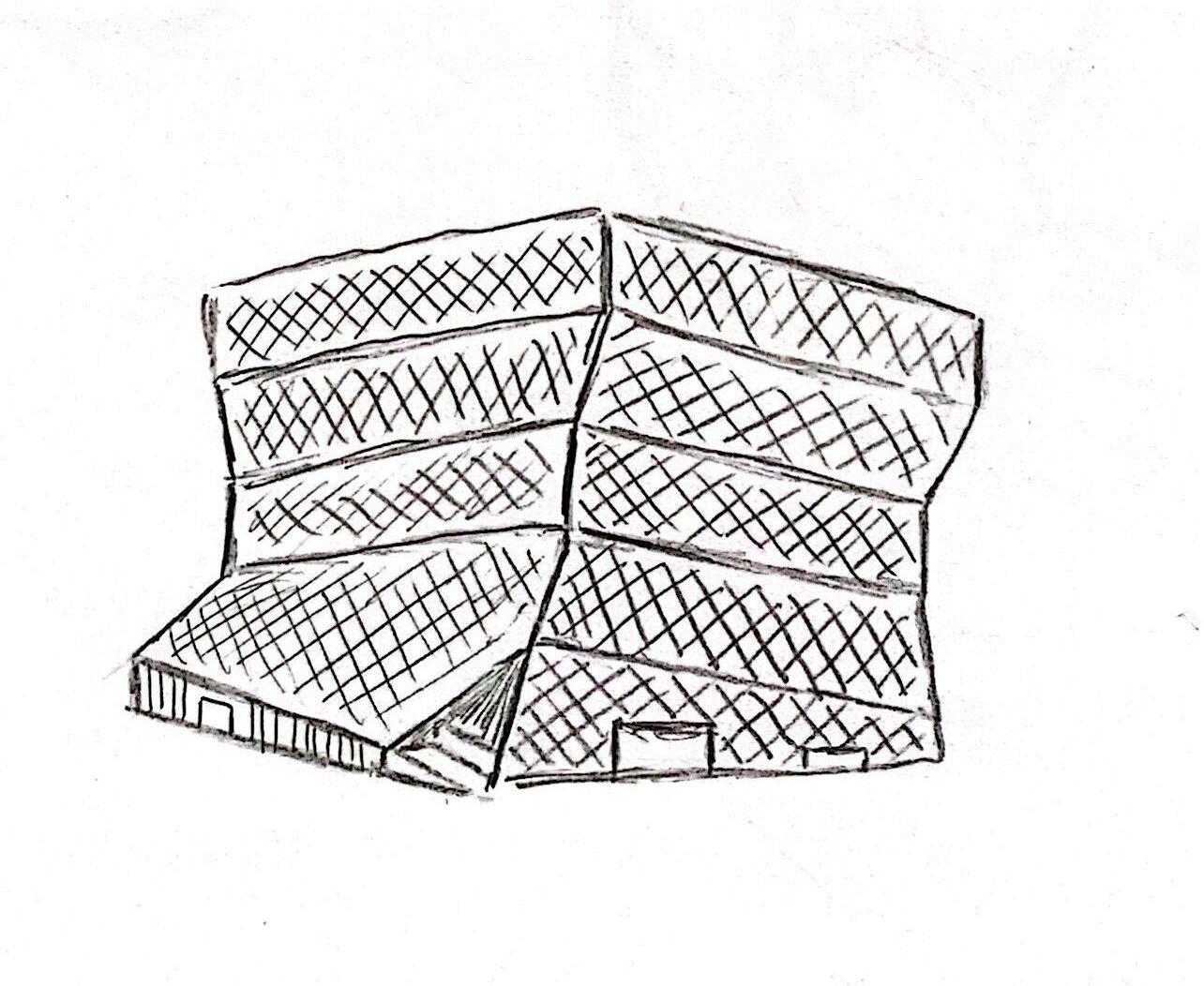
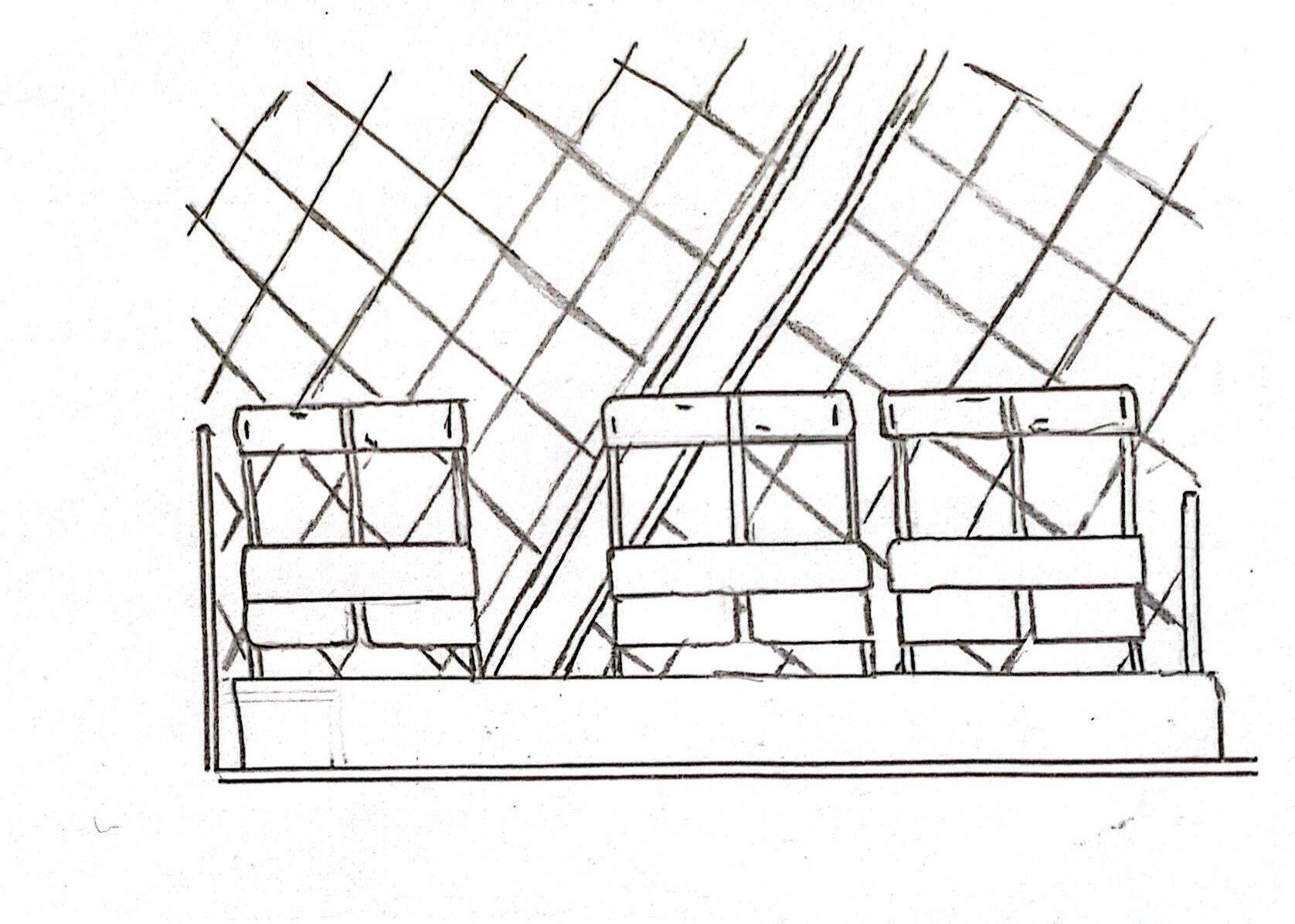
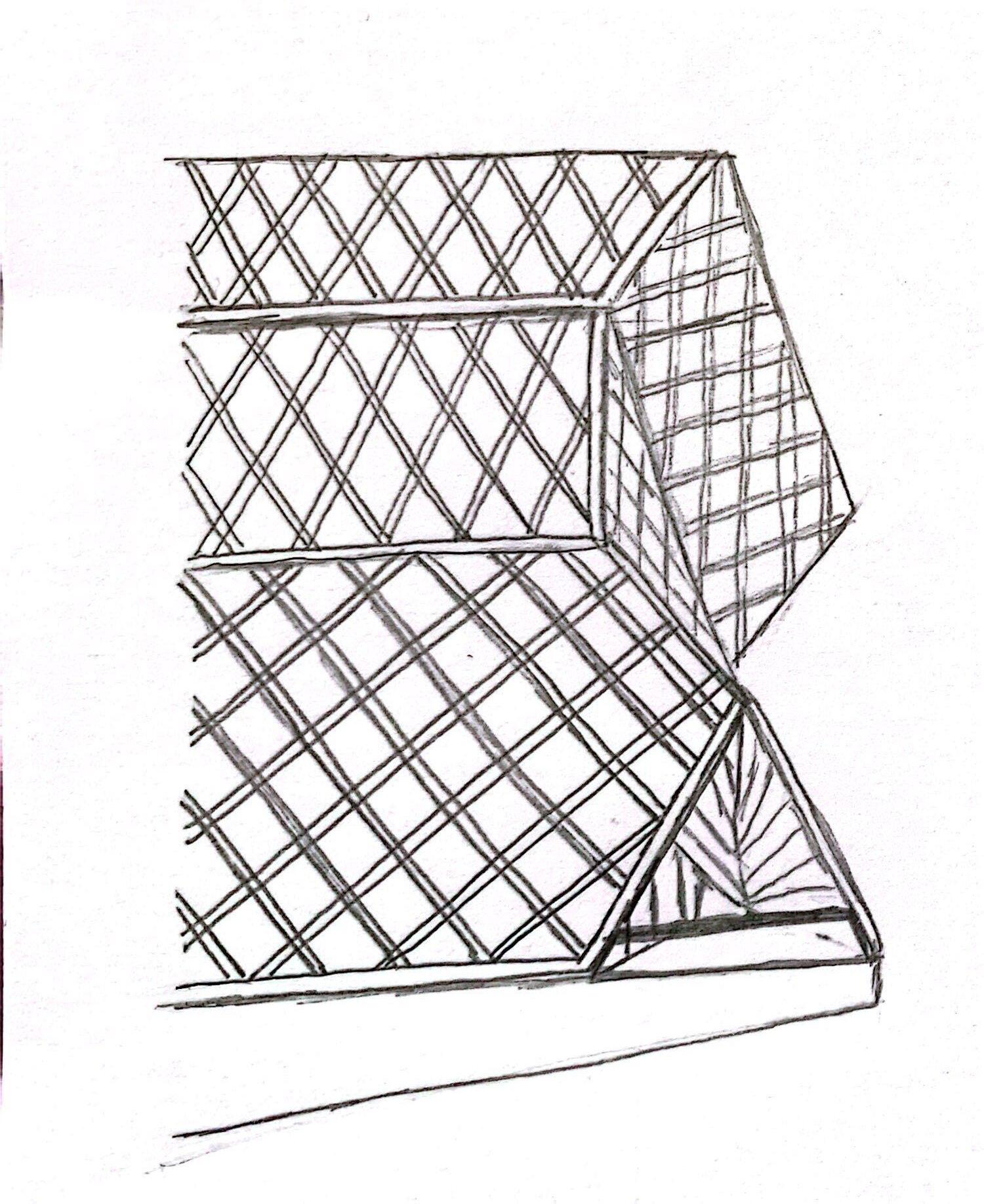
The building gives the city a different sense and unique building due to its geometric shape. However, by using glass and steel, it allows the library to blend in with the buildings around it. Washington is considered a modern city, so having this unique and futuristic design it combines well with the place itself.
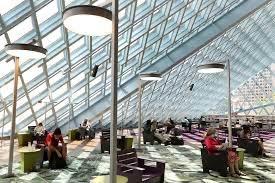
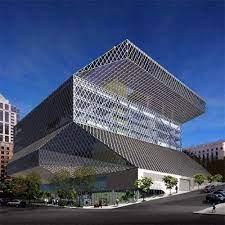
The library embraces a unique style of design original to the area. In seattle it frequently rains which is why many buildings embrace the iinternal architecture. They look at large windows and often floor plans to maximise the amount of light. Which this is what Seattle central library is doing , providing plenty of light to reach the interior.
City
Library at the Mailänder PlatzStuttgart, Germany.
Stuttgart is said to be modern, urban, cosmopolitan, sustainable and sometimes a little edgy.
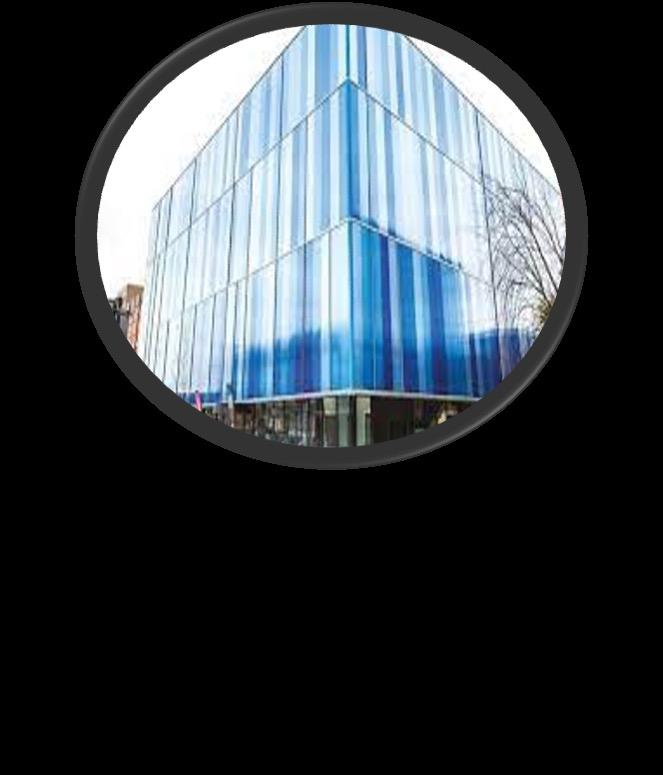
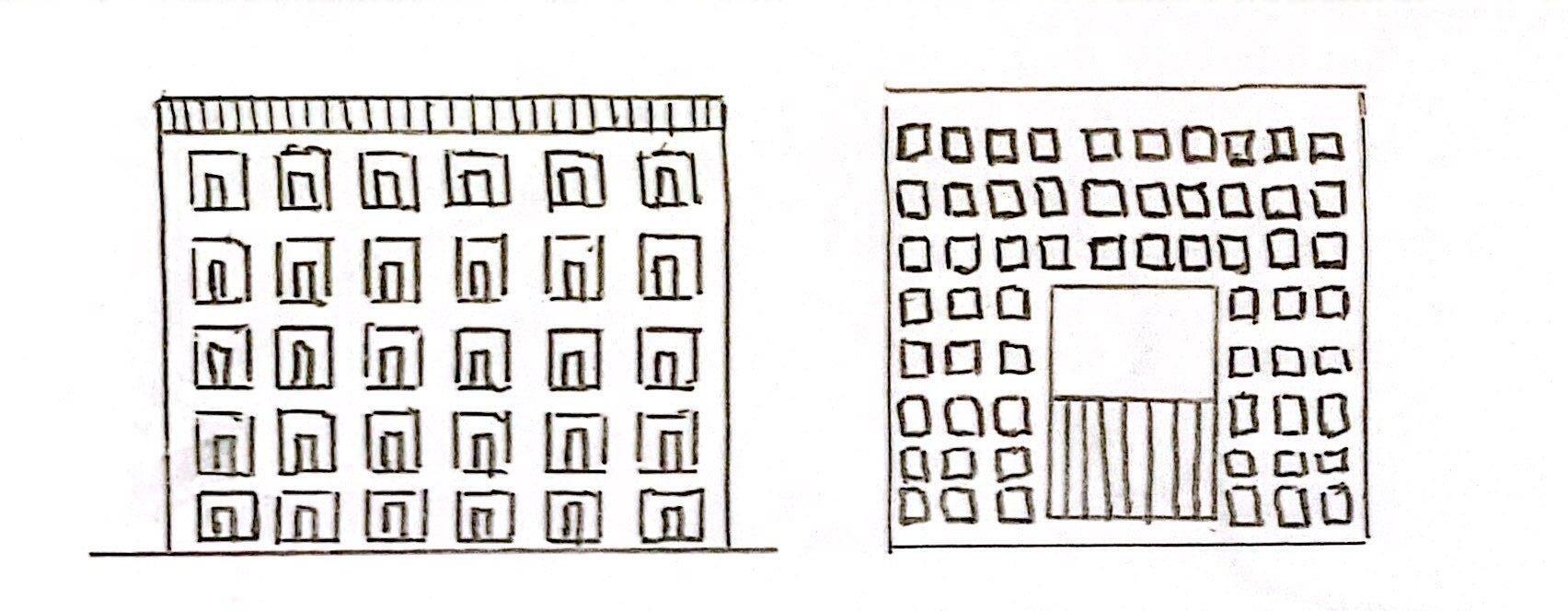
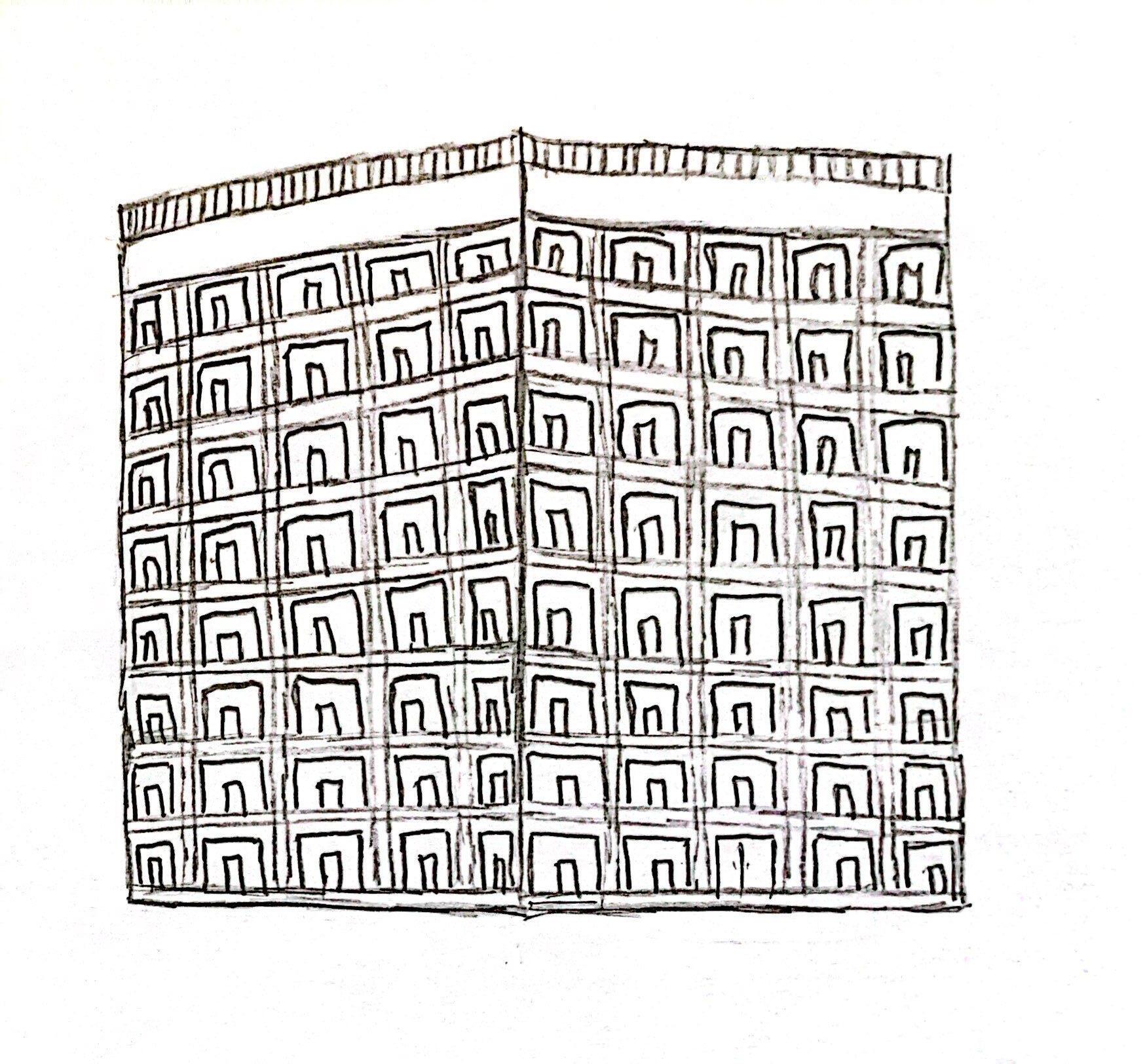
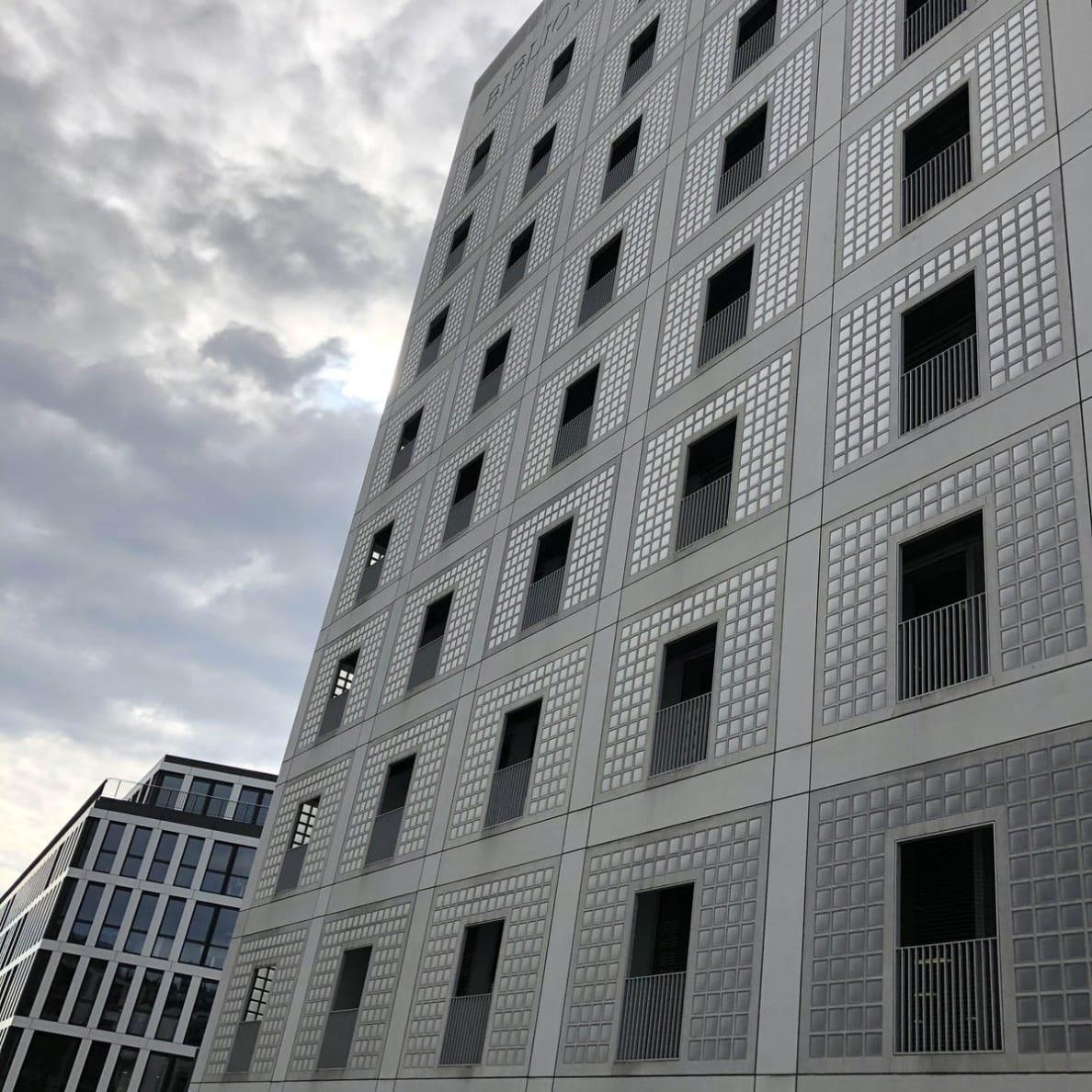
The building consists of large square panels of exposed concrete and matt glass blocks.
The libraru feautures its own children's library, music library and print library.
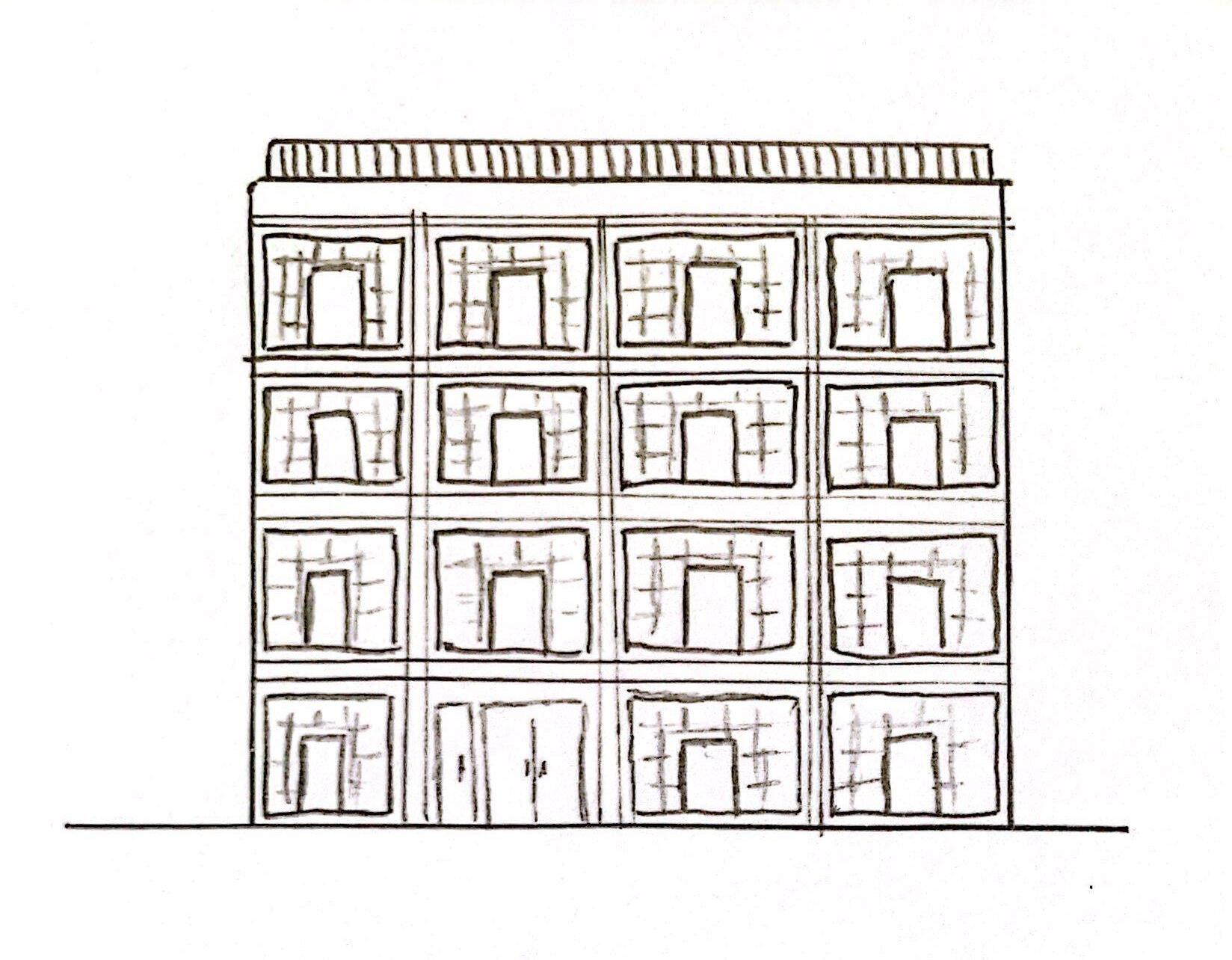
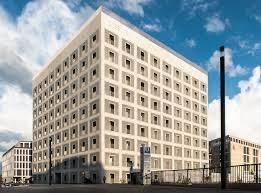
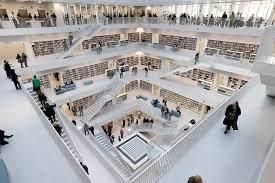
The Mailander Platz is a cube like structure with a minimalist, lightfixed interior & a roof terrace offering city views for the public to visit.
It is constructed out of pale grey-fail faced concrete that visually frames an array of 9x9 frosted glass bricks.
The gallery hall is a five-storey space, square shaped and surrounded by a shell of books.
At night the building is illuminated blue.
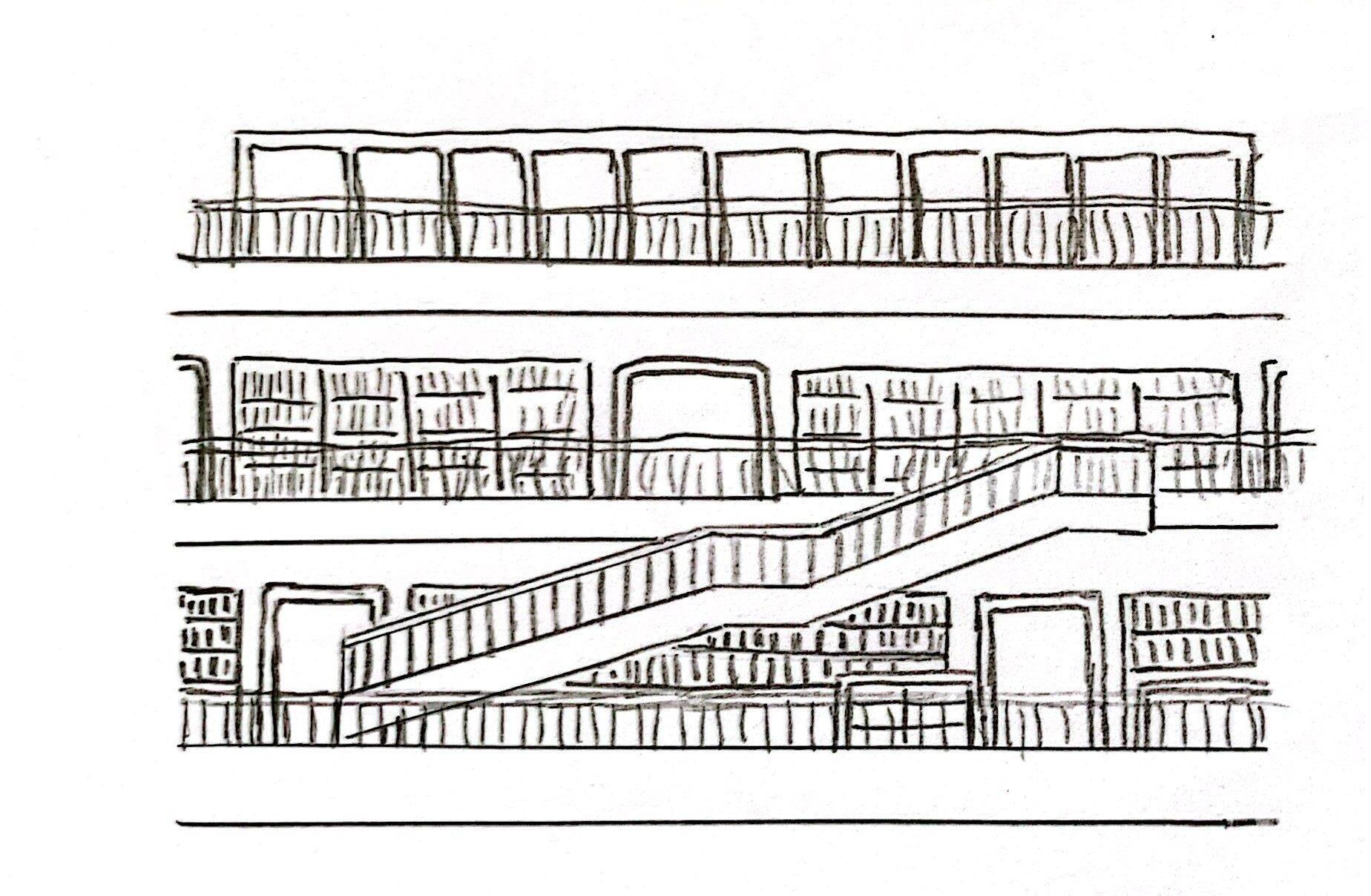
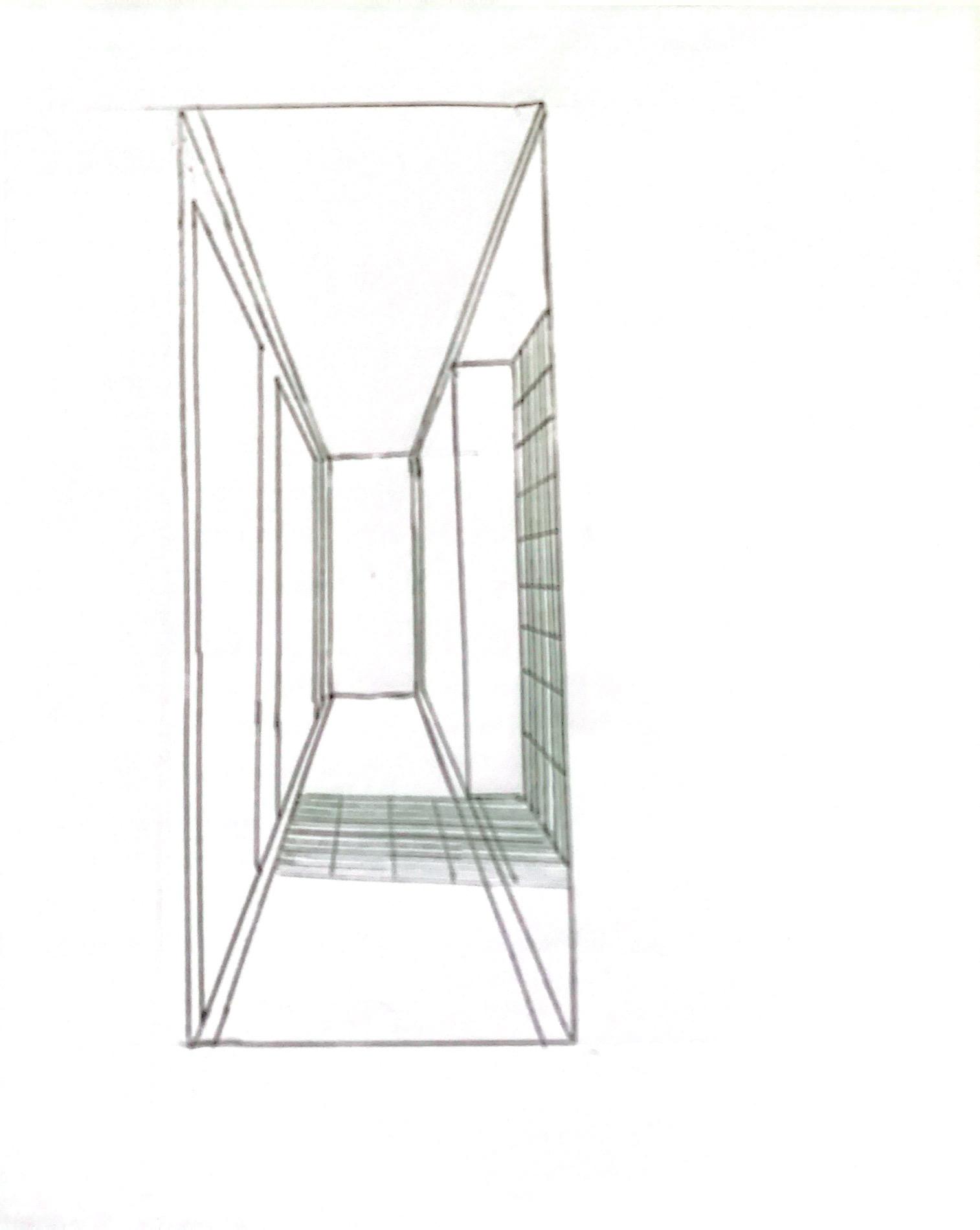
The interior circulation is arranged in a spiral among the reading gallery areas, designed to be flowing promenades flooded with light from the glass roof, allowing plenty of light to go in. This way it can bring a positive atmosphere, improving people's wellbeing.
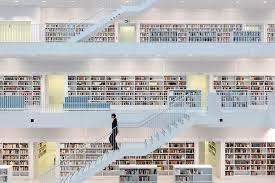
In the centre of the building lies its spatial and meditative heart. This is an archaic space type, that like the pantheon makes reference to the cavern as an original place of human habitation.

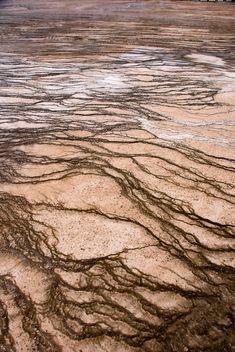
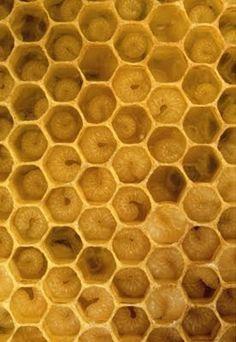
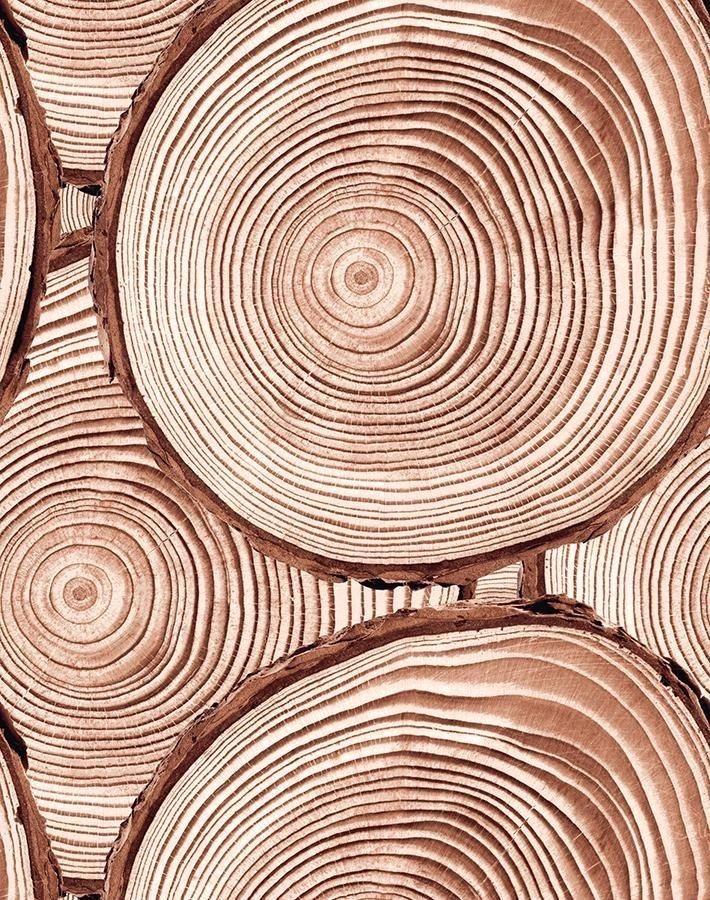
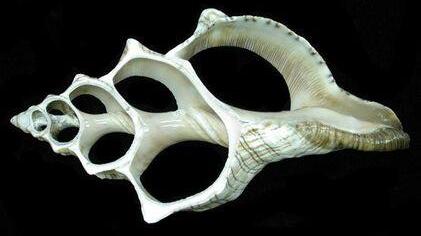

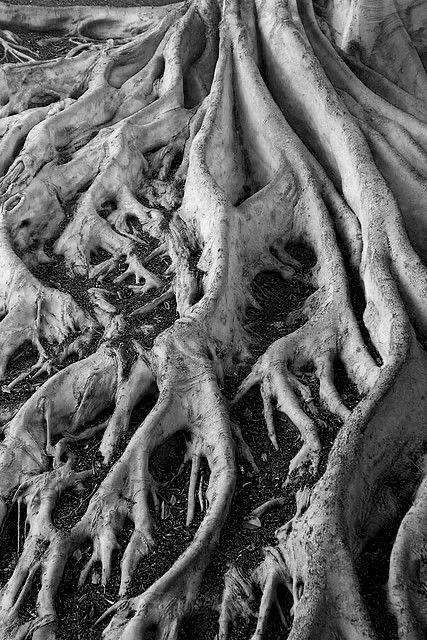
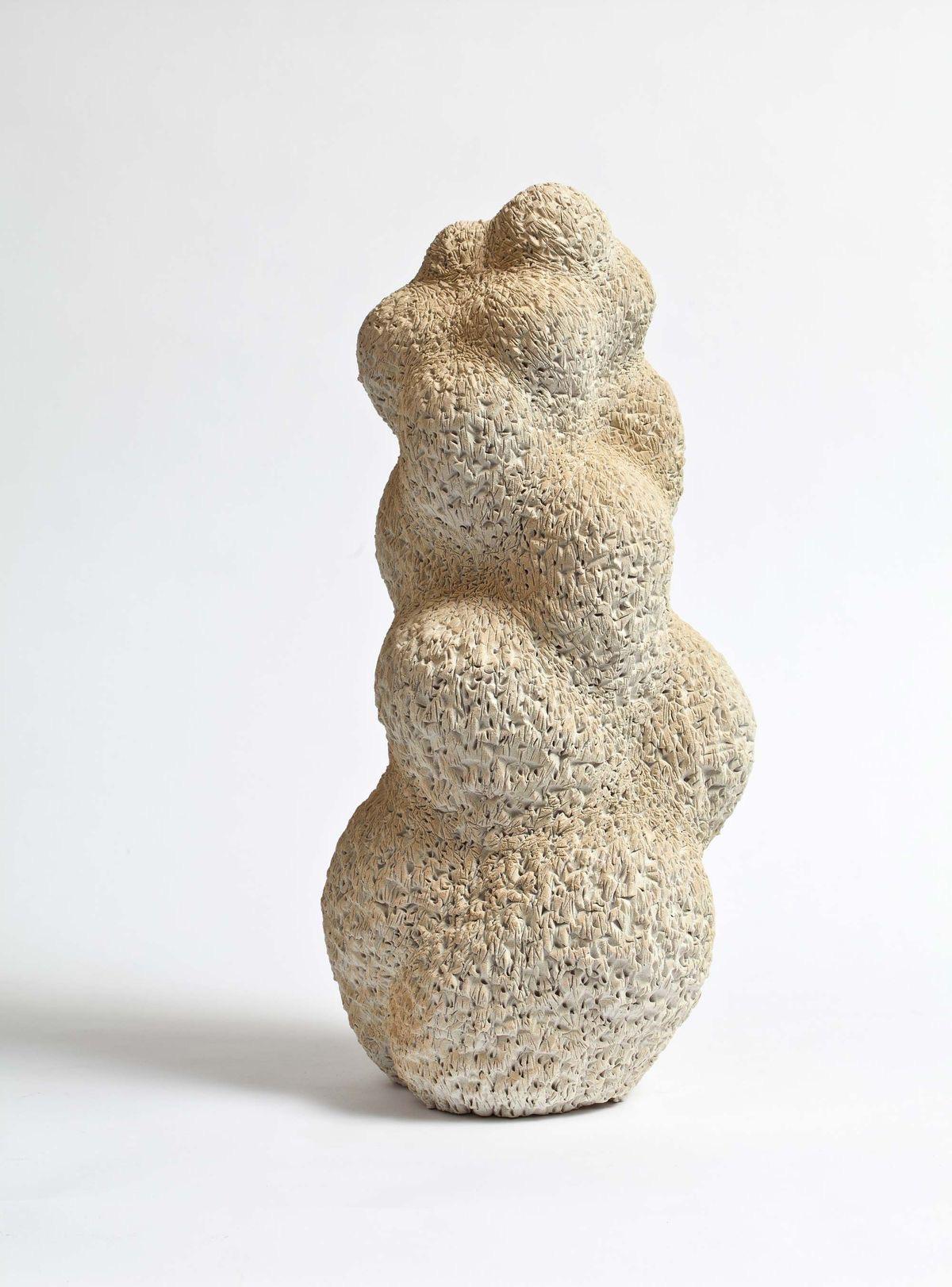
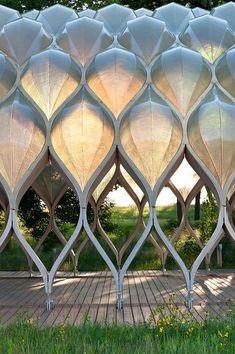

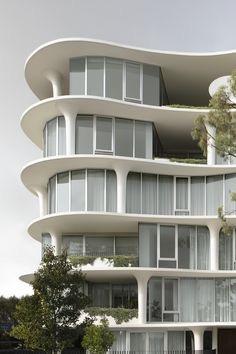
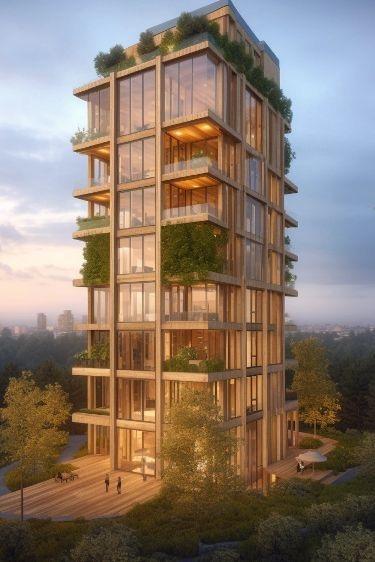
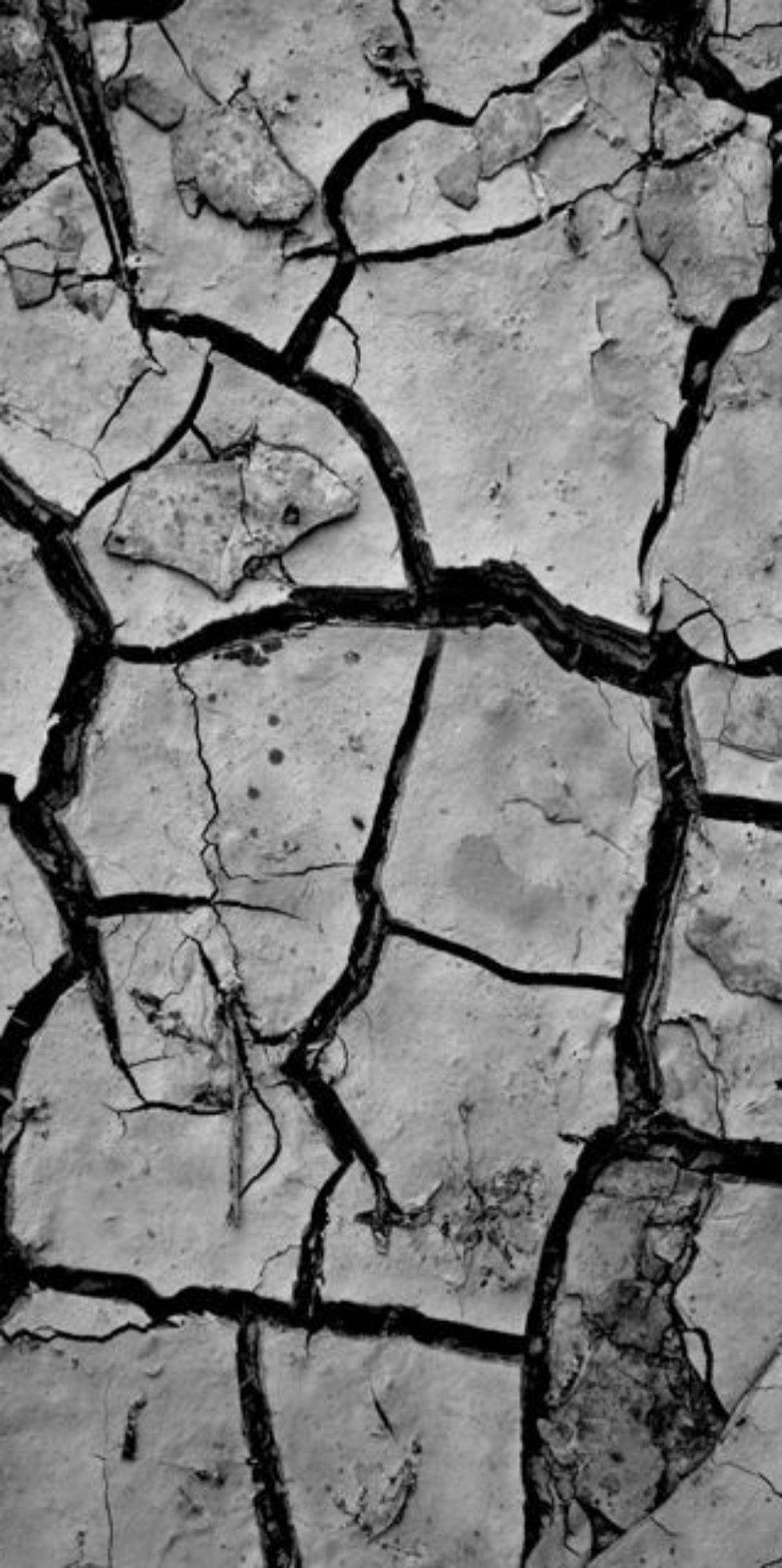
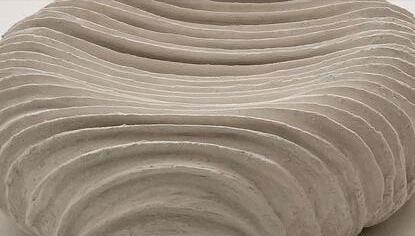
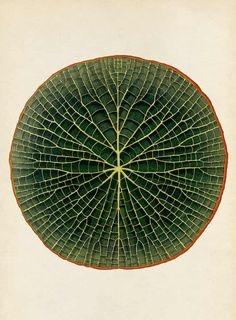
ORGANIC MOOD BOARD
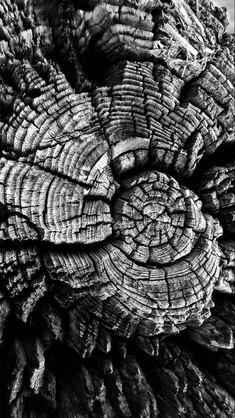

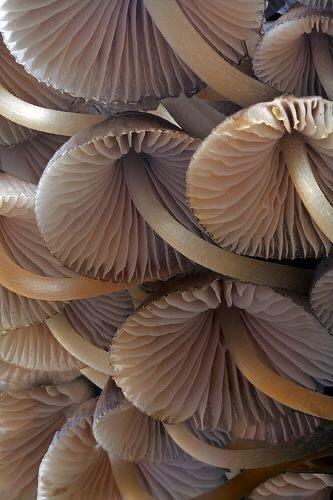
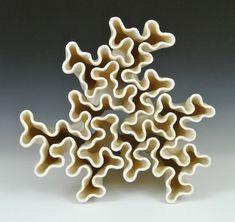
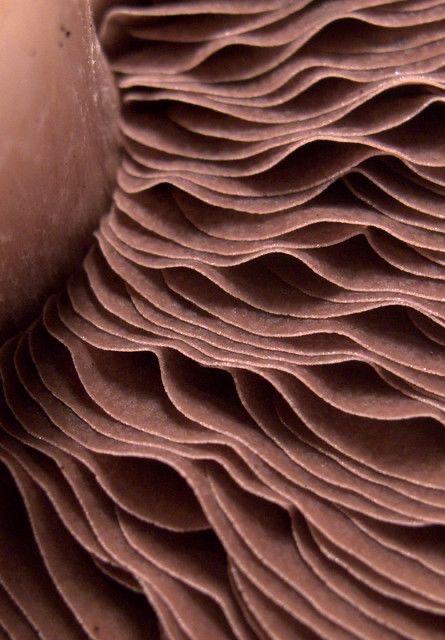
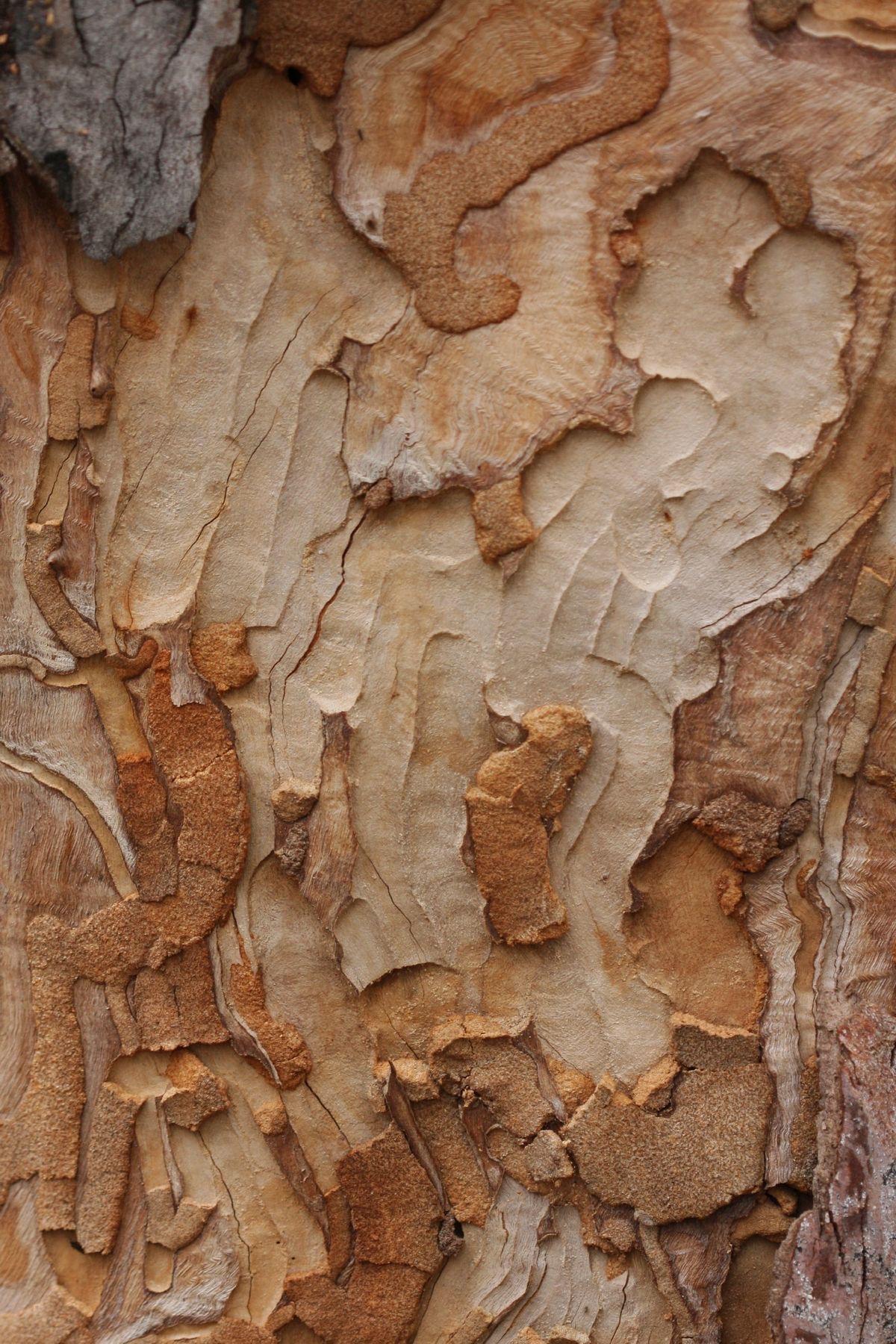
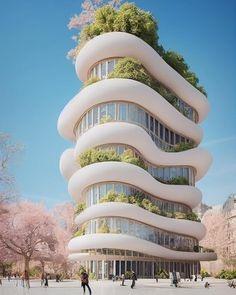
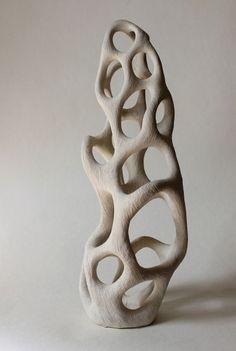


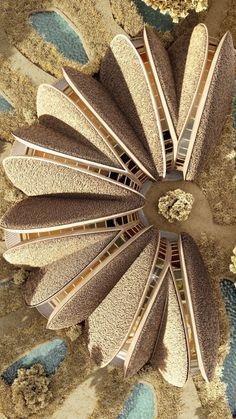
ORGANIC MOOD BOARD

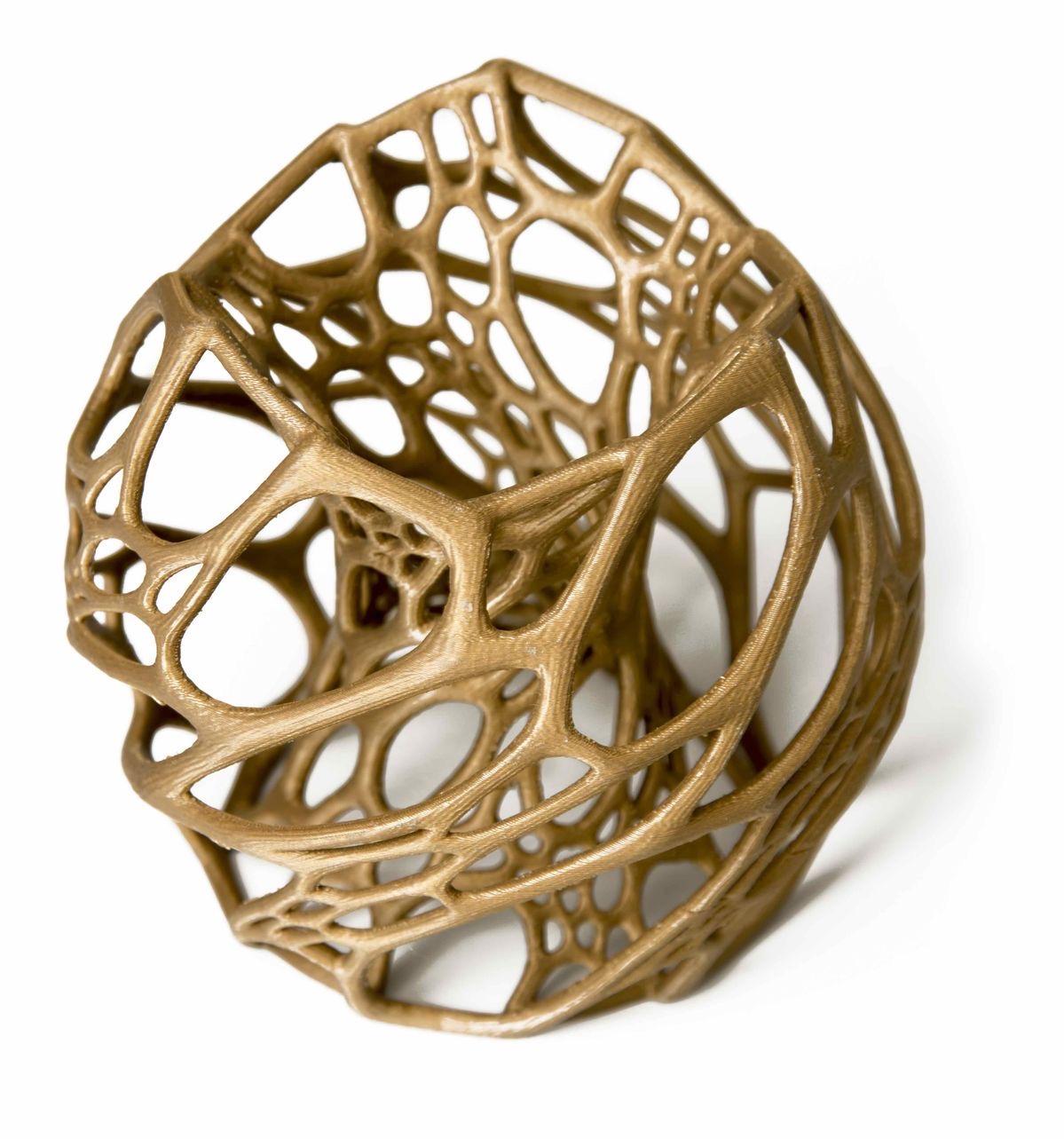


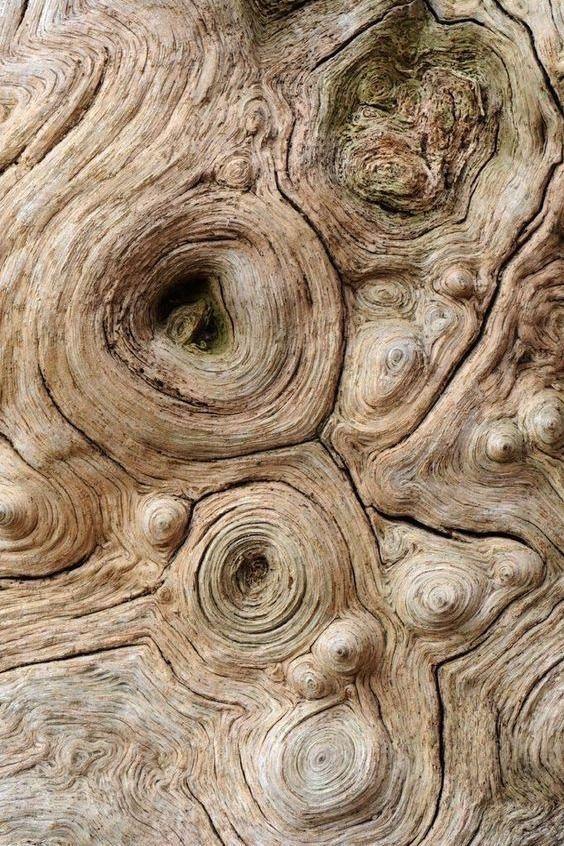
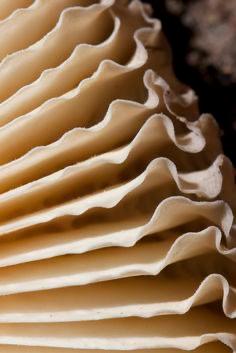
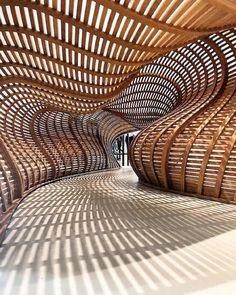
Additional Secondary Research Lotus Temple – New Delhi, India
Lotus Temple is a place of worship. Most buildings in New Delhi, India are influenced by Mughai Architecture which is characterised by large bulbous onion domes, uses white marble and red sandstone as well as delicate ornamentation work, with also gardens surrounding all four sides of the buildings
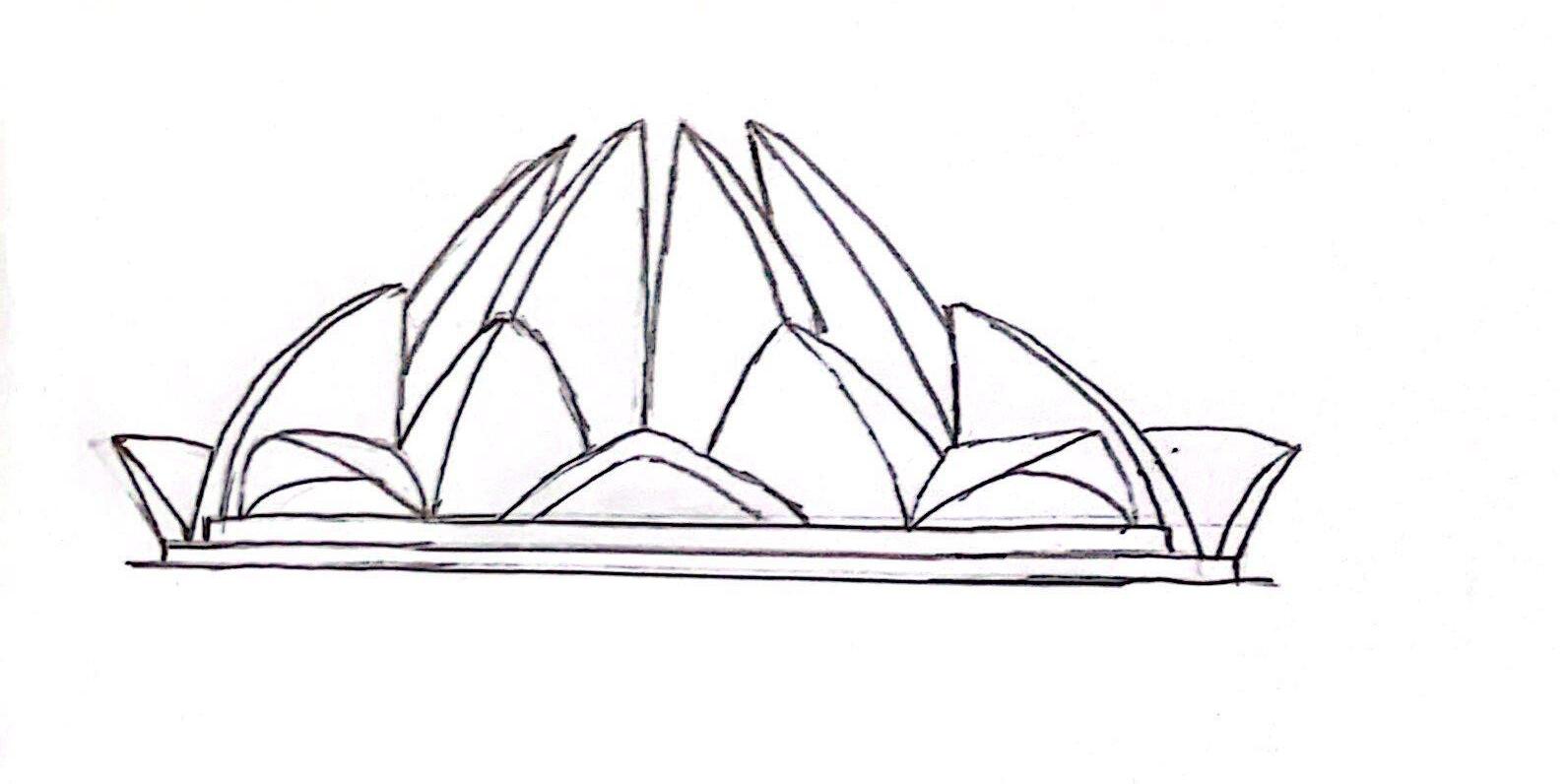
Lotus temple uses organic/natural forms to create the temple. It takes the shape of a lotus flower which is the national flower of India and is considered sacred by most Indians. It is designed to reflect the simplicity, clarity and freshness of the Baha'i faith and to act as a symbol of the unity of mankind and religion.
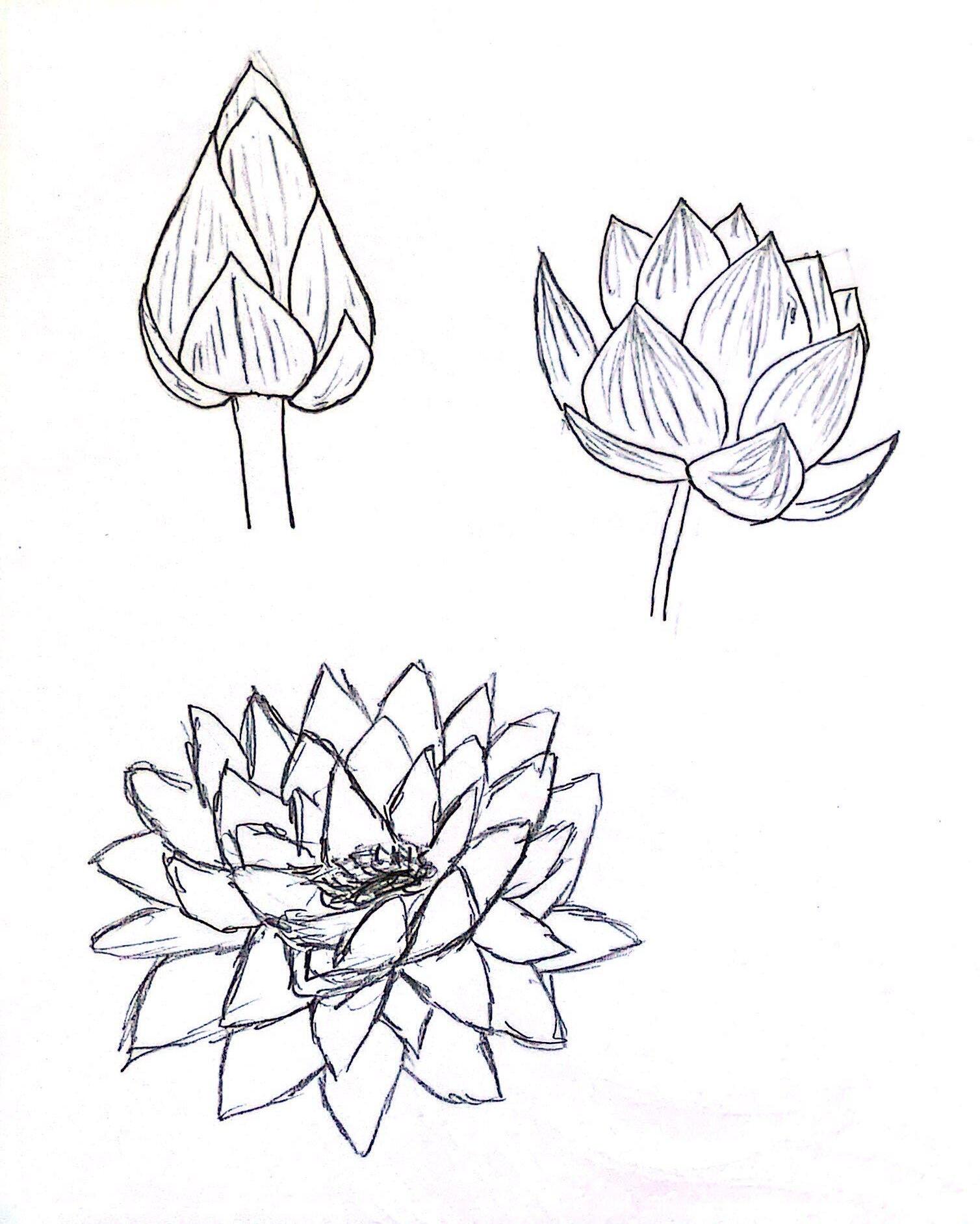
I find this interesting because is taking a natural/organic form that signifies what the culture and place symbolise. When you think of a place of worship you associate the words 'simple', 'holy' and 'captivating' which is what a lotus flower can represent.
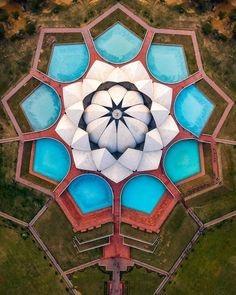
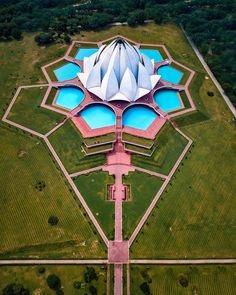
The structure is composed of the three ranks of nine petals each, springing from a podium which elevates the building above the surrounding plain. The first two ranks curve inwards, embracing the inner dome and the third layer curves outwards to form canopies over the nine entrances. The temple is constructed primarily by concrete and clad in Grecian marble.
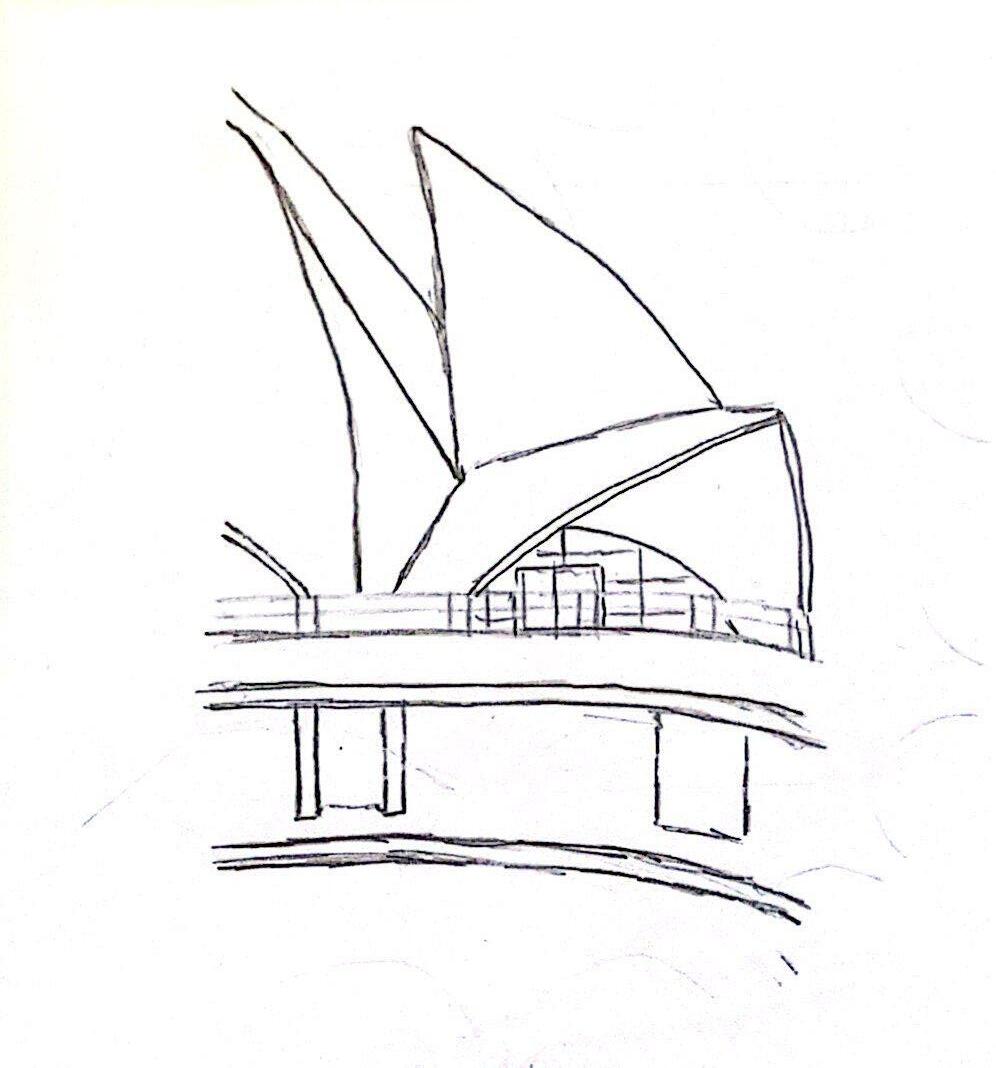
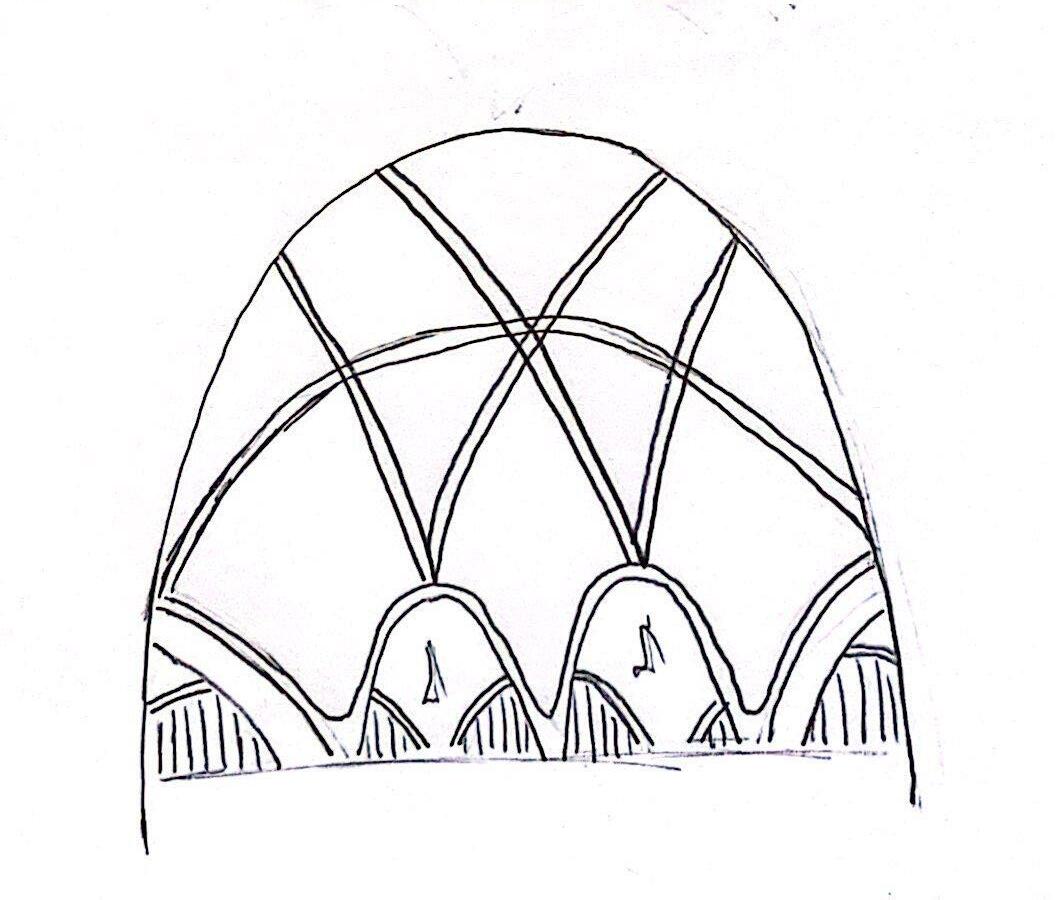
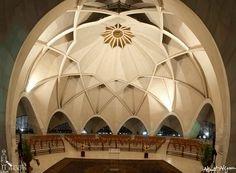
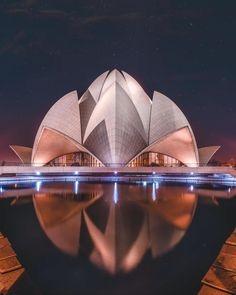
The entire superstructure is designed to function as a series of skylights with glazing at the apex of the inner petals, underneath the outer petals and on the external side of the entrance petals. There's nine pools surrounding the building, which could suggest the leaves of the lotus. The worship space is capped with a glass and steel skylight, which makes it more sustainable and allows plenty of natural light in. Has a seating capacity of 2,200, as well as the building having effective ventilation and cooling techniques.
Chaohu Natural and Cultural Center –
Hefei, China
China's architecture is considered very traditional. It is characterised by a unique style that emphasises symmetry, balance and harmony, by also promoting symbolism.
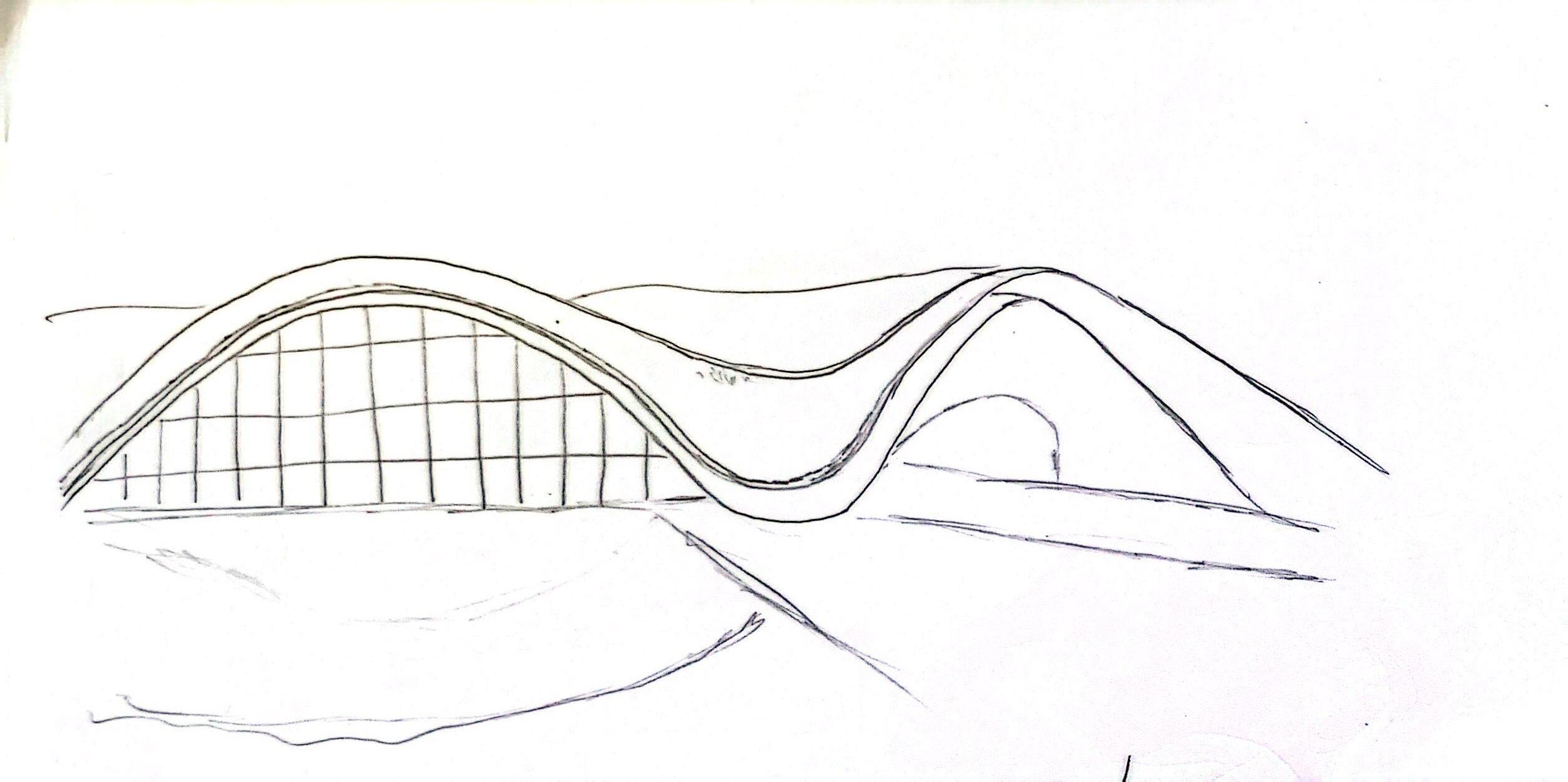
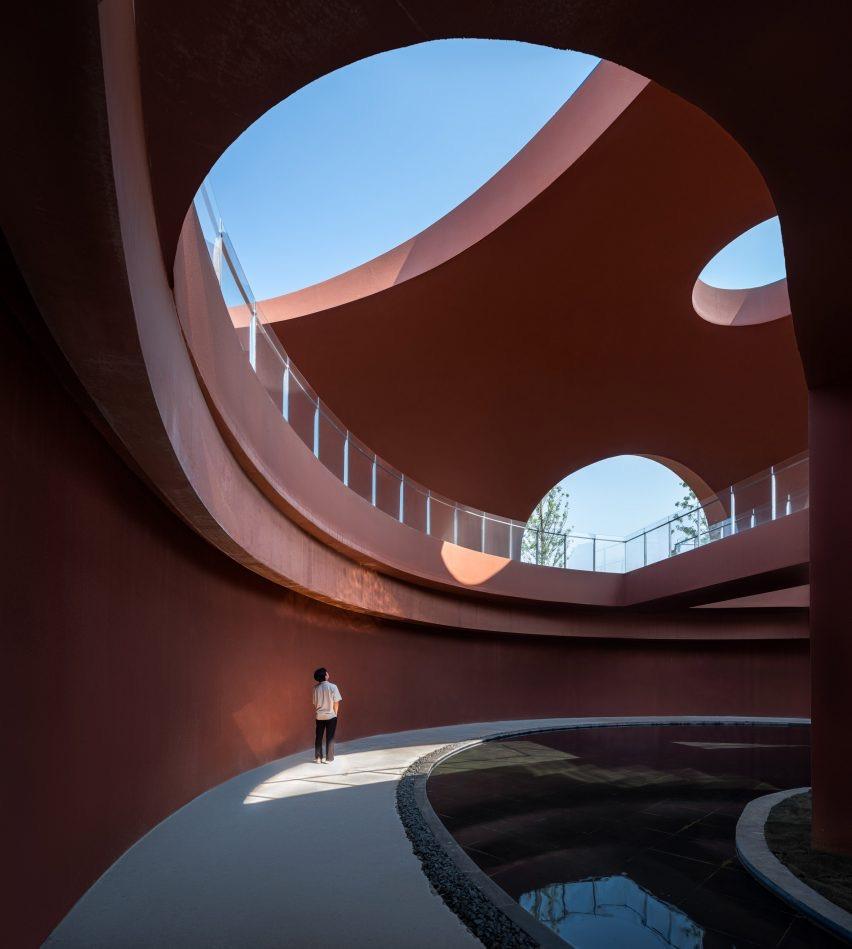
The building is considered a building that grows out of the great nature. Located at the foot of the mountain. It is regarded as a landmark grows out of the juncture of local natural environment and city life, demonstrating cultural heritage and future lifestyles.
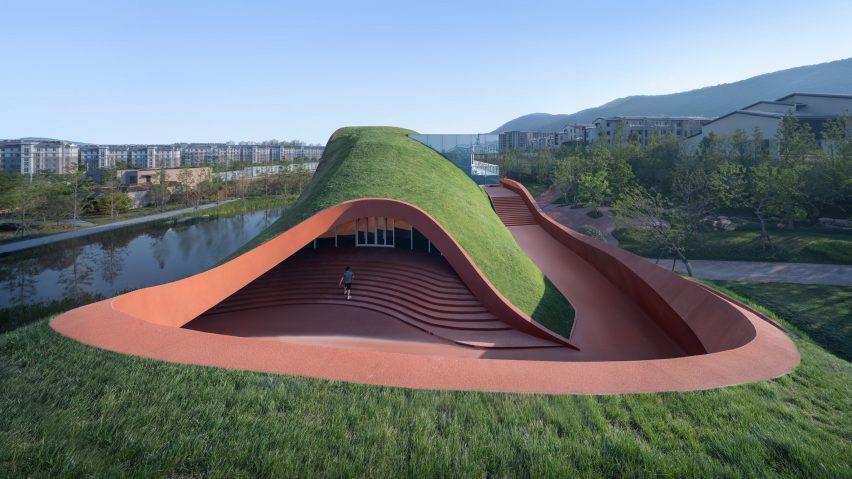
It takes natural elements to designed its form. The plan and elevations of the building are projected by the external shape of the mountain and the land contour. The architects then uses geological movements caused by a worm wiggling in the ground. The curve shape is a figurative representation of the existing mountain. The project seems to be squeezed out of the ground by natural forces underneath the crust. Green plants covers over the roof which makes the building like a natural mountain that exists on the site.
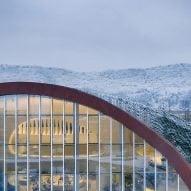
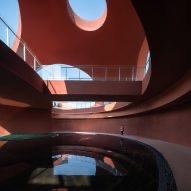
Holes and curved openings that puncture the roof creating skylights and open courtyards below.
The artificial landscape was constructed using a steel frame, which was then covered with concrete poured situ, and finished with a green roof and antislip surface finishes.
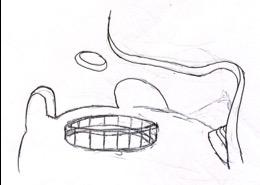
The interior is defined by smooth, white-painted concrete surfaces and extensive planting. The design team intended to echo the flowing form of the exterior.
At night, the building is reflected in the water, creating a "moment where mountains, water and buildings meet". The dining area is housed in a rectangular form that projects from the northern side of the large mound, with a mirrored exterior designed to blend in with the surroundings and a balcony to provide views of the nearby mountains.
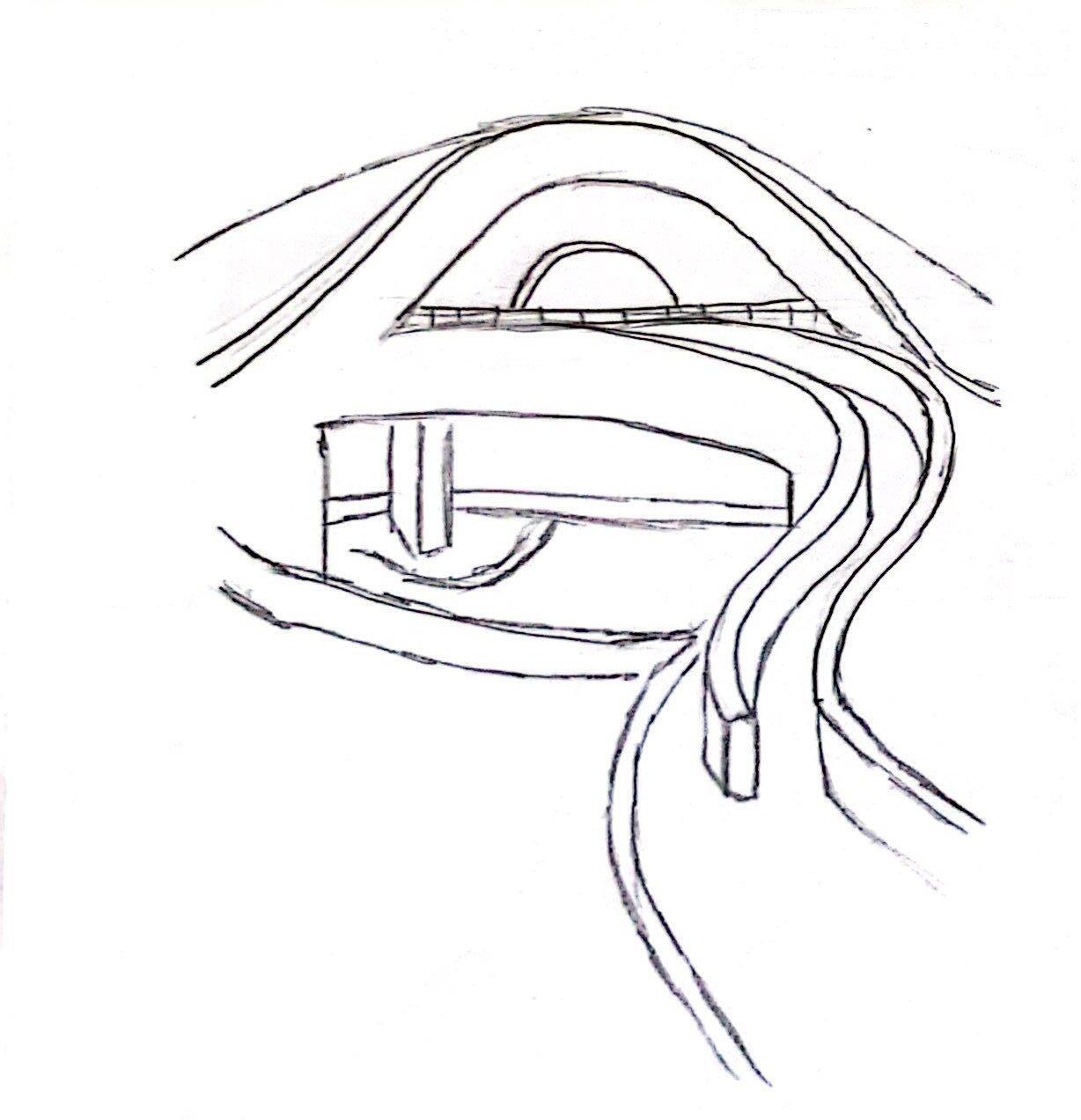
The walkways provide multiple routes to the restaurant entrance, where visitors can either descend into a lounge space or move upwards towards the dining area
Huangshan Mountain Village
– China
Huangshan Mountain is a mountainous landscape. The area is known for its scenery, sunsets, pine trees, hot springs, winter snow, and views of the clouds from above.
Huangshan Mountain Village is like is been sculpted by wind and water. It looks at both contemporary and timeless, which combines modern vertical living with expansive horizons of natural beauty.
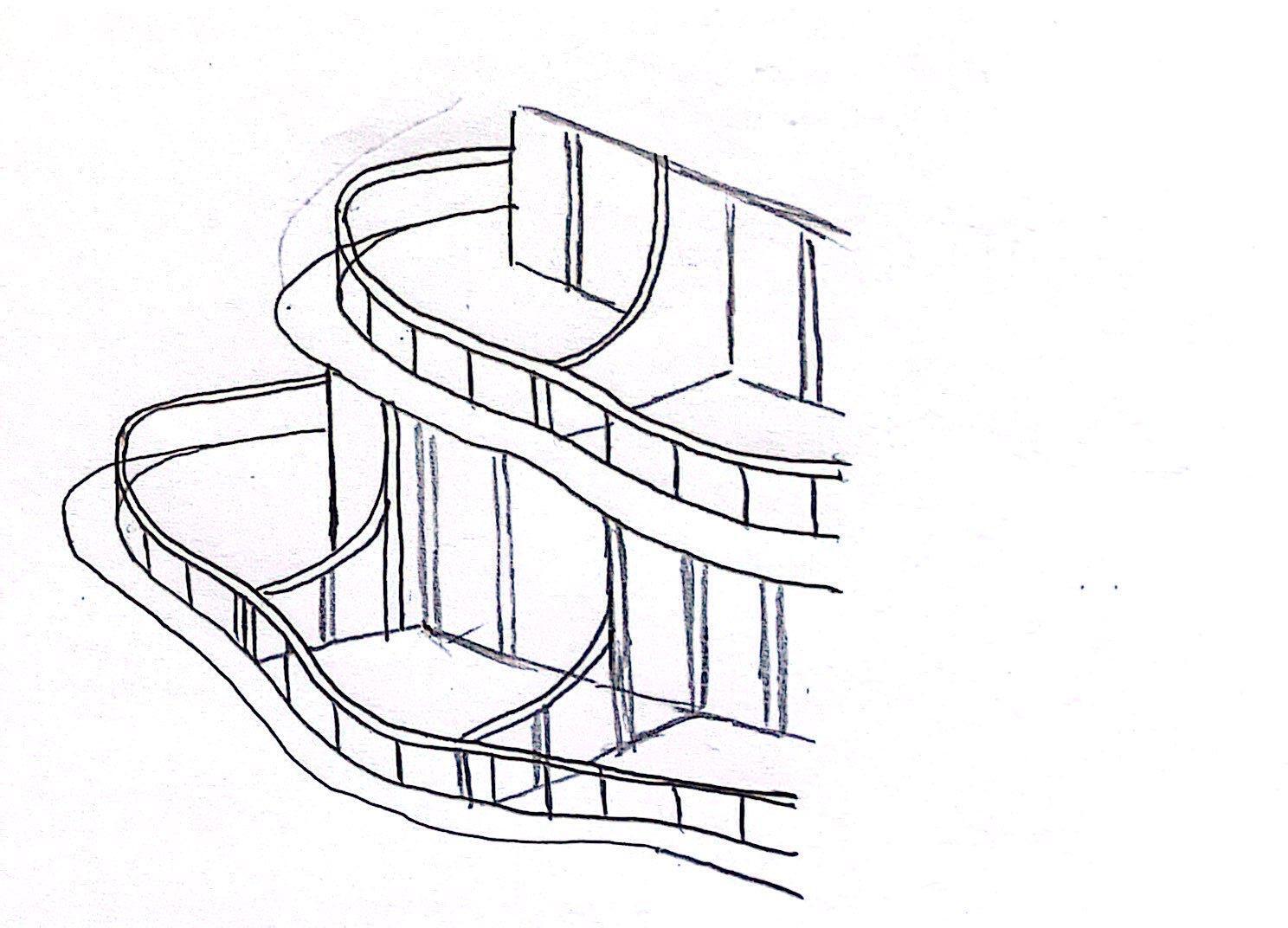
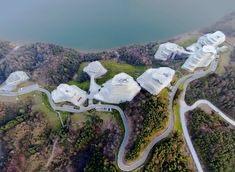
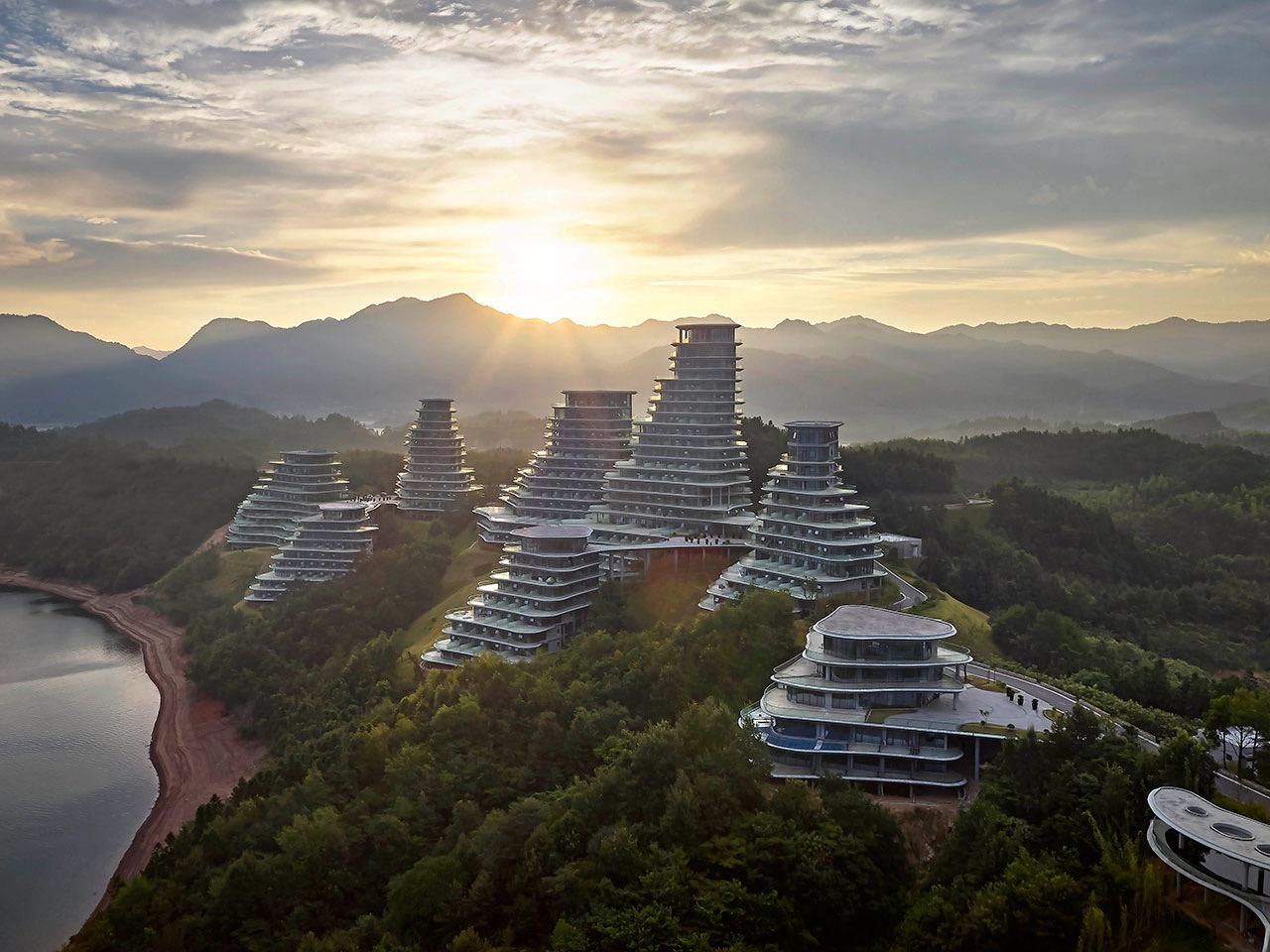
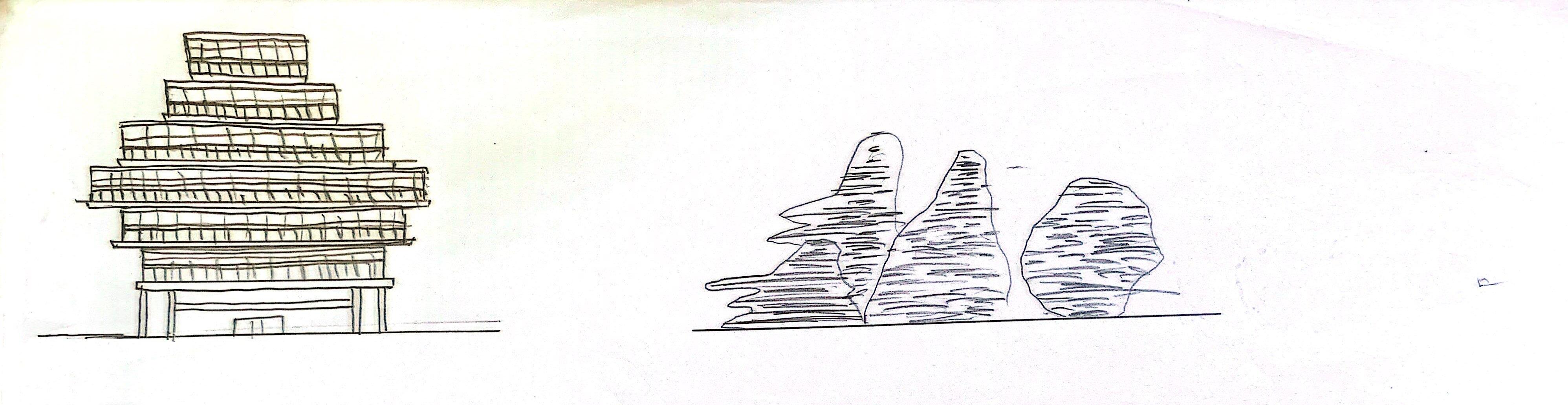
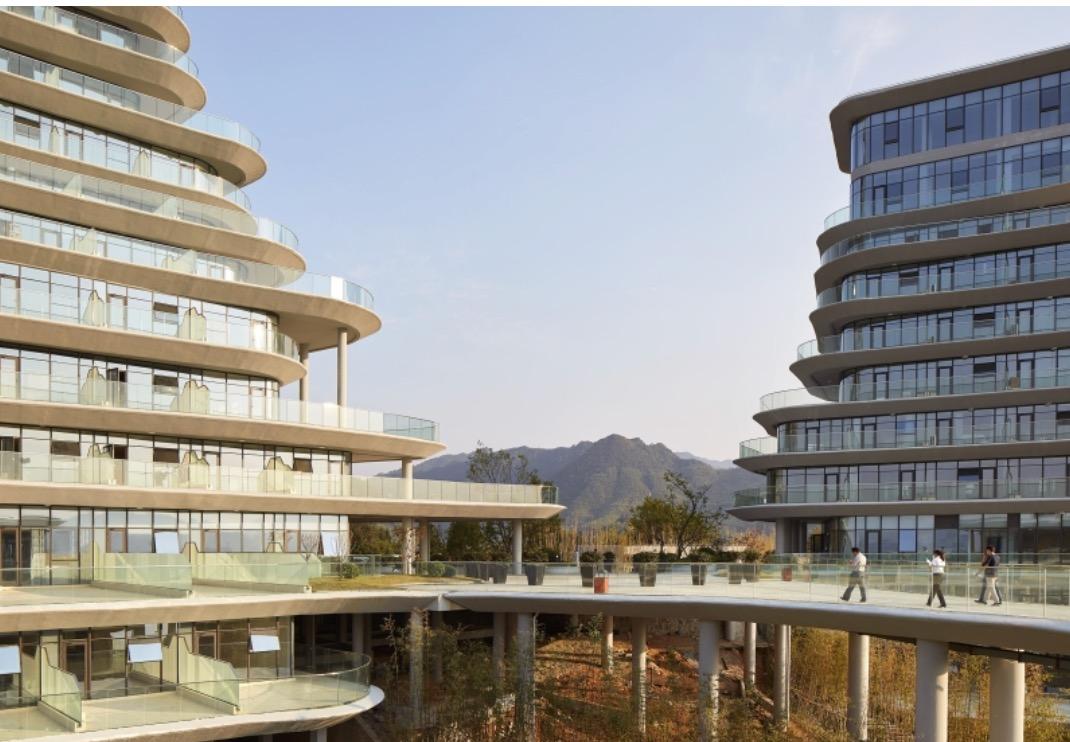
Each apartment boats an expansive balcony whose organic lines respond to the topographic contours of the immediate mountains' terrain. They provide plenty of outdoor space, giving residents the feeling that they are part of what surrounds them, making them fully immersed in the scenery. The pathways have been determined by the landscape, so that they meander through the trees and between the architecture.
Each floor of the building is accessed from unique shared and social spaces encouraging a sense of community. Interior continue the theme of the natural environment and are being constructed with local materials, with a focus on the incorporation of plants and greenery.
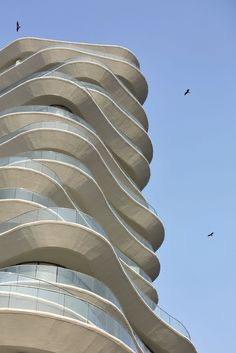
The design is based on the Shanshui City idea, an architectural concept created by MAD's founder Ma Yansong , which takes its inspiration from Chinese landscape painting, which aims to help inhabitants reconnect with the natural environment. Huangshan Mountain Village is primarily made out of traditional materials like wood and stone. The buildings are constructed in a way that complements the natural surroundings. I really like this because you feel connected to nature's beauty, and is a place to appreciate the harmonious blend of stunning landscapes and traditional architecture.
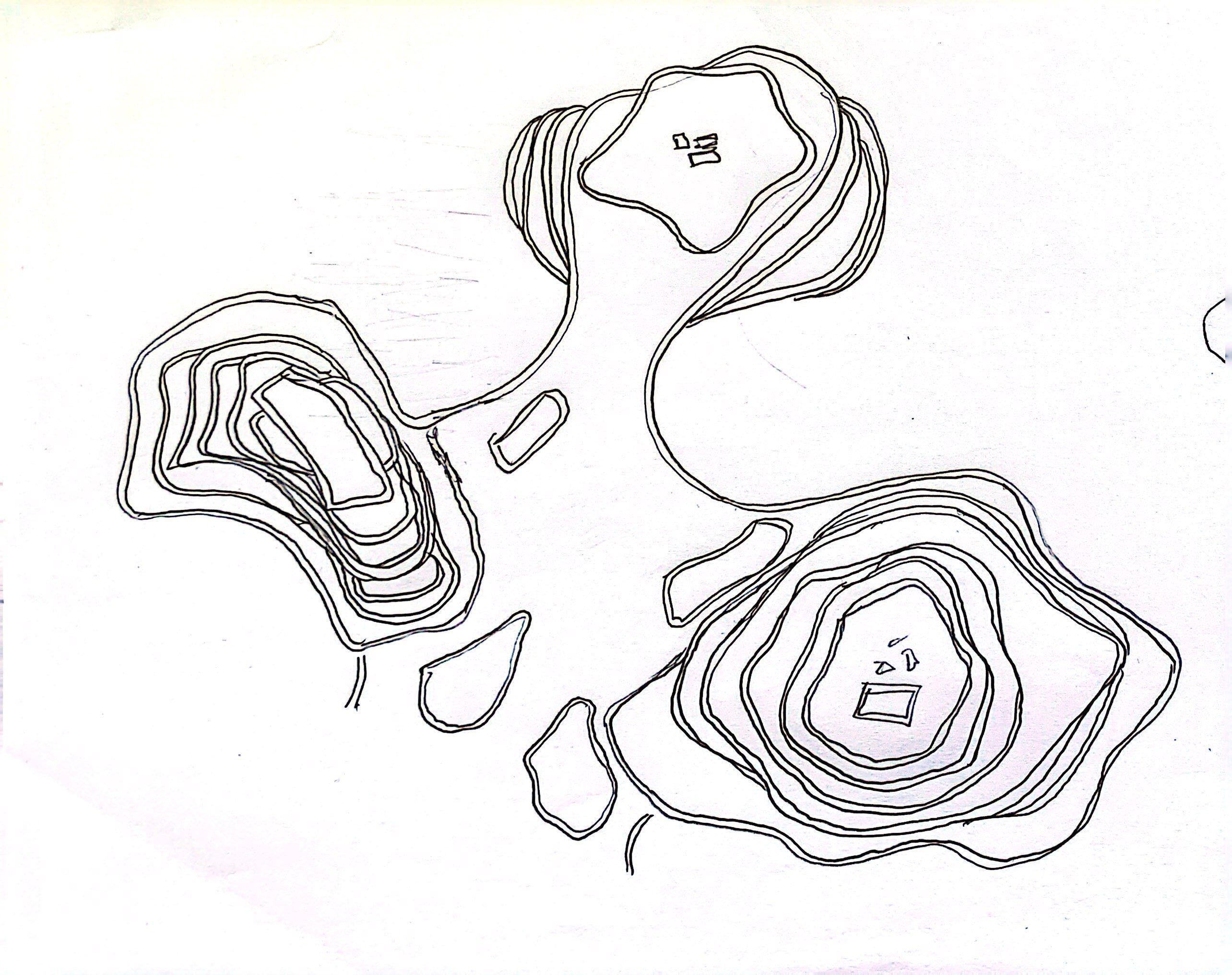
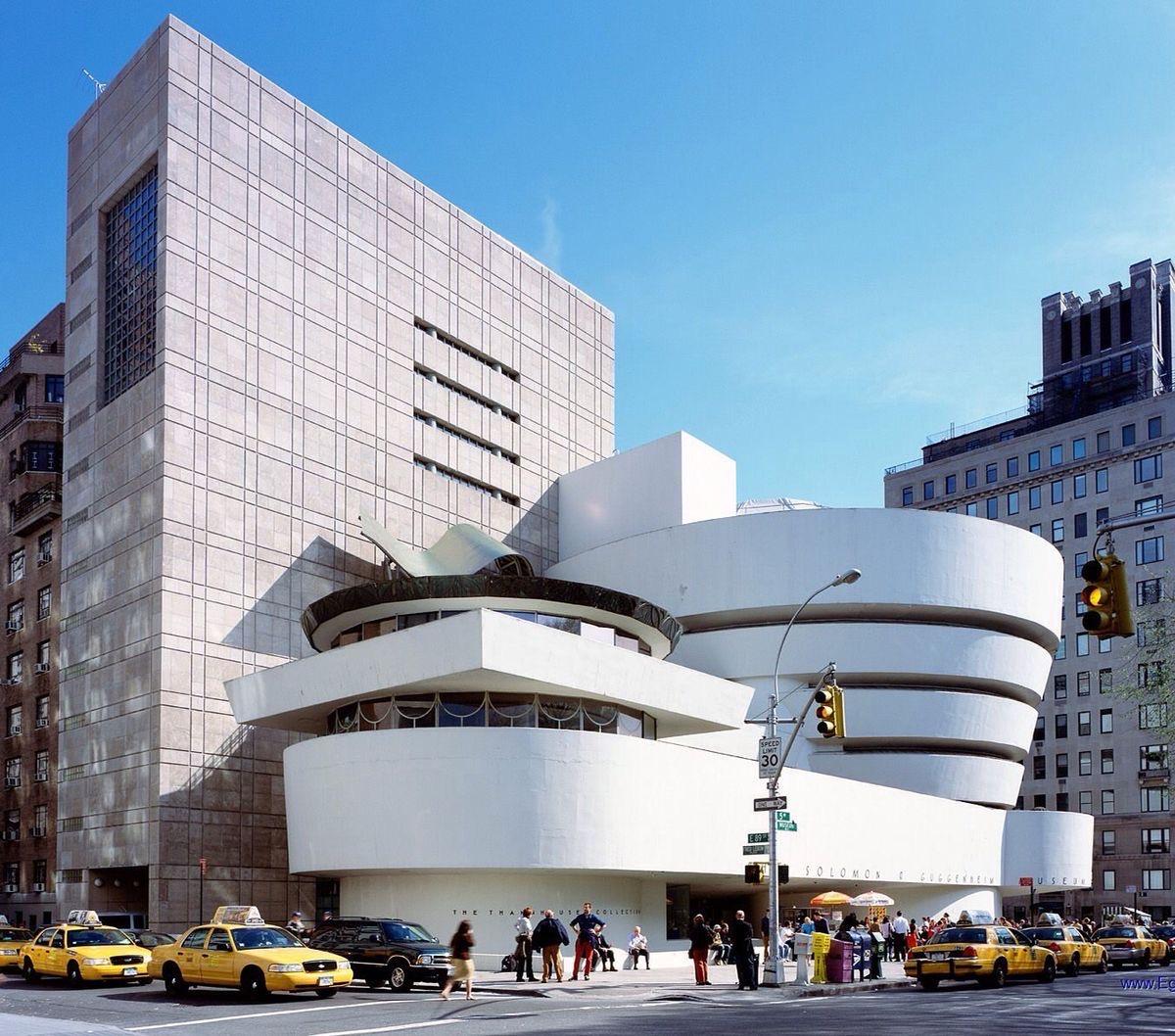
Guggenheim Museum – New York, United States
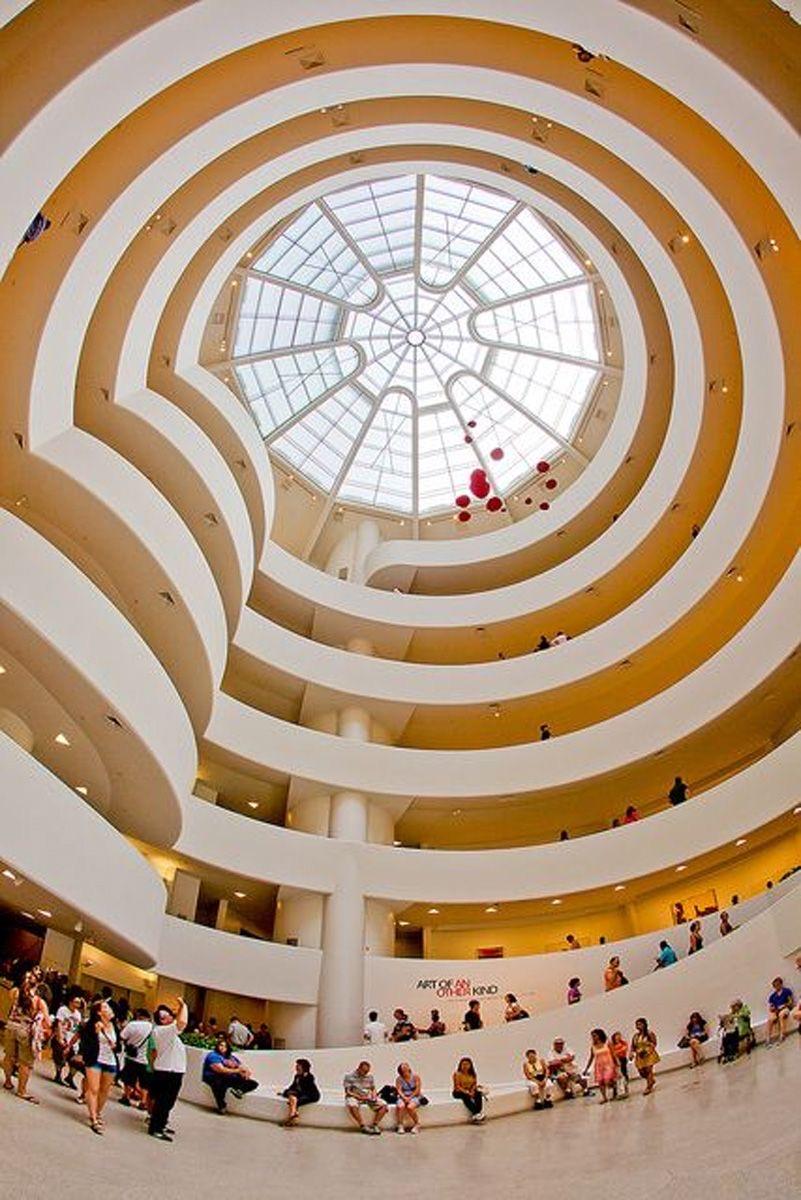
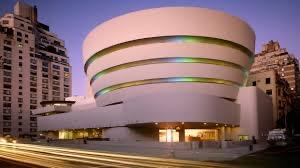
The design mimics the flow of natural forms, like a shell or a vine. Creating a sense of harmony between the building and its environment. The sleek curved exterior and the open, flowing interior spaces give it a contemporary feel. Making it stand out and adds to its overall beuaty.
The museum showscases a collection of modern and contemporary art, adding to its modern aesthetic.
The museum is designed by Frank Lloyd Wright. He has always been interested in the relationship between buildings and their surrounding environment.
This unique spiral shape design and flowing curves was influenced by the concept of organic archietcture. Frank Lloyd wasnted the building to harmonize with its natural surroundings and create a sense of movement.
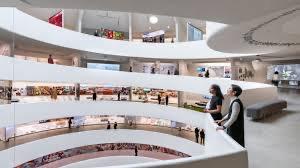
It’s inside is a spacious spiral-ramped building topped by a large skylight. The main rotunda is the heart of the Guggenheim Museum.
The building represents a radical departure from traditional museum designs, making it a monument to modernism. Its innovative design and use of materials make it stand out from other typical museums.
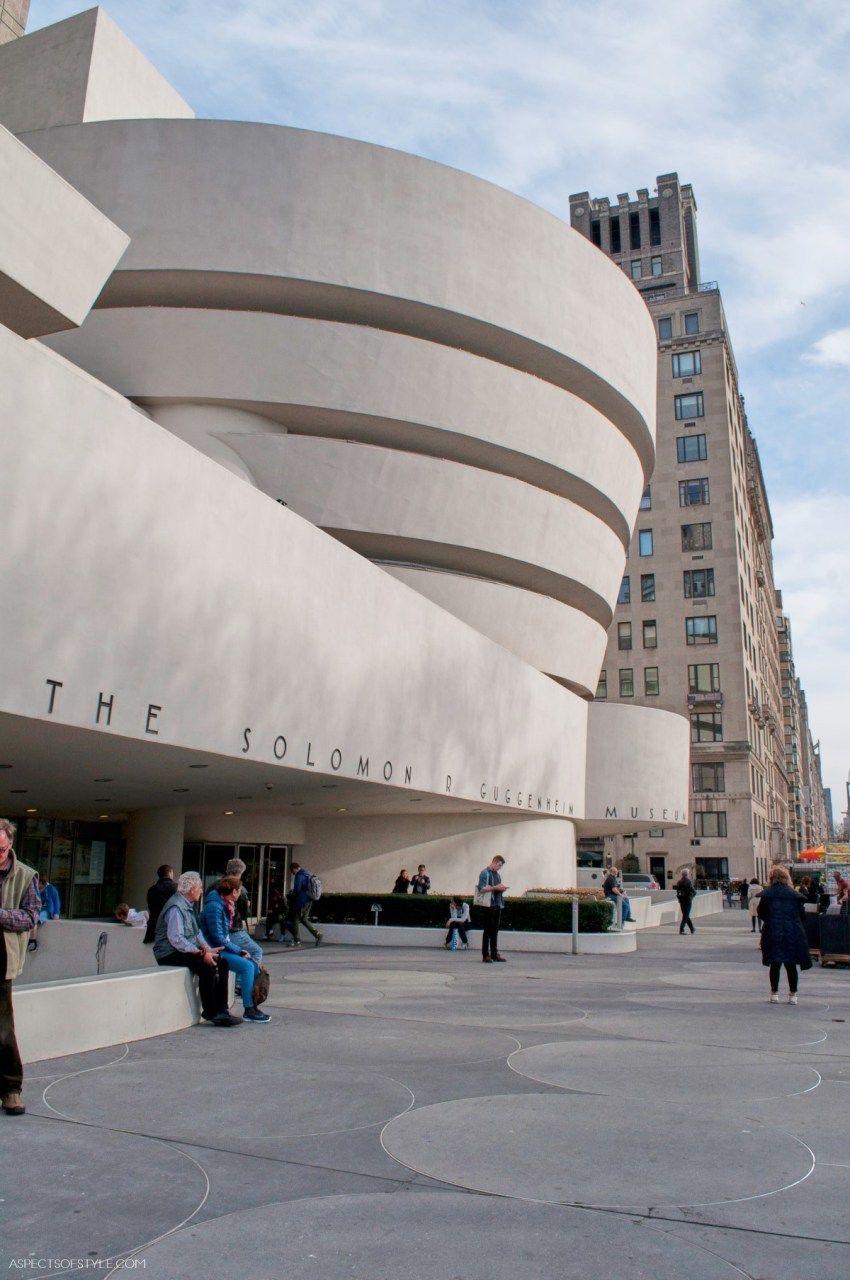
The museum was expanded in 1992 by the addition of a nearby 10-story tower. This was to craete a sense of verticality and to provide additional exhibition space. It allows visitors to experience the artwork as they move up through the spiraling ramps. Its unique feature adds to the overall architectural beauty of the musuem