ExpertInterview
OBSTETRIC NURSING
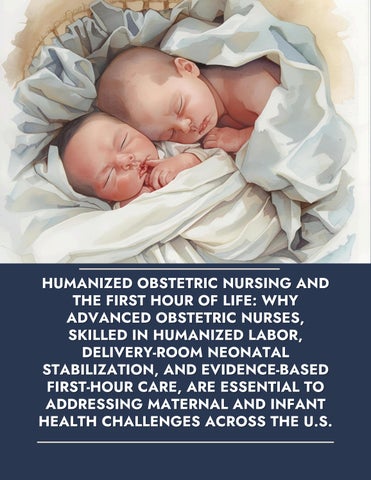
HUMANIZED OBSTETRIC NURSING AND THE FIRST HOUR OF LIFE: WHY ADVANCED OBSTETRIC NURSES, SKILLED IN HUMANIZED LABOR, DELIVERY-ROOM NEONATAL STABILIZATION, AND EVIDENCEBASED FIRST-HOUR CARE, ARE ESSENTIAL TO ADDRESSING MATERNAL AND INFANT HEALTH CHALLENGES ACROSS THE U.S.
HUMANIZED OBSTETRIC NURSING AND THE FIRST HOUR OF LIFE: WHY ADVANCED OBSTETRIC NURSES, SKILLED IN HUMANIZED LABOR, DELIVERY-ROOM NEONATAL STABILIZATION, AND EVIDENCEBASED FIRST-HOUR CARE, ARE ESSENTIAL TO ADDRESSING MATERNAL AND INFANT HEALTH CHALLENGES ACROSS THE U.S.
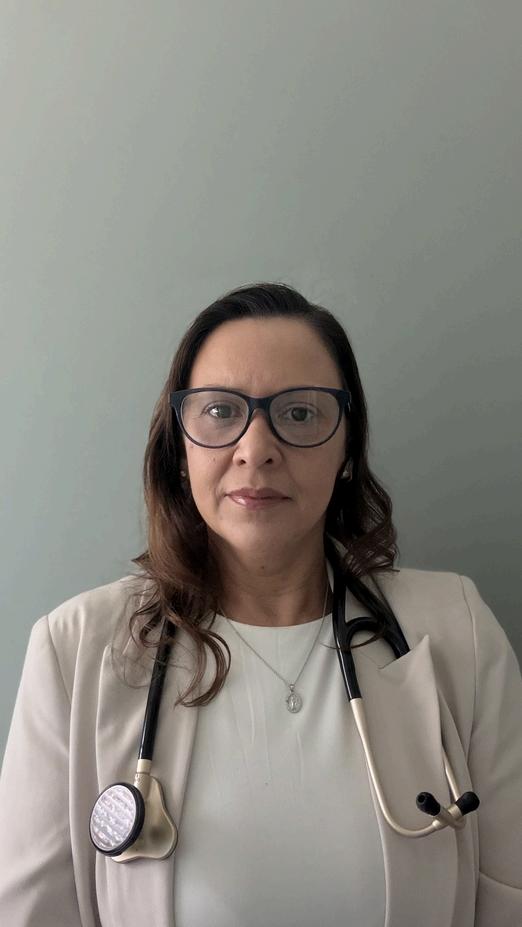
As part of Human Capital’s ongoing series on executive leadership and industry transformation, Ana Paula Montanha, Editor-in-Chief of Human Capital Career Trends Magazine, interviewed the guest expert, Érika Samara Teodoro de Lima Araújo, an obstetric nurse whose career spans more than fifteen years of specialized practice in humanized childbirth, immediate neonatal care, and evidence-based first-hour-of-life interventions In this edition, Érika shares her insights on how an advanced obstetric nursing professional, equipped with deep clinical expertise, academic research, and extensive hands-on experience in delivery-room neonatal care, can significantly strengthen maternal and infant outcomes in the United States Her mastery of humanized care protocols, combined with her leadership in implementing evidence-based practices, positions her as a critical contributor to improving safety, quality, and equity in U S maternal–infant health systems INTRODUCTION:ANATIONCONFRONTING PERSISTENTMATERNALANDINFANTHEALTH
CHALLENGES
Despiteadvancedtechnologyandextensivehospital infrastructure,theUnitedStatescontinuestofaceurgent challengesinmaternalandinfanthealthoutcomes,as documentedbyitsownfederalagencies Accordingtothe NationalCenterforHealthStatistics(NCHS),theU.S. maternalmortalityraterosesharplyduringtheCOVID-19 pandemic,reaching329deathsper100,000livebirthsin 2021(1,205maternaldeaths),beforedecliningto223in 2022(817deaths)and186in2023(669deaths)(Centers forDiseaseControlandPrevention[CDC],NCHS,2021, 2025)
Theseimprovementsareencouraging,buttheoveralllevel andpersistenceofdisparities,especiallyamongBlack women,keepmaternalmortalityattheforefrontofU.S. public-healthconcerns(CDC,NCHS,2025)
Infanthealthindicatorstellarelatedstory TheCDC reportsthatin2022theUS infantmortalityratewas56 deathsper1,000livebirths,withmorethan20,500infant deaths,andthatthisrepresenteda3%increasefrom2021, thefirstyear-to-yearriseininfantmortalitysince2001–2002(CDC,2024;CDC,NCHS,2023) Thesenumbers underscoretheimportanceofstrengtheningclinicalcare throughouttheperinatalcontinuum,particularlyinthe firsthouroflife,whennurse-ledinterventionshavea disproportionateimpactonnewbornstabilityand maternalrecovery

Workforcedataaddsastructuraldimensiontothese outcomes.TheU.S.BureauofLaborStatistics(BLS)projects thatemploymentofregisterednurseswillgrow5%from2024 to2034,fasterthantheaverageforalloccupations,with approximately189,100nursejobopeningsperyearoverthe decade(BureauofLaborStatistics[BLS],2024a) Healthcare occupationsoverallareexpectedtogenerateabout1.9million openingseachyear,reflectingbothnewdemandand replacementneeds(BLS,2024b) Themedianannualwagefor registerednurseswas$93,600inMay2024,signalingnotonly theeconomicvalueoftheprofessionbutalsotheintensityof currentdemand(BLS,2024a).
Againstthisbackdrop,advancedobstetricnurses, professionalswithexpertiseinmaternal,infantcare,deliveryroomneonatalstabilization,andculturallycompetent, humanizedchildbirth,areemergingasindispensableactorsin thenationalefforttoimproveoutcomes AmongthemisÉrika SamaraTeodorodeLimaAraújo,anobstetricnursewithmore than15yearsofexperienceinBrazil,specializinginhumanized labor,immediateneonatalcare,breastfeedingcounseling,and family-centeredfirst-hourprotocols Hertrajectoryexemplifies howhighlyskillednursescandirectlysupportUS publichealthprioritiesbyimprovingthesafety,dignity,and effectivenessofchildbirthcare
generation of obstetric nurses who integrate clinical excellence and rapid decision-making,
Interview byAna Paula Montanha, Editor-in-Chief, featuring Guest Expert Érika SamaraTeodoro de Lima Araújo.
Érika Samara Teodoro de Lima Araújo exemplifies a new
TheWorkforceImperative BLSdatashowthatnursingremainsoneofthebackbone professionsoftheUS healthsystem Employmentfor nursesisprojectedtogrow5%from2024to2034,and nearly189,100openingsperyearareexpected,largelydue toretirements,turnover,andexpandingdemand(BLS, 2024a) Morebroadly,healthcareoccupationsare projectedtogrowmuchfasterthantheaverageforall occupations,withabout19millionjobopeningseachyear (BLS,2024b)
Withintheseaggregates,maternal–childandobstetric careareespeciallyexposedtostaffshortages.TheHealth ResourcesandServicesAdministration(HRSA)notesthat HealthProfessionalShortageArea(HPSA)designations areusedtoidentifycommunitieswithcriticalgapsin access,andthatabout20%oftheUS populationlivesin primarymedicalcareHPSAs,anindicatorofbroader providershortages,includingnurses,affectingmanyrural andunderservedregions(HealthResourcesandServices Administration[HRSA],2025a,2025b)
ThesedatasuggestthattheUnitedStatesnotonlyneeds morenurses,butspecificallymorenurseswithadvanced skillsinobstetricandneonatalcare,capableofdelivering high-acuityclinicalsupportinenvironmentswhere resourcesandspecialistsmaybeconstrained
MaternalandInfantIndicatorsasSystemPerformance Metrics
Federaldataunderscorethatmaternalandinfant mortalityratesarecoreindicatorsofhealthsystem performance Thesharpriseinmaternalmortalitythrough 2021 d h b d li 223 d186d h
Similarly,infantmortalitytrendssignalsystemicstress The 56deathsper1,000livebirthsin2022andmorethan20,500 infantdeathsrepresenta3%increasefrom2021,reversinga longperiodofgradualdecline(CDC,2024;CDC,NCHS, 2023).EarlyCDCanalysesandsubsequentreporting highlightthatthisincreasewasdrivenprimarilybyrisesin neonataldeaths,preterm-relatedcomplications,and persistentdisparitiesbyrace,geography,andsocioeconomic status Theseindicatorsreinforcetheneedforhigh-quality careduringpregnancy,childbirth,andtheneonatalperiod, withspecialemphasisonthefirsthouroflife.
InternationalLessons:Brazil’sHumanizedChildbirthPolicy Internationalexperienceoffersimportantcomparative insight InBrazil,theMinistériodaSaúdehasdevelopeda robustpolicyframeworkaroundhumanizedchildbirth, includinginitiativessuchastheRedeCegonha(Stork Network)andpublicationslikeHumanizaçãodopartoedo nascimento(CadernosHumanizaSUS,Volume4)andthe DiretrizesNacionaisdeAssistênciaAoPartoNormal (nationalguidelinesfornormalbirthcare)(Ministérioda Saúde,2014,2017)
Thesedocumentspromotepracticesthatarenowglobally recognizedasbest-in-class:freedomofmovementduring labor,continuouscompanionship,skin-to-skincontact,early breastfeeding,minimalunnecessaryinterventions,and respectful,woman-centeredcare Inpracticalterms,Brazil’s policiesshowhownationalsystemscanembedhumanized, evidence-basedprotocolsintoeverydaypractice,providinga usefulreferenceforU.S.hospitalsseekingtoimprove maternal–infantoutcomesandpatientexperience
ItispreciselywithinthisBraziliancontextthatÉrikaSamara TeodorodeLimaAraújodevelopedherexpertise,workingin obstetricunitsthatoperationalizetheseprinciplesand translatethemintoconcreteprotocolsatthebedside.Her careerthusrepresentsnotonlyindividualexcellencebutalso avehicleforinternationalknowledgetransferdirectlyaligned withUS priorities
CASESTUDIES&EXECUTIVEINSIGHTS:HUMANIZED LABORANDTHEFIRSTHOUROFLIFEINPRACTICE
Overmorethan15yearsofpractice,ÉrikaSamara TeodorodeLimaAraújohasadvancedfromfrontline nursetoobstetricspecialistandunitleader,workingin high-complexityenvironmentswheretimely,evidencebaseddecisionsduringchildbirtharecritical Herday-todayresponsibilitieshavespannedlaboranddelivery, obstetricemergencies,neonatalstabilization, breastfeedingcounseling,andfamily-centered postpartumsupport
HumanizedChildbirthasClinicalStrategy
Drawingfromheracademicworkonobstetricnursing careimmediatelyafterbirthandfromtheBrazilianpolicy frameworkonhumanizedchildbirth,ÉrikaSamara TeodorodeLimaAraújooperationalizesastructuredset offirst-hourinterventions,including:
Immediateskin-to-skincontactbetweenmotherand newborn,wheneverclinicallyfeasible.
Earlyinitiationofbreastfeeding,typicallywithinthe firsthour,inlinewithWHOandBrazilianguidelines andconsistentwithUS breastfeedingpromotion strategies.
Neonatalthermoregulationandtransitioncare, includingcarefuldrying,warming,andmonitoringto preventhypothermia
Airwayandrespiratoryassessmentinthedelivery room,ensuringasafephysiologictransitiontoextrauterinelife
Delayedcordclampingwhenappropriate,supporting neonatalhemodynamicstability.
Respectful,family-centeredcommunication, recognizingchildbirthnotonlyasabiomedicalevent butasacriticalpsychosocialandculturalmilestone Globalandnationalresearchhasassociatedthese practiceswithreductionsinneonatalmorbidity,improved breastfeedingrates,enhancedmaternalsatisfaction,and betterearlybonding,outcomesthatdirectlysupportUS public-healthgoalstoreducepreventableinfantdeaths andimprovelong-termhealthtrajectories(CDC,2024; MinistériodaSaúde,2014,2017)
ImpactonQualityIndicators
AcrosstheBrazilianinstitutionsinwhichÉrikaSamara TeodorodeLimaAraújohasworked,thesystematic implementationofhumanizedchildbirthprotocolshas coincidedwithhigherbreastfeedinginitiationratesinthe deliveryroom,reducedunnecessaryseparationofmother andbaby,improvedpatientsatisfactionscoresrelatedto childbirthexperience,andfeweravoidablefirst-hour complications,includingepisodesofneonatal hypothermiaandearlyfeedingdifficulties
Theseoutcomesalignwithmaternal–infantquality indicatorsprioritizedbyCDC,HHS,andmajorhospital accreditationbodies,whichincreasinglyencourage standardizedbundlesoffirst-hourcareandmeasure performanceonbreastfeeding,safetransitions,and mother–newbornbonding(CDC,2024;HHS,nd)
Leadership,Training,andKnowledgeTransfer
Beyondherdirectclinicalwork,ÉrikaSamaraTeodorode LimaAraújohasexercisedleadershipandpreceptorroles, orientingnewnurses,leadingtheimplementationof updateddelivery-roomprotocols,andactingasaresource formultidisciplinaryteams Thisincludesdesigningand deliveringin-servicetrainingsonfirst-hourprotocols, implementingchecklistsandflowsheetsfordelivery-room care,andparticipatinginauditandfeedbackcyclesto monitoradherencetohumanizedchildbirthstandards
Thesetasksdemonstratenotonlybedsidecompetencebut alsoÉrika’scapacitytofunctionasaknowledge-transfer asset,preciselythekindofprofessionalwhocanhelpUS institutionstranslatepolicyrecommendationsintoeveryday practice
ANewGenerationofObstetricNursingLeadership
ÉrikaSamaraTeodorodeLimaAraújoexemplifiesanew generationofobstetricnurseswhointegrateclinical excellenceandrapiddecision-making,culturalcompetence andcommunicationskills,evidenceliteracyandqualityimprovementmindset,andhumanized,patient-centered care
IntheUS context,wherematernalandinfantmortality metricsarecloselywatchedandworkforceshortagesare palpable,suchprofilesarecriticalforclosingthegap betweennationalgoalsandreal-worldoutcomes.
EXPERTQ&A:PERSPECTIVESFROMASPECIALIZED OBSTETRICNURSE
AspartofHumanCapital’songoingseriesonexecutive leadershipandindustrytransformation,EditorinChief AnaPaulaMontanhaspeakswithprofessionalswhoare redefiningoperationalexcellenceandshapingthefuture ofAmerica’sworkforce Inthisinterview,ÉrikaSamara TeodorodeLimaAraújooffersinsightsthatconnect frontlinepracticewithnationalworkforceandpublichealthstrategy Shedescribesherinspirationforentering obstetricnursingasrootedinaconvictionthatchildbirth canbebothsafeanddeeplyrespectful,emphasizingthat nursesareuniquelypositionedtosafeguardthesetwo dimensionssimultaneously Forher,theroleofthe obstetricnurseextendsbeyondclinicalintervention,it encompassesemotionalsupport,advocacy,andthe creationofanenvironmentinwhichmothersfeel empoweredandprotected
Whenspeakingtopolicymakersandhospitalleaders, ÉrikaSamaraTeodorodeLimaAraújoexplainsthatthe firsthourofliferepresentsacritical“windowof opportunity”inwhichnurse-ledinterventions significantlyinfluenceneonatalsurvival,breastfeeding success,andmaternalemotionalwell-being.She connectsthisdirectlytoCDC-reportedinfantmortality trends,underscoringthatimprovementsinnational metricsdepend,inpart,onconsistent,high-quality nursingpracticesduringthistime.
Érikahighlightsseveralinterventionssheconsiders essentialtoneonataloutcomes,includingskin-to-skin contact,earlybreastfeeding,andneonatalstabilization protocols These,sheexplains,haveshownthegreatest measurableimpactacrossheryearsofclinicalpractice Sheofferscaseexamplesinwhichimplementing humanizedchildbirthprotocolsresultedinhigherpatient satisfaction,strongerbonding,andimprovedearly breastfeedingindicators,outcomesthatmirrorthose describedintheBrazilianhumanizationliterature (MinistériodaSaúde,2014,2017)
ComparingBrazilianandUS efforts,Érikanotesthat Brazilbenefitsfromalongstanding,nationally coordinatedframeworkforhumanizedchildbirth,whereas US initiativesareemergingmorerecentlyyet increasinglyreflectsimilarprinciplescenteredon respectfulcare,autonomy,andequity Sheseesthis convergenceasapromisingopportunityforcrossculturallearningandclinicalinnovation
ÉrikaSamaraTeodorodeLimaAraújoalsoemphasizes thatinalabormarketwhereBLSdatashowsustained demandfornursesandpersistentregionalshortages, investmentsintraining,specialization,andretentionof obstetricnursesareessentialtomaintainingqualityand safetyinmaternal–infantcare(BLS,2024a,2024b;HRSA, 2025a) Lookingtowardthefuture,shebelievesthat excellenceinobstetricnursingwillincreasinglydependon integratingtrauma-informedapproaches,dataliteracy, culturalhumility,andthestrategicuseofemergingtools, includingsimulationtraining,standardizedcarebundles, andtelehealthfollow-up,intocompassionate,humanized care.
1.Whatfirstinspiredyoutopursueobstetricnursing, andhowdidyourearlyexperiencesinlaborand deliveryshapeyourapproachtohumanizedchildbirth? Myinspirationcamefromwitnessinghowprofoundlythe firstmomentsoflifeaffectlong-termwell-being,forboth thenewbornandthemother.Earlyinmycareer,Irealized thatchildbirthcanbesafefromaclinicalstandpointand deeplyrespectfulfromahumanperspective Workingin deliveryrooms,Irepeatedlysawhowpracticessuchas immediatedrying,warming,skin-to-skincontact,and earlybreastfeedingnotonlystabilizednewbornsbutalso transformedtheemotionalexperienceoffamilies These observationswerelaterreinforcedinmyacademicreview, whichhighlightedthattheseinterventionsareboth physiologicallybeneficialandessentialtohumanized care,asemphasizedbyBrazilianandinternational guidelines Humanizationbecamethenaturalextension ofwhatIwasalreadywitnessingeveryday:that respectful,evidence-basednursingcreatessafer,more meaningfulbirths
2.Howdoyouexplaintheimportanceofthefirsthour oflifetopolicymakersandhospitalleaders,inlightof currentCDCmaternalandinfantmortalitydata?
Idescribethefirsthourasaclinicallydecisiveand emotionallyformativeperiod,atimeinwhichnurse-led interventionshavemeasurableimpactsonneonatal survivalandmaternaloutcomes CDCdatashowthatthe US continuestofacechallenges,withmorethan20,500 infantdeathsin2022andinfantmortalityrisingto56per 1,000livebirths WhenIspeaktopolicymakers,Iconnect thesestatisticstotheevidencefrommyreview,which demonstratesthatstructuredfirst-hourpractices,suchas thermalregulation,airwaysupport,earlybreastfeeding, andcontinuousclinicalassessment,significantlyreduce avoidablecomplications Theseactionsaresimple,lowcost,andgroundedinevidence.Strengtheningthe workforcetoimplementthemconsistentlyisnotonlya clinicalprioritybutanationalpublic-healthstrategy
3.Whichnurse-ledinterventionsinthedeliveryroom haveyoufoundmosteffectiveinimprovingneonatal outcomes?
TheintegrativereviewconfirmedwhatIhavelong observedinpractice:themosteffectiveinterventionsare oftenthesimplestandmostphysiologic Immediate drying,warming,preventionofhypothermia,skin-to-skin contact,stimulationofspontaneousbreathing,airway assessment,andearlybreastfeedingconsistentlyappear intheliteratureashigh-impactpractices Studies analyzedinmyreviewalsoemphasizedthatthecorrect applicationofneonatalresuscitationprotocolsimproves Apgarscoresandreducescomplications.Whenthese interventionsareperformedpromptlyandconsistently, theycreateastablephysiologicaltransitionand strengthenthematernal–infantbond,formingthe foundationofsafeandhumanizedcare
“The integrative review confirmed what I have long observed in practice: the most effective interventions are often the simplest and most physiologic.”
4.Whatsimilaritiesanddifferencesdoyouobserve betweenBrazilianhumanizedchildbirthinitiativesand currentU.S.effortstoimprovematernalandinfant health?
Brazilhasbuiltastrongnationalfoundationaround humanizedchildbirth,supportedbyMinistryofHealth guidelinesemphasizingskin-to-skincontact,delayed cordclamping,thermalcontrol,breastfeedingsupport, appropriateenvironment,andreducedunnecessary interventions TheseprinciplescloselyalignwithWHO recommendationsandappearrepeatedlyinthestudies includedinmyintegrativereview TheUS doesnotyet haveaunifiedfederalprotocol,butIseemanyhospitals adoptingpatient-centeredpracticesandaddressing disparitiesinrespectfulcare Thephilosophicalalignment betweencountriesisstrong;theprimarydifferenceisthe levelofnationalstandardizationthatBrazilhas implemented Withgrowinginterestinimproving maternal–infantoutcomes,theUS isincreasingly embracingtheprinciplesBrazilhaspracticedforyears
5.Howcanhealthcareorganizationsbettersupport trainingandretentionofobstetricnurses,giventhe BLS-documenteddemandandpersistentregional shortages?
Myreviewhighlightedpersistentgapsintraining, outdatedprotocols,andstructurallimitationsasobstacles toeffectiveneonatalcare ThesechallengesmirrorUS workforceconcerns Tosupportretention,organizations shouldinvestincontinuouseducation,simulation-based traininginneonatalstabilization,andstructuredprograms forupdatingevidence-basedprotocols Adequate staffingandimprovedworkenvironmentsarealso essential;literaturefromBrazilshowsthatovercrowding, poorinfrastructure,andexcessiveinterventionsdirectly compromiseadherencetobestpractices.GivenBLS projectionsof189,100nurseopeningsperyear,investing inobstetricnursingisnotonlybeneficialbutnecessary Nursesremainwheretheyfeelcompetent,supported, andabletopracticesafely.
6.Inyourview,whatcompetencieswilldefine “excellence”inobstetricnursingoverthenextdecade? Excellencewillberootedinablendoftechnicalmastery andhumanizedcare Findingsfrommyreviewhighlight theneedforstrongskillsinthermalregulation,respiratory stimulation,neonatalassessment,andemergency response.Butequallyimportantarecompetenciesin culturalhumility,trauma-informedcare,communication, anddataliteracy Nurseswillalsoneedtoengagein continuouslearning,aschallengeslikeincreased cesareanrates,pandemic-relateddisruptions,and evolvingguidelinesrequireagility Excellencewillbelong tonurseswhocanintegrateevidencewithempathy, ensuringthateveryintervention,clinicaloremotional, promotessafetyanddignity.
Given BLS projections of 189,100 nurse openings per year, investing in obstetric nursing is not only beneficial but necessary.
7.Howdoyoubalanceclinicalprotocolswithemotional andpsychosocialsupportformothersandfamilies duringlabor?
Humanizedchildbirthliteratureemphasizesthatcare mustrespectboththephysiologyandtheemotional experienceofchildbirth.Myapproachistoensurethat clinicalprotocols suchasdrying,warming,monitoring cardiorespiratoryadaptation,andbreastfeedingsupport areperformedwithexplanation,consent,andempathy Myreviewidentifiedthatmanyservicesstruggleto incorporatehumanizationduetorigidroutinesor excessiveinterventions Balancingprotocolandpresence meansrecognizingthatamother’semotionalstate affectsclinicaloutcomes.Whenshefeelssafeand respected,cooperationimproves,physiological adaptationissmoother,andtheexperiencebecomes empowering
8.Whatinnovationsdoyoubelievewillhavethe greatestimpactonU.S.maternal–infanthealth?
Basedonboththeliteratureandmyclinicalexperience, threeinnovationsstandout:
1 Simulation-basedobstetricandneonataltraining, whichhelpsteamspracticeemergencyprotocols safelyandconsistently
2 Standardizedfirst-hour-of-lifebundles,reflectingthe coreinterventionsrepeatedlyidentifiedinmy integrativereview,includingdrying,warming,skin-toskincontact,andbreastfeedingsupport
3 Telehealthforperinatalandpostpartumfollow-up, whichcanhelpreducedisparitiesinunderserved areas
Theseinnovationsworkbecausetheystrengthen workforcecapabilitywhilepreservingtheessenceof humanized,evidence-basedcare
9.Whatadvicewouldyougivetonewnursesentering laboranddeliveryduringatimeofhighdemandand rapidtechnologicalchange?
Iwouldtellthemtorememberthattheirpresence mattersasmuchastheirprocedures.Technologywill continueevolving,buttheessentialelementsdescribed inmyresearch,warmth,touch,calmcommunication, clinicalvigilance,andevidence-basedaction,willalways remaincentral.Seekmentorship,buildconfidencein neonatalstabilization,andcommittolifelonglearning Thedeliveryroomisaplacewheresmallactionshave largeconsequences,andnewnursesshouldtakepridein masteringbothscienceandcompassion.
10.Howcaninternationalexperienceslikeyours contributetoUS workforcestrategy,particularlyin underservedareas?
WorkinginBrazilexposedmetoenvironmentswith limitedresourcesbutstrongemphasisonprotocols, humanization,andteamwork,themeshighlighted throughoutmyreview Theseexperiencestaughtmeto achieveexcellentoutcomesusinglow-cost,high-impact interventionsthatareespeciallyvaluableinunderserved orruralUS settings Internationalexperiencealso strengthensculturalcompetence,essentialinacountry asdiverseastheUnitedStates Ibelievethatintegrating globalperspectivesallowstheUS torefineitsmaternal–infanthealthstrategiesandadaptsuccessfulmodels fromabroad
11.Whatlong-termimpactdoyouhopeyourworkin humanizedchildbirthwillhaveonmaternalandinfant outcomesintheUnitedStates?
Ihopetocontributetoafuturewhereeverynewborn receivesevidence-based,safe,andhumanizedcareinthe firstmomentsoflife,andeverymotherexperiences childbirthasrespectfulandempowering Theintegrative reviewIconductedreinforcedthatwhennursesare trained,supported,andempoweredtoactaccordingto bestpractices,neonatalcomplicationsdecrease,maternal satisfactionincreases,andlong-termhealthimproves My goalistohelpembedtheseprinciplesintoUS practiceso thathumanizedcareisnotaprivilegeorexception,itis thestandard.
FUTUREOUTLOOK&RECOMMENDATIONS
TheEvolvingMaternal–InfantHealthLandscapeinthe U.S.
Federaldatapictureanuancedpicture Thedeclinein maternalmortalityfrom329in2021to223and186in 2022and2023,respectively,indicatesthattargeted interventionsandhealth-systemadaptationscanmakea measurabledifference(CDC,NCHS,2021,2025) Yetthe levelsremainhigherthanmanyotherhigh-income countries,andracialdisparities,especiallytheelevated ratesamongBlackwomen,persist
ByintegratingleaderslikeÉrikaintoUS healthsystems, andbysupportingthebroaderdevelopmentofobstetric nursingasacorestrategicasset,thecountrycanmove closertoafutureinwhichchildbirthisnotonlysafer,but alsomoredignified,equitable,andcenteredonwhat mattersmost:thehealthandhumanityofmothersand theirnewborns 7
Ontheinfantside,the2022increaseininfantmortalityto 56deathsper1,000livebirthsandmorethan20,500 infantdeathsunderscoresthefragilityofrecentprogress (CDC,2024;CDC,NCHS,2023).Earlyanalysessuggest thatthisriseislinkedtopreterm-relatedconditionsand systemicinequitiesinmaternalcare,preciselytheareas whereobstetricnursinginterventionsduringpregnancy, labor,andtheneonatalperiodcanbemostimpactful.
TheRisingNeedforAdvancedObstetricNurses BLSprojectionsandHRSAshortagedesignations togetherhighlightthegapbetweennationalneedsand availablepersonnel With5%projectedgrowthfor registerednurses,189,100annualnursepositions openings,andabout19millionannualhealthcare openingsoverall,theU.S.mustfocusnotonlyon recruitingmorenursesbutalsooncultivatingspecialized competencies,particularlyinmaternal–childhealth(BLS, 2024a,2024b;HRSA,2025a,2025b)
ObstetricnurseslikeÉrikaSamaraTeodorodeLima Araújobringnon-automatableskills:real-timeclinical assessment,emergencyresponse,familycounseling, interprofessionalcoordination,andculturallysensitive communication Whentheseskillsarecombinedwith humanizedchildbirthprotocols,theydirectlysupport nationaleffortstoreducepreventablematernaldeaths, lowerneonatalcomplications,improvebreastfeedingand bondingoutcomes,andaddressinequitiesinmaternal–infantcareaccessandexperience
TheUS maternal–infanthealthlandscapeisatacritical juncture Federaldatadocumentbothseriouschallenges andpromisingsignsofimprovement,especiallyas maternalmortalitydeclinesfromitspandemic-erapeak. Yetsustainingandacceleratingthisprogresswillrequire strategicinvestmentsinthehealthworkforce,particularly inadvancedobstetricnursing
ÉrikaSamaraTeodorodeLimaAraújoexemplifiesthe typeofprofessionalwhocanhelpdrivethat transformation Herexpertiseinhumanizedchildbirth, first-hourneonatalcare,andnurse-ledprotocol implementation,forgedinBrazil’spolicyenvironmentand honedthroughyearsofclinicalleadership,alignsdirectly withtheUnitedStates’mostpressingmaternal–infant healthpriorities
CONCLUSION
REFERENCES
BureauofLaborStatistics (2024a) Registerednurses US DepartmentofLabor,OccupationalOutlookHandbook https://wwwblsgov/ooh/healthcare/registered-nurseshtm
BureauofLaborStatistics (2024b) Healthcareoccupations US DepartmentofLabor,OccupationalOutlookHandbook https://wwwblsgov/ooh/healthcare/
CentersforDiseaseControlandPrevention (2024,September 16) Infantmortality MaternalandInfantHealth https://wwwcdcgov/maternal-infant-health/infantmortality/indexhtml
CentersforDiseaseControlandPrevention,NationalCenterfor HealthStatistics.(2021).MaternalmortalityratesintheUnited States,2021(HealthE-Stats) https://wwwcdcgov/nchs/data/hestat/maternalmortality/2021/maternal-mortality-rates-2021pdf
CentersforDiseaseControlandPrevention,NationalCenterfor HealthStatistics (2023) 2022provisionalfetalandinfant mortalityintheUnitedStates(PresentationtotheAdvisory CommitteeonInfantandMaternalMortality) https://wwwhrsagov/sites/default/files/hrsa/advisorycommittees/infant-mortality/meetings/ely-2022-fetaland-infantmortalitypdf
CentersforDiseaseControlandPrevention,NationalCenterfor HealthStatistics (2025) MaternalmortalityratesintheUnited States,2023(HealthE-Stats).
https://wwwcdcgov/nchs/data/hestat/maternalmortality/2023/maternal-mortality-rates-2023htm
HealthResourcesandServicesAdministration (2025a) Health workforceshortageareas US DepartmentofHealthandHuman Services https://datahrsagov/topics/healthworkforce/shortage-areas
HealthResourcesandServicesAdministration,BureauofHealth Workforce (2025b) Whatisshortagedesignation?US DepartmentofHealthandHumanServices https://bhwhrsagov/workforce-shortage-areas/shortagedesignation
MinistériodaSaúde (2014) Humanizaçãodopartoedo nascimento(CadernosHumanizaSUS,Vol 4) Ministérioda Saúde.
https://bvsmssaudegovbr/bvs/publicacoes/caderno humanizas us v4 humanizacao partopdf
MinistériodaSaúde (2017) Diretrizesnacionaisdeassistênciaao partonormal:Versãoresumida MinistériodaSaúde https://bvsmssaudegovbr/bvs/publicacoes/diretrizes nacionais assistencia parto normalpdf
US DepartmentofHealthandHumanServices (nd) Maternal andinfanthealthinitiatives[Policymaterials] (Generalreference forfederalmaternal–infanthealthstrategies;URLmayvaryby programandinitiative)
TeodorodeLimaAraújo,É S (2024) Assistênciadeenfermagem aorecém-nascidonasaladeparto:Práticas,desafiose perspectivas[Unpublishedintegrativereview]