Reframing Transparency to Cultivate Civic Belonging
From Vision to Space
Interweaving Storytelling, Strategy and Spatial Experience
Agriurban Horizon
Blurring the line between Natural and Arti!cial
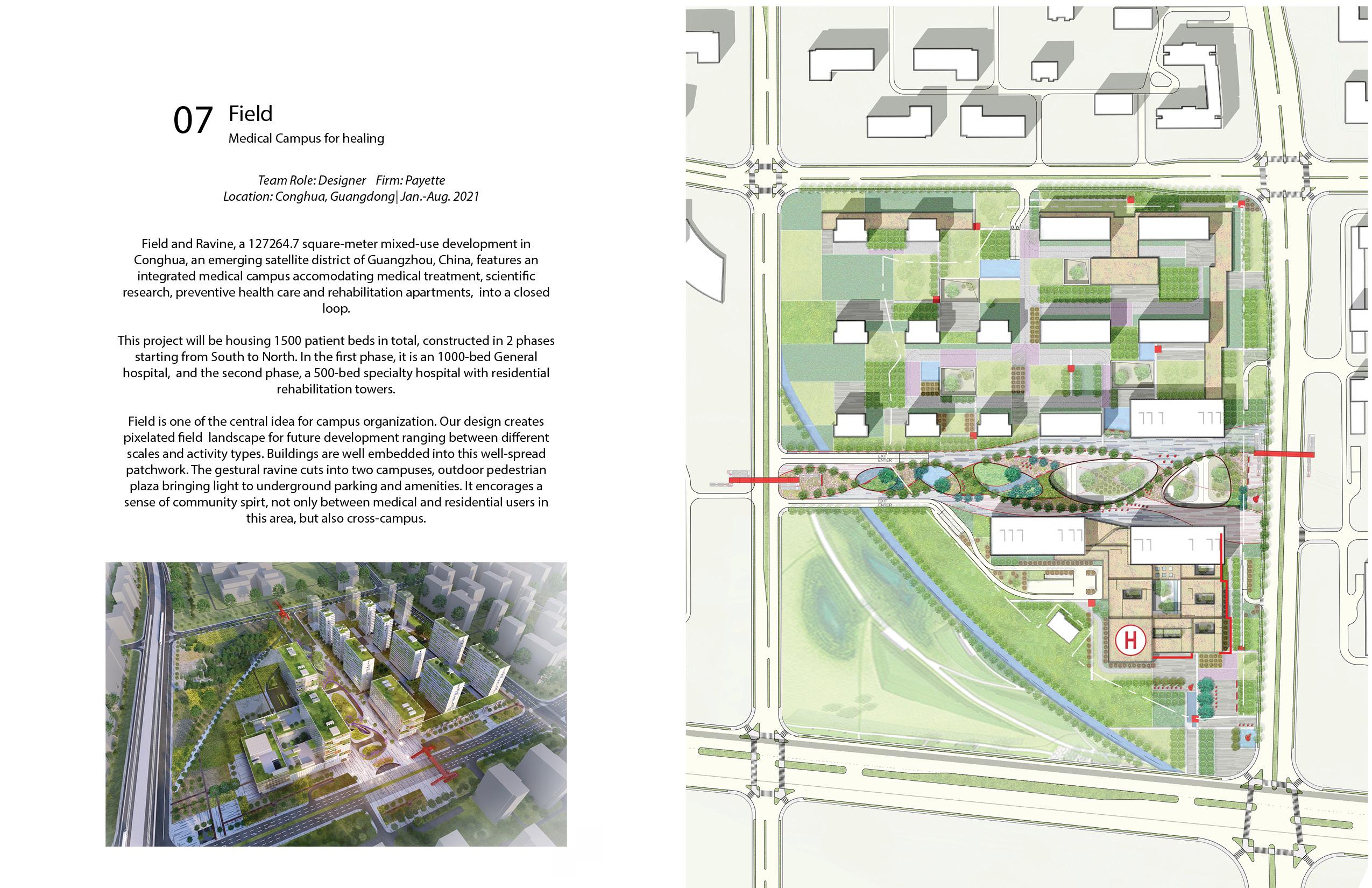
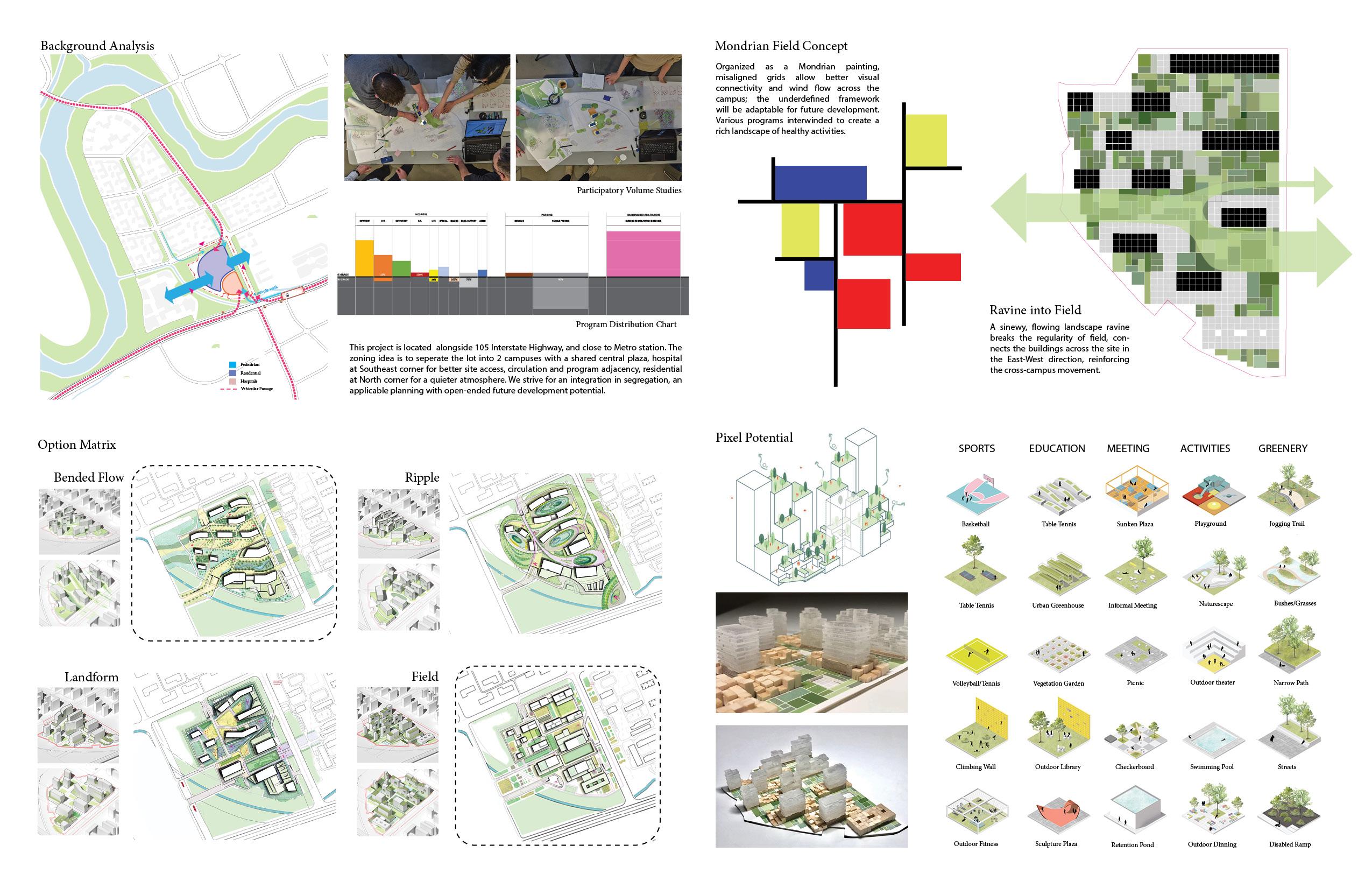
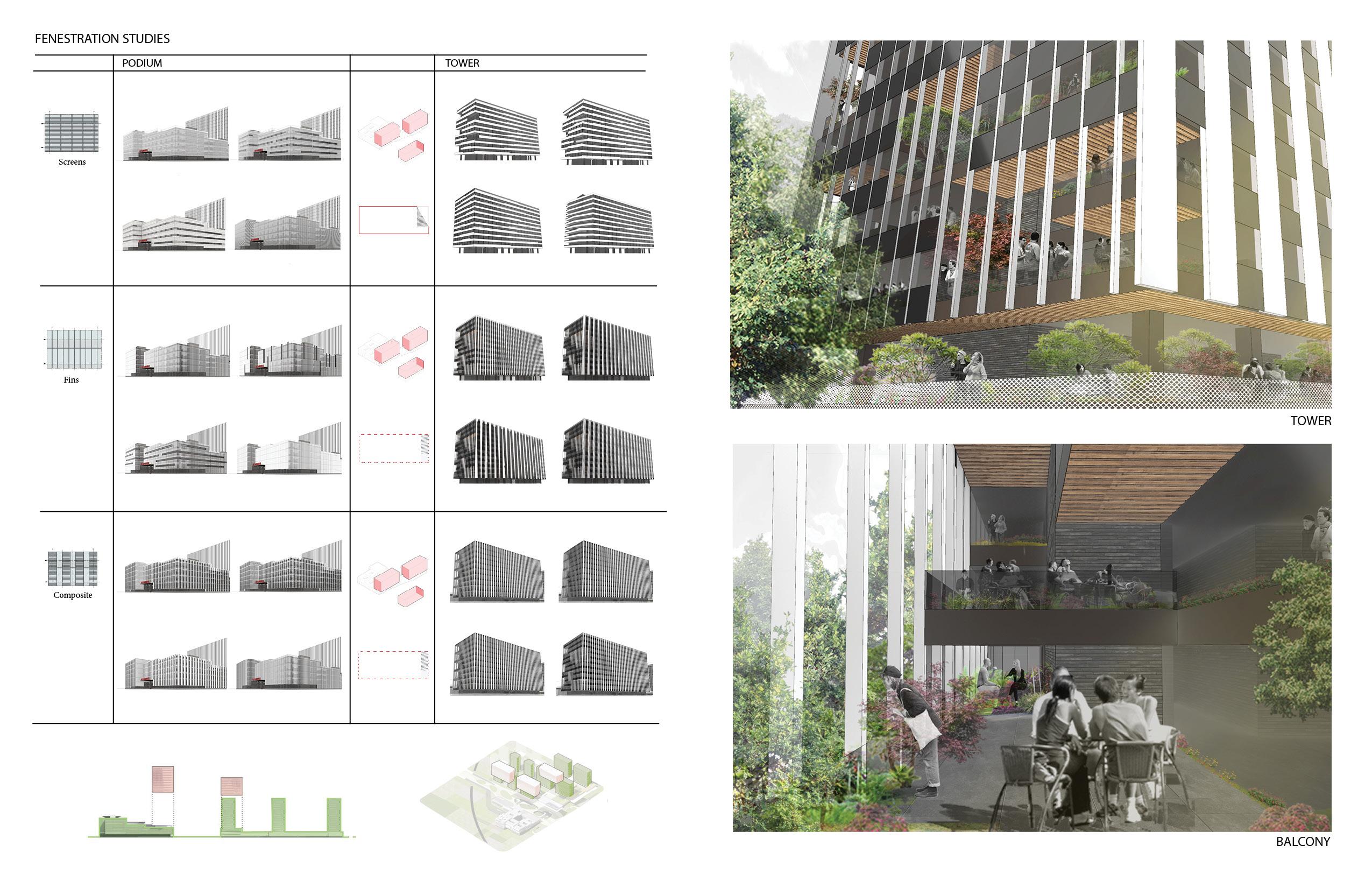
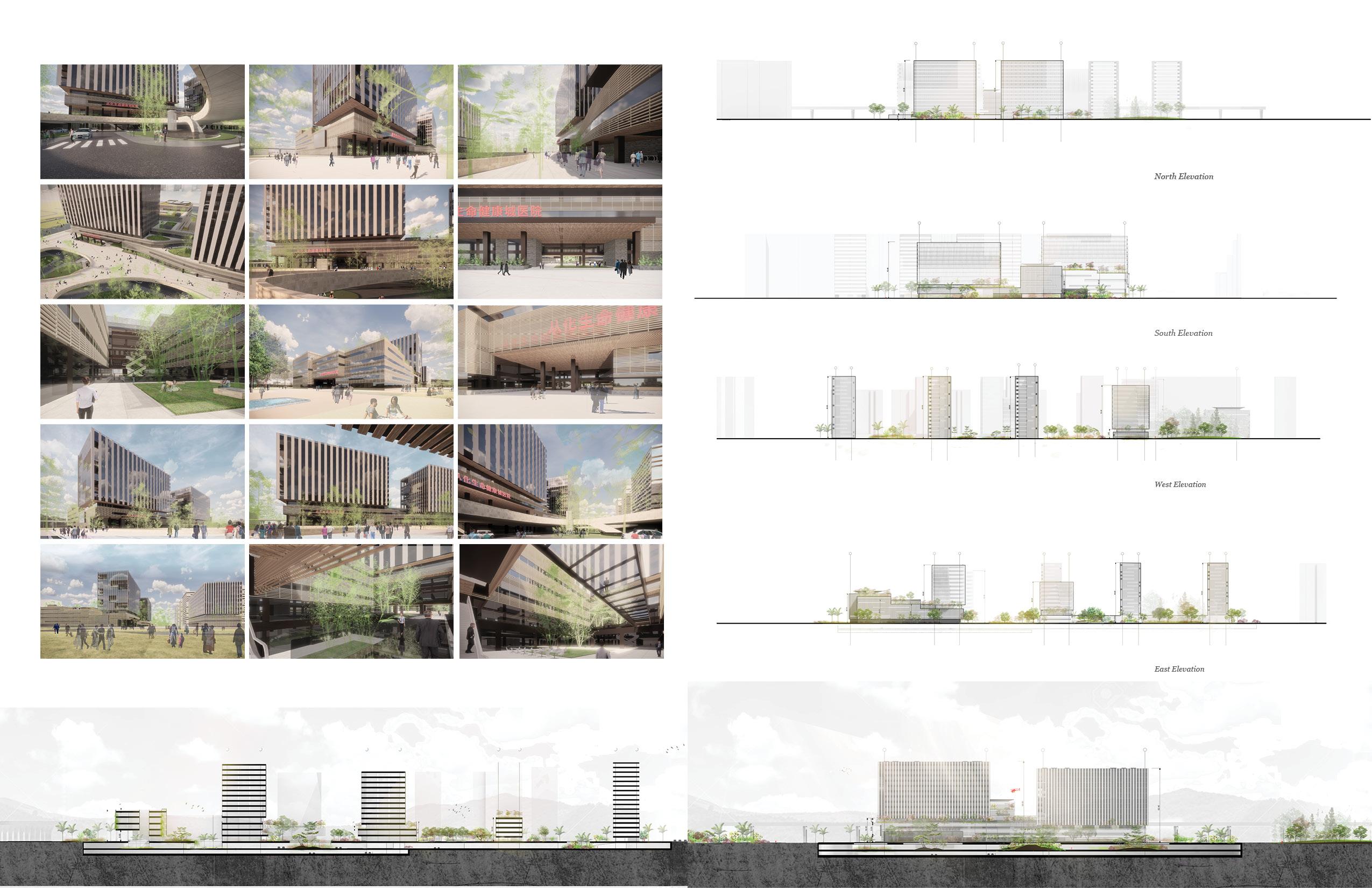
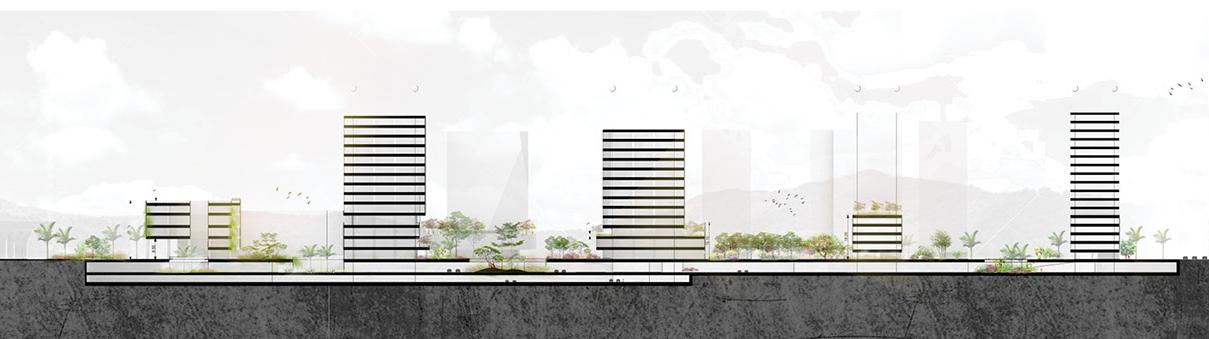
The Healing Field
Reframing a Medical Urbanism through a pixelated landscape
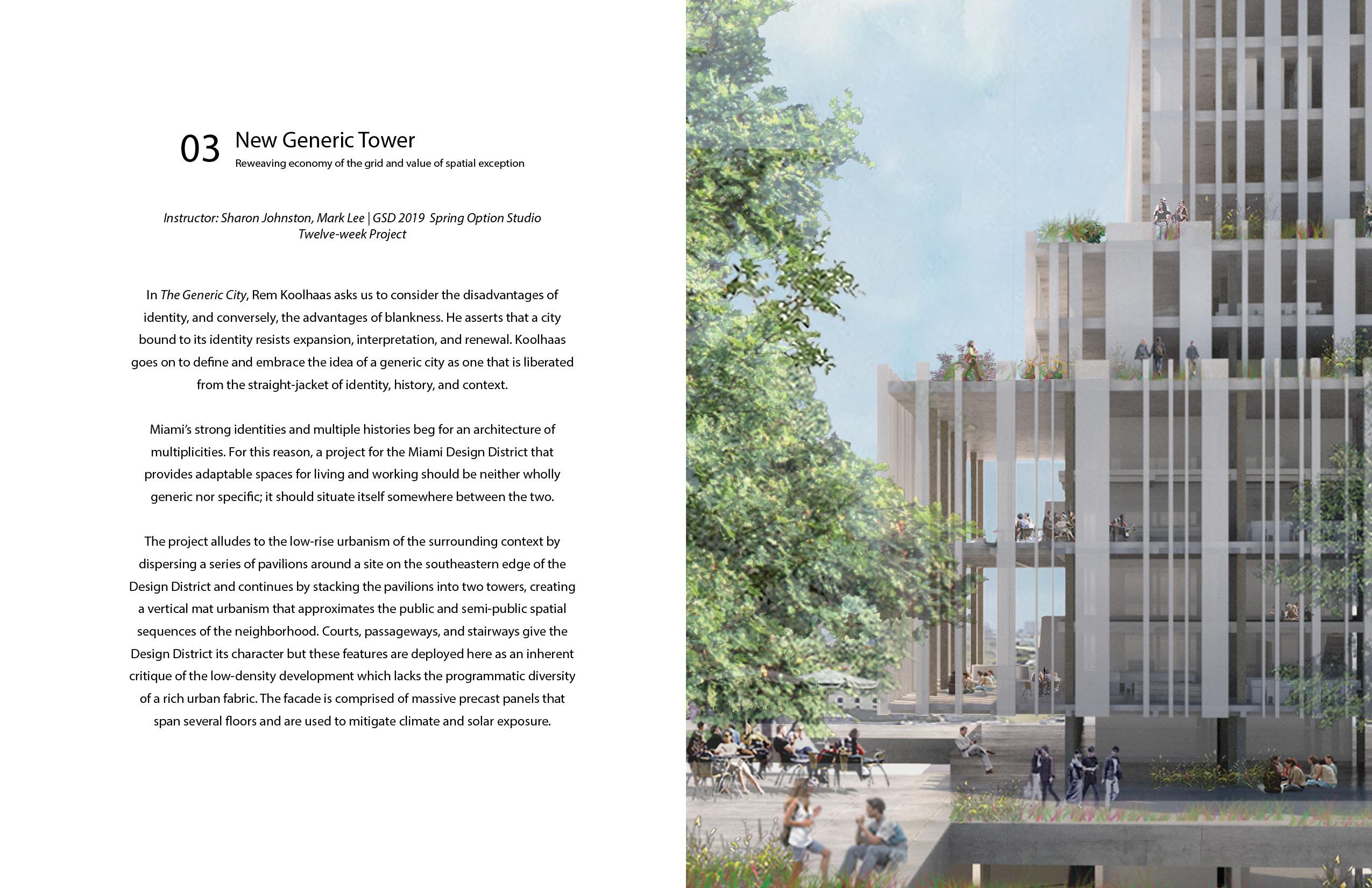
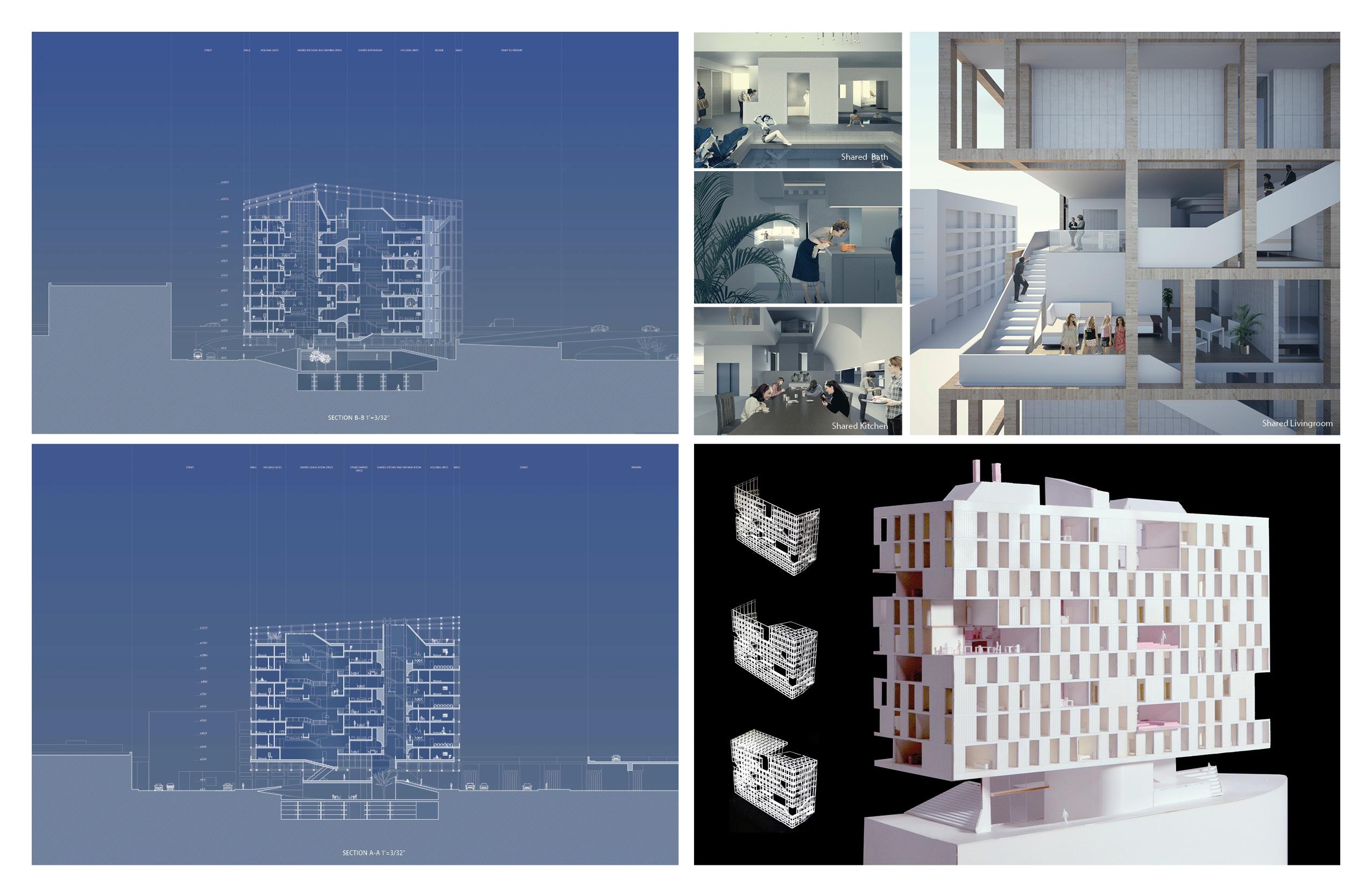
Vertical Commons
Reimagining the Grid Economy and Spatial Exception
Coextensive-Collective
Reclaiming Real Estate Model and Collective Ownership
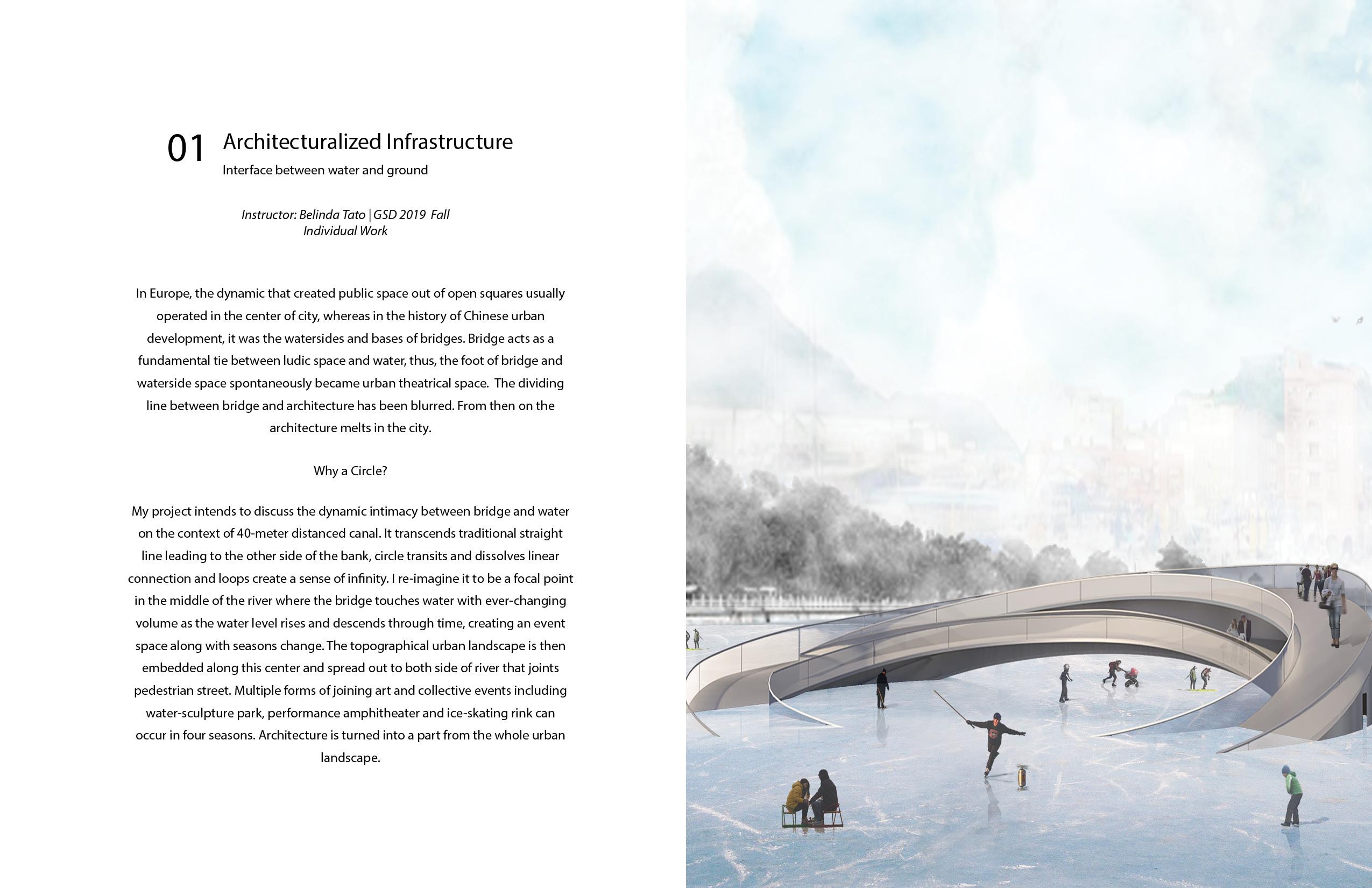
River as Theater
Recasting
URBAN LIVING ROOM
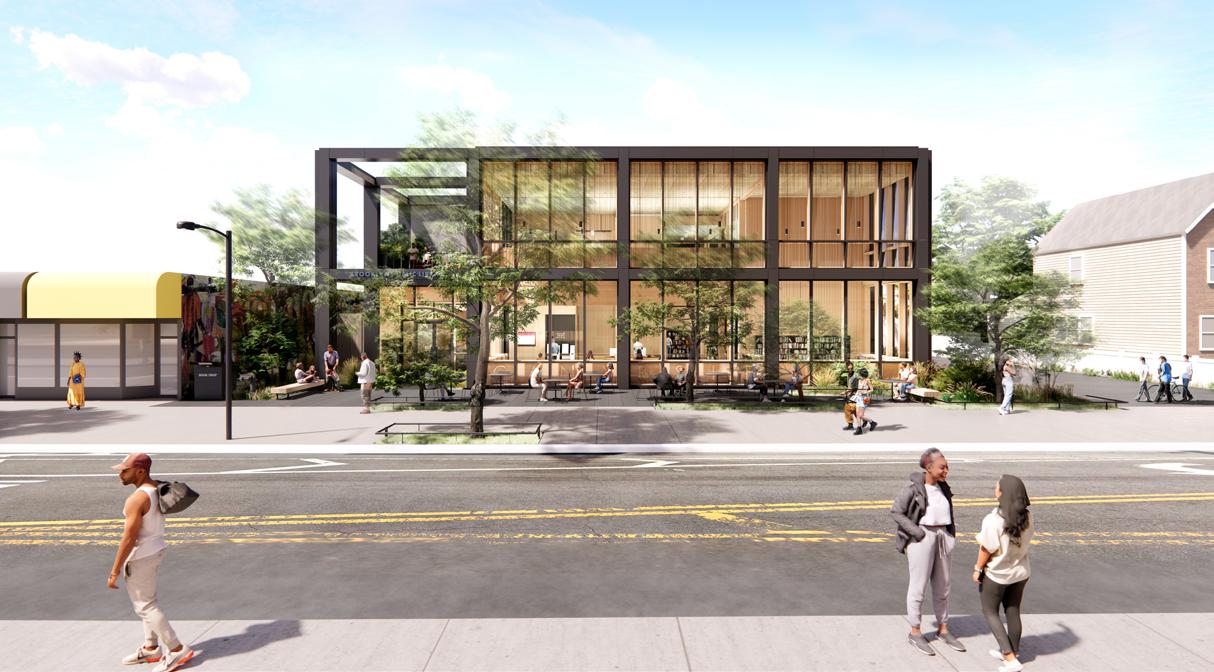
Reframing Transparency to Cultivate Civic Belonging
Team Role: Designer Firm: Studio Joseph Location: Brooklyn, USA | 2023.10 - 2025.04
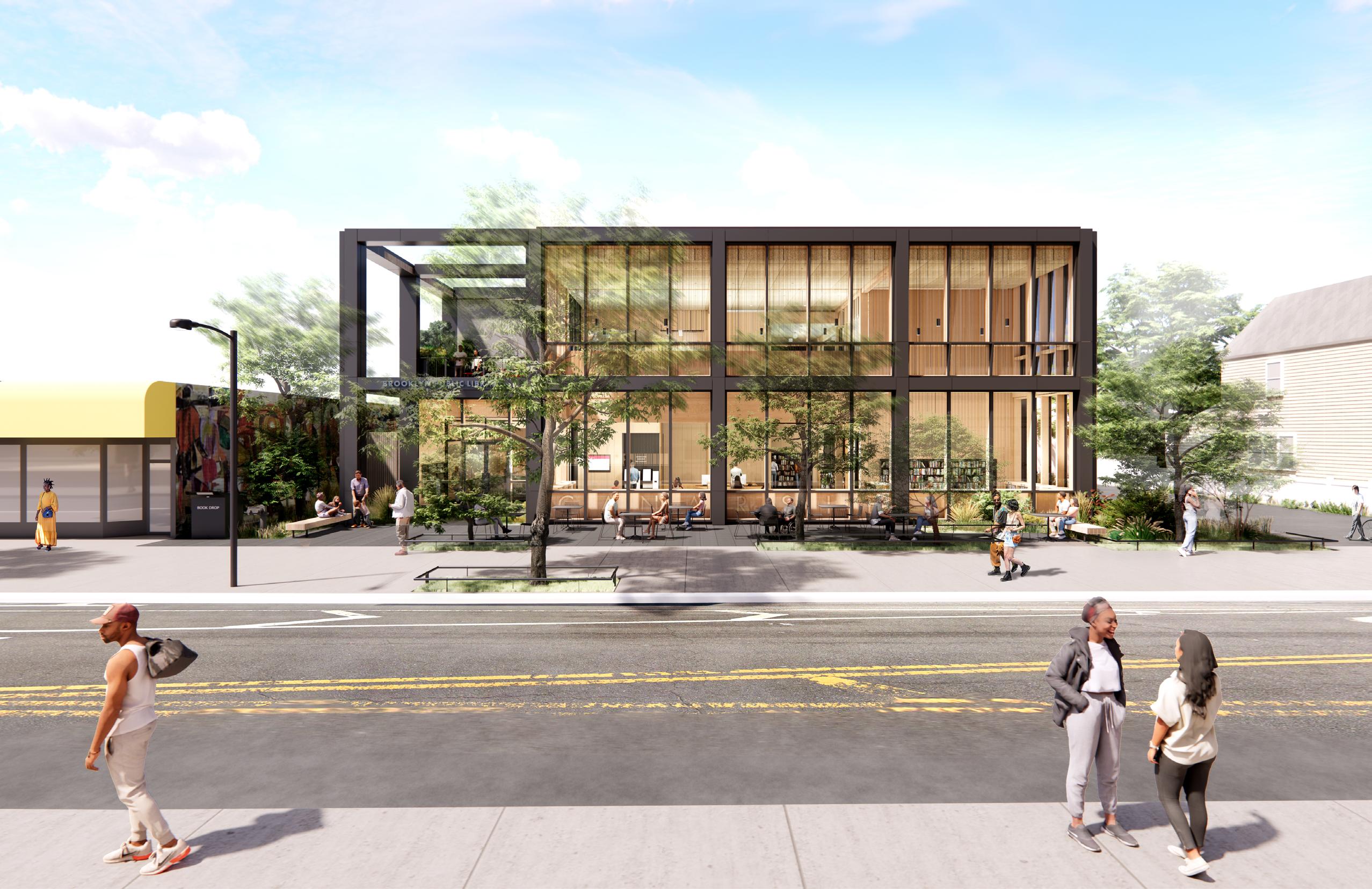
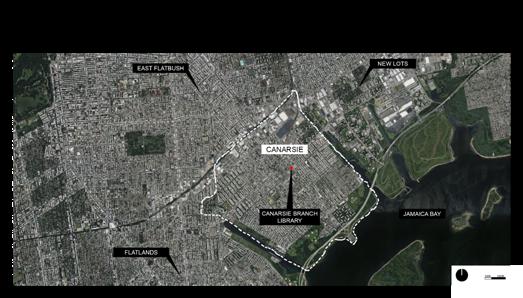
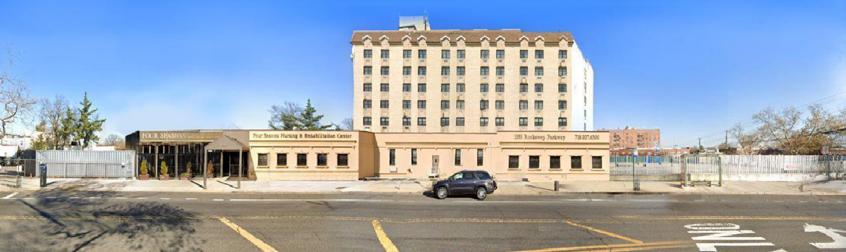
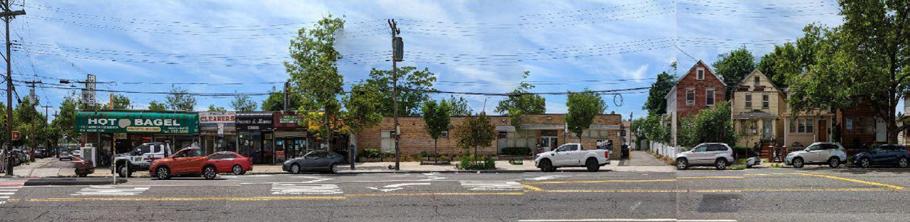
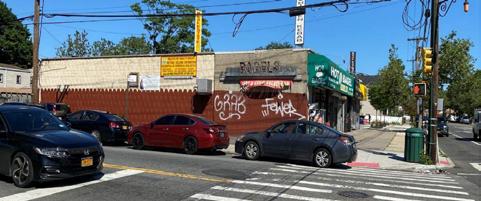
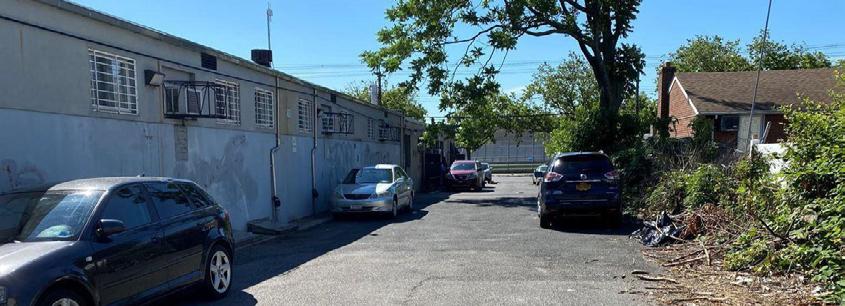
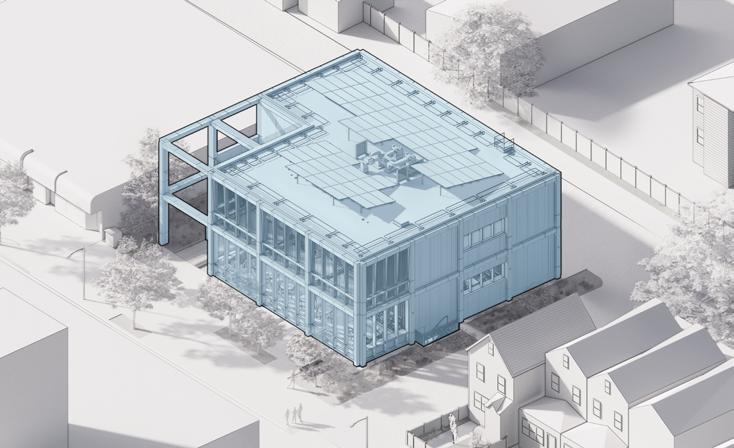
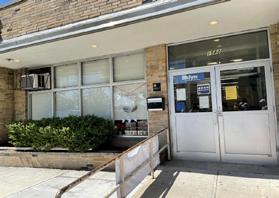
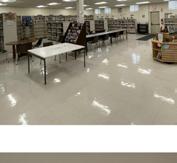
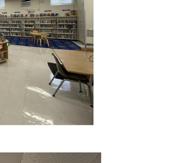
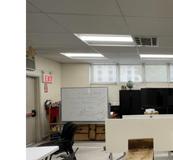
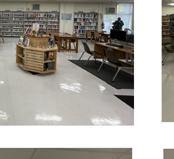
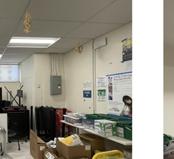
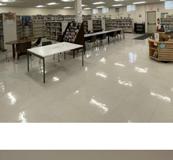
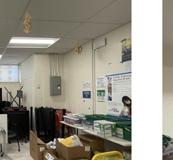
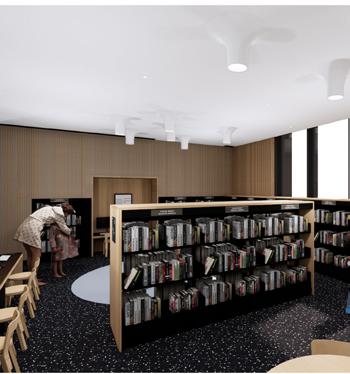
The Brooklyn Public Library’s Canarsie branch stood for decades as a beloved civic anchor, but its original 1960s structure no longer met the evolving needs of the community. With outdated infrastructure, limited accessibility, dim interiors, and insu cient space for programming, the building hindered rather than supported the library’s expanding role as a place for gathering, learning, and belonging.
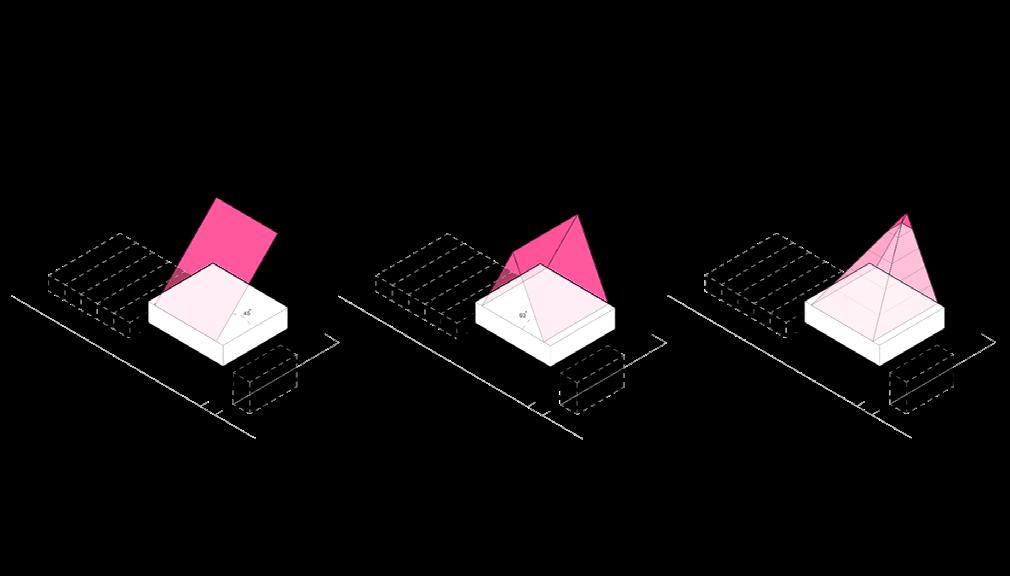
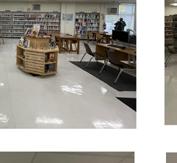
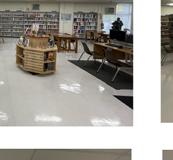
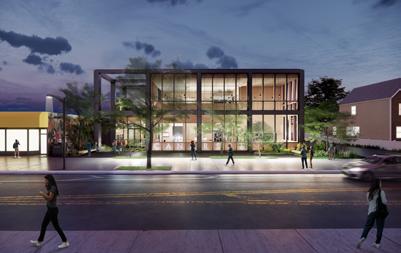
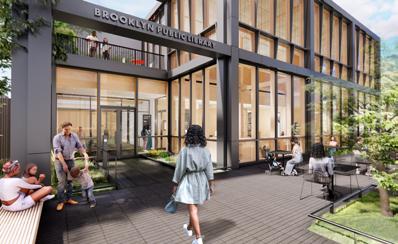
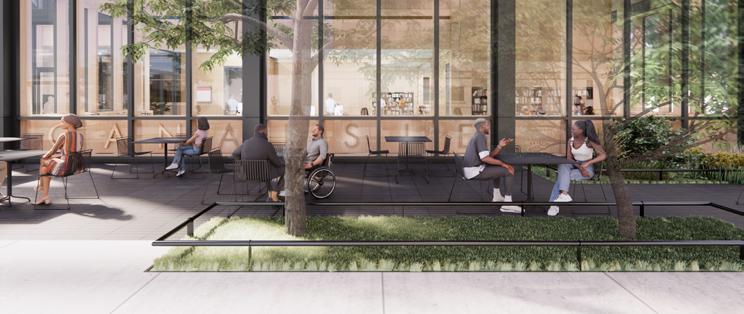
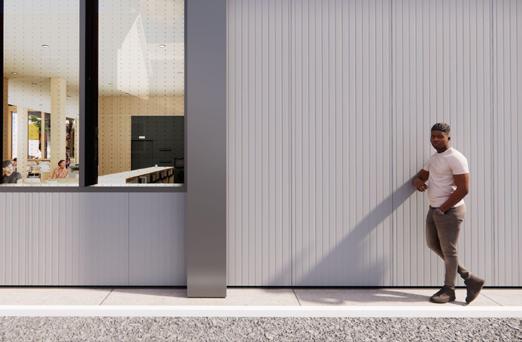
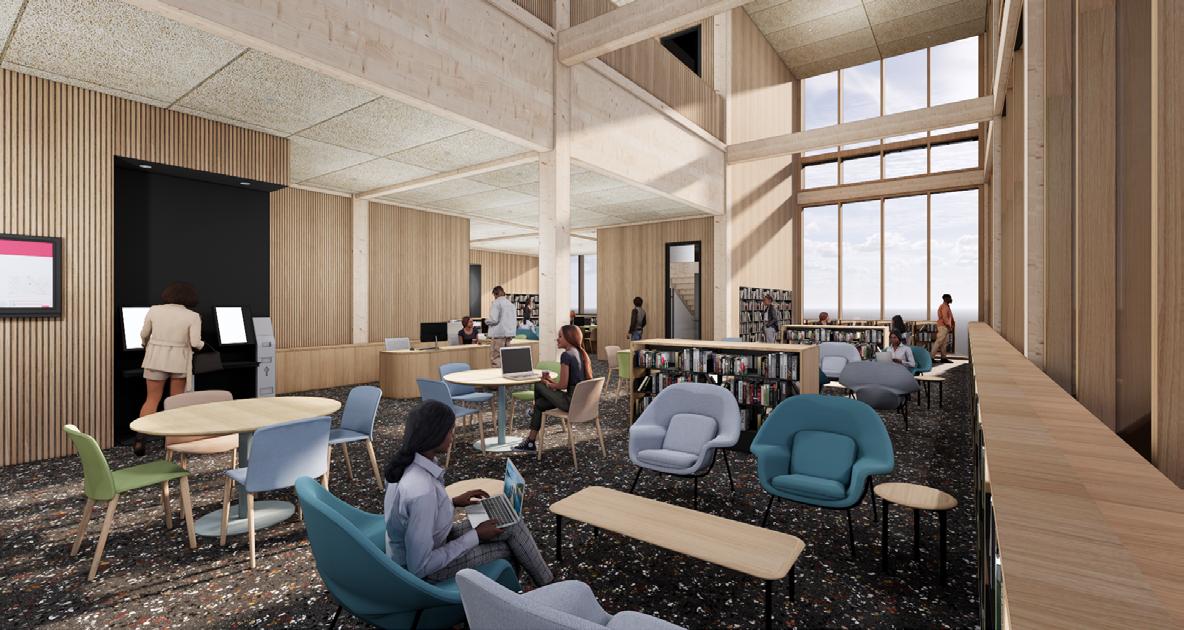
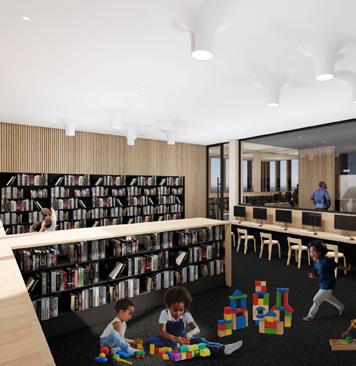
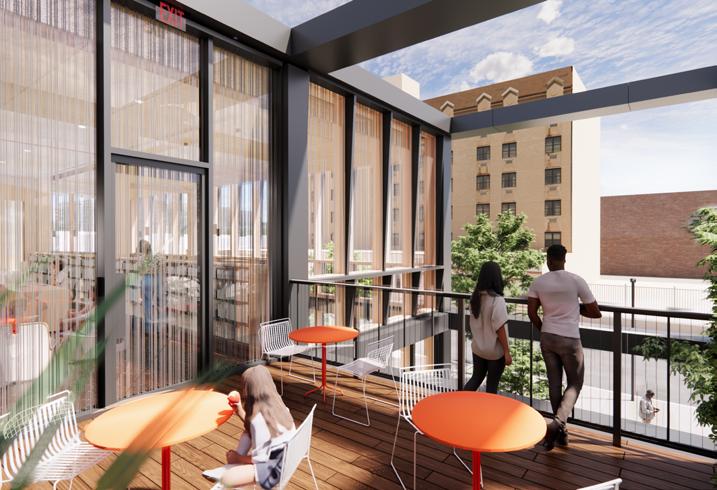
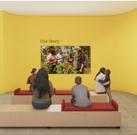
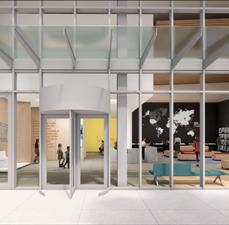
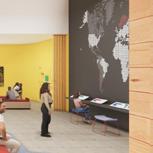
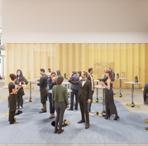
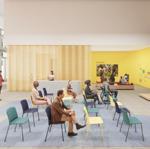
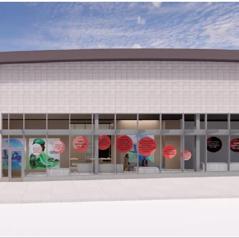
Informed by extensive community engagement, the new design reimagines the library not simply as a repository of books, but as a civic anchor—a living room for the neighborhood that balances openness with comfort, a luminous, exible, and inclusive space that welcomes all. At its heart is a light-capturing façade, replacing the former opaque envelope with a composition of vertical !ns and glazed openings that choreograph daylight into every corner of the interior. This porous boundary blurs inside and out, signaling openness while o ering moments of privacy and calm.
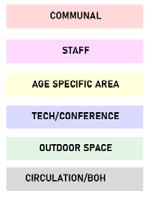
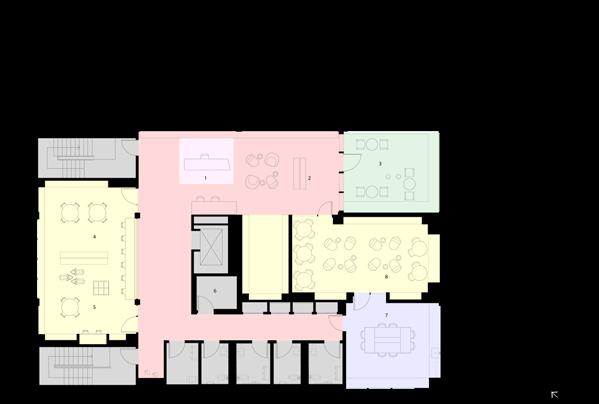
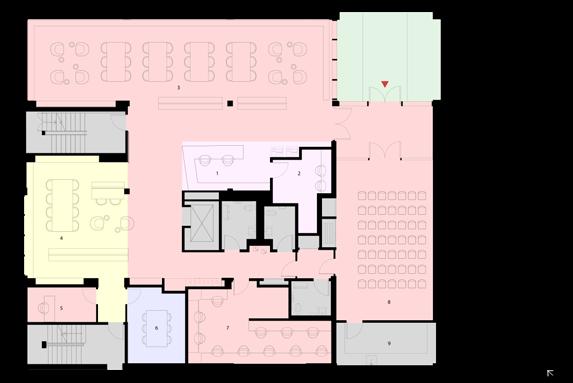
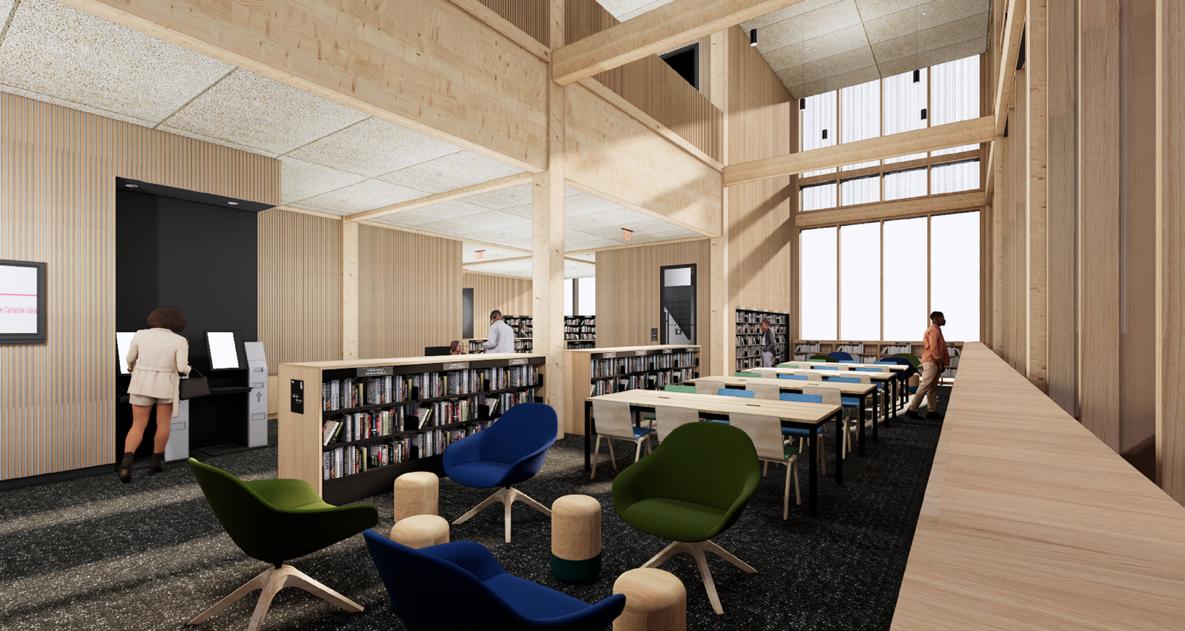
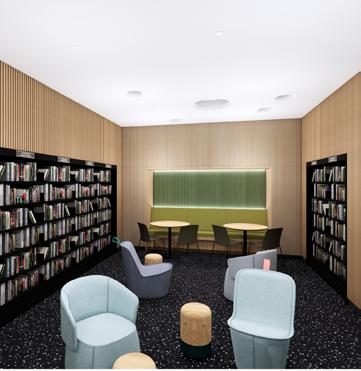
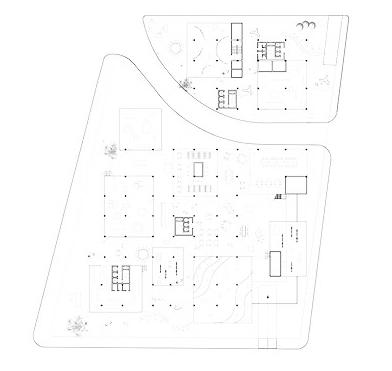
Organized across two levels, the new library spatially distinguishes children’s, teen, and adult zones, all connected through a clear circulation spine. A double-height central vestibule acts as both entry and orientation space, anchoring the visitor experience. Community rooms, outdoor terraces, and technology-rich areas support both individual study and collaborative programming.
This is not just a space to store books, but a resilient framework for curiosity, connection, and civic life—reframing the public library as a space for connection, curiosity, and shared ownership.
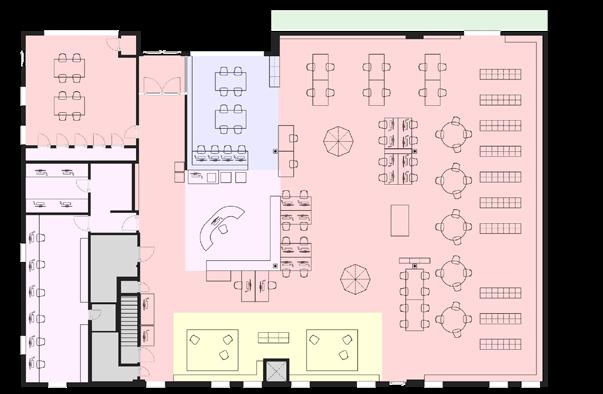
Before & After Spatial Transformation
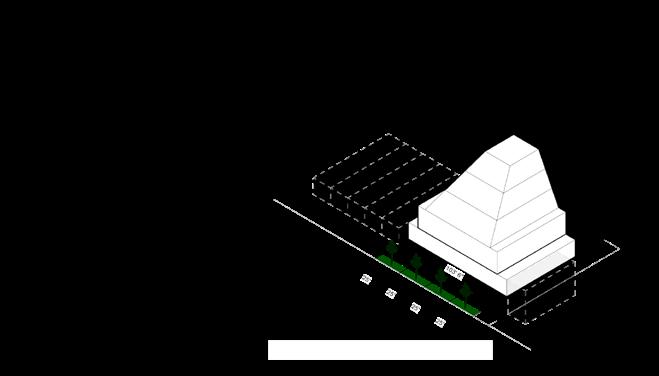
This renovation transformed a single-level, mixeduse public library into a zoned, multigenerational community hub. By vertically organizing the program, adult and sta services on the ground oor, youth and creative programming on the second, we introduced clear acoustic separation, improved ow, and added dedicated amenities like a Makerspace and Lactation Room.
The new plan prioritizes user experience, inclusivity, and long-term adaptability while doubling the usable programming area without expanding the building footprint.
FROM VISION TO SPACE
Interweaving Storytelling, Strategy and Spatial Experience
Team Role: Designer Firm: Studio Joseph Location: Seattle, USA | 2024.10 - 2025.03
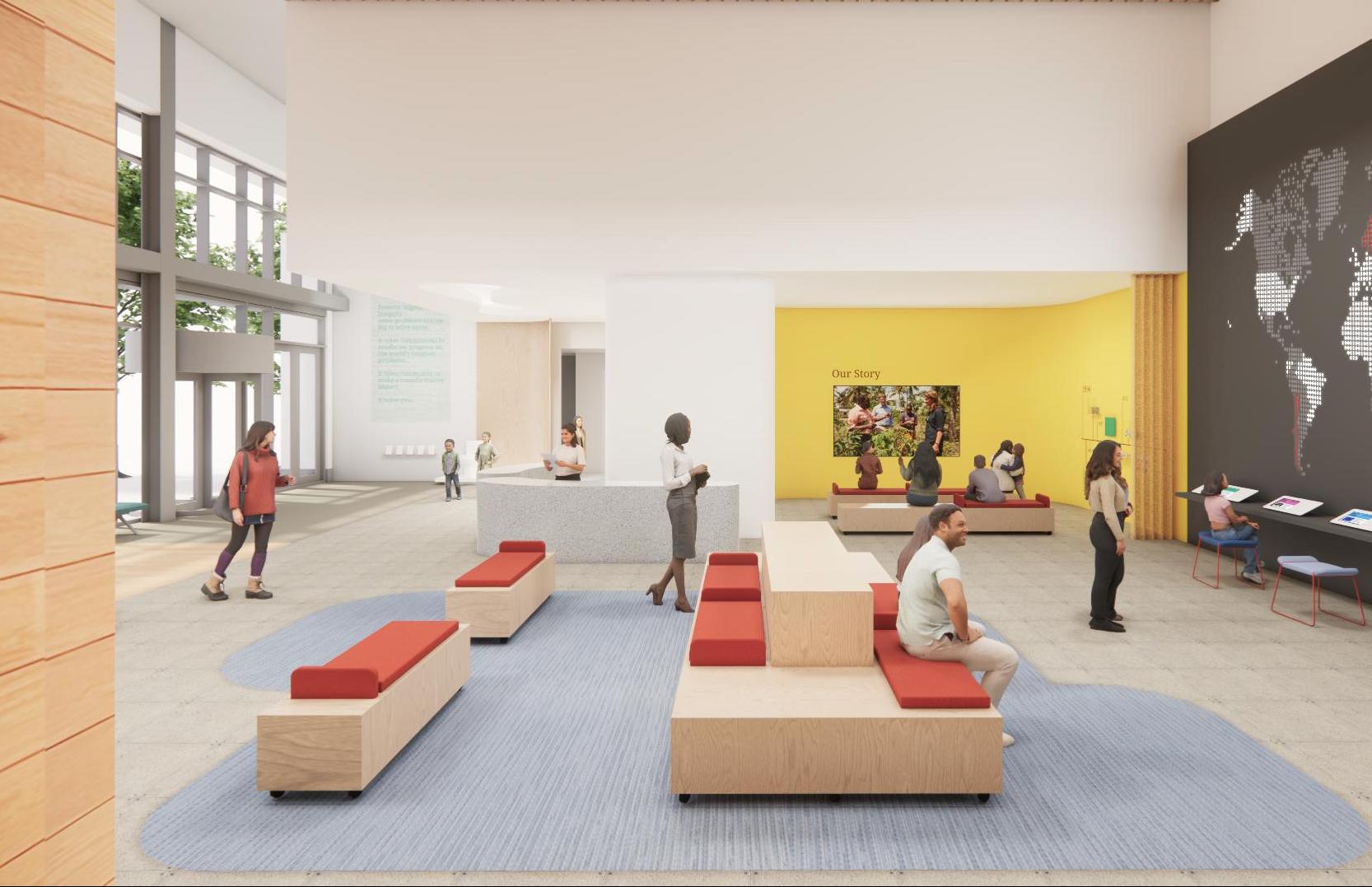
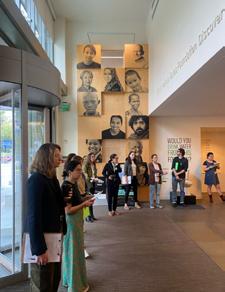
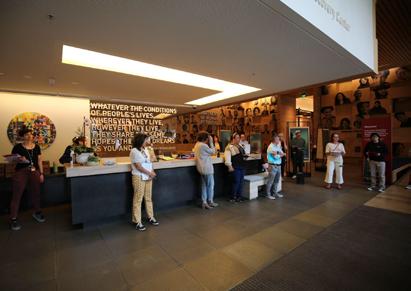
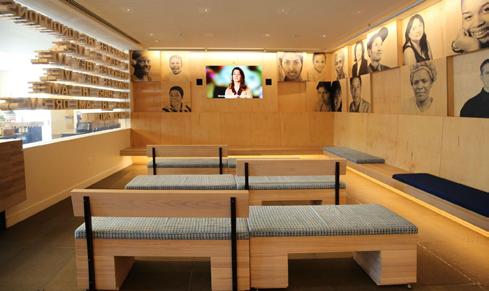
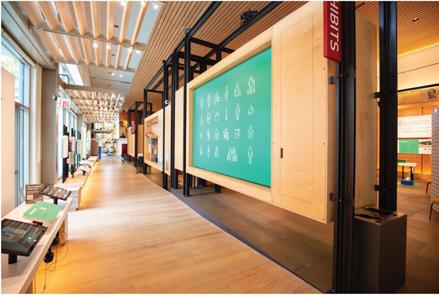
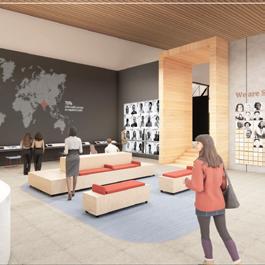
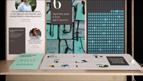
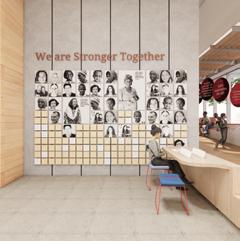
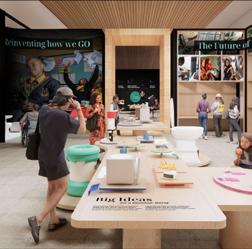
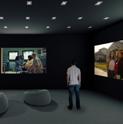
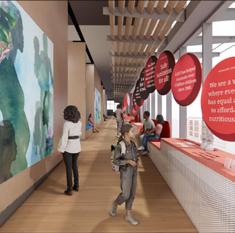
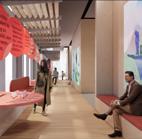
The project reimagines the visitor experience to embody the Gates Foundation’s mission of empowering individuals and advancing global equity. Born from a commitment to dismantle systemic barriers such as hunger, poverty, disease, lack of education, and gender inequality, the project re ects the Foundation’s ecosystem of partners working collaboratively toward transformative solutions.
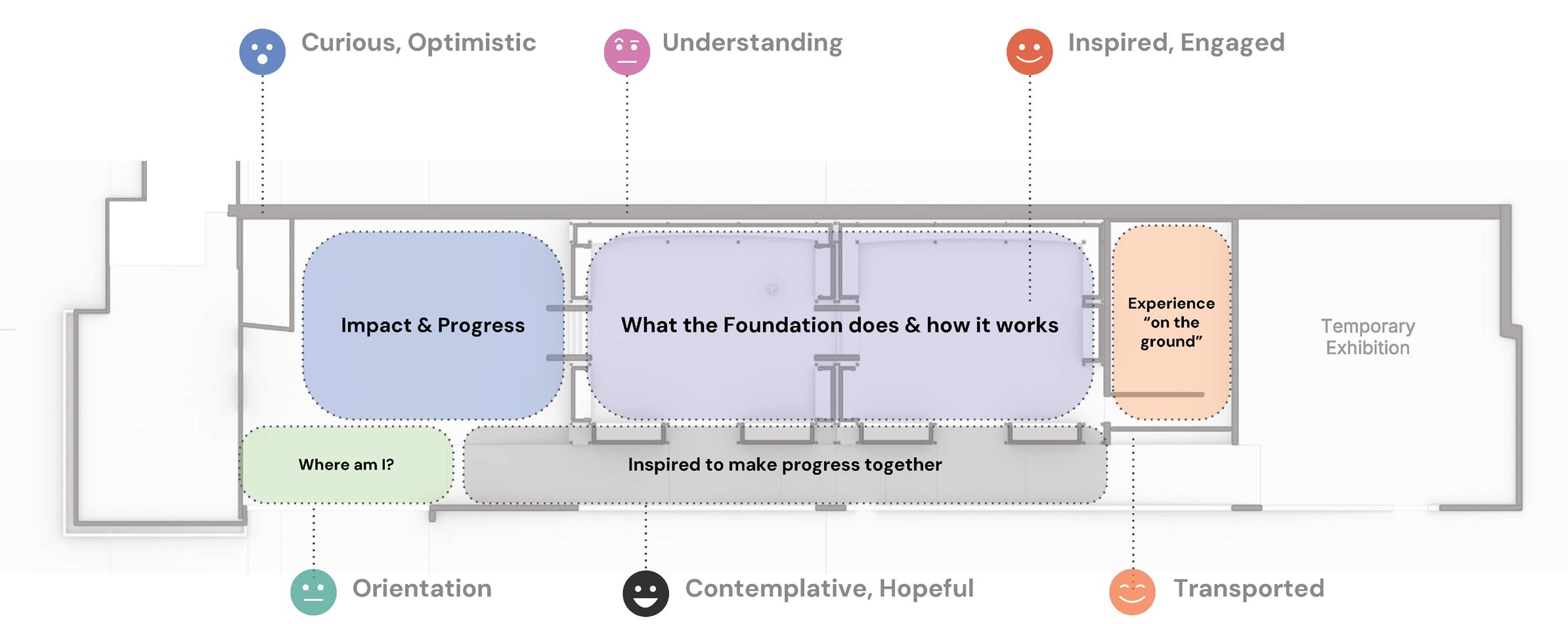
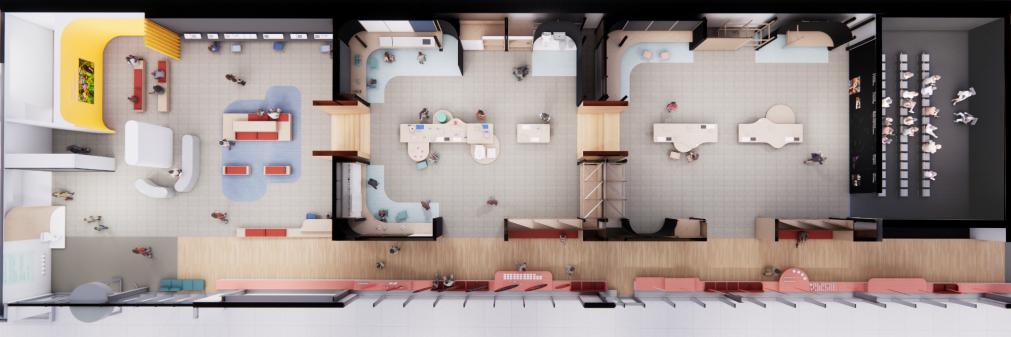
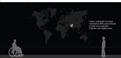
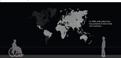
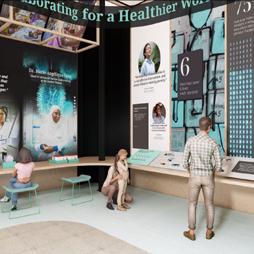
The spatial strategy centers around four intersecting themes: Global Connections, Transformative Solutions, Changemakers, and Motivations to Act. Each theme is designed to highlight the interconnected nature of global challenges, the innovation and perseverance needed to address them, the collective responsibility shared by communities, and the personal motivations driving change. Visitors are invited to understand not only the issues at hand but also the human stories behind the initiatives.
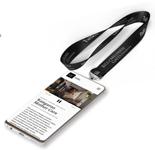
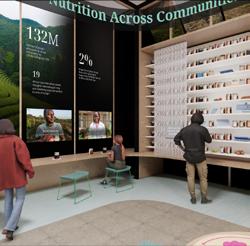
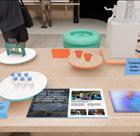
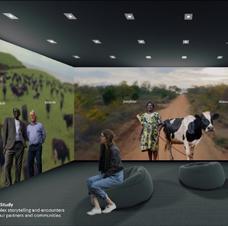
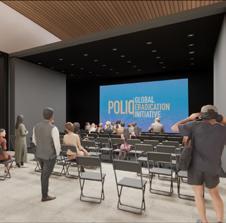
The experience design sca olds learning by allowing visitors to build connections across exhibits, regardless of the sequence in which they are encountered. A blend of text, imagery, interactive elements, audio, and !rst-person narratives ensures that content remains accessible, engaging, and empathetic to diverse audiences. Concrete objects and personal stories serve as anchors to translate abstract global issues into tangible, relatable experiences.
Accessibility and inclusivity are fundamental to the design, incorporating principles of universal design to ensure physical, cognitive, and sensory access for all visitors. The layout supports multiple pathways of exploration, o ering both structured and self-directed journeys that align with di erent learning styles and interests. Through a careful balance of spatial organization, storytelling, and human-centered design strategies, the Gates Foundation Cultural Space creates a platform for understanding, empathy, and collective action.
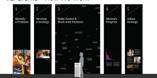
INCLUSIVE DESIGN as a spatial approach
“Inclusive design recognized that people have multiple forms of identity and di erence...” - Sina Bahram, The Inclusive Museum
Physical All visitors can move freely through the galleries and interact with exhibits
Cognitive All visitors can grasp key messages and make connections regardless of prior Knowledge
Sensory All visitors can comfortably experience exhibits and interpretation
BIG IDEA
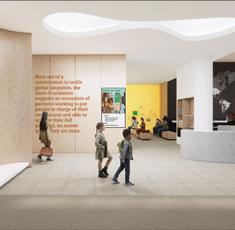
Born out of a commitment to tackle global inequities, the Gates Foundation supports an ecosystem of partners working to put people in charge of their own futures and to achieve their full potential, no matter where they are born.
GALLERY-LEVEL MAPPING
Global Connections
Barriers to basic needs like hunger, poverty, disease, lack of education, and gender inequality stem from globally interconnected issues; progress in one area a ects others.
Transformative Solutions
Finding the most e ective solutions for a given challenge involves innovation, risk-taking, exibility, perseverance, and collaboration.
Changemakers
At the core of all global solutions are people with a shared responsibility, working together and learning from one another.
Motivations to Act
Who established the foundation, who works here now, and what motivates them?
AGRIURBAN HORIZON
Blurring the line between Natural and Arti!cial
Commissioned Work | Location: Zhongshan, China
Team: Boxiang Yu, Chengzhang Zhang, Xinyi Zhou
Role: Architectural Design
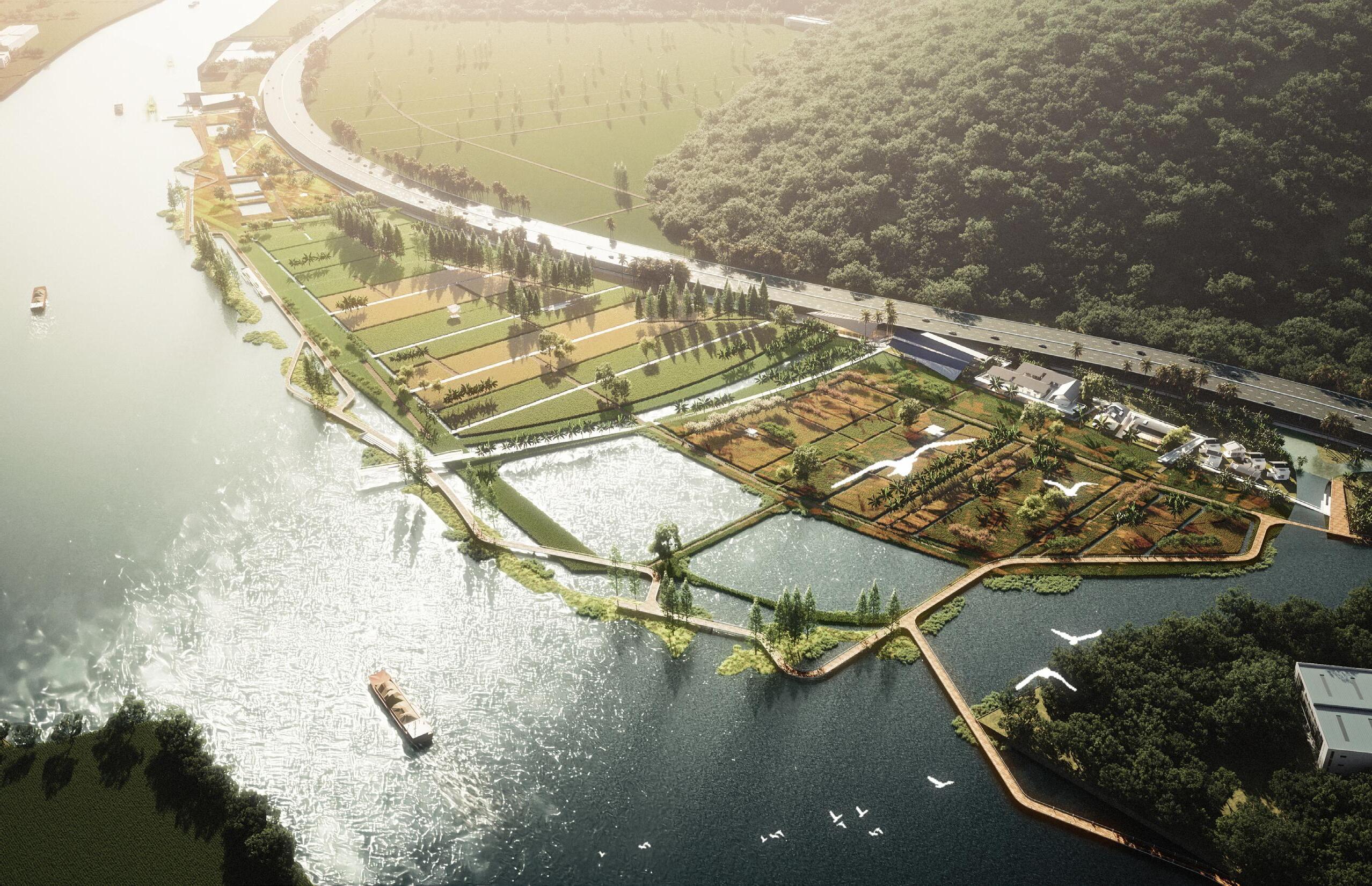
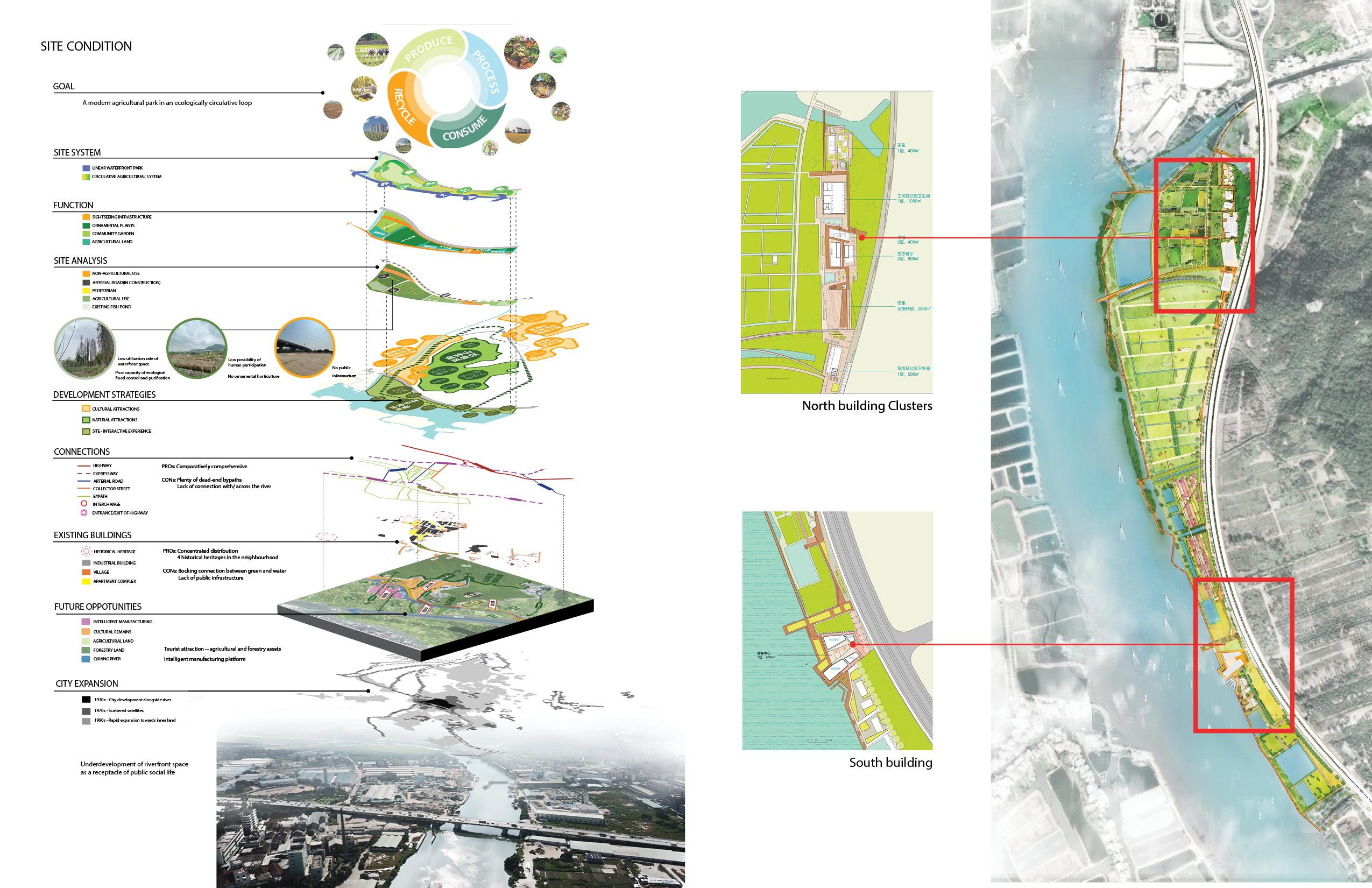
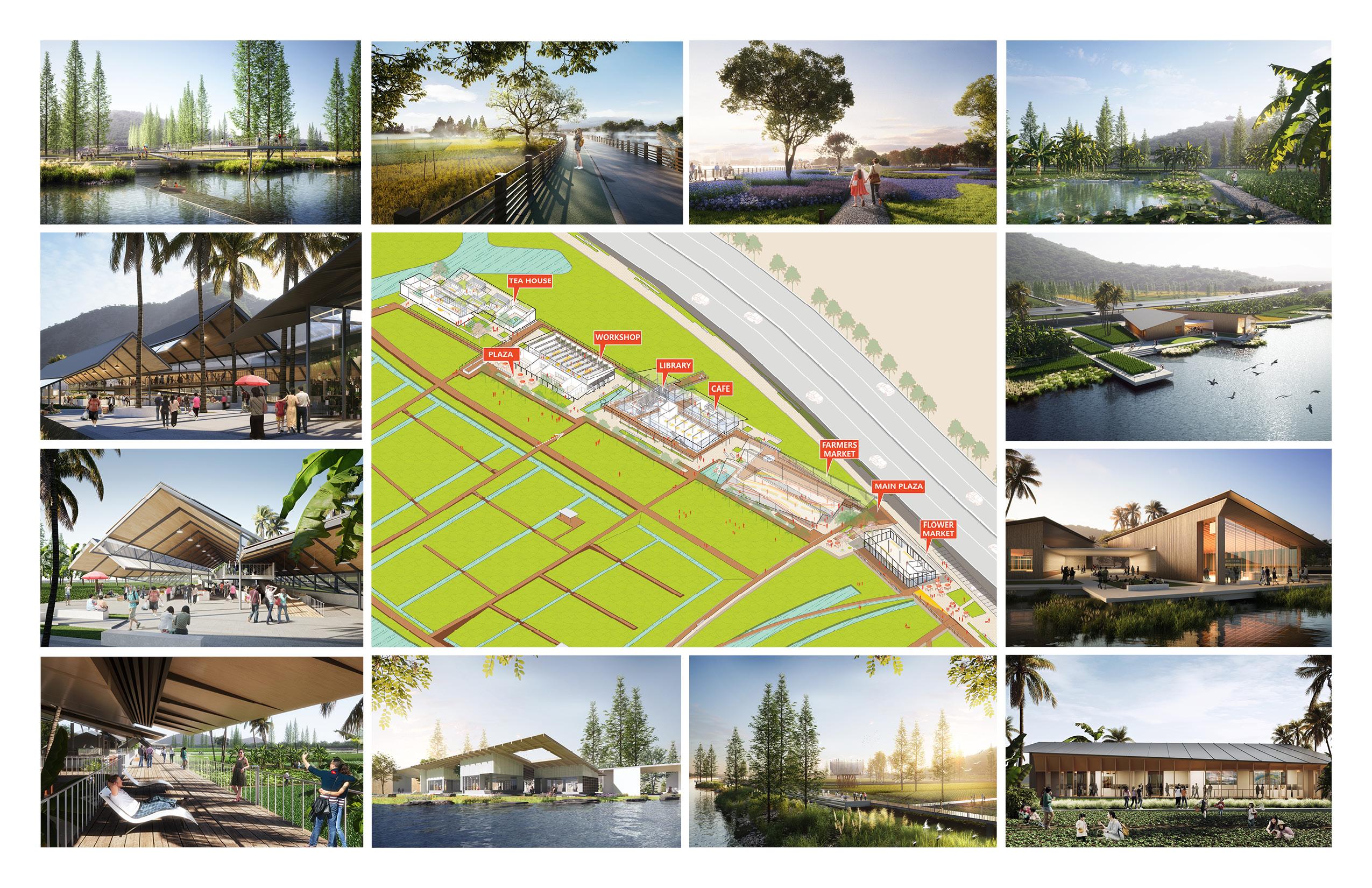
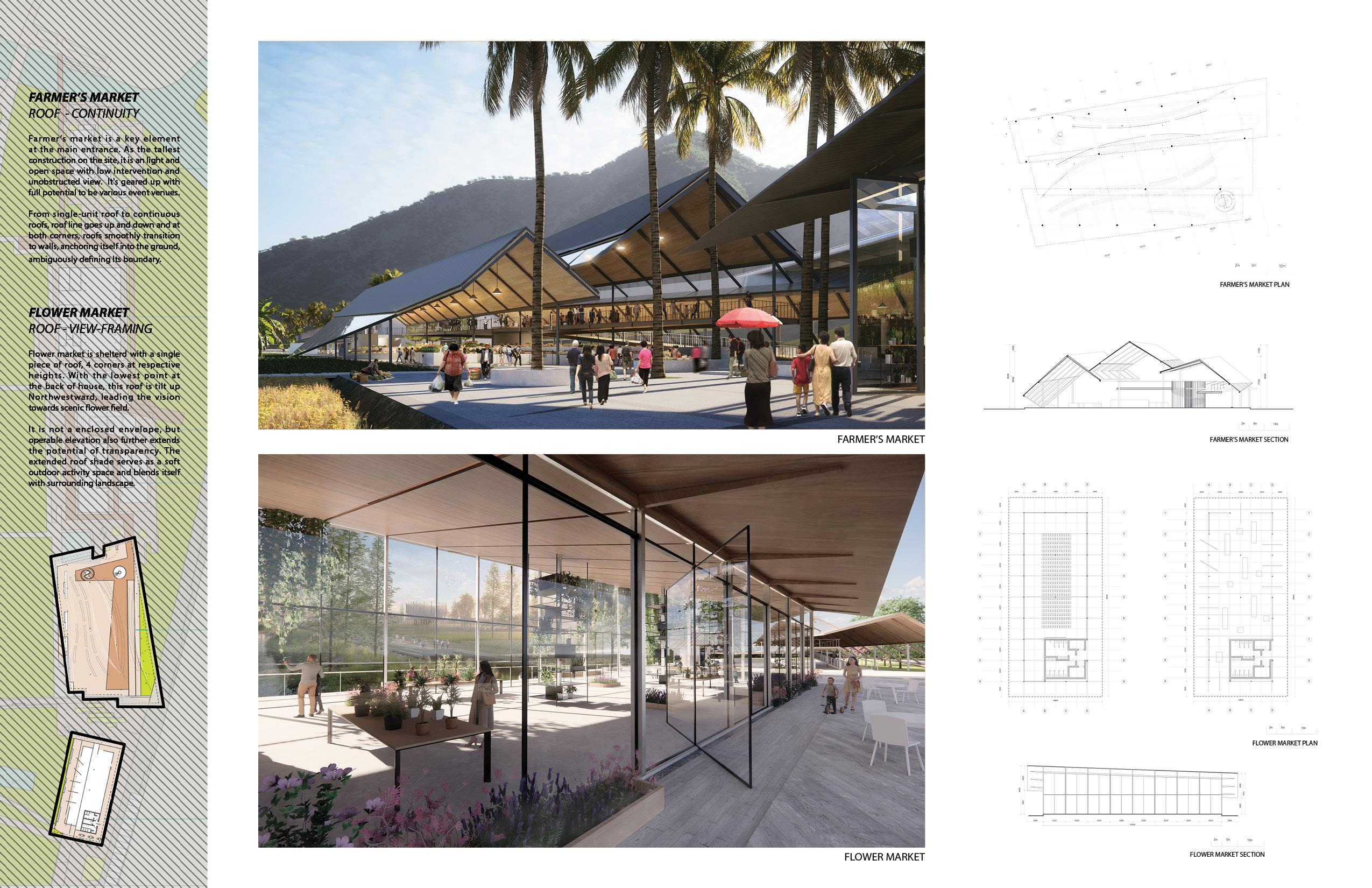
Qijiang River, mother river of Zhongshan, has been long neglected throughout the rapid and inward urban expansion in recent decades. This 18.23km regional planning is aimed to reactivate it as the axis of urban development, a green corridor tying natural and cultural treasure into a whole.
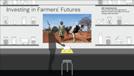
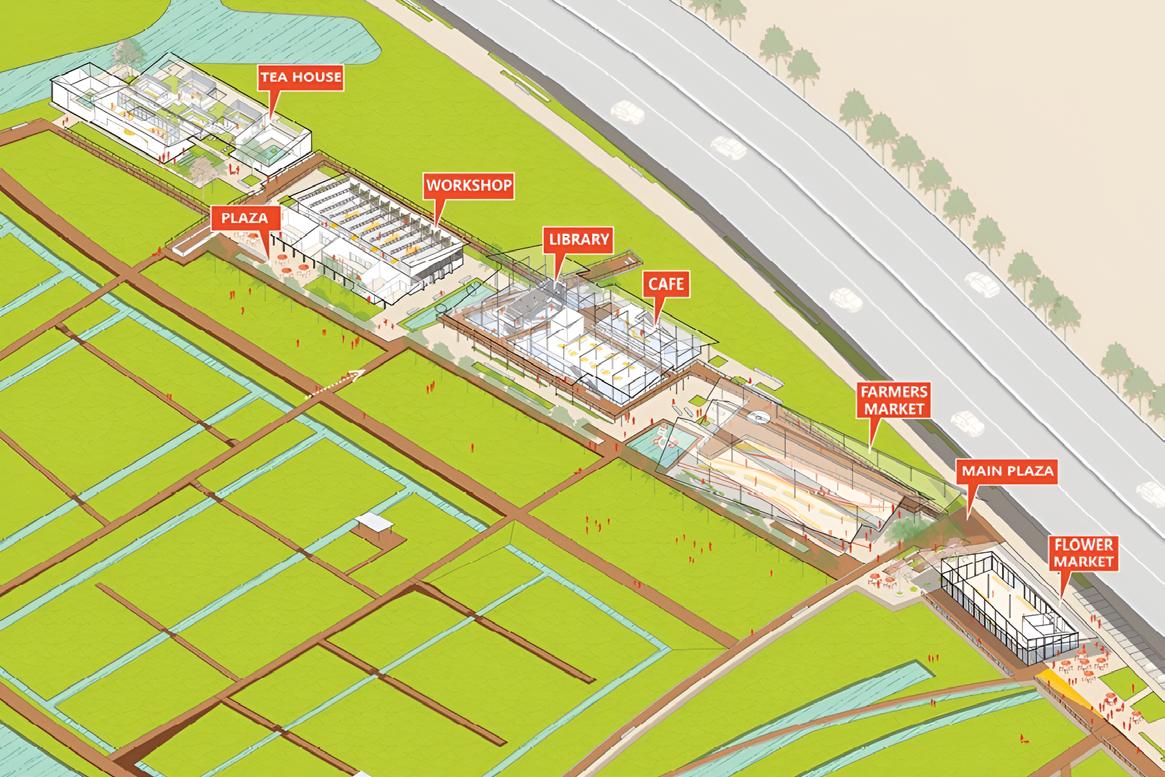
This site is situated at the center of the planning project, alongside the Southeast of Qijiang River, Banfu Park is envisioned to be a linear agricultural park on the basis of existing paddy !elds, aiming for a comprehensive development of Agri-tourism. The overall strategy blends sponge greenways, agri-tourism, interactive farming landscapes, and community gardens into the site, forging an integrated model of agriculture, ecology, cultural tourism, and community life, revitalizing the region’s spatial and economic vitality.
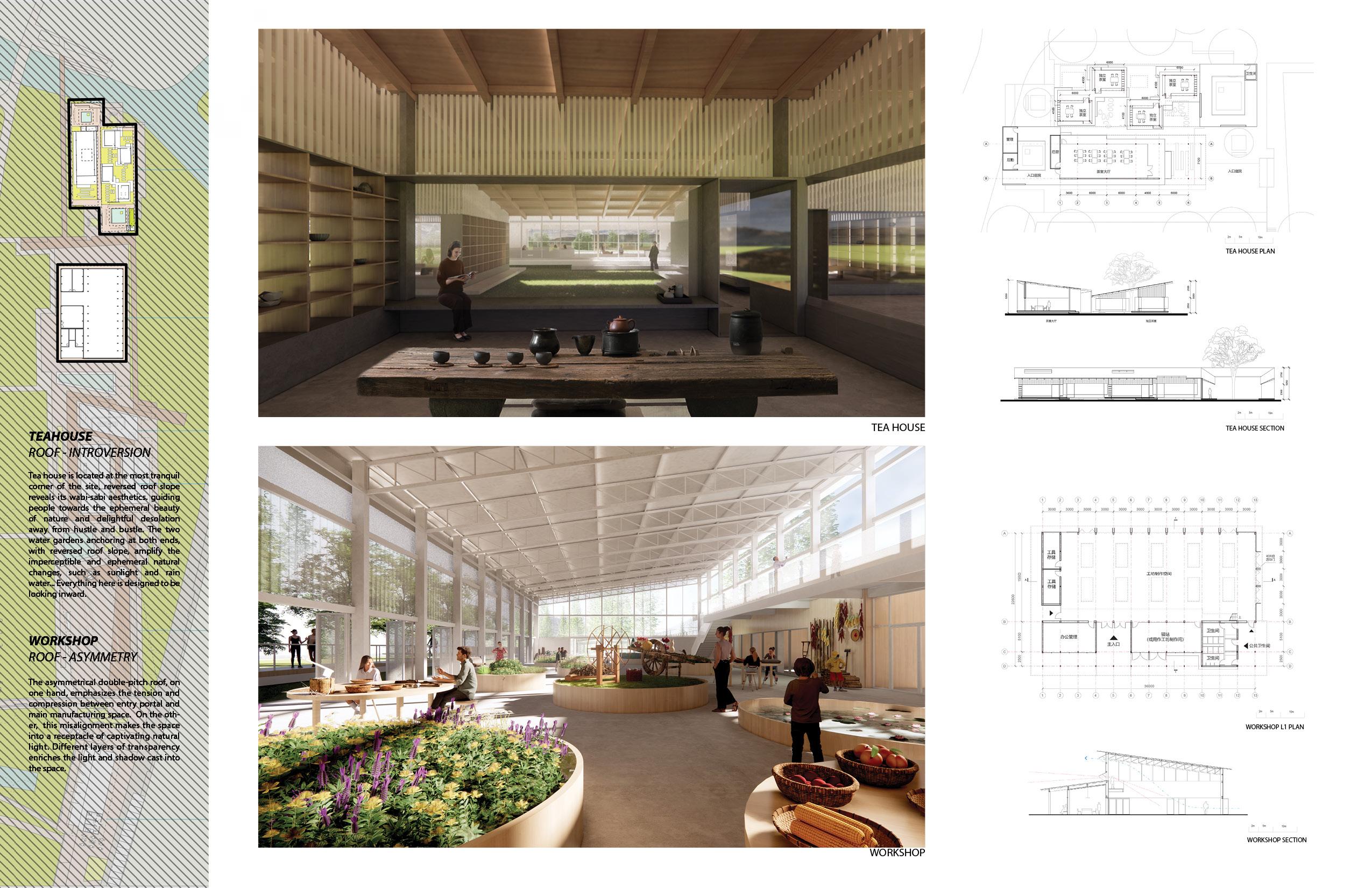
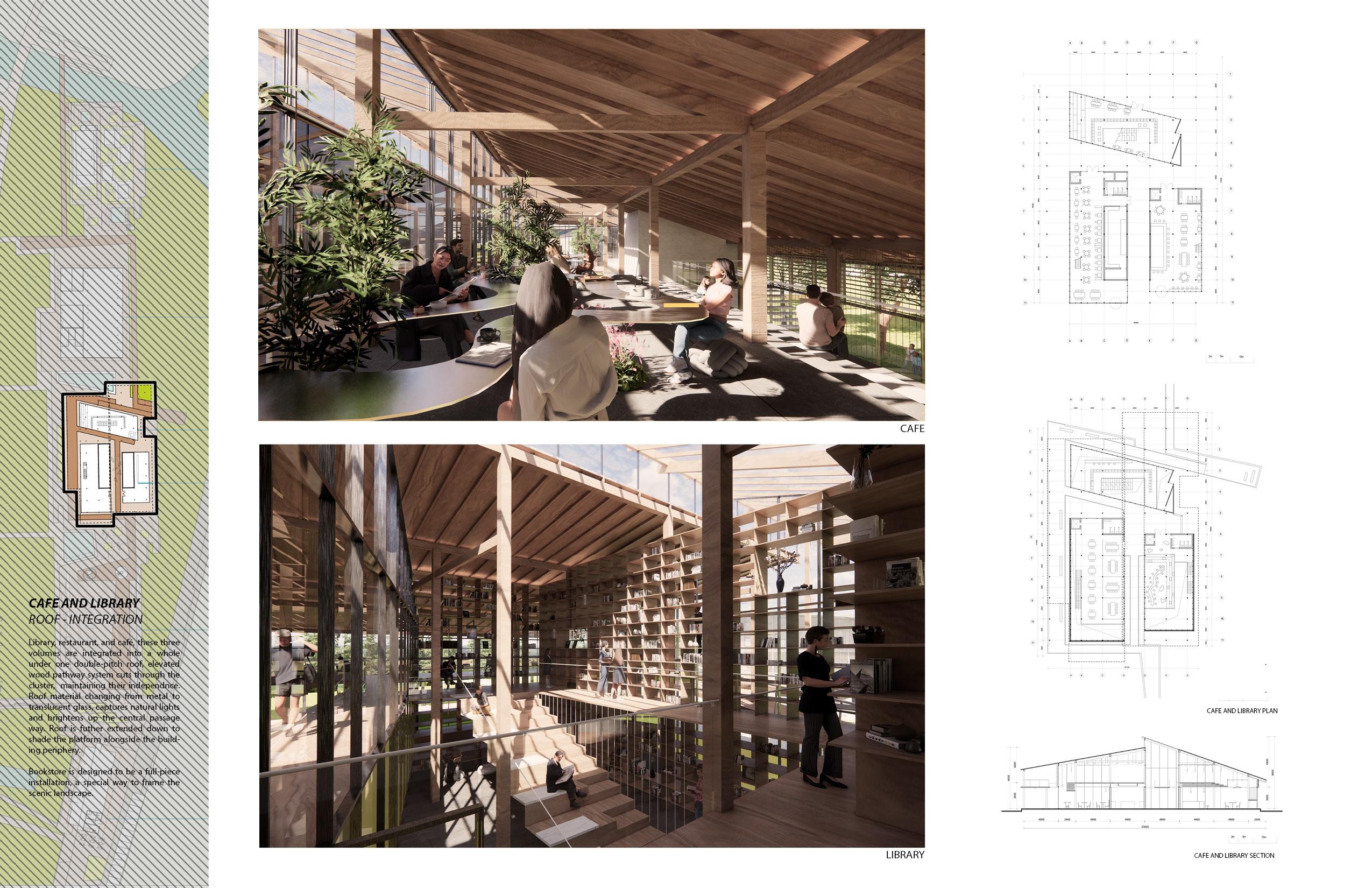
Architectural design is mostly concentrated at the North corner in this parcel. Roof, so called “Fifth Elevation” in ancient Chinese architecture, is an outstanding design feature on our site. On the one hand, pitched roofs are rooted in the regional context for climatic and cultural reasons. To resonate with traditions, without simply replicating or constraining our design with vernacular form, pitched roof here is used intelligently as a space shaping device. Instead of a symbol, it is decomposed and reconstructed to be the boundary of space. Each single roof form shares similar but speci!cally varying characteristics. Architecture, well blended in with agricultural landscape, o ers tourists an diverse, immersive and interactive experience.
THE HEALING FIELD
Reframing a Medical Urbanism through a pixelated landscape
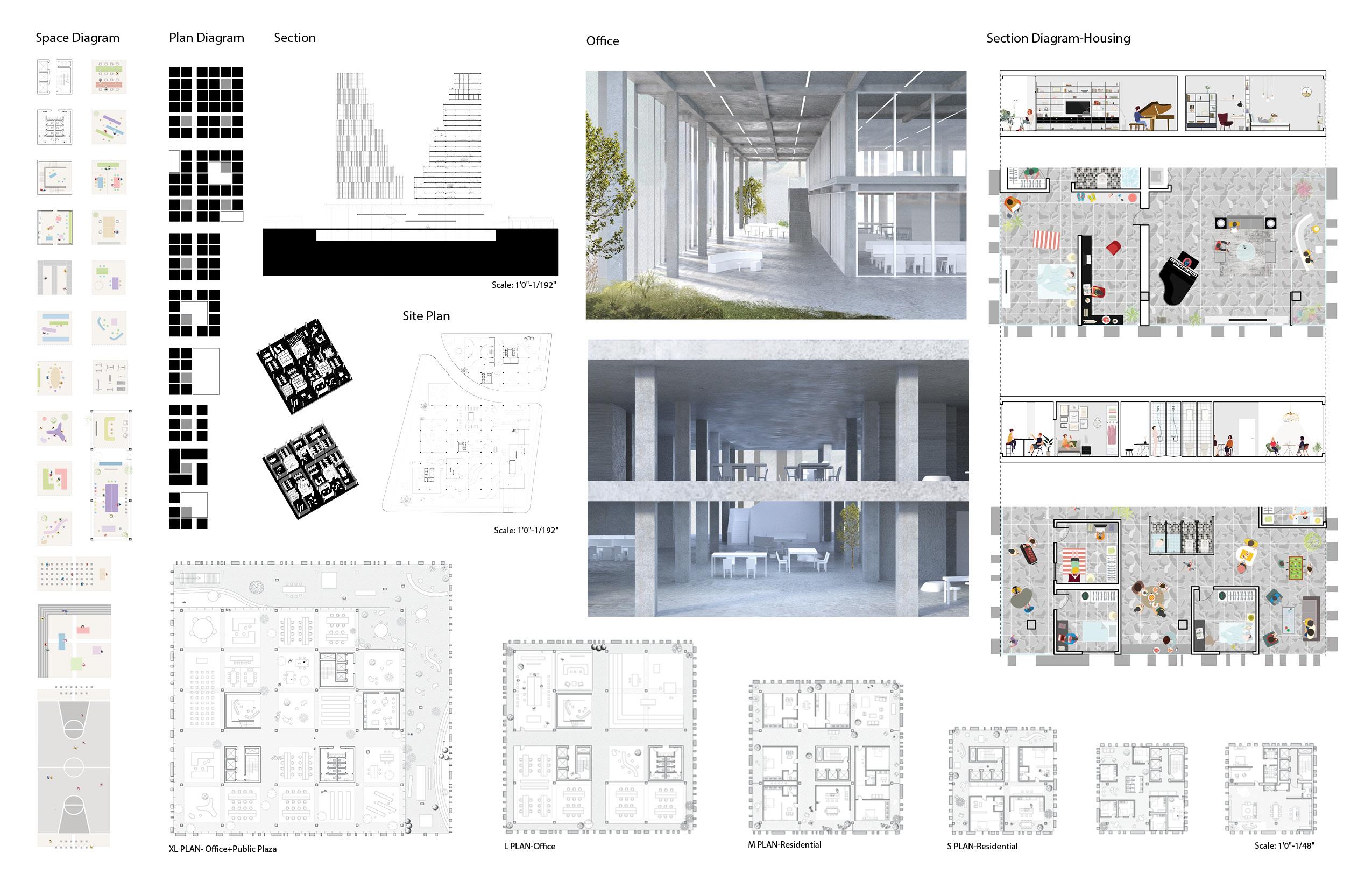
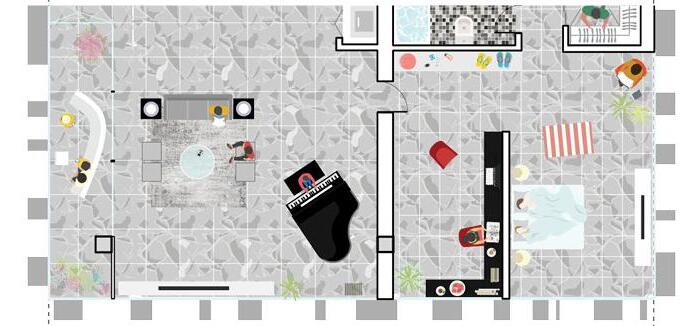
VERTICAL COMMONS
Reimagining the Grid Economy and Spatial Exception
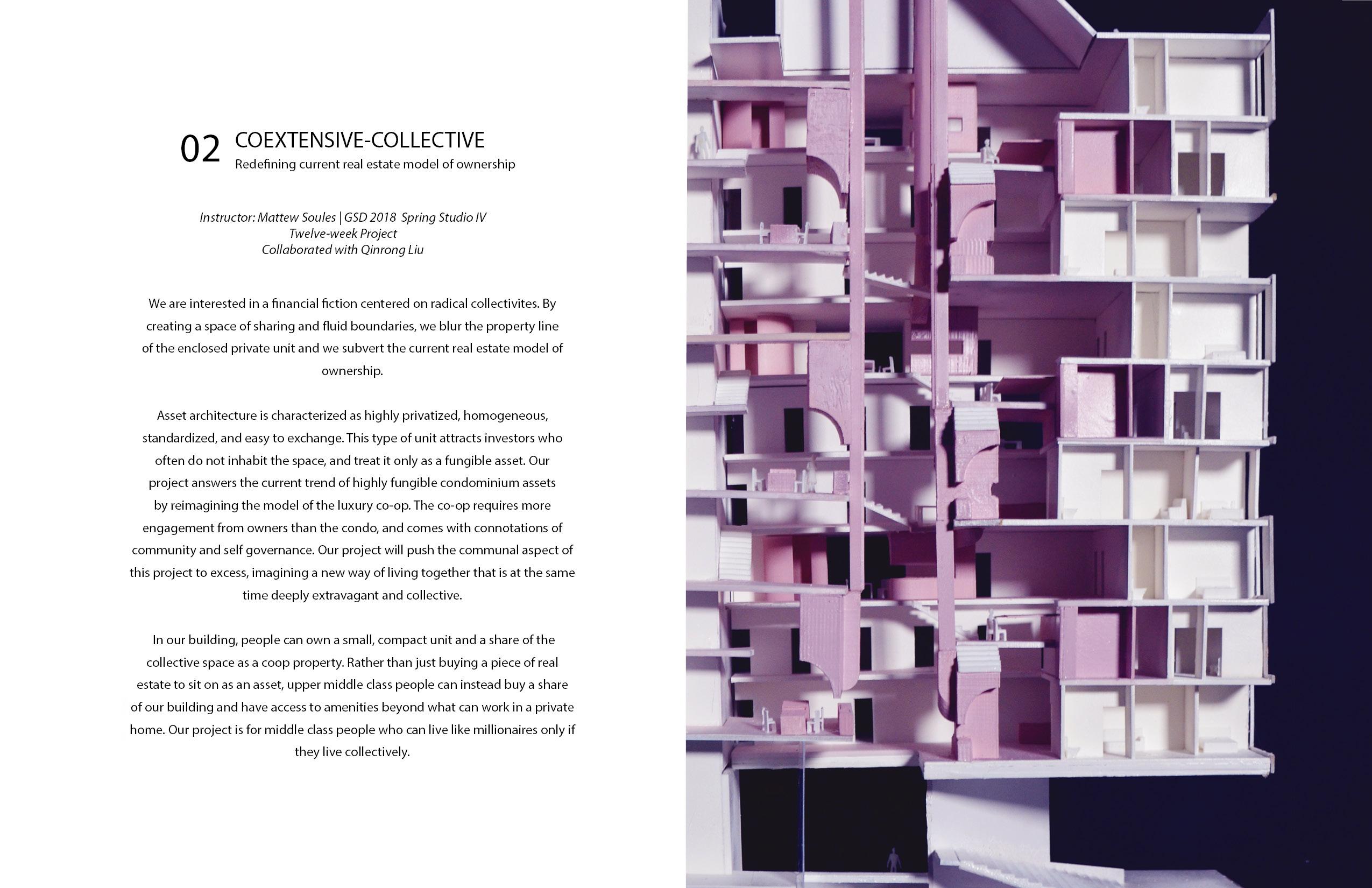
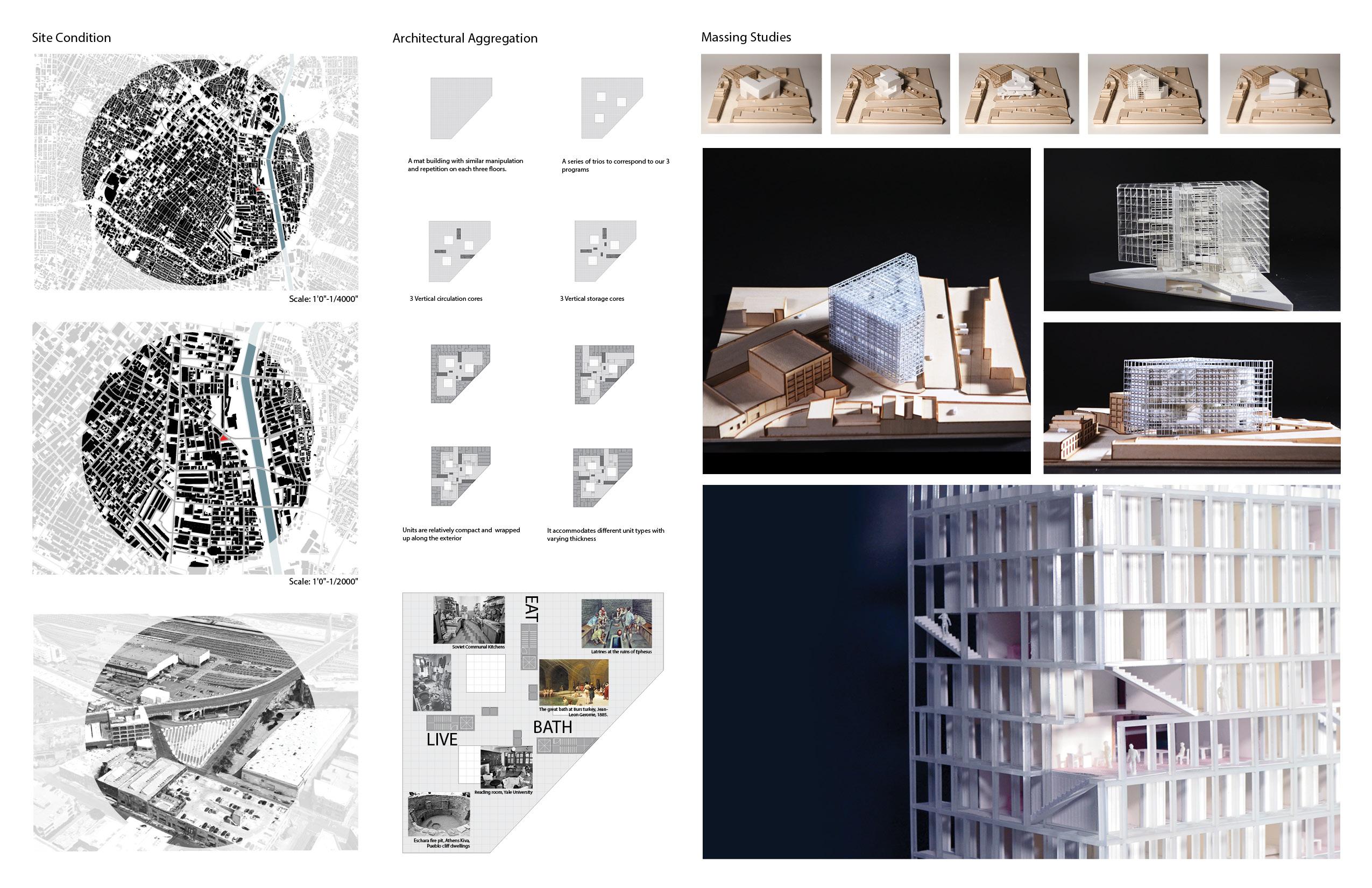
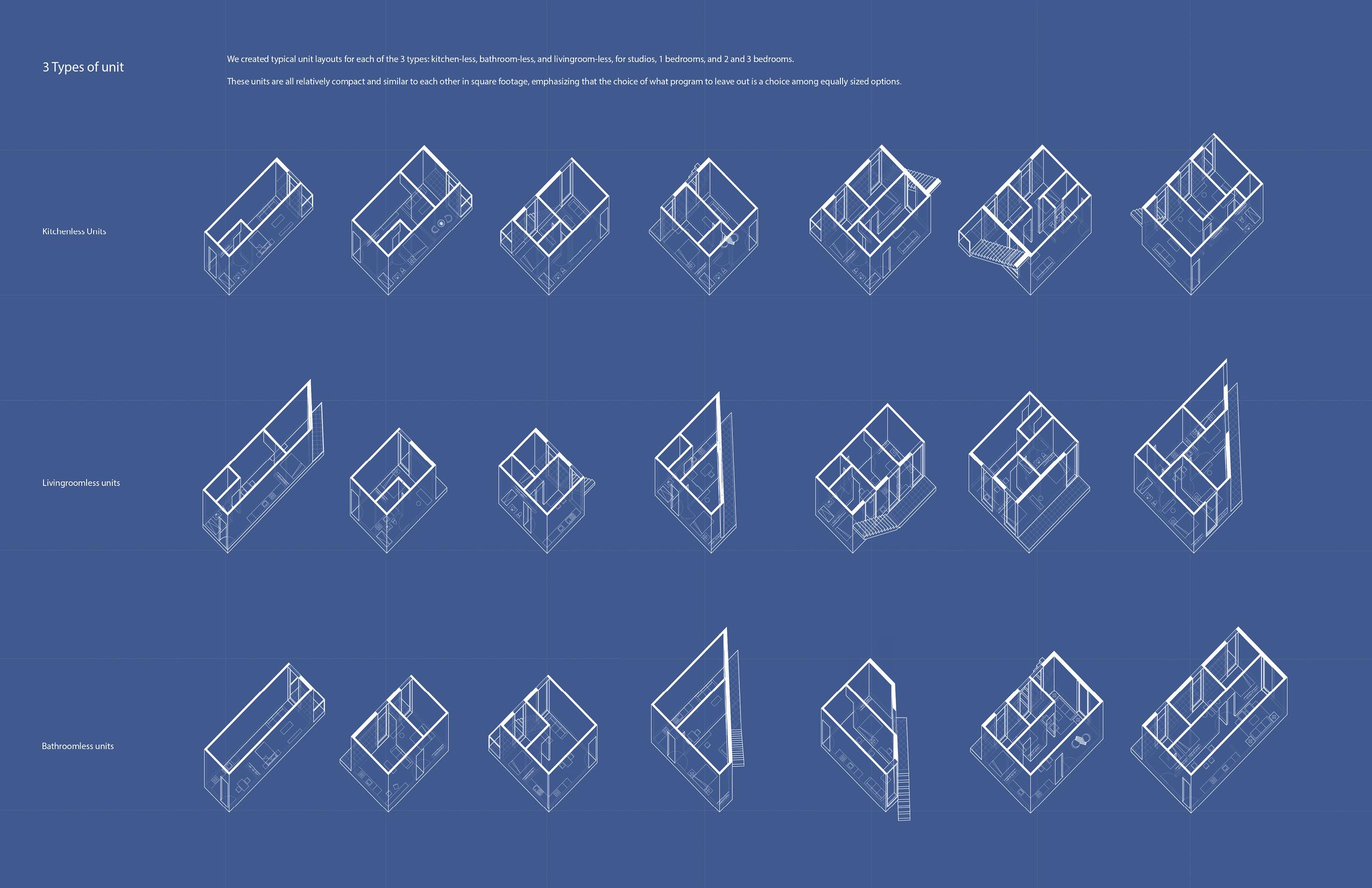
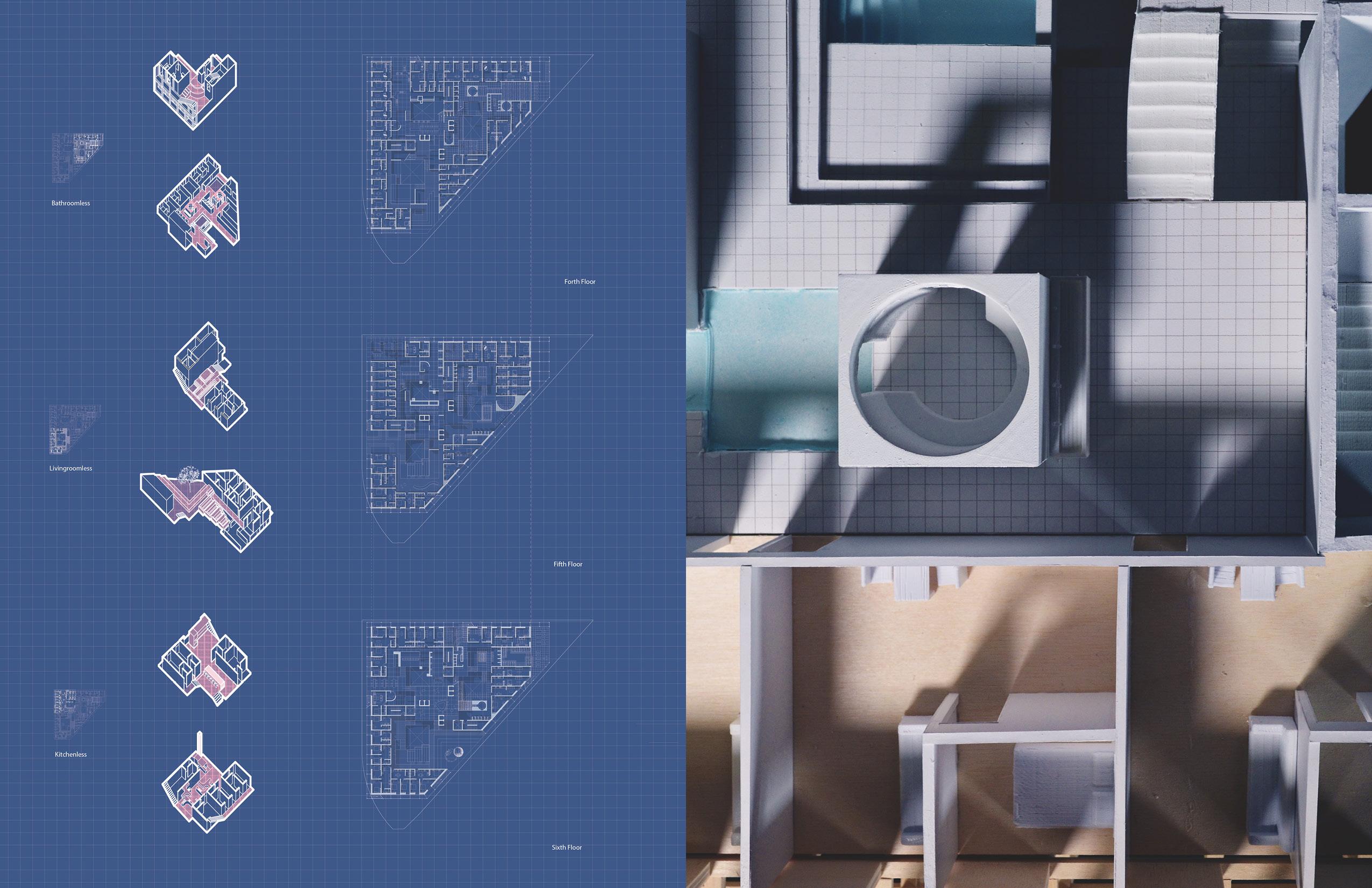
COEXTENSIVE-COLLECTIVE
Reclaiming Real Estate Model and Collective Ownership
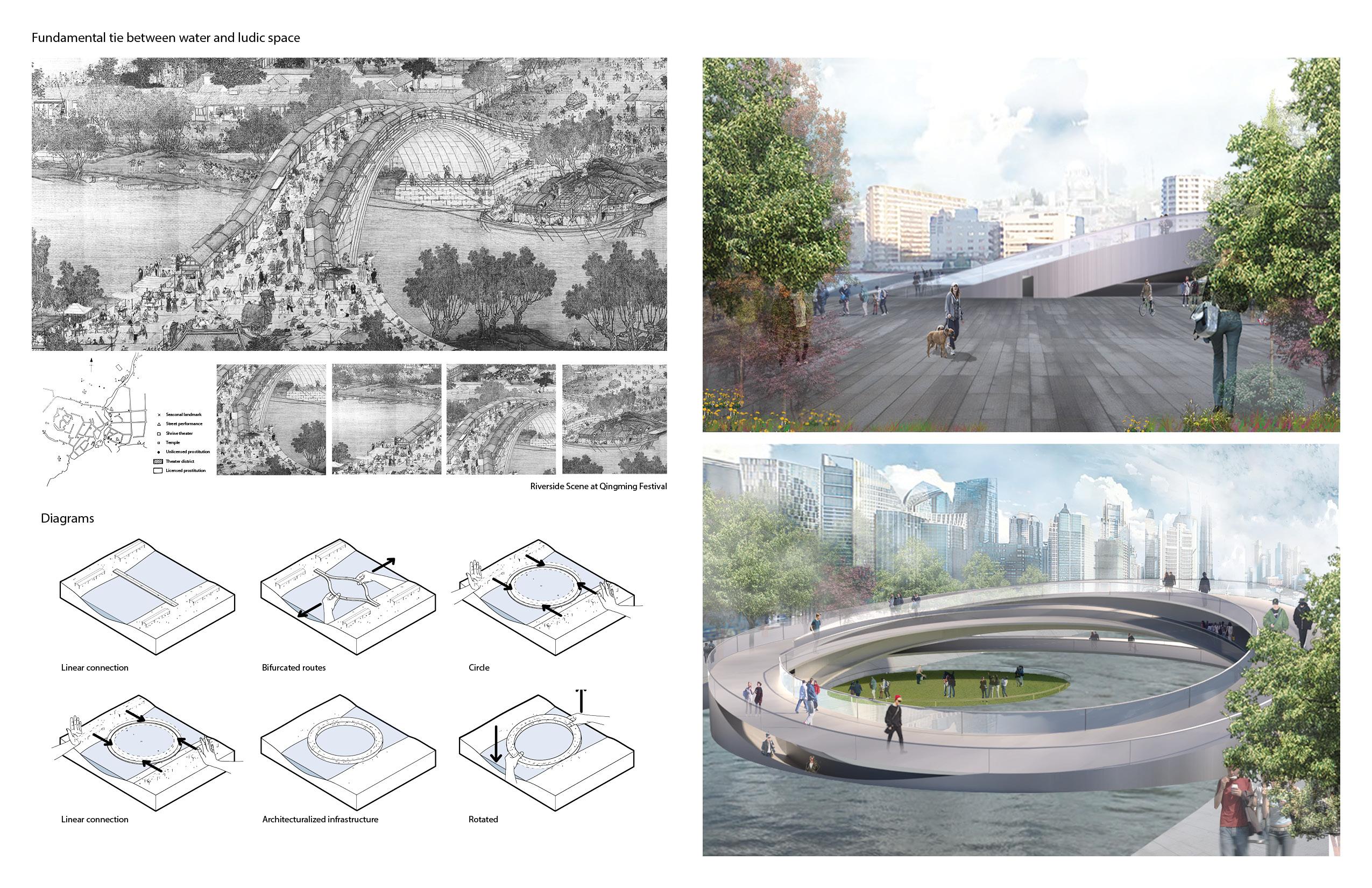
RIVER AS THEATER
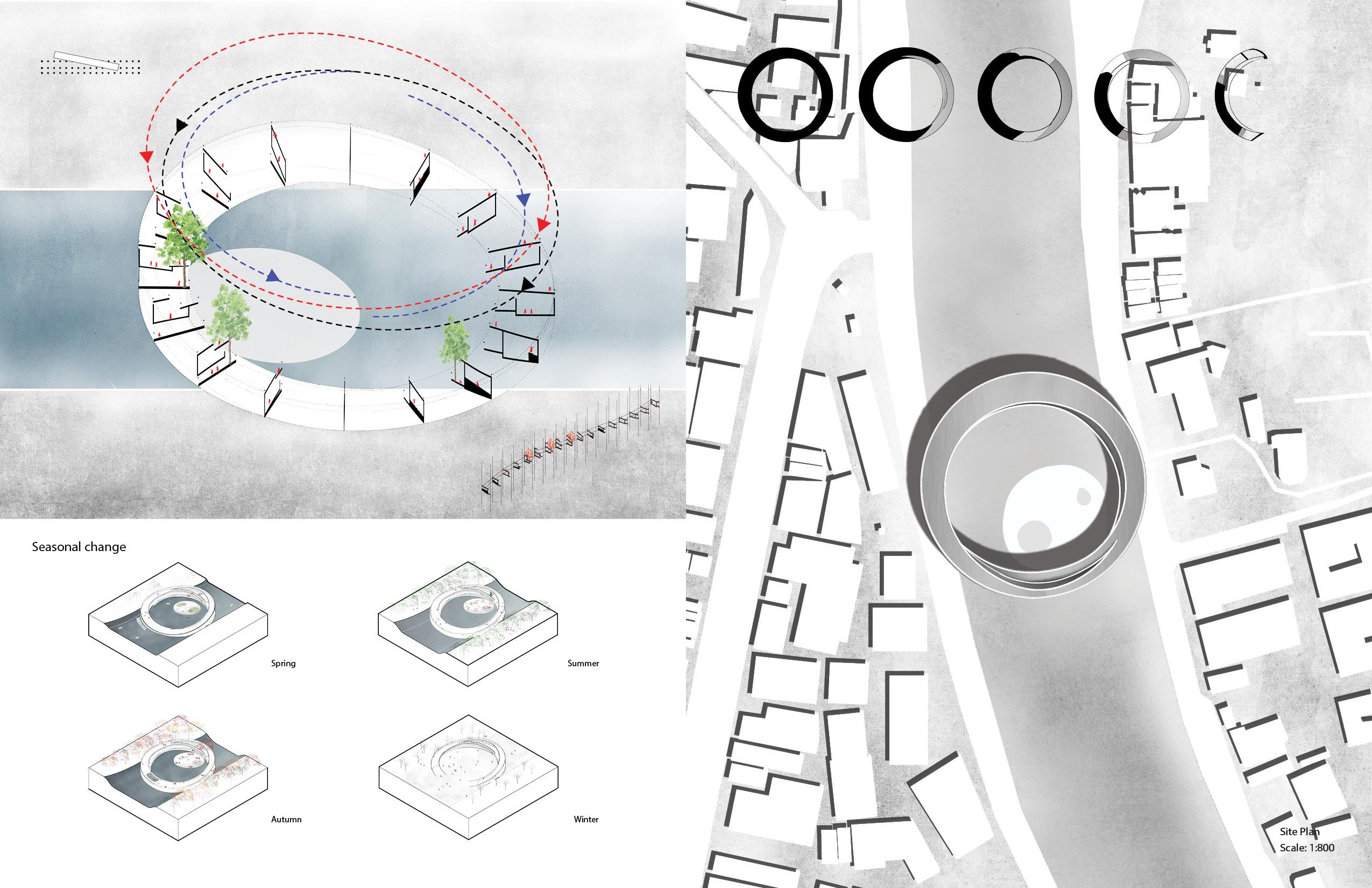
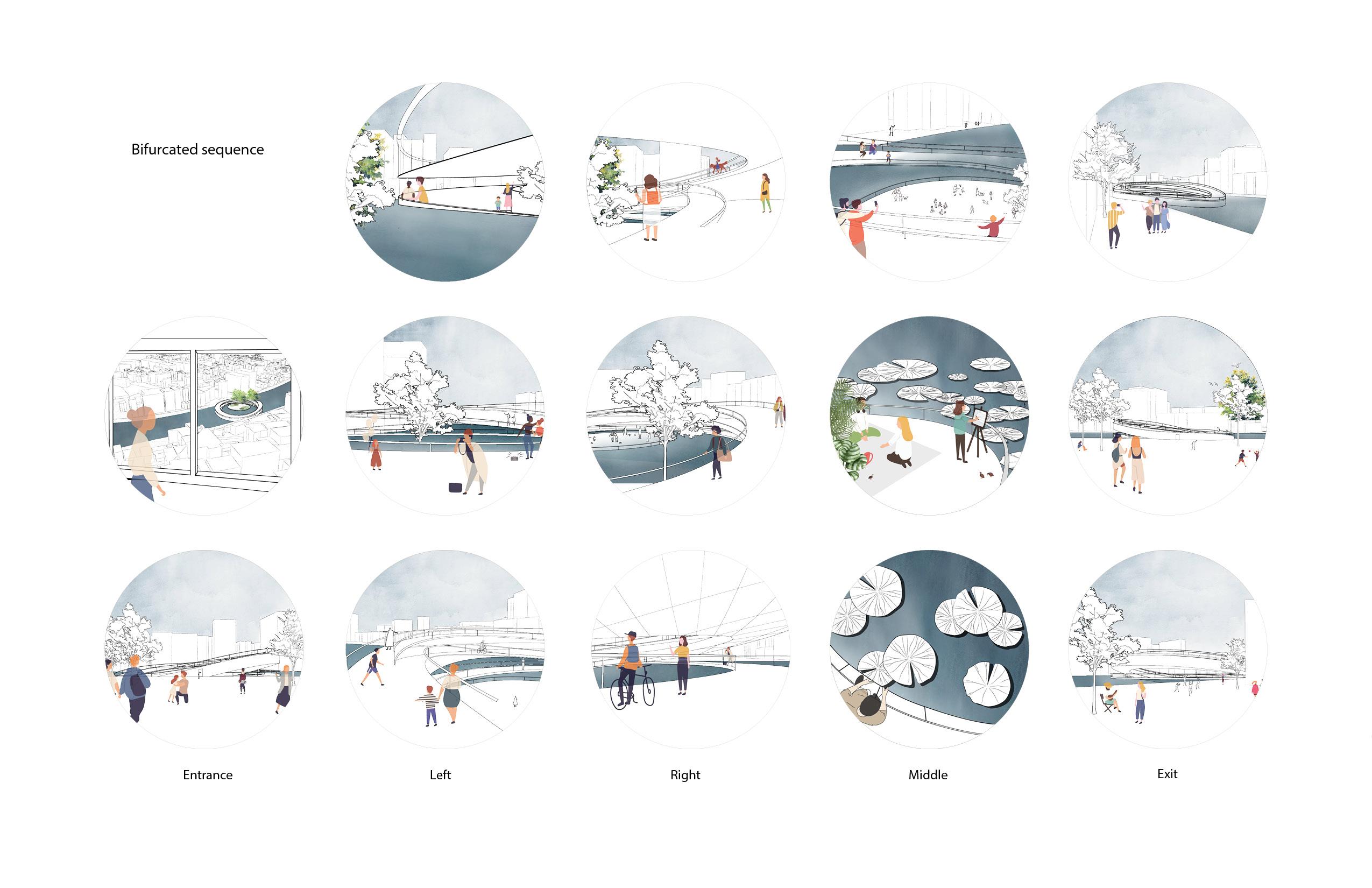
Recasting the bridge as urban theater between water and ground