The Official Publication of the Hawaii Society of Certified Public Accountants
Officers
President Frank Kudo
President-elect Trisha Nomura
AICPA Governing Council
Frank Kudo (Designated)
Darryl Nitta (Elected)
Vice President Adrian Hong Trisha Nomura (At-Large)
Secretary/Treasurer Chad Funasaki
Assistant Secretary Grayson Nose
Directors * 2025-2027
Ronald Heller
Jill Ishimitsu
Ed Nakano
Darryl Nitta
Natalie Taniguchi
Executive Director
Kathy Castillo
Administrative Assistant
Debbie Cortes
Hawaii Society of CPAs
1000 Bishop Street, Suite 802
Directors * 2024-2026 P.O. Box 1754
Chantal Mentzer (Kauai)
Norman Okimoto
Joel Peralto (Hilo)
Immediate Past President
Ryan K. Suekawa
Honolulu, HI 96806
Tel: (808) 537-9475
E-mail: info@hscpa.org Web: www.hscpa.org
This publication is designed to provide general information only, and should not be used as a substitute for professional advice. The authors and editors disclaim any liability for any loss or damage resulting from the use of any information or advice herein. Although a reasonable attempt has been made to be accurate, neither the HSCPA nor the authors and editors can guarantee that all information contained herein is correct as of the date of publication.
KALA (the Hawaiian word for money) is published periodically and is the official publication of the Hawai’i Society of Certified Public Accountants. Please direct all inquiries regarding editorial content to HSCPA, P.O. Box 1754, Honolulu, Hawai’i 96806.
December 2025
President’s Message
By Dr Frank Kudo
A Glimpse Into the Future By Nikki Nagatori
Tech Insights: What Hawaii CPA Firms Are Prioritizing By Hawaii Tech Support
Accounting Opportunities
Experience . . . . . . . . . . . . . . . . . . .
Tax Season Readiness Three Levers Before January . . . . By Donny Shimamoto
Y-CPA Buzz: The Case for Advocacy By Adrian Hong
Navigating China-Japan-U S Cross-Border Taxation
Norman’s Book Review
Highlights: HSCPA 65th Annual Conference
Pitfalls in Tax Appeals By Tom Yamachika 4 7 8 10 14 21 16 13 12 5
President’s Message
By Dr. Frank Kudo
Accountant A PROFESSIONALS
The HSCPA just finished its Annual Conference on November 21 and everyone who attended earned their 4 credit hours for ethics training In my opening remarks at the Conference, I asked what is the definition of a “profession?” I then connected being a professional with a code of ethics or a standard of behavior for a specific group. st
For CPAs, ethics are written in the AICPA Code of Professional Ethics which is a comprehensive set of moral principles and professional standards. It determines basically what is acceptable behavior and what is not for that group These principles and standards ensure that CPA’s conduct themselves in a manner which will ensure integrity, objectivity, and to ultimately gain public trust in financial reporting In other words, a profession should have a code of ethical behavior in which members must closely adhere to. Violation of the ethical code could result in suspension or termination from the profession. This distinguishes the CPA profession from other vocations and occupations.
However, the U S Department of Education this year under the One Big Beautiful Bill Act (OBBBA) has determined that accounting is not a profession That is, not a profession for students to qualify
for loans for undergraduate and graduate educational degree programs The new plan stipulates that only students pursuing a professional degree can borrow up to $50,000 annually Non professional degrees at a much lower amount The Department of Education has classified the following degree programs as “professional.”
1. Medicine 7. Osteopathic
2. Pharmacy medicine
3. Dentistry 8. Podiatry
4. Optometry 9. Chiropractic
5 Law 10 Theology
6 Veterinary medicine
According to NewsWeek, the following is a list of degrees not classified as professional:
Therefore, accounting degree programs are not seen as professional degrees It didn’t say that Certified Public Accountants are not professional per se, but one can assume that if you graduated with a degree in accounting your occupation as an accountant could
be inferred not to have a professional standing in our society
Unfortunately, the OBBBA does not take into consideration the work to obtain and maintain a CPA license It only looks at the undergraduate degree program for financial aid support. For an accountant to be certified they must sit for a complex and difficult comprehensive examination, spend one-to-two-year interning (residency) under the supervision of a CPA, and in most states accumulate 80 hours of continuing education to maintain their licenses
In sum, maybe it doesn’t matter that we have a code of professional conduct and need to have ethics training every two years to maintain our certifications. That in the end, our contribution and status in society is determined by someone in Washington who has no idea what we do as a profession. Maybe that is part of the problem.
On behalf of the AICPA and state CPA societies, the AICPA issued a statement to the DoE urging them to include accounting programs in the regulatory definition of “professional degree programs.”
A Glimpse Into the Future
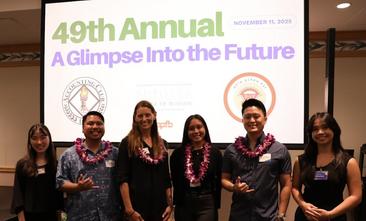
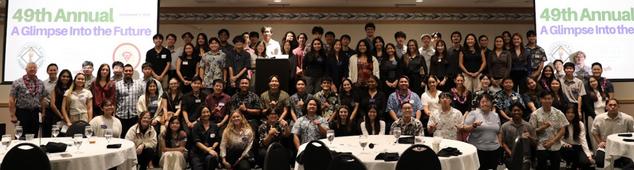
The Accounting Club and Beta Alpha PsiDelta Theta Chapter host an annual conference, A Glimpse Into the Future (AGIF), the longestrunning tradition shared between our clubs Each year, we bring together students and accounting professionalsprimarily from public accounting - to explore the evolving profession. This semester. Sydney Sakanoi, Beta Alpha Psi’s Vice President, and I had the honor of hosting the 49th Annual Conference
With the recent changes to CPA credit requirements, Sydney and I felt it was important to give our members a clearer understanding of both the updates and the exam process. Thanks to HSCPA’s guidance, we assembled a fantastic panel - Mary Joy Butac, Tayler Mori, Katie Landgraf, and Dharyl Bongbonga - who shared their
by Nikki Nagatori
insights, experiences, and practical advice. Our members left feeling encouraged, informed, and a little less intimidated by the CPA journey
We also welcomed back Blane Ruschak, a longtime AGIF favorite who has spoken at more than 30 conferences Blane led engaging career development activities that brought students and professionals together to practice key business skills such as resiliency, communication, leadership, teamwork, and adaptability
Overall, the event was a tremendous success We’re deeply grateful to our panelists and to Blane for taking the time to give our members a meaningful glimpse into the future of accounting
Hawaii Practices for Sale
Hilo CPA Practice - $703K gross Reputable practice with a high-quality, well-established client base. Revenue is nicely mixed between profitable tax (43%), accounting/bookkeeping (36%), and payroll services (22%). Turn-key opportunity ideal for an experienced CPA looking to step into a thriving practice. For more information, please call 1-800-397-0249 or visit www.APS.net to see listing details and register for free email updates.
ThinkingofSellingYourPractice? Accounting Practice Sales is the leading marketer of accounting and tax practices in the world We have a large pool of buyers looking for practices as well as the experience to help you find the right fit for your firm and negotiate the best price and terms To learn more about our risk-free and confidential services, call Ryan Pannell with The Holmes Group at 1800-397-0249 or email Ryan@apsholmesgroup com
TECH INSIGHTS From the HSCPA
What Hawaii CPA Firms Are Prioritizing for 2026
st
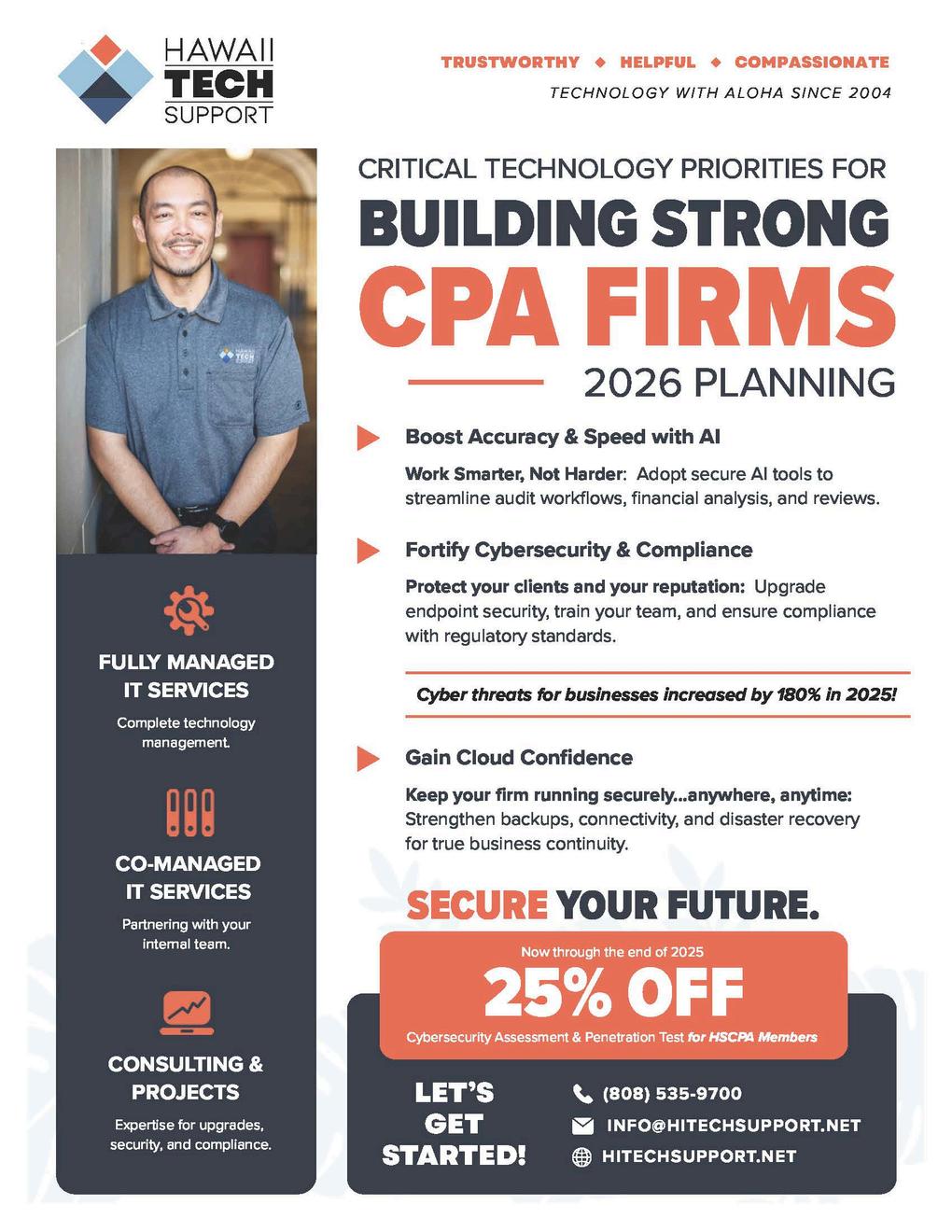
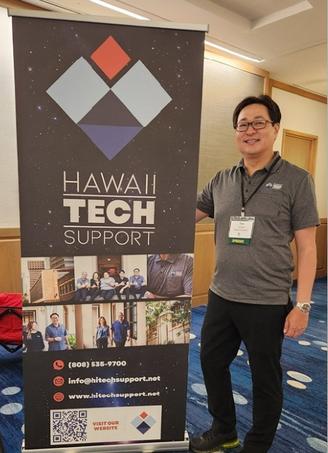
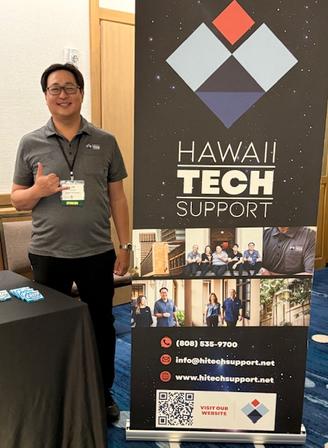
This was our 1 year attending the HSCPA Annual Conference as a new member, and it gave us a solid look at what firms across Hawaii are working through. Our Solutions Advisor, Tim Ishida, spent the day meeting with partners and managers from practices of all sizes The conversations were steady and consistent - firms want dependable systems, clearer structure, and technology that helps them operate with confidence
Three priorities rose to the top
1. IT Compliance and Internal Policies Need Real Attention
IT compliance was one of the most talked-about topics at the conference. Many firms shared that their internal policies have not kept pace with how their teams work or with new regulatory expectations Smaller practices, in particular, said they rely on rough guidelines rather than documented standards Firms want policies that staff can follow without confusion as well as clear rules around data handling, access, storage, and AI use. Policies that support IRS and FTC requirements in a practical way, not paperwork for the shelf. For many firms, 2026 will be the year they bring more order and consistency to this area.
2. Infrastructure and AI Are the Path to Better Workflow and Efficiency
A lot of firms talked about aging systems, inconsistent remote access, and too many points of failure. These issues slow teams down and create unnecessary stress during peak periods Some firms are already planning server replacements; others are looking for a more resilient setup that supports staff across islands and time zones AI came up as well, mostly in the context of improving workflow. Firms are not trying to overhaul everything…they want simple, reliable gains. Tim shared examples like AI-supported phone queues, data entry support, and lightweight automations that remove
repetitive tasks. The focus for 2026 is building a stronger base and adding tools that make daily work smoother without risking client confidentiality.
3. Firms Want Confidence Their Cybersecurity Will Hold Up
Cybersecurity remains a priority, especially for firms that rely on a single independent IT helper
Several partners said they had not considered how risky that model becomes during tax season or a real incident Recovery time, backup integrity, and ransomware protection were common concerns. Even firms with MFA and email filtering were unsure whether the rest of their systems worked together the way they should. What firms asked for most was clarity - a real assessment, a workable incident plan, and security measures they can count on
The conversations at the conference made something clearwaiting until something breaks is the costliest approach Firms do not need sweeping changes to be ready for 2026! They need intentional steps that include clear policies, stronger workflows, and security that holds up under pressure. The firms that start now will move into 2026 with more stability and far less stress.
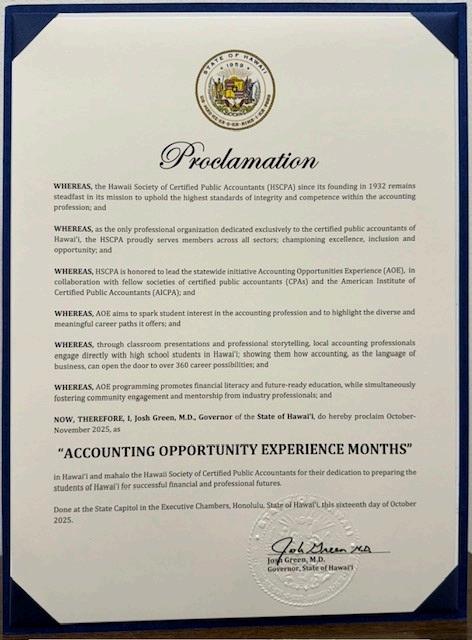
Governor Green Proclaims October and November as Accounting Opportunities Experience Months
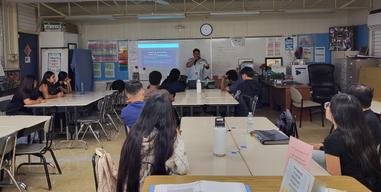
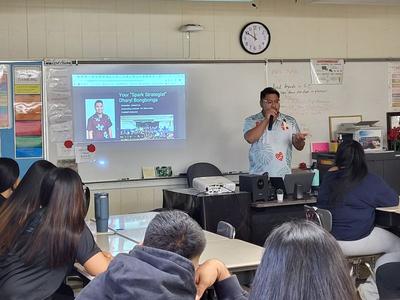
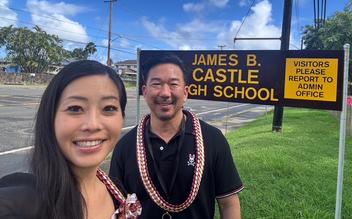
HSCPA Volunteers Bring Career Inspiration to Hawaii Classrooms
The Hawaii Society of CPAs
proudly kicked off its high school outreach visits in October. This national initiative—led in collaboration with the AICPA and state CPA societies across the country aims to raise awareness of accounting career pathways and encourage students to consider the profession as they plan for college and beyond.
Throughout the fall, HSCPA volunteers are visiting classrooms across the state, engaging students in meaningful conversations about the diverse opportunities within accounting. These passionate professionals are sharing personal stories, answering questions, and helping students see how accounting can be a powerful tool for leadership, innovation, and impact.
“We’re thrilled to be part of this national movement,” said Frank Kudo, President of HSCPA. “Our volunteers are not only introducing students to the possibilities within accounting they’re helping them envision futures filled with purpose and potential.” AOE visits will continue into December, with more than a dozen schools scheduled to participate statewide.
WhatThey’reSaying...
HSCPA's incredible volunteers are bringing energy and heart into the classrooms, sharing their passion for accounting through meaningful conversations and authentic connections.
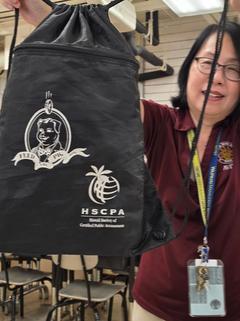
Ms. Chao with her HSCPA Feed the Pig backpack from back in 2007 - way to go!
Transformation Transformation
T A X S E A S O N
Three Levers You Can Still Pull Before January
Feeling behind on prep? You’re not. With a focused push on workflow, wellbeing, and cyber hygiene, you can still meaningfully change your firm’s taxseason trajectory this December.
Tax season pressuretendsto arriveintwo waves: the operational crunch and the humancost. Mostfirms over-optimize forthe first and underestimate thesecond—thenaphishingemailorfile-sharingmistaketakes bothdownat once.
But you still havetimeto movetheneedle. Belowis a preview—and a practicalchecklist—you can start using today.
Donny C Shimamoto, CPA, CITP, CGMA, is the founder and Inspiration Architect for the Center for Accounting Transformation, which enables transformation by guiding professionals through the adoption and change required in order to step into the future of the accounting profession He is also the founder and managing director of IntrapriseTechKnowlogies LLC, a Hawaii-headquartered advisory-focused CPA firm dedicated to improving the world by helping small and mid-sized entities (SMEs) accelerate their business transformations through the application of Environmental Social & Governance (ESG) and Enterprise Risk Management (ERM) frameworks right-sized for smaller organizations.
KALA AUGUST 2025 11
By Adrian Hong, CPA
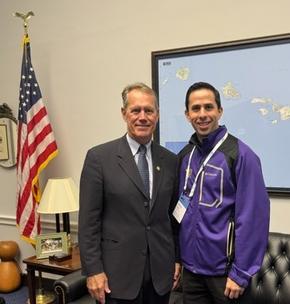
I had the opportunity and pleasure of taking part in the 10,000 Small Business (10KSB) Summit hosted by Goldman Sachs from October 29 –30 . Over 2,200 small businesses from around the country participated. The goal of the summit was to amplify the voices of small businesses by coming together. It is easy for legislators to ignore the plight of an individual business It is harder to ignore the largest gathering of small business owners in the United States th th [1]
Small business owners from all 50 states met with our members of Congress to raise issues that are affecting our ability to prosper (ex. uncertain regulatory environment and access to capital). The meetings gave us an opportunity to build stronger connections with our legislators that will exist beyond the summit. It also allowed us to network with fellow alumni of the 10KSB program, giving us a network of over 10,000 businesses to rely on and work with
“Goldman Sachs 10,000 Small Businesses to Host Largest Summit of Small Business Owners in the U.S.”, Goldman Sachs, 2025-09-24, https://www.goldmansachs.com/pressroom/pressreleases/2025/10000-small-businesses-summit. [1]
TheCase forAdvocacy
For more information about the 10KSB program, please click on the following link: https://10ksbapply.com/.
The reason I bring this experience up is to encourage CPAs to take up advocacy. In these uncertain times, it is vitally important we advocate for our businesses, profession, and clients.
No one else is going to do it for us No lobbyist is going to be as effective at telling your story as you are The outcome of the changes happening in our politics and regulations will determine if your businesses and clients can thrive
The federal government shutdown, reductions to the IRS budget, cancelling of federal grants and funding, and the involvement of private equity in the profession all need political and regulatory solutions We need a seat at the table to ensure that future laws are fair and fit for purpose
Advocacy need not only be at the federal level. Act 014, passed this year by the Hawaii State Legislature, is an example of CPAs coming together to advocate for the profession Together, we created a new pathway for students to become a CPA and reduced a barrier to entering the profession. We should build on that success.
Reach out to your state or federal representatives Testify on a bill that matters to you Get involved in a professional organization like the Hawaii Society of Certified Public Accountants (HSCPA) or a not-forprofit that is advocating for changes you want to see. Advocacy takes many different forms, and the only barrier to entry is the time you put into it
Their expertise made this session an invaluable learning experience for Hawaii’s tax practitioners.
Thank you, Peter, Erin and Eric!
Norman’s BK REVIEW
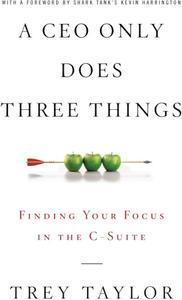
A CEO Only Does Three Things By Trey Taylor
Those of you who are CEOs or in senior management know your job comes with great responsibility and the success of your company and the livelihood of your employees depends on the decisions you make. This book covers the important things a leader must focus on to be successful and keep things very simple As Trey notes, “it is a synthesis of a lifetime’s worth of ideas encountered while studying the art and science of executive action While the ideas presented in the book are not original to the author, they’ve been lifted, tested and applied in his own career and those of his consulting clients.”
The following excerpts from the book really resonated with me and I hope they will do the same for you.
Focus
When a group of high achievers were asked by Bill Gate’s mother at a gathering at her home to write down the one thing each of them felt had made them successful, both Bill Gates and Warren Buffett had the same answer: “Focus ” Would you have written that word too? Per Trey, it’s the most important skill a CEO can have. The best CEOs have the ability to focus on the three most
important area of their business, while muting all other distractions: Your People, Your Culture and Your Numbers. These items are interconnected and taken together; they act as the foundation upon which your company will build and maintain its success.
Itisgoodpeoplewho makegoodplaces.
--AnnaSewell
People, Culture and Numbers
In a nutshell, a CEO sets the overall vision and strategy of the company and communicates it to all stakeholders. He/she recruits, hires and retains the very best talent for the company. Finally, he/she makes sure there is always cash in the bank. The CEO is the sole and final arbiter. These decisions can’t be delegated
CEO Challenge
A good CEO takes the credit for nothing and the blame for everything Everyone else in the organization has a right to candor, rapport, and a good night’s sleep while the CEO forgoes these for the benefit of the long-term mission A CEO is always alone; that’s the joy and the hurt of it.
Must Understand People
To lead others, you must understand People – how they tick, how they process information, how they make decisions, what motivates them and why. The greatest executives reach People at their deepest, most fundamental levels. Does this describe you?
Authenticity
The world hungers for authenticity When your beliefs about who you are become mirrored in your thoughts and emotions, you are behaving authentically
Culture
Corporate identity is best expressed by its Culture. A company’s Culture is its most important competitive advantage. An overwhelming 82% of the respondents to Deloitte’s “Global Human Capital Trends” survey said they believe that Culture is a potential competitive advantage. Culture trumps everything because Culture drives behavior It is unspoken, automatic, and almost invisible The CEO can’t be physically available to influence every choice that every employee has to make each day but Culture can
Company = People x
Culture x Focus
To increase the value of a company, we must increase each of those three parts. People matter more than any other variable and there is no area where a CEO’s impact will be more directly and widely felt
The 4Cs
Successful CEOs rely on the 4Cs and not personality to select the best candidates The 4Cs are Culture, Capabilities, Compensation and Commitment
They represent the four stages of the interview process.
Trust and Integrity
If you treat your employees with trust and integrity, they will do extraordinary things. Deny them that trust, and they will leave.
The Power of Love
Love is the most direct and most apt way to encompass the most effective behaviors a CEO can adopt for both leadership and employee retention
Positivity
Positivity is the primary product a leader manufactures. Praise is how leaders communicate that positivity to others. If you can’t find praiseworthy actions in your company, then you have a problem. You either have the wrong team or the wrong heart. Figure out which it is and fix it
You must keep enough cash on hand to fund your next move It is critical that you never allow execution on vision and strategy to outpace your financial realities In business, as in chess, it’s a cardinal sin of leadership to leave yourself without any options Cash is the lifeblood of any business.
Numbers
Numbers are critical to predicting and confirming success in your business. A CEO must become the master of the Numbers which reveal the truth about his/her business in stark and unbending terms Math is the language of business Numbers never lie Note that every business has a financial Achilles’ heel If not properly monitored and managed, it can cause you to miss important opportunities, or worse, lead to financial ruin.
Great Leaders Have Two Abilities
Great leaders have two abilities that set them apart from others. First, they can see what others cannot, yet. Related to People, they can see the innate, untapped potential inside People, a skill called perception. Secondly, great leaders have the ability to turn precepted potential into a gift called evocation
Does Higher Wages Correlate to Better Work?
Higher wages don’t automatically cause employees to perform at higher levels of work In fact, it sometimes has the opposite effect. Commitment, work ethic, motivation, and job satisfaction are not based on earnings. They are intangibles that come from a sense of purpose and a Culture of appreciation. People want meaningful, fair-paying work at companies that acknowledge their contributions and give them the freedom to be really good at their jobs
Summary
Trey’s book is inspiring and a great reminder about what it takes to be an AWESOME CEO and leader. I hope it recharges you to be the best person you can be, and start you on your way to a highly successful 2026!!!
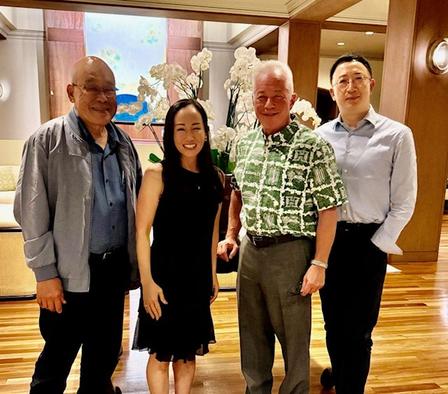
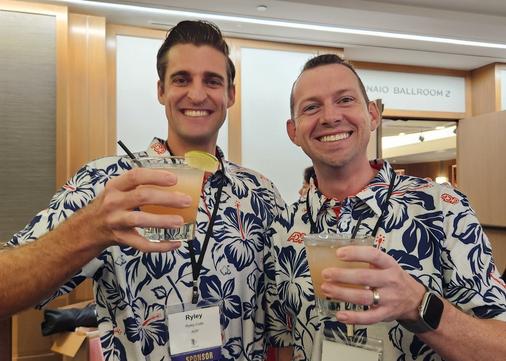
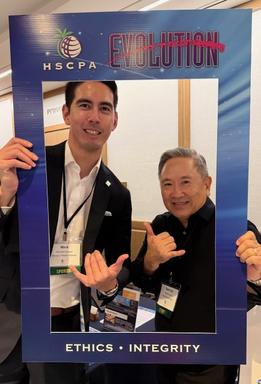
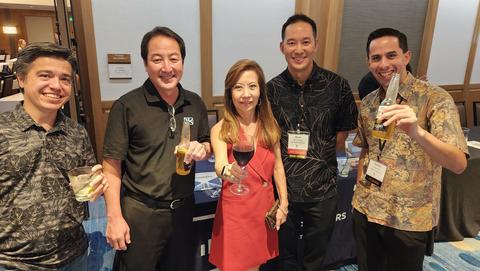
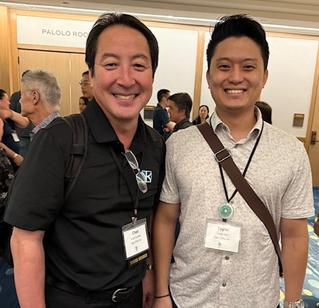
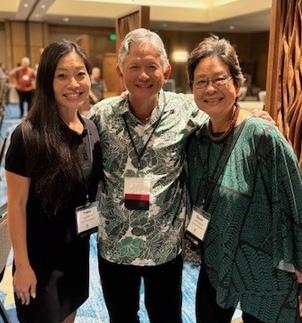
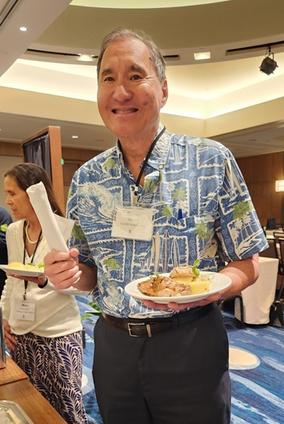
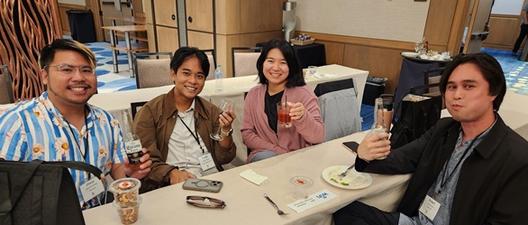
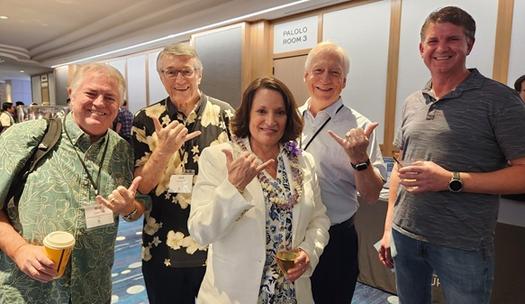
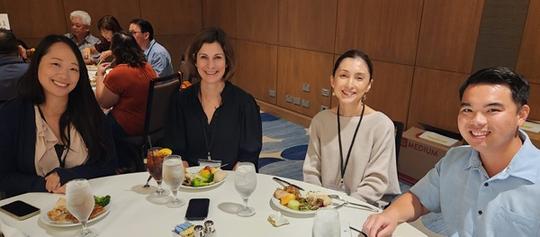
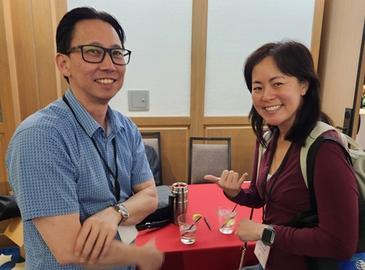
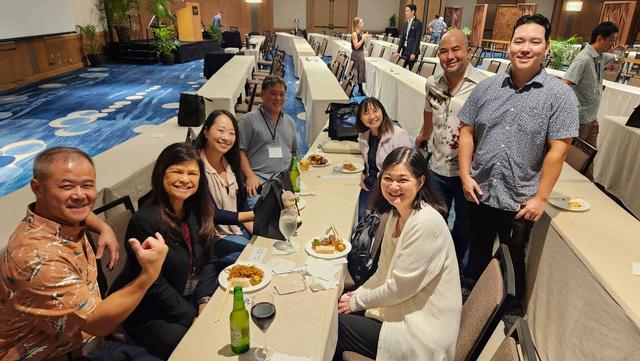
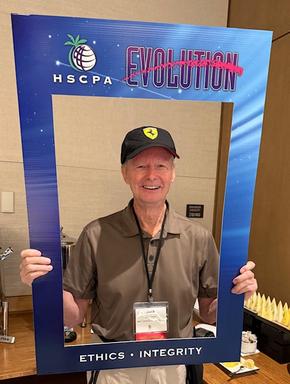
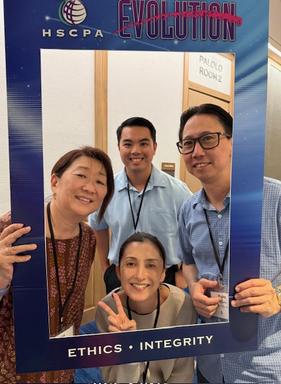
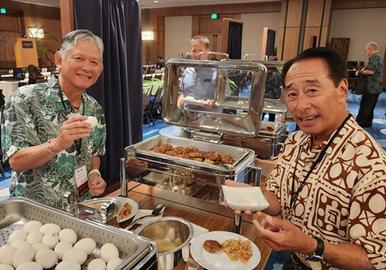
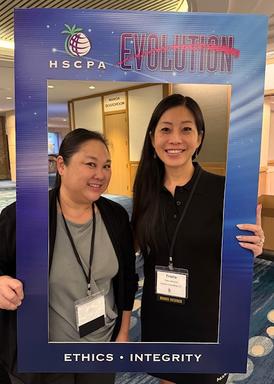
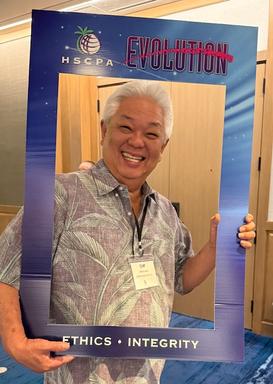
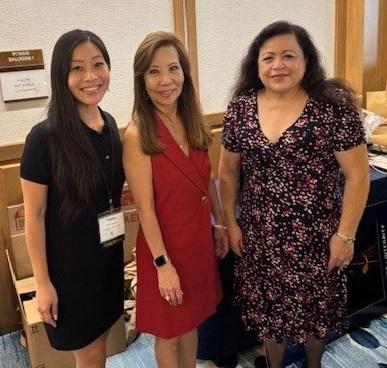
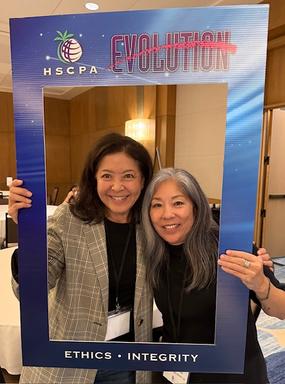
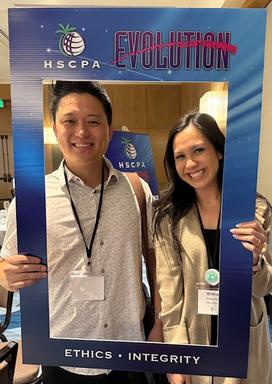
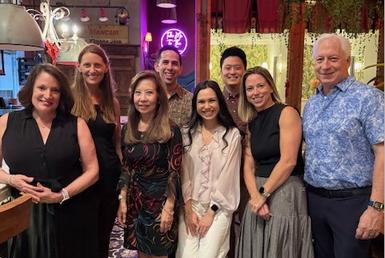
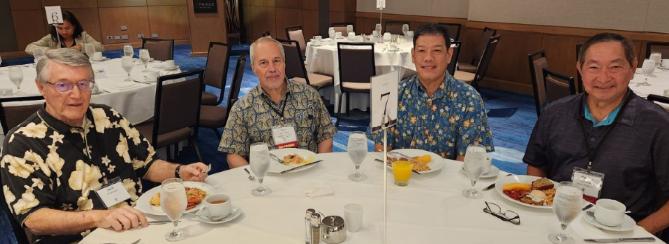
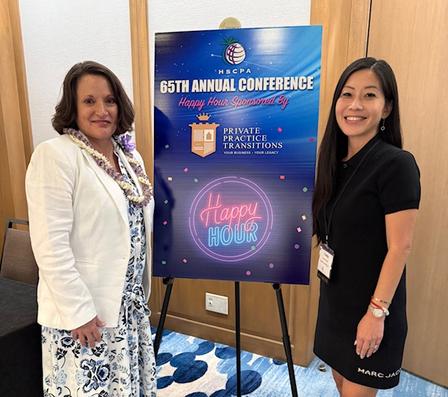
TheHSCPA 65 Annual Conference – another one for the books! As a reporting year, the event sold out – but, we'd like to think attendees came not just for the CPE, but for the camaraderie and fun that always define our Annual Conference. �� th
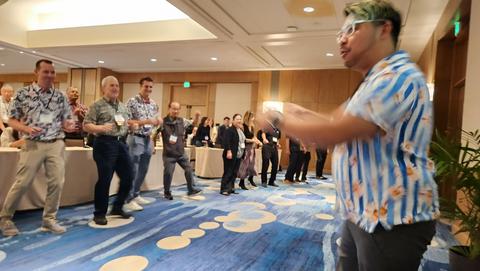
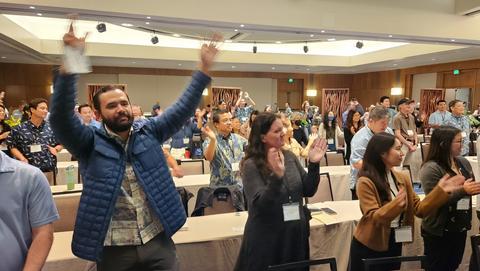
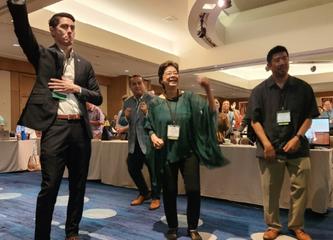
We kicked off the day with a burst of energy as Dharyl led a lively morning Zumba 'workout' – getting everyone on their feet, burning off the yummy breakfast, and gearing up for a full day of learning and connection
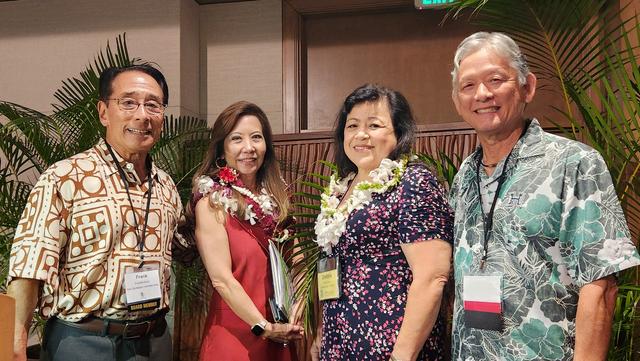
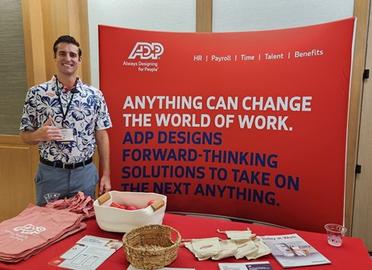
In a heartfelt moment not on the agenda as prepared, President Frank Kudo surprised all by honoring HSCPA staff Kathy and Debbie for 30 years of service an accomplishment they celebrate with pride, made possible through the steadfast support of the HSCPA Board and membership. (�� to Stephen and ADP for the service recognition!)
Annual Conference Highlights
Our speakers kept us captivated throughout the day:
Lisa Simpson – Vice President of Firm Services at the AICPA –delivered timely insights on the profession's rapid changes; Ron Heller engaged us with his ever-popular (and slightly scary!) ethics presentation; and Andy Pierce reminded us of how powerfully our thoughts shape our emotions
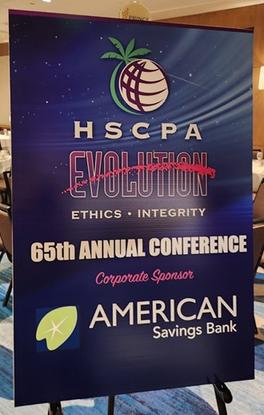
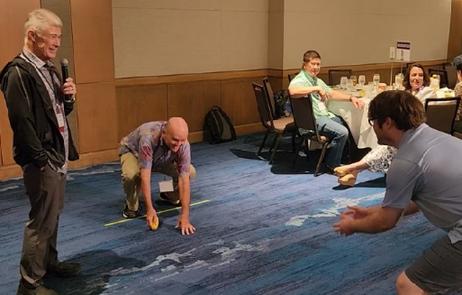
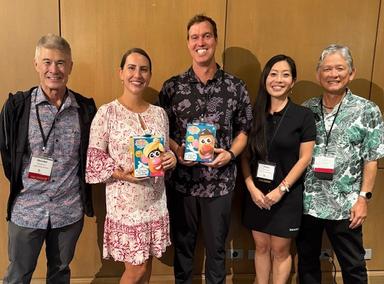
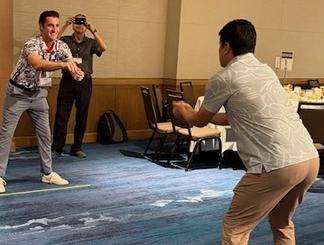
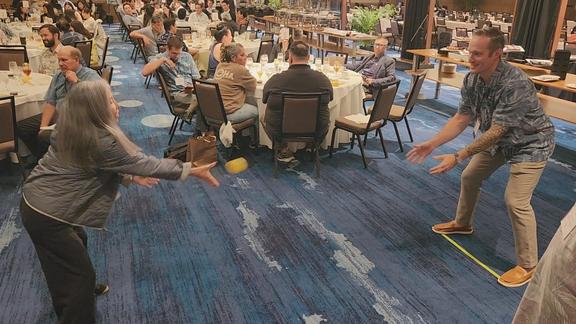
We were delighted to welcome back our longtime lunch Corporate Sponsor, Tony Mizuno of American Savings Bank ASB has proudly supported HSCPA for 21 years, and we're deeply grateful for their continued partnership Attendees tapped into their playful side with a spirited game of Hot Potato Congratulations to our crowned champions – Mr. & Mrs. Potato, Andy and Lauralee Pierce – for holding on through the final potato toss!
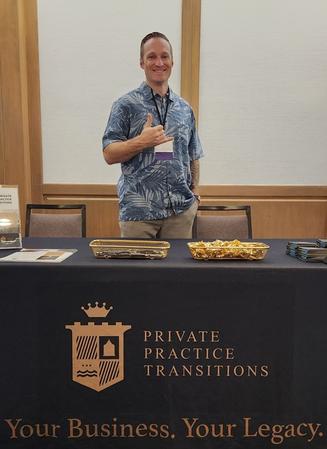
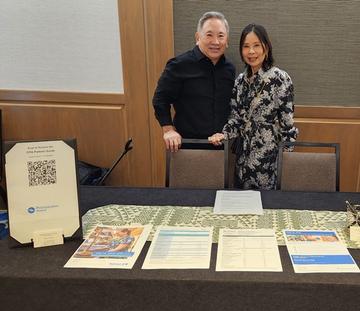
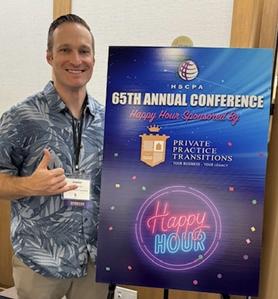
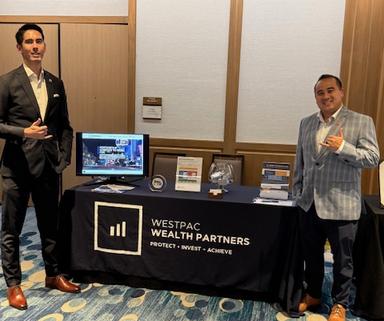
It truly takes a village to make the HSCPA Annual Conference a success. We extend our heartfelt thanks to all who lent their time, talent, and support: our Conference attendees, Britney, Evan, Adrian, Jill, Tayler, Zumba Dharyl, Lisa, Ron, Andy, Presentation Resources, Prince Waikiki catering and banquet staff, American Savings Bank, ADP, Hawaii Tech Support, Proinsurance Hawaii, Private Practice Transitions, Westpac Wealth Partners, our illustrious MC Norm, game refs Trisha, Wendell and Cliff, and of course, the HSCPA Board of Directors and staff!
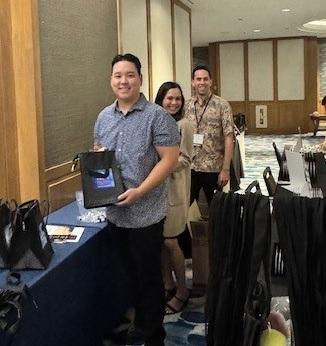
Finally, a sincere mahalo to everyone who generously donated gifts for the Family Programs Hawaii's annual holiday party for foster children! HSCPA volunteers will be spreading cheer as they wrap these and many other presents at the FPH gift-wrapping event on December 4th
Candid Connections Candid Connections
P i t f a l l s i n Ta x Ap p e a l s
People sometimes get into a disagreement with the Department of Taxation over the amount of tax they owe, or whether they owe tax at all.
To solve these disputes, there is a tax appeal process To help taxpayers understand this process, the Department typically sends two documents to taxpayers who they are auditing: Tax Information Release 2002-01, and the Hawaii Taxpayer Bill of Rights. “Taxpayers have a right to information regarding procedures for appealing a tax assessment or a denial of a claim for refund,” the TBOR says.
But it doesn’t say anything about accurate information.
When filing an appeal with the Tax Appeal Court, for example, TIR 2002-01 says that a taxpayer filing the appeal must deliver a copy of the notice of appeal “to the tax assessor” Doing that, however, can and will doom your appeal The law was amended in 2007 to state that the Director of Taxation must be served, and a 2010 Intermediate Court of Appeals case, Aregger v State of Hawaii, Department of Taxation, held that the Tax Appeal Court must toss out the case if the copy of the Notice of Appeal wasn’t sent specifically to the Director. The TBOR, which was last amended in 2022, does list an acceptable address to which the Notice of
Appeal may be mailed TIR 2002-1, issued in 2002, does not reflect these developments.
“Come on now,” I hear the Department saying. “The TIR was from 2002. It’s more than twenty years old No taxpayer should believe everything it says”
“But then why are you sending it to taxpayers under audit?” I want to reply. “Is it too much to ask that the information that you are sending out be correct?”
Another area in which the Department’s communications fall short is in its description of “Payment Under Protest” The century-old law governing such payments says that if a taxpayer and the Department have a dispute over whether a particular tax is due, the taxpayer can pay the tax with a note saying that the tax is paid under protest and then sue within 30 days. The TBOR says, “In lieu of filing an appeal, or [if no appeal was filed on time,] the taxpayer may pay the disputed tax assessment under written protest and seek to recover the taxes by filing an action ”
What this description does not address is whether an “assessment” is required. If, for example, cruise ship companies have a problem with paying the newly enacted TAT on cabin accommodations, can they pay tax
and file suit, or do they have to wait for the Department to audit and assess, which could be years later?
A 2000 Hawaii Supreme Court case, Grace Business Development Corp v Kamikawa, says that a “formal decision” of the Department is needed; without that, there is no “dispute” with the Department, and the lawsuit must be dismissed. Which means that the State keeps the money paid under protest, even if the taxpayer’s position was legally right In the 2024 Hawaii Supreme Court case Hawaiian Airlines, Inc. v. Department of Taxation, the Department argued that the TBOR and TIR 2002-01 were accurate but the court said, “We agree that the Department’s communications were confusing.”
To the Department: It’s been 23 years since TIR 2002-01. Please update the information if you are going to send it to taxpayers being audited And to taxpayers: Please don’t believe everything the Department sends you unless you are willing to take the risk that you are going to get a nasty surprise when it is too late to fix the situation.
Tom Yamachika is President of the Tax Foundation of Hawaii - the ‘watchdog’ that keeps an eye on Hawaii’s taxes Tom is also the owner of Aloha State Tax, a small law firm with emphasis on State taxes. Prior to going solo and the TFH, Tom was a principal with Accuity LLP where he managed the tax consulting practice, including quality and risk management and practice development