As the industry’s leading publication for over two decades, we want to remind you all that we are more than just another magazine; WE are the nexus of commerce for the counterculture marketplace; headshops, smoke shops, vape shops, adult novelties, and dispensaries. Both publisher and platform, HQ exists to facilitate the continued evolution of a once-marginalized industry now on the cusp of legitimization. As a publisher, we are your advocate and your advisor, your continual stream of all information that matters to you; from product knowledge, to business insights, to how it all fits into the panorama of the bigger world. As a platform, we are your connection. We are the bullhorn, the billboard, and the bridge; the perfect bullseye of your target market. And as this industry continues to come into its own and navigate the coming seismic shifts in the landscape, we’ll be the light to guide its steps.
PUBLISHED BY HEADQUEST INTERNATIONAL LLC HeadQuest.com @HQMag1998 @hqmag4u
HQ Experience
HQ Magazine, the industry’s longest-running publication, remains committed to serving the smoke shop community. With an unwavering dedication to delivering award-winning content, and relevant news and providing insight into the latest and greatest industry products, HQ will continue to seek out the best way to reach as many subscribers as possible.
With HQ’s recent acquisition, the tides are turning and we know that YOU are ready for something new, something BIG. If you are looking for an upgraded experience, join HQ’s Elite membership program by scanning the QR code below. With each membership, you will receive HQ Magazine each month with no service interruptions, free access to HQ’s digital magazine, exclusive offers from our advertisers, and periodic sample boxes from the industry’s most trusted brands.
Marc Toretzky sales@headquest.com C: (213) 304-3751
Creative Director
Copy Editor
Proofreader
Billing
Contributing Writers
Brandon Frawley brandon@frawleycreative.com
Casey Patterson
Rachael Schoellen
Therese Galati accounting@headquest.com
Matt Weeks
Jonathan Branch
Jimmy Wohl
Joe Reefer
Emily Long
Karen Maina
Ryan Mills
We welcome feedback! If you have any questions, comments or concerns, please email us at marketing@headquest.com.
HEADQUEST INTERNATIONAL LLC. assumes no responsibility for contents herein. Opinions expressed in articles are strictly those of the writer.
Published monthly by Headquest International LLC., 6300 Riverside Plaza LN. NW., Suite 100, Albuquerque, NM 87120. Send address change requests (please include information from the shipping label) to the address above, call 505-275-6049, or email subscriptions@headquest.com
Printed in Canada on recycled paper with vegetable-based inks.
BEWARE! HQ has no affiliates or outside sales team. Any business or person contacting you and acting as an HQ Representative or claiming affiliation with HQ Publications is unlawfully misrepresenting himself or herself. Please contact sandy@headquest.com if you are approached by any such entity.
TABLE OF CONTENTS
From hype to halt
What the Kazonomics fallout means for the crypto community.
SOul Searching
Is the future of the industry in the past?
women in cannabis
The cannabis industry is evolving fast, but its most powerful force is not a new product or policy. It is the women leading the charge.
how smoke shops can get their groove back
Close-out strategies that protect profit.
veterans on ibogaine
What happens when heroes trip.
accolades they deserve
How Doug Campbell’s Counter Culture Awards recognize the stars in our industry.
product spotlight
How Sticky Cards is rewriting cannabis retail marketing.
trade show roundup
MJ Biz Conference Las Vegas, NV
Las Vegas Conv. Center 12/2/25 - 12/5/25
Alternative Product Expo Miami, FL
Mana Wynwood Conv. Center 3/12/26 - 3/14/26
PARTY
NUTS
from hype What the Kazonomics Fallout Means for the Crypto Community
to halt
BY J.R. JOHNIVAN
Back in September’s issue, we opened the door on the world of cryptocurrency and how it’s currently being used in our society. However, the crypto space isn’t all sugar and spice; there are some risks involved, too. We recently sat down with Kaz, the creator of the Kazonomics token, who is currently experiencing the downside of the crypto craze.
Introducing Kazonomics
Kaz, also known as “The Weatherman,” launched his Kazonomics token in August 2025. It was so popular that he quickly gained recognition as one of Zora’s top creators.
“My brand is a pretty old brand. I’ve been in crypto since 2013. I created this persona under Kazonomics, and it became popular enough and accurate enough in crypto that I got onto CNBC in 2017,” Kaz said. “I created this branding around this messenger that was faceless. That master brand is my main brand concept, and I used it when I dropped this memecoin, which was under my actual brand name, Kazonomics, and it became the market leader and historical high market cap coin of Zora.”
For the uninitiated, Zora is a social app that lets anyone transform art, memes, videos, and podcasts into tradable cryptocurrency coins. With significant funding from Coinbase, one of the leading cryptocurrency exchanges in the world, Zora has since become a viable method for digital content creators who want to make money online. Or so it seemed.
According to Kaz, the team at Zora recently pulled the rug out from underneath his memecoin—a move that has left millions of dollars suspended in a virtual purgatory. Not only did they ban his account without reason, but they have designated his crypto token, Kazonomics, to sell-only status; ultimately wiping out the value of the token. With over 4,000 users invested, Zora’s rug-pull affects nearly half of the platform’s user base.
At the time of this writing, it seems that neither Kaz nor his investors will be able to recoup their lost funds. Kaz himself is out nearly $2 million, and many others have lost tens of thousands. One victim, Andrew Smith, with CannaLugh (Chicago’s only comedy, cannabis, and music event company), lost nearly $40,000. Before the rug-pull, Andrew was on track to make millions.
“Zora has a TV show, and they attempted to insinuate there’s something not quite honest about how we became big so fast. And a lot of the guys on the show are too young to even remember when we were big, because we’ve had our brand under attack for some years.”
What is a Rug-Pull?
A crypto rug-pull scheme occurs when a scammer creates a new token or NFT, collects investments from unsuspecting victims, and then abandons the project altogether. In this case, however, the creator of the token isn’t the one doing the rug-pulling. Instead, it’s the blockchain-based platform itself, Zora, that is accused of wrongdoing.
“What you have is kind of like, honestly, an organized criminal network stealing tens of millions of dollars, but doing it technologically in a world that most people don’t understand well enough,” Kaz said.
Kaz suggests that the recent rug-pull involving Kazonomics stems from another memecoin on the Zora platform, a scam coin that Kaz and his brand previously exposed as fraudulent. He views the Kazonomics rug-pull as an act of direct retaliation by the team at Zora. Moreover, this isn’t the first time that Zora has made headlines for shady dealings.
Back in November 2024, Zora users had to pressure the platform to remove a collection of fake NFTs. Once they finally did remove them, Zora withheld investor refunds. They pulled a similar stunt in April 2025 after removing several fake celebrity accounts on their platform, once again leaving investors without access to their funds.
All of these issues have prompted many users to boycott the platform altogether, with some going so far as to brand all of their social media posts with the hashtag #ZoraScam.
How You Can Protect Yourself
Many people are hesitant to invest in NFTs—and cases like this are the reason why. While the losses surrounding Kazonomics might have been unavoidable for investors in this case, you can generally protect yourself by thoroughly researching the platform you’re using, storing crypto in hardware wallets, and trusting your instincts. Generally speaking, if something is too good to be true, it usually is.
SEARCHING SOul
Is the Future of the Industry in the Past?
BY RYAN MILLS
Head shops didn’t begin as glass galleries or designer drug emporiums. These were not sterile profit centers. They were cultural watering holes and community spaces for the outcast, the fringe dweller, and the weirdo mom warned you about. A proper head shop was equal parts record store, art exhibit, occult bookstore, and confessional booth for the chemically curious. They specialized in the rare and funky – and yes, accessories like bongs and pipes were part of that, but only part. You’d find vintage posters, rare vinyl, and the occasional bootleg Grateful Dead tape alongside rolling papers and incense. The head shop wasn’t just retail – it was rebellion with a cash register.
In the last 20 years, that has changed. The rebellion got streamlined. The funk got franchised. And the head shop? In a lot of cases, they got eaten alive by the convenience store model of cannabis retail. Everything has become disposable, gummies, and products that fit in a gas station endcap (no hate). And you know what? Revenue spiked. Shops grew fatter. But the culture got thinner.
With this dilution of culture, a devaluing of shop spaces, and the whole industry anchored on fly-by-night consumables that will likely get banned, we’ve lost our way entirely. Maybe to save the industry, we have to save the culture.
And look – money matters. Nobody’s saying a shop should martyr itself for the vibe. But here’s the catch: the consumables we’ve pinned the entire industry on? They’re fragile. Products get banned. Devices get outlawed. Regulators get twitchy every time someone sneezes near a vape pen. So maybe the answer isn’t more product. Maybe it’s more place. Or more precisely, a third space.
Third Space
What made the head shop bulletproof in its heyday wasn’t that it had the best bong selection on the block; it was that it was a third space before the term was a TED Talk cliché. It was where people went to feel seen, to swap music recommendations, to argue about who was better – Led Zeppelin or Pink Floyd – and to snag the weird incense that, to this day, no one can identify but everyone remembers.
When you dig into the original head-shop ethos, you find a pattern: the weird, the fringe, the outsider stuff became the magnet. That’s how underground comics got shelf space. That’s how indie rock posters and hand-printed zines rubbed shoulders with rolling trays. In that space, you’d trade stories about your last mushroom trip, or argue the merits of obscure psychedelics, or pick out an outrageously colored silicone bubbler that looked like something from a sci-fi movie. That wasn’t fringe for the sake of fringe; it was identity.
Replanting the Weird Seed
So when we talk about reclaiming culture, it means leaning back into that oddness. Offer more than carbon filters and grinder pucks. Offer strangeness. Think limited-edition art collabs, one-off handblown novelties that no one else carries, tiedye events, poetry or micro-concert nights in the shop, vinyl listening corners, local artist walls, rotating oddities (taxidermy spiders, tarot decks, custom pins). Let your space breathe. A customer can wander in, glance at the back wall, and feel their expectations glitch: “Wait, are those stash jars painted by local graffiti artists?”
That kind of curiosity drives foot traffic. And once folks are lingering, they’re more likely to buy your consumables, too. But the key is that your shop becomes a destination, not just a stopover for cartridges. If you’re the place where weird souls congregate, you become indispensable. Consumables become sideshows, not the headliner.
Here’s a business weirdness paradox: the more you lean into personality, the more defensible you become against commoditization. If everyone’s carrying the same El Diablo vape cartridge, your only edge is margin. But if you carry “stained glass terpene display art” (for one weird example), now you’re competing on uniqueness, not price. That’s a moat. That’s culture as intellectual property.
Also: Diversify. Don’t put all your eggs in the consumables basket. Host events. Sell apparel, art, music, literature. Create your own branded merch that people want to wear. Launch bending glass workshops, link with local glassblowers. Make your shop a brand hub, not just a dispensary adjunct.
Cultural DNA
The industry is wobbly because its foundations are built on hot trends and regulatory quicksand. Every time a state bans something new or cracks down, many shops or brands scramble. But culture… culture is sticky. A community built on genuine identity doesn’t evaporate when a product disappears. The people and the stories and the legacy stay.
Reclaim the head shop as a destination. And once that’s happening at scale, maybe we’ll find that the revenue follows the vibe and we’ve created spaces worth lingering in, stories worth telling, and shops worth revisiting.
About Us:
Whether you’re an entrepreneur looking to scale, a retailer sourcing the next big product, or an investor searching for emerging trends, MJBizCon is the definitive B2B cannabis conference and expo. With 1,000+ exhibitors, 100+ industry speakers, and 20,000+ cannabis professionals in attendance, this is where innovation meets opportunity — all under one roof in Las Vegas.
Shaping Cannabis in 2025 WOMEN
BY SANDY CAPUTO
The cannabis industry is evolving fast, but its most powerful force is not a new product or policy. It is the women leading the charge. From pioneering patient rights and rewriting drug laws to building culture-shifting brands and redefining what leadership looks like, these trailblazers are expanding the boundaries of what is possible in cannabis. They are educators, activists, healers, entrepreneurs, and disruptors, each bringing their own brand of brilliance to the plant they love. Meet the women whose passion, resilience, and vision are shaping the future of cannabis in 2025 and beyond.
Julie O’Steen – The DIY Queen of YB Norml
Long before Google and Instagram, Julie O’Steen built YB Norml with pure creativity and grit. What began as a festival booth of handmade art became a Palm Harbor landmark — part shop, part sanctuary for free spirits. Even a devastating fire in 2017 couldn’t stop her; Julie rebuilt, reimagined, and launched her own line of artistic accessories, bringing YB Norml’s soul to trade shows nationwide. Through shifting trends and corporate competition, she’s stayed true to her mission: build community, not just customers. Nearly 30 years later, YB Norml remains proof that authenticity and artistry never go out of style.
Sara Payan & Brit Smith – The Voices Behind Puff Puff Press
What started as a monthly catch-up call between two veteran cannabis podcasters became Puff Puff Press, a powerhouse podcast uniting five leading women in cannabis journalism. Sara Payan (Planted) and Brit Smith (Different Leaf) co-host lively, insight-packed conversations alongside Ellen Holland, Jackie Bryant, and Rachelle Gordon, blending policy, culture, finance, and history into one dynamic show. Known for its warmth, wit, and authenticity, PPP is as much a celebration of female collaboration as it is a news source. “We’re more powerful together,” Brit says — and with growing listeners and plans for live events, they’re just getting started.
Annie Holman – The Relentless Mentor
From digital marketing to award-winning edibles, Annie Holman has never shied away from breaking into boys’ clubs. She launched Derby Bakery in 2015, then rose to CEO of The Galley, learning leadership on the fly and proving grit beats gatekeeping. Now co-founder of Fusion Strategies, Annie helps cannabis startups scale smart and sidestep industry pitfalls. A champion for women in cannabis, she mentors future leaders and pushes for more female voices in boardrooms. Whether uniting chambers, supporting veterans, or sharing hardwon lessons, Annie’s mission stays the same: build relationships, trust your gut, and never apologize for taking up space.
Kayla Kurnik – Beyond the Pretty Face
Kayla Kurnik may have started as “Kannabis Kayla,” racking up 250K followers modeling cannabis brands, but she’s proven she’s far more than an influencer. After Meta shut down her account, she pivoted into sales, marketing, and brand strategy, launching her own agency, KK Marketing Worldwide. Passionate about plants and fascinated by evolving cannabis marketing, Kayla champions creativity and authenticity over gimmicks. She’s known for refusing to undervalue herself, setting strong boundaries in a male-dominated industry, and helping brands stand out with bold ideas. Back in the game after a hiatus, Kayla is building her legacy — on her terms.
Steph Sherer – The Movement Builder
In 2002, Steph Sherer founded Americans for Safe Access (ASA) to fight for patient rights when federal raids threatened California’s fledgling medical cannabis movement. What began with “know your rights” trainings and organizing protests grew into a national force that reshaped policy in nearly 100 cities. For over two decades, Steph has fought to redefine medicine in America, advocating for cannabis as a tool to treat complex chronic conditions. Her message is clear: “Politics isn’t a spectator sport.” Through lawsuits, education, and relentless organizing, Steph continues to rally patients, retailers, and lawmakers toward a future where safe access is a right, not a privilege.
Laury Lucien – Law, Healing & Legacy
Attorney, professor, entrepreneur, and plant healer, Laury Lucien bridges law and nature to build a more mindful cannabis industry. A former corporate healthcare attorney turned cannabis law professor at Suffolk University, she helps entrepreneurs navigate regulations while weaving in equality and social responsibility. Rooted in ancestral plant wisdom from her Haitian upbringing, Laury champions cannabis as sacred medicine, not just commerce. Whether consulting for social equity dispensaries, developing an indigenous tea line, or studying ayahuasca in Colombia, she blends legal expertise with spiritual insight — proving that softness, intention, and systemic thinking can be powerful forces for change.
Ali Bianco – Blunt Force Feminism
Ali Bianco is redefining cannabis culture one pink pre-roll at a time. As CEO and founder of Pinks, a women-led “Canna Couture” brand, she’s on a mission to make weed beautiful, sophisticated, and empowering. Known for her signature rose-petal-infused joints and bold campaigns like “Real Men Smoke Pinks,” Ali blends fashion, feminism, and flower with unapologetic flair. From New York Fashion Week launches to a new CBD-infused lube line supporting sexual assault survivors, she’s using cannabis to spark conversations and challenge stigma. “I love being a woman in a ‘mannabis’ world,” Ali says — and she’s inviting others to join her.
Luna Stower – Feminism in Full Bloom
For Luna Stower, cannabis isn’t a commodity — it’s a calling. A lifelong advocate, educator, and “plug” for plant medicine, Luna has spent over two decades shaping the cannabis landscape, launching major brands like Jetty and Ispire, and now leading mycology and retail education at CHAMPS Trade Shows. A selfdescribed feminist and human rights activist, she merges tradition, activism, and innovation to honor the plant’s sacred legacy while pushing for social equity and justice. “Femininity is power,” she says — a philosophy she brings to mentorship, advocacy, and education, inspiring the next generation to lead with compassion, courage, and conviction.
Tina Ulman – Grassroots Gamechanger
Tina Ulman has spent the past decade turning passion into policy. After launching Old Pal in Las Vegas, she founded the Chamber of Cannabis in 2020, changing four state laws in four years and championing restorative justice for those harmed by failed drug policy. Today, she leads Grow Up Co-Op, helping small, women-, minority-, and veteran-owned cannabis brands survive and thrive through collaboration. Tina is especially excited about low-dose THC beverages and their potential to expand access — even envisioning them in Vegas casinos. “I only work with exceptional leaders and products,” she says — and she’s building that future herself.
Sammie Pyle – The Cannabis Caregiver
For registered nurse Sammie Pyle, cannabis was more than medicine — it was a path to healing from PTSD and burnout after working in COVID ICUs. Now, she’s dedicated to educating patients and healthcare professionals about the endocannabinoid system and breaking the stigma around medical cannabis. Through her platform Nursing Nature’s Way, Sammie teaches “Cannabis 101” classes, advocates for nurse involvement, and leads wellness initiatives with We Are Jaine. Passionate about patient empowerment, she reminds us that cannabis isn’t just an alternative — it’s a way to reclaim control over health and healing. “Cannabis works better when you’re educated,” she says.
Mary Jane Oatman – Rooted in Freedom
A descendant of Chief Looking Glass and enrolled member of the Nez Perce Tribe, Mary Jane Oatman is reclaiming cannabis as a tool for healing, sovereignty, and cultural restoration. As founder of the Indigenous Cannabis Coalition and executive director of the Indigenous Cannabis Industry Association, she amplifies Native voices, connects tribal businesses, and educates through THC Magazine. Inspired by her grandmother’s resilience amid the War on Drugs, Oatman champions policies centered on elder care, sustainability, and sovereignty. “This isn’t about profit — it’s about healing,” she says. With ancestral wisdom and unstoppable vision, she’s leading tribes into cannabis’s future.
How Smoke Shops Can Get Their BACK
BY MATT WEEKS
A copycat formula led us to abandon what made the industry great. You’ve got one last chance to change before it’s too late.
It’s time for smoke shops to admit something. Your industry is screwing up. You’ve let a proud legacy flounder, and you’re going to pay the price.
There aren’t many niche outlets that have survived since the ‘70s. Smoke shops endured despite police crackdowns, moral panic, and rising taxation by clinging to a core identity that has all but been abandoned. Now, with more shops than ever, the industry is somehow close to disaster.
Once a hub for counterculture thought and action, smoke shops have become corporate bodegas: identical stores selling identical products. They were a gathering space for those that weren’t welcome elsewhere, and little by little, those groups grew larger, fought the system, and (somehow!) won. But the price for legalization was its soul.
The industry has embraced a profits-over-people approach, which has eviscerated what kept it afloat through the decades. Market forces may have thrust some of this upon you, but they won’t save you from what’s coming.
Smoke shops have become Starbucks. Market saturation has set in. The only way to go is backwards, and the bad stores will drag others down with them. If smoke shops are going to survive in a critical mass, it’s time to relearn the lessons that have been forgotten.
What We Lost
In decades past, the centerpiece of any smoke shop was a giant, ornate glass pipe. It stood proudly in the middle of the store, expensive, impractical, and beautiful. It never sold, but it wasn’t supposed to sell. Its shine drew customers by reflecting a set of values that most of today’s outlets ignore.
Cannabis can help heal the mind and body, but its real power lies in building fellowship. Extravagant glass pieces are made to be admired by groups. Their size and detailing convey reverence for the ritual of the smoke session—a practice that grew out of hallowed traditions, such as when the Lakota Sioux circulated finely carved ceremonial pipes to seal alliances and cement deals.
Today’s glass doesn’t descend from such heights. Modern shops give priority space to technology-forward pieces designed to maximize individual experiences. Even worse are the mid-range pieces. They’re not blown by artisans, unique and admirable. They’re cheap trinkets that prize function over form, trumpeting a clear message: cannabis is not a community organizer; it’s an agent to dull the pain.
The Road Well Traveled
Smoke shops, like invasive lanternflies, began to proliferate in America thanks to a combination of global events. The pandemic shuttered storefronts, leading landlords to reduce rent just as scientists discovered cannabinoids and figured out how to stuff them into disposable delivery systems.
With low overhead, high margins, and the ability to operate out of small spaces, smoke shops proliferated. The operation is almost too easy. New products and flavors bring in customers, eager to sample a taste of novelty.
Researchers call the sudden appearance of similar shops “cloning.” It happens when a specific location becomes home to stores offering nearly identical products and services and compete for highly similar market segments. Cloning is common across many industries, and it usually signals troubles ahead.
When an industry reaches a cloning stage, it metastasizes until it’s unsustainable. The abundance of similarities makes every shop replaceable. Once market saturation hits, shops begin to fail. As closing stores liquidate, they push prices lower, causing more to crater. The cycle is unwavering. The only way out is not to play. Successful shops must provide something beyond the same 10 stock items to stay afloat.
Forecasters see a bleak economic outlook ahead, especially for industries affected by tariffs. As consumers cut back on non-essential items to pay for higher-priced groceries, rents, and medical bills, smoke shops will compete for a smaller market share. Only the smart will survive.
Things You Can Do
The internet is awash in asinine business advice. Diversify, add value, innovate. Good ideas all, and practically useless. Differentiation is hard. It requires business acumen, creativity, and an almost preternatural understanding of a customer base. For most shop owners, gambling on new strategies carries significant costs, especially if they’re independent.
Chain stores have built-in advantages. They buy products at reduced rates and can run experiments at one location that won’t affect sales in others. But single-owner outfits have
one distinct advantage: authenticity. Luckily, research shows customers value the authenticity of independent businesses over the sanitized feel of chains. What does that look like? It looks like building around your values. Ask yourself: what drove you to open a shop? What do you love about the counterculture? Whatever you answer, find a way to give that feeling to customers.
The right mindset goes a long way. Americans define themselves, in part, by what they buy. Smoke shops that offer a sense of identity will be well-positioned to withstand the reckoning. That means offering useful services, fostering human connections, creating an inviting atmosphere, and providing a hint of discoverable joy. Admittedly, that’s easily said. But it’s also vital.
What’s at stake is more than products. Gas stations and dispensaries will happily stock their shelves with pipes, disposables, and incense sticks. Smoke shops started a revolution by connecting people to products and ideas that mattered. They’re still at the vanguard of the counterculture. If we lose the smoke shops, we lose the fight.
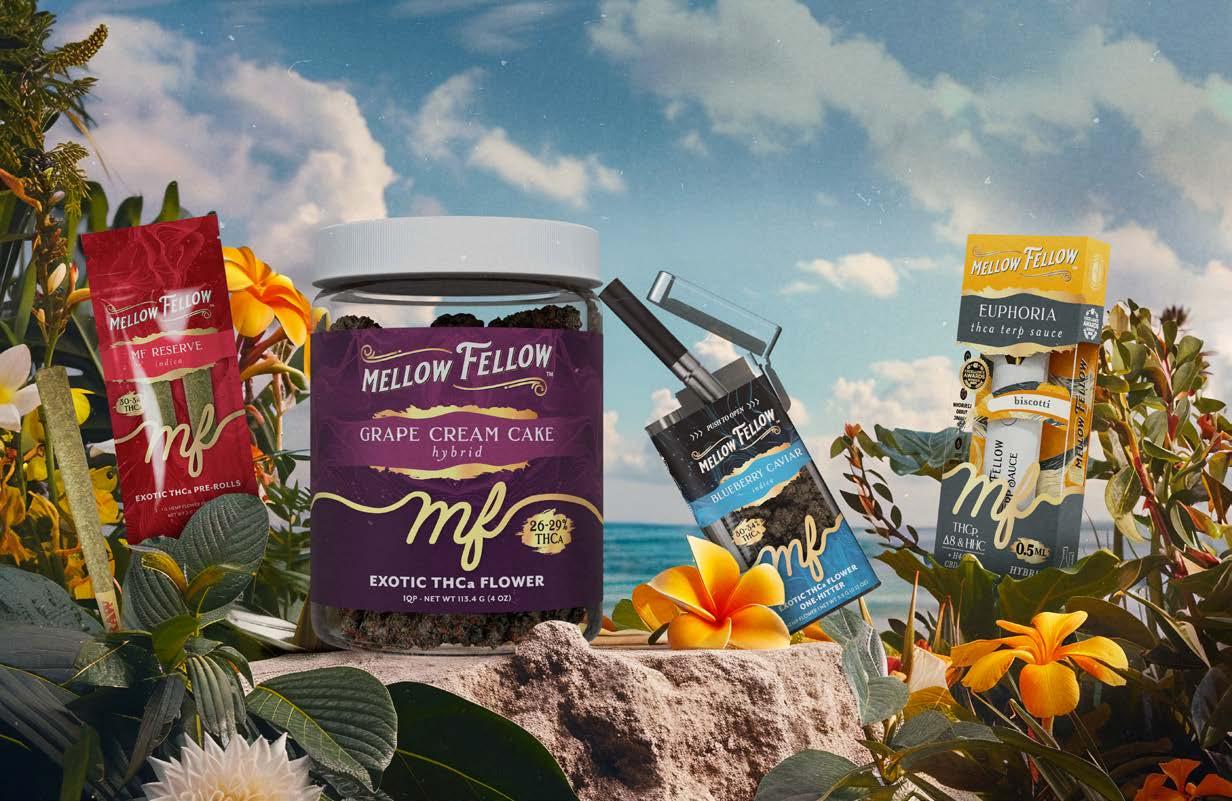
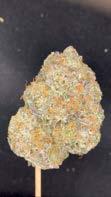
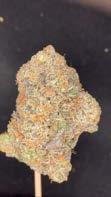
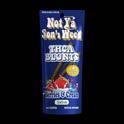
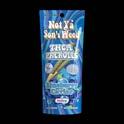
As a vertically integrated THC-A Hemp company with strategic grows across the USA, we exclusively deliver premium indoorgrown exotic flower. Our commitment ensures consistently toptier quality at unmatched prices. To guarantee partners receive only the freshest hemp-derived THC-A flower, we meticulously cut and cure over 300+ units every 10 days.
Sticky
Available
| Retail Pre-Rolls
3.5g - 28g
*Wholesale Pricing
3.5g - 28g
| Retail
*Wholesale Pricing
| Retail
3.5g - 28g
*Wholesale Pricing
Clean
BUSINESS IS AT RISK!
Farmers, business owners, and consumers have built this industry from the ground up. We have followed the rules, invested in safe, compliant products, and created jobs in communities across the country. Now we must defend it.
VETERANS
on ibogaine
What Happens When Heroes Trip
BY MATT WEEKS
Clayton Smith was ready to die.
Like all soldiers, the former U.S. Army Captain accepted the reality of losing his life on the battlefield. But preparing for death at home was different. Despite a good job and a loving wife, Smith hurt immensely. He had tried everything to stop the pain, but everything failed. Only one thing stood between him and suicide: a final gamble on a psychedelic called ibogaine.
“I was convinced this wasn’t going to work because I’m so goddamn special and unique. My preconceived notion was that I’d done everything possible to heal myself already, so nothing was ever going to work,” he said. “It’s not that I wanted to die, but I was prepared to die. I even wrote a letter in case I were to die in there… I was going to try [ibogaine] because then I could say, ‘This shit doesn’t work. It’s bullshit. I can go kill myself now.’”
PTSD and alcoholism eroded Smith’s mental well-being and threatened his marriage, leaving him stuck in a joyless life. Those struggles are far from unique. According to the VA, 31% of recent veterans have a confirmed mental diagnosis, though the real number is likely higher. For those who don’t find benefits through traditional channels, ibogaine offers hope.
Research confirms the substance, found in the African iboga shrub, can heal traumatic brain injuries, break addictions, and reduce the symptoms of anxiety and depression. Although it is rated as a Schedule I substance in the U.S.,
a fledgling industry has developed in Latin America and Europe to provide ibogaine treatments to foreigners, with many clinics offering programs designed specifically for American veterans. While it’s often effective, it’s no easy sell. For many of our nation’s bravest, confronting personal truth is scarier than any battlefield.
Ibogaine trips often leave veterans forever changed. But while the results are well documented, it’s rare to hear about how those changes come about.
The War at Home
Gabriel Estremera spent five years in the Marine Corps, attaining the rank of sergeant and serving a tour in Afghanistan in 2013. But the transition to civilian life sent him to the hurt locker. Month by month, his mental state decayed until he could barely focus.
“I had a lot of head fog. You know when you’re trying to log in and you get that six-digit verification number? The two seconds when I would switch away from that, I couldn’t remember it,” he said.
Realizing that he couldn’t operate effectively as a father, husband, and employee, Estremera set out to fix himself. He started with exercise, then testosterone replacement therapy, but nothing worked. He was staunchly against talk therapy, but desperate for help. When he heard about ibogaine from a podcast, something clicked. He realized concussions from youth football might be partially responsible for his troubles and hoped ibogaine would heal his brain. Not long after learning about the substance, he was lying in a clinic in Mexico with an IV in his arm and a bucket by his bed to catch vomit.
“The experience was very childlike. Have you seen the Disney movie “Soul”? Those little souls that were really playful, they showed up as guides in my journey,” he said.
His trip felt like watching a movie about his life, and he could control it. But after hours of fastforwarding through unpleasant memories, he came to a scene too persistent to ignore.
“I was back in my third-grade classroom, where everything started. That’s when my teacher called me stupid in front of the whole class. My mom told me from that point on, everything was average. I stopped performing, stopped caring,” he recalled. “But my soul guides were cheerful and looking at my teacher, and before she even can open her mouth, she starts to spin and just imploded and disappeared. I realized later through journaling what happened: that moment was no longer alive in me. That killed it.”
Although he hadn’t gone through classes or a program, the experience changed him.
“I call ibogaine my switch. It was like a whole backup power source got turned on. There were suddenly new connections in my brain, and I knew I was all right. When I went back to work, I wasn’t losing track of the conversation. I was focused there. I could do eye contact. I was locked in,” he said. “Ibogaine was more of a mental clearing and healing, whereas ayahuasca was heart clearing and healing for me, very spiritual.”
The improvement lasted for months, until Estremera took a sip of alcohol and “felt it turn off.” Knowing the potential of psychedelics, Estremera decided to try again. This time, he went with ayahuasca (and did the prep work). The experience left him changed. He quit his work with solar panels to work as a life coach and entheogenic integration coach, helping others to get the most out of psychedelic experiences.
“Definitely do your research on what medicines do. Yes, it all sounds great, cool, like ‘I wanna go try it,’ but there’s a lot you have to commit to personally,” he said. “A lot of veterans are not ready to let go of their story. They embody the trauma so much that [ibogaine] is such a huge change; they have to sit with it for a while. We all want to be free of our wounds, but if your wounds have been your identity for so long, you don’t know who you’re going to become, who you’re going to be, if it’s gone. It’s like ‘Am I going to be a whole new person whom I don’t know?’ Yes, but no. You are, but in a good way.”
Continued on pg. 58
Ed Quest
Hatred and Forgiveness
Where Estremera found his own way, Smith followed procedure. The former Army Ranger and Purple Heart recipient dried himself out and took every class offered at Beond Ibogaine. He was given a large dose and monitored by a nurse for 12 hours while he tripped.
“I had an expectation that I was going to be in the upside down from Stranger Things, trapped and chased by all the demons of the things I’d done wrong. But instead I was shown that I can love myself, that I’m worthy of love,” he said. “I realized I’d spent 36 years knowing what love was intellectually but never letting myself feel it. Ibogaine showed me I was worthy of love.”
Smith and Estremera claimed their service didn’t cause their mental health troubles, but exacerbated them. And while they had positive experiences, both insist that long-term change requires more than a one-time dose.
“I had an expectation that I was going to be in the upside down from Stranger Things, trapped and chased by all the demons of the things I’d done wrong. But instead I was shown that I can love myself, that I’m worthy of love.”
“I still think about alcohol almost daily. I still don’t know if I’m an alcoholic or if I’m a recovering alcoholic, but I know I’m not a practicing alcoholic,” Smith said. “And I can tell you what the last 16 months of my life have unequivocally been the best 16 months of my life. And I can say, without a doubt, that there’s nothing that happened in the last 16 months that I feel would’ve been made better with alcohol, and because of that, I’ve decided there’s no reason to experiment. Ibogaine, it doesn’t cure addiction. But it allows you to see a different path.”
Smith’s program at the clinic included three doses of ibogaine spread out over a few days. Every trip, he said, imparted different knowledge.
“It’s not a recreational experience. It’s a deeply therapeutic experience, but there’s not much recreational about it,” Smith said. “There’s an oral tradition of the Bwiti tribe that says it’s the only plant medicine that has a masculine and a feminine spirit, and I totally believe that. My first sitting was deeply feminine. It hugged me and loved me and gave me the support that I had always sought. My second experience, I went in thinking it would be a batch of the greatest experience in my life—but it was much more masculine. It had a grandfatherly attitude. It sat me down and was like, ‘All right, boy, it’s time to learn.’”
“The theme of that second time was forgiveness,” he added. “I knew I had to forgive the person I hated most in the world, and so I started flipping through a Rolodex of names and people and faces, thinking about who did I wrong the most? Ibogaine is like a truth serum, so you can’t bullshit yourself. Eventually, my Rolodex landed on me, and it was like ‘Ohhh, I’m the person I hate most in the world. Well, all I have to do now is forgive myself, and that’s easy.’ So I kept trying to do it, saying, ‘I forgive you, man. You were young and you were lost and you made mistakes,’ but the medicine was like, ‘Nope!’ It wouldn’t let me out. And then, after about three hours, I came to a place where I had my heart forgive my ego, and I had a moment where I actually forgave myself for what I did to hurt my wife. And within 30 seconds of that, the nurse squeezed my shoulder and told me that my heart rate was low enough that I could leave the treatment room, that I could leave whenever I wanted.”
LEVEL UP ALTERNATIVE LIFESTYLE BRANDS AT MJBIZCON
DEC. 2-5, 2025 | MJBizCon | Las Vegas
The Culture+ Neighborhood at MJBizCon is where counterculture thrives.
Join together with manufacturers, importers, distributors, wholesalers, product developers, press, influencers and advocates to support the growth of smoke, paraphernalia, hemp/CBD, functional mushrooms and alternative lifestyle businesses.
WANT TO ATTEND THE SHOW? INTERESTED IN EXHIBITING?
Explore high-quality CBD wholesale solutions designed for businesses that demand excellence. Our CBD products are derived from organically cultivated hemp, rigorously third-party tested, and ready for bulk distribution. Whether you're a retailer, wellness brand, or private label company, we offer reliable supply and premium formulations to support your growth. Partner with a trusted source committed to purity, consistency, and professional service.
they deserve accolades
BY JIMMY WOHL
How Doug Campbell’s Counter Culture Awards recognize the stars in our industry
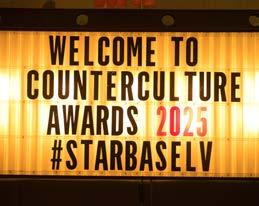
If you’ve been in Vegas in February with a badge from Champs, you might have visited the Starbase or Illuminarium after.
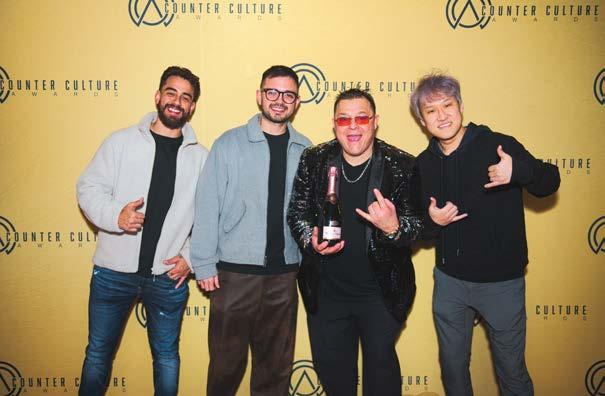
Maybe you walked in and saw B-Real from Cypress Hill. Or Too Short. Or John Hart. They were commanding the stage with a crowd dancing their asses off. You might have even watched people getting awards for best cleaner, nicotine pouch, nicotine vape, nicotine e-liquid, marketing, innovation, cannabis vape, glass line, new device, or shop.
You were at the Counter Culture Awards (CCA). And the man behind it all is Doug Campbell.
From Real Estate to Getting Real
Originally from California, Doug has spent the last 25 years in Boise, Idaho, married to his high school sweetheart,
raising five daughters and two younger half-siblings. He’s a family man who started out in real estate and then began Drip Drop Distribution from scratch.
Drip Drop is a specialty distributor that’s well-known in the industry. There you can find kratom, smoke shop supplies, paper, apparel, supplements and more. Drip Drop also helps brands extend themselves into the market, and Doug makes sure it’s done in the most above-board calling-ballsand-strikes way possible.
This all came after years of working in real estate. He had been compelled by earlier experiences in his life with cannabis to get involved in the smoke shop world and the products that came with it. The rapidly legalizing industry posed so many opportunities. And with his straightforward manner and commitment to integrity, he built a business that friends and even competitors can trust.
Cut to 2022. Drip Drop is a major player in the space. Doug finds himself connecting with many people doing incredible work and still living in obscurity. Maybe it’s the nature of the business—any enterprise that’s cannabis or smoking-adjacent has lived in the shadows for decades. He felt it was time for hard-working, successful brands to step into the spotlight.
A Time for the Industry to Shine
Doug feels passionately about highlighting the accomplishments of his industry. “There are some big, big brands that came out of this ‘incubator’ of an industry. Yet there were no accolades, and some of these people are innovative and super crafty. Some are my friends, some are my adversaries, but I have a lot of mutual respect for them. How are these brands earning millions, maybe billions of dollars, and not getting any credit for their accomplishments? They should be rewarded.”
He put together the first CCAs in 2023, and since then the event has expanded. “The group of participating businesses and sponsors have only grown,” says Doug. “We created a big tent, and we’ve been massaging it for two and a half years to really get it up. I finally think we have it. People are receptive. It’s getting bigger and bigger.”
Describing the people he represents, he says, “The industry has a bunch of characters in it, many who push the envelope. Lots of store owners and consumers who want to know more, and this is a stage and marketing opportunity for that.”
This spirit is reflected in the CCA website, which talks about how he recognizes visionaries across every segment of his industry, from trailblazing individuals to groundbreaking products. These awards represent the highest standard of excellence.
And what about participants and sponsors who want to boost their game? The more they are willing to pay to buy in, the more benefits they get. There are opportunities to rise to various tiers that offer more and more levels of visibility in the market.
Building a Brighter Future
The first few CCAs went well. Sure, they had their bumps and mistakes. But overall, they were a success, to the point where they went from a few hundred attendees to pushing 2,000 people. This is something that is giving Doug a lot of heart, seeing that his family has been the perfect group of people to help make all this happen, making sure the event is well-organized, the categories are tight, and that all participants see it as both an opportunity to put their brand’s best foot forward—and have a great time.
Doug is excited to give the vendors, sponsors, and nominees more value every year. They keep outgrowing venues like Starbase and Illuminarium, and he’s hoping to find a space in Vegas that could handle the huge audiences he hopes to bring in.
Yes, he’s been able to bring in top acts like B-Real from Cypress Hill, Too Short, and John Hart, as well as Warren G, Young Jeezy, and others. If he can show that big talents are willing to be part of his event, the CCA’s reputation will only continue to get better and attract more attention. He wants people to think this is gonna to be a fun night, one where they can pack their dancing shoes or just dress comfortably and make connections in the industry.
“I love the diversity, characters, and I partake in some of the products,” says Doug. “And it hasn’t changed me, the husband and dad that I am. This industry is a colorful space, it goes wide and deep. I love the relationships, the drama, and the competitiveness.” He hopes that as the CCA expands, so can its reach, which may include platforms for a larger social media presence with podcasts, news, and more.
In the end, Doug wants to create a space that’s beneficial for everyone involved. And, he’s having a ton of fun along the way. “Just thinking about the CCAs makes me smile. It’s a tent for everybody. I don’t care what your politics are. I don’t care what you believe in. We’re just asking for people to be good, respectful, come in, have fun. You’re in the industry. Welcome to the CCA!”
DECEMBER product spotlight
loyalty without limits
How Sticky Cards Is Rewriting Cannabis Retail Marketing
BY EMILY LONG
How many loyalty and rewards programs are you a part of?
Do you know how to access your rewards without keeping track of a physical stamp card? And as a business, how are you reaching your customers to keep them engaged and coming back?
Headshops and dispensaries already know just how important happy, repeat customers are for business. They also know how difficult and expensive it can be to send compliant marketing messages via SMS to their customers. As one of the most highly regulated sectors in retail, the cannabis industry is fraught with different rules and restrictions, along with steep fines and penalties if you step out of line. That’s why Sticky Cards eschews SMS messaging altogether, allowing customers to embed their favorite loyalty programs directly into their phone wallets.
Sticky Card’s CEO, Varun Sharma, is on a mission to simplify and streamline customer loyalty in the cannabis space. The premise is simple: cannabis retailers create a customized digital loyalty card that customers can
download directly into their Apple or Google wallets. This card offers everything a physical loyalty card provides, but is much harder to lose, and it also gives retailers insightful analytics for ongoing marketing and promotions.
By offering a no-app loyalty solution for dispensaries and other regulated industries, Sticky Cards can bypass carrier restrictions, avoid SMS fees, and allow businesses to create more engaging content and a more streamlined customer experience.
Customer consent and compliant messaging remain central to Sticky Cards’ philosophy, and by using push notifications instead of SMS, they give retailers more flexibility in their messaging about exclusive offers, timely promotions, loyalty rewards, and other reminders. Through POS integration, Sticky Cards also allows retailers to analyze customers’ purchase history and create different offers for different segments to drive repeat purchases and bigger baskets.
Headshops can personalize rewards and deals for each customer through birthday gifts, re-engagement discounts for those who haven’t visited in over a month, and loyalty points. Because Sticky Cards uses push notifications, they avoid complicated SMS compliance regulations and hefty fees by showing their messages directly on their customers’ lock screens. Offers sent through wallet passes update in real time, and their team is available to help set up more complex workflows and integrations.
In fact, the onboarding process at Sticky Cards also sets it apart as a leader in customer experience. For the first 30 days, new Sticky clients work with a Toronto-based onboarding manager to get their in-store and digital materials ready, ranging from getting QR codes and informational posters printed for the store to working with an in-house designer to customize the digital loyalty card that their customers can download directly into their Apple or Google wallet.
While Sticky Cards is helpful for all regulated industries, including gaming and alcohol, they already work with an impressive roster of cannabis clients. They also have an extensive blog, providing advice and support on everything from inventory strategies for dispensaries to cannabis buyer personas. The aforementioned marketing team ensures that every client gets high-touch support.