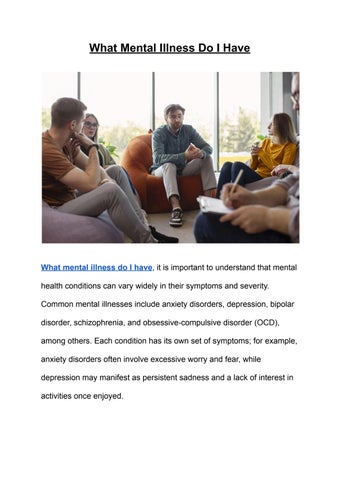
Self-diagnosis can be challenging and may lead to misunderstandings about your mental health. It is crucial to consult with a qualified mental health professional who can provide an accurate diagnosis based on a comprehensive assessment of your symptoms and history They may use various diagnostic tools and criteria outlined in the Diagnostic and Statistical Manual of Mental Disorders (DSM-5) to conclude.
● Persistent worry or fear
● Avoidance of certain situations
● Physical symptoms like sweating, trembling, or increased heart rate
● Difficulty concentrating
● Persistent sadness or low mood
● Loss of interest in activities once enjoyed
● Changes in appetite or weight
● Fatigue or loss of energy
● Feelings of worthlessness or excessive guilt