Ekō: spotlight on Italy & The Adriatic – and its intrinsic connections to the Indian Subcontinent
CULTURE
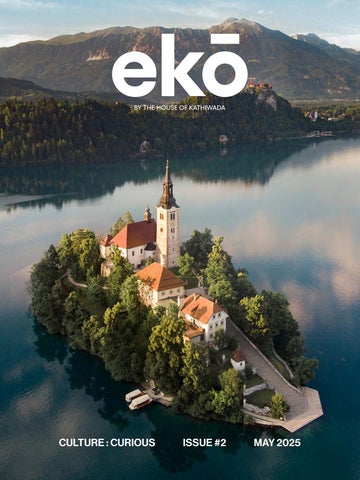
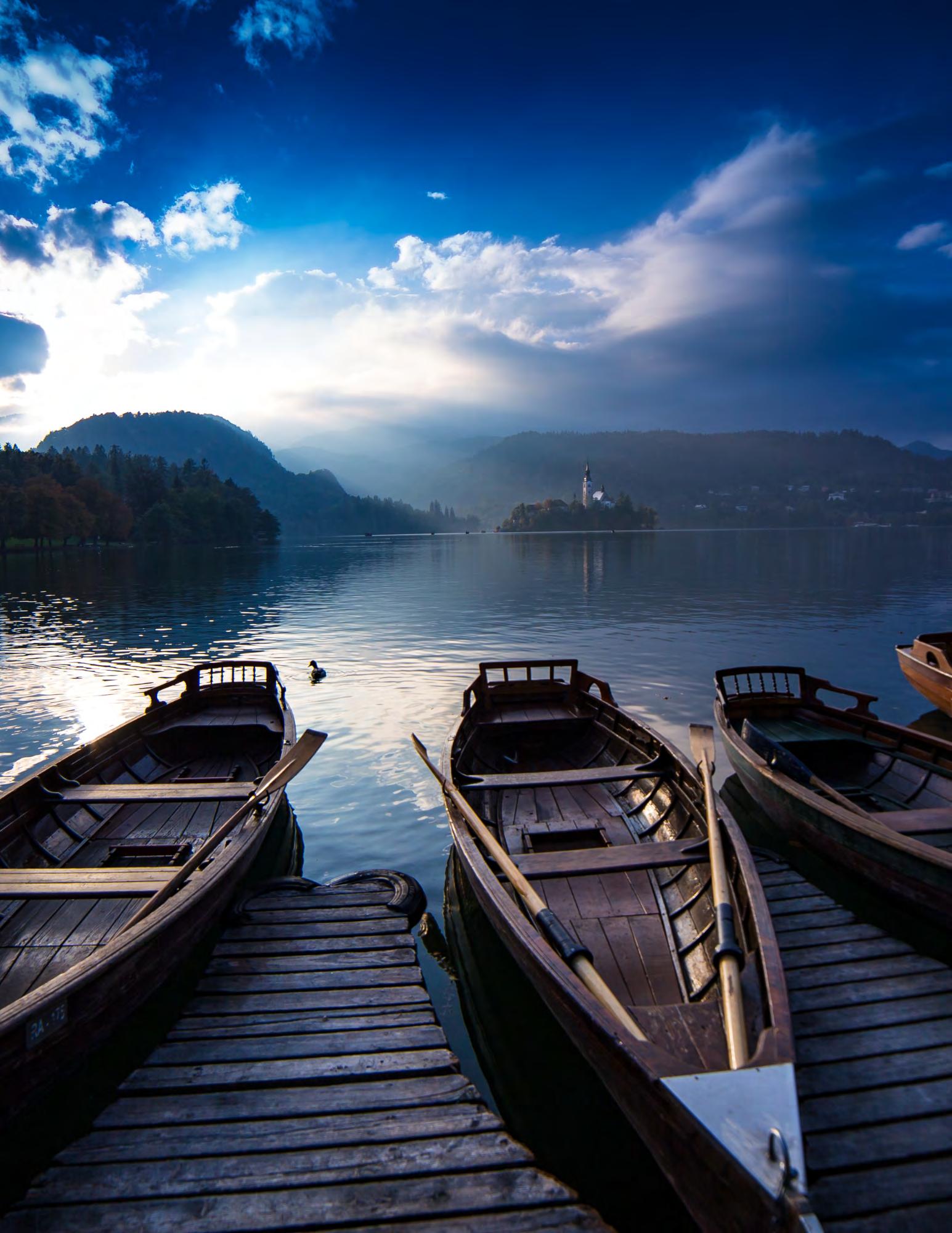
Cover Photo: Lake Bled
Photo By: Ethan Johnson
|| the dedication read after recitation of a sutra, to direct the merit gained from the recitation to a certain person or group ||
I see all living beings equally. I am not tired of giving I am not tired of giving
The rain of the dharma to all living beings. I have no partiality for them, Whether they are noble or mean, Whether they observe or violate the precepts, Whether they live a monastic life or not, Whether they have right or wrong views, Whether they are clever or dull.
Those who hear the dharma from me Will reach various stages [of enlightenment] According to their capacities.
- Saddharmapundarika Sutra
THE LOTUS SUTRA
SANGITA DEVI KATHIWADA FOUNDER AND PUBLISHER
EKŌ MAGAZINE
Dear Friends,
We are all diamonds in the rough, honed by exposure, tempered by experience.
Mindful. Meaningful. Living a life that resonates with one’s spirit is the essence of our sustainable living ethos at the House of Kathiwada.
We weave our social fabric out of infinite threads of cultural connection. No man is an island, and no civilization flourishes without interacting with the rest of the world. Even as we draw and re-draw our borders and maps, the human spirit expands across a much larger canvas. This is the crux of our cultural ecosystem, the genesis of cross-border creativity.
Ekō is an endeavour to share threads of my own insights with you. It encapsulates a sensibility of the subtler nuances of living optimally, born out of my own discoveries. In this edition, I am truly delighted to share a series of articles that echo the work done over the years, honing craftsmanship to fine art.
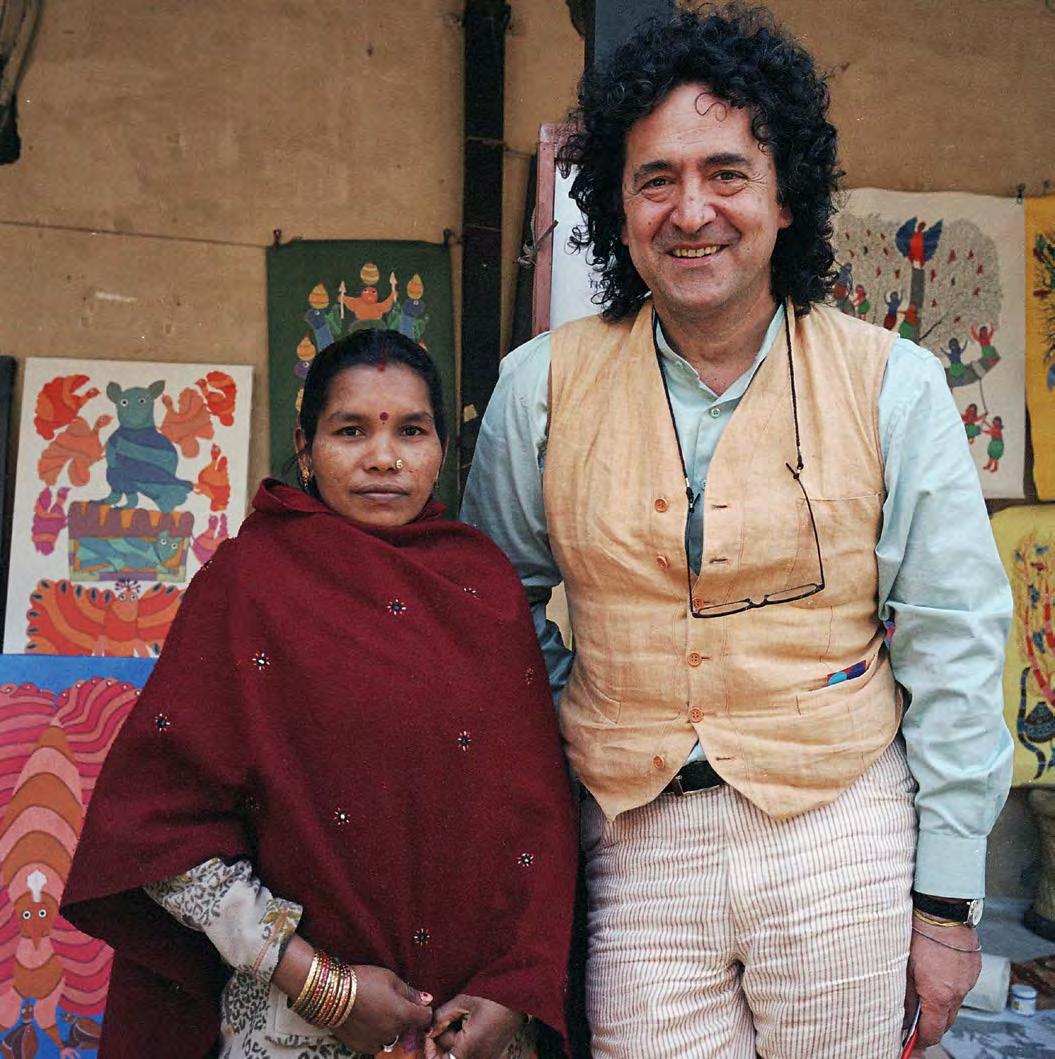
As the Director of the Morarka Foundation at NCPA, many years ago I met a young artist from Italy. Ebullient, exuberant, Tarshito wanted to meet the Warlis, and was looking for someone who shared his love for tribal art to go on a journey with him into the interiors of Maharashtra and meet members of the tribe in their own setting.
My early days designing jewellery are reflected in Aneka, a brand that I have a personal connection with. Our article on Ikat reflects the eternal love I have had for textiles, while the temples of Dungarpur remain a constant source of spiritual inspiration and guidance.
Forest foraging reflects our roots inKathiwada’s wilderness and my inner epicurean, while Bhutan is a hidden kingdom which speaks to my soul. Astad Deboo was a personal friend with whom I shared many joyful moments. A fantastic dancer and creative spirit who infused a sense of joie de vivre in every life that he touched.
En route, I learned that Tarshito was from Bari, a coastal community on the Adriatic shore. He was originally born Niccola Strippoli and grew up in Italy. Then he came to India and met OSHO – and he was reborn Tarshito, a child of the planet. I was instantly to his passion and his mission, and we have remained friends ever since. More recently, I was delighted to discover that Mallika Sarabhai who heads the Darpana Academy of Performing Arts, and is a dear friend of mine, has collaborated with Edoardo Catemario, an Italian composer, to put together a dazzling opera which revolves around the themes in the Mahabharata.
One of the most important elements of practicing sustainability, is to create an ecosystem of like-minded souls, who share your vision. I am deeply grateful to be able to share so many other noteworthy voices in this edition of Ekō, whose thoughts are closely aligned with our own.
Khun Krip Rojanastien is an eminent wellness exponent. Ajay Rawla has done incredible work to preserve tangible and intangible cultural heritage. Thomas Zacharias is an exquisite culinary innovator.
It is interactions such as these that remind me of how interconnected we all are. When we look closely enough, we see between the lines and the layers, a rich tapestry of cultural heritage that brings two parts of the world together. History to culture, art to architecture, food to fashion – Italy & The Adriatic region have many subtle nuances in common with the Indian Subcontinent – but the primary bond lies in our shared spirit, large-hearted and open-minded. Even when there is a gap in language, there’s a fundamental understanding that overcomes a need for words. One that sparks an instant connection.
I hope this issue of Ekō makes a similar connection with you. Happy reading!
My son, Digvijay Sinh Kathiwada has done groundbreaking work to instil a new sense of life and renewed vision into our soil in Kathiwada. He not only upholds the legacy of the House of Kathiwada’s past but continues to renew it for generations to come.
Disclaimer: The views, thoughts, and opinions expressed are solely those of the authors, editors, and publishers, and not of any other group or individual. All content is for educational, entertainment, and informational purposes only and is not to be taken as professional advice. While the information has been verified to the best of our capability, we cannot guarantee that there are no errors or mistakes.
art as a service of love, love towards transcendence.”
– Tarshito
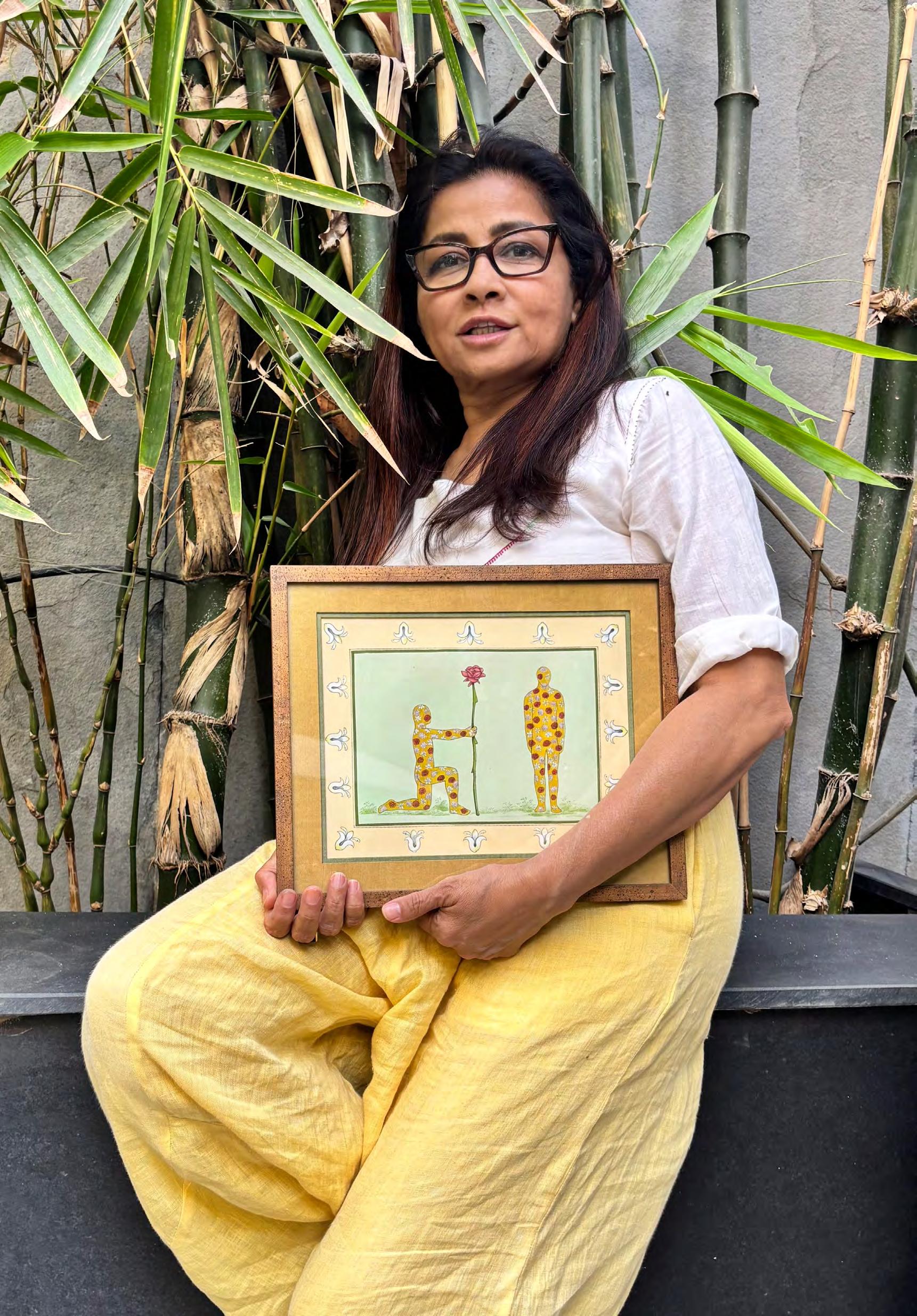
These three gures — the Warrior of Love, the Wayfarer in Love and the Pilgrim — are not only within me; they are the seeds of what I call a New Humanity.
These three figures — the Warrior of Love, the Wayfarer in Love and the Pilgrim — are not only within me; they are the seeds of what I call a New Humanity. A humanity that walks with awareness, acts with heart, and recognizes the sacredness of life in every being, every form, every gesture.
This New Humanity is not a utopia, but a living process — a silent transformation that passes through art, through spirit, through deep listening. With my work, I wish to nourish this vision: a world made of connection, gentleness, and conscious beauty.
To be an artist, for me, means to be present in the world with love and trust, at the service of a humanity that still knows how to dream — and to celebrate.
As the beloved Master Thich Nhat Hanh reminds us,
“Every being is a flower in the garden of humanity.”
This is the vision I seek to cultivate through my works: a humanity made of luminous diversities, where every creature — human, animal, vegetal, or spiritual — is a unique flower, with its own shape, fragrance, and truth.
In this Garden, there are no hierarchies or borders — only mutual belonging, care, and the mystery of harmonious coexistence.
– Tarshito
NEW HUMANITY by Tarshito
Photo Credit: House of Kathiwada
Artist. Architect. Art Professor. Performer. Writer. Spiritual Seeker. Tarshito’s
enormous soul eclipses all of these.
His spirit is unfettered, cutting across countries and cultures. You can find him in Chittagong or the Sacred Valley, Marrakech or Ulaanbaatar, and it will seem like he belongs there. Yet, India remains his first love.
Born in Bari, his original name was Nicola Strippoli, but a visit to India stripped him of that identity.
Over several interactions with OSHO, he found himself reborn – and renamed. OSHO named him Tarshito, which means “thirst for inner knowledge,” alluding to his meditative practice that he uses as the primary technique to examine and create his art.
Tarshito sees himself as both a warrior and a wayfarer – but always in love.
And there’s been no greater love affair than the one he has with India.
That first journey was transformational. After several months, he made his way back to Italy, and combined his newfound meditative practice with the form and function of his architectural practice.
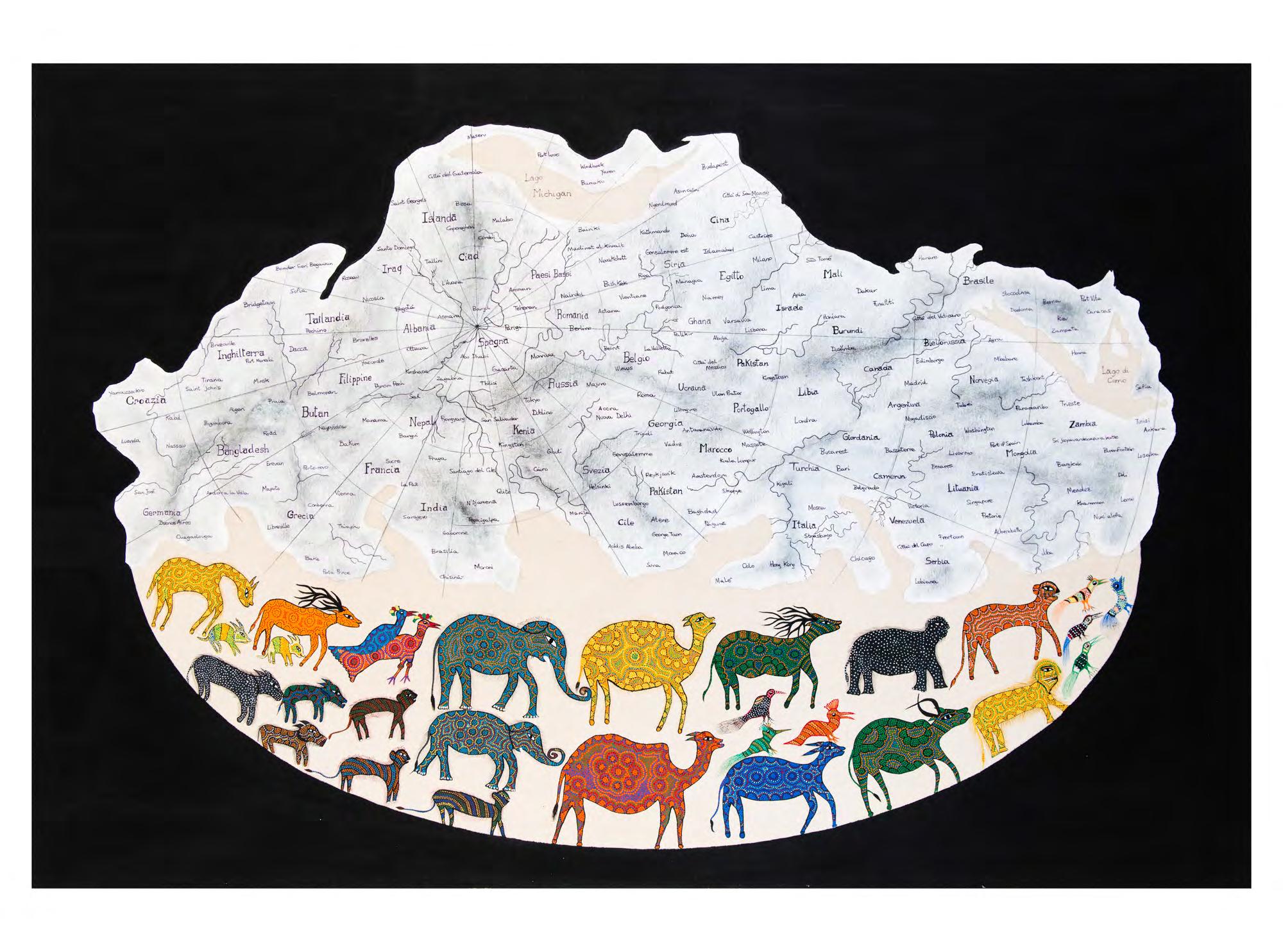
Ark Of Fortitude | 2016
Tarshito with Totini Saha and embroiderers from Chhonya Hosto Shilpo, Jessore, Bangladesh; Umesh and Kamlesh Ratna, Jamseth Dhann District, Warli Tribe, India Tarshito team: Veronica Condello, Bari, Italy
One trip was hardly enough. He returned year after year to visit the OSHO ashram, and seek the wisdom of his guru. From the Gonds to the Mirrs to the Rabaris and the Nagas, Tarshito interacts with tribal and indigenous artists, to create collaborative canvases of creativity.
On one of his visits to India, he held an exhibition at the Delhi Craft Museum in 2001, which was sponsored by the Morarka Foundation under the directorship of Sangita Devi Kathiwada.
Sangita was immediately swept away by Tarshito’s passion and enthusiasm for his work. When he proposed that they travel together to a Warli settlement in the interior of Maharashtra to interact with the community first-hand, she immediately agreed.
While conducting a workshop in Mumbai, Tarshito was amazed to find that his Warli artist collaborator was actually painting as Tarshito was speaking about the universal concepts of love and friendship, his hands flying across the page to depict Tarshito’s words as tribal art. A short while later, his friend passed away, but Tarshito returned to the village and began working with his sons.
Brotherhood is the cornerstone of his ethos.
All his works are collaborative pieces, where multiple artists contribute to creating the canvas. All living beings are one family. He meanders extensively across the planet, working closely with indigenous artists in remote parts of the world, to create truly multi-cultural canvases. After travelling to these far-flung locations, interacting with indigenous communities, he returns to his studio in Bari to integrate their work and their narratives into his own artwork, creating a collaboration that is one of a kind.
Tarshito looks for the bonds between different cultures, a universal language depicted in symbolism, motifs, and rituals, the kind that connect you with the primordial rhythm of the wheel of life.
The Gond Tribe is one of the oldest in the Indian Subcontinent, and the last surviving settlements are located in Madhya Pradesh. Tarshito’s collaboration with the Gonds↗ is truly epic, celebrating the journey of India’s great rivers.
Godavari River: Sacred Sweetness | 2017
Tarshito with Premi Baj, Bhopal, Madhya Pradesh, India Tarshito team: Francesco Ventura, Corato, Italy
From the Narmada to the Kaveri to the Godavari, Tarshito’s creativity flows as he depicts the story of each river in his artwork, juxtaposed against nature-inspired motifs from Gond tradition.
Tarshito’s work with the Gonds evokes his deep passion for ancient cultures. From India to Peru to Mexico, he travels across the world, seeking connection with some of the world’s most profound philosophies and the communities in which they are rooted.
As a child of the world, Tarshito seeks to observe the planet through the spirit of the indigenous artists that he interacts with, and to unite the world with his art. Across continents, transcending borders, he is a pilgrim pushing the boundaries of our perception to create new paradigms through his work.
Indo River - Source Of Life | 2017
Tarshito with Anand Kumar Shyam, Bhopal, Madhya Pradesh, India
Tarshito team: Francesco Ventura, Corato, Bari, Italia
“Creativity is the greatest rebellion in existence.”
- Osho
Photo Credit: All photographs in this article - Darpana Academy of Performing Arts
ARIA Lyrical. Mythical.
A Cross-Cultural Leitmotif
"An opera begins long before the curtain goes up and ends long after it has come down. It starts in my imagination, it becomes my life, and it stays part of my life long after I've left the opera house."
– Maria Callas
Prelude:
During the reign of Augustus, four kingdoms in the subcontinent had an embassy in Rome.
Puru (between the Jhelum and Beas), Broach (Bharuch), Chera (South Kerala), and Pandya (Madurai) sent extravagant gifts of animals, birds, and jewels, while a temple was built as a tribute to Augustus in Muziris, a Chera port city in the Ernakulam/Cochin area.
After the fall of Rome, the Venetians and the Amalfitani dominated the Silk Road and the Spice Route, due to their friendly relationship with the Arabs, who dominated the eastern segments of the trade routes. Several cultural influences seeped through the pores of the east-west divide.
Marco Polo, a Venetian, was one of the first westerners to write extensively about his journey in India and there’s been an intrinsic connection between these two worlds since.
Edoardo Catemario with Manikandhan Nair, percussionist, Darpana Academy of Performing Arts
Venice is the birthplace of Italian music, especially opera. But music transcends borders.
There’s continued harmony in the Indo-Italian relationship. In a multi-contextual cultural collaborative between Nexion Tiles (an Indo-Italian enterprise) and Darpana Academy of Performing Arts in Ahmedabad, Edoardo Catemario, an Italian composer from Naples, and Mallika Sarabhai from Ahmedabad, have created a new opera called Of Heroes and Gods↗, which explores the ethical considerations of the Mahabharata.
The opera premiered in December 2024 at the Vikram Sarabhai International Arts Festival, to commemorate the Darpana Academy’s 74th anniversary. The Indo-Italian cultural collaboration not only includes Of Heroes and Gods, but also Meanwhile Elsewhere↗, a dramatic collaboration inspired by Italo Calvino’s (the most translated Italian author) Invisible Cities.
The Sarabhai family has always been a strong proponent of cross-cultural innovation in the arts. Several years ago, when Mallika decided to do a book launch in Mumbai, she connected with Sangita Devi Kathiwada to curate an experiential, immersive event at Mélange.
So, when Mallika initially reached out to Edoardo Catemario to see if he would be interested in putting together a cross-border collaborative project as part of Darpana Academy’s Indo-Italian Artist Residency program, he was thrilled and suggested that they draw on either the Iliad or the Mahabharata for inspiration.
At that point in time, he had no idea about Mallika’s deep connection with Hindu mythology. As soon as he realized that she had played the lead role of Draupadi in Peter Brooks’ Mahabharata, they both knew that it was sheer serendipity.
“What I found interesting was that he didn't want to retell the story, but he wanted to take the concepts like Dharma and Karma, and for me, that was very interesting because while the Mahabharata stories are fascinating, it's the philosophical concepts that people don't touch upon,” she recalls.
What emerged was a one-act opera, composed by Edoardo, and interpreted by eighteen Indian musicians who played instruments like the sarangi, sitar and Indian flute, as well as five choral singers, two of whom played the central roles of Arjuna and Draupadi.
What is the meaning of the cycle of life? How do we know what our dharma is at a particular time? And what if you and I are together but our dharmas con ict?
These are just some of the philosophical questions that the opera poses. Mallika was absolutely intrigued that an Italian man would hone in on these ethical subtleties and would draw on Hindu mythology to seek its wisdom.
Of Heroes and Gods delves into the concepts of Karma, Dharma and Resilience. The story of Draupadi, lies at the core of the production, and explores her powerful character, inner strength and underlying integrity.
Heroes and Gods are intrinsic to both Indian and Italian mythology. Potent, powerful, they captivate the imagination with larger than life characters. While one can draw a parallel between Adonis, from the Roman Pantheon and Arjuna from Hindu mythology, Draupadi stands alone.
Powerful, passionate and fierce, Draupadi represents a female warrior spirit that many 21st century women identify with, yet one that can only be a unique product of the Indian imagination. Draupadi’s character asks the kind of questions that were not really allowed in those days – but are so relevant, especially now.
Across the world, these are the sort of existential questions that are appearing in our collective consciousness, perhaps because we stand at a critical cusp of humanity. People feel a burning need to pose them, even when the answers may not be obvious.
Darpana Academy’s spirit is rooted in collaborative and cross-cultural work and what comes out of it, to examine and interpret the parallels that unfold. Of Heroes and Gods was an incredible sense of synergy, serendipity, and genuine collaboration that underscored the creative process with Edoardo Catemario, bridging the cultural divide between Italy and India.
“The process of creating together, of finding each other's rhythms, of finding each other's strings, I think is the process of creation,” says Mallika.
A powerful thought, one which resonates with all of us.
“Passion, engagement, skill and policy – these are the means to accomplish objectives.”
– Ashwatthama, Karna Parva
BLACK OR WHITE... BROWN OR GREEN
Of Tru es & Olives
Presently, we were aware of an odour gradually coming towards us, something musky, fiery, savoury, mysterious, - a hot drowsy smell, that lulls the senses, and yet enflames them - the truffles were coming.
– William Makepeace Thackeray
Who
Tru e shavings.
A drizzle of olive oil.
doesn’t
love
that
that makes you
burst of avour
go mmm… Does it matter whether it’s black or white… brown or green?
When it comes down to tru es and olives, it certainly does!
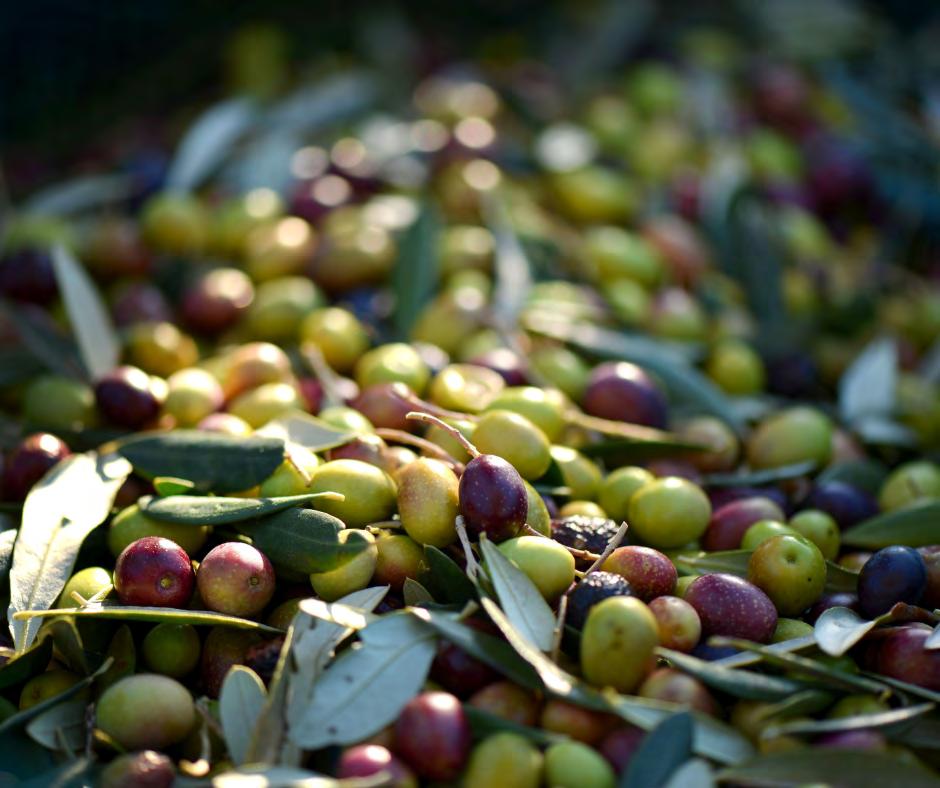
Umbria is famous for its succulent tartufi bianchi and tartufi neri (black and white truffles). Spoleto and Puglia are famous for their olives. Piedmont’s prized fungi are legendary… But if you think that the Italians have the sole preserve on these gastronomic gems, think again.
The Italians may have elevated truffles and olives to the next level of haute cuisine, but let’s take a look at some other corners of the planet where these prized ingredients are a best-kept secret.
Just across the Adriatic, the Istrian Peninsula has been producing some of the finest truffles and olives for centuries. In fact, truffle hunting in Istria is a
long-standing culinary custom, passed down from one generation to the next. It’s still done the traditional way, with dogs who go out on the “truffle hunt” and sniff this delicious fruit of the forest out during the season. (In the past, it was common practice to use pigs, but they tend to trample on the truffles, and do more harm than good.)
Dogs are specially trained to hunt out the fungi that grows along the forest floor. Traditionally, the Lagotto Romagnalo, an Italian breed was considered one of the best hunters, but today many families are using trained terriers, Malinois, and Labradors to help them seek out their treasure.
“Lift me like an olive branch and be my homeward dove Dance me to the end of love.”
– Leonard Cohen
Olive growing and oil extraction have been a part of Istrian culture for well over
Istrian olives include varieties like istarska belica, buža, karbonaca, črnica, žižolera, rošinjola, puntoža, leccino, frantoio, moraiolo, pendolino and varieties. While the islands further down the Dalmatian coast each have their own varieties, Istria’s olives are distinct and highly prized.
If you wander into the interiors of Istria, the villages have a timeless quality. The countryside is dotted with old world loggias and farmhouses, ensconced within old olive groves that are tended by local families.
On the other side of the world, neither truffles nor olives are strangers to the subcontinent. Although India currently imports most of the truffles and olive oil that is available in the consumer market, the subcontinent has its own native
In the Himalayas, truffles flourish in the forests of Nepal, Bhutan, and Tibet, as well as in parts of China. According to The Global Fungal Red List Initiative by IUCN, there are two species, Tuber Indicum and Tuber Himalayense, that are extremely similar to one another, but not to be confused with the Gucchi (morels) from Kashmir.
The Himalayas are also home to an Indian variety of olive, called Jaitun (Olea cuspidate). These trees grow across the Western Himalayas, from Kashmir all the way down to Kumaon. Agricultural scientists feel that Jaitun has a far higher chance of survival in the Himalayas than its European cousin (Olea Europaea). Its rootstock is being used for future research on olive cultivation in the mountain areas.
Another native variety, commonly called Jalpai in Assamese, Chorphon in Veralikkai in Tamil, grows in the east. These olives are suited for pickles or preserves, but not for extracting oil.
Mediterranean strains are being cultivated with some success in parts of Rajasthan and the Chambal areas of Madhya Pradesh.
Olive trees remain resilient even in the face of climate change. They thrive even in low water conditions, compared to many other fruiting trees. They age well, and live to tell the tale. Olive waste can be repurposed as fertilizer and animal feed, or even fuel, creating a sustainable cycle.
So, the next time you taste those truffles in your risotto or nibble on those olives in your martini – it may be worth finding out where they really come from.
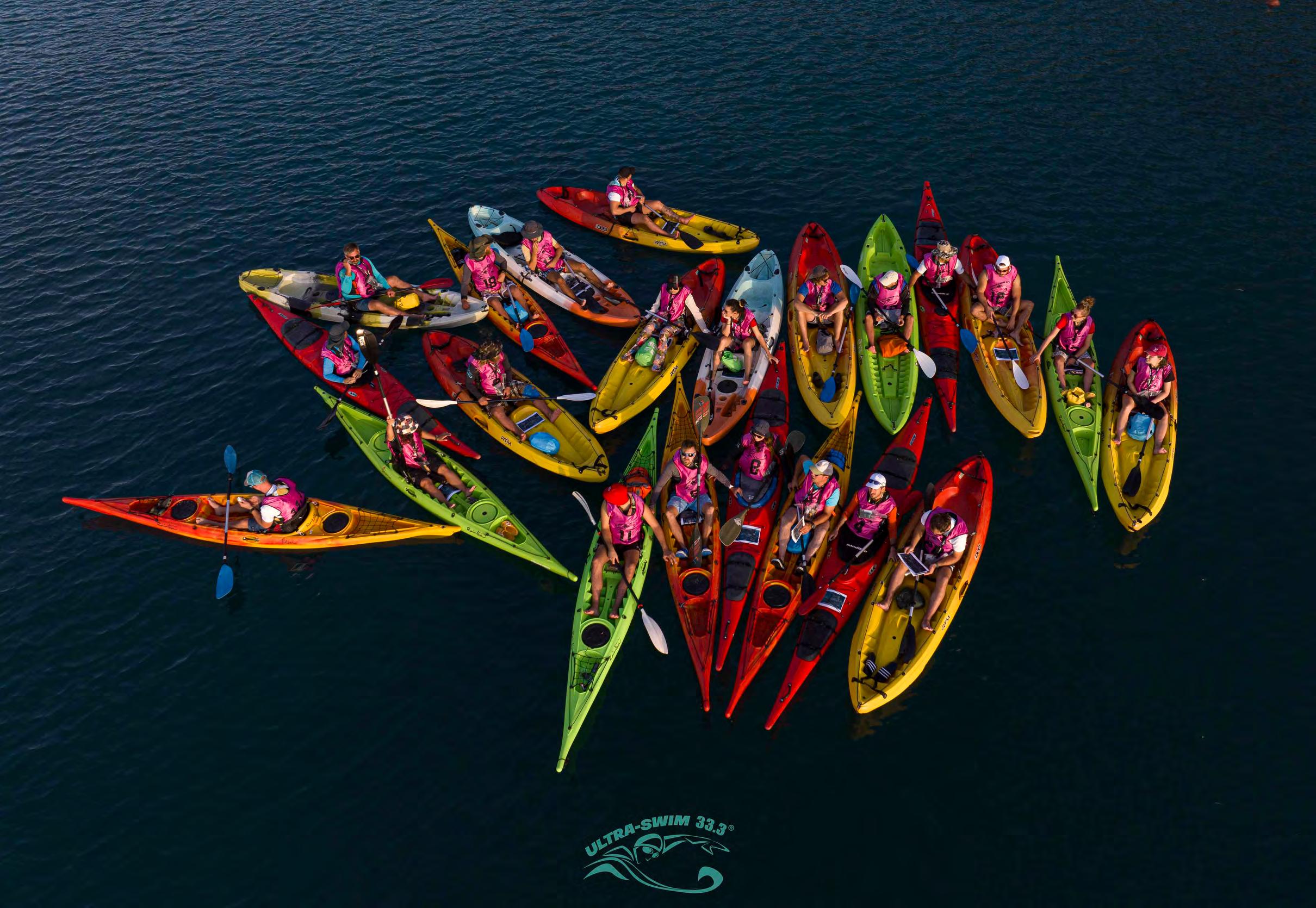
Photo Credits: All photographs courtesy UltraSwim 33.3
DIVE IN!
in the Adriatic Sea
You can’t put a limit on anything. The more you dream, the farther you get.
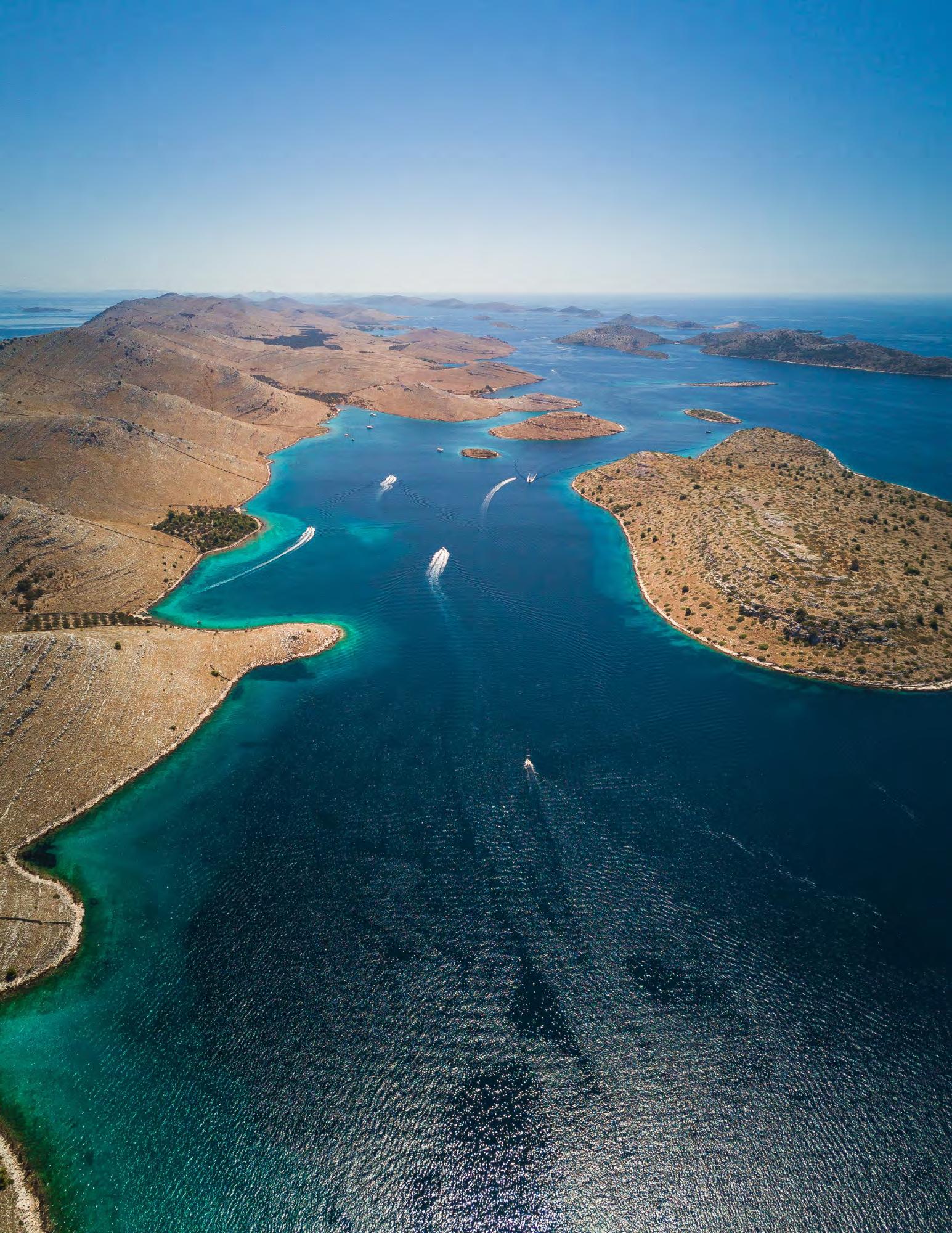
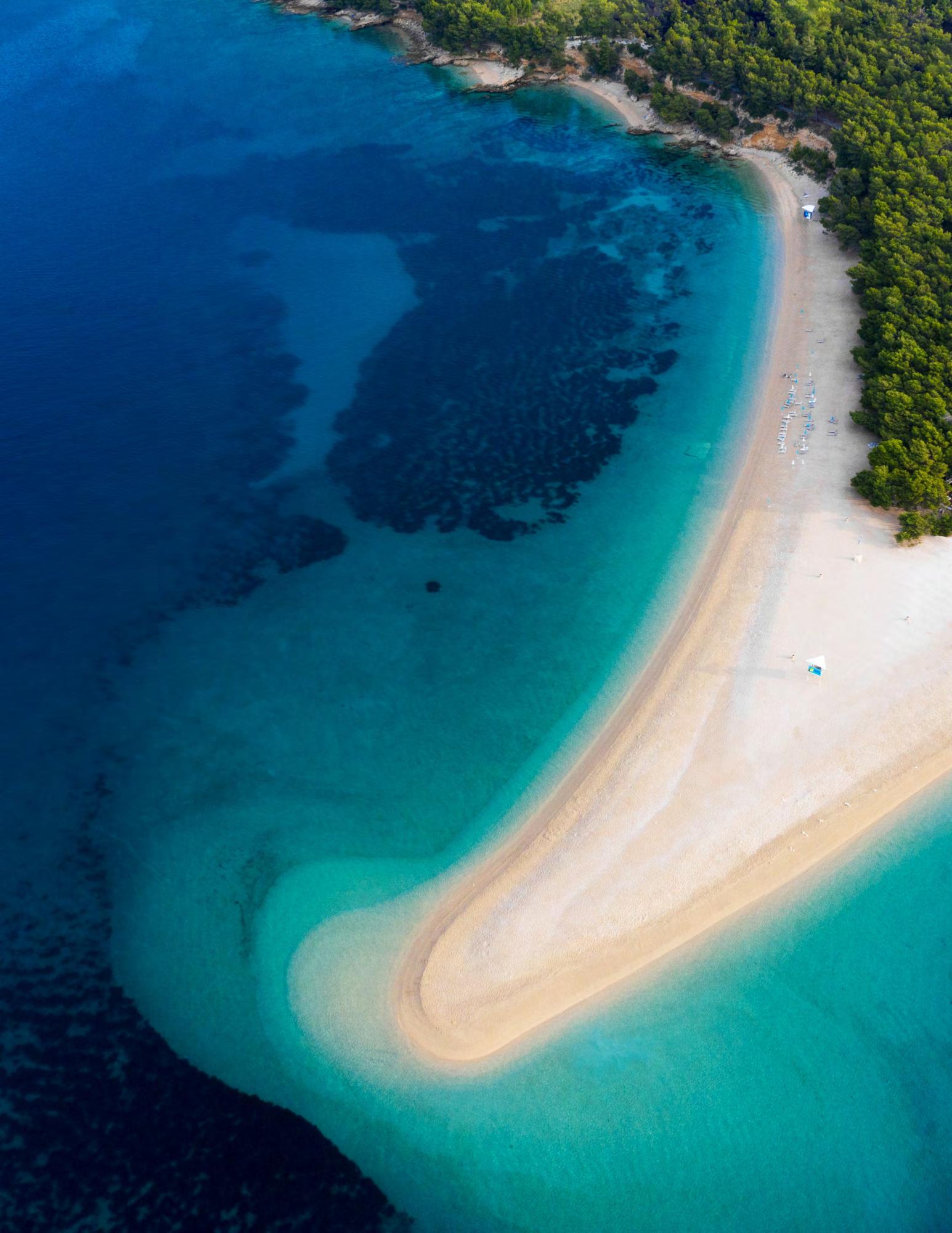
During the rst weekend of October 2025, the Fjords to the Sea race in Montenegro with UltraSwim 33.3 will take participants from country to country, as they cross over from Croatia to Montenegro. The participants navigate a fascinating route, through an abandoned submarine pen, around an old island fortress, and the Blue Cave.
In 1875, Captain Matthew Webb was the first person to swim across the English Channel. It was a historic feat at the time, one which set the benchmark for open water swimming as a sport.
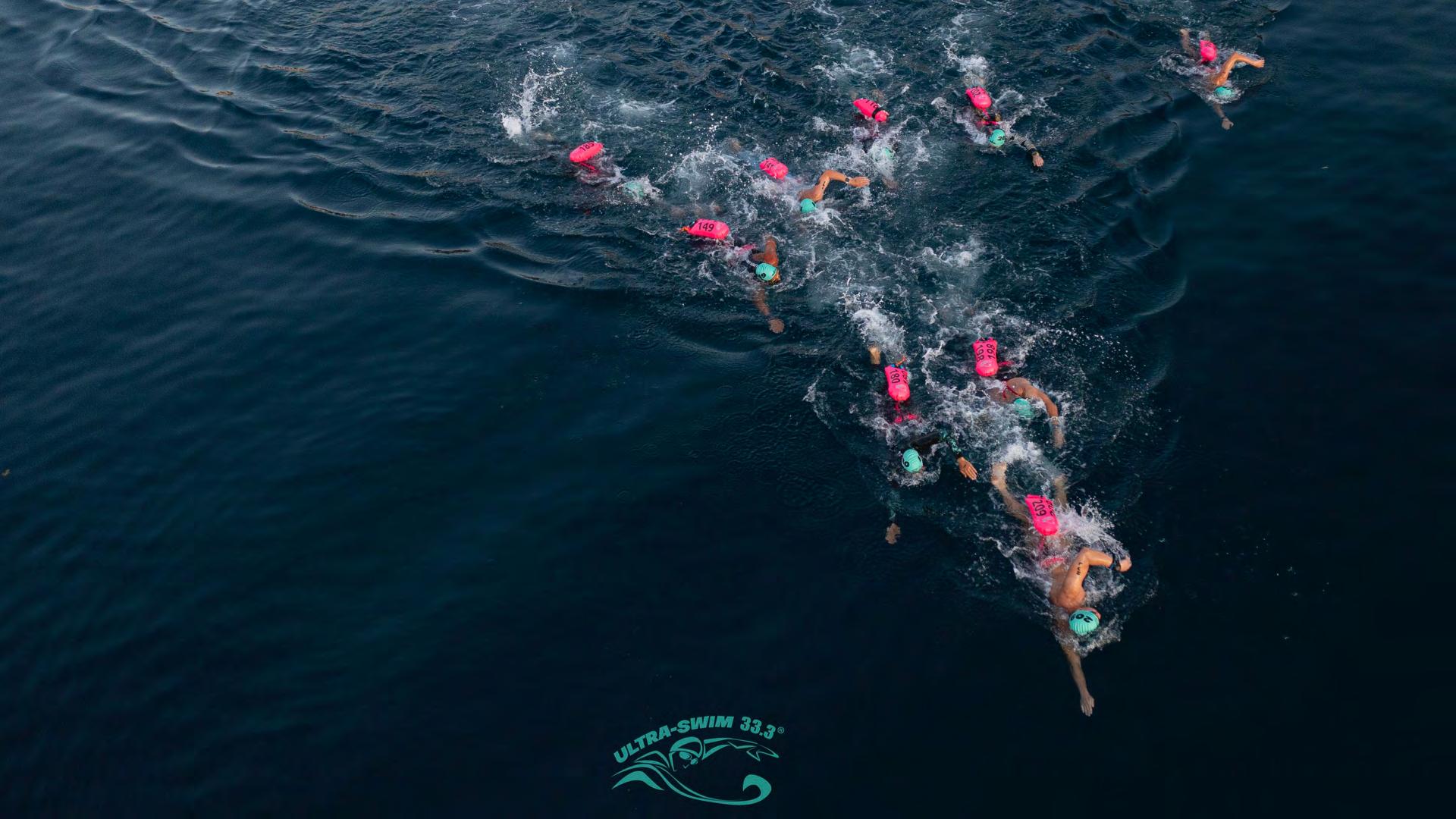
A hundred and fifty years later, UltraSwim 33.3↗, an open water swim event in the Adriatic Sea, creates a unique opportunity for open water swimmers to dive in deep and rise to the challenge of a point-to-point marine adventure over the course of four days, spanning multiple jumping off spots in Croatia and Montenegro.
Wondering why its 33.3 kilometres?
That’s the exact distance between England and France, the iconic English Channel swim. But instead of a single stretch, this event breaks it down into stages over a four day period, making it more achievable and inclusive.
Co-founded by Mark Turner and Nathaniel Waring, who are seasoned open water swimmers, the Adriatic offers a one of a kind sea-scape. Numerous small islands and peninsulas dot the water, and the participants swim from point to point.
From the Caribbean to the Bosphorus, Gibraltar to New Zealand, most open water swims happen in stunning natural environs. Nathaniel and Mark wanted to infuse that element into their event, drawing on the beauty of the mountainous coast and fjords of Montenegro, and the idyllic islands off the coast of Croatia.
In fact, the two of them first met when they signed up for a relay swim event across the Straits of Gibraltar. The beautiful thing about an open water swim event is the incredible camaraderie that is built among the swimmers. While swimming is certainly a competitive sport, there’s a powerful community dynamic where each swimmer cheers the other on. Bonds are built as you swap experiences and tips while you sit across the table having dinner.
“Everybody loves the ocean,” says Nathaniel.
But while we may all love being in the water, that doesn’t mean everyone is comfortable in it. Some people are afraid, while others don’t give a second thought to diving right in. But for an open water swimmer, the ocean is a very natural and safe space. You can float, and remain suspended in it for hours, and to a seasoned swimmer it feels as natural as walking on land.
In 2025, 54% of the participants are women, ranging from people in their 30s, all the way to their mid-70s!
While the attendees come in from all over the world, there is almost equal weightage between males and females.
Swimming from stage to stage gives the participant a different kind of experience. It not only challenges the participants, but also allows them to immerse themselves in the environment, and get to know the other swimmers better.
When Mark and Nathaniel charted out the course for UltraSwim 33.3 they deliberately designed it so that it could be more inclusive, encouraging and nurturing each swimmer to optimize their latent potential.
The water is a great equalizer. It doesn’t matter whether you’re fat or thin or tall or short. There is no gravity in the water, and perceptions of fitness and body weight are transformed. In fact, the minute you dive in and start swimming, a huge endorphin release takes place.
A detailed guide on preparation, professional coaching support, a huge focus on safety, and a professional support team in the water, makes this an extremely achievable milestone for many swimmers, who might otherwise have shied away from the challenge. Every swimmer is backed up by a team of kayakers and safety boats, experienced guides, and of course, the entire community of your fellow swimmers who rally around you.
All participants have a buoy with an in-built tracker, and every support boat has a team-member who is keeping an eye on the trackers on an Ipad. A swimmer is never more than about 50 meters away from a support kayak or boat, and knowing that is very reassuring, because often the visibility in the sea may not be great.
For many participants, it’s the adventure of a lifetime, a major milestone on their path to personal growth. Open water swimming is an endurance sport, and the key to making it through to the finish line is having incredible mental strength and resilience. Even if you’re not a top-tier athlete, but have the mental stamina, you will succeed.
UltraSwim 33.3 does mandate that you have to have done at least some open water swimming. One has to be cognizant of currents, winds, tides, and the marine environment, and mentally prepared to navigate it. While pool training is a great way to build strength, there are several other factors that come into play in an open water setting.
Over the years, Mark and Nathaniel have developed tremendous respect for the ocean and these stunning coastal landscapes. So, they decided that UltraSwim 33.3 should not only protect the areas where they swim, but nurture them, so that they are in even better shape after the event.
All UltraSwim 33.3 events are zero single-use plastic and carbon net positive. They have partnered up with SeaTrees by Sustainable Surf, which seeds and conserves blue carbon coastal systems, and support the South Cardamom REDD+ Project in Cambodia as well as planting mangrove forests in Mida Creek, Kenya.
Although the front line of their support team in the water is muscle powered kayaks, they are making a concerted effort to move the rest of the support boats from fossil fuel to electric, which not only cuts back on fumes, but also decreases noise.
UltraSwim 33.3 is also a signatory to the IUCN Sports for Nature↗ framework, and is committed to operating an event that leaves the destination in better shape once it is over.
The swim community is diverse and inclusive, but above all supportive. UltraSwim 33.3 has made a proactive commitment to honour this sentiment, and the event seeks to reach out and support mental health charity initiatives, and proactively uphold diversity within the community, regardless of gender, nationality, creed or race.
For Mark and Nathaniel, that sense of shared experience that comes from a point-to-point swim over four days is hard to beat. The resilience it hones, the global community that it attracts, and the friendships it builds is unparalleled. Strangers become best friends simply because of their shared love for the water. Open water swimming is an endurance sport – and the fact that most UltraSwim 33.3 swimmers are repeat participants over multiple events, goes to show that they’re in it for the long haul.
“On matters of style, swim with the current, on matters of principle, stand like a rock.”
– Thomas Jefferson
VENETIAN VINTAGE
Venetian Gothic’s Architectural
Signature
“Memory's images, once they are fixed in words, are erased," Polo said. "Perhaps I am afraid of losing Venice all at once, if I speak of it, or perhaps, speaking of other cities, I have already lost it, little by little.”
– Italo Calvino, Invisible Cities
The Rajabai Clock Tower strikes one on a busy afternoon, echoing over the hum of the South Mumbai tra c below. Despite the glass and chrome high rises jostling for space in the island city, she stands alone, a crowned jewel rising above the people, scurrying like mice around
Kala
Ghoda’s historic precincts.
We take a step back in time with each chime…
The Rajabai Clocktower was commissioned by Premchand Roychand, and named after his mother. Rajabai was blind, and the clock’s chimes helped her to tell the time of day. Sir George Gilbert Scott, a British architect, designed it, and it was completed in 1878.
Even now, when you drive through Fort, its tall spire is unmistakable – a graceful reminder of its Neo-Gothic architecture, with a subtle Venetian influence.
Several early 19th century buildings in Mumbai’s Fort district were designed and constructed under the gimlet eyes of Victorian era British architects like Wittet, Scott, and Stevens. Yet, the irony is that they not only drew on English architecture, but were heavily inspired by other European influences, including Venetian Gothic.
So, what exactly is Venetian Gothic?
Venetian Gothic is a subset of Italian Gothic. Its underlying Byzantine and Moorish nuances distinguish it from its English cousin. Gothic architecture was still evolving when the Byzantines held sway over the Venetians. It evolved not so much as a “new school” of design, but out of a historic struggle to develop a distinct identity – a contemporary style, one that was far more spirited.
How did the Venetian signature arrive on the shores of the subcontinent?
In its heyday, the Republic of Venice was a powerful entity, wielding tremendous influence over the trade routes of the world. They travelled widely in Asia, as far as Mongolia, and their aesthetic lingers in many far-flung corners of the planet even today.
For over a thousand years, Venice was controlled by the Doges (Dukes), who were formidable rulers and merchants. They lived within the walls of the Palazzo Ducale (as the palace is known locally), the façade hewn out of Verona marble of a pale pink, rosy hue, which shimmers and changes colour, depending on the light.
After the fall of the Venetian Republic in 1797, things changed dramatically. The Palazzo Ducale fell into French and then Austrian hands, which left their own mark on the structure, and in 1866, Venice finally ceded to become a part of a united Italy. But over that thousand-year reign, Venice’s Gothic insignia wrought itself felt on various corners of the world.
The beauty of the Venetian artisans was their willingness to experiment and be uniquely creative. They were less fussed by “perfection” and more concerned with being original, allowing the form of their work to take shape organically. They refused to be defined by a single culture.
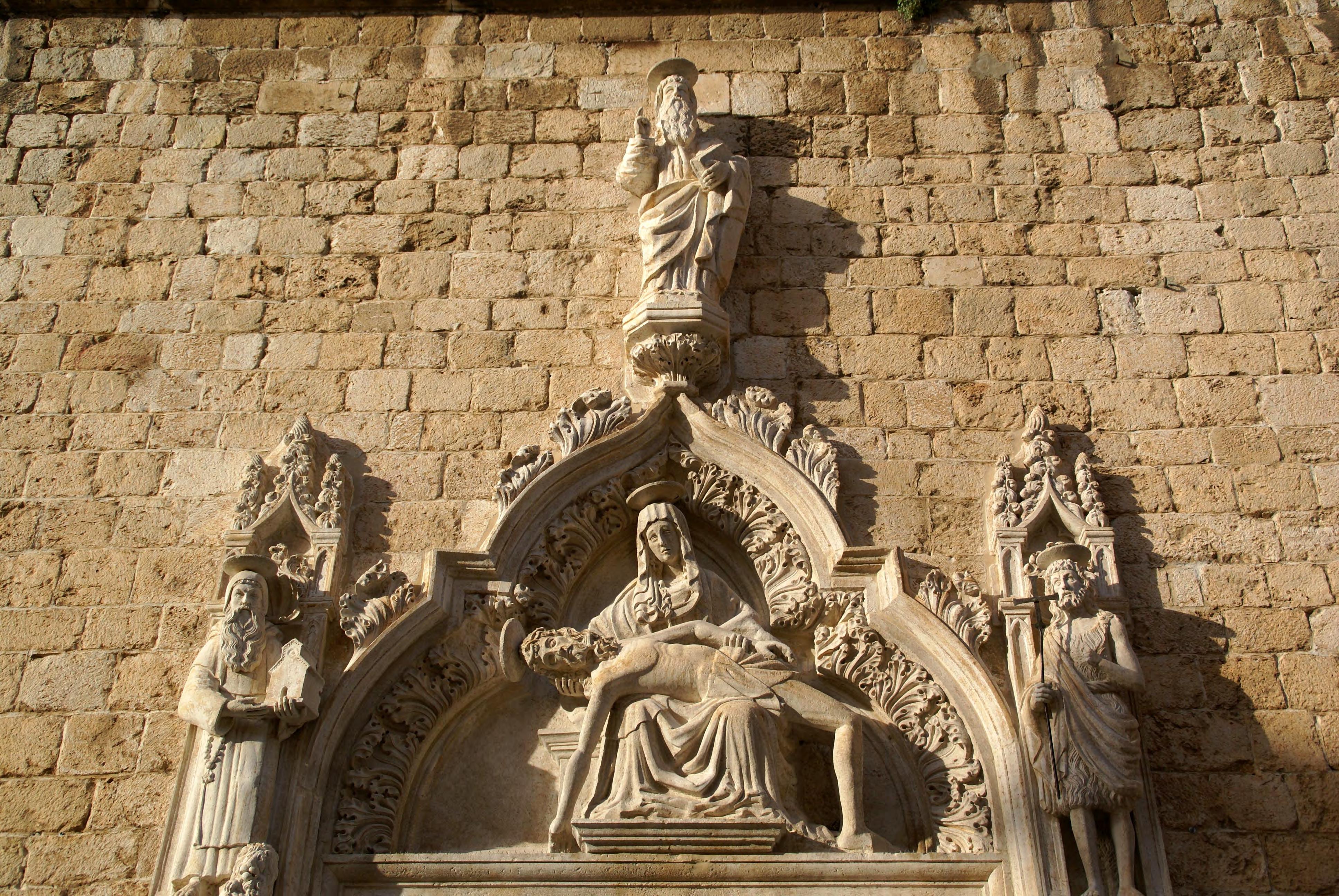
Image: Franciscan Church and Monastery, Dubrovnik
Gothic, Byzantine and Islamic styles were blended together to create a unique kind of architectural alchemy. This spirit of innovation is apparent in the ogee (three pointed) arches that are so characteristic of Venetian Gothic architecture across the world. Situated on the water, the ground in Venice was extremely unstable, and this environmental element was factored into the design. As a result, Venetian Gothic is characterized by decorated cross-beams, instead of the vaults that are common to Gothic tradition.
Venice was a crowded city and the buildings were constructed at close quarters. Initially windows and arches were incorporated to allow natural light to flow in, but they soon became symbols of elegance and status. The monks had a huge role to play in the way architecture took form. This was an era when both, the Franciscans and the Dominicans were making forays onto new shores. As they built their churches and monasteries, their austere ethos and religious narratives made themselves felt in the stone.
On the opposite shore the Venetians left an indelible mark on the Dalmatian Coast. One can see their architectural stamp on the Rector’s palace in Dubrovnik. It makes itself visible in the old portal of the Franciscan Church and Monastery, which borders the Stradun, carved out of stone by the Petrovic brothers in 1498. When the great earthquake of 1667 shook Dubrovnik, several structures, including the church were destroyed, but the portal of the Franciscan Church remains as one of the finest examples of the Venetian Gothic style, even today.
No matter where you go, Venetian Gothic stands apart. A singular signature, a touch of drama that defines the skyline.
“Without stones there is no arch”
– Marco Polo
THE DRAGON’S LAST LAIR
Slovenia & Istria
“Of everything that man erects and builds in his urge for living nothing is in my eyes better and more valuable than bridges.
They are more important than houses, more sacred than shrines. Belonging to everyone and being equal to everyone, useful, always built with a sense, on the spot where most human needs are crossing, they are more durable than other buildings and they do not serve for anything secret or bad.”
– Ivo Andrić
On 19 July, 1956, Pandit Jawaharlal Nehru, the Prime Minister of India, Gamal Abdel Nasser, the President of Egypt, and Josip Broz Tito, the President of Yugoslavia, met in the Brijuni Islands off the coast of Yugoslavia (now Croatia) for a landmark meeting that would have a profound ripple effect on global geopolitics.
It was the first stepping stone towards the Non-Aligned Movement of 1961, in which 120 countries across the world decided not to align with either the Eastern or the Western Bloc, choosing to remain neutral instead.
Signed in the wake of the fall of colonialism and the aftermath of the Korean War, it was a pivotal movement that offset the polarization of the world that came with the Cold War. And it all began on a tiny archipelago in the northern Adriatic. Brijuni was Tito’s favourite getaway. It became his State Summer retreat, and the world’s celebrities flocked to the islands.
Today, it’s a different story. Yugoslavia has crumbled, and its vestiges have re-morphed as Slovenia and Croatia – two beautiful countries with a rich and nuanced past.
Steeped in legend, full of ancient castles and mysterious dragons, Slovenia captures one’s imagination.
Its capital, Ljubljana↗ is an atmospheric city. Clean, serene and full of charm, a perfect point of departure for a journey that unfolds across the Julian Alps, Lake Bled, and Istria.
Life revolves around the waterfront along the banks of the Ljubljanica River. Elegant bridges, charismatic architecture and a historic district give its skyline a distinct character – and just a touch of whimsy.
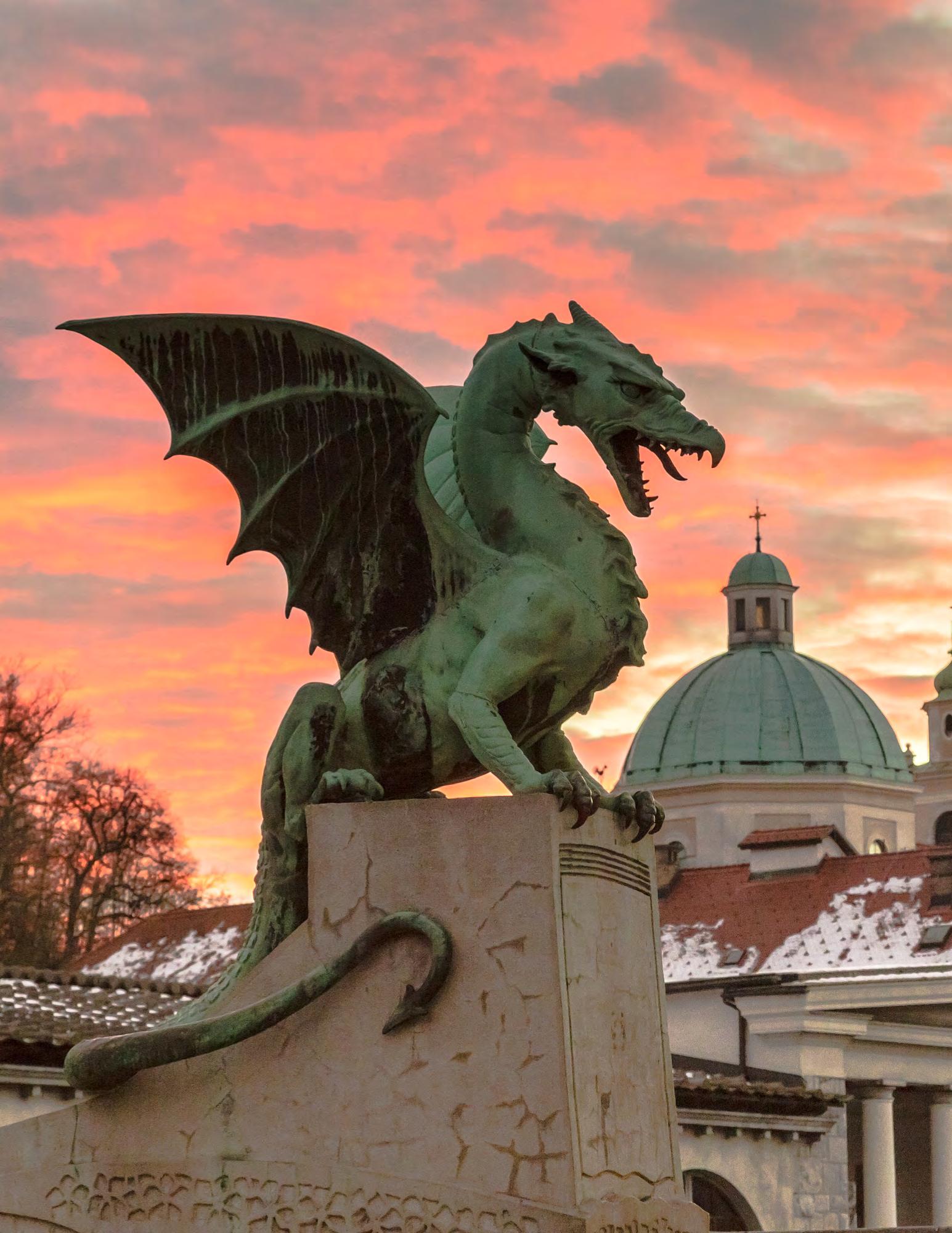
As you head down towards the Central Market district, you cannot miss strolling across Dragon Bridge. Originally designed by Giorgio Zaininovich, an Italian architect, it is considered by many to be one of the finest examples of Art Nouveau architecture in Central Europe.
Mouths agape and wings outstretched, four mystical dragons stand guard, while sixteen smaller griffins line the parapets, keeping a close eye on passers-by.
LEGEND #1:
The dragons wag their tails when a virgin crosses the bridge!
As you walk across Dragon Bridge, the Central Market Hall stands at one end. This district is a lively meeting spot for locals in the city. The area between Vodnikov Square and Pogačarnev Square bustles with stalls of fresh produce and plants, while 'Plečnik's Covered Market' (named after Ljubljana's famous architect Jože Plečnik) consists of cafes and food stands that line the river.
When the weather is warm enough between March and October, Ljubljana’s chefs come out each Friday to bring a variety of world cuisines to diners in a festive al fresco atmosphere.
Perched on top of a hill, the Ljubljana Castle commands a stunning view over the city below. A medieval era fortification, it now houses a wonderful historic exhibit, as well as a variety of art, music and cultural events.
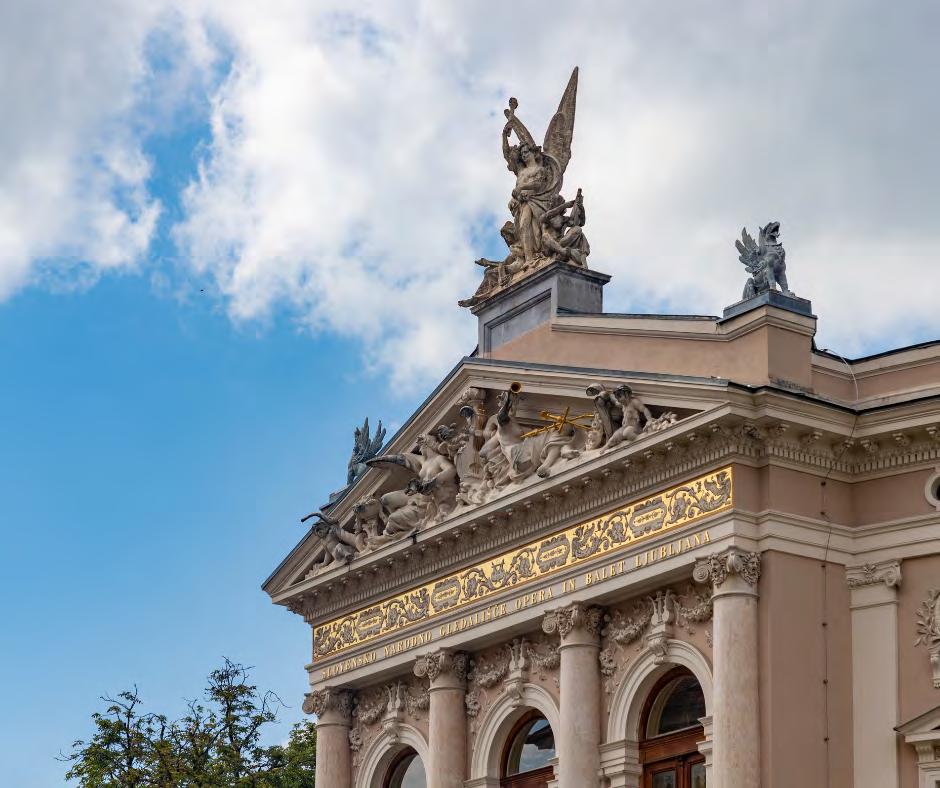
Opera is interwoven into the Adriatic’s cultural fabric. During the season, Ljubljana’s stage comes alive with ballet and opera in a flurry of high drama. In the aftermath of World War I, the Ljbuljana Opera House made it a point to feature Slovenian composers such as Kogoj↗ and Osterc, alongside Italian and French composers. During the Soviet era, composers like Prokofiev took centre stage and the Opera House featured a varied repertoire that ranged from Faust to Aida, and Prince Igor to The Love For Three Oranges.
Ljubljana is the perfect jumping off spot to explore Slovenia’s stunning countryside. As you leave the city behind, head into the Julian Alps. This magnificent limestone mountain range stretches all the way across from Italy into Slovenia, covering an area of more than 4000 kilometres.
In the summer, Ljubljana lights up! The annual Lighting
Guerrilla Festival is a stunning event which turns the spotlight onto the city. Gorgeous light installations, exhibits and performances transform the city’s streets, parks and galleries! The thought behind it is to reimagine urban areas and bring art right down to people on the sidewalks. Don’t miss the stunning installations at the Match Gallery. The Lighting Guerrilla Laboratory hosts workshops for artists and students, in a bid to nurture the city’s creativity. This year, the theme is “Disturbances” and runs from May 23 to August 24, 2025!
Photo
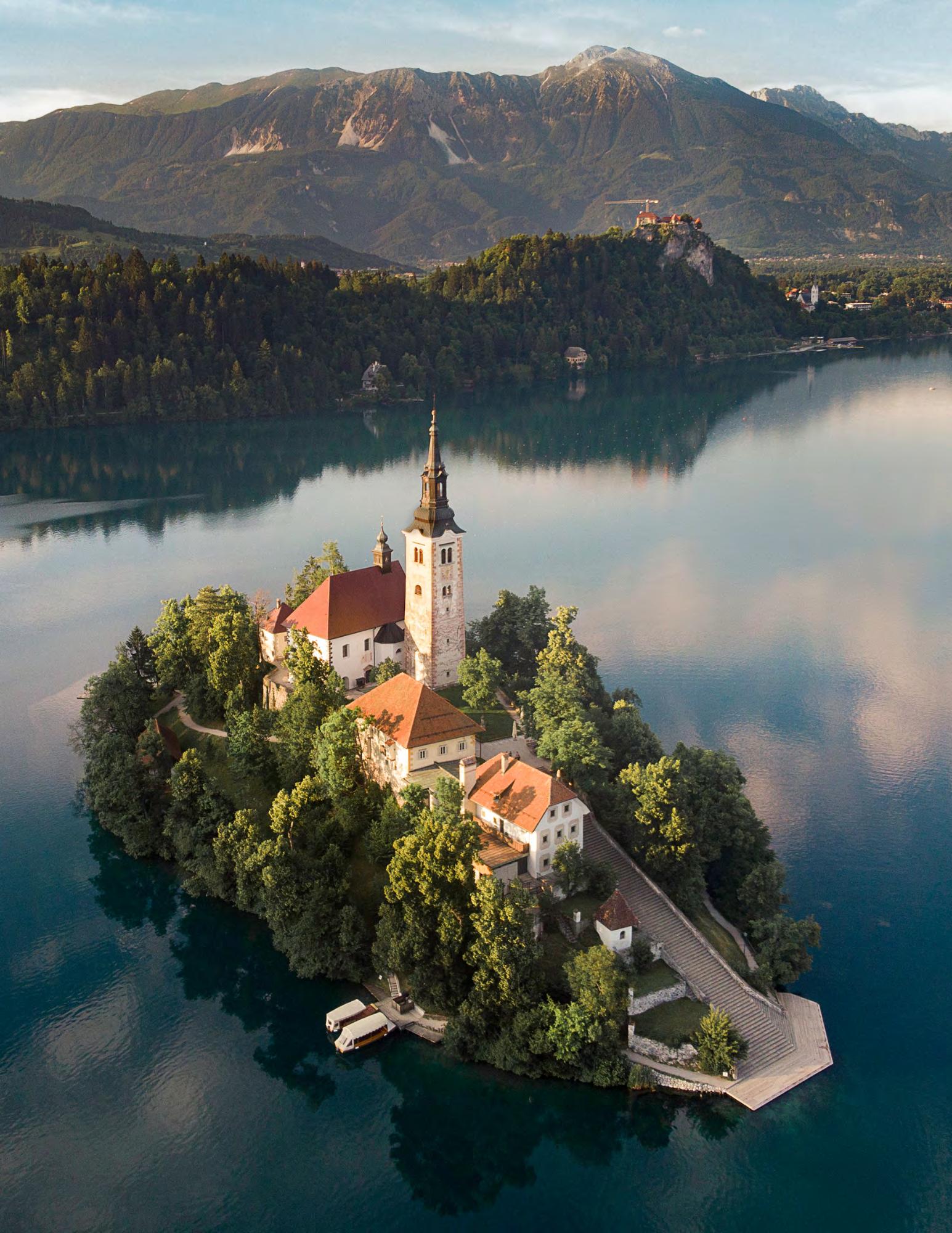
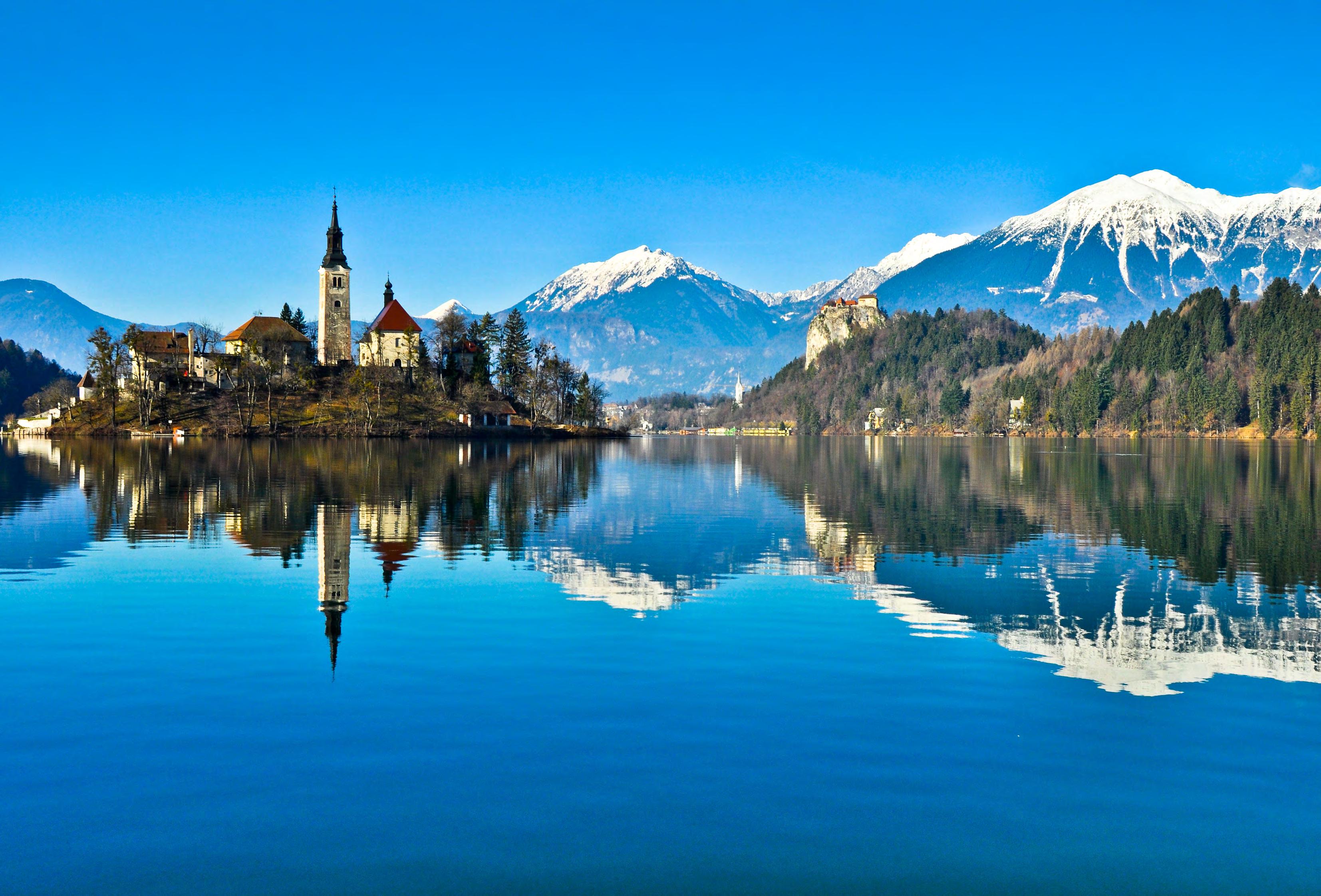
A turreted castle, a glacial lake with a teardrop shaped island in the middle of the water, against the backdrop of an Alpine Mountain range – Bled looks like it came straight off a postcard.
Thanks to its salubrious climate and beautiful scenery, it has always been a favourite health and wellness retreat, especially during the Austro-Hungarian period. But Bled is much older than that. Archaeologists have determined that it existed during the Bronze Age. The castle with its magnificent drawbridge and moat goes back to the Holy Roman Empire, until it passed into the hands of the Austro-Hungarians in the 1200s.
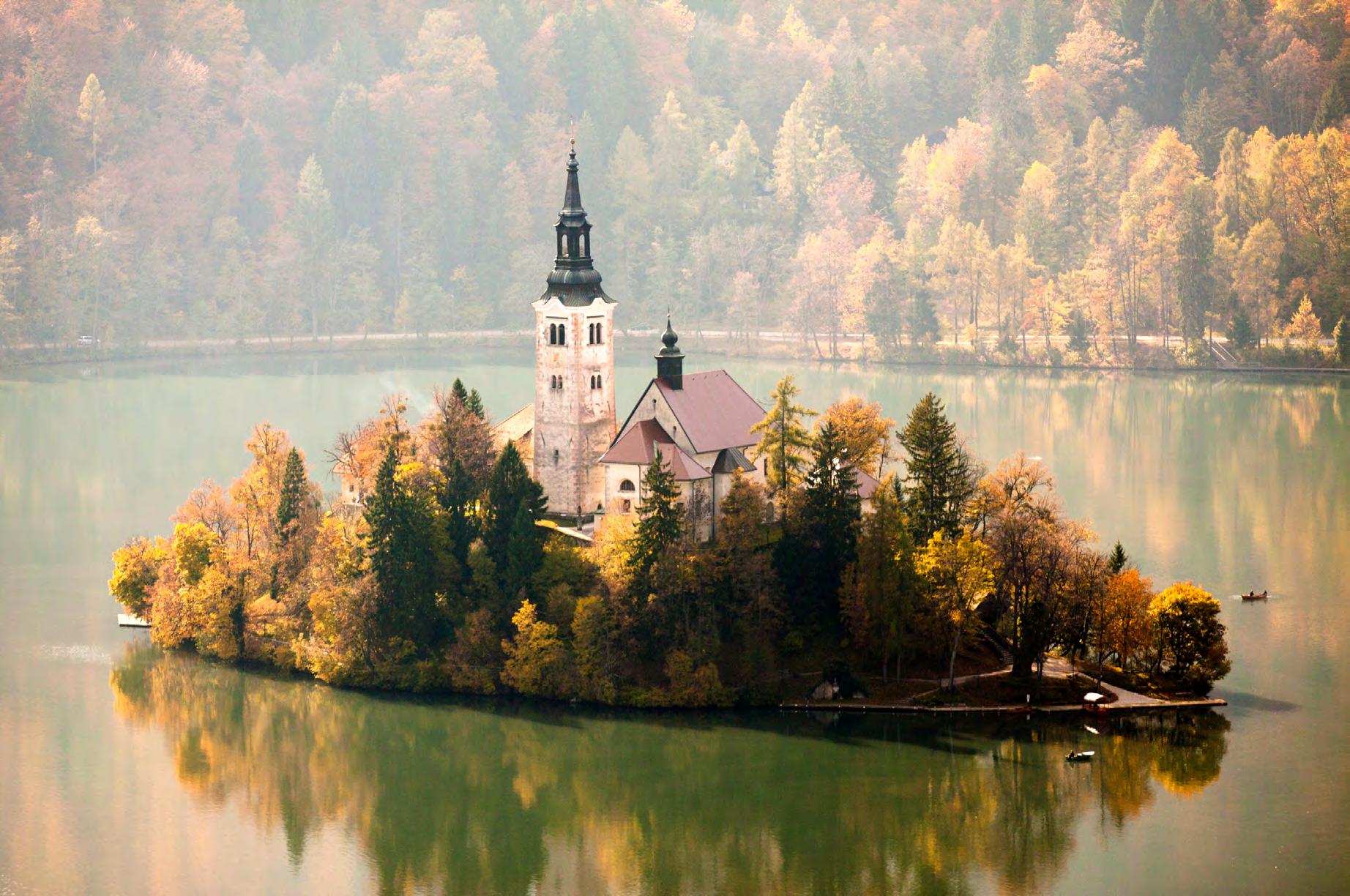
In the middle of the lake, the Church of the Assumption of Mary stands on its own tiny island. A scenic boat ride in a traditional “Pletna” takes you across the water. Even this short journey to the island involves a rite of passage.
LEGEND #2:
During Austro-Hungarian rule, Empress Maria Theresa decreed that only twenty-two families of boatmen had special privileges to take pilgrims across the waters of the lake to worship at the church on the island.
When you reach the island and step off onto its shore, there are ninety-nine steps.
LEGEND #3:
A newly-wed husband must carry his wife up the steps in complete silence, as she contemplates views of the lake over his shoulder.
As you draw closer to the island, chances are that you’ll hear the sound of bells wafting on the breeze.
LEGEND #4:
If you ring the church bell on the islands, your wishes come true.
Ancient karst formations create a surreal underground universe. A short drive away from Bled, the Postojna Cave is quite literally another world. As you tread underground you will be completely amazed by the sheer majesty of its stalagmites and stalactites that create a breathtaking landscape.
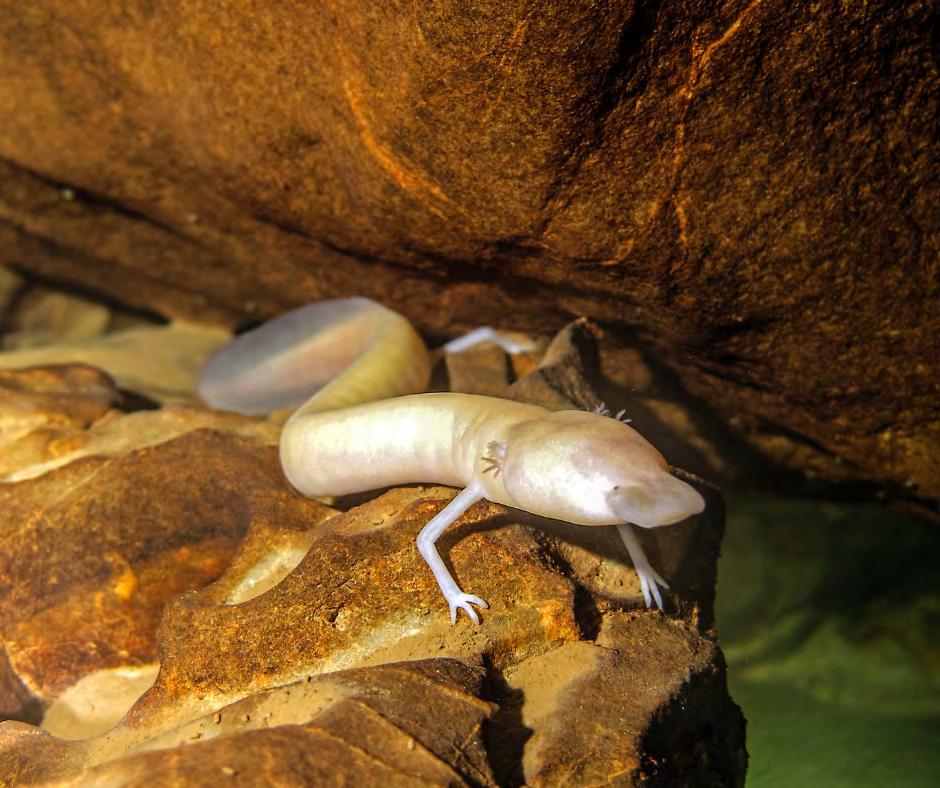
This subterranean ecosystem is even more surreal thanks to its unique inhabitant – the Olm! Pale and slender with long tails, Olms (Proteus
LEGEND #5:
In the old days, the locals thought that olms were baby dragons!
Olms have mastered the art of survival. Although they have no actual eyes, unique sensors on their skin help them to navigate their surroundings. They can go without eating for years and live up to the ripe old age of 100!
No, they are not supernatural – but they are superheroes!
Balbi Arch, Rovinj
A couple of hours south of Bled, you find yourself at the crossroads where Italy meets Slovenia and Croatia, and you leave the Julian Alps behind to enter Istria.
Pause at Porec to take yet another step back in time. A visit to the Euphrasian Basilica, a UNESCO world heritage site, is a must. An outstanding example of Byzantine architecture, and one of the last few basilicas that remains intact today. It is particularly famous for its mosaics, which date back to the sixth century.
As you meander towards the water’s edge, you leave the mainland behind and cross the causeway to Rovinj. Perched on its own island, just off the Istrian coast, there are few places on the planet as poetic as this.
The tall spire of Saint Euphemia’s church rises from the red tile rooftops, against the backdrop of a turquoise sea, similar in style to the church in St. Mark’s Basilica and a proud reminder of Rovinj’s connection to the Republic of Venice. The Balbi Arch marks the entrance of the old city, and the coat of arms contains the Lion of St. Mark, a symbol of ancient Venice. Originally inhabited by Illyrian and Venetian tribes, Rovinj was an important outpost during the days of the Venetian Republic. Even now, most of the locals speak Croatian and
Italian, as well as a local dialect called Istriot, an old-world tongue was once spoken across the Istrian peninsula. A stroll through the narrow, cobblestone lanes of the old town feels meditative as you contemplate the ancient Venetian architecture on your walk down to the waterfront. As the sun begins to dip, it casts a golden hue upon the rust-red rooftops, giving the island a distinctive glow.
The Illyrians tribes were of Indo-European descent, and among the first inhabitants of the Dalmatian Coast.
In fact, the name Dalmatia, comes from the Delmata tribe, who conquered the Balkans around 1000 BC.
Fazana is a tiny coastal village which is just a short drive away from Rovinj. Hop onto a local boat for a scenic ride across the Fazana Straits to Brijuni. Today, this archipelago is a national park, an enclave of the Adriatic’s natural and cultural heritage.
From dinosaur footprints to Byzantine ruins, and yes, one of the oldest olive trees in the world, Brijuni is a unique microcosm, quite unlike anywhere else on the planet.
St. Mary's Basilica, Veliki Brijuni
Photo credit: Nacionalni Park Brijuni
The Old Olive Tree - Veliki Brijuni, Croatia
Veliki Brijuni, the largest island, is an enclosure for several unique species of animals that were sent as diplomatic grand gestures by various heads of state during the Tito era – including a Zebu, a sacred cow, gifted by Nehru. Albino peacocks, ostriches, loggerhead sea turtles, zebras and llamas rub shoulders with Istrian sheep, in a surreal safari-esque landscape.
The Old Olive Tree is truly ancient – around 1600 years old. Although it split open during a storm in the ’70s, it has stood the test of time spreading its branches gracefully. Even now, sixteen centuries into its existence, it still bears fruit, producing some of the finest virgin olive oil in the entire region.
But if you think that this olive tree is old, Brijuni has another historic relic that dates back to a much earlier time. We’re talking about the dinosaurs. Scientists believe that these were theropods that came to Brijuni during the Mesozoic age. Paleontologists have discovered footprints that have been preserved in the ground on the island that are millions and millions of years old!
A quick island hop across the water takes you to Mali Brijuni, which has become a lively cultural hub in Istria. Drawing on inspiration from its Illyrian roots, the Ulysses Theatre on Mali Brijuni is a unique, creative space where like-minded artistes come together in the spirit of collaboration. Ulysses is the brain child of Rade Šerbedžija, a writer, actor and director, and Borislav Vujčić an author, poet and playwright.
From Shakespeare to Croatian rock, Ulysses’ stage turns the spotlight on art, music and drama. Is Ulysses a metaphor for the Adriatic’s Illyrian roots, a bow to Homer’s Odyssey? A stage on the little island of Mali Brijuni that opens a window to the Adriatic’s dramatic past? As you bid farewell to the Istrian coast and hop on a ferry from Rovinj to Venice, it’s a question worth pondering.
“To be a man, to have been born without knowing it or wanting it, to be thrown into the ocean of existence, to be obliged to swim, to exist; to have an identity; to resist the pressure and shocks from the outside and the unforeseen and unforeseeable acts - one's own and those of others - which so often exceed one's capacities? And what is more, to endure one's own thoughts about all this: in a word, to be human.”
–
Ivo Andrić
Know
where to go:
GETTING THERE
Ljubljana is an international gateway with easy access to most major European and Middle Eastern hubs. Alternatively, Zagreb and Venice are also convenient airports to fly in and out of.
A convenient ferry from Rovinj and Pula takes you straight to Venice.
YOUR STAY
In Ljubljana
Hotel Zlata Ladjica↗ offers chic interiors, housed in a magnificent heritage building in the heart of the city.
In Bled
The Villa Adora↗ is a seven suite boutique hotel with stunning views of Lake Bled.
In Rovinj
With just a handful of rooms, the Hotel Angelo d’Oro↗ is housed within the erstwhile Bishop’s Palace. A lovely boutique hotel tucked away amid the cobblestone streets of Rovinj.
HEROES... OR HELL’S ANGELS
Two Towers of Strength. One Sliver Of A Country.
“There is nothing impossible to him who will try.”
– Alexander The Great
A spit of land where the Adriatic meets the Ionian Sea. Three tiny countries dot the map of the Balkans.
Montenegro. Albania. Macedonia.
An unlikely crossroads.
Yet, this is the birthplace of two towering personalities. Totally disparate, yet similar too, like a conifer that splits from its trunk to branch out into twin trees.
Alexander the Great was born in Pella in North Macedonia in 356 BC. Over 2000 years later, Mother Teresa was born in Skopje in North Macedonia in 1910 AD.
In the wake of the tumult in the Balkans, the maps have been re-drawn. Today, Pella is in Greece. Skopje is in Albania. With just 206 kilometres in between them.
Two staunch individuals who changed the history of the Indian Subcontinent – and indeed, the world, forever. Both leaders in their own right, who commandeered the world.
One through force, one through love.
Their life’s work reached a pivotal turning point in India – but in such different ways. Alexander’s in mutiny unto death, and Mother Teresa’s in undying charity By the age of twenty-five, Alexander had conquered Persia, undefeated. He led his soldiers across three continents and his empire stretched from Greece to the Danube, into Egypt right up to India.
It spanned a web of trade routes, united by a single Greek language, and the Hellenistic culture prevailed. His sweeping plunder culminated at the Indus, when his troops revolted and forced him to turn back. As he commenced his retreat, his soldiers faced a blistering strike in Gedrosia (modern day Balochistan) and several succumbed to their wounds, while others abandoned him.
Mother Teresa remained a staunch Catholic nun all her life, and the Missionaries of Charity became a vast global network. While some heralded her as a saint of the church, others branded her as a spy of the Vatican.
World views evolve with time, contexts and circumstances.
If we were to look at him in today’s day and age, would Alexander really have been such a great king – or a tyrant? And would Mother Teresa’s work be considered saintly – or would it be criticized?
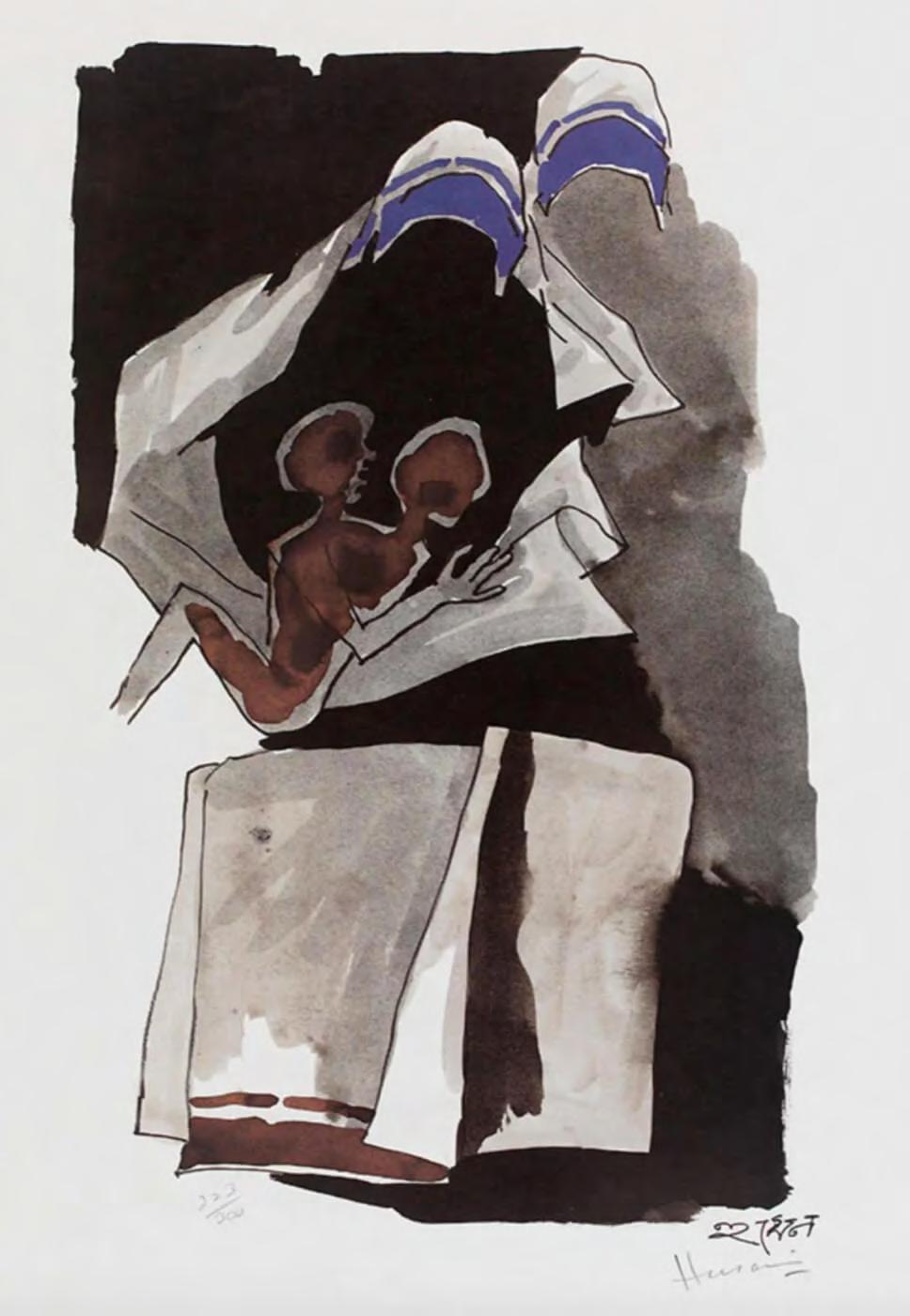
Mother Theresa by M.F. Hussain
Artwork/Photo Credit: The House of Kathiwada
Alexander was fearless, yet paranoid. Unforgiving, yet compassionate. A brilliant strategist, yet fell in love at first sight. He protected his position ruthlessly, killing his foes and his friends. When his arch enemy was finally murdered by another hand (who many believe was Bessus, a Persian general, who had his eye on the throne), he gave him a royal burial.
Sogdia (modern-day Uzbekistan) remained loyal to Bessus. When his army eventually quelled the Sogdian resistance, one of the prisoners of war was a young woman named Roxane, and Alexander married her immediately. Was it love at first sight – or a conquest to stave off a revolt? It certainly won him the allegiance of the Central Asian satraps. (Much later, he would marry two Persian princesses to appease his Persian subjects.)
A young teenage girl named Anjezë Gonxhe Bojaxhiu lived in Skopje under Ottoman rule. The Ottomans were one of the last great empires in the Balkan region and it was ultimately defeated in 1912 by the combined forces of the Balkan States (Serbia, Bosnia, Bulgaria, Romania, Moldavia, Wallachia, Albania and Montenegro), just before the start of World War I. The Balkans were feudal kingdoms, and local warlords often fought amongst themselves. In this tumultuous environment, Anjezë’s father was poisoned and murdered when she was just eight years old.
As a young girl, she was inspired by the stories she heard about missionaries in Asia. She joined an Irish convent, which sent her to India.
What she didn’t realize at that time was
that she would never see her mother or her sister again. Enver Hoxha, who ruled Albania with an iron fist, branded her a spy of the Vatican and refused to allow her to return to her home, even to visit her family. She remained a steadfast Catholic nun, never forsaking her vow of chastity. When she started the Missionaries of Charity, she asked all members of the order to do the same.
In the early ’40s, India was roiling under its demand for independence from British rule. Bengal, in particular, was seething with strife and discontent as the uprising gained steam. She was teaching at the Loreto convent when the famine of 1943 wrought havoc across the city. In August 1946, a terrible period of violence between Bengali Hindus and Muslims broke out. Did it bring back memories of her fraught childhood? Perhaps. She was on a train journey from Calcutta to Darjeeling when she felt called to action, to do something positive and stem the tide of violence.
A year after India gained independence, Bengal was still in disarray. Against the backdrop of the chaos of India’s newborn democracy, she decided to start her missionary work in the slums of Calcutta, eschewing her nun’s habitat for a white cotton sari, bordered in blue.
When Alexander turned back from the Indus to return to Persia, he realized that he had to broker peace. His troops were on the verge of mutiny, and his subjects were a turbulent lot.
In order to win over the Persians, he did something unusual. He decided to adopt their cultural mannerisms, their way of dress, and even their beliefs.
Much to the horror of his Macedonian troops, he made them do the same. There was another uprising, as several of them felt that they were being forced to abandon their cultural roots.
Alexander insisted, pointing out that it was only through cultural assimilation that a true conquest would be achieved. He even organized a mass wedding, where thousands of his men were married off to Persian women, cementing his conquest of the Achaemenid empire. A stark contrast to the carnage that ensued during his battles in Gaza and Tyre.
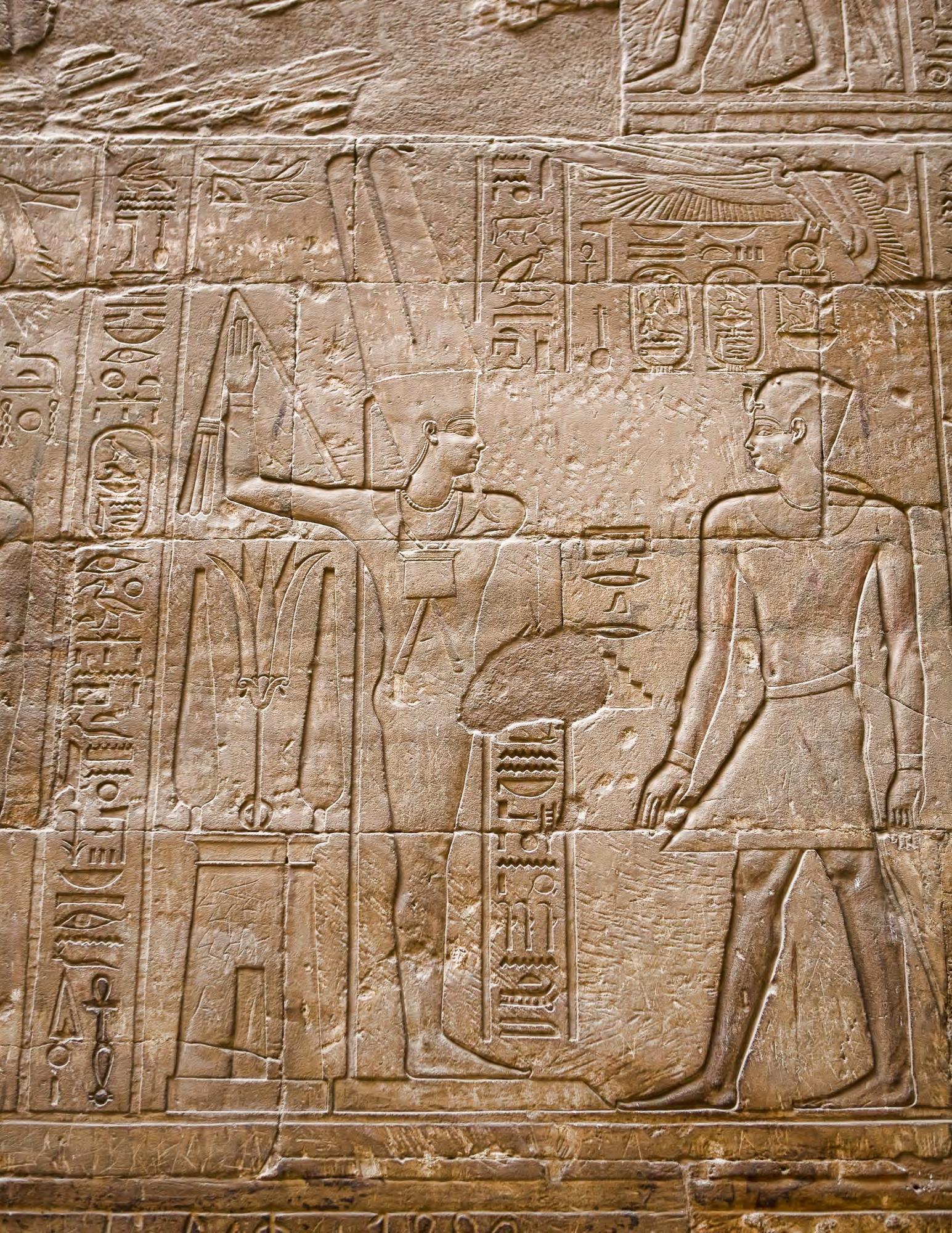
During his forays in Egypt, Alexander paid a visit to the oracle of Amun Re. It transformed him completely and raised his stature among his subjects. He never shared what it was that the oracle revealed to him in that secretive meeting. However, in the aftermath of that encounter, word spread that he had superhuman capabilities and several of his subjects began to revere him as a God-like figure, rather than a regular mortal.
The city of Alexandria was his tribute to Egypt, but he never saw his dream come to life. Upon his death, his body was brought back to the city that he had envisioned, and a magnificent tomb was built in his memory. Alexandria became a powerful capital of Hellenistic culture and commerce, rivalling Carthage and even Rome, and continues to thrive even now.
While Alexander’s push for cultural integration was a brilliant strategic manoeuvre that cemented his conquests across Asia and North Africa, but his own troops were unable to stomach the idea. It
sowed the initial seeds of dissent that ultimately led to in-fighting, eroding the empire from within.
In 1952, Mother Teresa opened her first hospice in Kalighat. It was housed in an abandoned Hindu temple, she was Catholic, but she welcomed everyone there, regardless of their faith or creed. It is important to remember that this was a time of communal strife and tremendous grief in Bengal. Yet, in life and in death, Mother Teresa ensured that all those who walked in the door, were reunited with their faith. Muslims read the Quran, Hindus were blessed with water from the Holy Ganges, and Catholics were anointed in accordance with their faith.
Later on in life, as the Missionaries of Charity grew, Mother Teresa’s work spread beyond India’s borders. She made headlines when she brokered a temporary peace between the Israeli army and Palestinian guerrillas and rescued thirty-seven sick children from a frontline hospital during the 1982 Siege of Beirut.
She went back to Ireland during a turbulent political period, but was forced to leave when she found herself unwelcome. She travelled to North Africa and Eastern Europe, to set up Missionaries of Charity centers. In 1991, she was finally allowed to return to Albania after the fall of Soviet rule, but it was too late. Her mother had already passed away.
Mother Teresa’s brand of Catholicism attracted a lot of criticism from those who felt that she was being regressive. Her detractors felt that her views against divorce and abortion were archaic and outdated. Several people felt that she was
imposing Catholicism upon those who received her help, forcing religious conversions.
Many of her critics claimed that the funds received by the Missionaries of Charity were misused, and that the healthcare provided was sub-standard.
A few even said that the organization did nothing for the poor in Calcutta, while others said her hospices were in pitiful condition. As she travelled across the world, her notoriety grew due to her
friendships with dubious politicians and even a couple of dictators. But nothing shook her faith.
Mother Teresa won a Nobel Peace Prize and was canonized by the Catholic Church as a saint. Yet, several critics continue to question her intentions. Christopher Hitchens, one of her most vocal critics, branded her “Hell’s Angel”. Alexander has been immortalized as “The Great” – going down in history as one of the greatest leaders of all time.
Sacred or profane? Hero… or Hell’s Angel?
Where does triumph end and tyranny begin?
Interestingly, North Macedonia voted in its first female president only as recently as 2024. When Gordana Siljanovska-Davkova won the election she referred to the country simply as “Macedonia” (dropping the North prefix) in her inaugural speech.
What’s in a name? Plenty, it seems.
The Greeks believe that “Macedonia” belongs to them. Alexander the Great and Philip II of Macedon were undeniably a part of their history. The northern region of Greece is also called Macedonia, home to Thessaloniki, an important city. Is this newly minted country attempting to stake a territorial and cultural claim to Greece’s iconic heritage? After a decade-long conflict, Greece finally passed a resolution in parliament in 2019 to allow the Republic of North Macedonia to retain Macedonia in its name, but several people continue to feel betrayed by this decision. As in all things historical, perceptions blur, lines will be crossed, and there will always be polar perspectives. Gordana Siljanovska-Davkova has an uphill task ahead of her. She treads a fine tight-rope, but if she’s got any of the leadership DNA of either Alexander or Mother Teresa, she just may get her way.
“Peace begins with a smile.”
– Mother Teresa
Photo Credits: All photographs courtesy Marsil Exports
FOUNDER’S NOTE
When I decided to open Mélange in September 1993, it was ahead of the curve. The appreciation for Indian handloom textiles, hand-embroidered garments, and sustainable fashion was still nascent.
Over three decades, Mélange catalyzed a metamorphosis in Indian fashion and design, and created a platform for India’s master craftsmen to showcase their work. A seamless blend of textile traditions and creative expression that originated in the craftsmen and textile traditions in the communities across India.
A Stitch In Time...
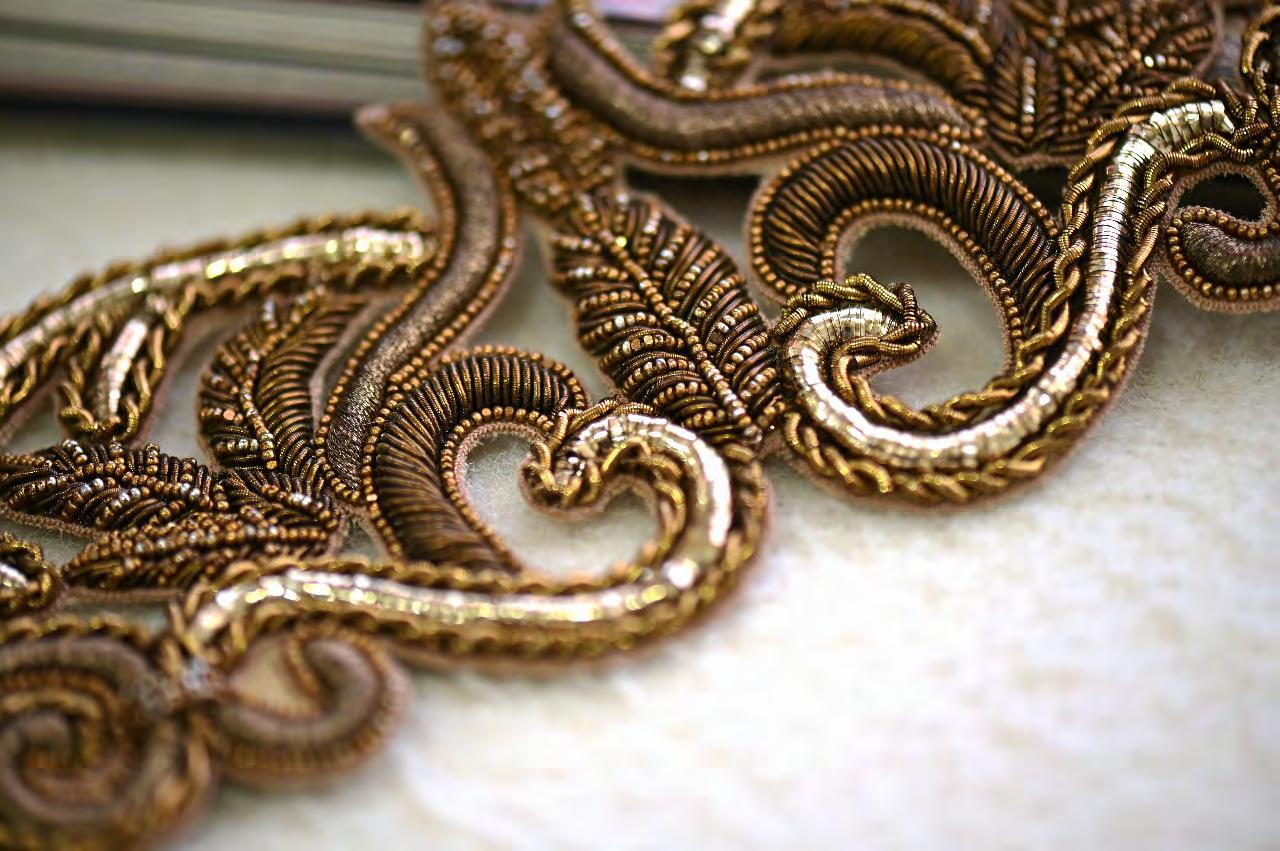
For Sharmila Thapar, that usually means interpreting a fashion designer’s vision and turning around a swatch of embroidery – in the space of a few hours. Sharmila and her sister, Renuka Advani, look after the day-to-day operations at Marsil Exports, which exports embroidery and bead work made by highly skilled Indian artisans to the big names in fashion overseas.
Historically, India has always been known for its textile craft, but it took a while before it really came into its own. In the early-80s, Renuka and Sharmila’s mother, Mona Lalwani, began her career in fashion while working for a buyer based in the USA. It was hard work, coordinating between the buyers and the craftsmen in India, and the intermediaries in the industry only made it more tedious.
Mona initially worked with a buyer in New York, but after ten years, the business dried up. She decided to explore the possibility of doing business with the Italians directly.
Mona packed a few swatches and got on a plane. That trip to Italy turned the tide. More than forty years later, it’s been a long, but rewarding ride. After meeting the creative heads at various top brands, she came back with a few orders which she turned around with her team of skilled bead workers. The creative heads of these brands have remained loyal customers ever since.
Italy is similar to India, and everyone in the industry knows everyone else. Before long, the doors to top brands like Gucci, Cavalli and Versace were opening up for them, and Indian embroidery and bead work became a unique accent in Italian haute couture.
Sharmila and Renuka act as the “cultural conduits” interpreting the creative director’s vision with local artisans in their own factories.
Deconstructing the Europeans’ creative vision and breaking it down for the artisan is where they come in.
Sharmila elaborates on the process:
“It's a collaborative effort because we just start with a little swatch. That little swatch is sometimes based on another swatch we've created. Maybe they've picked up a particular technique. They love the colours together. They love the material. So sometimes they pick up one thing from here and one thing from there, one thing from elsewhere. And then we put it all together here. And of course, with the back and forth, WhatsApp has made life so much easier. Technology has changed the format of communication and the speed of reactivity.”
While the workmanship may be Indian, and some of the motifs, like the paisley print, may have an Indian aesthetic, Sharmila finds that the embroidery is adapted to suit the European look.
“Take, for example, Etro today,” she reflects. “Their designs have paisley all over but with a western influence.”
The embroidery heads rely on Marsil Exports to communicate their unique aesthetic to the artisan, who in turn, executes the piece, and are quite clear that they want their “look” to remain authentic to their original vision.
“So, the influence is Indian, but the look is western,” Sharmila explains. There is a seamless co-creation of the embellishment, at a cross-cultural level, with acute attention to detail. Very often, less is more.
But is there a change in mindset that is starting to creep in? Maybe. In 2024, Tod’s Creative Laboratory, which is based out of Marche, Italy, invited Rahul Mishra, an Indian designer with an eye for embroidery, to kickstart a creative collaboration. As a result, Tod’s came out with an entire collection of shoes, handbags and accessories, embellished with Rahul Mishra’s signature embroidery.
Is language a gap? Sometimes – but that’s where culture bridges the divide. There’s a shared understanding that goes beyond words, which is woven into the Indo-Italian social fabric. The two countries share a long tradition rooted in an appreciation of fine art and craftsmanship. True originality wrought by hand cannot be replicated so easily.
Interestingly, Sharmila’s own connection with Italy goes back to her first love –which is dessert. She started her career with a small baking business, and used to hand-craft sugar decorations and confectionary for wedding cakes. It was elaborate and painstaking, and the detailing was granular.
When her mother saw her creativity take shape on a cake, she was convinced that Sharmila would have the artistic vision to channel her creative energy into the business.
Prada’s buyout of Versace has made recent headlines, but its only one more knot in the overall tapestry. Mergers and acquisitions change the way a brand operates. Iconic labels like Gucci are now owned by holding companies like Kering, which impose their own systems and processes on how the business is run.
For the last twenty-five years, she’s seen the Italian fashion landscape evolve dramatically, and feels that it is poised for yet another shift in the next couple of years. In the post-pandemic period, the number of seasons has increased, and so have the collections.
The industry is in flux. Creative directors come and go rapidly, even from the top fashion brands. This also puts the creative and production teams on edge, and adds pressure to perform.
The most noticeable difference, however, that she is seeing is the shift towards sustainable and socially responsible business. Nowadays, fashion brands are vetting their partners overseas for their sustainability practices. They come down frequently to inspect and audit the facility and the working conditions first-hand. Artisans are paid a stipulated living wage, and safety, health and hygiene standards are increasing. As a result, life is certainly a lot better for the embroiderers and the artisans in India.
However, succession remains a challenge. There are fewer and fewer members of the younger generation who are getting into the field. As some of the craftsmen and artists grow older, they feel disinclined to introduce their children to the craft, as they feel that with the kind of education and opportunities that are available today in India, their kids have better prospects in other industries.
In the wake of the pandemic, supply chains have become more expensive and in some cases, erratic. With the layers of scrutiny that they have to go through, Marsil Exports’ procurement team has to keep a watchful eye not only on cost-control, but also to ensure that the materials meet compliance standards. From beads to plastic elements to threads, everything gets lab tested in microscopic detail to ensure that it does not violate the laws of countries in the EU zone.
The pace of business is intense. Each collection is roughly a four to six month cycle from start to finish. When you walk into Marsil Exports’ studio, you see several artists working on the artwork for multiple designs. While some are done digitally, several are still hand-drawn. Once the swatch has been approved and the artwork is put together, it gets punched, stamped and embroidered. After it is approved for a collection by the Creative Director of a brand, the swatch is then allocated to a single style or a group of styles for the collection. Each sample goes through stringent checks before it is finished. Then it is sent to quality control who examines it for any defects. The fabric shrinks and has to be checked post embroidery, before it goes back on the frame and gets finished. One garment may go back onto the embroiderer’s frame up to three times until it fits the designer’s paper pattern to perfection.
From being a single-entrepreneur owned business, today Marsil Exports has nine hundred employees, and eighteen studios where the artisans work.
The basic materials like threads and beads have to be sent to a laboratory for checking, to ensure that they meet compliance standards, which adds to the input costs of the garment itself. A lot has changed in the way that they function, and the recent shift towards sustainability also means that the business has to constantly innovate and grow, to sustain so many full-time team members. In a volatile socio-economic landscape, Sharmila sees this as a growing challenge, not just for India, but for the fashion business worldwide.
After forty-three years in the industry, Marsil Exports has seen plenty of people come and go, and several seismic shifts in trends. In a globalized world, the consumer landscape has shifted. China’s slowdown is impacting revenues. Ironically, the very craftsmanship that is from South Asia, gets shipped out to Europe, only to be bought by Asians again.
In the fashion arena, out of the box thinking sparks genesis. Artisanship is leveraged impactfully to create avant-garde design.
As new pathways in communication, cutting-edge technology, and a global awareness emerge, are the old ways of doing things eroding? Could a broader outlook, rooted in conscious values and more cross-border collaborations, be the stitch in time that the industry needs? Perhaps.
“Fashion is instant language."
–
Miuccia Prada
Drawn from Zen philosophy, Ekō means:
The dedication read after recitation of a sutra, to direct the merit gained from the recitation to a certain person or group.
In essence, the echo of an ethos, a fundamental truth.
At House of Kathiwada, we embrace artistic, wellbeing and culinary aesthetics, juxtaposed against the backdrop of our rich cultural and natural heritage, as the elements that nurture a truly sustainable lifestyle.
Ekō, a platform of communication from House of Kathiwada, resonates with this ethos. Refined yet progressive, it draws on inspiration to seed innovation. It seeks to nurture a co-creative ecosystem and share culture-curious insights with a like-minded community.
Myths to motifs, regeneration to biodiversity, wellbeing to art, music to spirituality -we draw on the infinite threads of our social fabric and natural abundance to evoke curiosity, provoke thought, and weave deeper meaning into our everyday lives.
Would you like to join the conversation?
Follow us on LinkedIn: https://www.linkedin.com/company/kathiwada
Would you like to become a subscriber or learn about our off- line cultural events? Drop us a line at culture@kathiwada.com
Are you a culture-curious creator? Share your big idea with us at culture@kathiwada.com
KATHIWADA, INDIA
Kathiwada Raaj Mahal
Kathiwada Foundation
Kamal Vidya Niketan School
Kathiwada 2034 Placemaking
MUMBAI, INDIA
Kathiwada City House Circle 1434 Community Circle Sixty Nine Bistro