THE Hitching Post
FROM COWS TO CRACKERS: Walnut Run Farm
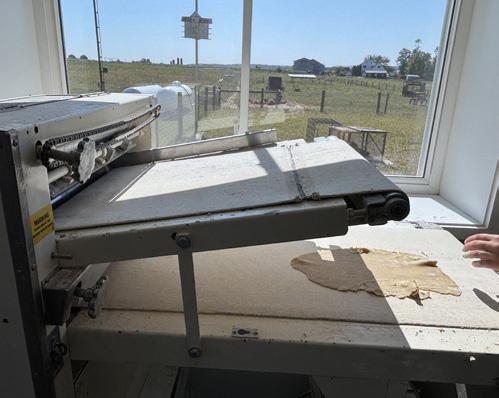
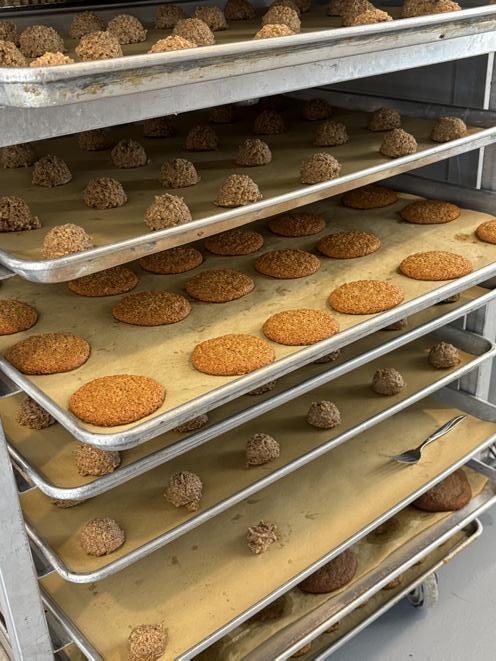
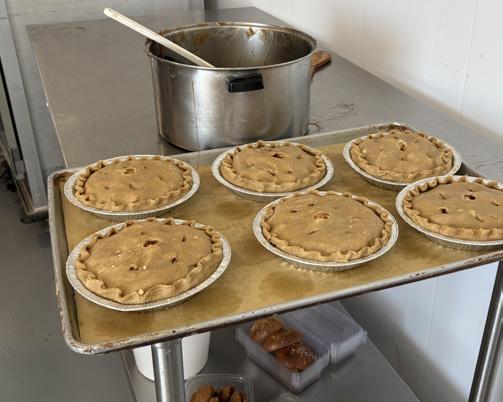
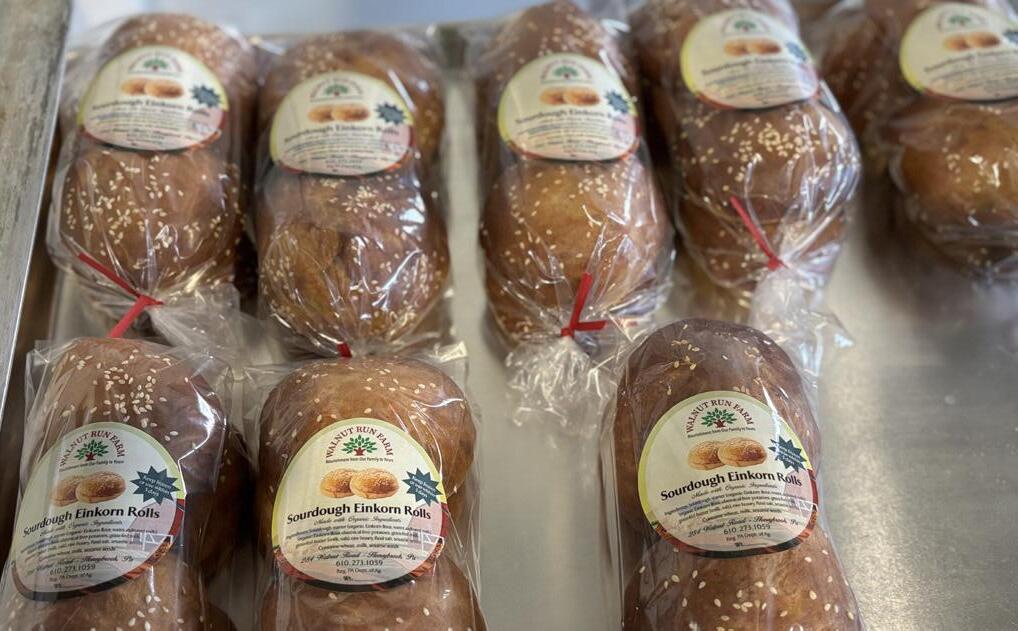
Ten years ago, Melvin Fisher of Honey Brook, Pennsylvania, was milking registered Holstein cows. Today, he and his family operate Walnut Run Farm, a specialty baked goods business, known for its sourdough and gluten-free offerings, and retail meats.
“It’s exciting to think about what the next 10 years could bring,” Melvin says with a smile.
The journey began in 2017, when Melvin and his wife, Linda, moved from his home farm to her family’s farm. There, they transitioned from milking Holsteins to raising a few Jersey cows, heifers, and beef cattle because the older cow stalls were suited for smaller cows. They also began boarding beef cattle for a regional farmer — a partnership that included the transfer of the farmer’s customer list, giving the Fishers their first step into retail.
In 2018, they were invited to join a farmers’ market outside Philadelphia, selling meat and cheese. “We listened to our customers,” Melvin recalls. “Eventually, we added baked goods to our offerings. We knew not everyone eats meat.”
Linda initiated the baking opportunity, focusing on healthier alternatives to conventional foods with her recipes. “Our policy remains simple: we only sell food we’d feed our own family,” explains Melvin. Linda specialized in sourdough and gluten-free baked goods. Today, her crackers, tortillas, and frozen pizzas are top sellers.
The bakery began in a 14-by-14-foot side room on the second floor of the Fisher’s barn. As demand grew from wholesale accounts, Melvin expanded into a larger section of the barn in 2019.
“The pandemic was a turning point for our business,” says Melvin. “I remember we worked all night in April of 2020 to get meat out the door. Our sales, especially in meats, jumped.” Feeling there were “too many irons in the fire” Melvin decided to sell off the retail customer base to focus on the bakery and farmers’ market.
During the next few years, Melvin made upgrades to both his freezers and bakery equipment to accommodate Walnut Run Farm’s nearly 40 direct marketing and farm store accounts located throughout southeastern Pennsylvania, Maryland, and Washington, DC. As the beef herd grew, Melvin moved his cow-calf herd to another farm in the Gettysburg, Pennsylvania area, freeing up capacity for finishing feeder cattle on his farm.
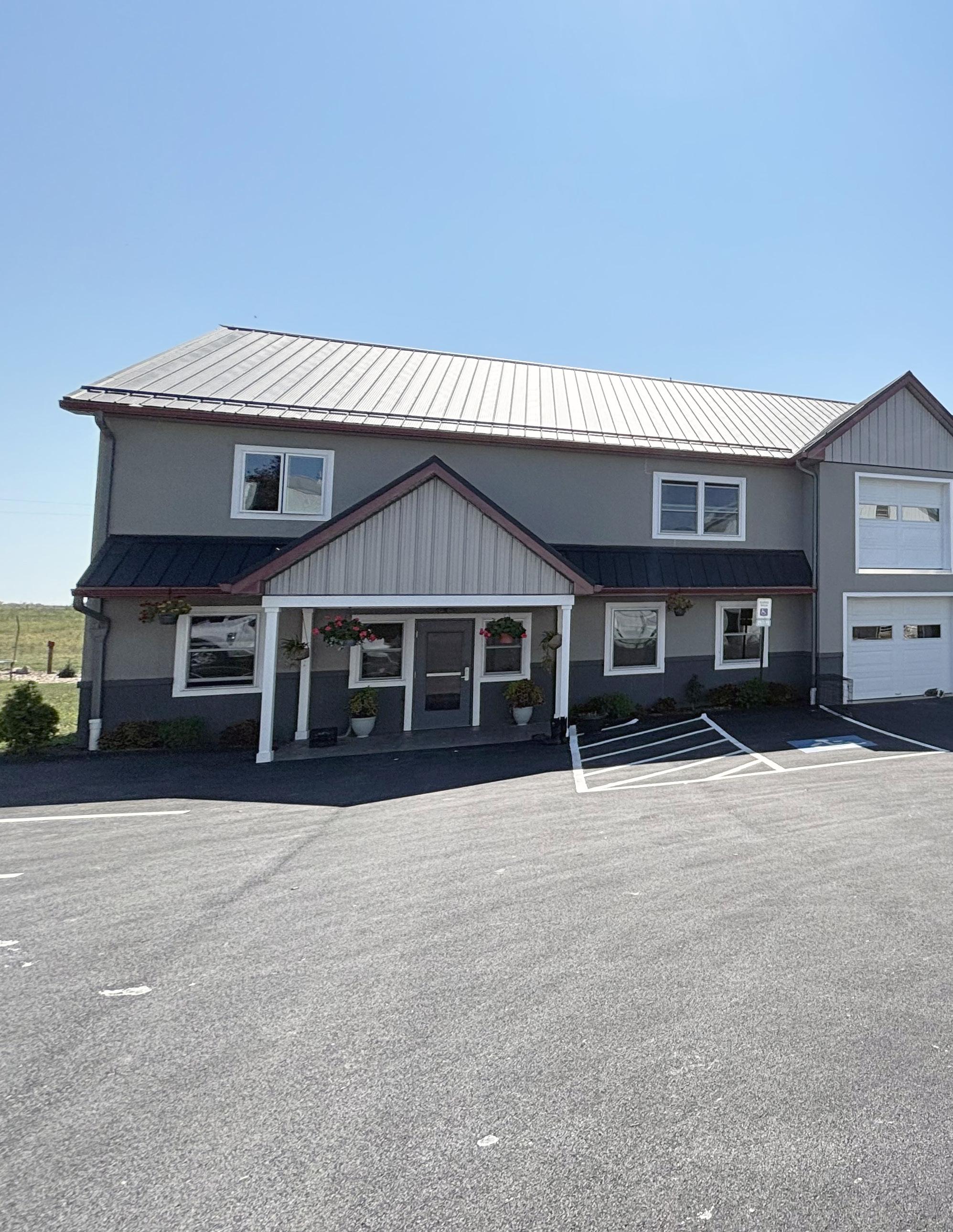
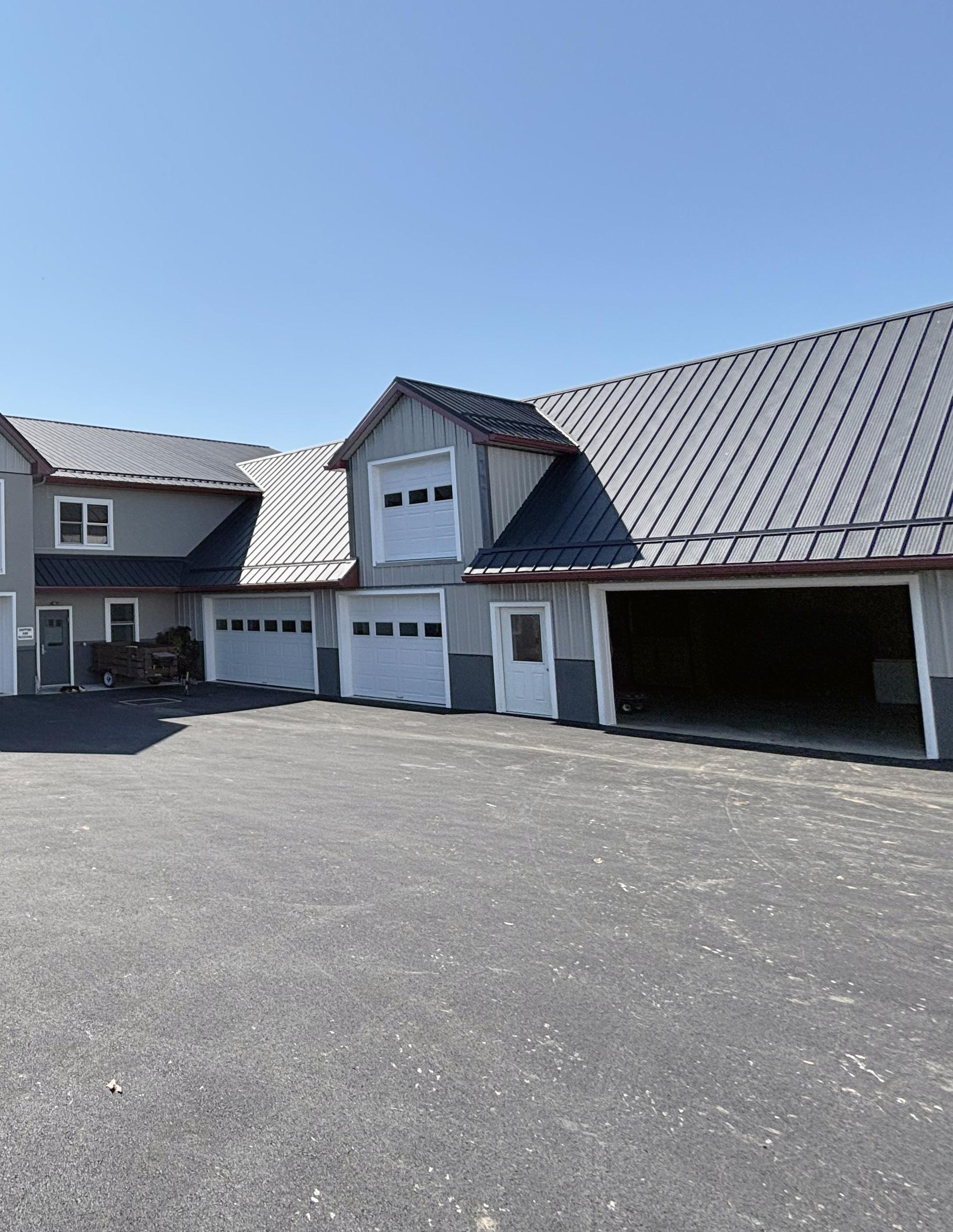
In 2023, Melvin began plans to build a new bakery and freezer storage building with the help of Farm Credit. Completed in the spring of 2025, the new bakery runs five days a week with eight full- and part-time employees. The new facility also made the barn available again for beef cattle needs, such as hay and equipment storage.
While Melvin doesn’t do any baking, he prepares the signature sourdough starter. “I previously stirred by hand every night,” Melvin explains. “My elbow began giving me pain, and I eventually realized it was from stirring the sourdough starter,” he remembers. The business invested in a mixer with a paddle tool, and the elbow pain or sourdough-starter elbow, as he jokes, disappeared.
Reflecting on his family’s journey, Melvin sees the lessons learned. “I often thought that building infrastructure to fit your business’s needs from the start would be better than enduring the growing pains and temporary renovations,” he says. “Looking back, I now
understand the importance of keeping overhead costs low in a startup business. If we attempted to build to fit our perceived long-term needs five years ago, it would no longer suit where we are today.”
Melvin adds, “My best advice? Grow with your business and do not run ahead of it. It’s better to utilize 120% of your space than 80%. For many start-up businesses, it’s easier to decrease costs than to increase income. Keep good financial records and benchmark a few key performance indicators to track your progress.”
Melvin also points to the benefits of a SWOT (Strength, Weakness, Opportunities, and Threats) analysis, a skill he learned in Ag Biz Masters, a course offered by Farm Credit.
“We considered adding produce at one point,” explains Melvin. “When we ran the analysis, we saw that we needed to focus our energy on the best part of our business – meats and the bakery.”

THE DIFFERENCE BETWEEN AGRICULTURE LINES OF CREDIT AND AG LOANS
Farmers face unique financial challenges, such as fluctuating income, seasonal expenses, volatile costs, and significant investments in equipment and infrastructure. Access to appropriate financing options helps manage these challenges and supports sustainable farm operations.
Two primary financing options available to farmers are agriculture lines of credit and agricultural loans. Each serves a distinct purpose, and understanding the differences can help you choose the best fit for your operation.
AGRICULTURE LINES OF CREDIT
An agriculture line of credit is a revolving credit option that allows farmers to borrow, repay, and re-borrow funds up to a specified limit. It offers flexibility for managing short-term expenses and working capital needs.
A key feature of a line of credit is revolving credit, which lets farmers reuse funds as long as they stay within the credit limit. The ability to borrow as needed and repay according to the farm’s cash-flow cycle offers flexibility that can be essential during seasonal highs and lows.
Lines of credit are typically used for short-term operational expenses, such as seed, feed, fertilizer, fuel, and other day-to-day costs. Because interest is charged only on the amount of credit used rather than the full credit limit, they can be an efficient way to manage borrowing costs.
Lines of credit also help bridge income gaps and smooth out cash flow during low-income periods. This flexibility is one of their greatest advantages, particularly for producers whose earnings vary throughout the year.
However, lines of credit may come with higher interest rates compared to traditional loans, which increases the overall cost of borrowing. They also require periodic renewal and re-qualification, a process that can be time-consuming and stressful for some borrowers.
In addition, borrowing limits on lines of credit are often lower than those available through agricultural loans. This can limit the ability to fund larger purchases or long-term investments.
AGRICULTURE LOANS
An agriculture loan is a lump sum of money borrowed and repaid over a fixed term. These loans are generally used for long-term investments and significant purchases.
One defining feature of agricultural loans is the single, upfront lumpsum financing. This allows farmers to make significant investments with a clear repayment schedule.
Ag loans may come with either fixed or variable interest rates, giving borrowers the option of predictable payments or potentially lower initial rates. The structured repayment schedule makes monthly expenses easier to forecast and manage.
These loans often carry lower interest rates than lines of credit, which reduces the overall cost of borrowing over time. They also facilitate major, long-term investments that support farm growth and operational expansion.
Despite these benefits, agricultural loans offer less flexibility than revolving credit. The fixed repayment schedule requires farmers to make consistent payments, regardless of fluctuations in income or unexpected expenses.
Many agricultural loans also require collateral or a down payment, which can increase the initial financial burden on the borrower. Some loan programs include prepayment penalties, limiting the borrower’s ability to pay off the loan early without incurring additional costs.
CHOOSING BETWEEN AG LINES OF CREDIT AND LOANS
Your choice between a line of credit and a loan should start with the purpose of the financing. Short-term operational costs are typically better handled with a line of credit, while long-term investments are more suited to loans.
It’s also important to consider how much money you need and whether each option’s borrowing limits align with your financial requirements. Interest rates should be compared carefully, as they directly affect the overall cost of borrowing.
Flexibility and cash-flow needs are additional factors to evaluate. Lines of credit offer adaptable repayment options, while loans provide the stability of predictable monthly payments.
You don’t have to choose only one type of financing. Many farmers benefit from using both a line of credit and a traditional loan, allowing each option to fulfill its optimal role.
A line of credit can address short-term, flexible needs, while a loan can support larger, long-term investments. This combined approach can improve financial stability and better support ongoing and future farm growth.
AG LINES OF CREDIT VS. AG LOANS: THE BOTTOM LINE
Agriculture lines of credit offer flexibility for short-term needs with revolving credit, whereas agricultural loans provide a lump sum for long-term investments with fixed repayment schedules. Understanding these differences and working closely with your loan officer can help you select the best financing solution to ensure your farm’s success. Have questions about the
GET YOUR PATRONAGE DISTRIBUTIONS
Faster & Safer
With check fraud on the rise, protecting your patronage distribution has never been more important. By enrolling in direct deposit, you can have your spring patronage distributions automatically deposited into your checking or savings account the same day checks are issued.
That means no waiting for the mail or making a special trip to deposit your check. You’ll have peace of mind and confidence of knowing your money is safely delivered where it belongs. You’ll continue to receive your patronage notice and related communications by mail, and there is no additional cost for choosing this convenient option.
IF
PUTTING DOWN ROOTS AND Growing Your Dreams
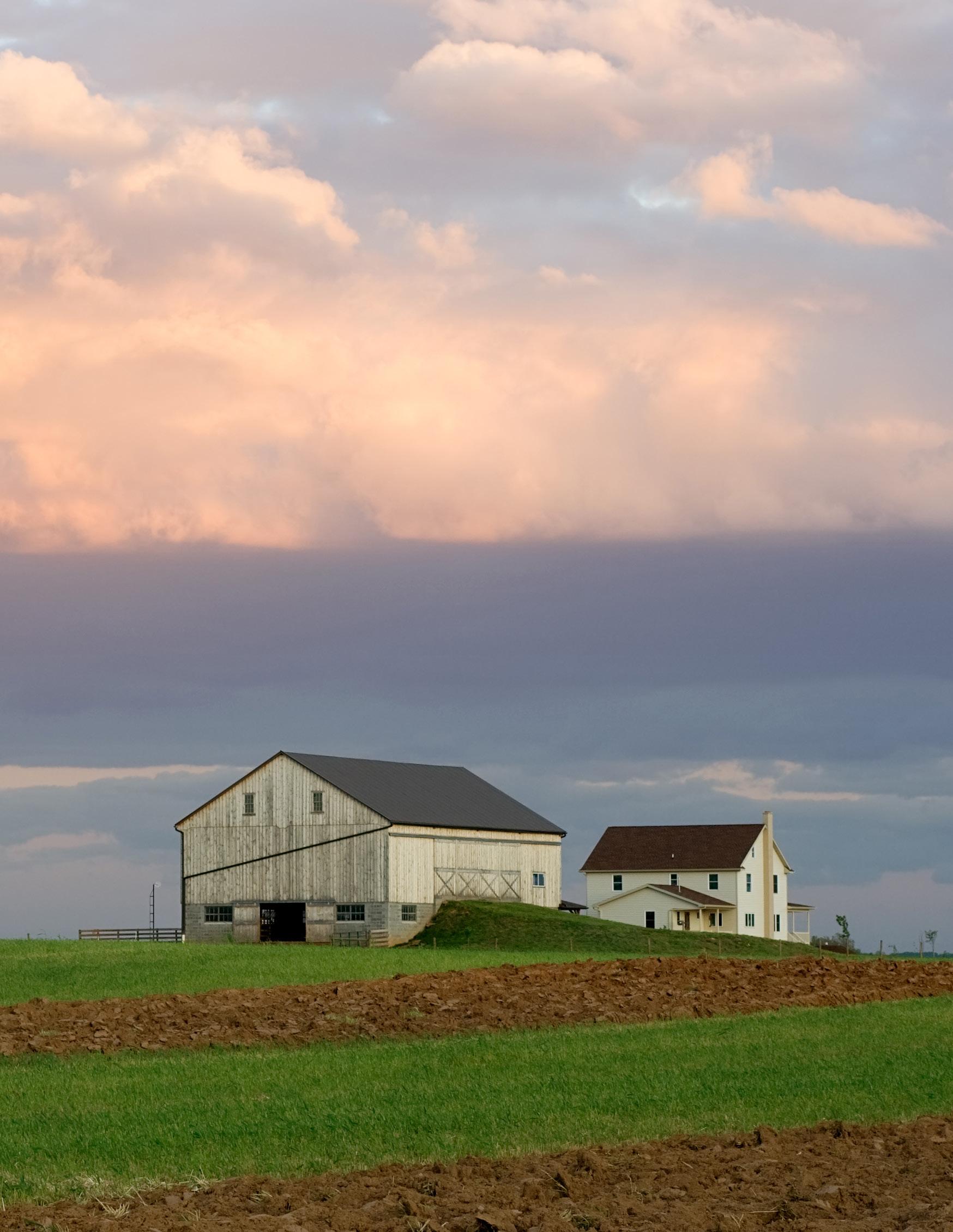
As property prices rise, the barrier to home ownership grows alongside it. Suddenly, finding a place with the open space you want seems more and more out of reach. With our first time rural property owner program, we can help turn your dream into a reality.
Give us a call today to find out how a lower down payment can help you plant your roots and fulfill your country living dreams!
As we reflect on the year, we’re grateful for the opportunity to be a partner in your continued success. Wishing you a peaceful holiday season and a year ahead filled with steady progress.