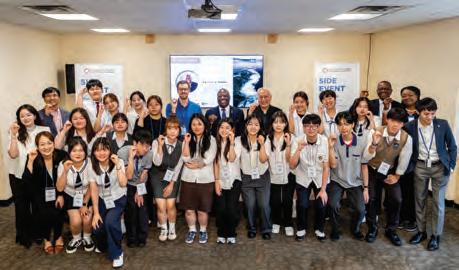
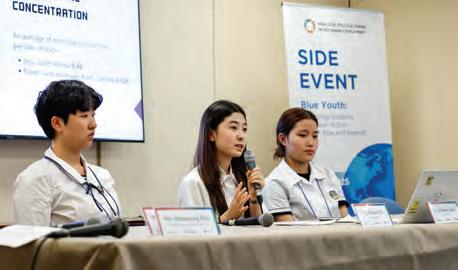
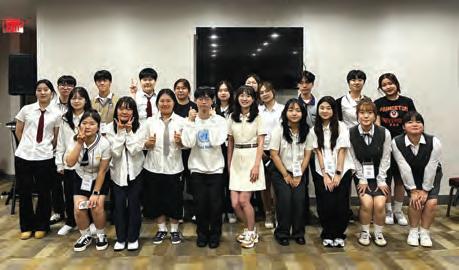
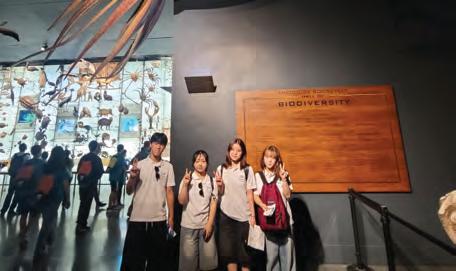
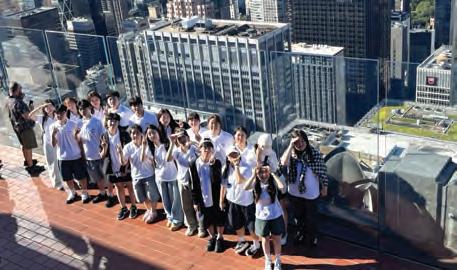
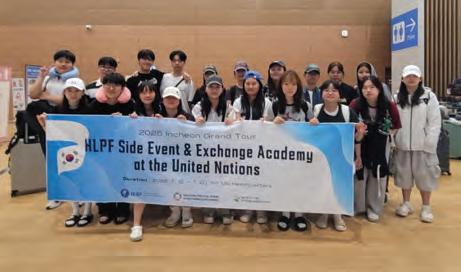
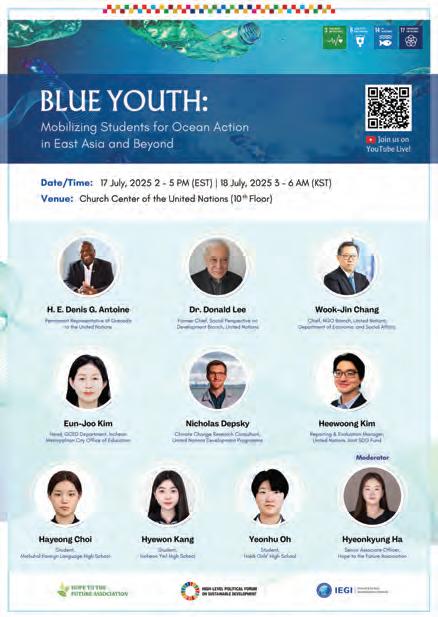
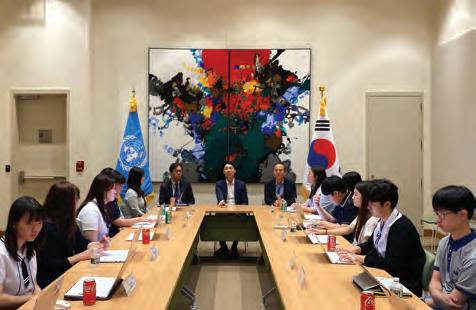
IV. 유엔 고위급정치포럼(HLPF) 부대 행사
행사명
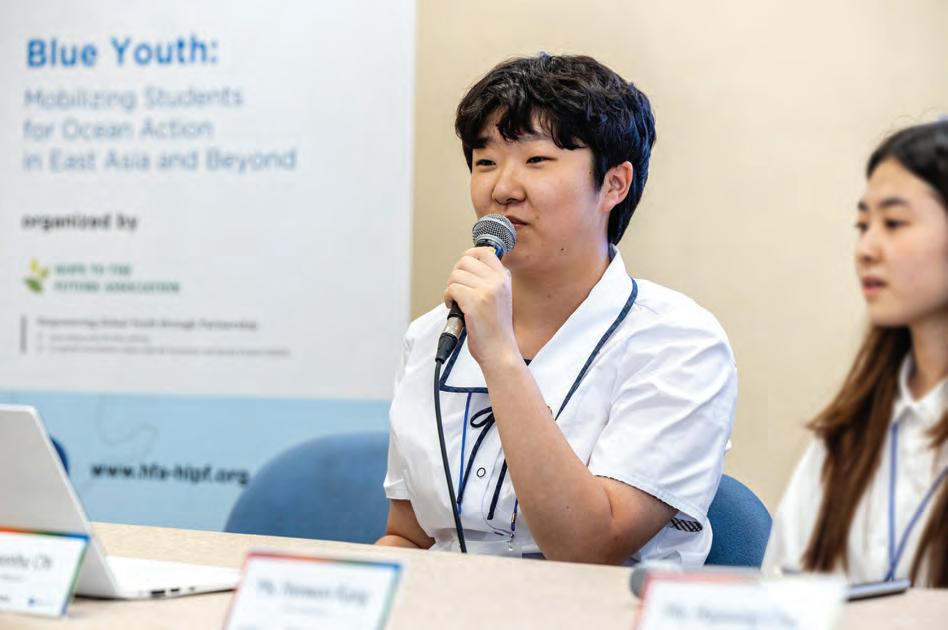
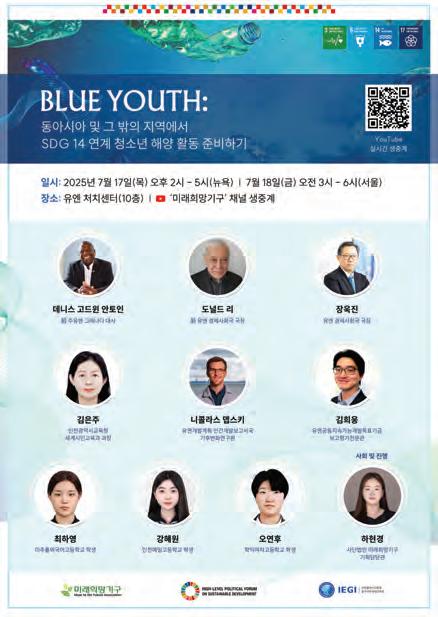
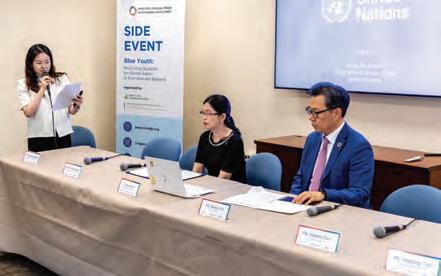
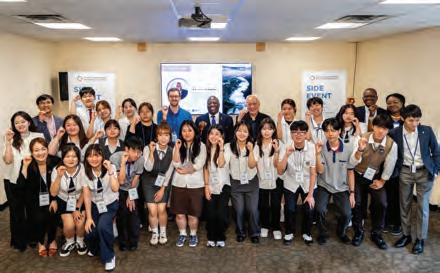
Blue Youth - Mobilizing Students for Ocean Action in East Asia and Beyond (푸른 청춘 : 동아시아 및 그 밖의 지역에서 청소
연사 소개
가. 개회사 | 장욱전유엔 경제사회국(UN DESA) 국장
나. 환영사 | 김은주 인천광역시교육청 세계
다. 사회 | 하현경 (사)미래희망기구교육담당관
라. 국제 전문가 패널
(1) 도널드 리 전유엔 경제사회국(UN DESA) 국장
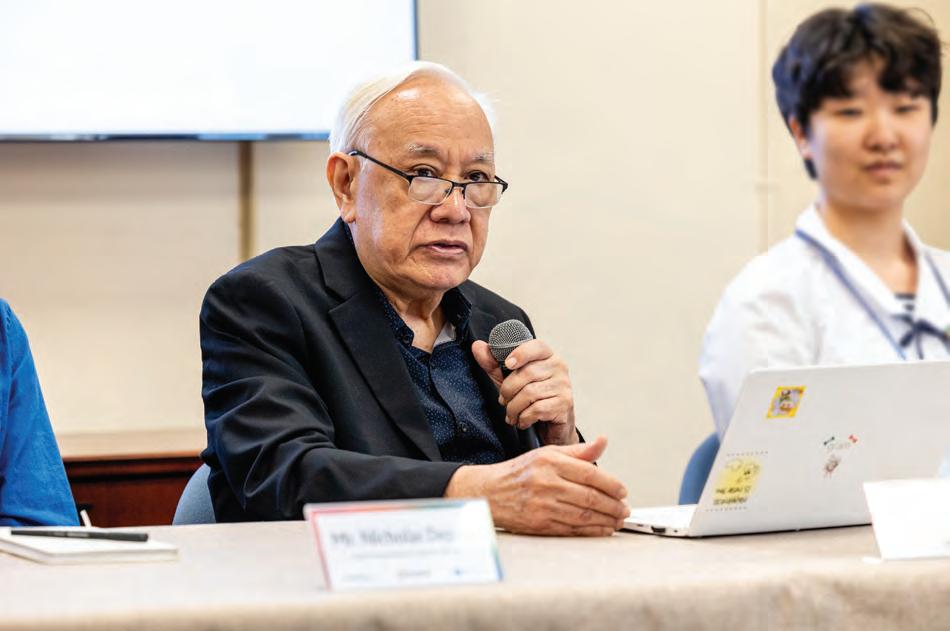
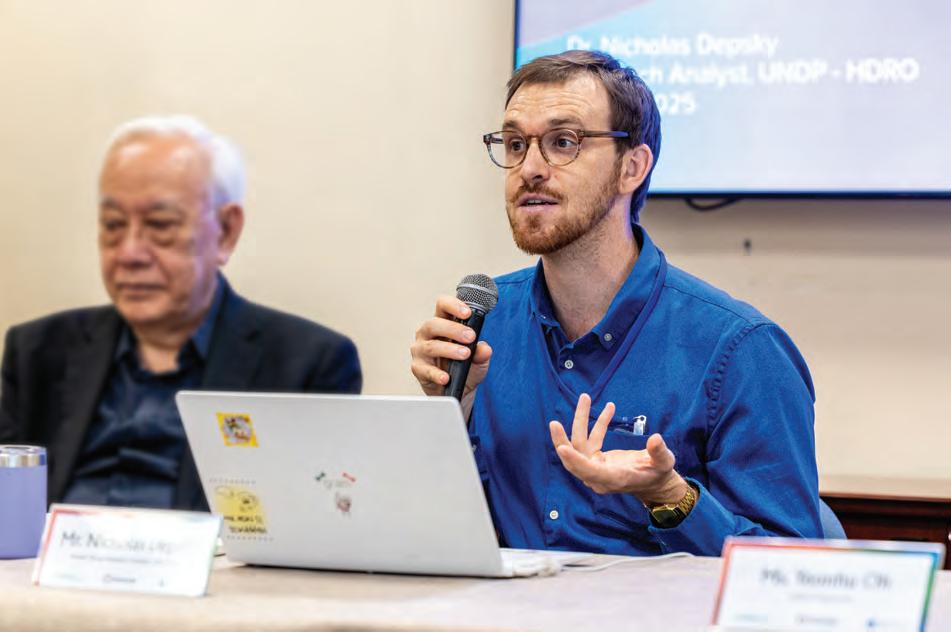
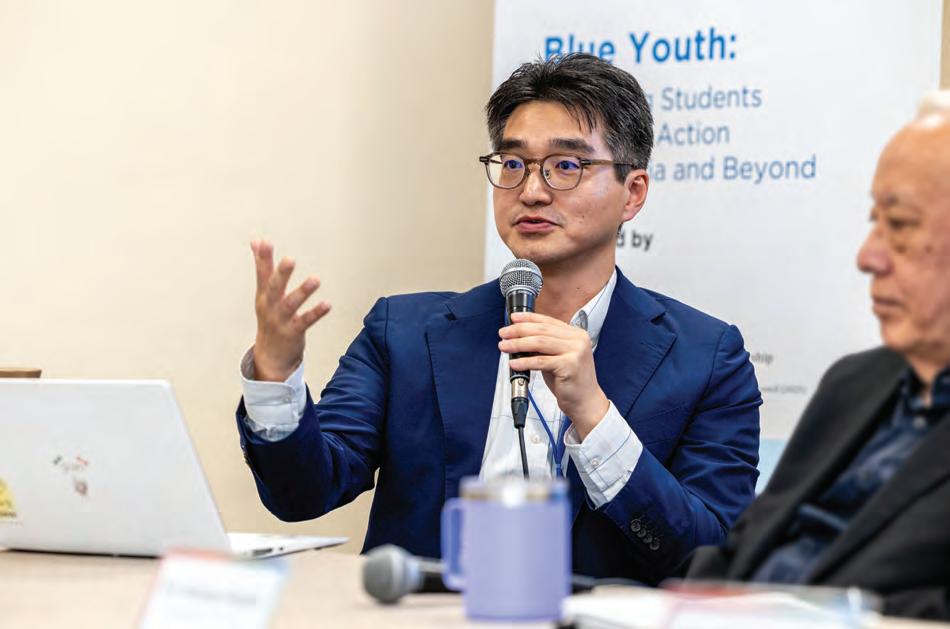
(2) 니콜라스 뎁스키 유엔개발계획(UNDP) 인간개발보고서국기후변화연구원
(3) 김희웅 유엔공동지속가능개발목표기금(UN Joint SDG Fund) 보고평가전문관
마. 학생 발표자
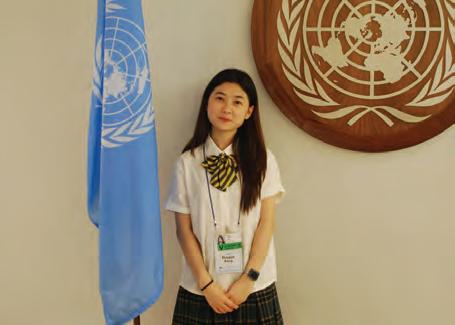
(1) 미추홀외국어고등학교 2학년 최하영
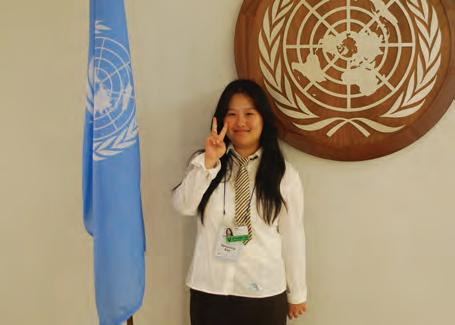
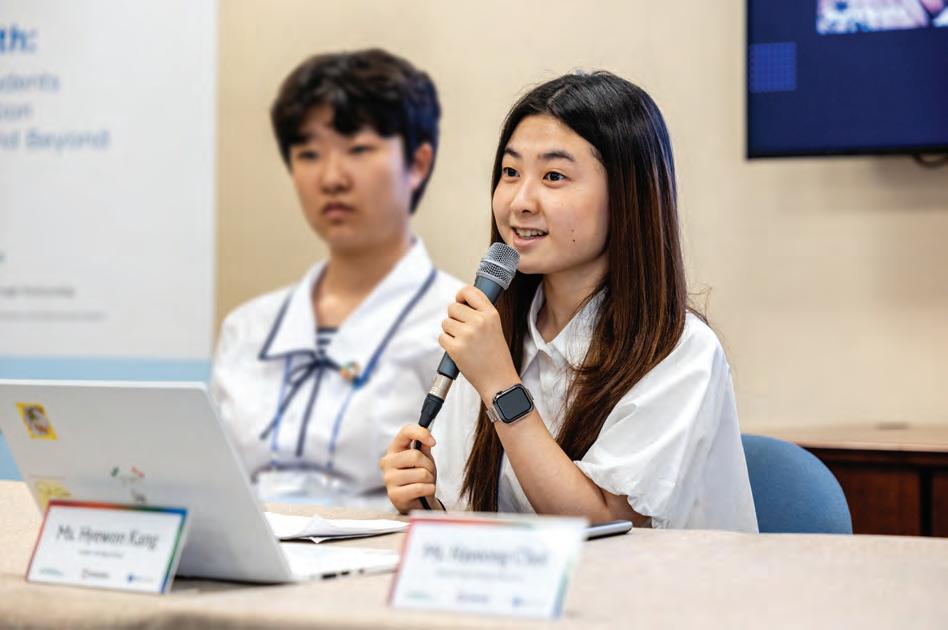
(2) 인천예일고등학교 2학년 강혜원
(3) 학익여자고등학교 2학년 오연후
바. 폐회사 | 데니스 고드윈 안토인전 주유엔 그레나다대사
주제
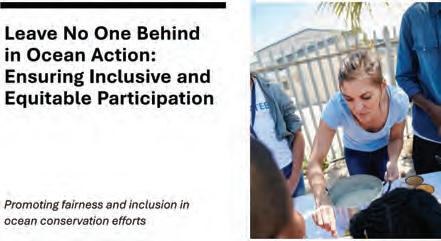
: Leave No One Behind in Ocean Action: Ensuring Inclusive and Equitable Participation
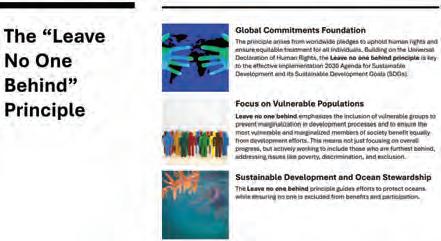
In his speech, Dr. Donald Lee emphasizes the importance of a "leave no one behind" approach in marine activities and sustainable ocean management. He begins by noting the paradoxical relationship humanity has with the oceansloving them while simultaneously polluting them. He highlights that the "leave no one behind" concept, originating from the Universal Declaration of Human Rights, is a core principle for implementing the 2030 Agenda for Sustainable Development.
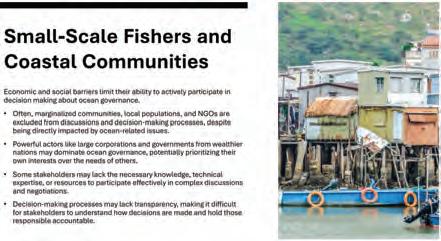
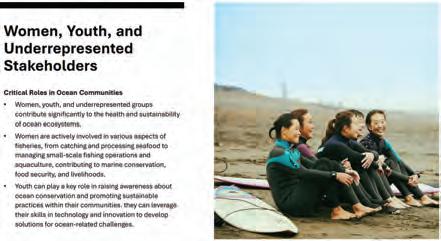
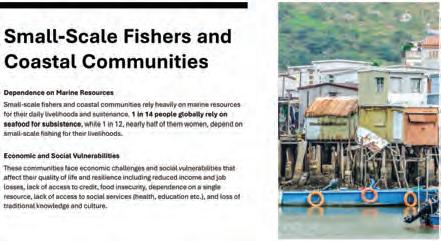
Dr. Lee identifies several groups that are often marginalized in marine-related issues. These include small-scale fishers and coastal communities who depend on marine resources for their livelihoods but face declining income, food insecurity, and a lack of access to social services. He also points out the crucial
role of women, who make up half of the fishing population and are vital to marine conservation and food security. Additionally, he stresses the importance of engaging youth, who have the potential to drive marine conservation and develop solutions to related problems.
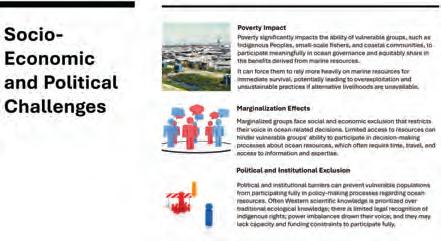
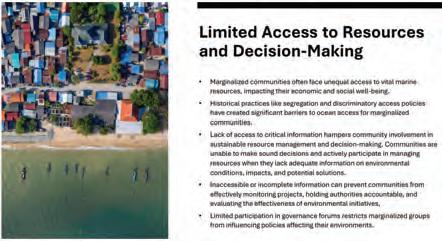
He outlines key barriers that prevent these vulnerable groups from participating in marine management. These include poverty, which limits their involvement; political and institutional hurdles that block their participation in policy-making; and a lack of access to information, which hinders their ability to make informed decisions. He also notes the problem of non-transparent decision-making processes, which leaves these communities in the dark about how decisions are made and how they will be affected.
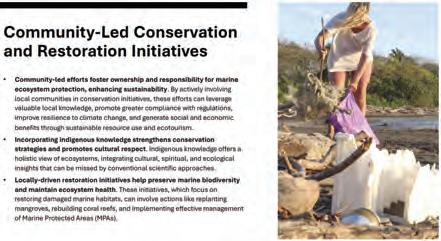
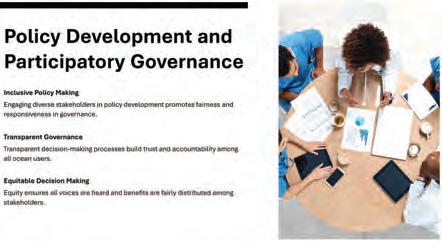
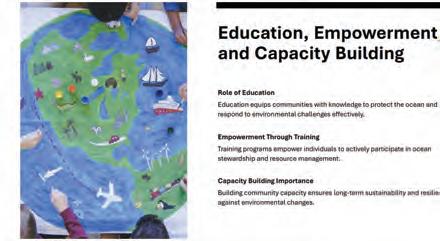
To address these challenges, Dr. Lee proposes several solutions. He advocates for community-led conservation initiatives to foster a sense of ownership and responsibility for protecting marine ecosystems. He also calls for inclusive policies, transparent governance, and equitable decision-making processes. Furthermore, he emphasizes the need to educate younger generations and local communities to empower them to protect the oceans and tackle environmental issues. He concludes by stressing the importance of sharing and adapting successful case studies and best practices to different contexts, highlighting that sustainable marine management requires a collaborative and inclusive approach that involves everyone.
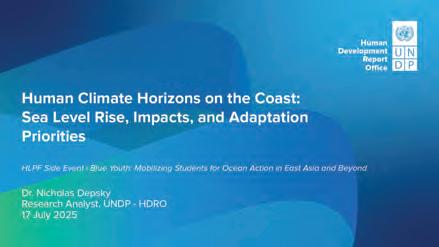
: Human Climate Horizons on the Coast: Sea Level Rise, Impacts, and Adaptation Priorities
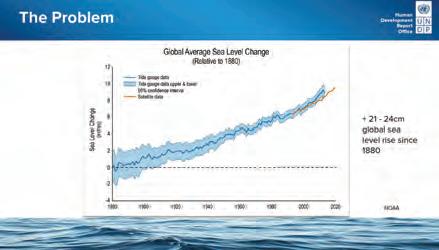
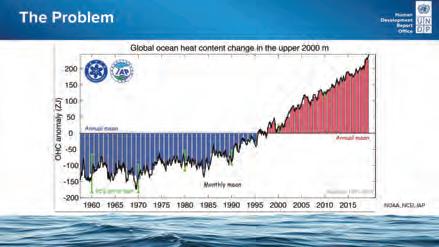
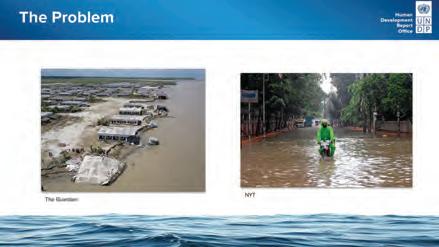
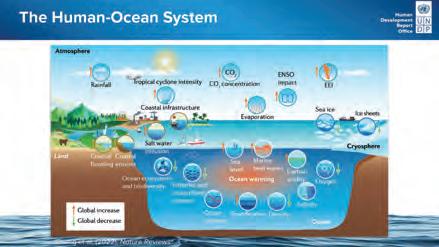
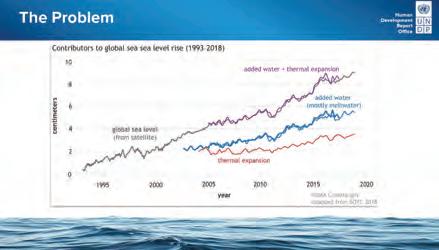
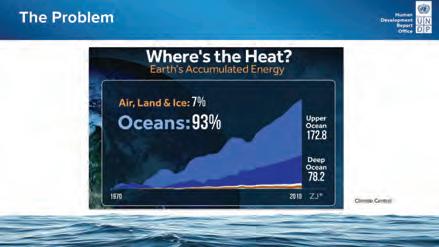
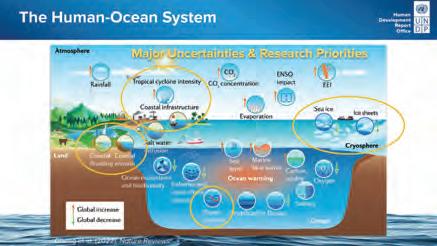
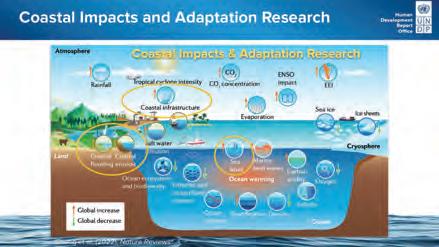
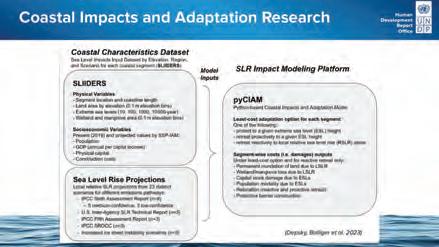
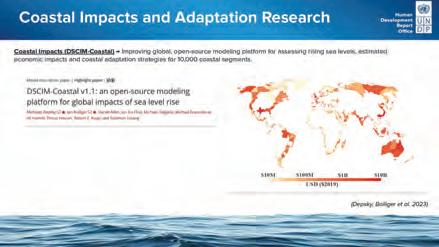
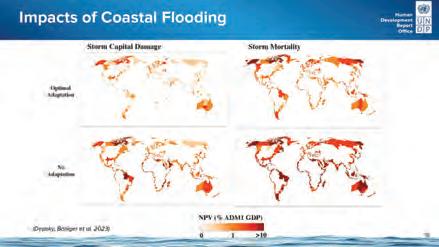
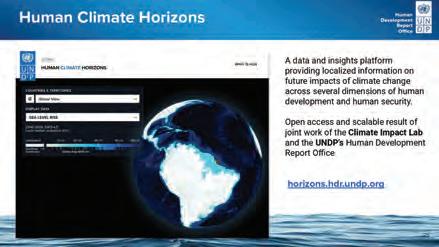
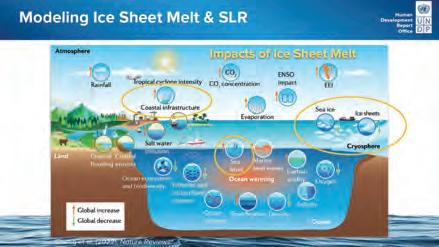
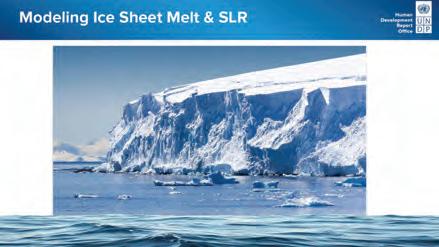
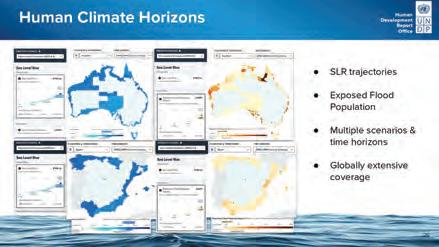
In his speech, Nicholas Depsky provides a scientific analysis of how climate change impacts oceans and humanity, along with practical response measures. He utilizes the UNDP's Human Climate Horizons platform to analyze the effects of climate change on various sectors, including sea-level rise, heatwaves, and agriculture, emphasizing the importance of policy responses based on this data. He explains that more than 90% of the heat energy trapped by global warming is absorbed by the oceans, causing sea levels to rise. The primary drivers are thermal expansion and the melting of glaciers and ice sheets. Since 1880, sea levels have risen by about 25 cm, with a projected acceleration after 2050, which increases the risk of coastal flooding and amplifies the damage from storm surges.
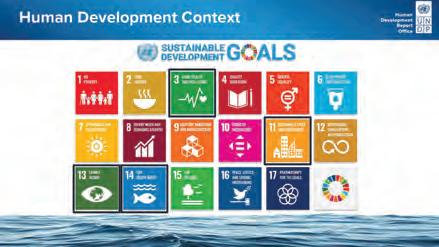
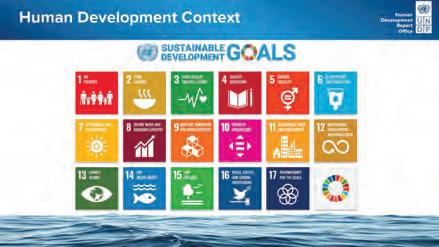
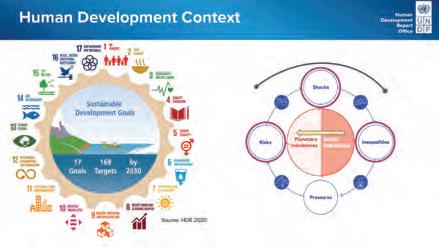
Depsky connects climate change to various Sustainable Development Goals (SDGs), such as SDG 14 (Life Below Water), SDG 13 (Climate Action), SDG 3
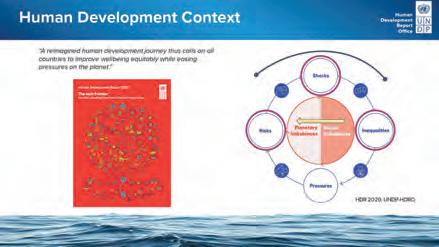
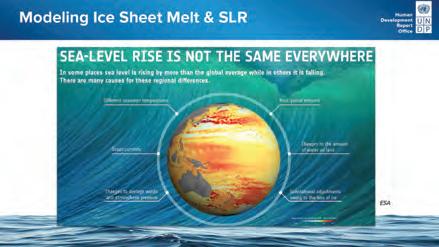
(Good Health and Well-being), and SDG 11 (Sustainable Cities). He notes that the UNDP views climate change as a critical factor in human development that exacerbates inequality, as it disproportionately harms vulnerable populations. Therefore, he argues that climate action is a crucial tool for addressing poverty and inequality. He also addresses scientific uncertainties, such as the rate of change in ocean currents and the melting of the Antarctic and Greenland ice sheets, which significantly impact the accuracy of sea-level rise predictions. He mentions the "gravitational effect," where the melting of ice sheets causes gravitational changes, leading to non-uniform sea-level rise globally, with a potential for lower sea levels near Greenland itself.
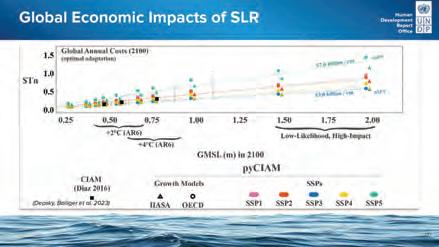
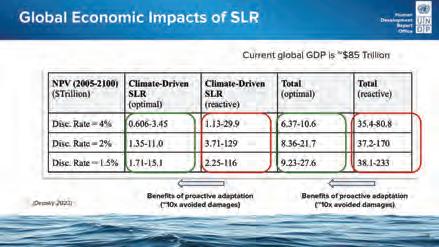
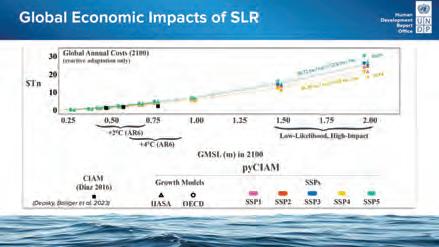
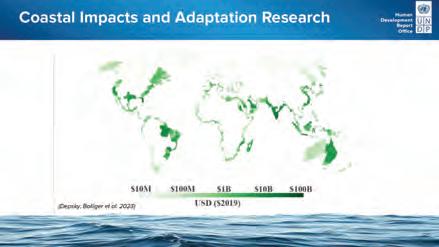
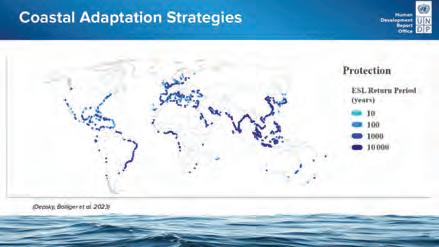
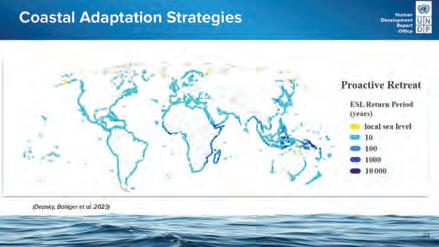
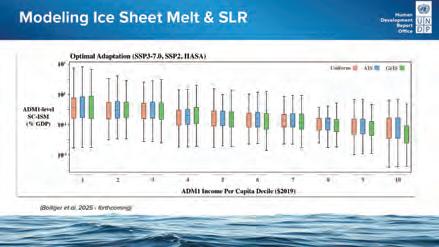
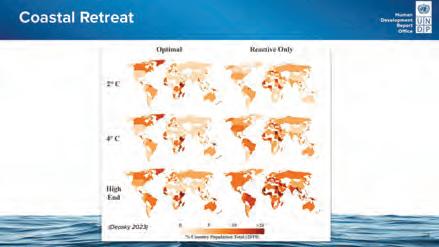
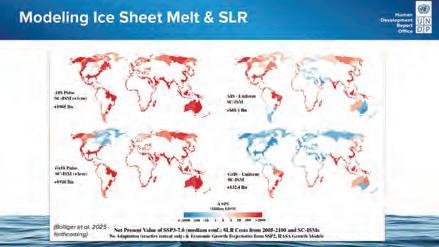
Depsky highlights the immense economic costs of sea-level rise, including the destruction of coastal infrastructure and loss of life. Projections suggest potential losses of up to $20-30 trillion by 2100, which is approximately onethird of the global GDP. He underscores the importance of proactive adaptation measures like building coastal defenses and planned migration inland to significantly reduce this damage, especially in East and South Asia, where the benefits of adaptation are expected to be substantial.
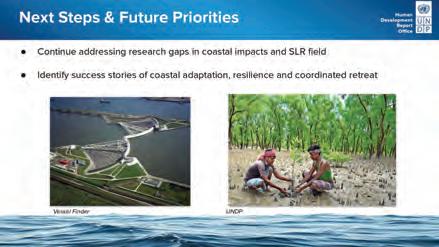
In conclusion, he recommends an integrated approach that combines infrastructure-focused solutions common in the West with ecosystem-based approaches like mangrove restoration in Vietnam. He calls for international cooperation among UN agencies, governments, and partner organizations to translate research into effective policy and respond to climate change.
주제 : Tides of Transformation Accelerating SDGs in SIDS
Joint SDG Fund)
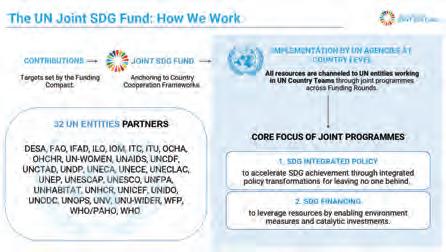
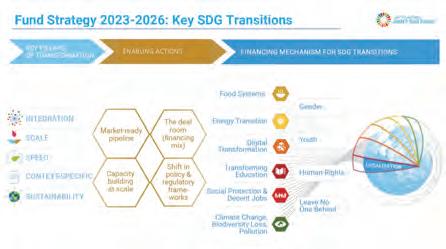
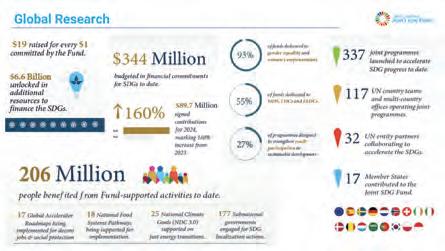
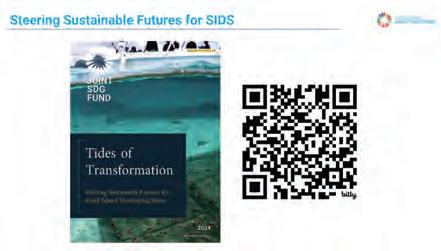
In his speech, Kim Heewoong, a UN Joint SDG Fund Evaluation and Reporting Officer, provides an overview of the fund's mission, investments, and impact. He explains that the UN Joint SDG Fund is a global pooled fund that supports collaborative programs among various UN agencies, such as UNDP, UNICEF, and UN Women. While each agency has its own expertise, working together creates greater synergy and a more integrated approach to development. The fund currently works with 32 UN agency partners in 117 countries to accelerate progress toward the Sustainable Development Goals. He highlights the fund's focus on six key transition areas: food systems, energy transition, digital innovation, social protection and jobs, and climate, biodiversity, and pollution. The fund's approach also emphasizes gender equality, youth empowerment, human rights, and the inclusion of marginalized groups. To date, the fund has invested approximately $340 million, which has leveraged over
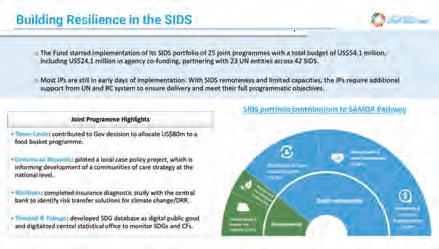
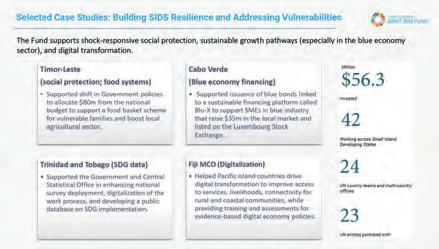
$6.6 billion in additional funding. A significant portion of his speech is dedicated to the fund's investment in Small Island Developing States (SIDS). A new funding window was created for SIDS during the pandemic, at the request of the UN Deputy Secretary-General. The fund has invested around $50 million in SIDS, which is crucial given the relatively small UN presence in these states. Much of this investment is directed towards the blue economy, supporting sustainable tourism and conservation. He provides several examples of their work. In Fiji, they support diving companies that also engage in conservation efforts. In Cabo Verde, they collaborate with the stock exchange to issue bonds that fund new blue economy ventures for youth and women's groups. In Trinidad and Tobago, they partner with the Central Statistical Office to enhance national survey capabilities and improve data digitalization. Finally, in Timor-Leste, a social protection program provides food baskets to those in need to enhance food security. Mr. Kim concludes by mentioning that a detailed report on the SIDS investments was released during the SIDS4 conference and is available online.

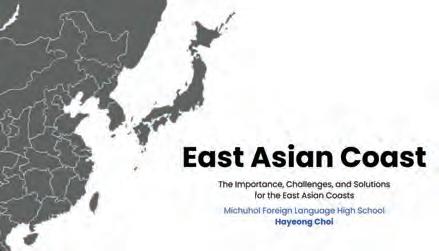
주제 : The Importance, Challenges, and Solutions for the East Asian Coasts
전문
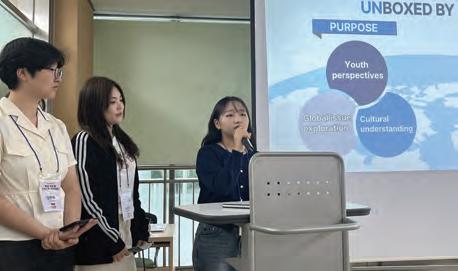
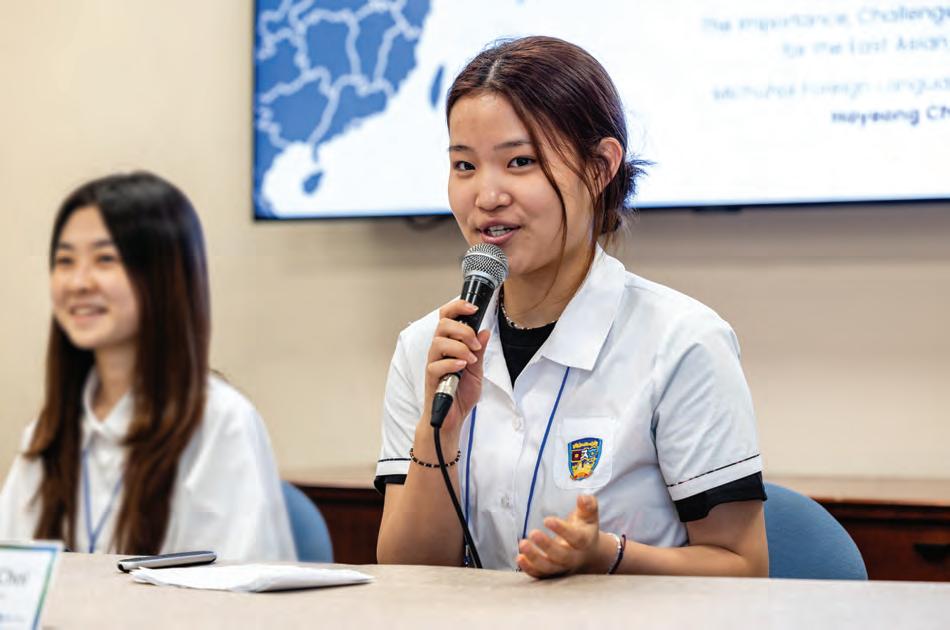
Hello everyone. My name is Hayeong Choi, and I am a second-year student at Michuhol Foreign Language High School in Incheon, South Korea.
It is a great honor to have the opportunity to present today on such an important topic. Today, I will talk about the global significance of the East Asian coasts, the growing crisis of marine pollution in this region, and a possible solution to address this issue.
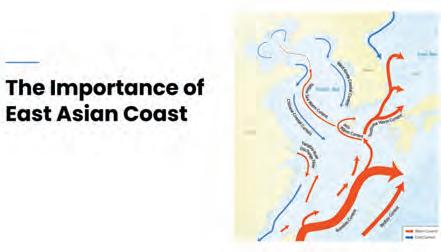
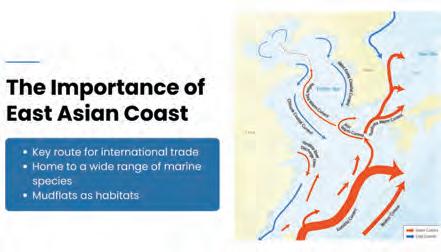
The East Asian coast is a region of global importance. It’ s a key route for international trade and is home to a wide range of marine species. Along South Korea’ s eastern coast, cold and warm ocean currents meet, creating ideal conditions for various marine species. Moreover, the vast mudflats along the East Asian coastline are not just muddy lands. They are habitats for crabs and shellfish, and serve as essential stopovers for migratory birds traveling along the East Asian-Australasian Flyway. However, recently, the marine biodiversity
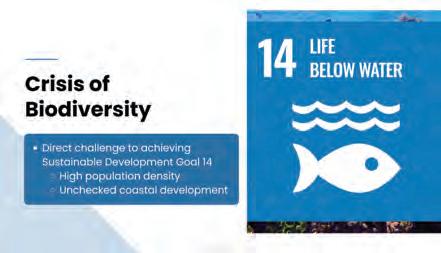
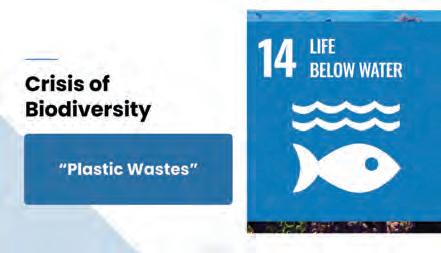
along the East Asian coast has come under serious threat, posing a direct challenge to achieving SDG 14, Life Below Water. While East Asia is known for its rich marine ecosystems, it is also facing one of the world’ s most severe marine pollution crises.
There are many contributing factors, including high population density and unchecked coastal development. But among them, the most critical issue is the inflow of plastic waste. It is estimated that East Asian coastal countries such as China, Indonesia, and Vietnam are responsible for around 60% of global marine plastic waste.
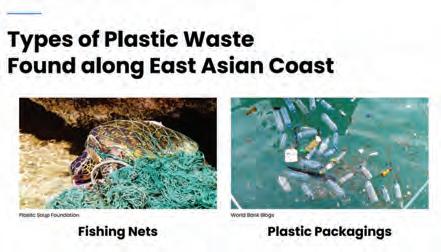
Let’ s take a closer look at the types of plastic waste commonly found along East Asian coasts.
Fisheries are highly developed in this region. In particular, countries like South Korea, China, and Japan rely heavily on net fishing, which leads to the widespread use and disposal of fishing nets. Additionally, due to the popularity of food delivery and convenience store culture, items such as plastic cups, straws, and bags are often discarded and eventually reach the ocean through beaches or rivers. Over time, these discarded plastics break down into microplastics, which infiltrate marine ecosystems.
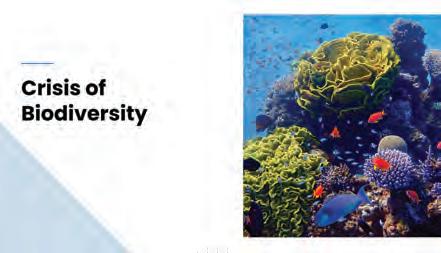
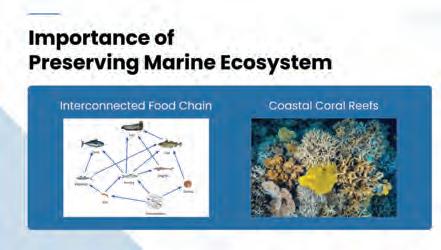
The preservation of coastal ecosystems is important for several reasons. First, marine organisms form a complex and interconnected food chain. When the population of a particular species increases or decreases rapidly, it can collapse the entire food chain, leading to a breakdown of the marine ecosystem as a whole. In addition, coastal coral reefs play an important role in maintaining natural balance.The East Asian coast contains some of the world's largest coral reef and seagrass areas. They are not only critical habitats for marine life, but also serve as natural barriers, protecting our coastlines.
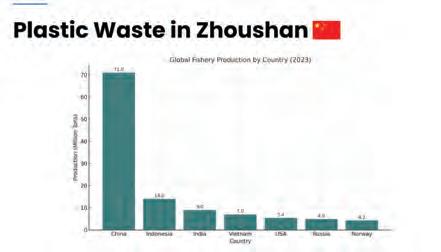
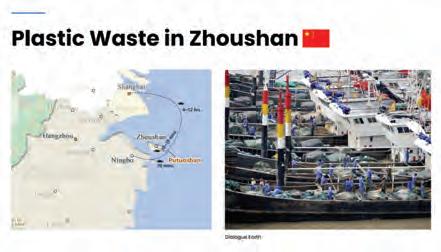
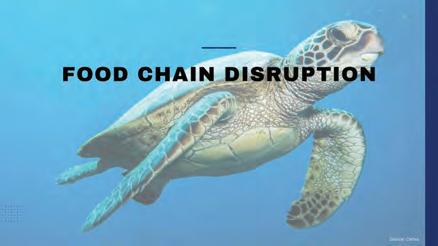
However, in many coastal areas of East Asia, plastic pollution has severely damaged marine ecosystems. For example, China has the world’ s largest fishing industry. In the waters near Zhoushan Island, a key fishing region, marine pollution has become a serious problem. Studies have shown that various fish and crustaceans in this area are consistently found to contain significant amounts of microplastics. This not only harms marine life but also raises serious concerns about food safety. Also, abandoned fishing nets have been found to entangle marine mammals like dolphins and sea turtles, causing injuries and even death.
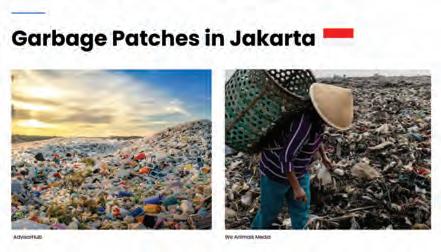
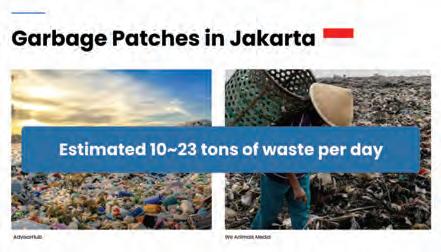
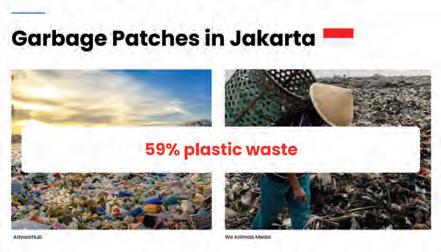
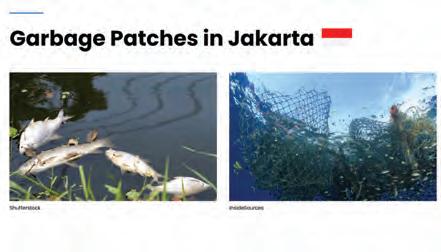
Another serious case can be seen along the coast of Jakarta, Indonesia. Each day, between 10 and 23 tons of marine waste flows into Jakarta's coastal waters. That’ s equivalent to dumping the weight of 8 to 17 cars into the ocean
every day. Shockingly, around 59% of this waste is plastic. These wastes mainly flows through 13 rivers into the sea. As a result, "garbage patches" have formed in northern Jakarta Bay. The pollution in these garbage patches has led to many fish being found dead, floating on the surface of water. Entanglement incidents have also been frequently reported. Marine animals often get their fins, beaks, or necks caught in plastic waste, often resulting in serious injury or death.
This issue is not confined to a single country. It is a shared crisis affecting the entire East Asian region, and therefore, it requires strong cooperation from all nations involved. In response to this urgent need, East Asian countries have made various efforts to address marine environmental challenges and promote sustainable ocean management, especially through cooperation under the East Asian Seas Congress.
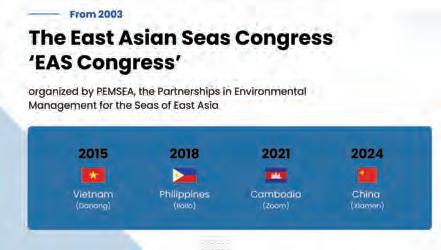
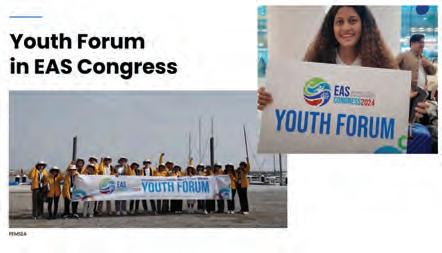
The EAS Congress is an international marine conference organized by the Partnerships in Environmental Management for the Seas of East Asia (PEMSEA).
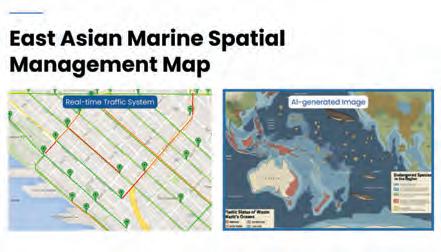
It began in 2003 with the goal of enhancing cooperation among countries to protect the marine ecosystems of East Asia and promote sustainability. Since then, it has been held every three years. During the congress, government officials and marine experts from various countries gather to discuss major ocean-related issues such as marine pollution, climate change, and biodiversity conservation. The most recent congress was held in 2024 in Xiamen, China. It included policy discussions, international academic sessions, exhibitions, and a youth forum. This congress not only focuses on policymaking but also emphasizes the role of future generations by actively engaging young people in discussions and actions. Based on this, I have developed a solution to marine waste: the East Asian Marine Spatial Management Map. In this project, youth organizations from each country would investigate the current status of plastic waste along their coastlines and monitor changes in local marine species. The collected data would be visualized on a shared interactive map, updated in real time and made publicly available through an open platform based on Google Maps. This idea was inspired by real-time traffic systems, where users can instantly check conditions across multiple areas. In the same way, this marine management map would allow users to view up-to-date environmental data from various East Asian coasts, all in real time. The image on the right shows an AI-generated concept of what the map could look like. Since the type and amount of marine waste, as well as the species in danger, are different by region, this map would highlight those regional differences. That is one of the
most important parts of this platform.
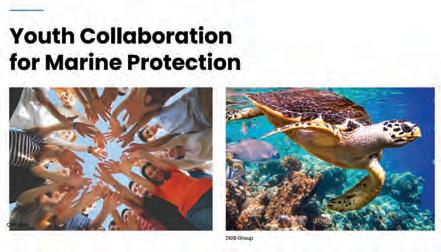
In addition to the map, youth representatives from each country would meet regularly to share updates on their nations’marine pollution status, and to jointly propose policy recommendations. Through these efforts, young people can become active participants in marine conservation and grow into future leaders committed to preserving a sustainable marine ecosystem. Through these activities, I believe that youth from across East Asia can gain a deeper understanding of their own coastal ecosystems, while also developing a global perspective on marine issues - and learning how to work together across borders.
The marine ecosystem is closely connected to human life. It regulates the Earth’ s climate, produces over half of the oxygen we breathe, and supports countless species, including our own. So, protecting the ocean is not just about saving marine animals. It’ s about safeguarding our shared future. Building a sustainable ocean cannot be accomplished by the efforts of a single country alone. We must collaborate across borders and across generations to create real and lasting change.
And if young people take the first step, I believe it could be a significant turning point in the conservation of marine ecosystems. Recognizing that we are all connected by the sea could become the starting point for a much larger change in marine ecosystems. Thank you.
주제
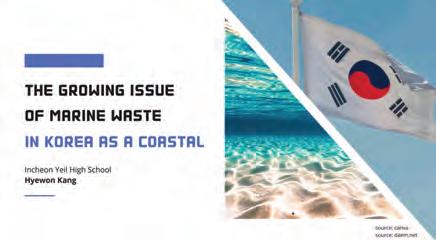
: The Growing Issue of Marine Waste in Korea as a Coastal
전문
Hello, I am Hyewon Kang and I am attending Yeil High School in Incheon.
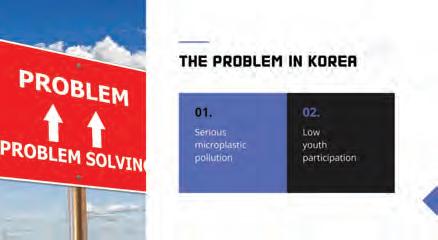
The topic I will present is the growing issue of marine waste in South Korea as a coastal country. Today, based on the topic, I would like to identify existing ocean-related problems in South Korea, share what we have tried to overcome, and suggest a creative idea to tackle this. Also, as I conducted a survey of more than 350 Korean youth on SDG 14, I will be sharing the results as well.
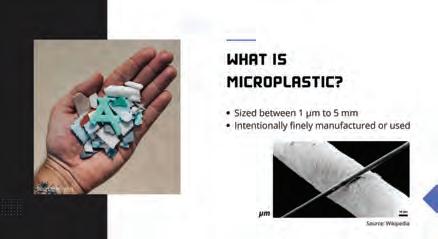
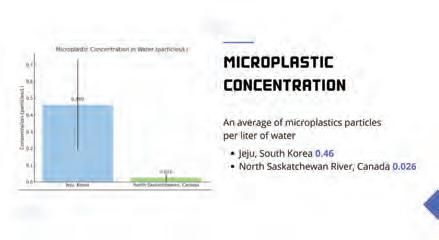
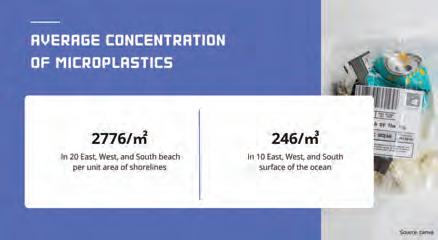
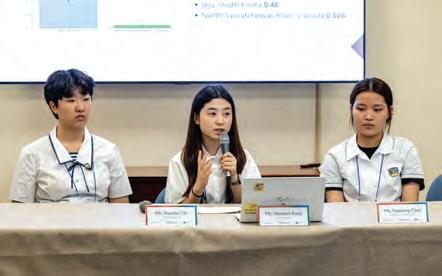
First, I will present two problems in Korea. The first problem is that microplastic pollution is serious. Before we get started, let's define what microplastics are: plastics between 1 micrometer to 5 millimeters in size. In a detailed case study, the average concentration of microplastics in 20 beaches was 2776/㎡, which is the number per unit area of shorelines. And, in 10 ocean surfaces was 246/㎥ (particles per meter cube), the number per unit volume of an ocean surface.
To clearly describe the marine pollution in South Korea, we also compared the
Jeju coast of South Korea and the North Saskatchewan River in Canada, where there is a large difference in microplastic concentrations. The average of microplastic particles per liter of water, was found to be 0.46 in Jeju and 0.026 in the North Saskatchewan River. Based on the numerical data, we can realize the severity of microplastic pollution in South Korea, which is about 17 times higher than in Canada.
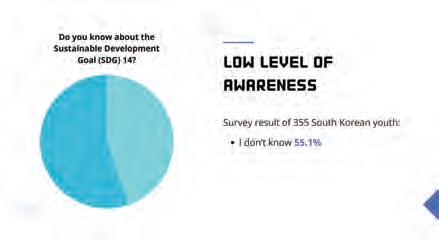
The second issue is the lack of awareness among youth about marine ecosystems. I found through the survey I conducted that 55.1% of 355 respondents answered that they don’ t know much about SDG 14, which is to conserve lives below water. It indicated a low level of awareness.
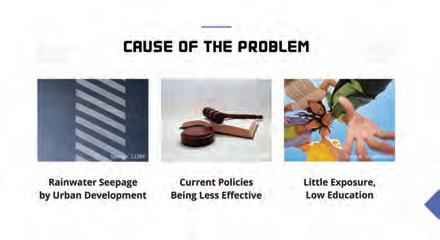
So, what is the cause of this problem?
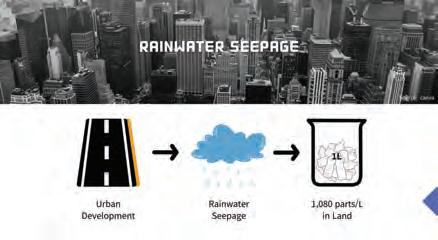
The first reason is the rainwater seepage caused by urban development. As cities develop, there are more watertight surfaces like asphalt roads and cement sidewalks. These surfaces do not allow rain or snow to soak into the ground, so that water flows over them. As a result, the amount of rainwater seepage increases, and the studies have shown that up to around 1,080 microplastics per liter were found in industrial and residential areas. This shows that rainwater runoff is a key pathway through which microplastics from land are moved into rivers and oceans.
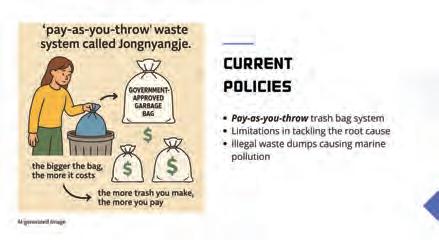
The second reason is that the policies have not been very effective. For example, South Korea’ s Marine Environment Management Act mainly focuses on collecting and treating waste, rather than reducing the amount of waste being produced. This means that it has not been very successful in tackling the root cause of the problem. In 1995, Korea introduced a pay-as-you-go trash bag system. So, people must buy special government-approved bags to throw away general waste. This has been somewhat effective in reducing household waste, but it has some downsides. The cost of the trash bags depends on their size, and the more trash you throw away, the more you have to pay. Because of this, some people could think“I won’ t use the official bags,”and dump their waste illegally. In some cases, this waste ends up in rivers and eventually flows into the ocean, contributing to marine pollution.
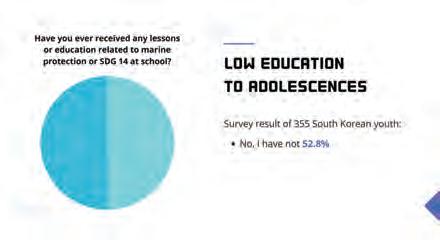
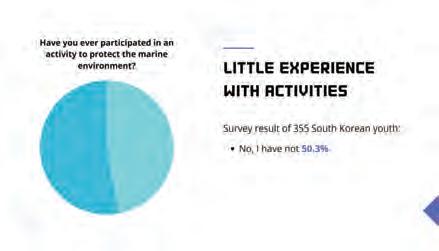
The third reason is that youth have little experience with marine ecosystem activities, and there is not enough education on this topic in schools. In fact, according to the data we collected, when students were asked“Have you ever had a lesson or training related to ocean conservation or SDG 14 in school?” , 52.8% responded,“No, I have not.”When asked,“Have you ever participated in any activity to protect the marine environment?” , more than half answered no. So, what kind of effort is needed to solve these problems?
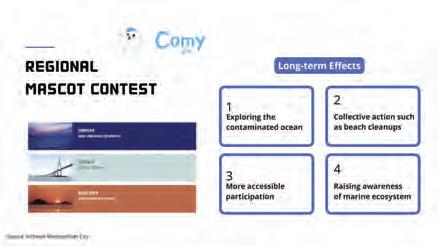
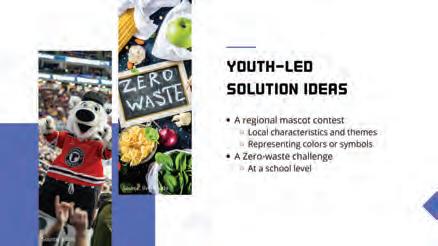
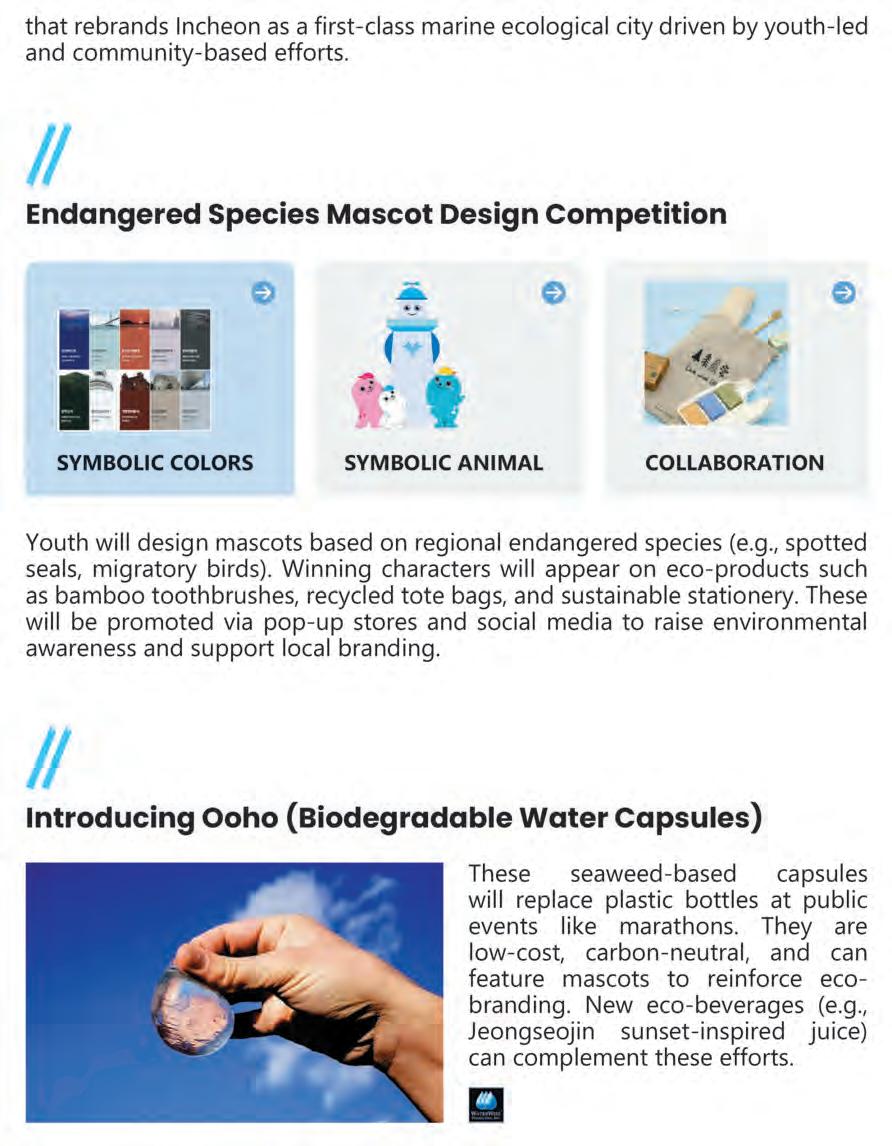
Based on the data showing that teenagers have low awareness and less active participation in marine-related issues, I suggest two solutions. The first is to hold a regional mascot contest for students. Mascots should reflect both local characteristics and themes related to marine pollution and marine life. For example, in Incheon, where we are from, we could create mascots that use colors or symbols representing the region. I believe the contest will not end here, but will expand into long-term projects such as exploring the contaminated coastal areas or beach cleanups with the winning mascots. By visualizing marine issues through student-led mascots, this can encourage independent participation and make environmental action feel more accessible to youth. It would also be a valuable opportunity to learn about and reflect on the current state of the marine ecosystem in an engaging way.
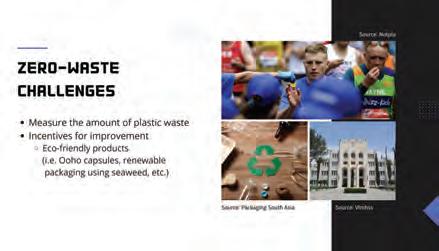
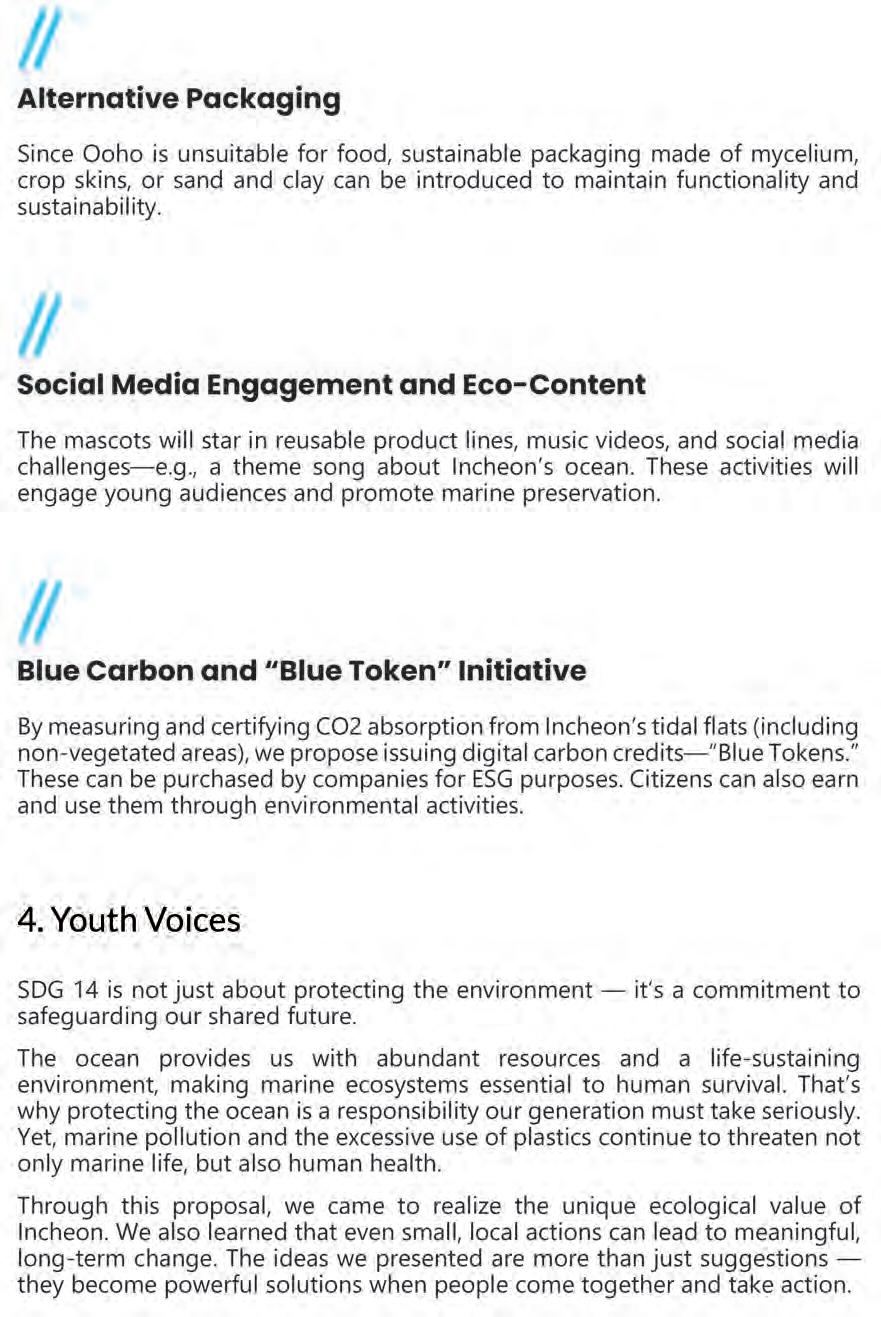
The second option is to conduct a zero-waste challenge at the school level. First, the school measures the amount of plastic waste during designated weekly recycling hours. Then, if the amount of plastic waste decreases compared to the previous month, the school will receive eco-friendly products, such as Ooho capsules. It is an edible water container made from seaweed. Or a renewable packaging product from companies like Notpla, which develops sustainable materials using seaweed and plants.
Therefore, I would like to emphasize once again the importance of sustainable marine management in South Korea, based on the problems and solutions we discussed today. In the future, I believe that South Korea should not only focus on creating new policies but also carefully examine the effectiveness and impact of them, and pursue independent, practical improvements that truly address the root causes.
In addition, we, the youth who are the leaders of the future, have an important role to play. It is to raise awareness about the seriousness of marine pollution and to be the starting point for change through continued interest and practice. The idea I proposed today can only become a reality when all of us here work together.
Let’ s be the generation that protects our oceans, not just in words, but in action. Thank you.
주제 : Incheon, a Maritime City; Sustainable Ocean and
Youth Actions
전문
Hello, my name is Oh Yeonhu, a student at Hakik Girls' High School. I am from Incheon and I am still a resident of Incheon, and I would like to talk about maritime issues in the cosmopolitan city of Incheon.
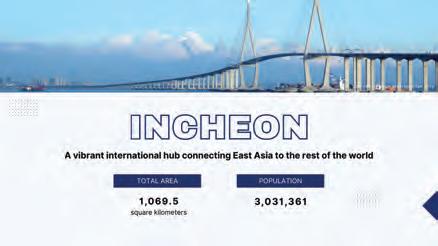
Incheon is more than just a city; it is a vibrant international hub that plays a pivotal role in connecting East Asia to the rest of the world. Spanning over 1,069 square kilometers and home to more than three million people, Incheon reflects the dynamic blend of culture, commerce, and community. However, as we embrace our role as a global city, we must also confront the pressing maritime challenges that come with it.
Let's take a look at the unique features of Incheon's coastline, the ecological value of its wetlands, the maritime issues the city is facing, and the actions young people are taking to protect and preserve our marine environment.
A maritime city is a specialized urban area that supports the maritime industry
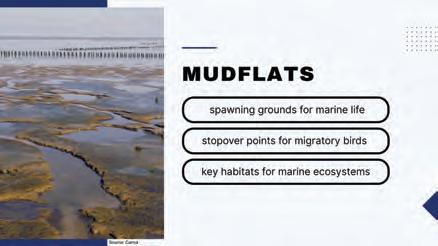
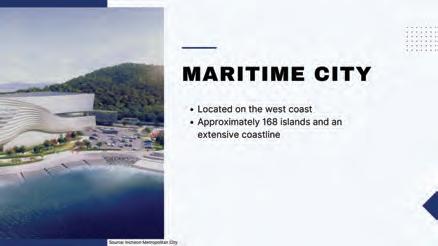
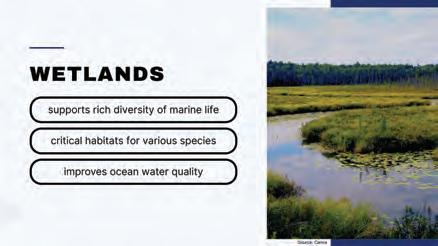
and its community, often located near ports or along coastlines to take advantage of access to the sea. And, Incheon is a maritime city uniquely located on the west coast of South Korea. With around 168 islands and a long, expansive coastline, Incheon is home to a diverse and rich marine environment. There are two elements of Incheon's sea that are particularly important. The mudflats and wetlands are shown here. But these mudflats are not just beautiful, they also play a critical role in the marine ecosystem. Incheon's mudflats serve as spawning grounds for marine life, resting and feeding sites for migratory birds, and key habitats for the marine ecosystem.
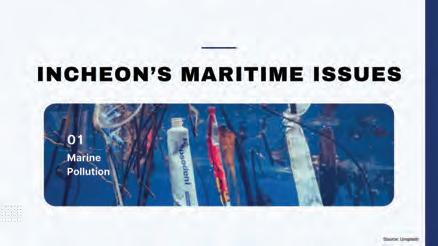
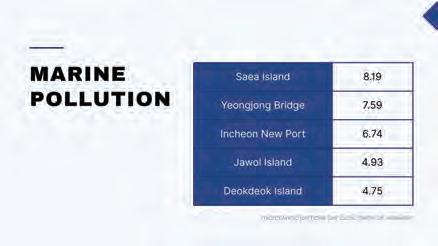
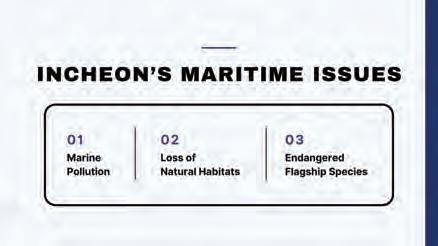
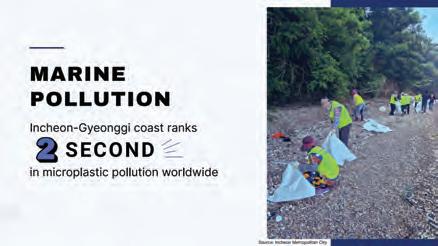
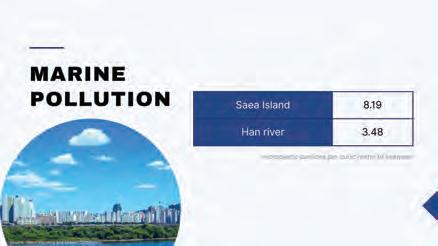
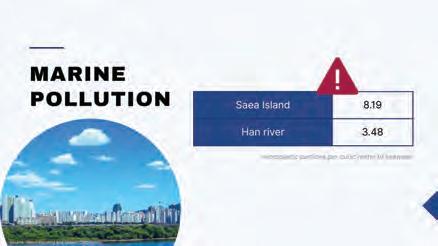
Let's take a closer look at the wetlands of Incheon. Incheon’ s wetlands are not just beautiful landscapes; They are vital ecosystems that support a rich diversity of marine life. These areas provide critical habitats for various fish species, benthic organisms, seaweeds and shellfish, and even endangered migratory birds. But the value of these wetlands goes beyond just biodiversity. They also play a key role in carbon storage, helping to absorb and trap carbon dioxide, which is essential in our fight against climate change. In addition, these wetlands also act as natural filters, they help remove pollutants from streams before the water flows into the ocean. It improves ocean water quality and supports the overall health of the marine environment. As we explore Incheon's unique features, it becomes clear that preserving these natural resources is not only essential for marine biodiversity but also for protecting the livelihoods of local communities. What pressing issues confront the coast of Incheon, a region of immense significance for the health and balance of our marine ecosystem? To begin with, Incheon's coastal waters are burdened by significant levels of marine pollution. Alarmingly, a recent study revealed that the coastline of Incheon, along with the neighboring Gyeonggi region, has been ranked as the second most plasticpolluted area in the world. A recent study shows just how serious marine pollution around Incheon has become. According to the data, the number of microplastic particles per cubic meter of seawater off the coast of Incheon ranged from a minimum of 4.75 to a maximum of 8.19. Given the size of the Incheon Sea, these numbers are far from small. To see how serious this is, we can compare it to the upstream of Han River, which has the largest catchment area of any river in South Korea, even larger than the River Thames in the UK. In the Han River, the concentration of microplastics is 3.48 particles per cubic meter, while in Saea Island, the most polluted site in Incheon, the figure reaches 8.19 ? a difference of more than 4 particles per cubic meter. This comparison shows that microplastic pollution in Incheon’ s water is at a high risk level and needs immediate attention. Microplastics pose a serious threat to marine life, as many sea animals mistake them for food. This doesn’ t just harm individual species, it also disrupts the
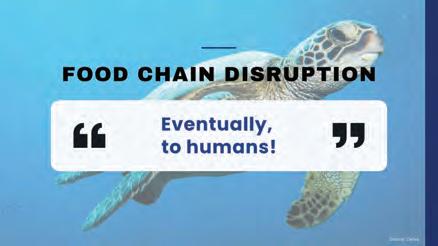
entire marine ecosystem. Over time, toxins from these plastics build up through the food chain?and eventually, they reach humans, causing real harm to our health. So, solving this issue is not just about protecting fish or the ocean. It is about protecting ourselves, and making sure the ocean remains safe, healthy, and sustainable for future generations.
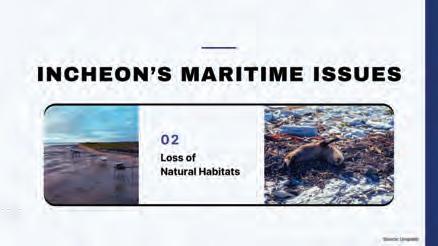
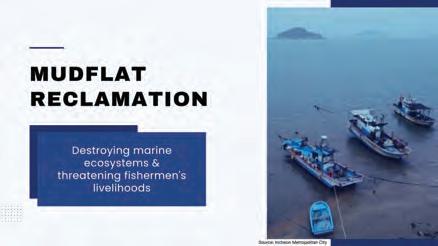
The second problem is land reclamation and the resulting loss of natural habitats. Over the past century, the reclamation of Incheon's mudflats has had a profound impact on marine ecosystems. Large areas of the mudflats have been transformed to make way for various developments, including airports, ports, industrial parks, new towns, and so on. This expansion has not only destroyed critical marine habitats, but also placed enormous pressure on local fisheries and the livelihoods of fishermen who depend on these ecosystems. For example, the ongoing and ongoing extraction of sea sand near the Changbong Wetland Reserve is disrupting the delicate balance of marine life. It is also threatening the future of the local fishing communities.
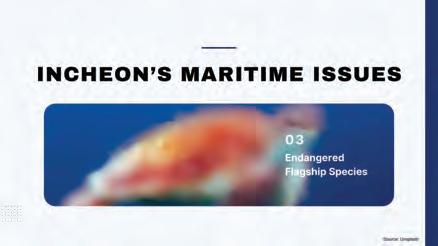
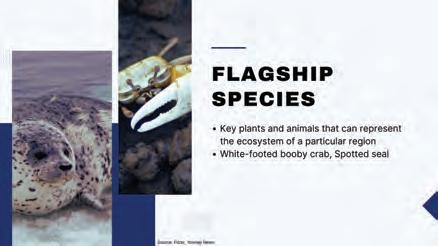
The third is the loss of endangered and flagship species. Flagship species, a term introduced by United Nations Environment Programme, refer to key plants and animals that can represent the ecosystem of a particular region. Incheon is home to several of these key species, including the white-footed booby crab and the spotted seal, which are facing serious threats due to habitat destruction. Ongoing land reclamation and other development projects are threatening their survival. For example, the spotted seal depends on stable coastal habitats for breeding and feeding. As we witness changes in the marine environment, the urgency of taking conservation action is becoming increasingly clear.
Addressing these issues requires collective action, especially from young people, who are not only the leaders of tomorrow but also the voices of change today. I am sure we can show a fresh perspective and bring creative ideas that can solve complex problems. So what kind of ideas can youth come up with to tackle Incheon's marine challenges? What are some realistic and tangible ways they can contribute?
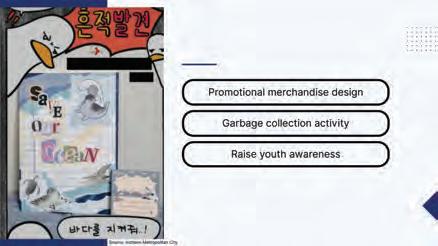
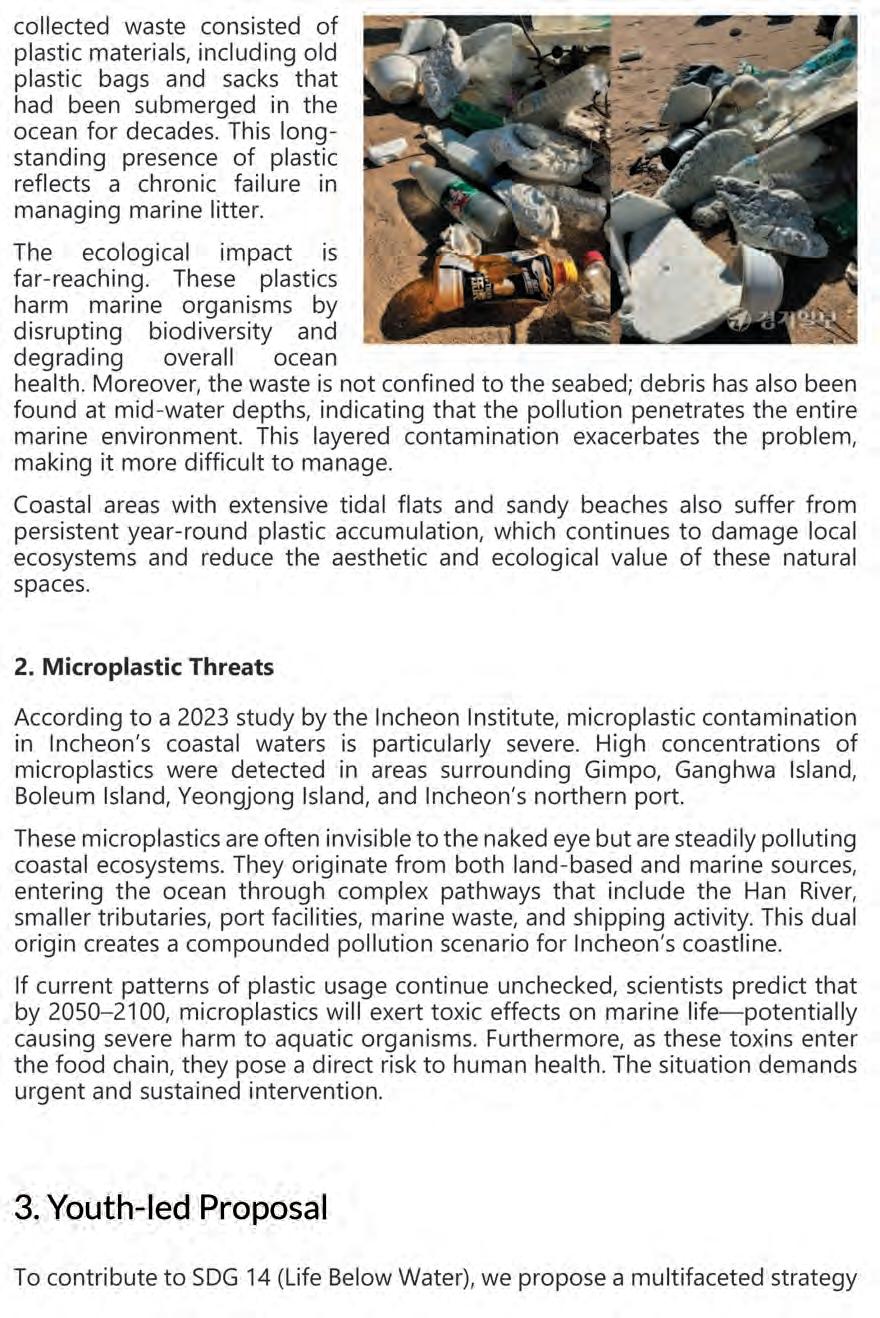
Let’ s look at a real example. This is a campaign organized by one of the Grade 2 students at Yeil High School in Incheon. The students created their own promotional merchandise designs to raise awareness of vanishing marine species such as the black-headed gull and sangwangyee. They also organized garbage collection activities at Eurwang-ri Beach in Incheon. It showed how young people can take meaningful action in their own communities. How else can we raise awareness like this? That’ s why we propose‘Unfold the story of the ocean! The Incheon Ocean Fairy Tale Competition.’With its rich history, traditions, and culture, Incheon has many stories that have been passed down through
generations. Now, we invite creative youth to build on those stories and write fairy tales related to marine pollution! These fairy tales will be submitted as entries to the competition. A panel of judges will review the submissions, and only selected entries may be published as books. The books can be further developed in collaboration with NGOs, international organizations, and so on. This can be a great way to showcase Incheon’ s story with the world and to raise awareness about our marine-related issues.
I know that in this room, we have governments, international organizations, funding bodies, NGOs and educational institutions. So… will you all join us? We're counting on you!
Incheon stands as a beacon of what a sustainable maritime city can achieve. This means, we must come together. We need the youth, we need you, we need everyone.
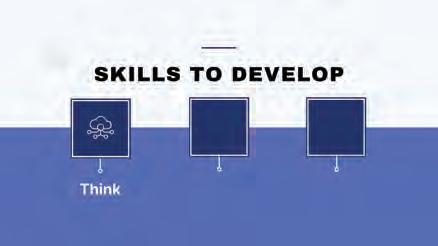
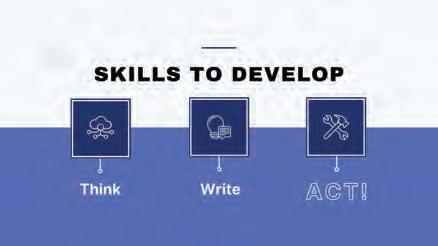
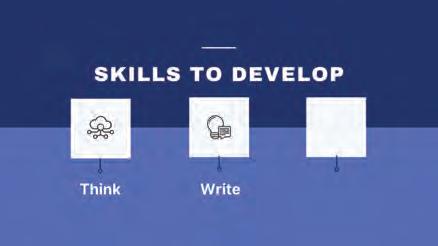
So what kind of skills do we need? As global citizens, we must develop key skills to create a sustainable future, a future that we can pass on to our children and grandchildren. The first step is“Think.”Think deeply about the challenges we are facing. What is the problem? Why does it matter? Second,“Write.”Put your thoughts into words. Shape your ideas into policies, solutions, and calls to action. Most importantly,“Act!”Nothing gets done without action, and now is the time to act! It's time for you to join us and move forward together. Let's act! Now!
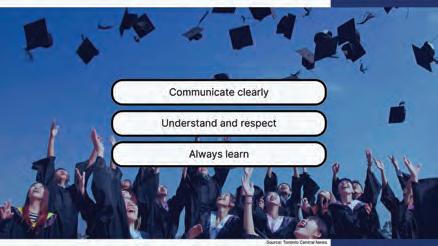
As young people, we are not just observers. To create real change, we need to communicate clearly, understand and respect, and always learn new things. With these three skills, we can build a world that is more sustainable, more inclusive, and more connected. We can do it together, so let's do it! Thank you for listening.
V. 대표단의 목소리
<Voices of Youth: Advancing the SDGs from Incheon to the World>
Power (또래 금연 서포터즈)
을 하는 이가 몇 있다. 이러한 주변분위기를 보고 나 스스로에게 이에 대한 경각심이 생겼던 것같다. 그리고 이번 학생 주도형 국제교류 아카데미 사전교 육을 수료하던 중 이에 대한 SDG를 선택하여 관련 주제를 선택하게 되어 발 표까지 하게 됨으로써 이
보건, 국어, 상경
예상산출물및 결과
어려울 것같은 점 & 해결 방법
나고 싶은 학생을 찾는 것 이란 하늘의 별따기와 같다고 생각한다. 이러한 상황을 대비하기 위해서는 이를 실천하는 학생에게간식 증정, 상품 증정
)
행 동기 진로 (자유학기 활동), 사회, 문학과 매체 (미디어)
진로 관련 설문조사 및 탐색 활동
쪾 “당신은 왜 그 진로를 선택했나요?” 쪾영상 및 글 자료 공유 (진로를 전환한 사람들 인터뷰, TED 강연 등)
쪾진로 인터뷰 프로젝트 : 관심 있는 직업인을인터뷰하거나 영상 혹은 문서 자료를 기반으로 분석 쪾꿈이 없는 사람들을위한 진로 페어 개최 : 다양한 관심사 기반 부스 운영 (음악, 엔터, 환경
예상산출물및 결과
(문제)
쪾SDGs 중지역 사회와 관련 있는 목표를 중심으로 워크숍 개최
쪾설문조사를 통해 주변 청소년들의 SDGs 인식 수준 파악
쪾유엔 활동 경험을 나누며 동기 부여
쪾팀을 나누어 각 팀이 하나의 SDG를 선정하고관련 문제를 조사
쪾해외 포럼에서의 발표 경험을 통해 공유하며 발표 자료 제작
쪾각 팀별 SDGs 실천 아이디어 도출 및 검토
쪾지역 커뮤니티와 협업하여 실제 캠페인 실행
쪾온라인 플랫폼에영어, 한국어 콘텐츠 업로드
쪾활동 결과를 발표회 형태로 공유
지역에 따라 교육 기회가 달랐다 EBS같은 공영방송이나 M사 D사 E사등 사설 인터넷 강의 등이 발전했음에도 금전적인 문제도 있고 인터넷 강의만으로 비싼 과외나 학원 또는 특목고같은 고급교육을 받는 학생을 따라잡기란 힘들다는 것이다 이 문제는 국토가 넓고 빈부격차가 심한 미국에서 더욱 심화되었다 AI 기술이 급속도로 발전하는 지금, 이를 단순히 편리한 기술로이나 오락으로 만 소비하는 것이 아니라, 사회적 약자를 위한해결책으로 활용할 수 있을지 직접 고민해보고 싶었다
그리고 정치포럼이나 UNDP에서 ai를많이 강조 해주셔서 더더욱 해야겠다는 생각이 든 것같다. 여태껏 나의 ai 관심과 인지의 영역은 나와 ai관련 커뮤니 티나 개발자나 관련자의 눈 (지미애플, 일론, 알트만등등) 한정되어 있었는데 이번에 ai에 대한 관심이 생각보다 널리 퍼져있었다는 것을 알고 기분이 좋아 지고 더더욱 이 주제를 해야겠다 생각했다 그리고 ai를 공부에 사용하거나 평 소 사색하거나 독서를 ai와
쪾국제사회에서 AI가 어떻게 SDGs와연결되어 활용되고 있는지조사 쪾현재 국내외에서 운영 중인 AI (예 : Sora, Khanmigo, ChatGPT, 스 픽, Grok,Gemini, 클로드등) 기능 분석
쪾운영중인 ai들의 요금제들과 비용 그리고 유료 이용시의 효율 분석 쪾교육 사각지대나 학습지원이 필요한 타겟 그룹 설정 (예 : 시골학교, 저소득층 중학생 등) 쪾학습 콘텐츠 설계 : 기
활용 가능
과 한계, 그리고 사회적 윤리적 고려사항 정리
쪾발표자료 및 보고서 제작
이번 프로젝트를 통해 AI가 실제로 교육격차 해소에 어떤 방식으로 기 여할 수 있는지를 구체적으로 정리하고, 그 가능성과 한계를 객관적으로 분석한다 예를 들어, 특정 학생에게 맞춤화된 콘텐츠를 제공하는 AI 챗봇의 효과 성, 추천 기능의 정밀도, 피드백의 질 등을 중심으로 분석하고, 이 기술 이 실제 교육 현장에 적용되기 위해필요한 조건들(비용, 접근성, 디지털 리터러시 등)도 함께 고려한다. 또한 실사용자 대상 설문및 피드백을 바탕으로, AI 튜터의 사회적 수용성, 사용 중 불편함, 기술 신뢰도에 대 한 의견을 정리하
어려울 것같은 점 & 해결 방법
쪾 “AI 맞춤형 튜터”프로
터뷰 기반 보고서
쪾프로젝트 발표용 PPT 쪾AI 활용
상 간접 테 스트로 대체 쪾기술이 모든 문제 해결 못함 기술 외 사회적 제도, 정책과 연계하는 관점 포 함 그리고 신규기술 ( 최근 [일주일안] 에 발표된 그록4헤비 ( 전문가 5%의 정답률 시 험을 45%의 점수로 통과) GPT 에이전트 ( 단순한 질문답장이 아니라 실무를 대신하거나 보조하는 ai)) 등을 지속적으로 참고하기 (ai기술은 발전이 매우 빠 른 편이므로 지금 어려워보이는 점들도 금세 개선됨 예를 들어 ai의 손가락 문제는 현재는 크게개선됨.) 예상산출물및 결과
예상산출물및 결과
어려울 것같은 점 & 해결 방법
를 비롯한 경제적, 문화 적 차이로 인해 직접적인 도입은 힘들 것으로 예측하지만 이에 맞춰 코포타리즘 의 한국형 모델을 개발하여 이를 보완할 수 있을 것이라 생각한다 칸디나비아 국가들의 복지정책들을일반화 시키는 과정에서 주요 특징을 고려 하지 않은 결론을 도출할 위험이있고 이를 한국의 상황에 맞춰 대입할 때 단편 적이고 너무 이상적으로만 비춰질 수 있을 것같다. 이를 해결하기 위해 복지 국 가는 전적으로 옳다는 왜곡된 시각을 버리고 현실적인자세를 갖춰 상황을 바라 봐야 한다고 생각한다. 또한 구체적인 방안을 제시하려는
활동 계획 (단계별 계획) 도입/ 전개/ 실천/
쪾UN SDGs 14번 목표 내용 학습
영상 시청 및 토론
쪾나의 바다는 안녕하신가요? 라는 이름으로 포스터 제작
쪾SNS 홍보 콘텐츠 기획 및 릴스 제작
쪾교내 해양쓰레기 줄이기 챌린지 실시 (텀블러 사용, 일회용품 줄이기 등)
쪾인천 연안부두, 송도 해안 등지에서 1회 플로킹 행사
쪾시민 대상 해양쓰레기 인식 설문조사 및 결과공유
쪾지역 아동 센터와연계하여 해양 생물 보호 교육 진행
쪾프로젝트 내용 및 결과 리플렛 제작 쪾SNS/학교 홈페이지/교내 전시
로
표
(문제)
행 동기 관련 교과 또는 과목
활동 계획 (단계별 계획)
확실하다. SDG 3번(건강과 웰빙)의 관점에서 청소년 정신 건강 증진은 기후 위기 시대에 더욱 절실한 과제가 되고 있으며 또한, SDG 13번(기후 행동) 을 달
도입/ 전개/ 실천/ 정리/ 예상산출물및 결과 어려울 것같은 점 & 해결 방법
및 체험 활동 진행 쪾우리 지역의 기후 변화 사례 (폭염, 미세먼지 등) 조사 및 학교 내 에너 지 사용량 점검 쪾탄소 발자국 계산기 (온라인 툴) 로 개인의 탄소 배출량 확인 및 대체 에 너지 (태양광, 풍력 등) 관련 탐구 및 모형 제작
쪾하루 1시간 불 끄기 캠페인 및 학교급식에서 일회용품 사용 줄이기 + 잔반 남기지 않기 운동 및 기후 행동 챌린지 SNS 참여형 이벤트 개최 쪾캠페인전후의 에너지 사용량
주요 학설 정리
층 분석, 반감기등을 알아보고 지층을 분석하고, 공룡 생존 기간을 예측한다 쪾탐구 일지 등을 만
악해야 한다. 동식물을 보호할 수 있는 자연환경은 충분히 보존되고 있는지, 쓰레기 처리나 시설 관리는 미흡하지 않은지 등 우리 동네 공원이 도시 생태 공간으로서 제 기능 을 하고 있는지점검한다 쪾지속가능한 공원을 설계하기에 앞서 뉴욕의 센트럴파크를 비롯한해 외 지속가능한 공원의 사례를 연구한다. 도시와 분리된 자연공간 구조 나
호
할
는 요소들을 조사한다. 또한 우리 동네 공원의 현재
려울 것같은 점 & 해결 방법
매연을 최소화시킨다 그리고공원 면적의일정 비율을 ‘생태 보호 구역’으로 지정하여 인간의 접근을 제한하고 생물 다양성 보존의 공간으로 활용한다. (생태통로를 건설 해도됨) 사람들의 휴식 공간은 지붕이있는 건물을 만드는대신에 큰 나무를 활용해 자연 그늘 을 공원 곳곳에 조성한다. 이로
하는 사람들 을 통제하거나 쓰레기를 관리하는
를 설치하여 출입을 엄격히 감시할 수 있다
X. 참가 학생 성장리포트