HONGFEI LI
L A N D S C A P E
A R C H I T E C T U R E
SELECTED WORKS

hfeili @ u w .edu
L A N D S C A P E
A R C H I T E C T U R E
SELECTED WORKS
hfeili @ u w .edu
StossLandscapeUrbanism2020- 2022
ReedHilderbrand2018-2020
FCHAArchitectureDesign2017Summer
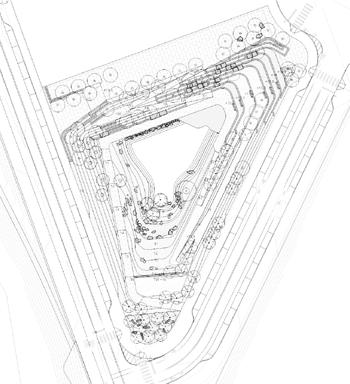
Resiliency and Livability in Fluctuating Conditions
Revere, MA, US/ Stoss Landscape Urbanism / Client: HYM development/ 2021
Role: Lead and solo-designer, in charge of design and production
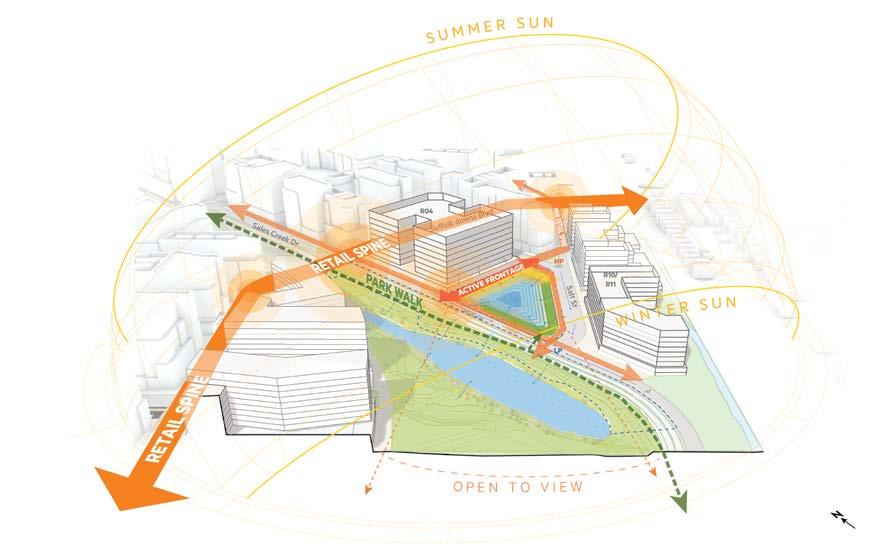
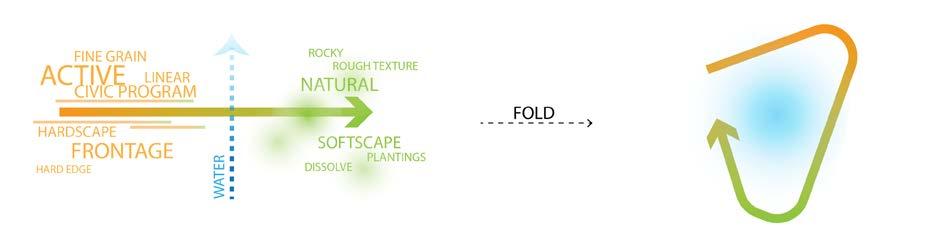
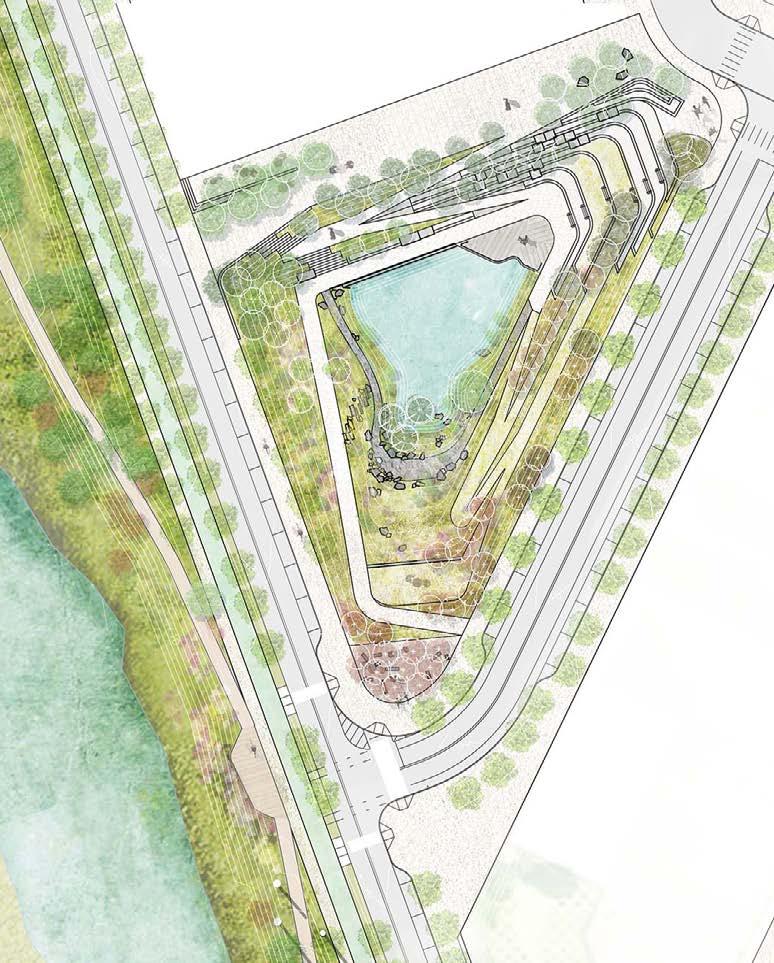
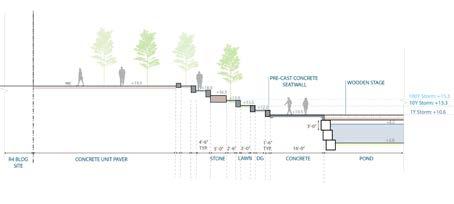
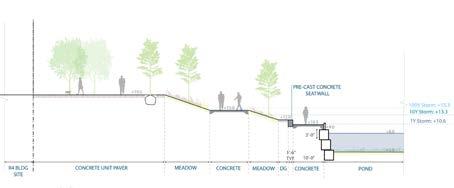
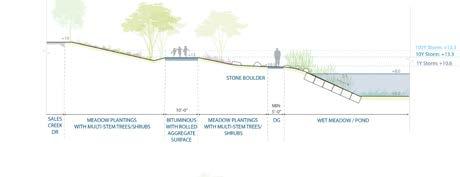
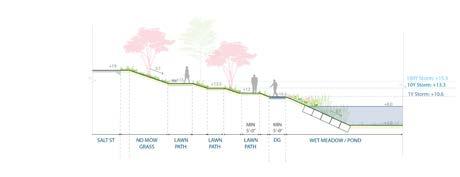
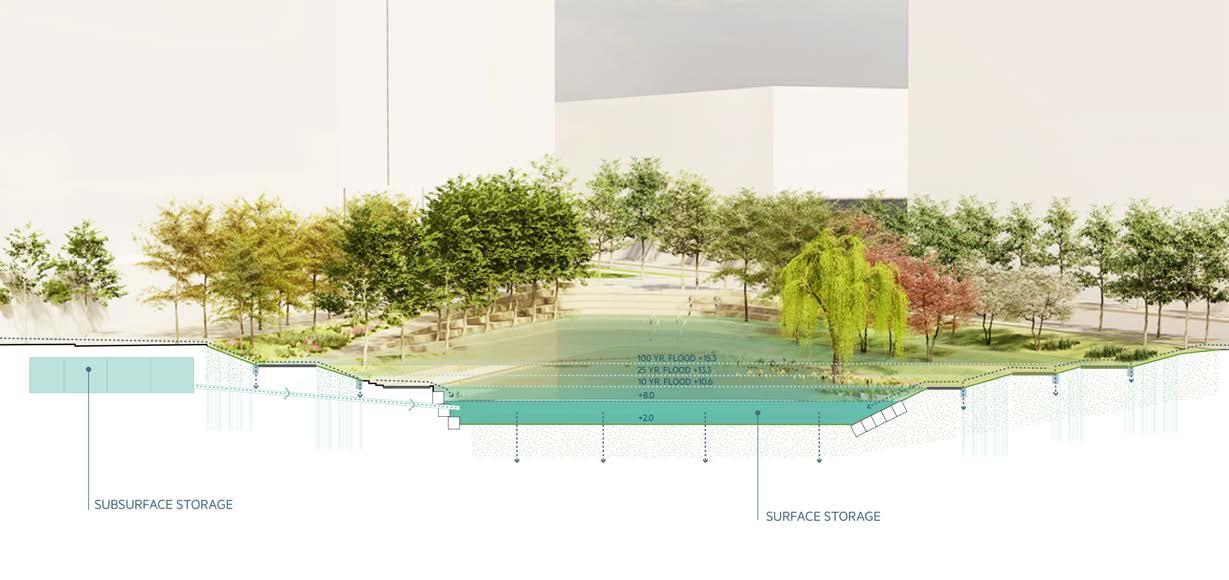
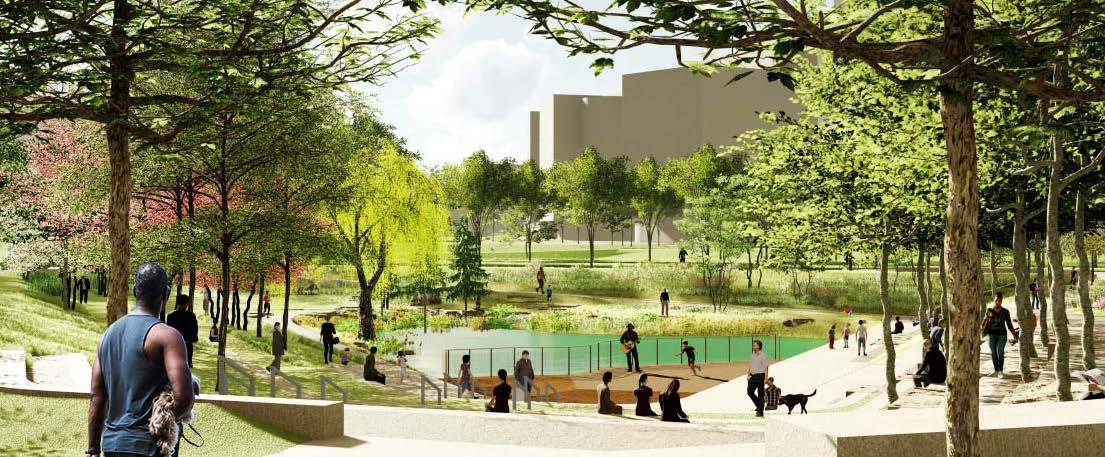
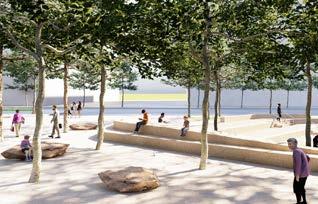
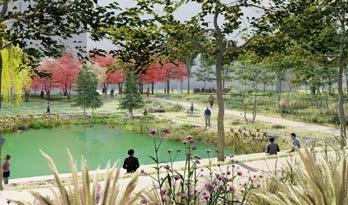
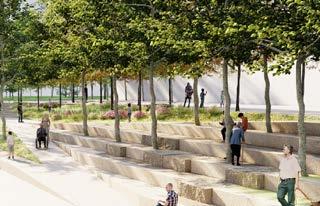
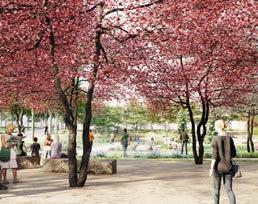
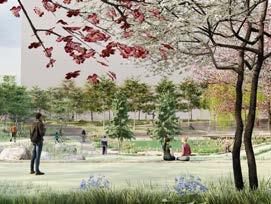
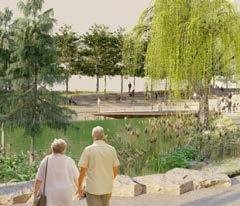
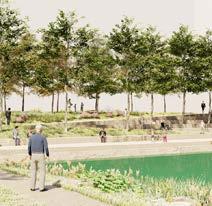
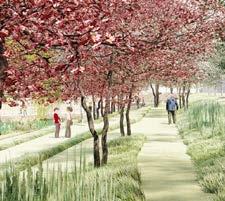
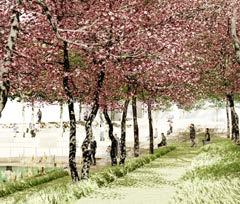
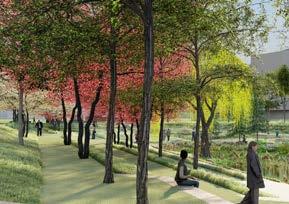
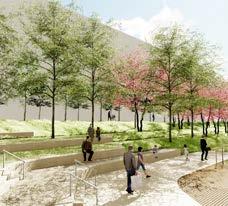
The outdoor theater basin (73,000 SF) is intended to act as a gathering place for the public during dry weather and function as a detention basin during wet weather. The outdoor theater is envisioned to have actively programmed events and dynamic characters through all seasons, creating an inclusive destination for residents, visitors and neighborhood, serving for all ages and abilities.
SEASONAL ENTRY EXPERIENCES
A SENSE OF ARRIVAL, WITH BORROWED AND FRAMED VIEW HIGHLIGHTING CONTEXTUAL RELATIONSHIP
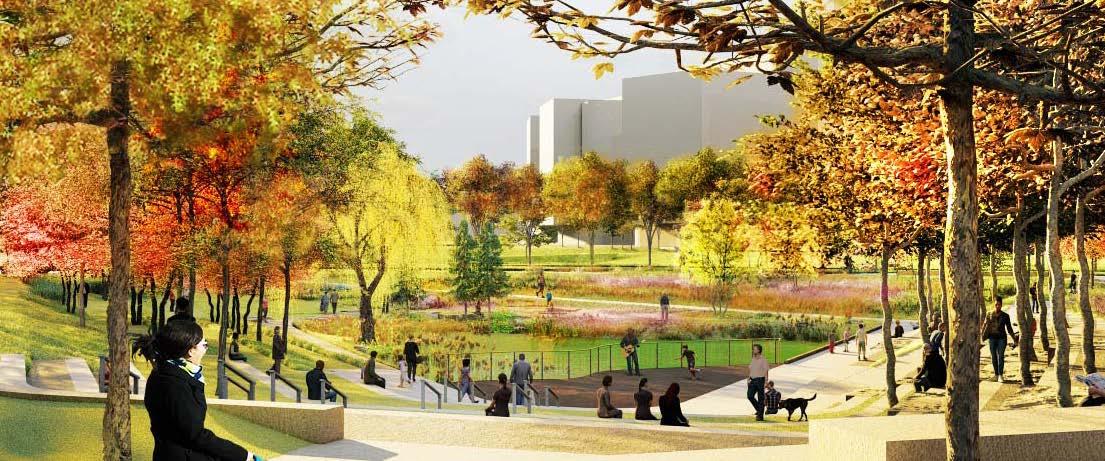
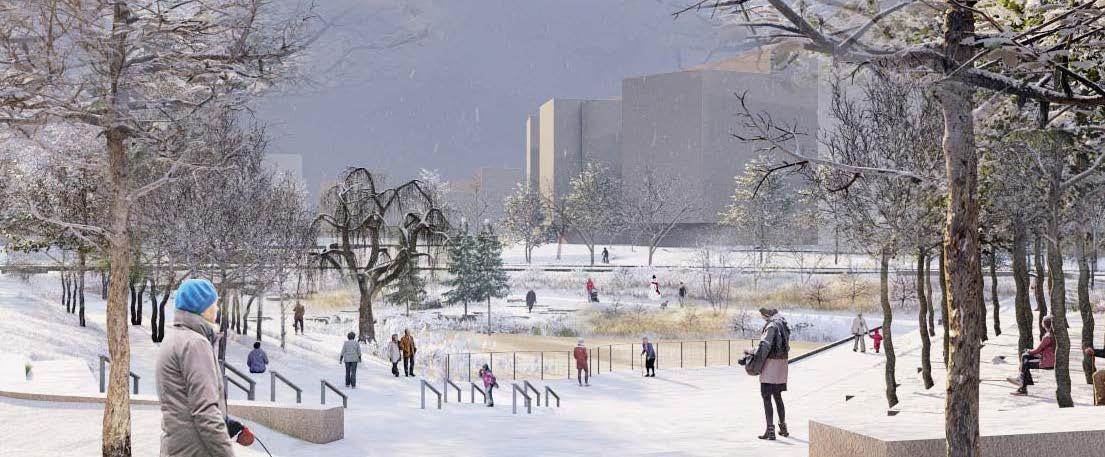
SEQUENTIAL EXPERIENCE
AN INTERPLAY OF DYNAMIC VISUAL DEPTHS AND VIEWSHEDS: FRAMED VIEWS + OVERLOOK, DEEP + SHALLOW VIEWS A PROGRESSIVE EXPERIENCE OF THRESHOLDS, PATHS, AND DESTINATIONS
A SENSORY JOURNEY WITH SHIFTING AND CONTRASTING LIGHT AND SHADOW, SOFT AND HARD, CIVIC AND NATURAL CHARACTERS
Boston,MA,US/StossLandscapeUrbanism/Client:CityofBoston/2020
Role:Majordesigner,collaborateinoveralldesignandproduction,inchargeofplantingdesignanddocumentation
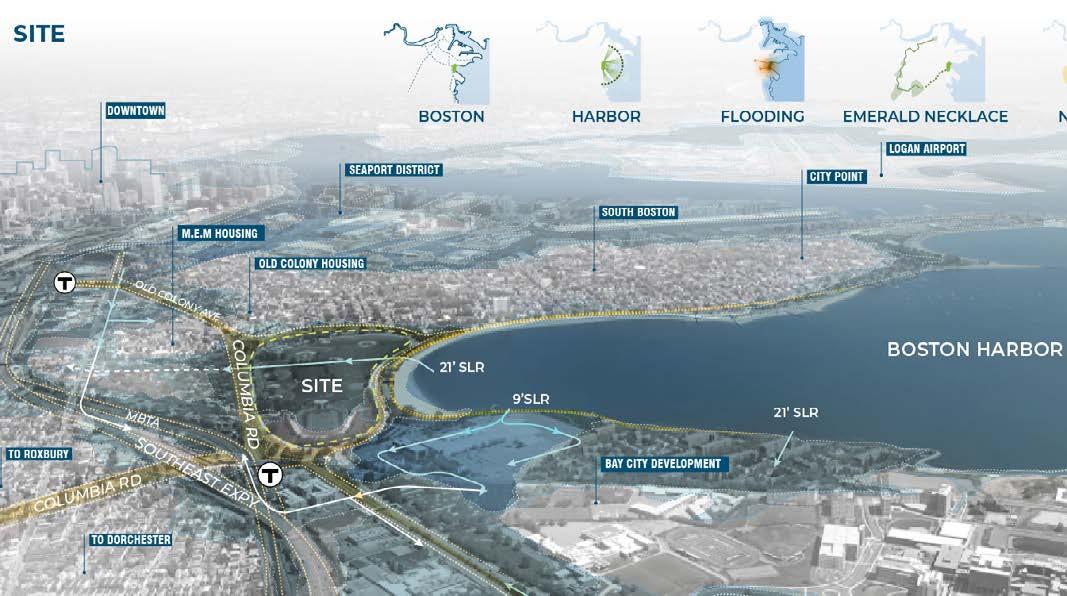
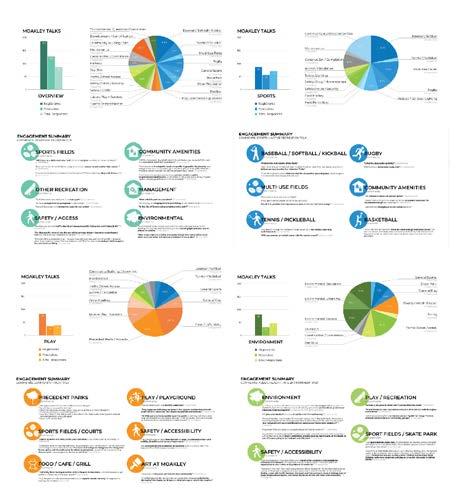
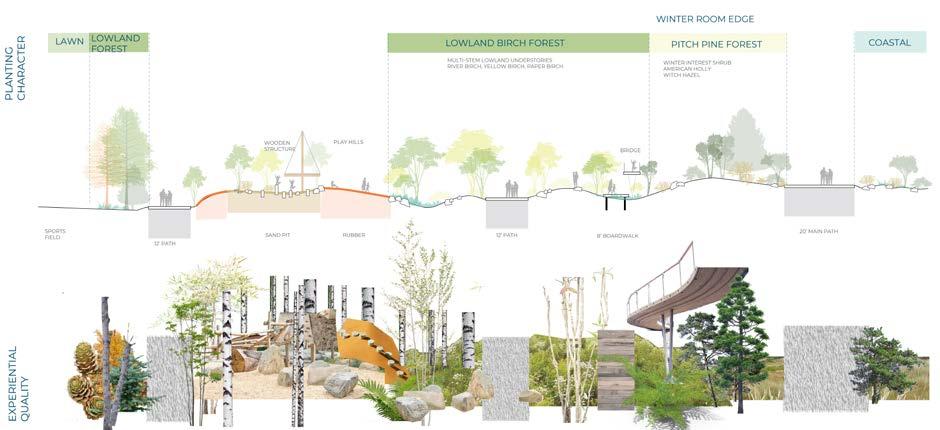
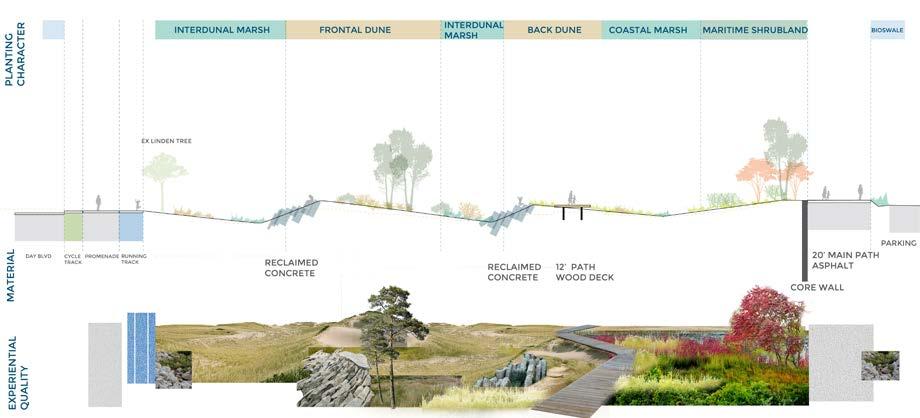
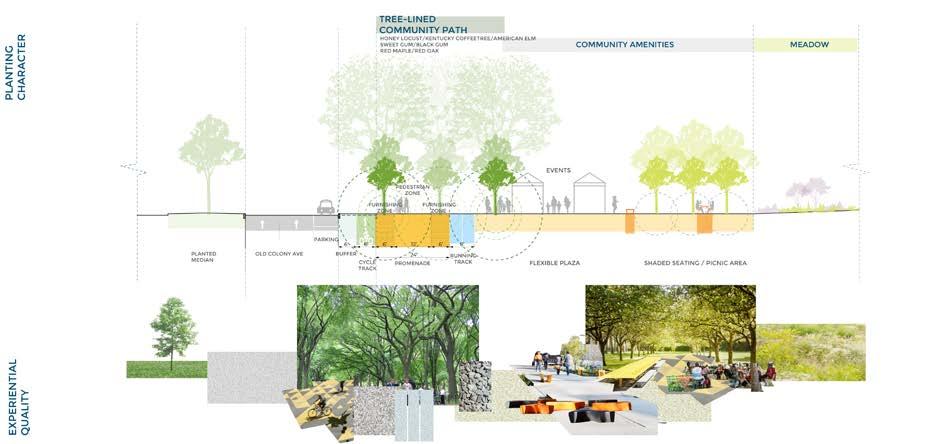
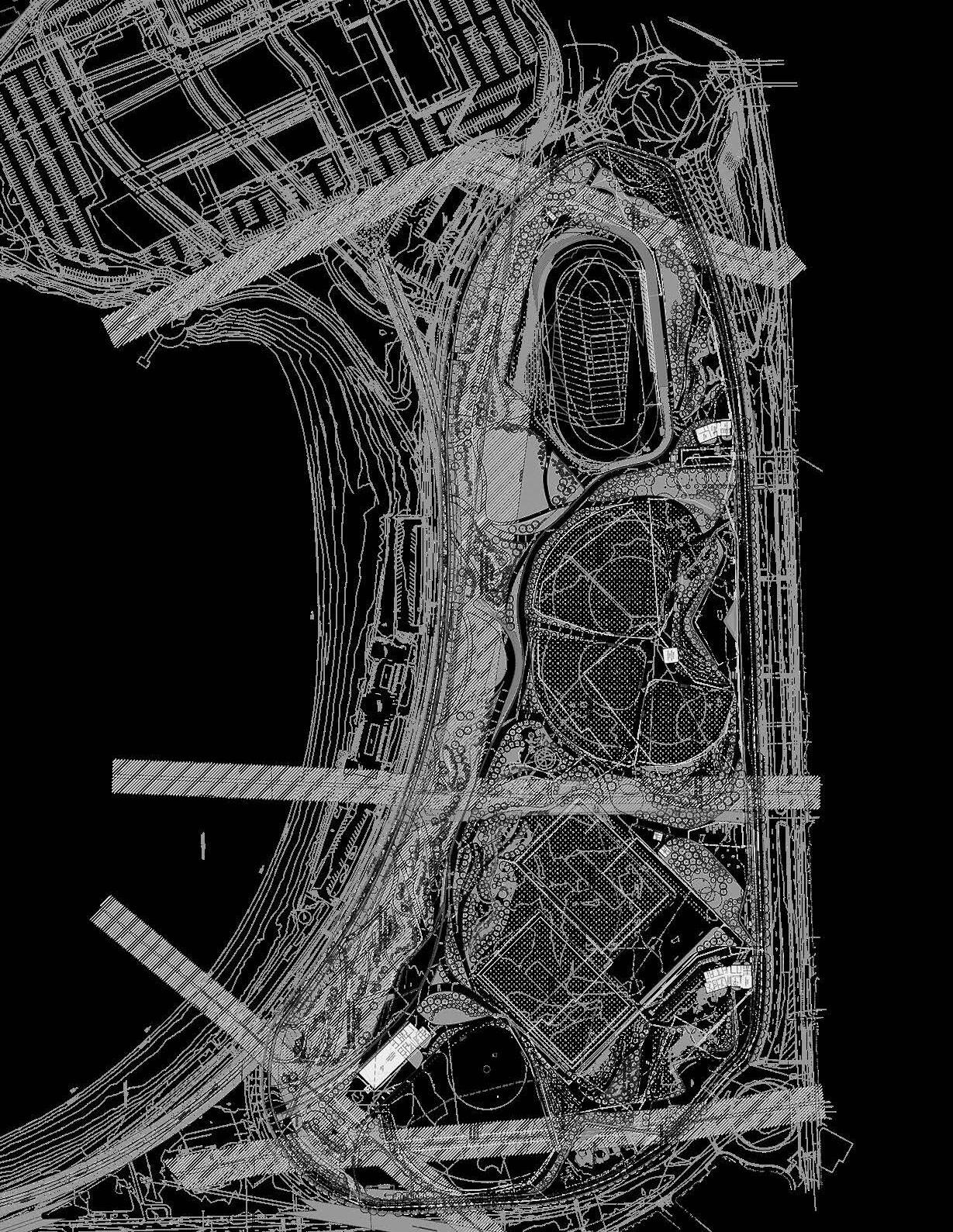
The Moakley Park Resilience Plan radically transforms a single-use recreational facility into a resilient, inclusive, and multi-faceted 21st century community park. Abbutting 30-acres of waterfront in South Boston, this 60-acre park is a critical missing link in Olmsted’s emerald necklace. Accessible by public transportation and within 15 minutes of a very diverse set of neighborhoods, Moakley is poised to address the city’s most pressing climate resilience, social justice, and community health/welfare priorities.
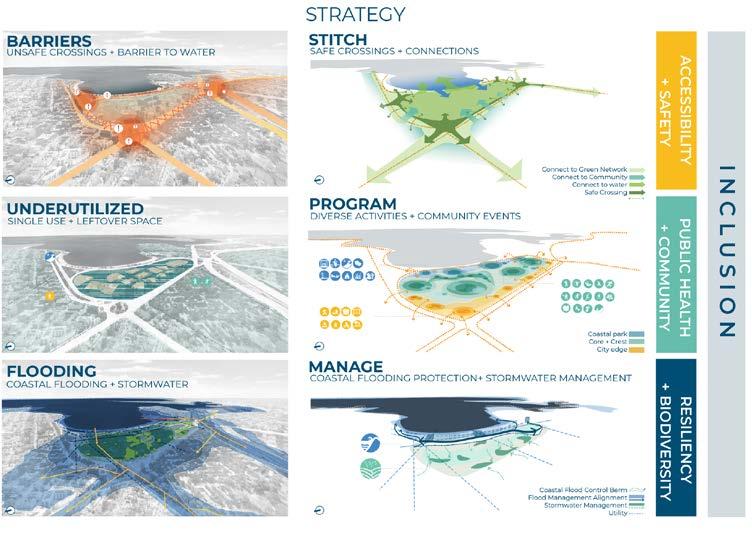
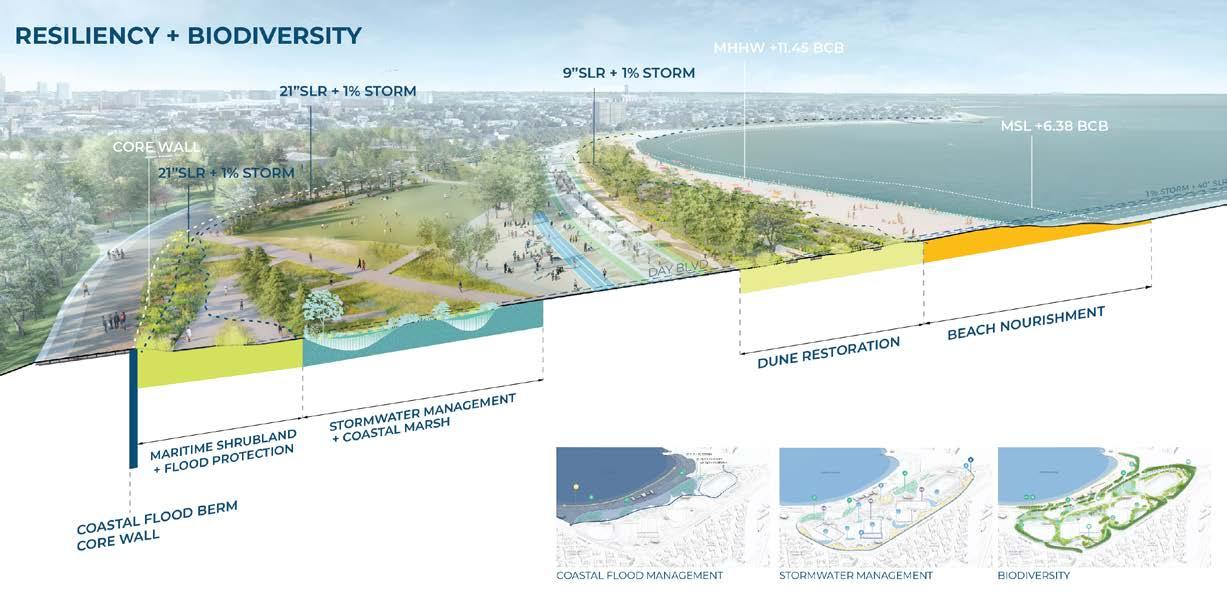
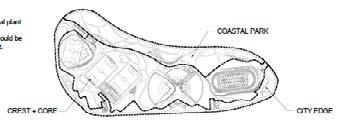
This plan places community input at the fore, tackling sea-level rise, stormwater management, biodiversity, and heat-island effect in tandem with safety, access, health, and recreation for all ages, abilities, and cultural backgrounds. Through 3 distinct layers–the city edge, core and crest, and coastal park–the design restitches Moakley into both the urban fabric and natural landscape, physically, socially, and culturally, taking cues from the environment, community, and stakeholders. The end result is an equitable, safe, and ecologically diverse park that protects the vulnerable at its edges as well as large portions of the city beyond from devastating coastal flooding.
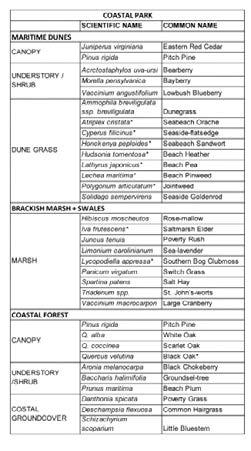
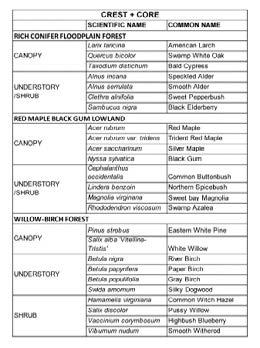
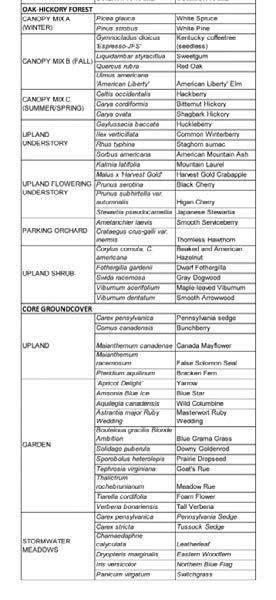
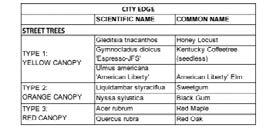
SCHEMATIC DESIGN SET SAMPLE: PLANTING PLAN
Shenzhen, CN/ Stoss Landscape Urbanism + Fuksas Architecture + UPDIS / Competition (Shortlisted)/ 2020
Role: Co-lead designer, in charge of design and production
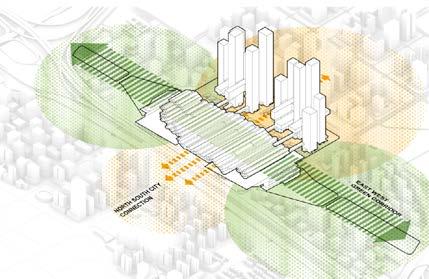
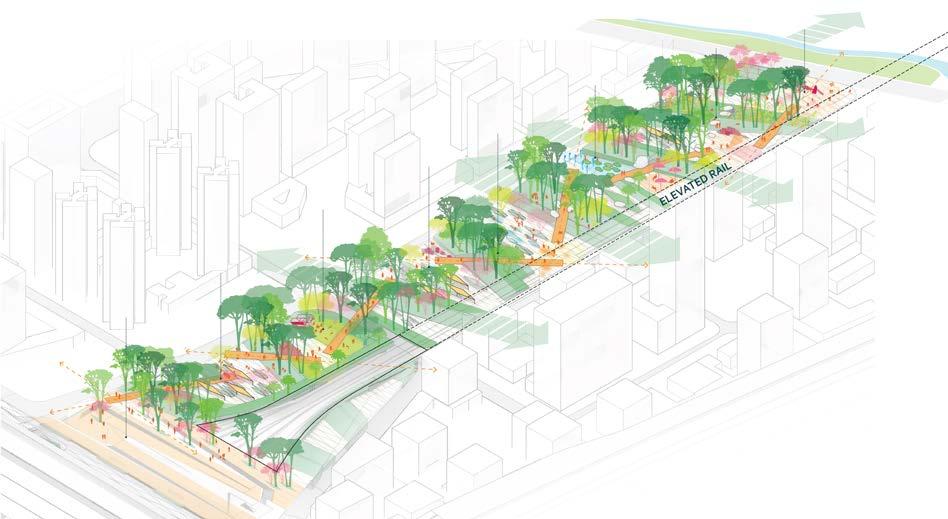
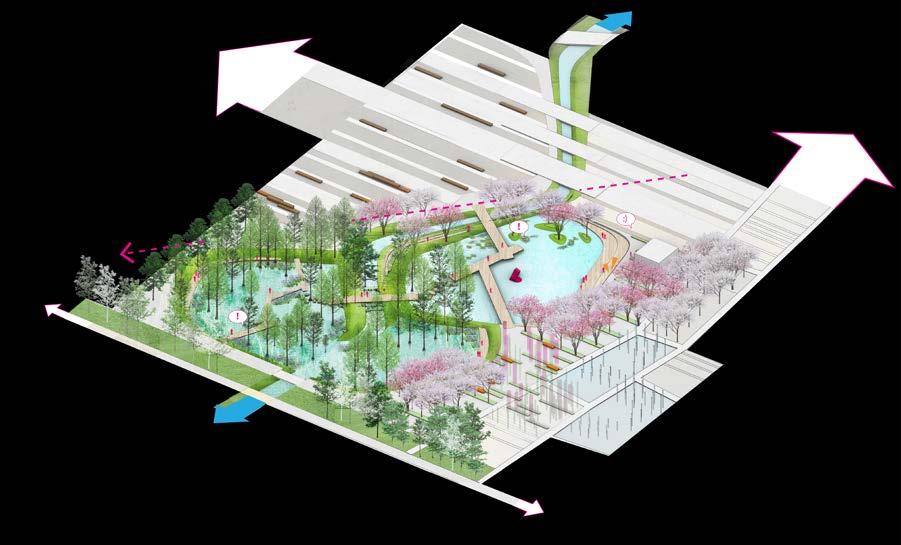
The site and landscape concept weaves experiences of the regional Chinese landscape with the most innovative technological and cultural advances of the city. Forward-looking, lush, and vibrant--a world-class expression of Chinese culture and sustainable environment in the heart of Xili. Using a pleated design language, the train station urban and landscape design connect northward and southward, and expands West and East. The pleated surface moves from the two Rail parks onto the cultural plaza spaces and into the transportation hub, creating different planting zones, open space types, and negotiating various grade and elevation changes seamlessly. The entire site east to west is conceived and rendered as an elevated park that moves all the way through the station, with criss-cross nodes tuned to the special needs of travellers, visitors, and city residents.
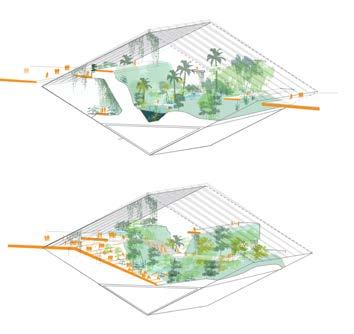
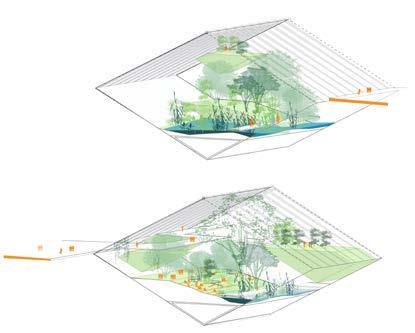
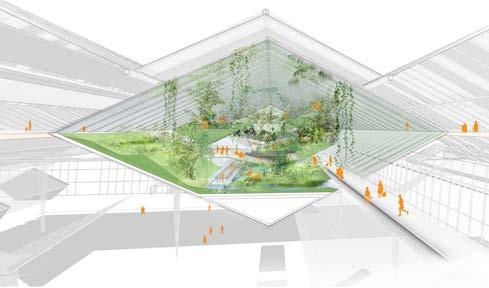
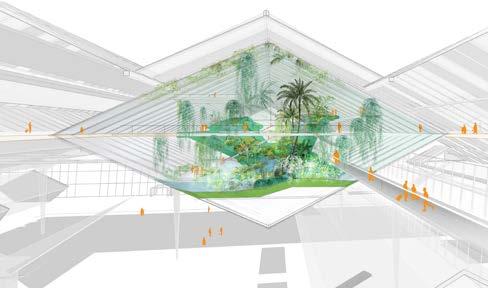
Re-imagine train station space: Unique Bio-spheres as waiting hall with flexible functions and habitats
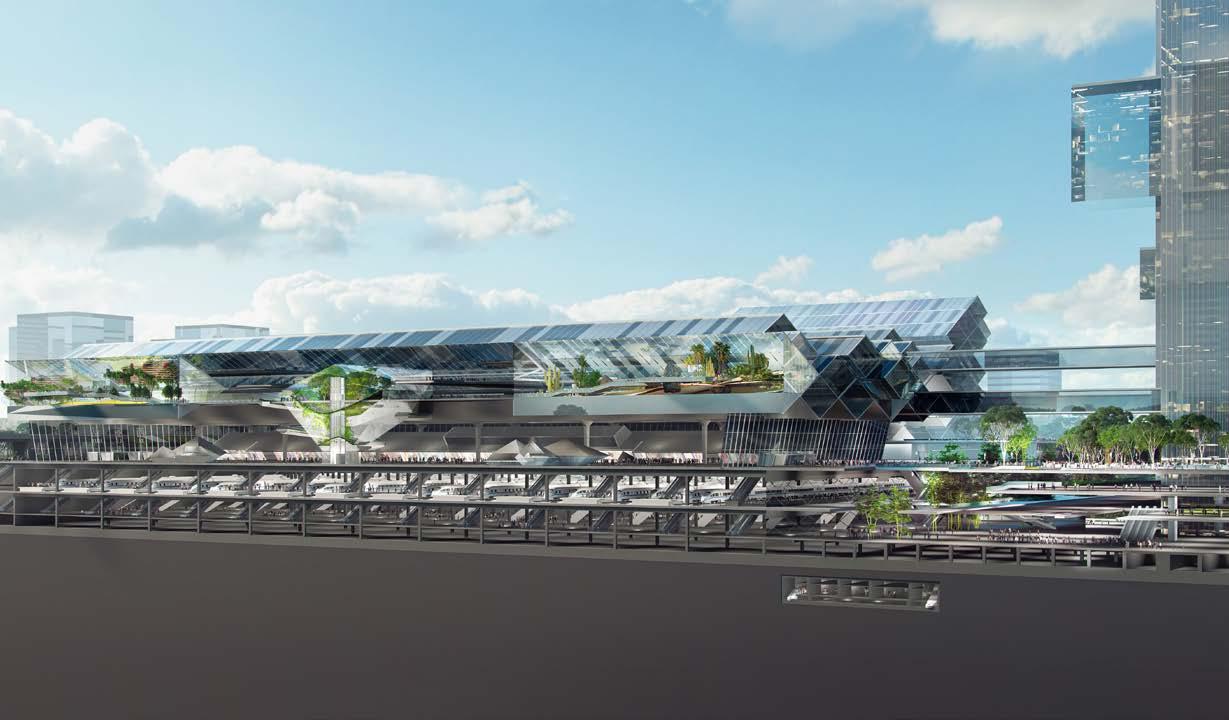
Sectional relations accommodate complex
condition and diverse
Shenzhen, CN/ Stoss Landscape Urbanism + Fuksas Architecture / Competition (Shortlisted)/ 2020
Role: Co-lead designer, in charge of design, production, and coordination with architects
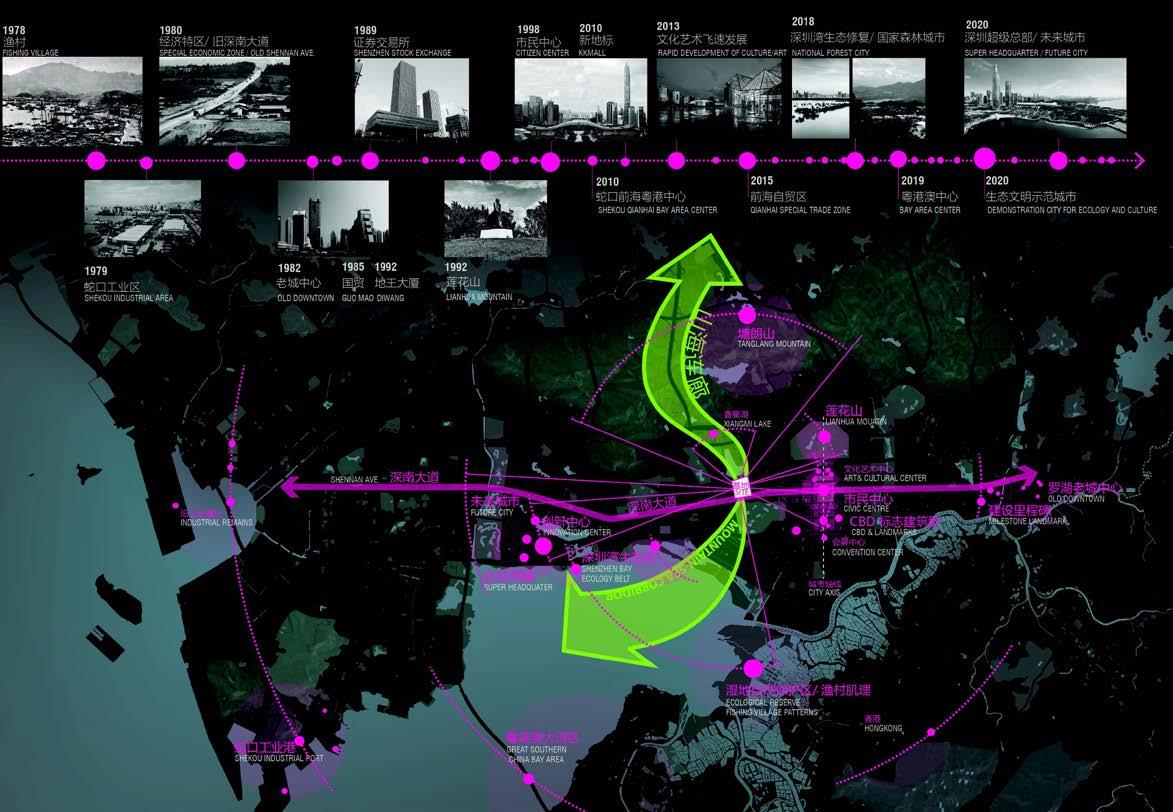
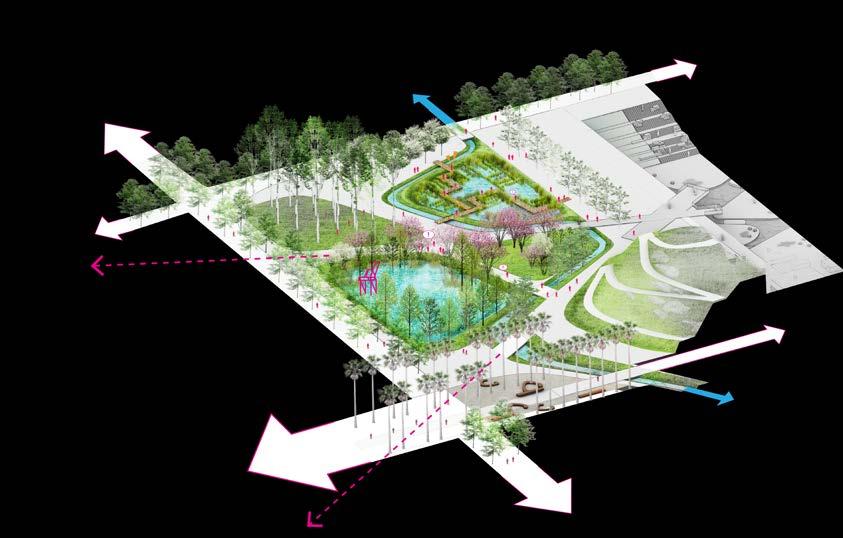
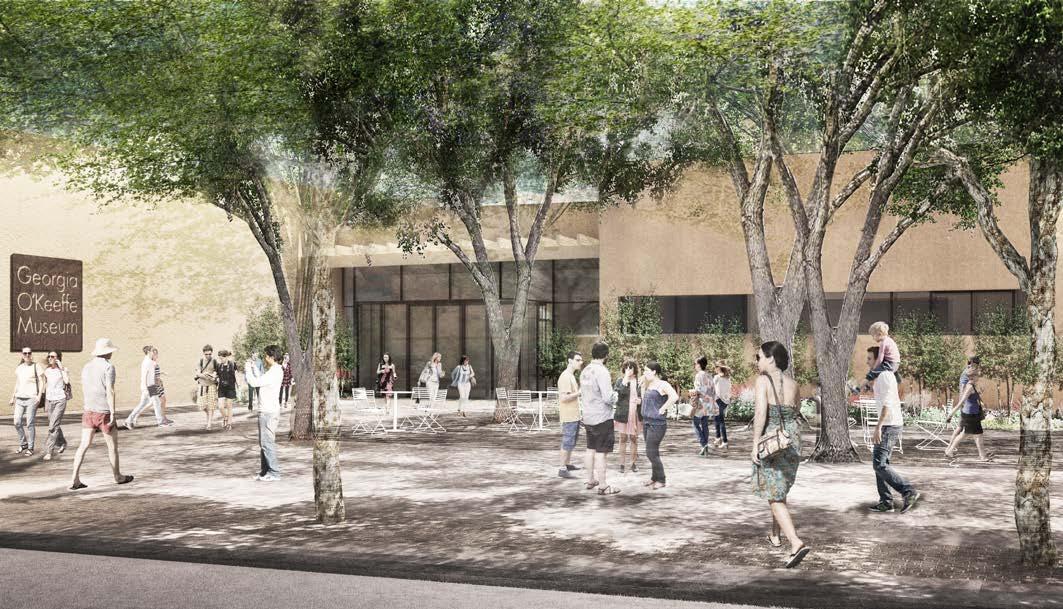
The extraordinary urban history of Shenzhen underpins the landscape design concept. We see the park as an outdoor curatorial space to interpret the history and achievements of Reform and Opening in Shenzhen. The landscape design takes advantage of the unique site location—sitting not only at the corridor from Tanglang Mountain to Shenzhen Bay, but also on the historical axis of the thriving development starts from the old town landmarks to the current civic centre and CBD and continuously extends westward to Nanshan new town and further to reach Shekou industrial and port areas. The visual connections to these landmarks are anchored in a circular viewshed onsite to celebrate the achievements of four decades of Reform and Opening as well as to imply the beginning of Shenzhen’s urban miracle—Deng Xiaoping’s “circle”.
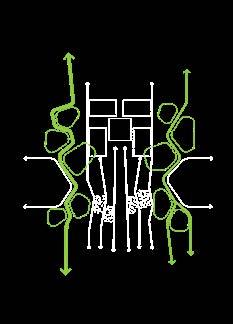
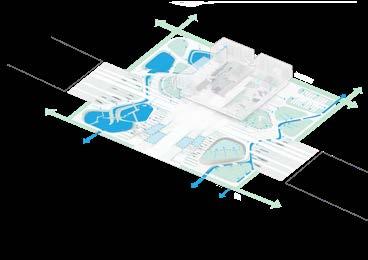
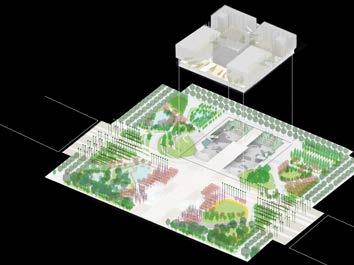
The design language is inspired by the cultural imagery of the past of Shenzhen—the memory of fishing village: the field, the pond, and the grove. Each represents a unique character of the cultural landscape of a pre-urban history. The three prototypical languages are synthesized and developed into a variety of landscape that reflects the root of urban ground and meanwhile brings flexible and
and
Embrace the fascination of Permanence and Ephemerality
Seal Harbor, ME, US/ Reed Hilderbrand + Thomas Phifer and Partners/ Client: Confidential / 2019
Role: Major designer, collaborate in design, in charge of graphic productions
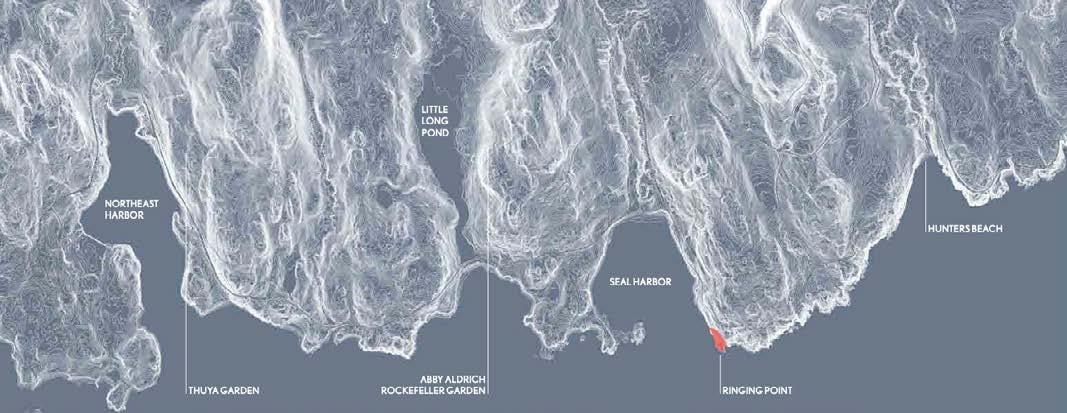
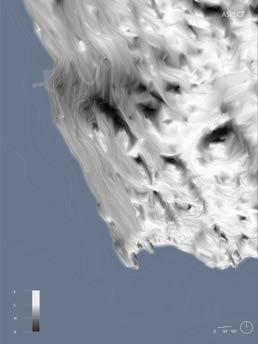
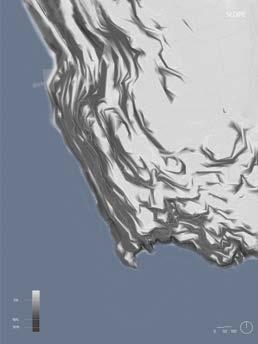
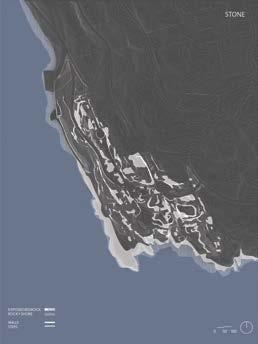
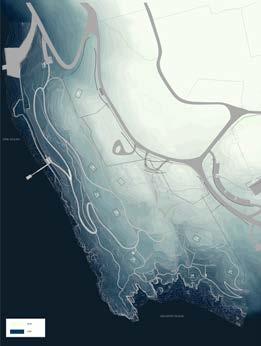
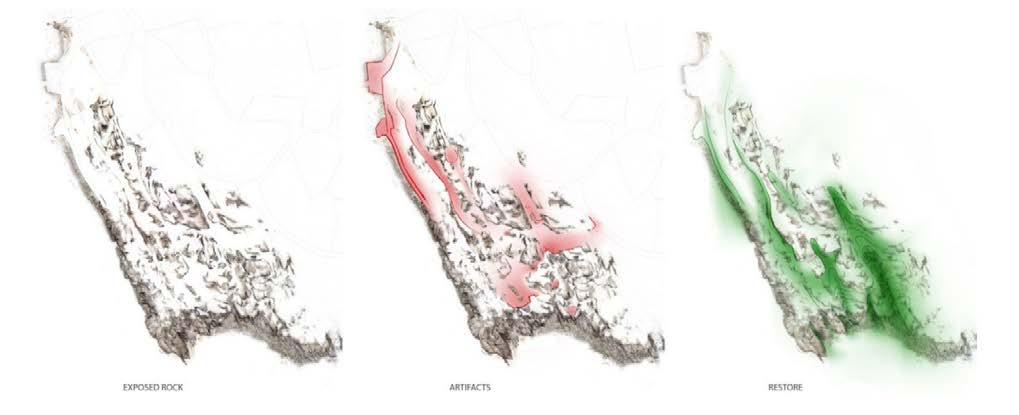
Uniquely situated between the forests of Acadia National Park and the Atlantic Ocean, it is home to the unusual composition of natural and cultural features endemic to Mount Desert Island. The aspirations for the site are high and the charge an immense responsibility: to test, to evaluate and to determine at what point human interventions will tip from a harmonious balance between structure and site systems.
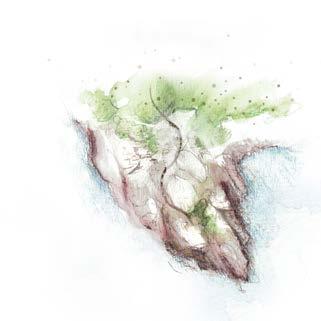
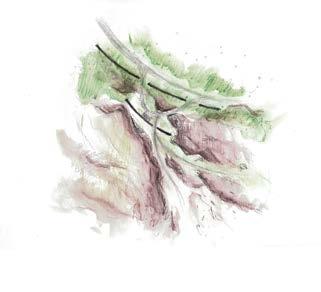
The framework plan sets forth a rational vision of future as a unique work of landscape art for human enrichment. The plan pursues a light, ecologically sensitive approach to the environment, emphasizing the beauty of the landscape and its associations with the extensive cultural and natural systems across Mount Desert Island. The design is founded on an ethic of honor and respect for the site’s composition of native conditions and cultural overlays. The plan weaves human programs with the particular ecology of the place, and in doing so, conveys a palpable deference to site orders of exposed bedrock, surface water, and plant communities. The paths, trails, terraces, and shelters eventually turn toward the water and the shaping presence of the Atlantic Ocean. To engage the site is to leave the everyday world for an immersive experience of nature’s restorative and civilizing powers.
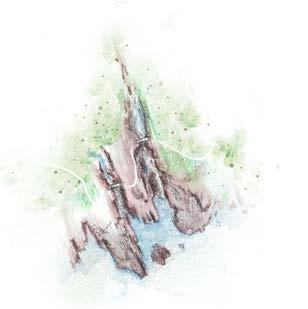
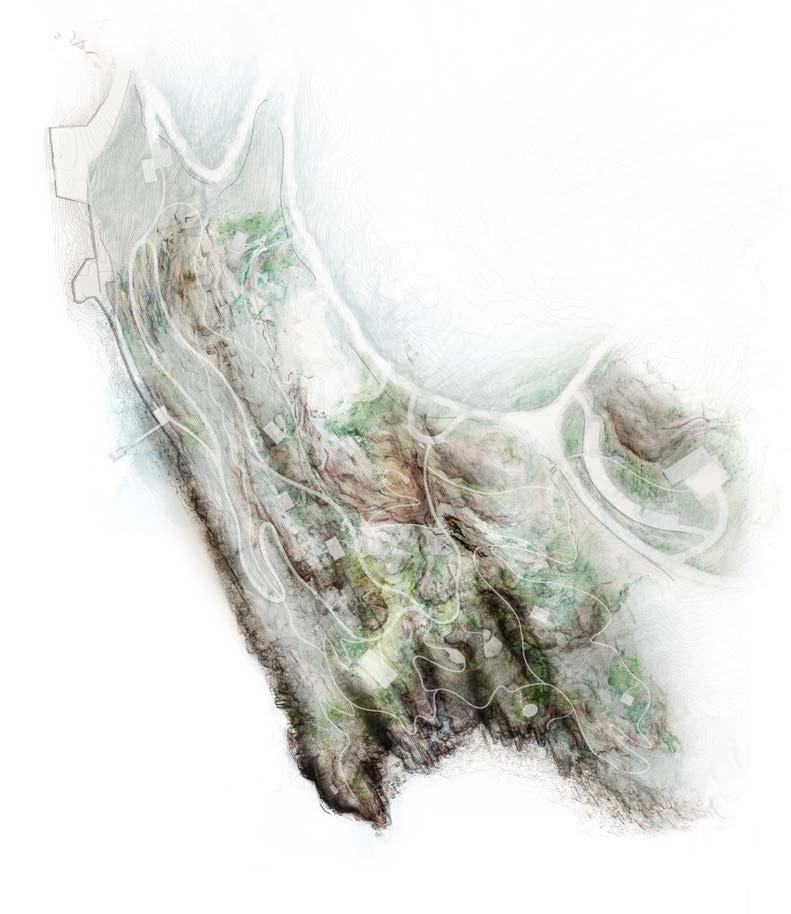
Bershire, MA, US/ Reed Hilderbrand / Client: Williams College / 2018 Role: Major designer, collaborate in design and community engagement, in charge of graphic productions
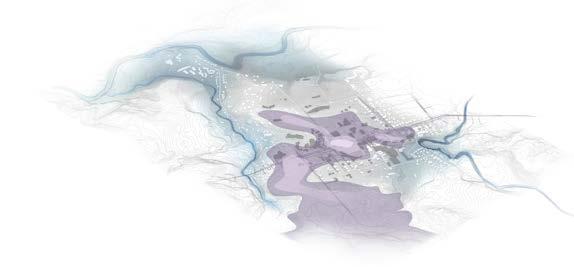
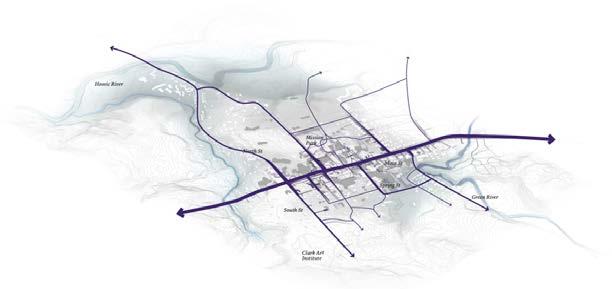
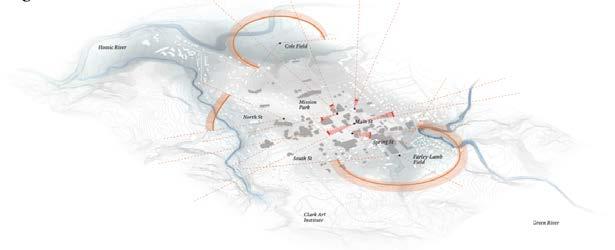
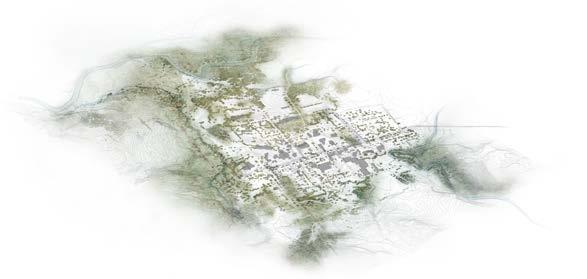
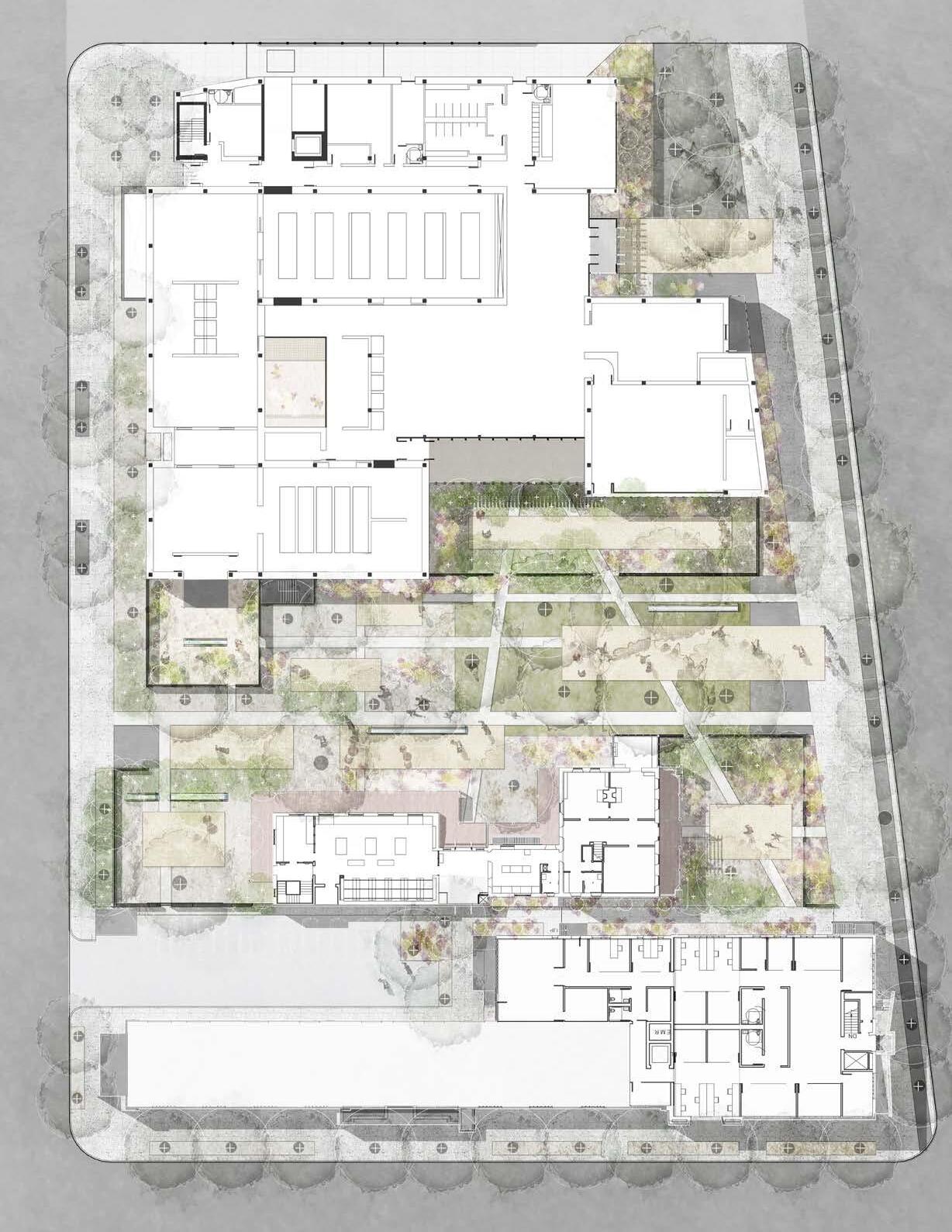
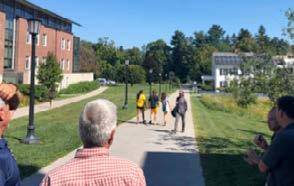
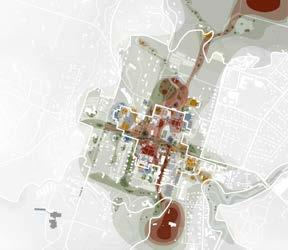
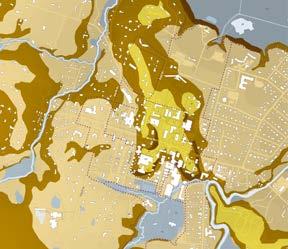
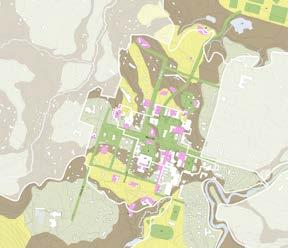
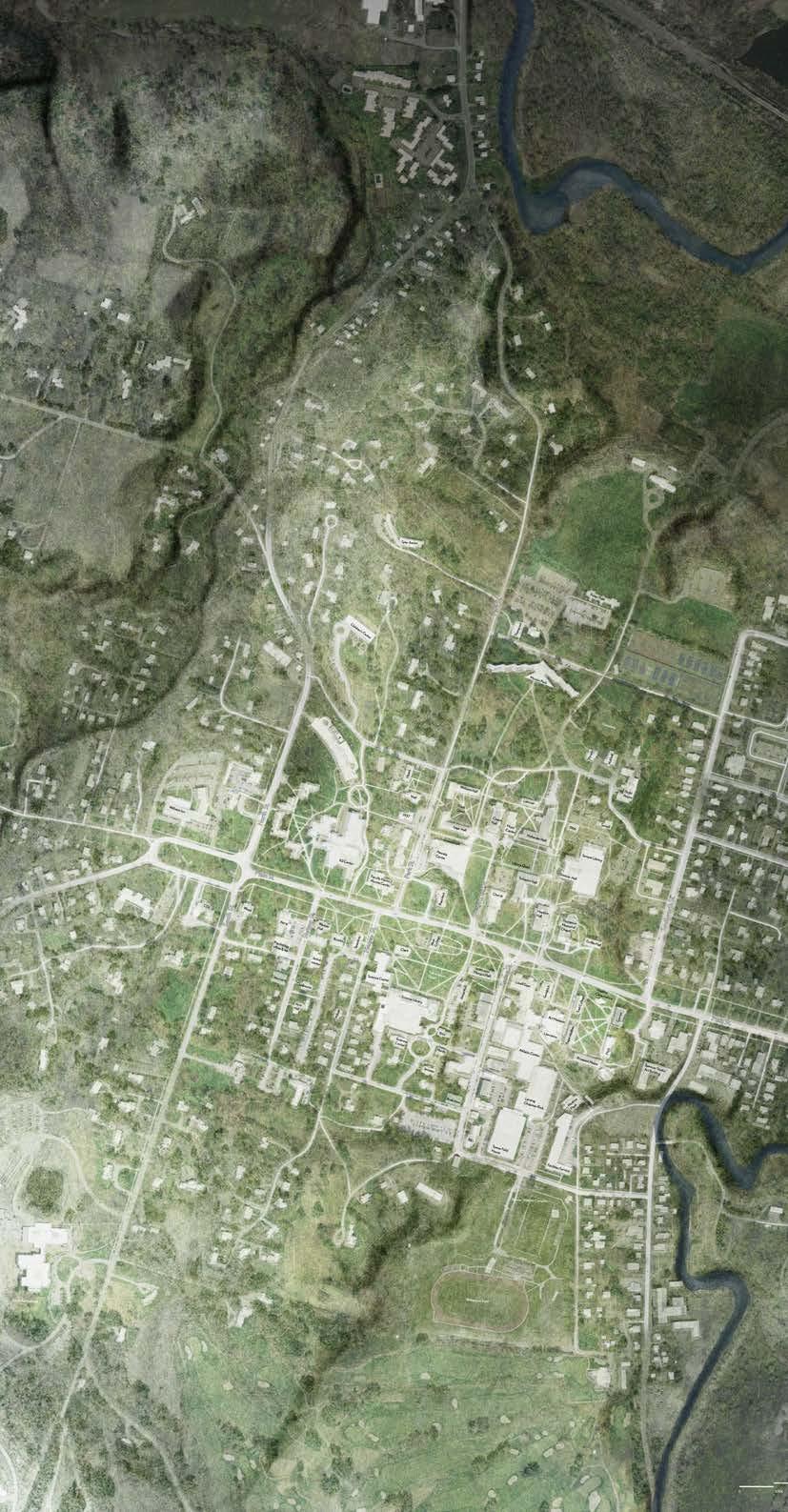
The charge of the Landscape Study is to describe the attributes of the Williams landscape and to provide criteria for evaluating change. This study finds ways to reassert the rolling landforms, prioritize views, increase pedestrian connectivity, and foster community in ways that recognizes diversity and the increased programmatic requirements of inclusion, flexibility, and sustainability.
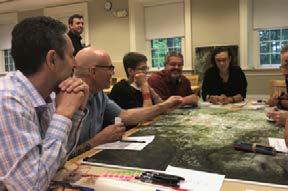
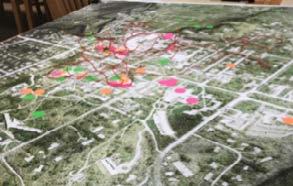
To capture the many different ways the campus is used and understood, progress was presented and discussed during three Williams Community meetings, two Board of Trustees meetings and many more Design Review Landscape Committee meetings. Pairing campus scale analysis, site-specific case studies, with Williams Community feedback provide a comprehensive understanding of the Williams landscape and unlocked potential ideas and projects to shape Williams’ campus landscape now and in the future.
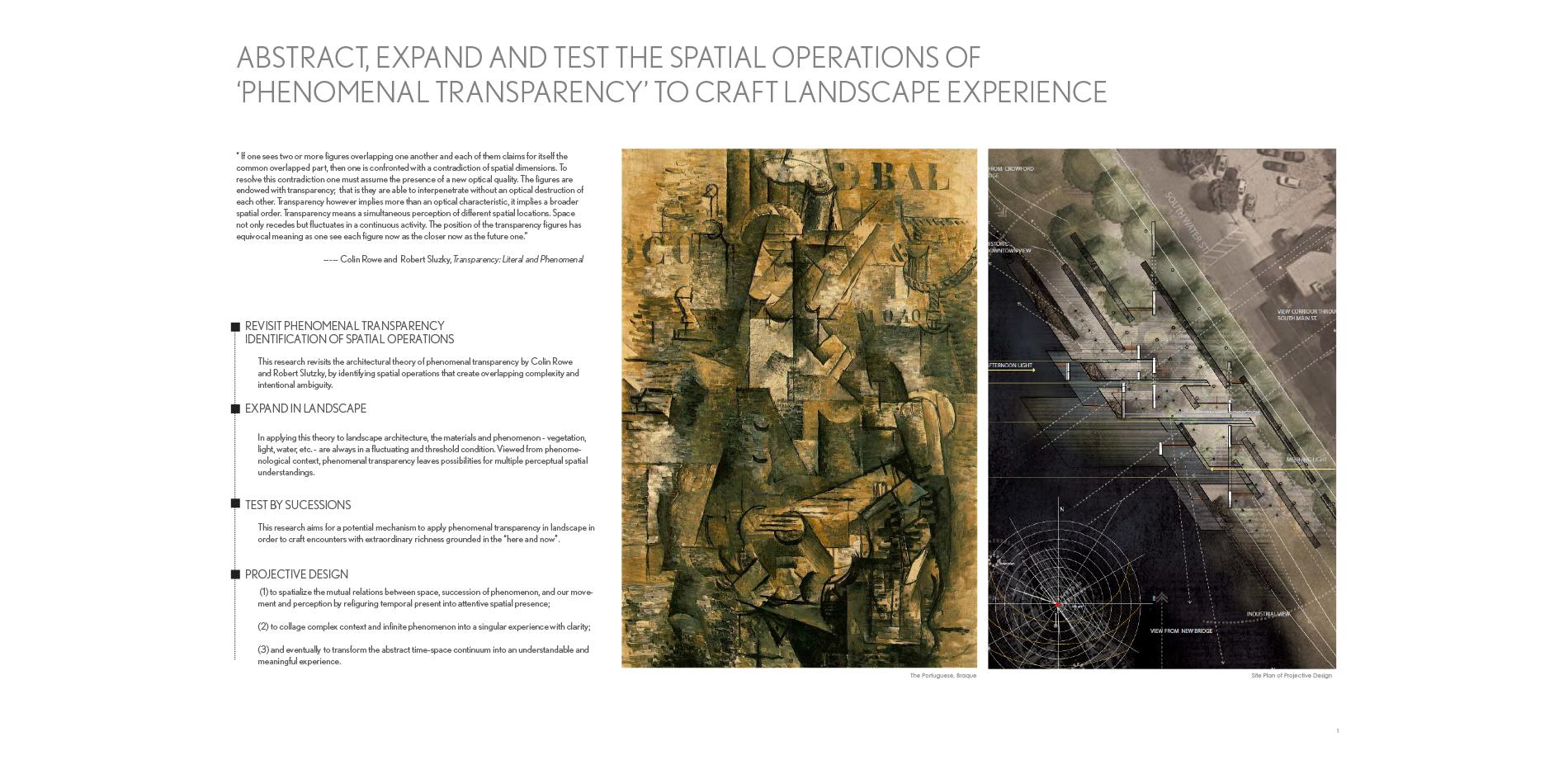
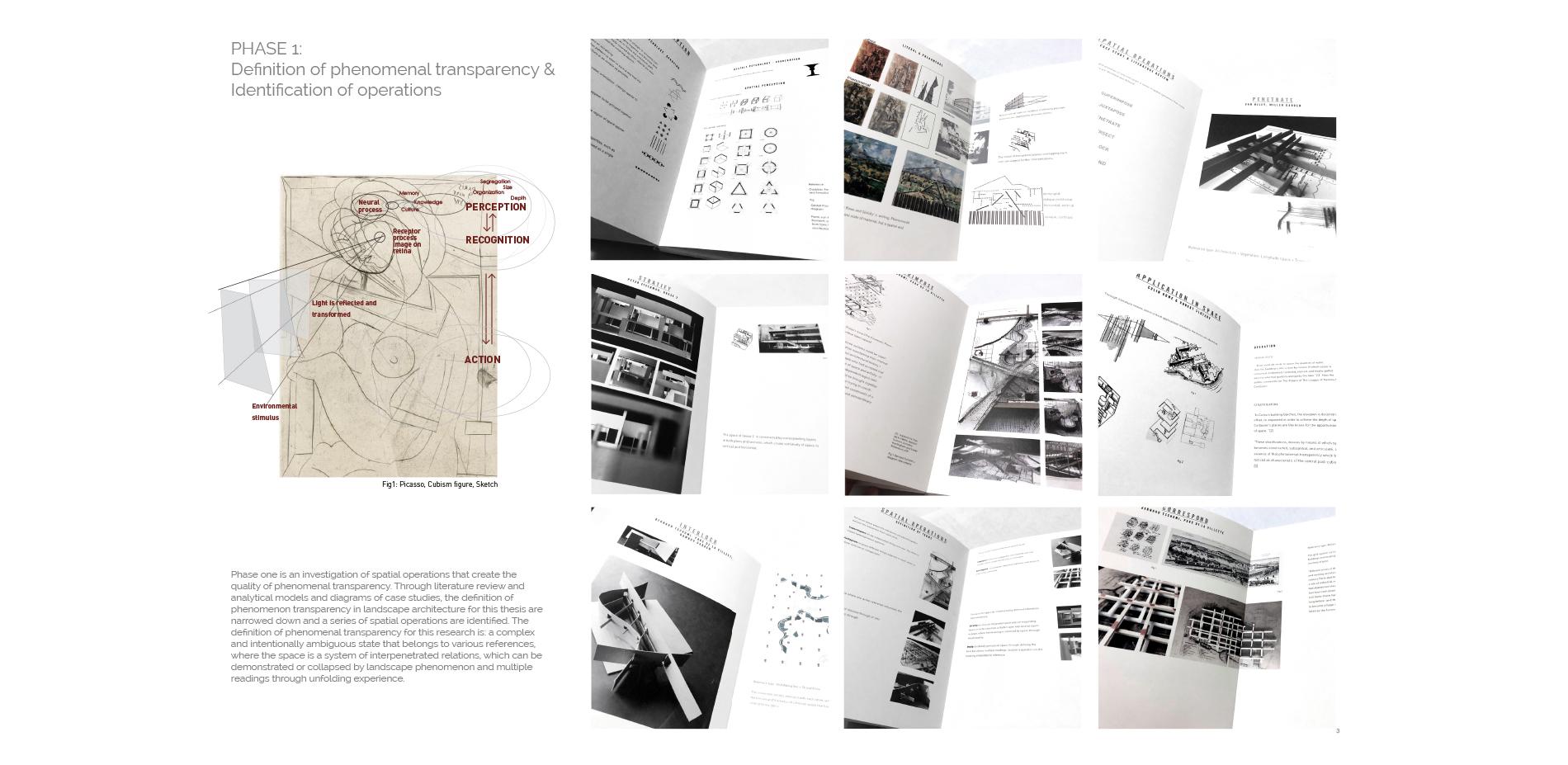
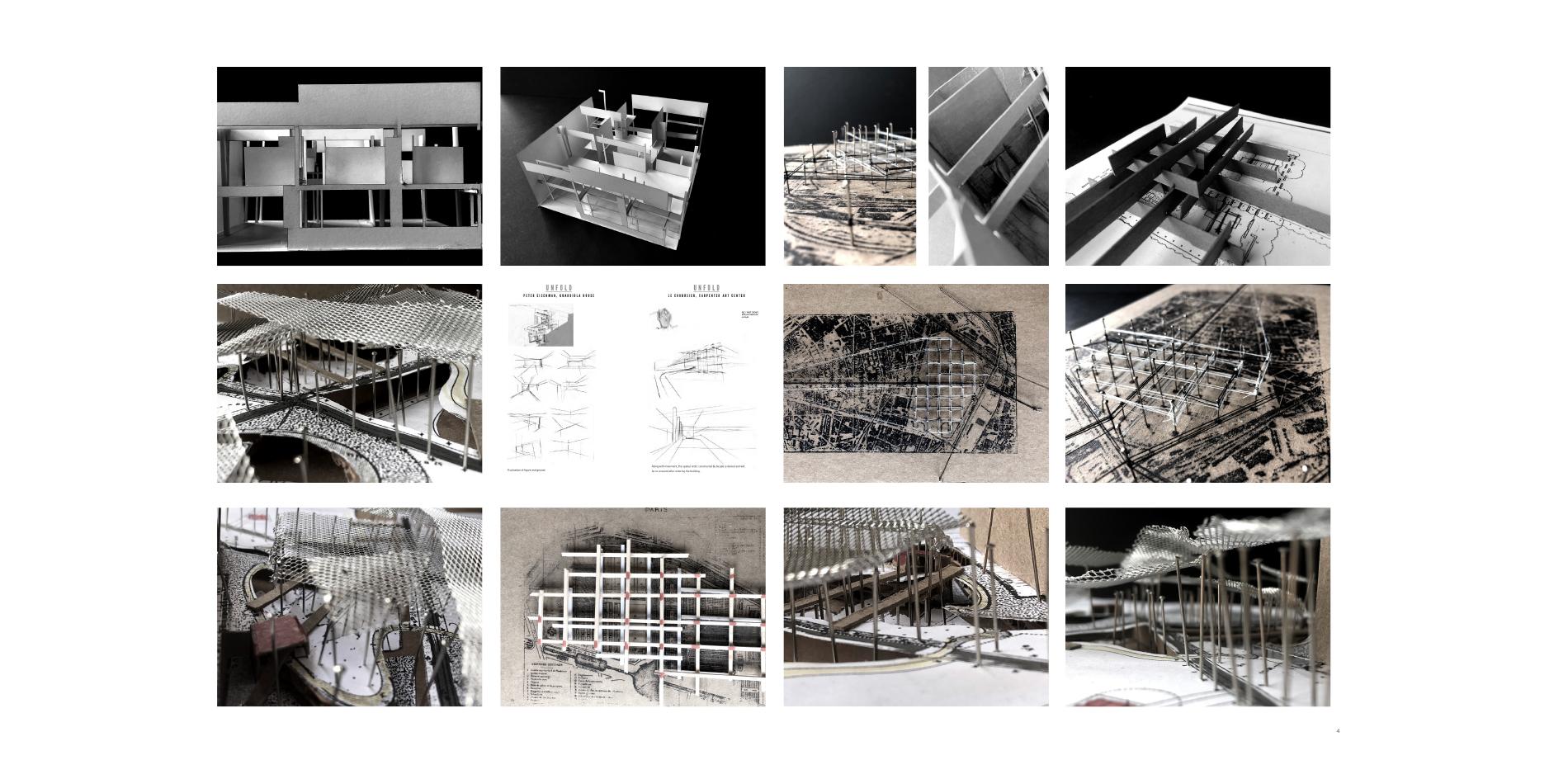
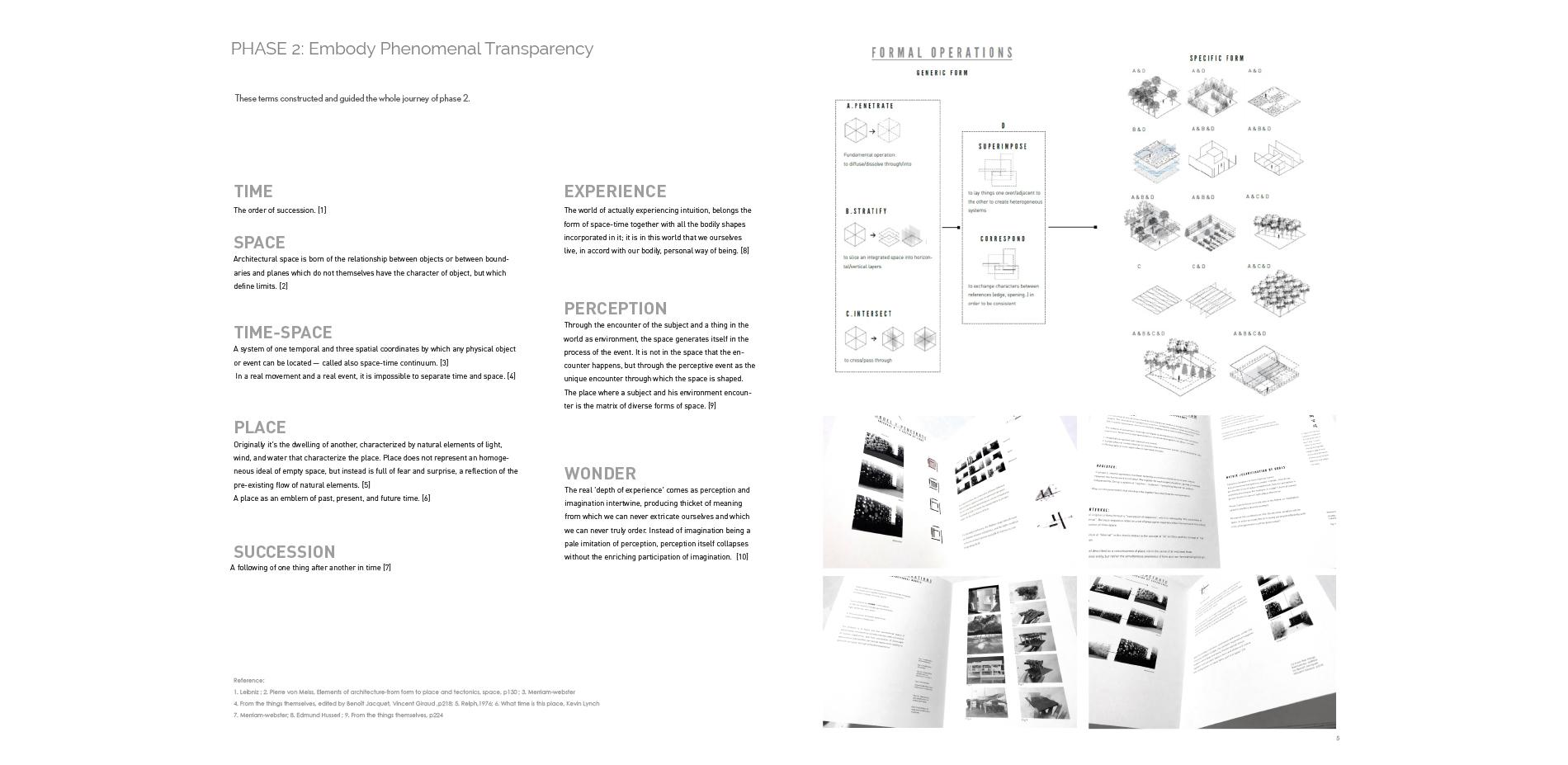
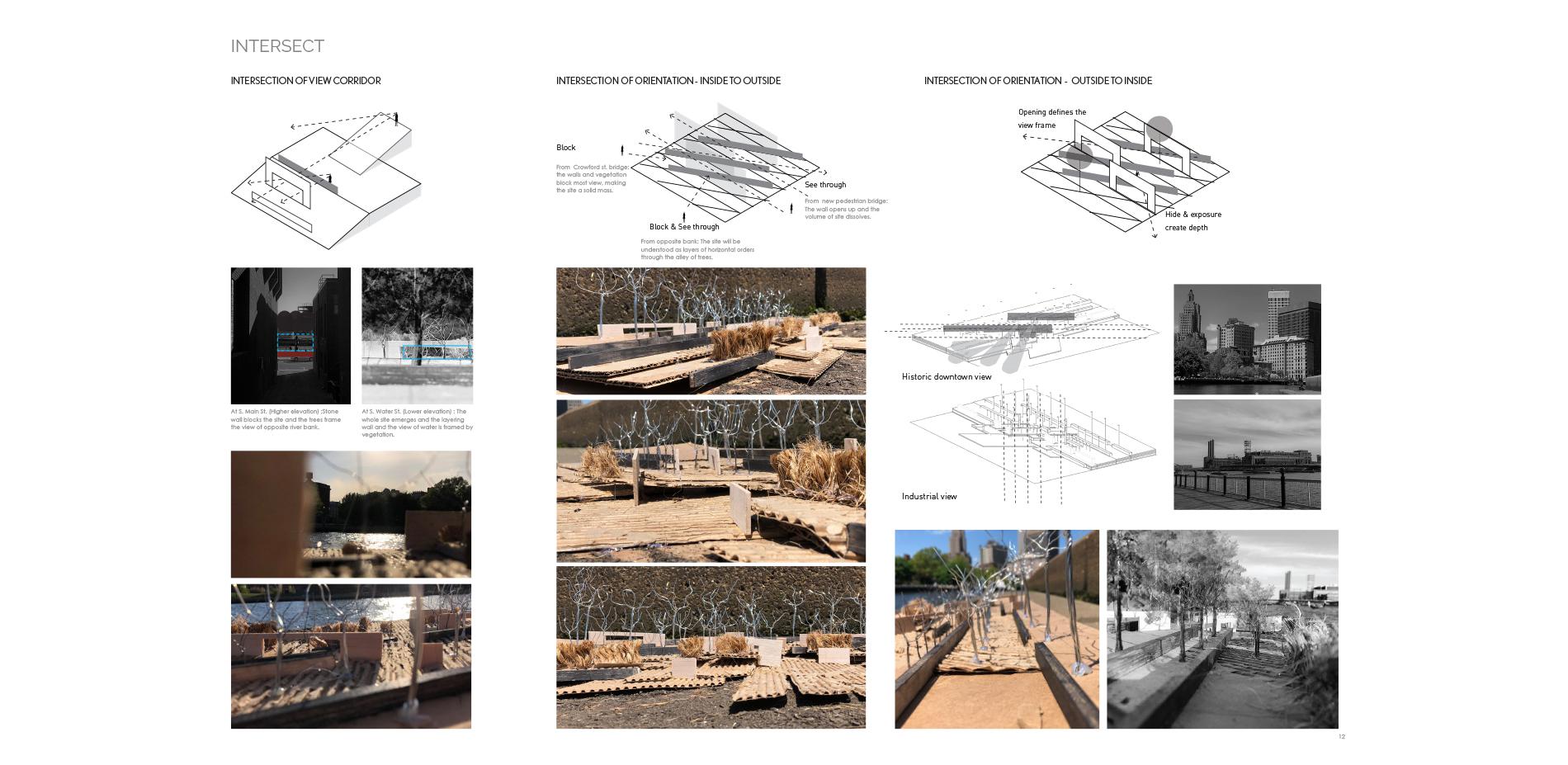
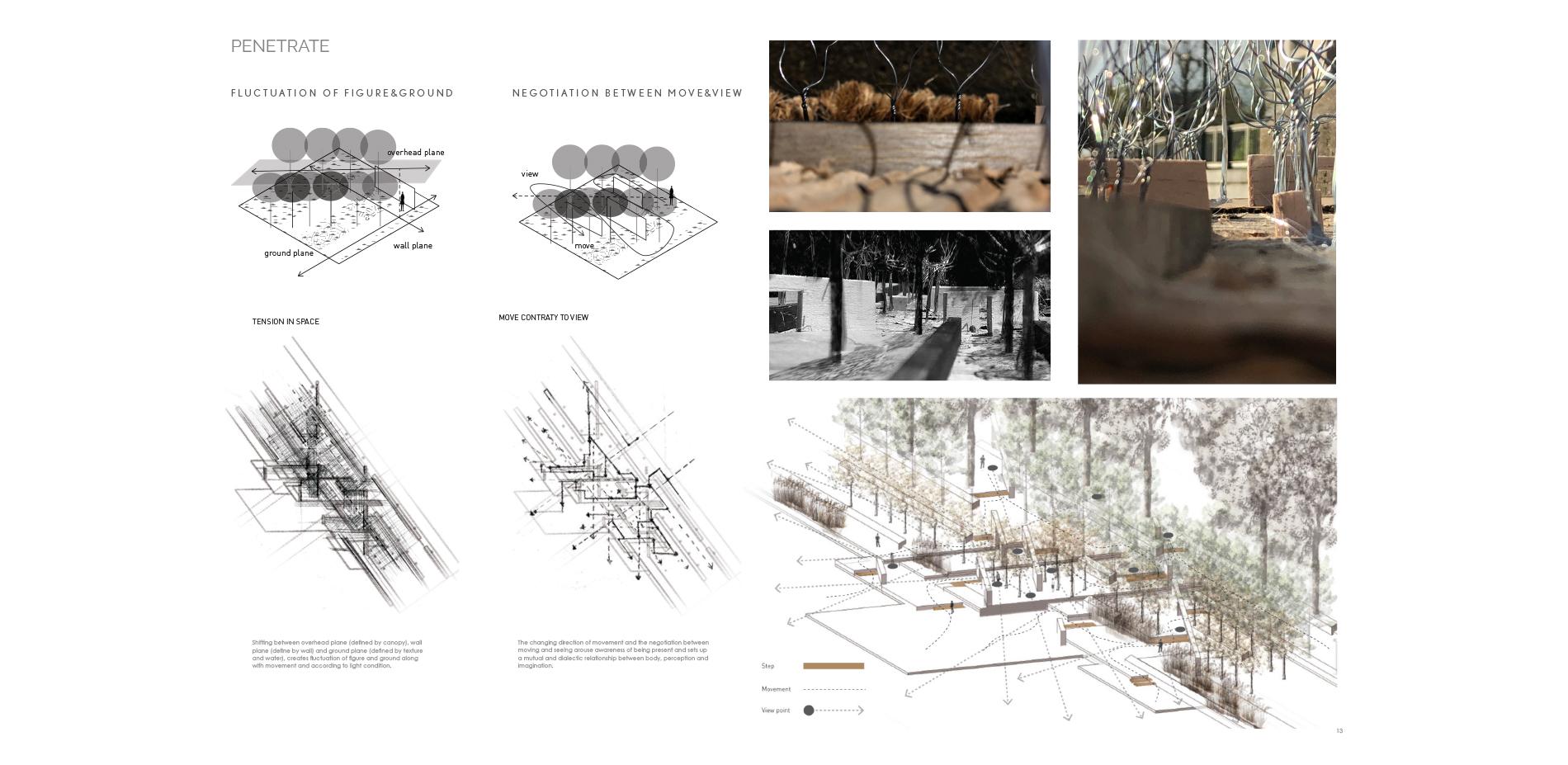
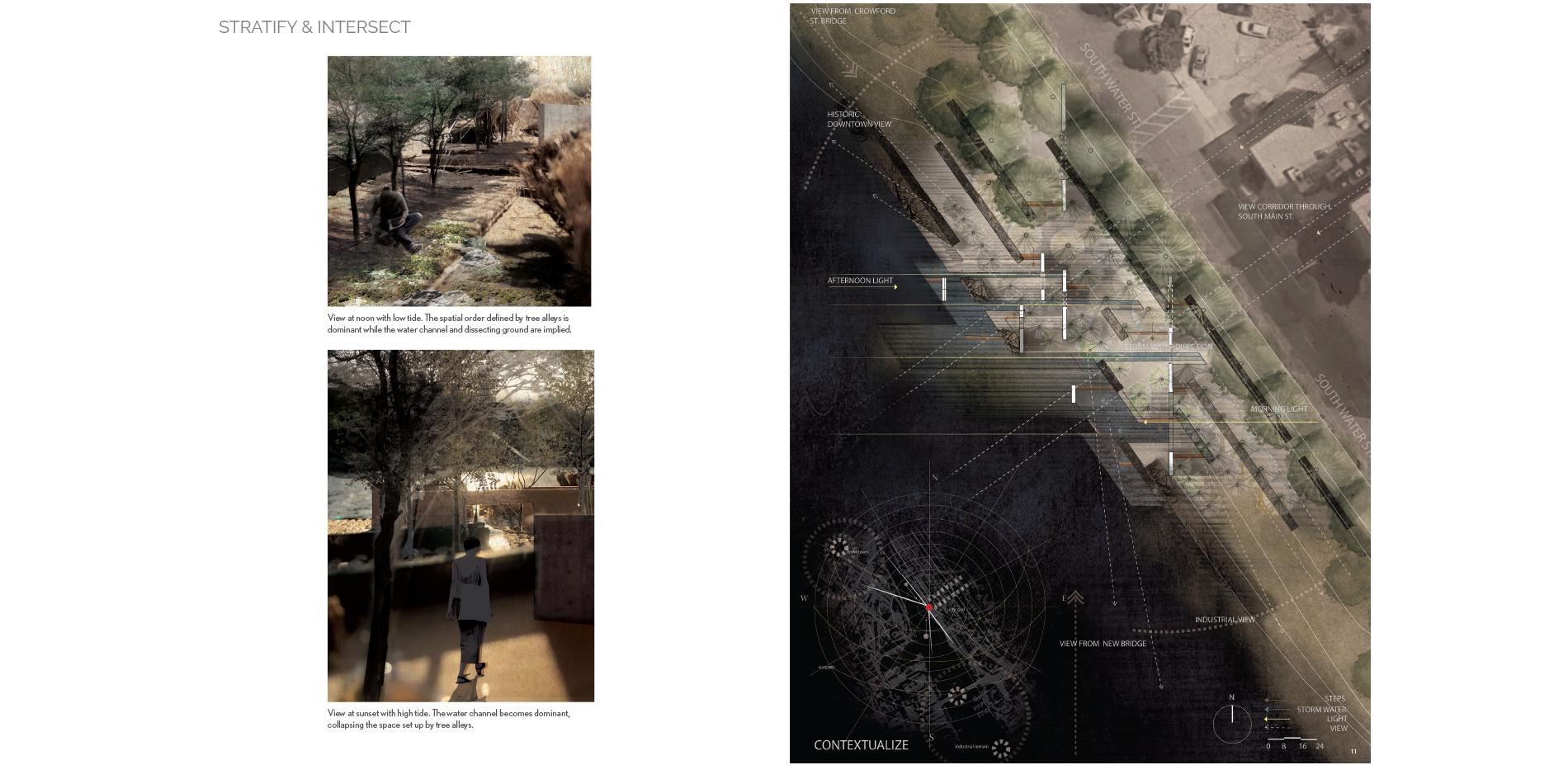
This research revisits the architectural theory of phenomenal transparency by Colin Rowe and Robert Slutzky, by identifying spatial operations that create overlapping complexity and intentional ambiguity. In applying this theory to landscape architecture, the materials and phenomenon - vegetation, light, water, etc. - are always in a fluctuating and threshold condition. Phenomenologically, phenomenal transparency leaves possibilities for multiple perceptual spatial understandings. Therefore, this research aims for a potential mechanism to apply phenomenal transparency in landscape in order to dissect the intangible and perceptual quality of landscape phenomenon into measurable design parameters and articulated spatial operations.
ABSTRACT, EXPAND, AND TEST THE SPATIAL OPERATIONS OF ‘PHENOMENAL TRANSPARENCY’ TO CRAFT LANDSCAPE EXPERIENCE
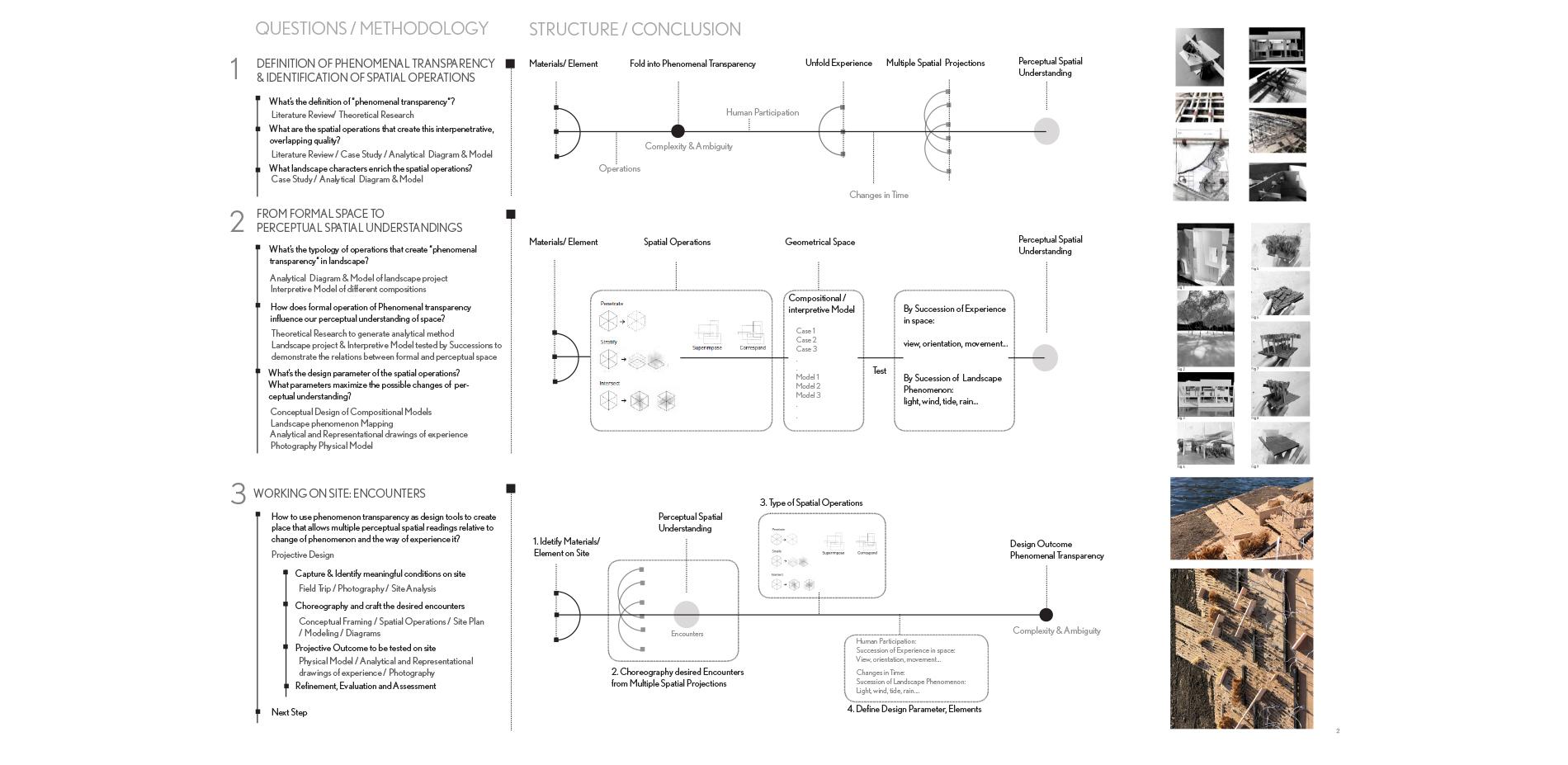
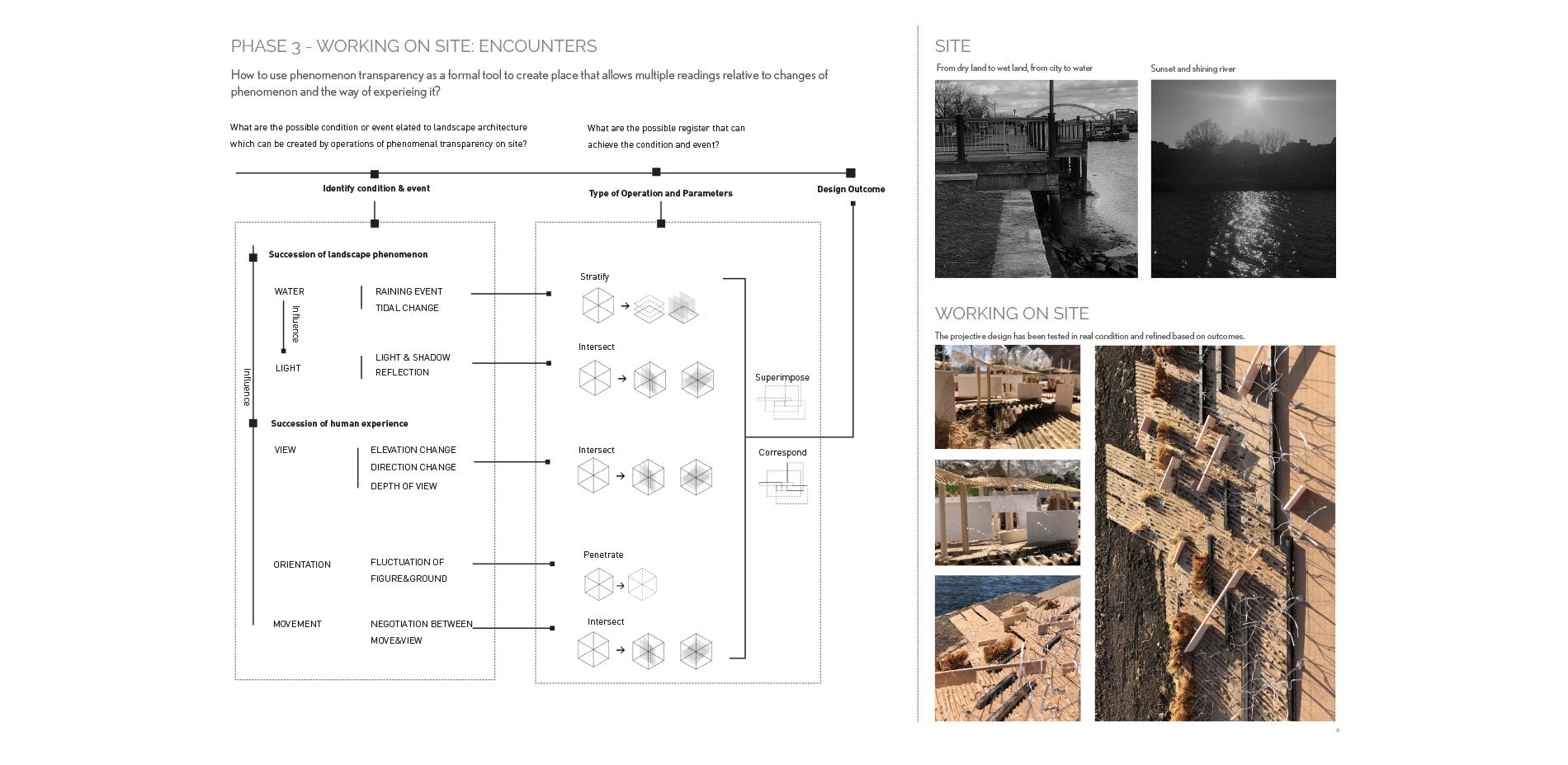
The literature review and theoretical investigations frame the research question and inform the diagrammatic analysis; the design process as research helps to identify and synthesize the spatial operations and to refine the mechanism; and the physical representational model enables design outcomes to be tested on site with light and context. It’s an intertwined process of design as research, and research as design.
Rhode Island School of Design, 2018 Original thesis book: Li, Hongfei, "Embody phenomenal transparency : the expanded application of "phenomenal transparency" in landscape architecture" (2018). Masters Theses. 274.
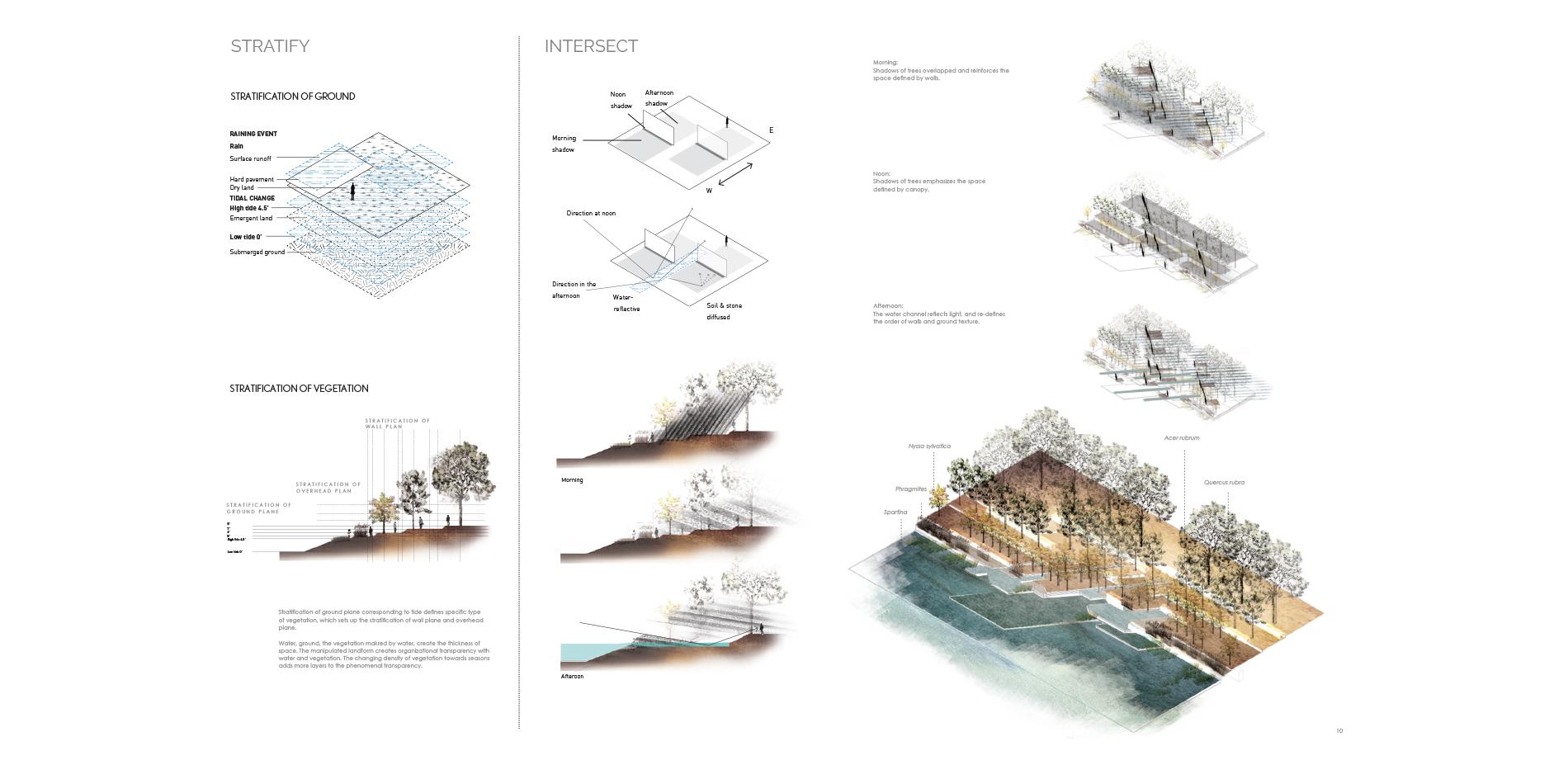
In terms of spatial operations, this research unfolds the abstract and conceptual theory and dissects the intangible and descriptive quality of phenomenal transparency into measurable design parameters and articulated spatial operations. It leads to a clarification of space, an implication of order and meaning from multiple references, and a way to synthesize, organize, and recompose space within current layering of collage-like context.
Phenomenologically, this research explores the potentials to apply phenomenal transparency in landscape architecture to craft encounters, guide acts of consciousness, create engaged and individualized experiences of place, ground us in “here and now” through spatializing temporal changes in time. These actions activate the mutual relationship between body, temporal perception, and space, providing a method to transform what is originally considered as outside and independent from us into part of us: a space not just unfolds with viewer's movement but is re-composed along with the movement of body and succession of phenomenon. As the essence of landscape architecture is fundamentally phenomenological, moving forward, one approach of place-making might be spatializing the fluid boundary between us and our environment, tempering our instrumentalizing tendency with wonder through the openness created by phenomenal transparency.
Hongfei Li
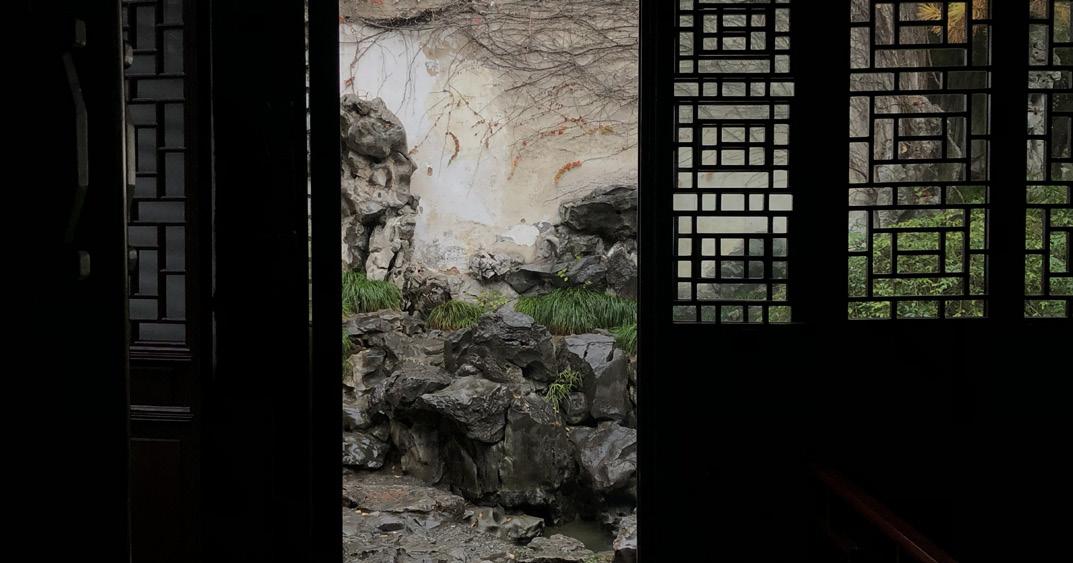
“In every mundane perception, there is not only the encounter with an object, but also the opening of a dimension of depth that marks my distance and proximity to things. While length and width can be perceived as belonging solely to objects located in grid space, depth unfolds in phenomenological space, as part of the lived experience of a subject who is embedded in the very world that she perceives.”1
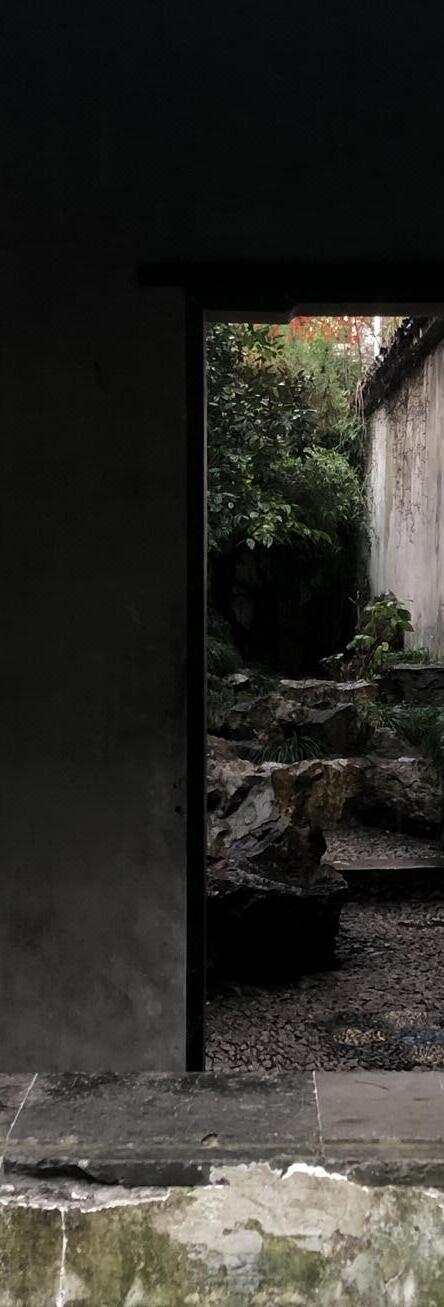
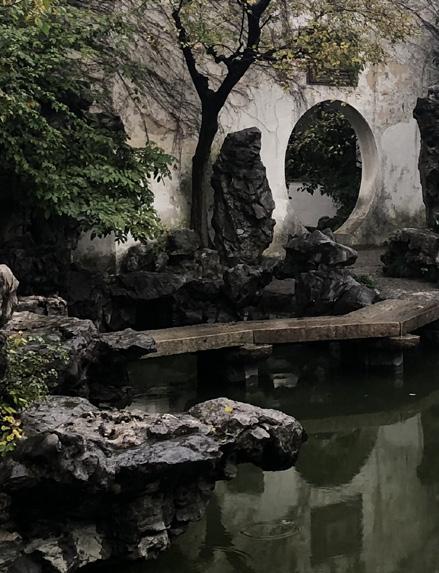
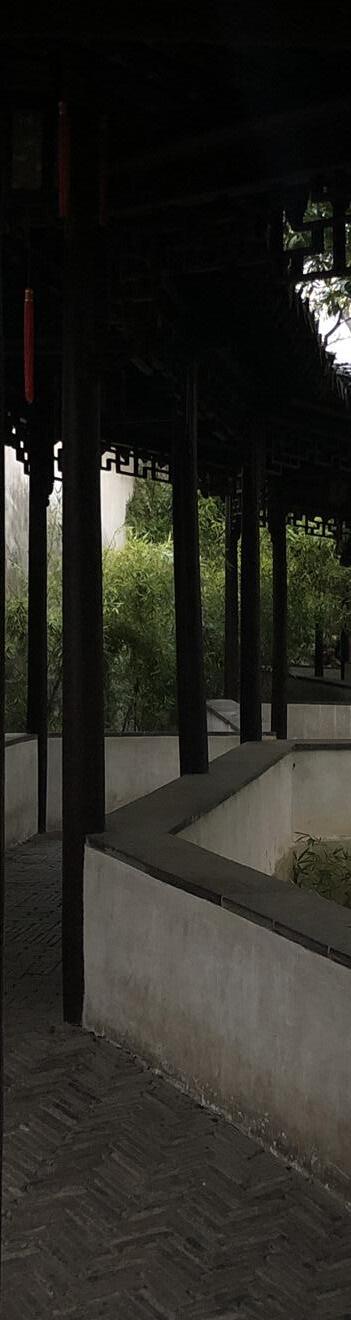
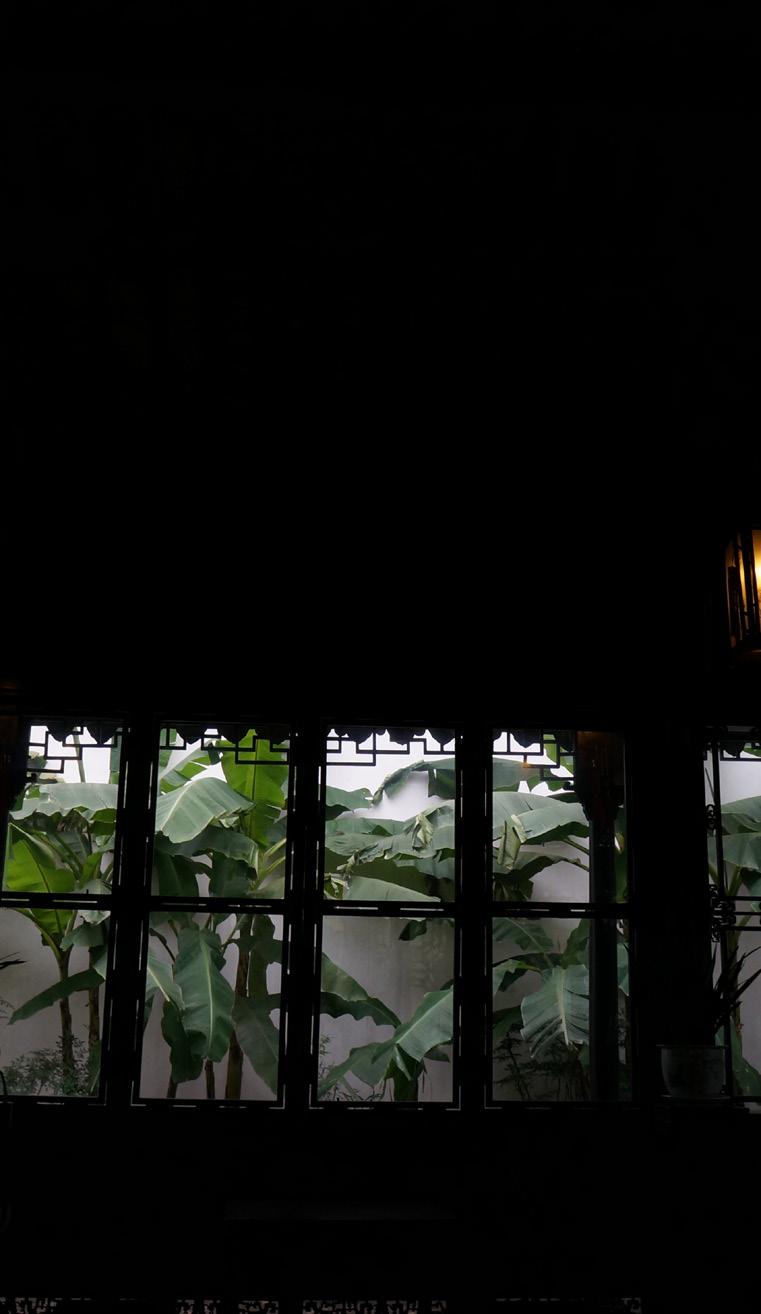
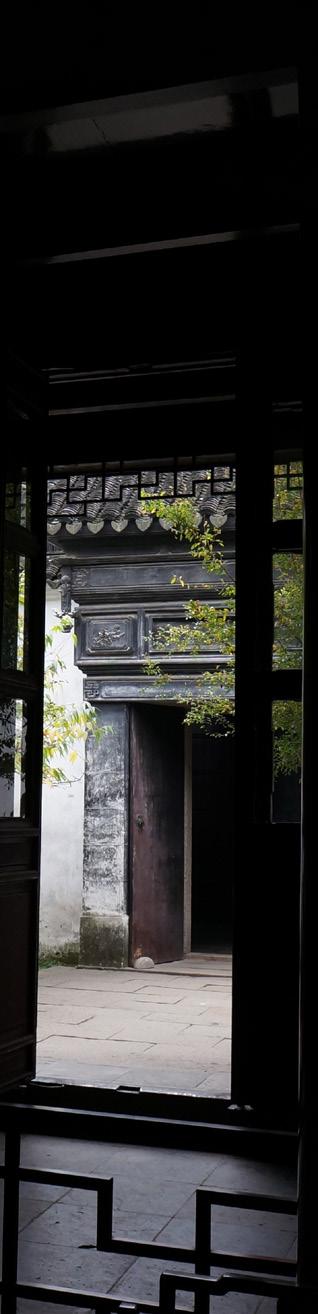
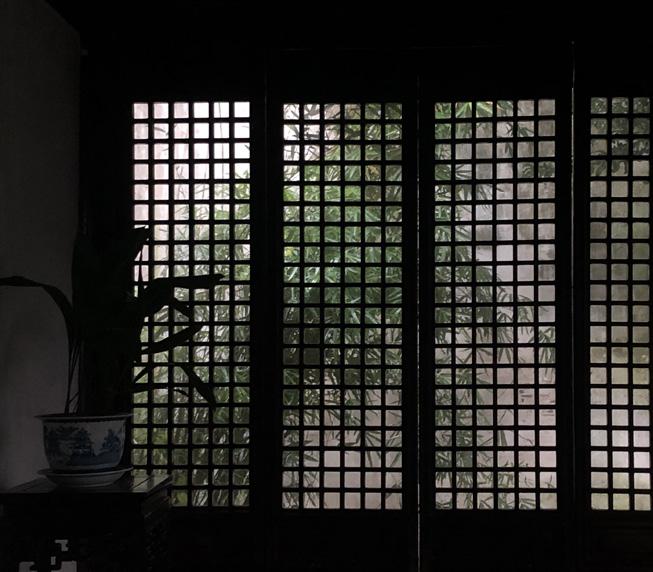
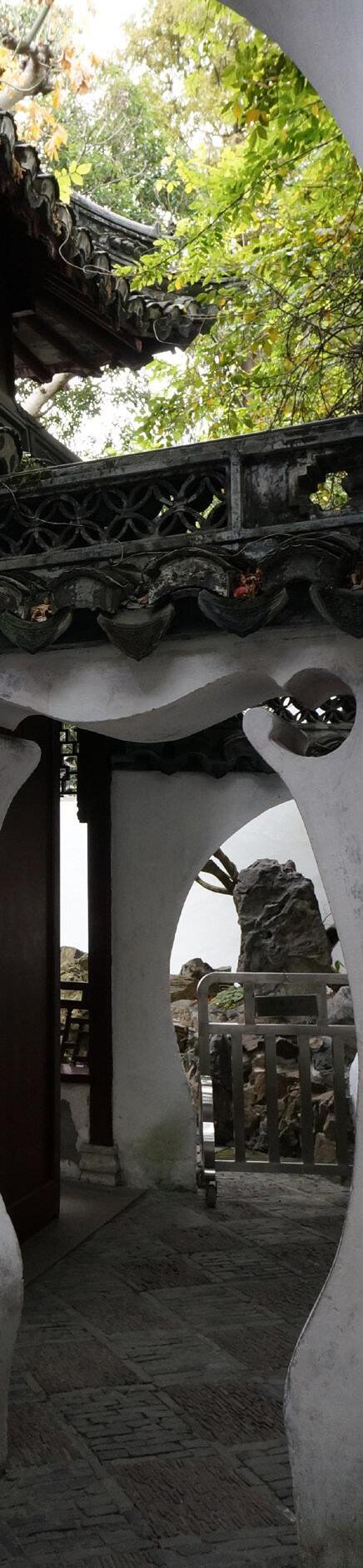
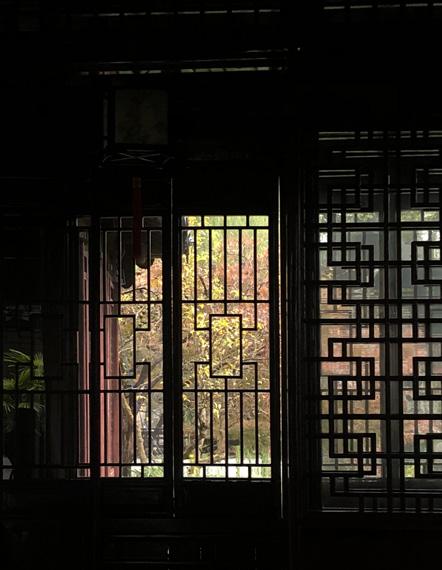
Last winter, I revisited several traditional Chinese Gardens in the Southern Yangtze area. While wandering through them, I realized that the phenomenological experience described by Maurice Merleau-Ponty was embodied in Chinese Gardens. The dialogue between body and space, the lingering and eeting phenomenon in time, the con gured form of space and time via perceiving, merged with images of old scenes from previous visits in my childhood, and imprinted into new memories. The emergence of this process keeps repeating, along with the rainy and foggy atmosphere in late autumn, it turns my memory into a wet washi paper, blurring and diluting the vision. Patches of unpredictable feelings and images are the only things that are le . Below, I try to capture this experience and its intangible quality through my words and photography, and to formally identify the elements that contribute to this unique impression.
Relational Space: Infinite Experience within the Finite
Chinese paintings illustrate how we nd our dwellings among the water and mountain, while the Chinese garden constructs the water and mountain within the dwellings. They are at two opposite scales: the grand and in nite nature, versus the constrained and limited urban environment, or more precisely, the courtyard of architecture. However, walking in the gardens, I surprisingly gained the similar experience of wandering among the mountains and water in nature. The gardener made this possible on such a narrowed scale with constraints. The following techniques contribute to it:
1. Contrast and relativity created by a thoughtful spatial layout allows the perceptual experience to override the actual geometrical scale. By arranging compressions and enlargements in sequence, a deep and dynamic world is perceived.
2. Viewpoints and ways of viewing were carefully considered as critical design elements. Scholar Congzhou Chen identi ed viewing in motion and viewing in stillness as two preliminary gardening strategies in Shuo Yuan2.Viewing in motion emphasizes the unfolding process of di erent scenarios along with movement. It is a play of hiding and revealing. The architecture is always partially veiled by layers of vegetation, rocks, or corridors. The critical scenes in the garden are never fully exposed for you to see through. Instead, they are ltered, framed and bewildered by doorways and windows. These conditions allow perception and imagination to intertwine, to correspond or even to deny each other, making the memory an overlapping collage. The garden you experienced is way more larger and complicated than the actual geometrical garden.
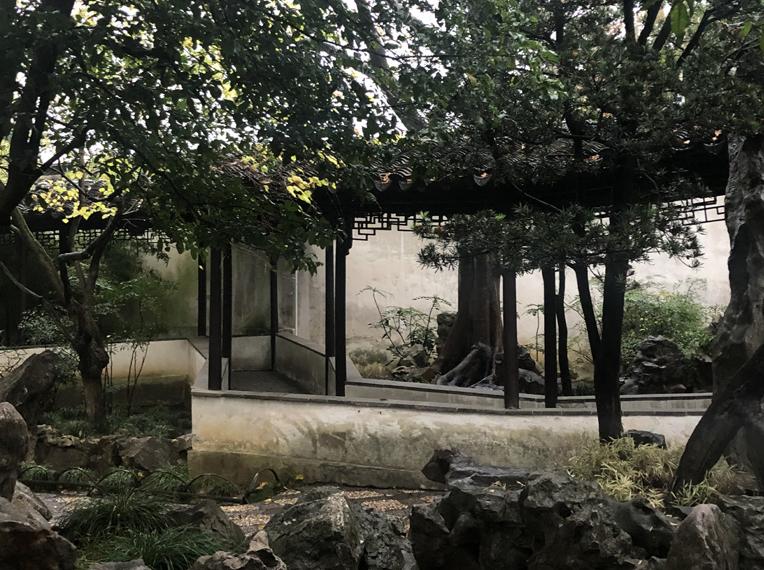
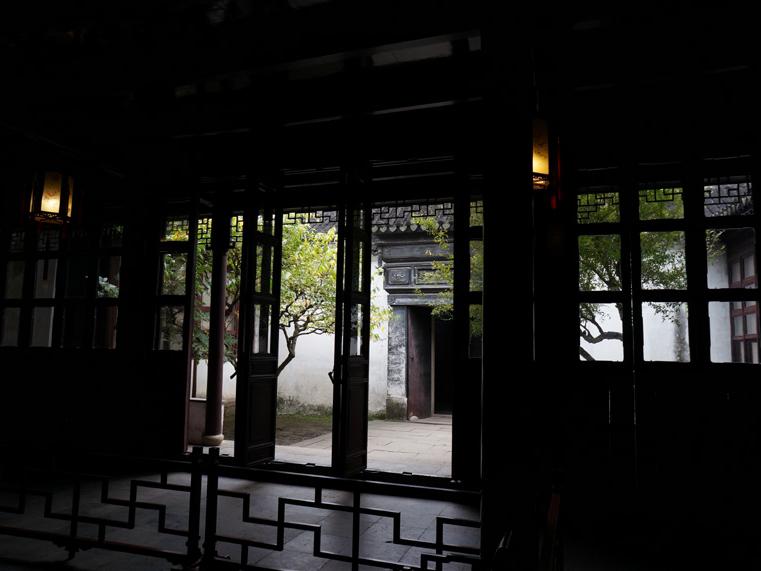
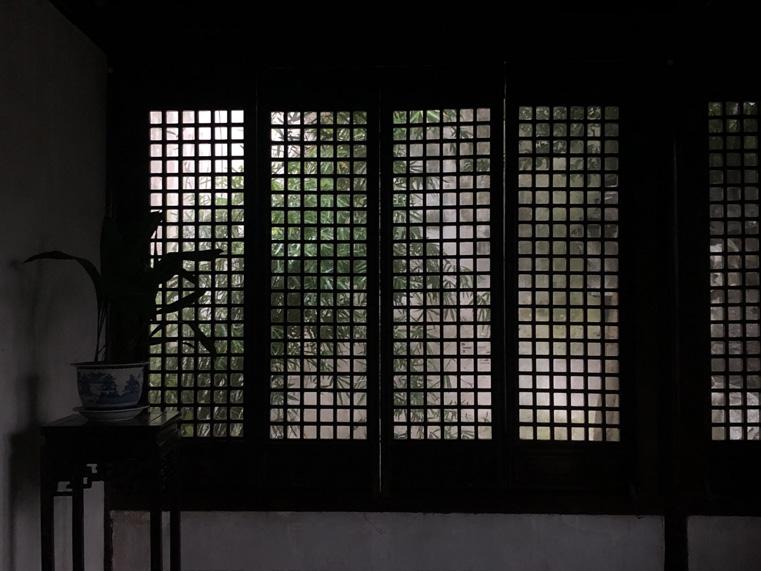
3. The uidity and ambiguity of boundaries. There isn’t a space completely de ned, even for interior space. Instead, there is a balance between owing and division across inside and outside, which deepens the view by establishing layers. Moreover, an abrupt stop at the boundary is avoided. For example, the corridor and interior wall o en depart from the site wall in order to create an in-between space of so vegetation. It thickens the boundary of the garden and creates a viewing opportunity to blur and so en how our gaze touches the wall. Consequently, the ambiguity foregrounds the relational position of the body, forming a dialogue between the viewer and space.
These strategies all demonstrate the interplay of body and geometry. The experience in Chinese gardens embodied the theory of architectural phenomenology: our experience of things depends on how we encounter them. It is the relative relation between things that matters the most, instead of the individual geometry of each part. In FromtheThingsThemselves:Architecture and Phenomenology, the author dissects Merleau-ponty’s argument and writes: “At rst we do not perceive an object located in a point of space, but rather we ourselves add various diverse predicates as its attributes. We experience an event at rst. And the chain of events puts an order of space and time into form; then, an object comes to be determined from this order. It means that an object as a thing is not located in a space and a time like a pin in a container. Time and space are cut out from the passage of an event and are brought into its form.”3The Chinese garden makes this perceiving process active and present.
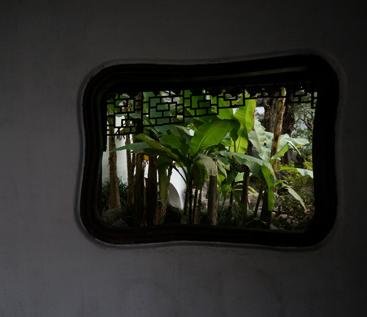
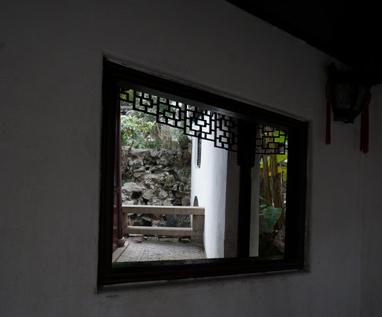
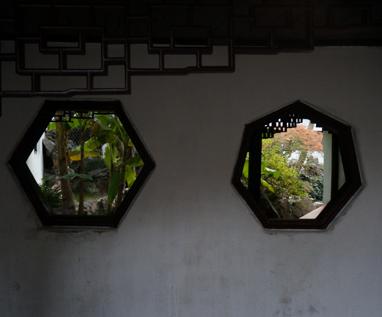
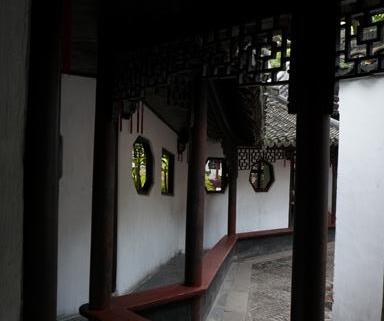
Spatial Tensions and Spatial collapse via Framing
As described above, viewpoints and ways of viewing are thoughtfully curated in traditional Chinese gardens. For examples, I o en experience these dialogues with the scenes: what I am seeing at this moment and the next, what will I see a er turning at the corner, what are the relationships between di erent seeings, how the seeing and being seen are shi ed, what is guiding my body to proceed and what’s activated or denied by the unfolding movement... These all raise the question: based on now and here, centered by the origin of my body and its a ordance, how do I situate myself among the things and eventually process the abstract space and time into personal and detailed experience?
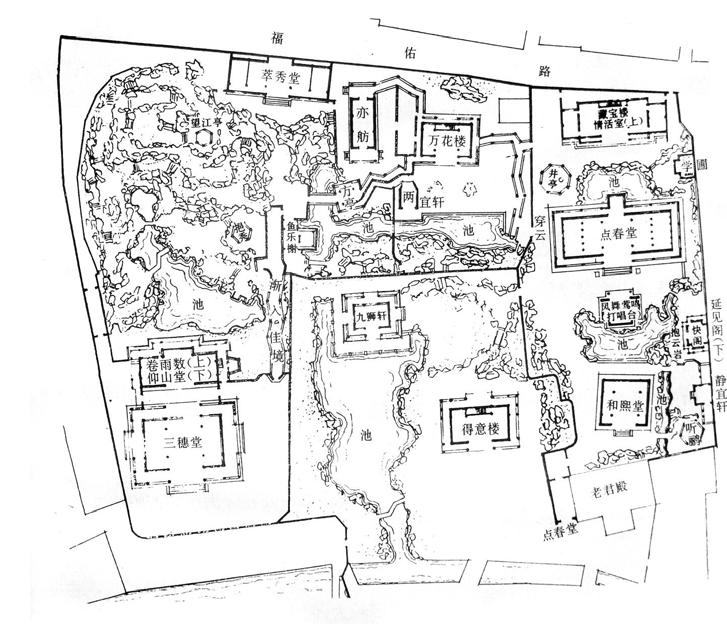
Framing has been dissected in scholarly work on aesthetics and composition. The ‘sightline’ has been addressed as an essential order in spatial con guration and organizational layout. Below I share some moments in Yu Garden and Lingering Garden, which speaks to superimpositions and perceptual depth.
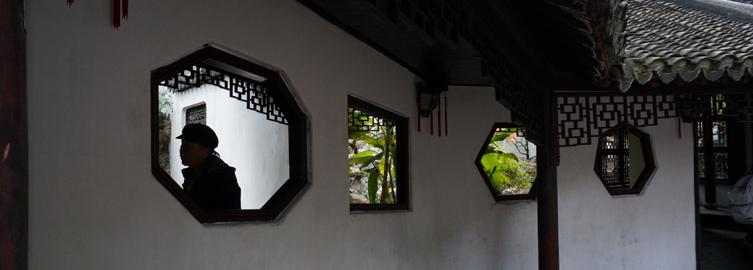
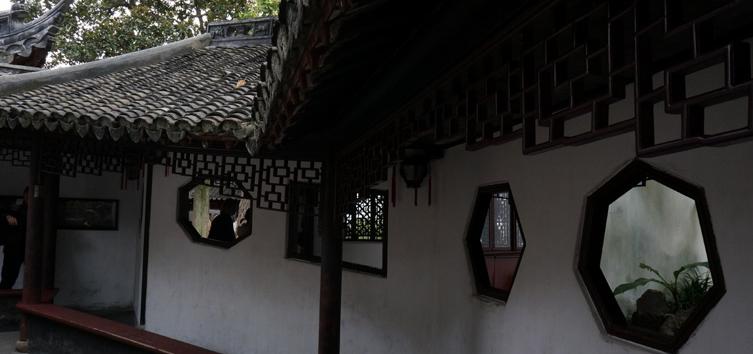
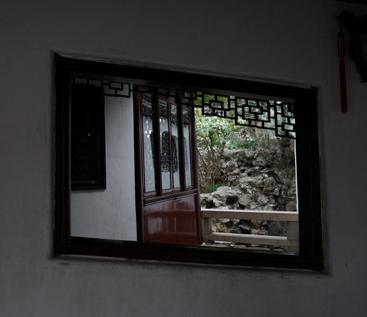
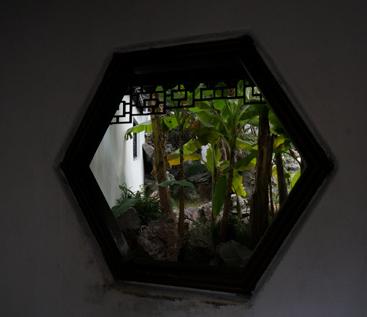
There is a zigzag corridor in Yu Garden. A set of frames on the corridor’s wall are facing various orientations, projecting views simultaneously from di erent locations with dynamic characters. The framed views shi as you move. If you look into each window, each scene is in di erent shade and light, with its own spatial depth, and represents di erent metaphoric images of Chinese literature. These dynamic views are born from the delicate courtyard’s arrangement in plan. Multiple windows create superimposed perception towards different courtyards. This spatial tension uctuates with your eyes. It’s a special perceptual event when all the immediate perspectives are presented and overlapped within one instant. I feel the stretch of time. Via the overlapping perceptions and fully engaged consciousness, time reveals its depth to me. The frames are de ned by the classic form of decorations and con ned by traditional scales. This sometimes foregrounds the patterns and cultural images. I can’t help myself but to envision how powerful it would be if this experience is abstracted and represented via modern interpretations.
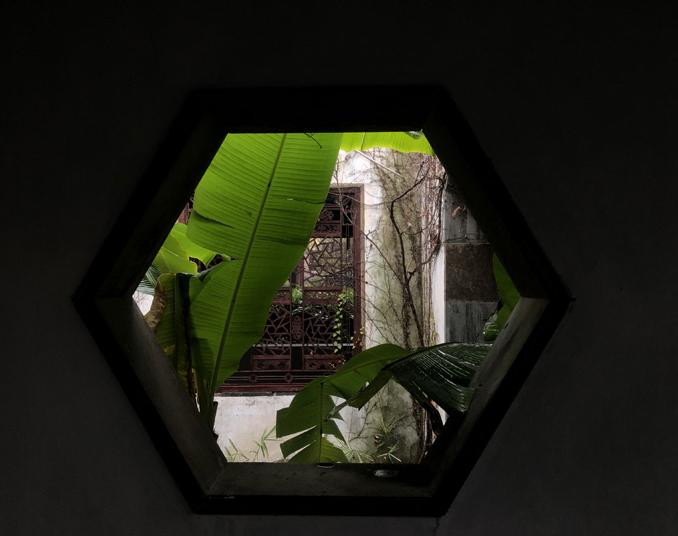
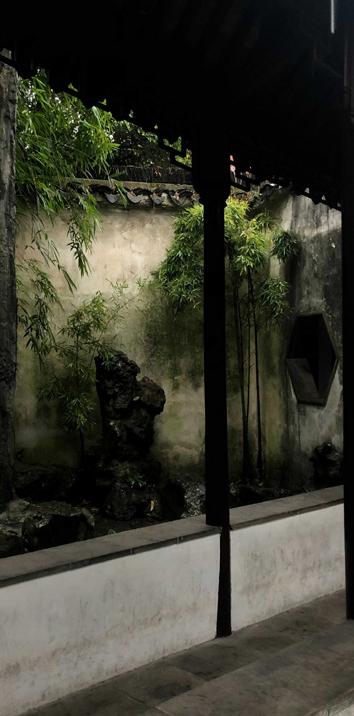
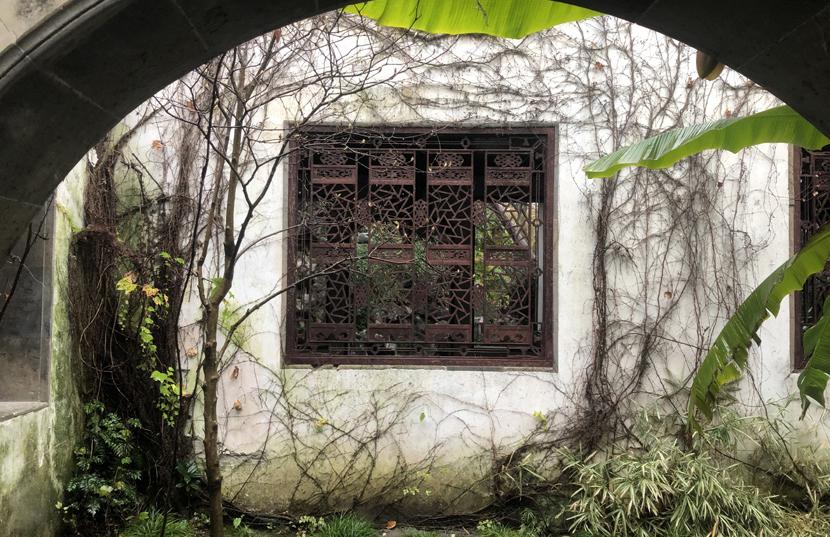
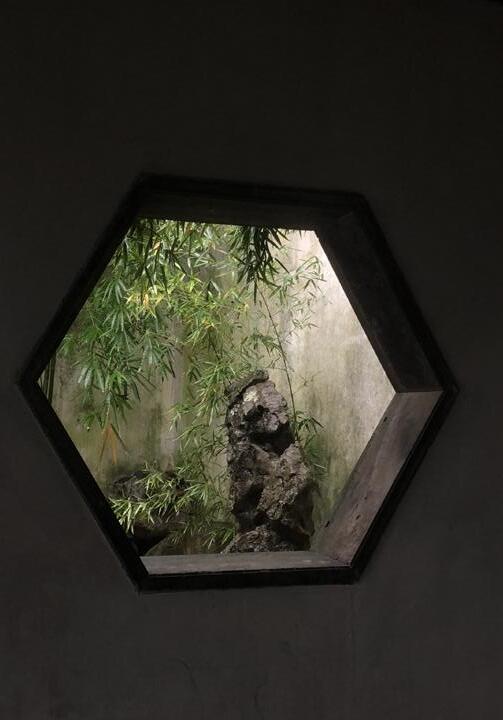
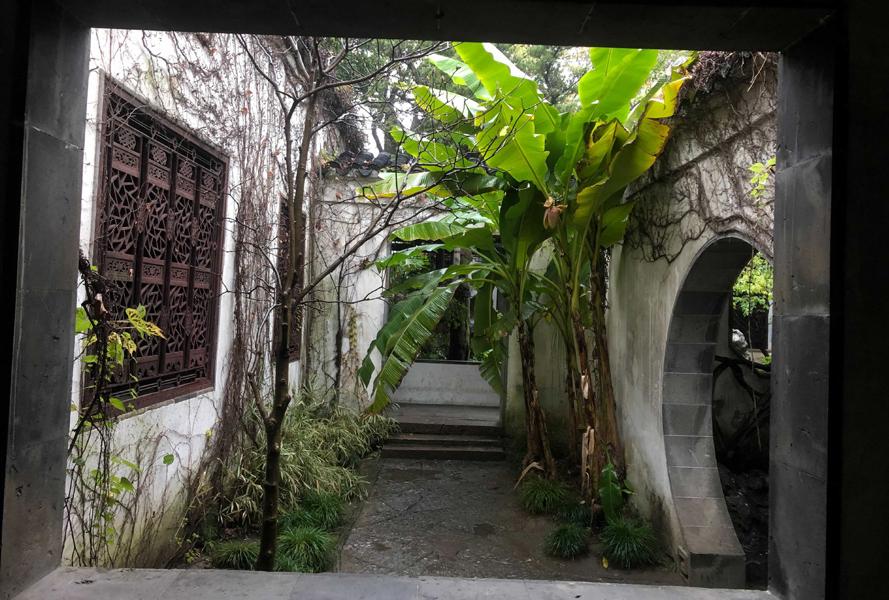
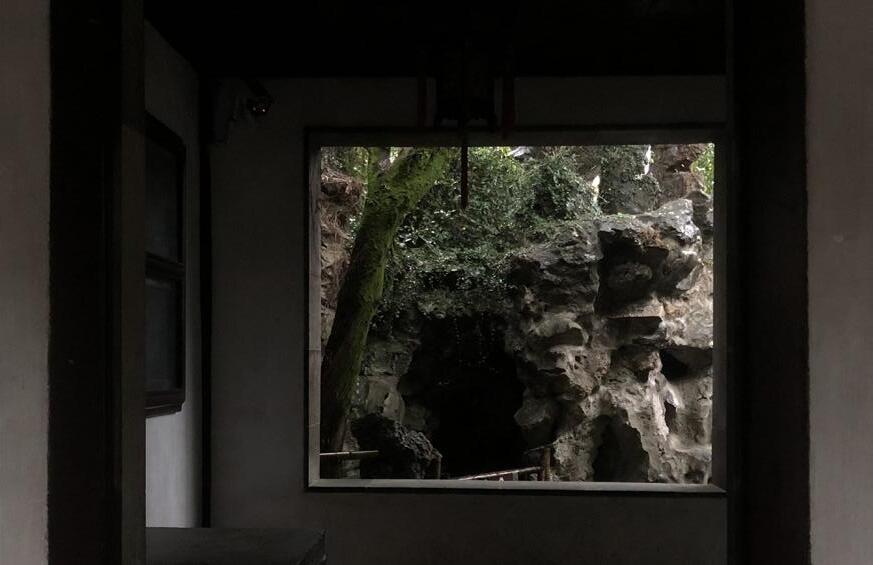
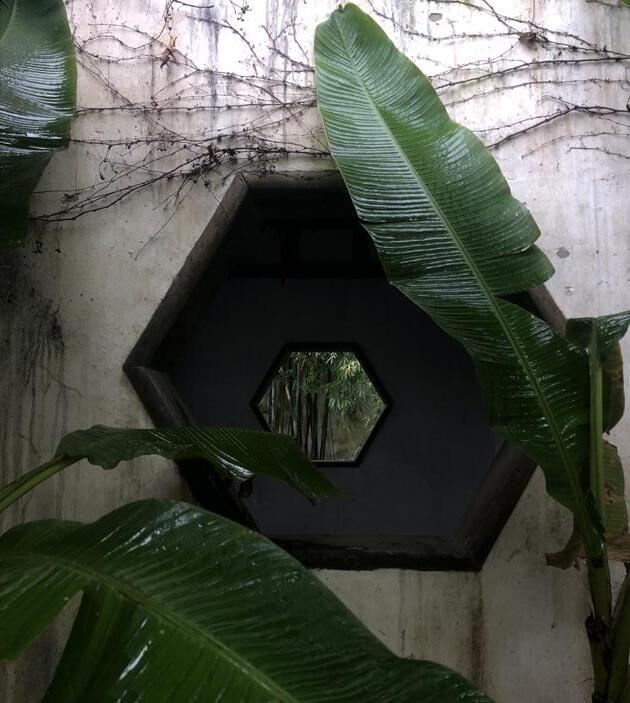
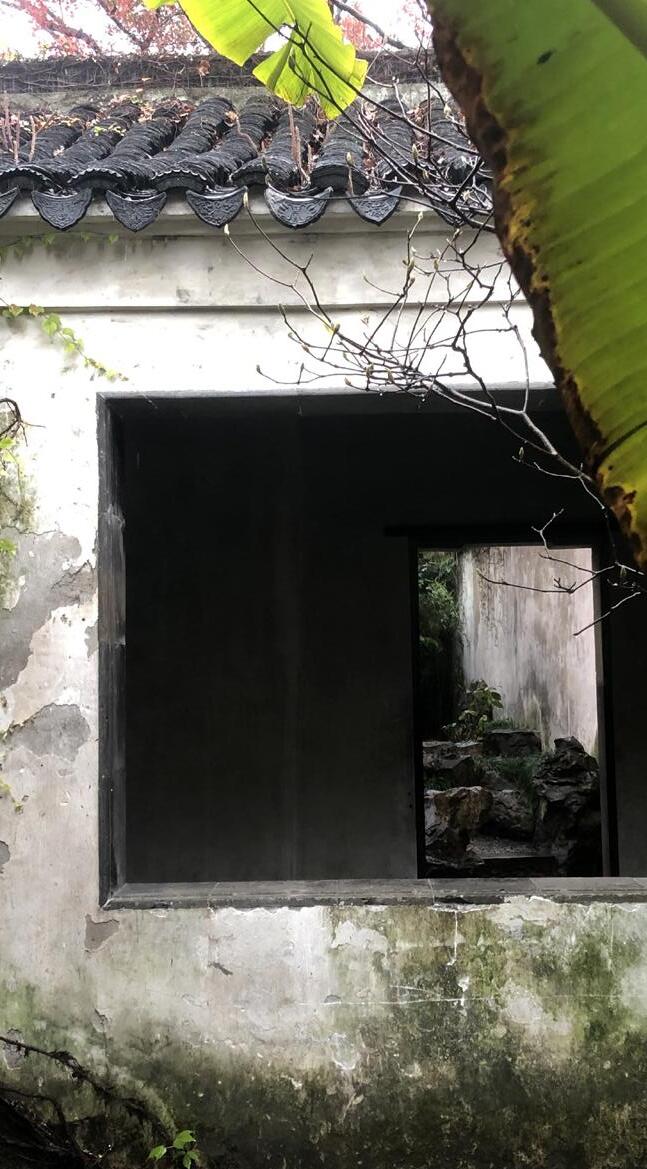
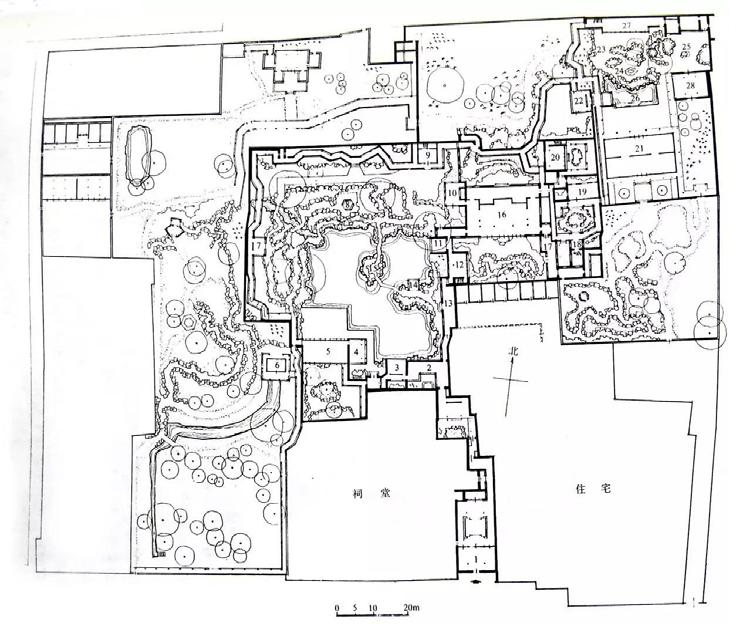
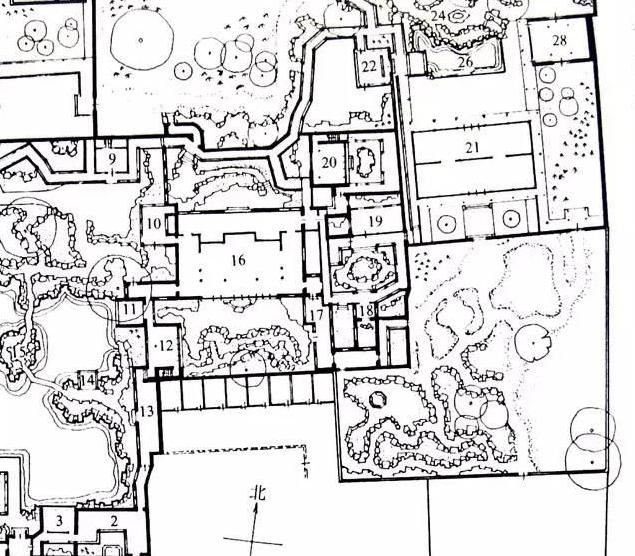
The framing in Yu Garden’s corridor features the relation between a single origin spot and several locations associated with the origin. In contrast, the Hushi courtyards in the northern part of Lingering Garden feature multiple correlational framings, with intersecting relations between each other. The observed objects shi between serving foreground and background. It uctuates. Sometimes, the frame itself is a view, while sometimes the view becomes a frame, such as partial openings through vegetation or a three-dimensional frame formed by several objects aligning together. As a viewer, you sometimes nd a viewing place, and simultaneously, you become part of the view for someone else. In such a narrow and con ned space, an illusory experience of uncertainty is created.
A frame compresses the space within, making the sense of distance disappear by intentionally hiding crucial references for judgements. In contrast, the attened and superimposed view due to the framing evolves unexpectedly with the temporality of movement. This creates a shi between 2D and 3D dimensions: a framed ‘painting’ and an experienced garden space. Among the depth and shallowness, the scenes gradually unfold and fade away. Within the spatial unfolding through viewing in movement, there is another layer of unfolding happening. It is the unfolding of the landscape phenomenon’s occurrence in time within a static view. For example, Stanislaus Fung describes that “Sunlight comes into the framed view from the right and in the a ernoon, the white walls may become backlit; this may have an impact on the reading of depth and spatial compression. In mist, parts of the background of the framed view are occluded and the desaturation of color can be factored into the reading of spatial depth.”4 He identi ed this quality as ‘ instability of spatial depth’ , which is a character of Chinese painting as well. What’s more, viewing places are o en associated with particular phenomenon such as the fragrance of plants or sound of raindrops on leaves, which de nes another layer of sensible thresholds. Therefore, on the stage that’s carefully set up, the geometrical space gains its con guration from the phenomenon, and then is dissolved by it as well.
Every time when I visit the Chinese Garden, I experience a little more and gain refreshing thoughts towards the essence of place. Body is a communication with the world that is more ancient than thoughts. These embodied dialogues are universal, and I hope to abstract these ideas within and beyond the Chinese Garden.
Rhode Island School of Design 2016-2018
South China University of Technology 2011-2016
Ecology studio/ East providence, RI/ Academic Work / Individual work / 2017
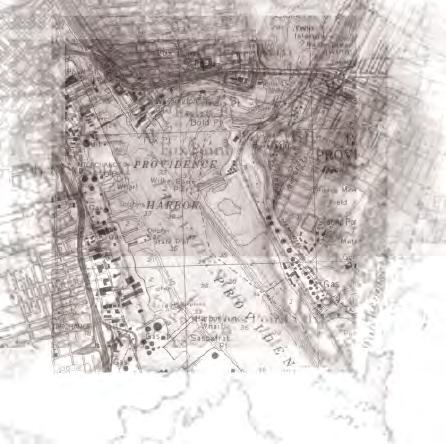
Things happened and gone, the traces left. My design concept start with the overlapping trace
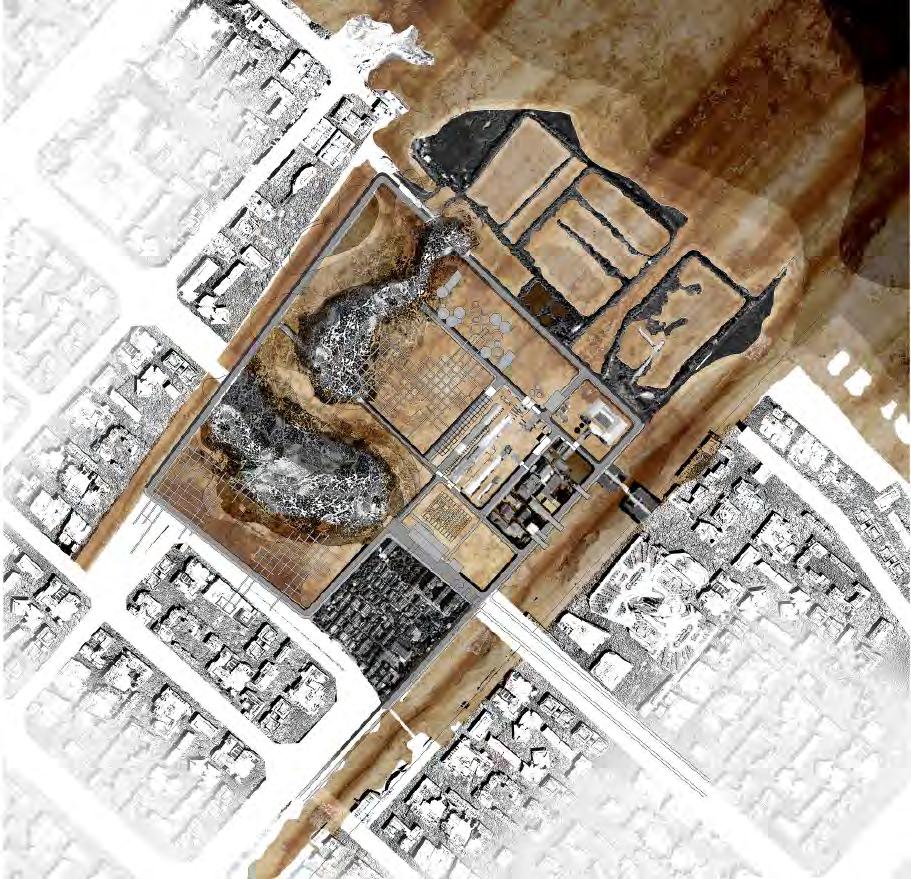
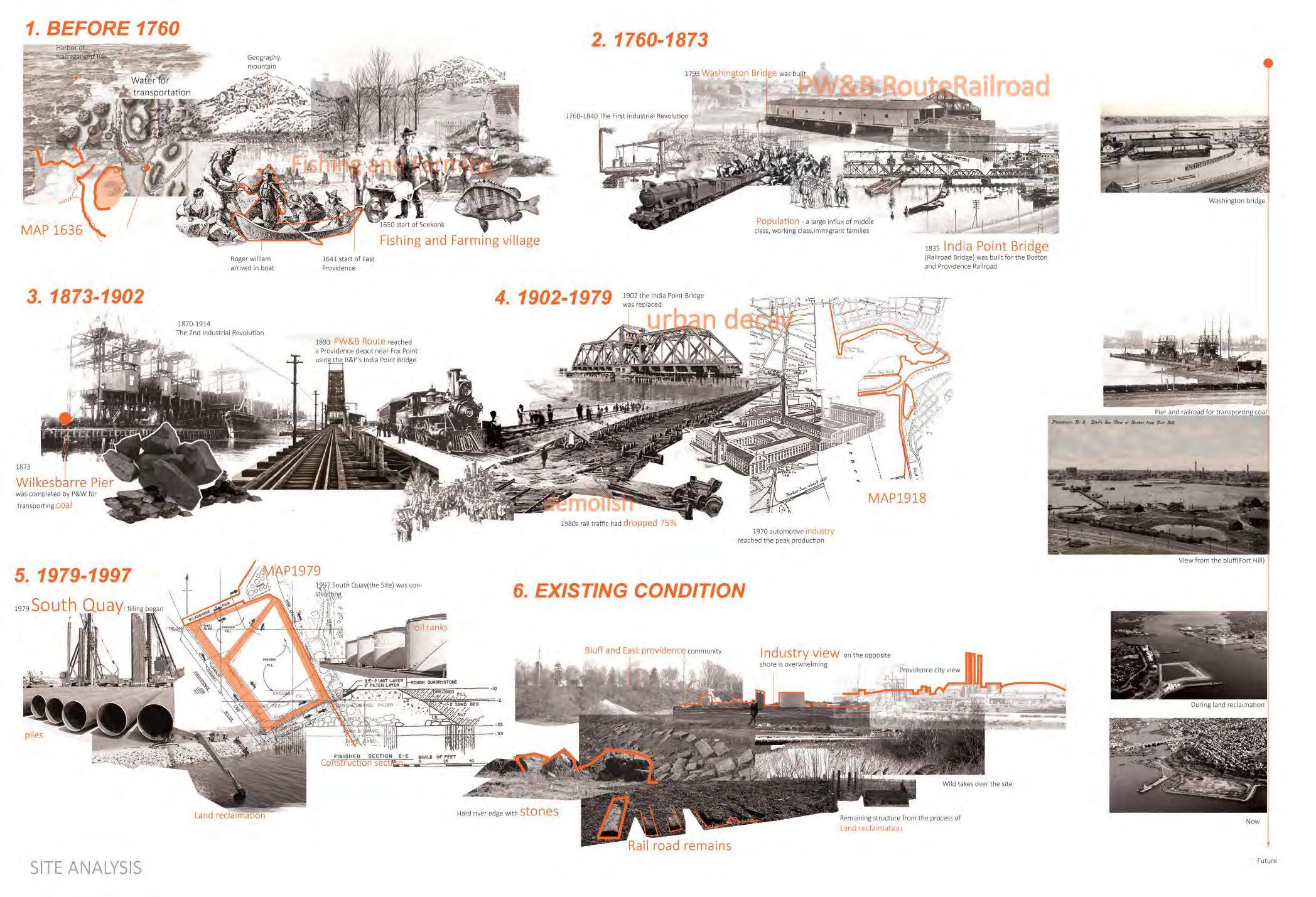
If you overlap the maps over the four hundred years of history, you will be fascinated by the changes of the site. As a part of Narragansett Bay area, it reveals how humans occupy the land, how we construct the infrastructures, lose and then develop the new based on the previous. It is a silent witness of time. The site was borrowed from water in the name of human development. And it was disturbed by human activity and the force of water over four hundred years. Shouldn’t it be the most convincing story teller for us? Shouldn’t the designers do something with it, rather than adding something to it?
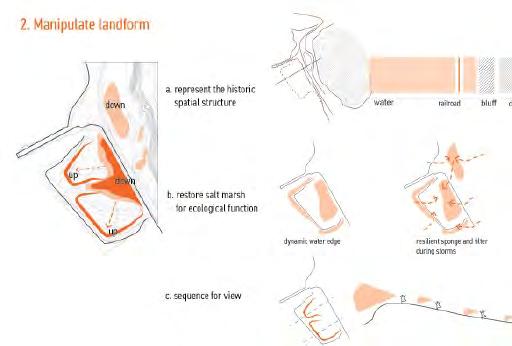
I keep the things. And selectively edit them in order to evoke their original impressions.
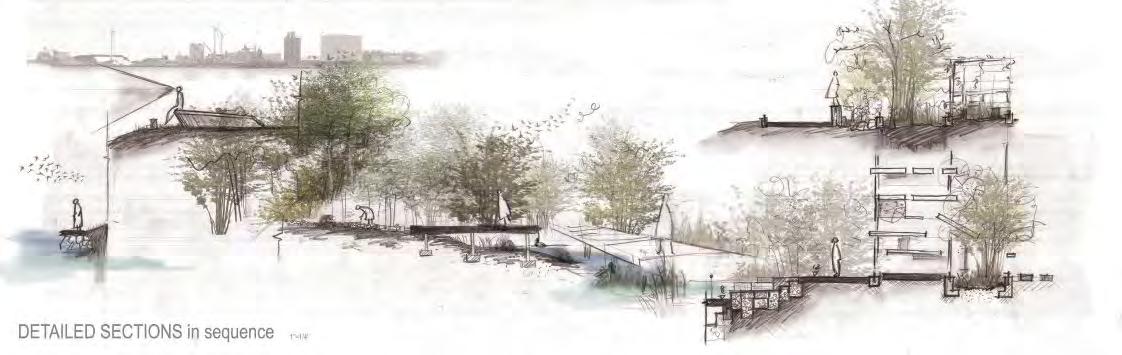
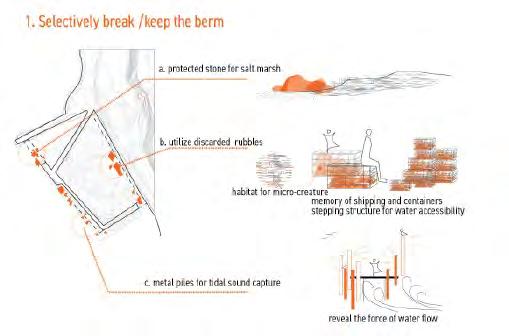
The order of railroads. The railroad is not only a path or a form. It sits heavily on the ground. It’s an artificial and distinguishing element between the landform and water. It‘s always the higher and safer place during floods or storms. The structure of berms. It is how we construct this land. It used to be an edge condition, a state of stability and solid. I keep part of them for protection of the restored wetland, while I break part of them at the point with high water velocity for softening the edge for ecological function. By breaking them, give power back to water. The piles which indicate the way we claim our land from the ocean are used to capture the sound of water. You listen to it, and be respectful of water. Some disposal stones are used as stepping stones for human activity, and also as shelters for micro aquatic species. Piling them into a wire cube, recalls the memory of containers in the port.
The realm of water. I re-invite water on to the stage. Design with water. It’s crucial for salt marsh restoration and also helps to develop a resilient scenario in the future. "Flood is the word they use, but in fact it is remembering where it used to be[1]". The GIS storm tool predicts the future area affected by storms and sea level rise. The locations are surprisingly similar to where there was water before. By helping its remembering, we construct our future in a better way.
Through a thickened present, the site transforms from vacant wild into meaningful narrations. It is a place as "an emblem of past, present, and future time.[2]” [1]:The site of memory, Toni Morrison; [2]: What time is this place Kevin Lynch;
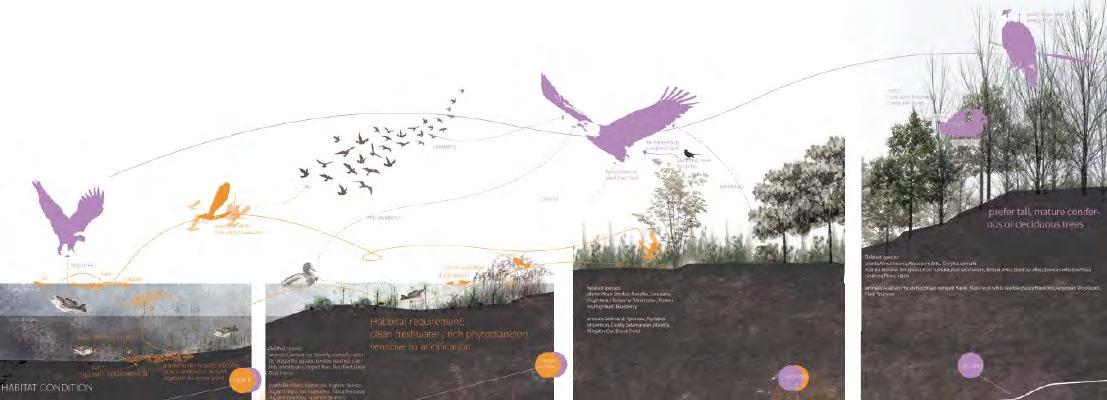
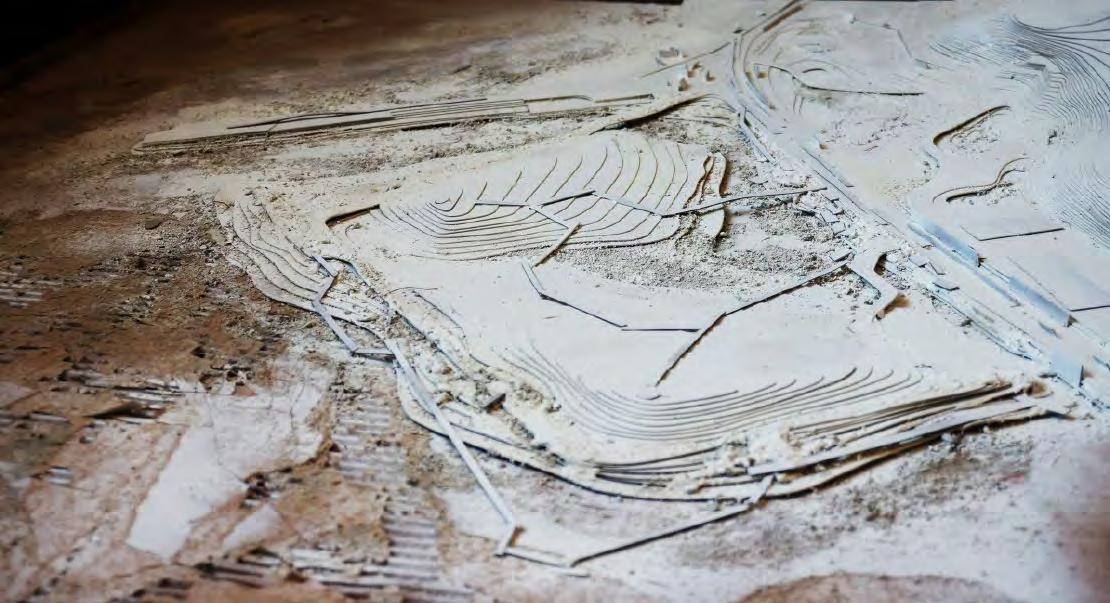
At the beginning, water provided accessibilit people came here by ship and started farming and fishing, which transformed it into an agricultural village. Later this intimate relation between human and water was ruined because of the industrial revolution. The railroad was constructed along the edge, the piers as well. The site gradually transformed into a port. Because of this, the whole Providence area flourished. Even though the structures were deserted after another shift of industry, the fragments still remained in the ground. Their stableness became the basement of next construction. In 1995, land reclamation began. First they built the berms with rocks and gravel for drainage, then they filled the void with silt. After the whole process of changes, the site was left vacant from 1998 till now.
Reveal historic memory. Speak to the sense of existing condition. Be resilient to future changes
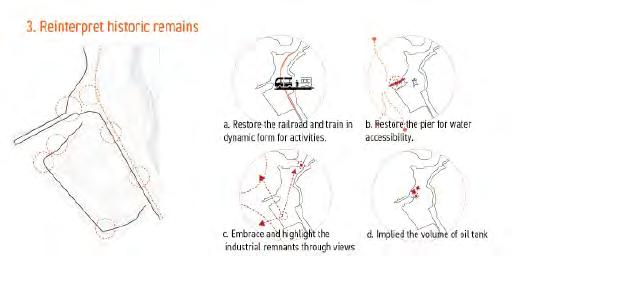
A place as a container of past, now and future.
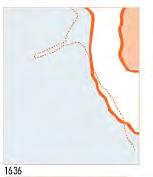
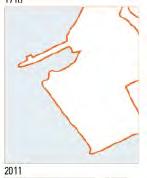
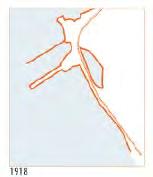
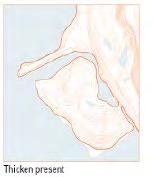
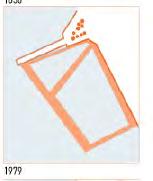
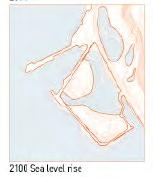
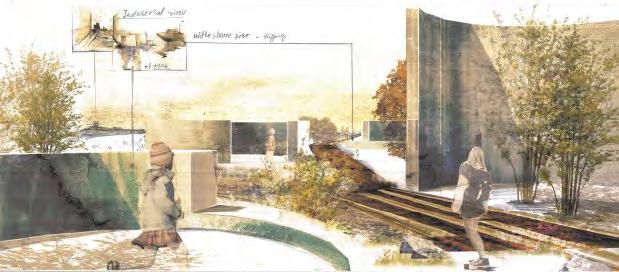
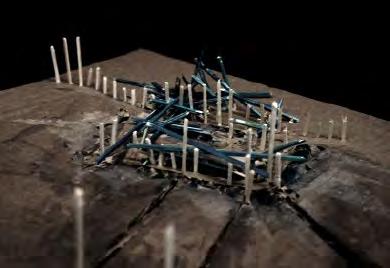
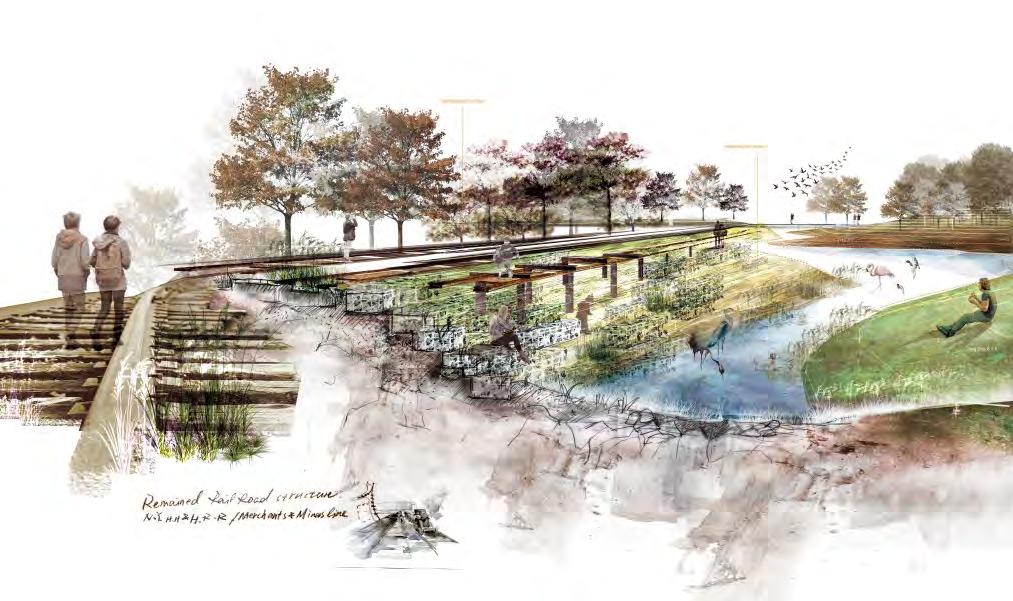
The image of site
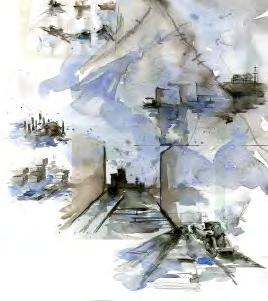
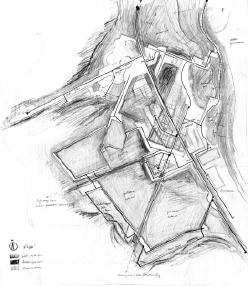
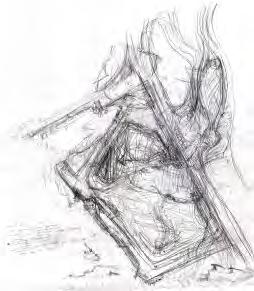
The landform and order at first were highly geometric in order to acquire clear spatial structure. Through several versions, the plan was simplified into a unified and subtle language, which minimized the form but highlighted the sense of place.
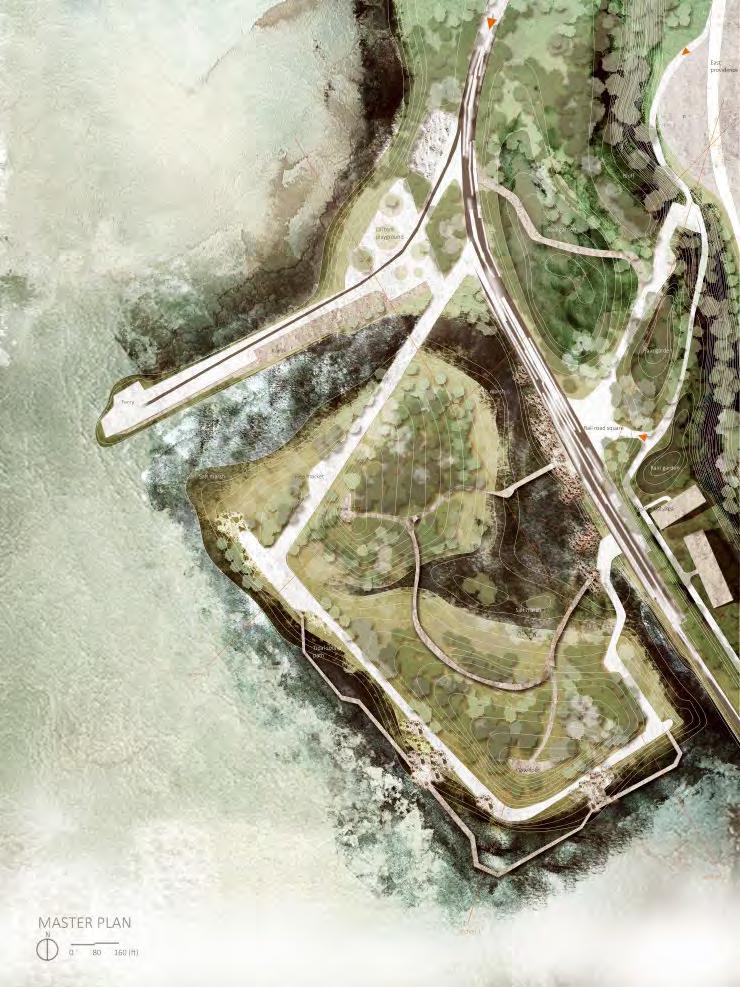
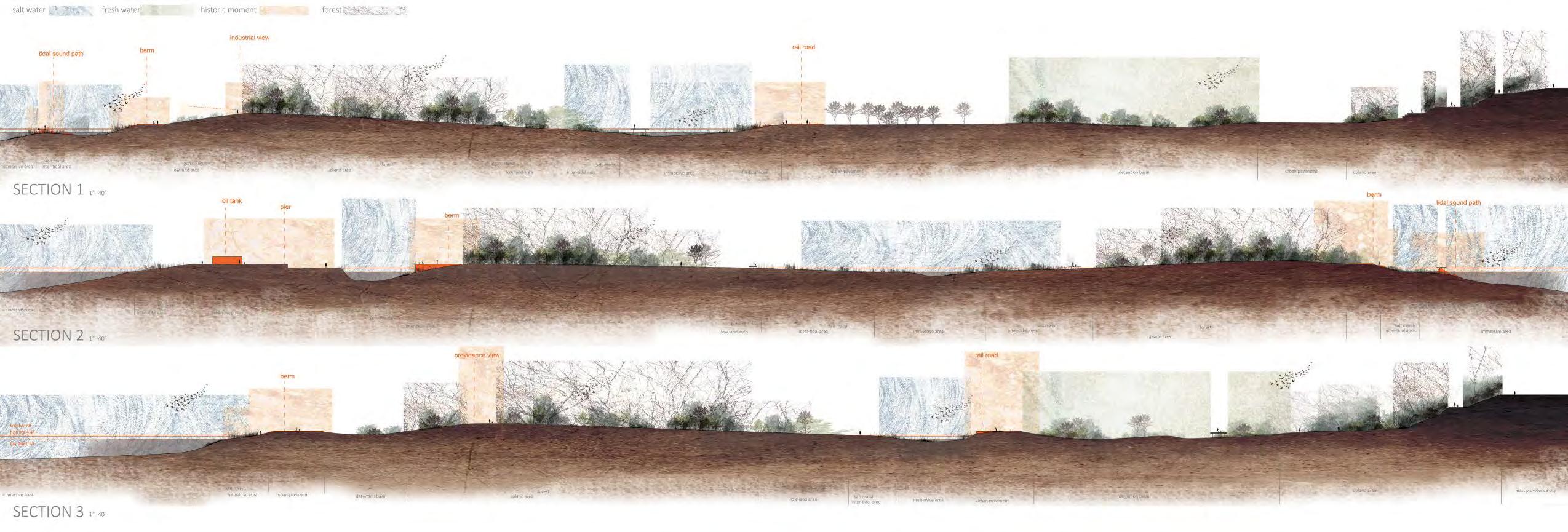
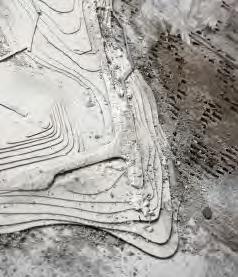
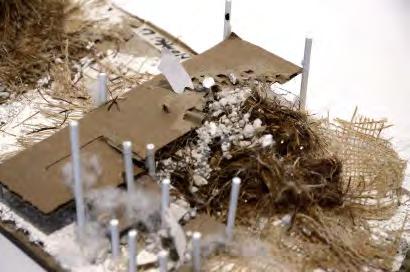
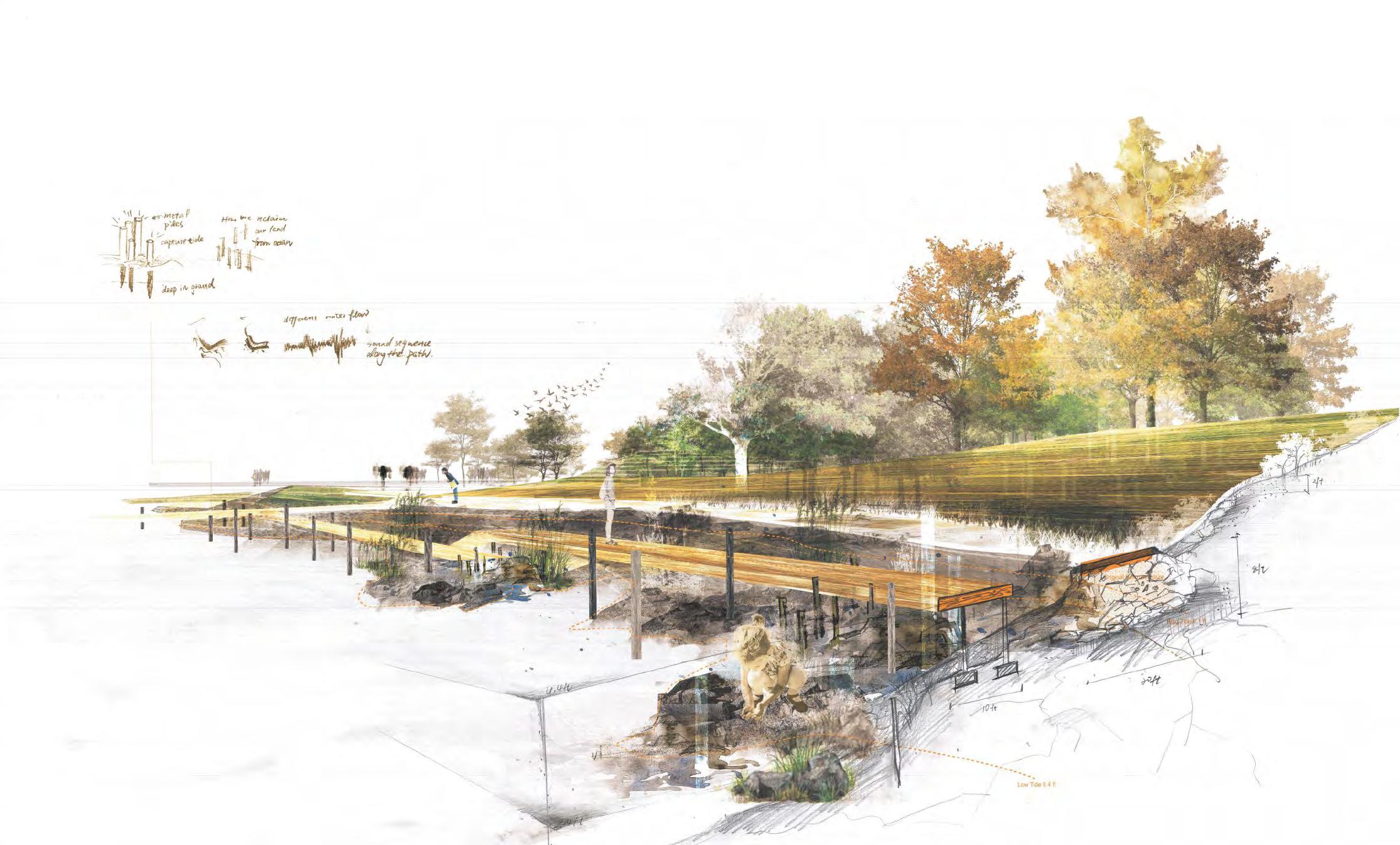
Through a thickened present, from your attempts to walk the line between beauty and its other, from the struggles that the visible implies invisible, the place contains the past duration as well as the future expectation. Therefore, as a hybrid of reframed water ecology and reinterpreted history, the site transforms from vacant wild into meaningful narrations.
Cmetery research & design / Providec, RI / Individual work,2017

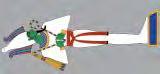
In Egyptian Mythology, Ra is the god of the sun, the creator of all lives, while Osiris is the god of afterlife, of transition, resurrection and regeneration. Ra, regarded as the symbol of the soul of a deceased human, travels during the day and merges with Osiris into one being at night. Due to the regenerative power of union, Ra continues on his journey through his emergence at dawn, which is seen as the rebirth.
Although along with the development of astronomy and physics, we gradually came to regard the sun as phenomenal rather than sacred, the perspective that considering time as a continuous pattern and Ra lives in a constant cycle still has profound meaning in terms of our ultimate questions of life and death.
The funeral at sunset brings back the presence of sun and its divine light. The significant meaning of death is fulfilled and the hope for rebirth is implanted. Every morning, the rising sun will shine on the river as a beautiful symbol of life and eternal perpetual care. The sun reminds us of a larger cosmic order which may transcend death and life.




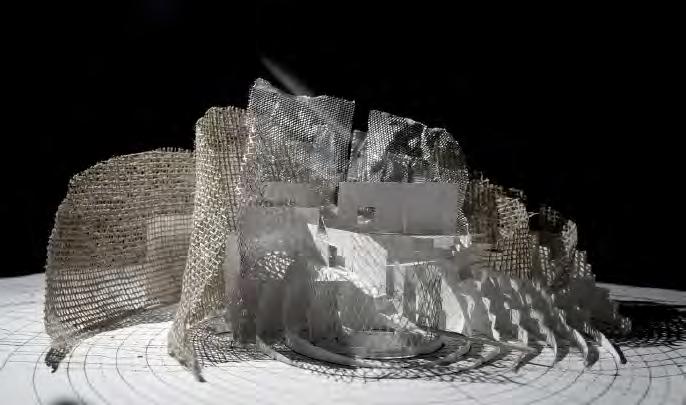
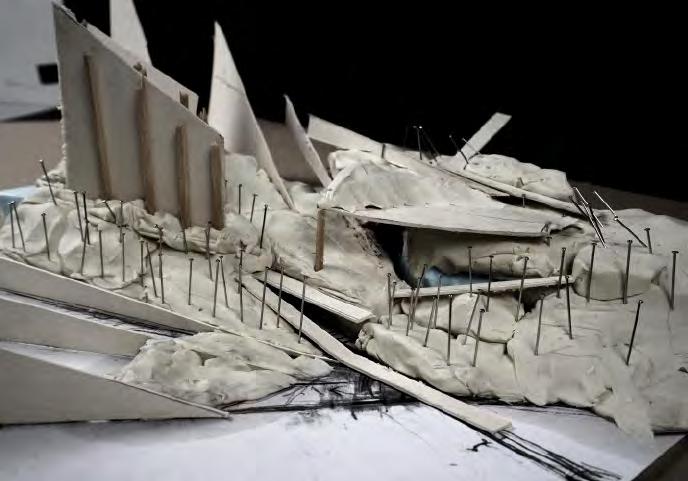
RE-COMPOSE
Tectonic adaptation according to site constraints
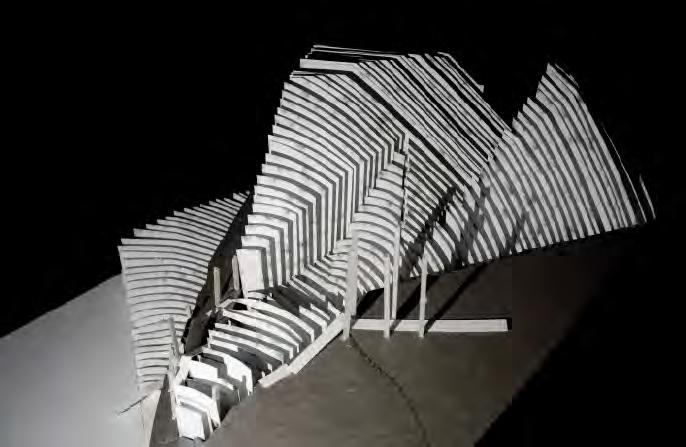
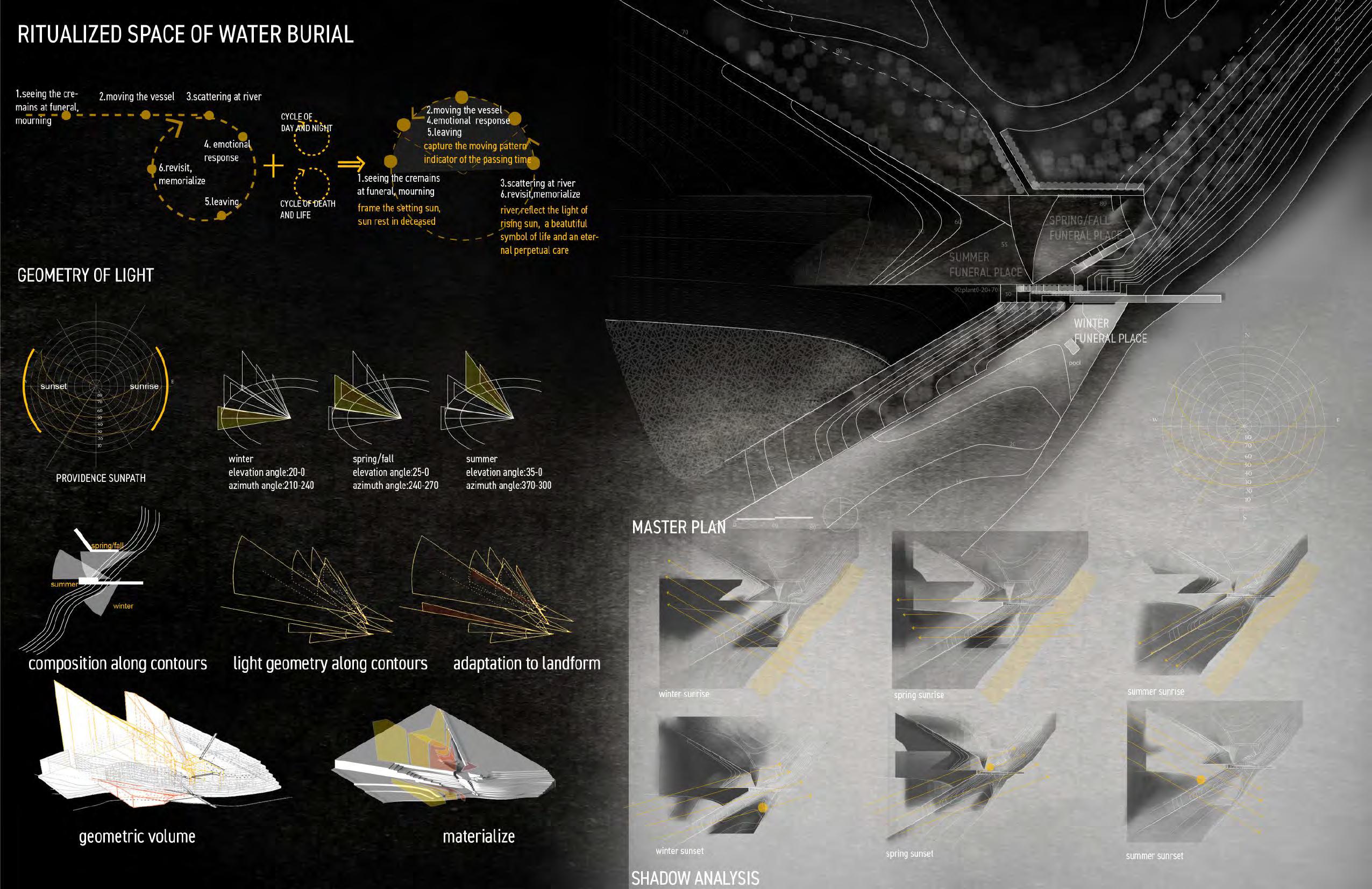
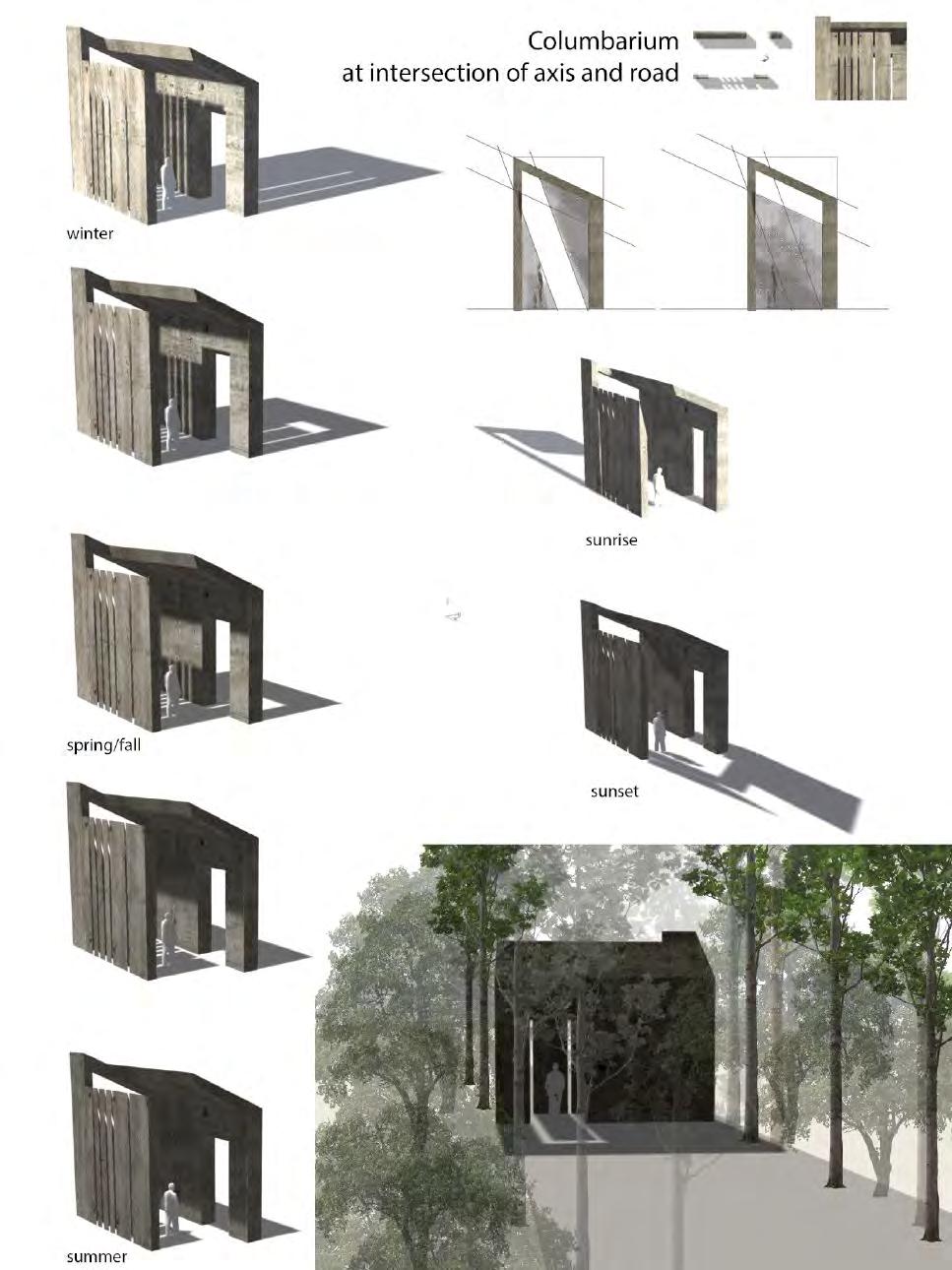
Manipulate landform and different types of vegetation to indicate the geometry of light. The volume of landscape frames the setting sun.
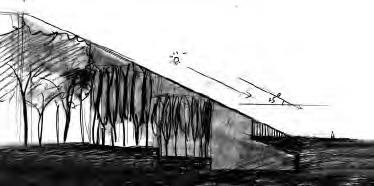
Spring/ fall, sun angle=25
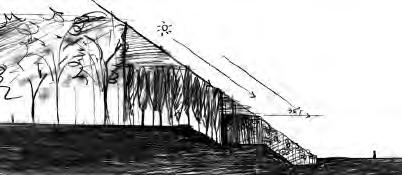
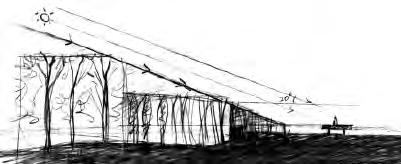
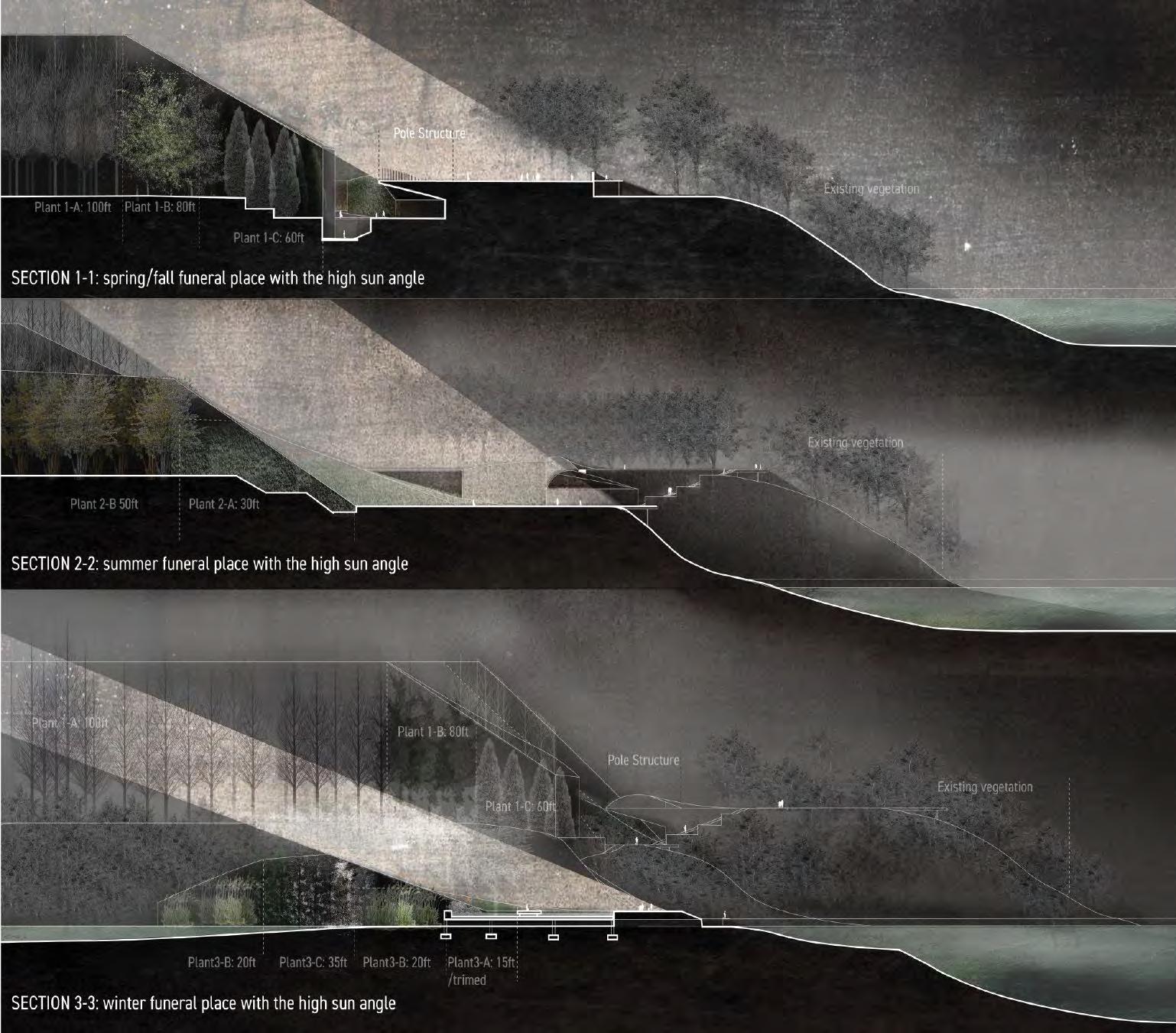
The concept that form generated from geometry of light is tested in an intimate scale as well. The Columbarium shapes space and light. From spring to winter, the light moves across the inscriptions on the wall, providing a space to walk through, pause, and memorialize.
Urban design / Guangzhou,South China / 2015 Workshop / Goup work / Members: Hongfei Li, Xinxin Shen,Yantong Guo,Ling Sha,Ao Zhang,Matthew Kneal,Michale Ouzs.
Group role:concept,master plan,levee system,model
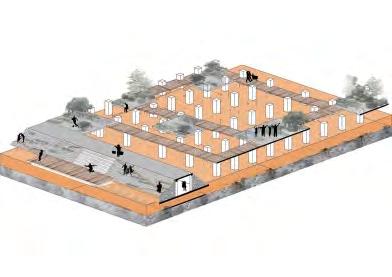
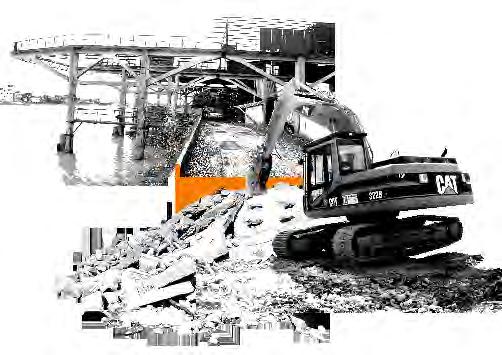
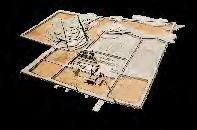
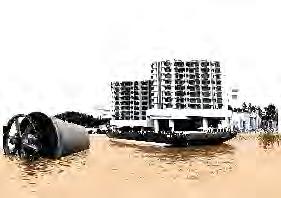
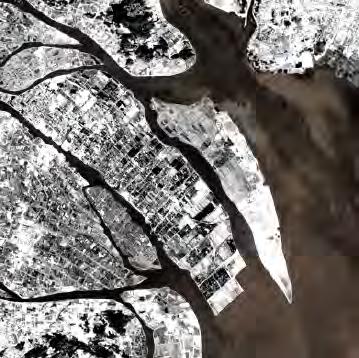
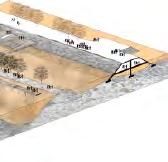
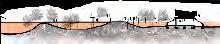
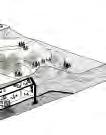
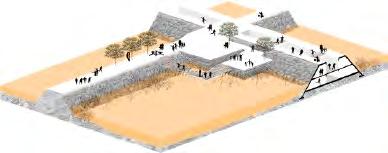
Confronted with the rise of sea level, dike city transforms a decommissioned sugarcane refinery into a tidal wetland. Organized by a network of levee banks,the city provides various waterfront life styles.
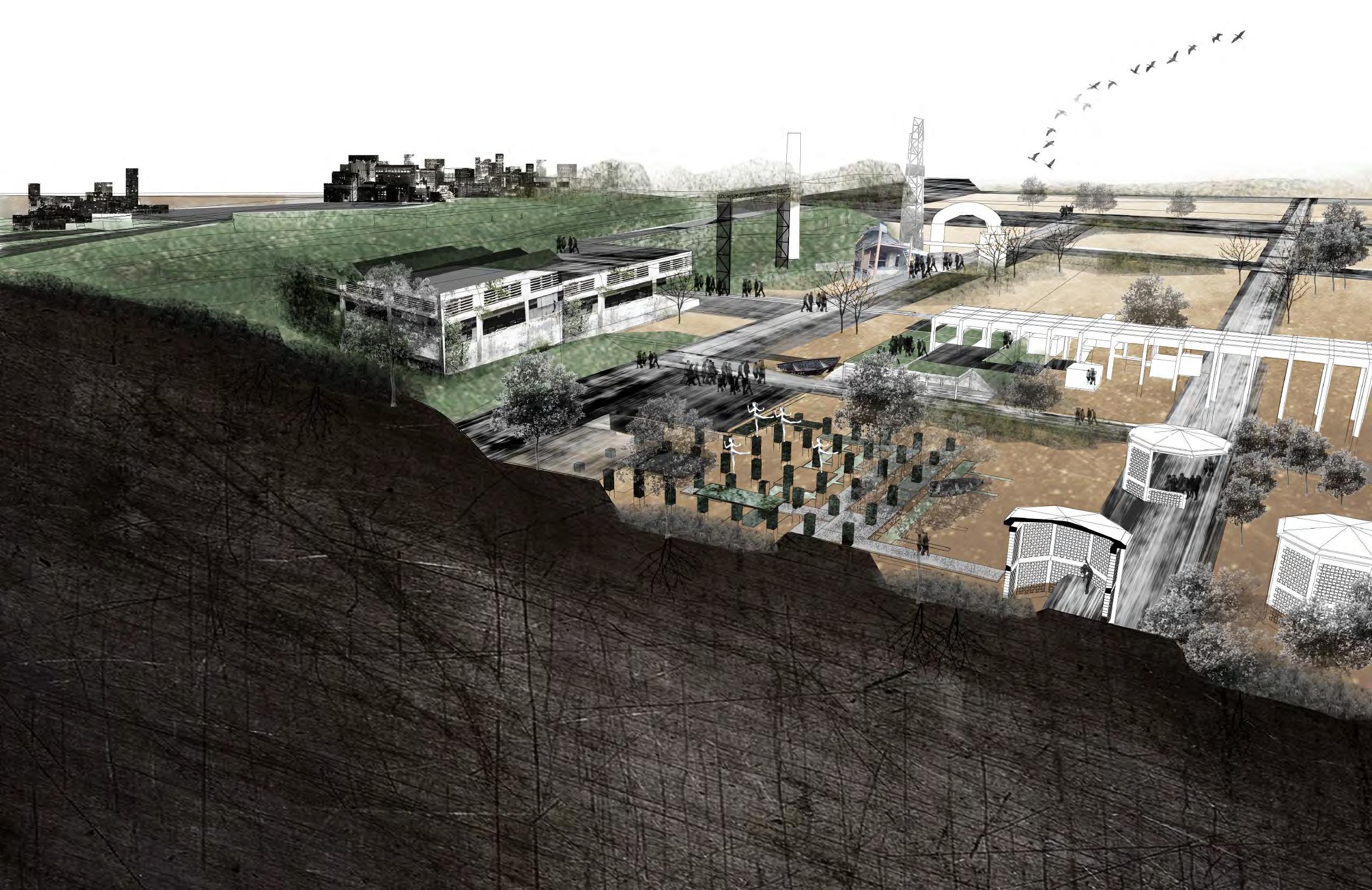

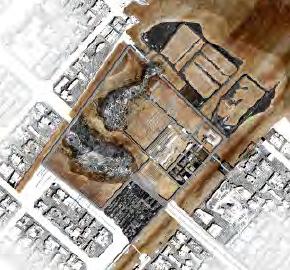

LEVEE GATE openable structure for boats going through



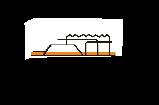


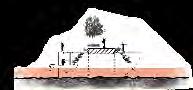
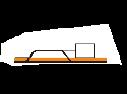
systematic levees meet various function
LEVEE WETLAND different hight of dune make several ponds for mangrove
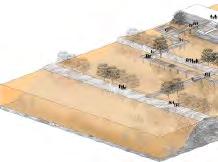
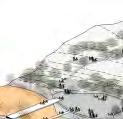
LEVEE LANDFORM bury transportation complex in landform to minimize its influence


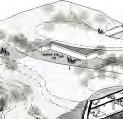

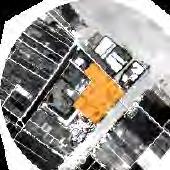
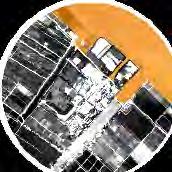
LEVEE CROSSROAD various elevations of open space
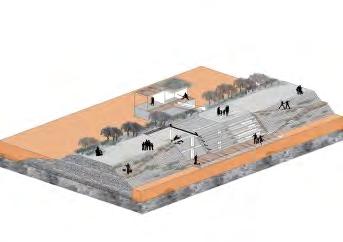
LEVEE ANCHOR levee as a structure to develop waterfront commercial area
LEVEE BUILDING build green house and reuse the old pipe structure for vetical vegetation
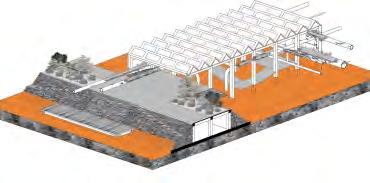

LEVEE PLAZA build up pathway on the remained column basement