our vision: To establish Virginia as a global center of excellence in cybersecurity research and serve as a catalyst for the commonwealth’s economic diversification and long-term leadership in this sector.
our mission: To serve as an engine for research, workforce development, and innovation at the intersection between cybersecurity, autonomous systems, and intelligence.
The bold objective of the Commonwealth Cyber Initiative (CCI) is to make Virginia a globally recognized center of excellence in cybersecurity, and in doing so contribute to the commonwealth’s economic diversification and prosperity.
We’re working at a brisk pace, bringing in $77 million in external funding in our first two years of operations and far exceeding expectations and contributions to Virginia’s economy and job creation.
Building a qualified and diverse cyber workforce, one of CCI’s strategic goals, is of paramount importance to Virginia’s economic development. CCI is poised to take advantage of those opportunities and continue to contribute to the nation’s leadership in this important area. As successful as we have been, we’re expecting significant additional government and industry funding and innovation opportunities in the next year.
Our interconnected mission lines of research, workforce development, and innovation are focused at the intersection of security, autonomous systems, and intelligence. We are particularly proud of the multidisciplinary approach we have adopted for CCI. Our researchers work in disciplines beyond the expected cybersecurity fields to include emerging areas of cyberbiosecurity and securing the power grid, as well as addressing cybercrime, ethical issues in the adoption of artificial intelligence, and the spread of disinformation and misinformation
The combined expertise in all these disciplines is a unique strength of CCI. It also equips us well for our workforce development mission: to meet the particularly strong demand for cybersecurity professionals in Virginia will require forming and recruiting talent with a variety of skills and interests in many disciplines.
CCI Executive Director
Bradley Professor of Cybersecurity
Bradley
Department of Electrical and Computer Engineering, Virginia Tech
collaboration
CCI was established under the enabling authority of the Appropriation Act – Item 252. B7, Special Session I, 2018. Its objective is “to serve as an engine for research, innovation, and commercialization of cybersecurity technologies, and address the commonwealth’s need for growth of advanced and professional degrees within the cyber workforce” (Virginia State Budget, 2018).
CCI is a highly connected network that engages higher education institutions, industry, and government, along with nongovernmental and economic development organizations. It connects four regional nodes across Virginia, each led by a higher education institution, with the CCI Hub located in Arlington, Virginia.
The CCI Hub leads the network. Coordinating programs and strategy for the entire network, it houses strong research capabilities that provide a platform for research and innovation growth across the network. Altogether, the CCI Network engages more than 320 researchers at 41 institutions of higher education.
The four regional nodes—in Central Virginia, Coastal Virginia, Northern Virginia, and Southwest Virginia—are vibrant centers of research, learning, and innovation tailored to their local ecosystem. Each regional node engages industry, local government, and community colleges and universities in its region.
Southwest Community College University of Virginia, Wise
Mountain Empire Community College
Southwest Virginia Node Lead: Virginia Tech
New River Community College
Wytheville Community College
Virginia Highlands Community College
Radford University
CCI VIRGINIA
Virginia Western Community College
Patrick & Henry Community College New College Institute
Shenandoah University
Lord Fairfax Community College
James Madison University
Virginia Military Institute
Liberty University
CCI Hub
Virginia Tech, Arlington
Northern Virginia Node
Lead: George Mason University
University of Virginia
Piedmont Virginia Community College
Germanna Community College
University of Mary Washington
George Washington University
Marymount University
Northern Virginia Community College
Central Virginia Node
Lead: Virginia Commonwealth University
Virginia Union University Reynolds Community College
John Tyler Community College
William & Mary
Virginia State University
Paul D. Camp Community College Longwood University
Christopher Newport University
Coastal Virginia Node
Lead: Old Dominion University
Danville Community College
The Institute for Advanced Learning and Research
Norfolk State University
Tidewater Community College
VIRGINIA NETWORK
Thomas Nelson Community College
ECPI Regent University
,1 0 3 5 j ob s sourced$80M labor i ncome
Return
on
Investment
IN OUR FIRST TWO YEARS OF OPERATIONS (2020-21), CCI researchers attracted $77 million in extramural funding, a strong direct return on the investment made by the commonwealth. According to a study conducted by RTI International, CCI activities were responsible for creating 1,035 jobs, corresponding to $80 MILLION in labor income, and $208 MILLION value-add to the Virginia Gross Domestic Product.
In addition, the investments and early success of CCI in areas including 5G and NextG security, artificial intelligence (AI) assurance, and securing cyber-physical systems, position us particularly well to contribute to the goals of the United States Innovation and Competition Act of 2021 and other national initiatives currently being considered by Congress.
INNOVATE CYBER :
INNOVATION ECOSYSTEM
CCI’s Innovation Committee launched two new programs this year focusing on translating research into commercial licenses and products, with total funding of $1 million. The Virginia Cybersecurity Challenge funds inventions that leverage unique elements of emerging 5G technologies to provide secure operations or communications in ways not possible on previous generation networks. The Cybersecurity Innovation Bridge Fund program aims to enhance pre-product cybersecurity innovation companies and university projects by developing cyber technology prototypes to attract seed and series-A funding.
Our students are important participants in the innovation ecosystem, and we are increasing our focus on programs that prepare students for entrepreneurship. The highly successful INNOVATE Cyber Program graduated its second cohort of students from universities and colleges in Coastal Virginia. Creating business models with support from the Old Dominion University (ODU) Entrepreneurial Center, this next generation of innovators and entrepreneurs work in teams to propose solutions to cybersecurity challenges.
In January 2022, we held our first Innovation Boot Camp to help foster an entrepreneurial mindset in Virginia’s undergraduate students. During this intensive camp, students worked with mentors and professionals to learn how to turn an idea into a product.
We are actively engaging with industry to build our xG Testbed, to design and fund an innovation challenge, and to interact directly with our students. This activity will lead to high-quality jobs and a thriving entrepreneurial ecosystem in cybersecurity and autonomous systems in Virginia.
BROADENING PARTICIPATION IN THE WORKFORCE
We are working to increase the diversity of the cyber workforce and foster a culture of inclusion in the work environment.
The CCI Inclusion and Diversity Committee, with representation from across the commonwealth, is working on programs aimed at increasing participation of under-represented groups in the cyber workforce and ensuring that diversity goals are embedded in all programs funded by CCI.
Our Cyberstartups Program, which funds internships for Virginia students in startups focusing on cybersecurity, selected 15 students from 145 applicants, and 80 percent of the students selected come from under-represented groups. And our INNOVATE Cyber Program, where
student teams develop a new product in response to a cybersecurity challenge, also has attracted highly diverse cohorts.
CCI held two successful cybersecurity-focused internship fairs in 2021. More than 285 students attended our October event. Participating organizations included Amazon Web Services, Appteon, Civilian Cyber, Commonwealth STEM Industry Internship Program, Cybersecurity and Infrastructure Security Agency (CISA), Deloitte, Microsoft, MI Technical Solutions, Palo Alto Networks, Sentara Healthcare, U.S. Department of Health and Human Services, Virginia Space Grant Consortium, and WR Systems.
LEARNING BY DOING
CCI funded 13 new experiential learning programs, for a total of $1.7 million. We fund three internship programs, where students are paired with Virginia-based companies. For startups, CCI pays the full stipend to students, and for small- and mediumsized companies, CCI provides 25 percent of the stipend. At the conclusion of one of these internship programs, which finished in summer 2021, 73 percent of the interns were offered a permanent position or extended internships fully funded by the company.
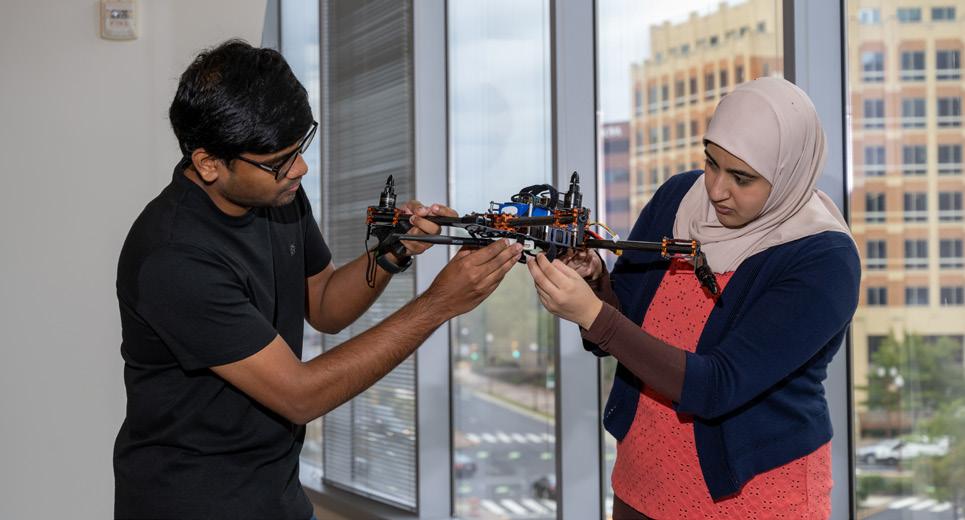
We also funded a highly successful program led by an assistant professor in geography at William & Mary, which exposed students to the realworld problem of data poisoning attacks on AI systems. And the first CCI Battle Drones Competition is planned for 2022, with student teams programming autonomous drones, designed and 3D-printed by researchers at Virginia Tech, to complete an obstacle course.
COLLABORATION IS HARD-WIRED IN OUR NETWORK
By establishing a consortium of Virginia institutions of higher education, CCI makes Virginia competitive with any of the top universities in the United States and globally, in terms of scholarship and the ability to attract funds for cybersecurity research.
One example of this competitiveness occurred in early 2021, when a team of CCI researchers received a Department of Defense (DoD) grant to create a resilient and energy-efficient smart warehouse pilot in the U.S. Marine Corps logistics base in Albany, Georgia. This $13 million project involves researchers from George Mason University (Mason), Old Dominion University (ODU), University of Virginia (UVA), Virginia Commonwealth University (VCU), and Virginia Tech. The combined expertise of these researchers into a single team is what makes Virginia competitive for these large grants. This opportunity would not have been possible without CCI.
"Building relationships that will lead to more large wins is part of CCI’s lasting legacy. In FY21, with a total budget of $4 million, CCI funded 22 new collaborative research projects that brought together researchers from multiple regional nodes across the state on topics that range from secure sensors for lung health to user-centric privacy for smart home devices.
The CCI Fellows program provides seed funding to nine faculty members at Mason, Norfolk State University (NSU), ODU, Radford University, UVA, OVER
CCI researchers received a Department of Defense grant to create a resilient, energy-efficient smart warehouse pilot for the U.S. Marine Corps logistics base.
VCU, and Virginia Tech. These fellows provide leadership in CCI for larger programs in research and workforce development. In FY21, the CCI Fellows attracted $13.1 million in new extramural research funding—an incredible $1.5 million per researcher, well above the average new funding per faculty member in any university in the country.
Empowering junior faculty and helping them build successful careers is one of the benefits of CCI: Two assistant professors who benefited from early grants from CCI, one at ODU and one at Virginia Tech, have now received extremely prestigious CAREER awards from the National Science Foundation (NSF)
Multidisciplinary Cybersecurity
Cybersecurity is inherently multidisciplinary, and to grow the workforce requires reaching out to students with diverse interests and skills across disciplines.
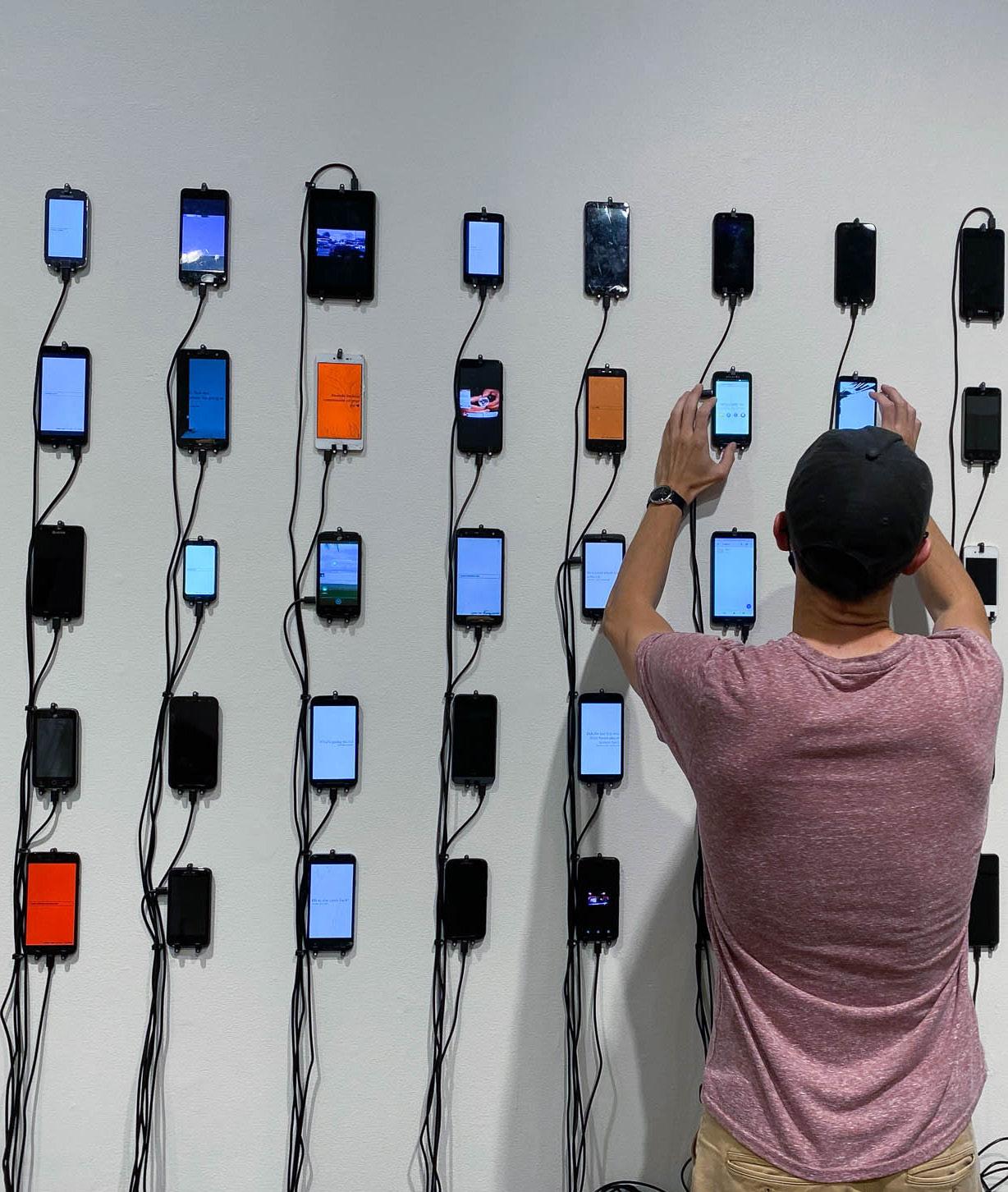
In FY21, we funded five projects that examine cybersecurity from the point of view of the creative arts, from choreography to sound design. Led by arts and design researchers, some of these projects explore new technical challenges, such as how to enable network communications with latency low enough to enable a string quartet to play together from distant locations. Others educate the public on cybersecurity issues: an assistant professor in Mason’s School of Art has created the “Undeleted” exhibit, where he displays information that was not properly deleted from dozens of discarded smartphones.
We also launched a program investigating the role of cybersecurity in curbing the spread of disinformation and misinformation, funding seven transdisciplinary teams to build capacity in combating the fast-growing and serious problem of misinformation campaigns These teams of computer scientists, political scientists, philosophers, engineers, and others apply AI to detect and stop disinformation in areas including science, local government, national security, and autonomous systems.
Investigating and collaborating with purpose.
Shared Research Infrastructure
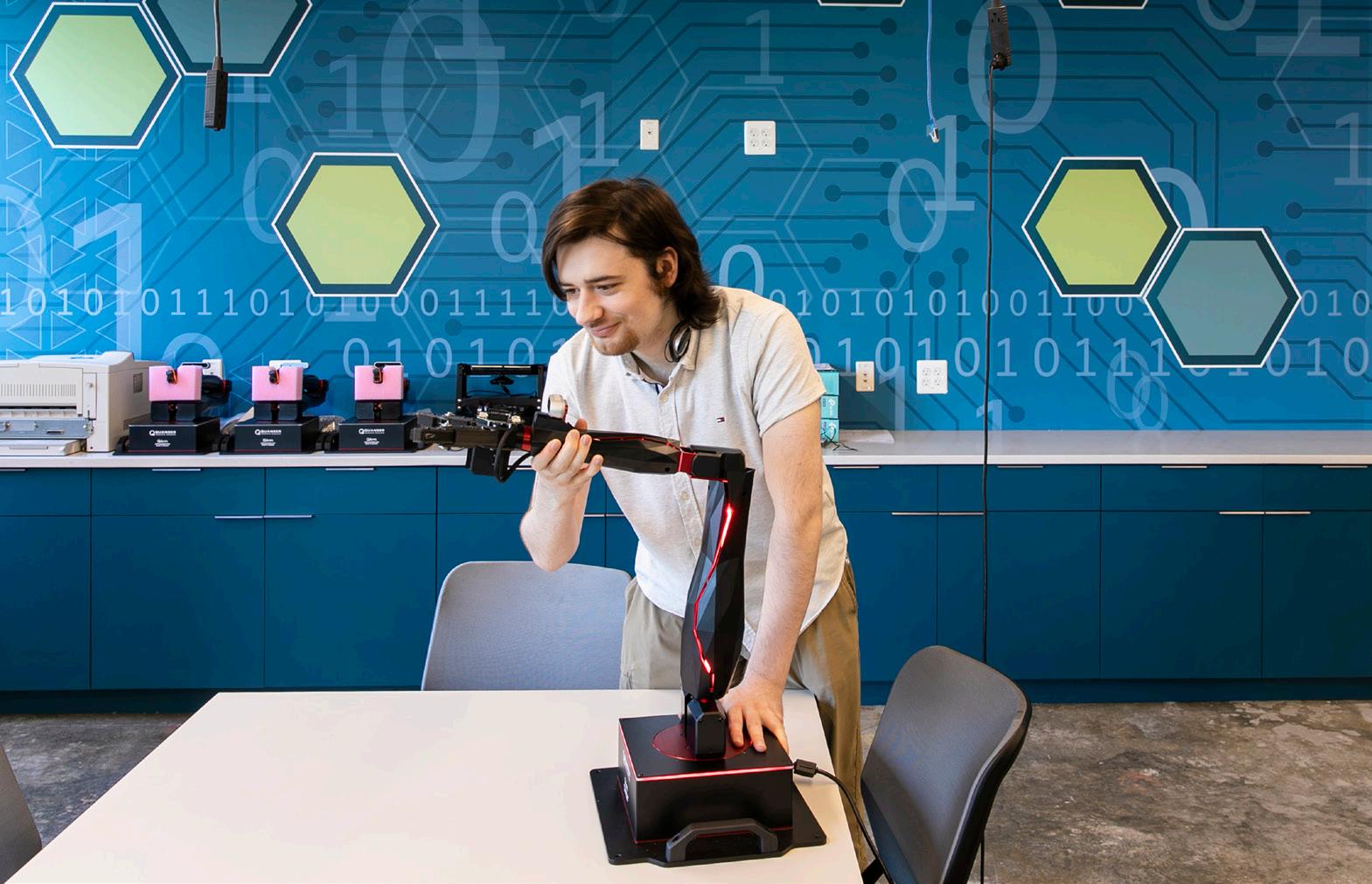
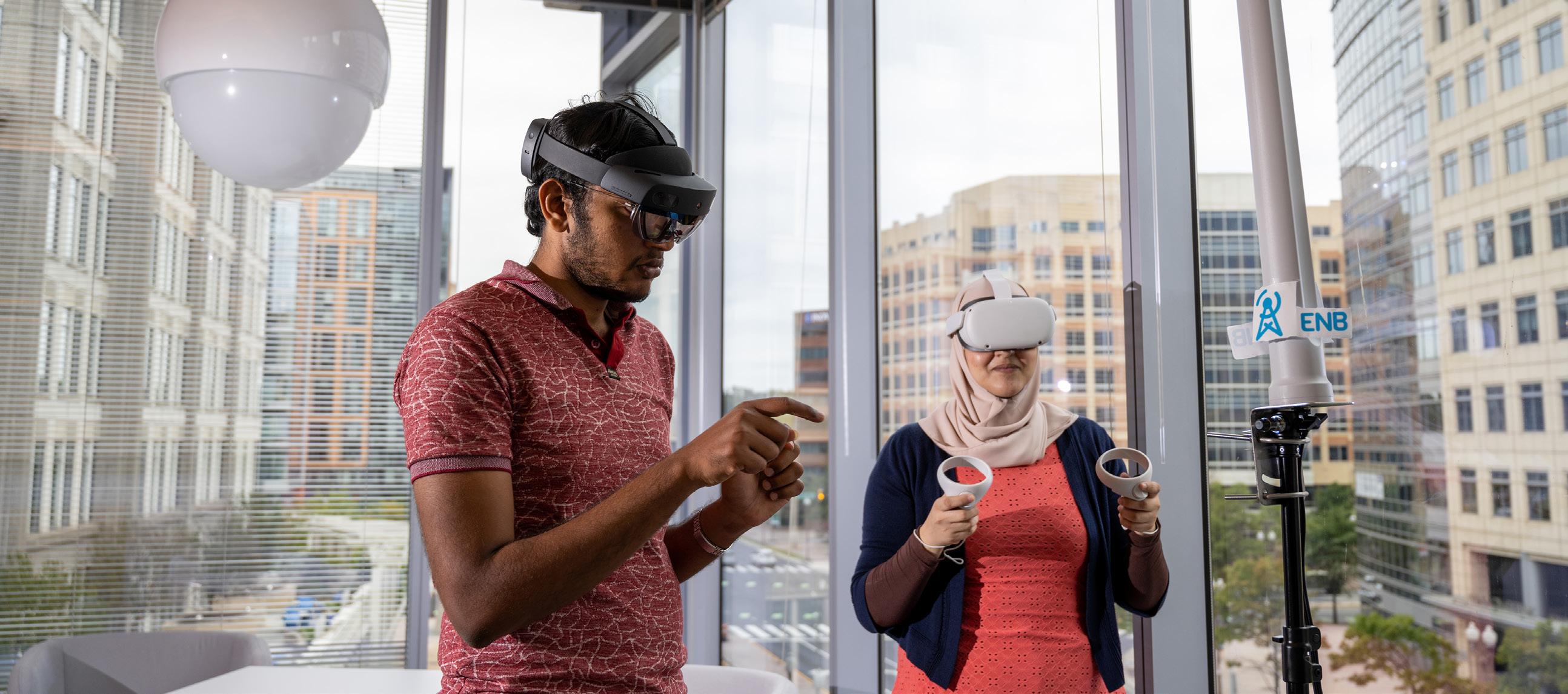
CCI has made a major investment in creating a one-of-a-kind geographically distributed testbed for experimentation and innovation in Next Generation (NextG) networks and AI Assurance. The CCI xG Testbed is based on principles of openness and programmability that allow our researchers to prototype and test technologies that will make up the next generation of network and computing systems.
Through our participation in such industry-led organizations as the O-RAN (Open Radio Access Network) Alliance and the NextG Alliance, we help translate inventions into commercially viable solutions and contribute to the emerging0 vision for the next generation of networks, which will eventually replace 5G.
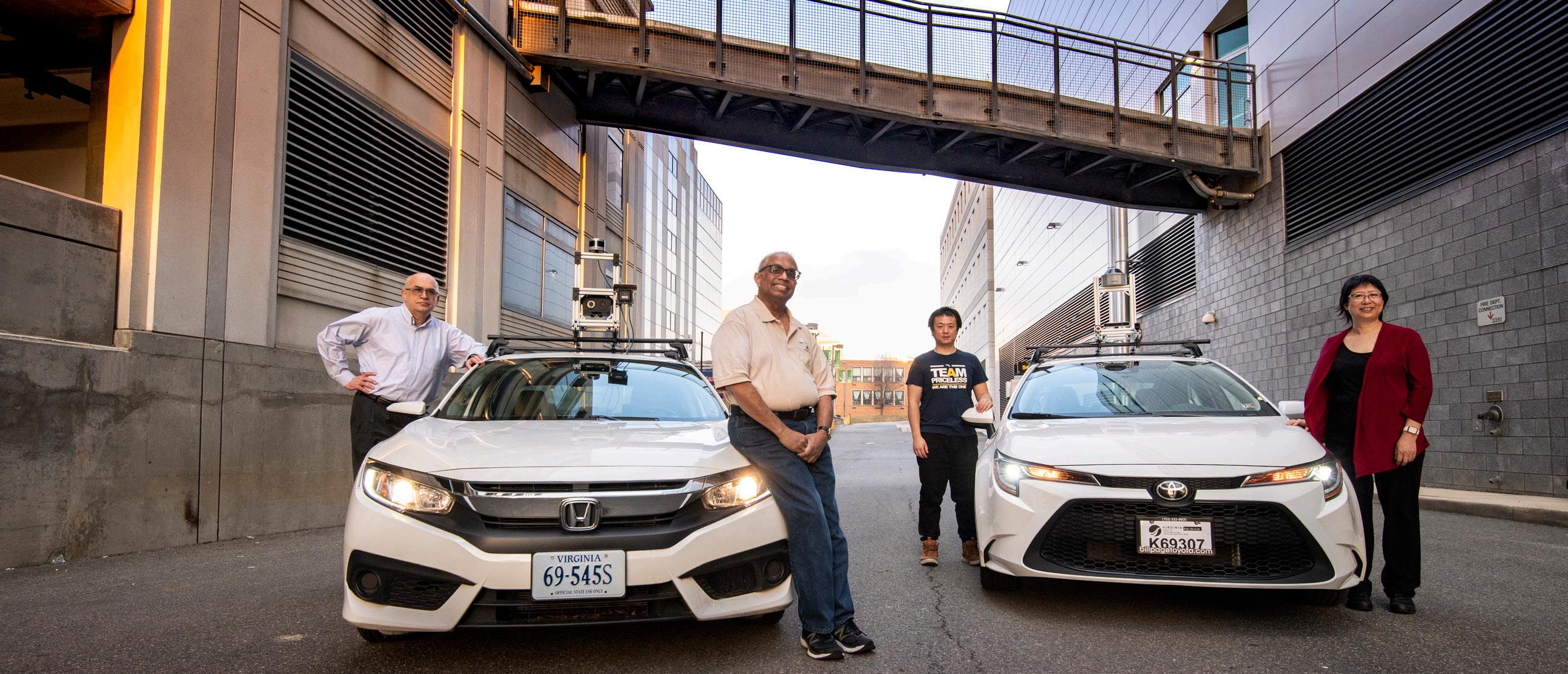
Our investments in research infrastructure leverage existing assets in the participating universities, such as smart vehicles at Mason and the Drone Park at Virginia Tech, to experiment with how networks can enable transformation in key areas, such as transportation and manufacturing.
"We help translate inventions into commercially viable solutions and contribute to the emerging vision for the next generation of networks, which will eventually replace 5G.
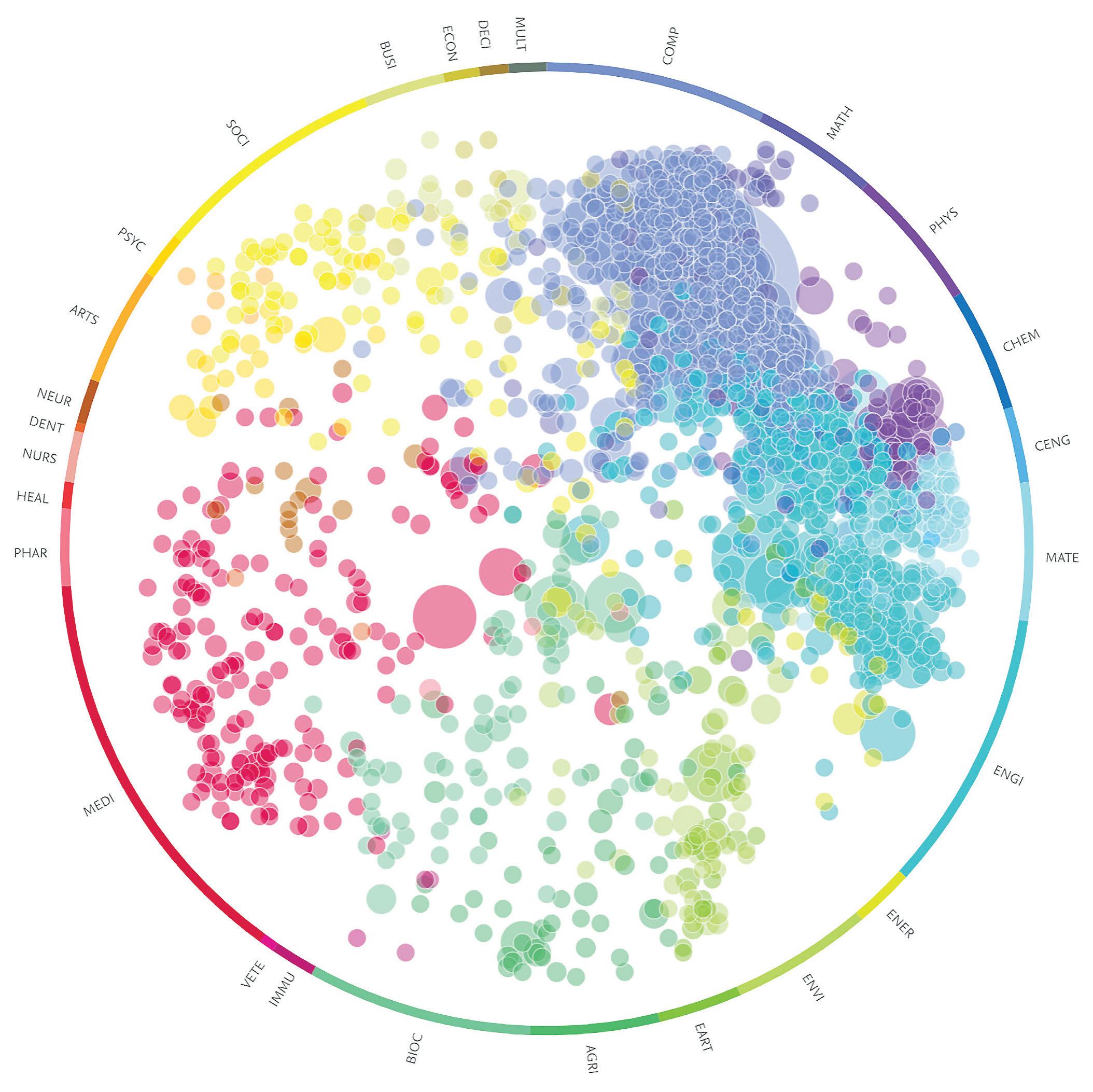
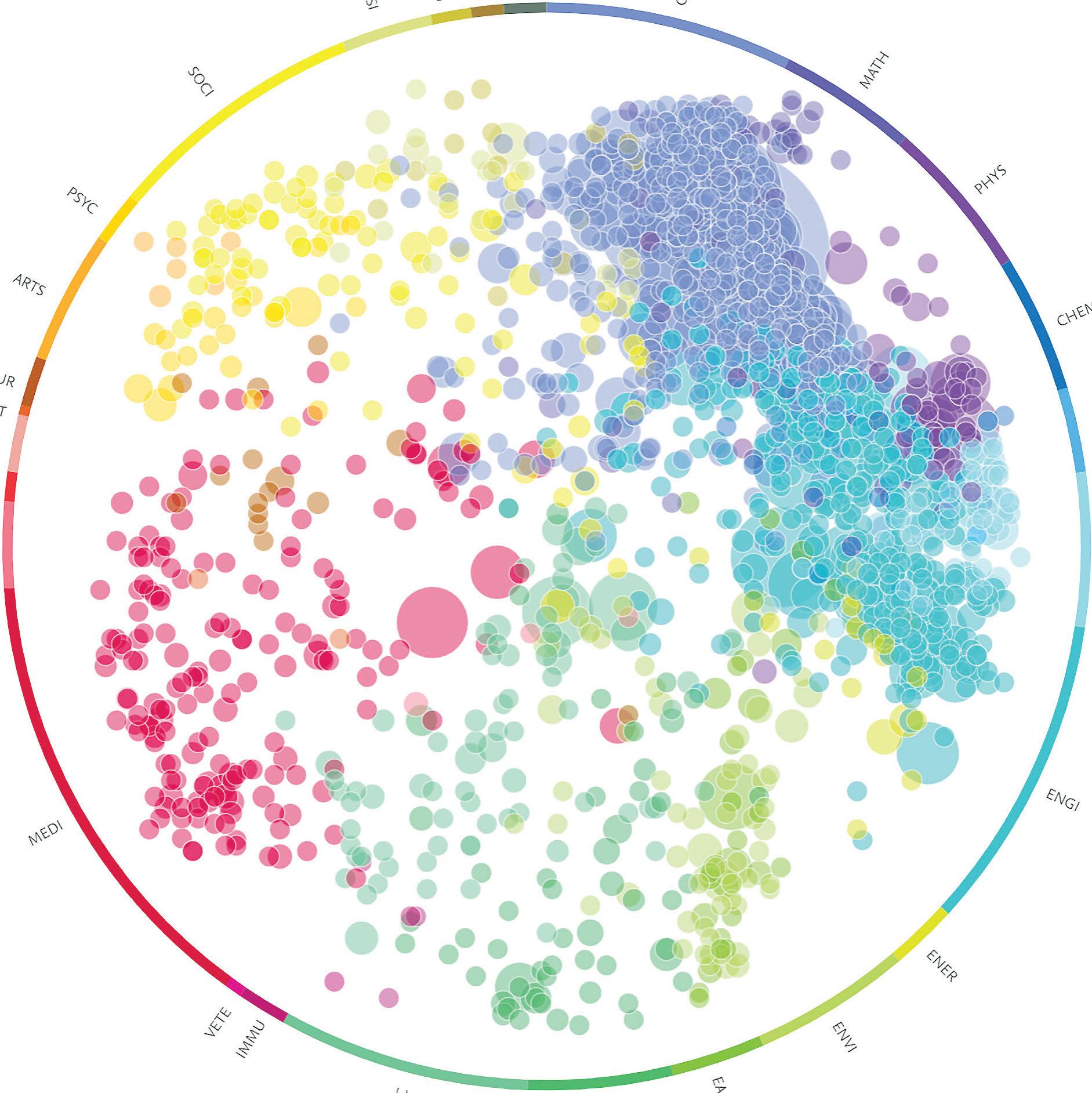
CCI TOPIC WHEEL
Introspection | Malware Virtual Machine | T.3402
Fitness Trackers | Personal Health
Wearables Electronic Devices | T.15610
Crime Victims | Cybercrime Activity Theory | T.34340
Pandemics | Human Influenza Epidemic Model | T.2605
Container Port | Resilience Multicriteria Decision Analysis | T.48147
• We have funded a large seed grant program in Securing NextG, which will position our researchers to lead in the vision and technology development for the next generation of communication networks.
• We are expanding our experiential learning program, with additional funding to support internships, organizing the CCI Cyber Camp, partnering with Virginia Military Institute to help organize the Cyber Fusion competition, and scaling up the successful programs that have been created by CCI.
• We are launching a new innovation program with special emphasis on student entrepreneurs.
We are converging the two CCI testbeds into a single xG Testbed that supports experimentation and prototyping in the next generation of AI assurance and networking solutions.
OVER
Continued
As CCI reaches its two-year mark, we already are having a measurable impact on Virginia’s competitiveness in cybersecurity research, innovation, and workforce development. With the increased adoption of AI and communication networks becoming a key element of our critical infrastructure, the need for robust cybersecurity will only grow. The investment that the Commonwealth of Virginia has made in CCI positions us to play a leading role and to contribute to the state and national economic development.
To read the FULL REPORT: cyberinitiative.org/cci-news/ publications/2021-annual-report
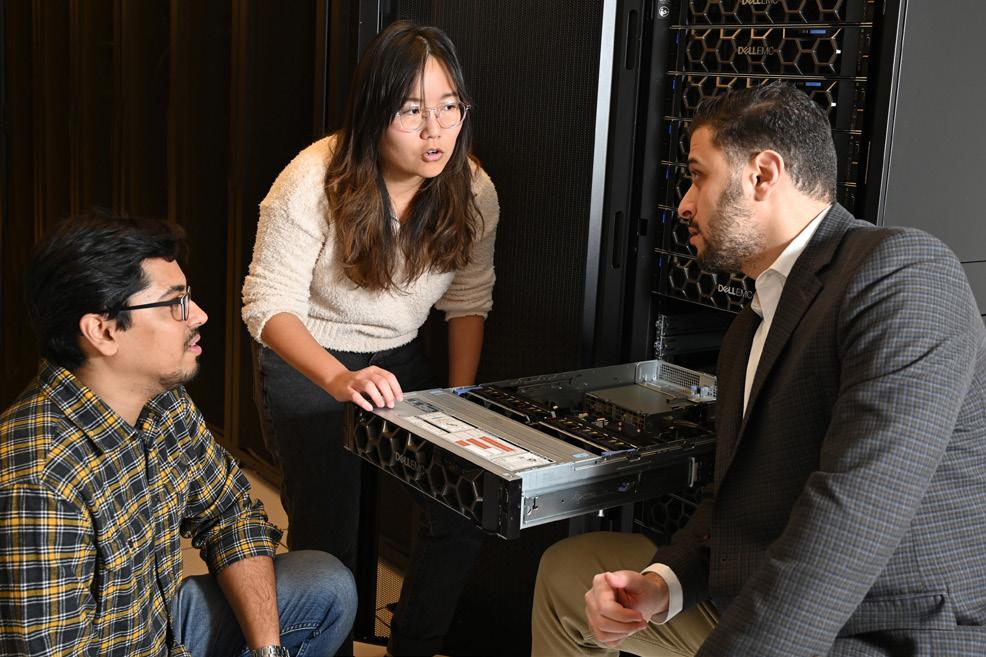
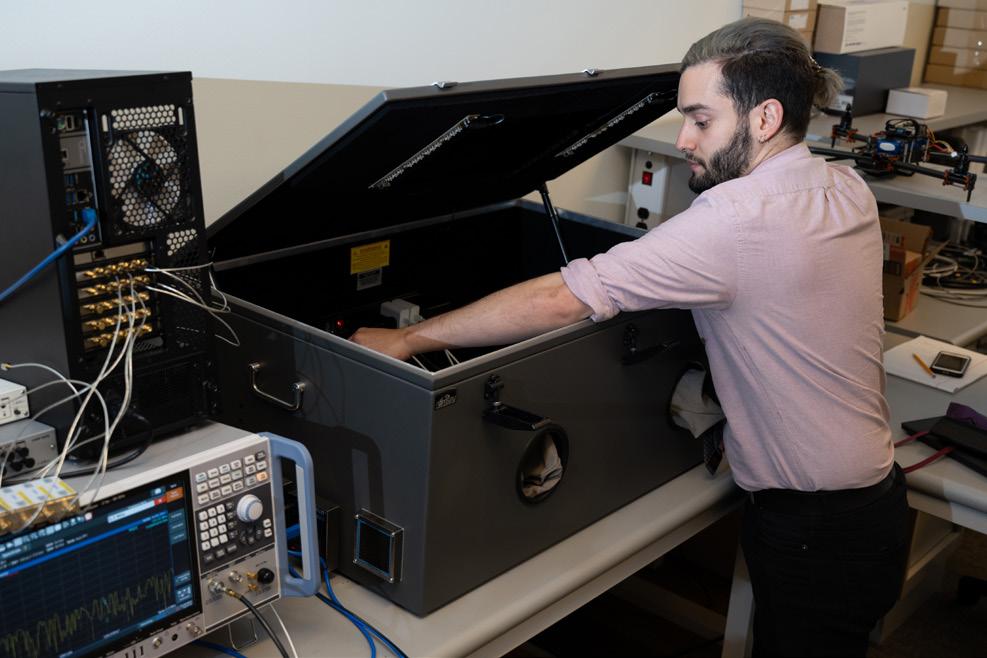
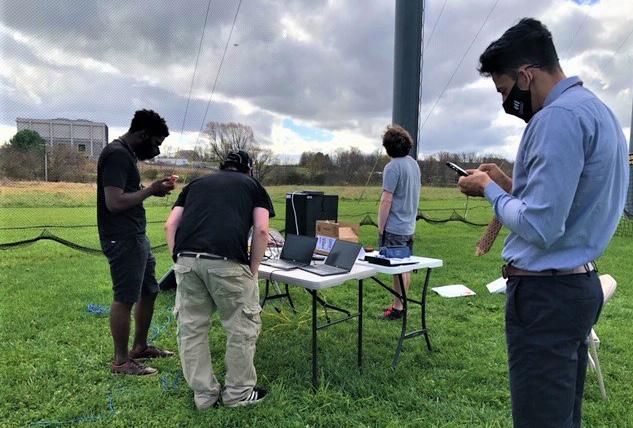
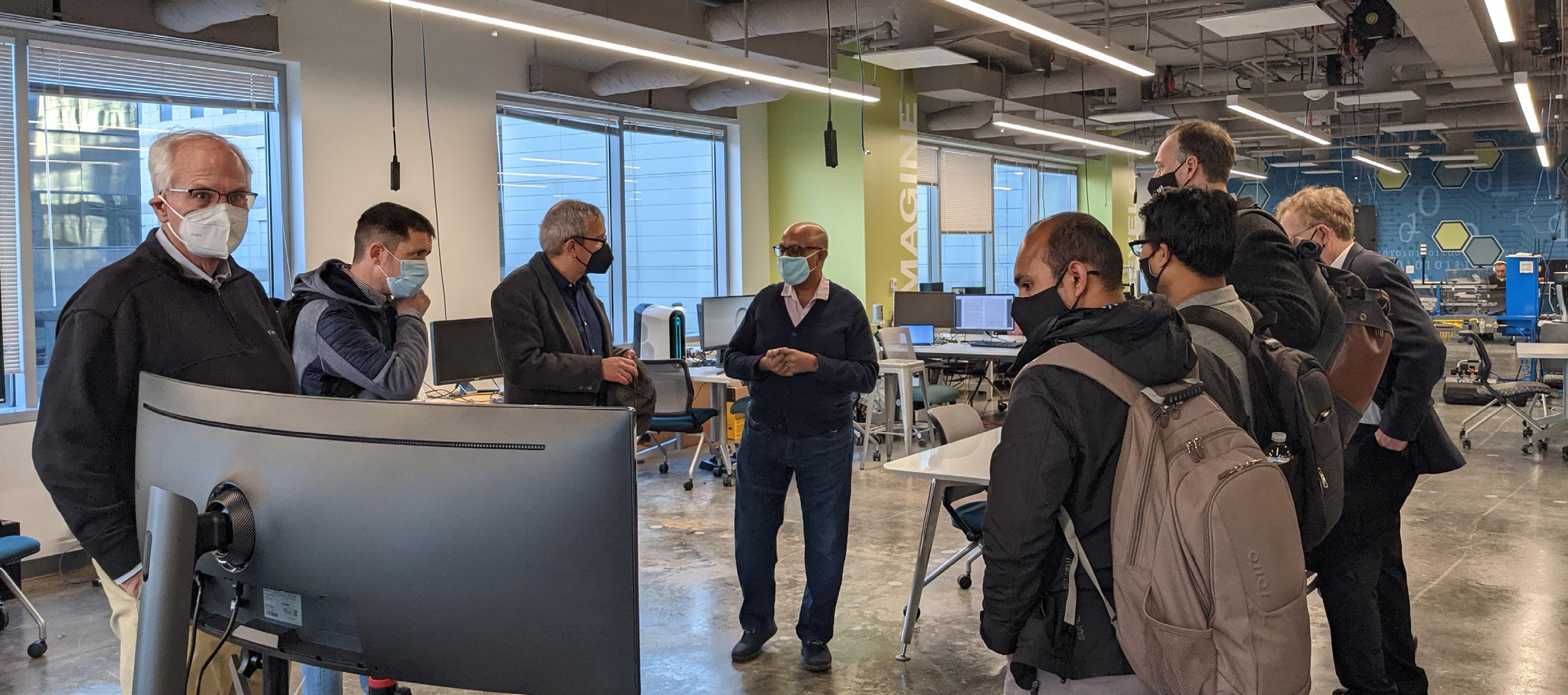
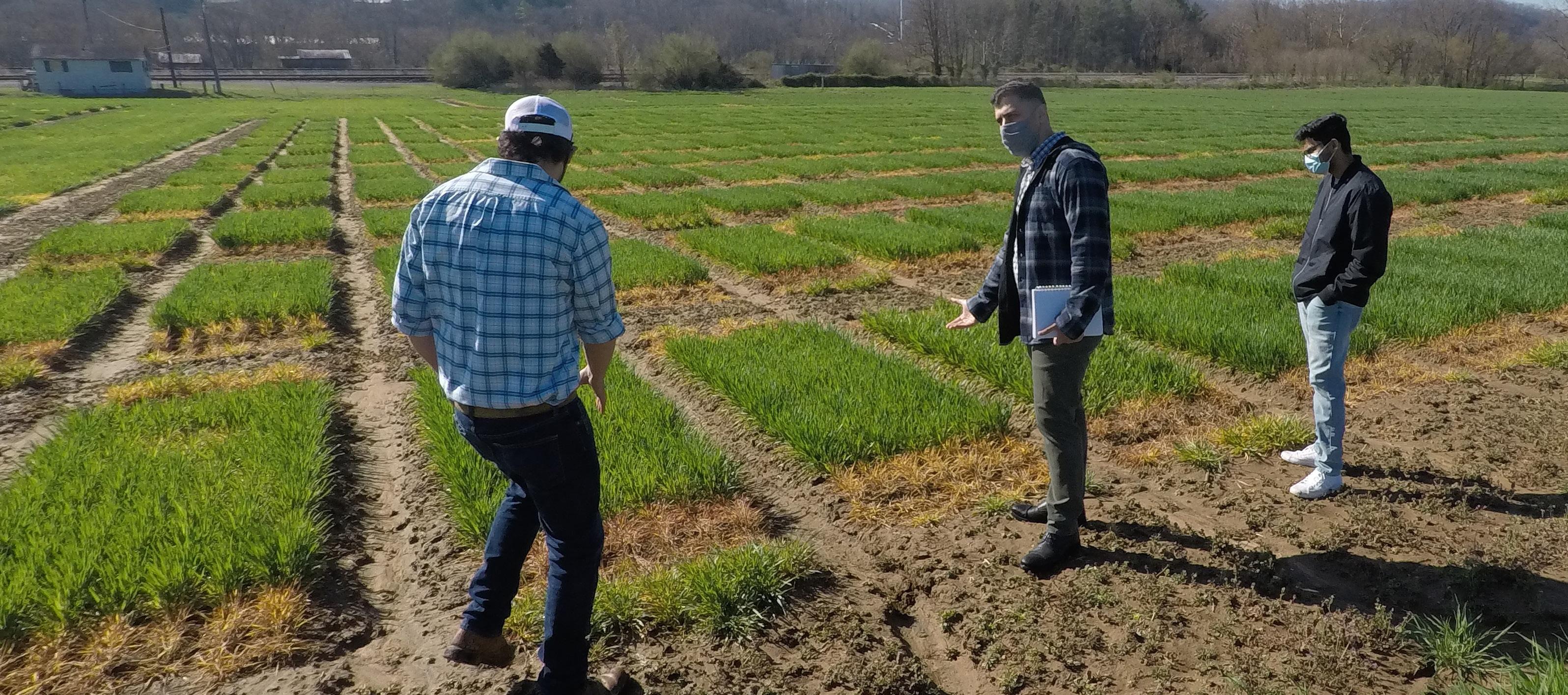
1. Researchers gather at the CCI Cyber Living Innovation Lab on George Mason University’s Arlington Campus to discuss testbed capabilities. 2. CCI xG Testbed Director Aloizio Pereira da Silva fields questions. 3. CCI takes it to the streets by funding research on autonomous vehicles. Zoran Duric, associate professor; Professor Duminda Wijesekera, computer science; and graduate students Yongxin Wang and Bo Yu on George Mason University’s Arlington Campus (pictured clockwise left to right) 4. CCI Researcher Feras Batarseh (center) brings artificial intelligence assurance to agriculture decision-making.