HOLLIE SIKES 2020-2022 SELECTED WORK HOLSIKES @GMAIL.C OM @HOLLIESRIGHTBRAIN (865)-310-9780

EDUCATION
The University of Tennessee Knoxville Bachelor of Architecture
2019-2024
PROFESSIONAL EXPERIENCE
Comma Design Works Intern
Collaboration in design from initial concept through final set; redline updates in Revit, digital modeling for rendered perspectives, contributions to client and consultant meetings 2023
Heyoh Design and Development Intern
Collaboration in design on various levels; schematic design work, digital modeling and analytical diagrams
2021-2022
INSTALLATIONS/EXHIBITIONS
July 29th Two-Person Show with Joss Kitts
Mixed-media exhibition of work at Gallery 1010 (photography, graphite, crayola, oil, ink) 2023
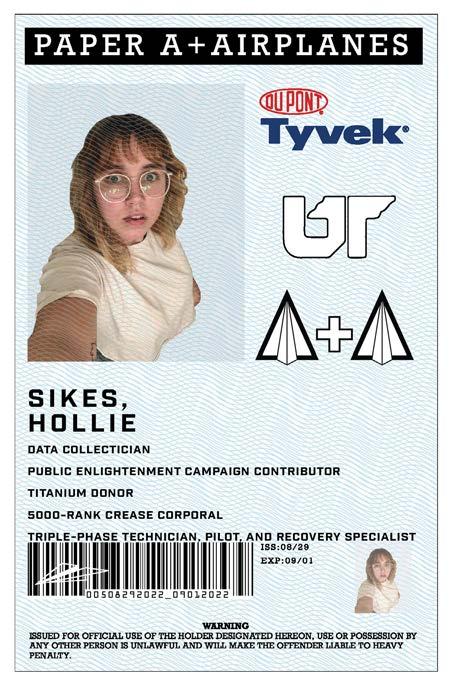
Paper A+Airplanes Triple-Phase Technician, Pilot and Recovery Specialist
Contributions in fabrication, data collection, publicity, illustration, and logistics; head sustainability coordinator 2022
EXPERTISE
Traditional Media wood/basswood, chipboard, bristol paper, clay, foam; ink, graphite, charcoal (technical and freehand); oil, acrylic, watercolor
Drafting AutoCAD, Rhinoceros
CAD Rhinoceros (+Grasshopper), Sketchup
BIM Revit Architecture
Graphics Adobe Photoshop, Illustrator, Indesign
Rendering V-ray for Rhinoceros, Lumion



01 02 05 03 04 06 07 THE SHOP HOUSE THAT CAN LIVE IN THE WILD PAULETTE DECIMAL PAPER A+AIRPLANES SELECTED MODELS SELECTED SKETCHES PAGE
PAGE
PAGE
PAGE
PAGE
PAGE
PAGE
PAGE 03 CONTENTS
04
16
38
26
32
48
50

the shop
2023
INSTRUCTOR:
KEVIN STEVENS
COLLABORATOR:
SHAKORI CARPENTER
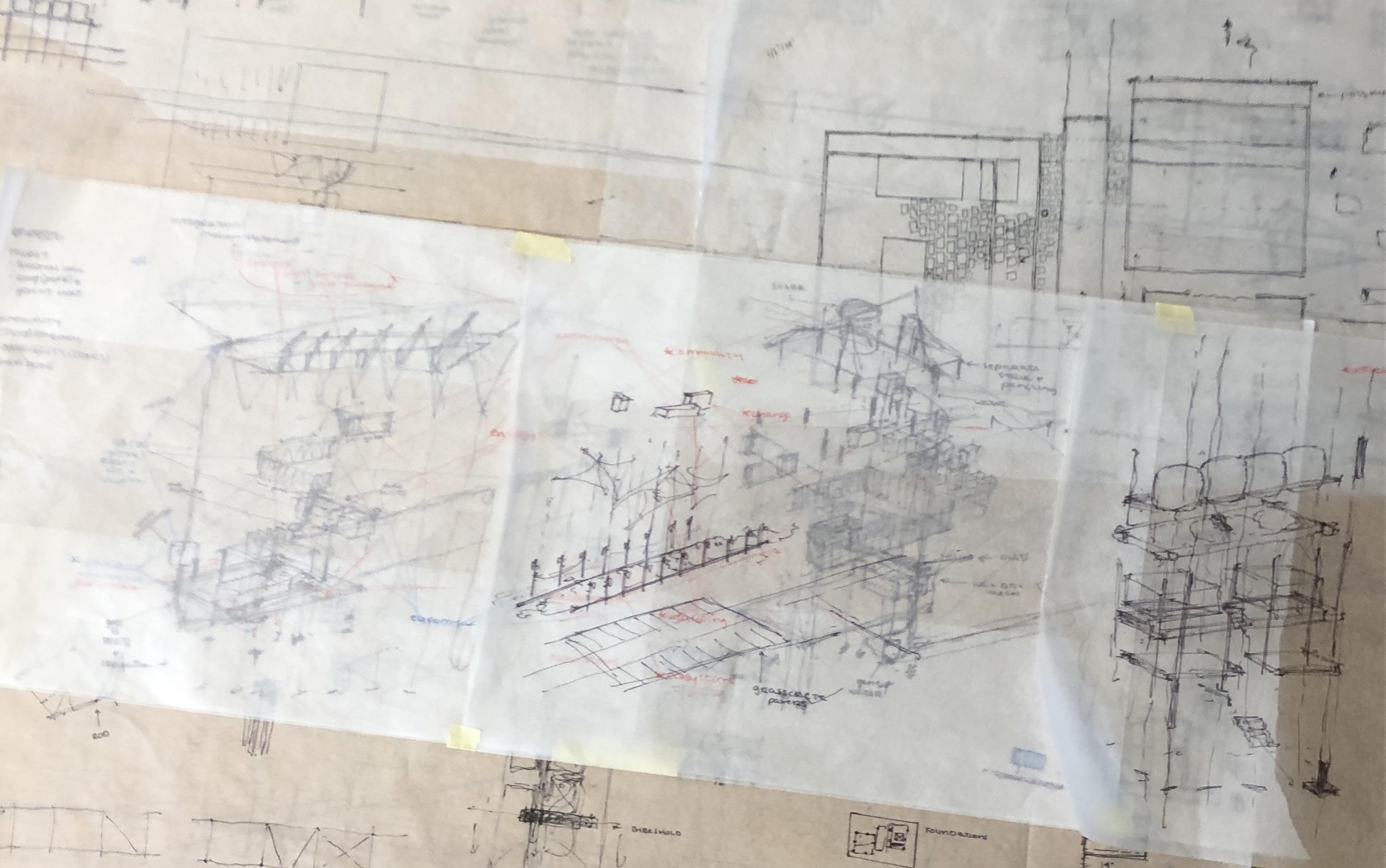
From Architecture at Zero: “The Architecture at Zero 2023 competition challenge is to design a teaching and innovation farm lab, connecting the history of California’s first Black town, to its present aspiration to become a destination for sustainable agriculture.”
THE SHOP must act as an impetus for community growth – not a “solution”, but an adaptive tool. In designing it, we have to ask ourselves what supportive architecture is, and what it looks like in a variety of scales and contexts. It is vital that THE SHOP engages the community somehow, building on and potentially enriching the local identity of Allensworth. It cannot be an alien structure, superimposed. Residents should feel a sense of ownership over THE SHOP. What can something like an educational farm lab teach the community, and how will that knowledge manifest beyond site bounds?
Allensworth prides itself on its resilience and its subversion of expectations and norms. By engaging in discourse regarding collective memory/local identity, communal ownership over space, and the meaning of transparency in an architectural context, THE SHOP does its best to stay mindful of its social site as well as its physical one.
PAGE 06 THE SHOP
UTK ARCHITECTURE
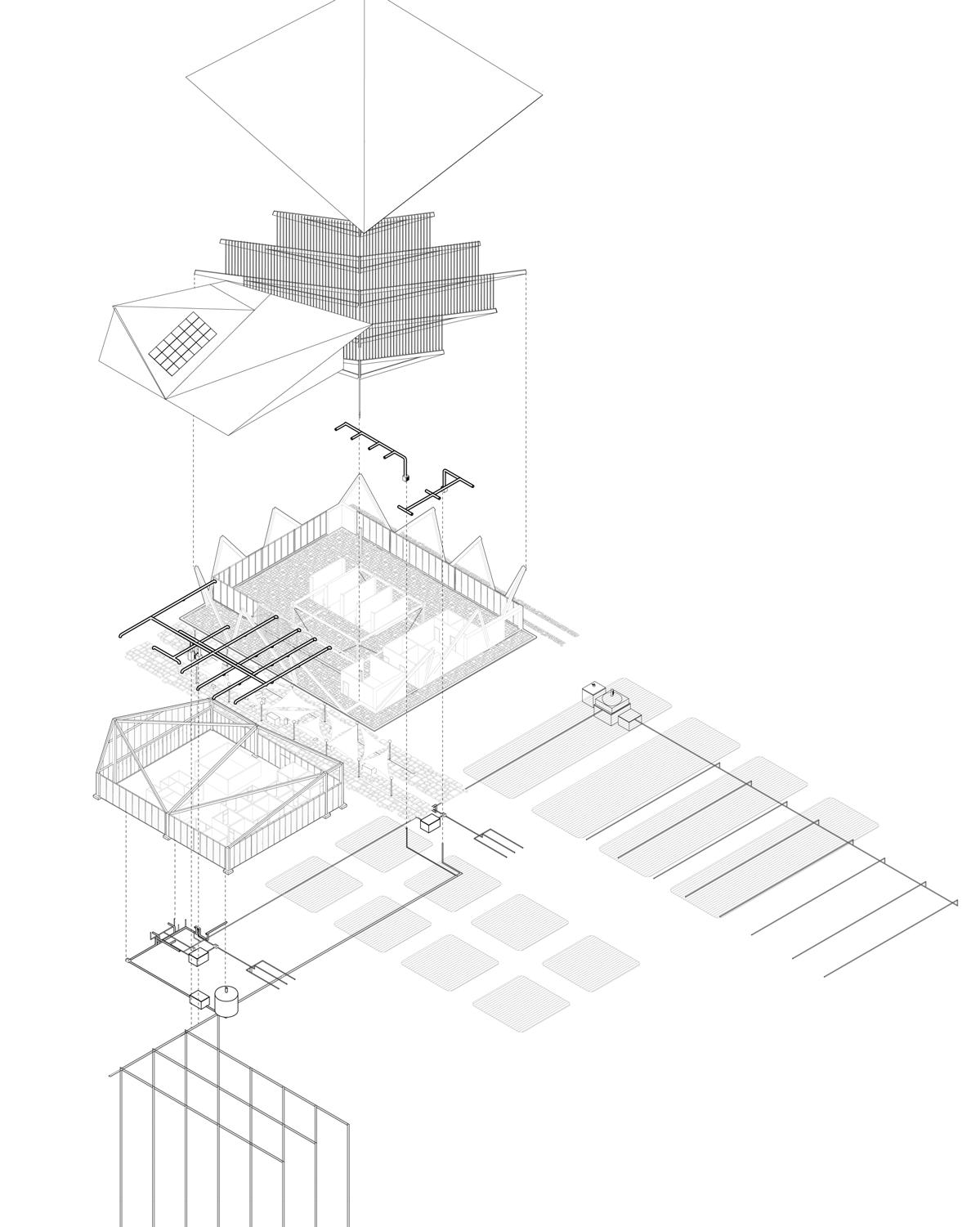
PAGE 07 EXPLODED ISOMETRIC
5’ 15’ 5’ 15’ PAGE 08 THE SHOP PAGE 09 LONGITUDINAL SECTIONS SHOP (UPPER) AND RESIDENTIAL (LOWER)
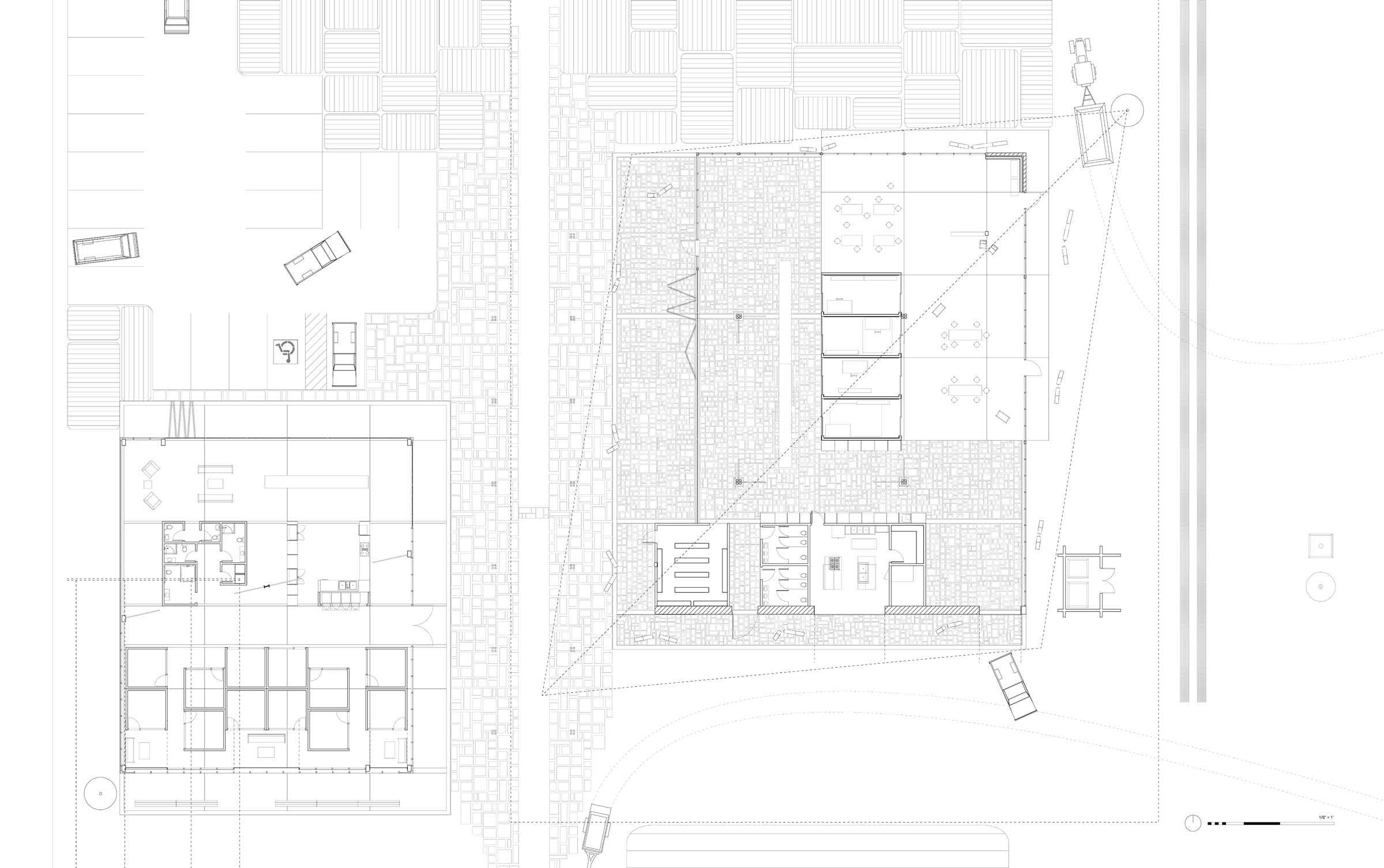

PAGE 10 PAGE 11 PLAN THE SHOP
COMMUNITY
First and foremost, The Shop functions in service to the residents of Allensworth in as many ways as possible. It is meant to be worked upon. It is a center for education. It is simultanelously a sturdy foundation for the growing TAC Farms, a home base for various types of work, and a flexible host for all sorts of group events and needs. The Shop hails communal labor as an avenue toward resilience. Students, local residents and visitors alike may carry TAC Farms’ teachings back to their homes and communities, whether near or far. By framing the building as a tool, the design acknowledges that the definition and identity of The Shop can and will change over time as the residents see fit/as the spatial need shifts.
ECOLOGY
A primary objective for The Shop regarding the site’s ecosystem is a directing of attention toward the life already present in the area. Agricultural fields can be easy to overlook from 5’6 -- our proposal for the central market and courtyard glorifies the existing vegitation onsite simply, rather than theatrically, by setting it in a lightweight stone frame. This strip of land runs right down the middle of the project, at times hosting a local market, always bringing folks in, through, and out again. Surface parking is mitigated with structured grass pavers, allowing for a semipermeable “softish”scape in place of asphalt.
WATER
Water supply and retension is a matter of great concern on the site. Lightweight roofs, massive in surface area, slope and crease to direct rainwater into cisterns. This water can then be reused for essential building mechanics.
ECONOMY
The Shop must work within TAC Farms’ means. Careful consideration is given to material selection, with realistic estimations of how much is needed for construction and what can be removed/stripped back while retaining quality. Part of the ethos of The Shop is the incorporation of incredibly economical and accessible materials into elegant design. The shop sees economic strength in its material palette, made up of primarily vernacular elements able to be sourced locally. Additionally, a low ratio of conditioned to unconditioned space saves quite a bit of money on heating and cooling annually.
ENERGY
Given the lack of sky cover and nearly year-round sun, the residential building at The Shop uses a large roof to house solar panels which power the complex. Additionally, the building will utilize a handful of passive heating and cooling strategies, such as the inclusion of a thermal wall on the south face of the Shop space. Given that the majority of the Shop is not environmentally enclosed/ conditioned, more energy is naturally conserved during temperature extremes.
WELLNESS
The Shop’s relationship to Allensworth residents is built on two fundamental values: full transparency regarding its inner workings, and a completely intuitive environment for community use. A tool that doesn’t require an instruction manual, so to speak. The Shop works to allow residents a sense of ownership over it. We believe that these values, as well as some degree of operability or control over the physical experience of the space, are inherent to feelings of ownership.
RESOURCES
In addition to the aforementioned careful selection of materials, every effort will be made to source lumber sustainably by going through a process of FSC certification, which keeps a list of sustainably sourced lumber forests and tracks every piece of wood forested, from root to construction site.
CHANGE
The Shop will attempt to go further than designing for disassembly by getting specific about when and how elements may be disassembled, and where they might go afterwards. More practically, an open plan with an extremely operable superstructure imposed over top allows for full customization when it comes to programmatic and functional needs over time.
DISCOVERY
Of course, the facility is pitched as an Educational Farm Lab, and by devoting much of our focus to community integration, the hope is to broaden The Shop’s educational horizons beyond its 12 presumed students: a space that generational residents, newcomers and folks just passing through are welcome to stop by any time.
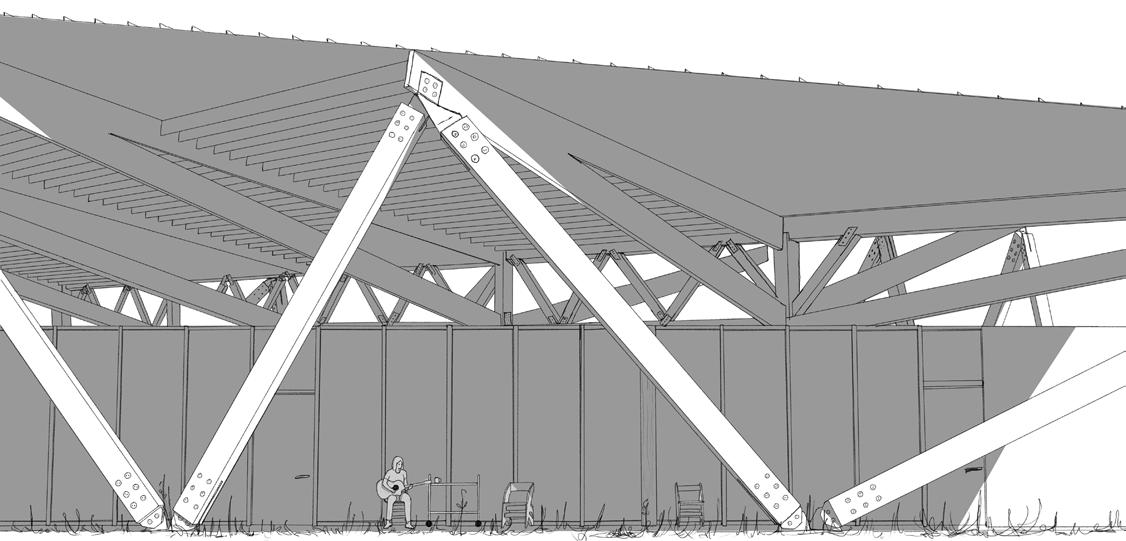
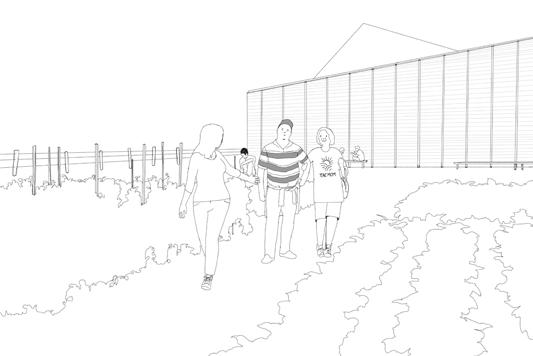
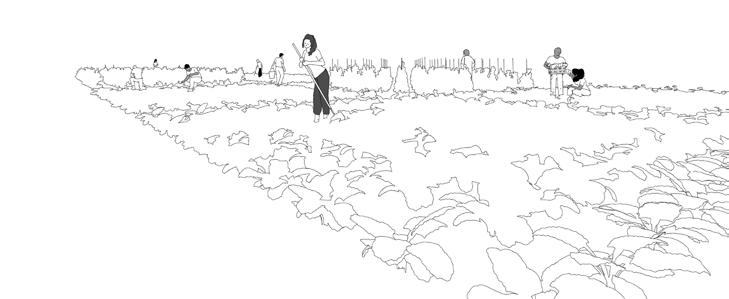
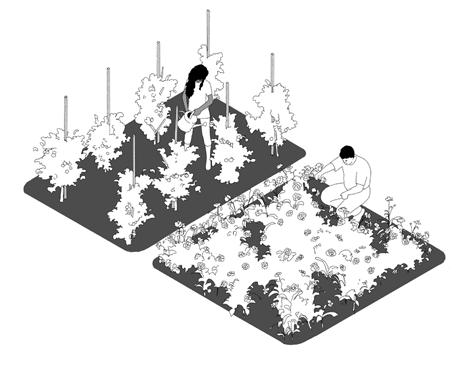
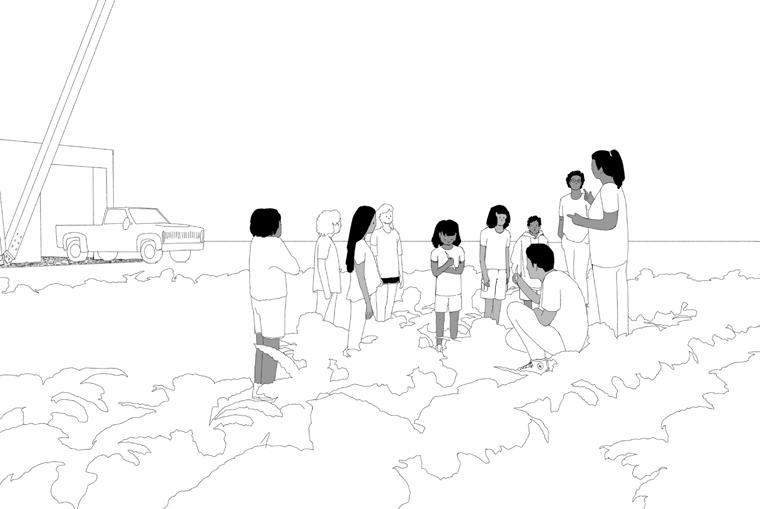
PAGE 12 THE SHOP PAGE 13
AIA FRAMEWORK FOR DESIGN EXCELLENCE VIGNETTES
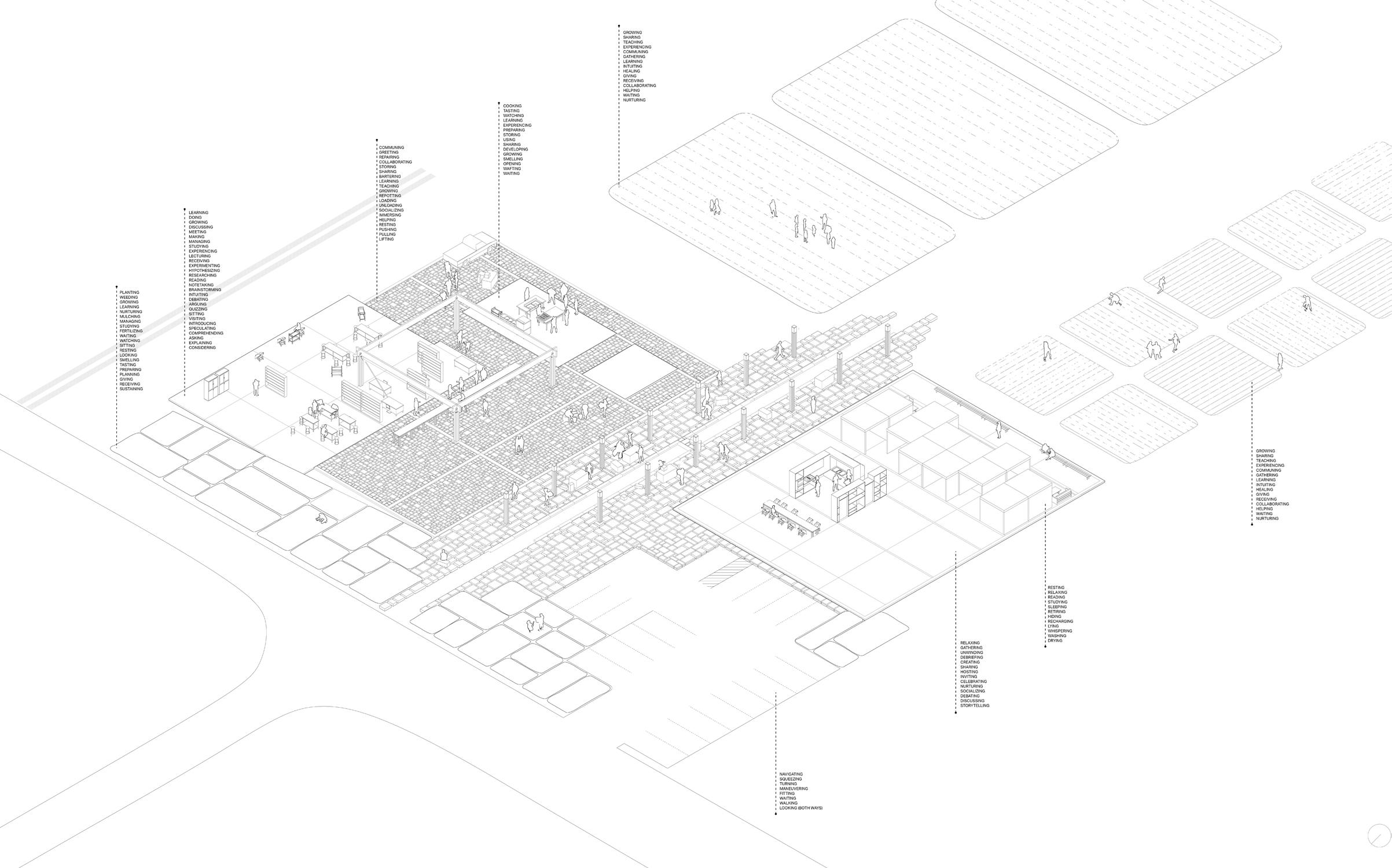

PAGE 14 THE SHOP PAGE 15 PROGRAMMATIC MICROCLIMATES 1m 6mm

house that can live in the wild
The Wild House began with a list of questions. What does it mean to go? What do we sacrifice in pursuit of escape, and what, in contemporary society, does an individual need to escape from? What do we gain when we abandon convention? This was the lens used to explore personal relationships -- with the self, with others and with the surrounding world -- and formed a base on which to blend them. The result is a house that does its best to bridge gaps.
A readymade place for connection with nature, the house offers itself to those hungry for the outdoors but perhaps lacking the skill or experience required to meet it. Three of the four facades are composed of large glass doors, often pivot doors that can be rotated 90 degrees around center hinges, allowing for selective immersion in surrounding nature. A breezeway separates more intimate, personal spaces from the large, open kitchen; one must go outside to get back inside. Delineation between private spaces are clear, yet malleable, visually concealed behind partial walls but still exposed to the sounds and smells around them: the grass after rain, the morning birds, a conversation between friends.
The Wild House is an attempt to get down to the marrow of what matters. By reconsidering the idea of minimalist living and distilling it down to its essence, it becomes a place of connection and rehabilitation, whether it’s with the self or the surrounding world.
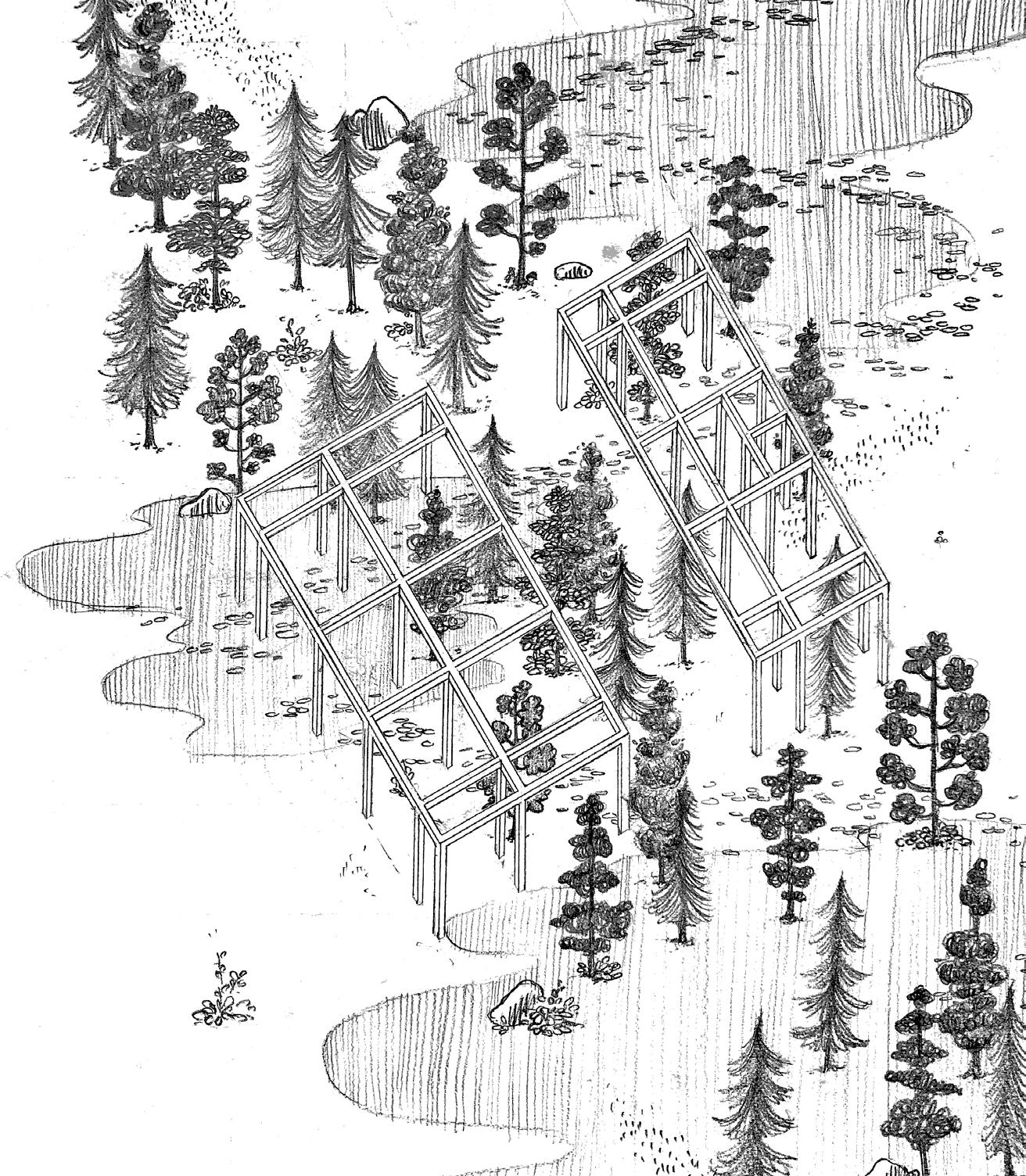
PAGE 18 HOUSE THAT CAN LIVE IN THE WILD
UTK ARCHITECTURE
PAGE 19 EXPERIENTIAL PERSPECTIVE
2022 PROFESSOR HANSJÖRG GÖRITZ
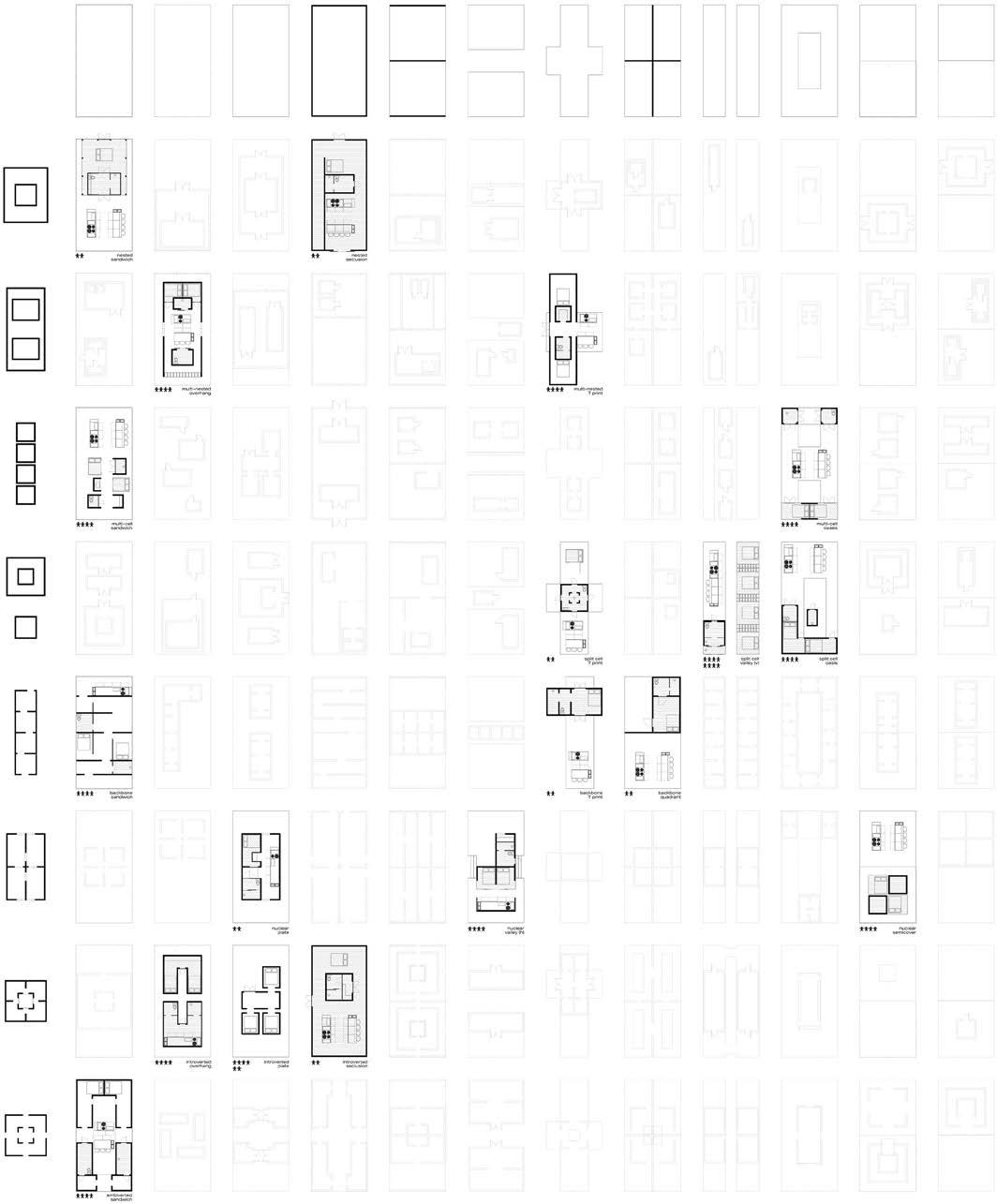
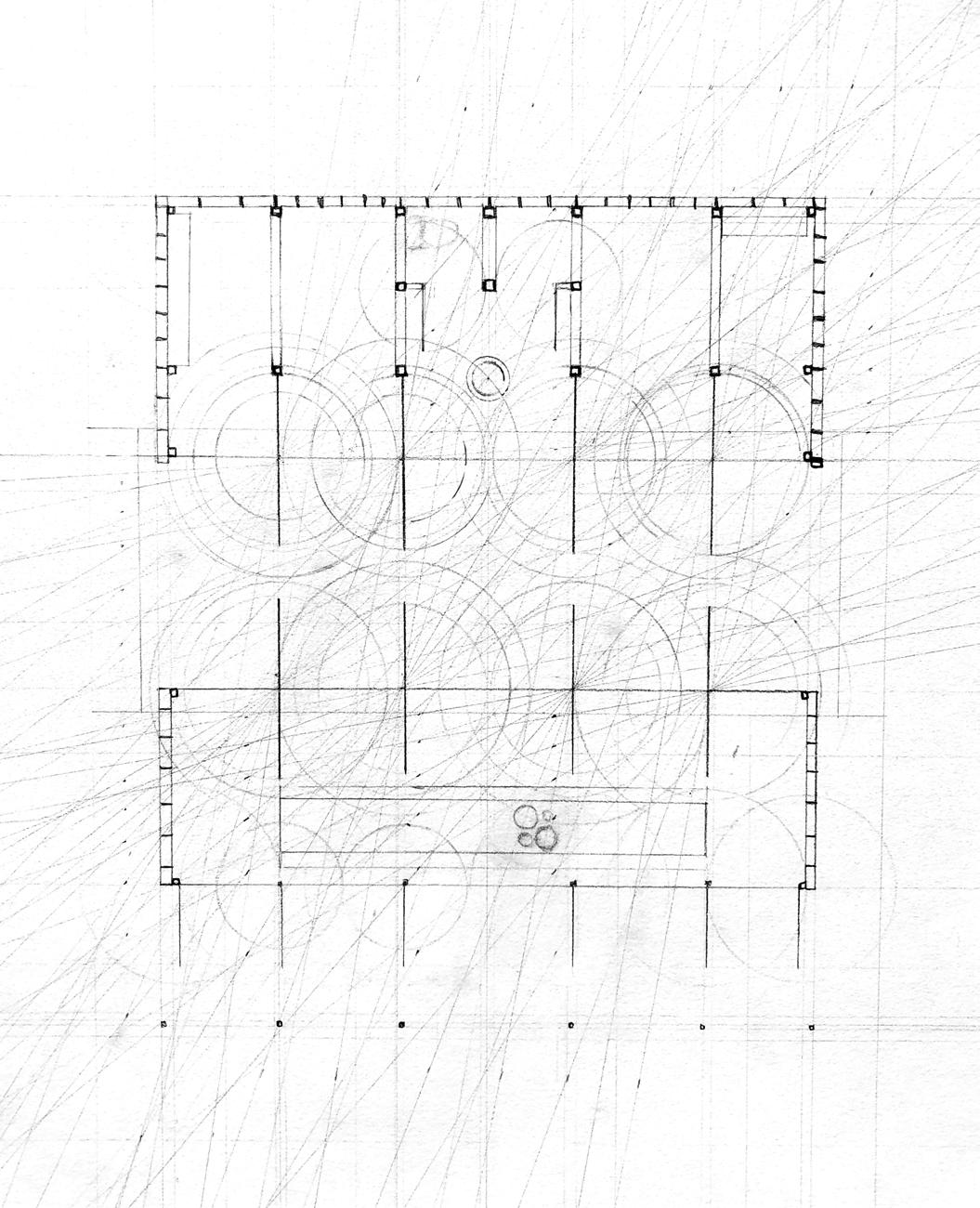
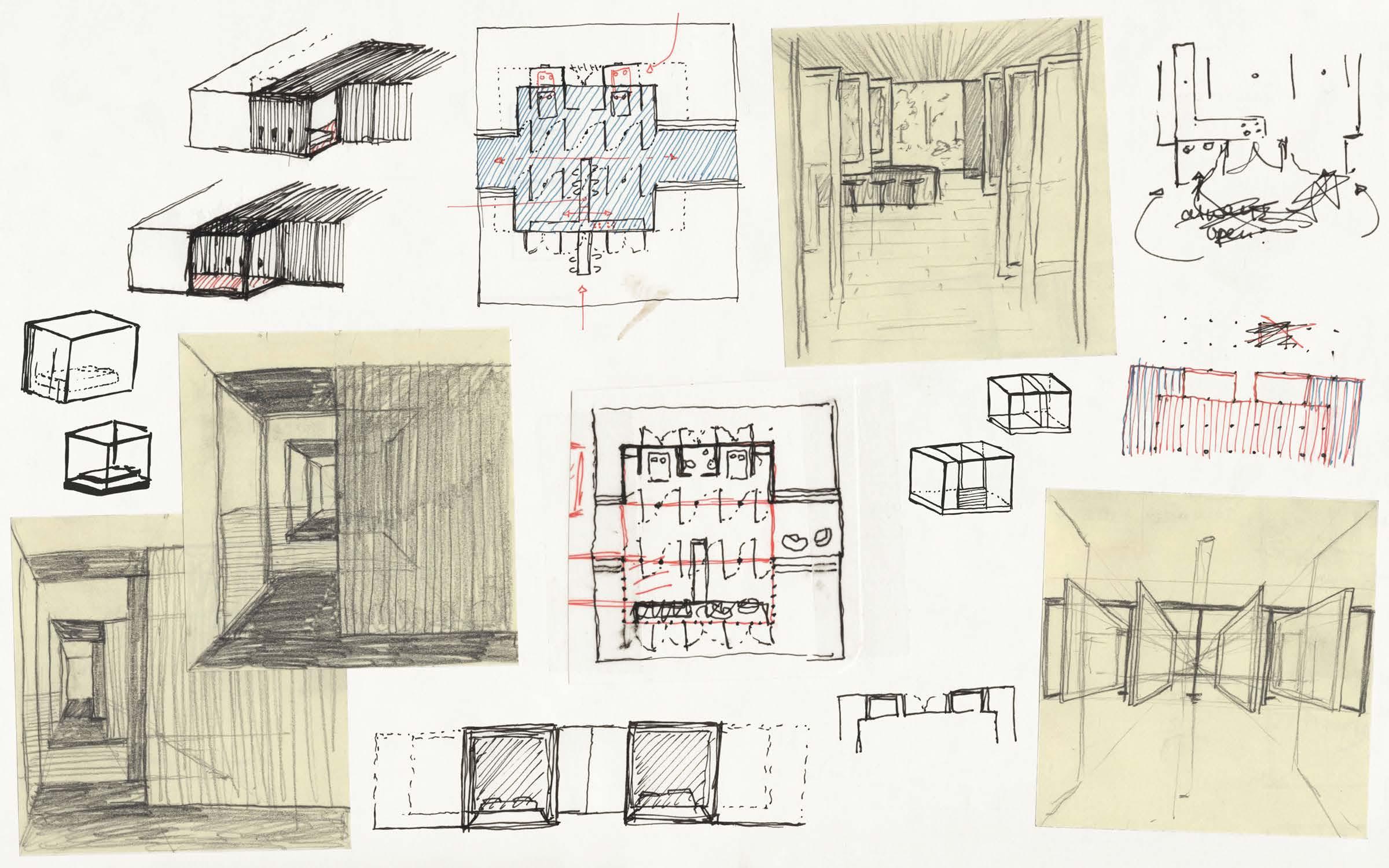
PAGE 20 HOUSE THAT CAN LIVE IN THE WILD TYPOLOGY MATRIX CONCEPTUAL PLAN PAGE 21

Developed using a matrix of architectural typologies, different spatial relationships were explored and compared. Special attention was paid to configurations that lent themselves to the ethos of the project, particularly results that emphasized a balance of exposure and enclosure.
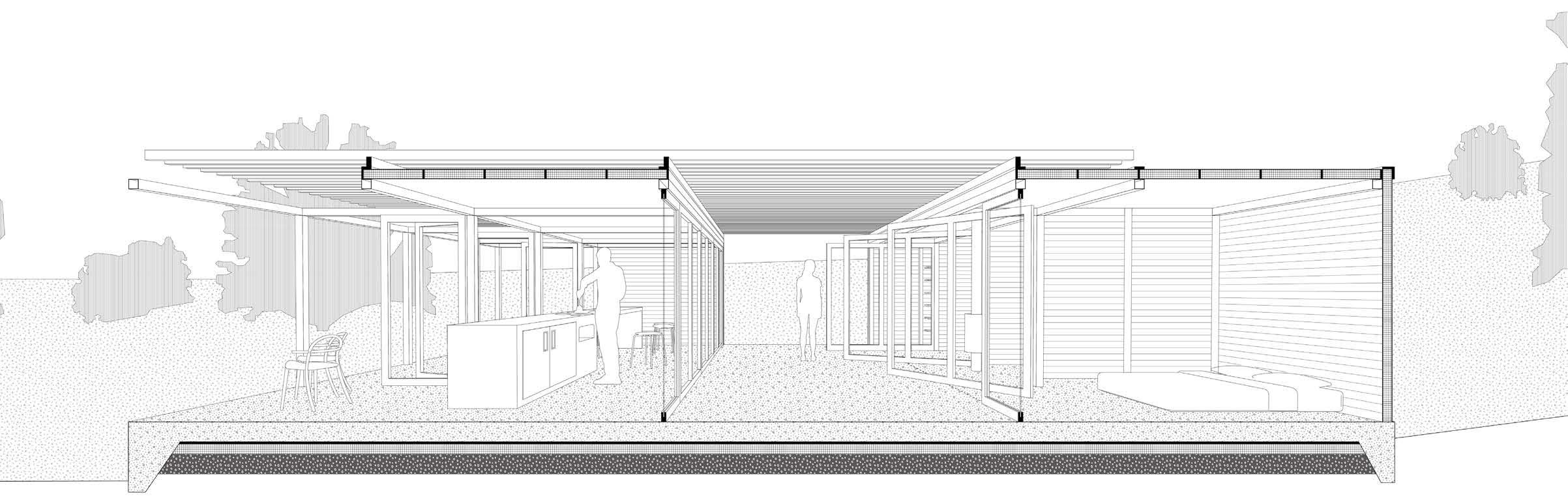
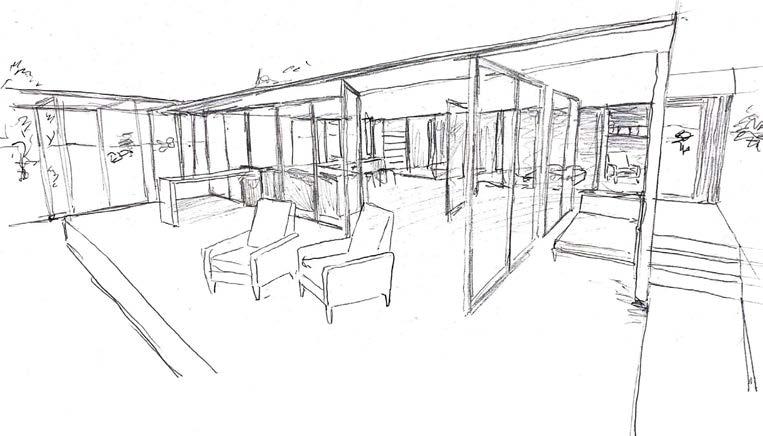
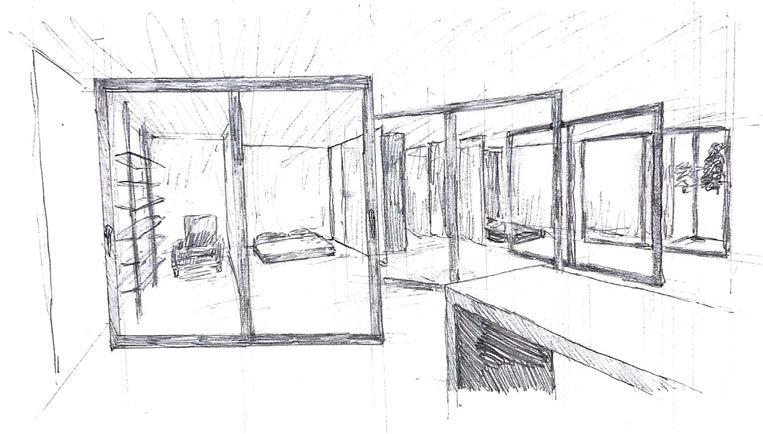
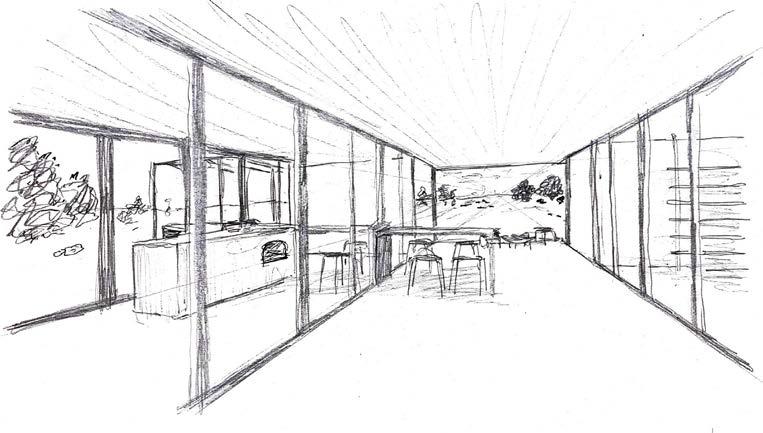
PAGE 22 HOUSE THAT CAN LIVE IN THE WILD SECTION EARLY PERSPECTIVES PAGE 23

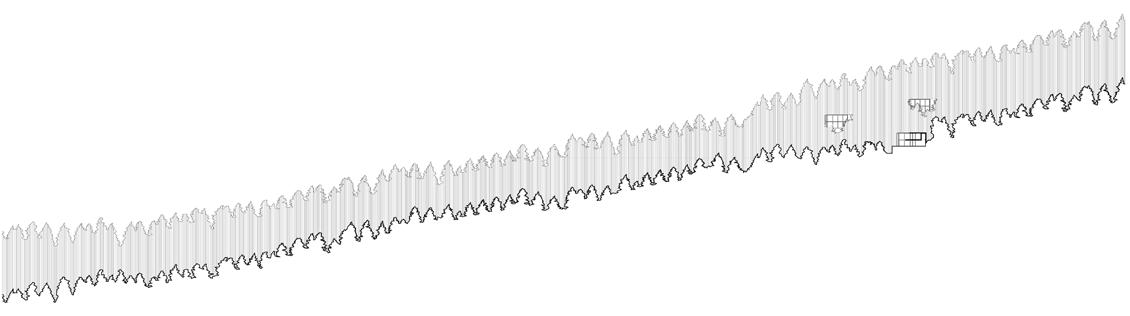
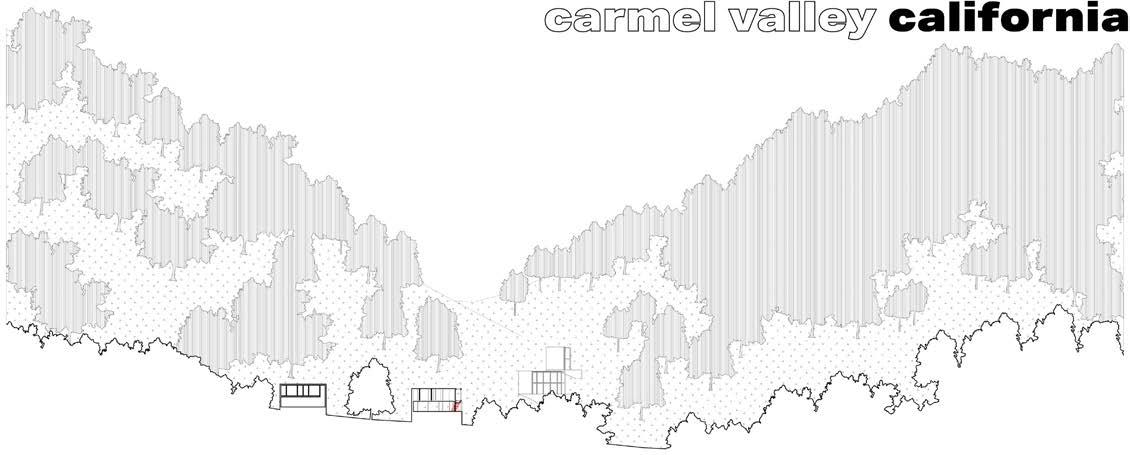
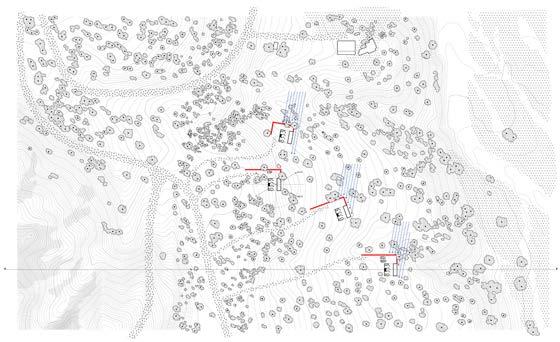
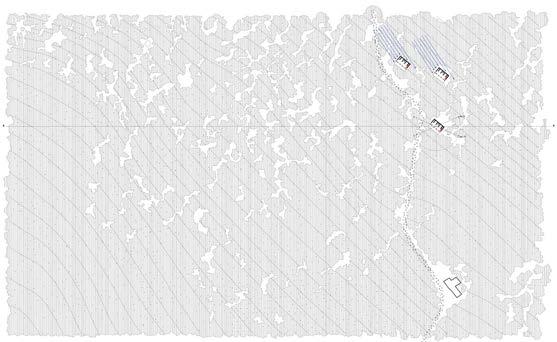
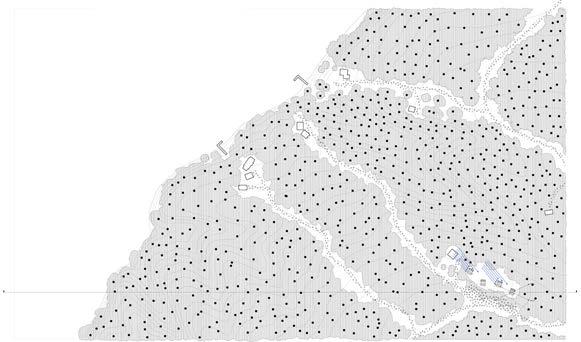
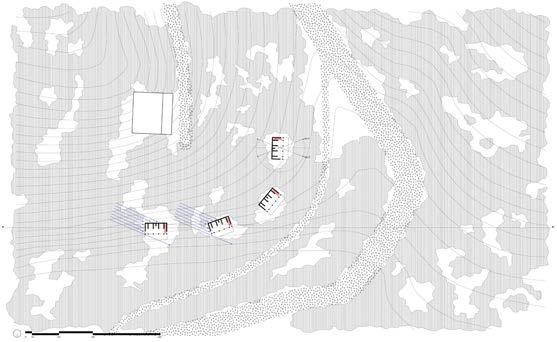
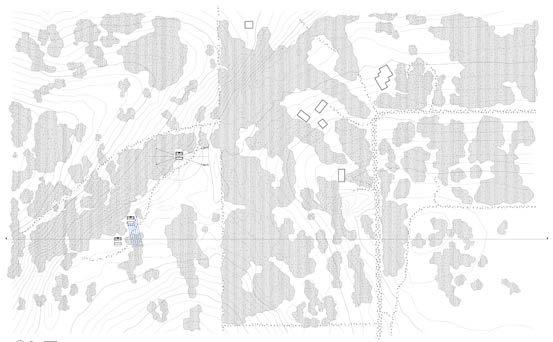
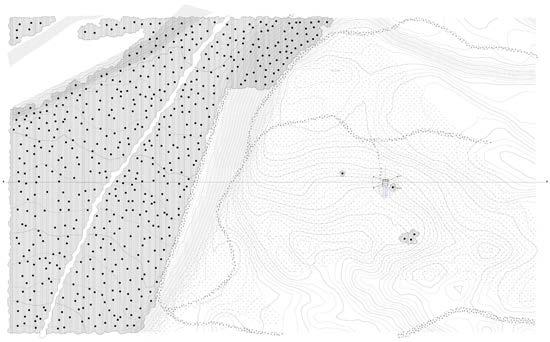

The design is adapted for six different climates and terrains across the continental U.S. The material palette became a “kitof-parts”, with built elements repeated, removed or otherwise altered to fit given conditions while preserving the integrity of the original concept.
PAGE 24 HOUSE THAT CAN LIVE IN THE WILD SITE SECTIONS SITE PLANS PAGE 25 Round Mountain Texas La Pointe Wisconsin Sedro Woolley Washington Abiquiu New Mexico Halcott New York Carmel Valley California NM CA WI WA NY TX

ONGOING
IN COLLABORATION WITH
JULIA BRYANT (JANUARY 2024)
ROSE CRAWFORD (FEBRUARY 2024)
PARKER GREENE (MARCH 2024)
ANTHONY BURGARINO (APRIL 2024)
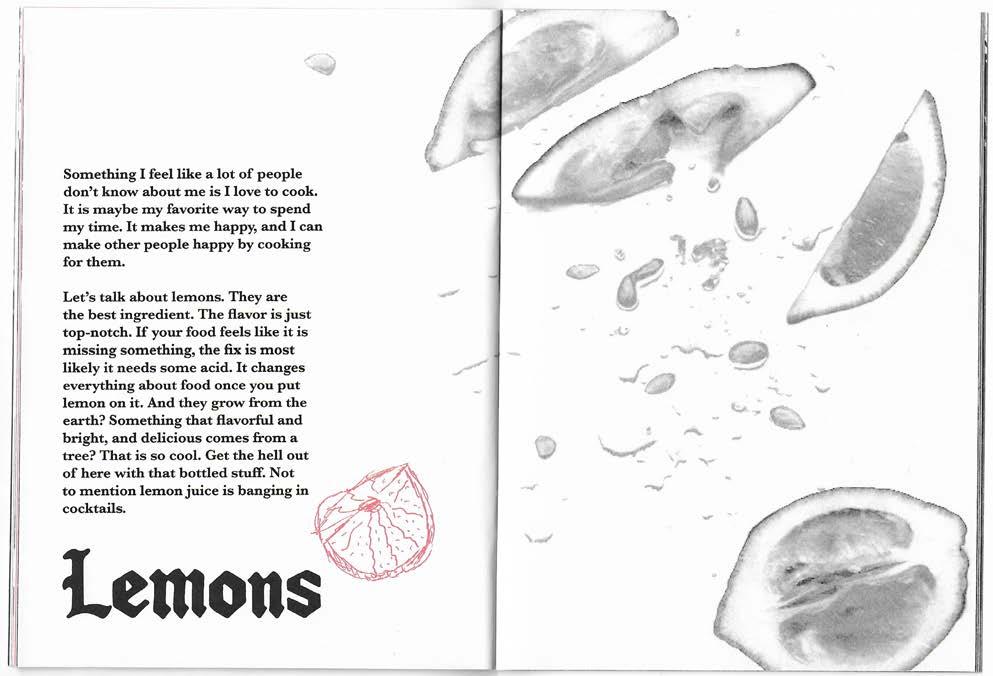
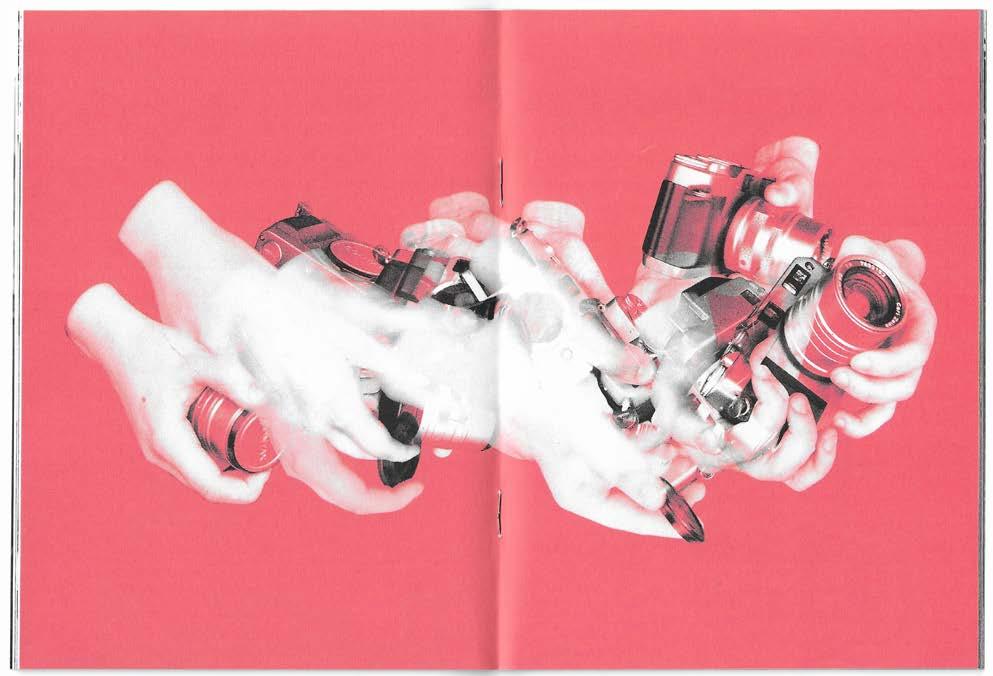
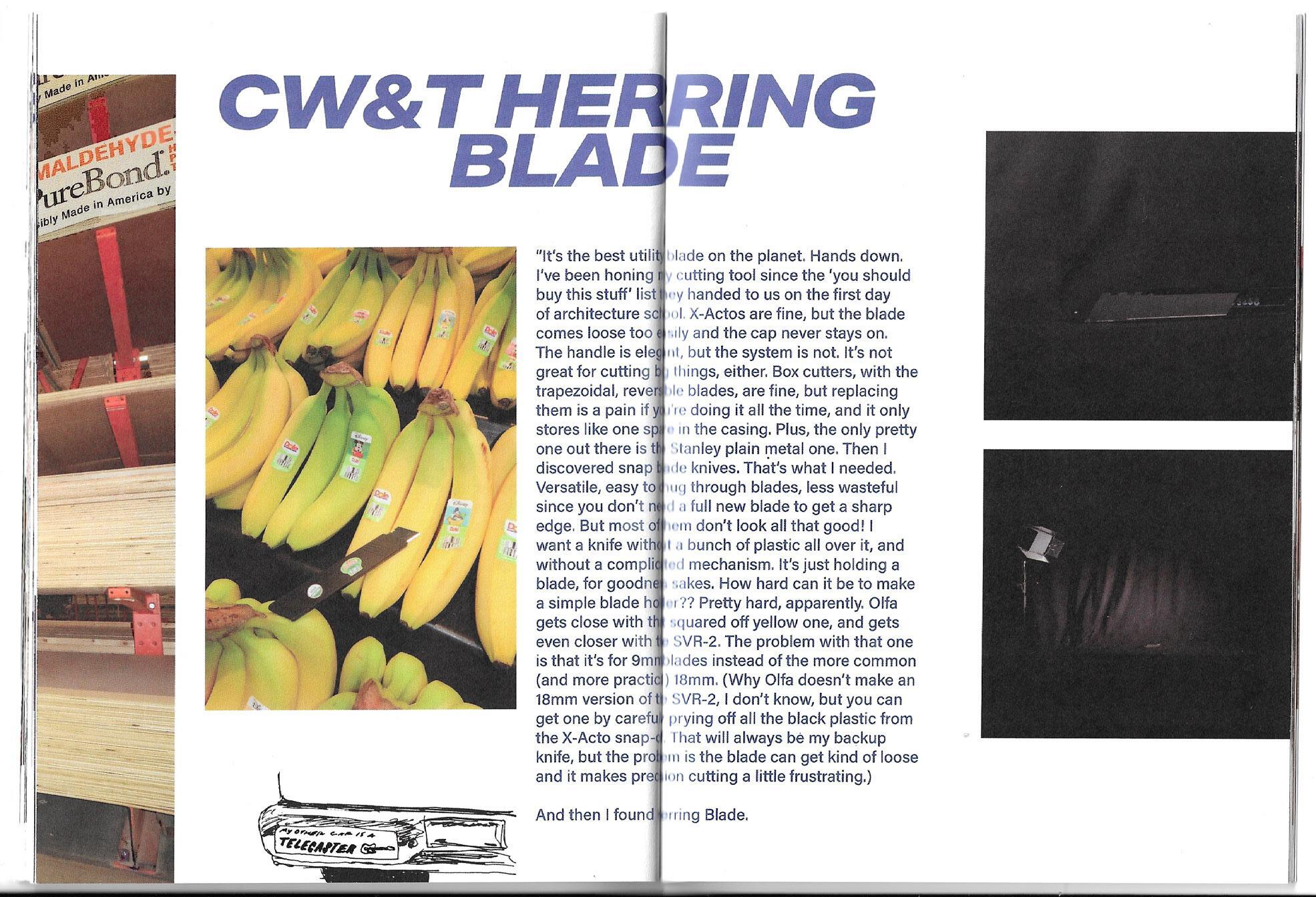
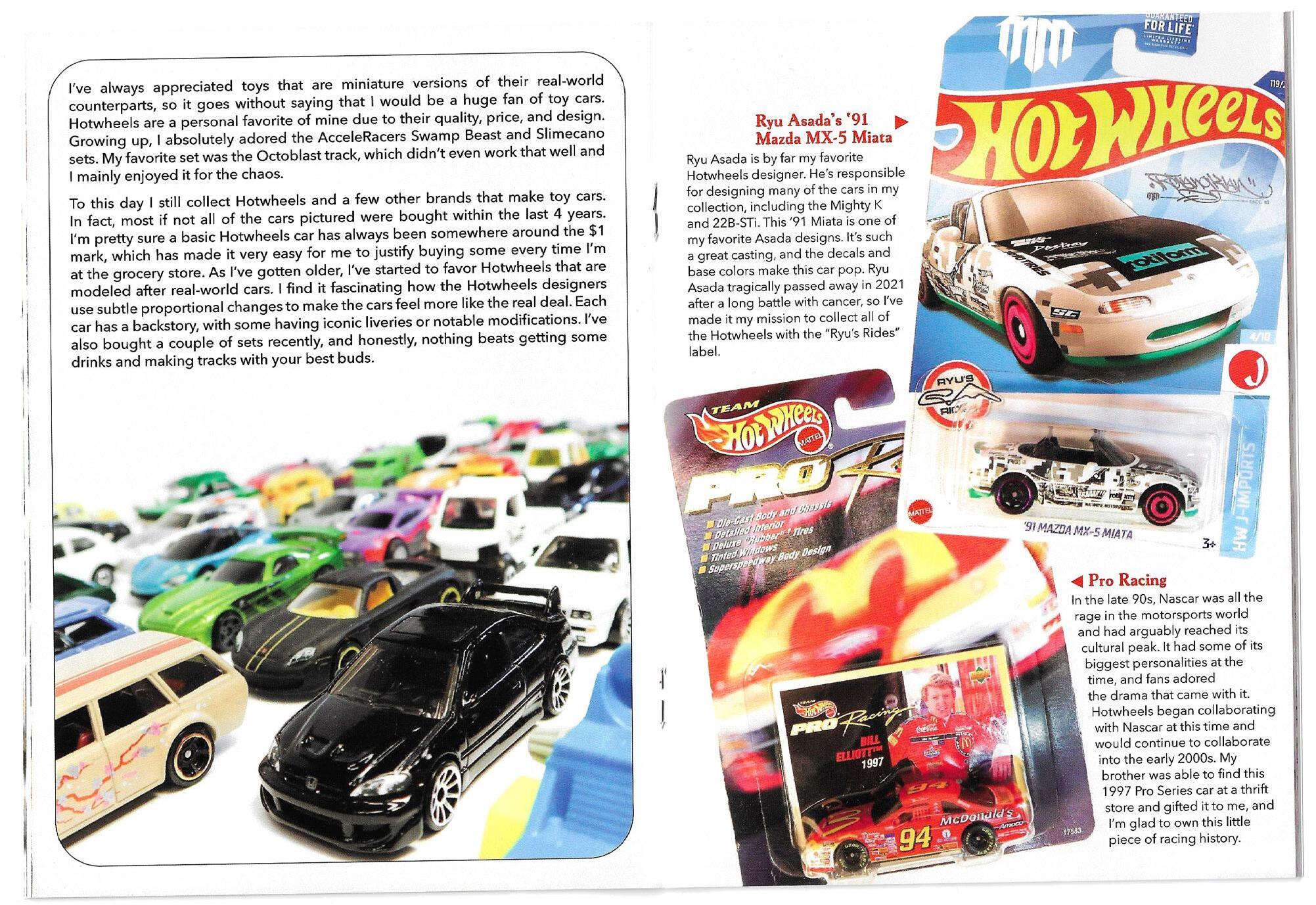
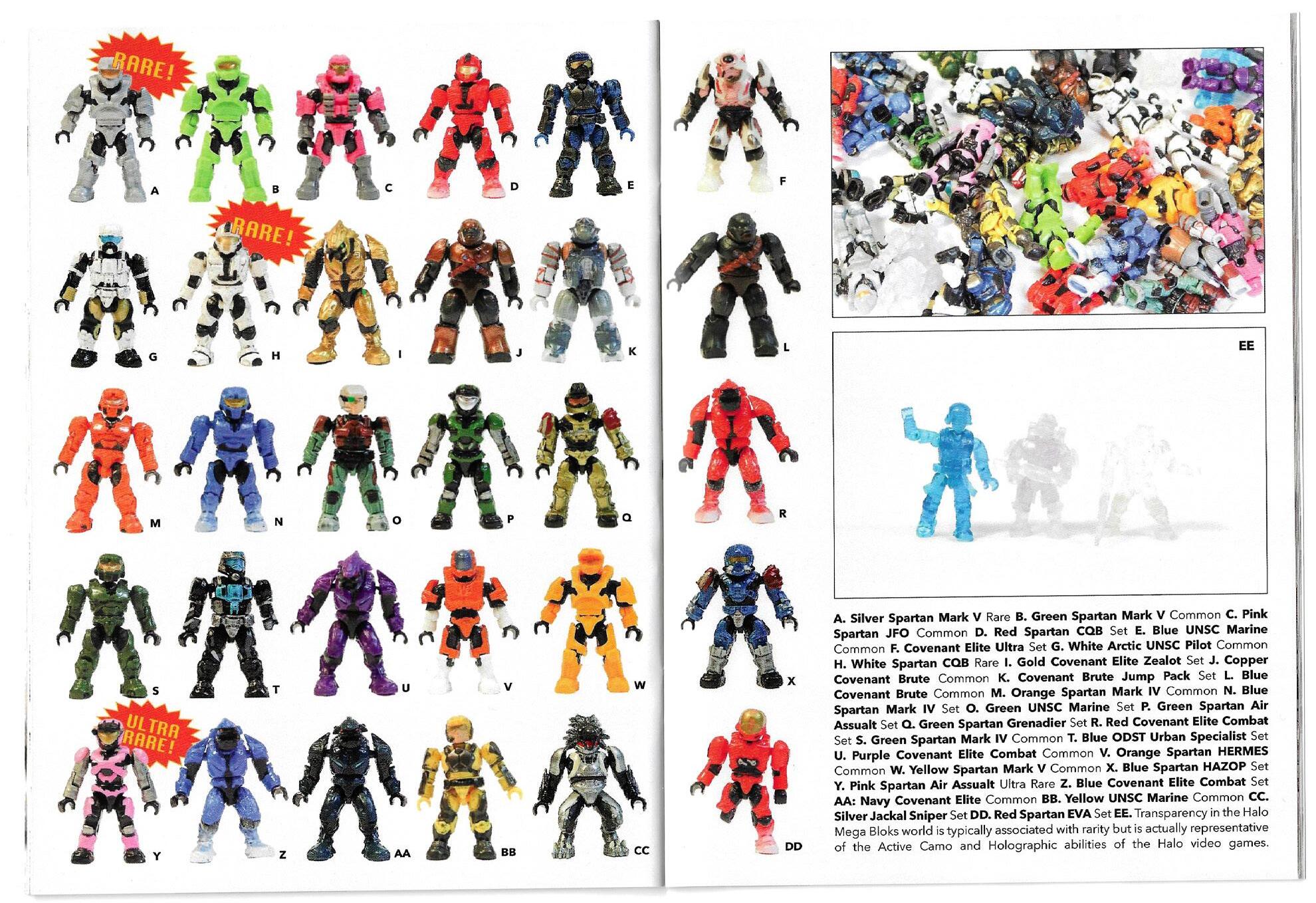
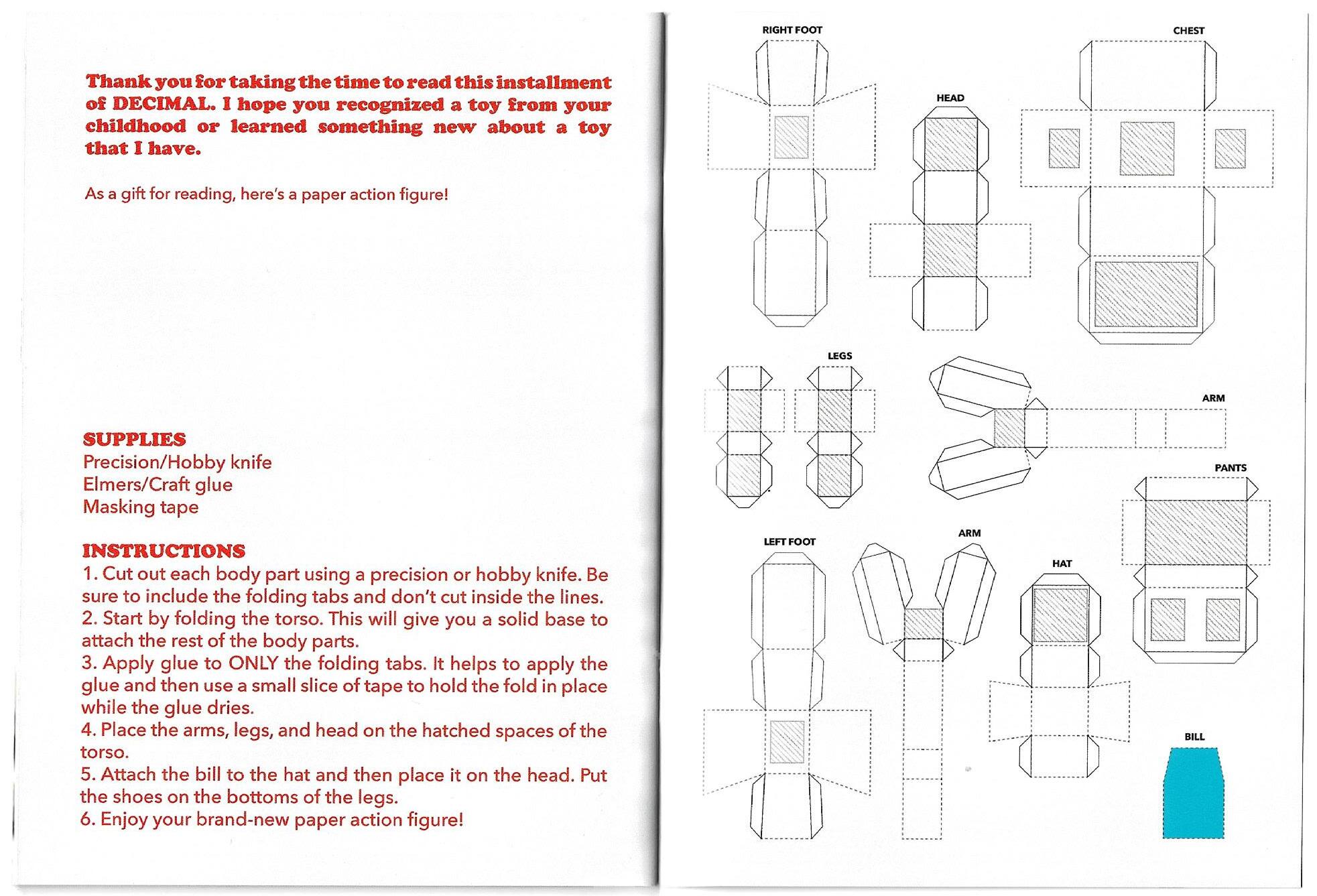
DECIMAL is an ongoing publication about creative people and the things they care about. Each volume asks a featured artist/ designer/thinker for a top ten list of their choosing - about anything, with as much or as little context or detail they’re inclined to provide. Volumes 1-4 ran from January-April of 2023.
DECIMAL
INDEPENDENT PROJECT
PAGE 27 JULIA BRYANT’S “ESSENTIALS FOR LIVING”
JULIA BRYANT’S “ESSENTIALS
ROSE CRAWFORD’S “THINGS I FOUND IN THE SHOEBOX UNDER MY BED” PARKER GREENE’S “TEN TOOLS TO LEAN ON”
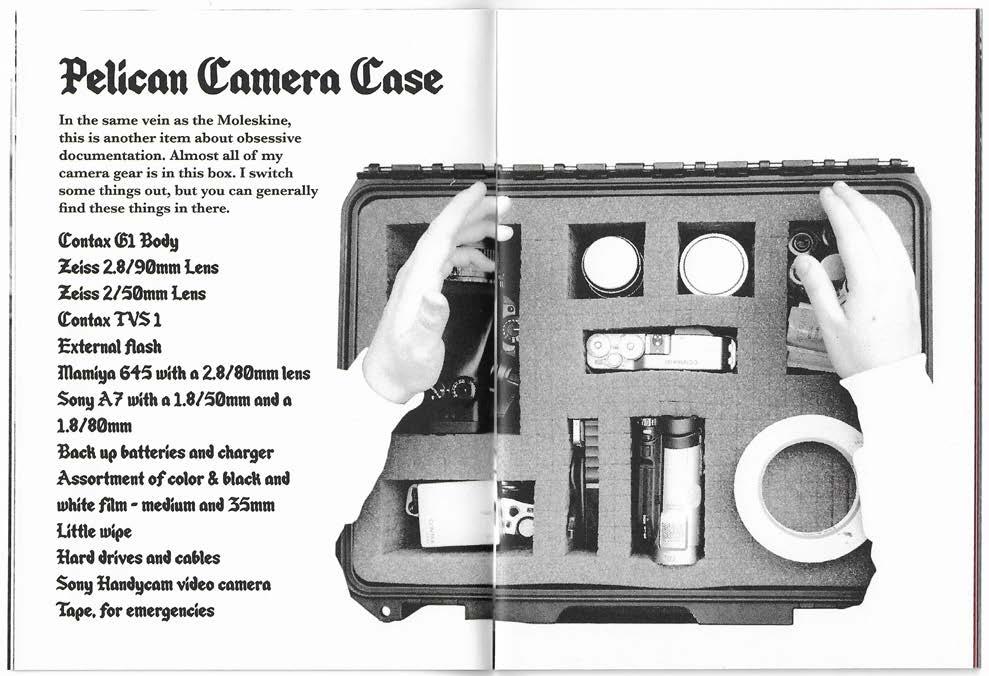
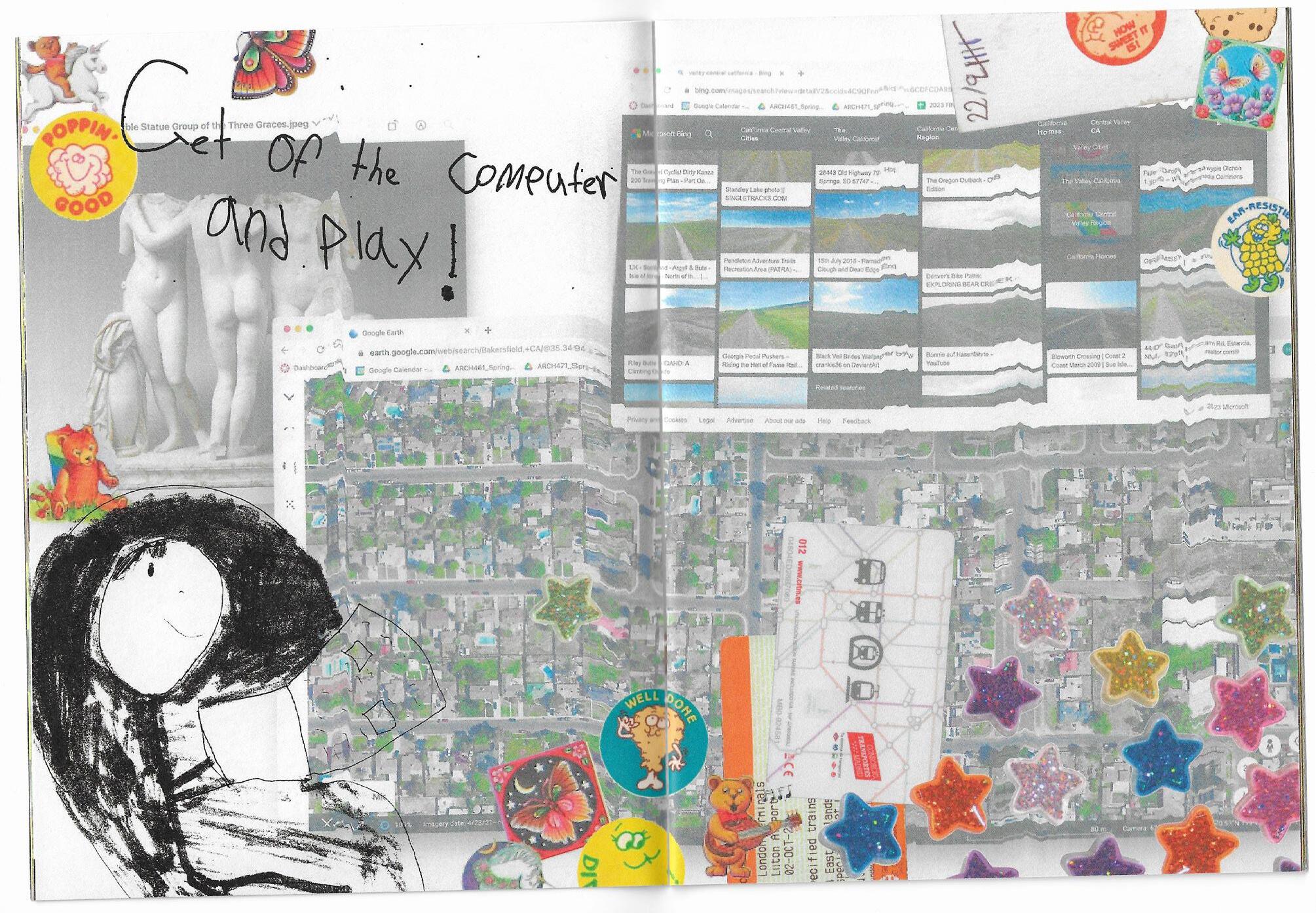
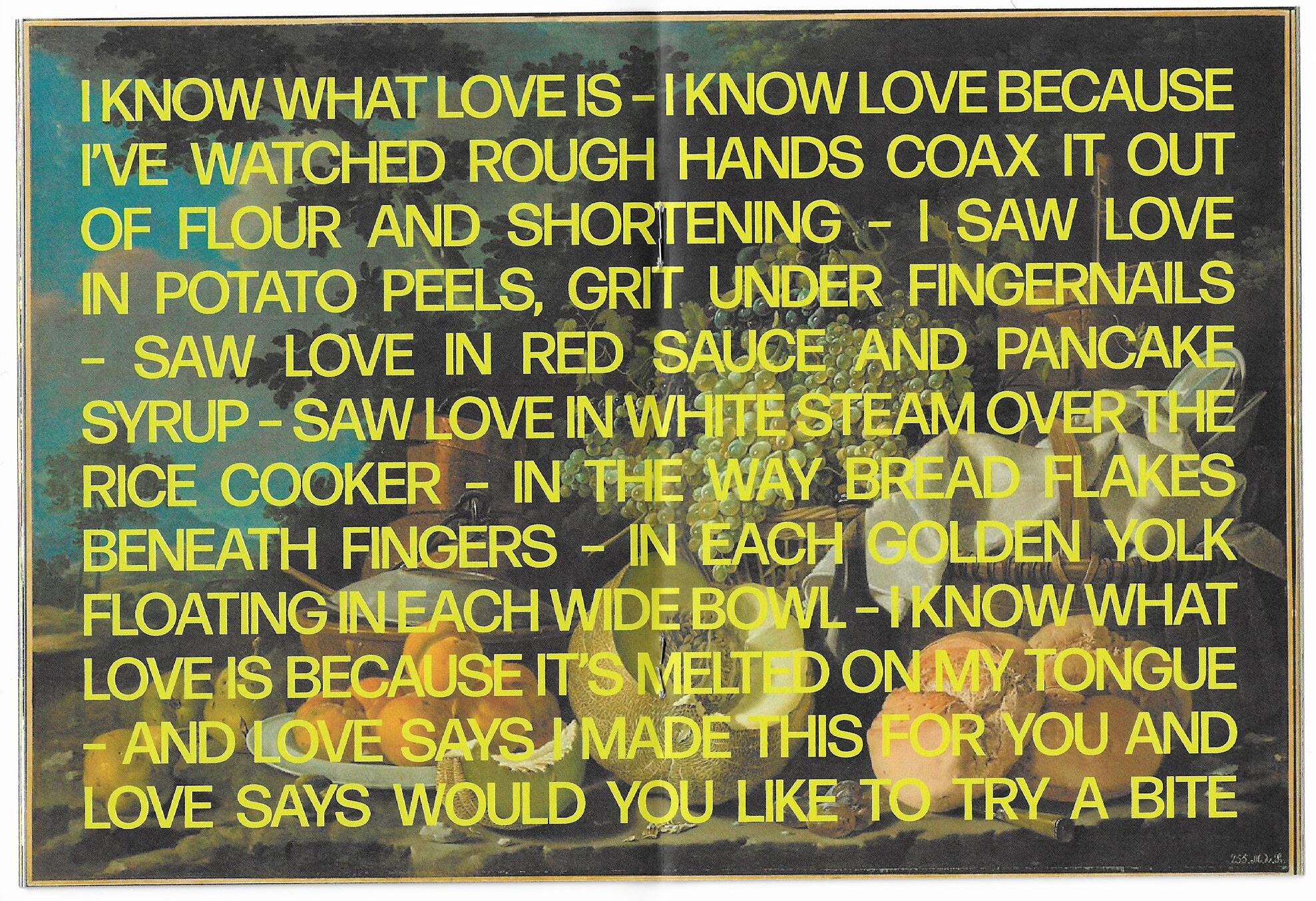
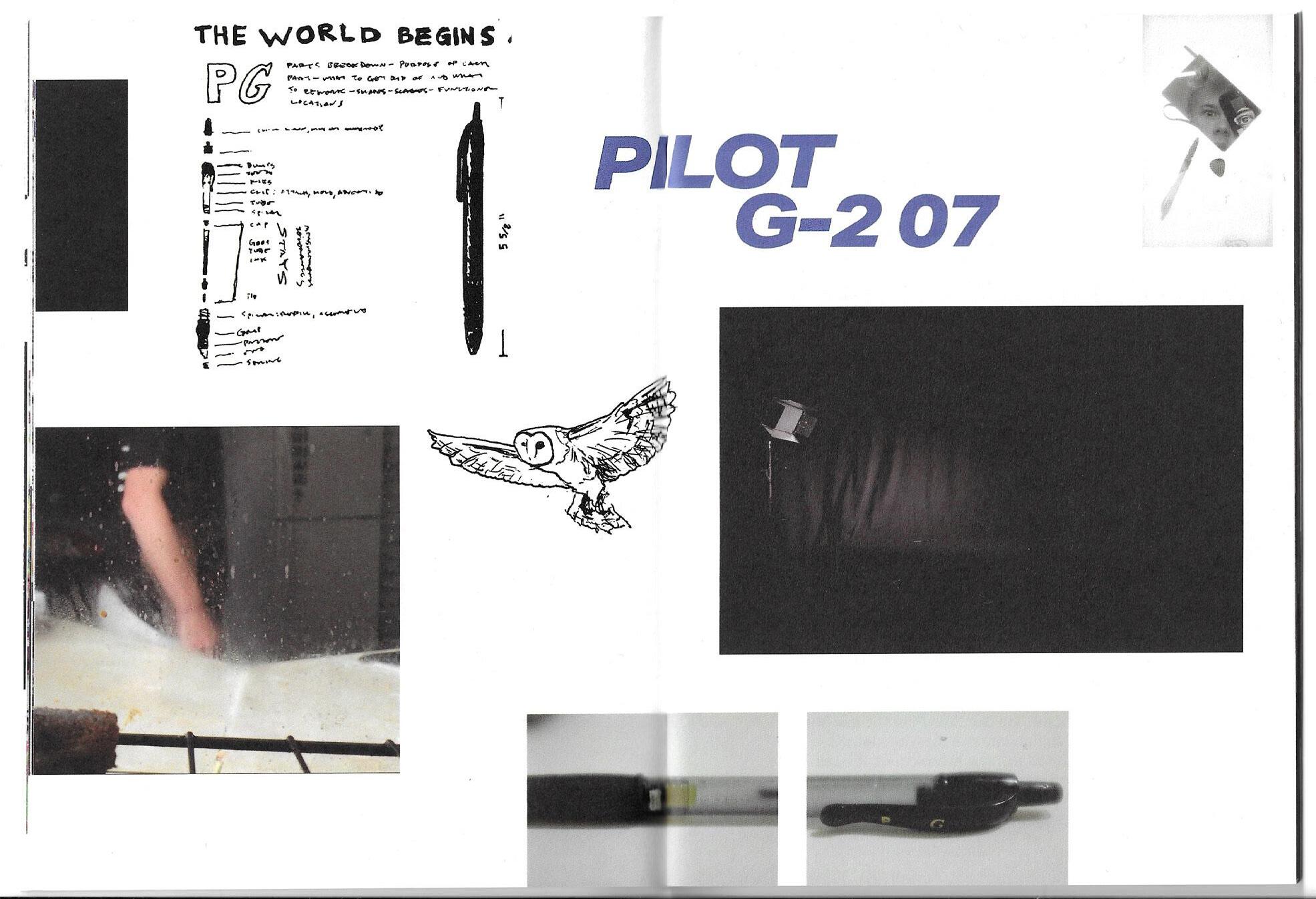
PAGE 28 DECIMAL PAGE 29
LIVING”
FOR
PAGE 30 DECIMAL PAGE 31
GREENE’S “TEN TOOLS TO LEAN ON”
BURGARINO’S
AND THEIR WORLDS”
PARKER
ANTHONY
“TOYS

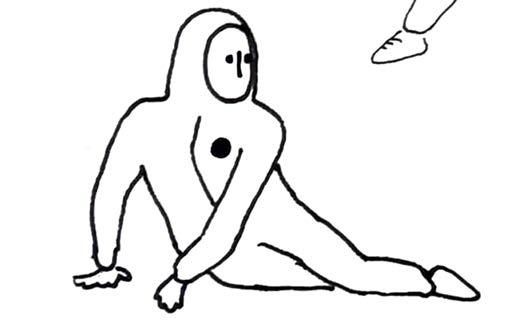
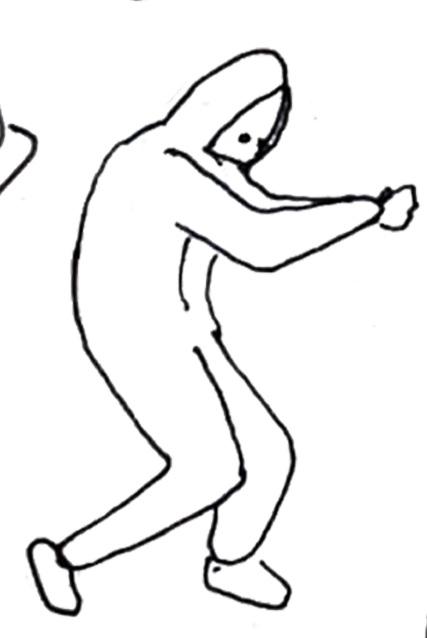
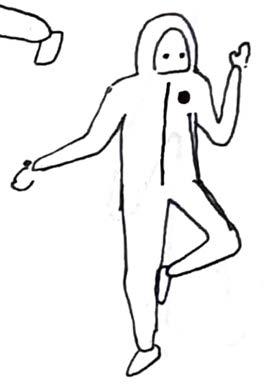
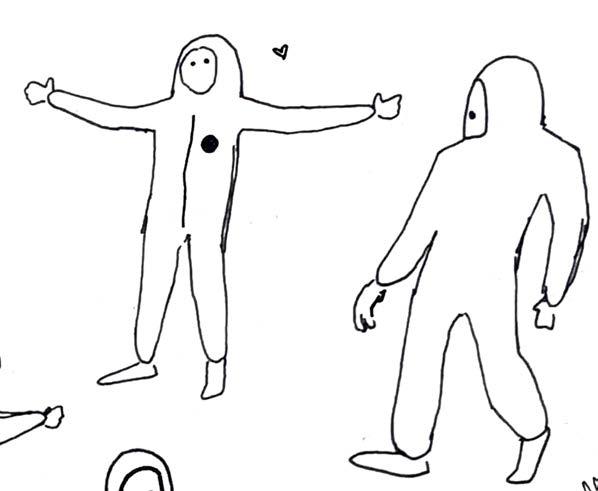
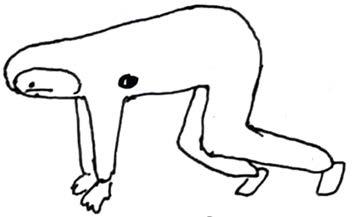
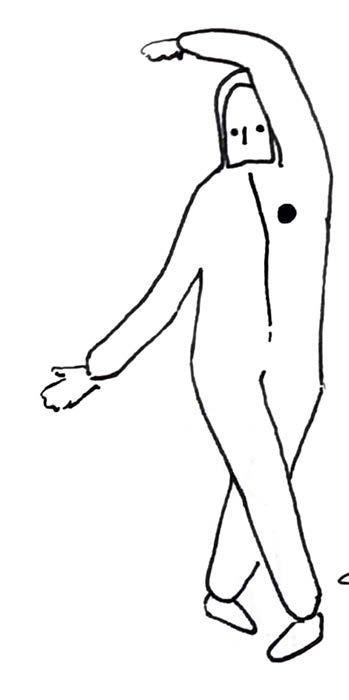
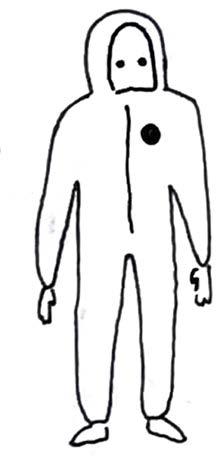

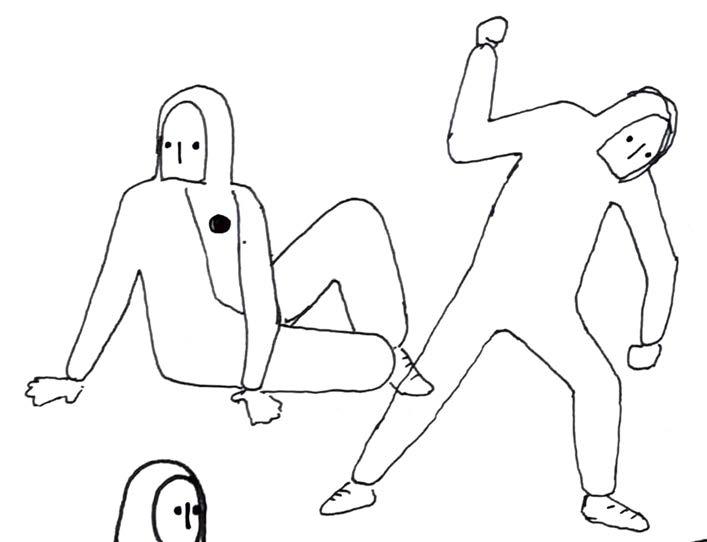
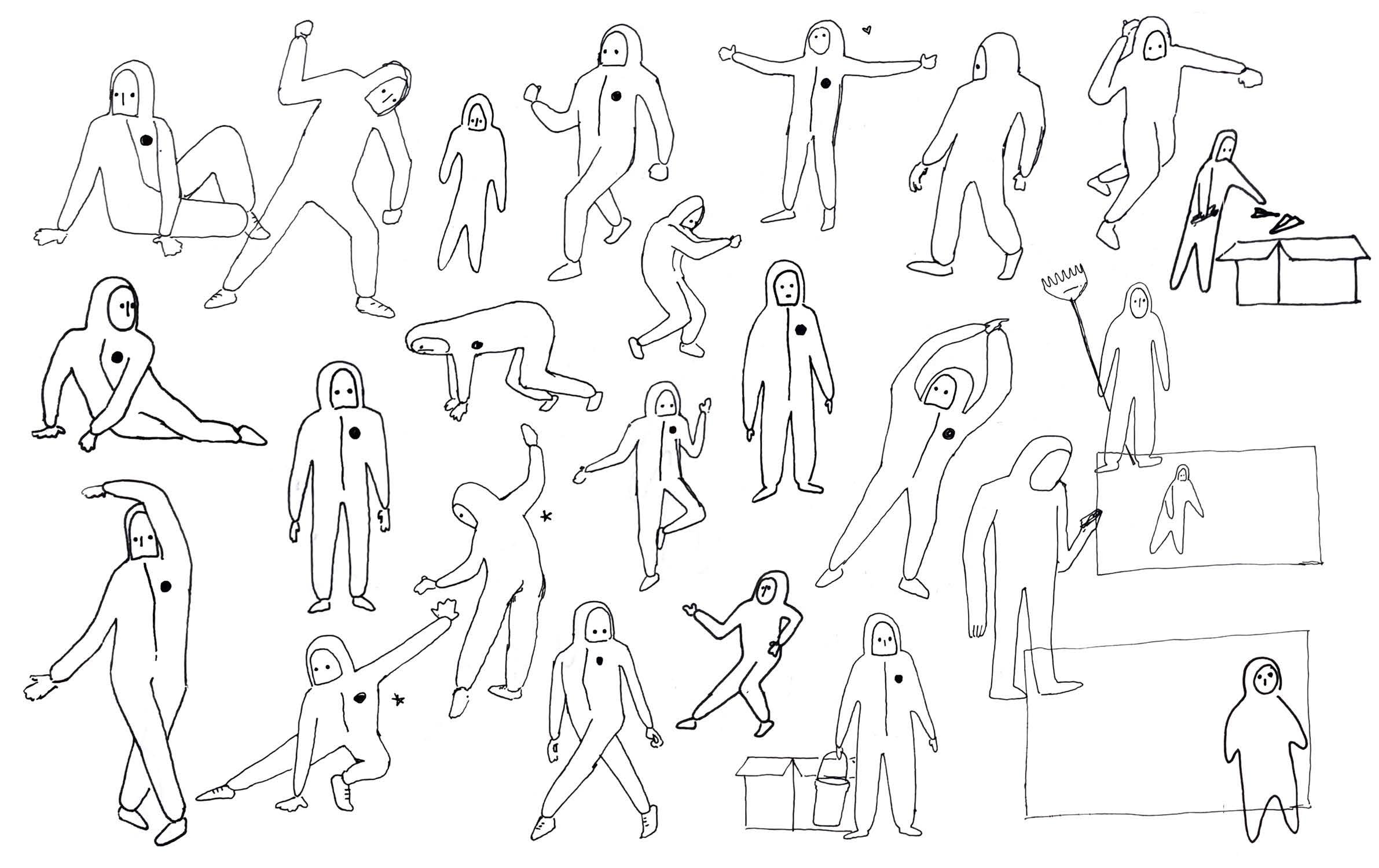

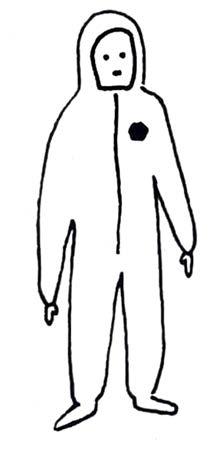
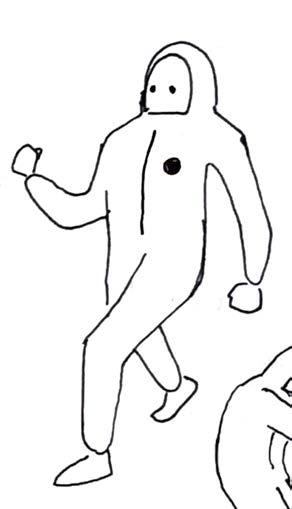
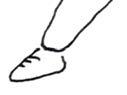
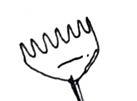
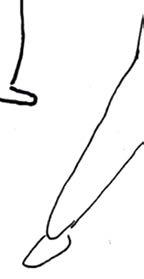
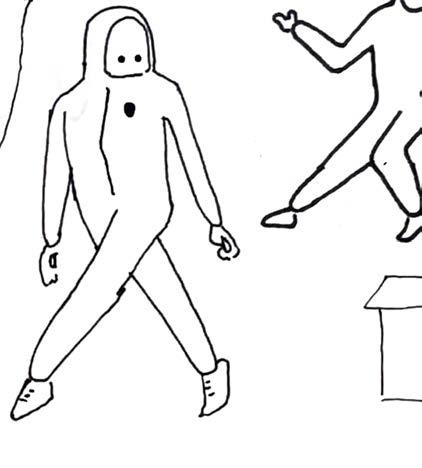



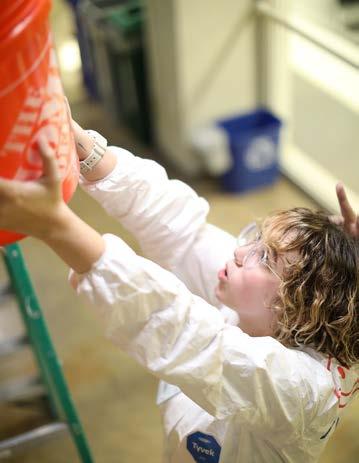
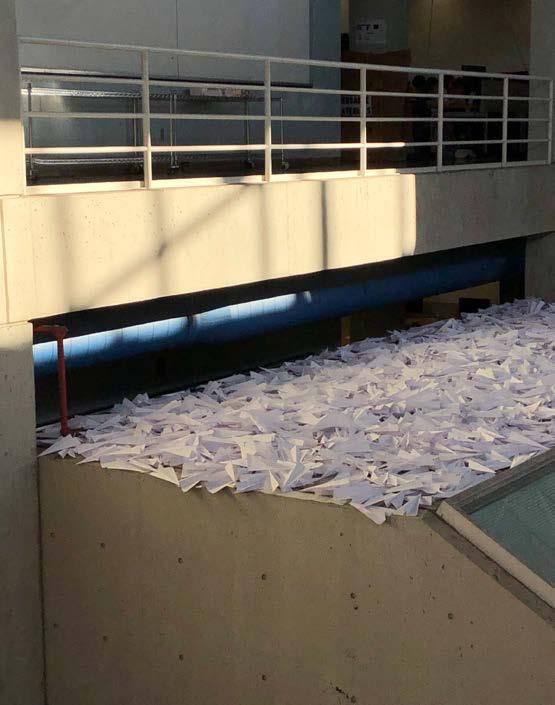
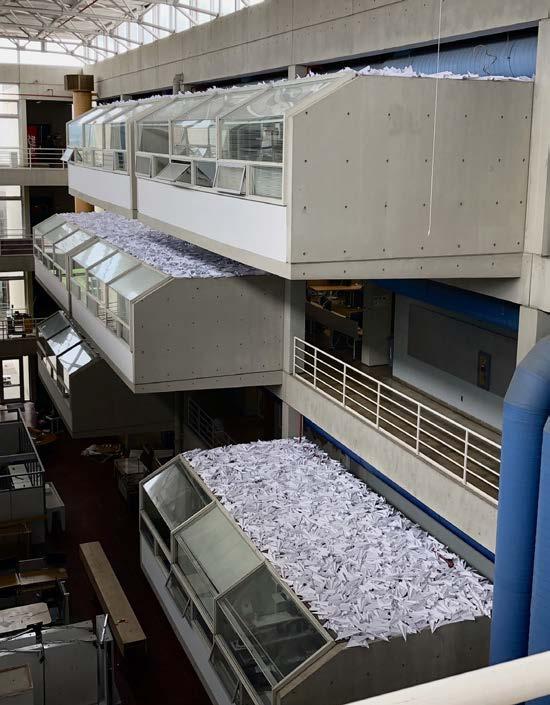
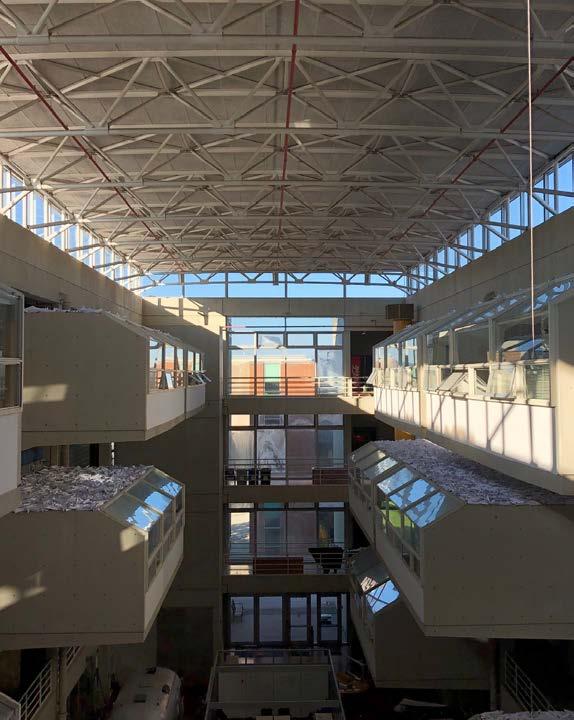
Paper A+Airplanes was a temporary installation that covered the tops of all 18 indoor office pods in The University of Tennessee’s Art + Architecture building with a layer of paper airplanes. Why? Simplebecause it couldn’t have happened anywhere else. The A+A Building has an ineffable spatial quality that practically begs paper airplanes to be thrown into it. Covering the pods with paper airplanes was, quite simply, a fulfillment of the most obvious idea most people have when looking out from the building’s fourth floor. The exhibit was a monument to every paper airplane that ever was and ever will be – and then some. It fulfilled, in some sense, the twisted desire for catastrophe, á la NASCAR or Evel Knievel, for it was a compendium of crash landings. Thousands of failed flights formed one successful mission.
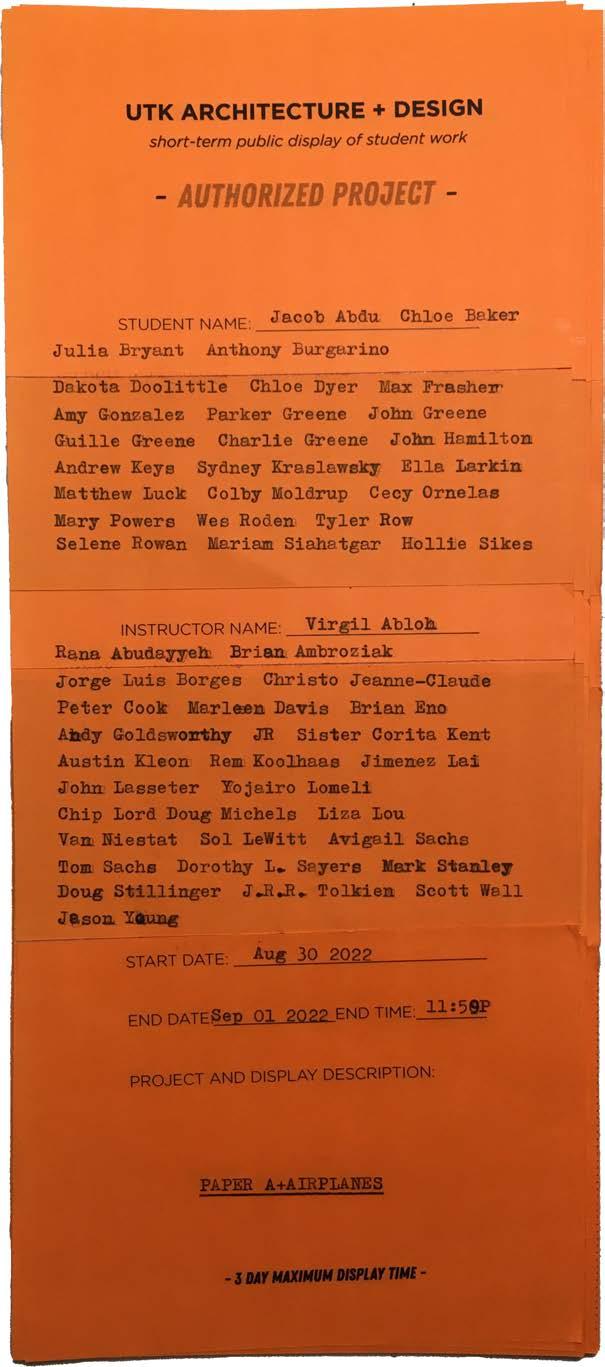
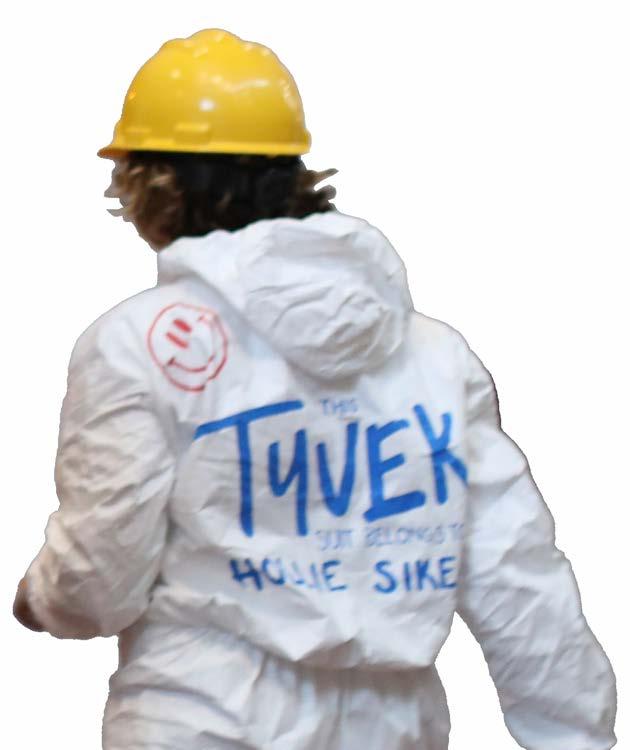
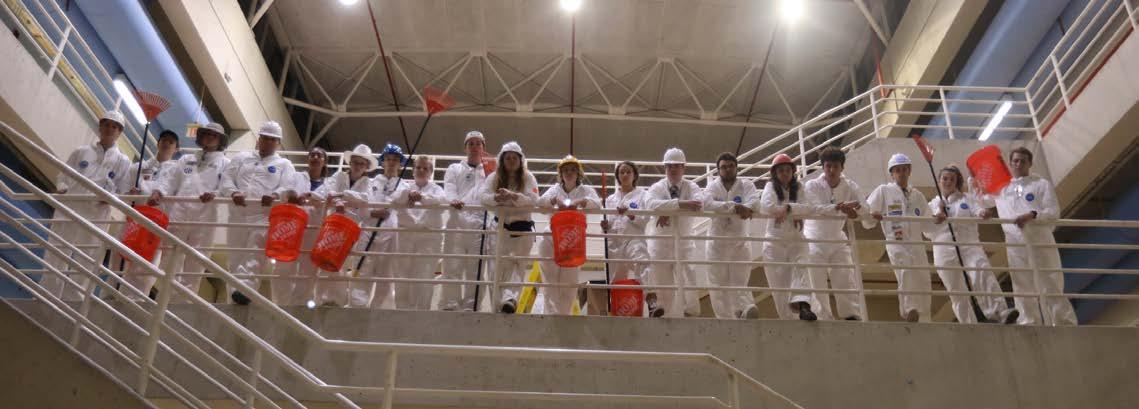
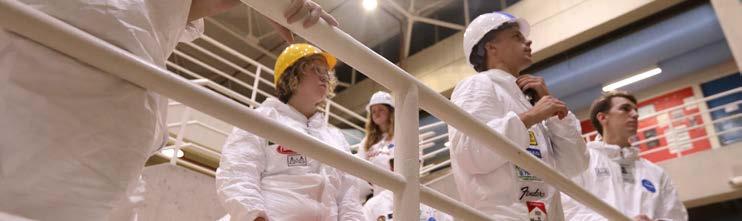
Over the course of six months, 20 students both inside and outside of the college folded 42,371 total paper airplanes. Each student was asked to fold a minimum of 2,500 planes (most hit this goal, and a select few went over -- my personal final contribution was 7,502 planes, or just over 15 reams of standard copy paper). To prepare for the installation process, a 1:1 scale replica of a slice of an office pod was built off-campus, and strategies were tested and timed. Instructional videos for the installation team were produced. Installation occurred in the middle of the night on August 30th, 2022, from 7pm to 3am. Paper A+Airplanes was up for viewing for three days. Deinstallation occurred in the middle of the night on September 1st from 9pm to midnight.
PAGE 34 PAPER A+AIRPLANES
GROUP INSTALLATION
2022 CONTRIBUTORS LISTED ON FACING PAGE PAGE 35 SUITING UP PROJECT CREDITS
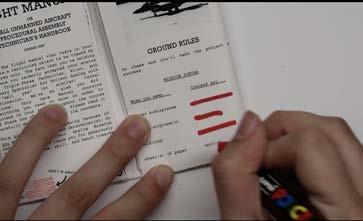
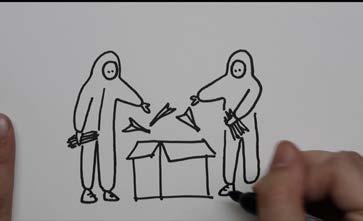
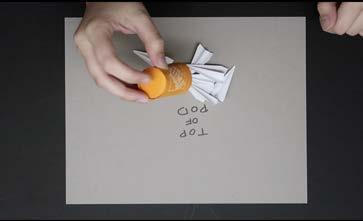
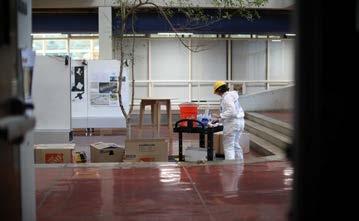
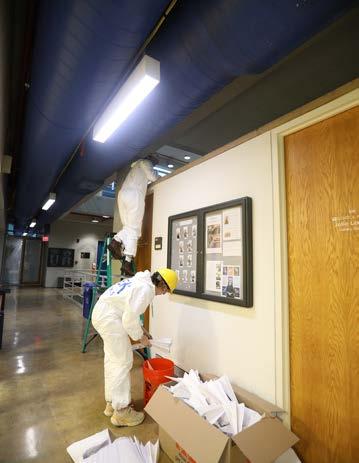
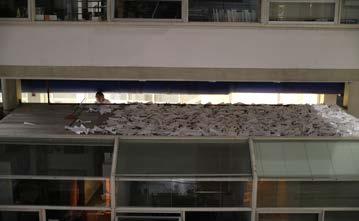
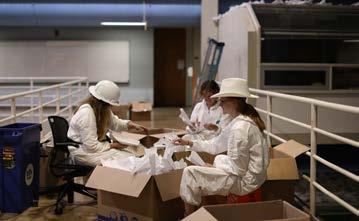

PAGE 36 PAPER A+AIRPLANES PAGE 37 TRAINING FILM INSTALLATION PROCESS FINAL INSTALLATION
03:32
TRAINING FILM Illustrator and Task Demonstrator
02:14
04:43

paulette
INSTRUCTOR:
CATTY DAN ZHANG
COLLABORATORS:
ELLA LARKIN MORGAN DOHERTY
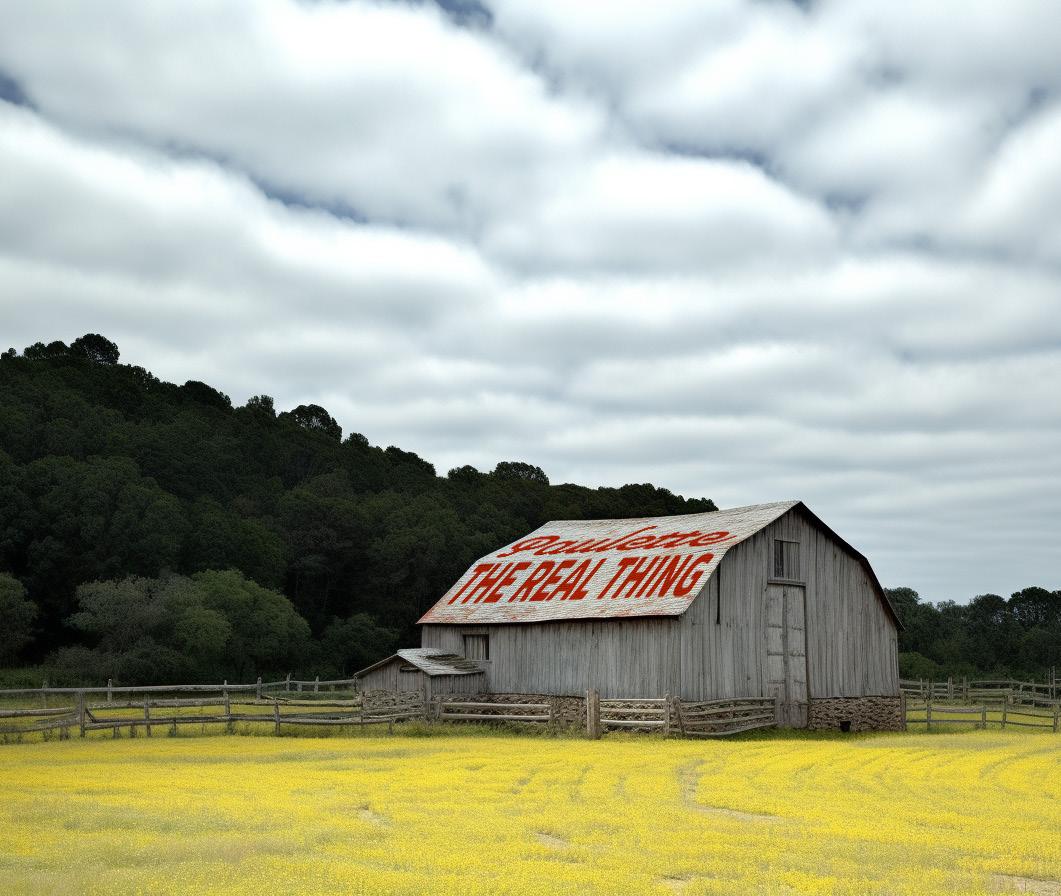
Nestled in the East Tennessee hills is Paulette, America’s first slaughterhouse-to-table dining experience. It’s a real downhome family operation that resents the idea of slaughter as something to be frightened of. Built on the property that originally hosted Helms Custom Slaughter (est. 2007), Paulette’s founders brought two questions to the table. First, how can we ride the cutting edge of technology and robotics to maximize industrial slaughterhouse production through automation? Second, on an automated production floor, how can we create new kinds of jobs that surround the industrial slaughter process?
Paulette seeks to make slaughter friendly, and transforms the kill floor into an elegant and engaging place for both the curious and the cynical. To design Paulette - both the marketed guest experience and the mechanized black-box slaughter line on the other side of the wall - was to design a brand, and a surrounding fiction, as well as the facility itself. Each detail only reveals a fragment of the full picture.
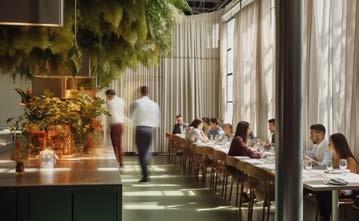
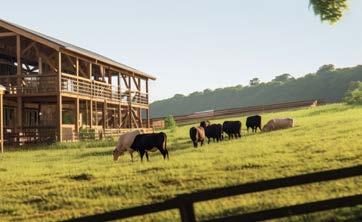
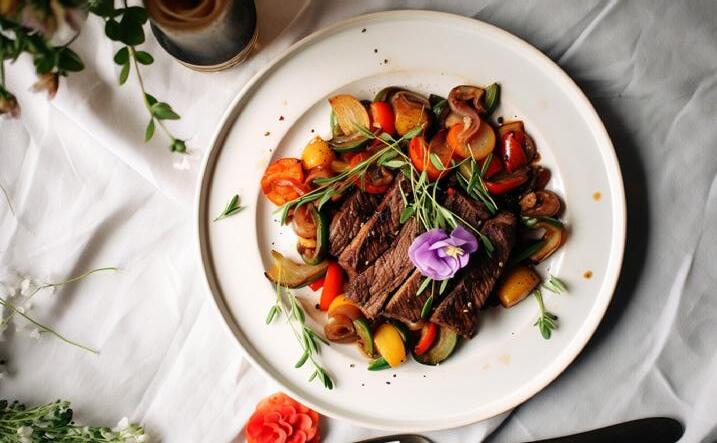
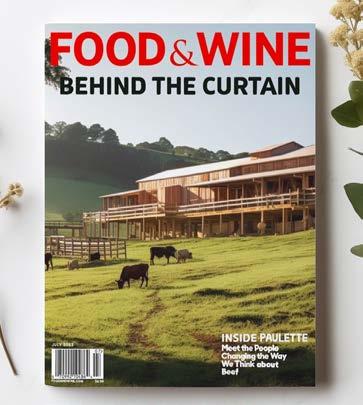
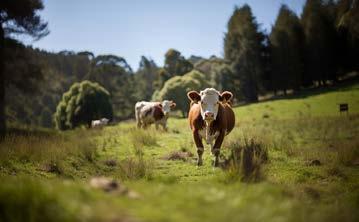
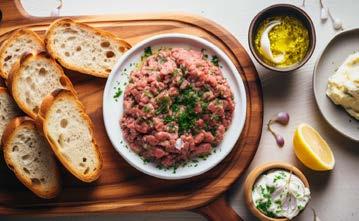

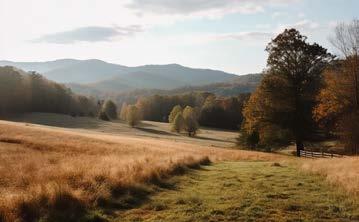
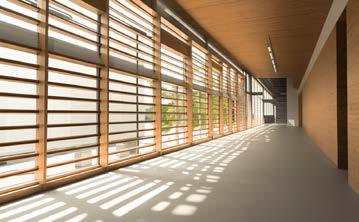
It’s hard to sell a convincing product if you don’t put the hours in on marketing. In the week leading up to final presentations (and Paulette’s big debut), a few posts a day went up on an Instagram account created to advertise the experience. Each posted image was generated using Midjourney.
PAGE 40 #EATLIKEPAULETTE
UTK ARCHITECTURE
PAGE 41 INSTAGRAM.COM/EATLIKEPAULETTE
2023
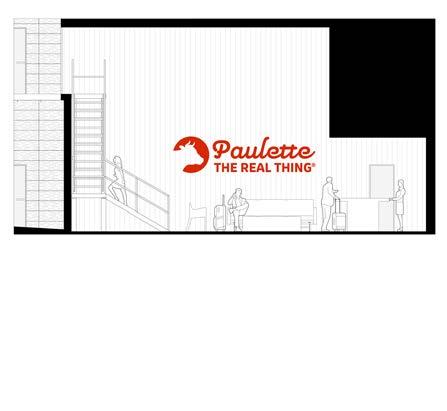
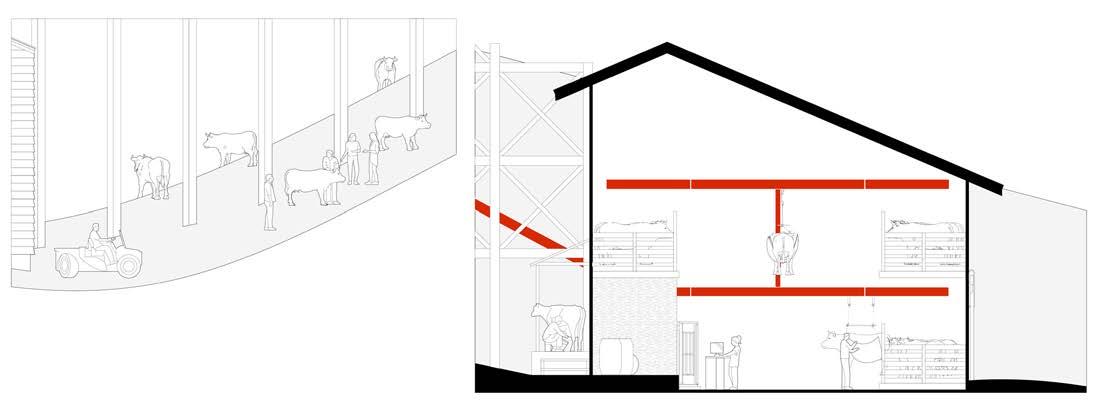
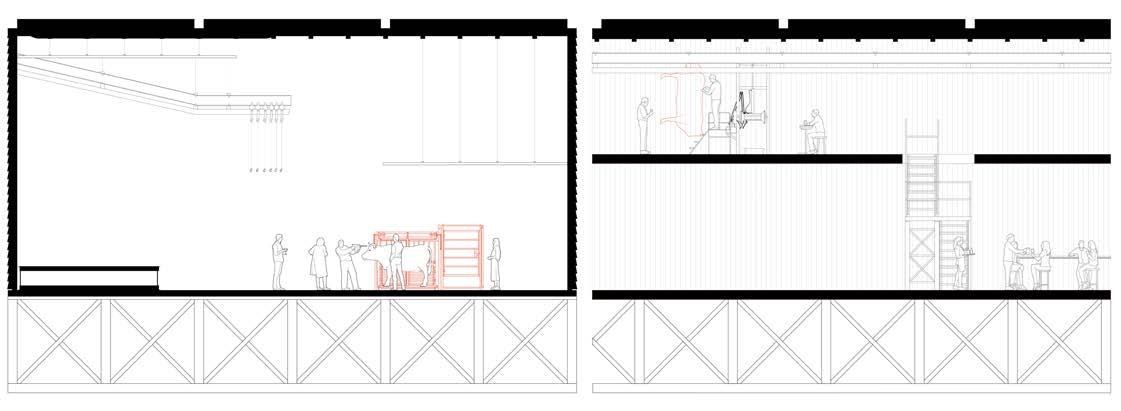
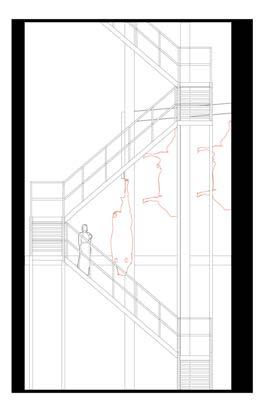
Most livestock brought to the Paulette facility are sent through the automated kill line, where they will undergo a completely mechanized adaptation of the industrial slaughter process. However, a percentage are sent to the pasture surrounding the facility on arrival - these cattle will be eligible for selection by guests, and will be slaughtered by a trained professional in the showrooms as part of the Paulette experience.
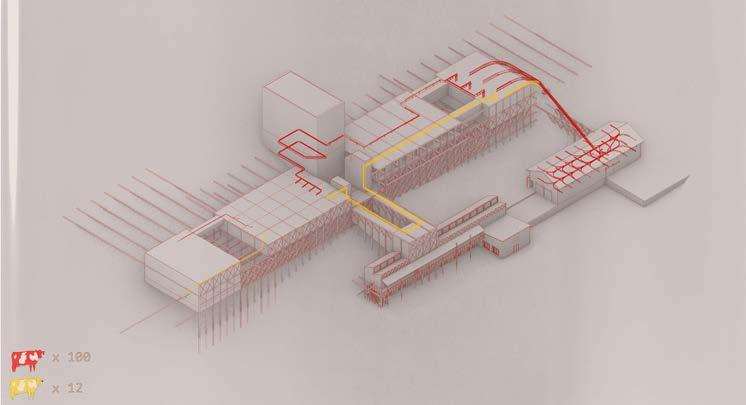
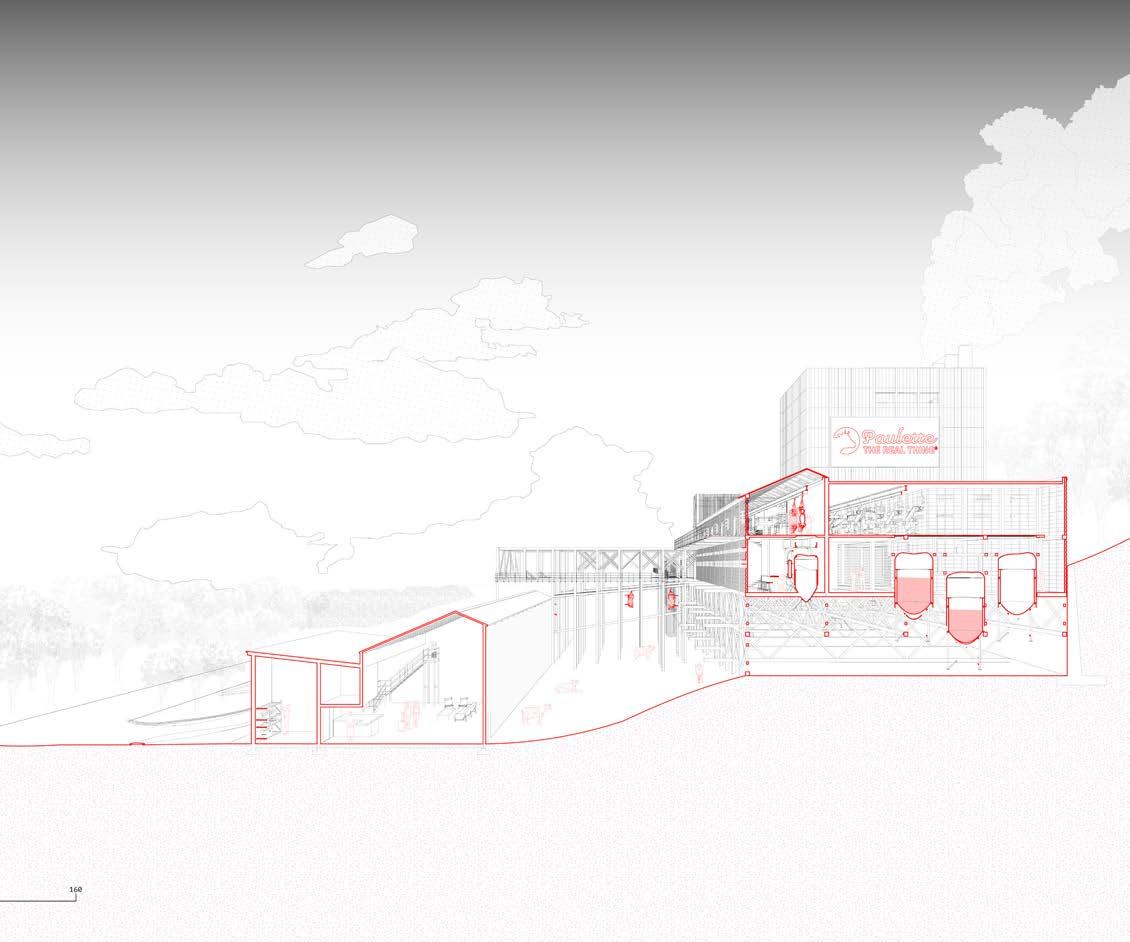
PAGE 42 #EATLIKEPAULETTE PAGE 43 THE PAULETTE EXPERIENCE TIMELINE LIVESTOCK RAIL DIAGRAM & TRANSVERSE SECTION
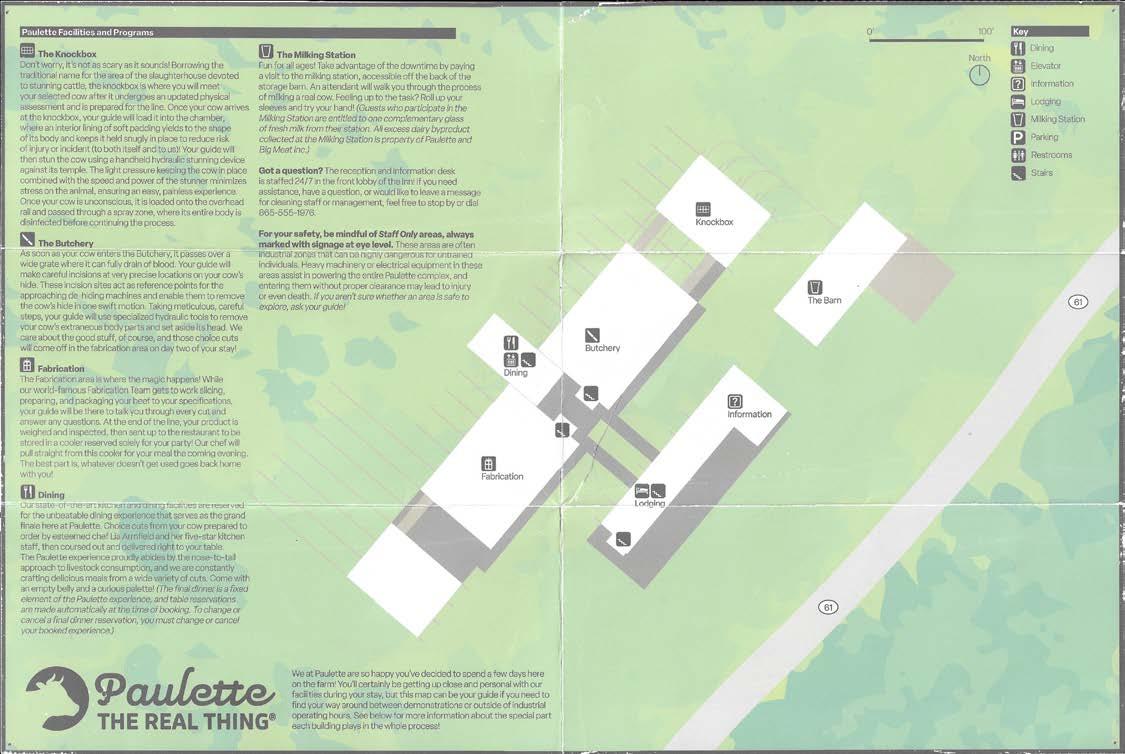
Guests recieve a map of the Paulette facilities and programs once they check in for their stay. Each step of the process is outlined in an overview section that conveniently leaves out any mention of the Paulette’s state-of-the-art automated slaughter line, and encourages guests to please be mindful of Staff Only areas (for their safety, of course).
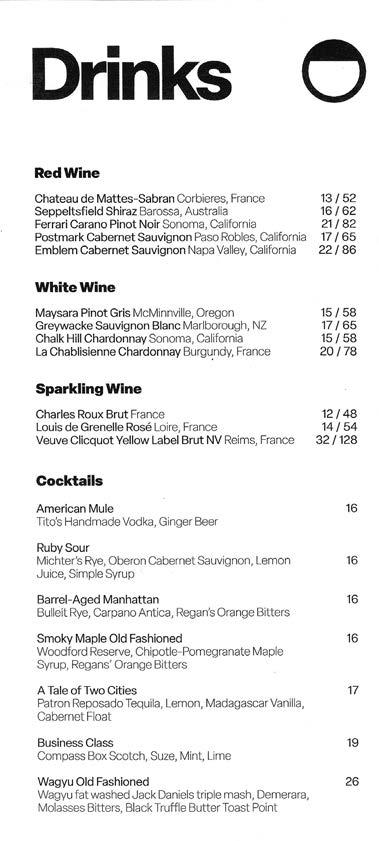
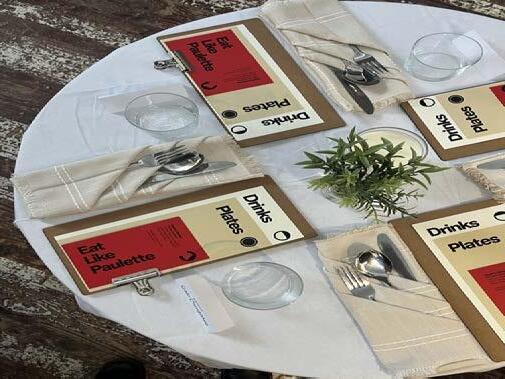
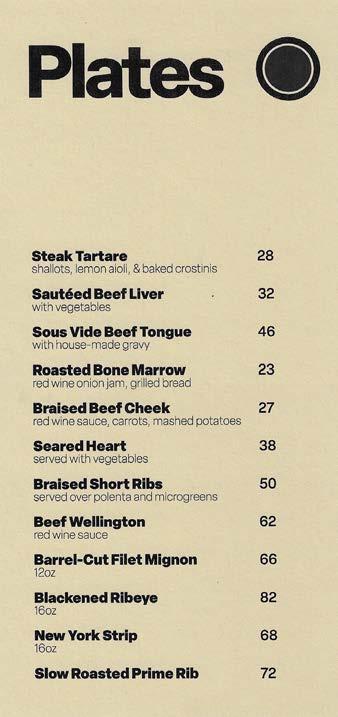
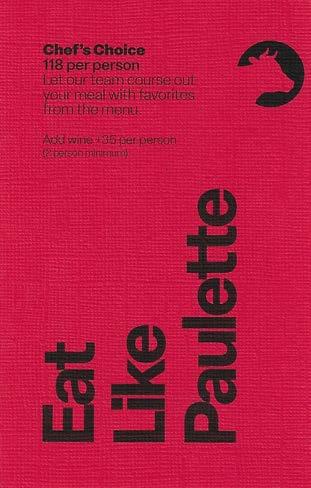
The Paulette experience culminates in a fabulous meal at the restaurant on the top floor, featuring dishes carefully prepared using each party’s specific cow they selected at step one of the process. Whatever isn’t used is free for respective guests to take home with them, fully butchered and packaged in-house.
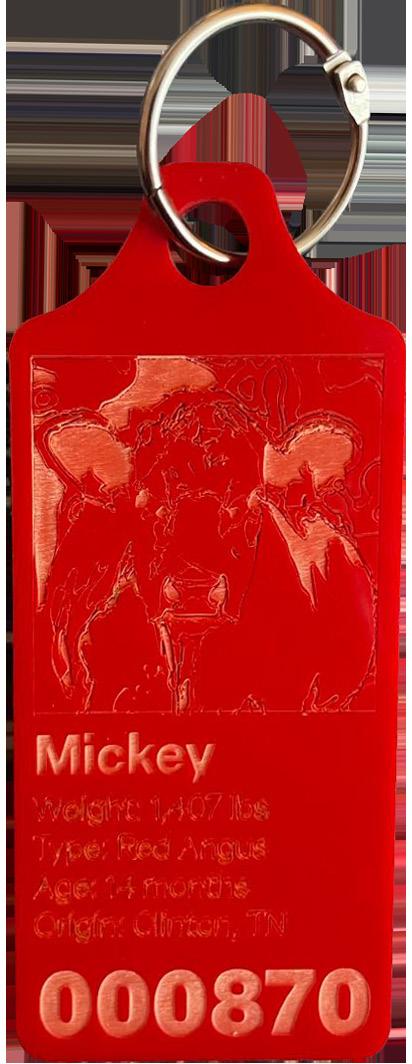
PAGE 44 #EATLIKEPAULETTE PAGE 45 GUEST MAP MENU & LIVESTOCK TAG
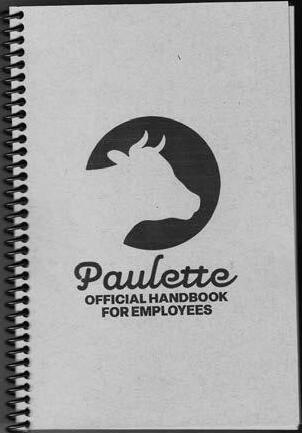
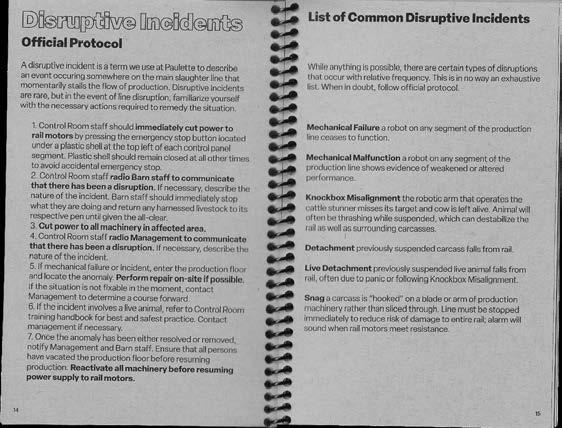
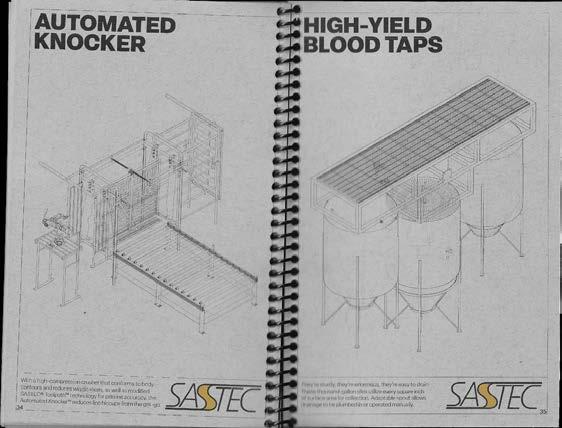
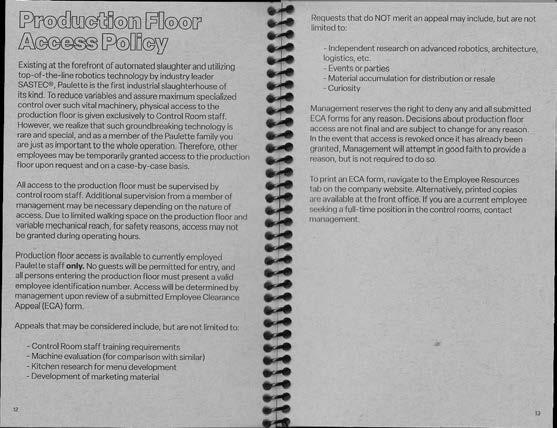
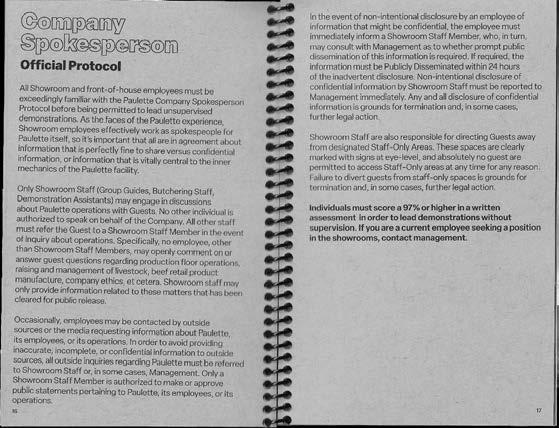
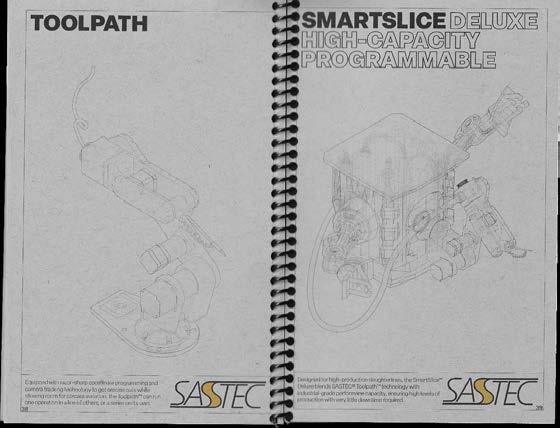
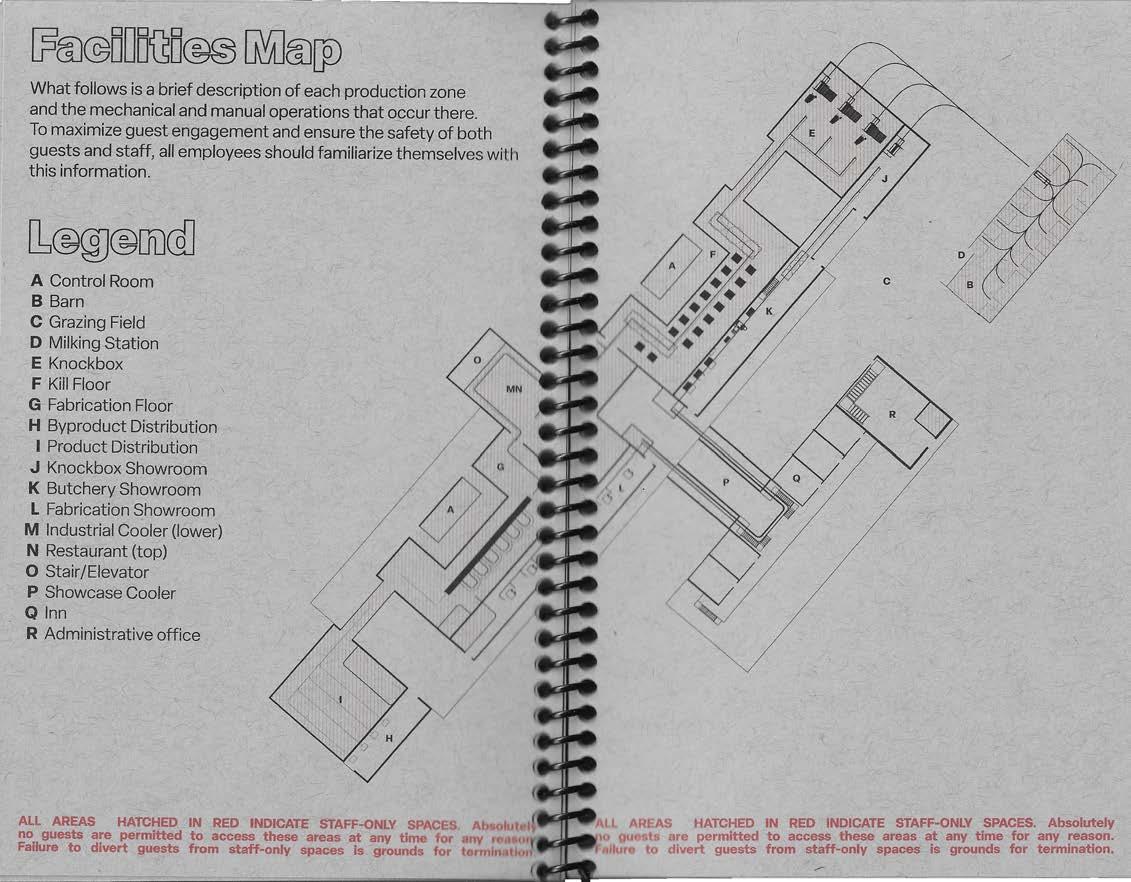

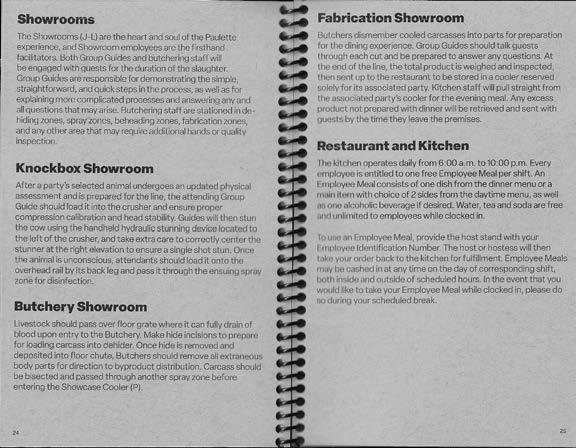
The Official Employee Handbook details all of the essential information one must remember in order to be successful at Paulette. This includes (but is not limited to) health & safety measures, harrassment policy, production floor access policy, a list of company-approved responses to common guest questions, a map of the facility with brief descriptions of each area, and info sheets for every machine on the production floor (produced by SASTEC ® ).
PAGE 46 #EATLIKEPAULETTE PAGE 47 EMPLOYEE HANDBOOK

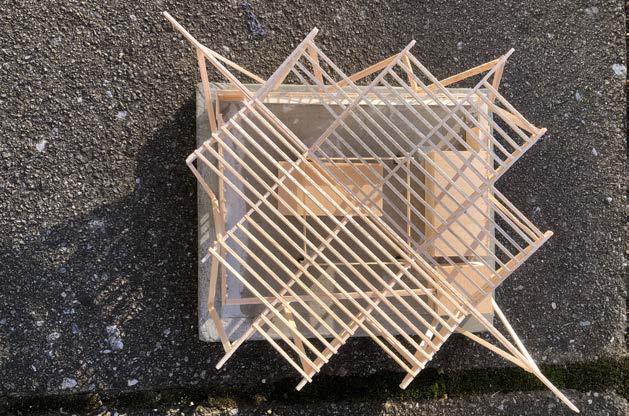
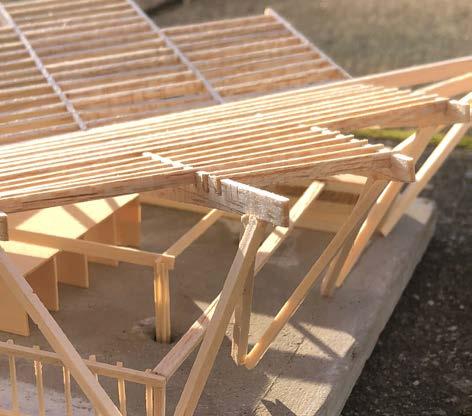
A B C D
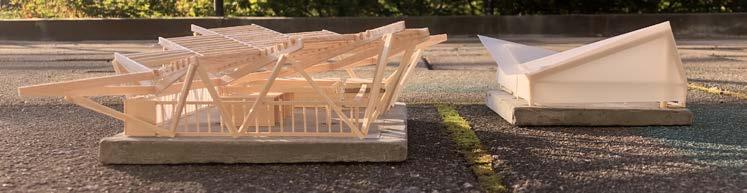
THE SHOP, baswood, concrete and polyester film 2023
Public Condenser, site model, bristol/ vellum and basswood 2021
Notch Pavilion, plywood 2022
The Playground Pavilion, plywood 2019
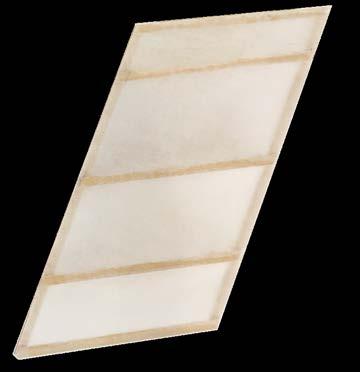
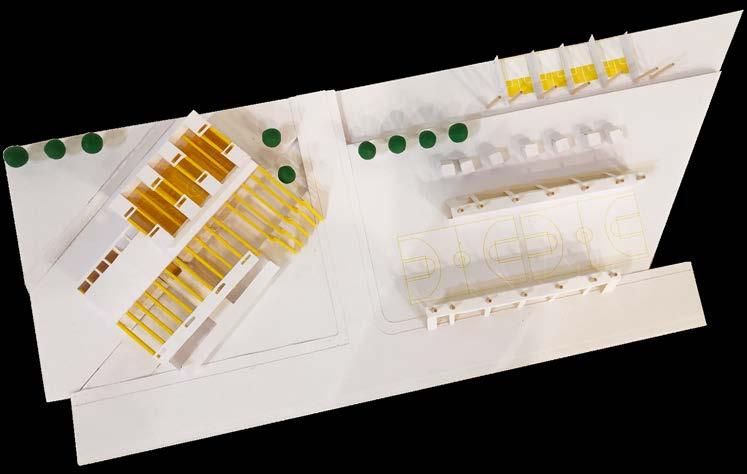
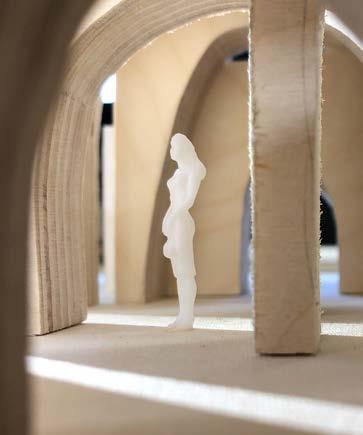
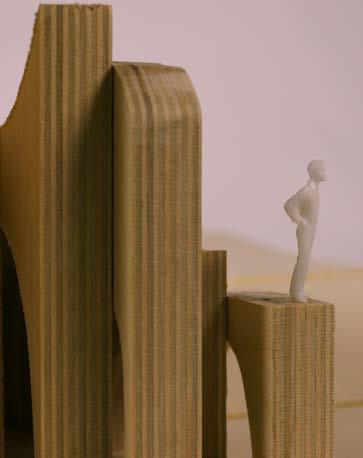
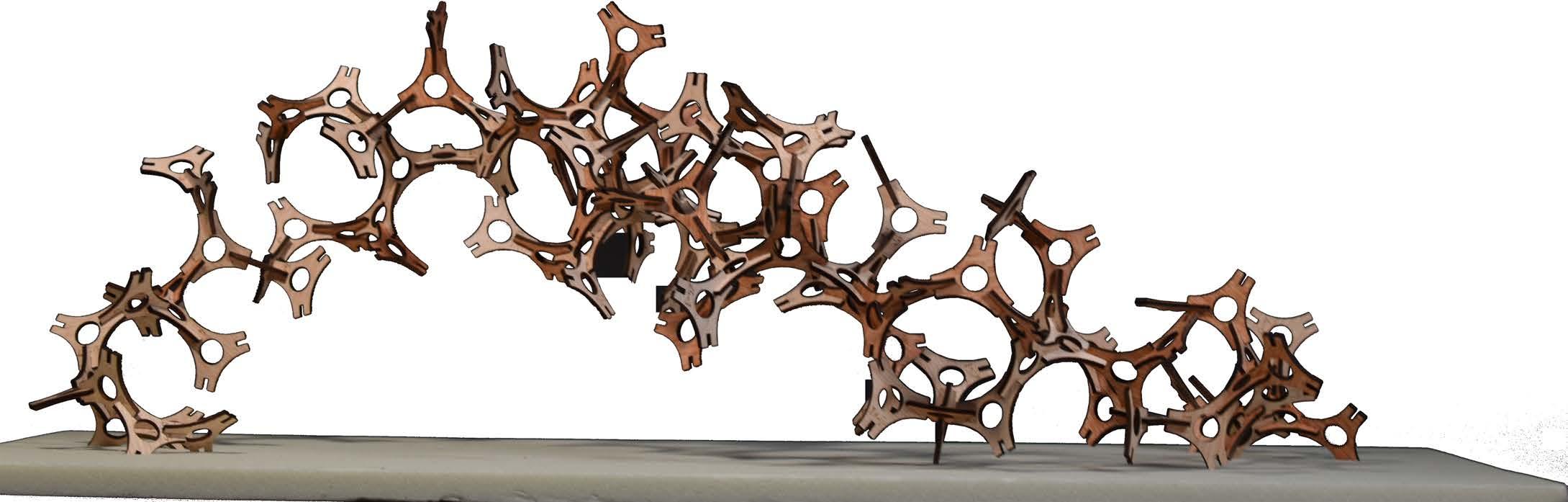
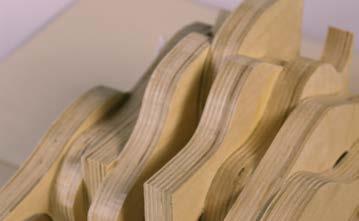
SELECTED MODELS PAGE 49 SELECTED MODELS
A C B D

SELECTED SKETCHES PAGE 51 SELECTED SKETCHES
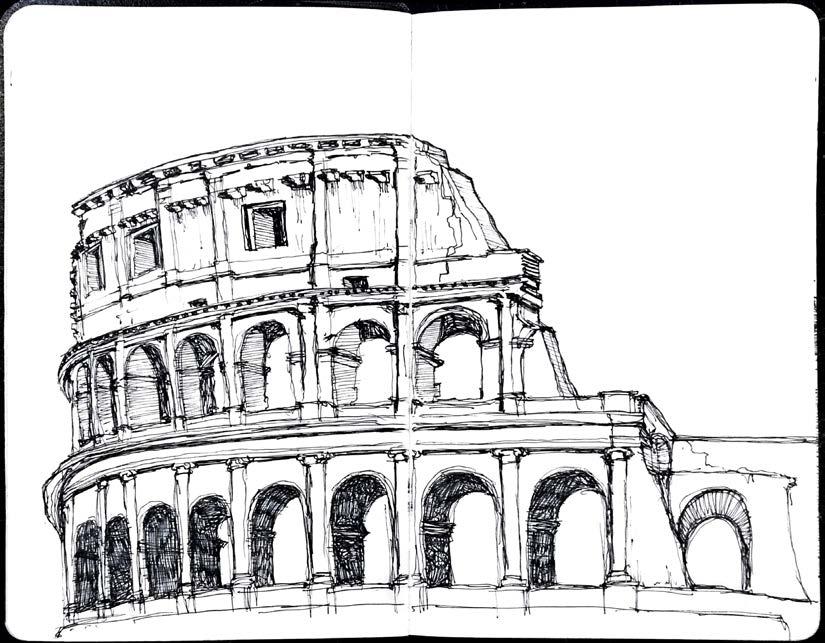
THE COLOSSEUM IN ROME, ITALY Ink, 2022
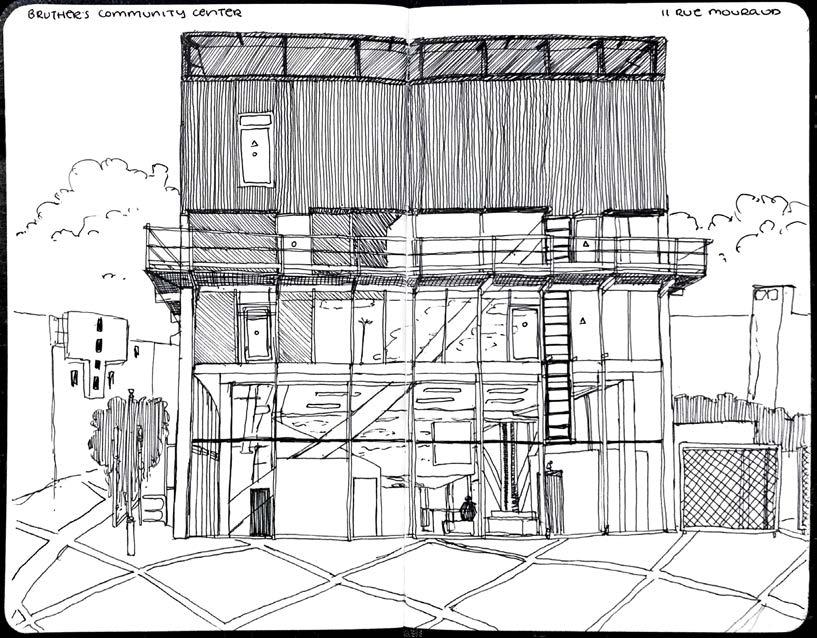
CULTURAL AND SPORTS CENTER BY BRUTHER IN PARIS, FRANCE Ink, 2022
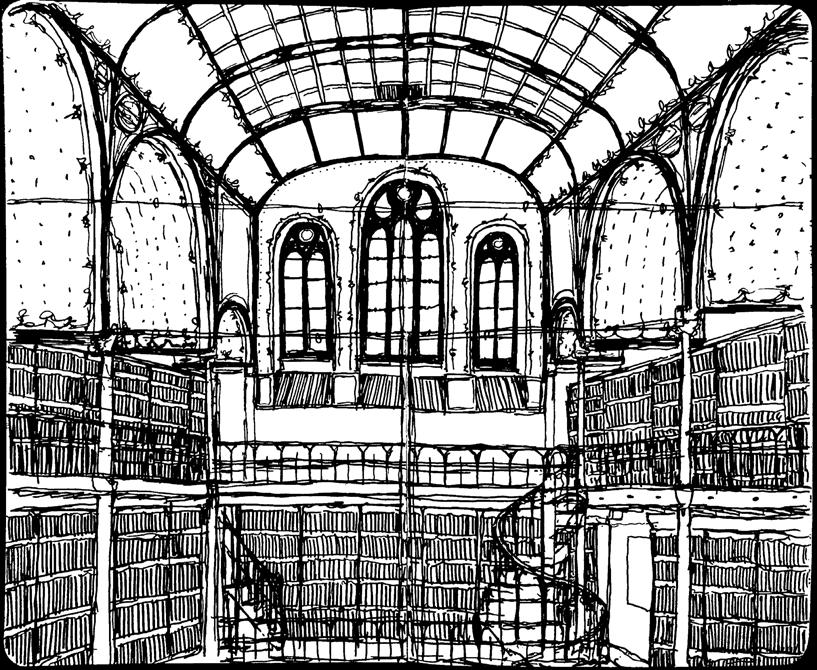
RIJKSMUSEUM ART LIBRARY IN AMSTERDAM, NETHERLANDS Ink, 2022
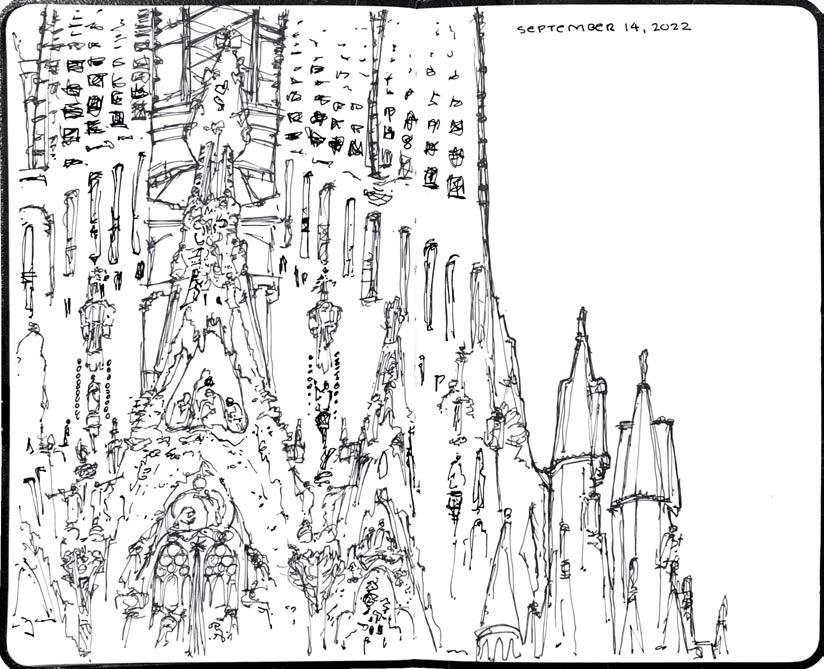
THE SAGRADA FAMILIA IN BARCELONA, SPAIN Ink, 2022
PAGE 53 SELECTED SKETCHES SELECTED SKETCHES
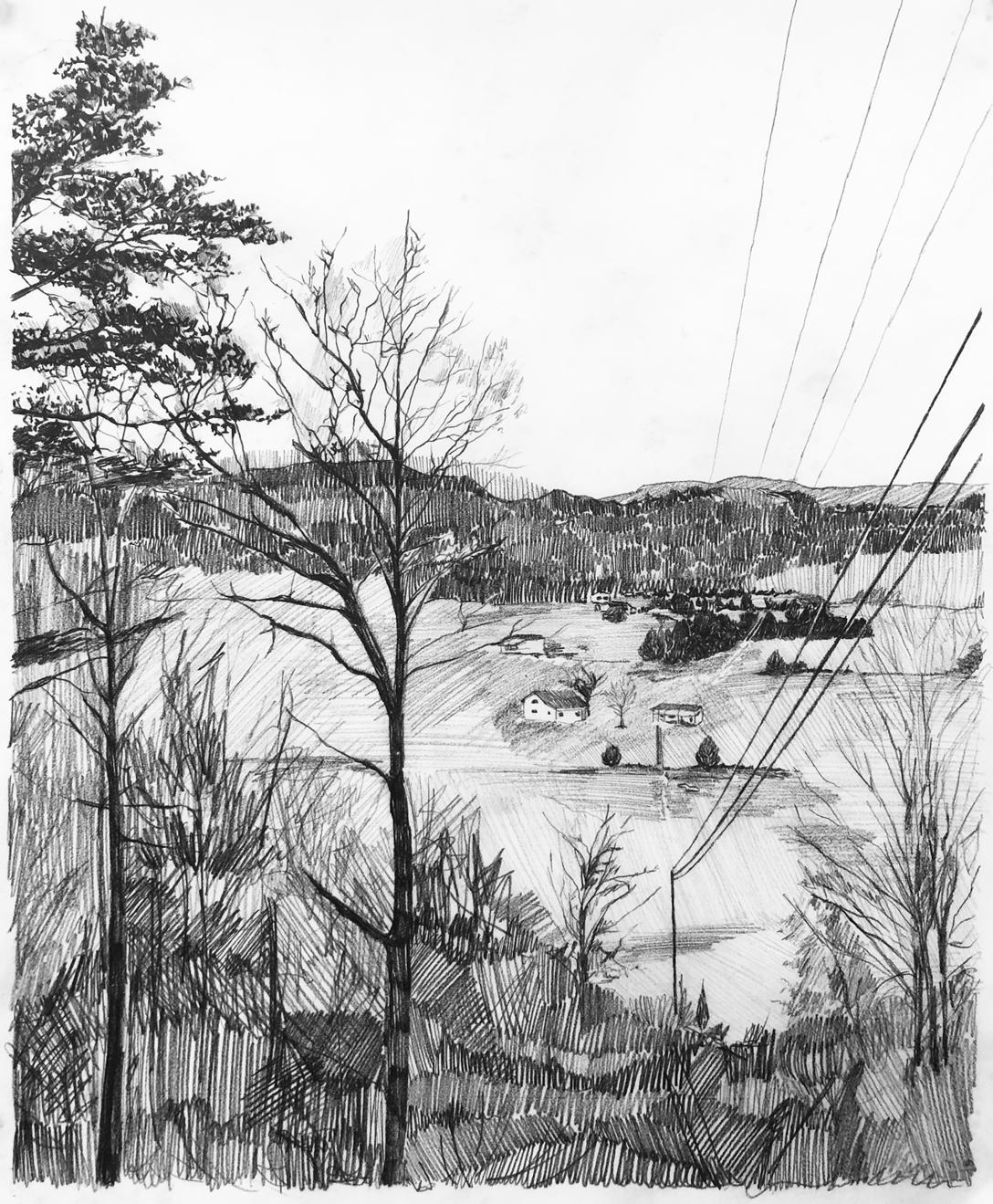
COUNTY, TENNESSEE Graphite, 2021 PAGE 52
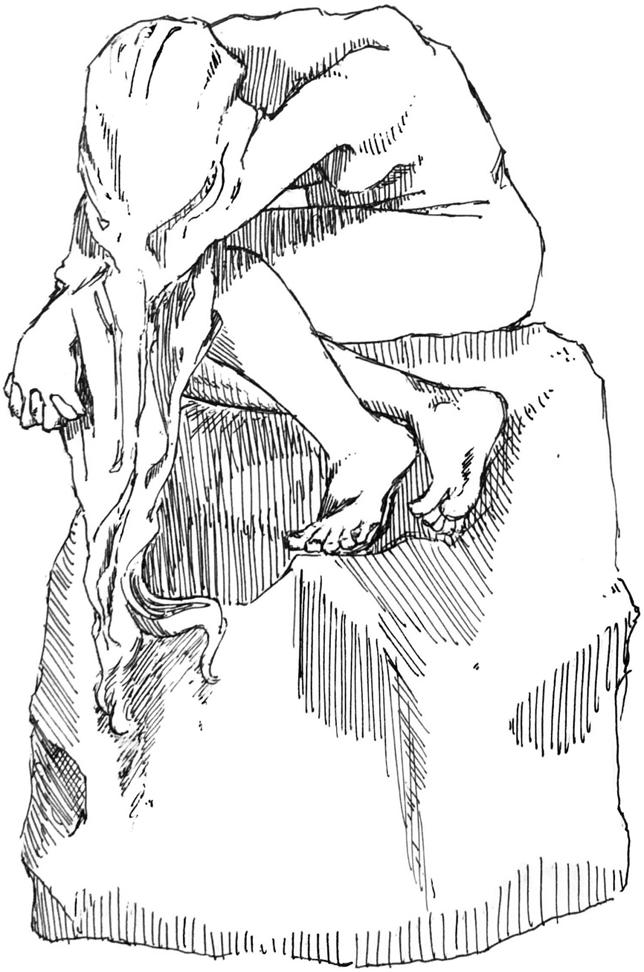
EVE BY ENRIC CLARASÓ AT THE MNAC IN BARCELONA, SPAIN Ink, 2022
SCOTT