Hofstra University
Model United Nations Conference 2026


United States Press Corps
Dear Delegates,
Hello, everyone, I am super excited to have all of you here at HUMUNC 2026! My name is Amber Bianchi, and I am a Journalism and Criminology major and Business minor here at Hofstra. I am a senior and will be graduating in May. I was born and raised in Sicily, Italy and then spent most of my teenage years in the United States, in Cranston, Rhode Island.
Unlike you, I never participated in Model UN in high school, so I love that there are many of you who will be learning important skills at HUMUNC before you get to college. I was surprised to find my home-away-from-home at our Model UN club, where I am currently in my second term as public relations chair. While I continue to participate in this club because of the bonds I have made, I ultimately stayed because of the skills I learned, including public speaking and working cooperatively with others to achieve goals.
In addition to being a Journalism major, I currently intern at NBC Sports in Connecticut. I work with the team covering the Olympics. I just recently finished working sixty hours per week inpreparationfor NBC’sOlympiccoverage.Ipreviously internedfor the“NBCNews Now” team with Tom Llamas. Another fun fact about me is the fact that I have a Russian tortoise in my dorm named Corn. Additionally, I am a Marvel nerd — Guardians of the Galaxy is my favorite movie series; Groot is my spirit tree. I also love Loki, and more especially the Disney+ series of the same name. Don’t ask me about anything Antman related, this concept freaks me out.
My interest in space manifested during my Model UN experience, where many outside committees deal with space-related topics. For my first conference at NYU, I was in a historical joint crisis committee, which simulated the race to land on the moon. At the Princeton Model UN conference, I was a part of the Kessler Syndrome committee where I served as a representative of the Russian space agency. We were tasked with cleaning up space, which I did not accomplish, although I managed to annex China with the support of India.
My interest in journalism led me to chair this specialized committee on the United States Press Corps, to examine contemporary topics in journalism. In addition, delegates will be assigned to cover the other committees and report on their proceedings to the larger HUMUNC. Rest assured, there will be multiple opportunities to explore journalism in theory and practice.
Sincerely,
Amber Bianchi Press Corps Specialized Chair HUMUNC 2026
Introduction to Committee: The United States Press Corps
The United States Press Corps committee will serve as the forum for journalism in the context of domestic politics and democratic process. Delegates in this specialized committee will step into the roles of editors-in-chief of major U.S. newspapers. They will be responsible for reporting, framing, and interpreting unfolding political events while balancing truth, responsibility, and public perception.
This year, the Press Corps will operate in conjunction with the Contemporary Crisis committee, which will be conducting a simulation of an alternate version of the 2016 U.S. presidential campaign. Contemporary Crisis committee will involve delegates racing to secure their party’s nomination and, eventually, the White House. Delegates from Press Corps will have the opportunity to write an article covering the 2016 election from the perspective of their news outlet. Although Press Corps is not a traditional Model UN committee, delegates will have the opportunity to explore how the media shapes national narratives, influences voter opinion, and negotiates ethical boundaries. Delegates must navigate issues of bias, press freedom, misinformation, and the growing divide between partisan outlets.
The mission of this committee is to examine how journalism can uphold integrity and limit the impact of biases while covering a presidential election, and how, as journalists, you would need to put aside strong personal opinions to maintain professional standards. Delegates will be challenged to think critically about the intersection of ethics, audience, and power—understanding how newsroom decisions influence democracy itself. In addition to working on a news article for the assigned platform throughout the
weekend, delegates will be challenged to discuss the responsibility of the press and its role in election coverage. Debate throughout the conference will help the United States Press Corps develop a series of agreements, in resolution format, for future editorial conduct.
Topic Overview: Journalism Ethics and Press Responsibility
Journalism has long been a cornerstone of democracy, yet the ethical challenges it faces in the modern era are unprecedented. The field has constantly evolved alongside new technologies and new methods of communication, and this has been especially true throughout the first quarter of the 21st century. By 2013, “the blogosphere and Twitter” were on the rise. This fueled “push back against the longstanding ideals of impartiality and objectivity, and even the once sacrosanct authority of mainstream journalism [was] called into question.”1 By the time that the 2016 U.S. election occurred, the changing dynamics of how news was covered contributed to coverage that seemed to often blur the line between journalism and entertainment, leading to widespread debate about bias and responsibility.
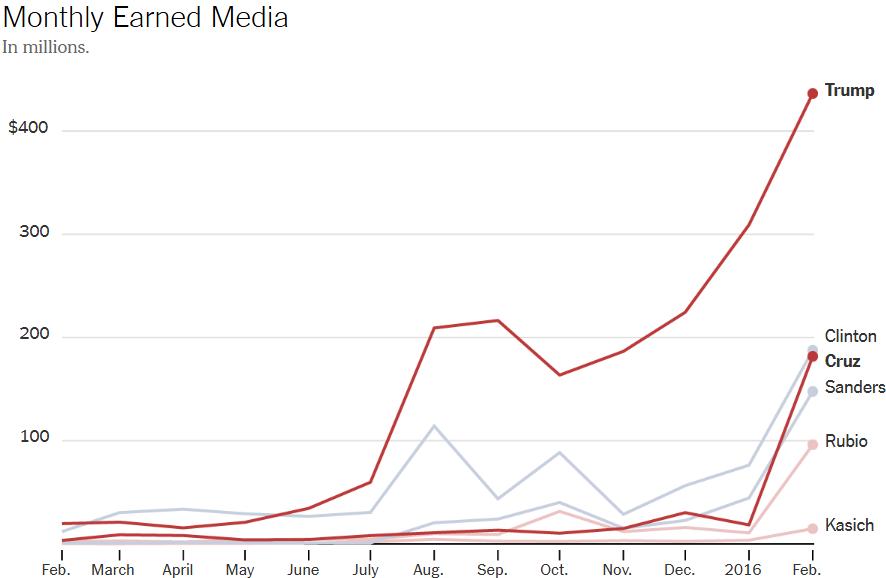
Throughout the 2016 primary season, outlets ranging from The New York Times to Fox News provided extensive live coverage of Donald Trump’s rallies, amplifying his visibility with more “free” media than former Secretary of State Hillary Clinton, Senator Bernie Sanders, or Senator Cruz (who amassed the second, third, and fourth most free coverage, respectively) combined.2 This coverage shaped audience expectations and influenced candidate recognition. The challenge of the modern journalist is to inform, not inflame — to report without falling into the spectacle of partisanship. At the same
time, newsworthy events will be reported, and this may not always lead to balanced coverage.
Figure 1: Value of “free” media collected by candidates in the 2016 election primary3
Regardless of the amount of coverage dedicated to various candidates or policies, outlets have an ethical and legal responsibility to disseminate factual information. The 2023 Dominion Voting Systems v. Fox News case underscored the negative effects misinformation could have on the news outlet that generated false content and on society at large. After Fox News promoted false claims about tampered voting machines flipping votes to Joe Biden in the 2020 election, Dominion Voting Systems (the company responsible for the machines) sued the outlet. The case was eventually settled in 2023 with Fox paying $787.5 million in damages. Beyond the financial cost for Fox, the
misinformation left a lasting scar on society; at the time of the settlement, “large numbers of Republicans still believe[d] the 2020 election was tainted.”4 Journalists in this committee will examine whether accountability mechanisms like editorial boards or ombudsmen are sufficient to restore trust.
Topic Overview: Election Coverage and Polarization
The role of the press in an election is more than just reporting — it is shaping democracy. In 2016 election, as well as many past elections, coverage of both candidates demonstrated how editorial decisions can influence perceptions. The Washington Post’s investigative pieces on Trump’s finances,5 The New York Times’s reporting on Clinton’s emails,6 and The Las Vegas Review-Journal’s early Trump endorsement7 all exemplified journalism’s influence on how voters viewed candidates in 2016. Since “political outcomes are heavily influenced by voters’ personality traits and how they perceive the personality traits of the candidates,”8 such coverage can guide voting decisions.
Framing determines what becomes news and how it is interpreted. During the election, liberal papers emphasized threats to democracy, while conservative outlets highlighted economic renewal and anti-establishment energy. Understanding framing helps delegates appreciate how news media shapes the very issues citizens care about.
According to the “American Views 2022” report by the Knight Foundation and Gallup, “72% [of Americans polled] say national news organizations have the resources and opportunity to report the news accurately and fairly to the public, only 35% say most national news organizations can be relied on to deliver the information they need.”9
In addition to the concern about the abilities of the news organizations to conduct
reporting that Americans need, respondents to the “American Views 2022” poll also showed concern over the priorities of news organizations. “Thirty-five percent [of Americans polled] say most national news organizations care about how their reporting affects American society, culture and politics; fewer (23%) believe most national news organizations care about the best interests of their readers, viewers and listeners.”10
Local outlets such as The Des Moines Register and The Miami Herald attempted to provide fair coverage in a politically divided environment. Despite smaller readerships, their emphasis on community engagement offered a blueprint for rebuilding trust in journalism.
Bloc Positions: Editors-in-Chief of Major U.S. Newspapers
The delegates to the United States Press Corps committee will each be assigned to represent a media outlet originating from different parts of the United States and representing different political orientations (often representing the viewpoints of the outlet’s ownership and editorial board). A summary list of these diverse stances can be found below.
This committee does not require position papers. Each delegate will function as an editor-in-chief and will:
Debate principles of journalistic ethics and election coverage to establish guidelines for reporting;
Write and publish short press releases or articles on the proceedings of the Contemporary Crisis committee (2016 election);
Attend press briefings and conduct interviews with delegates from other committees;
Compete for “scoops” and headline recognition;
Uphold journalistic ethics, avoiding bias and fabrication;
Maintain each paper’s editorial style while fostering credibility and cooperation.
Left and Center-Left Outlets
The New York Times (Center-Left): Renowned for investigative journalism and national influence, the Editorial Board of The New York Times endorsed Hillary Clinton in 2016. Delegates representing this outlet should focus on analytical reporting, government accountability, and defending press freedom.
The Washington Post (Center-Left): “The paper that brought down a president” through its Watergate coverage, The Washington Post remains committed to transparency and oversight. Delegates should embody the paper’s ethos of integrity and fact-checking.
The Los Angeles Times (Center-Left): With a progressive focus on environmental and social justice issues, The Los Angeles Times endorsed Clinton in 2016. Delegates representing this outlet should highlight diversity and reform.
The Boston Globe (Center-Left): Known for bold editorials and local investigations, The Boston Globe warns against threats to democratic values. Delegates should use its editorial strength to spotlight ethical failures in politics.
The Baltimore Sun (Center-Left)
Historically influential in political reporting, The Baltimore Sun combines investigative journalism with local accountability. Delegates should emphasize watchdog reporting and the role of the press in holding institutions accountable.
The Minneapolis Star Tribune (Center-Left)
The Minneapolis Star Tribune is known for in-depth reporting on Midwestern politics and civic life. It endorsed Hillary Clinton in 2016 and focuses on pragmatic governance. Delegates should represent a paper that values moderation, institutional trust, and regional impact.
The Philadelphia Inquirer (Left-Leaning): Balancing local coverage with national awareness, The Philadelphia Inquirer emphasizes how federal decisions affect ordinary Americans. Delegates should report from a working-class, human-interest perspective.
The San Francisco Chronicle (Left-Leaning)
As one of the most progressive major newspapers in the country, The San Francisco Chronicle emphasizes social justice, labor rights, and equity-focused reporting. Delegates should challenge traditional power narratives and highlight systemic inequality.
Centrist Outlets
USA Today (Centrist): USA Today avoids endorsements but denounced Trump’s candidacy in 2016, urging voters to prioritize democratic principles. Delegates should present even-handed coverage and prioritize clarity and accessibility.
The Miami Herald (Centrist): Reflecting South Florida’s diverse political base, The Miami Herald provides balanced, factual coverage. Delegates should use this platform to stress cultural nuance and fairness.
The Des Moines Register (Centrist): A cornerstone of U.S. election coverage, The Des Moines Register endorsed Clinton and focuses on policy-driven journalism. Delegates should focus on depth and objectivity.
The Kansas City Star (Centrist): Known for pragmatic reporting, The Kansas City Star endorsed Clinton in 2016 while maintaining editorial independence. Delegates should bridge partisan divides and stress civic responsibility.
The Arizona Republic (Centrist)
As the largest newspaper in Arizona, The Arizona Republic plays a key role in coverage of swing-state politics. Delegates should focus on immigration, election integrity, and voter engagement while maintaining a balanced editorial tone.
The Denver Post (Centrist)
Recognized for strong investigative reporting and editorial independence, The Denver Post emphasizes press freedom and transparency. Delegates should reflect responsible political coverage in a rapidly changing media landscape.
The Detroit Free Press (Centrist)
One of the largest newspapers in the Midwest, The Detroit Free Press focuses on labor, industry, and economic policy. Although it endorsed Hillary Clinton in 2016, it maintains a centrist editorial tone. Delegates should emphasize how national decisions affect working-class communities.
The Associated Press (Centrist)
The Associated Press supplies reporting to thousands of outlets nationwide and does not endorse political candidates. Delegates should emphasize accuracy, verification, speed, and neutrality, as well as the responsibility of wire services in shaping national narratives.
Reuters U.S. (Centrist)
Reuters U.S. follows strict editorial standards and prioritizes impartial, data-driven reporting. Delegates should focus on factual precision, transparency, and the influence of global journalistic norms on domestic coverage.
Right and Center-Right Outlets
The Wall Street Journal (Center-Right): Globally respected for business reporting, The Wall Street Journal blends conservative editorial pages with factual coverage. Delegates should analyze issues through an economic and policy lens.
Chicago Tribune (Center-Right): Historically Republican but independent-minded, the Chicago Tribune endorsed Libertarian candidate Gary Johnson in 2016. Delegates should focus on libertarian and reform-oriented narratives.
Las Vegas Review-Journal (Right): Owned by a conservative donor, it was the largest U.S. paper to endorse Donald Trump. Delegates should represent a populist, pro-business tone while maintaining journalistic standards.
New York Post (Right): Bold and provocative, the New York Post combines tabloid flair with strong conservative views. Delegates should balance sensationalism with accuracy and fairness.
The Washington Times (Right): Promoting traditional values and religious conservatism, The Washington Times backed Trump in 2016. Delegates should reflect discipline and moral perspective in coverage.
Santa Barbara News-Press (Right): A small but outspoken conservative paper, it endorsed Trump early for his “outsider reform.” Delegates should utilize its reputation of independence and grassroots loyalty.
The Washington Examiner (Right)
The Washington Examiner focuses on limited government and fiscal conservatism. Delegates should prioritize sharp political analysis and challenging establishment narratives while maintaining credibility.
The Federalist (Right)
A conservative digital publication, The Federalist blends political commentary with cultural analysis. Delegates should emphasize constitutional interpretation, cultural conservatism, and ideological argumentation over neutrality.
Discussion Questions
1. How can journalists maintain credibility while facing partisan pressure and financial pressures against their corporate owners?
2. Should news outlets disclose their political leanings or endorsements to increase transparency?
3. How should the press ethically balance free speech with the dangers of
4. How can local news regain public trust in an era dominated by national media corporations?
Conclusion
The press is not only a mirror of democracy but its pulse. In times of division, its duty to inform fairly and fearlessly becomes even more vital. Delegates in this committee will grapple with questions at the heart of journalism: What does it mean to be ethical, objective, and responsible when every word can shift public opinion?
1 The Journalist’s Resource. (2013). The decline of Big Media, 1980s-2000s: Key lessons and trends. https://journalistsresource.org/media/covering-america-journalism-professor-christopher-daly/
2 The New York Times. (2016). $2 Billion Worth of Free Media for Donald Trump https://www.nytimes.com/2016/03/16/upshot/measuring-donald-trumps-mammoth-advantage-in-freemedia.html
3 Ibid.
4 Kim, Catherine. “Poll: 70 percent of Republicans don’t think the election was free and fair.” Politico. November 9, 2020. https://www.politico.com/news/2020/11/09/republicans-free-fair-elections-435488
5 “How Trump has made billions as president | Sidebar.” The Washington Post. May 15, 2025. https://www.washingtonpost.com/video/politics/how-trump-has-made-billions-as-presidentsidebar/2025/05/15/d0c11f97-5ca0-49f2-a90a-6c560af770a5_video.html
6 Schmidt, Michael S. Hillary Clinton Used Personal Email Account at State Dept., Possibly Breaking Rules. The New York Times. March 2, 2015. https://www.nytimes.com/2015/03/03/us/politics/hillaryclintons-use-of-private-email-at-state-department-raises-flags.html
7 “Las Vegas Review-Journal endorses Donald Trump for president.” Las Vegas Review-Journal. October 13, 2024. https://www.reviewjournal.com/opinion/rj-endorses/las-vegas-review-journal-endorsesdonald-trump-for-president-3188637/
8 Falcão, F., Sousa, B., Pereira, D.S.M. et al. “We vote for the person, not the policies: a systematic review on how personality traits influence voting behaviour.” Discover Psychology, Volume 3, Article number 1 (2023). https://doi.org/10.1007/s44202-022-00057-z
9 “American Views 2022: Part 2, Trust Media and Democracy .” The Knight Foundation. February 1, 2023. https://knightfoundation.org/reports/american-views-2023-part-2/
10 Ibid.