








Hello Distinguished Delegates,
Welcome to the Cold War! My name is Nishanth Arumugam and it is my absolute pleasure to be your chair for the Historical Crisis Committee.
HUMUNC 2026 for me is quite special because it officially marks my 10th year of participation in Model United Nations. This decade-long involvement has genuinely been one of the most formative experiences of my life and I hope that you are all able to reap the same benefits that I still feel.
Outside of Model UN, I am a third-year pre-medical student with a major in Biochemistry and a minor in Sociology. I am also a student researcher and a Resident Assistant on campus. While the premedical path is not the field typically associated with Model United Nations, the research, communication, and leadership skills I developed here definitely are. I hope that this conference is the exciting and fun experience that Model UN is for me and your participation in the historical crisis committee will inspire you all to look deeper at our world and build your leadership skills.
Good luck with your research and preparation! I look forward to meeting you all in February and seeing what you accomplish at HUMUNC!
Best Regards,
Nish Arumugam
Historical Crisis Chair, HUMUNC 2026
Direction From your Crisis Director
Welcome to Berlin comrades, I am Teuscher Ganir (he/him), and I will be directing your crises throughout this committee. I am a sophomore here at Hofstra University studying English literature and philosophy. I’ve been involved in Model United Nations for several years now, split between my sophomore to senior years in high school and my freshman year at Hofstra. I’ve had the pleasure of representing a mobster, a monarch, a dictator, and a premier throughout my time as a delegate, but this is my first time crisis directing. For those delegates who are returning, last year I was assistant crisis director for A Correspondence of Crowns
I’ve designed this committee to focus on Berlin, and in a sense, Europe broadly, but I encourage you delegates to use all your knowledge of the early Cold War for this committee. My hope is that delegates will be able to forge a peaceful path of co-existence or even unification throughout the timespan of this committee. I hope you can find Cold War Berlin as interesting as I do.
On specifics of the committee, consider that if you were anybody of substance in this period, you likely spent time in Berlin to execute your role in the Cold War. Diplomats, spies, philosophers, soldiers, and all sorts of influential speakers for and against Marxism and capitalism made it to Berlin. Delegates, prepare to reimagine Germany, Europe, the world and the Cold War. Now it’s your turn, comrades; we’ll convene in Berlin.
Sincerely,
Teuscher Ganir
Crisis Director, Historical Crisis, HUMUNC 2026
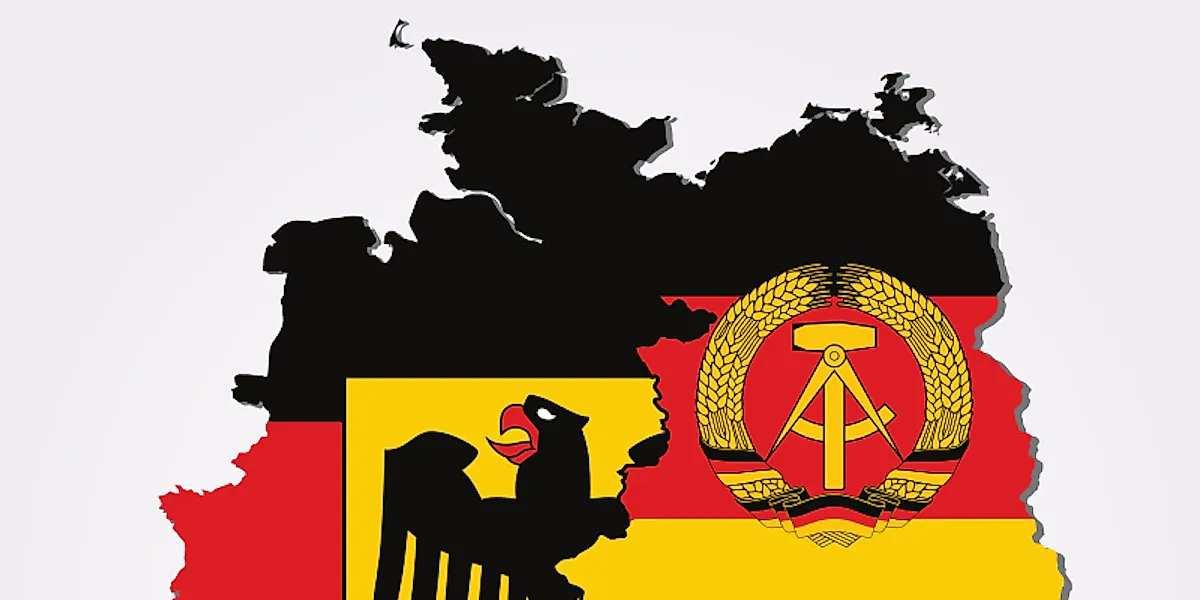
The year is 1960, and in the wake of the Second World War, the borders of Europe have once again been redrawn. Now, with the ideological divide between East and West, tensions have been rapidly rising. There is no place where this divide is more evident than Berlin. At the center of Europe and its recent conflicts, Germany has been split in two by the Allies after World War II. The western part of the nation divided among the United States, the United Kingdom, and the French Republic, until it became the Federal Republic of Germany (West Germany). Eastern Germany was put under Soviet occupation until it was transformed into a separate state, the German Democratic Republic (East Germany). These states, while nominally independent, relied heavily on their respective superpower patrons both economically and politically. The two German states both sought their own paths in this global system, trying to find their place in a world scarred by wars started leaders of wartime Germany.
However, the German question is not the only prevalent one in the post-war period. Western European empires are beginning to crumble, with France having lost Indochina and trying desperately to hold on to its prize colony of Algeria. Meanwhile, Britain and Belgium find themselves on the cusp of losing their African colonies. The United States has embarked on a crusade against communism through proxy conflicts abroad to prevent the dominoes of communism from falling. In the United States, the aftermath of McCarthyism continues to play a role in domestic politics. Further west, the United States devotes itself to containment policies and preventing the dominoes of communism from falling, while the aftermath of McCarthyism has kept the Red Scare a looming presence in American society.
In the east, the Soviets balance their diplomatic hold on the Warsaw Pact with violence against member states that fall out of line, with Hungary being the most recent target of their ire. The Soviets also find their far eastern alliances increasingly strained, as the Sino-Soviet split seems increasingly inevitable. Looming above all of these battles is the nuclear arms race between the two superpowers.
This committee will cover the height of the Cold War, when tensions threatened to collapse the delicate peace of the post-war era. Delegates will have to find ways to resolve disputes within their blocs so that they can not only realize the goals of the growing body of international law and attempt to prevent the third and final world war. Each bloc expects to operate as a strong unified body, but its members may have to sway the few neutral countries still up for grabs in this increasingly polarized global order. As delegates, you represent rival nations whose internal concerns are watched closely in the international arena, and whose policies and actions on the homefront can have a significant impact of the global Cold War, well.
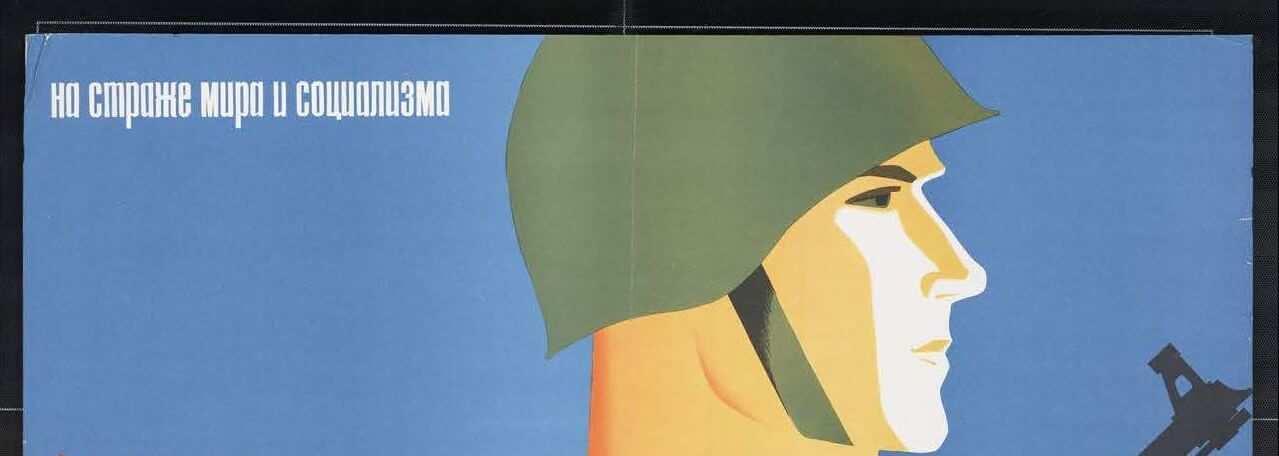
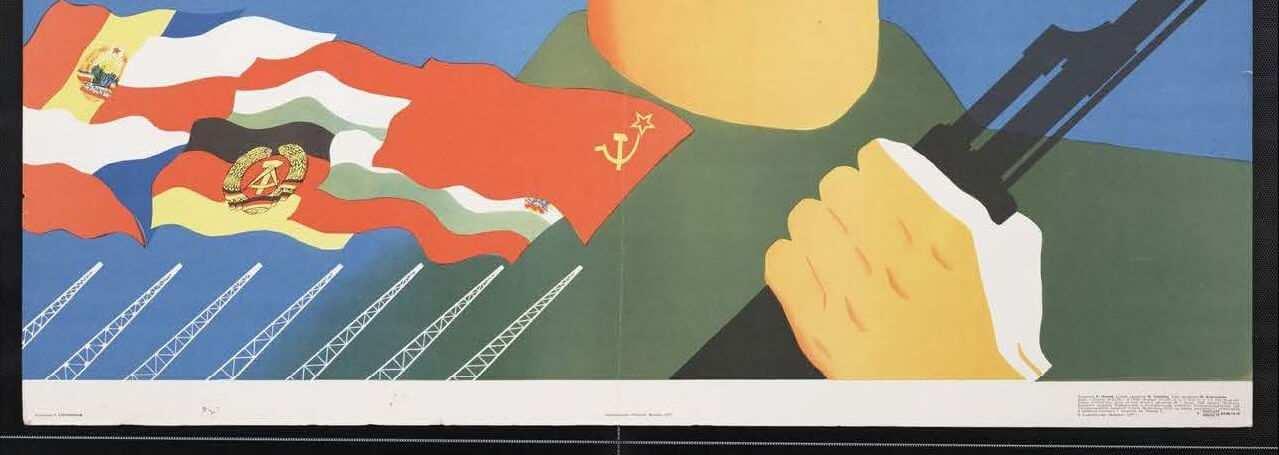
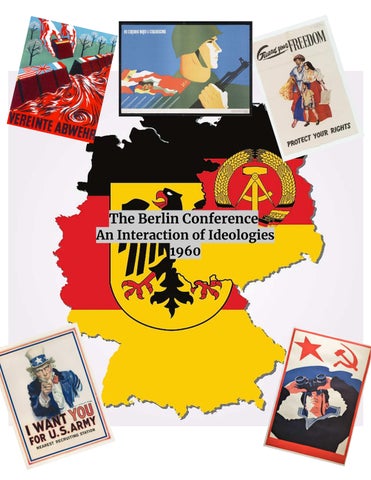
Communism and Capitalism now shape the globe rather than the crowns of so-called royals. How these systems govern money and its distribution within societies are among the driving factors of international relations, but it also factors into domestic politics, as well. Governments on both sides use all methods of communication, including propaganda, to emphasize the struggle of Democracy vs. Tyranny, Freedom vs. Oppression, Us vs. Them — in essence, oppressor and oppressed. As the delegate representing your country and system, it is your job to convince your fellow delegates to ally themselves with your ideology reject the ideology of your rivals. Use symbolism and language that align with your ideology to encourage your comrades and convince your foes that you are the one true ideology worthy of ruling the world.
On an individual note, it’s understandable that delegates may disagree with their given position, and with that in mind, we urge you to be respectful and diplomatic. At its heart, Model United Nations is an act of understanding and collaboration, so, despite personal preferences, delegates are expected to represent their positions while being as civil and accurate as possible.
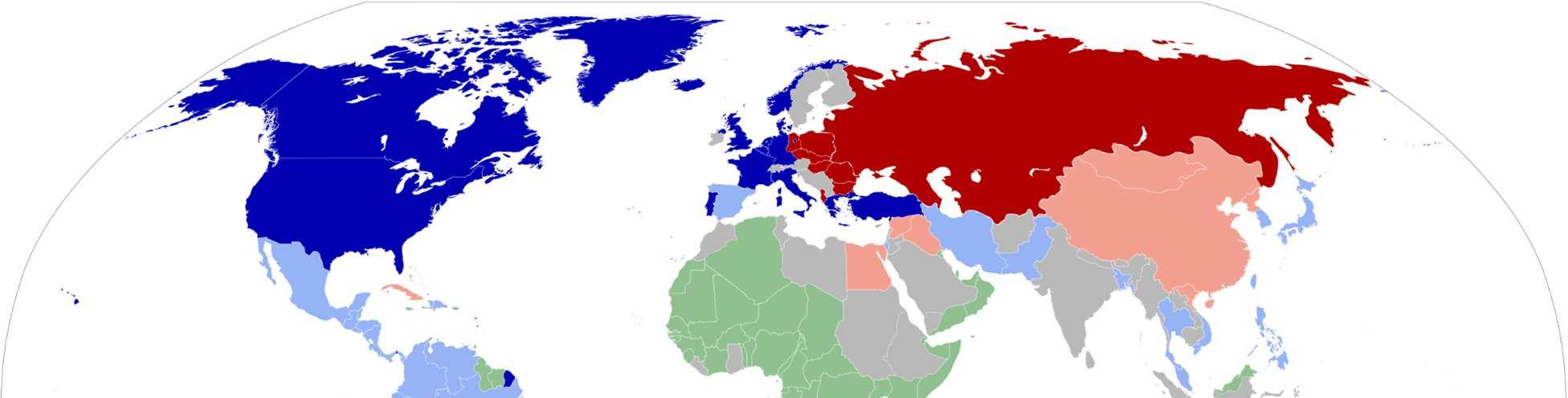
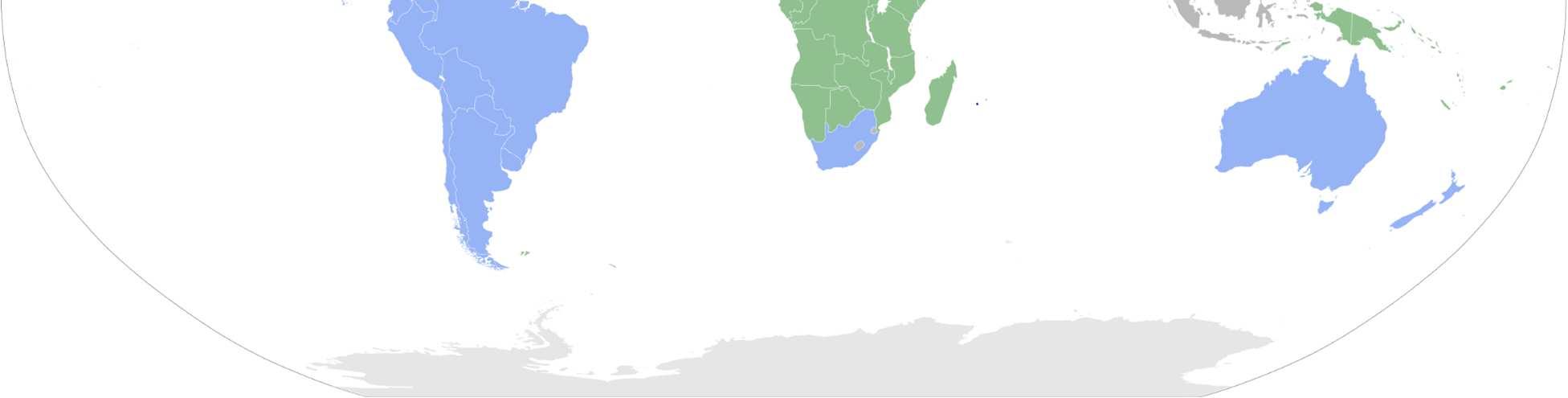
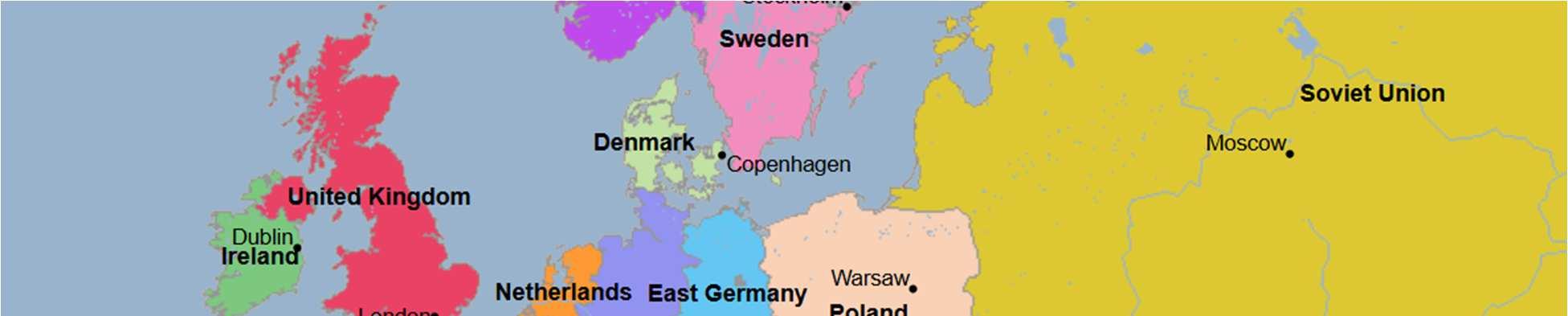
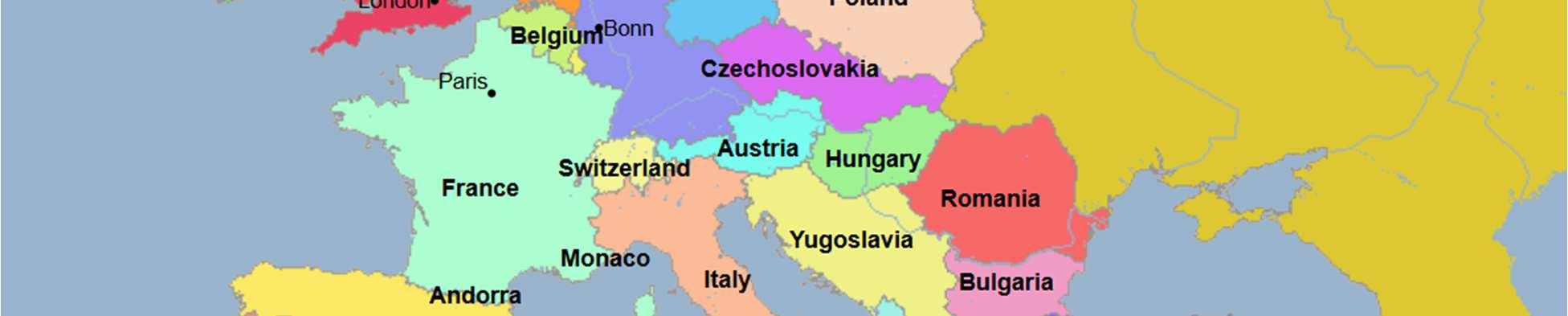
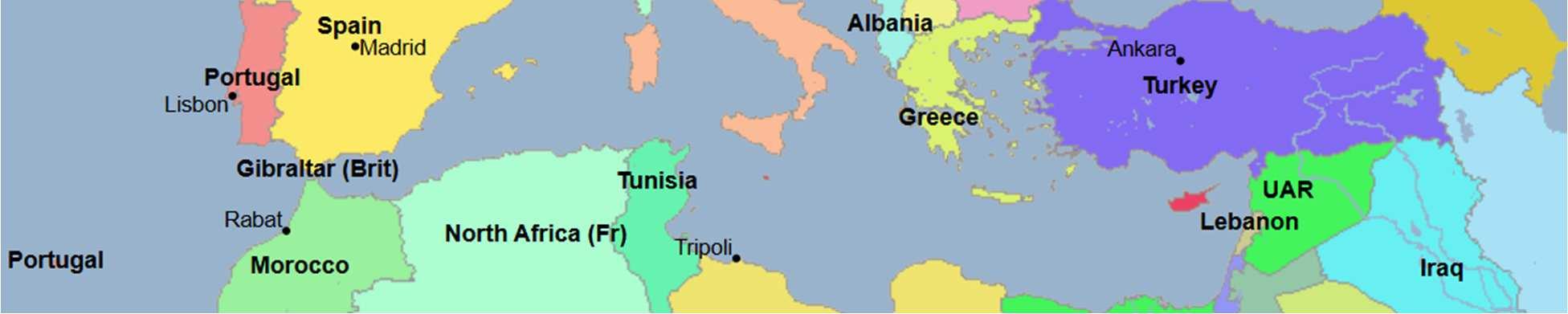
WarsawPact(Communist)
NATO(Capitalist)
- SovietUnion -UnitedStates
- EastGermany -France
- Romania -WestGermany
- Czechoslovakia -UnitedKingdom
- Poland -Belgium
- Bulgaria -Portugal
- Hungary -Netherlands
- Albania -Turkey -Denmark -Italy -Greece -Norway
Guten tag, my fellow Germans, quite the position we find ourselves in. The ideological divide between east and west is reflected right here in the two separate German states. Both sides are seeking international recognition, especially given that neither are full member states within the UN.
Nationally, the Federal Republic of Germany (West) is seeking a “One Germany” policy similar to that of China. This process includes a sole claim to all German territory. West German policy is aggressive toward its eastern counterpart. West Germany refuses to trade with any country that recognizes the German Democratic Republic (East Germany). As West Germany is larger both geographically and economically, seeking trade with them is more favorable to potential trading partners that it would be with East Germany. This has naturally led to the West German state earning more official diplomatic recognition than the East German state, but at the same time, West Germany does not have full international legitimacy of its own.
Back in East Germany’s capital, Berlin, the German Democratic Republic seeks an international audience of its own. With a developing economy of its own, quickly outpacing that of its fellow Warsaw Pact countries, it feels it has earned enough legitimacy to become officially recognized by the United Nations.
Despite their current posturing as successful independent states, the possibility of reunification still exists, for both German states and for all German-speaking territories A unified Germany would have to deal with the existing ideological divide as well as the growing cultural divide between them. Another factor driving a wedge between the German states is the hostile opposition of many countries bordering whatever German state may emerge, which would be unwelcome by both the Warsaw Pact and NATO and would not be protected by the nuclear deterrence “umbrella” provided by either alliance.
Many countries emerging in the post-colonial and war torn world are seeking recognition; delegate’s action or inaction can prove vital to the support of these new nation states.
Delegates’ actions (or inactions) can drastically alter the outcomes for these emerging nation-states. As crises break out, East and West German delegates will have to act quickly and decisively to prove their right to statehood. A critical starting point to justify their statehood is securing legitimacy within their blocs and among their allies. Ultimately, the goal of each nationstate is to seek recognition within the United Nations and secure international recognition through a highly coveted seat in the assembly.
Across the rest of the Cold War world, another element of international recognition lies in territorial claims. As colonial powers seek to legitimize their continued occupation of territories or countries in other parts of the world, they will aim to have their allies within their blocs and those across the globe approve of their actions and justify further action.
Regarding the European disposition of territory disputes, delegates in The Berlin Conference represent states that align along the lines of who is communist and who is capitalist. Some of you may have highly desirable territory, but most of you want more. Your goal is to reclaim your former glory and protect your vested territory.
Many of you already possess the territory that you cherish or have territory which is desirable to another nation. It is your goal during the conference to use every opportunity to reclaim your former territorial possessions and protect your current territorial gains. How far you go in this game of greed and power?
It can be advantageous to consider alternatives to direct domination. Many of you would benefit from creating puppet states. Oftentimes, leveraging shared ideological persuasion may be more beneficial than using military conquest.
Annexed territory is that which you wish to formally integrate into your nation. This has the benefit of direct control including military and economic operations. However, it is vital to seek international recognition for any annexation, but since this is the Cold War, you will likely need approval for such a move from a nuclear superpower. Since they all sit on the United Nations Security Council, their approval will strengthen your position from an international legal standpoint. For example, if a territorial dispute turns into a skirmish or battle, you could be blamed and may face punishments, including but not limited to condemnation, sanctions, or even military intervention.
A short list of territories exchanged, gained by one country and lost by another, is as follows. Pomerania and Silesia, now part of Poland, were lost and desired by East and West Germany. East Prussia, split between the Soviet Union and Poland, was lost and desired by East and West Germany. Transylvania, now owned by Romania, was lost and is desired by Hungary. Northern Bukovina and Moldova, now part of the Soviet Union, were desired by Romania. Karelia and Salla, now part of the Soviet Union, were desired and lost by Finland. Thrace and Istanbul, long held by Turkey, have been desired by Greece. Northern Aegean and Dodecanese islands, as well as Cyprus, were long held by Greece and desired by Turkey. This list is incomplete and focuses on Europe, for the western colonial powers like France and Britain, be aware of your non-European holdings.
Comrades, let us address the Hungarian uprising, which was a severe blow to the international standing of the Warsaw Pact, the Soviet Union, and to an extent, the global sphere of Communism. It demonstrates a clear rift within the communist world. Romania and China have begun to shift away from Moscow's singular view of communism, opting for each nation to lead itself in its own view of communism.
On the world stage, Warsaw Pact countries must prove that their governments are legitimate and not merely puppets of the Soviet Union. It is, however, important not to deviate too much from Moscow, as to incur its wrath, which can vary from trade sanctions to a full military intervention. The delegates from the Soviet Union must balance its goal of military domination to enable the worldwide communist revolution while at the same time, not growing the distance between itself and other communist countries, like what has already happened with Yugoslavia. Some states fully back the Soviet interventions, like Bulgaria and East Germany, which are staunch supporters of the Soviet system. Dissenting voices in Romania may prove a problem. Although Romania is a communist country, they are a leading dissenting voice in the Warsaw Pact.
Moscow must not let the communist world split into factions. The workers' paradise must be spread across the globe with the singular Soviet image of communism. It’ll be tricky to maintain this vision without open military intervention because major military action inside other countries, even to crush an anti-communist revolts, will rattle the communist world so much that it may end up splitting.
As for the western perspective on the matter, you should absolutely the Soviet Union’s attempt to maintain their delicate balancing act and exploit it to the fullest. It is clear to you, good gentlemen, that many of the communist governments are illegitimate, and that their prowestern governments in exile should return as the rightful rulers of these countries. You must not let the communists act in unity; when they’re not fighting each other, they’ll be focused on fighting you.
Greetings, gentlemen of Europe. You have dominated the world for the past century, but the balance of power has shifted. We must not let it slip from our grasp. France recently lost a war in Vietnam and currently wages a war in Algeria to maintain its delicate colonial hold. Britain is opting for the vast abandonment of its colonies, with India being one of the first to be let go. It should be the goal of the old empires to hold on to the territorial holdings they have colonized while maintaining their system of exploitation. If it is feasible to let colonies go under less-than-ideal circumstances for the benefit of us back in Europe, then perhaps that avenue should be explored.
The benefits of holding onto colonial territories include military resources, economic growth, and strategic positioning across the globe to stop our ideological enemies. However, colonialism has its disadvantages, including, the amount of military manpower and equipment it requires. Colonial domination and exploitation creates a great deal of resentment in local populations, making them susceptible to opposition ideologies and independence movements, You might benefit from dispersing propaganda to denounce your opponent’s ideology, but you will have to weigh any unintended consequences.
Leaders who think that sending soldiers to fight in faraway lands will easily reach their countries goals will also need to weigh how drawn out, bloody conflicts in unfamiliar lands plays with the citizenry. Could you achieve the same goals through trade? Or somehow engineer a coup to install a friendly government, without the overt colonial involvement of your military? Weighing these strategies and how they can be executed could be a factor in achieving your goals.
For the comrades to the east, once more, the bourgeois oppress everyone across the globe. We must convince the colonized natives to rise from the tyranny of European imperial rule. They must revolt; they have nothing to lose but their chains. It is important that we push them on their evils abroad and use this to display the savagery of capitalism. Introduce them to the liberation from colonialism and the glories of the workers' paradise.
Not-so Neutral states
Delegates, you and your predecessors have cut the world in two, and every cut is bound to leave some crumbs detached from all else. In a world where every scrap of power counts, it is vitally important to keep track of these wayward states. These actors may not care for ideology, but they have interests and ambitions to gain, nonetheless. It is up to you, good gentleman, to convince these neutral states of what they have to gain and look for opportunities to turn apathy into alignment.
Spain
As the last remnant of the fascist regimes in Europe, Franco’s Spain finds itself with very few friends. The staunch anti-fascist foreign policy of both the East and the West leaves the Spanish State diplomatically isolated. This is preferable to the state; in the midst of the Spanish Miracle, Franco is more than happy to let the hostile world fight amongst themselves as he reaps the benefits of an economic boom. Despite their seeming separation from the rest of the world, the Spanish question is essential to the Western powers. There is a constant dilemma in whether to rid the continent of its last fascist dictator, finally, or to cooperate with the enemy of an enemy, who holds deep disdain for communism.
The black sheep of the communist world, the Socialist Federal Republic of Yugoslavia, stands as a rare communist success story. Independence from the rest of the world allowed Joseph Tito to plan an economy uniquely tailored to Yugoslavia, in contrast to most of the lesser Warsaw Pact nations. Yugoslavia achieved relative self-sufficiency, in conjunction with a high standard of living and liberties far exceeding those of the Eastern Bloc — in some cases — even on par with those seen in the Western democracies. However, this independence came at a cost; refusing to adhere to the Warsaw Pact meant Tito forfeited its support. Yugoslavia found itself trying not to provoke Stalin, who wants to bring Yugoslavia back into the fold, while holding off a paranoid NATO, which would use any opportunity to limit the success of communism.
There were plans to split the Republic of Austria, as Germany was divided, but the Yalta victors decided not to proceed. After a brief occupation, Austria was allowed to emerge as a new democracy on the condition that it remain ideologically and militarily neutral. Of course, neutrality does not mean it would remain uninvolved. Austria serves as the meeting point between East and West, making it a hotbed for spies and refugees alike (especially from Hungary). While having to remain militarily neutral, Austria is still allowed to choose its ideological path, making it a vital investment destination for the West to prevent the red wave from being imported from its neighbors.
Despite its attempts to appear neutral, Ireland is still concerned about the rise and spread of communism. Over the course of the post-war period, Ireland found itself both constantly brushing against and cooperating with NATO, especially the United States and the United Kingdom. The U.S. offered to set up an alliance separate from NATO with Ireland, but the proposal was rejected. However, Ireland agreed to allow the UK to monitor Irish airspace and would militarily cooperate with Britain on multiple occasions. However, this cooperation would always be laced with hostility.
The matter of Northern Ireland’s desire to unify with Ireland remains a constant problem for Great Britain and NATO as a whole. Try to find a way to rein in this strategic potential ally, which will be key in preventing disruption to one of the West’s guiding leaders.
A guide to political suppression and upheaval
There are several major agencies and intelligence networks, but most, if not all, countries at this time have developed some ability to spy on their neighbors. A list of these includes, but is not limited to the following agencies:
CIA (United States)
KGB (Soviet Union)
Stasi (East Germany)
Ministry of the Interior (West German)
Secret Intelligence Service (United Kingdom)
Securitate (Romania)
Directorate General for External Security (France)
StB or State Security (Czechoslovakia)
State Security Service (Belgium)
SB or Secret Service (Poland)
Political-Social Brigade (Spain)
State Security Service (Yugoslavia)
Despite these agencies’ notoriety or lack thereof, it is you, dear delegate, who controls them. Even in democracies, using agencies abroad to cause dissent or revolt against your enemy’s home may be controversial, so you will have to justify your actions in line with your country’s values.
Comrades to the East, you must spread the ideal glory of communism. You should fund and arm communist parties across the West. Encourage them to engage in both open rebellion and the formation of separatist states founded on the wonders of the working class.
Good gentlemen, to the West, you must stop communism from spreading across the globe. You mustn’t let the dominoes fall. You will determine the future of the free world. Glory be to the Victors!
While delegates in the room engage in diplomacy and border changes, they must not forget that they are not siloed. There are many foreign actors and situations around the globe, forcing delegates to address questions and considerations that their peers may not have regarding the world at large.
Nuclear arms race
While a nice deterrent, the threat that nuclear weapons present is real. In 1960, France was added to the list of countries with nuclear capabilities, rounding out the European victors of World War II. At all costs, delegates should refrain from deploying atomic weapons, as it would be disastrous for the state and world alike. It will be up to the delegates to try to de-escalate the ever-growing nuclear arms race and find a way to balance national and global security.
Sino-Soviet split
The Communist world is at an impasse. After over a decade of camaraderie, relations between the Soviet Union and the People's Republic of China have increasingly worsened. As Nikita Khrushchev instituted more and more de-Stalinization programs, Chairman Mao worried that following such reforms would open the door to subversive ideologies that could overwhelm invade China. This distrust was only deepened with how China viewed the brutal treatment of the Hungarians. The Eastern Bloc must scramble to address the schism. Should China allow the Communist world to split? Or do they force a concession and realign with their Soviet allies, at risk of provoking a response from the West?
Italy
Although Italy emerged from World War II as a democracy, its population remains ideologically diverse. In the coming election, many factions are vying for a chance to offer early guidance to the nation. These are the perfect conditions for a battle of influence, where Italy has the opportunity to prove its alignment with the West, or for other actors to introduce alternate ideologies into a free and fair election…
The unfortunate reality of being a nation-state is that you will have neighbors who may not always be your allies. Both the United States and the Soviet Union have ideologically hostile states right on their borders, Cuba and Turkey, respectively. Both states serve as ideal locations to station military forces and assets, especially missiles. It will be up to these hegemons to mitigate these threats, whether through deals and de-escalation or through more… covert means.
Vietnam
After gaining independence from their French colonizers, the Vietnamese quickly found themselves embroiled in a civil war. While France had long abandoned the region, the United States was very interested in the fate of Vietnam, providing significant aid and training to the local Army of the Republic of Vietnam, in hopes of containing the spread of communism and preventing a victory by the National Liberation Front (NLF). While no U.S. boots are on the ground, the possibility seems increasingly necessary. Direct intervention in that fashion would
invite the same treatment from the NLF’s Soviet and Chinese supporters. Is the cost of escalation worth the mission of containment?
For voting within the Warsaw Pact, a motion can be made to vote on a resolution strictly for members. This is more favorable than using a joint private directive when it includes a majority of member states. Voting within the Warsaw Pact can be used to admit new member states, undertake joint military action, or issue an outright unanimous declaration of war. The head of the Soviet Union will have the right to veto any action that passes if it is incompatible with the views and wishes of Moscow. The East German Delegates will vote among themselves, and the result of their internal vote will count as a single vote for East Germany within the Warsaw Pact.
When voting internally within NATO, a motion can be made to limit the vote to member states alone (United States, United Kingdom, France, West Germany, and Greece). No singular country can dictate the collective action of NATO; there are no veto power countries. All votes will pass by a simple majority except for when it comes to admitting new members and kicking out current members, which requires a unanimous vote. The American head of state will cast the vote for the USA. The West German delegates will vote amongst themselves, and the result of their internal vote will count as a single vote. International sovereignty is a priority within NATO member states, as the alliance's core purpose is to safeguard its members' sovereignty and territorial integrity.
For both German delegations, delegates can cooperate on tasks of German disputed territory, displaced German civilians, and even the possibility of unification, but that would require a near-unanimous vote and the approval of both superpowers, which is highly unlikely. When trying to work within each Germany, only East or only West, delegates should seek to work through the backroom with joint private directives or use a press release to the chair.
A consensus must be reached within each bloc of the German Delegation first, then put forth as a single (East/West) German vote for the bloc. East Germany will get one vote, and West Germany will also get a single independent vote. (The four delegates of East Germany will reach a consensus, which will then be how Eastern Germany votes. The same goes for Western Germany. In case of a tie, the vote goes to the Head of State.)
Look here dear delegate and you may find something useful. This section is filled with the profiles of the delegates at our conference in Berlin. Statesmen from across Europe and beyond are listed below, along with their intended goals and perspectives as they head into the committee. Be sure to carefully study the profile of the delegate who matches your position for valuable information about their history, viewpoints, and in some cases, temperament. Also, please note that there is some slight deviation from history with a few delegates so be sure to read your position here. Feel free to use outside sources to expand your research.
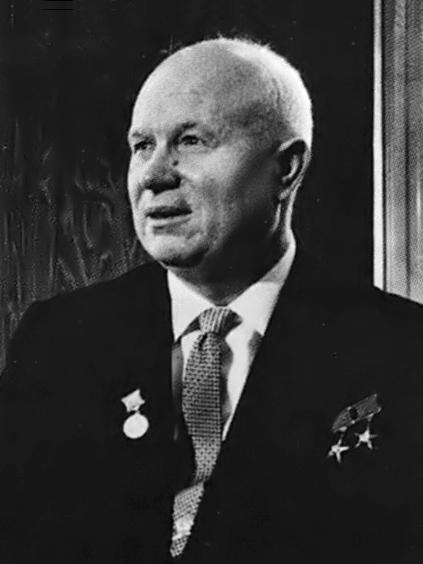
Greetings comrade Khrushchev, the time of Stalin is long gone and now it is you who heralds in the new age of the Soviet peoples. Since rising to head of state, you have given a glorious secret speech to denounce Stalin and his old ways. Your liberalization is popular but not without opposition, namely China. Chairman Mao has aspirations for the global stage, beyond the influence of our beloved Moscow. You should not allow this deviation from our ideology. The global effort of communism should be united under our Soviet vision. To fortify this unity, you should attempt to amend our relations with Yugoslavia and President Tito. Now that you have denounced the old Stalinist ways, there is a way to fix our relations with Yugoslavia. One continuing issue is our military interventions, specifically that of Hungary. When you authorized Soviet forces to quell the Hungarian rebellion, the Communist world was shaken. The biggest voice of opposition was Romania; they are continuing to shift away from our direct control and should be watched. Remember to avoid military intervention in fellow communist countries unless you deem it absolutely necessary, it is likely to be unpopular with both the East and the West. Having mentioned the East, it is your job to legitimize the German Democratic Republic (East Germany) as a sovereign nation. You are not pro-German unification, but if it were under a communist government, you would not be opposed. You must be aware there are those within the Soviet Union that do not like your shift away from Stalin. You should be alert and cautious of everyone, including your own politburo. It would be a shame if you were to be removed in a coup like your predecessor.
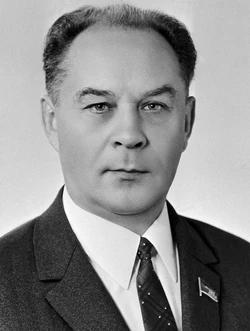
Alexander Shelepin Director of State Security (KGB), Soviet Union
Comrade Director, we have a significant amount of work to do. Our first priority is to prop up our comrades in the German Democratic Republic by providing resources to their Stasi to maintain the ruling Socialist Unity Party. No matter what, the German states must not be allowed to reunite. It would most certainly undo all our progress in the East, and the terror of a united Germany must not become a reality ever again. The KGB can also help develop similar agencies across the Warsaw Pact to consolidate the connections of the USSR with its allies at the deepest level.
Premier Khrushchev is a valuable ally to ensure the program of Soviet dominance; you should work with him to ensure only friendly candidates rise to prominence within the Warsaw Pact and remove any political opponents hostile to Moscow. As Comrade Khrushchev consolidates his power as premier, he will look to your experience to advise him on these matters. From your intelligence experience, you have seen the value of subtly using information at the right time to influence opponents, but your experience as advisor to Stalin has shown you the value of using violent action to project power. Which direction will you guide Premier Khrushchev? Or will you be able to guide Premier Khrushchev at all? You survived the de-Stalinization purge, but only because of your unquestioned loyalty to the party. If Premier Khrushchev continues reforms that do not align with the goals of the revolution, how can you best serve the Communist Party of the Soviet Union? Follow his reform program, or perhaps do what you have always done — the highest level of service to the party. If this means replacing Premier Khrushchev, who might be better suited than you to carrying the goals of the revolution forward? Can you imagine it, Premier Shelepin of the Soviet Union?
But remember, it is a volatile time in the ranks of leadership, so a coup could backfire on you just as easily as other prominent leaders. You have other connections that you can use to exert influence and achieve the goals of communism, including successfully spreading the workers revolution. There will be plenty of communist groups across the West to organize and arm — check in with your operatives in various western countries and work in secrecy to aid them.
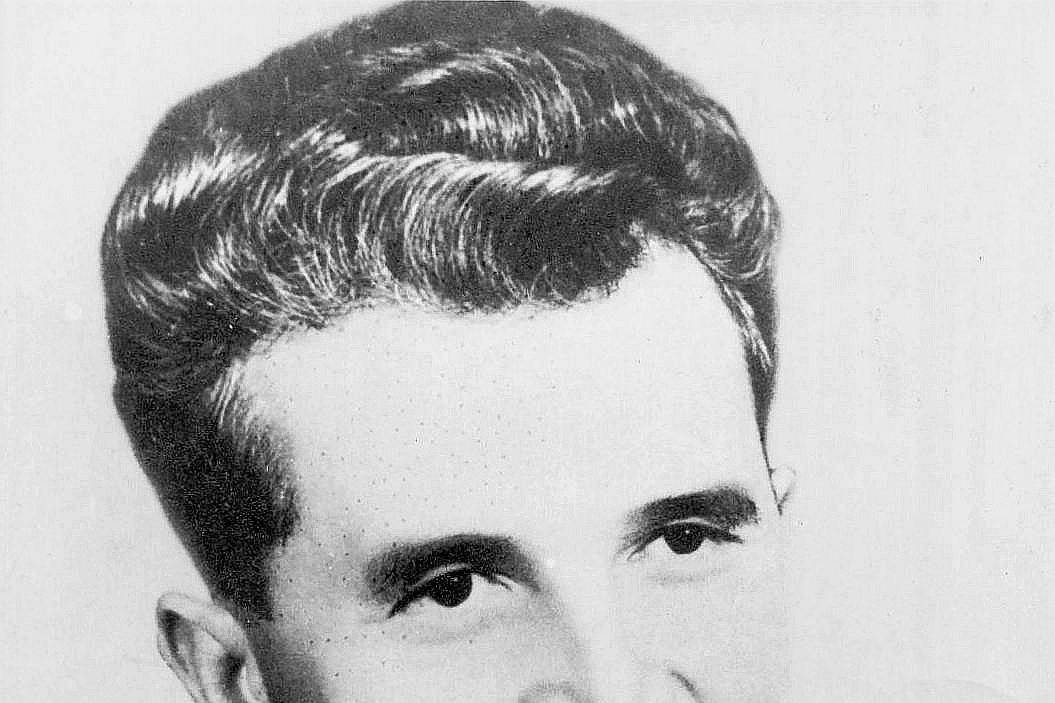
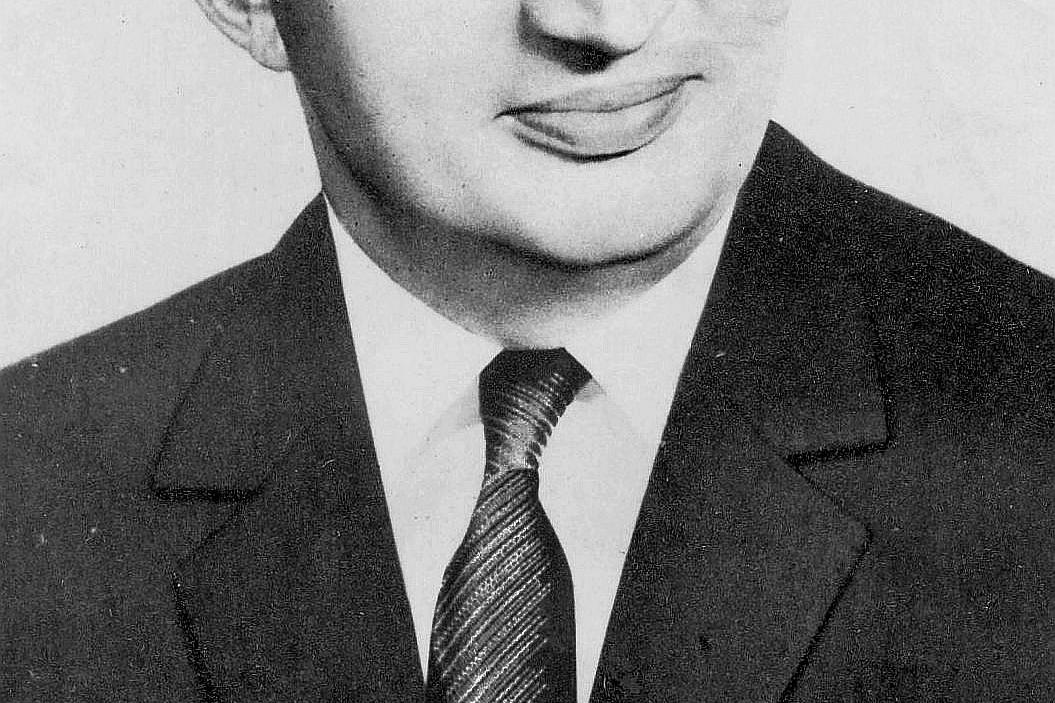
Comrade General Secretary, our young communist nation must find a balance in a changed Europe, showing continued support for our comrades in Moscow without letting them control us. Due to the untimely death of your predecessor, you have been called upon to lead our nation, but you have yet to make a name for yourself on the international stage.
You are wary of the Soviets due to their recent military intervention in Hungary. Students and patriots joined arms in protest when Soviet troops marched into Budapest and you by all means do not want protests to materialize into revolts. Although you support the crushing of anticommunist revolts, you are painfully aware of how foreign intervention is unpopular and can weaken the country’s regime in the long term.
As Moscow and Beijing show signs of diverging, you want to stay neutral. Premier Khrushchev seems dismayed by this stance, but you feel it is essential for Communist countries to manage their affairs as they see fit rather than capitulating to the seniority of the Soviet Union. This unique view will inevitably become a diplomatic issue with Moscow — ensure that it does not become a military issue. If you believe it has the possibility of military escalation, seek alliances with Yugoslavia and any other Communist state which you believe share a similar view.
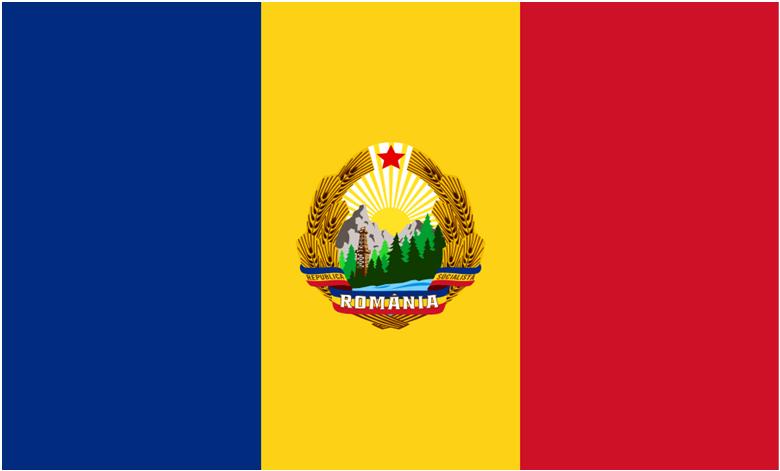
However, you have a conflicting priority regarding the Soviet territory of Moldova. If the Soviets were to give you the historically Romanian region, you would become very popular at home and would gain political capital with the people and would avoid internal dissension spilling into the streets. Try to balance territorial gain while maintaining sovereignty.
As for your other comrades in Europe, the most significant state you must support is the newly formed German Democratic Republic (East Germany). They may disagree with you on certain ideological aspects as they are much more in line with the Soviet Union, however, you should still support their right to statehood in the United Nations. You would be open to a re-united Germany, but you wouldn't want it to be dominated by the West.
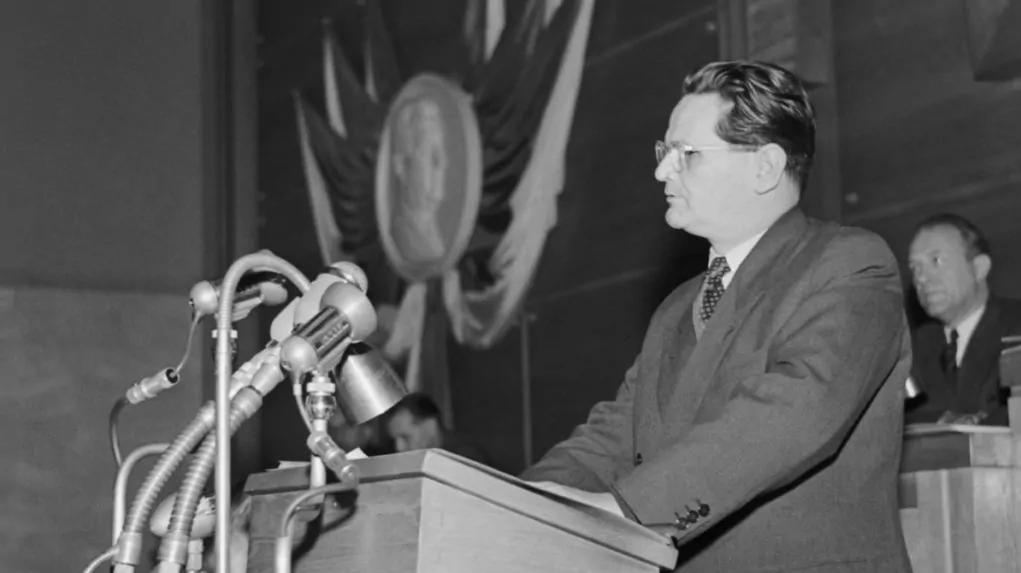
Viliam Široký Prime Minister of Czechoslovakia
Salutations Comrade Prime Minister, our great Union is at the frontline of Western aggression. Sharing a border with the puppet state of West Germany we must be cautious and prepared at all times. You may wish to export the glories of communism to your western neighbors by funding and supplying local communist and various leftist groups and organizations. You should do this in secret. If NATO were to find evidence of your tampering, you would face severe consequences.
Regarding your comrade to the North, you should support our friends in the German Democratic Republic (East Germany) with diplomatic recognition and a trade pact. You should also cooperate with the Soviet Union on most diplomatic efforts not exclusive to Germany. If the Germans begin to talk about unification, remember that the last unified Germany invaded and annexed our great union. We must never allow this to happen again.
There are internal threats to the union Czechs and Slovaks. Racial tensions should always be watched and smoothed out in order for our great Czechoslovakia to endure. Anti-communist agitators must also be suppressed by all means. These capitalists must never again ruin our country. As a state reliant on the Soviet Union, we must follow and support their efforts as they support ours.
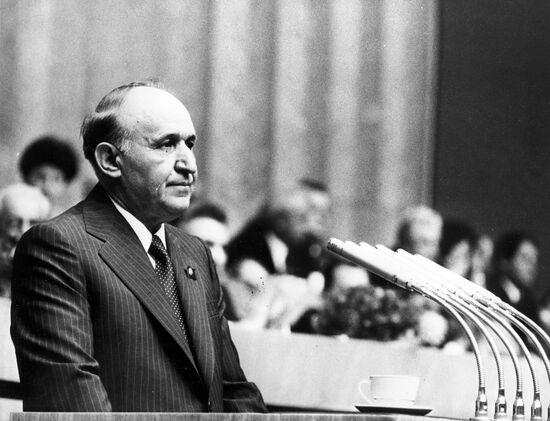
Comrade General Secretary, these are dangerous times for such a dedicated communist like yourself, having to keep an eye on the revisionists to the west in Yugoslavia or the military might of NATO to the south in Turkey and Greece. To first secure ourselves we must be vigilant of those who seek to destroy our glorious communist party from the inside. The agitators —anticommunists, fascists, and even the dissenting communists, all seek to tear down our workers’ paradise, and all must be dealt with the strongest resolve. We must build the state security institutions that maintain our control over the country.
If the strength of our internal opponents were to continue, an appealing option would be to join the Soviet Union. If we were to join our comrades in Moscow as a Soviet Republic, we would be able to secure our borders from all threats, both internal and external, while maintaining local control of our nation. Of course, we would lose some importance on the international stage, however the Soviet Communist Party would forever reign over the great state of Bulgaria. The Soviet Union could even station their nuclear weapons on our soil, so that no one would dare infringe upon our sovereignty. We would have to apply to join the Soviet Union and they would have to accept our application, but it is nonetheless a very viable path.
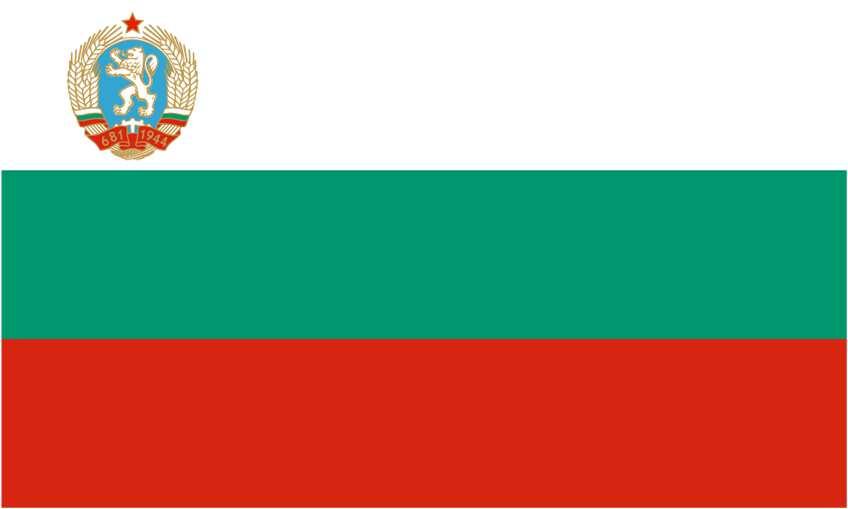
On another note, we must diplomatically support our comrades in East Germany. By continuing trade and recognition of their legitimacy, we shall further the global revolution. You would only be open to a Germany unified under the red banner of communism, anything less is unacceptable.
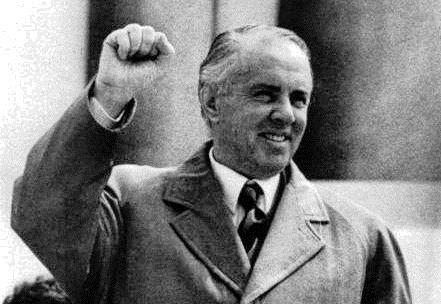
Glory to the People's Socialist Republic of Albania and to its glorious leader. You are the most ideologically pure communist leader following in Stalin's footsteps. As a Stalinist, you grow distant from Moscow, where Premier Khrushchev continues to stray away from the old path paved by Comrade Stalin. If the Soviet Union continues these reforms, you may be forced to leave the Warsaw Pact and reconsider Albania’s path on the world stage. Will Albania achieve its greatest glory on its own, or might it seek an alliance with other ideologically pure states, like China? If we ally with Chairman Mao, you must be vigilant to ensure that he too, does not succumb to revisionism.
Besides your growing grudge against the Soviets, you must mind the ongoing rivalry with your revisionist neighbor to the north, Yugoslavia, which presents a real military threat. You must physically secure your borders with barriers like landmines and bunkers before even considering leaving the Warsaw Pact. Even if you dislike the Soviets, they currently serve as your shield. If you would be able to secure military aid from China, this could allow you to survive without Soviet supervision.
Another significant concern to our security is NATO, specifically our border with Greece to our south and Italy to the west, just across the Adriatic Sea. If there is even the slightest sign of instability in either country, it is imperative that you take immediate action to support our communist brethren with military aid and watch the rightful revolution spread. As for the German divide, you obviously support the communist East Germany over the capitalist West Germany. You may be willing to support them to a limited extent diplomatically, but you are not likely to send any material aid.
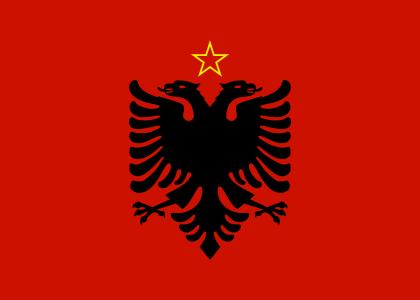
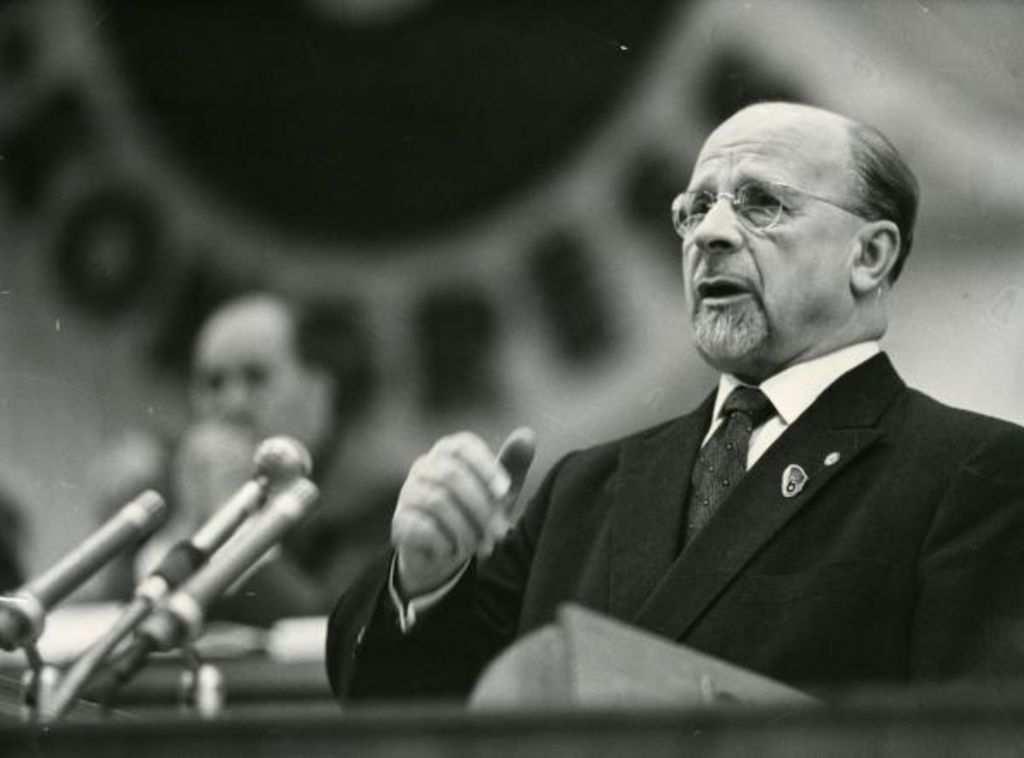
Greetings Comrade, and glory to the German Democratic Republic! As Secretary of the Socialist Unity Party, you are head of the party and the state and have direct control over all matters of policy. This is all under Moscow’s gracious protection — through Soviet and Warsaw Pact trade and diplomatic support.
As you push for our East German state to be granted statehood by the United Nations, the West Germans and their “One Germany” policy make things rather difficult. While constructing a communist Germany, you must follow Moscow’s guidance, if they should pull their support, we would surely sink into poverty and western military domination. Any talk of unity cannot accommodate a Germany with liberals and capitalists in power — unity must enable the spread of the revolution to your German brothers to the west.
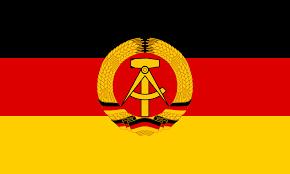
As the party head, you are also a target of the anti-communists within your borders who wish to re-unite with West Germany. Your vast unpopularity provides them with an opening to tear down support for the party and enables your ouster, paving the way for reunification. A secondary threat to consider are other party officials who may sense your own weakness and want your position. To avoid any popular uprisings against your rule, ensure the Stasi is well funded and armed.
As for envious party members, be sure the party elite are your allies and will not launch a coup to replace you.
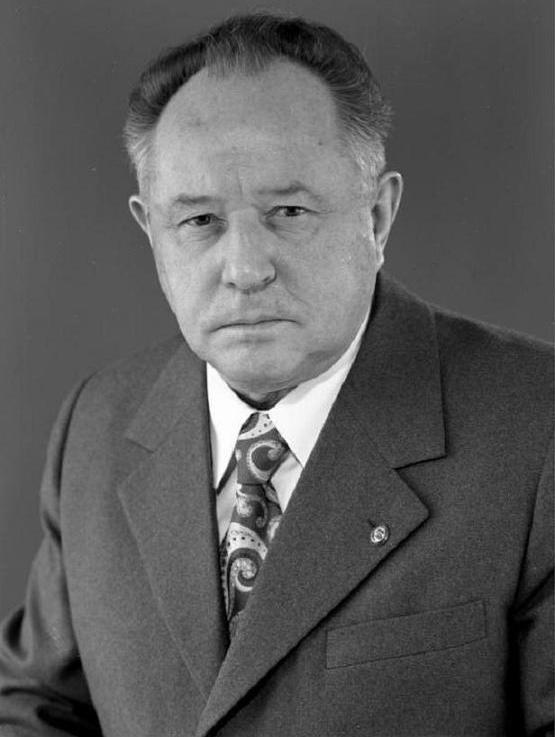
Comrade Minister, you are in charge of securing the East German state. As head of the Stasi, you are in charge of eliminating all threats to the German Democratic Republic that arise from within. You will hunt down all anti-communists, revisionists, and dissenters — anyone who does not support the ruling communist government. As a Member of the Socialist Unity Party, you support Secretary Ulbricht and his efforts to bring about the workers’ paradise. You should vote along party lines on most internal votes and that means following Secretary Ulbricht.
However, if you feel that Comrade Ulbricht is wrong, you may express your opposition through the power of your vote. If you feel he is terribly out of line or unfit for duty, you may seek the support of your fellow ministers to oust him. This is not without risk. Should you be caught, you will surely lose your position and any hopes of climbing the career ladder.
Managing internal politics and securing the state’s security are essential to your current role, but you might achieve greater influence by successfully exporting the revolution across Europe and the world. There are multiple avenues to spread communism, but the first and most important goal is to prove you can spread it to the rest of Germany. There is rumor of socialists in Bavaria with aspirations of reviving the Bavarian Soviet Republic. Spread spies across West Germany to determine the readiness of our German comrades for revolution.
Be sure to spy on other western nations so that we may stand ready to repel any threats upon our sovereignty. It might also be valuable to spy on unaligned nations or even our allies in the Warsaw Pact to measure the strength of their commitment. The Stasi are well trained and loyal; they are prepared for covert action like assassinations, sabotage, and supplying revolutionaries in other states, if these actions will help achieve our goals.
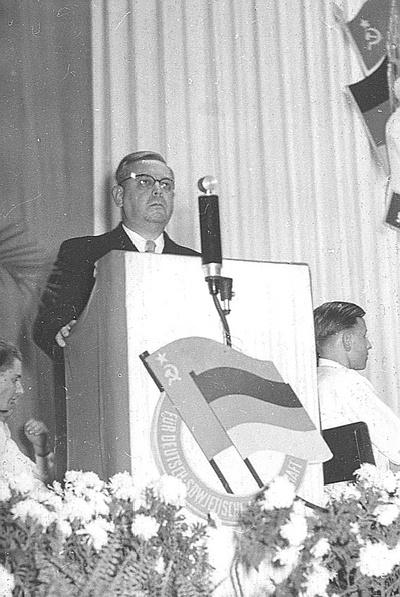
Comrade Minister of Foreign affairs, you must establish our new German state on the global stage. You will struggle in this effort against the West German minister of All German Affairs. Our Western counterparts want to deny our existence — it is up to you to make that position impossible to hold. You shall bolster our economy with trade and thereby gain recognition from various states across Europe. As chairman of the committee for Soviet friendship, you want to collaborate with our friends in Moscow in helping gain diplomatic recognition.
Along with your close work with the Soviets for achieving international goals, you will work closely with the pro-Soviet Socialist Unity Party at home. You will likely side with Secretary Ulbricht in voting, but as a member of a different party, you may have some disagreements. Your staunch support of state security might mean closer alignment with comrade Mielke, who heads the Stasi.
As Foreign Minister, you practice diplomacy every day, so you cannot rule out exploring talks on various outcomes that help you achieve your goals. You are committed to a communist East Germany, but you have to prepare for the shifting sands in Europe and the possibility that you cannot find adequate trading partners or sufficient diplomatic recognition, or even the collapse of the Warsaw Pact. If reunification with West Germany became the only way to guarantee survival, you would want to ensure a significant role for Socialist Unity Party as well as other bloc parties like your own NDPD in a unified state.
Rather than having to negotiate socialism’s survival during unification, you might consider what it would take to force unification militarily in order to secure communist dominance in the unified state. Unification, especially through military action, is not popular at this time, so plans would have to include incentives to get their support. This may not be as difficult as initially thought, if you were to get the support of the Soviets for an initial military action, the Socialist Unity Party would follow suit.
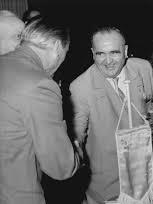
August Bach Chairman of the Christian Democratic Union Member of the Volkskammer
Greetings Mr. Bach, as Chairman of the Christian Democratic Union (CDU), you are the dissenting voice of the East German communist state and the most willing to work with the west. The CDU has a counterpart in West Germany, where it is an influential party. The East German and West German CDU parties are not the same, but they do have similarities in the Christian faith.
You are a member of the Society for German-Soviet Russian Friendship, so you are not necessarily anti-communist. You want a united Germany and you're willing to work with the west to get there much more so than the other East German representatives. Your vision of a unified Germany is one of a neutral state that can trade and maintain diplomacy with NATO and the Warsaw pact.
Before making any attempt to pursue unification, you should reach out to the Christian Democratic Union party of West Germany to see what they are willing to offer. Be sure to act in secrecy — if the Stasi finds out — any attempt to defect to the West or compromise the East German State will lead to severe consequences.
Despite this possibility, you are opposed to any military escalation against West Germany, unless it is in defense of the state. You are not an absolute pacifist to the point of accepting the East Germany’s defeat, but you are willing to support defensive military action and nothing more.
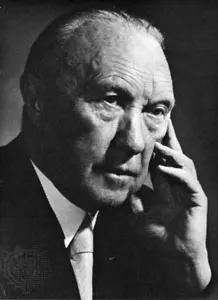
Mr. Chancellor, we must unify Germany. The communists have forsaken their pride in our country and turned East Germany into a military base for their corrupt ideology, one that does not serve their people or bring prosperity. We are the wall that holds back the Warsaw Pact and their aggressive goals of conquest; we must not let it spread to the West. With heavy aid from the United States and our fellow NATO members, we will secure the rightful German state and its continuing prosperity. There should be only one Germany, not East and West German states. The chancellor of this “One Germany” needs to be a unifying, strong leader. You must navigate this period carefully to bring East Germany back into the fold. This means NO trading or even diplomatic engagement with those states that recognize a sovereign and independent East Germany. Also, you must avoid military conflict with East Germany and its allies to prevent further disunity.
The only country which should be an exception to the no trade and diplomatic rule is the Soviet Union. As East Germany’s patron and a continental superpower, they cannot be ignored. Work cautiously with the Soviets to advance the economic and diplomatic standing of West Germany — the extent of trade and economic cooperation is up to you to decide. Be sure to consider how diplomacy with the Soviets and Americans may affect your popularity in Germany and within your party. If you make unpopular concessions, you may face blowback from the general public that may cost you the chancellor’s office in the next election cycle and cost your party its place in power.
As head of the Christian Democratic Union party, you hold significant influence but also be aware of the opinions of your party members. If you don’t make progress on the East German issue, you may face pushback or even be ousted by your fellow party members. Also be sure to work with the minority party, the Social Democratic Party (SDP). If you advance an aggressive agenda that negates their votes, Mr. Ollenhauer, leader of the SDP will try to replace you in elections. In that case, you would need to cede various high offices to him, with the possibility of even losing the chancellor’s office.
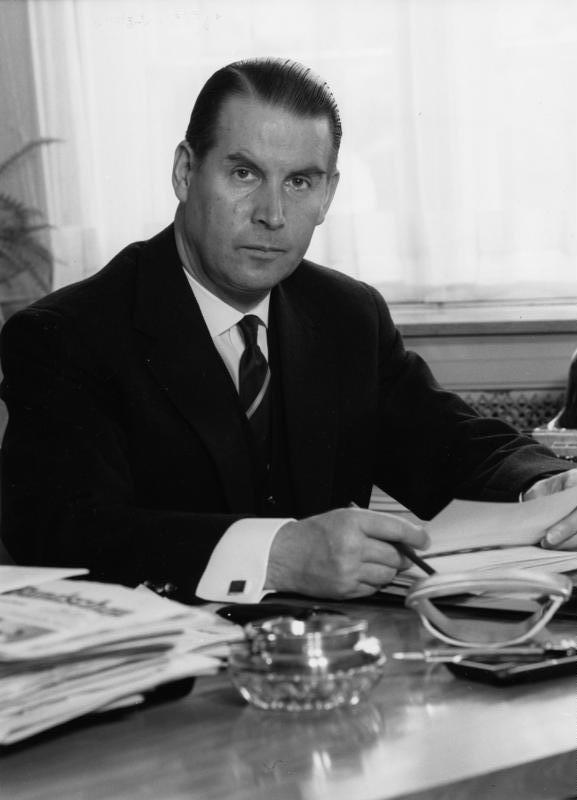
Greetings Minister, you have communists to catch. You should focus on securing the proper German state from all internal threats. You will use your intelligence agency to monitor the West German public and arrest and imprison those whom you suspect of communist sympathies and treason. Mr. Dulles of the American CIA has the resources to expand your operations; you should keep him in close consultation about your goals and needs.

Chancellor Adenauer is the leader of the Christian Democratic Union, of which you are a member. Side with him on votes and motions to ensure he has support to keep West Germany strong and free, until unification can be achieved. However, if he fails at these goals or you suspect his efforts will compromise the German state, you could oust him as head of the party and replace him yourself, or with an ally whom you trust more. Any such plot is risky because the chancellor appoints all ministers and if he finds your plans to remove him, he will likely remove you first. Be sure to consider your alternatives before taking any action against Mr. Adenauer. With Germany holding the line against communist aggression, our territory will have many enemy agents circulating about trying to undermine the state. Your actions as Minister of the Interior to search out these enemies could affect or even shock innocent Germans and will likely be unpopular if widely known. Remember that your position in government is dependent on elections, and if you are seen as the face of oppression, it could be problematic to your electability. But these are delicate times, and you might need to consider that shutting down any opposition to your government, including temporarily overriding elections to maintain continuity of government, might be an appealing option. If improperly done, you will lose the confidence of the opposition, and you may lose your office.
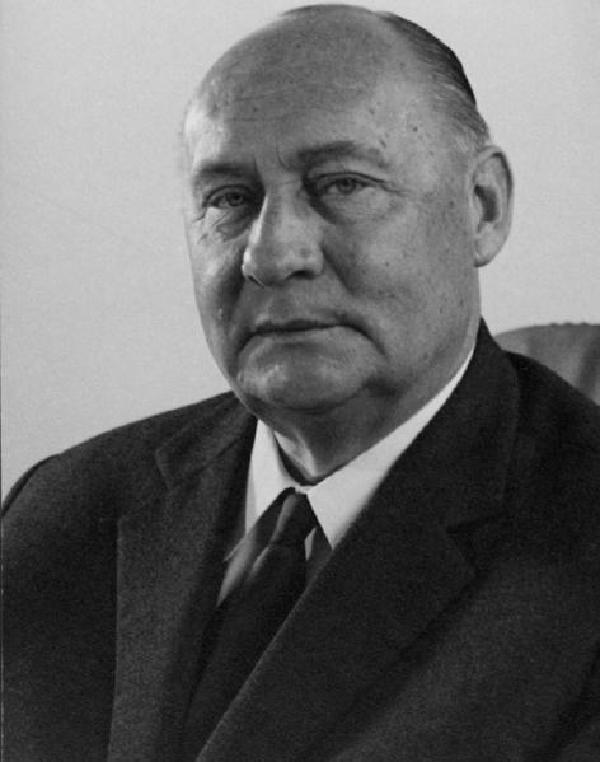
Glory to the one and only German state. You are a staunch advocate for the “One Germany” policy and you will continue to support it until the day you die. By any means necessary, you will discredit the so-called East German state. Any country that trades with or recognizes the German Democratic Republic (East Germany) should not be able to trade with the much larger and industrious German Federal Republic (West Germany). At every international vote, you will hold the threat of trade over any country that might even sympathize with the East for a moment, and you will refuse to cooperate with them on economic, diplomatic, and military matters.
As a member of the Christian Democratic Union, you will likely follow Chancellor Adenauer on most votes. Similarly, you will have to help bolster the party’s image in Germany for the next election, ensuring that you and your other party members hold their respective offices, including the chancellorship.
You do, however, have the opportunity to try and move up the party ladder and get the endorsement for chancellor in the upcoming election cycle. You can explore how much support you might have in talks with fellow party members. Be cautious, because such a move would be in open conflict with Chancellor Adenauer. If he sees you attempting to take his office, he will likely get defensive and may try to remove you from office.
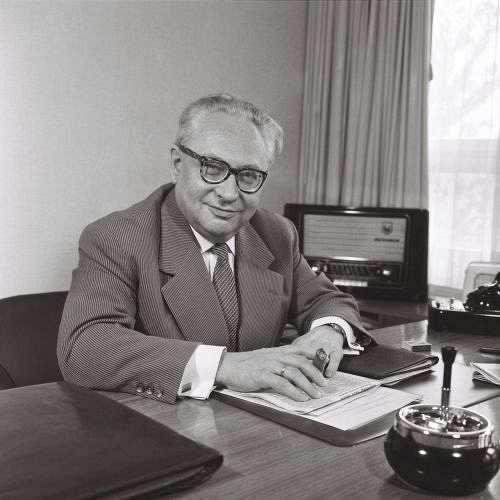
Greetings comrade Ollenhauer, you must keep the Christian Democratic Union in check. They hold the chancellor’s office as well as many other important offices; you must not allow them to have a monopoly on power in the German Federal Republic (West Germany). You can negotiate with Chancellor Adenauer so that your vote is not ignored. You can try to make him compromise on harsh positions that you and the Social Democratic Party (SPD) disagree with. You should organize protests and general strikes when you feel they overstep their authority. You may even try to gain support for the upcoming election and win the chancellor’s office for yourself. This will be difficult, but if well-orchestrated, you could command the West German state.
If opposition through the democratic process does not succeed, you could consider open rebellion and revolution. If pushed by Chancellor Adenauer enough, and you feel you have no other outlet of opposition, you should start planning for such a move. With secret coordination from the East Germans, Soviet Union, and other Warsaw pact states, you can begin to arm communist, socialists, and Marxists across West Germany. You can build a revolutionary movement with the hopes of statehood or unification with East Germany.
You could be the leader of the new, revolutionary state but try to focus on the eastern portion of the country, which could be a consistent supply route from the Warsaw Pact. Bavaria offers a good position with borders to the east with the Czechoslovak Socialist Republic and to the north with the German Democratic Republic (East Germany). Be sure to keep your secrets, if the Minister of the Interior discovers your treason, you will surely be imprisoned.
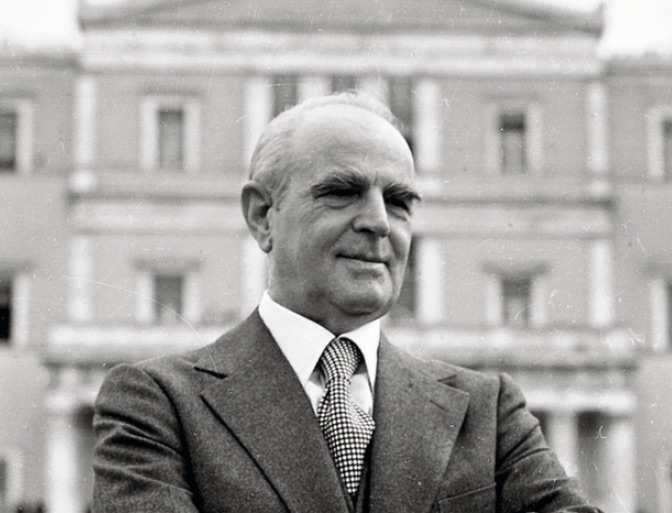
Prime Minister of Greece
Prime Minister Karamanlis, we face a severe and immediate threat to the north, and a growing danger to the east. The communists once tried to take our country from us and failed; we must not let them try again. As for the Turks, they must accept our sovereignty and not infringe upon it in the slightest. Even the smallest Greek island is worth defending and should not be allowed to be taken from us.
To deal with the communists, we have NATO to help us, but this will require constant negotiation, as the western powers may not want to send their troops en masse to support our struggle. Regarding Turkey, we should fortify our islands and maintain constant diplomatic channels with them to monitor their intentions. They may try to take certain islands, like Cyprus, to increase their sphere of trade as well as to improve their military positioning.
You should support the Greek military with resources and political influence; they will ensure the continuing stability of Greece. You should, however, be cautious; the military may grow envious of political power and attempt a coup. You should earn friends within various organizations like NATO and the European Economic Community to protect yourself and the integrity of Greek democracy. Depending on how you are perceived internationally, certain foreign agitators may prefer a military government compared to your democratically elected government. Always be cautious of both eastern and western powers who may try to use Greece as a puppet for any possible reason.
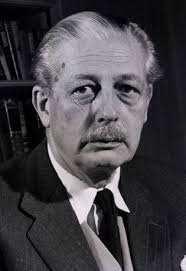
Harold Macmillan
Greetings Prime Minister, God save the Queen and may He also protect our empire. You are increasingly concerned with the economic future of Great Britain, with colonies across West Africa fleeing our rule. You want to continue the lucrative system that is colonialism, but you don’t want to tie the nation down in costly wars to prevent the loss of colonies. Just look at how the French have fared in losing Vietnam, much of West Africa, and are currently bogged down in a losing fight for Algeria. You must find a delicate balance between giving every colony independence and fighting to keep them.
On the continent, you are staunchly against German unification, even if it is under a proNATO government. We have lost two generations of British boys fighting the Germans, we will not lose another. This, however, is a minor issue compared to the threat of the Iron Curtain and those who built it. The Soviet Union and their allies in the Warsaw Pact present an immediate danger to our island and our already diminishing empire across the globe. You should work closely with the United States and your fellow NATO members to keep the communists in check. Back the Americans on their security endeavors — you want to help them as they have helped us in our time of need — but be sure not to mention all the debt we owe them.
There are a number of countries across Europe that owe us gratitude, one of them being Poland. In London, we still house the rightful government of Poland-in-exile, which fled occupation. You have the opportunity to try and reinstate them. This would shift the balance of power in Europe back to our advantage and get us an ally behind the Iron Curtain. As for Western Europe, we must maintain peace and prosperity and military readiness.
The final piece of the balancing act of our stability is the will of the people. Be sure to check in with the public once in a while to gauge your popularity. If it falls too low, they will elect a new government, possibly led by a different party with a more divisive agenda. There is fear that the sun may finally set on the British Empire; you must not let this travesty occur.
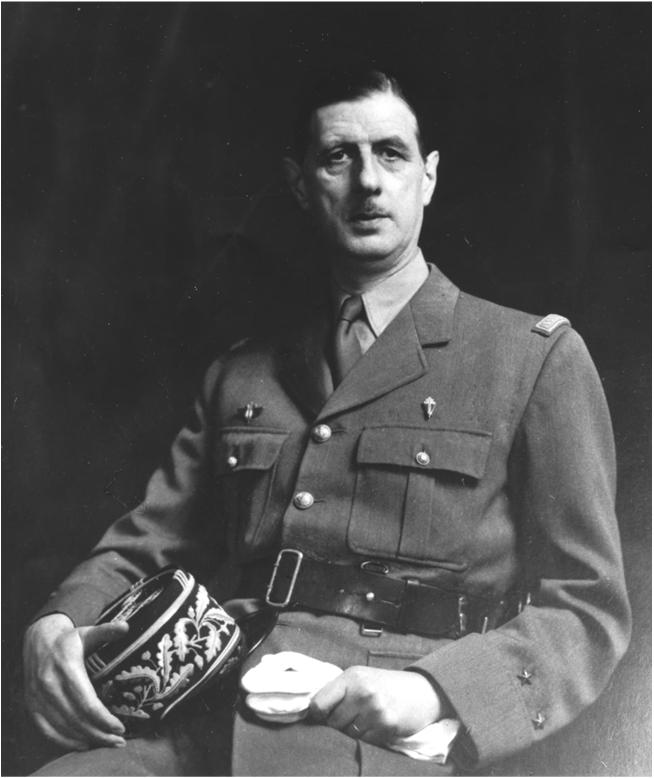
Charles De Gaulle President of France
President De Gaulle, you must forge a future for France that is not dependent on the United States and where France maintains its colonial holdings. The immediate issue for you is the situation in Algeria. The Algerians are actively revolting, and we must not lose another one of our key colonies. After losing much of West Africa, Madagascar, and Vietnam, France cannot afford another humiliating defeat to indigenous rebellions. You should reinforce military forces in Algeria, but with caution. If you divert too many resources to North Africa, you will leave continental France vulnerable to attack from the Soviets and Warsaw Pact.
On the European situation, you should support your NATO allies, but you should not let them dictate your opinions. You greatly appreciate your allies in America, but they are often overbearing, trying to integrate with you in all possible ways. Be sure that France remains French — militarily, economically, and culturally. You are much more willing to work with your fellow Europeans than the Americans would like, even many of the communist countries. You are not afraid of economic and diplomatic cooperation with the East as long as the efforts are mutual.
You may need to use your intelligence agencies to spy on the East whenever possible or convenient. As much as negotiations are important, actions speak louder than words, and you should try to stay ahead in the intelligence race. Speaking of races, you should be alert about elections. Although you are seen as the savior of France from her Nazi oppressors, it’s been fifteen years since the end of the war and that popularity can only carry on for so long. You should be an active participant in the free democracy that you helped reinstate. You have the option of being ruler of France for life if you were to suspend elections and run the state via the military. This option would not be received well by the people, but one that remains if you feel your grip on the country begins to slip. May you continue to guide France with ferocity, heart and steely diplomacy. Vive la France!
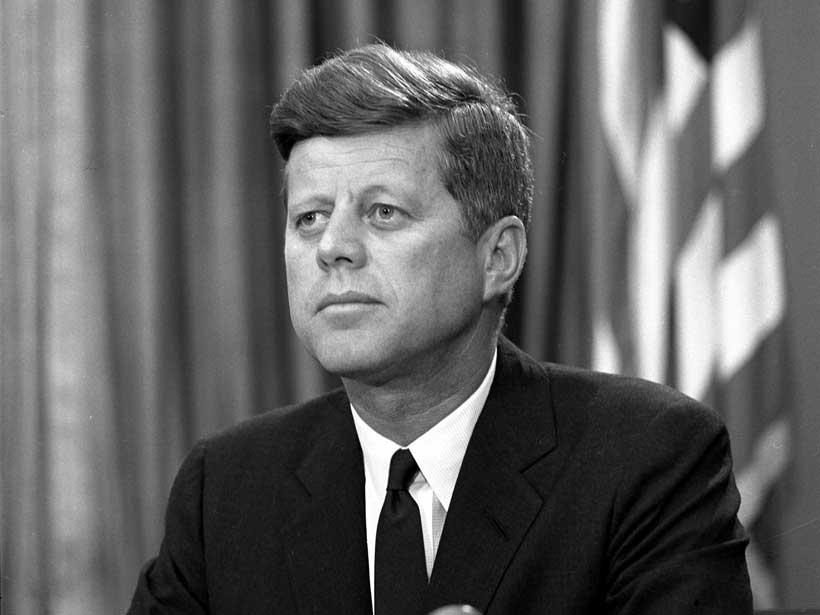
John F. Kennedy President of the United States
Greetings President Kennedy, you must support our NATO allies in Europe, but most importantly you must aid the young German Federal Republic (West Germany). We already have troops stationed in Germany, but we may need to double down on defensive measures in Western Europe. The more immediate military operation you have inherited is the Vietnam War. You should avoid escalation in the region, however, this may affect your popularity, and by extension, the next election.
The American public wants to see a victory, and after the stalemate in Korea, things are not looking promising. Unless you provide America with a win somewhere else, like Europe, you may be out of the president’s office in four years. You ran a campaign centered on achieving peace and should try to deliver on it. Protecting a free and united Germany would require significant cooperation with Soviet Premier Khrushchev, but it could do wonders in terms of de-escalation.
While working toward high-level diplomacy, the CIA will continue its actions in the field. You should rely on valuable information they can provide, but try and keep them in check through congressional oversight so their actions are not overly aggressive and contrast with your goals. If director CIA Director Dulles oversteps too much, you have the authority to fire him, but this should be a last resort. His potential replacement, and friends in the CIA, may be just as aggressive if not more and would now have reason to work behind your back. You should be careful; these are dangerous times for leaders in such a volatile world, even a figure like the President of the United States. Allies and adversaries see you as a powerful asset to advance their agendas or an obstacle to be removed. Threats to you may not come externally, but internal from your own shores. Good luck to you Mr. President and God bless the United States of America.
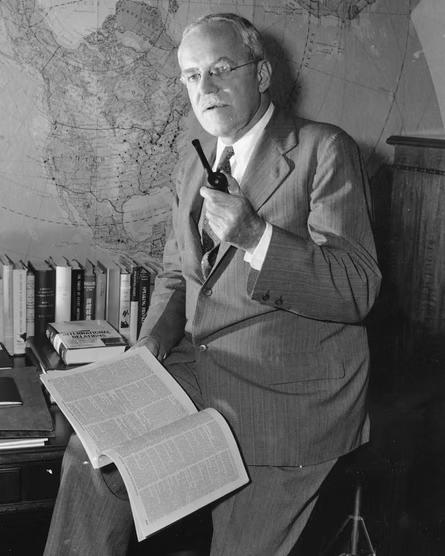
Director, we must protect our country and safeguard our allies around the world, particularly in Europe, from the communist threat. You are in a unique position to see information about our enemies that most never see, and you must use your understanding to persuade the president toward the best course of action.
Building up the intelligence apparatus of NATO members is a priority so that they may take care of any internal communist sympathizers, as well as track down foreign agents. Your apex goal should be the direct infiltration of the Warsaw Pact and Soviet Union. With agents in communist countries, the U.S. can be in position to sabotage major military projects, launch covert intelligence collection, assassinate powerful figures, and supply weapons to dissidents —all with the goal of regime change.
You should endeavor to institute Washington-friendly regimes; however, if it is a better strategic option, you could supply rebels that will be hostile to us and Moscow to create chaos in the region and allow you to focus on other areas, like your own political advancement. As a member of the Republican Party, you are rather upset at the recent election and the current sitting president. As you advise President Kennedy, you should continually voice your opposition to his policies; try to persuade him on a more aggressive foreign policy. If you are constantly ignored by the president, there are other outlets of opposition. You may want to make bad publicity for this popular president which can hurt his future electoral chances. This will not affect you, as you are not an elected position, but have served in this specialized national security position under both a Republican and Democratic president. As you are appointed, you run the risk of being removed by the president, but if the situation were this dire, you might have to consider removing him. This course of action would be unprecedented and would require the utmost secrecy and planning, but if properly executed, you and or a direct ally can rule the United States of America
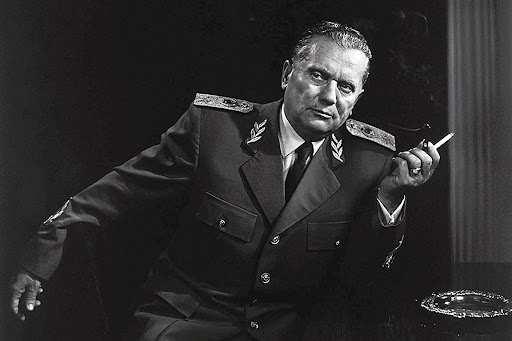
Greetings Comrade President, you are the leader of peace and prosperous neutrality across the globe. Your fellow countrymen love you for your leadership and liberation from the fascist invaders. You have many loyal supporters and a near absolute hold of power over Yugoslavia with no notable opposition. You purged the pro-Stalinists, the pro-Maoists and the pro-Hoxhaists. Your vision of communism is the only one that will remain in Yugoslavia. This has created tension on the international level. Hostilities with the Soviet Union have calmed as Premier Khrushchev is in the process of de-Stalinization. Belgrade and Moscow could be friends again and this would help your relations with all other Warsaw Pact countries — where you already positive relations with countries like Romania that share a mutual caution over Soviet domination.
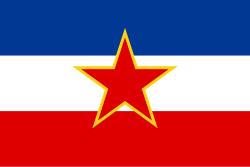
You do, however, have an enemy within the Warsaw Pact. The loathsome leader of Albania, Enver Hoxha and his loyalists are a threat to our great union. His radical Stalinism presents a threat to the hegemony of communism in Yugoslavia. He also possesses a decent military, which presents a physical threat to our security. He is much less of a threat than his sponsor, the Soviets. This may soon end, as Albania and the Soviet Union are beginning to split ideologically. If this separation would reach its full apex of Albania leaving the Warsaw Pact, you may want to act to remove Enver Hoxha from power. Be aware, if Albania shifts away from the Soviets, it could grow closer to China. If you act at the wrong time, you may incur the wrath of either China or the Soviet Union. An alternative to direct military action in Albanian is to remove Enver Hoxha through covert action. This option may provide plausible deniability and if done in proper secrecy, it would not affect your international standing.
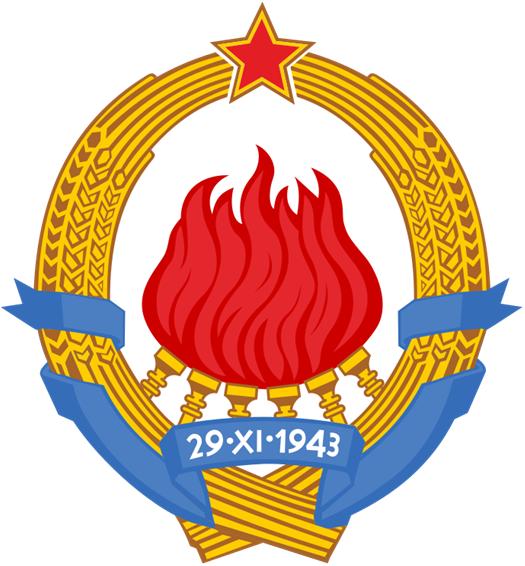
Understand that your neutral standing relies heavily on your perceived peaceful politics. You are not just a neutral state; you are the head of the NonAligned Movement (NAM). You should try and expand the Non-Aligned Movement but if circumstances change and the survival of Yugoslavia depends on it, be sure to secure military allies as a first priority. If the Soviets threaten you, shift to the West. If the Americans threaten you, pivot to the East.