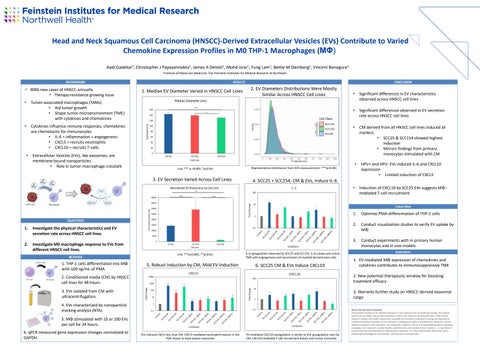

Head and Neck Squamous Cell Carcinoma (HNSCC)-Derived Extracellular Vesicles (EVs) Contribute to Varied Chemokine Expression Profiles in M0 THP-1 Macrophages (MΦ)
• 900k new cases of HNSCC annually
• Therapy-resistance growing issue
• Tumor-associated macrophages (TAMs)
• Aid tumor growth
• Shape tumor microenvironment (TME) with cytokines and chemokines
• Cytokines influence immune responses, chemokines are chemotactic for immunocytes
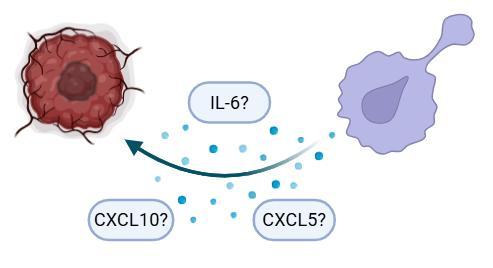
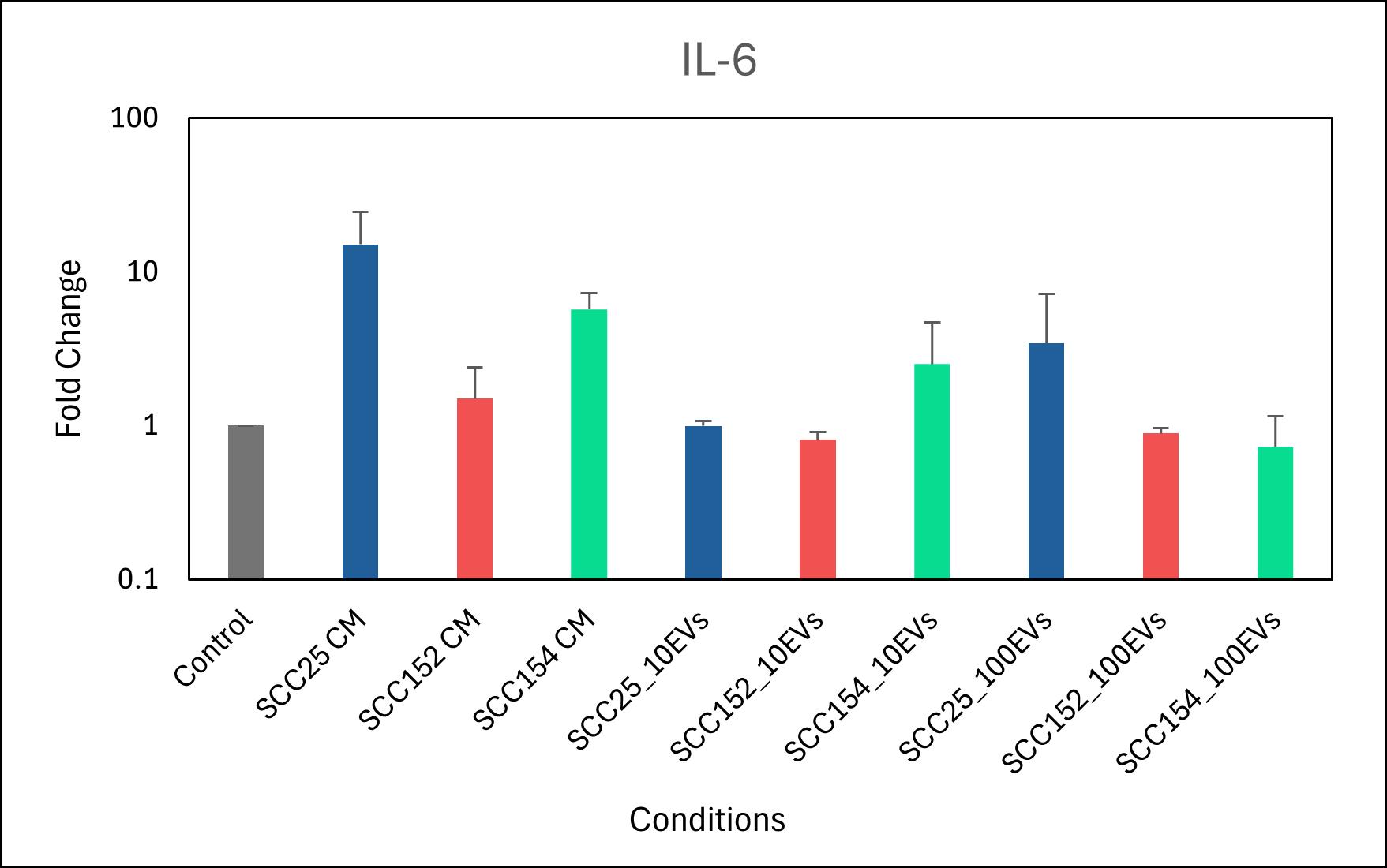
• IL-6 = inflammation + angiogenesis
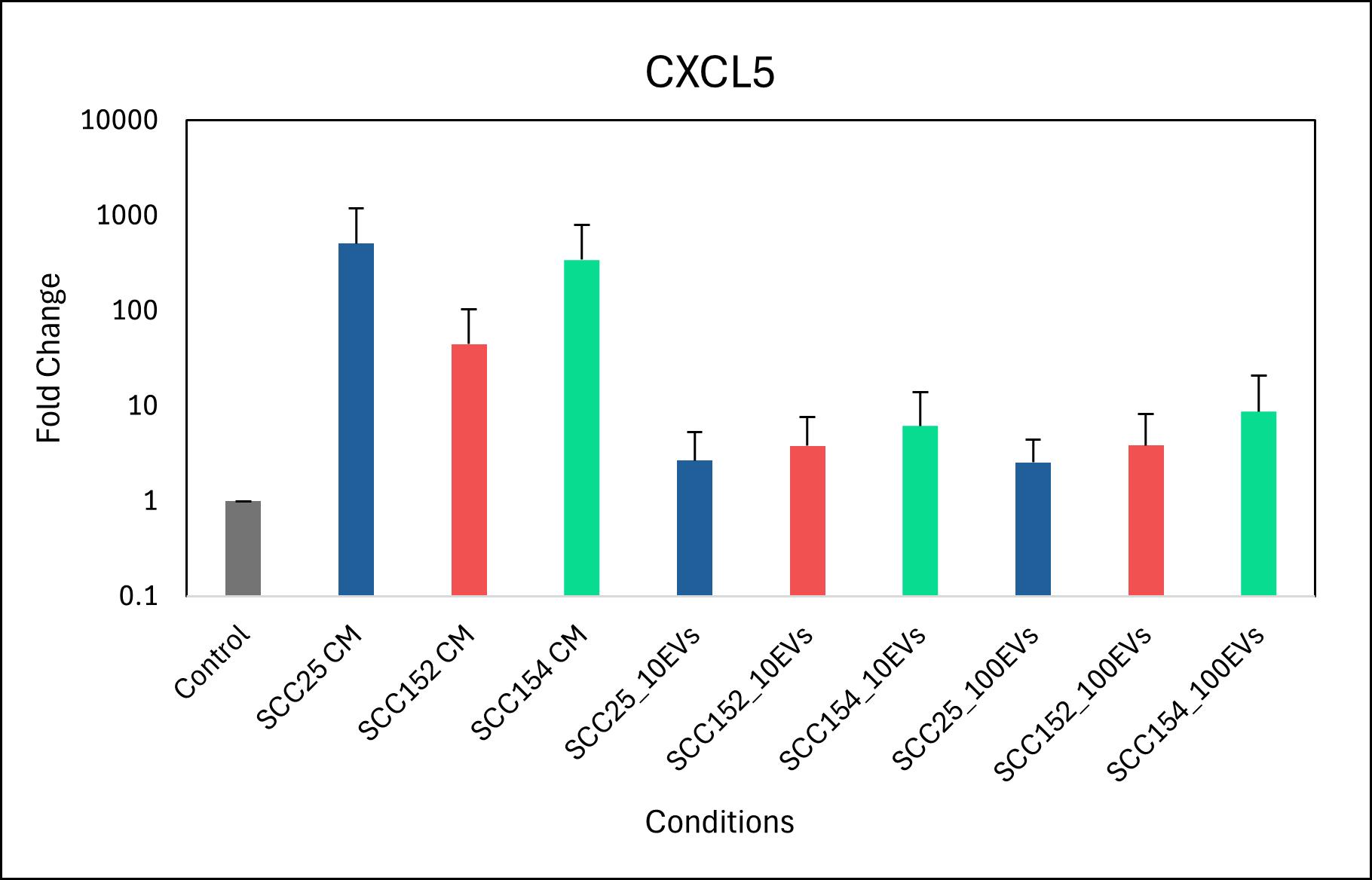
• CXCL5 = recruits neutrophils
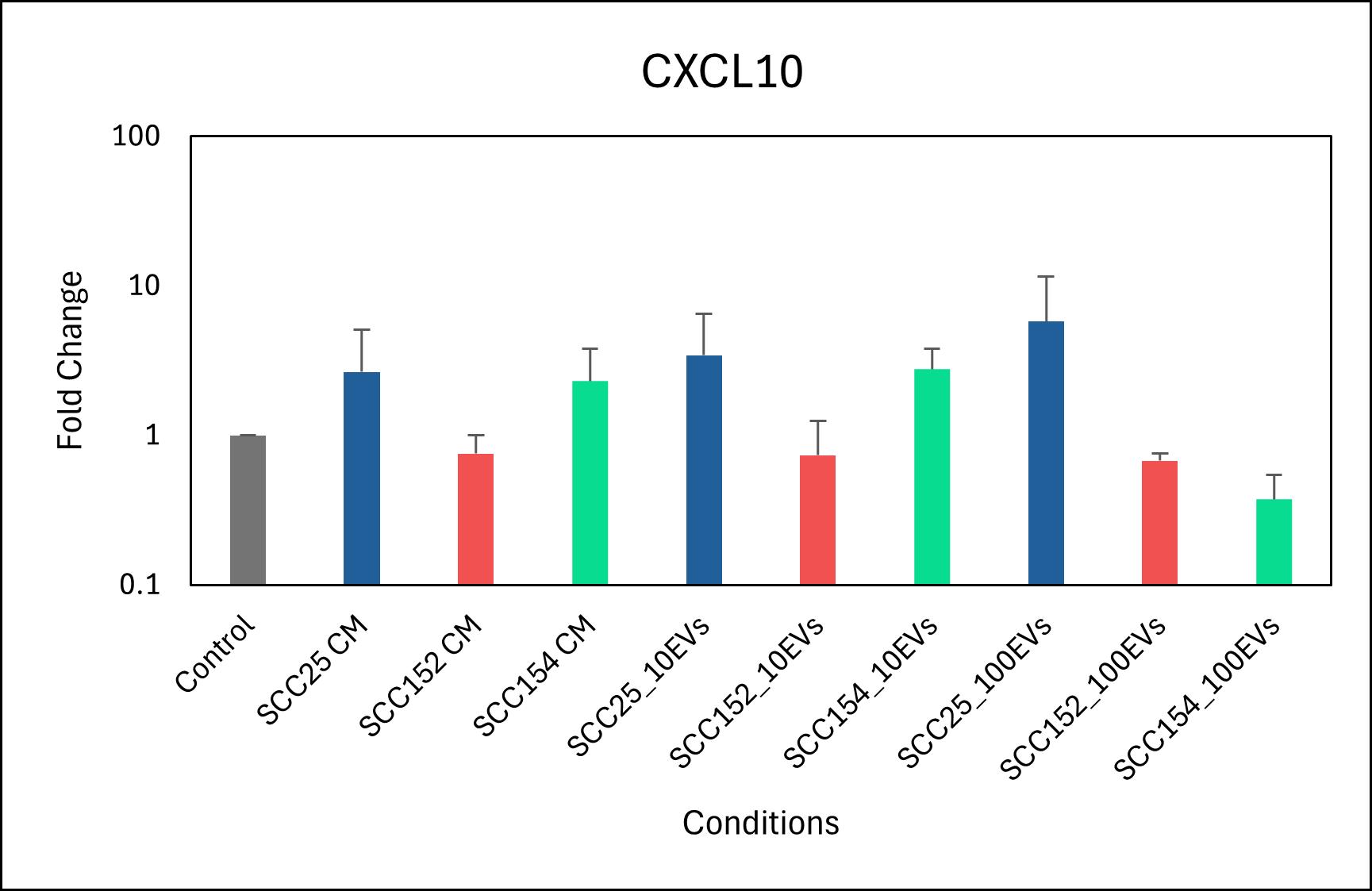
• CXCL10 = recruits T-cells
• Extracellular Vesicles (EVs), like exosomes, are membrane-bound nanoparticles
• Role in tumor-macrophage crosstalk
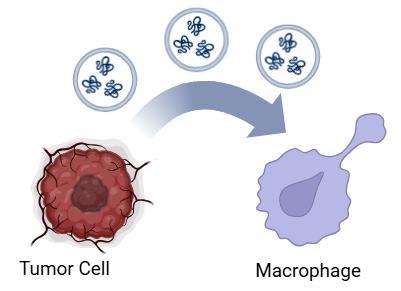

1. Investigate the physical characteristics and EV secretion rate across HNSCC cell lines.
2. Investigate M0 macrophage response to EVs from different HNSCC cell lines.
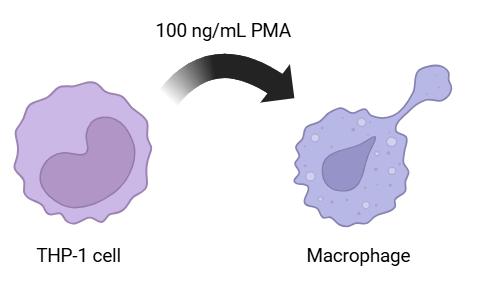
2. Conditioned media (CM) by HNSCC cell lines for 48 hours.
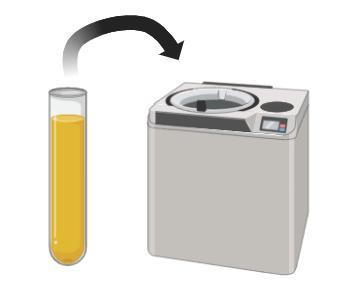
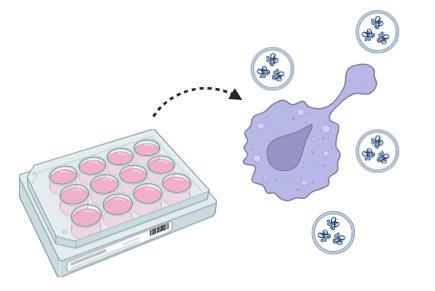
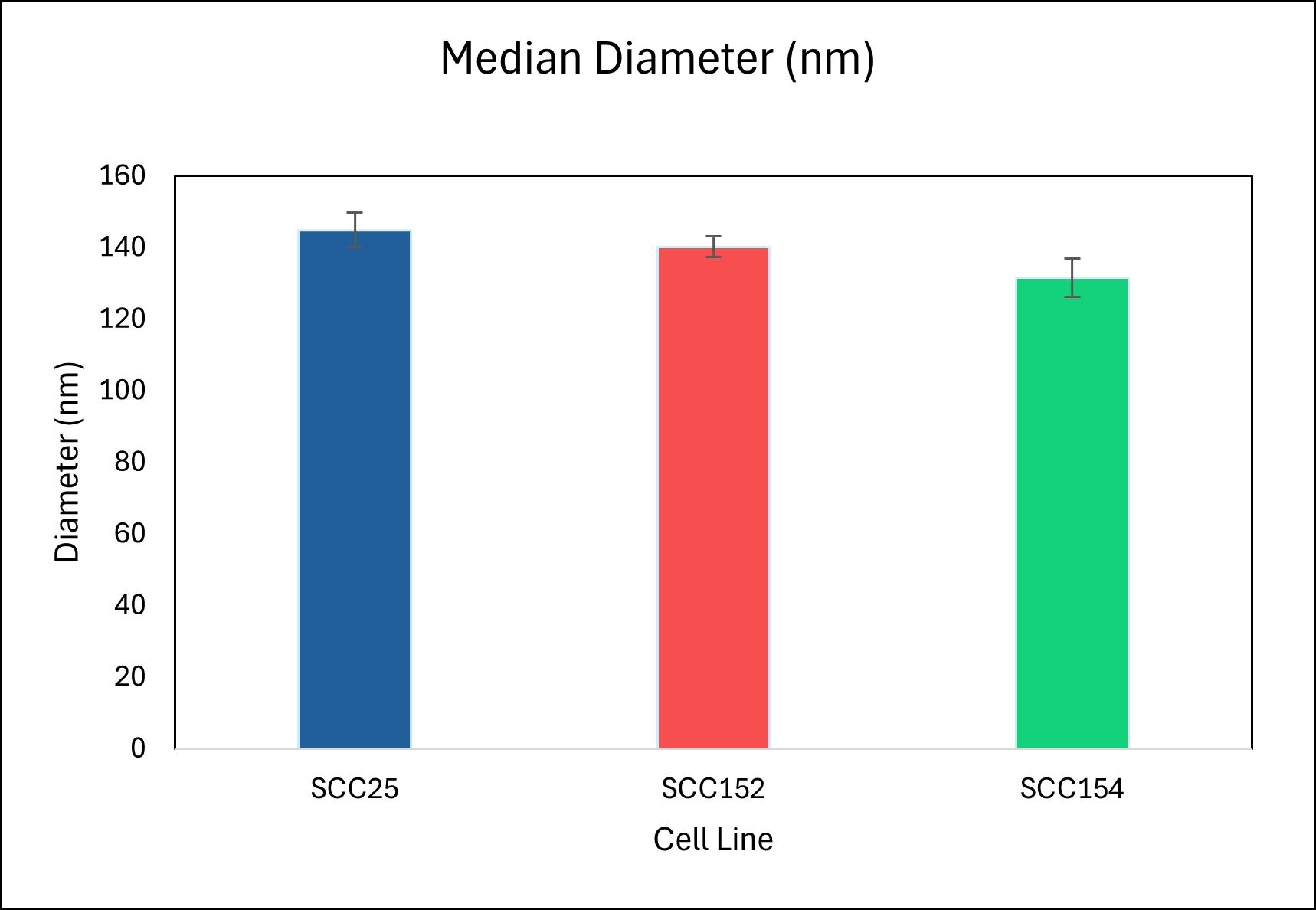
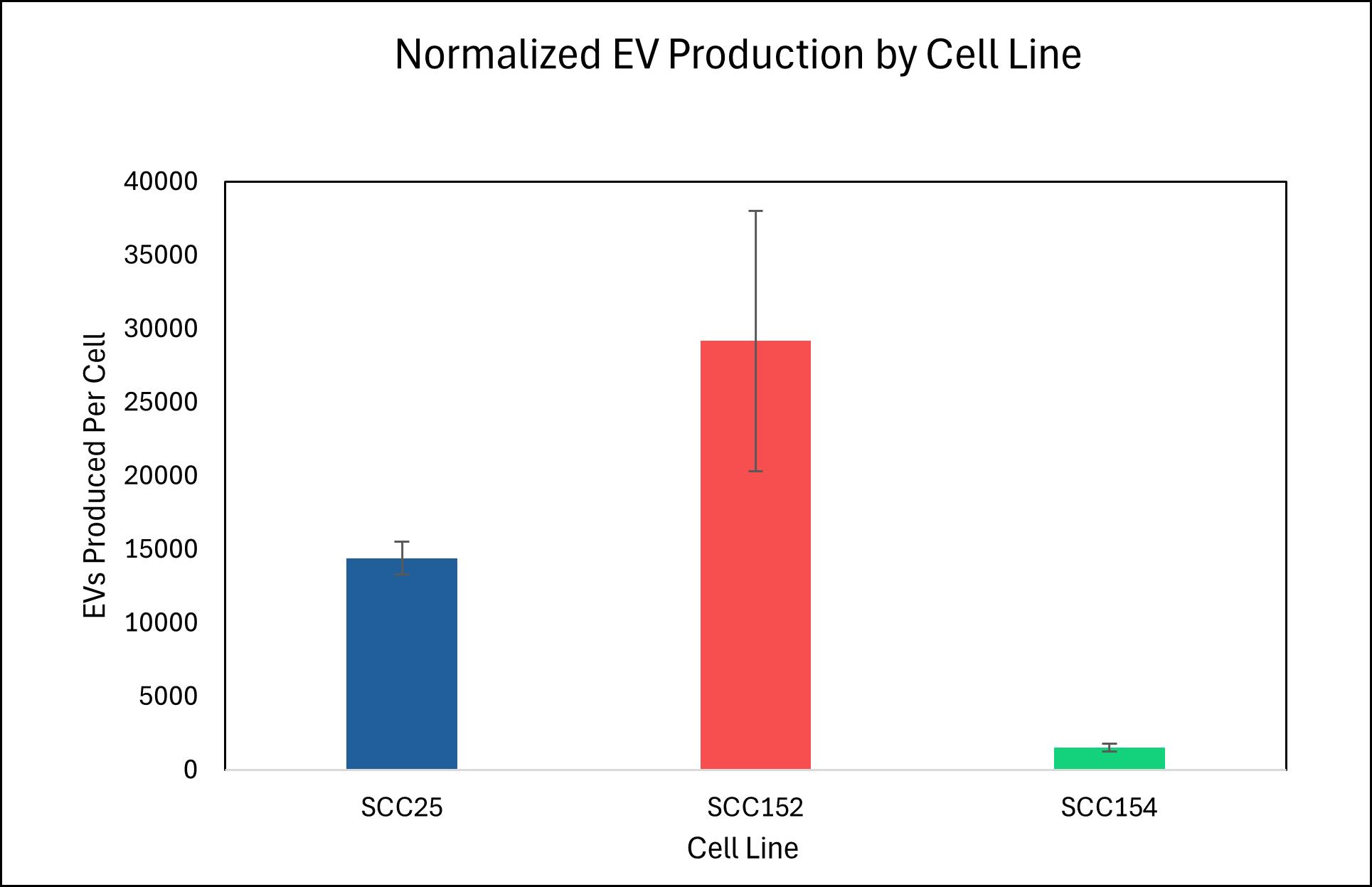
4. EVs characterized by nanoparticle tracking analysis (NTA).
5. MΦ stimulated with 10 or 100 EVs per cell for 24 hours.
6. qPCR measured gene expression changes normalized to GAPDH.
n=6, *** p <0.001, *p<0.05.
n=6, ***p<0.001, **p<0.01.
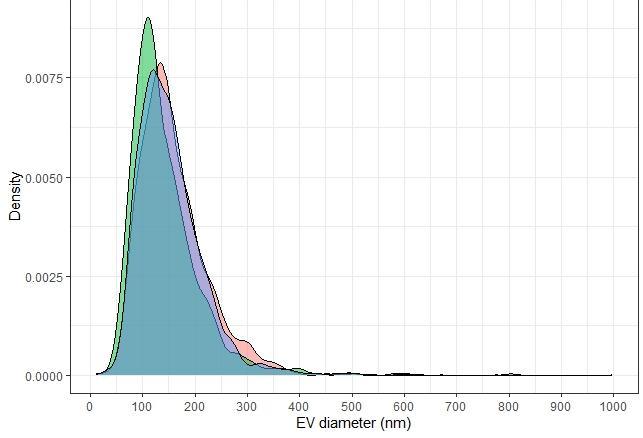

• Significant differences in EV characteristics observed across HNSCC cell lines
• Significant differences observed in EV secretion rate across HNSCC cell lines
• CM derived from all HNSCC cell lines induced all markers
• SCC25 & SCC154 showed highest induction
• Mirrors findings from primary monocytes stimulated with CM
• HPV+ and HPV- EVs induced IL-6 and CXCL10 expression
• Limited induction of CXCL5
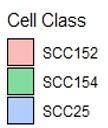
• Induction of CXCL10 by SCC25 EVs suggests MΦmediated T-cell recruitment Representative distribution from NTA measurements. ***p<0.001
1. Optimize PMA-differentiation of THP-1 cells
2. Conduct visualization studies to verify EV uptake by MΦ
3. Conduct experiments with in primary human monocytes and in vivo models
1. EV-mediated MΦ expression of chemokines and cytokines contributes to immunosuppressive TME
2. New potential therapeutic window for boosting treatment efficacy
3. Warrants further study on HNSCC-derived exosomal cargo