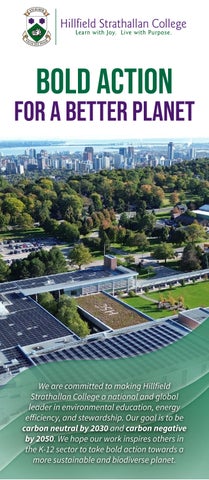
We are committed to making Hillfield Strathallan College a national and global leader in environmental education, energy efficiency, and stewardship. Our goal is to be carbon neutral by 2030 and carbon negative by 2050. We hope our work inspires others in the K-12 sector to take bold action towards a more sustainable and biodiverse planet.
Biodiversity
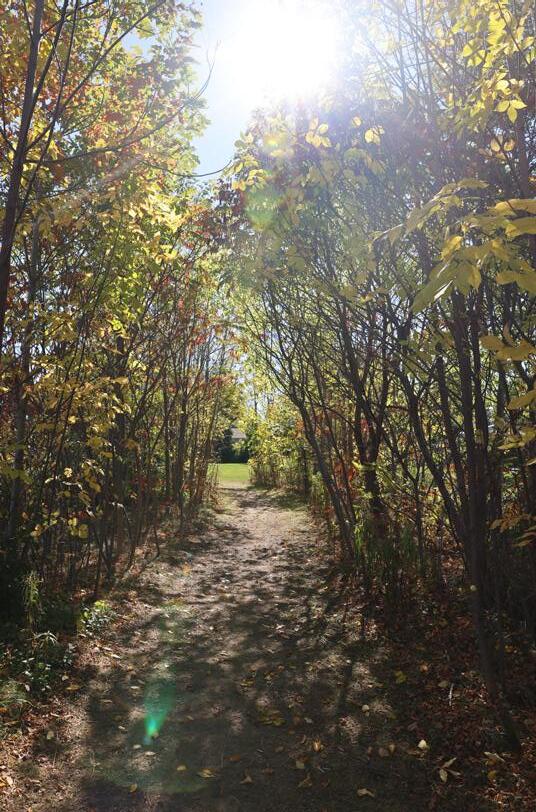
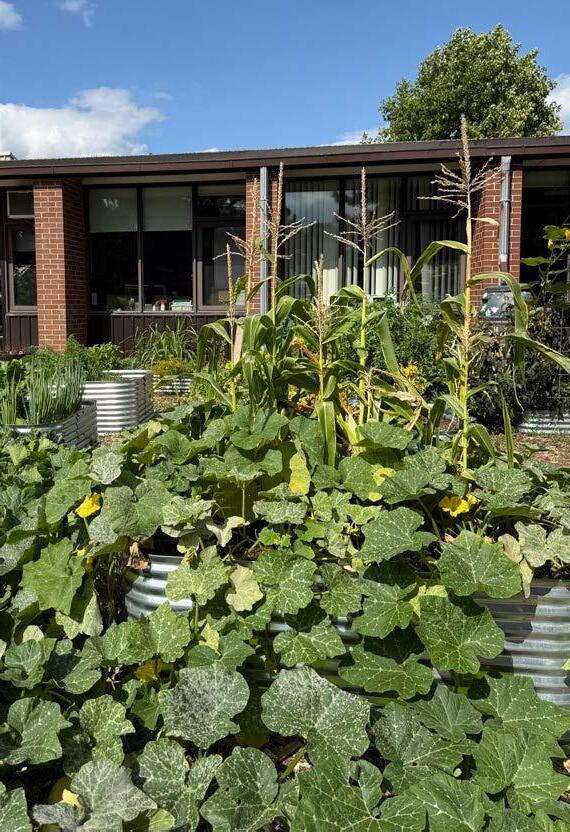
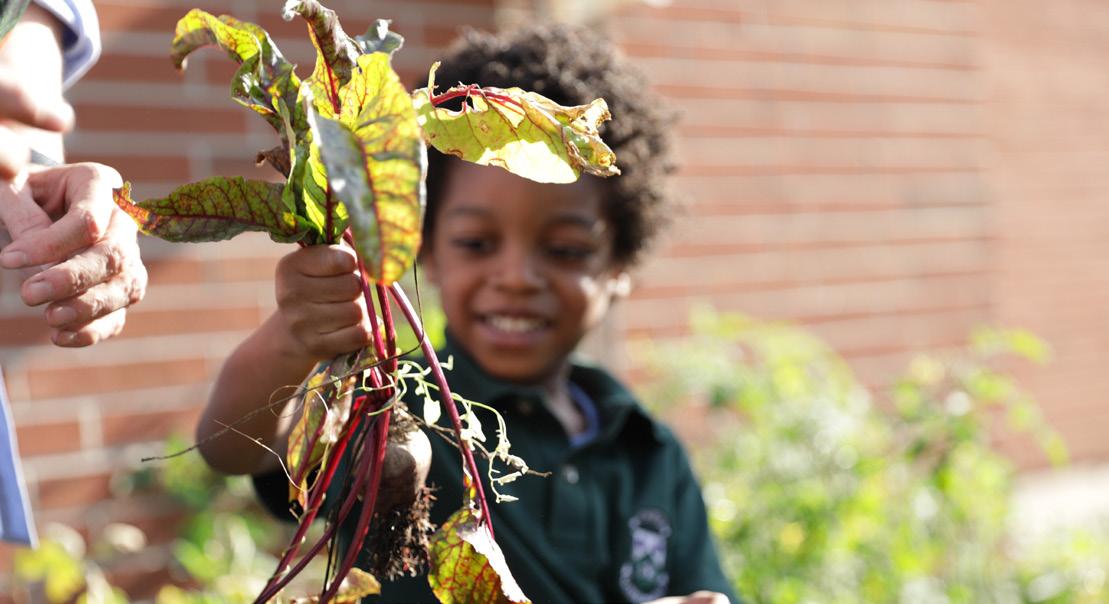
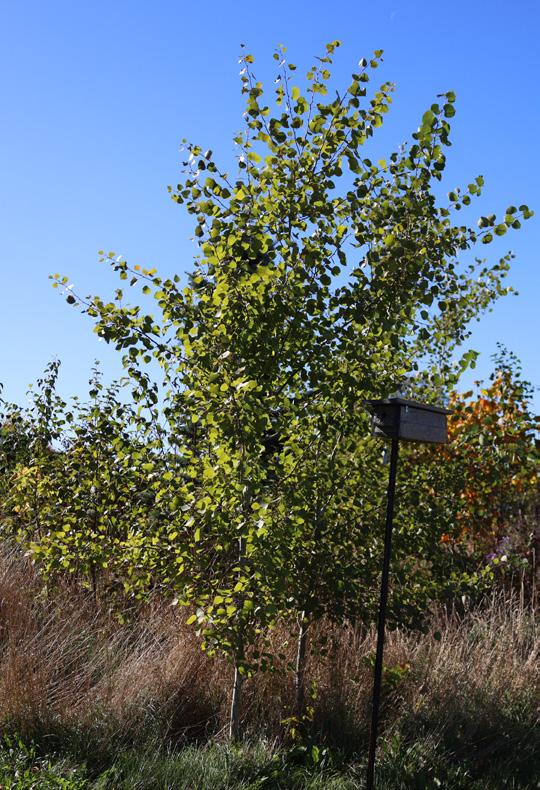
Our campus is unlike any other. Over the last two decades, it has been thoughtfully and strategically designed to create space where biodiversity can thrive. We are deliberately building and enhancing ecosystems and corridors that function to support an accessible range of habitats for your engagement, wellness and learning. Hamilton has a unique post-glacial geography surrounding the western end of Lake Ontario, diverse water systems and aquatic habitats, and transitional bioregions that together create a national biodiversity hotspot. Over 1,100 plant species found in the area support food webs that sustain life here at the ‘head of the lake’.
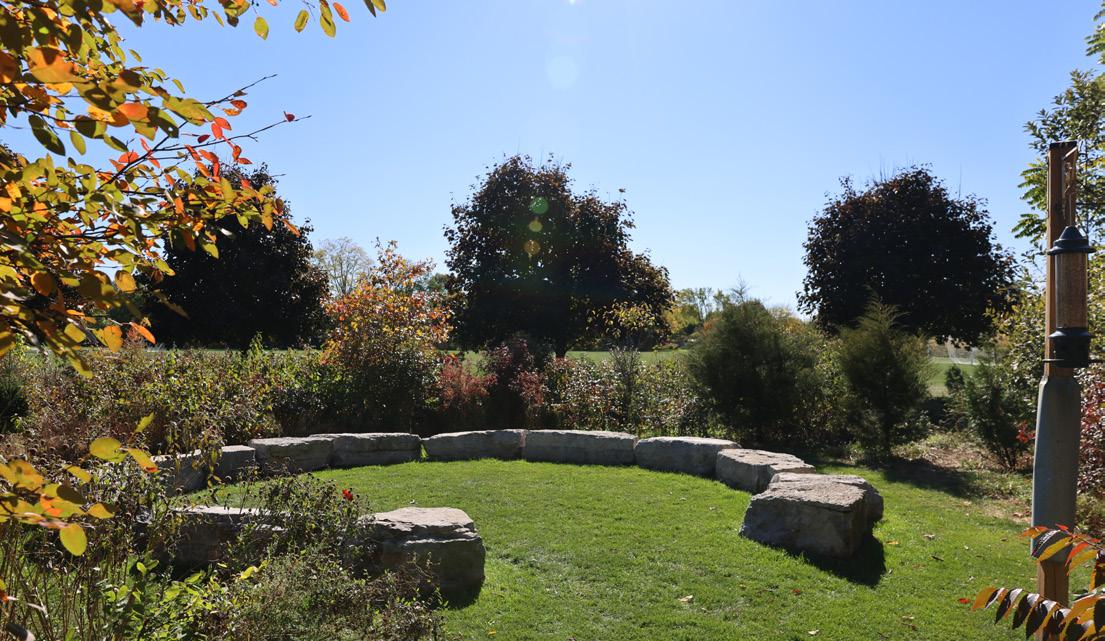
Willow Landing Outdoor Classroom
Oak Savannah
Junior School Garden
Curriculum
As the generation that will face the greatest impacts of climate change, our students deserve an education that empowers them to understand, adapt to, and take action on the defining issue of their time. Integrating climate change across every subject in every grade equips them not only with knowledge, but with hope, agency, and the tools to shape a more sustainable future.
Science
Examples: advanced energy system thinking, mitigating infrastructures, HSC habitats.
Math
Examples: data analysis, energy cost comparisons, system optimization, data-driven proof.
Social Studies/Civics
Examples: policy analysis, historical shifts in energy use, inclusivity and access, stunning examples of regenerative development and design.
Language Arts
Examples: persuasive writing, critical media literacy, debating, storytelling, DEI perspectives, climate change interpretive panels in multiple languages
Arts
Examples: storytelling through posters, drama, spoken word, music.
Technology
Examples: building models of renewable energy systems, creating digital advocacy tools such as research-grade citizen science with eBird and iNaturalist.
Health and
Physical Education
Examples: 1000 hours outdoors project, healthy ecosystems and healthy people, impacts of outdoor environments on physical and mental health; social emotional learning.
Energy
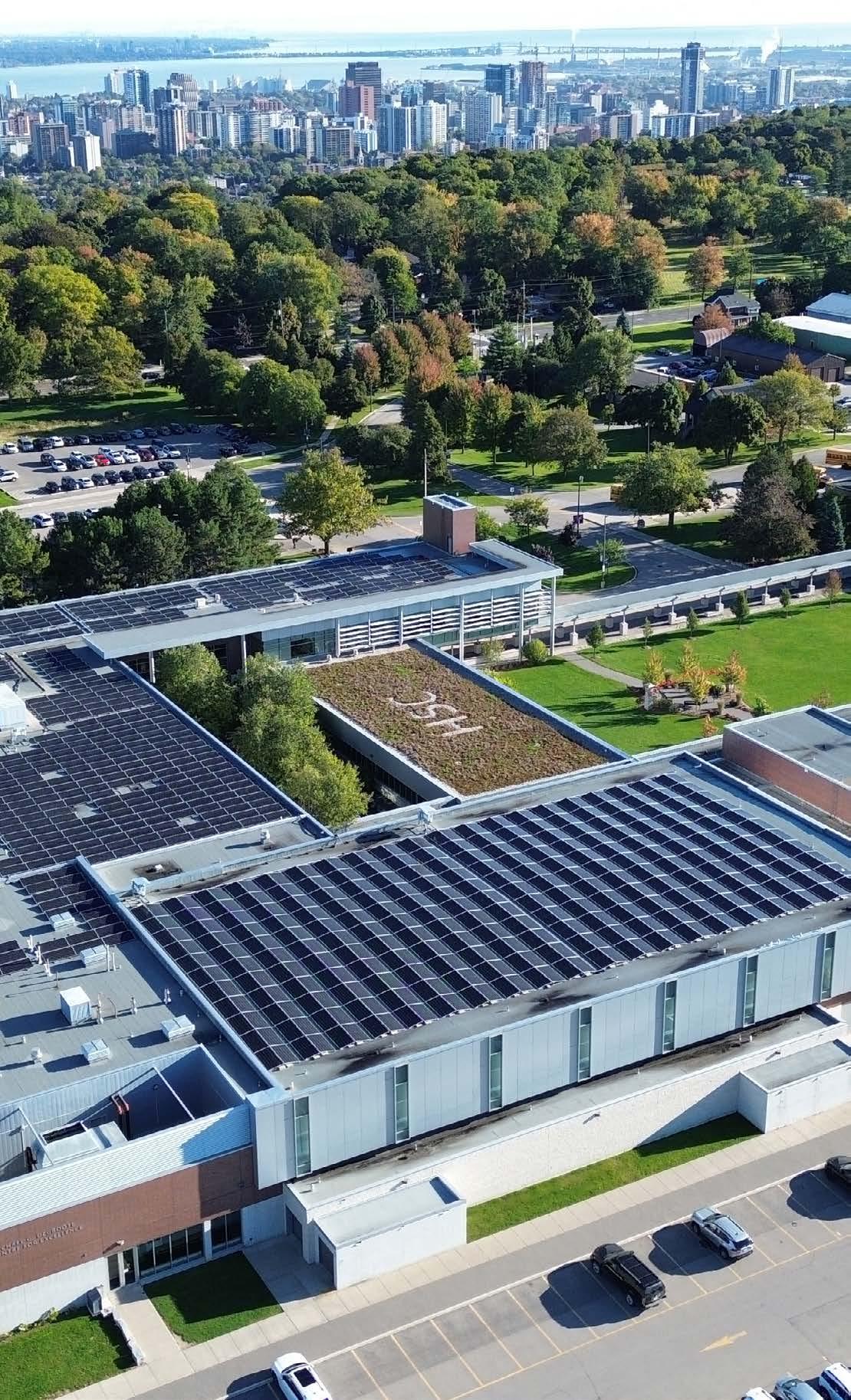
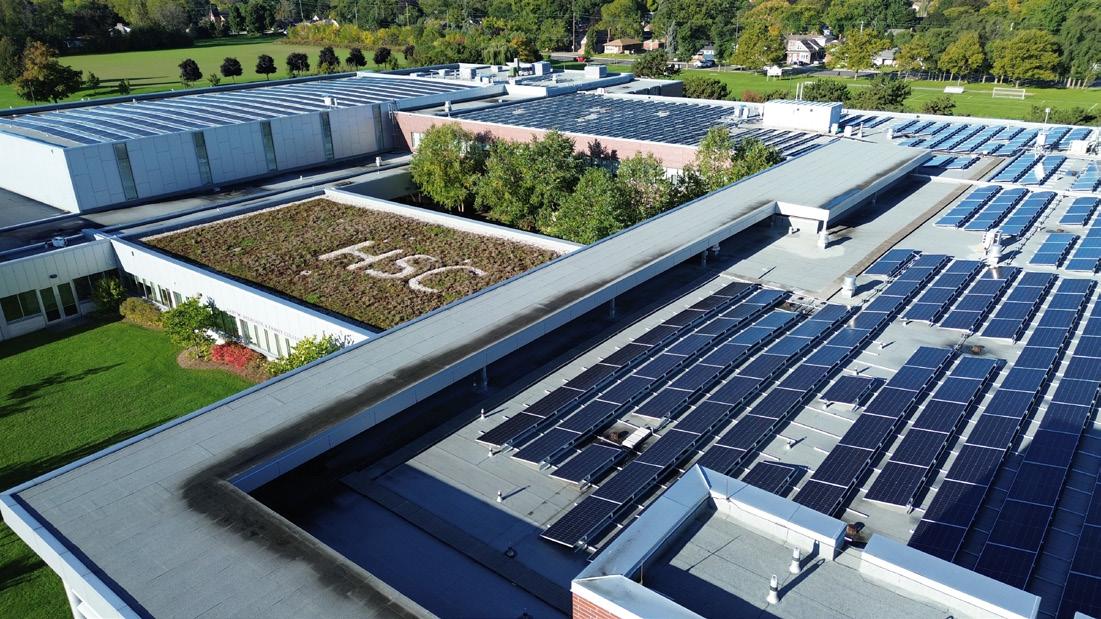
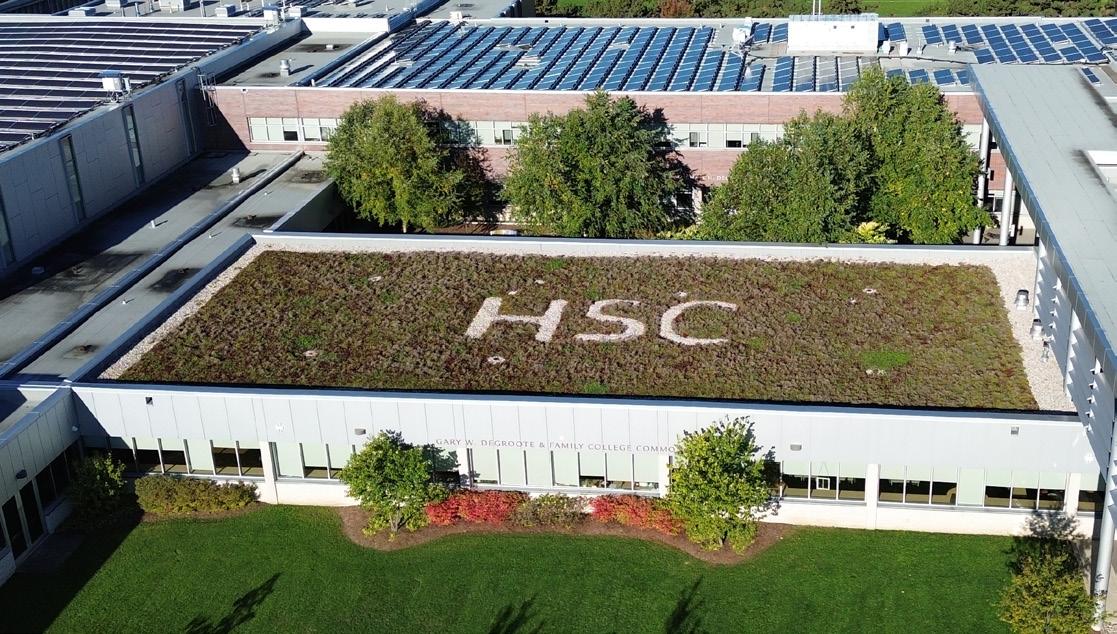
HSC’s transition to renewable energy, specifically solar power, is an integral part of its climate pledge. In 2016, the rooftop of the transportation building was outfitted with 36 solar panels. In 2024, about 900 solar panels were installed on top of the Senior School. These projects, and future plans such as further renewable integrations (e.g., geothermal) and energy-efficient design within campus master plans, have accelerated progress toward our goals.
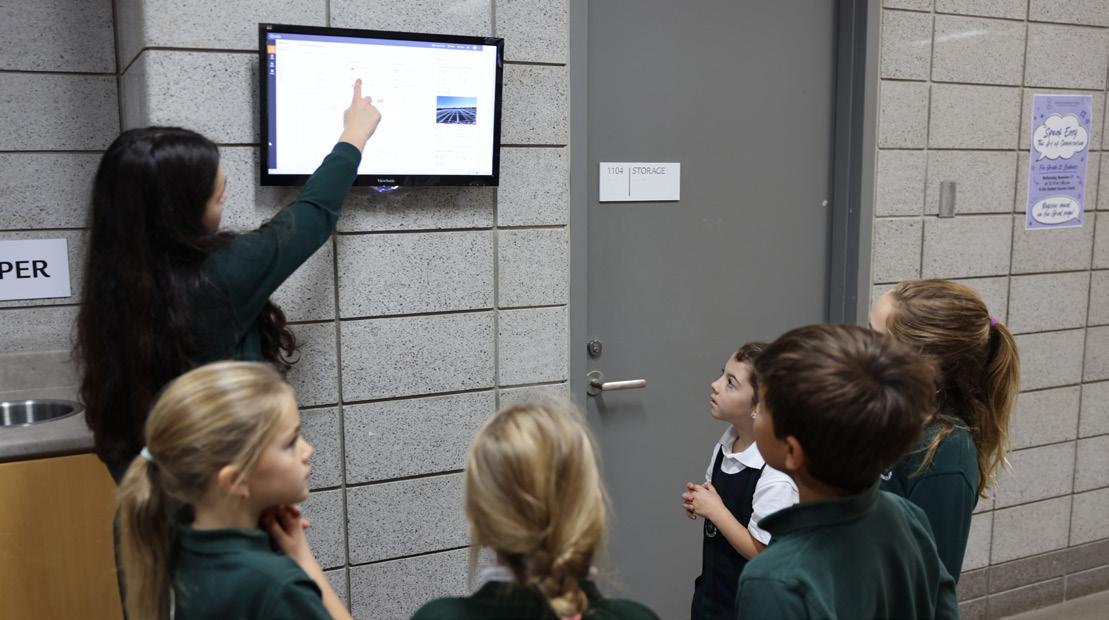
We are also tracking our carbon footprint relative to 2019 as a baseline year, monitoring electricity, gas, water, and paper use to guide progress toward our climate goals in 2030 and 2050. Eventually, we hope to electrify our fleet of buses and account for carbon emissions off-campus, such as during school trips (e.g., carbon offsets for flights).
Senior School Solar Panels
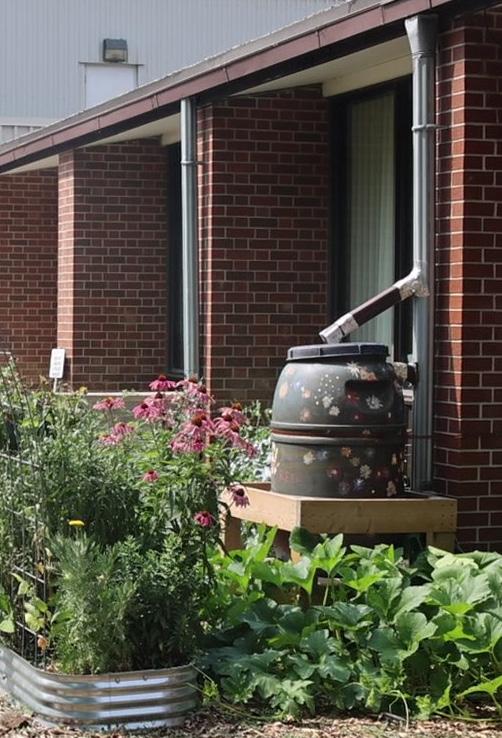
HSC is fortunate to have reliable access to safe water, something many communities in Canada and around the world are without. Yet, even here, water is a finite resource. How we use it, manage it, and return it to the environment matters. The College continues to promote stormwater management (SWM) through low-impact development (LID) features on our campus. As part of the Chedoke Creek watershed, much of the campus’s stormwater runoff drains into Cootes Paradise, an environmentally sensitive and significant marsh downstream from us. We continue to work with community partners, such as Hamilton Conservation Authority, to mitigate the effects of impervious surfaces like rooftops, parking lots, and roadways on our grounds.
Miyawaki Forest Garden Rain Barrel
Partnerships
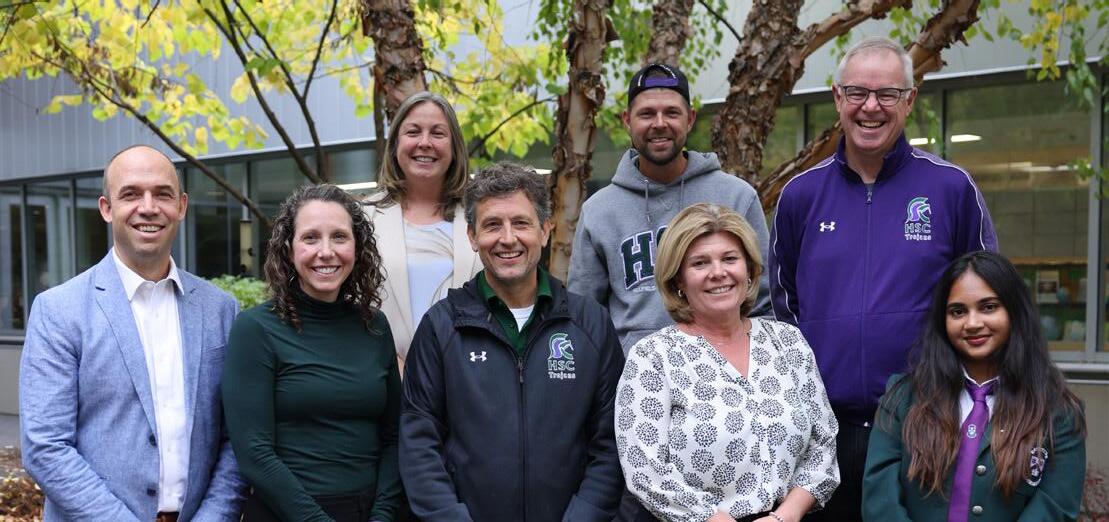
HSC’s sustainability story is powered by its people. Every community member helps drive our climate action plan forward. Together, we’re building a more sustainable and biodiverse school.
HSC Committee Members
Isuri Fernando, Environmental Prefect
Jackie Birch, Learning Landscapes Coordinator
John Bulger, Innovation Lead of Sustainability
Kathleen Collins, Chair of Academic Strategy
Jonas Hall, Grounds Lead
John Hannah, Retired HSC Faculty
Eleonor Kerr, Director of Operations and Human Resources
Alex Moffatt, Faculty Advisor for Senior School Green Team
Bryan Simmons, Early Ed PHE Teacher and Outdoor Educator
Brie St. Michael, Faculty Advisor for Middle School Green Team
Xanthe Vallentin, Montessori Casa Teacher/Botany Coordinator
Building strong community partnerships is crucial for broadening our sustainability impact. We collaborate with local conservation and science groups to integrate expert knowledge into our curriculum and grounds, providing students with engaging citizen science opportunities. We also track our initiatives to gather meaningful data on how HSC is making a difference.